Brian Lalor’s Retrospective

Uillinn, West Cork Arts Centre until October 12

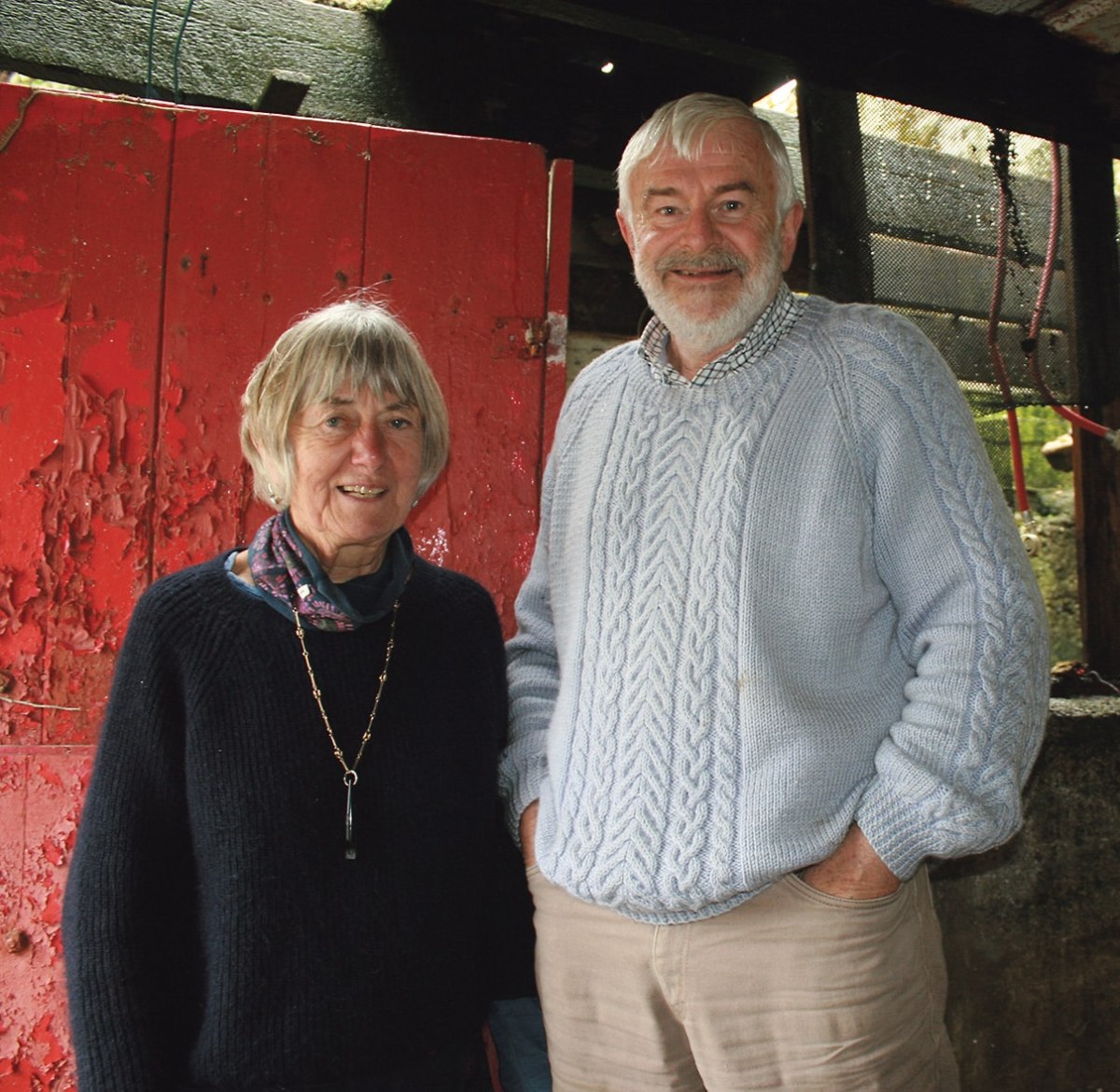
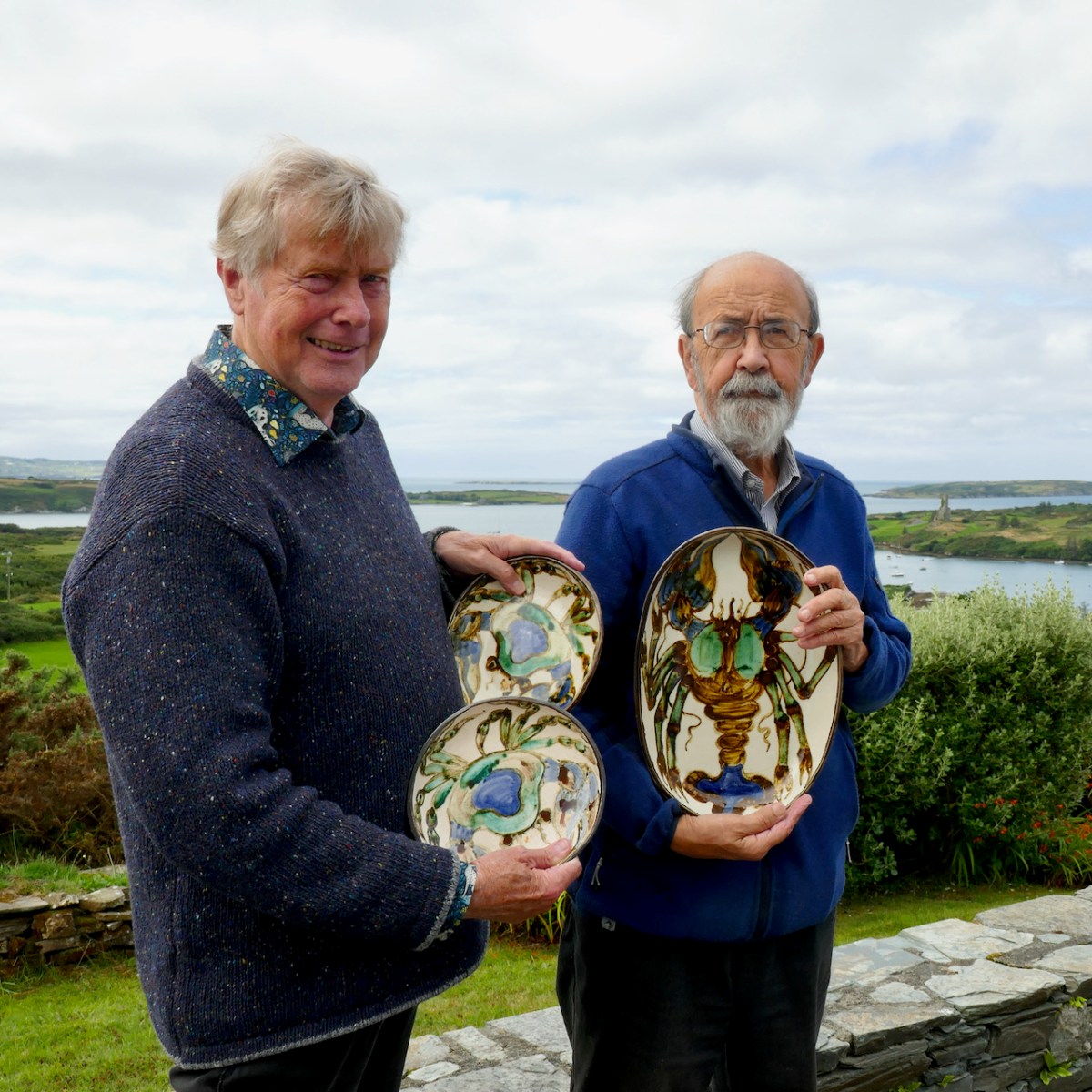
Robert and I were excited about doing this post since we first knew this project was going ahead, a couple of years ago. Sadly, I am the one who gets to write it, but happily Robert is in there too, since Brian dedicated the exhibition book to his memory. That’s the two of them, below, showing off some of John and Noelle Verling’s ceramics acquired for the Ballydehob Arts Museum.

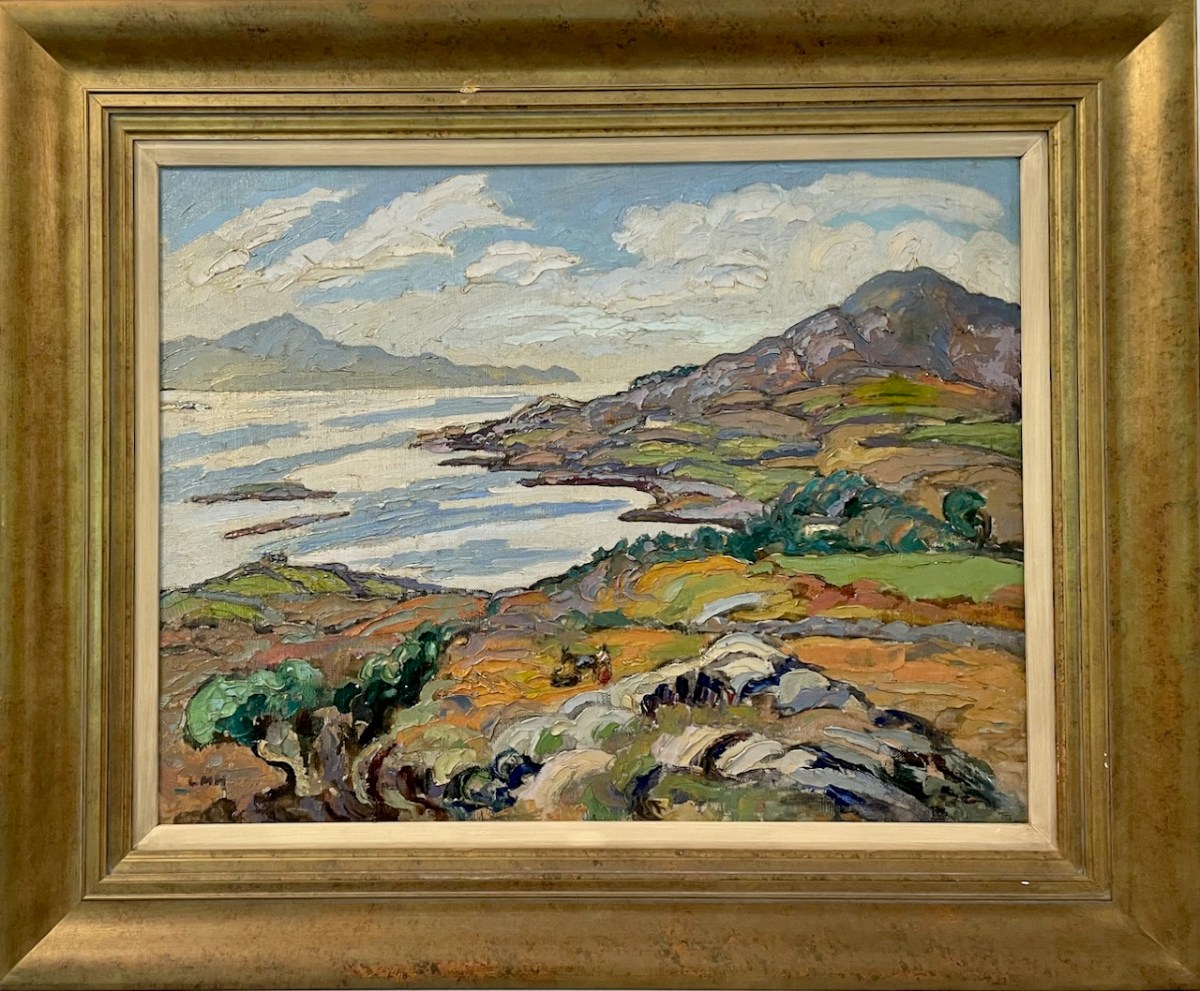
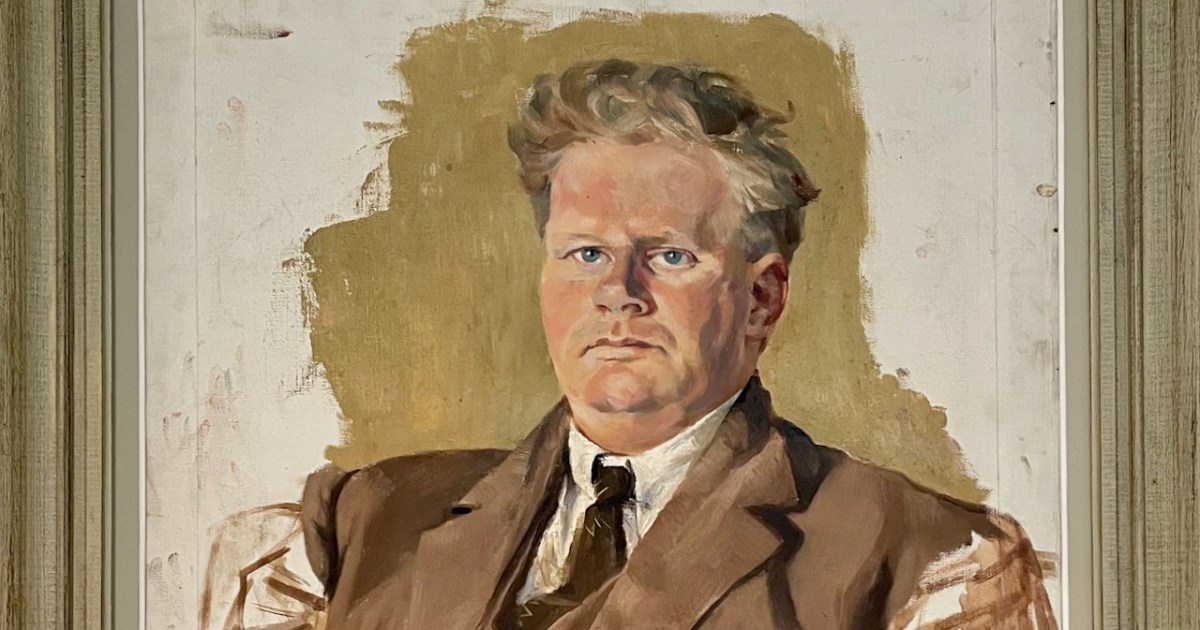
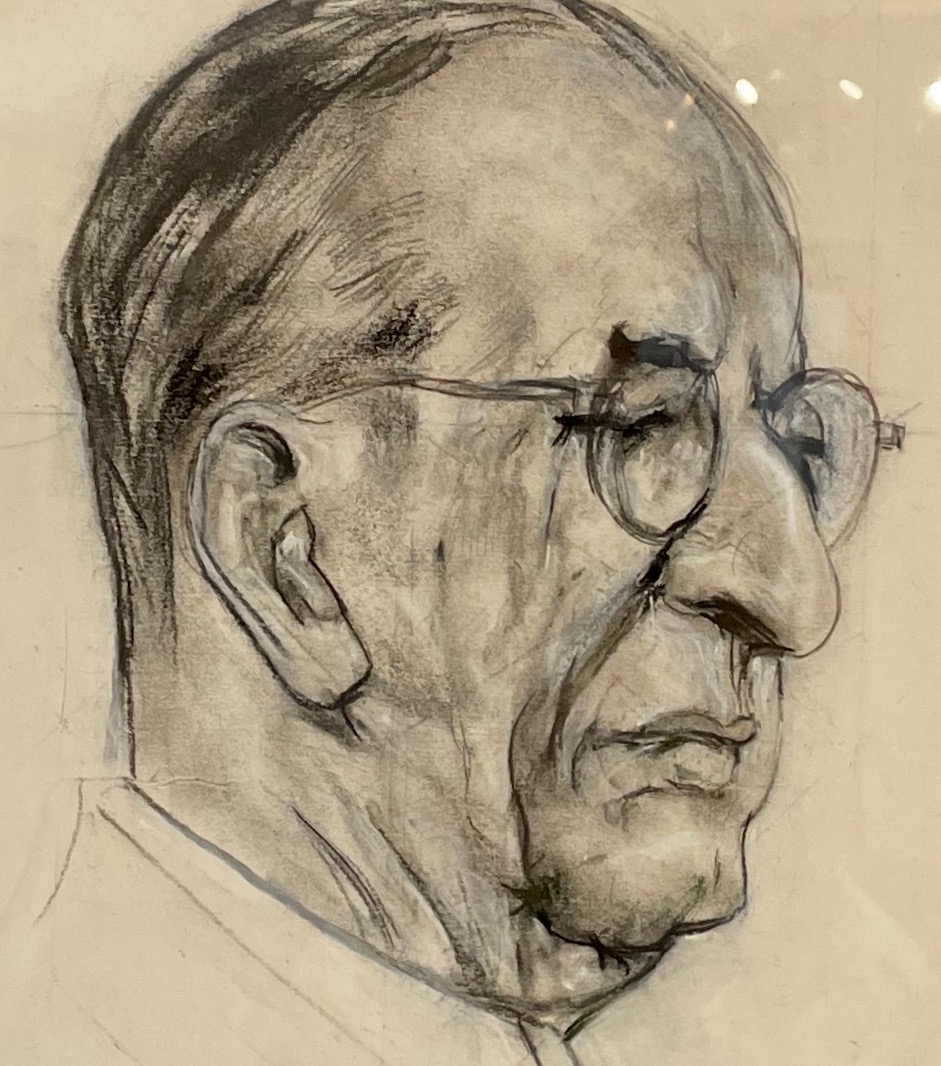
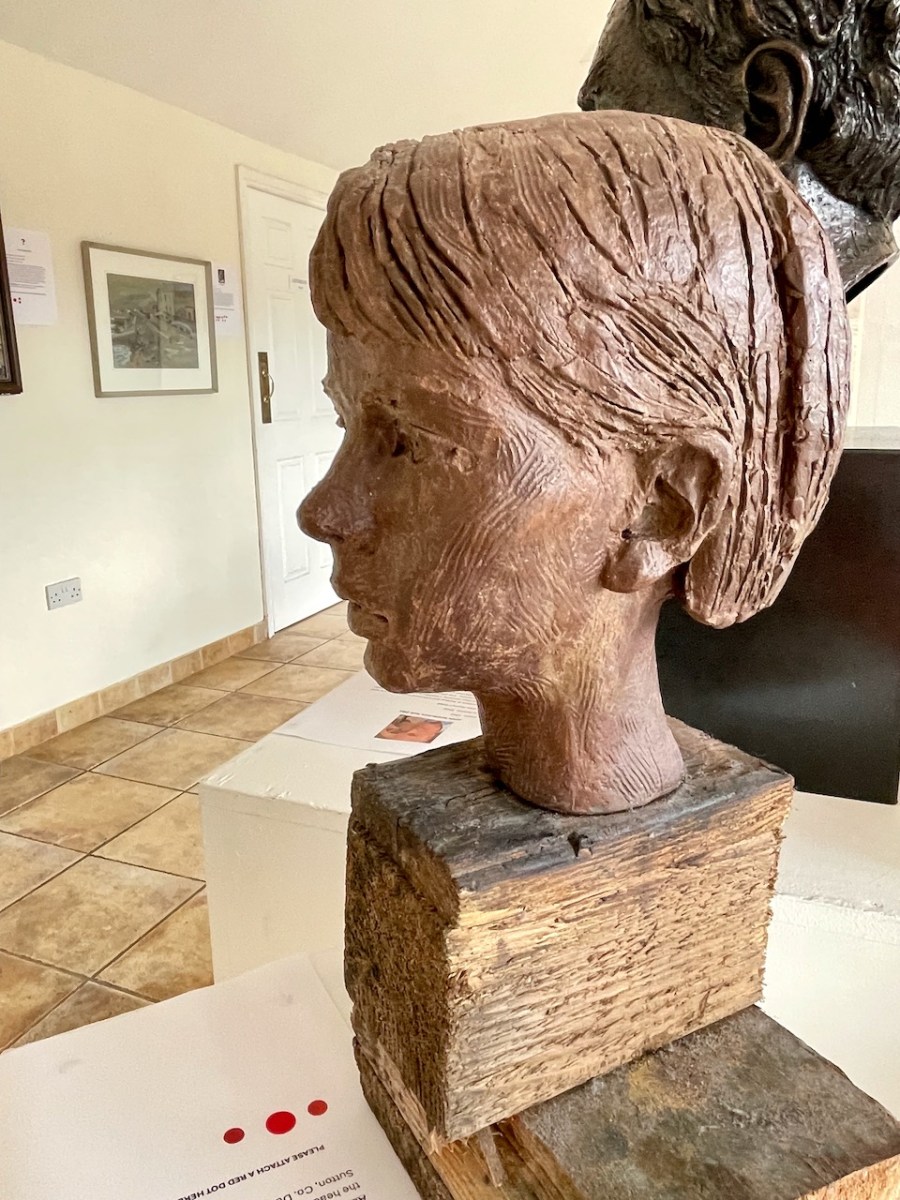
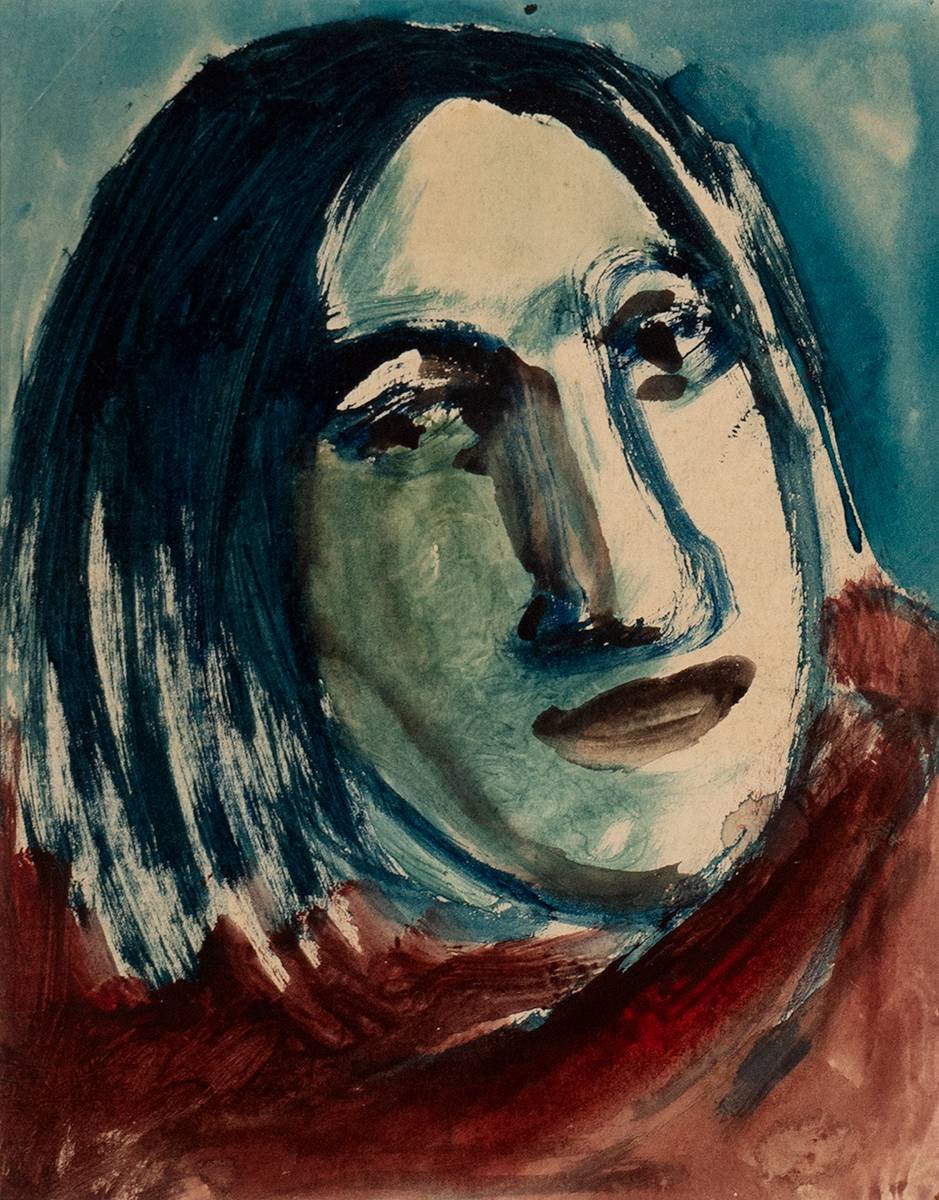
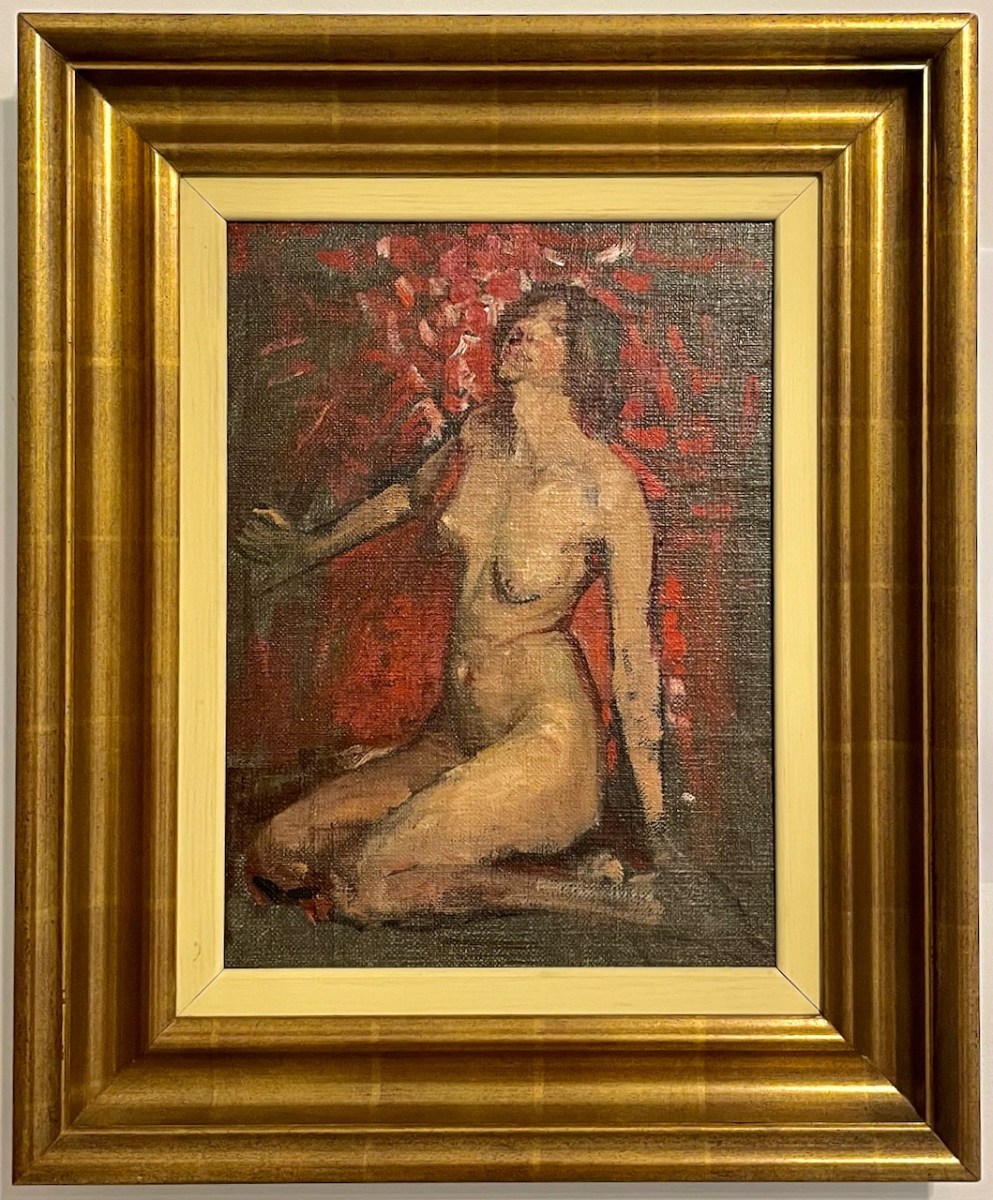
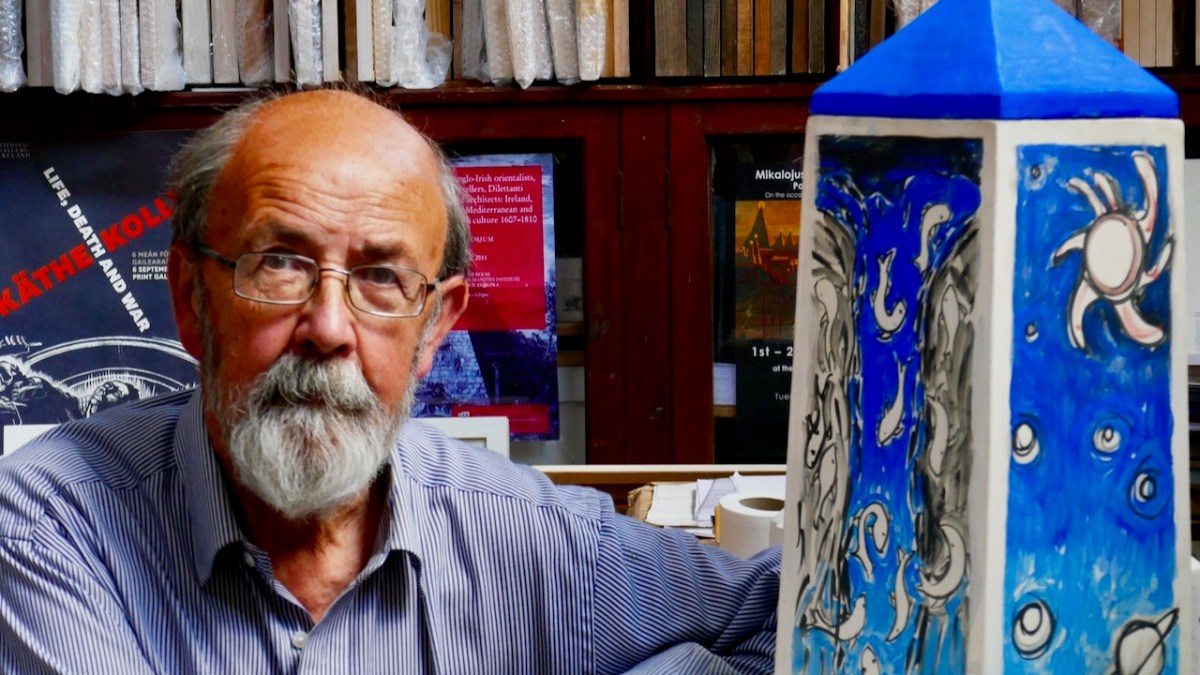
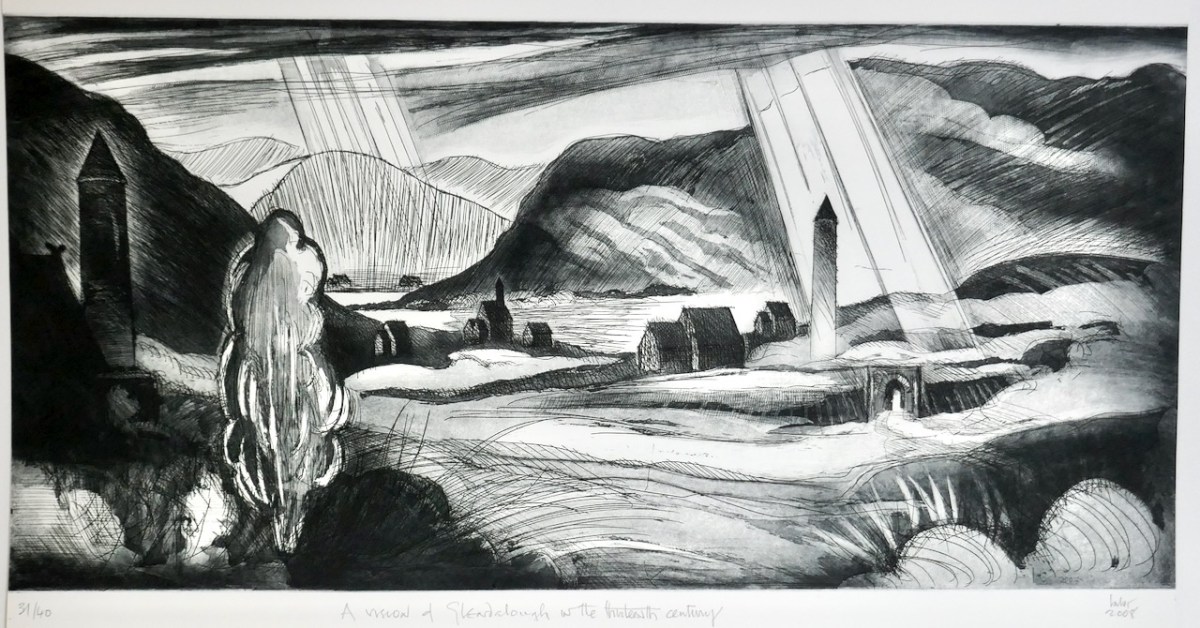
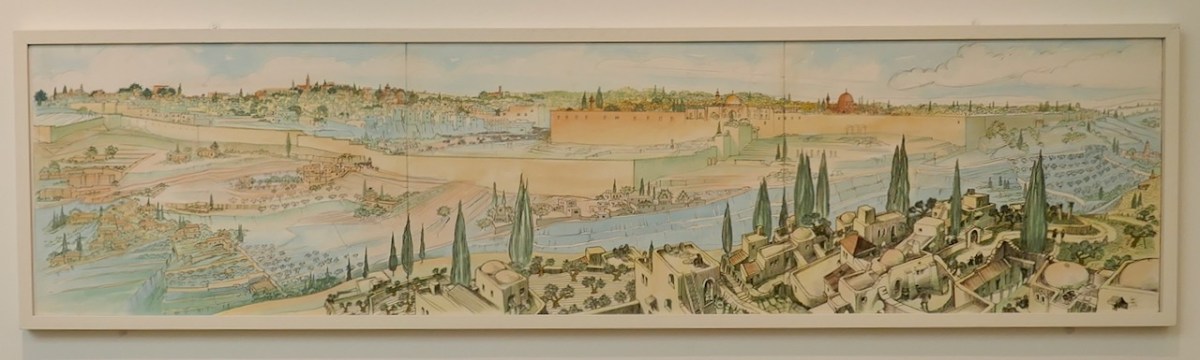
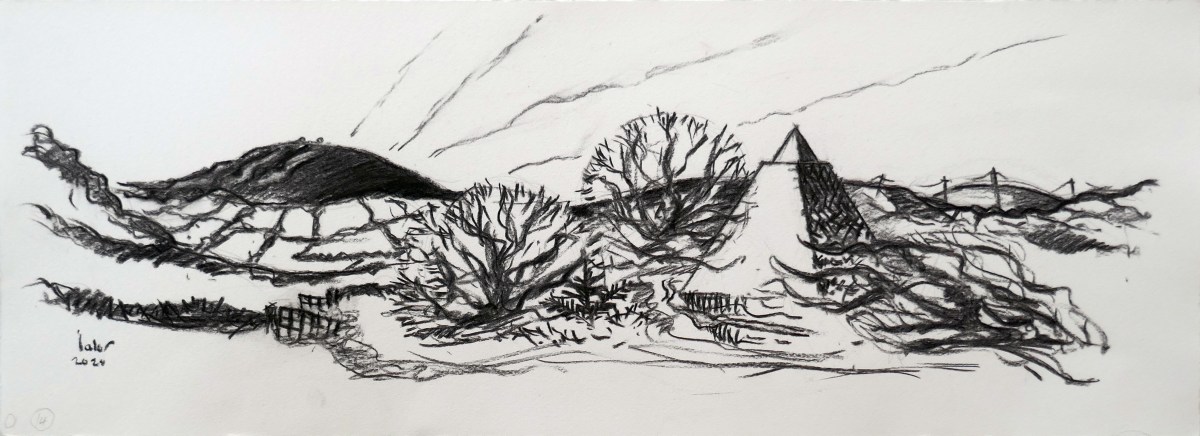
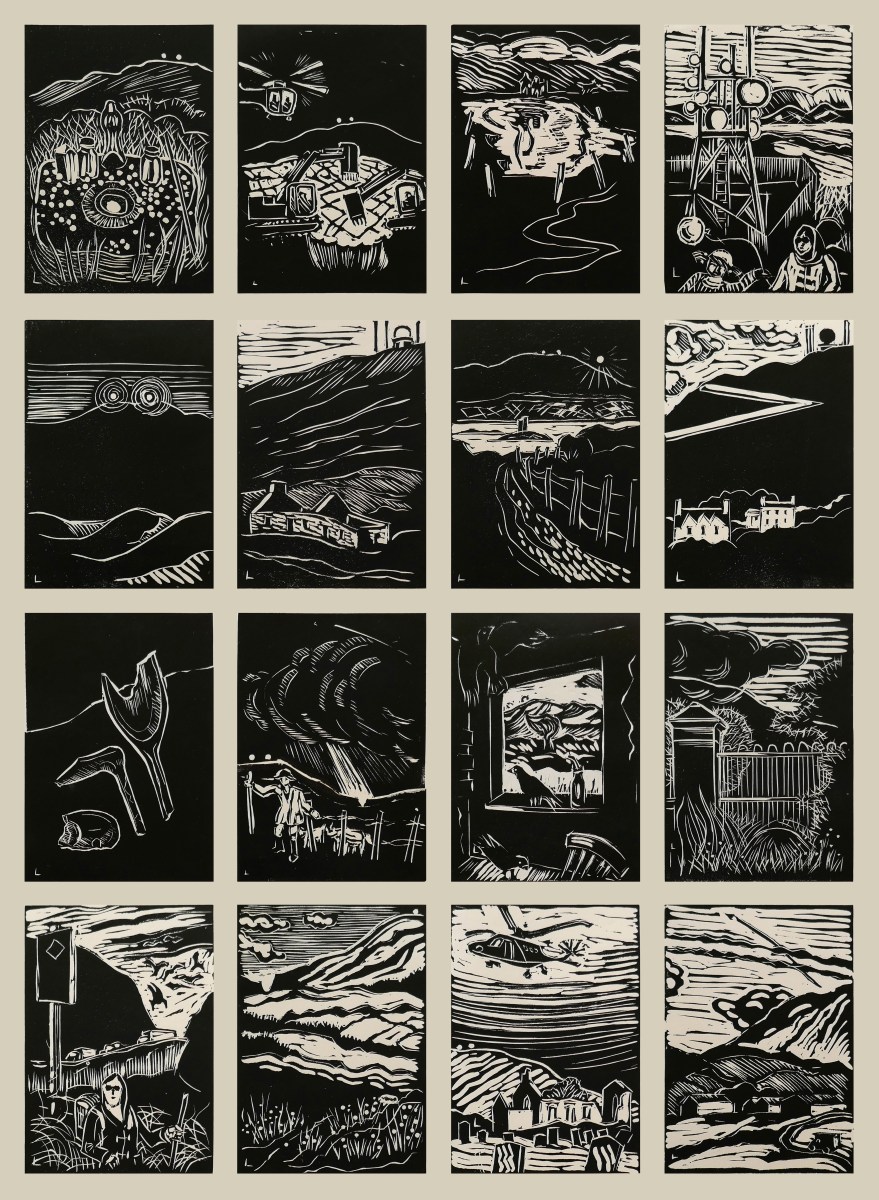
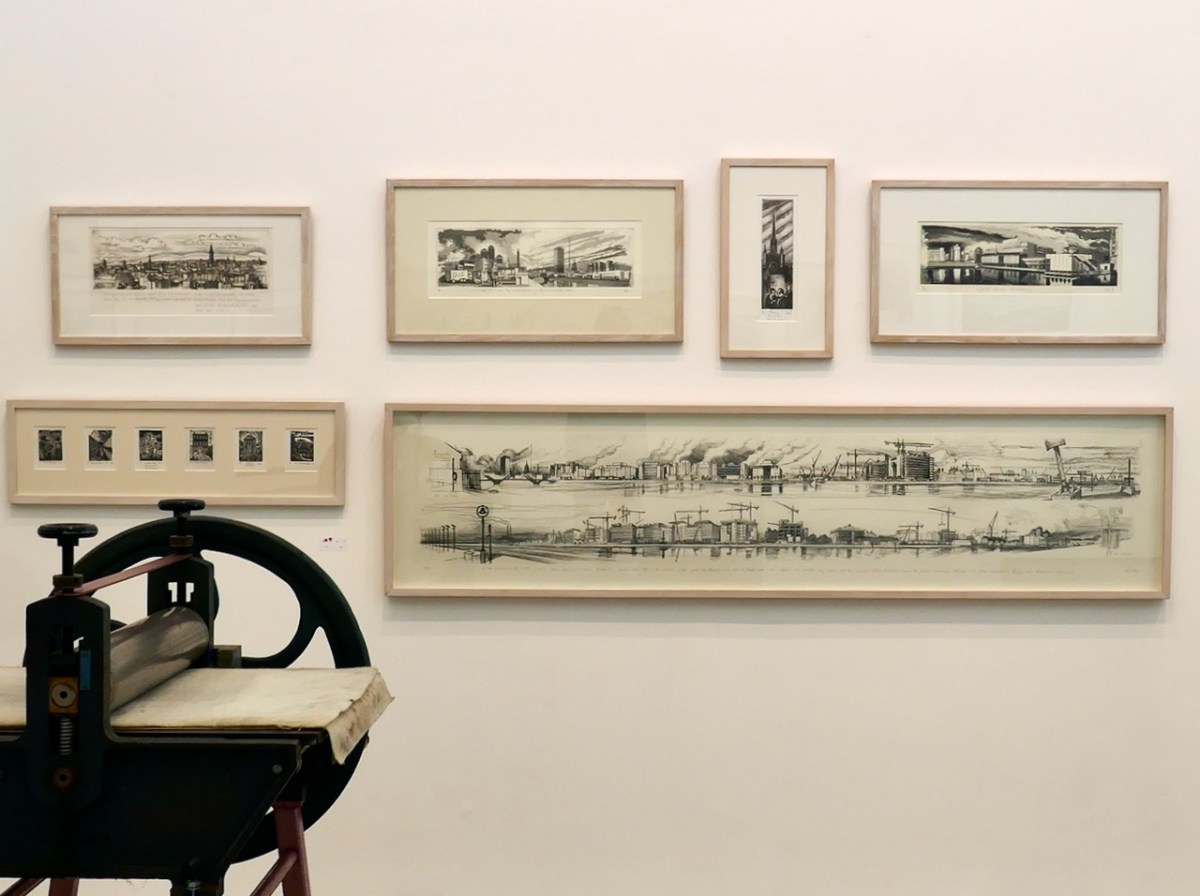
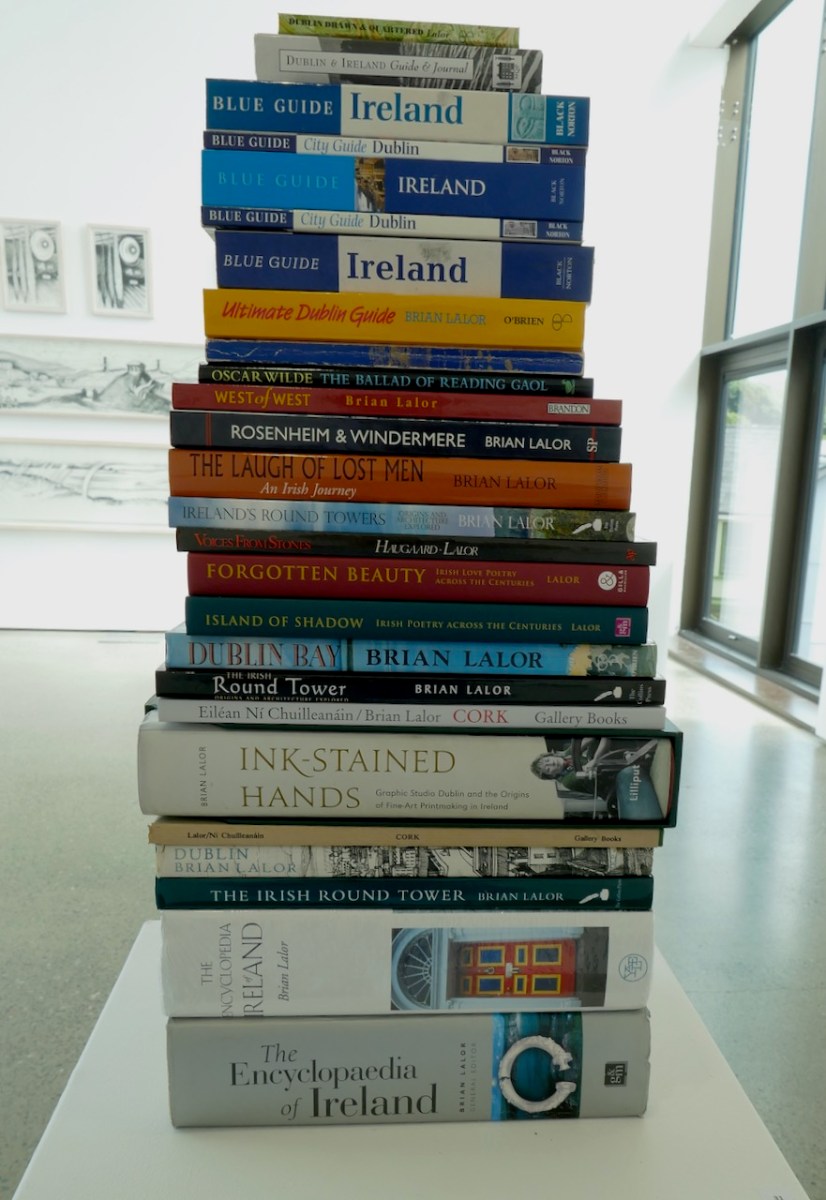
I described Brian in a previous post as a National Treasure. Artist, engraver, printmaker, print collector, curator, writer, editor – he has done, and continues to do it all, and this retrospective captures a lifetime of his multi-faceted interests. Brilliantly organised around the theme of Place by curator Vera Ryan, it leads us from the Middle East through Europe to North America, dwelling of course on his own Home Place, West Cork.
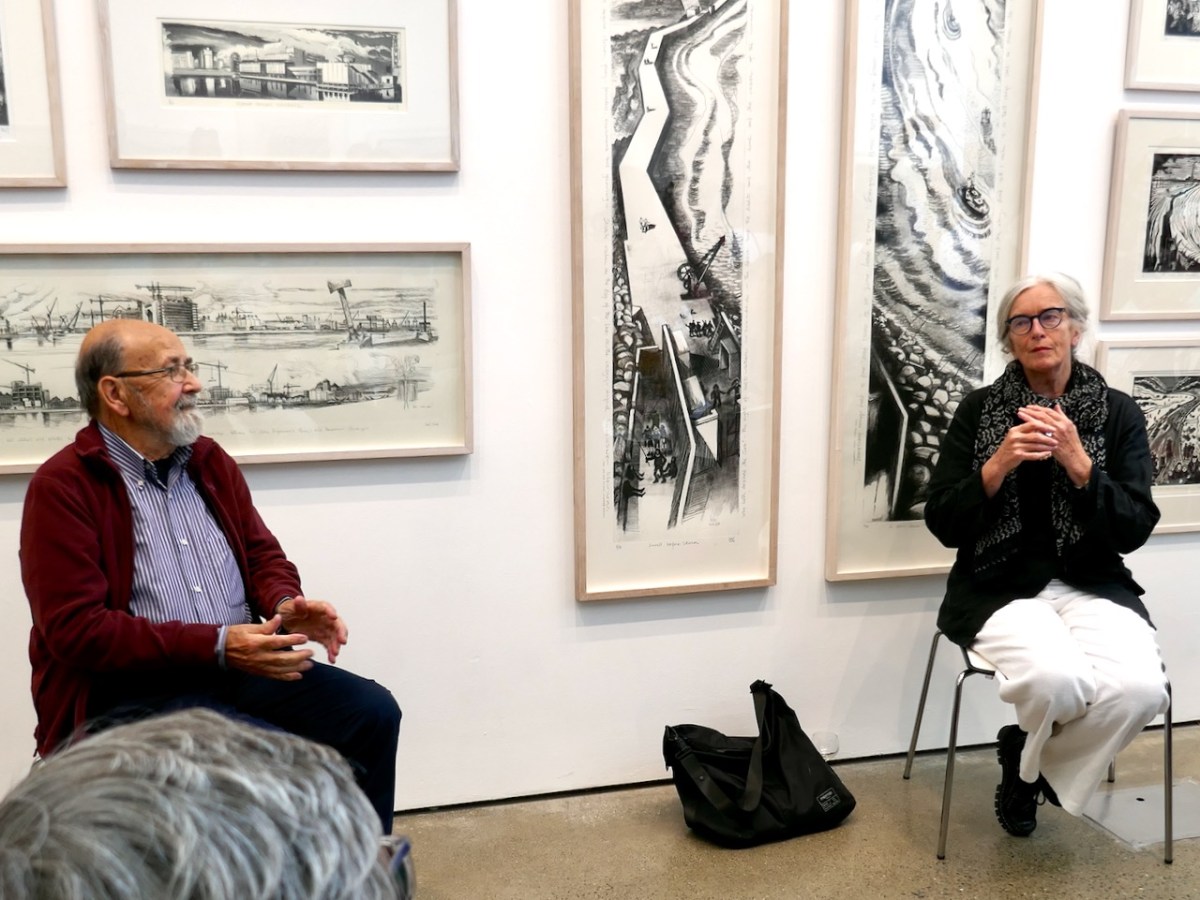
The book has essays by Angela Griffith of Trinity College and Anne Hodge of the National Gallery, a lengthy conversation with Vera Ryan, and a short concluding note by Brian. That’s Vera interviewing Brian at the launch, below.
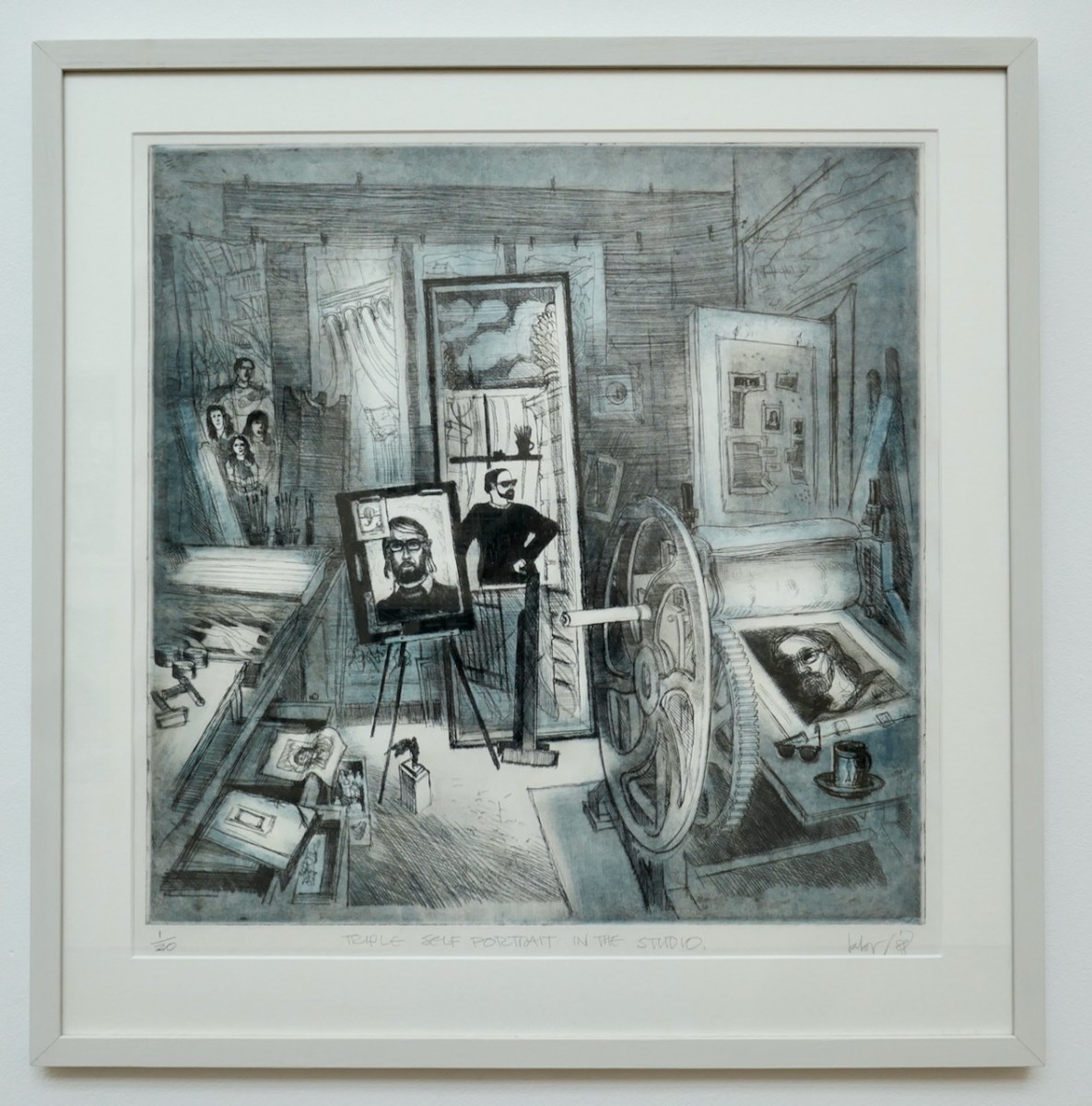
Through all of these we get to know Brian, his life, his travels, his training as an artist (but first as an architect and archaeologist), his collector’s eye – the honed observational skills coupled with a vivid imagination that allow him to produce works that are at the same time minutely accurate and wildly fanciful. As Angela Griffith puts it,

He is a meticulous recorder of life, nature and the human-made environment. But he is also an interpreter, as such he captures the cadences of these spaces, reveals or create mythologies, and interrogates the impact of humans on the land, past and present. Many times he finds the lyrical in his subject matter.

Printmaking has been at the core of Brian’s work. His fascination with printing techniques dates from a young age and led him to amass a fine collections of prints, chosen not for their subject matter but for what they can reveal about the art of printmaking. That collection is now in the National Gallery. He helped to found the fine art printmakers, Graphic Studio Dublin, the success of which and indeed Ireland’s printmaking tradition, is charted in his book, Ink-Stained Hands

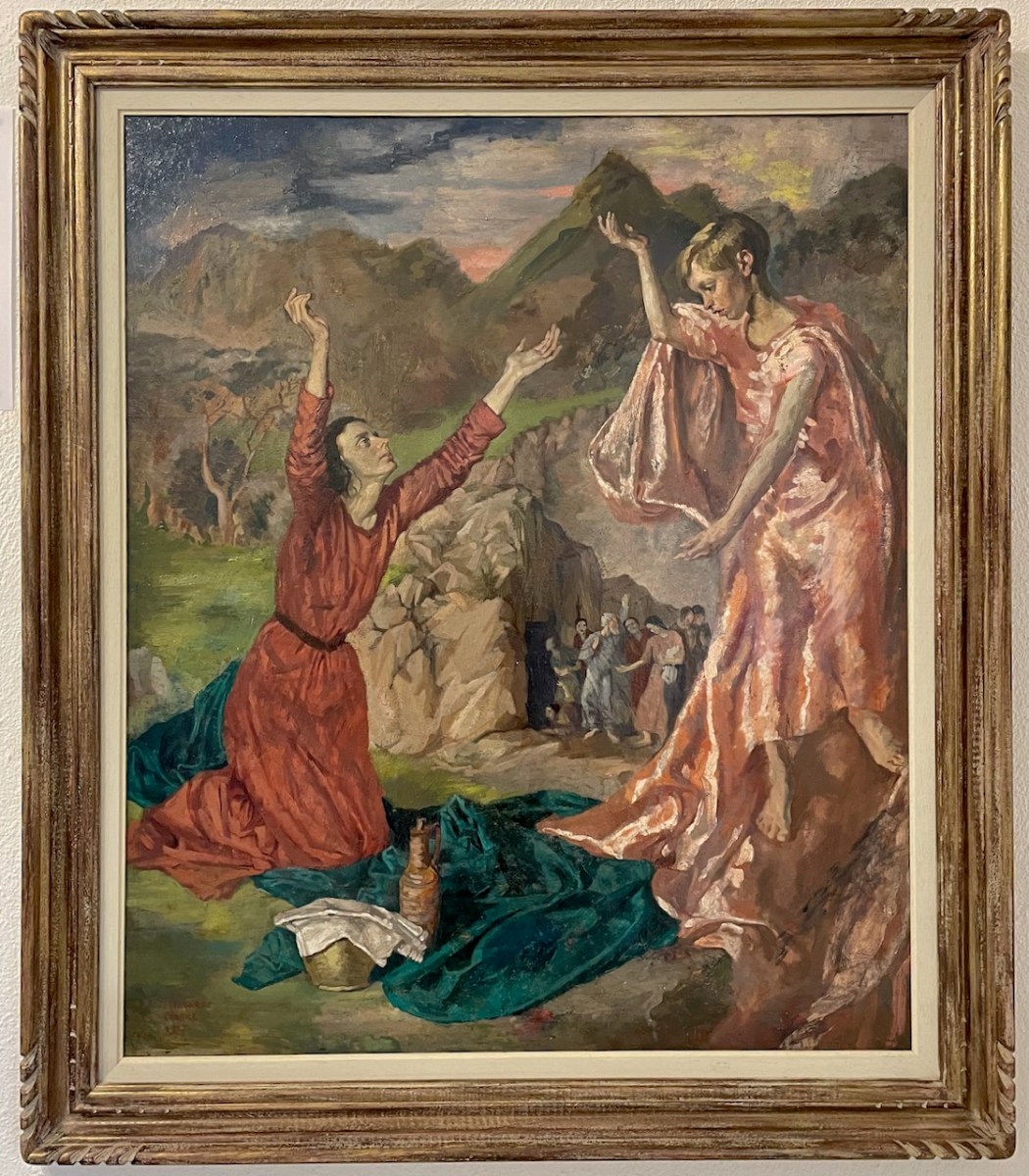
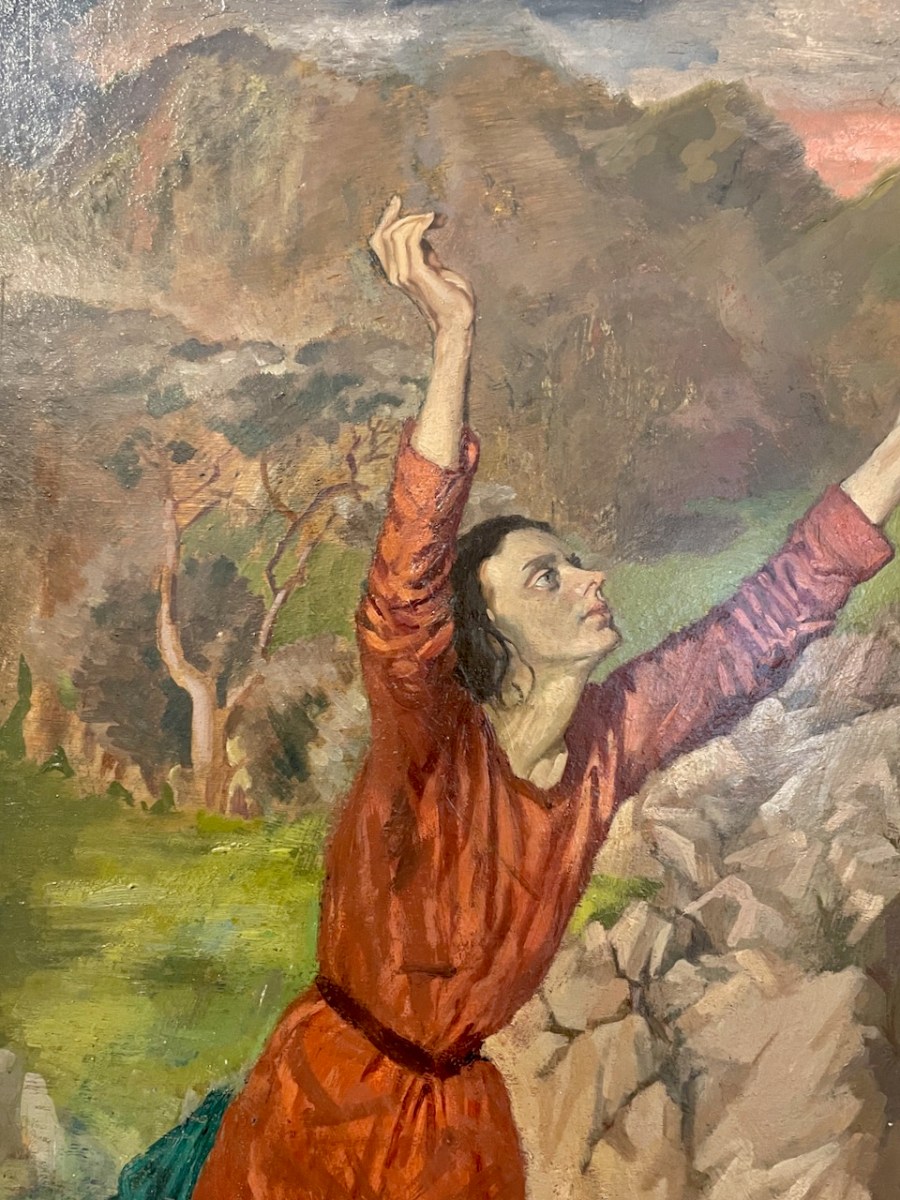
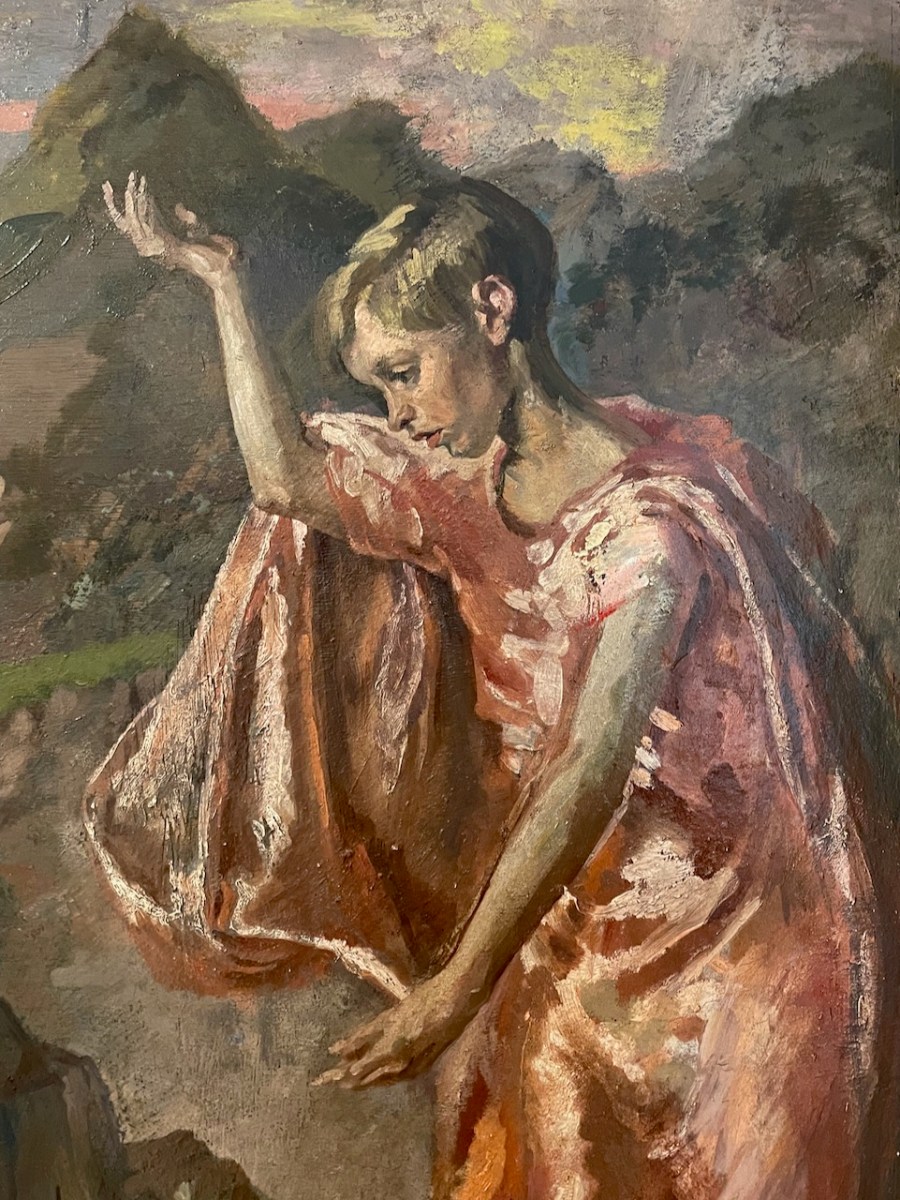
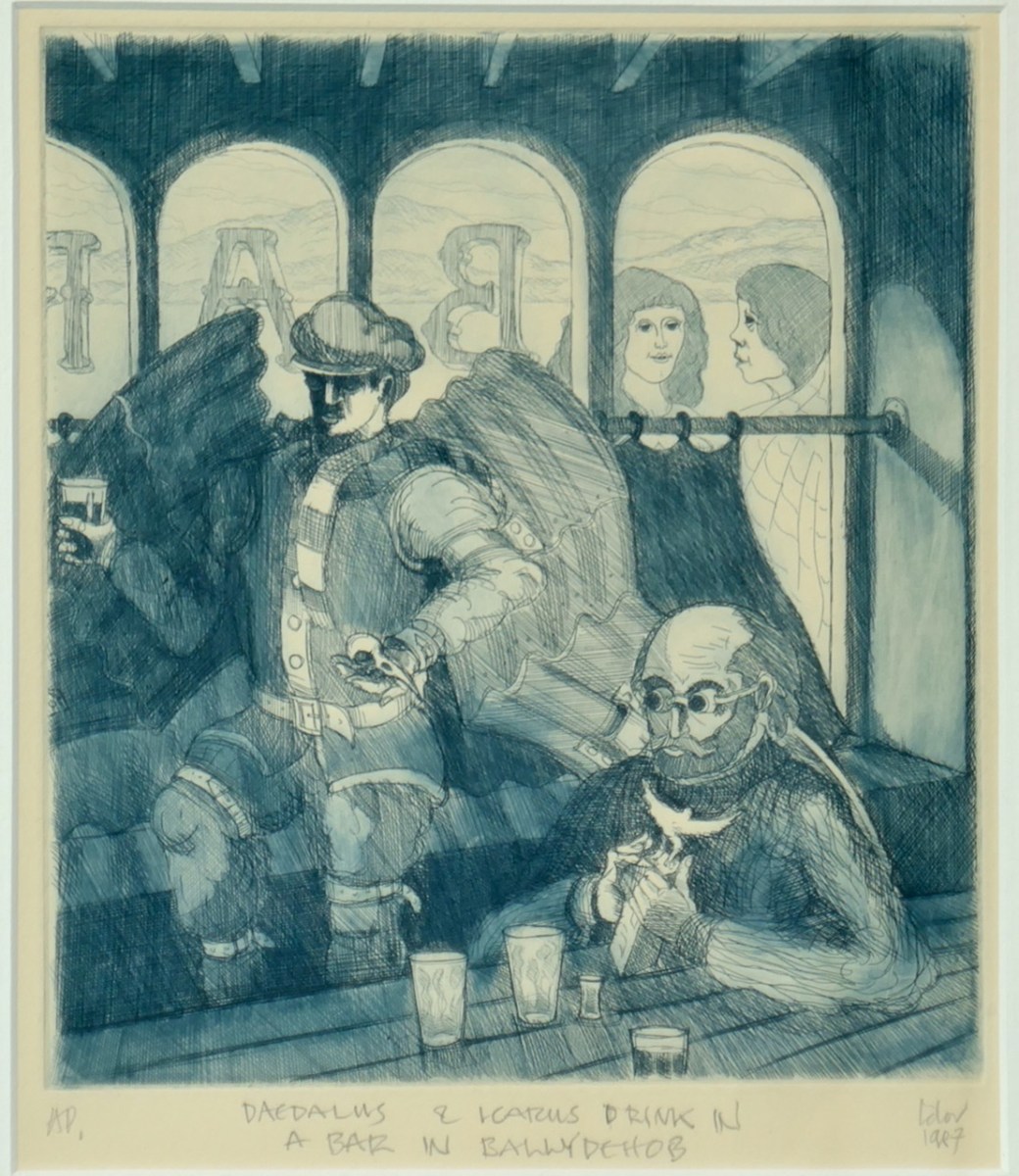
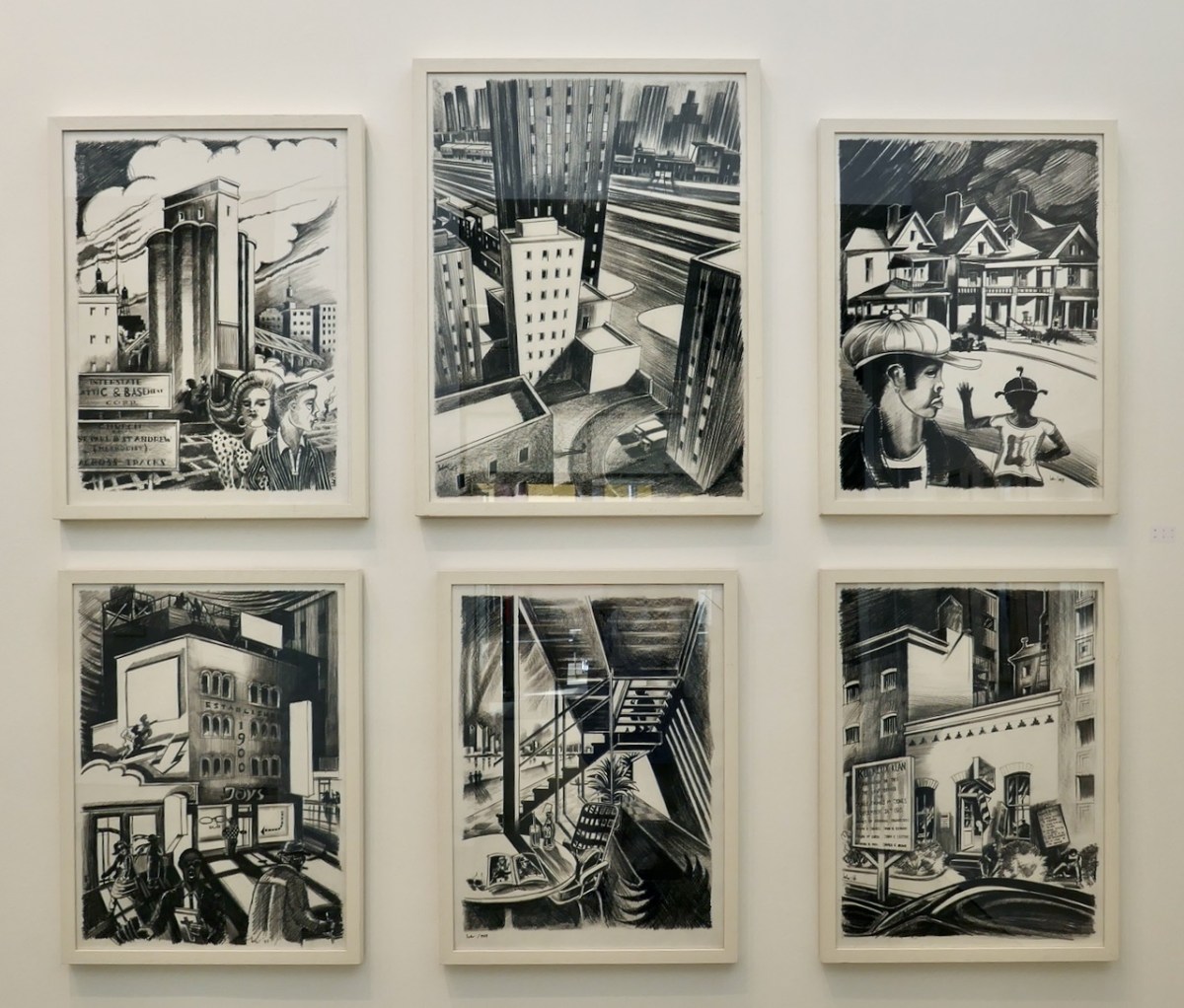
The exhibition itself contains multiple treasures that I haven’t seen before, even though I was familiar with some of Brian’s work. His enormous prints of Jerusalem, Rome and Dublin dominate several walls. His whimsical series on Icarus and Daedalus (above) was new to me, as were his American prints.

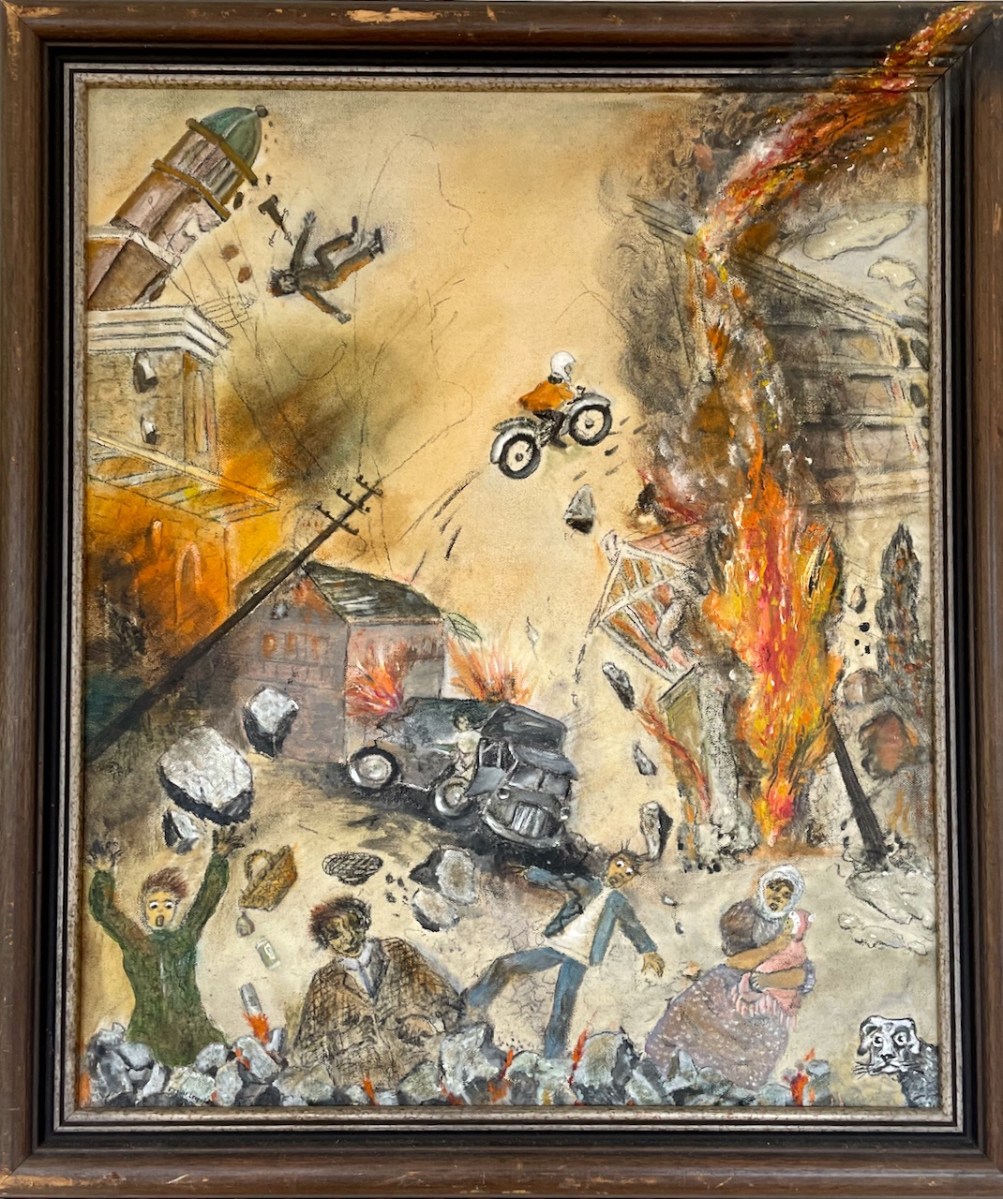
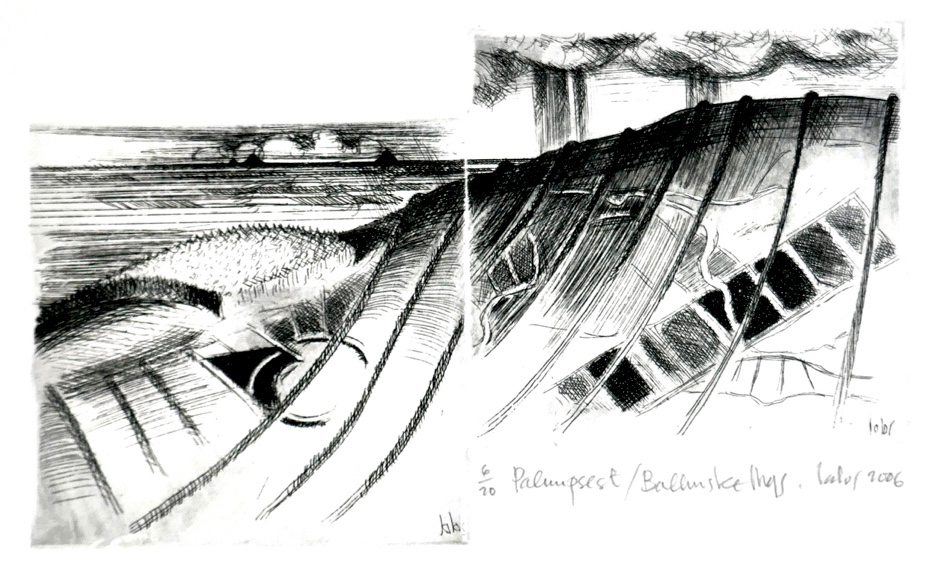
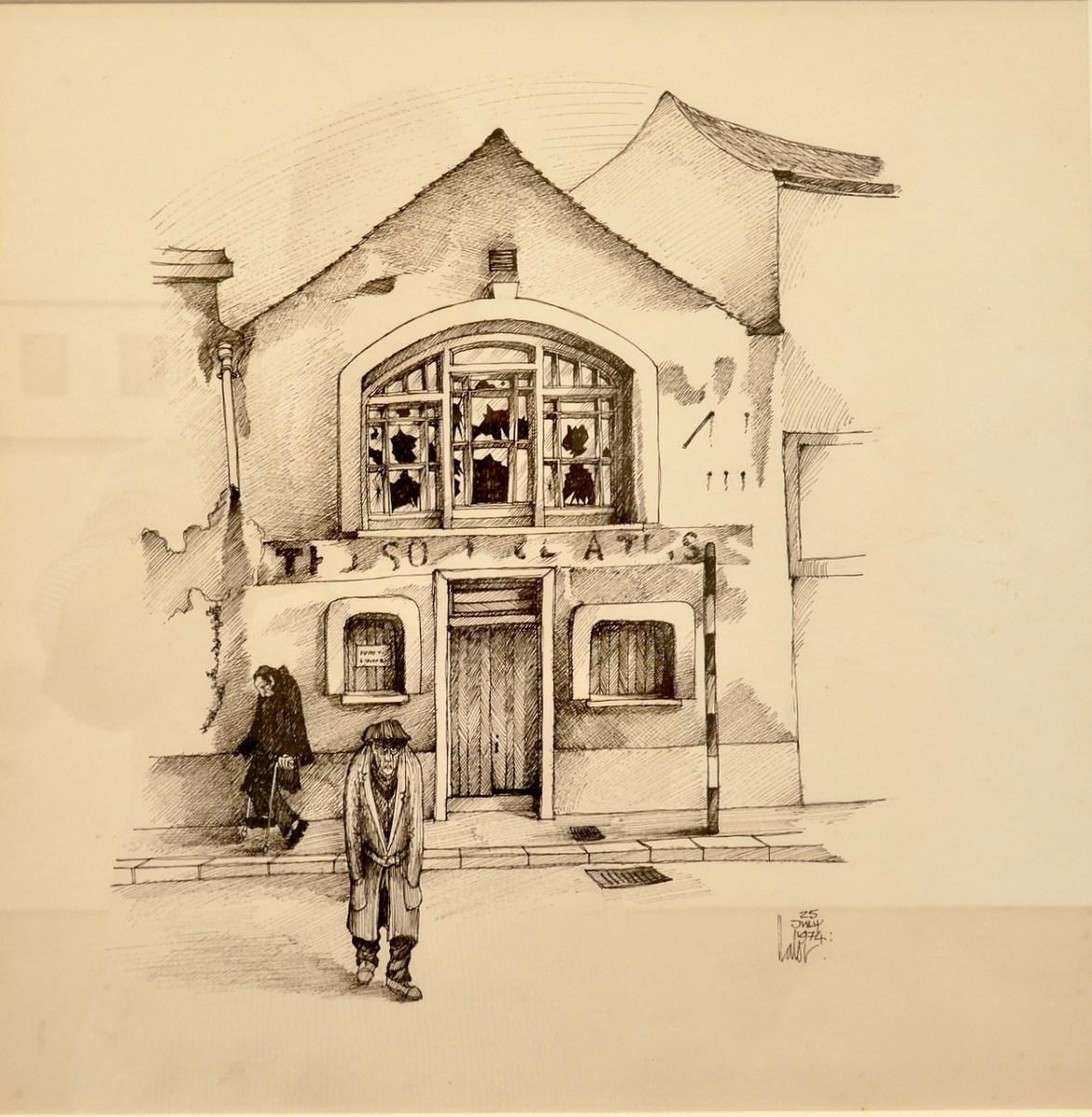
His Book, Cork, has been re-issued in celebration of the exhibition, and it contains several new images, including this one (below) deemed ‘too depressing’ for the original edition.

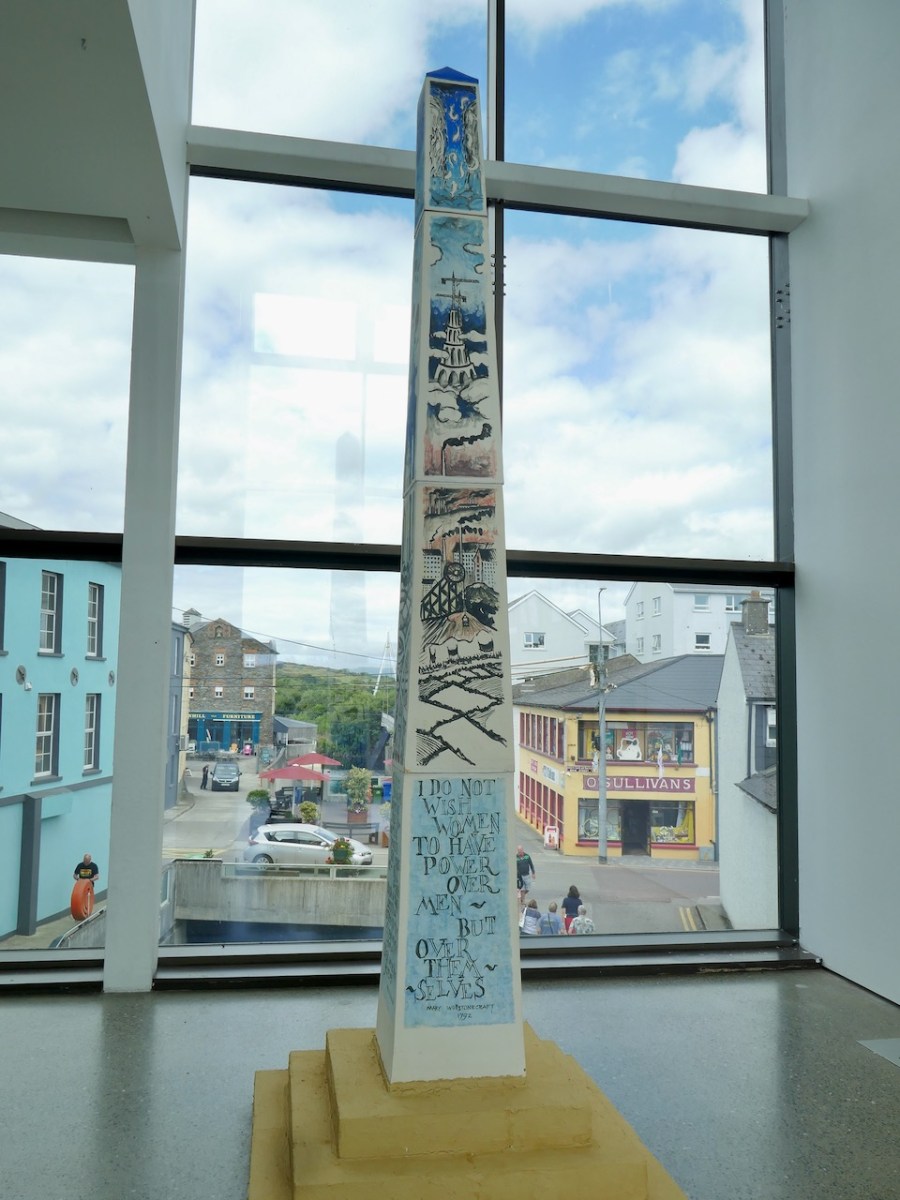
And it’s not only paper-based. He has collaborated with master-ceramicist Jim Turner on a series of fired earth works, some of which are politically charged. He knows the Gaza Strip intimately, after all.

If you are anywhere near Skibbereen before October 12th, make sure to visit this exhibition. It’s worth travelling for too. If you just can’t make it, you can visit Brian’s website here, and you can order books and prints from Uillinn. Or contact Uillinn at info@westcorkartscentre.com or by phone +3532822090

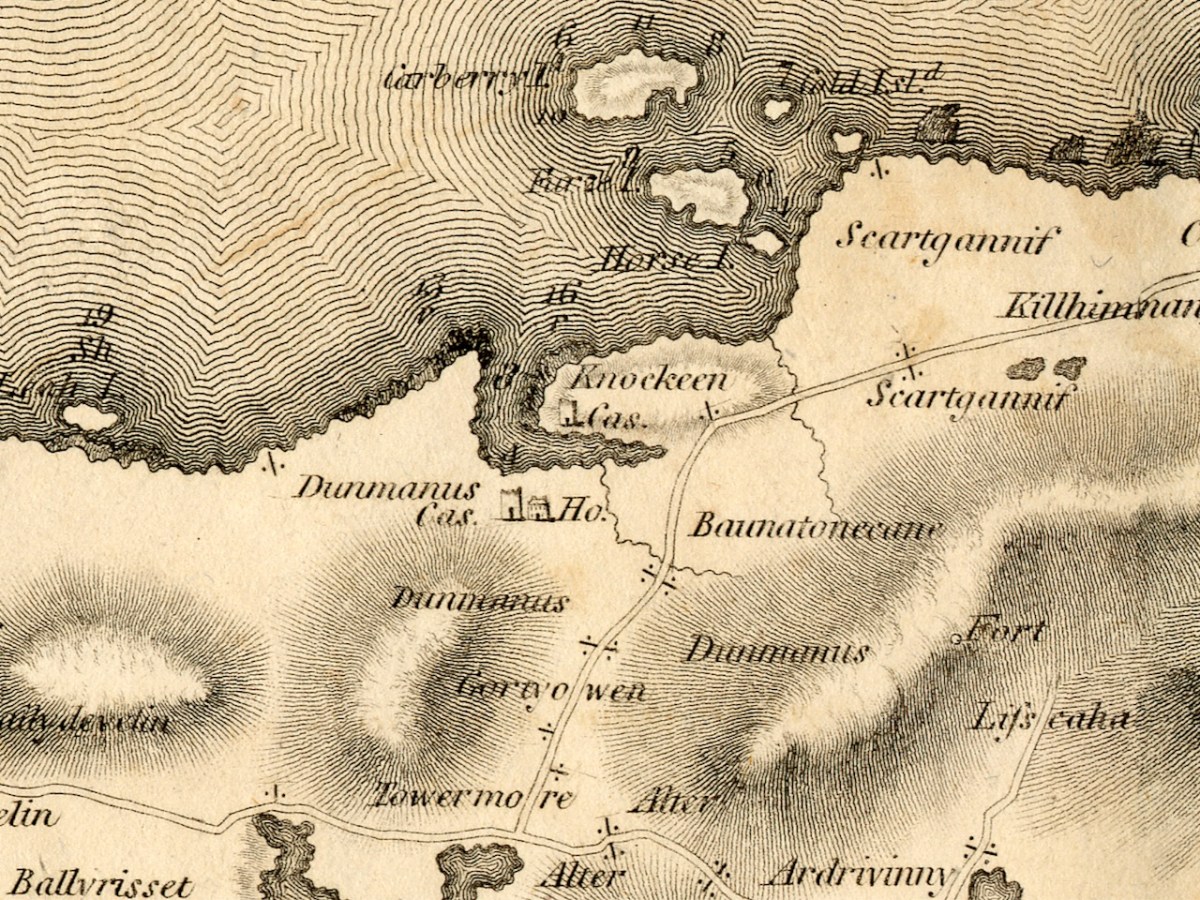
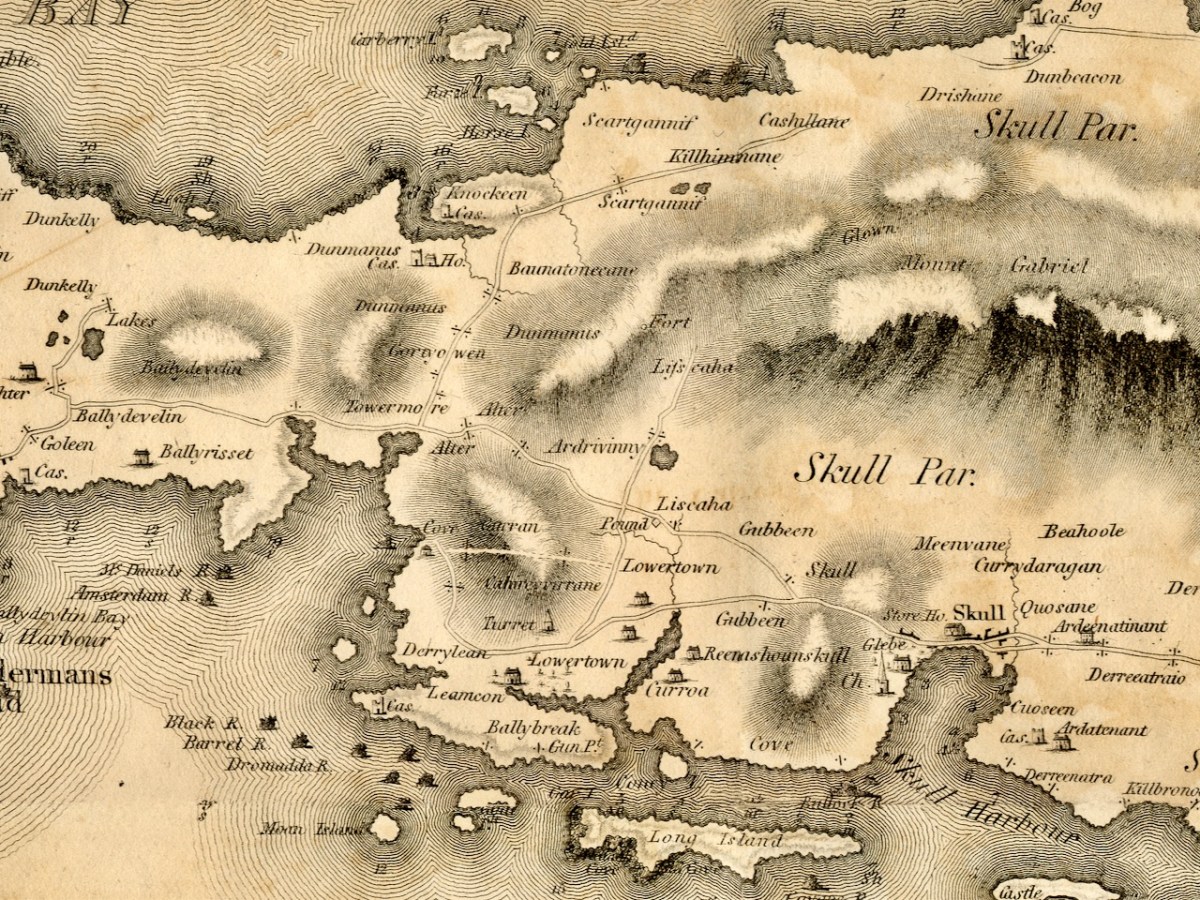
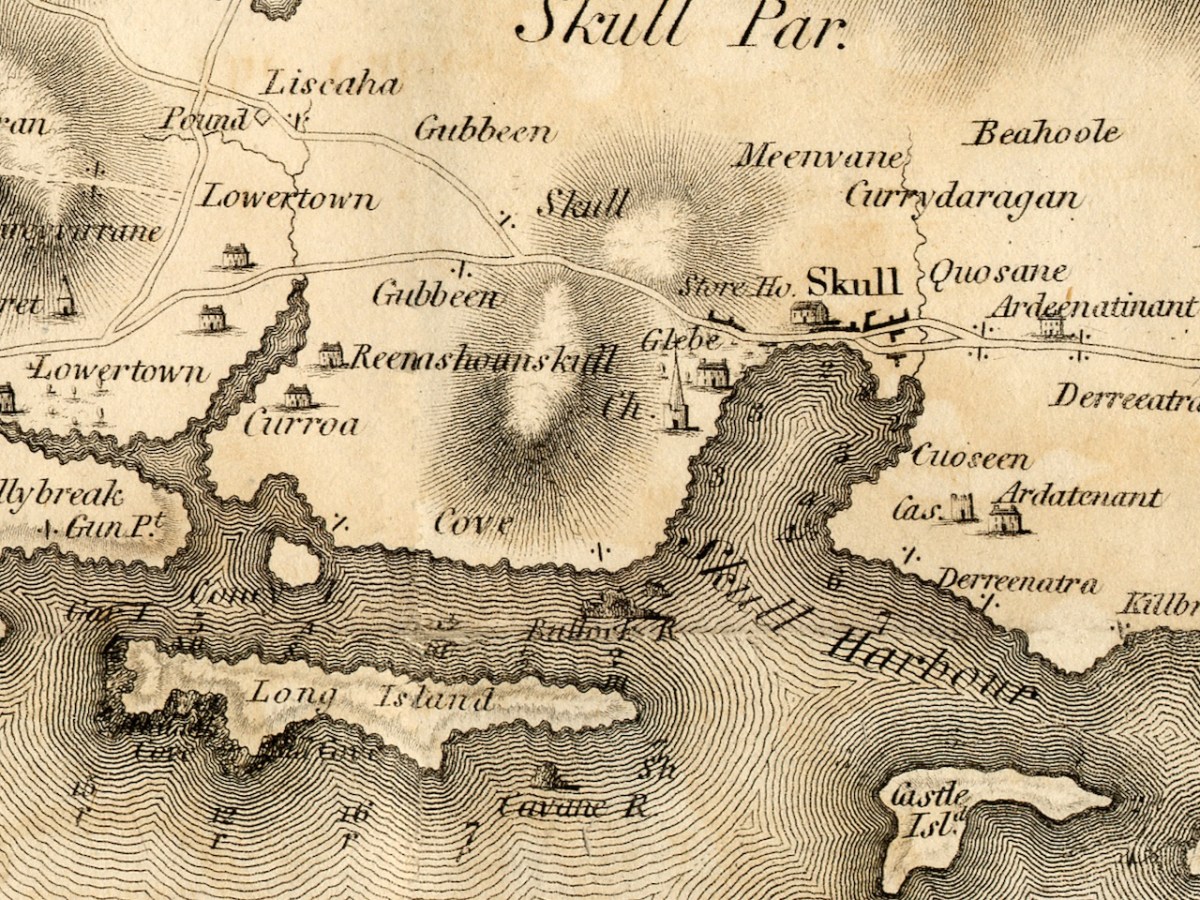
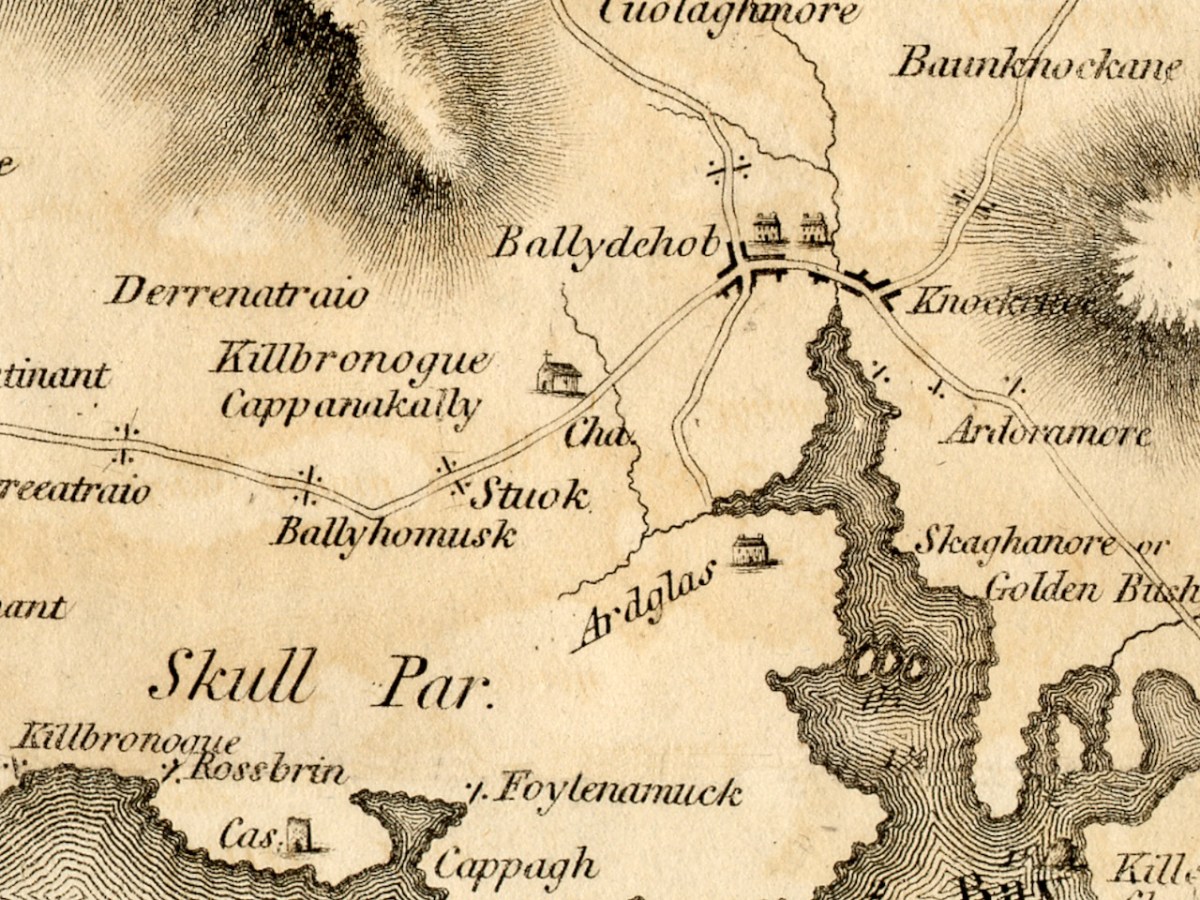
All I can do here is give you a tiny flavour of what’s in store at this outstanding show. Below I am appending a list of posts written by Robert or me that are either about Brian’s work, or illustrated by his art. I was amazed when I went back and looked at how many Brian-related posts we had written about him over the years. Partly that’s because he and Robert worked so closely together on the Ballydehob Arts Museum, but mostly it’s because we have been so bowled over by his art and writing.

Brian Lalor posts

The Fertile Crescent – an extraordinary exhibition at The Blue House Gallery in Schull

An obituary for Lee Snodgrass, Illustrated with many of Brian’s drawings:

Bohemians in Ballydehob, about the Ballydehob Arts Museum

Ballydehob on Bahnhofstrasse – an account of a 1985 exhibition in Zurich by many of the core group of West Cork artists. 

Church of the Angels, using illustrations from Brian’s sketchbook

A two-part review of the Book Cork, illustrations by Brian Lalor, poetry by Eiléan Ní Chuilleanáin

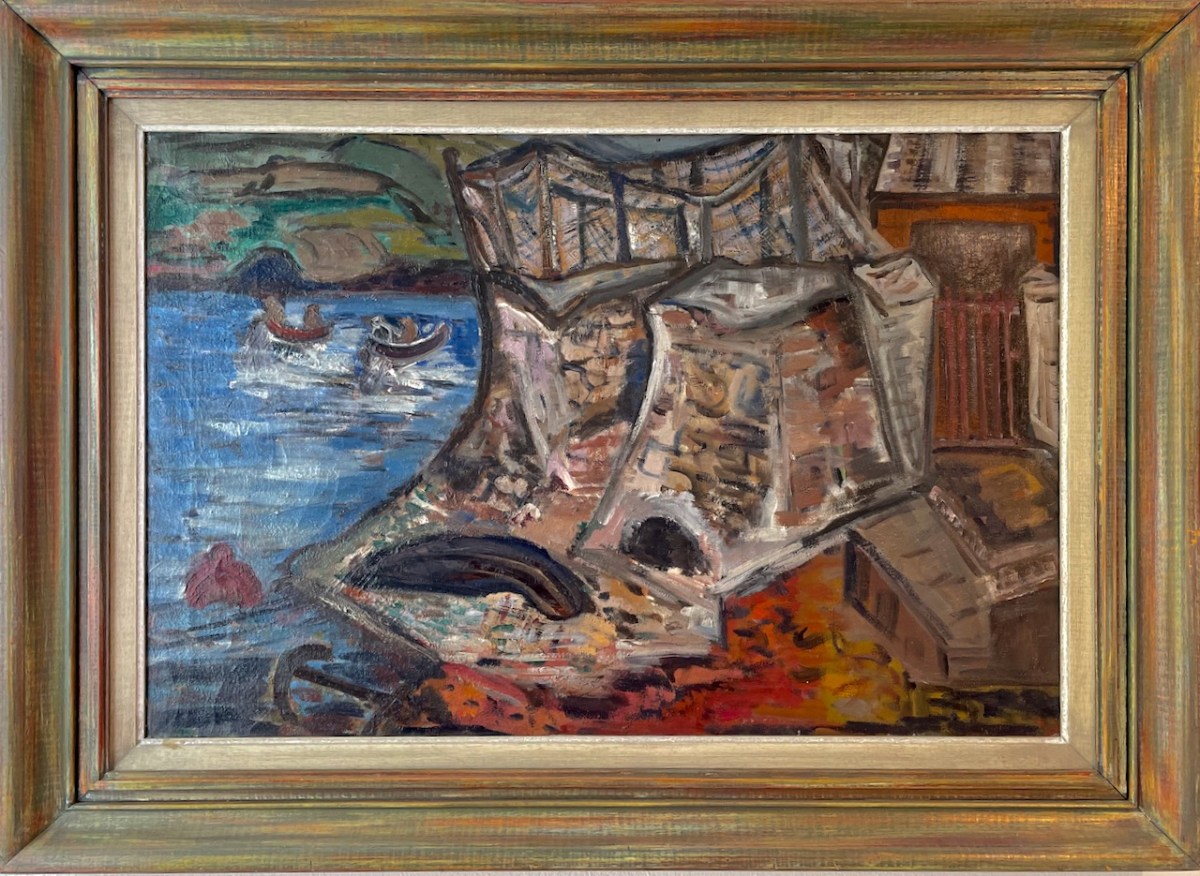
Several 12 arch bridge depictions by Brian in these two posts

Review of West of West: An Artist’s Encounter with West Cork

Review of 36 views of Mount Gabriel, a 2022 Exhibition in The Blue House Gallery

Brian’s Original sketchbook for his field trips around West Cork with the Mizen Archaeological and Historical Society was the basis for this post on Signal Towers.

Lying in The Dunes

This is a companion piece to Lying in the Grass. That slideshow was shot in May three years ago, all the photos taken in my own garden within the previous week, and all native wildflowers. 

This time, all the shots were captured in one day, July 18th, on a visit to Barley Cove with my friend and fellow nature-lover, artist Damaris Lysaght. The purpose of our visit was to monitor a rare plant, Dodder (below). This is one of the very few places in Ireland in which it grows, parasitising on the roots of the Wild Thyme, and mainly visible as a twisted mass of reddish stems. We were not sure if the tiny flowers, looking like miniature cauliflower heads, were about to flower or had flowered already.

At this time of year the dunes at Barley Cove are a carpet of wildflowers. Many of them are tiny so you have to get up close to make their acquaintance. Photo taken by Damaris.

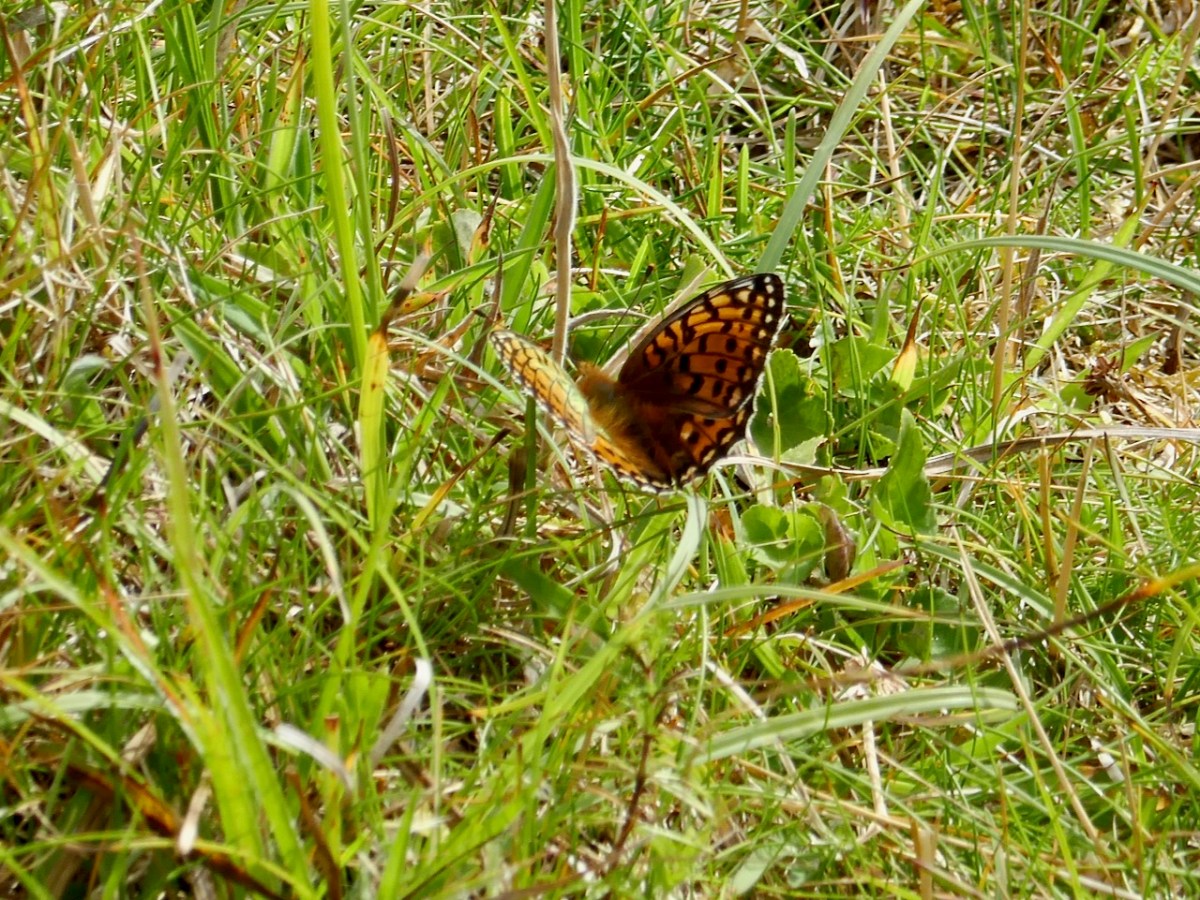
Damaris had another reason for getting closer. We were lucky to catch a Dark Green Fritillary flitting from spot to spot and Damaris, a butterfly expert, figured it was probably laying eggs on the basal rosettes of the Common Dog Violets that flourish on the dunes. In the last photograph of the slideshow she is trying to see butterfly eggs – a task that defeated even her!

The music I have chosen is Ave Maria Stella from Templum by Micheal O’Suilleabhain. 

Here is a list of the flowers in the order in which you are seeing them. 

Title Slide: Lady’s Bedstraw, Wild Thyme, Oxeye Daisy

Dodder X2

Wild Thyme, Eyebright

Lady’s Bedstraw, Wild Thyme, Oxeye Daisy, Oxeye Daisy

Rough Hawkbit (I think), Oxeye Daisy X2

Oxeye Daisy, Sea Holly

Wild Thyme, Rough Hawkbit X2

Sand Pansy X4

Common Centaury X4

Fairy Flax

Bee on Wild Thyme

Lady’s Bedstraw, Wild Thyme

Wild Thyme X2

Lady’s Bedstraw X3

Rough Hawkbit, Lady’s Bedstraw, Wild Thyme X4

Damaris searching for Dodder

Wild Thyme and Cat’s-ear X3

Wild Thyme, Eyebright X4

Cinnabar Moth caterpillars on Ragwort (their food plant)

Bulbous Buttercup

Dove’s-foot Crane’s-bill X3

Pyramidal Orchard X5

Six-Spot Burnet Moth(s) on Wood-rush X10

Dark Green Fritillary X3

Damaris looking for butterfly eggs X2

Becoming a Book Town: Skibbereen and Inanna Rare Books

This is the post that Robert was working on before he died. I have finished and edited it, keeping it in his voice to the best of my abilities. Finola

Ireland is rightly celebrated for its books – and their talented authors. You will find a thriving bookshop in many a modest Irish town. We are a nation of readers, it seems, and even when we are not reading much, we are buying books and loving books and  gifting books, and all the time developing our teetering pile of bedside books to dip into before sleep.

But it takes more than a good bookshop or two to deserve the title of a Book Town. According to the criteria, a town has to have ‘several’ books shops, and particularly shops that sell antiquarian and second-hand books. The only one we have been familiar with hitherto is in Sidney, BC, Canada, where Finola has spent many happy hours browsing among the treasures. 

The Book Town model got its start in Haye-on-Wye in Wales (Image courtesy of the Curious Rambler) way back in the 60s and included, from the beginning, the idea that empty heritage buildings should be filled – with books! If you can add events – a festival, readings – or complementary business such as publishers or letterpress printers, all the better. 

Skibbereen is well on its way to becoming a Book Town, mostly due to the efforts of Holger and Nicola Smyth and their family. Before we get to the Smyths, though, we have to talk about the other books stores and especially Cathal Ó’Donnabháin’s excellent store which supplies us with the best in local interest and contemporary books. In the photo below, taken this week, Finola and I are represented in three of the publications on the shelves. Can you spot which ones?

There’s usually an excellent selection of old books at the Charles Vivian stall at the Skibbereen market on Saturdays – they have a premises too, near Rosscarbery. Even our local SuperValu, Fields of Skibbereen, has done a major renovation and now incorporates a section selling books and periodicals. 

You can spot surprising finds, too, among the second-hand book sections of the town’s charity shops – I was tempted to curl up and spend an hour at this room at the Charity Shop for the wonderful Lisheens House.

But Skibbereen is also fortunate to be a significant centre for rare and antiquarian books – and much more. What is now known as Antiquity (and might be more familiar to many as The Time Traveller’s Bookshop) is a great asset to all residents in the area. Not only is it “…the first All Vegan Cafe in West Cork…” but it offers a plant-based menu, a juice bar and good coffee – all to be enjoyed in the environment of well stocked shelves of fascinating secondhand books which can be browsed at leisure, and purchased. I can vouch for the excellence of the vegetarian stew!

Antiquity is run by Nicola Smyth and her son Junah. Nicola met with her husband Holger, 30 years ago and “…fell in love in front of Holger’s first bookshop…” They travelled in Europe for many years with their four children and many dogs, living in a world of rare books, before settling in West Cork in 2008 and opening The Time Traveller shop. Finola and I came across the Smyths and their books when we also settled in West Cork in 2012. If you had a look into our library at Nead an Iolair, you would see many volumes which have come from Holger and Nicola, especially classic Irish titles on history, archaeology and Irish art and literature.

The Smyths have never been folk to rest on their laurels. Over the last decade or so they have expanded their activities and their geography – experimenting with forays and pop-ups into Cork City, Kinsale and Westport, for example. The Westport shop is still open, under new ownership, as West Coast Rare Books. They have also added to their specialisations Manuscripts, Rare Maps of Ireland and the World, Original Art & Photography, Illustrated Books, Decorative Art, Etchings & Engravings, Lithographs, Botanical Illustration, and rare Vinyl from the 60s to the 90s, a selection of Rare 78’s, and Early Jazz, Rock & Pop albums. If this seems remarkably ambitious, well, it certainly is – and how lucky are we in West Cork to have these offerings right on our doorsteps?

I set out today [Robert was writing this in February] to explore a relatively new venture by Holger – Inanna. Let’s first look at the name: Inanna is a goddess. Worshipped in ancient Mesopotamia, her dates are around 3000 BC – about the same age as Brú na Bóinne, the Newgrange passage tomb, here in Ireland. She is well documented as the Queen of Heaven, and legends connect her with the creation of the cycle of the seasons. She is acknowledged as reigning over love, war, fertility, law and power.

In keeping with the Book Town ethos of utilising historic buildings no longer in use, Inanna Rare Books is housed in the Masonic Hall – I can think of no better use for a building like this. It’s like walking into a grand Victorian library, with books stretching to the ceiling, a mezzanine with an elaborate wrought iron bannister, and the whole place flooded with light from the huge arched windows. 

This striking edifice was built in 1863 as a lecture hall. Alas, the lectures didn’t thrive – although such public adult education efforts were very popular at the time – and it was sold after a few years to the Freemasons, and became a Masonic Hall, a meeting place for the masons and a centre for their ritual activities. Over time, their numbers dwindled, but the hall remained in good shape and retains most of its original features, including the timber sash windows.

Over 500 people visit this book store every month. Some travel from afar especially to see this glorious space and browse the collection. 

Holger and Nicola’s most recent store is the Still Mill, just off Market Street (above). This, as the name suggests, started off life as a distillery in the 19th century, becoming a grain mill in the 20th century. It had a mill wheel to drive the machinery – that wheel was later broken down and sold off for furniture-making. One of the town’s businessmen, Michael Thornhill, slept as a baby in a cradle made from the wood. 

The heritage character of the building is obvious from the outside and stepping inside you are immediately struck by the stately character of the lofty ceilings and deeply-set windows – and how perfectly it suits a bookstore. The focus in this store, named Inanna Modern, is on art – art on the walls, art history and criticism on the shelves, photography, every conceivable form of art book. Holger represents, among others, a Canadian artist, Brooke Palmer, and his intense, colourful images provide a vibrant counterpoint to the lines of sober book covers.

Holger is passionate about using heritage buildings for such purposes. The best buildings in town, he asserts, often sit forlorn and neglected (see The Irish Aesthete for example after example) and what better way to revive them than with a business like this – a perfect match of form and function. Each of his landlords is totally supportive of his efforts, and together they hope to provide models of what is possible in any community. 

Reader, if you live in Ireland, you are only too familiar with what Holger is talking about – lovely old buildings crumbling and disregarded that, with some attention, could become energetic hubs of cultural activity and commerce. For a budding Book Town, spin-offs are important too. Holger organises the occasional book-related talks or readings and a yearly Rare Book Fair that will take place this year on August 4th and 5th. Meanwhile, for their artists, there was an exhibition at the marvellous Cnoc Bui Arts Centre.

You may not be familiar with the term Book Town – yet! But Skibbereen is well on its way to becoming a shining beacon for bibliophiles from all over the world, thanks mainly to the efforts of the Smyths. How wonderful it is to have people of vision and passion driving an economy for book-lovers, in one small Irish town. 

Robert Harris, 1946 – 2024

We are heartbroken. Our dearest, kindest Robert slipped away from us yesterday. My husband, my blogging partner, my companion in all our adventures, the love of my life. 

I don’t know what the future holds for Roaringwater Journal, but I do know that all our readers will join me in raising a glass to the memory of this wonderful man – architect, folklorist, writer, musician, historian and proud citizen of Ireland.

Setback

To our Dear Community of Readers

We have had a setback, in the form of a car crash. We are recovering but it may be a while before we are back at our computers, or out with our cameras scrambling over stone walls.  

In the meantime, please send all the good karma and healing thoughts you can muster our way. Your positive energy means a lot to us as we navigate through this period. Thank you for your continued support and understanding.

More Extraordinary Ordinary Women

We launched Karen Minihan’s new book, More Extraordinary Ordinary Women, on St Brigid’s Day. The date was apt – Brigid was a woman venerated in her time, who founded the ecclesiastical city of Kildare and ruled benevolently over a vast monastic empire, but still lost out as Patron Saint of Ireland to a man. However, we now have a brand new public holiday in her honour and I think all the women in this book would be pleased about that.

Here are May and Tess Buckley from Gortbreac in Castlehaven, who get a chapter each in this book, with their brother. They showed remarkable courage and resourcefulness – they also happen to be directly related to Ellen Buckley, O’Donovan Rossa’s second wife.

This is a follow-up to Karen’s first book, Extraordinary, Ordinarily Women, and I can’t emphasise enough the importance of the work that she has done with these two books. She has brought the lives of strong courageous women out of the shadows, and challenged the prevailing narrative that elevated the role of the male volunteers and members of the IRA over the parts played by everyone else. It’s not an exaggeration to say that women’s stories were more than neglected but that they were actively suppressed.

Tess Buckley’s telescope – she used it to identify any approaching military or police movements from afar

When the Military Service Pensions were established in 1924, women were explicitly excluded. Ten years later they were included in Military Service Pension Act 1934, which established five grades of service – A B C D and E, but relegated women to grades D or E. To get a D pension you had to be a Member of the headquarters staff or executive of Cumann na mBan OR in command of one hundred members or more. To get an E pension you had to prove you were in active service. They didn’t make it easy – requests for more information, for verification and letters of support – it often got so wearying that the women stopped pushing or said simply they had nothing more to add.

This is Mary Anne O’Sullivan of Bere Island on her wedding day. The situation on Bere Island was very difficult due to the presence of a British Army Camp (there until 1937) and Mary Anne showed great courage and presence of mind in hiding an escaped IRA prisoner

Many of them never spoke about their experiences, which made Karen’s research all the more daunting. This generation is only now discovering what their grandmothers and great-aunts did, sometimes by perusing the Pension files, or by discovering old documents in attics. Four of the stories in this book involve sisters – in Molly Walsh’s story Karen notes:

Molly did not speak of her experiences during this time to the generations that followed, she only spoke to her own siblings, sometimes they would go into a separate room to talk.

One of Molly’s great friends was Dorothy Stopford Price (above), who came from a landed Protestant family but spent time in Kilbritain teaching first aid at first and then as the community doctor and as medical officer to the local IRA Brigade. As an aside, although Dorothy pioneered the treatment and vaccination for TB in Ireland (below), all you ever hear about is the role played by a man, Noel Brown.

You have to read the book yourself to see how daring, brave and well-organised these women were, but I do want to tell you something of the story of Kathleen O’Connell of Ballydehob, who lived in a house two doors down from Working Artists’ Studio where we launched the book. She was an incredible woman – here are just some of her accomplishments, taken from Karen’s book.

In the Nominal Rolls of Cumann na mBan she is recorded as Captain of the Ballydehob branch and, by 1921, she was the Treasurer of Schull District Council (including Ballydehob), which had 114 members. What is also apparent is that she was trusted with possessing and delivering the secret, important information that the dispatches contained. And, of course, it meant that she put her own safety at risk. There is also a record of Kathleen being involved in setting up four or five “hospitals” in her area.

There was raid after raid.

During a Black and Tan raid on the town which occurred immediately after the vols. had been here (the house was reported) I had a large quantity of ammunition got by the volunteers in some raids on ex-policemen’s houses and elsewhere which was left to me to dump but I hadn’t got time…I got it out of the house by putting it in a large hand-basket and covering it with cabbage & bread. I went more or less in disguise wearing a shawl & long skirt, to get out of town to the dump, or safety somewhere, I had to ask the sentry for permission to get through… 

The village of Ballydehob was surrounded. She was sent by the sentry to the officer in charge and she managed to convince him to let her through …as I said I wanted to take bread home to children; all this time I had the basket of ammunition and some literature. I went about a mile with it. She had two loaded revolvers, a holster and some clips of bullets; and the consequences of being caught were stark: They would have shot me probably if they had discovered it.

I took part in an ambush which was laid at Barry’s Mill. Took out food a couple of times during the day alone, in Wood’s commandeered horse & trap, also took dispatches which arrived while they were there

She also scouted for the Volunteers that day, travelling back and forth to the mill. 

On the last trip I went out there, alarm was given of the approach of the enemy. I could not then get back. Commandant Lehane gave me his 45 revolver and I remained their with the others for a considerable time, until it was reported the military had gone some other way. . . 

17 lorries and private car with a ‘lady searcher’ arrived around this time in Ballydehob in order to search her and her home. She had been anticipating the visit – “I had everything dumped but the dispatch. It was in my pocket. I ate it.”

This is the house – the colourful one on the right in this picture – in which Kathleen O’Connell lived in Ballydehob

Kathleen was ruined financially by all her support for the cause. Letters of support for her pension application were fulsome in praise of her work and her commitment. She was awarded a grade E pension in 1939. She died, here in 1945, aged 50. She had not married and had  no children, and all memory of her gradually disappeared from Ballydehob. When Karen went looking for the house she had lived in, it seemed nobody could remember the heroic Kathleen O’Connell who had once lived here.

Another view of the house in Ballydehob, from Google Maps. There should be a plaque!

However dangerous Cumman na mBan activities were during the War of Independence, those dangers tripled during the Civil war, as did the horrors of families ripped apart. Cumman na mBan took an anti-treaty stance, and where they now supported all the efforts of the anti-treaty side, the pro-treaty fighters knew all their secrets, their hiding places and their habits. They had to be, therefore triply ingenious – and they were!

Another reason why now was an apt time to Karen to release this book is that we are facing an upcoming referendum. In the 1937 Constitution, heavily influenced by the Catholic Church – Archbishop McQuaid (above with deValera) submitted multiple comments and suggestions for amendments – DeValera and his government included this provision:

ARTICLE 41:2: In particular, the State recognises that by her life within the home, woman gives to the State a support without which the common good cannot be achieved.

This felt like a deep betrayal to many women of Ireland, who had rallied to the cause taking as their inspiration the words of the 1916 Proclamation, which said: The Republic guarantees religious and civil liberty, equal rights and equal opportunities to all its citizens, and declares its resolve to pursue the happiness and prosperity of the whole nation and of all its parts, cherishing all the children of the nation equally.

The cover of Dublin Opinion in June 1937. Queen Maeve and Grainne Mhaol are poking the sleeping deValera, who has the Constitution, Bunreacht na hÉireann, under his pillow

The upcoming referendum asks us to vote to remove the wording of Article 41:2. It’s 2024 – 100 years since these extraordinary ordinary women were playing their part in the founding of the state, only to be banished to a life within the home.

I like to think that Kathleen O’Connell, Lizzie Murphy, Tess and May Buckley, Molly Walsh and Dorothy Stopford Price, and all the other Extraordinary Women, are up there in heaven, chatting to one another over pots of tea, and casting a protective eye over the campaign to remove article 41. When it’s voted out, I see them nodding their heads and saying at least all our work wasn’t in vain.

I was honoured to be asked to launch the book!

Let’s all get out and vote for this constitutional amendment! It’s the best way we can honour the work that these extraordinary women did. That – and buy Karen’s book! It’s available in bookstores in West Cork or by contacting the author.