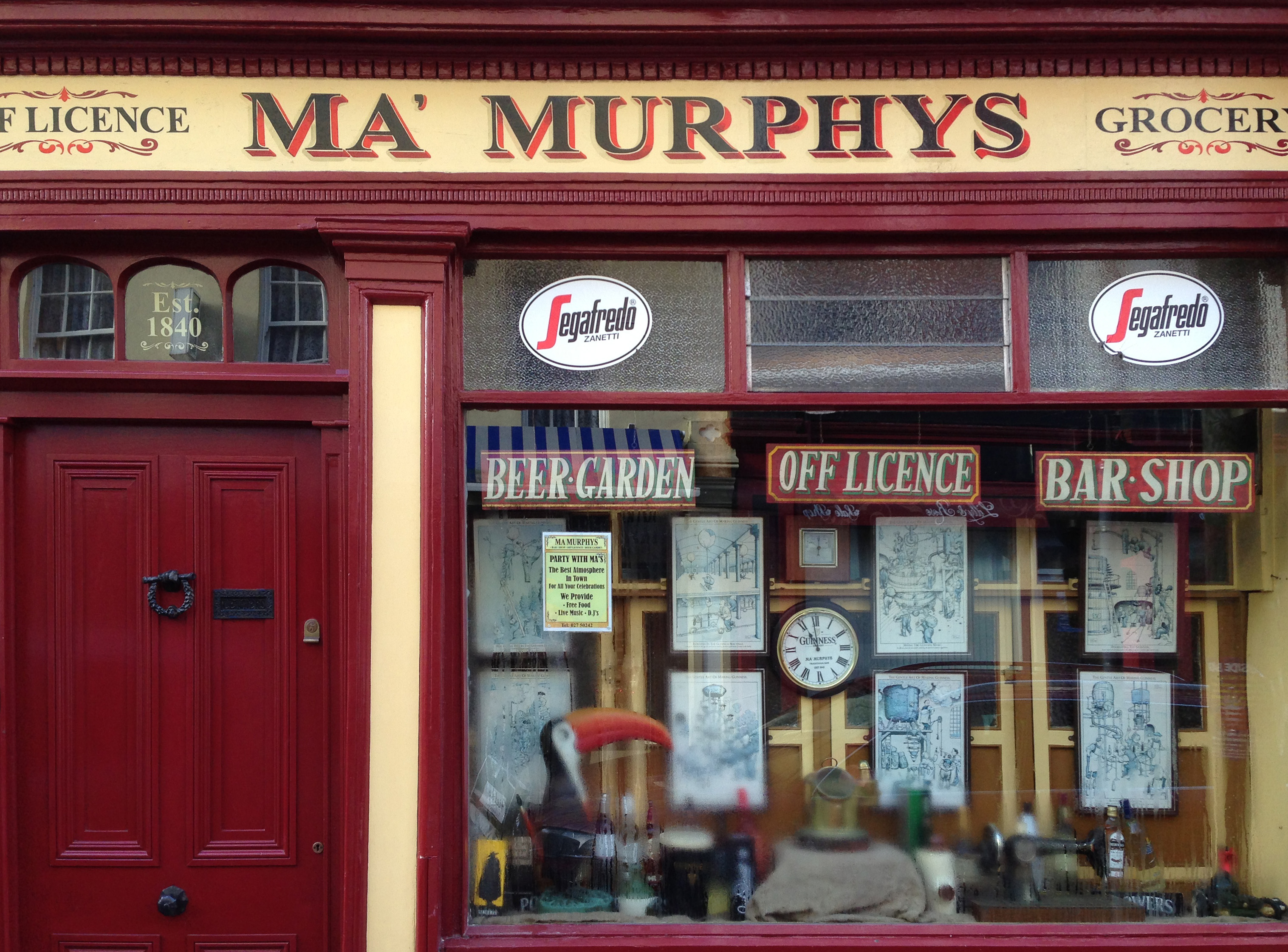
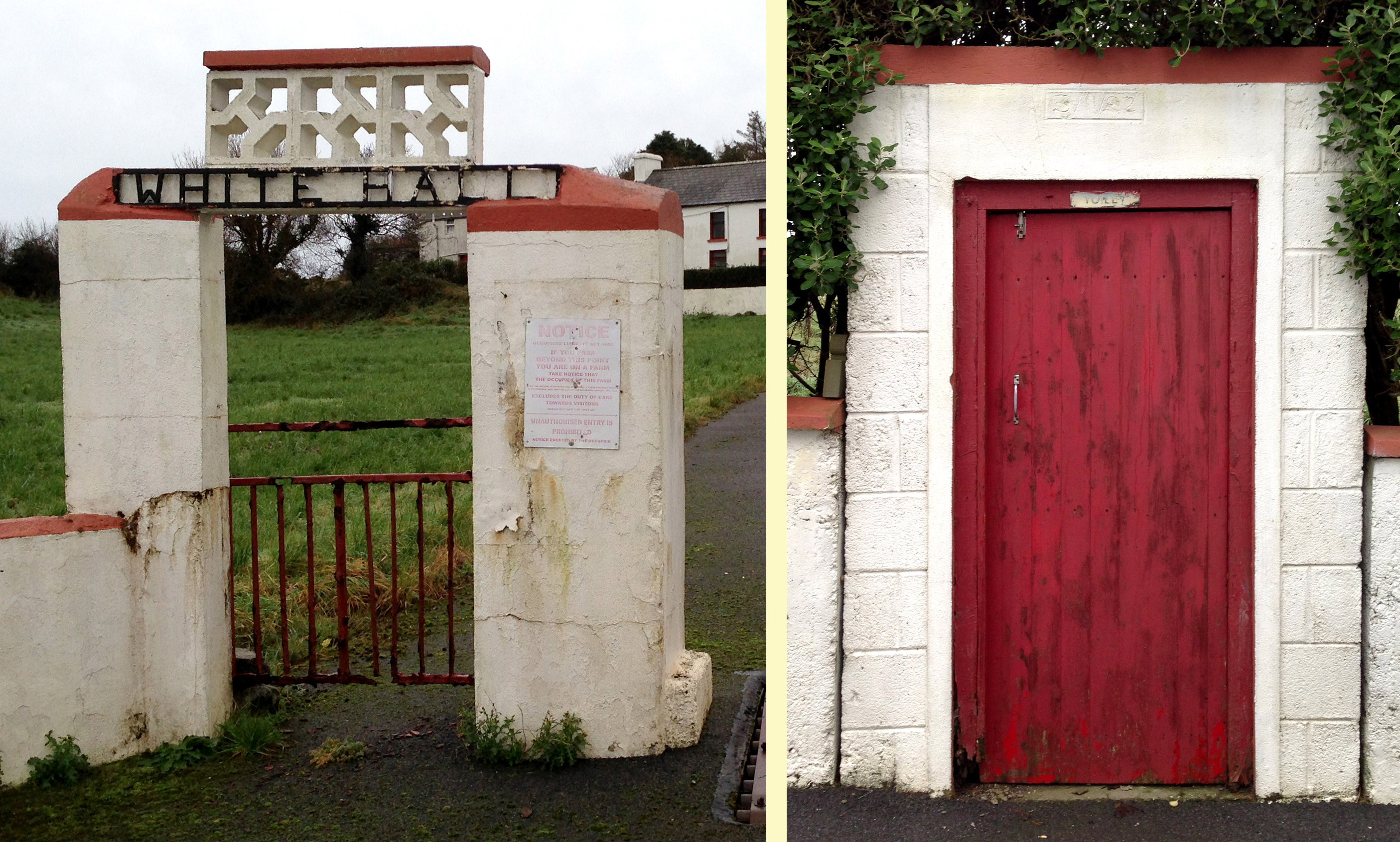
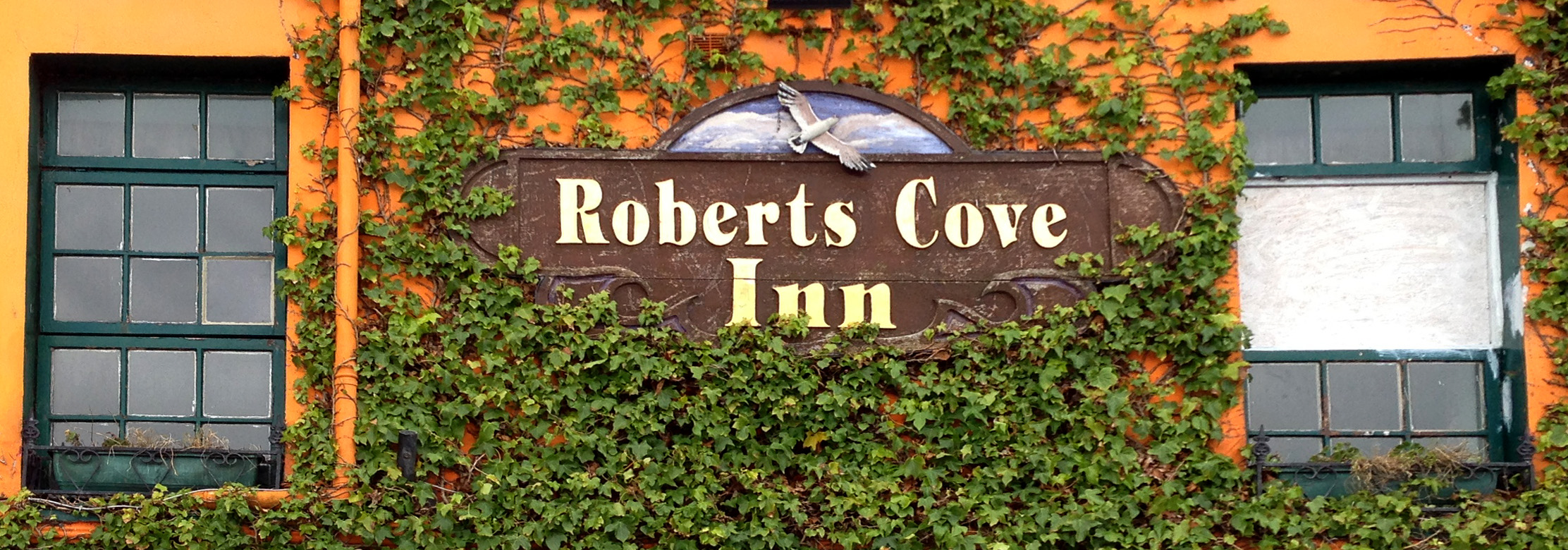
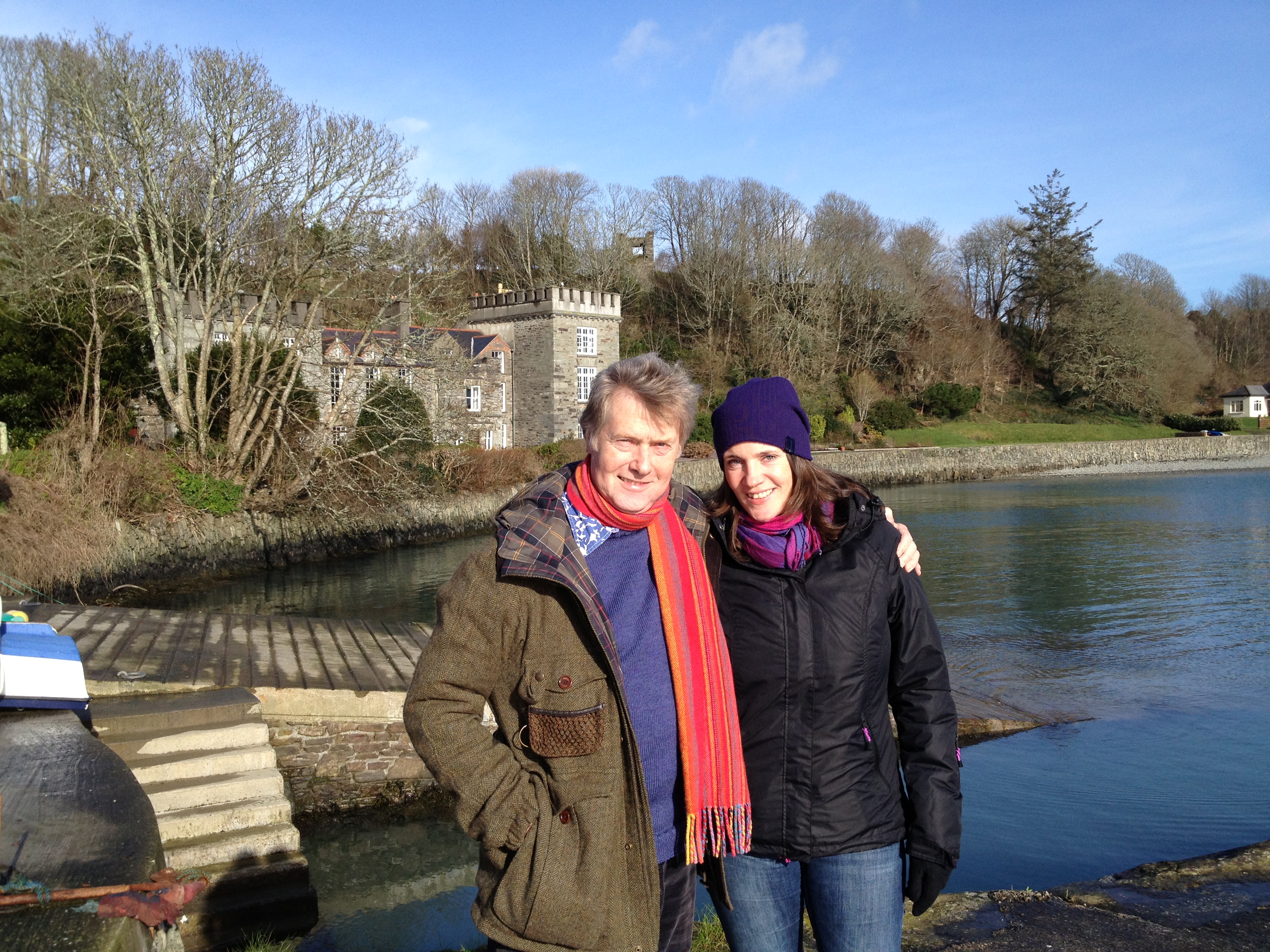
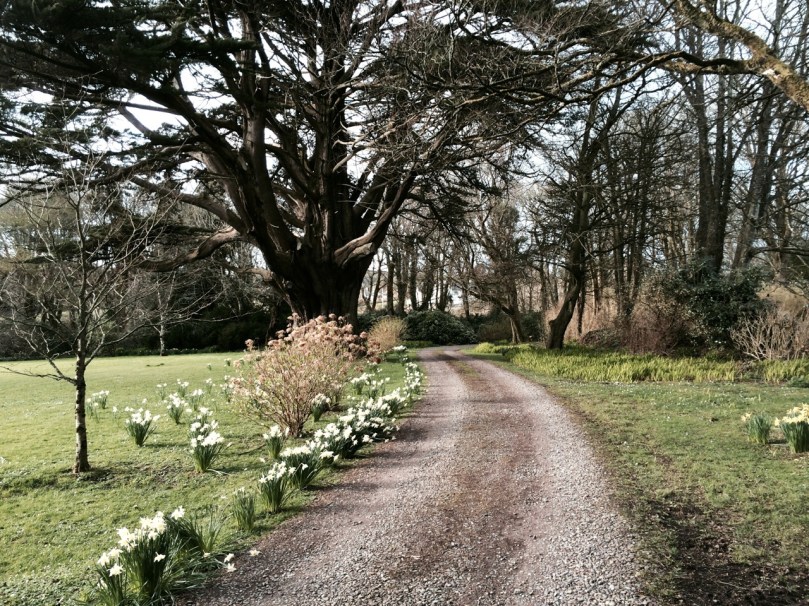
I can’t help it – I’m addicted to the oddities of everyday life in Ireland. They are only odd to me, of course: a temporary blow-in from England. To someone local they are normal and expected. This is a visual post: perhaps that’s because it’s late on Sunday night and we have only just arrived back from a weekend away in Cork. We went to the opera, but that’s another story. Meanwhile, have a look at some of the things that have caught my eye, fascinated or amused me over the past few weeks…
Hare Heaven
Imagine a place where Hares can live without any fear of human interference and hardly any natural predators – that’s the Calf Islands in Roaringwater Bay: Middle Calf, East Calf and West Calf. I gleaned that exciting and wonderful piece of information on a visit this week to the Sherkin Island Marine Station exhibition, in the Islander’s Rest Hotel on Sherkin. A friend of Finola had given us an introduction to the founder and manager of the Marine Station – Matt Murphy – and the very first conversation I had with him on that day was about Hares and Rabbits! Great quantities of the latter thrive on Cape Clear – the largest and most distant of these West Cork islands – but not on the others, while Hares have the privilege of the Calves all to themselves: no-one has lived there since the 1940s.
Their are 14 islands (or island groups) in the Bay [here is a good summary], and all have been inhabited at some time in history, but now only the larger ones – Clear, Sherkin, Castle, Horse, Hare and Long Island are occupied. The most populous is Cape Clear, around 120 people at the moment: it is part of the Gaeltacht – the areas in the Republic where spoken Irish predominates. We haven’t yet visited Clear but we intend to as it is a centre for the study of the Irish language and traditional culture. There is an internationally renowned storytelling festival on the island in September of every year.
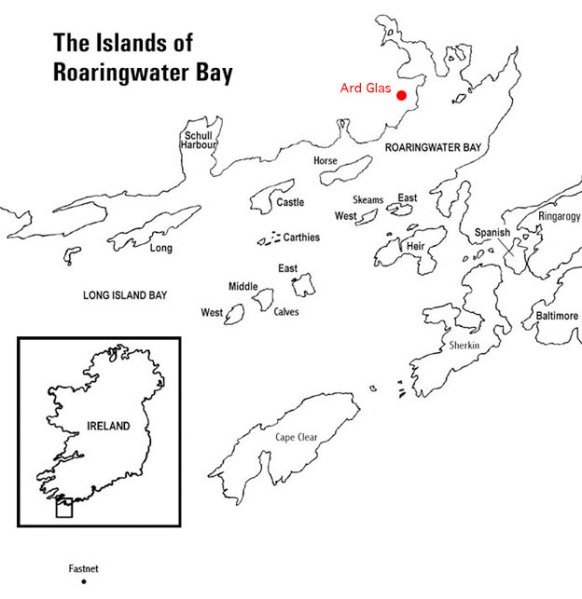
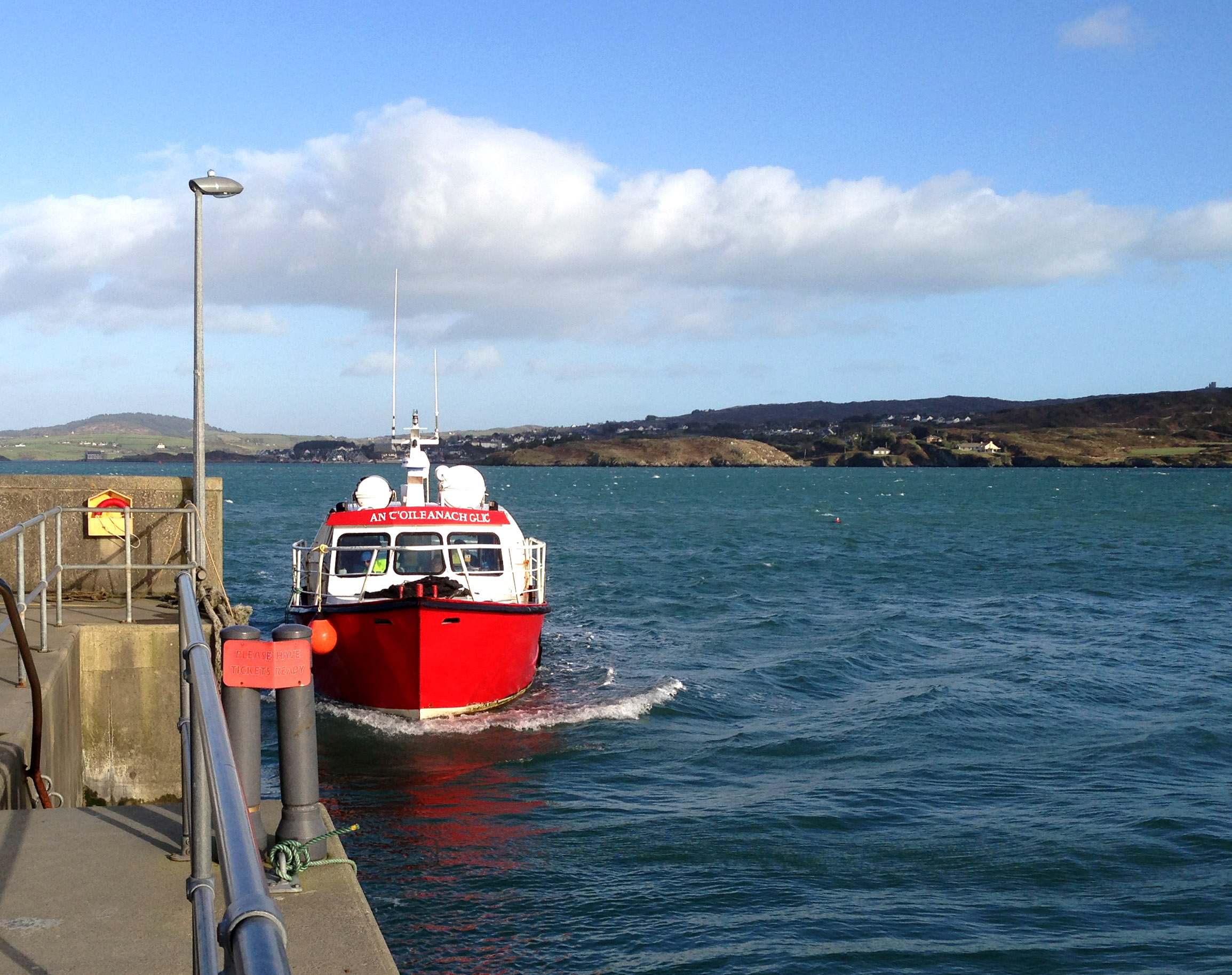
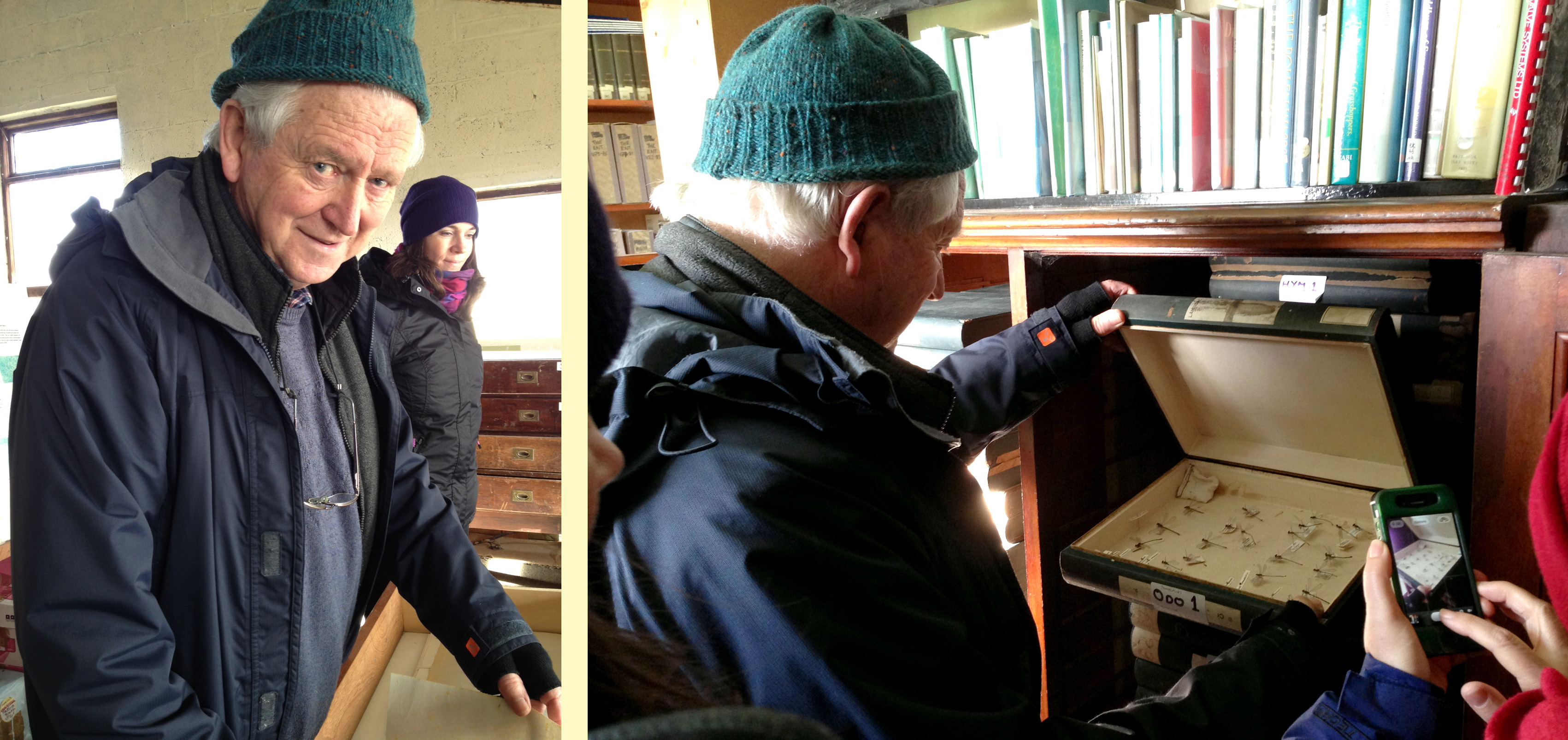
Our trip to Sherkin started on the ten o’clock ferry from Baltimore, a short drive from Ard Glas. My daughter Phoebe has been visiting from Norway this week and we took her along for the ride. Matt brought us to his home for a wonderful lunch prepared with his daughter Susan (five of his seven children still live and work on the island), and he told us about the Marine Station, which is an internationally renowned centre for the study of the marine environment. Matt and his wife Eileen (who, sadly, passed away in 1979 at the age of 37) started the project in 1975 and it is now a unique education and research facility. Every year volunteer students come to the station from all over the world to take part in the continuous monitoring of marine life, weather, biology and environment in the Bay and to carry out specific surveys (examples: Rocky Shore Survey, Phytoplankton Survey, Zooplankton, Otters, Birds, Insects, Butterflies and Moths, Terrestial Flora and Seaweed). The Station houses a huge library of documents and samples – probably the largest such collection outside of any university in Europe. It publishes an environmental newspaper – the Sherkin Comment – and books, while also organising exhibitions, conferences and workshops.
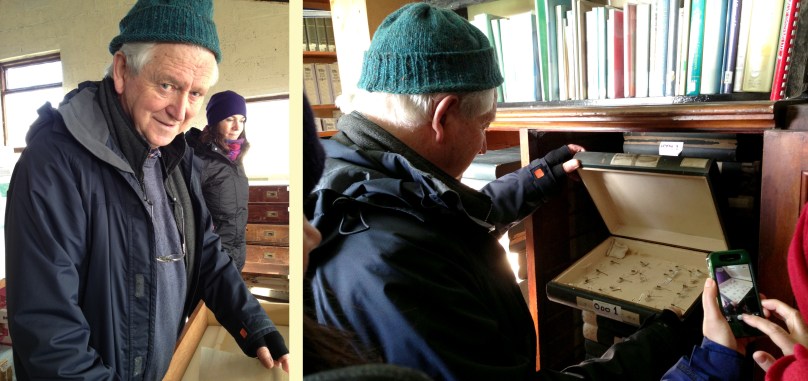
At the age of 77 Matt remains fully active in running the Station, which has never received any state funding. We were impressed with his total commitment – and with his faith. In September 2000, on the occasion of the Station’s Silver Jubilee, a bronze plaque was unveiled:
God, the Creator of all life, has given us those most precious gifts – the sea and the land. Ponder a moment on those wonders, remembering you are their caretaker. Now ask yourself what you are doing to ensure their beauty remains for future generations to enjoy…
In return for our fascinating day spent in Matt’s company, we have agreed to contribute an article to his newspaper on Rock Art – there is none that we know of on the islands, but there is prehistory, history, nature and culture a-plenty!
Stories and Stained Glass
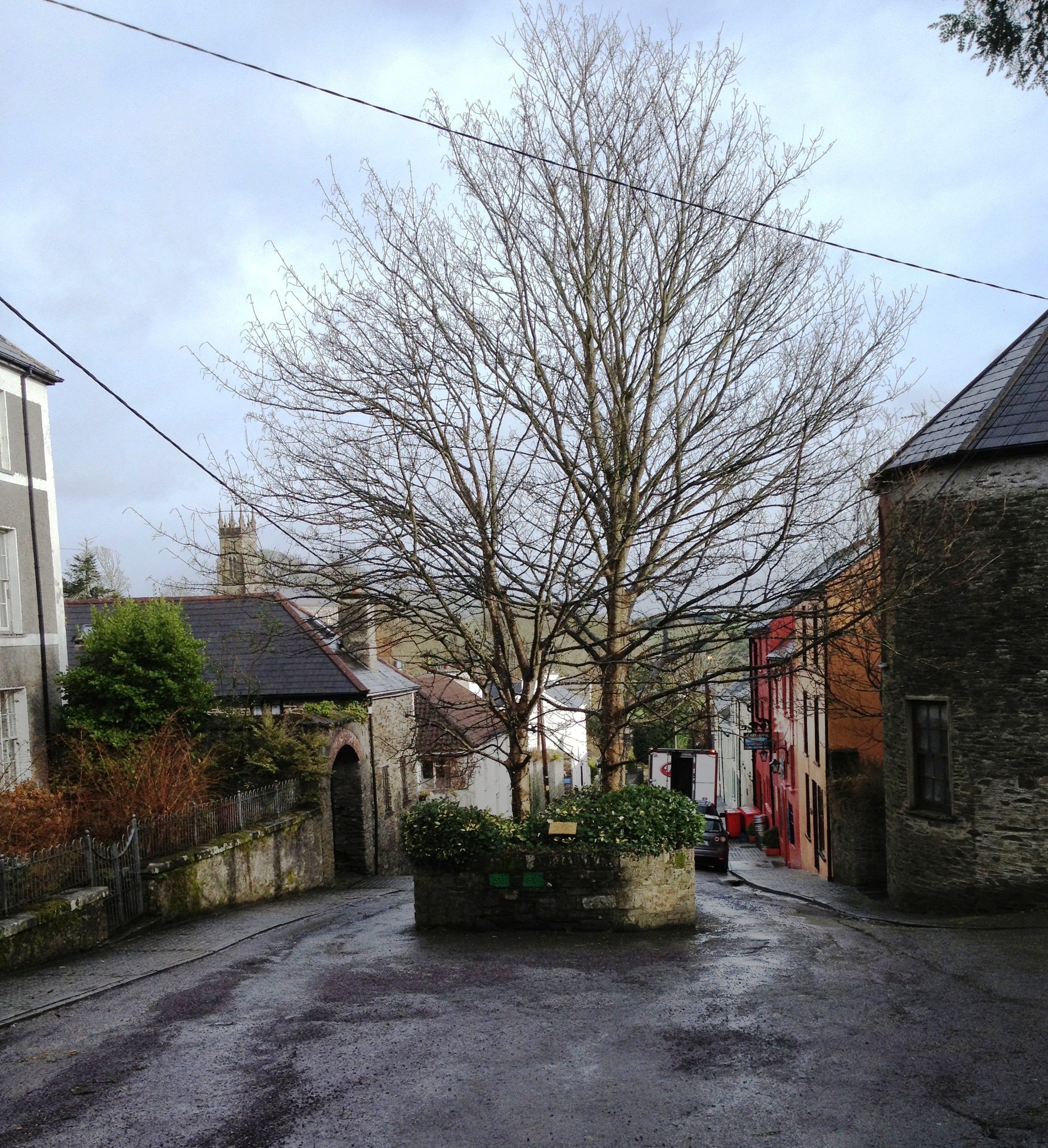
Nestled in Castlehaven Inlet lies a long narrow street running steeply down to the water, broken half way down by a curious jampot containing two huge sycamore trees, to be negotiated carefully by drivers. This is the charming West Cork village of Castletownshend.
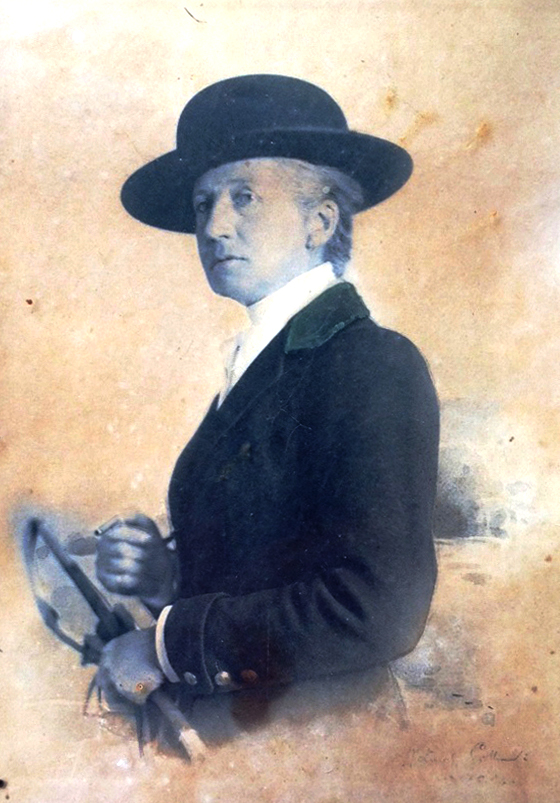
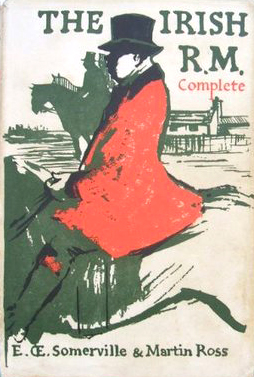
Castletownshend will be forever associated with Edith Somerville, whose family built, and still occupy, Drishane House at the top of the village. She and her cousin, Violet Martin, wrote a series of enormously popular stories and novels under the pen names Somerville and Ross.
Edith as Master of the Foxhounds
The best known stories centre on the character of the hapless Englishman, Major Sinclair Yates, who fetches up in West Cork as a Resident Magistrate. His adventures, courtship, neighbours, and local fox hunts are recounted in a series of wonderfully funny stories that, despite what some see as jarring Big House condescension, have stood the test of time to become classics of Anglo-Irish literature – and an entertaining TV series.
Drishane House is open to the public. The gardens are enchanting and the house and outbuildings are much as they were in Edith Somerville’s time.
Drishane House
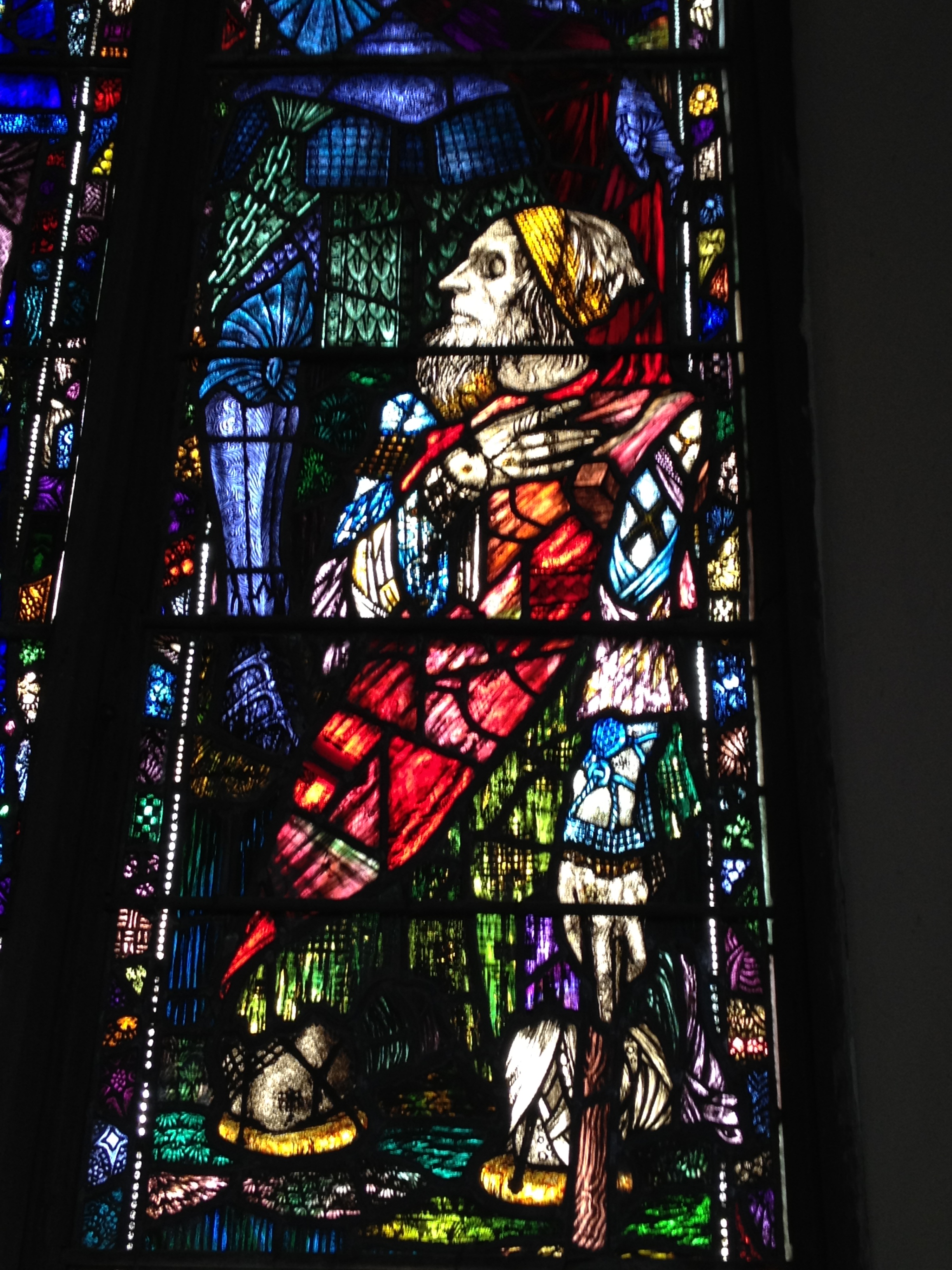
A bastion of well-to-do protestant families, Castletownshend boasts several fine houses, including the Castle itself, right on the water, and continuously occupied by the Townshends since the 17th Century. Behind the Castle, on a commanding knoll, stands the Church of St. Barrahane. Founded originally in the 12th century, the current building is almost 200 years old. A visit, up the 56 stone steps, is a must, to view the extraordinary Harry Clarke stained glass windows and to pay homage at the graves of Somerville and Ross.
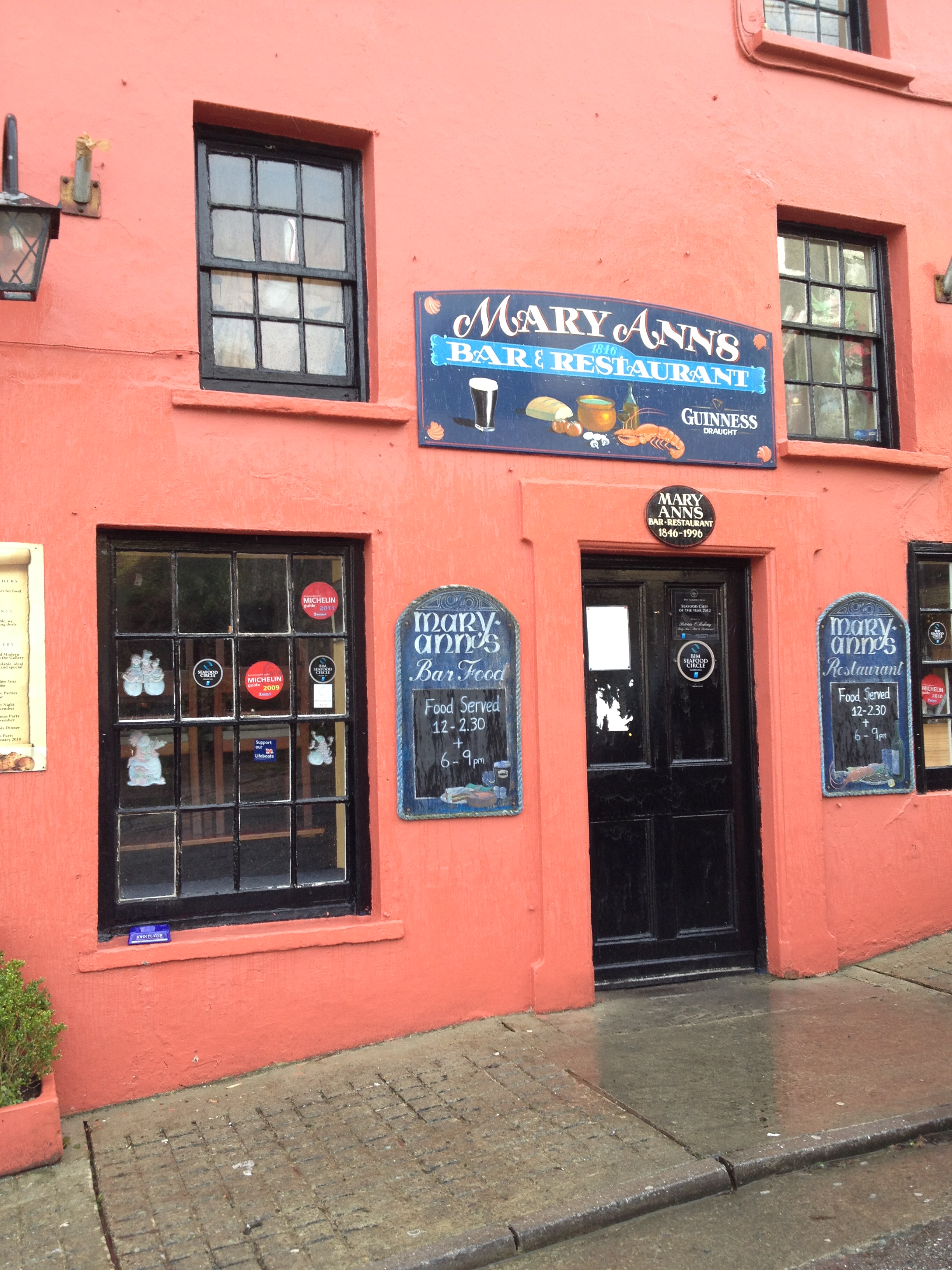
You must not leave Castletownshend without stopping at one of the most famous of all West Cork hostelries – Mary Ann’s pub. Winner of multiple awards, it is equally renowned for its excellent menu emphasising locally sourced seafood and its traditional character.
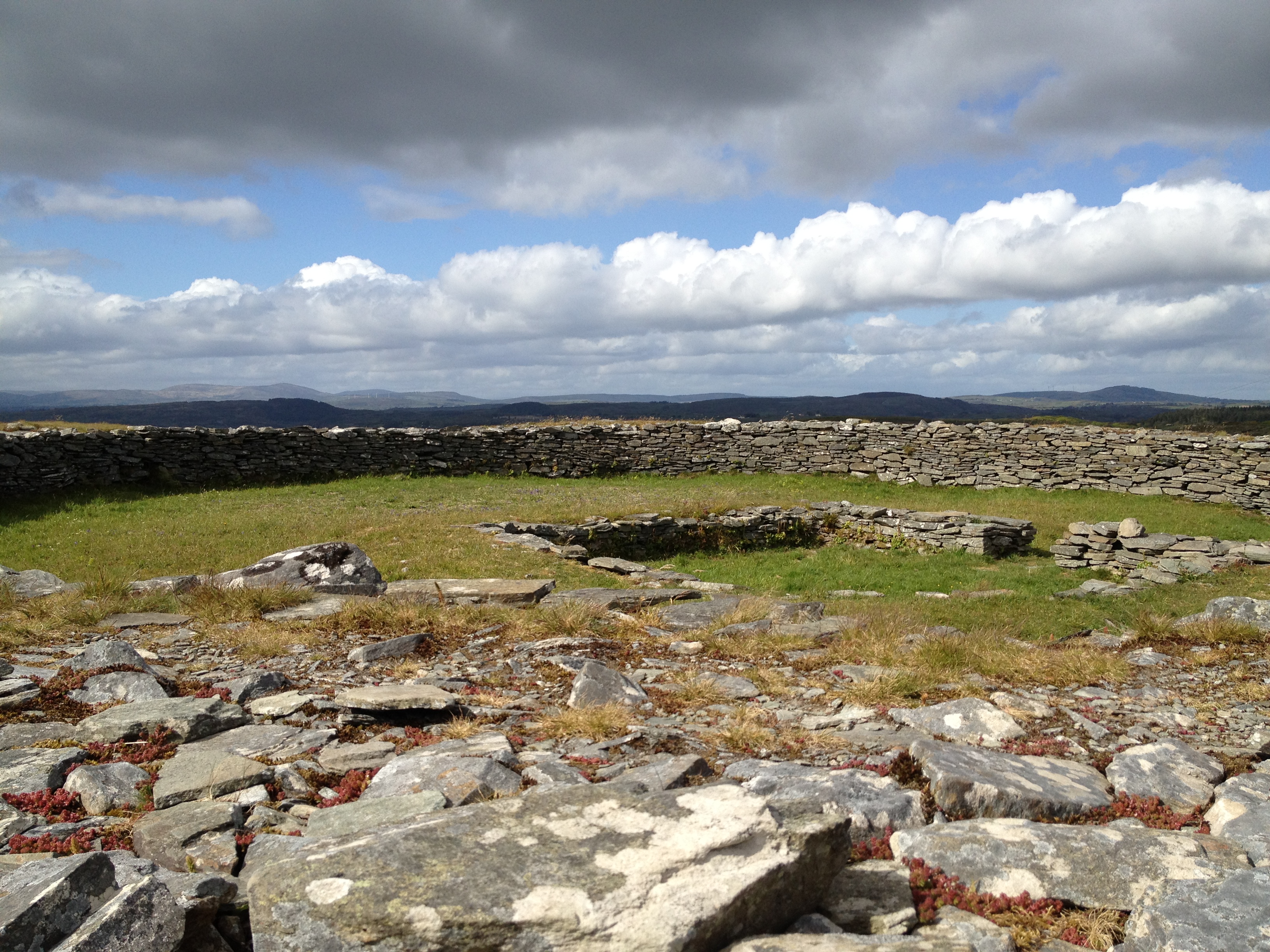
Finally, after staggering from Mary Ann’s in the late afternoon after a huge lunch and a glass or two, you can undo all the damage to your arteries by climbing up to the Iron Age stone fort at Knockdrum, above the village, where you can drink in the spectacular coastal views.
Tell us, Dear Readers – have you read The Irish RM or other Somerville and Ross stories? Do you chuckle with remembered nostalgia, or shudder at turn-of-the-century Anglo attitudes? Did you see the TV series and what were your favourite moments?
Here Comes the Sun
Joint Post by Finola and Robert
In Finola’s solstice post, she wrote that archaeologists are aware of the astronomical siting of some Irish megalithic sites, such as at Newgrange, and Loughcrew.
We have become intrigued by the work of Michael Wilson, a talented amateur astronomer who is singlehandedly documenting the astronomical siting of many monuments in this area. Recently he has turned his attention to rock art. His website contains an astonishing body of work, meticulously researched and rigorously recorded, along with explanatory notes. His thesis, in a nutshell, is that the builders and carvers of Neolithic and Bronze Age times were keen observers of the day and night skies and were intimately familiar with their surroundings. They situated their megaliths and rock art in places where the contours of the horizon allowed them to mark significant solar and lunar events, such as solstices, equinoxes, lunar settings and risings, and intermediate points. Thus, the sun at the winter solstice might rise at the highest point on a nearby mountain, or set in a deep notch in the hills at the spring equinox. The solar calendar has four quarter days (the solstices and the equinoxes), four cross-quarter days (the half way points between the solstices and the equinoxes) and a further finer division into points half-way between the quarters and cross-quarters: an ancient 16 month calendar.
A few days ago, Michael posted this:
Imbolc, the spring cross-quarter, is almost upon us. It will be on Feb 1st by the Gregorian calendar, where it is commonly known as St Bridget’s Day or Candlemas, but this is not the correct day. By day-count, the times to celebrate will be sunset on the 3rd and sunrise on the 4th. Astronomically, the sun will be exactly half-way between the winter solstice and the spring equinox at about 16:13 GMT on Feb 3rd, while Feb 2nd is the day to see the sun rise and set at the prehistoric positions for marking this festival.
We set out for our favourite rock art site, Ballybane West, before dawn on Feb 2nd, feeling incredibly lucky to have a clear sky. As the sky brightened, and the nearby hills started to receive the sun’s rays, the carvings on the rock surface became clearly visible. Then, the sun rose, exactly where Michael’s predictions said it would, at the highest point of a rounded hill on the horizon. As people had been doing 4000 years ago in this exact spot, we marked the cross-quarter day of Imbolc – a time when the land starts to warm up, the first spring flowers appear, and the ewes are visibly pregnant.
If Michael is correct, we have to think in a whole new way about the rock art. Although there have been indications before that the location of the carved rocks was of some significance (for example: there is often a view of water; some theorists have posited that they are ancient boundary markers), this way of looking at rock art elevates the actual siting of the rock as most important, and allows us to view the carvings themselves as a way to indicate the purpose of the site – a means to an end rather than an end in itself. The motifs, though, will probably remain as enigmatic as ever.
Mary Mary
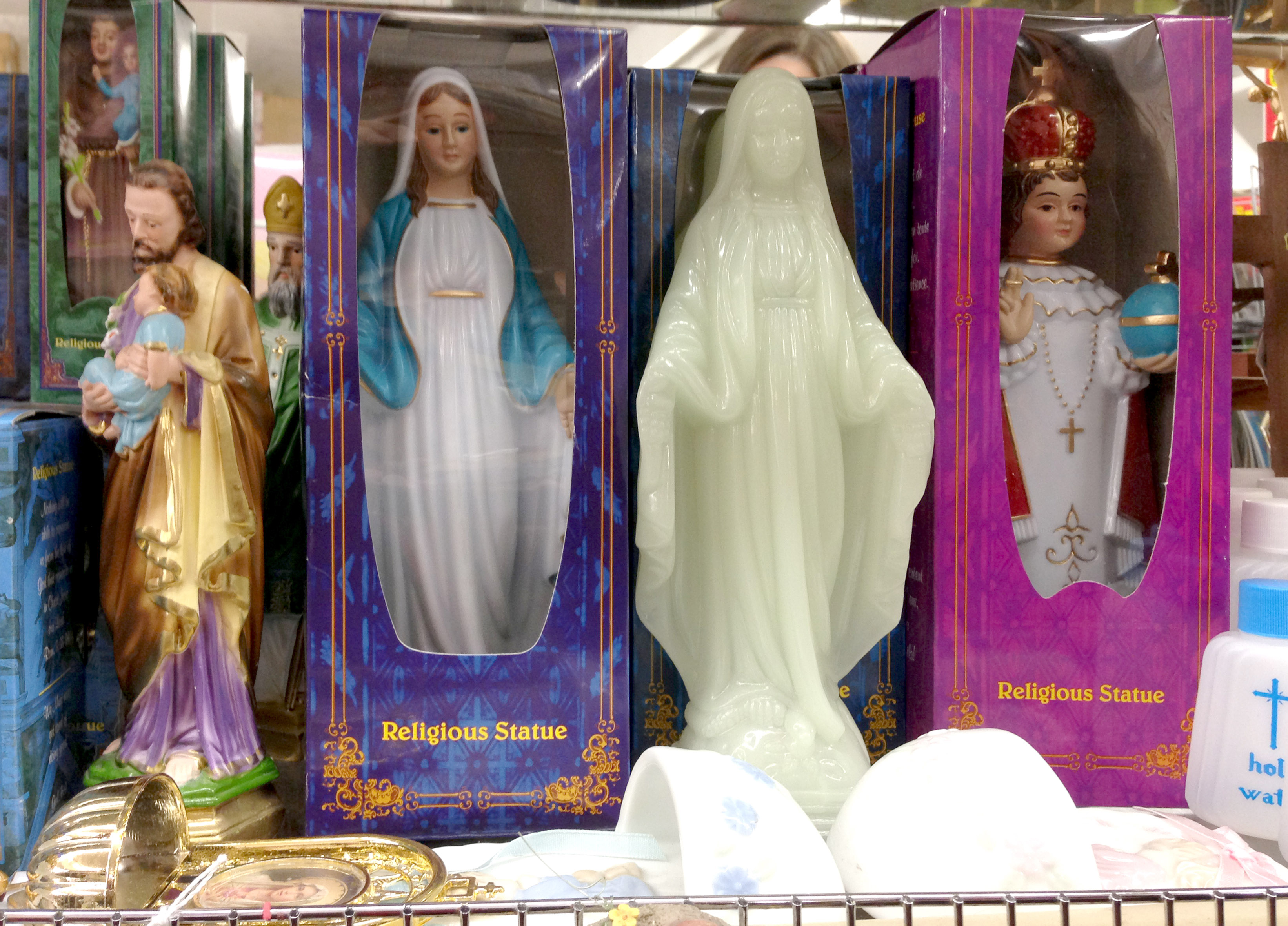
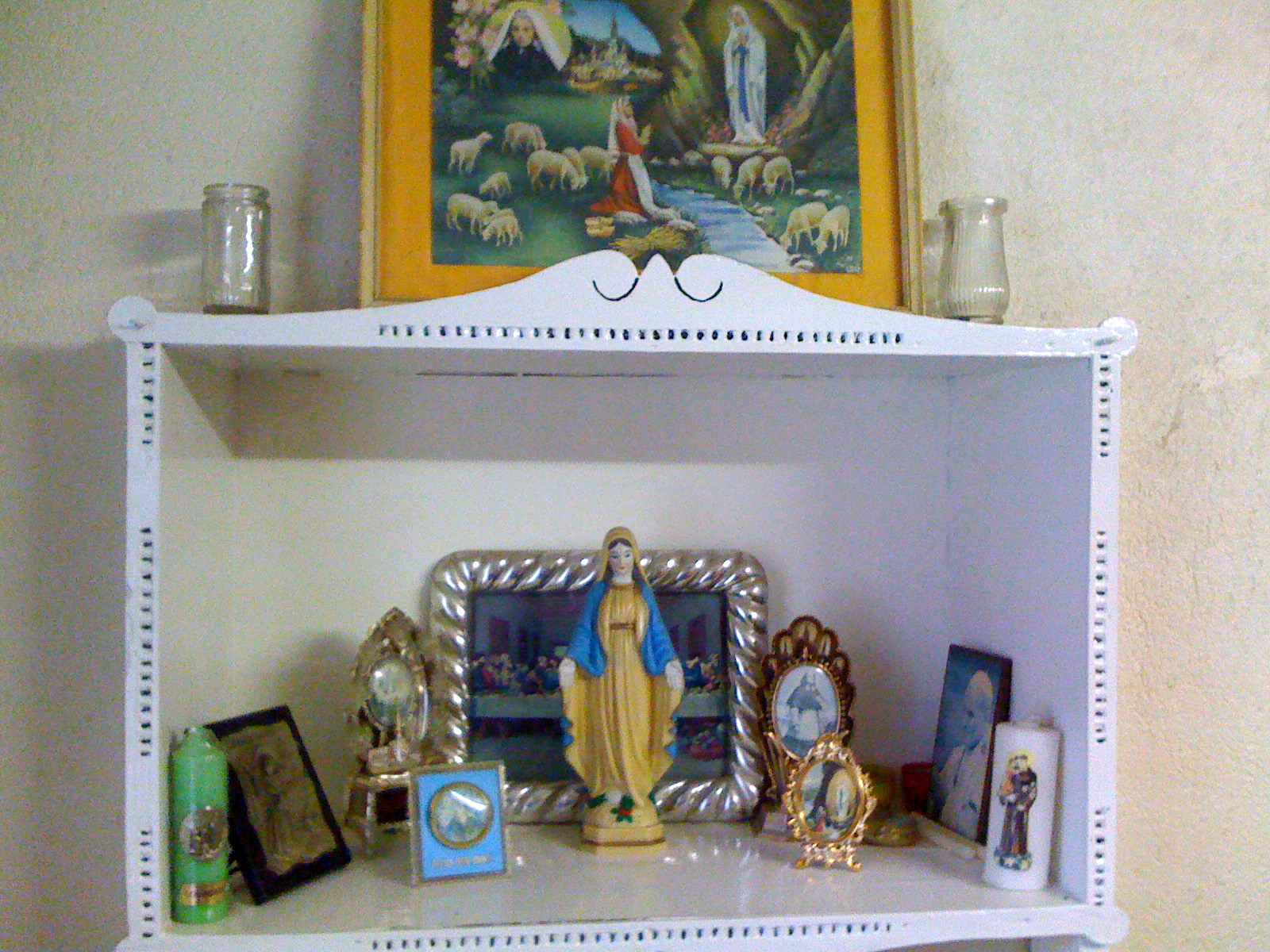
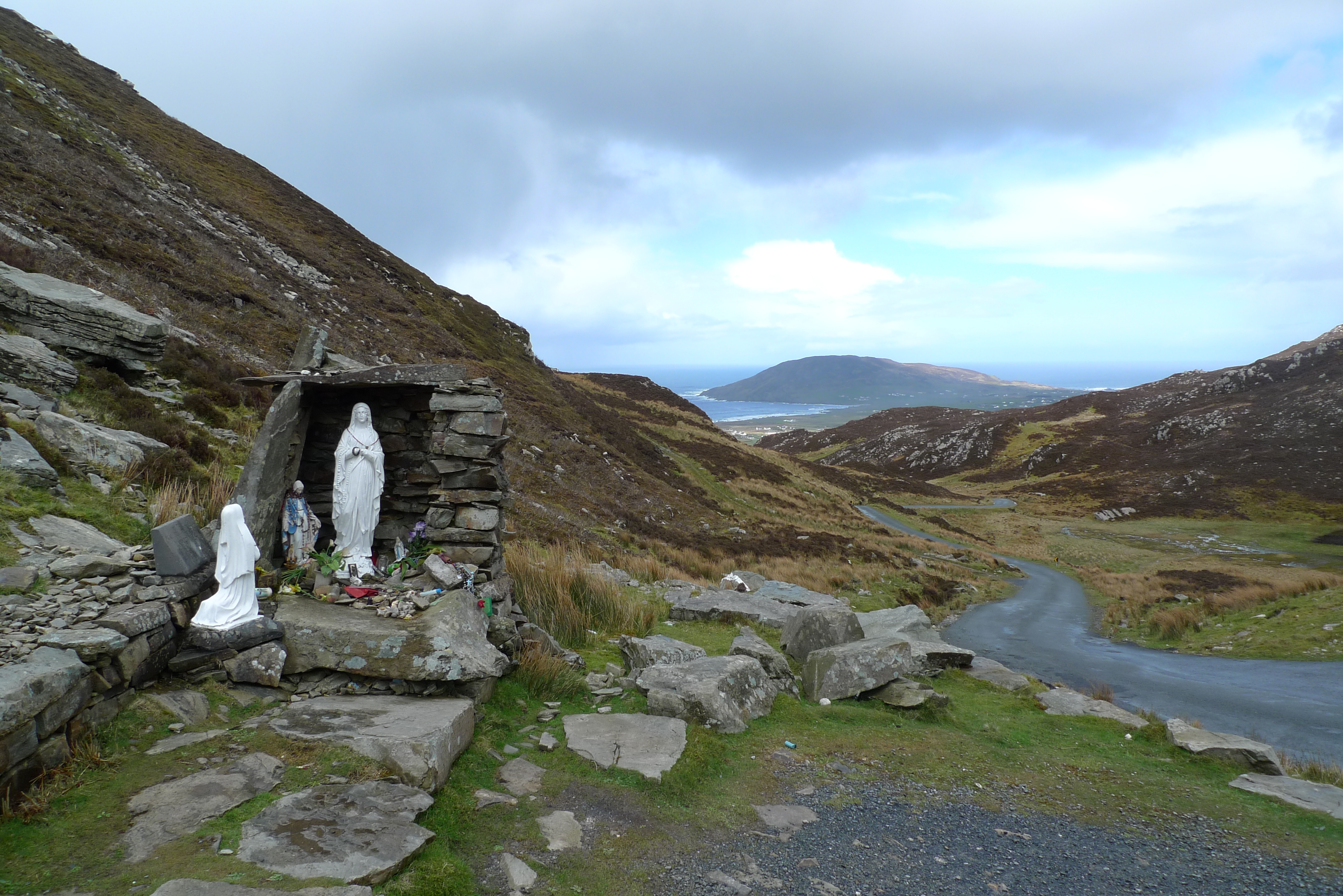
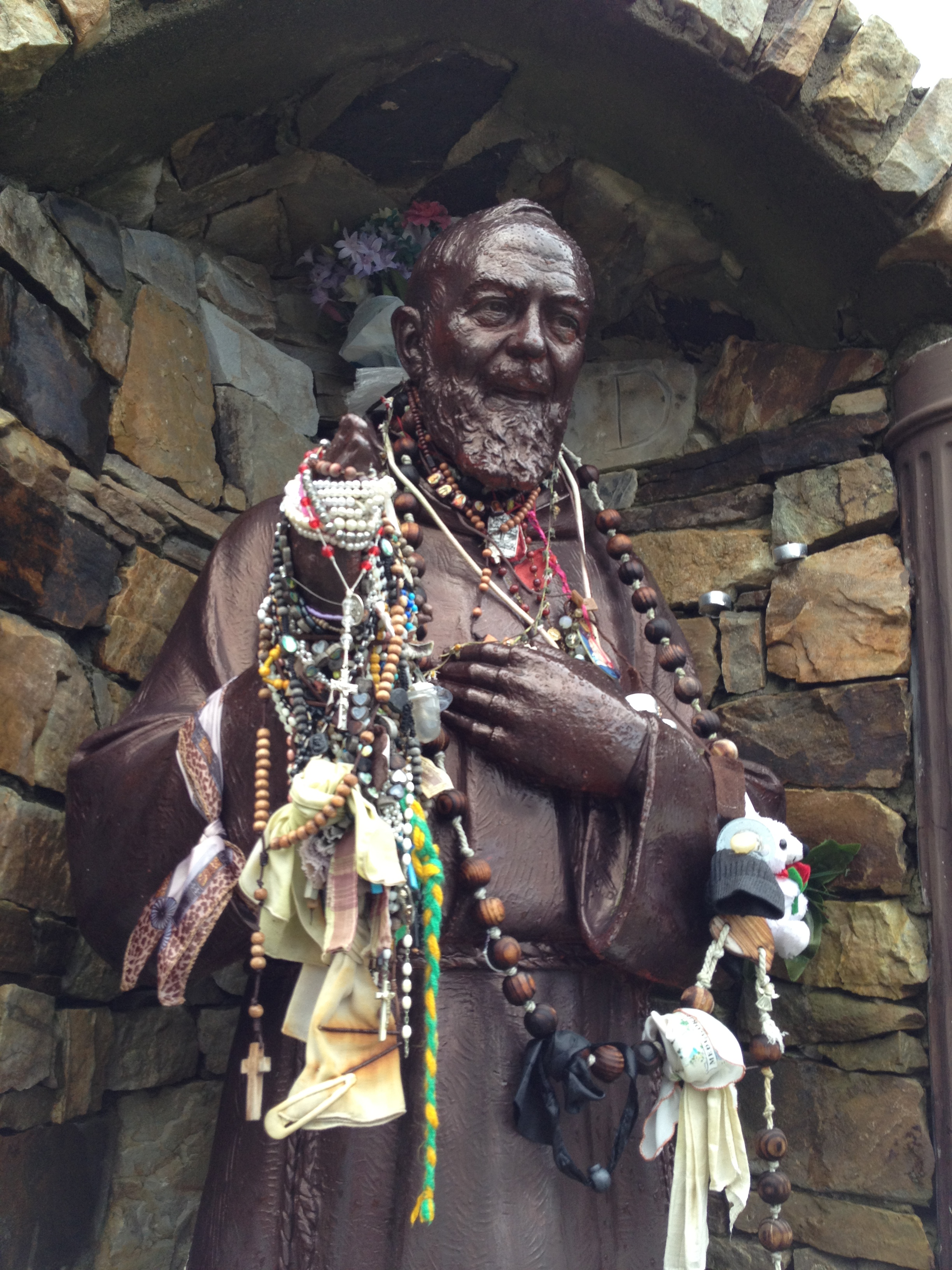
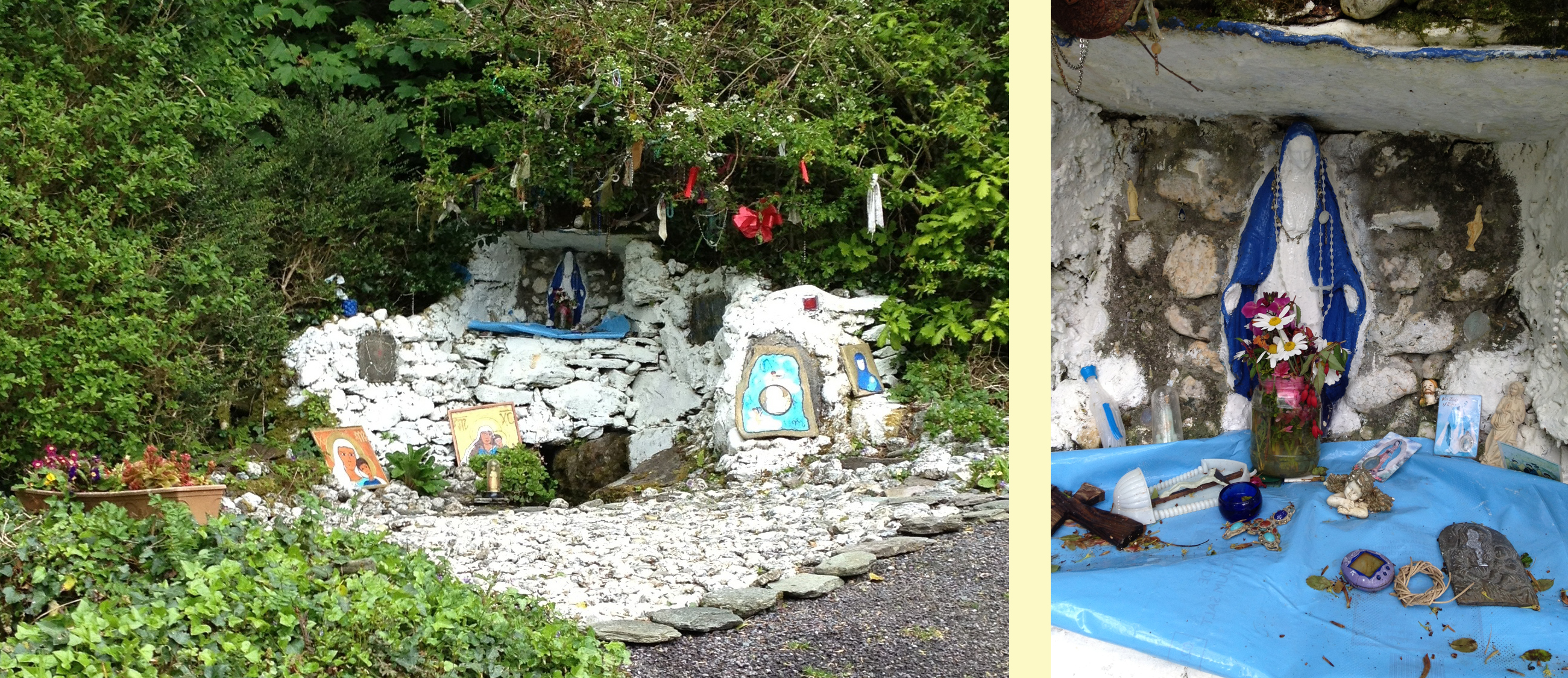
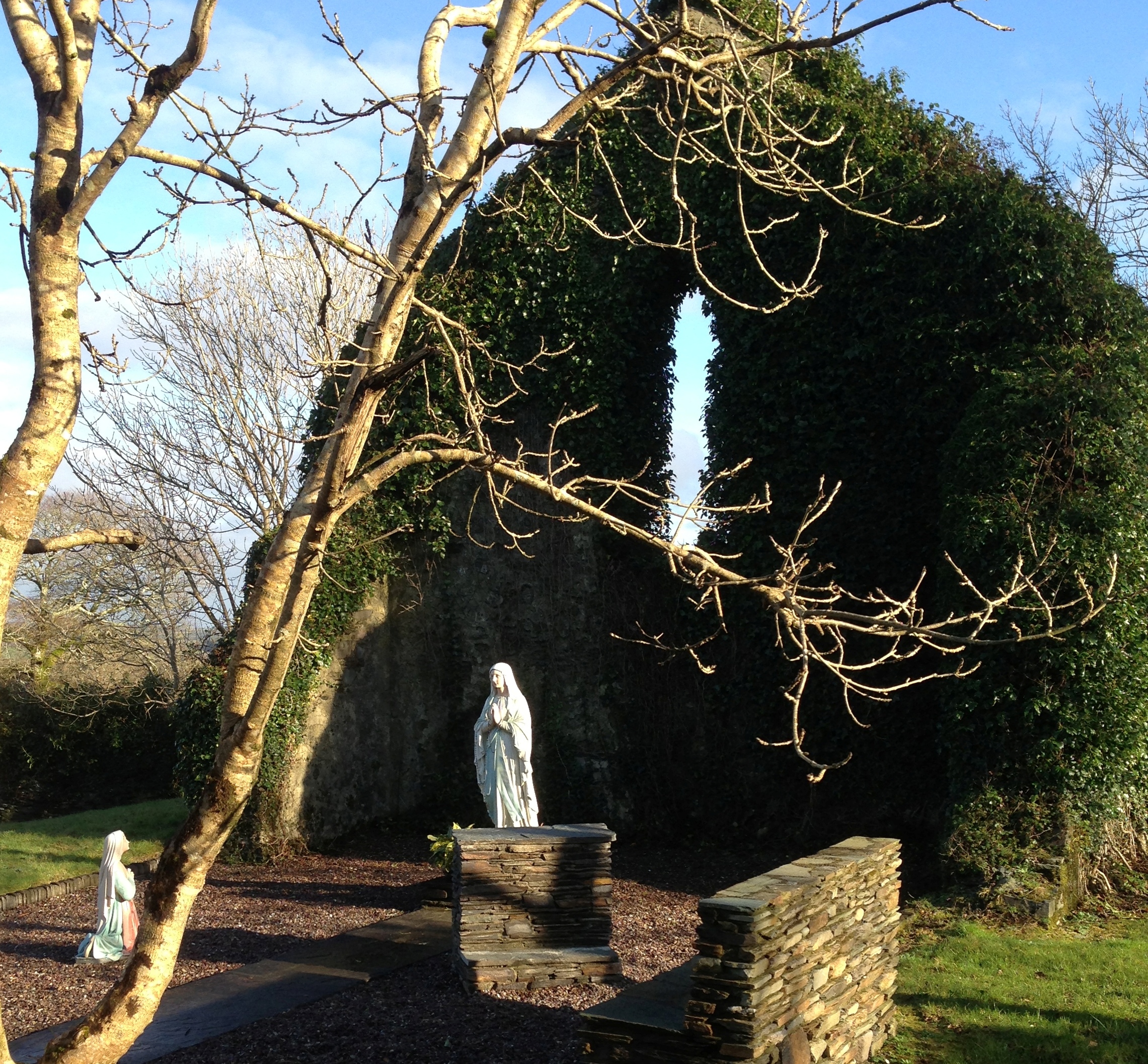
On our drives, it has become a game to be the first to spot a shrine and yell out “Grotto!” They are everywhere. While some are standards of Christian iconography (Calvary groupings, crosses) and others venerate local saints, the vast majority are Marian and based on the apparition of the Virgin Mary to Bernadette of Lourdes. In 1954, at the height of Catholic fervour in Ireland, the Vatican declared a Marian Year – a year of special devotion to Mary. Ireland embraced this with great enthusiasm and suddenly the countryside was decorated with statues (like the Pieta on the Sheep’s Head) and every community sported a Lourdes grotto. Ireland at that time was poverty-stricken so it is particularly striking that when the Irish had nothing – there were few cars, no modern conveniences, little spare money – parishes managed to put together enough to erect devotional shrines.
The best ones, of course, are the rustic shrines you stumble across on a drive or a walk. Sometimes an ancient holy well will have been ‘Marianised’ by the addition of a small carving or rosary beads, or a summit or mountain gap will have a simple rocky structure to house a statue. Pilgrims or passers-by leave small tokens either as a mark of respect or to support a special intention.
There is an elaborate grotto near here in Ballinspittle. In the mid 1980s the country was galvanized by reports that the statue of Mary had been seen to move. Pilgrims flocked to the site, overwhelming the small town of Ballinspittle for a while. The 80’s were very different from the 50’s: many of the older generation believed, and still do, while others had lost that simple devotion that characterised earlier times and the apparition was greeted by many with a scepticism that would have been unknown in the 50’s.
When I was a schoolgirl, we were arrayed in veils for a walk down through the school grounds every day in May to visit the grotto. Hands folded in prayer, we sang
“Oh Mary we crown thee with blossoms today, Queen of the angels and Queen of the May.”
The tradition of choosing a young girl to be May Queen to preside over spring festivals is common to many cultures and probably pre-dates Christianity. In Ireland, as we often see, this tradition has become Christianised. The ubiquity of Marian images here is yet another aspect of the rich fabric of Irish culture.
Enigma
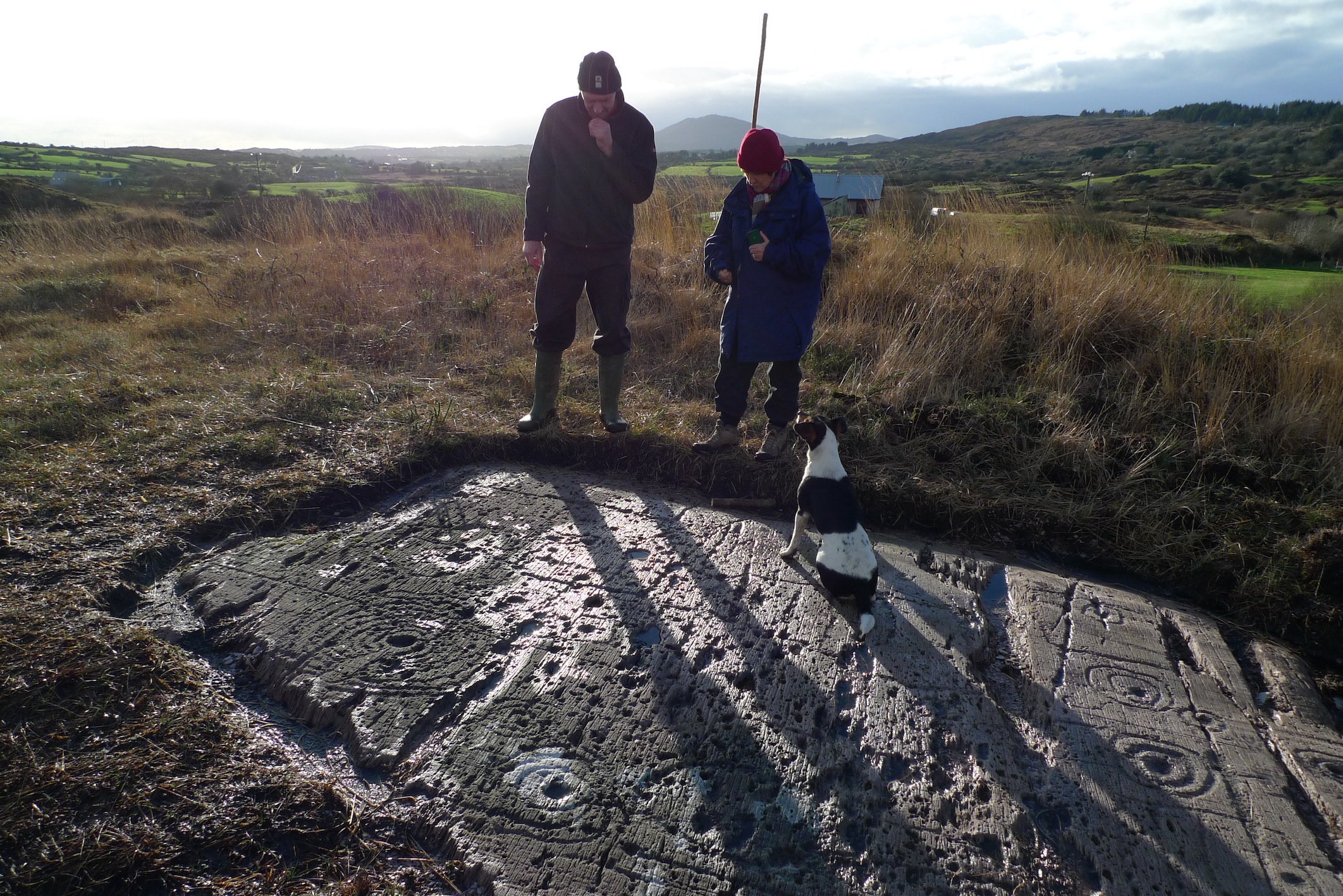
We went to look at an exciting new Rock Art discovery, in the hills between Ballydehob and Bantry: wild country. The man who uncovered it – Gary Cox – lives close by, and became familiar with the terrain through walking his dogs over the land every day. He noticed in passing a small piece of exposed rock, just a few centimetres square, on which it was possible to make out a couple of curved lines. Intrigued, he began to carefully pull back the moss and gorse to expose a secret which had lain hidden from view for hundreds – perhaps thousands – of years.
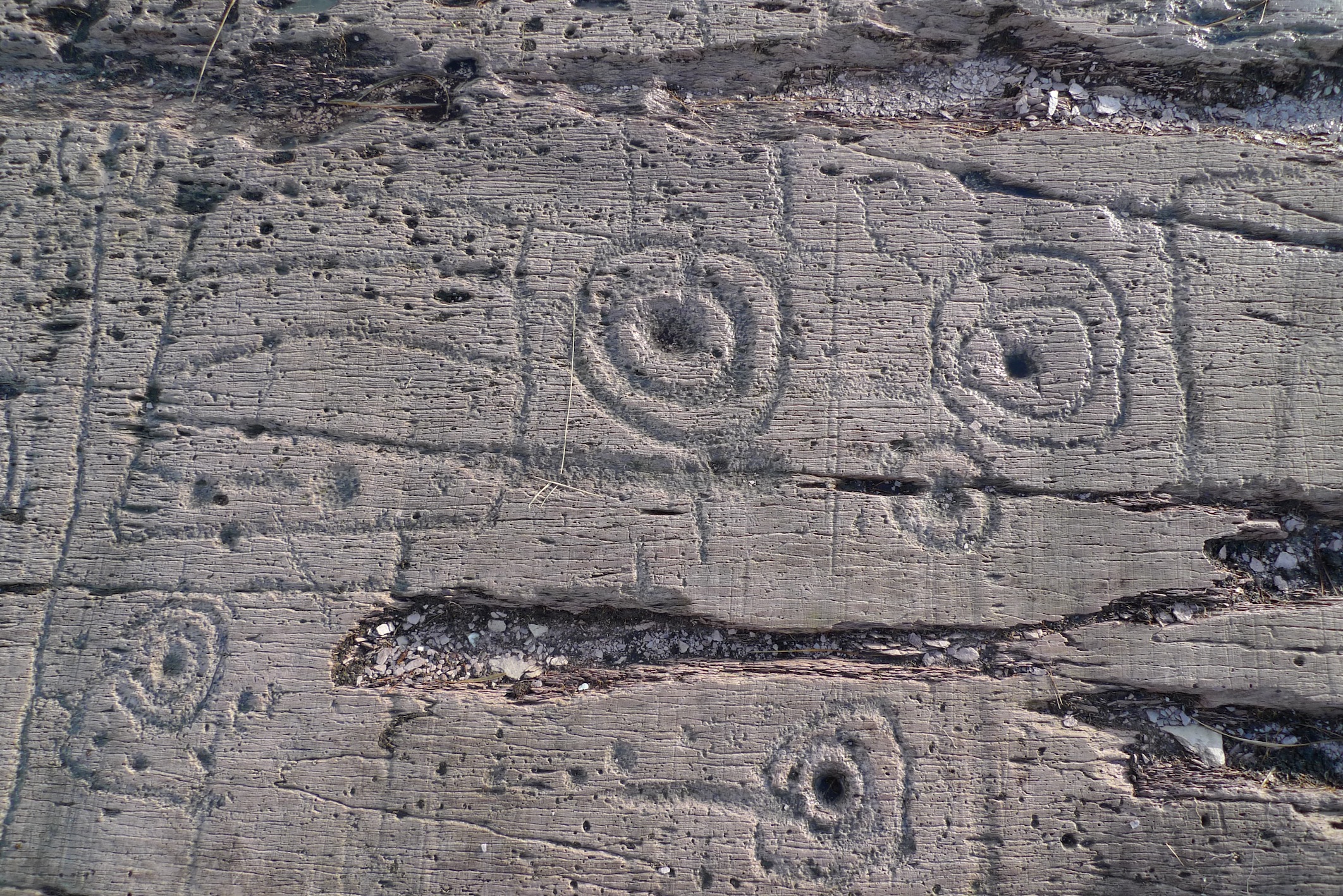
The Derreennaclogh panel is one of the finest and most intriguing pieces of Rock Art that we have seen in West Cork. Because the surface has (until now) been largely protected from direct contact with the weather, the carvings are pristinely visible, especially on a good bright day. On the rocks at Ballybane West – just over the hill – the designs are so weathered that you can go there day after day and never make them out, unless the shadows from a low sun are just right.
Current thinking suggests that all the Rock Art in ireland is Bronze Age – between four and five thousand years old: it’s breathtaking to think that we are looking at such ancient depictions of …. what? There’s the enigma: we have no idea – there are cup marks, circles, lines, even squares and waves on this newly revealed one: very unusual. Theories abound, of course: sun, moon, stars, maps, calendars – I’m sure someone has suggested they are flying saucers! We’ve written more on this in previous posts, and of the prolific appearance of rock carvings on the whole Atlantic facing coast from Scandinavia down through Scotland, Britain, Ireland, Brittany, Spain and Portugal. There are variations but the same symbols or motifs occur over and over. But here – on our doorstep – are some of the most unusual shapes to challenge our imaginations.
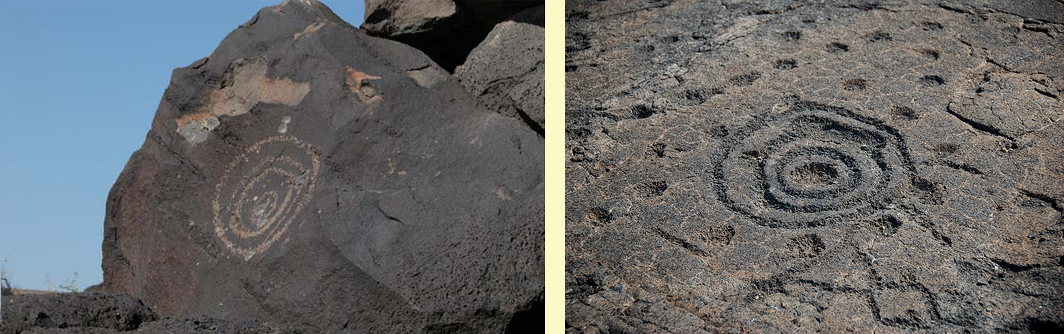
I have been extending my researches to petroglyph cultures beyond our own roots. I was intrigued to find some images from New Mexico – strikingly similar to our rock art – and Hawaii. In the latter place there are numerous circular depressions, around 50mm in diameter, interspersed with lines and circles. On our rocks in West Cork cup marks are also widespread – one of the most common images. They are also surrounded by concentric circles: at Derreennaclogh there is one cup mark with eight concentric circles around it – that’s more than we’ve seen on any other site.
There is folklore attached to the Hawaiian cup marks: local historians explain that these holes are called ‘Puka’. When a child was born a Puka would be carved in the lava stone. The new baby’s ‘Piko’ – umbilical cord – would be placed in the Puka to wish blessings upon the child for a long and prosperous life. In Hawaii and New Mexico the carvings are reckoned to be between 500 and 1,000 years old – much younger than our Rock Art. But here’s more food for thought: in Irish there’s also a word ‘Púka’ or ‘Pooka’ – sometimes a Fairy, or a shapeshifting spirit which can appear as a Hare or a Horse with dark fur. If a human can jump on the back of the Horse he will be given a wild ride but will probably be thrown off. Legend says that Brian Boru – the High King of Ireland – was the only man who could truly ride the Púka – by using a bridle incorporating three hairs of the Púka’s tail.