‘The Mountain’

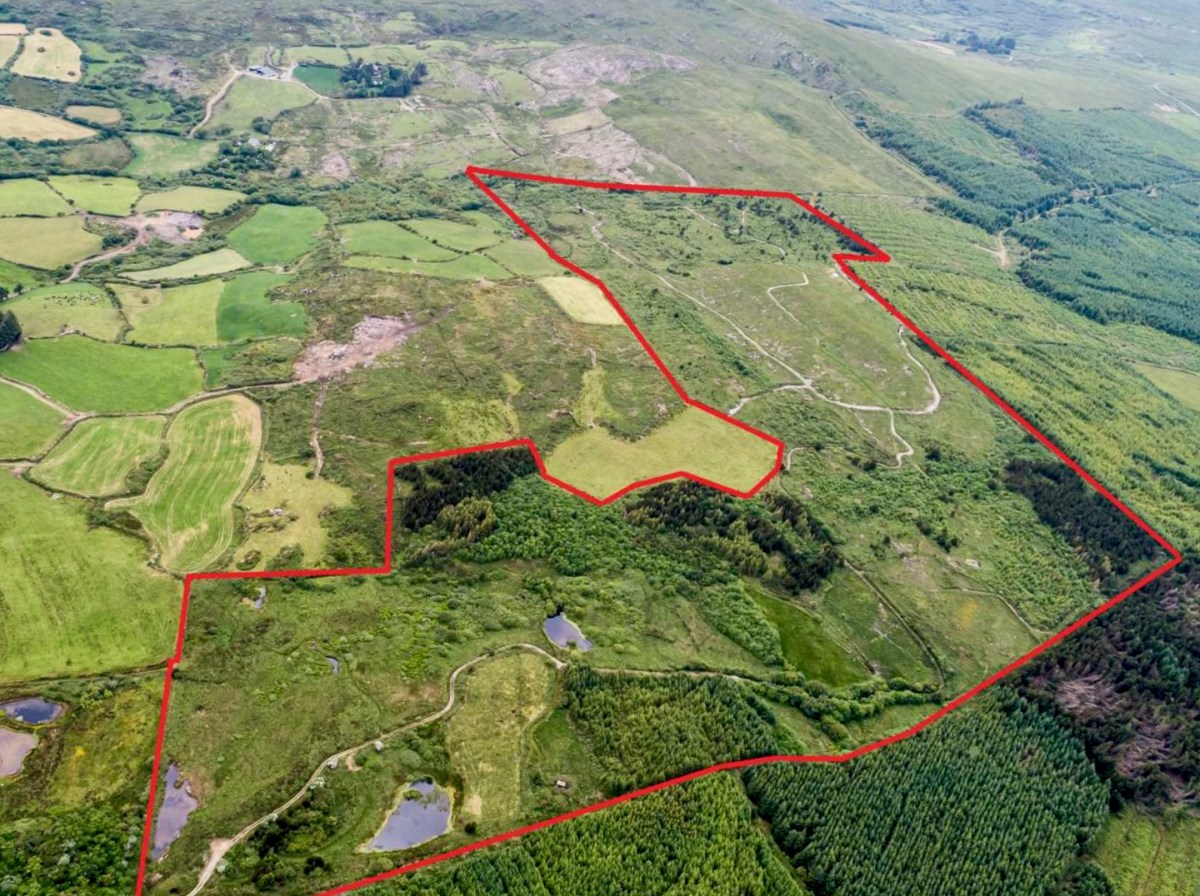
We spent a day on ‘The Mountain’. It’s a West Cork location, not too far away from us. The land has a history that touches on many of our interests covered here in Roaringwater Journal – and some of the West Cork people we have written about over the years – so it’s pretty special. We were delighted to be welcomed to it by its present owner, Oliver Farrell: that’s himself, in the pic below. You have met him before, here. Thank you, Oliver, for allowing us to experience this special site, and for letting us put out this post about it.

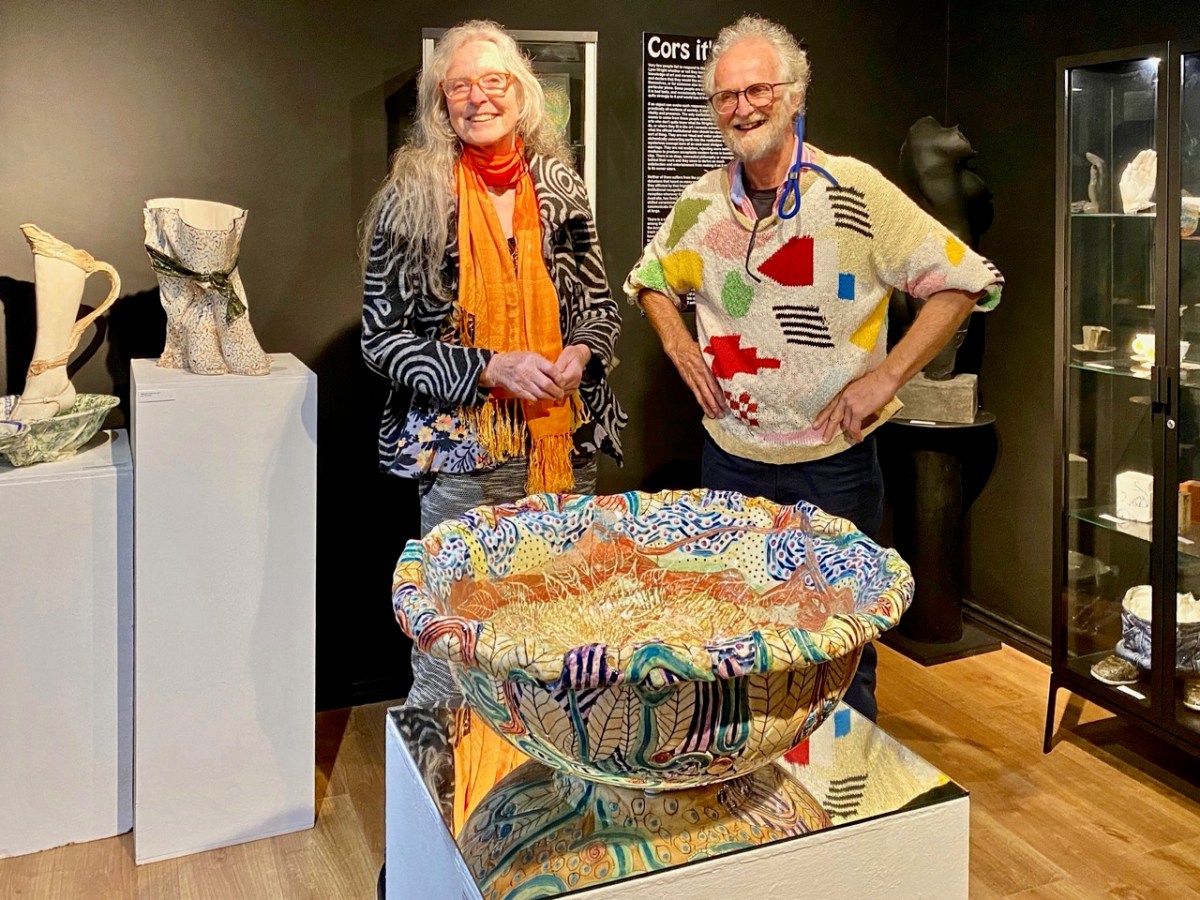
Previously, the 70 acre ‘Mountain’ site was owned by the Wrights – Lynne and Ian (above): you saw them in the 2022 Ballydehob Arts Museum exhibition, here. When they purchased it – in 1997 – it was rough pasture and bog. They aimed to develop an environmentally and economically sustainable forest using existing grants, and successfully challenged the decision of the Forest Service (through the EU) to only grant aid the planting of alien conifers. They set about transforming it: they had a vision of a ‘pure’ West Cork landscape supporting an ecosystem of native species. Now – many years later – it’s possible to see that the Wrights’ vision was fully justified – and realised. Today Oliver is undertaking essential maintenance work, and is committed to expanding on the inherent sustainable qualities that the site embodies. In fact, ‘The Mountain’ is largely in excellent environmental order.
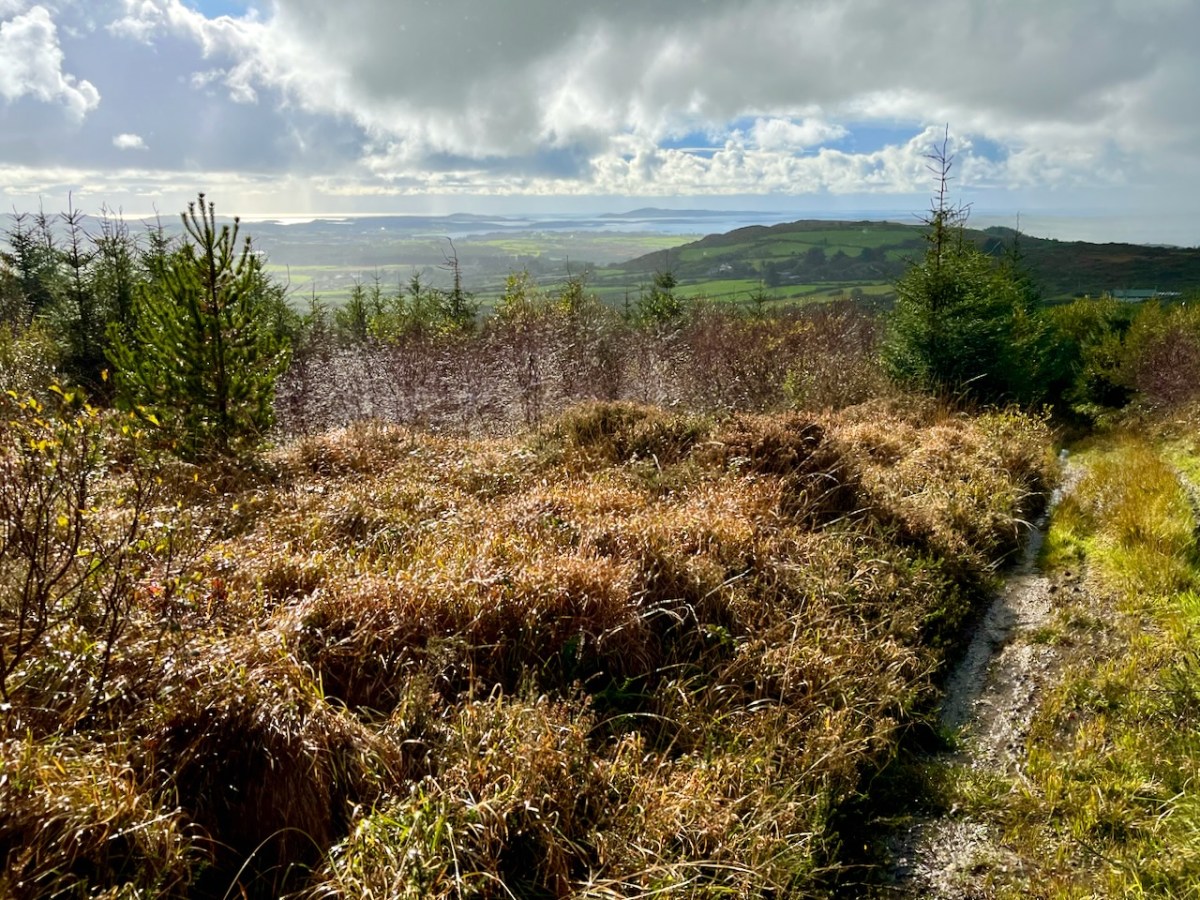
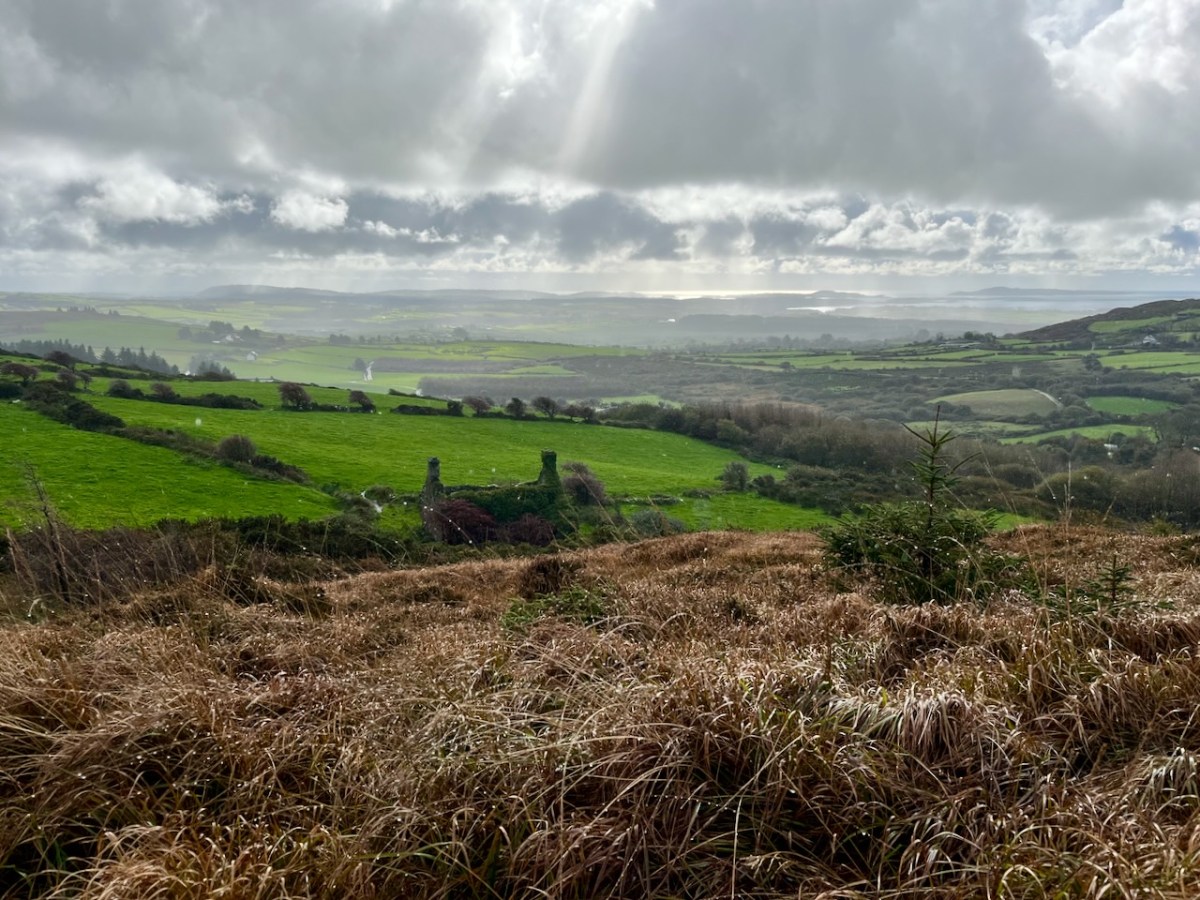
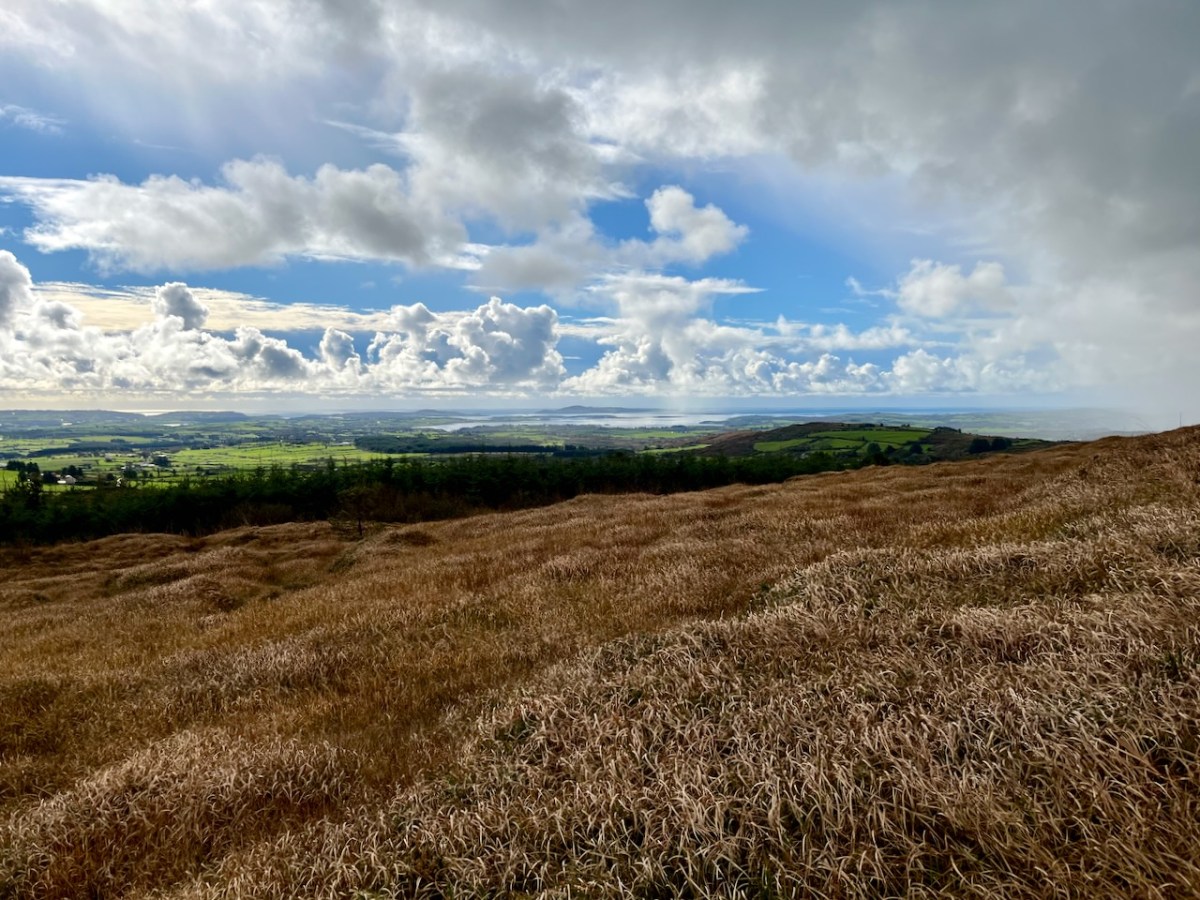
Interestingly, Ian told us that when they made the decision to buy the site they had only seen it under cloud: the spectacular view wasn’t revealed until later on. We were fortunate on the day of our visit to see the full panorama of Roaringwater Bay stretched out before us.

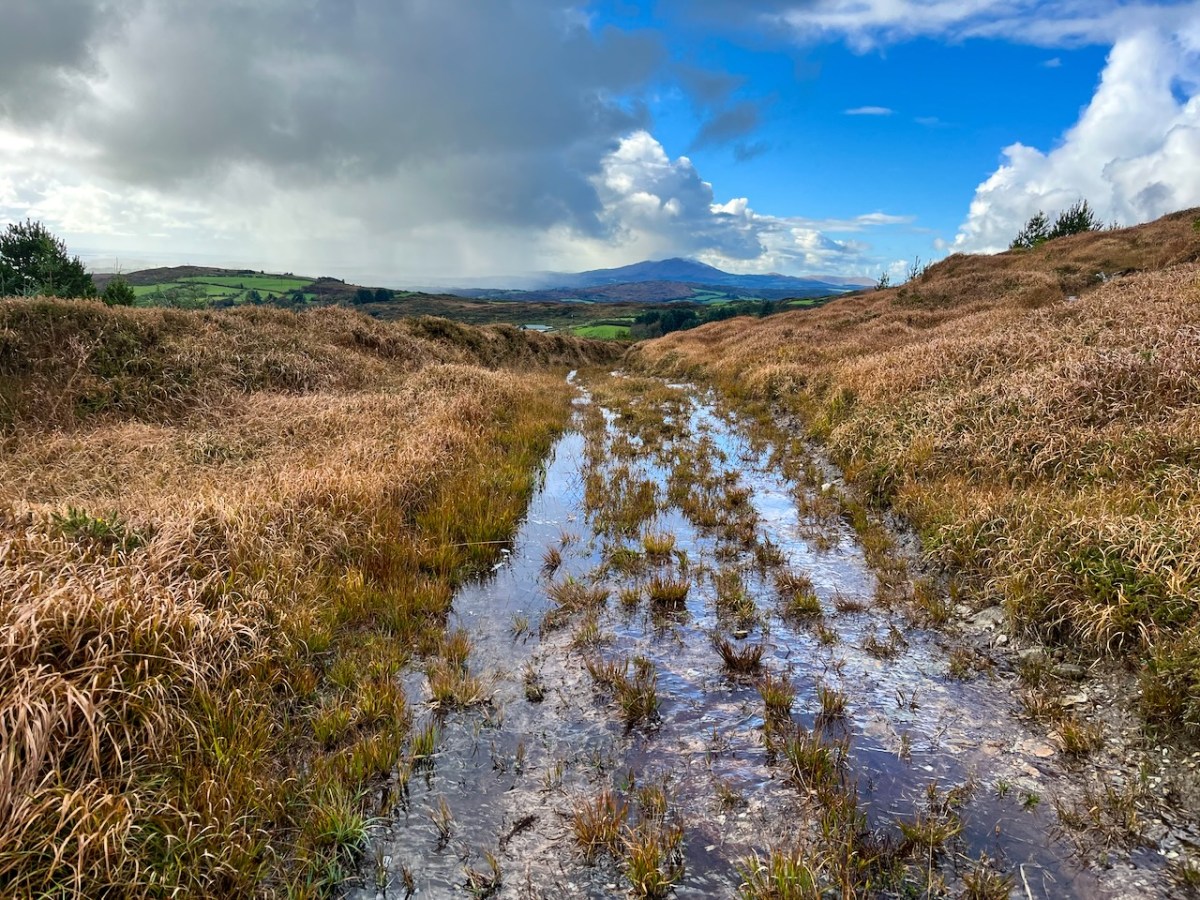
This dramatic view towards Mount Gabriel is a reward for climbing ‘The Mountain’. The ground was waterlogged on the day of our visit as this autumn has been a time of relentless rainfall, but always interspersed with brief dry patches: it’s great to be out to catch these. Springs rise on the high ground here, and I’m working out that they either feed the Roaringwater River – the water that gives its name to the whole Bay and islands that are central to our view from up here in Nead an Iolair, or another of the many streams that drain the West Cork hills below us.

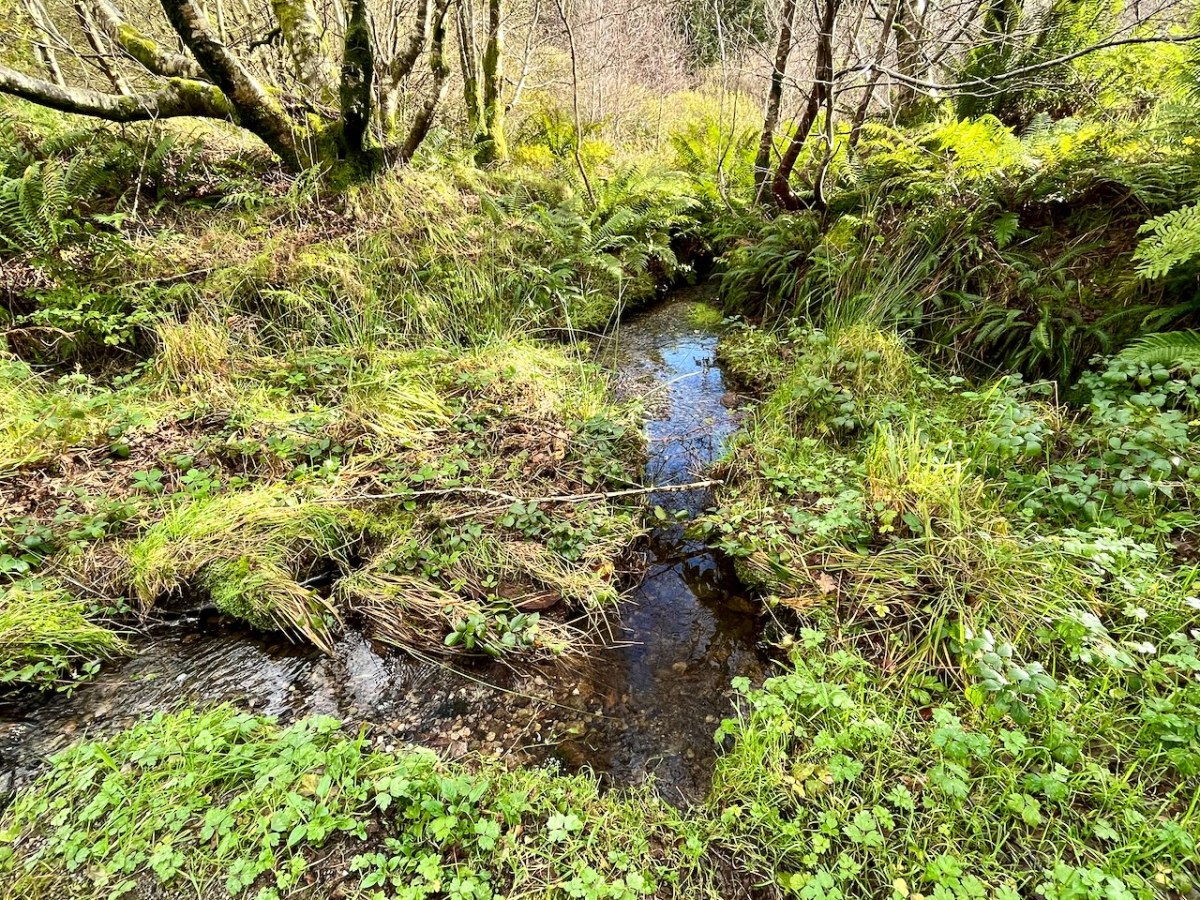
Oliver stands above one of the spring outlets that form the infant waterway (top), while the stream matures as it flows on down through his land (lower). Below – Oliver and Finola inspect one of the lakes which has been created within the site.

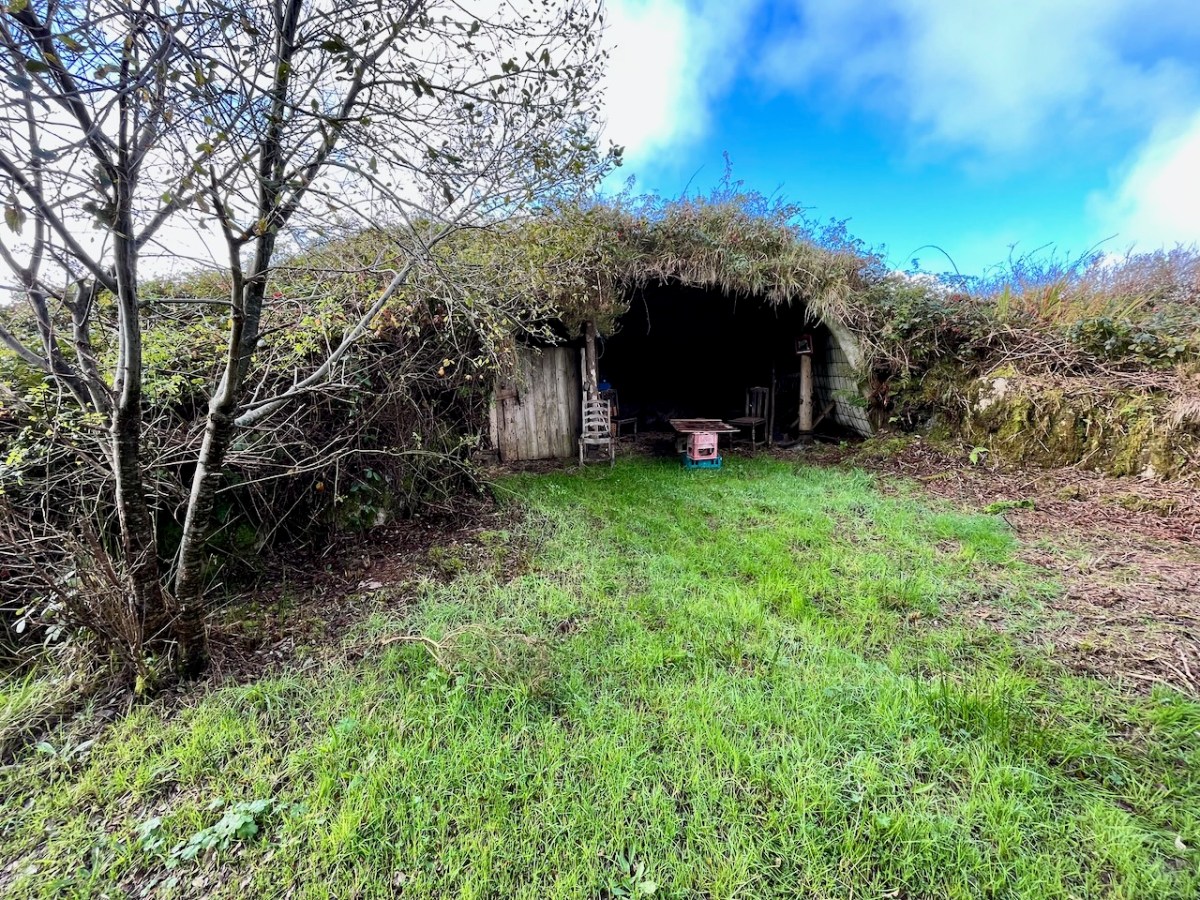
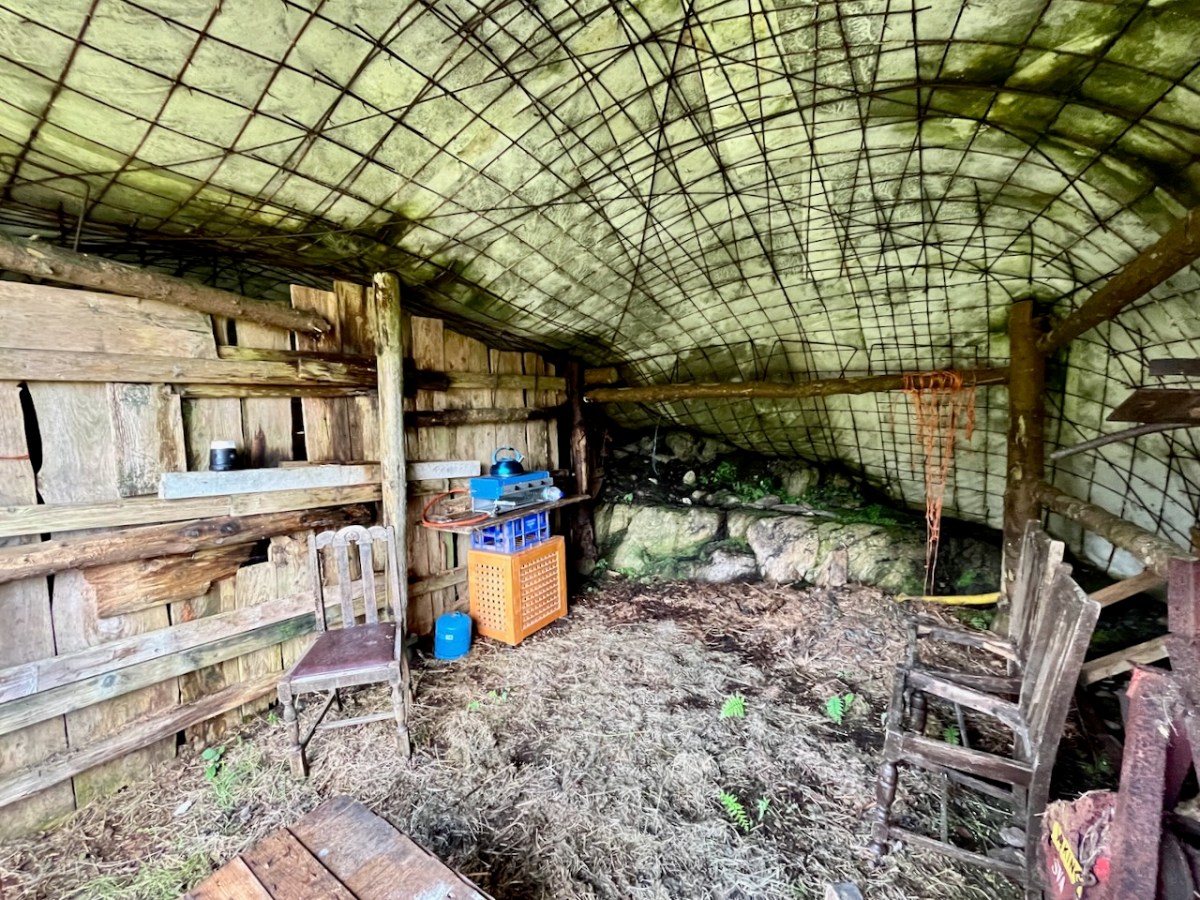
At one stage in his life Ian researched, developed and introduced the building of low–tech ferro–cement boats as a cottage industry on Lake Malawi to help address the problem of unsustainable fishing practices there. At the ‘Mountain’ site he experimented with ferro-cement as a material for establishing a well blended-in shelter and store.
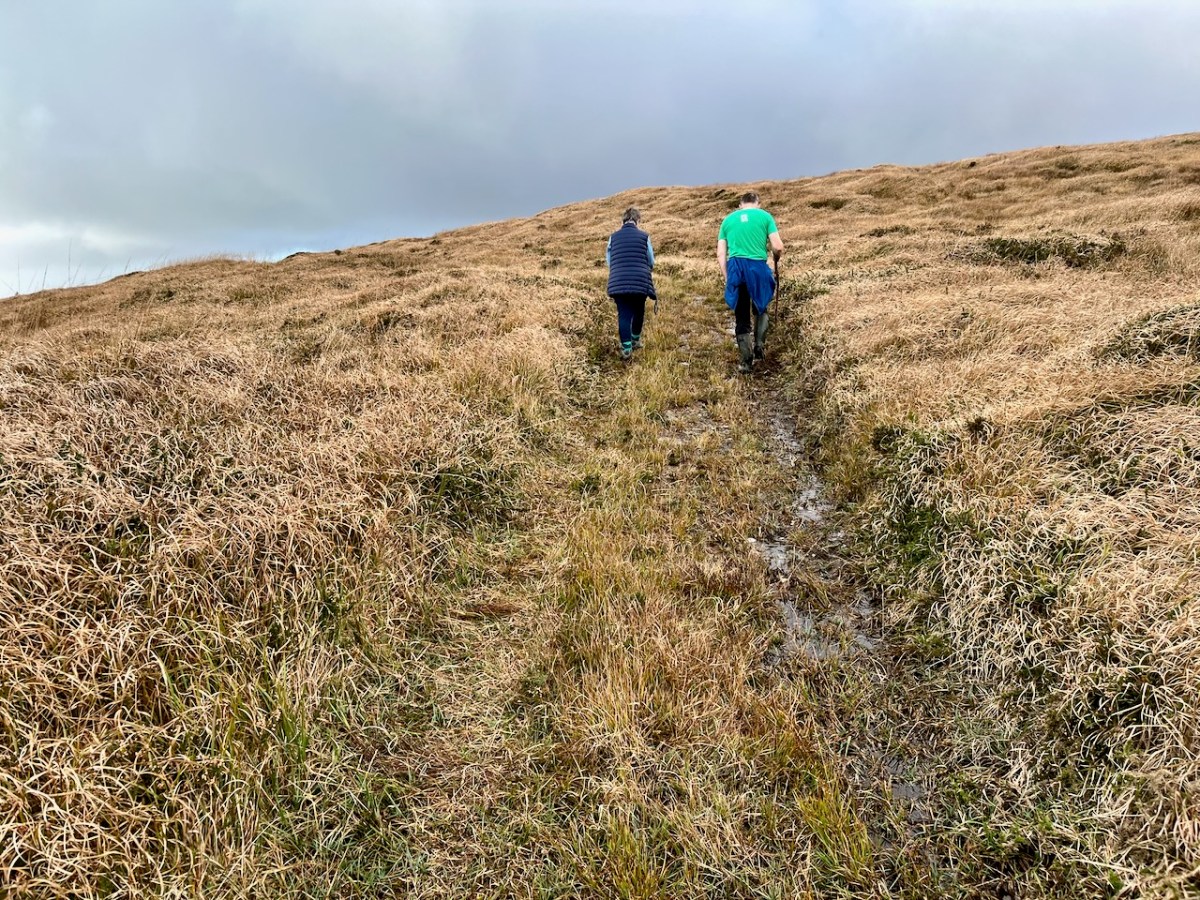
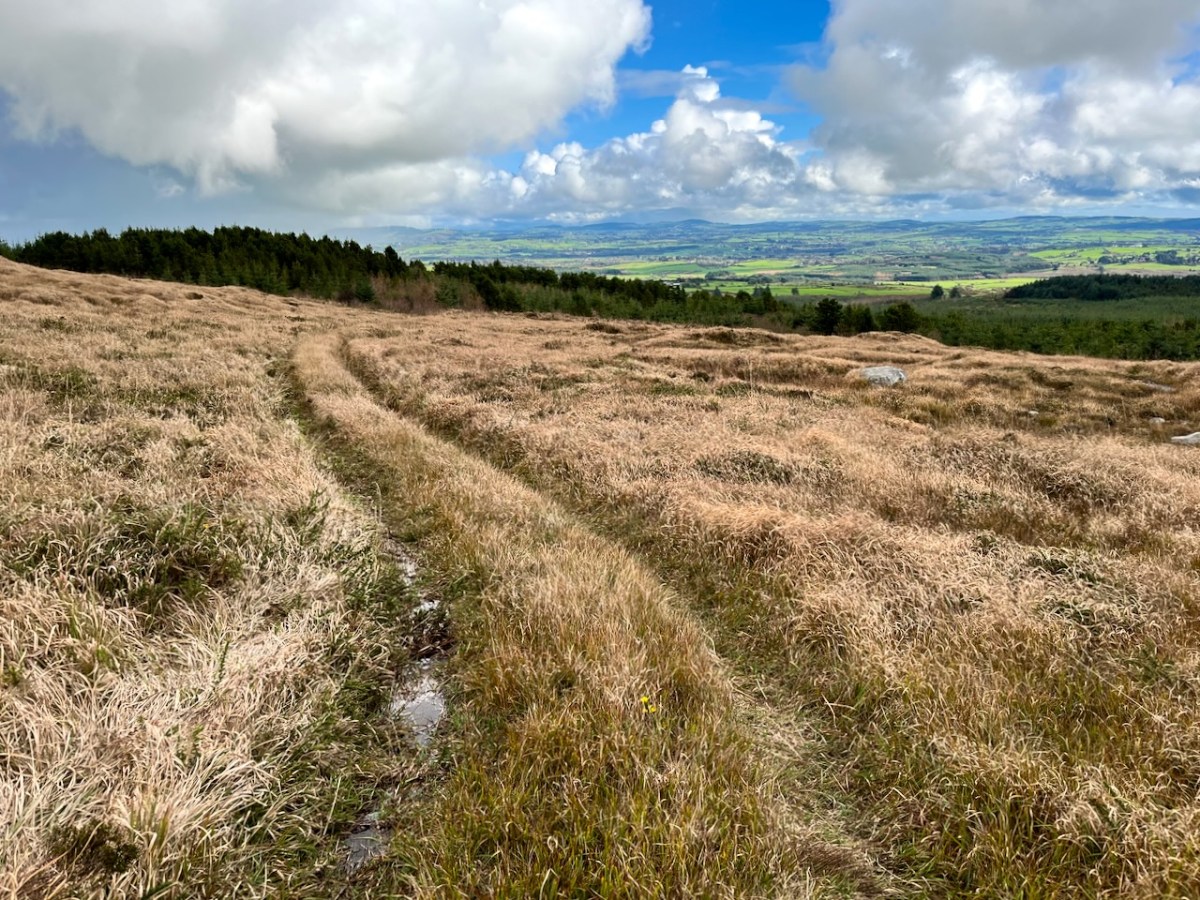
Straddling two townlands, ‘The Mountain’ is an impressive example of how an area of West Cork wilderness has been perfectly moulded into its natural setting. It is an out of the ordinary place which demands exploration.
I’ll be visiting the site, and writing about it more in the future. Oliver will be keen to allow access: keep watching this space.

Revisiting BAM

BAM is the Ballydehob Arts Museum, and regular readers will know that this is a project which has involved us over the past few years. The Museum was curated to collect, conserve and celebrate the work of artists who came to West Cork and – particularly – Ballydehob during the second half of the twentieth century, some of them settling in the hills around the village and living a Bohemian lifestyle based around the principles of John Seymour’s seminal work Self Sufficiency published in 1973. At that time I was involved in running an eccentric small bookshop in rural Devon, and that book was our all-time best-seller!

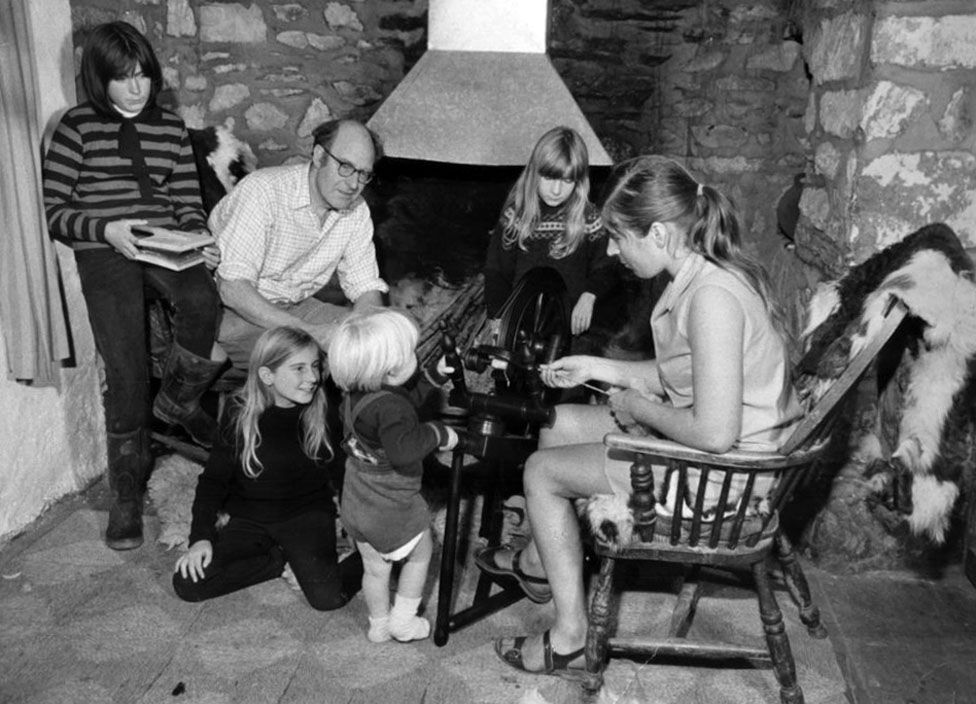
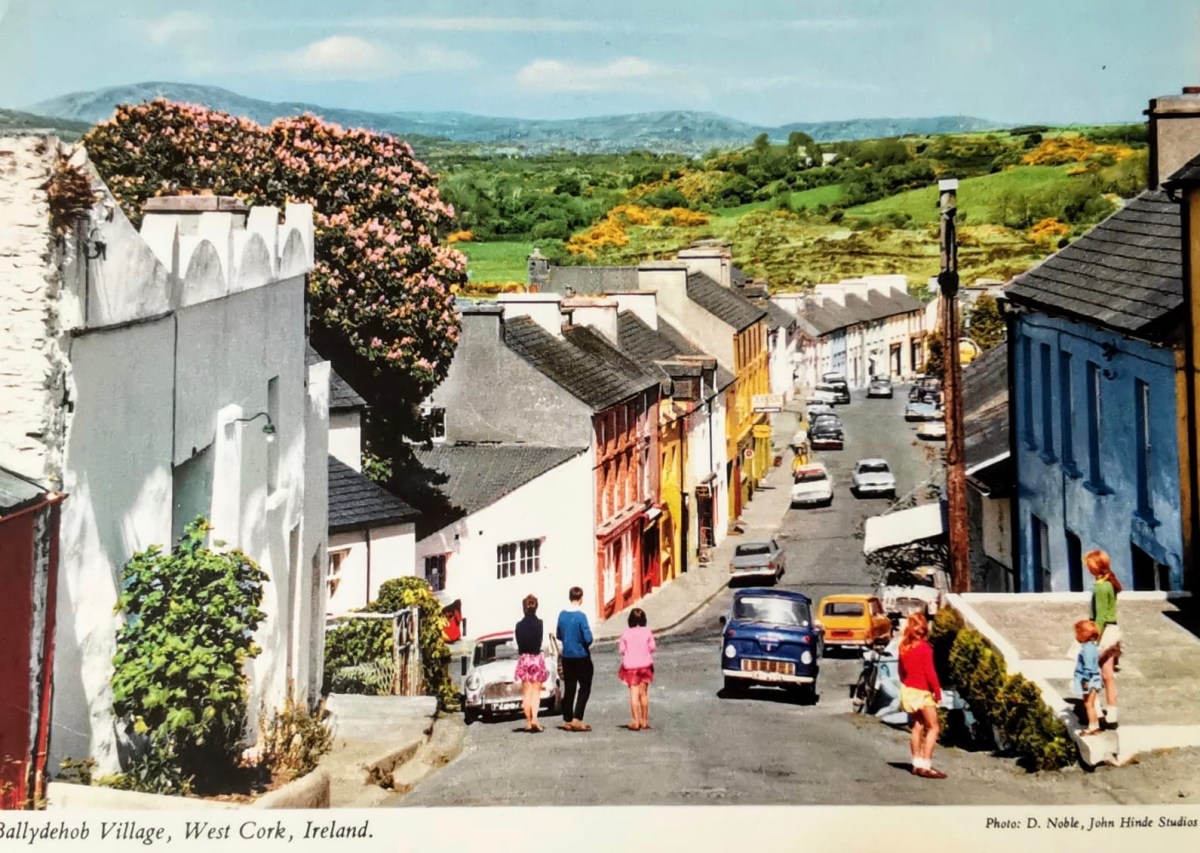
That’s John Seymour and his family in 1973, when the book was first published (upper picture) while the lower picture is a John Hinde postcard from around the same period showing Ballydehob. It looks a thriving, lively place with its coloured houses and shops, and I think those ‘Bohemians’ who are still with us today – and still have their homes in the village – would agree that it was in those days the centre of a very special world – of artists and craftspeople making a living and producing some exceptional work. Work that is being recognised, now, for its quality and unique character.

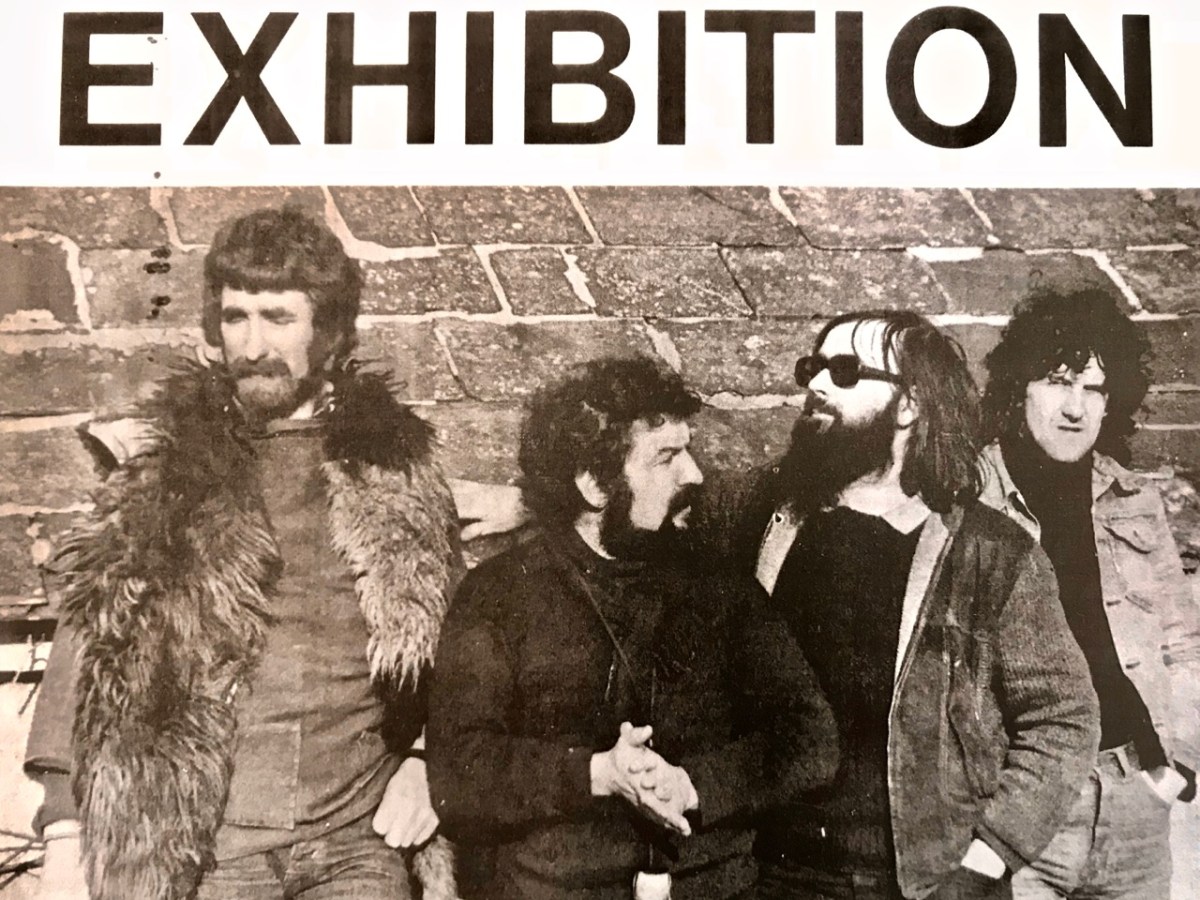
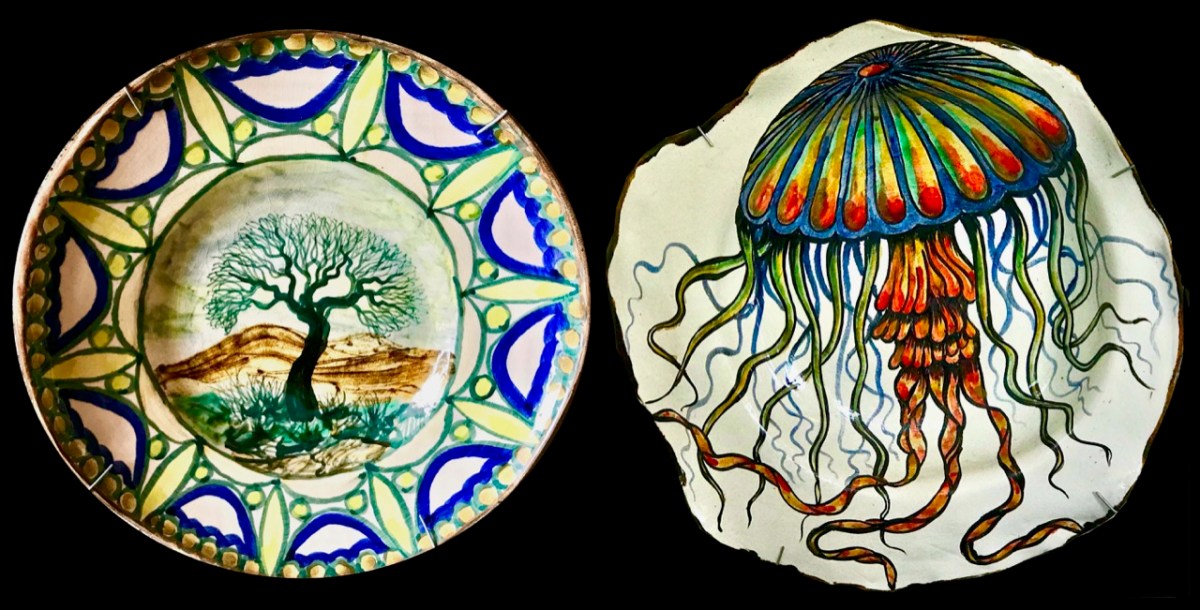
This is a wonderful photograph from the Museum archives: here you see four of the ‘Bohemians’ who were crucial to the Ballydehob project. On the left is John Verling – he and his wife Noelle produced the two plates on the header, Tree of Life and Jellyfish, and were central to the community, establishing their pottery at Gurteenakilla just outside Ballydehob in the early 1970s. John died in 2009, but Noelle still thrives in the area. Next is Pat Connor, still living and working – as an award winning ceramicist and sculptor – in West Cork. Beside him is Brian Lalor who, since those Bohemian days – has established a formidable reputation in Ireland as print-maker, artist and writer. Also, very relevant to this post, he is a co-founder and Curator of the Ballydehob Arts Museum! Fourth in line in the photo is watercolourist, David Chechovich, no longer with us. Here’s a photo from a couple of years ago showing Brian (left) with Leda May, another early arrival in Ballydehob and living and working right in the village to this day; also Pat Connor, and Carol James, who came over from England in 1974 and stayed on. They haven’t changed a bit, have they?

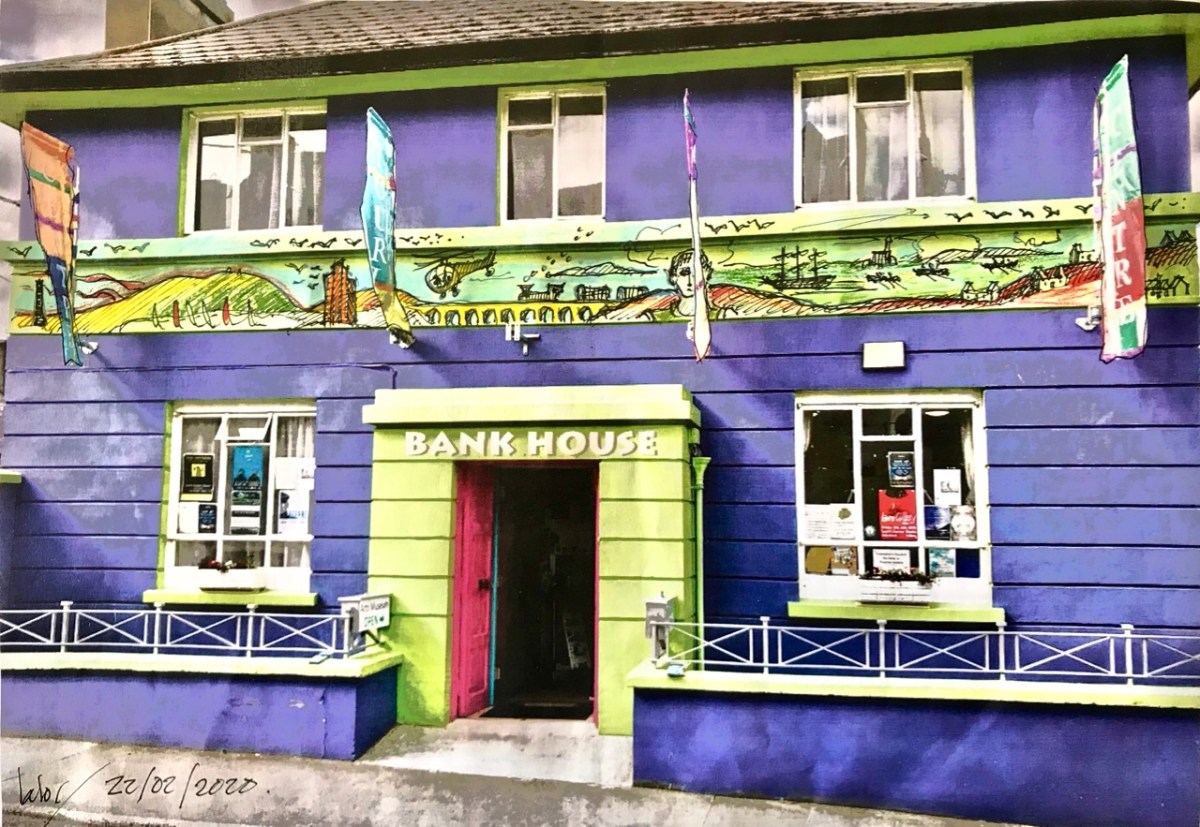
The Museum has a permanent home in Bank House, right in the centre of the village. As you might expect, it was once the local bank but – after closure – it was bought by the community and is currently finding fresh uses. This montage (above) is by Brian Lalor: he and I are imagining the building being livened up by a mural from Brian’s brush. Unfortunately, Covid has put a check on the Museum’s development over the last couple of years. But we are looking forward to getting things going again with a new exhibition for 2022. The photo below shows the Museum interior set up for the 2019 show.

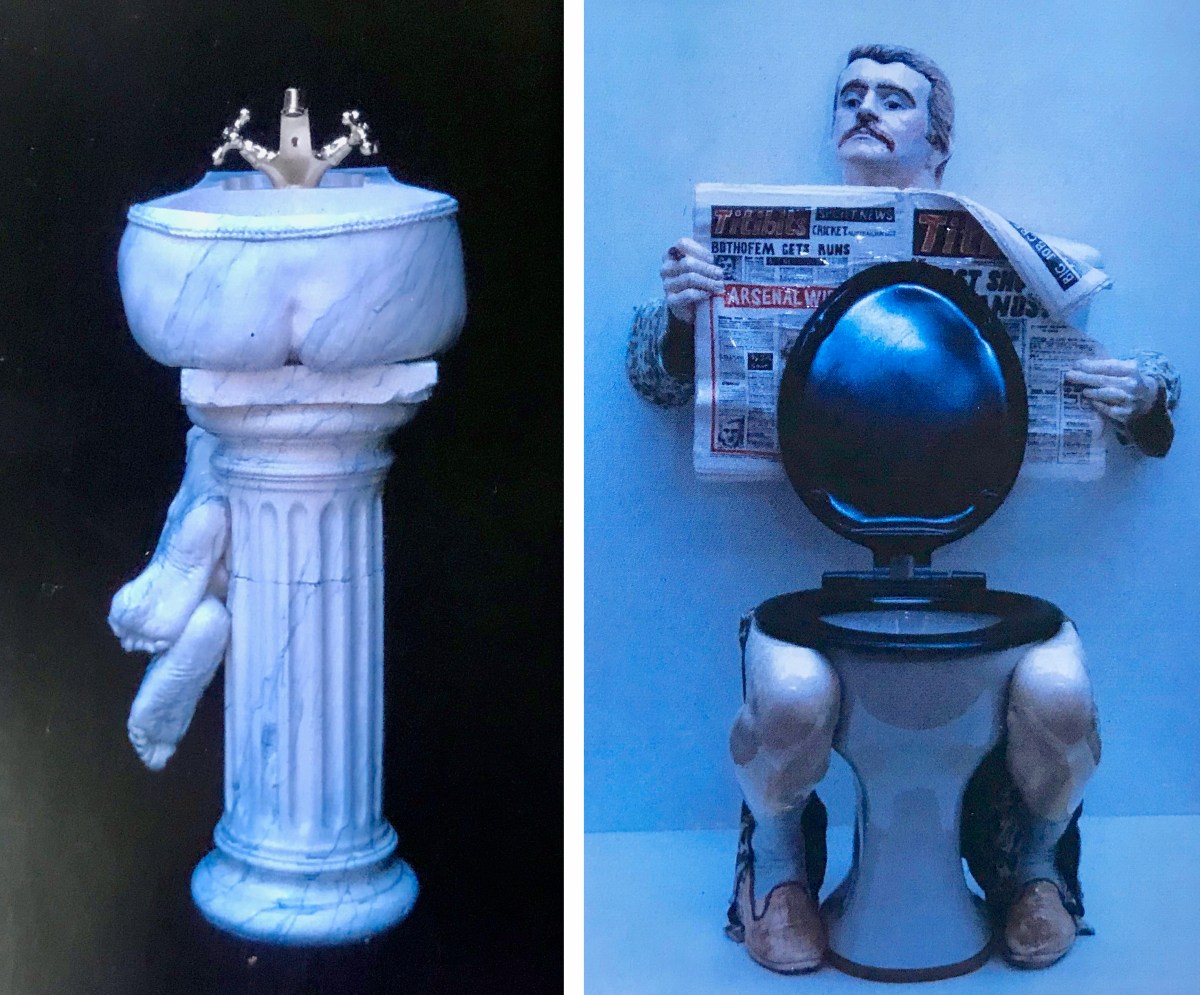
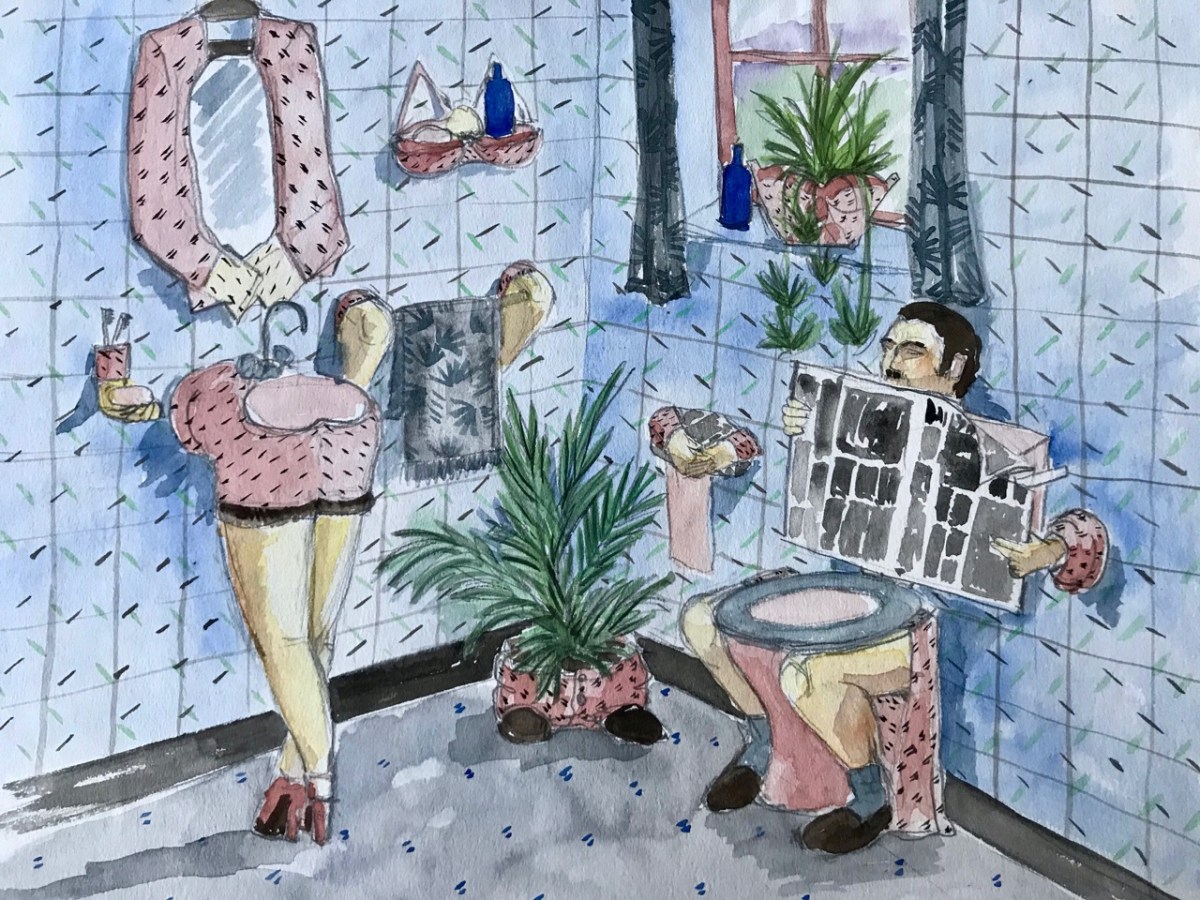
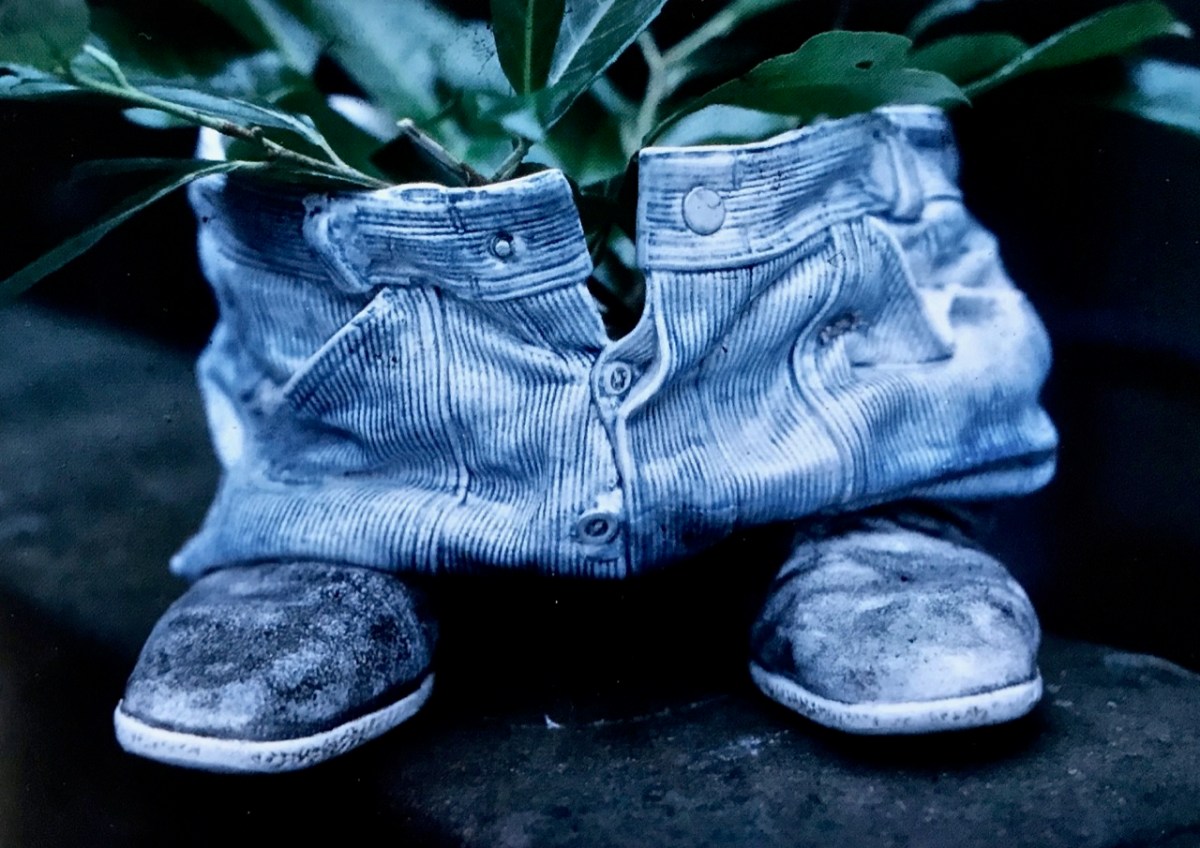
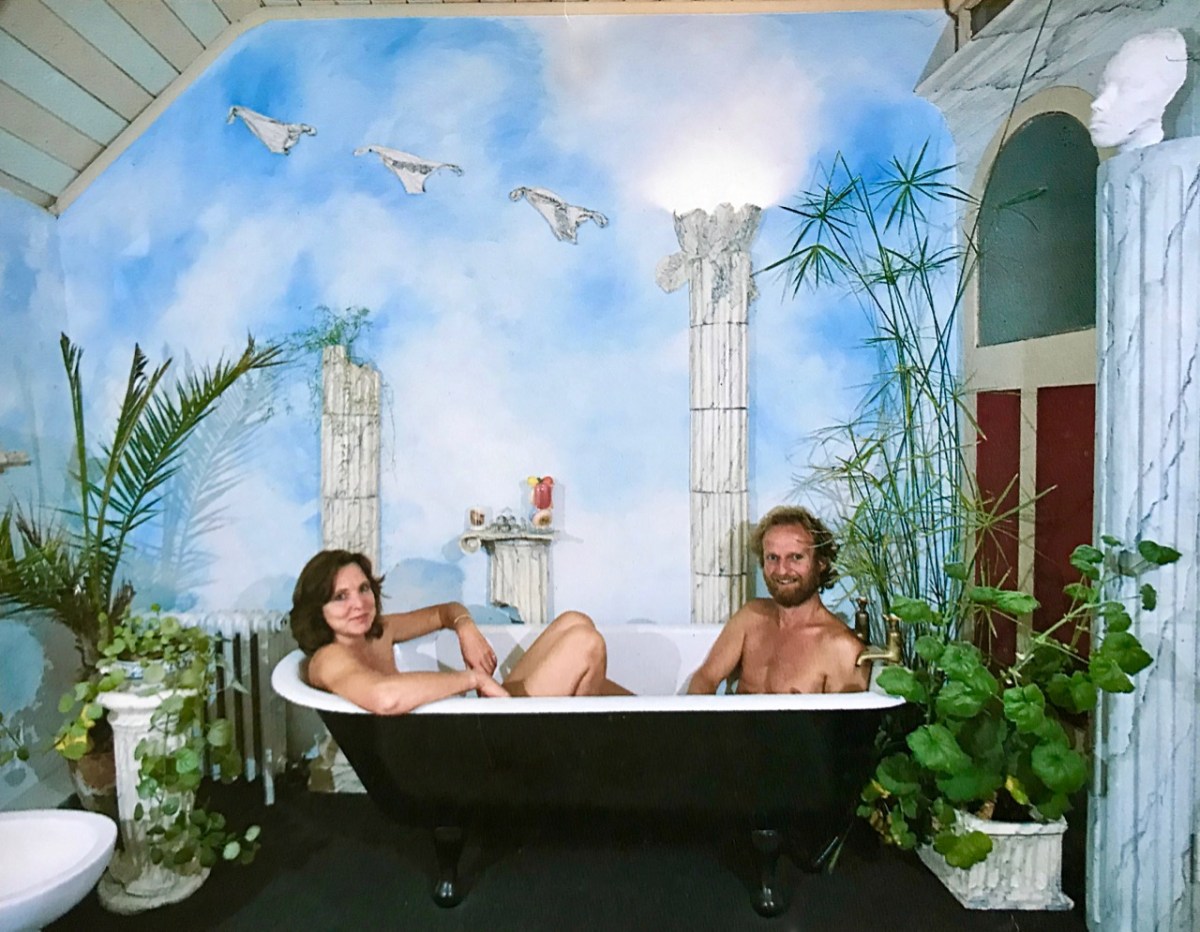
Here is an article – well worth reading – on the West Cork artists and our Museum (thank you, Peter , for pointing me to this). Mentioned in the article are the subjects of our next proposed exhibition, to be held in 2022, if all is well. They are Ian and Lynne Wright. They arrived in West Cork in 1973 and established their home, ceramics studio and an environmentally sound habitat at Kilnaclasha, Skibbereen. They are still there, although Ian spends much of his time on another environmental project in Tobago. Using the name Cors’ it’s Ceramics they experimented with body casting slipware and began to produce specialised one-off bathroom fittings – humorous and often erotic. They were hugely successful. Here’s a pictorial review of some of their work to give you a taster:

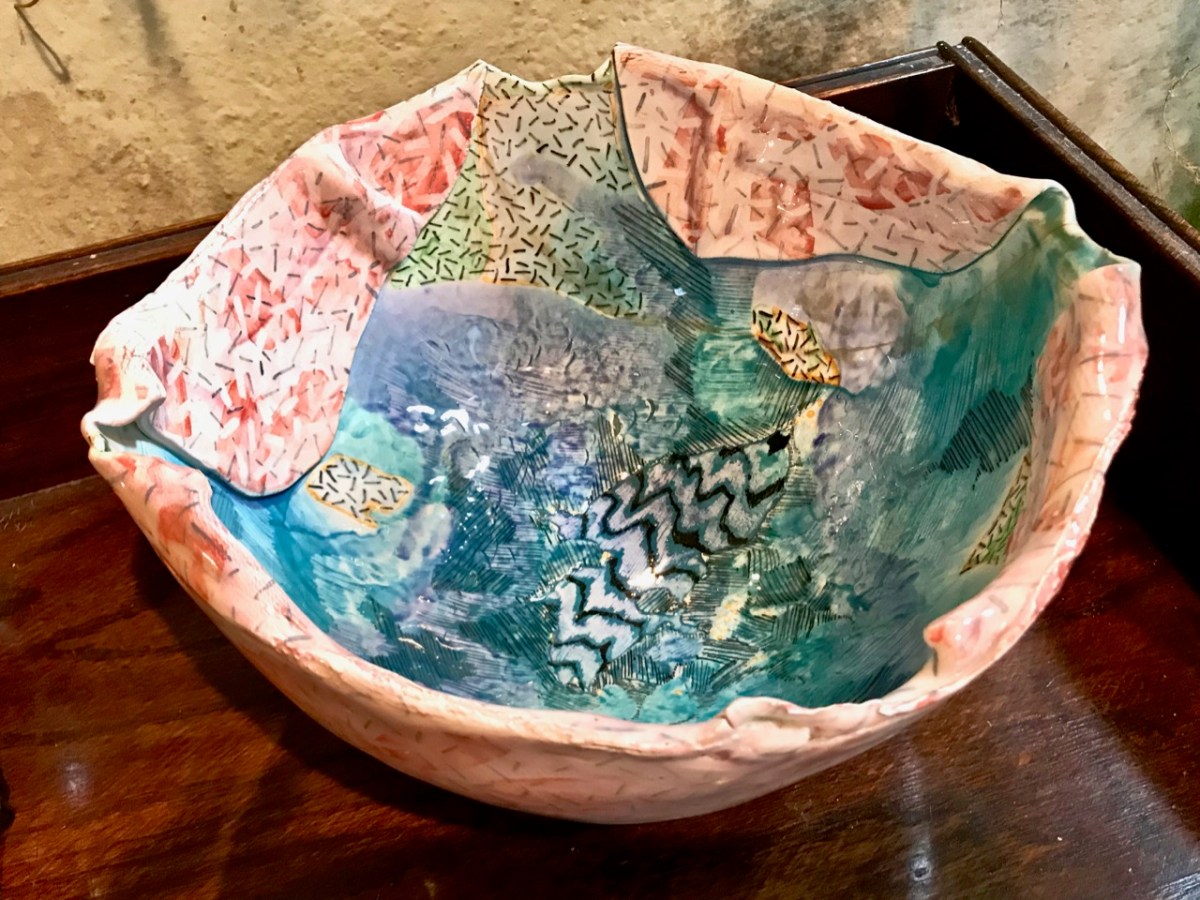
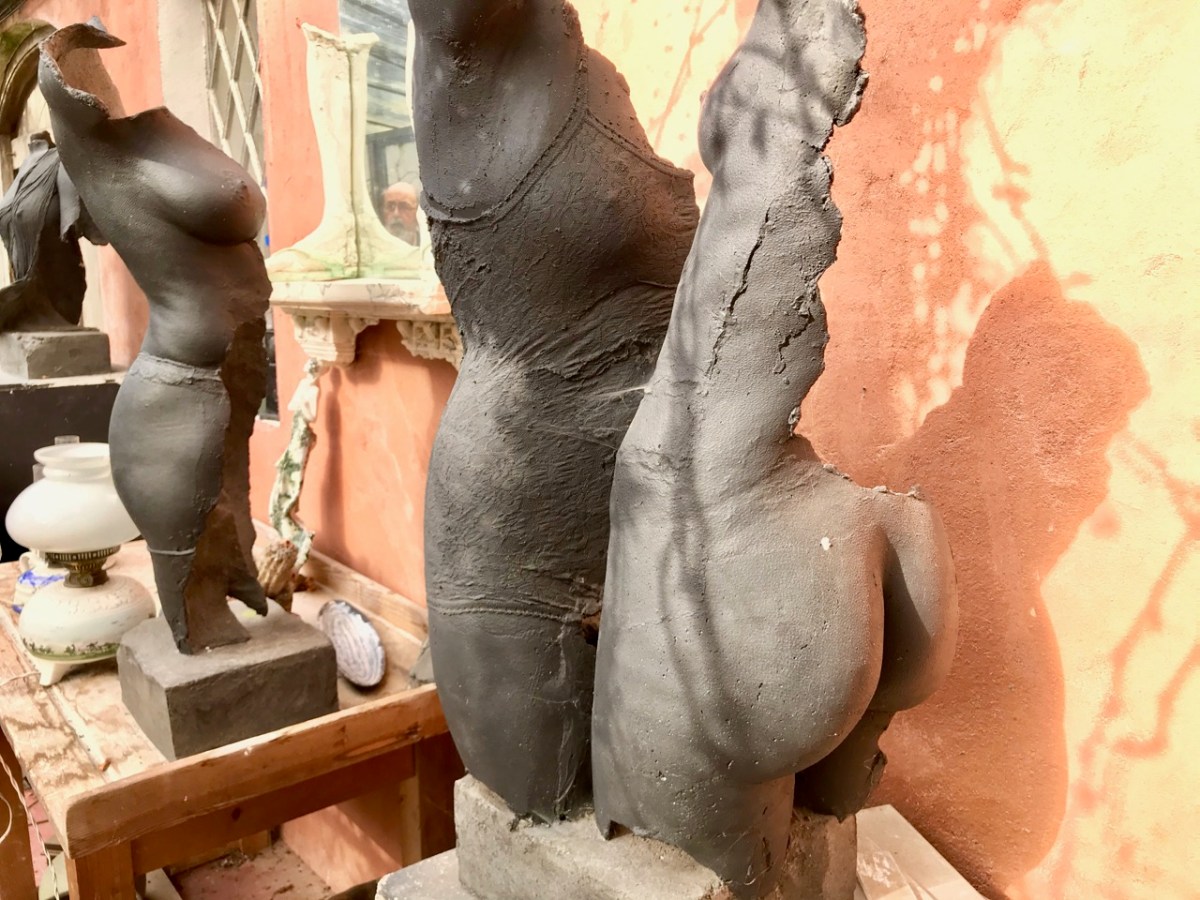
Ian and Lynne (above, from one of their bathroom product catalogues) gave up their ‘cheeky’ ceramics in 2002 but both are still producing; Lynne with large, colourful bowls and Ian with body casts (pics below). BAM hopes to show a significant selection of examples from their lifetime of work. It promises to be a spectacular exhibition: Roaringwater Journal will keep you up-to-date with progress.

You can find out more about the Ballydehob Arts Museum on the dedicated website, here