The Magic of Old Maps

We’ve done quite a few posts over the years about old maps – we are both fascinated by them. So I’ve decided to draw all those posts together into a new Menu Page, so you can easily find any post you’re interested in.

Several posts went into detail about maps from the Elizabethan period. The Elizabethans were map-makers and they had a special interest in drawing up maps of Ireland – to confiscate tracts of land from the rebellious Irish and assign them to colonisers. Jobson was the cartographer who mapped Munster: two posts detail the maps drawn up for that purpose.
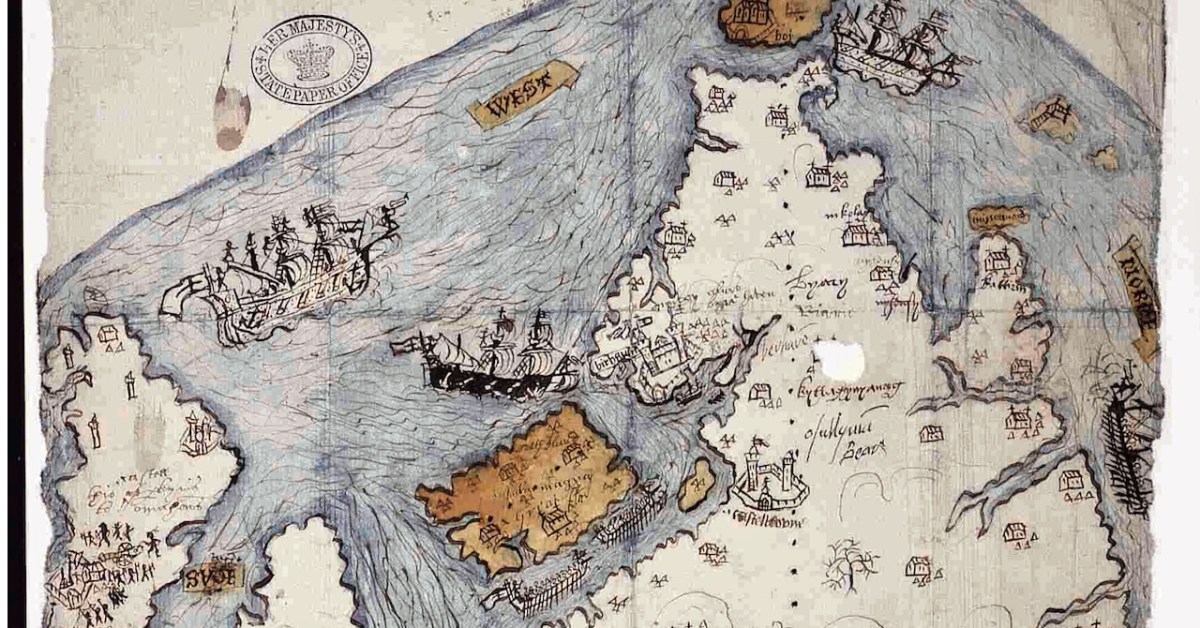
There’s a mysterious map in the British Public Record office – nobody knows who did it, but it was obviously done in the period following the Battle of Kinsale in 1601. While some of the elements are obvious, others are not, and pouring over a map like this raises as many questions as it answers. I titled the two posts Elizabethan Map of a Turbulent West Cork.

Two posts, Mapping West Cork, drew on maps from the David Rumsay Map Collection – a man who has done the world a great service by collecting and digitising maps from all over the world. These are very early maps by famous cartographers Mercator (done in the late 1500s) and Blaeu (from his 1655 Atlas). I’ve updated this post recently.

John Speed’s map, dating to 1611, although largely based on Mercator’s work, is more detailed and adds all kinds of interesting details about people and cities.

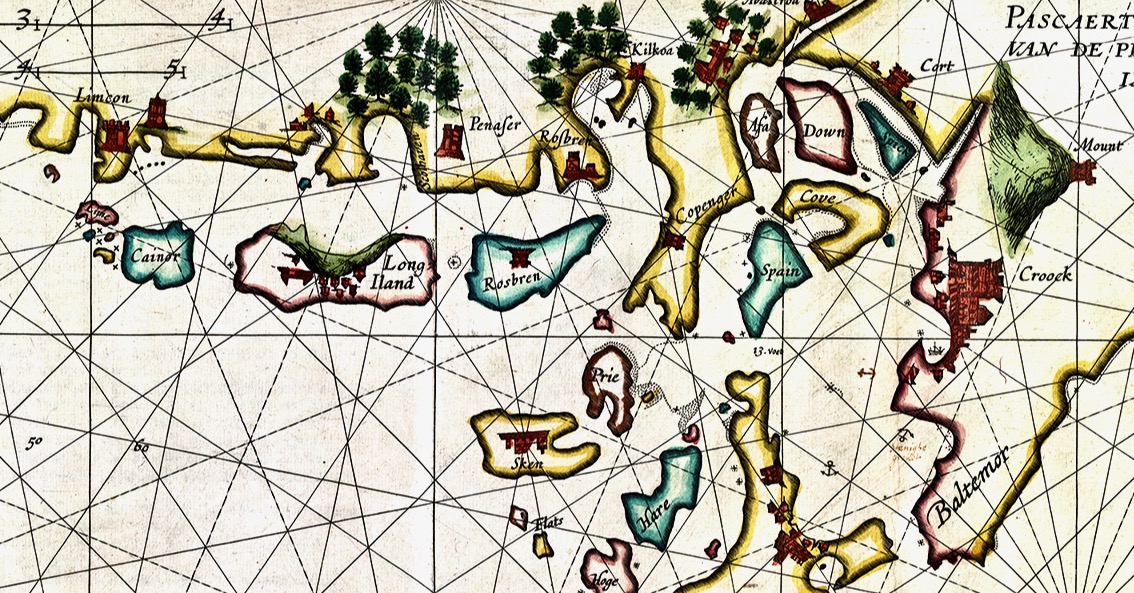
Robert’s post Roaringwater Bay in 1612 is about the Dutch Pirate Map. As he says in his post:     The thing that sets the 1612 map apart, however, is that it was made in secret, and largely from surveys only carried out at sea. Also, it was specifically intended to enable a Dutch fleet to assail the pirate strongholds which became numerous around the area from Baltimore to Crookhaven, centred on Roaringwater Bay and ideal for forays into the wider Atlantic trade routes.
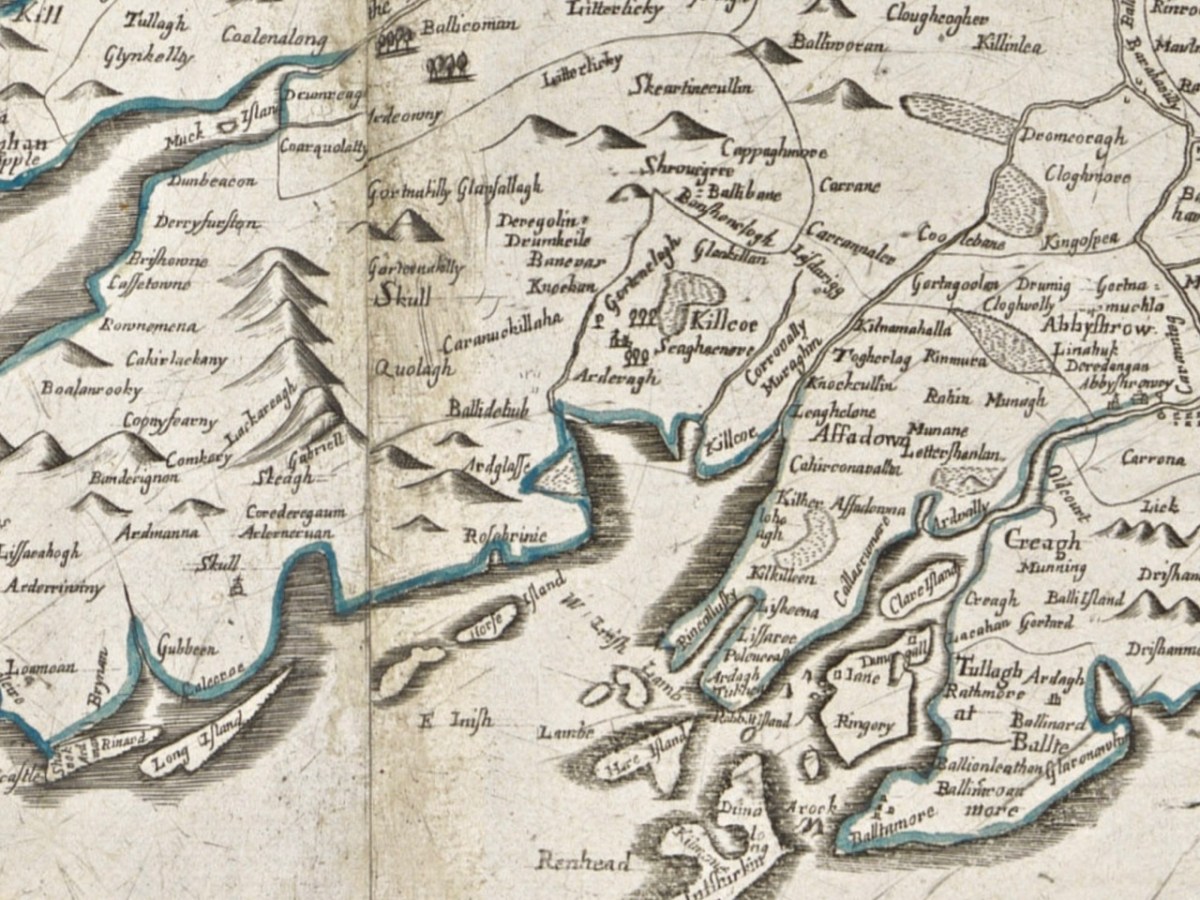
A series of three posts, all written by Robert, explored the world of the Down Survey – conducted by William Petty under the instructions of Oliver Cromwell, and like the Jobson maps, done for the purposes of assigning land to colonisers. 
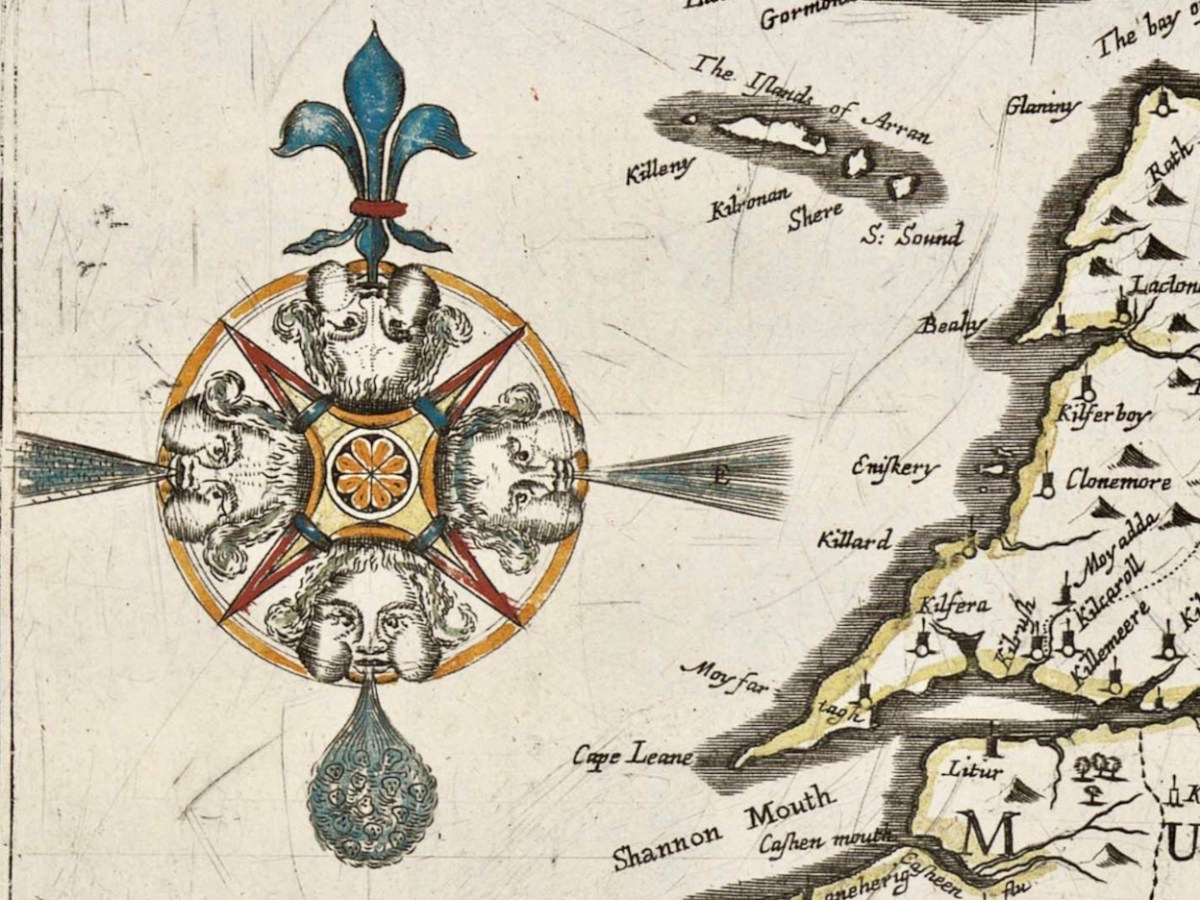
After an introductory post, Robert went into details about West Cork and then, in a third post, looked at Kerry. He is planning more in this series.
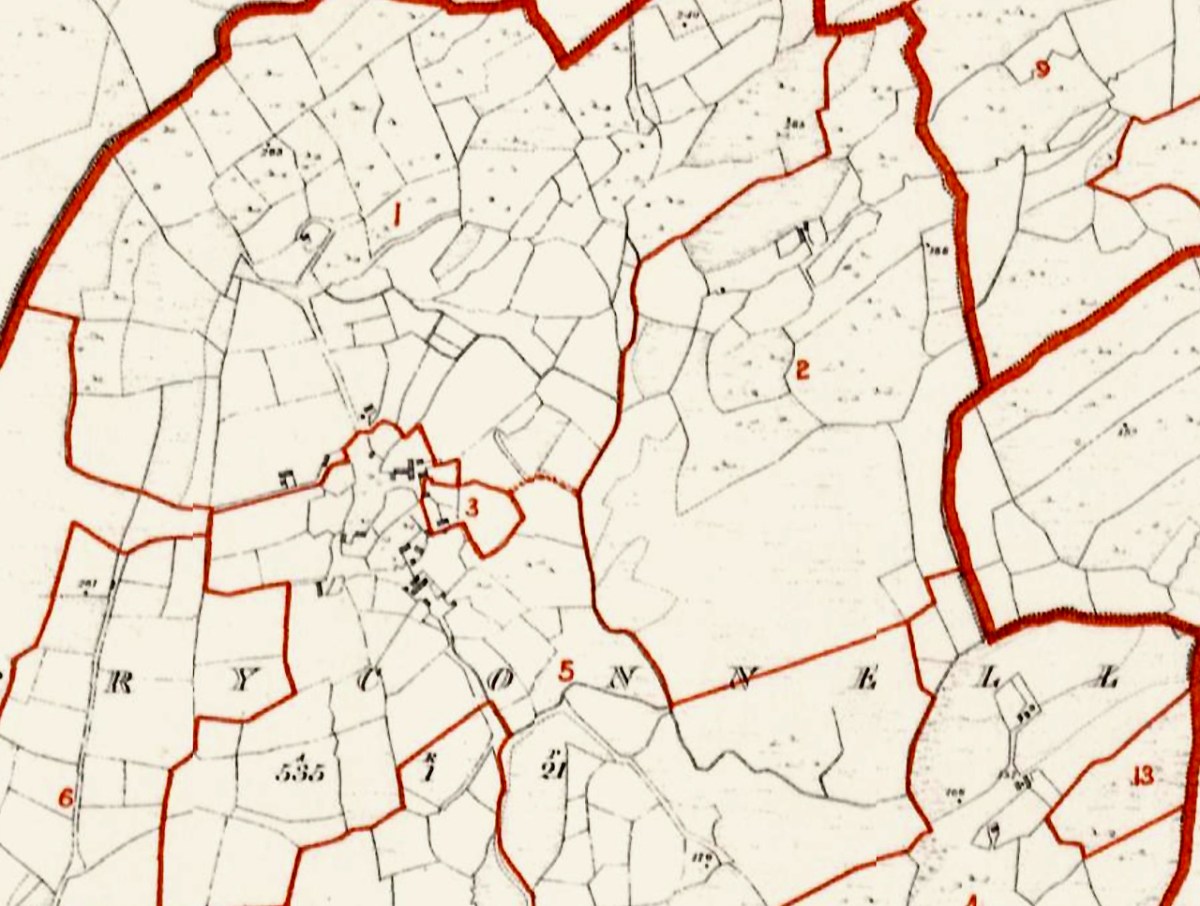
Finally, there’s Griffith’s Valuation – a series of detailed maps done by Sir Richard Griffith in the 19th century for the purpose of putting values on every square perch of land. Robert wrote about Griffith in The Rocky Road to Nowhere, and I used the Valuation in my post What the Forest Was Hiding.
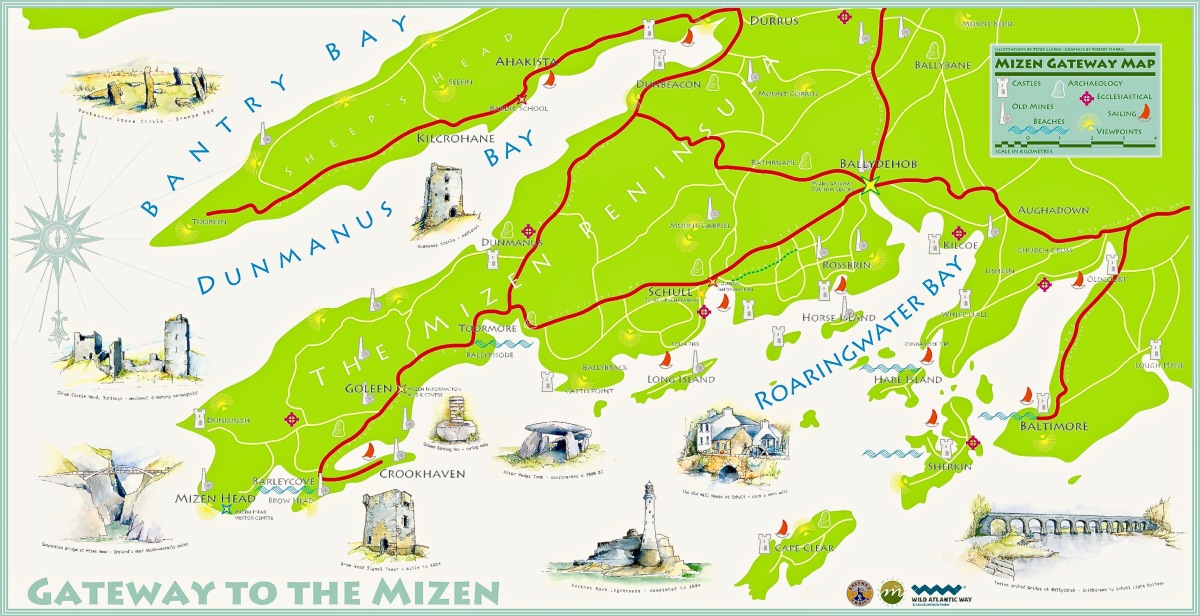
We will update The Magic of Old Maps page as we write any new posts. I am leaving you with a new map – it’s the joint work of Robert and Peter Clarke, and the original hangs in the Bank House, Ballydehob’s Tourist Information Centre.

If you want to browse the David Rumsey map collection for yourself, it’s here.

Mapping West Cork, Part 1

Old maps are magical places to get lost in. Pouring over them, trying to identify what I know now, attempting to look at the territory with a seventeenth or eighteenth century mindset – well, several hours have gone by and I realise it’s dinner time. I’m going to share some of my favourites with you in a couple of posts. Mostly, the maps I am using are from the marvellous David Rumsey Map Collection where the maps are free to use for non-commercial use under the Creative Commons license. We are very grateful to you, David Rumsey – what a service to mankind!

The first map here is by the famous Gerhard Mercator (1512-1594) and Iodocus Hondius (1563 to 1612) and it was published in an Atlas in 1607, after Mercator’s death. The map, therefore, predates the Atlas and was probably done in the late 1500s. The notes that go with the map tell us about Mercator:

Gerardus Mercator can confidently be called the greatest cartographer of the sixteenth century, he helped to establish Amsterdam as the leading center of 16th Century cartography. Gerard Mercator originally a student of philosophy, became an expert in land surveying and cartography, as well as a skilled engraver. His first maps were published in 1537 (Palestine), and 1538 (a map of the world). His most famous contribution to science is a technique of rendering the globe on a flat surface. In 1569 he published his masterpiece, the twenty-one-sheet map of the world, still known as “Mercator’s projection.

We can recognise some things in this map and not others. Croke is Crookhaven, Doun Logh is Dunlough or Three Castle Head and Doun boy is Dunboy Castle home of the O’Sullivan Beares. We can also see Roße – this is Rosscarbery, with the symbol of a church. But after that I am stumped – I am sure our clever readers will be able to identify much more.

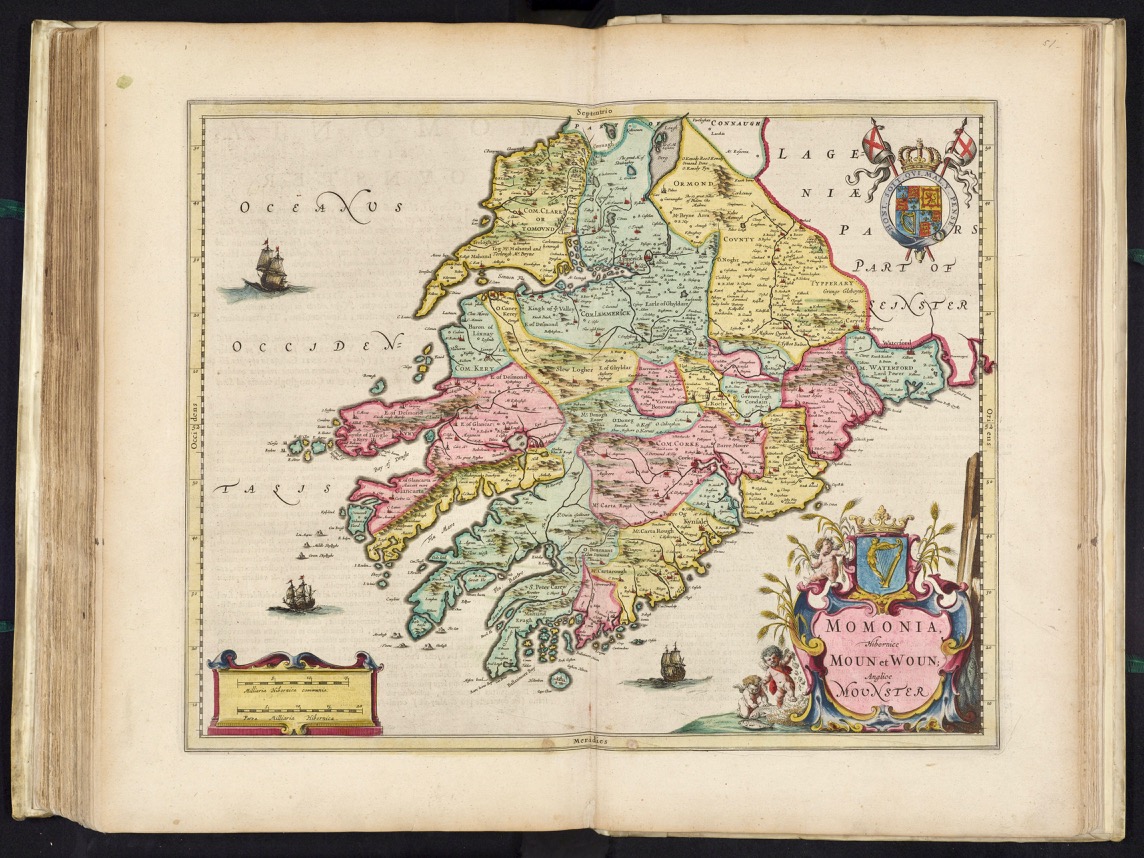
The second map is from 1655 and it’s from Joan Blaeu’s Atlas Major. Blaeu, a Dutch cartographer, lived from 1596 to 1673 and this map is from his Atlas Maior of 1665, considered one of the greatest achievements ever in Atlas publishing. The first thing we notice, of course, is that it’s in colour. I’m not sure if this was original, added when the Atlas was created, or added later. If original, each one must have been hand-coloured.

There is much more detail now, and more recognisable elements. It’s a wonderful record of what the major sites were then – sites which nowadays hardly exist, or exist as ruins. Artenay, for example, is Ardintenant Castle, now one of the ruins of what was once a string of O’Mahony Castles. Ardintenant was the home of the Taoiseach, or clan chief, which is why it would be marked on the map. Other O’Mahony Castles are Dunmanus (Donemay) and Dunlough (Dow lough). The chief residence of the O’Driscoll clan is marked as C Perles – to this day, Baltimore is named in Irish Dún na Séad, Fort of the Jewels. Territories of the McCarthy’s, the O’Donovans, Sir Peter Carew and O’Mahonys are given, but also an O’Coner clan, about whom I have no knowledge.

What else do you recognise?

There are many more maps to explore but not all are free to download. One of the most intriguing is Jobson’s map of Munster, done for Lord Burleigh in 1589 and collected by George Carew. Although I can’t reproduce it here, you can view the complete map in the Trinity Digital collection. I can show you here a small section that I came across elsewhere – I like this because it shows the Sheep’s Head with the word ‘Rymers” across it. This, of course, is a reference to the O’Daly family, hereditary bards to the O’Mahonys and other families, and who had a Bardic School on the Sheep’s Head.

Next time, the maps get more detailed still…

Mapping West Cork, Part 2: John Speed