A Powerhouse for Nature – Sonia Caldwell and Kilcoe Studios

I have written once before about Sonia Caldwell of Kilcoe Studios. That was eight years ago. In a post titled Kilcoe Studios – Dedication and Passion, I showed you her production of beautiful botanical art calendars and notecards, and gave you a glimpse of her passion for sculpture.
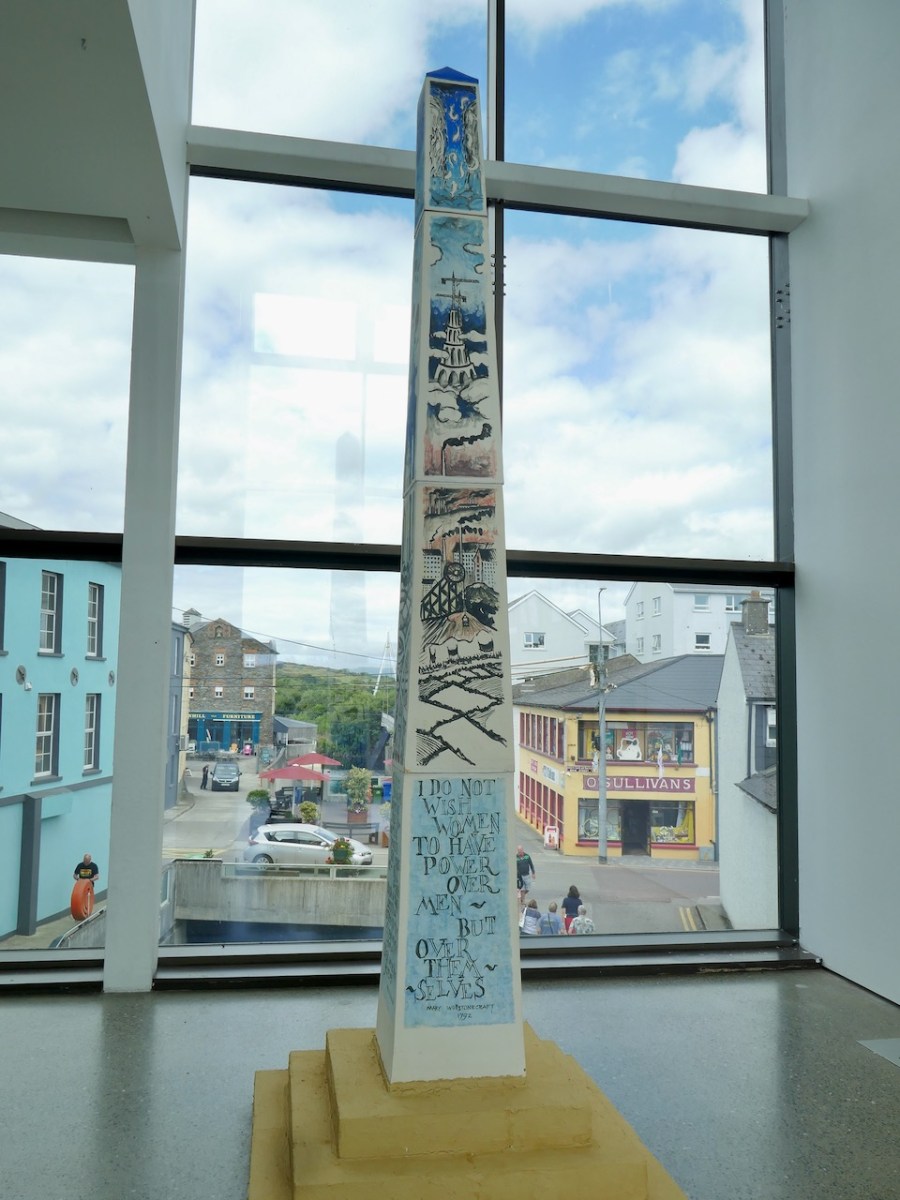
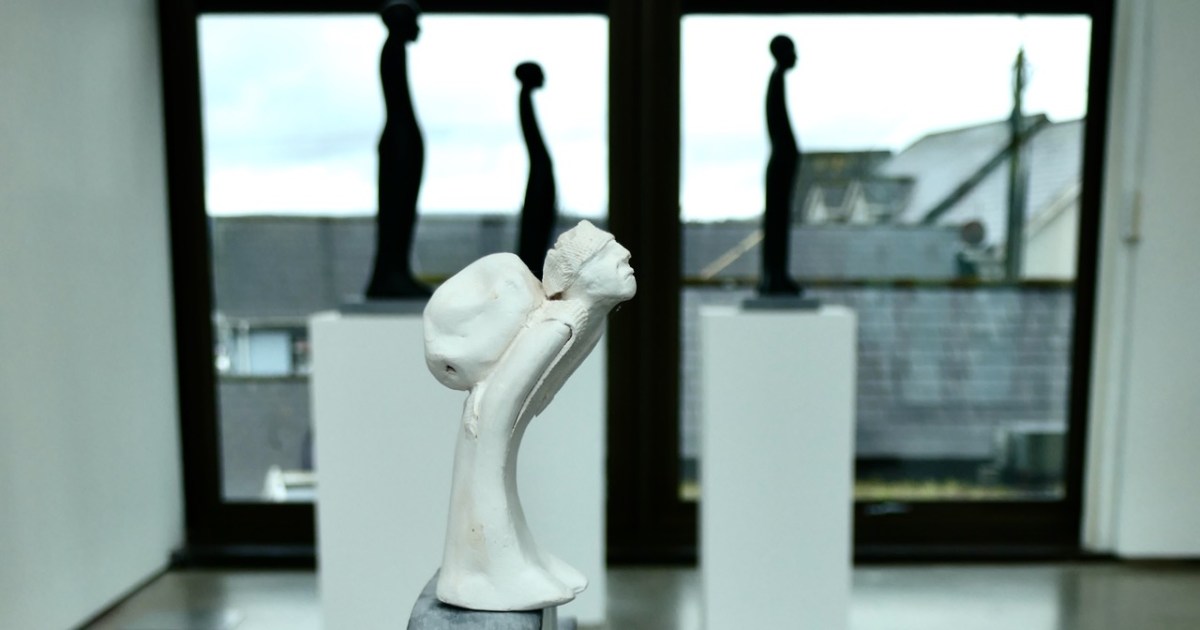
Since then, Sonia has emerged in West Cork as a true champion for heritage and nature, on top of continuing to develop her business and her personal sculpting practice. After a residency at Uillinn, she held a solo show there last month, mainly featuring her sculpture.
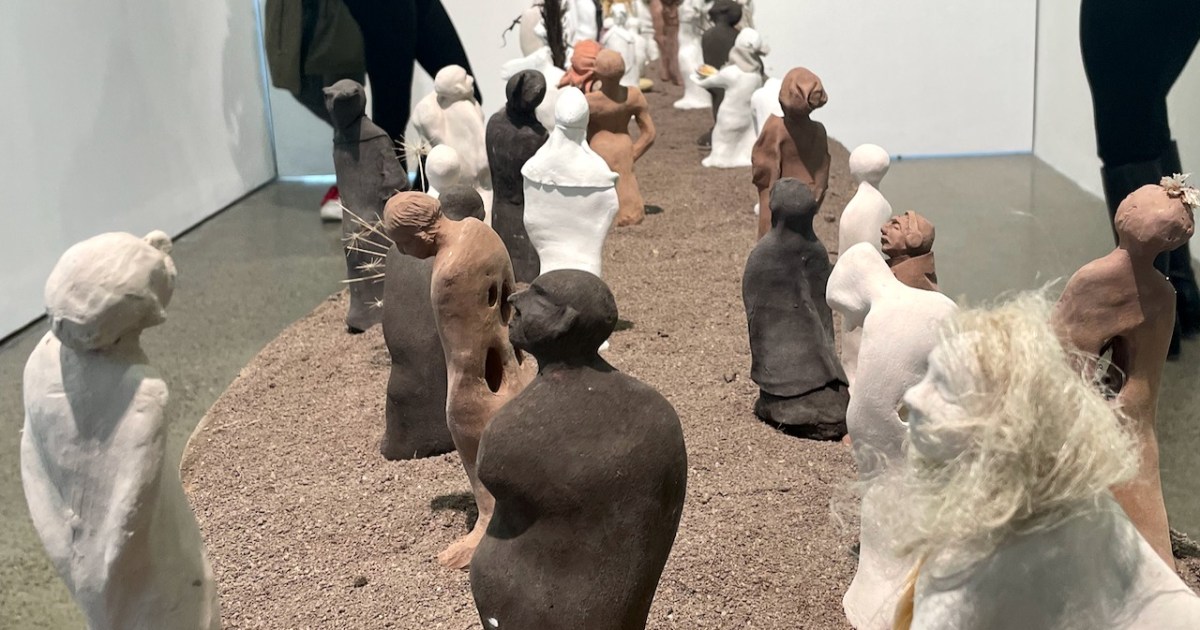
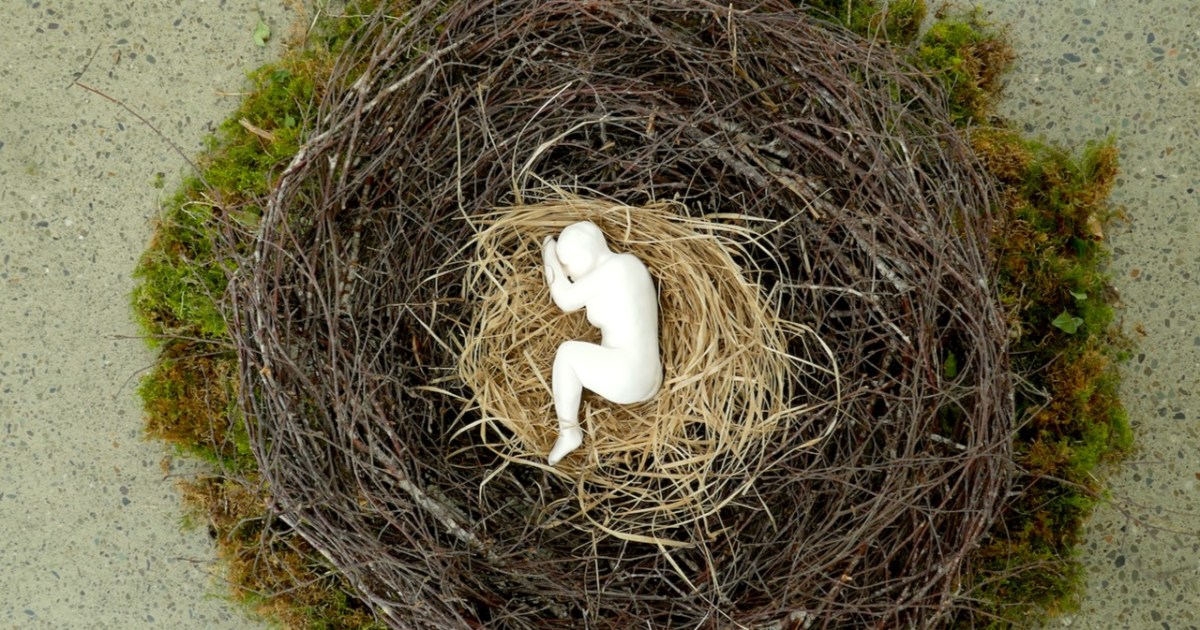
Sonia works in limestone, clay and natural materials such as mosses and twigs. Her work has an ethereal quality, explained by her personal spirituality. Her figures, small and large, are seeking to find their path, or answers to their questions. 
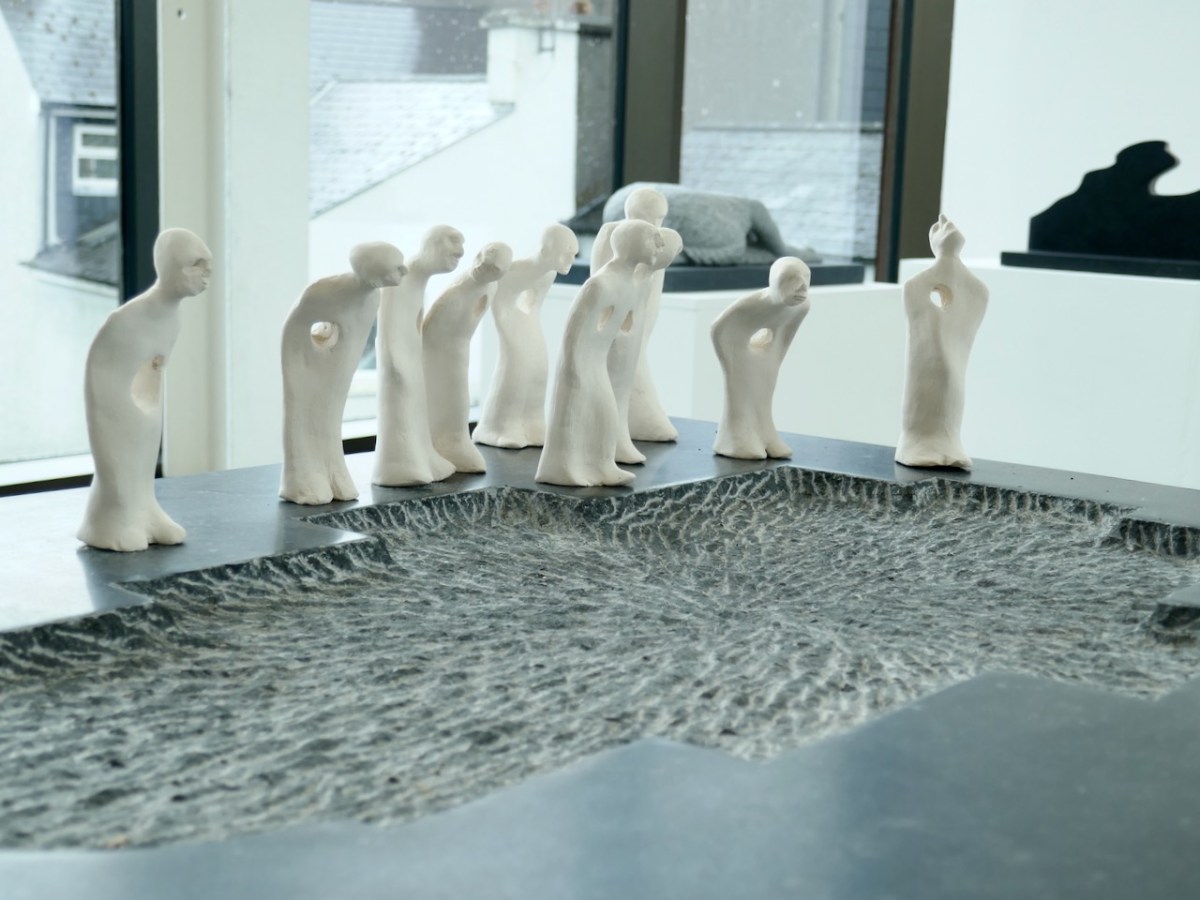
They ponder an empty church, march along a pilgrim route carrying their burdens, or gaze into the distance mulling over some otherworldly mystery. 
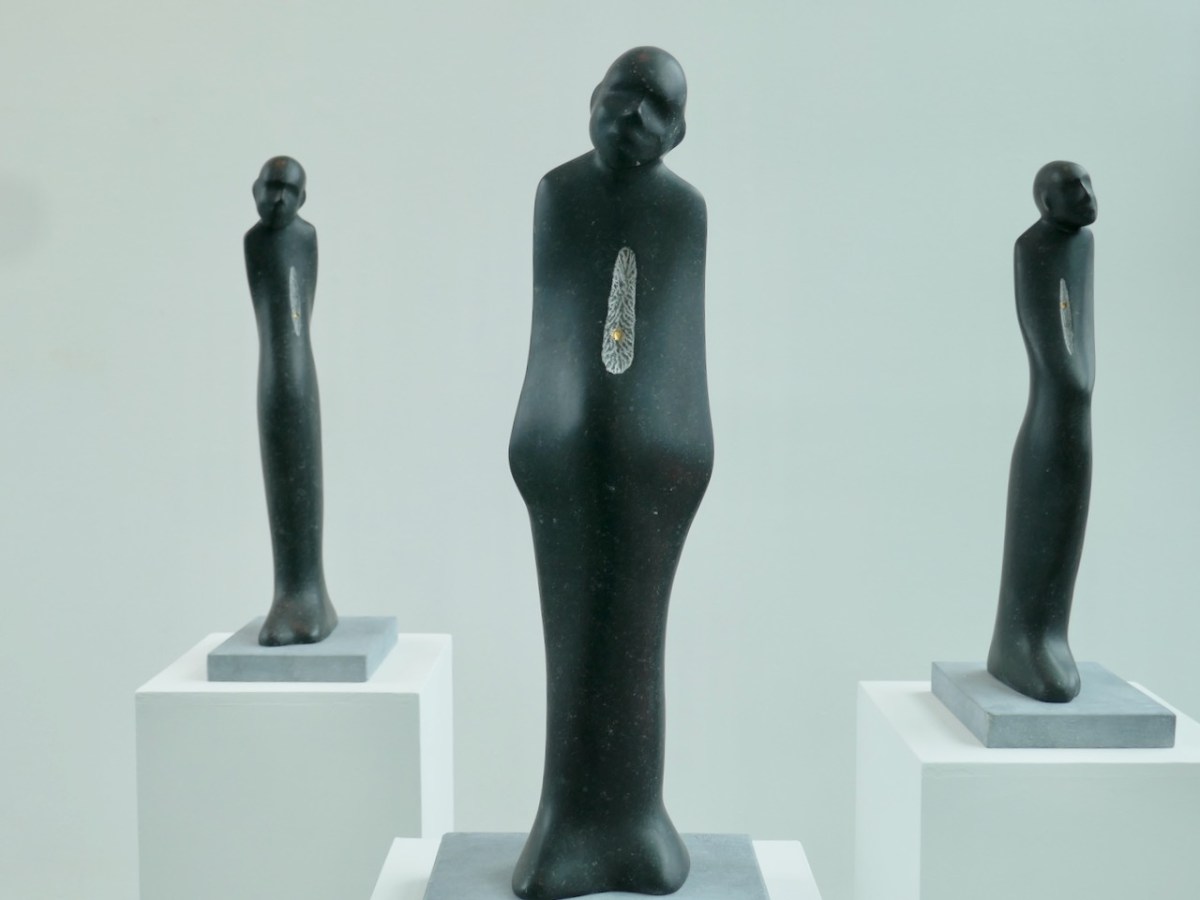
The launch of the exhibition was haunting. Sonia and singers, directed by Susan Nares, entered singing: chanting, rather, in a slightly Gregorian way, in English and Irish. 
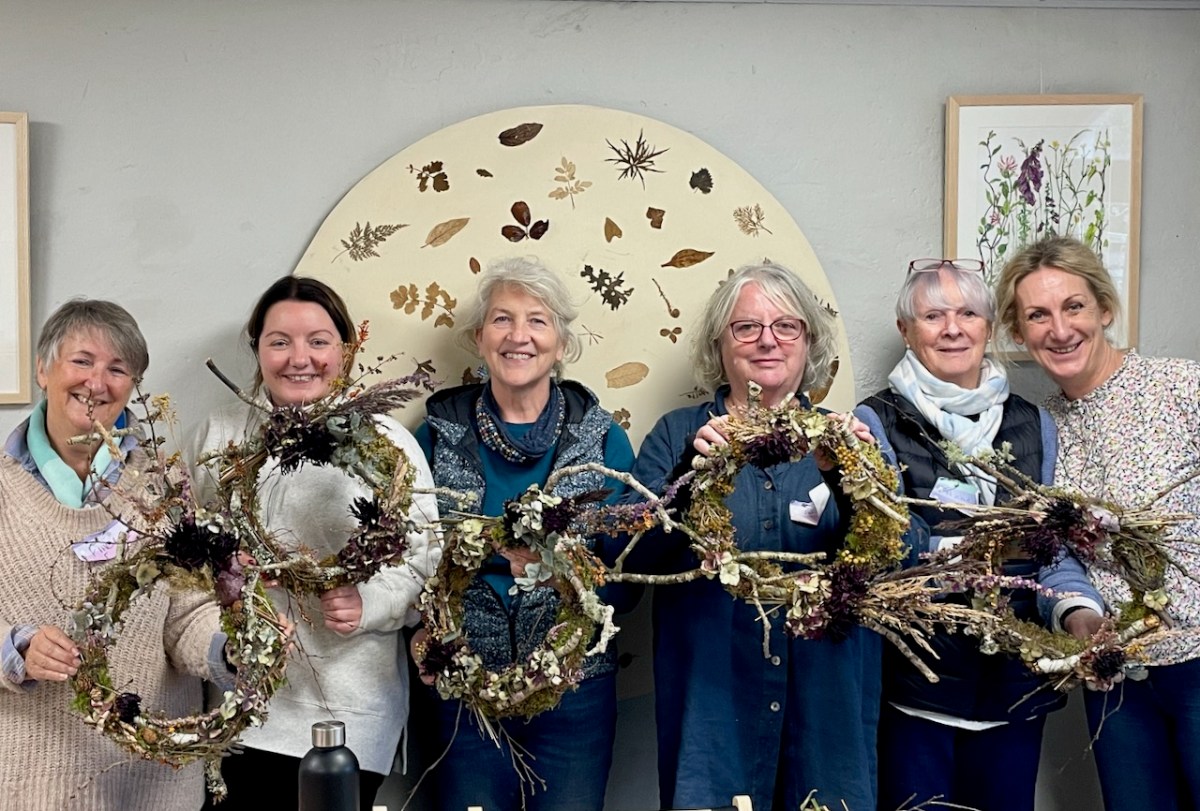
That’s the fine art side of Sonia. But her other passion is for the natural world and for all those heritage crafts that will die, if people like her don’t learn, nurture and revive them. She has opened a shop in Ballydehob, where she sells her own artwork, and items by others made from all natural materials. 
The shop is where she also hosts her workshops – often facilitated by herself and occasionally  by others. All the workshops are designed to get us engaging with heritage crafts and materials sourced from the fields, hedges and water around us. And they are great fun!
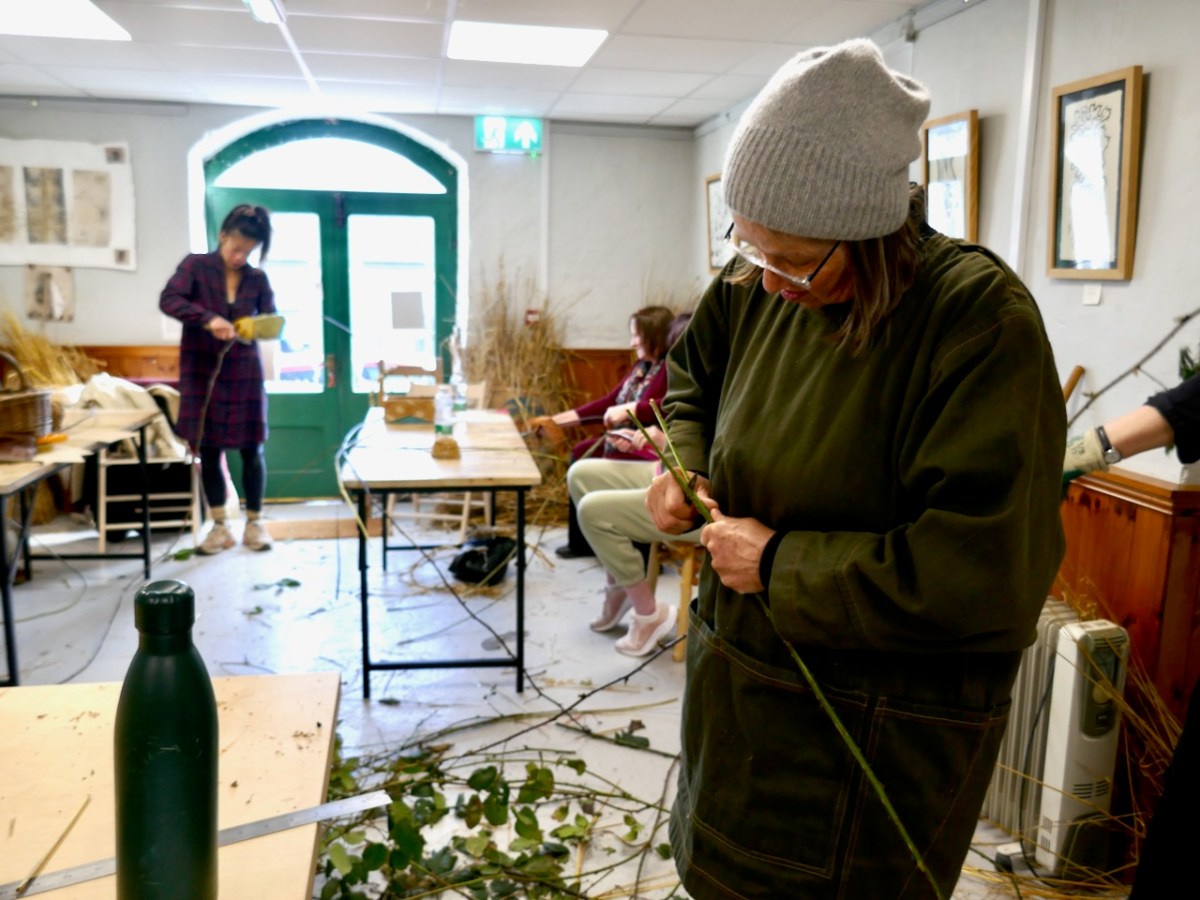
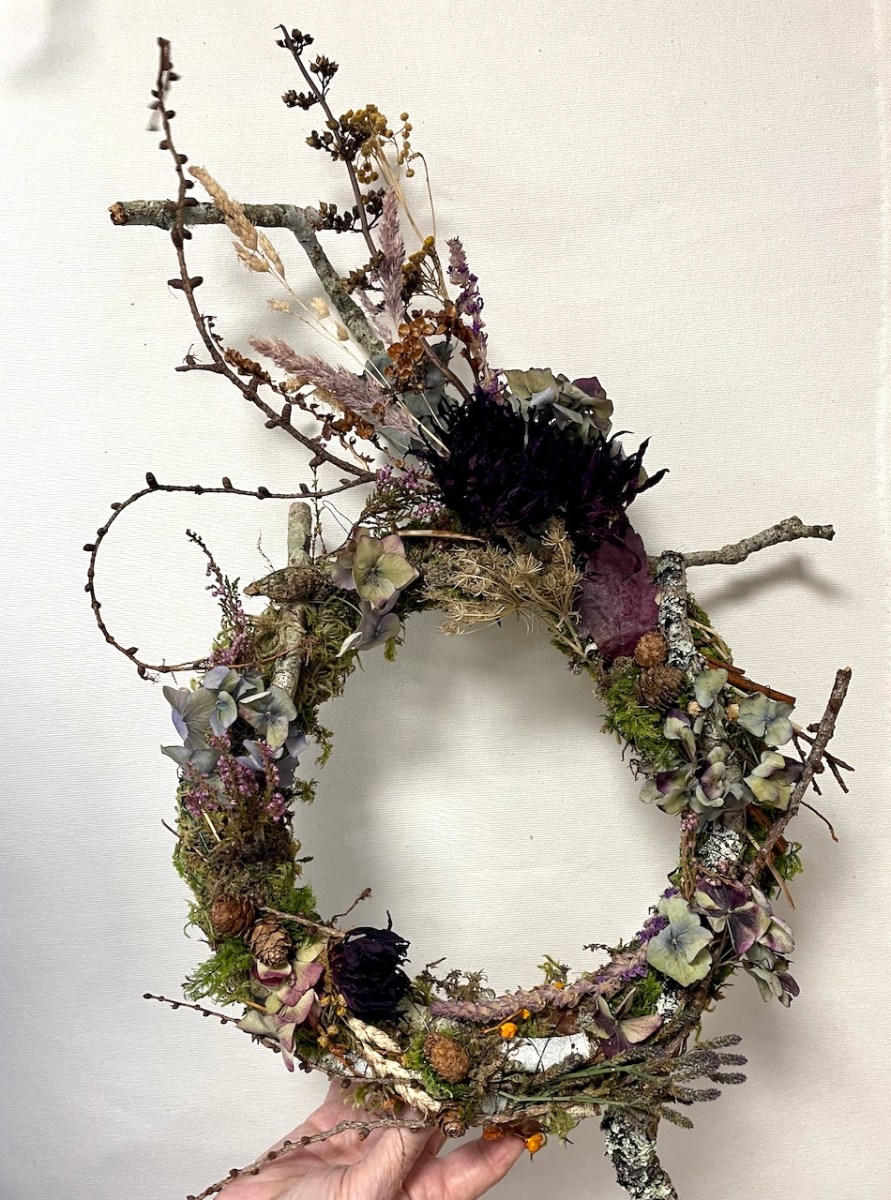
Just in the past year in that shop I have learned to make a basket from brambles (yes, don’t worry, de-thorned) – that’s my friend Julia splitting a long bramble above. I have made an autumn sculpture (“don’t call it a wreath!”) and a Christmas wreath, both facilitated by the wonderful Liz O’Leary and from foraged materials.
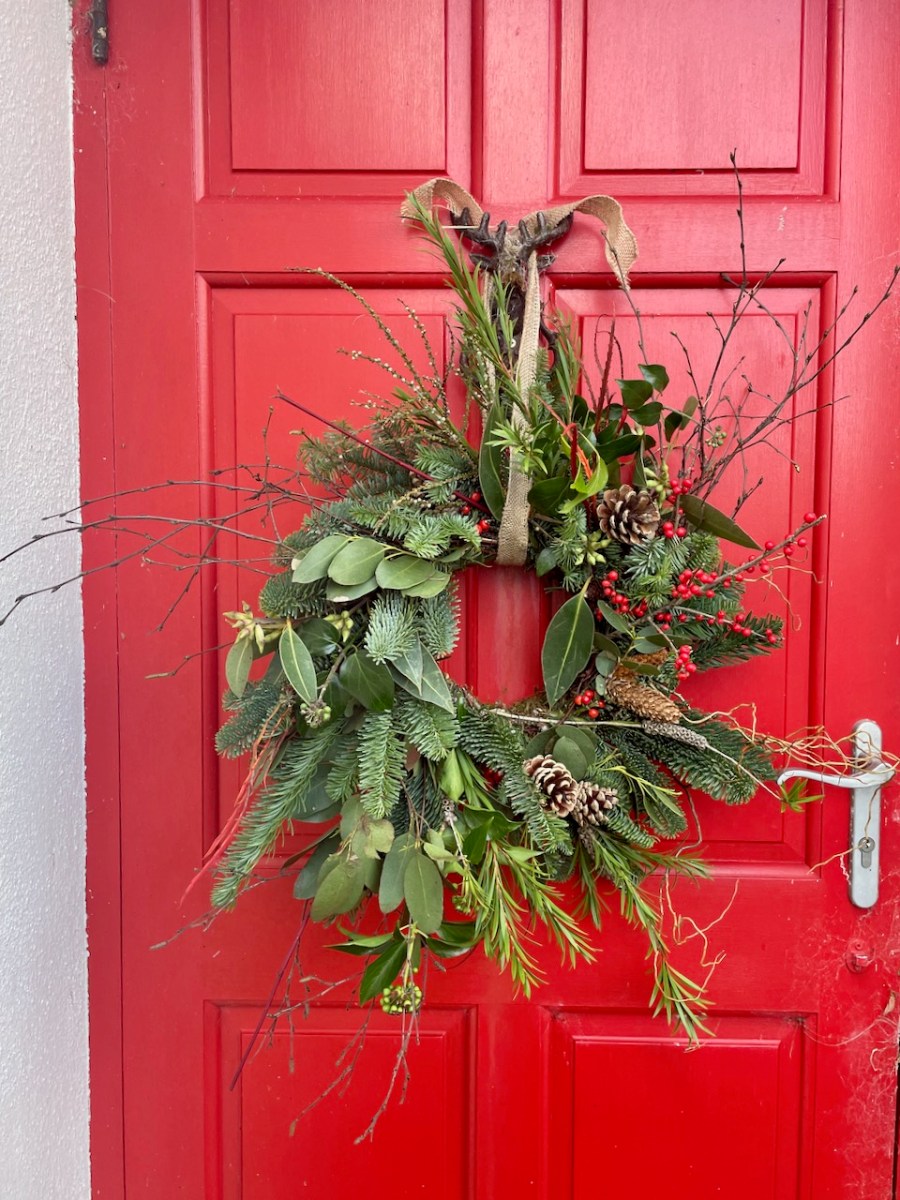
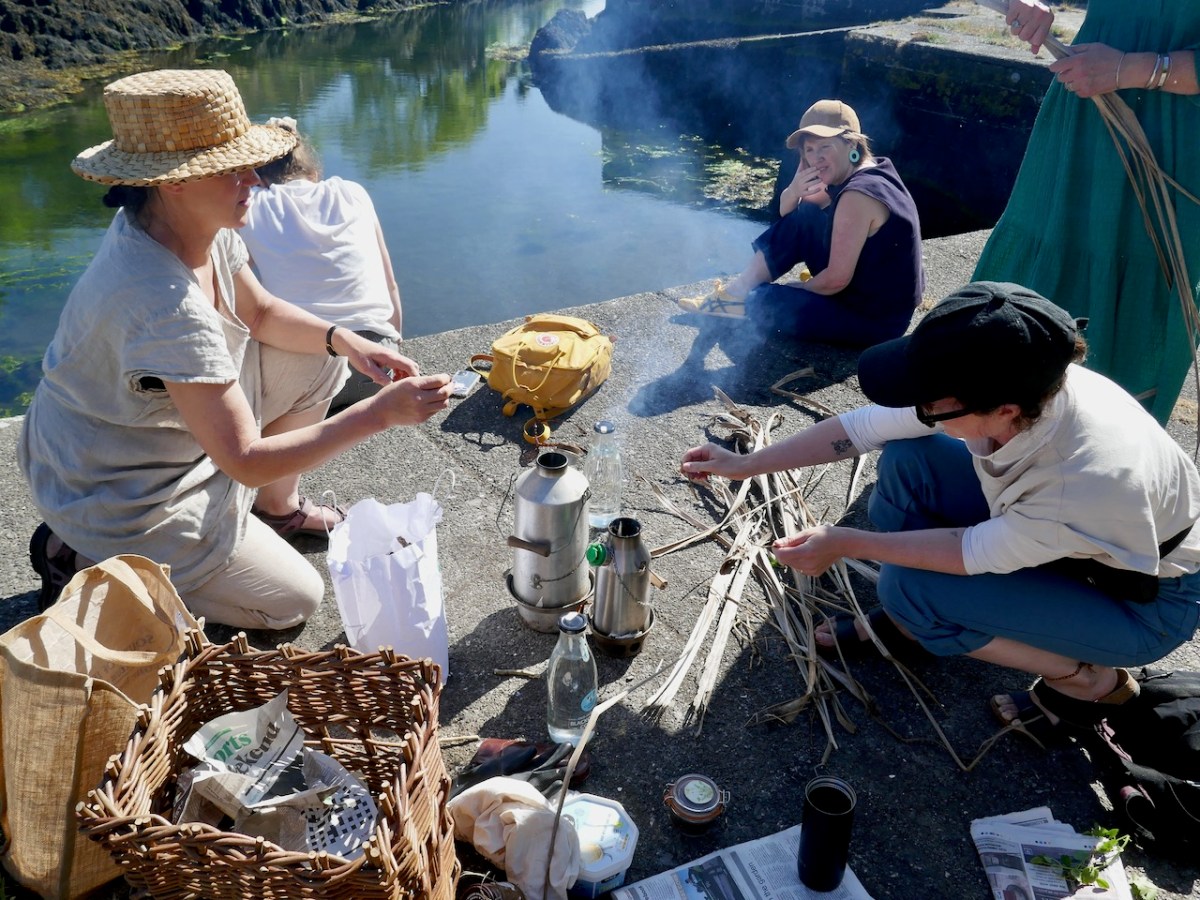
And I have gone on two foraging walks. The latest walk was last weekend, and it featured my first ever cup of nettle tea (delish!) and a picnic on the banks of a river with crackers and cake made from various gleanings and flavourings  – toasted Wood Avens seeds anyone?
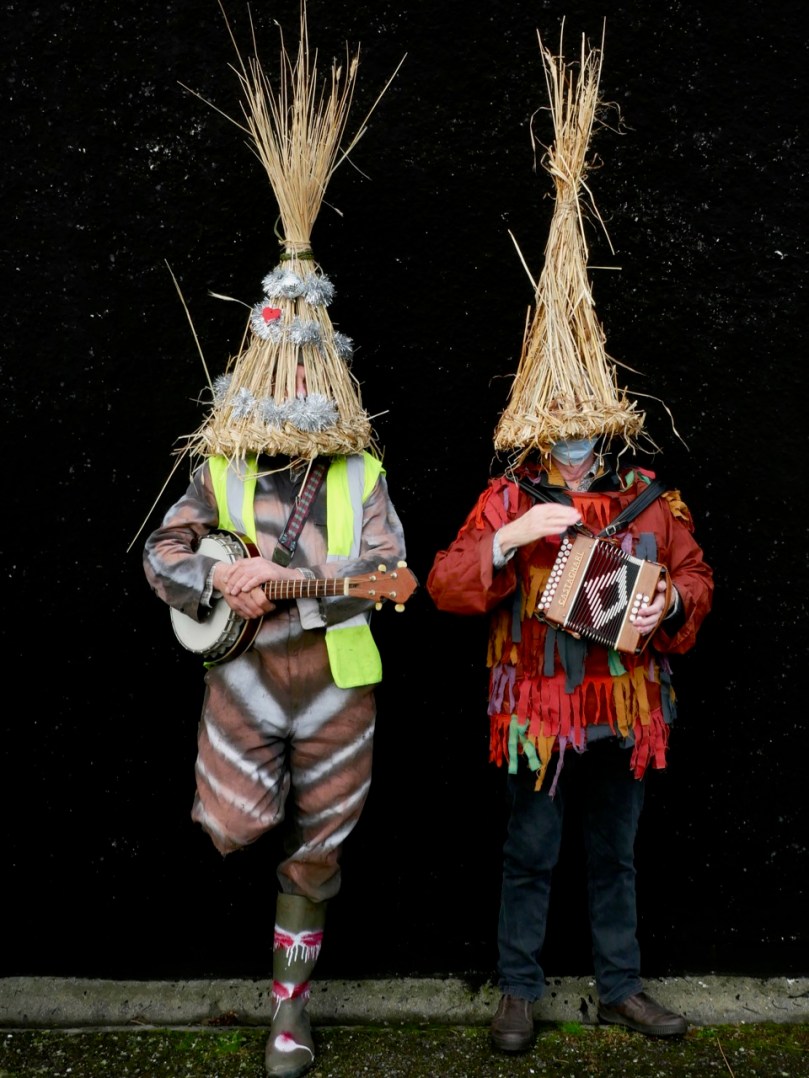
Sonia has also single-handedly revived Wren Day (also known as St Stephen’s Day in Ireland and Boxing Day abroad) in Ballydehob and taught us how to make the traditional rush hats worn by the Wren Boys. See Robert’s post The Wran for more on this unique Irish tradition – he was an enthusiastic participant.
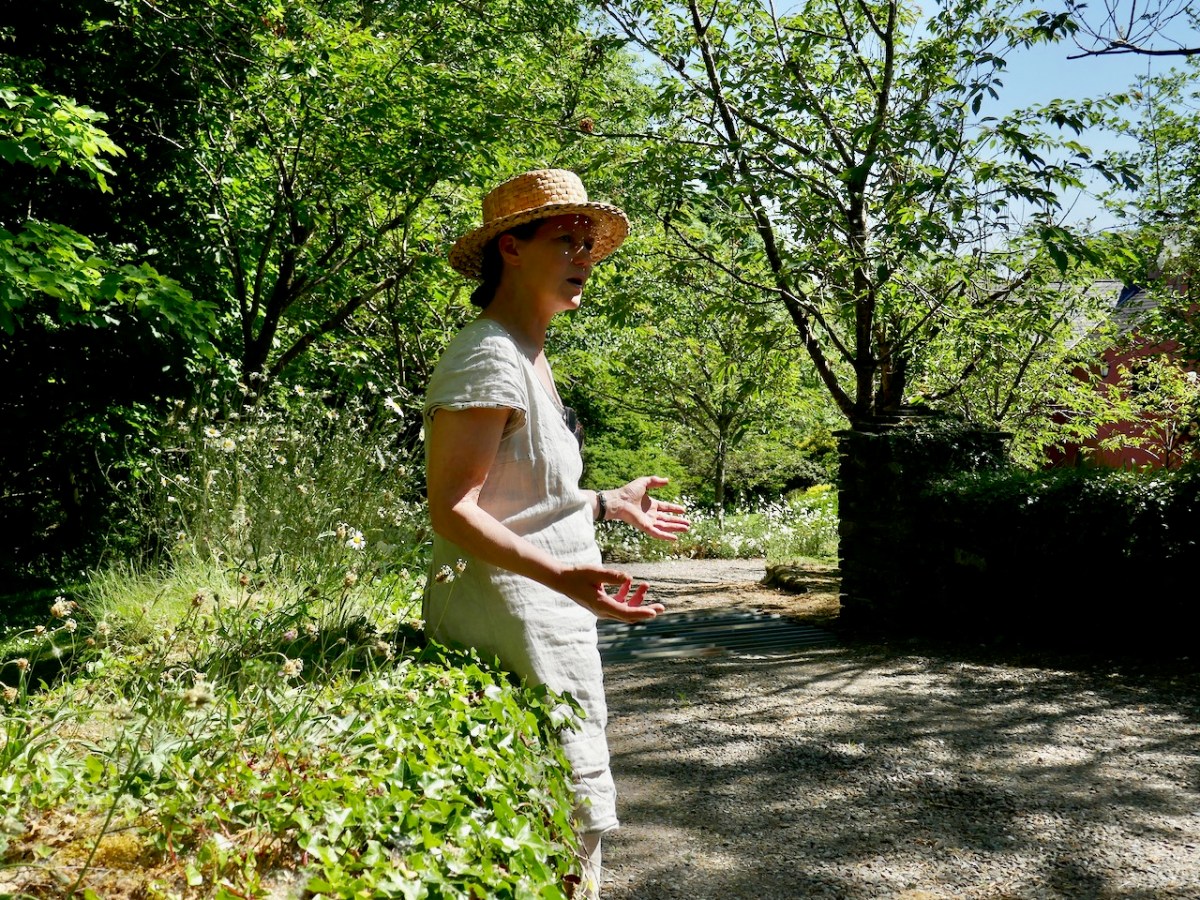
All towns and villages deserve a person like Sonia – the person who won’t let the traditions die and who encourages the rest of us to look around us and really see what the land has to offer. We are lucky she chose West Cork as the place to nurture her own unique and mighty talent and to draw the occasional spark of creativity from the rest of us.
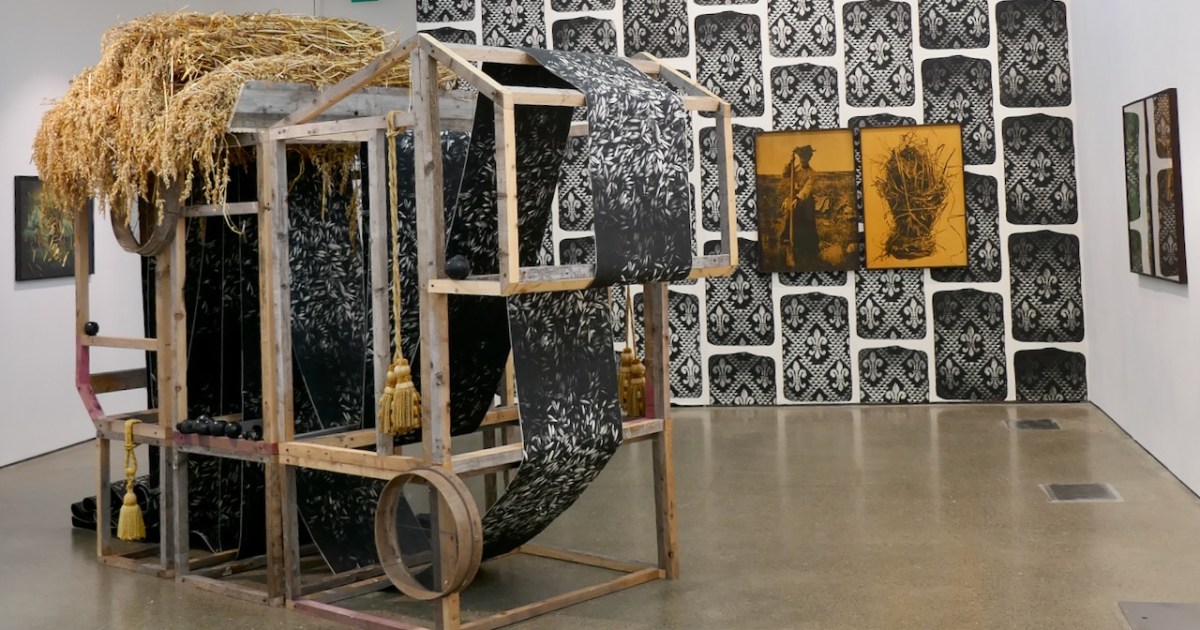
Flail, by Debbie Godsell

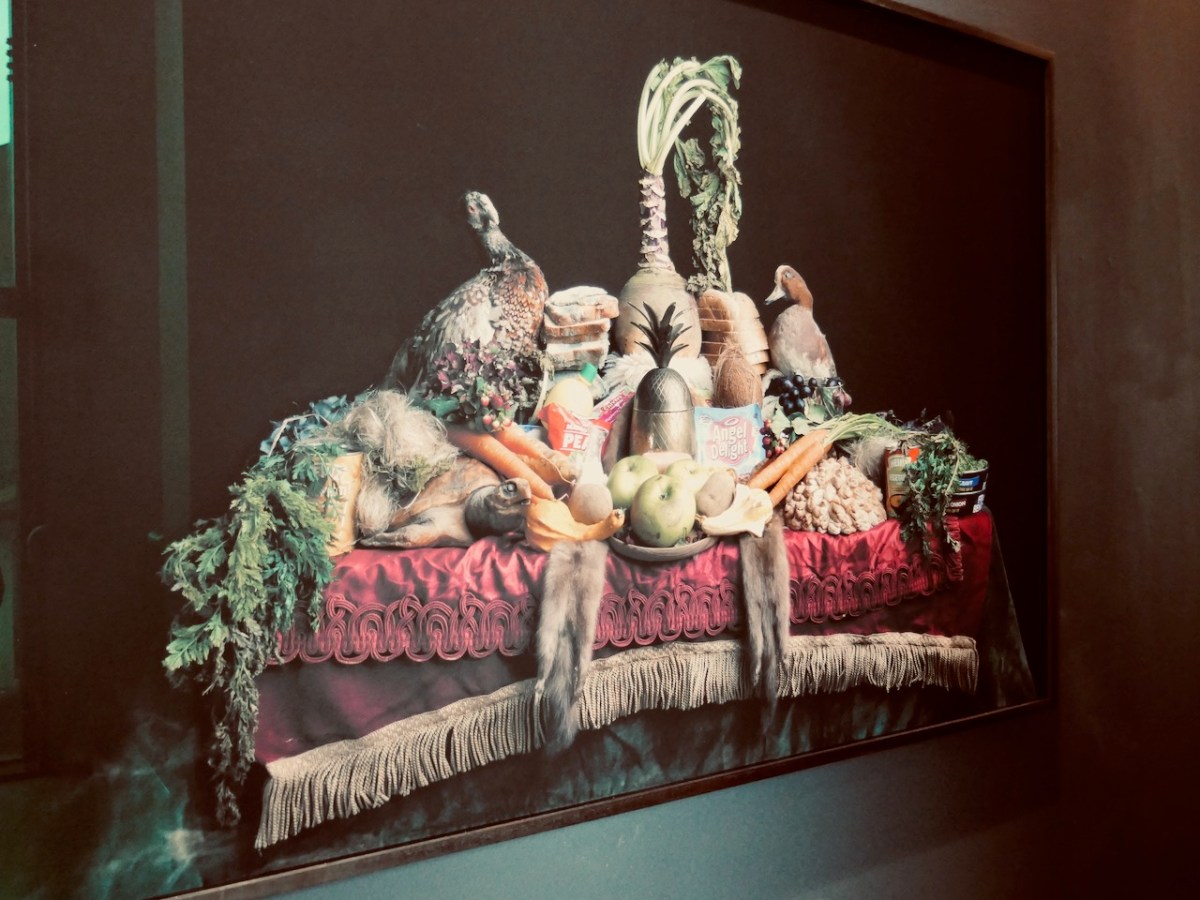
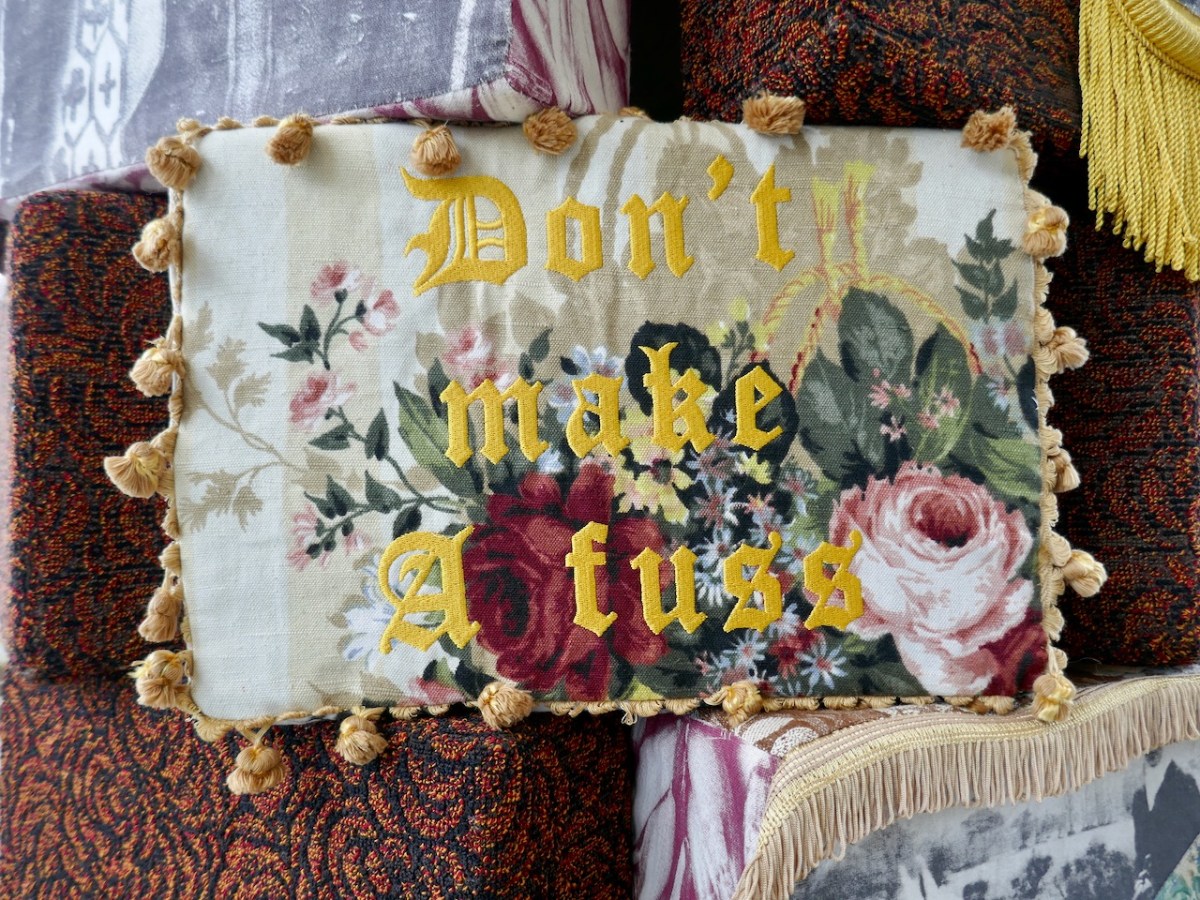
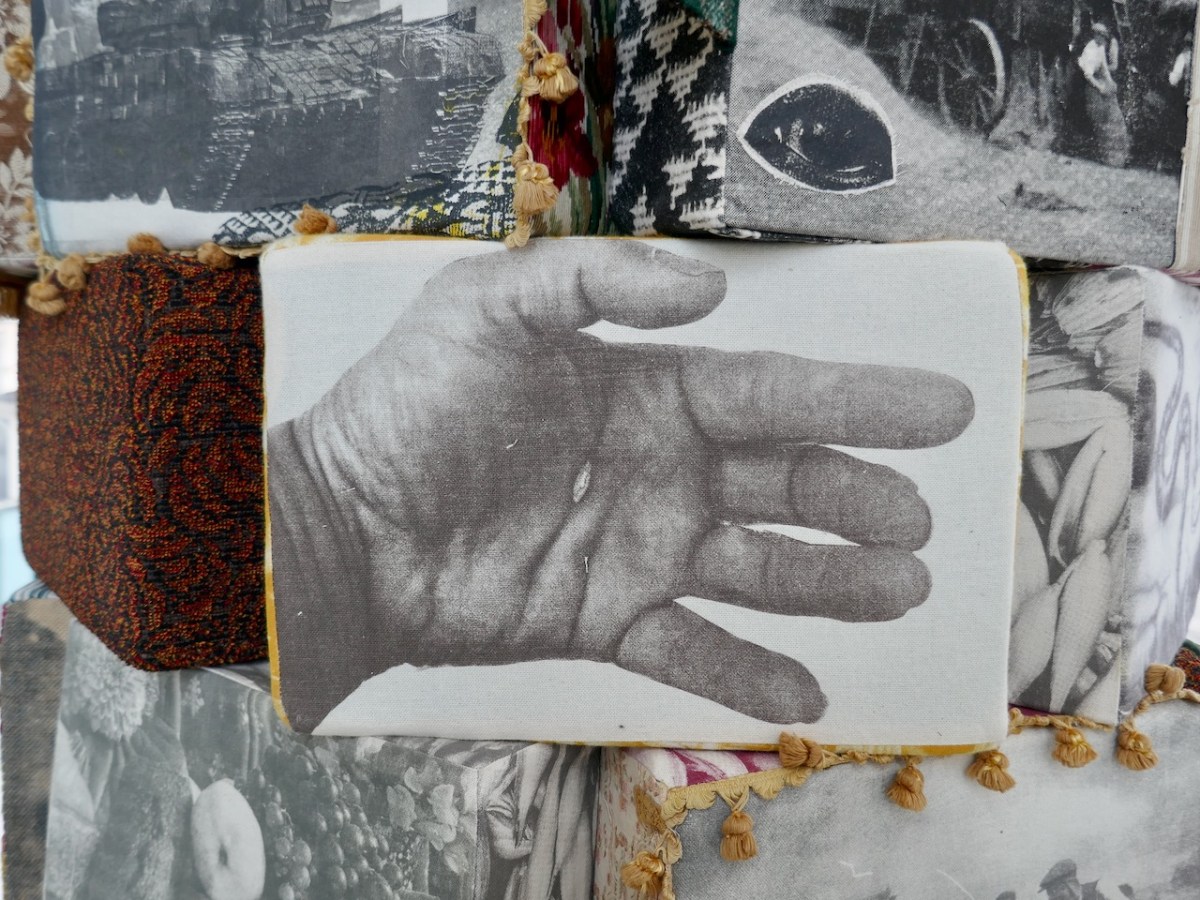
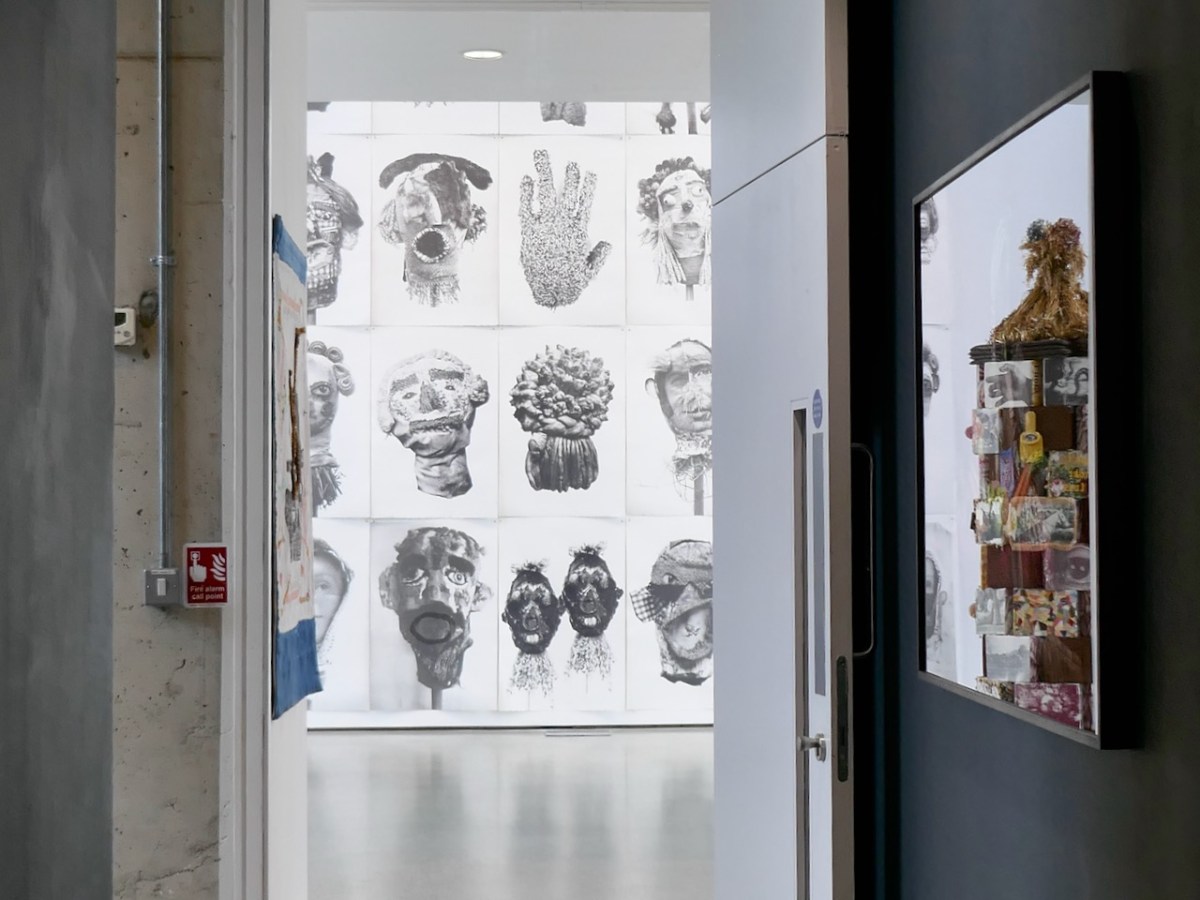
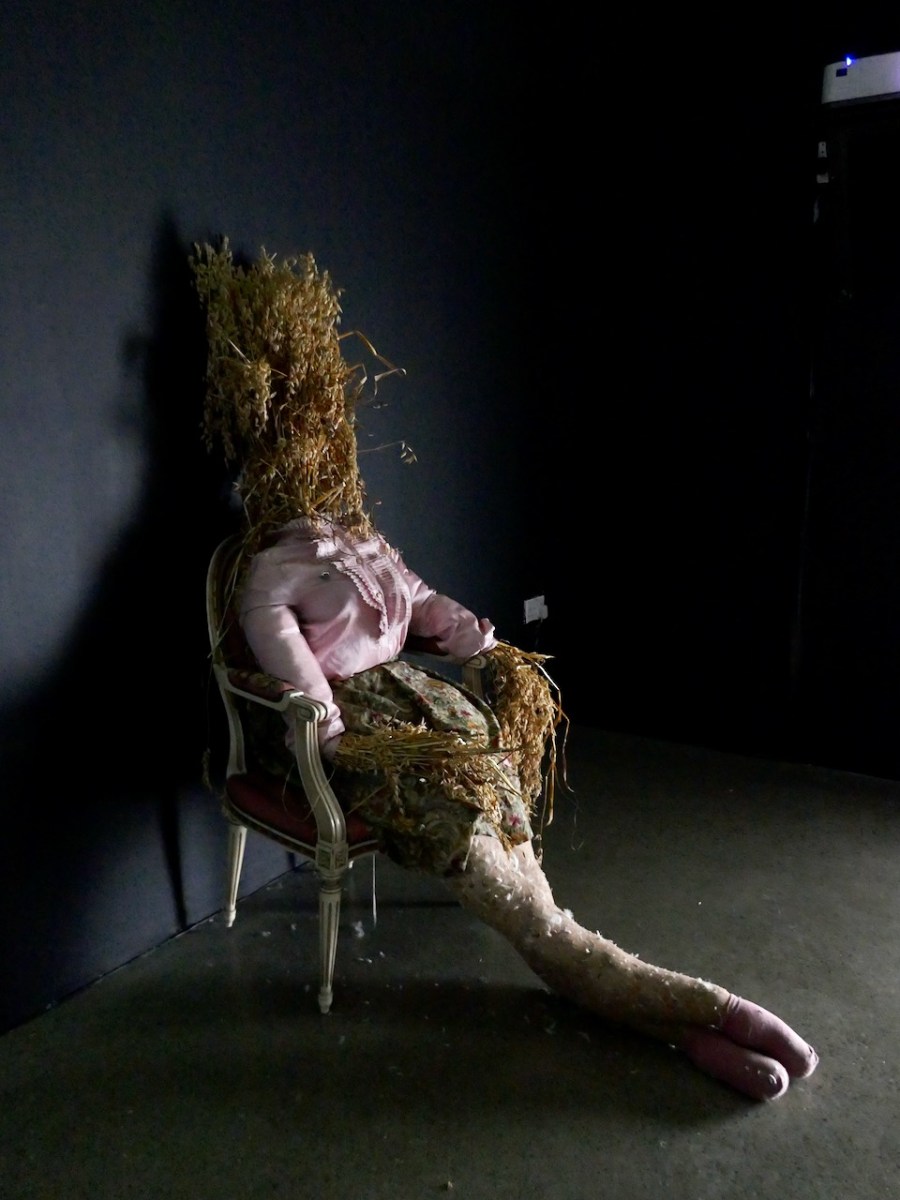
It’s not often an art exhibition has me running to my word processor to get a post out, but this one did it for me! On the surface, this is a quirky, amusing, thought-provoking, installation about the annual Harvest Festival, as practised in the autumn in Church of Ireland communities all over Ireland. Except it’s so much more than that. It’s titled Flail, and it’s on right now at Uillinn.

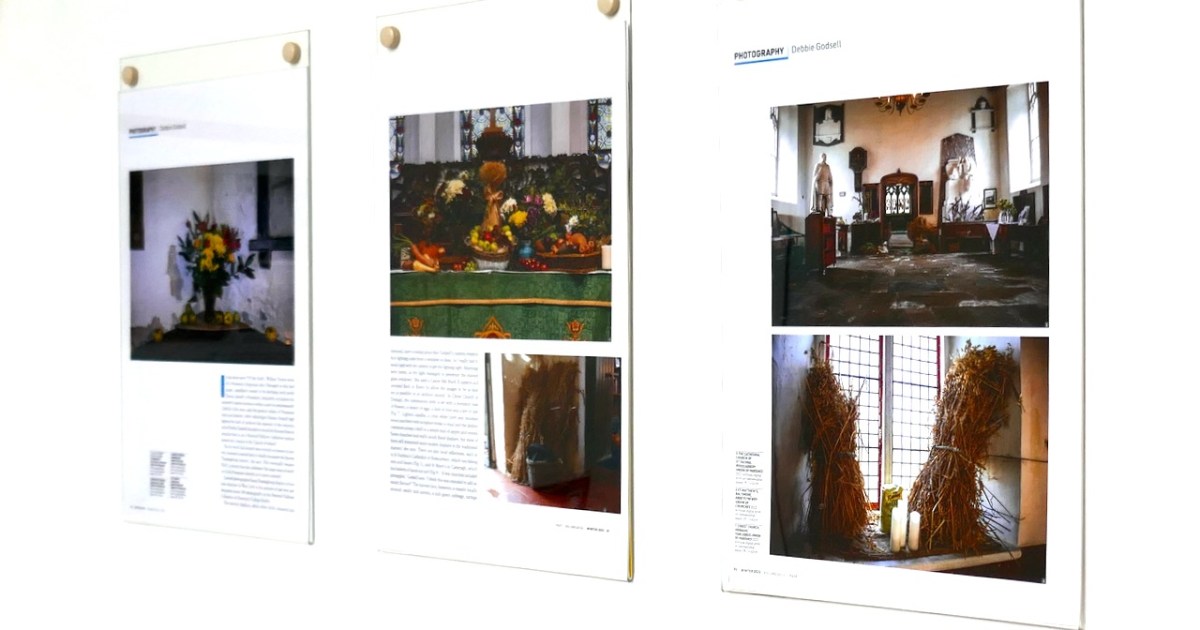
Debbie Godsell has taken the idea of the harvest festival and the communities that celebrate it, and turned it into a personal exploration of her own experience with it, as a child growing up in the C of I, and as a photographer recording the custom of decorating churches. In Ireland, this is a custom unique to the Protestant church – the minority religion. As such, there’s a strangeness to it when viewed by someone who grew up Catholic. Not strange in the sense of peculiar, but in the sense of unknown, slightly other-worldly, why-have-I-never-known-about-this?

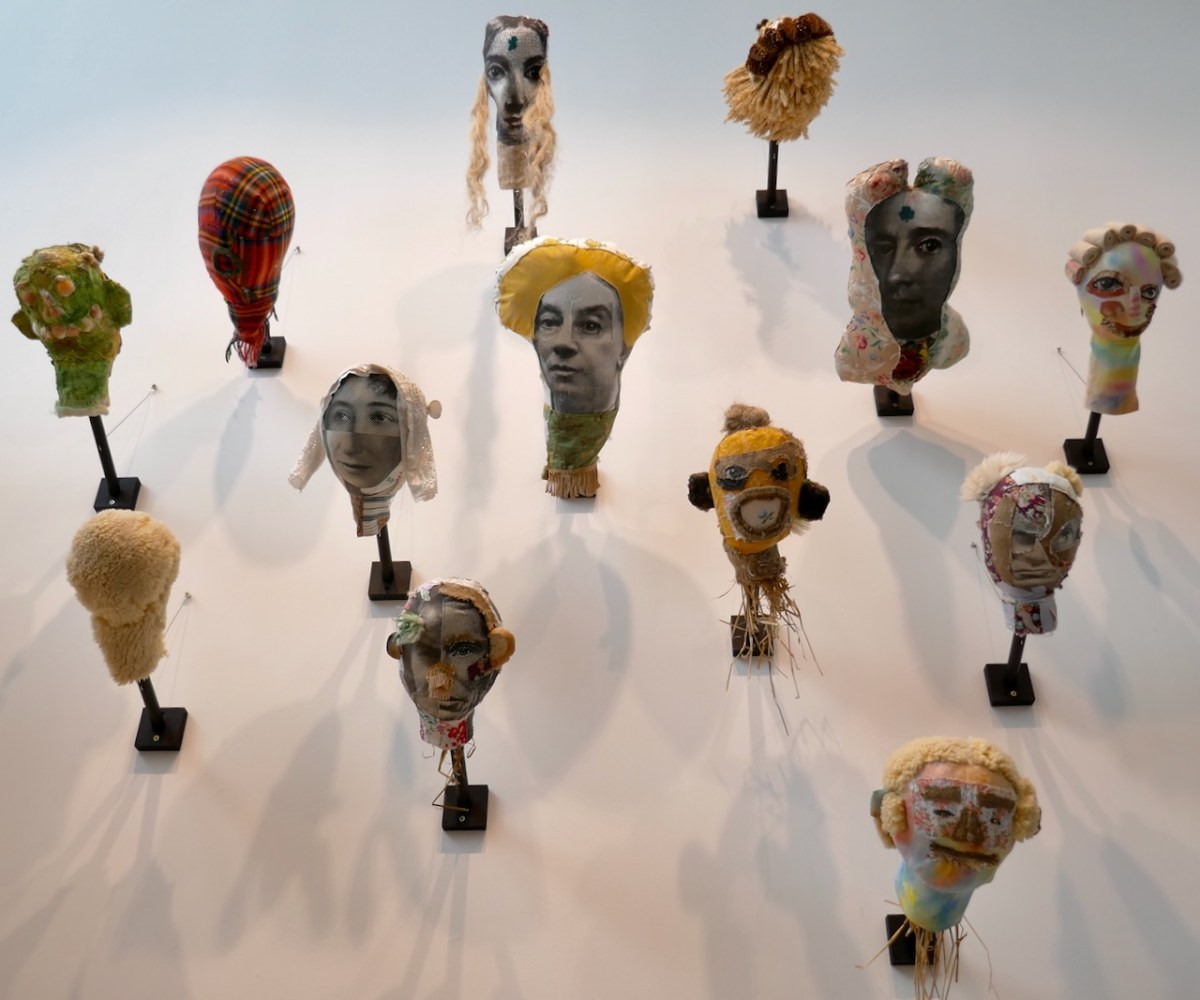
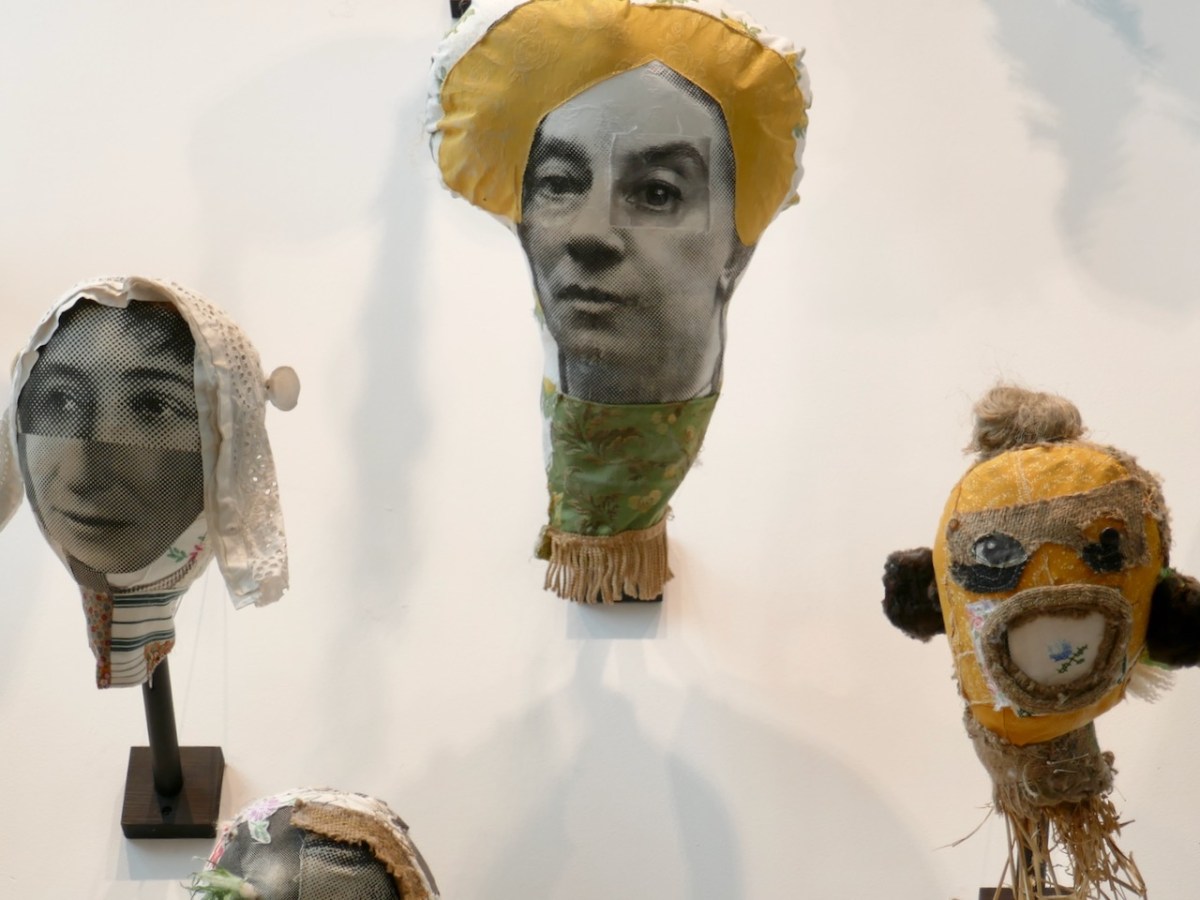
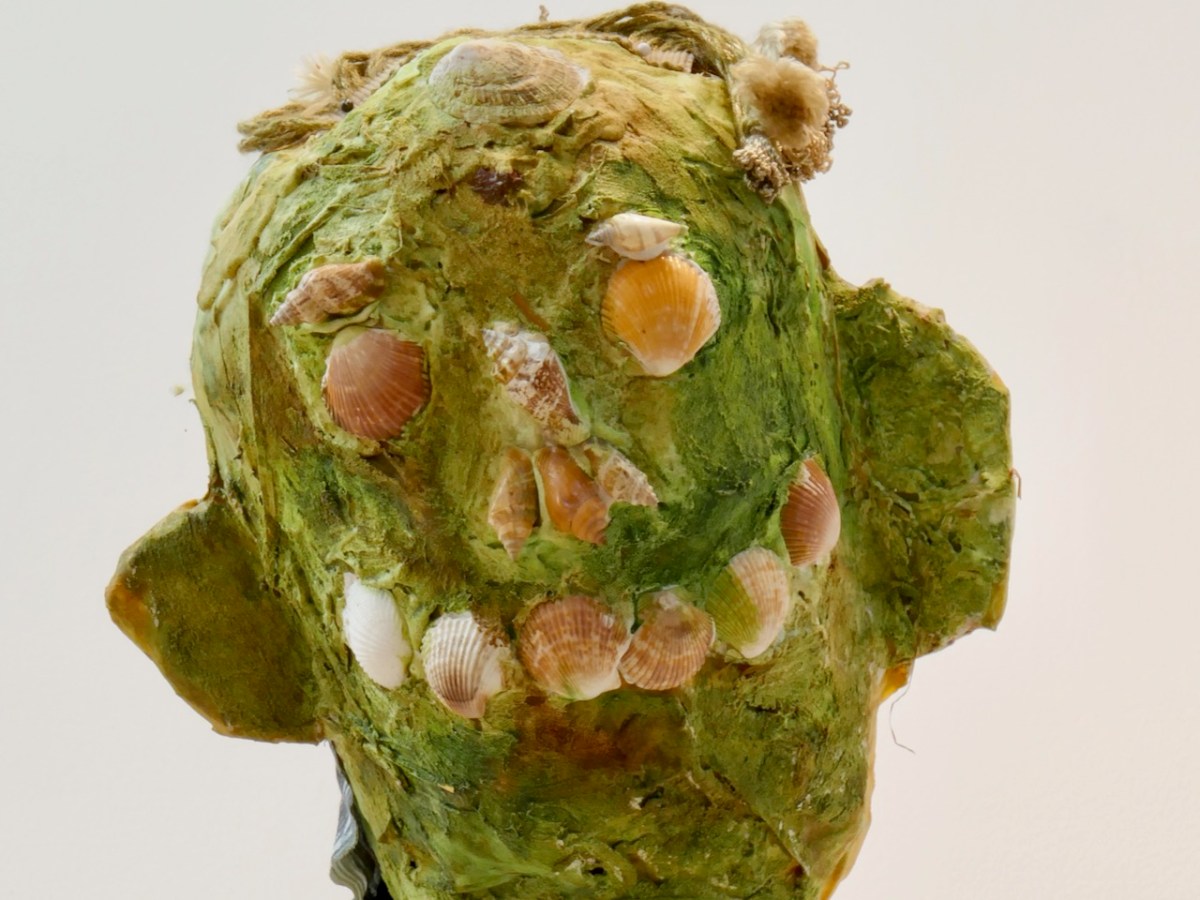
But yes, it is quirky and amusing. Just take a look at these heads – they are the first thing you notice when you come in, titled ‘Ancestors’. Made from all kinds of found materials, some represent real people (hello, Great-Aunt Molly!) although most are simply heads – a bit like you might find on a scarecrow out in the fields around harvest time.

But after the first encounter you realise that this also of course, is the thought-provoking part of this exhibition Now you notice that they are on sticks, mirroring perhaps the heads on pikes that seemed to spell the end on many rebellions against English rule down through the centuries. In her notes, Godsell states:

Here, the heads take on an unsettling childlike quality, drawing from elements of folk drama and ritual. Rudimentary in form, they are a fusion of figures from Irish history and the artist’s own imagined lineage. Blurring the line between historical facts and personal mythology, the work interrogates themes of memory, identity and inherited trauma, challenging how history is constructed and remembered.

What does it mean, in Ireland, to be part of a minority religion? What has it meant in the past, and now? What if that religion was perceived to track closely with class, and land ownership, and unionist sympathies? 

We pride ourselves, in Ireland, now, on being a pluralistic and non-sectarian society. But if that is true at all, it is only recently so. The Ireland I grew up in – in the 50s and 60s – was deeply sectarian. Protestants and Catholics rarely mixed and we were forbidden, on pain of sin, to enter each other’s churches. We were educated separately, played some different sports (Anyone for lacrosse? How about men’s hockey?), sounded different, went to separate Brownie troupes, studied different curricula at school . . .

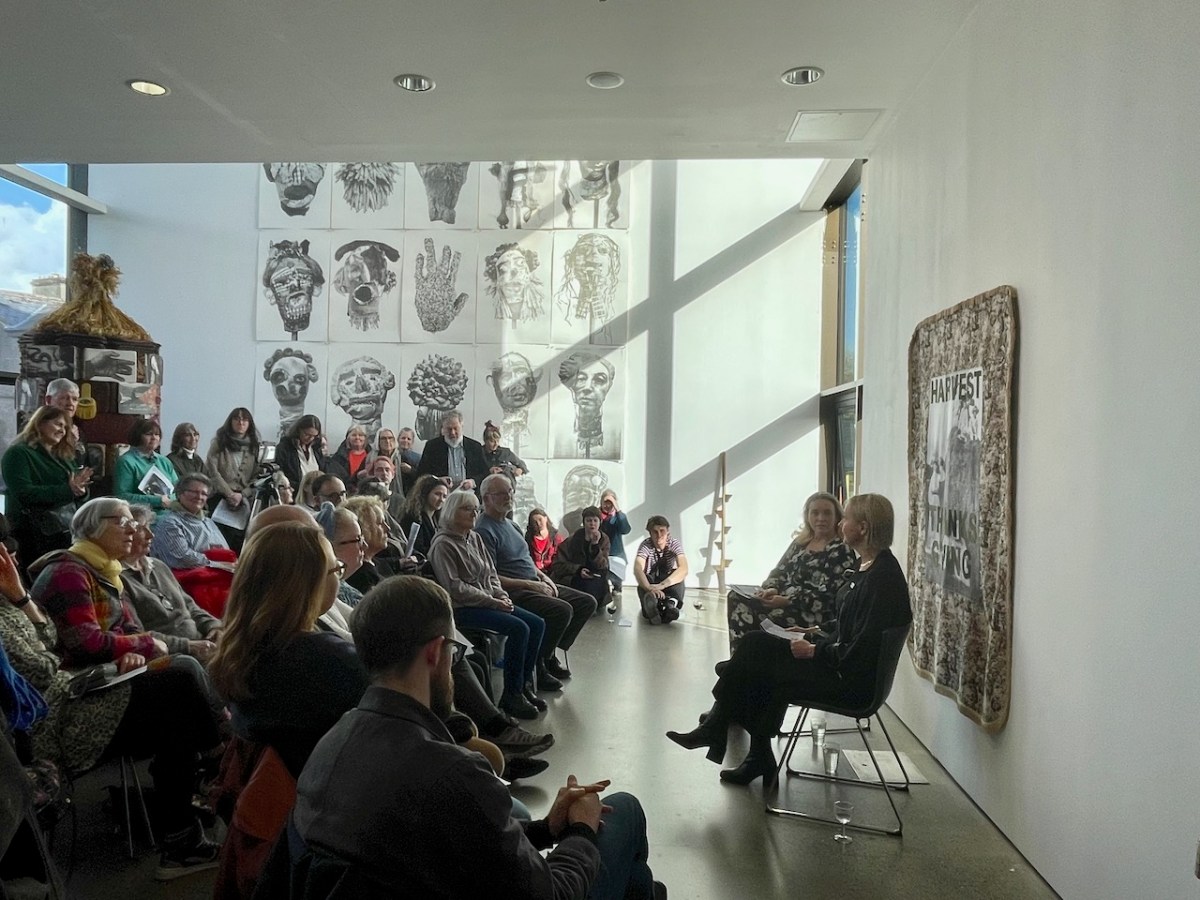
This exhibition explores the harvest-related parts of that separateness, but the opening, in which Debbie Godsell was interviewed by art critic Cristín Leach, also featured a discussion on folklore and a hymn by Cristín!

Cristín has said that Flail is ‘complicated territory’ for her and the hymn, Harvesting History, sprang almost spontaneously from engaging with the first Flail exhibition. It has been beautifully set to music by Susan Nares, and the West Cork Choral Singers presented it at the opening. Here’s a snippet.

I was particularly fascinated by the folklore discussion. As Roaringwater Journal readers know, we have used the Duchas/Schools Folklore Collection extensively over the years. One particularly important piece of research for me was to look at what it had to say about the Reverend Fisher – Saint and/or Souper of Toormore. What I found was a little shocking and it opened my eyes to an aspect of this wonderful resource that I had never previously considered – the decidedly sectarian nature of the collections. While some Protestant National Schools did participate in the School’s Collection of 1937/38, Protestants are very under-represented as informants. See this excellent article from History Ireland for more on this*.

Cristín and Debbie talked about the prevailing view of Protestants as seen in the overwhelmingly Catholic responses in the Collection – and it wasn’t a pretty picture. As I discovered with Fisher, and as Amanda has discovered with Holy Wells Folklore, the Protestants are basically blamed for anything misfortunate or discreditable – some examples here, and here and here

Go see this exhibition if you can. It’s fascinating, but more than that, it’s important. We are still trying to come to grips with our history, in Ireland. Art like this helps immeasurably.

* A ‘Protestant folk’? Author(s): Deirdre Nuttall and Críostóir MacCarthaigh Source: History Ireland , Vol. 25, No. 5 (September–October 2017), pp. 48-51 Published by: Wordwell Ltd. Stable URL: https://www.jstor.org/stable/10.2307/90014607

Brian Lalor’s Retrospective

Uillinn, West Cork Arts Centre until October 12

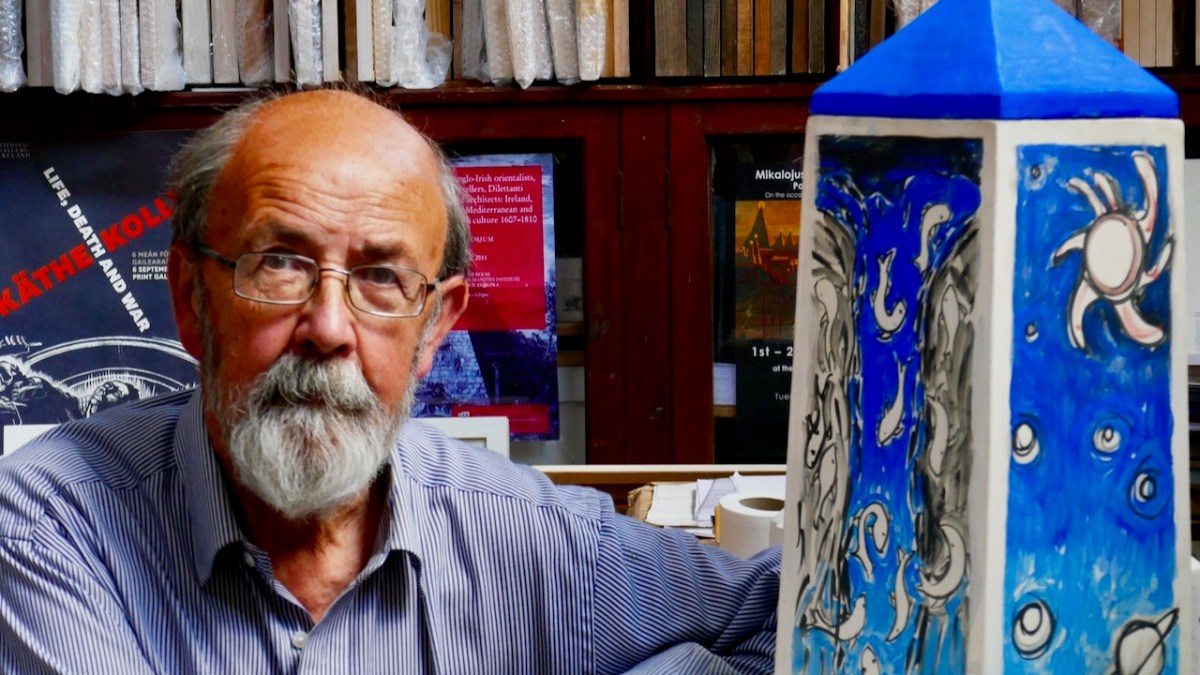
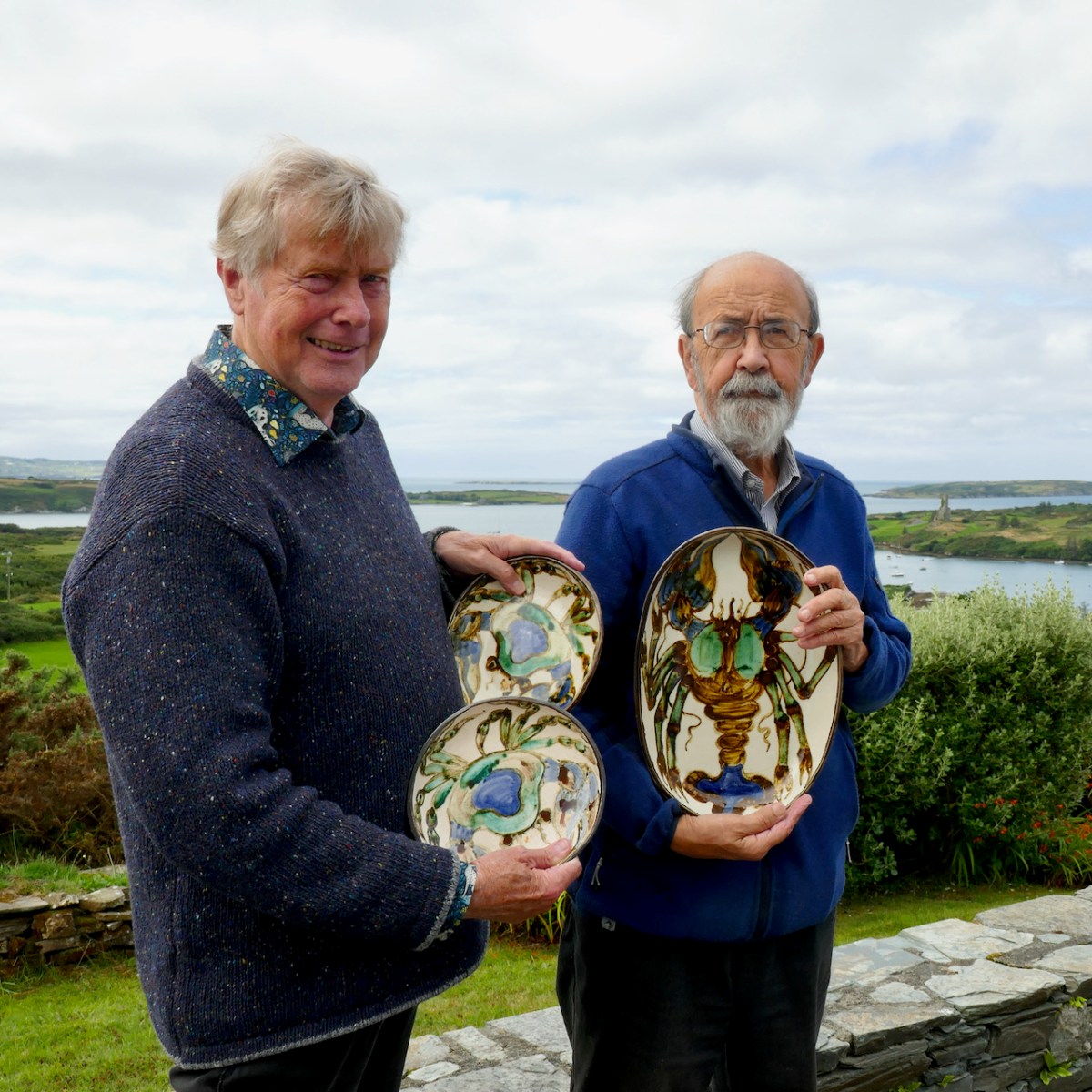
Robert and I were excited about doing this post since we first knew this project was going ahead, a couple of years ago. Sadly, I am the one who gets to write it, but happily Robert is in there too, since Brian dedicated the exhibition book to his memory. That’s the two of them, below, showing off some of John and Noelle Verling’s ceramics acquired for the Ballydehob Arts Museum.

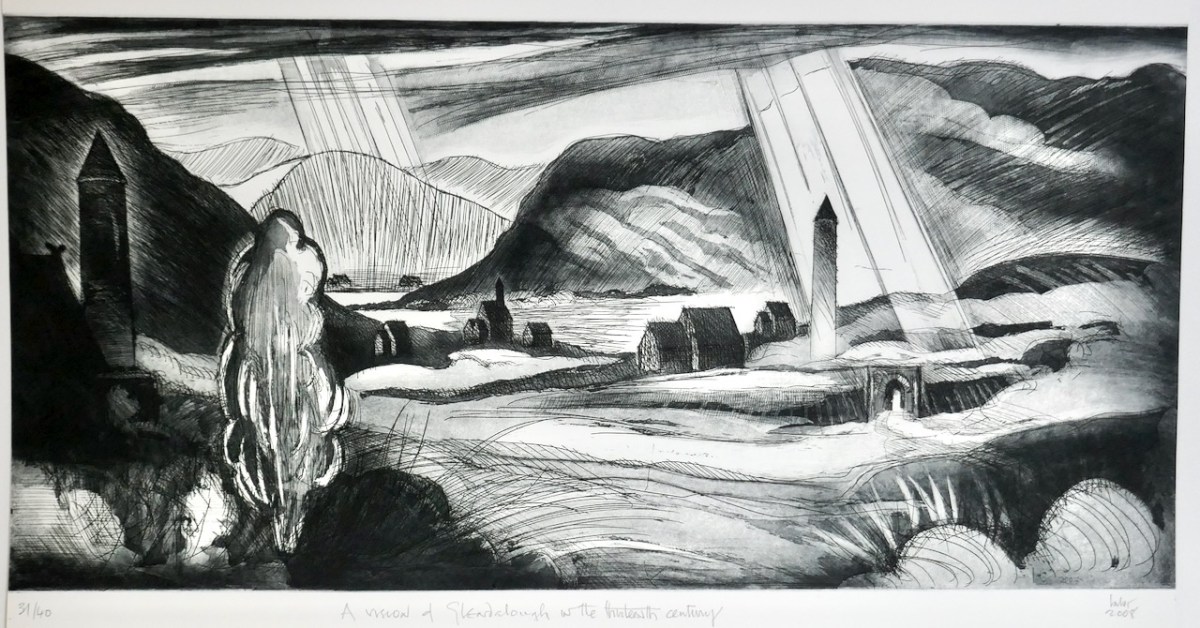
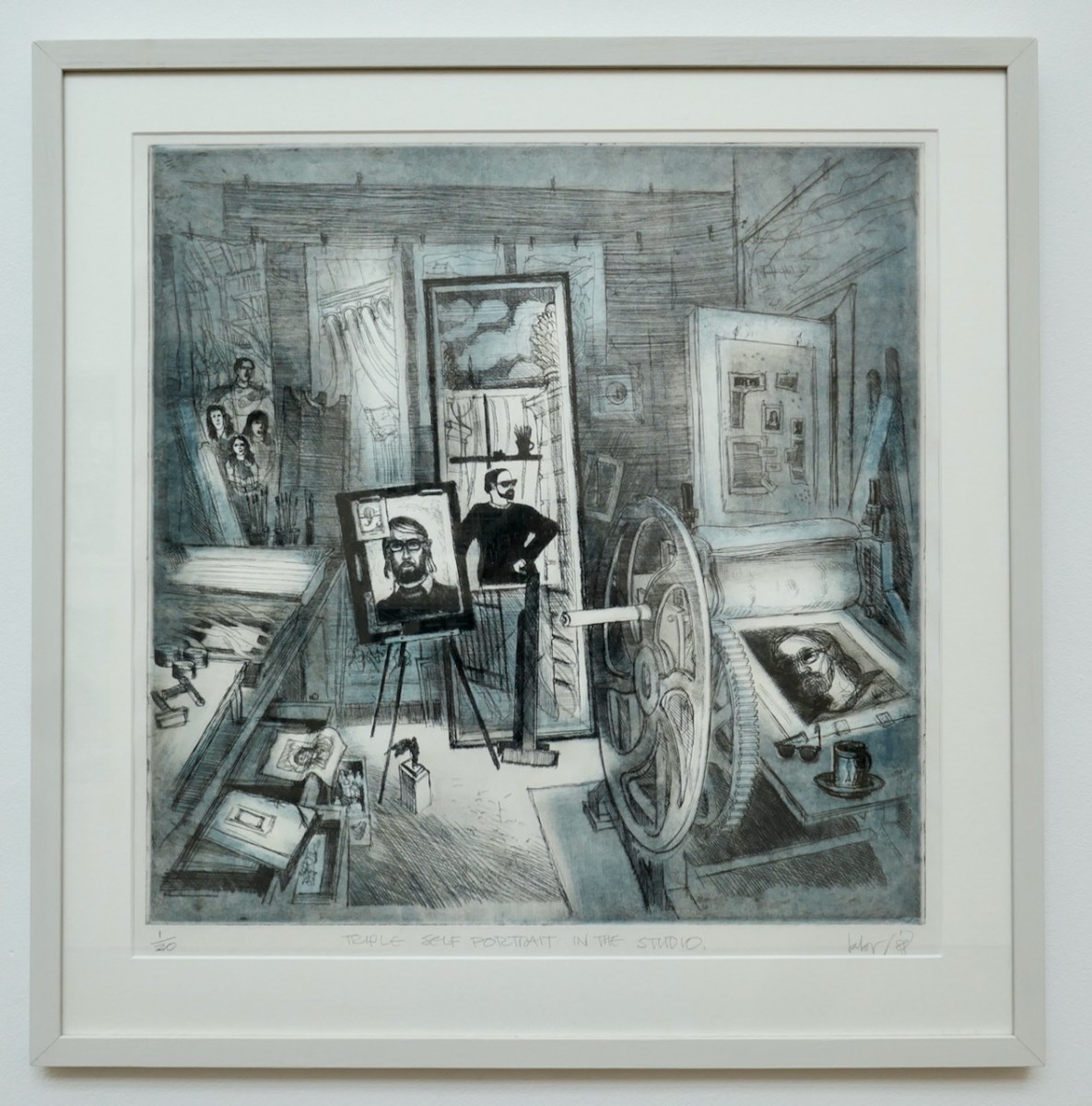
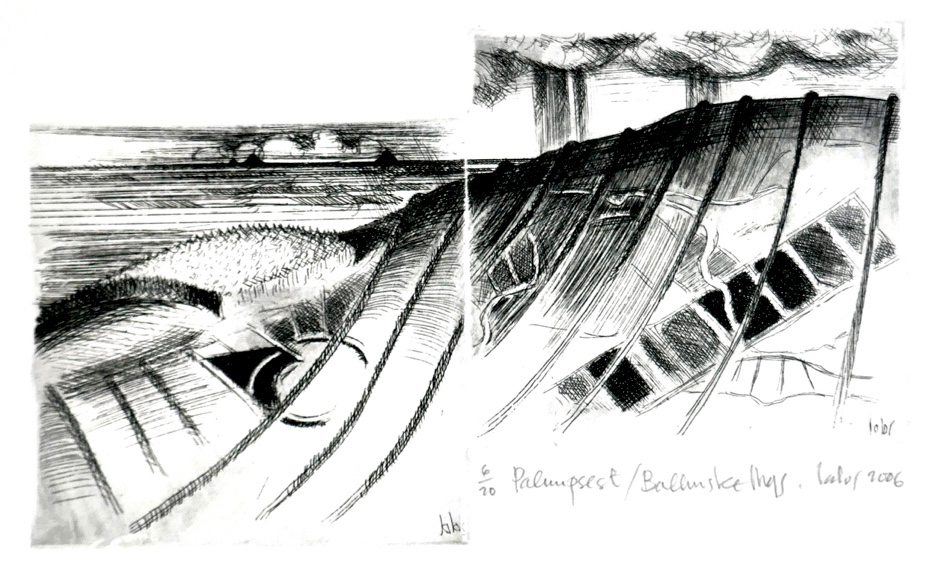
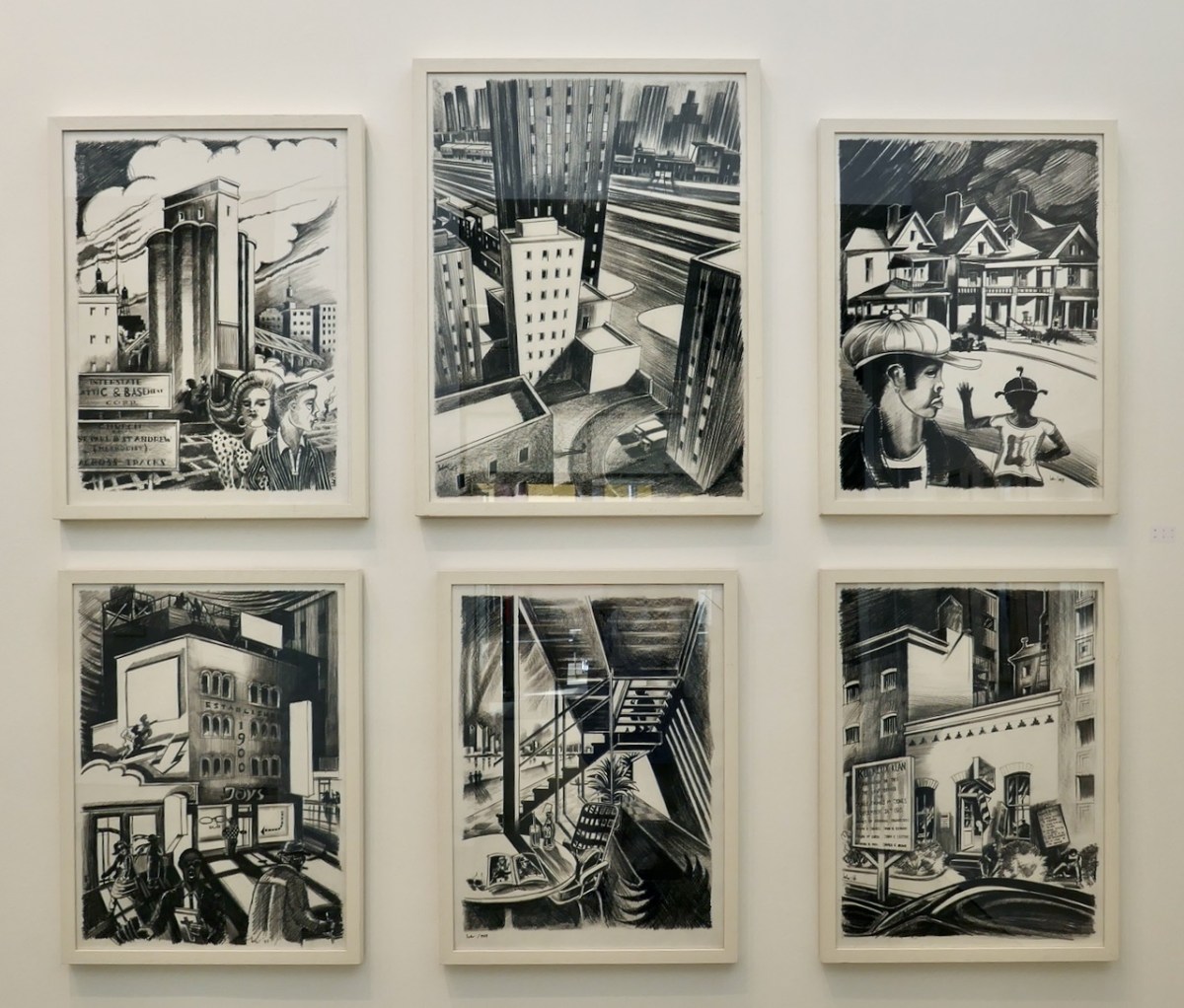
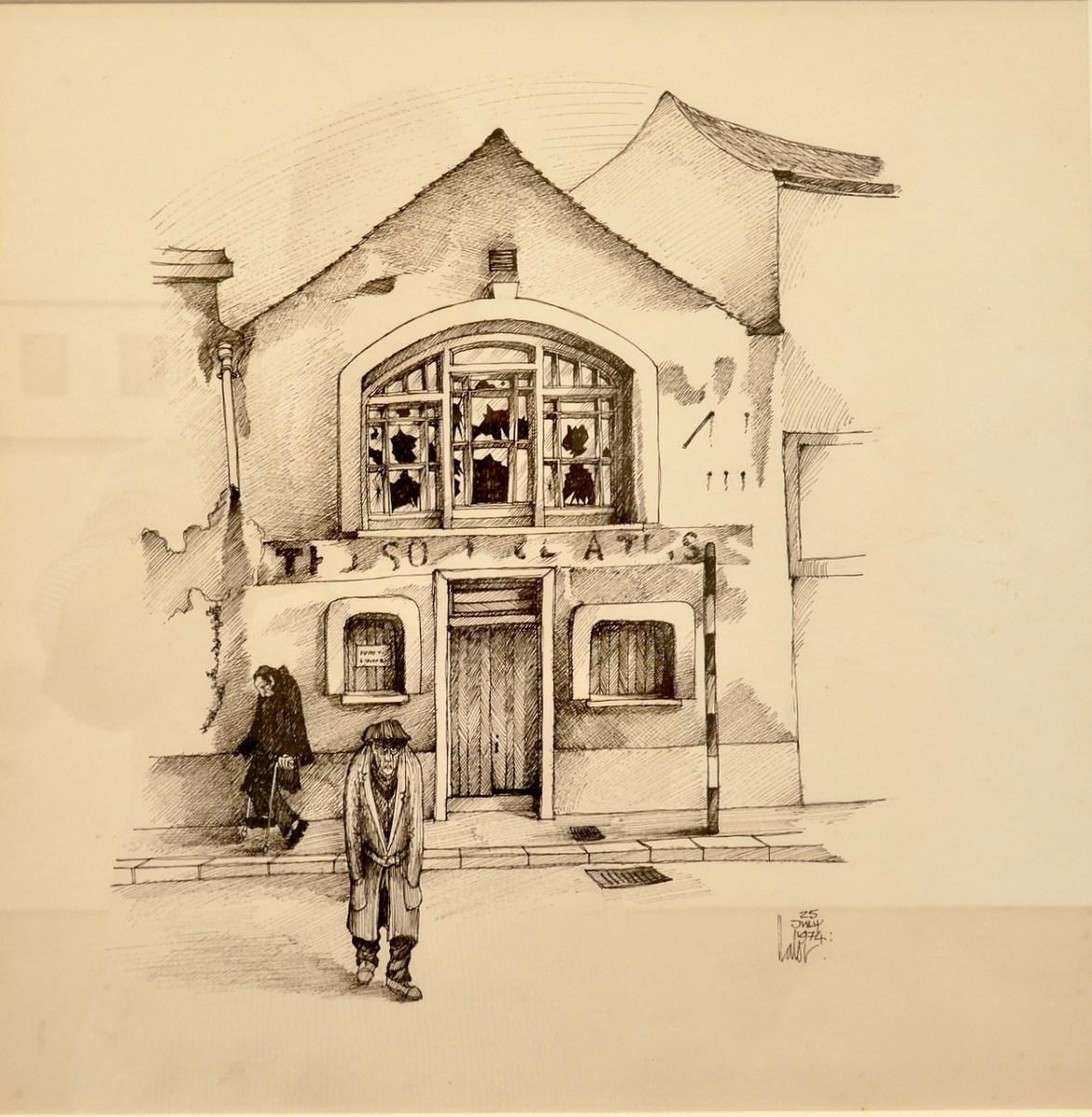
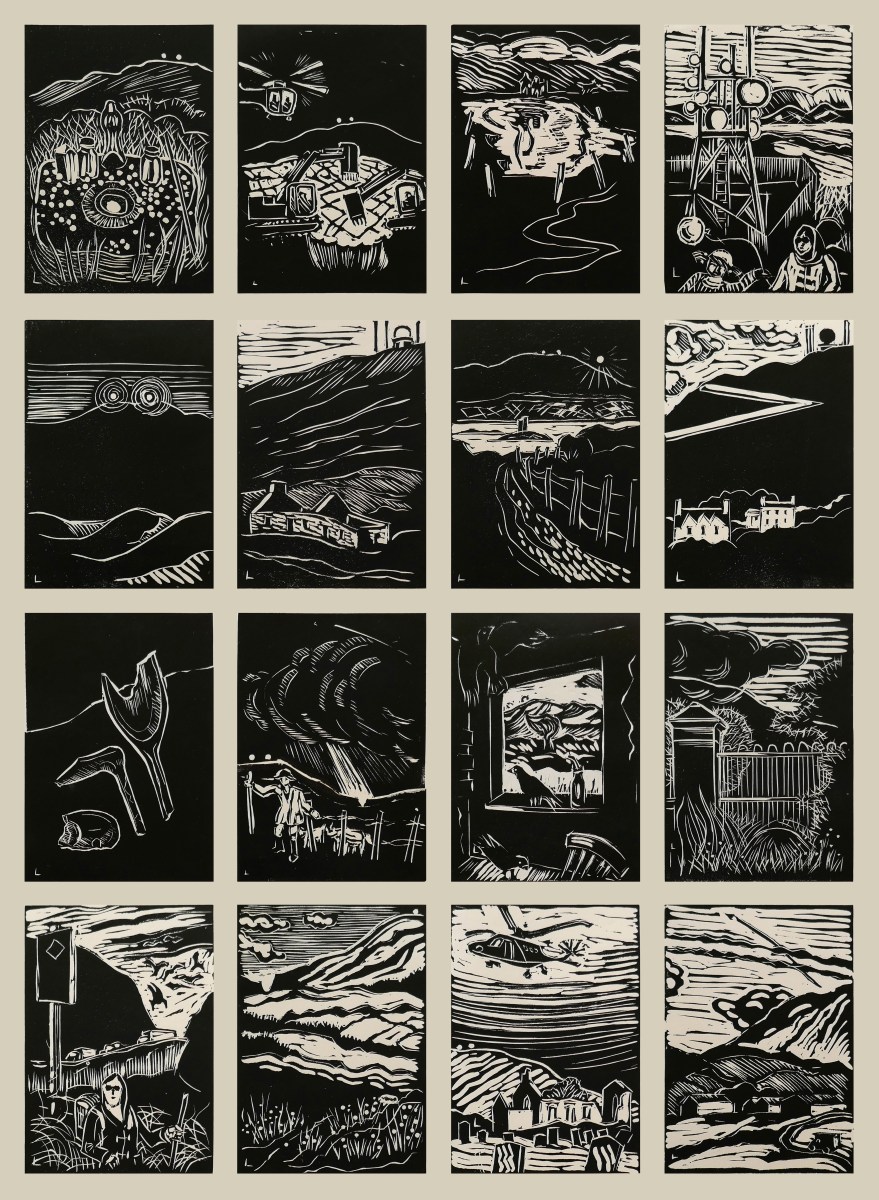
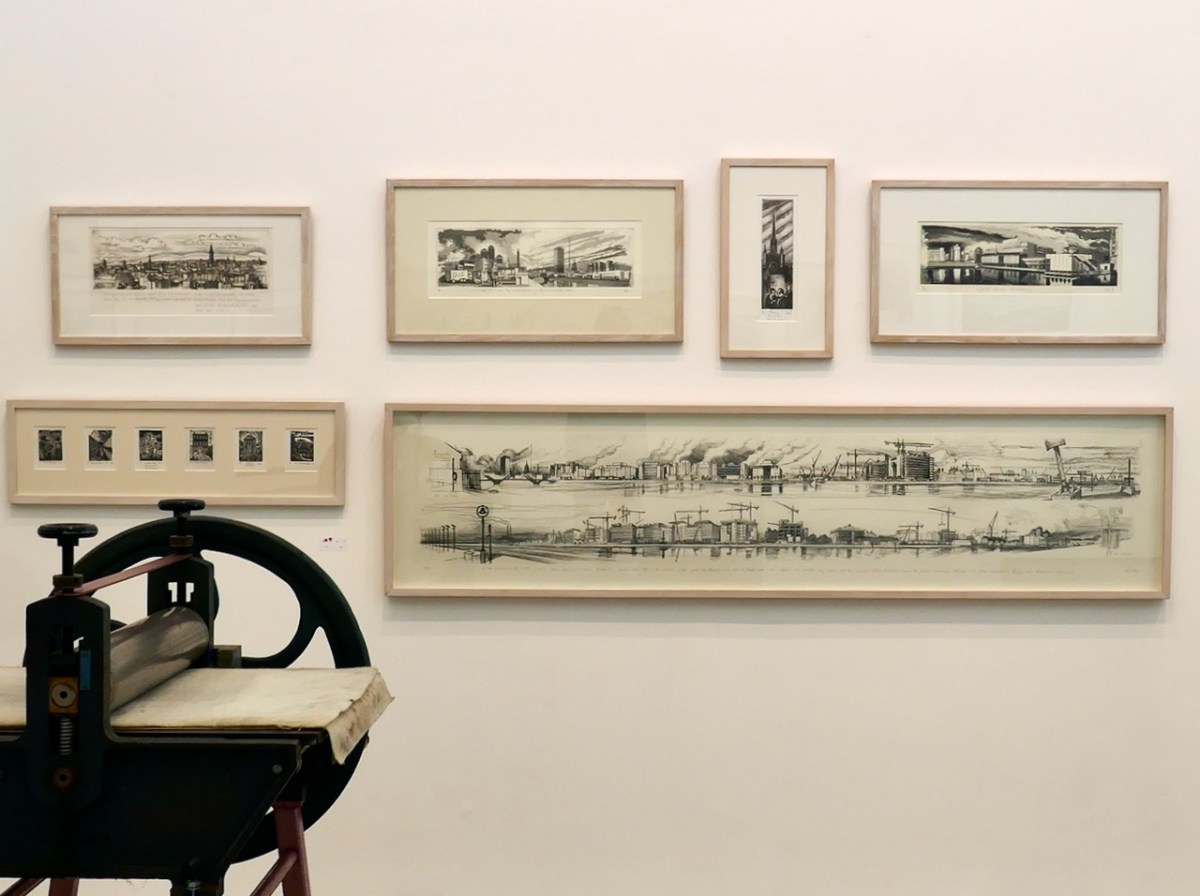
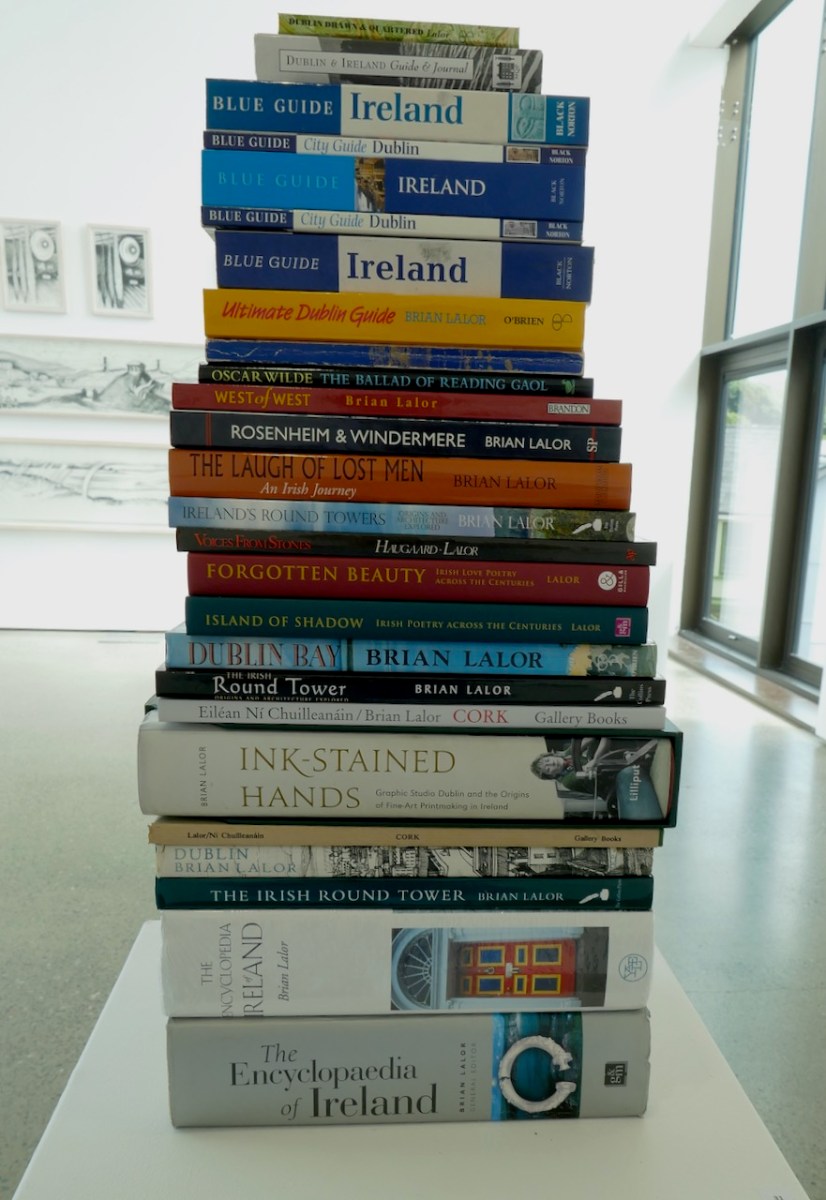
I described Brian in a previous post as a National Treasure. Artist, engraver, printmaker, print collector, curator, writer, editor – he has done, and continues to do it all, and this retrospective captures a lifetime of his multi-faceted interests. Brilliantly organised around the theme of Place by curator Vera Ryan, it leads us from the Middle East through Europe to North America, dwelling of course on his own Home Place, West Cork.

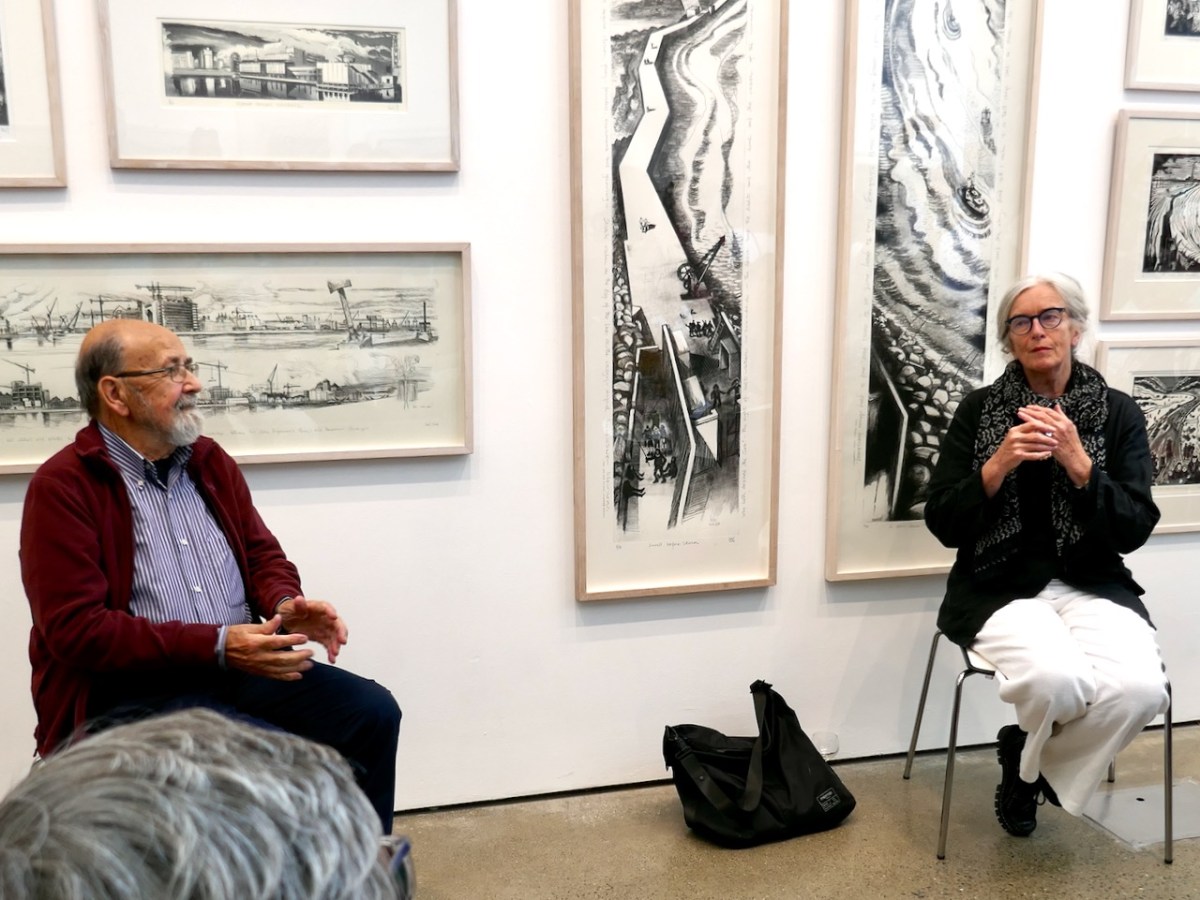
The book has essays by Angela Griffith of Trinity College and Anne Hodge of the National Gallery, a lengthy conversation with Vera Ryan, and a short concluding note by Brian. That’s Vera interviewing Brian at the launch, below.

Through all of these we get to know Brian, his life, his travels, his training as an artist (but first as an architect and archaeologist), his collector’s eye – the honed observational skills coupled with a vivid imagination that allow him to produce works that are at the same time minutely accurate and wildly fanciful. As Angela Griffith puts it,

He is a meticulous recorder of life, nature and the human-made environment. But he is also an interpreter, as such he captures the cadences of these spaces, reveals or create mythologies, and interrogates the impact of humans on the land, past and present. Many times he finds the lyrical in his subject matter.

Printmaking has been at the core of Brian’s work. His fascination with printing techniques dates from a young age and led him to amass a fine collections of prints, chosen not for their subject matter but for what they can reveal about the art of printmaking. That collection is now in the National Gallery. He helped to found the fine art printmakers, Graphic Studio Dublin, the success of which and indeed Ireland’s printmaking tradition, is charted in his book, Ink-Stained Hands

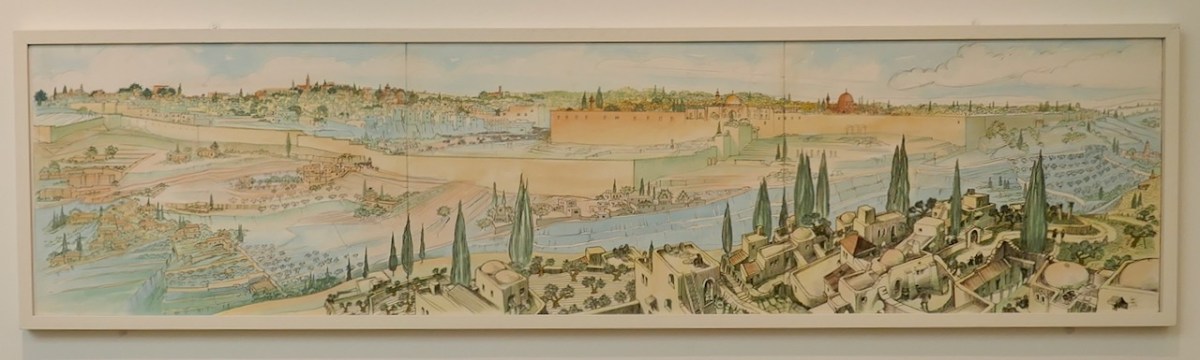
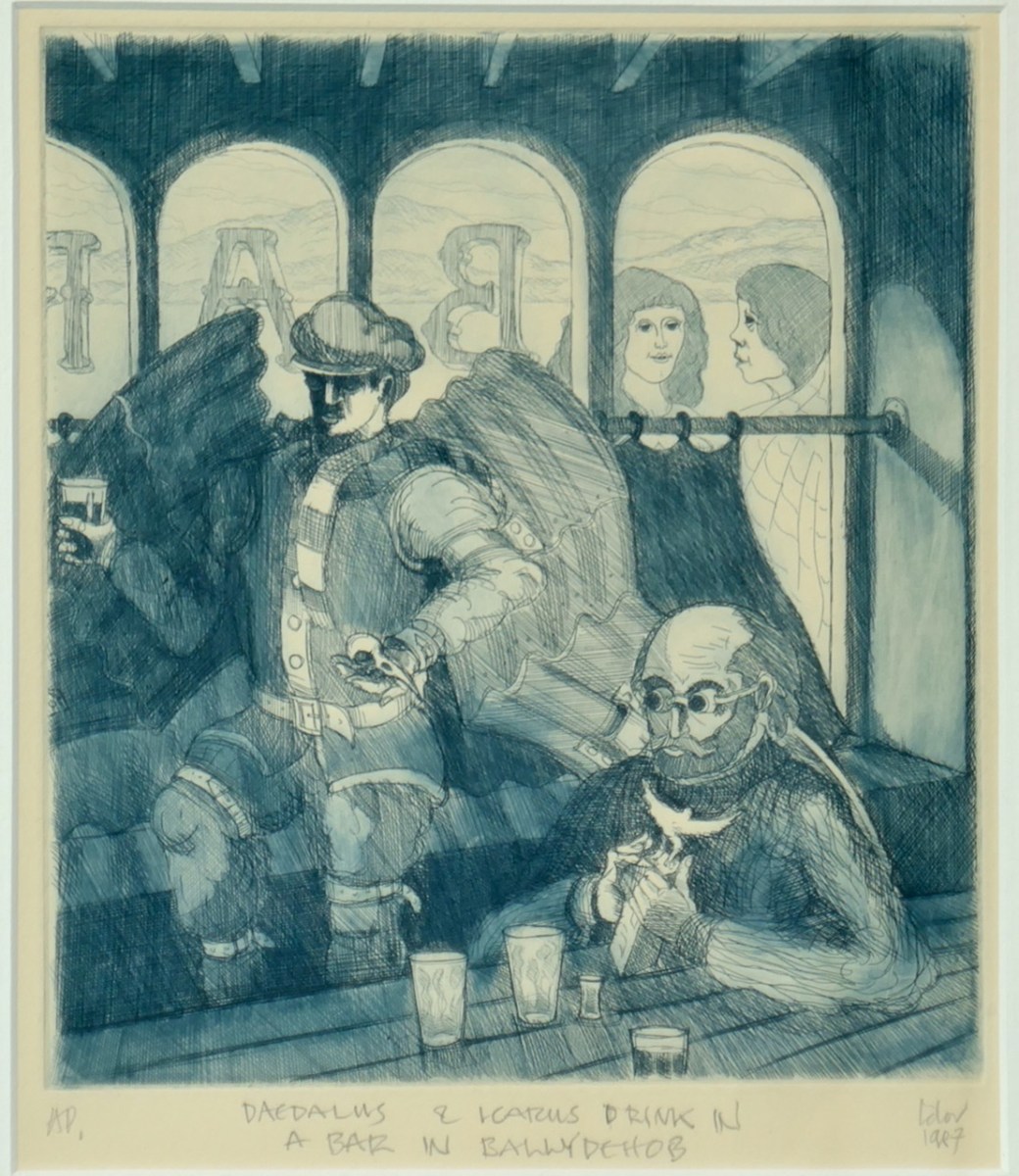
The exhibition itself contains multiple treasures that I haven’t seen before, even though I was familiar with some of Brian’s work. His enormous prints of Jerusalem, Rome and Dublin dominate several walls. His whimsical series on Icarus and Daedalus (above) was new to me, as were his American prints.

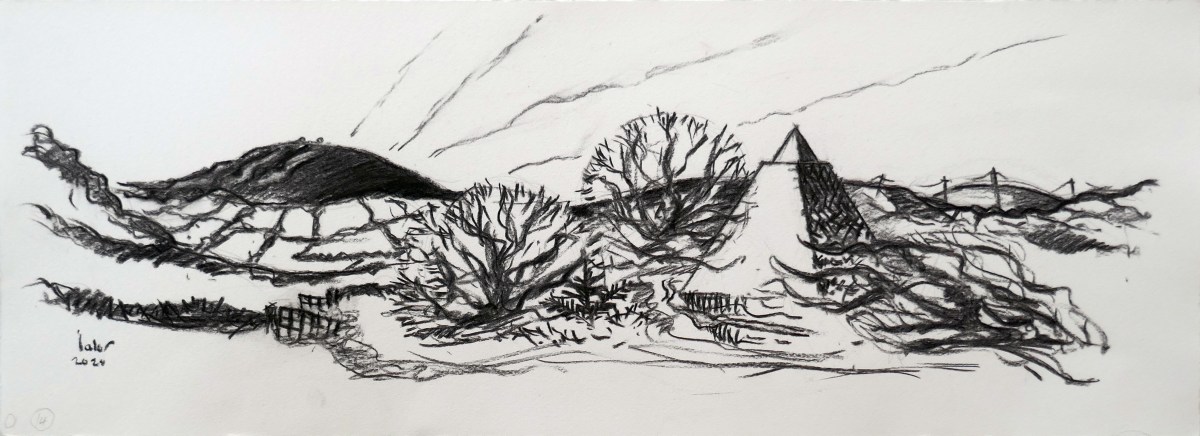
His Book, Cork, has been re-issued in celebration of the exhibition, and it contains several new images, including this one (below) deemed ‘too depressing’ for the original edition.

And it’s not only paper-based. He has collaborated with master-ceramicist Jim Turner on a series of fired earth works, some of which are politically charged. He knows the Gaza Strip intimately, after all.

If you are anywhere near Skibbereen before October 12th, make sure to visit this exhibition. It’s worth travelling for too. If you just can’t make it, you can visit Brian’s website here, and you can order books and prints from Uillinn. Or contact Uillinn at info@westcorkartscentre.com or by phone +3532822090

All I can do here is give you a tiny flavour of what’s in store at this outstanding show. Below I am appending a list of posts written by Robert or me that are either about Brian’s work, or illustrated by his art. I was amazed when I went back and looked at how many Brian-related posts we had written about him over the years. Partly that’s because he and Robert worked so closely together on the Ballydehob Arts Museum, but mostly it’s because we have been so bowled over by his art and writing.

Brian Lalor posts

The Fertile Crescent – an extraordinary exhibition at The Blue House Gallery in Schull

An obituary for Lee Snodgrass, Illustrated with many of Brian’s drawings:

Bohemians in Ballydehob, about the Ballydehob Arts Museum

Ballydehob on Bahnhofstrasse – an account of a 1985 exhibition in Zurich by many of the core group of West Cork artists. 

Church of the Angels, using illustrations from Brian’s sketchbook

A two-part review of the Book Cork, illustrations by Brian Lalor, poetry by Eiléan Ní Chuilleanáin

Several 12 arch bridge depictions by Brian in these two posts

Review of West of West: An Artist’s Encounter with West Cork

Review of 36 views of Mount Gabriel, a 2022 Exhibition in The Blue House Gallery

Brian’s Original sketchbook for his field trips around West Cork with the Mizen Archaeological and Historical Society was the basis for this post on Signal Towers.

Unseen

© Tomasz Madajczak

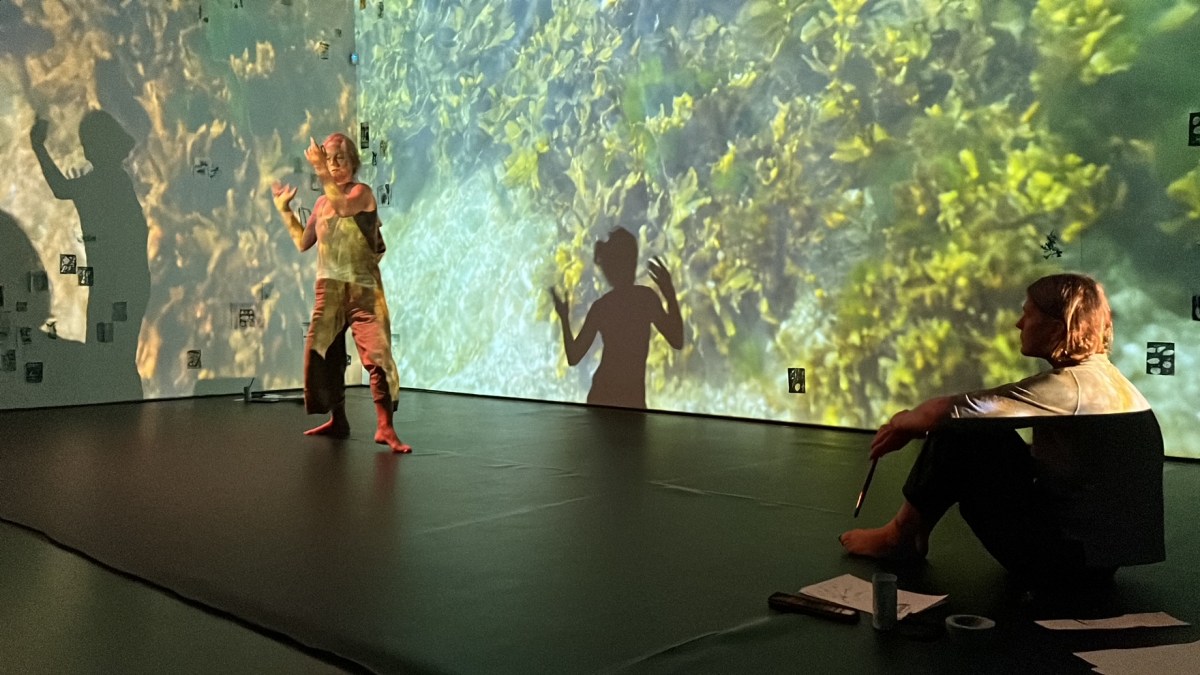
There’s a line early on in Unseen, the new dance piece by Tara Brandel and Stacey White of Croi Glan Integrated Dance Company, where the voice-over says that plankton are so tiny that they are invisible to us. But sometimes, the voice continues, they bloom in such vast quantities that they can be seen from space. 
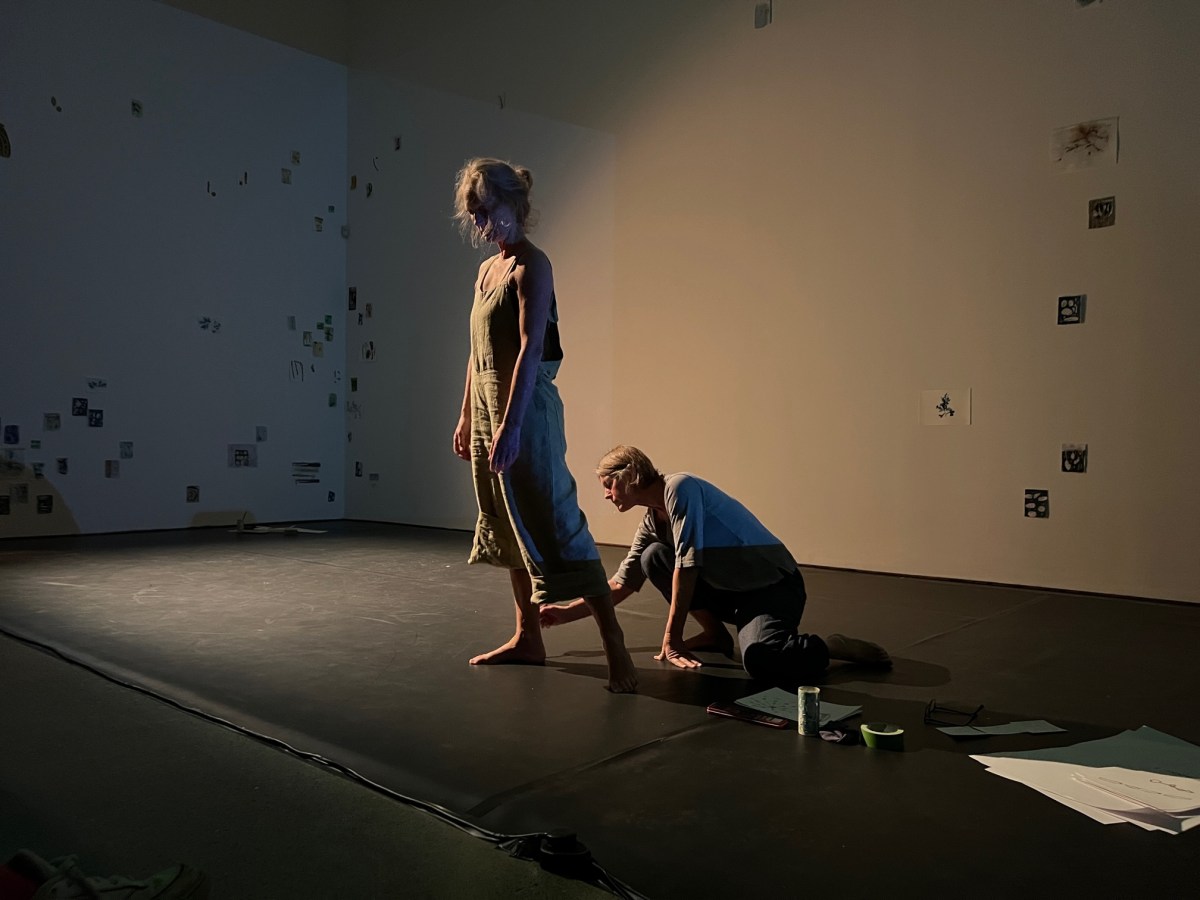
This dance piece explores the role that plankton – in plant form (phytoplankton) and in animal form (zooplankton) – plays in the life of our planet. It underpins all life but is fragile and threatened  by the effects of climate change. We remain oblivious to this existential danger because plankton does not cry out for our attention.

© Tomasz Madajczak

That disconnect, between the vital nature of this organism versus how aware we are of it, proves to be an apt metaphor for how we depend on our bodies – taking them for granted until they force us to forge a new relationship with them. 

Stacey White is a Californian artist who now lives here in West Cork. She has partnered (in life and in art) with Tara Brandel, who has created this choreographed event, three years in the making. I have written about Tara’s dance before – in Bridge and in Dancing Cappaghglass. Tara is one of the people (more common, she tells me, than we all know) who was injured by the Covid vaccine. It was catastrophic for her, leaving her profoundly debilitated, unable to walk, with difficulty breathing and a racing heart. Her recovery and rehabilitation have taken three years so far and is ongoing. The irony is striking – Croi Glan specialises in an integrated approach to dance, working with both able-bodied and physically- and intellectually-challenged dancers. Up to now, Tara has been the dancer we would describe as ‘able’

© Tomasz Madajczak

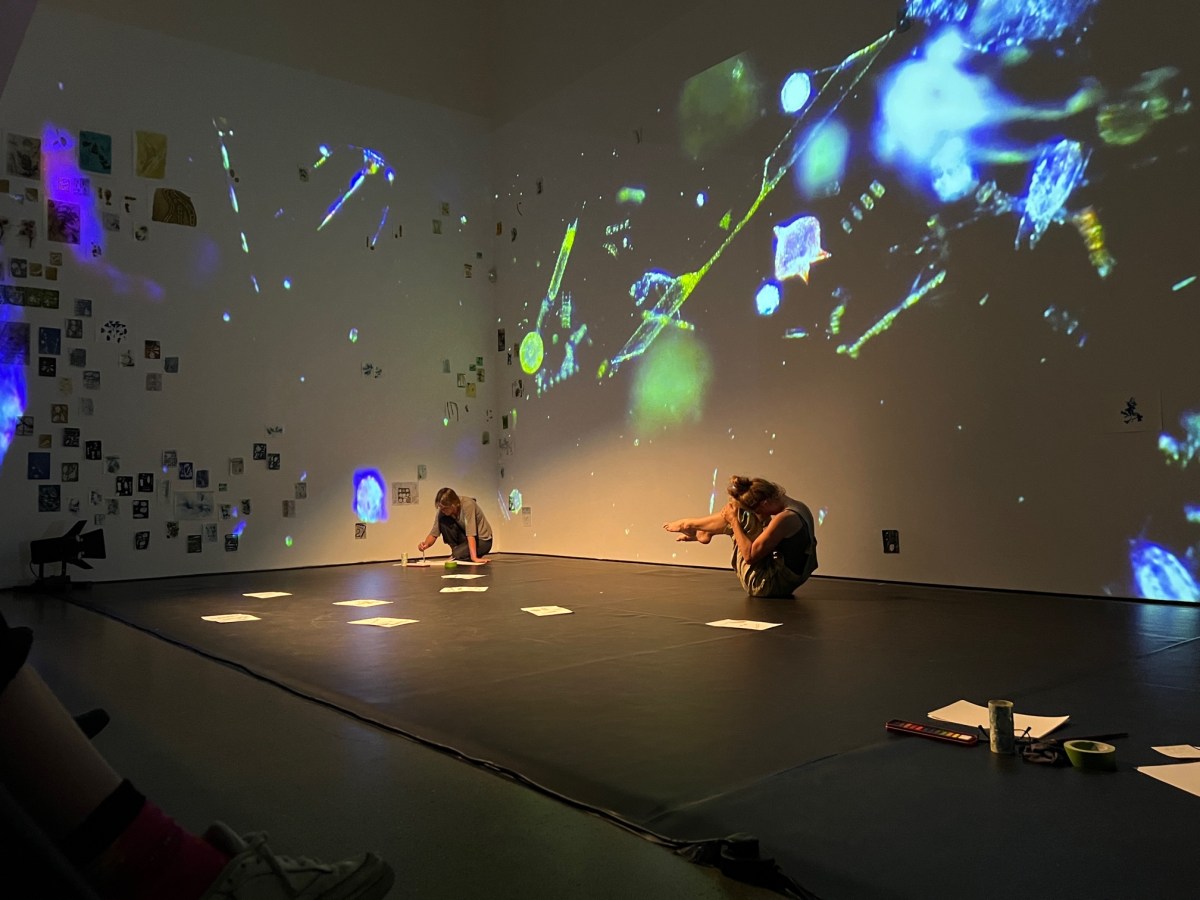
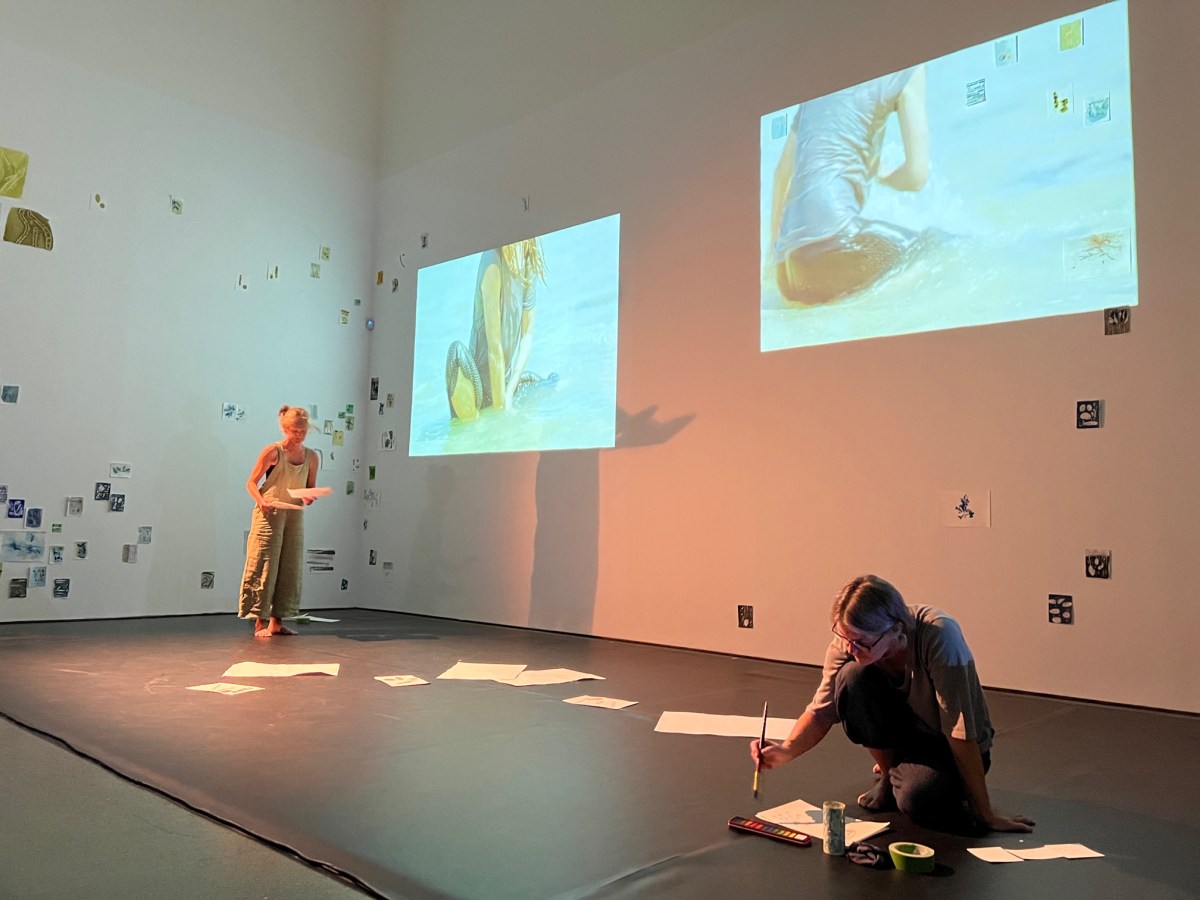
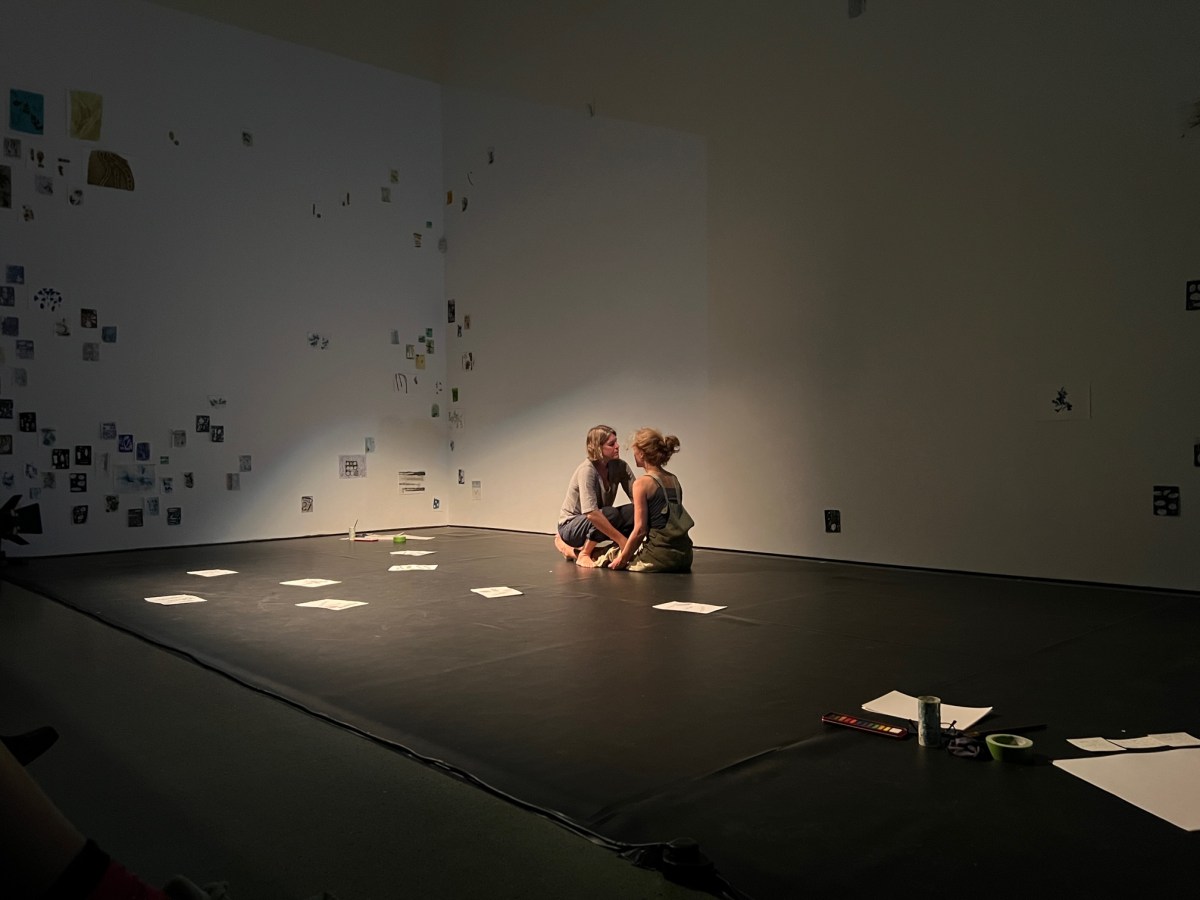
The dance begins with Stacey painting in a corner and Tara asleep on the floor. Projections and voice-overs run throughout the dance, introducing images of plankton, water and tides. There is no music per se, and yet there is a sense throughout of an elemental soundtrack. 

© Tomasz Madajczak

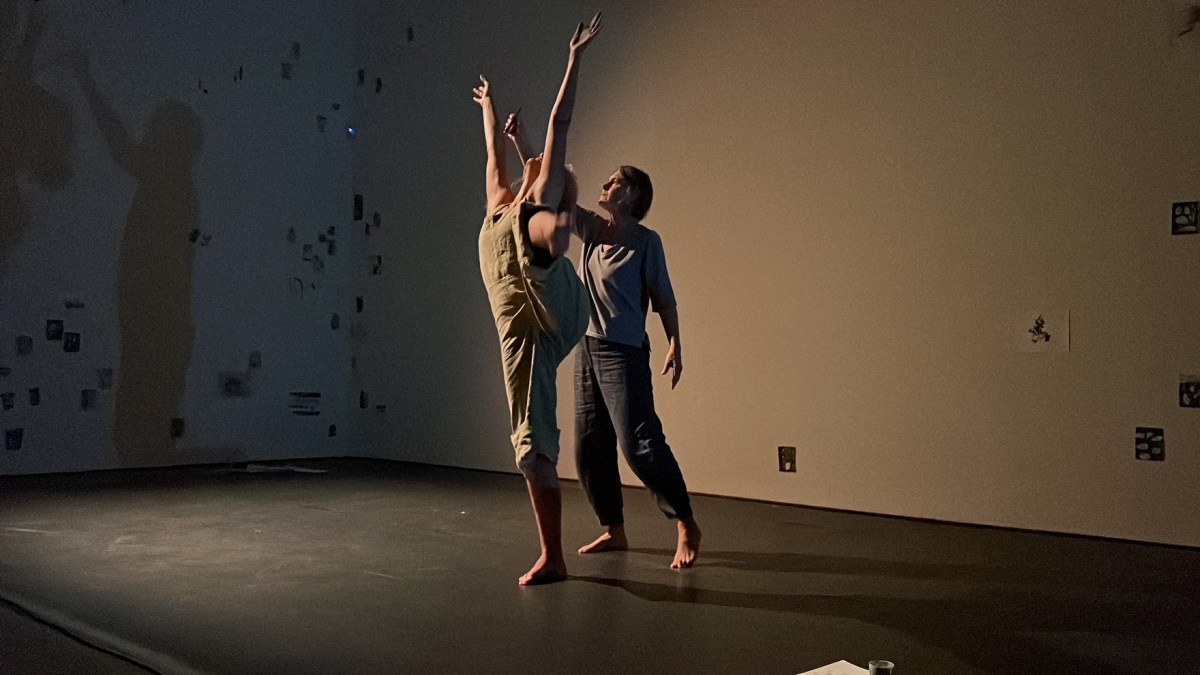
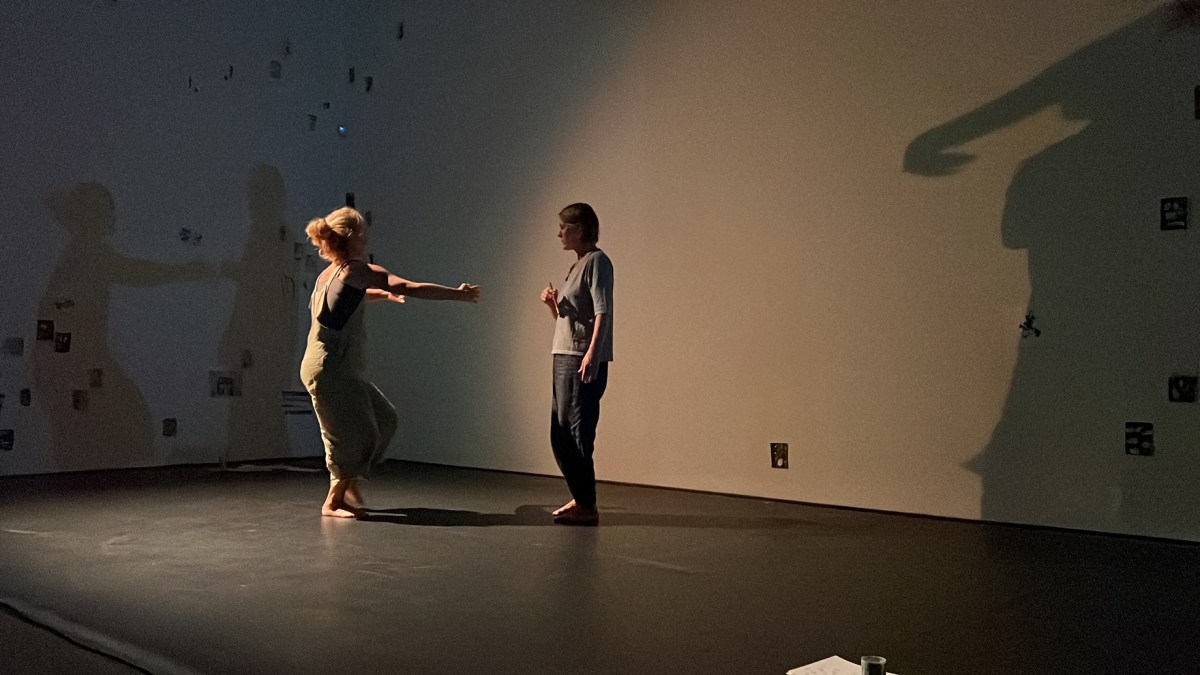
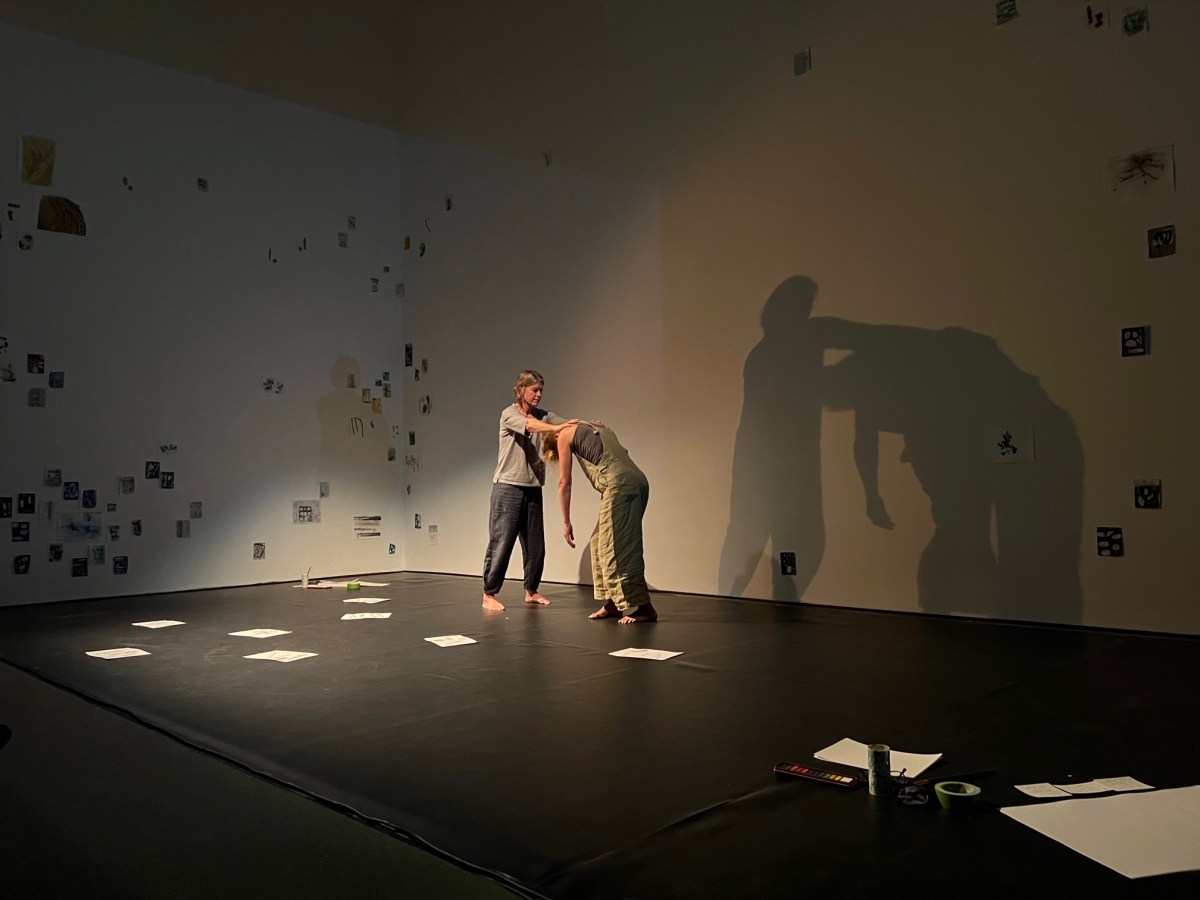
As Tara slowly comes to life her hand movement echo the pulsating and twisting movements of the plankton we have seen on the wall behind her. We see her coming to grips with the challenges of rediscovering the body her illness has given her,  and hear her compare it to putting together a 3D jigsaw, as she strives to heal and to compile the disparate pieces into a coherent whole again. Stacey’s voice also gives us an insight into the profound disconnect that  epilepsy, or rather the drugs she has taken to address it, has created between mind and body. We see them support each other, Stacey (literally) guiding Tara’s faltering steps. 

© Tomasz Madajczak

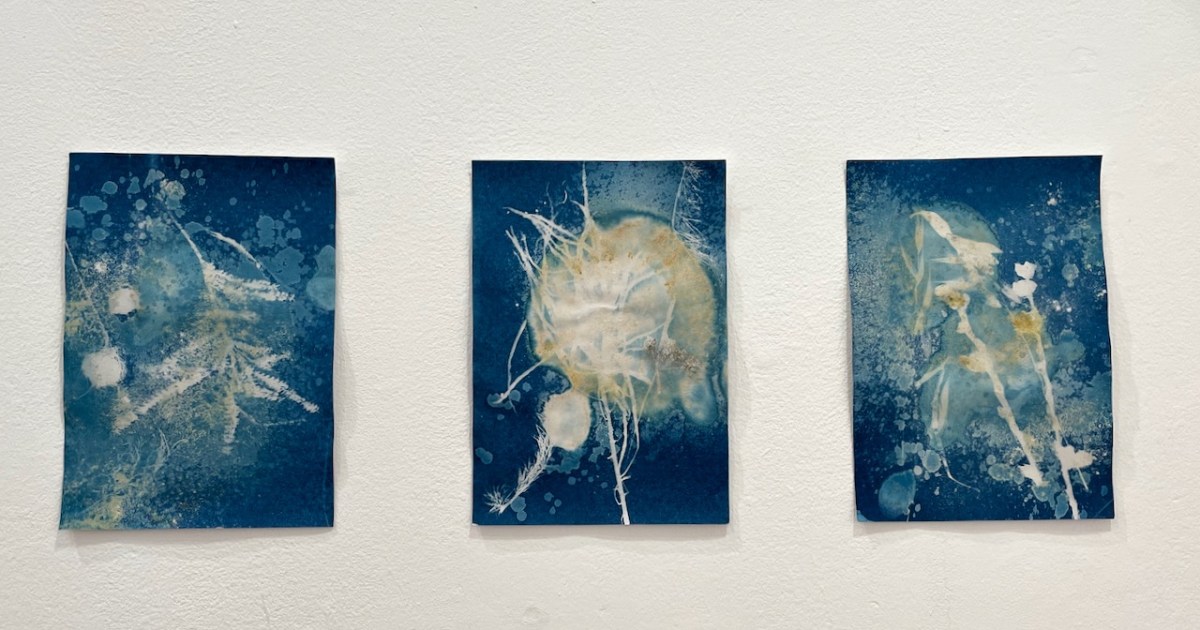
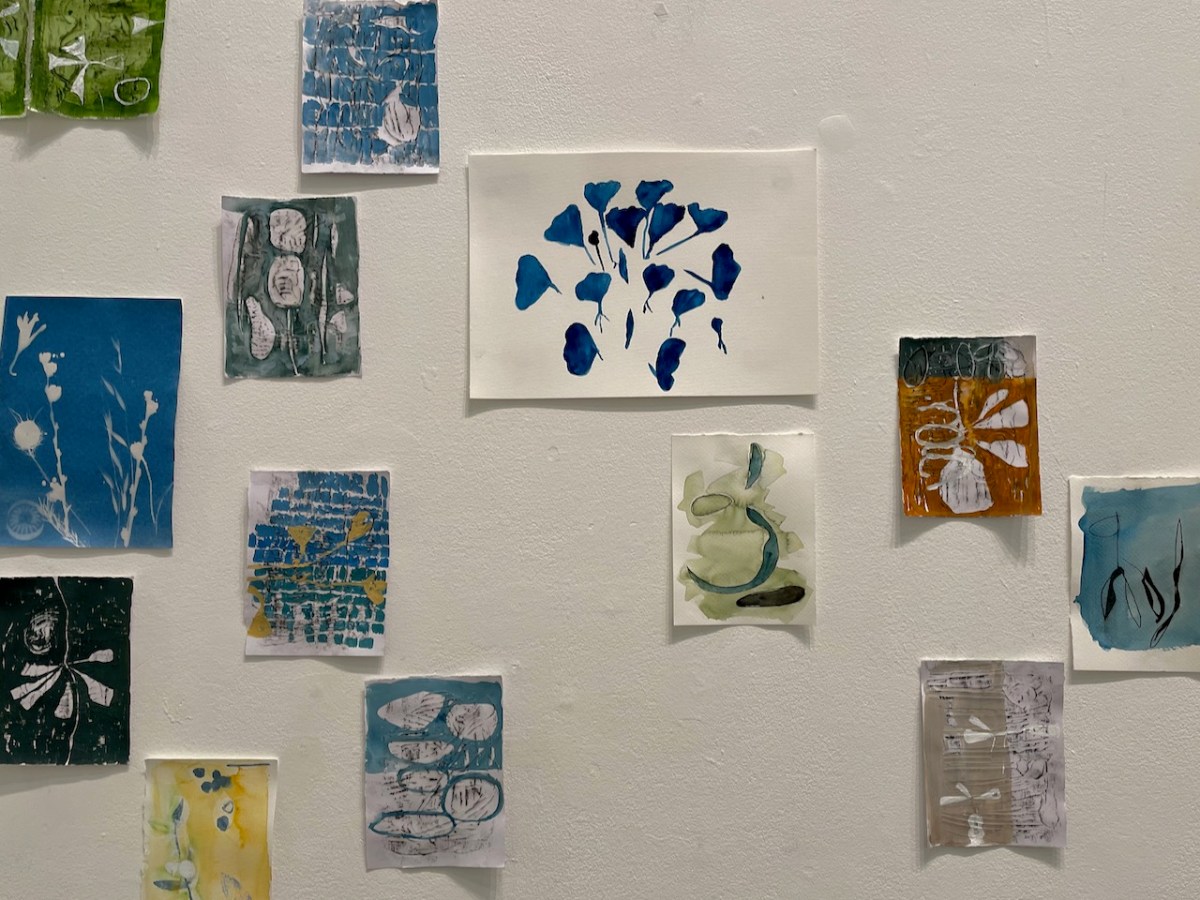
Besides the projections, Stacey’s small plankton paintings fill the wall space behind the dancers, hung to echo the Gulf Stream and Atlantic currents. At one point during the dance she strews them about the floor and Tara carefully makes her way among them before seizing larger pieces of drawing paper to wrap around her body, as if drawing strength from a medium other than the physical.

© Tomasz Madajczak

As someone at home, away from the world, slowly trying to recover from profound weakness, Tara shows us that she feels unseen, locked away from our sight. Sufferers of vaccine injuries have to contend with the neglect of their plight by governments and health systems, who start by ignoring them and then throw enormous burdens onto already-ill people to ‘prove’ that what has happened to them is the fault of the vaccine.

© Tomasz Madajczak

But this is not a pity-me piece, it’s a profound meditation on what it is, and how it feels, to be unseen, and to have the very foundations of the life we take for granted – whether we are talking about our planet or our bodies – suddenly under threat. And ultimately it’s about the healing power of art to help us face those challenges.

© Tomasz Madajczak

I have no doubt this piece will have an afterlife after the two current scheduled performances. Uillinn’s (The West Cork Arts Centre) dance season, now in full, er, swing, reminds us that art comes in many forms, including dance. Like plankton, art blooms where the environment encourages it. Hardly surprisingly, given the quality of what we saw in Unseen, all the dance performances seem to be well subscribed, so run don’t walk if you want tickets for any of the other events over the next week or so – it goes to November 5th.

Thank you to Tomasz Madajczak for allowing me to use his outstanding photographs.

West Cork Villages and Towns – Skibbereen

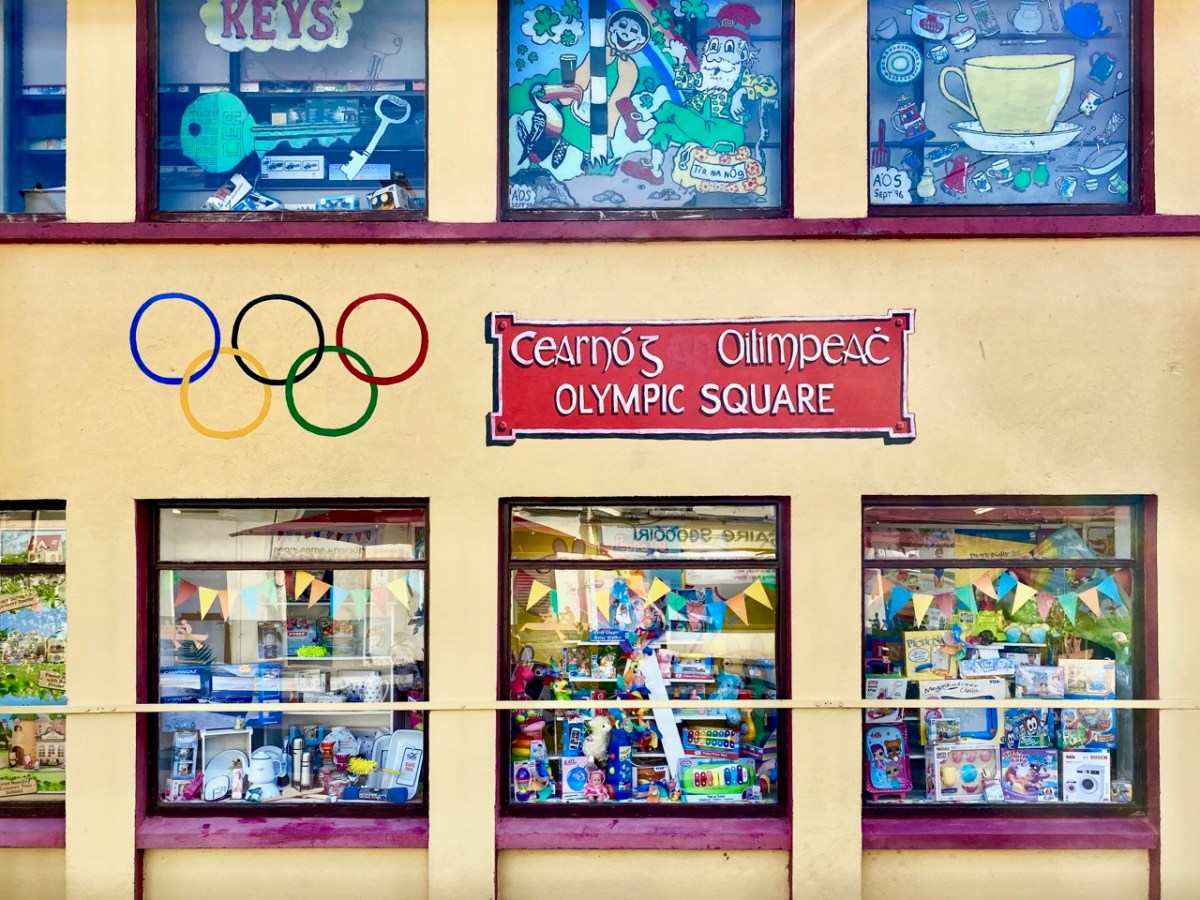
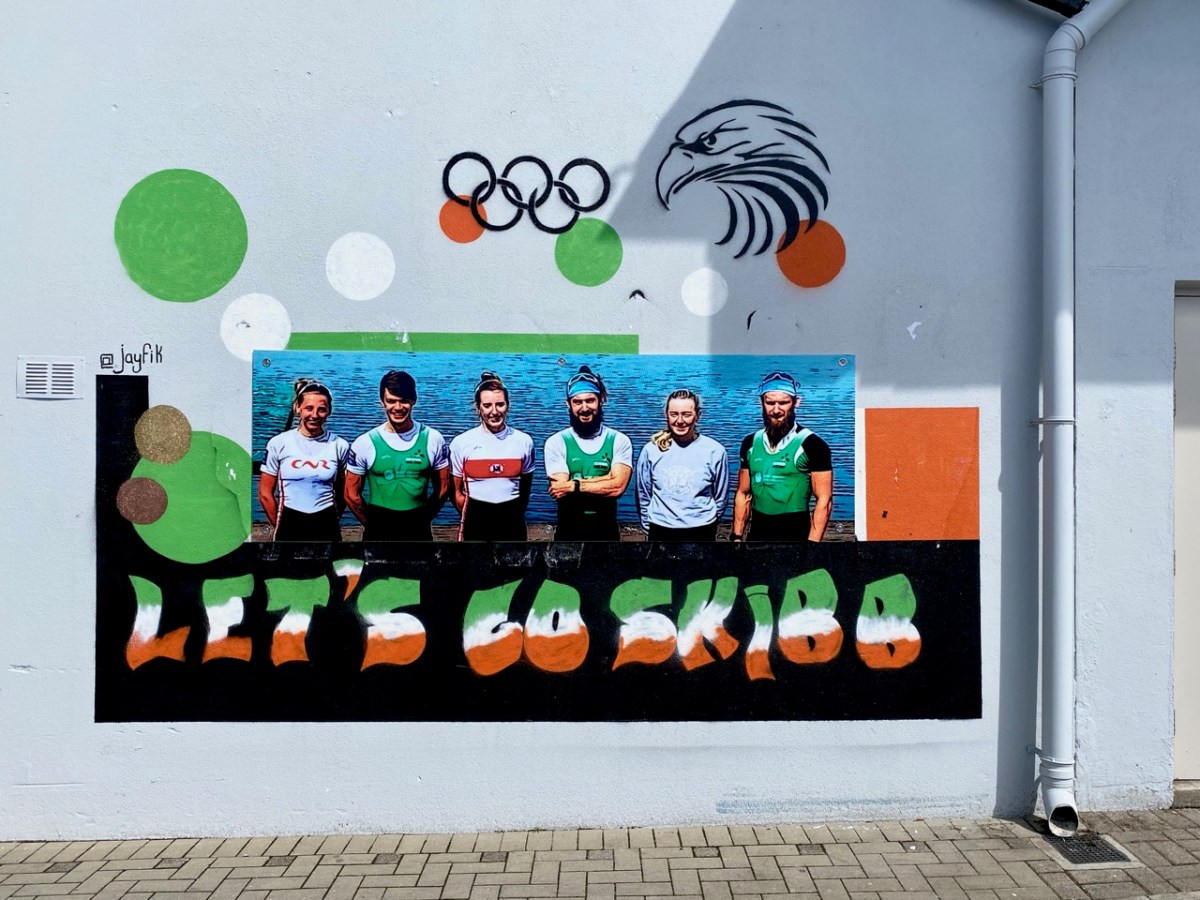
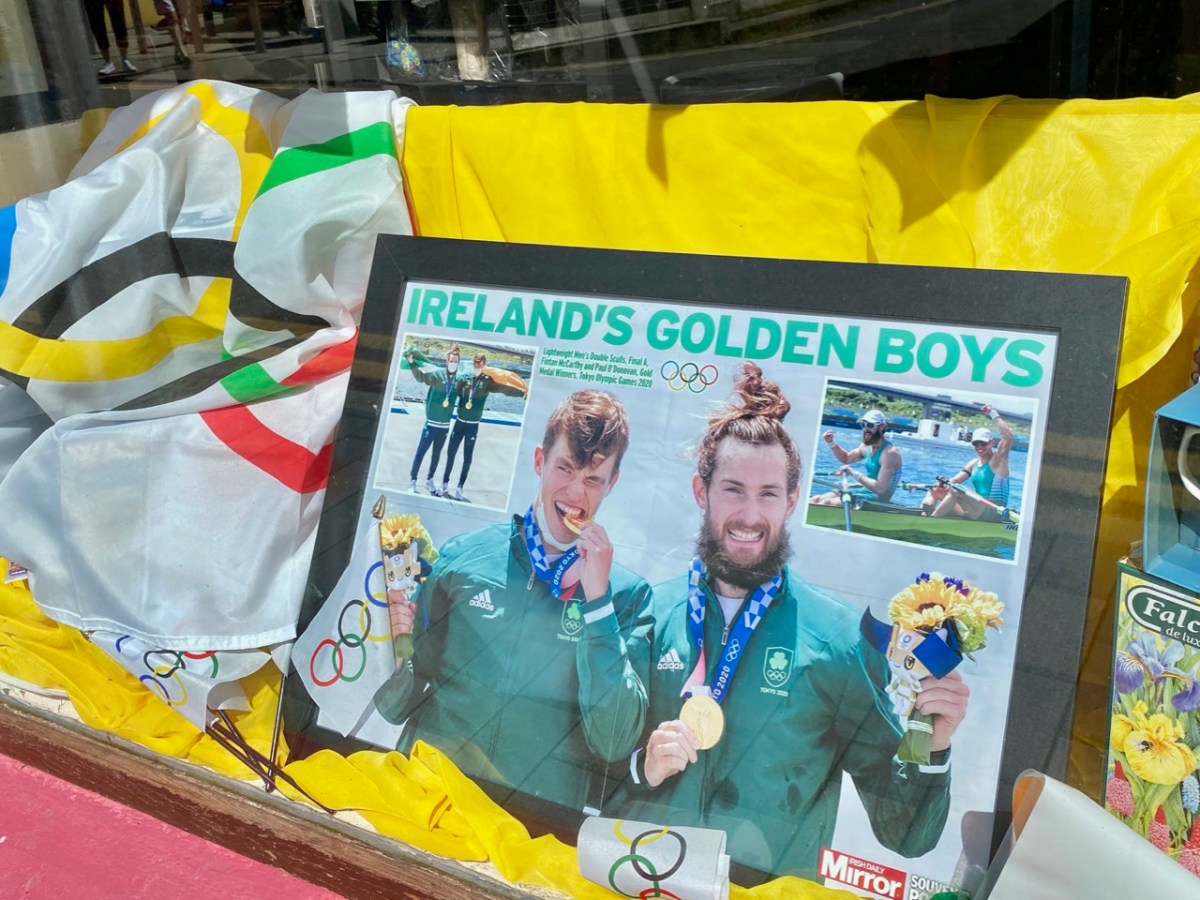
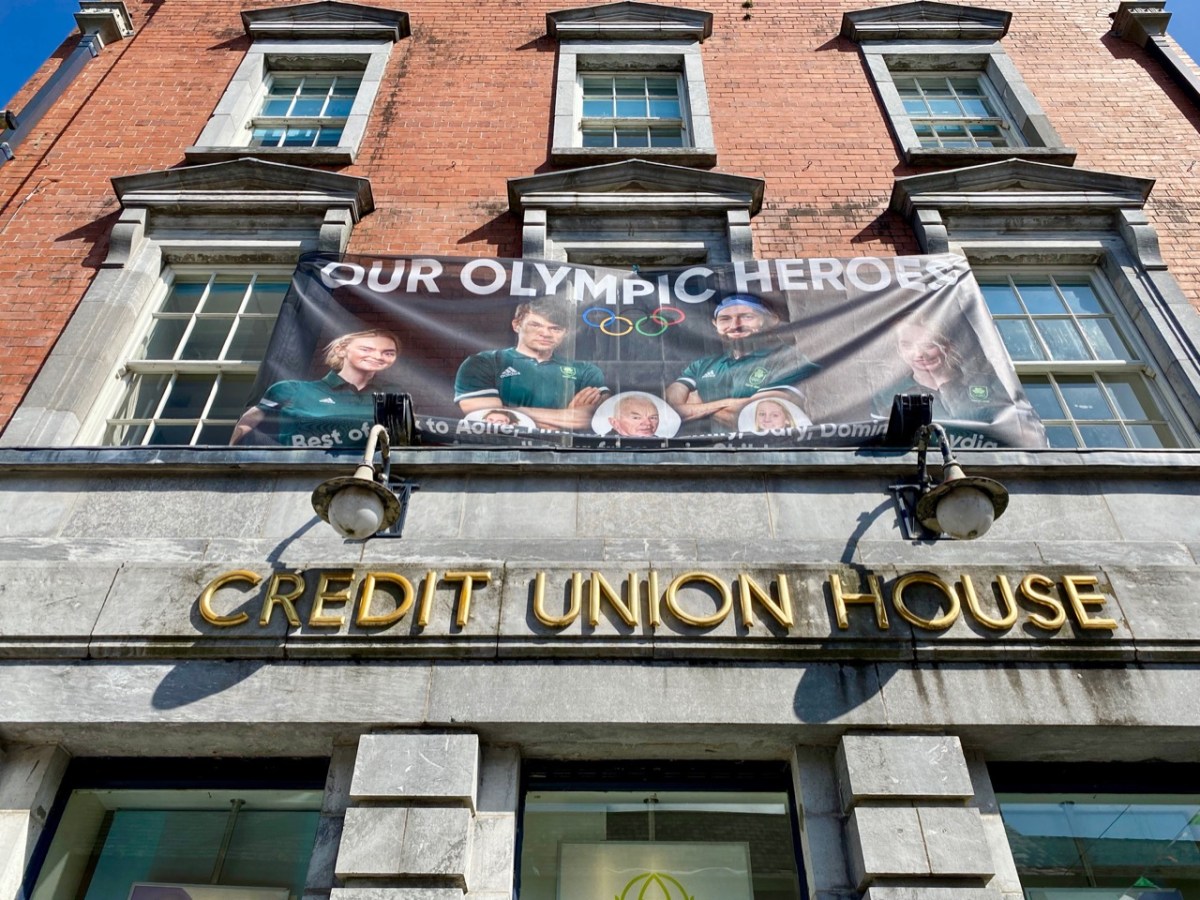
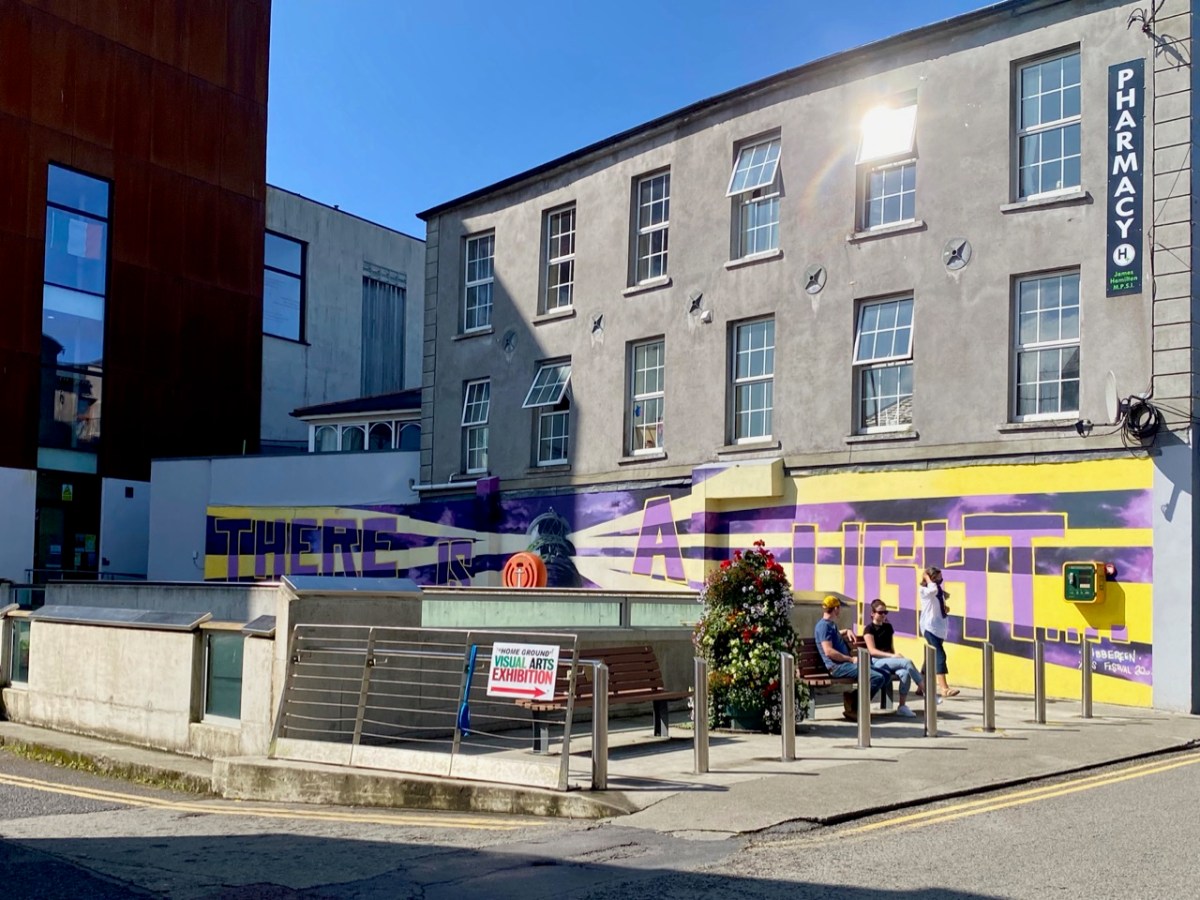
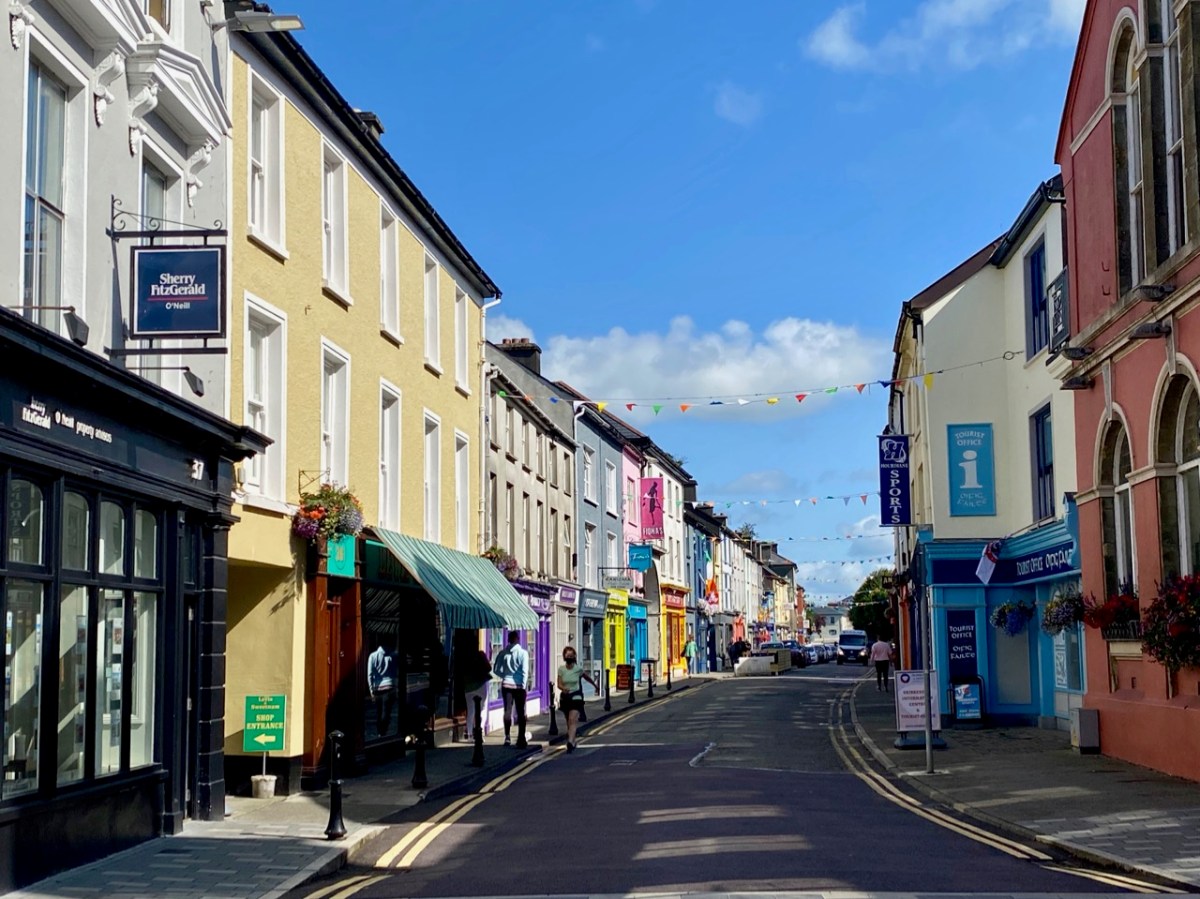
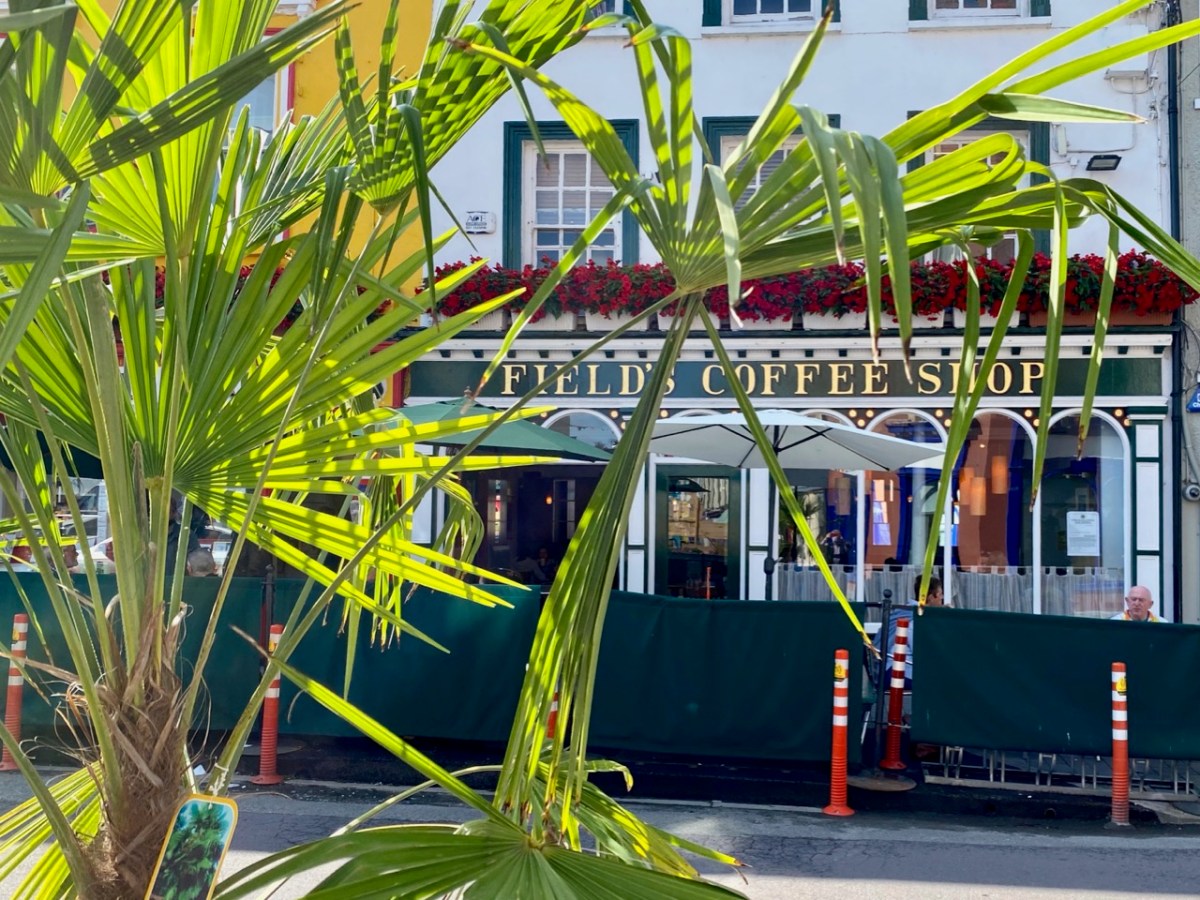
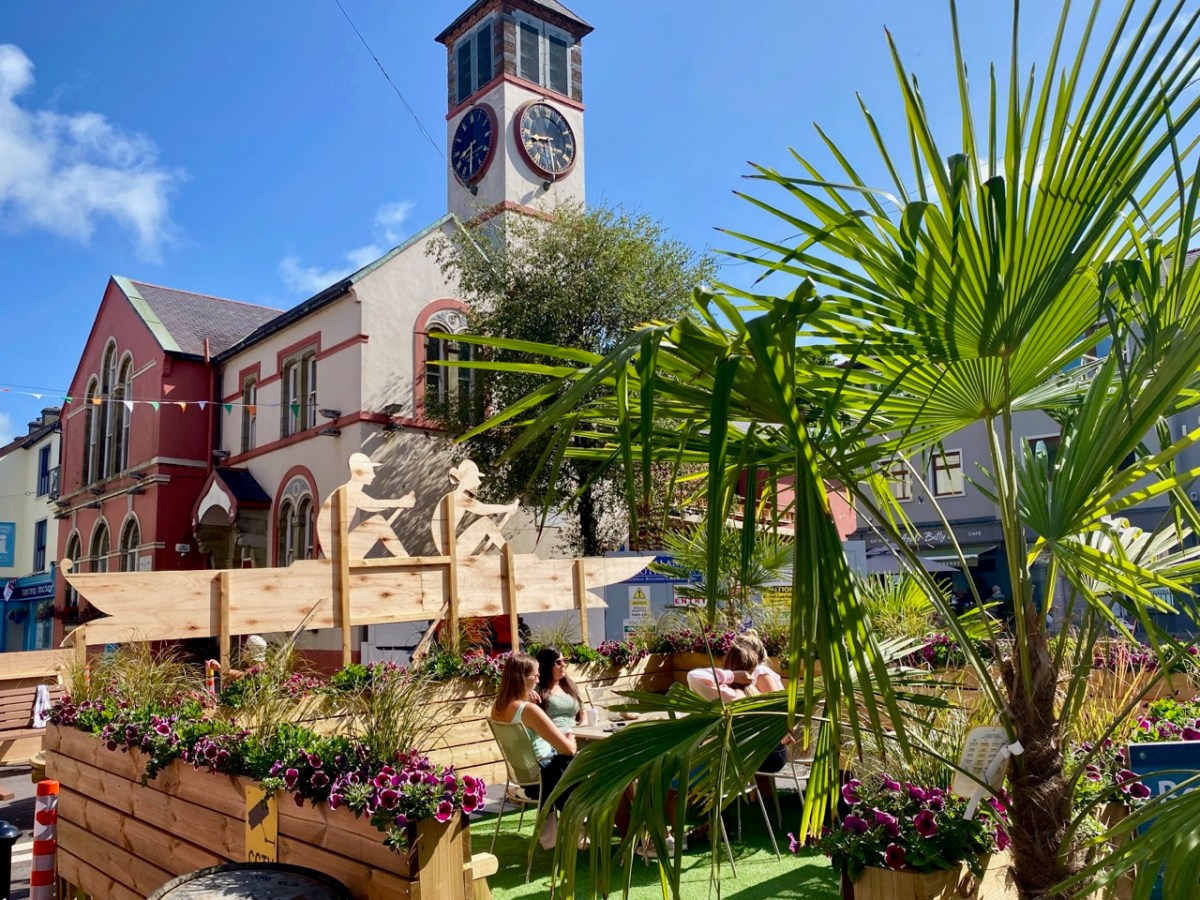
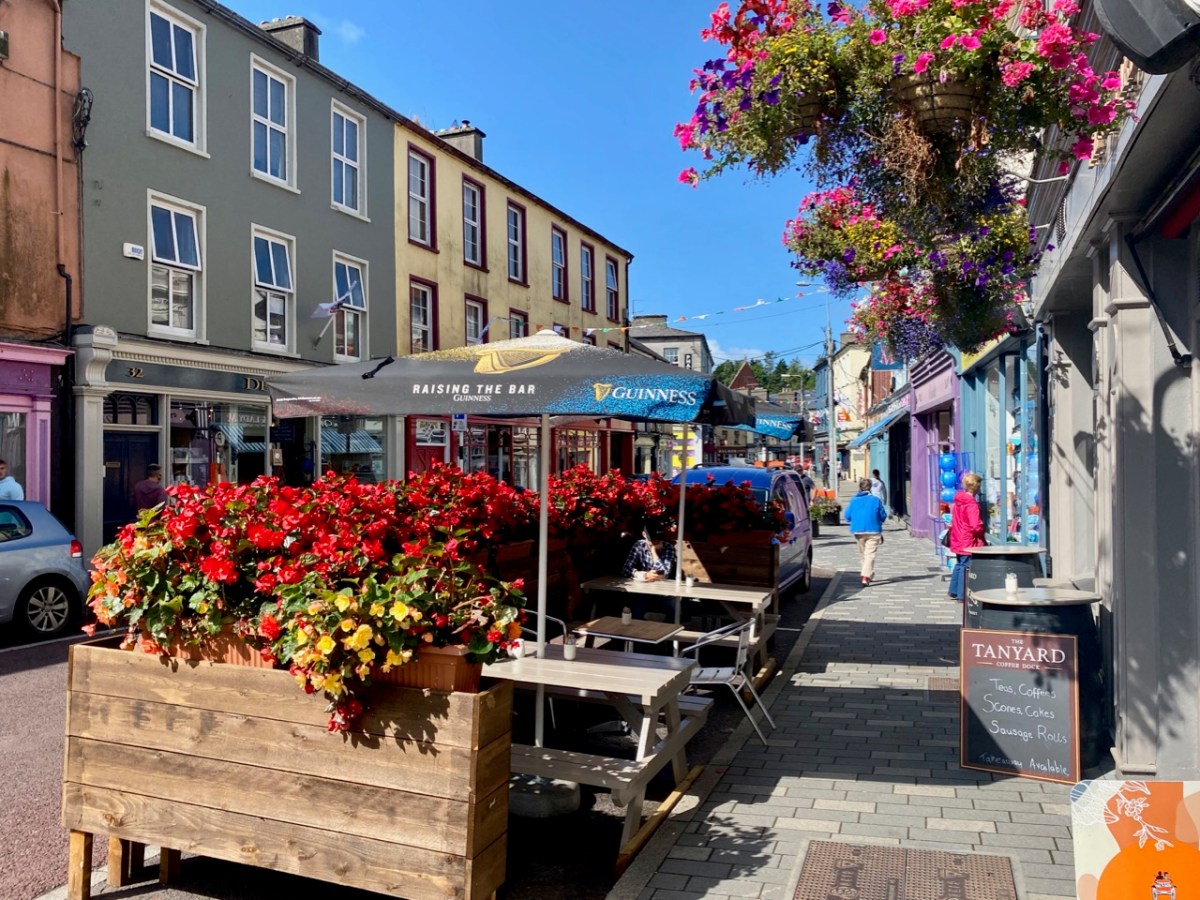
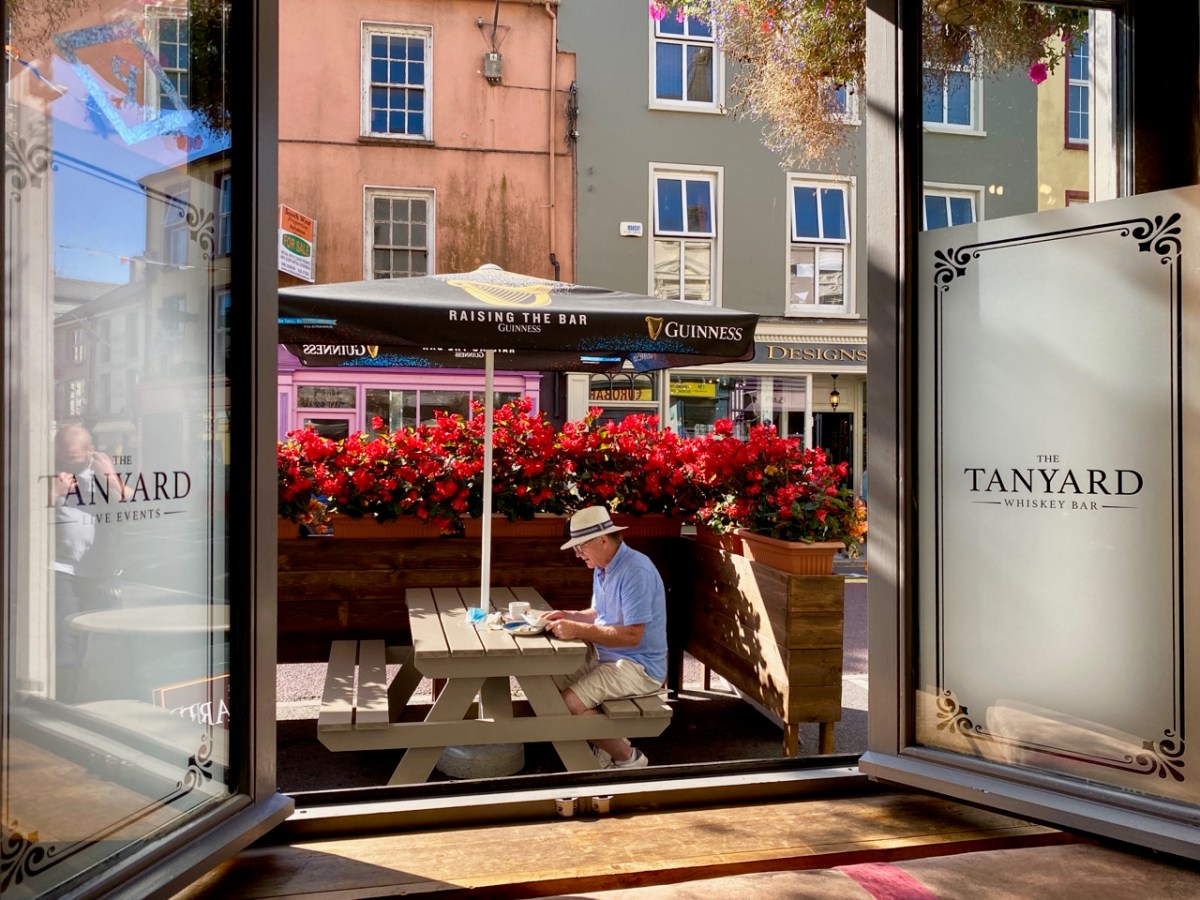
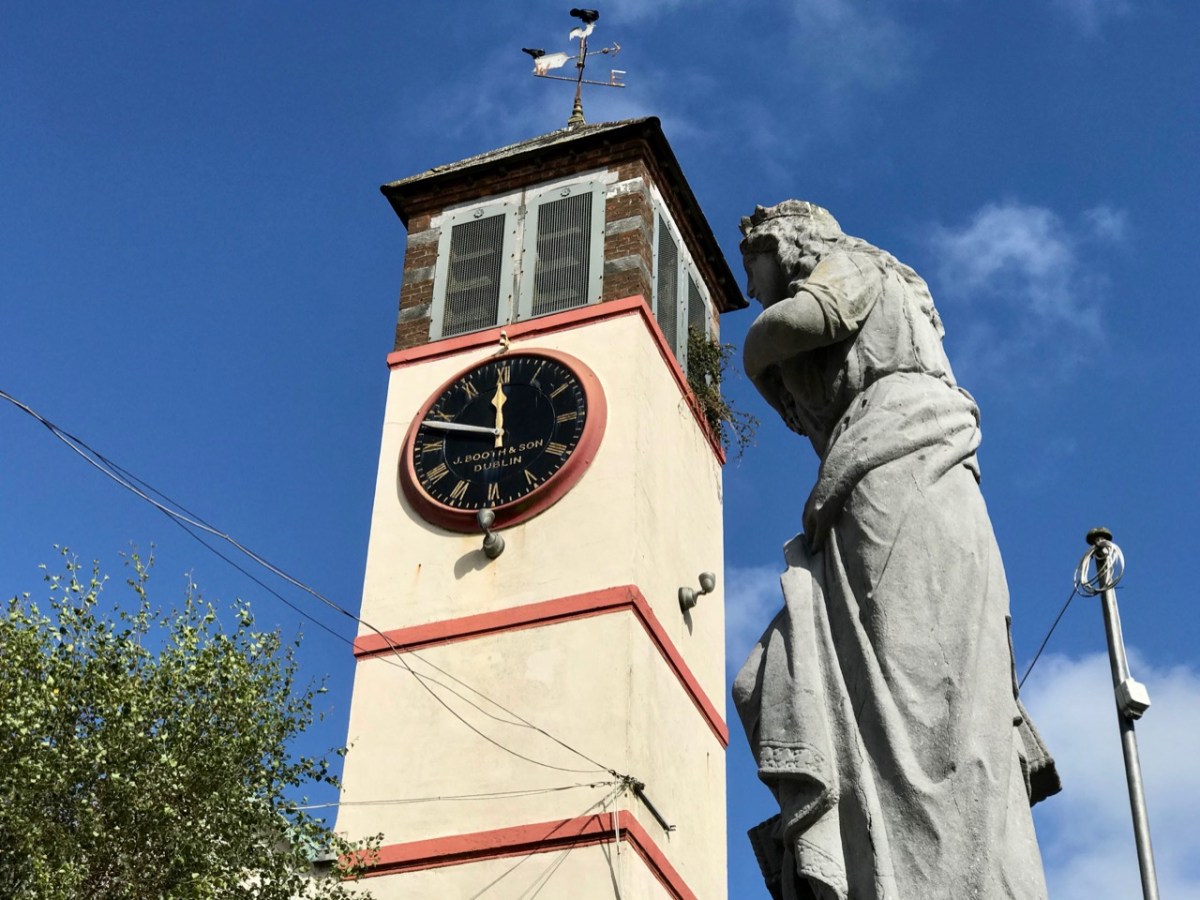
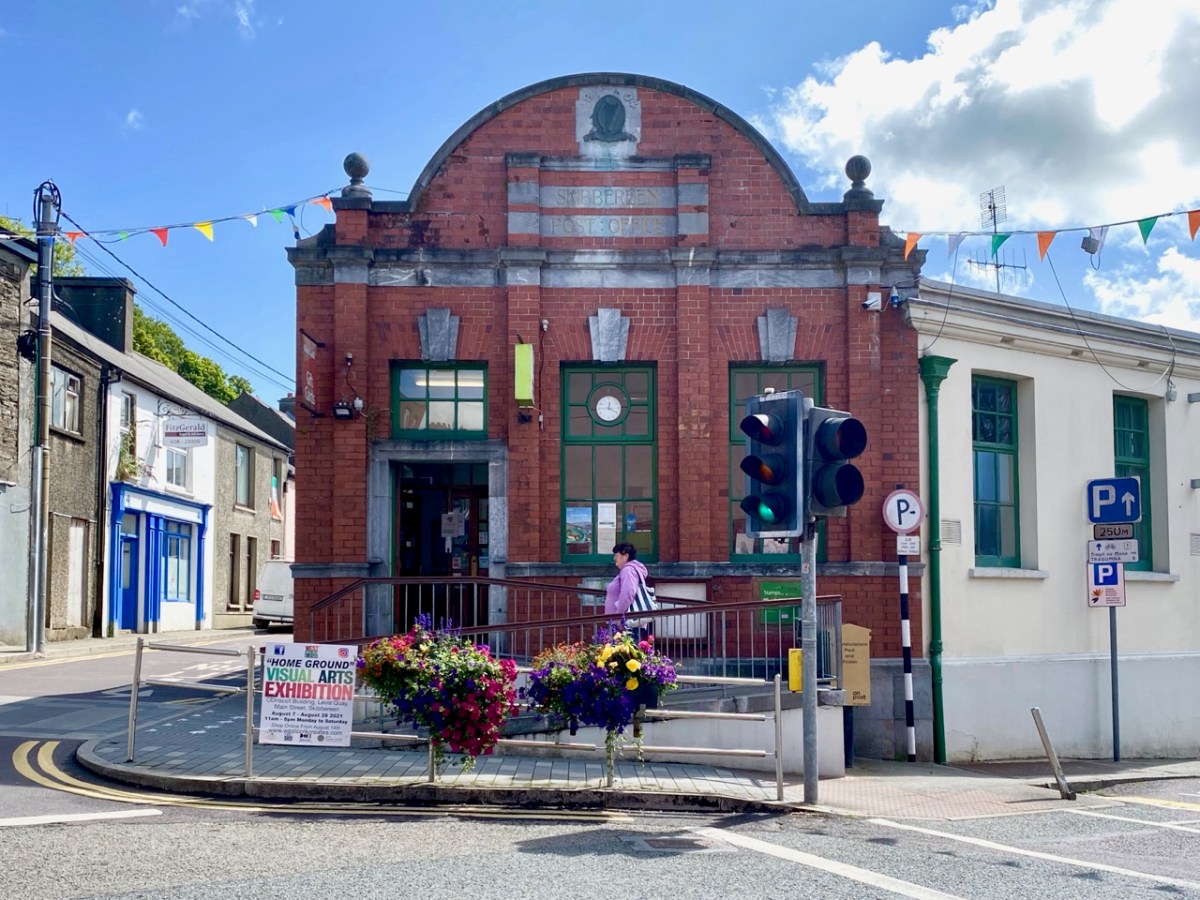
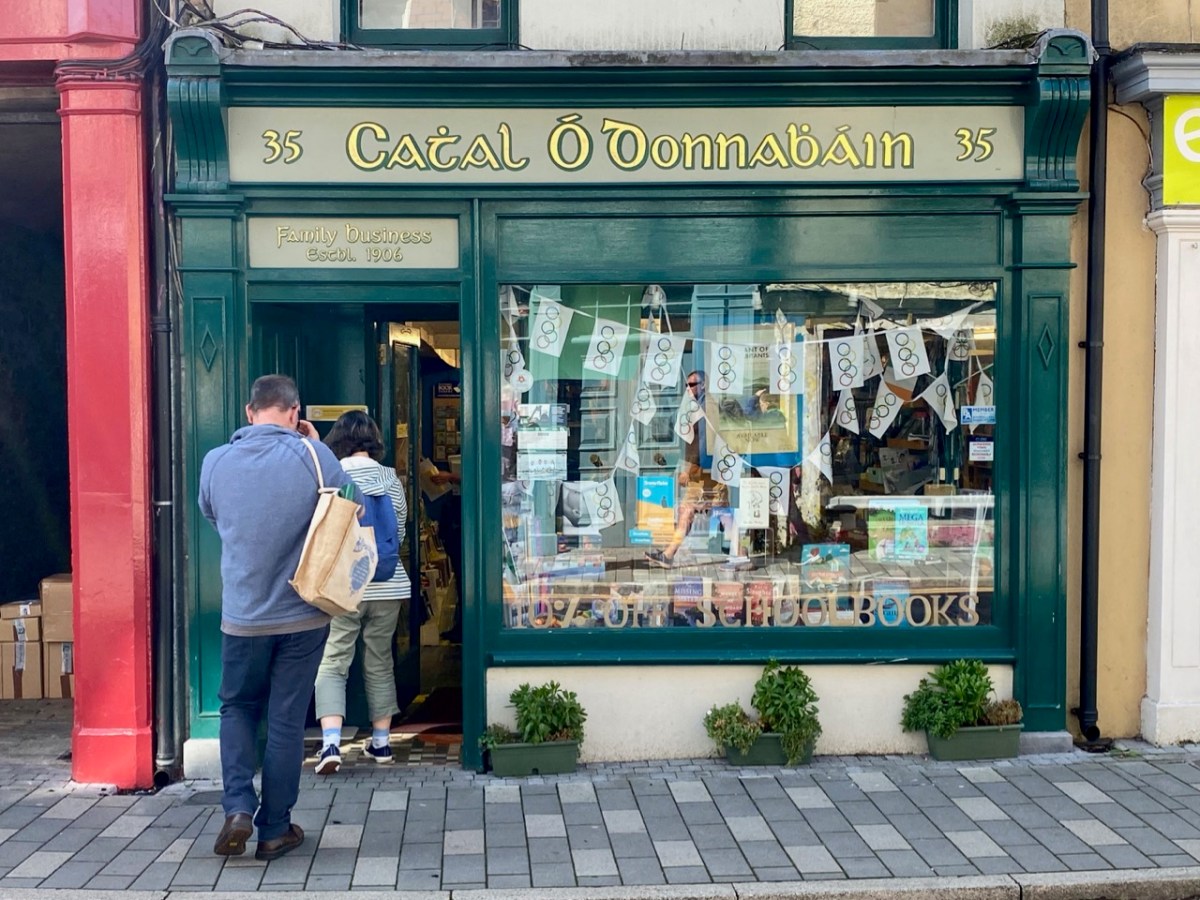
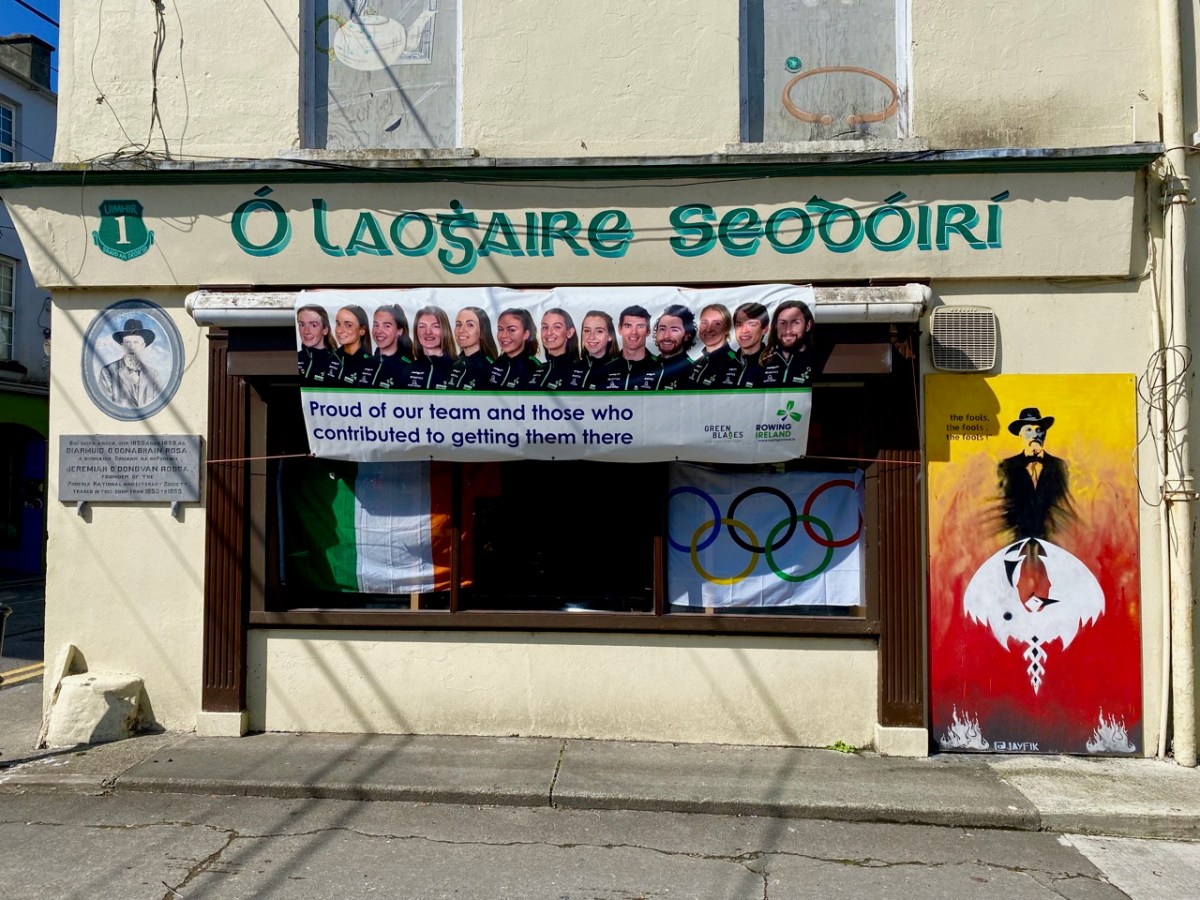
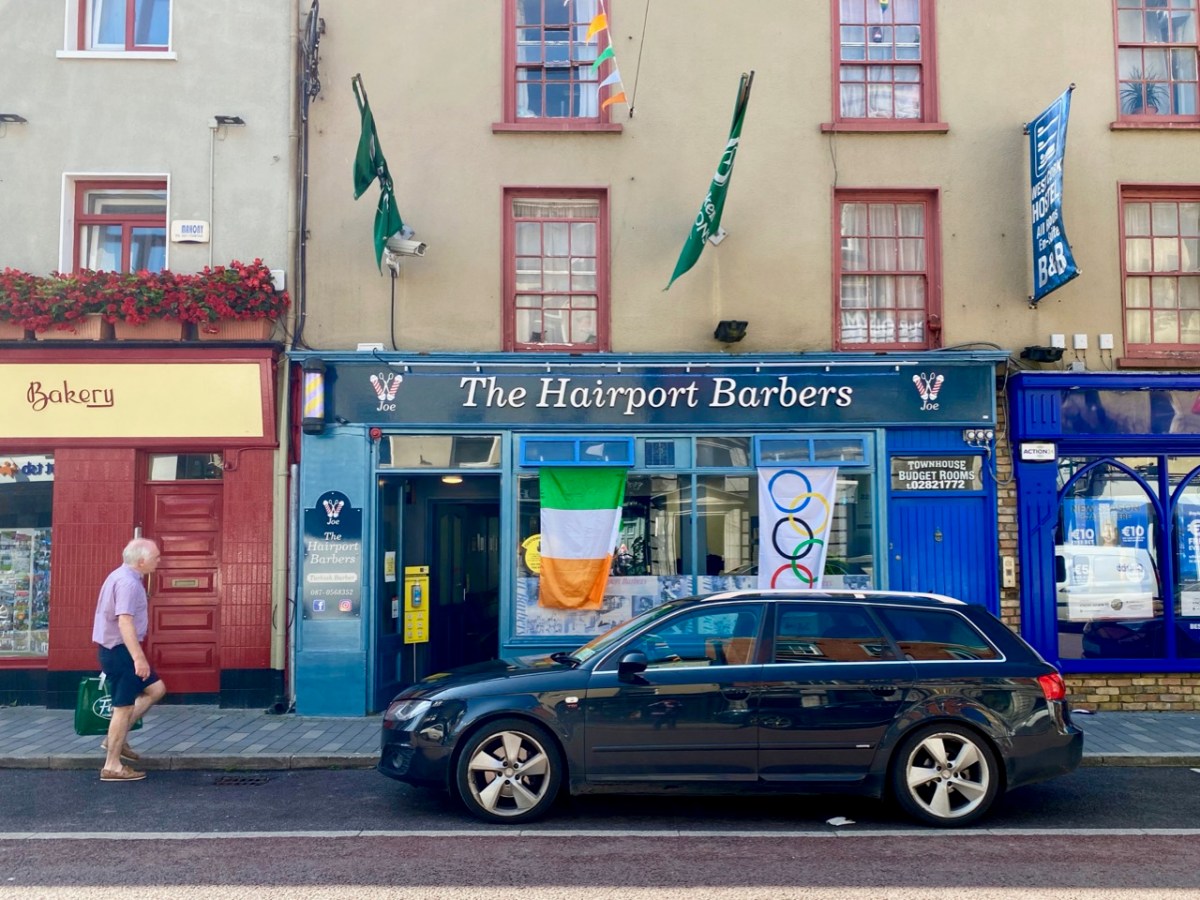
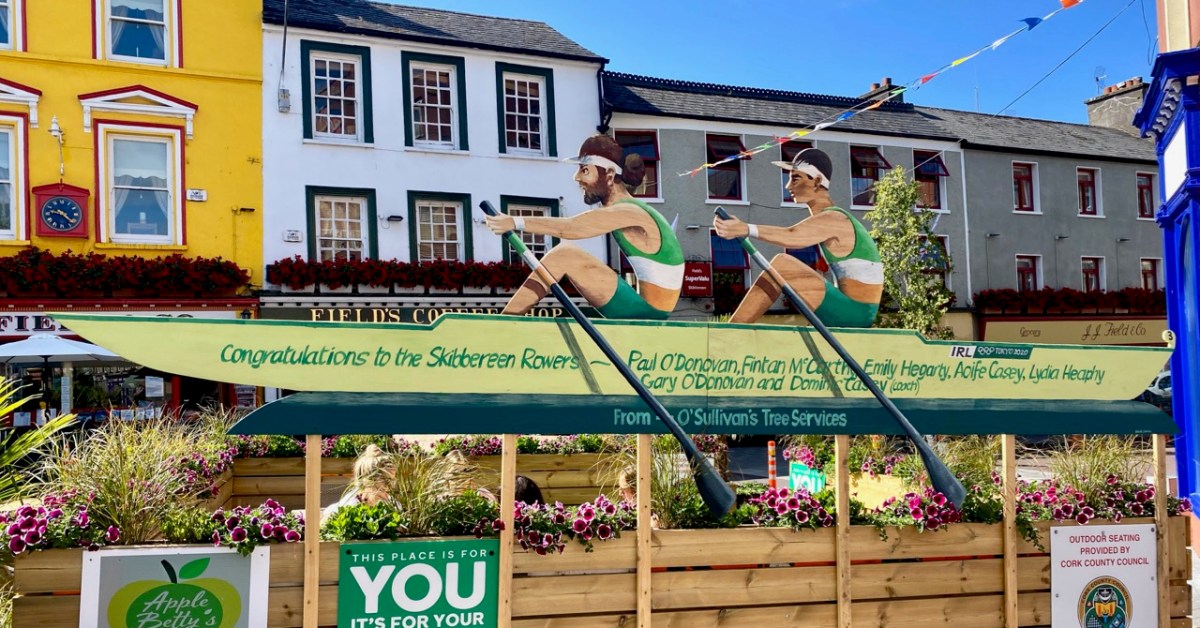
It was an ‘odd’ Olympic year – 2021. Firmly etched in my mind is the knowledge that years in which Olympic Games are held – like leap years – are divisible by 4! This one was different, because of Covid. But that didn’t prevent Ireland producing its heroes: gold for rowing and boxing, and bronze, also for rowing and boxing: a total of 8 sports heroes bringing medals home. If you will forgive the pun, the small country of Ireland punched well above its weight! All the rowers trained at the Skibbereen Rowing Club in West Cork, under the expert eye of their coach Dominic Casey. No surprise, then, that the town was in celebratory mood for weeks after the event, as you can see from many of my photographs, taken around the town at the end of August.

The town, from its situation in a wild, unenclosed part of the country, has frequently been the rendezvous of disaffected parties, but it has been much improved of late years, and is now a very flourishing place. It is situated on the southern bank of the river Ilen, and comprises seven streets; that part which extends into the parish of Abbeystrowry is called Bridgetown, and consists of three streets, one of which has been recently formed. The number of houses in the whole town is 1014, many of which, in the eastern part and in the parish of Creagh, are large and well built: the approaches have been much improved by the formation of new lines of road at each extremity . . .

LEWIS TOPOGRAPHICAL DICTIONARY OF IRELAND 1837

It’s interesting that Lewis – in 1837 – describes the number of houses as just over a thousand. He also states elsewhere that there were 4,429 inhabitants in 1691: in the 2011 census the town recorded a population of 2,568.

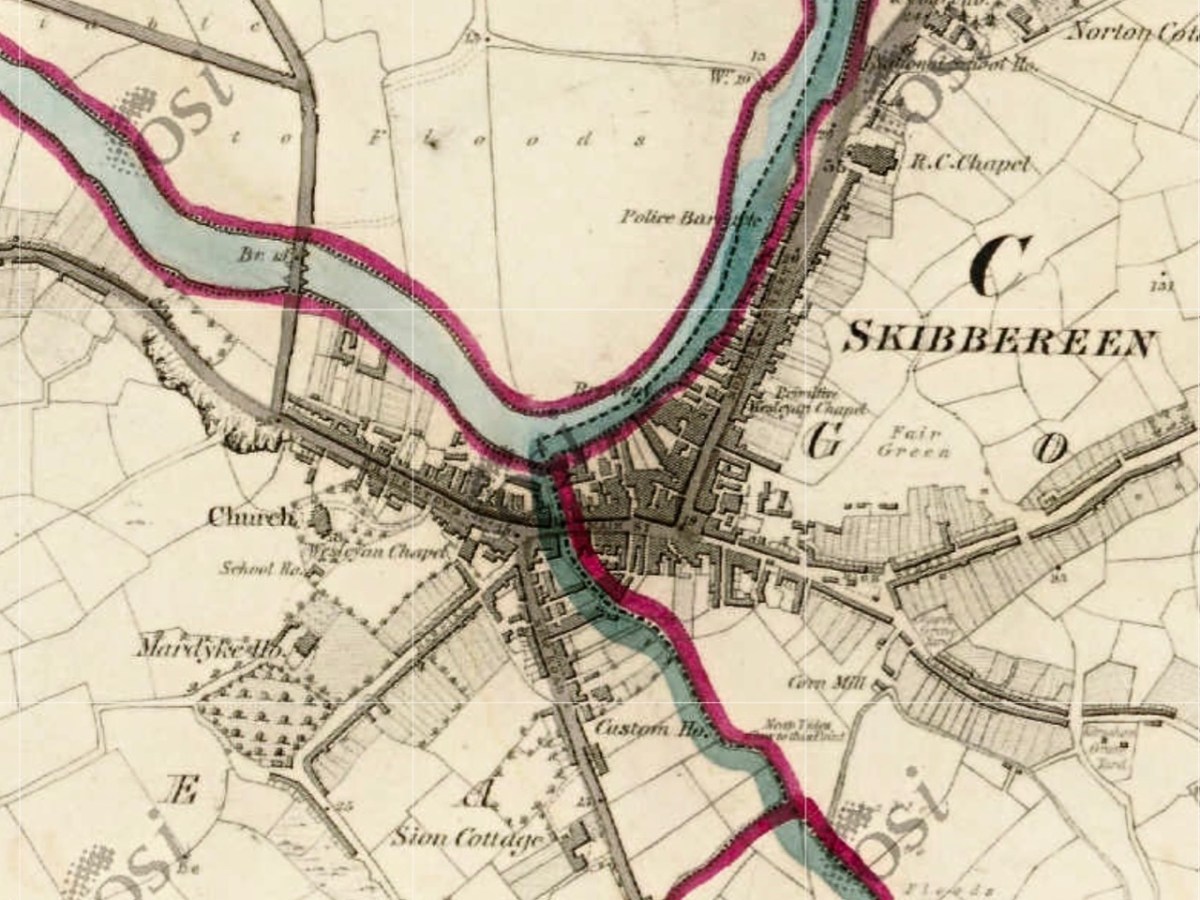
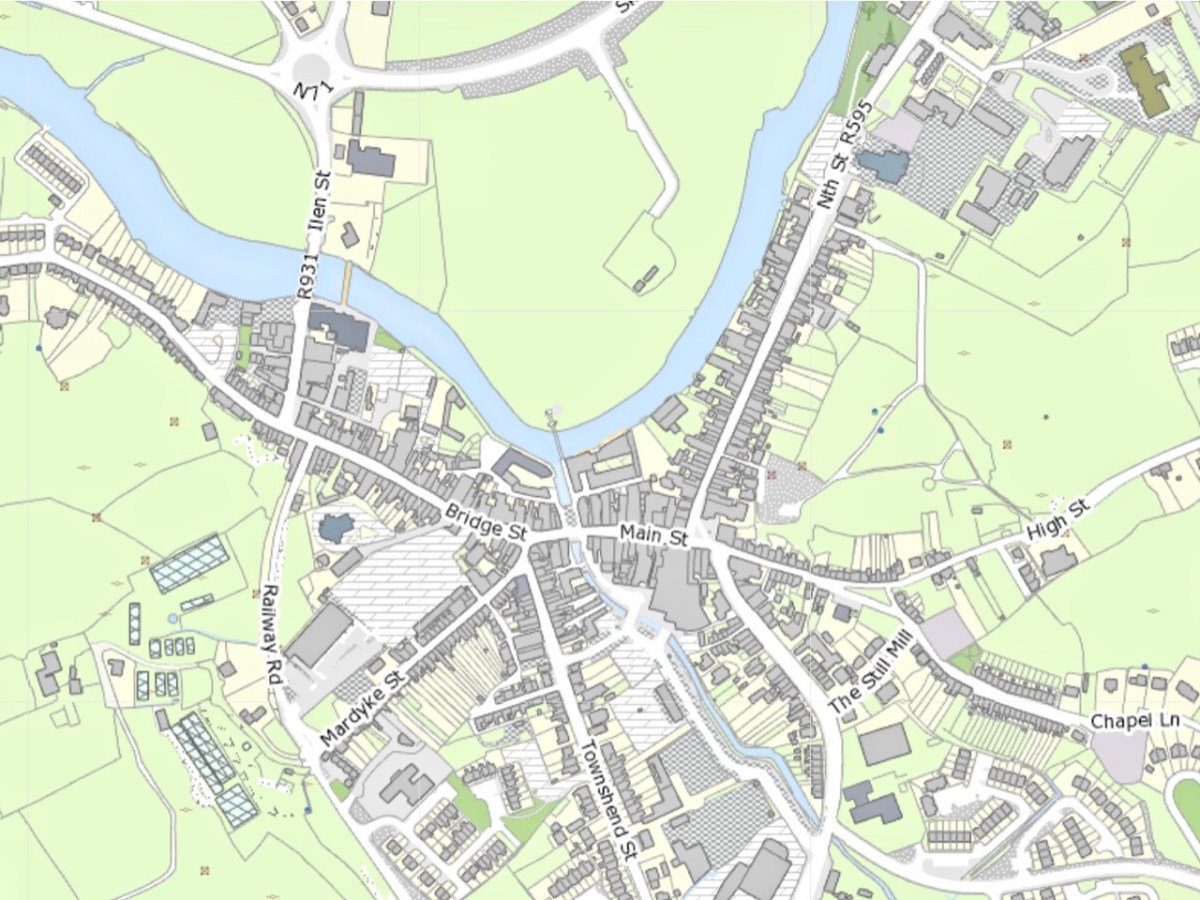
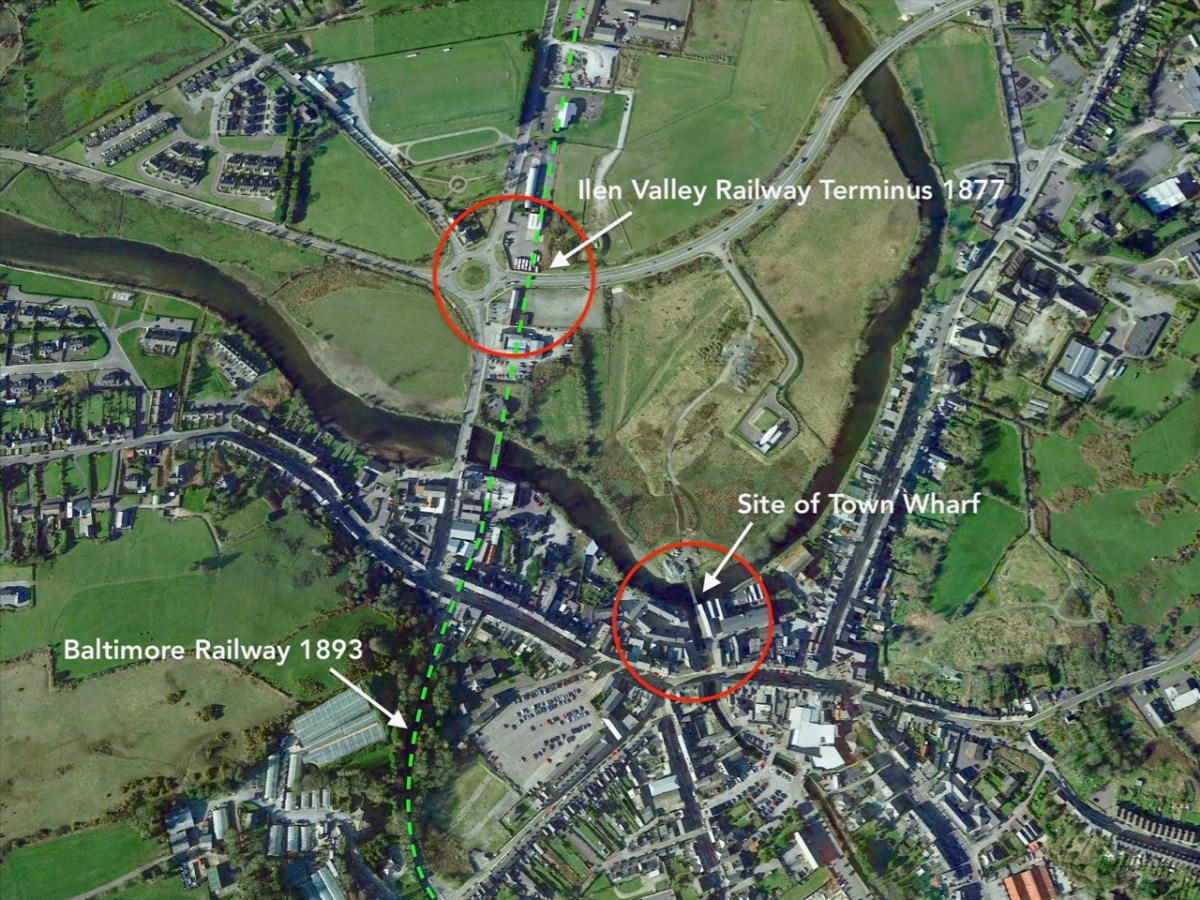
The first edition of the Ordnance Survey 6″ map was produced around 1840, just after the Lewis Topographical Dictionary was published. From the extract above, the layout of the town we know today had been broadly established by then. Compare this to today’s OS map (below) and the annotated aerial view.

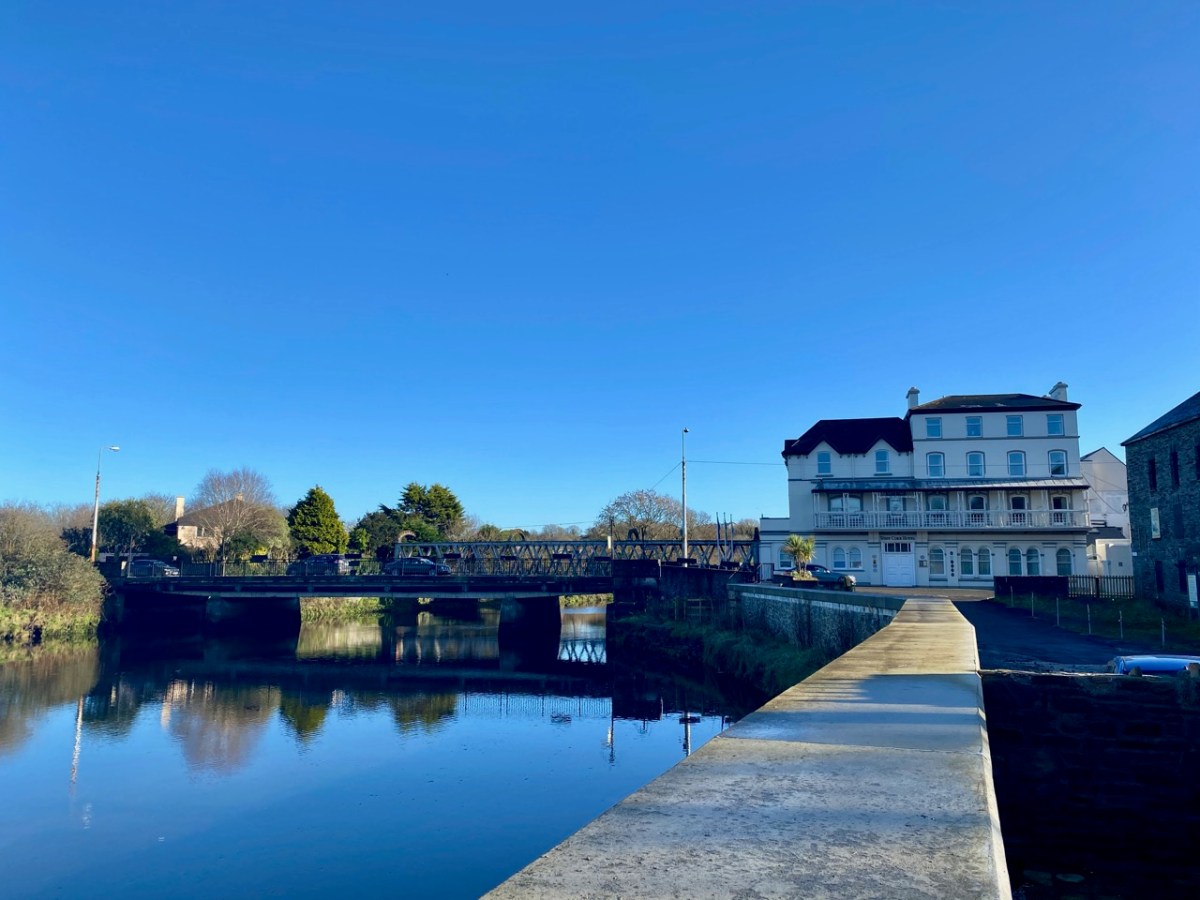
There are a few theories as to the earliest origins of the town. Oft quoted is the story of the survivors from the sacking of Baltimore by Barbary Pirates in 1631 having moved upriver to found, or expand, the settlement that is now Skibbereen. It is likely that there was already a community on this part of the river, which was tidal and probably easily navigable up to its sheltered reaches at this point: at one time there were no less than five quays, warehouses and a Customs House within the town – this post will tell you more.

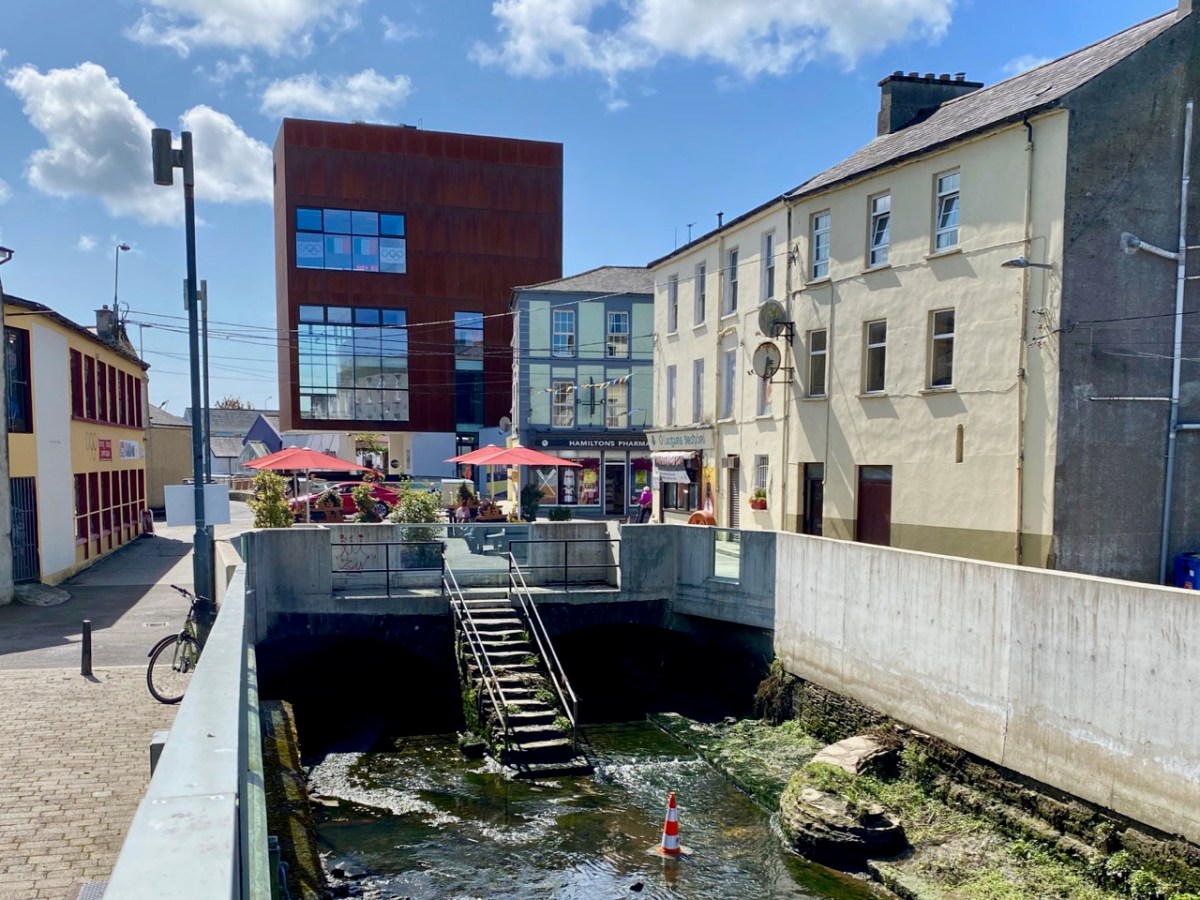
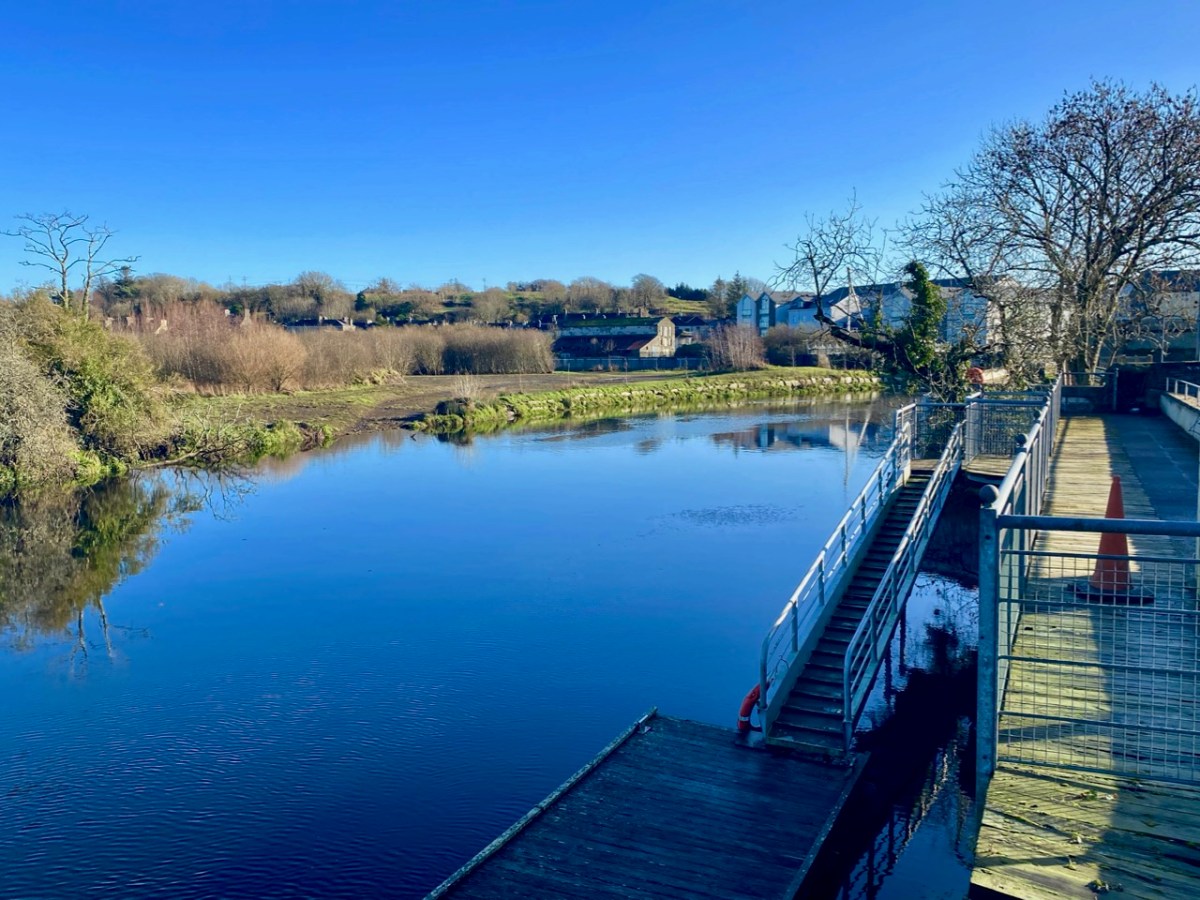
Skibbereen today is defined by its river – as it always has been. The waterside deserves a bit more attention – and is being opened up a little in some of the new civic improvement schemes that have been enabled by major flood relief works in the town. There are many opportunities yet to be explored.

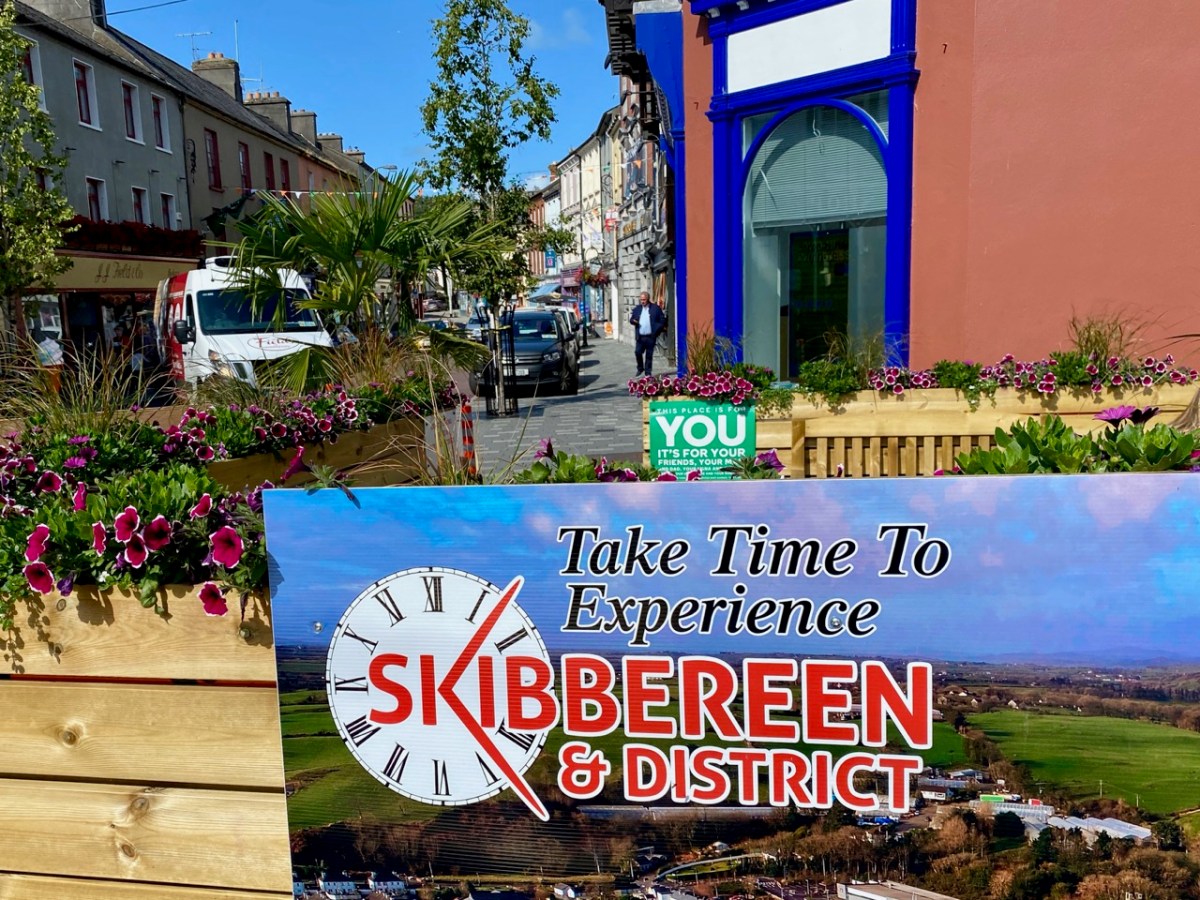
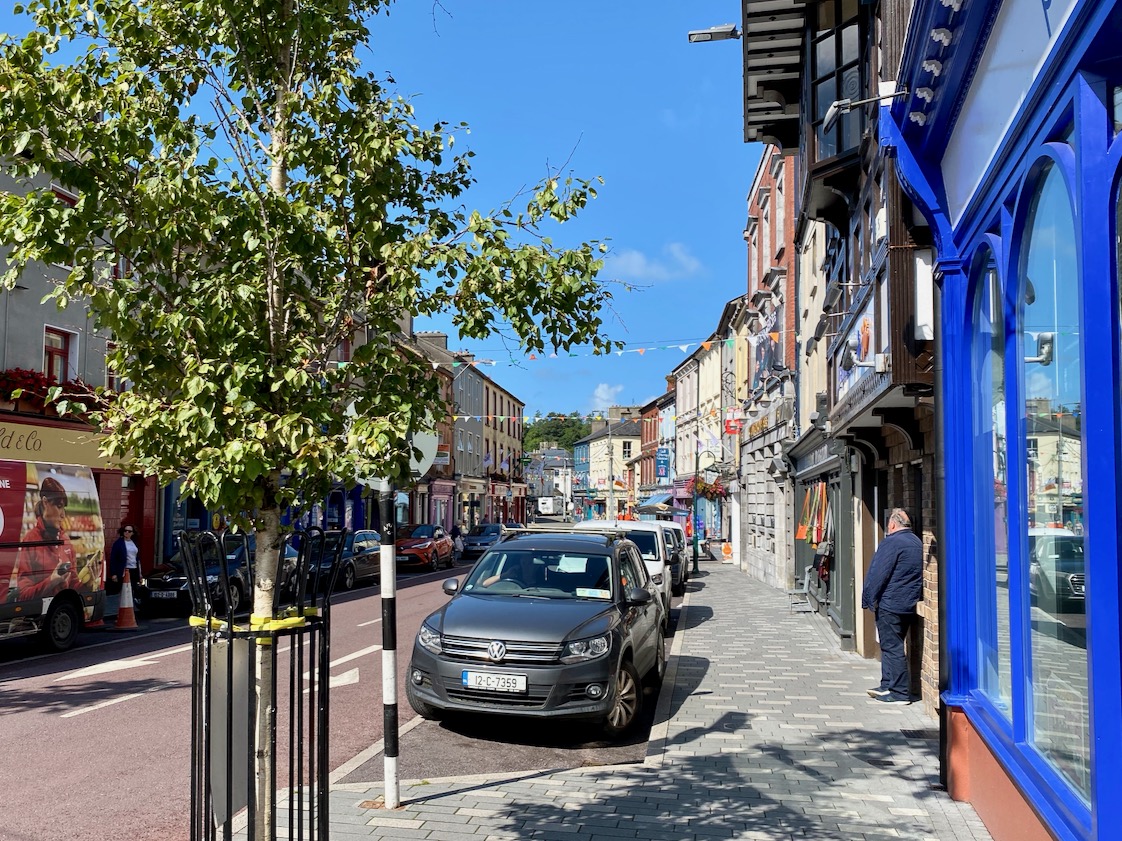
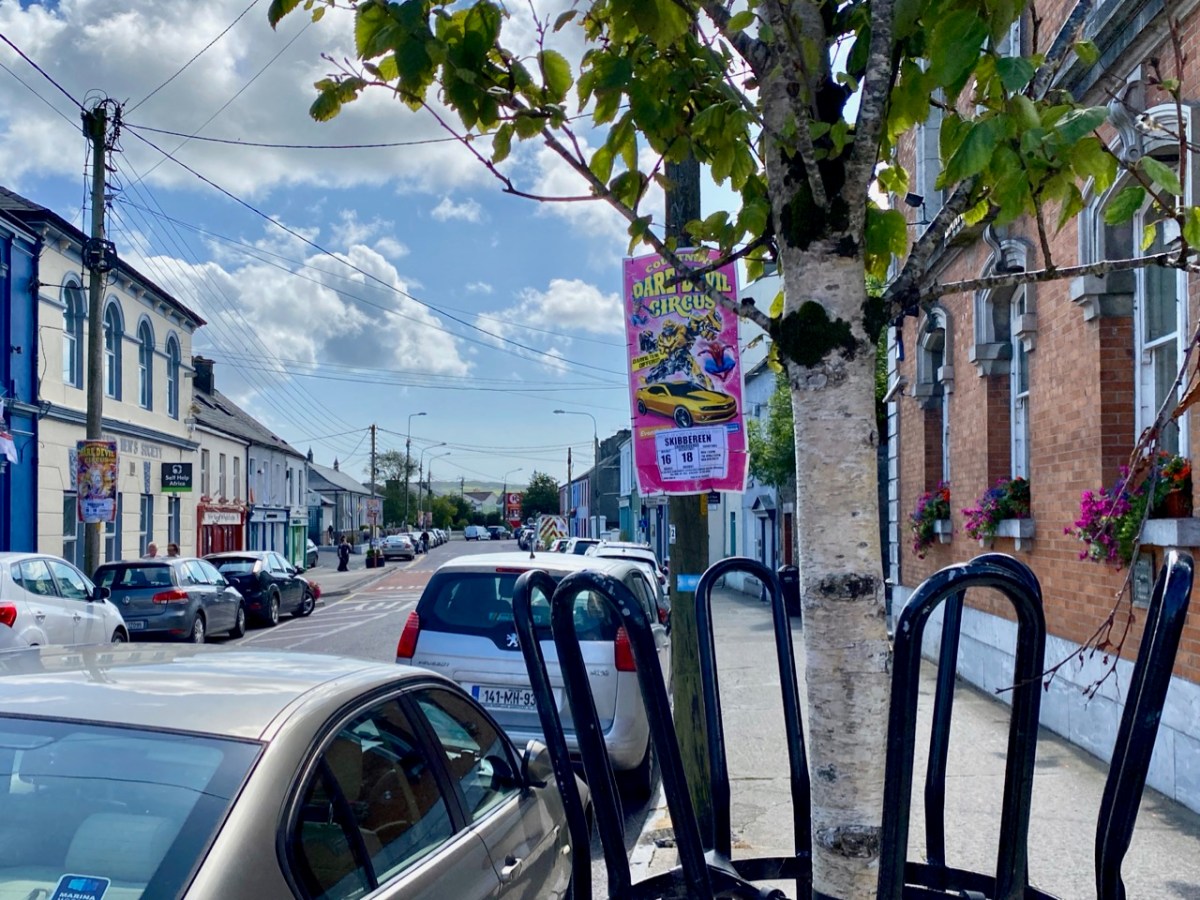
All towns evolve and, hopefully, move into the future: Skibbereen – we’ll be keeping an eye on you! But it’s a great town already: it has the busiest market in West Cork on a Saturday; lively shopping streets; easy (and free) parking – and a very healthy ‘pavement cafe’ culture that has grown up during the pandemic, and is likely to continue to flourish. Let’s walk the streets and see the town as its best in the late summer sunshine . . .

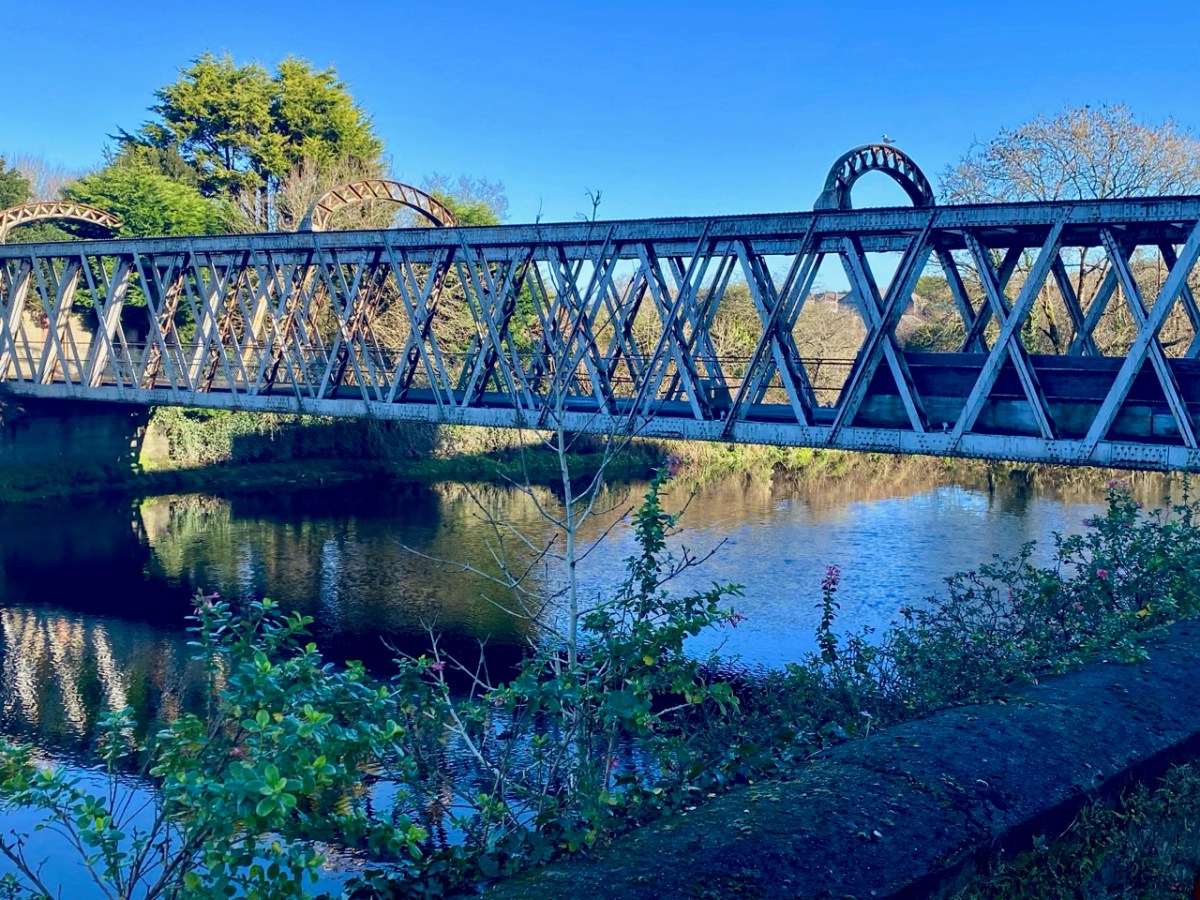
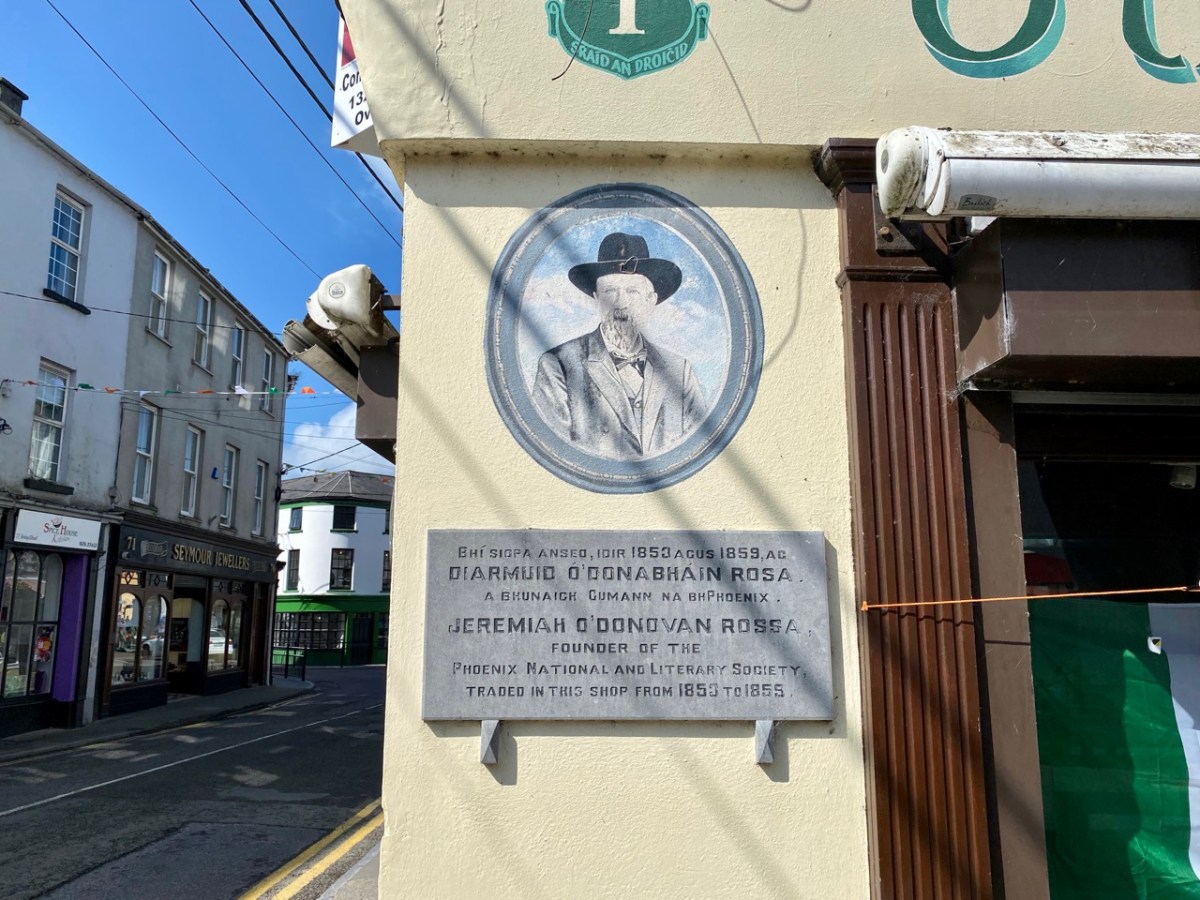
Here at Roaringwater Journal we will always sing the praises of this town, and it has been the subject of a good deal of our historical research and writing. Have a look at our posts on Agnes Clerke, Ireland’s first and foremost female astronomer;  Jeremiah O’Donovan Rossa, the famed nationalist and Fenian: Uillinn – one of Ireland’s most innovative art galleries – here, here and here. We also must not forget that Skibbereen was at one time an important part of Ireland’s railway network: you could travel to and from Cork and Baltimore, and it was a terminus for the narrow gauge railway that trundled off to Schull, and whose loss is now much mourned.

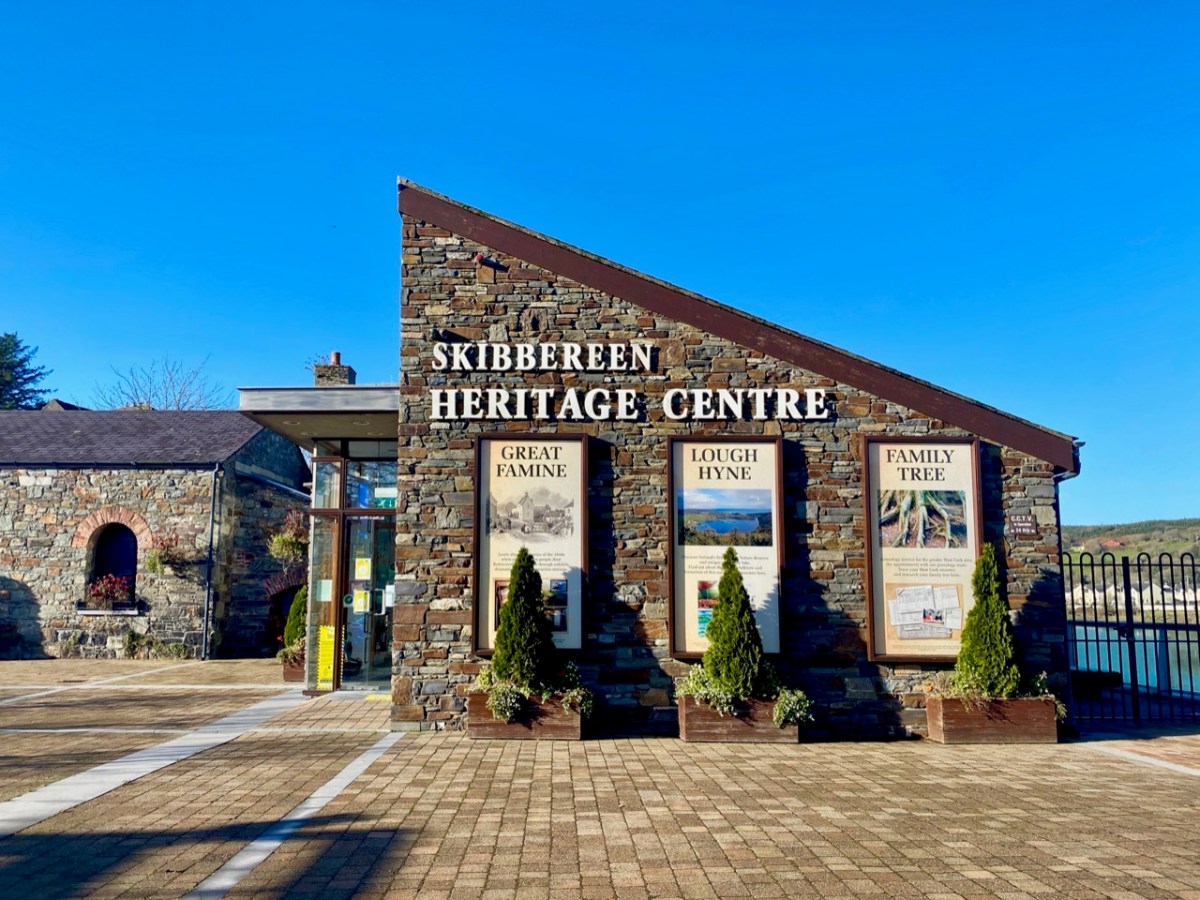
I hope my post inspires you to explore this prominent West Cork town, if you haven’t already done so. It has historic foundations – too numerous to list in this one, short article. Choose a sunny afternoon – or go there to shelter from the infrequent showers. Whatever the day, make the Skibbereen Heritage Centre your starting point: you will find a wealth of information which will help to guide you on your way. The building itself is a piece of history: it used to be Skibbereen’s gas works!

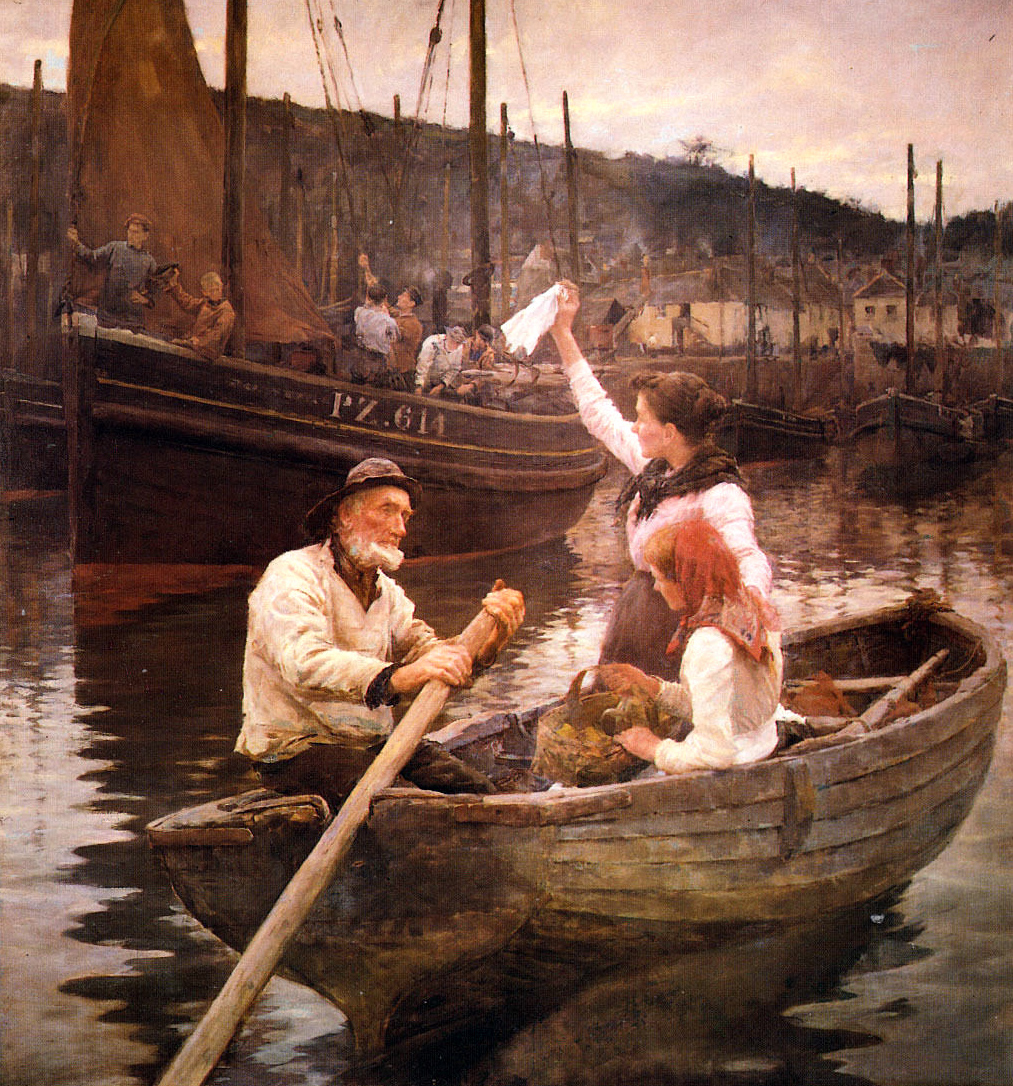
The town name was familiar to me long before I settled in Ireland a decade ago. I lived in the fishing village of Newlyn, Cornwall, for many years and got to know the history of the artists’ colony in West Penwith, centred on that town and St Ives. One artist – Stanhope Alexander Forbes – was known as ‘The Father of the Newlyn School of Artists’ – he was Irish born, and lived from 1857 to 1947. I vividly remember one of his works, displayed in the Penlee Gallery in Penzance. It shows fishermen leaving Newlyn to follow the shoals of herring and pilchards to the waters of Roaringwater Bay. The title of that picture? Goodbye – Off To Skibbereen!

Previous posts in this series:

Bantry

Schull

Getting Into the Art!

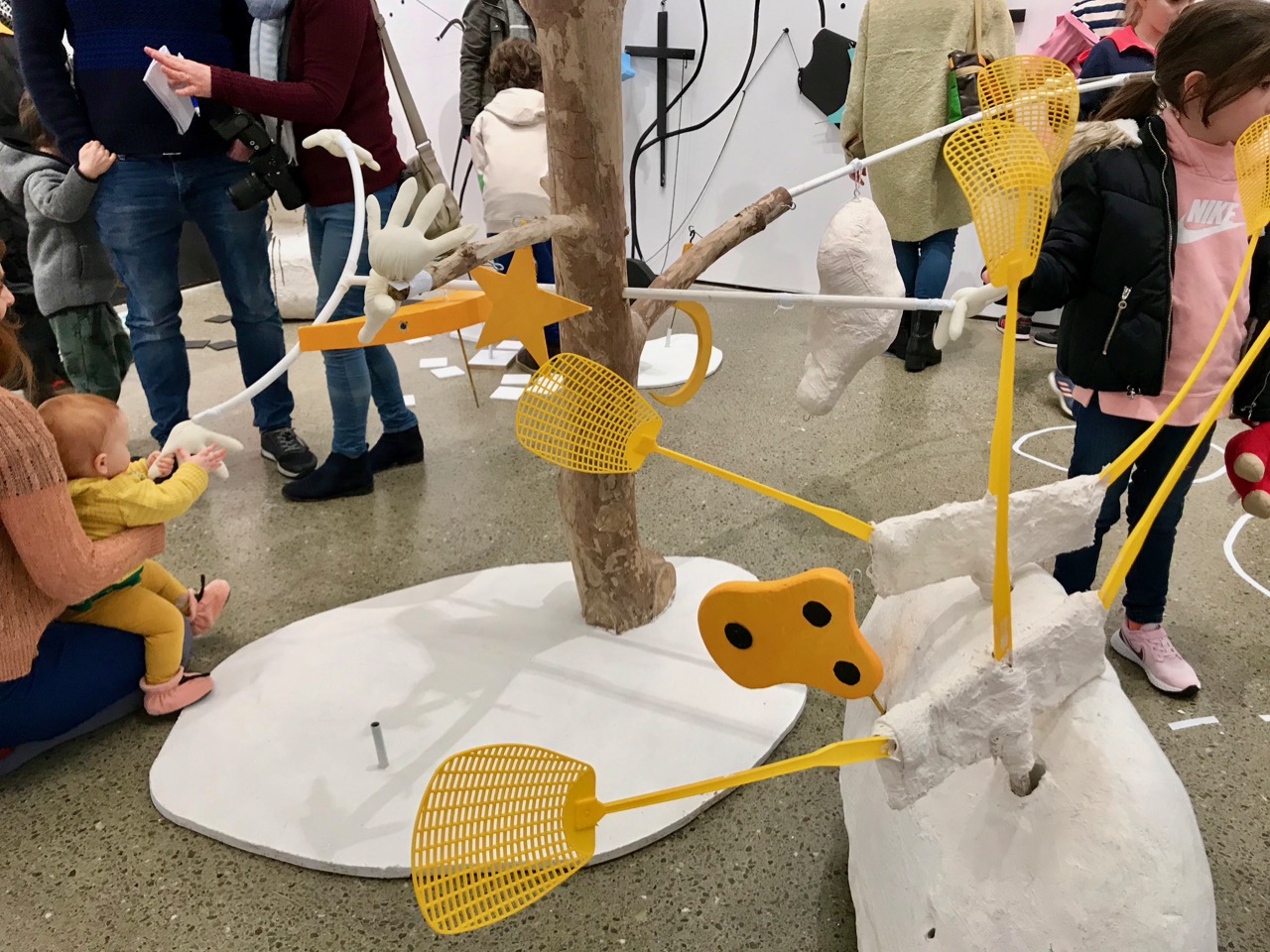
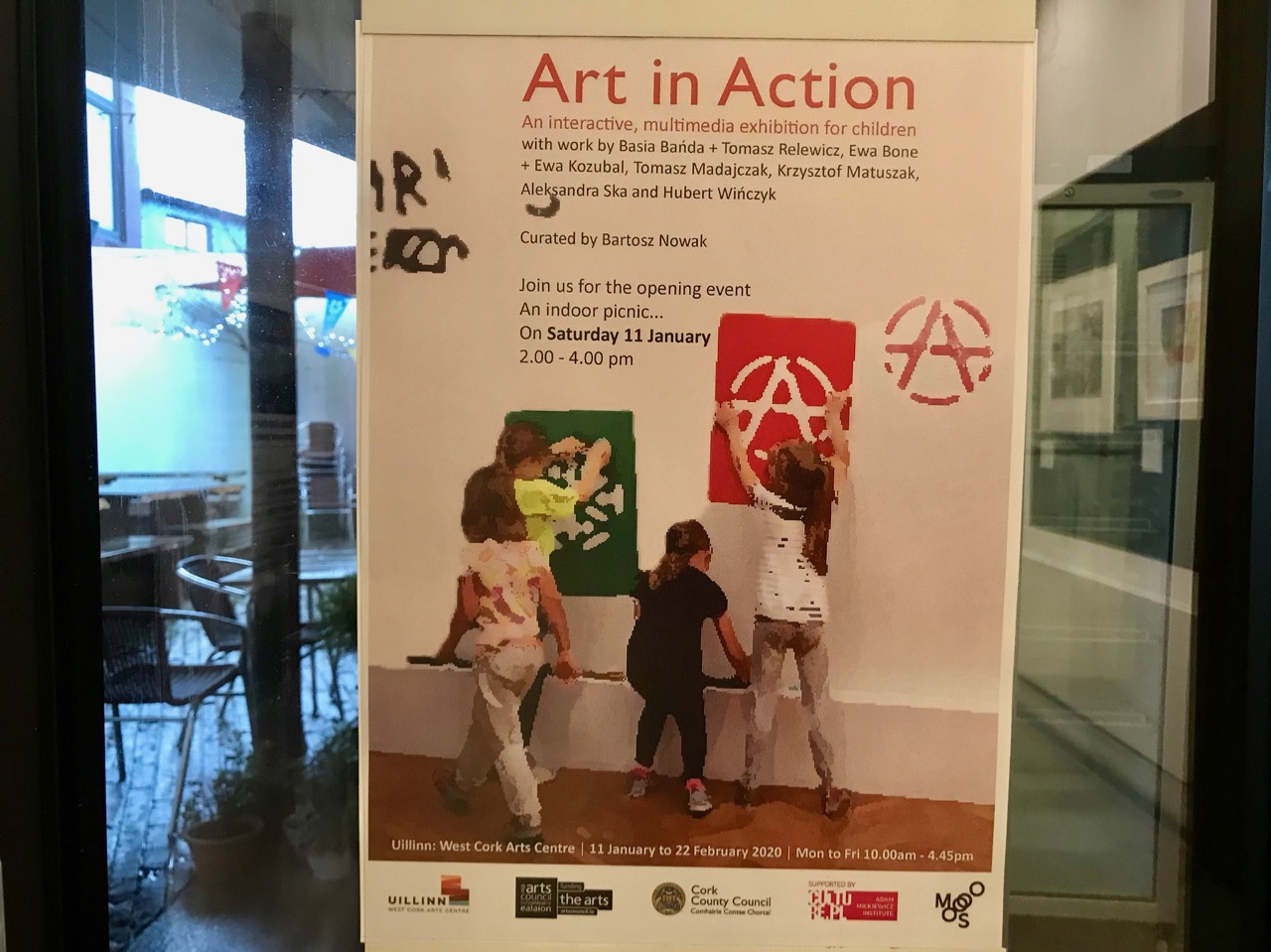
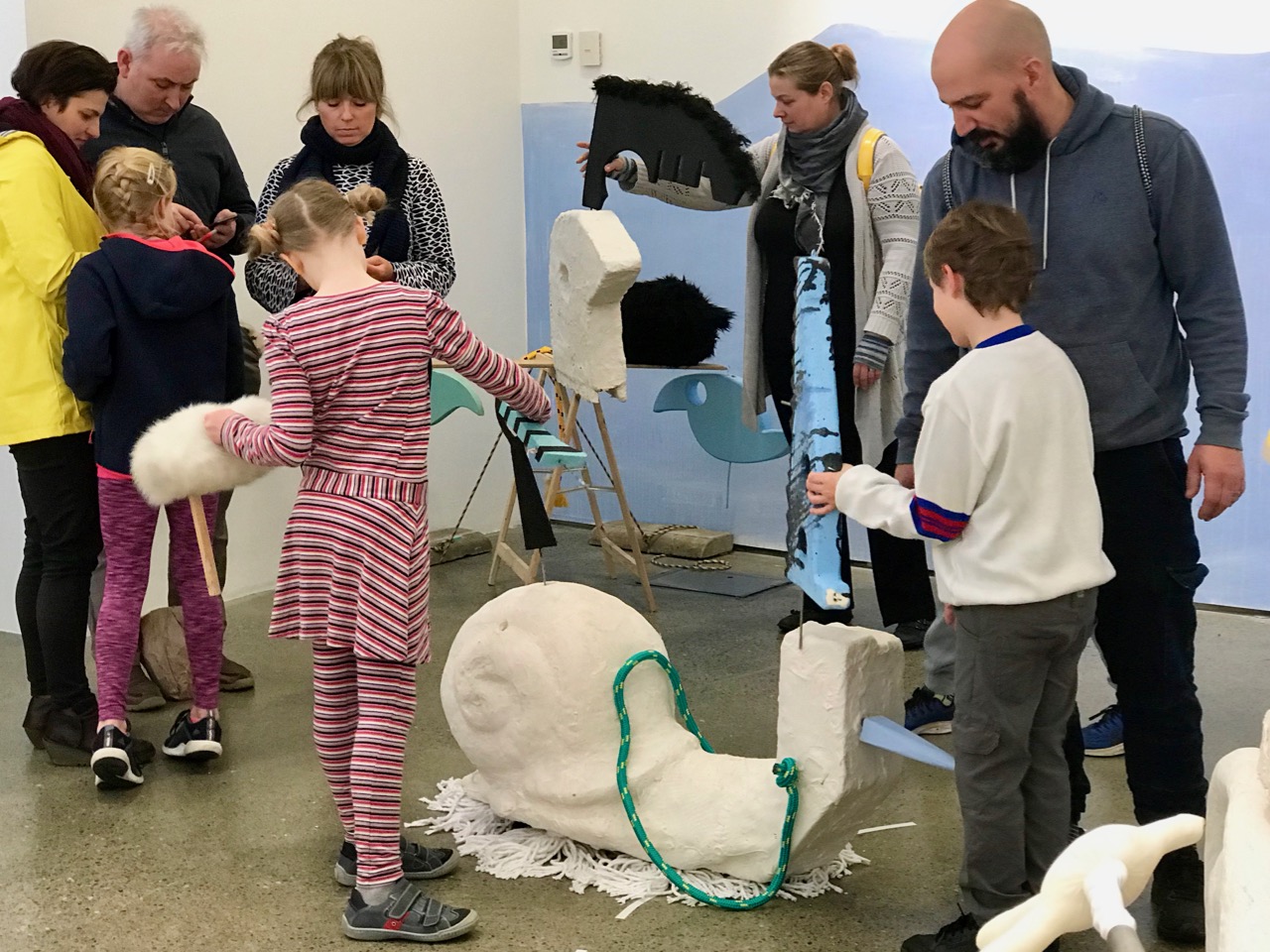
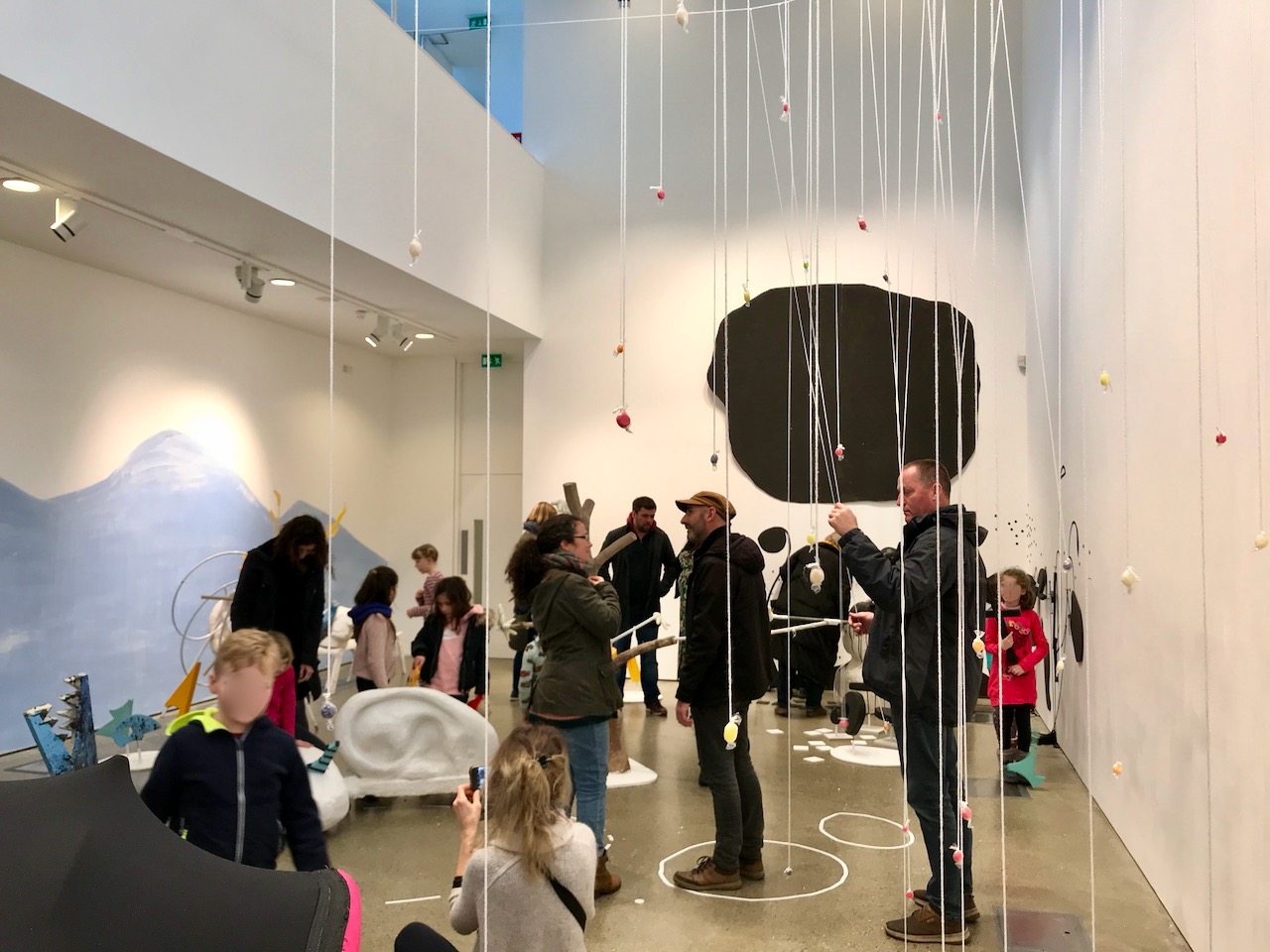
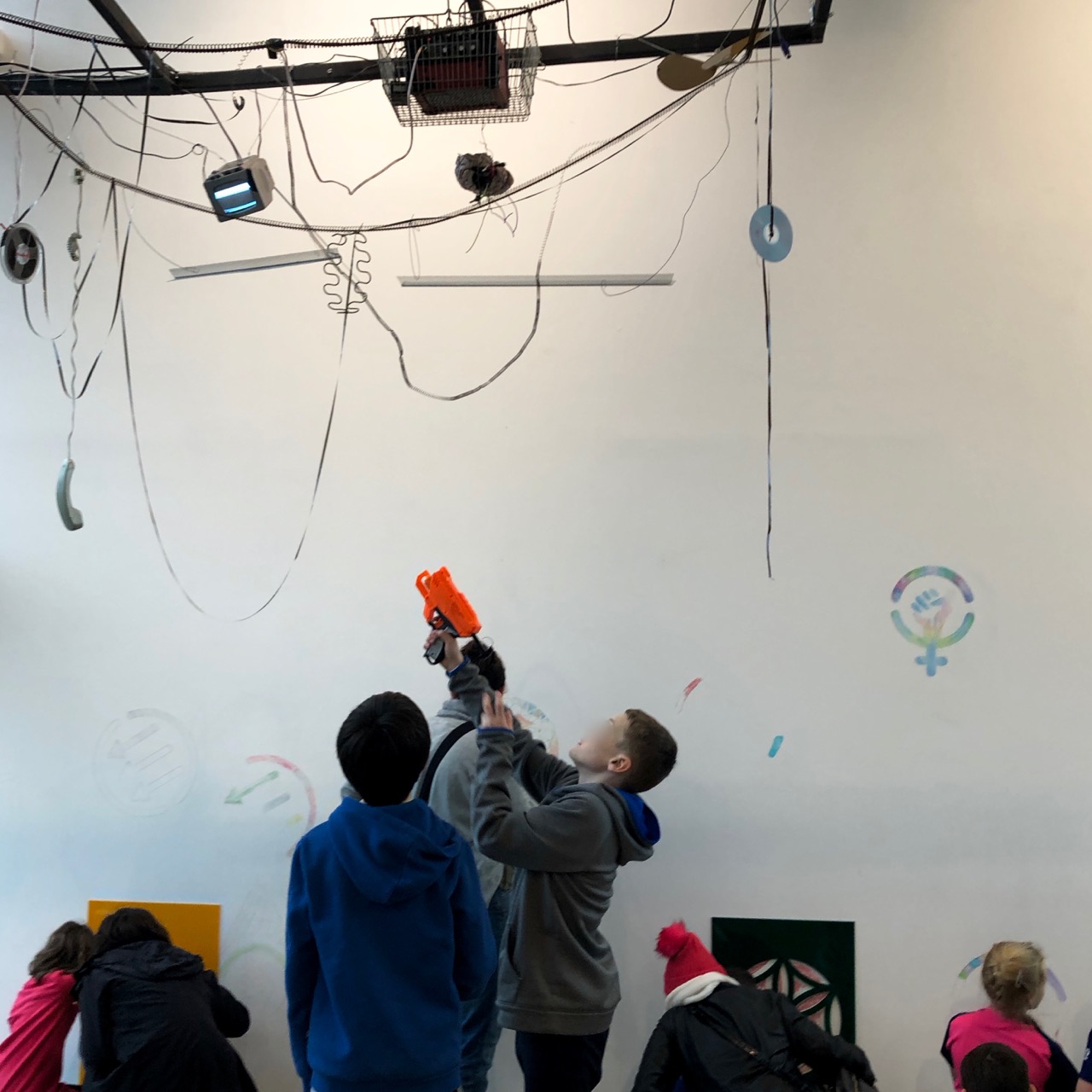
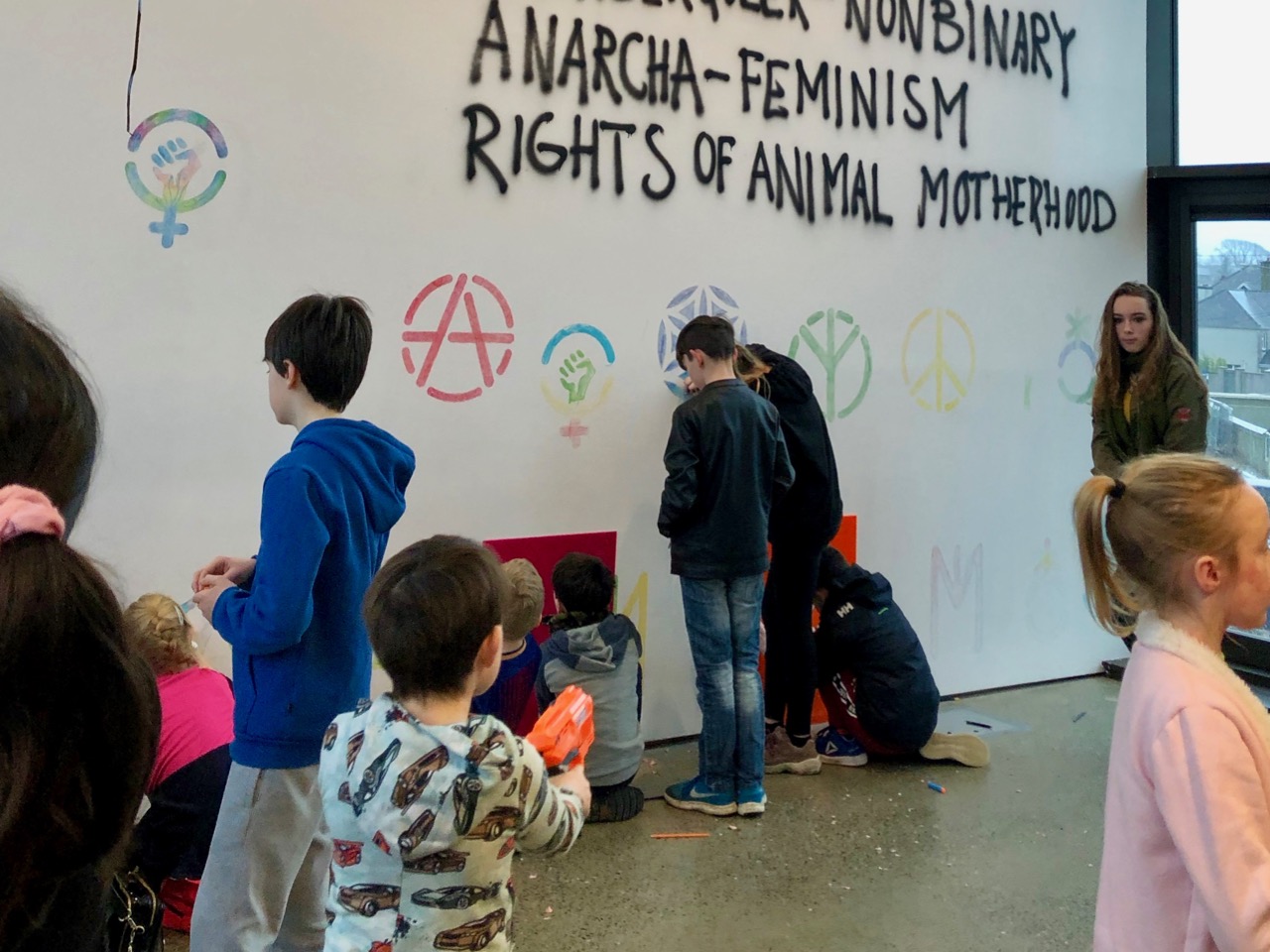
Uillinn – the West Cork Arts Centre gallery in Skibbereen – has just opened its first exhibition of 2020. It’s a riot! I have seldom seen such enthusiasm in an art show from the lively crowd who had gathered for the launch event, billed as an indoor picnic.

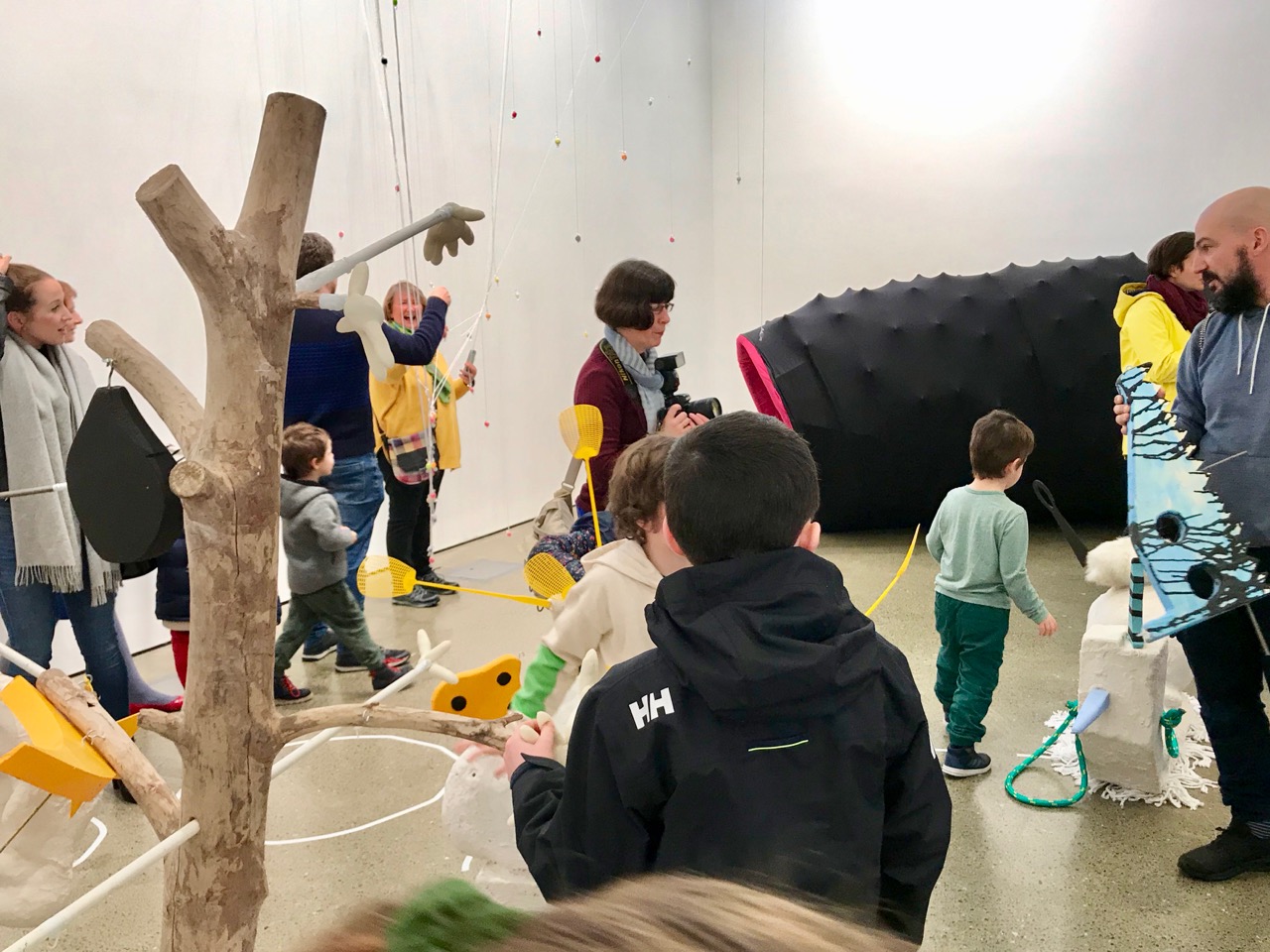
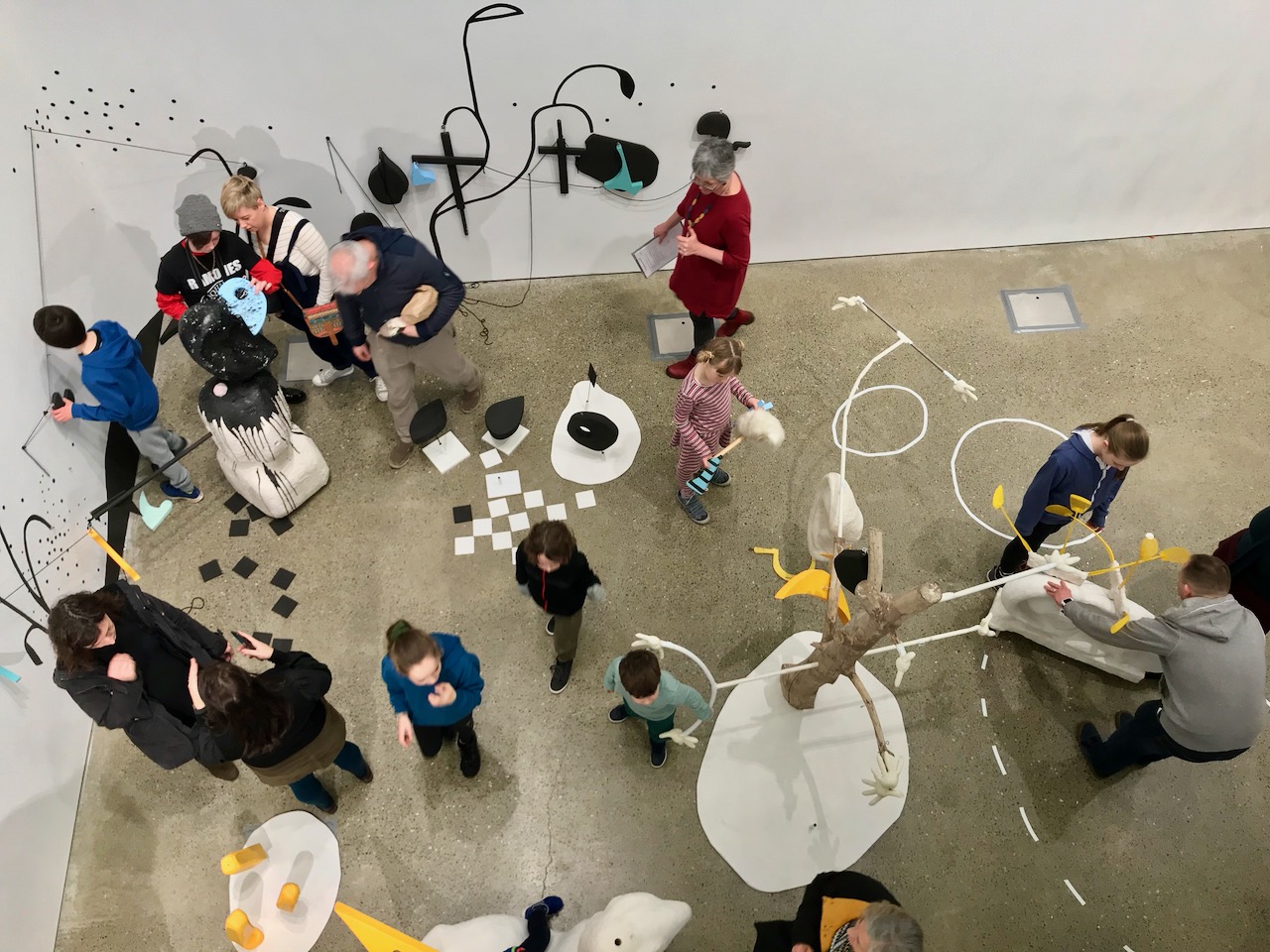
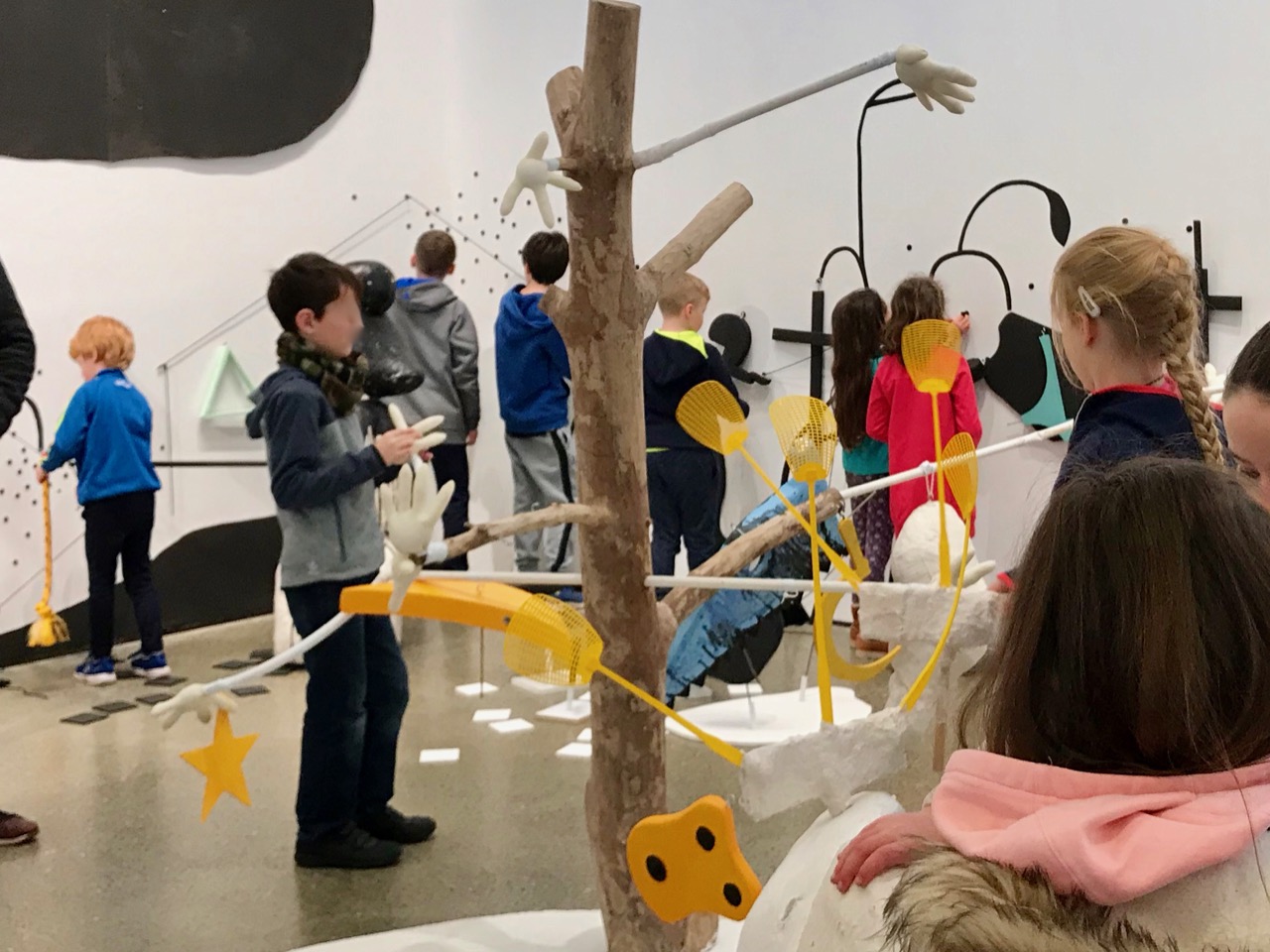
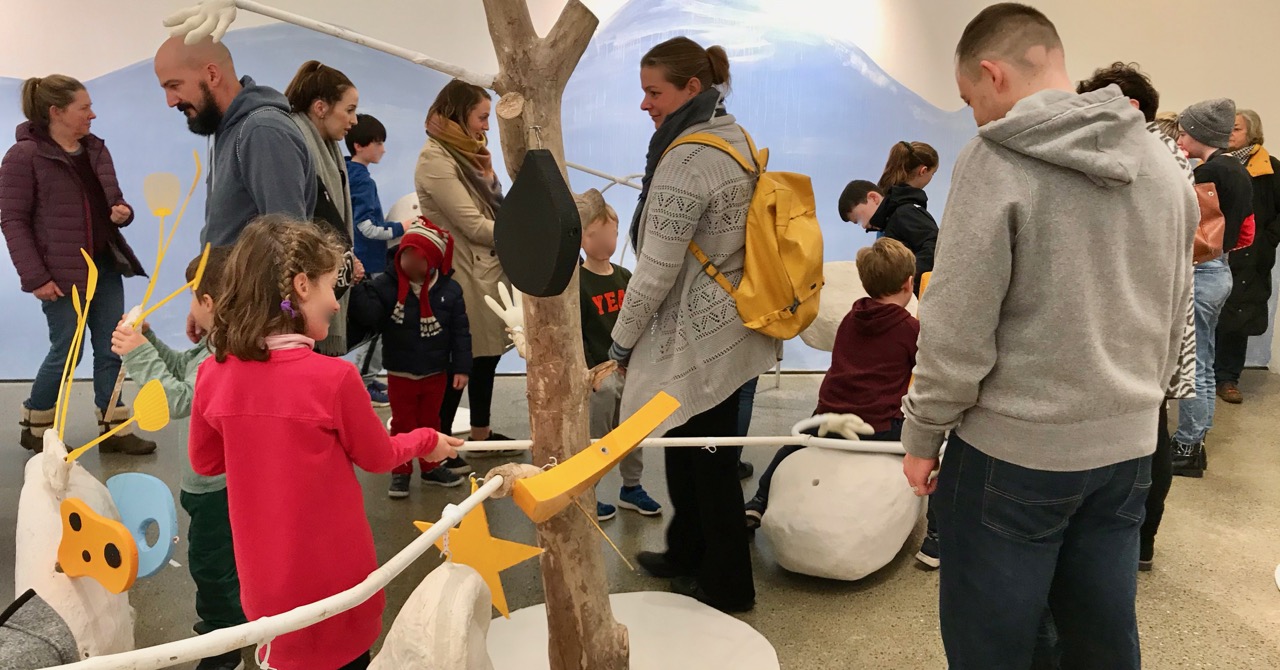
We went along, and were delighted. It’s advertised as an exhibition for children: take no notice of that! Just go and join in the fray – we all have a child in us. And it is a fray, in that it’s totally participatory. You can’t avoid taking apart everything you see, and putting it all back together however you want to. How amazing, to be encouraged – no, commanded – to get involved and act out the child. I wish I could show you the expressions of delight on the faces of all the ‘real’ children who were there, but today’s privacy laws mean that we can’t publish those. Instead, through some skilful juxtaposing and a little bit of PhotoShop, we hope that we can get across the sheer exuberance of all the activity.
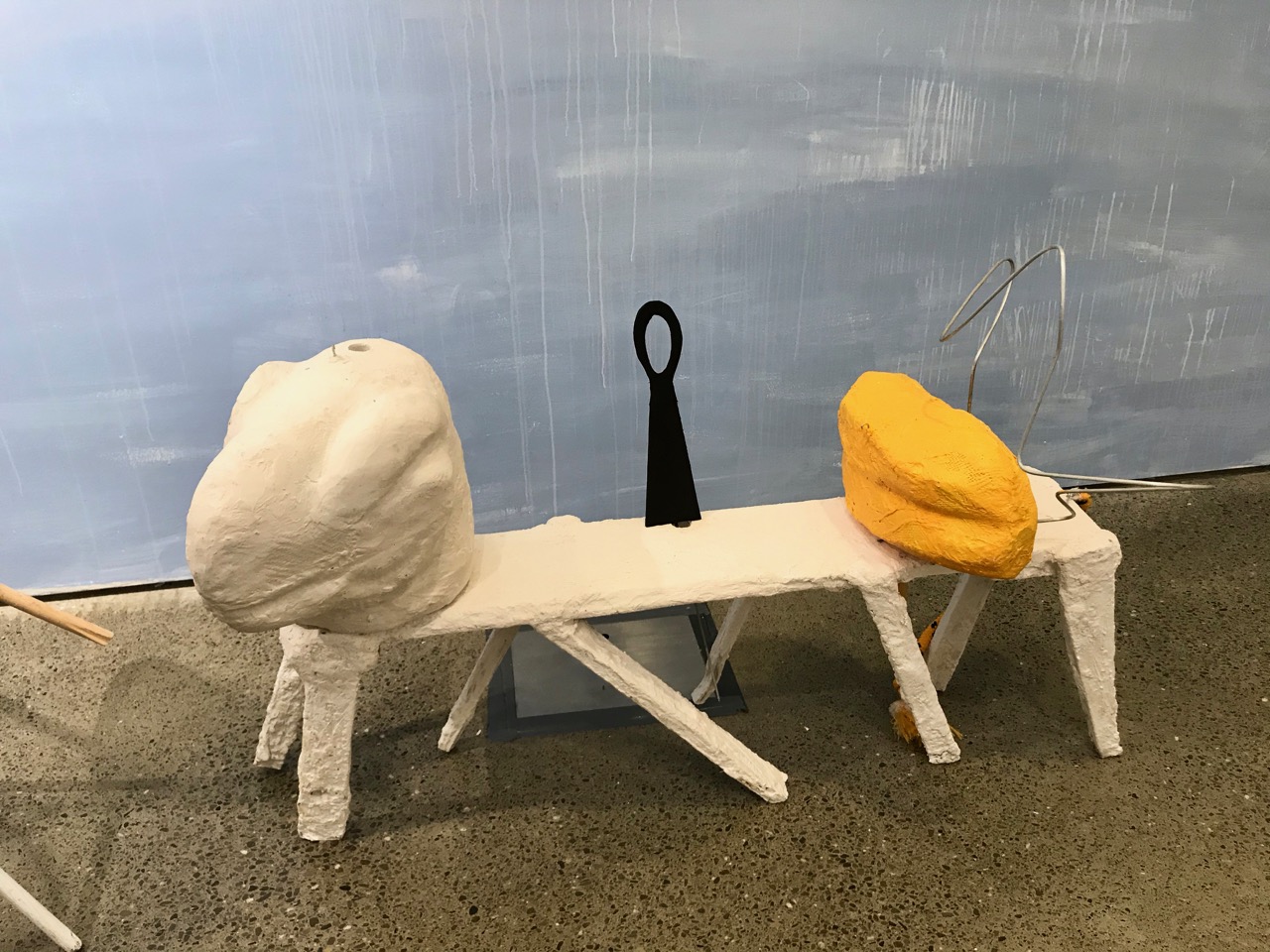
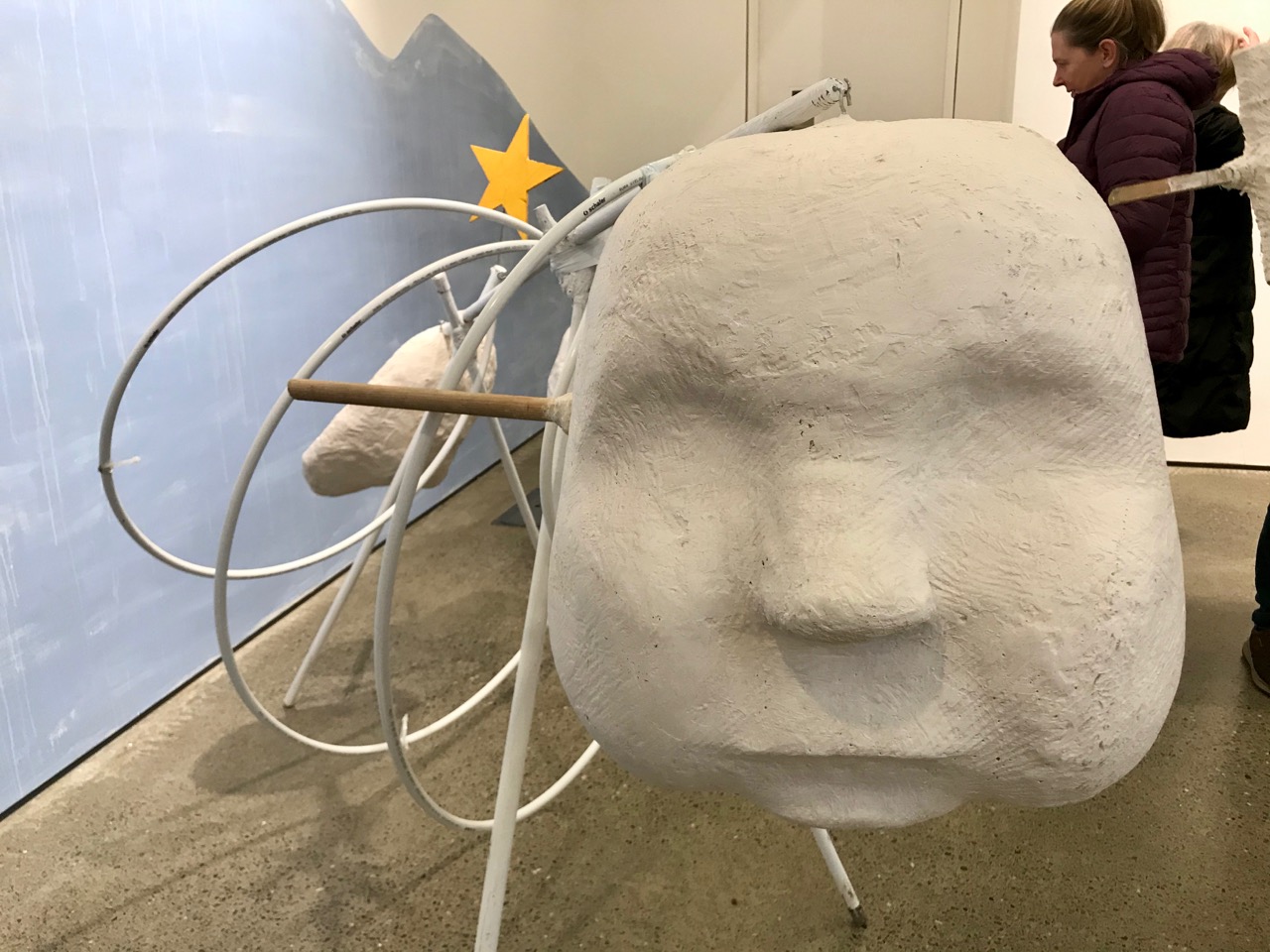
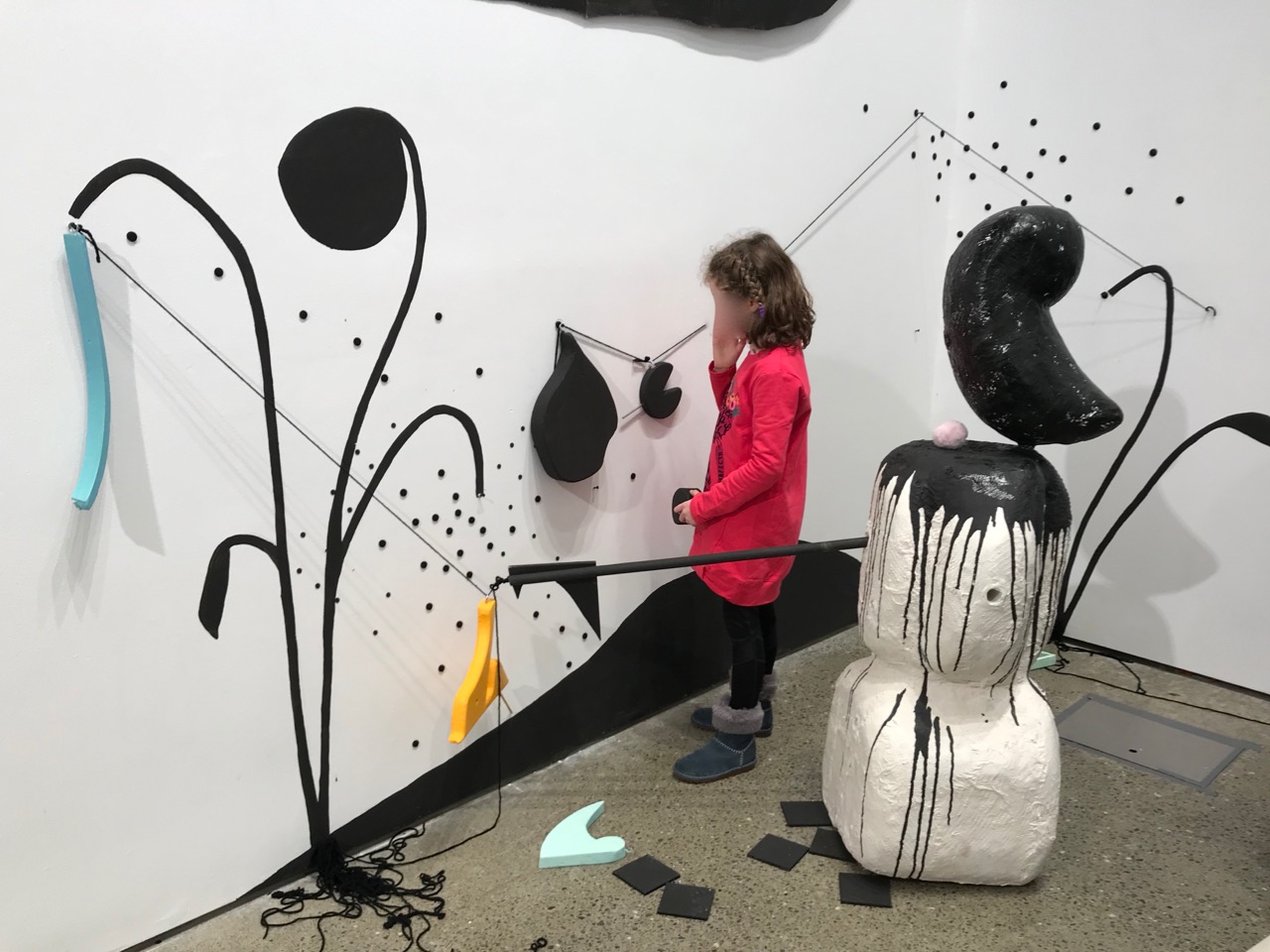
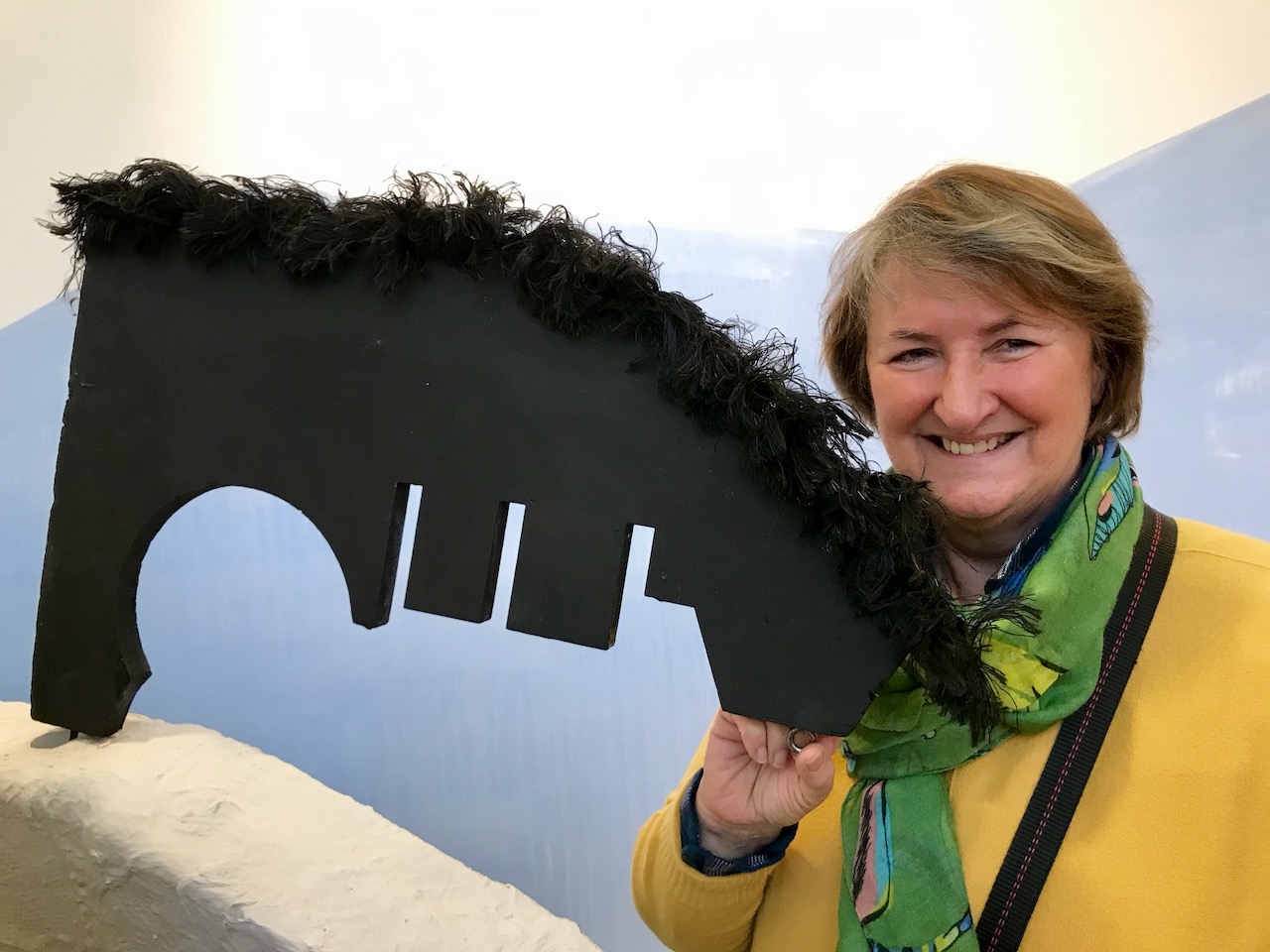
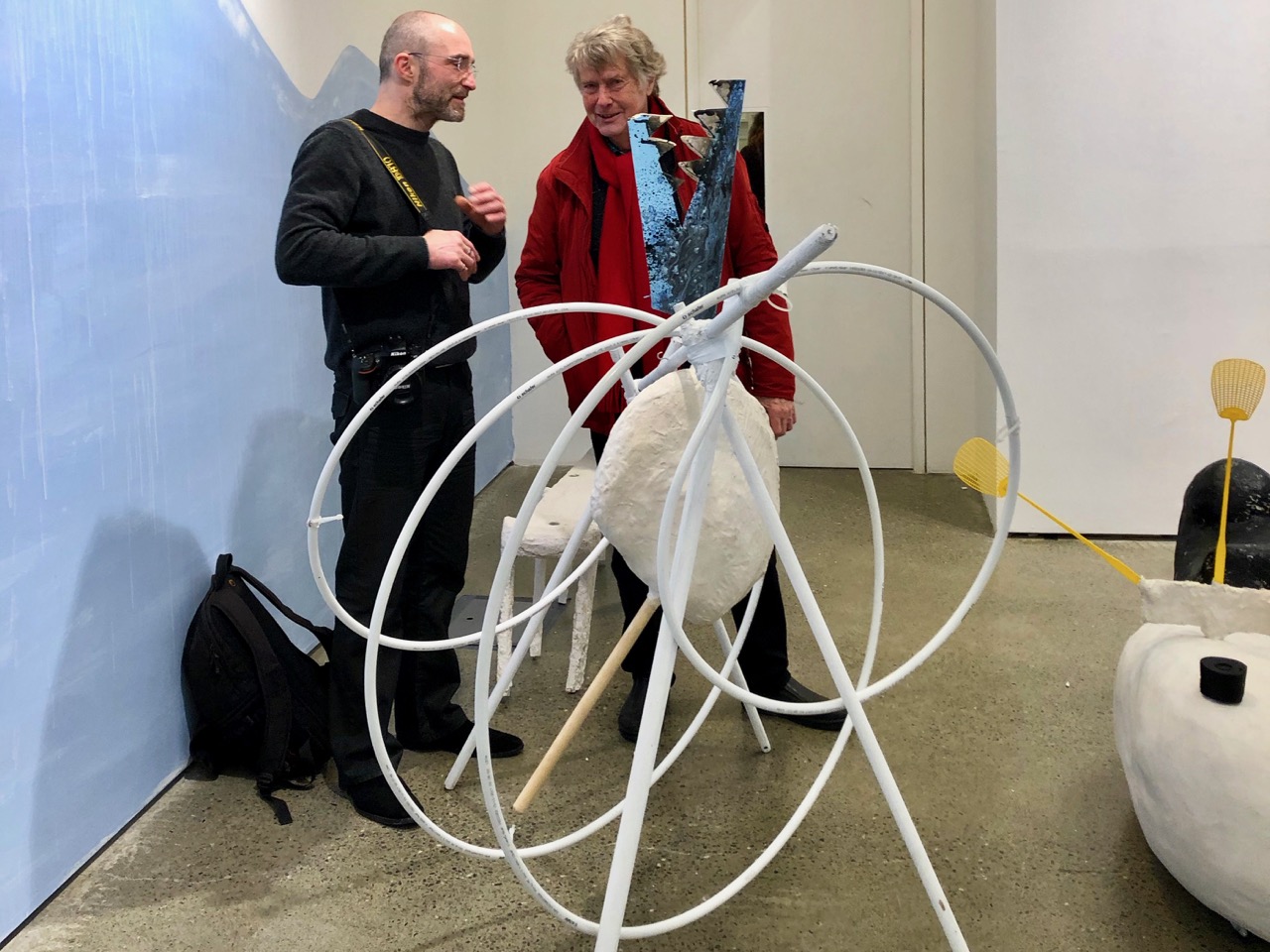
The ground floor gallery was full of shapes – many recognisable, some abstract – all brightly coloured, attractive and tactile. Each one could easily be a piece of ‘modern art’. The fun comes when you realise they can all be taken apart and put back together in unlimited combinations. There are no restrictions: everything has hooks, slots, sockets. This is your chance – everybody’s chance – to build sculptures, make murals, hang things on walls (or on each other!). There’s not a single Do Not Touch sign anywhere . . . Imagine the excitement!
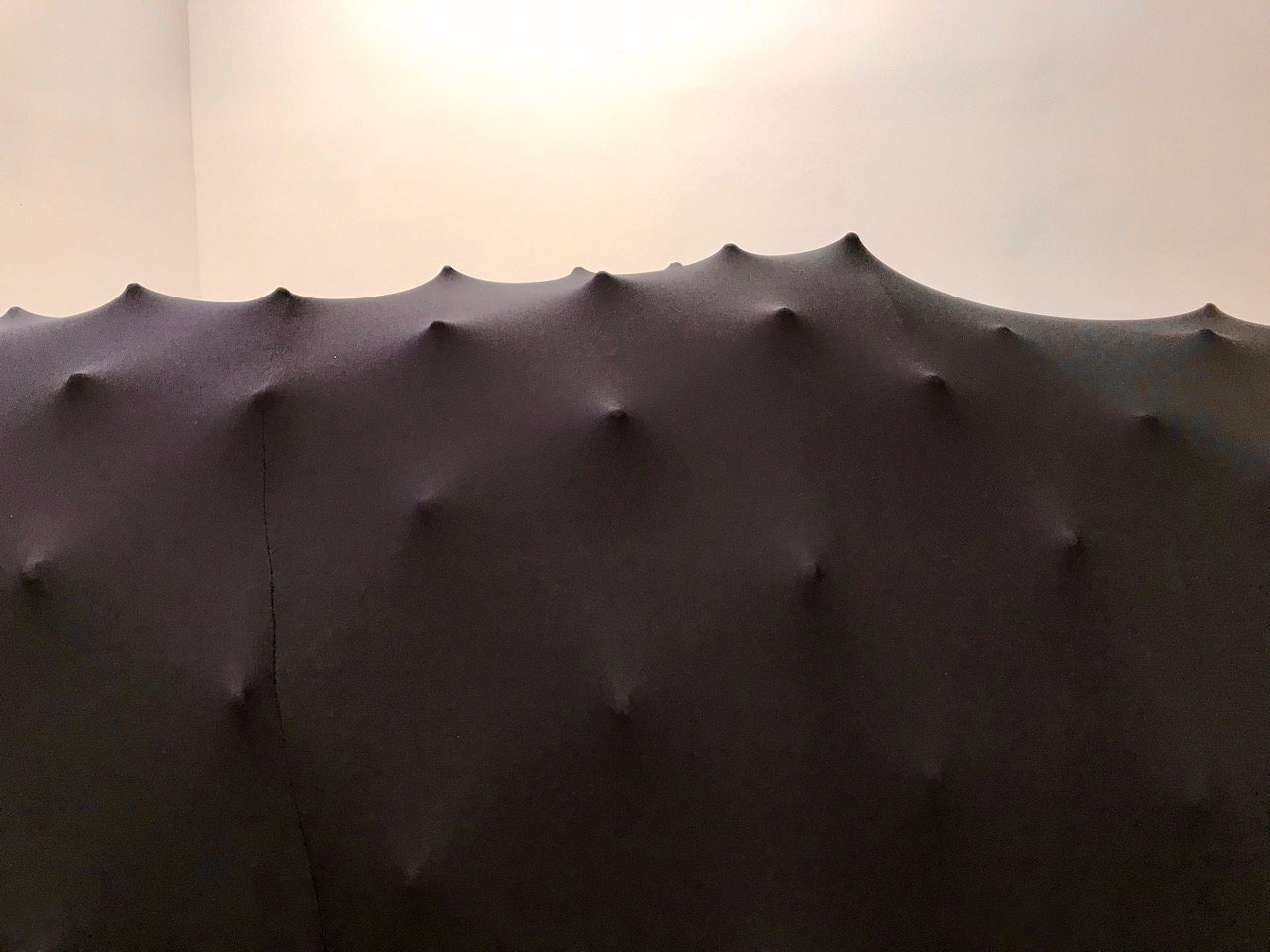
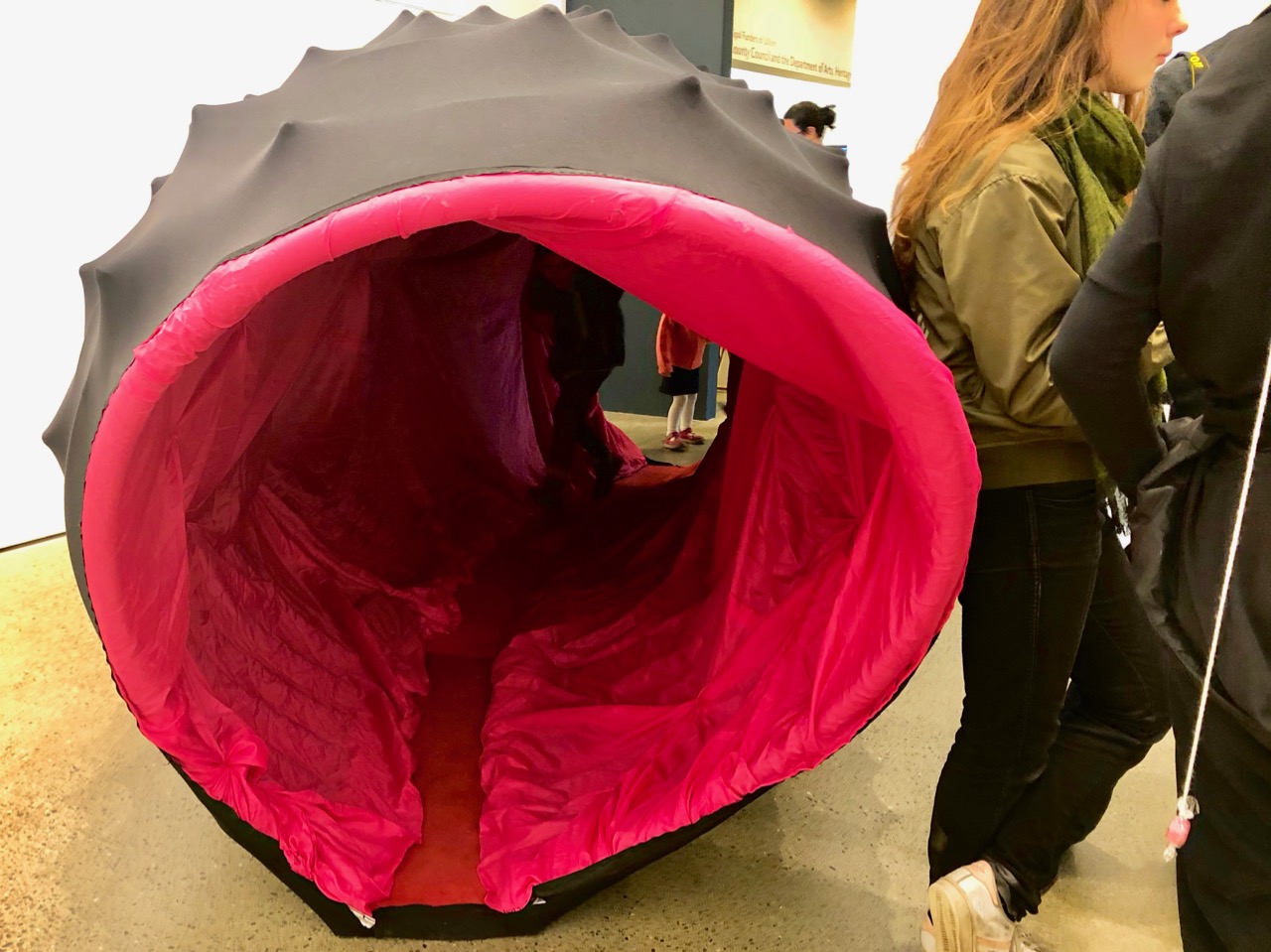
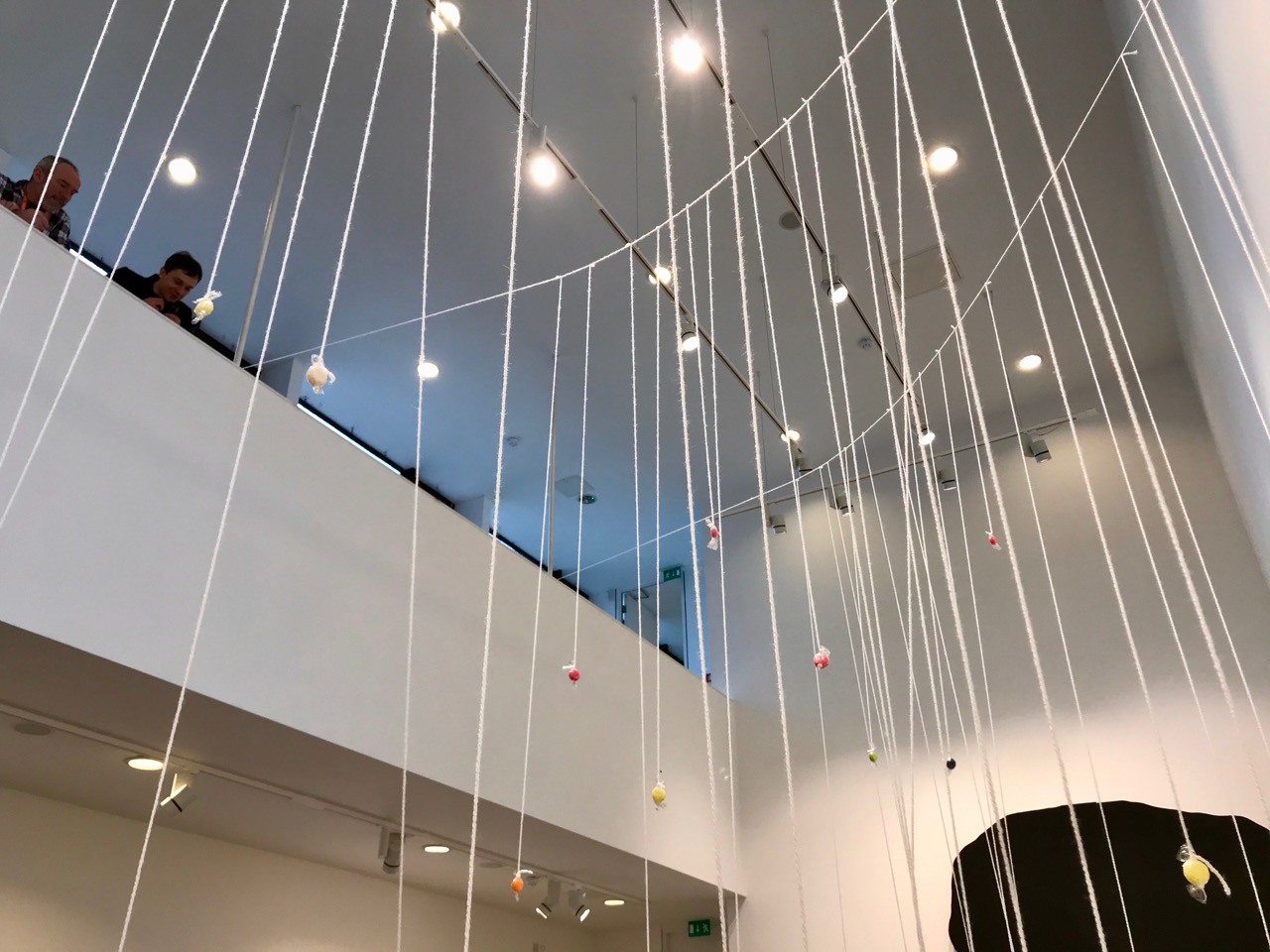
If you wanted to, you could enter the exhibition through a tunnel – it looked invitingly organic, if not somewhat anatomical. You were disgorged into a forest of sweets hanging on strings. Towards the end of the afternoon there were lots of empty strings and very few sweets. But, surely, that’s what it’s all about: consuming the art; embracing it, encountering it, making of it what you will.

It was interesting for us to note tidy-minded adults busily untangling the hanging strings, while their offspring revelled in getting them as muddled as possible. Meanwhile, we overheard a fraught parent exclaiming “I can’t believe you just ate the art!”

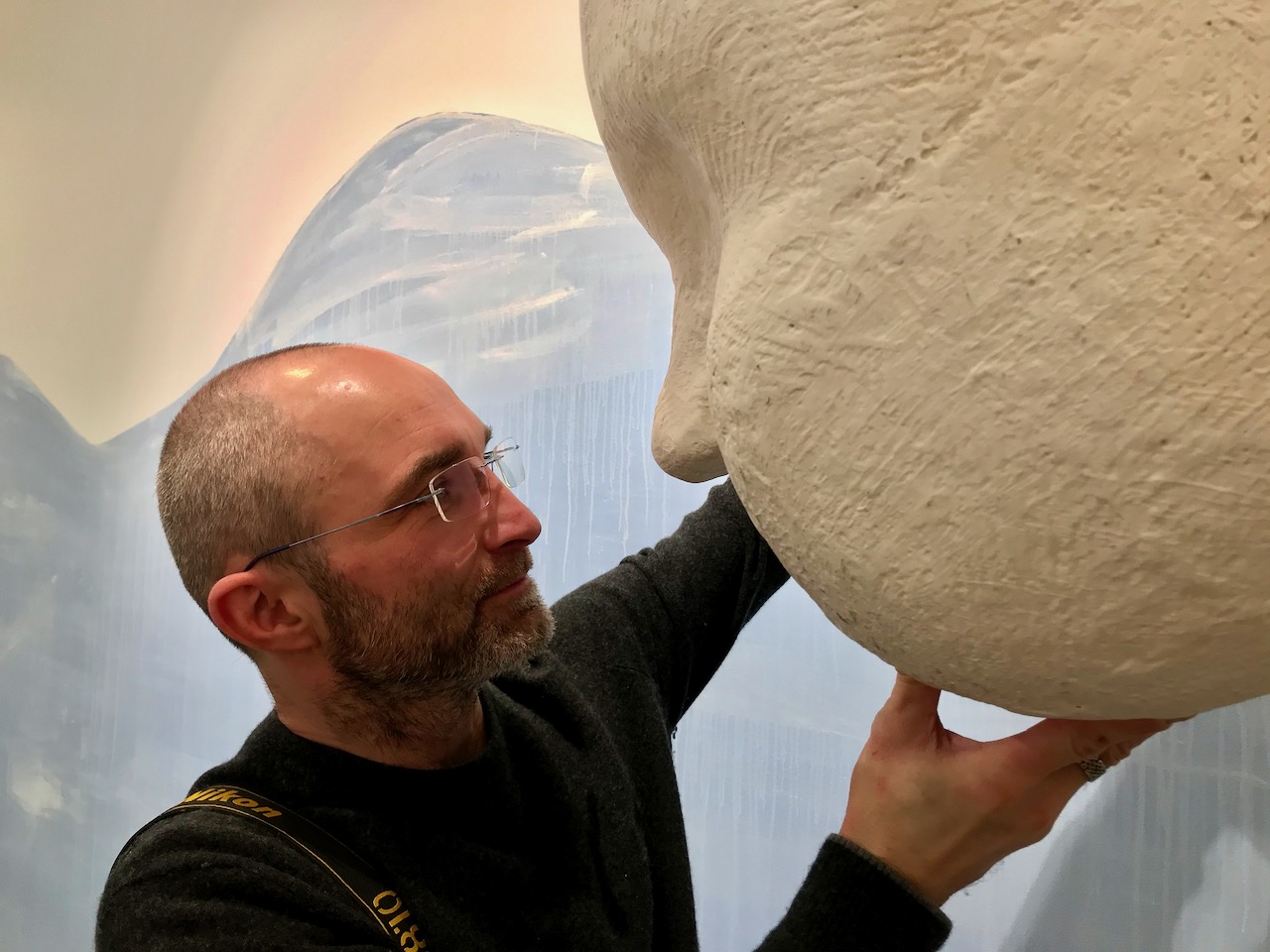
Art in Action is the brainchild of a group of Polish artists, and was first curated at the Municipal Art Center, Pomorska, Gorzów in 2019, with the intention of travelling on to Skibbereen. One of those artists, Tomasz Madajczak, has been based in Ireland since 2003, and has contributed to previous exhibitions at Uillinn. He provided the liaison between the two arts centres which resulted in this collaboration. He seemed completely at home among the exhibits:

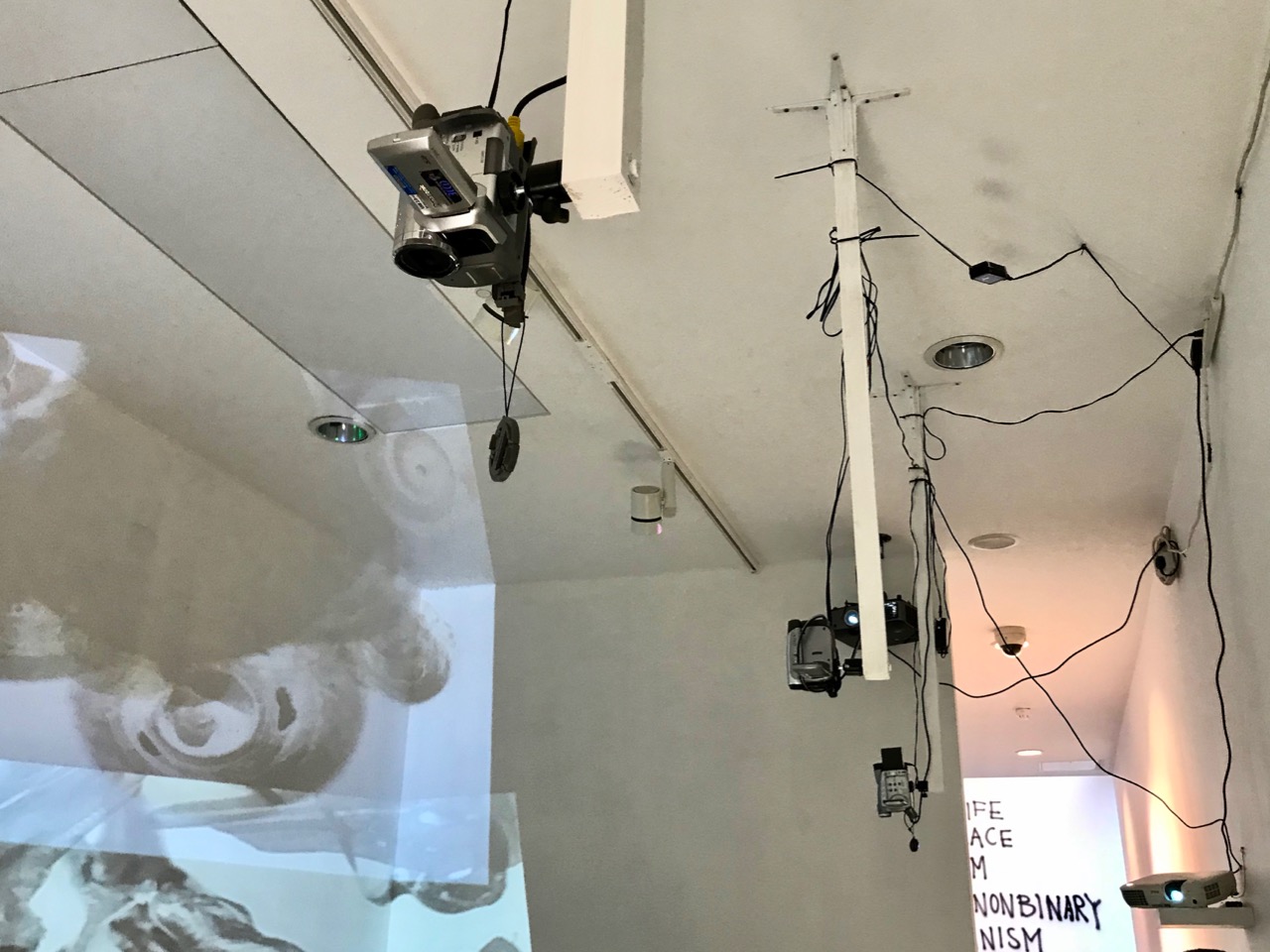
I need to persuade you all to visit this exhibition, so I won’t give away too much in this little preview. I will just mention the upstairs galleries, where some ingenious devices are available to ensure full interaction between art and spectators, including a modern take on the epidiascope (remember those? – you will if you are anywhere near my age!), pop guns for shooting down technological detritus, and over-aweing human voice amplification. Here are some further images to whet your appetites . . .

Don’t be shy about coming into this show and being part of the action! That’s exactly what it’s there for. All the better if you can bring along a group of children – or aim to be there when there are children in the gallery: the Arts Centre has a continuing programme of involving schools and other community groups. It’s the children, particularly, who will show you what being uninhibited means.

Art in Action is on at Uillinn, Skibbereen until 22 February 2020. It is curated by Bartosz Nowak, with work by Basia Bańda + Tomasz Relewicz, Ewa Bone + Ewa Kozubal, Tomasz Madajczak, Krzysztof Matuszak, Aleksandra Ska and Hubert Wińczyk. Open Monday to Saturday, 10.00am to 4.45pm daily. Special thanks must go to Uillinn’s Director, Ann Davoran, and her technical team for bringing this show to fruition, with special mention to Ballydehob’s Stephen Canty – who solves every problem! Uillinn receives financial support from the Arts Council and Cork County Council.