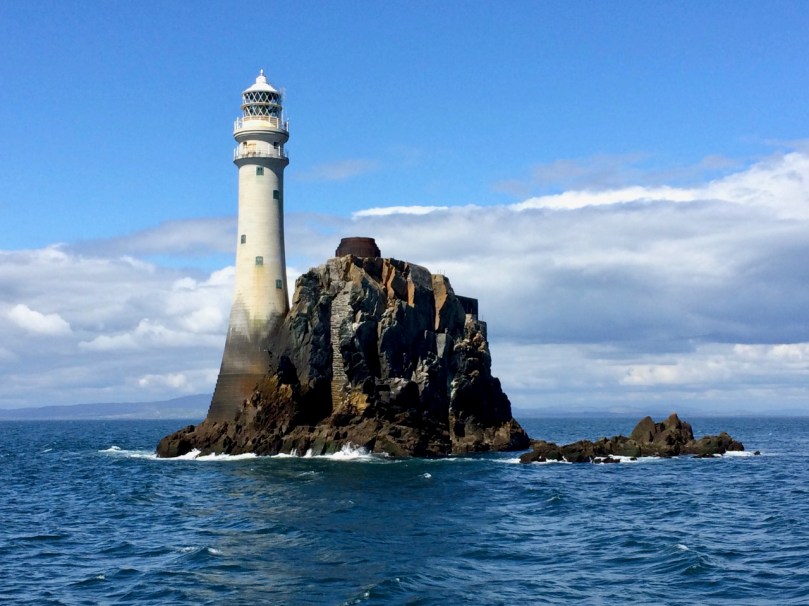
A Change to The Fastnet Lighthouse

Way back in 2014 I wrote about An Carraig Aonair: The Fastnet Rock and I have decided to repost that today, but with some updated information and photographs, because of an upcoming change announced by Irish Lights. Depending on the story, this is either a relatively benign but majorly cost-saving switch to LED lighting, or a change we must be vigilant about to make sure the Fastnet is left “intact and unharmed”.

Irish Lights tells us that structural repairs. . .are necessary to ensure the metal lantern room is properly secured to the granite tower and modernisation of the light source to an energy efficient rotating LED lantern. When these works are completed the outward appearance of Fastnet will be unchanged. The work will improve our environmental impact by significantly reducing the need for diesel and generators and by removing all mercury from the station. The range of the light will reduce from 27 to 18 Nautical miles.

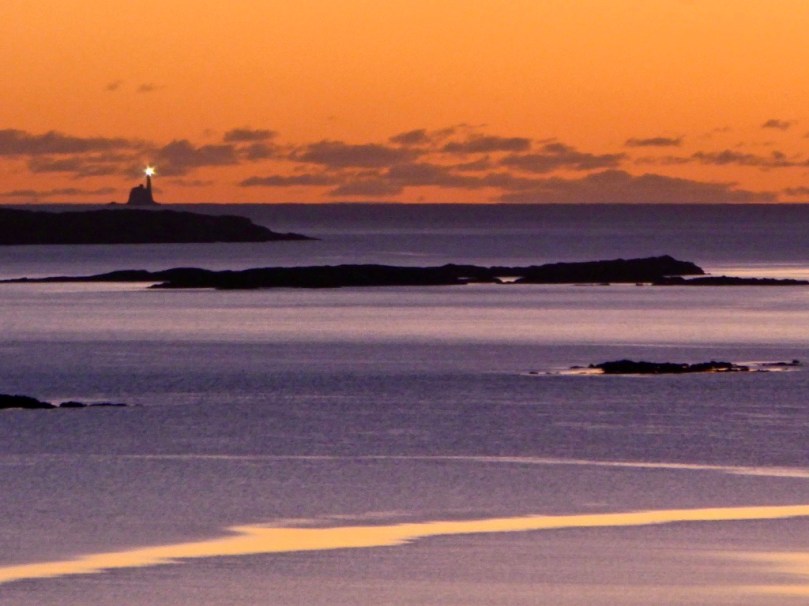
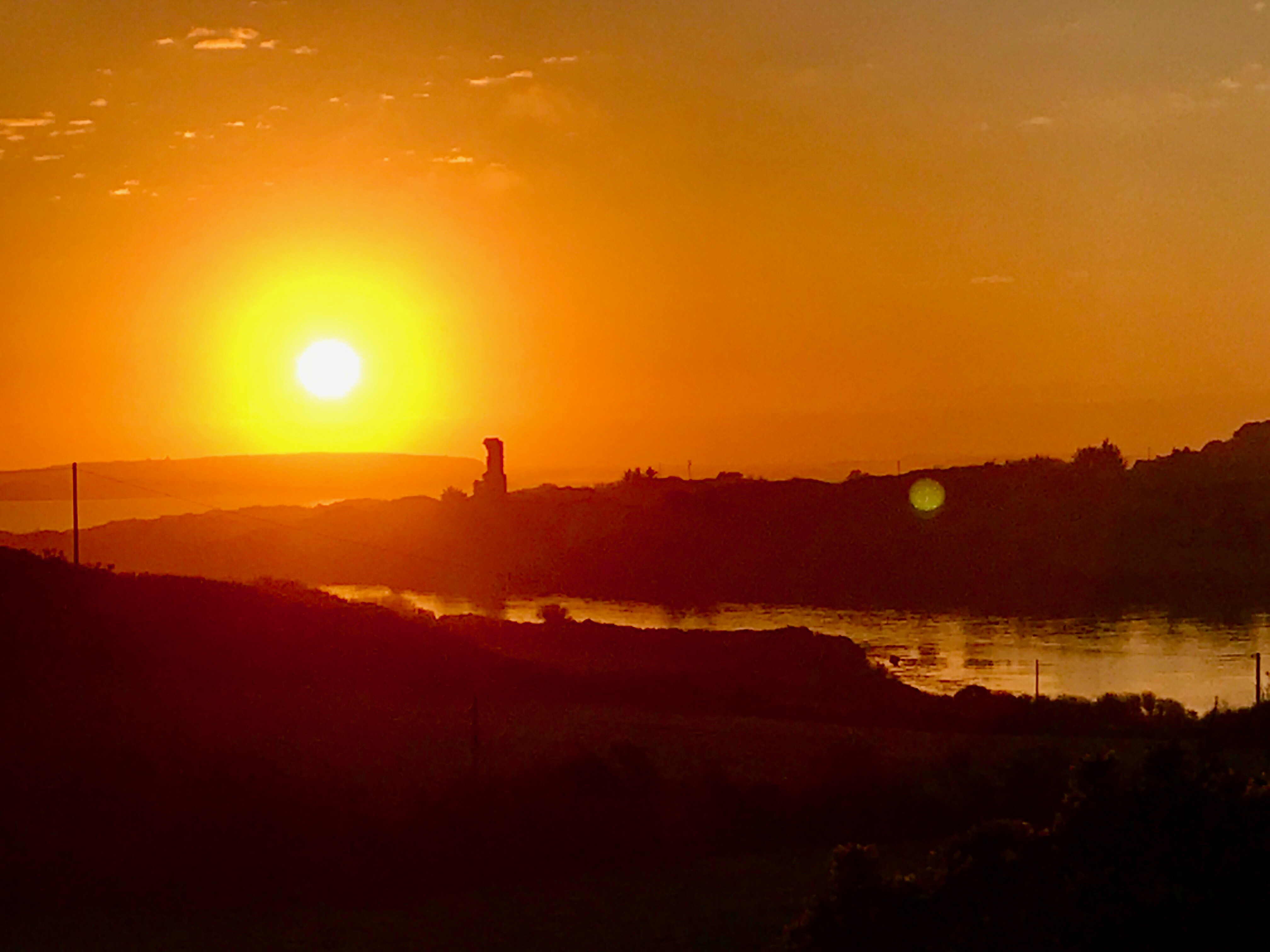
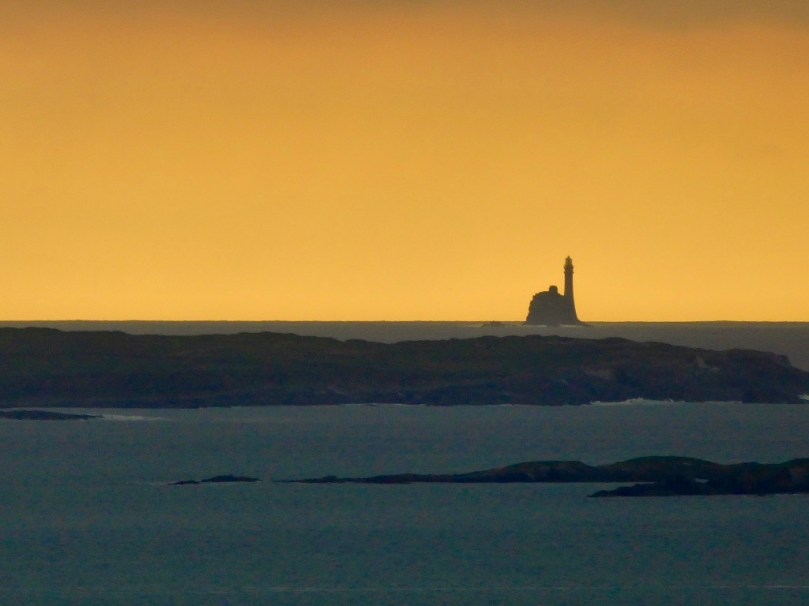
This photo was taken from our house, 12 miles (or 10.4 nautical miles) away

While this seems like a sensible and inevitable modernisation, with (according to this letter to the Irish Times) a very significant saving of €100,000 per year, those of us who live around Roaringwater Bay want more information: we want to be sure that the change does not negatively impact on the safety of our sailors and fisherfolk, and does not rob us of the iconic flash that is so much part of our lived experience in West Cork. There will be a meeting on Monday (March 5, 2018) at the Schull Sailing Club to discuss it all.

What follows now is the text of my post from June of 2014, lightly edited and with some newer photographs inserted.

Robert has written about our field trip to Cape Clear Island and I can now reveal that the journey also included a thrilling sail around An Charraig Aonair (Karrig Ane-er, The Lone Rock) better known as the Fastnet Rock; or to thousands of emigrants for whom it was the last sight of their home country, Ireland’s Teardrop.
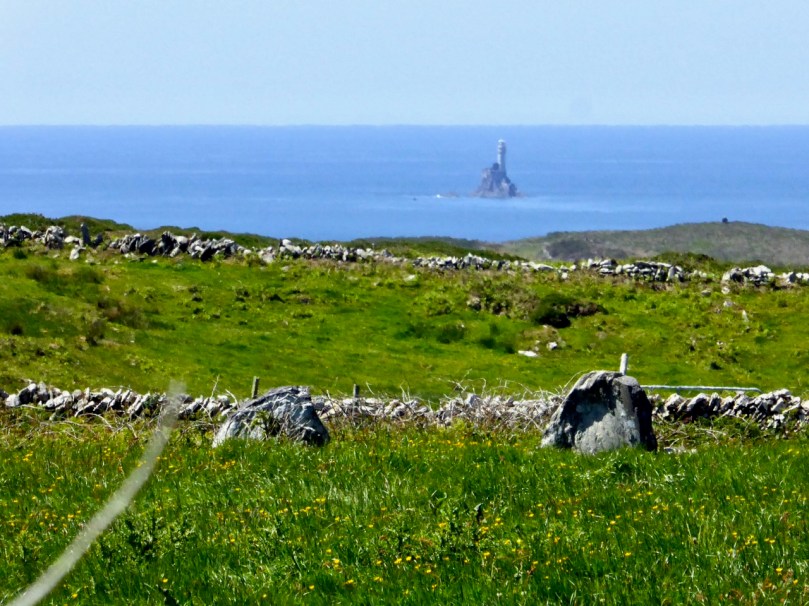
We had been looking forward with great anticipation to visiting the rock close up. We can see it from our home, a far away mystical crag abounding with lore and legend. We have been awestruck by the waves crashing over the lighthouse in winter storms and wondered at the lives of the lightkeepers who once manned that treacherous outpost. We watched through our telescope as enormous yachts rounded the rock in the biennial Fastnet Race last summer, following the progress of the race on a special iPhone app. I have written elsewhere about the awful tragedy of the 1979 race, in which Gerard Butler and his fellow lightkeepers on the Fastnet played a crucial role in monitoring the participating yachts in the mountainous sea conditions. 
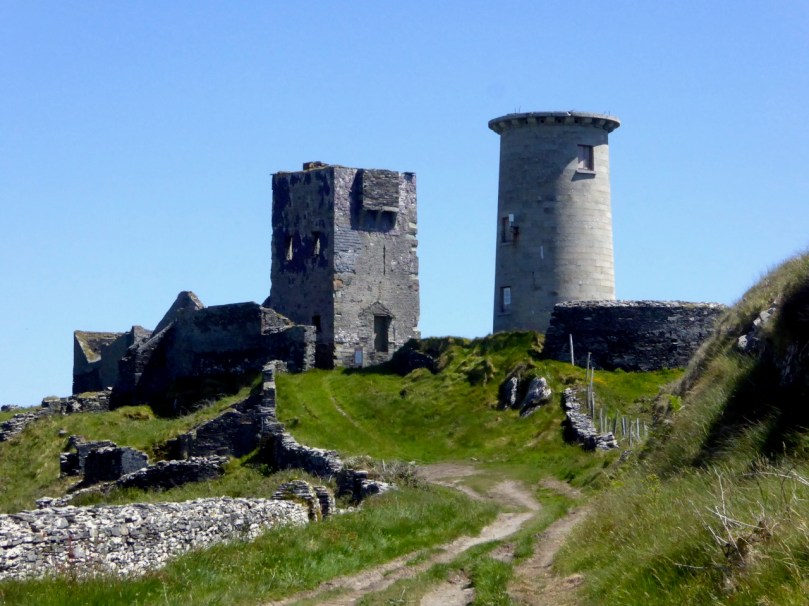
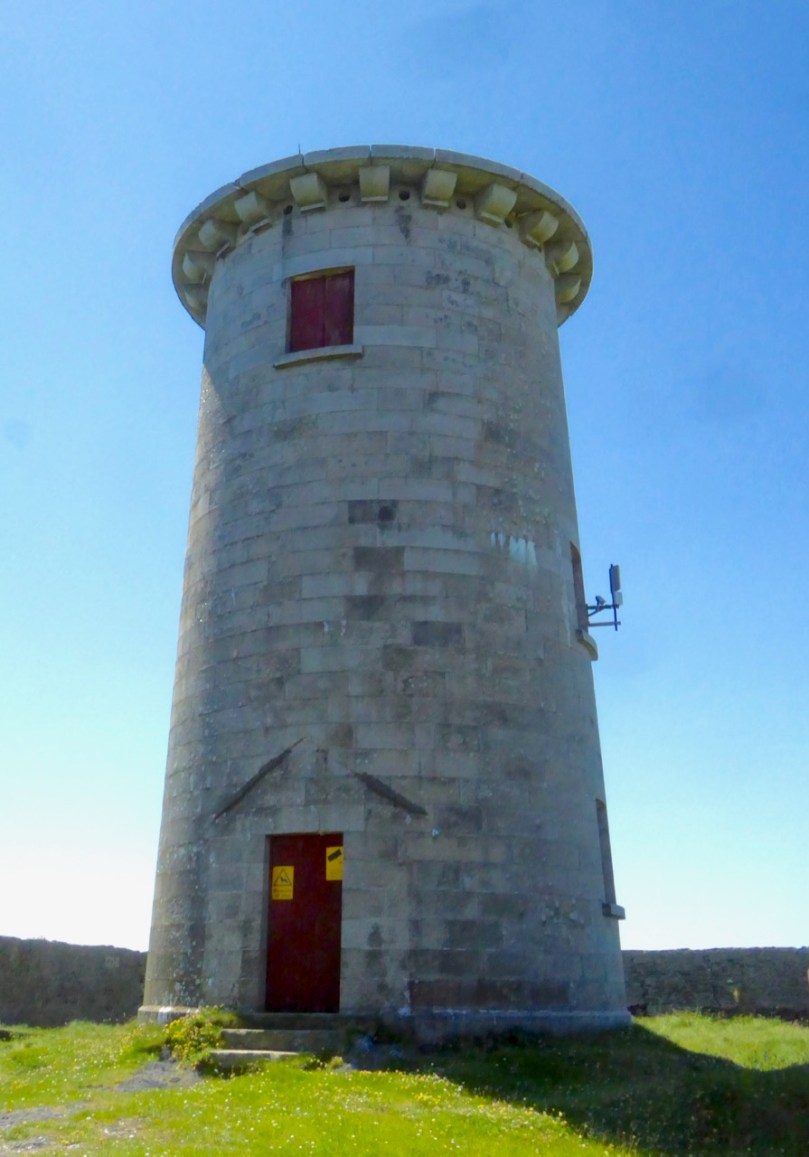
The signal station and the first lighthouse, on Cape Clear Island

The Fastnet was built to avoid such tragedies. Its first iteration was in 1818 as a lighthouse tower on a high point on nearby Cape Clear Island, beside the Napoleonic-era signal tower. However, the light was frequently obscured by fog and after the wreck of the Stephen Whitney in 1847 with 92 souls lost, it became clear that the best place for a lighthouse was on the Fastnet Rock. 
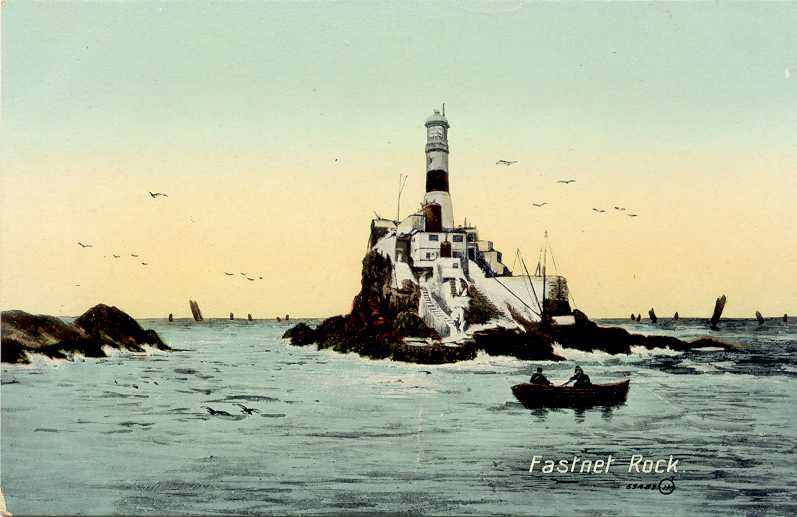
The great era of lighthouse building in Ireland got underway in the mid-nineteenth century. The engineering, design and construction expertise necessary to build lighthouses are impressive enough. Add to this the logistics of building on a tiny and inhospitable rock in a heaving sea on the edge of the Atlantic, and the sheer accomplishment of the objective is  staggering. The first attempt, started in 1849, was of steel and needed constant repair.
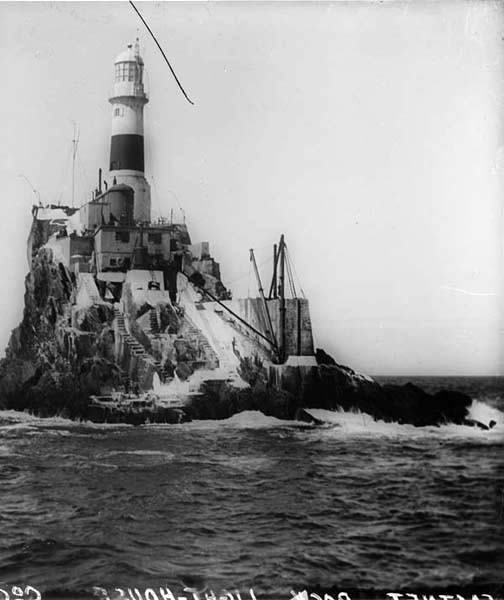
The first lighthouse on the rock – it was made of steel and didn’t last

It was decided to replace it with a structure of Cornish granite and the current lighthouse first cast its beam over the waters in 1904. Eamon Lankford in his book Fastnet Rock: An Charraig Aonair describes the building process and provides old photographs illustrating how the granite blocks were ‘floated’ and hoisted on to the islet, having been first assembled and tested in Cornwall. The website Digital Irish Lighthouse Experience by Sandra Michler has an animated sequence showing how this was accomplished. it took eight years.
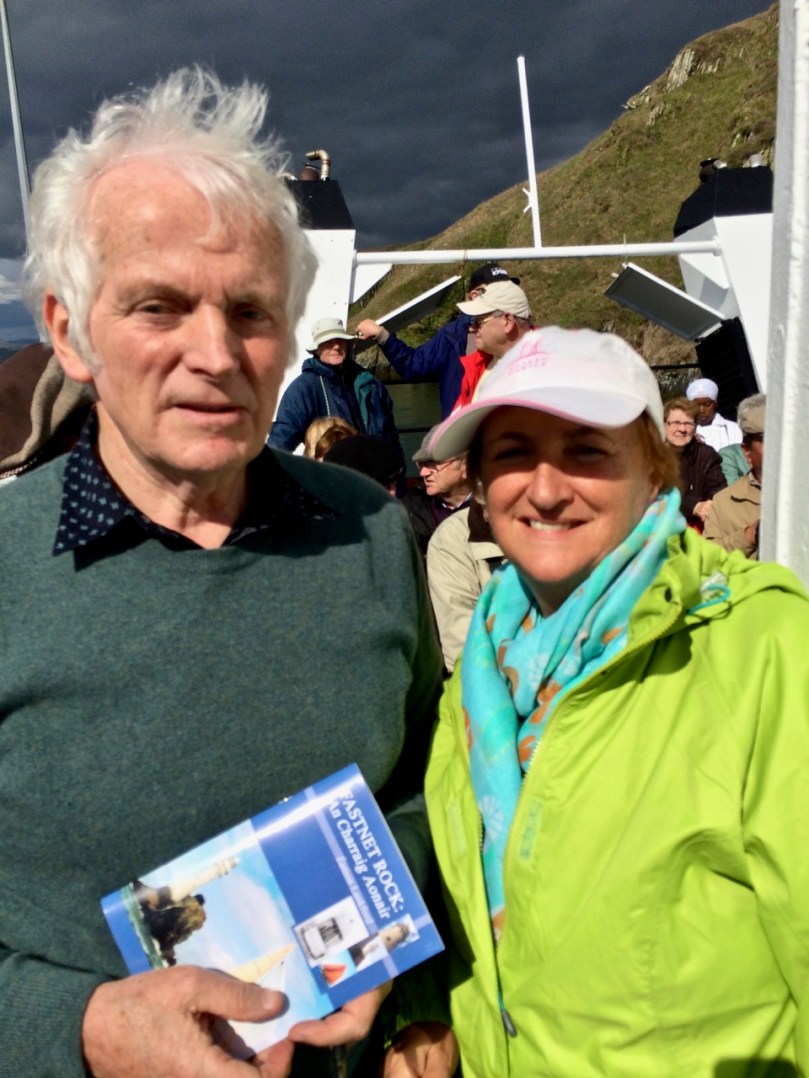
We were fortunate to have Eamon Lankford as one of our guides on our trip to the Fastnet

One of the best accounts of the building of the lighthouse was in a 2008 article in The Economist called Light on a Lonely Rock. The piece gives fascinating details into the dedications and hardships of the builders and calls the lighthouse “a monument of man’s gift to mankind.” I don’t know who wrote it, but it’s a terrific essay.

According to the Irish Lights website, Fastnet is the tallest and widest rock lighthouse tower in Ireland and Great Britain and was a monumental achievement when completed in 1904. Each of the granite stones of the tower is dovetailed into those around it, bonding the structure into a virtual monolith. This webpage also has several excellent photographs of the lighthouse from the air. What all photographs of the rock also reveal is that the lighthouse is a thing of beauty. Tall, slender and elegant and boasting two balconies, it personifies form and function in the most admirable fashion possible. (Take a look, for example, at Dennis Horgan’s website – he’s an acclaimed aerial photographer and his photograph of the lighthouse is probably the most iconic shot of them all.) Today the Fastnet is fully automated but in The Lightkeeper Gerard Butler describes what it was like to live on the rock in fair weather, when he fished and swam from the steps, and foul, when the seas crashed and roared over the lighthouse as it quivered and shook all night. 
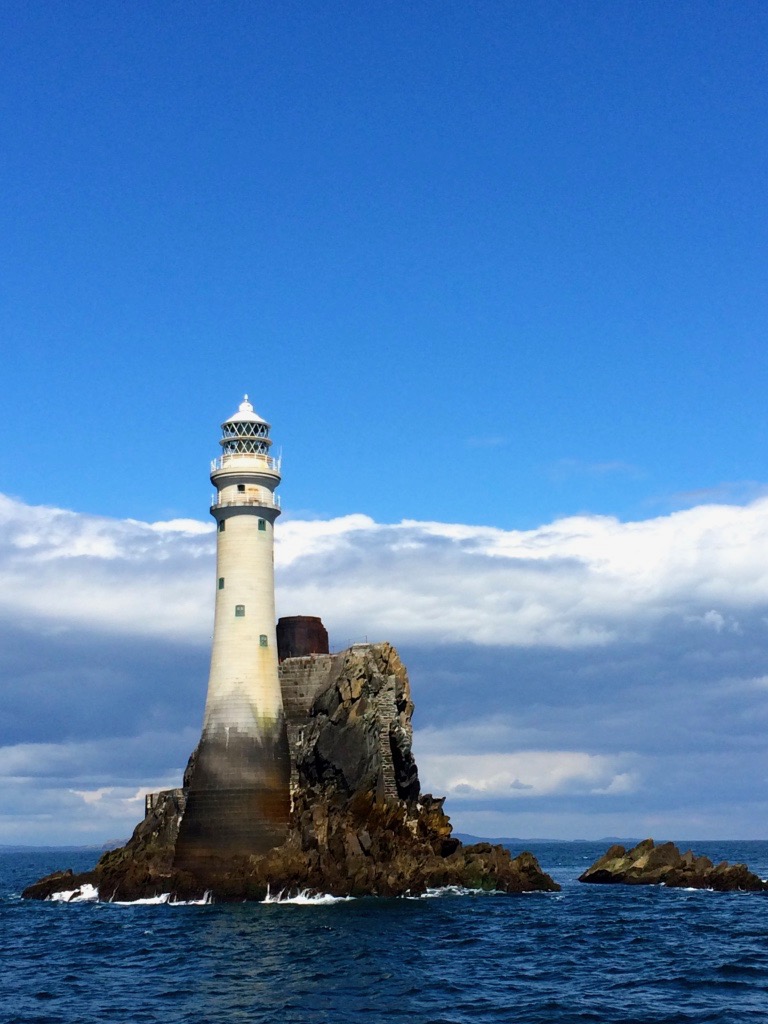
The lighthouse showing the full extent of the Cornish granite and the stub of the old steel tower

One of the stories we heard from Eamon concerned  a daring midnight raid on the lighthouse carried out by an IRA ‘Flying Column’ (experts in guerilla warfare) in 1921 during the Irish War of Independence. They were after the explosives used on the Fastnet to power the foghorn. [EDIT: I have some errors here – please see Finbarr O’Driscoll’s correct information about the raiding party in the comments section.] In researching this story further, I found an article in the 1999 Mizen Journal (no longer in print) by Frank Lannin, based on the eyewitness statement of Sean O’Driscoll.*
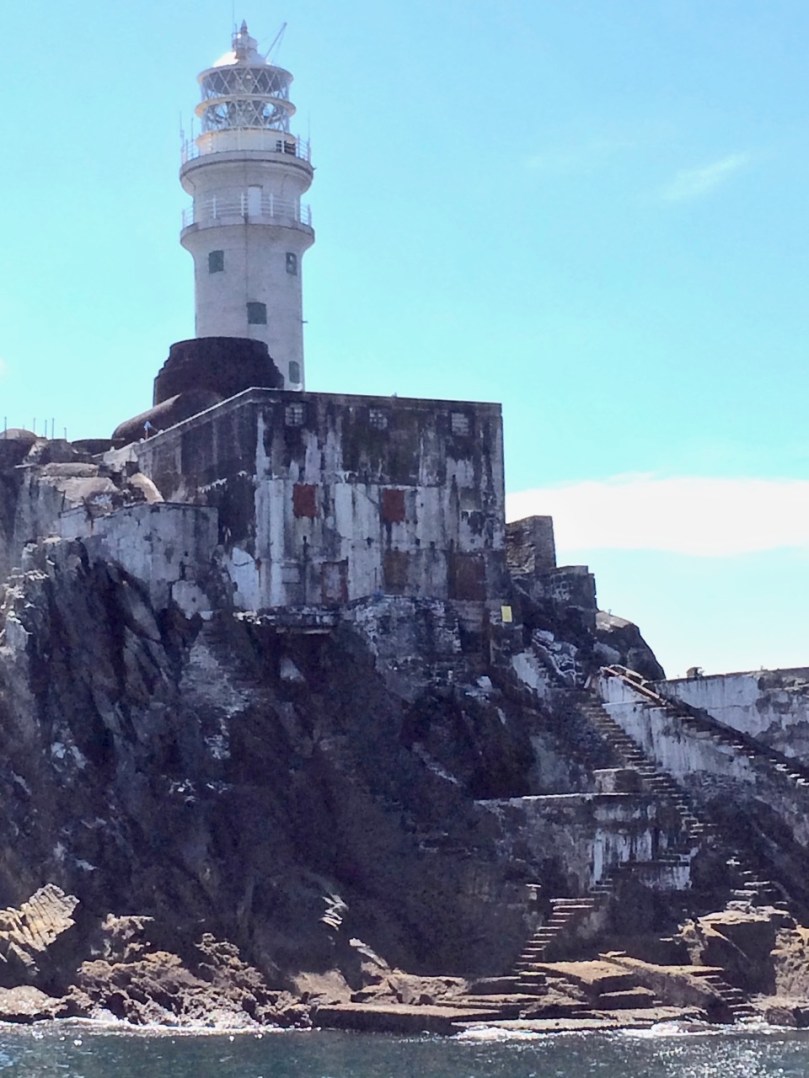
The Rock, showing the landing platform, steps and store

Here is part of Lannin’s account:

The breeze had freshened and caused the usual swell around the Rock and there was a rise and fall of several feet. The anchor was let out and the boat moved slowly to the landing place. Positioned on the bow was John O’Regan, a rope tied around his waist, a revolver in his pocket and balancing himself with the rise and fall of the boat. He would have to select the right moment to jump on the Rock and catch the iron ring which was fixed to the Rock. He knew where the ring was fixed, but to grasp it in total darkness was a feat that few would attempt. His vast experience as a seaman was now to be put to the test. As a wave was rising he jumped. It was a tense moment. As the wave covered him he grasped the ring with both hands. (It was an occasion for handclapping, but not tonight.) In seconds he had made the boat fast and the rest of the raiding party were landing on the platform. The huge steel door of the lighthouse was not locked. John was first up the spiral stairway leading to the room where the Lightkeeper was on duty. He put up no resistance and as a precaution the wireless was dismantled. Seventeen boxes of gun cotton and three boxes of detonators and primers were loaded on to the “Maire Cait” by means of the lighthouse derrick. in all, the spoils weighed but one ton. The daring mission was accomplished.
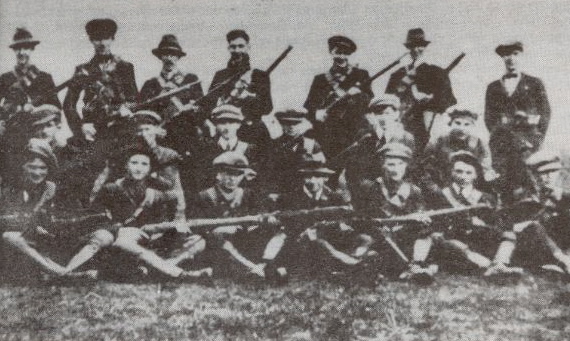
A Flying Column (this one from Tipperary)

The fog signal, together with the light, was an important aid to navigation for ocean going vessels. It was only in 2011 that the Fastnet foghorn was permanently discontinued, as modern navigation equipment rendered it unnecessary. All around the world people are missing the haunting sound of foghorns now, a sound so many of us grew up with. But at least we can see the light from Carraig Aonair every night and count its ‘character’ – one two three four FLASH…one two three four FLASH – and know that it’s doing its part to keep our mariners safe on the seas that roll outside Roaringwater Bay.
*See pages 18 to 20 of Sean O’Driscoll’s statement for his dramatic story of the raid.
 

Fading Treasures

For me, Ireland’s greatest treasures are those that are shy of publicity. There’s nothing more rewarding than turning off the beaten track and negotiating a narrow boreen with a lush growth of grass down the middle and brambles scratching your car on either side to find – often by chance – a stunning piece of medieval architecture, perhaps just the fragments of a ruin in a field, but revealing the beauty of a decorated doorway or an ornately carved corbel. Always these items are discernible but fading. Their splendour – and the exquisite craftsmanship that created them – are manifest. But there’s a melancholy in these finds: you see them, and wonder at them, yet you ask: how many more generations will be able to appreciate these works of ancient hands?

A classic case study would be the medieval high crosses. There are a remarkable number of these still intact on the island of Ireland, and many more fragmentary remains. We go out of our way to search for all these traces in our travels: some of those we have visited to date can be found through this link. It’s such a rich archive, and there are many more to be written up.

Above is St Cronan’s High Cross, Roscrea, Co Tipperary. As you can see, this example has been removed to an indoor location (Black Mills Heritage Centre), to protect it from further weather deterioration, although all the fine detail has been lost. In fact, this example has been assembled from sections of two different medieval crosses for purposes of display. I am an advocate of protecting these artefacts in this way, as acid rain and modern pollution seem to be accelerating the decay of the stone monuments. As in many cases with the protection measures, a high quality reproduction cross has been placed on the original site in the churchyard of St Cronan’s, just a few metres away. Have a look at my post on Monasterboice for a further discussion on the arguments for preservation of these monuments – and compare the condition of the as yet unprotected high crosses there with the wear and tear above.

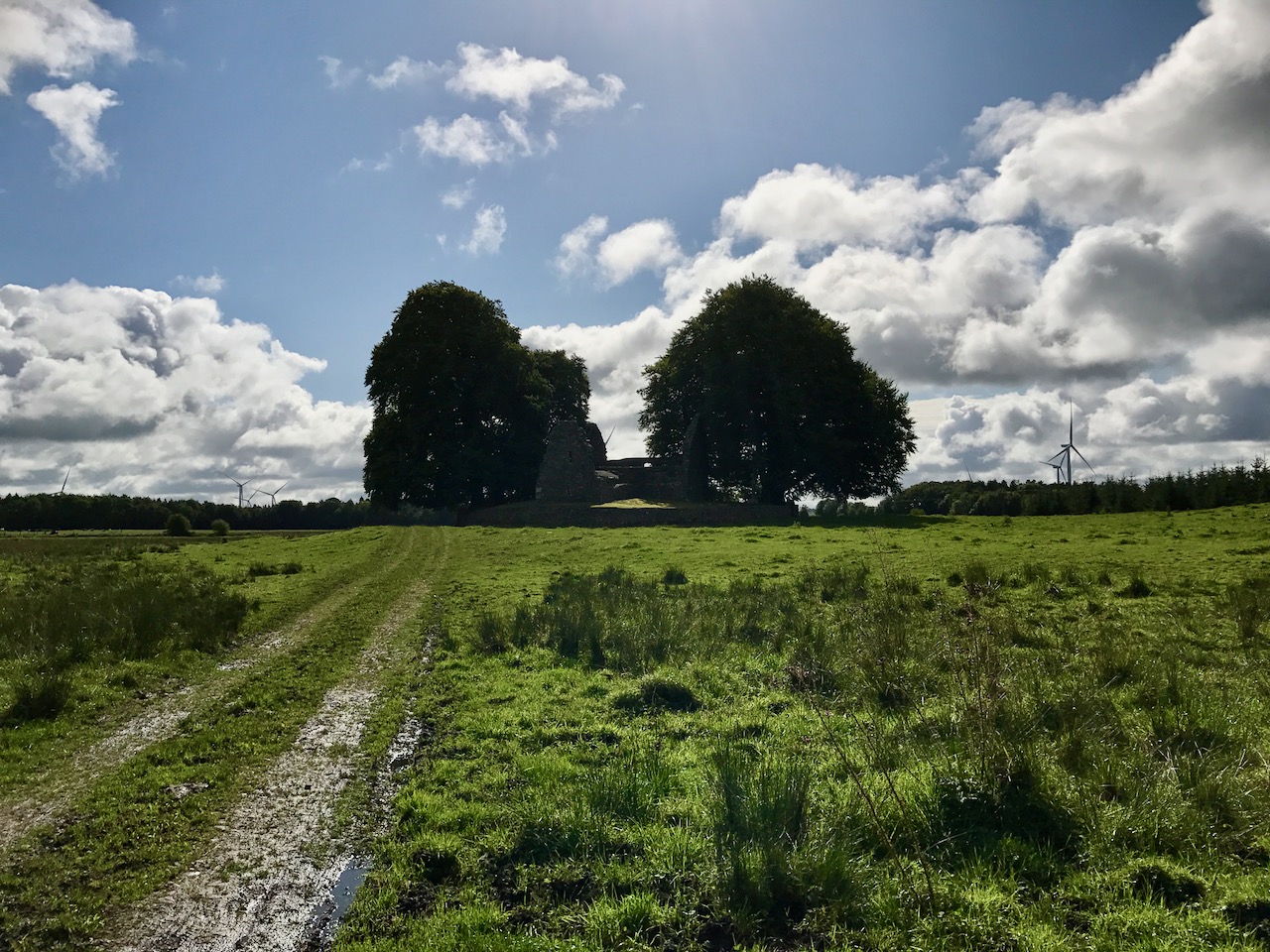
While in Roscrea, you can take your own journey along a ‘secret track’ to find treasures. Visit Inis na mBeo (Island of the Living) at Monaincha, just a stone’s throw from the town: you are likely to be the only visitors there and can fully appreciate the solitude of the location while exploring a ruined Romanesque church and a reconstructed high cross (above). The monastic site was founded in the 6th century, and was then a true island, only accessible by boat; now you can walk to it. Not least of its attractions is the fact that you are immortal while you are there (so they say). Certainly, we came back alive, but I was concerned to read later that another tradition has it that when the now dry lough contained water, no woman or female animal could ever set foot in or cross it without dying instantly. (Below – looking along the remote trackway that takes you to the former Island of the Living at Monaincha).

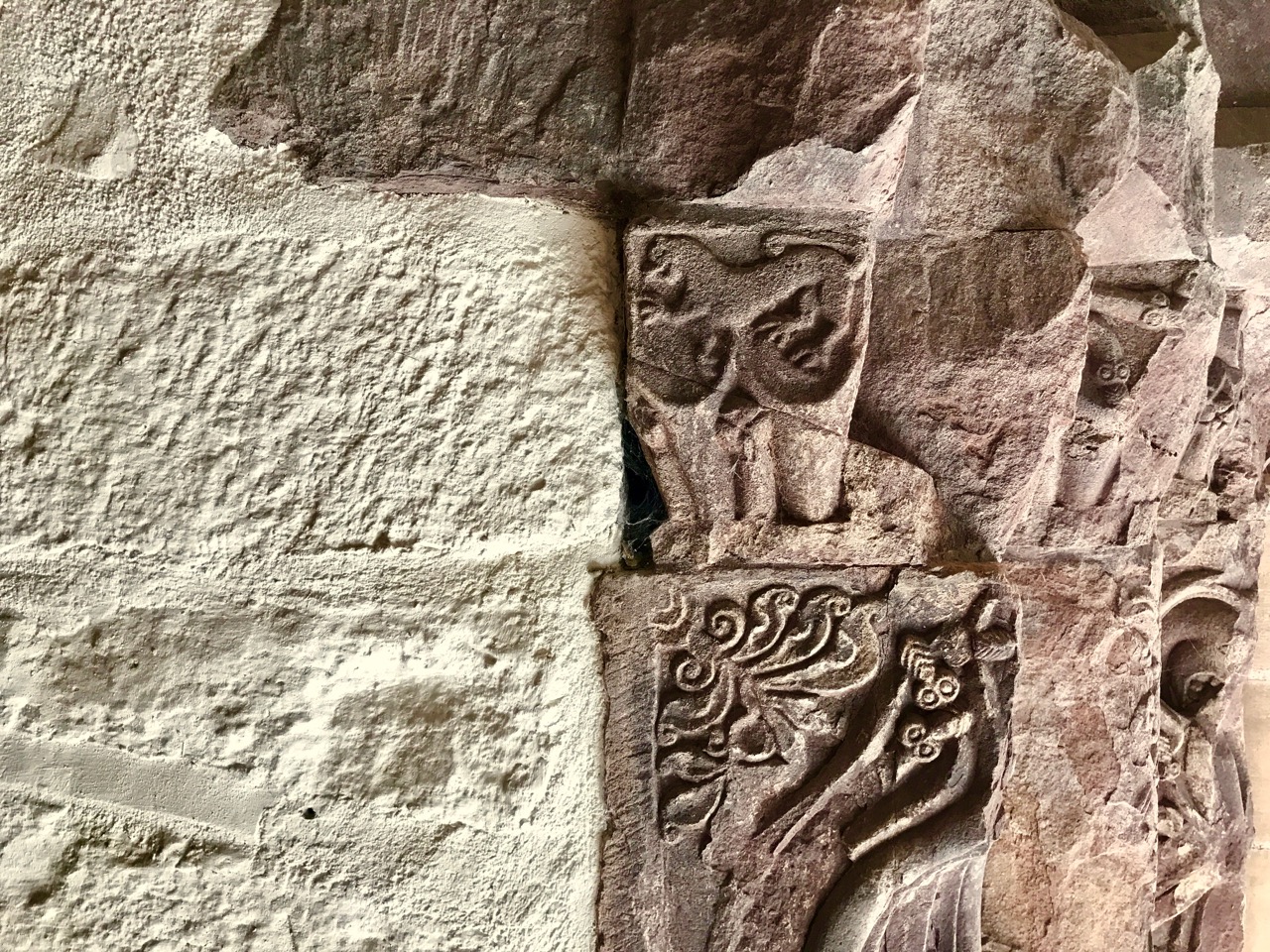
Another ‘rescued’ high cross can be found quietly located in the far less remote (but still a little unsung) Cathedral of St Flannan in Killaloe, Co Clare. Megalithic Ireland has a good account of the history of this cross, which can be seen in the images below (while the header picture at the top of this post shows exquisitely carved detailing from a Romanesque doorway in the same Cathedral):

. . . The High Cross in St Flannan’s Cathedral was moved to Killaloe from Kilfenora in 1821. Originally the cross stood on the highest point south of Kilfenora Cathedral, and became known as the cross on the hill. Dr Richard Mant who was appointed Bishop of Killaloe and Kilfenora in 1820, was appalled by the condition and lack of respect shown for the antiquities in Kilfenora. The cross, which had fallen in 1820, was sent to the Bishop the following year. He had it erected on the grounds of his residence Clarisford Palace. The cross was moved at a later date by a Bishop Ludlow and moved back within the Palace grounds in 1850. In 1934 the cross fell again and this time broke into three pieces. It was re-erected inside the cathedral and fixed against the west gable. In 1998 the cross was repaired and erected as a free standing cross. It stands over four metres high and bears a figure of christ in the centre of the head . . .

The White Cross of St Tola (images below) may not be on everyone’s list of things to see at Dysert O’Dea in Co Clare (you are more likely to be channelled to Corofin), but it’s easy to visit from the better known Romanesque monastery ruins: the ecclesiastical centre was founded by the saint in the 8th century. Cromwell’s forces destroyed the monastery and demolished the cross, but the cross was repaired by Michael O’Dea in 1683. The Synge family restored the cross again in 1871, and in 1960 it was temporarily dismantled and shipped to Barcelona for an exhibition on Irish art.

Clonmacnoise is likely to be on everyone’s list, and rightly so. It was one of Europe’s most important religious centres in medieval times. Ireland’s Ancient East website describes it thus:

. . . The whole of this early Christian site – including ruins of a cathedral, seven churches (10th–13th century), two round towers, high crosses and the largest collection of early Christian grave slabs in Western Europe – is a vast story in stone that keeps alive the spirit of Ireland as a Land of Saints and Scholars . . .

There are three conserved high crosses at Clonmacnoise – all are placed inside the visitor centre, while quality replicas are positioned on the original sites: this is a good exemplar of how to look after ancient stones and, while perhaps the seasonal crowds can be off-putting, I believe it’s the only answer for maintaining access to and displaying this valuable history. Ancient East mentions the important grave slab collection: after the high crosses (and, of course, Romanesque architecture) I feel these are the most beautiful representations of art and craftsmanship that connect us across the centuries to our remarkably focussed forebears.

These are just a few examples of the many grave slabs which are fortunately conserved at Clonmacnoise. But there are many more monuments that are less fortunate, albeit they may enjoy some sort of state care. There are just not enough resources to look after the huge historical heritage of Ireland: we can only hope that, in time, they will all be fully appreciated and that not too many treasures will fade away.

The Cork Heritage Book Series

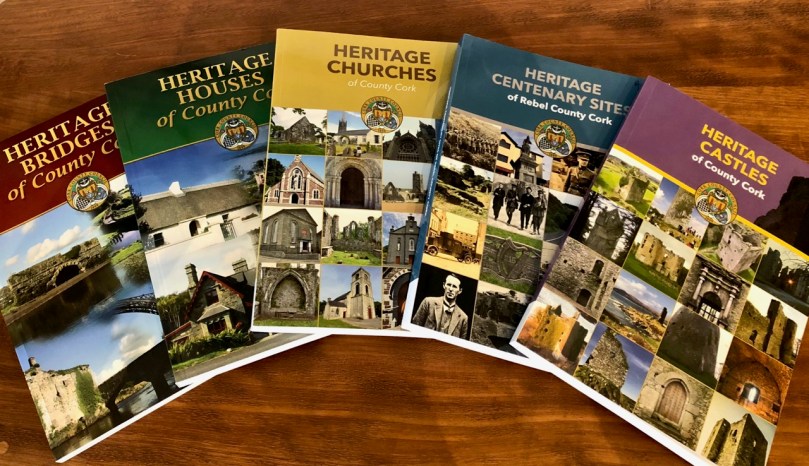
How do you set about exploring your local heritage? If you’re lucky enough to live in Cork, you have some marvellous resources at your fingertips. Today I want to focus on a set of books that are a comprehensive, affordable, richly illustrated, engagingly written compendium of our fascinating history – the Heritage Series.

Dunlough Castle, also known as Three Castle Head, is an unusual example of a fortified curtain wall dating to the 15th century. It’s also, as you can see, incredibly beautiful – it’s written up in the Castles book.

County Cork has a Heritage Office and a County Heritage Officer, Conor Nelligan. He’s a Tour de Force of Heritage, indefatigable, knowledgeable, and committed to communication and consultation. He pens a regular newsletter to local history associations and interested individuals alerting us all to upcoming events, grants schemes, talks, festivals, and articles of interest. Typically, when a new volume in the heritage series is contemplated, he will send out a call for submissions and contributions.

Glanworth Bridge: “Typical of medieval bridges the arch spans are appealingly irregular, increasing in width towards the centre.” It is purported to be “the narrowest and oldest public bridge still in everyday use in Europe.”

The result is a rich collection of photographs, local information, stories and legends, expert analysis and historical detail. What’s amazing is that each volume only costs ten euro! They are available in all the local bookstores, but if you don’t live in Cork you can buy them online from the Skibbereen Heritage Centre.

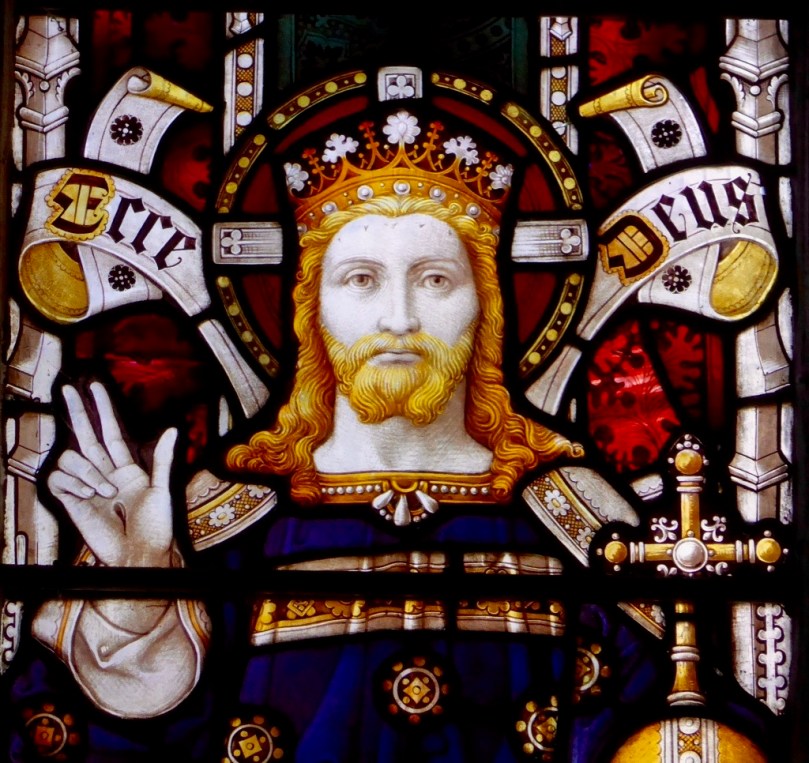
This is the extraordinary Church of the Ascension in Timoleague. I first found out about it from the Heritage Churches book and wrote about it in two parts, Mosaics and Maharajas Part 1 and Part 2. The Christ the King window is by Clayton and Bell and dates to about 1900

Each book has either a lead author or an authorial team, benefitting greatly from the expertise of the overseers and the one-off contributors. Conor and his colleagues Mona Hallinan, Cork’s Conservation Officer, and Mary Sleeman, the County Archaeologist, steer each project through to completion. The result rather than piecemeal is seamless, with the volumes following a pattern for the most part of an introductory historical and architectural context followed by ‘exemplars’ of castles, or bridges, or whatever the focus of that book. 

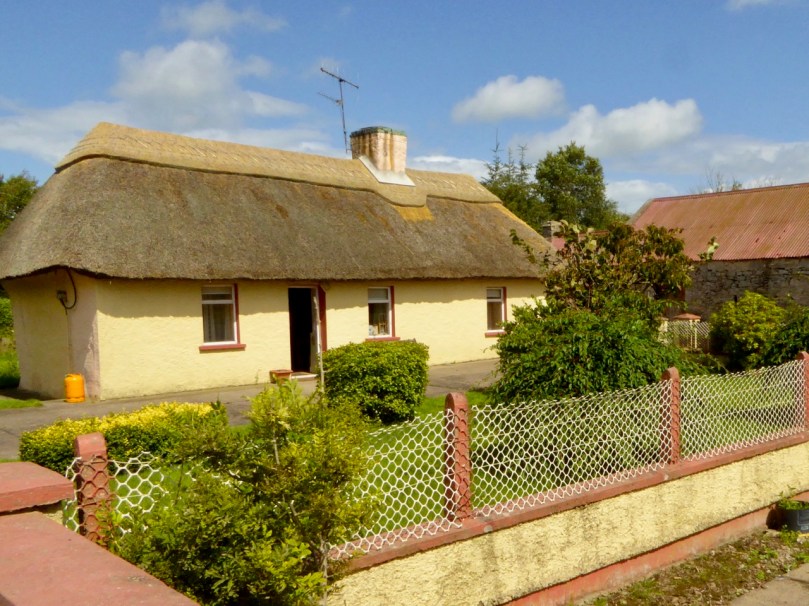
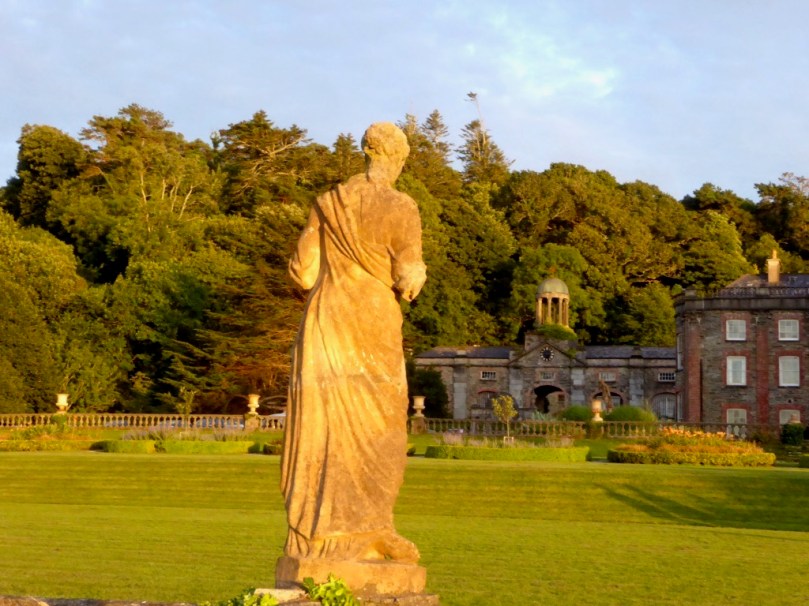
Heritage houses come in all sizes, from  traditional thatched cottage glimpsed in North Cork, to Bantry House bathed in evening sunlight

This layout gives it the convenience of a guidebook – wherever you are in Cork you can decide what to see and read up on it – while not sacrificing the the social and political background in which the buildings were constructed. They are our constant companions while out and about or when planning an expedition.
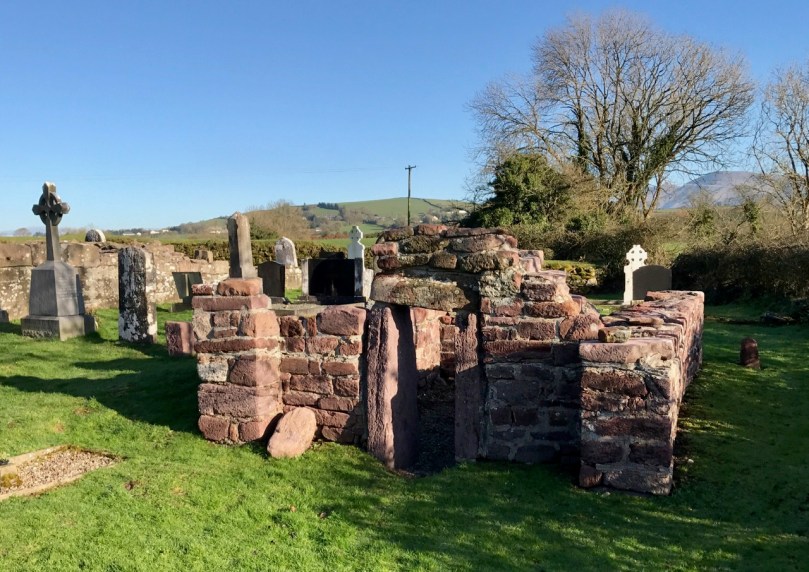
The oldest church in Cork, I think, Labbamolaga. Robert wrote about this wonderful site in Molaga of the Bees

And talking of expeditions, we want to see more of those bridges! I’ve been browsing through the bridge book, learning about abutments and piers and cutwaters, not to mention different kinds of arches, and I am dying to see more of those exemplars. So look out, Dear Readers, for a future post on heritage bridges.

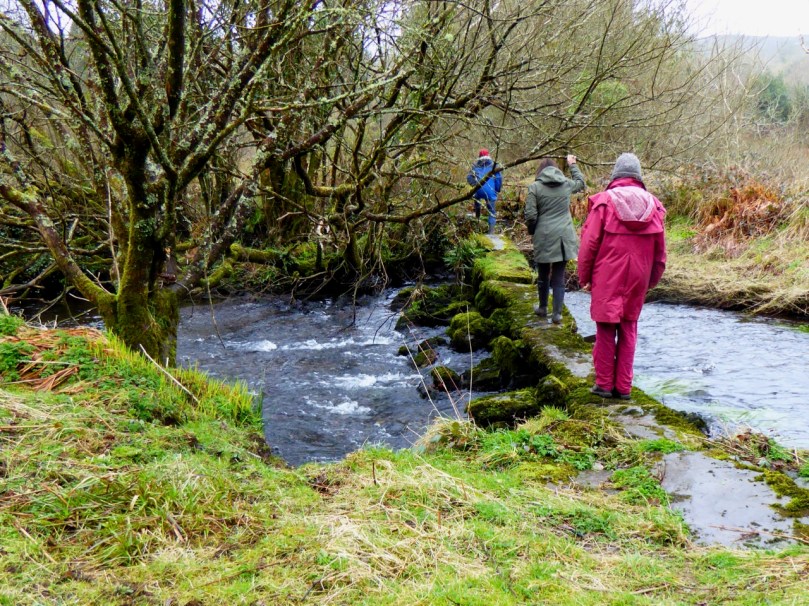
A picturesque clapper bridge near Ballyvourney . Is this the same bridge that Robert Gibbings engraved in “Sweet Cork of Thee” – see Robert’s post this week!

Well done, Cork County Heritage Unit – you can be justly proud of this excellent series!

Timoleague Friary, read more about it here

Robert’s Favourite Posts

We had an unexpected – and unsolicited – accolade in the Irish Examiner last weekend! Tommy Barker wrote, in an article about Rossbrin (pictured above): “…The wonderful literary and visually rich website, http://www.roaringwaterjournal.com, by Rossbrin residents Robert Harris and Finola Finlay is a treasure, a sort of 21st century Robert Lloyd Praeger, online…” Of course, we went straight to our bookshelves to dip into our copy of Praeger’s The Way That I Went – An Irishman In Ireland, first published in 1937. Here’s an extract:

…At the southern end of this land of great mountain promontories, in West Cork, you find yourself in a little-known and tourist-free region of much charm. You stay on Sherkin Island (Inis Oircín, little pig’s island) or Cape Clear Island, at Schull (Scoil, a school) or far out at Crookhaven: and you walk and boat and fish and lounge and bathe, and enjoy the glorious air and sea; towns and trams and telephones seem like bad dreams, or like fugitive glimpses of an earlier and inferior existence. A meandering railway penetrates to Schull, and roads are as good as you could expect them to be in so lonely a country. All is furzy heath and rocky knolls, little fields and white cottages and illimitable sea, foam-rimmed where it meets the land, its horizon broken only by the fantastic fragment of rock crowned by a tall lighthouse which is the famous Fastnet…

Yes – that’s our West Cork alright (above is a view of the Mizen taken from Mount Gabriel). We hope that, over five years of writing this journal, we have indeed given a good account of this wonderful place which we are privileged to call ‘home’. Certainly, there is nowhere we would rather be. But Roaringwater Journal has not just been about West Cork: we have covered a fair bit of Irish culture and history as well. Last week’s post set out the six most popular articles that we have written in terms of readership numbers; today we are both reviewing our own personal favourites (see Finola’s here) and there is lots to choose from: 466 posts to date! All of them are listed by category in the Navigation pages.

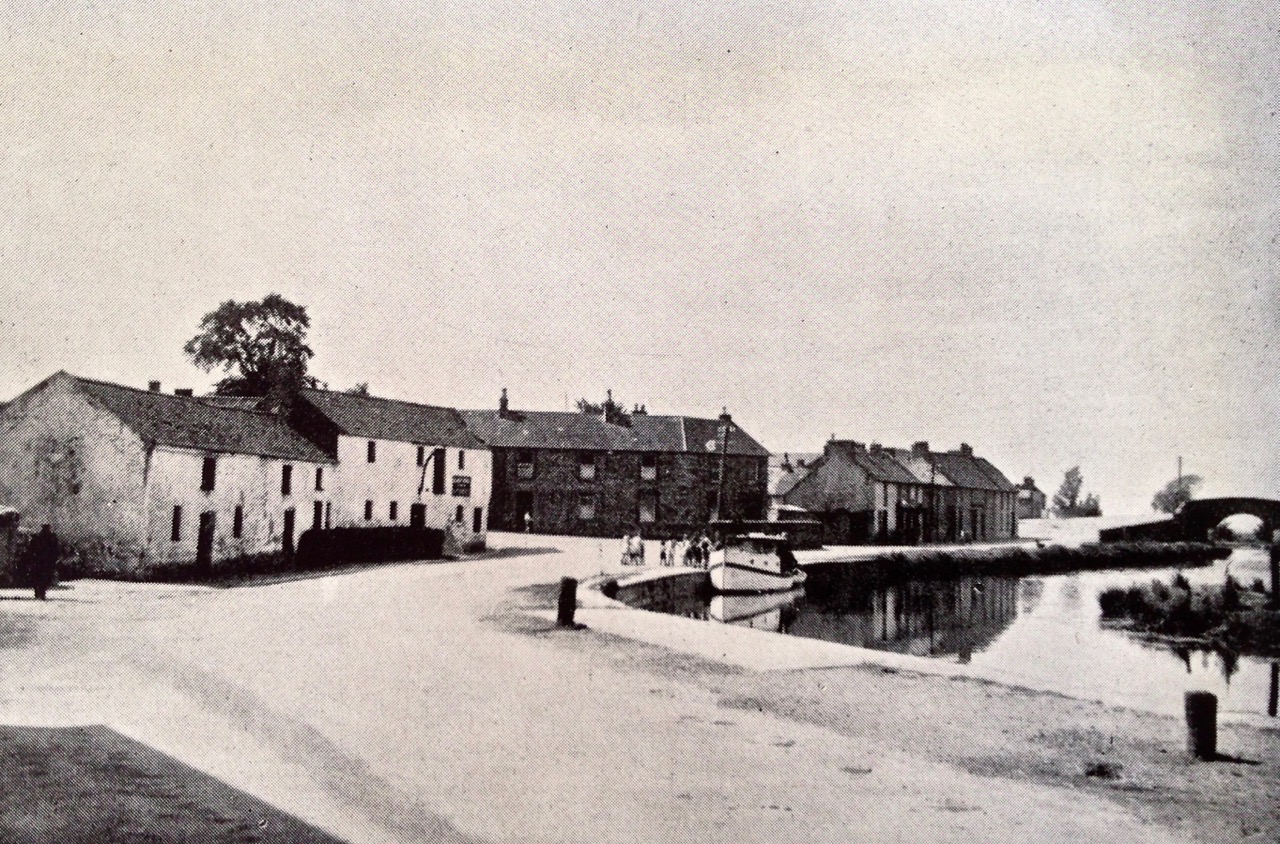
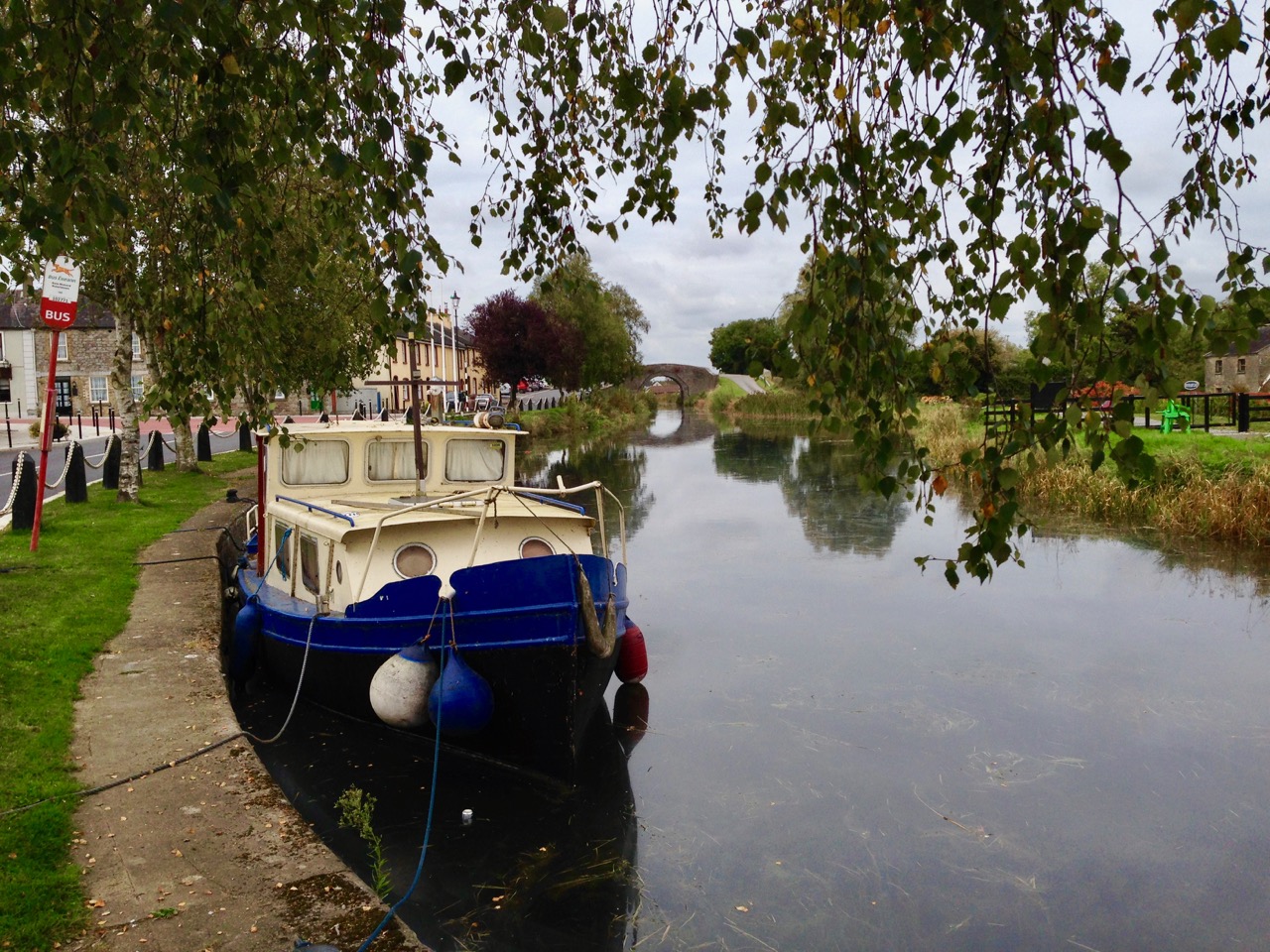
Foremost in my own mind in terms of personal satisfaction is the series I wrote last year: Green & Silver. There have been nine posts in all, starting with my review of a book which I first read in 1963, when I won it as an essay-writing prize at school. The book, Green & Silver, told the story of a journey around the Irish canal system in 1946 (the year I was born), undertaken by an English engineer and writer, L T C ‘Tom’ Rolt and his wife, Angela. When I wrote the review 70 years had passed since the Rolts made that journey. Finola and I conceived the idea of retracing the steps of the Rolts, although not by boat: we drove and walked. It was to be an exercise in tracking the passing of time. We would find the location of every photograph that Angela Rolt had taken in 1946, and take a new one, so that we could compare the changes that had occurred over seven decades. There were many: the canals themselves, which were then near-derelict in places have now been well restored, and the island of Ireland has today an amazing but probably under-appreciated asset: a cross-border system of navigable waterways which connects Waterford, Limerick, Dublin, Belfast and Coleraine.

Canal port: Richmond Harbour, Co Longford. Upper picture taken by Angela Rolt in 1946; lower picture, the same view taken 70 years on

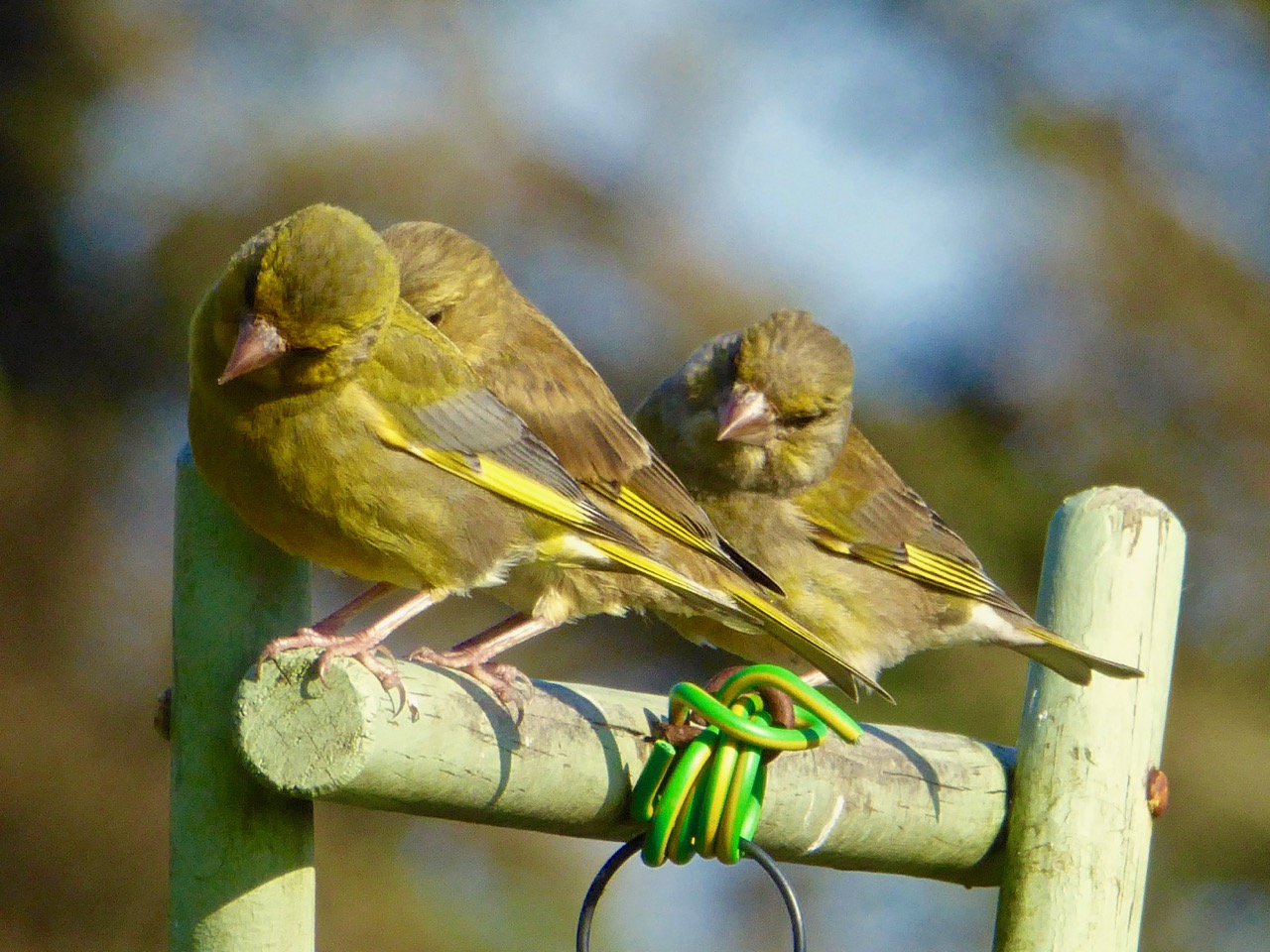
I have always had an obsession with wildlife, and one of my favourite posts summarises what wonderful natural things we have all around us here: The Wild  Side. We have written about the birds – choughs, eagles, sparrowhawks – and the little ones that come to our feeder and keep us entertained.

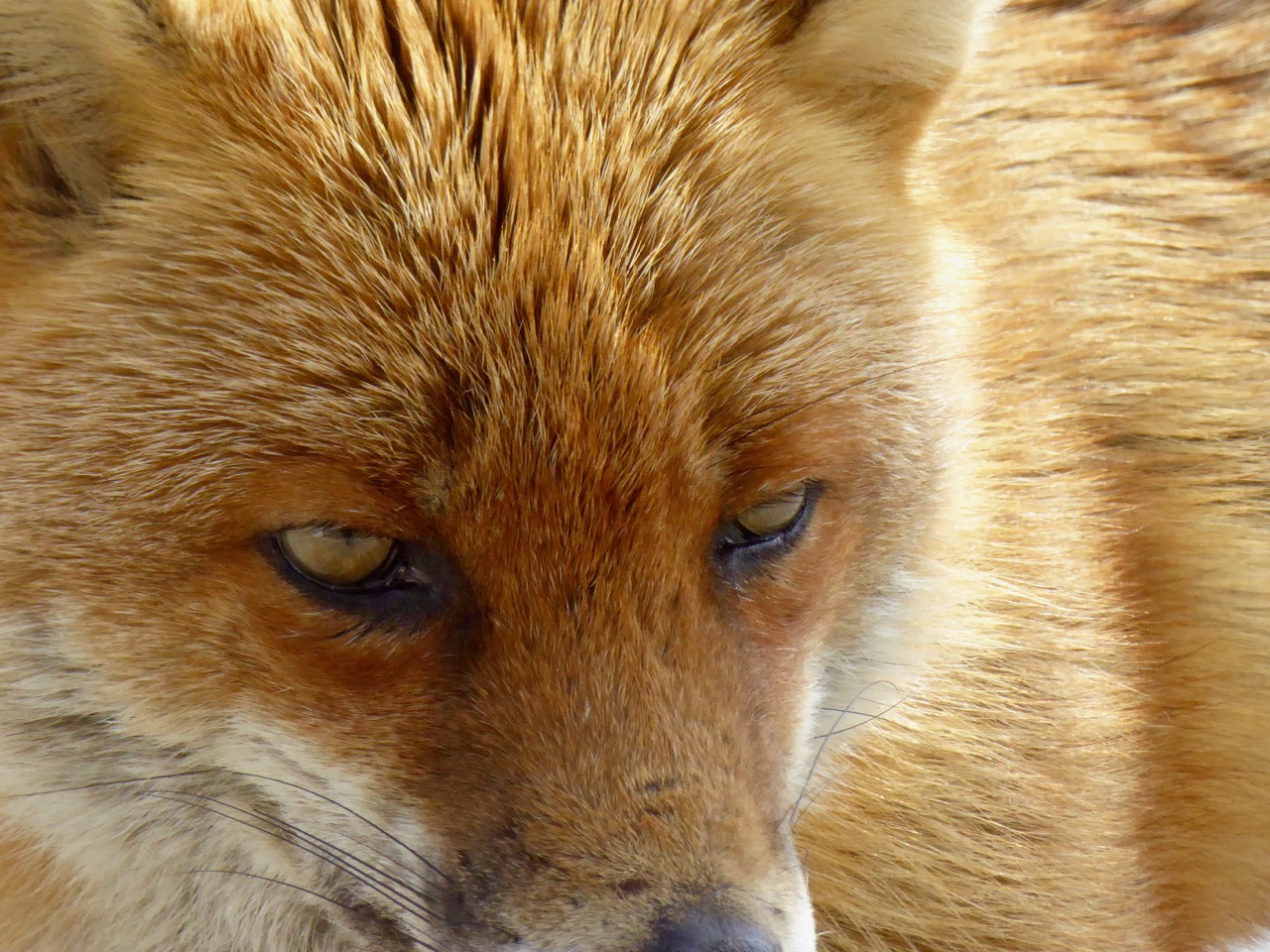
We will never forget our good friend Ferdia, who arrived on our doorstep on the day we moved into Nead an Iolair, and was a regular visitor (usually daily) over several years. Sadly, foxes don’t live for long in the wild, and he has now passed away. He was a very fine dog-fox and was undoubtedly the head of a large family. We hoped that one of his offspring might have taken his place on our terrace, but I suppose he just could never be replaced.

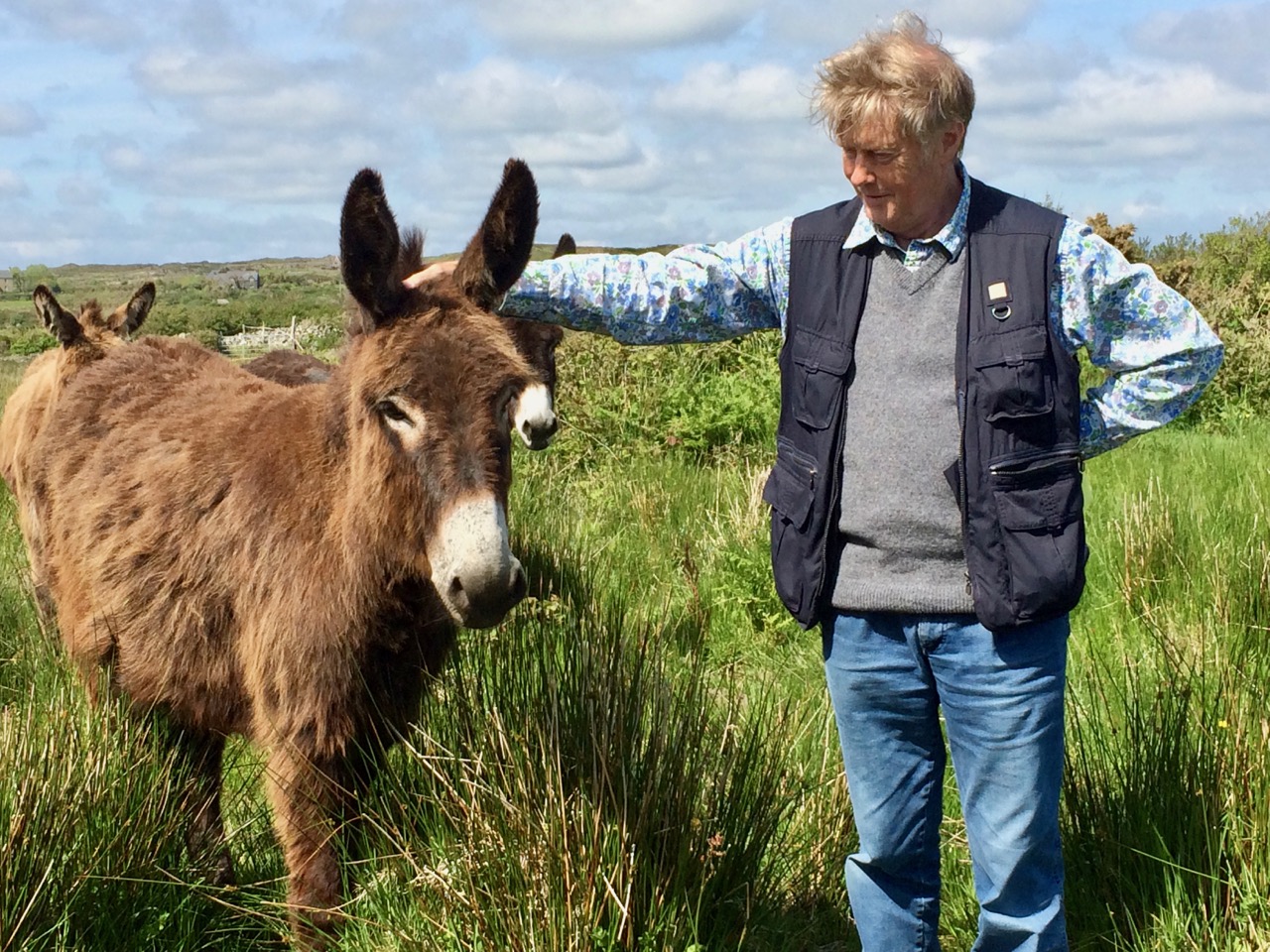
Of course, the pasture and coastline that surrounds us has fine creatures of the domesticated variety, too! (left and right below).

I have family roots in Cornwall and, during my time living here, I have become aware of many links between that westernmost peninsula of Britain and West Cork. In fact, those links go back into prehistory: in the Bronze Age – three and a half thousand years ago – copper was mined on the slopes of Mount Gabriel – a stone’s throw from where we live – and was mixed with tin from Cornwall to make the all-important ‘supermetal’ of Bronze. Another link which I was so pleased to find was that Cornwall’s Patron Saint – St Piran – was actually born and brought up on Cape Clear – the island we look out to across Roaringwater Bay. Read all about it here.

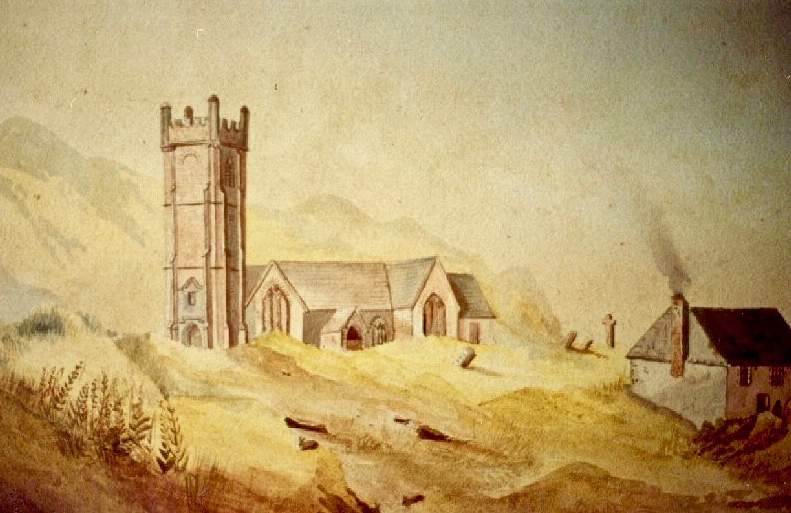
The little church at Perranzabuloe in Cornwall (now inundated by sand) marks the spot where St Ciarán from Cape Clear landed to start his mission. Because of a difference in the Irish and Cornish languages, he became known as St Piran over there. He lived to the age of 208!

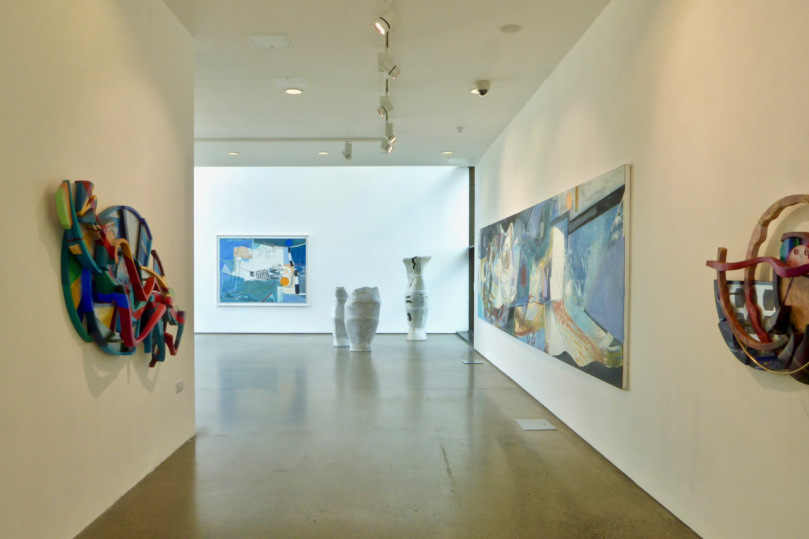
Stirring up those links led to my life being taken over in the summer of this year by organising (together with Ann Davoren and the team at the West Cork Arts Centre) an exhibition of the work of three contemporary Cornish artists which was held in Uillinn, Skibbereen’s amazing new gallery. The exhibition ran with the title of West meets West and heralds future collaborations and visits to Cornwall by West Cork artists. This link opens the series of posts that report on all this.

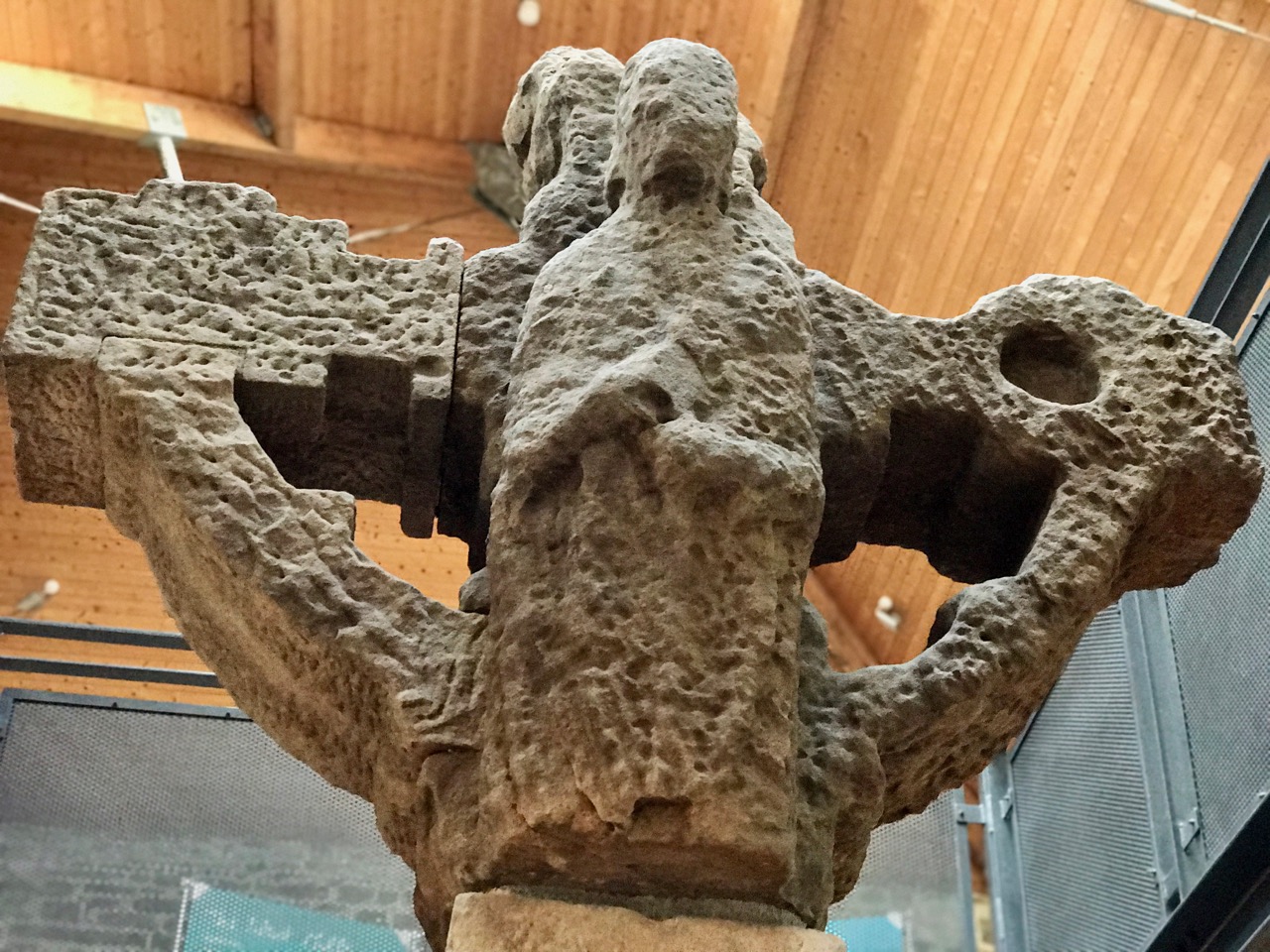
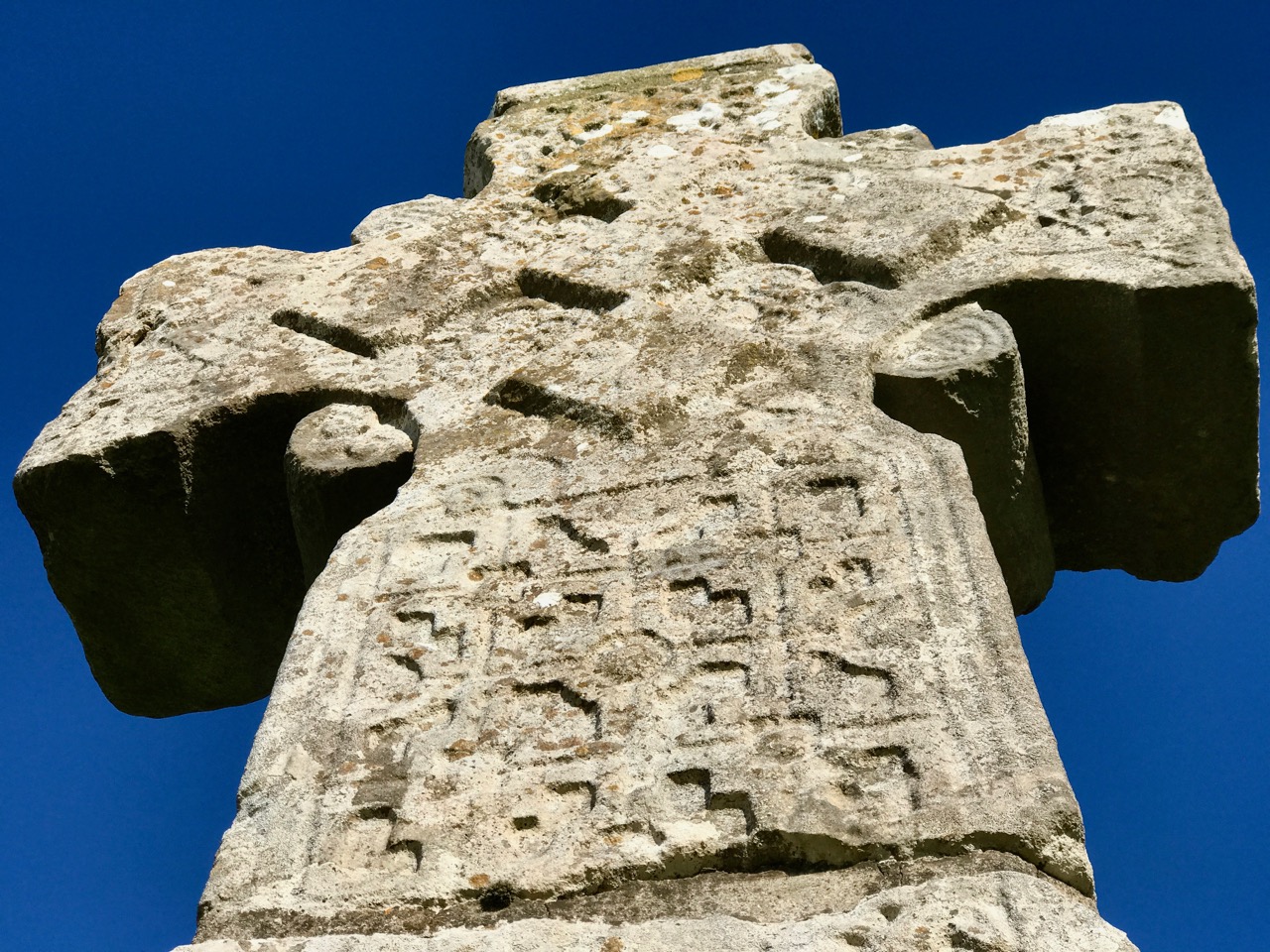
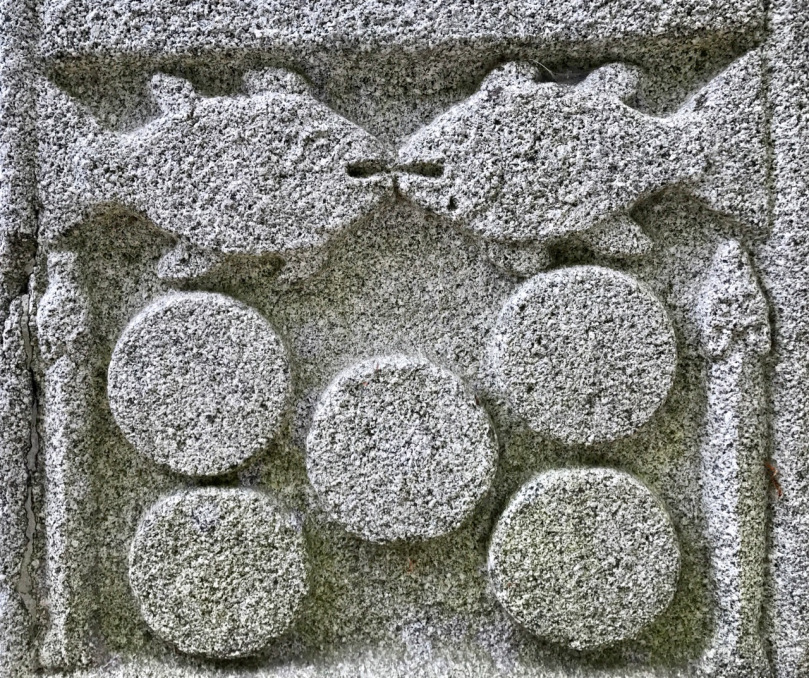
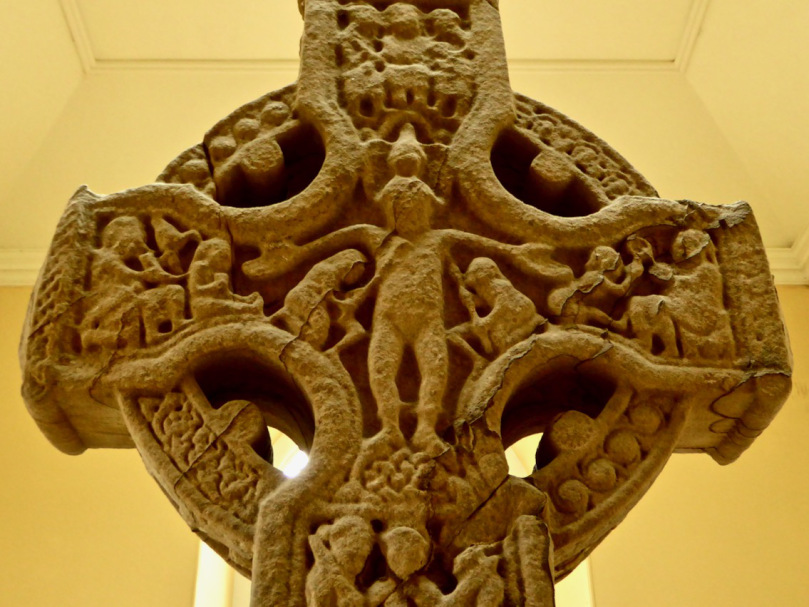
My time here in West Cork – and in Ireland – has heightened my interest in all things medieval, particularly architecture. Finola has written a highly researched and detailed series on the Irish Romanesque style, and our travels to carry out this research have been enjoyable and instructive. I have taken a liking to High Crosses, most of them probably over a thousand years old. They are always found in the context of fascinating early ecclesiastical sites. If you want to know more, have a look at the posts: so far we have explored Moone (above), Durrow (below), Monasterboice, and Castledermot. There are many more to add to this list – and to keep us busy over the next few years.

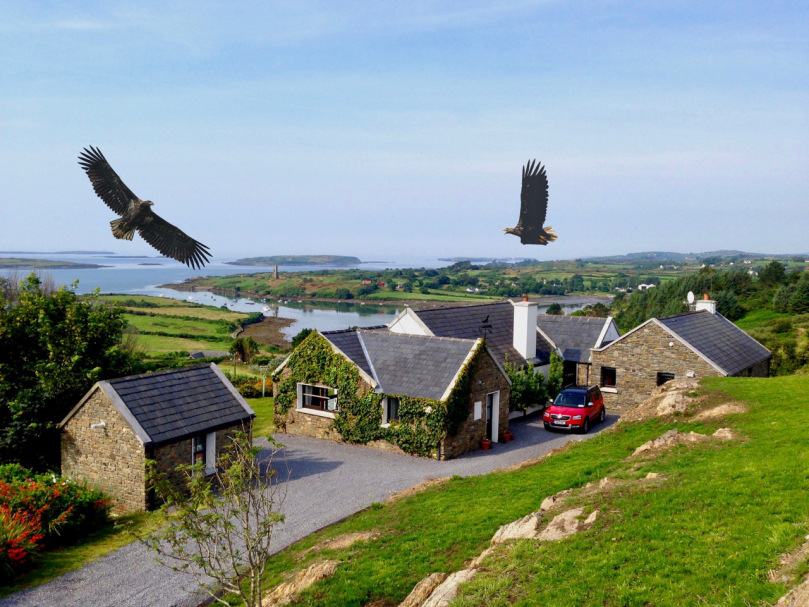
That’s quite enough for one post! It would be possible to write several on how we have been inspired by our explorations in search of material. Somehow, though, our hearts always come back to our very own piece of Irish soil: Nead an Iolair (Nest of the Eagles). Here it is, and here are the eagles flying over it! You’ll find more about them here.

The Best of Five

It’s been five years! That’s a long time to have kept up a journal, with original pieces appearing every week – usually two, each of us writing a post. It keeps us busy: 464 posts to date. We thought we should do a review of the posts which have been most popular: viewed by the most people. These are not necessarily the ones we would consider to be our own favourites: we’ll let you know what we feel our ‘finest hour’ has been next week – while you are all preparing the Christmas lunch!

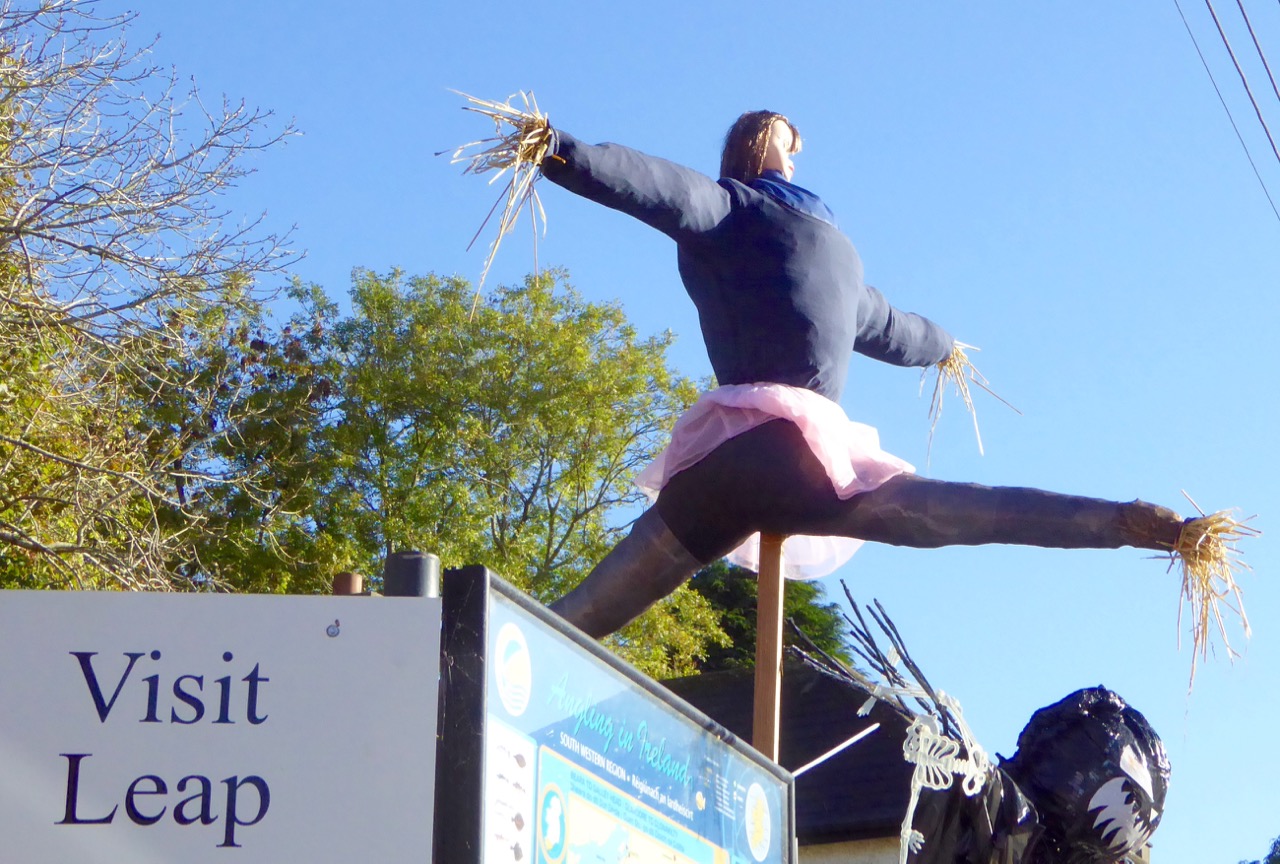
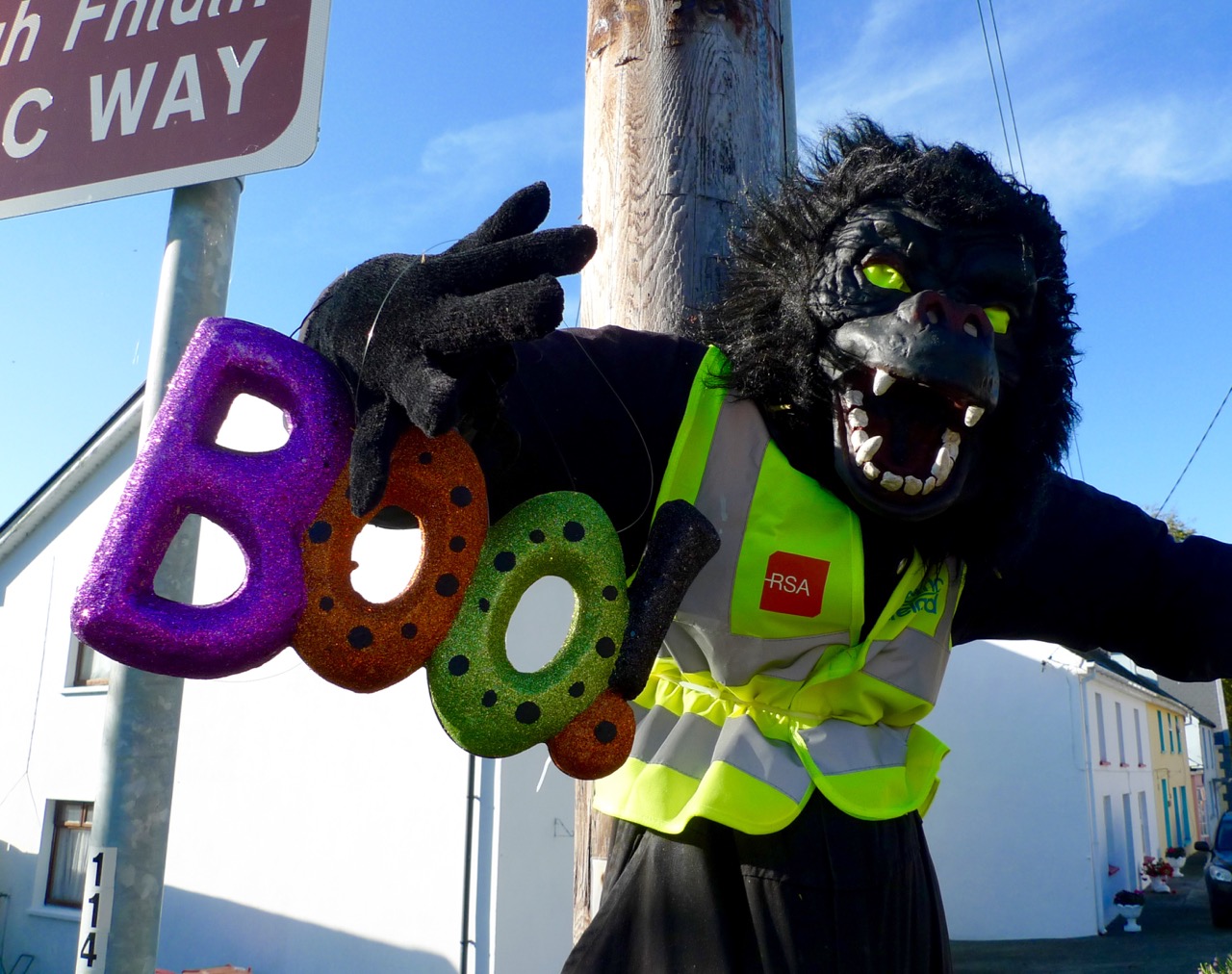
We never quite understood the all-time popularity of Beyond Leap, Beyond the Law, my post which was simply a collection of photos taken at the West Cork village’s 2015 Scarecrow Festival – with a little bit of history about the place added in. It was certainly a wonderful display of the imagination of the people of Leap. Have a look at the post: just one or two photographs don’t do it justice.

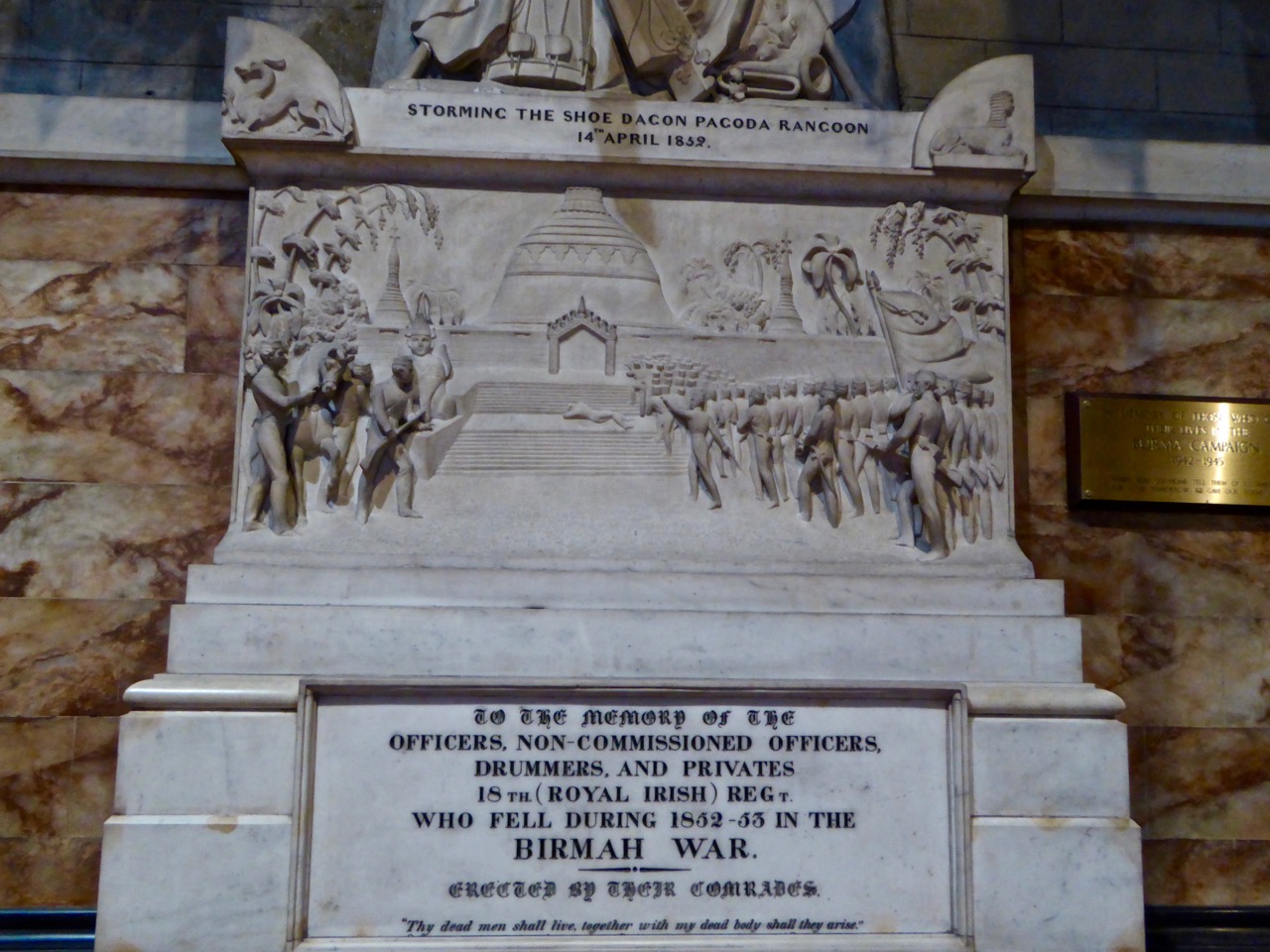
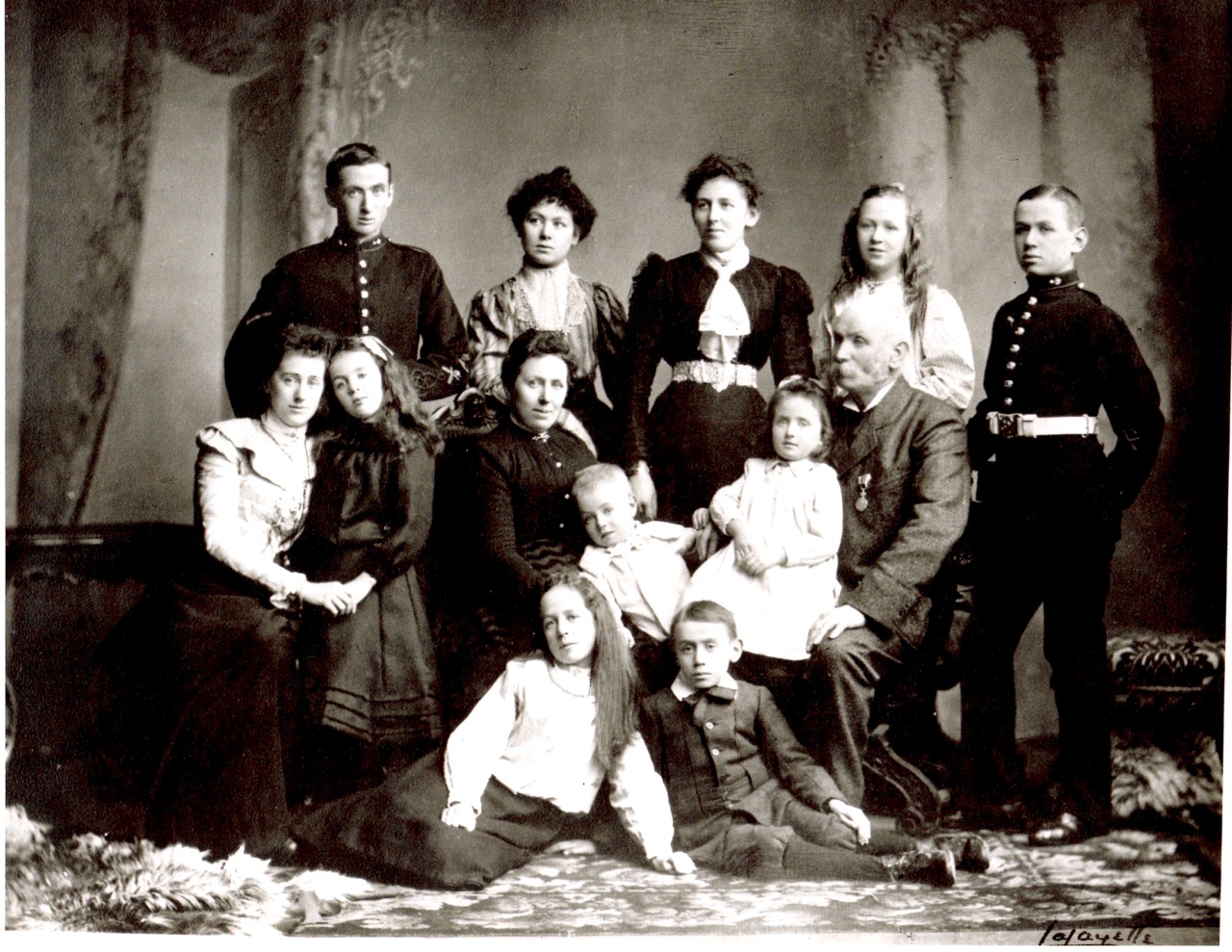
Up next is Finola’s piece from 2016 – Outposts of Empire. This was a much more scholarly article, and involved a lot of research. As you must know, we never pass a church or a burial ground without a full investigation: they provide a wealth of local history. Finola became fascinated by the memorials – mainly military – which appear in Protestant churches around the country. This led her down the path of her own ancestors, many of whom served in the Irish regiments of the British forces. She found this wonderful photo from around 1900 of her Brabazon forebears. Her grandmother Marie is in the centre of the back row, while her great grandfather John Edward Brabazon, who had served in India and Afghanistan, wears a military medal. The two younger men are Finola’s great uncles Michael and James, and they are wearing the uniform of the Royal Hibernian Military School.

Finola’s series on ‘how to speak like a West Cork person’ was a winner, the most popular being her fifth episode: How Are You Keeping? Here is a link to all of them. They make amusing reading, but at the same time they give a lot of insights as to how the Irish language has coloured the way English is spoken here. And here is Finola’s great picture from that post: two Skibbereen gentlemen who might well be asking how are you keeping?

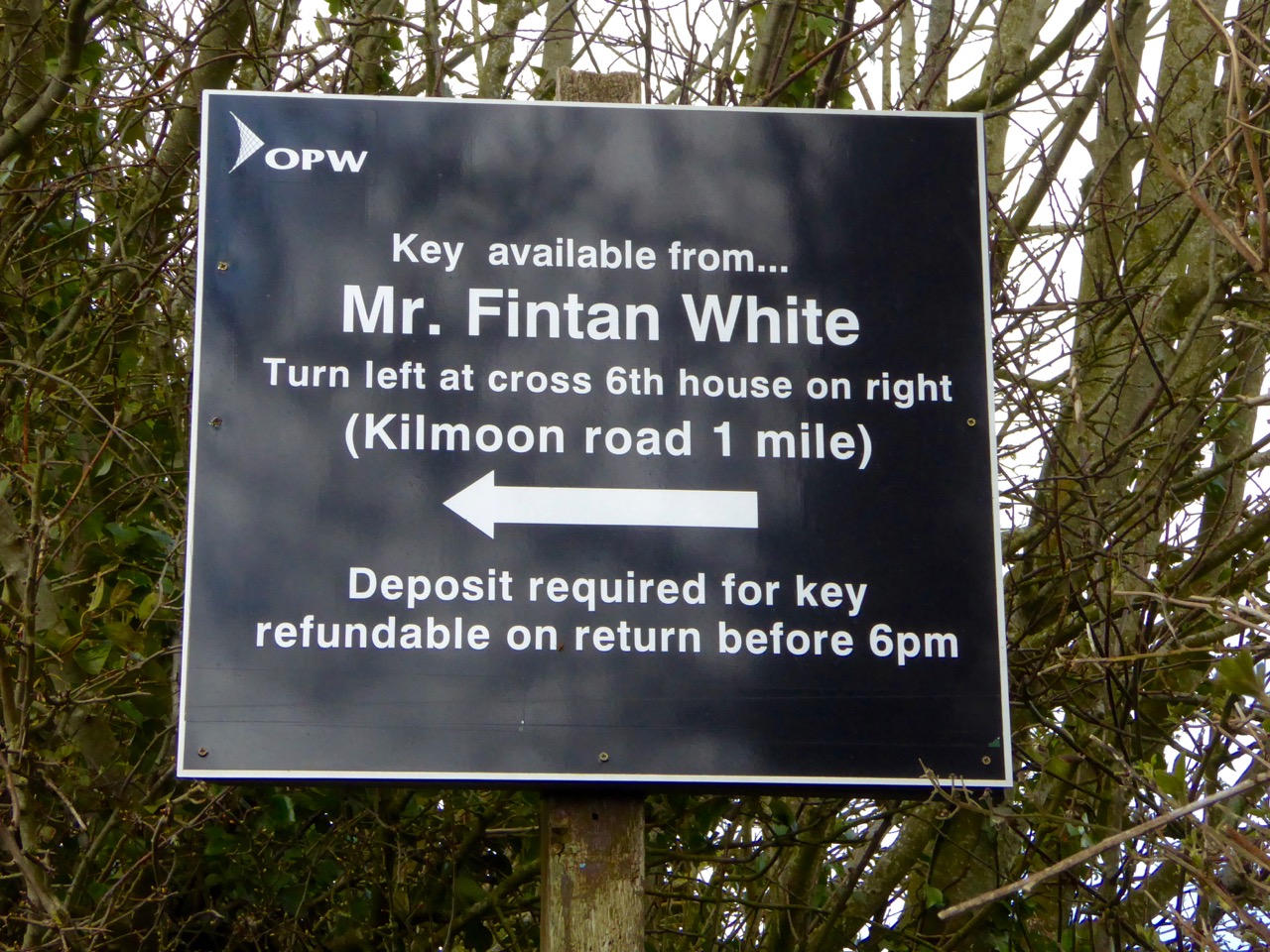
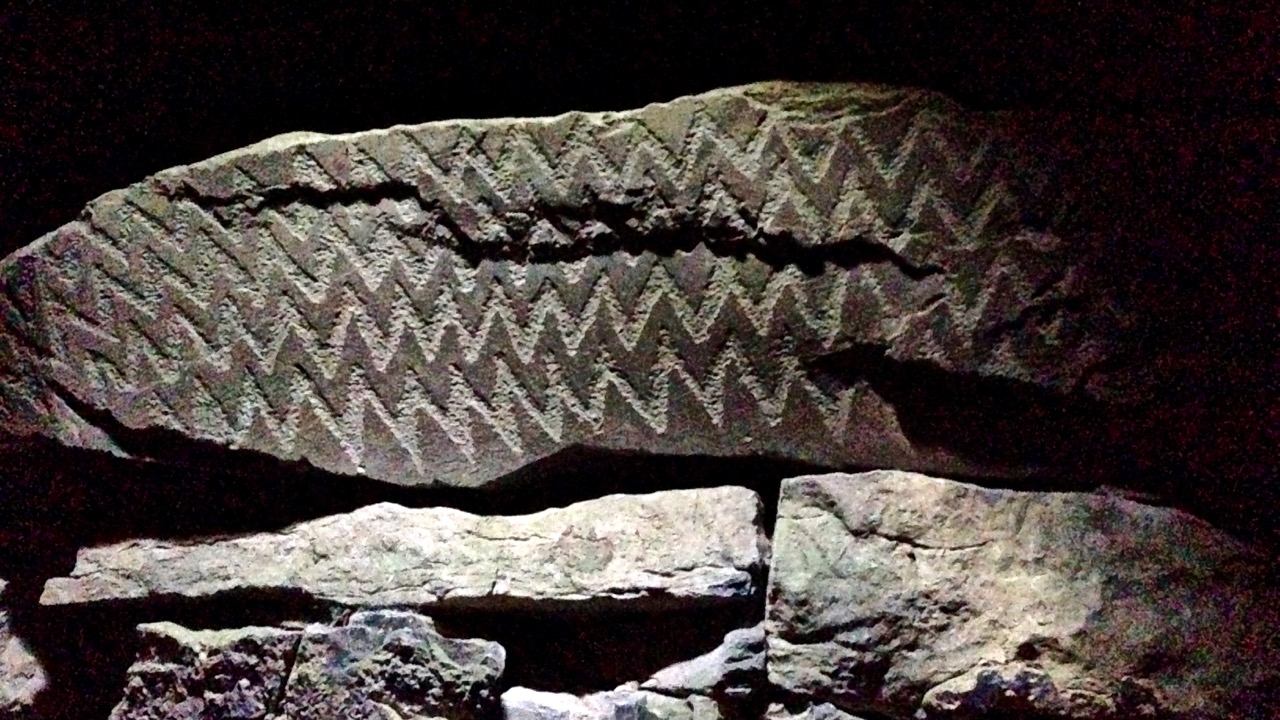
Archaeology comes next, with my account of a most eccentric decorated chambered cairn within the Boyne Valley complex: Fourknocks – the Little Giant. I was particularly taken with the adventure of visiting this tomb, from the first moment of having to collect the key from a farm a mile away in order to let ourselves in, to the experience of being inside with the door shut behind us: total darkness at first, but gradually becoming aware of the remarkable 5,000 year-old zigzag carvings on the rock surfaces within.

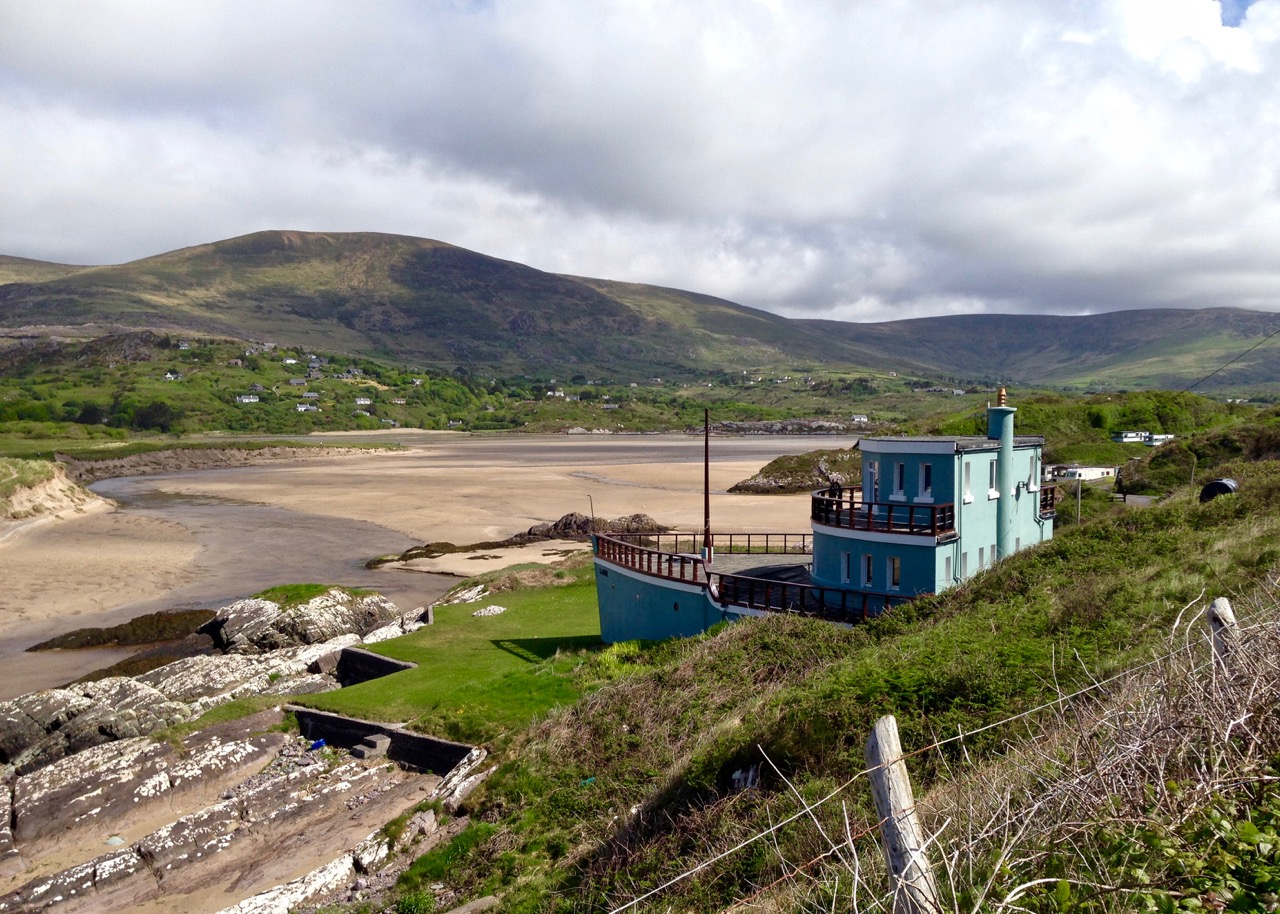
I’m pleased that the fifth most popular post of all time is also the one I most enjoyed writing: Aweigh in Kerry. This was all about a very unusual piece of architecture which we found while travelling in Kerry – a house shaped like a ship, sitting in the sand dunes on the shoreline of Ballycarnahan townland, facing a most spectacular view across to Derrynane, the home of ‘Ireland’s Liberator’ Daniel O’Connell. I was an architect in a former life, and I would have welcomed a commission such as this. It was built in the early 1950s.

Sixth and last in this little review is a post from Finola (happily, we had three each in this list of the top most popular posts!): Castle Haven. Such an account of a place in magical West Cork – which typically offers everything anyone could want in beautiful landscape, village architecture, archaeology, history, literary heritage, art and the omnipresent Atlantic coastline – is exactly what we aspired to for the foundation stone of Roaringwater Journal when we set out, in 2012 on this happy, continuing journey.


Off the M8 – Exploring the Delights of Durrow

Earlier this year, Finola wrote a very popular post entitled Off The M8 and into Medieval Ireland. From the responses, we realised that many travellers welcome the idea of breaking up a long journey by taking a diversion to experience some aspects of Ireland’s wonderful historical heritage. So, I’m taking up the mantle today by suggesting that you go a fair bit out of your way – if travelling the route between Dublin and Cork – to visit the ecclesiastical site of Durrow, County Offaly.

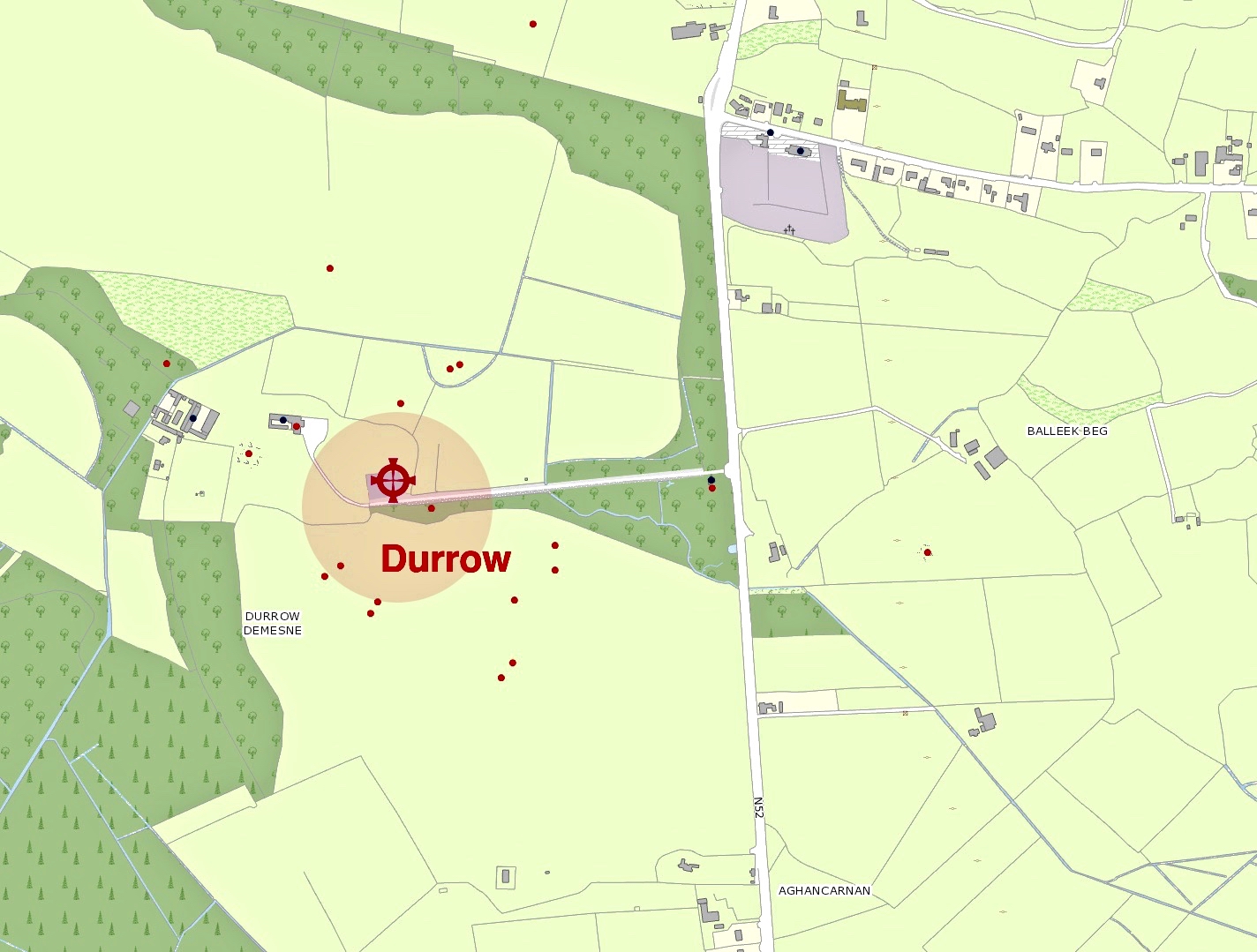
You’ll need a bit of guidance in order to find this little piece of medieval Ireland: hopefully the extract from the National Monuments Service Historic Environment Viewer – an invaluable source for us in our travels – will locate you (above). At the time of writing this, there is no signpost on the N52, but the entrance to the site is through a substantial gateway about 3km south of Kilbeggan – from Junction 5, on the M6 motorway – heading towards Tullamore. From the M50 around Dublin, leave at Junction 7 and it’s a one hour journey to Durrow. From Durrow it’s 40 minutes to connect with the M7 /M8 at Portlaoise. So taking this detour will add between 40 and 50 minutes to your overall journey, depending on traffic. But it will be well worth the extra time if, like us, you are mad about Irish history.

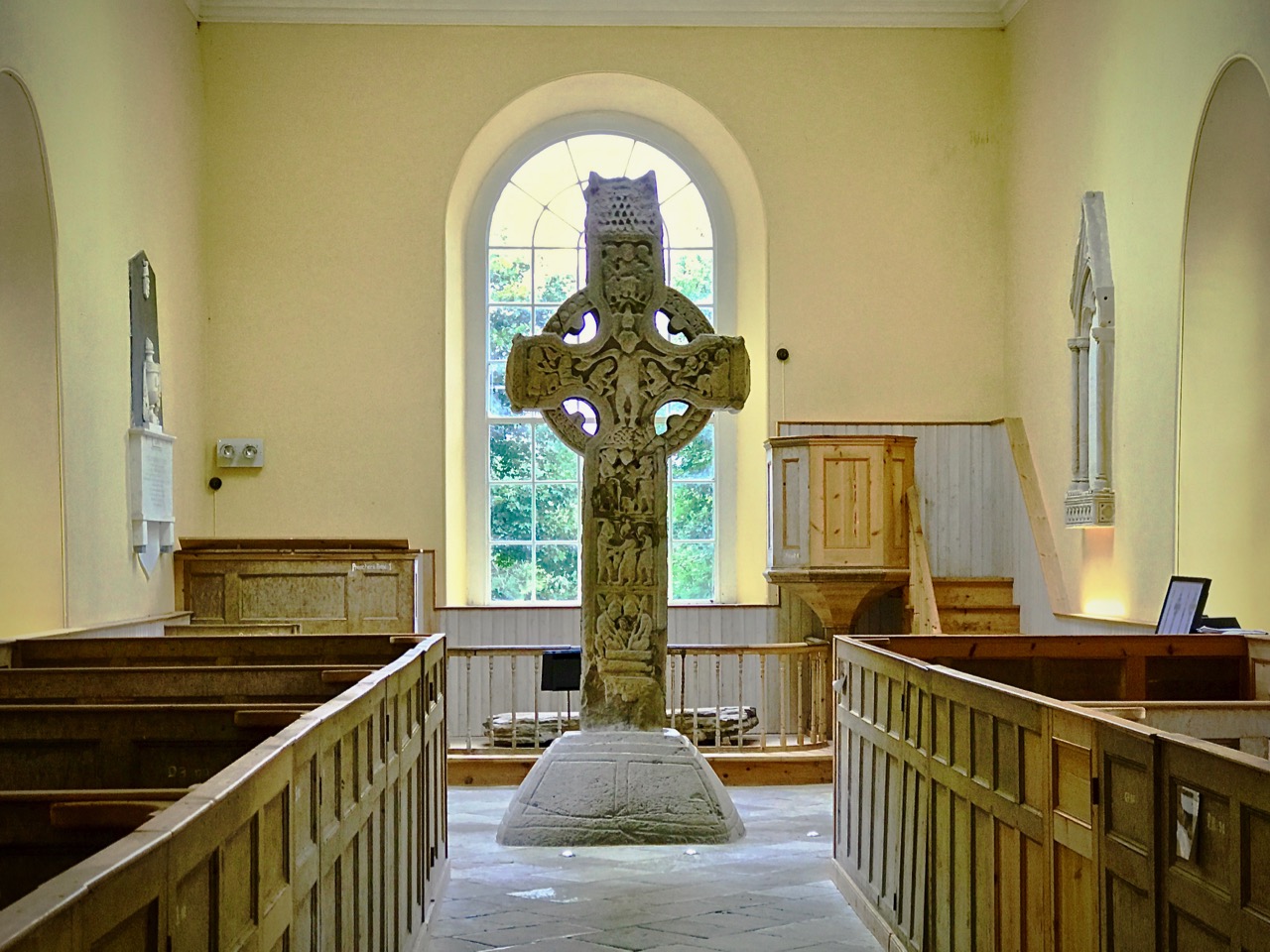
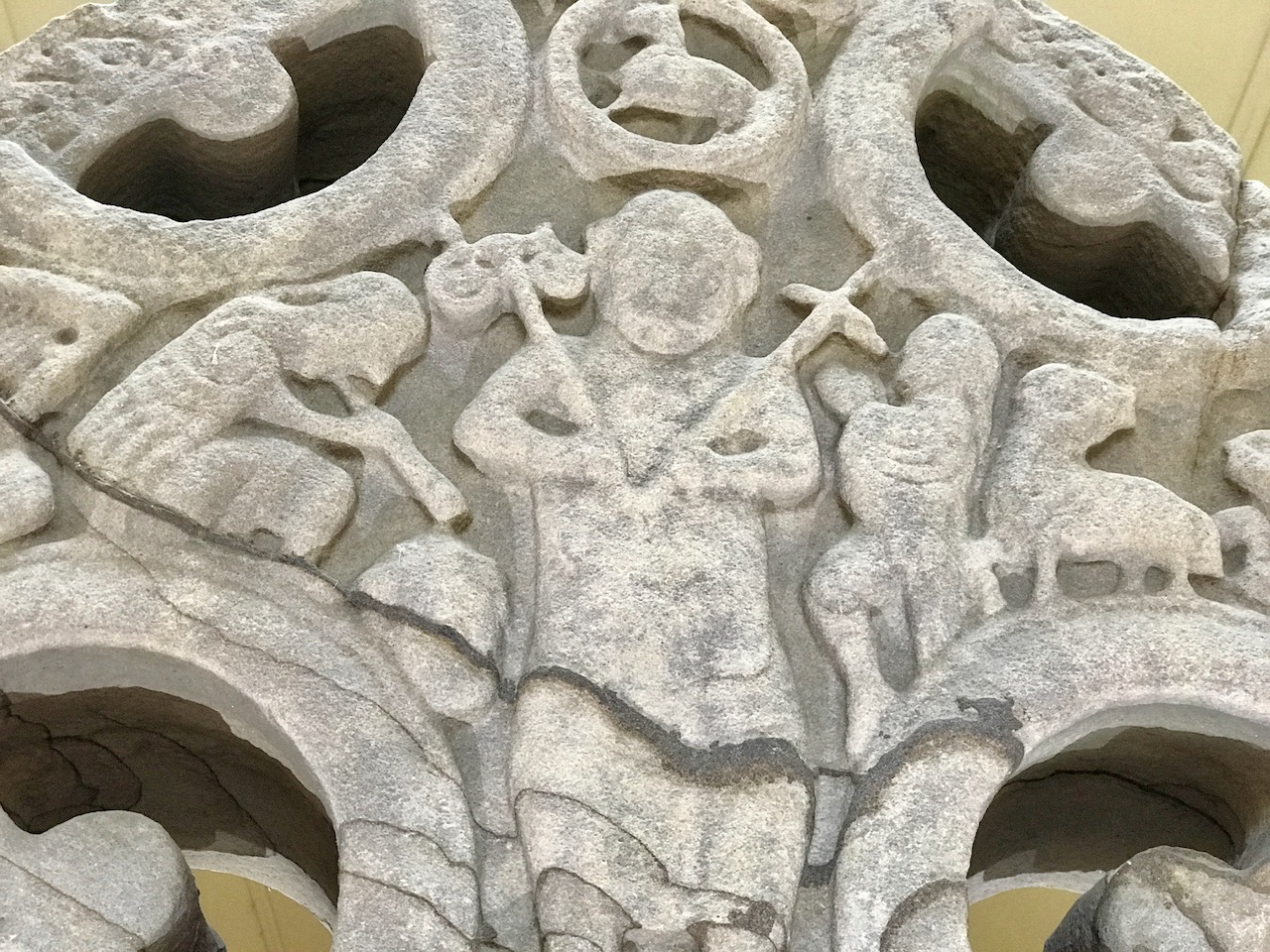
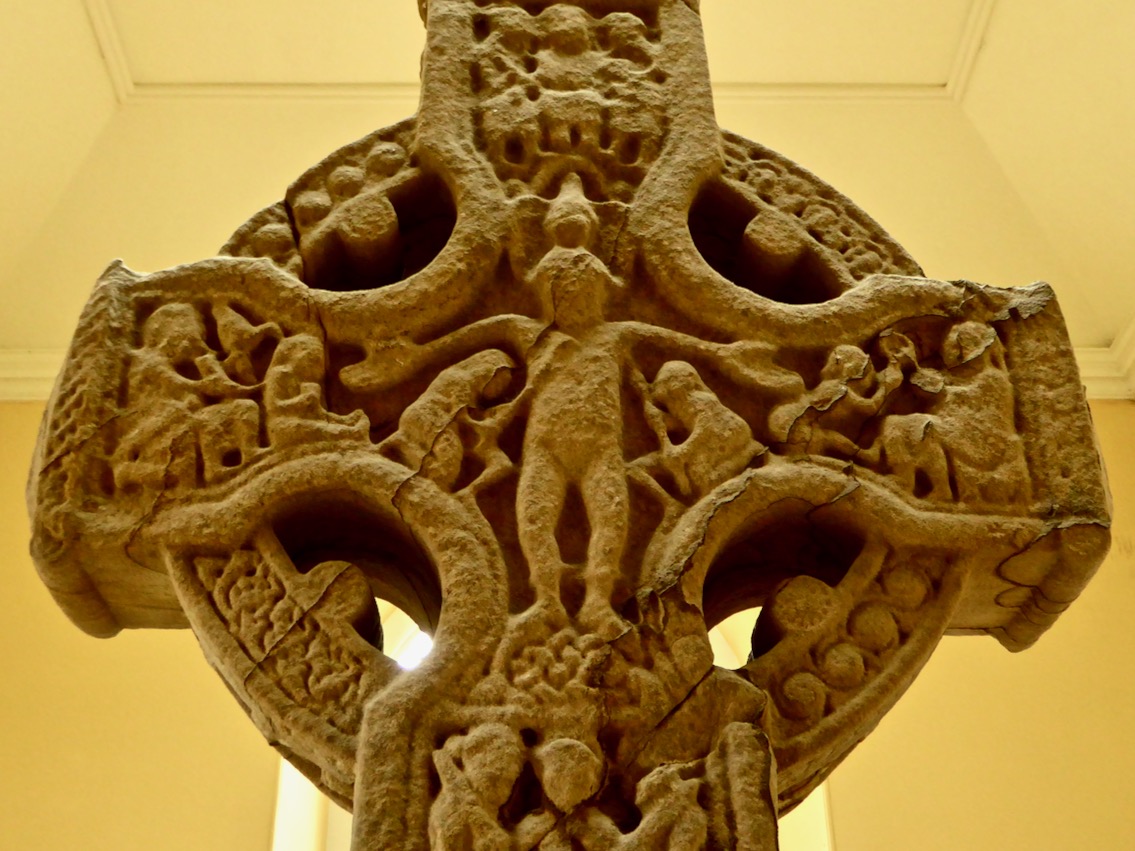
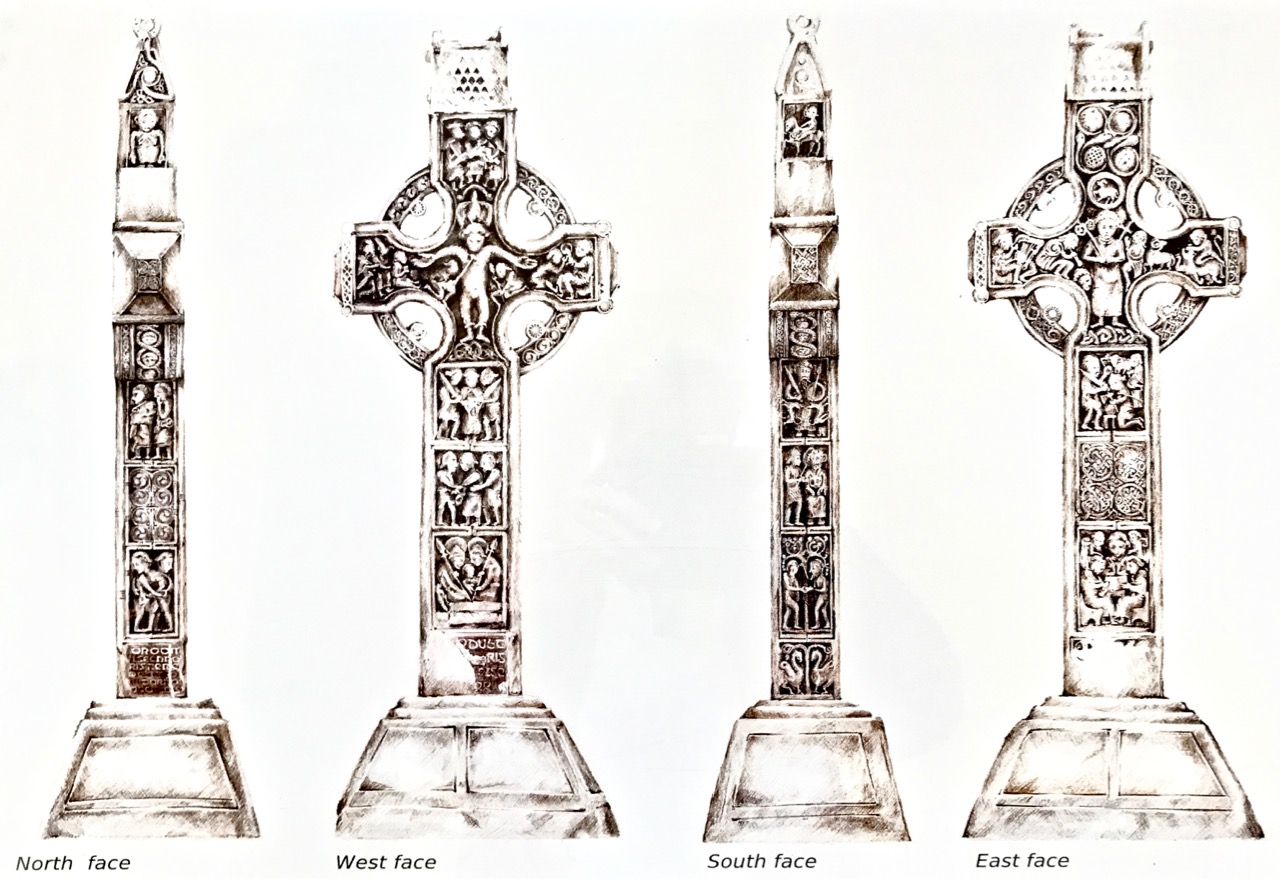
As you can see from the header picture – and the one above – the greatest delight of Durrow is the medieval High Cross, now saved from the elements and safely displayed inside the late 18th century church which is probably built on the site of an Augustian Abbey church founded in the 1140s by Murchadh Ua Maoil Sheachlainn, high king of Midhe, who died at Durrow in 1153. The cross – possibly 10th century – is a really good and clearly legible example of the scriptural type, depicting scenes from the Bible. The OPW has annotated all the panels in excellent information boards.

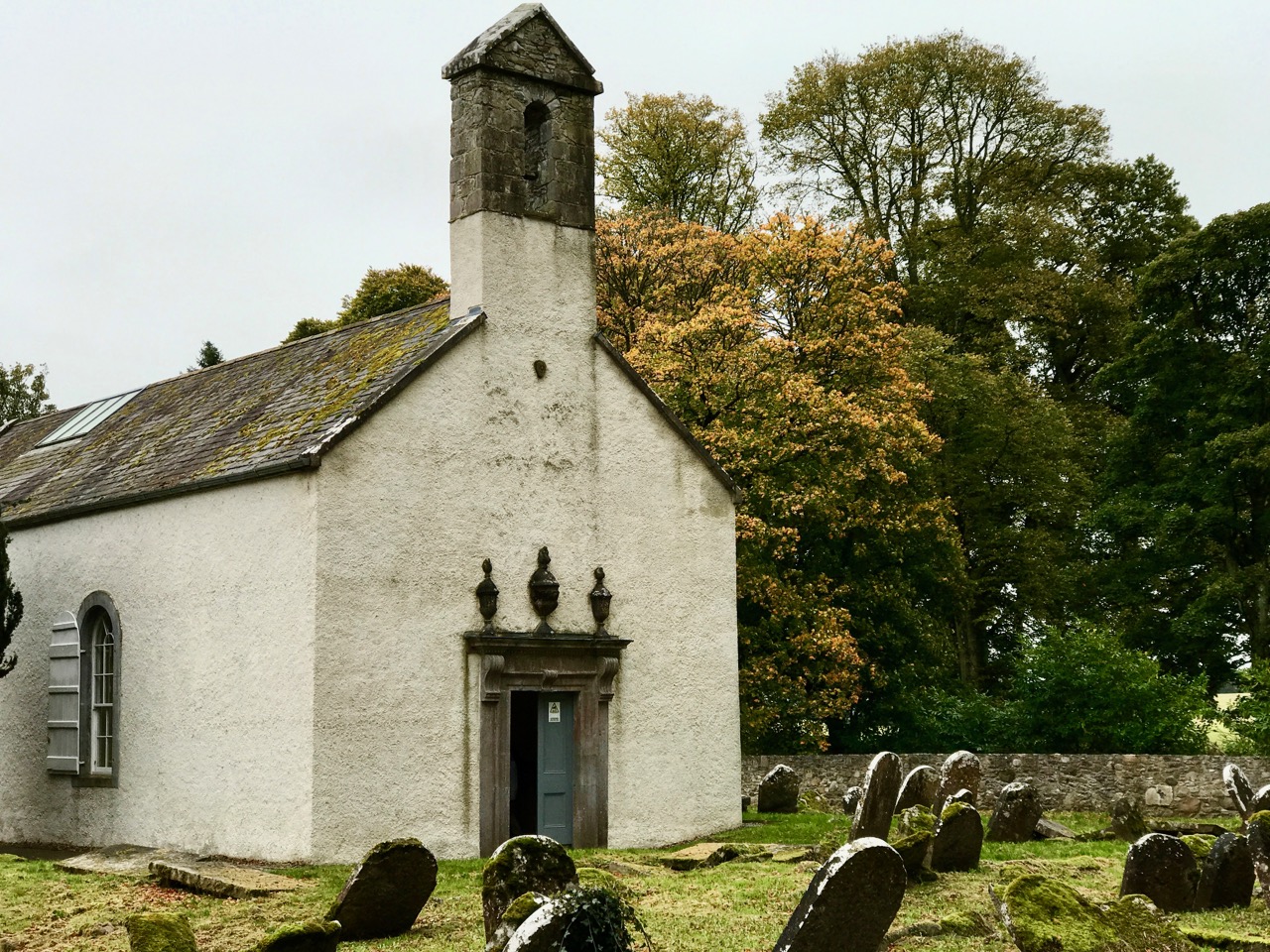
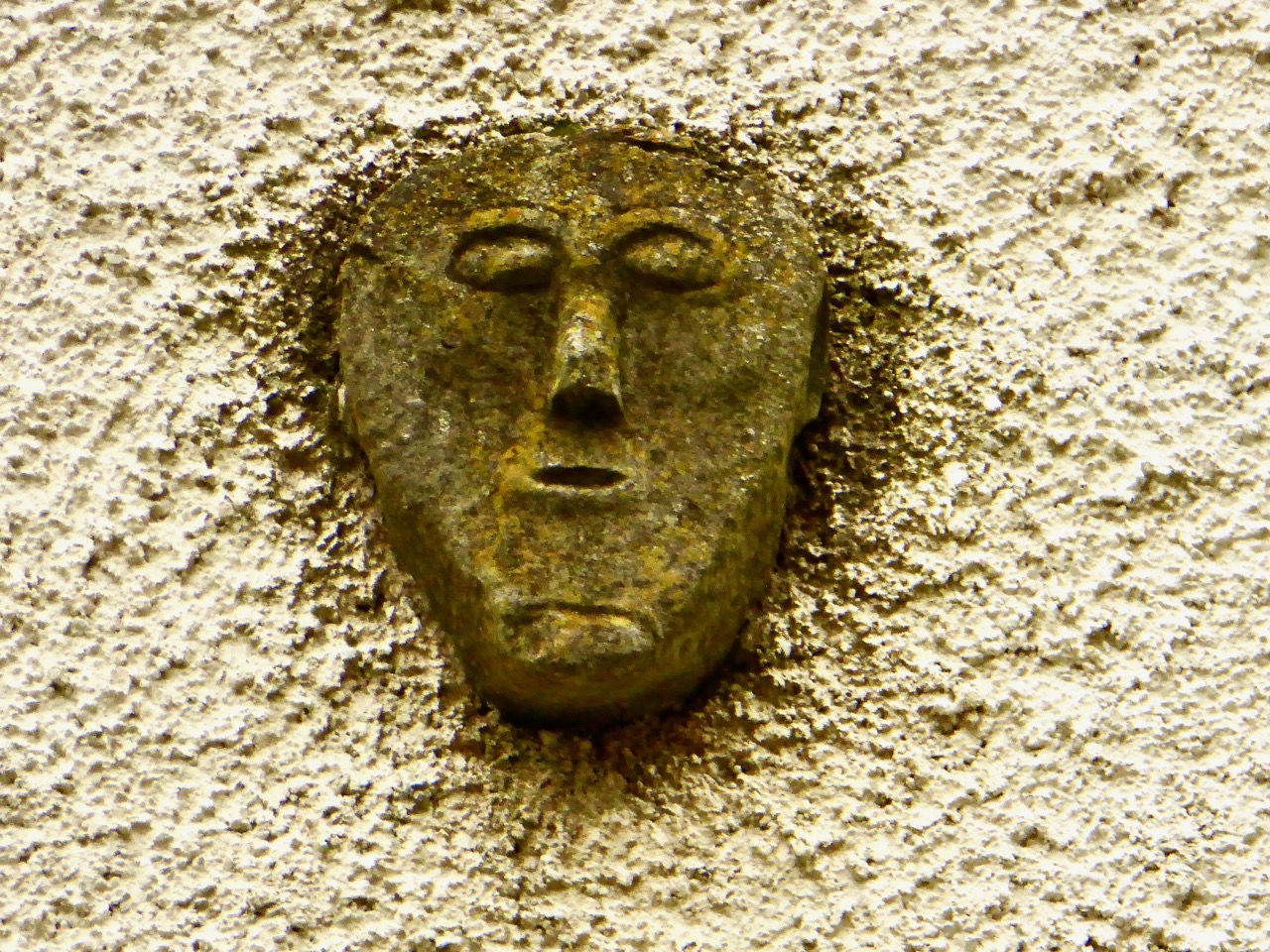
This is the west facing entrance to St Colmcille’s Church, Durrow, which now houses the High Cross and a number of cross slabs and grave slabs, some of which are medieval. A monastery was founded here by Colmcille in the 6th century; it is possible that the stone head which can just be made out above the entrance, and below the bell tower, could date from the earliest building period on this site and was incorporated into the present church. Perhaps it is St Colmcille himself – looking down over the old graveyard, and the original site of the High Cross. Colmcille famously established the monastery at Iona in Scotland, and over sixty churches in Britain and Ireland claim him as their founder.

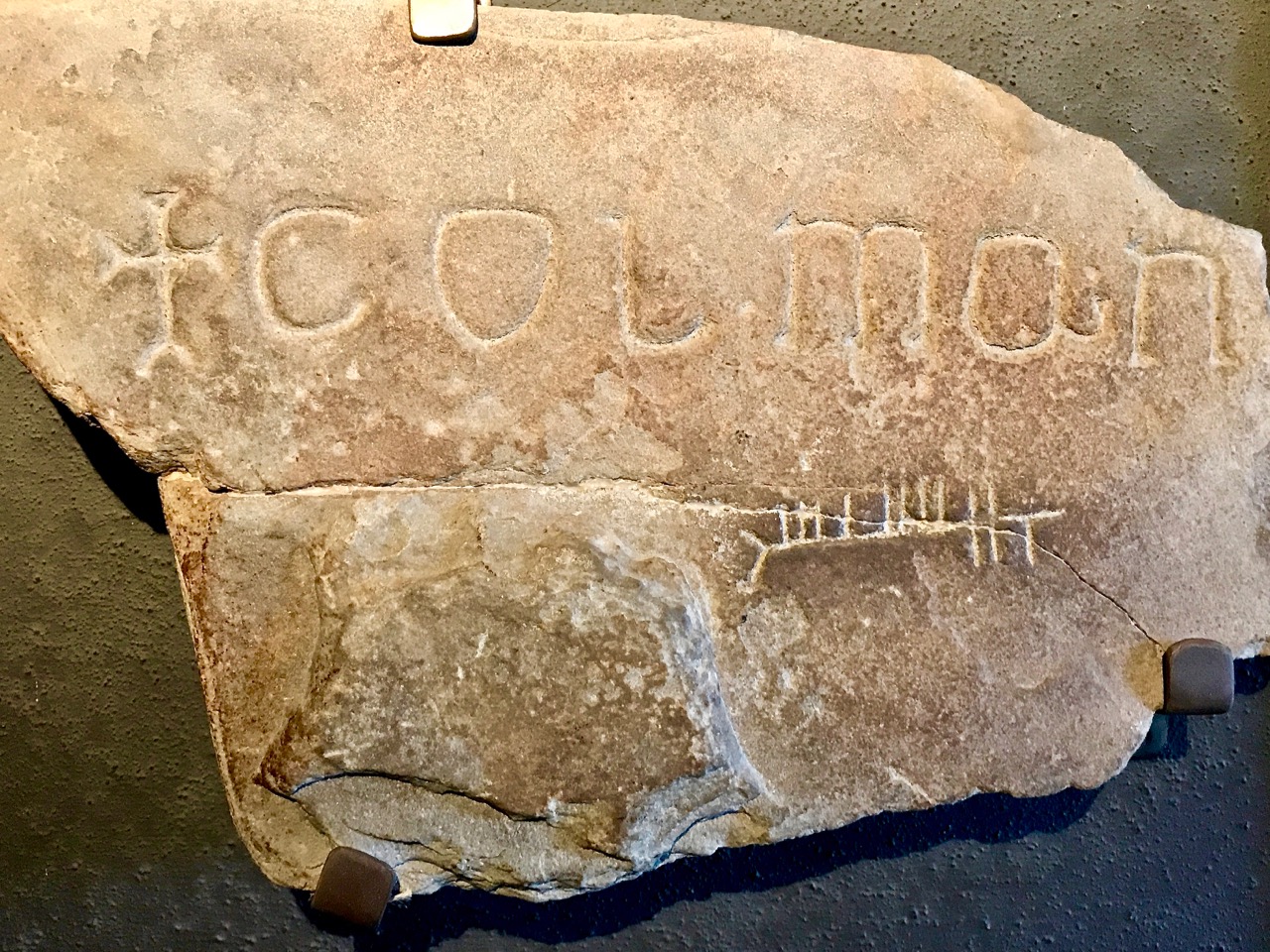
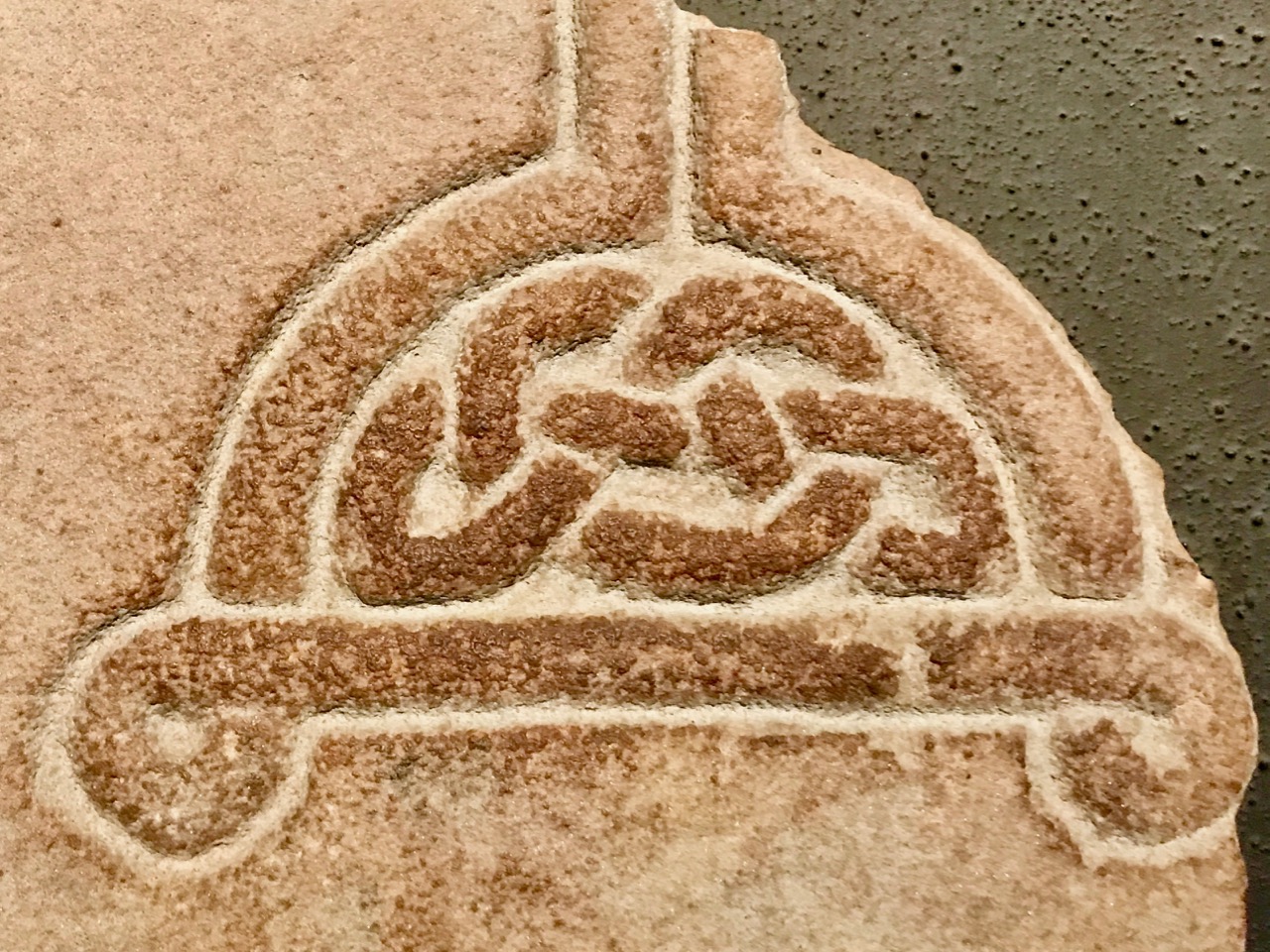
Above (left) is a photograph taken in 1890 of the Durrow High Cross at its former site, to the west of the church building which now houses it. To the right is a fragment of one of the grave slabs which were embedded in the churchyard wall enclosure and which have also now been mounted inside the church for safety and conservation. This one is said to date from between the 12th and the 15th centuries: the visible inscription has not been deciphered.

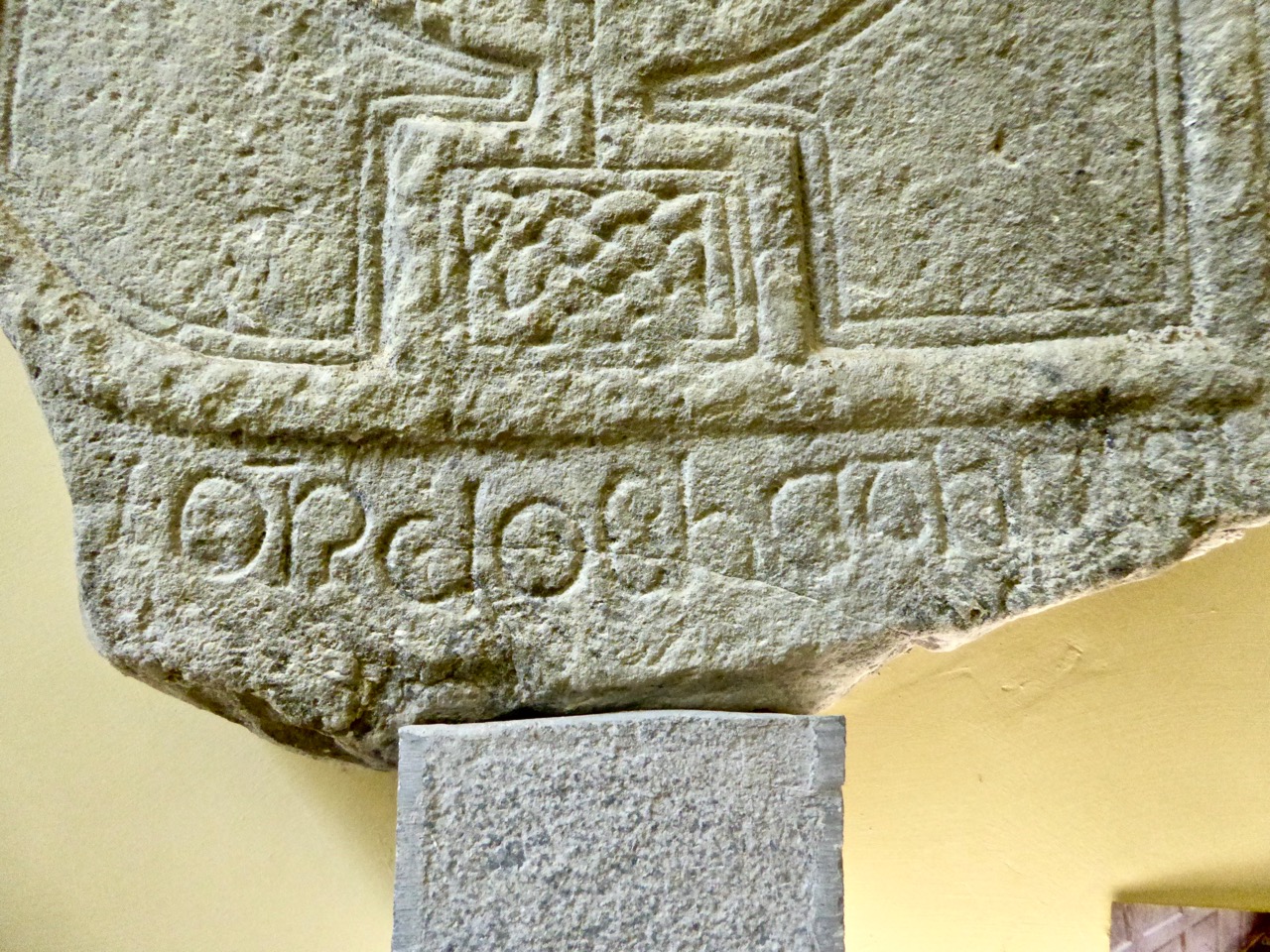
Above is an earlier cross-slab which has been described as …possibly of 9th century date… The inscription probably reads Ór do Chatalan (Pray for Chatalan). This carved stone was also located originally in the wall of the churchyard, and is now in the church.

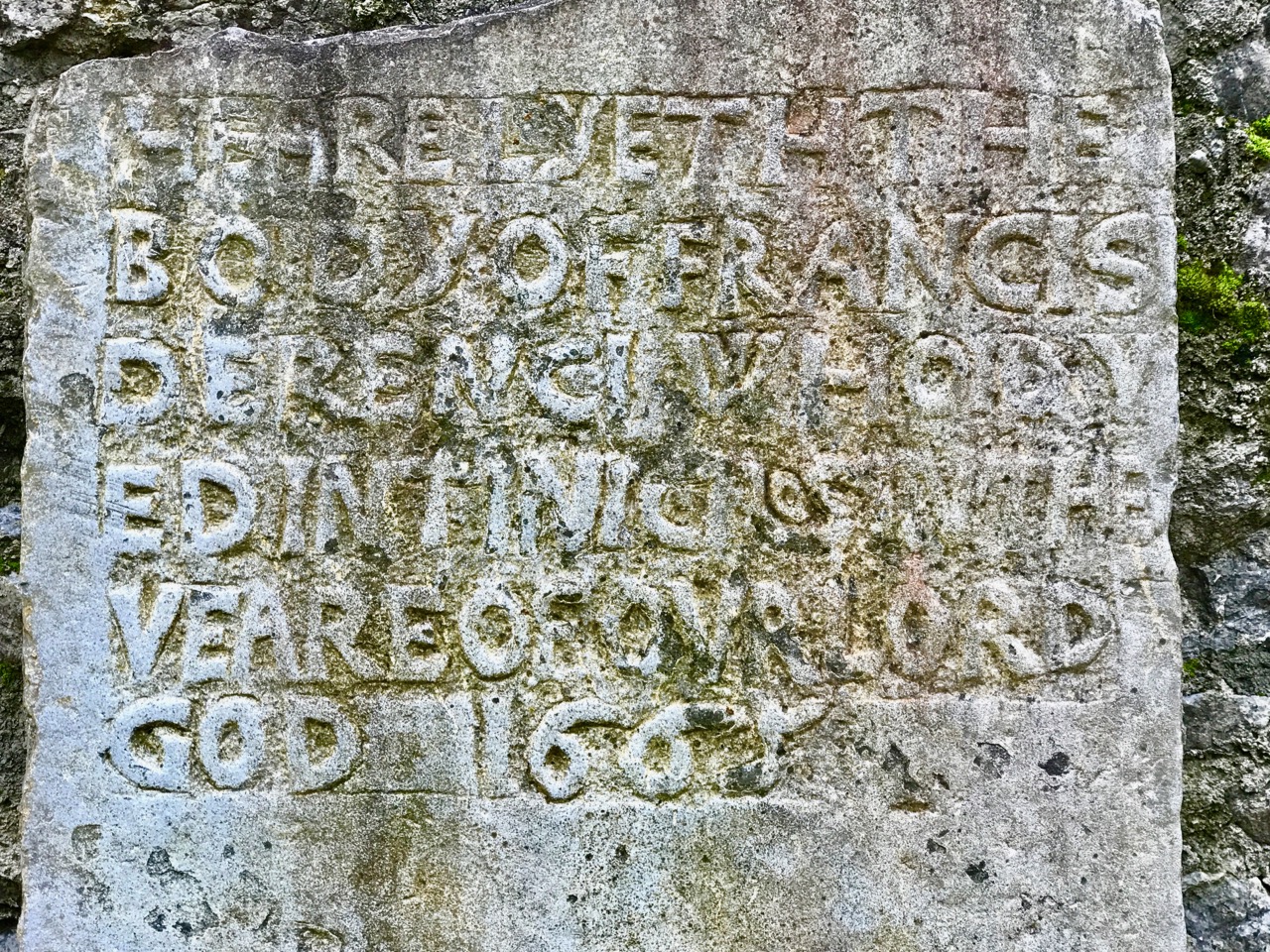
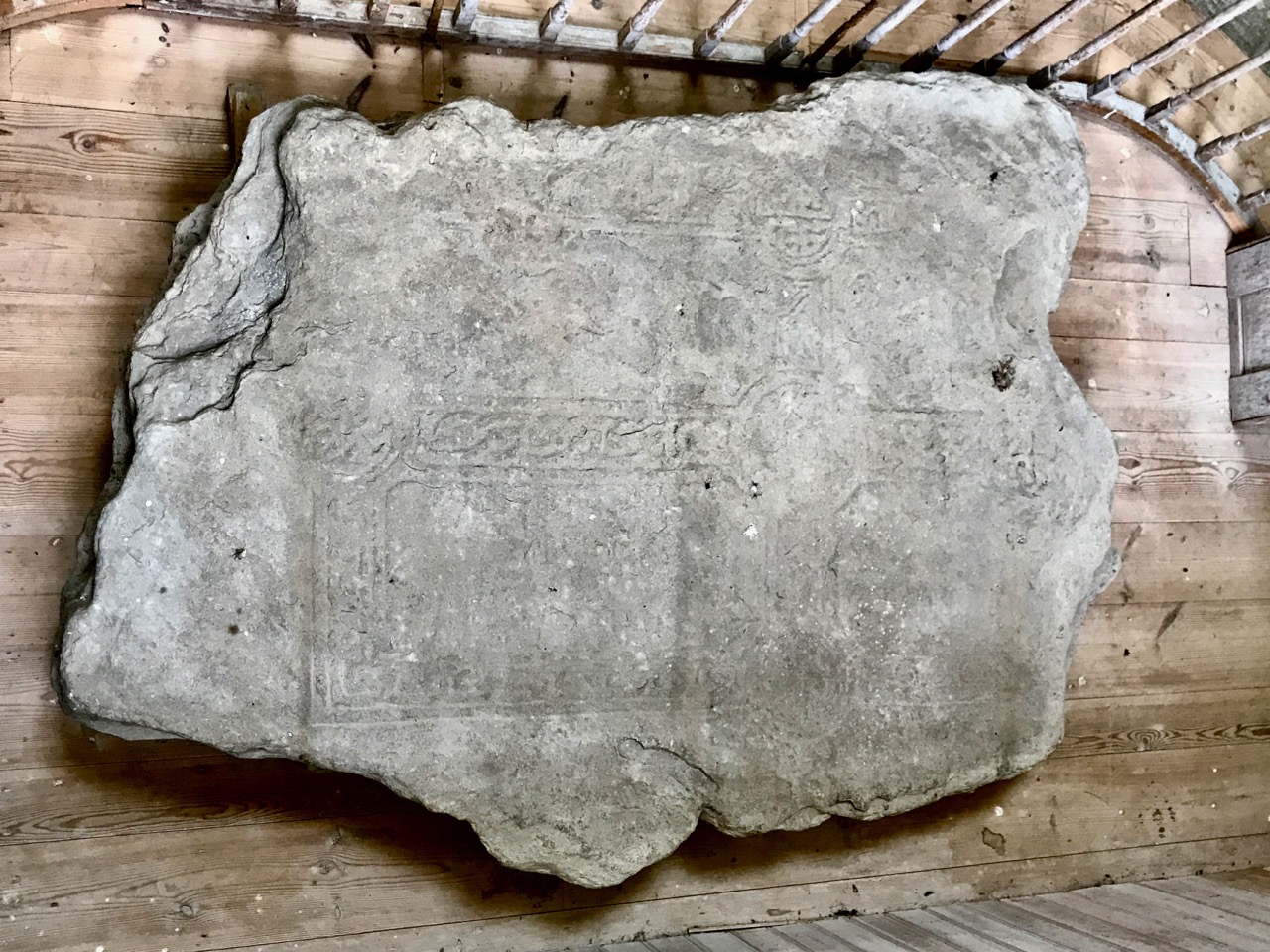
Through a curious twist, the inscribed stone above, dating from 1665 and commemorating a member of the De Renzi family of Hollow House in the townland of Ballynasrah, has been taken from inside the church and placed against the wall of the 18th century burial enclosure of the Armstrong family located outside in the graveyard. Below is a large ‘early Christian’ cross-slab, also taken from the wall of the graveyard and now resting inside the church below the east window.

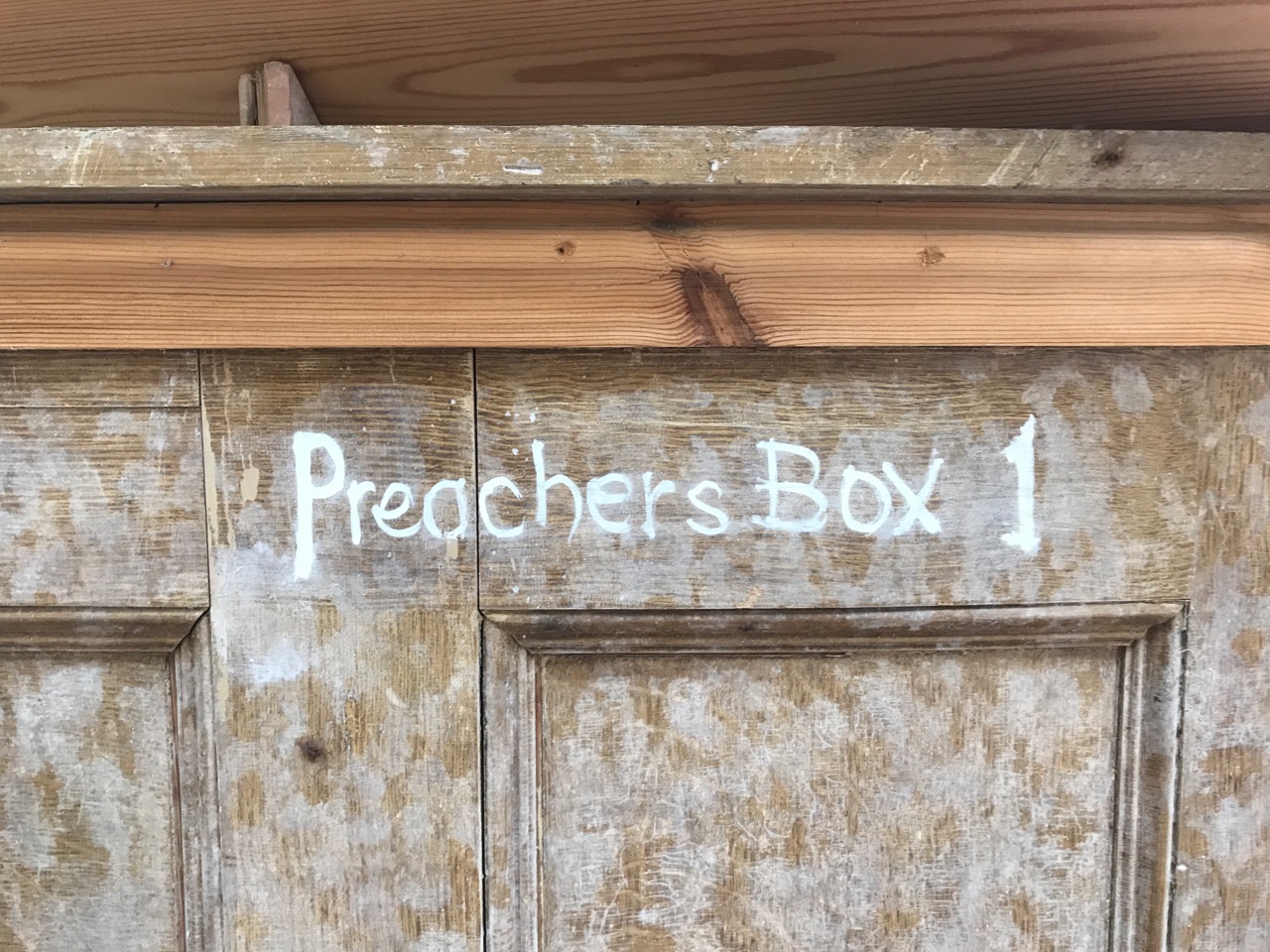
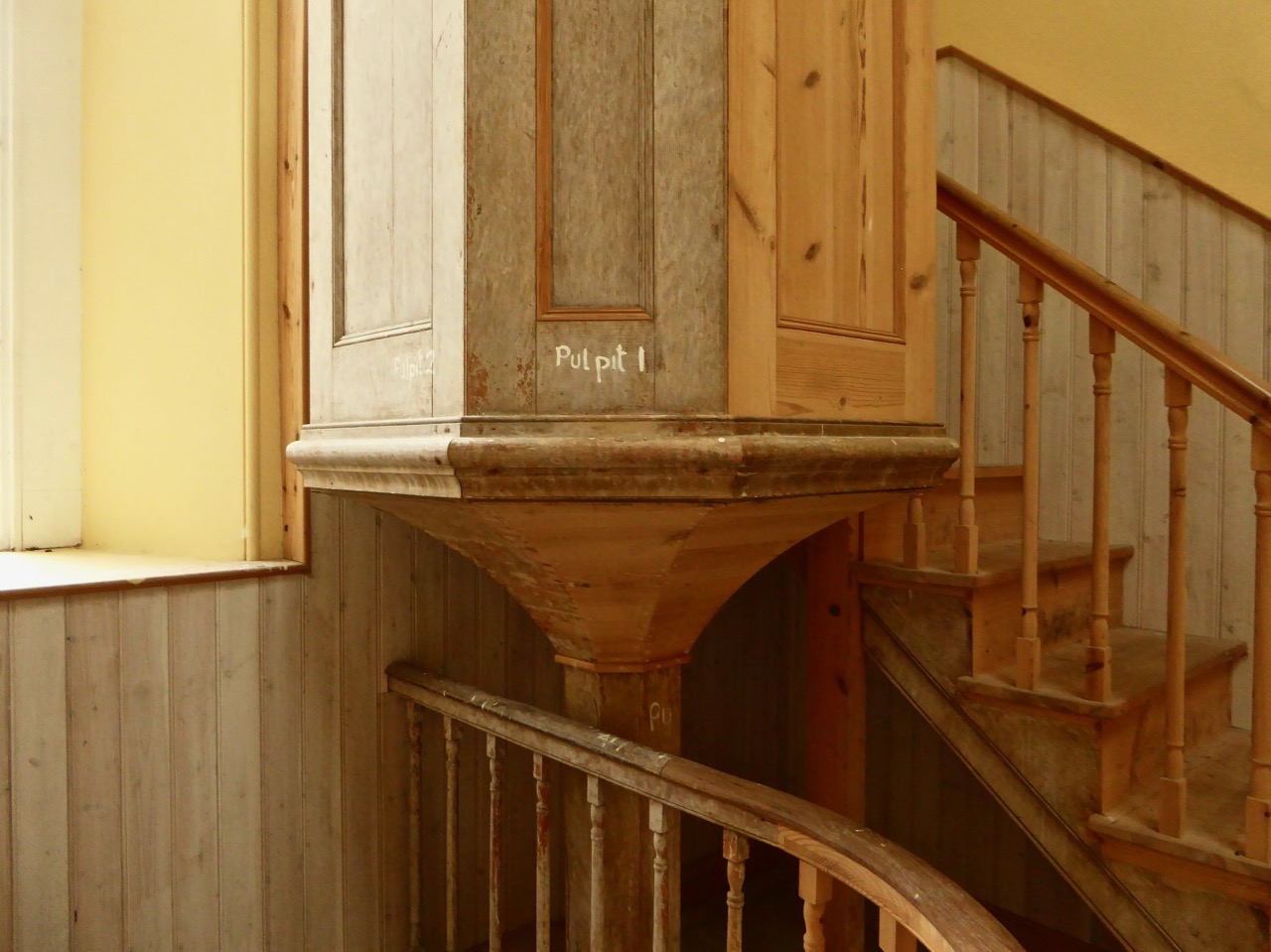
Don’t ignore the church itself – and don’t get confused with the thriving Catholic Church of St Colmcille in the small village of Durrow, only about a kilometre away. The one here off the beaten track (which now houses the High Cross and the cross-slabs) is a Church of Ireland site, and is a very well presented example of a simple 18th century interior with box pews, a raised pulpit and a ‘preaching box’. It has been the subject of a conservation project by the Office of Public Works, and is more properly classified as a Heritage Centre rather than a working church, although occasional services, concerts etc are held in the building.

You will remember my fascination with Irish medieval High Crosses from my previous posts – and my concerns for those which remain unprotected from the weather. Here at Durrow the damage which has befallen this High Cross over the centuries is all too visible, although conservation works are in progress and will ultimately return it to good condition. It’s a good example for others to follow.

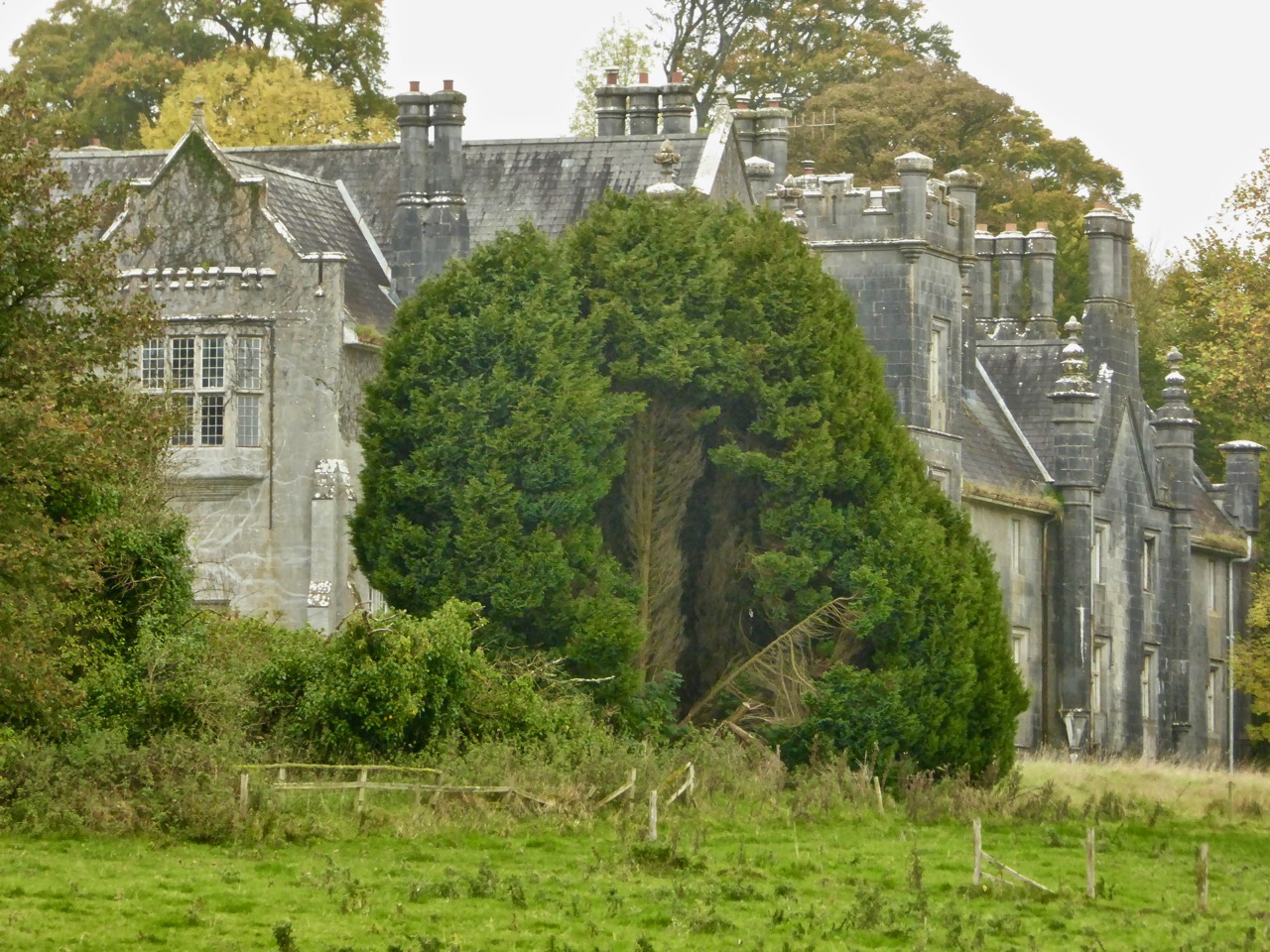
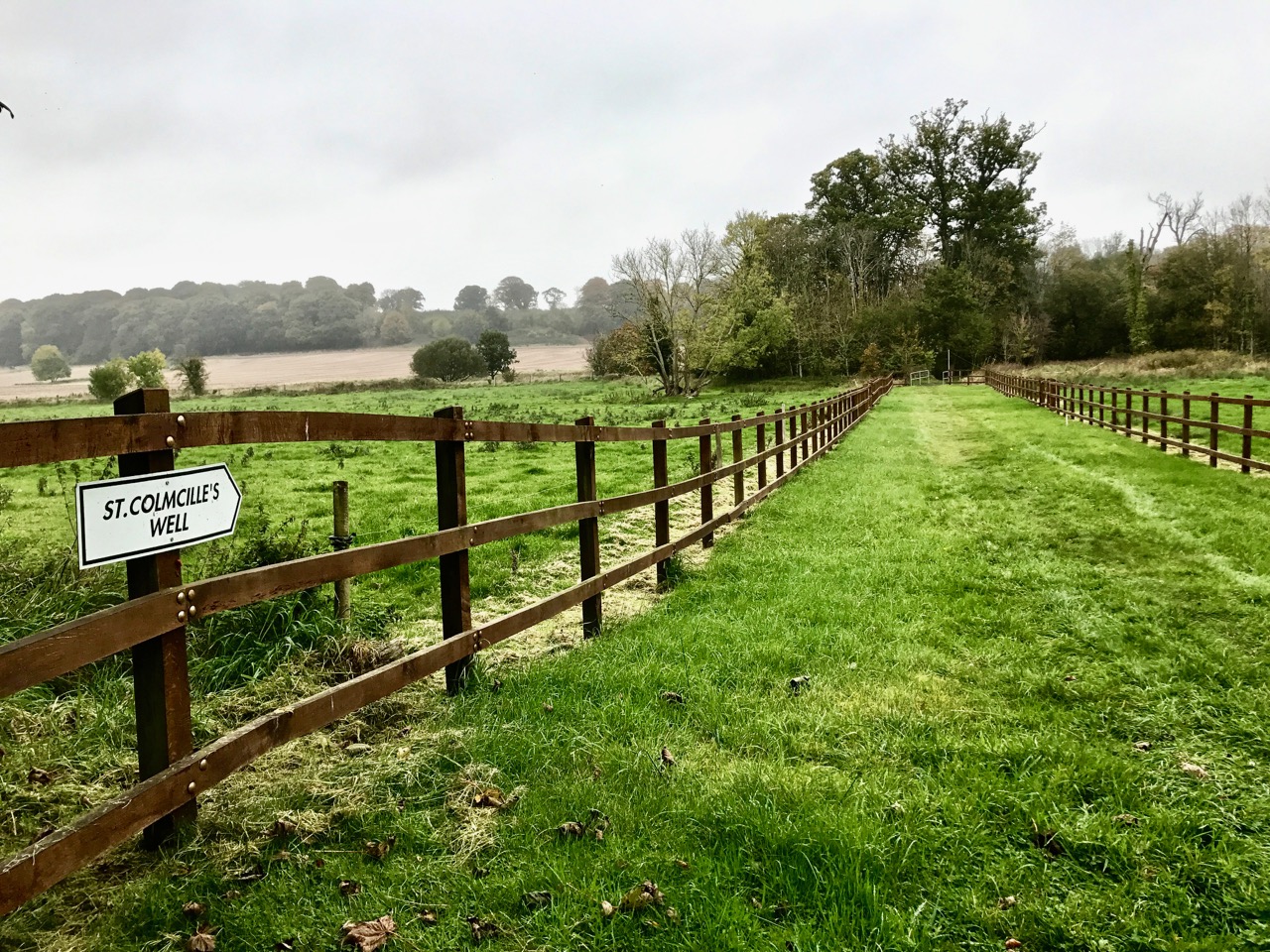
There is yet more to see at Durrow: follow the path to the Holy Well – on your way you will catch a glimpse of the architecturally significant Durrow Abbey House. Built in the Jacobean Revival style between 1837-43, much of it was severely damaged by fire in the 1920s. Subsequent rebuilding incorporated a Queen Anne style Art Nouveau interior. The house is not open to the public.

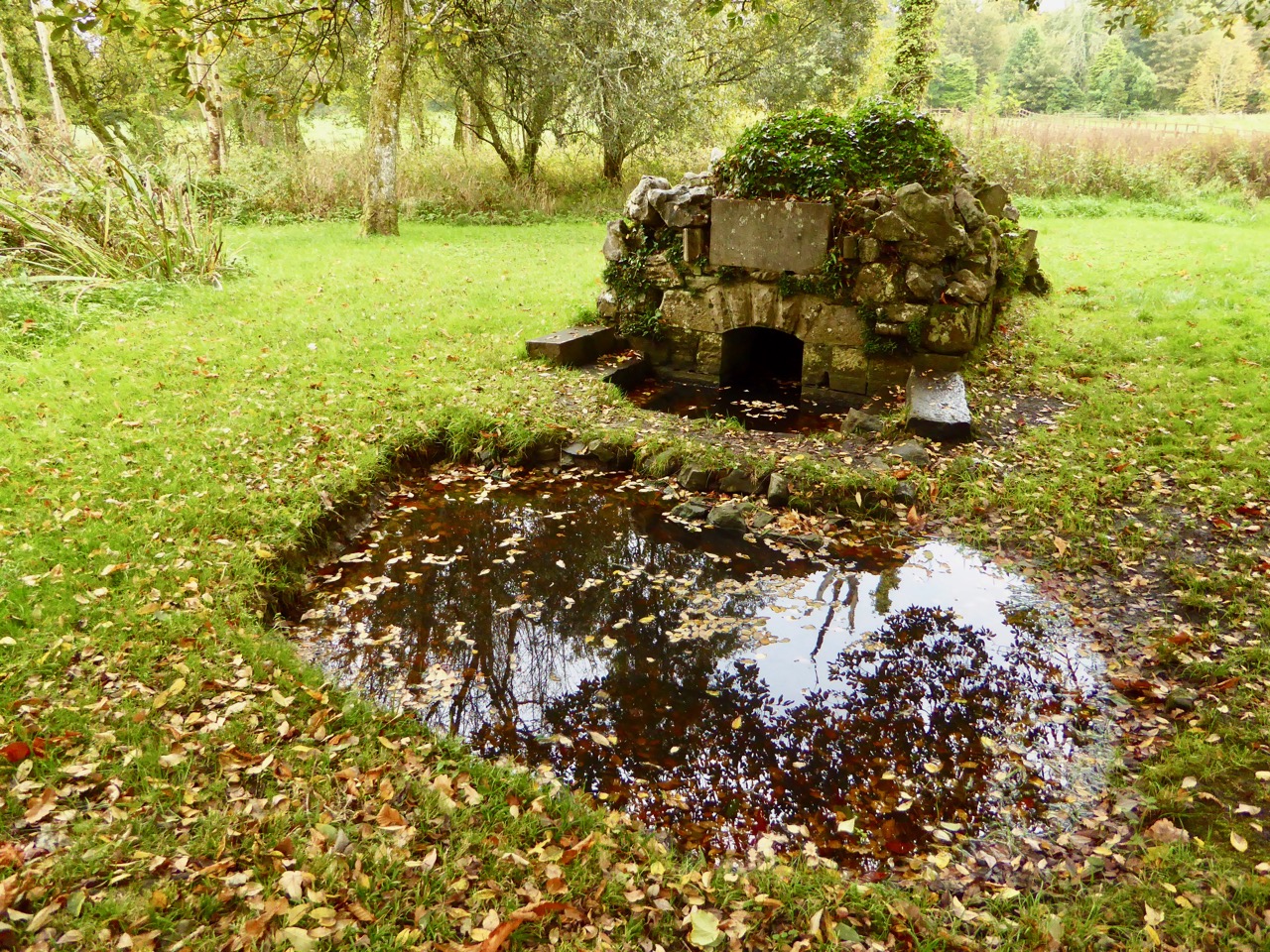
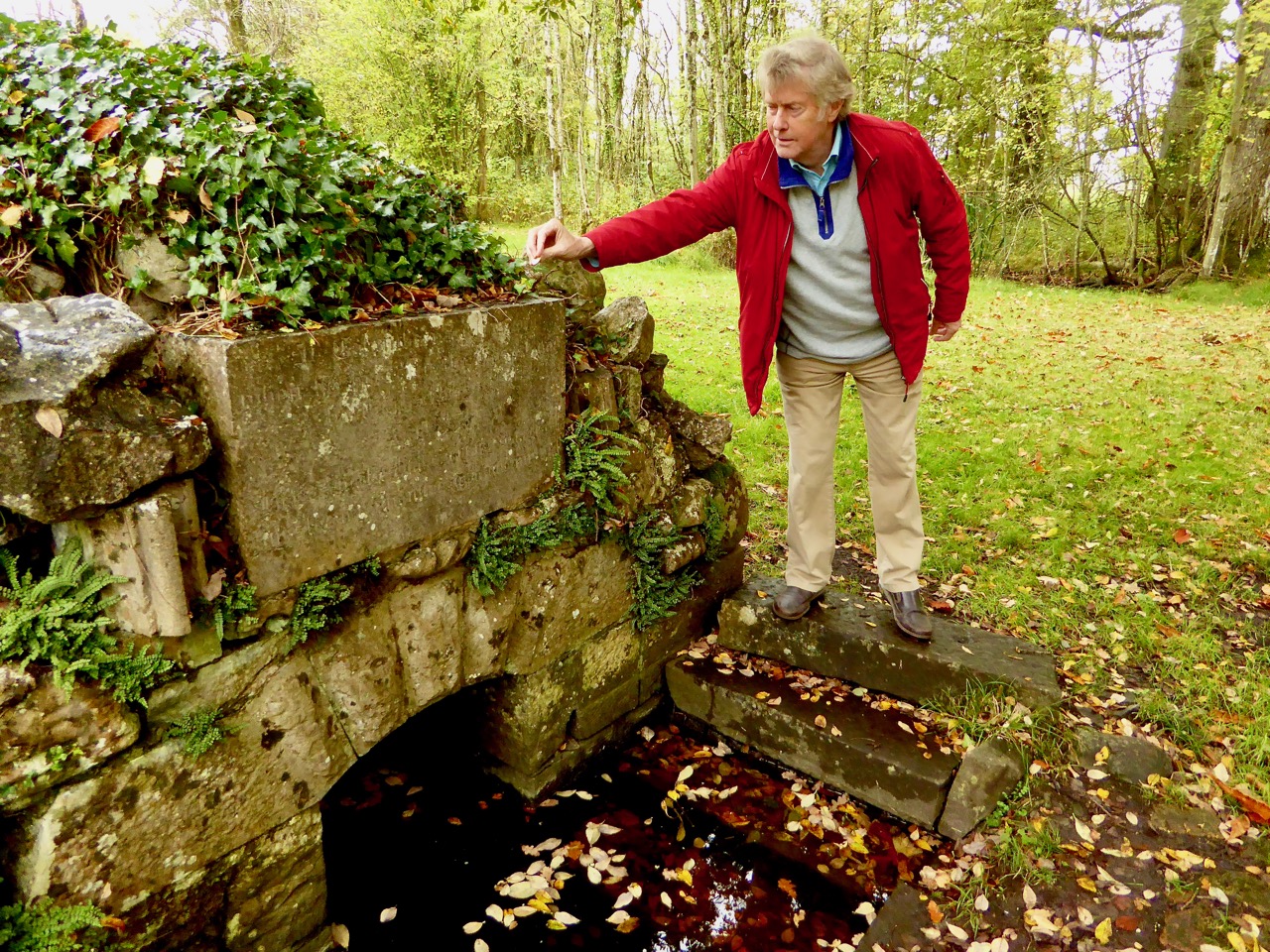
A walk to the well is rewarding, as the structure itself is in reasonable condition and quite ornate. It is still visited on St Colmcille’s feast day, June 9, when a procession arrives on foot from the Catholic Church in Durrow. We couldn’t complete our visit to the Saint’s special places without leaving an offering!