Magic Forest

Thomas

Thomas

A byway taking off to the north just after the Cross House on the Skibbereen to Ballydehob road – signposted to Corravoley – will bring you to the townlands of Ballybane West and Ballybane East. That little boreen will take you past some Rock Art, and then on to the Magic Forest. If you find your way in, keep a lookout for the Other Crowd!

Look out for the Other Crowd!

Look out for the Other Crowd!

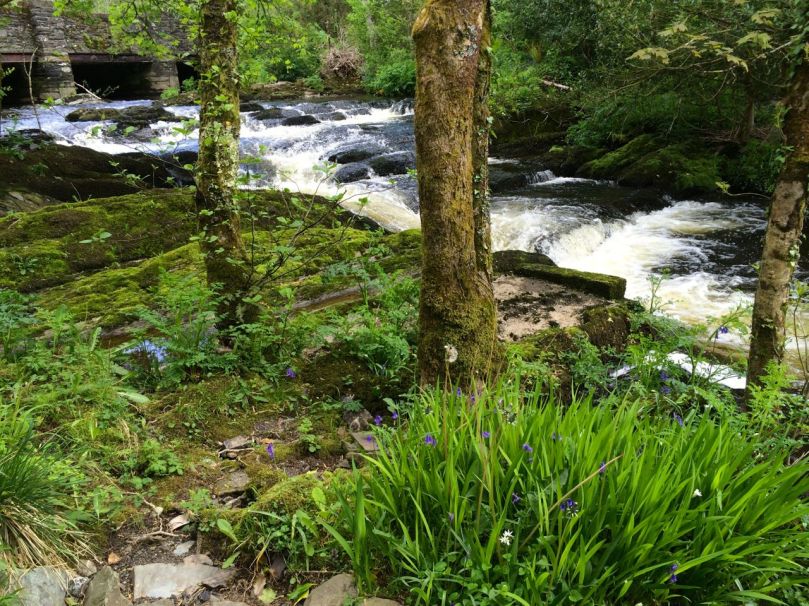
We accepted an invitation from the creator of the Magic Forest – Thomas Wiegandt – to come and visit while the bluebells were out – and we were enchanted by the woodland walks and all the experiences which excited our senses once we were there.
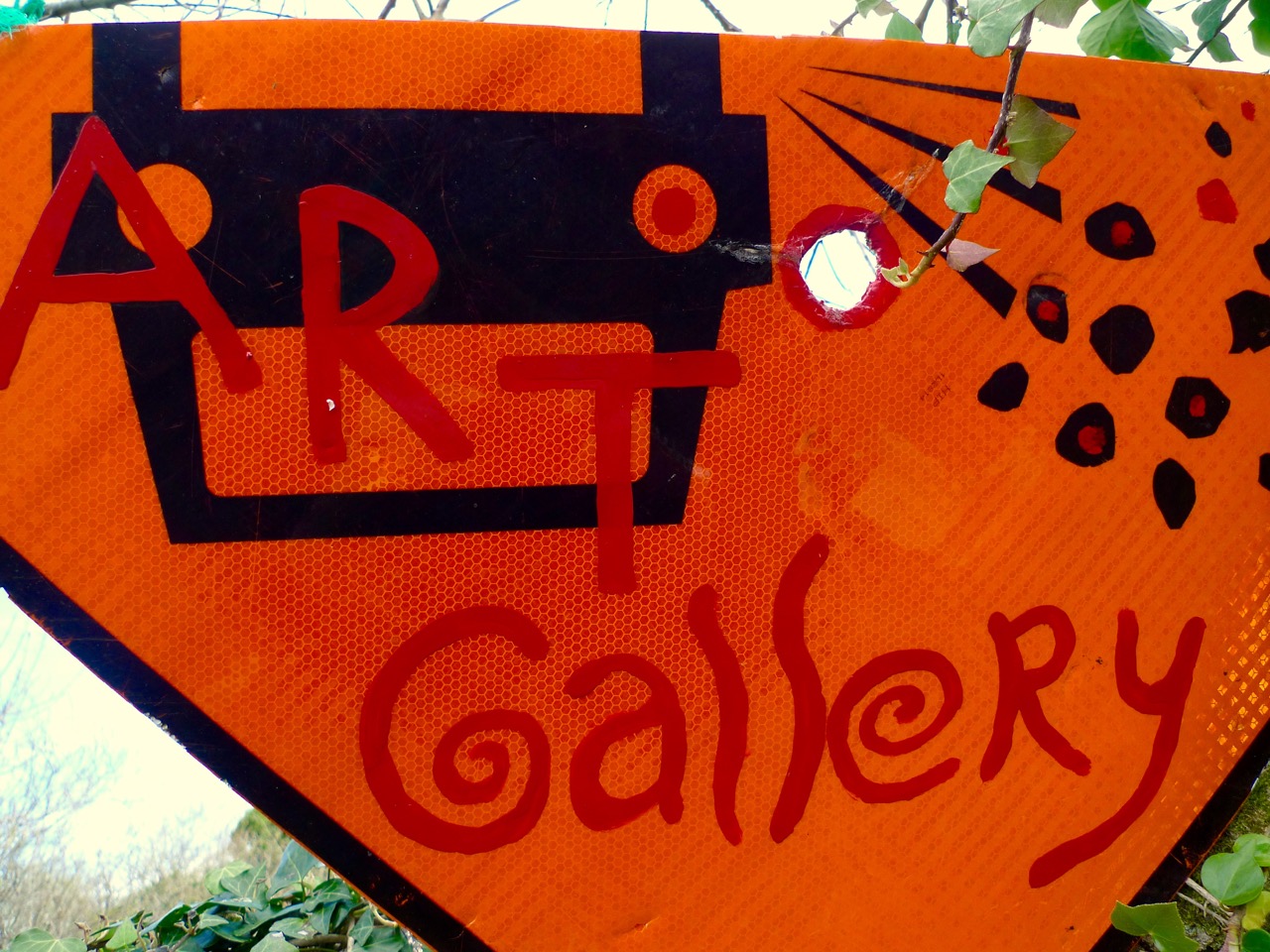
art gallery

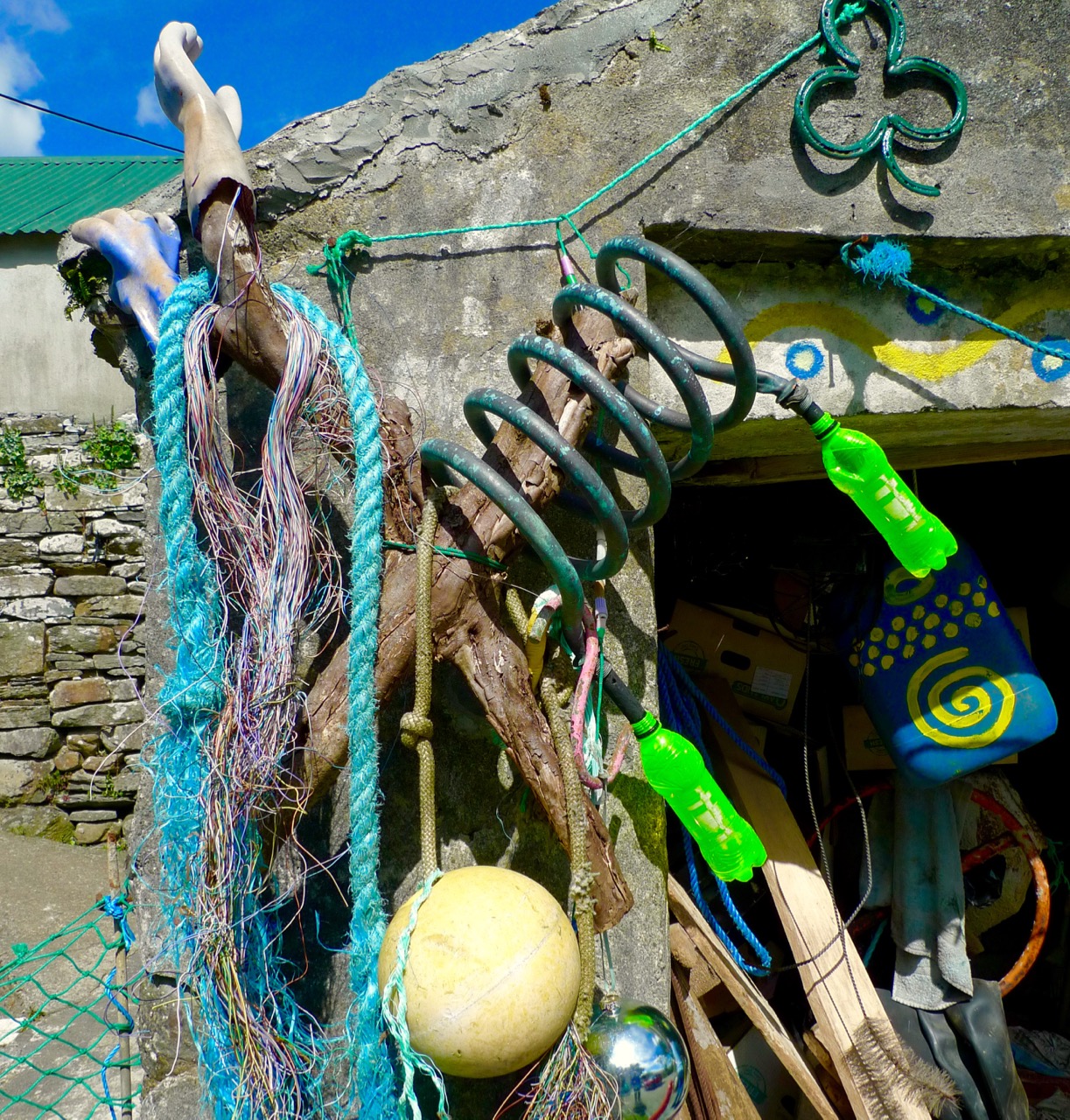
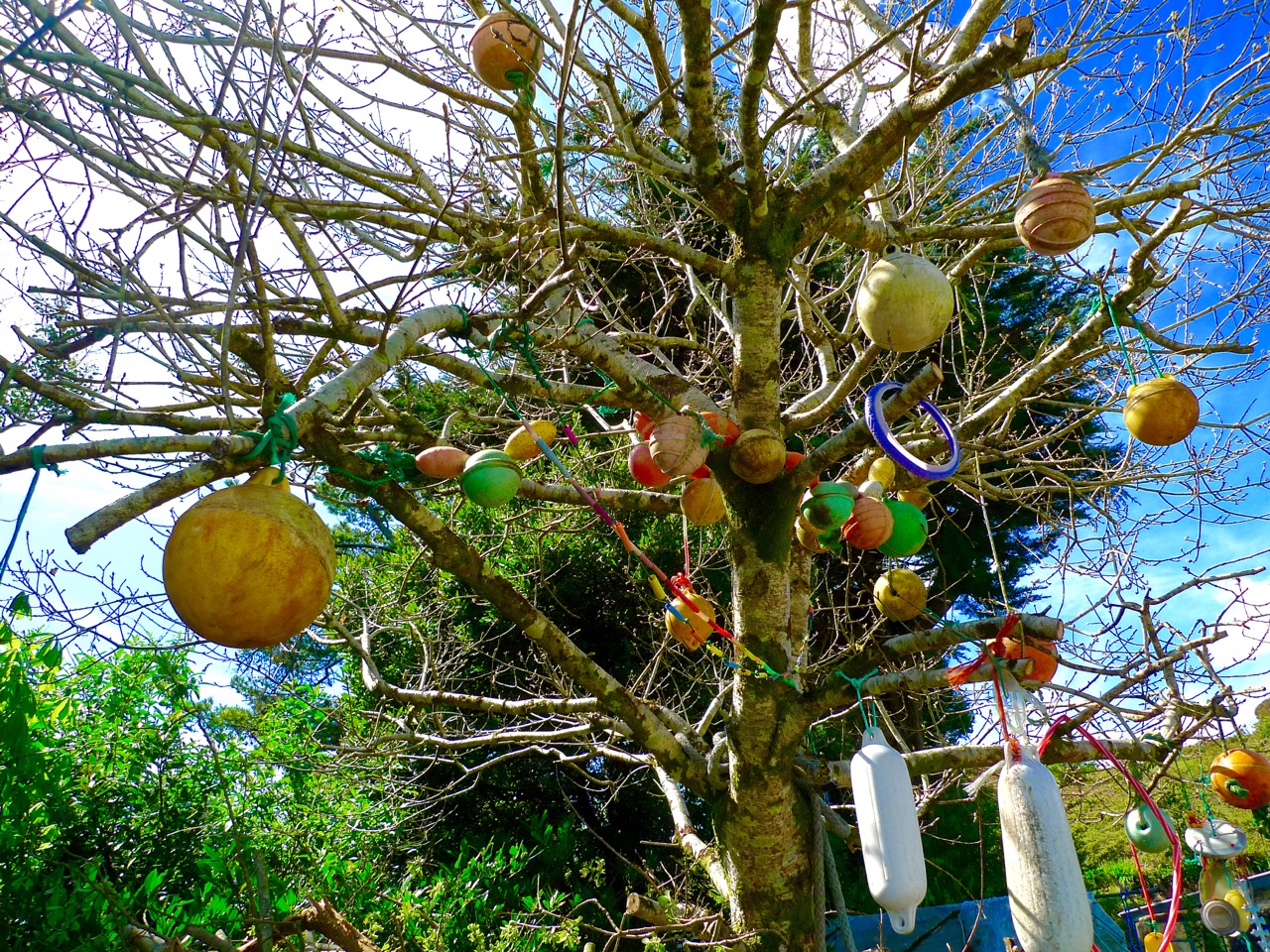
buoy tree

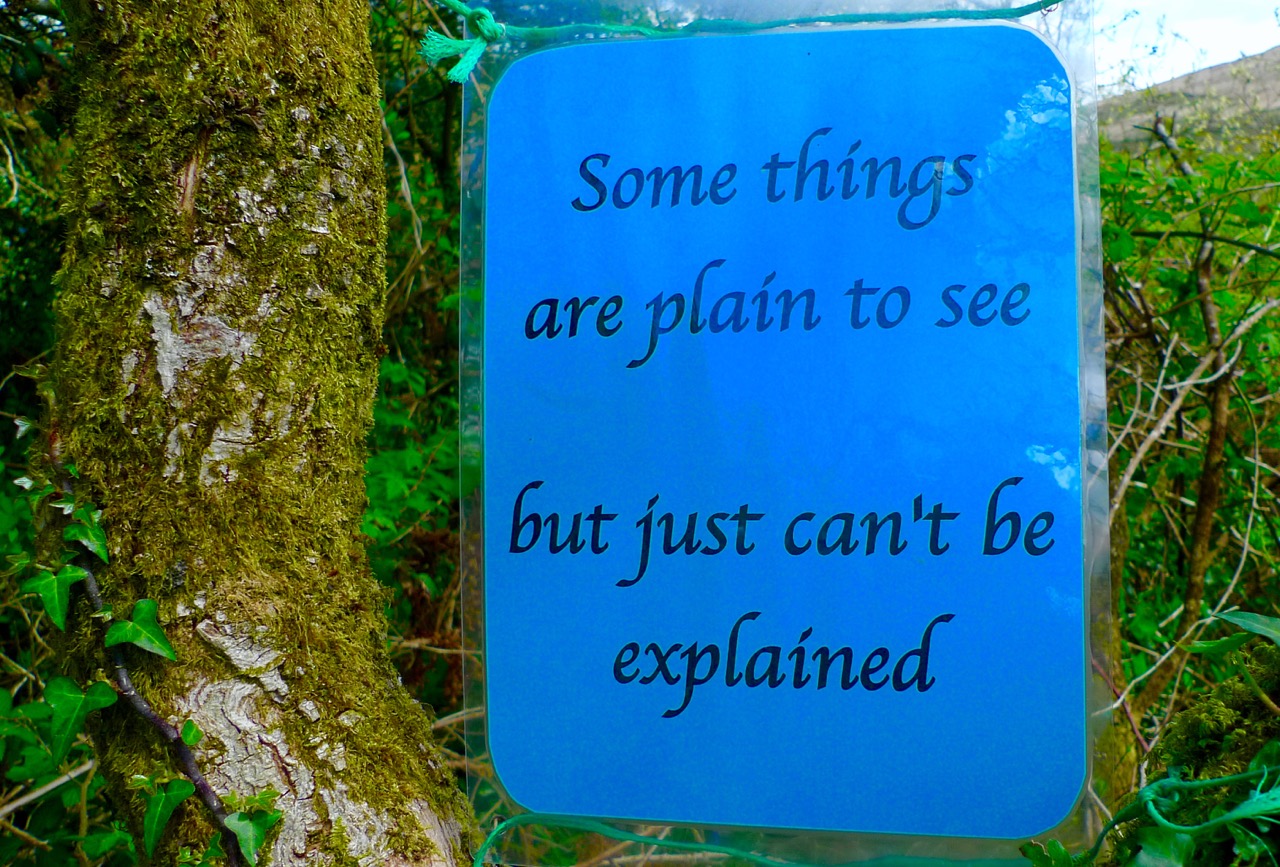
plain to see

It’s hard to describe Thomas – he’s a musician, an artist, a poet and – above all – he has a quirky and witty way of looking at the world… I like that way of seeing things.  He has lived for years at Ballybane and pursued his creative career as well as working on and caring for his few acres of West Cork wildness, which is based around an old sally grove – a place which hadn’t been used for around 100 years and which had been sold as ‘waste land’. As you make your way through the Magic Forest (and take care – there are some rough paths and a few stony steps to be negotiated) you will be taken through his thoughts and into his imagination.

spidey

spring

lizard

Thomas believes we are all musicians at heart (I agree) – and invites us to have a go at the Ballydehob Gamelan – a wonderful collection of ‘rescued’ objects with which we can create rhythms and explore a whole world of sounds: you can play an array of drums, cans, goblets, makeshift xylophones, even stones… Finola had a whale of a time!

There is art and poetry set amongst the willows, often with the most unexpected juxtapositions. One of my favourite discoveries in the Magic Forest was Natural High – a little knoll looking out to Mount Kidd: there are two garden seats there where you can sit at ease and frame the view of the mountain, with two dogs as companions: one of them is real!

There were some messages here – about how we treat our world (or mistreat it), but they weren’t intrusive to the enjoyment of the whole adventure. If anything they were thought-provoking and – overall – a very good lesson in how we can all positively re-use things that seem to have transcended their original purpose.
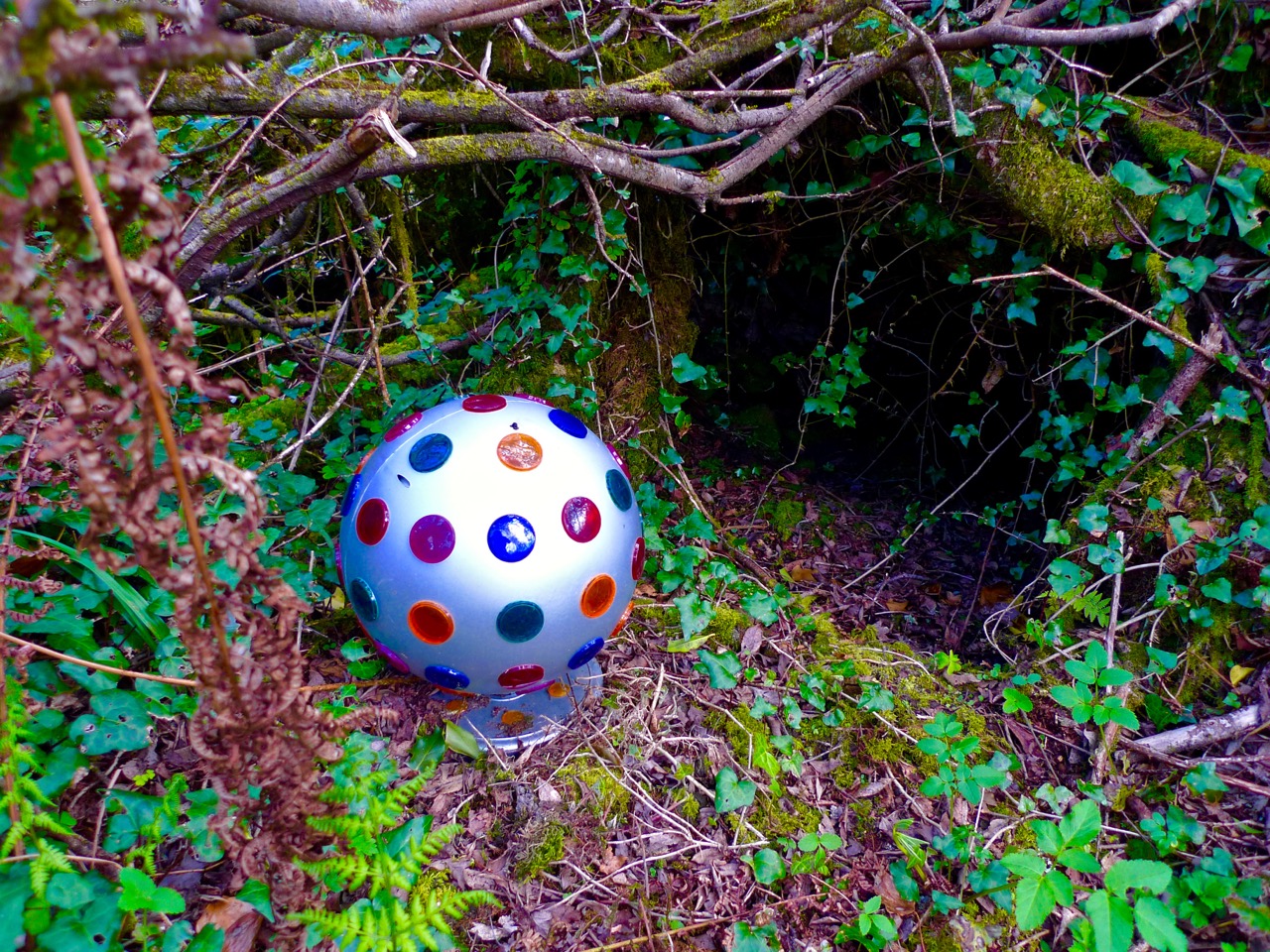
ball

cone

for the record

In another life, Thomas might have been a shaman or medicine man: walking through the forest can be seen as therapeutic and refreshing in the context of our modern busy world – and it will certainly make you laugh at times. I really liked the idea of picking up a phone and talking to our ancestors!

You can discover more about the Magic Forest – and about Thomas Wiegandt – on his website: Cosmic Radio. You will find his poetry and his music there, and you can download many of his compositions for free. But do go and visit this unique piece of West Cork for yourselves: I hope you will be as delighted by the experience as we were.

poetree

signage

Window on our World…

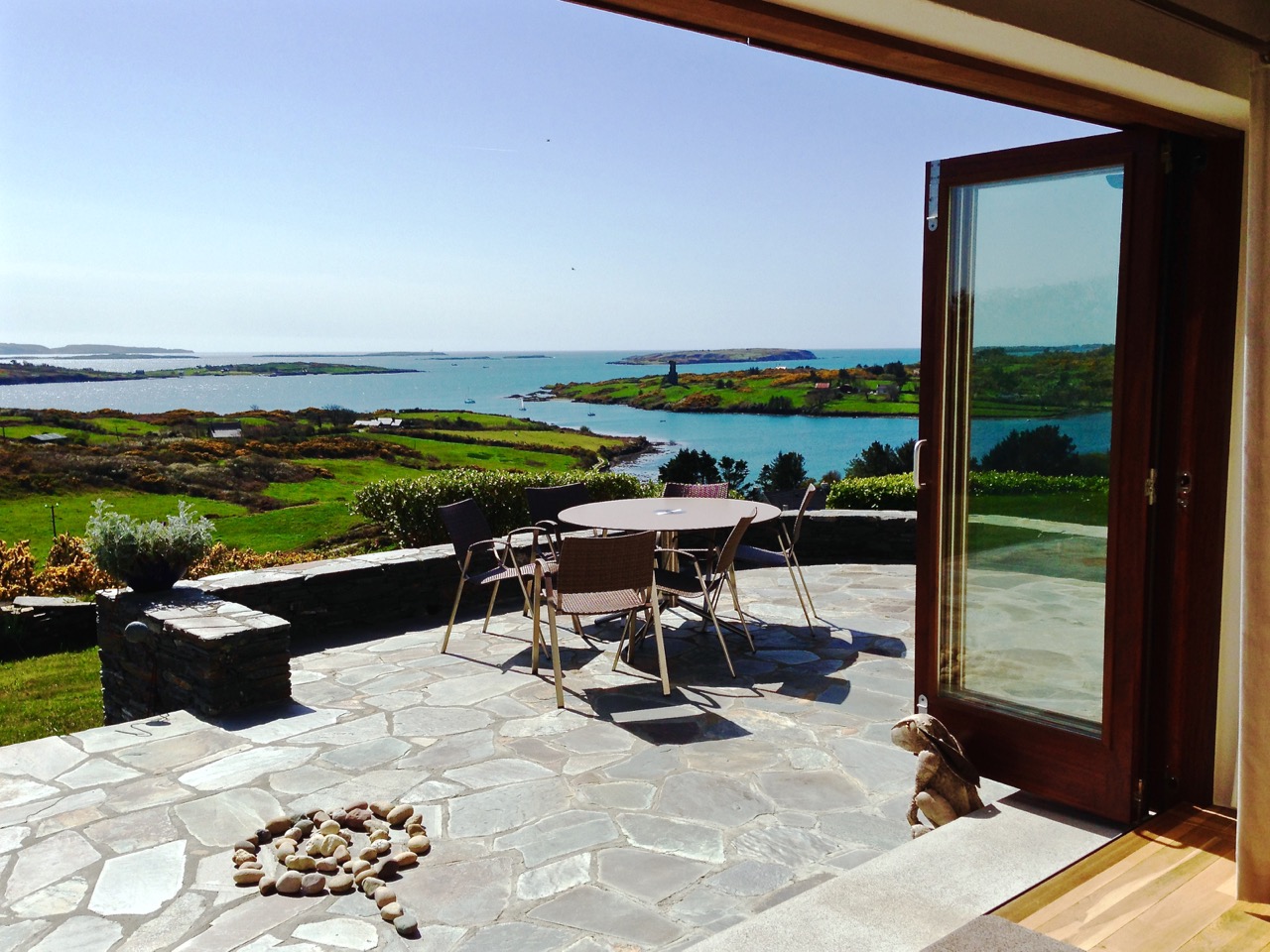
Our View to the Islands

Our view to the Islands

Sunlight and drama have been the key elements of the view from Nead an Iolair this week. The drama began at coffe time on Monday: whenever we are sitting having breakfast, lunch, tea, supper – or maybe just sitting – we are looking out over the scene you see above. Central in that prospect is our bird feeder, where we keep a constant eye on the comings and goings.

Suddenly, a bomb dropped out of the sky! It scattered the birds and there was such a twittering and chattering – squawks and alarm calls. The ‘bomb’ was a Kestrel – who had singled out a juicy victim from among the avian throng… I’m pleased to say that it missed its target and crashed ignominiously into the adjacent gorse bush. Seconds later it extricated itself and sloped off, trying not to look too foolish. I have to say I admire birds of prey, although I’d rather not see them lunching on our garden friends. In the past we have also had sight of a Sparrowhawk on our stone boundary wall.

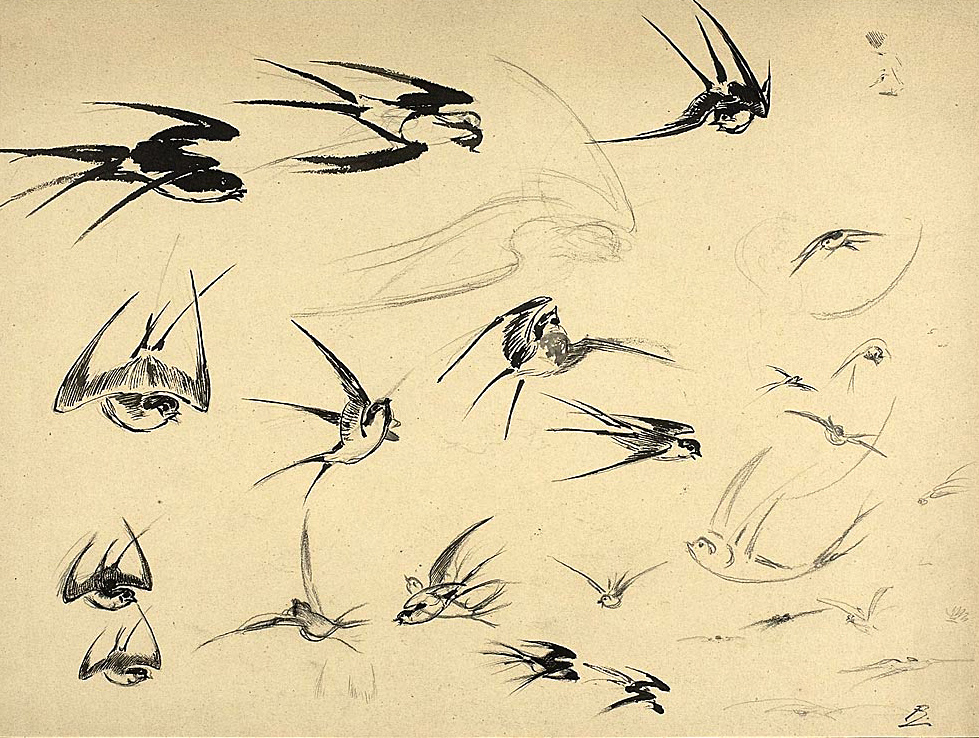
The Swallows: Felix Bracquemond, 1881

The Swallows: Felix Bracquemond, 1881

As I write this there are Swallows wheeling in the air above us: although we have had cloudless skies for several days the wind is in the east and it’s pretty chilly – however these harbingers of the Summer seem happy enough to have arrived on our shores in late April.

The Choughs are always with us!

The Choughs are always with us!

The Choughs are good friends of ours – they sit on the roof or tumble about in front of us, showing off their bright red bills and claws. At the moment they are foraging in the rocky land behind the house, pulling out roots and twigs for nest building. Another nester is the Starling family which inhabits the space in our eaves, creating a lot of noise and mess.

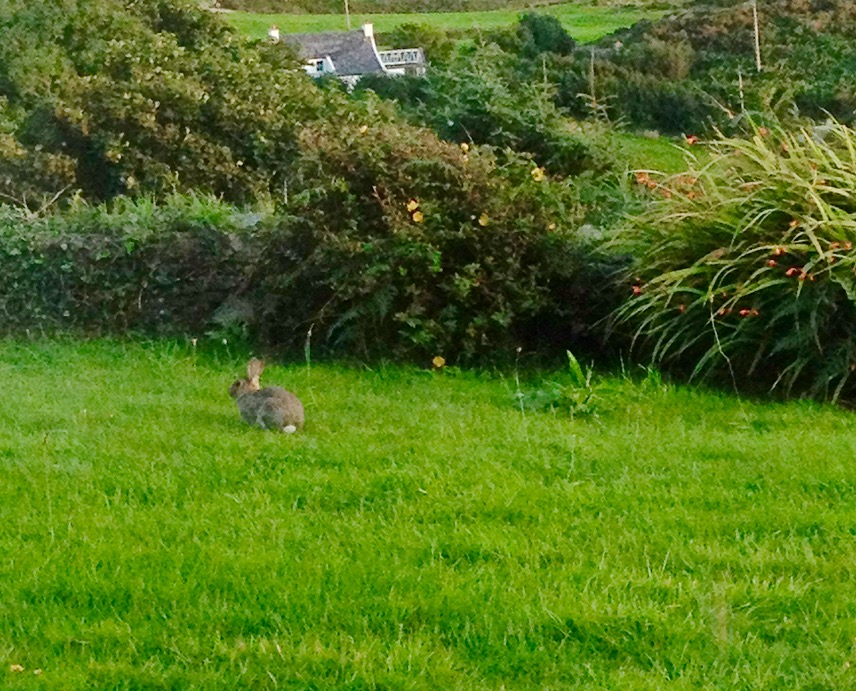
rabb

I was pleased to see a Rabbit in the garden: there has been an outbreak of mixomatosis in the surrounding countryside in recent times and over the last year we have hardly come across any of these mammals in the fields locally. Mixomatosis was introduced into the UK in the 1950s – apparently by accident – and then was used as a deliberate Rabbit control measure, by placing sick animals in burrows (then and now an illegal practice). By 1955 95% of Rabbits in the UK had been wiped out. I remember those days: seeing dead and dying animals every time I went out as a sensitive nine year old made me sickened and appalled, especially when I learned that we humans had initiated such cruelty. The virus recurs cyclically every few years, as has happened around here: I am still sickened and angered by it.

The next visitor was a female Pheasant. Although less colourful than her male counterpart she is nevertheless a handsome addition to our menagerie. The good weather has enabled us to have our doors open every day, but this does mean an influx of smaller guests, which have to be carefully rounded up and ejected before we go to sleep. They include spiders and flies, but also Native Irish Honeybees from our neighbour’s hives. Apis Mellifera Mellifera has evolved over thousands of years with a large body and long dark abdominal hairs which make it uniquely suited to survive in a harsh Irish climate. It will be found foraging early and late in the season and will fly in dull, drizzly and cold weather. I gleaned this information from the comprehensive website of the Native Irish Honeybee Society.

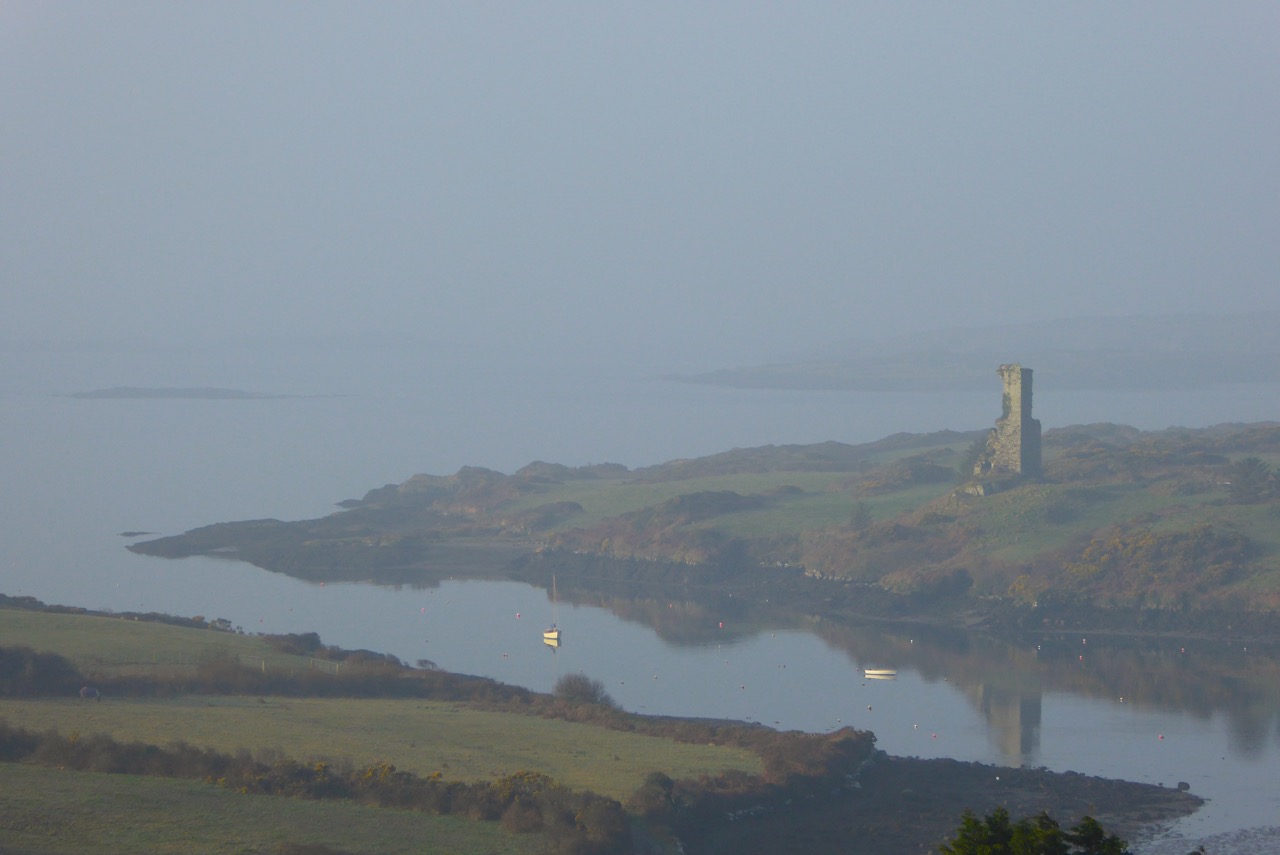
Castle in the Mist

Castle in the Mist

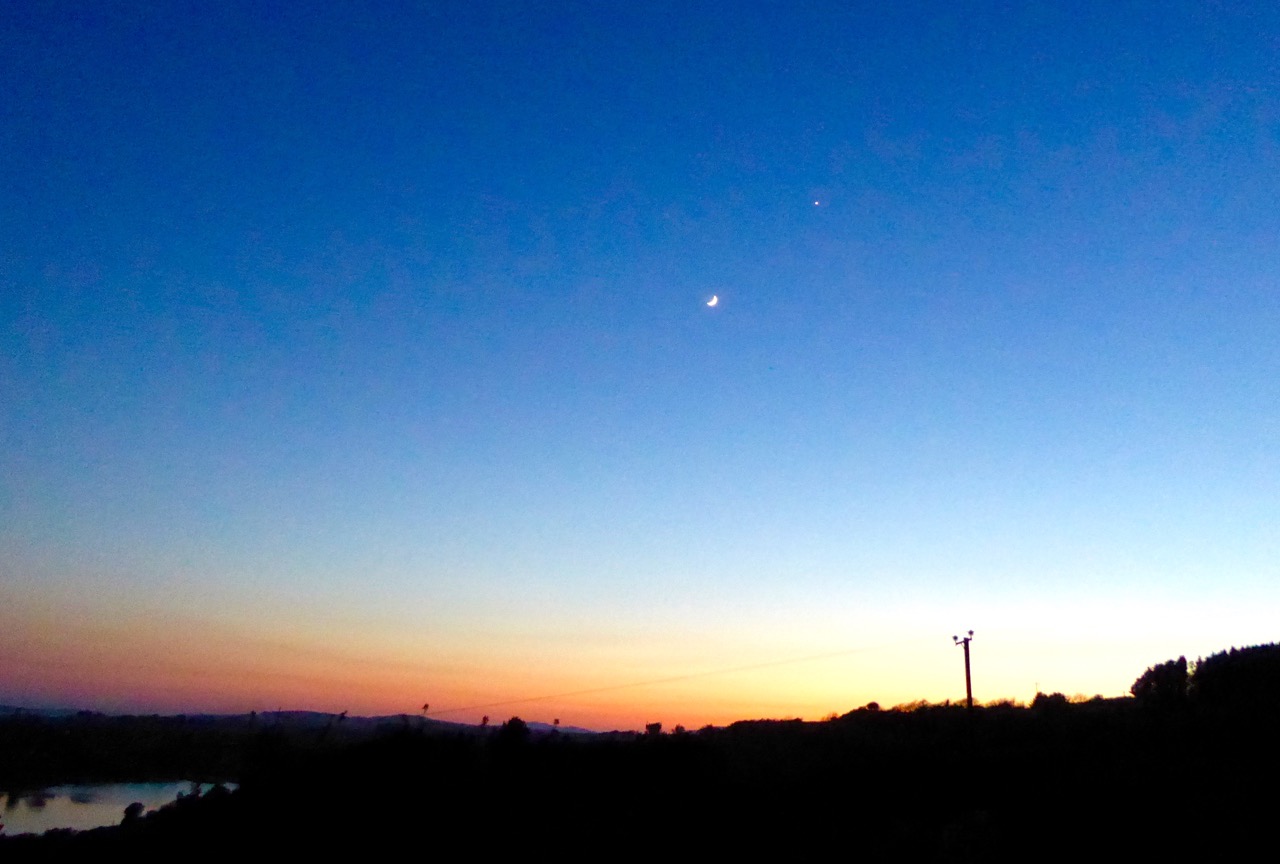
These wonderful spring days have been heralded by misty mornings. Evenings have been clear, with the crescent moon and Venus prominent over the western horizon. This is the time when we see our Bats. They might be either Common Pipistrelles or Soprano Pipistrelles: I’m sure you know that the former echolocates at a peak frequency of 45kHz while the latter echolocates at a higher frequency peaking at 55kHz. I keep listening out but can’t quite decide which is which… Anyway, they are both indigenous – and are probably sharing our eaves spaces with the Starlings.

crescent moon

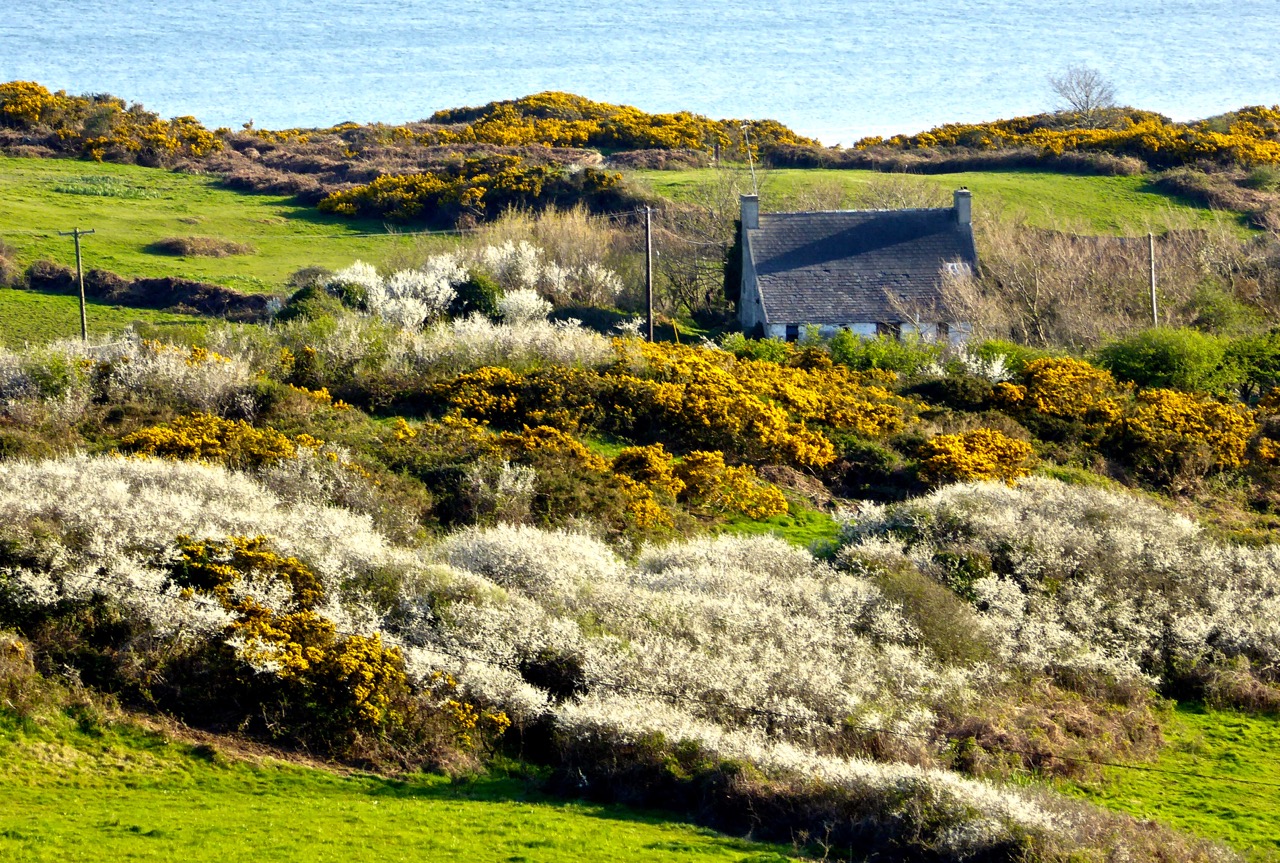
The gorse is in full bloom, as are the blackthorn hedges. Any picture of our surroundings at this time of the year has to show off the yellow and white – and, of course, the emerald green and azure blue.

looking out

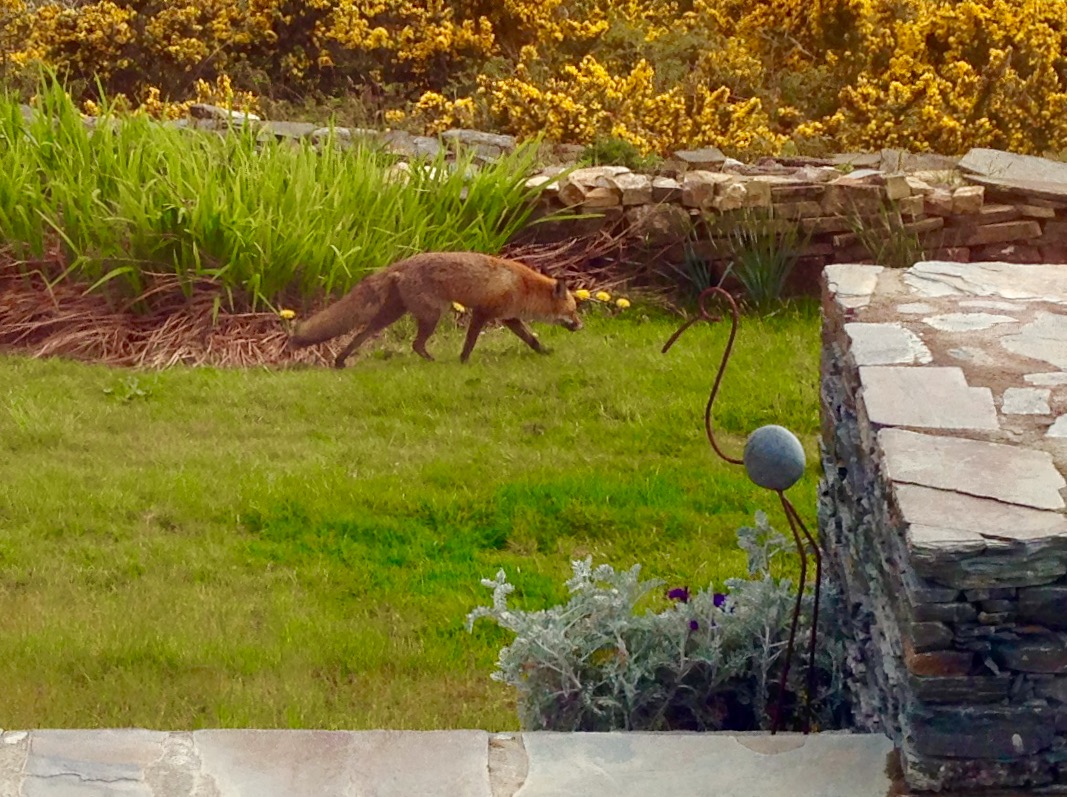
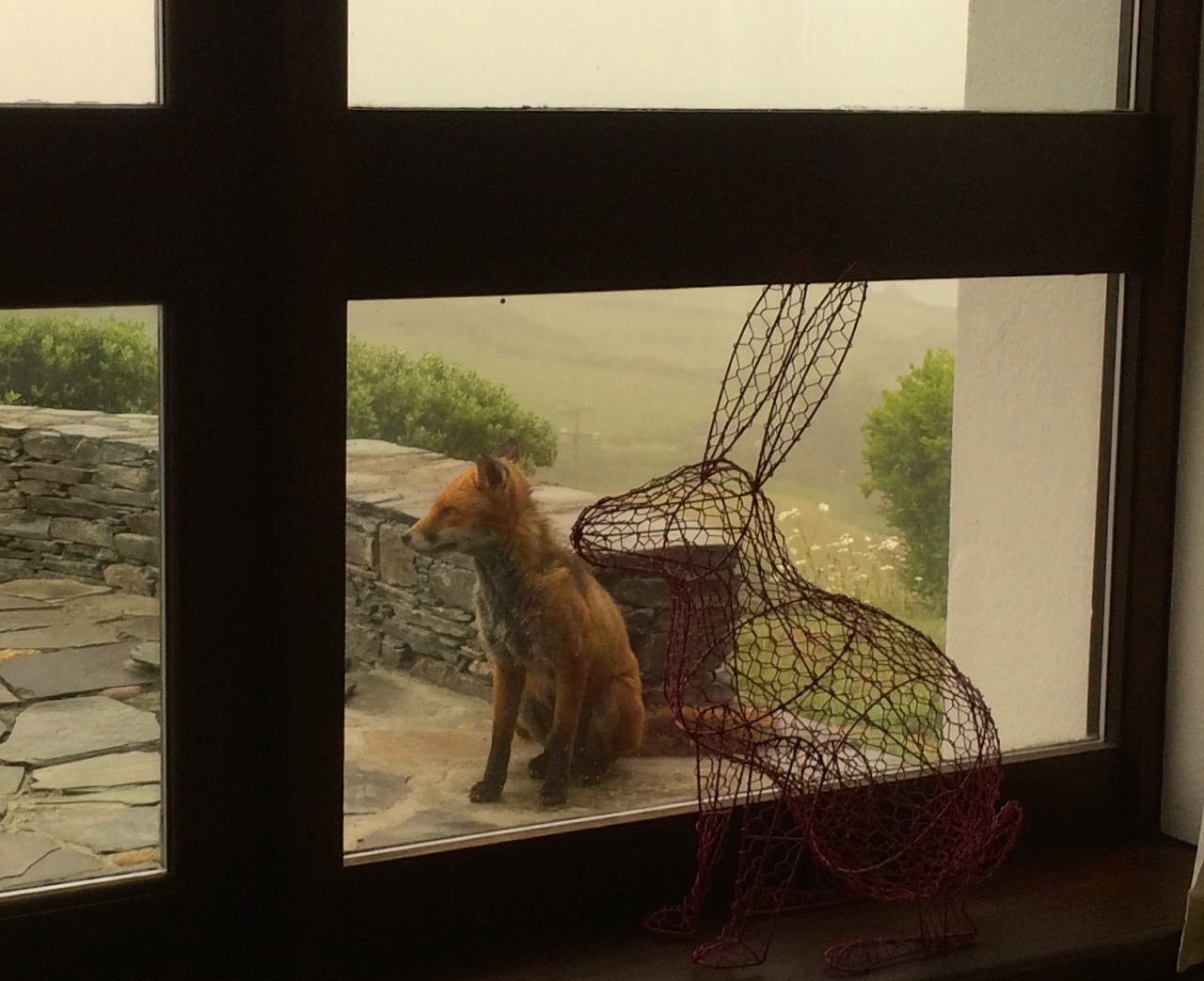
No ‘nature post’ here would be complete without mention of our own Red Fox, Ferdia. In fact, part of the drama of the week was the appearance of another Fox! As we hadn’t seen Ferdia for quite some time we worried that he might have gone the way of all Foxes: the average life of a Red Fox in the wild is only around five years – and our neighbours claim to have been hosting Ferdia for more like ten… The new Fox only made the briefest of appearances, just enough to be photographed. I think it is a Vixen – smaller and thinner – and very nervous. We couldn’t help thinking that she had come on to the scene because of Ferdia’s demise – but no! Yesterday evening, there was Ferdia knocking on the window, cocky as ever – although he does look a bit bedraggled at the moment, possibly because he’s beginning to lose his fine thick winter coat. Perhaps now we will have to find scraps for two foxes…

Fresh on the scene: a female Red Fox

Fresh on the scene: a female Red Fox

Seen through the window: a bedraggled Ferdia posing with one of our many household Hares!

Seen through the window: a bedraggled Ferdia posing with one of our many household Hares!

Finally, I was fascinated by another visitor to Nead an Iolair this week: a female Emperor Moth took up residence on our bedroom window cill. As you can see, her appearance is very striking. I wish I had been able to observe her all day, as evidently these Moths stretch themselves out in the sun waiting for a mate to arrive. The males are even more spectacular, but alas I didn’t see one. You’ll find this lady in an Irish folk tale: The Children of Lir.

Female Emperor Moth

Female Emperor Moth

I have to give a special word of thanks to Finola, who expertly took most of the photographs in this post with her excellent Leica-lensed camera

Glebe Gardens

Glebe Gardens in the autumn

Glebe Gardens in the autumn

We’ve been to the Glebe Gardens in Baltimore on numerous occasions, for a delicious lunch in their restaurant, or to attend a concert in their amphitheatre. Until this autumn, however, I had never really been around the gardens themselves. I was fortunate, during the Taste of West Cork Food Festival, to be able to sign up for a tour with Master Gardener Jean Perry. Jean and her husband Peter started and manage the gardens, now with their daughters actively involved as well. It’s been an enormous amount of work over many years but in that time it has become a beloved West Cork institution.

Jean Perry, our tour Guide

Jean Perry, our tour guide

I had never heard of No Dig Gardening, the philosophy underlying this garden, until I heard about it from Jean. Vegetables are, for the most part, grown in deep beds and the soil is left as undisturbed as possible. When one crop comes out, another goes in. Fertilising and soil rebuilding is accomplished with organic compost, with occasional additions of seaweed pellets. They start the seeds in a protected place and plant them out once they’re big enough. They grow module plants – for example, lettuce in the spring, beetroot in the summer, brassicas in the fall – and get two and sometimes three crops a year. Besides the outdoor crops there are greenhouses loaded with tomatoes, peppers – and grapes!

Raised beds

Raised beds

The vegetables grown here are used in the restaurant. You can tell – everything tastes fresh and homemade. But flowers also make an appearance in this garden. Even though it was late in the year we were treated to a feast of colour in the herbaceous border.

This slideshow requires JavaScript.

The gardens include a stretch of canal that was once the railway cutting. A winding path leads down over a wooden bridge and eventually to the amphitheatre.

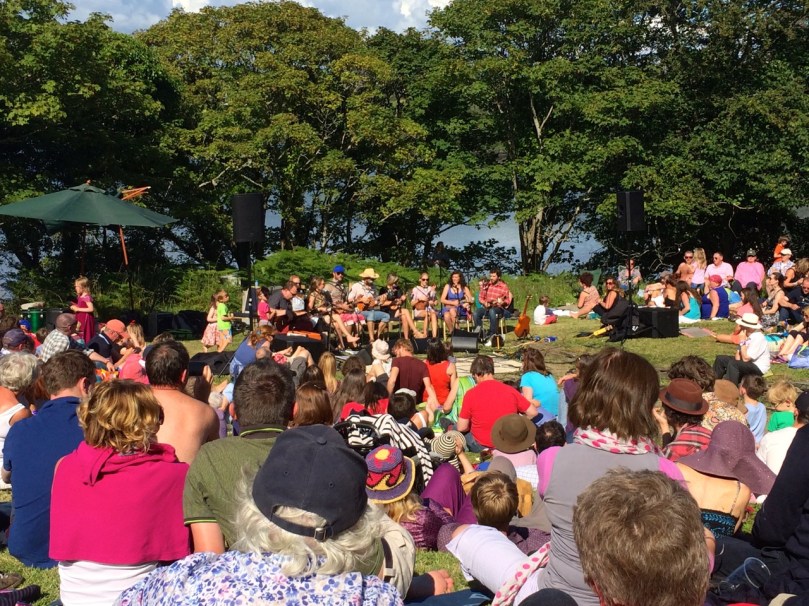
The amphitheatre was an inspired addition to the garden – in a tricky climate it’s always a nerve-wracking watch to see what the weather will do when you’ve scheduled an outdoor concert. The gods have smiled on it, though – very few concerts have been affected by bad weather.

Summer concert at the amphitheatre - the West Cork Ukelele Band

Summer concert at the amphitheatre – the West Cork Ukelele Band

Next it was up to visit the hens and goats – where Robert made a new friend – and then on to the greenhouses to see a truly impressive variety of tomatoes and to sneak a grape or two.

kiss kiss

kiss kiss

The tour finished with a tomato-tasting session and an impromptu lesson from Jean on which ones were best for what dishes. Robert and I stayed for lunch in the restaurant and a chat with fellow-tourists.

Glebe Gardens open from March to September, and occasionally for special events during the winter. Next time you’re in Baltimore, pop by for lunch.

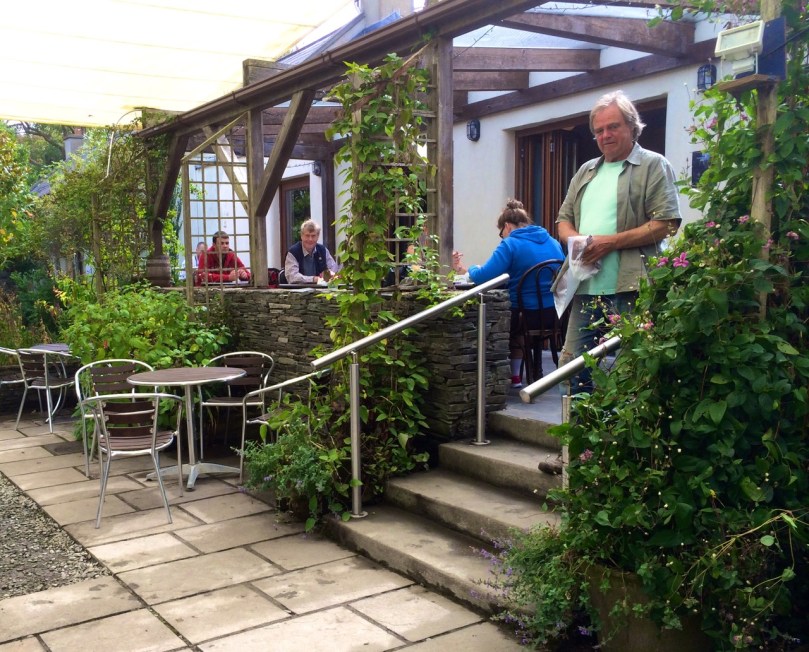
Waiting for lunch

Waiting for lunch

And after that final excellent latte, take a stroll through the gardens. Or make it part of your West Cork Garden Trail next year, along with Carraig Abhainn and the Heron Gallery, or any of our other wonderful gardens. Spoiled for choice, we are!

pond

Pigs and Ponds in Ahakista

The Garden Trail is declared open at the Heron Gallery Gardens

The Garden Trail is declared open at the Heron Gallery Gardens

The West Cork Garden Trail takes place in the second half of June and this year the opening ceremony was held at the Heron Gallery Gardens in Ahakista. The gardens are a natural extension of the gallery, cafe and gift shop that Annabel and Klaus operate, with a satellite store in Schull and an online shop.

Welcome to the gardens!

Welcome to the gardens!

Annabel and Klaus have only been developing these gardens for nine years, although it’s hard to believe that this was wilderness so recently. Every year brings innovation and new plantings and trails. Although we kept our shoes on this time, we explored the barefoot trail, an invitation to experience the sensual pleasures of texture underfoot and squishiness between the toes. Along the trail we met friendly pigs (say hello to Fuchsia, Fern and Fay!) and climbed the hillside to a bench situated to enjoy glorious views of Dunmanus Bay. 

Robert makes a friend

Robert makes a friend

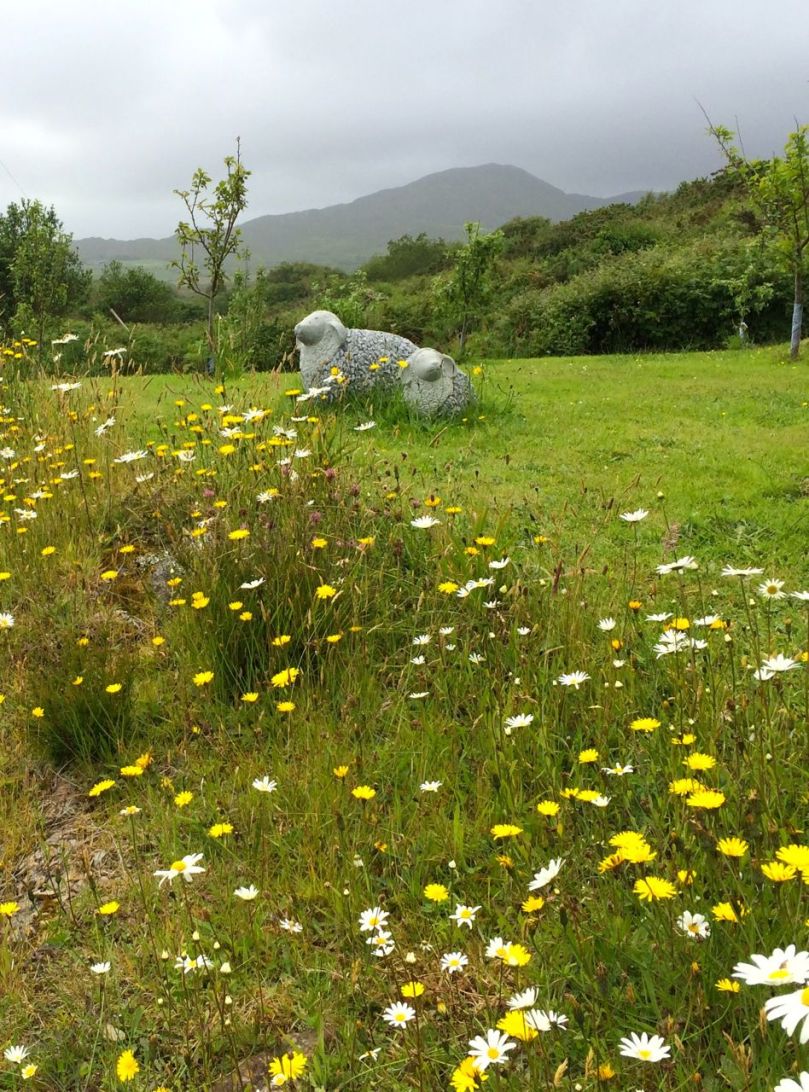
On the way back down we lingered by the pond, where wild flowers have been left to blow enthusiastically on a small hillside.

Wildflower meadow

Wildflower meadow

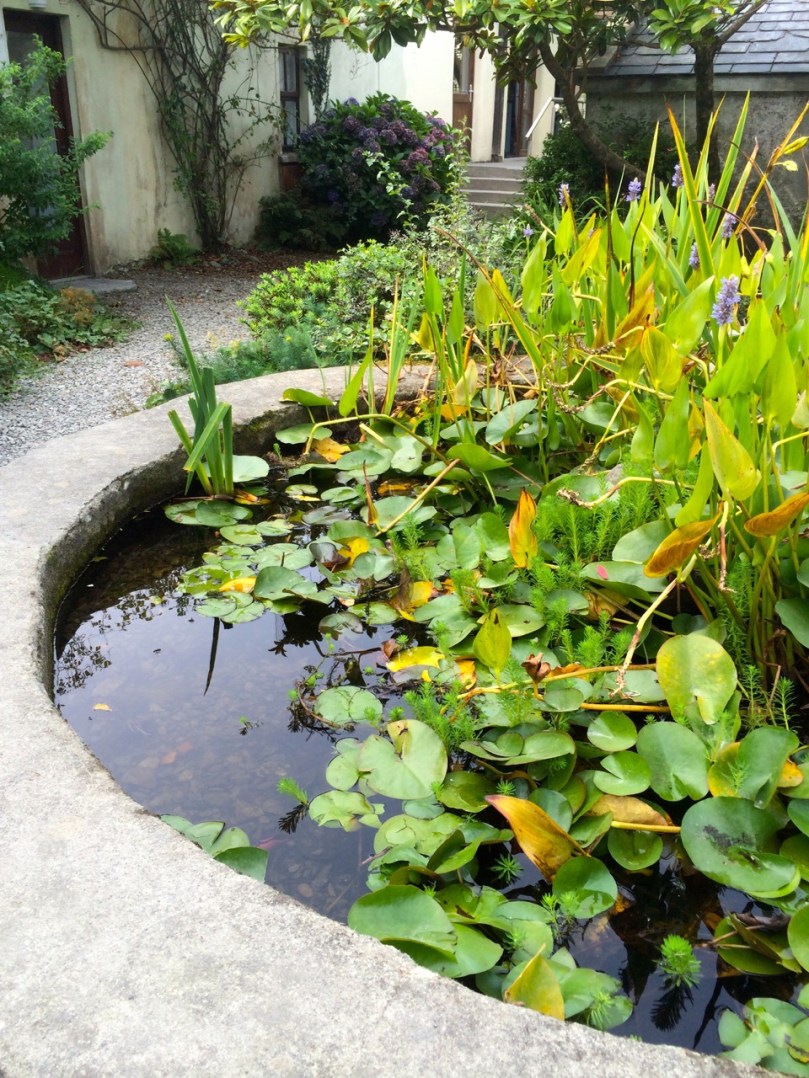
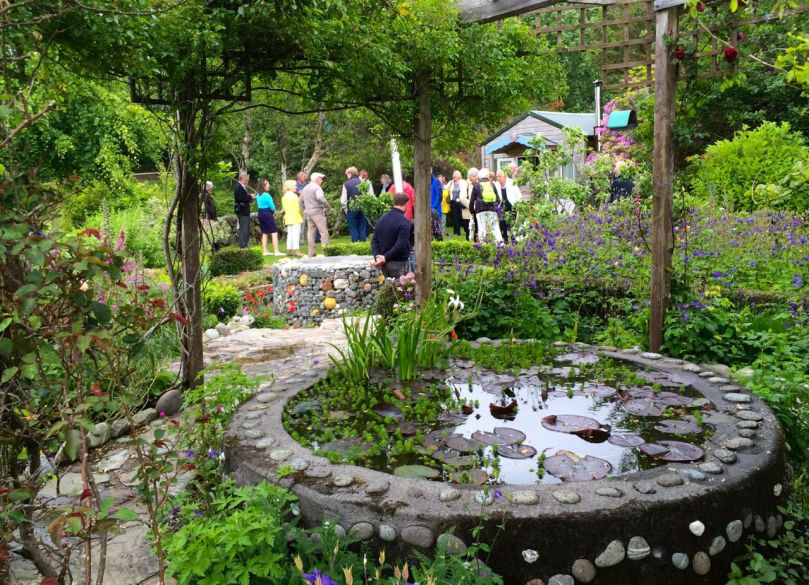
The more formal parts of the garden are a joy, with colourful herbaceous borders, pools with water lilies, tables and benches for eating or resting, and everywhere delightful, quirky sculptural installations.  

This is the perfect spot to enjoy lunch, or coffee and cakes, before a browse around the gallery featuring Annabel’s captivating images. Having travelled along the Sheep’s Head and wandered the garden, her inspirations will be obvious to you – look out for her oil painting of Fuchsia the Pig, or her many depictions of the Irish hare, two of which feel right at home at Nead an Iolair.

Durrus Delight: Carraig Abhainn Gardens


IMG_2657

This week we visited a tiny jewel of a garden. Tucked behind Wiseman’s general store in Durrus is a two and a half acre gem called Carraig Abhainn (Rocky River, pronounced KA-rig OW-in [OW to rhyme with now]). It’s been a labour of love for over 20 years – the work of Eugene and Hazel Wiseman. We were lucky to have a chat with Eugene while we were there.

There are no large signs out on the road pointing the way and little advertising in the local media, so this is not as well known as it deserves. You pop into Wiseman’s shop, pay €5, open the gate at the end of the building, and step into a small wonderland.

IMG_2691

 IMG_2734

The first thing you become aware of is water.  A mill stream forms one boundary of the garden, crossed by little bridges here and there. The Four Mile River forms another – and this stretch is truly magnificent. Clear and sparkling, it rushes and falls and leaps over the rocks that give the garden its name. The paths have been cleverly constructed so that as you stroll you encounter the river at different points.  Each point has a unique vista that encourages you to gaze, contemplate, photograph or just sit and listen.

IMG_2663

The daffodils were over when we went and some of the rhododendrons had faded too. Nevertheless, around every bend was a new feast for the eye and the camera, from the undergrowth of bluebells to the camellias, yellow irises and the climbing clematis. Exotic trees add variety of colour, texture and size – “I wonder what that is?” became our mantra. (For those who need an answer, the garden website provides a list of plants.)

A wonderfully idiosyncratic feature of this garden is the statuary – a unique blend of the classical and the quirky, perfectly placed to enhance a long path, mark a set of steps, or simply be discovered rounding a corner. Near the entrance is a mural, with Greek columns and a water garden and benches that invite you to enjoy this sunny spot.

IMG_2682

There’s a West Cork Garden Trail in the second half of June and Carraig Abhainn is one of the gardens featured on the trail. But don’t wait until then – if you are anywhere in the vicinity of Durrus drop by Wiseman’s and treat yourself to a quiet hour or two soaking up the beauty and tranquility of this charming oasis. Bring a latte and piece of cake from the excellent Gateway restaurant next door – that’s all you need to complete your little slice of heaven. 

IMG_2716

Gorse, of Course

The battle begins

The battle begins

In a previous post Finola mentioned gorse wine and it struck us that non-Irish readers may not be familiar with gorse – that ubiquitous, loved and hated shrub that covers the Irish countryside above a certain elevation.

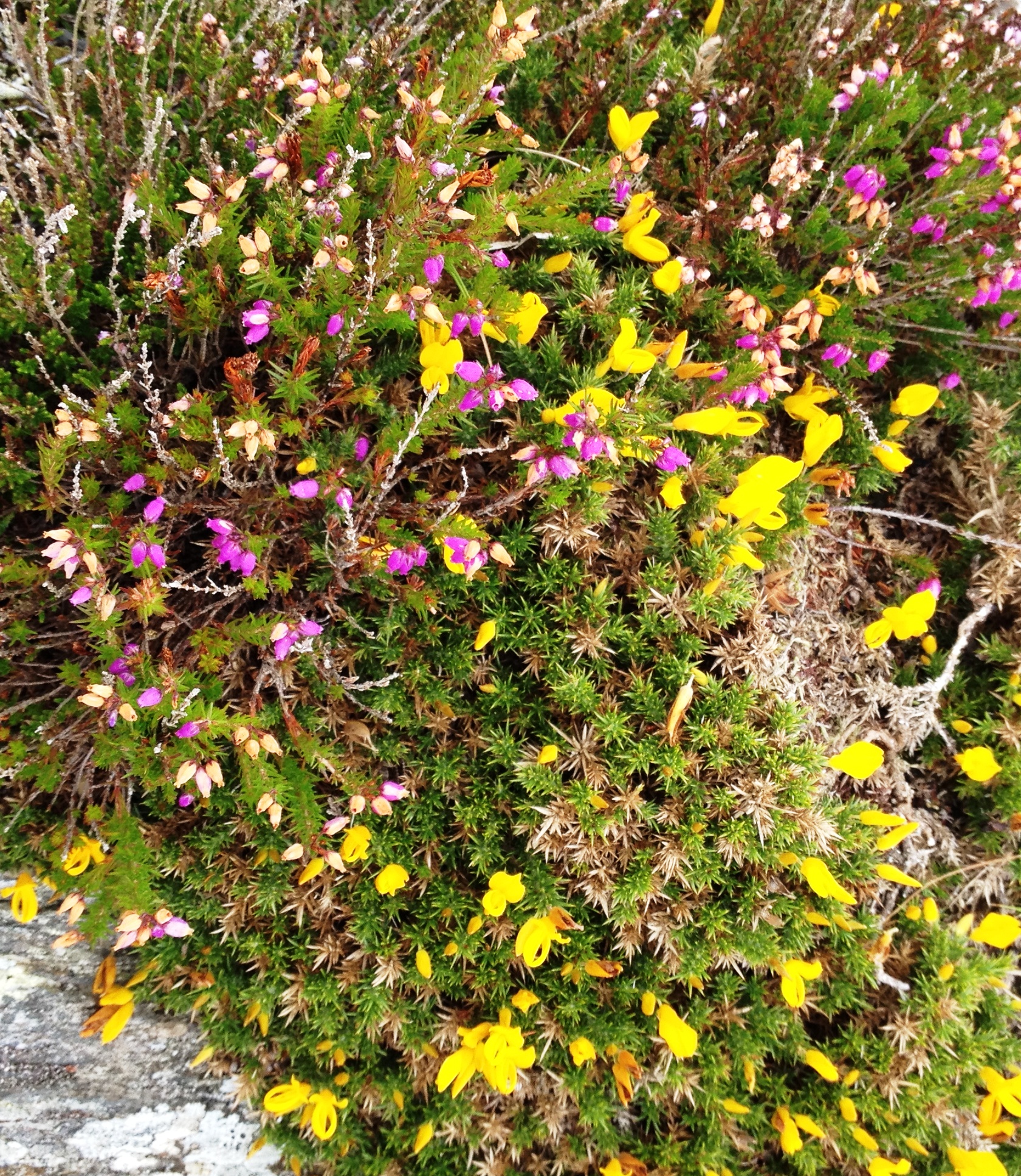
gorse and heatherWe love gorse because of the flowers – bright yellow flowers that bloom all year long and lend vibrancy to the landscape. In summer and autumn when the heather is also in bloom the contrast between the yellow of the gorse and the purples and pinks of the heather makes the countryside come alive with colour. In the spring and early summer when the flowers burst forth the hillsides look as if they are lit from within, but many bushes hold on to hints of yellow right through the winter. This property of gorse is immortalised in the Irish saying when gorse is not in blossom, kissing’s out of fashion.

We hate gorse for two reasons – the thorns and the way it takes over everything. To cut it back, chop it down, venture near it, you have to wear a suit of armour. Hiking through it is painful or impossible – even the low-growing strands manage to weasel their way into your socks and the thorns can pierce a sturdy boot and make every step torture.

Before and after

Before and after

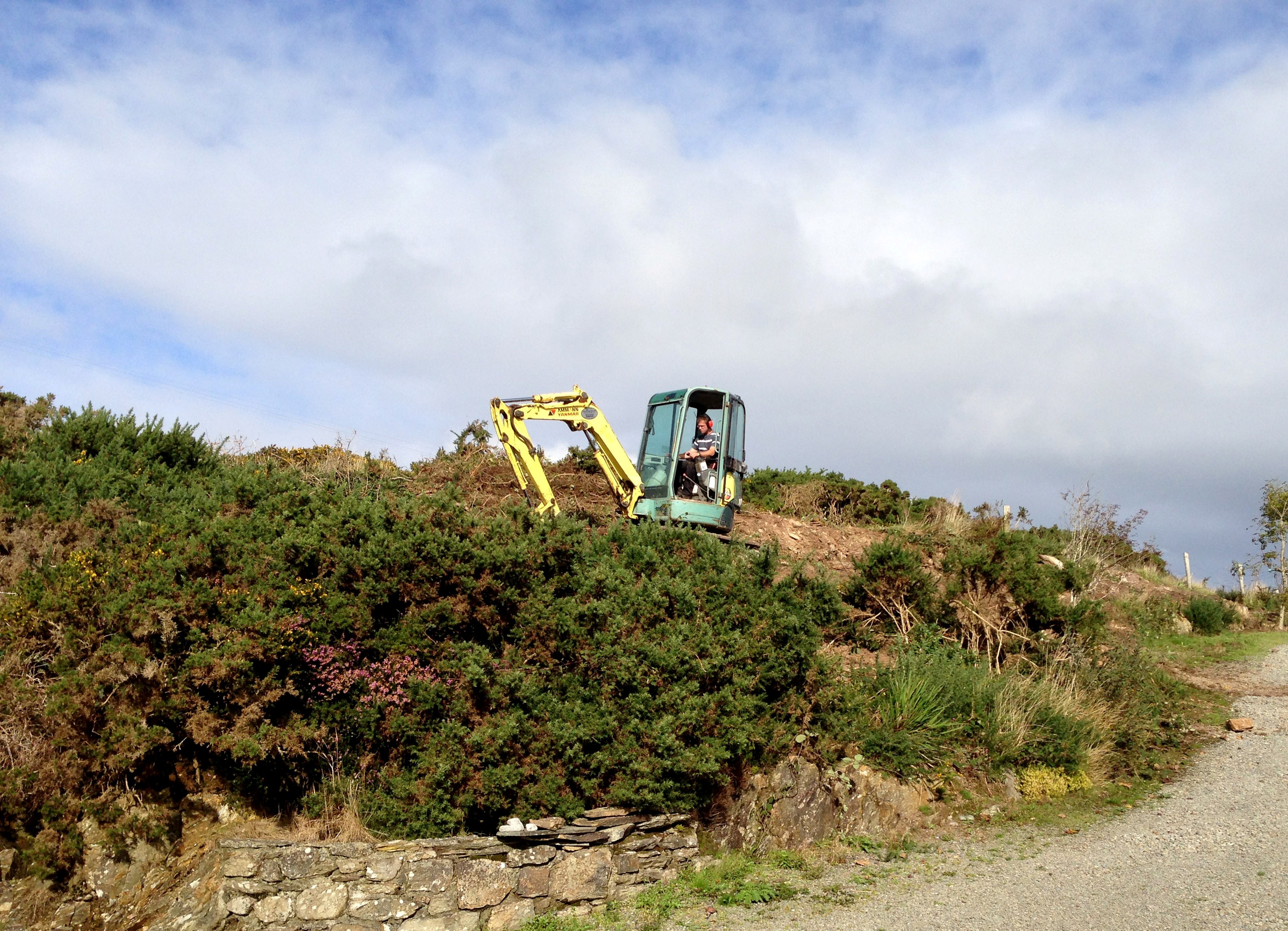
Here at Nead an Iolair the garden has grown wild over the years. In a garden on an Irish hillside, this means that the gorse has taken over. The hill behind the house was covered in it, some even encroaching on the back wall. Given the local farmers’ habit of setting fire to the hillsides in the spring, this was a significant hazard.

Burning hills

Burning hills

The area to the left of the driveway was sporting enormous stands of gorse, some as tall as trees. We could see the tips of other plants struggling for survival in this jungle but, apart from a small island of grass, the area was impenetrable.

We can see the house!

We can see the house!

This week we tackled the problem. It has taken several days, a digger, chainsaws and copious amounts of sweat but by Friday victory was declared and where there had been a gorse forest there is now a haggart (an Irish word for a small field beside the house) surrounded by a beautiful stone wall that we knew was in there but couldn’t see. We also unearthed a standing stone, giving us our own enigma to ponder. While we are not contemplating a goat herd for the haggart, we do have dreams of a field of bluebells one day. And maybe some gorse wine.

Our haggart emerges

Our haggart emerges