Circumnavigation

It’s a hop and a step from down here on the Mizen (Ireland’s most south-westerly point) up to the top of the island: people are doing it all the time, on foot, by bicycle, by boat… We thought we’d do it as a road trip – in fact, why wouldn’t we circumnavigate the whole of Ireland? We did – it took us three weeks.
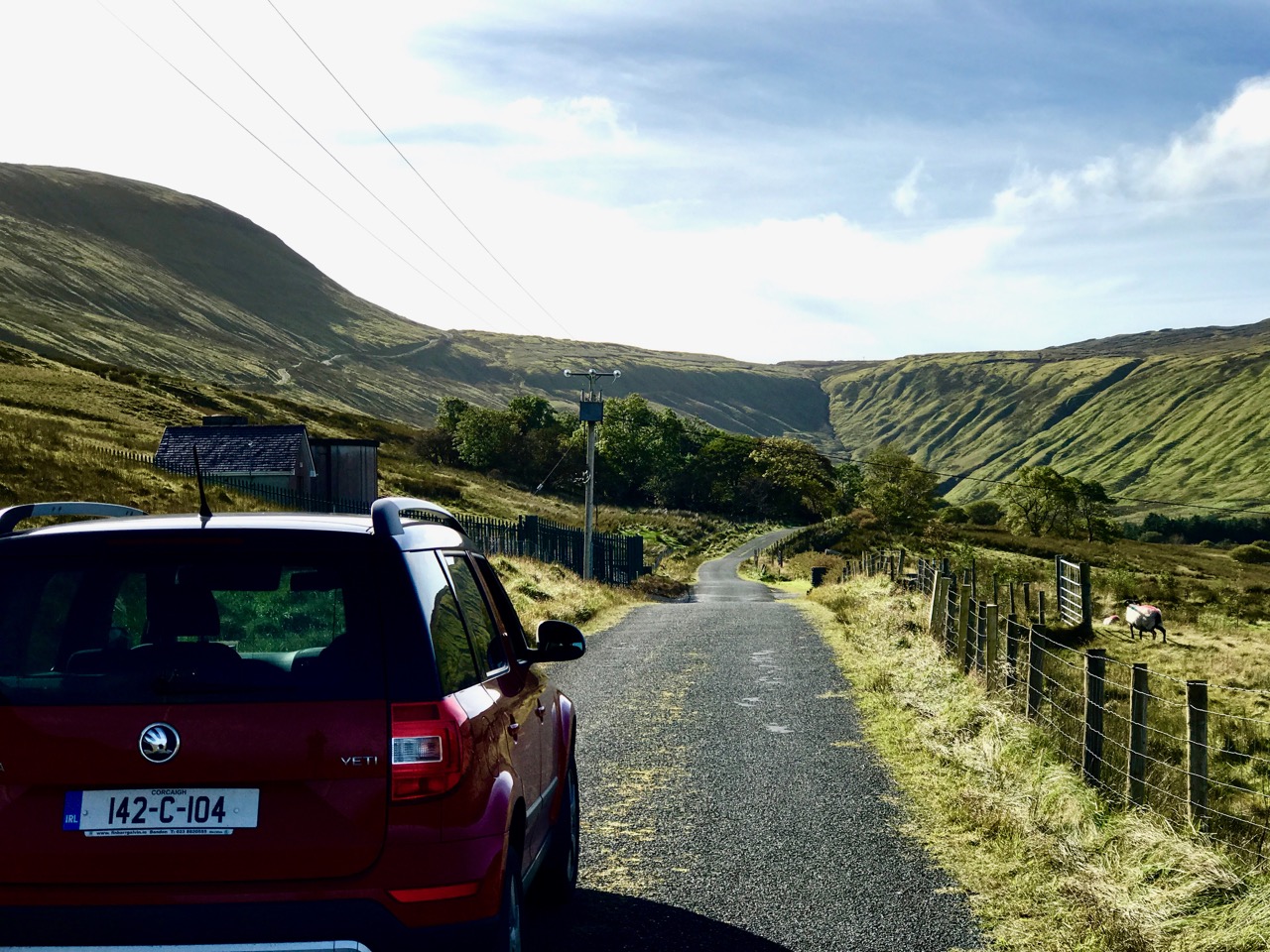
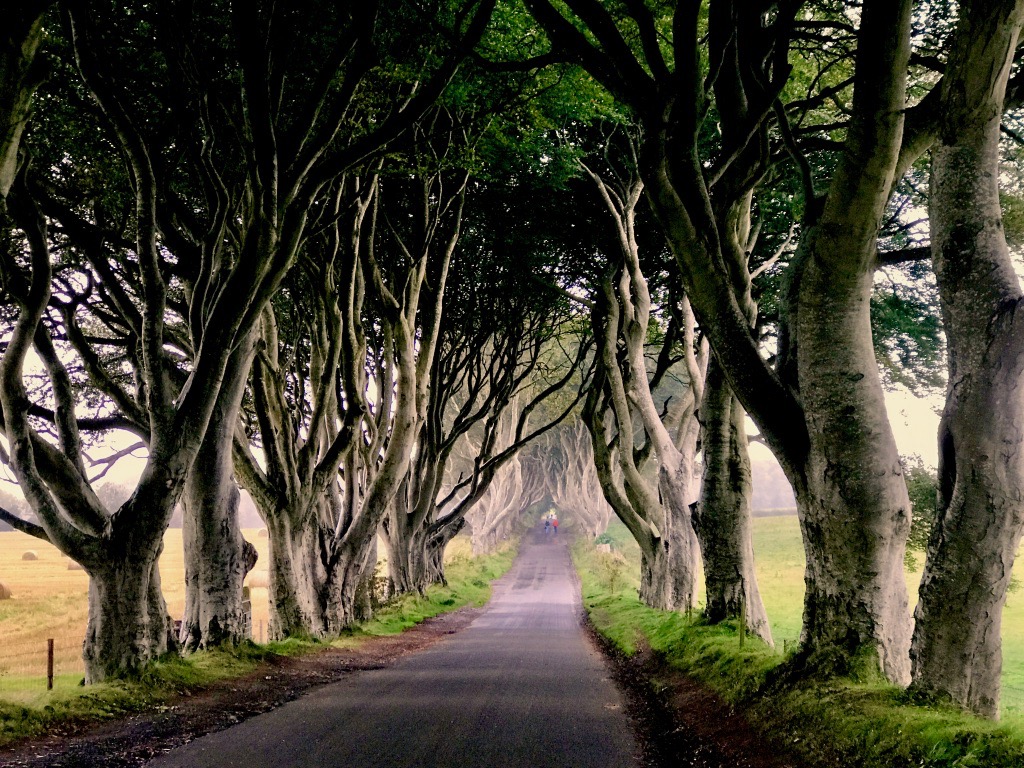
Header – the Dark Hedges, Ballymoney, County Antrim, Northern Ireland. Planted by the Stuart family in the eighteenth century to enhance their Georgian mansion of Gracehill, it is now much visited as it features in Game of Thrones. It’s good to know that traffic can no longer go through this avenue, as it has suffered damage in recent times. Above, one of the many byroads that we sought out on our journey around the island: this one is the loop road behind Ben Bulben in County Sligo

It was a most fascinating and educational trip, particularly for me: most of the places I had never visited before. Finola was more familiar with her own country, although for her it was a voyage of rediscovery. In many cases she saw how much had changed over years of boom and bust, while elsewhere her memories were reawakened.
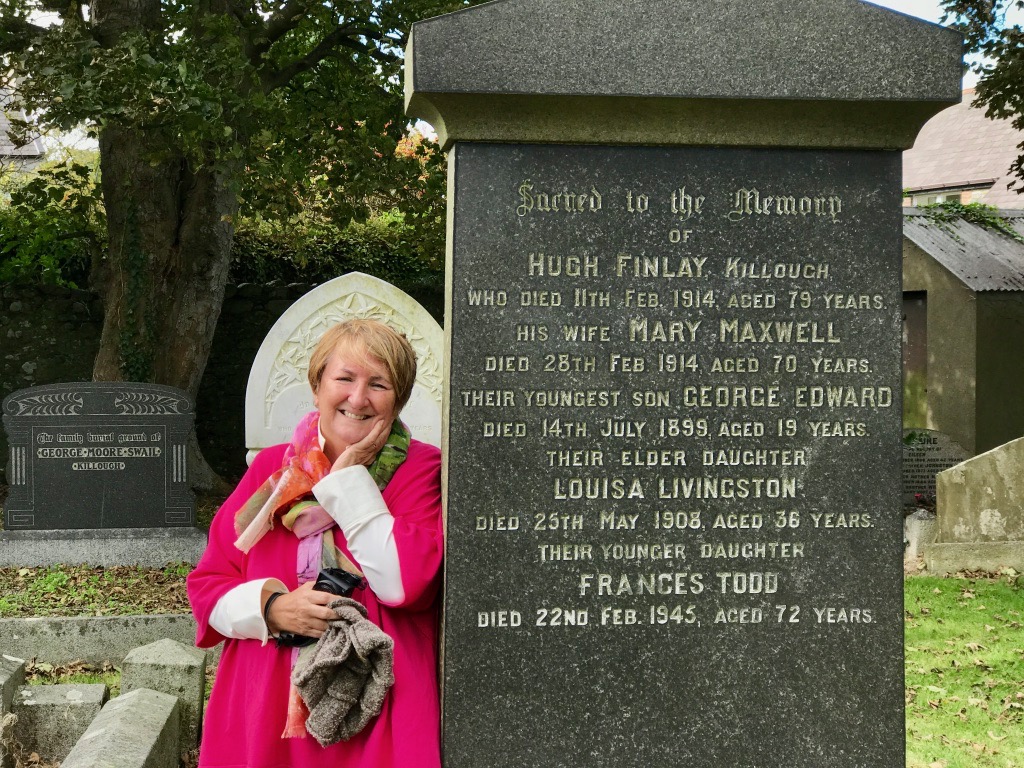
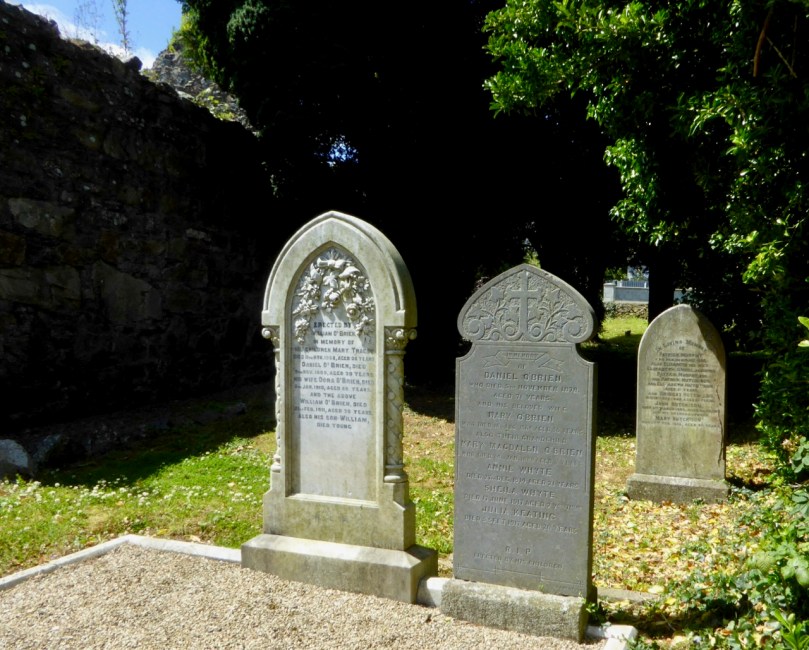
A voyage of rediscovery: Finola’s Great Grandparents are buried here in Killough, County Down, Northern Ireland

This is but a short summary of our travels: a taster. Many of the places we visited will feature in future posts here. As you can imagine, Archaeology, Romanesque architecture, stained glass, saintly shrines, pilgrimage sites, holy wells, stunningly beautiful land- and sea-scapes, and social history were prominent in our must-see itinerary. But we found we were also following in the footsteps of Irish poets. And British eccentrics.
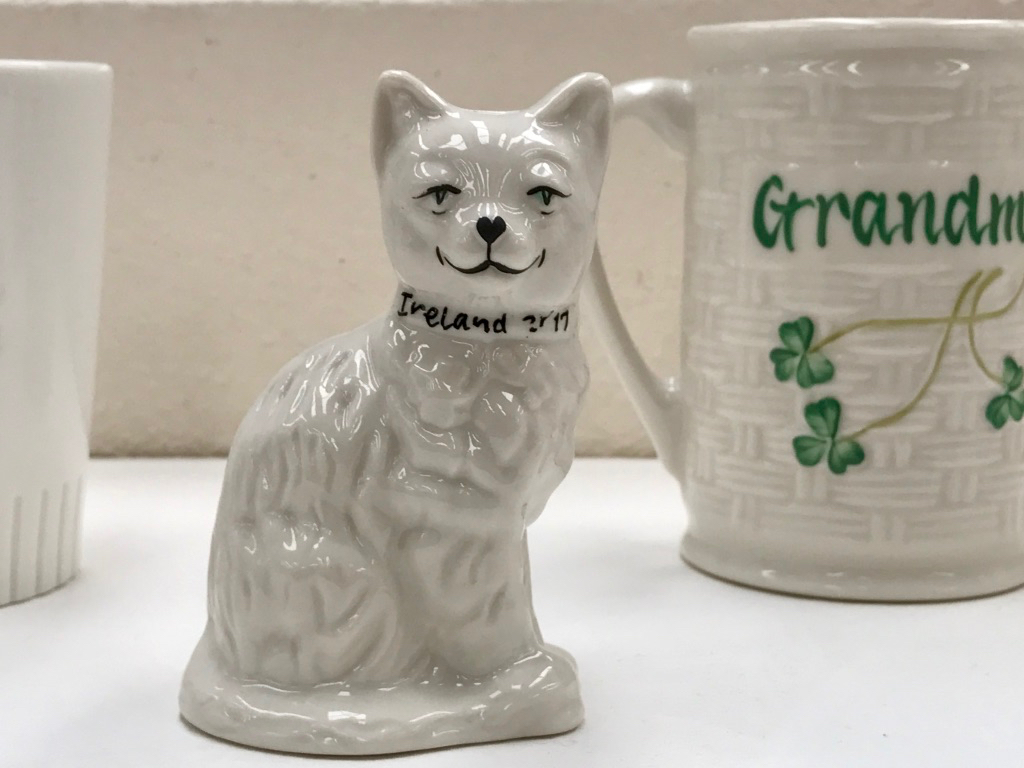
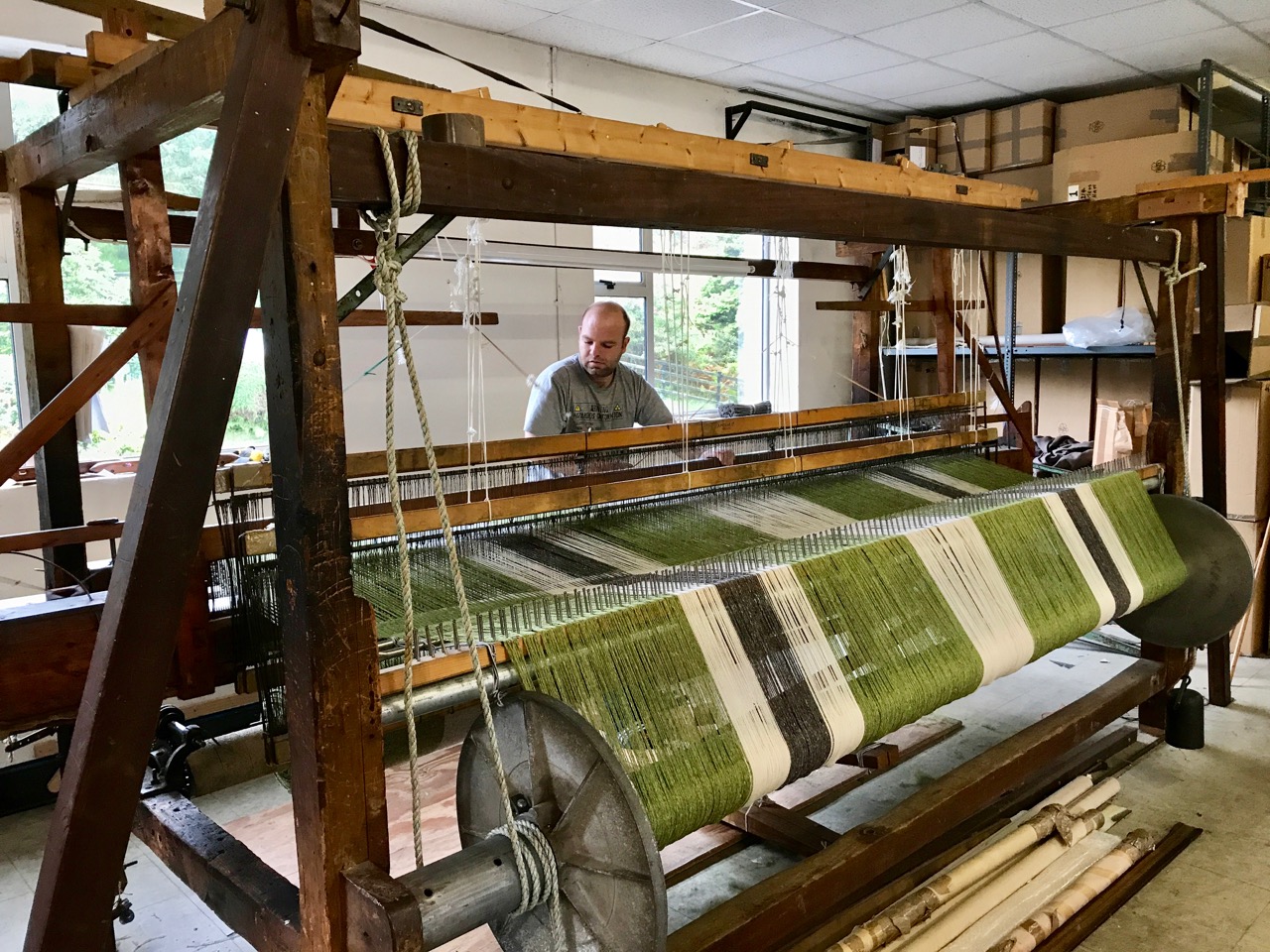
Craftworks: we visited the Belleek Pottery, County Fermanagh, Northern Ireland – which has been operating continuously since 1884 (upper), and (lower) Glebe Mill, Kilcar, County Donegal – where we could watch traditional handweaving on enormous looms

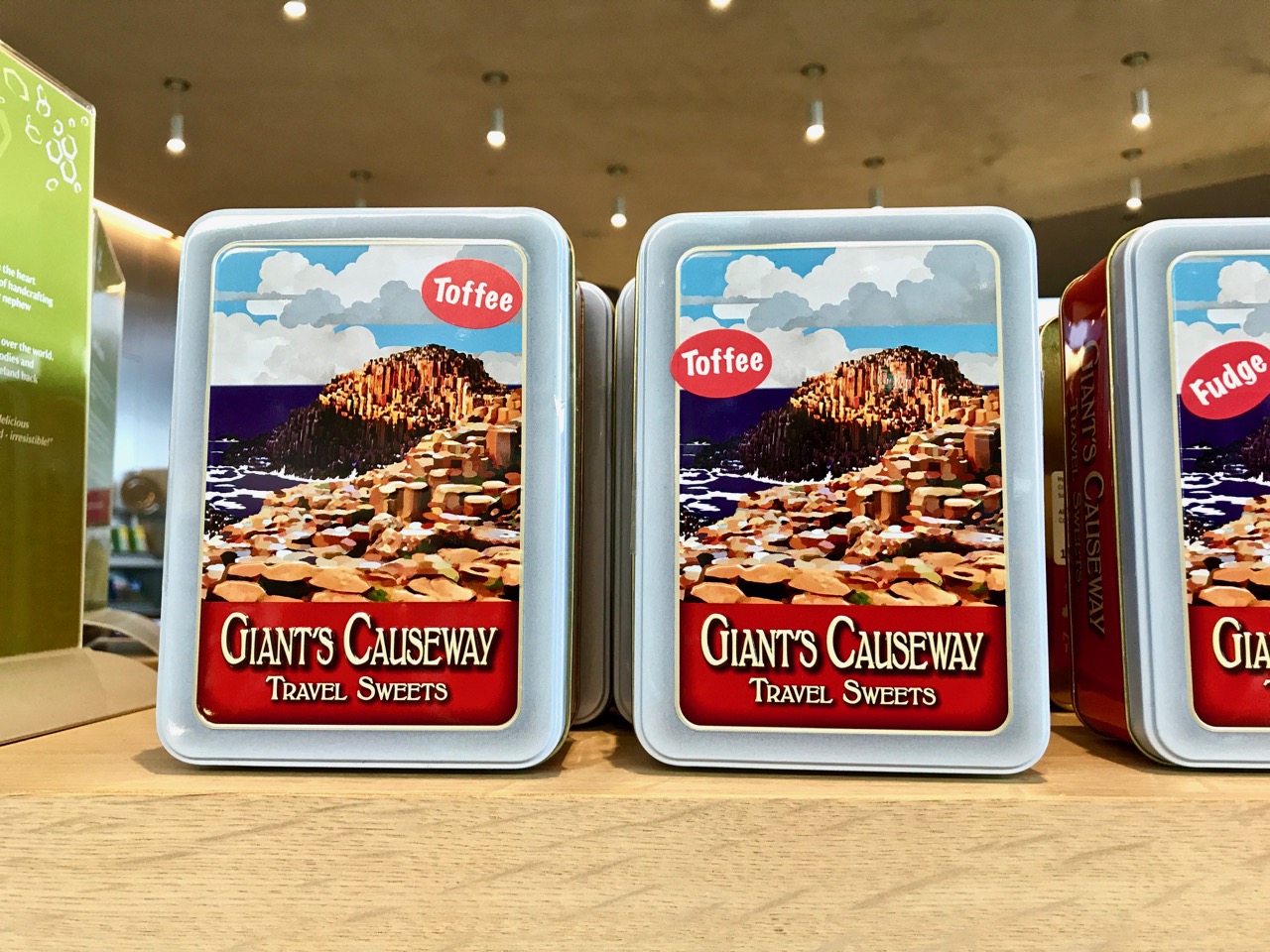
I prefer to stay off the more heavily trafficked tourist spots, but we made exceptions for Europe’s highest sea cliffs at Slieve League, County Donegal (three times the height of the Cliffs of Moher! Beautiful and very wet) and for the Giant’s Causeway. After all, this features strongly in the stories of Finn McCool. I thought that the inevitable crowds were catered for very well and – if you are prepared to walk away from the main site – you can have the spectacular cliff paths largely to yourselves. In Northern Ireland I was very struck by what an asset the National Trust is, for it preserves and makes accessible so many properties and areas of outstanding beauty. If only the Republic had a similar well funded body…
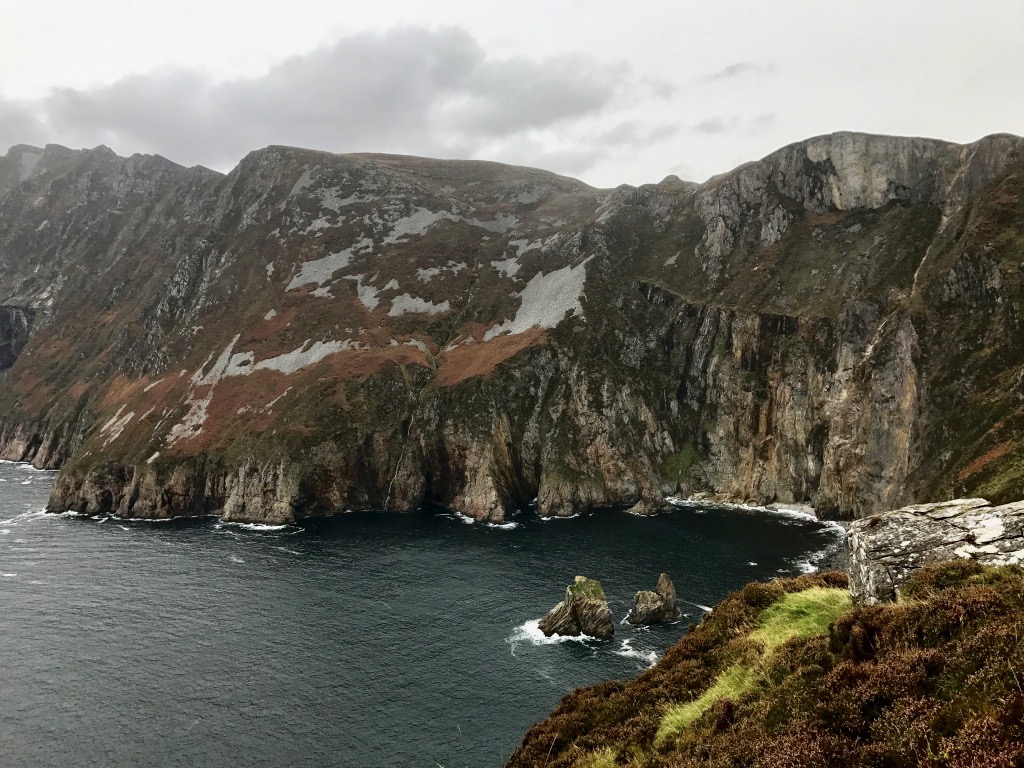
Top – the cliffs at Slieve League. Lower – Giant’s Causeway on a stormy day, and souvenirs in the National Trust’s Causeway Visitor Centre

It would, perhaps, be unreasonable to pick out a ‘best’ destination that we visited, but I must say that I was probably most impressed by the medieval sites: we took in many. It’s amazing that right off the beaten track you can find stunning ancient carvings and artefacts tucked away and – sometimes – not even signposted.
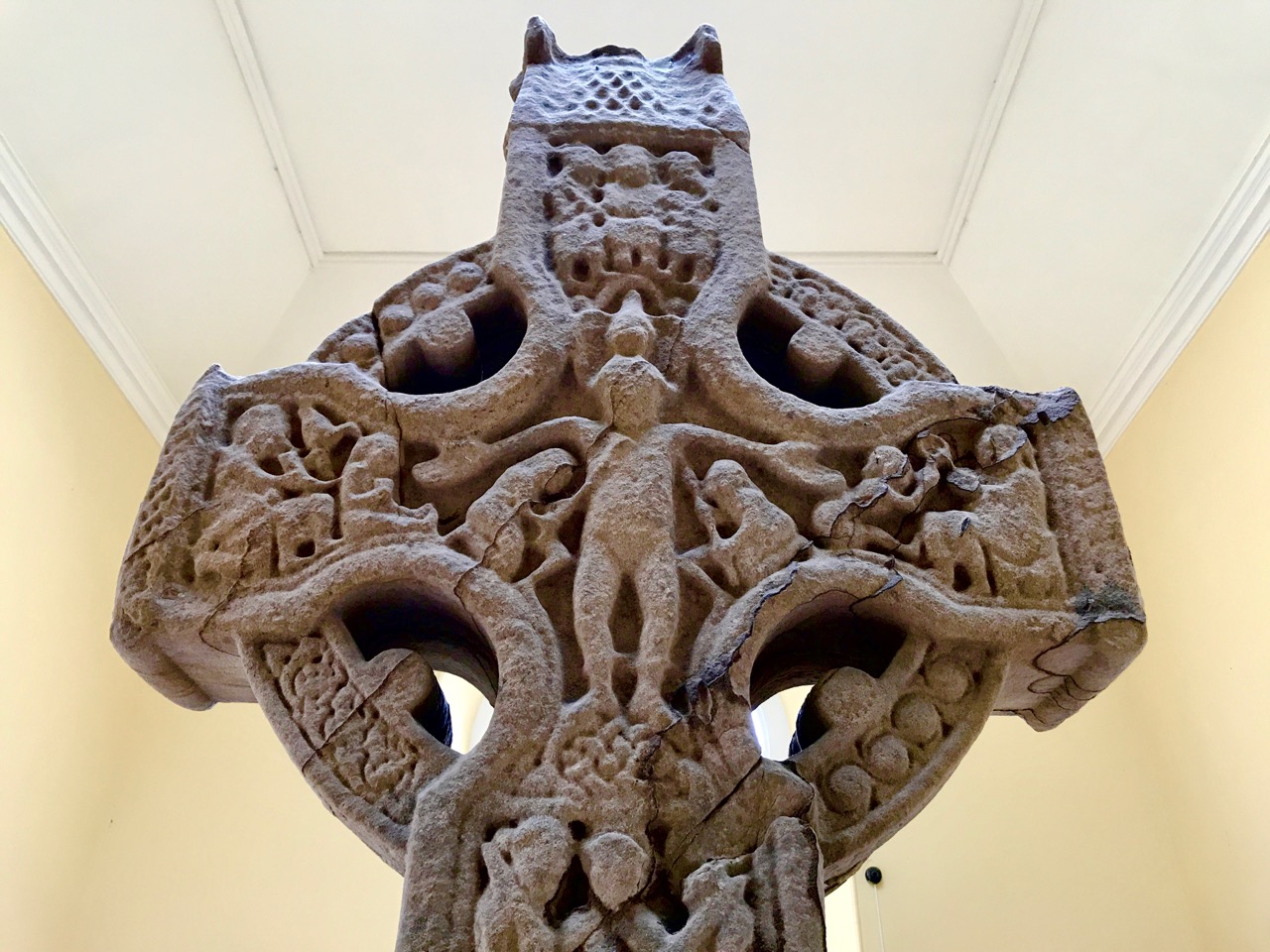
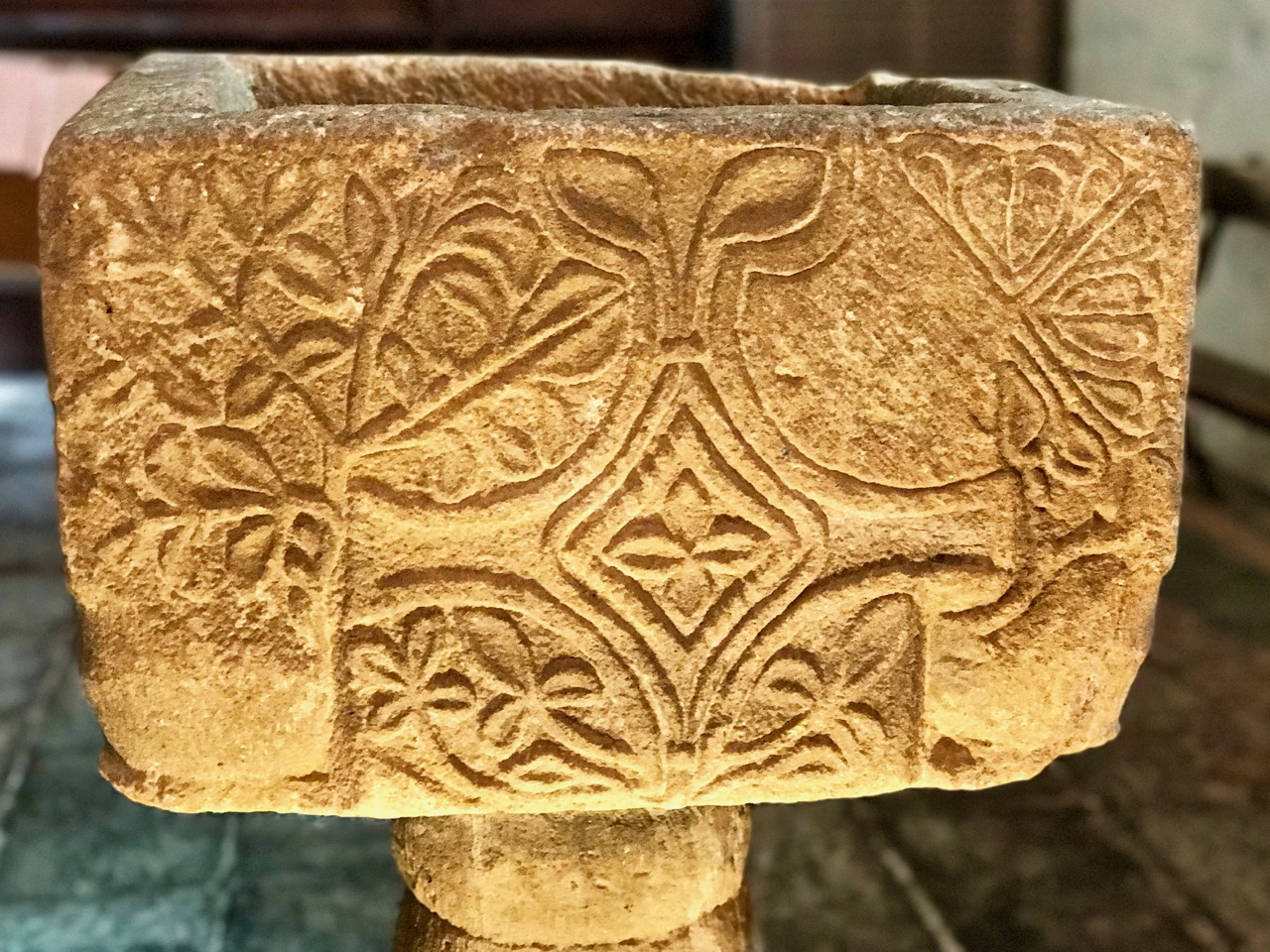
Upper – the superb High Cross at Durrow has been protected and conserved, but it’s not signposted from the busy road that passes nearby. Centre – the beautiful shrine that holds the relic of the True Cross in St Peter’s Church, Drogheda, County Louth: the same church holds the head and remains of Saint Oliver Plunkett. Lower – 13th century font in St Flannan’s Cathedral, Killaloe, County Clare

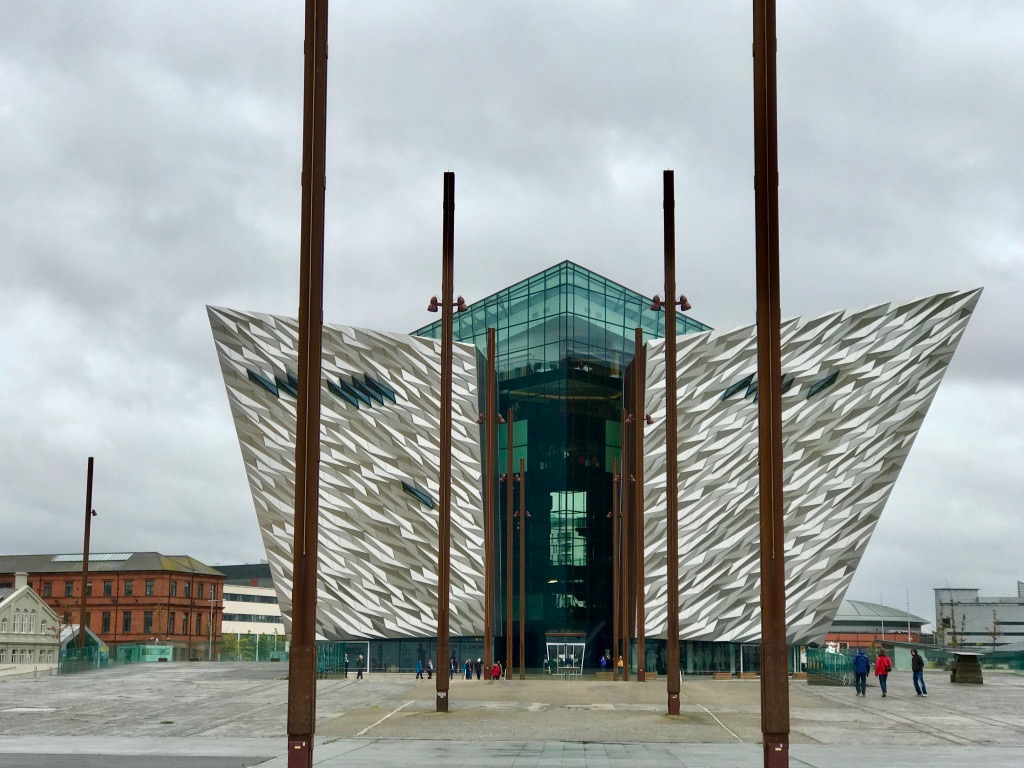
Our travels were punctuated with a whole variety of experiences, impossible to summarise in one short post. We took in Derry – the only completely walled city in Ireland and one of the finest examples in Europe: we walked the whole length of the early seventeenth century structure. Belfast was intriguing. We undertook the Titanic Experience, and were duly impressed with the building and the exhibitions. We also toured the whole city in the hop-on-hop-off bus: a full two hour tour of everything with a thoroughly enlightening commentary – a good way to keep out of the rain!
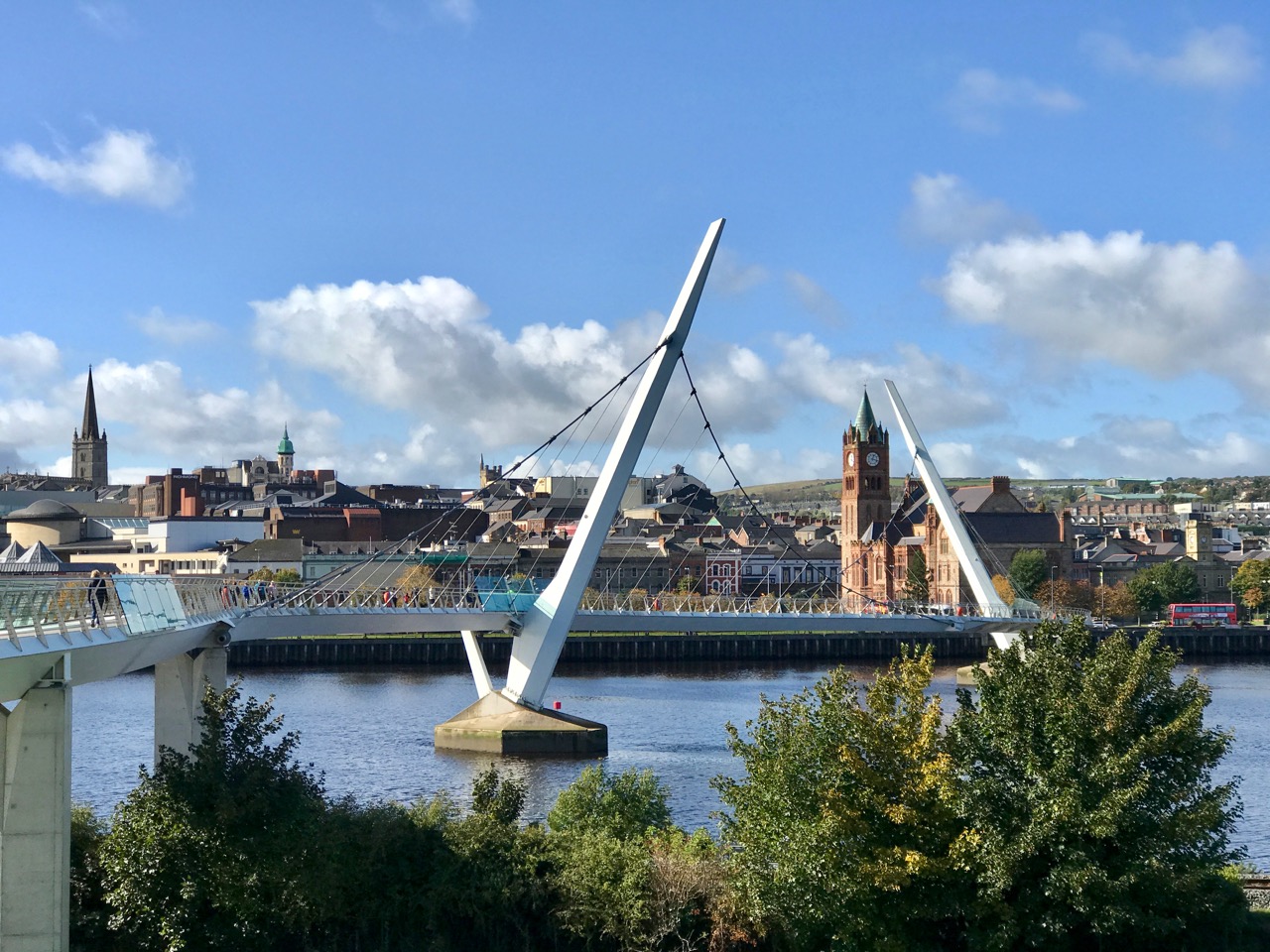
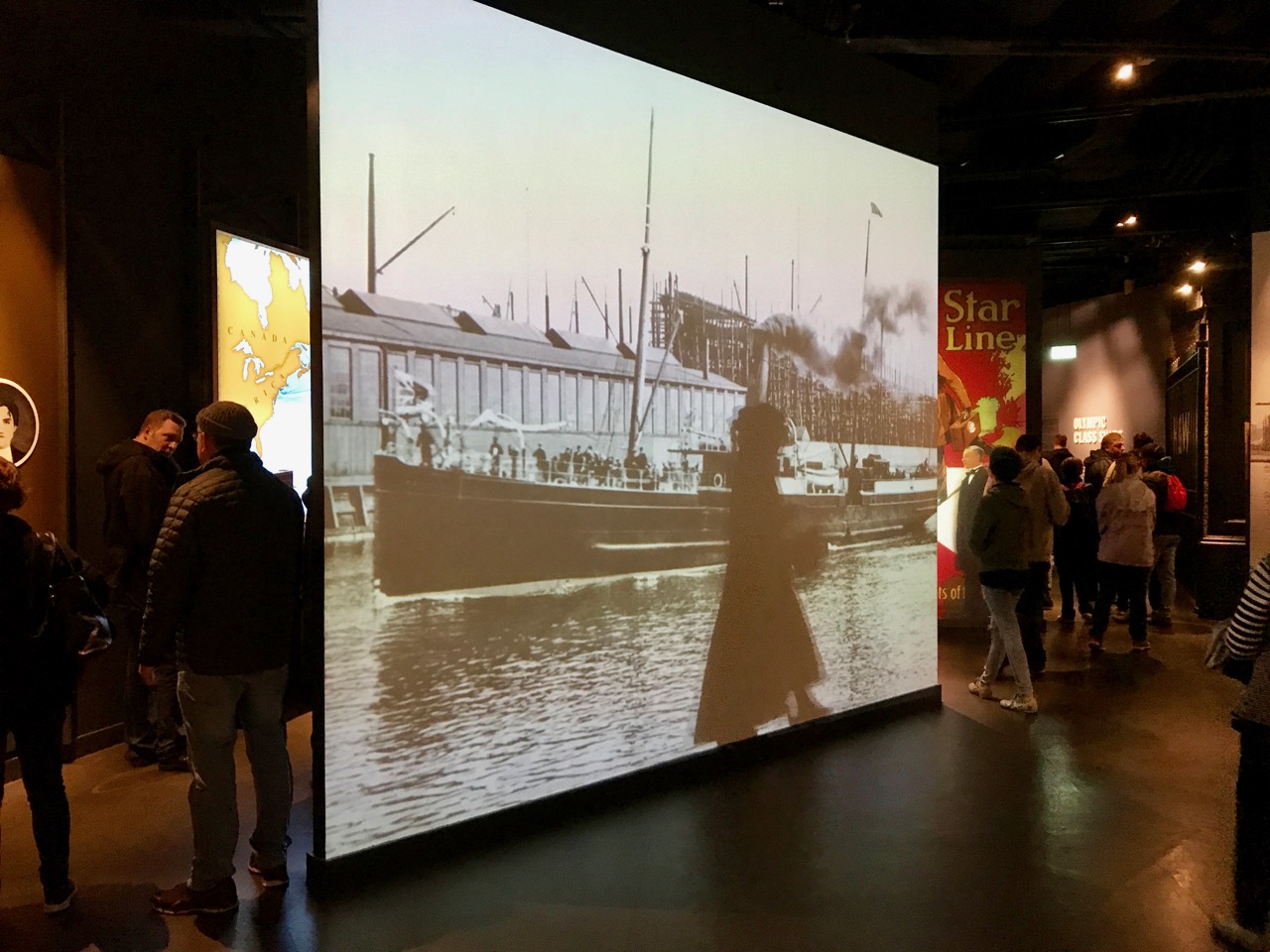
Upper – the Peace Bridge in Derry. Lower – the Titanic Experience, Belfast: the exhibition and the building. The external shot is taken from the enormous slipway which was used to launch the ship

We’ve only just got our breath back from all the travelling (although we always went at a leisurely pace with plenty of stops for investigation and coffee). Between us we took well over 5,000 photographs! You’ll see a good few of them in due course.

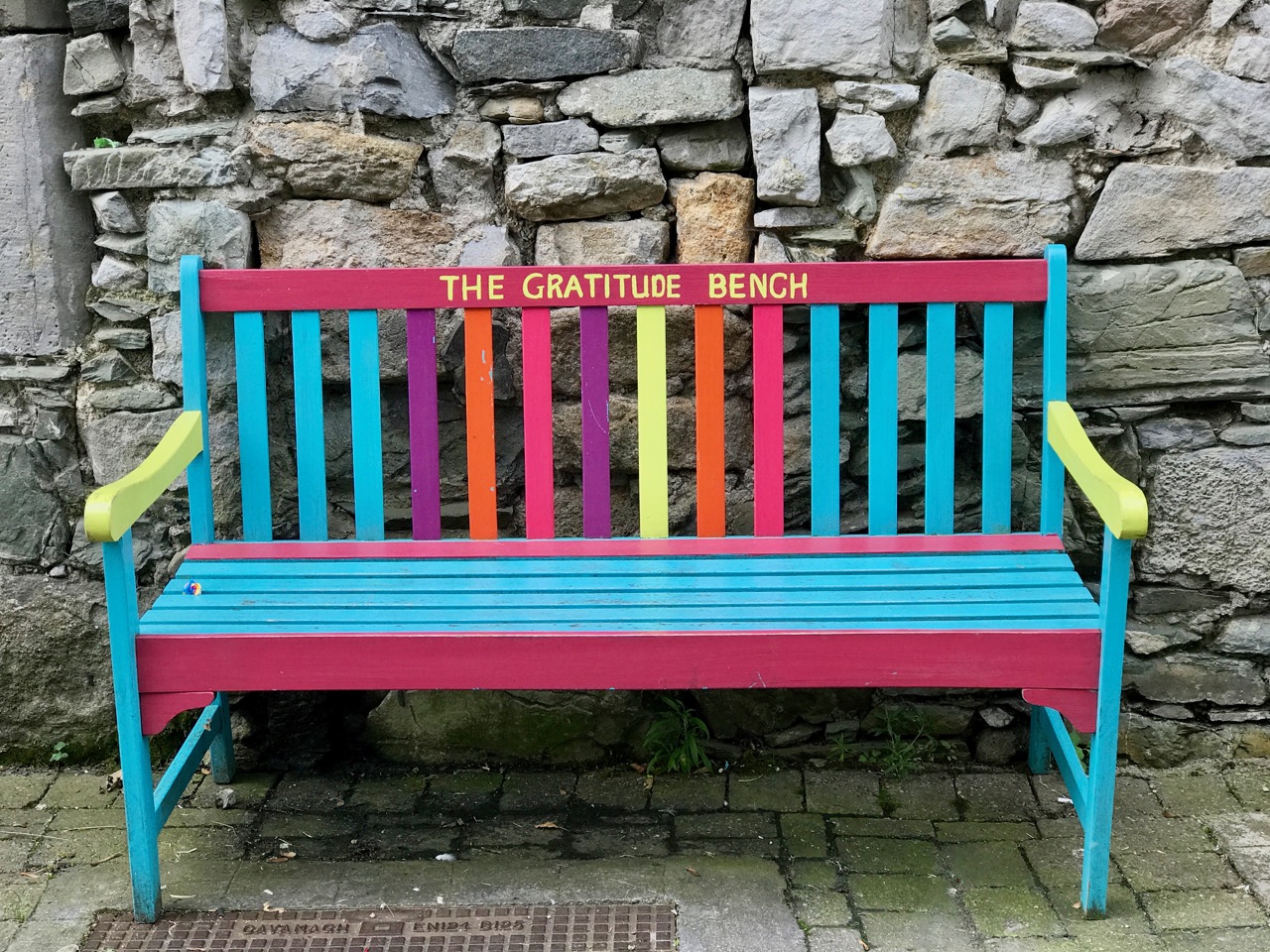
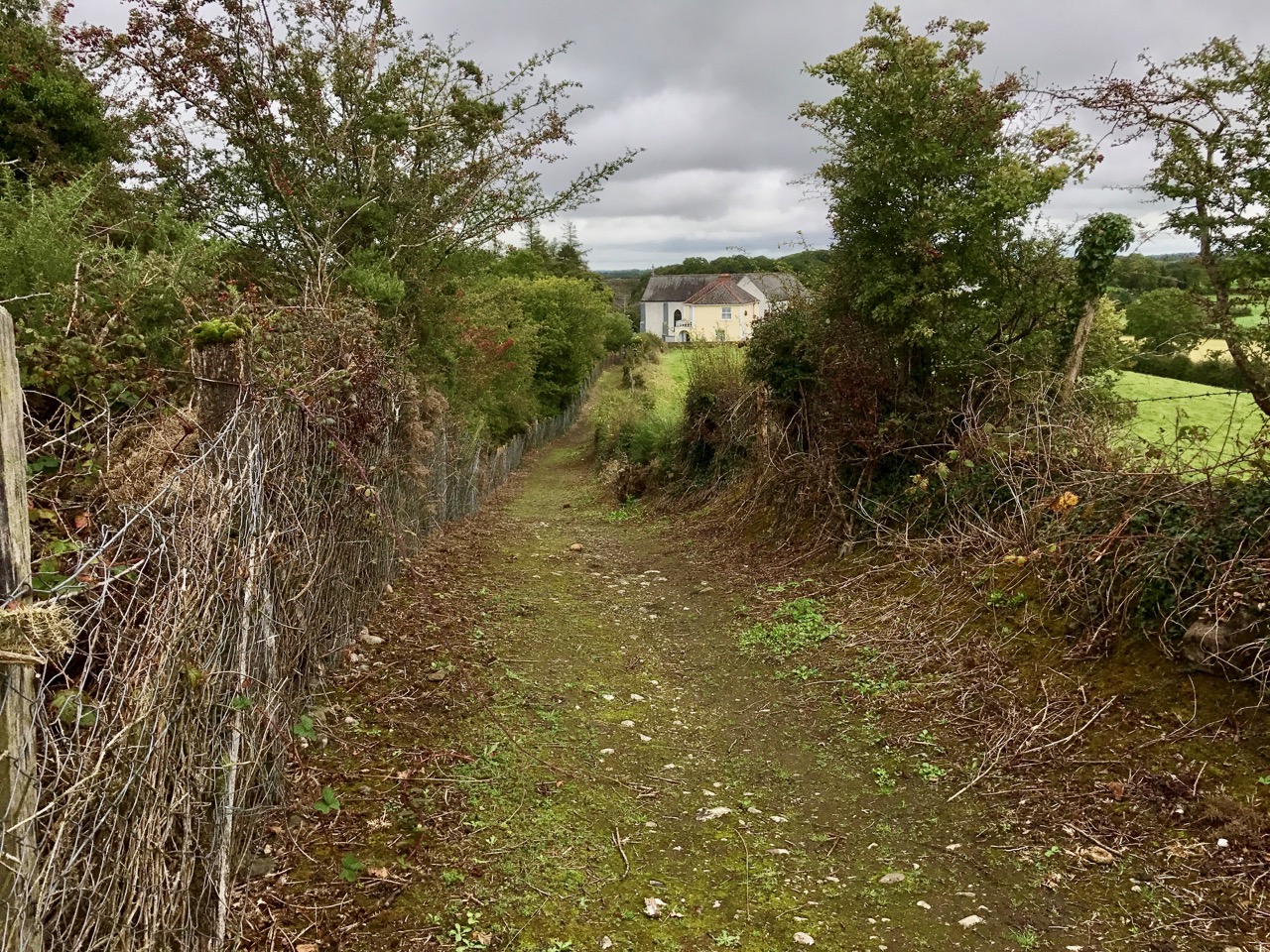
Often it’s the simple things that impress the most: just little vignettes of Irish life. We would thoroughly recommend a slow exploration of this land – ambling along the byroads and keeping a weather eye open for new experiences. Have a good time!

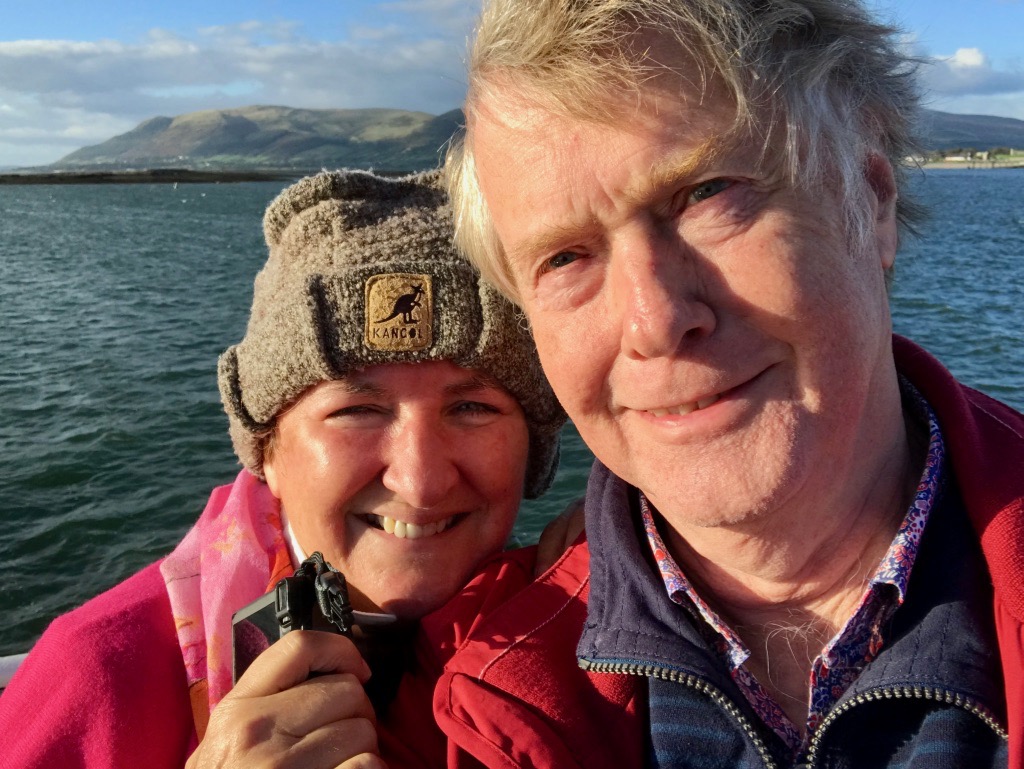
We are not averse to the odd selfie! Here we are on Carlingford Lough with the Mountains of Mourne behind us… Today it’s an invisible border between Northern Ireland and the Republic: what does the future hold?
The Significant Rock Art of Clonfinlough

Whenever we stray from our home territory of West Cork, we are always on the lookout for archaeological wonders. When we set our course for Clonmacnoise, in County Offaly, last week (I like the possible translation of the Irish Cluain Muccu Nóis: Meadow of the Pigs of Nós, but there is an alternative Cluain Mhic Nóis: Meadow of the Sons of Nós), we were looking for Ireland’s most important medieval monastic site, but we were diverted only a stone’s throw from our destination by a sign that we couldn’t ignore…

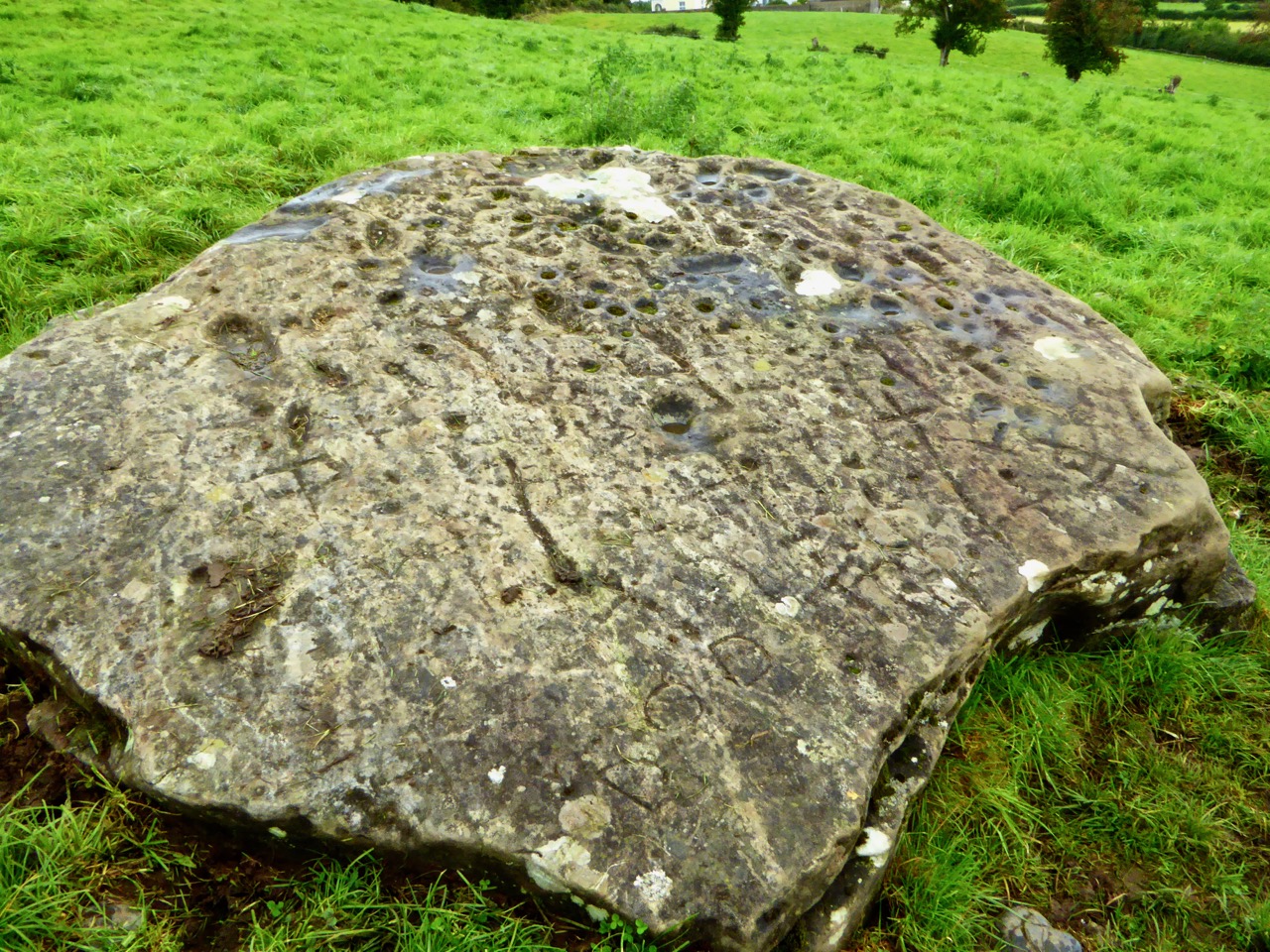
Tucked away to the south east of Clonmacnoise, on a by-road, sits an isolated church in front of which is a well defined and fenced pathway leading past the Priest’s house, through fields, over a stile and into a pasture where cows grazed and barely gave us a glance. There – open to the ravages of weather and cattle – is a large, earthfast slab of limestone bearing a remarkable array of markings.

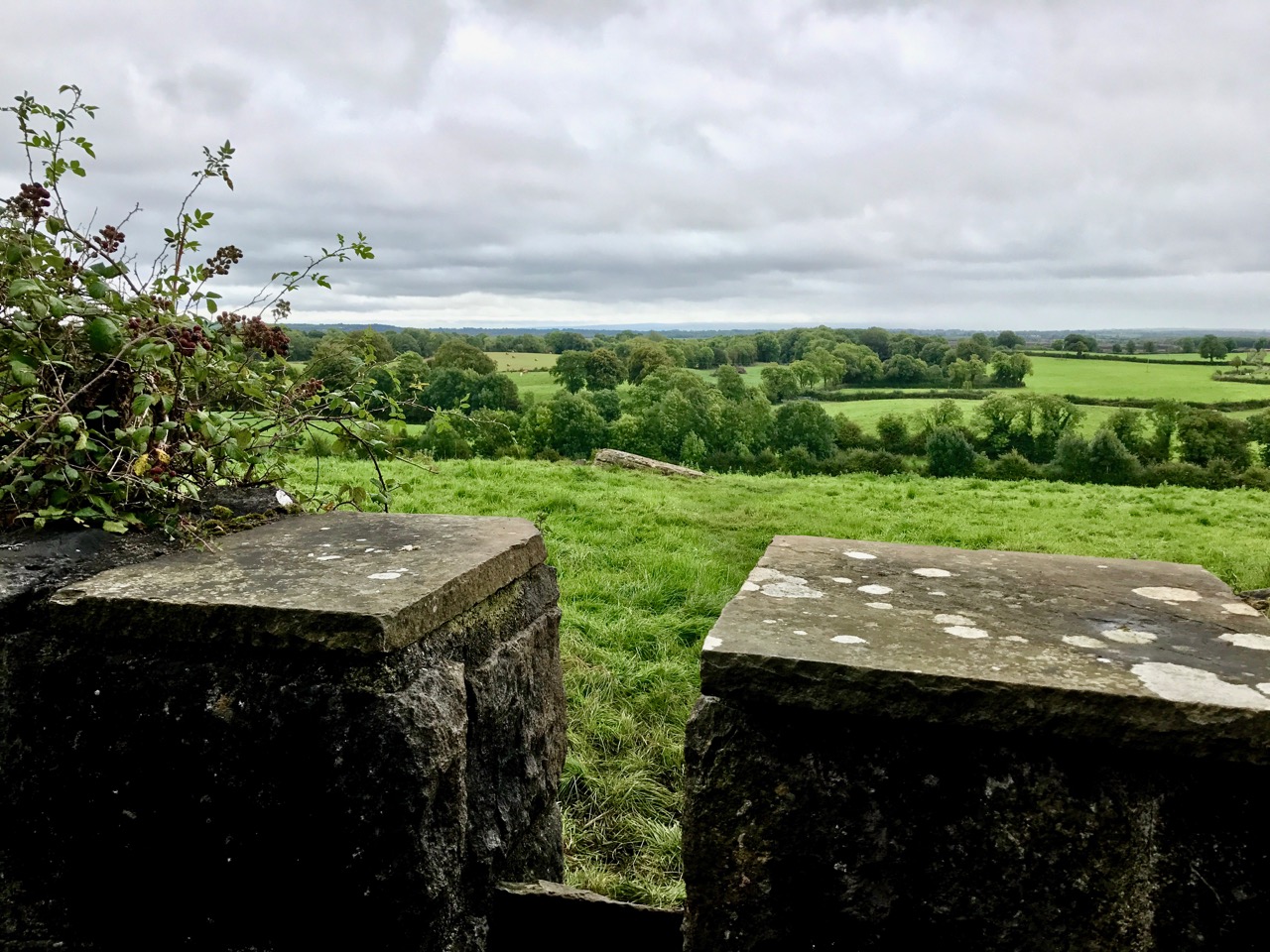
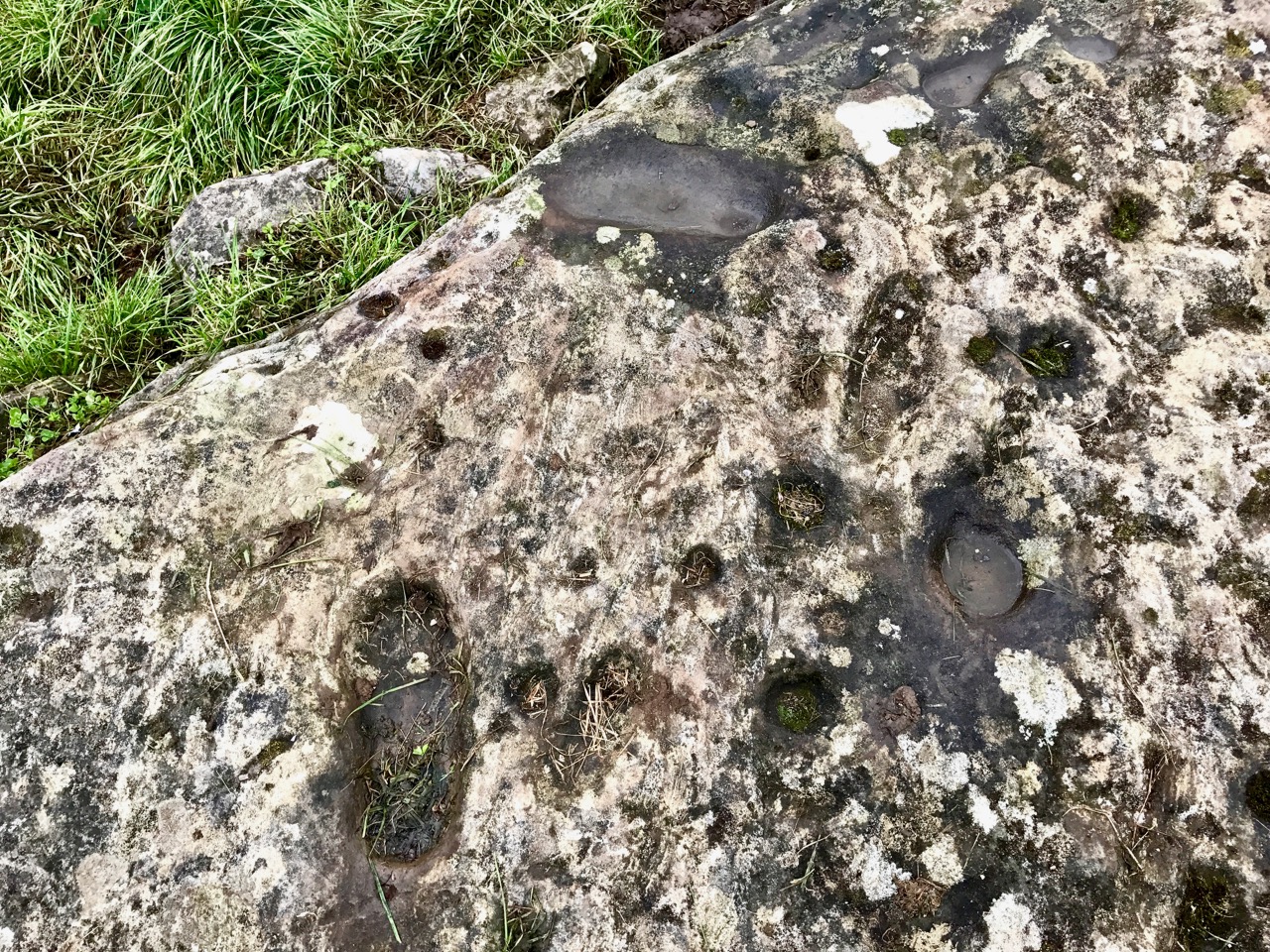
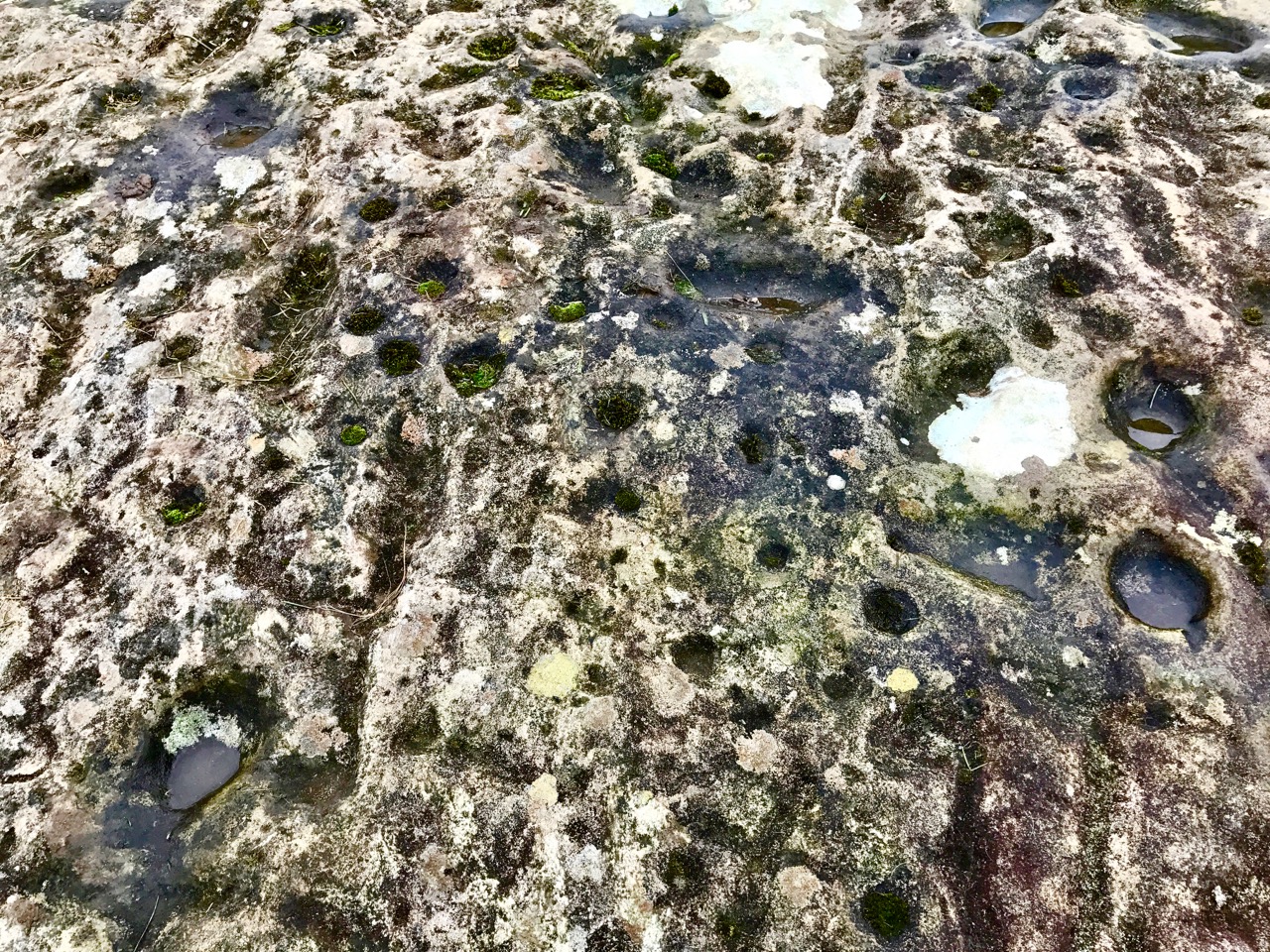
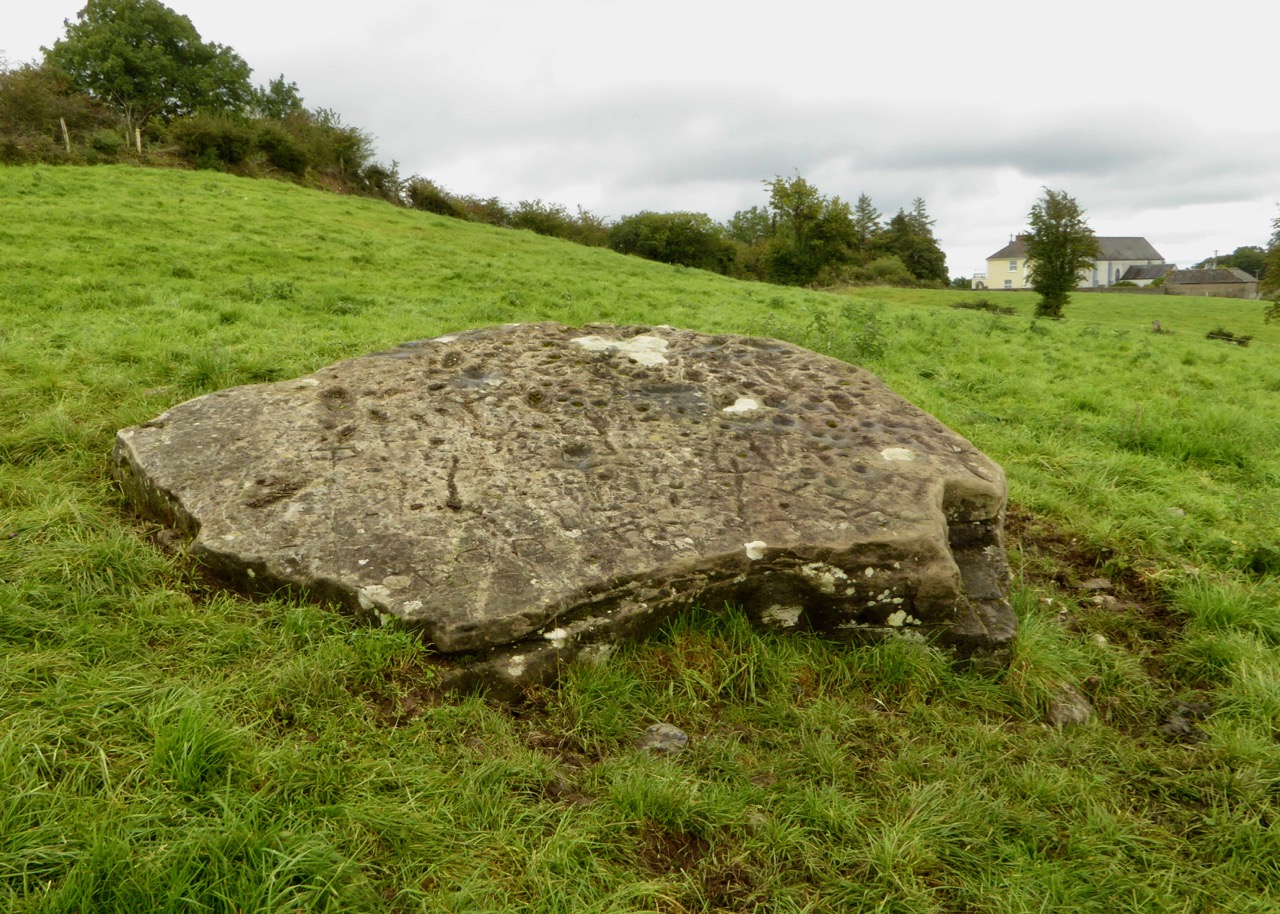
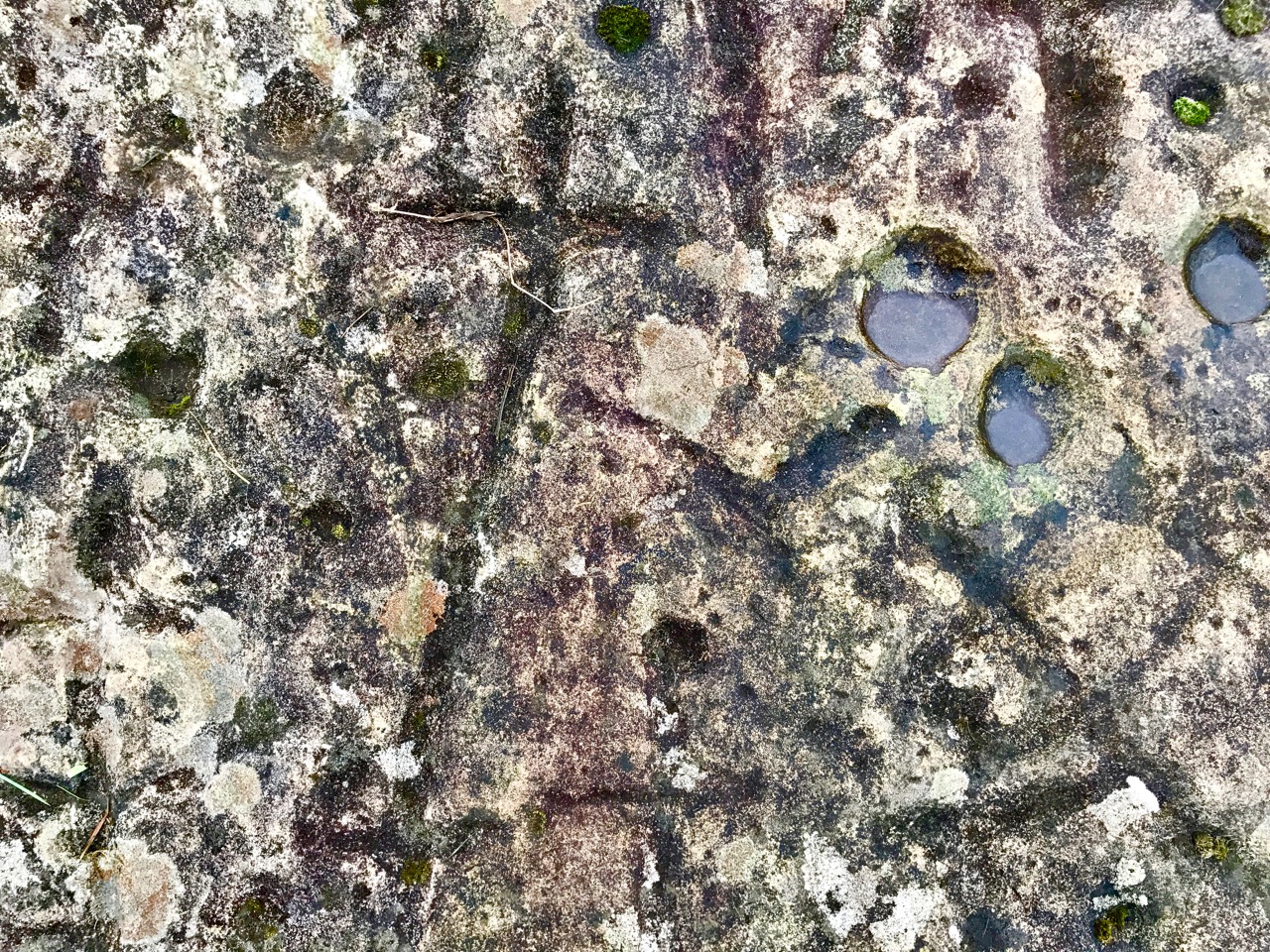
Header – a detail from the stone’s crowded surface. Upper – the well-defined path leading from St Kieran’s Church to the stone (don’t confuse this St Kieran with the one from Cape Clear). Lower – the limestone slab situated beyond the stile

For Rock Art enthusiasts like us the stone was a wonderful find. The surface is teeming with rings, lines, shapes – and even lettering. In spite of the weathering, everything was deeply defined and easy to see. And the more we looked, the more we did see, and the more perplexed we became. I even noted footprints! Remember my search last week for the footprint left by Archangel Gabriel on his visit to his eponymous mountain in West Cork? Here I counted six, and my size nine feet fitted perfectly in them all.
Upper – two of the ‘footprints’ scattered on the stone’s marked surface. Lower – the stone in its landscape context: ‘footprints’ are also visible

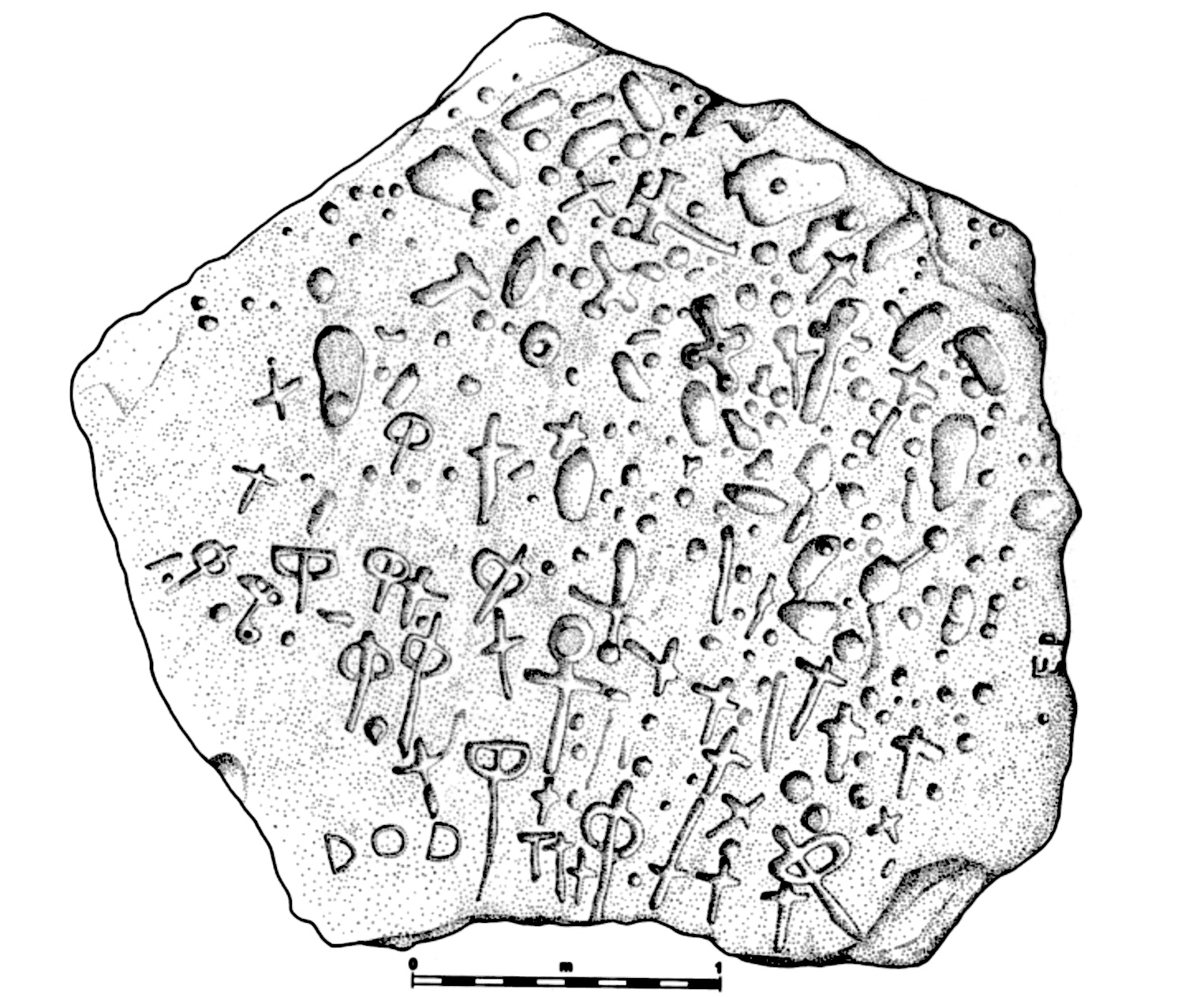
When we returned from our visit to Offaly I was able to research the available information on the Clonfinlough Stone and was delighted to find a very comprehensive study of it written by Finola’s old friend and Rock Art expert from UCC, Elizabeth Shee Twohig. The piece – Context and Chronology of the Carved Stone at Clonfinlough, County Offaly – was published in 2002 in The Journal of The Royal Society of Antiquaries of Ireland, Volume 132 pp 99-113. It makes the most enlightening read, outlining the ways in which the stone was regarded and drawn by early antiquarians and then opening up discussion on how much of the stone’s markings might in fact be natural formations, or natural forms which have influenced and been enhanced by ‘artists’ working with motifs which have become familiar to Rock Art researchers today, including cupmarks.

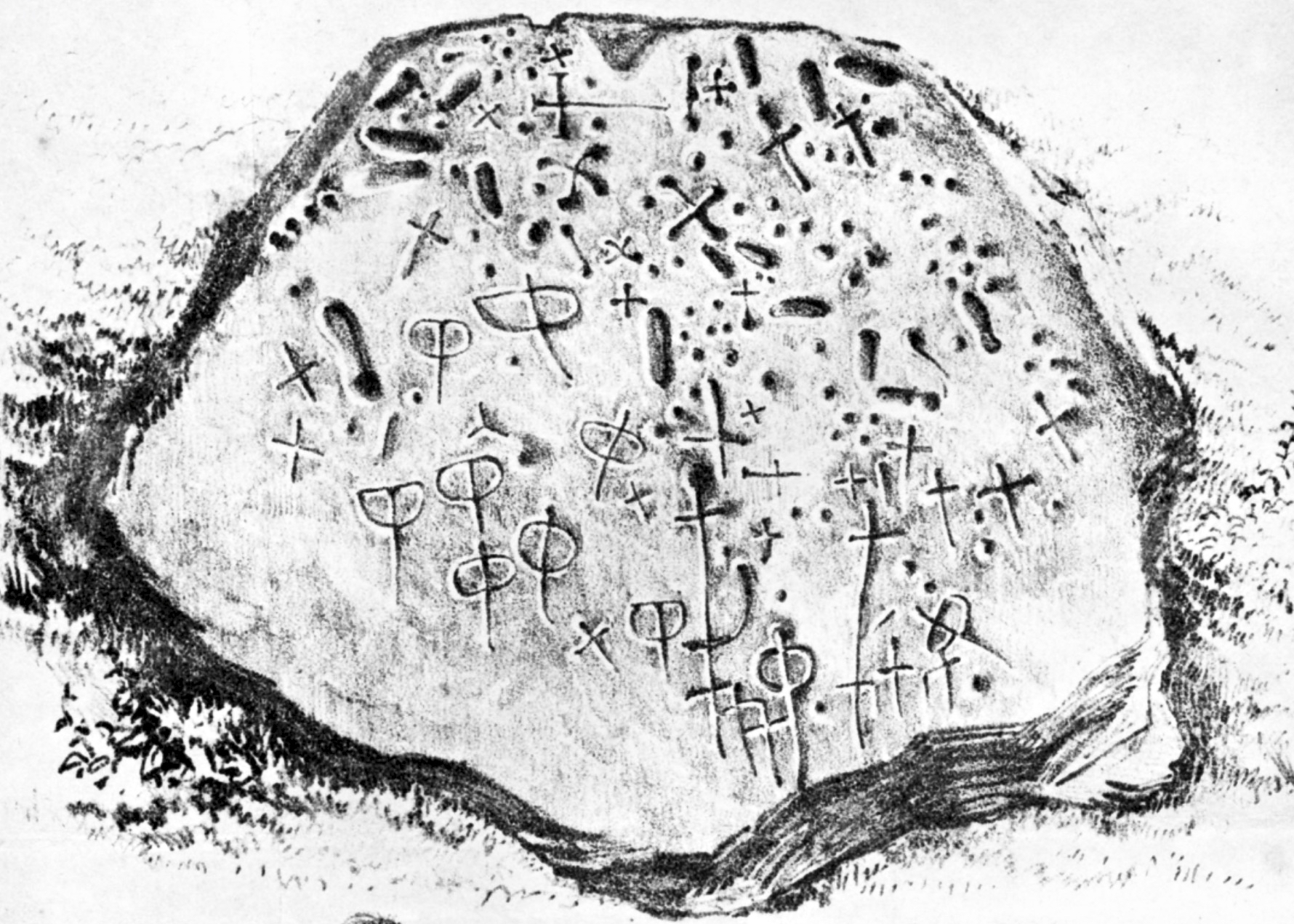
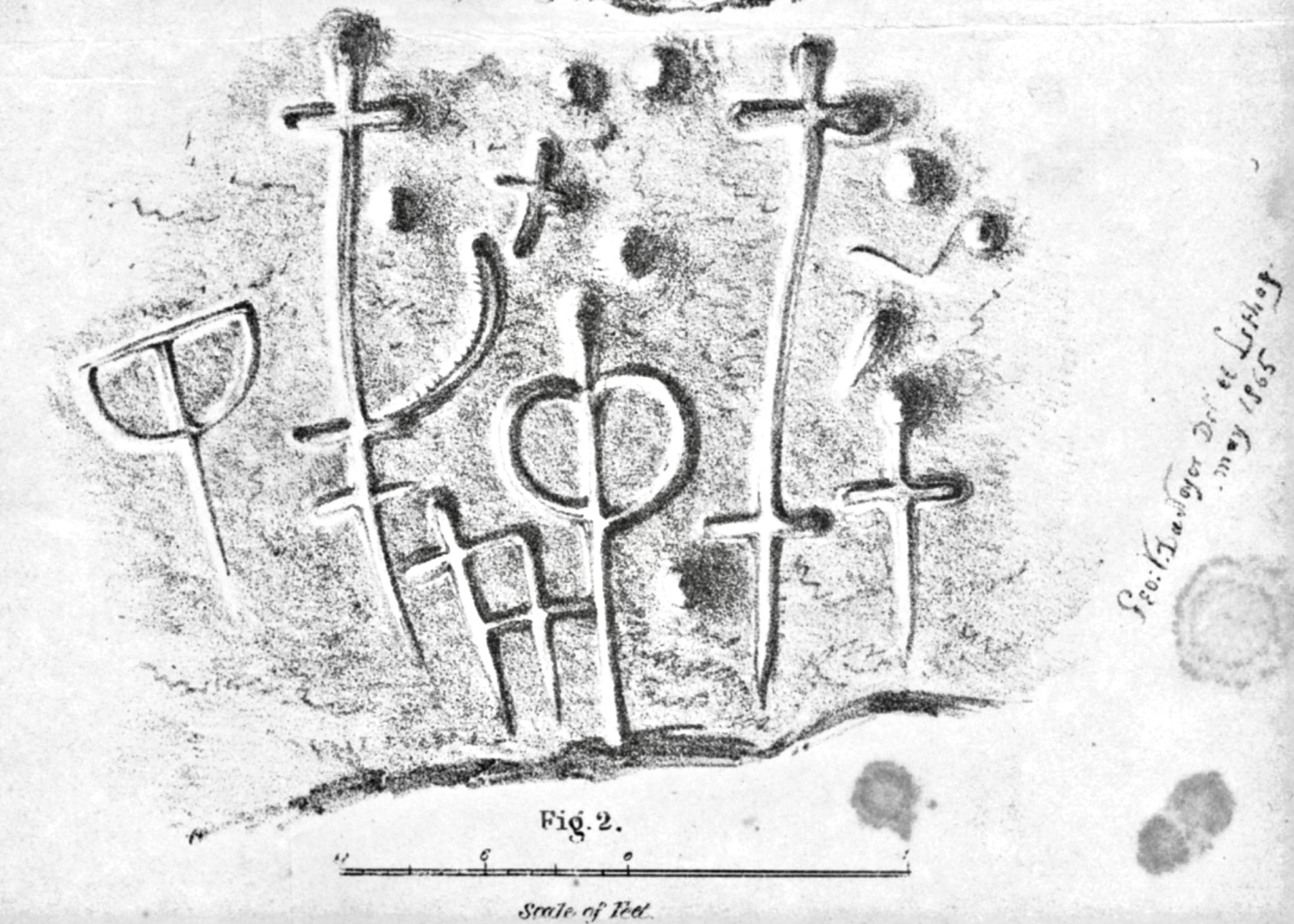
Engravings by George Victor du Noyer illustrating a paper published by James Grave in 1865. Note the emphasis that du Noyer has placed on recognisable ‘Greek’ style lettering (termed phi by Shee Twohig)

Elizabeth Shee Twohig quotes theories by RAS Macalister which evolved between 1921 and 1949, and which include the idea that the phi markings represent ‘…a possible depiction of a battle between the ‘loop men’ and the ‘cross men’ and suggested that the cupmarks …may even indicate the number of severed heads!…’ In his 1928 book The Archaeology of Ireland Macalister (quoted by Shee Twohig) suggests ‘…the carvings as showing a battle or pre-battle scene, the medicine men having prepared for their occult purposes a picture of the consummation desired…’ while in 1949 he saw it as a sign-manual of a hostile expedition from Spain which sailed up the Shannon: ‘…the battlefield, printed with the footmarks of the flying foe, strewn with weapons cast away in their flight and with missile stones…’

These are but brief extracts from the Shee Twohig account and discussions, which are essential reading – not just for possible enlightenment on the markings on this stone, but also for a well defined background on how ideas about Rock Art generally have developed since the time of the earliest antiquarians.

Elizabeth Shee Twohig has amplified her study of the Clonfinlough Stone with the first truly accurate drawing of the markings on it (above). It is certainly interesting to compare this with the 1865 engravings by du Noyer

Elizabeth Shee Twohig brings in to her study the possible significance of the stone’s positioning close to the great monastic centre of Clonmacnoise, which in medieval times was the prime pilgrimage destination in Ireland. There is evidence that one of the paved pilgrim routes passed close by the Clonfinlough Stone. It is plausible, therefore, that at least some of the markings on this limestone slab could have dated from those times: Clonmacnoise was active between the 6th and 12th centuries.

Upper – the many enigmatic markings on the stone: natural limestone solution pits, Bronze Age Rock Art, crosses carved by or for medieval pilgrims? Lower – the stone is within sight of the present day church

A trawl through the folklore records proves fertile. One legend says that at certain times of the year a horseman manifests and gallops around the stone. Another has it that a local boy named Michael used to play at the rock and there met another boy who gave him a silver knife. His mother made him take the knife back and leave it on the stone, for she said the boy was a fairy trying to entice him away. It is also said that another Michael will find the knife, and when he does he will find two big pots of gold under the rocks. Whatever the truth is about the rock and its meaning, I am struck by the path we found coming from the little church which is in sight of the Clonfinlough Stone: could there be something pagan in that stone which required the church to be built there – or is it a mutual guardianship?

In the church at Clonfinlough is a curious series of Stations: this one showing the ’empty tomb’ can be seen as a rock supplanted by a cross…

Irish Romanesque 2 – Doorways

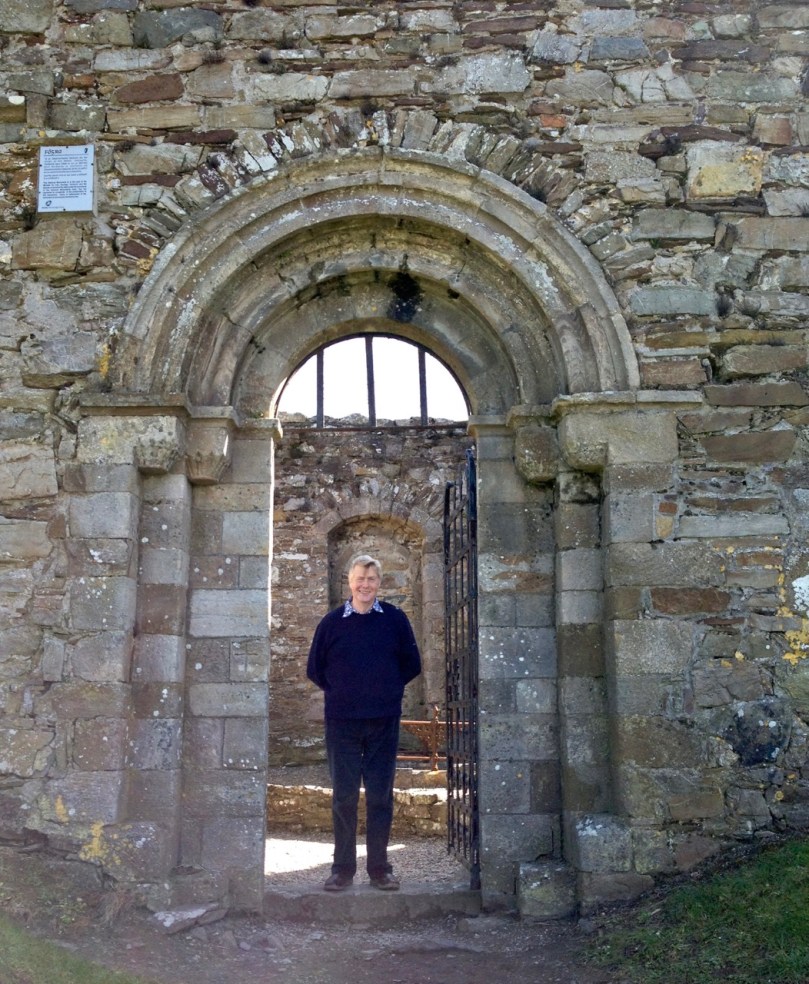
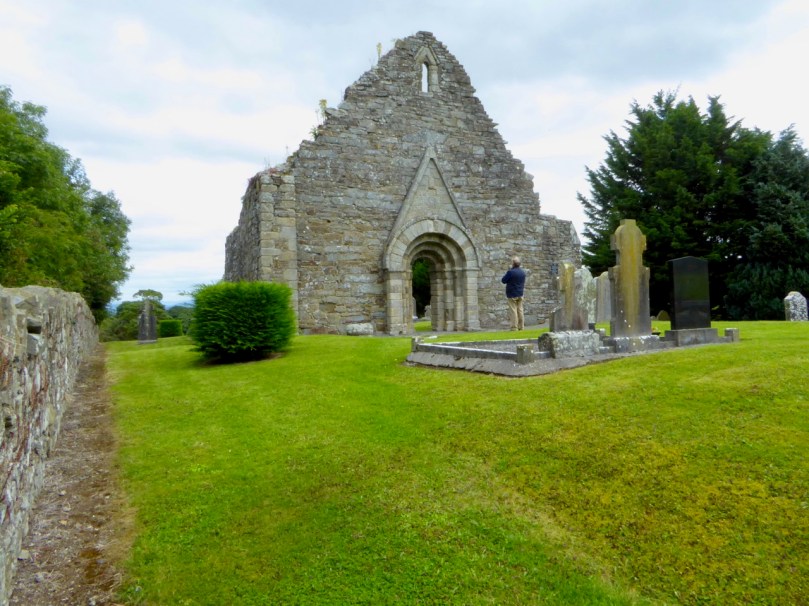
In April I introduced you to the form of architecture known as Irish Romanesque – the dominant form of church architecture in Ireland in the 12th century. If you haven’t read that post already a quick glance over it will get you ready for this one. To continue the series, I’m going to look at one of the glories of the form – the elaborate doorways, often highly decorated, such as the one at Clonfert, above.

Our friends Brendan and Kathie are visiting at the moment and I pressed Brendan, an artist, into service, drawing the Killeshin doorway for me, so I could use his drawing to illustrate the main features of these doorways, and cover some basic vocabulary. (Thank you, Brendan!) Take a look at our joint effort – it will help as I talk about the doorways.*

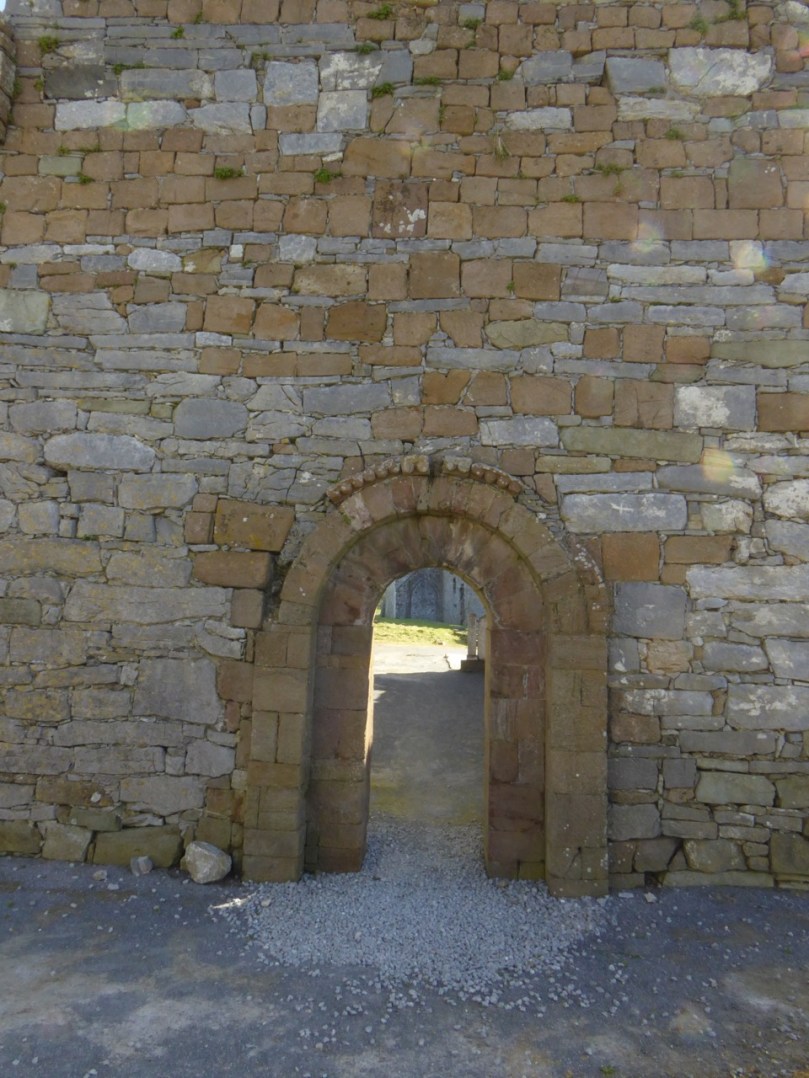
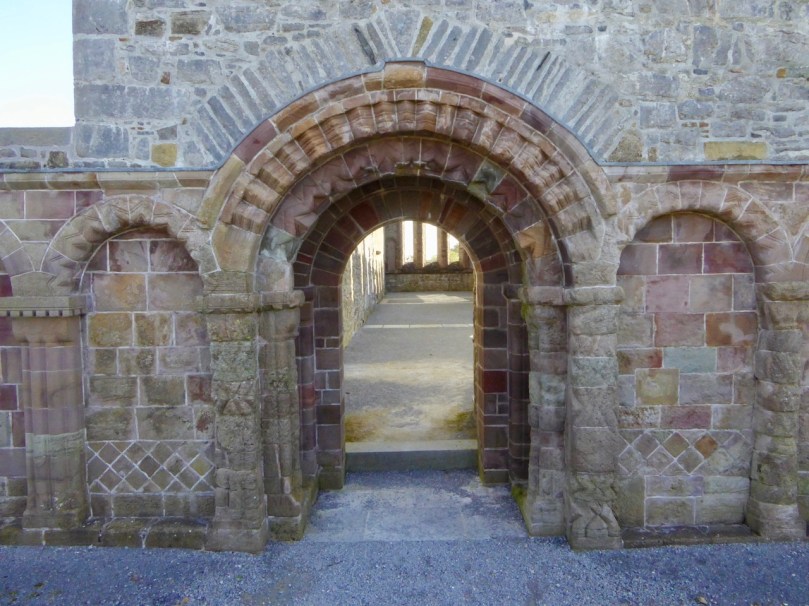
This simple door is at Ardfert in Co Kerry. It only has one order and no decoration apart from a string of bosses above the arch. The romanesque elements at Ardfert are mixed with later gothic elements – fragments only of the 12th century buildings that once occupied the site. The doorway below is yet another example, built into the wall of the later cathedral building. The stone is soft and much weathered but the columns were once carved, and the door is flanked by blind arcading.

This doorway (below) at Ardmore in Waterford is no longer complete – while the jambs are there, the columns have disappeared, leaving only their capitals behind.

Killeshin in Co Laois, our model for the drawing, is a beautiful site. The early church retains antae on one side, and there are windows and vestiges of a stone roof reminiscent of the early medieval site we described at Kilmalkedar in Kerry.

The doorways has three orders and a pediment above. Many of the voussoirs are carved with intricate designs and the keystone features a carved head.

Not only do the Killeshin carvings include intricate geometric patterns and heads on the capitals, but there is writing memorialising the builder and the donor.

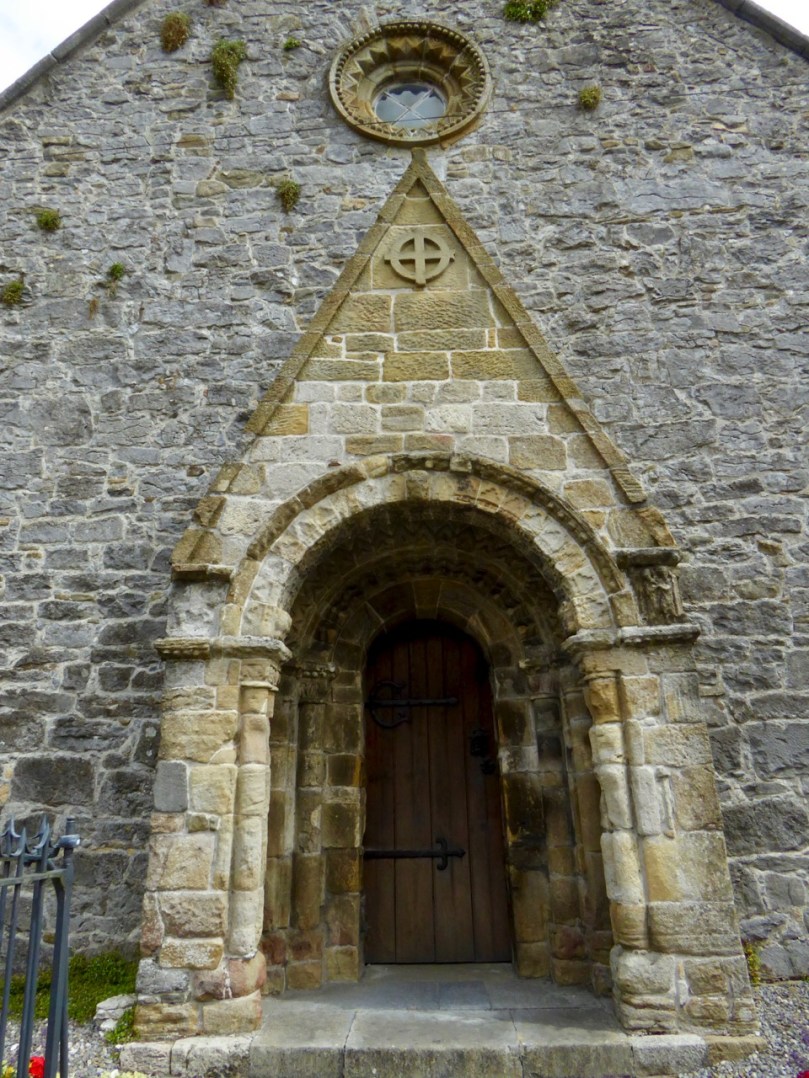
Not far from Killeshin is Freshford (Co Kilkenny) where a church still in use has incorporated a romanesque doorway from a 12th century church into a later building. Much modification has taken place – the round widow in the neo-romanesque style is an 18th century addition and the cross at the top of the pediment is also recent.

Note the inclined jambs – meaning the doorway tapers towards the top. The stone is soft and badly weathered, but some carvings are still discernible on the capitals. Interestingly, the jambs originally had niches for statuary, one example of which, two figures, remains,

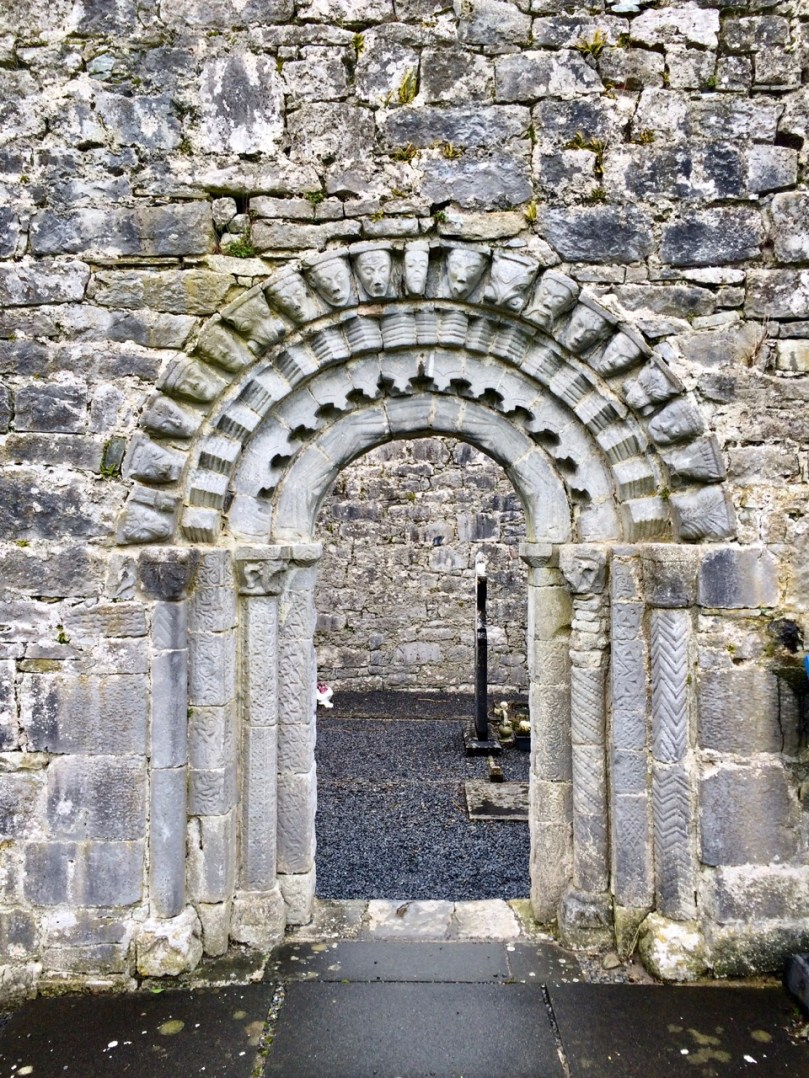
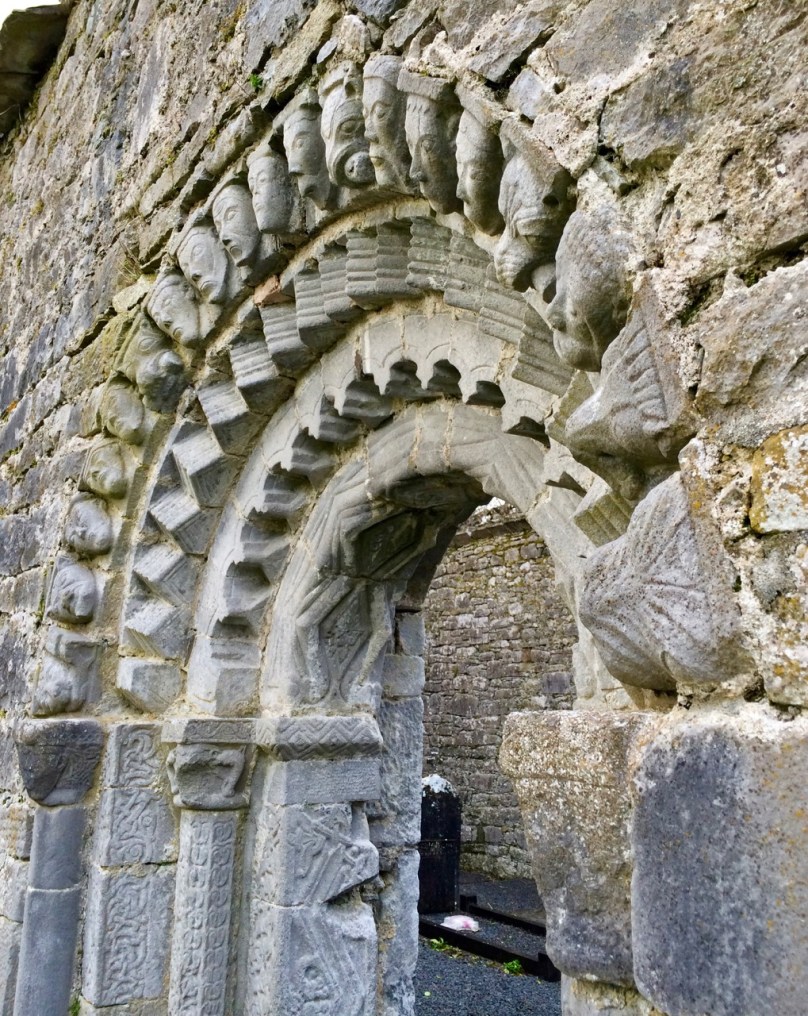
Two of my personal favourites come now. The first in in Clare, at Dysert O’Dea, a fascinating multi-period site. The romanesque doorway is distinguished by its multiple carved heads on the voussoirs of the outermost archivolt of the arch.

The columns, capitals and inner archivolts are also highly decorated, but it’s those carved heads that never fail to capture the imagination. Not all are human, but of the ones that are I can’t help wondering who the models were – bishops? warriors? saints? kings? Or perhaps the carvers themselves?

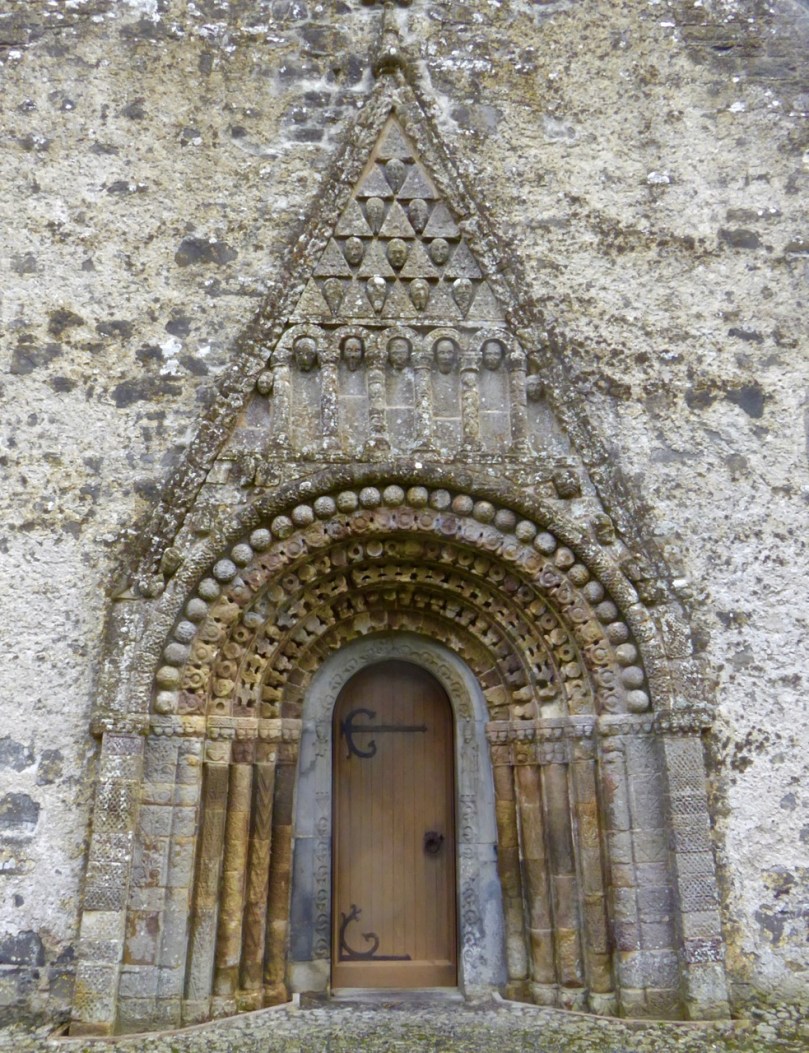
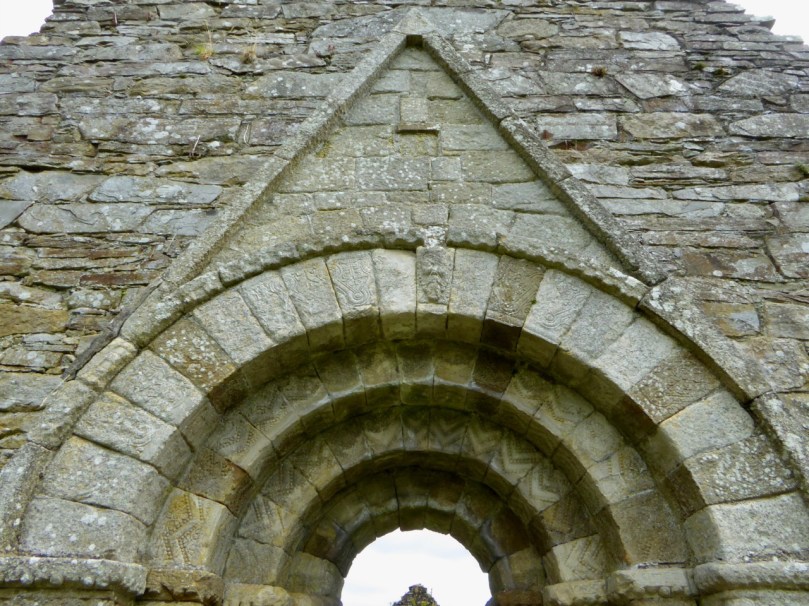
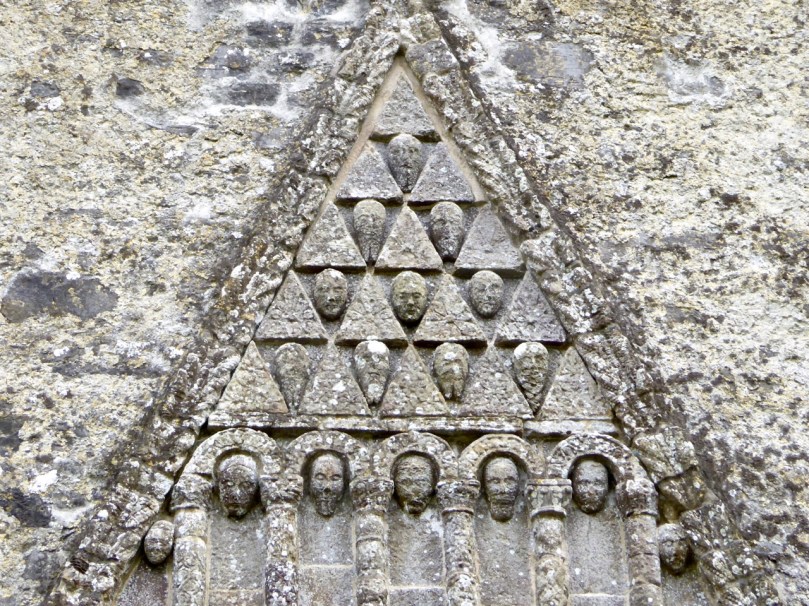
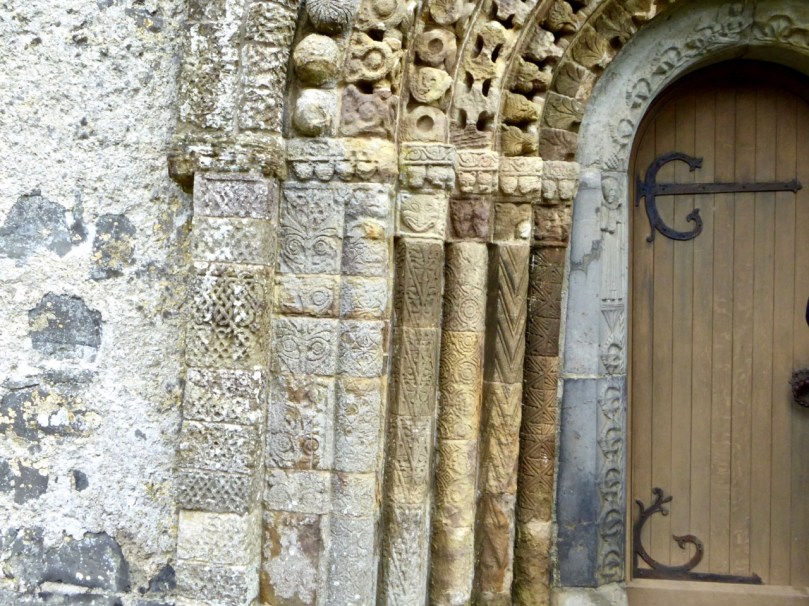
Finally, the greatest doorway of all, widely considerered to be the masterpiece of romanesque architecture on Ireland – the great door of Clonfert cathedral in Co Galway. It’s the photograph I led off with, showing the whole doorway. Let’s take a look at some of the details.

The pediment is unusual in that it is filled with triangular reliefs, each having a carved head. Below that are blind arcades with yet more heads. Although weathered, each head has its own distinct character.

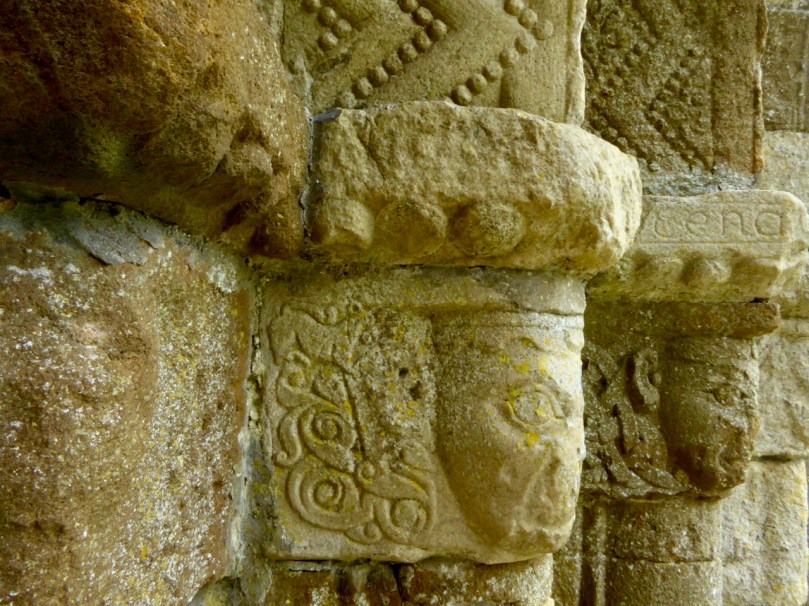
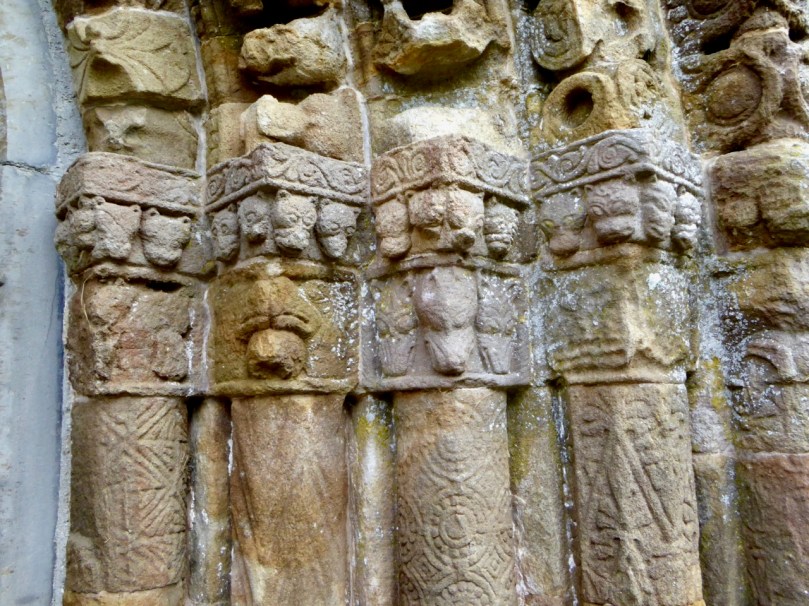
All seven orders of columns and capitals are decorated, as are the archivolts. In fact, it’s hard to find an inch on this doorway that isn’t intricately carved. There are fantastical creatures, animals, geometric and interlaced designs, and on the innermost jamb, two carved figures that are mostly likely 15th century additions, but no less compelling for that.

Romanesque carvings deserve a post to themselves one of these days, as does the iconic building of the period – and this time not just doorways but a complete building – Cormac’s Chapel at the Rock of Cashel. Look out for those posts in the future. Meanwhile, one last glimpse of some of columns and capitals from Clonfert…

*For a truly erudite treatment of Irish Romanesque, see the Corpus of Romanesque Sculpture in Britain and Ireland – its the Romanesque Encyclopaedia!

Headstones or Folk Carvings?

This week we stumbled upon one of the finest collections of 18th century gravestones we have ever seen, in the ancient Kilcoole Church yard. We’ve been visiting friends in Wicklow and enjoying ourselves very much.

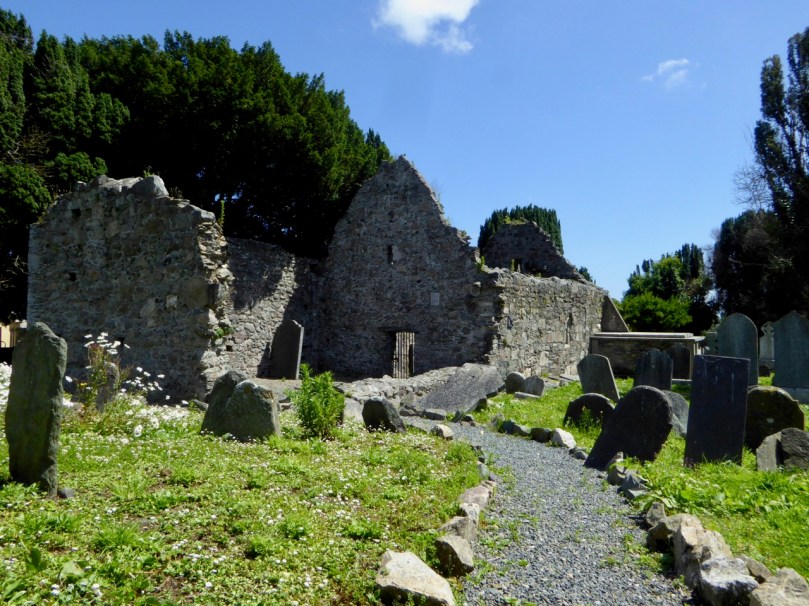
The church itself is very old, mostly 12th century. Although un-ornamented, the arches and windows are Romanesque in design, and the church originally had a stone roof, like the one we wrote about in Kilmalkedar. It’s kept locked but the key is easy to obtain, although it only opened the outer gate, so we were unable to see inside the church.

The graveyard, however, turned out to be a treasure trove! In West Cork we do see the occasional eighteenth century gravestone, but they are often heavily weather and lichened and impossible to read. However they manage it, these gravestones were as fresh and readable as the day they were carved.

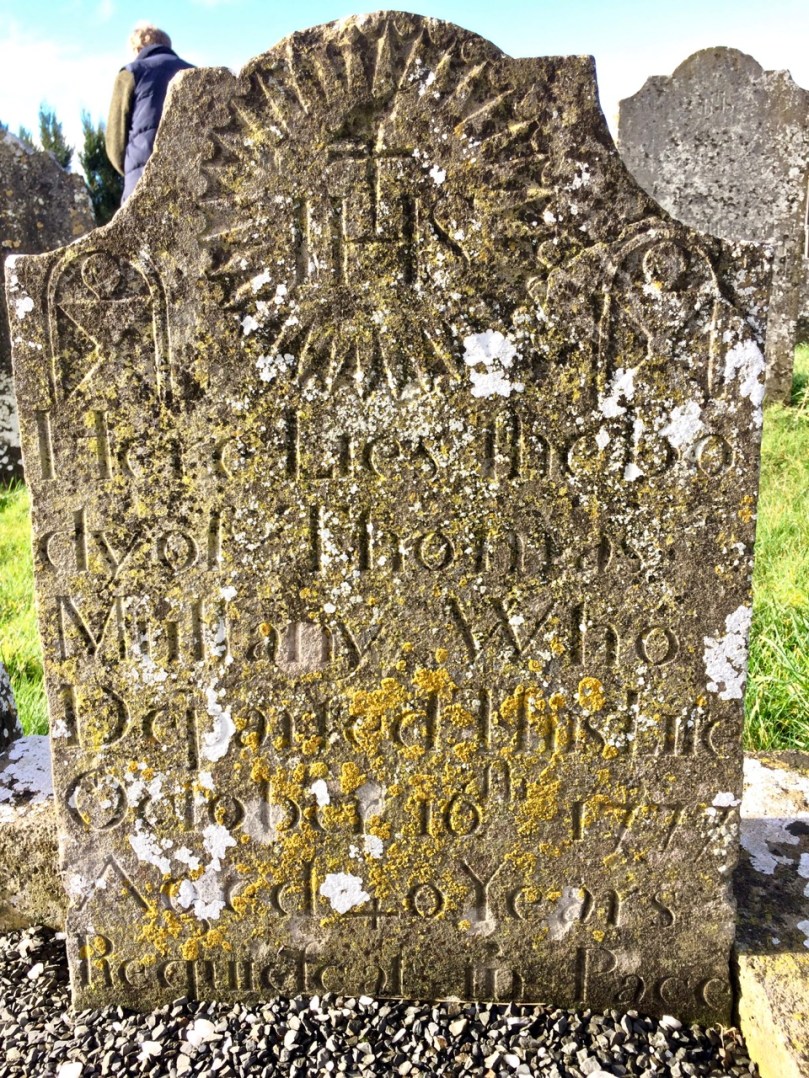
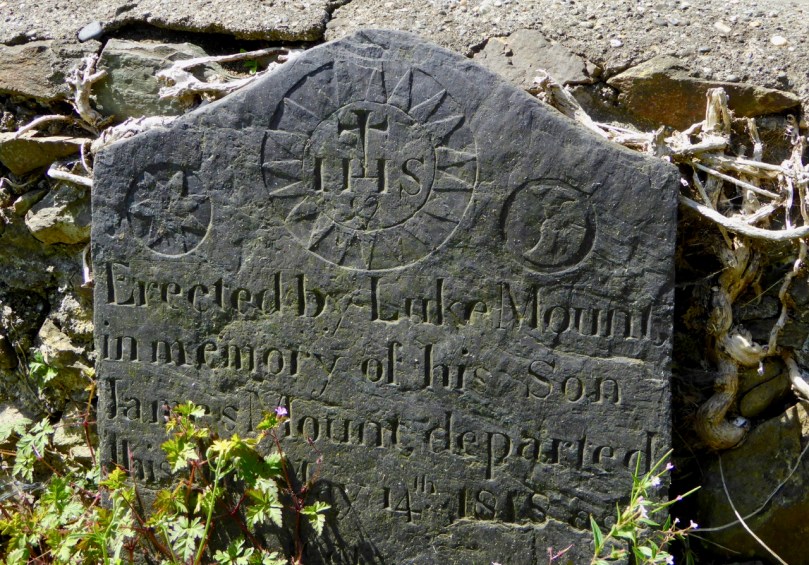
This 1792 headstone for Felix Kavanagh has the IHS symbol surmounted by a cross and surrounded by a sunburst. On either side is a six-pointed star and a barred circle – we are unsure of the meaning of this motif

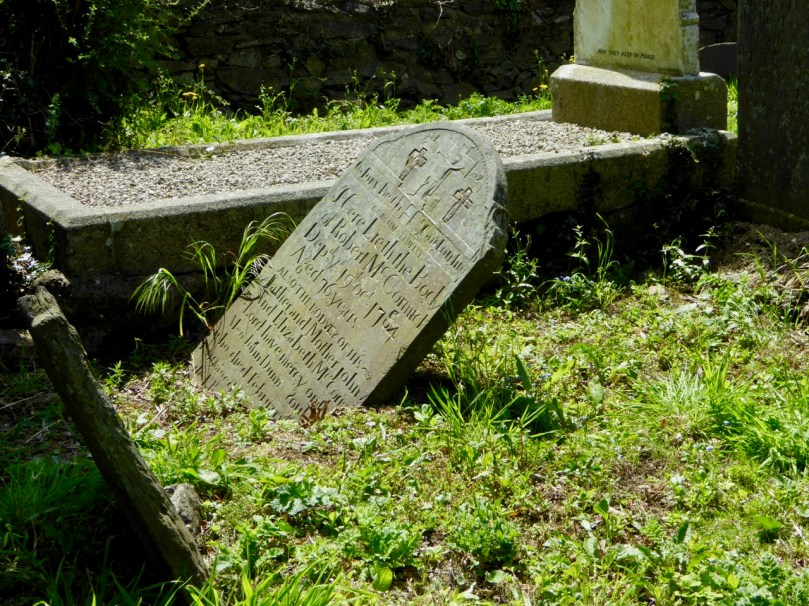
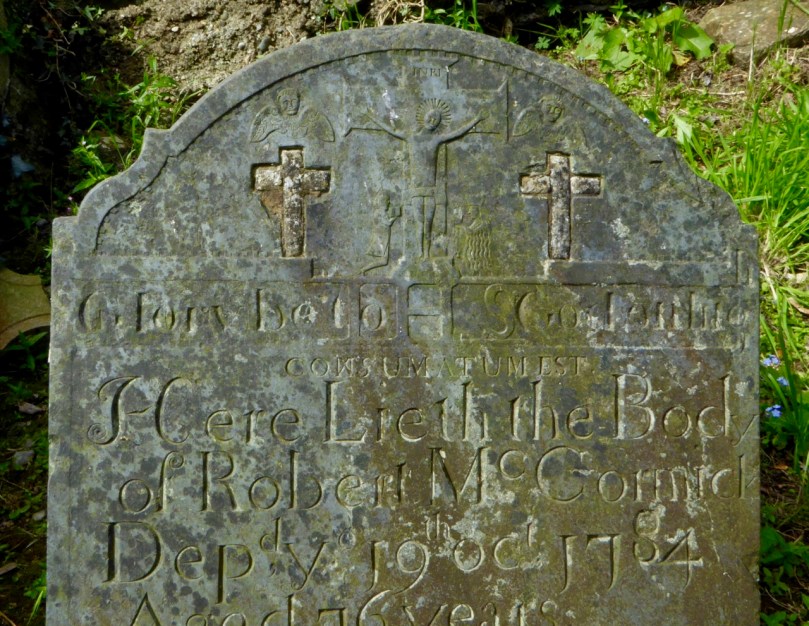
In our post Memento Mori we introduced you to the joys of graveyard headstones, and explained what symbols were common and what they represented. The crucifixion is a favourite, of course, and that was beautifully represented in Kilcoole by a gravestone for Robert McCormick by Dennis Cullen, dating from 1784.

Dennis Cullen is recognised as one of Ireland’s finest folk sculptors. There are 105 known Cullen headstones, most dating from 1765 to 1785, many in Glendalough, and most depicting passion scenes. He was born in Monaseed and his carving technique was accomplished. He often signed his work, unusual for the day. This is a good example of a Cullen crucifixion scene, except that it was altered later by the addition of two marble crosses.

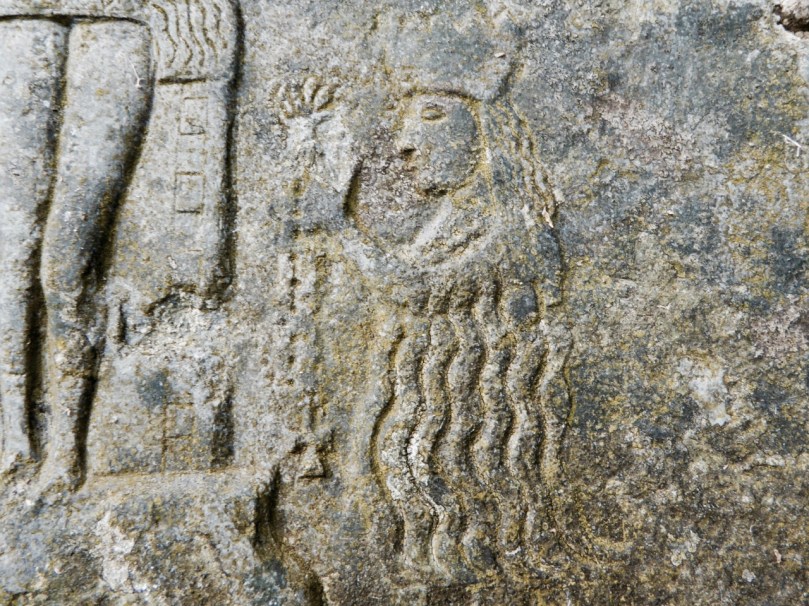
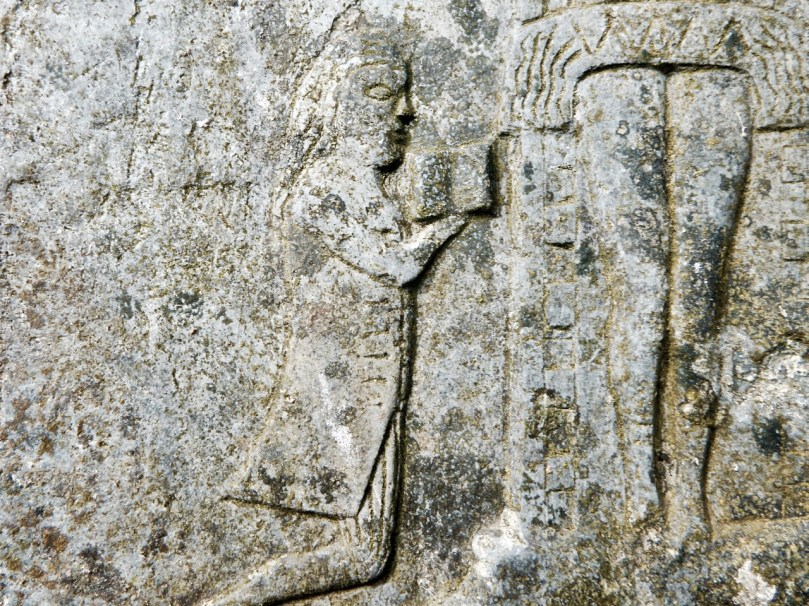
Cullen executed his work in delicate and accurate detail. Christ on the cross is flanked by the Virgin with a crown and beads and St John with a bible. Cullen’s habit was to carve figures in the costume of the 18th century. The Virgin’s flowing hair is, in fact, a long lace veil – common mourning dress of the time. John is wearing a dress coat.

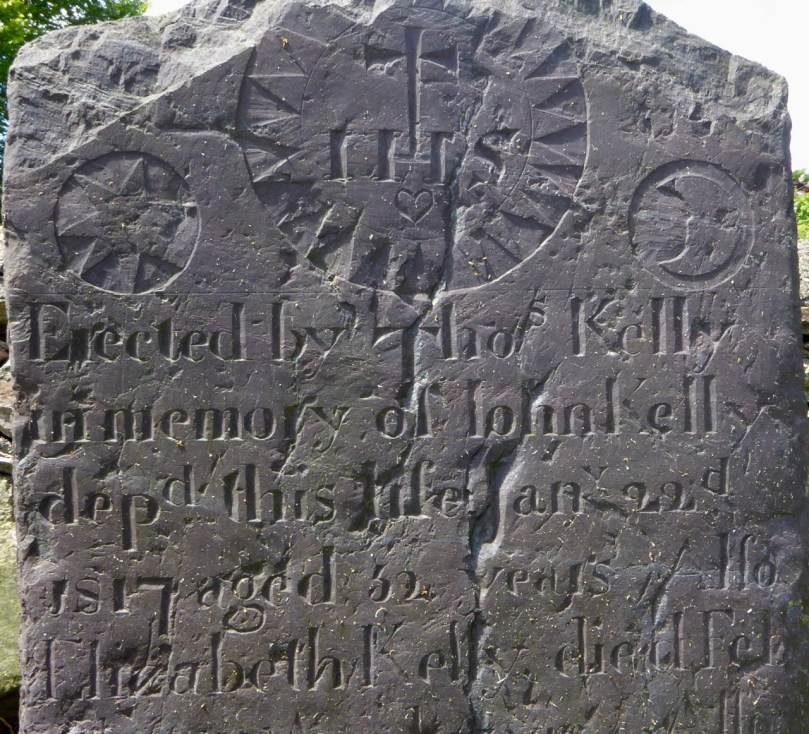
Several of the headstones feature a sunburst as well as sun, star and moon motifs. Powerful symbols of the soul and of immortality, as well as rebirth, these motifs were very popular in the eighteenth century. The IHS symbol (explained in Memento Mori) usually adorned the top of the headstone.

Angels – the soul’s guide to heaven – are found on several of the Kilcoole headstones and we were  delighted at the the variety of ways in which they were depicted.

Because the carvings are so visible and well-preserved in Kilcoole, it’s possible to see not only the detail of the lettering, but also the guidelines used to keep them straight.

Most of the lettering is deeply carved and exhibits, here and there, that idiosyncratic and random placement of letters where the carver may have run out of room, or perhaps was anxious to balance a line.

The lettering styles are fairly plain, although some fancier initial words crop up.

The graveyard has suffered damage both from vandals and from the ravages of time. We were intrigued by the number of fragmentary inscriptions and broken headstones dotting the place.

A local style seemed to be the use of a floral or vine pattern across the top of the stone. There were several examples of this – perhaps the hallmark of a particular carver.

There were some fine later nineteenth century headstone in the graveyard too. Although we recognised that they were beautifully executed, it’s harder to get excited by them: they lack the naive exuberance of the eighteenth century examples and the symbols used are more restrained and limited.

There are several graveyards in Wicklow with similar collections of headstones and we hope to visit more in the future. Meanwhile, to learn more, order a copy of Chistiaan Corlett’s excellent book Here Lyeth about the eighteenth century gravestone of Wicklow

Off The M8 and into Medieval Ireland

Twomileborris Castle

The drive from Cork to Dublin used to take four hours; now it takes two and a half on a speedy motorway. As you drive along, tantalising glimpses are offered of castles, a round tower, those brown signs that point to ancient monuments. If you’re not in a mad hurry, why not do some exploring? This post is about one stretch of the old road, running parallel to the motorway, where you can have a medieval experience, great coffee and cake, and rejoin the motorway when you’ve sated your curiosity. You can take a few hours and do everything on this list on one day, or you can do one or two each time you travel.

Twomileborris Gravslab and Castle

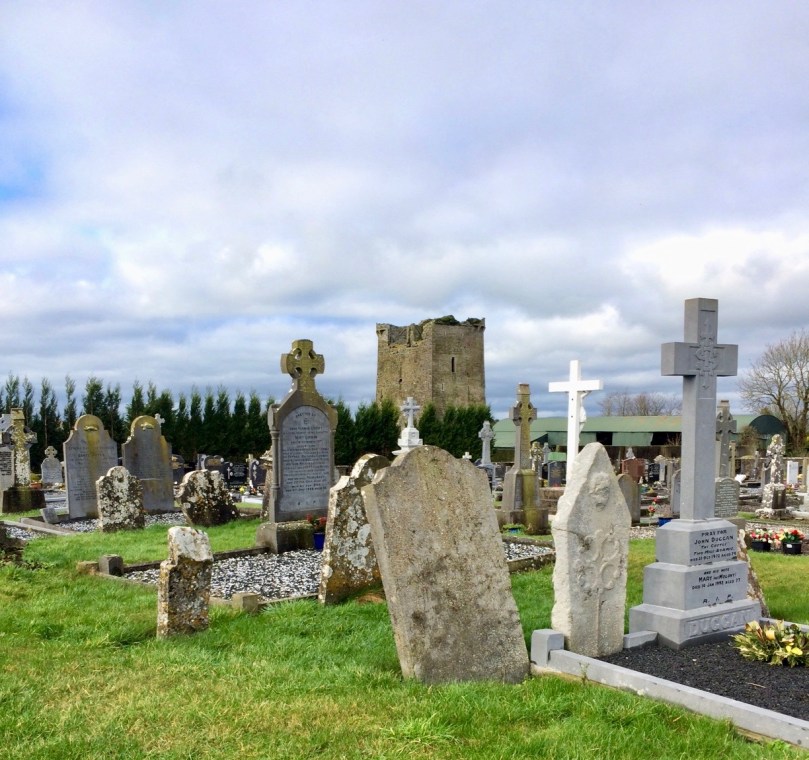
The castle and old graveyard at Twomileborris offer lots of opportunities for exploration. Above, the castle looms over the graveyard, but note the white gravemarker with the head above a stylised fleur de lys – similar to many such markers set into the floor of St Canice’s Cathedral. It’s much earlier than anything around it

I am assuming you are coming from Cork and are dying for a coffee about the time you see that turn-off for Horse and Jockey. The busiest spot in all Ireland, nevertheless we always find a corner on a comfy couch and relax with a coffee and goody before we continue. But don’t go back to the motorway – The Horse and Jockey Hotel is right on the old Cork to Dublin Road, now called the R639, so head north on it and go exploring. I’ll provide directions but a good map will come in handy, as will stout shoes for some of the sites.

Two Mile Borris 1777 gravestone

A 1777 gravestone in the Twomileborris graveyard

First off – Twomileborris. You’ll see the sign just after Littleton and you’ll spot the castle as soon as you approach the village. Park just beyond the castle and take the path to the old graveyard – it affords good views of the castle, which is on private land. Head for the old part of the graveyard and have a good wander – you will find fine examples of gravestone that date back to the 18th century. As you leave, take a good look at the top of the castle and observe all the architectural features I’ve been telling you about in the Tower House posts. For this one, have a quick read of Tower House Tutorial Part 1.

Liathmore churches

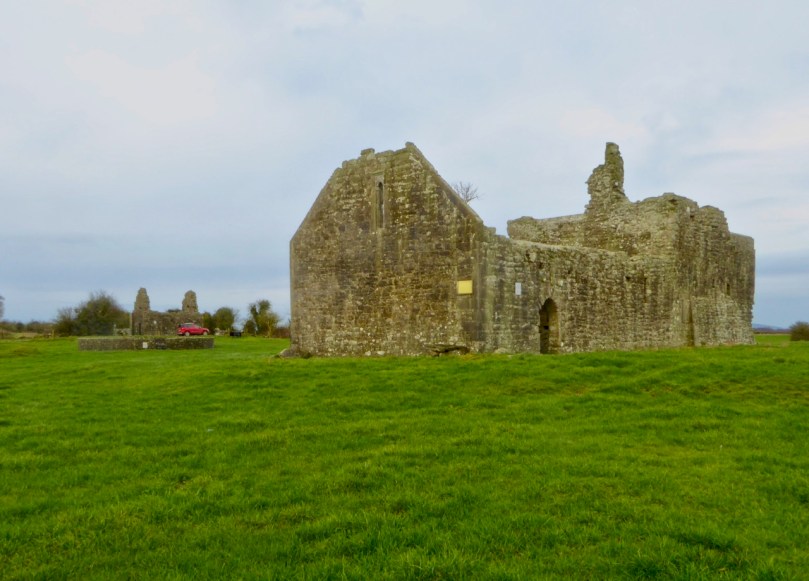
The churches at Liathmore. The round feature is a modern wall built around the stump of the round tower

Proceed through the village and you will rejoin the R639. Turn left and less than a kilometre down the road look for the National Monuments brown sign to Liathmore Churches and follow the signs to the site. This a complex site with early and later churches. The first, right beside the track, is one of those early-medieval churches with the projecting antae that Robert wrote about in Molaga of the Bees. It probably dates to the same period as the round tower – unfortunately there’s not much of this left, just a stump that was found during excavations.

Liathmore Early Medieval Church

The Early Medieval church (8th to 11th century) at Liathmore

But as you head over to the later church look around the field at all the bumps and hollows and enclosures – you are looking at what was probably a medieval settlement, long deserted. The second church was built and modified and re-modified over several centuries. It has an intact vaulted chancel – the plaster work is extensive and still bears the marks of the wicker scaffolding that was used to build it. Here and there, inside and outside, carved pieces of stone have been inserted into doors, windows and walls. You can easily miss these so let your eye rest on each section of the building. The Sile na Gig is sideways in the door nearest the round tower.

At some time in the past, pieces of carved stone were inserted into walls and doorways. Here are two examples – the one on the left has a carved creature and the one on the right is a síle-na-gig. Below I have turned the photographs to facilitate viewing of the figures

Back on to the R639 now and continue north, though Urlingford and Johnstown and about a kilometre out of Johnstown take the left turn at the first crossroads. You’ll go across the M8, turn right and another kilometre or two will bring you to Grangefertagh Round Tower. It is clearly visible in the landscape so if you miss it just follow your nose until you get there.

Grangefertagh round tower and church

Grangefertagh site is visible from the M8 – haven’t you always wanted to stop off and find it? Take a look at the church – what’s that modern-looking wall doing on top of it?

Once again, this is a site with multiple periods of occupation. You can’t climb the round tower, as you can in Kildare and Kilkenny but it’s nice to be able to get up close to one. Robert has a post on round towers, High Drama!, so have a quick read on your phone if you don’t already know all about them. Two aspects of this site are especially intriguing. The first is that, at some point in the past, the medieval church was turned into a handball alley! Hard to fathom how this could have happened, but no doubt the handball players who did it had great bad luck and never won a tournament.

Grangefertagh church and handball alley

The interior wall of the church has been rendered and old gravestones have been used to create a flatter wall. Outdoor handball alleys were once common but most are now disused and crumbling

The second is the effigy tomb – these are relatively rare in Ireland this is a nice one, although the figures are weathered and lichen-covered. The tomb commemorates John Macgillapatrick, Brian his son and Honora, Brian’s wife and is dated to about 1537.

Grangefertagh effigy tomb

Right – we’re going to finish with a couple of castles, so turn right now and it will lead you back under the motorway to the R639 where you turn north again. After another kilometre or so you will see an imposing tower house on the right. You can drive up to the farm and observe this more closely. Since it’s on private property you must ask permission to go beyond the farm gate, but you’ll get a very good view from outside.

Glashare Tower House

Glashare Castle

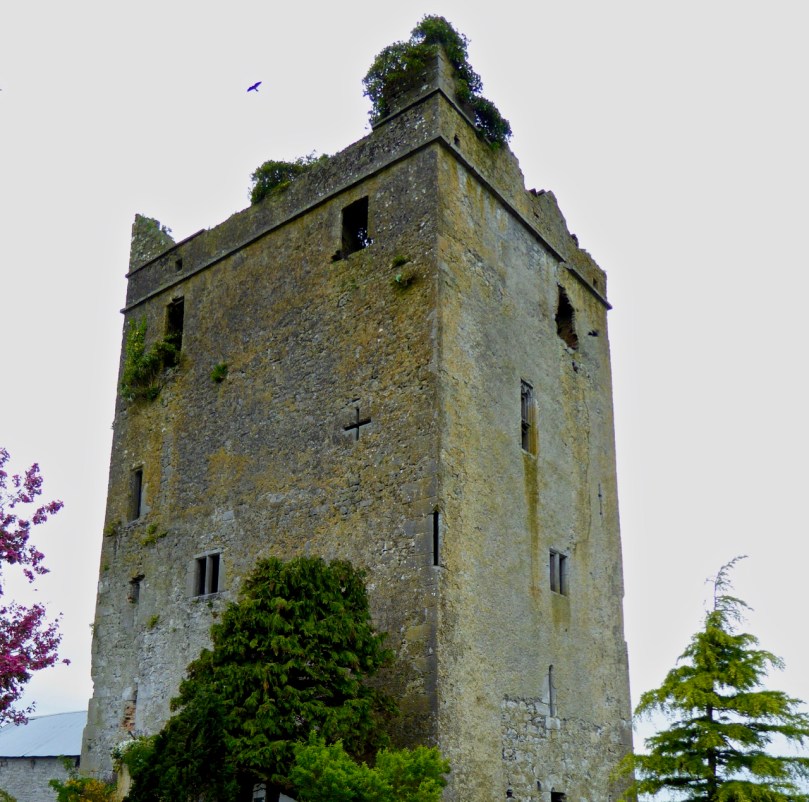
It’s remarkably intact and from your browsing of the Tower House Tutorial Part 1 you will be able to admire the loops – unusual corner loops in this one, as well as cross shaped loops. This castle has render on the outside, but how old the render is, or what material, I have not been able to ascertain.

Glashare Tower House windows and arrow slits and render

An amazing variety of opes – windows and loops

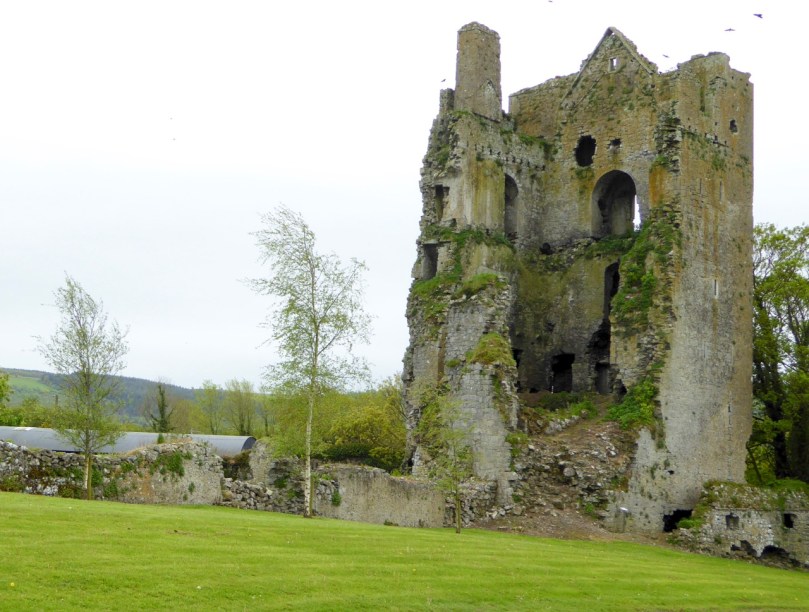
The final stop of this tour is Cullahill Castle – turn right at the small village of Cullahill, which is 4 or 5 km beyond Glashare. This one you can wander around. It was reputedly destroyed by Cromwellian cannon, and so you get a wonderful cross-section view of the interior. Tower House Tutorial, Part 2, will tell you exactly what you are looking at, or have a read of Illustrating the Tower House to see how JG O’Donoghue shows us exactly how the interior of a tower house would have been constructed and used.  You can rejoin the M8 by proceeding to Durrow and following the signs from there.

Cullohill later fireplace

Cullahill Castle – a unique opportunity to look at a cross-section of a tower house

For those of us who travel the M8 regularly it’s great to know that we can take a break along the way and catch up on our history and archaeology at the same time. Let us know if you deviate from the M8 to visit any of these sites, or if you have your own favourites along the motorway. 

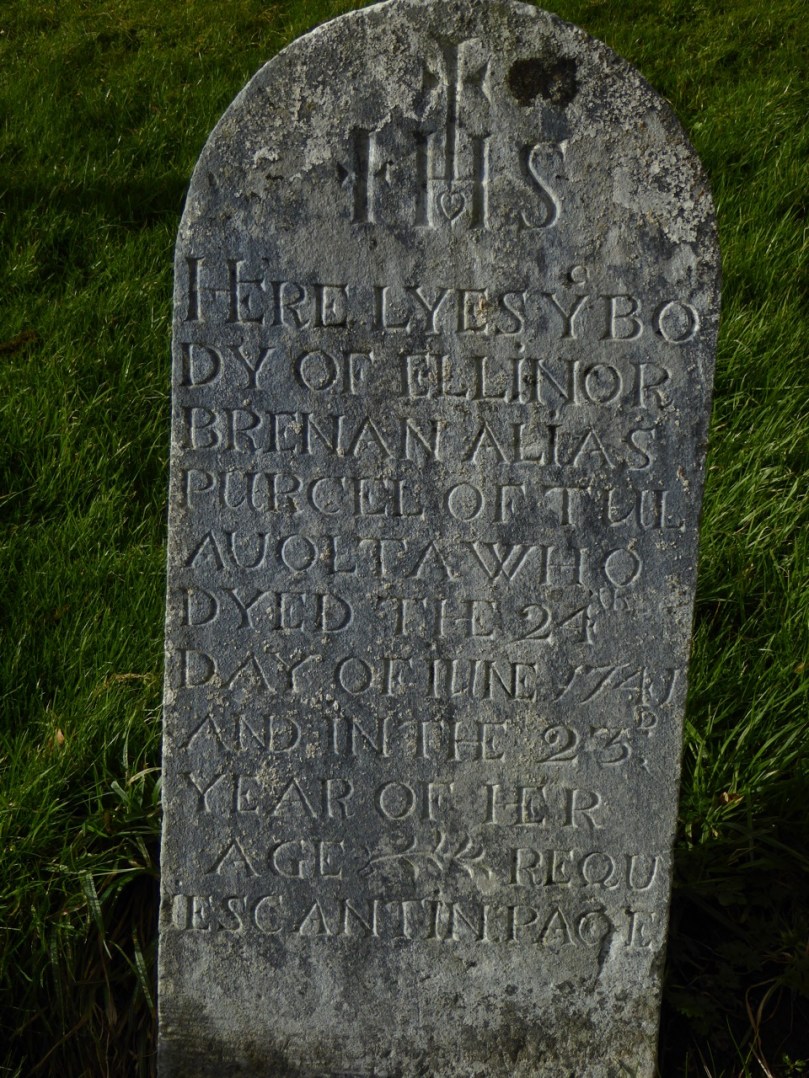
Grangefertagh 1741 graveslab

A gravestone from Grangefertagh

Wild Beasts of Ireland

tiger at feet st canice

There are wild beasts all around us!  Animal, fish, serpent or fowl, real or mythical, carved, painted – imagined. This is my second ‘Menagerie’ – previously we explored the Honan Chapel in Cork, and I was struck by all the wildlife representations there, as set out in this post from over two years ago.

2 deer cashel

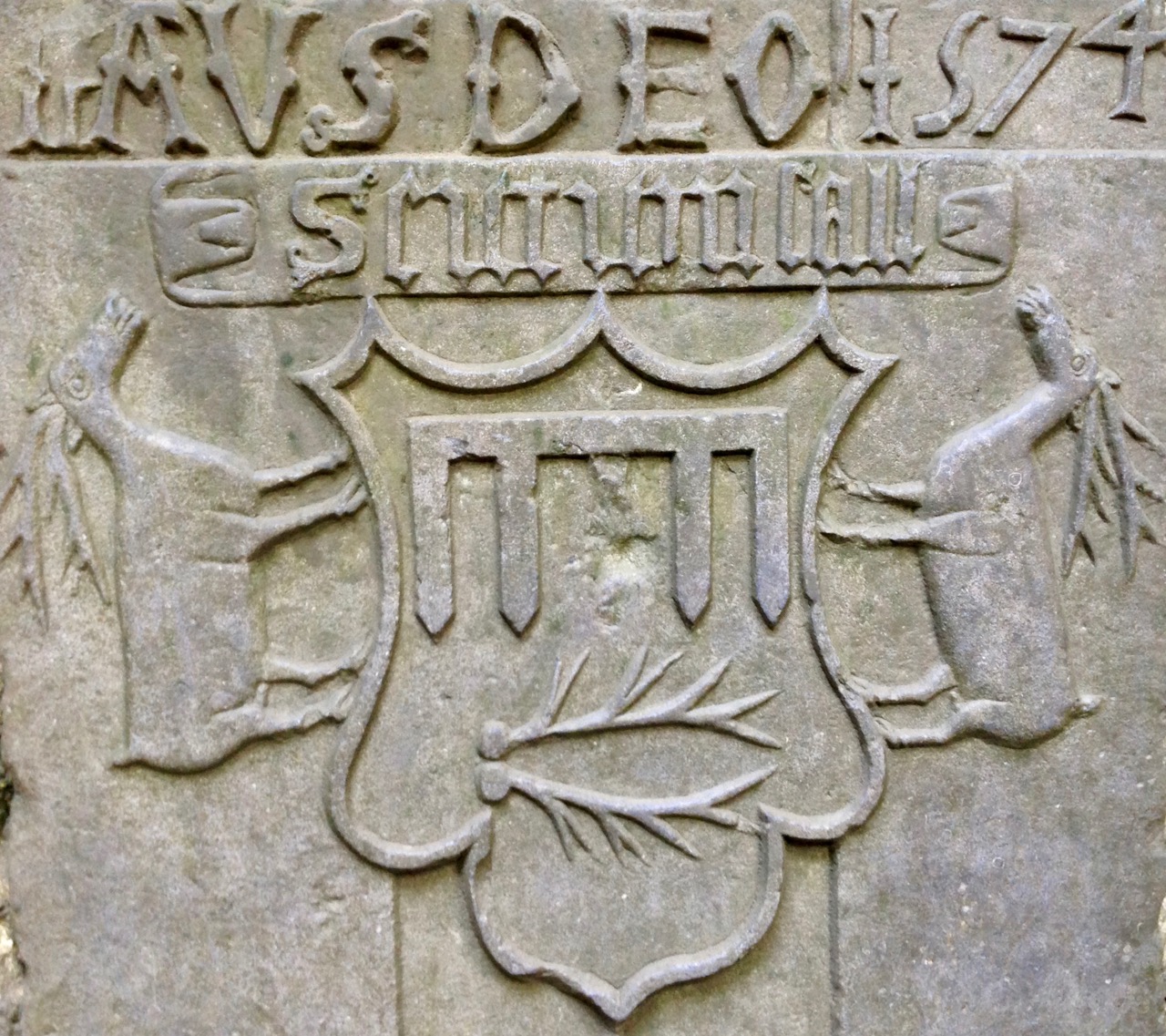
Deer and antlers on a memorial plaque in the Cathedral at Cashel – one of the earlier representations here, dating from 1574. Top picture – believed to be a tiger, this fine beast lies at the feet of a medieval knight in St Canice’s Cathedral, Kilkenny

Our travels take us around many of Ireland’s historic sites, and I’m always on the lookout for Creatures – they are abundant everywhere. Countless stories of the saints involved animals: they are common symbols on tombs and heraldic plaques, but we can’t resist also using them today – for inns, shop signs or just decoration on the streetscape. Have a look around you – you might be surprised how many you can see…

toucan guiness

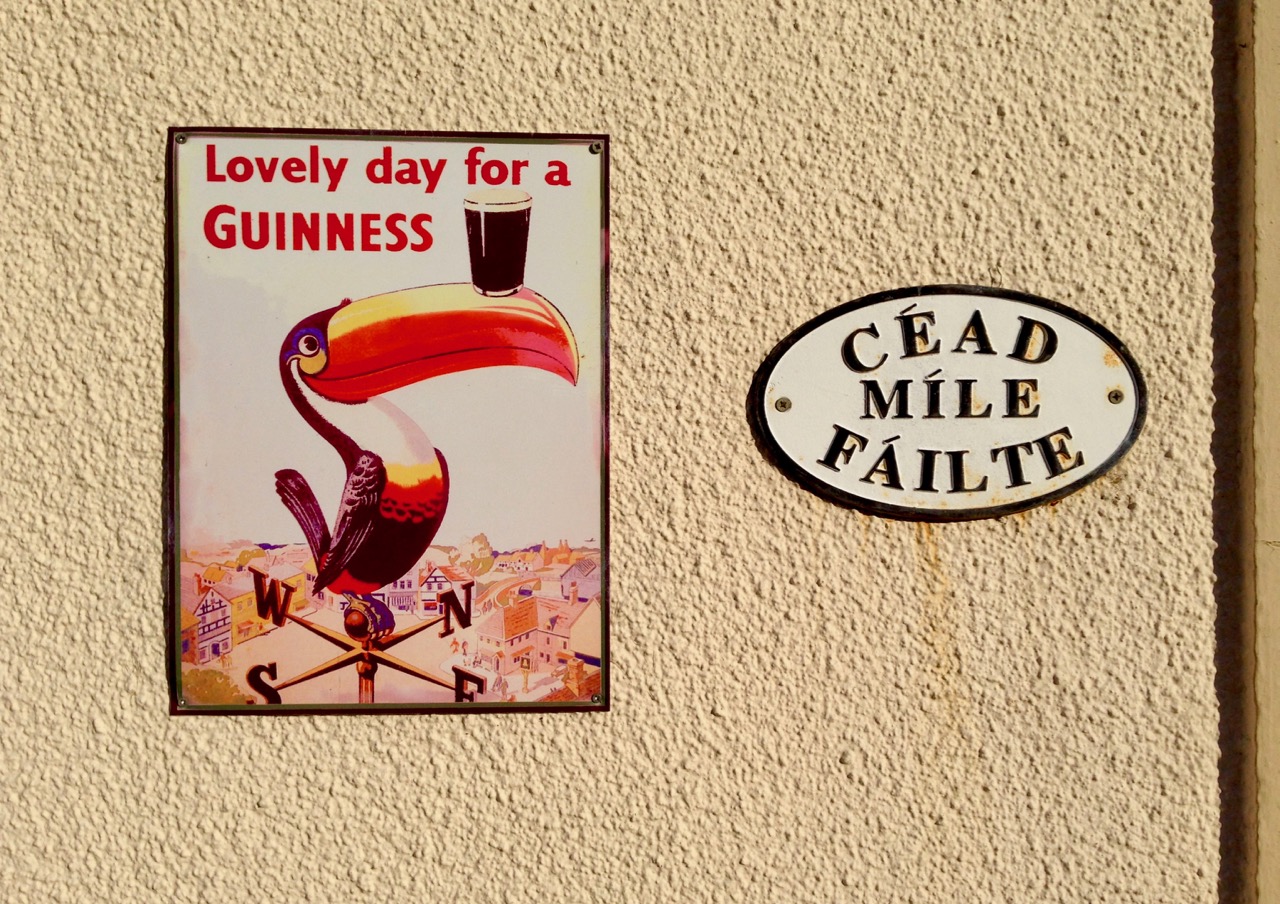
Inhabited streetscapes: top – two Kilkenny Cats undoubtedly belonging to Dame Alice Kytler and, above – there are plenty of these toucans still around in Ireland! They originate from a ‘zoo’ advertising campaign for Guiness begun in 1935 (abeted by Dorothy Sayers who wrote captions and verses); the toucan campaign flourished until 1982

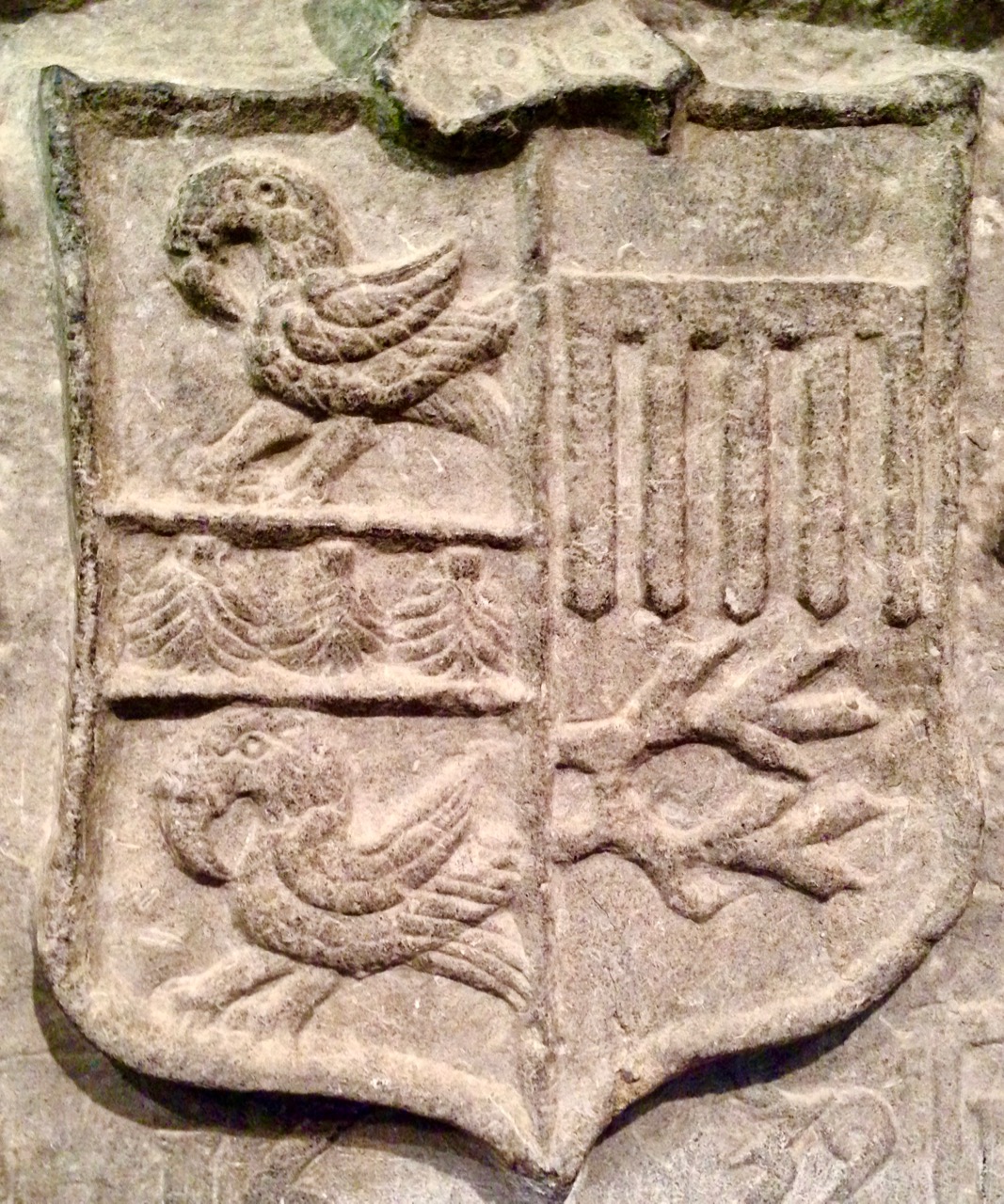
Nobody has ever claimed the toucan as an Irish bird, but pelicans were certainly not uncommon in medieval carvings here. That’s because the pelican in early Christianity symbolises atonement as it was believed to wound itself in order to feed its young with its own blood.

2 birds shield cashel

fish lid st canice

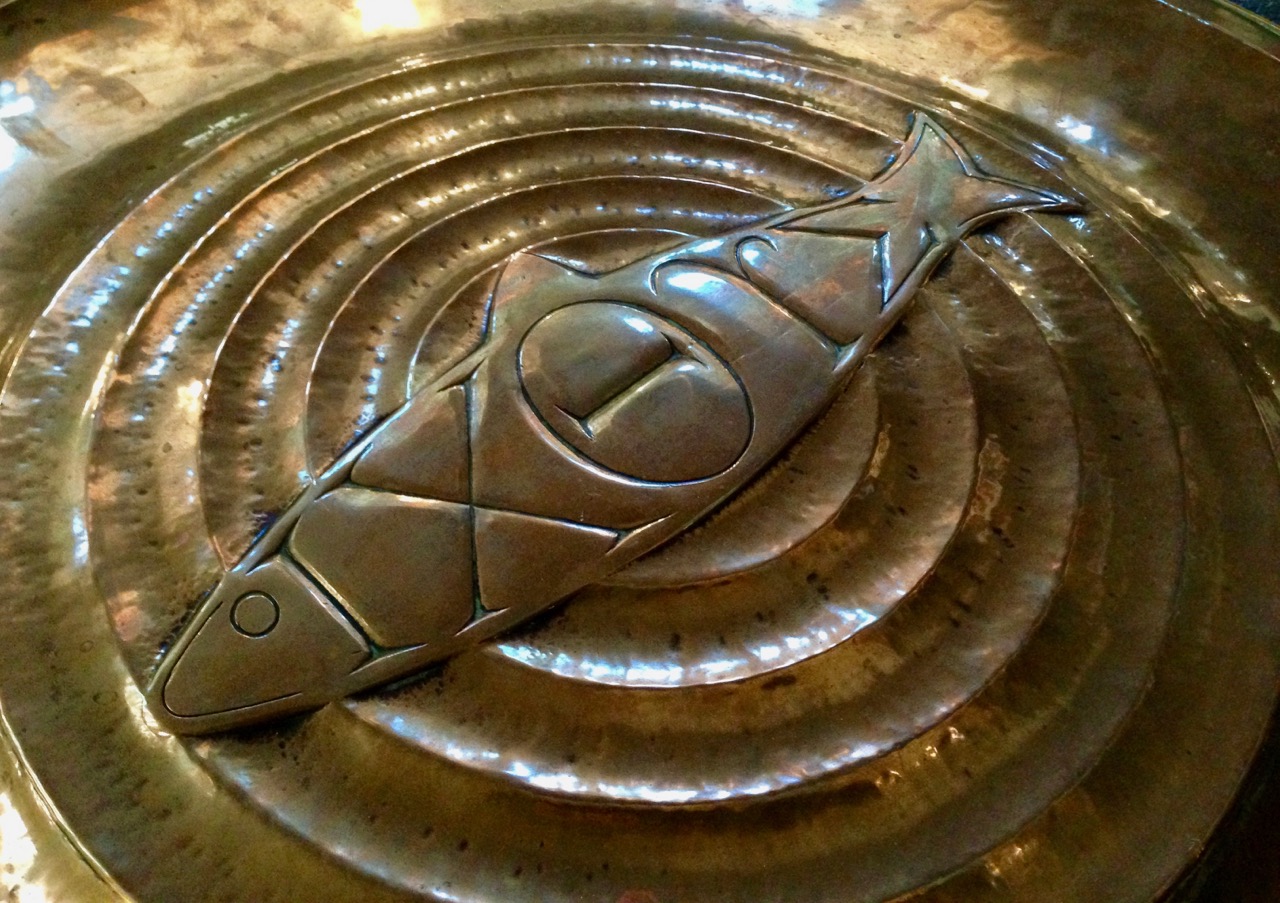
Christian symbolism: top – medieval pelicans at Cashel, and below – a fish incorporated in a modern lid to the ancient font in St Canice’s Cathedral, Kilkenny. The Greek ΙΧΘΥΣ is an acrostic for ησοῦς Χριστός, Θεοῦ Υἱός, Σωτήρ, literally translating as Jesus Christ, Son of God, Saviour

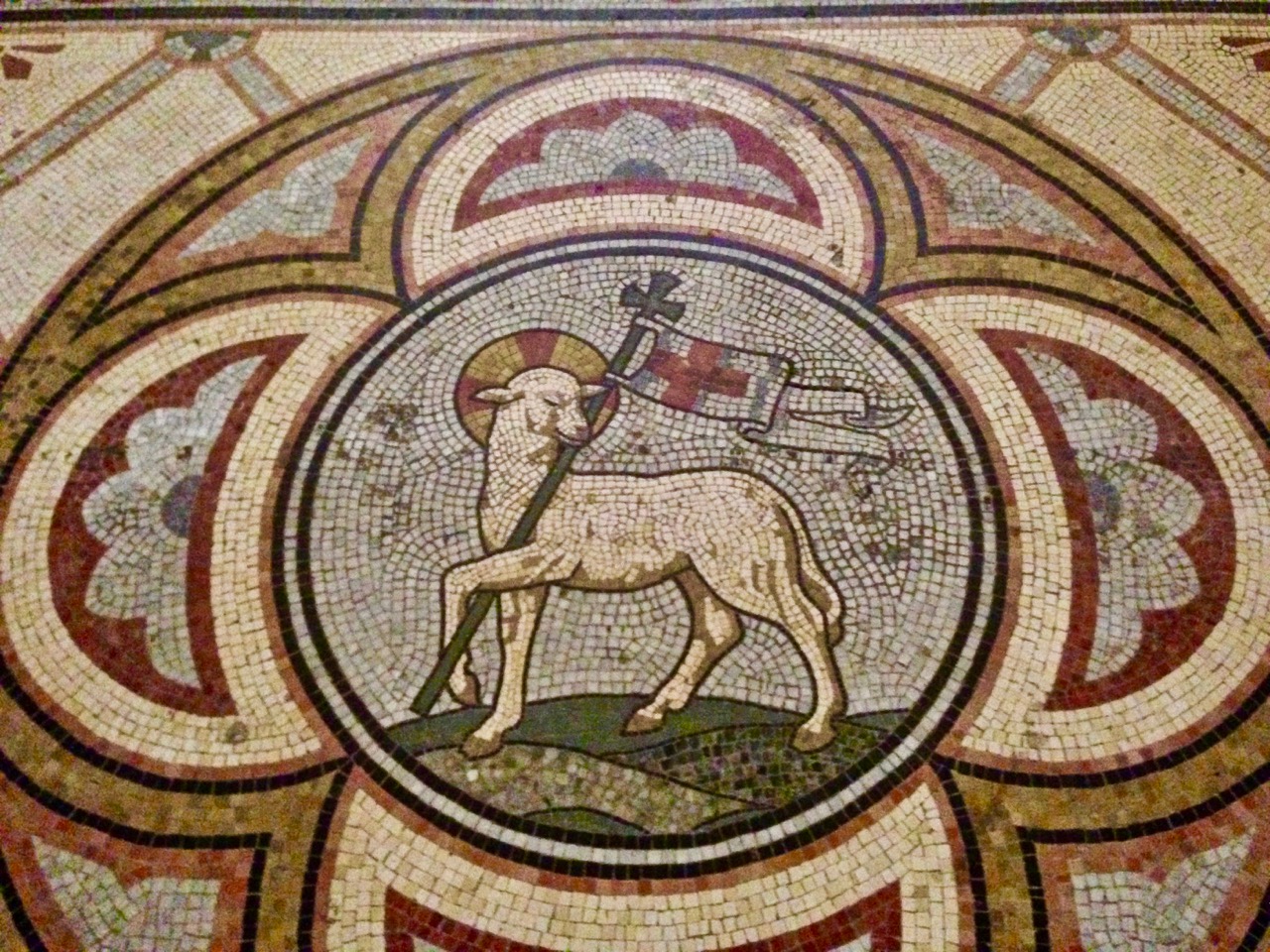
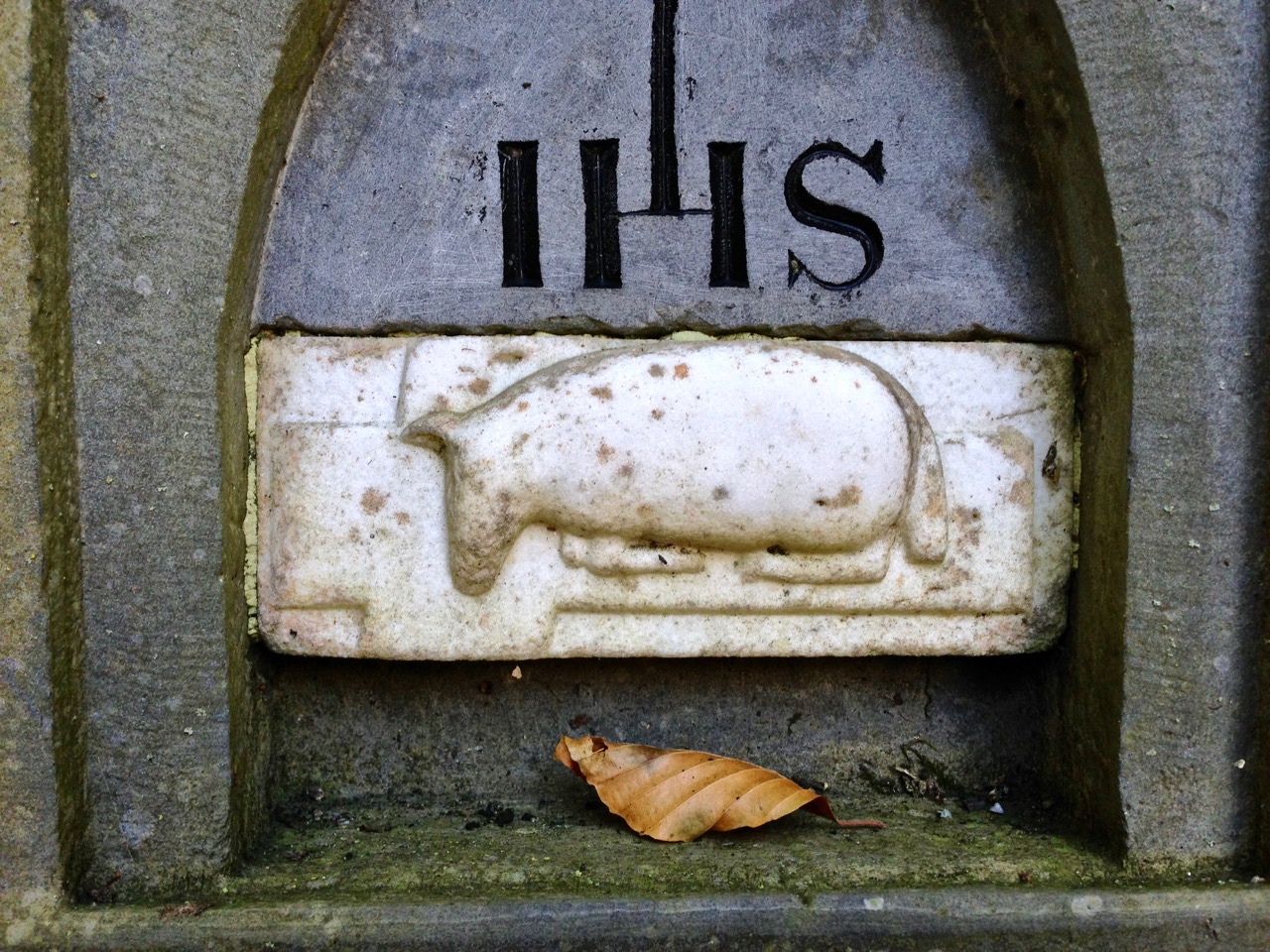
Also in Christian symbolism the lamb represents Jesus – the Lamb of God – who was sacrificed in order to atone for human sin.

lamb with pennant kilkenny

ihs lamb detail
Top picture – not a wild beast, perhaps, but a pascal lamb mosaic in St Mary’s Cathedral, Kilkenny. Lower picture – this strange creature is also a lamb, from a graveyard memorial in Killeen, Co Meath

Lions are popular animals in Britain and Ireland, possibly because they appeared on royal crests and were therefore associated with status and dignity. I was surprised to find bears and eagles well represented.

All the lions (graphic tiles and wistful memorials) are from the Collegiate Church in Youghal. The stained glass is from St Peter’s Church, Bandon, Co Cork and shows off bears (from crests of the Earls of Bandon – their motto was Bear & Forbear), eagles, another lion and – for good measure – a fine serpent

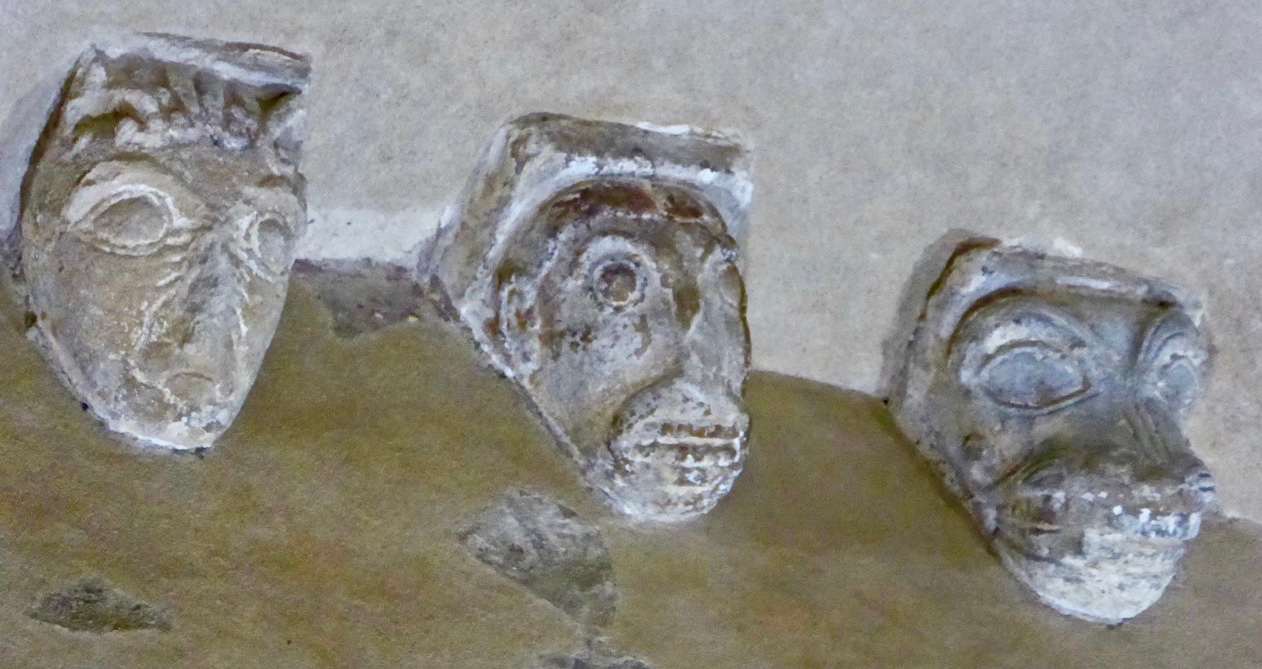
Some of the most splendid and oldest carved stonework in Ireland is to be found at Cormac’s Chapel, Cashel and at Clonfert Cathedral, both dating from the twelfth century. The Hiberno Romanesque doors and arches display arrays of human heads but also numerous creatures.

Heads cormacs chapel

Upper pictures – a small selection from the riotous carvings at Clonfert Cathedral, Co Galway and – lower picture – ambiguous creatures from Cashel, Co Tipperary: all are around 900 years old

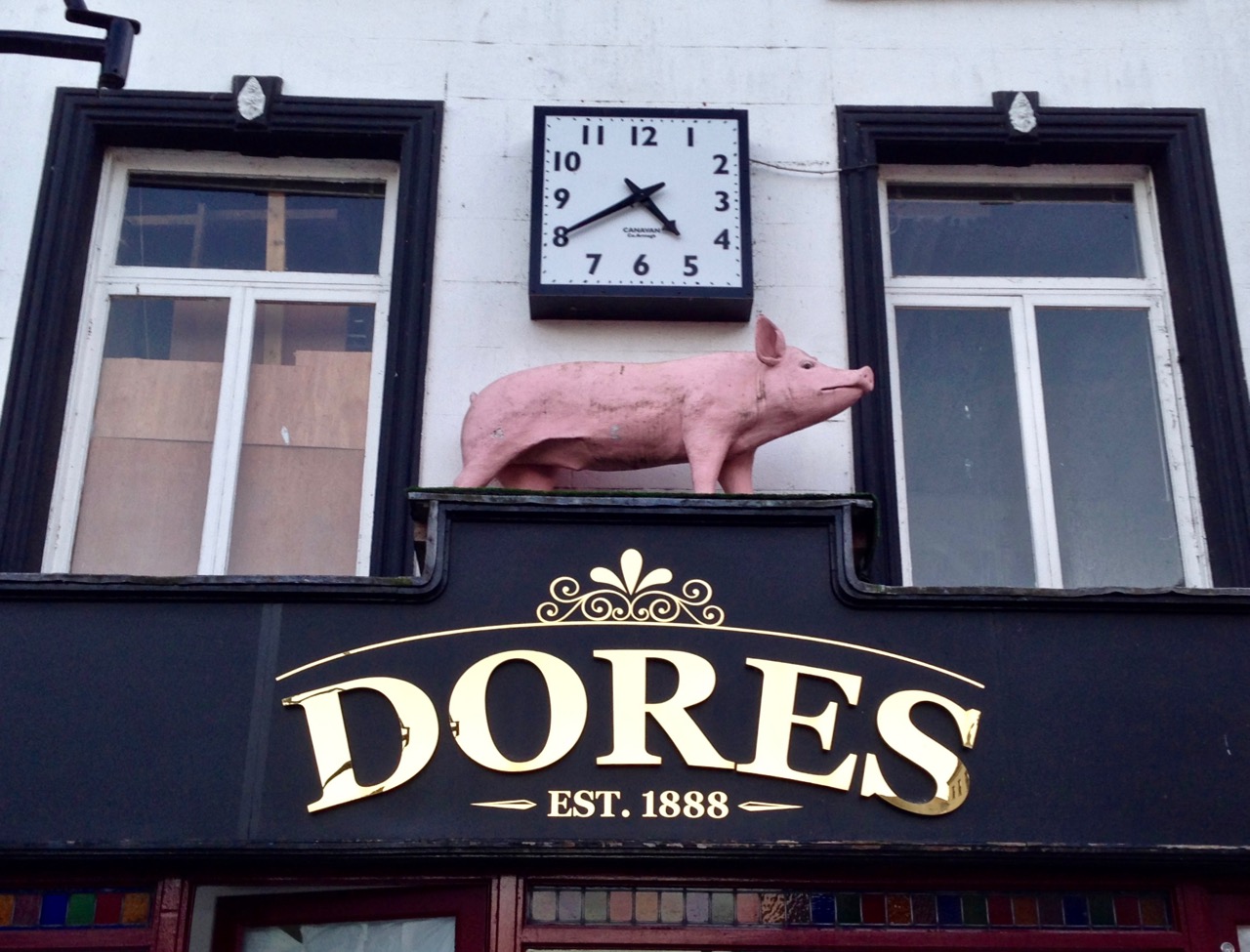
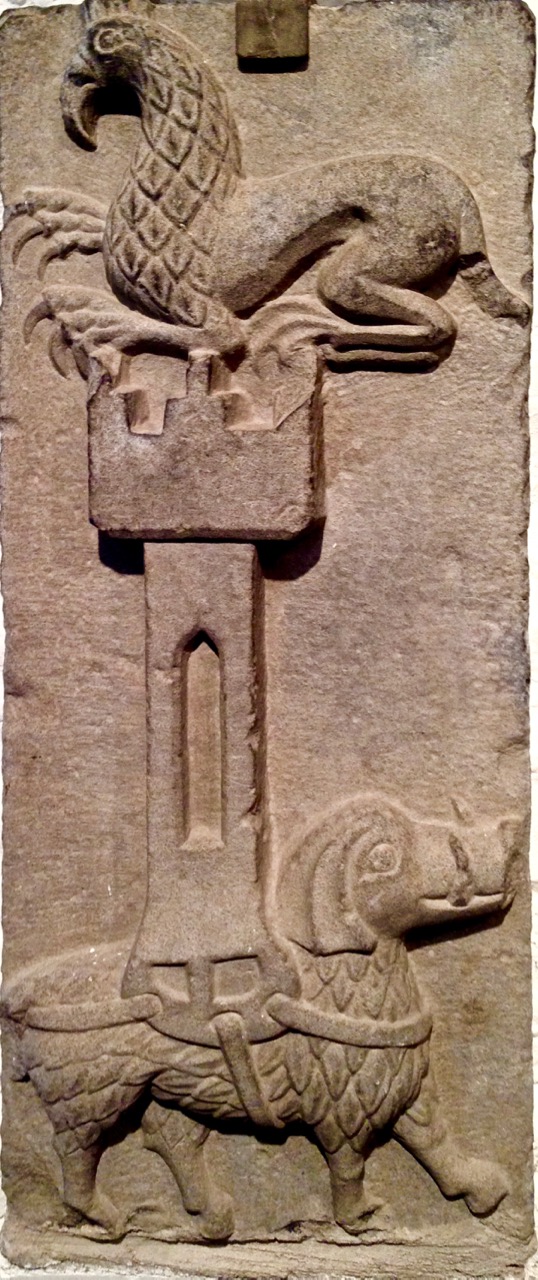
I’ll round off for now with some more cat-like creatures and a Kilkenny pig. Oh – and a carving we found in the Cashel museum, titled ‘Elephant and Castle’. Both the carving and the name are enigmatic, as the creature with a castle on its back (wherein resides another creature – a gryphon?) looks to me like a boar with feathers!

pig dores kilkenny

Elephant + Castle