Art and the Workhouse

Trump was not the first man who thought that separating desperate families applying for asylum provided an additional deterrent – that distinction belonged to the workhouse system in which men, women and children were kept apart once admitted.

Two distinct artistic projects centre on the remains of local workhouses in West Cork in the coming week. Both are associated with the highly anticipated Coming Home: Art and the Great Hunger Exhibition at Uillinn.
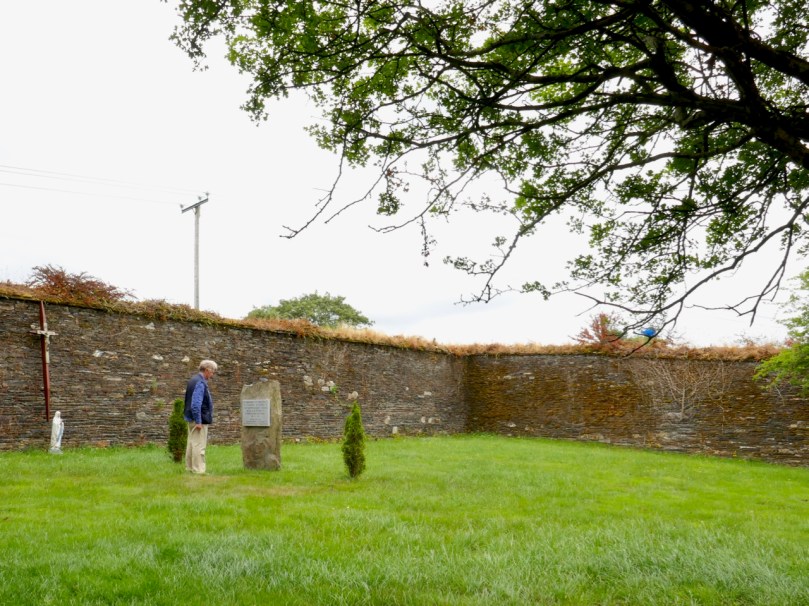
Robert contemplates the memorial plaque at the famine graveyard in the grounds of the Skibbereen Community Hospital – the former site of the Workhouse. The towering wall remains from that time

How do we address the ghastly system that was The Workhouse? How can we look back on the barbarity of the political and economic philosophies that dreamed up such an institution and perpetrated such depths of misery on starving people? How do we remember without stirring up old hatreds and move instead to a place of compassion and healing, a place of determination not to repeat such atrocities in this country? Perhaps one way is though art. Two distinct artistic approaches have been underway in West Cork for some time and each will culminate this week.
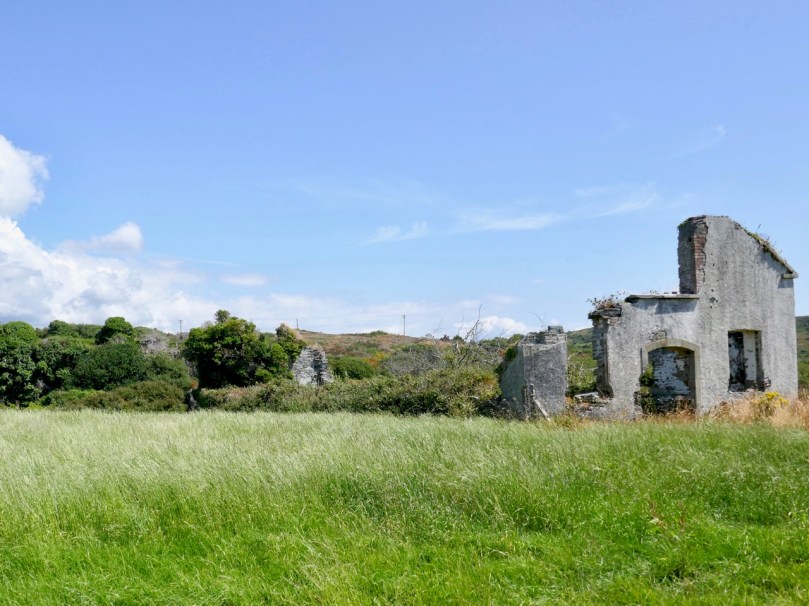
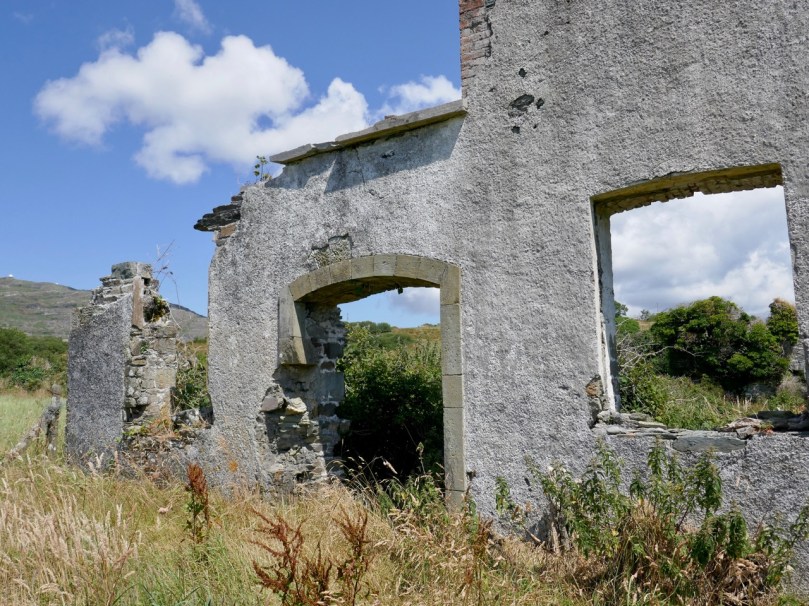
What’s left of the Schull Workhouse. It was destroyed by the IRA during the War of Independence. The dreaded reception area is on the right, and in the initial photograph

Before I talk about the two projects, take a moment here to revisit my 2014 post on the Workhouse. It explains the Workhouse system and has links to more information. You might also, if you haven’t already done so, read what Asenath Nicholson had to say about dire poverty and the Bantry Workhouse.

Jean Leary was one of the 110 Skibbereeen girls – here she is celebrating her 50th wedding anniversay in Australia. Thank you to her great, great……granddaughter Judith Constable for sharing this photograph. Judith will be travelling from Australia to attend the unveiling of the memorial on Friday

Artist Toma McCullim’s project centres on the Skibbereen Workhouse and is called 110 Skibbereen Girls. The Earl Grey Famine Orphan Scheme provided passage to Australia for young women. The young women from Skibbereen left a difficult present for an unknown future, and it is estimated that perhaps 10,000 Australians trace their descent to them. There is an excellent account of the project in the Irish Times and another in the Examiner.
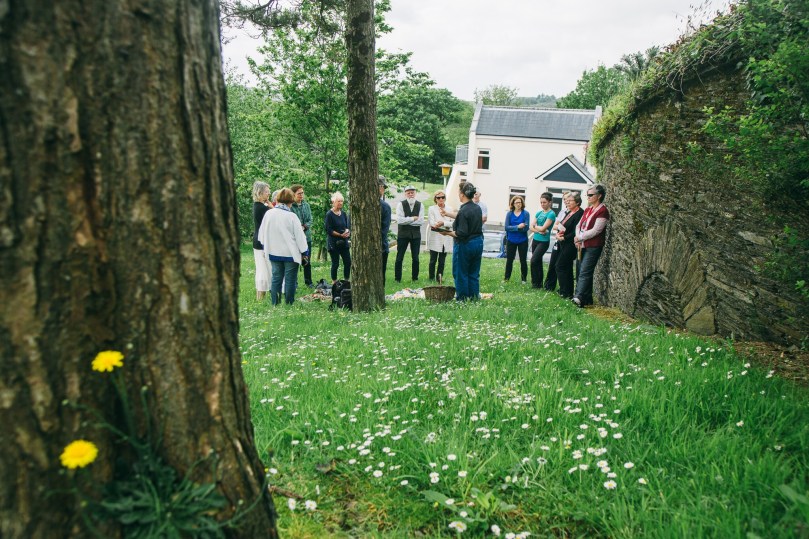
Photograph courtesy of Aoise Tutty

I participated in a Walk and Talk with Toma in the grounds of the former Skibbereen Workhouse, now the Community Hospital. It was a deeply moving experience, as Toma asked us to imagine ourselves in the position of one of the girls, and talked us through the events of their lives. We started at what was once the Women’s Entrance and walked up to the graveyard.

We chose an apple and mine represented Alice Fitzgerald. It was all too easy to slip into the past with Toma, and a very emotional experience. Photograph courtesy of Aoise Tutty

Toma is a gifted educator: her tour immersed us in the lives of the young women in an imaginative and emotive way. The pièce de résistance, however, was when her phone rang, and on the line from Australia was a descendent of one of ‘our’ girls. It was a telling moment, somehow underscoring the resilience and heroism of the girls who had made such a difference in the land of their adoption.

The phone call from Australia

It is at the Women’s Entrance that the commemorative sculpture will be unveiled next Friday (July 20th, 2018) by the Australian Ambassador. All are welcome.
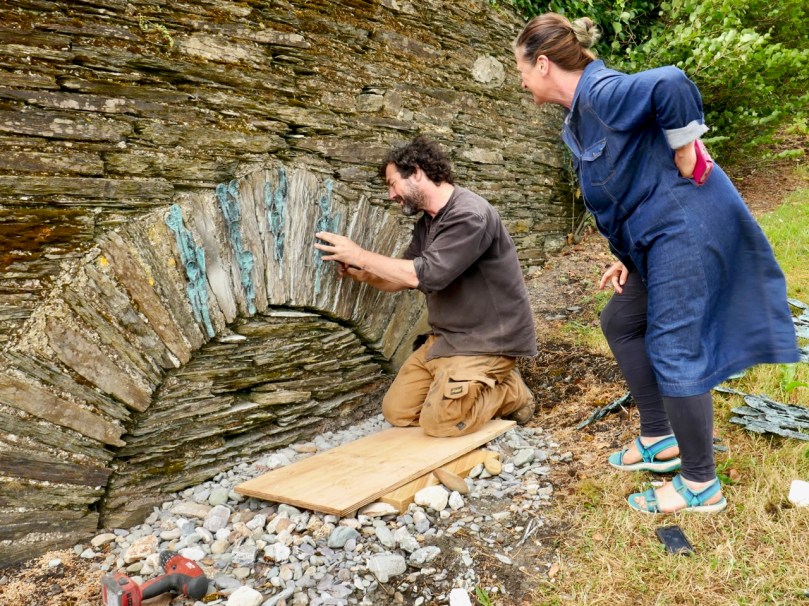
Installation underway

The following day (Saturday, July 21, 2018) we have another workhouse-based art project. It’s called Anáil na Beatha (Breath of Life) and it’s a multi-media performance by Alanna O’Kelly. Here’s the description:

The audience will proceed into the ruins of Schull Workhouse, where they will be immersed by fragmented sounds, layered imagery and light, surrounded by the silence and vastness of the countryside, and the stories of the thousands who were silenced by the Great Hunger. The performance will run as a series of vignettes that will reference some of the stories of the Great Hunger in West Cork, both historic and contemporary.
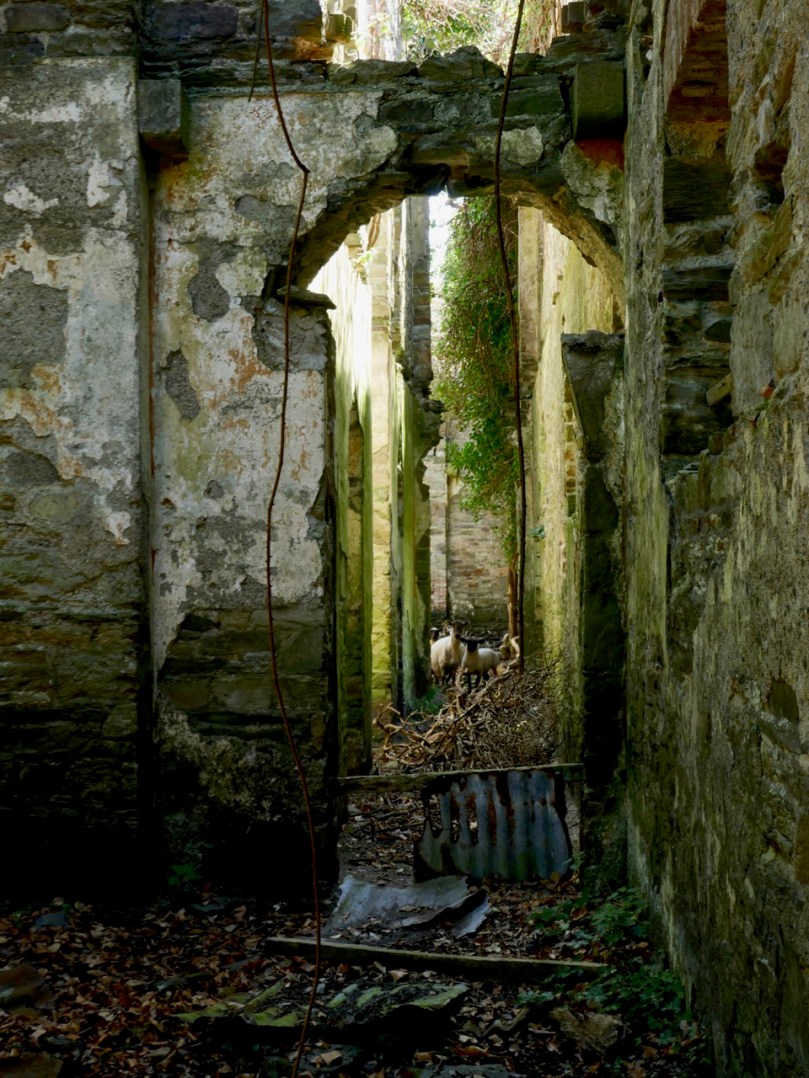
The only current inhabitants of the Schull Workhouse

Some friends are participating in the performance and, based on their experience in rehearsal, are urging everyone to go to what promises to be a deeply moving and artistically striking event. Robert and I have our tickets (they are available on Eventbrite).
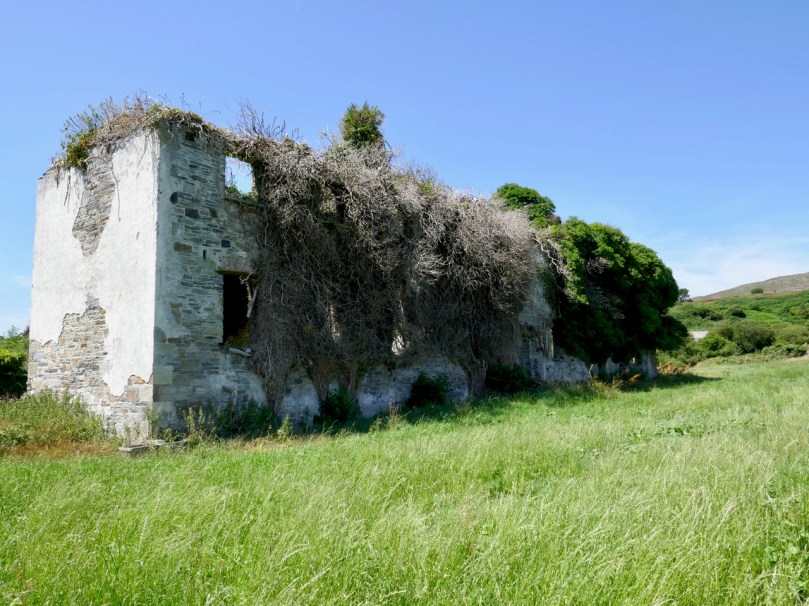
Schull Workhouse ‘Mortuary Hospital’

I never thought I would get to attend something like this at the Schull Workhouse. In my Workhouse post I described the ‘aura of decay and sadness’ that resonates there, an echo of the misery that was visited upon the inmates. I am looking forward very much to seeing how Alanna uses the site in her performance piece, as expressed here:

She has a deep interest in place, people, community, our past and its effect on our present, the shaping of our culture, our identity and relationship to the world community and she is drawn to the particularities of place and context.

Workhouses stand out in Irish history as the most hated, feared and despised buildings in the land. The gaunt remnants that dot the countryside act as a constant reminder of a dark time in our collective memory. Perhaps through art we can begin to focus on a more hopeful and healing integration of that period: both a rejection of those values and compassion for those who suffered. We need, in Ireland, that kind of negotiation with our past.
Skibbereen Celebrates: Arts and Artists

There’s seldom been as much sunshine in Skibbereen as we are seeing this summer: every day feels like a holiday, and there’s so much for residents and visitors to do – it’s going to be hard to keep up with it all! Coming soon is the launch of the Skibbereen Arts Festival (I love this great graphic!) –

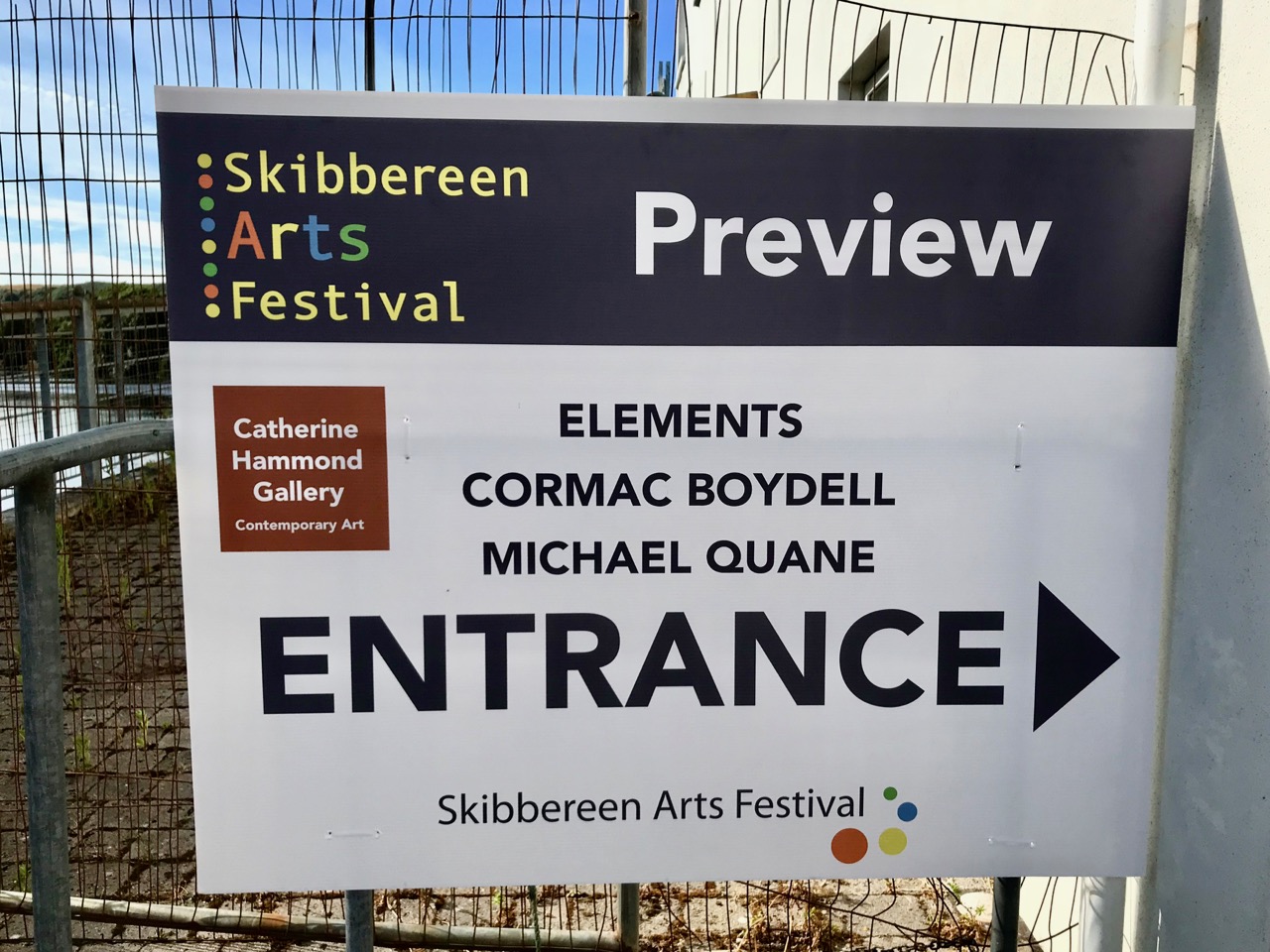
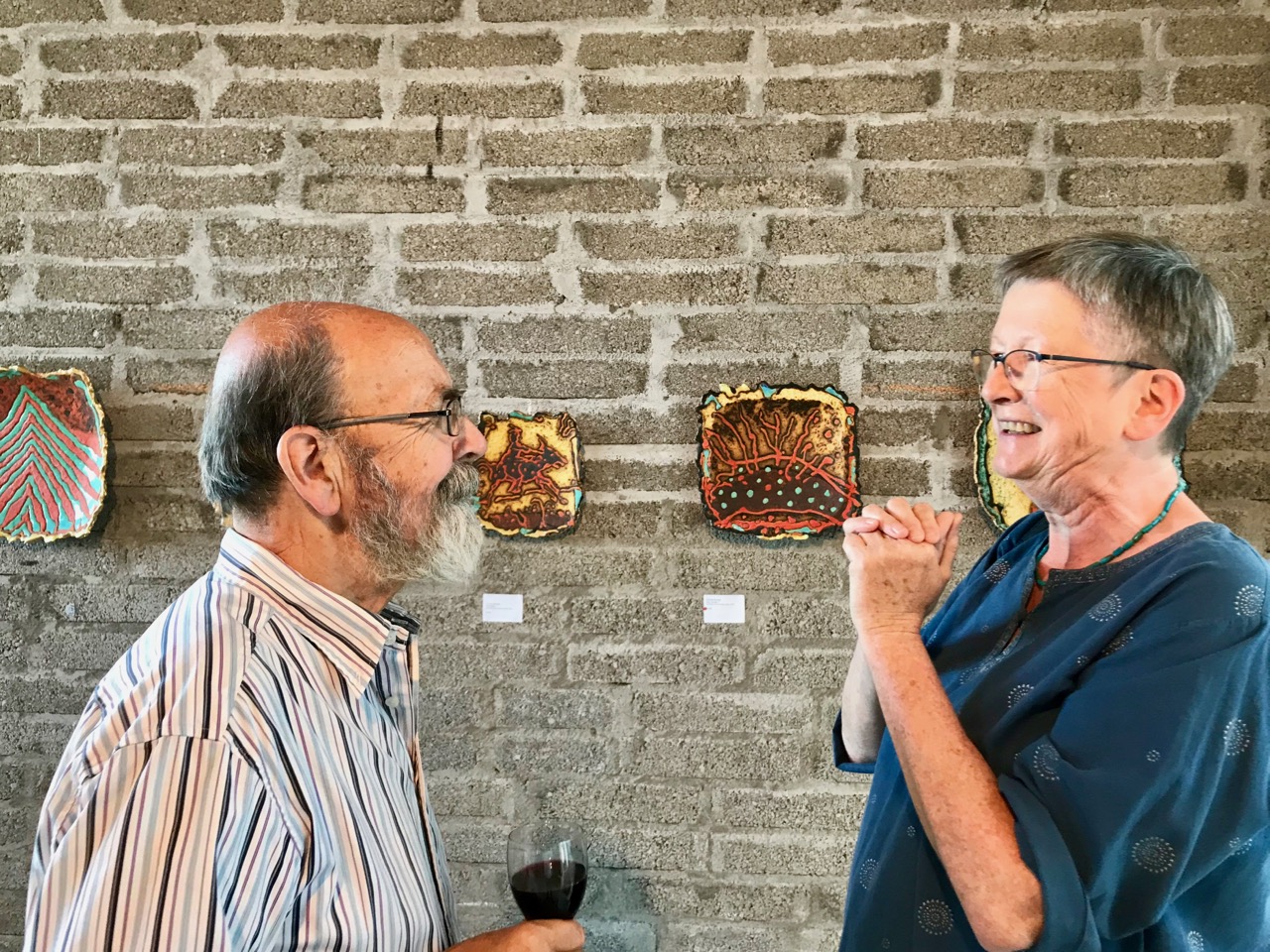
On Friday night we were treated to the ‘Preview’ of the ‘flagship exhibition’ for the Skibb Arts festival, running from now until 6 August at The O’Driscoll Building, Old Quay in the centre of town. It’s titled Elements: West Cork Landscape and features works by 30 artists from the area. In fact, the sunshine and the excitement brought out practically every artist, anyone connected with arts, and a whole lot of West Corkonians and visitors to see what’s on offer.

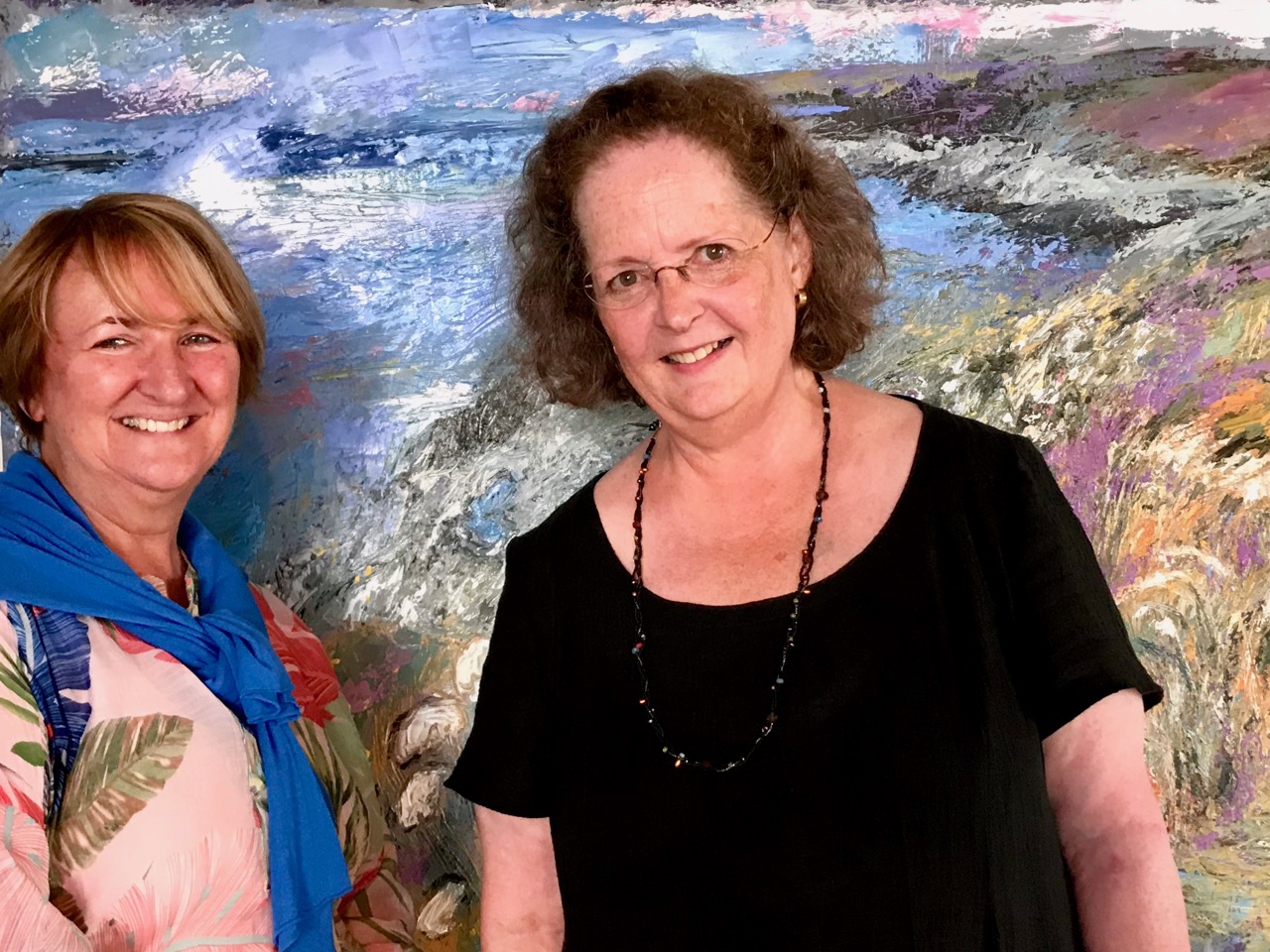
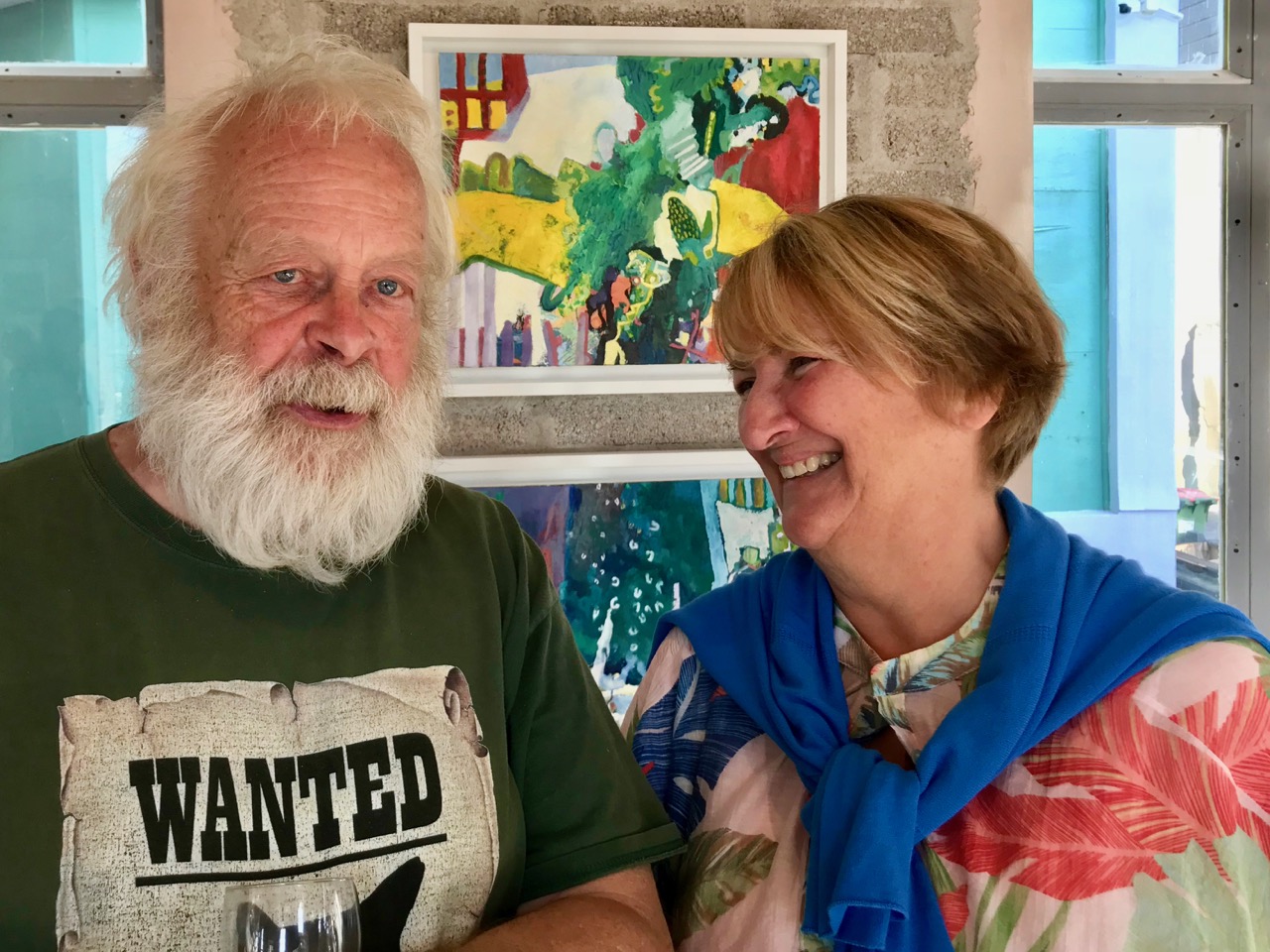
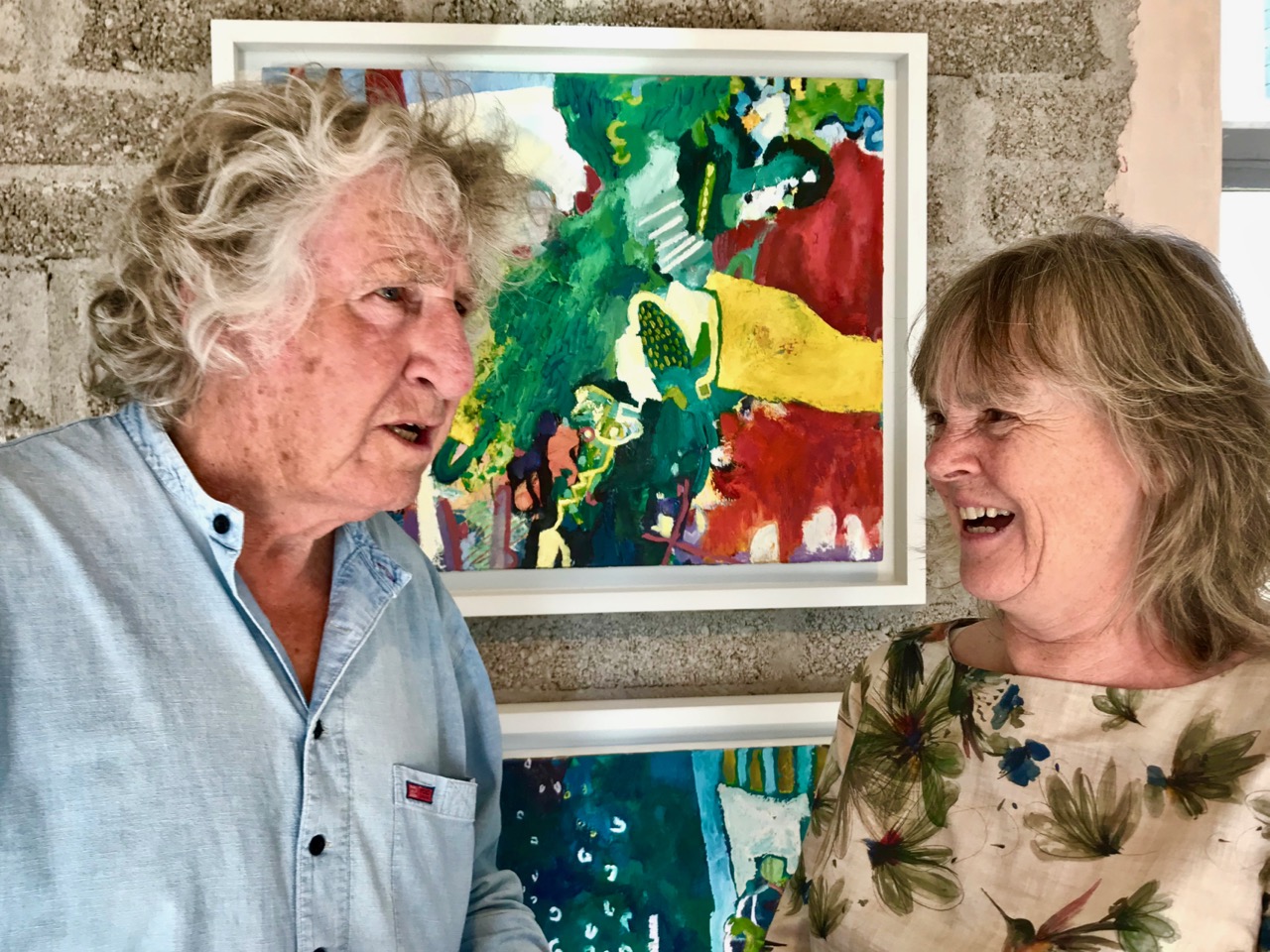
The exhibition has been put together by Catherine Hammond (above, right, with Finola – standing in front of a Christine Thery canvas) and it’s great to see Catherine curating in Skibbereen again. The art here is strong and looks good on the bare concrete walls of the building, the vacant shell of which is a reminder of Celtic Tiger days, but it always works so well as a gallery.

The work of two artists struck us as soon as we entered the building on Friday: the bold, simple architectural forms of Helena Korpela, two examples above. (NOTE: images removed at request of artist. Please see Korpela website for examples); Helena has connections with West Cork and Helsinki, which emphasises the breadth of art makers working here today.
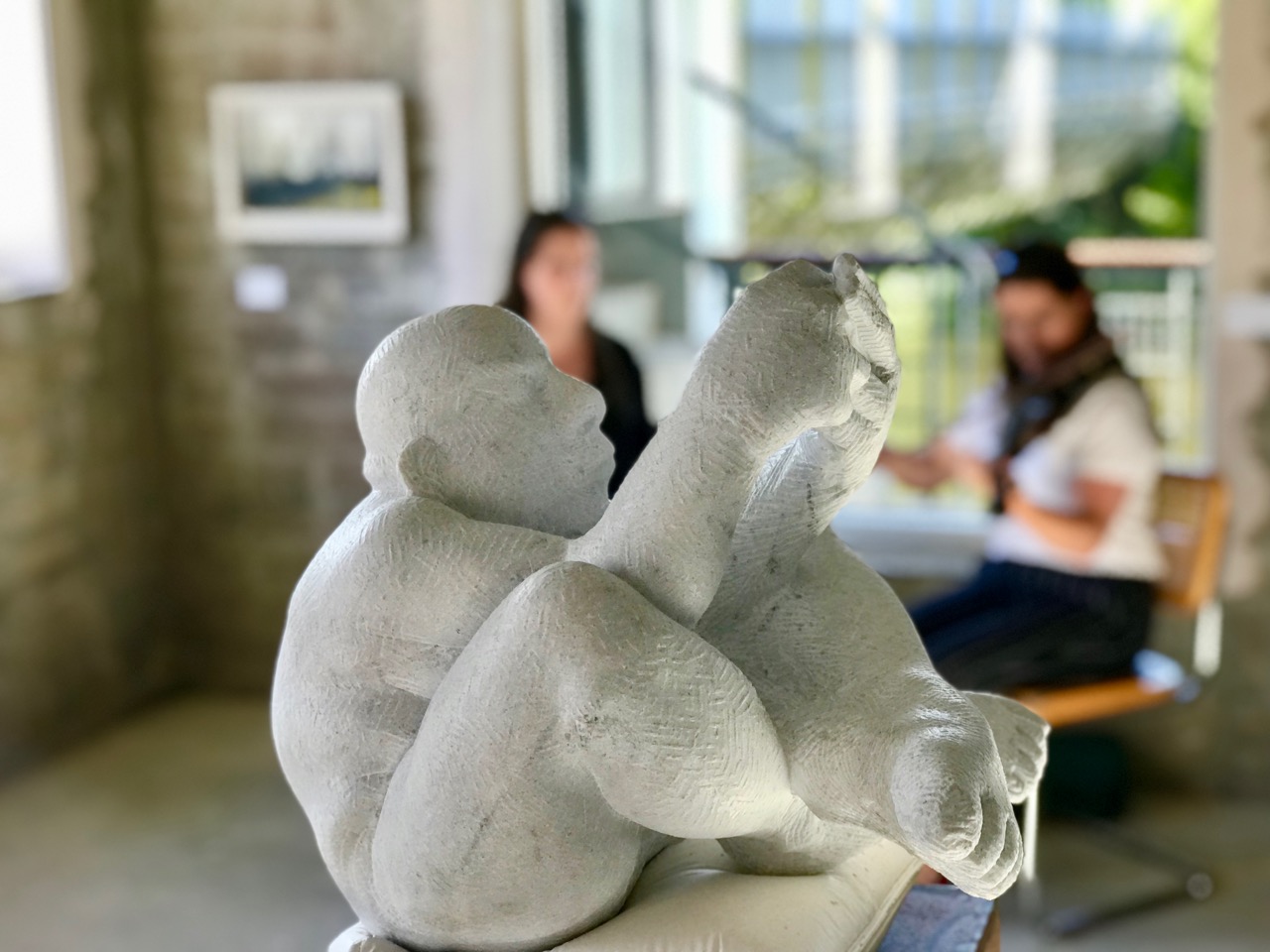
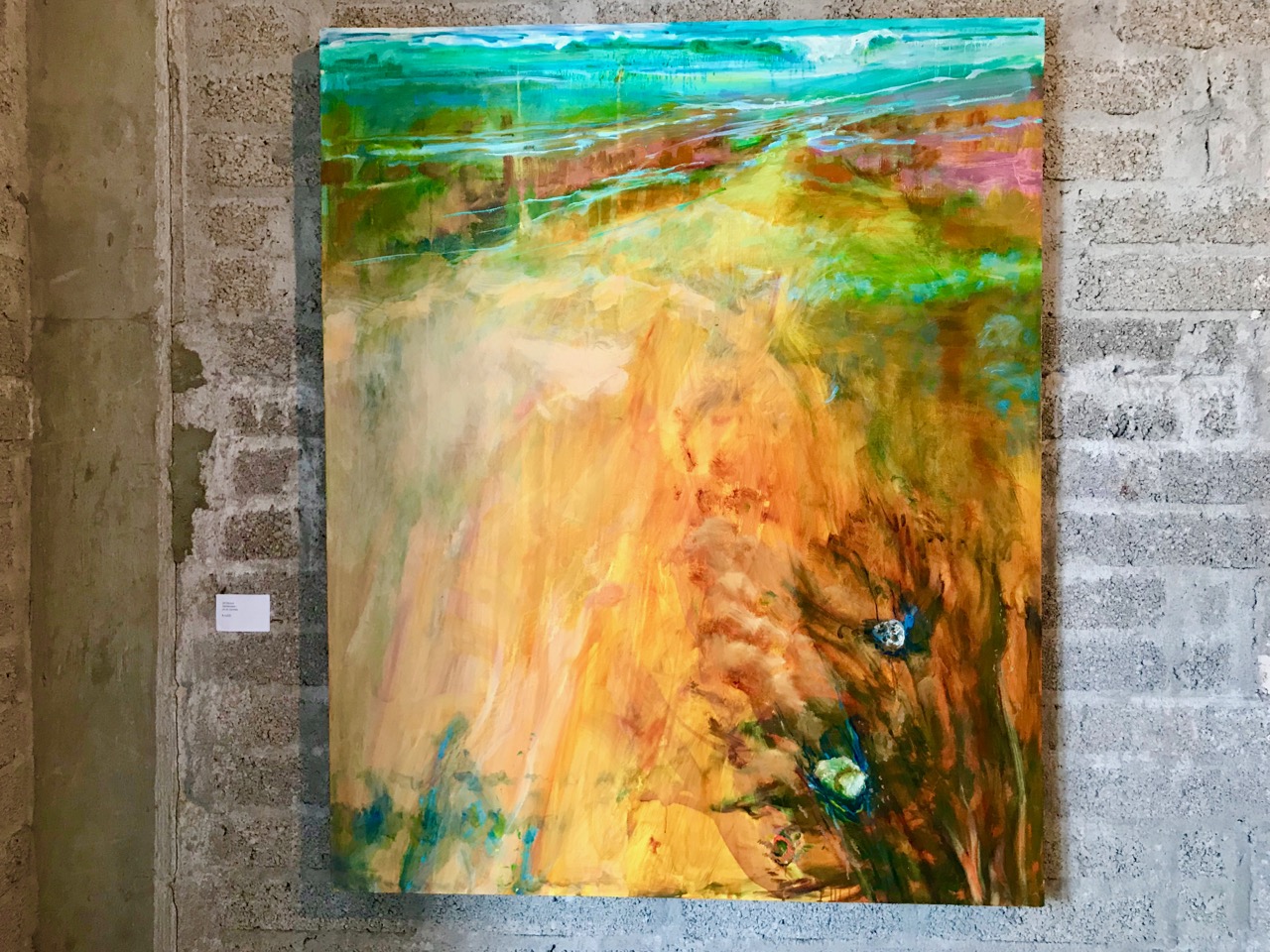
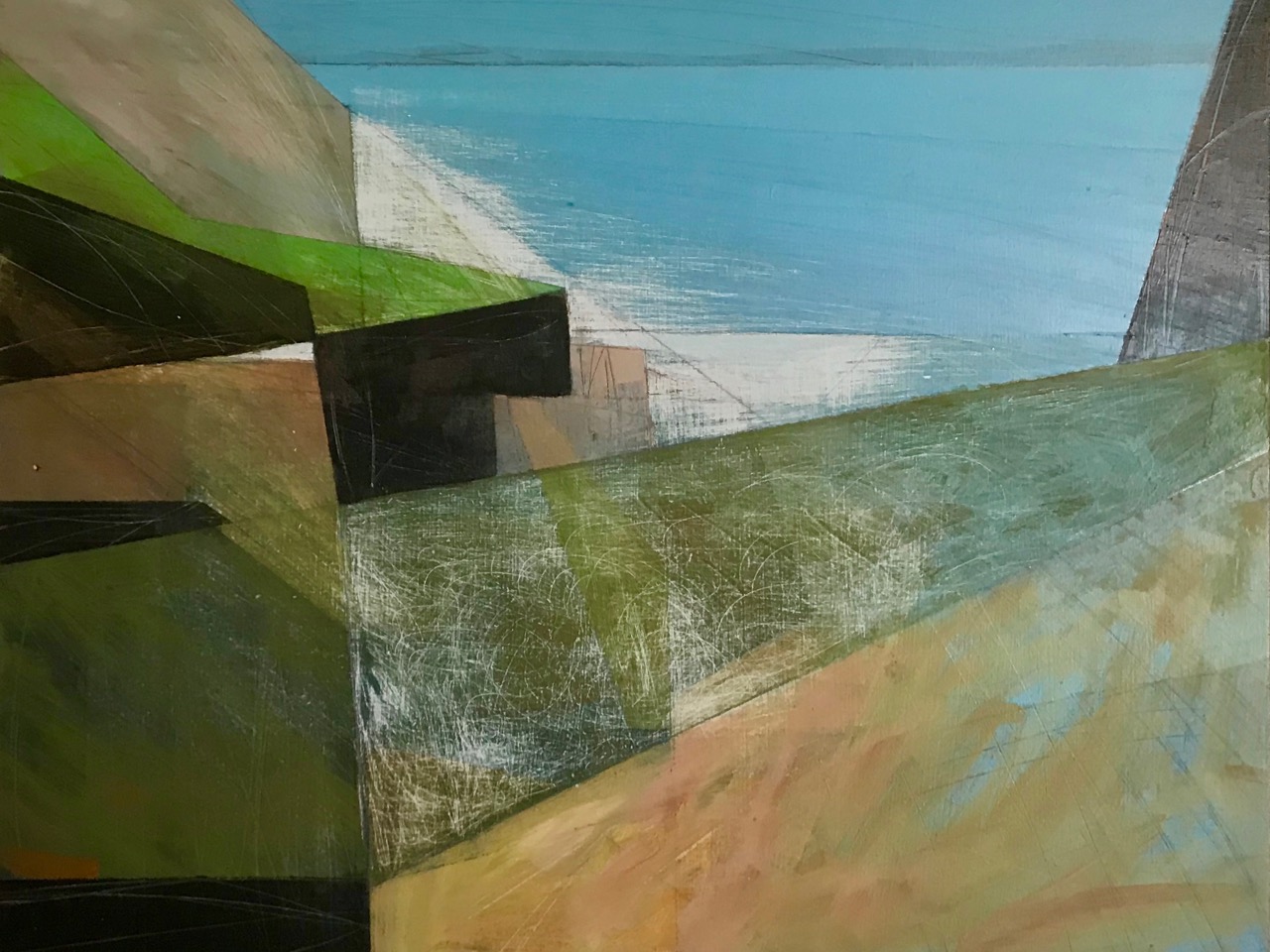
Personal favourites in this exhibition, for me, are two new pieces by Michael Quane. This Cork born artist now based in Leap is well-known for his large public sculptures, but I like the dynamics of these two smaller works (header picture and above). Roaringwater Journal has reviewed many of the artists currently on show at The Old Quay: have a look at these posts on William Crozier, Terry Searle and Cormac Boydell – and let’s see some examples…

Upper – Crozier; middle – Searle; lower – new ceramics by Boydell. It was also great to see works from elsewhere in Cork: this canvas – by Jill Dennis – is impressive.

It wasn’t just the artists who produced the work that came to the opening: other familiar names in Ireland’s contemporary art world were also well represented. See who you can spot… *

So, everyone is here, everyone is enjoying the summer and Skibbereen is swinging! Art events not to be missed include the opening of Coming Home: Art and the Great Hunger exhibition at Uillinn, and the related performance pieces and installaions which Finola is discussing in her post today, and also mentioned in her post last week. But those are only a fraction of the whole Skibbereen Arts Festival this year – we haven’t even started on the music, film, poetry or workshops: get hold of a programme and book up now – while there are still tickets available.

Angela Fewer – Off Heir Island

* John Kelly, Brian Lalor, Penny Dixey, Jim Turner, Keith Payne, Eion McGonigal, Peter Murray…

Off the M8 – Searching out Péacáin

Once again we followed in the footsteps of our friends Amanda and Peter – she of Holy Wells of Cork and he of Hikelines. They had visited the Glen of Aherlow in County Tipperary and pointed us to St Berrahert’s extraordinary site at Ardane which I described in this post. Not far away is another site, which Amanda reported on fully in her own post, here. It is equally remarkable, and related to St Berrahert’s Kyle in that they were both restored by the Office of Public Works in the 1940s. They are also both very easily accessible in a few minutes from the M8 motorway at Cahir.
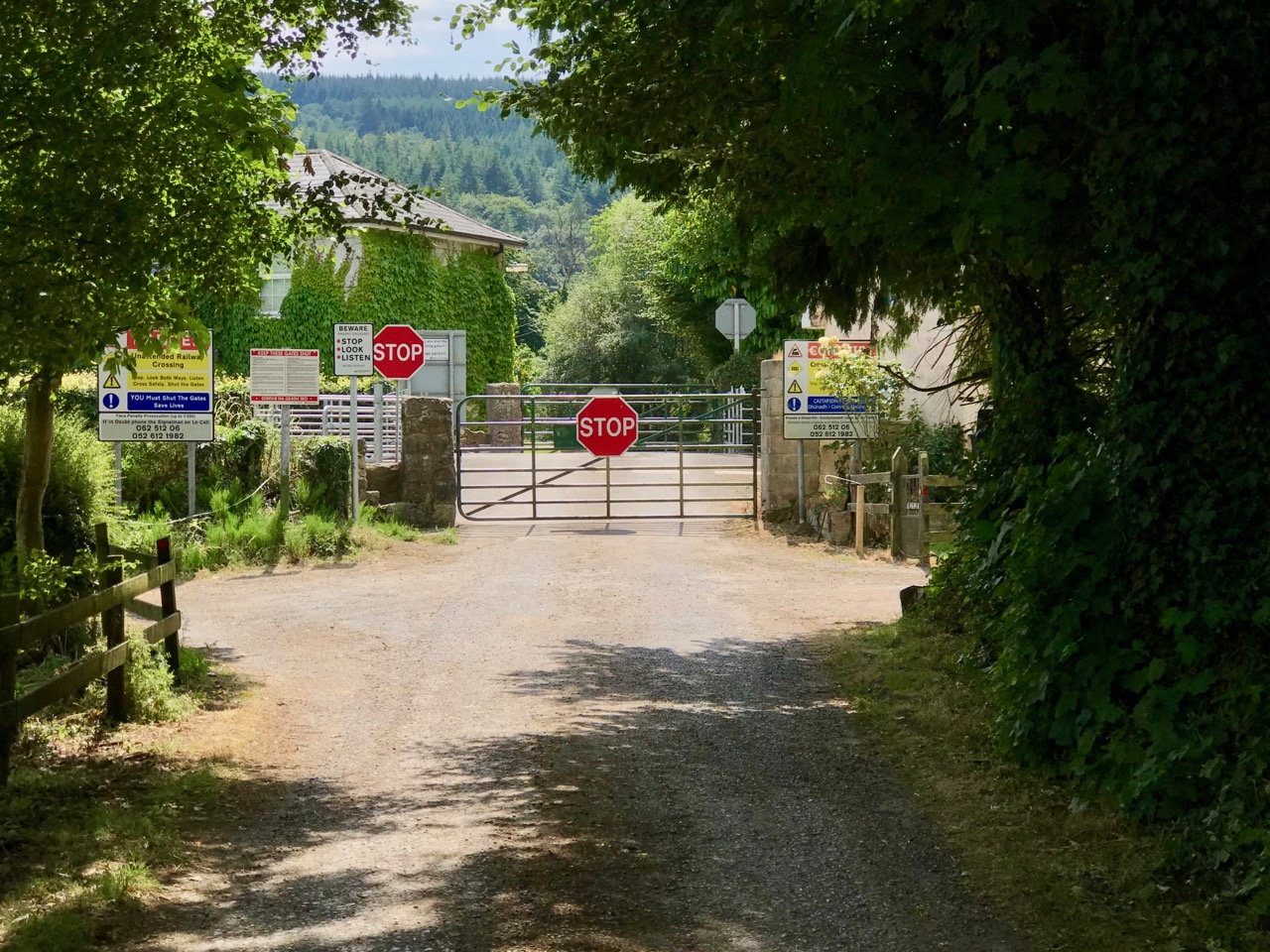
We were delighted to be travelling again through the beautiful Glen in the shadow of the Galtee Mountains (above) as we searched out a boreen that led us down to the railway, as directed by Amanda. We parked and crossed at the gate, watching out carefully as this is the Waterford to Limerick Junction line used by two trains a day (except on Sundays!)

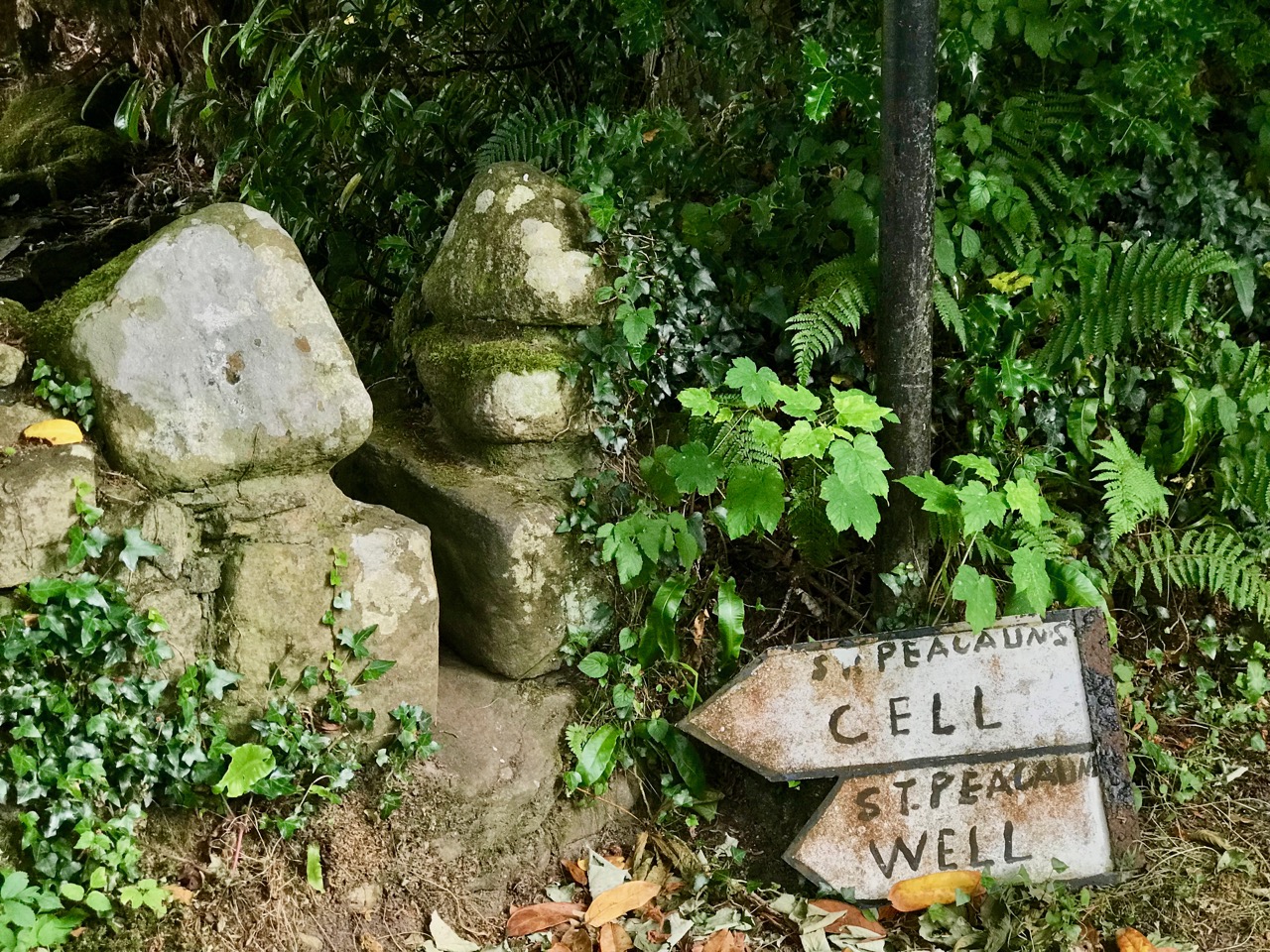
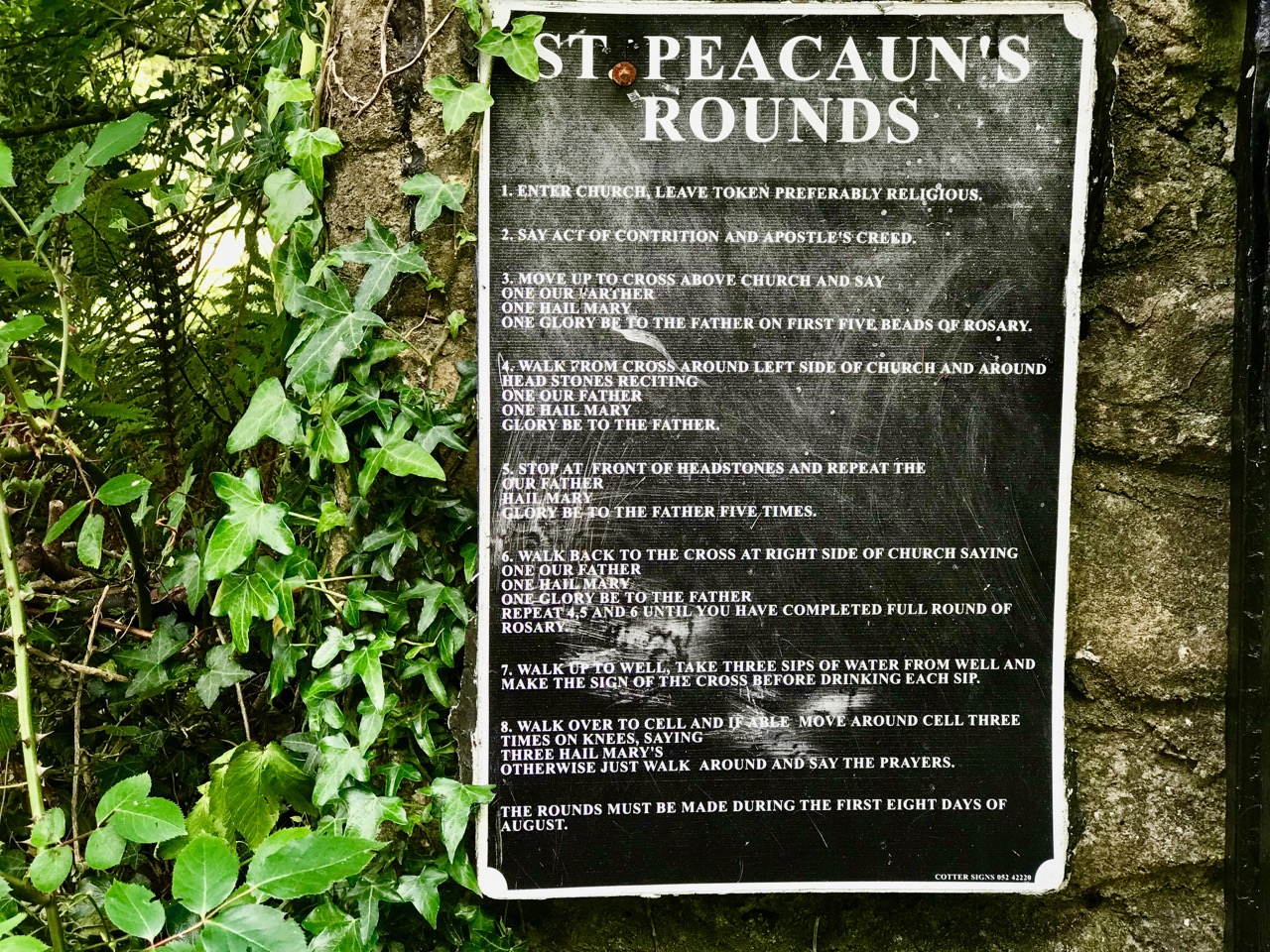
Once across, we were in an idyll. It’s a private lane, running alongside a gentle stream, but the Bourke family allow visitors to walk (as they have done for centuries) to the old church, the cell and the holy well of Saint Péacáin. Ancient stone walls line the way, and trees overhang, shading the dappled sunlight in this most exceptional of Irish seasons. We met Bill Bourke, who regaled us with tales of his life spent mostly far away from this, his birthplace – but who returned to rebuild the family home and to enjoy perpetual summer in what is, for him, the most beautiful setting in the world. He also told us of the crowds who used to come to celebrate St Péacáin at Lughnasa – 1st August – paying the rounds and saying the masses.

In her monumental work (it runs to over 700 pages) The Festival of Lughnasa – Oxford University Press 1962 – Máire MacNeill points out the harvest feast day was such an important ancient celebration that it survives as the focus of veneration of many local saints who would otherwise have been known for their own patron day, and she particularly mentions Tobar Phéacáin in this regard: a place well away from any large settlement where the great agricultural festival was so critical to the cycle of rural life.

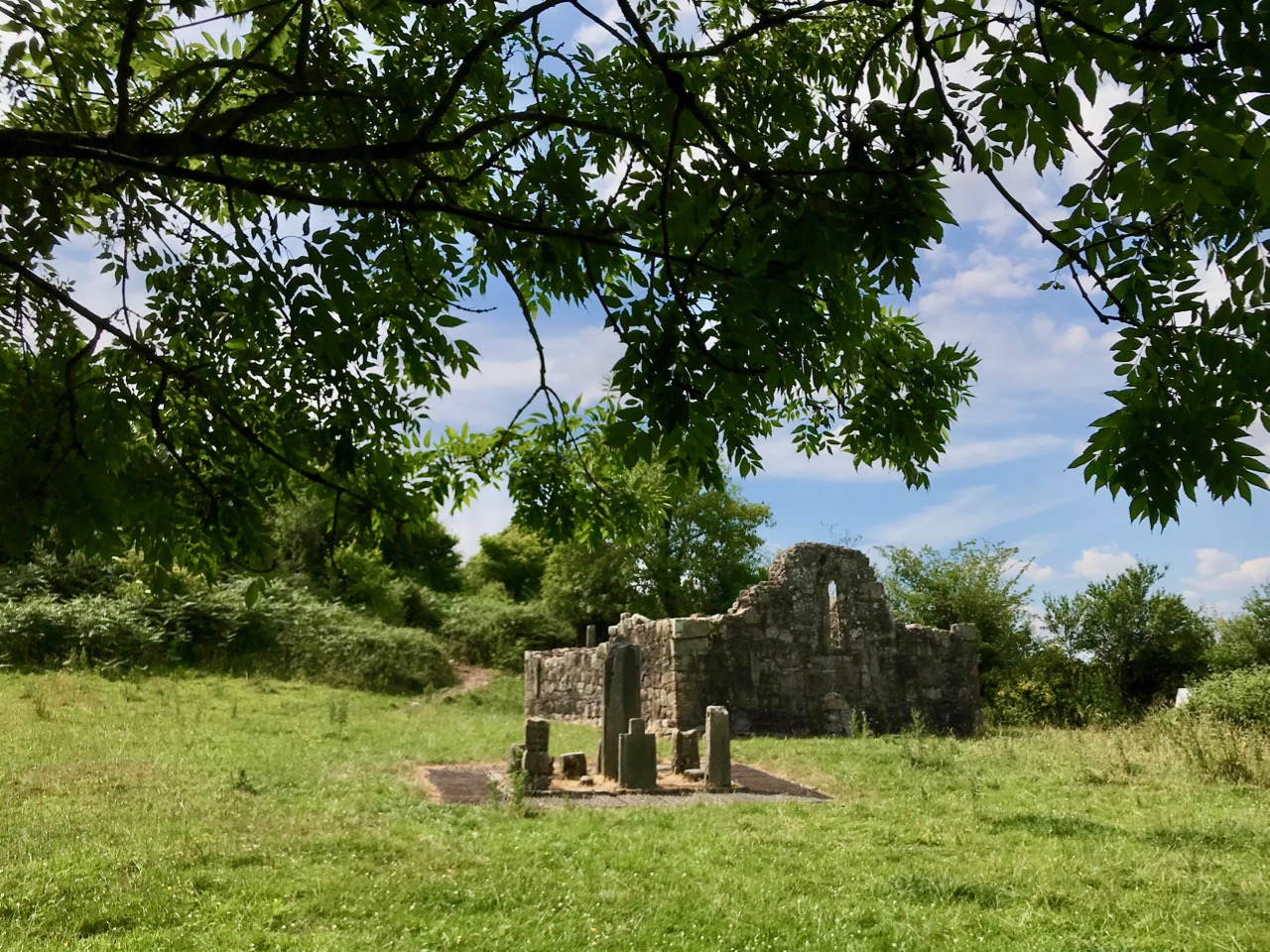
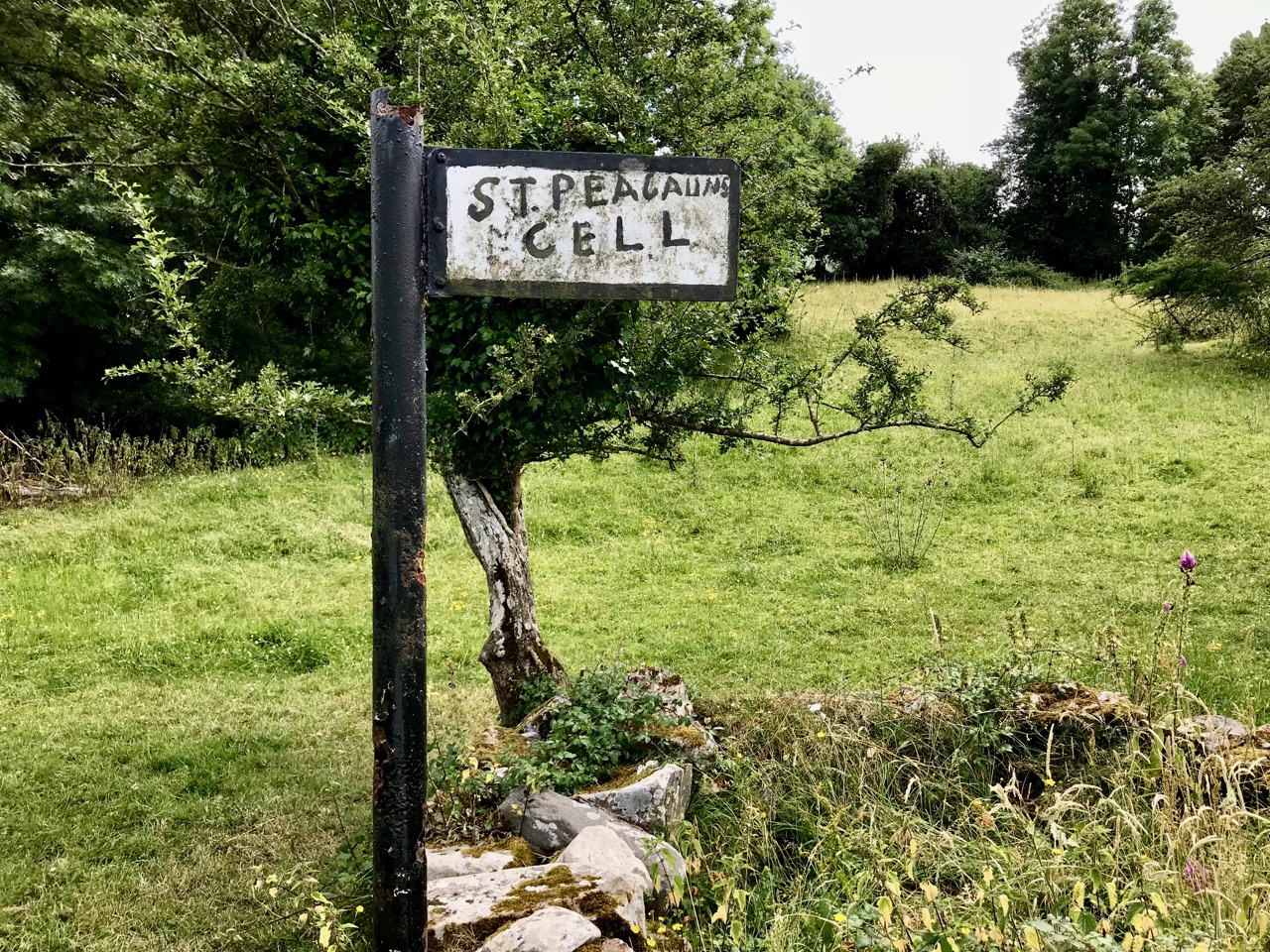
The rural setting of St Péacáin’s Cell can be seen above, just in front of the trees; the church and the well are nearby. MacNeill provides a description of Tobar Phéacáin and includes some variant names:

. . . Tobar Phéacáin (Peakaun’s Well), Glen of Aherlow, Barony of Clanwilliam, Parish of Killardry, Townland of Toureen . . . On the northern slope of the Galtee Mountain at the entrance to the Glen of Aherlow and about three or four miles north-west of Caher there is a well and ruin of a small church. About a mile beyond Kilmoyler Cross Roads a path leads up to it . . . In 1840 O’Keefe, of the Ordnance Survey team, reported that the old church was called by the people Teampuillin Phéacáin, or just Péacán . . .

. . . The well, which he described as lying a few perches south-east of the church was called Peacan’s Well or Tobar Phéacáin. It was surrounded by a circular ring of stonework. He stated: ‘The pattern-day still observed at this place falls on the 1st of August, which day is, or at least until a few years since, has been kept as a strict holiday.’ Devotions were also, he said, performed there on Good Friday . . .

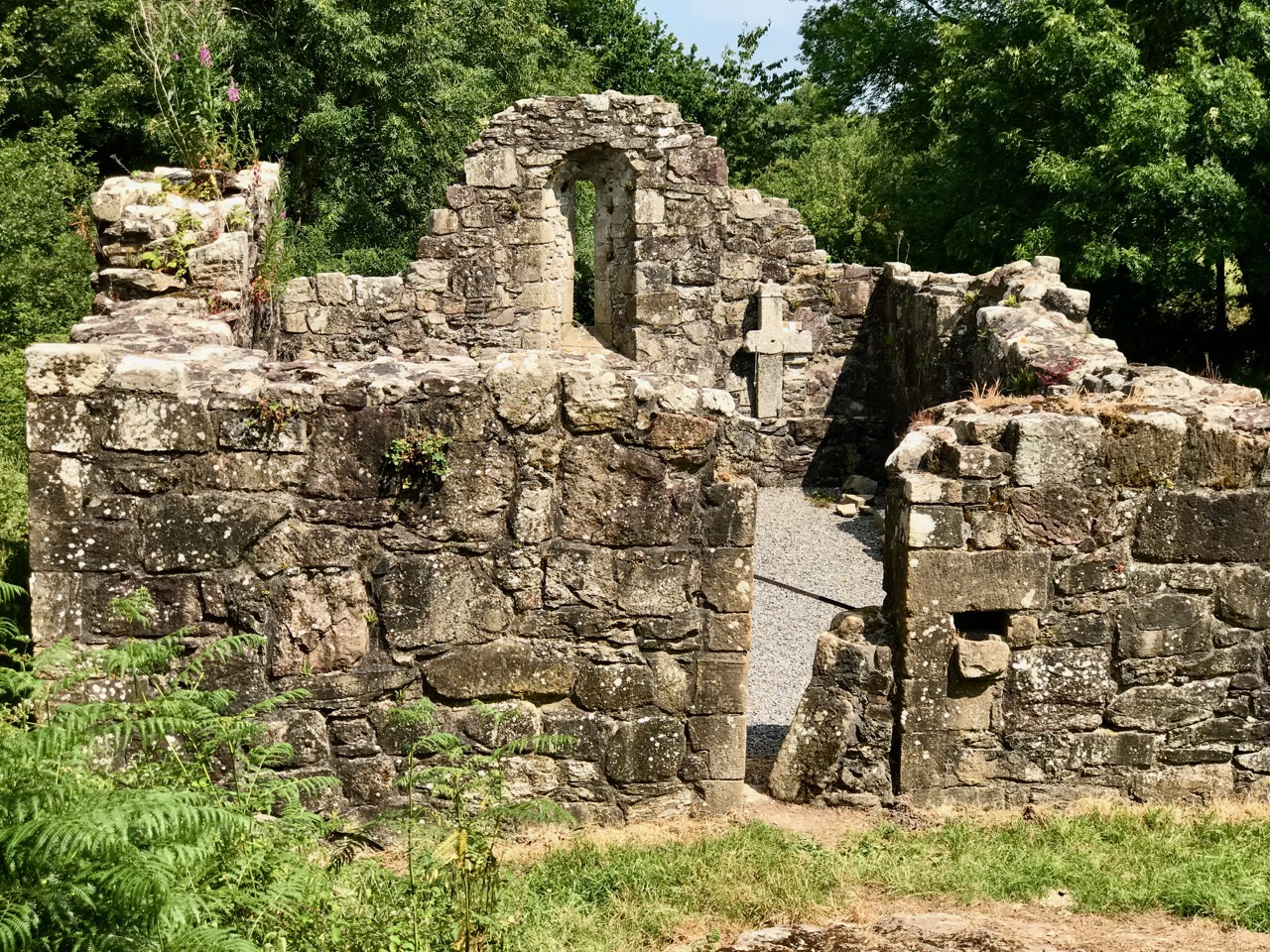
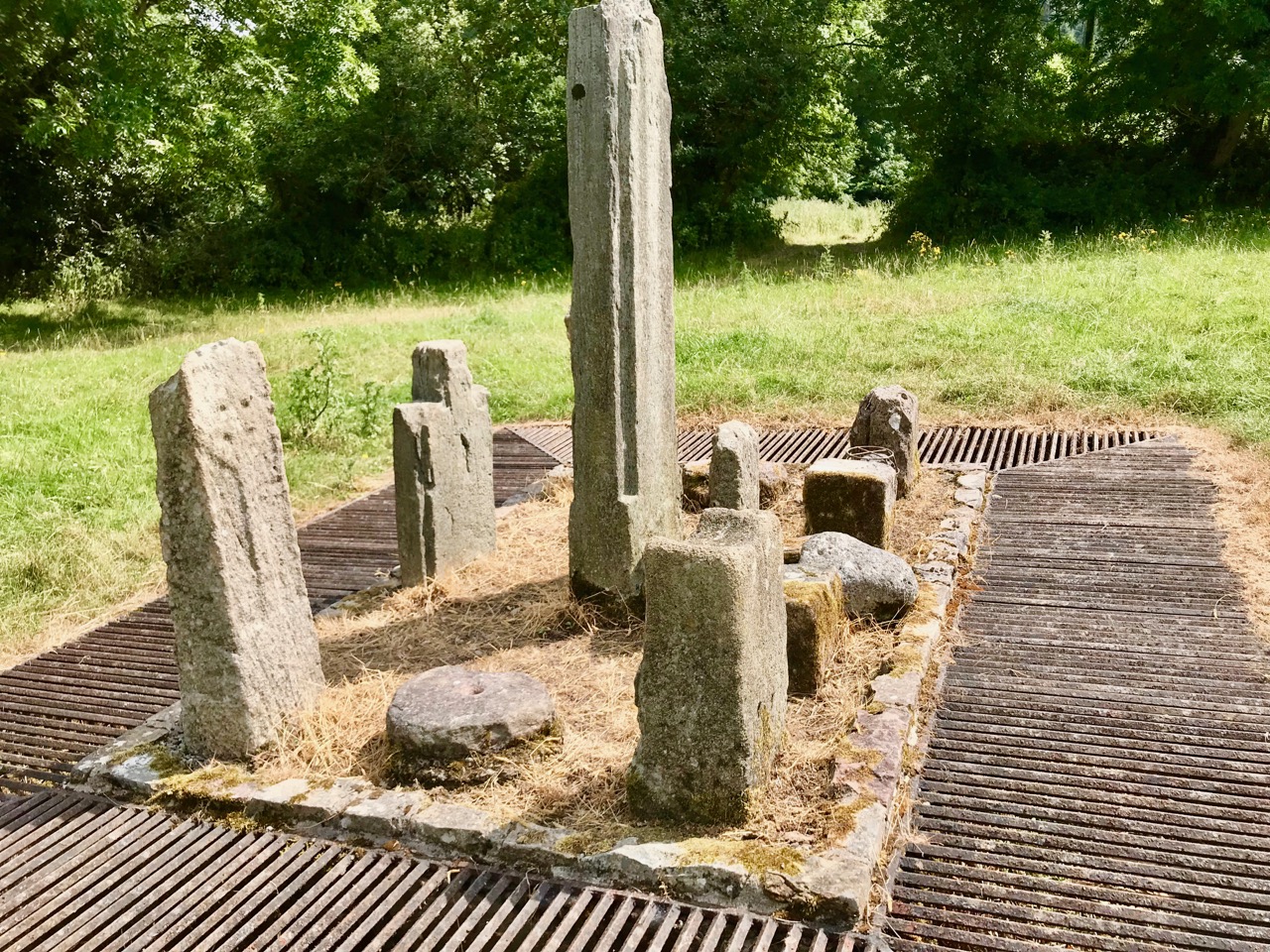
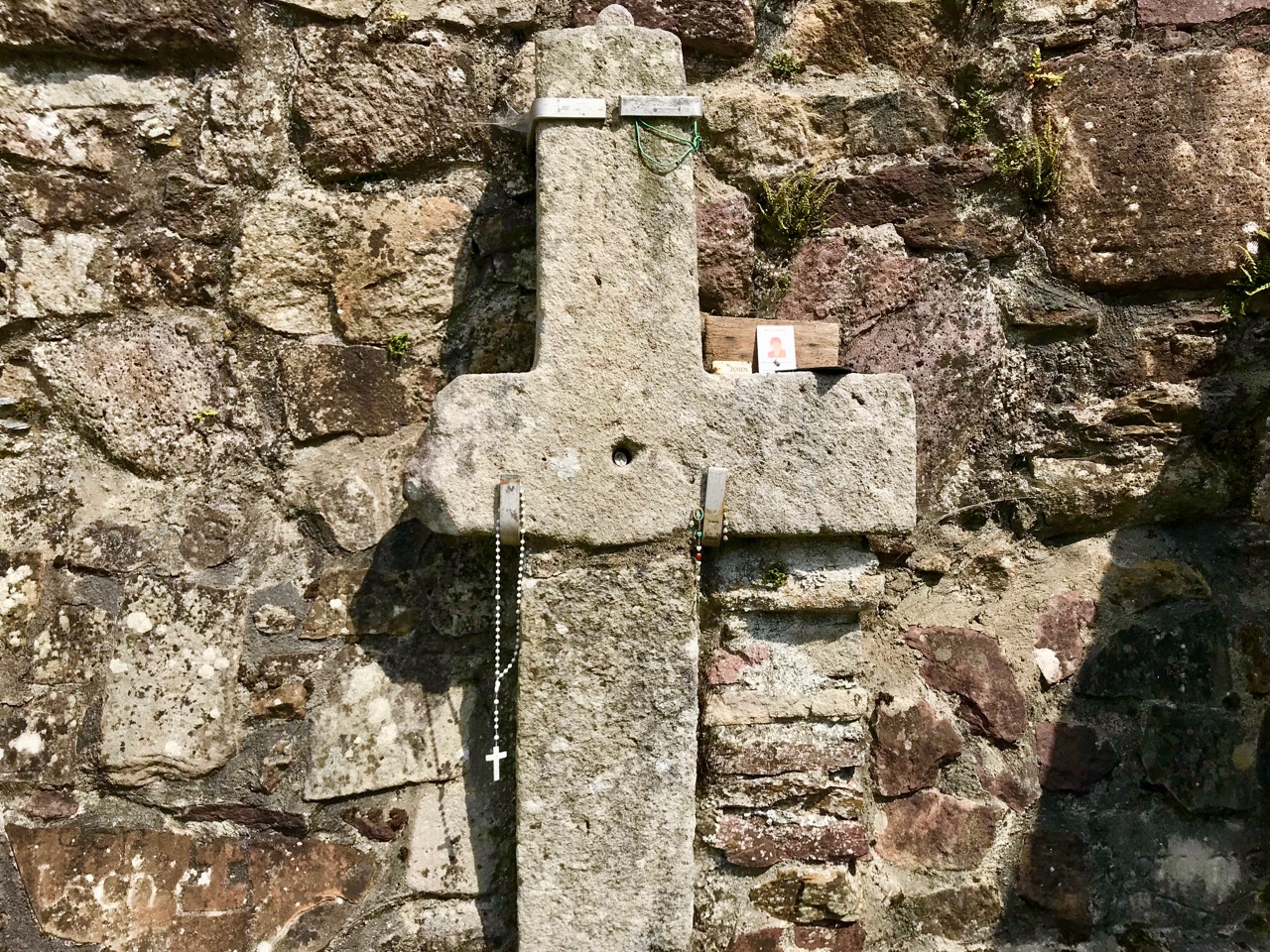
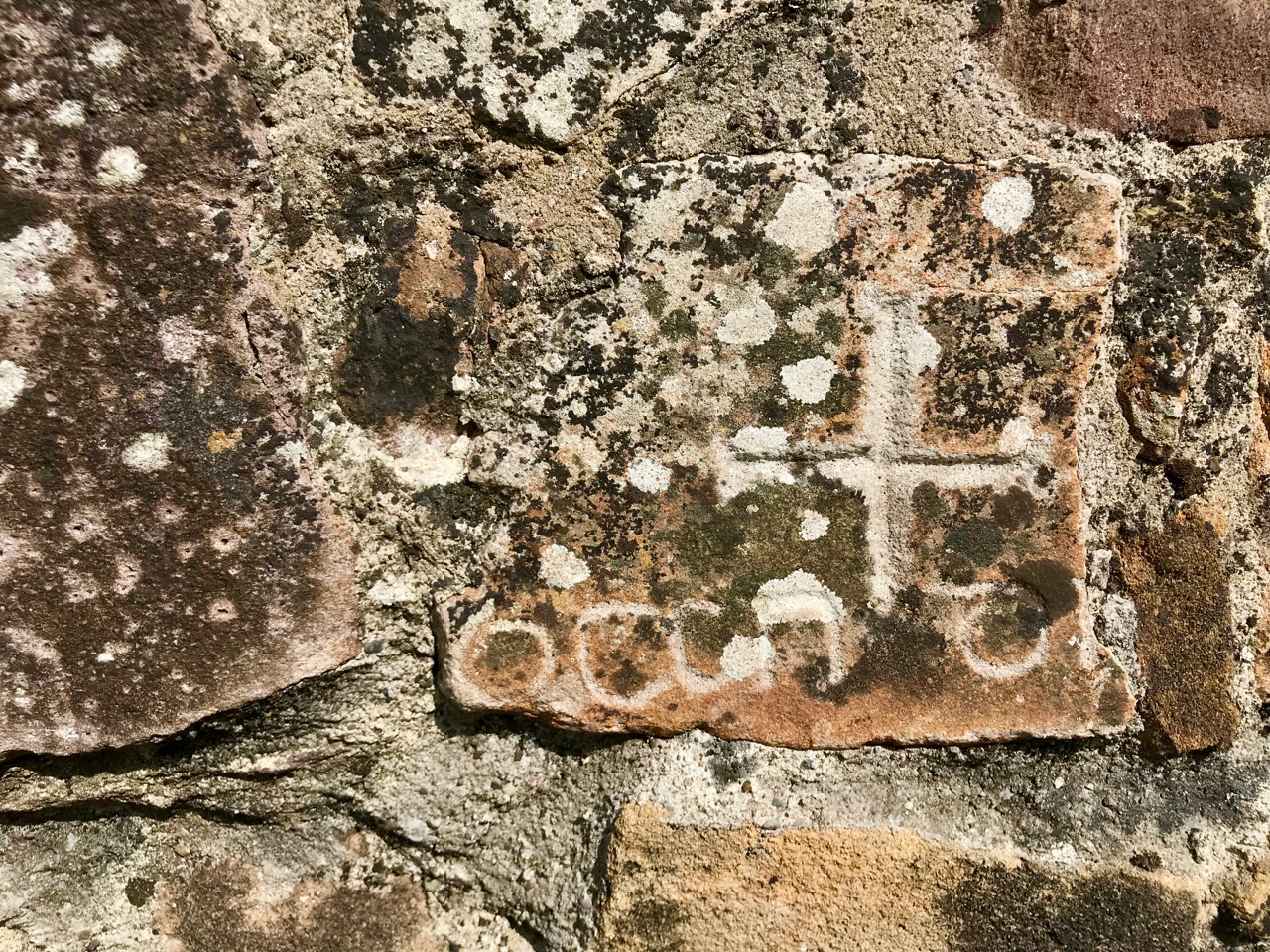
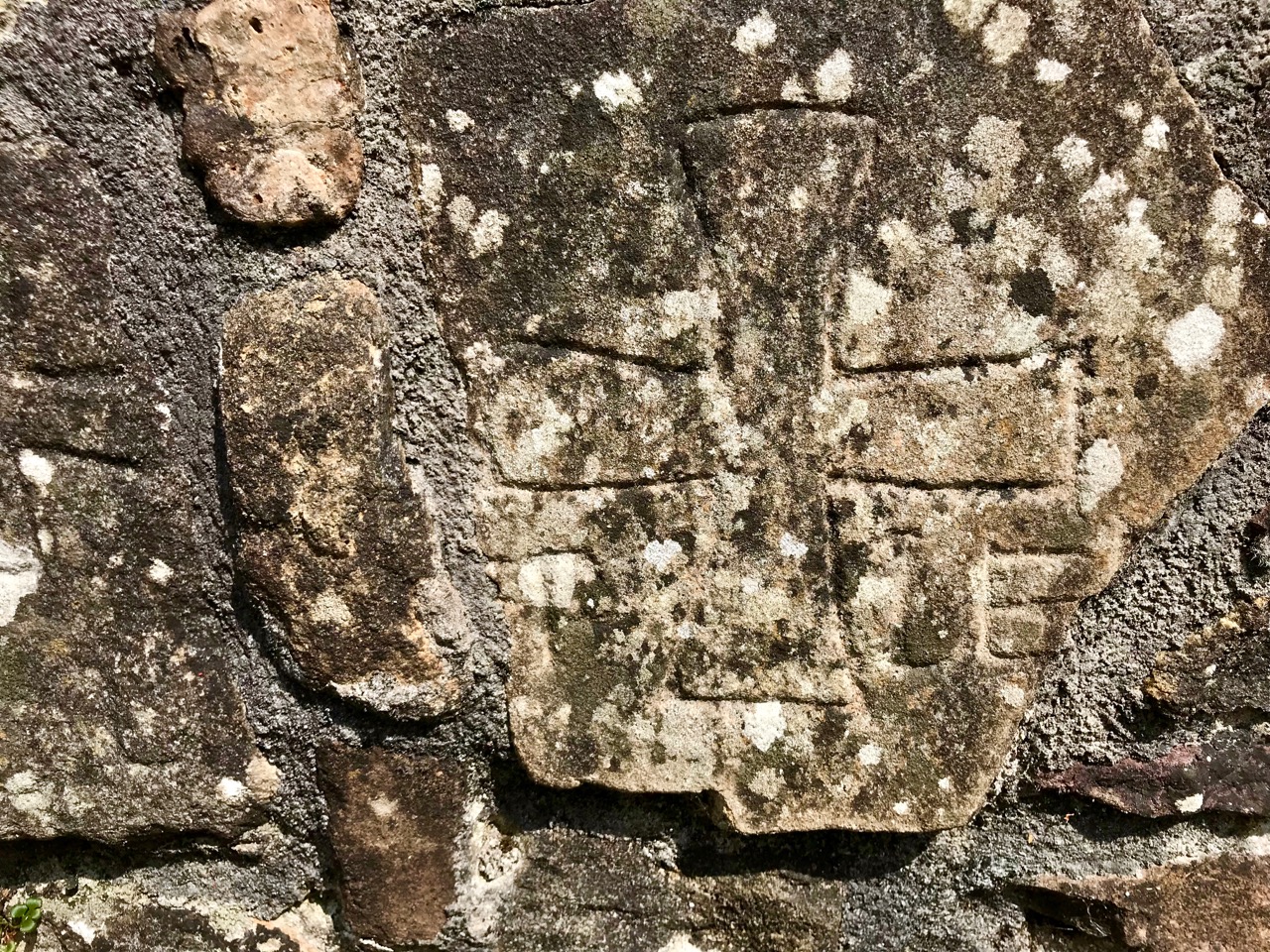
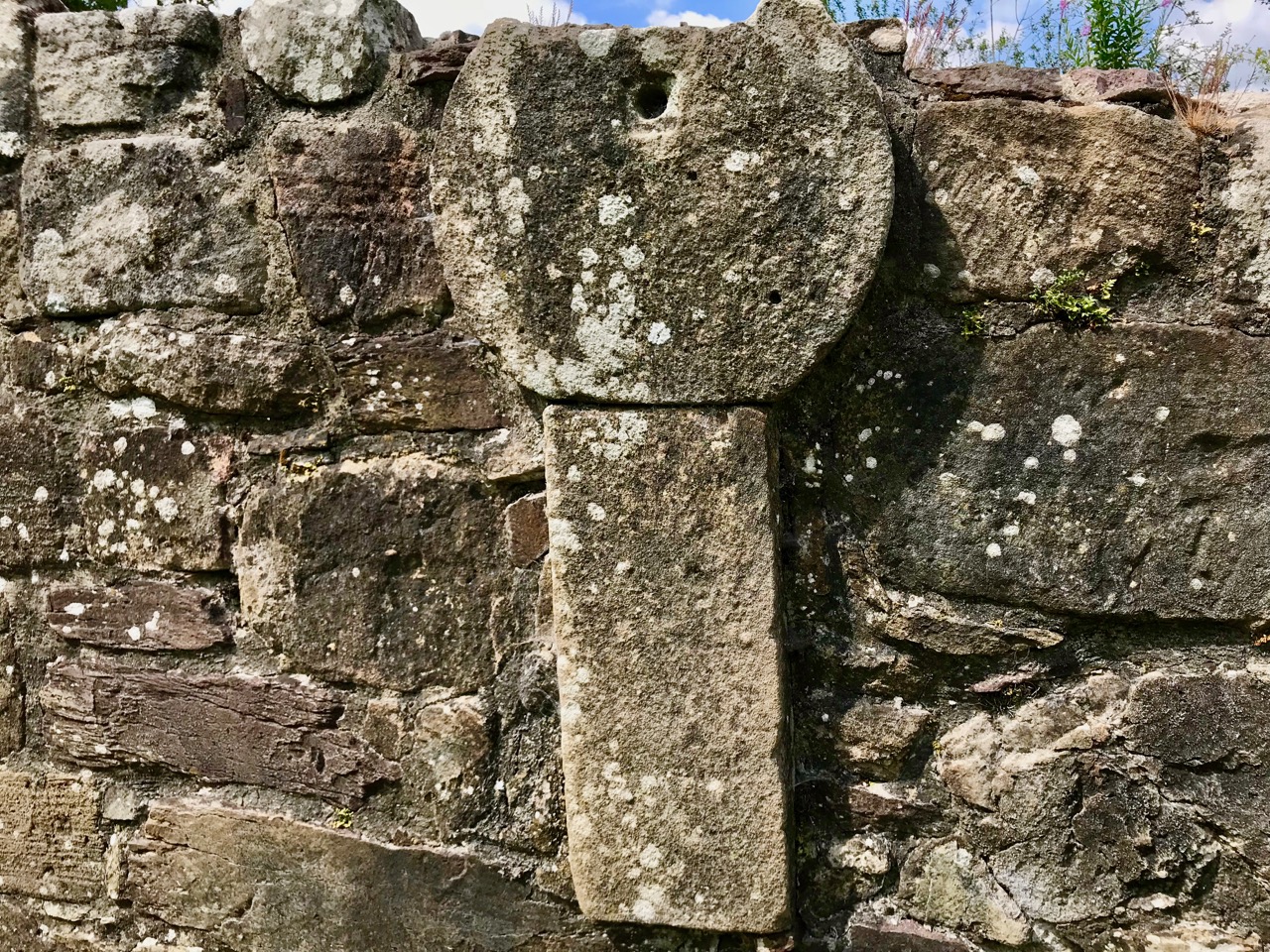
A hundred years after O’Keefe wrote this, the church ruins were tidied up by the Office of Public Works. As at St Berrihert’s Kyle, it seems there were numerous carved slabs on the site and remnants of high crosses, implying a significant ecclesiastical presence here. All these have been fixed in and around the church ruin for safekeeping, and in an intelligent grouping. It’s wonderful to be able to see such treasures in the place they were (presumably) made for, and to experience them in such a remote and peaceful ambience.

McNeill continues:

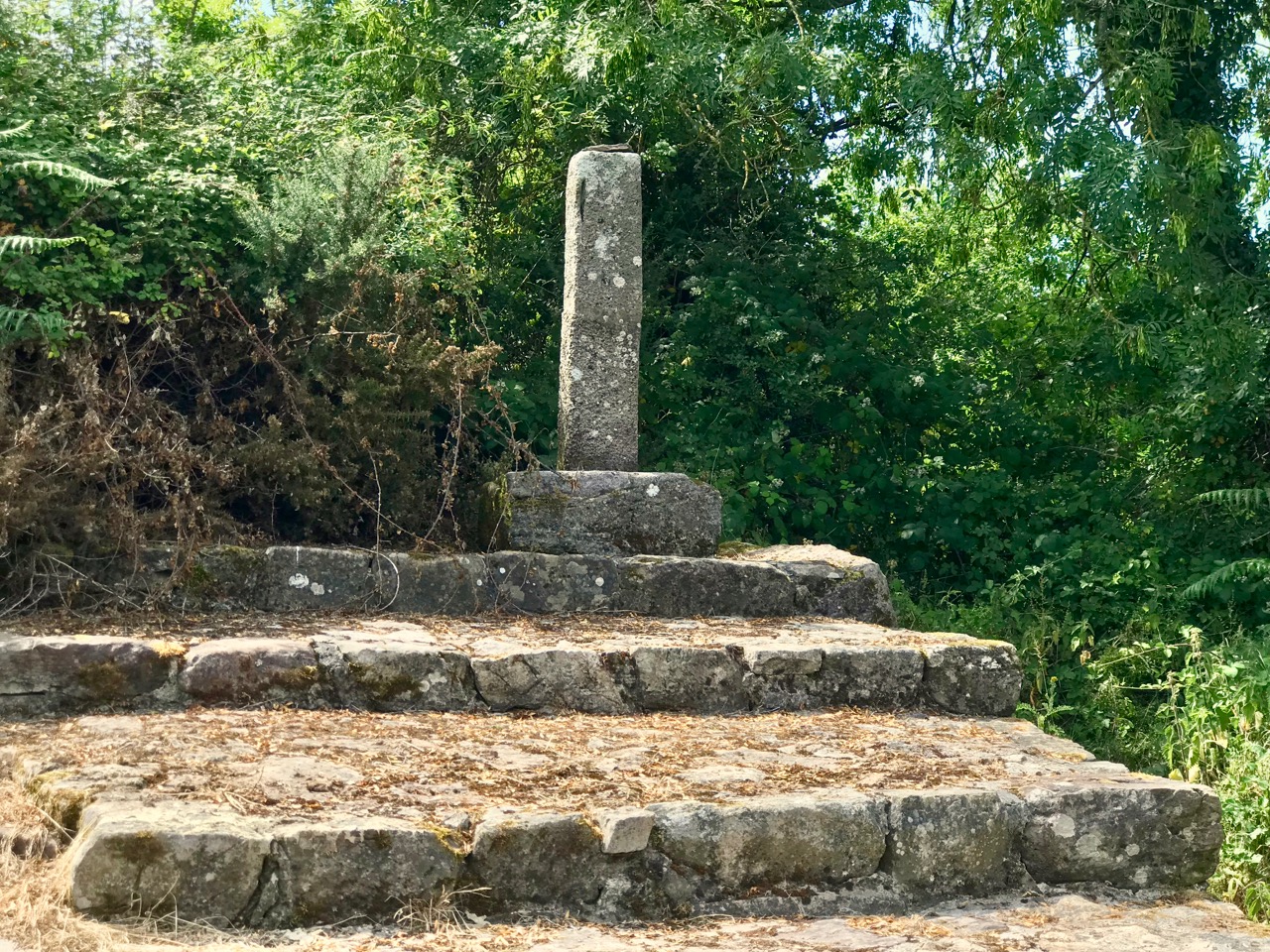
. . . Nearby is the shaft of a cross which tradition avers was broken in malice by a mason who was then stricken with an inward pain and died suddenly as a punishment for his sacrilege . . . O’Keefe was told a story of a small stone, 6 or 7 inches long and 4 or 5 in depth, having ten little hollows in it and resting in a hollow of the ‘altar’ of the old church. Christ, or according to others St Péacán, asked a woman, who had been churning, for some butter; she denied having any and when the visitor departed she found the butter had turned into stone which retained the impression of her fingers . . . Nuttall-Smith speaks also of a cave where the saint used to practice austerities . . .

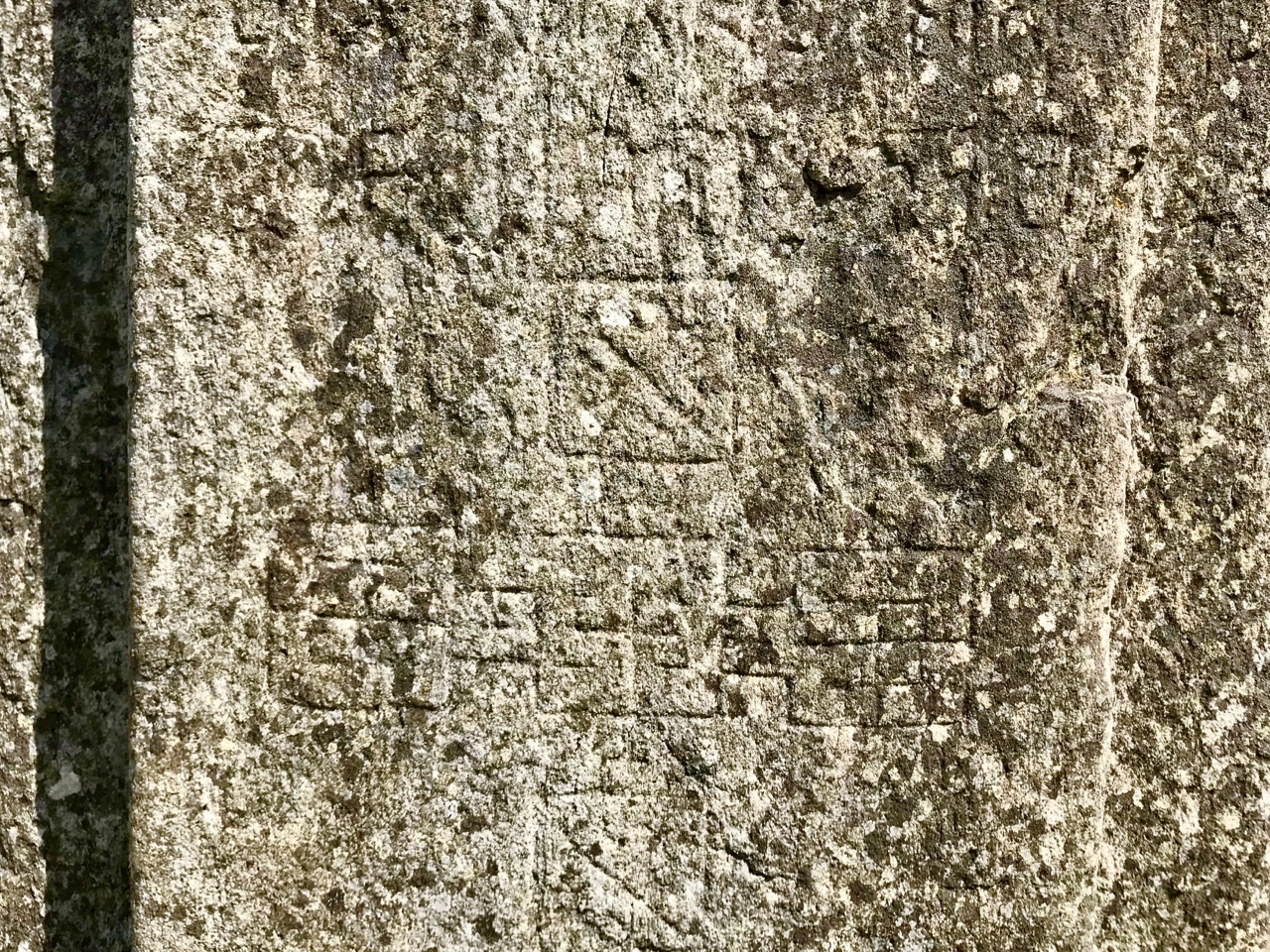
The carved fragments are quite remarkable and are in all likelihood well over a thousand years old. I have yet to see anywhere in Ireland – outside of museums – which has such an extensive collection of fascinating medieval antiquities as these sites in the Glen of Aherlow. Here you can also see cross slabs and a sundial said to date from the eighth century.

Nuttall-Smith’s ‘cave’ – quoted by MacNeill above – is likely to be St Péacáin’s Cell, set in a field on the far side of the river. This was probably a clochán, or beehive-hut, of the type once used by anchorites. It is protected by a whitethorn tree, but was quite heavily overgrown on the day of our visit. We could make out the ballaun stones inside, said to be the knee prints of the Saint who made his constant devotions there. Amanda – in her post on the holy well – reports that Péacáin would also stand daily with arms outstretched against a stone cross, chanting the psalter.

McNeill discusses the significance of weather at the August celebrations:

. . . Paradoxically for a day of outing so fondly remembered, no tradition of the Lughnasa festival is stronger than that which says that it is nearly always rainy. No doubt this has been only too often experienced. Saint Patrick’s words to the Dési: ‘Bid frossaig far ndála co bráth’ (Your meetings shall always be showery) must be as well proved a prophecy as was ever made. Still there must be more significance in the weather beliefs than dampened observation. Certainly it was expected that rain should fall on that day, and sayings vary as to whether that was a good or bad sign . . . There are a few interesting beliefs about thunder, which was also expected on that day: the loud noise heard at Tristia when the woman made rounds there to have her jealous husband’s affection restored; the prophecy that no-one would be injured by lightning at Doonfeeny, a promise also made by St Péacán . . .

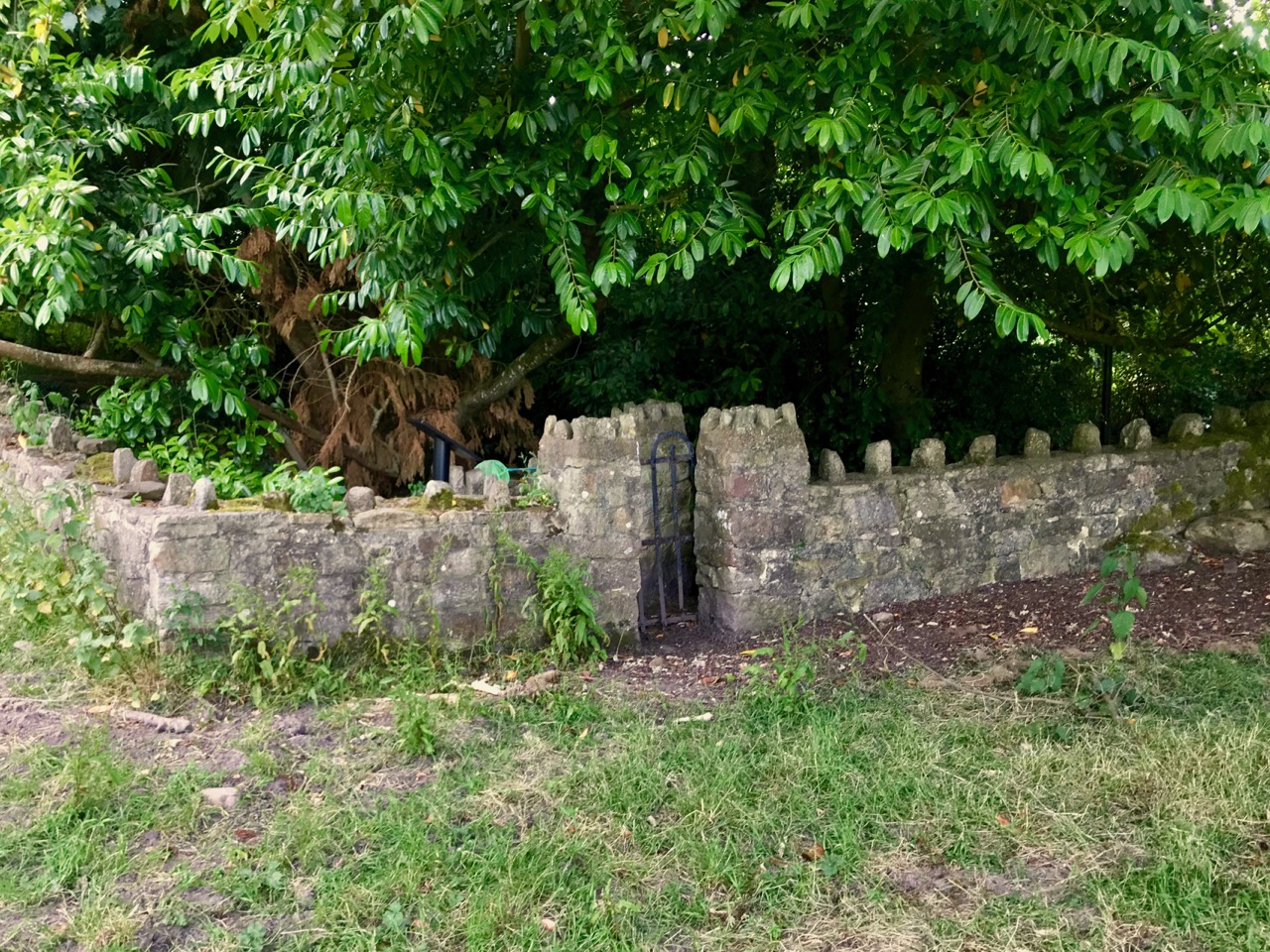
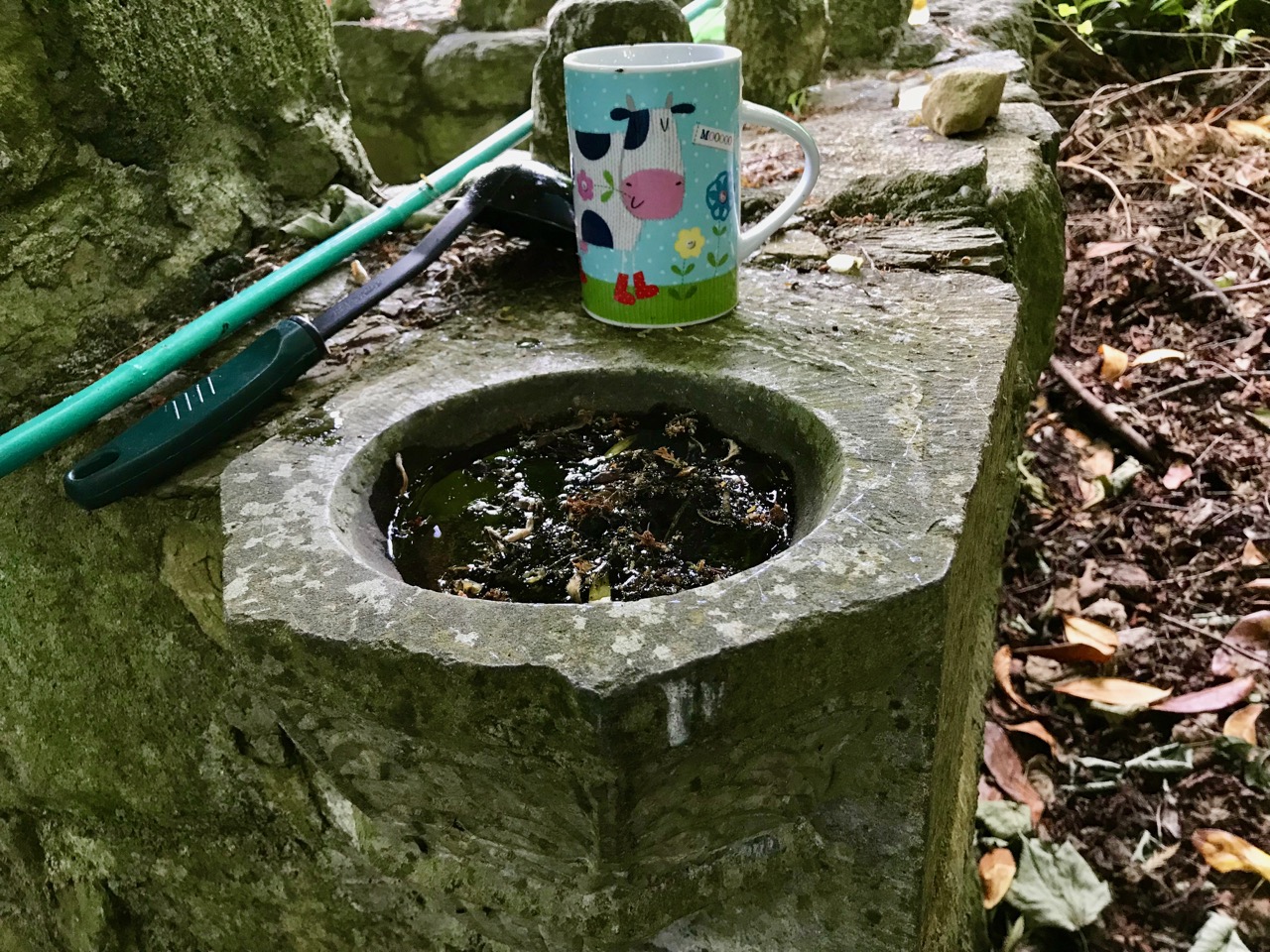
The holy well is tucked away in a stone-walled enclosure hidden under the trees on the edge of the field which contains the Saint’s cell. It’s also a tranquil place, obviously still much visited: the water is crystal clear, refreshing and will ensure protection from burns and drowning.  This is a magical setting to complete the day’s travels in the beautiful Glen of Aherlow.

A Visit to Knock

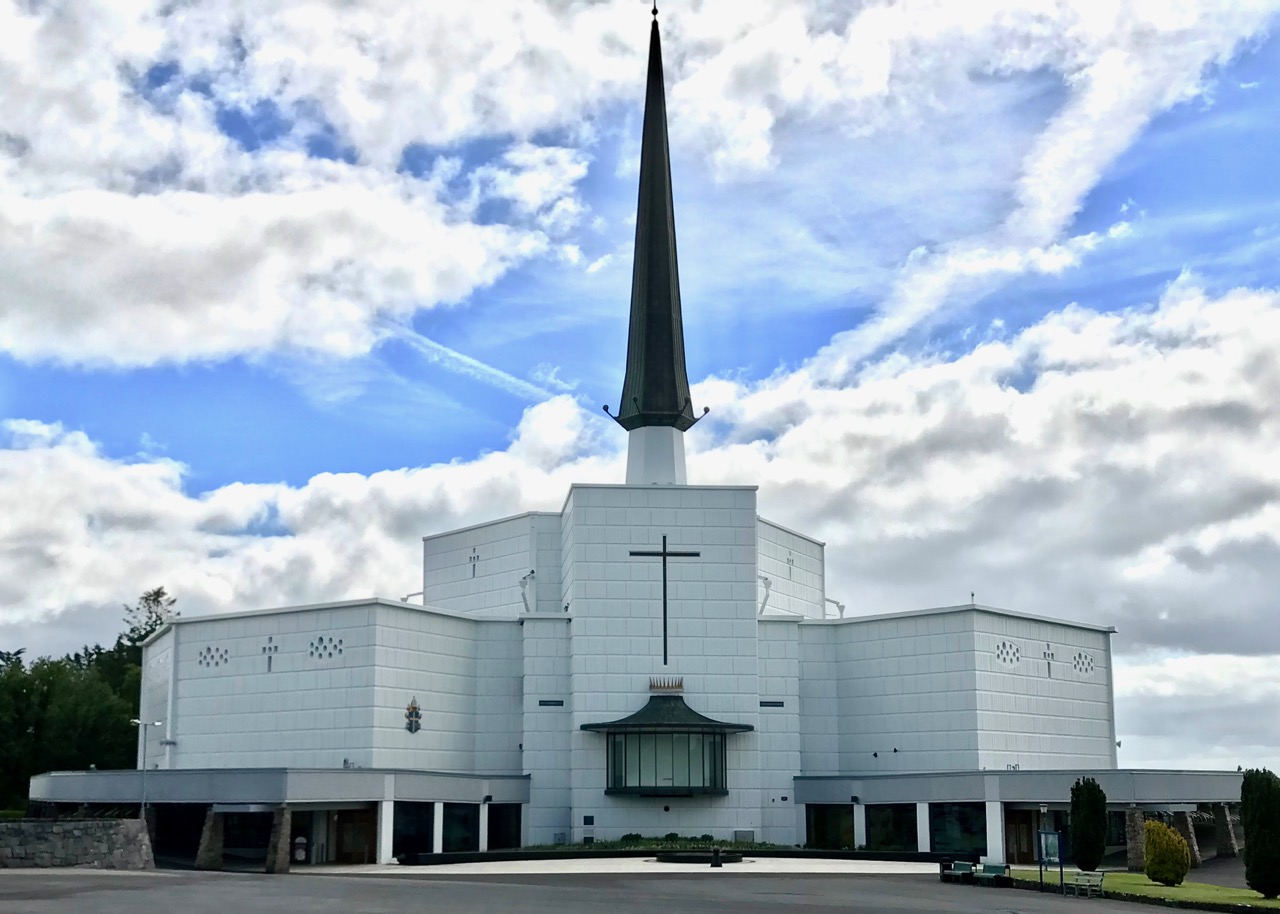
Our travels have taken us to quite a few Christian pilgrimage sites in Ireland: they are all fascinating, and range from St Patrick’s holy mountain  – Croagh Patrick (where snakes were cast out of this country forever) – through the rather daunting Station Island on Lough Derg (where a medieval pilgrim entered, and returned from, Purgatory) to the more ‘unofficial’ shrine at Ballinspittle, here in West Cork, where a statue of the Virgin was seen to move (by hundreds of onlookers) in 1985. Recently we found ourselves in Mayo, so a trip to Ireland’s most impressive shrine – at Knock – was essential.

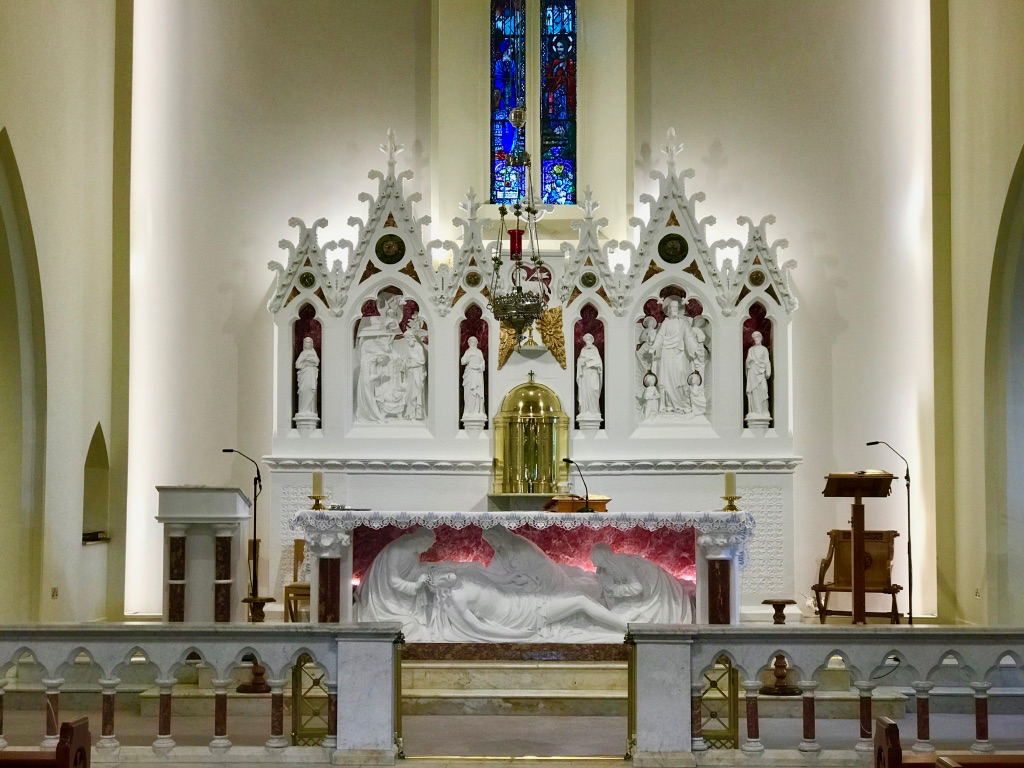
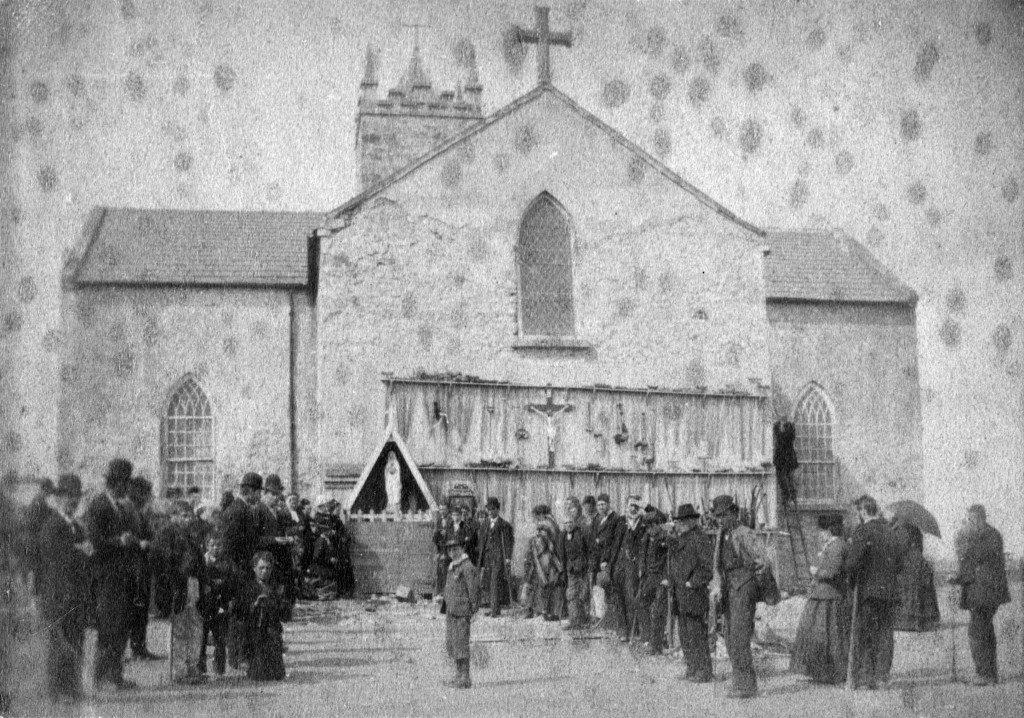
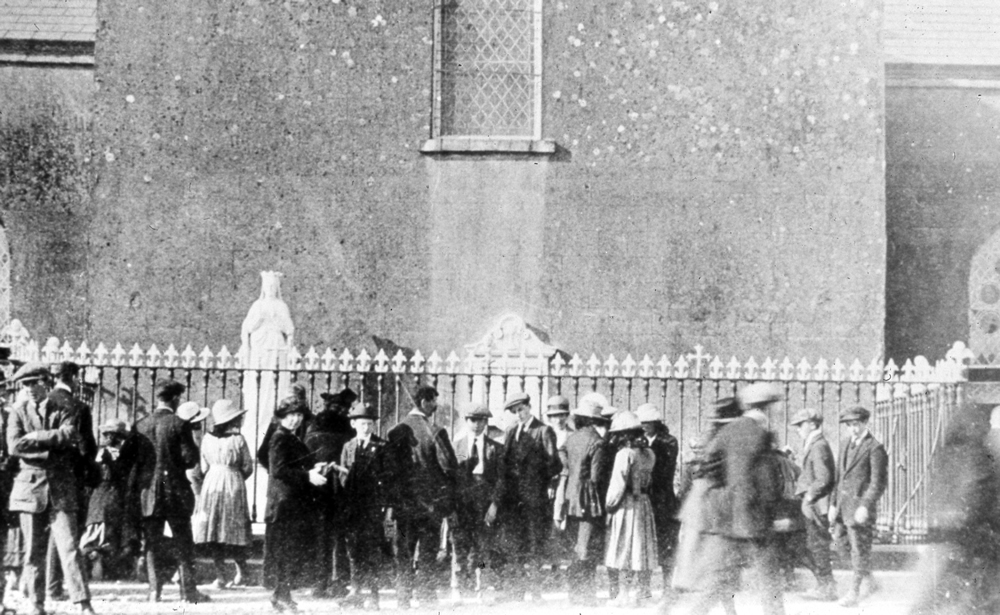
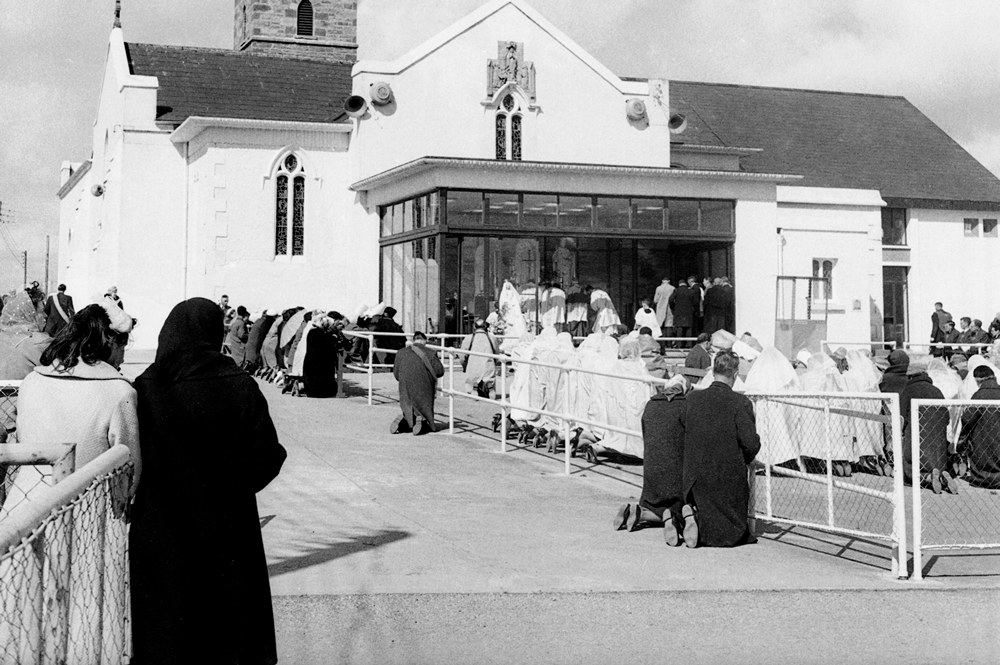
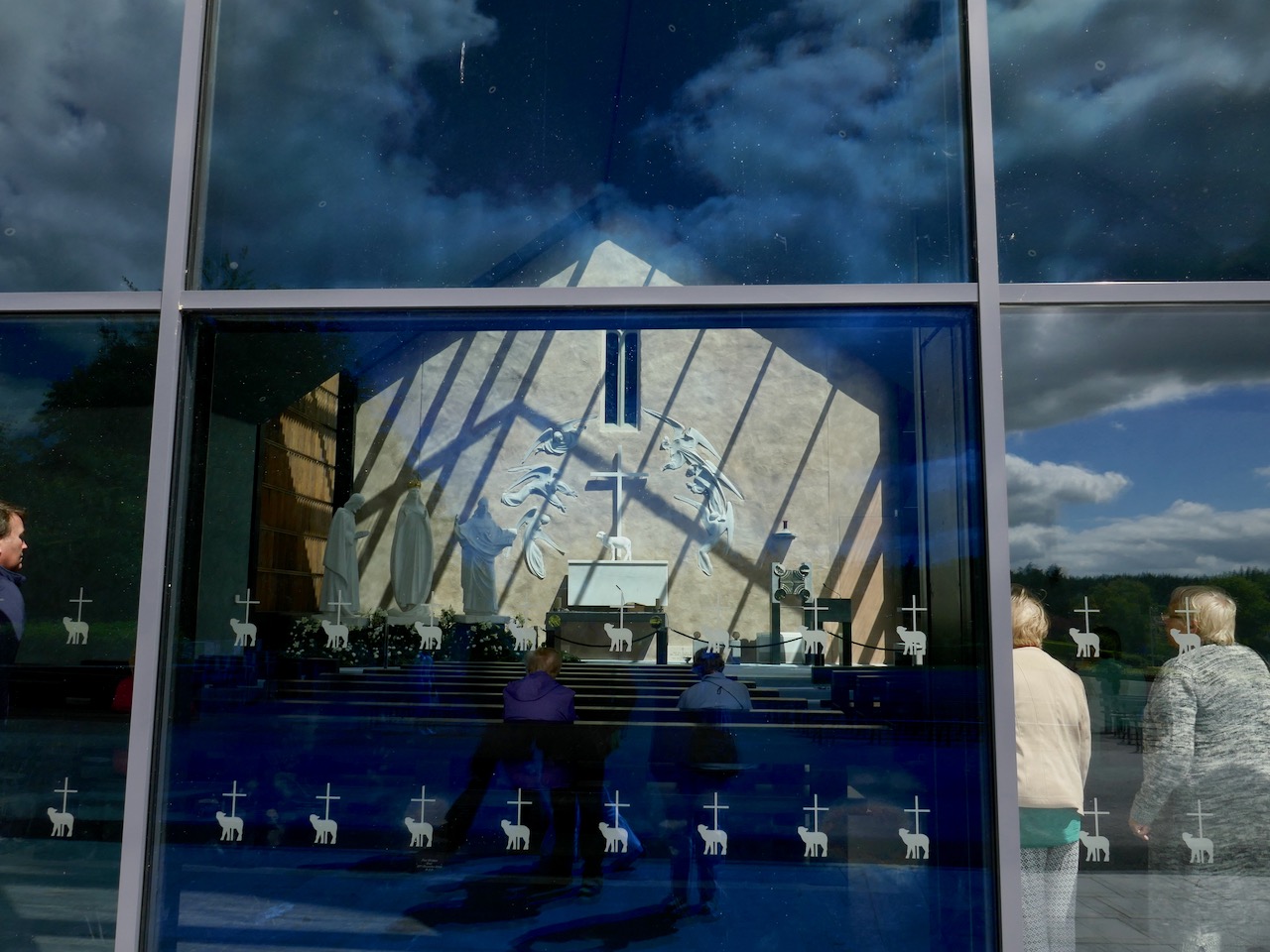
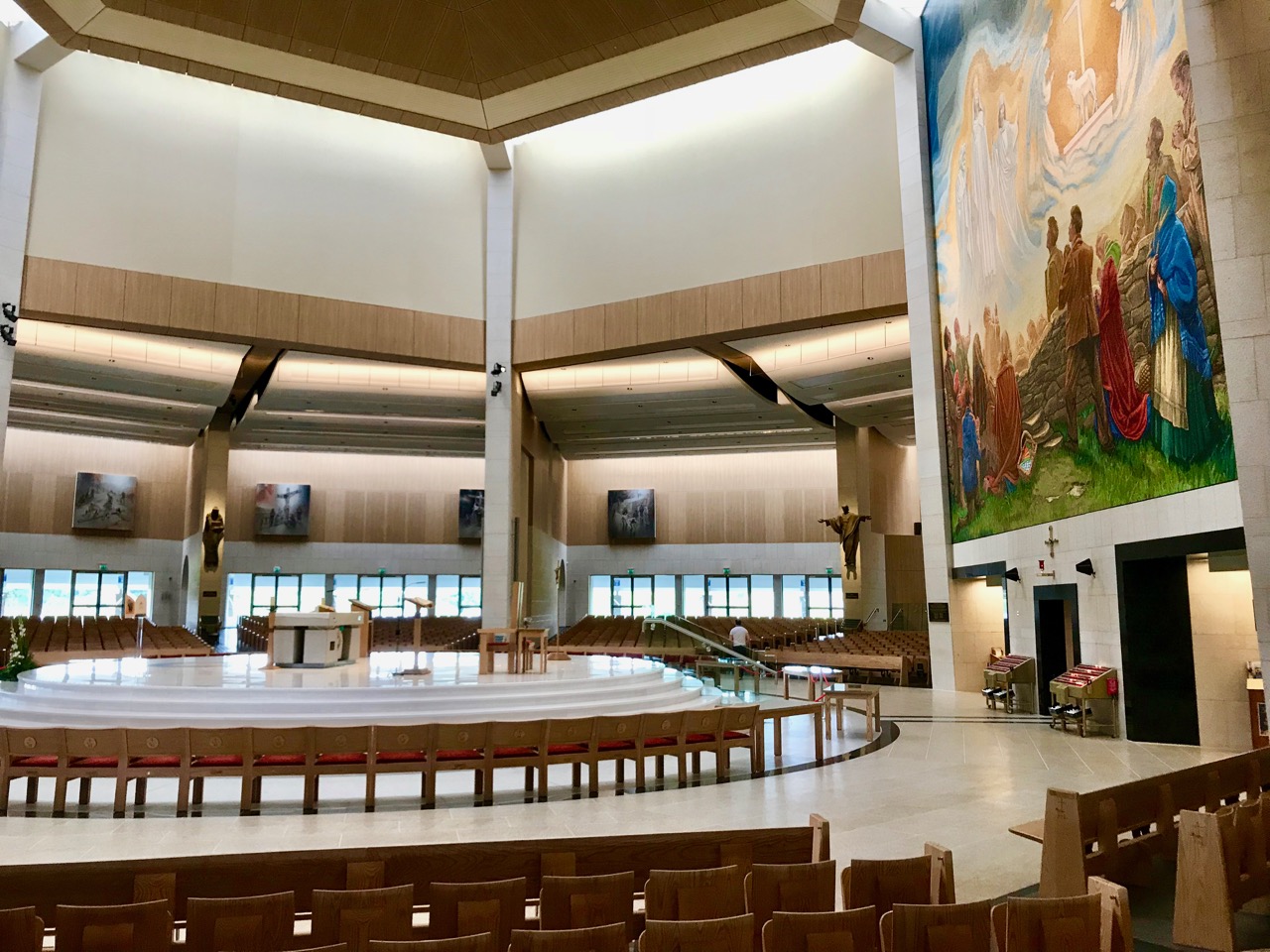
These illustrations show the evolution of the shrine. At the header is the updated interior of the Parish Church of Knock-Aghamore today, showing the beautiful high altar which was made by P J Scannell of Cork and which was presented as a gift during a pilgrimage in 1880. Behind this east wall is the gable where, on 1st August 1879, fifteen local people witnessed an apparition of Mary, Joseph, St John the Evangelist, and a lamb on an altar which seemed to float, stationary and silent, in front of the wall. It was 8pm and the rain was pouring down, yet the gable wall and the ground in front of it remained dry. The vision – which was also seen by others – seemed to last for about two hours. The upper picture above, which probably dates from around 1880, shows the gable and in front of it a rack of crutches and other paraphernalia apparently left by those cured at the shrine. The very first recorded cure, which happened soon after the vision, was of Delia Gordon, a young girl from nearby Claremorris, who was instantly cured of an acute ear infection and deafness after her mother scraped a little of the plaster off the gable wall and placed it into her ear. You can see in the upper picture where considerable amounts of the plaster appear to have been removed (presumably, following that first cure); by the 1930s (second picture) an iron fence had been erected to protect the wall. In 1963 (third picture), a dedicated chapel had been built in front of the gable, and today (fourth picture) a modern Apparition Chapel is in place to contain the large number of pilgrims who attend mass there on a daily basis. You can also see the elegant sculptures which have been installed on the wall to represent the figures of the apparition.

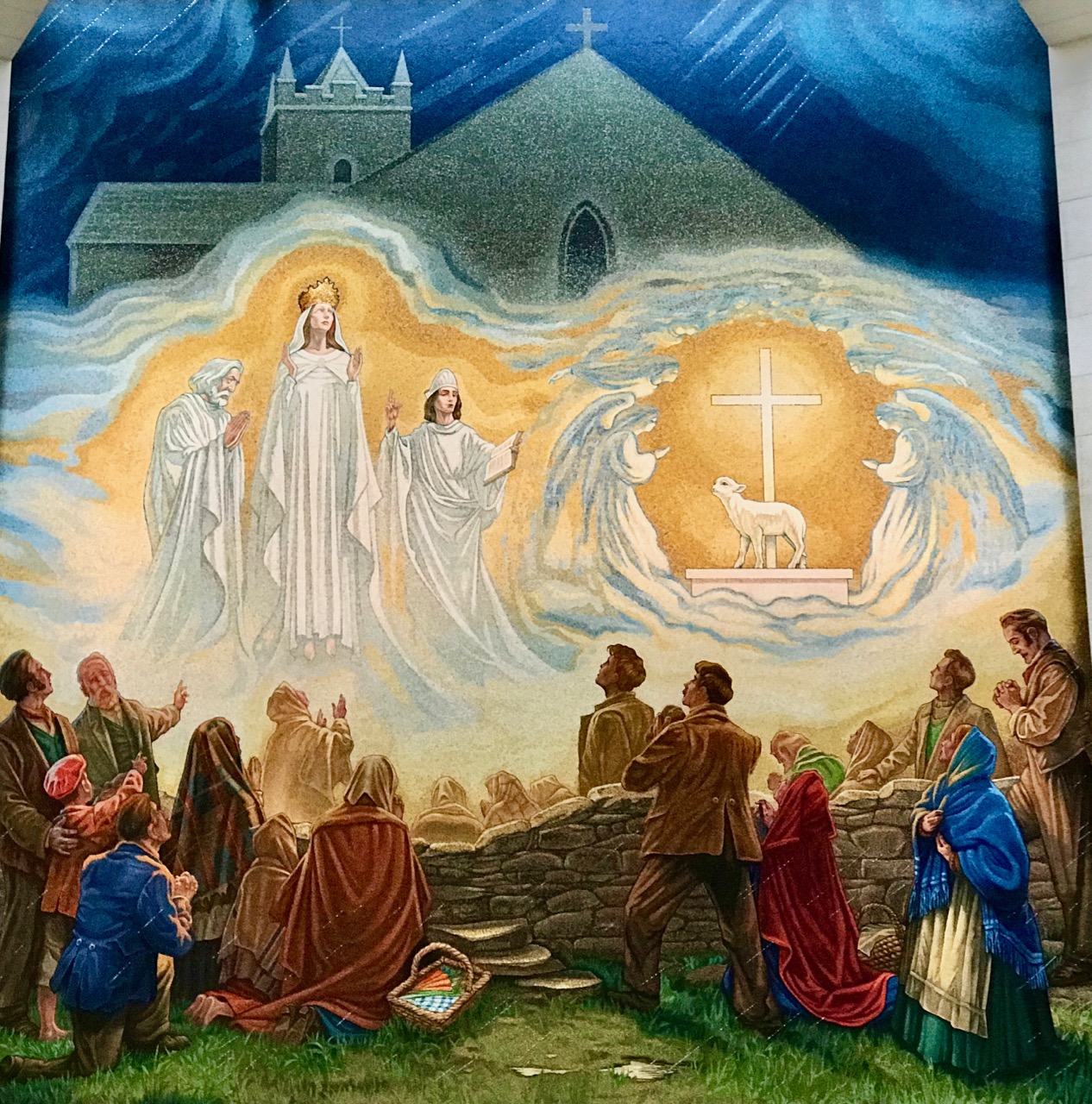
The vision is superbly depicted in this enormous mosaic which has recently been installed in the Basilica at Knock. P J Lynch, the artist who designed the mosaic, said he . . . tried hard to capture the sense of the wonder that the witnesses must have felt on that wet August evening back in 1879 . . . The mosaic measures 14 metres square and is one of the largest single flat pieces of religious mosaic of its kind in Europe: it is made predominantly from Venetian glass smalti and there are approximately 1.5 million individual pieces of mosaic in the complete work.

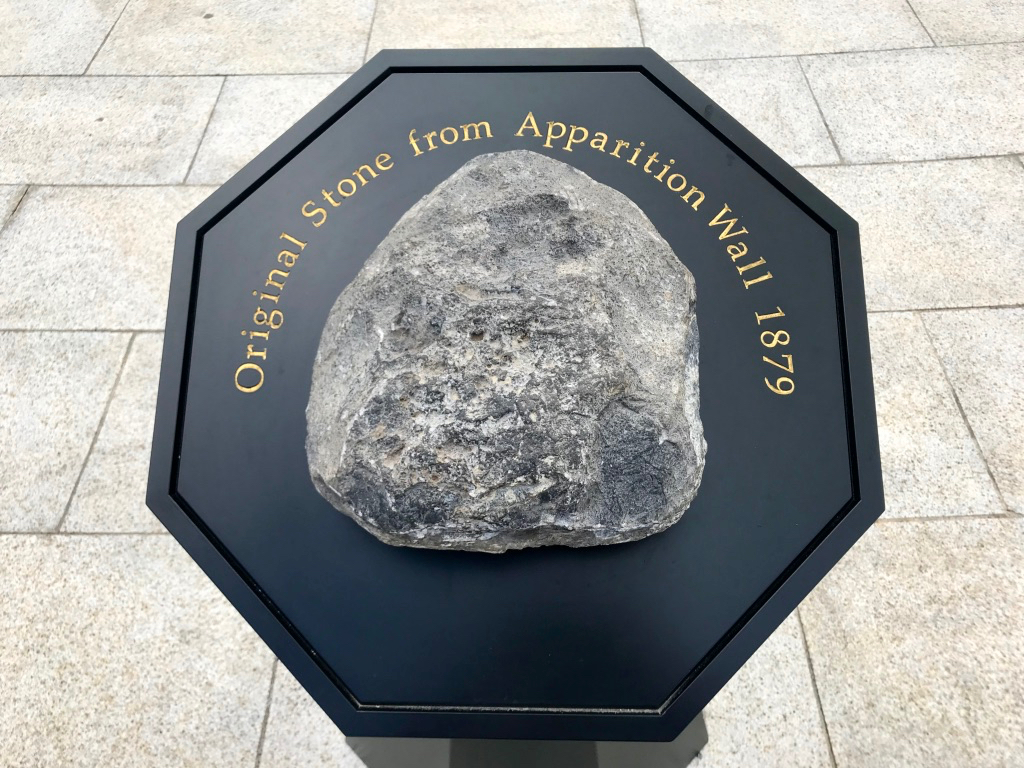
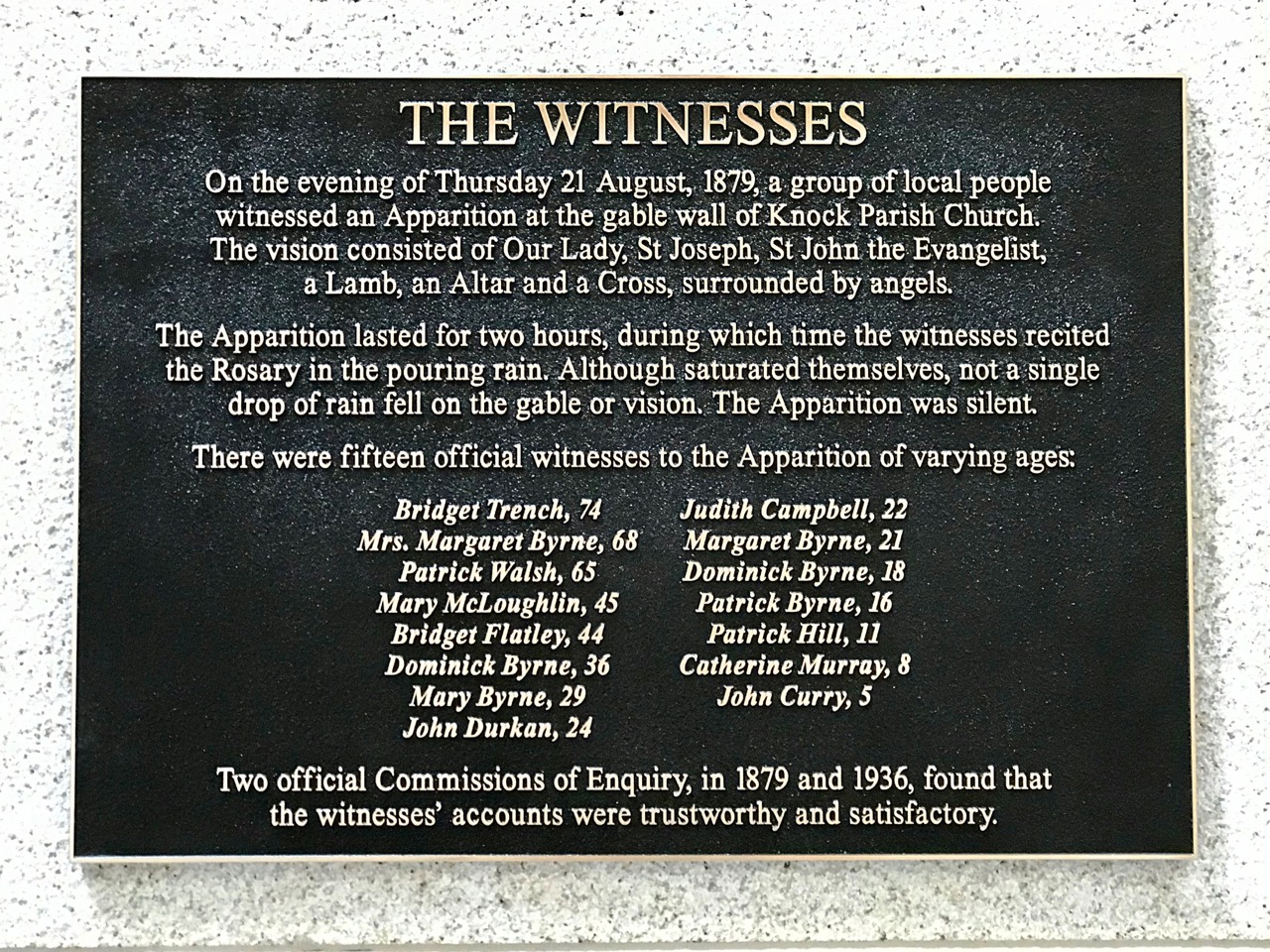
This is original stonework from the gable wall to the Parish Church: the lower picture is a panel built in to the modern Apparition Chapel wall. The statements made by the 15 witnesses who saw the vision at the wall in 1879 are fully documented here – an official Commission of Enquiry was held by the Catholic Church in that same year and concluded . . . the words of the witnesses were trustworthy and satisfactory . . . a further investigation in 1936 interviewed the then surviving witnesses, who corroborated what they had seen. Mary Byrne, who was 29 at the time of the apparition and 86 during the second enquiry said . . . I am clear about everything I have said and I make this statement knowing I am going before my God . . . She died shortly afterwards. John Curry, the youngest witness, was 5 in 1879. The child said . . . he saw images, beautiful images, the Blessed Virgin and St Joseph. He could state no more than that he saw the fine images and the light, and heard the people talk of them, and stood upon the wall to see them . . . He confirmed his memories when interviewed in new York for the 1936 enquiry.

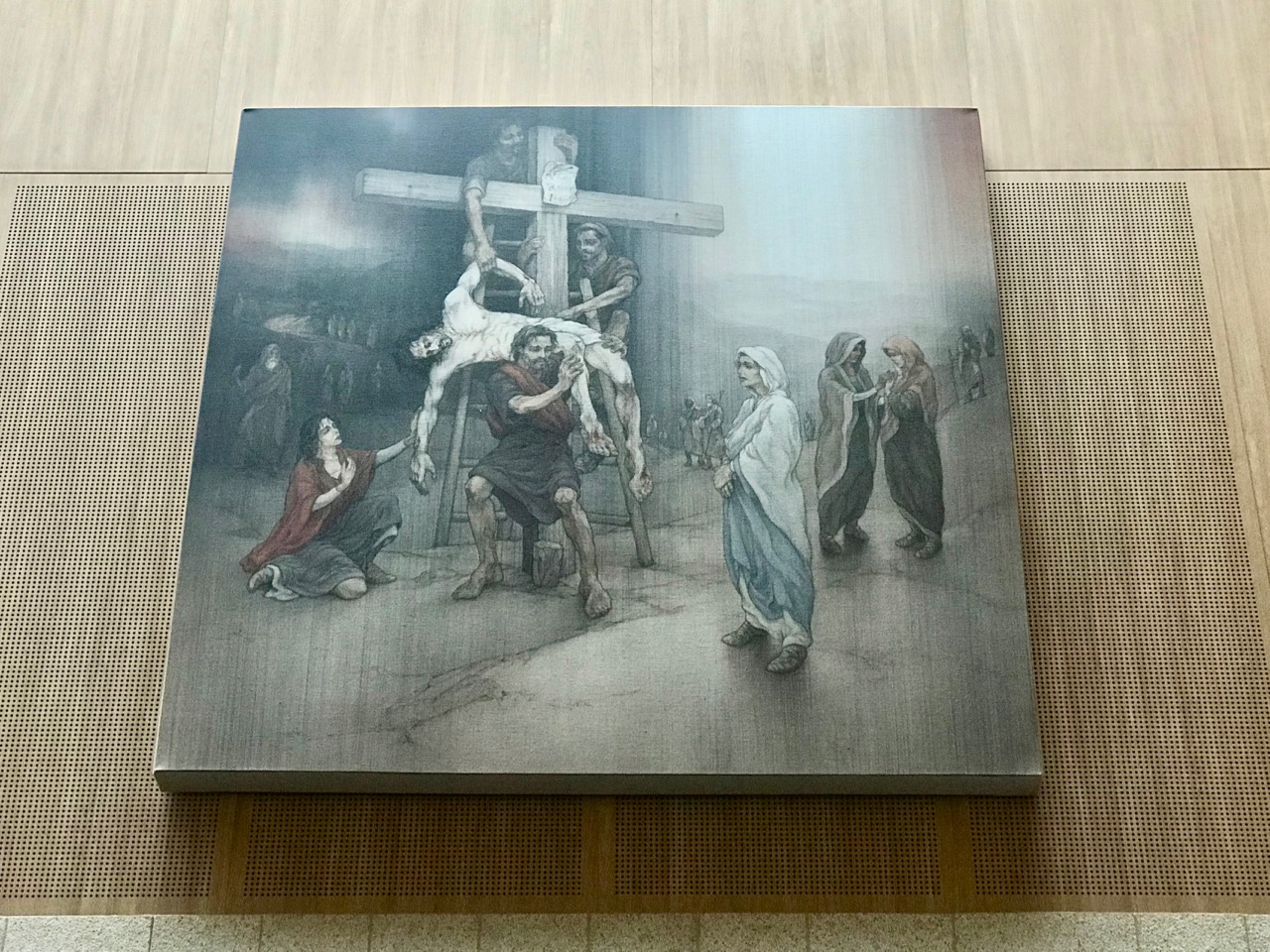
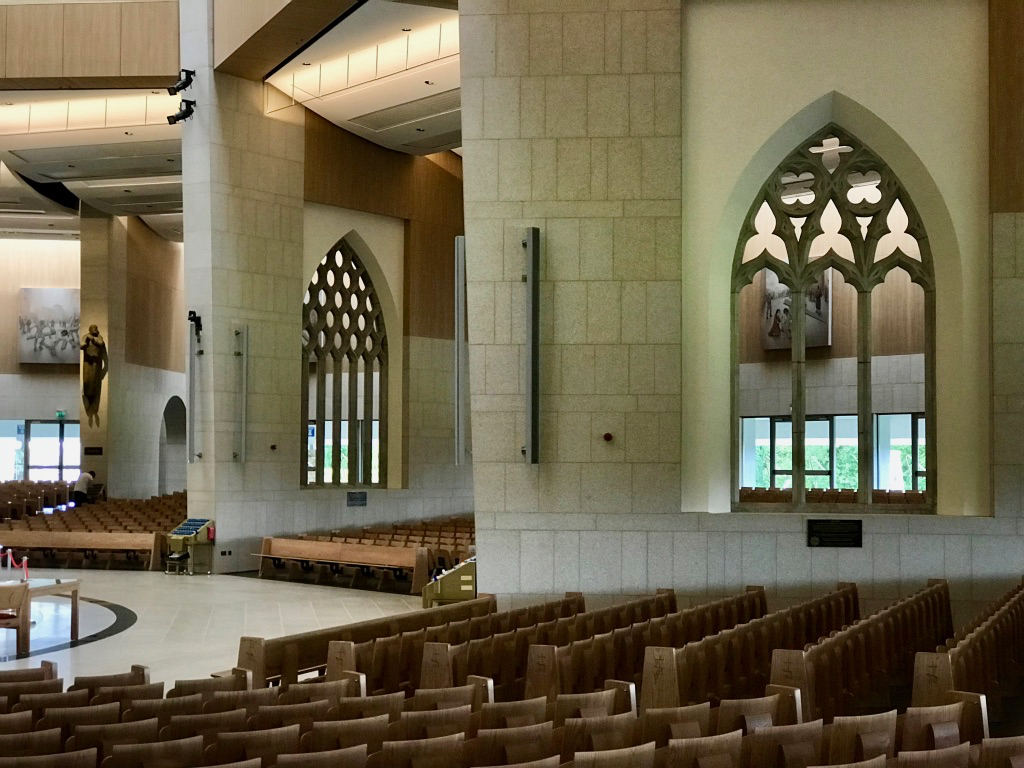
Over a million people a year come to Knock, in search of faith, enlightenment, cures perhaps: or just out of curiosity. It is a place with a great sense of purpose – and long may it continue. As a (now retired) church architect I was distinctly struck by the enormous Basilica which was constructed initially in the 1970s and which has been refurbished very recently. It is spectacular in its size and scale and is fittingly  furnished with powerful works of art. In particular I was impressed by the large, harrowing, painted Stations of the Cross, the work of Mayo artist, Ger Sweeney.

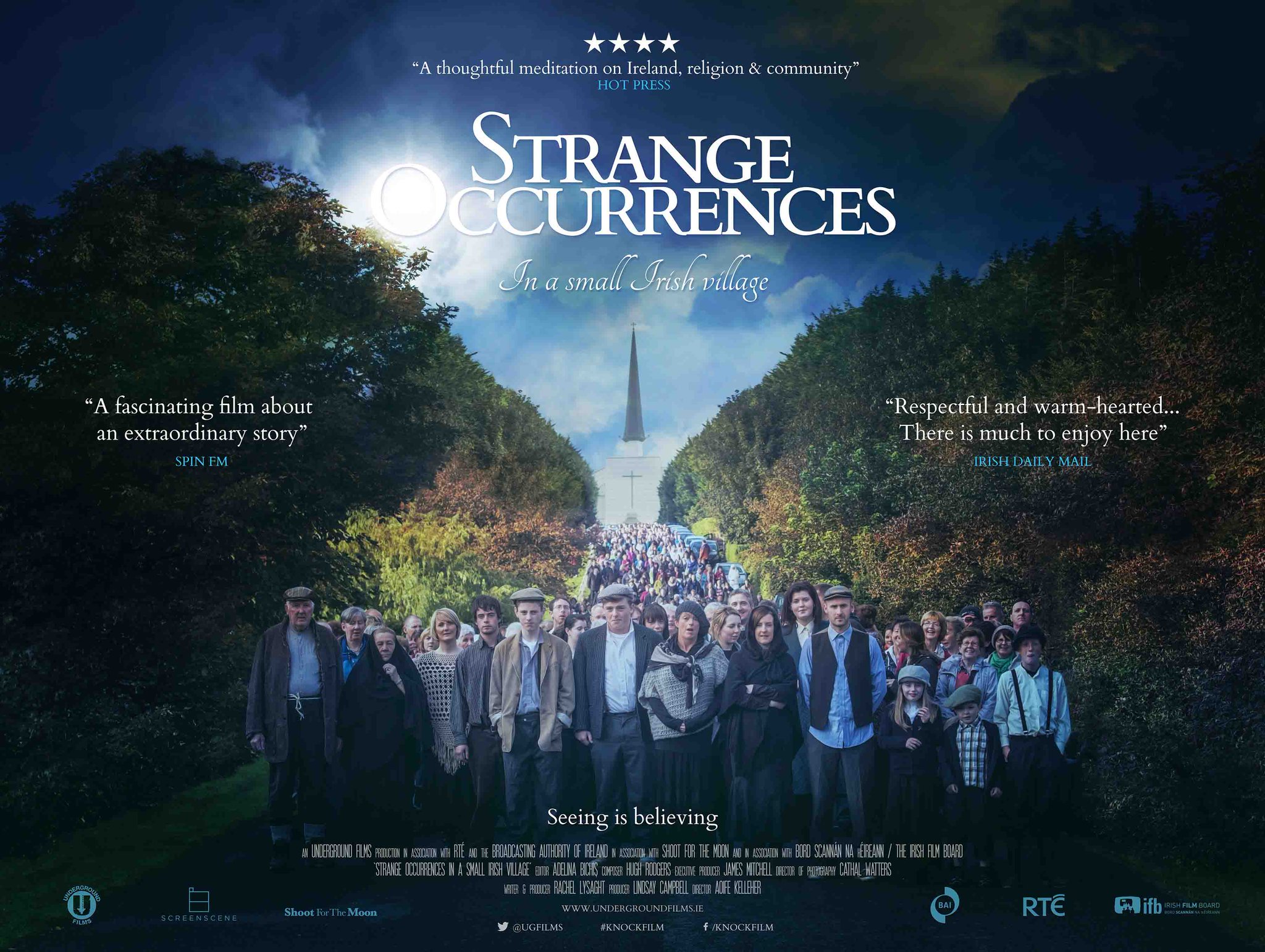
If you have a spare couple of hours it’s worth finding and watching this entertaining and fair-minded documentary about Knock, made by RTÉ in 2016:

I make no judgments as to the veracity or otherwise of what was witnessed on that day in 1879. There have been many theories put forward, ranging from magic lanterns to unrest provoked by the Land Acts! But why should we doubt the faith of anyone, whatever their religion? The Christian story is all about miracles, so surely miracles are just as possible in the 19th century as they were in the 1st… The village of Knock carries on its normal life around all the trappings of the shrine: shops selling statues and Holy Water bottles abound, and add to the colour. On the site you can look out the well-curated museum, and treat yourself to good refreshments. It’s all worth visiting, even if your interest is purely anthropological. The Pope himself will be there this August and all the 45,000 (free) tickets have been booked. If the sun keeps on shining – and perhaps it will – it’ll be a grand day for all!

Loughrea Cathedral and the Irish Arts and Crafts Movement

How did a church in an Irish country town become a repository for some of the greatest treasures of the Arts and Crafts movement of the early 20th century? That church is St Brendan’s Cathedral in Loughrea, Co Galway, which we visited last week.

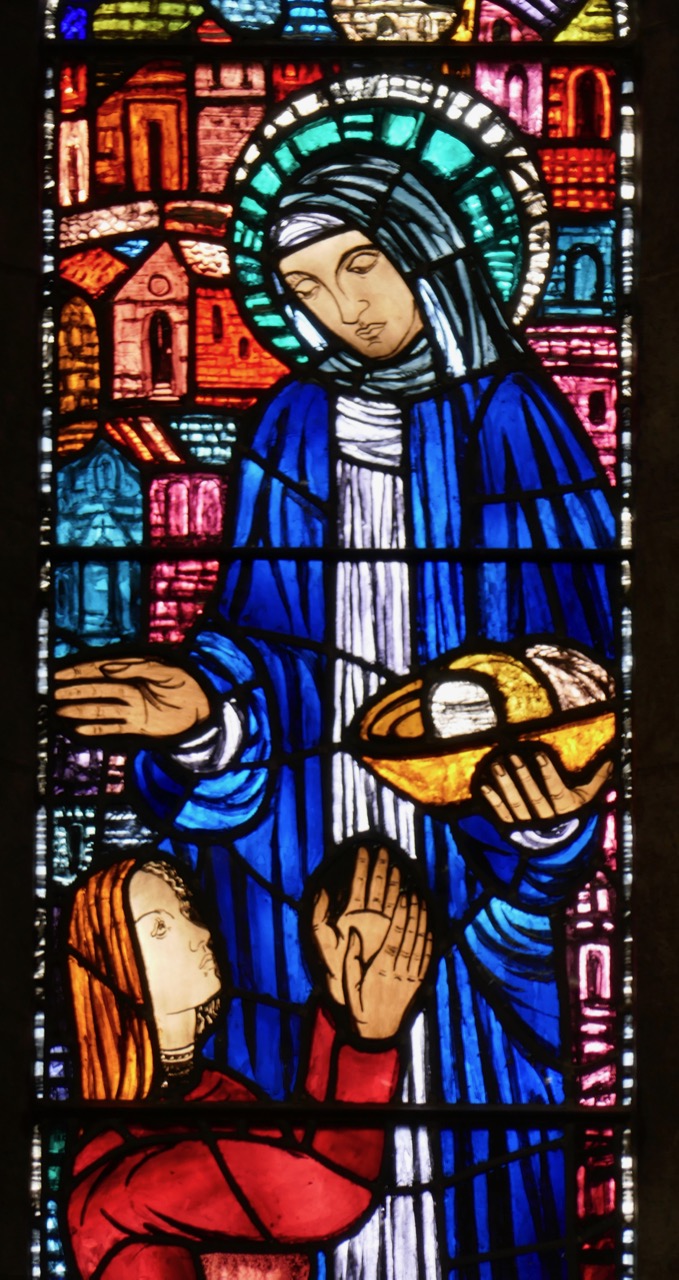
Evie Hone’s St Brigid window

The Arts and Crafts movement was a reaction against soulless methods of industrial production which emphasised repetitive tasks and removed the link between the worker and the final product. Such factory processes were eventually applied to works of art, such as stained glass windows, where numerous workers would be employed to assemble a final product. Within the movement, artisans, artists and makers sought to get back to a former time, often conceived as medieval and highly romanticised, when craftsmen and women designed and executed exquisite works from start to finish.

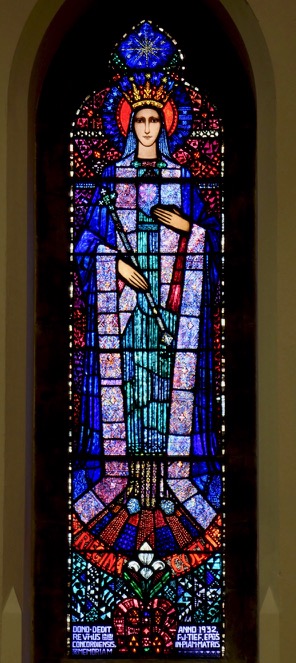
Queen of Heaven window by Michael Healy

So where does Loughrea come in? Well, for a start, it was the home of Edward Martyn, a wealthy enthusiast for all things Gaelic Revival including language, theatre, literature, music and art. Heavily influenced by the philosophies of the Arts and Crafts movement, particularly by those of William Morris, he worked with Sarah Purser to found An Túr Gloine (The Tower of Glass) as an artist/maker stained glass studio. Not a small part of their initial success was his ability to promise commissions from the decoration of St Brendan’s Cathedral.

The Stations of the Cross are by Túr Gloine artist Ethel Rhind and are executed in the unusual opus sectile mosaic technique

Thus it is that this church, in outward appearance very much like the prevailing neo-Gothic style of the end of the nineteenth century, is packed with the work of the most eminent women and men artists of the opening decades of the 20th century. Yes, that’s right, women and men – the Arts and Crafts movement empowered women artists like few such movement had before (or since, perhaps).

The Agony in the Garden by A E Child, detail

It takes a moment to realise what you have entered – initially the church interior seems familiar and unremarkable, almost heavy in its preponderance of marble, tile and dark wood.

But as the eyes adjust, you can be permitted a gasp or two as you realise that all the capitals are carved with scenes from the life of St Brendan, that there are fine sculptures here and there, that the arm of each pew has been individually decorated with idiosyncratic characters, that are are art-nouveau-looking light standards throughout the aisles, that the stations of the cross are unlike any you’ve seen before, and finally that the stained glass windows are numerous and beautiful.

Two scenes from the Death of Brendan, carvings by Michael Shortall

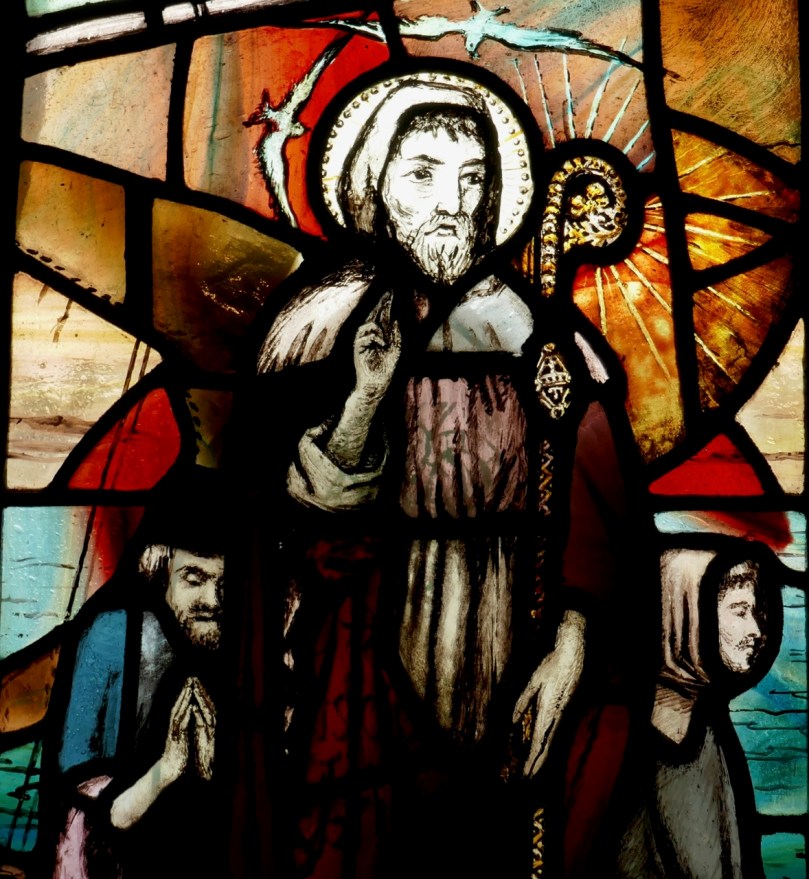
All the Túr Gloine stained glass arts are represented here: A E Child, Michael Healy, Ethel Rhind, Catherine O’Brien, Beatrice Elvery, Evie Hone and Hubert McGoldrick. There is even a small St Brendan window by Sarah Purser herself – a rarity as she mostly confined herself to the management of projects rather than glass-painting.

One of the very few stained glass windows actually executed by Sarah Purser herself – a Brendan image in the porch of the church

The stone carving is mostly the work of Michael Shortall, a student of John Hughes, the foremost sculptor of his day who provided bronze figures for the church. Eminent architect William Scott was engaged to design church furnishings and was responsible for the side altars, the entrance gates, the altar vessels and candlesticks, the baptismal font and altar rail.

Each pew arm has a whimsical creature – this one was no doubt intended to concentrate the mind on mortality

The woodwork was all done locally, with the workers encouraged to use their skills to depicts beasts and mythical figures, in much the same way that medieval craftsmen had done.

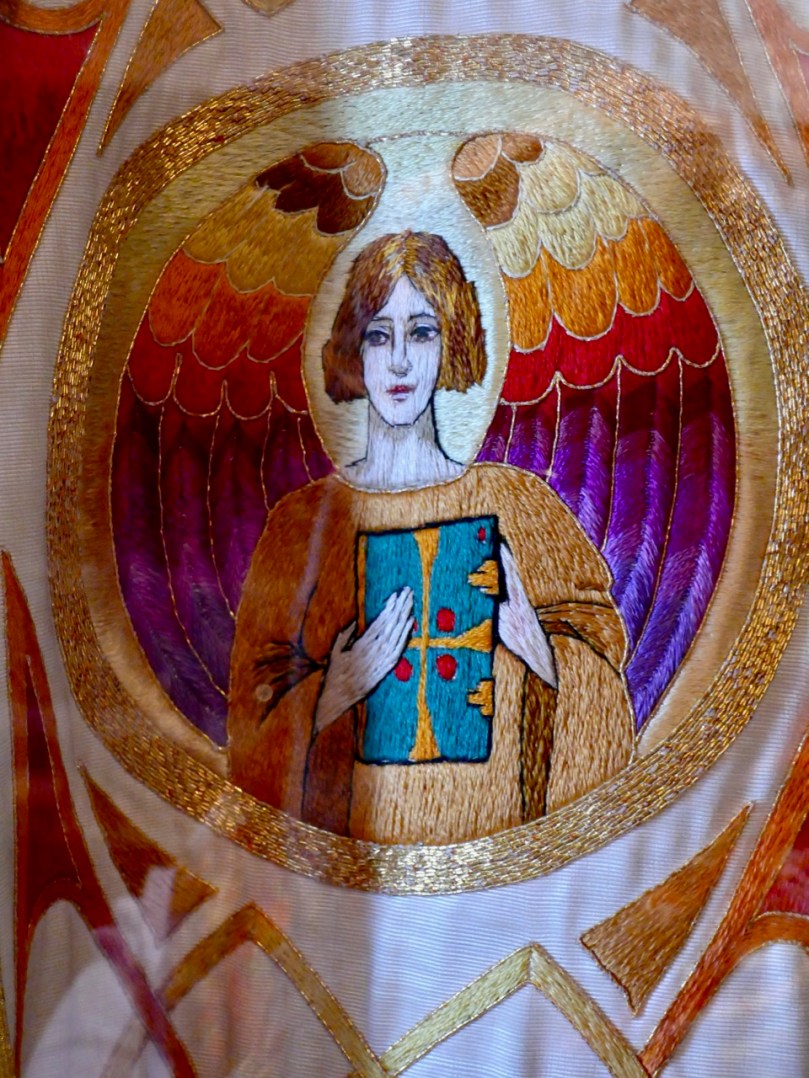
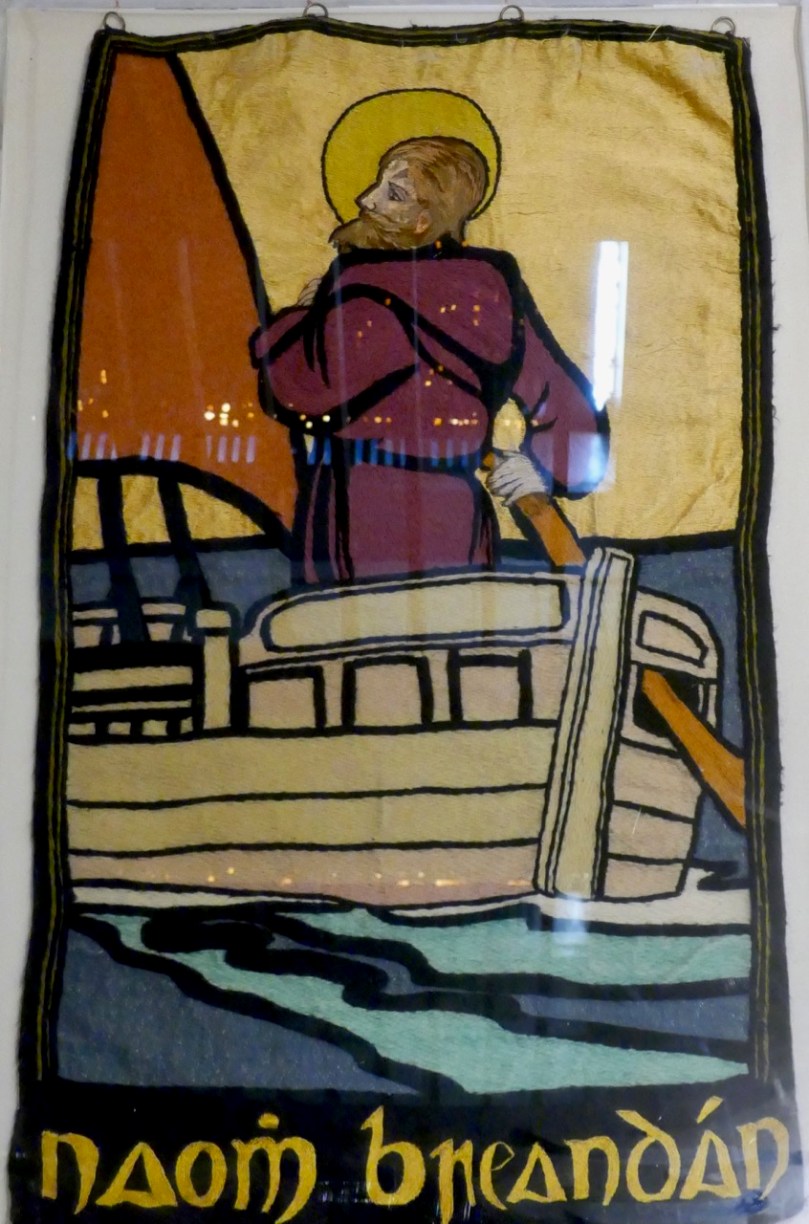
The museum contains an outstanding collection of sodality banners designed by Jack B Yeats and his wife, Cottie, and embroidered by the Dun Emer Guild. Above is the original design and the finished product

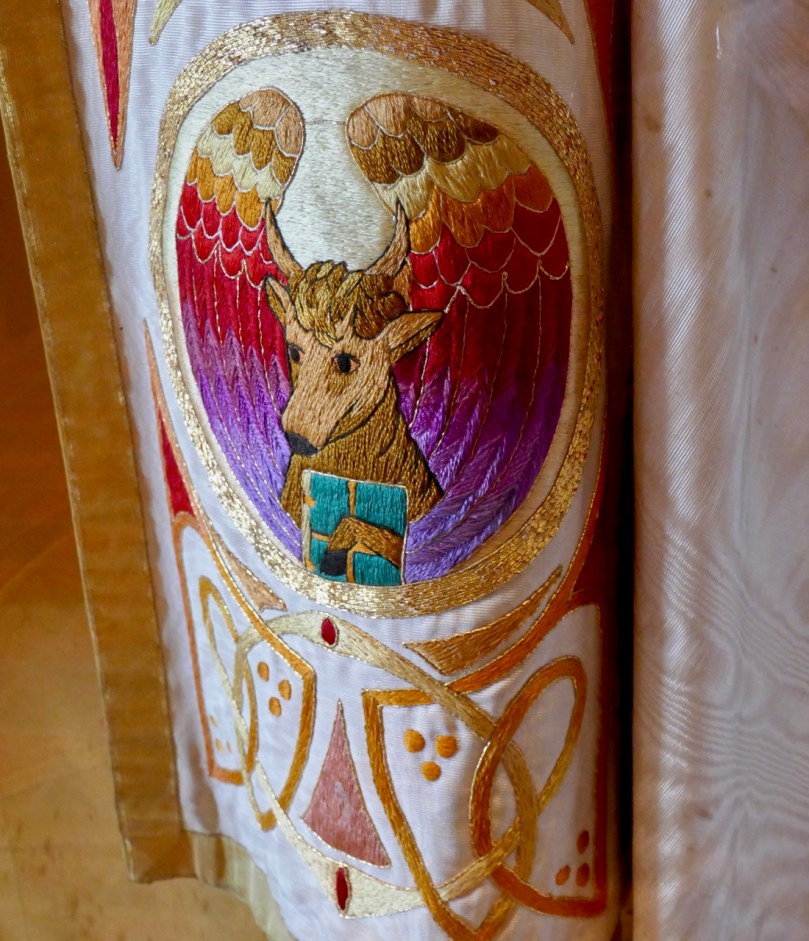
But that’s not all. Beside the church is a small museum, similarly packed with treasures. In particular, here is where you will see the work of the Dún Emer Guild, a women’s cooperative enterprise that designed and supplied materials (altar cloths, vestments, rugs, tapestries) to churches and others. Strongly influenced by traditional Irish designs such as scrollwork, interlacing, high crosses and Book of Kells symbols, the works supplied to St Brendan’s are wonderful examples of Irish Revival motifs, skillfully embroidered in gorgeous colours.

The Museum holds other artefacts too, including extremely rare medieval wooden carvings: most wooden statues were destroyed by the Puritans and very few have survived. There are also fifteenth century vestments, original drawings and sketches by Irish artists, altar vessels, and stained glass cartoons.

Twelfth or Thirteenth century wooden statue of the Virgin or Child

This post is a small introduction to the wonders of Loughrea Cathedral. About 40 minutes east of Galway and just south of the M6, this church is a must-see for anyone interested in the history of Ireland and its Arts and Crafts movement. The only comparable experience is the Honan Chapel in Cork.

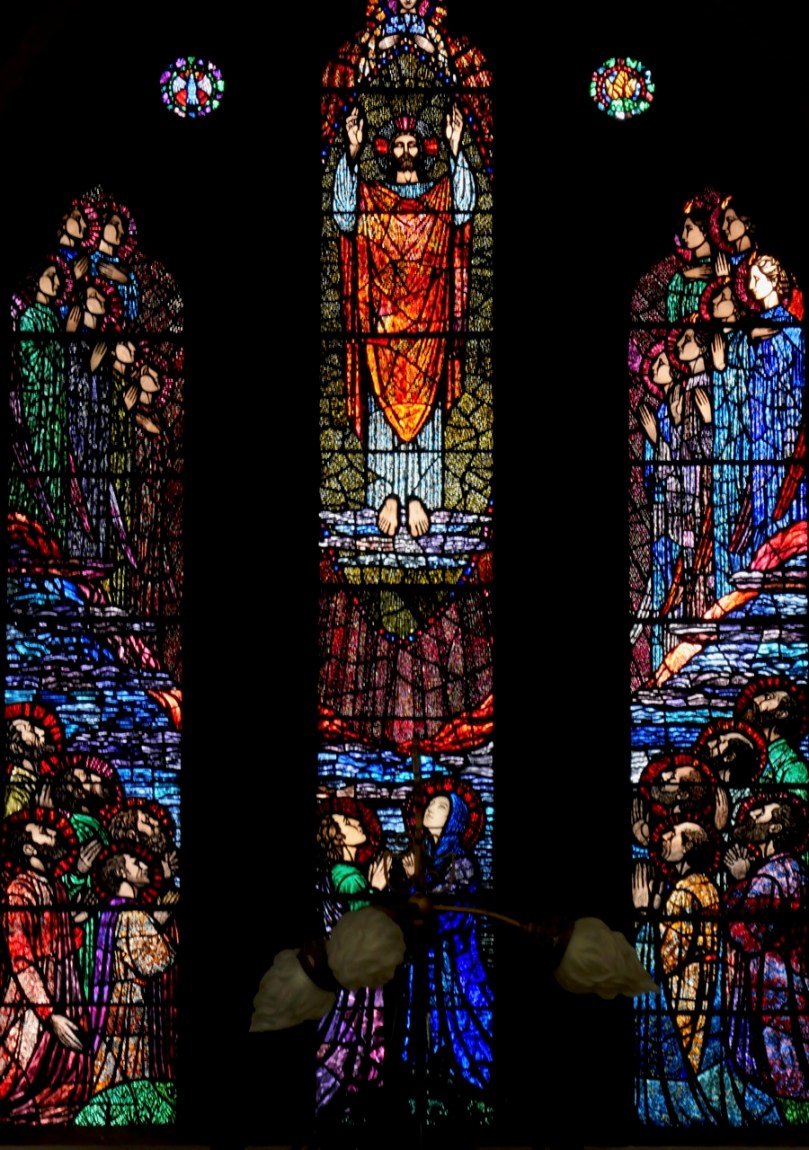
Michael Healy’s magnificent Resurrection window

All I can do here is show you a representative sample of what we saw and encourage you to go see the totality for yourself. You won’t regret it.

The massive cathedral gates, designed by William Scott

Some That Got Away!

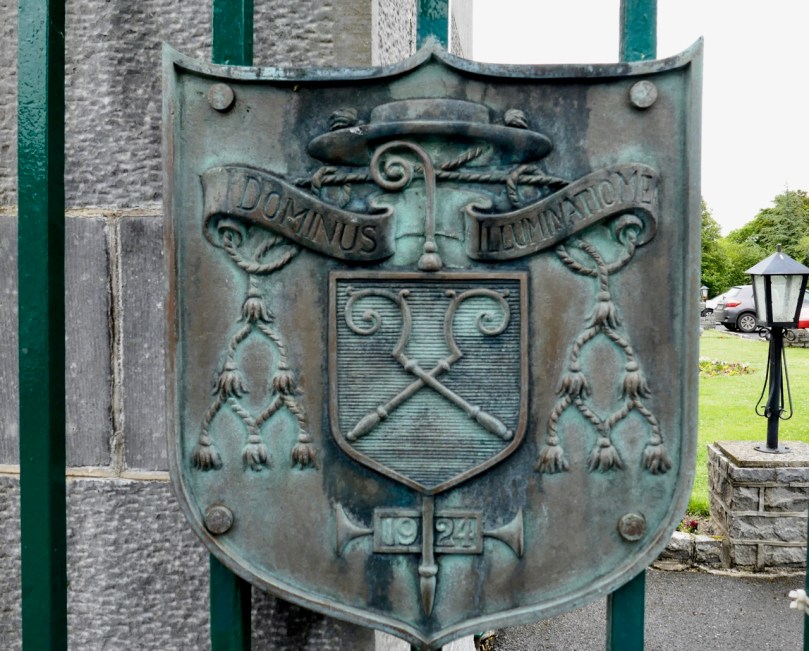
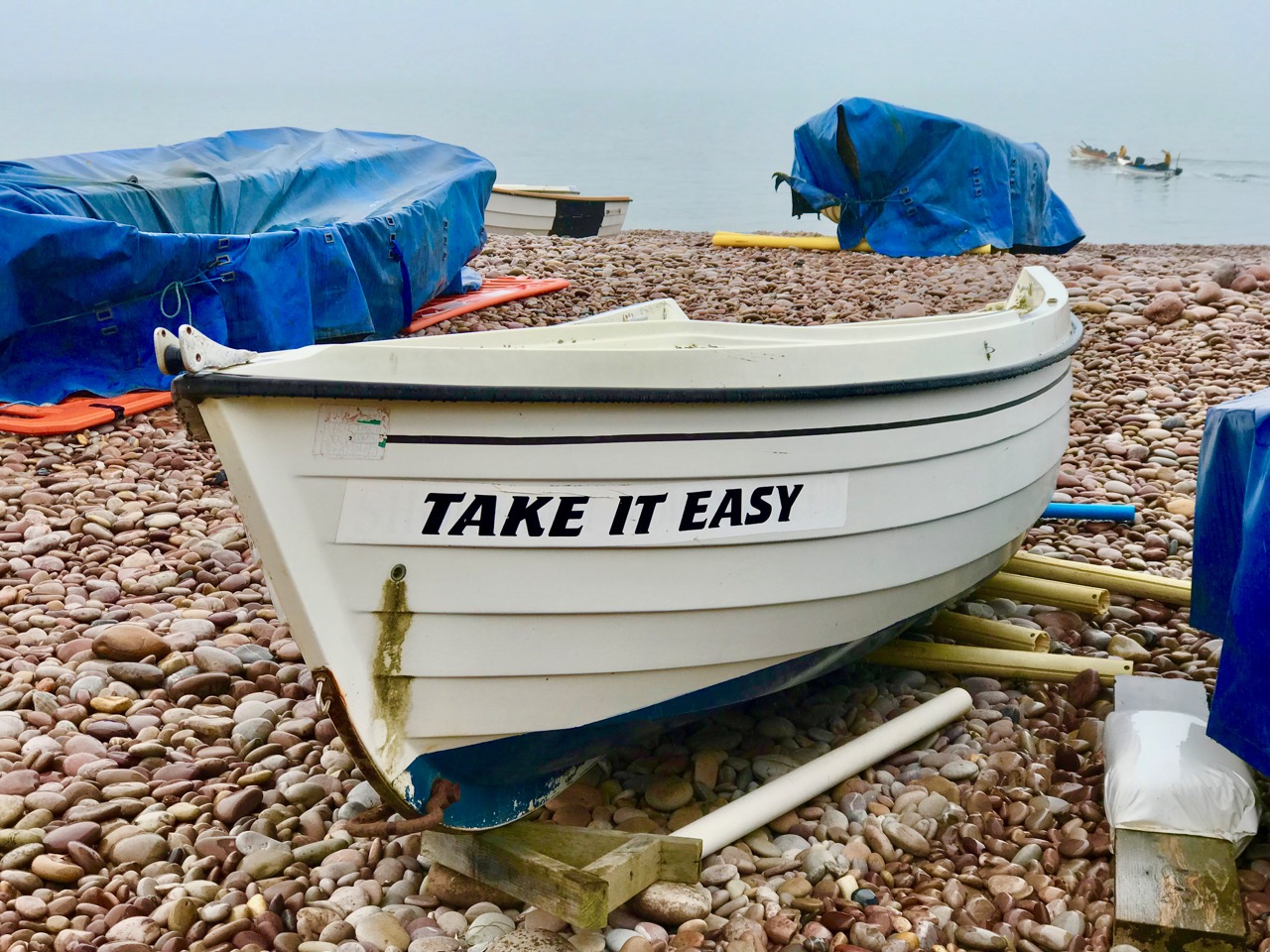
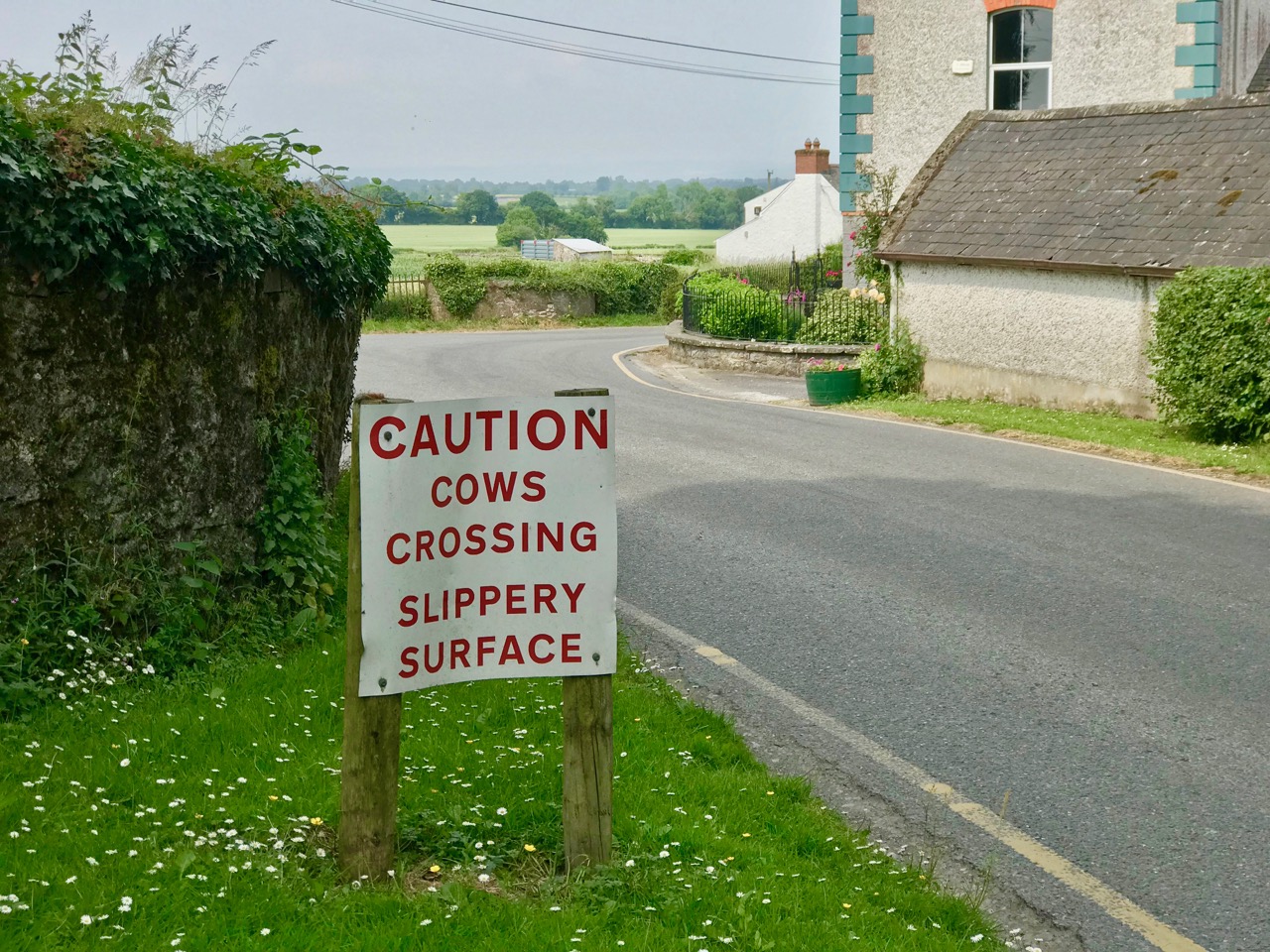
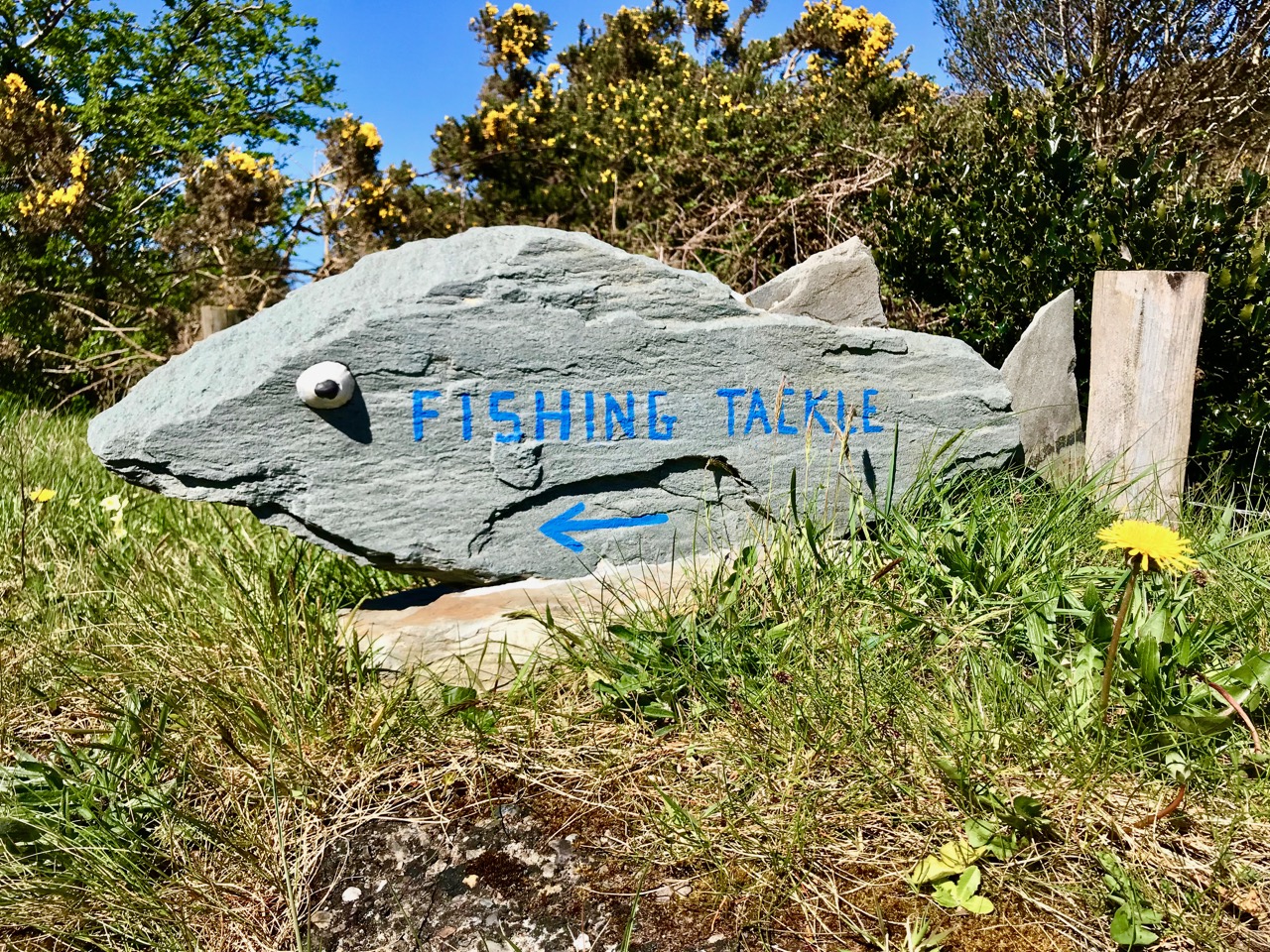
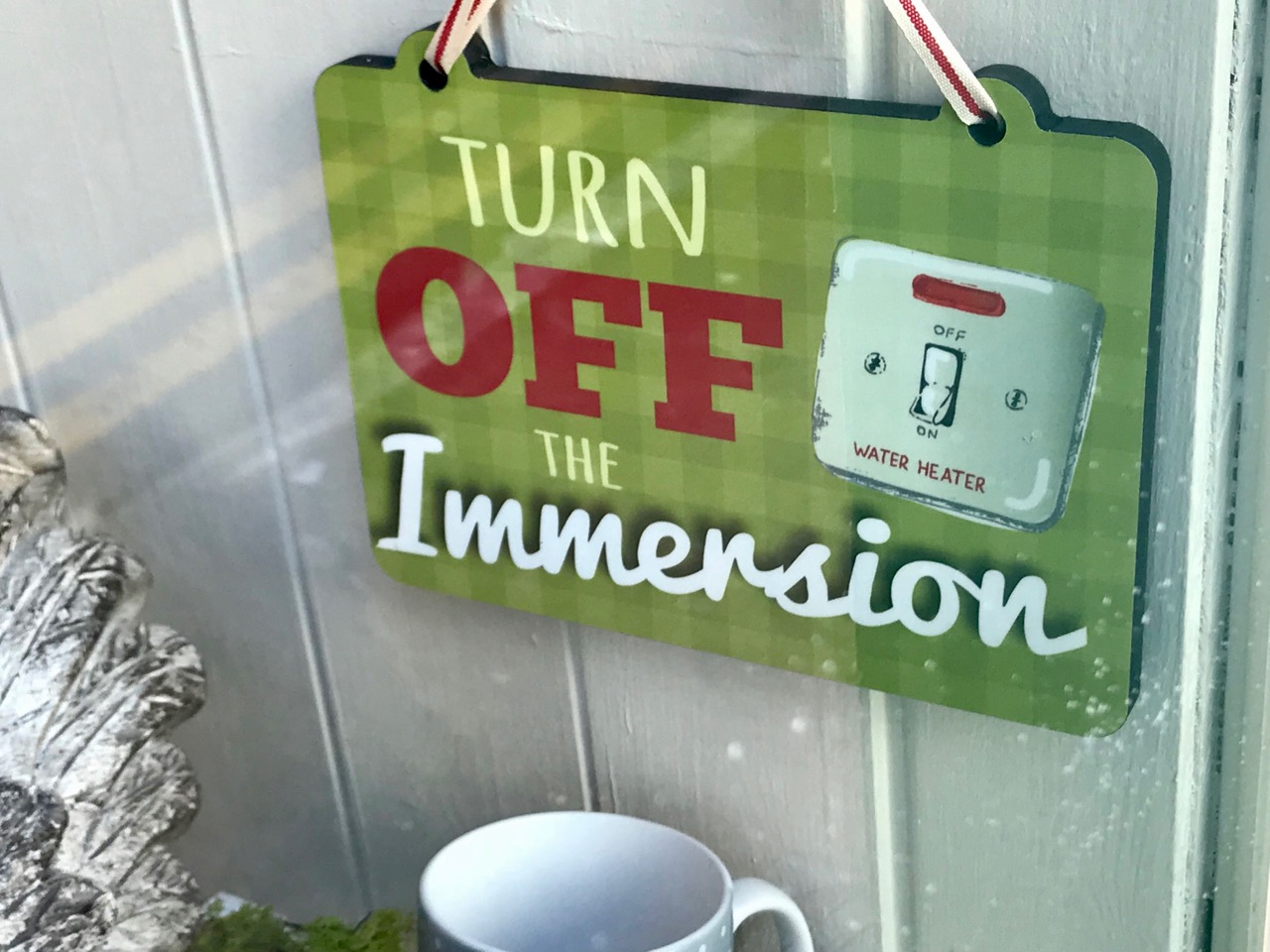
I have been going through my collection of Quirks – pictures I have taken of Irish oddities, signs and sundry graphic images. For whatever reason, they have missed out in my series on good signs: I think it’s time I gave some of them an airing. They are not all humorous: sometimes they just conjure up a thought or an idea. The one above, for instance, is a really good name for a boat – it makes you think of lazy, sunny days drifting on calm waters. Many, of course, require no explanation at all. Here’s one…

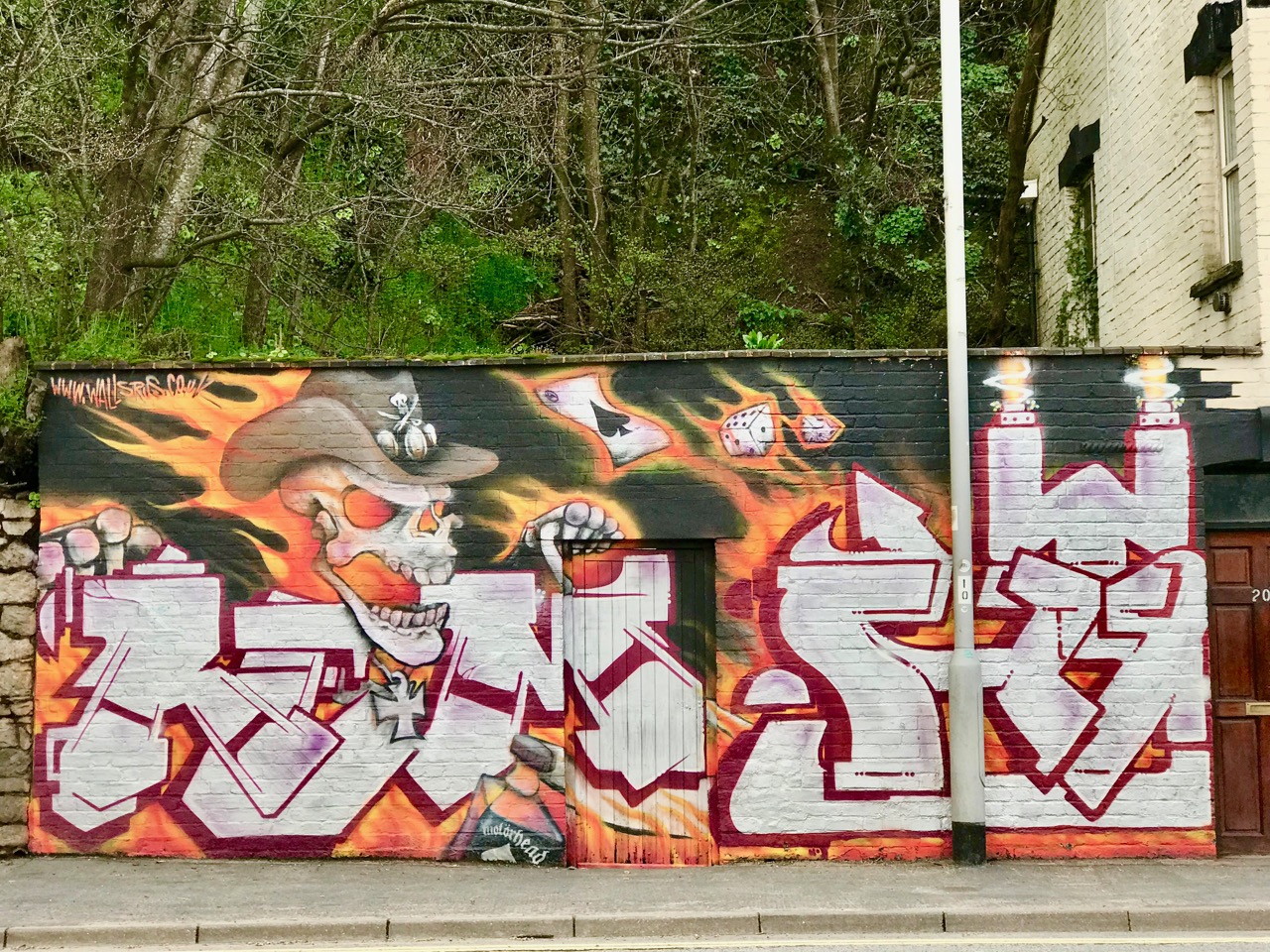
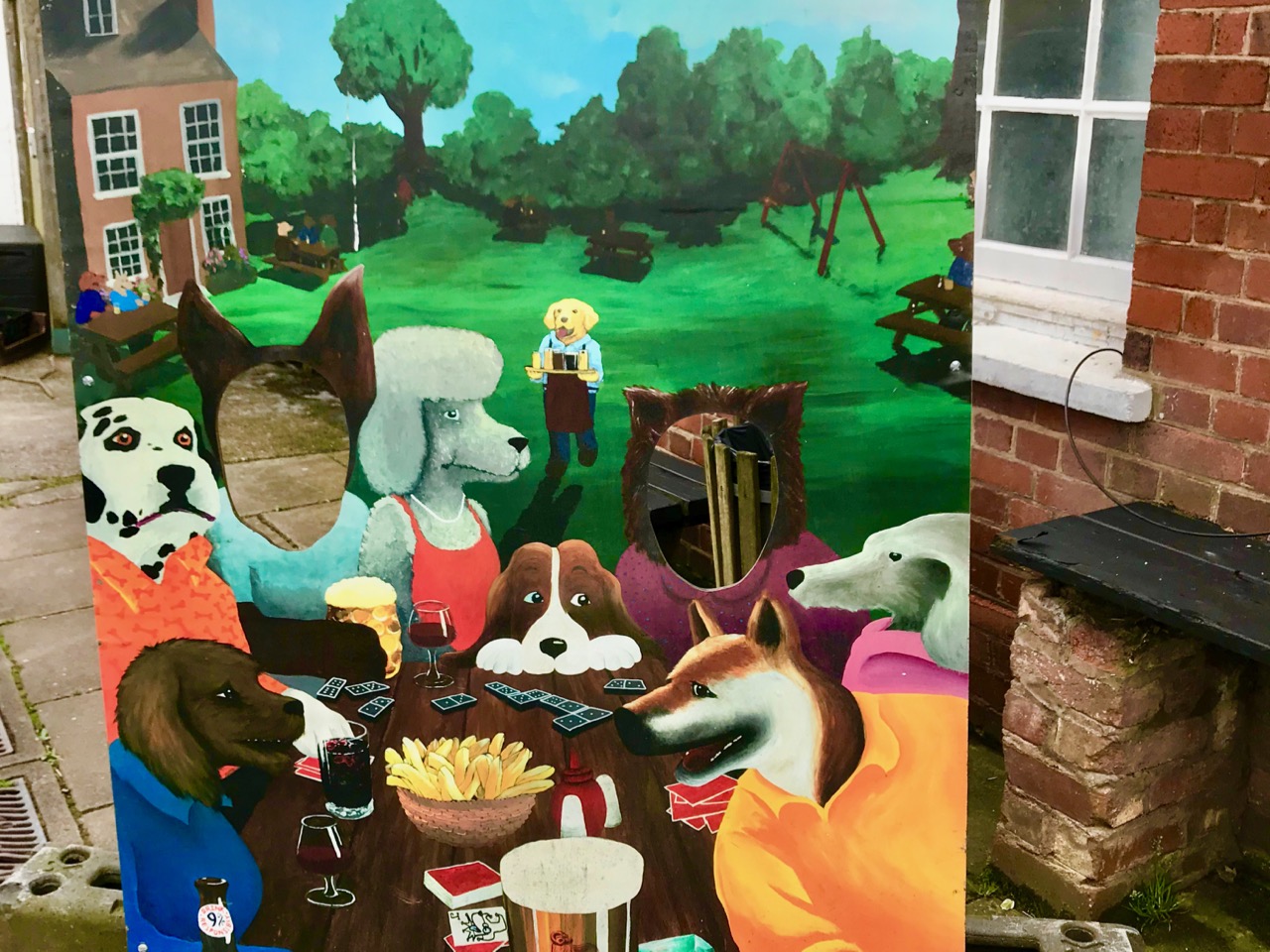
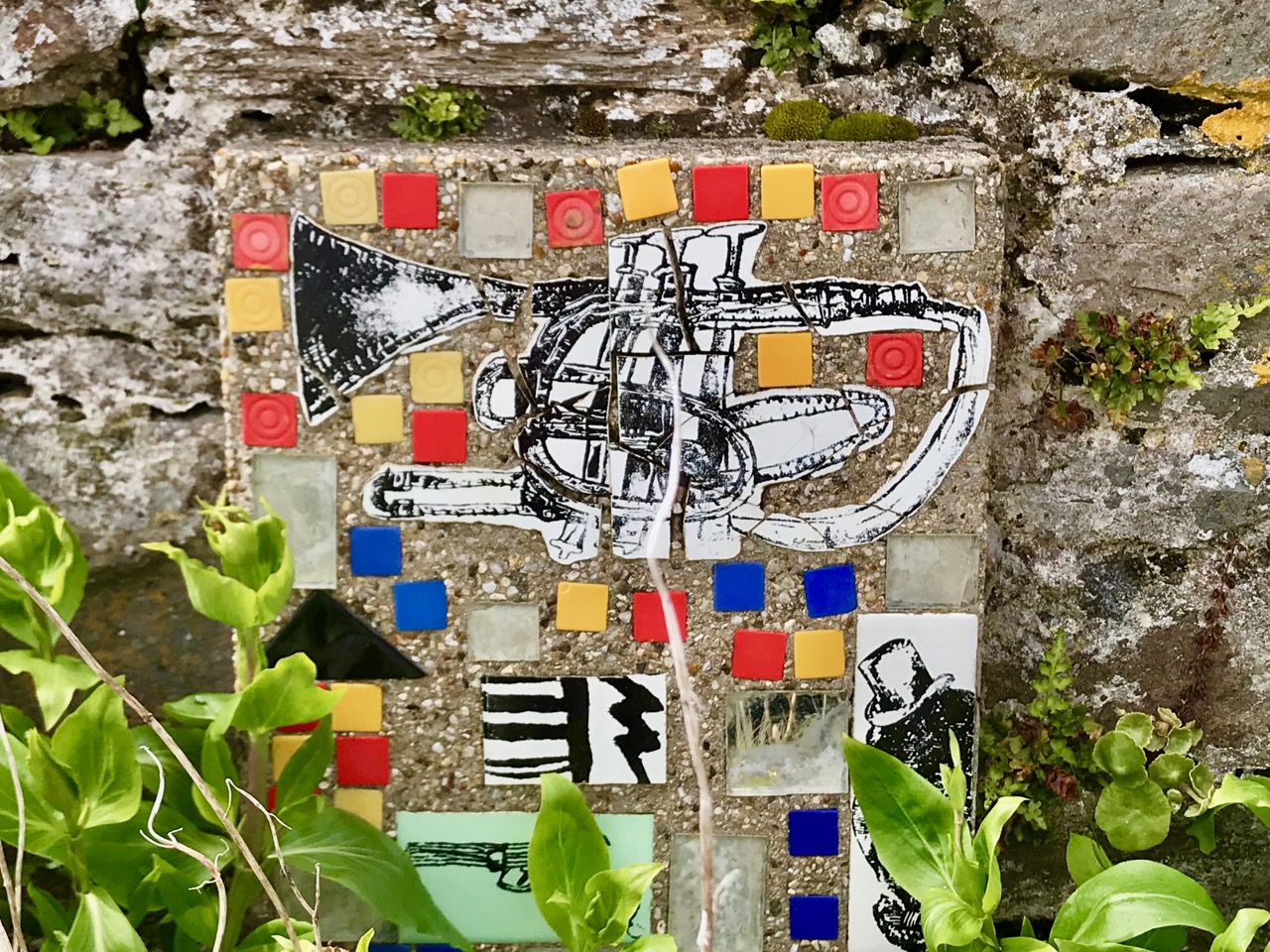
There are those that I’ve retrieved from the reject pile because actually they are arresting enough to make you want to have another look. Some of it is just elaborate graffiti…

In other cases, people have been imaginative in their use of signs…

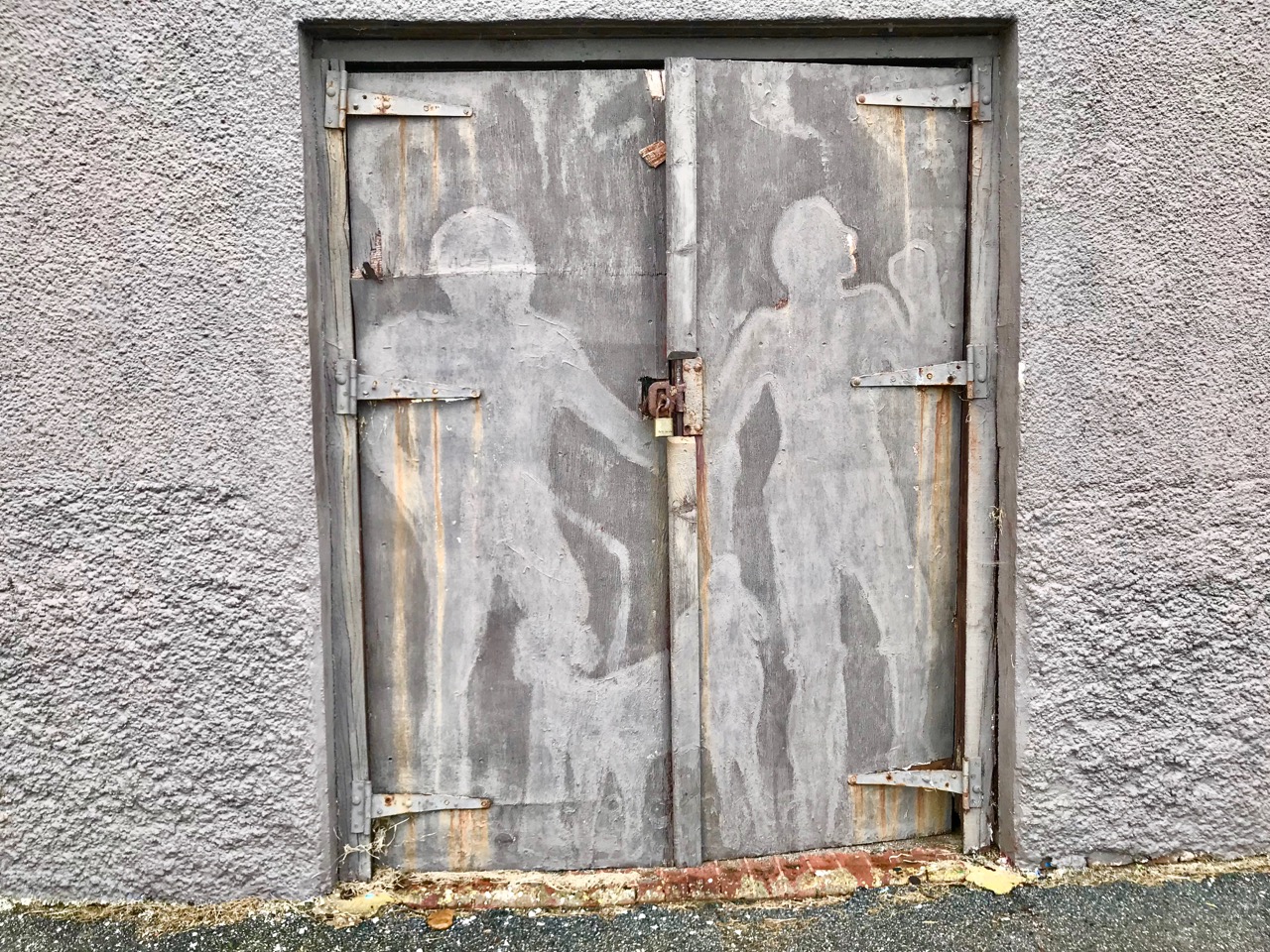
Then, there are those which just needed to fill an empty space…

Just in case you have to look twice, there’s a message in here somewhere…

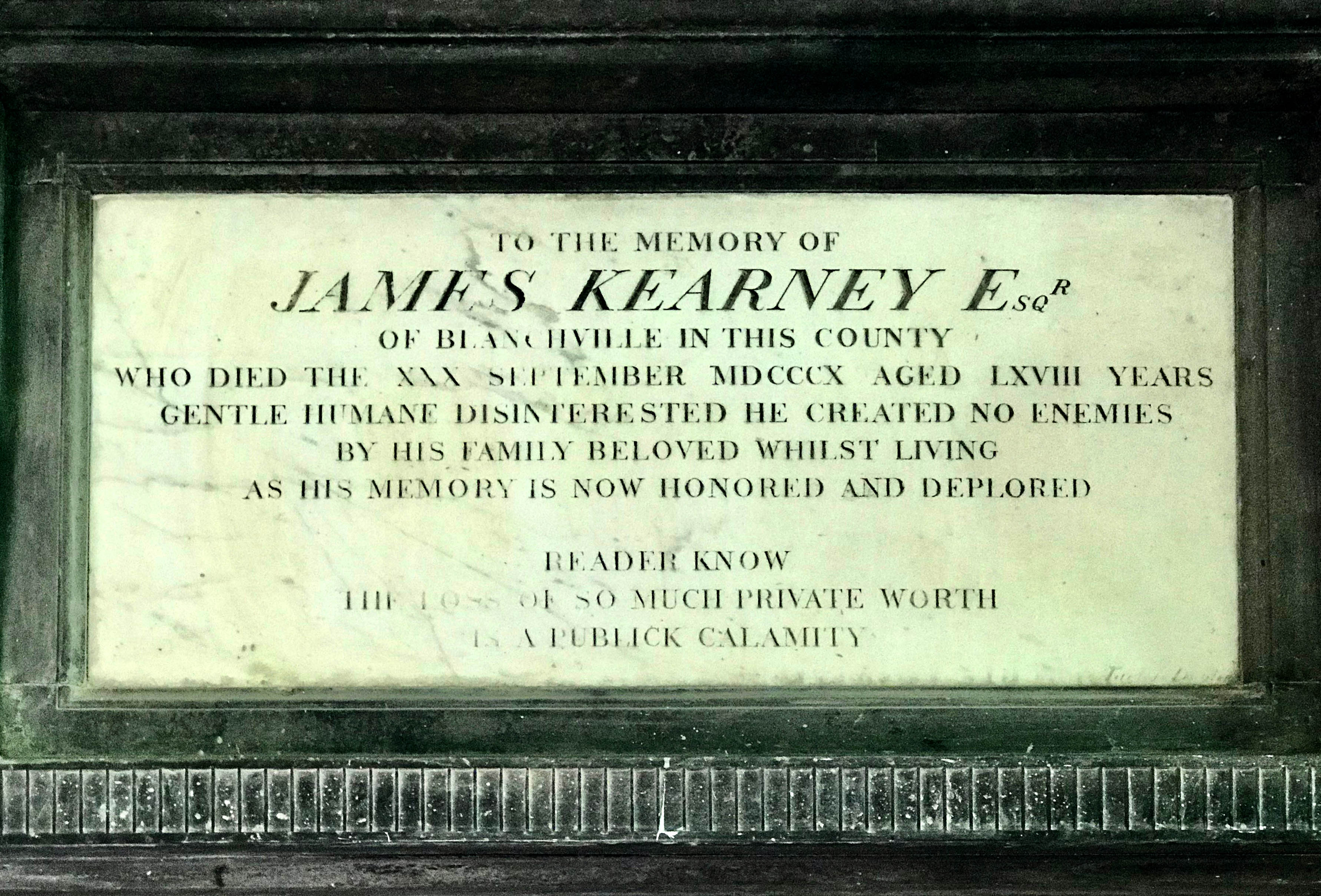
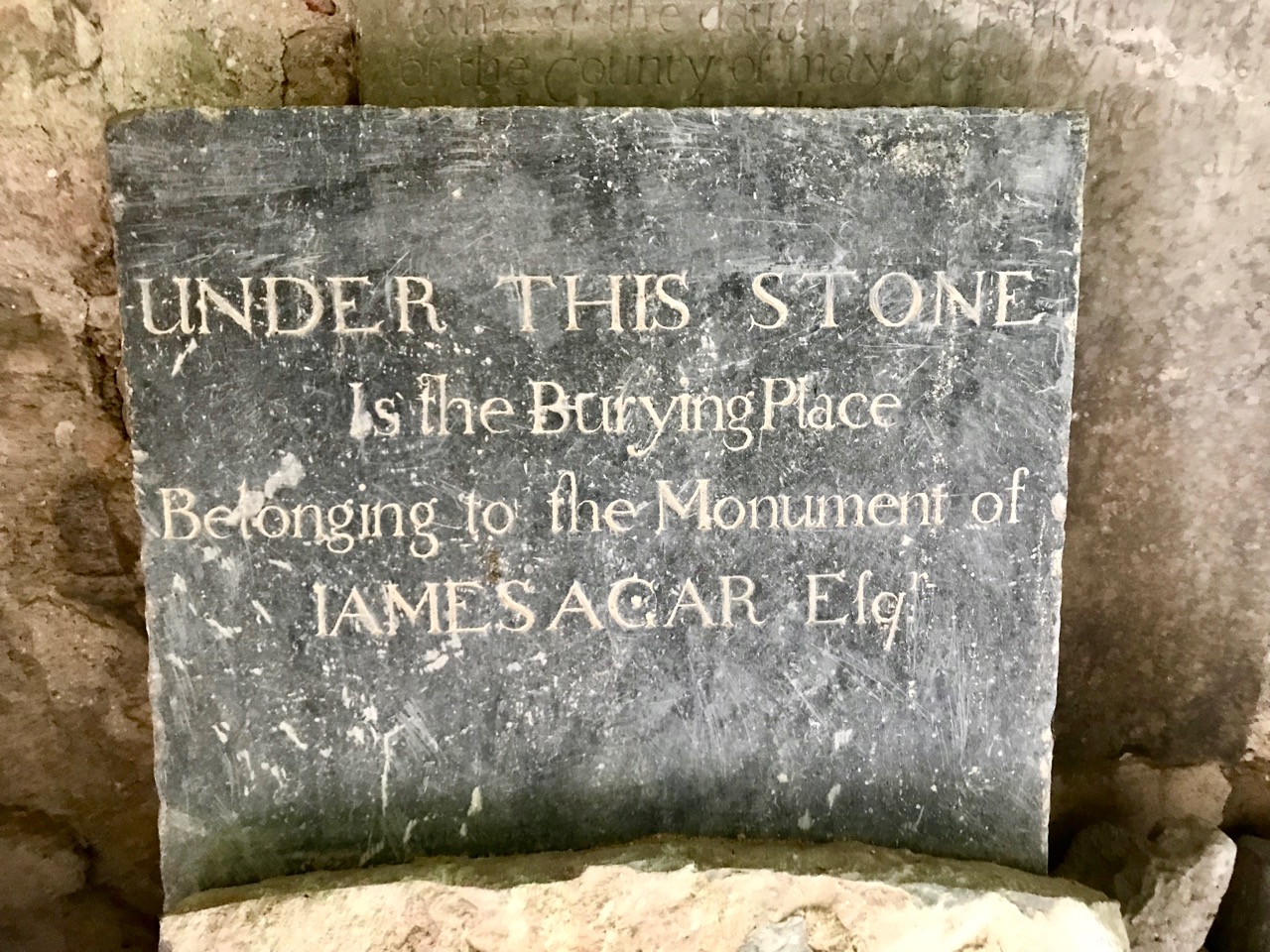
Here’s a particularly strange one, on a memorial in Gowran Church, that had me scratching my head…

I’m sure the erudite among you will not have been puzzled – I had to resort to the dictionary, where I found that the term ‘deplored’ has two meanings: the less usual one is ‘lamented’!

But – enough! The rest can just speak for themselves…

And – last, but not least – I couldn’t resist this one from a farm gateway out on the Sheep’s Head…