St Michael’s Dun Laoghaire

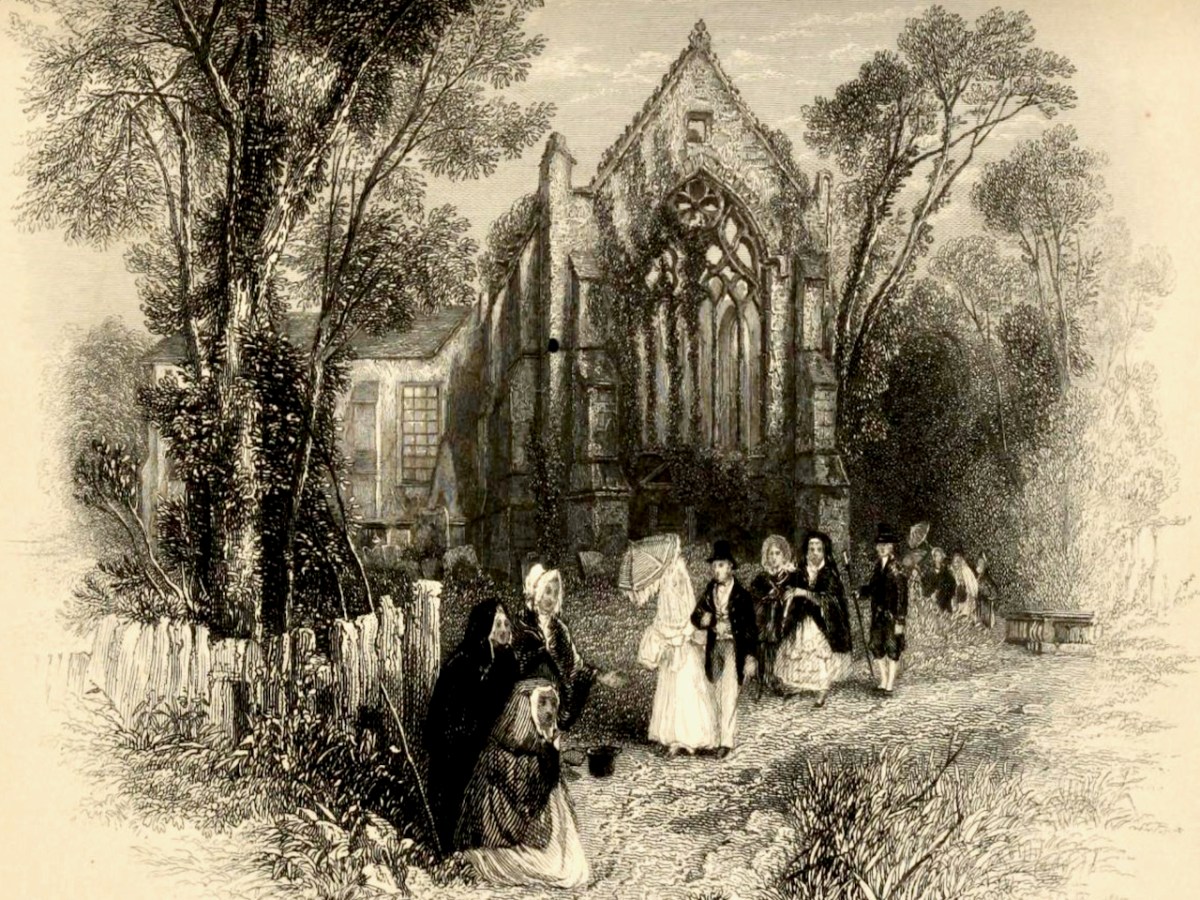
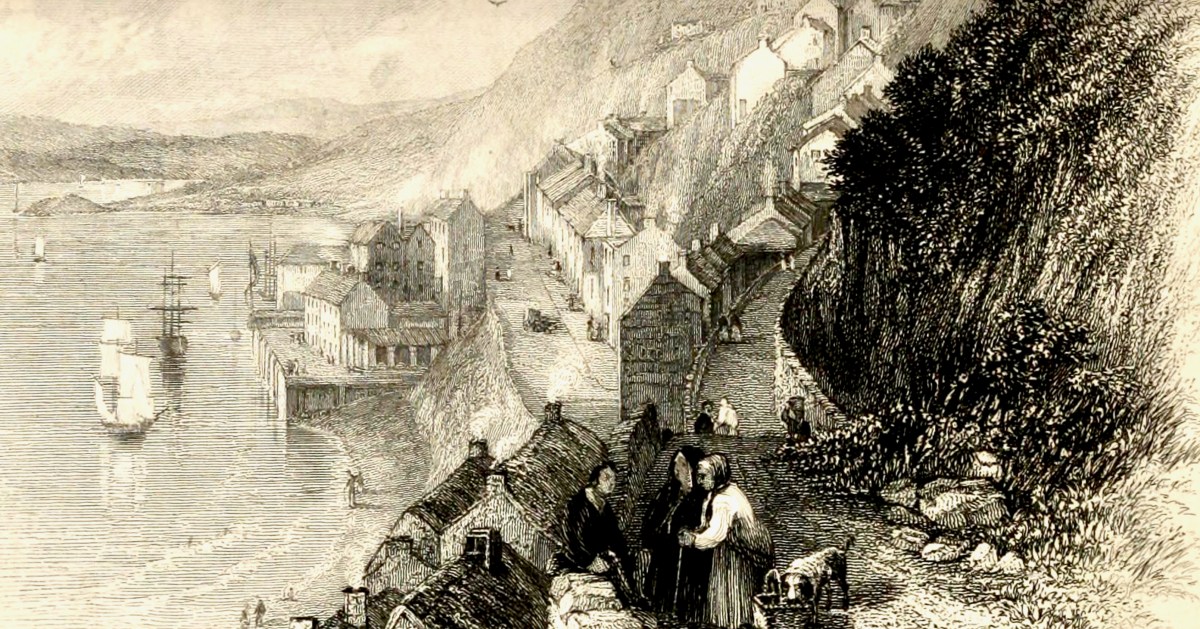
Irish artists of the mid-20th century had one patron who sustained them above all others – the Catholic Church. Actually, this was probably due to the discerning taste of modernist architects, who wanted the best for their new churches. Nevertheless, the art was commissioned and paid for by churches and their congregations, and the great advantage of this is that this artistic output is in public spaces for all of us still to enjoy. A superb example (there are many) is St Michael’s church in Dun Laoghaire. I remember when St Michael’s burned down, in 1965 – a huge shock to the people of Dun Laoghaire who lost a magnificent neo-Gothic example of the work of J J McCarthy. Take a look at what it looked like.

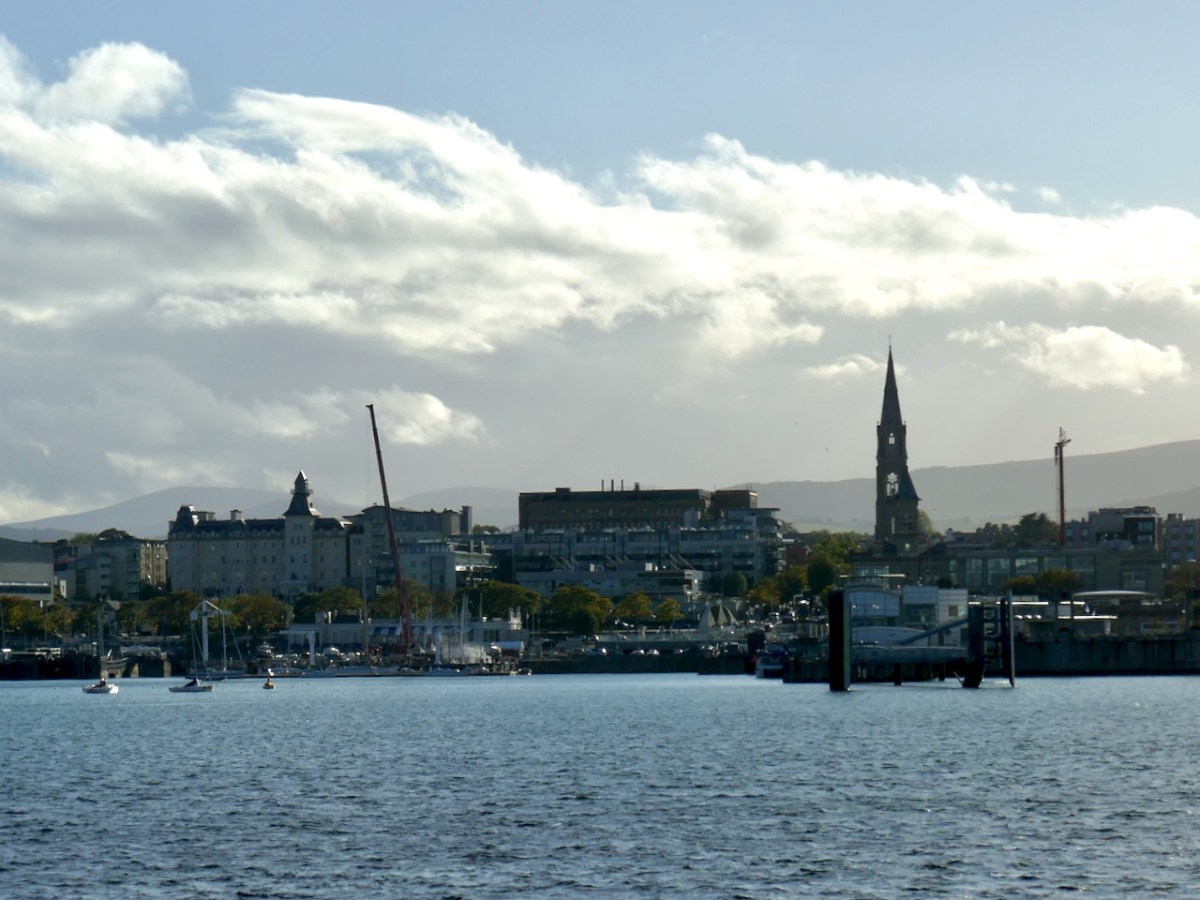
The architect Pierce McKenna was immediately commissioned to build a temporary church – I can find no illustration of this church, but in Irish Church Architecture, Peter Hurley describes it as very advanced for its time…a single story structure 84 feet square with a centre  raised clerestory lantern…and the sanctuary completely surrounded by the congregation. All that was possible to save from the old church was the tower and spire, which still dominates the skyline of Dun Laoghaire (above).

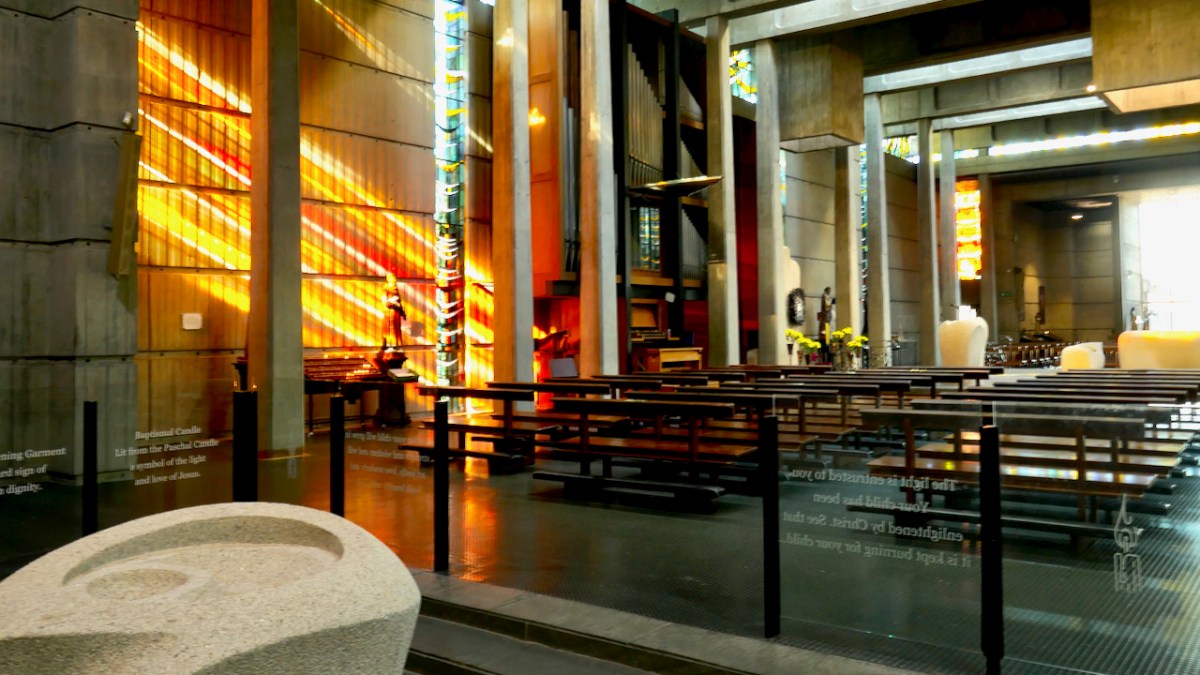
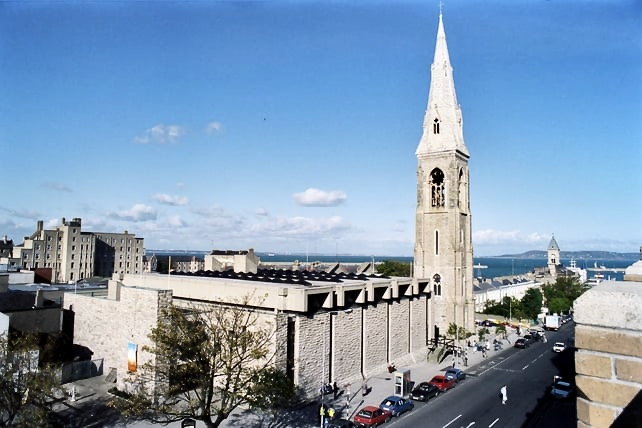
By 1973 this had been replaced by the new church, designed by McKenna, with Sean Rothery and Naois O’Dowd. Responding to changes in the liturgy dictated by Vatican II, the sanctuary of the new church was also in the centre of the church, surrounded by the congregation. The design was strikingly modern for its day – Hurley calls it a strong uncompromising statement. The image above is courtesy of RTE.

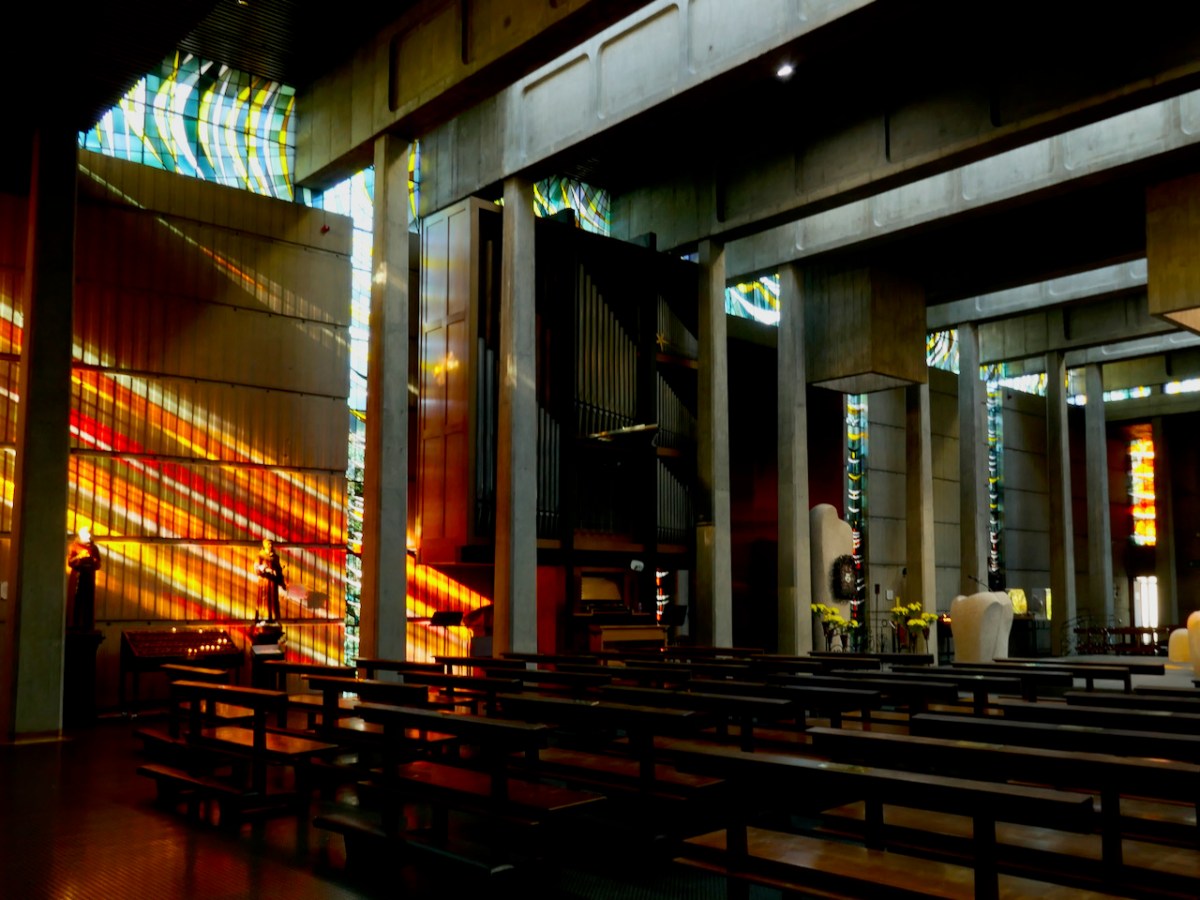
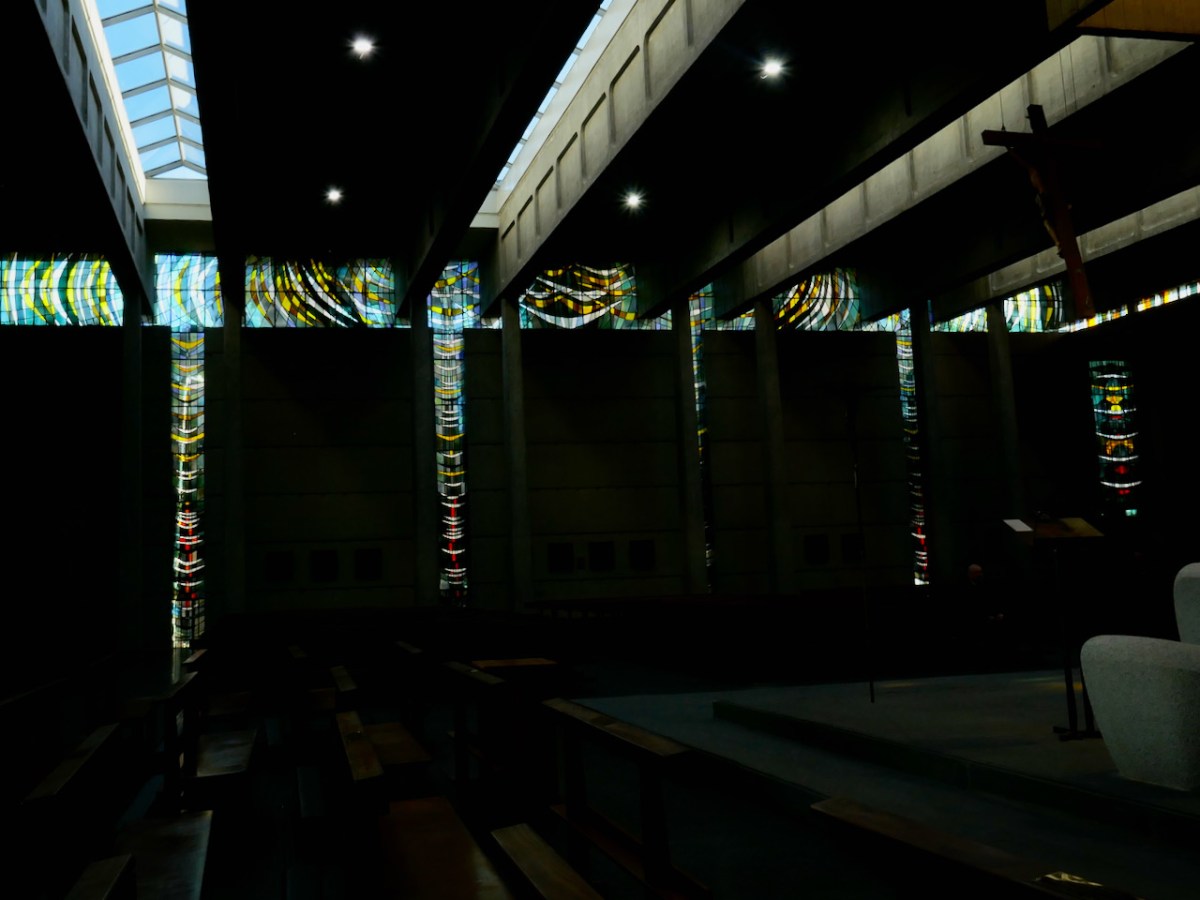
Constructed entirely of concrete, the interior is lit by tall slender windows and a glazed clerestory that separates the walls from the ceiling, as well as by long triangular roof lights. Earlier this year I visited Coventry Cathedral (also dedicated to St Michael), and I was immediately struck by similarities.

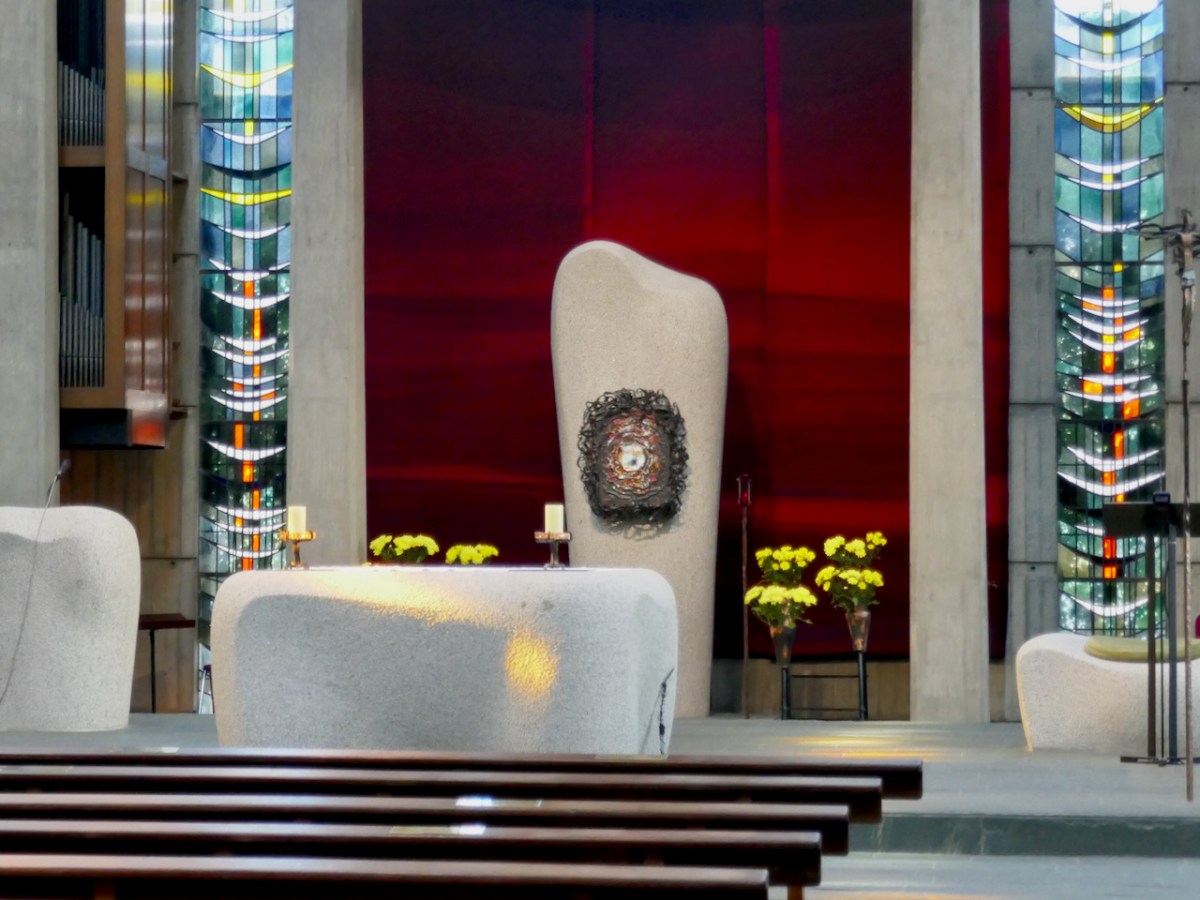
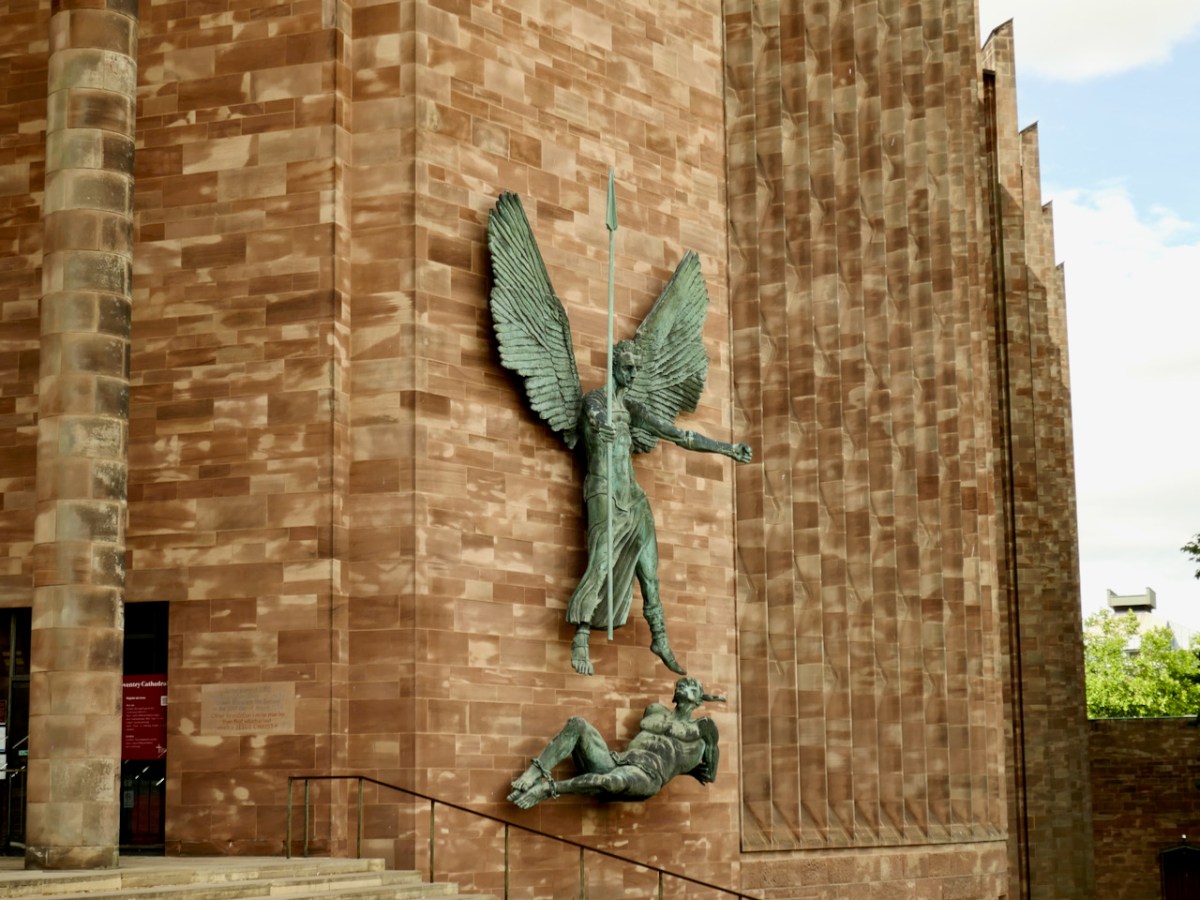
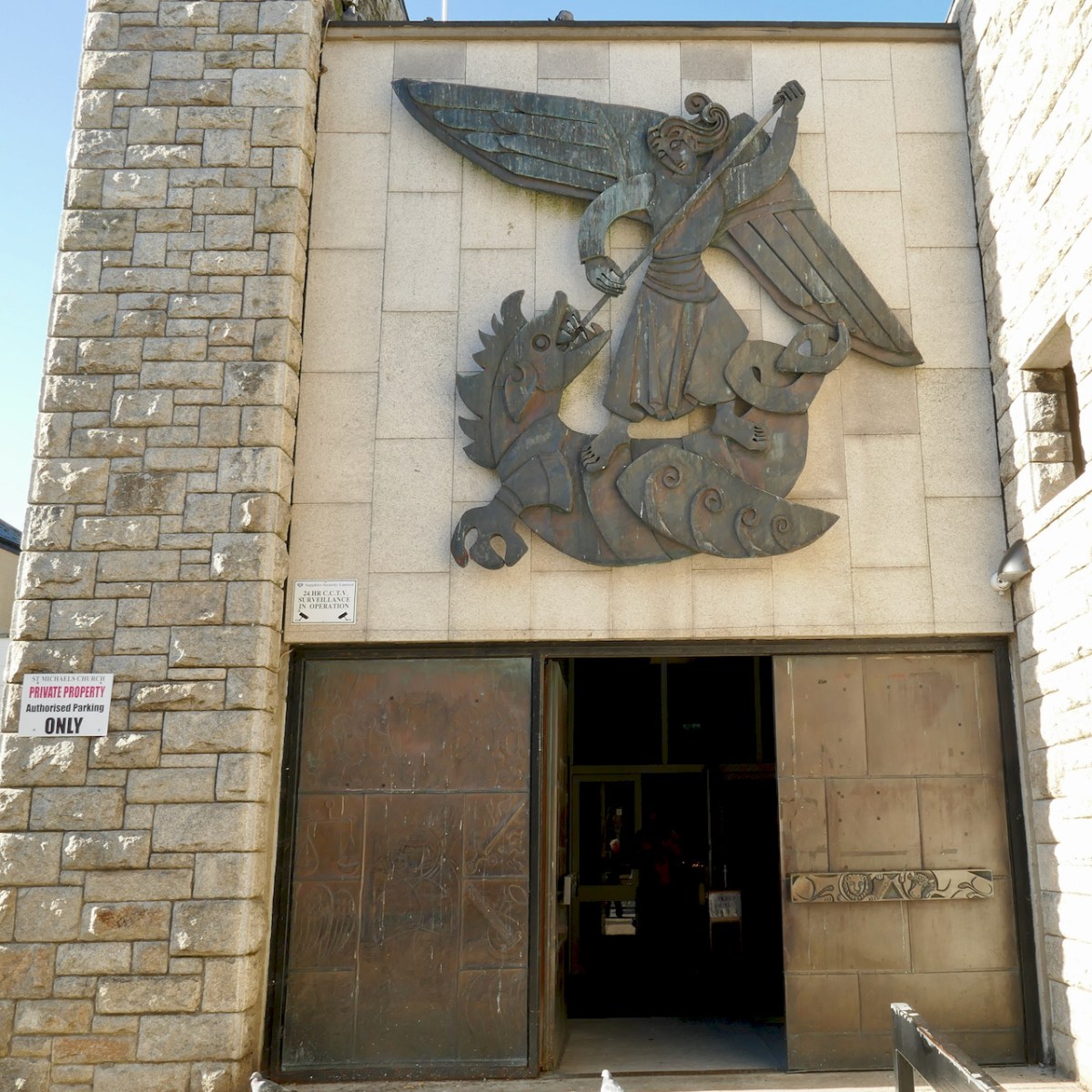
Like Coventry, the stained glass is in soaring, floor-to-ceiling windows between slender columns; there is a large tapestry behind the altar (above, in this case non-figurative); and a bronze casting of St Michael defeating the dragon is mounted outside, above the man entrance. Immediately below is the Coventry St Michael, and below that, the DunLaoghaire version.

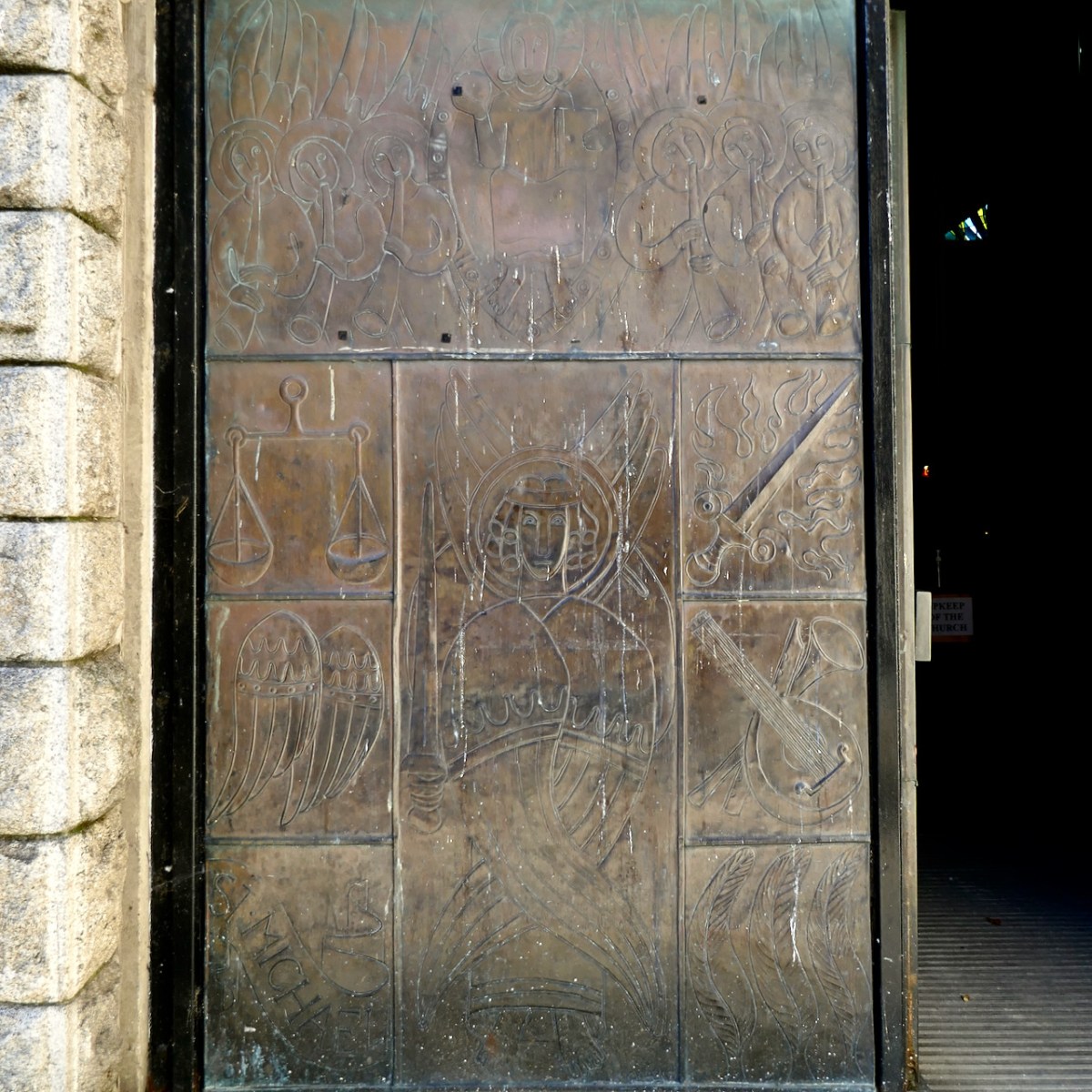
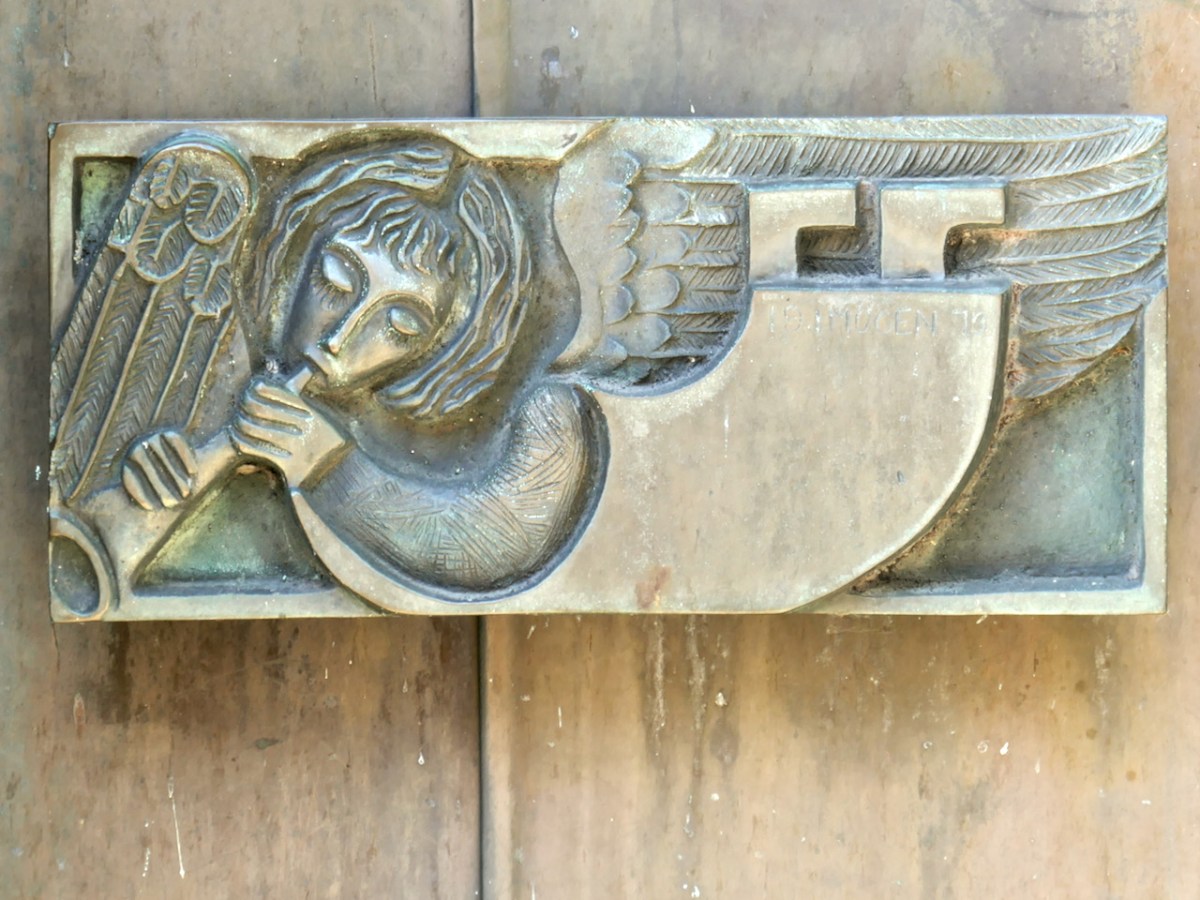
The sculpture, doors and handles are the work of Imogen Stuart. They combine a completely modern aesthetic with images influenced by the Book of Kells. 

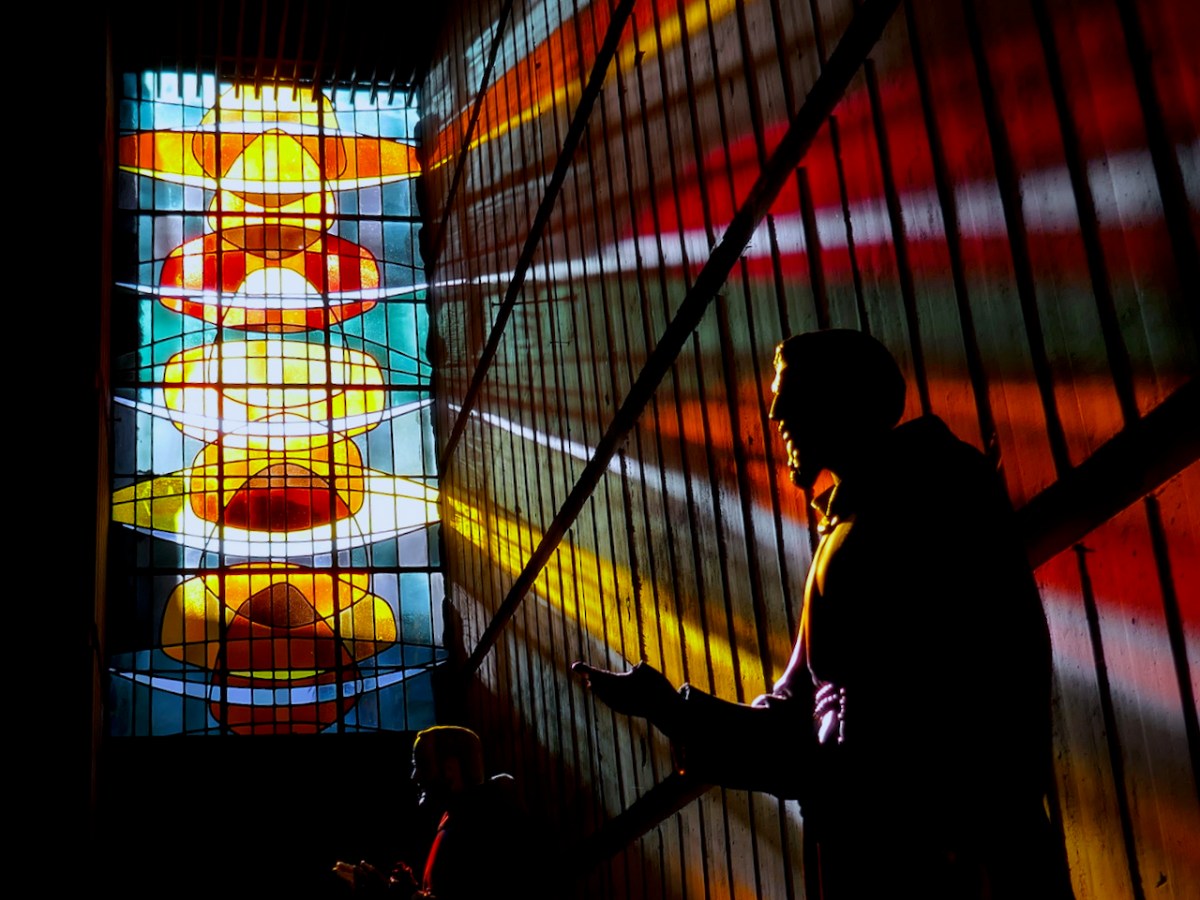
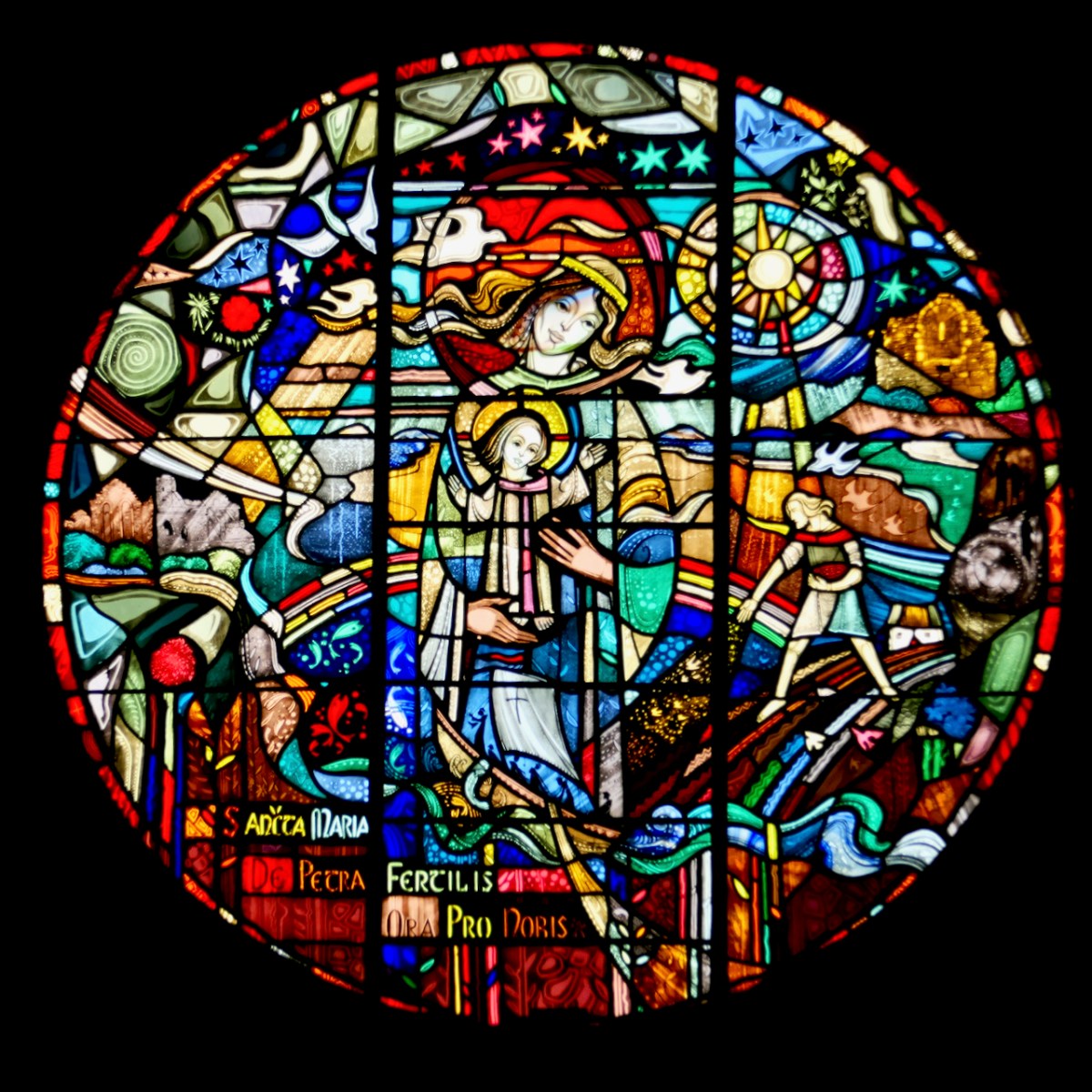
Inside, all the large glass is by the Murphy Devitt Studios. For more on this group, see my posts Murphy Devitt in Cork (links to Parts 2 and 3 are at the end of the post). As I said then about Johnny Murphy, Rosin Dowd Murphy and Des Devitt, Together they set about doing something entirely new and different in stained glass in Ireland, bringing with them their art training, their modern aesthetic sensibilities, and their deep knowledge of and commitment to their craft.

You can see all this in St Michael’s – their ability to design and execute on a grand scale, their use of symbolic colour and shape to lead the eye upwards, their contrasting of warm and cool colours to vary the light in the church. 

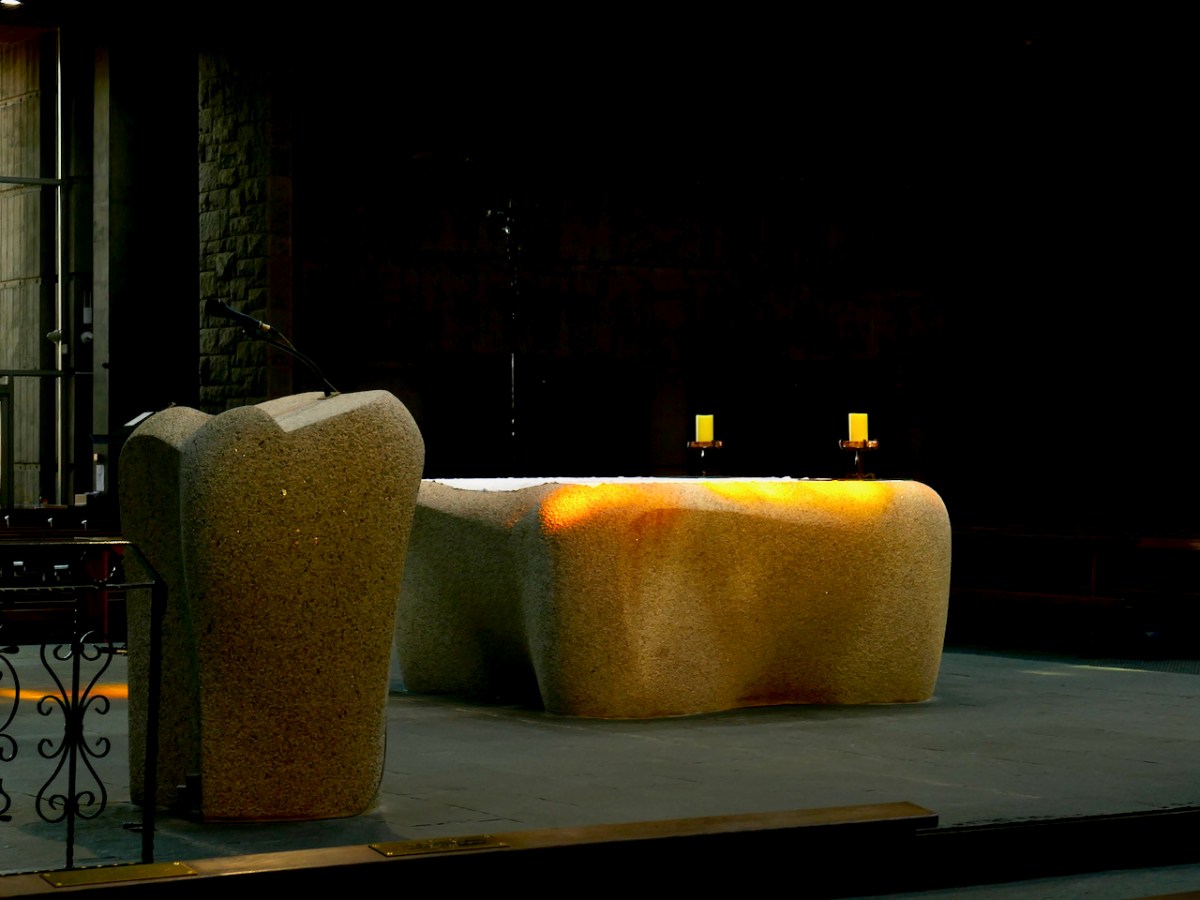
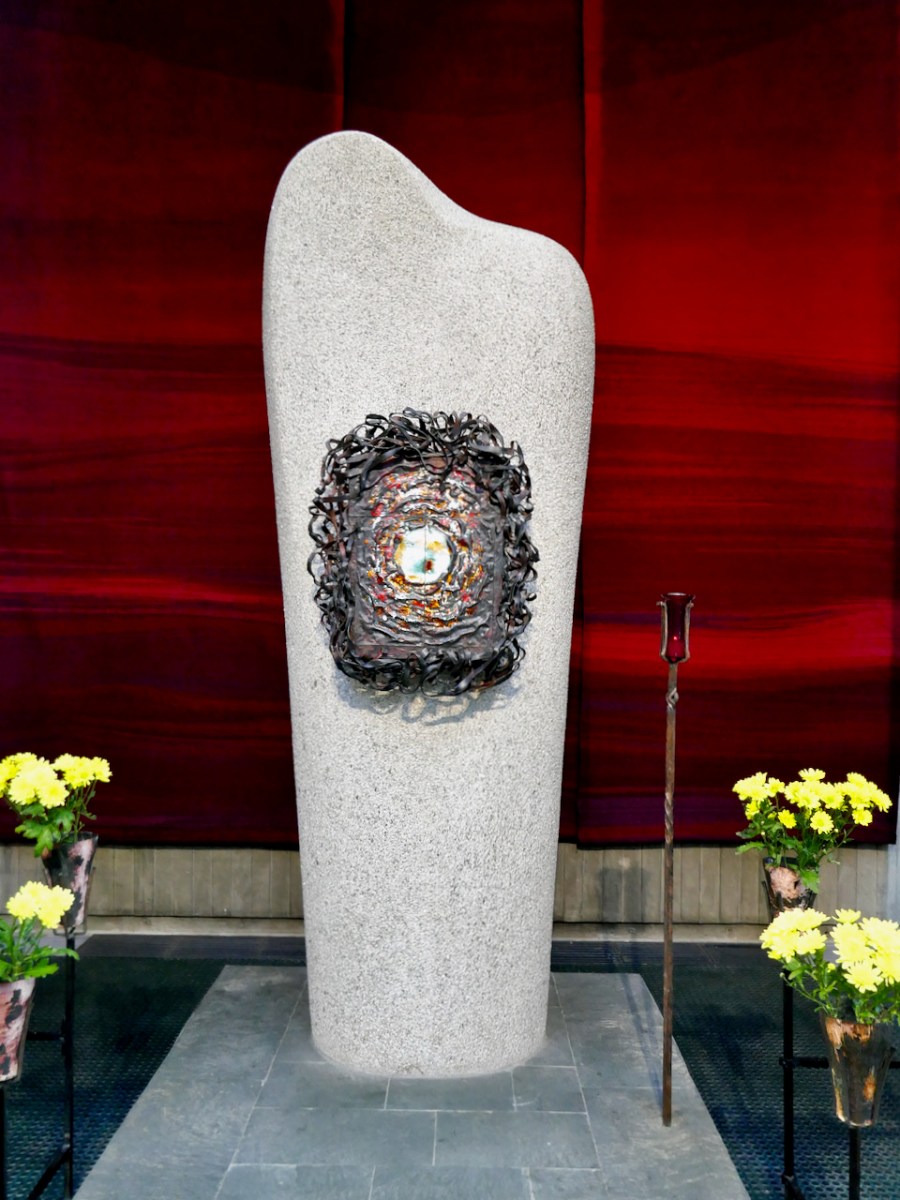
Michael Biggs was the leading stone sculptor of the time and the church furnishings are a testament to his skills and vision. Sinuous (Hurley uses the word sensuous) and monumental granite blocks are shaped as a baptismal font, altar, lectern and tabernacle column.

The extraordinary tabernacle is (I think) bronze and enamel and is the work of Richard Enda King, who also made the crucifix.

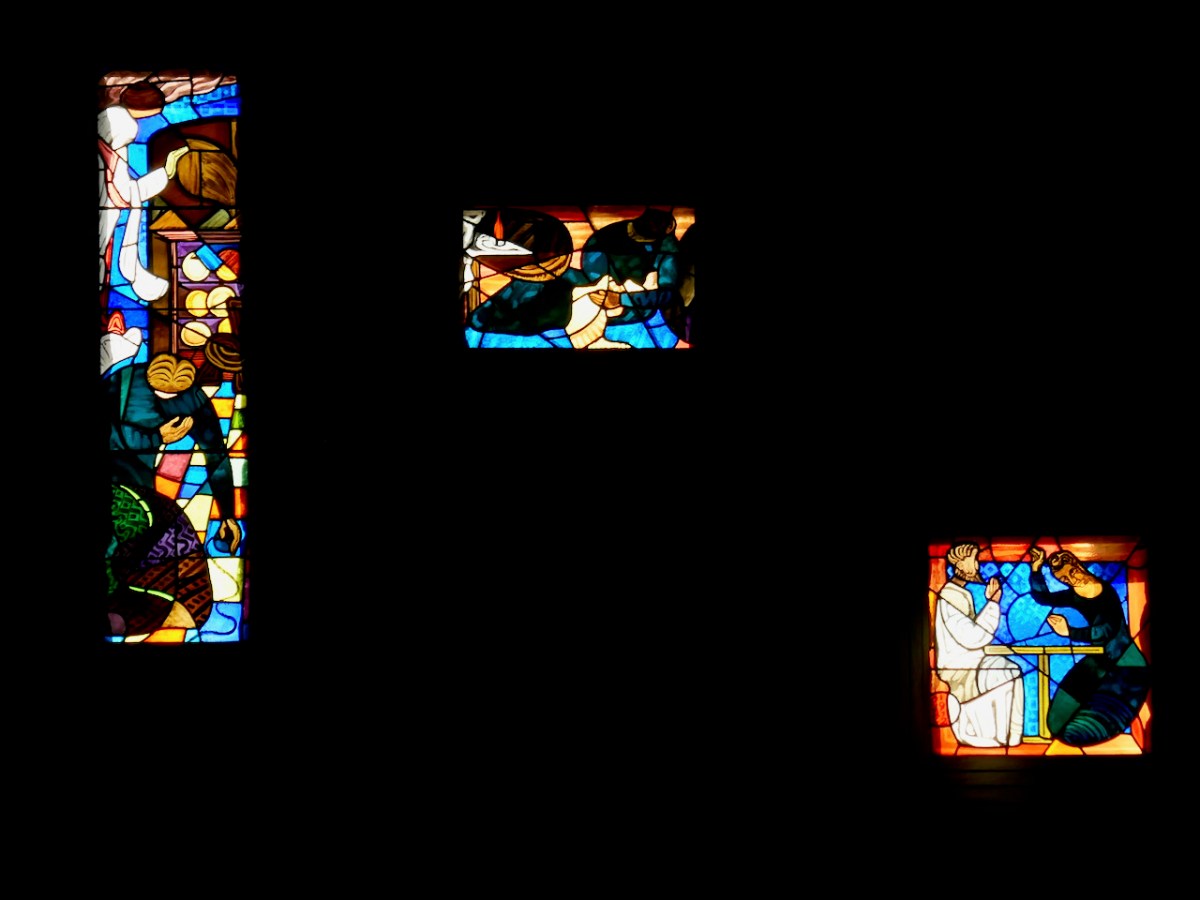
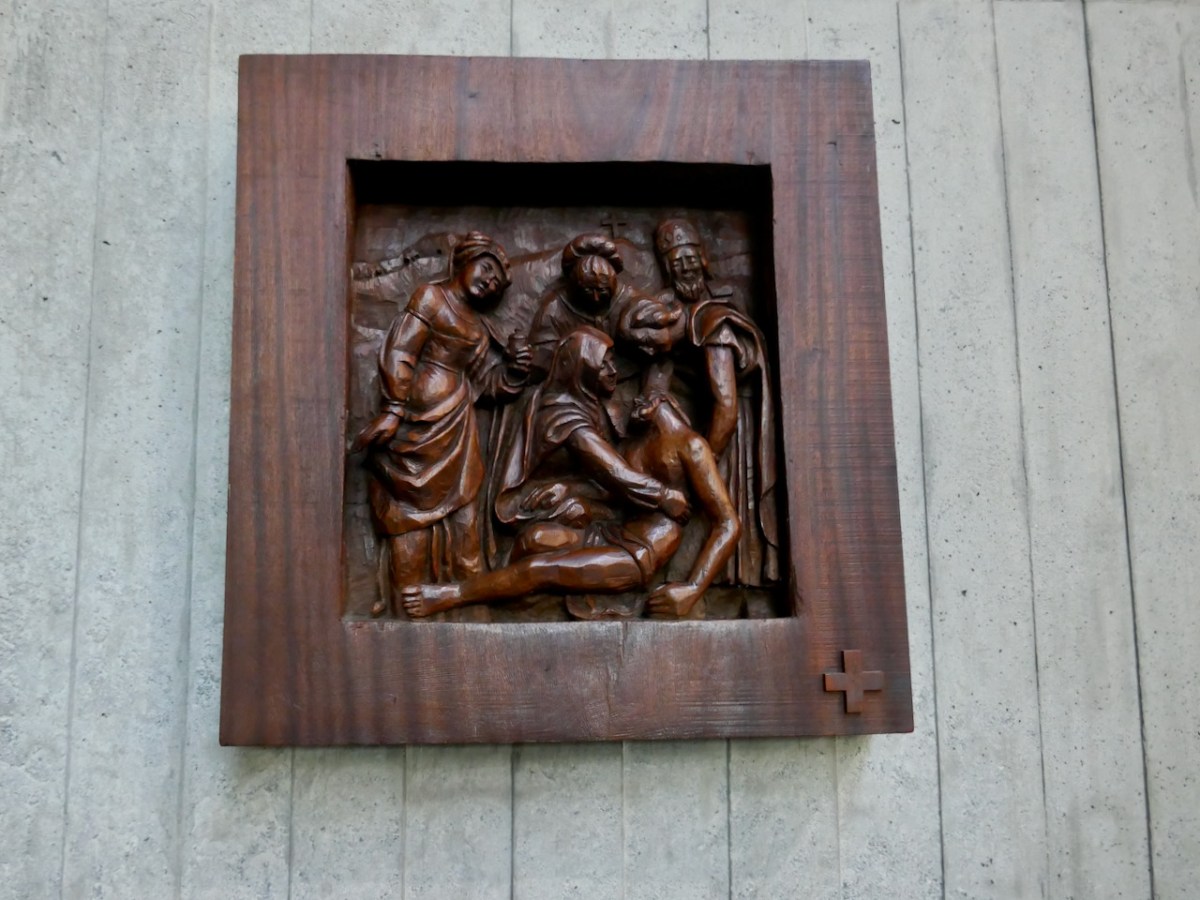
Patrick Pye has contributed several stained glass windows, while Yvonne Jammet carved the wooden stations.

This church is a triumph of modernist Irish architecture: austere but filled with light, reverential yet a feast for the senses, liturgically correct yet daringly innovative. It’s also an accessible gallery of important Irish art. Go visit if you can.

Ten Years!

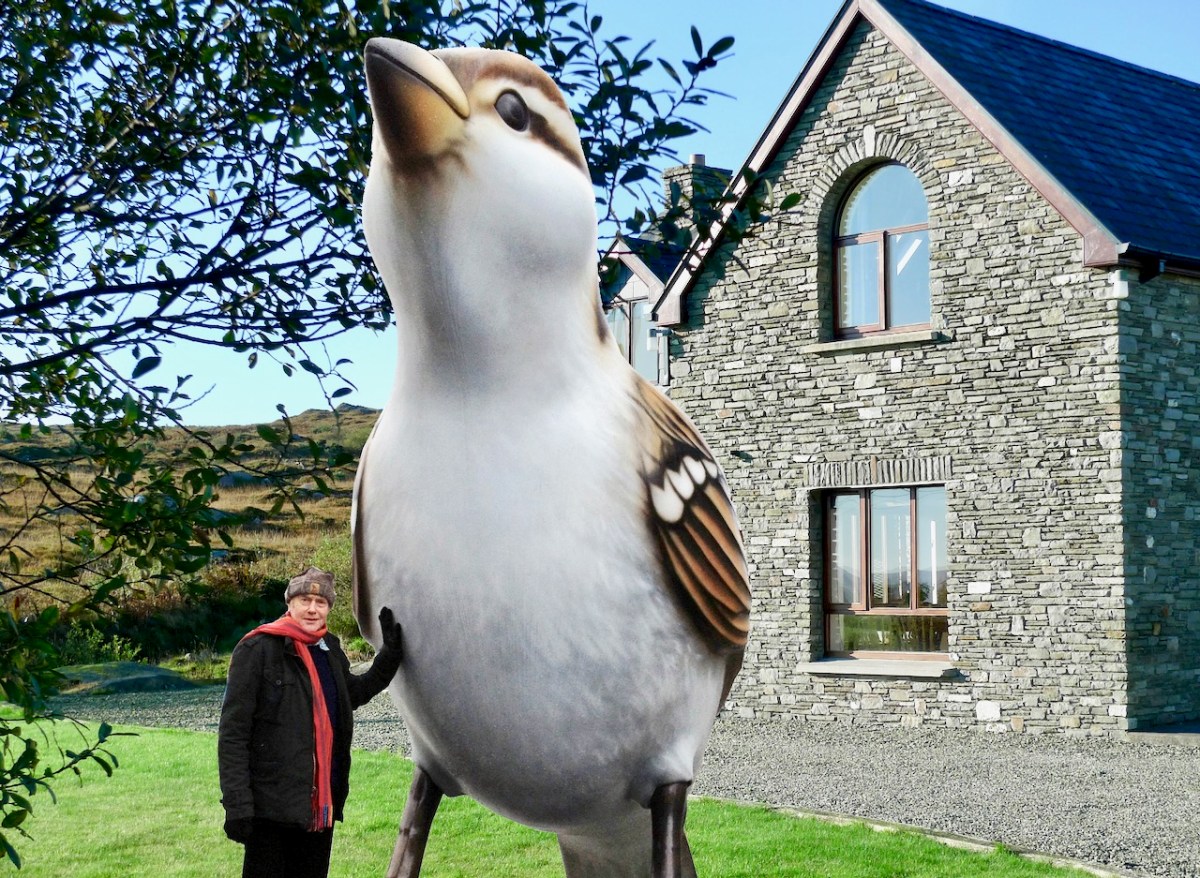
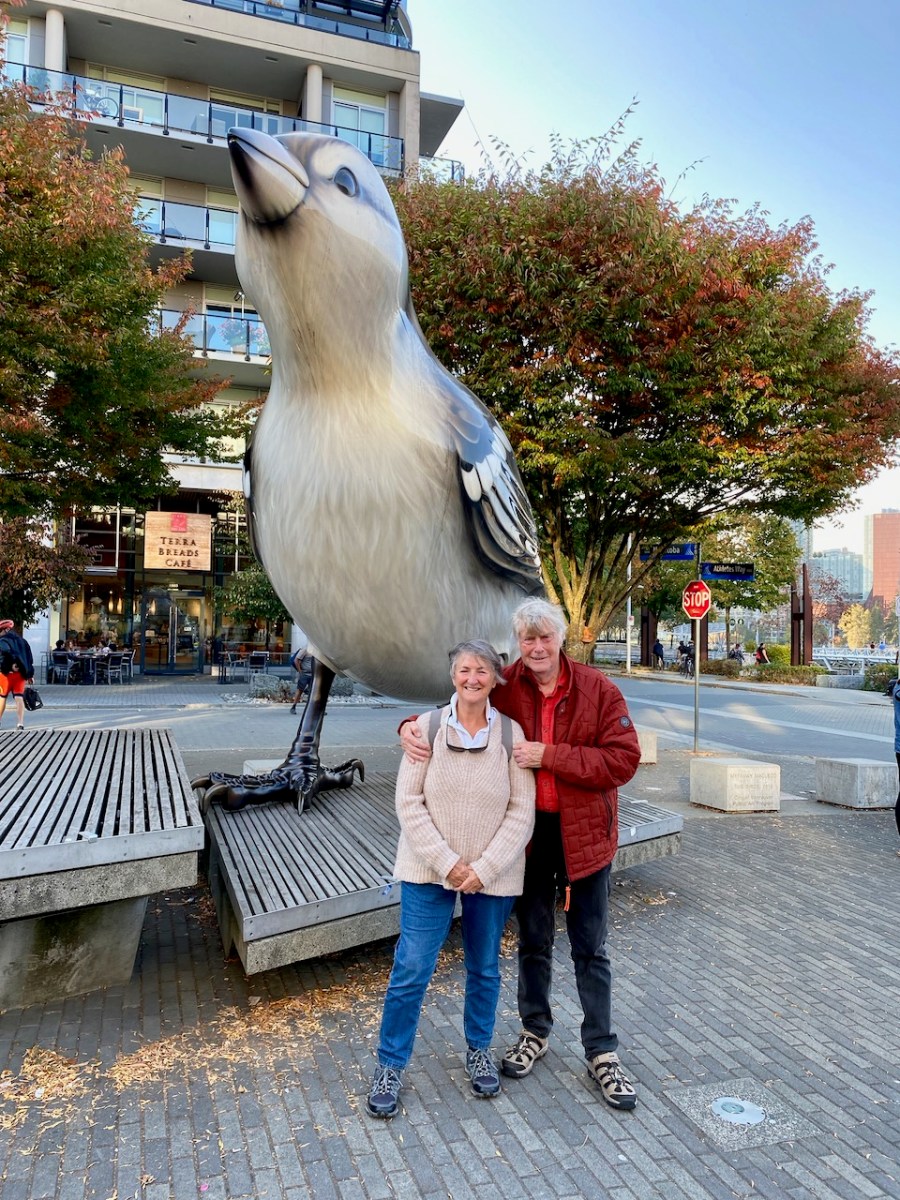
Why have we chosen this photograph to head up our ten year anniversary blogpost? That’s simple: the pic was taken on 15 October 2012. We had moved into Ard Glas – just outside Ballydehob – for a six-month rental to see how we liked West Cork!

But – what about the giant sparrow?

Wait a minute. We very obviously ended up liking West Cork so much that we bought a house in Cappaghglass (the townland next door to Ard Glas), and have stayed there ever since. As you can see, we have been thoroughly enjoying ourselves over the last decade:

Yes, but, that very large sparrow…?

Be patient! Believe it or not, we have kept the blog posts going, with hardly any interruption, ever since. This is Roaringwater Journal post number 968. In the last decade, our Journal has been viewed over 1.5 million times and we have acquired over 5,700 followers between our various platforms.

Our posts are all still there in the archives – and you can still read them. Search by using the three-bar icon on the home page and select All Pages-Navigation, or one of the other menus. Alternately, press the cog button under the Roaringwater Journal title at the top of the page, then scroll down to Archives. Roll down through all the months. Or enter a search term into the magnifying glass symbol next to the cog. That will show whether we have mentioned your chosen subject in any of our blogs. We warn you that some posts (especially the very early ones) haven’t survived the test of time perfectly: but we leave them in there because it’s all a bit of history.

Sparrow?

Hang on! Of course, things change a bit as the years go by (although we don’t*). We have varied the layout of the blog, and the header etc. We had thought of refreshing it all again to celebrate this milestone but… ah, well – perhaps for the twentieth anniversary.

Sp……..?

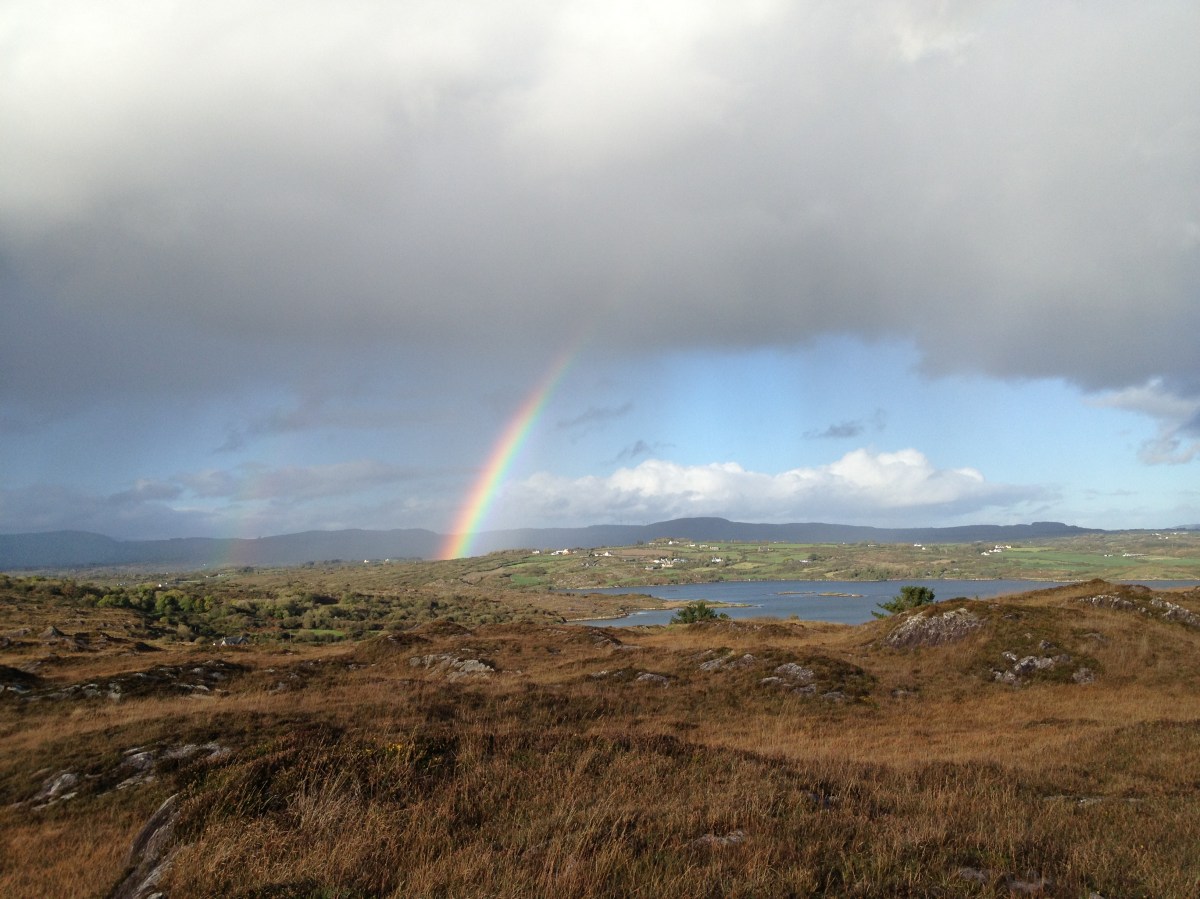
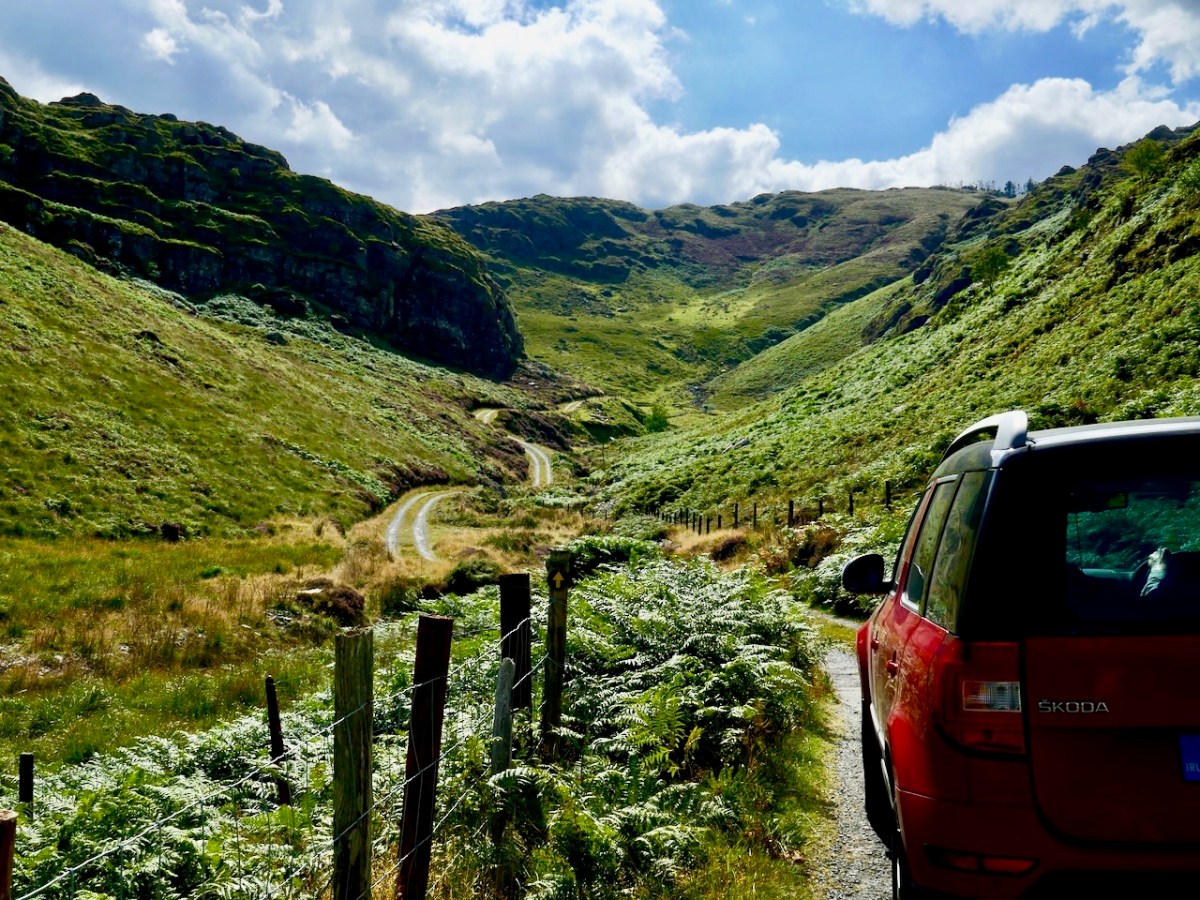
Another pic from 2012 (above) showing mixed weather conditions over Roaringwater Bay. It hasn’t always been sunshine here (have a look at this) but it always feels sunny to us – or just about to be sunny. One of our newest posts -here – shows us doing what we like the most, and always have: exploring remote and often forgotten West Cork byways.

Our regular readers will know that, over ten years, we have developed our interests to take in history, archaeology, rock art, stained glass, architecture, topography, folklore, wildflowers, art and culture, landscape and language… and very much more. We share our adventures often with Amanda and Peter Clarke, our fellow bloggers and friends – see Holy Wells of Cork and Kerry and Hikelines.

What of the next ten years? Well, we are trying to be innovative. This week we have introduced a ‘guest post’ for the first time: this one, by our friend Brian O’Riordan, explores the exploits of an intrepid 79-year old woman who sailed solo across the Atlantic to Ireland in 1994 , which falls right into our own interests, and – hopefully – yours too.

S…………..?

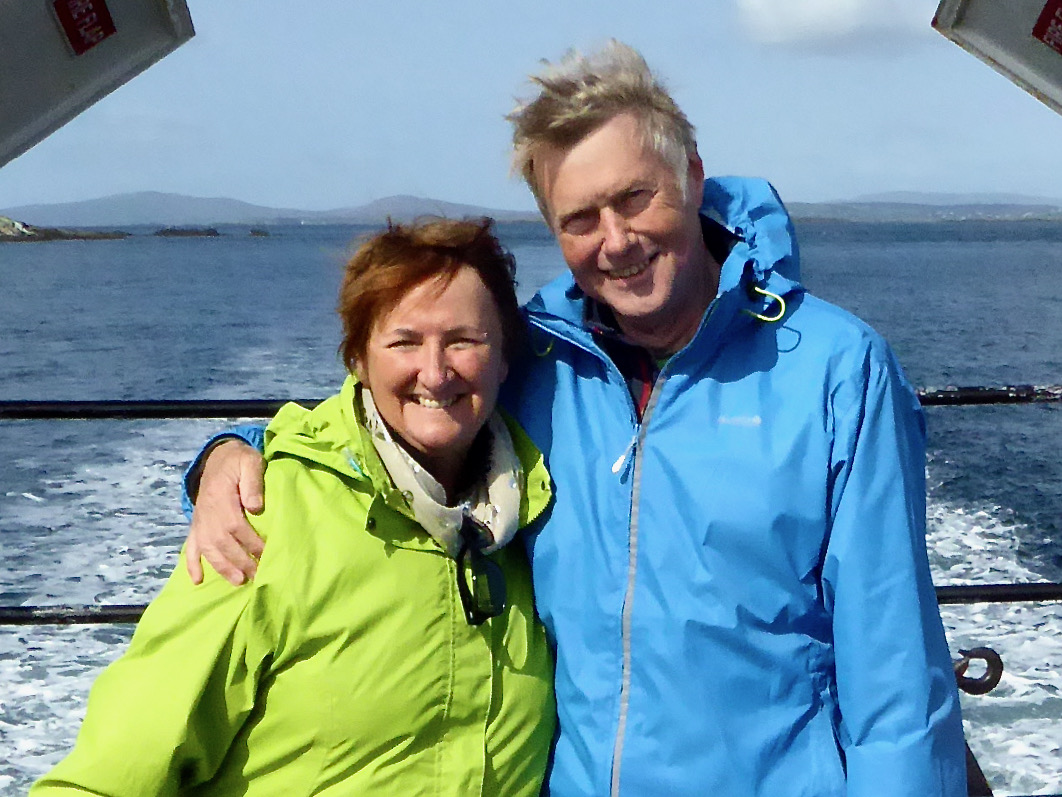
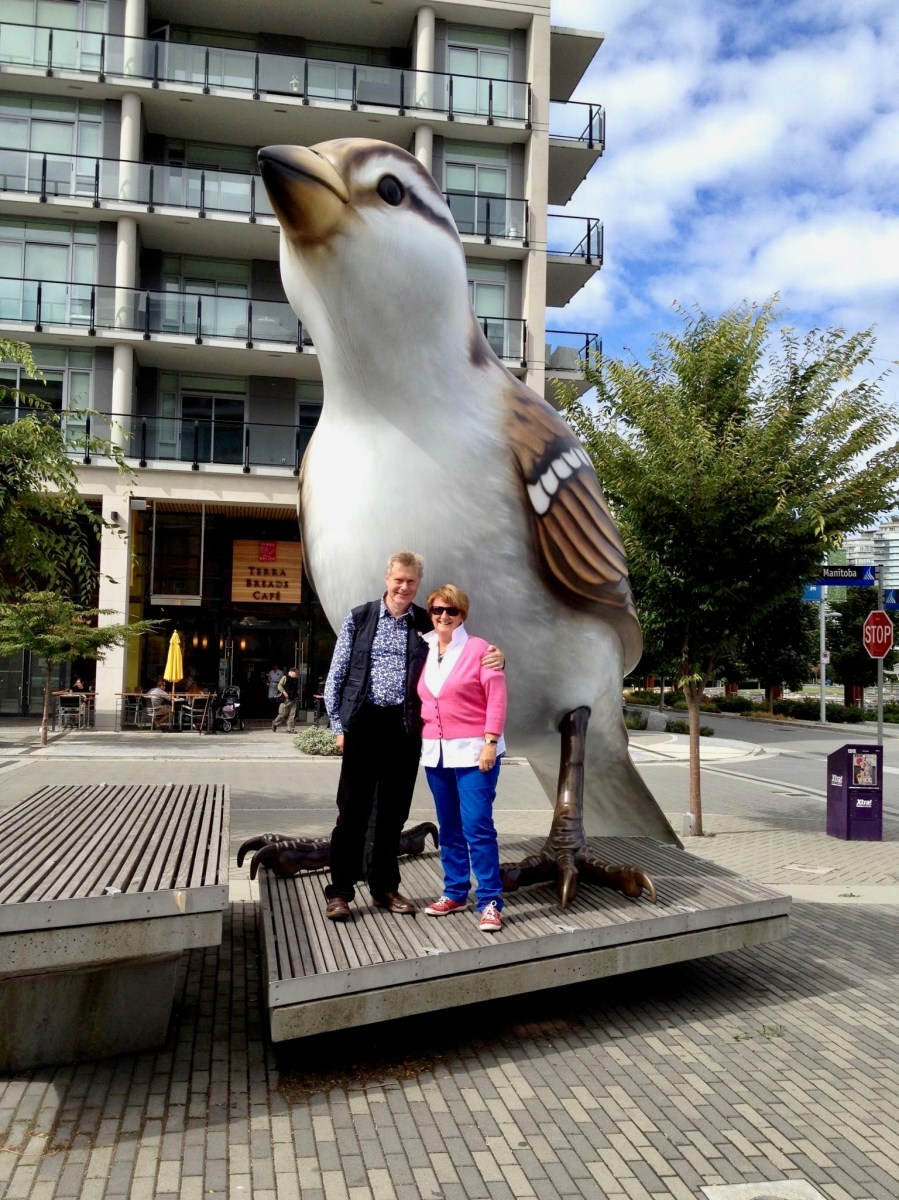
Ok – we have got the message! About the sparrow, that is. The original giant sparrow is one of two (a male and a female) which were created for the Olympic Park in Vancouver, Canada, in 2010 by the sculptor Myfanwy MacLeod. One was transported by our own photo magic to Ard Glas! Perhaps they are not relevant to West Cork, but they are meaningful to Finola and Robert, as we saw them together in Canada ten years ago – pic below. We have just recently returned from a visit to Canada, enjoying a long-awaited catch-up with Finola’s family there. We made sure to record our presence there with another photo-op (below the below).

* Hopefully this demonstrates how youthful we remain, imbibing as we do the stimulating West Cork air. Here’s to the next ten….!

Sun’s Out! A Further Look at The Beara

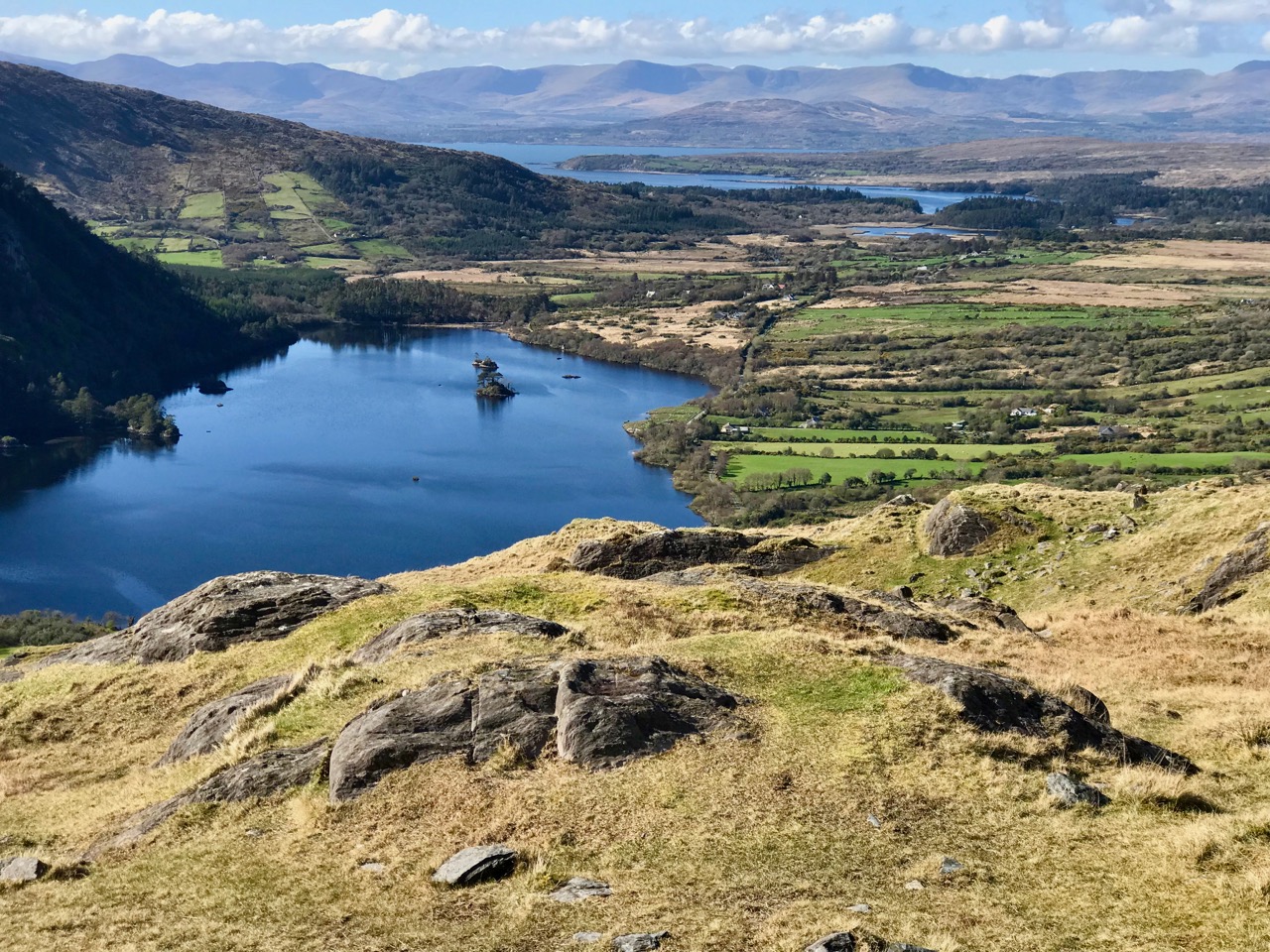
A few years ago, on one April day after a bleak, harsh winter that had gales, hurricanes, blizzards and unceasing bitter east winds thrown at us – the sun came out! We were out too, and headed up to the Beara Peninsula to see if we could remember what sun-soaked landscapes felt like… They felt great!

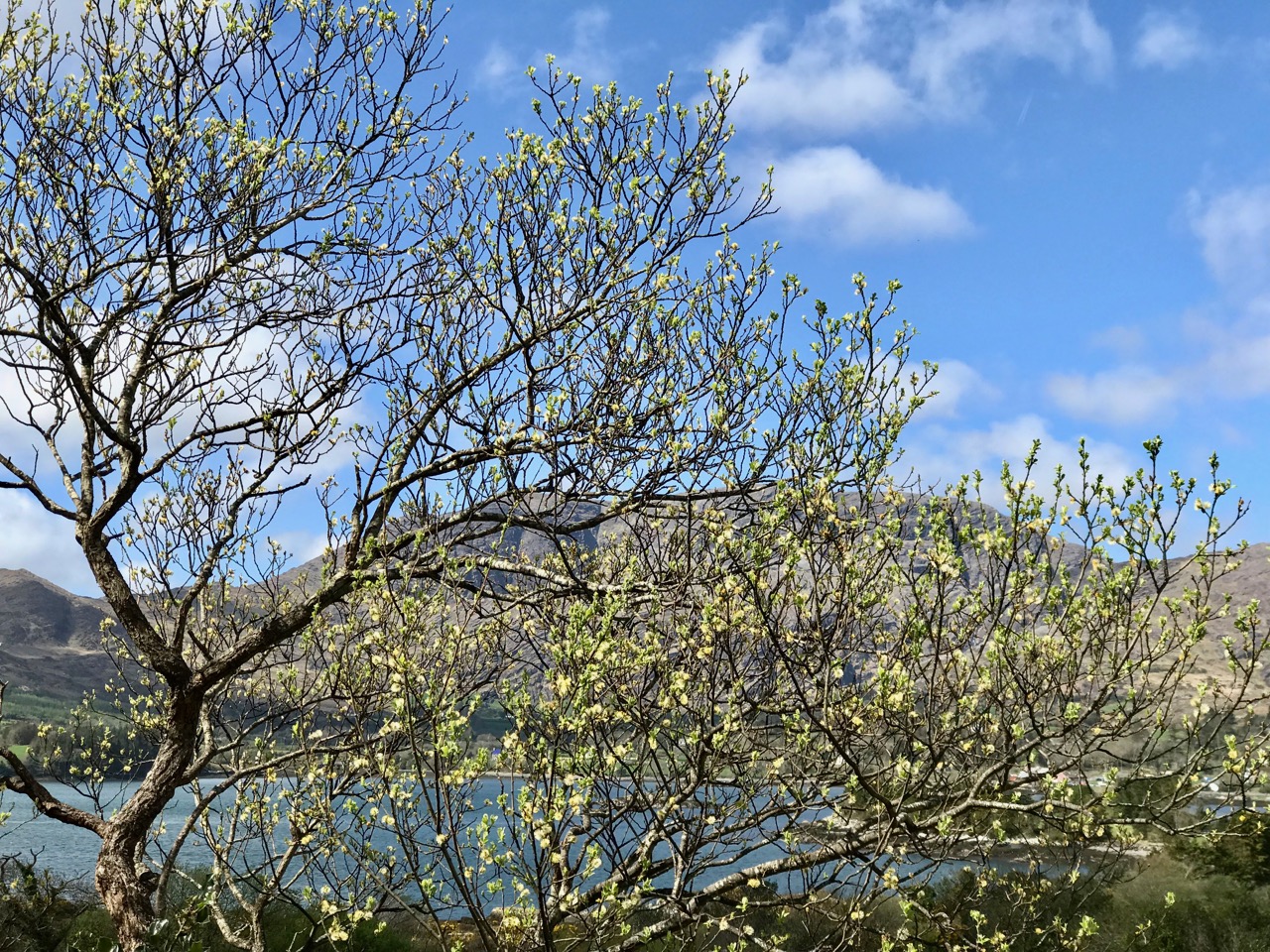
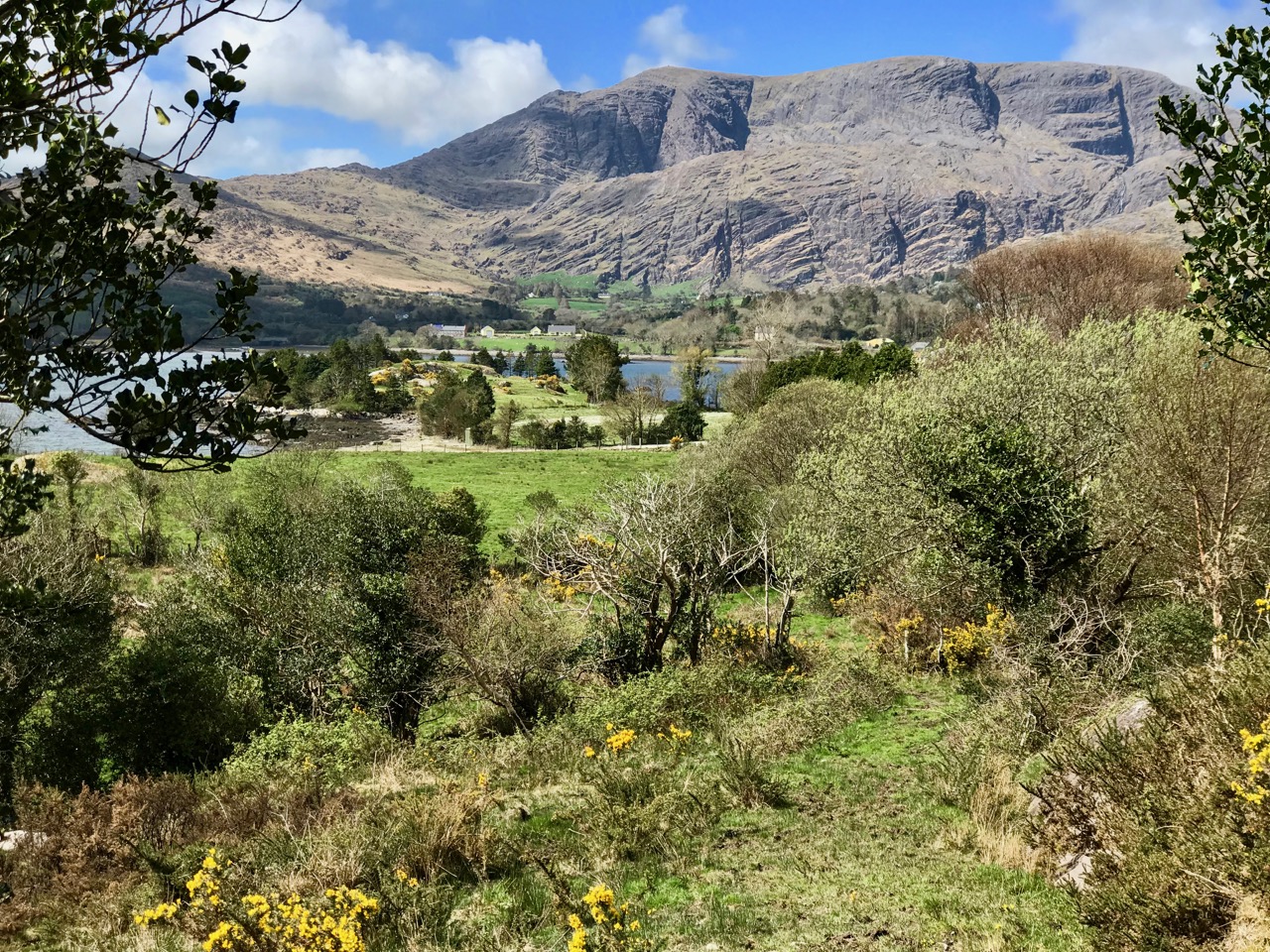
Header – the glories of Cork and Kerry combine on the spectacular Beara; top photograph – finally, after a long,harsh winter, we see the spring blossoms appearing; middle – a wayside shrine on the road out from Glengariff; bottom – Hungry Hill dominates the views as we head west on the peninsula

You will remember our previous visits to the Beara: there are not enough superlatives for what it has to offer in the way of stunning scenery and colour. None of these photographs have been enhanced – what you see is exactly what we saw on the day – and it’s what you will see, too, if you choose aright (although even on dull days we always find plenty to interest us).

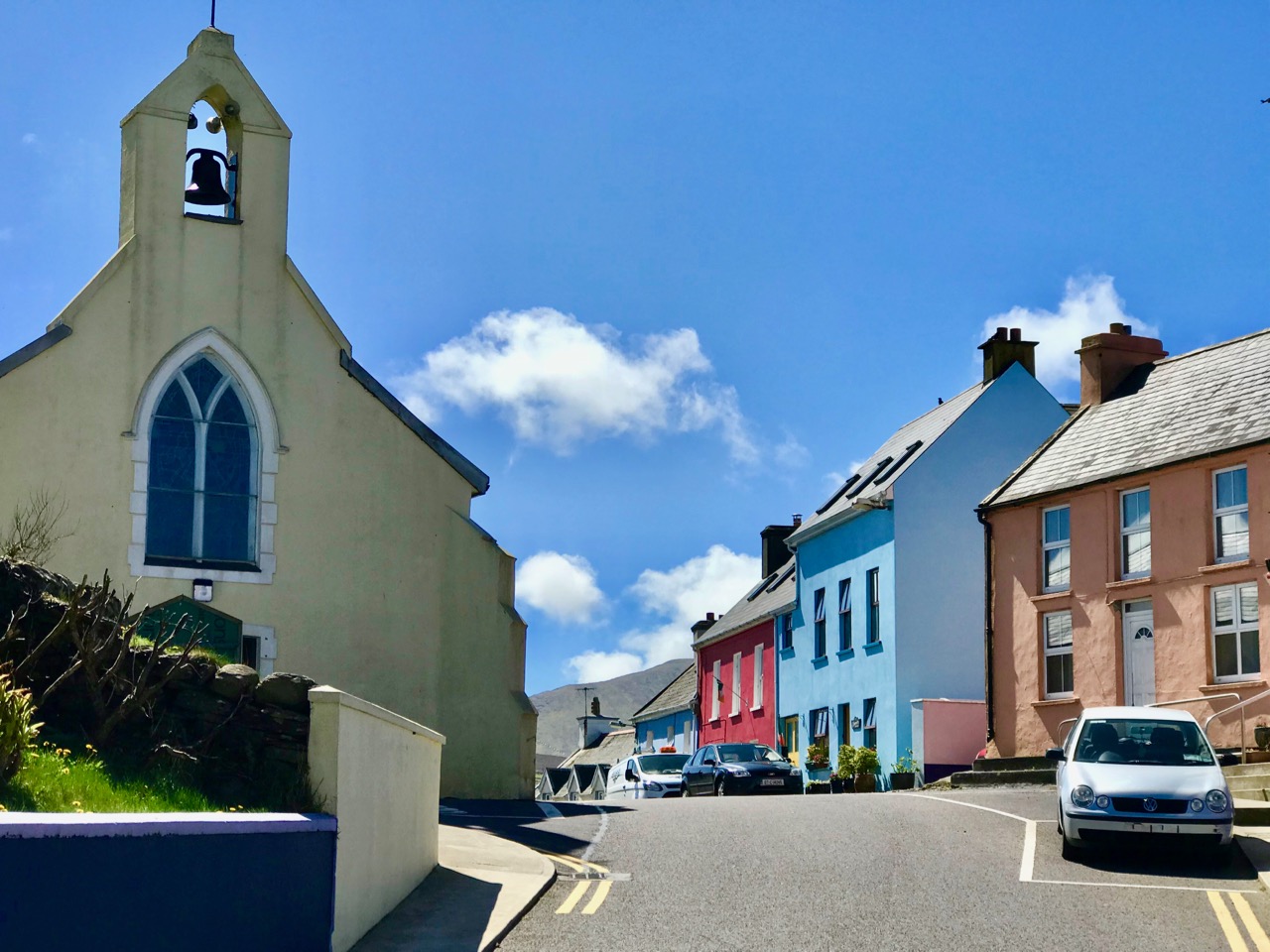
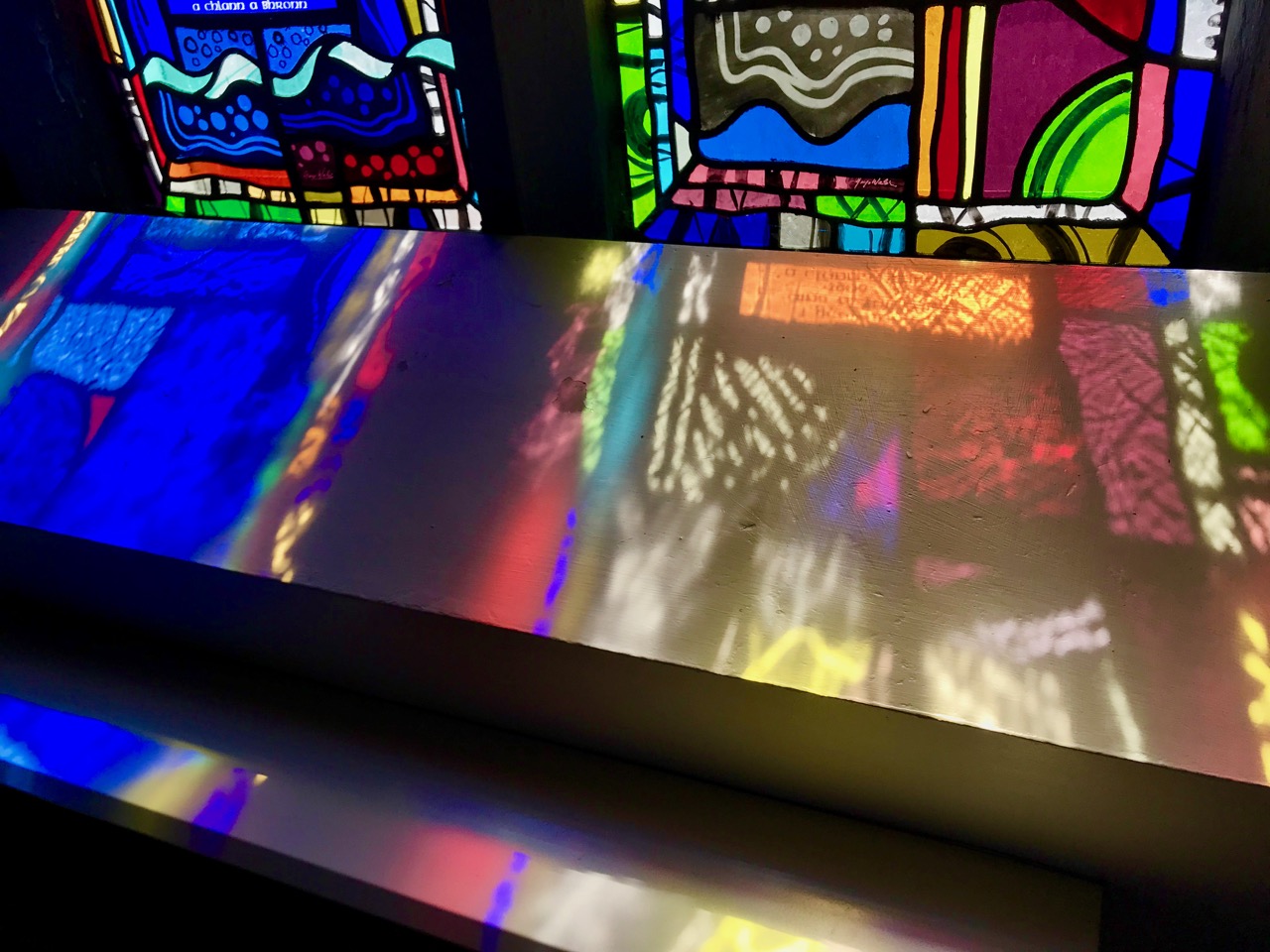
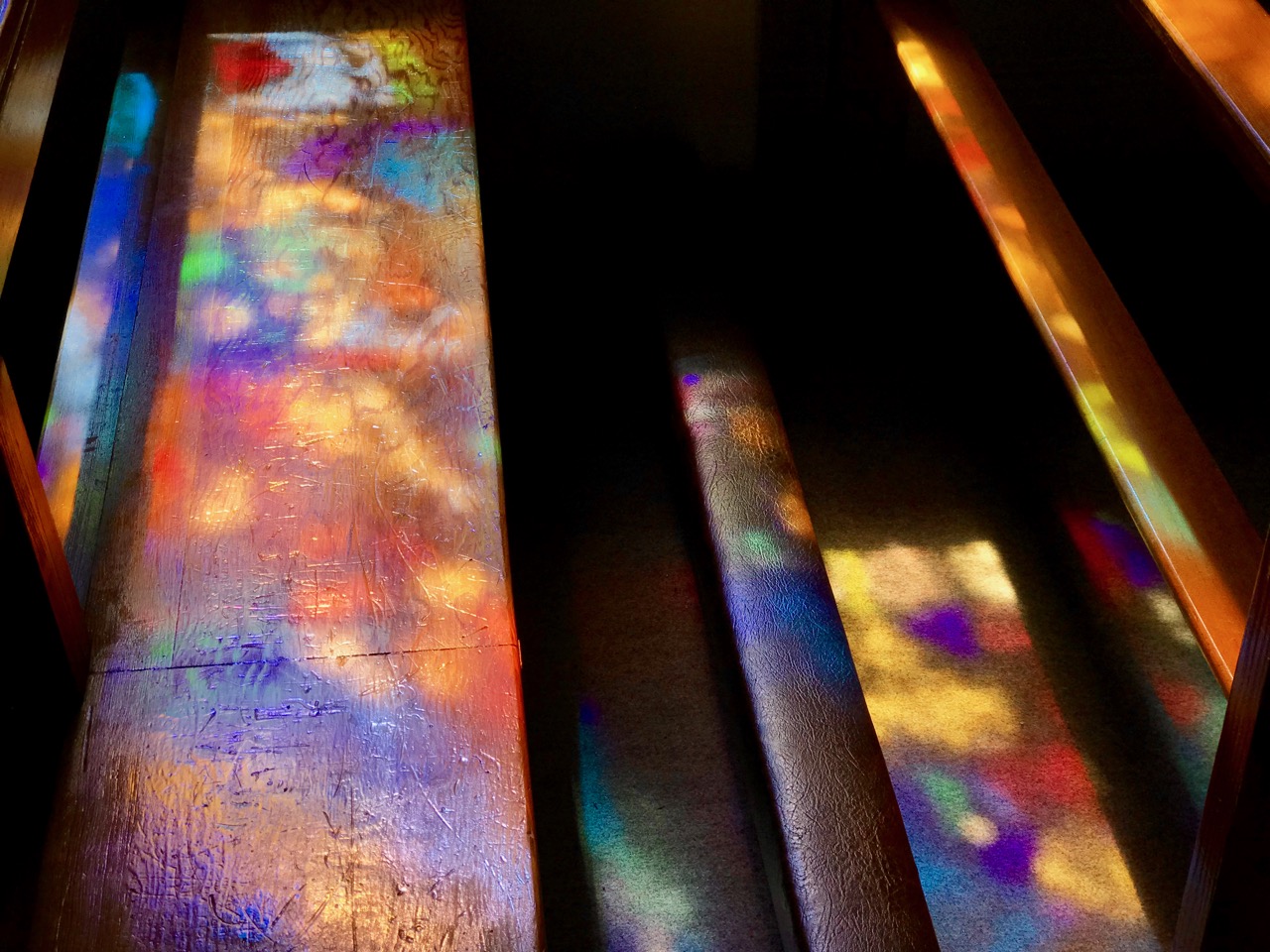
Top photograph – St Kentigern’s Church is in the centre of one of Ireland’s most colourful villages; middle – the sunlight plays games with the beautiful windows by glass artist George Walsh; bottom – light from the windows dances on the pews

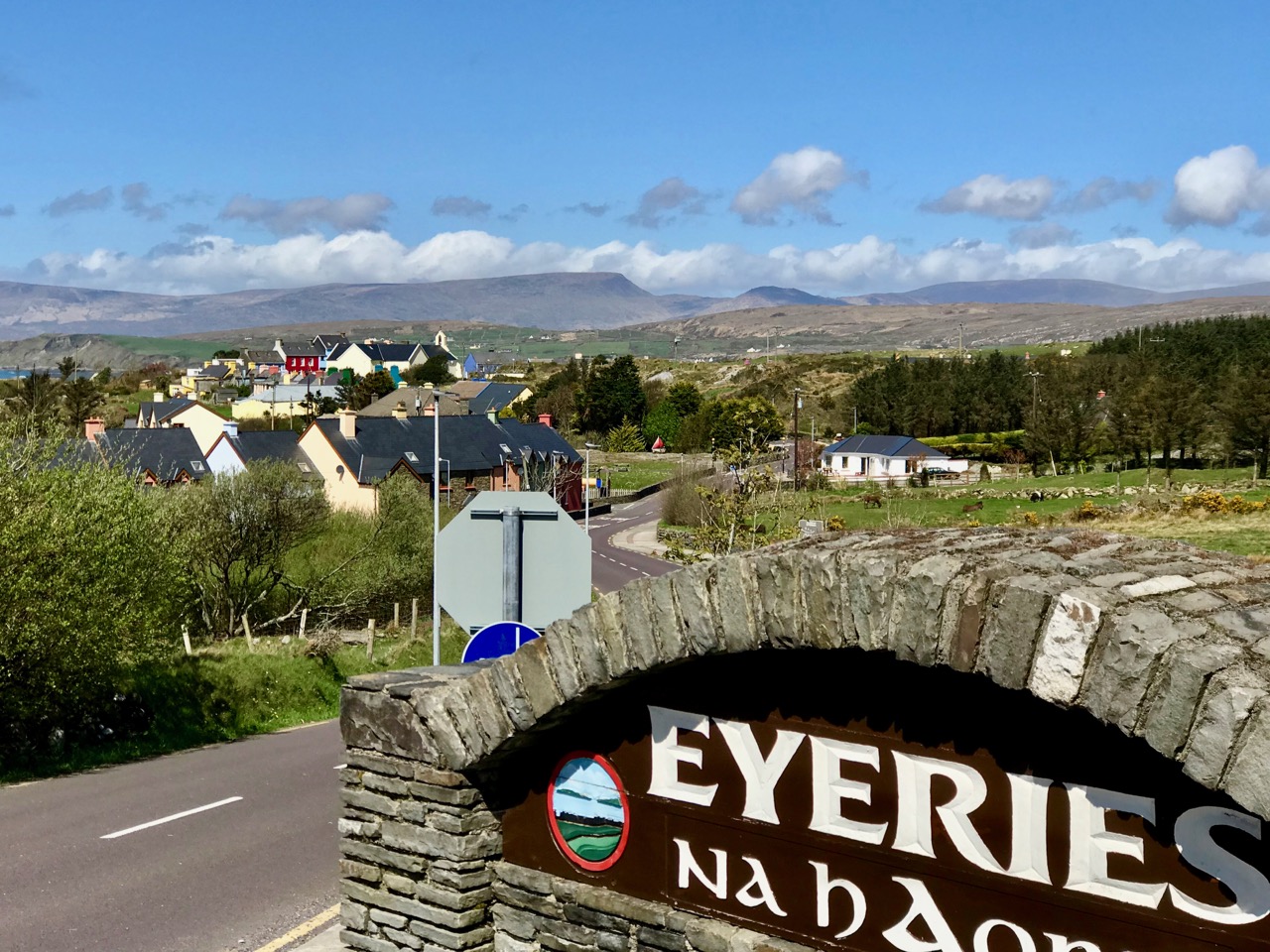
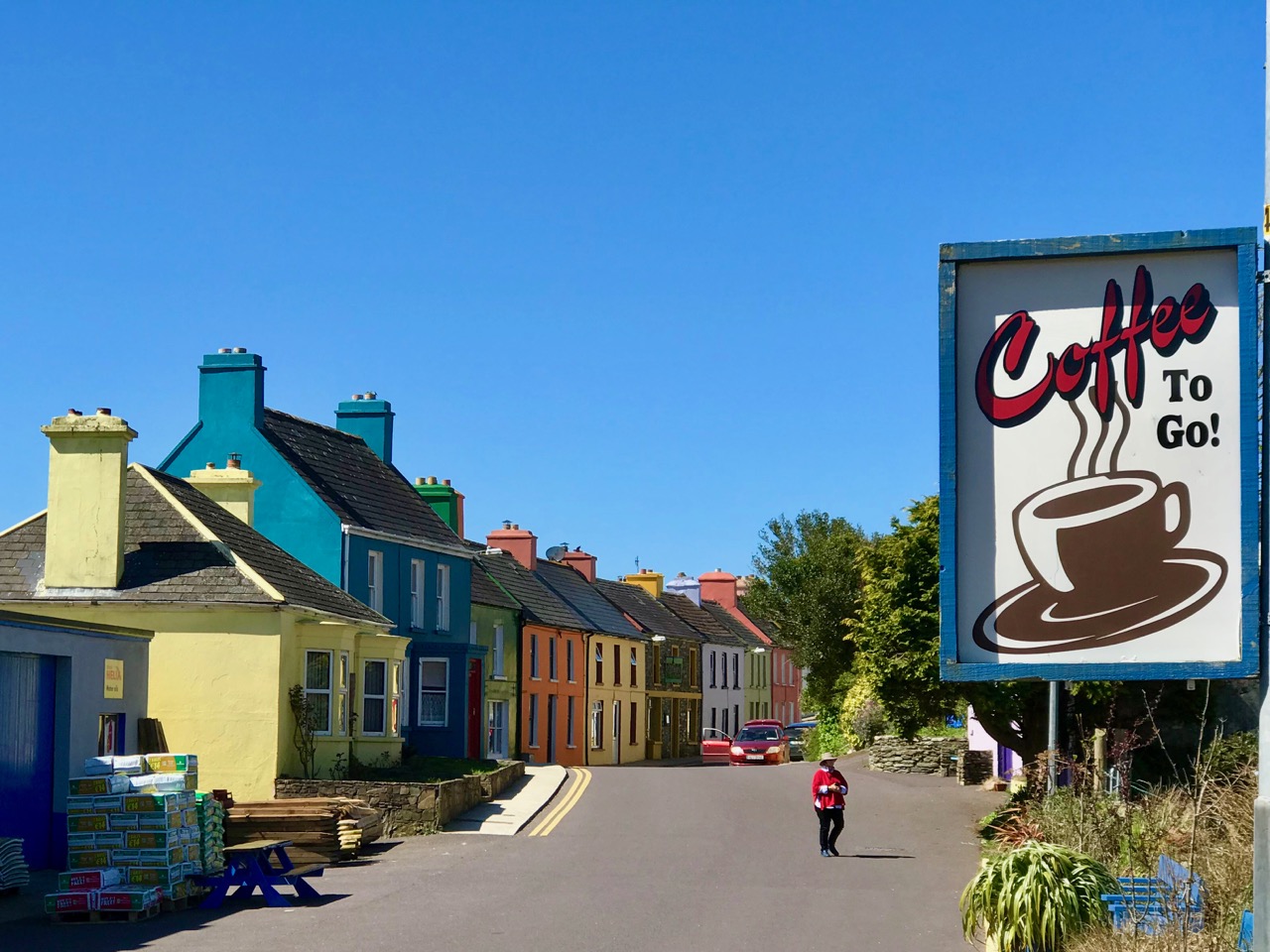
We knew where we were going: Finola was keen to revisit the little Catholic church of St Kentigern in Eyeries, which has a fine collection of windows by George Walsh: it’s a gem – and at its best for the quality of the light enhancing it on the day. I wanted to see the settlement itself in the early spring sunlight as it’s one of the most colourful places in the whole of Ireland! Neither of us was disappointed.
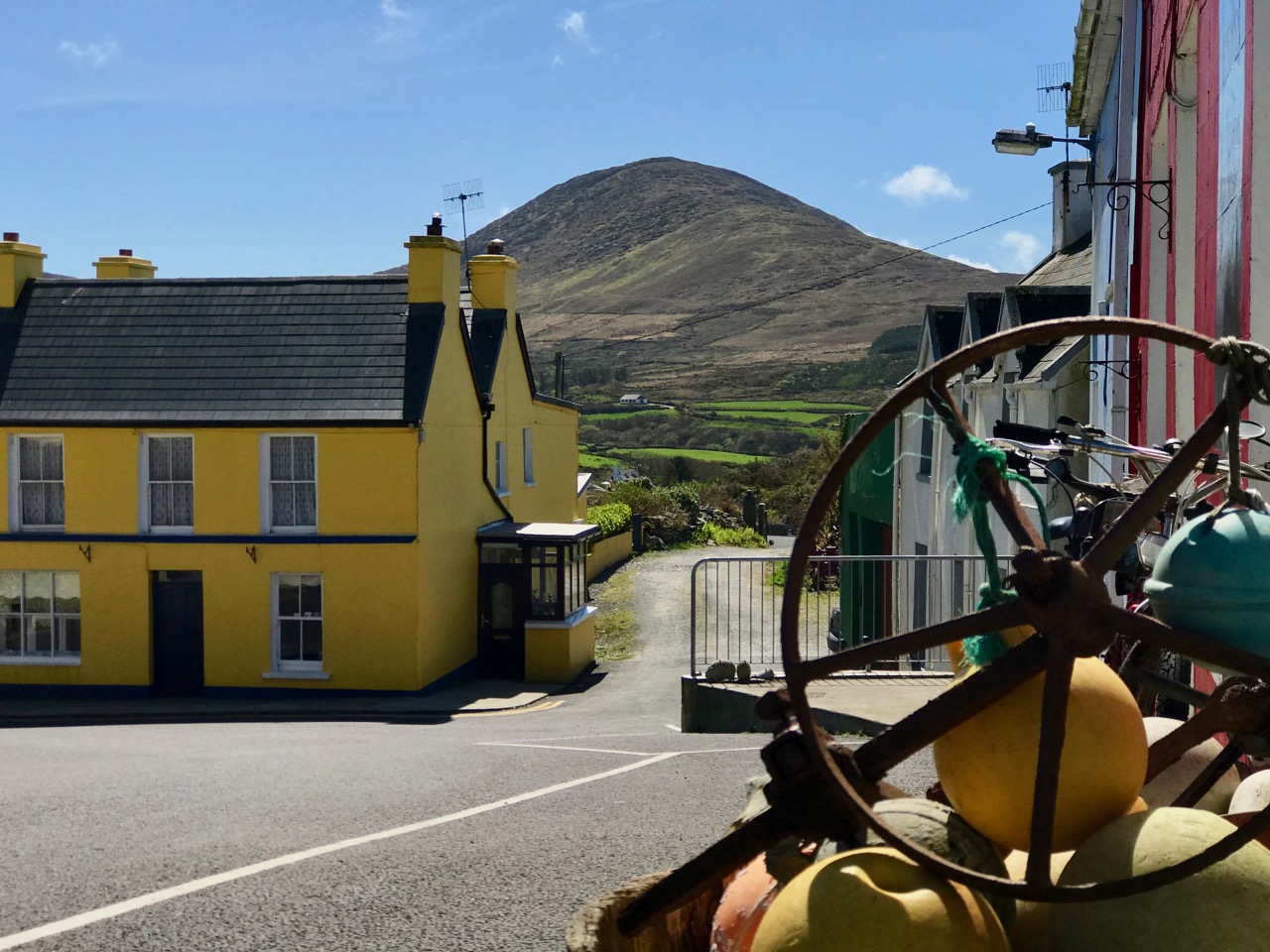
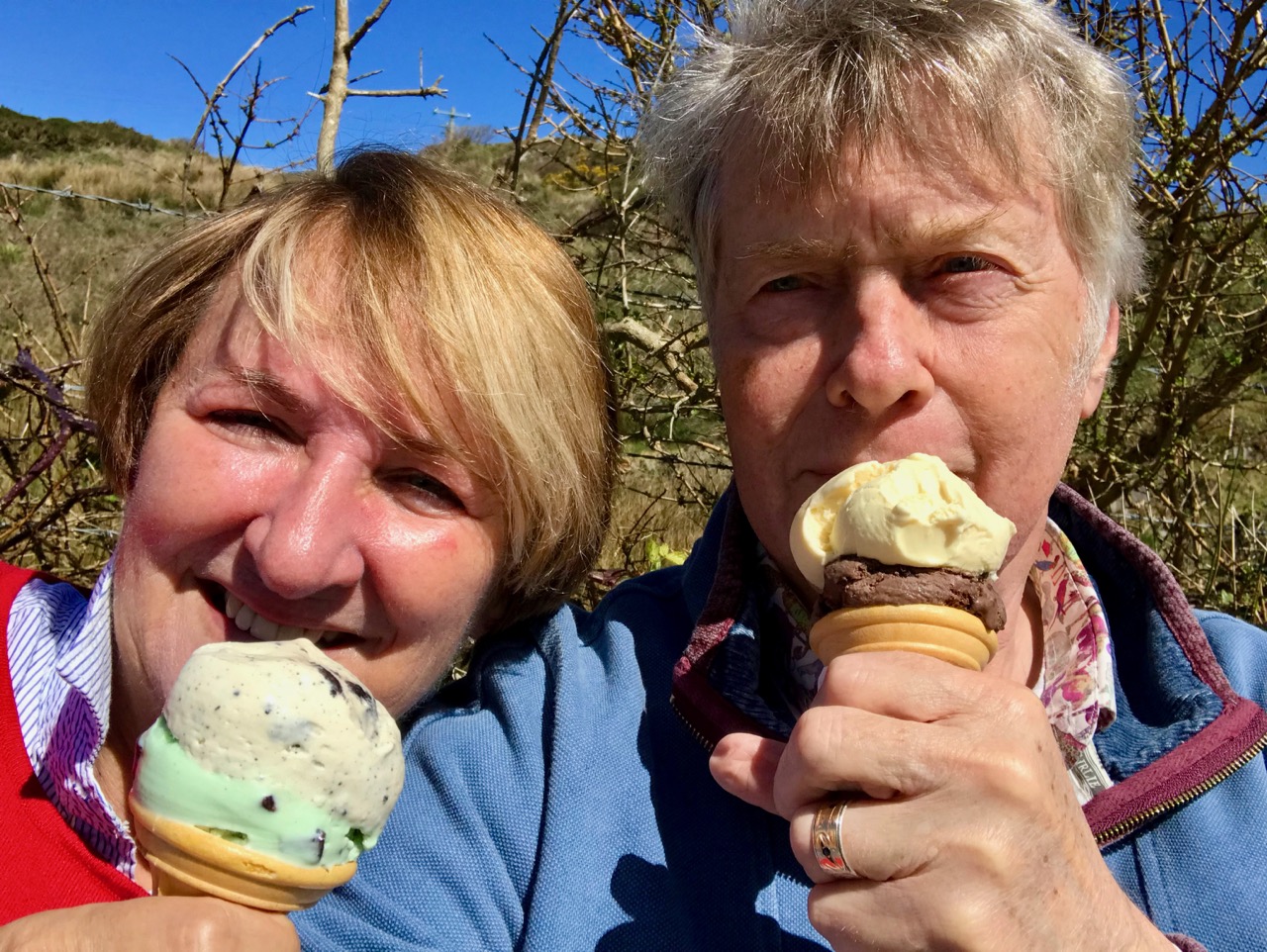
Just a taster of the treats in store in Eyeries: on a beautiful spring day there was hardly a soul around, but we were still able to find an ice cream in O’Sullivan’s!

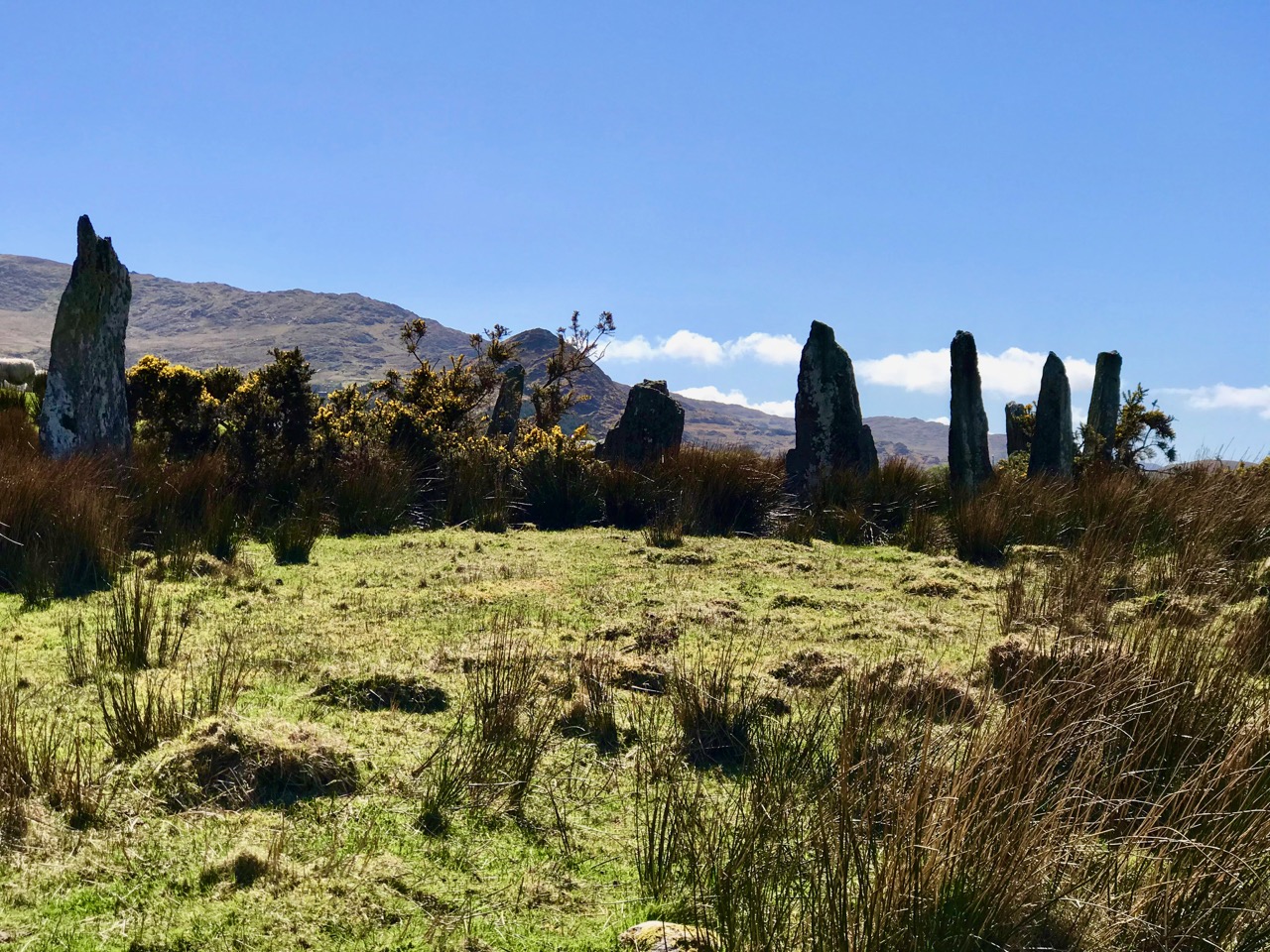
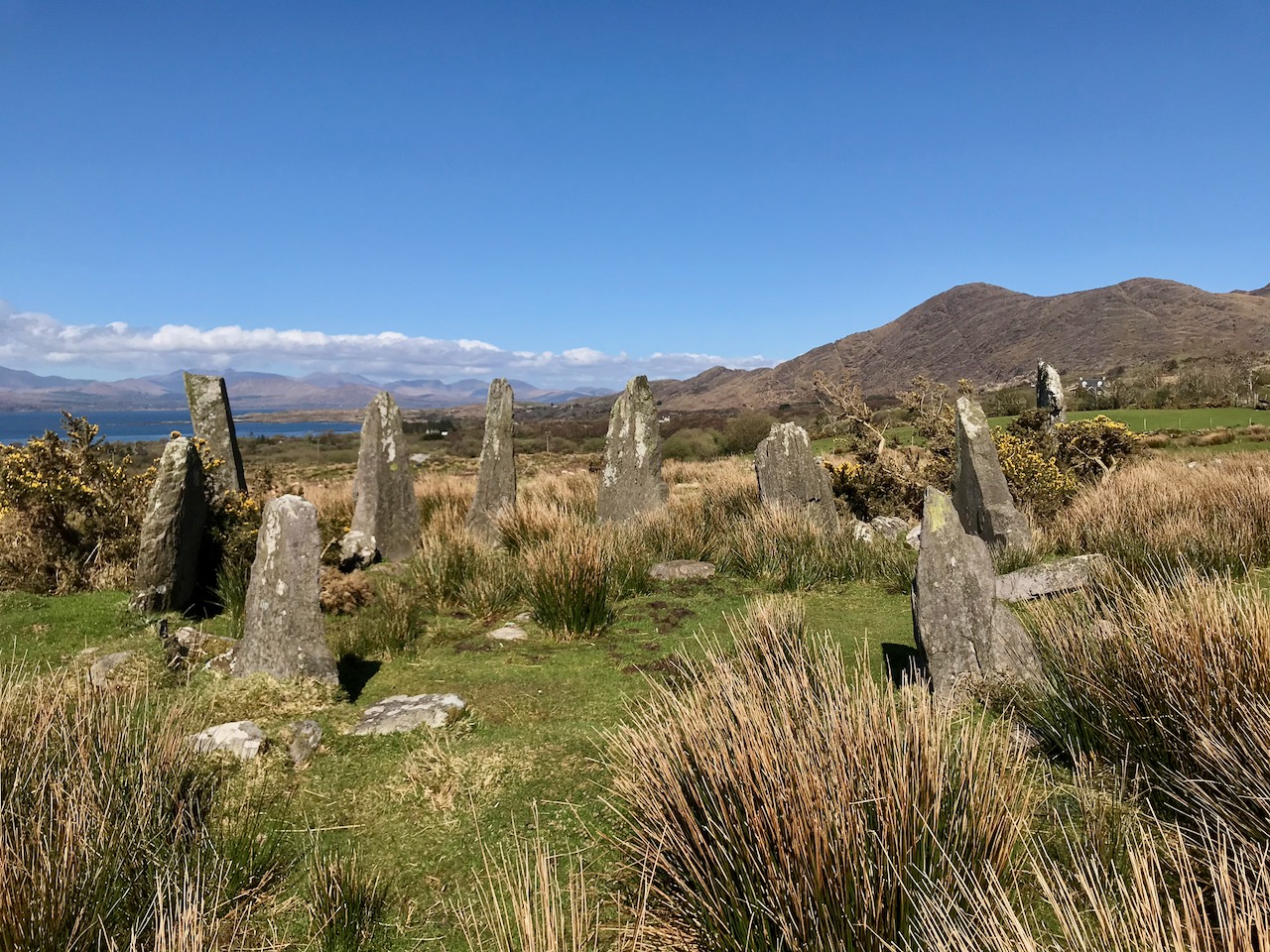
Our second objective was to travel into the hills and find Ardgroom Outward stone circle. The trail involves farm gates, stiles and a lot of mud – but the 9 stone circle (named locally ‘Canfea’) is a fine, almost intact monument with wide vistas to mountain and sea. The impressive outlier stone is 3.2m in height.

The magnificent Ardgroom Outward (or ‘Canfea’) stone circle is accessible via a marked, boggy path: the vistas from the site make the journey worthwhile. Finola is dwarfed by the huge outlier!

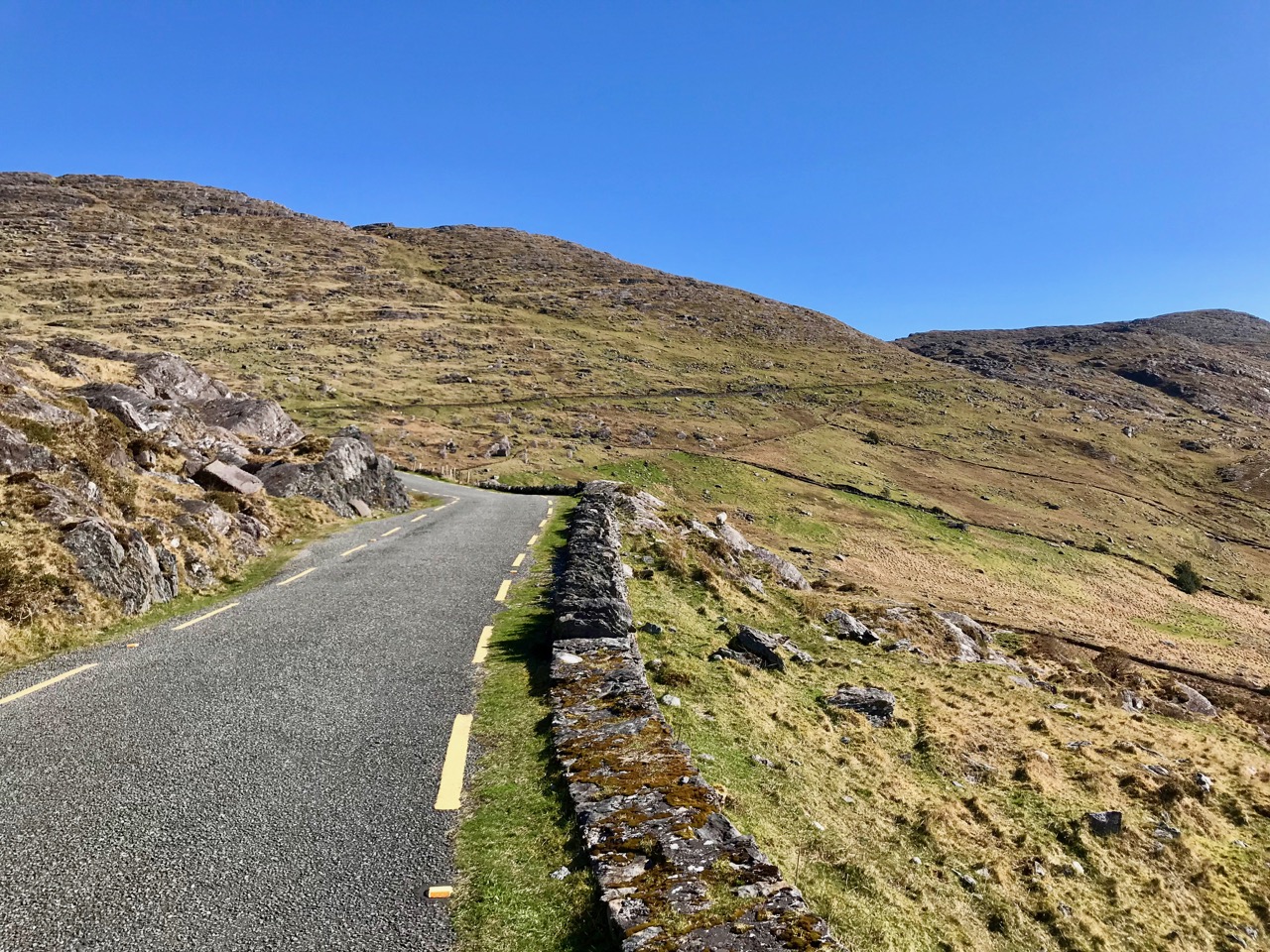
It’s barely a skip up to Eyeries from Nead an Iolair, so we had to carry on around the peninsula and take in the almost surreal views of oceans, lakes and mountains before dipping into Kerry and then heading over the top back into Cork county and down the Healy Pass – surely one of Ireland’s most spectacular road trips.

Returning home – with the evening sun setting gloriously over Roaringwater Bay – we reflected that there can’t be many places in the world where a single day can offer such a feast to satisfy all the senses.

Art in the Bay

You’ll all know that Ballydehob is the true centre of art in West Cork. Our posts about the Ballydehob Arts Museum (BAM) set out the history of the community from the 1950s onwards. Artists settled in the environs – some camping out in the hills, and many of them remain connected with the area to this day. Local residents were at first amused – or bemused – by this ‘invasion’, but it soon became an accepted part of the character of the village.

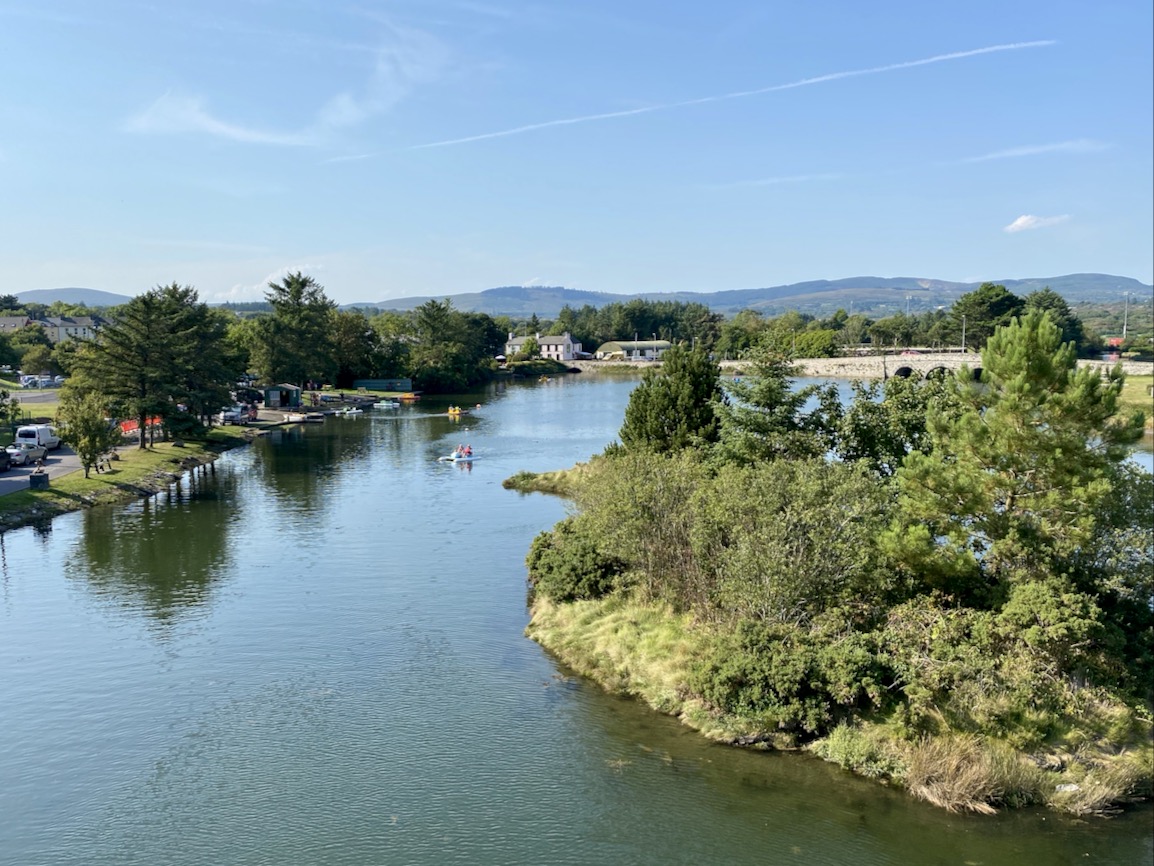
Right at this moment, an innovative installation is in place on the water in Ballydehob, just above the 12 arch viaduct and by the road bridge that comes into the town from the east. This is where the two rivers meet, the Bawnknockane and Rathraune, giving the town its name: Béal Átha an Dá Chab, which literally means Mouth of the Two River Fords.

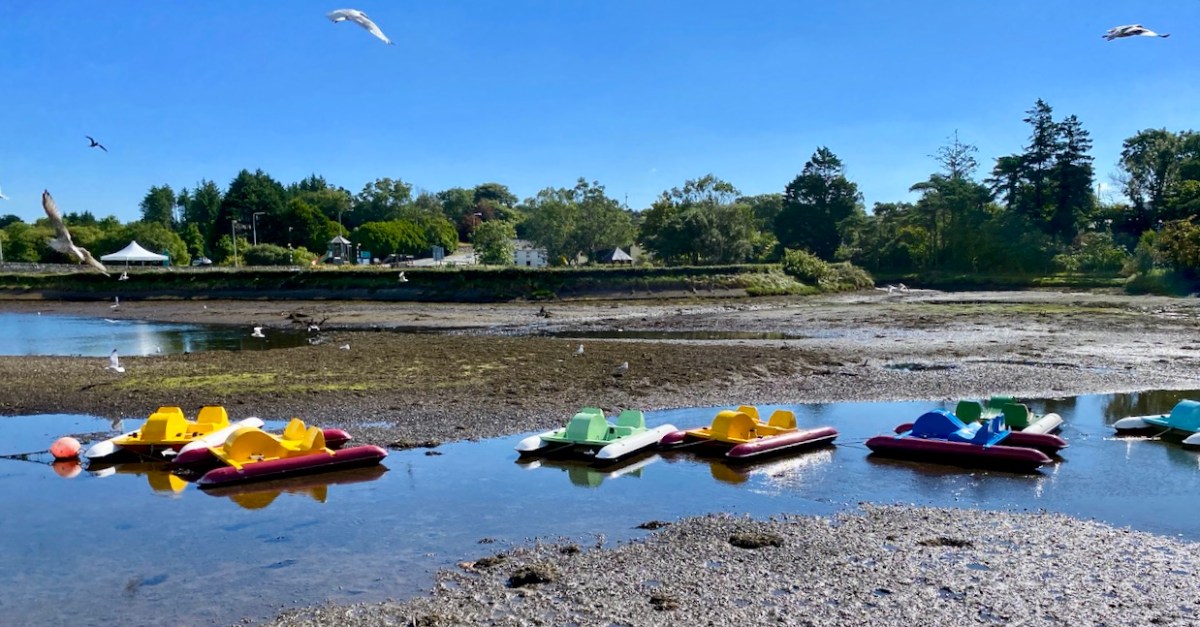
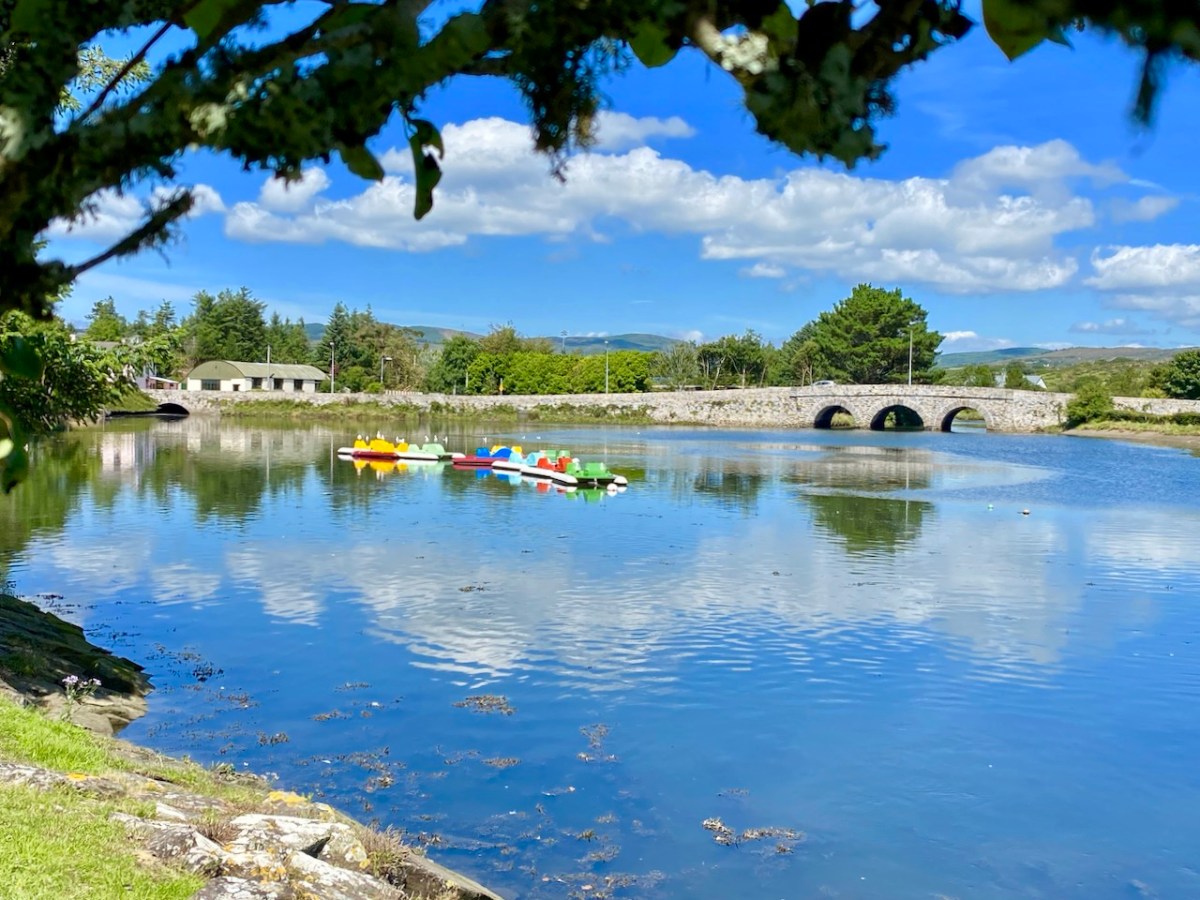
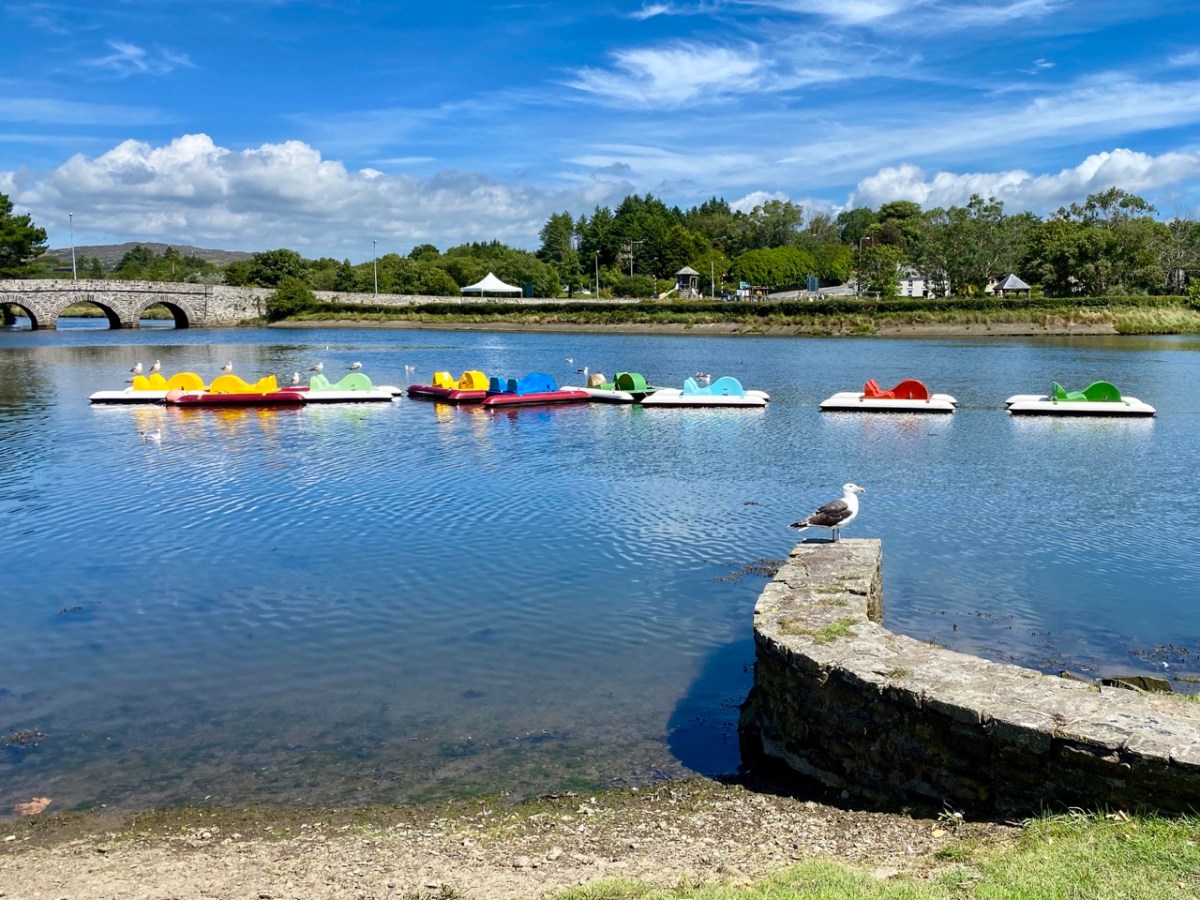
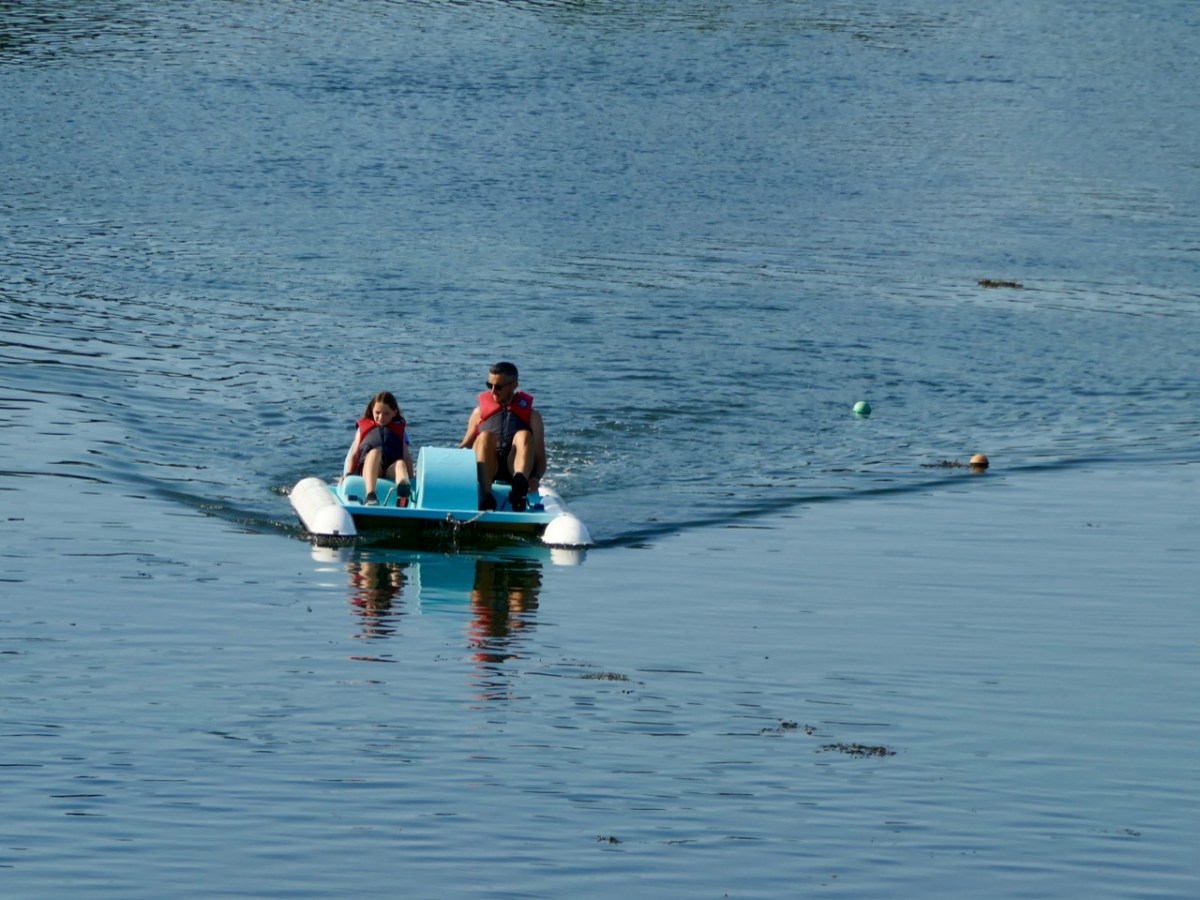
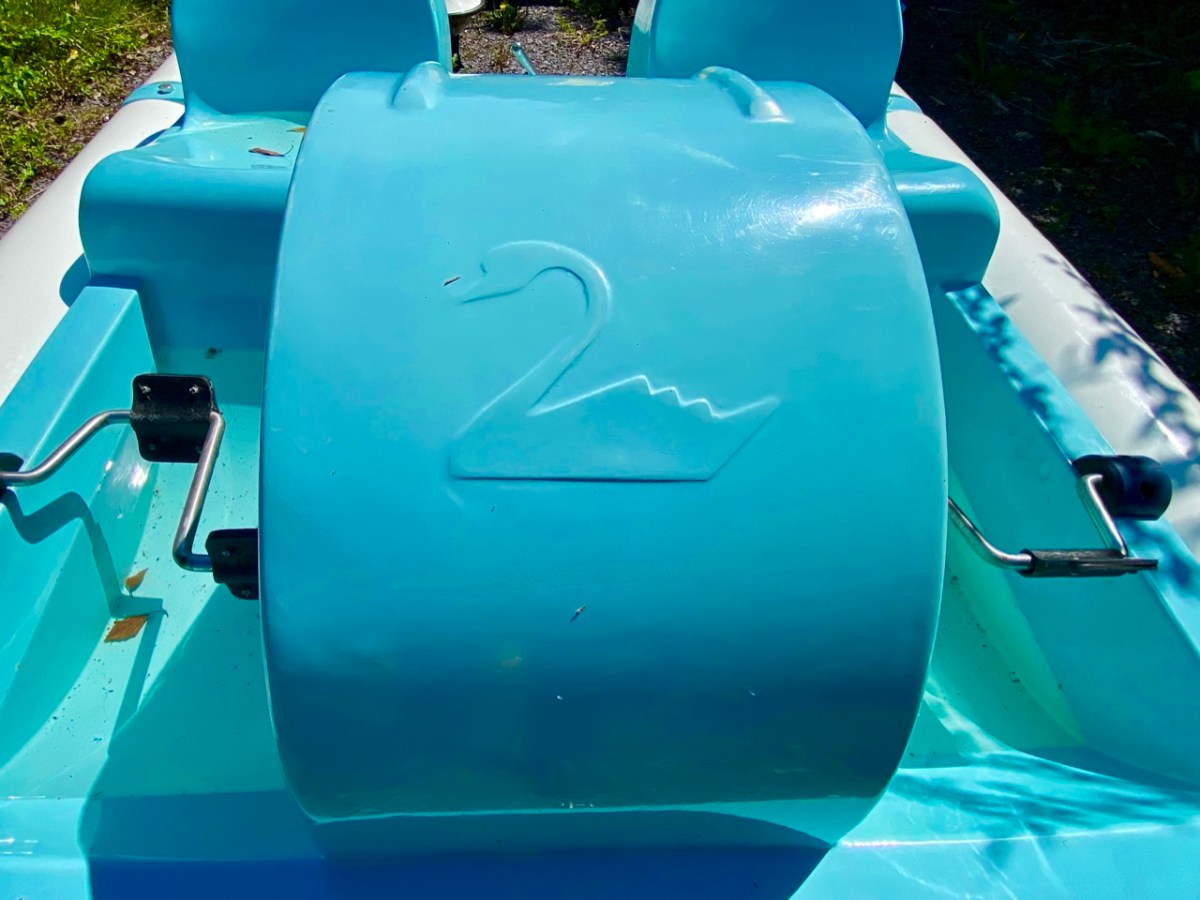
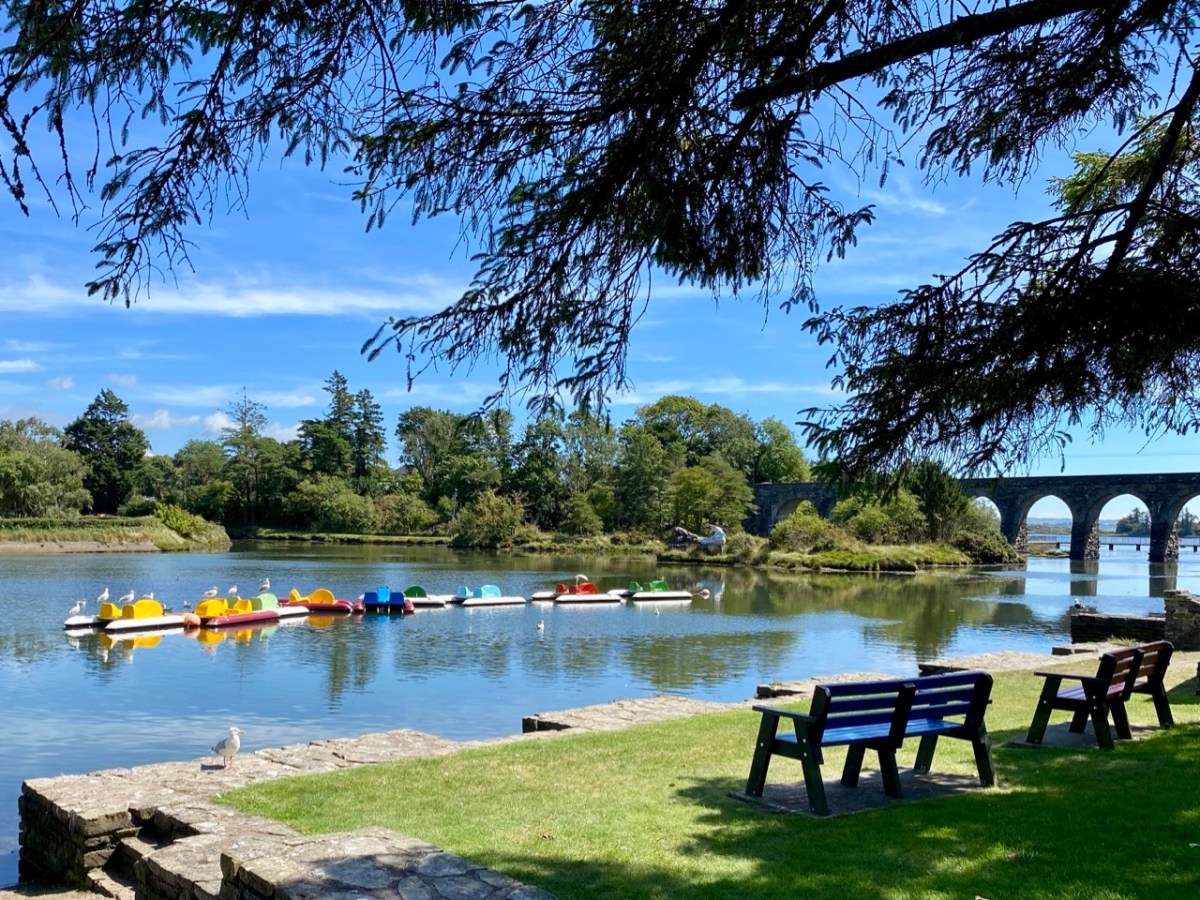
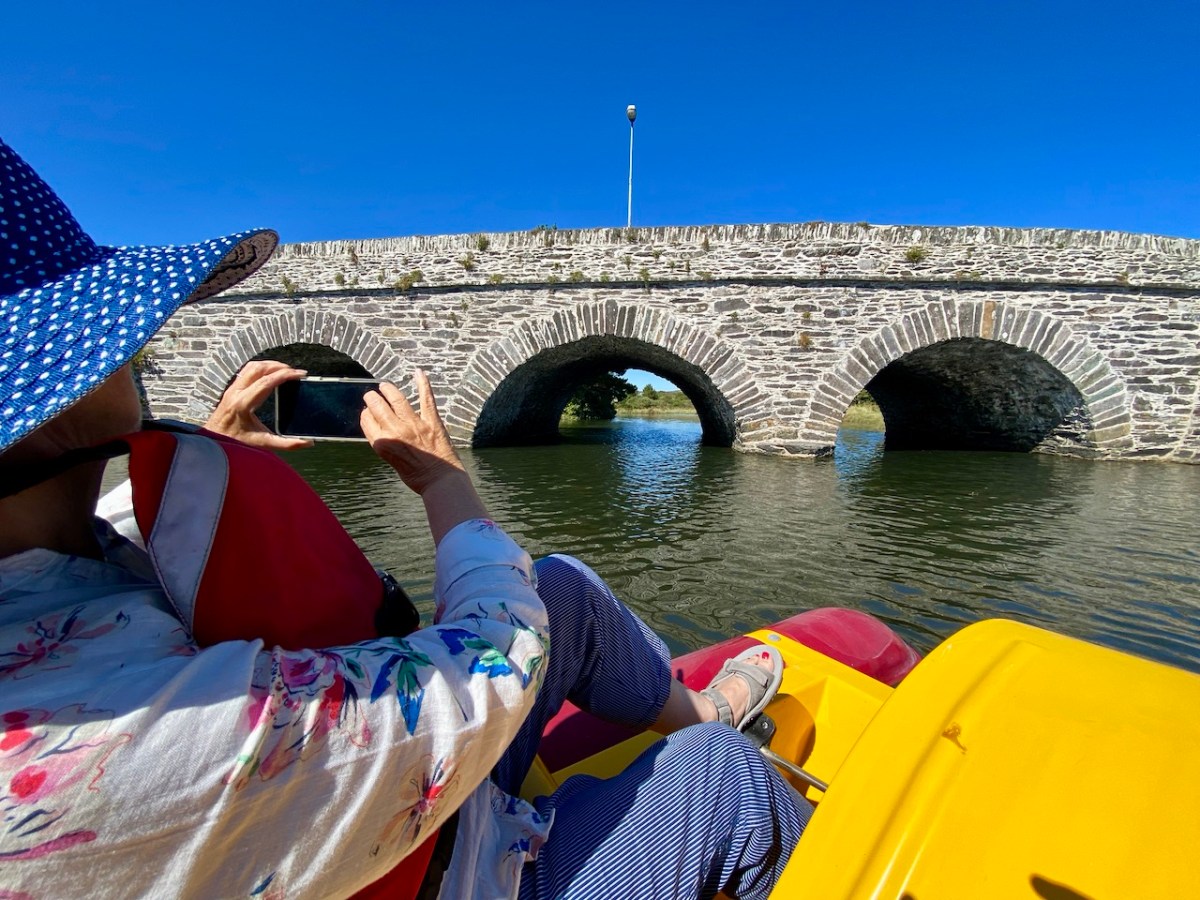
In summary, this art installation by Muireann Levis offers you a close experience of the water accompanied by a sensory soundtrack which is projected into the bay through a series of loudspeakers. The name of the project is Inbhear, which translates simply as Estuary. The way you experience the water is by climbing on board one of the ‘pedalo’ boats that were a common scene on the water here in Ballydehob back in the late 20th century. I remember seeing them on the estuary when I visited West Cork in that time, but they have not been in active use since then, so we were delighted to be among the first to experience their revival, a couple of days ago.

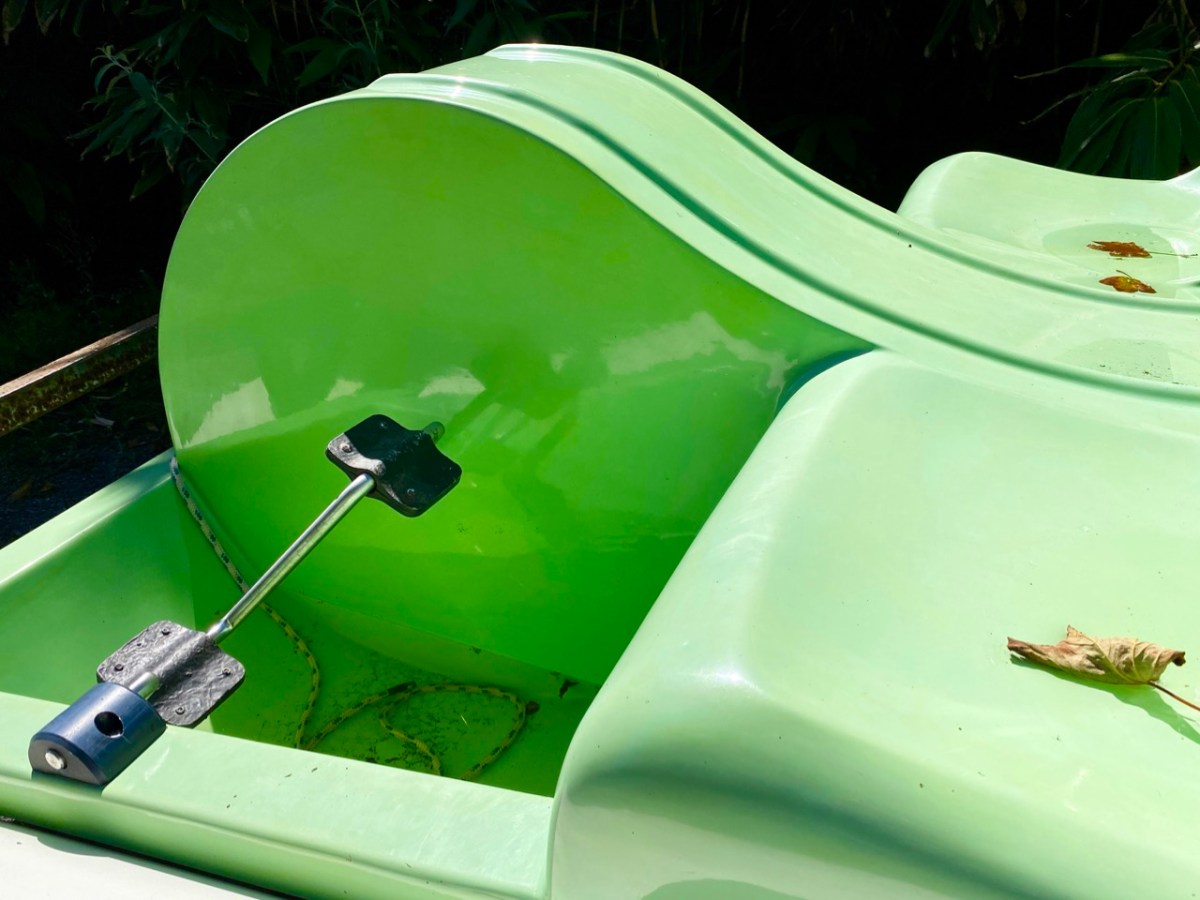
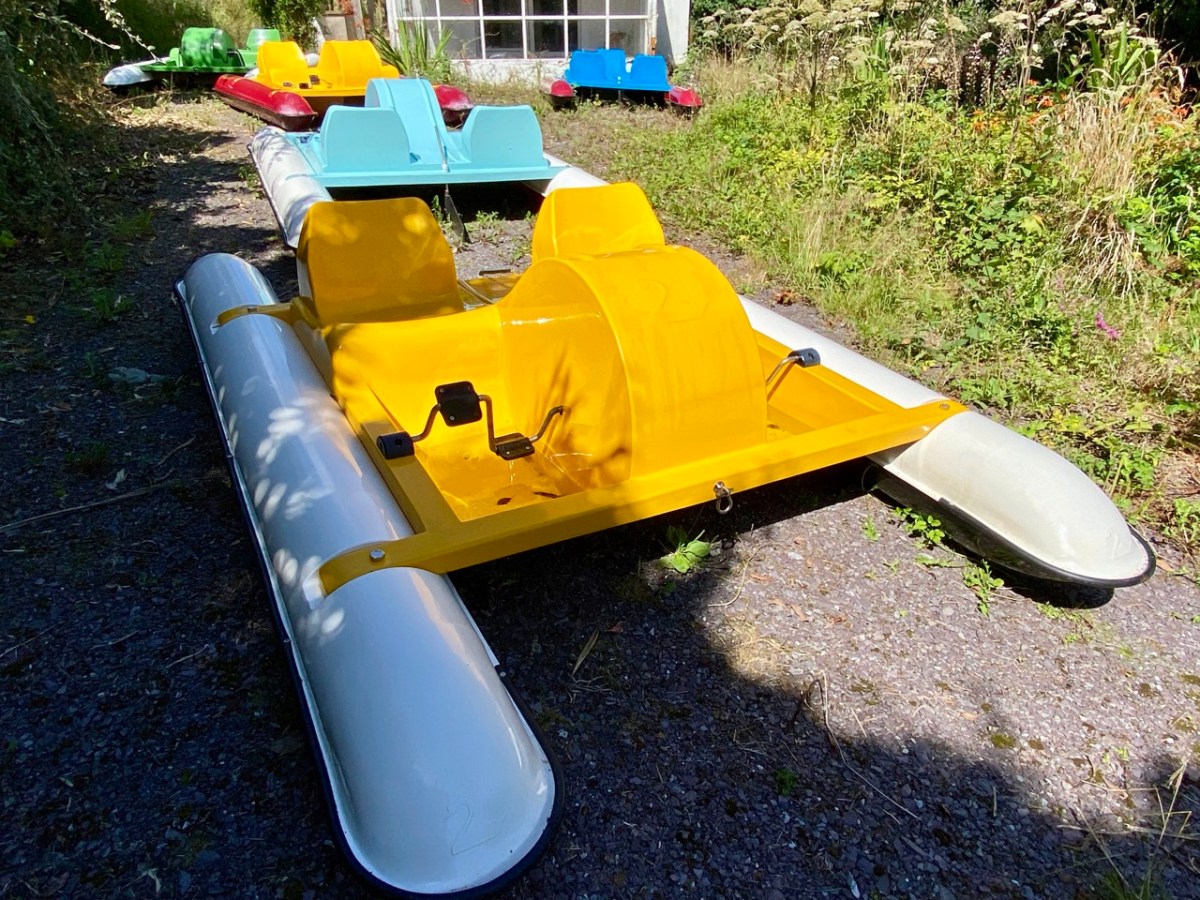
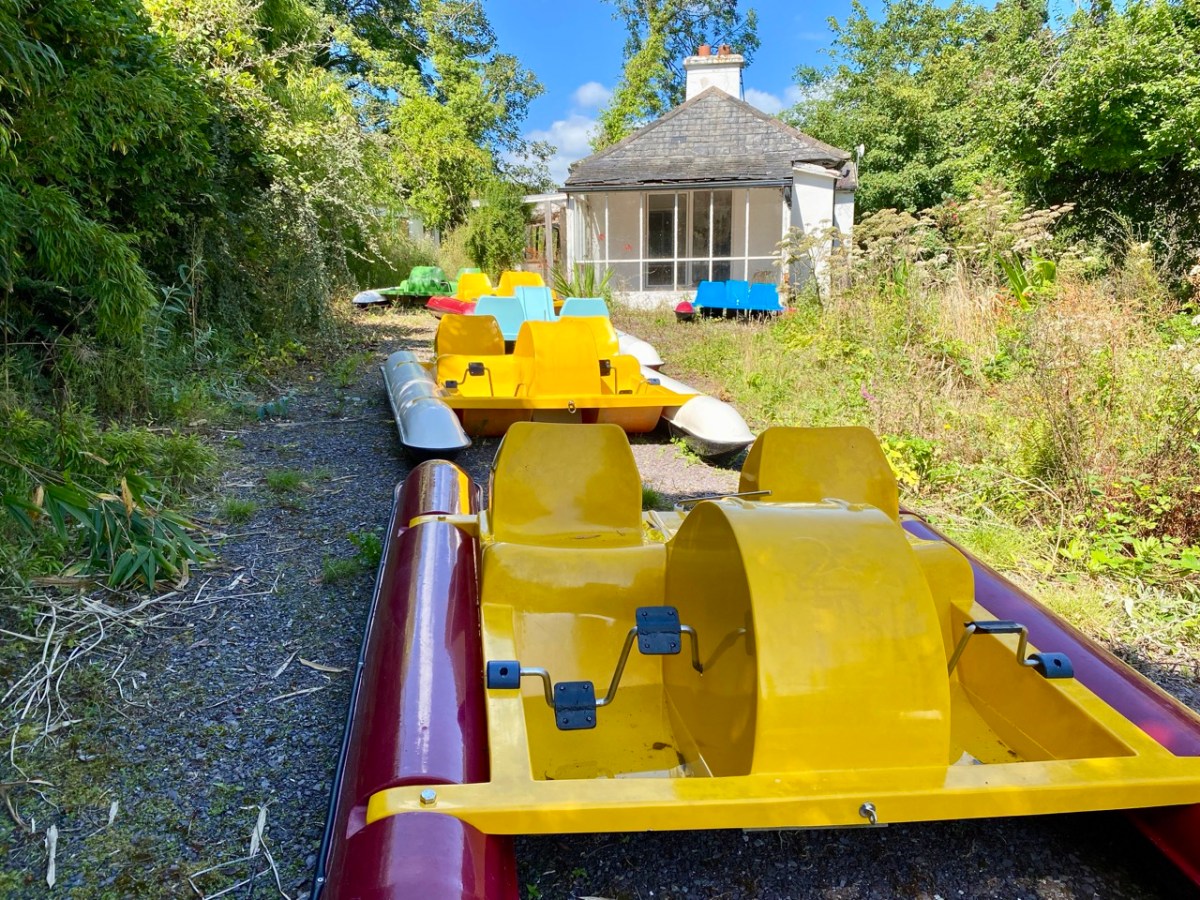
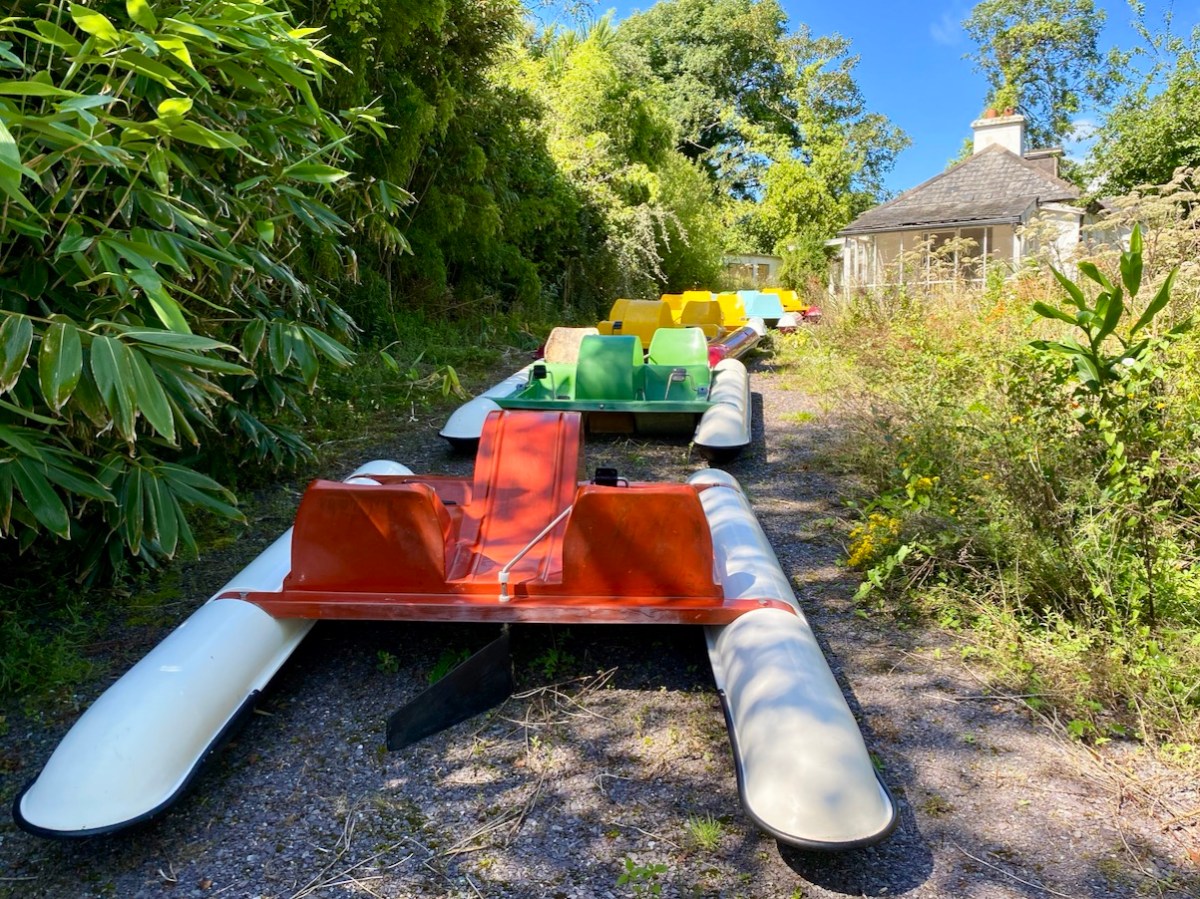
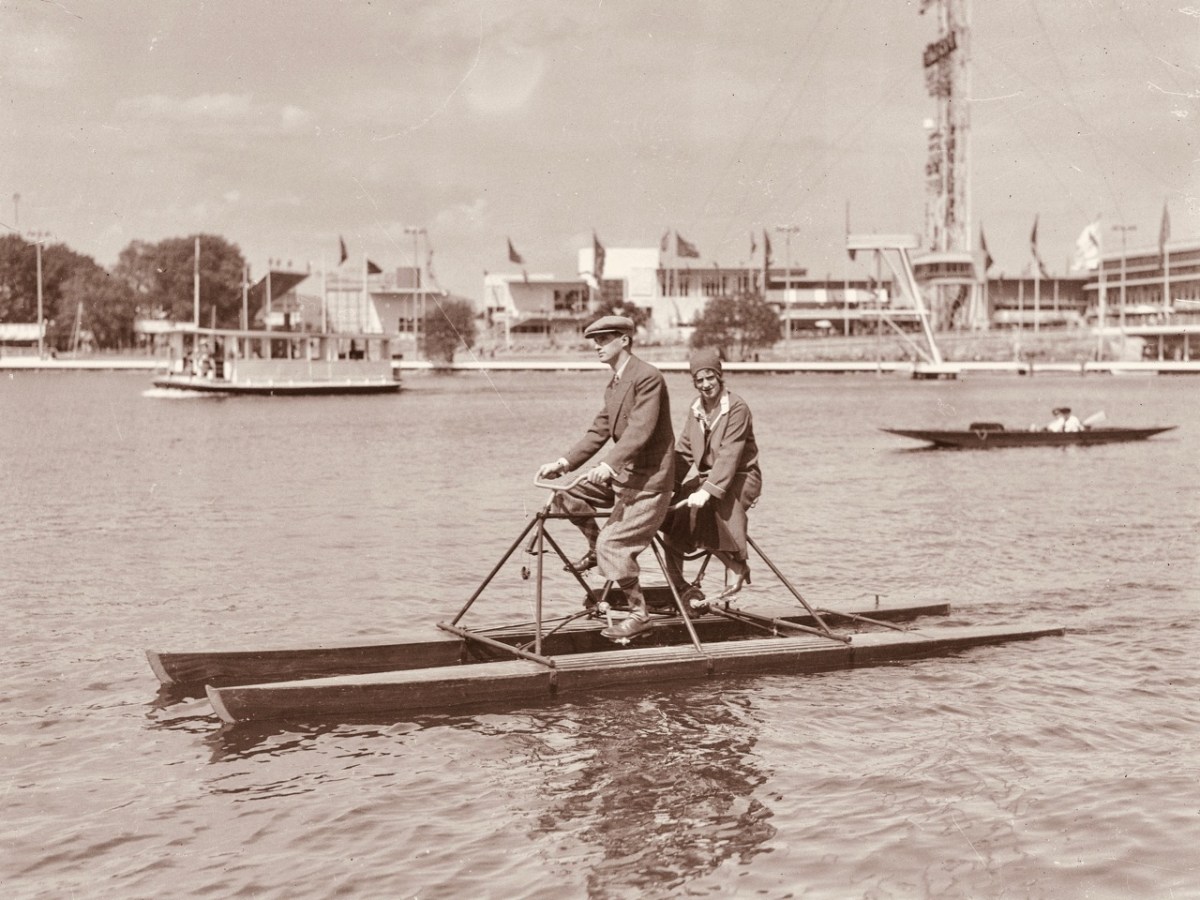
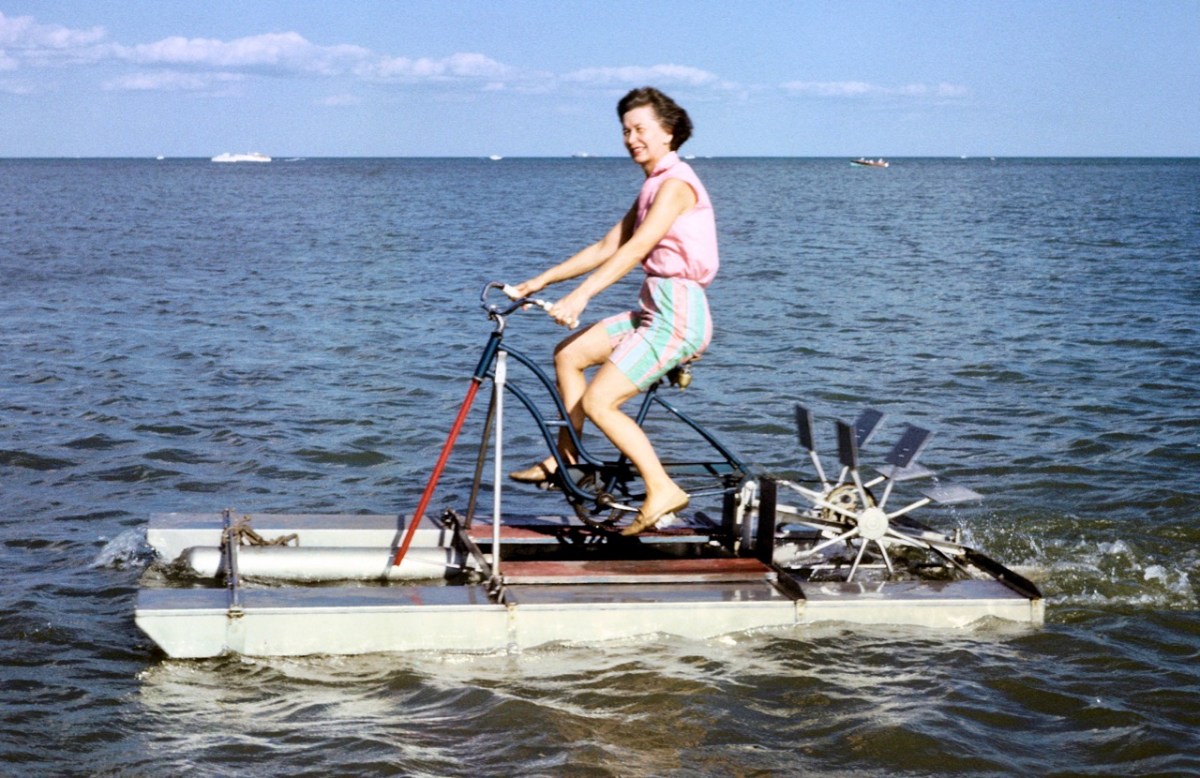
The pedalos have been kept safe and required only a little maintenance before coming back into service. Wouldn’t it be great to think that they might be brought out again on occasion? They are colourful and brimming with character. Have a look at these further examples from the historical archives of ‘pedal powered boats’; the first dates from 1930 in Stockholm, and the second is in Michigan, dated 1963.

Interestingly, the pedalos which we are seeing today were actually assembled in Ballydehob. They were made as part of a government employment scheme, and some were destined to be used in Barley Cove, with a small ‘fleet’ being set up in Ballydehob Bay. The latter deteriorated, but the Barley Cove boats have been stored well, and were recovered for this installation. So it’s a remote deja vu for these craft.

The meeting of the Bawnknockane and Rathraune rivers (above) creates an inner tidal pool – between the three-arched road bridge and the old railway viaduct, and this is where the installation has been set up.

. . . Working with field, hydro-phonic and electromagnetic recordings of the rivers and their many tributaries, Muireann invites us in to a relearning of her childhood environment, creating a piece that draws us closer to the everyday presence of water and elevates its endless subtleties . . . Inbhear, the Irish for “estuary”, finds meaning in its Old Irish roots where it translates to “a carrying in”. It offers a focal point for the carrying in and meeting of old and new identities, both social and environmental . . .

Inbhear event publicity

Finola shot these two videos while we were out on the water experiencing the event, and the soundtracks give an impression of what we could hear while we were afloat:

It may be too late for you to book this event: it’s only happening for a few days. Let’s hope that there’s a demand for a re-run in the near future: it’s such a celebration of so many aspects of Ballydehob, not least as a centre of pedalo boat production back in the day: who knew?

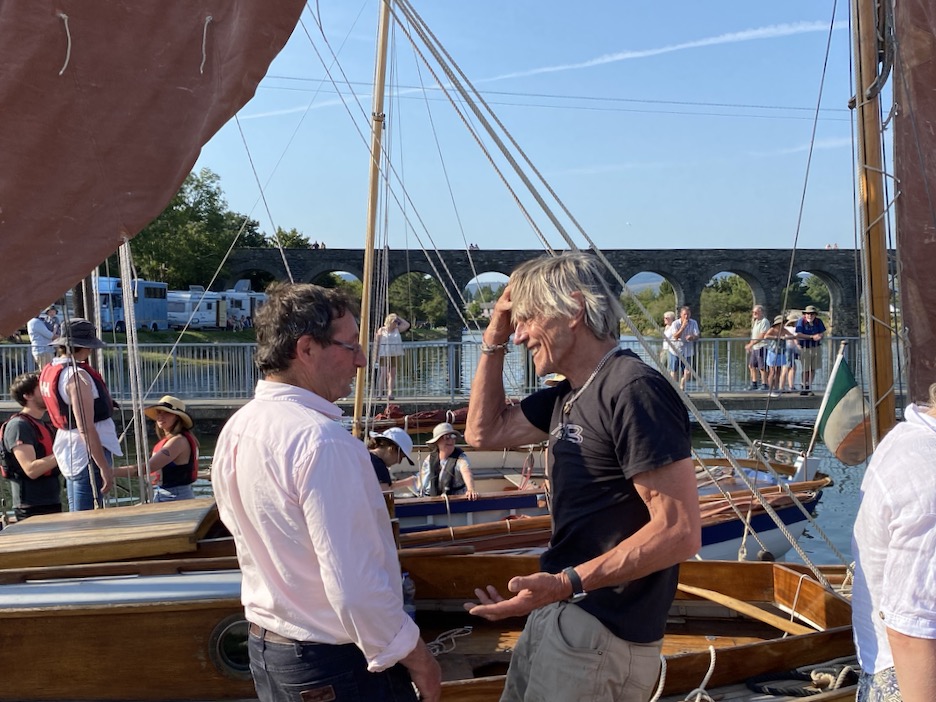
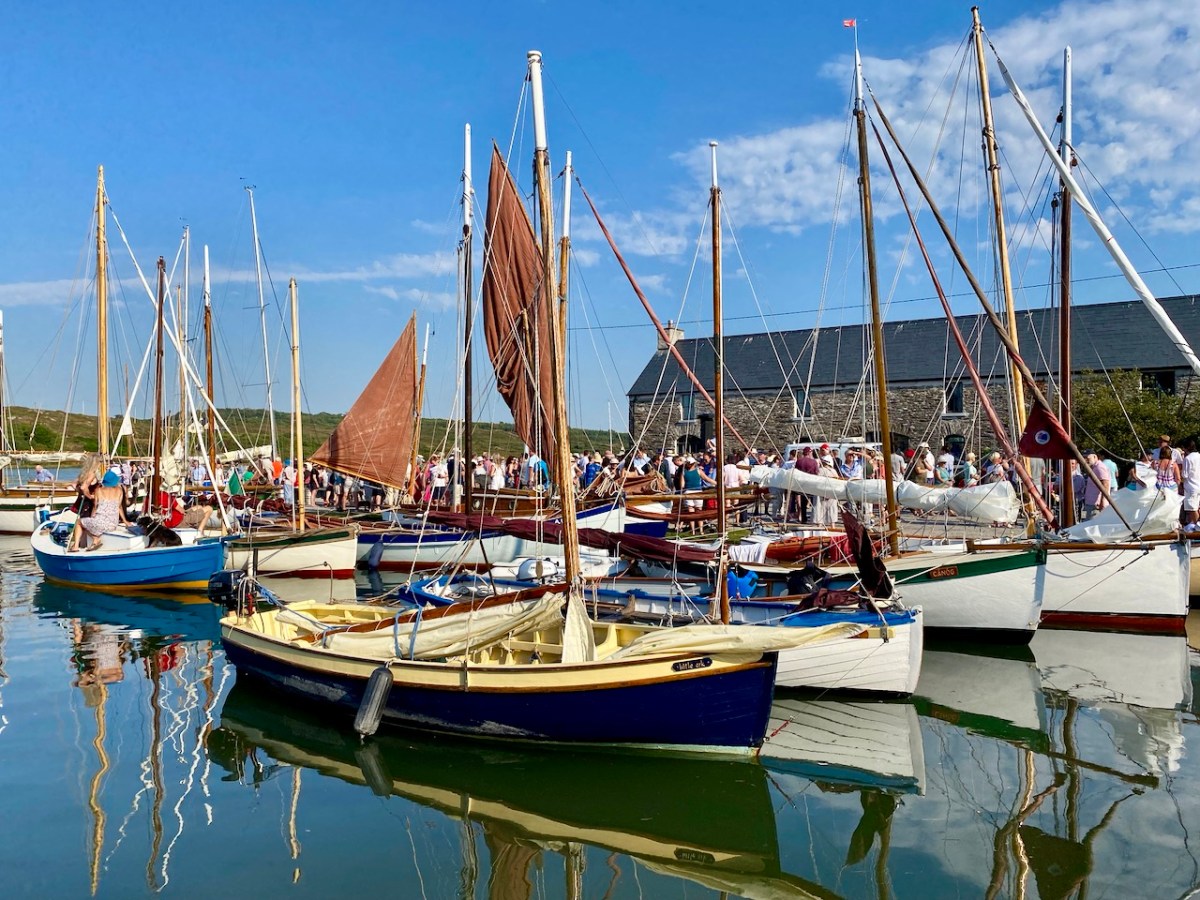
It’s very apt that I should be writing the post on this weekend, as we have just celebrated another Ballydehob event: the annual Cruinniú Bád (boat gathering) which happens at the quay around the highest tide of the summer:

With many thanks to Muireann Levis for inspiring the installation, and to Cormac Levis and William Swanton for information on the history of Ballydehob’s pedalo boats. We should also acknowledge the tireless endeavours of Eleanor Regan and the late Kevin Heaps who operated the pedalos getting on for forty years ago. William told me that Ballydehob Community Council has long been petitioning for the ‘Slob’ below the historic quay to be dredged to allow more boats to use that quay through the year. The sight of boats, small or large, on the water as visitors enter the village from the west would undoubtedly encourage enhanced footfall to the shops and hostelries of this remarkable community

Gearing up for August in West Cork

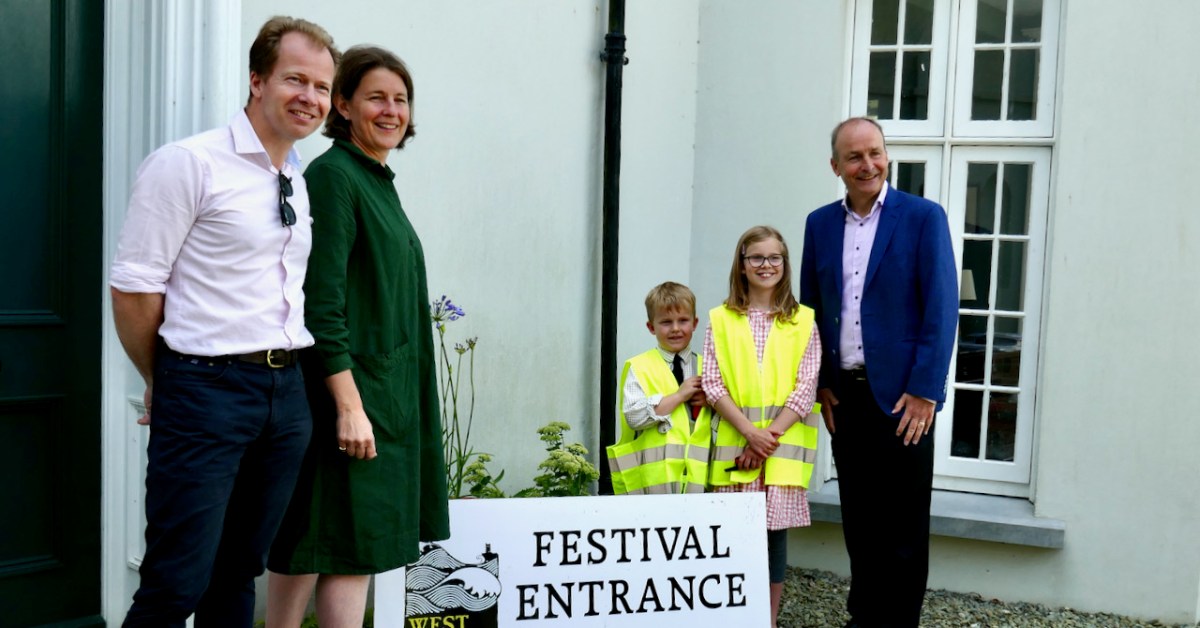
August has roared into West Cork bringing gorgeous weather and a plethora of can’t-miss events. I am wrecked already and we are only a week in! As I type we are in the middle of the marvellous West Cork History Festival. Yesterday Micheál Martin, our Taoiseach, came for the afternoon, as he has done several times in the past. He’s a former history teacher and very supportive of our Festival. He spoke compellingly in a few introductory remarks about our need for a nuanced view of Irish history, one that no longer depends on a single narrative. It was an honour to have him there – no fuss, very discrete security detail, and giving us his whole attention. (Above, Simon and Victoria Kingston, visionary Festival Founders, with their children Rory and Constance, and An Taoiseach.)

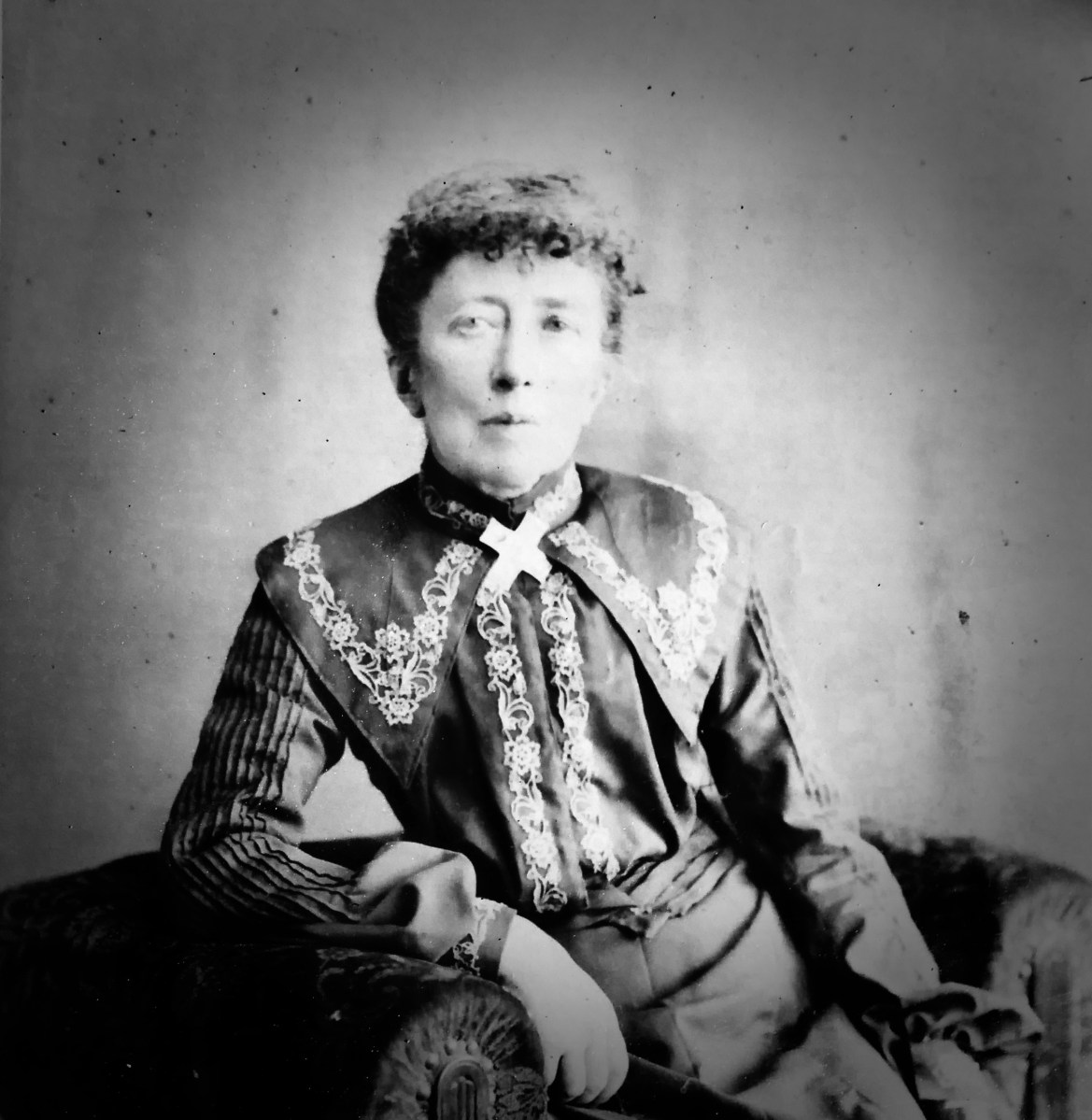
The theme of the first day was Black 47 – its the 175th anniversary of the worst year of the Famine – and I am struck anew by the horror of it all (That’s Lilian Lucy Davidson’s harrowing depiction, titled Gorta, above, which featured in the Coming Home Exhibition in Uillinn in 2018). Take a look at the Festival Program to see the range of what we were offered today. It’s a blended festival this year: a small in-house audience but anyone can register for the program online. It’s a high-quality production too – several pony-tailed and bearded young men in black were in command of all that. You can still buy tickets for the online portion – they will be good for two weeks. The luminous Jessie Kennedy, a long-time Festival collaborator, has assembled the Celestial Quartet, and together they have devised a selection of classical and newly-composed music to honour Agnes Clerke, the famous astronomer who grew up in Skibbereen during the Famine. Read all about her in my post From Skibbereen to the Moon.

The festival continues today with an emphasis on the Bandon Valley Killings – a traumatic episode in our West Cork History that deserves a full examination 100 years later. 

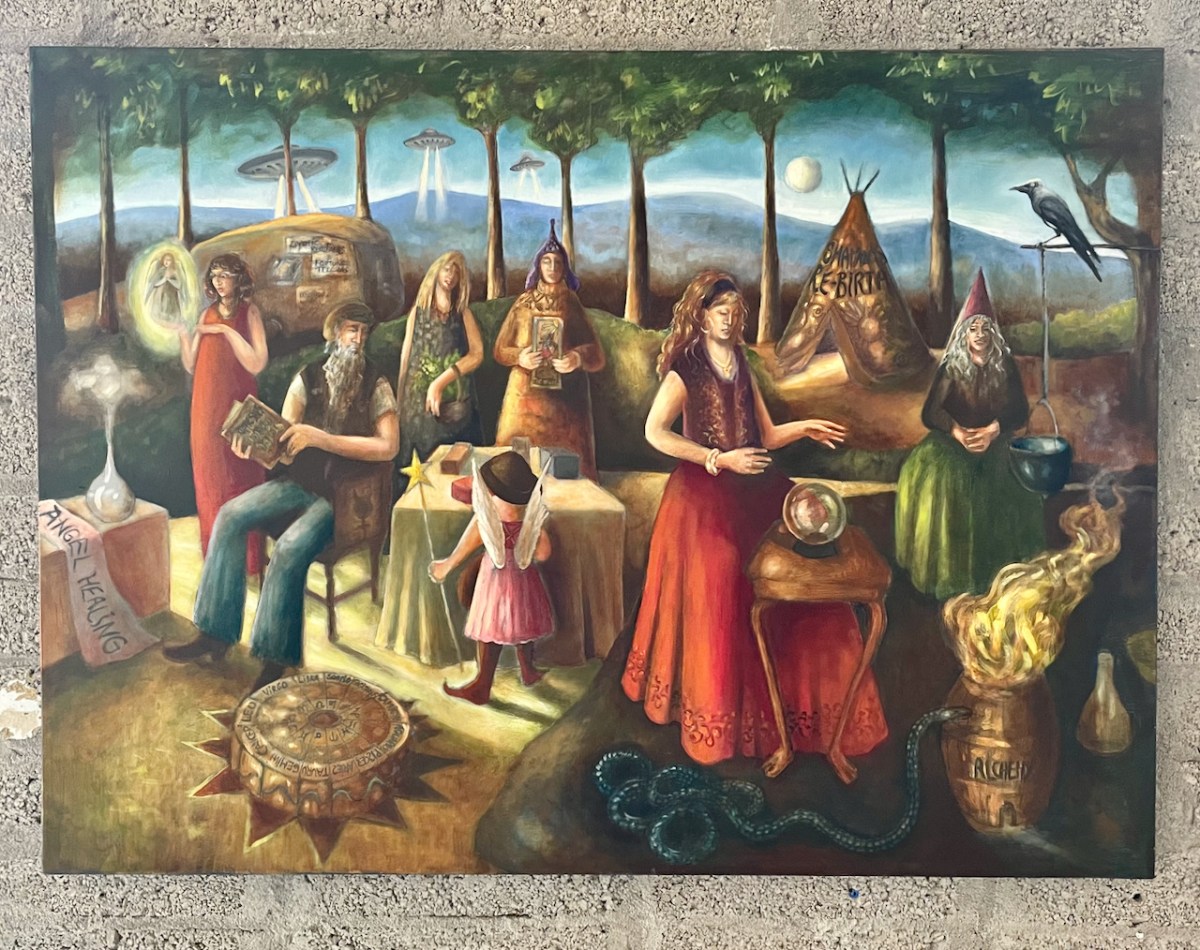
On a more cheerful note, yesterday marked the opening of what is consistently the best art and craft show in West Cork, year after year. It’s called West Cork Creates, is located in the O’Driscoll building in Skibbereen, and is curated by Alison Ospina and her jury panel. The calibre is as high as you will find anywhere. Above, for example, is Hilary Nunan’s work, which mixes fibres with acrylic paint – these are titled Grasses. Below is New Age Medieval, a painting by Carin MacCana. I wrote about Carin’s stained glass work in this post – she is now retired from teaching and has stated to devote her time to painting. She and Penny Dixie share an extension of the Gallery for their own show as well.

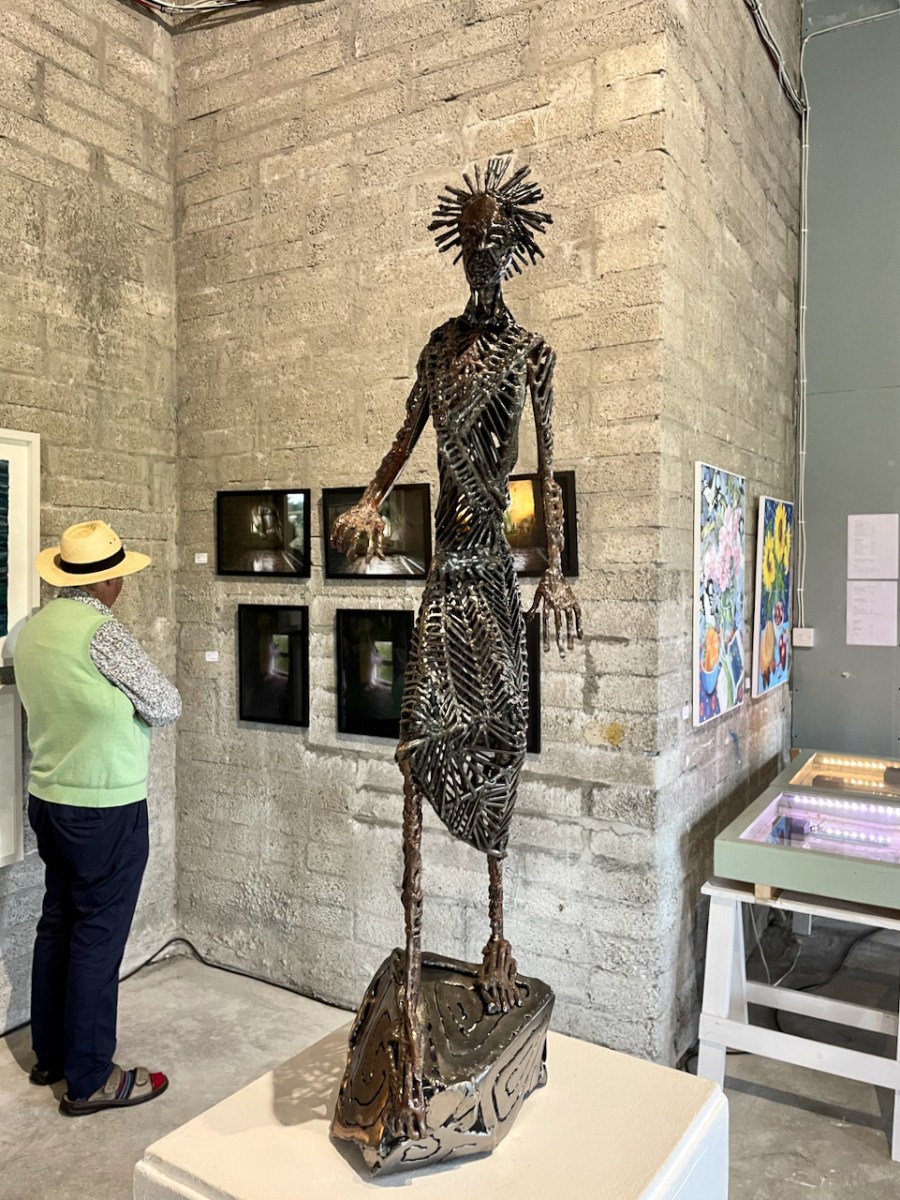
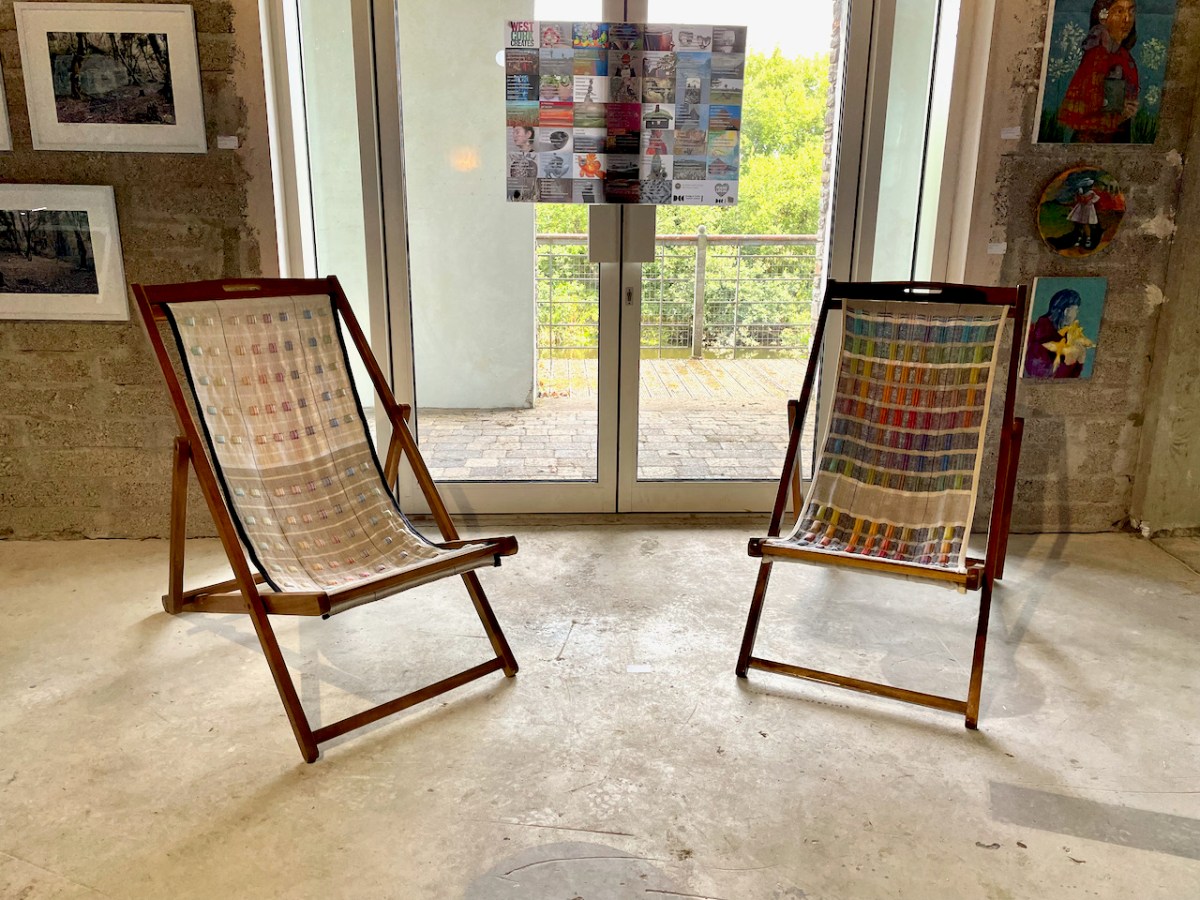
Dubhaltach Ó Colmán has several striking metal sculptures in the show (above). His work goes from strength to strength. But perhaps our favourite were the two deckchairs below, reclaimed by Suzanne McGuirk and covered with her own exquisite organic linen woven fabric. They are soon to grace the terrace of our own home!

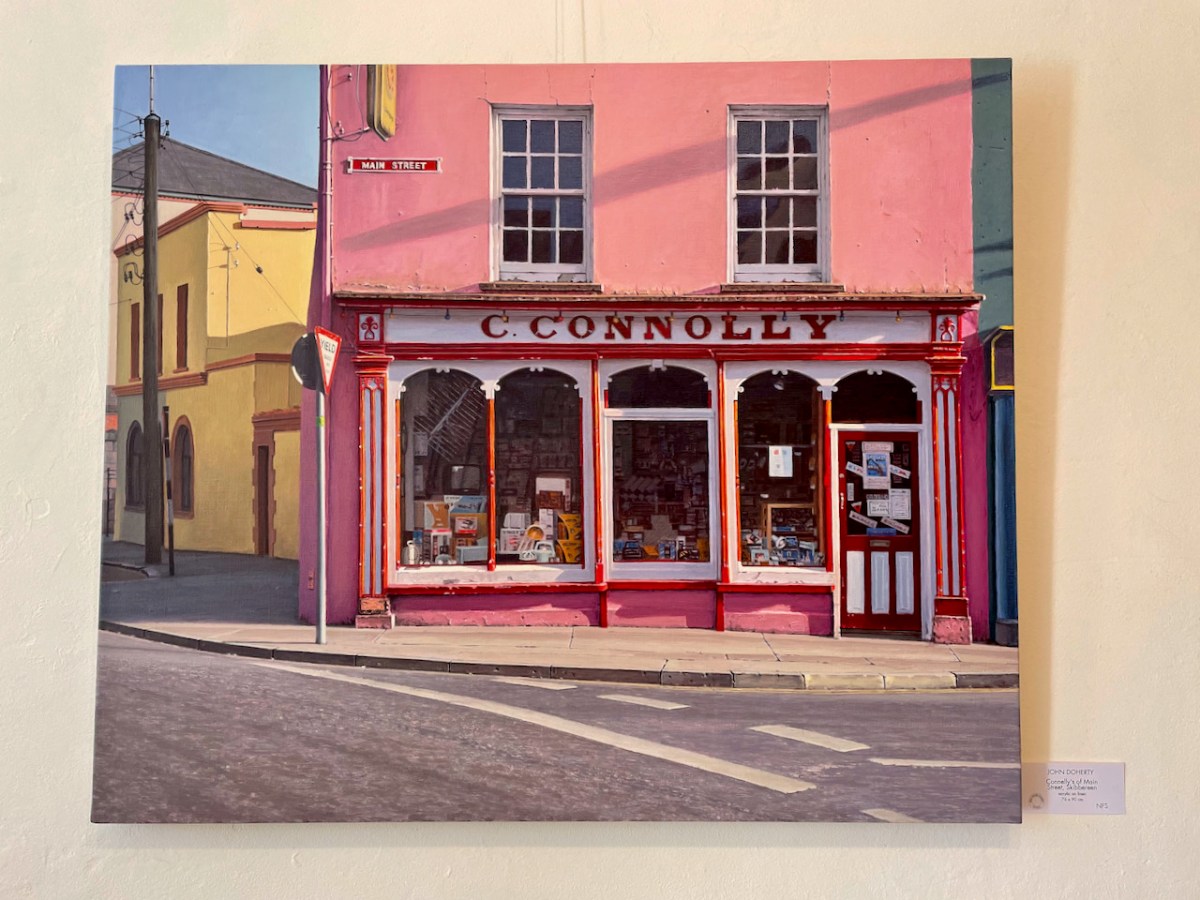
In Schull, the Blue House Gallery has just opened an exhibition of work by John Doherty. A photorealist painter, John’s work draws you in initially with its detailed representation of everyday objects: it’s nostalgia, you think at first, before it dawns on you that, as the Taylor Gallery says of his work: His images, coupled with the wry wit of their titles, point towards the human stories that exist behind the facades that represent a meticulous  examination of the half-forgotten life of the past. No, that’s not a photograph, below, of Connolly’s of Skibbereen – it’s one of John’s paintings.

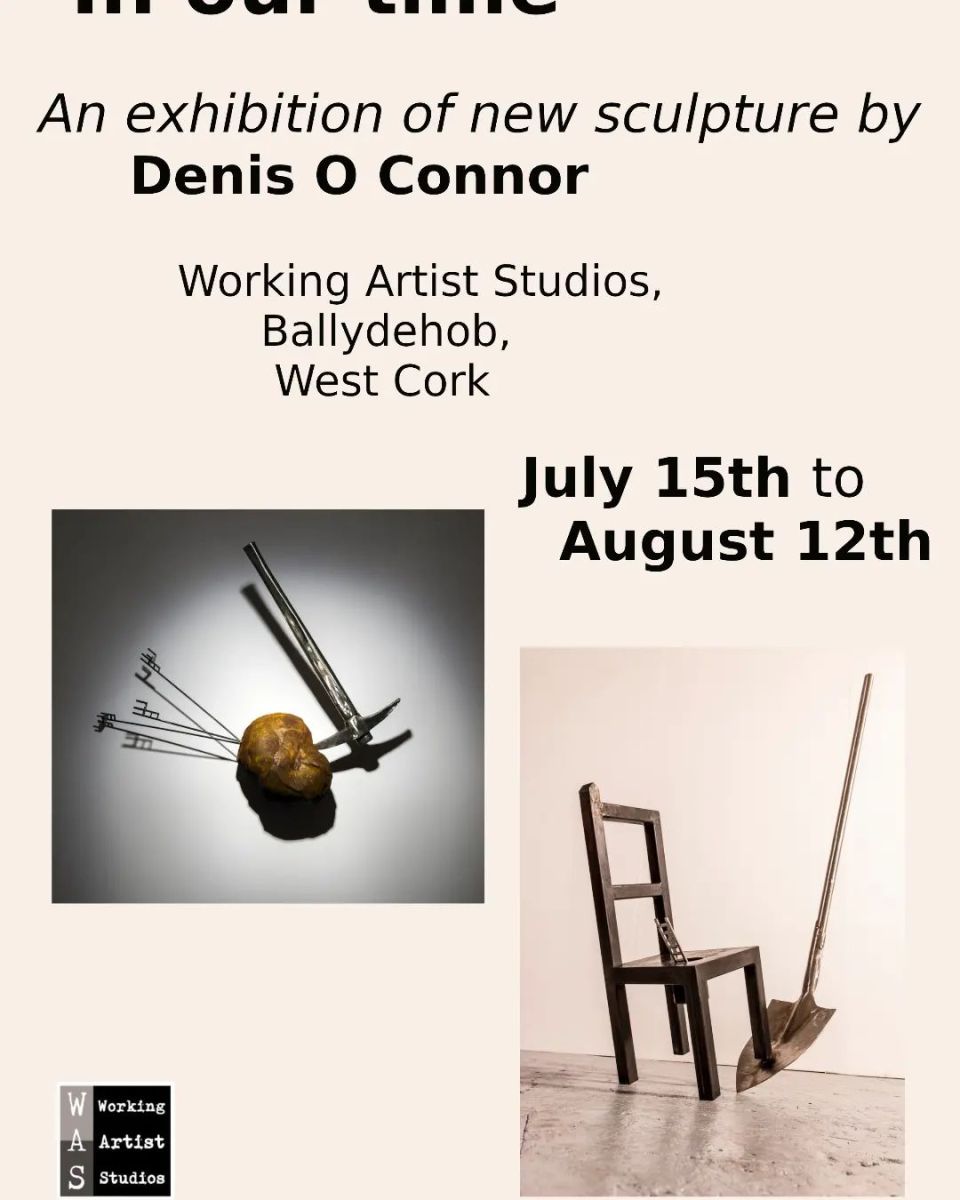
And in our small village of Ballydehob we have not one but four exhibitions, all worth visiting right now! Starting from the top of the main street, let’s first drop by The Working Artists Studio, who are currently hosting the sculptor Denis O’Connor. He’ll be giving a talk on Friday and we intend to be there.

Of his work he says: 

Process and Making are central to my sculpture, working in an intuitive, physically dynamic way, trying to develop new ways of defining my language of sculpture.  I work with the medium of steel towards creating physical forms [rocks and boulders] which begin to transcend a sense of how elements of the landscape are made but also its physical vulnerability and hostility.

Just down the road is the Ballydehob Arts Museum. Robert wrote last week about the unique exhibition of Lynn and Ian Wright’s ceramics – everyone who visits enjoys their humour and skill.

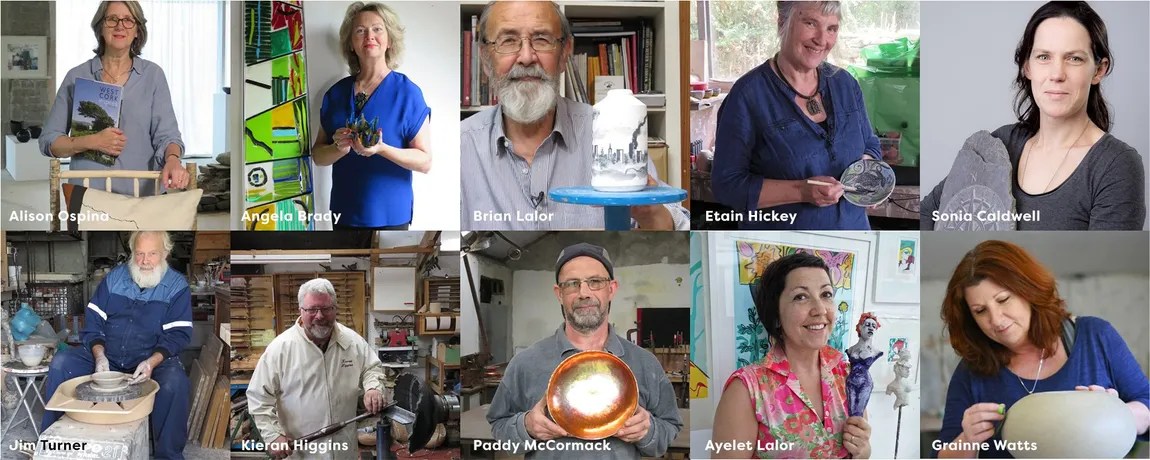
Next door down is Rosie’s Pub, where the art-loving proprietors, Noel and Chris Camier, host regular shows all summer in their Aisling Gallery above the pub. The current show is the Ten Hands Group – ten Artist/Makers at the top of their game coming together for a marvellously-curated show. That’s the ten of them, above.

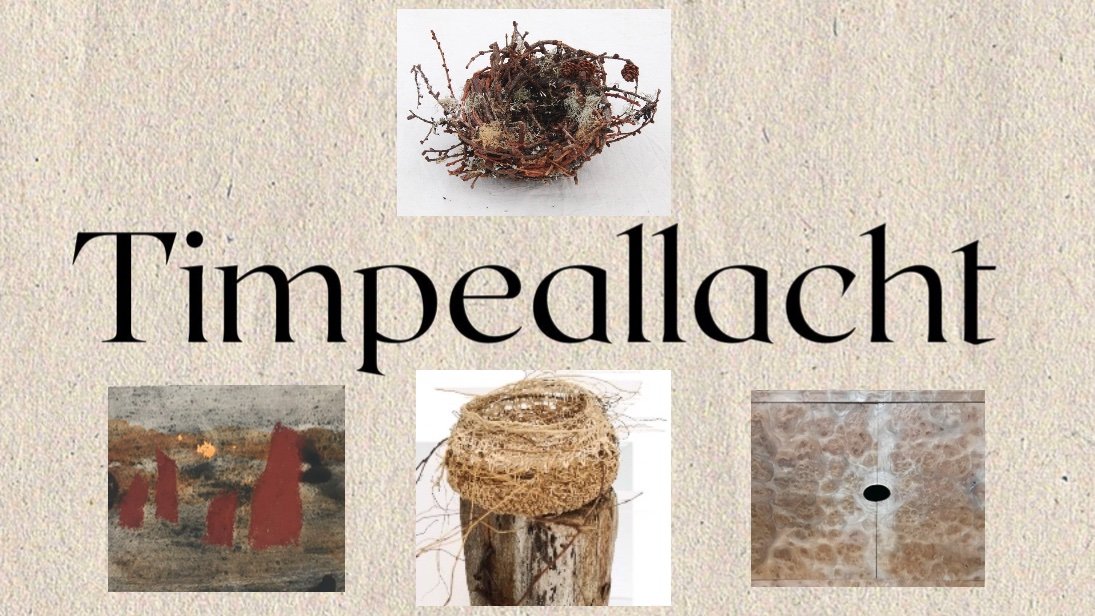
Finally, a new-ish addition to the village, the Kilcoe Studios is hosting Timpeallacht (it means surroundings or environment) in which all the items have been made from local and natural materials.

There’s more – much more – but this will give you a flavour of how we are spending our time right now. Next up for us is the superb Ellen Hutchins Festival. No wonder I’m exhausted – and blissed out. I will leave you with a ‘Head’ from the indefatigable Angela Brady – regular readers will remember we took a glass workshop with her.

BAM Open! A New + Unique Exhibition!

BAM – the Ballydehob Arts Museum – is open through the summer. Make sure you don’t miss the impressive exhibition that’s on at the moment. It shows the work of West Cork art creators Ian and Lynn Wright (shown above with Eleanor Flegg). They were part of the ‘invasion’ of artists who came to the Ballydehob area from the 1960s onwards, and who are now featured in what is perhaps Ireland’s smallest art gallery, situated in Bank House, the headquarters of the Ballydehob Community Council.

You will find out all about the Museum here and here. Curator Brian Lalor (who featured in last week’s post) and Director Robert Harris (that’s me!) have put together a new exhibition this summer, following two years of absence due to Covid.

The ad above (from the early 1980s, I think) shows how Ian and Lynn’s work was being marketed at that time. They called themselves Cors it’s Ceramics, and they definitely projected a cheeky identity, making one-off ceramics – basins, bidets, loos and bathroom accessories: unique, appealing and often erotic. Their work was popular, and their production processes couldn’t keep up with demand! Today, the Wrights are producing more measured ceramics: Lynn produces beautiful large bowls, while Ian uses human body moulds to make impressive torso casts. Examples of all their working styles can be seen in the present Museum exhibition.

The Museum display is stunning. It brings together – probably for the first time ever – an eclectic extravaganza of the Wright’s output over half a century: examples of work small and large. There are no complete bathroom settings here: those that survive are still installed in the domestic settings for which they were commissioned. But we are fortunate that we have had access to the Wrights’ own collection of their work, which they have freely lent to the Museum. We do, of course, also have photographic records of other examples.

The Exhibition was formally opened earlier this year by Eleanor Flegg, and it can now be viewed for free whenever the Ballydehob Tourism Office is open. Through the summer this is usually from Monday to Saturday – 11am to 1pm, and from 2pm to 5pm. However, please check before visiting, as the office is staffed only by volunteers, and we can’t guarantee those hours at all times. It’s best to ring this number to confirm that it will be open: 028 25922.

A lot of effort has gone into making this exhibition. It’s on for the rest of this season, so please don’t miss it. It is the aim of the Ballydehob Arts Museum to celebrate the very special projects that have been carried out over decades to give the village its reputation as an artistic centre of excellence. Nowhere else can you find the full flavour of what has made this community so special.

This photo (above) appeared in the Mail on Sunday newspaper in 1983. Lynn and Ian are on the left and right respectively. The occasion is a ‘body casting party’ in the Wright’s garden.