Ten Years!

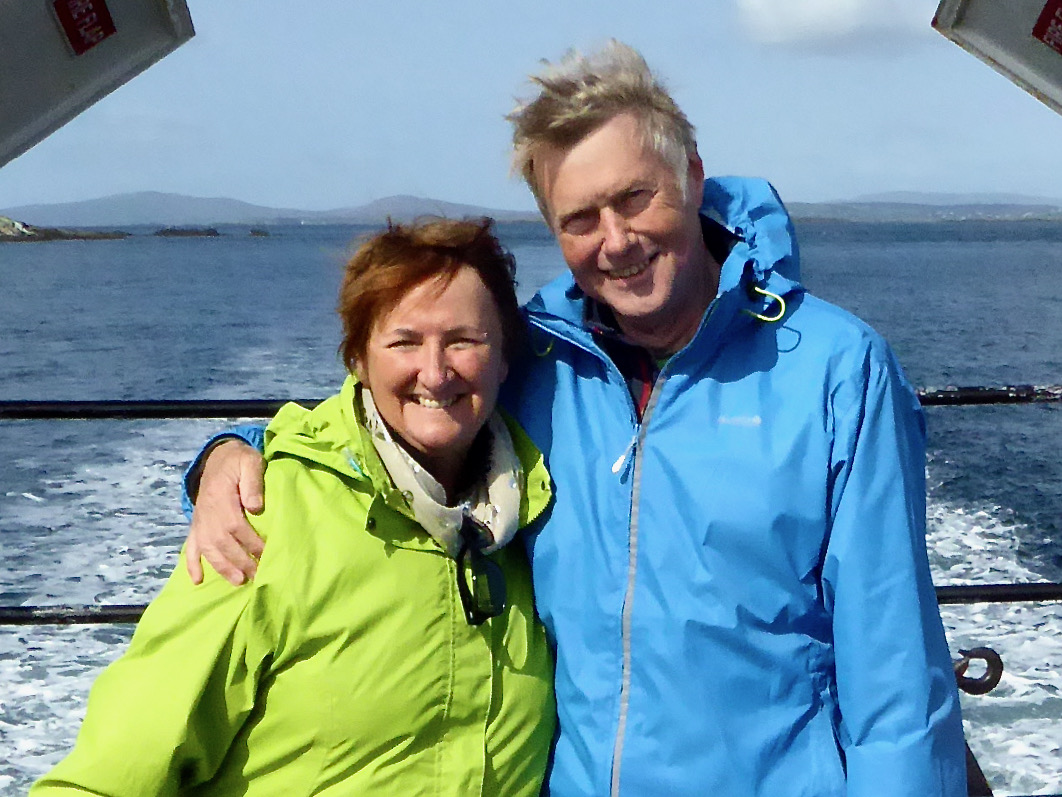
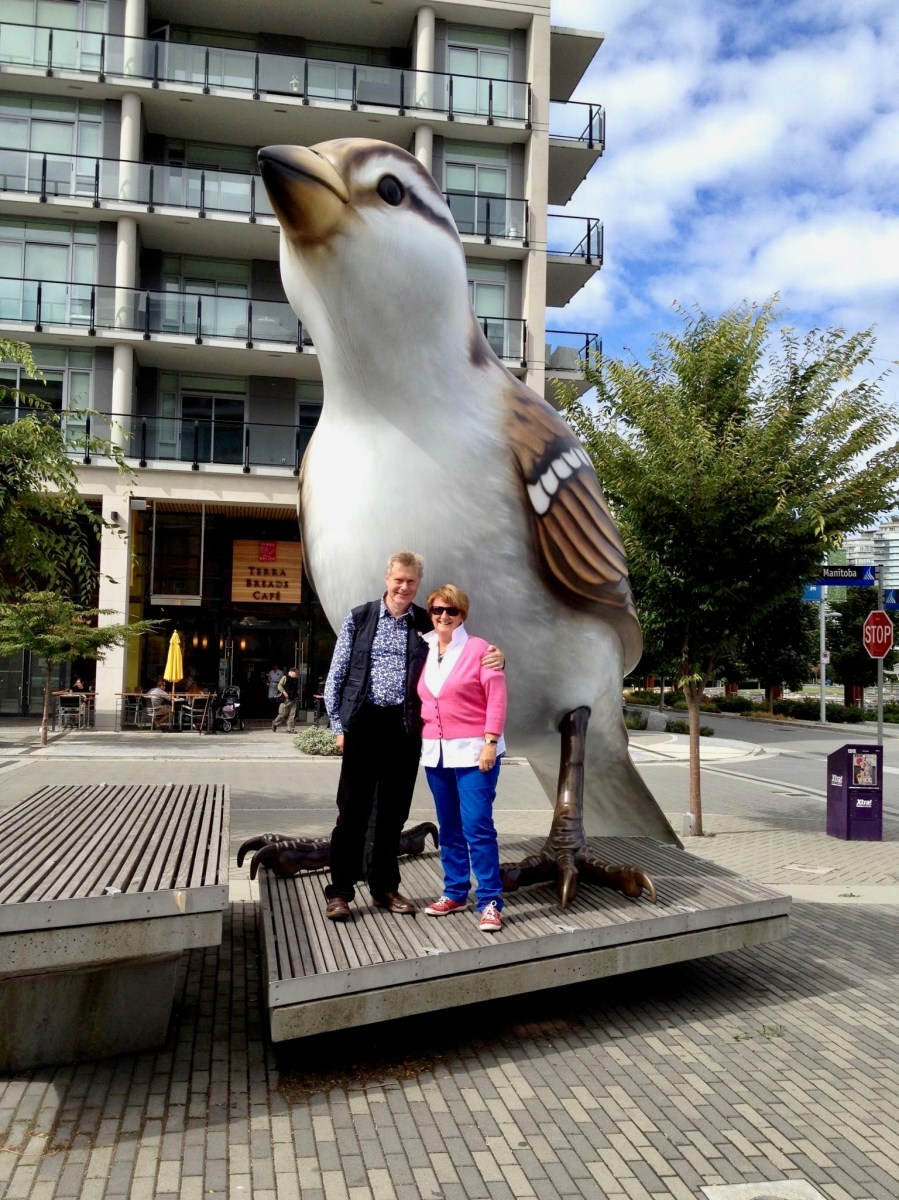
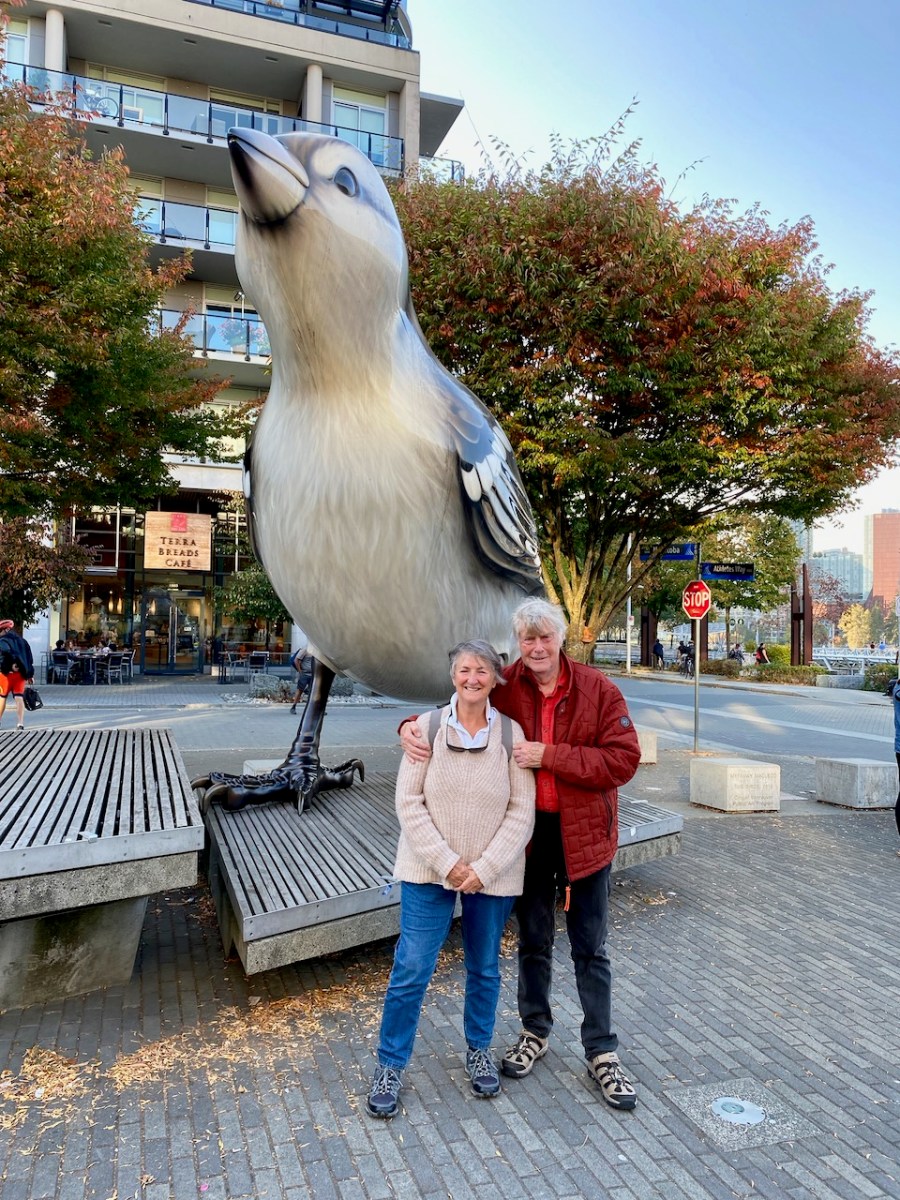
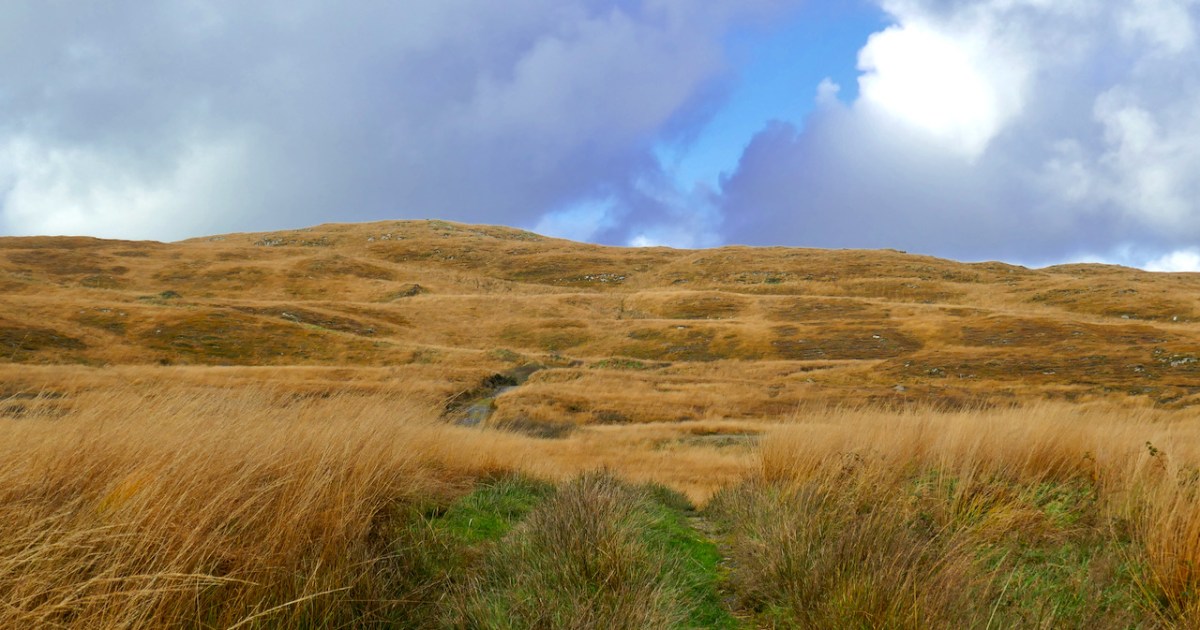
Why have we chosen this photograph to head up our ten year anniversary blogpost? That’s simple: the pic was taken on 15 October 2012. We had moved into Ard Glas – just outside Ballydehob – for a six-month rental to see how we liked West Cork!

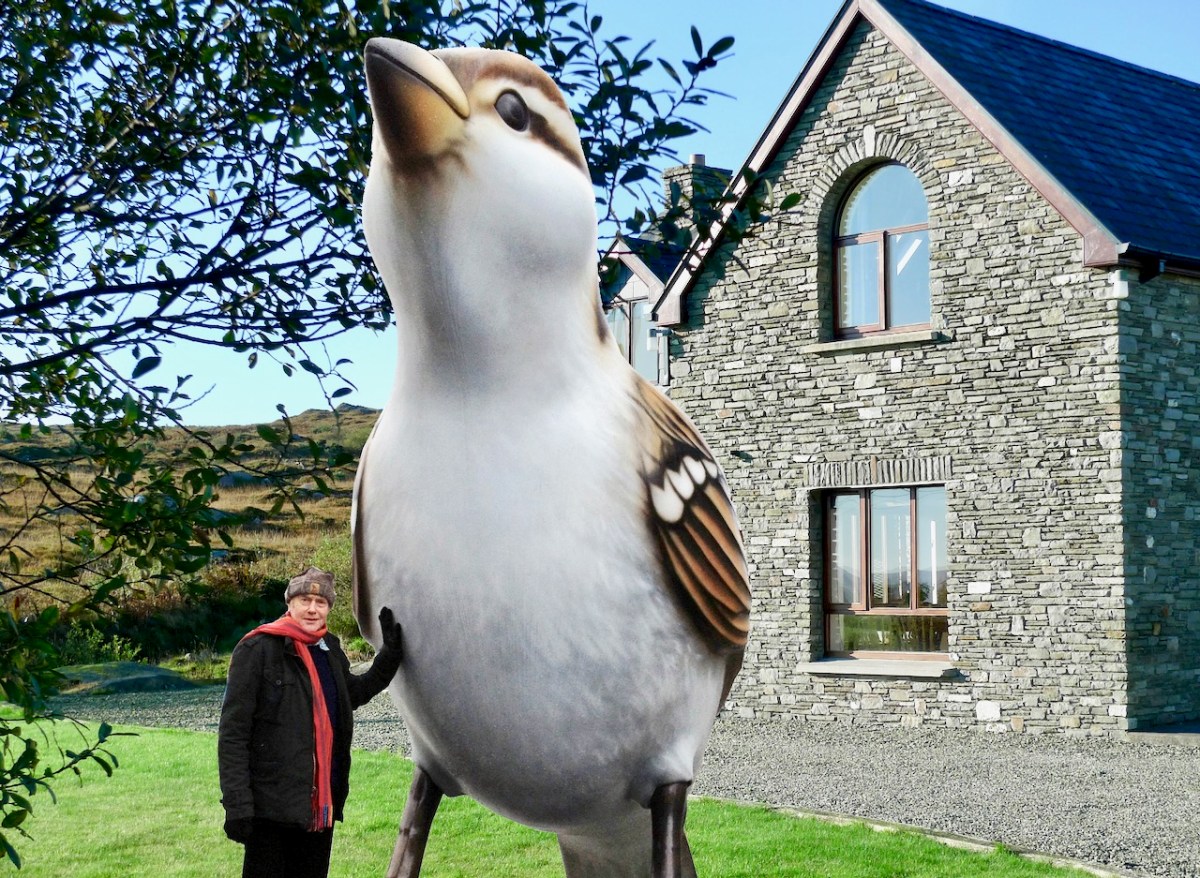
But – what about the giant sparrow?

Wait a minute. We very obviously ended up liking West Cork so much that we bought a house in Cappaghglass (the townland next door to Ard Glas), and have stayed there ever since. As you can see, we have been thoroughly enjoying ourselves over the last decade:

Yes, but, that very large sparrow…?

Be patient! Believe it or not, we have kept the blog posts going, with hardly any interruption, ever since. This is Roaringwater Journal post number 968. In the last decade, our Journal has been viewed over 1.5 million times and we have acquired over 5,700 followers between our various platforms.

Our posts are all still there in the archives – and you can still read them. Search by using the three-bar icon on the home page and select All Pages-Navigation, or one of the other menus. Alternately, press the cog button under the Roaringwater Journal title at the top of the page, then scroll down to Archives. Roll down through all the months. Or enter a search term into the magnifying glass symbol next to the cog. That will show whether we have mentioned your chosen subject in any of our blogs. We warn you that some posts (especially the very early ones) haven’t survived the test of time perfectly: but we leave them in there because it’s all a bit of history.

Sparrow?

Hang on! Of course, things change a bit as the years go by (although we don’t*). We have varied the layout of the blog, and the header etc. We had thought of refreshing it all again to celebrate this milestone but… ah, well – perhaps for the twentieth anniversary.

Sp……..?

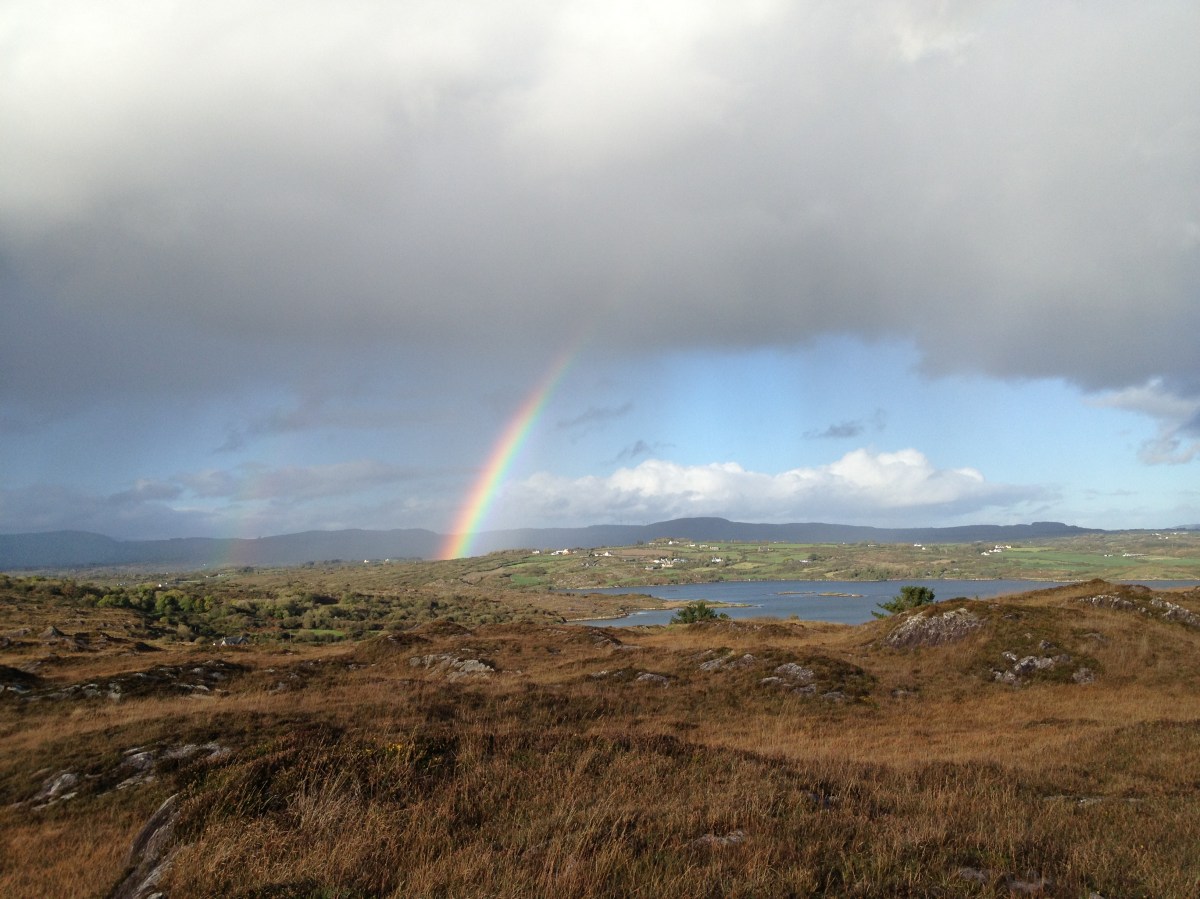
Another pic from 2012 (above) showing mixed weather conditions over Roaringwater Bay. It hasn’t always been sunshine here (have a look at this) but it always feels sunny to us – or just about to be sunny. One of our newest posts -here – shows us doing what we like the most, and always have: exploring remote and often forgotten West Cork byways.

Our regular readers will know that, over ten years, we have developed our interests to take in history, archaeology, rock art, stained glass, architecture, topography, folklore, wildflowers, art and culture, landscape and language… and very much more. We share our adventures often with Amanda and Peter Clarke, our fellow bloggers and friends – see Holy Wells of Cork and Kerry and Hikelines.

What of the next ten years? Well, we are trying to be innovative. This week we have introduced a ‘guest post’ for the first time: this one, by our friend Brian O’Riordan, explores the exploits of an intrepid 79-year old woman who sailed solo across the Atlantic to Ireland in 1994 , which falls right into our own interests, and – hopefully – yours too.

S…………..?

Ok – we have got the message! About the sparrow, that is. The original giant sparrow is one of two (a male and a female) which were created for the Olympic Park in Vancouver, Canada, in 2010 by the sculptor Myfanwy MacLeod. One was transported by our own photo magic to Ard Glas! Perhaps they are not relevant to West Cork, but they are meaningful to Finola and Robert, as we saw them together in Canada ten years ago – pic below. We have just recently returned from a visit to Canada, enjoying a long-awaited catch-up with Finola’s family there. We made sure to record our presence there with another photo-op (below the below).

* Hopefully this demonstrates how youthful we remain, imbibing as we do the stimulating West Cork air. Here’s to the next ten….!

The Caol Stream Then and Now

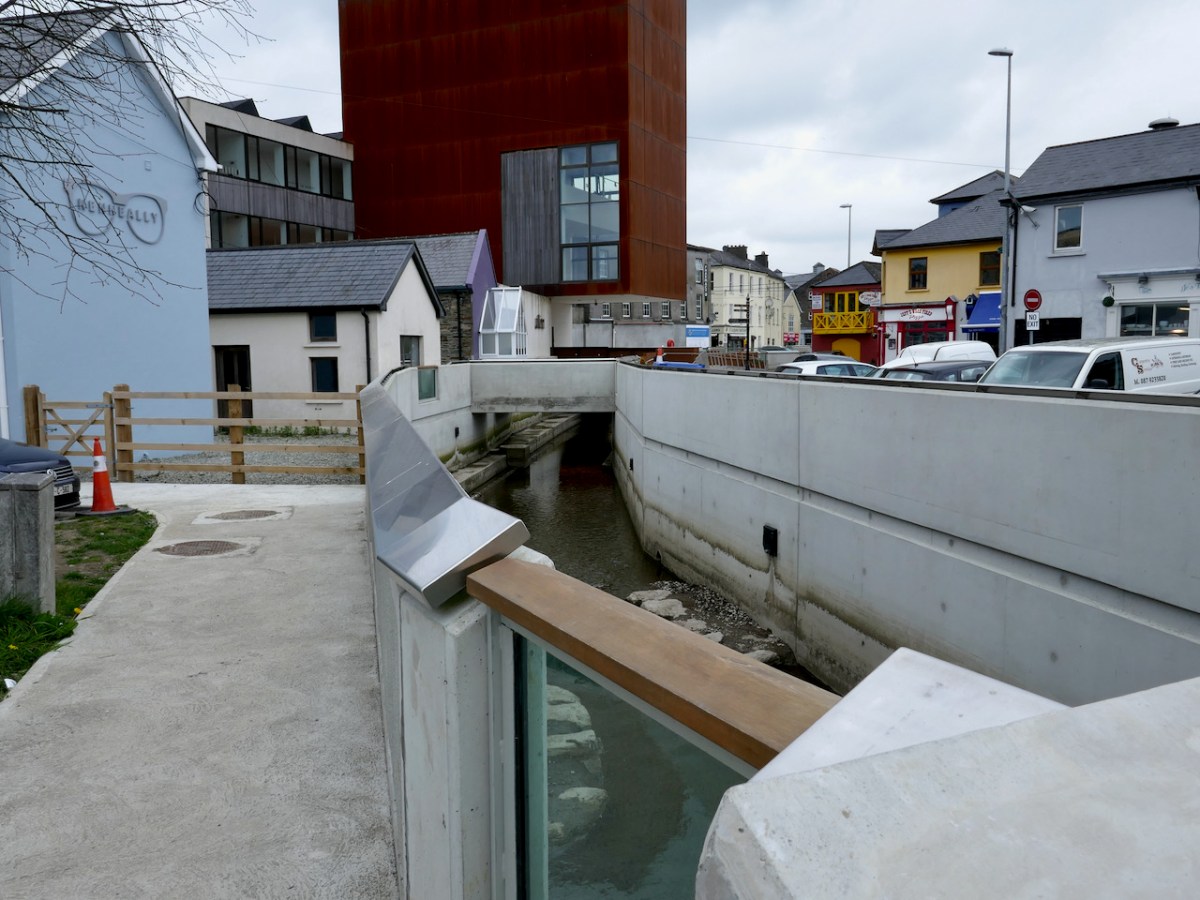
Five years ago I wrote a piece about the incredible biodiversity that flourished along the Caol Stream, right in the middle of Skibbereen. At the time, the flood relief project was underway, and it wasn’t totally clear how much clearance of the vegetation would take place. I was optimistic, given the resilience of nature, that once things settled down, the wildflowers would once again creep in to populate the banks of the stream.

I am no longer optimistic that this will happen anytime soon, if at all. The photo above shows you what the same area is like now. So this post is an elegy for the missed opportunity that this project represented – the opportunity to balance the needs of the people of Skibbereen not to be flooded repeatedly, with the need to conserve our biodiversity.

Please click on this link to see the riches we have lost:

Down By The Old Caol Stream

Wildflowers of West Cork

I have a new venture this year – an experimental foray into the world of Instagram. I’ve set up an Instagram page on the Wildflowers of West Cork. I’m using video, instead of photographs like the one above of St Patrick’s Cabbage.

I’ve been uploading short (less than 60 seconds) videos about the wildflowers I see around me here in West Cork. The video format is helpful, as it allows people to see better the size of the flowers. This is important, as photographs don’t always convey the relative size of what you should be training your eye to find.

I have chosen four of the videos to feature in this post. The flowers I include on the Instagram posts are mostly native, but I have also included non-native as well, such as garden escapes and invasive aliens that have the potential to be damaging to our native flowers by taking over their habitat.

I know many of you aren’t on Instagram, but if you are, take a look and follow the page if you like. I have tried to set up an automatic redirect also from Instagram to my Wildflowers of West Cork Facebook Page, but I have found it to be hit and miss – the videos don’t always show up on that page. I’ve done 70 videos this year and I am going to take a break now and start again next spring.

Well Off The Well-Trod Track

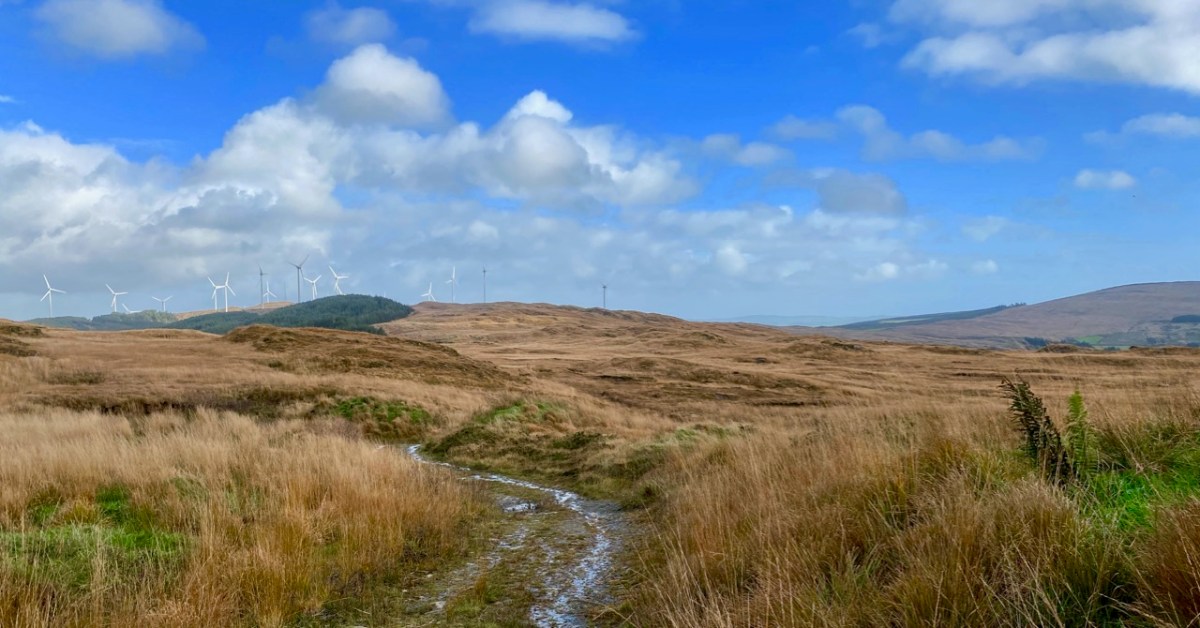
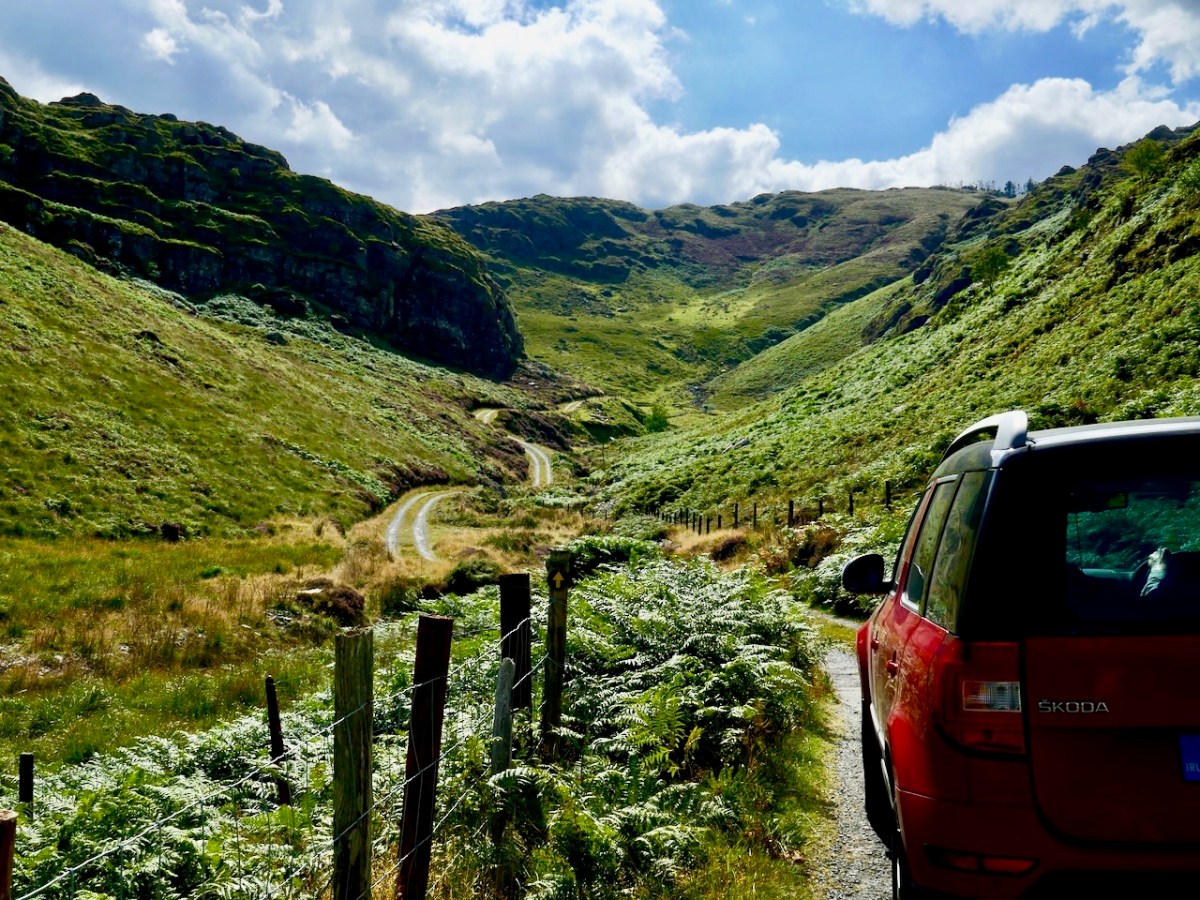
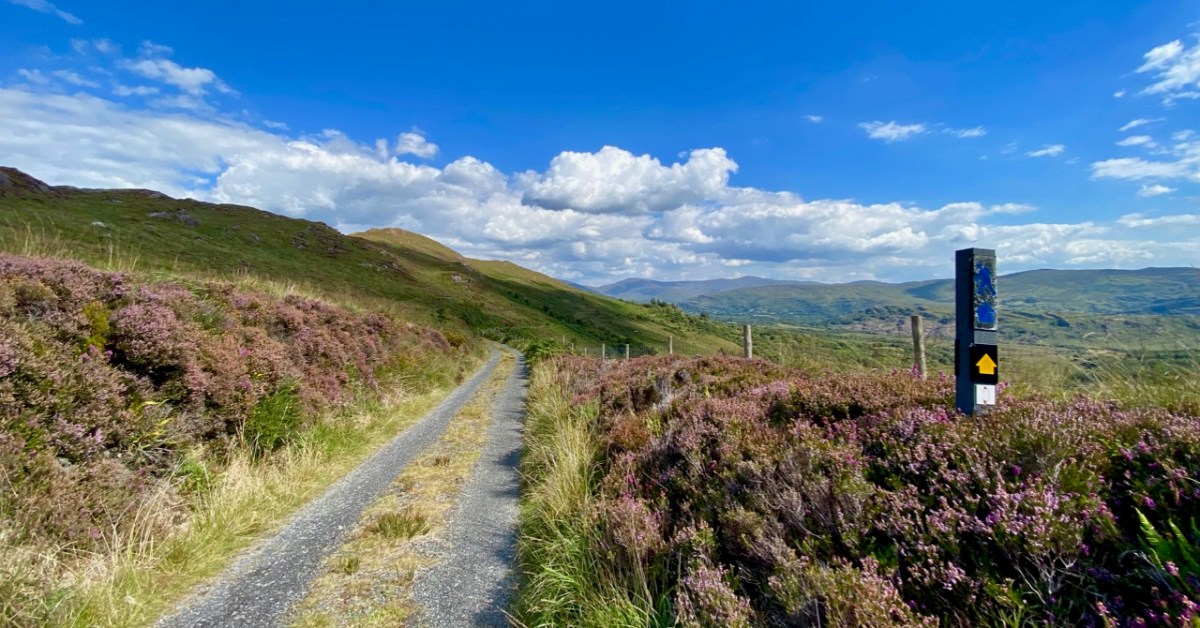
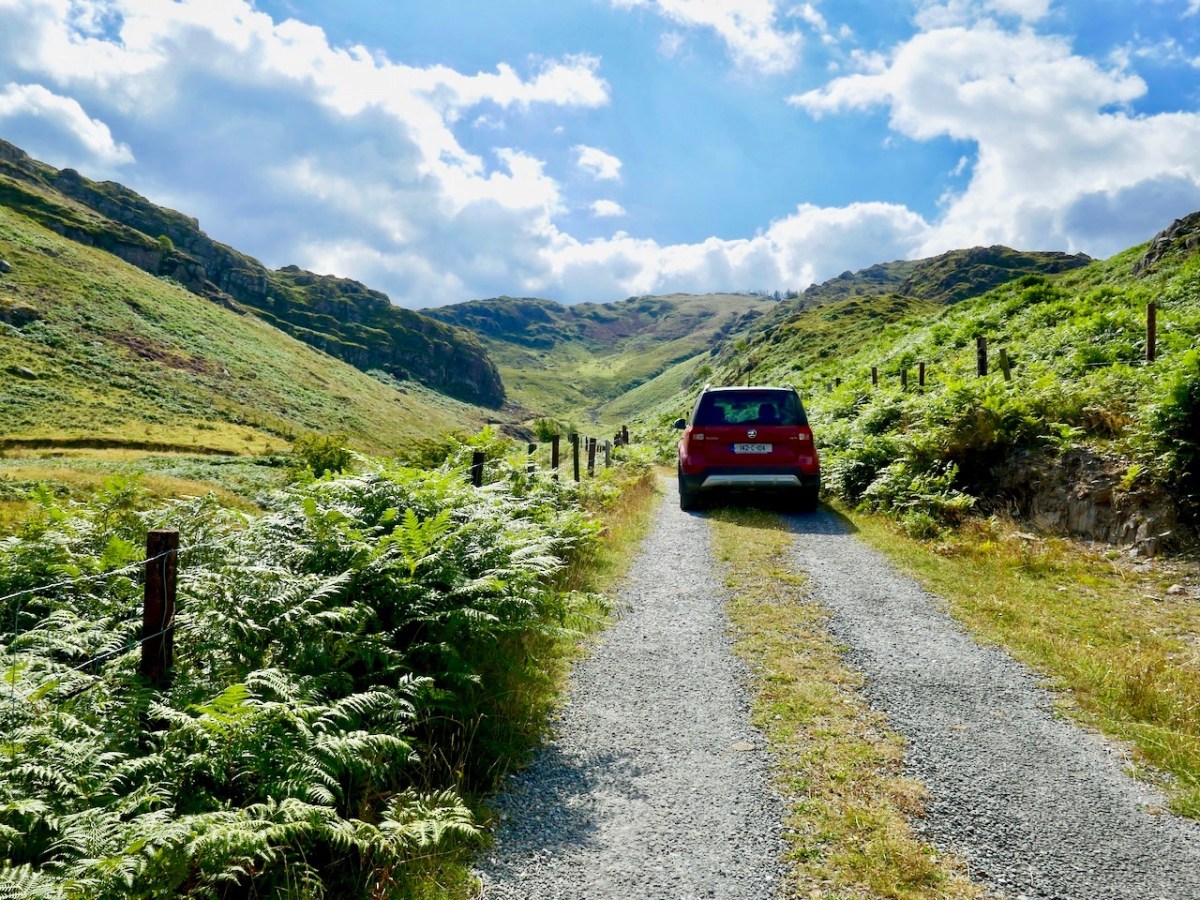
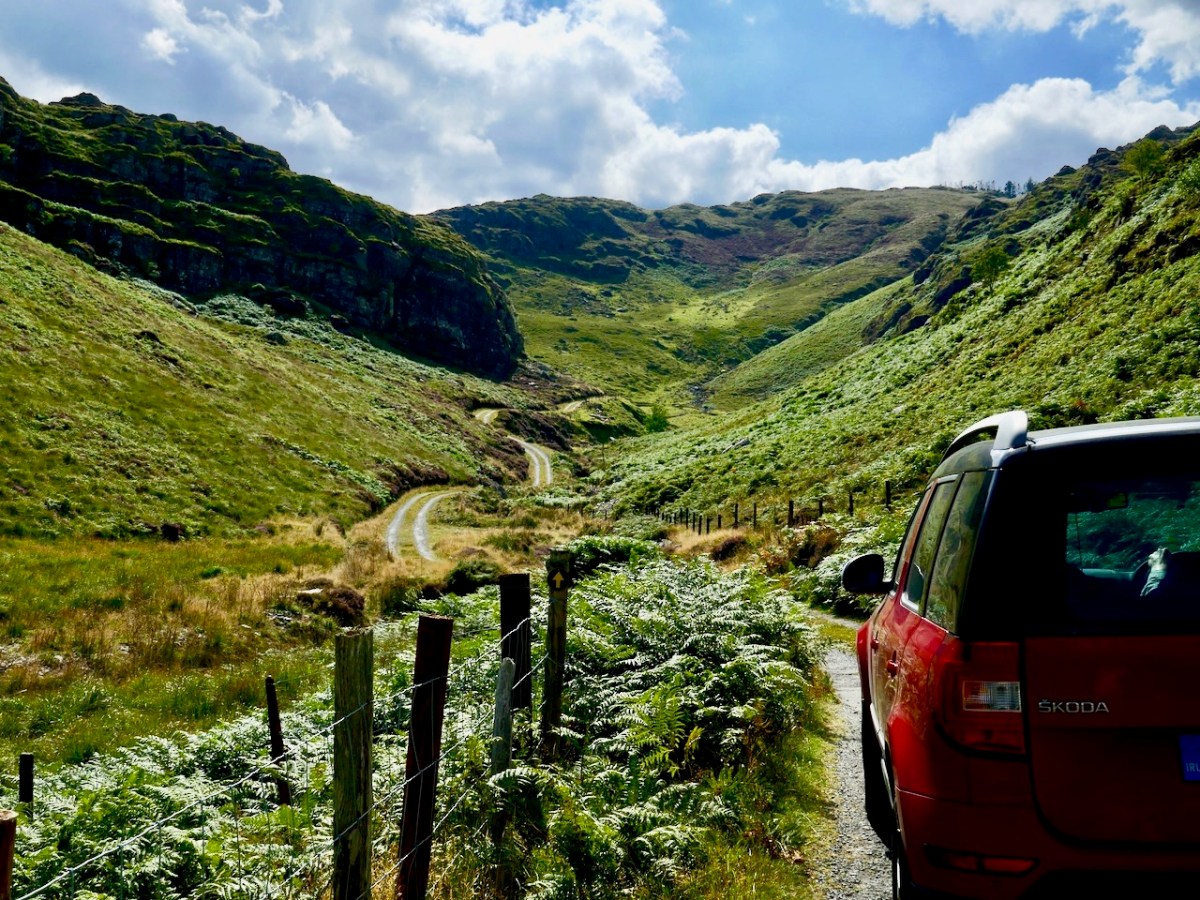
Not long ago I reported on some ‘small road’ works close by our home in West Cork. Whenever we travel here in Ireland, we are on the lookout for ‘byways’ … very narrow routes, seldom used, but which often traverse the most scenic landscapes. For some – such as today’s example – you have to be fairly brave, and prepared to travel a long way in reverse if necessary!

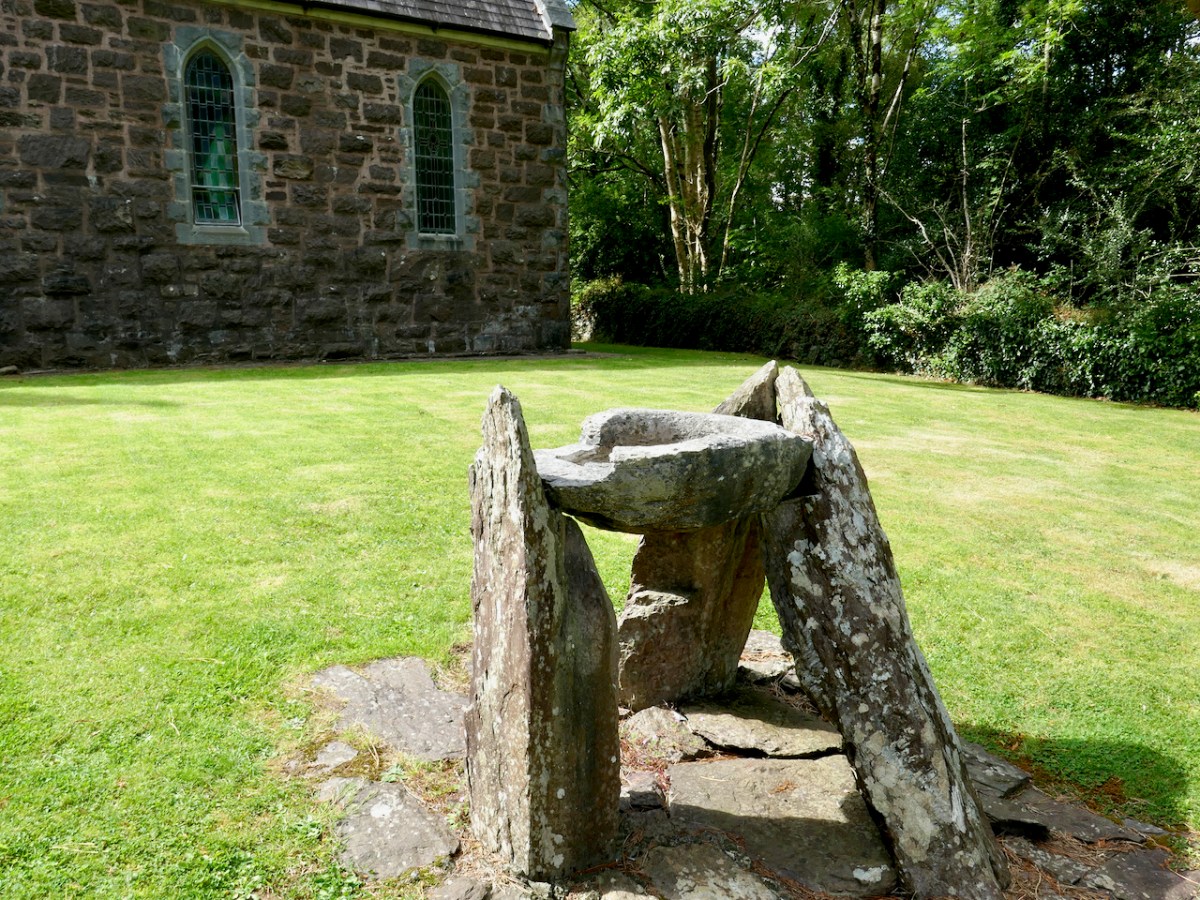
We were coming back from a day out in Kenmare, aiming for our West Cork home. There’s a corner of the Beara Peninsula – within Kerry – that we had never explored before so we headed out to revisit the little church at Dawros, Tuosist parish. We have always been fascinated by the stone basin that is in the church grounds, mounted on crude pillars – I have seen it described as a ‘baptismal font’:

From the church we went north, over a mountain road which eventually connected to the main N71 towards West Cork, Glengariff, and home.

It looks straightforward enough on the Google map – and there are no turnings, so you can’t get lost! The winding route from Dawros to the N71 is about 10 kilometres. If you could go in a straight line it would be about half that distance! During our whole journey on that mountain road we didn’t see a single vehicle (but we can’t guarantee that would always be the case).

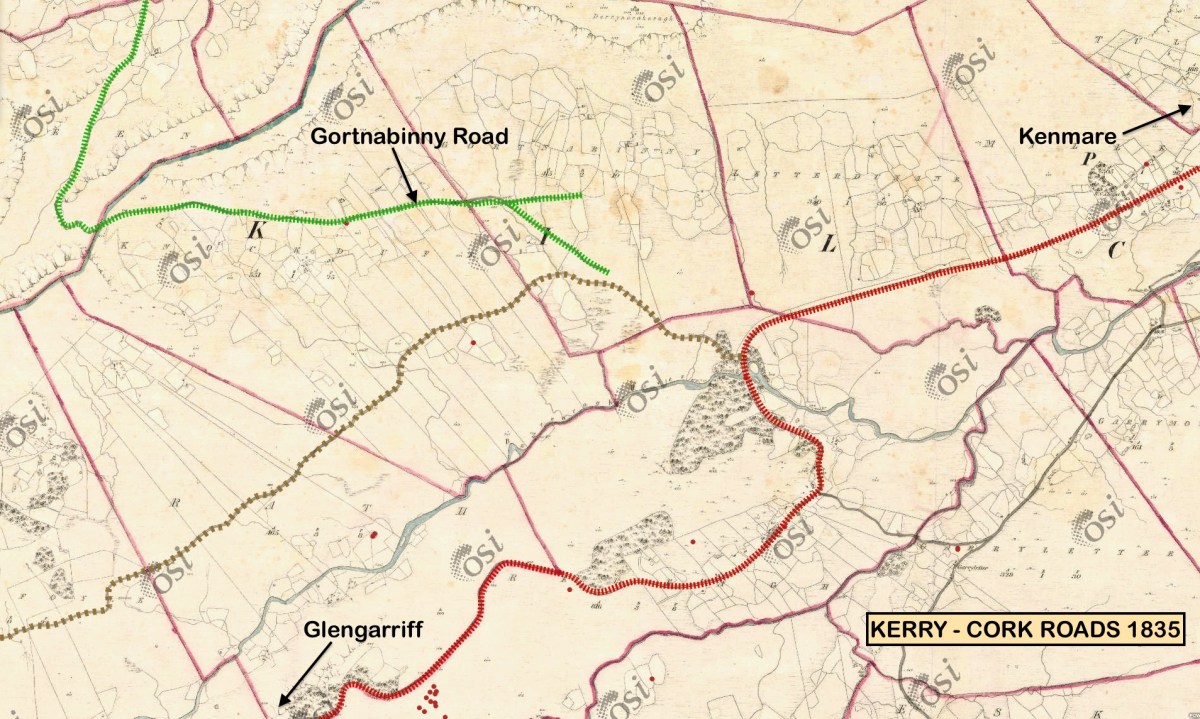
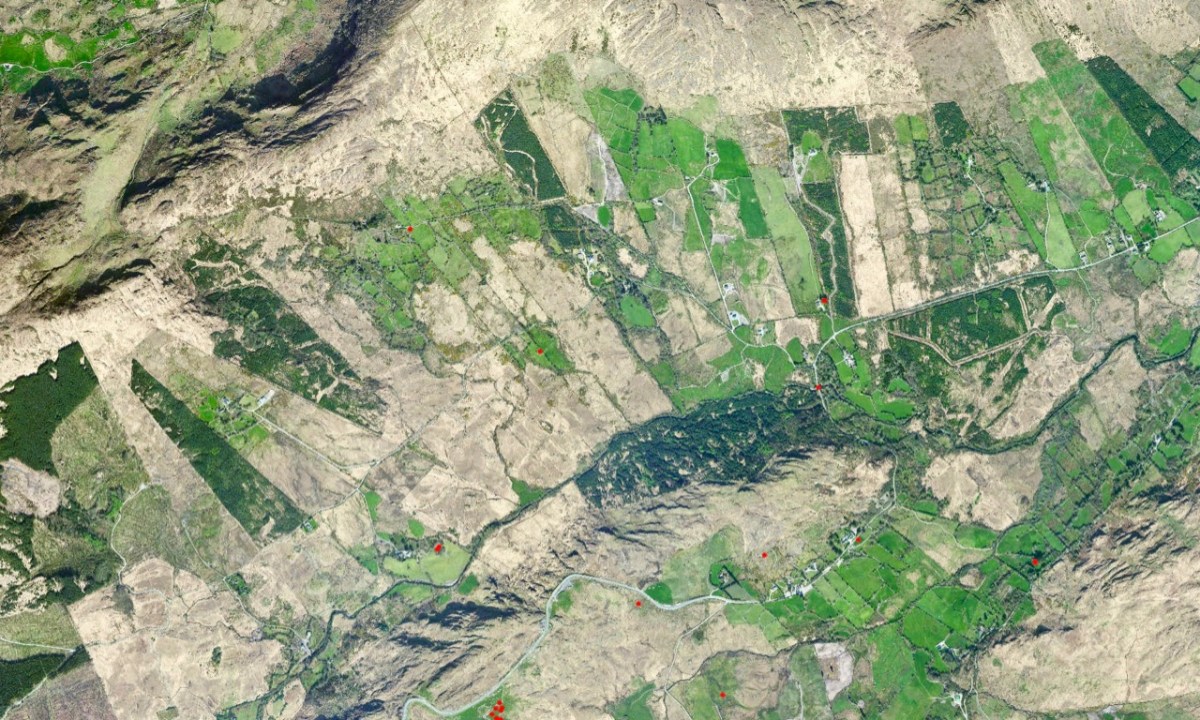
The early OS map (upper) and aerial view (lower) give an impression of the topography over part of the route. The field boundaries are fascinating – and obviously ancient: sweeping linear enclosures cascading down the slopes. From the early map we can see that the road we travelled (known in part as Gortnabinny Road – marked in green) did not actually reach the main Kenmare to Glengarriff road in those times. It presumably just served remote settlements and lonely holdings.

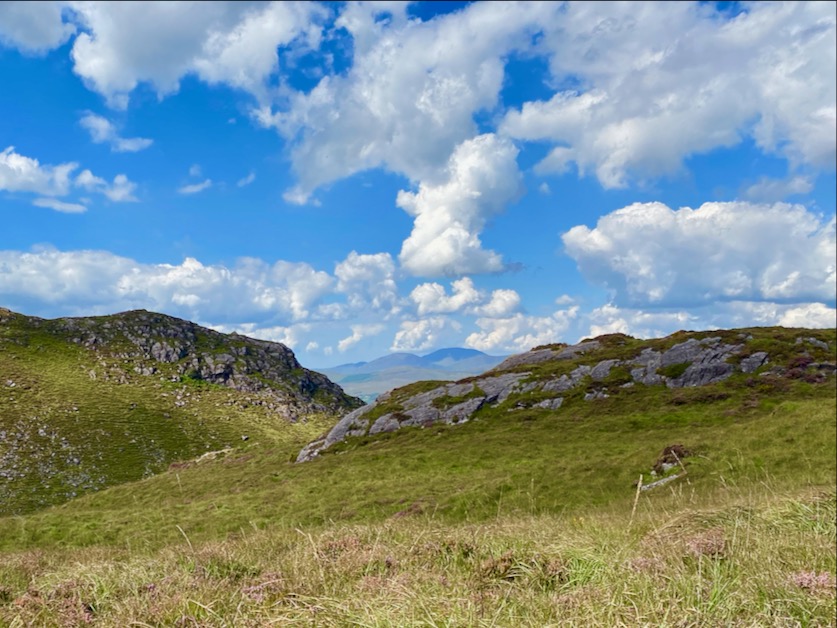
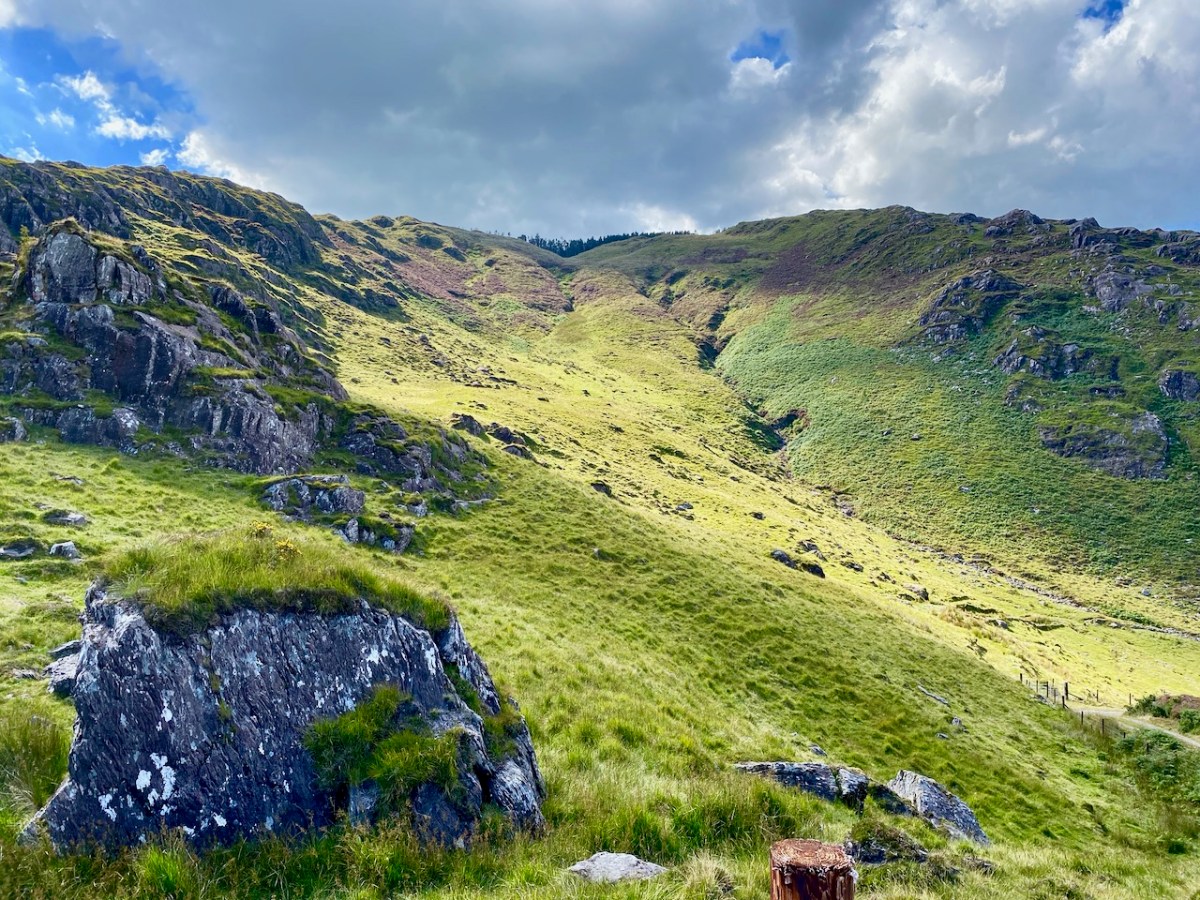
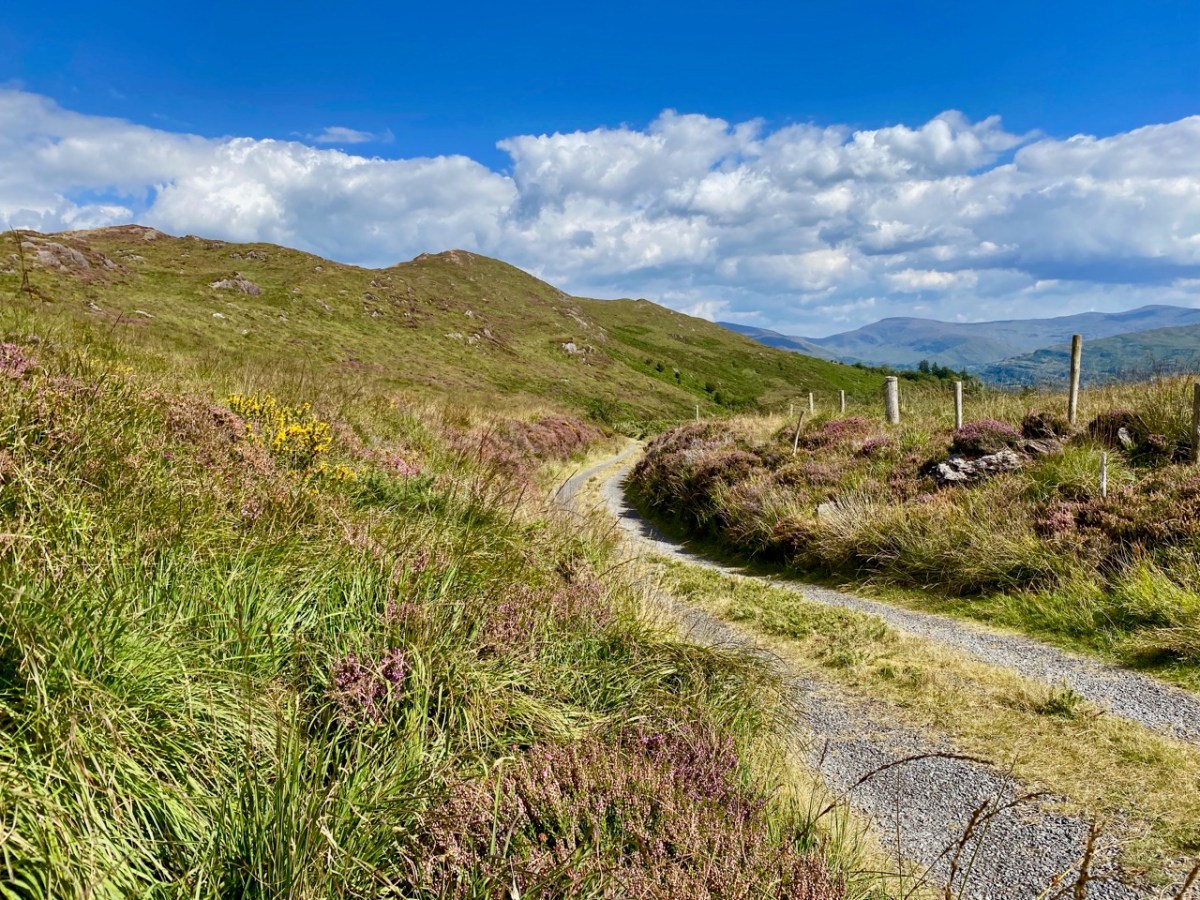
It couldn’t have been a better day for the drama of sunshine and clouds that outlined the valleys and hills. There is little sign, here, of a drought that is causing problems on farms and in town gardens. When distant views opened up, we were treated to some of the finest vistas in our counties.

Against the drama of the surrounding peaks we felt secure in our little vehicle which progressed steadily along the narrowest of boreens. Our only living companions in this place were sheep, easy to discern because of their brightly dyed coats.

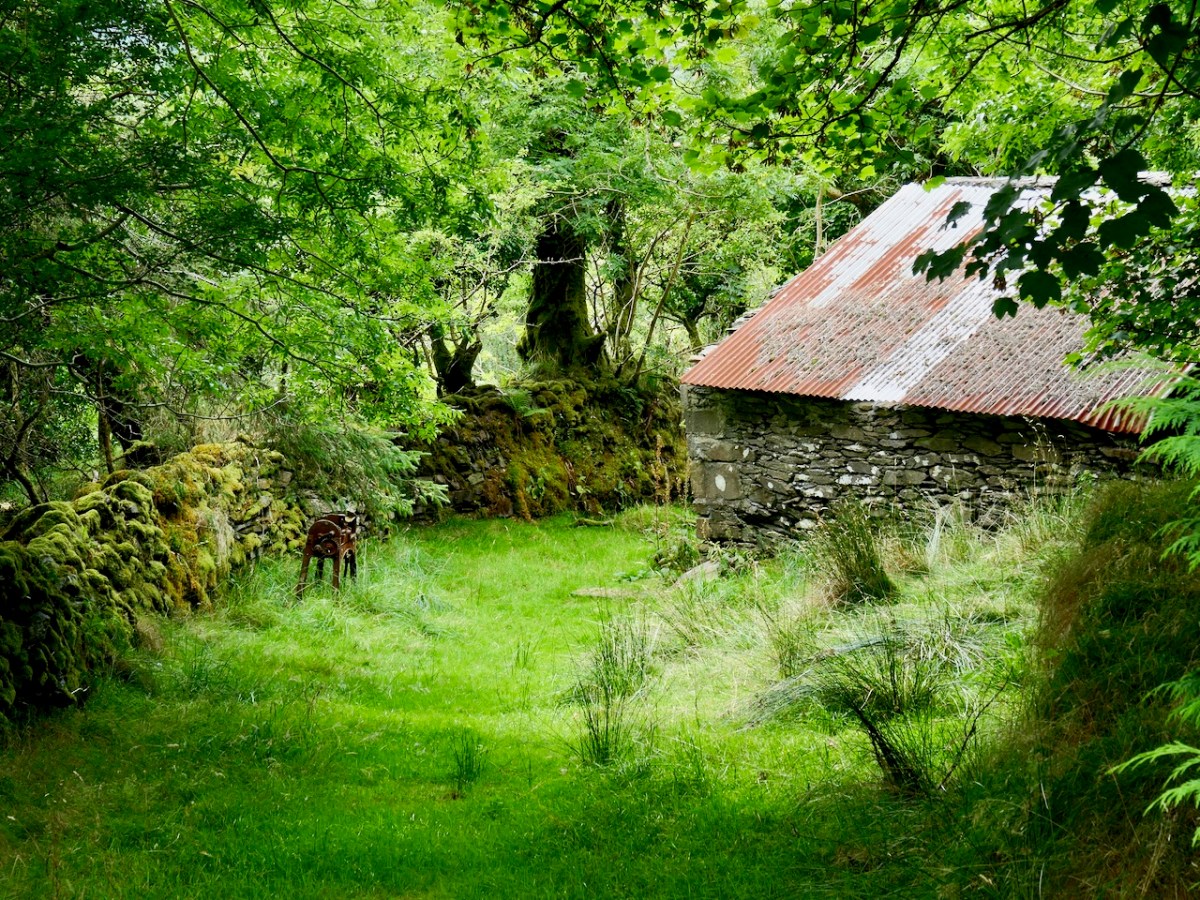
While driving on roads such as this is a richly rewarding experience, you also need to get out and encounter the wildlife close-up.

We are always on the lookout for adventures, and we don’t have to be travelling far away from home in order to find them. In our experience, the ‘small roads of Ireland’ – wherever they are – can take us to unexplored territory.

Small Roads

Road repairs in rural Ireland peak in the summer months. Favourable weather is responsible. Always be ready for holdups and diversions. ‘Boreens’ – narrow roads in country areas – are often unable to take the machines required to cut edges, fill potholes and restore surfaces while letting traffic through at the same time. In the worst cases, alternative routes can add many kilometres to a journey. So, when setting out, always leave yourselves plenty of time.

Here’s our Yeti straddling the border between Cork and Kerry on the Priest’s Leap road. That’s one of our favourites: the scenery is outstanding, but there can be problems if you meet someone coming the other way. In fact, that difficulty is present on very many of our local byways: hone your reversing skills!

It’s not always other vehicles you have to watch out for . . .

A rural road can be a challenge: never be in a hurry. You just have to go with the flow, even if that means reversing for half a mile. In that situation, of course, the main difficulty is making the decision as to who will have to reverse: you, or the vehicle coming the other way. If that oncoming vehicle is a large tractor and trailer, you may not have much choice.

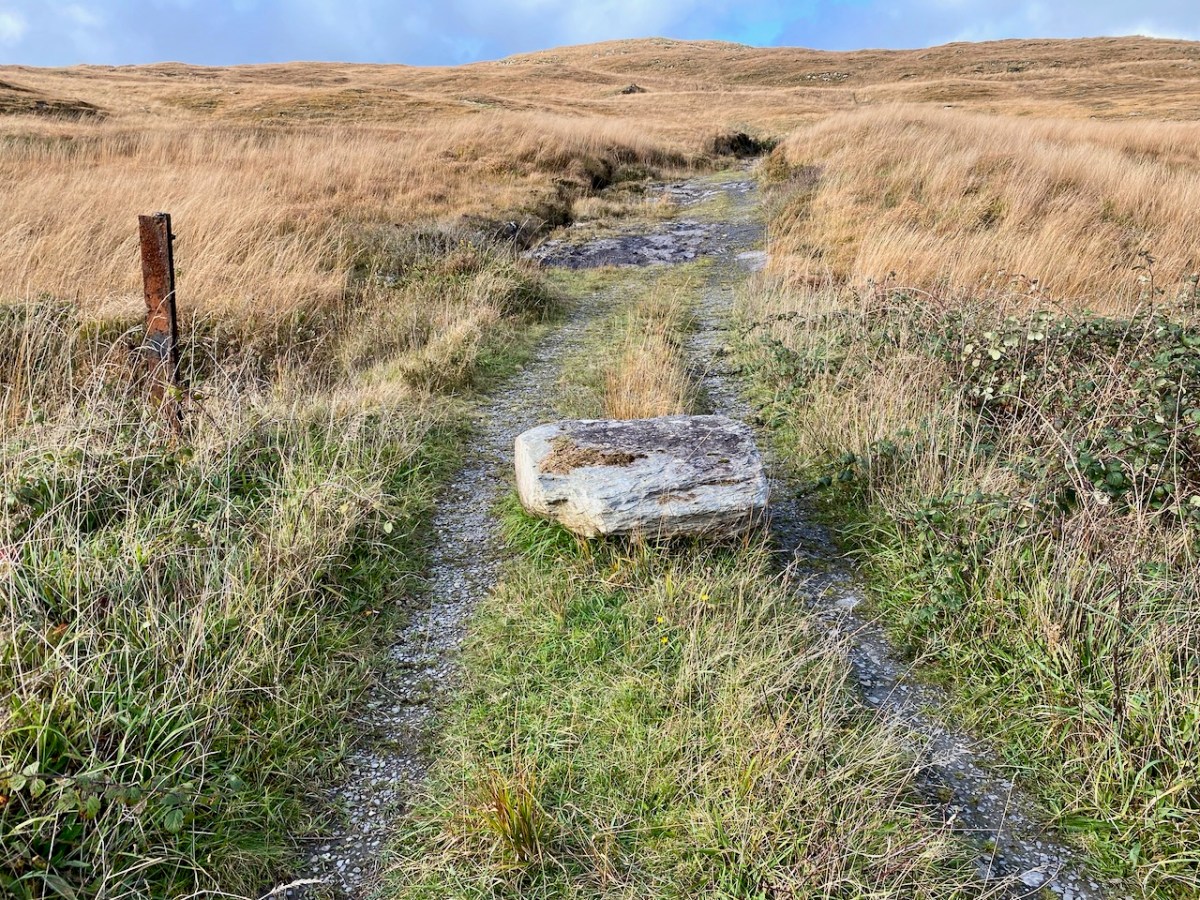
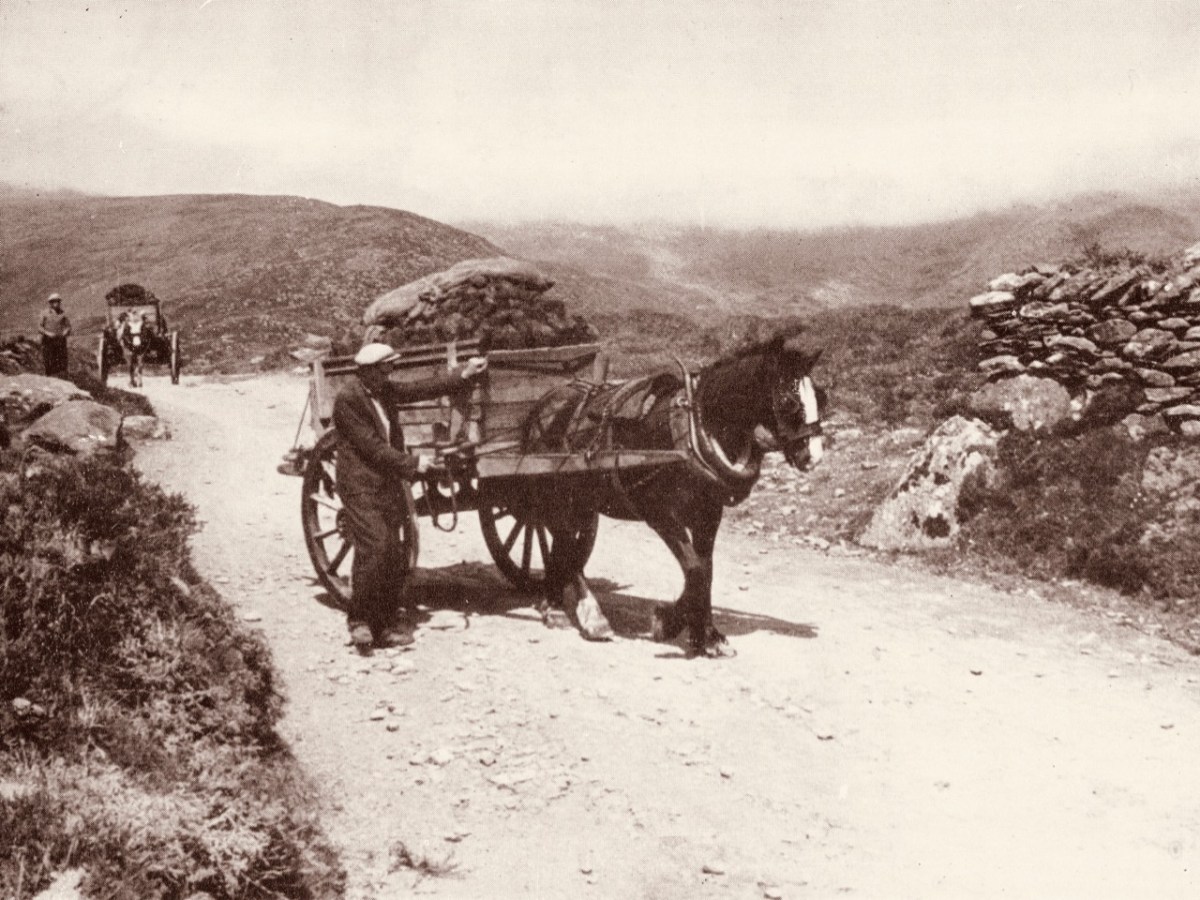
Yes, there are still a few roads around in very out-of-the-way places which are not surfaced as you might expect. They fit well into their rural surroundings!

Take care not to get lost . . . Some of these boreens are not even marked on the map!

Give a thought to those who built these byways: quite a lot of engineering has been involved in carving through rocks to create a more or less level route.

Some roads lead to a dead end. I prefer those that fly high – over the mountain passes; the scenery never disappoints.

. . . The Road goes ever on and on
Down from the door where it began.
Now far ahead the Road has gone,
And I must follow, if I can,
Pursuing it with eager feet,
Until it joins some larger way
Where many paths and errands meet.
And whither then? I cannot say . . .

from ‘the old Walking Song’ by J R R Tolkein

There’s always a reward to be had for travelling uphill: it’s the view from the top!

Accessible August 

It’s been a very busy week! The best part about it was that my sister, Aoibhinn (pronounced Eeving), is visiting and she and I were able to do lots of things together. That’s her in the coral jacket, above. You see, she has ME, or Chronic Fatigue Syndrome, and she was really nervous about her ability to participate in the activities I had booked or planned, or stay the course once on them. 

Aoibhinn does really well at managing her condition, but she has to be very careful or she can end up in a major crash. She struggles with tiredness and pain all the time (sore joints, headaches) but finds that sea swimming helps her cope mentally, so she was up for one of the things we planned to do together, our Dawn Swim and Pilgrimage with Gormú. We met Conor and Celine, and two other participants at Castlehaven and started off by walking the short way up to the Holy Well, where we heard of St Barrahane. Readers may remember Conor from the Placenames post.

Next came the swim. While Aoibhinn opted for a short immersion, I surprised myself by swimming all the way to Faill Dic, with encouragement from Conor, and the lovely safety valve of a float if I needed it. Breakfast was so welcome – porridge, fruit and hot tea made by Celine and Conor (below) – while we listened to more stories, all set around the cove we were in. It was a fantastic experience – I highly recommend it!
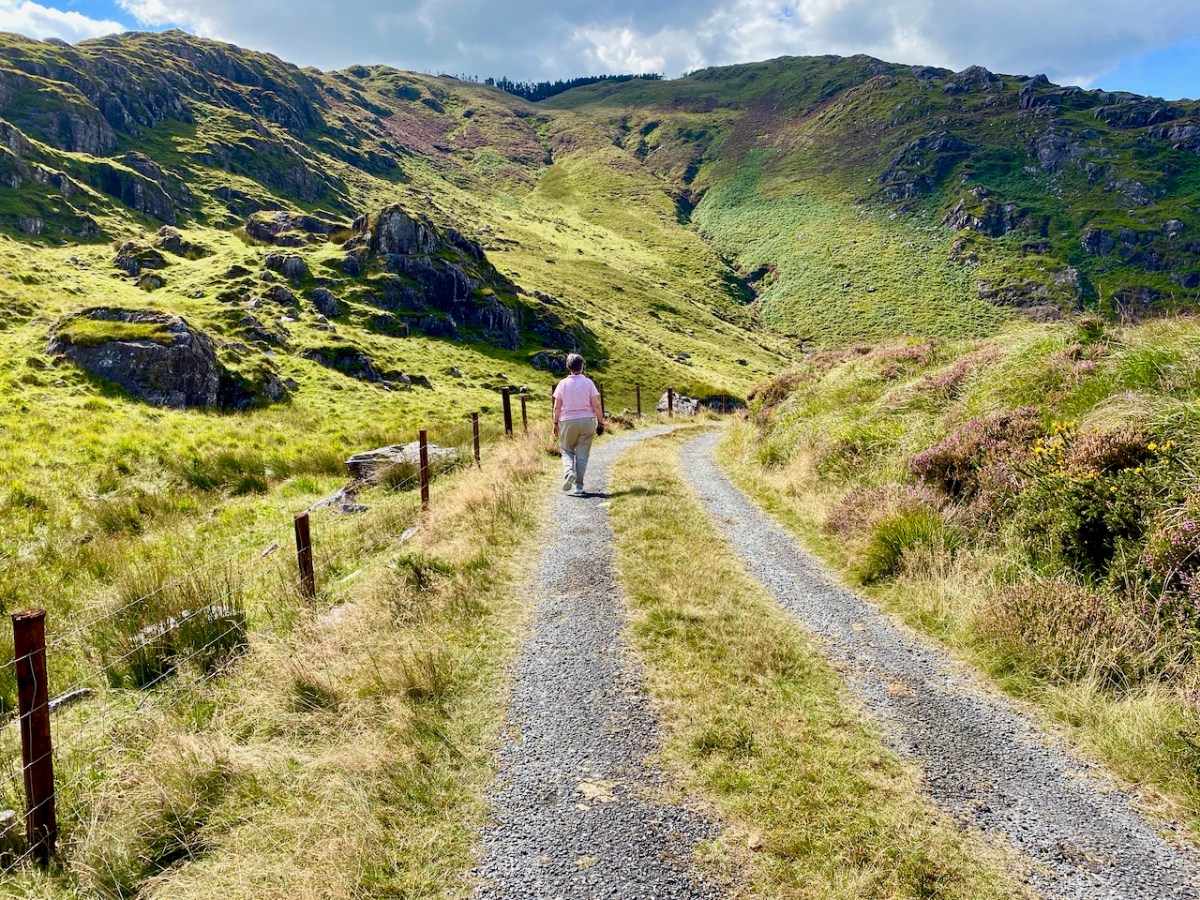
The Ellen Hutchins Festival and Heritage Week are both in full swing this week, so there are any god’s amount of things to choose from. We concentrated on botany and butterflies during the week and ended with stained glass and history yesterday. 

Micheline Sheehy-Skeffington and Nick Scott led us through the Glengarriff Woods. While this walk involves an uphill section, the pace is easy because it involves lots of stopping to talk about the plants we encounter along the way. We loved Nick’s descriptions of the forest environment, and all the layers that make up the plant life from the canopy down. And we were riveted by Micheline’s focus on the Arbutus (AKA the Strawberry Tree), a rare tree that occurs only here and in the Iberian Peninsula. 
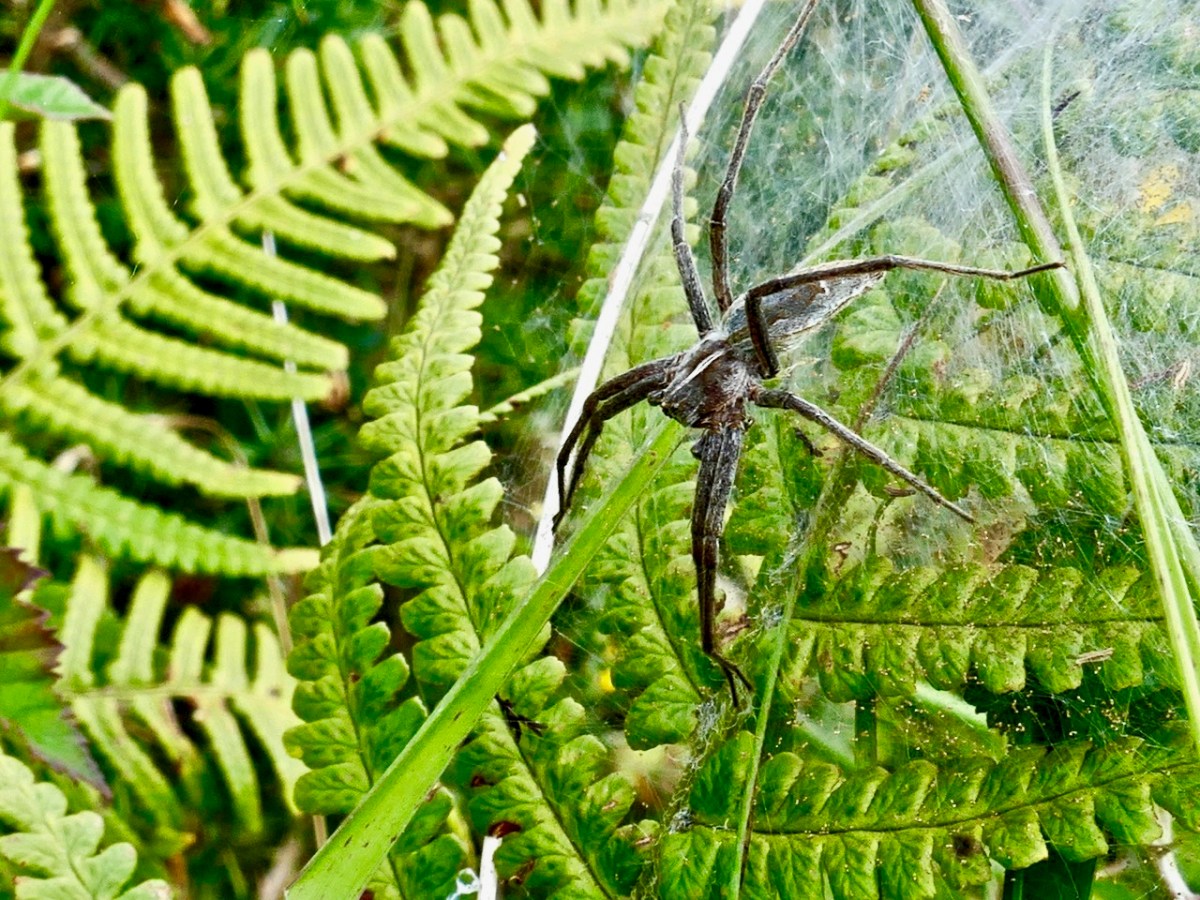
Micheline is investigating her theory that it may have come with the Bronze Age miners who came to exploit the rich copper resources of West Cork and Kerry. Her recent article in Archaeology Ireland sparked my interest and I was thrilled to be able to go along on this walk with her.

The photograph above illustrates the challenges in tracking Arbutus trees – they grow on cliffs and in inaccessible places.

Our Wednesday walk was organised by the Cork Nature Network and was led by my friend Damaris Lysaght, a real local expert in plants and butterflies. And as if that wasn’t enough, it was at Three Castle Head, one of the most beautiful spots in Ireland and a place dripping with history

Once again, although this walk involved picking our way through long grasses and scrambling over rocks, the pace was slow, with frequent stops to ooh and aah over butterflies and hear Damaris talk about their habitats and plant requirements. Some of the plants were so tiny that we had to see them through a hand lens to really appreciate them.

We had a rest day on Thursday, and on Friday it was time for Seaweed and Sealing Wax 2. This was the second production masterminded by Karen Minihan, based on the correspondence between Ellen Hutchins and Dawson Turner. See Robert’s post from last year for an account of Seaweed and Sealing Wax 1. This year, we were joined by the poet, Laura McKenna and the botanical artist Shevaun Doherty. That’s Shevaun surrounded by audience members in the top photo of this post, while Laura is in the photo below.

While Karen and I led the audience through the letters, Laura read a selection of poems that responded to Ellen’s life and work, and Shevaun worked away on painting a piece of seaweed, explaining her process to the audience at one point. 

At the end, Madeline Hutchins, Ellen’s great, great, grandniece, showed us some of Ellen’s books and letters. As with last year, we were under a tent in the grounds of Sea View House Hotel, right next door to where Ellen herself had lived in the opening years of the nineteenth century. 

We finished the week with a trip to Timoleague, where I was booked to give two stained glass talks at the Church of the Ascension Open House. This is part of a huge community effort to save and safeguard the fabulous mosaics in this church and I am always thrilled to be a part of it. Take a look at this video by the Rev Kingsley Sutton, Touching Heritage, to get an excellent overview of the whole project.

The church is truly one of West Corks hidden gems, and the fund-raising effort needs all the help it can get. In between the talks, we were whisked off to lunch at a fabulous private house right on the sea. Nice work if you can get it!

So – it’s been an incredibly busy week of flowers, talks, and butterfly hunting (above) and I am feeling it now. But all of our activities were  accessible to Aoibhinn, with time to rest in between, or go for a lovely dip locally. So – if there’s anybody out there who wonders if you would be able for a botany walk or a dawn swim and ‘pilgrimage’ – no need to be intimidated by a title or a description when the pace is leisurely and, as Aoibhinn found, there’s always a handy rock to sit down on for a while.