Ogham

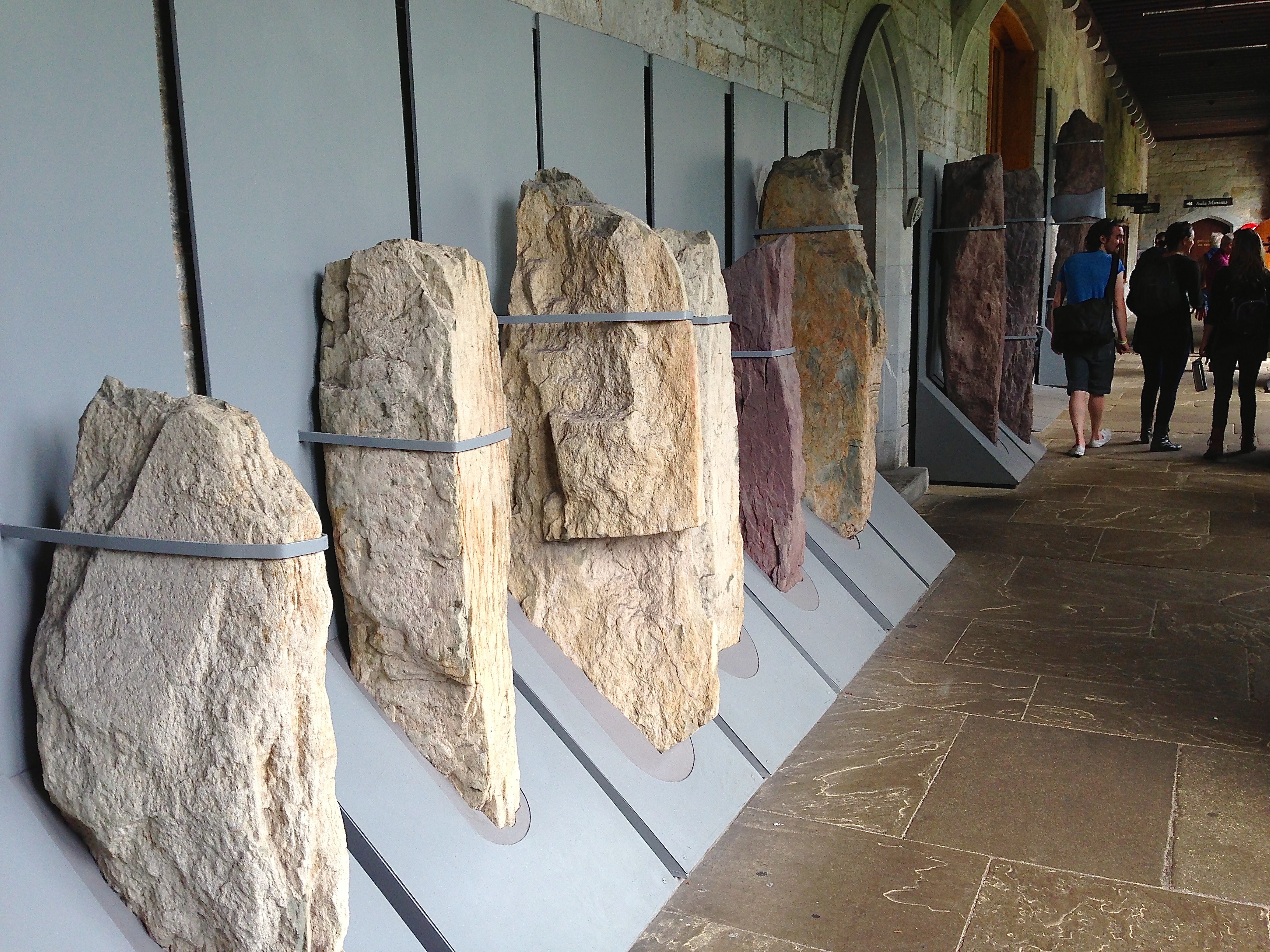
Captured! Ogham stones held in iron bands at UCC

Captured! Ogham stones held in iron bands at UCC

The Scythian King Fénius Farsaid lived at the time of the building of the Tower of Babel – some stories suggest that he had a hand in its construction. He gathered around him a group of scholars and methodically researched the new languages which were being spoken by the dispersed builders of the tower. Their work produced four languages: Hebrew, Greek, Latin and – the most sophisticated – Ogham. _ogham


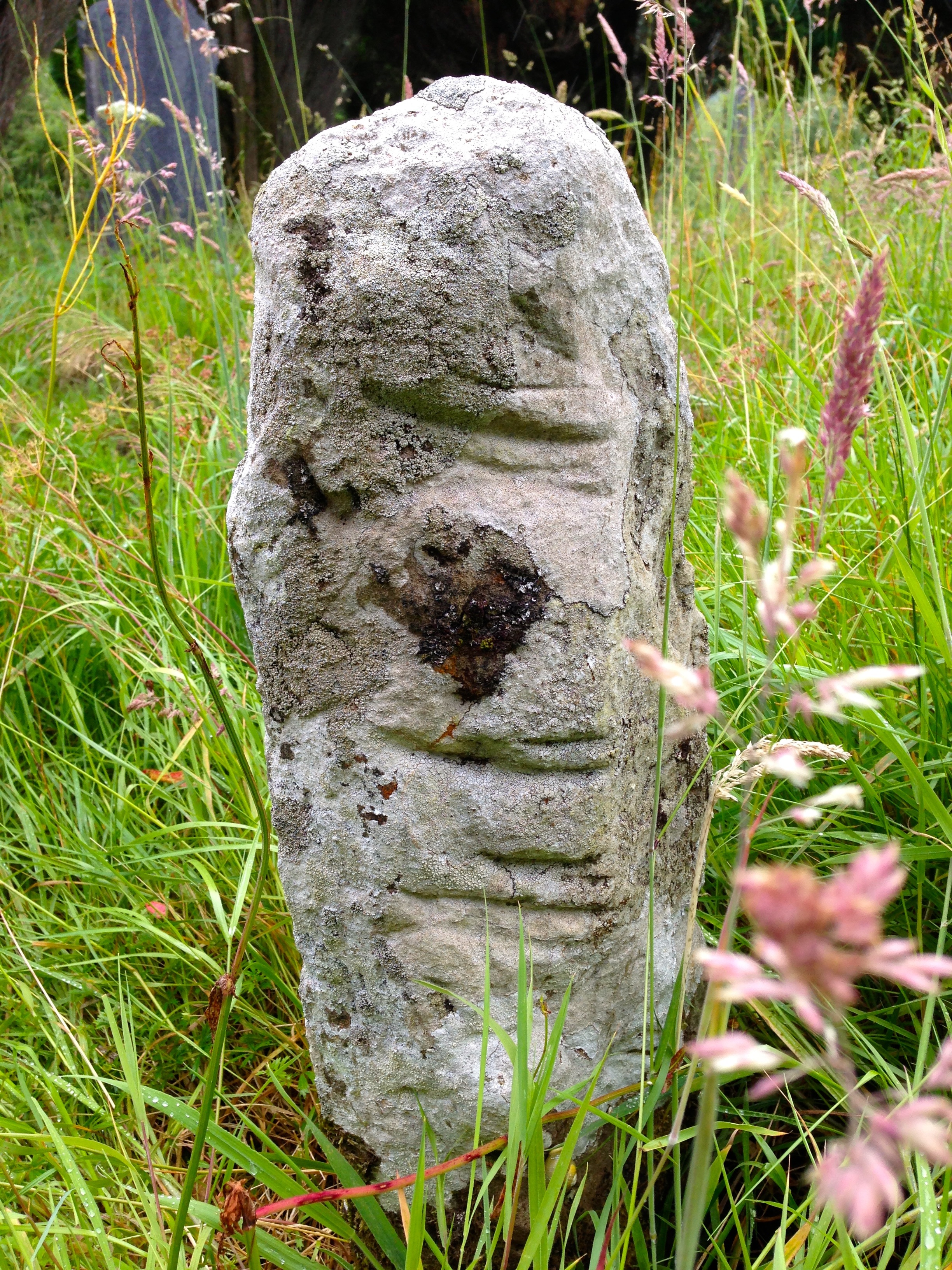
Thus was the story that the bards of old related to explain the carvings on Ogham Stones (sometimes spelled Ogam but always pronounced oh-am) which are found in northern Europe, the greatest number being in the South West of Ireland.

King Fénius named each of the letters of the Ogham alphabet after his best scholars – 25 in all. The ‘letters’ are in fact simple lines inscribed on stone, either on opposite sides of a vertical line or on each side of a sharp corner of stone – the position and angle of each line defining the letter. Words are read starting at the bottom, going up the left side of the line or corner and coming down on the other side, and are generally thought to represent names, suggesting that the inscribed stones are memorials.

ogham

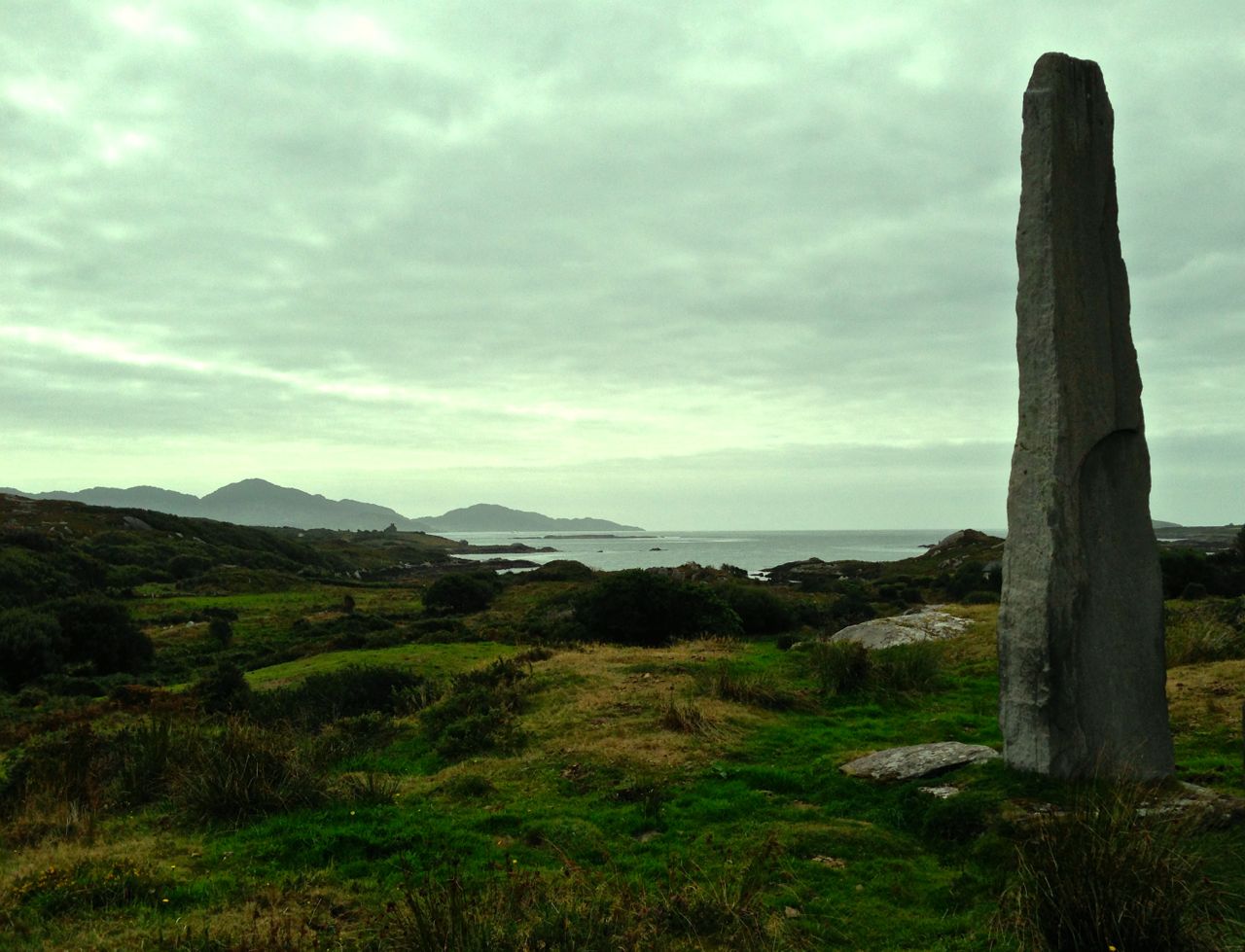
Ballycrovane – the tallest Ogham Stone in the world is in West Cork

If you subscribe to the King Fénius theory of Ogham Stones (and why wouldn’t you?) you might wonder why historians place them in the early medieval period (4th to 9th centuries) and associate them with Christianity. Many of them appear to have been inscribed on older standing stones, including the gigantic megalith at Ballycrovane, overlooking Kenmare Bay and 5.3 metres tall.

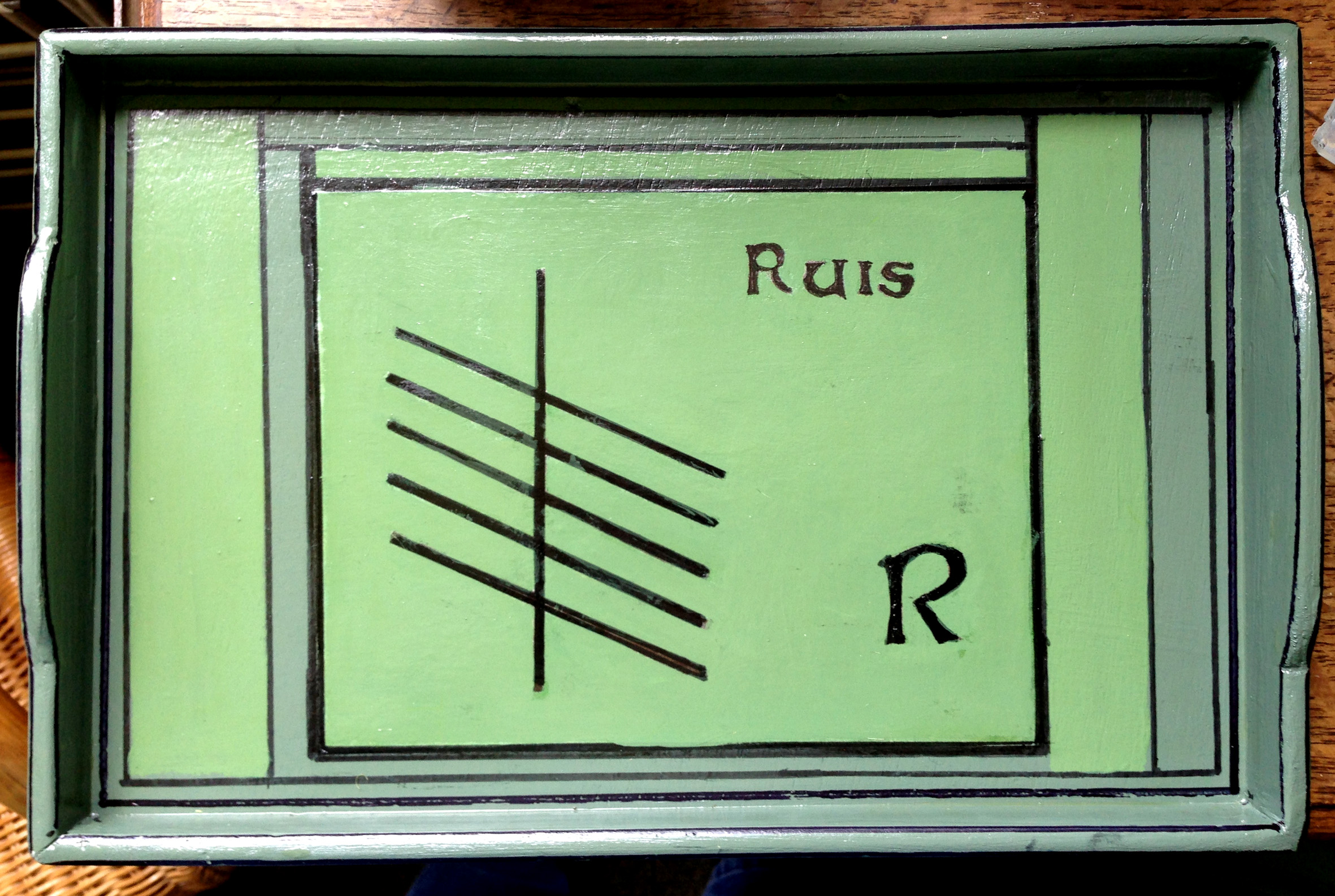
An Ogham tray by Danny

An Ogham tray by Danny

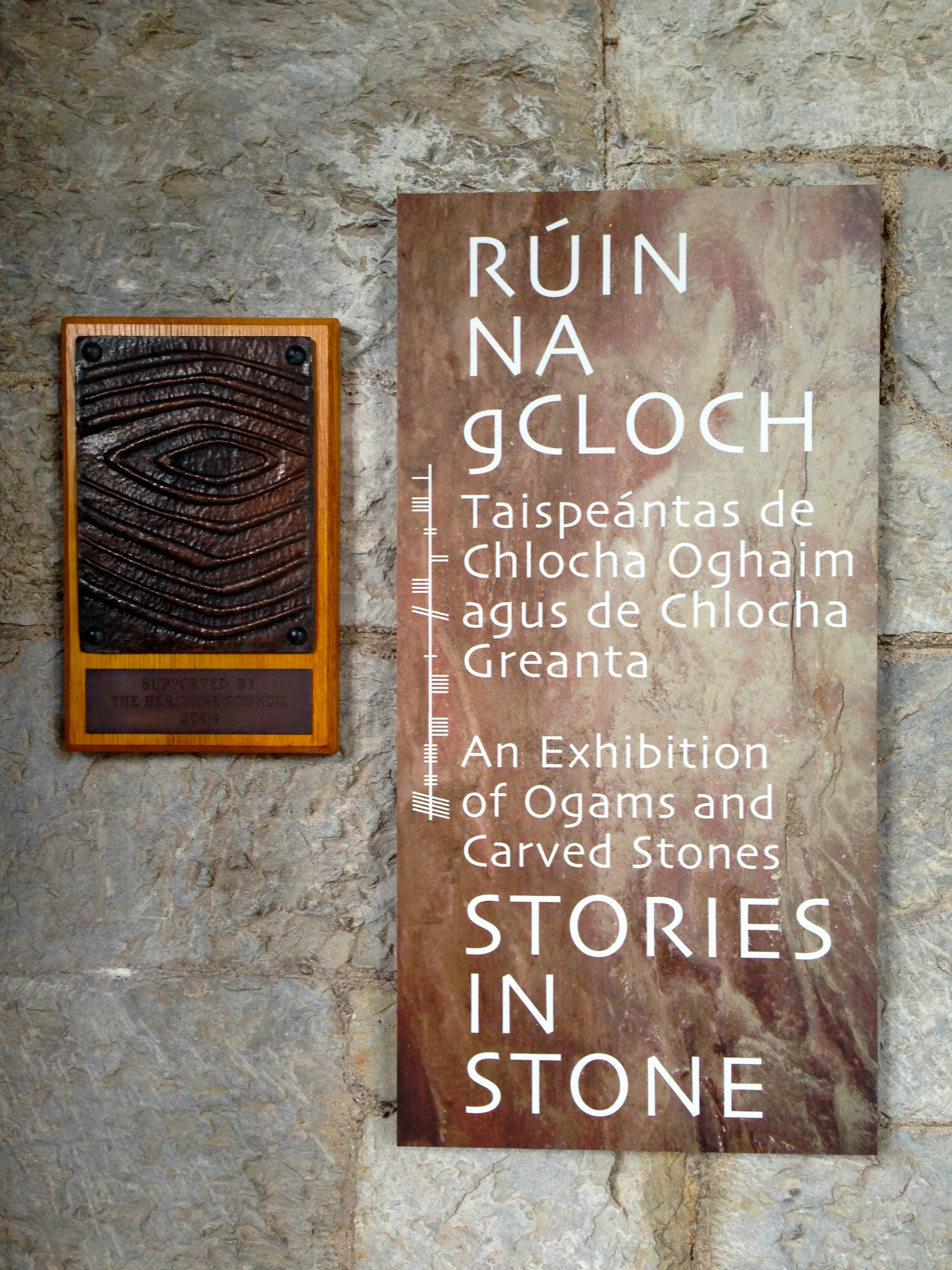
Ogham is not a forgotten language: it is a saleable item of Irishness. But, consider – quite apart from the many examples of Ogham stones which remain in the wild there are those which are kept in captivity. Take a look in the Stone Corridor at University College Cork – there is a remarkable collection there, a collection that raises questions in my mind: why have the stones been removed from their original siting? Is that an archaeologically sound thing to do – to take them from their historic context and chain them up so unnaturally in a long, dark and urban corridor? If it’s time to give the Elgin Marbles back to Athens then it’s certainly got to be appropriate to redistribute the Ogham stones (and the other inscribed stones and Rock Art that are in the Corridor) back to their natural habitats – in the wilds of West Cork… maulin

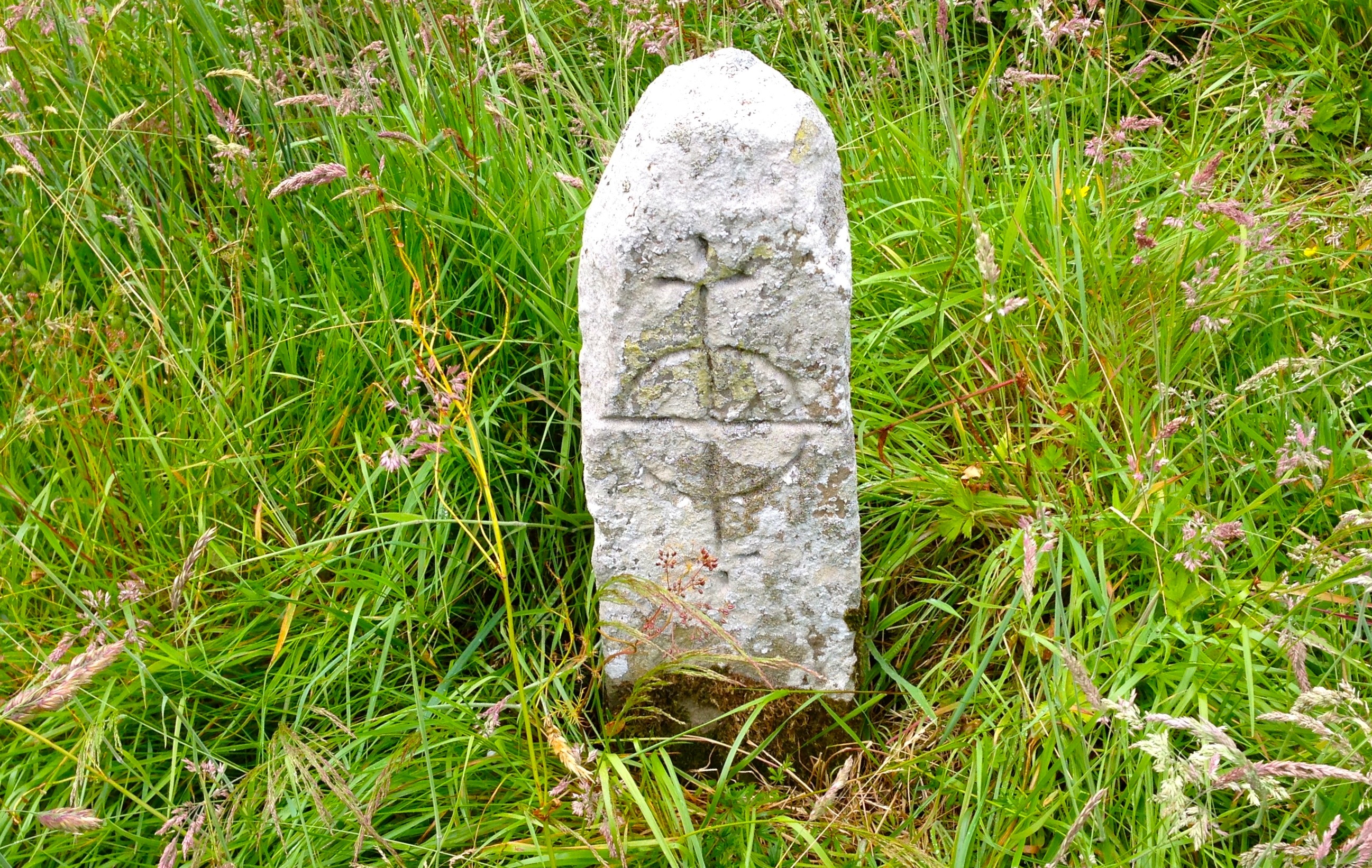
In its rightful place: Maulinward Ogham Stone near Durrus

In its rightful place: Maulinward Ogham Stone near Durrus (front and back)

corridor

Cork Menagerie

tiger

Cork does have a wildlife park – over in Fota, to the east of the city. But I think Cork’s real menagerie is on the University campus – The Honan Chapel, built almost a hundred years ago, and opening its doors to Catholic students in November 1916.

Ireland’s universities have a fascinating history: Pope Clement V authorised the first one in 1311, and this was based in St Patrick’s Cathedral, Dublin. This institution ‘came to an abrupt end’ with the Protestant Reformation of the 1530s, and Trinity College Dublin was founded as the ‘University of the Protestant Ascendancy’. At this time, England had the Universities of Oxford and Cambridge, while Scotland had Universities at St Andrews, Glasgow and Aberdeen.

In 1908, the Irish Universities Act was passed, by which the National University, consisting of the Constituent Colleges of Dublin, Cork and Galway was founded. Part of this act decreed that of the finance provided for the new University, none should be applied ‘… for the provision or maintenance of any church, chapel or other place of religious observance …’ It was left to a Cork merchant family – the Honans (who made their wealth through butter) to provide a hostel and chapel for Catholic students. 

‘…The chapel, itself, is in perfect accord not only with its immediate surroundings, but also with the wide heritage of art handed down to us by the early native church building. It is one of the best reproductions of the ancient style of building and it exemplifies, in a striking manner, all that is best in the Hiberno Romanesque architecture of the tenth, eleventh and twelfth centuries…’ The Honan Chapel, M J O’Reilly, Cork Univeristy Press, 1966

legilium

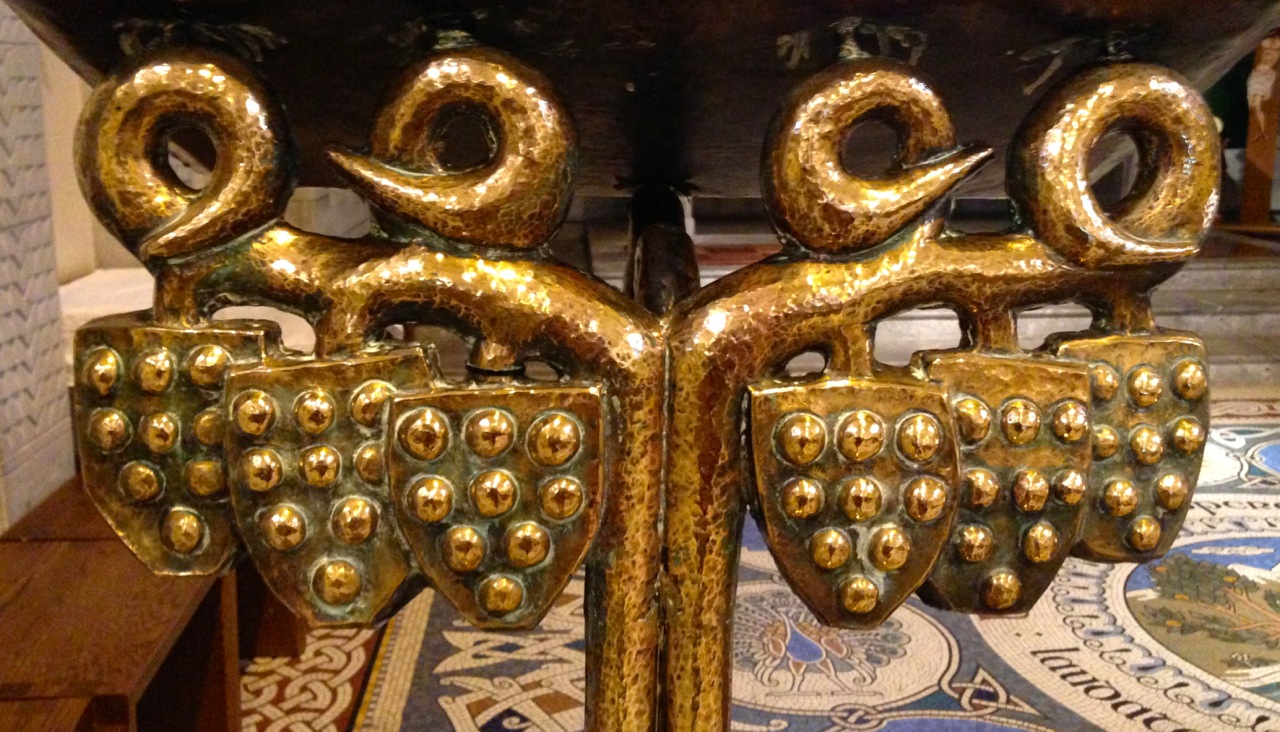
Lectern decoration

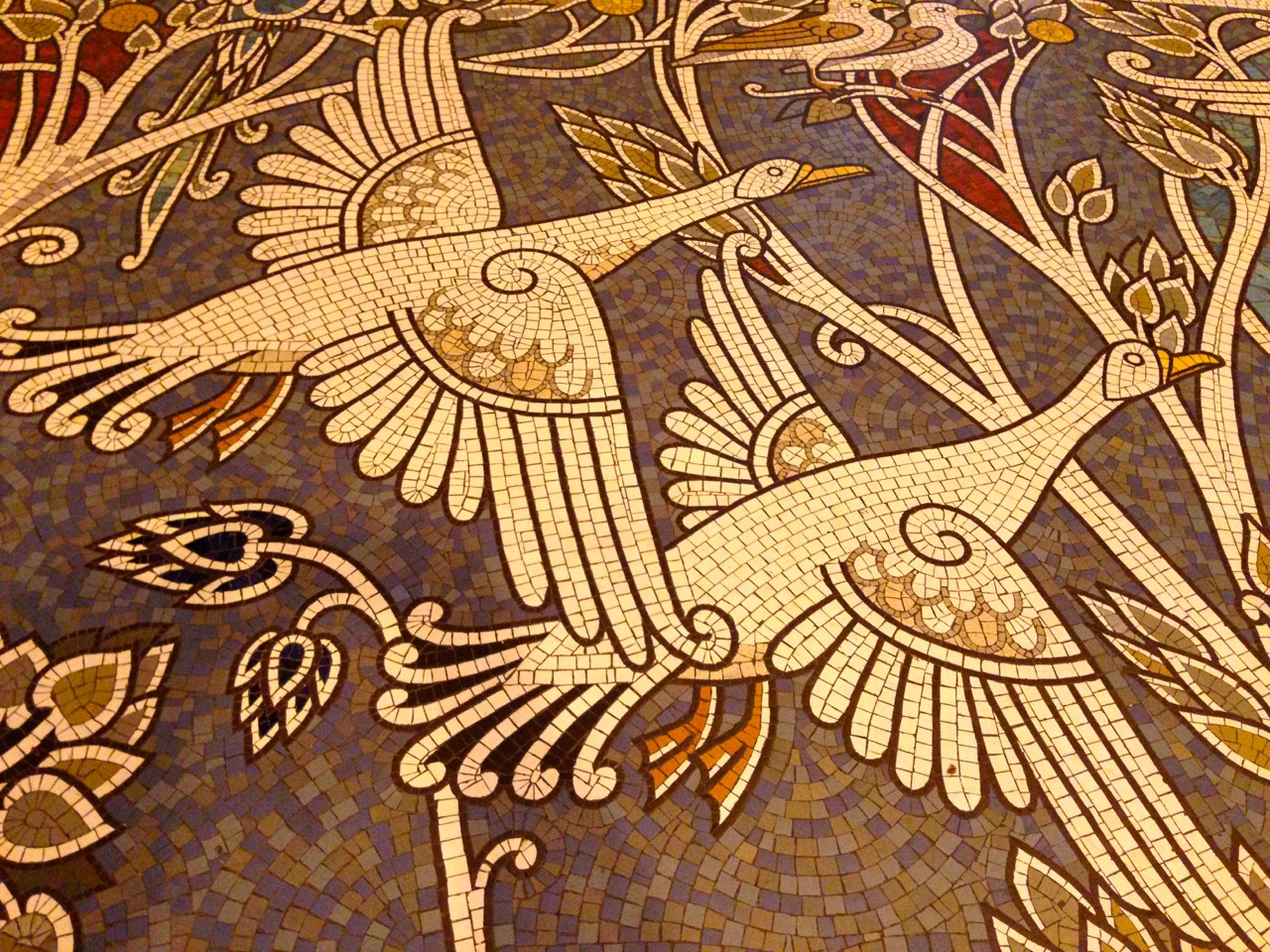
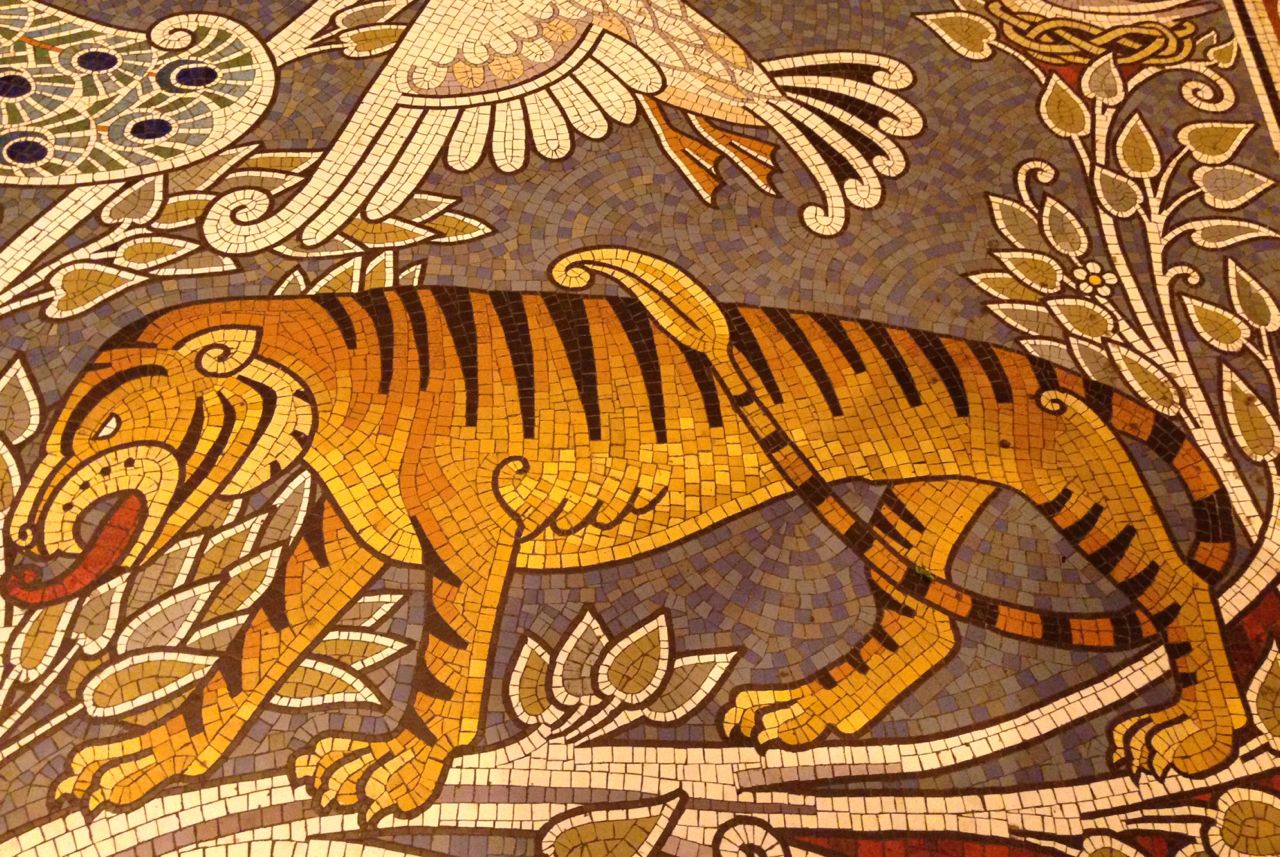
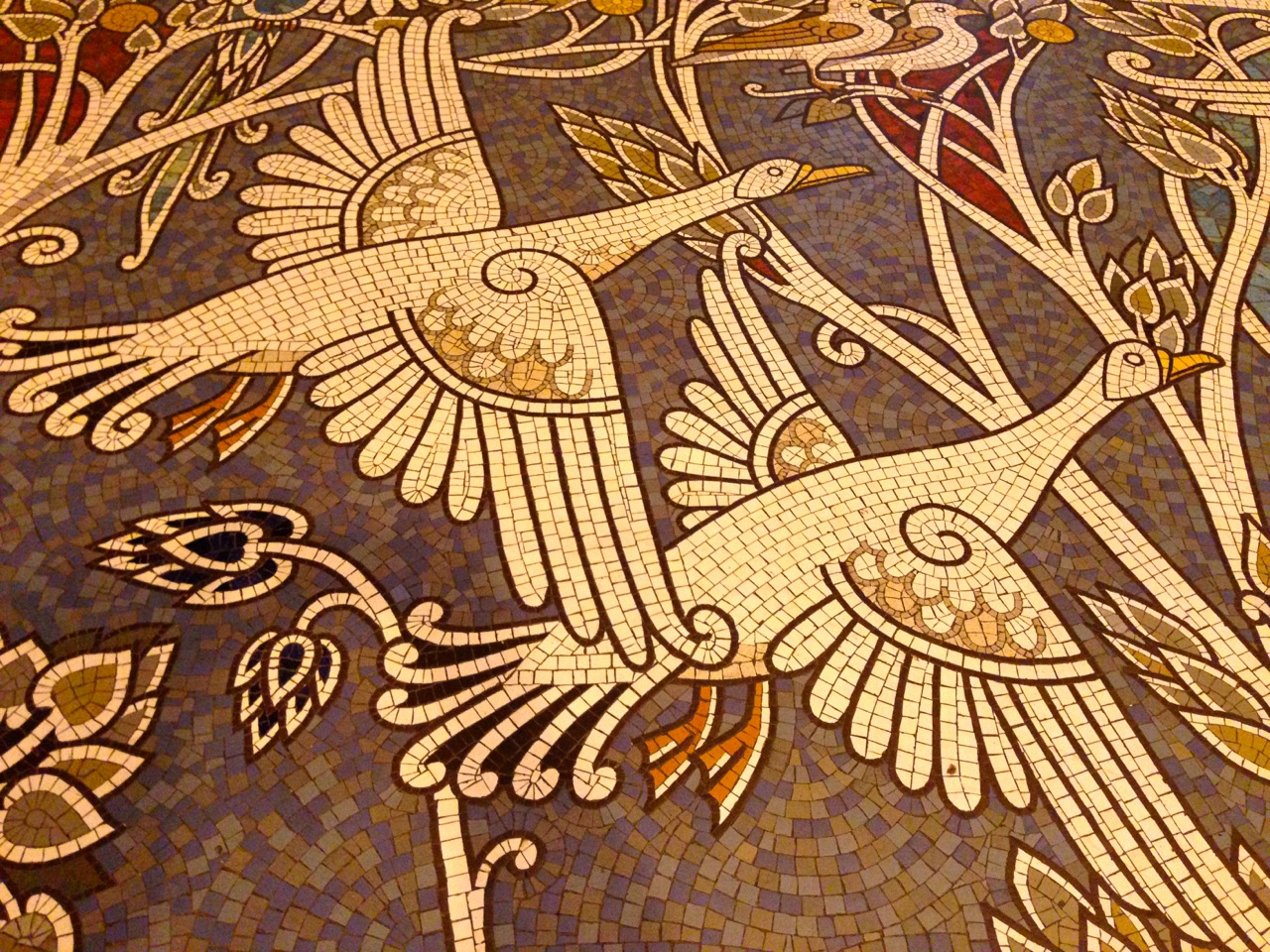
The interior of the building abounds in exquisite artworks. It’s a feast for the eyes wherever you look: stained glass windows by Harry Clarke stand out (including St Gobnait) – but, for me, the real treat is the mosaic work on the floors, designed by Ludwig Oppenheimer of Manchester. A River of Life runs the length of the nave from the entrance door to the sanctuary where, amidst a riot of pattern and colour, the menagerie unfolds: there are birds and beasts, fish and fowl all contained in decorated borders with Celtic knots and patterns. The only analogy I can think of is a medieval illuminated manuscript such as the Book of Kells, where the pages and margins are extravagantly ornamented with figures of humans, animals and mythical beasts in vibrant colours imbued with Christian symbolism.

The Chapel is dedicated to St Finbarr, Patron Saint of Cork. The foundation stone, laid on the 18th May 1915, records ‘… built by the Charity of Isabella Honan for the scholars and students of Munster…’ The architect was James F McMullen.

swans


Cures and Curses

Wishing Stone at Maulinward

Wishing Stone at Maulinward

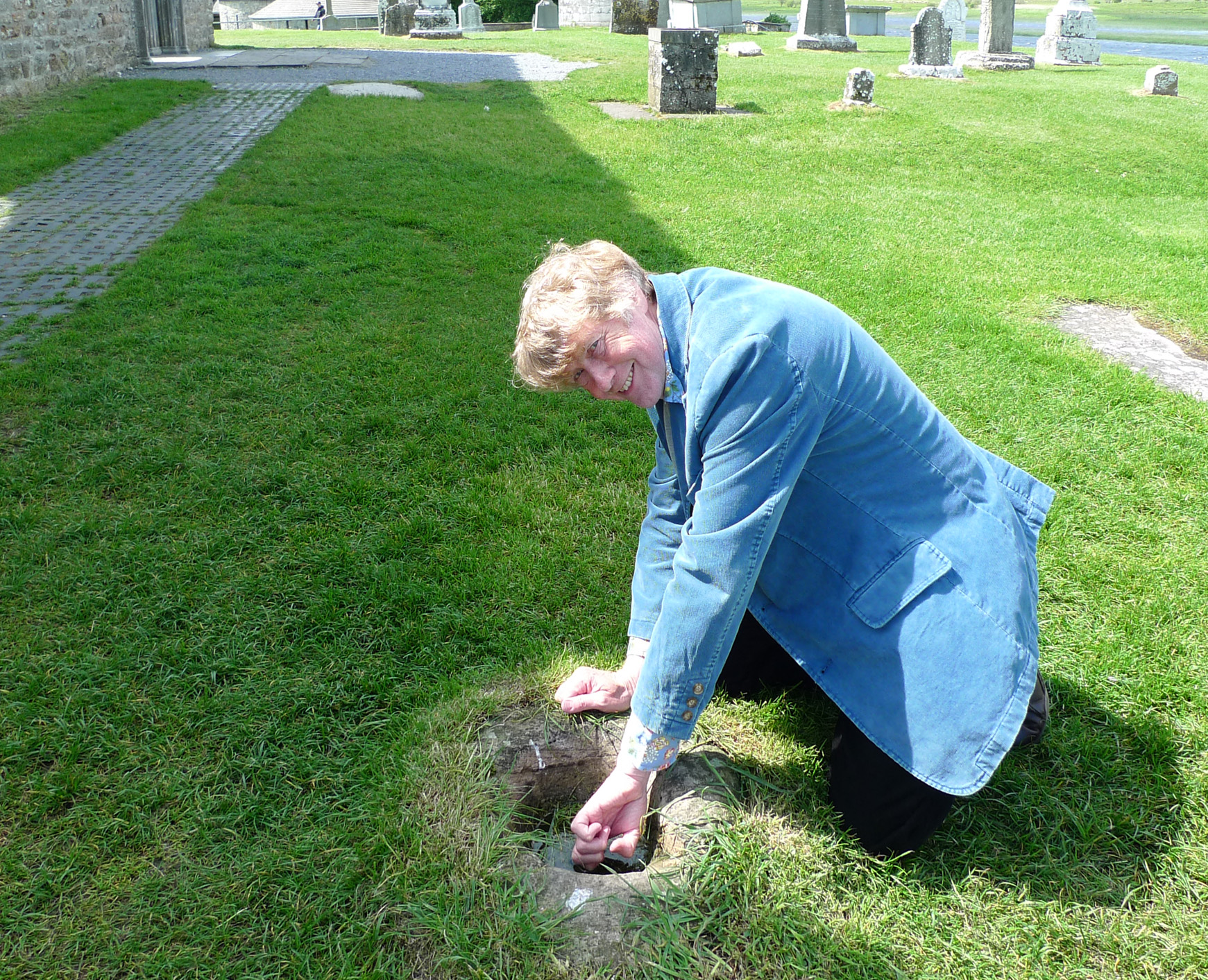
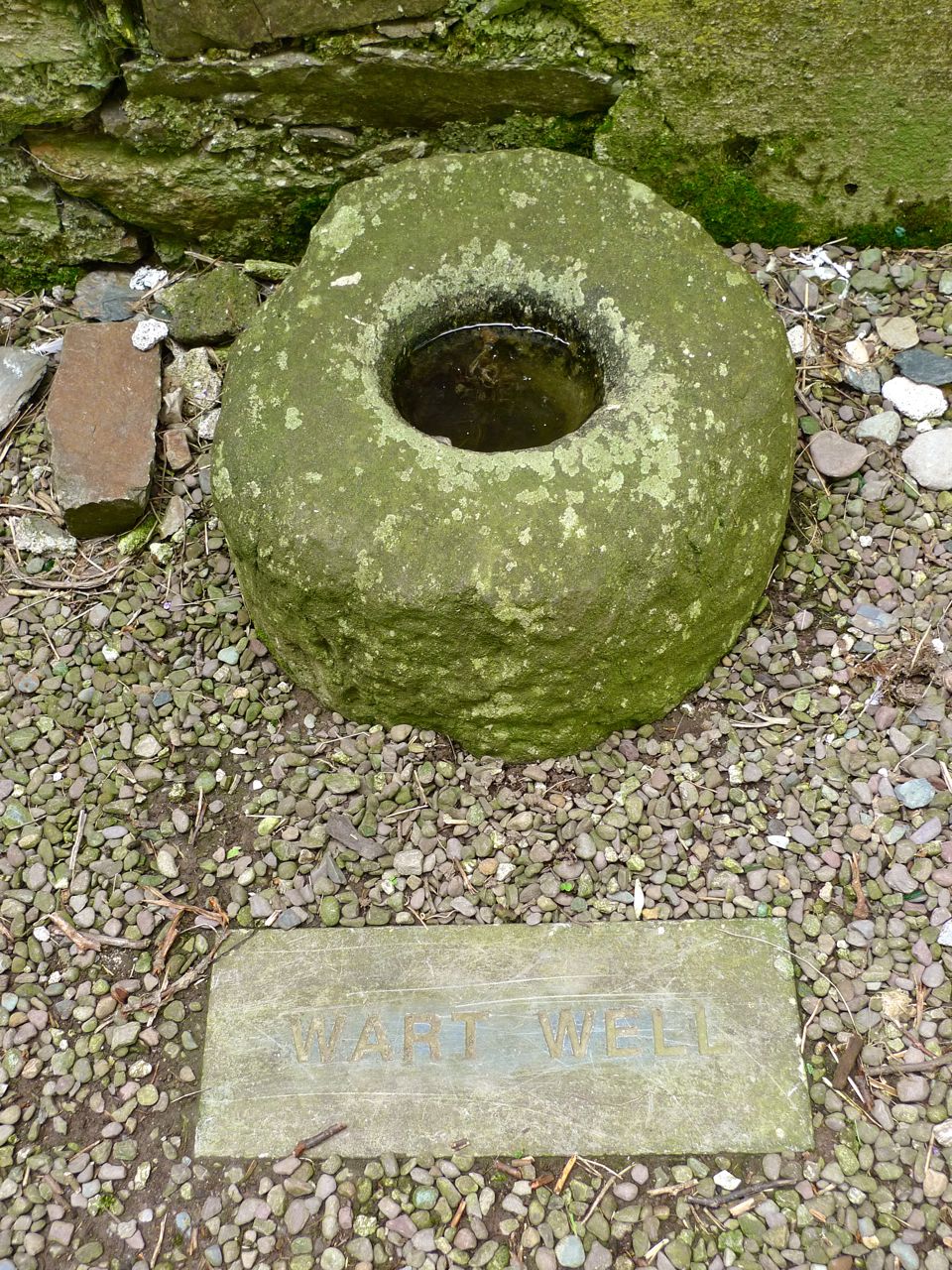
I am a firm believer in wart wells: there is one at Clonmacnoise, the holy centre of Ireland, and some years ago when I was visiting the place I dipped my finger – warts and all – in it. Within… well, perhaps it was two or three weeks… the warts had gone. The Cynics among you will be saying that they might have gone anyway, but I have had other warty experiences to reinforce my beliefs. When my daughter Phoebe was 11 years old and we were living back in Devon she had a really bad outbreak of warts on her hand. The doctor couldn’t recommend anything but our neighbour was very sure of what to do: take her to see Auntie Grace who lived up the lane. We duly knocked on Auntie Grace’s door and showed her Phoebe’s hand. “That’s alright, Dear” she said, and shut the door. That was all. But within a week (more or less) the warts had vanished completely, never to return.

Curing my warts at Clonmacnoise

Curing my warts at Clonmacnoise

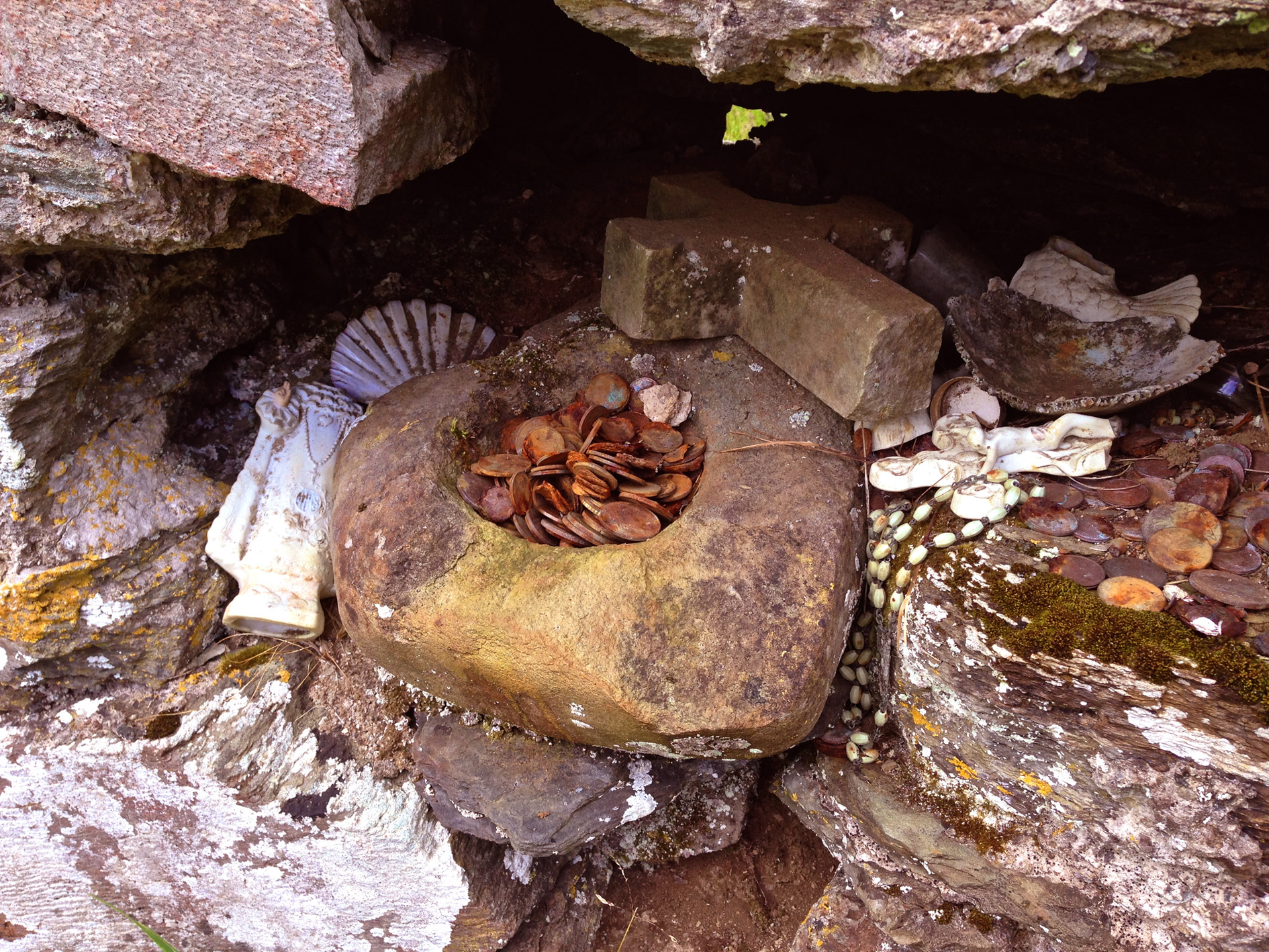
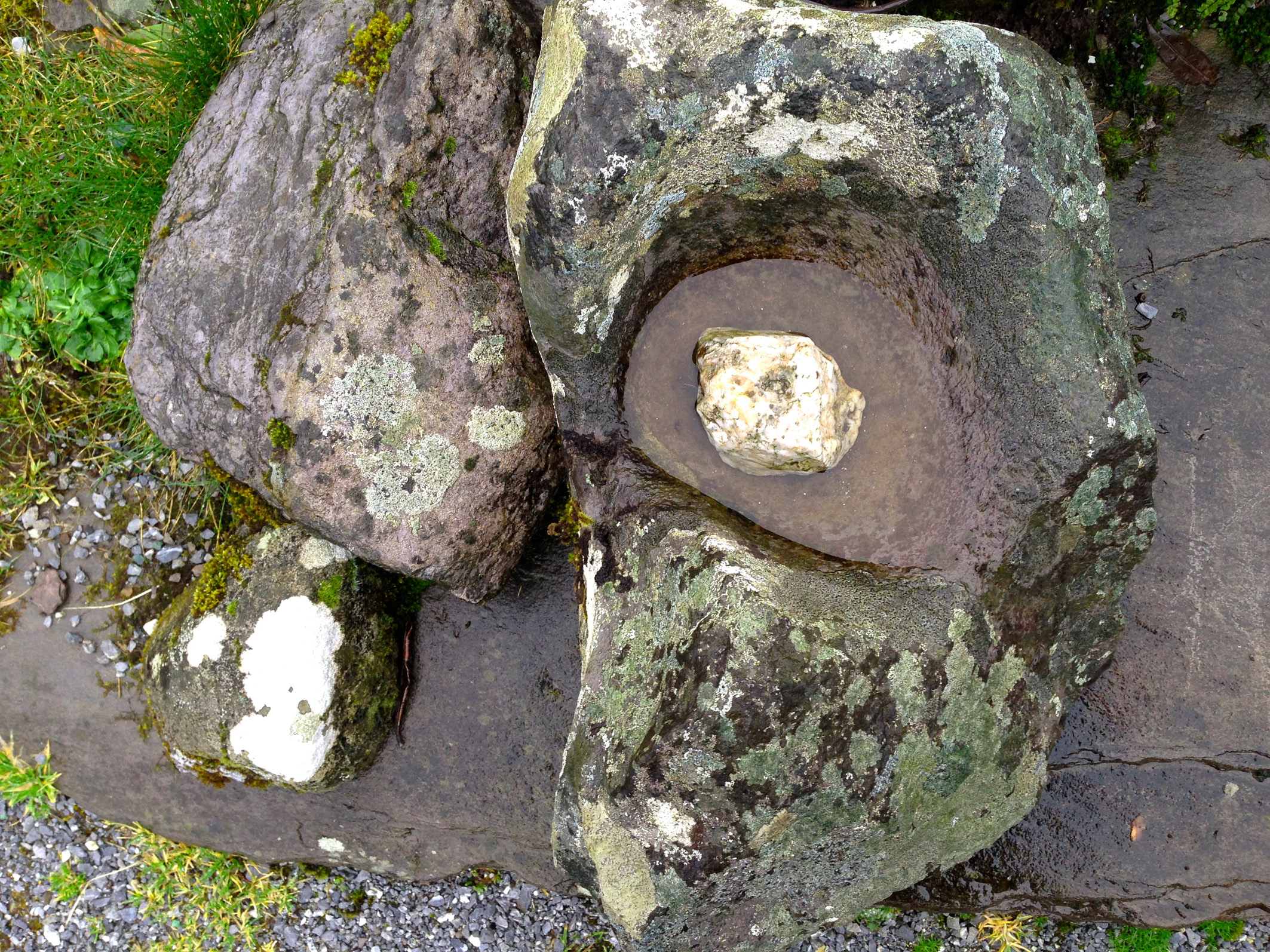
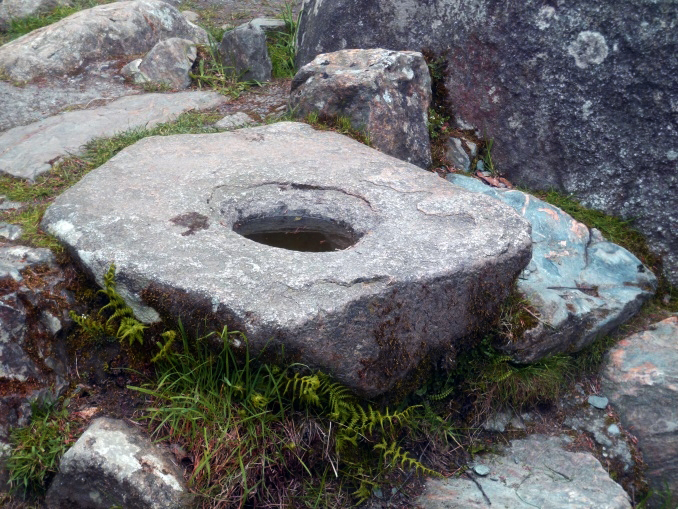
Bullaun Stones abound in Ireland. They are usually found at sites with ecclesiastical connections – as the two examples above (and this one), but this association does not reduce or affect their traditional uses: to cure or to curse. The Irish word Bullán means ‘bowl’ – a water container. At pilgrimage sites, such as St Gobnait‘s Well, Ballyvourney, the bullaun stones often hold smooth rounded pebbles – perhaps incised with a cross – which are turned around each time a pattern or procession is completed.

In the sixth century, the Council of Tours ordered its ministers “…to expel from the Church all those whom they may see performing before certain stones things which have no relation with the ceremonies of the Church…”  Such an order doesn’t seem to have prevented folk traditions of curing continuing into the twenty-first century.

Wart Well at Timoleague Friary

Wart Well at Timoleague Friary

Traditionally, in Ireland similar stones are used for less benign purposes than curing warts or other maladies. Thankfully not in West Cork but in faraway Cavan a group of bullaun basins and stones at the ruined Killinagh Church are associated with curses, as explained here by Harold Johnston in a 1998 interview: “…if you wanted to put a curse on someone, you turned the stones anti-clockwise in the morning.” However, the curse had to be ‘just’ otherwise it came back to curse you in the evening!

An 1875 drawing of the Killinagh Cursing Stones

An 1875 drawing of the Killinagh Cursing Stones

Nearer to home, in County Cork, are the ‘cursing stones’ known locally as  the Clocha Mealachta – not in this case associated with bullaun basins but kept hidden under a slab of rock, which seems a bit sinister to me.

Hidden Cursing Stones at Labbamolaga, Co Cork

Hidden Cursing Stones at Labbamolaga, Co Cork

I prefer the legends which show bullaun stones as a force for good: in more than one location they are said to be associated with a local saint. St Kevin of Glendalough (in County Wicklow) drank every morning from the Deer Stone, a bullaun which miraculously was always filled with milk.

Deer Stone at Glendalough

St Kevin

St Kevin


Baby Jumping

eurospar

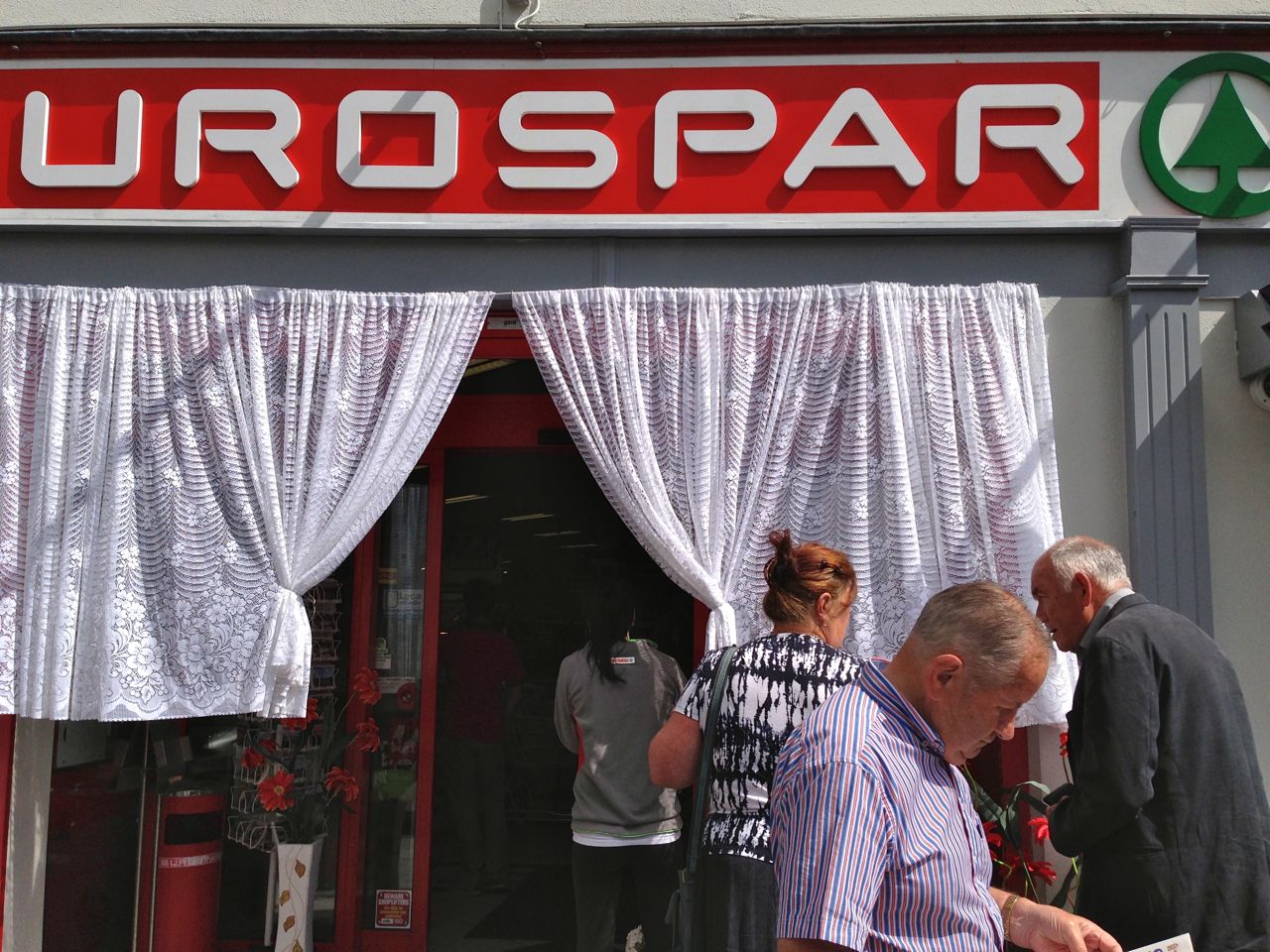
There was something odd about the Eurospar in Schull when we went to get our paper this morning…

Tell me.

There were lace curtains across the doors – on the outside!

A new decorating fashion for Schull? It’s a trendy place you know.

table

street

spar

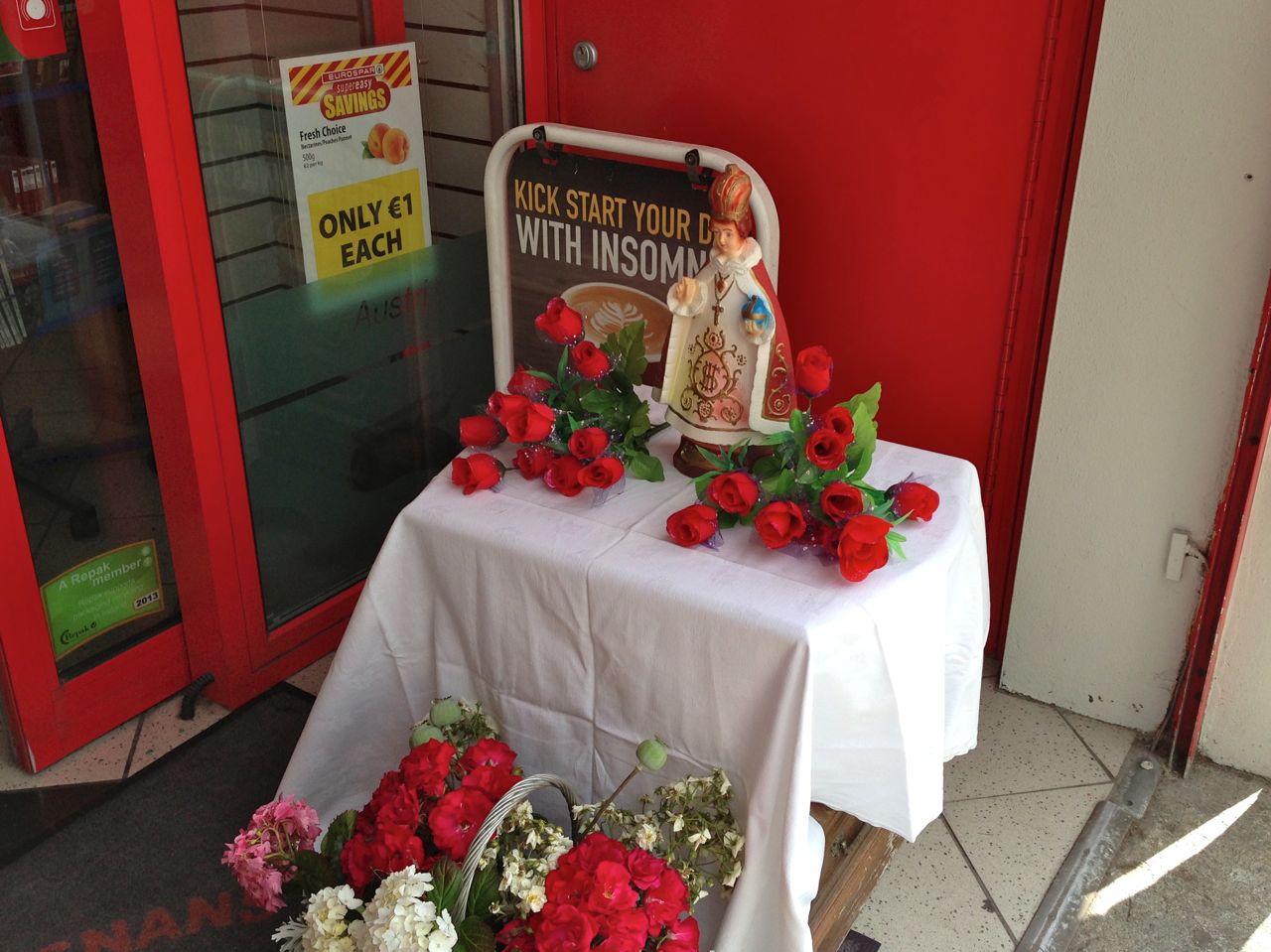
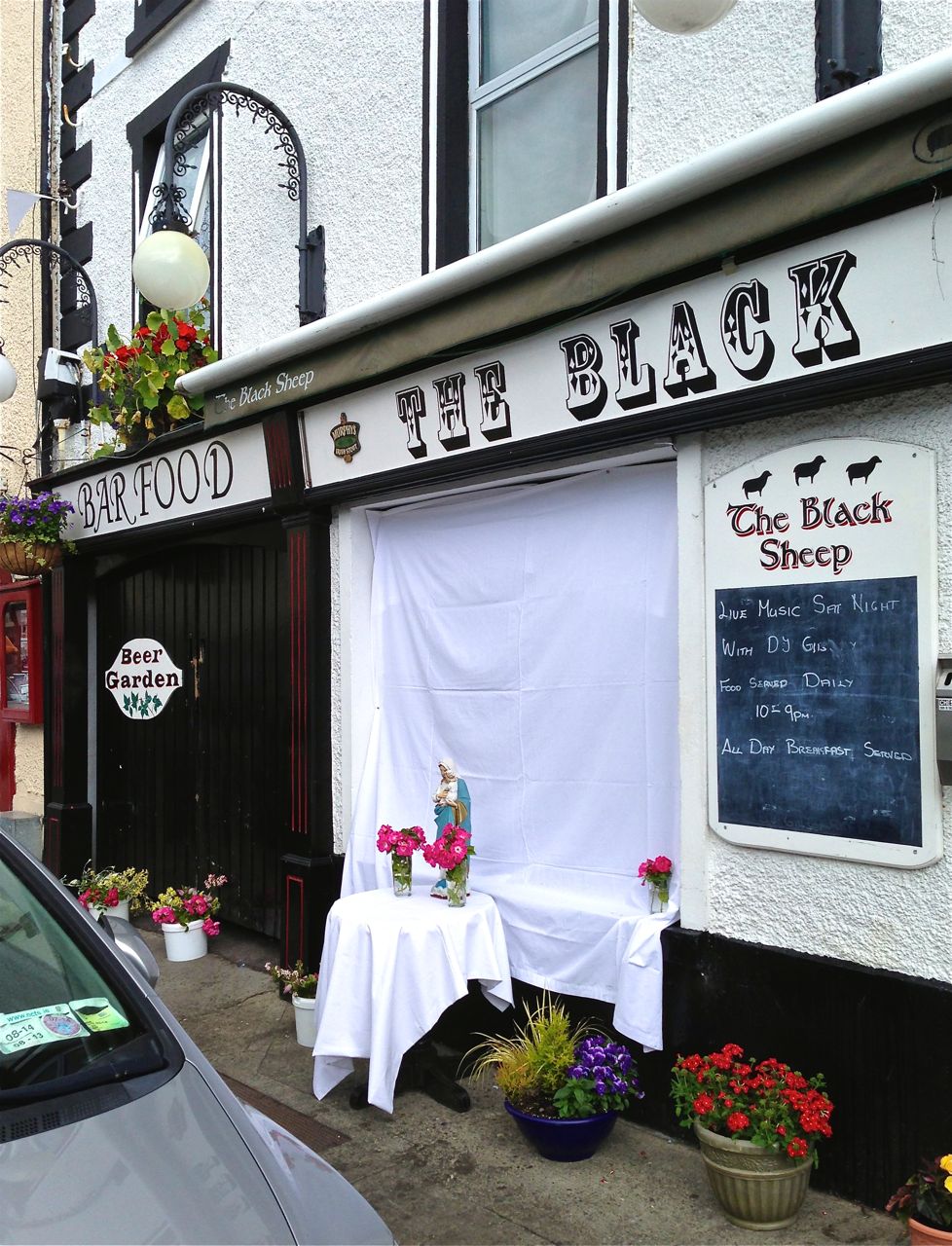
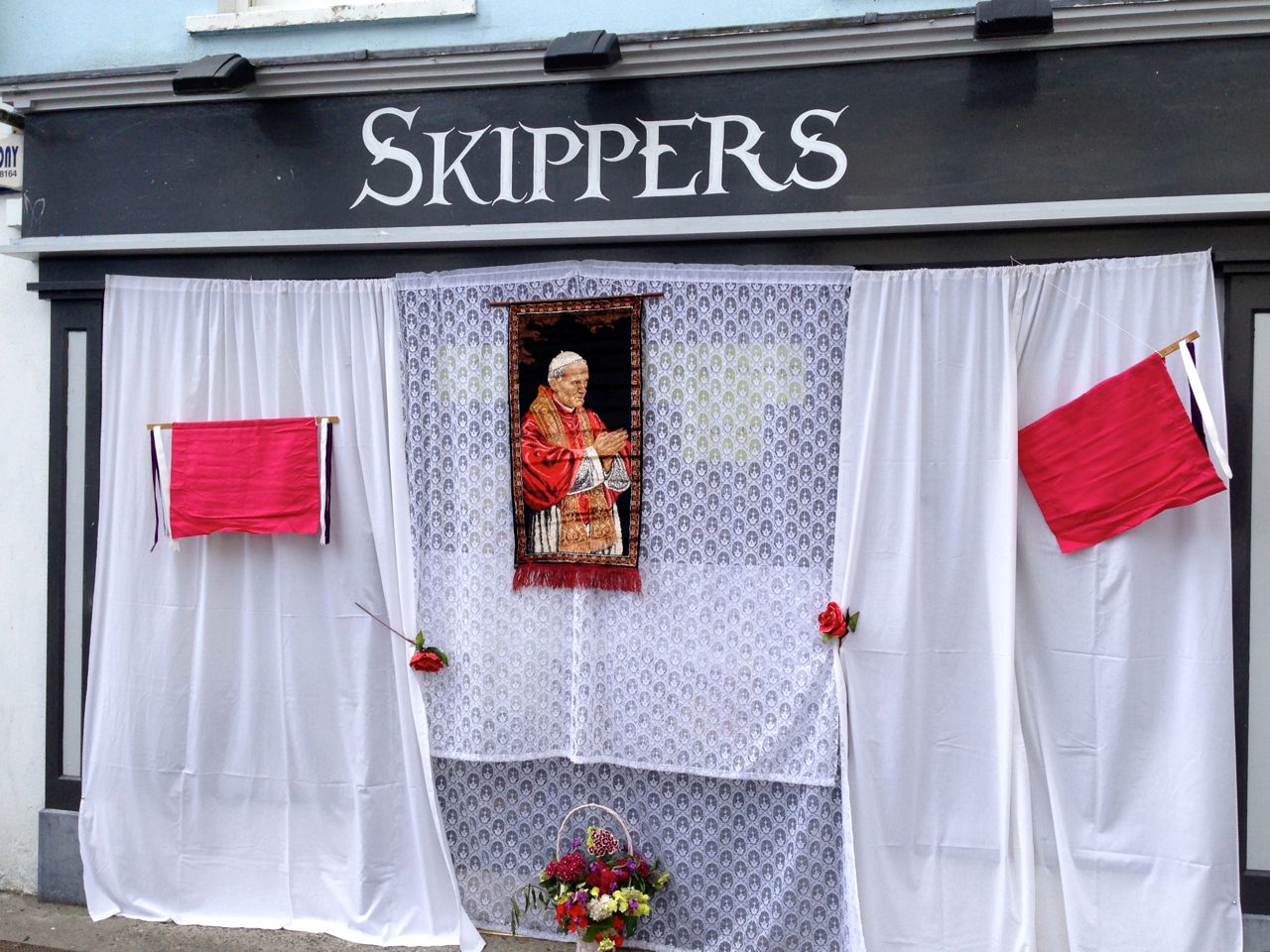
But also a table outside with flowers and an Infant Jesus of Prague statue on it… And similar treatments to shops and pubs all down the street.

Aha! – Religious connections: is it a Saints Day?

Well it is – by chance – St Peter’s Day, 29 June. But that’s not what this was all about.

How did you know?

Simple: we asked someone on the street, and they told us that there was going to be the annual Corpus Christi procession.

procession

leadingcanopy

petals

Oh! Isn’t that a big thing in other countries?

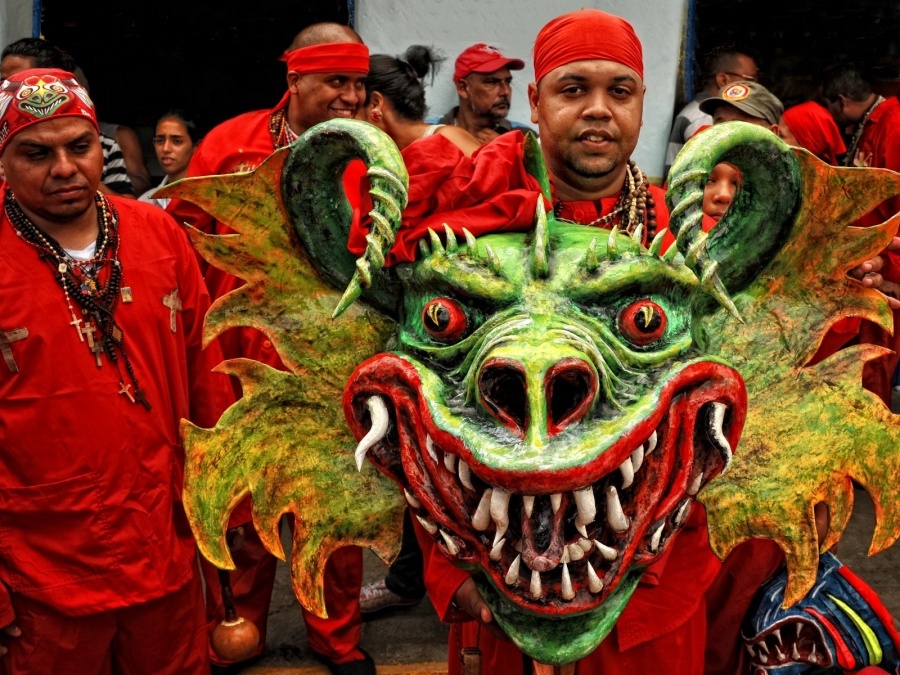
There are certainly some exotic examples – take a look at the Dancing Devils of Yare in Venuzuala… It is a custom originally frowned upon by the church as it seems to hark back to African pre-Christian roots. Now it’s brought into the church calendar and on Corpus Christi men dress up as devils, wage battle with each other, and then ‘surrender’ to the Eucharist and are blessed by the priest.

davil

black sheep

Anything like that in Schull?

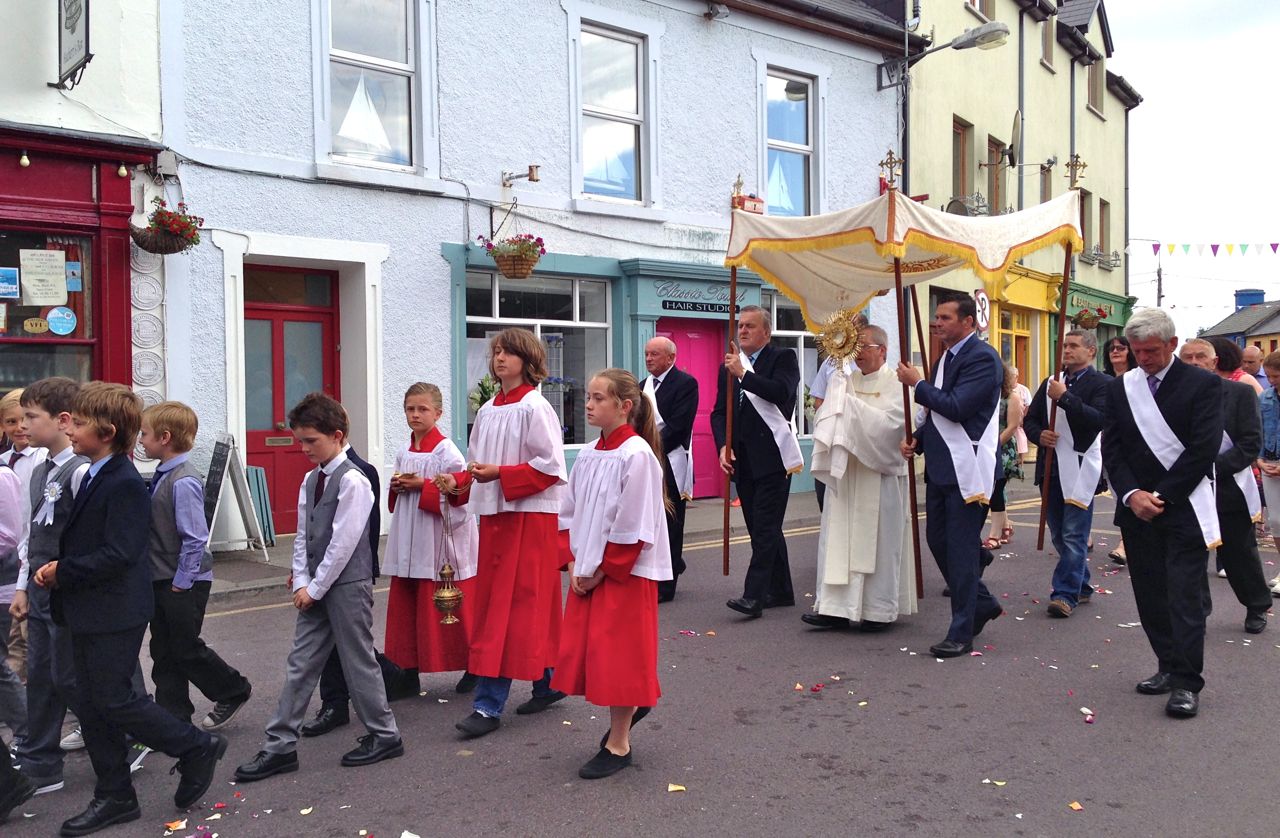
Not exactly, but the procession is quite singular, going through a busy Irish street on a sunny Sunday morning. I counted about 200 people, with mainly men at the front, then women, then children, many of whom were dressed in their First Communion finery, and were scattering flower petals all across the road. At the back was the priest, walking under a decorated canopy which was carried by men in suits and white sashes; the priest was holding up the Monstrance…

You’ll have to explain that to me.

monstrance

Monstrance – from the Latin monstrare – to show: it’s ‘…the vessel used in Roman Catholic, Old Catholic and Anglican churches to display the consecrated Eucharistic host during Eucharistic adoration or Benediction of the Blessed Sacrament…’ The symbolism is a sunburst, the source of all life, which in the Christian tradition is represented by the Body of Christ – Corpus Christi.

sun

Is all this rooted in something more ancient than Christianity?

Well – apart from the sun symbolism – probably not. The feast was promulgated by Juliana of Liège, Belgium, who was born in the 13th century and became an Augustinian nun and, eventually, Prioress of her convent. She experienced a recurring vision of the bright full moon which was flawed by a dark spot or stripe. She believed that the moon symbolised the Church, which was flawed by the absence of a liturgical feast for the adoration of the Eucharist. She spent much of her life petitioning for such a festival but did not see her hopes realised: she died in 1258. Her work was not in vain, however, as in 1264 Pope Urban IV instituted the feast of Corpus Christi.

So this year sees the 750th anniversary of Corpus Christi?

Yes it does. But it’s a movable feast, relating to the date of Easter – theoretically it should have occurred this year on 22 June but Schull obviously has other ideas.

So it seems. Now, I see you’ve called this post Baby Jumping….

jumping

You are very observant! Well, I can’t resist mentioning this traditional Spanish holiday dating back to 1620 that takes place annually to celebrate Corpus Christi in the village of Castrillo de Murcia. The custom is known as El Colacho, and men dressed up as devils jump over babies born during the previous year who are lying on mattresses in the street.

El_colacho_saltando

Why?

The Brotherhood of Santísimo Sacramento de Minerva organises the festivities which culminate when the ‘devils’ jump over the babies on the mattresses placed on the procession route traversing the town. It is said that this cleanses the babies of original sin, ensuring them safe passage through life and guarding against illness and evil spirits. Pope Benedict evidently wasn’t impressed by the custom and asked Spanish priests to distance themselves from El Colacho. As he put it, ‘…the Church teaches that it is baptism by water, not a giant leap by an airborne devil, which cleanses the soul…’

How did that go down?

According to a report this year ‘…The festival is still a vibrant tradition replete with musical processions through the village with El Colacho chasing the young and old, and teenagers in lederhosen dancing an Irish jig…’

Something Schull could consider perhaps?

spectators

Perhaps. But in the meantime have a look at this curious but highly entertaining Pathe News clip from 1941 showing a Corpus Christi procession in Bandon, not very far from here.

http://www.britishpathe.com/video/corpus-christi-procession-1

skippers

After the Procession

After the Procession


Mount Gabriel

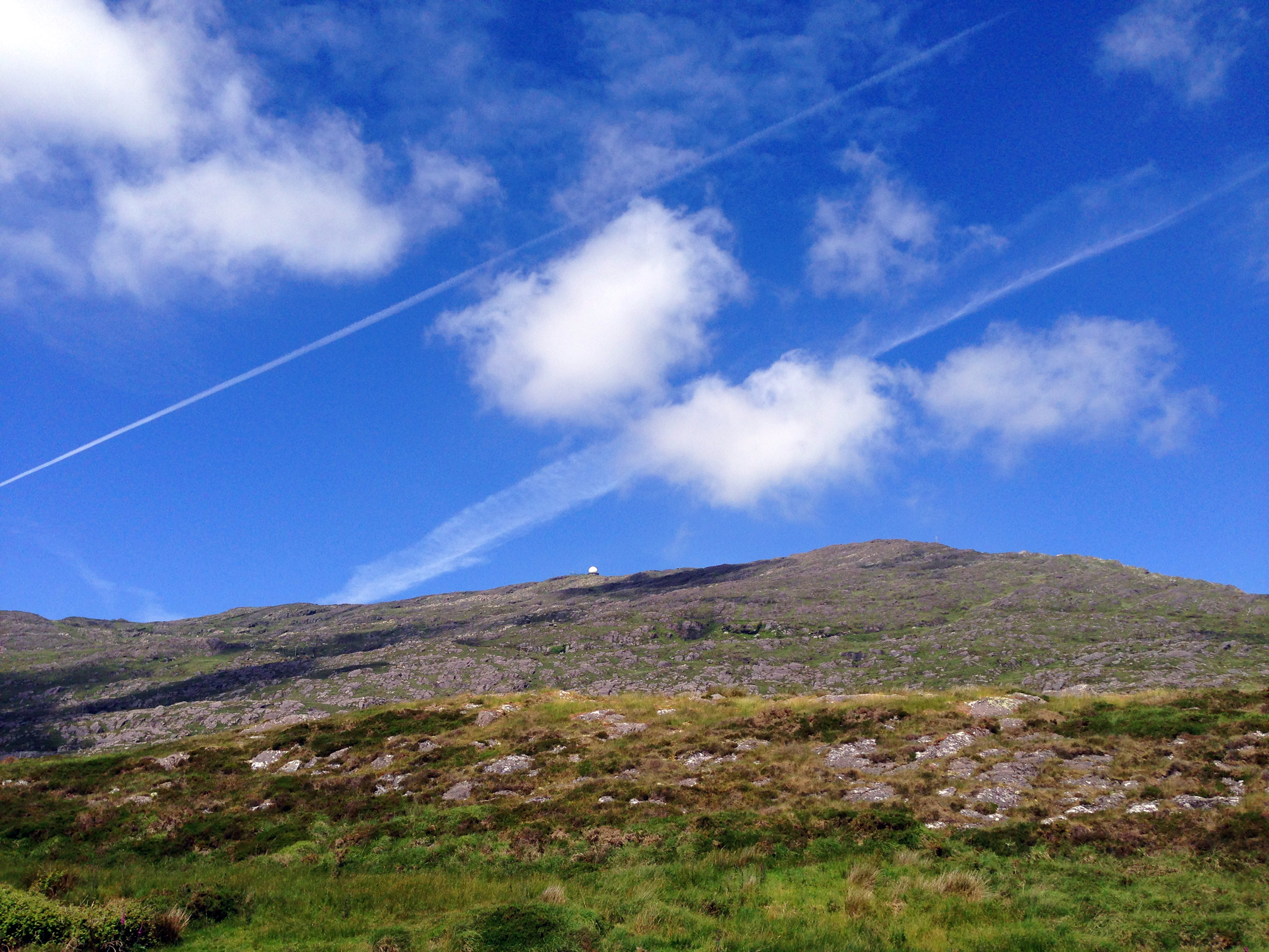
Trails over Mount Gabriel

Trails over Mount Gabriel

Only a few kilometres from Nead an Iolair – as the Crow flies – sits Mount Gabriel: at 407m elevation it’s the highest piece of land in West Cork. Cork mountains are dwarfed by those from Kerry: McGillycuddy’s Reeks has the highest peaks in Ireland, at over 1,000 metres. However, our own local mountain is nevertheless impressive and on a good, clear day provides a view not to be missed – to all points of the compass.

Looking west to the Mizen

Looking west to the Mizen

I spent a while researching why a mountain in the west of Ireland should be called Gabriel. There is no received opinion about this. I suppose there’s no reason why it shouldn’t be named after the Archangel himself: after all, we have Croagh Patrick (after St P) and Mount Brandon (after St Brendan) and many others: Ireland’s landscape is alive with place-names having religious connections, although such associations are likely to be fairly young. In Irish the mountain is Cnoc Osta – possibly ‘hill of the encampment’ – so there’s no clue there.

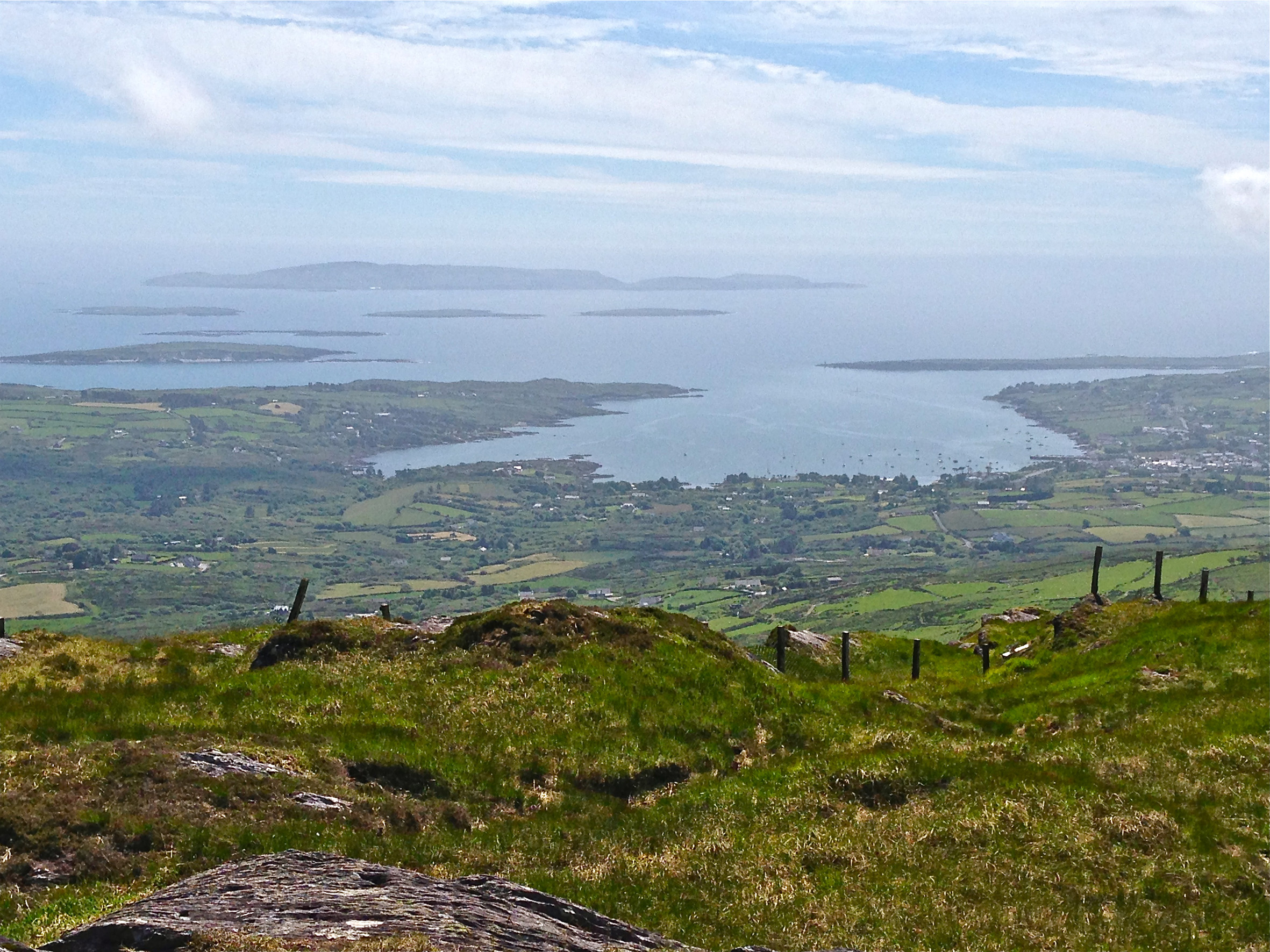
Roaringwater Bay

Roaringwater Bay

I did find this fascinating piece from the Church of Ireland Magazine, dated 1826 – written by John Abraham Jagoe, Vicar of Cape Clear …where I have no protestant parishioners… and Curate of Schull …where interspersed amongst moor and mountain, I have fifteen hundred Protestants, to visit and oversee… It’s well worth a verbatim extract:

‘…amidst these everlasting hills arose, in peculiar prominence, Mount Gabriel. Why, my lads, said I, is yonder mountain called such an outlandish name; one would think it was brought here by Oliver Cromwell, it has such an un-Irish – such a saxon name. O! says Pat, it is a pity that the blockhead is not here to tell the gentleman the story about this, for sure and certain such poor garcoons as the likes of us know little, and care not the tail of a herring for such old stories. And who, said I, is the blockhead? O, says my friend, the blockhead is an old man living up on the mountain, who, from his great memory, his knowledge of cures for cattle, charms against fairy-struck people, experience in bleeding, acquaintance with legends about the good people, the Milesians, and Fin McCoul, is called far and near, the blockhead.

My dear fellow, will you tomorrow bring me to that man; I would pilgrimage over all the hills in Cork and Kerry to get into chat with him: says I to myself, this is just the man that I want. Ah my good friend, do bring me to the blockhead to-morrow. Why yes to be sure, – but stay, can you speak Irish? Not a word, to my sorrow be it spoken. Well then go home first and learn Irish, for Thady Mahony can speak no other language. – Well boys, can none of you (as I cannot get it out of the blockhead) tell me about Mount Gabriel; O! yes, Sir, says Pat Hayes, my Godmother used to tell me it was called after the Angel Gabriel, who came, you know, from Heaven to deliver the happy message of mercy to the Virgin – ever blessed be her name. And so on his return, as he was flying back, he looked down upon Ireland, and as he knew that in time to come, this honest island would never part with the worship and duty it owes to the Mother of God, he resolved to take a peep at the happy land, that St Patrick was to bestow for ever on the Virgin. So down he came, and perched on the western peak of that mountain; the mark, they say, of his standing is there to this day, and his five toes are branded on the rock, as plain as if I clasped my four fingers and thumb upon a sod of drying turf; and just under the blessed mark, is a jewel of a lake, round as a turner’s bowl, alive with trout; and there are islands on it that float about up and down, east and north and south; but every Lady-day they come floating to the western point, and there they lie fixed under the crag that holds the track of the Angel’s foot…’

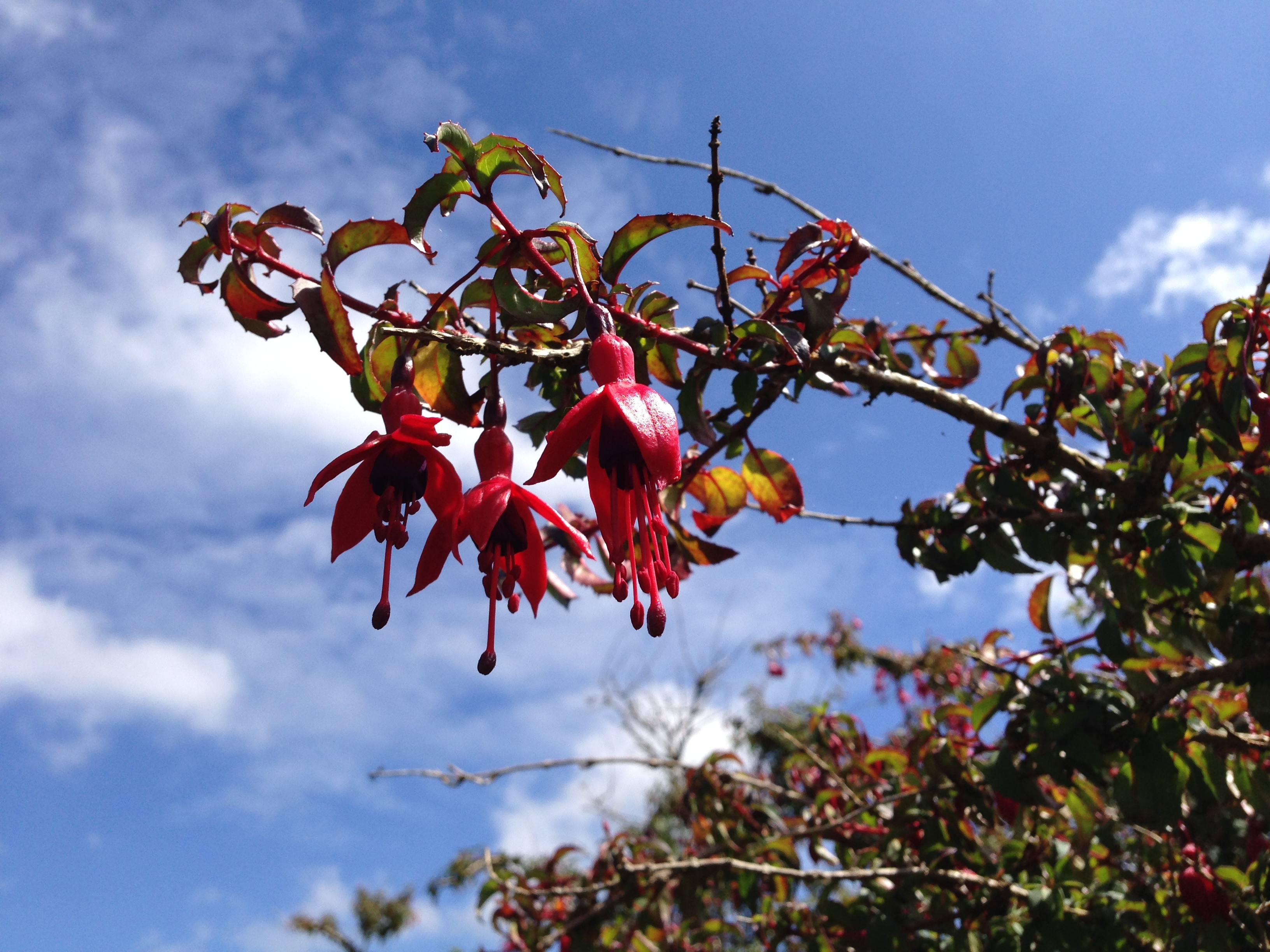
Hidden Glen Fuschia

Hidden Glen Fuschia

Well, there’s enough in those few lines to keep us going on field trips for some time to come! We did find, on the western slopes, a beautiful hidden valley holding the ruins of a one roomed cottage. I have convinced myself that this must have been the dwelling place of the blockhead Thady Mahony, who may once have been the keeper of all the secrets of the mountain. But we have yet to find the jewel of the lake with its trout and its miraculous floating islands, notwithstanding the Archangel’s footprint…

View from the summit

View from the summit

One other possibility for the name is a corruption of the Old Irish Gobhann – which means smith, as in a metal smith. Remember Saint Gobnaitt? She was the patron saint of ironworkers (blacksmiths) and her name is supposed to be rooted in Gobhann. There is also a Goibhniu in Irish mythology: he was the smith of the Tuatha De Danaan and forged their weapons for battle with the Formorians. So – Gobhann, Goibhniu, Gabriel…? Too much of a leap of faith? But it is known that Mount Gabriel was the site of extensive copper mining a few thousand years ago – remains of pits, shafts and spoil heaps can be seen:  so perhaps there just could be something more ancient inherent in the name.

golf ball

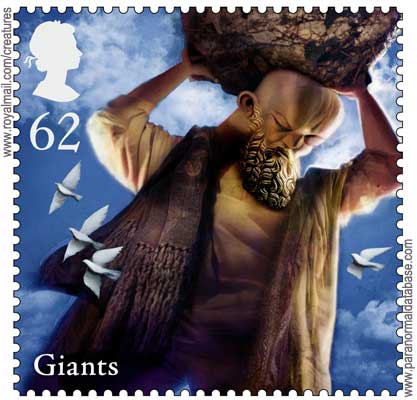
There is mythology attached to the Mountain: the Fastnet Rock was torn from the slopes and thrown into the sea by a giant; once we were searching for a piece of Rock Art within sight of the mountain and the landowner assured us that the carved stone had been thrown there by Finn MacCool (we didn’t find it).

giant stamp

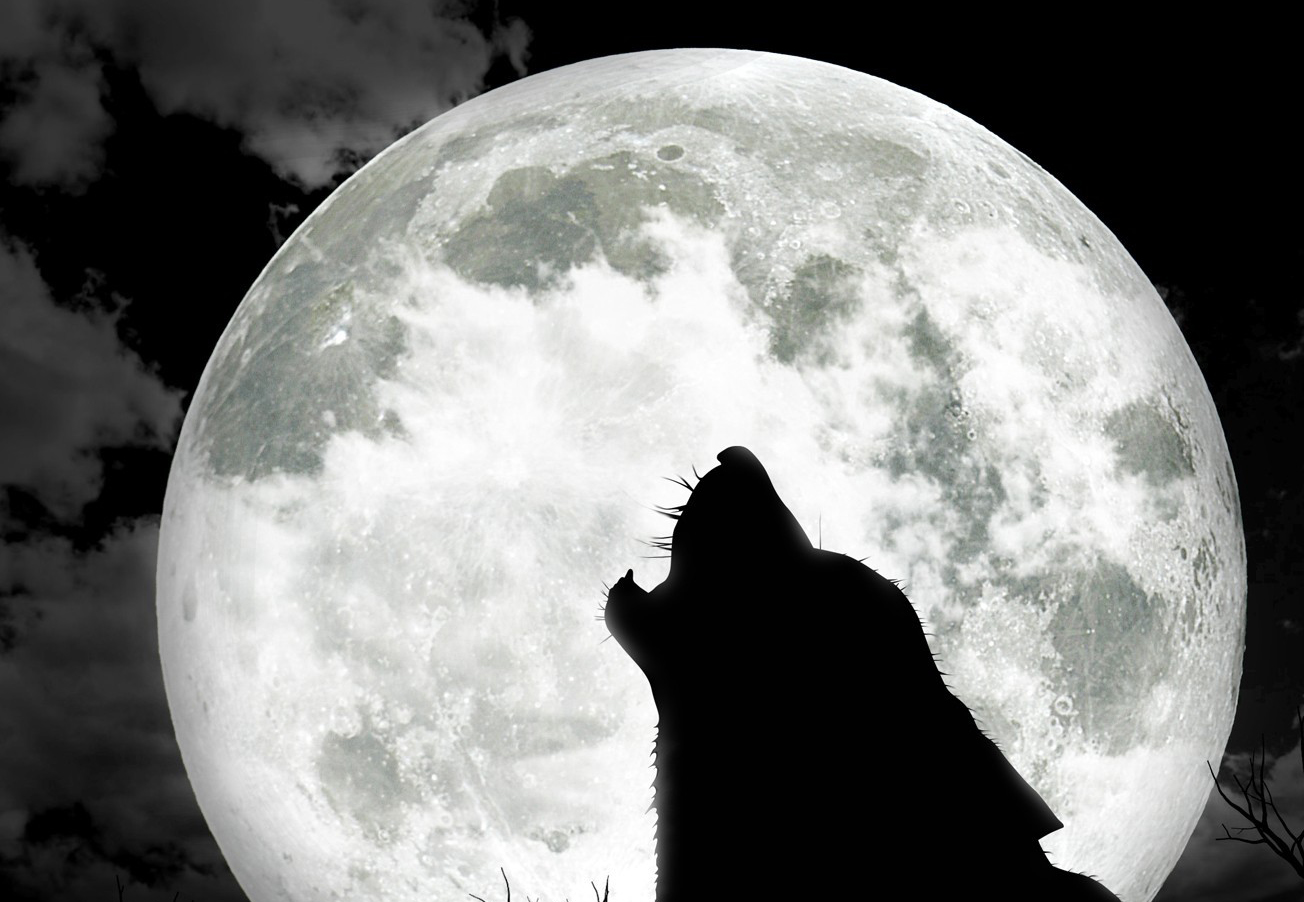
The story about Mount Gabriel that most captures my imagination is the suggestion that the last Wolves in Ireland inhabited the rocky landscape there back in the eighteenth century (although it’s true that several other places make the same claim). Until that time Wolves were commonly seen in the wilder parts of the land and feature in local stories and folklore. Interestingly they were often portrayed in a positive way and were sometimes companions of the saints. There are very few records of Wolves having maimed or killed humans, yet in 1653 the Cromwellian government placed a bounty on them – 5 pounds for a male Wolf, and 6 pounds for a female: worthwhile prize money in those days. This encouraged professional hunters and, coupled with the dwindling forest habitats, the fate of the animal was sealed.

grey wolf

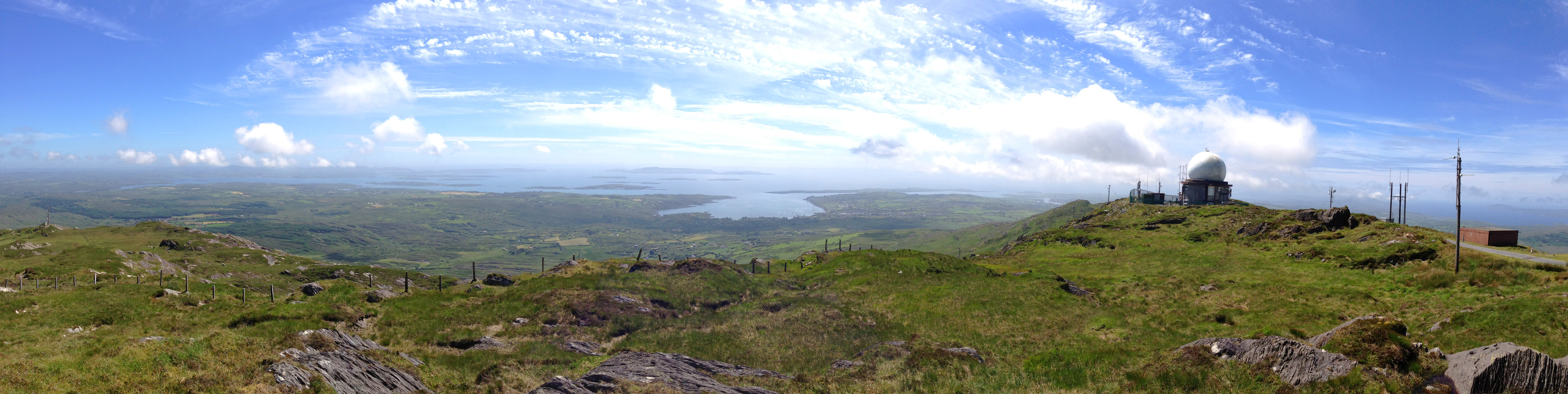
Mount Gabriel today is relatively benign, although it still has its remoter parts. The Irish Aviation Authority has kindly provided a road up to the summit, where sit the distinctive ‘golf ball’ radar domes and aerials of an Air Traffic Control installation. From these heights we can see Rossbrin Cove, Ballydehob, Schull and all the islands of Roaringwater Bay set out in a magnificent panorama – on a clear day.

iaa

Aerials and view to the north

Aerials and view to the north

Modern events have affected the mountain: a German plane crashed here in 1942, and in 1982 the Irish National Liberation Army bombed the radar station, believing that it was providing assistance to the North Atlantic Treaty Organisation, allegedly in violation of Irish neutrality.

IMG_3573

For us the mountain is a landmark and, like most of our view, its profile changes with the weather on a daily – perhaps hourly basis. As a repository of archaeology, human history, lore and nature Gabriel provides a rich resource.

Gabriel

Gabriel

Cape Clear

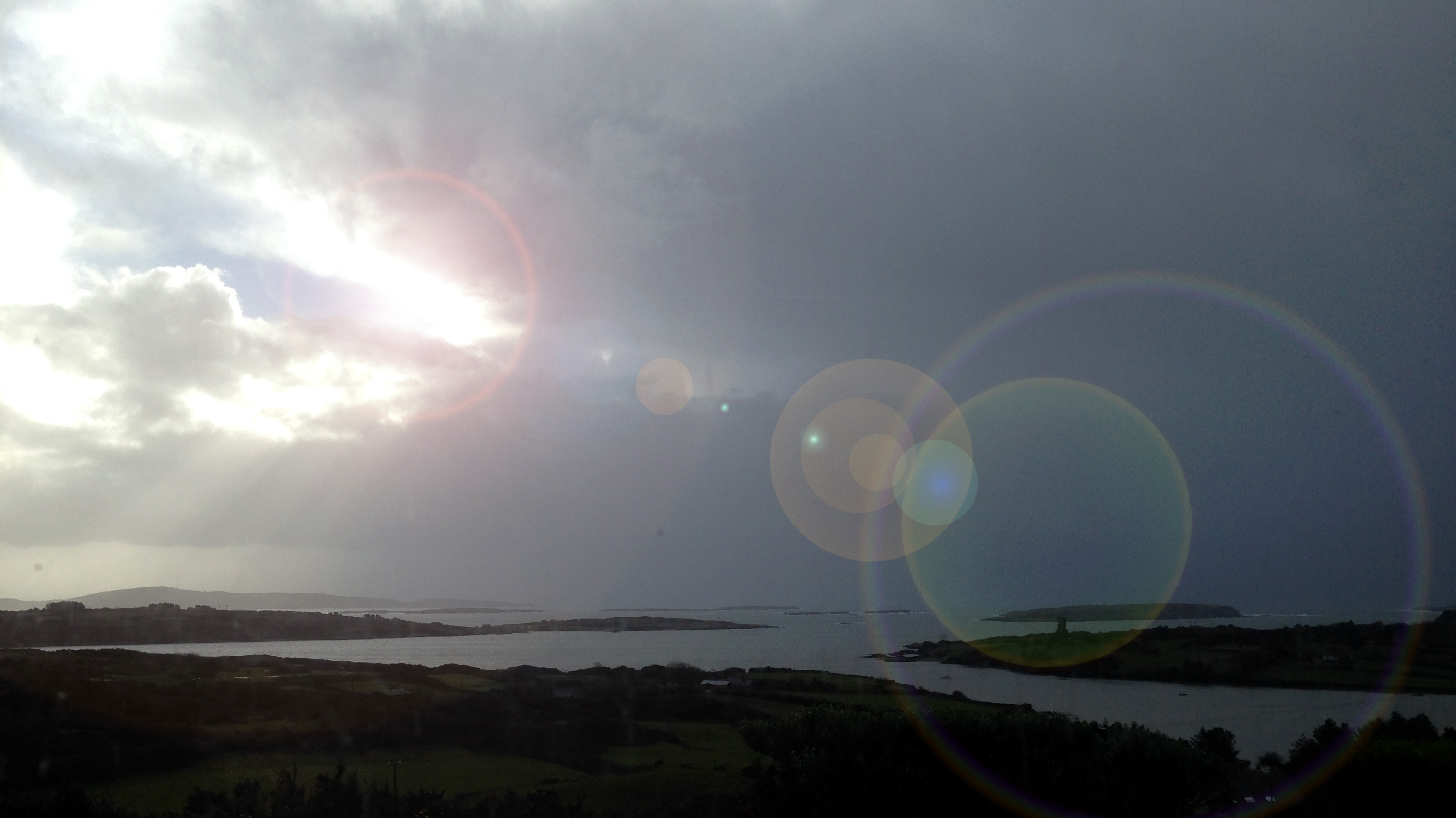
Distant Cape Clear - with solar effects

Distant Cape Clear – with solar effects

Always in our view from Nead an Iolair are the many islands of Roaringwater Bay: sometimes they are referred to as ‘Carbery’s Hundred Isles’. The largest of them – and the furthest out into the Atlantic – is Cape Clear. From our vantage point in Cappaghglass it sometimes floats on the horizon like a great seal under brooding skies, yet with the clarity of summer skies every hillside cottage can shine like a white jewel. I visited the island for the first time last weekend, drawn to its isolation and history – and by its own Saint – Ciarán, born on this most southerly point of Ireland and preceding Saint Patrick by some generations as the ‘Apostle of Eirinn’.

ghaeltact

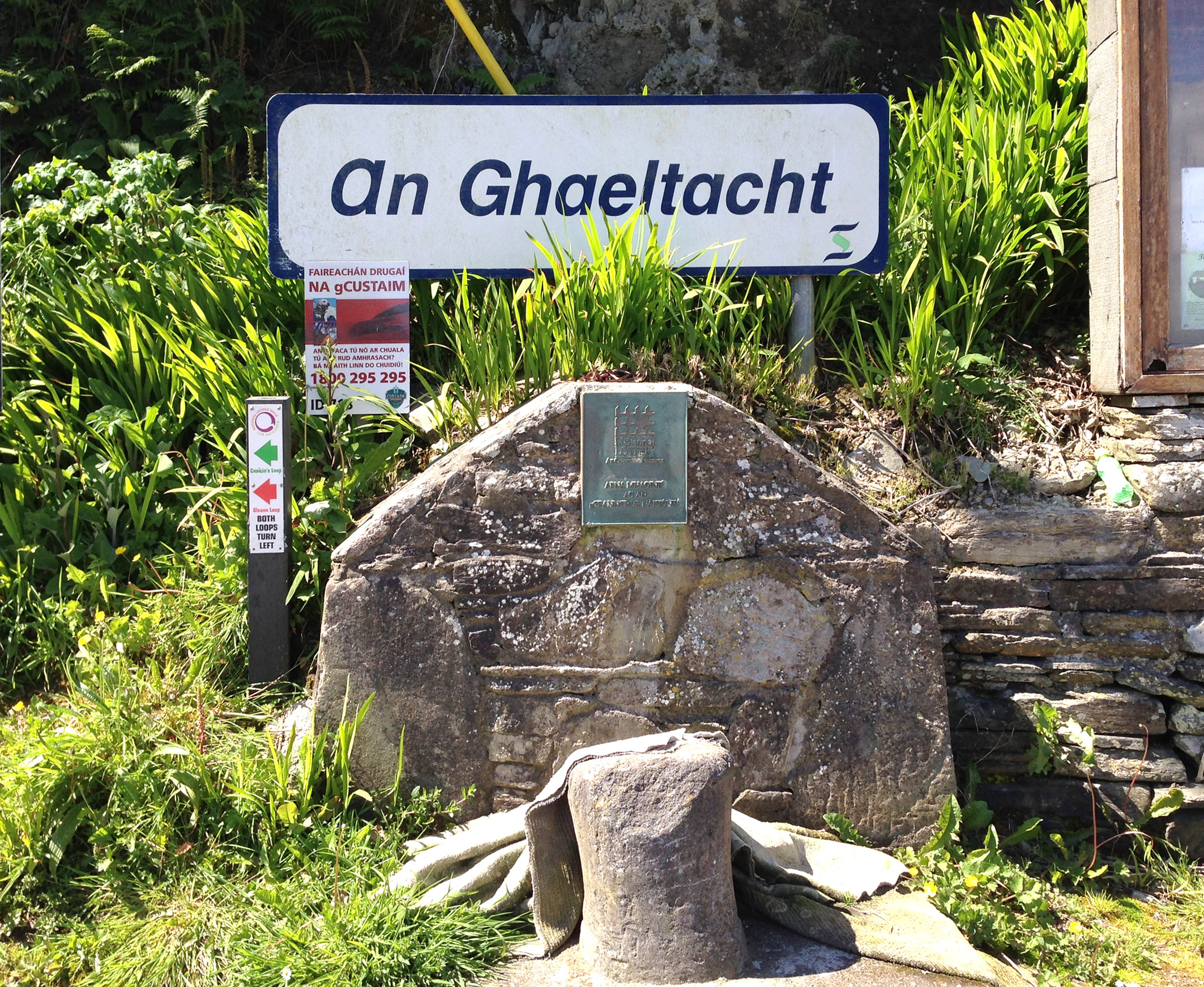
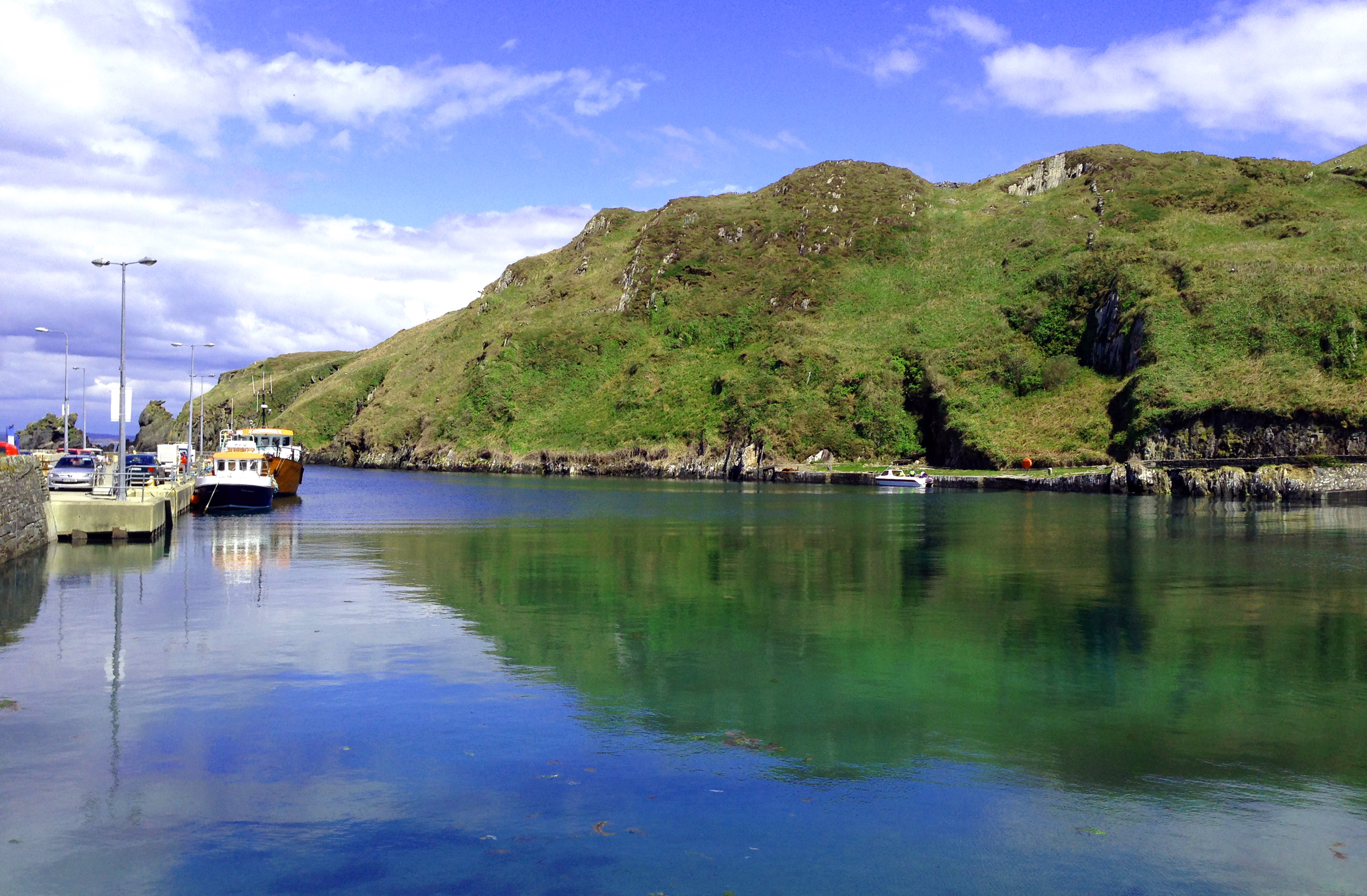
Cape Clear is a place apart. It is one of the Irish Gaeltacht areas – where Irish Gaelic is spoken as the first language. Oileán Chléire is the Island of Ciarán, and one of the first things to be seen after landing is an ancient stone by the quay – said to have been placed there by the Saint himself – and his holy well – while nearby are the ruins of an ancient church and burial ground.

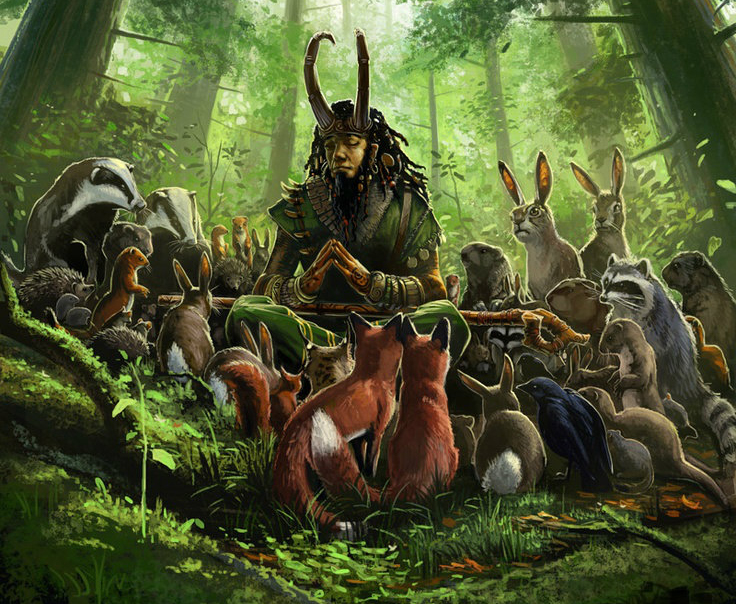
Saint Ciarán’s life has inspired some colourful stories. Before he was conceived Ciarán’s mother (Liadán) had a dream that a star fell into her mouth. She related this dream to the tribal elders who were knowledgeable of such things, and they told her that she would bear a son whose fame and virtues would be known as far as the world’s end. Ciarán’s first disciples included a Boar, a Fox, a Brock and a Wolf: they all became monks and worked together to build the community.

An interesting find: Ciarán as a Celtic God by Astrella

An interesting find: Ciarán as a Celtic god by Astrella

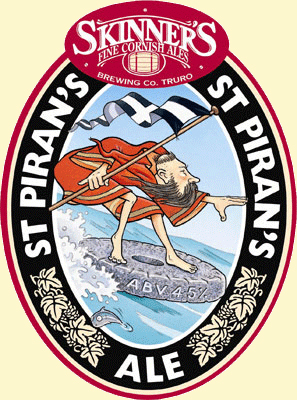
An unusual incarnation of the St Ciaran / Piran legend!

An unusual incarnation of the St Ciaran / Piran legend!

The Saint is also recognised in Cornwall, where he is known as Piran (or Perran) – scholars argue that in some ‘Celtic’ languages the C sound is interchangeable with the P sound. Certainly there is a legend that the Heathen Irish tied St Ciarán to a millstone and dropped him into the sea – and he then floated across to Cornwall where he converted the Heathen Cornish. Whatever the basis of this, both Piran and Ciarán share the same Saints Day: March 5th – which is also my birthday – so that puts me firmly into the picture!

Writers in the past have commented on the island’s particular character:

“…The natives of Cape Clear are distinct in a great measure from the inhabitants of the mainland; they have remained from time immemorial as a separate colony, always intermarrying amongst themselves; so that we must regard them as amongst the most typical specimens at the present day of the old Milesian race. The name of nearly all the islanders is O`Driscoll or Cadogan, the later being only a sobriquet for the former. Baltimore and Cape were originally the stronghold of this family, the principal Chieftain, O`Driscoll Mór, residing in Baltimore. There can be no doubt that they were the aboriginal race residing along the sea-coast of Carbery. The isolated position of the island and its difficulty of approach, have kept the population in a comparatively antique state and distinct condition during the lapse of centuries, so far as nationality and descent. Until the year 1710 Cape was an established monarchy, and an O`Driscoll – the head of the clan- was always styled, “King of the Island”. They had a code of laws handed down from father to son. The general punishment was by fine, unless some grave offence was committed, and then the delinquent was banished forever to the mainland, which was looked upon as a sentence worse than death…’ (from Sketches in Carbery by Daniel Donovan,1876)

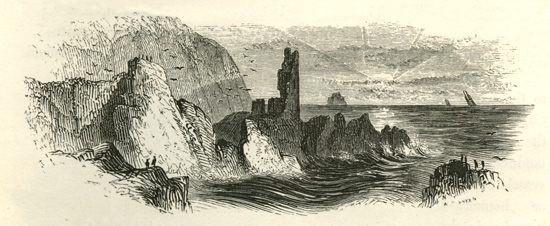
Dunanore – engraving by W Willes 1843

Our visit was organised by the Skibbereen and District Historical Society, and was masterminded by past Chairman Brendan McCarthy. He had arranged for the sun to be shining all day, and for the sea to be the calmest that anyone had known for years. A bonus was the presence of Dr Éamon Lankford – a knowledgeable and erudite local historian and toponymist whose projects have included setting up detailed place name archives for Cork County, Kerry, and Cork City. There are now over 200 large volumes of historic place name references and the work is still under way: examples from the city survey include Black Ash, Cáit Shea’s Lane, Murphy’s Farm, the Snotty Bridge, The Shaky Bridge, the Boggy Road, Tinker’s Cross, Skiddy’s home… Éamons unbounded energy has not stopped there – he has gone on to set up and run the Cape Clear Island Museum and Archive and written books on the Island’s people and landscape, on Saint Ciarán, on the Fastnet Rock, on Cape Clear place names- and has set up the Cape Clear Trail… Phew! We walked up the (very) steep hill to the Museum, which is housed in the restored old school building, and no-one could fail to be impressed by the sheer volume of information and artefacts it contains. Volunteers are needed to help run it through the summer months, so anyone fancying a bit of island life please make contact through the website. On our ferry trip from Baltimore and in the Museum Éamon kept us entertained and educated with stories, history and local lore.

I was keen to visit the Museum because I knew it housed a replica of the passage grave art (carved stone) found on Cape Clear and now believed to have once been part of a passage tomb on the highest point of the island – Cill Leire Forabhain. In 1880 the original stone was turned up in a field and taken across to Sherkin by the then curate of that island to ornament his garden. He left Sherkin only a year later, and the stone became overgrown and forgotten. It was rediscovered in 1945 and given to the Cork Public Museum where it is now on display. The carvings on this stone are in the style of the other spectacular decorated stones in the Boyne Valley and at Loughcrew, rather than the simpler Rock Art we are working on in West Cork and Kerry (although this ‘simplicity’ is belied somewhat by the recent discovery at Derreennaclogh). Beside the replica stone in the Museum is a smaller piece of Rock Art, although debatably labelled as being caused by ‘solution pits’.
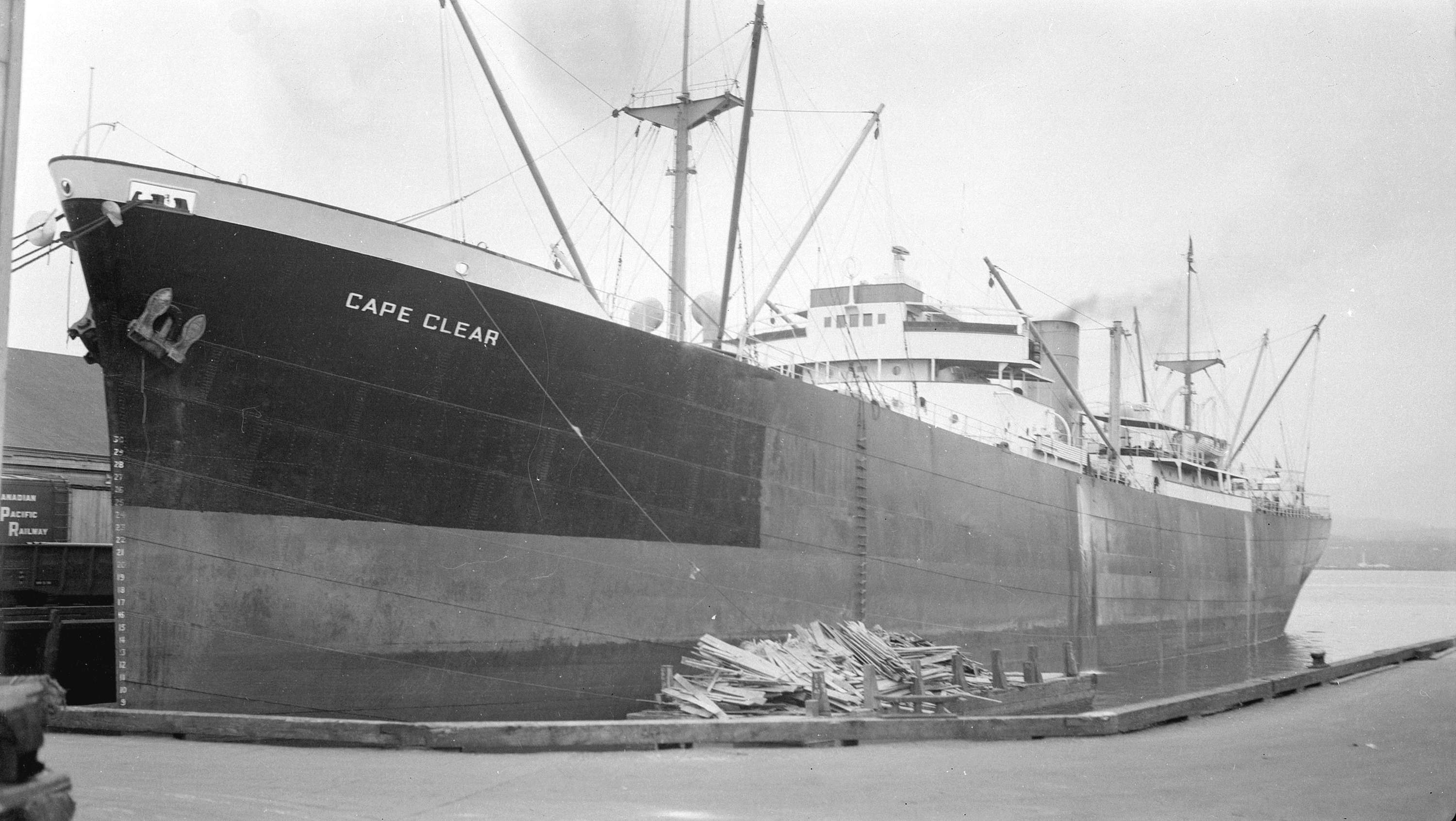
MV Cape Clear - built in Glasgow in 1939; went down in the Red Sea 1944

MV Cape Clear docked in Vancouver – built in Glasgow in 1939; went down in the Red Sea 1944

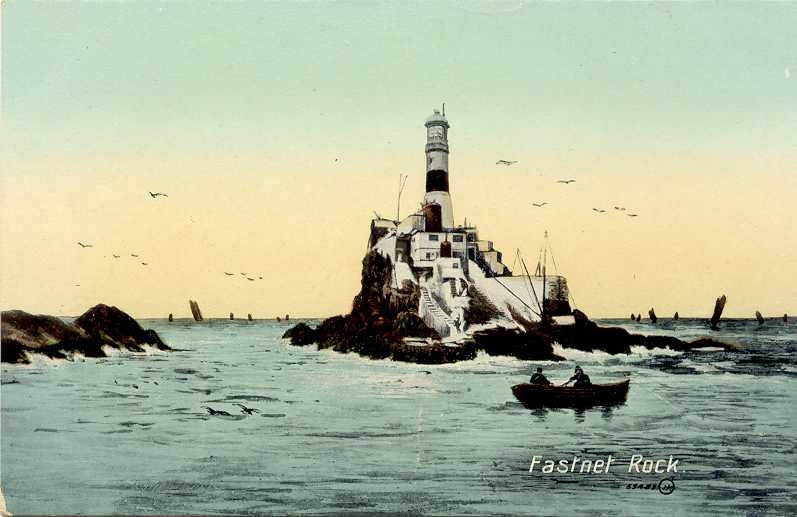
There is so much more to say about Cape Clear: it has given its name to a settlement in Victoria, Australia, supposedly named by gold miners from Ireland, and also to a number of ships built in Scotland. Talking of ships, the surroundings of the island have seen many a shipwreck: more than 50 wrecks have been recorded off Cape Clear between 1379 and 1944. This is partly because of the proximity to the notorious Fastnet Rock. FASTNET

We have to revisit Cape Clear again in the not too distant future, when we can devote more time to a full exploration of the island: it comprises 7 sq kilometres and 16 townlands. This time, however, it was down to the harbour for an excellent lunch before embarking on the ferry for the next stage of the trip to…. But that story must wait until another time!

harbour

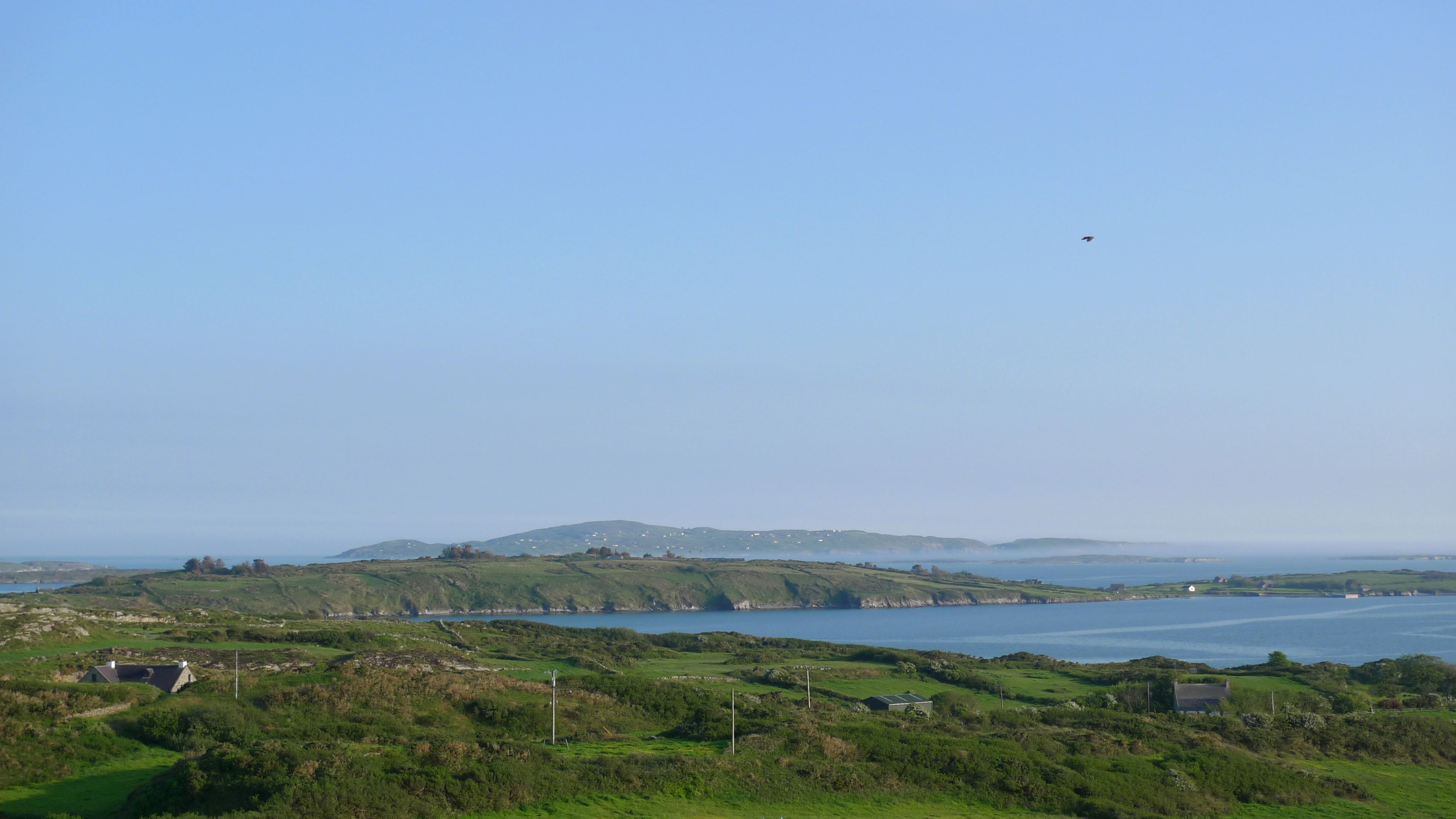
For me, small island communities have a very particular feel: it’s not just the silence and closeness to nature, but a real awareness of how fragile, yet tenacious, the tenets of human existence / subsistence can be. As I write this, Cape Clear is romantically shrouded in mist out there over the bay: only the highest ridge, the cairn, the watchtower and the old lighthouse visible in grey silhouette. It’s a place that will pull us back across the water very soon.

today

Today’s view of the Cape from Nead an Iolair