Your Favourite Posts of 2014

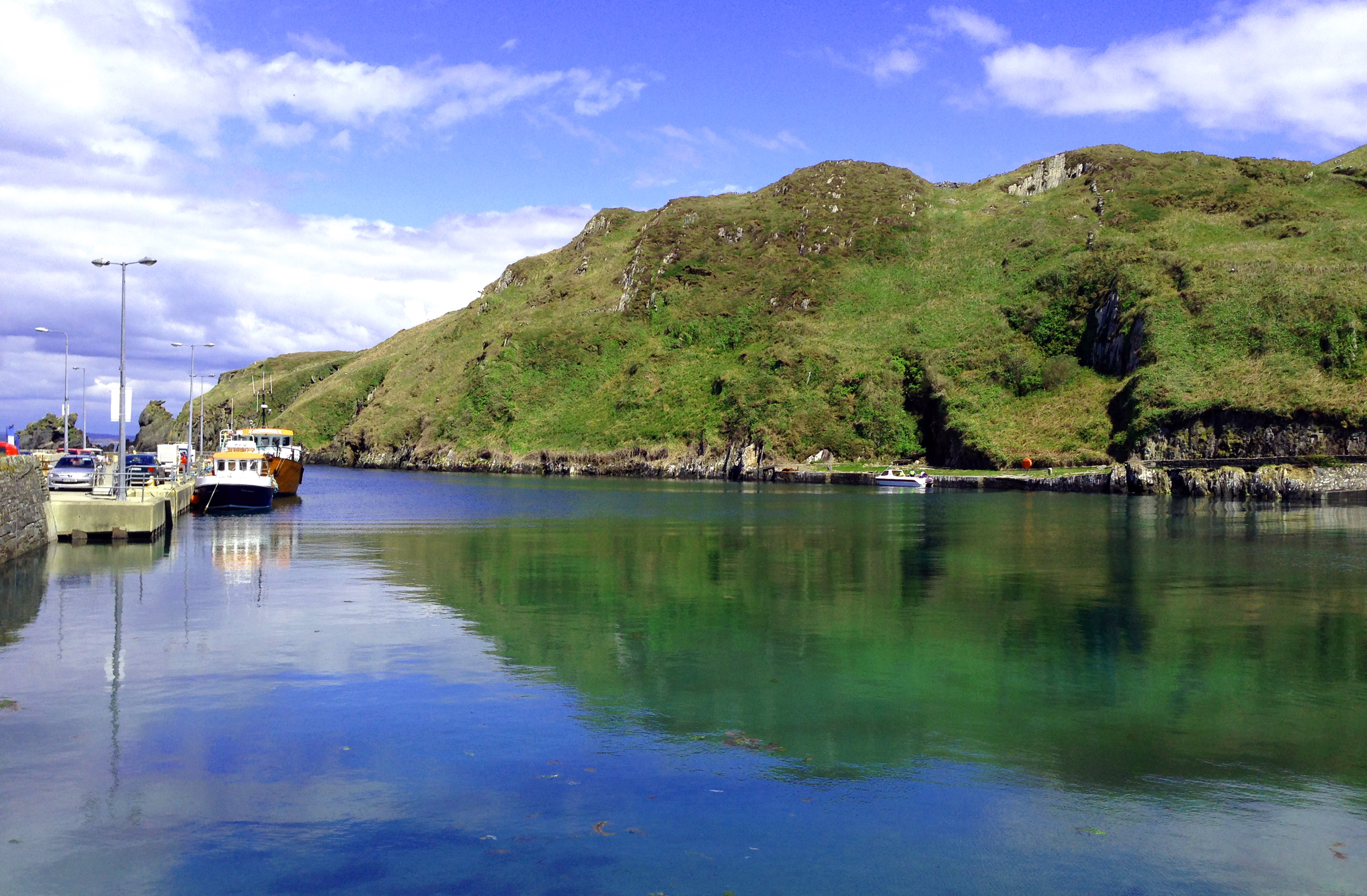
Cape Clear Harbour

Cape Clear Harbour

What were your favourite Roaringwater Journal blog posts of 2014?

Our blogging software provides a running count of visitors to Roaringwater Journal and it’s always fascinating to see which ones receive the most views. Some of them are our own favourites as well, and some can attribute their high numbers to being re-blogged by others, or to being shared on social media. So tell us, Dear Reader – did the software capture it – or do you have a different favourite from our top posts of 2014?

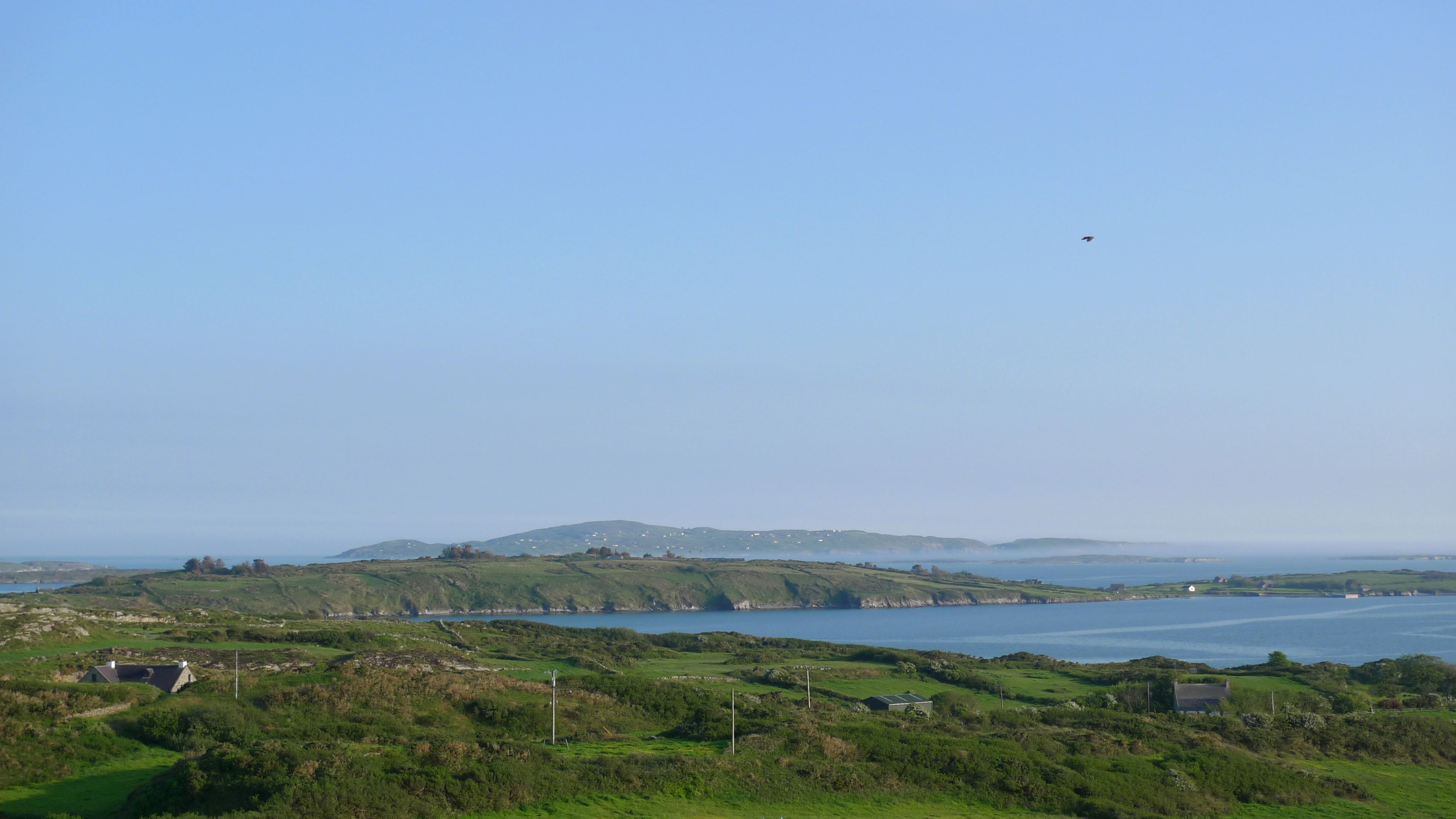
From the Whiddy Island high point

From the Whiddy Island high point

The top two posts of 2014 were the ones we wrote about our trips to Cape Clear and to Whiddy Islands. We loved our time on the islands and intend to go back often – our enthusiasm probably shone through. But it may also be that islands hold a mystique for us that is hard to define – out there in the dawn mist, mysterious and peaceful, whole worlds unto themselves. The islanders of West Cork are worried at the moment by cuts to their development officer funding, and need all the support we can give them. So if you live here, or are planning a trip, include one or more of these beautiful islands in your plans.

Timoleague Friary

Timoleague Friary

Next in popularity was our post on the Timoleague Friary. It’s an iconic piece of West Cork history and architecture – the only sizeable medieval religious ruins we have, perched on a picturesque estuary of the Arigideen River.
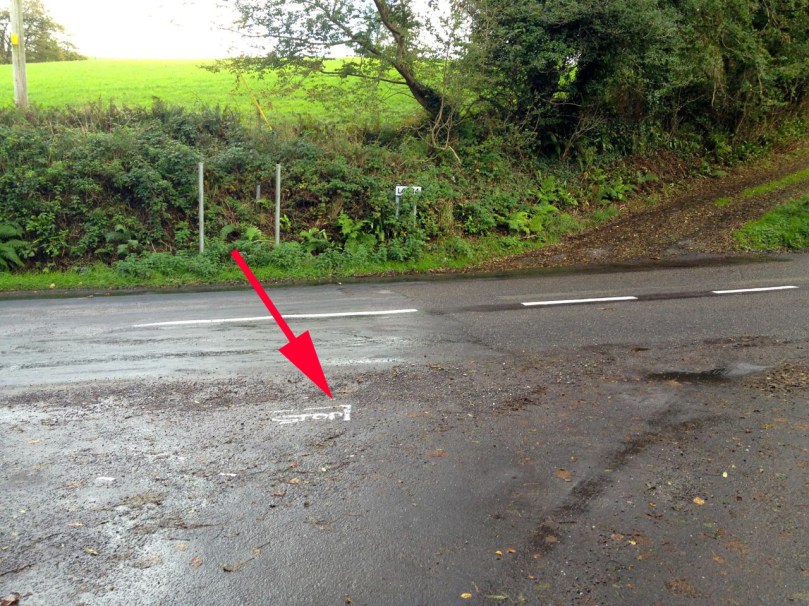
I've learned to look carefully for road signs

I’ve learned to look carefully for road signs

Finola’s frustration at the inflexible regulations that treated her like a novice driver, despite forty years of driving experience, must have struck a chord with you. Maybe you dropped by Driving Home the Point to sympathise with her plight, or maybe it was to chuckle over the numerous example of the routine flouting of the Irish rules of the road, or the bemusing driving conditions of many rural roads.
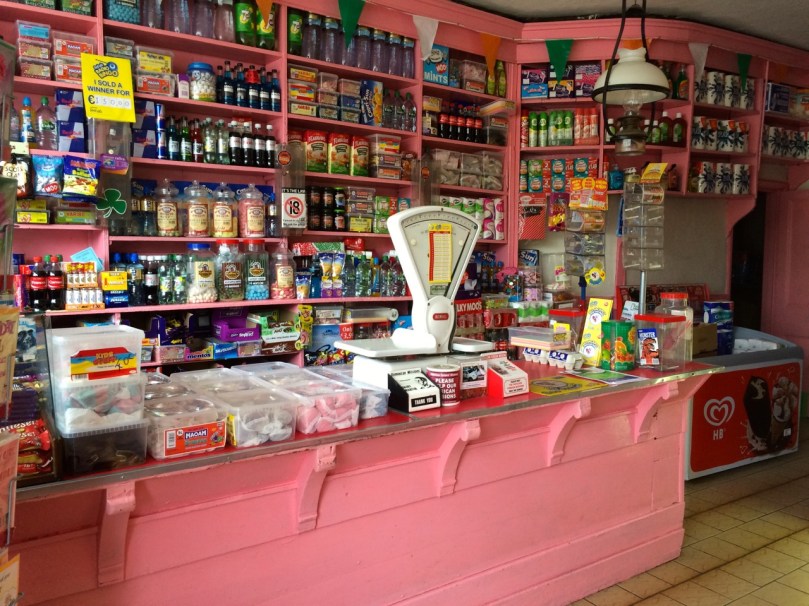
Evans of Bantry

Evans of Bantry

We have enormous nostalgia for the things we remember from our childhood, don’t we? In that vein, it’s not surprising that Shopping for Memories was such a popular post. These lovely old shops evoke a time when a whole variety of shops lined the main streets and our mothers went from the butchers to the greengrocers to the chemists to the haberdashers and, if we were lucky, to the sweet shop on a daily basis.

Carraig Abhainn Gardens

Carraig Abhainn Gardens

But sadly, the numbers of these old-fashioned shops are dwindling. This year we said goodbye to Wiseman’s in Durrus, no longer able to compete against the hardware shops of Bantry. Fortunately, their wonderful Carraig Abhainn Gardens are still open behind the shop – and our description of this hidden gem was one of your favourite posts of the year.

A group of posts on festivals came next. We wrote about the question our friends asked us when we decided to move here, What on earth will you find to DO? We answered in a series of posts describing some of the local events and festivals we have taken in this year – the Ballydehob Jazz Festival and Arts and Culture Festival (which included our own Rock Art Exhibition), traditional music Festivals in Baltimore, Bantry and Ballydehob, and a host of musical and theatrical events. One day all of you retirees out there are going to discover that moving to West Cork is the best decision you can make!

The next group of posts centred on the Mizen – the Mizen Magic posts where we concentrated on aspects of the Mizen Peninsula that delight us – the Beaches, Brow Head, the Butter Road, Mount Gabriel, the Gortnagrough Folk Museum, and the history and archaeology of this beautiful part of Ireland.
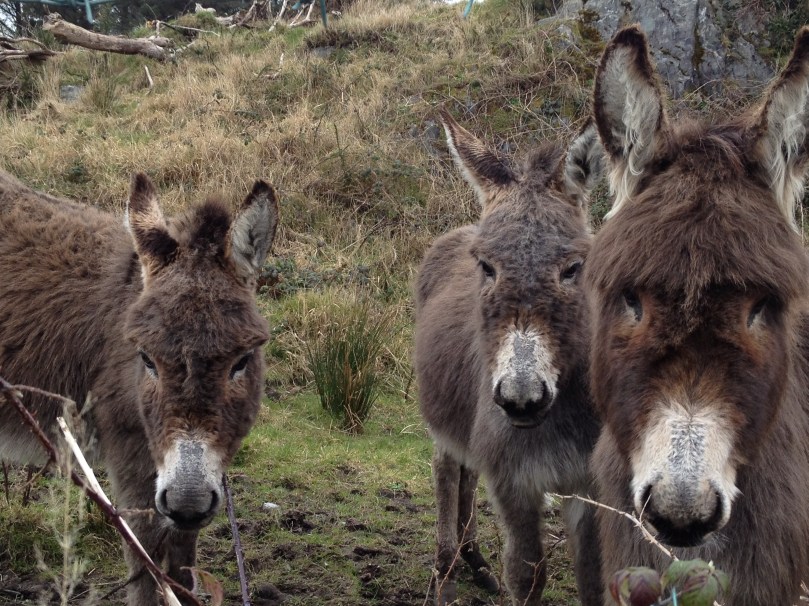
How are ye?

How are ye?

In fairness, like, it looks like ye would have enjoyed our take on how to speak like ye’re from West Cork. Those little posteens made you happy out.

Ye must be a fierce active crowd altogether because you really got a kick out of Finola’s description of her day of sailing and (perhaps her personal favourite in the activities department) her moonlight kayaking on Lough Hyne.
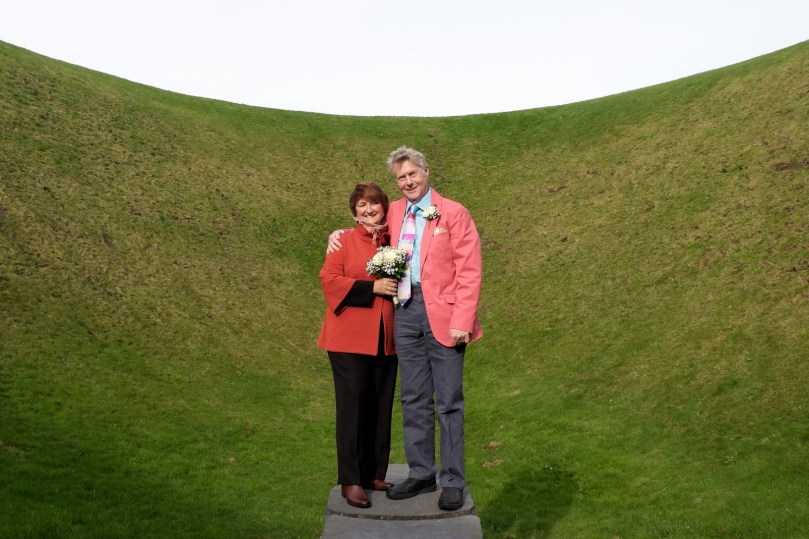
Happy New Year from Robert and Finola!

Happy New Year from Robert and Finola!

And our own personal favourite of 2014? Robert’s post on the Sky Garden, of course! If you haven’t read it yet, you’ll have to do so to find out why this was the highlight of our year in West Cork.
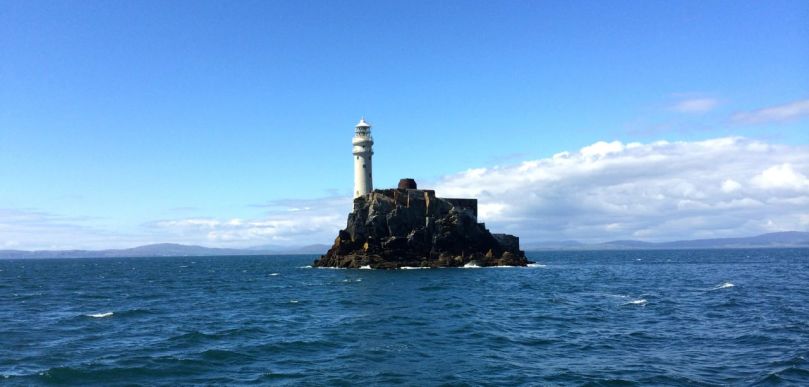
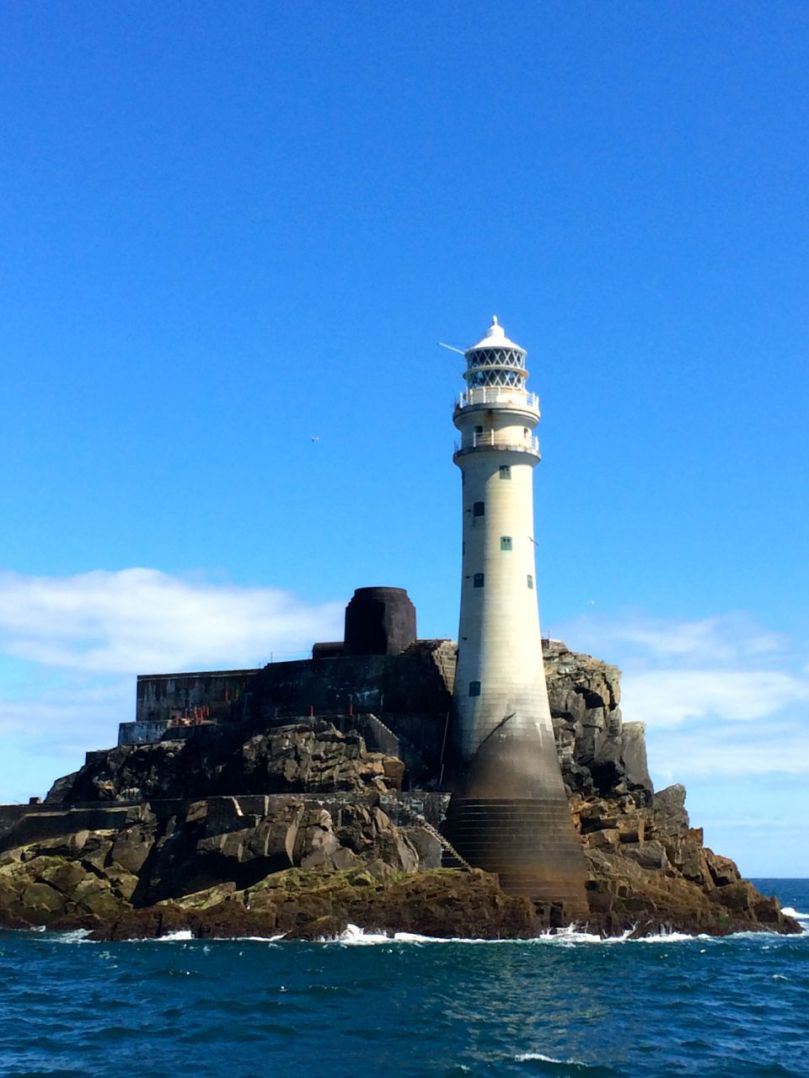
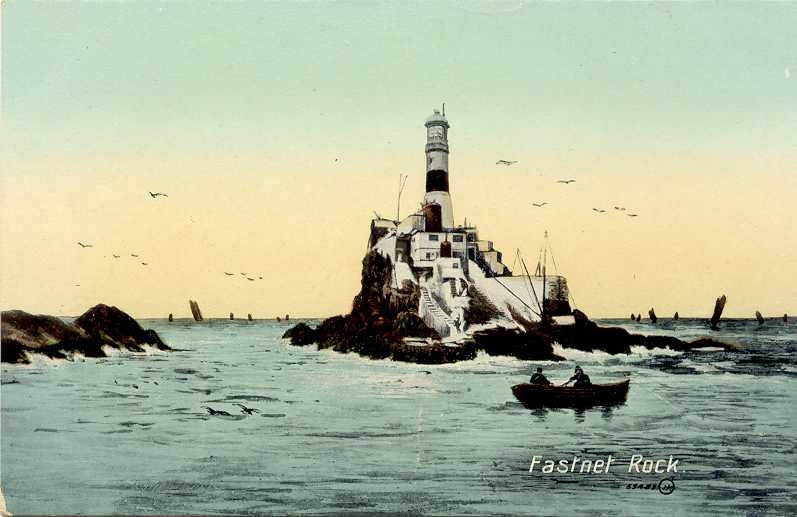
An Charraig Aonair: The Fastnet Rock

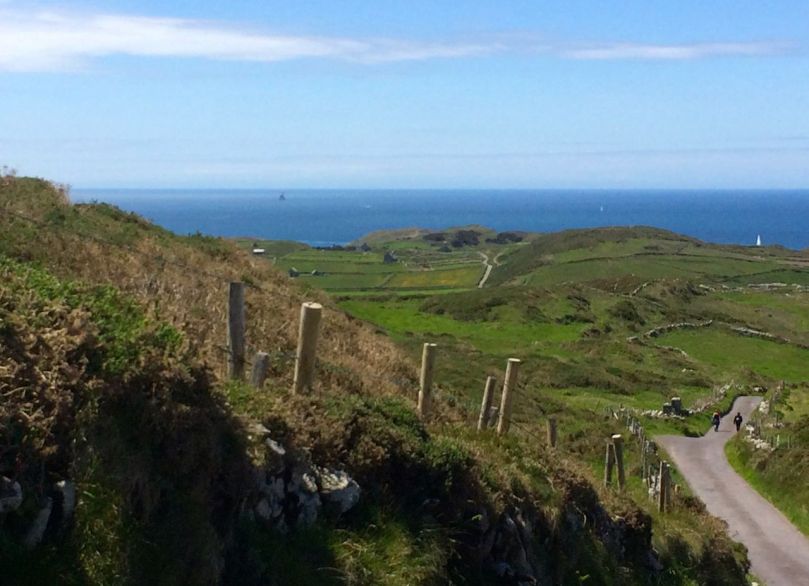
An Charraig Aonair: The Lone Rock

Robert has written about our field trip to Cape Clear Island and I can now reveal that the journey also included a thrilling sail around An Charraig Aonair (Karrig Ane-er, The Lone Rock) better known as the Fastnet Rock; or to thousands of emigrants for whom it was the last sight of their home country, Ireland’s Teardrop.

The Fastnet from Cape ClearThe Fastnet from Cape Clear

We had been looking forward with great anticipation to visiting the rock close up. We can see it from our home, a craggy point on the horizon –  a far away mystical tor abounding with lore and legend. We have been awestruck by the waves crashing over the lighthouse in winter storms and wondered at the lives of the lightkeepers who once manned that treacherous outpost. We watched through our telescope as enormous yachts rounded the rock in the biennial Fastnet Race last summer, following the progress of the race on a special iPhone app. I have written elsewhere about the awful tragedy of the 1979 race, in which Gerard Butler and his fellow lightkeepers on the Fastnet played a crucial role in monitoring the participating yachts in the mountainous sea conditions. 

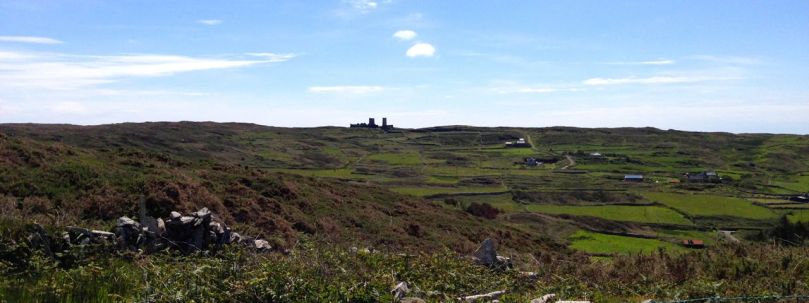
The original Cape Clear Lighthouse beside the signal towerThe original Cape Clear Lighthouse beside the signal tower

The Fastnet was built to avoid such tragedies. Its first iteration was in 1818 as a lighthouse tower on a high point on nearby Cape Clear Island, beside the Napoleonic-era signal tower. However, the light was frequently obscured by fog and after the wreck of the Stephen Whitney in 1847 with 92 souls lost, it became clear that the best place for a lighthouse was on the Fastnet Rock. 

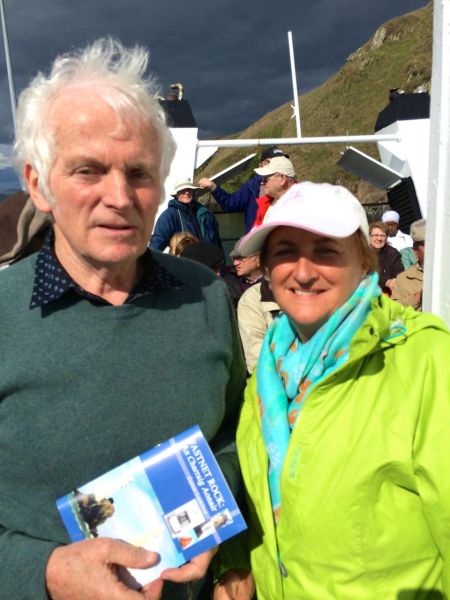
Eamon Lankford and FinolaEamon Lankford and Finola

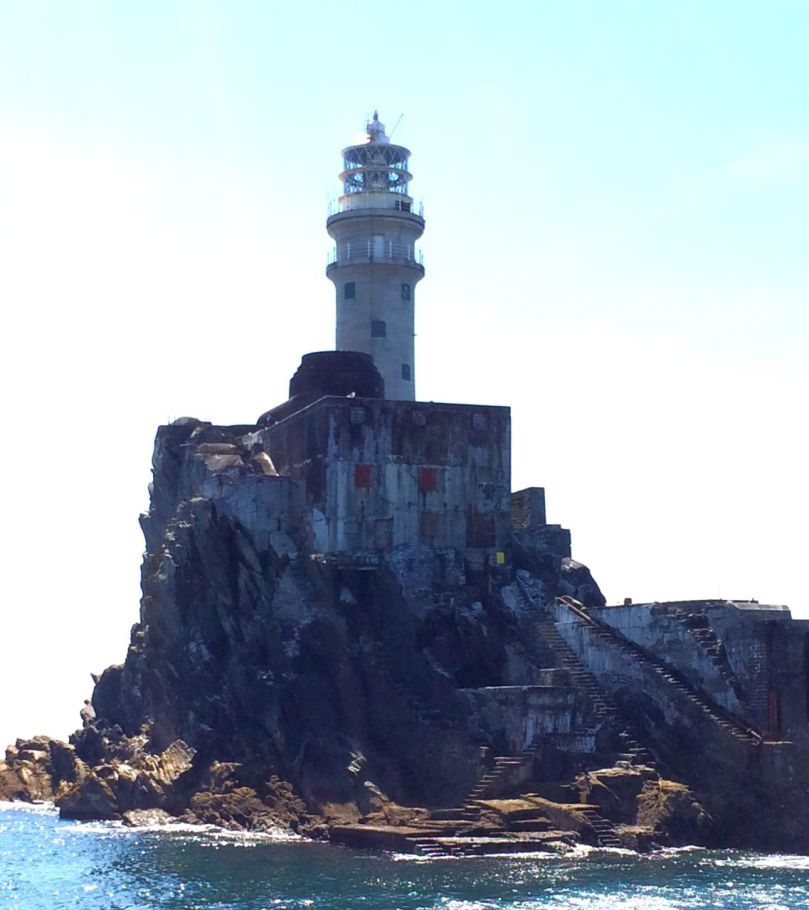
The great era of lighthouse building in Ireland got underway in the mid-nineteenth century. The engineering, design and construction expertise necessary to build lighthouses are impressive enough. Add to this the logistics of building on a tiny and inhospitable rock in a heaving sea on the edge of the Atlantic, and the sheer accomplishment of the objective is  staggering. The first attempt, started in 1849, was of steel and needed constant repair. It was decided to replace it with a structure of Cornish granite and the current lighthouse first cast its beam over the waters in 1904. Eamon Lankford in his book Fastnet Rock: An Charraig Aonair describes the building process and provides old photographs illustrating how the granite blocks were ‘floated’ and hoisted on to the islet, having been first assembled and tested in Cornwall. According to the Irish Lights website Fastnet is the tallest and widest rock lighthouse tower in Ireland and Great Britain and was a monumental achievement when completed in 1904. Each of the granite stones of the tower is dovetailed into those around it, bonding the structure into a virtual monolith. This webpage also has several excellent photographs of the lighthouse from the air. What photographs reveal is what is not said by irish Lights – the lighthouse is also a thing of beauty. Tall, slender and elegant and boasting two balconies, it personifies form and function in the most admirable fashion possible.

Today the Fastnet is fully automated but in The Lightkeeper Gerard Butler describes what it was like to live on the rock in fair weather, when he fished and swam from the steps, and foul, when the seas crashed and roared over the lighthouse as it quivered and shook all night. 

Fastnet, showing the steps and storesFastnet, showing the steps and stores

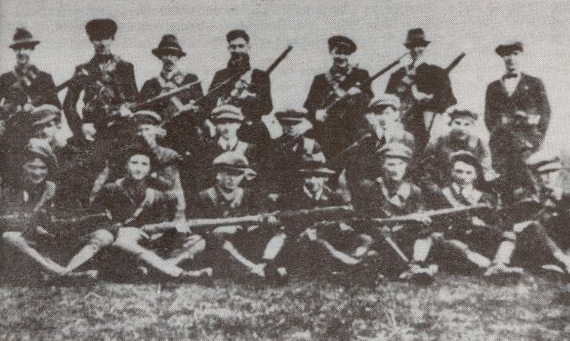
One of the stories we heard from Eamon concerned  a daring midnight raid on the lighthouse carried out by an IRA ‘Flying Column’ (experts in guerilla warfare) in 1921 during the Irish War of Independence. They were after the explosives used on the Fastnet to power the foghorn. In researching this story further, I found an article in the 1999 Mizen Journal (no longer in print) by Frank Lannin, based on the eyewitness account of Sean O’Driscoll.* Here is part of Lannin’s account:

The breeze had freshened and caused the usual swell around the Rock and there was a rise and fall of several feet. The anchor was let out and the boat moved slowly to the landing place. Positioned on the bow was John O’Regan, a rope tied around his waist, a revolver in his pocket and balancing himself with the rise and fall of the boat. He would have to select the right moment to jump on the Rock and catch the iron ring which was fixed to the Rock. He knew where the ring was fixed, but to grasp it in total darkness was a feat that few would attempt. His vast experience as a seaman was now to be put to the test. As a wave was rising he jumped. It was a tense moment. As the wave covered him he grasped the ring with both hands. (It was an occasion for handclapping, but not tonight.) In seconds he had made the boat fast and the rest of the raiding party were landing on the platform. The huge steel door of the lighthouse was not locked. John was first up the spiral stairway leading to the room where the Lightkeeper was on duty. He put up no resistance and as a precaution the wireless was dismantled. Seventeen boxes of gun cotton and three boxes of detonators and primers were loaded on to the “Maire Cait” by means of the lighthouse derrick. in all, the spoils weighed but one ton. The daring mission was accomplished.

The Third West Cork Flying Column: a group like this carried out the raidThe Third West Cork Flying Column

The fog signal, together with the light, was an important aid to navigation for ocean going vessels. It was only in 2011 that the Fastnet foghorn was permanently discontinued, as modern navigation equipment rendered it unnecessary. All around the world people are missing the haunting sound of foghorns now, a sound so many of us grew up with. But at least we can see the light from Carraig Aonair every night and count its ‘character’ – one two three four five FLASH…one two three four five FLASH – and know that it’s doing its part to keep our mariners safe on the seas that roll outside Roaringwater Bay.

The full extent of the column of Cornish granite and the stub of the original steel tower.The full extent of the column of Cornish granite and the stub of the original steel tower.

*See pages 18 to 20 of Sean O’Driscoll’s statement for his dramatic story of the raid.

Cape Clear

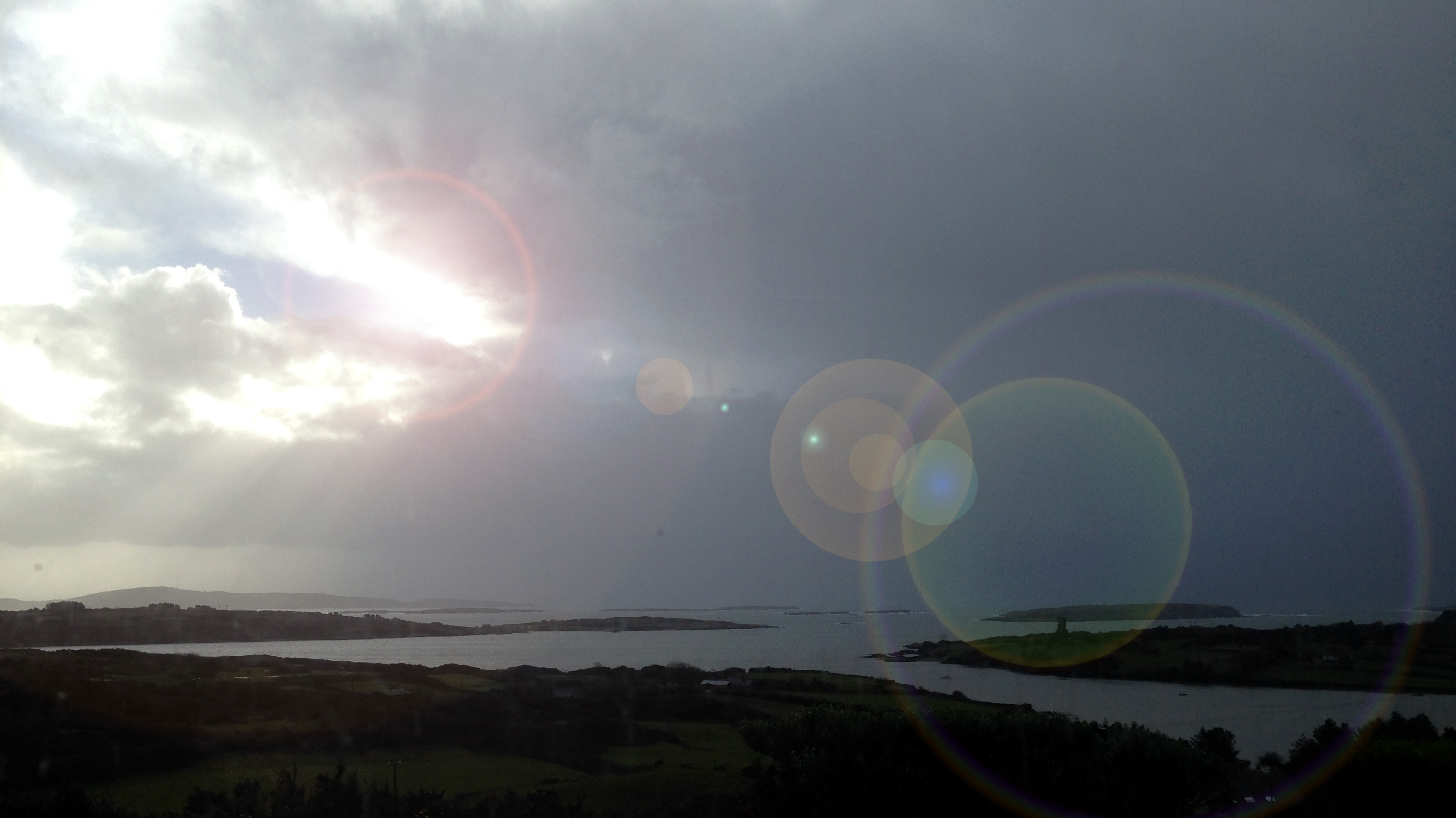
Distant Cape Clear - with solar effects

Distant Cape Clear – with solar effects

Always in our view from Nead an Iolair are the many islands of Roaringwater Bay: sometimes they are referred to as ‘Carbery’s Hundred Isles’. The largest of them – and the furthest out into the Atlantic – is Cape Clear. From our vantage point in Cappaghglass it sometimes floats on the horizon like a great seal under brooding skies, yet with the clarity of summer skies every hillside cottage can shine like a white jewel. I visited the island for the first time last weekend, drawn to its isolation and history – and by its own Saint – Ciarán, born on this most southerly point of Ireland and preceding Saint Patrick by some generations as the ‘Apostle of Eirinn’.

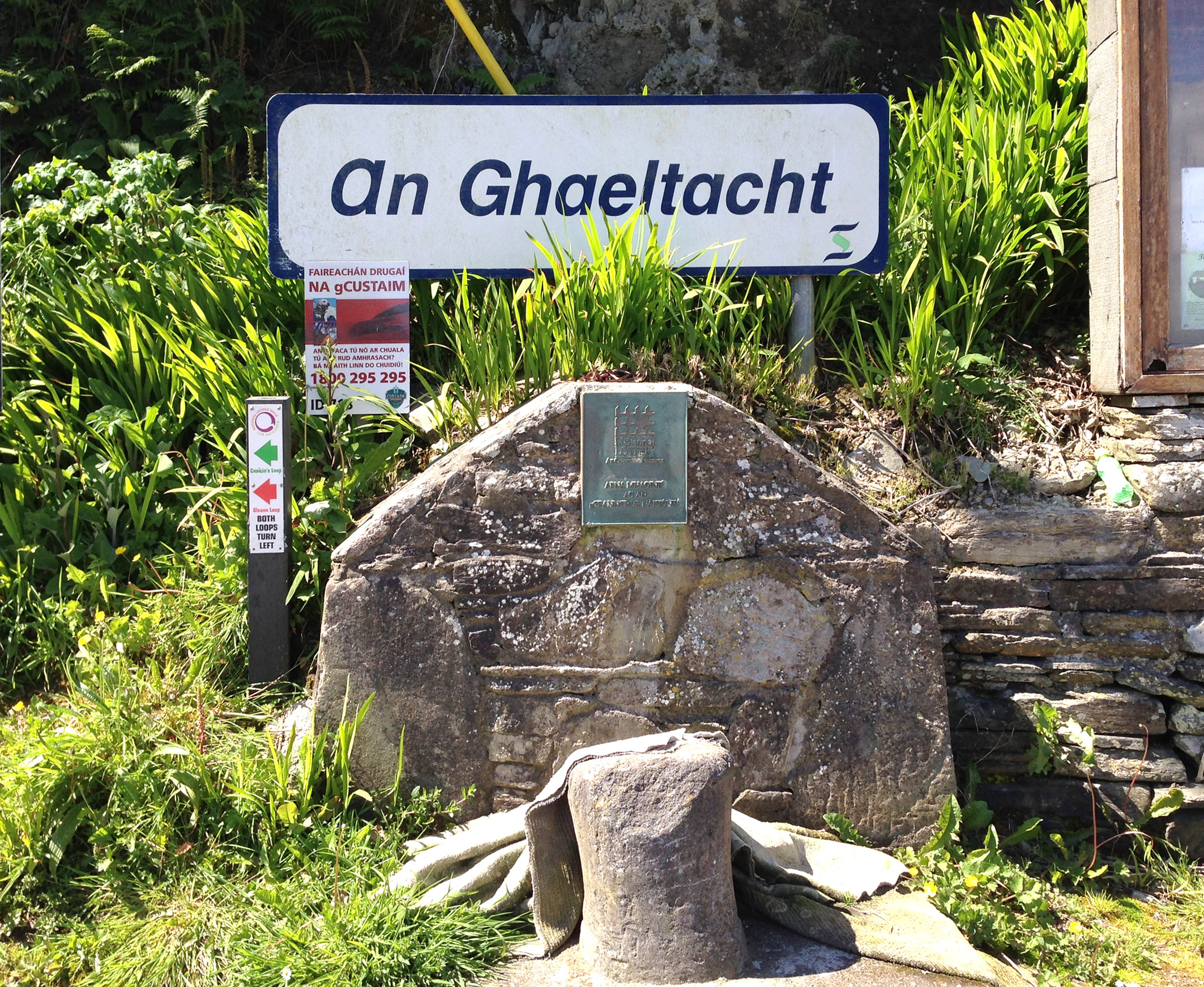
ghaeltact

Cape Clear is a place apart. It is one of the Irish Gaeltacht areas – where Irish Gaelic is spoken as the first language. Oileán Chléire is the Island of Ciarán, and one of the first things to be seen after landing is an ancient stone by the quay – said to have been placed there by the Saint himself – and his holy well – while nearby are the ruins of an ancient church and burial ground.

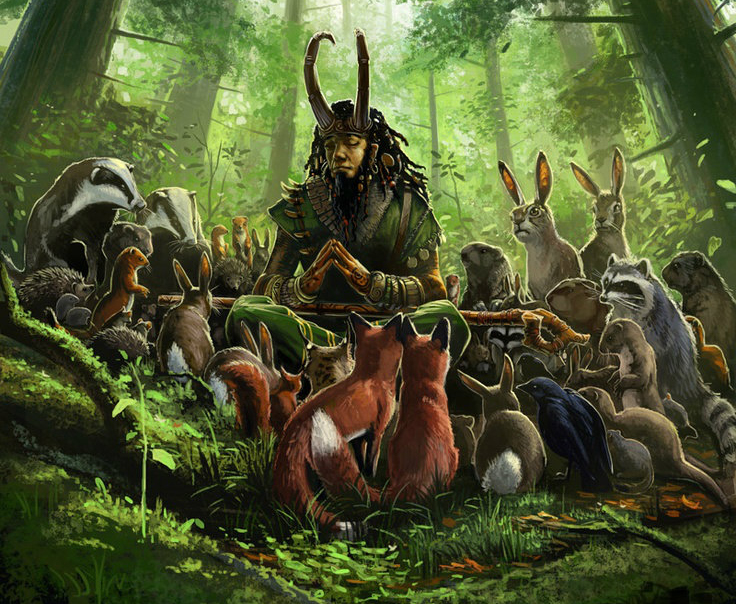
Saint Ciarán’s life has inspired some colourful stories. Before he was conceived Ciarán’s mother (Liadán) had a dream that a star fell into her mouth. She related this dream to the tribal elders who were knowledgeable of such things, and they told her that she would bear a son whose fame and virtues would be known as far as the world’s end. Ciarán’s first disciples included a Boar, a Fox, a Brock and a Wolf: they all became monks and worked together to build the community.

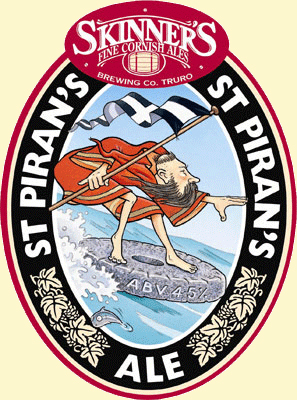
An interesting find: Ciarán as a Celtic God by Astrella

An interesting find: Ciarán as a Celtic god by Astrella

An unusual incarnation of the St Ciaran / Piran legend!

An unusual incarnation of the St Ciaran / Piran legend!

The Saint is also recognised in Cornwall, where he is known as Piran (or Perran) – scholars argue that in some ‘Celtic’ languages the C sound is interchangeable with the P sound. Certainly there is a legend that the Heathen Irish tied St Ciarán to a millstone and dropped him into the sea – and he then floated across to Cornwall where he converted the Heathen Cornish. Whatever the basis of this, both Piran and Ciarán share the same Saints Day: March 5th – which is also my birthday – so that puts me firmly into the picture!

Writers in the past have commented on the island’s particular character:

“…The natives of Cape Clear are distinct in a great measure from the inhabitants of the mainland; they have remained from time immemorial as a separate colony, always intermarrying amongst themselves; so that we must regard them as amongst the most typical specimens at the present day of the old Milesian race. The name of nearly all the islanders is O`Driscoll or Cadogan, the later being only a sobriquet for the former. Baltimore and Cape were originally the stronghold of this family, the principal Chieftain, O`Driscoll Mór, residing in Baltimore. There can be no doubt that they were the aboriginal race residing along the sea-coast of Carbery. The isolated position of the island and its difficulty of approach, have kept the population in a comparatively antique state and distinct condition during the lapse of centuries, so far as nationality and descent. Until the year 1710 Cape was an established monarchy, and an O`Driscoll – the head of the clan- was always styled, “King of the Island”. They had a code of laws handed down from father to son. The general punishment was by fine, unless some grave offence was committed, and then the delinquent was banished forever to the mainland, which was looked upon as a sentence worse than death…’ (from Sketches in Carbery by Daniel Donovan,1876)

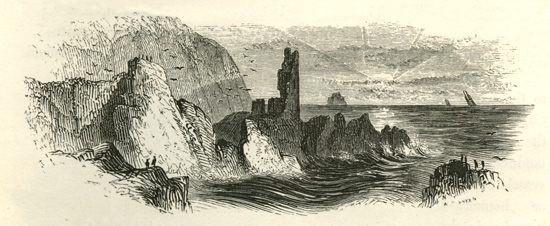
Dunanore – engraving by W Willes 1843

Our visit was organised by the Skibbereen and District Historical Society, and was masterminded by past Chairman Brendan McCarthy. He had arranged for the sun to be shining all day, and for the sea to be the calmest that anyone had known for years. A bonus was the presence of Dr Éamon Lankford – a knowledgeable and erudite local historian and toponymist whose projects have included setting up detailed place name archives for Cork County, Kerry, and Cork City. There are now over 200 large volumes of historic place name references and the work is still under way: examples from the city survey include Black Ash, Cáit Shea’s Lane, Murphy’s Farm, the Snotty Bridge, The Shaky Bridge, the Boggy Road, Tinker’s Cross, Skiddy’s home… Éamons unbounded energy has not stopped there – he has gone on to set up and run the Cape Clear Island Museum and Archive and written books on the Island’s people and landscape, on Saint Ciarán, on the Fastnet Rock, on Cape Clear place names- and has set up the Cape Clear Trail… Phew! We walked up the (very) steep hill to the Museum, which is housed in the restored old school building, and no-one could fail to be impressed by the sheer volume of information and artefacts it contains. Volunteers are needed to help run it through the summer months, so anyone fancying a bit of island life please make contact through the website. On our ferry trip from Baltimore and in the Museum Éamon kept us entertained and educated with stories, history and local lore.

I was keen to visit the Museum because I knew it housed a replica of the passage grave art (carved stone) found on Cape Clear and now believed to have once been part of a passage tomb on the highest point of the island – Cill Leire Forabhain. In 1880 the original stone was turned up in a field and taken across to Sherkin by the then curate of that island to ornament his garden. He left Sherkin only a year later, and the stone became overgrown and forgotten. It was rediscovered in 1945 and given to the Cork Public Museum where it is now on display. The carvings on this stone are in the style of the other spectacular decorated stones in the Boyne Valley and at Loughcrew, rather than the simpler Rock Art we are working on in West Cork and Kerry (although this ‘simplicity’ is belied somewhat by the recent discovery at Derreennaclogh). Beside the replica stone in the Museum is a smaller piece of Rock Art, although debatably labelled as being caused by ‘solution pits’.

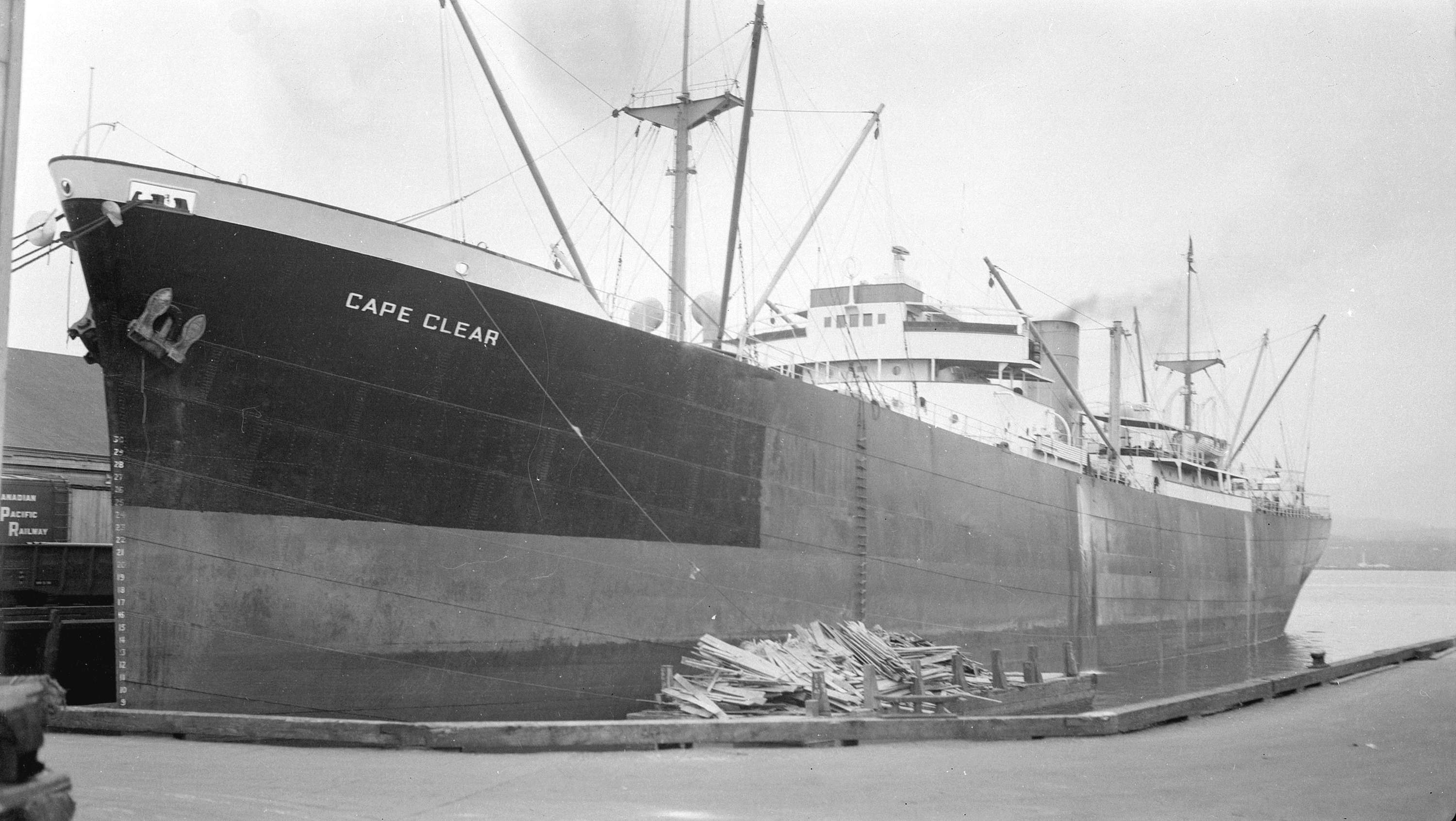
MV Cape Clear - built in Glasgow in 1939; went down in the Red Sea 1944

MV Cape Clear docked in Vancouver – built in Glasgow in 1939; went down in the Red Sea 1944

There is so much more to say about Cape Clear: it has given its name to a settlement in Victoria, Australia, supposedly named by gold miners from Ireland, and also to a number of ships built in Scotland. Talking of ships, the surroundings of the island have seen many a shipwreck: more than 50 wrecks have been recorded off Cape Clear between 1379 and 1944. This is partly because of the proximity to the notorious Fastnet Rock. FASTNET

We have to revisit Cape Clear again in the not too distant future, when we can devote more time to a full exploration of the island: it comprises 7 sq kilometres and 16 townlands. This time, however, it was down to the harbour for an excellent lunch before embarking on the ferry for the next stage of the trip to…. But that story must wait until another time!

harbour

For me, small island communities have a very particular feel: it’s not just the silence and closeness to nature, but a real awareness of how fragile, yet tenacious, the tenets of human existence / subsistence can be. As I write this, Cape Clear is romantically shrouded in mist out there over the bay: only the highest ridge, the cairn, the watchtower and the old lighthouse visible in grey silhouette. It’s a place that will pull us back across the water very soon.

today

Today’s view of the Cape from Nead an Iolair