Off the M8 – Lismore Quest

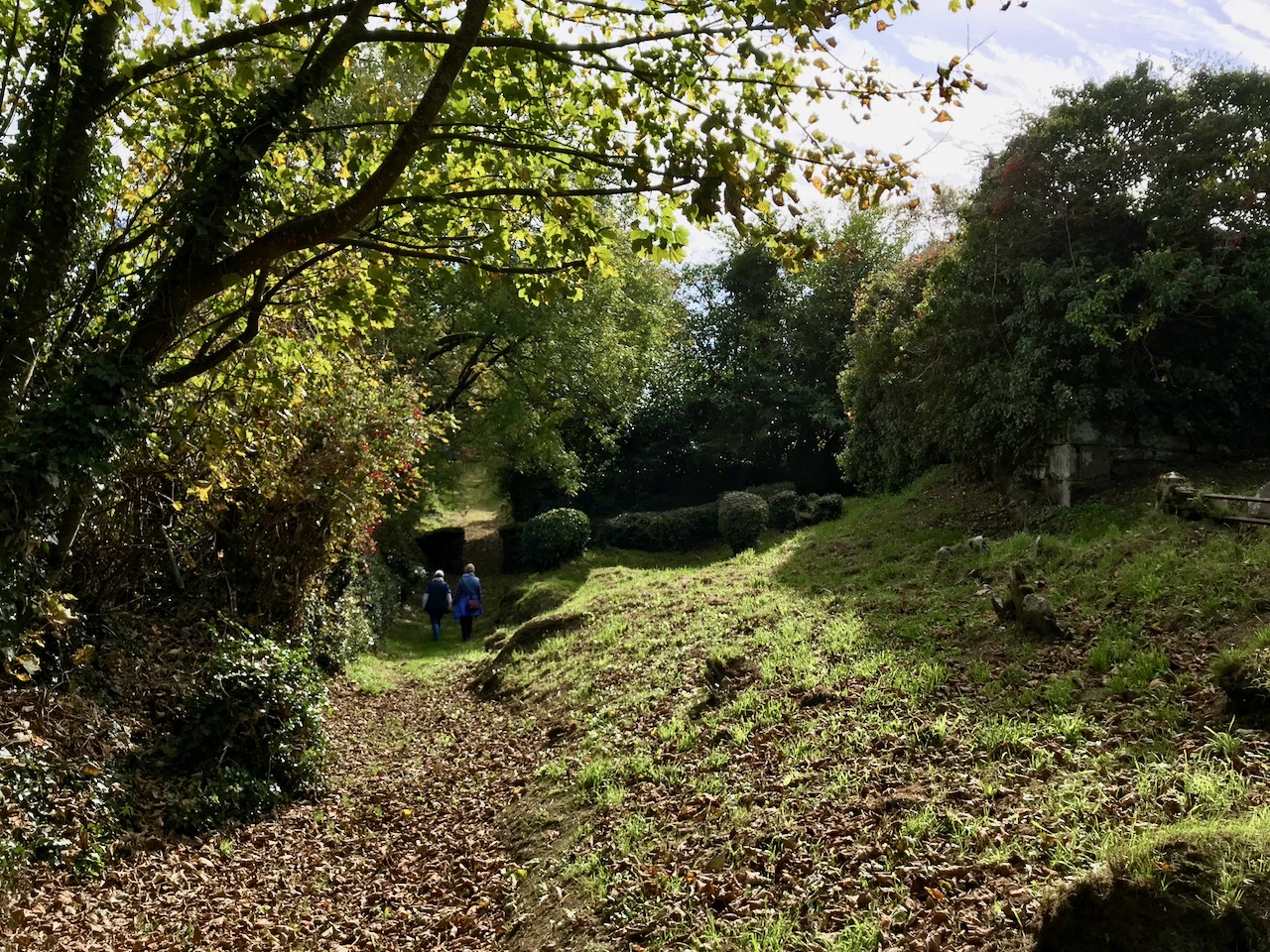
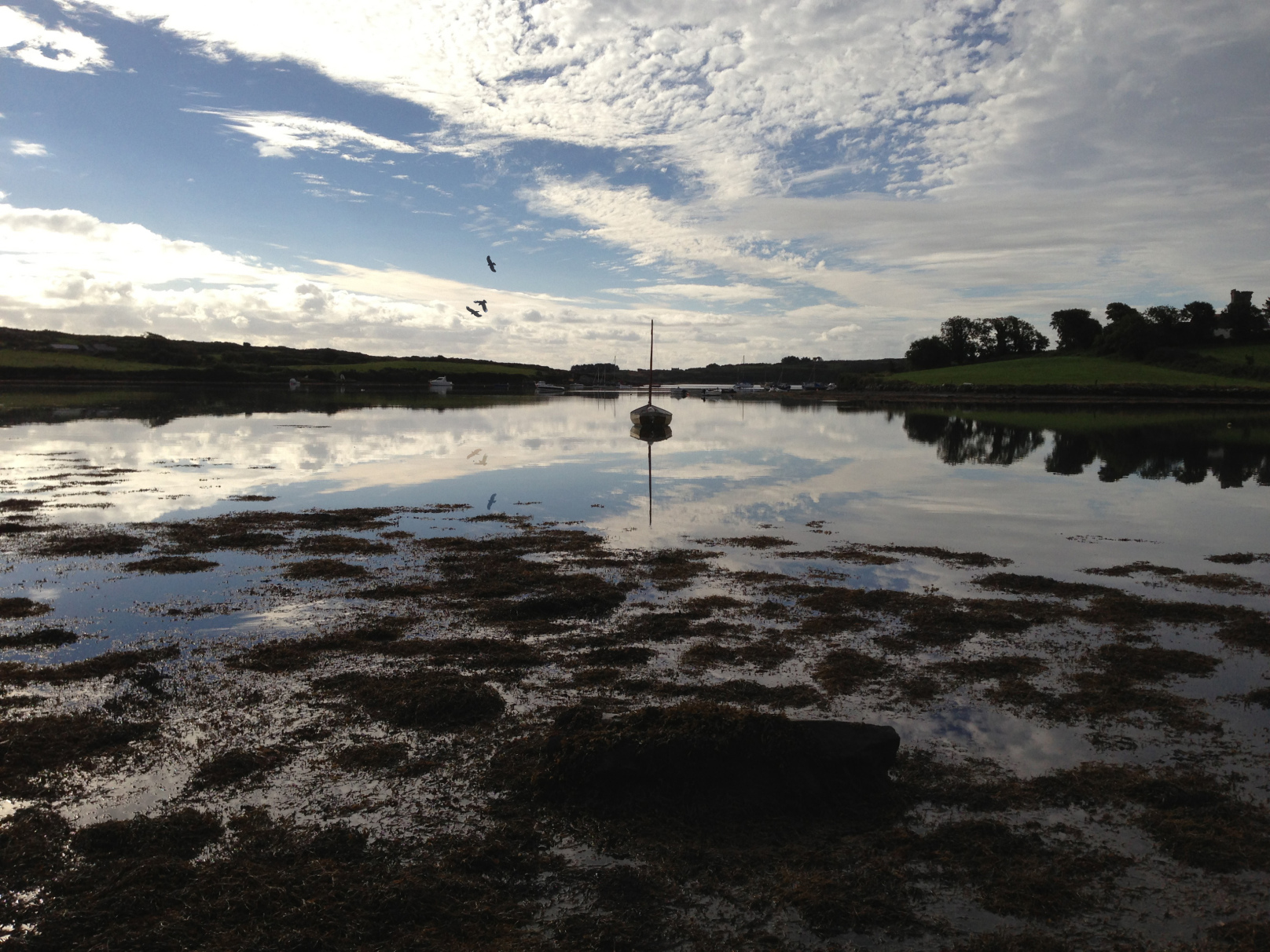
It’s half an hour’s drive off the motorway, leaving at Fermoy – but well worth the diversion. Lismore, County Waterford, is an ancient town. St Carthage arrived here in 635 and established a great centre of learning famous throughout Europe; the Vikings ransacked it in the ninth century, after which the Norman Prince John, son of King Henry II, arrived in 1185 to build the Castle, which passed through the ownerships of Walter Raleigh and the Great Earl of Cork, before becoming the Irish residence of the Duke of Devonshire. So there’s lots to see, and lots of history to take in: be prepared for many visits!

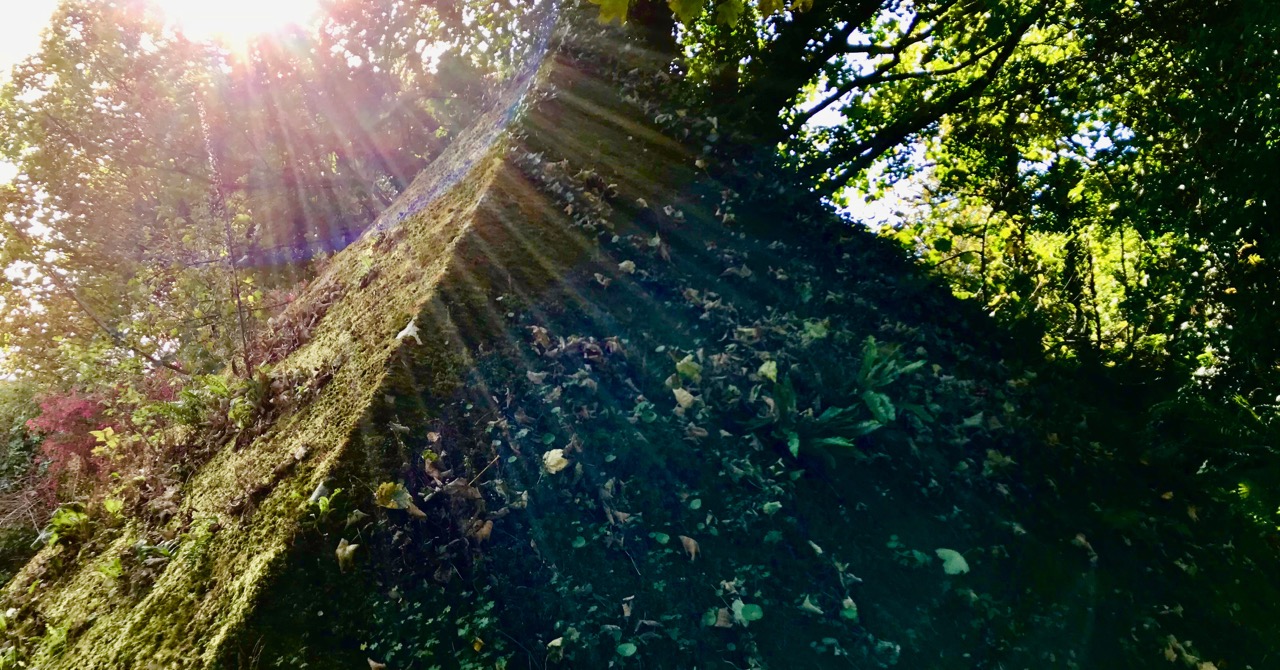
Our quest was to find a grave in the churchyard of St Carthage’s Cathedral. I am currently preparing a talk on the links between West Cork and Zululand (believe me, this is relevant)! The principle subject of this talk is a ‘soldier artist’ – William Whitelocke Lloyd, who was born and brought up in Strancally Castle, County Waterford, but lived for most of his adult life in Glandore, West Cork, (where you will find a pyramid). What should we find in St Carthage’s? Another pyramid! But that’s incidental to the main story here.
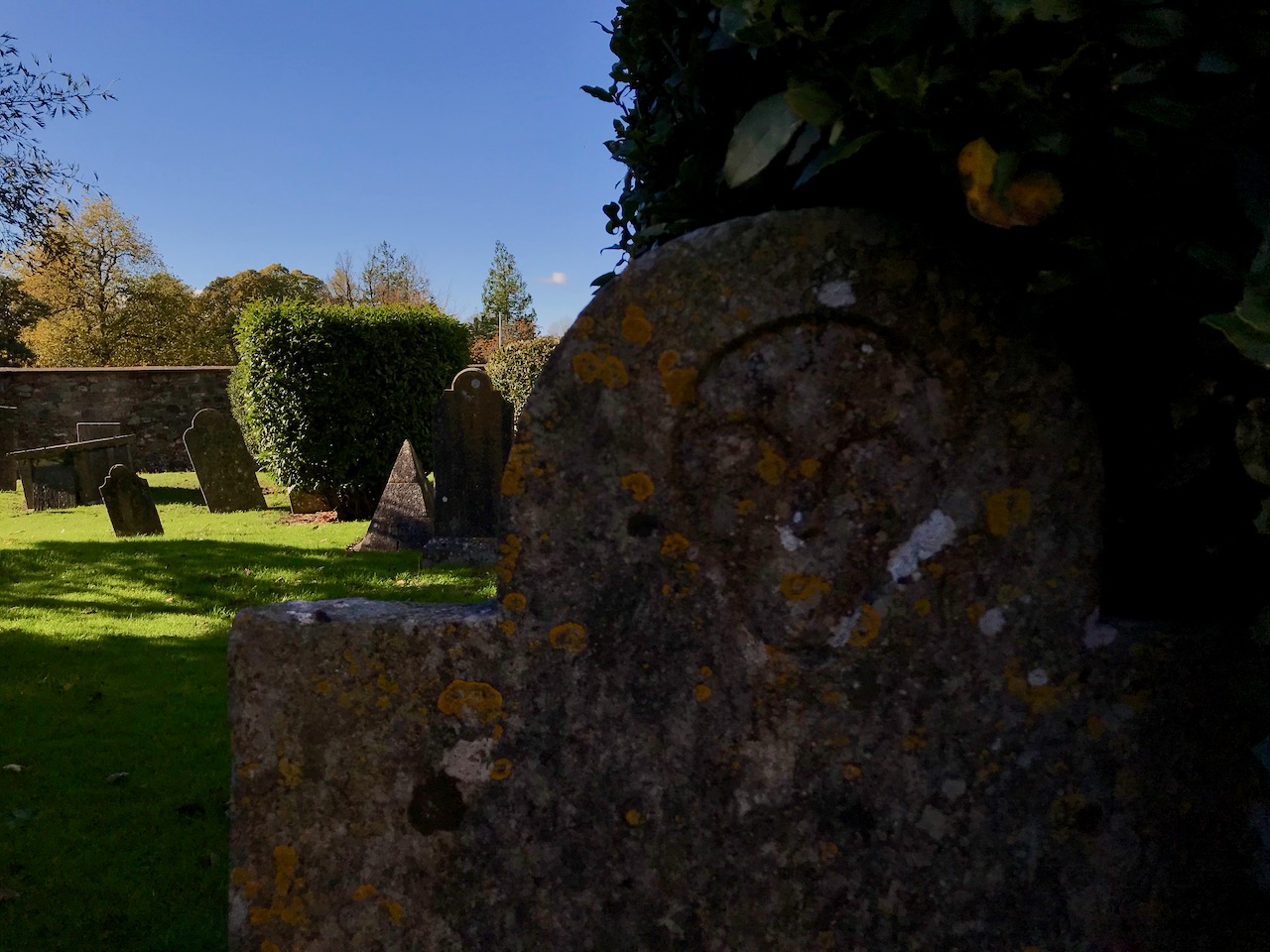
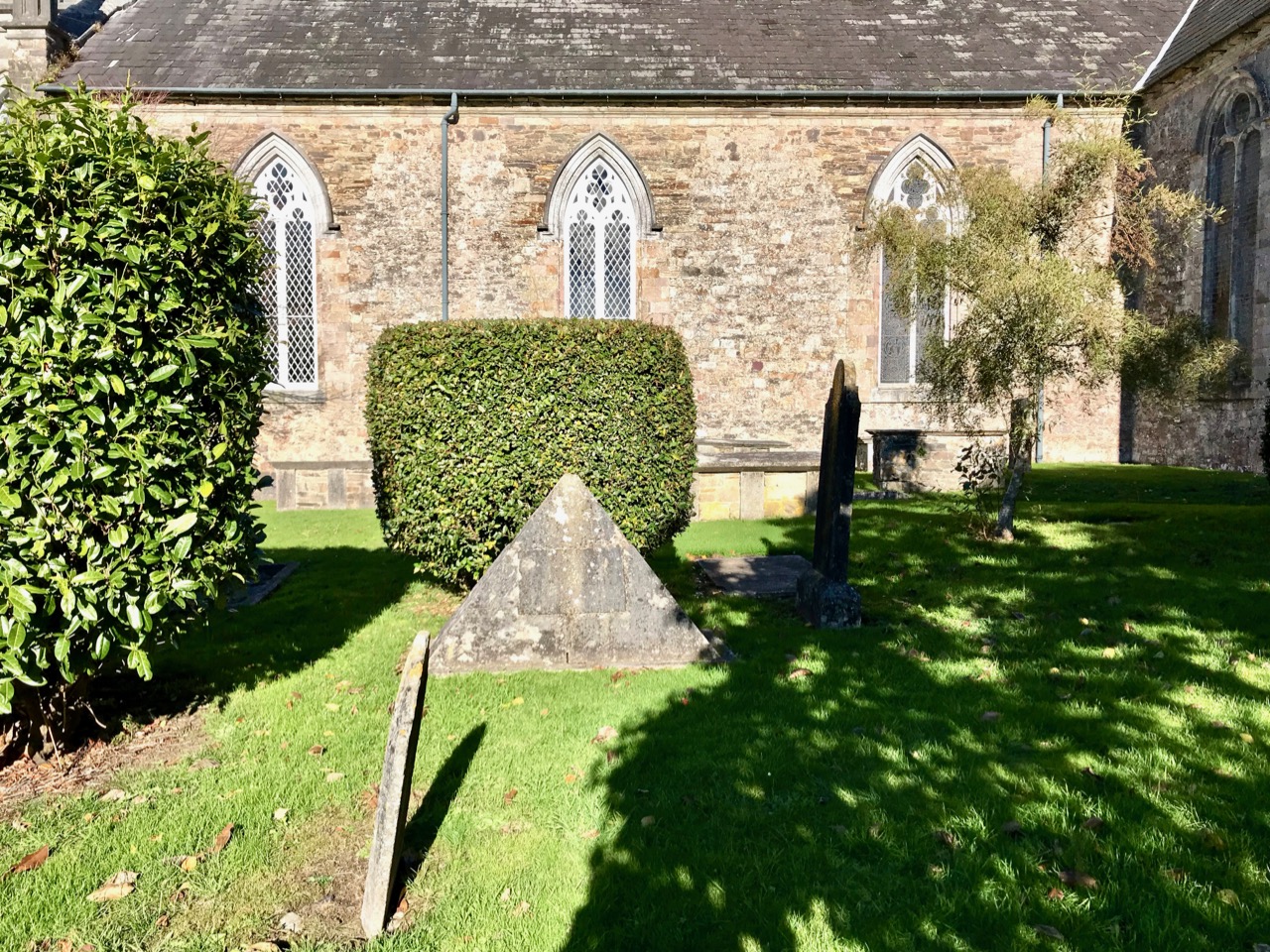
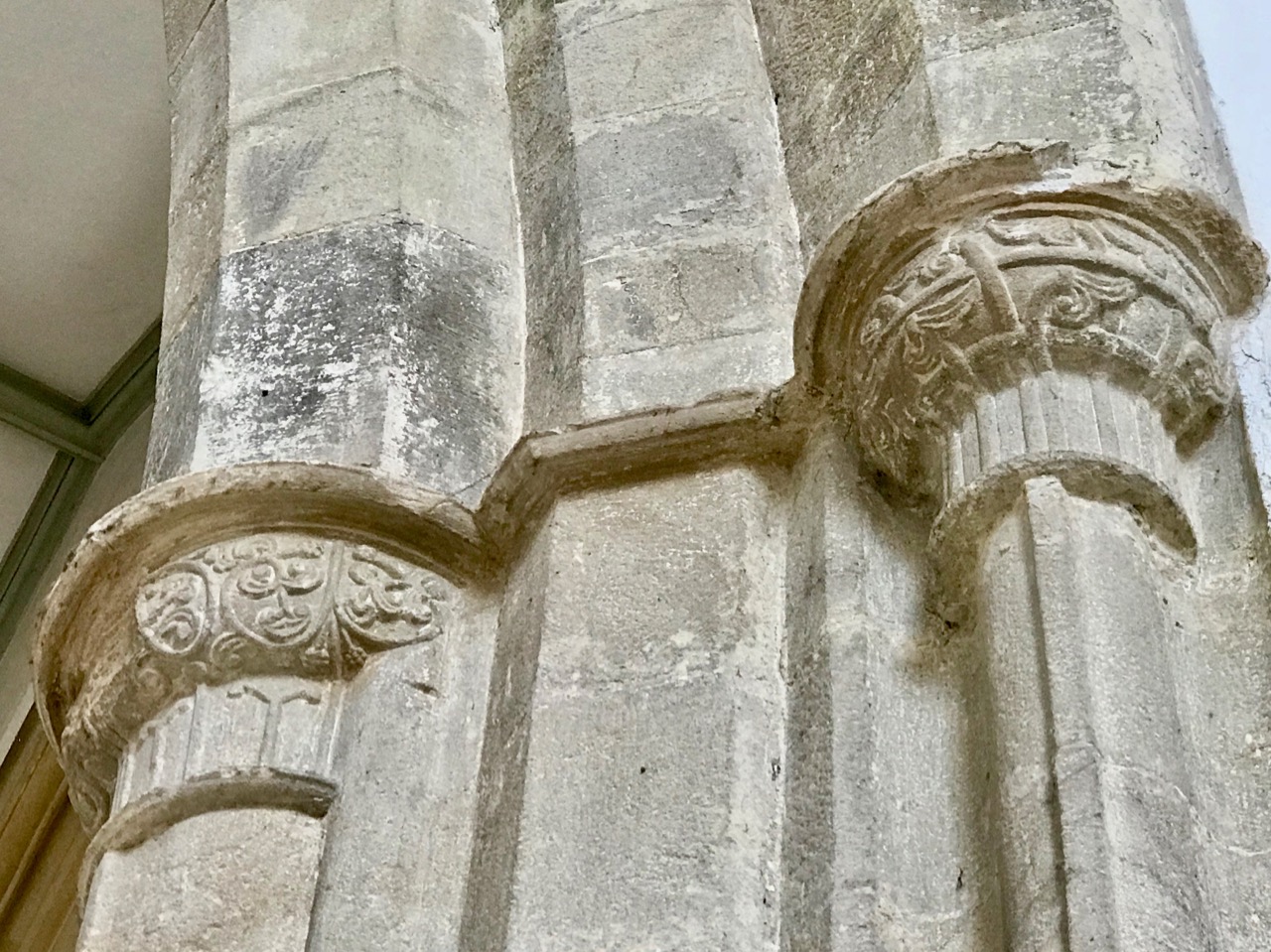
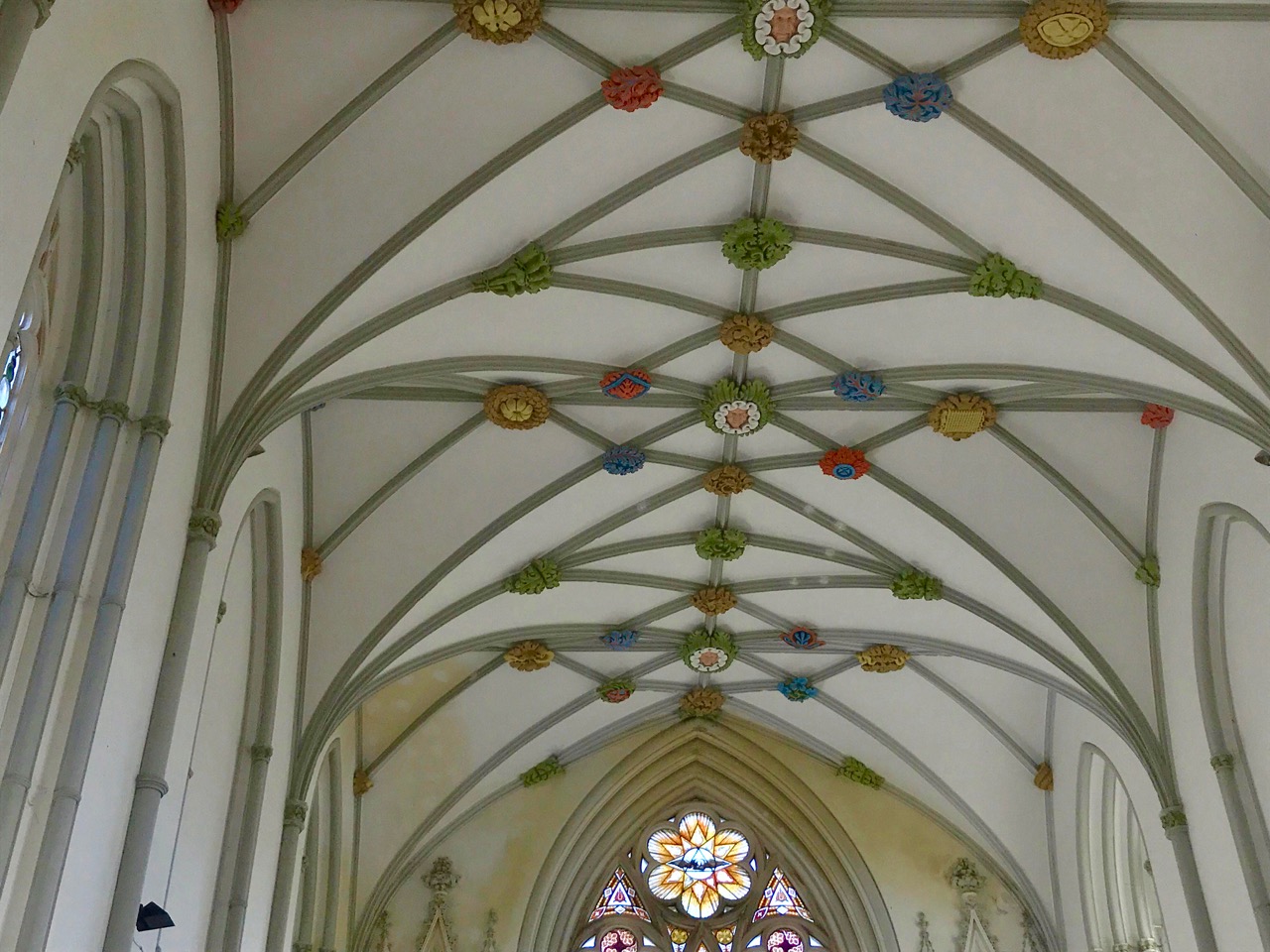
The Cathedral is said to be on the site of the original monastic foundation, and there’s some pretty ancient stonework inside it, including the quite remarkable tomb of the McGrath family which dates from 1486. The present building, however, comes mainly from the early seventeenth century when the Earl of Cork carried out major works, but also retained some earlier structure.
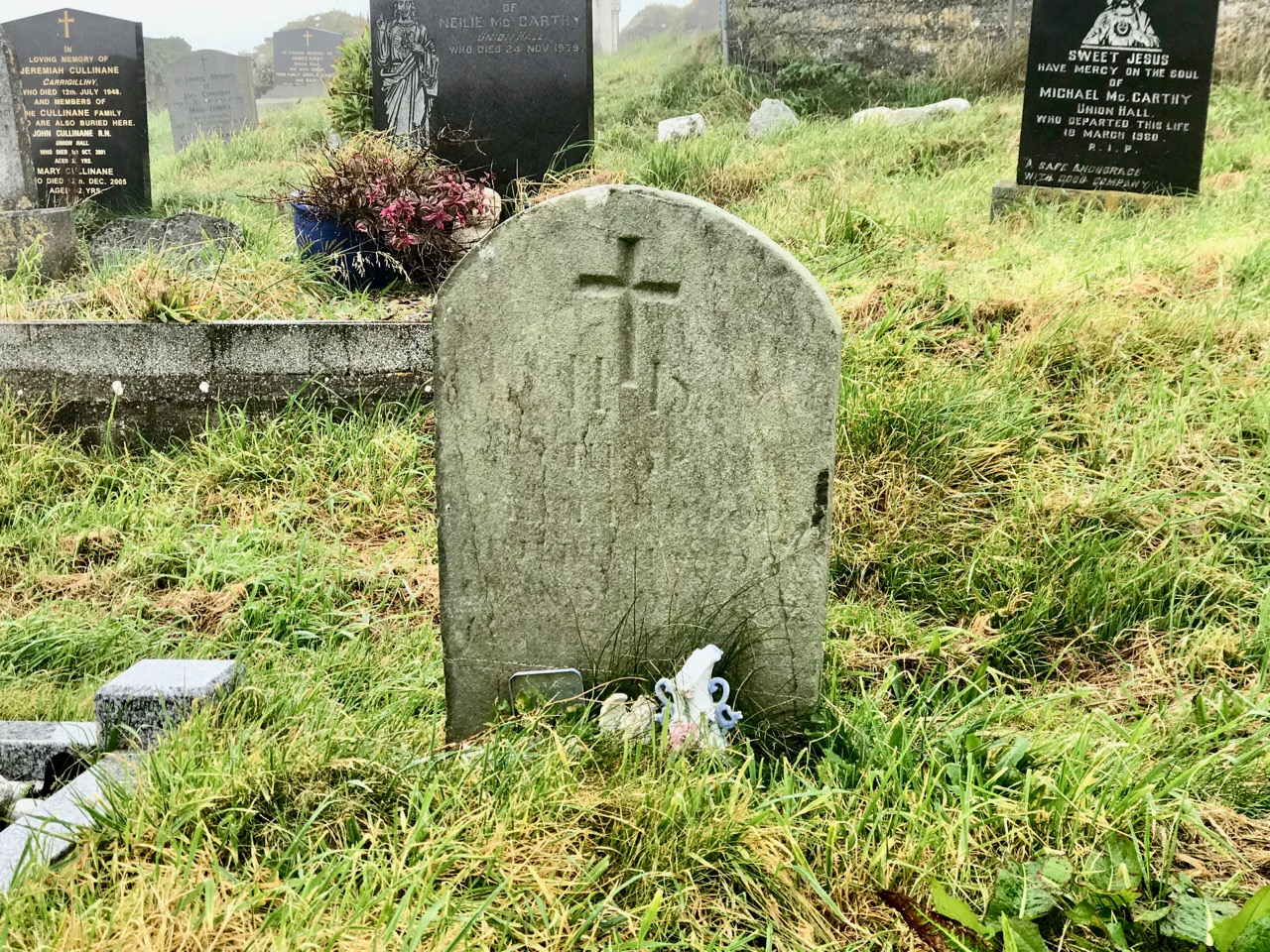
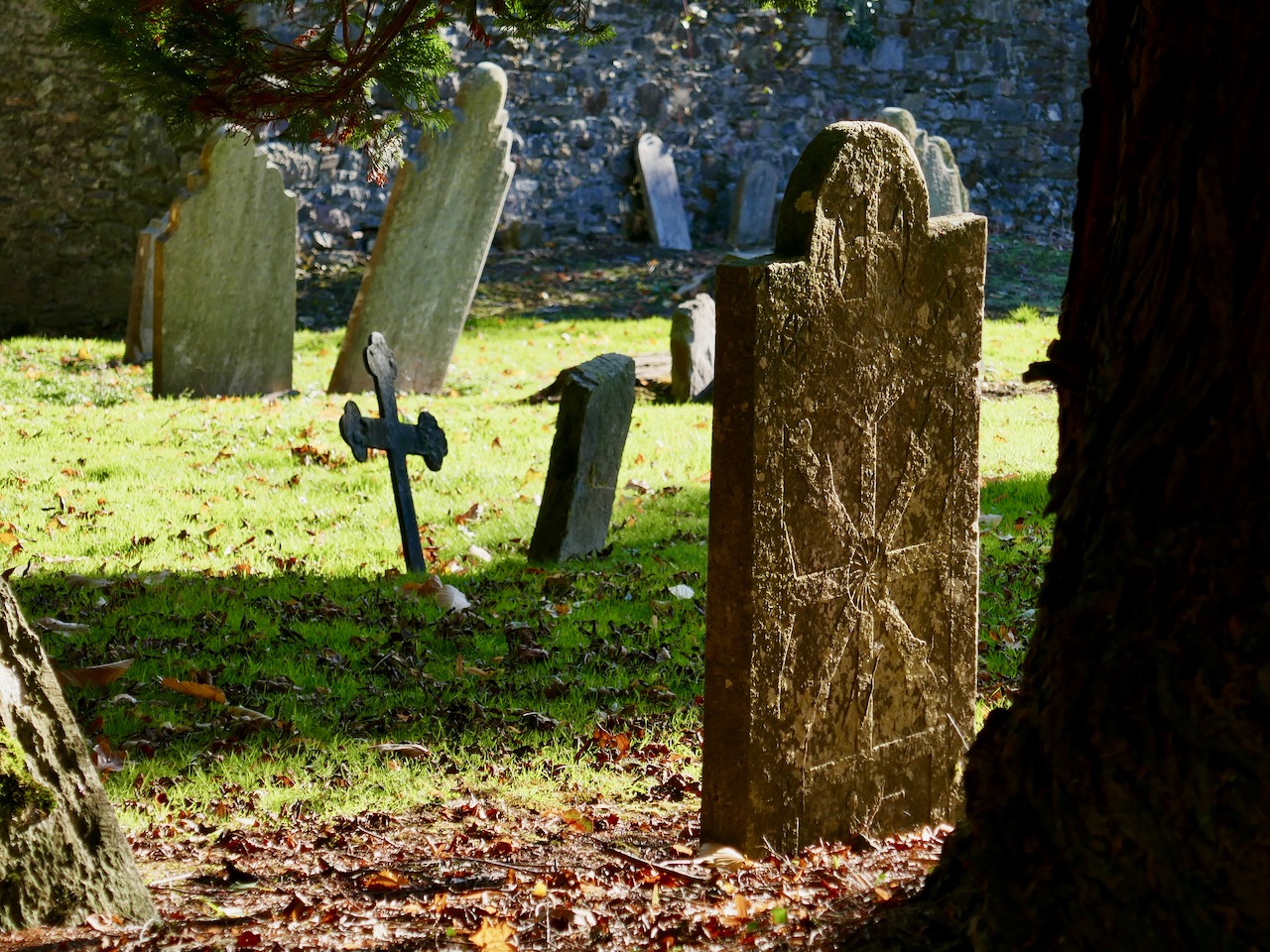
We did find the Whitelocke Lloyd grave, a little forlorn, close to the north west corner of the Cathedral. It has not weathered well and the inscription is not easily decipherable; a fallen cross lies broken across it. If you want to find out about this man’s exploits in the Zulu wars of 1879 – 80 and his career as an artist – for which he had no formal training – and why he is buried here with no family around him (his wife Catherine Anna Mona Brougham, daughter of the Dean of Lismore lies in a matching grave in Casteltownshend) you’ll have to come to my talk!

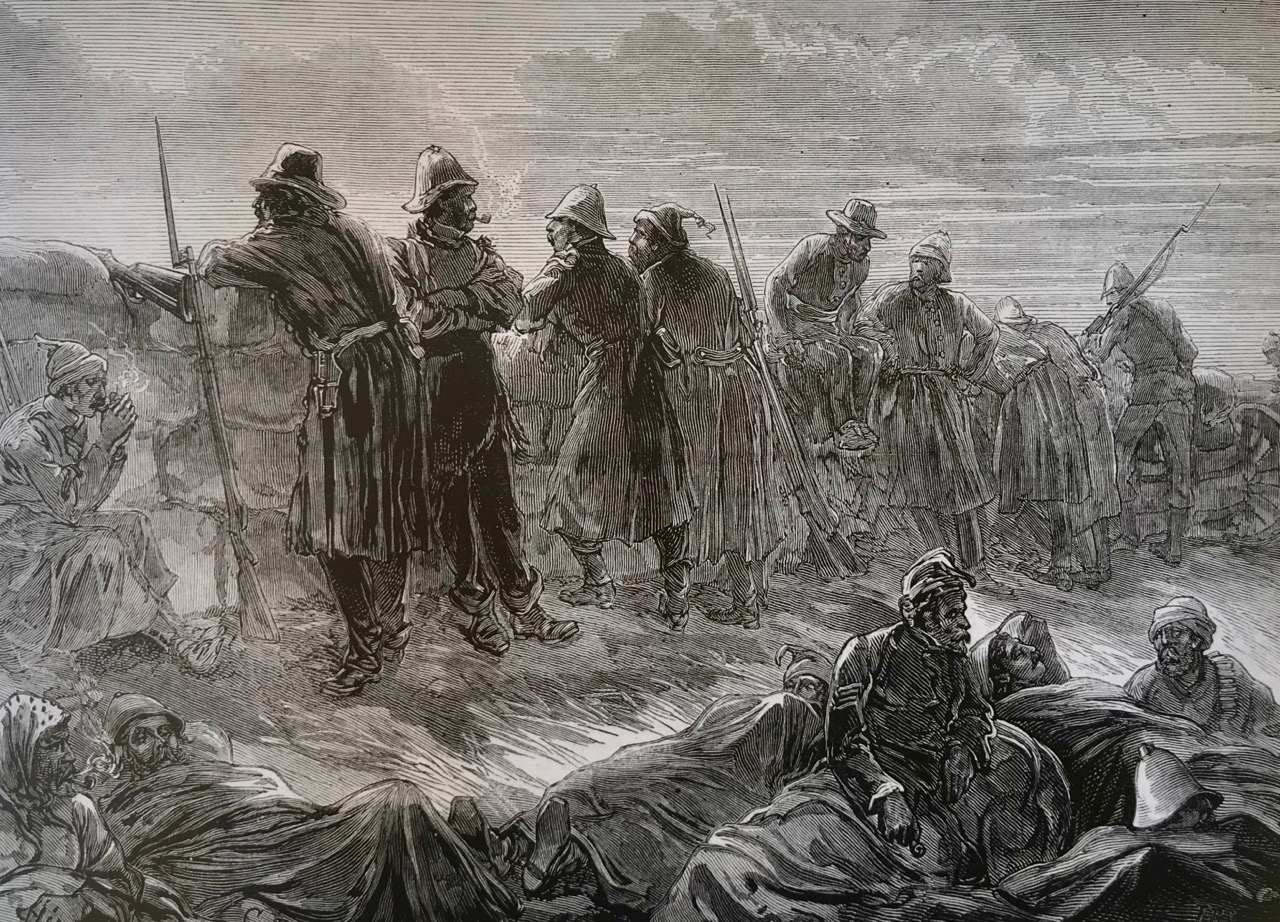
The somewhat forlorn grave of William Whitelocke Lloyd in the grounds of the Cathedral (above) and (upper pictures) two examples of the watercolour sketches of William Whitelocke Lloyd carried out while he was on active service in Africa. They were faithful records of the terrain and the conditions which the soldiers endured. Whitelocke Lloyd was ‘discovered’ by the Illustrated London News who used his drawings to produce engravings for publication – one is shown below.
Today’s post is largely a miscellany of the splendours we discovered in and around St Carthage’s Cathedral, and we hope this will inspire you to go there yourselves: it’s only two hours away from home – a mere hop and a skip.

Finola was delighted to find this rarity in St Carthage’s Cathedral – a window by the pre-Raphaelite artist Edward Byrne-Jones.

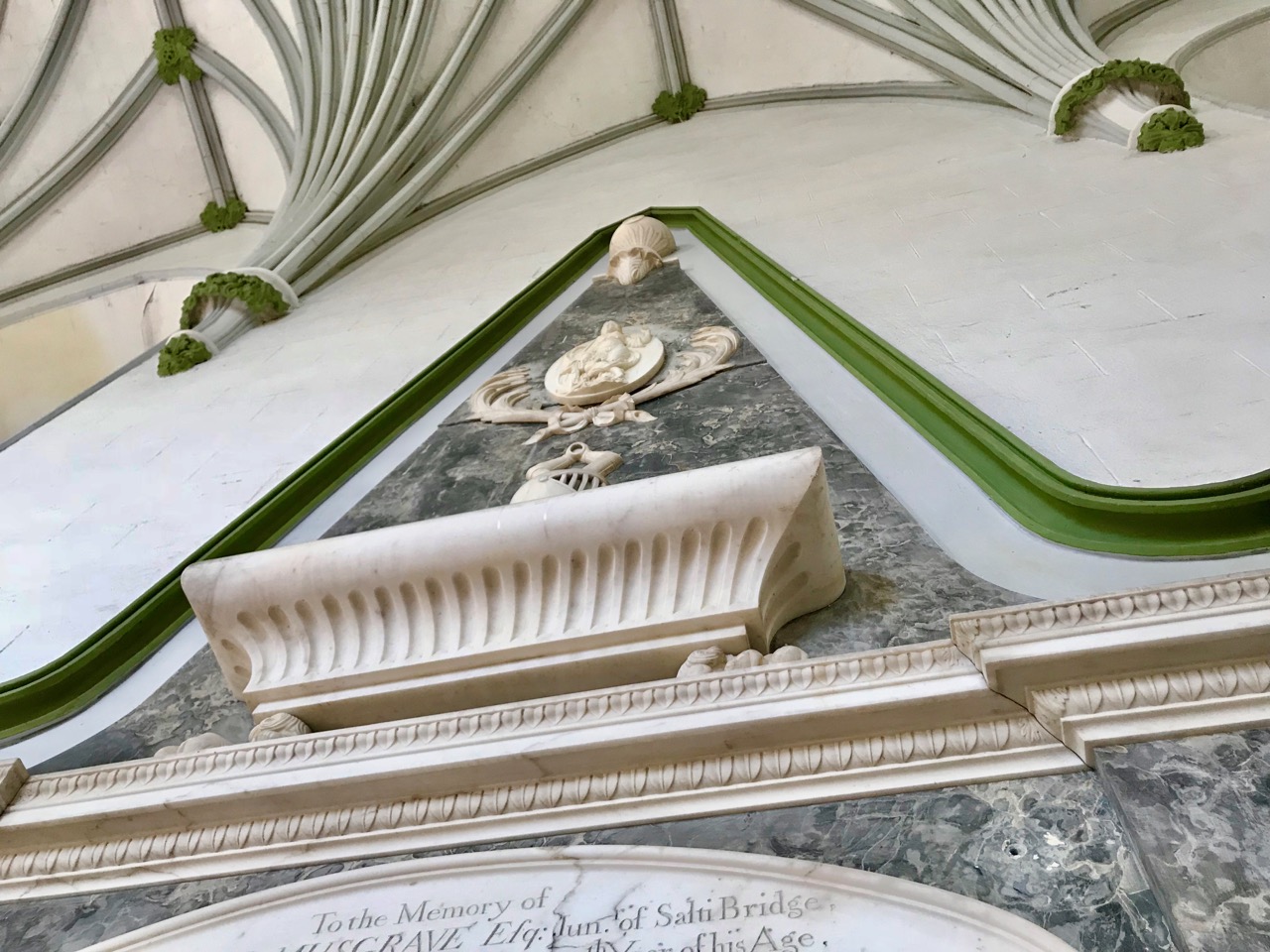
As with many Anglican churches, there are numerous elabortate memorials on the walls of St Carthage’s Cathedral. Here are just three examples, above.
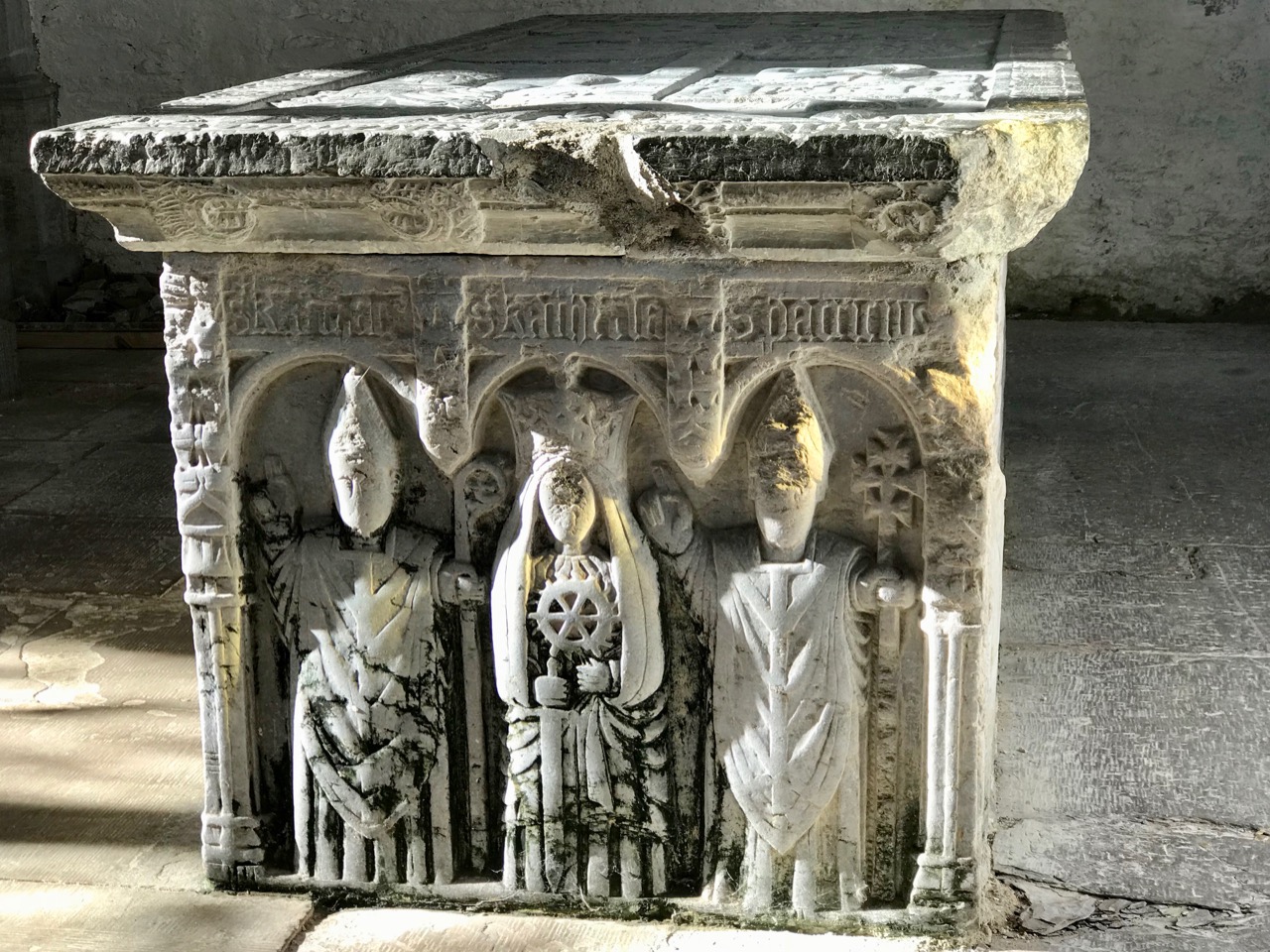
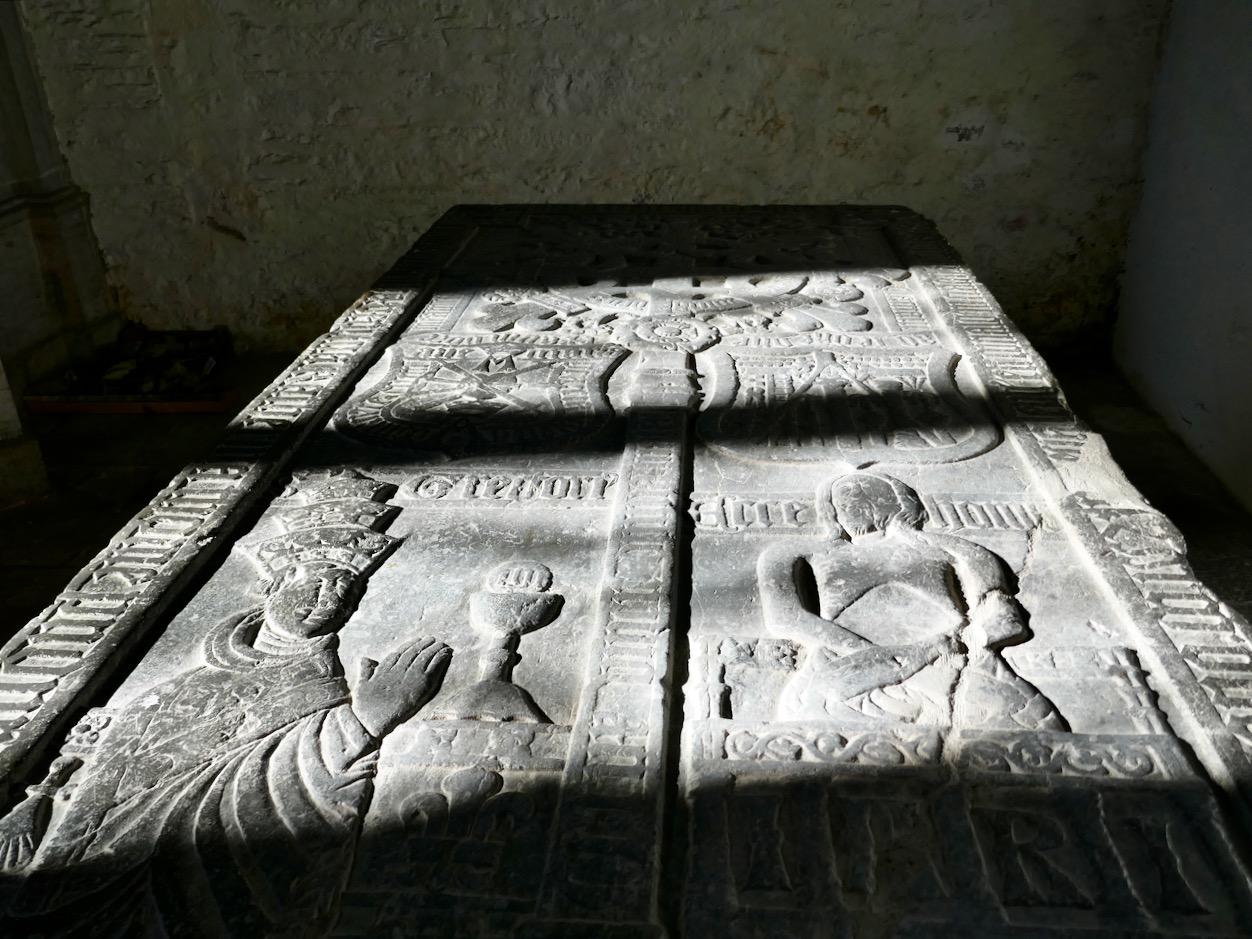
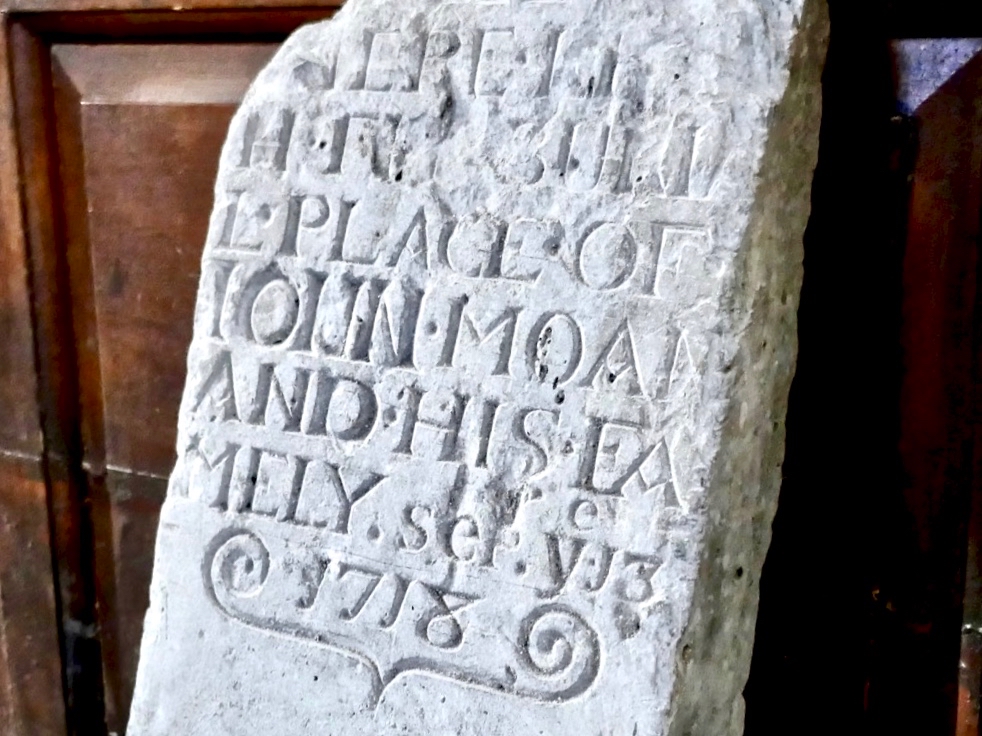
In the Cathedral reposes this McGrath family tomb – one of the finest examples of sixteenth century stone carving in Ireland. Below – one of the earliest grave inscriptions, dating from 1718.
Robert’s Talk – West Cork and the Zulu Wars – will be given at the Talks in the Vaults series, Bank House, Ballydehob on Tuesday 13 November, at 8pm
Autumnal Day Out – Myross Pyramid

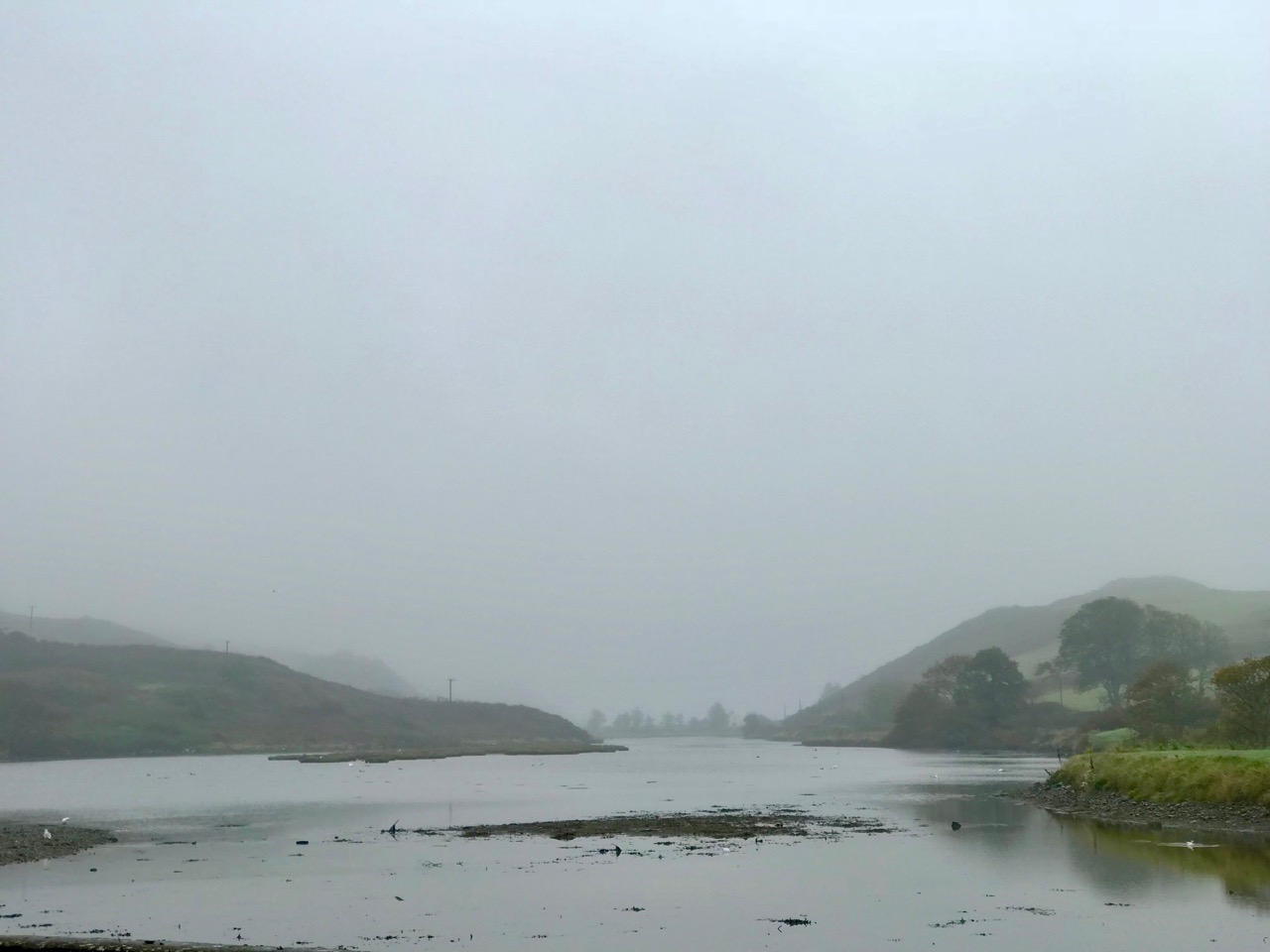
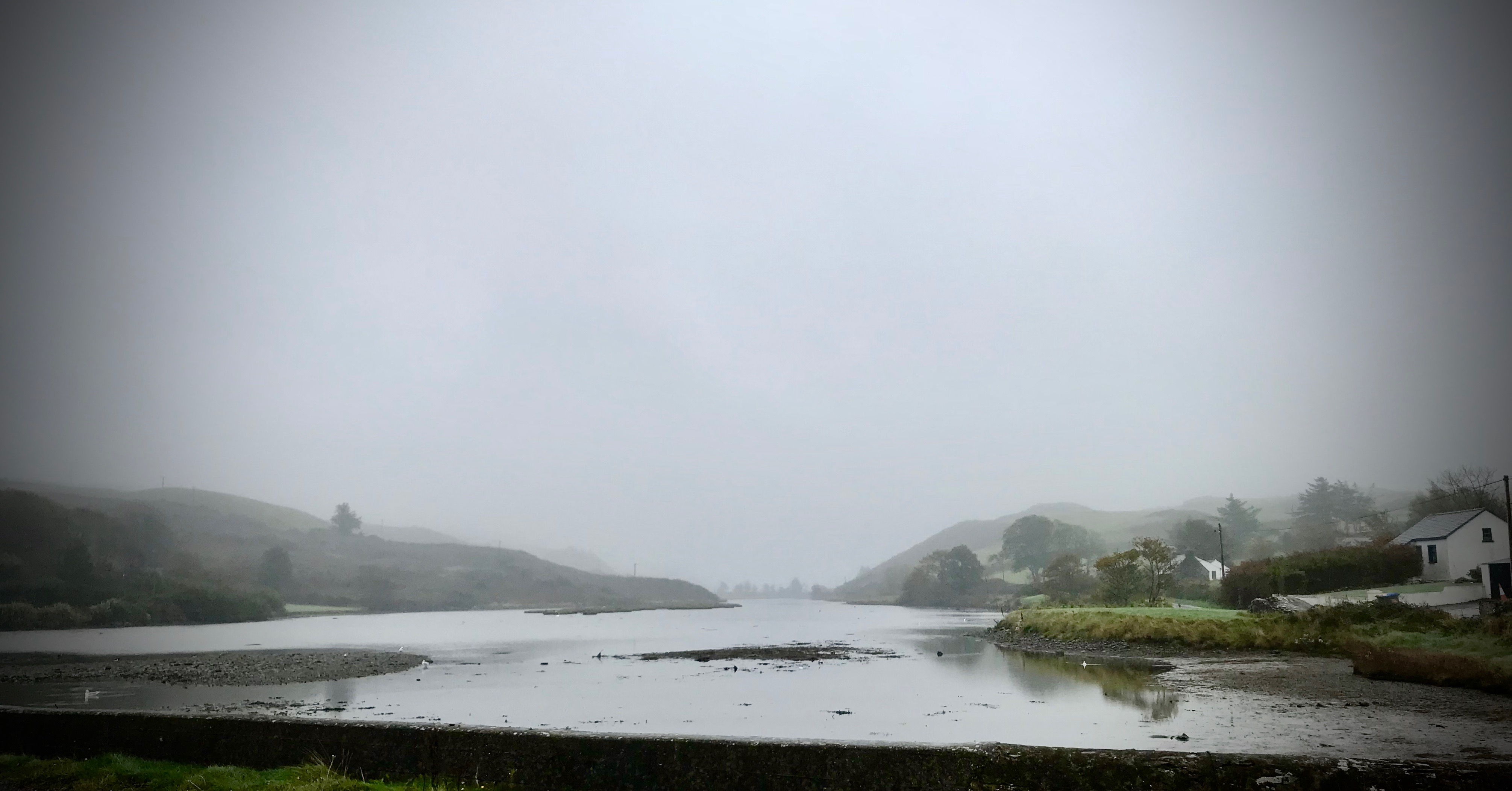
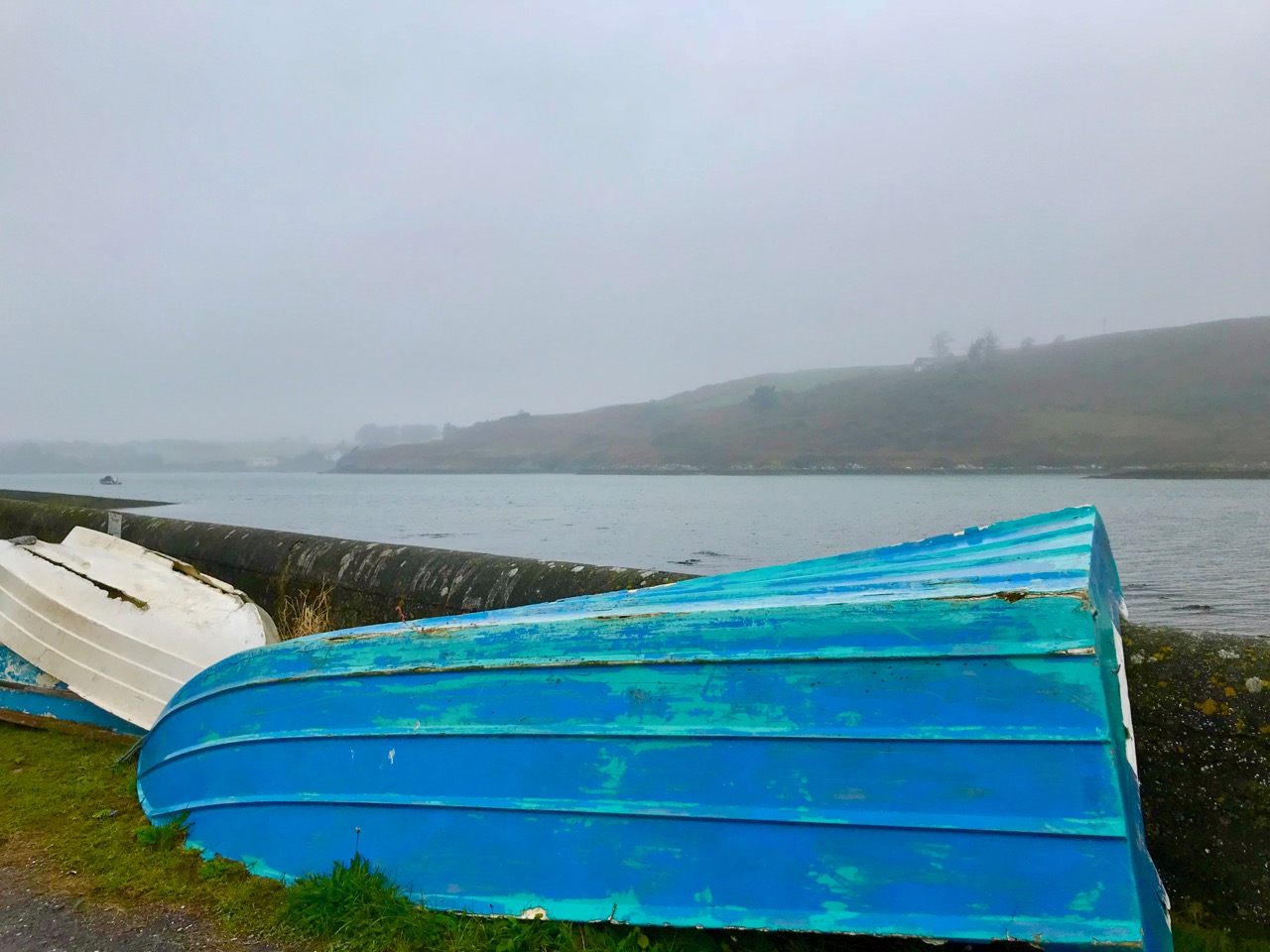
Following what might be described as a Mediterranean summer which went on beyond all expectations well into October – where I suppose it became an Indian summer – we have just had the first truly autumnal days. Mist has descended over the islands of Roaringwater Bay and everything – trees, grass, nature – is dripping wet. This doesn’t put a stop to our travels, but we do see everything in a different light.

Last week I reported on a surprising find, a pyramid-shaped tomb in the idyllically off-the-beaten-track burial ground at Glandore over the hills not too far away from Nead an Iolair. This led to a large number of comments and responses, including some that told us about another West Cork pyramid, at a graveyard in Myross parish, only a little bit further along the coast. Thank you to all our correspondents: you sent us out on a fruitful search in this mellow season of mists.
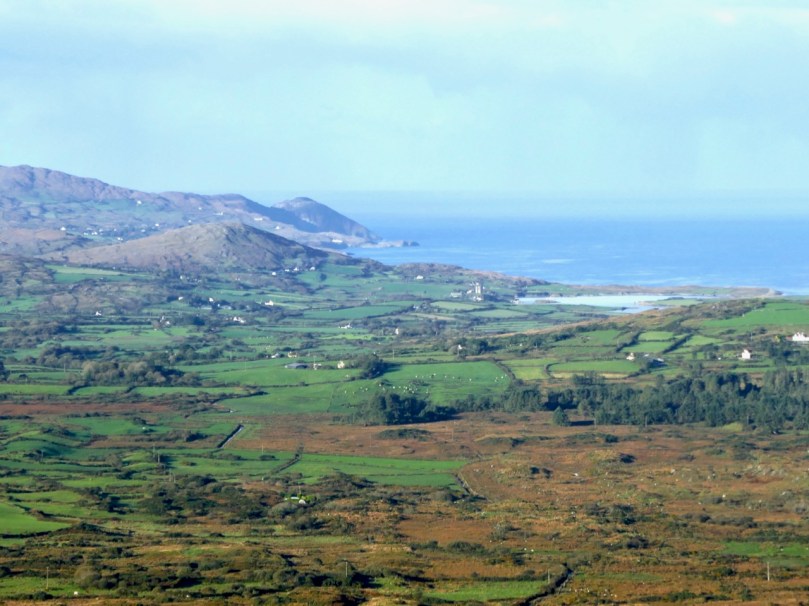
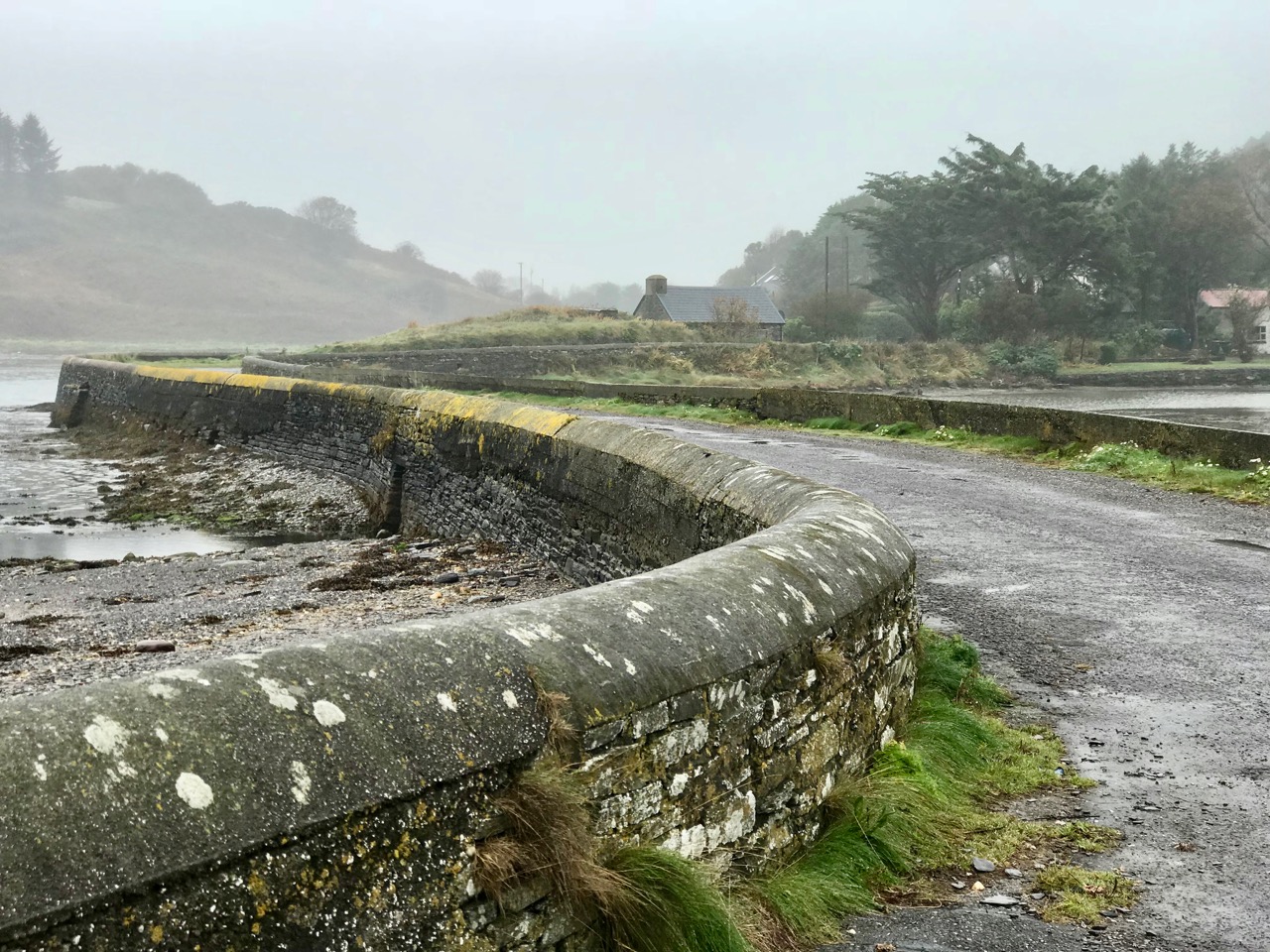
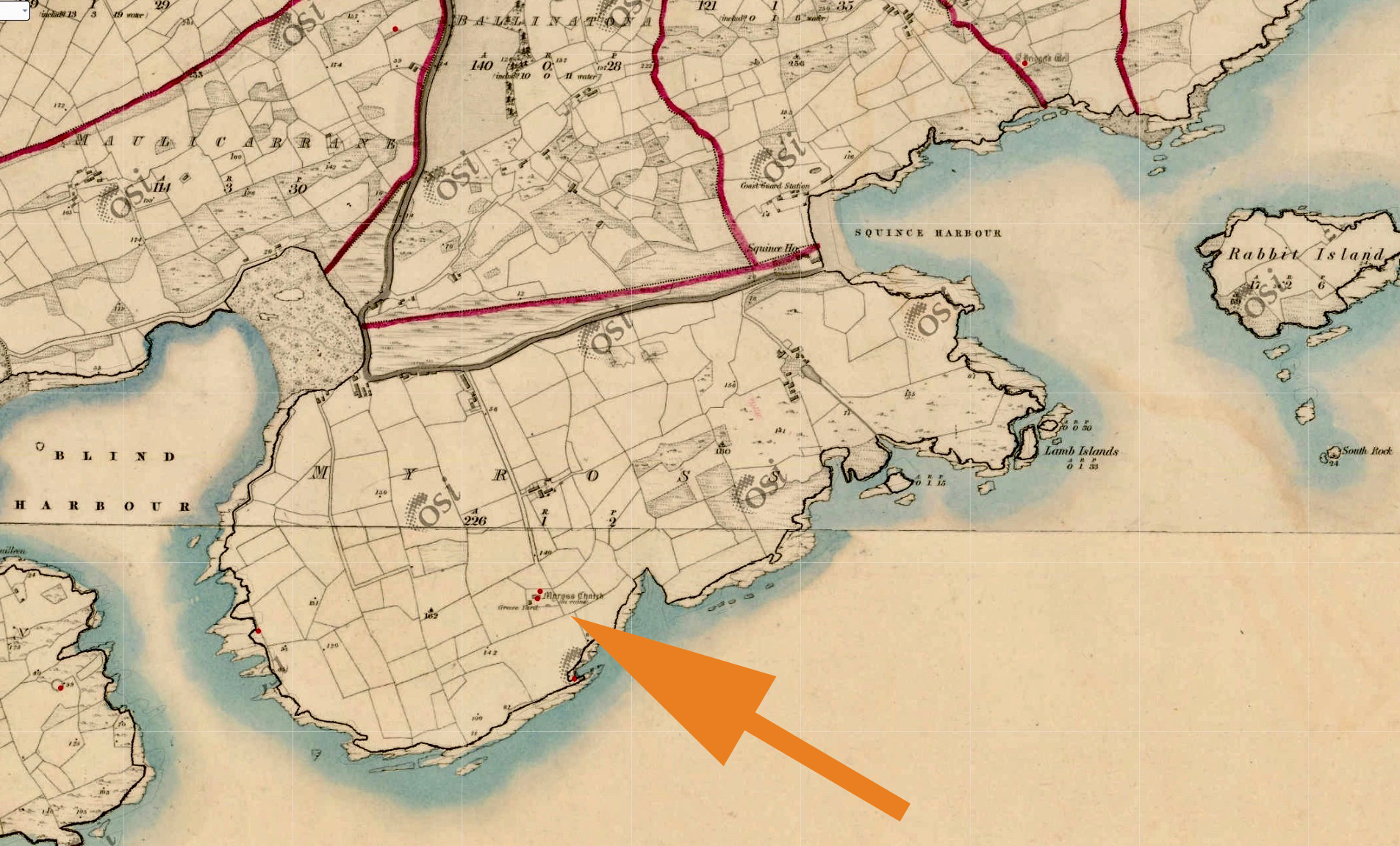
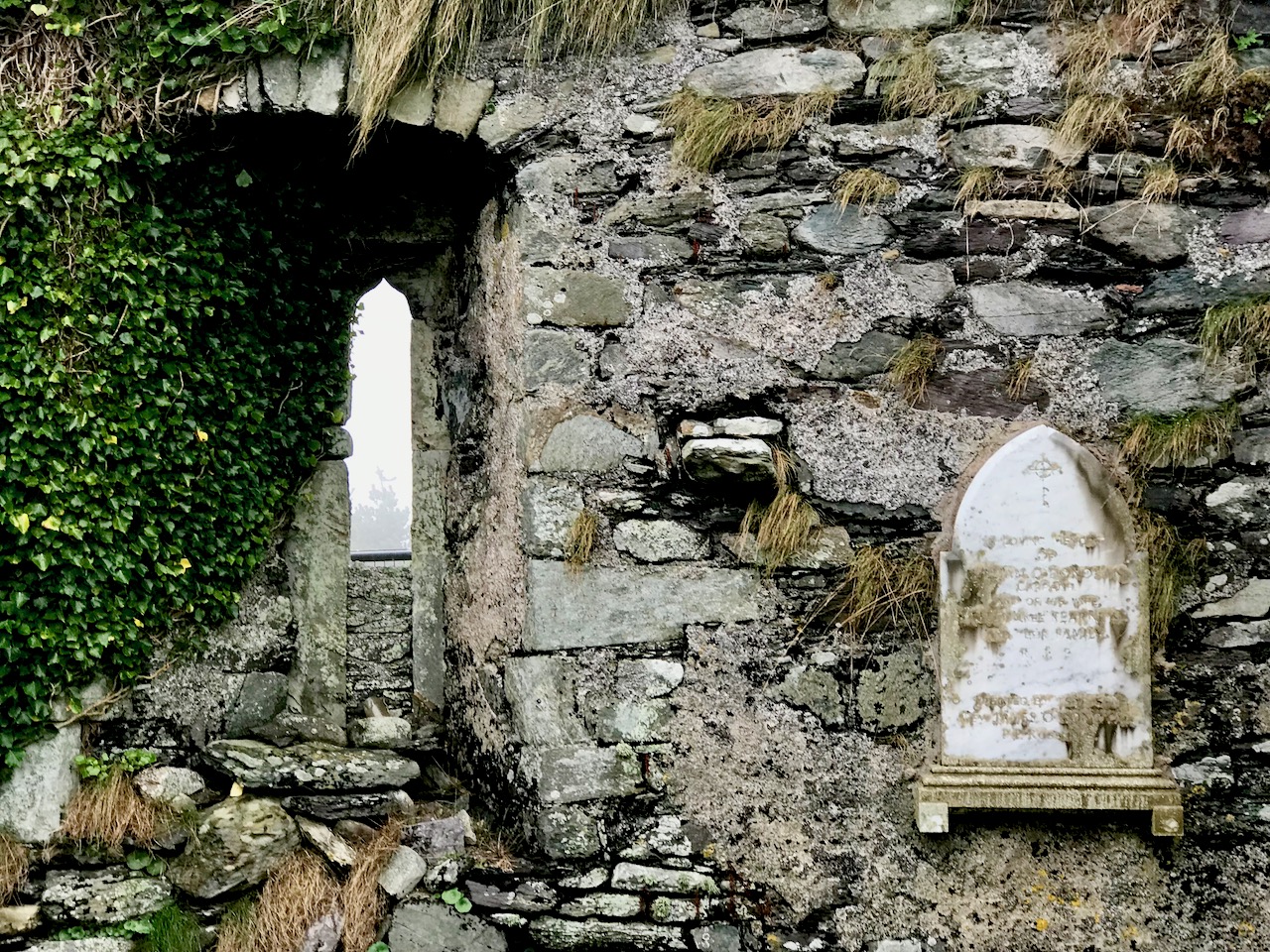
The townland of Myross is an island, of sorts. A stretch of water runs between Blind Harbour in the west and Squince Harbour in the east, and old stone causeways give access at either end. On the day of our visit there was hardly a sign of life, and the fog prevented us getting any idea of the fine ocean views which can evidently be enjoyed from the ancient graveyard. Nevertheless, we felt the day that was in it empathised with the muted atmosphere of this silent place.

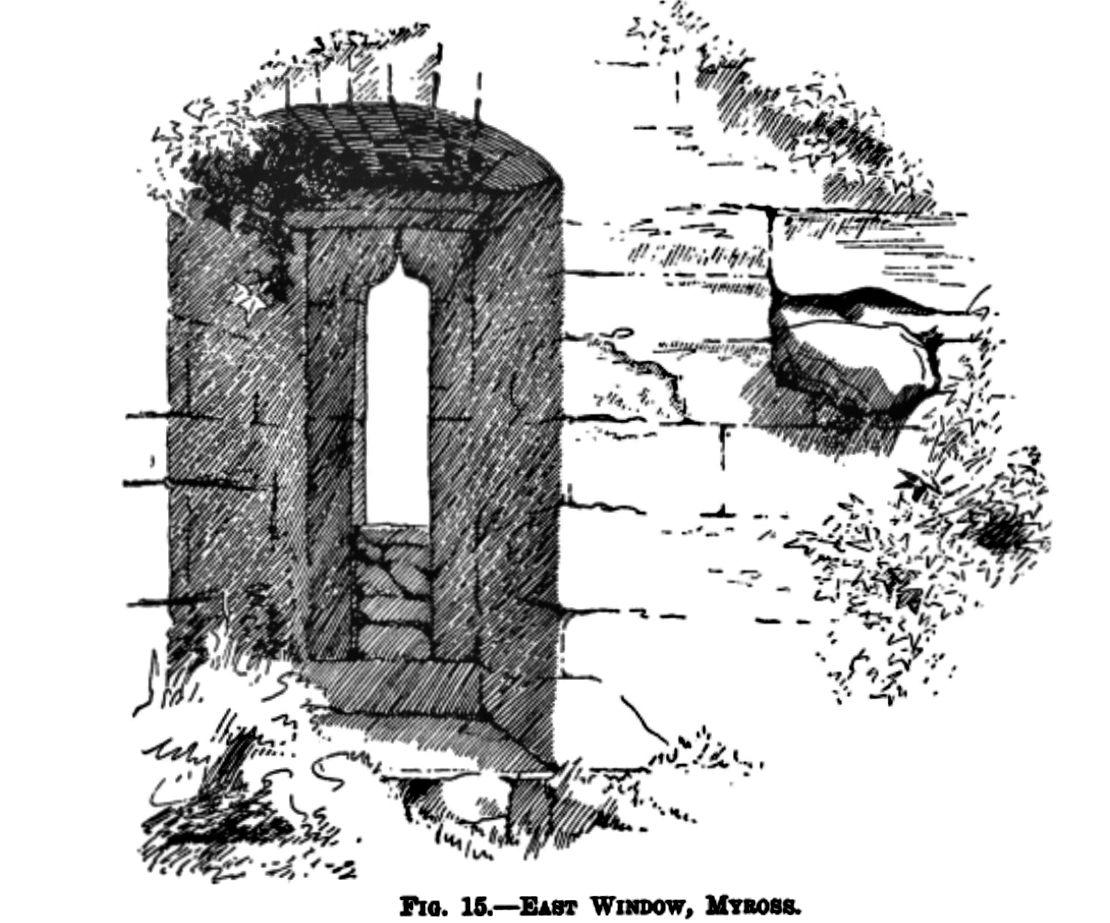
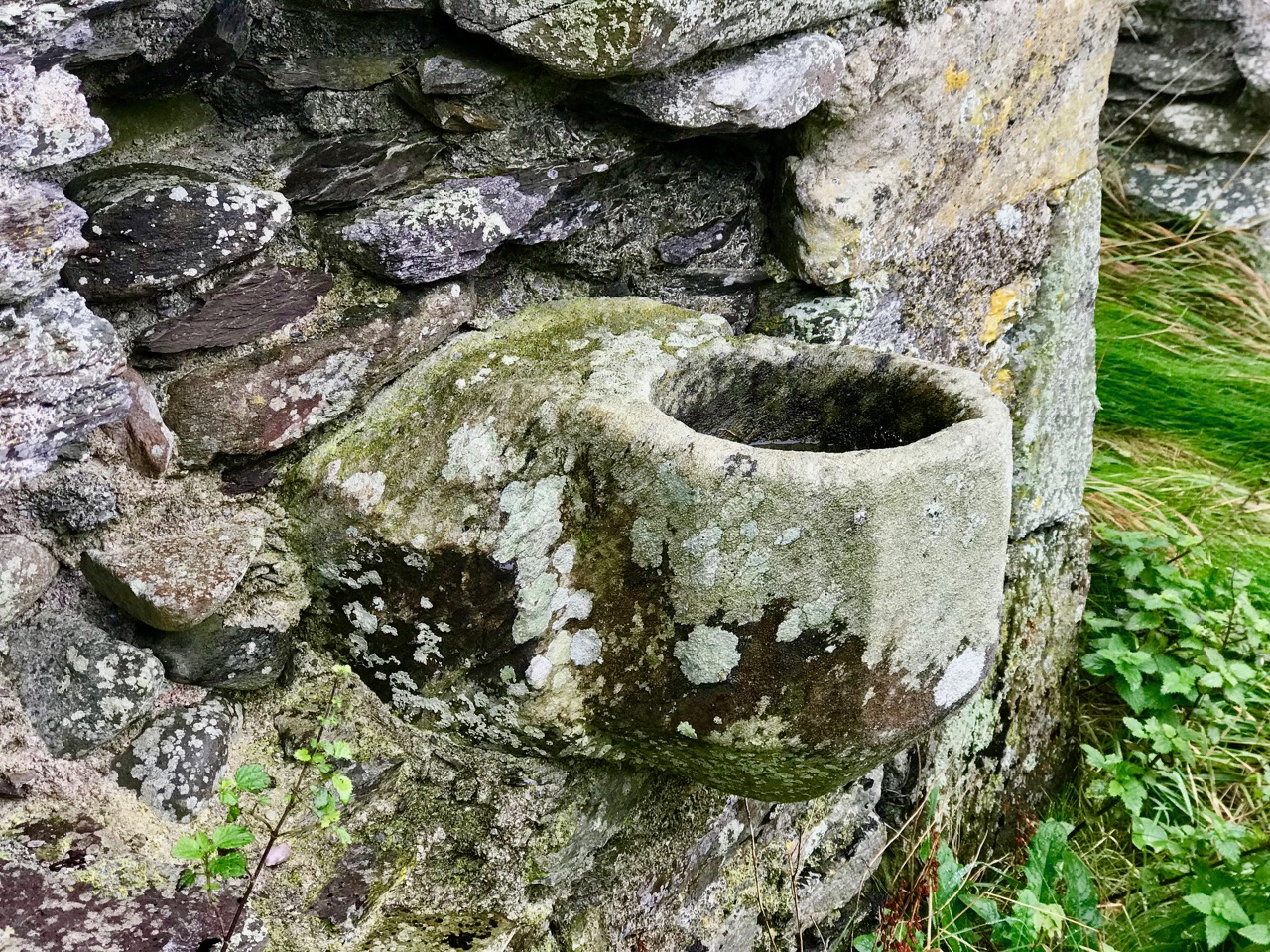
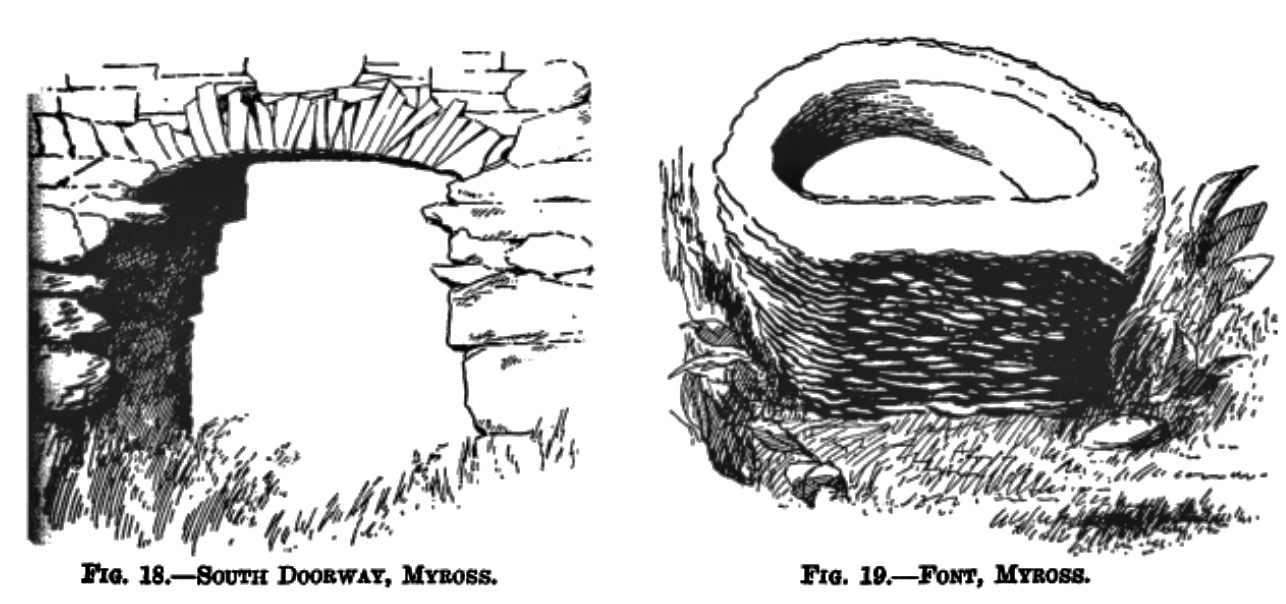
At the centre of the burial ground stand the ruins of a substantial church, in very poor repair. Some of the masonry has been reinforced with brick piers and timber posts, but the structure is fenced off to indicate the risks of its instability. Inside the church are an old font, and a piscina. The illustrations here are from a massive work – The Diocese of Ross and its Ancient Churches by Charles Webster, Dean of Ross, published by the Royal Irish Academy in 1932.

W Mazier Brady’s Clerical and Parochial Record of Cork, 1863, records that the Church of Myross was in use in 1615 but in ruins by 1699. Subsequent researches tell us that a little further to the east is the townland of Carrigihilly and here survives another ancient burial ground: local tradition asserts that here was a Cistercian Monastery – Maure Abbey (Abbey de Sancto Mauro) – founded in 1172 by Dermot MacCarthy, King of Desmond. We didn’t get to Carrigihilly on our autumnal day out: another expedition to the area beckons.

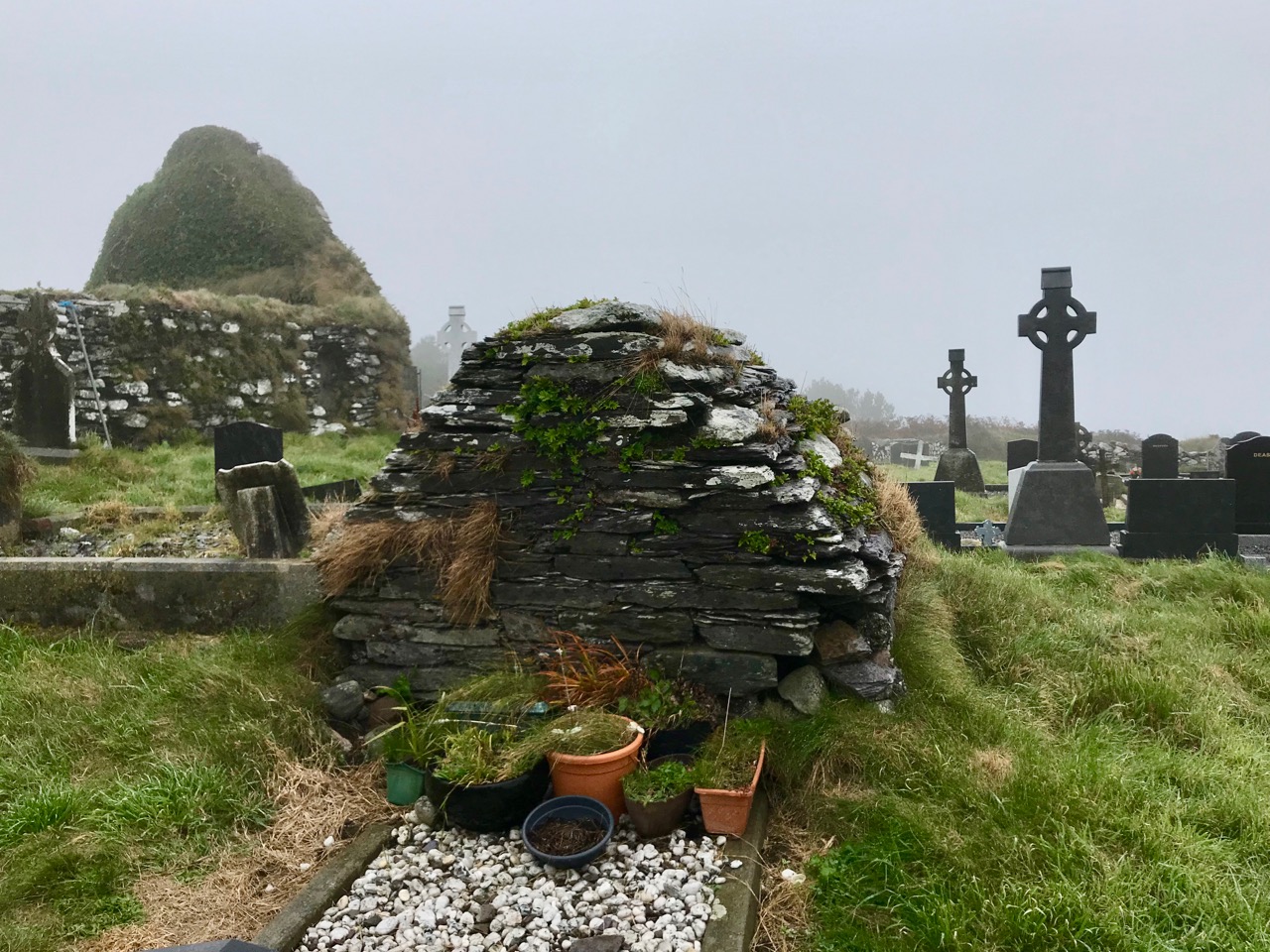
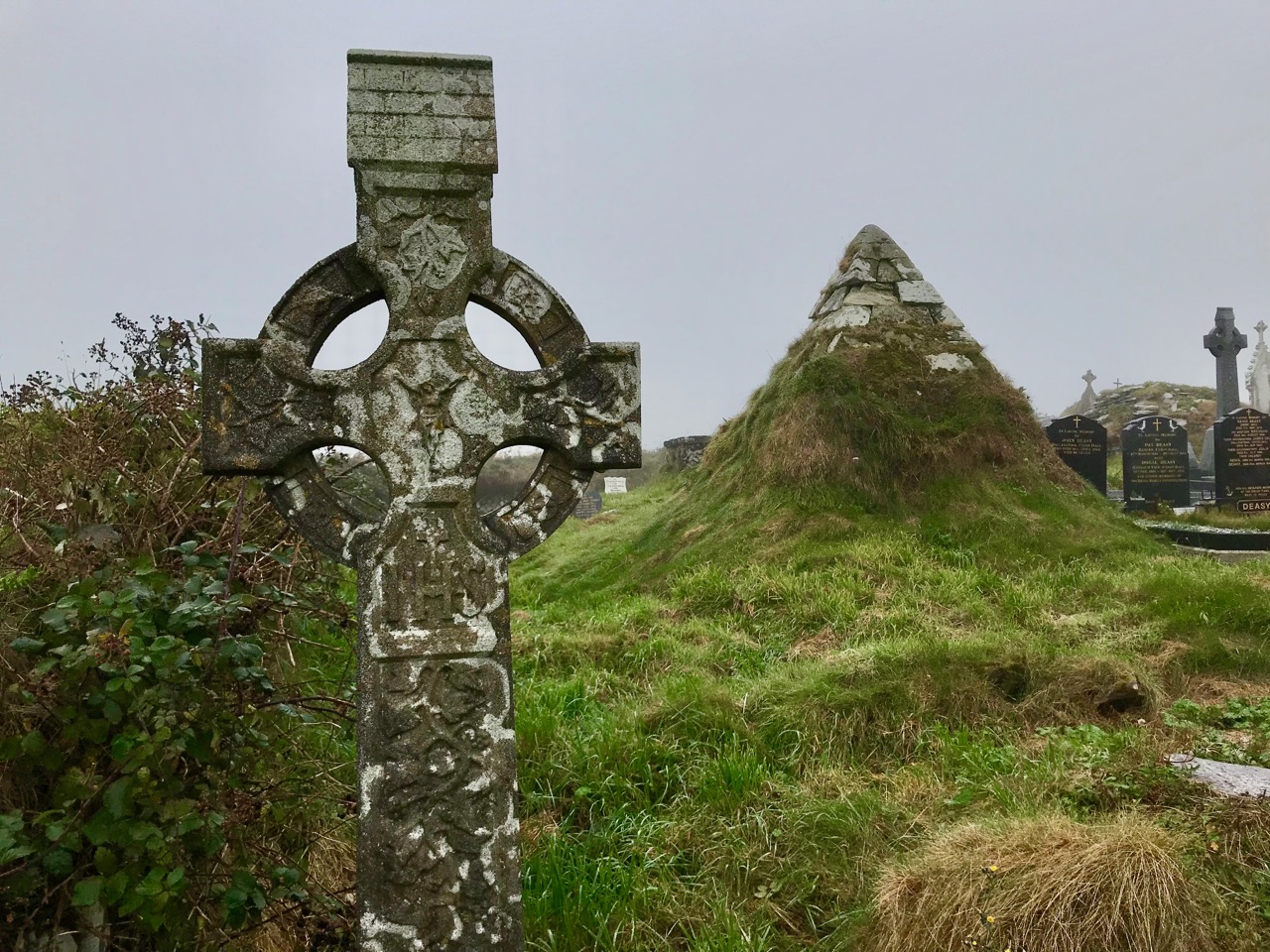
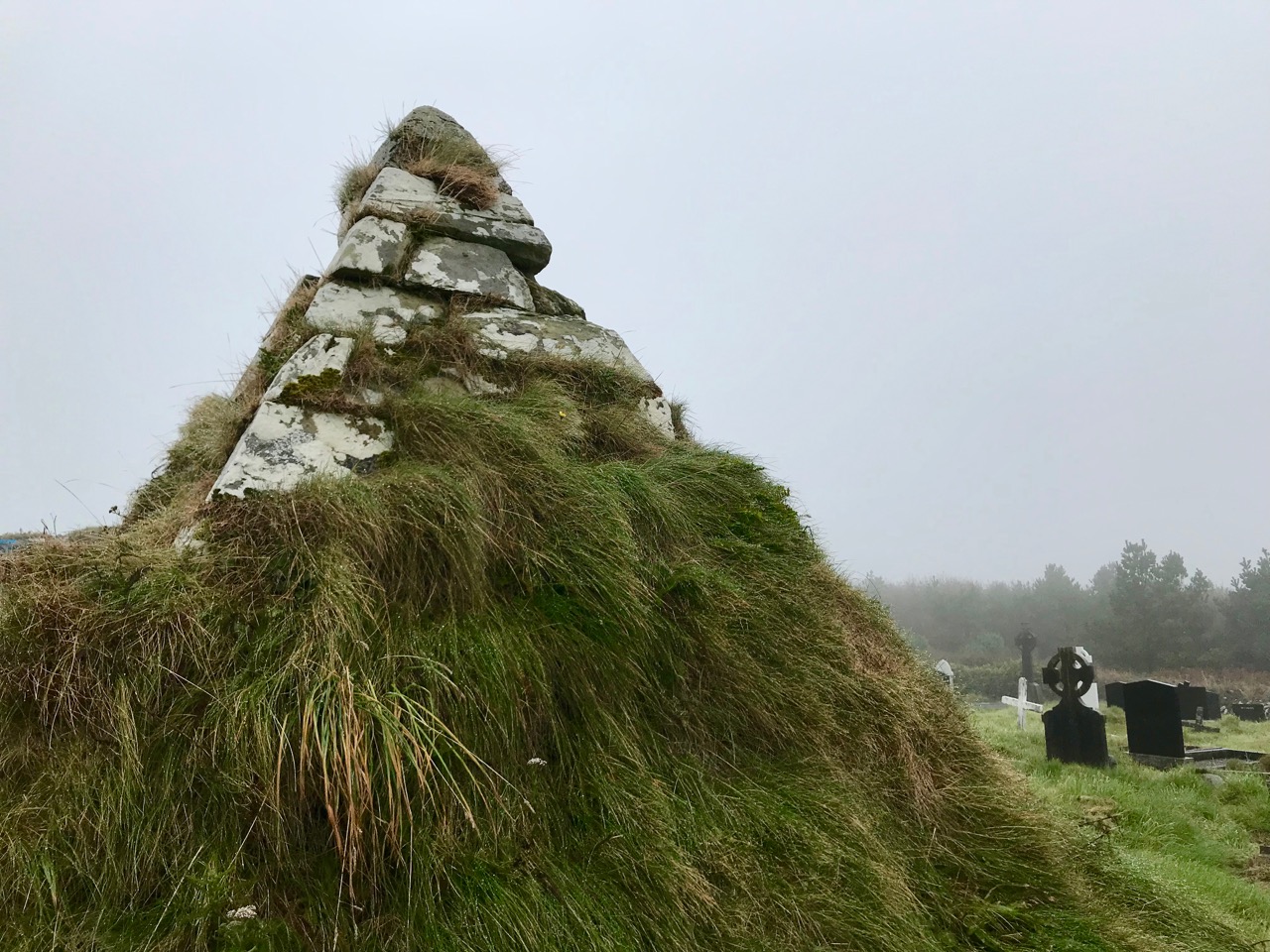
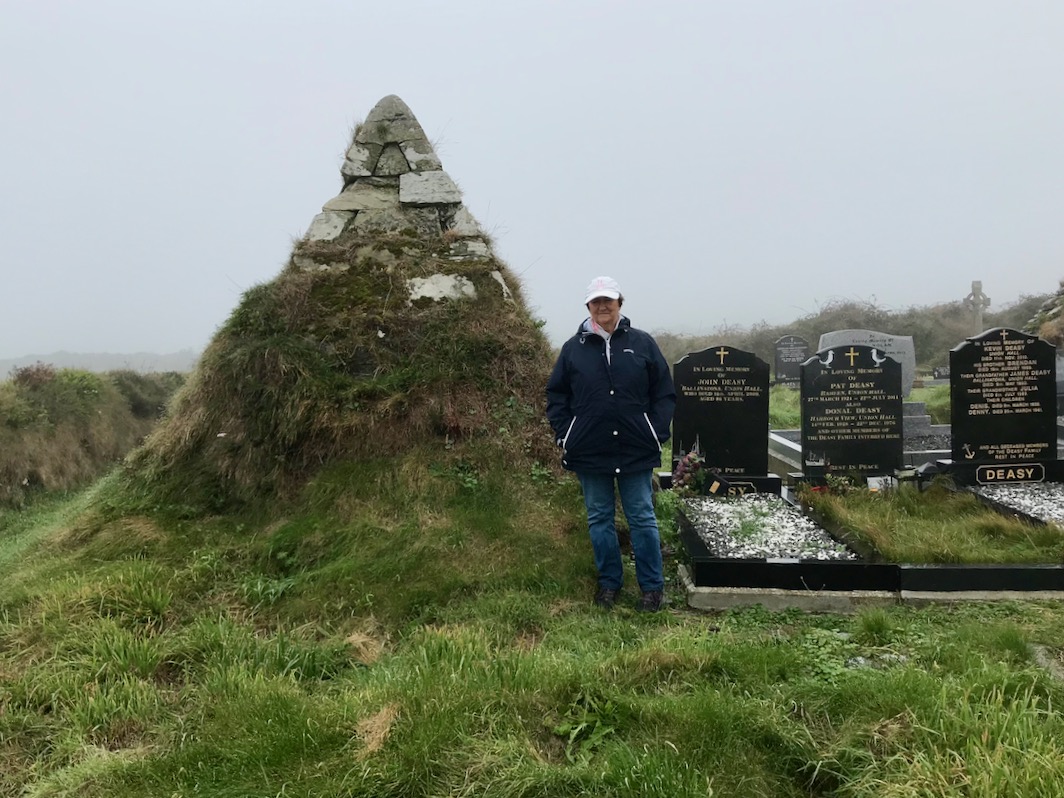
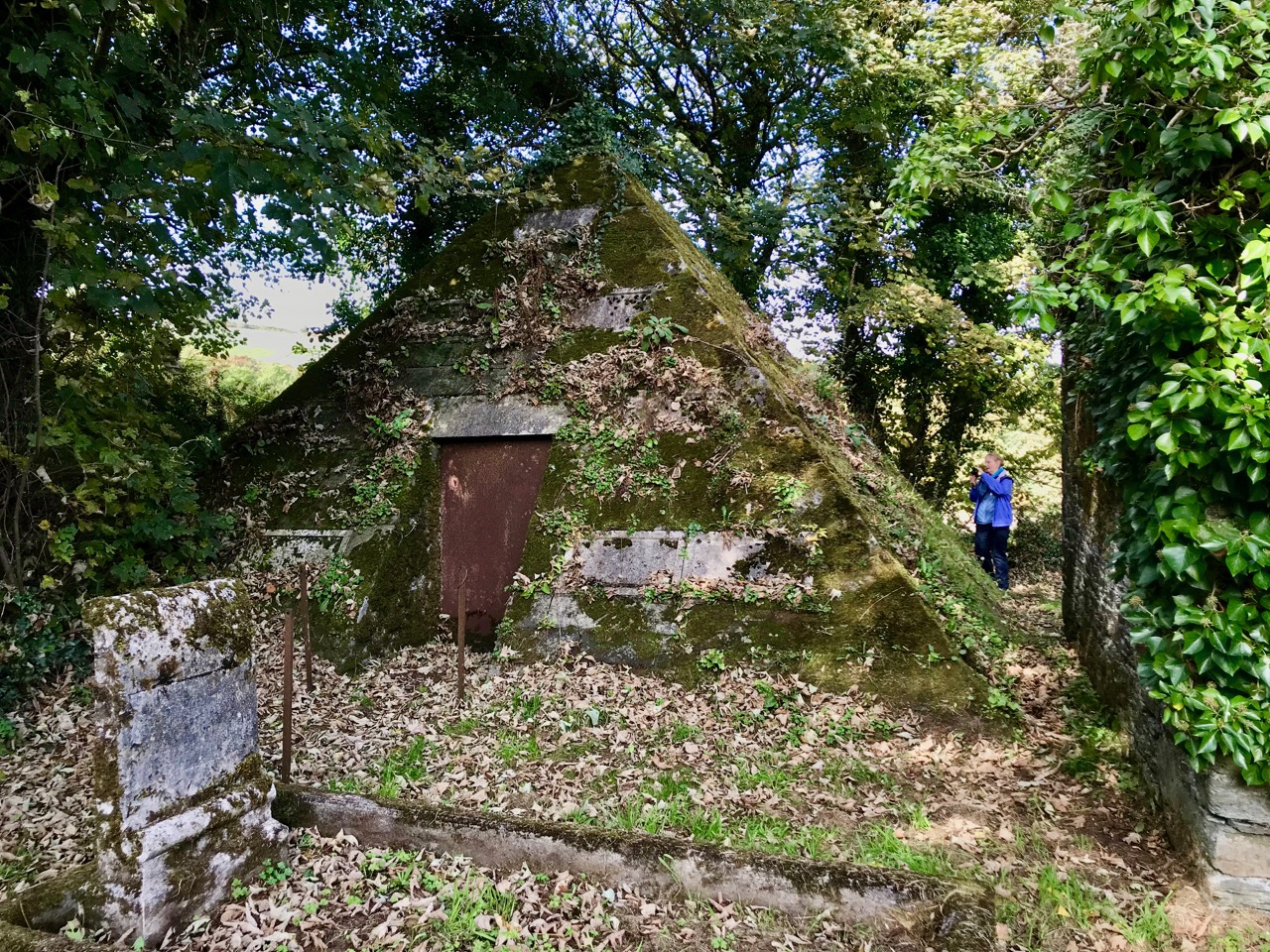
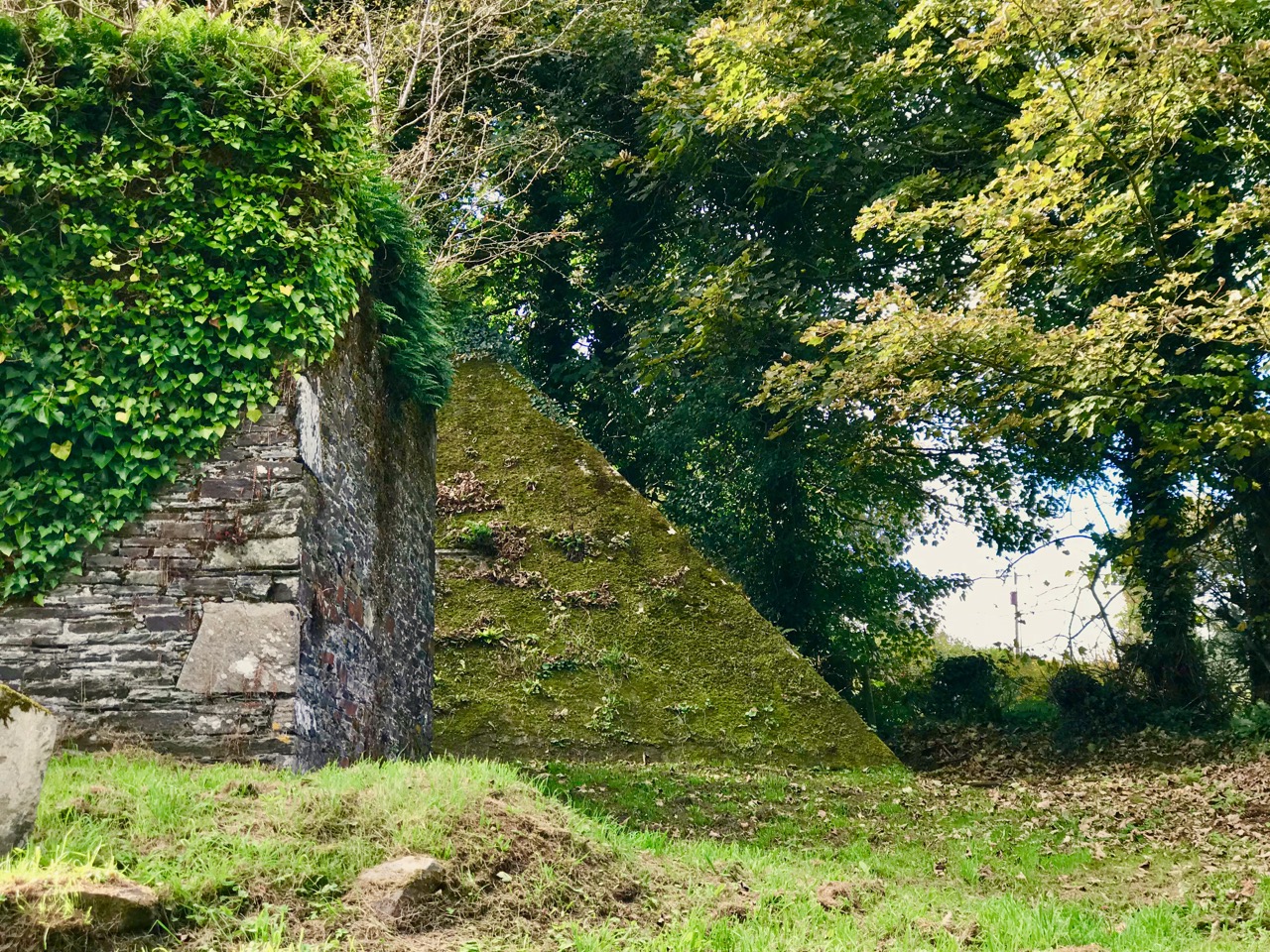
The focus of our visit was, of course, a second pyramid in West Cork – and there it is! More modest in size, perhaps, than the Glandore example, but standing out, nevertheless. Unlike the one at Glandore, there is no visible inscription on the masonry, much of which is quite overgrown. Tradition has it, however, that this tomb is a burial place for the O’Donovans, who are well represented in this part of West Cork, even today.

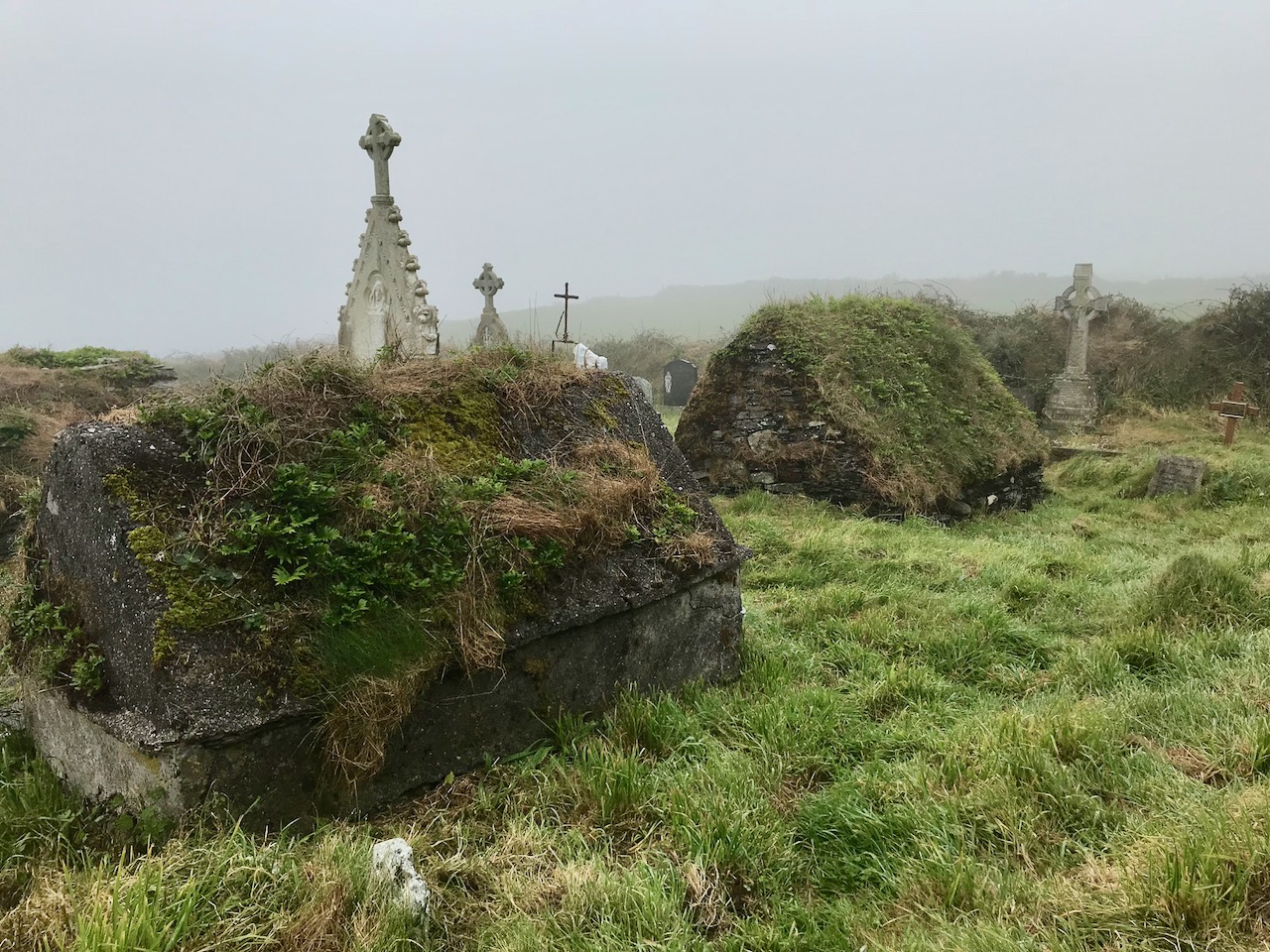
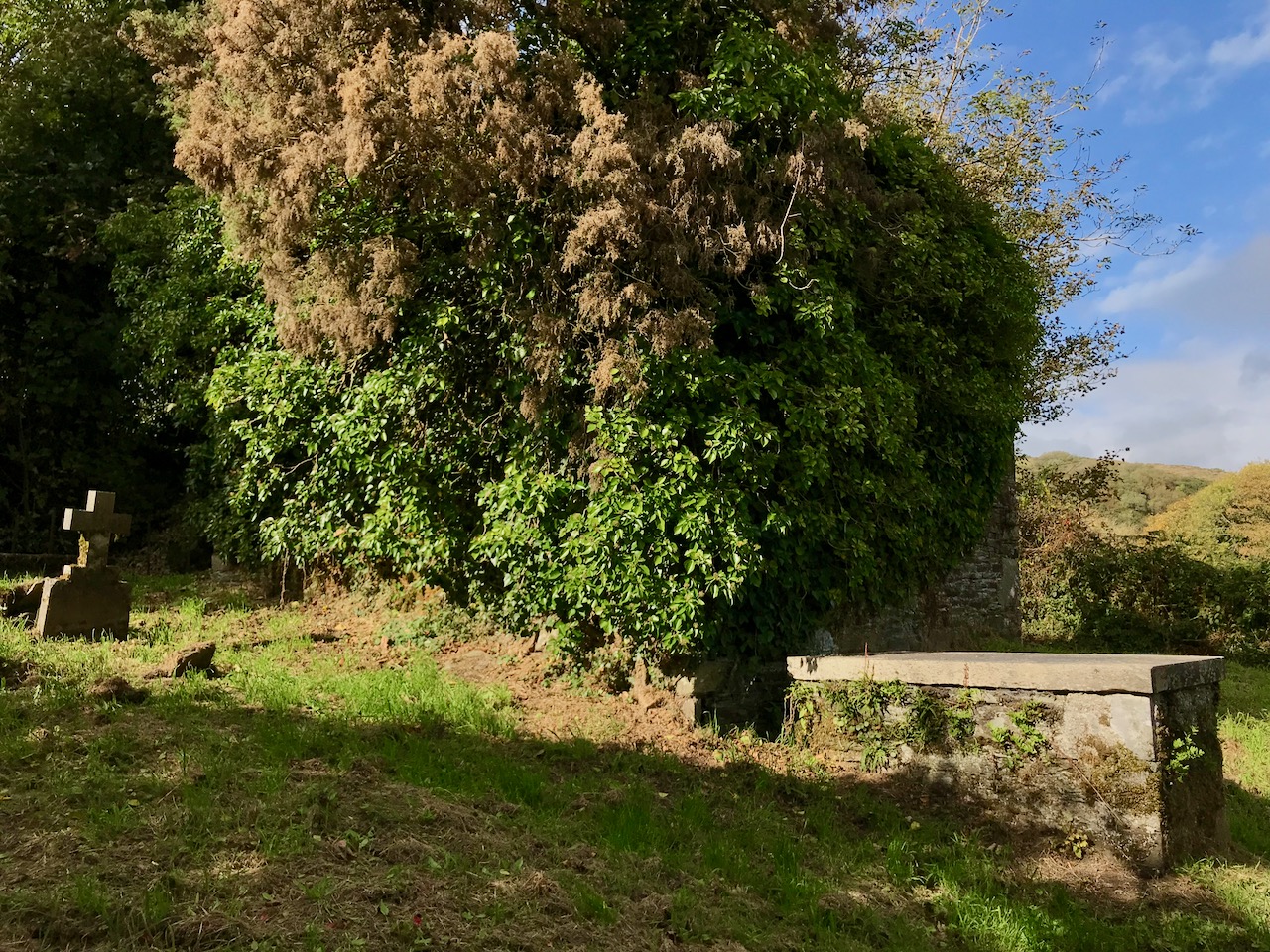
Keeping the pyramid company in this Myross graveyard are other significant chest tombs and unusual ‘gabled’ tombs, also uninscribed, and a small number of carved gravestones dating from the nineteenth century, very weathered but partly legible. It would be fascinating to know something of the lives of those who are interred in this remote and atmospheric West Cork location.

Cormac’s Chapel: The Jewel in the Crown (Part 2)

I said I’d be back in a week and it’s been a year! I’ve been working my way through a series of posts on Irish Romanesque architecture (see the bottom of this post for the list so far) and last October I wrote the first of a two part post on Cormac’s Chapel, the Romanesque jewel on the Hill of Cashel in Co Tipperary. Since this is part 2 (unless you’ve read it before and have an amazing memory) go back there now and read up on the Chapel and its history, as well as my detailed description of the exterior.

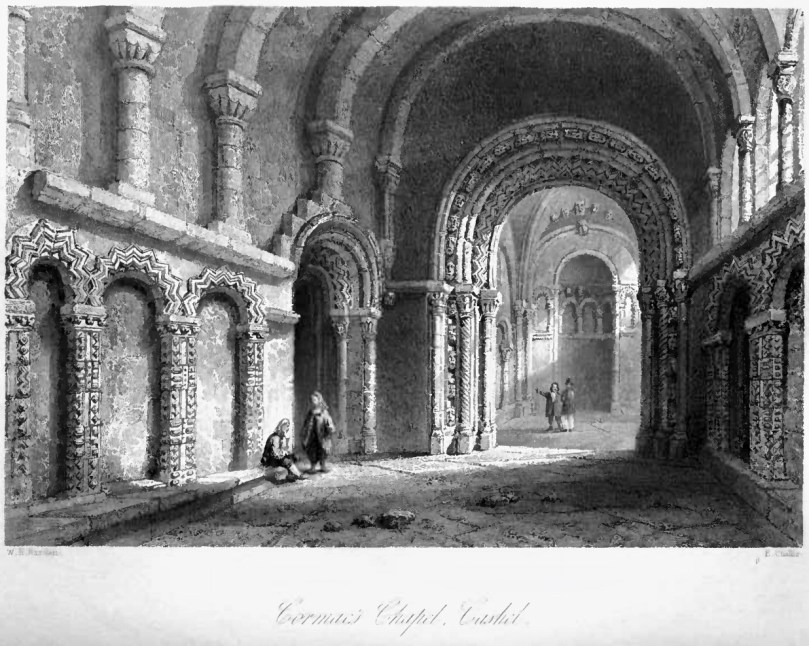
Illustration by W H Bartlett from The Scenery and Antiquities of Ireland by Joseph Coyne and Nathaniel Willis

Right, done that? Great, then come on inside. I was fortunate to visit Cashel last year, when the Chapel was open and I could spend as long as I liked taking photographs inside. This followed many years when it was closed – a conservation measure necessary to address the dampness which plagues stone-roofed buildings. During this open period it was noted that the number of visitors, all emitting carbon dioxide, was having a detrimental effect on the interior, so now it is only accessible during a guided tour and for a limited stay inside. Hopefully, this post will help you see things that you might miss during a short visit, or even items that those excellent guides might not cover.

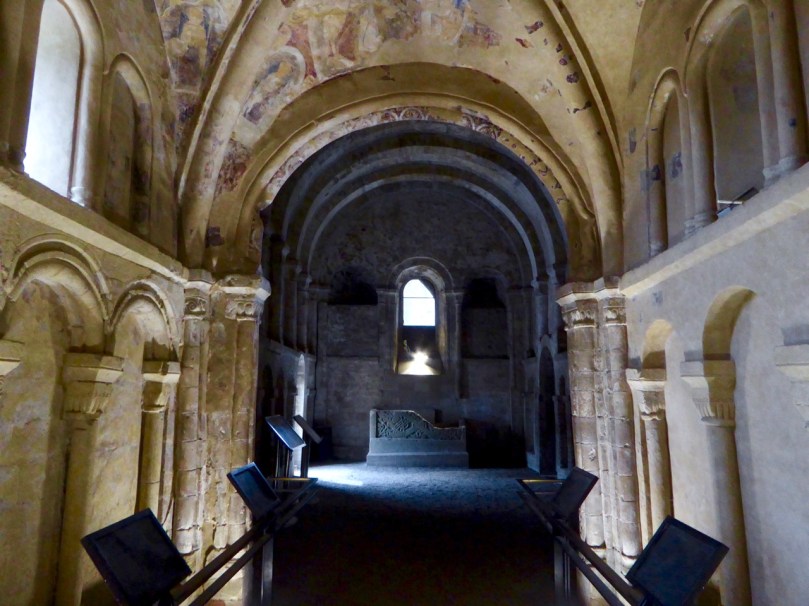
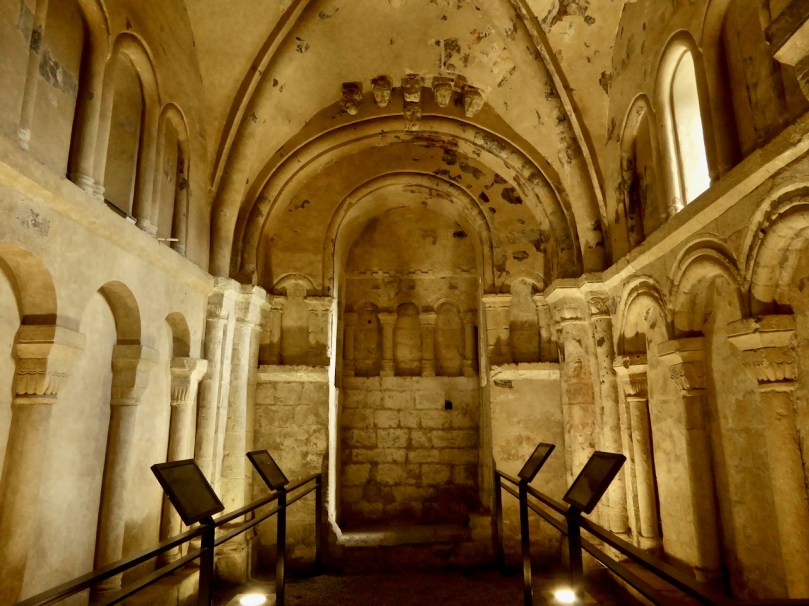
The interior, looking towards the chancel

This was a royal chapel, used for high ceremonies and built to enhance the prestige of King Cormac. When we think of such edifices, our mind probably pictures a cathedral, but large churches were still in the future in Ireland in the first half of the twelfth century and Cormac’s chapel, although small by European standards, was not outside the normal dimensions of Irish churches of the period. What was important was not its size, but the extraordinary attention to detail and decoration that went into its construction. Moreover, it had a second storey, under the steeply pitched roof. Although we are not completely sure what the functions were of that upper level, it effectively doubled the space available to its users.

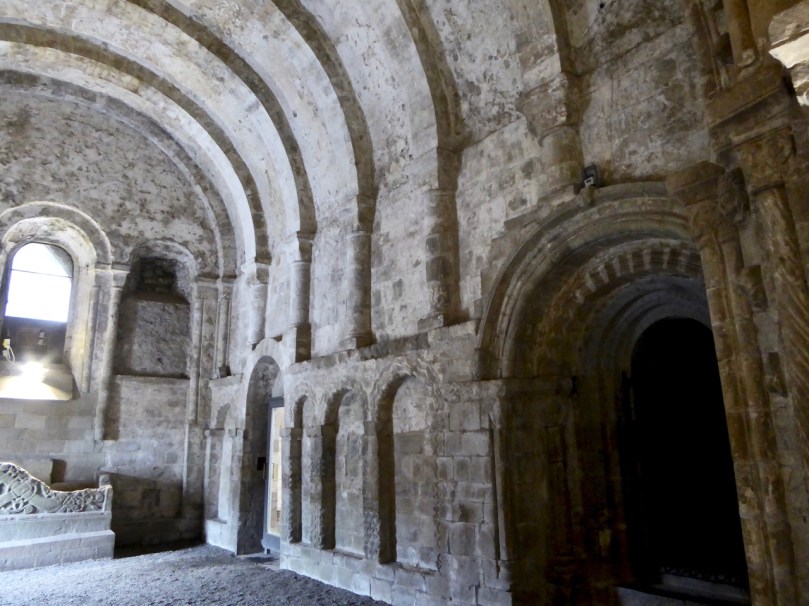
The north wall – note the blind arcading and barrel vaulted celing with parallel ribs, and the ornate door that leads to the second storey

Inside, the chapel is a nave and chancel structure, common among Romanesque churches, the only difference being the altar projection at the end of the chancel. The upstairs is accessed through the two square towers (see Part 1) and an ornate door in the north wall opens to a spiral staircase leading up to that floor (not accessible to the public). The size of this door and its elaborately carved orders speaks to its importance in some ceremonial way – O’Keefe says it tempts us to imagine the enactment inside Cormac’s Chapel of some ritual of procession involving relics.* In contrast, the north and south doors, the main entries to the nave, which are ornate on the outside, are relatively plain on the inside.

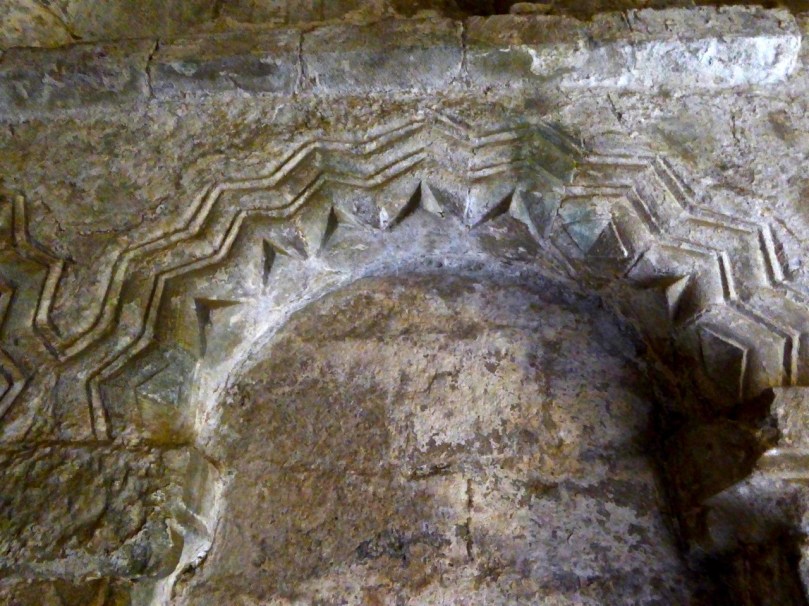
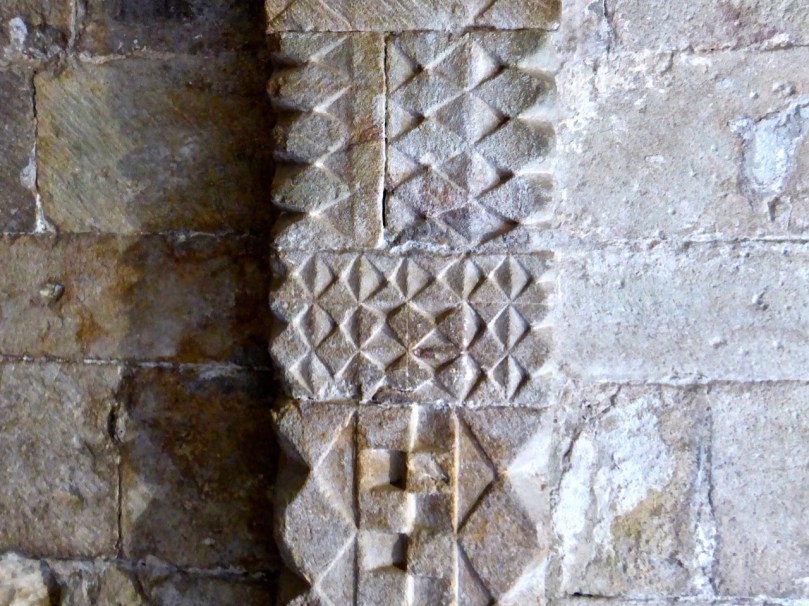
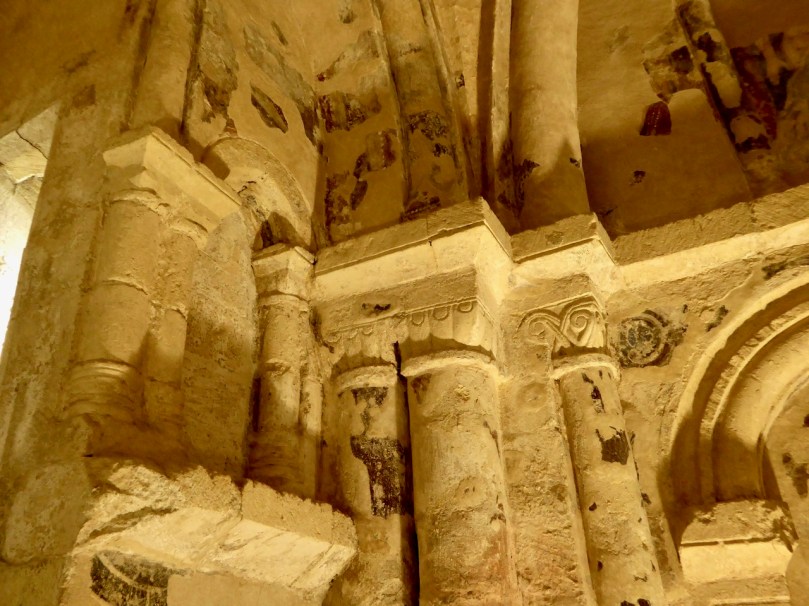
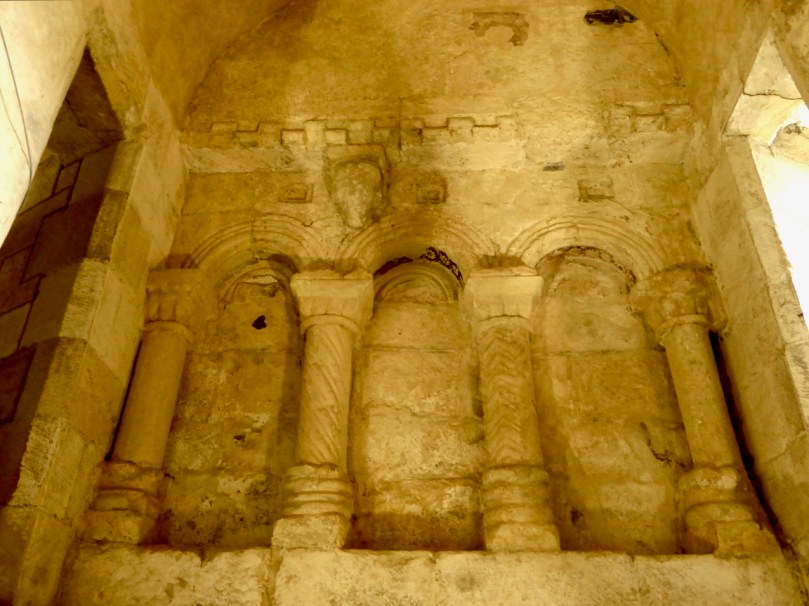
The nave is barrel vaulted, with parallel ribs running across the ceiling. The walls have blind arcades up to half their height, topped by a string course and a series of columns to support the ribbing. The blind arcade arches are carved with chevrons (above) while the columns between the arcades have irregular checkerboards of chevrons, lozenges and petals (below). The west wall has three windows on its upper stage, although only the middle one admits light now.

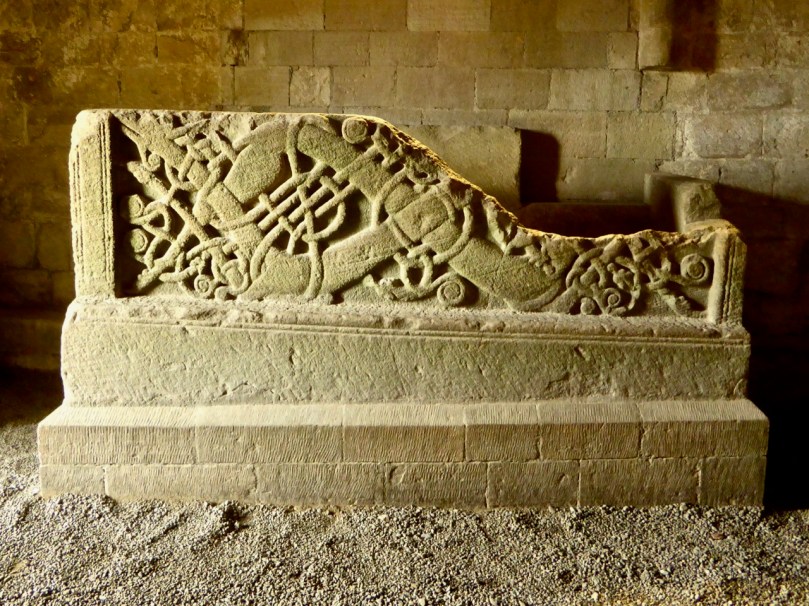
Beneath those three windows is a fragment of a large stone box, often described as a sarcophagus, wonderfully carved in the ‘Urnes’ style – a Scandinavian tradition of intertwined animals. Tradition has it that this is the tomb of Cormac himself, and certainly this carving style, although very different from what is found in the rest of the chapel, is probably contemporaneous with it. It was moved to the chapel from the later, Gothic, cathedral, where it was found. Whatever its use, it is a magnificent artefact, the work of a master craftsman.

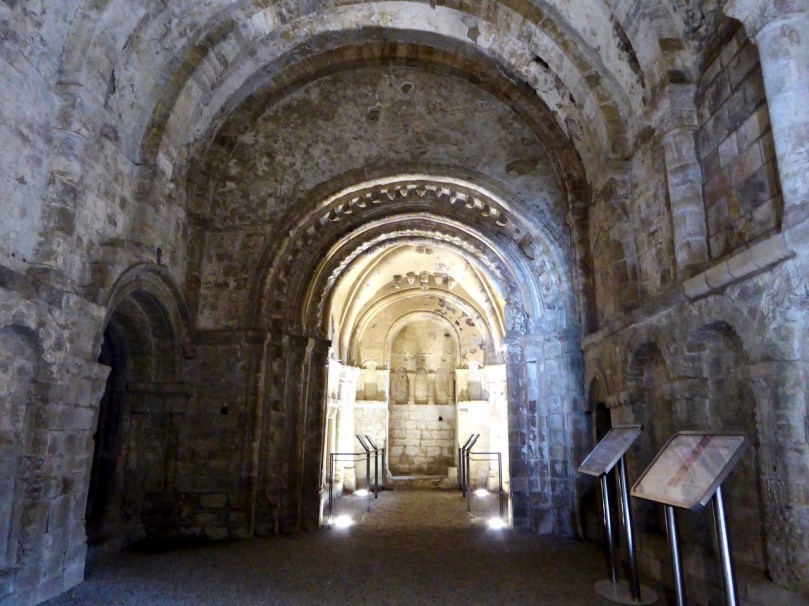
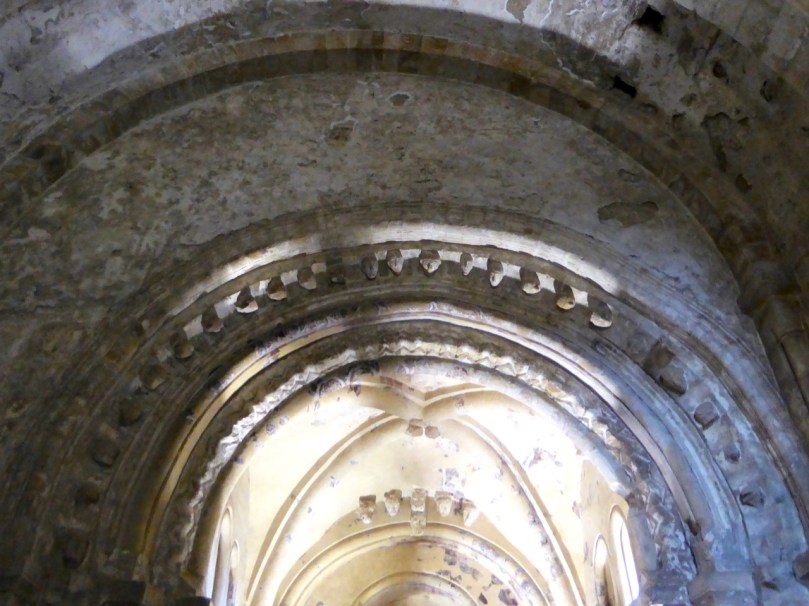
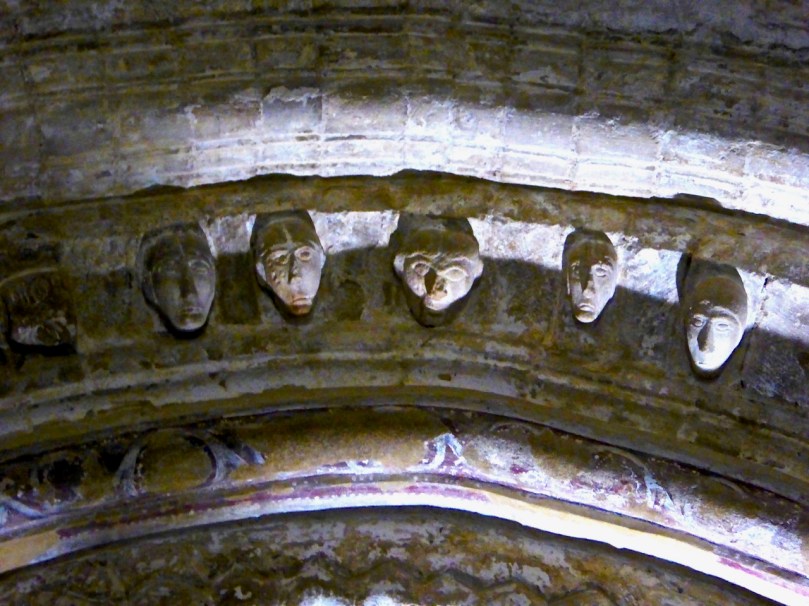
At the east end of the nave is the chancel arch with four orders. The archivolts of the first order mainly consist of carved heads, each individual and striking. Some are more time-worn than others, but the features can be clearly discerned in many.

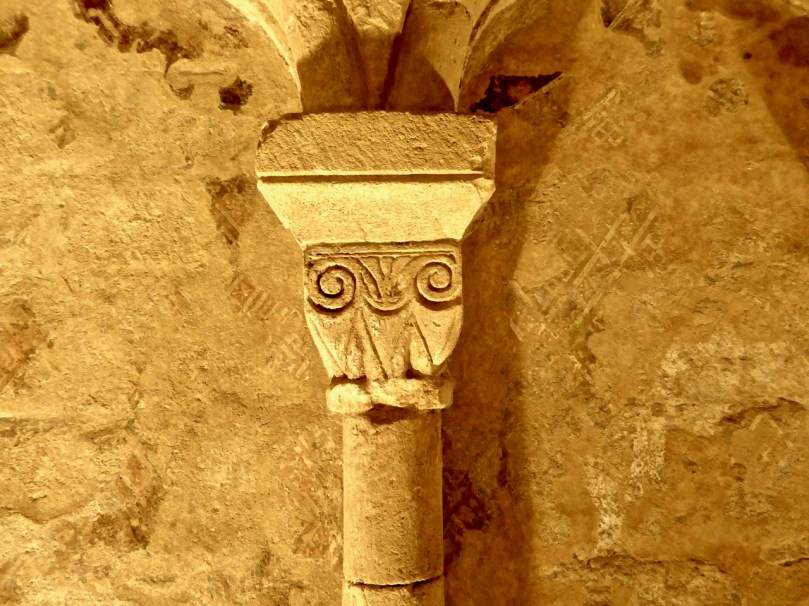
The chancel is also rib-vaulted, like the nave, but this time the ribs intersect at a central point, rather than being parallel. Like the nave, the walls have blind arcading above which are further arches and window-openings. Capitals are decorated with scrolls and scallops.

A final arch spans the projection which held an altar. The arcading in this final section is quite elaborate, and two deeply splayed windows provide light to this area.

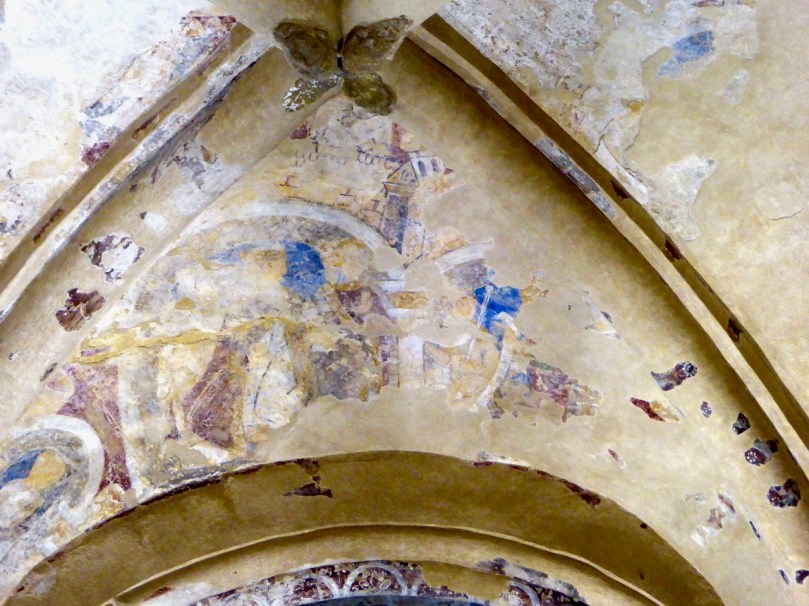
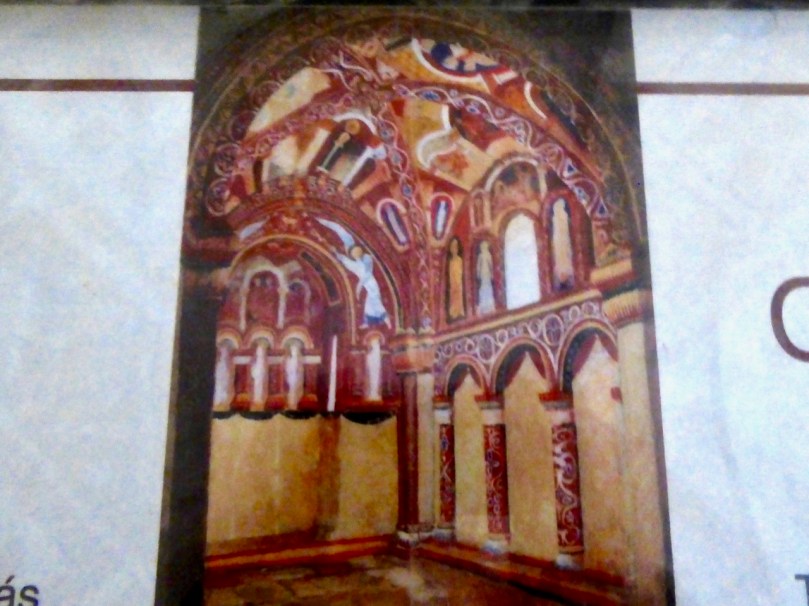
Once in the chancel area, which has been well lit, you can start to appreciate the vestiges of paintings that would have enlivened the interior of Cormac’s chapel. A conjectural reconstruction of the artwork is provided in an explanatory panel – the chapel must have looked magnificent and colourful indeed. Preserving these precious fragments has been a tremendous effort.

Finally, stand in the nave and take a careful look around – you will see that the chancel is offset to one side of the nave. While some authors have suggested this as a decision to change dimensions midway through the building process (Dermot Bannon’s nightmare) and others have ruminated about mistakes, O’Keefe demurs. It makes a lot more sense, he says, to interpret Cormac’s Chapel as built to plan, and to suggest that the nave widens on the north side to reflect and accommodate the visual spectacles of procession involving both north-side doorways.

Sketch by Richard Lovett, from his Irish Pictures. The ‘offset chancel is clearly seen in this illustration

There you have it – the glorious high point of Irish Romanesque architecture inside and out. If you haven’t been to Cashel yet, there’s a treat in store. And if you have, well, go again, and make sure to sign up for the guided tour that includes Cormac’s chapel.

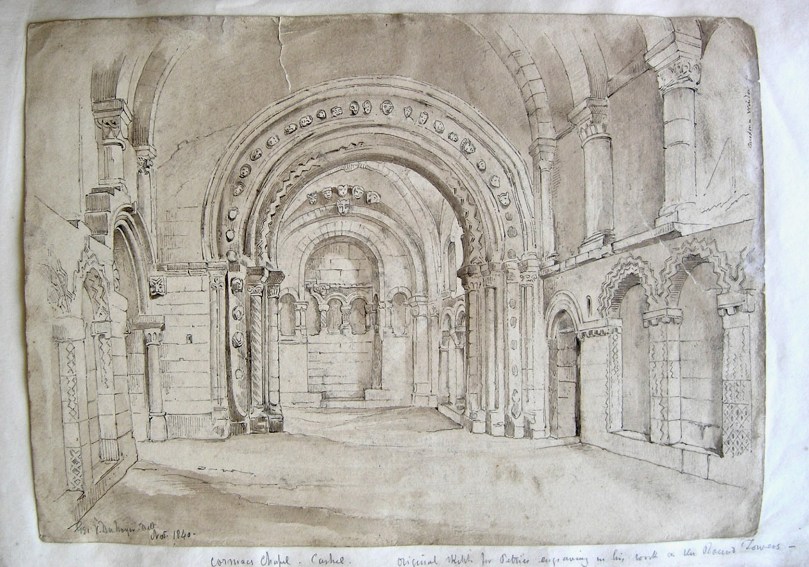
The interior of Cormac’s Chapel sketched by George Victor duNoyer for George Petrie**

Previous posts on Irish Romanesque architecture

Irish Romanesque – an Introduction

Irish Romanesque 2 – Doorways

Cormac’s Chapel: The Jewel in the Crown (Part 1)

*Once again, I relied heavily on Prof Tadhg O’Keefe’s manuscriptRomanesque Ireland: Architecture and Ideology in the Twelfth Century, which he has generously uploaded to Academia.

**George Victor Du Noyer, “Cormac’s Chapel Cashel. Original sketch for Petrie’s engraving in his book on the Round Towers. Geo V Du Noyer. Delt Nov 1840,” Royal Society of Antiquaries of Ireland, accessed October 21, 2018, http://rsai.locloudhosting.net/items/show/22213

Mizen Magic 12: Autumn Colour

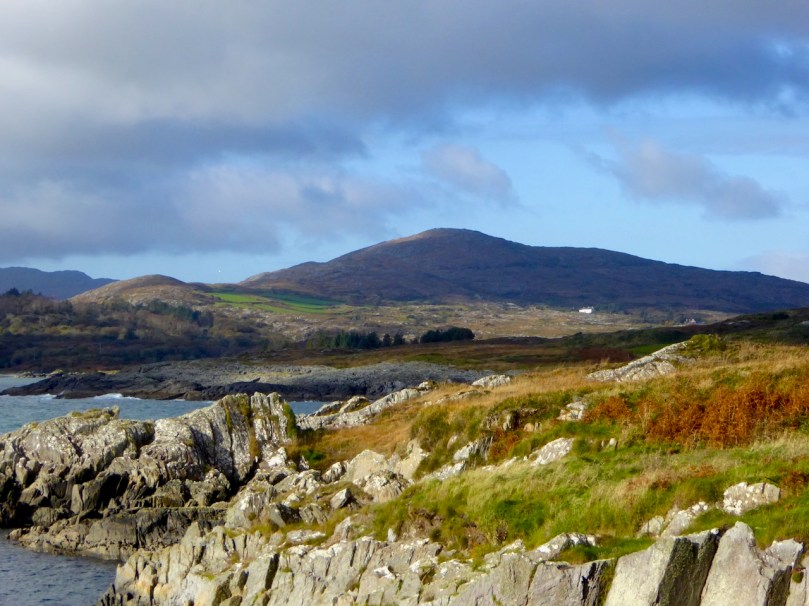
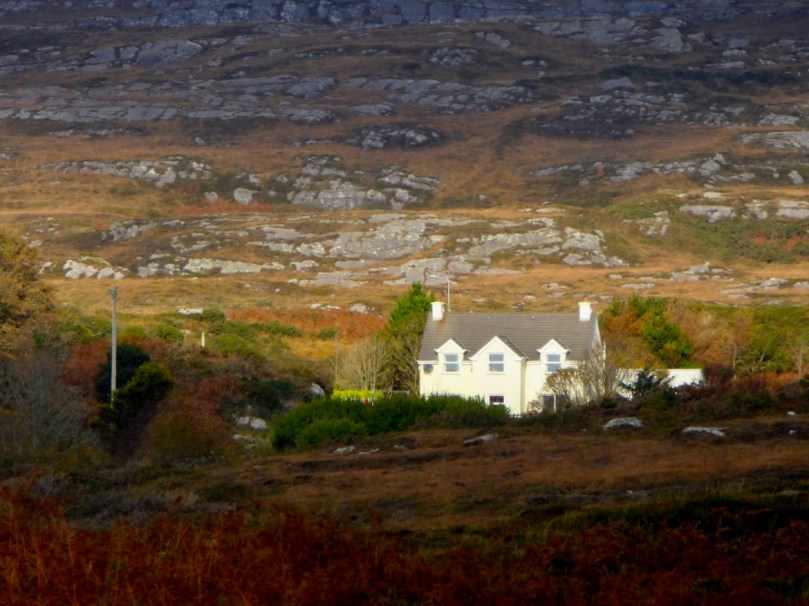
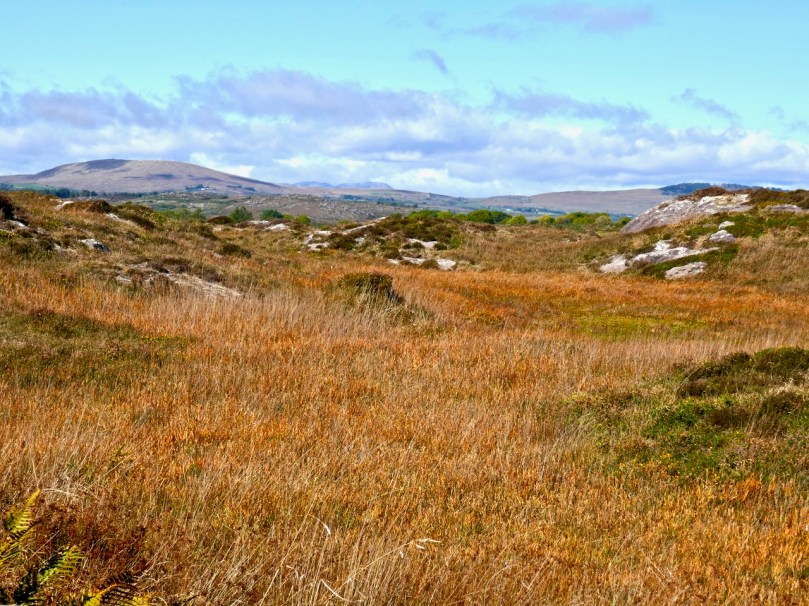
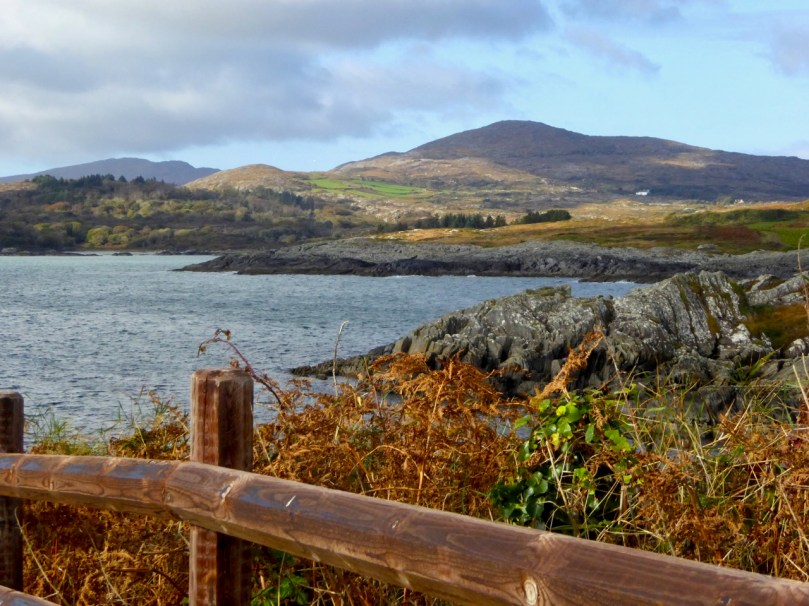
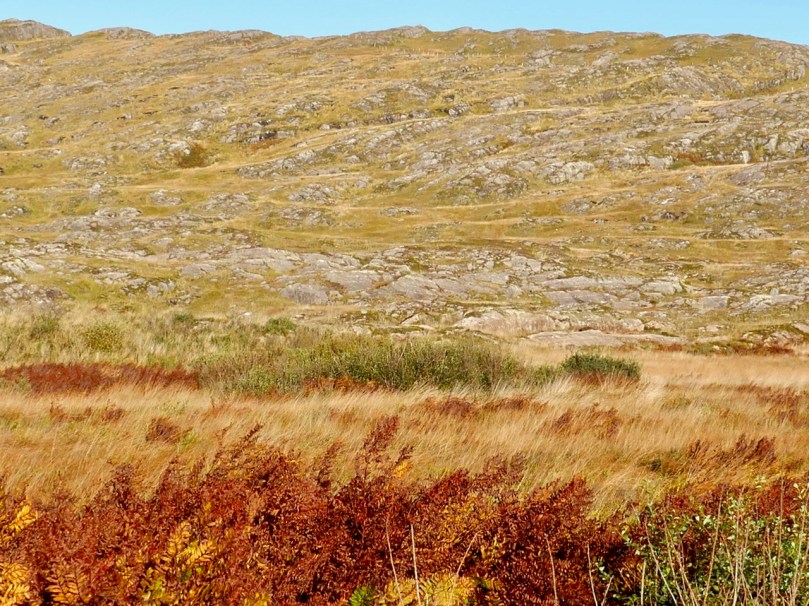
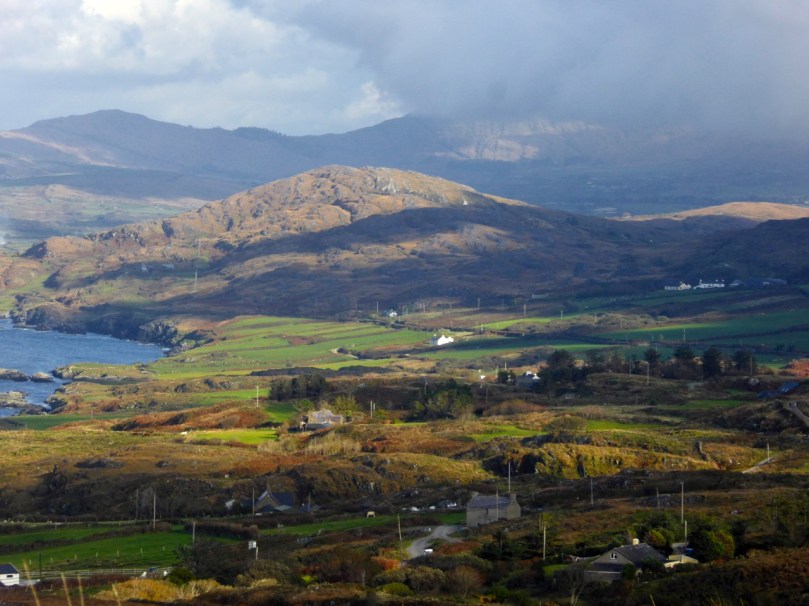
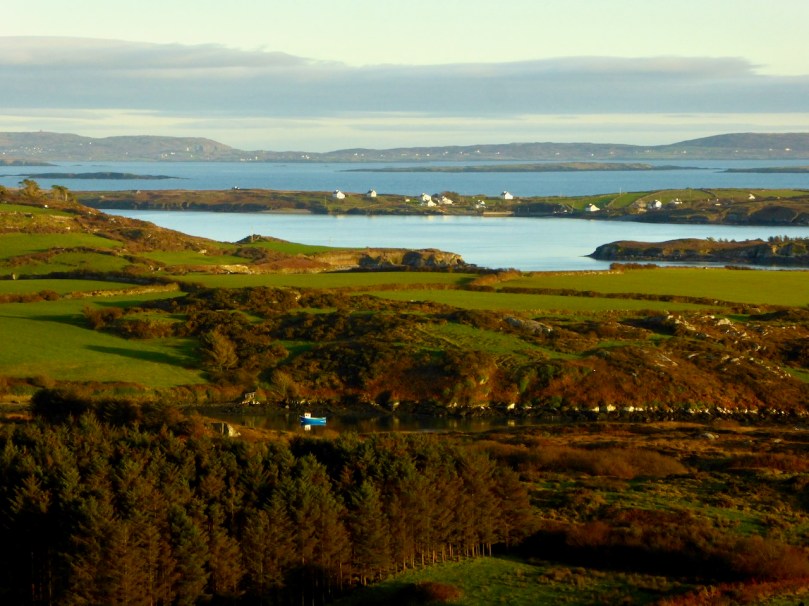
It’s not the trees that lend autumnal hues to the Mizen, as they do elsewhere. It’s the whole landscape – that combination of rock, heather, bracken, moor grass, brambles, filtered through the light and shade of our notoriously changeable climate – that creates the special colour palette we associate with autumn. It’s my favourite time of year.

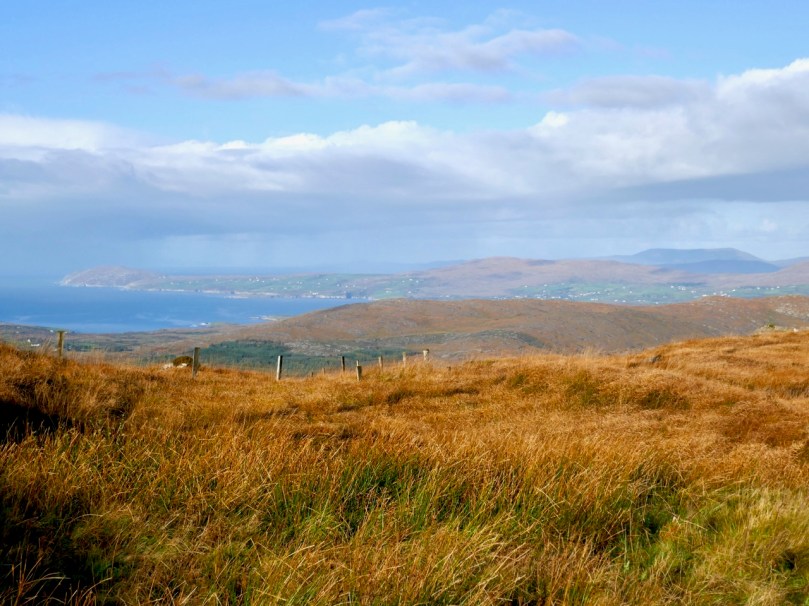
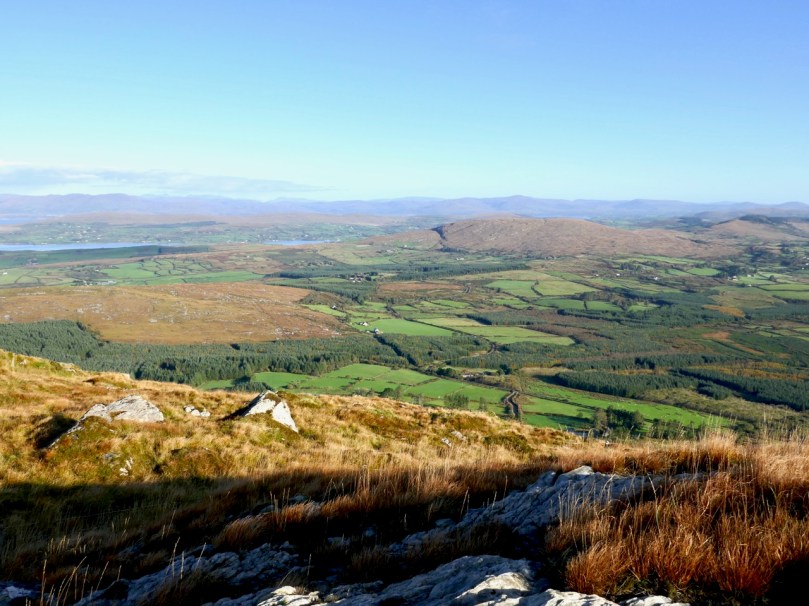
Today, early, we drove up Mount Gabriel and looked over the whole of the Mizen, back to Mount Corrin and Mount Kidd, and across to the Sheep’s Head, the Beara, and away to the mountains of Kerry.

Upper: looking down to Dunmanus Bay from Mount Gabriel; Lower: looking across to Mount Corrin

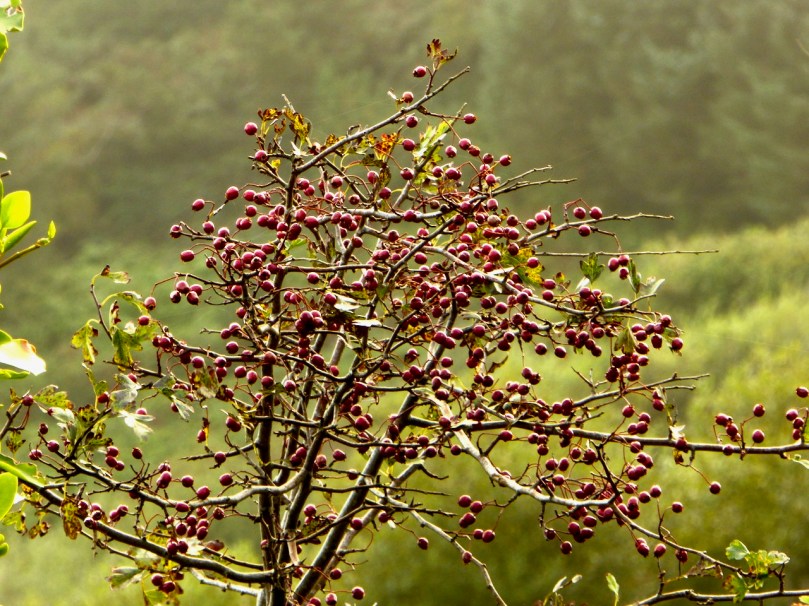
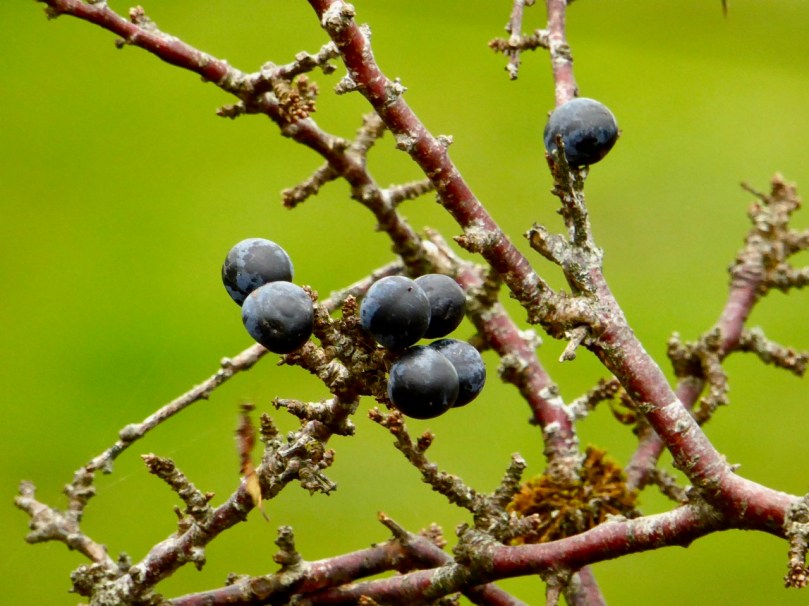
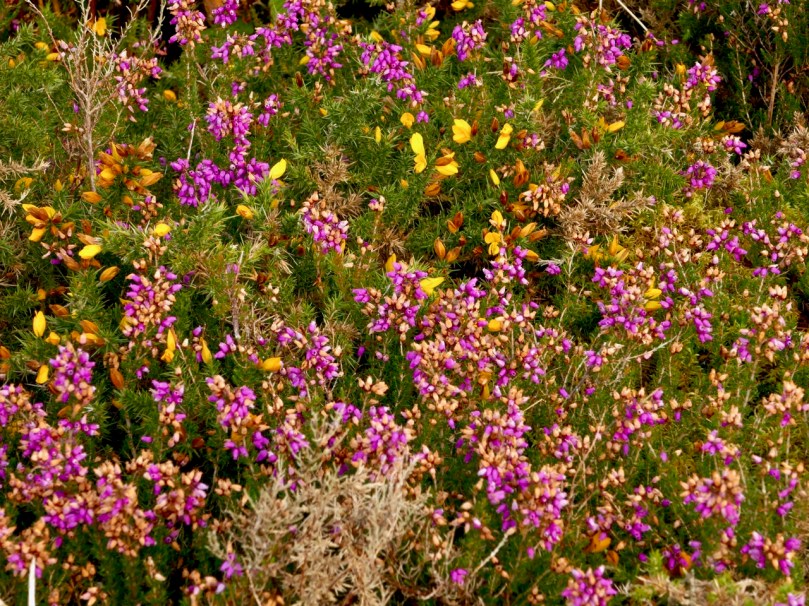
But every day brings changes. What trees we have are not yet bare. The thorns, blackthorn and whitethorn are loaded with berries. The heather is hanging on here and there, providing a wonderful contrast to the yellow gorse.

Haws, Sloes, Heather and Gorse

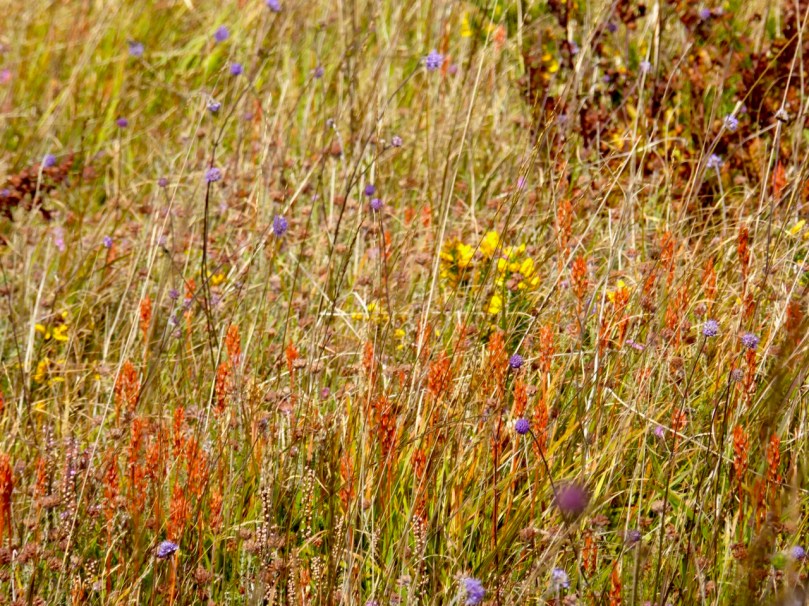
The bog asphodel is fading now, but earlier in the month it had reached its peak orange state and looked spectacular consorting with the other bog and mountain flowers that were still blooming.

Upper: Bog Asphodel, Gorse, Scabious; Lower: Cappaghglass Bog

When you get a clear day, like today, there is nothing on earth like a walk on the West Cork hills, drinking in the colours and trying to store them in the memory. Or perhaps, in a blog!

Upper: Toormore; Lower: Derryconnell 

Upper: North Side of the Mizen; Lower: Crough Bay and Long Island

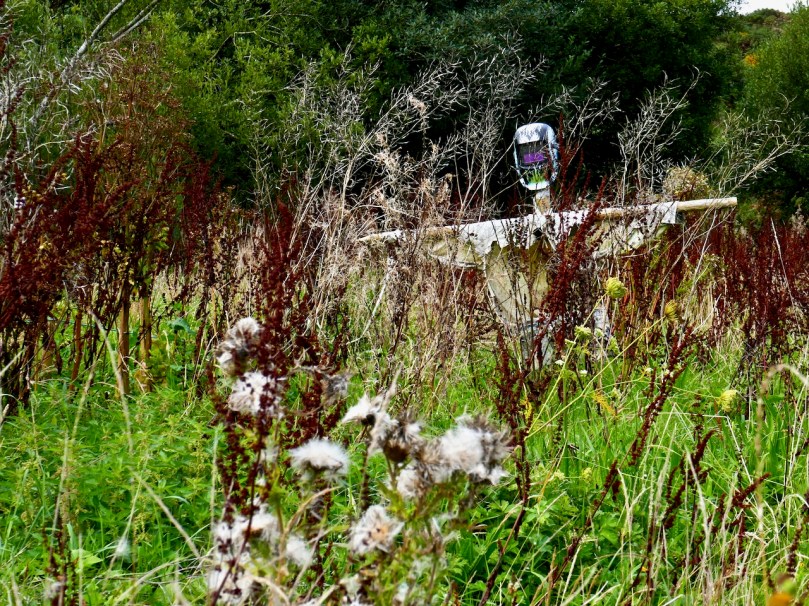
Scarecrow in an abandoned garden – quintessential autumn image!

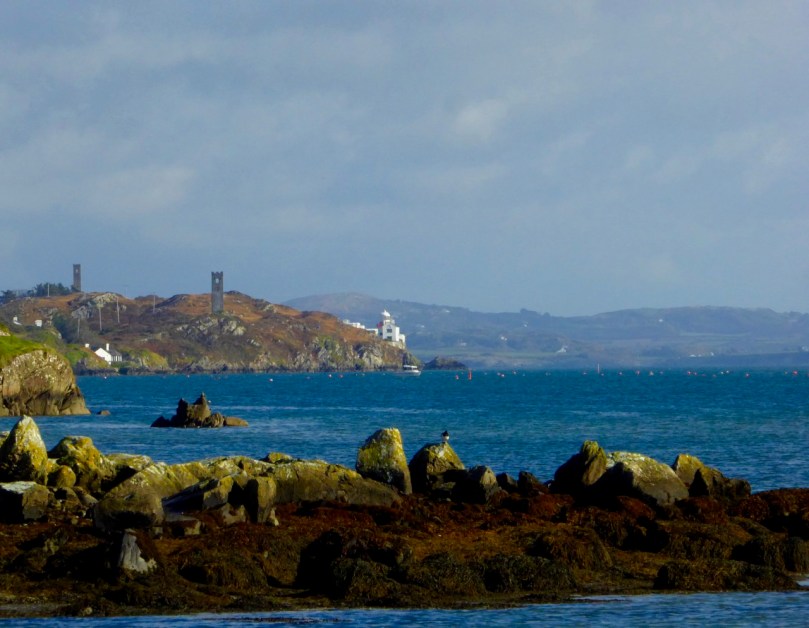
Rock Island

A Pyramid in West Cork

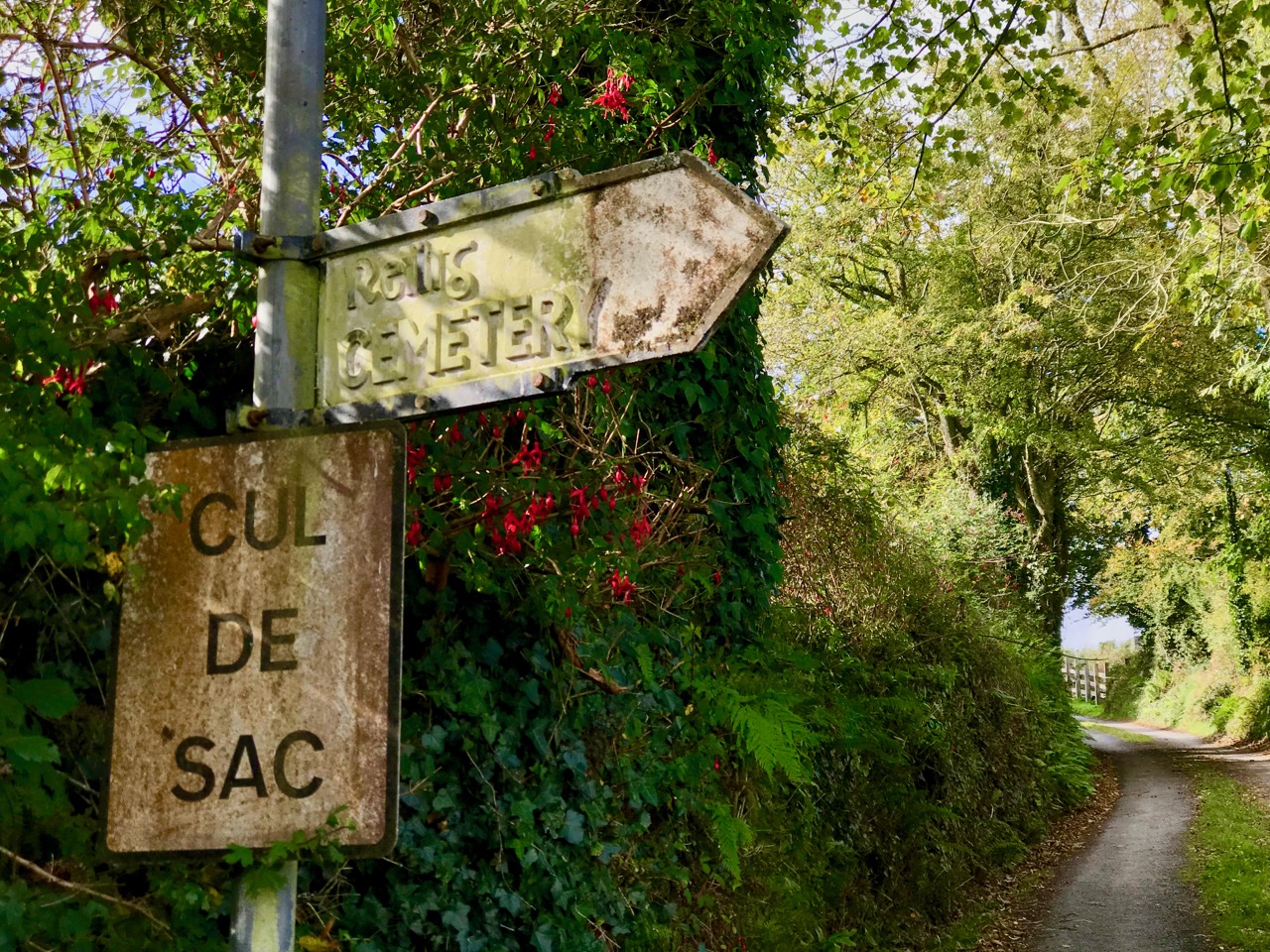
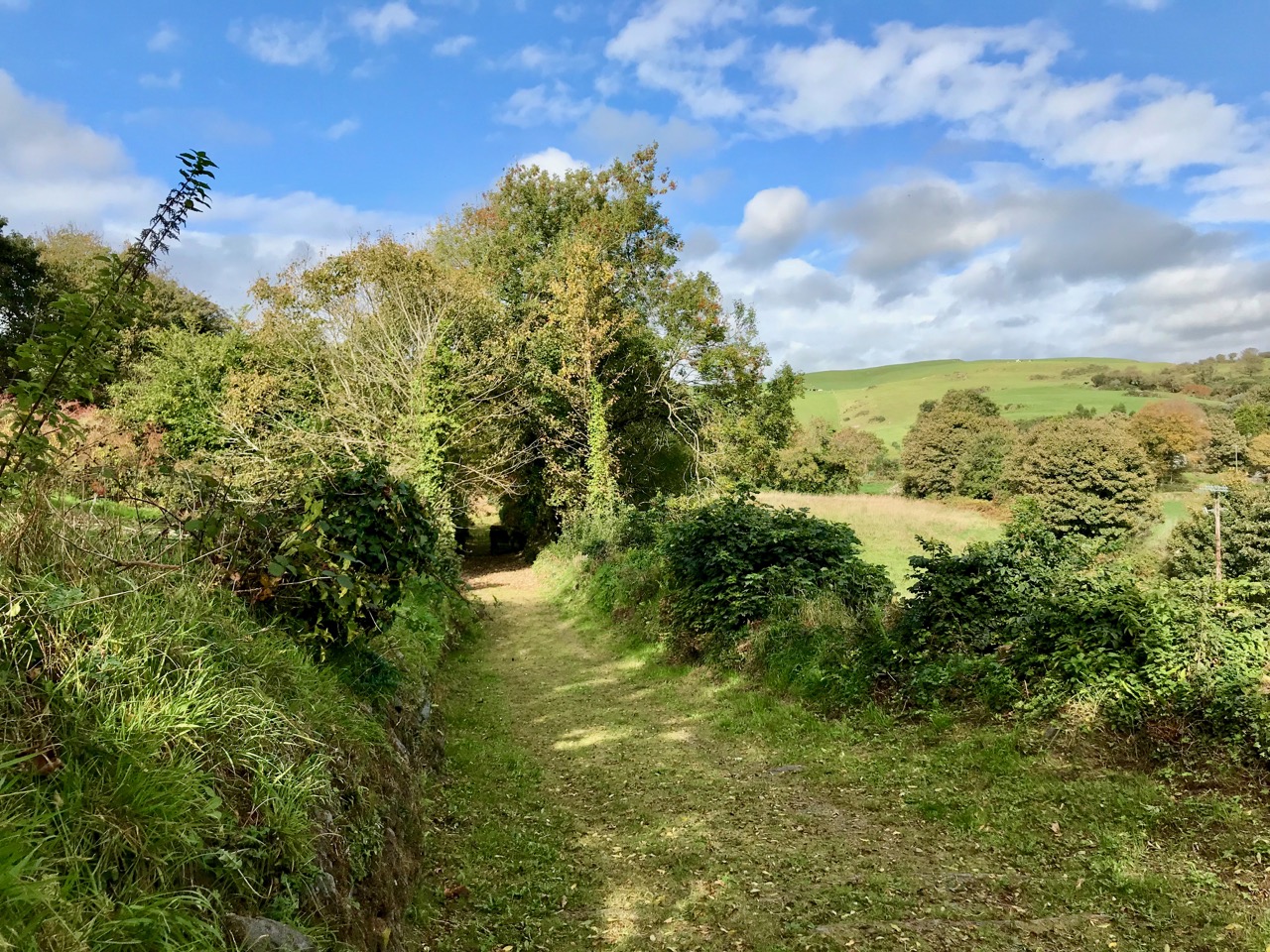
In our travels we always have an eye open for signposts, especially those that point down leafy, narrow boreens: there’s probably some piece of almost lost history at the end of every one. We were beckoned, last week, by a fading cast iron plate written in ‘old Irish’ – Reilig – and the English word Cemetery. It was in a remote spot, and indicated a long, green lane with a gate in the distance. There had to be something there for us!

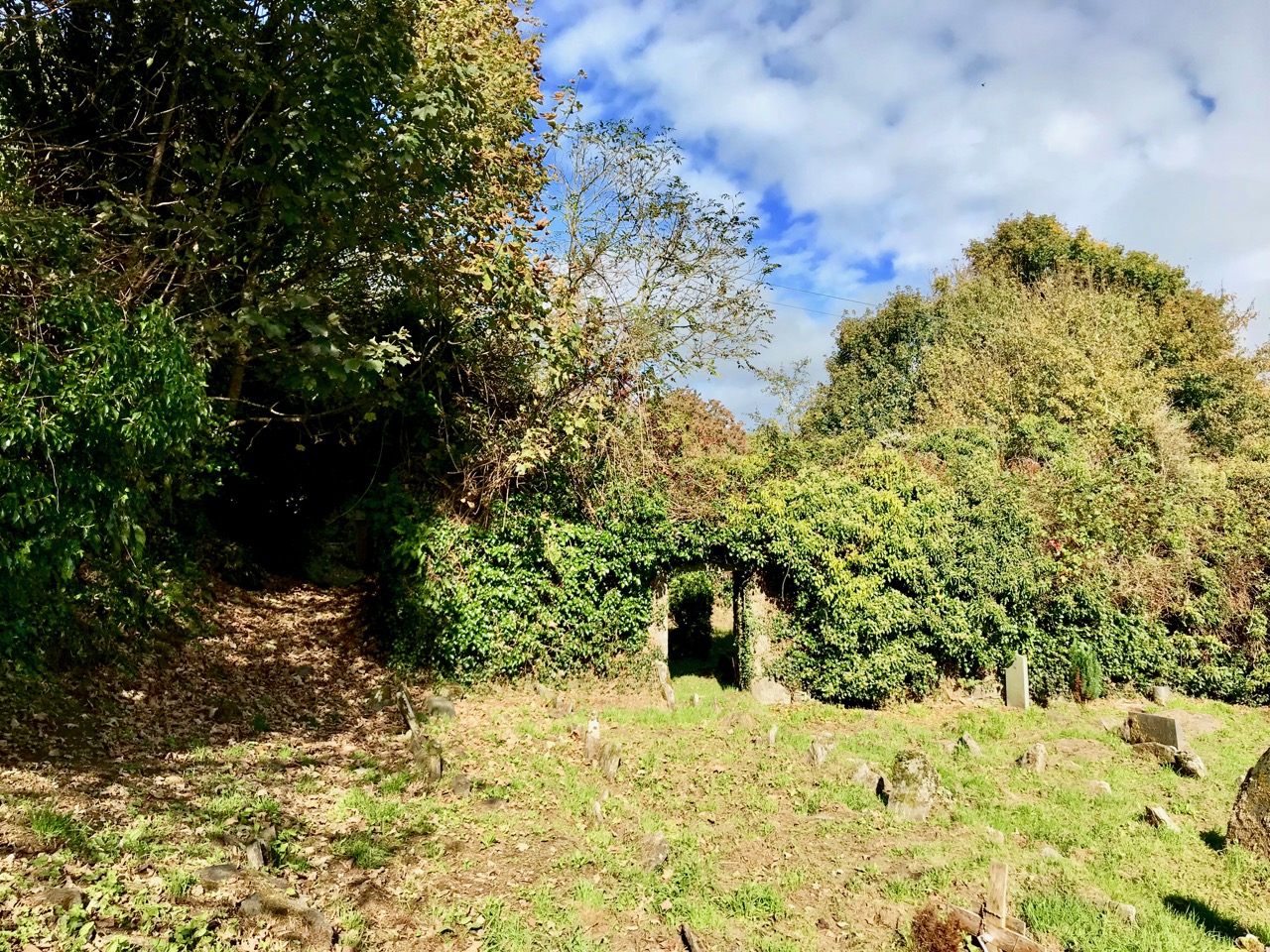
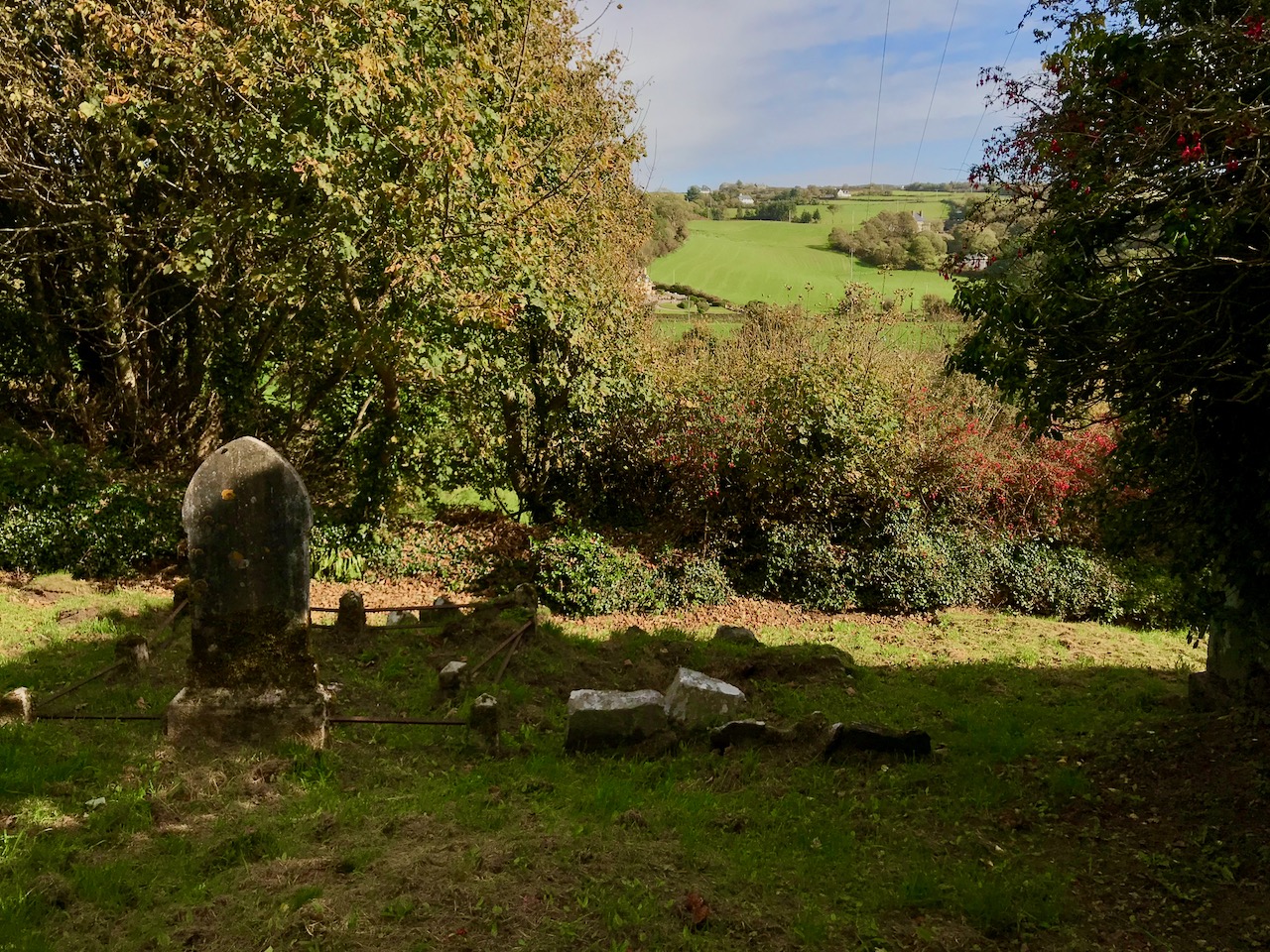
We were in West Cork, just by the little harbour of Glandore (in Irish Cuan D’Ór – Harbour of Gold). The green boreen took us down to an old burial ground which surrounds the ruins of a church dating, probably, to the 12th century. Around this are ancient stones – marked and unmarked – which signify the resting places of generations. It seems an idyllic place to rest, right off the beaten track, with only the sounds of nature to enhance the peace.

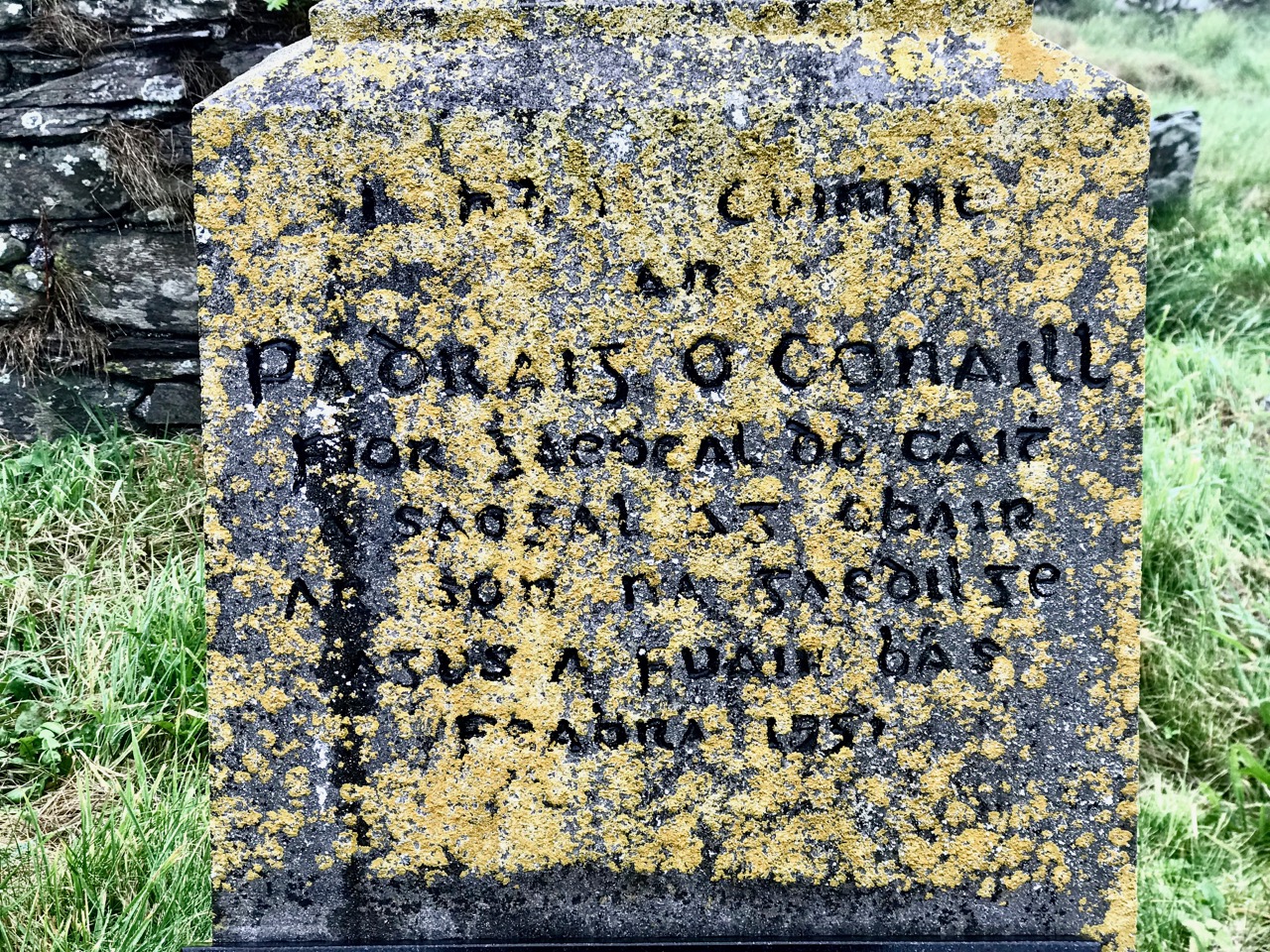
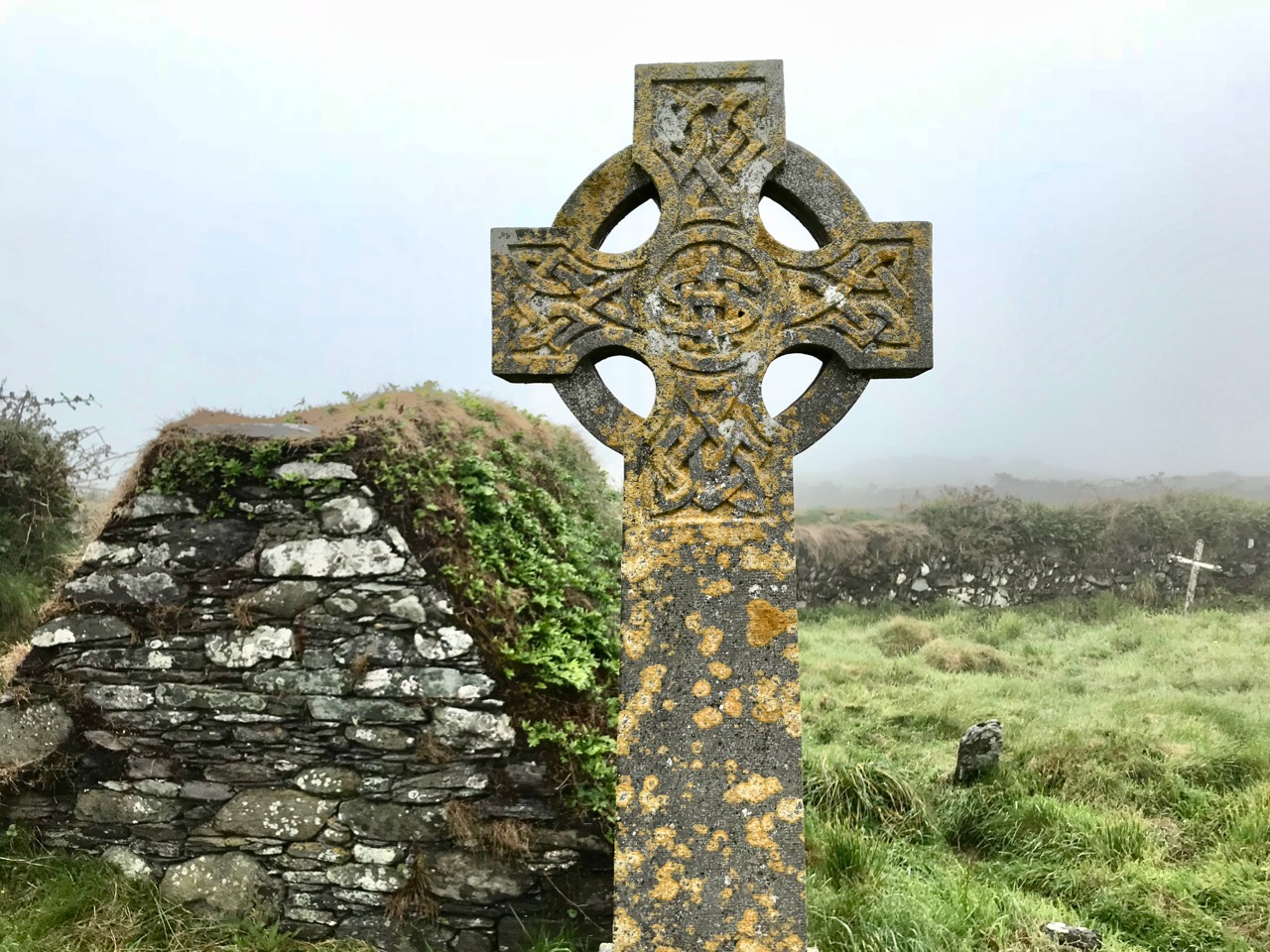
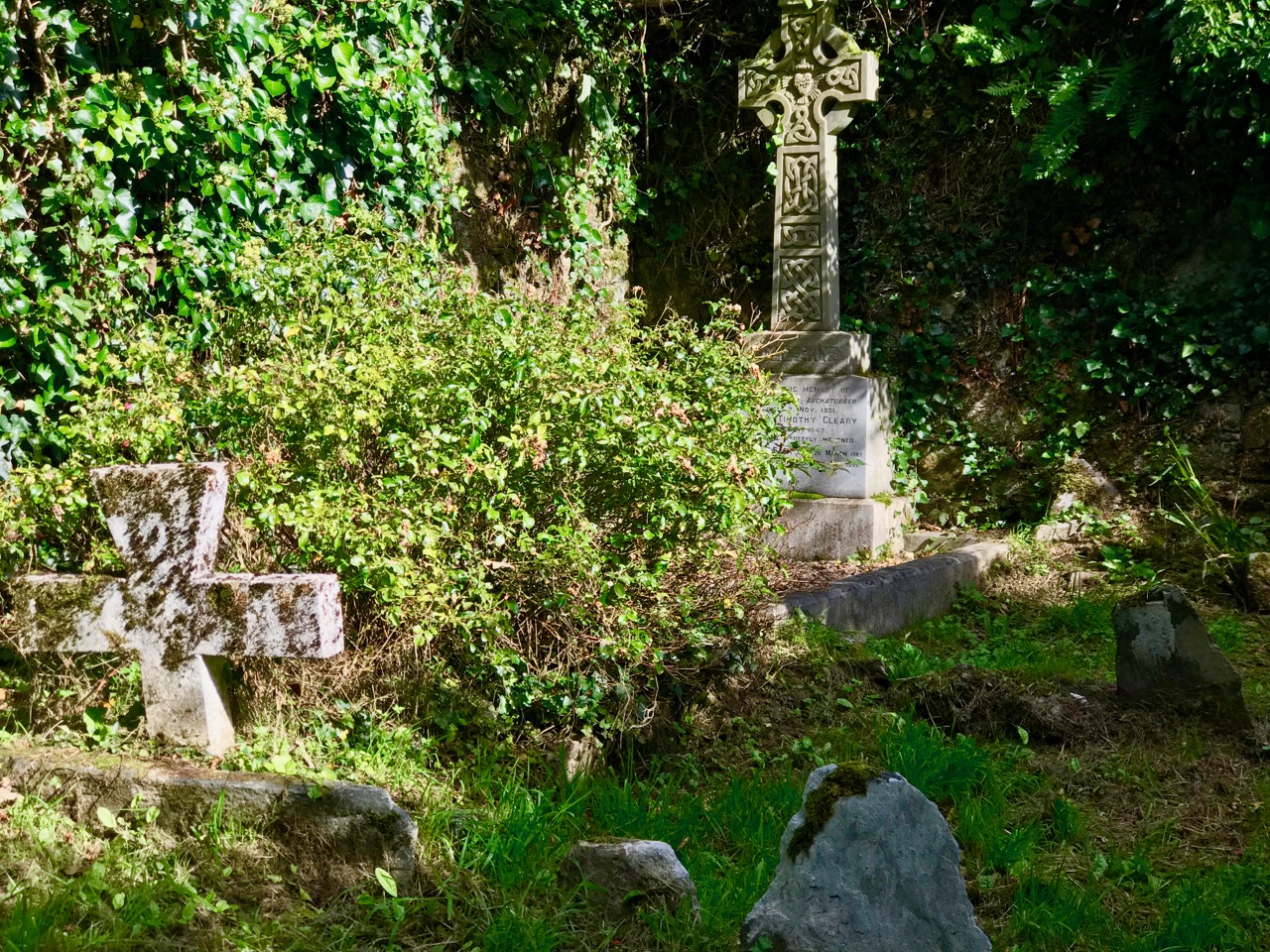
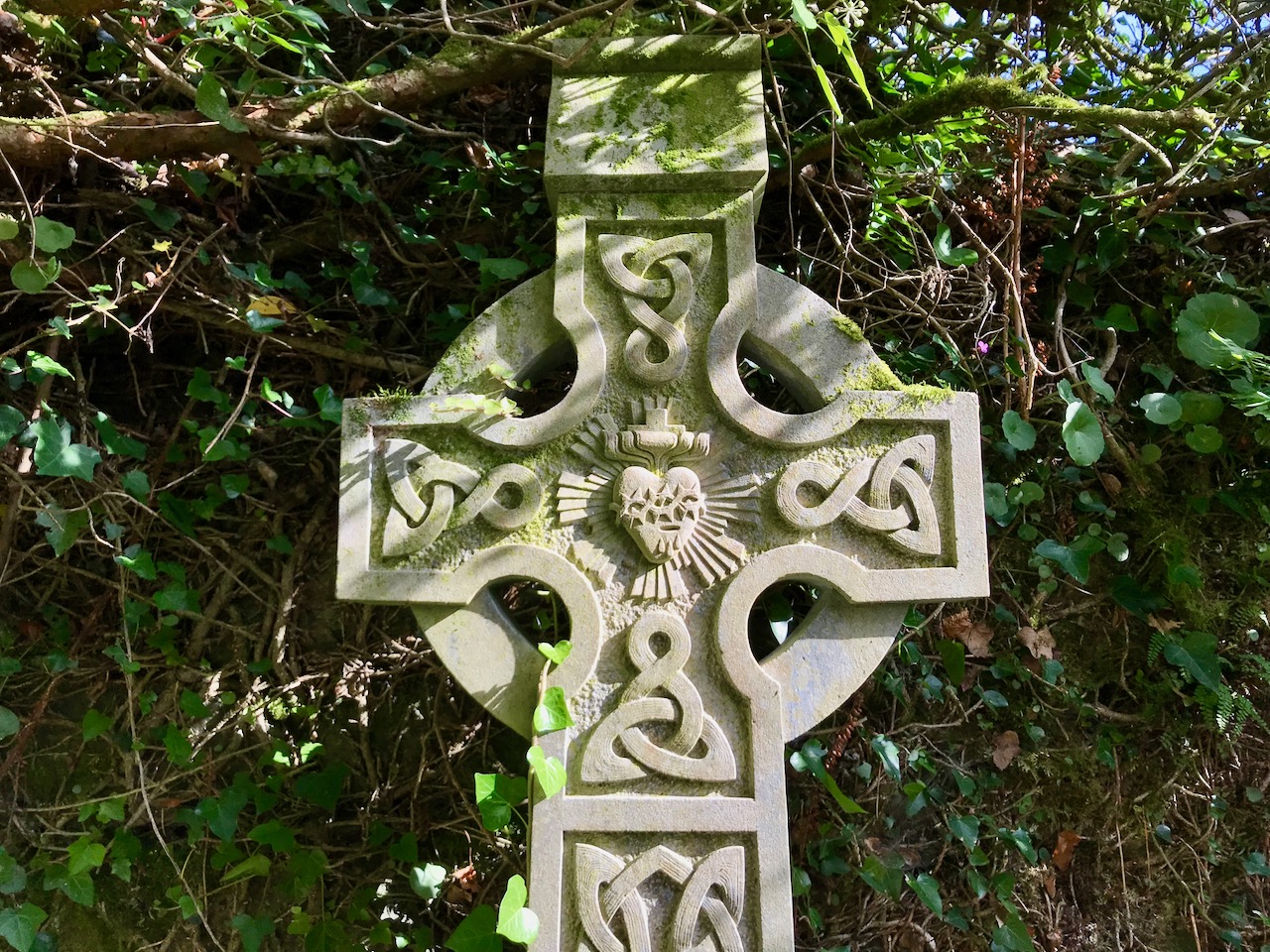
‘As quiet as the grave’ might be an apt expression in this place where we spent half an afternoon and saw no living soul. But the physical evidence of those who had passed was constantly fascinating. In Ireland, the simplest of grave markers is just an undressed stone firmly embedded in the soil. To us, they look random and rough, but it is said that every stone is chosen for a particular shape which is always remembered by the family who set it, and who passed the knowledge on – no markers were needed as long as that memory continued. Other stones are inscribed, although these are fewer – and some are particularly fine: a Celtic cross which dates to 1931, for example.

So far, our explorations in the Old Cemetery were typical of many another burial ground, but as we walked around the back of the ruined church we were astonished to see something we have never come across before in Ireland – a large pyramid!

You get a sense of the scale of this construction by the figure in the picture above. No Giza, perhaps, but nevertheless something monumental and unexpected in this out-of-the-way corner of West Cork. It isn’t alone, as right next to it is another mausoleum (for a mausoleum is the pyramid’s purpose): an ivy-clad masonry stronghold, huge and impenetrable.

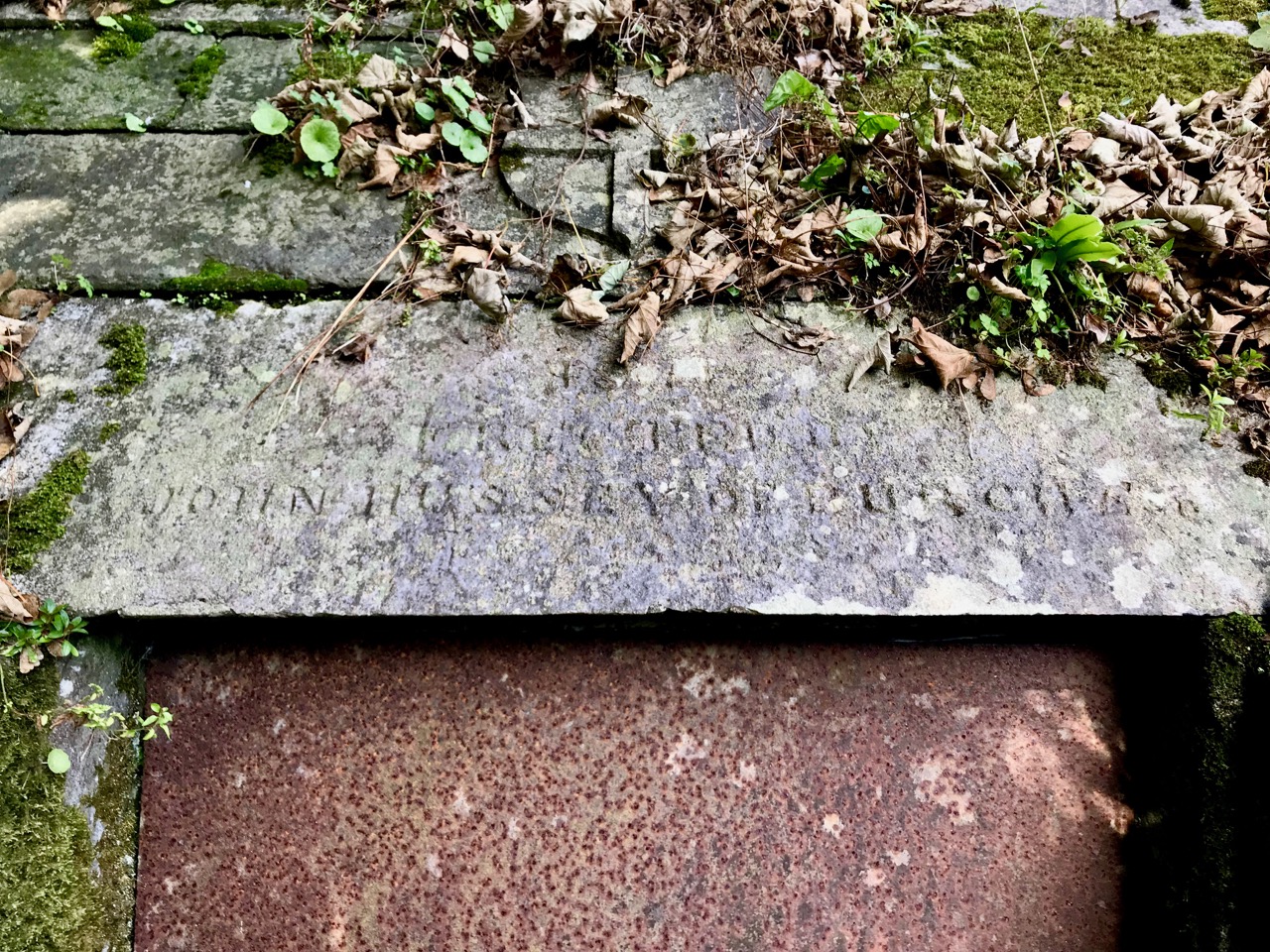
The two vast tombs stand side by side (above) in an odd juxtaposition. We scratched our heads in wonder and searched for clues of names and dates while we were there in the churchyard and, later, in records online. Very little is revealed. There are several inscriptions set on carved stone plaques on the pyramid – all impossible to read because of the moss and lichen growth. Over the iron doorway is a lintel inscribed with – I believe – the name John Hussey de Burgh.

Later searches revealed the following:

. . . John de Burgh was born on 10 June 1822 and died 25 April 1887. Page 159 of The Calendar of Wills and Administration 1858-1922 in the National Archives of Ireland records that the will of “John Hamilton Hussey de Burgh late of Kilfinnan Castle Glandore County Cork Esquire”, who died on 25 April 1887 at the same place, was proved at Cork on 6 July 1887 by “Louis Jane de Burgh Widow and FitzJohn Hussey de Burgh the Executors”. Effects £1,246 11s 1d . . .

Kilifinnan Castle (a replacement built on the site of a structure dating from 1215) is a short distance to the south of the old cemetery, and it is highly likely that John Hamilton is the de Burgh commemorated on the pyramid. Apparently, he had seven children so it is likely that at least some of the other plaques would refer to these. The large stone-block tomb was giving up no secrets, with no apparent entrance and no plaques. There are signs that the burial ground is still visited and kept tidy.

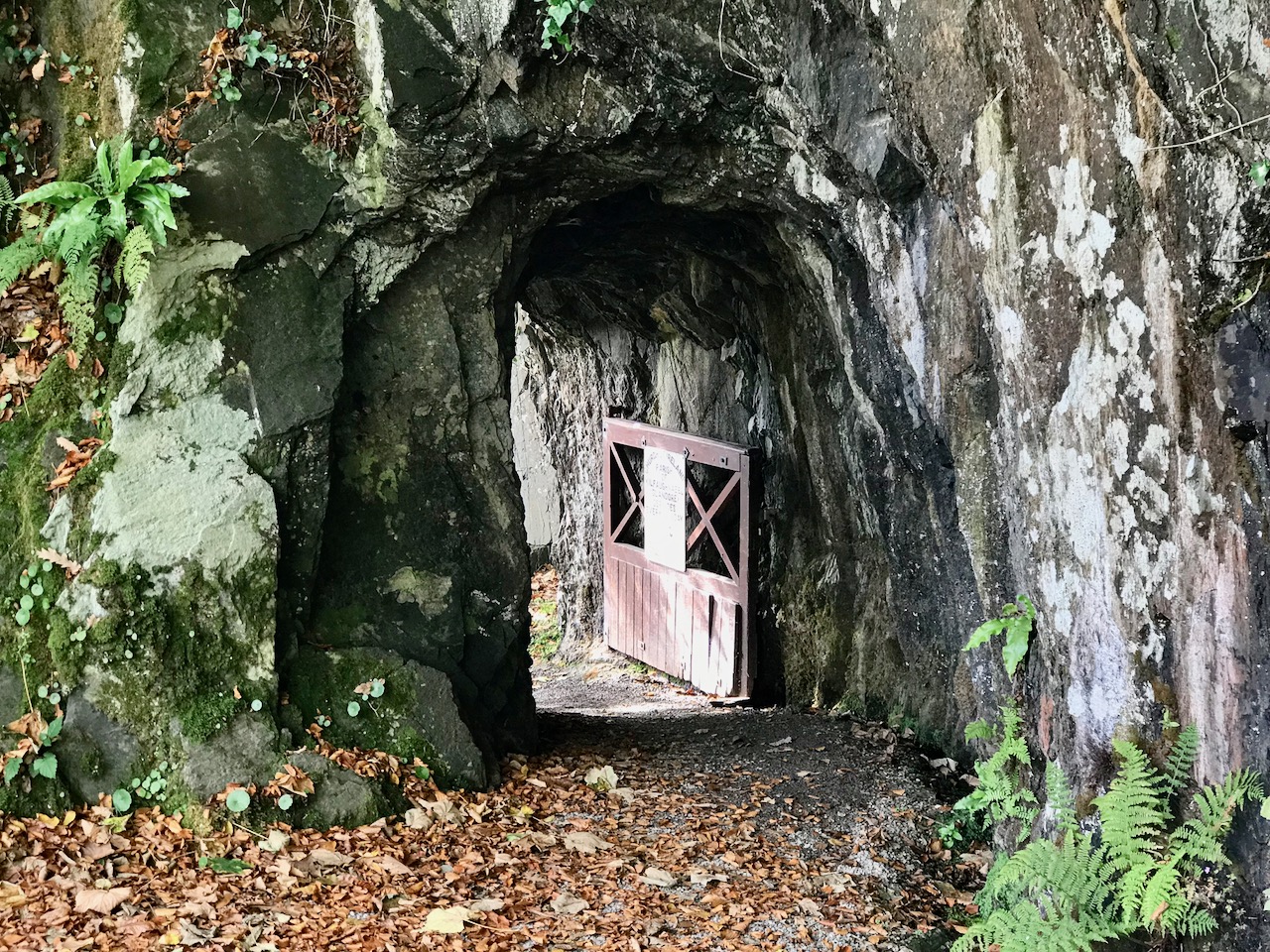
We had to tear ourselves away from Glandore’s Old Cemetery: it is a beautiful and peaceful place. We didn’t much increase our knowledge of the history of the settlement itself, although the 1861 C of I Christ Church (Kilfaughnabeg – The Little Church of Fachtna) above the bay has a display of local lore and tales and is in any case well worth a visit: the only approach to it is through a tunnel hewn from a rock face.

Our explorations in the Reilig left us with questions to be answered: not least, what was the inspiration for the pyramid, which seems so alien in far away West Cork?

Chough Country

WHERE not a sound is heard
But the white waves, O bird,
And slippery rocks fling back the vanquish’d sea,
Thou soarest in thy pride,
Not heeding storm or tide;
In Freedom’s temple nothing is more free.

‘Tis pleasant by this stone,
Sea-wash’d and weed-o’ergrown,
With Solitude and Silence at my side,
To list the solemn roar
Of ocean on the shore,
And up the beetling cliff to see thee glide.

Though harsh thy earnest cry.
On crag, or shooting high
Above the tumult of this dusty sphere,
Thou tellest of the steep
Where Peace and Quiet sleep,
And noisy man but rarely visits here.

For this I love thee, bird.
And feel my pulses stirr’d
To see thee grandly on the high air ride,
Or float along the land,
Or drop upon the sand,
Or perch within the gully’s frowning side.

Thou bringest the sweet thought
Of some straw-cover’d cot,
On the lone moor beside the bubbling well,
Where cluster wife and child,
And bees hum o’er the wild:
In this seclusion it were joy to dwell.

Will such a quiet bower
Be ever more my dower
In this rough region of perpetual strife?
I like a bird from home
Forward and backward roam;
But there is rest beneath the Tree of Life.

In this dark world of din,
Of selfishness and sin,
Help me, dear Saviour, on Thy love to rest;
That, having cross’d life’s sea,
My shatter’d bark may be
Moor’d safely in the haven of the blest.

The Muse at this sweet hour
Hies with me to my bower
Among the heather of my native hill;
The rude rock-hedges here
And mossy turf, how dear!
What gushing song! how fresh the moors and still!

No spot of earth like thee,
So full of heaven to me,
O hill of rock, piled to the passing cloud!
Good spirits in their flight
Upon thy crags alight,
And leave a glory where they brightly bow’d.

I well remember now,
In boy-days on thy brow,
When first my lyre among thy larks I found,
Stealing from mother’s side
Out on the common wide,
Strange Druid footfalls seem’d to echo round.

Dark Cornish chough, for thee
My shred of minstrelsy
I carol at this meditative hour,
Linking thee with my reed,
Grey moor and grassy mead,
Dear carn and cottage, heathy bank and bower.

I was pleased to find this poem. It was written by a Cornishman – John Harris – who was born in 1820 in Bolenowe. Perhaps he was an ancestor? His father was a miner at Dolcoath Tin Mine where young John also started at the age of 10. He began writing poetry as a child, usually in the open air where he was inspired by nature. After 20 years working in the mine, one of his poems was eventually published in a magazine. It attracted notice, and he was encouraged to produce a collection, which was published in 1853. The Cornish Chough is taken from that collection.

Above – choughs over Rossbrin Cove. The wonderful header picture was kindly given to us to use in a previous piece on the birds by our friend and neighbour Oliver Nares. Oliver and Susie are fortunate to have choughs nesting on their property and keep a good eye out for the welfare of the chough families which are raised there. We don’t have choughs nesting at Nead an Iolair (which means Nest of the Eagle) but we often see and hear them over us: they are the most acrobatic and joyful of birds.

The reason I have returned to choughs today is that they were the subject of an early post which I published on Roaringwater Journal on 6 October 2013 – exactly five years ago! Choughs – Cornwall’s emblematic birds – left that county fifty years ago but returned very recently as migrants from Ireland. We consider ourselves very privileged to be living in abundant chough country.