The Fastnet Short Film Festival

Our Village is Our Screen Schull has been getting ready for this Festival for months. Everyone we know seemed to be volunteering or involved or just, like us, planning to cram in as many films and events as they could. The town was freshly painted (yes – the whole town! Well, it seemed that way), banners and streamers flapped gaily along the main street, and cinemas popped up everywhere. The church hall became The Adelphi, Hackett’s Bar became The Carleton and Grove House turned into The Palace. You see – Schull doesn’t have an actual cinema!

But lack of facilities has never stopped a West Cork town intent on hosting a world-class festival. They have come up with the most ingenious method of screening and watching that you can imagine. For the duration of the Festival, the films are hosted on a server and the whole village becomes an intranet. While the main programme runs at the Adelphi, all the pubs, cafes, shops and premises on the intranet have large screens where you can watch the movies. Some are playing the ones on the programme, and others are hosting re-runs so you can catch up on what you’ve missed. You can sit with a coffee and a scone, or a pint and a sandwich and watch whatever’s on screen. You can drop in and out, all for free. But there’s more: you can bring your own device – computer, tablet, phone – and log into the intranet and watch on a park bench, or sitting in your car, or while shopping, if you want. The marvellous Whyte Books hosted a story telling session, and The Blue House Gallery got in a load of bean bags so you could lie on your back and watch movies on the ceiling.
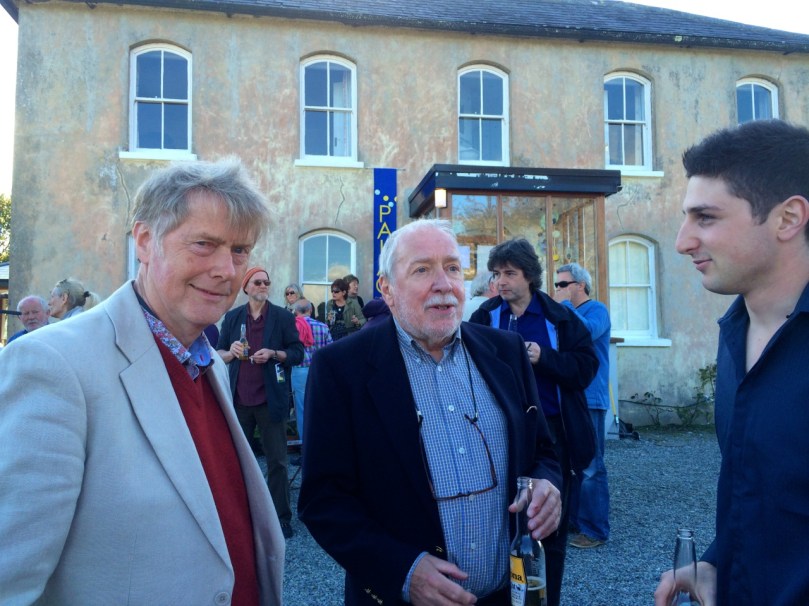
Robert, Chris O'Dell (Festival Artistic Director) and young Austrailian filmmaker Jake Zappia

At the Opening Reception: Robert, Chris O’Dell (Festival Artistic Director) and young Austrailian film maker Jake Zappia

The opening party was at Grove House – the sun shone, much Corona was downed (the generous Festival sponsor), and then it was off to The Adelphi for The Lord’s Burning Rain, filmed in West Cork and based on the Aeneid – a coming of age story with echoes of Ireland’s War of Independence, the effects of which still resonate in this area. This was followed by a Q and A with the filmmaker, Maurice O’Callaghan, hosted by the excellent John Kelleher. With our Canadian visitors in tow (Alex and Mavis, enjoying it all hugely) we took in some shorts the next day in Newman’s restaurant and that night attended the second featured film, Living in a Coded Land. The Q and A session afterwards was enjoyable and stimulating – the director, Pat Collins, expounded on his vision and his influences, and the host, Aidan Stanley, drew him out with thoughtful questions and directed traffic as audience members got into the conversation.

Our most unusual experience of the festival came on Saturday. We took the ferry to Long Island and watched movies in the bedroom of a beautiful island house courtesy of the owners, Maurice and Helen. Long Island has a year round population of under ten people. A local film maker, Helen Selka, has made it her focus. Although we didn’t get to see her longer piece, Bleak Paradise, we watched a shorter one called The Polling Station. In the film, nothing much happens beyond a handful of people coming to a cottage to cast their ballots in a referendum – and yet it was funny, charming and poignant. We also watched one of the eventual Festival winners – a closely observed tragicomedy called Breakfast Wine. The set finished with a gut-wrenching, wonderfully conceived and acted piece called Stolen. I was glad I brought along kleenex for this one. 

There were celebrities to meet (David Puttnam, Steve Coogan and the team from Philomena, Stephen Frears), events for children, lots of technical sessions for the hoards of young filmmakers invading Schull for the festival, and forums and clinics on all kinds of topics. But mostly there were the films – in turn quiet, ambitious, animated, provocative, amusing, youthful-but-showing-potential, soulful, well-written, cleverly directed, beautifully shot. They left us marvelling that powerful stories with fully realised characters can be told in a few precious minutes.

Superlatives fail me – especially when I think that this was all accomplished by a dedicated group of volunteers! Well done indeed Schull and the Fastnet Short Film Festival Team!

Ballymaloe

Ballymaoe House

Ballymaoe House

Even before I left Ireland in 1974, Ballymaloe (pronounced Ballymaloo) had a reputation. That reputation has only grown since. A family-run enterprise, it is known for great hospitality, delicious food, championing of Irish produce, and turning out a generation of Irish chefs. “Ballymaloe-trained” is synonymous in Ireland with “Great Cook.” 

Happy Ballymaloe pigs

Happy Ballymaloe pigs

To celebrate the second anniversary of the day we got engaged, Robert and I treated ourselves to an overnighter at Ballymaloe House earlier this week. It’s about half an hour from Cork, in the rich farmland of Ballycotton Bay. We stopped off in Cloyne first – see Robert’s post – and arrived in time for a late lunch served in the conservatory. 

Having checked in to our large and comfortable room with its own little outdoor terrace, we spent the rest of the afternoon exploring the grounds, winding our way through bluebell-lined paths and along a stream edged with yellow irises and overhung by weeping willows. We dropped into the Ballymaloe shop too, a treasure trove of kitchen equipment and tasty goodies. 

Racel Allen's Everyday Kitchen

Rachel Allen’s Everyday Kitchen

Before dinner we read more about the Ballymaloe story. Myrtle and Ivan Allan started a restaurant in the 60’s to highlight the best of Irish country house cooking, using fresh produce from their own farm, fish from nearby Ballycotton Bay and meat from local butchers. Their children and their families joined in and over the years the hotel developed and a cookery school flourished. Many other businesses emerged – a brand of relishes and preserves; cook books, cooking columns and TV cooking series; the shop and cafes; an entertainment and exhibition space; eco-tourism. The newest enterprise is an annual LitFest which centres on writing about, talking about and demonstrating cooking – and lots of eating the cooking too! We arrived the day after it ended and the place was still buzzing from the energy of it all.
Coffee in the drawing room after a magnificent dinner

Coffee in the drawing room after a magnificent dinner

Dinner was, simply, delicious! It is a 5 course set menu, with choices at each stage. But this is not mannered food – nothing had been forced through a sieve and nothing was decorated with parsnip crisps. The emphasis was on fresh food expertly prepared and on letting the taste speak for itself without overloading it with spices or fiddly bits. My main course was lamb and it was served with turnip, cabbage and new potatoes. Hardly a Master Chef plate – but the lamb melted in the mouth and the vegetables were flavourful and satisfying. Soup, fish course, main, cheese and dessert – with our waitress asking if we wanted a second helping, or anything else, or anything different…well, we waddled out eventually to enjoy coffee (and petit fours for goodness sake) in the drawing room and to reflect on how spoiled we felt to be staying, and eating, in this remarkable place.

One of the many gardens at the cooking school

One of the many gardens at the cooking school

Next morning, after an equally scrumptious breakfast, we drove over to the cooking school and toured the gardens – there are several different kinds – the second shop, the shell house, the greenhouses, and the only henhouse in Ireland lit by a chandelier. We had to tear ourselves away finally to head back to West Cork, but vowing we would be back again to sample the delights of Ballymaloe.

The henhouse with the chandelier

‘Palais des Poulets’ – with chandelier!

Cloyne Connections

sir edward fanshawe 1856

During our anniversary trip to Ballymaloe (over the other side of Cork) we couldn’t resist a diversion to Cloyne, where Finola remembered having visited a round tower in her youth, just a few years ago. At that time it was possible to climb up inside the tower, after calling in at the local post office to collect the key. Round towers are a significant archaeological feature of Ireland and I like the enigma of them: no-one knows quite when they were built or why (a bit like Rock Art), but there are 65 of them still standing in the Republic in various states of repair. We proceeded to the post office to be told that it had been possible to climb up the tower up until ‘just a few years ago’ – now, health and safety regulations prevented it. Later, I read an account of someone who went to see this tower in 2004, 10 years before, and was told that it had been possible to climb up the tower ‘just a few years ago’… which shows that time and memory are relative.

tower

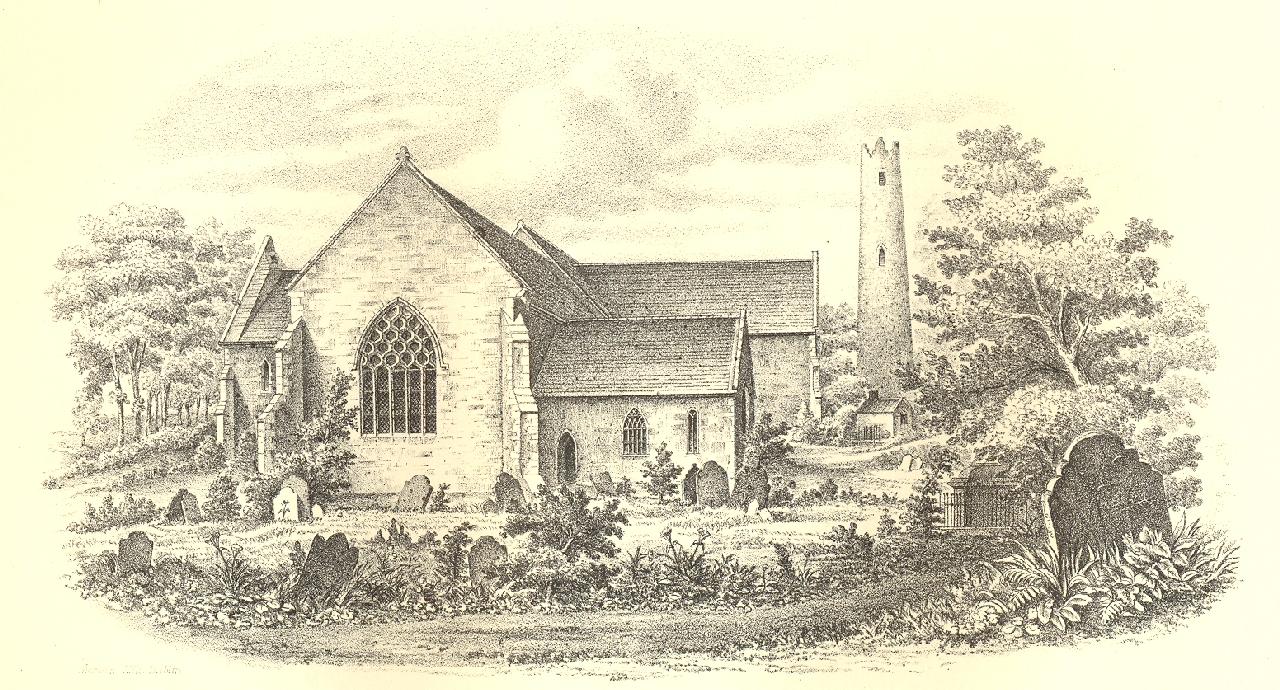
Although we were disappointed in our aspirations to climb the tower, our visit to the post office turned up a very friendly lady who said that she held the key to the adjacent cathedral, and would be pleased to let us go in there instead.St Colman's Cathedral at Cloyne - a print from 1853St Colman’s Cathedral at Cloyne – a print from 1853

Cloyne Cathedral: the worship area, a small part of the large building

Cloyne Cathedral: the worship area, a small part of the large building

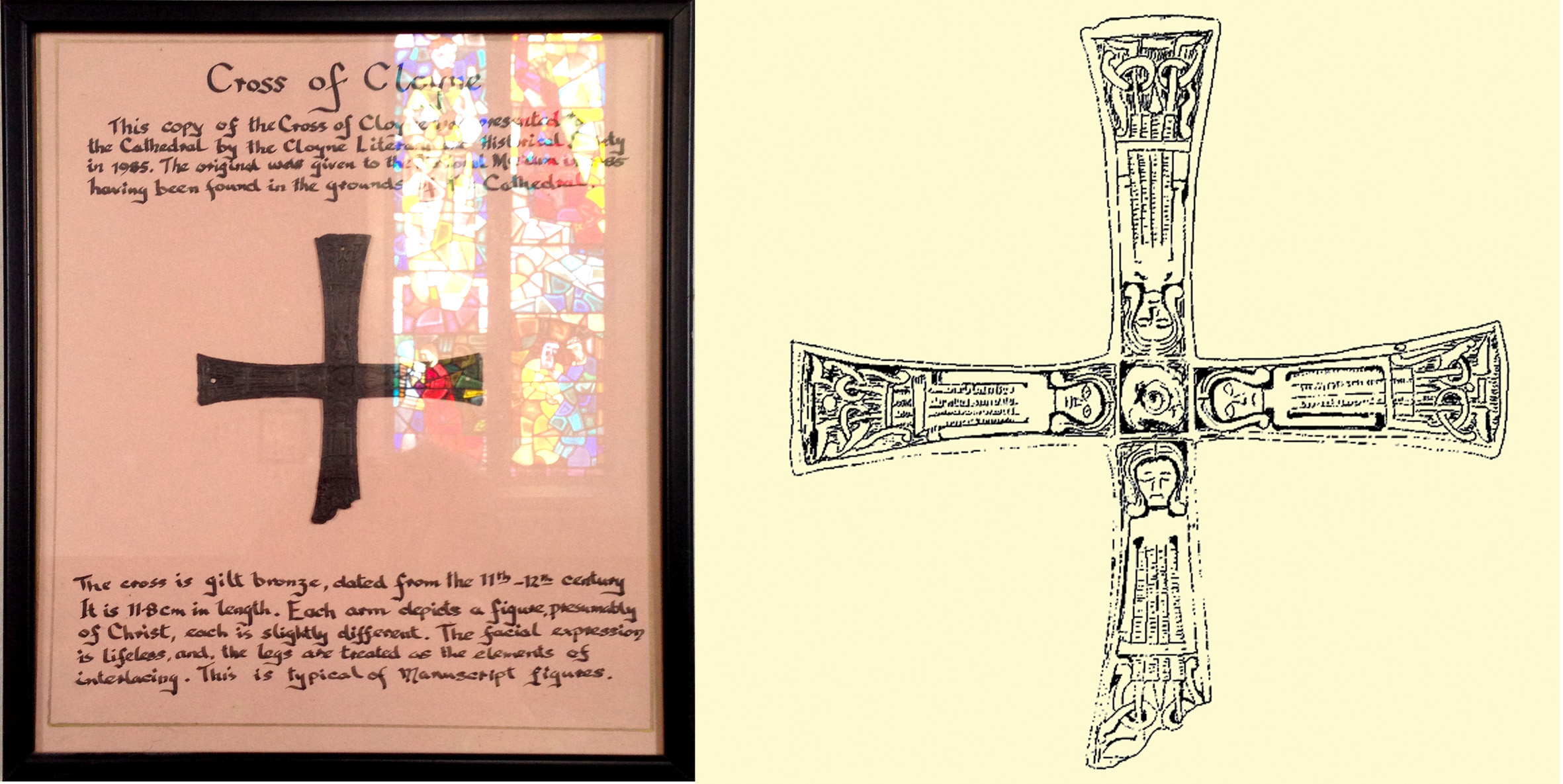
An 11th century gilt bronze cross was found in the Cathedral grounds

An 11th century gilt bronze ‘pilgrims cross’ was found in the Cathedral grounds

The Cathedral of St Colman in Cloyne is well worth a visit. To this Englishman the term ‘cathedral’ conjures up images of Gothic magnificence with soaring spires, arches and intricate buttressing – and set picturesquely within a medieval city centre; this, however, is a humbler structure – although grand in size – constructed in 1250 and located in a somewhat overgrown graveyard in the back streets of a small East Cork town. For more detailed information on the cathedral, have a look at the excellent blog Pilgrimage in Medieval Ireland.

blue flowers

Every day you should learn something new, and until then I had heard nothing of St Colman: St Colman mac Lenene lived in the sixth century and was a friend of St Finbarr, who we have encountered previously. He founded his monastery in Cloyne in 560 here and the cathedral is built over a network of caves, now inaccessible but used in the penal days by priests as a secret underground link from Cloyne House to the Catholic graveyard in order to say mass for the people.

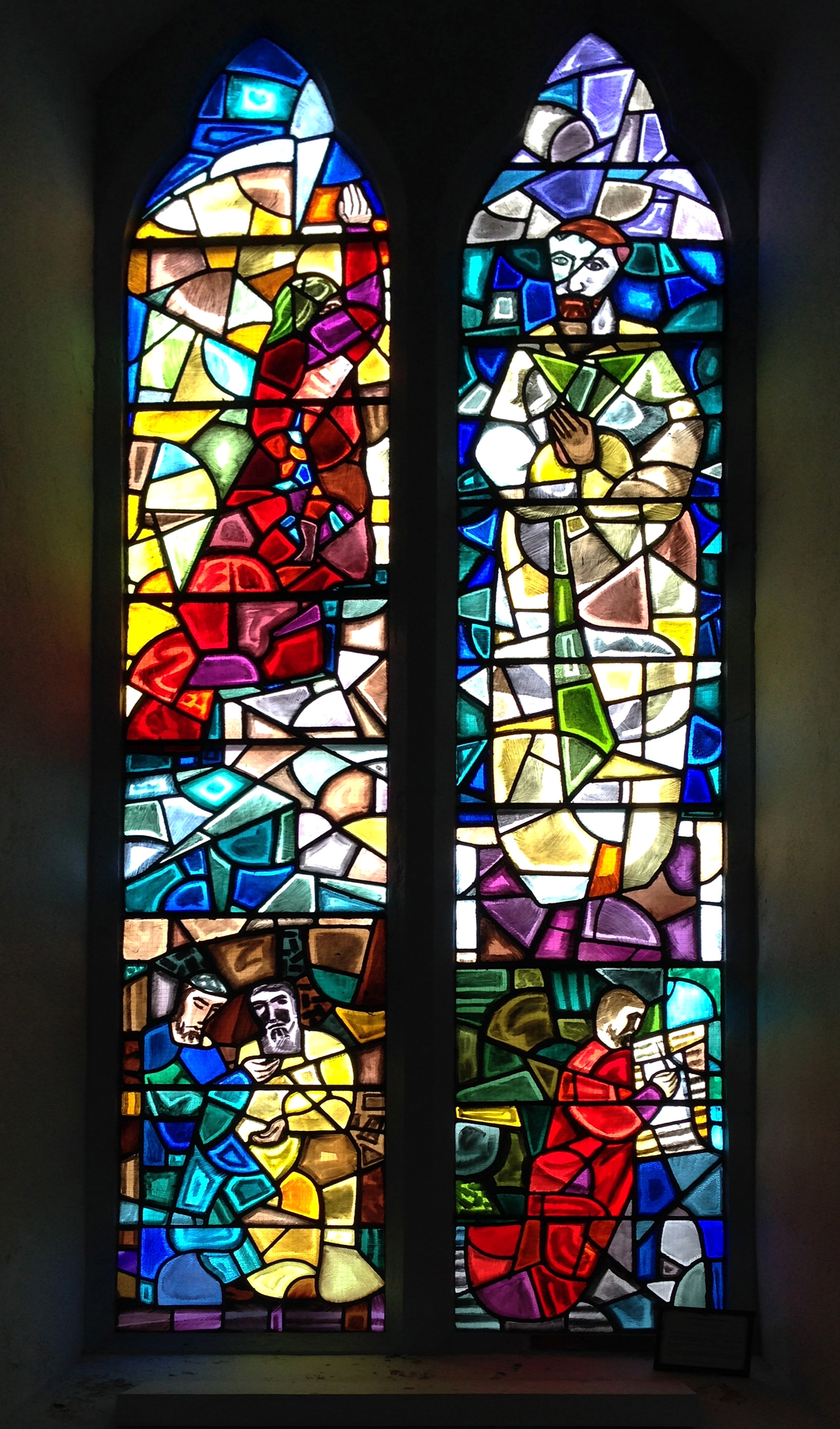
pye window

A window by artist Patrick Pye

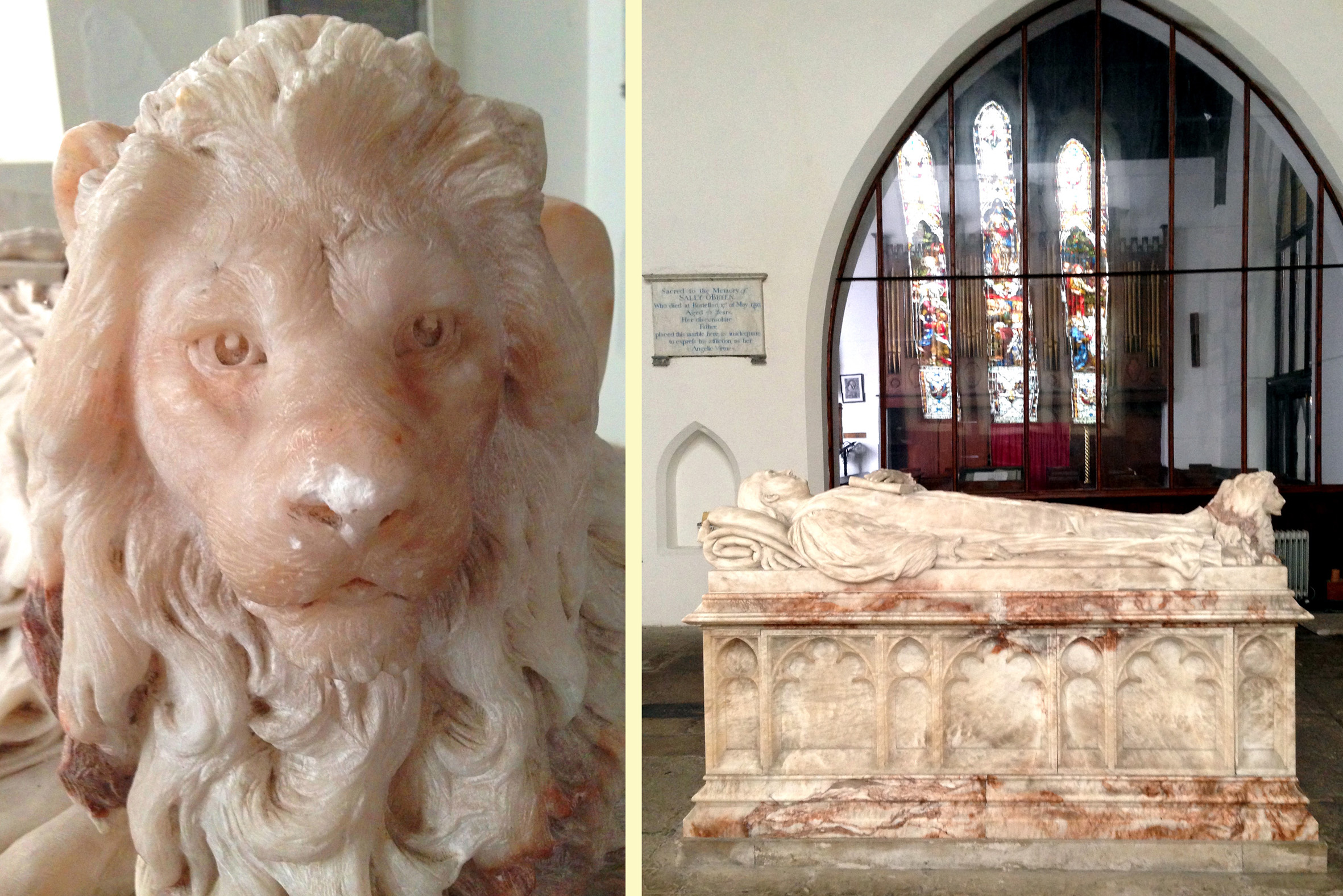
Nor did I know anything about the Bishop of Cloyne whose alabaster effigy rests in the north transept of the cathedral, watchfully guarded by a wonderfully personable Lion: it all made me think about how I would like the world to remember me after I’m gone…

bishop b

George Berkeley, Bishop of Cloyne – with Guardian

You may know – or you may not – that it was Bishop Berkeley who gave his name to the University of California, Berkeley, although he gets a very scant mention on the University’s website. George Berkeley (correctly pronounced bark-lee) was born on 12 March 1685 in Kilkenny and was educated at Trinity College, Dublin, where he later became a lecturer in Greek. He was a radical thinker and philosopher whose best known achievement was the advancement of a theory he called Immaterialism, also known as Subjective Idealism. This theory denies the existence of material substance and contends that familiar objects like tables and chairs are only ideas in the minds of perceivers, and as a result cannot exist without being perceived.


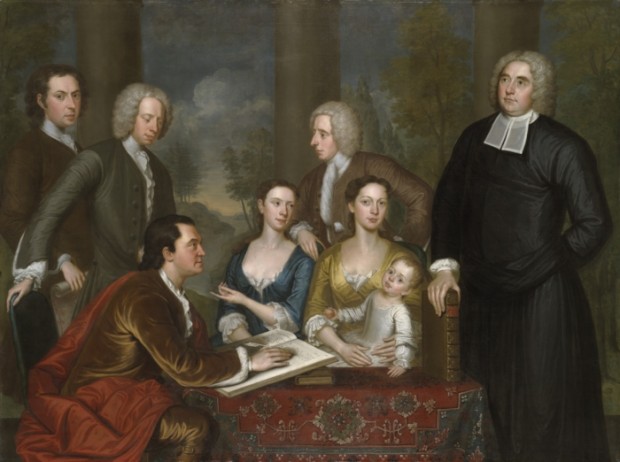
He left the British Isles for the American Colonies in 1729, settling in Rhode Island but determined to found a Utopian city in Bermuda based in principles which he set out. One was: …for the better supplying of churches in our foreign plantations and for converting the savage Americans to Christianity… while …being in Bermuda would prevent the Native American youngsters from “returning to their brutal customs, before they were thoroughly imbued with good principles and habits.”

The 'Bermuda Group' - George Berkeley with his family on Rhode Island

The ‘Bermuda Group’ – George Berkeley with his family and friends on Rhode Island (John Smibert)

Berkeley’s social experiments didn’t get off the ground, mainly due to lack of funding, and he returned to London in 1732 and then to Ireland where he was appointed Bishop of Cloyne in 1734, a post which he retained until his death in 1752.

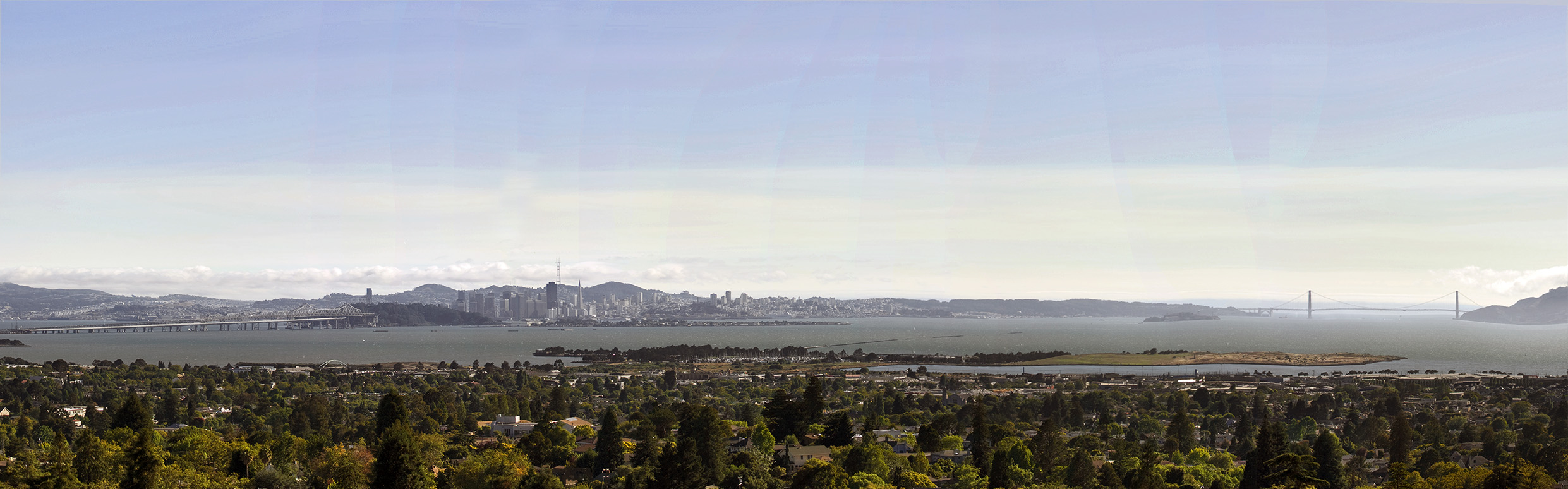
It's a long way to Indian Rock: Berkeley, California - named after the Bishop of Cloyne

It’s a long way to Indian Rock: Berkeley, California – named after the Bishop of Cloyne

George Berkeley wrote Verses on the Prospect of Planting Arts and Learning in America – inspired by the colonisation of the New World: …Westward the course of empire takes its way; The first four Acts already past, A fifth shall close the Drama with the day; Time’s noblest offspring is the last…  and it was these lines that were remembered when the city and University of Berkeley were founded in 1866. This Californian institution ‘…became a catalyst of economic growth and social innovation — the place where vitamin E was discovered, a lost Scarlatti opera found, the flu virus identified, and the nation’s first no-fault divorce law drafted…’

graves

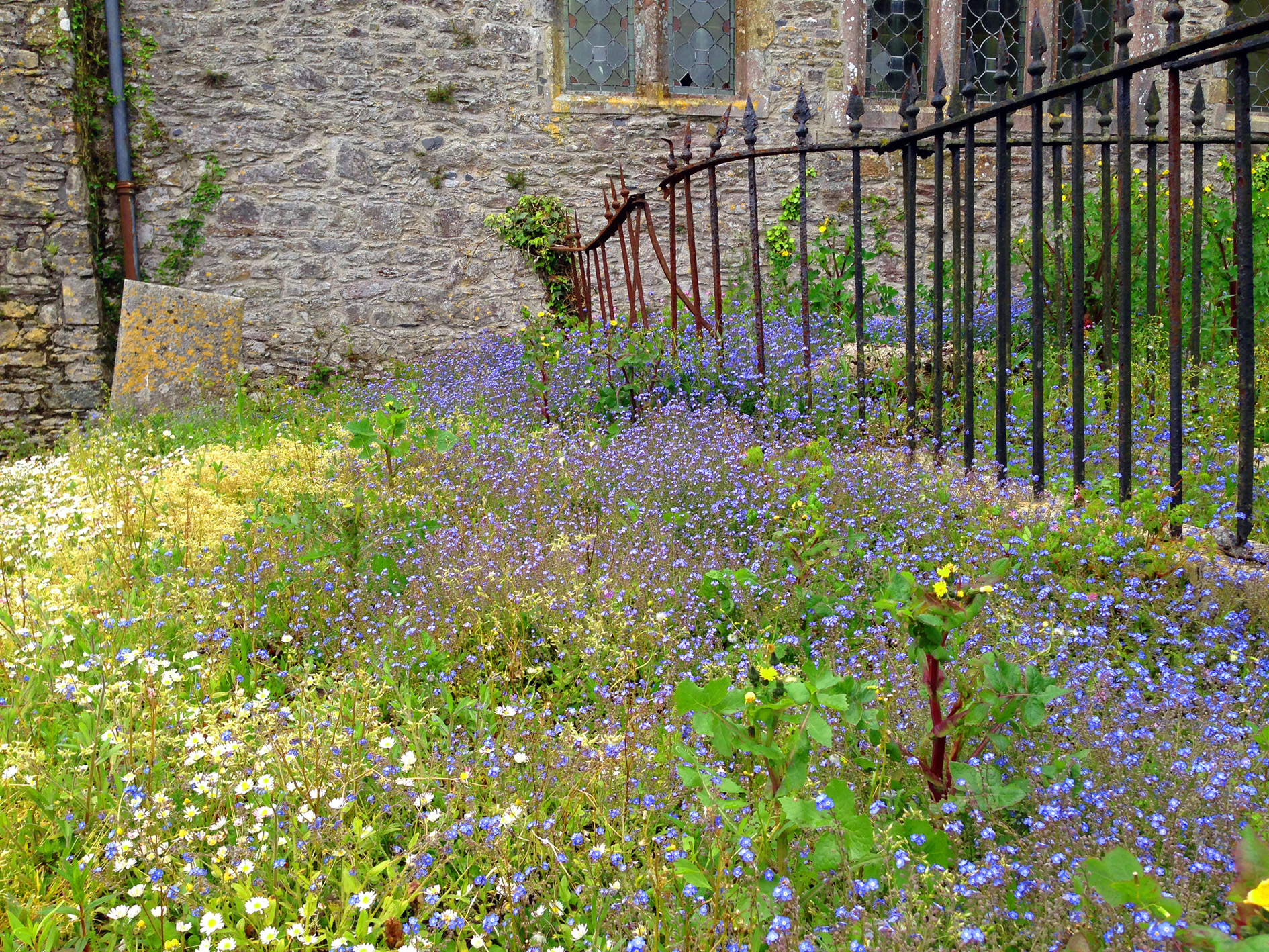
From the time of Colman and Finnbarr Cloyne was a great centre of ecclesiastical power. Today the cathedral is a Church of Ireland (Protestant) house and in need of maintenance and repair – a problem for a small population of worshippers. The churchyard is overgrown, and a sanctuary for wild flowers; the ancient gravestones are leaning and barely decipherable. All in all, a place – like so many in Ireland – imbued with a fascinating history which embraces the world.

St Colman

St Colman

Old Nog

The Heron Family - a 19th century print

The Heron Family – a 19th century print

Here at Nead an Iolair we are on a flight-path. Not for Eagles – which you might expect (Nead an Iolair means Nest of the Eagle) – but for Herons. I have often watched one of these most prehistoric seeming of birds lazily flapping its way across our view, apparently from the hills behind us, towards the islands in front – no doubt heading for its shallow water fishing grounds. Yesterday I saw the Heron being mobbed persistently by Crows – presumably worried about their eggs and young – but our Old Nog ignored the harrying and continued stolidly on his way. Herons roost in trees – and do so communally: I would like to search out the Heronry, which would be a rich experience in both sound and smell.

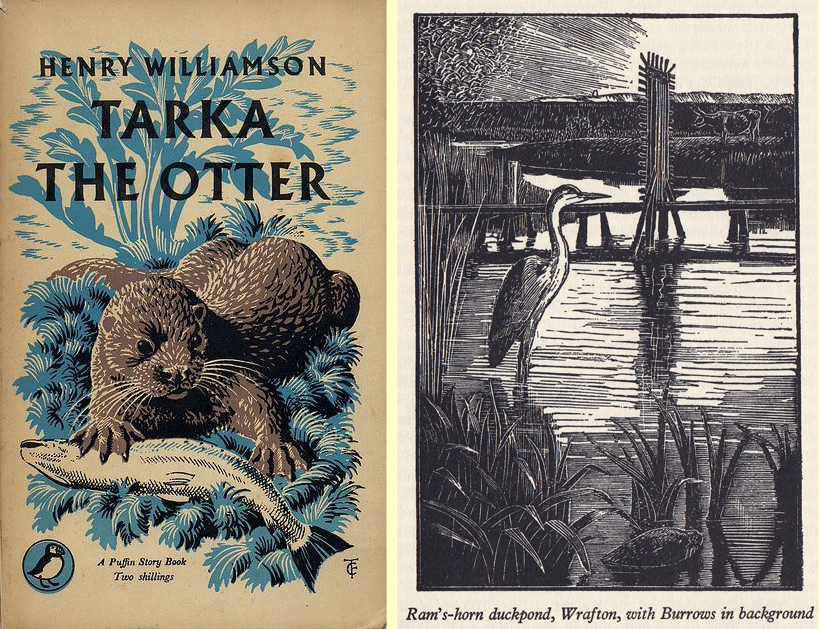
A 'Tarka' edition illustrated by Tunnicliffe

A ‘Tarka’ edition illustrated by Tunnicliffe

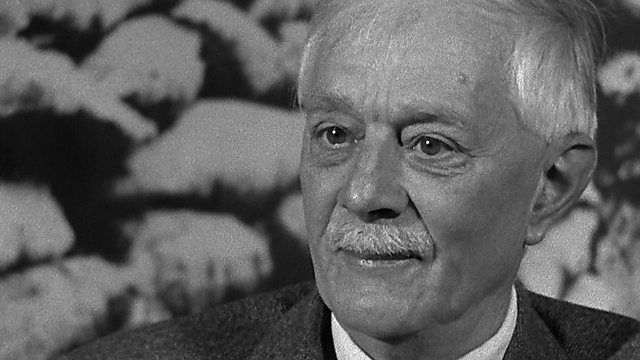
Old Nog – there’s a good name for this character. It comes from Tarka the Otter, probably the most famous book by Henry Williamson – a master nature writer and novelist who lived from 1895 to 1977, spending many of those years in Devon. The book – winner of the Hawthornden Prize for Literature in 1928, and never out of print since it was published – opens with these lines:

…Twilight upon meadow and water, the eve-star shining above the hill, and Old Nog the heron crying kra-a-ark! as his slow dark wings carried him down the estuary. A whiteness drifting above the sere reeds of the riverside, for the owl had flown from under the middle arch of the stone bridge that once carried the canal across the river…

Henry Williamson

Henry Williamson

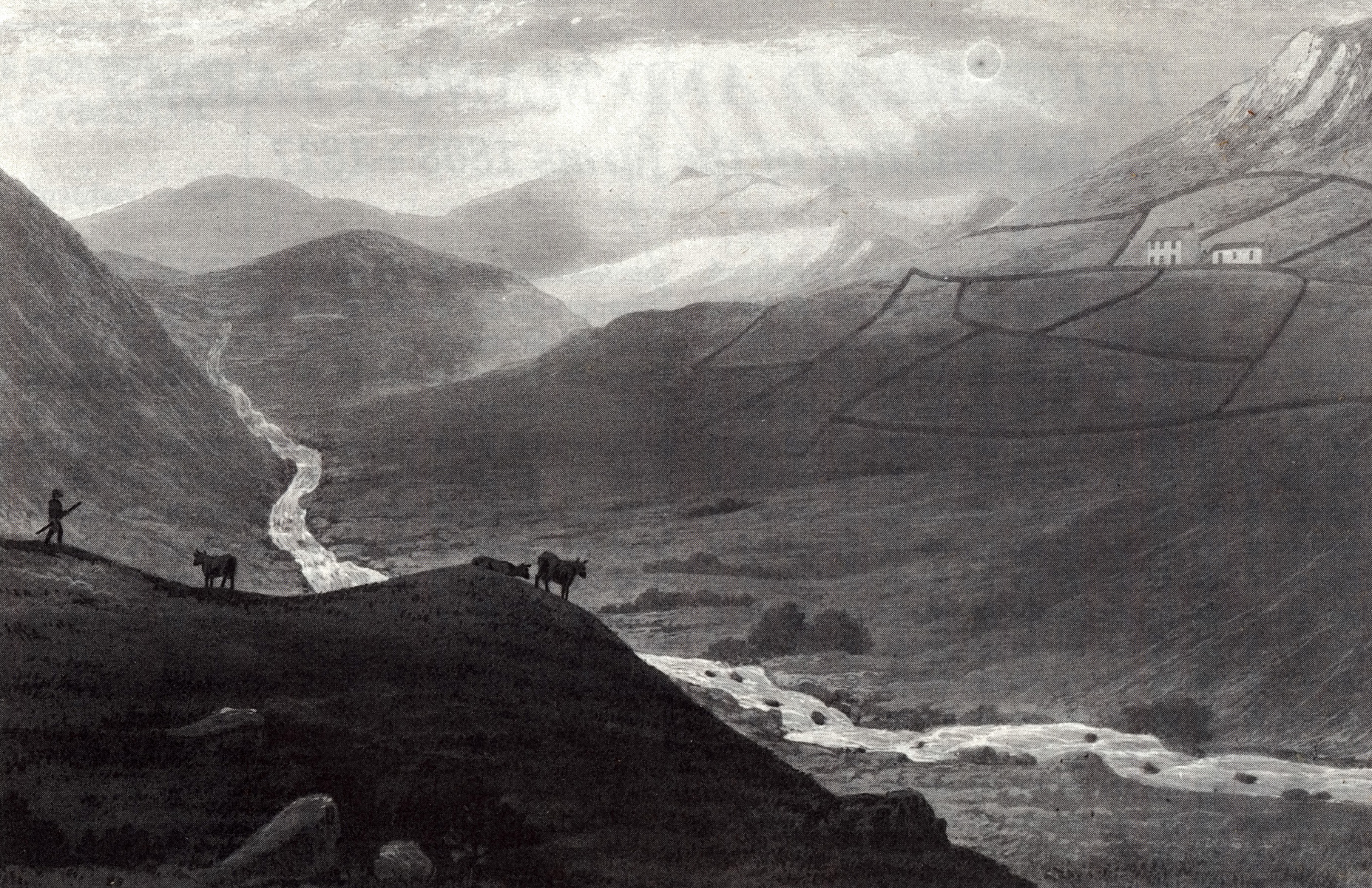
The story of Tarka unfolds in places I know well: I was in Devon for nearly four decades before I came here to Ireland. The stone bridge that once carried the canal across the river is still there, not far from where I once lived: the old aqueduct on the Rolle Canal over the Torridge now carries the driveway to a private house. Tarka’s travels took him right up to the heart of Dartmoor: to Cranmere Pool, close by which stand, today, the ruins of an old farm. This was once described (by William Crossing the Dartnoor writer) as ‘the remotest house in England’. My mother’s grandmother was born and raised there in the nineteenth century, one of fourteen children from a single generation. The name Cranmere comes from ‘mere of the Crane’, and the Crane was and still is a name often given, in England and Ireland, to the Heron.

Home of my forebears: Teignhead, Dartmoor (Strutt 1828)

Home of my forebears: Teignhead, Dartmoor (Strutt 1828)

Having established, perhaps somewhat tenuously, my own relationship to the Heron, I will enlarge upon the bird’s place in folklore and tradition. The Heron was once a regular dish on the English medieval banqueting table: as the property of the crown, heavy fines were levied on anyone caught poaching the bird, while in Scotland the penalty was amputation of the right hand. From observations of the bird standing still for hours in shallow water waiting patiently for its lunch to pass within range of its sharp bill, anglers assumed that the Heron’s feet had some means of attracting the fish towards it, and it was once a custom for the fisherman to carry a Heron’s foot for luck, but also to coat the fishing line with Heron’s fat and a noxious mixture made from boiled Heron’s claws.

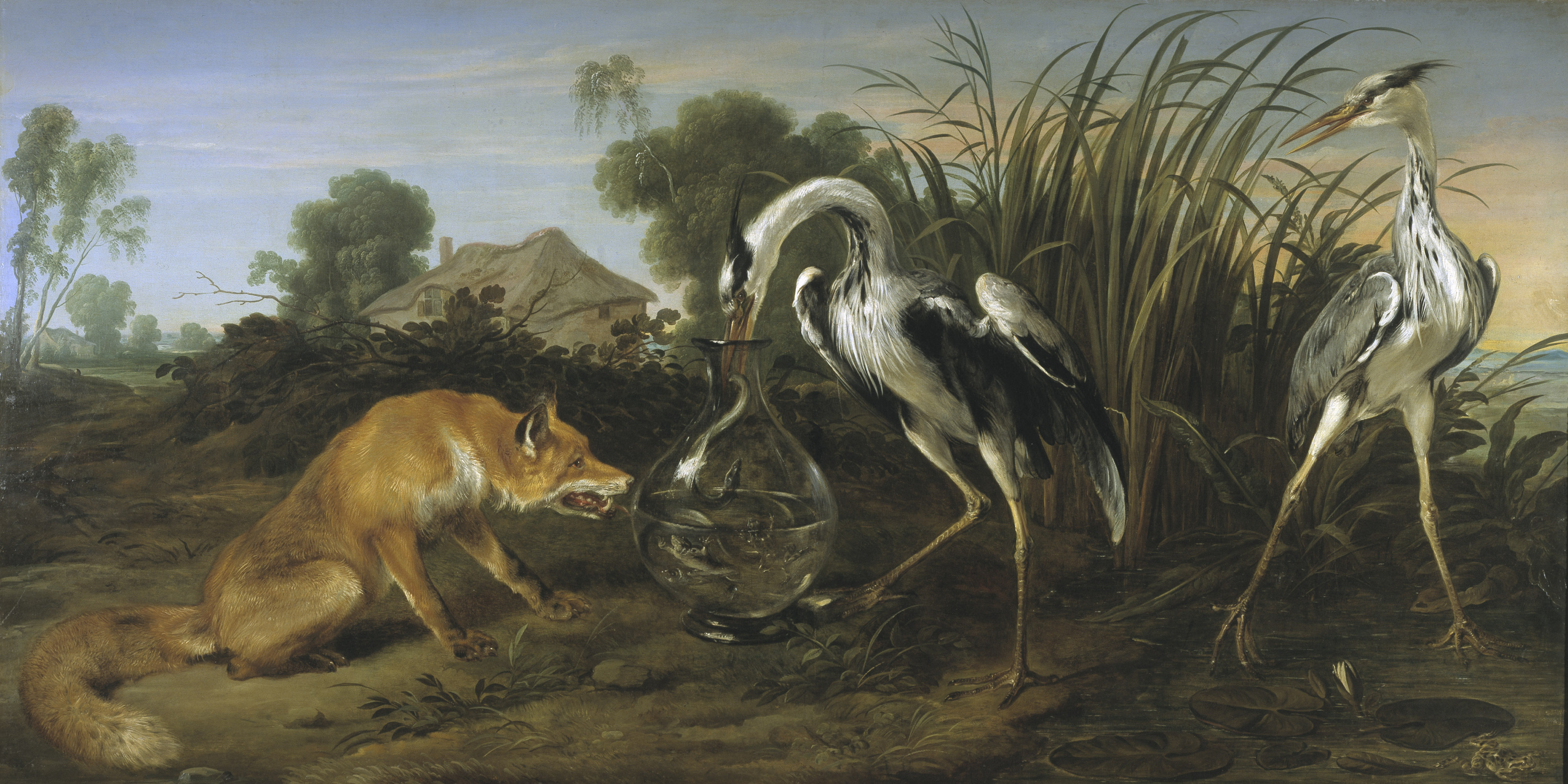
Aesop penned a fable about the Heron and the Fox: Fox invites the Heron to dinner but only provides a shallow plate of soup which the bird is unable to partake of because of its long beak. In retaliation, Heron invites Fox, and provides the food in a bottle with a long narrow neck: Fox is unable to share in this food. The moral? ‘One bad turn deserves another’.

Fox and Heron - Frans Snyder 1657

Fox and Heron – Frans Snyder 1657

I have never successfully photographed a Heron, but you can see some excellent pictures in the portfolio of Sheena Jolley – a professional wildlife photographer who lives not far away from here, in Schull. And here’s another – by our friend Lisa who lives out on the Sheeps Head.

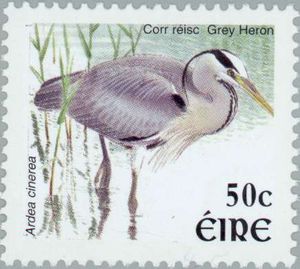
In Ireland the Heron is known as Corr reisc or Corr-ghrian (crying Crane). Although a common bird, I have found no specifically Irish folktale which includes Herons: if you know of one I would be delighted to hear it. There are some superstitions: if a Heron lands on your house you will have good luck, and if some of its plumage floats down to you – then you will have amazing luck! So, come on Old Nog – how about an occasional perch on the roof of Nead an Iolair? And, while you’re at it, throw out a few feathers as well… Of course, if there are more than one of you we will be able to say …there goes a siege of Herons…! 

heron stamp

In the Wilds of West Cork

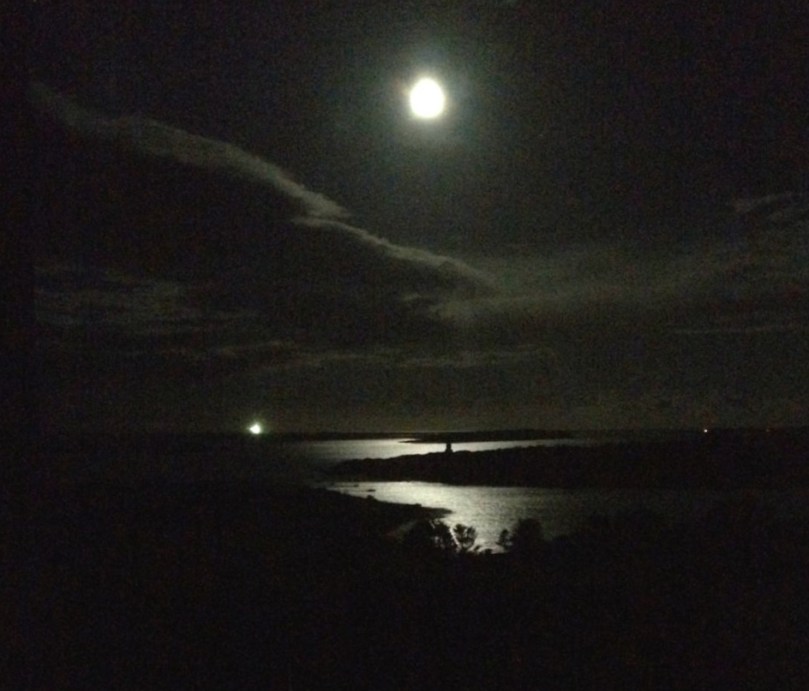
West Cork night life

West Cork night life

What on earth will you find to do in the wilds of West Cork? One friend asked me this when I announced my plans to move here. Others may have been too polite to express the thought, but the question hovered. They needn’t have worried, of course. I don’t think I have ever lived anywhere else where there was so much going on and so much to do. If that was true in the winter, it’s more so now. It’s spring and summer’s around the corner, so West Cork Festival Season has gone into high gear. I wrote about the Ballydehob Trad Festival six weeks ago. Since then, there have been two more – a jazz festival in Ballydehob and the Fiddle Fair in Baltimore. 

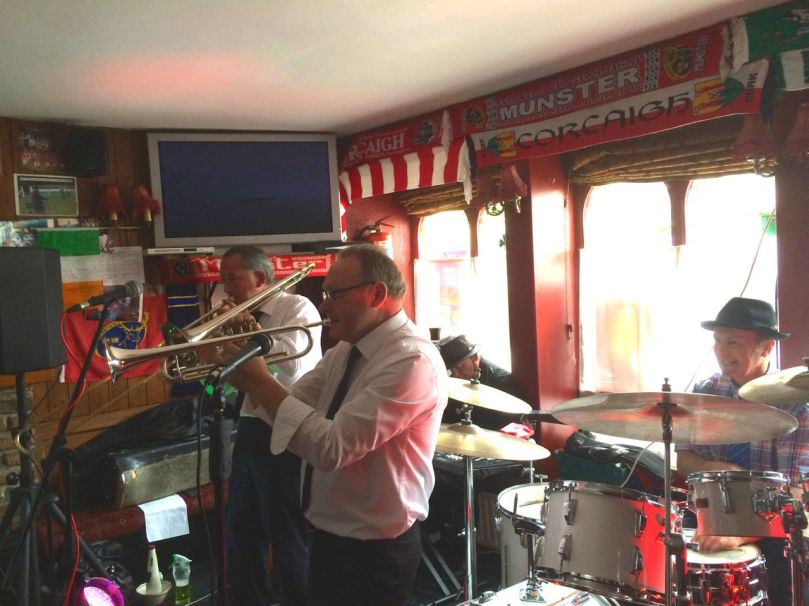
Live jazz in the Irish Whip Bar

Live jazz in the Irish Whip Bar

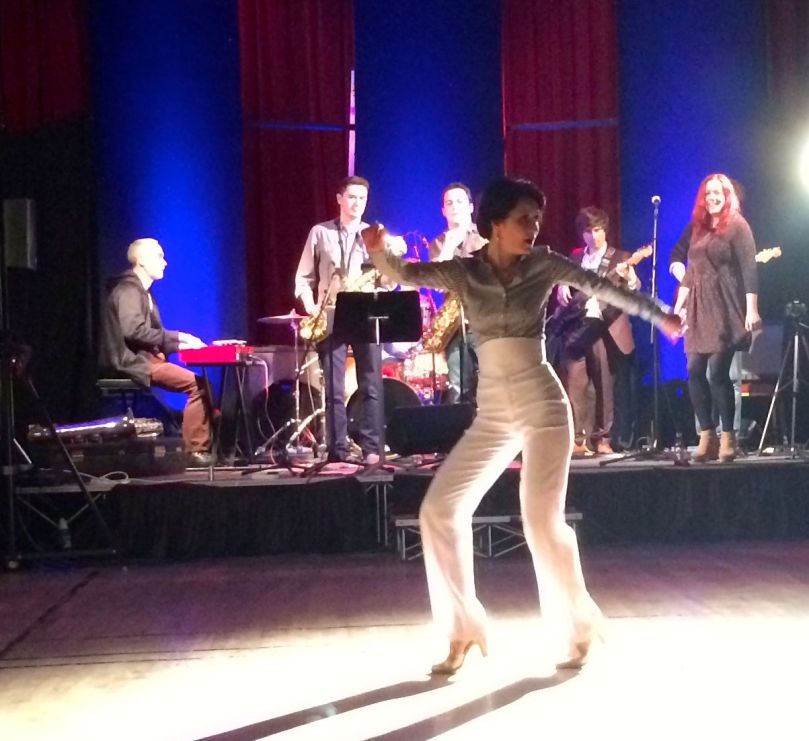
The Jazz Festival featured a street market, and jazz sessions in most of the pubs all afternoon and well into the night. The village hall was decked out as a night club one night, with dancing into the wee hours. There were musicians and jazz aficionados from all over Ireland, and the pubs were bursting at the seams and spilling over onto the sidewalks.

Soul Driven and the riveting dancer Ksenia Parkhaskaya

Soul Driven and the riveting dancer Ksenia Parkhaskaya

This is the second time we have been here for the Baltimore Fiddle Fair, which has ben going now for over 20 years, under the brilliant direction of Declan McCarthy. World class acts come to play in this tiny village. The audience is diverse too – we met people who had come from Britain, Germany and the USA just for this weekend. We had season tickets, which meant we weren’t asleep before 2 in the morning for four nights in a row – probably earlier than most of the attendees!

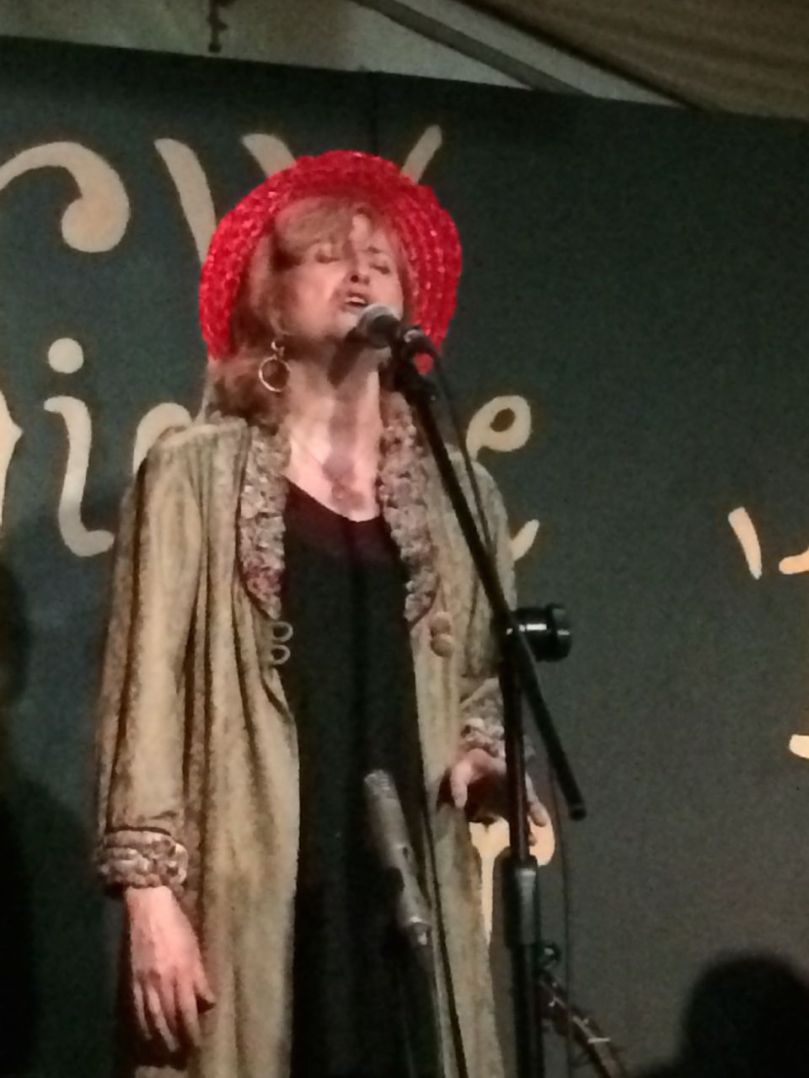
Eddi Reader

Eddi Reader

A highlight was Eddi Reader, a Scottish singer/songwriter with a larger than life stage presence, a great line in stories, and a soaring voice. Robert loved seeing Aly Bain, one of his musical heroes, in concert and we both appreciated the wide range of music on offer, from Appalachian old time fiddling to Swedish polskas, Scottish and Irish tunes, and an entertaining group call the New Rope String Band who kept us laughing with their slapstick humour. For the readers who have been requesting videos, I recorded one lively number and uploaded it to YouTube – take a look. It’s a tiny taste of what we experienced.

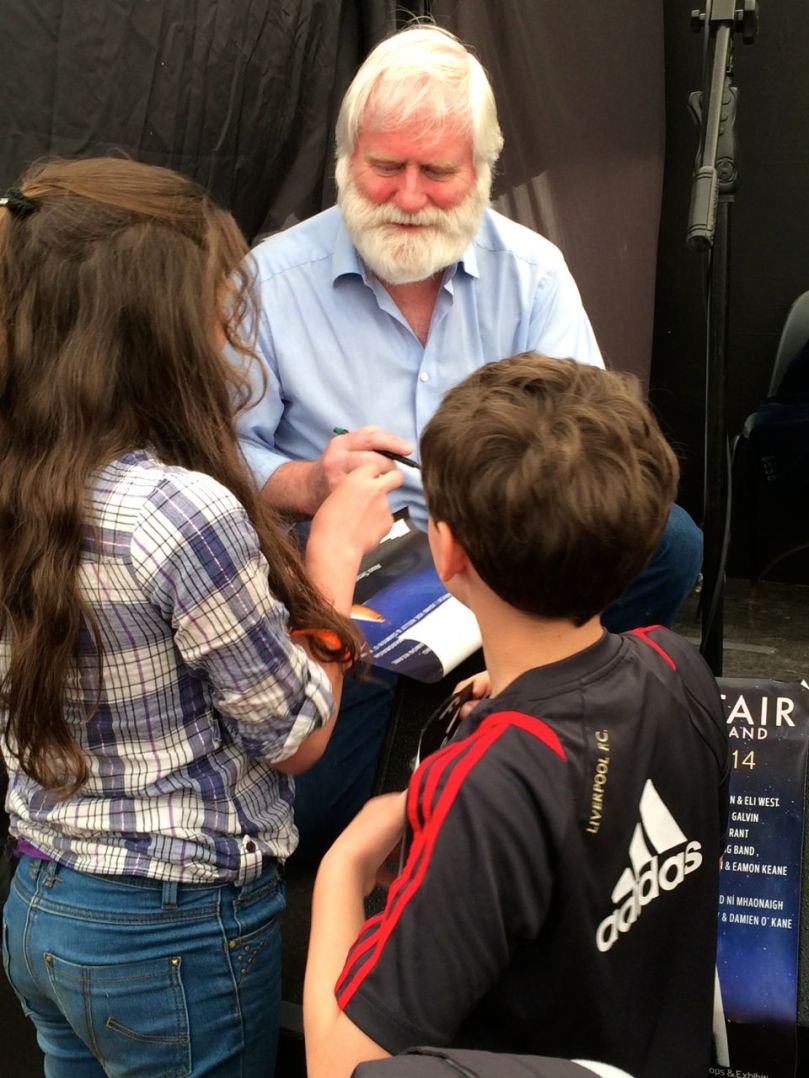
John Sheahan with young fans

John Sheahan with young fans

One unforgettable afternoon was devoted to a concert by John Sheahan, the sole surviving member of the legendary Dubliners. Accompanied by Eamon Keane on the keyboard, he told stories, read us his poetry, and played his own compositions. He is truly an Irish icon, and it felt like a real privilege to hear him in such an intimate venue. He played a wide variety of music and I recorded this one: St Patrick’s Cathedral.

Of course all these late nights and bouncing around on seats takes a toll on the body, leading to the need for a rejuvenating day at a spa. Fortunately, there is a marvellous one in West Cork, on Inchydoney Island, where my friend Amanda and I repaired for a girly day of pampering. You can read her account of our hedonism here. 

The strand at Inchydoney Island

The strand at Inchydoney Island

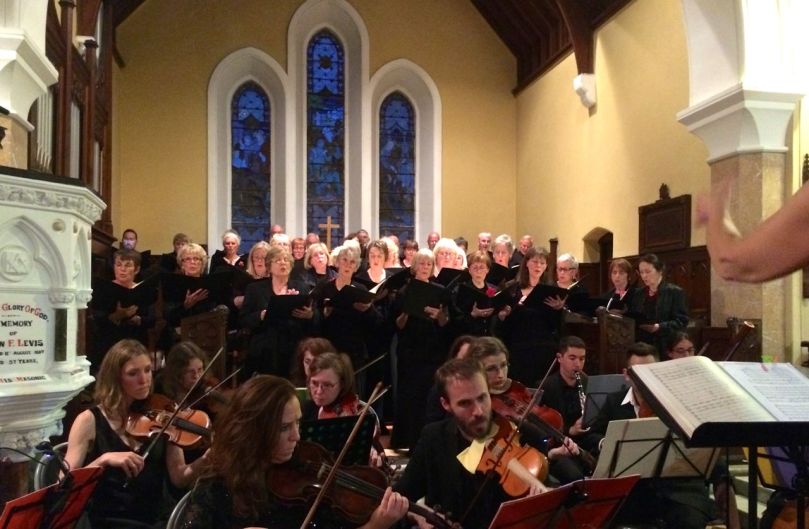
And in case you might feel that the entertainment described above is not highbrow enough, last night we attended a performance of a Haydn mass and Mozart’s Requiem by the West Cork Choral Singers. Accompanied by an excellent small orchestra (we recognised some of the players from our regular Firday night trad sessions: fiddlers turned violinists) and four outstanding soloists, the choir rose to the challenge of an ambitious program magnificently, garnering a well-deserved standing ovation by the appreciative audience.

West Cork Choral Singers present Mozart's Requiem in Skibbereen

West Cork Choral Singers present Mozart’s Requiem in Skibbereen

We won’t have much time to recover from all those late night – next weekend is the Fastnet Short Film Festival in Schull as well as a Skibbereen Historical Society trip to Cape Clear, and the one after that is the Ballydehob Country Music Festival (where I may have a small role to play). More on those events in an upcoming post. If I survive it all…It’s a tough life, out here in the wilds!

Durrus Delight: Carraig Abhainn Gardens


IMG_2657

This week we visited a tiny jewel of a garden. Tucked behind Wiseman’s general store in Durrus is a two and a half acre gem called Carraig Abhainn (Rocky River, pronounced KA-rig OW-in [OW to rhyme with now]). It’s been a labour of love for over 20 years – the work of Eugene and Hazel Wiseman. We were lucky to have a chat with Eugene while we were there.

There are no large signs out on the road pointing the way and little advertising in the local media, so this is not as well known as it deserves. You pop into Wiseman’s shop, pay €5, open the gate at the end of the building, and step into a small wonderland.

IMG_2691

 IMG_2734

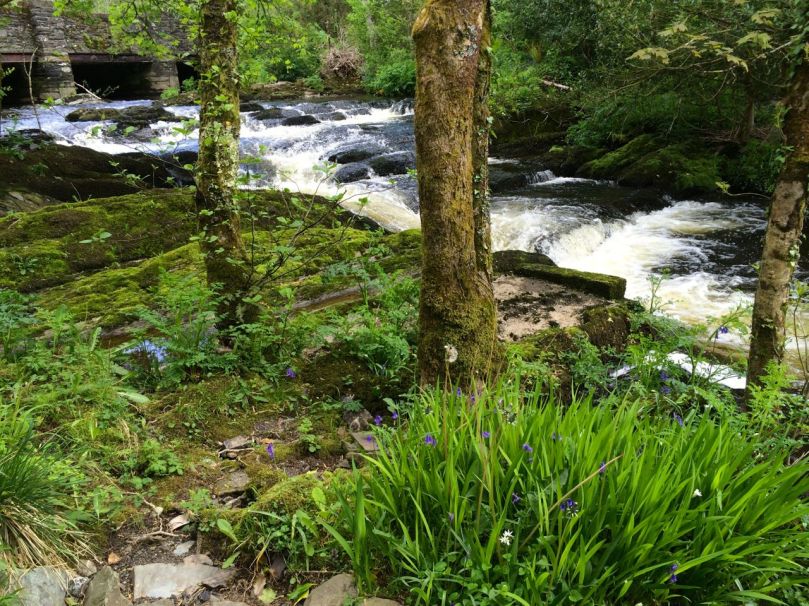
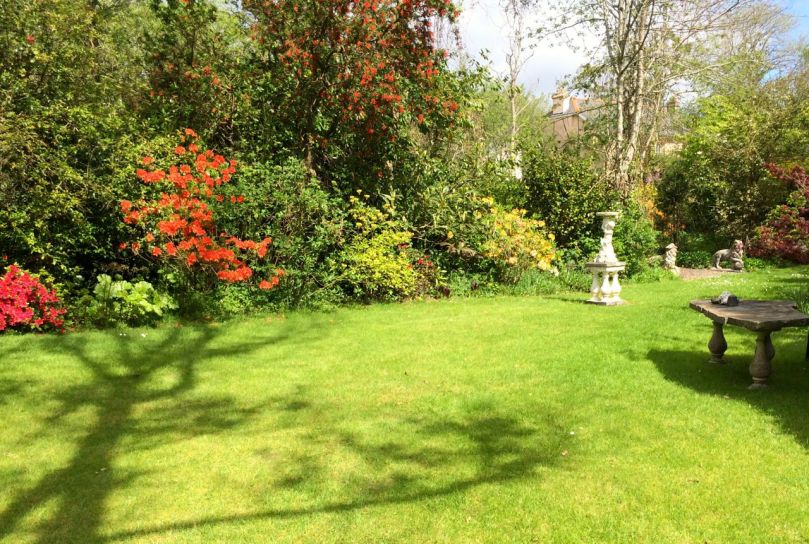
The first thing you become aware of is water.  A mill stream forms one boundary of the garden, crossed by little bridges here and there. The Four Mile River forms another – and this stretch is truly magnificent. Clear and sparkling, it rushes and falls and leaps over the rocks that give the garden its name. The paths have been cleverly constructed so that as you stroll you encounter the river at different points.  Each point has a unique vista that encourages you to gaze, contemplate, photograph or just sit and listen.

IMG_2663

The daffodils were over when we went and some of the rhododendrons had faded too. Nevertheless, around every bend was a new feast for the eye and the camera, from the undergrowth of bluebells to the camellias, yellow irises and the climbing clematis. Exotic trees add variety of colour, texture and size – “I wonder what that is?” became our mantra. (For those who need an answer, the garden website provides a list of plants.)

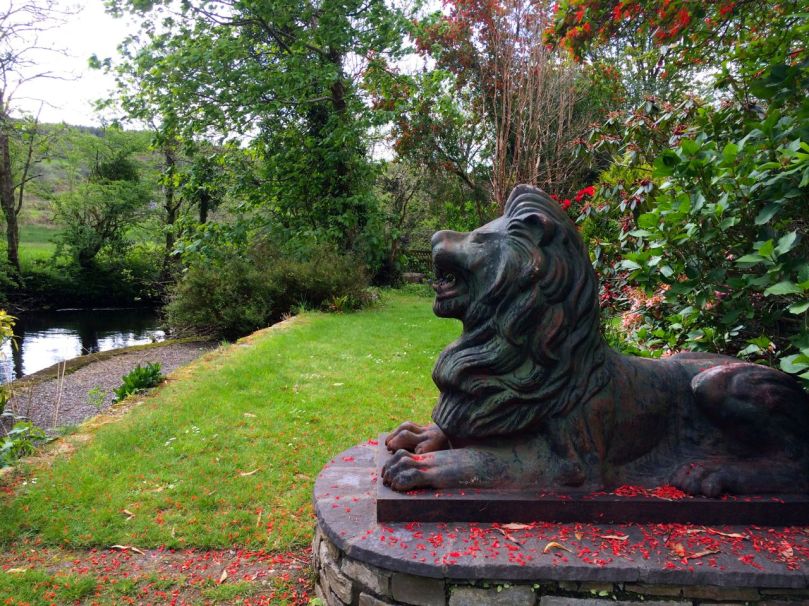
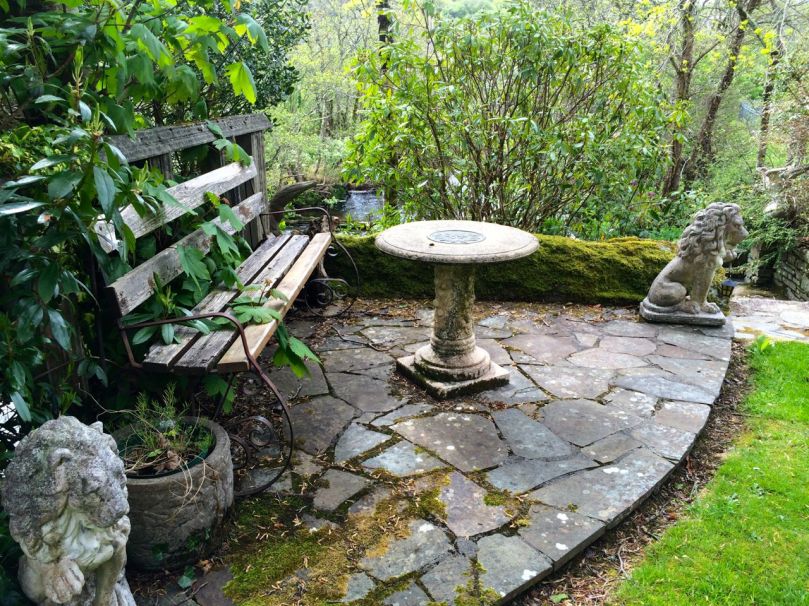
A wonderfully idiosyncratic feature of this garden is the statuary – a unique blend of the classical and the quirky, perfectly placed to enhance a long path, mark a set of steps, or simply be discovered rounding a corner. Near the entrance is a mural, with Greek columns and a water garden and benches that invite you to enjoy this sunny spot.

IMG_2682

There’s a West Cork Garden Trail in the second half of June and Carraig Abhainn is one of the gardens featured on the trail. But don’t wait until then – if you are anywhere in the vicinity of Durrus drop by Wiseman’s and treat yourself to a quiet hour or two soaking up the beauty and tranquility of this charming oasis. Bring a latte and piece of cake from the excellent Gateway restaurant next door – that’s all you need to complete your little slice of heaven. 

IMG_2716