Driving Home the Point

Another grand road

Another grand road

In my two previous posts about driving in Ireland, I chronicled the bureaucracy involved in registering our car and in applying for an Irish driving licence. Since Ireland and Canada do not have a mutual recognition agreement I had to take the theory test, a series of 12 mandatory lessons, and then take the road test. The good news is that I passed – I am now a fully qualified Irish driver! More good news – we got a €50 rebate on our car insurance. And best of all – having never even sat in a tractor in my life, I am now licensed to drive one. This is particularly pleasing since it is the vehicle of choice for the farmer visiting the pub at night in country villages, so you never know when I might be called upon to use this facility.

I can park my tractor in town now if I want.

I can park my tractor in town now if I want.

The bad news is that, between all the fees and the mandatory lessons, I spent a LOT more than the €50 I saved. It also cost me several months in which I was unable to drive on my own, and the aggravation of being trapped in an inflexible bureaucracy that refused to acknowledge my 40 years of safe driving.

I've learned to be alert for road signs

I’ve learned to be alert for road signs

However, all that paled when it came to the frustrations of learning to drive in a whole new style. As my friend Danny puts it, if someone tries to teach you how to walk (place this foot here, now lift this one) you will fall down. It just messes with your head to have to unlearn a sequence of actions that is as familiar as breathing, and relearn them a different way. This is not to do with being a better driver (although I think I am a better driver now), but with passing the test by demonstrating the correct procedures in the approved sequence.

You MUST not stop or park in a box junction

You MUST not stop or park in a box junction

Some examples might help to demonstrate. Shoulder checking is a huge thing in Canada – looking over your right and left shoulder before moving off, changing road position, turning a corner, etc. It’s because of the danger of not seeing a cyclist in the car’s blind spot. In Ireland, they want you to do a quick glance, no more. Here, you MUST check your mirrors before signalling, and after – there’s a strict sequence to follow. In Canada they teach you to take one hand off the steering wheel so that you can turn around and look out the back window when reversing – here they want both hands on the wheel at all times. You WILL be asked to reverse around a corner (you would not be asked to do that in a Canadian test) and you WON”T be asked to parallel park (a Canadian right of passage). None of these things are matters of life and death – they are all stylistic, but this is what you will be tested on. The national pass rate for the test is only 56% so there is a very real possibility of failing, no matter how well prepared you think you are.

No parking where there are zigzag lines. Or double yellow lines. Or both.

No parking where there are zigzag lines. Or double yellow lines. Or both.

Meanwhile, all around you, you will see Irish drivers doing the most appalling things and routinely flouting the rules of the road. This can be put down to the lax driving standards of the past, and so it is encouraging that it is now more difficult to get a license and that the expectations for skill and safety have been elevated. (See an interesting discussion on this here.)

Don't drive too close behind the slurry tank

Don’t drive too close behind the slurry tank

There was one bright spot in all of this – my driving instructor, Frank O’Driscoll. Having spent years driving big rigs all over Europe, and huge buses around the tiny West Cork roads, there’s nothing about driving that Frank hasn’t seen or done. Sympathising with my plight, he nevertheless gently prodded me through the lessons in sequence and encouraged me to just get on with it. An hour and a half in the car with Frank wasn’t just about driving, though. He has a great tenor voice and on the long straight stretches we roared our way through Come By The Hills or The Fields of Athenry, punctuated by snatches of poetry or by snippets of local history. Back at the house Robert put the kettle on and we settled down to tea and laughter as Frank filled in the log book and entertained us with his West Cork wit and stories.

Frank – if you’re reading this – I almost miss my driving lessons!
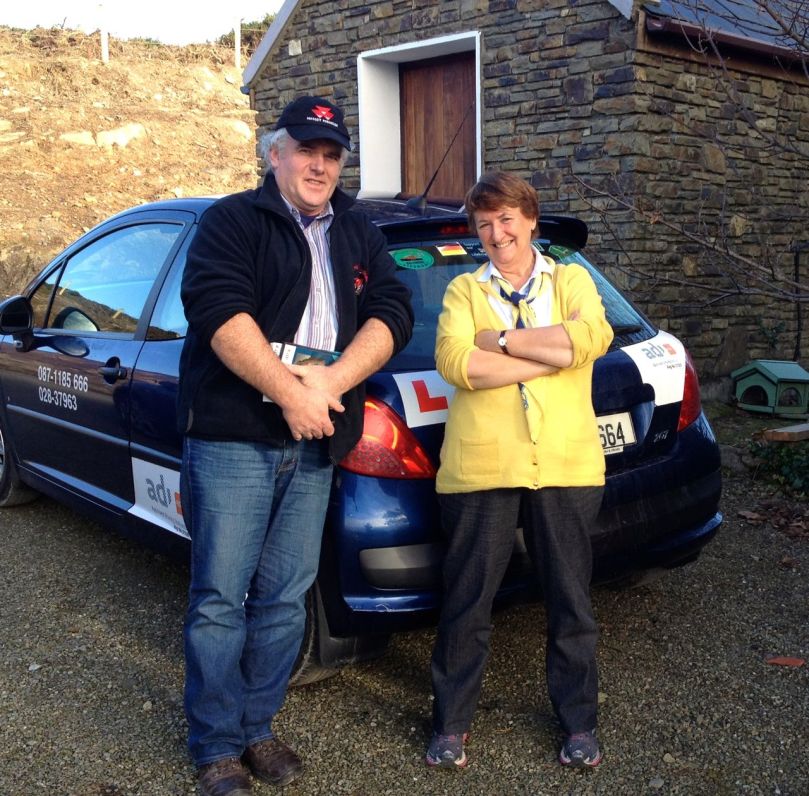
Frank O'Driscoll - instructor par excellence

Frank O’Driscoll – instructor par excellence
A Week in Clare

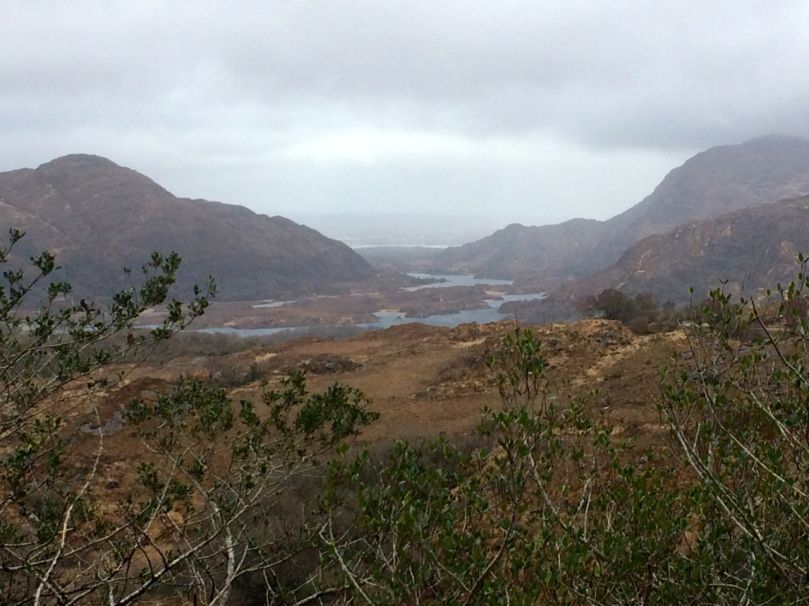
Even on a cloudy day, the Lakes of Killarney are breathtaking

Even on a cloudy day, the Lakes of Killarney are breathtaking

From West Cork, the whole of the southwest of Ireland is within easy reach. Killarney is an hour and half straight north, through magnificent mountain scenery. Another hour brings you to Tarbert, on the banks of the Shannon Estuary. Take the ferry across to Killimer, and you’re in County Clare. For the trip last week, our lodging was a beautiful holiday home in Liscannor, owned by a generous friend. It’s about half way up the County, right beside the famous Cliffs of Moher – an ideal base for exploring Clare.

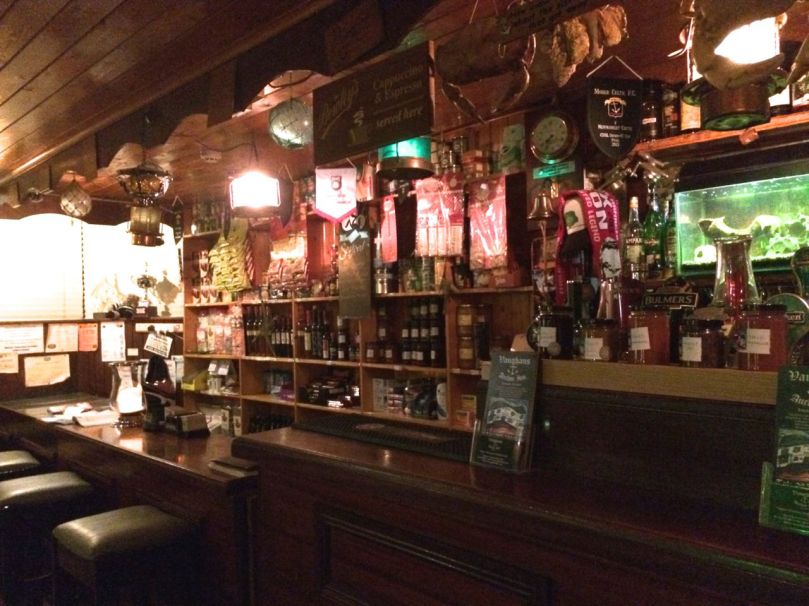
Anchor Inn, Liscannor. Best food in Clare!

Anchor Inn, Liscannor. Best food in Clare! This is the bar/grocery section.

While Robert attended the annual Noel Hill Concertina School I became a tourist. Clare is an astoundingly fertile area for geography, history, archaeology and culture and a wonderful place to spend time exploring with a map and guide book. I highly recommend The Burren and the Aran Islands: Exploring the Archaeology, by Carleton Jones – one of the best guides of its kind I have ever used. I was also lucky to have met a new friend online recently, Susan Byron, and in Clare I met her in person. The brains behind Ireland’s Hidden Gems, she gave me all kinds of great advice, along with lashings of tea and apple pie, about how to spend my time here.

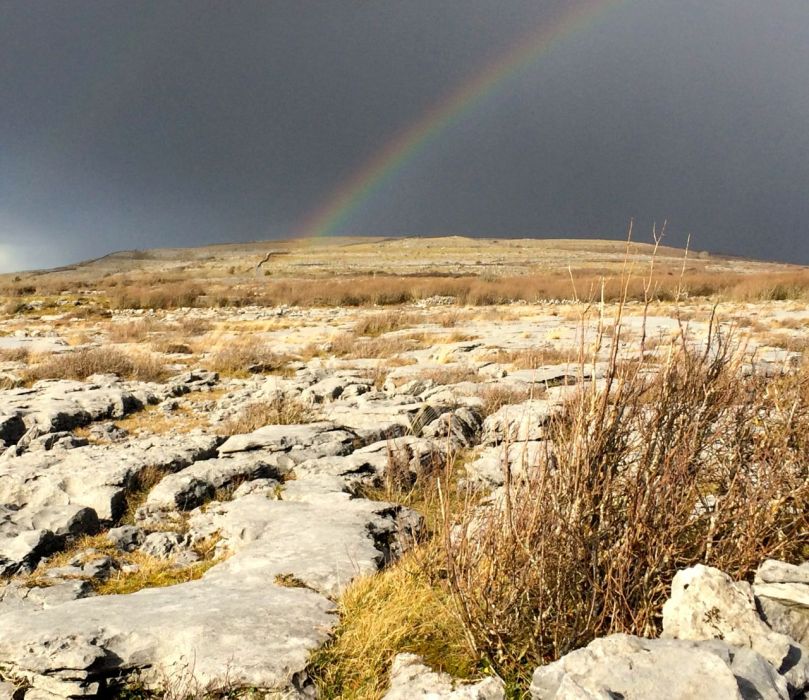
Burren Landscape

Burren Landscape

For this visit, I confined my travels more or less to the area known as The Burren, which occupies the northern third of the county. It is a striking landscape of bare limestone hills – a karst formation full of caves and limestone ‘pavements’ and home to many species of rare and colourful wildflowers. No flowers yet – it’s still too cold. Too cold for other tourists too, so I had most places to myself. It rained and it hailed and the winds blew mightily, but in between the sun shone enough to imagine it was really spring. And if I got too cold, well, I retreated to the nearest friendly pub with a roaring fire and a pot of tea.

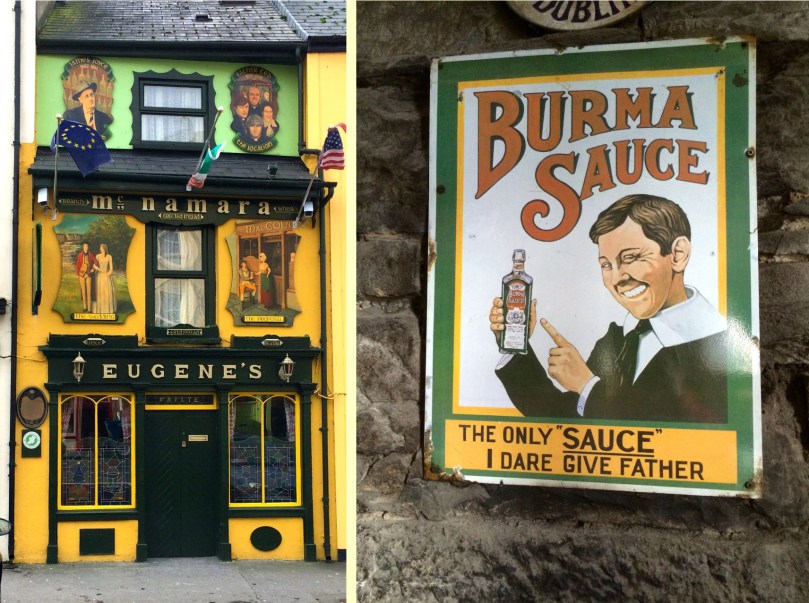
Eugene's Pub in Ennistymon/old ad in Valughan's in Kilfenora

Eugene’s Pub in Ennistymon/old ad in Vaughan’s in Kilfenora

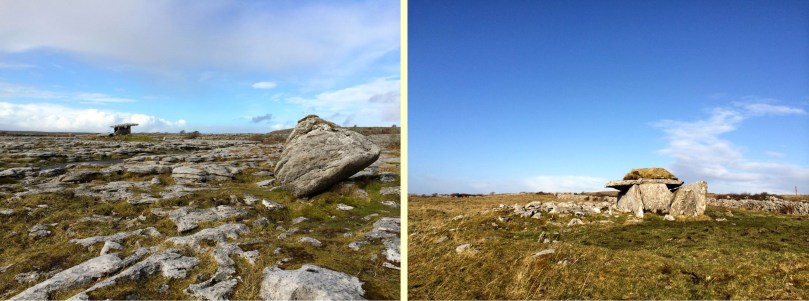
The photographs I have chosen are a small selection of the sites I visited. One of the most iconic of all irish prehistoric sites is Poulnabrone portal tomb (what used to be called a dolmen). I don’t think it’s possible to take a bad photograph of it. Not too far away is Parknabinnia wedge tomb, another example of a neolithic stone monument. In researching this one on the internet I came across a recording on the excellent Voices From the Dawn site of an interview with 88 year old Paul Keane. Mr Keane’s story, familiar to us all over Ireland, illustrates how the beliefs of country people have kept these sites safe from depredation over many centuries.

Poulnabrone and Parknabinnia

Poulnabrone and Parknabinnia

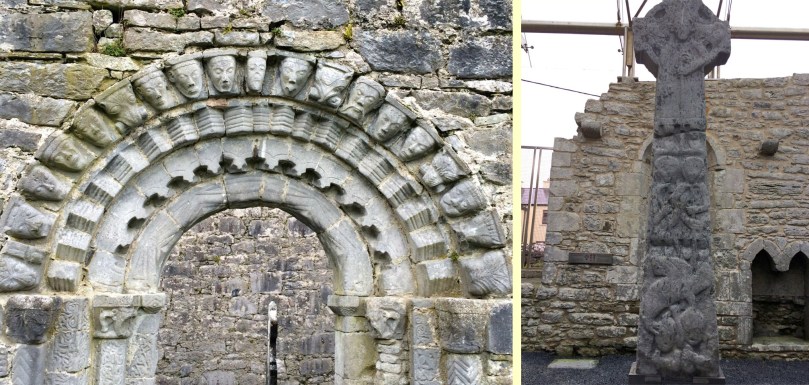
Medieval ruins abound in Clare. I went twice to Corcomroe to admire the stonework, to Dysert O’Dea (one of the most impressive Hiberno-Romanesque doorways I have ever seen, ruined abbey, round tower, an unusual high cross and 15th century castle) and Kilfenora, where the crosses are stored in the ruined church under a glass roof.

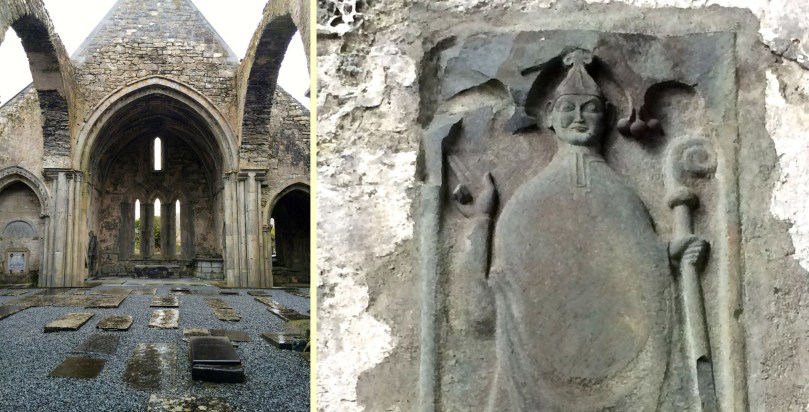
Corcomroe Abbey. 13th Century Cistercian Monastery

Corcomroe Abbey, 13th Century Cistercian Monastery

I also took in, although I have not illustrated, a church in Killinaboys with a sheelenagig (more on sheelanagigs in an upcoming post) and one in Noughaval to view the ‘cyclopean’ masonry. I spent a fruitless couple of hours, as the light was fading, trying to find a way to visit a particular stone cashel but had to give up – there’s lots to see but not everything is signposted, close to a road, or down a grassy boreen.

Dysert O'Dea and Kilfenora

Dysert O’Dea and Kilfenora

Robert has written about the incredible music scene we were part of in Clare, something that is also accessible to anyone who visits. The wonders of Ireland- no matter where you go, there’s so much to do and see! If you’re coming, try to fit in some time in Clare.

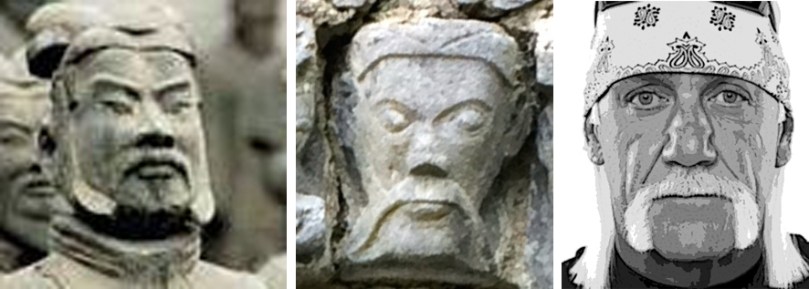
Finally – a piece of whimsy. Indulge me….

First century BC Chinese head from the Terracotta Warriers; 12th Century Irish head from the Dysert O’Dea Romanesque doorway; 21st Century American head from Wrestlemania.

Just sayin’…

Dysert Fu1

The Clare Trumpet

The Clareman's Trumpet - two fine modern concertinas, by Wim Wakker (left) and Colin Dipper (right)

Two fine modern concertinas, by Wim Wakker (left) and Colin Dipper (right)

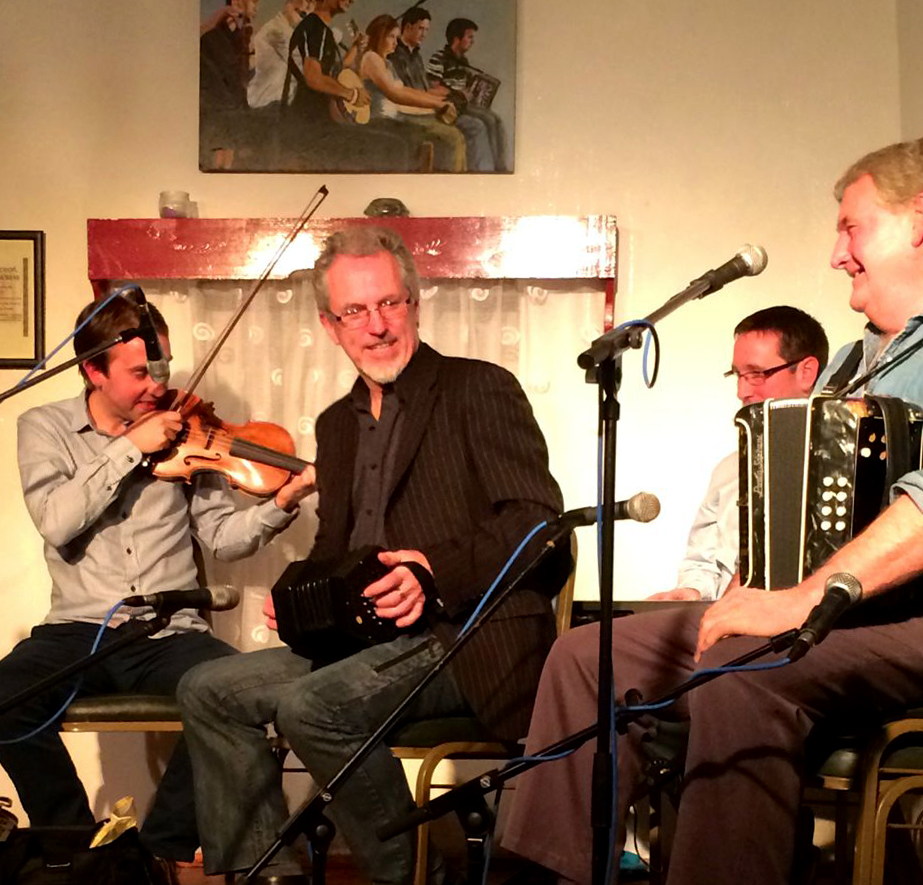
We went to Ballyvaghan, County Clare so that I could take part in the Concertina School run by Maestro of that instrument – and Clare man – Noel Hill. I have played concertinas for over 40 years but never in the ‘Irish’ style: here I am in Ireland so – in my seventh decade – it’s back to school for me! The concertina – a small squeezebox – has a long history in Clare, and in Ireland. It was pioneered by an Englishman, Charles Wheatstone, in the 1800s. Wheatstone’s real fame came as co-inventor – with William Cooke – of the electric telegraph which was arguably the forerunner of all our present day telecommunication systems (so thank you, Wheatstone, for my iPhone) but he was also prolific in his invention and improvement of many other devices, including musical ones. He took the Mundharmoniker – a German metal-reeded mouth blown instrument and turned it into the mouth-organ we know today; he then used the metal reeds and leather bellows to develop the concertina itself, a very portable instrument which has a tone and range similar to the violin. High quality concertinas bearing the Wheatstone name are still being made, as are many others, but it was the ability to mass produce these instruments at a low cost (far lower than the fiddle) which ensured their popularity in Victorian drawing rooms and in ale houses, dance halls and kitchens.

Noel Hill and Seamus Begley give a rousing finale to the Corofin Festival in Clare 2014

Noel Hill and Seamus Begley give a rousing finale to the Corofin Festival in Clare 2014

The concertina can be loud: the smaller the area of the bellows on a squeezebox, the more powerful the pressure that can be exerted on the steel reeds. Consequently the instrument has a very bright tone which carries above most others and is therefore ideal for accompanying dances in noisy rooms – or certainly was, before the days of amplification. Imagine a flag-stoned floor in a parlour or outhouse with a lively Irish set in full swing: the sound must have been fairly overwhelming, and it needed a loud instrument to be heard above the melee. Clare was and is a musical county, and gatherings for dancing (and socialising and matchmaking) were a major past-time in rural districts. The concertina was a boon on these occasions and is now an instrument forever associated with the area and its musicians. Because of its volume and its strident possibilities, the concertina has become known as ‘the Clareman’s Trumpet’.

old bog road music

I could write a whole post on the many varieties of concertina which have been developed since Charles Wheatstone took out his patent in 1829. Suffice it to say that you are likely to encounter only two types in your normal travels: the English Concertina – where each button plays the same note regardless of which direction you are moving the bellows – and the Anglo Concertina – where each button gives you two different notes: one on the push and another on the pull – similar in principle to the modern mouth organ. My instrument is the Anglo, and this is also the one most commonly (but not exclusively) found today in Irish Traditional Music.

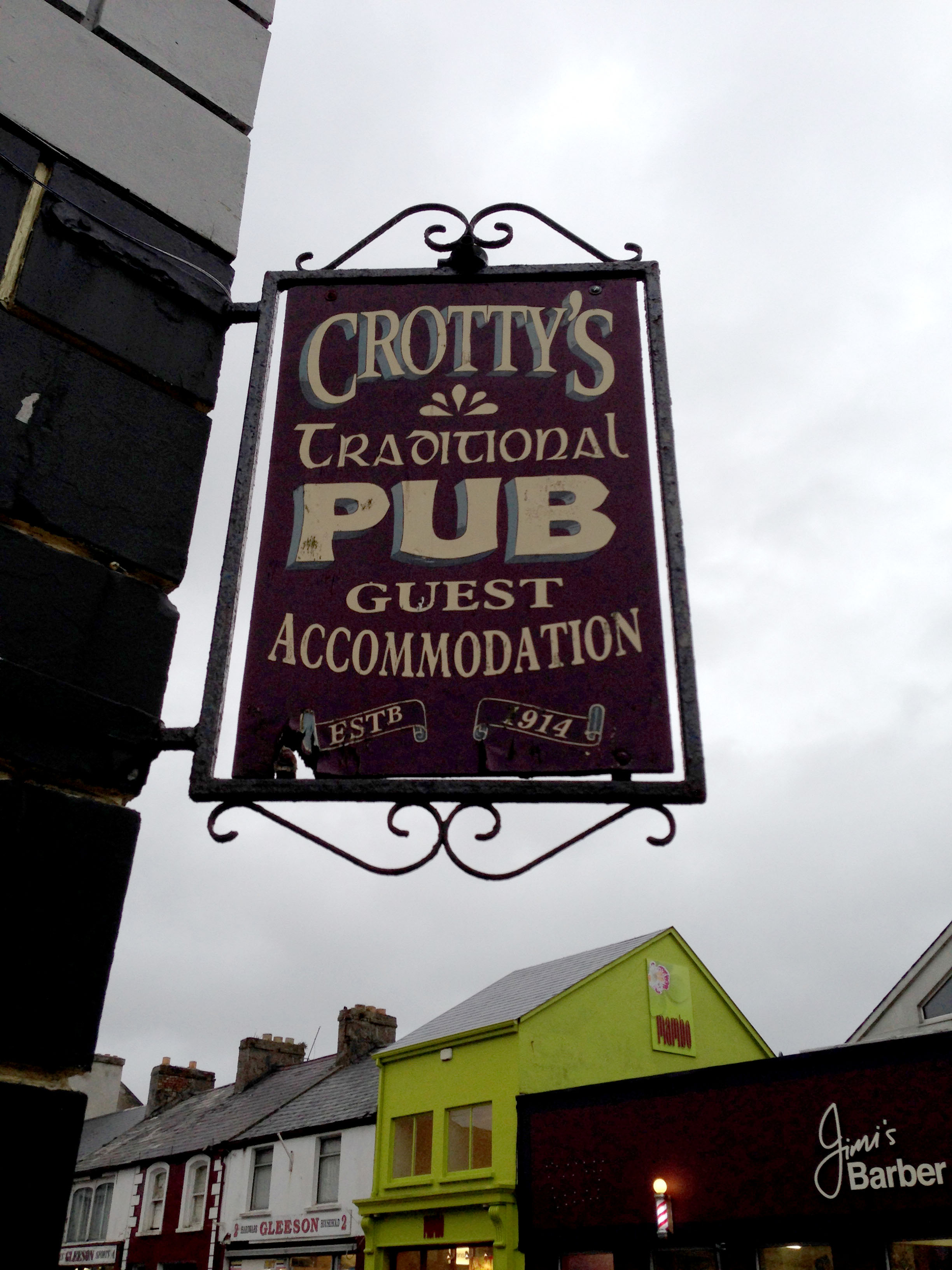
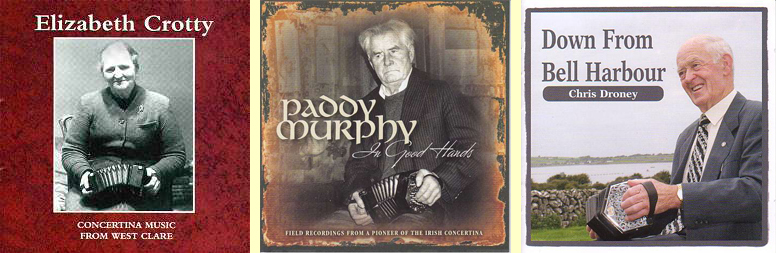
pub signNo mention of the concertina in Clare would be complete without a note on Mrs Elizabeth Crotty of Kilrush. She lived between 1885 and 1960 and was famous in her day as an Anglo player. Crotty’s pub is still there in Kilrush, and still in the family. I went there on my first visit to Ireland almost exactly 40 years ago. Mrs Crotty’s memory had not faded then. I played in the pub on that visit and was told (by her daughter) that this was the first music that had been heard in the pub since the First Lady of the Concertina had died. It’s a different matter today: there is live traditional music most nights in Crotty’s, and in so many other establishments all over the county. More Clare concertina names include Paddy Murphy (who I was fortunate enough to meet and hear at a wild and remote session on that first visit), Chris Droney of Bell Harbour, still playing in his eighties, and many another.

cds

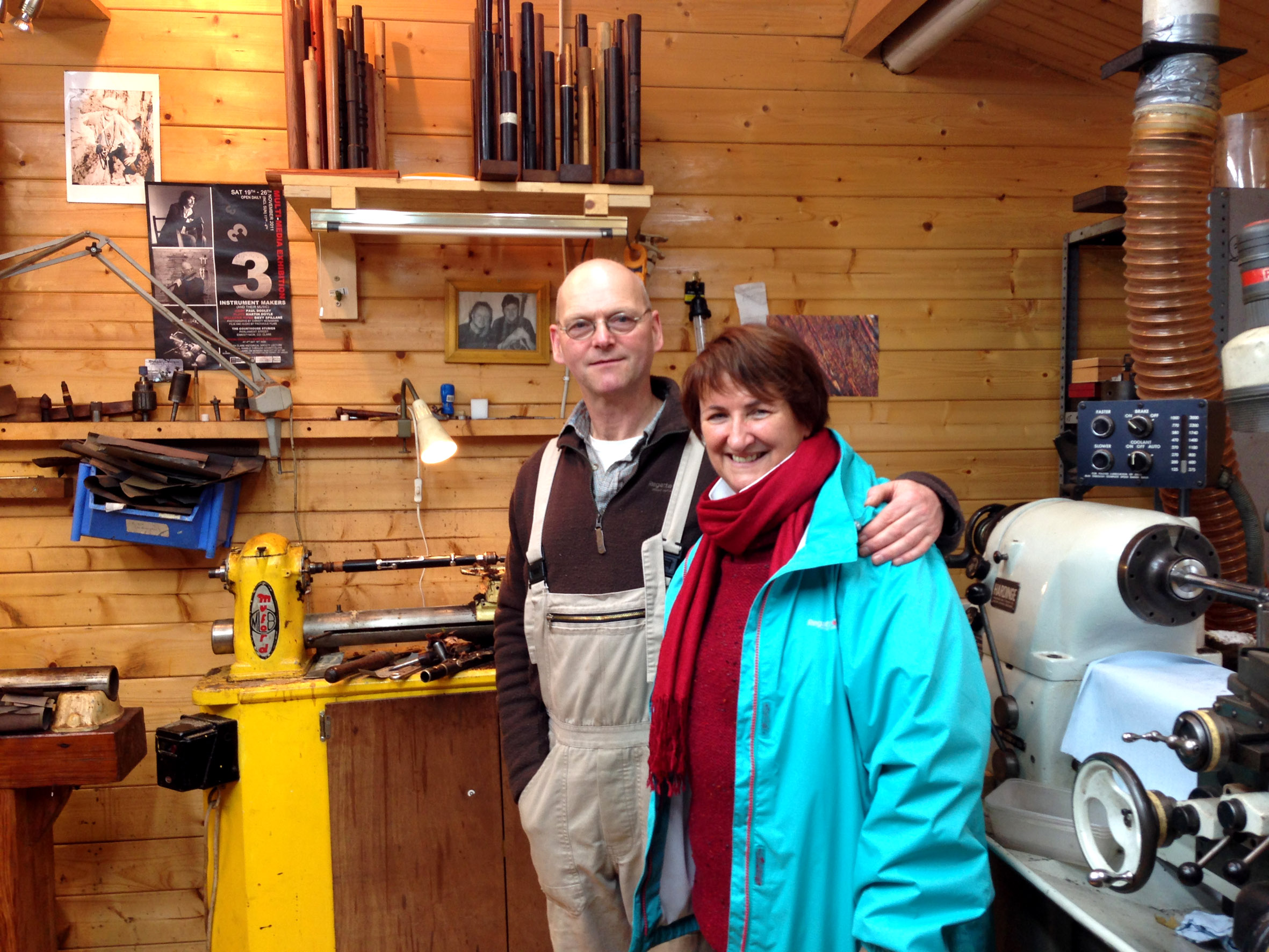
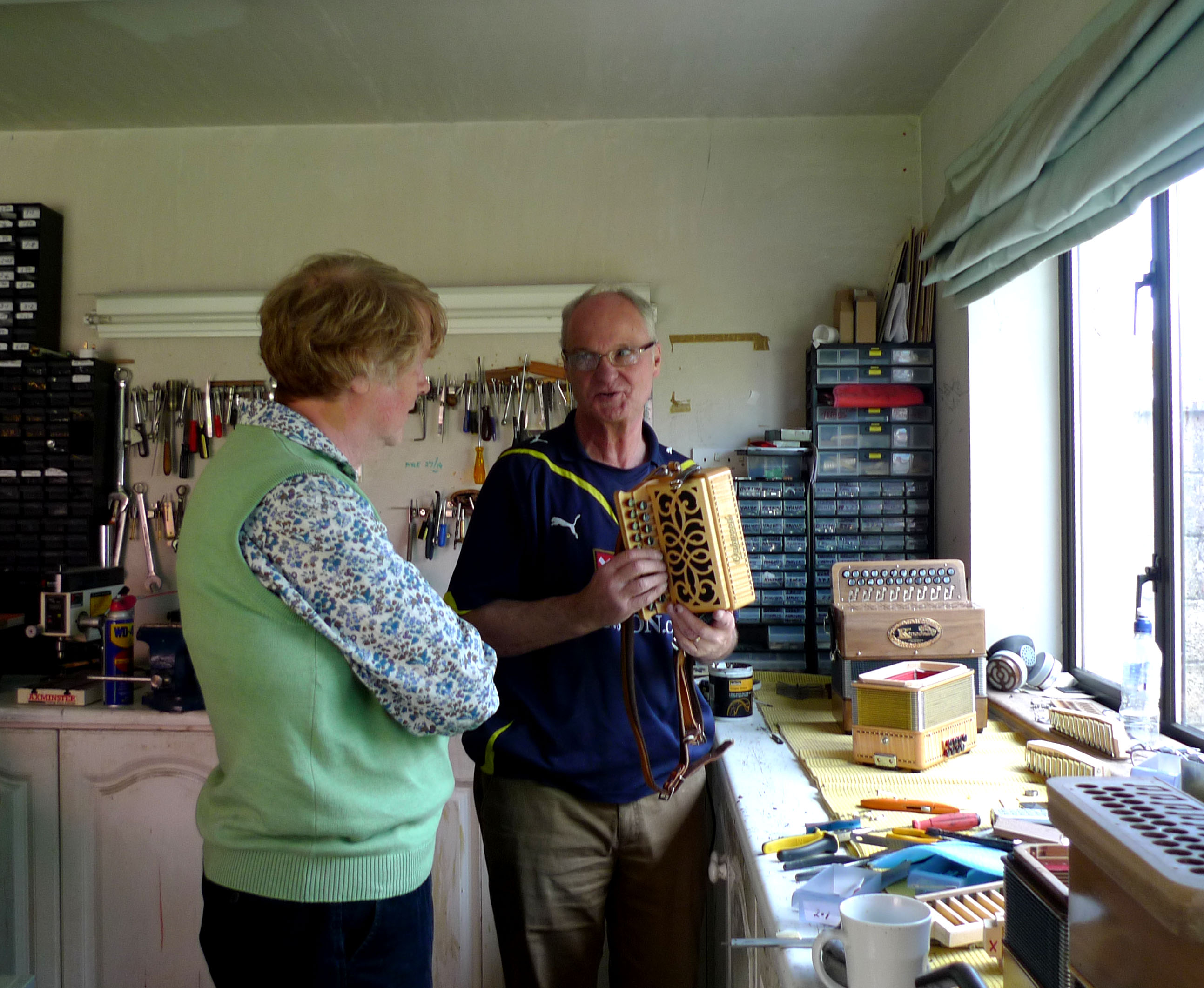
But Clare’s musical connections are not limited to the concertina: as we travelled around we became very aware of how important is music in all its varieties in this windswept, largely treeless but peculiarly beautiful part of the island. There are instrument makers: Finola grew up with Martin Doyle in Bray: he’s now one of the top producers of hand-made wooden flutes in the world! We visited his workshop – a well-equipped timber shed on the edge of the Burren. It was a great reunion: while the stories were in full flow in walked Christy Barry, renowned traditional flute player – also a Clare native, to join the chat.

Friends from school: Clare flutemaker Martin Doyle with Finola

Friends from childhood: Clare flutemaker Martin Doyle with Finola

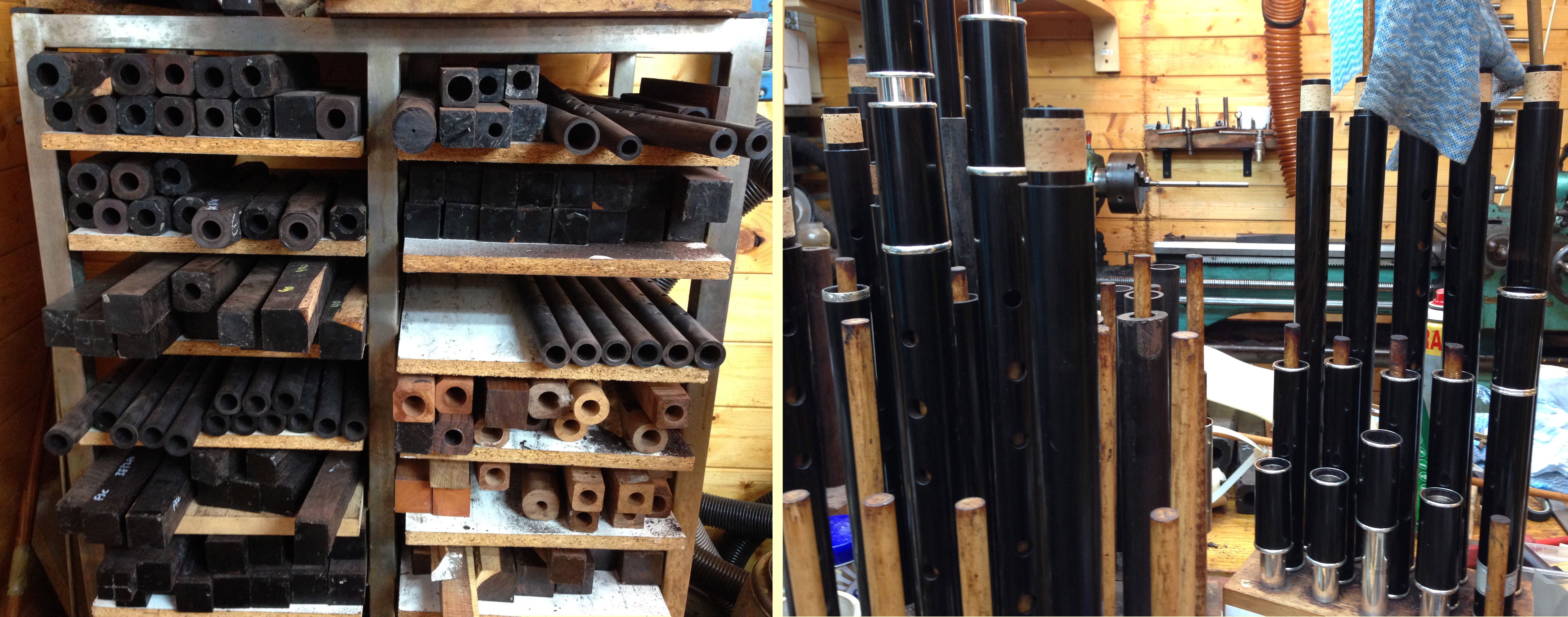
Raw material - and traditional Irish flutes in the making

Raw material – and traditional Irish flutes in the making

I mustn’t forget Martin Connolly, first class button accordion maker from Ennis, nor my all-time Irish music hero Martin Hayes (perhaps there’s something about the name Martin?) renowned fiddler and Director of the Masters of Tradition Festival every year down here in West Cork: he hales from East Clare.

Martin Connolloy - Clare accordion maker

Martin Connolloy – Clare accordion maker

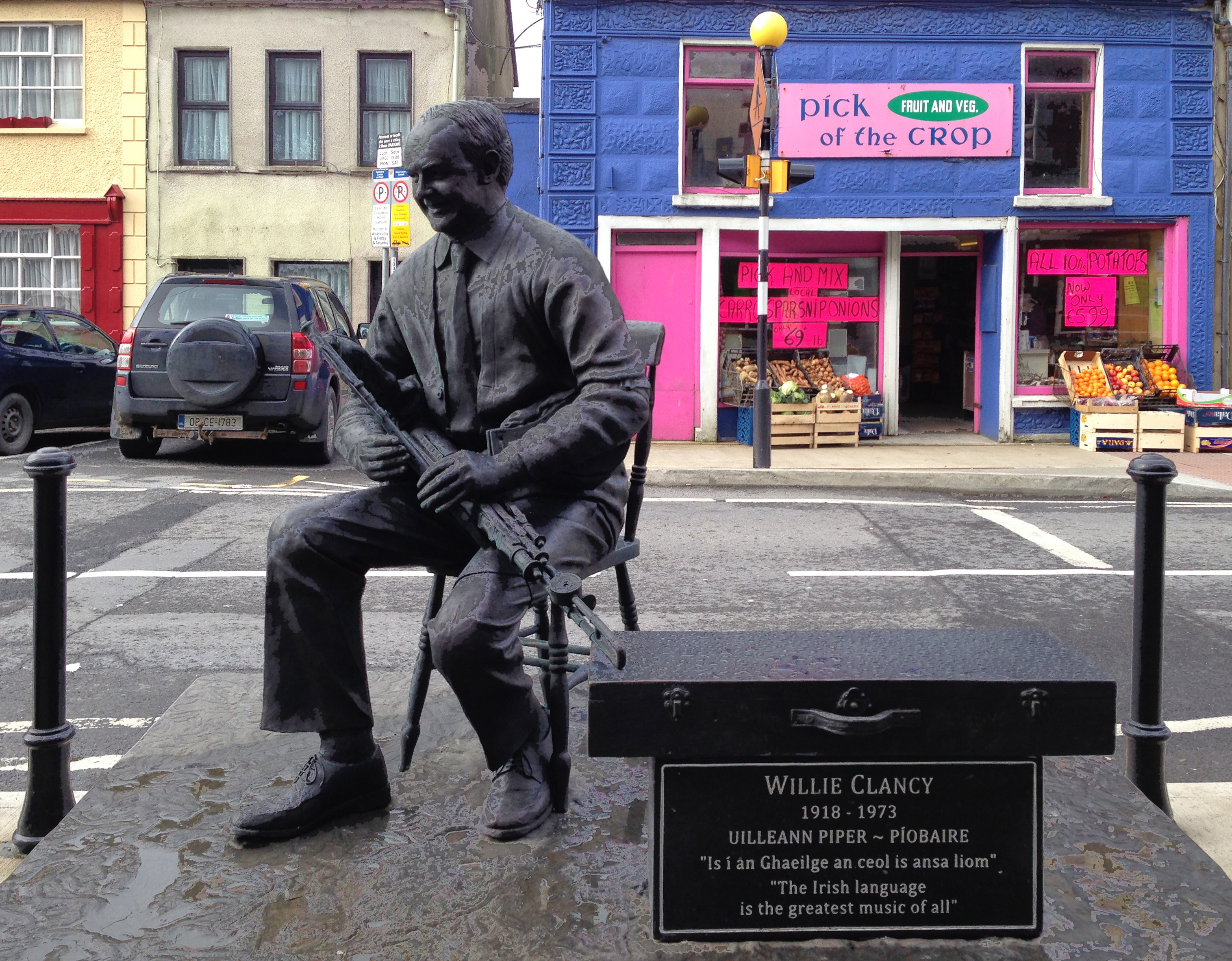
The roll call is endless, but perhaps pride of place (for now) should go to Willie Clancy, not a concertina player but a master of the Uillean Pipes. He has made famous the name of his home town, Milltown Malbay, where they have honoured him with a fine bronze statue. Every year in July around 10,000 people descend on the small West Clare town and swell its normal population tenfold. There are workshops, classes and concerts but, most of all, there is just constant music – in pubs and cafes, and on every street corner: the craic is mighty!

willie

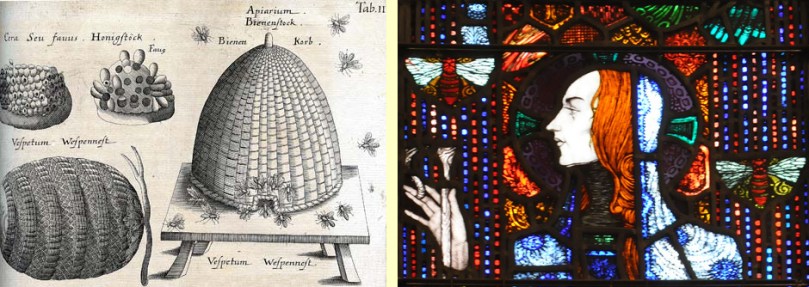
Gobnait

Right: Harry Clarke's St Gobnait

Right: Harry Clarke’s St Gobnait

  • With all the excitements of the hurricanes this week bringing down trees and taking out power and telephones, we almost forgot to celebrate Saint Gobnait’s Day.
  • Saint who?
  • Saint Gobnait – 11th February.
  • But what sort of a name is Gobnait?
  • It sounds like Gubbnet. Not an unusual girl’s name in Ireland: Finola went to school with one. She seemed happy enough with it.
  • But imagine calling a little baby Gobnait… What does it mean, anyway?
  • Er, not sure really: there’s a suggestion that it’s similar to Deborah. That means Honey Bee. Also there’s an Irish word Gabhan which means Blacksmith, and our Saint is supposed to be the patron of ironworkers.
  • So what’s the story of Saint Gobnait?
  • Um, there isn’t one. There’s no history or hagiography about her… But she is mentioned in the ‘Lives’ of St Abban and St Finbarr.
  • But no doubt you are going to tell me that there’s lots of folklore about her?
  • Exactly! This is Ireland after all. She’s celebrated in Ballyvourney, in the Gaeltacht area of Cork. She’s Cork’s local saint. However, she came from somewhere else – possibly Clare, maybe the Aran Islands. She was visited by an angel who told her to travel until she came upon nine white Deer, and that would be the place for her to settle.
  • Did she find the nine white Deer?
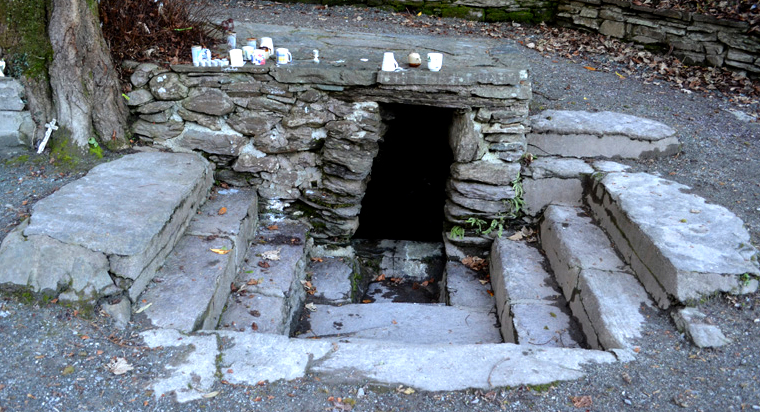
  • She did. But not until she had met three white Deer – in Clondrohid, and then six white Deer – in Ballymakeera, both in County Cork. But she carried on until she reached Ballyvourney; that’s where she met the nine white Deer and so founded her religious community there. It’s a site of pilgrimage today: there’s a church and a Gobnait’s Well which is dried up now, and which is said to be haunted by a white Stag. There is evidence that the well is still venerated today – rags and ribbons are tied to the trees and offerings are left there. Interestingly, excavations around the site in Ballyvourney revealed evidence of ancient ironworkings.
St Gobnait's Well

St Gobnait’s Well

  • So it looks as if Saint Gobnait was superimposed on some pre-Christian traditions?
  • Yes, very much like Saint Brigid.
  • Anything else which sets her apart?
  • Bees! She is always depicted with her Bees: she is supposed to have had great powers of healing and could even cure the plague with a medicine made from honey. Interestingly there are folk traditions that the soul leaves the body in the form of a Bee or a Butterfly. Bees could therefore be incarnations of our ancestors; perhaps that is why it’s important to ‘tell’ the Bees our family history – births, marriages and deaths. There were also once laws called Bech Bretha – Bee Judgments.
  • So what am I supposed to do on Saint Gobnait’s Day?
  • Think about Bees, ancestors, iron and healing… And do the ‘Rounds’ on Pattern Day. This involves going around the well or church either three times or three times three times, always clockwise. At Ballyvourney the pilgrims also touch the Sheela-na-gig as part of the turas (journey).
  • Sheela-na-gig?
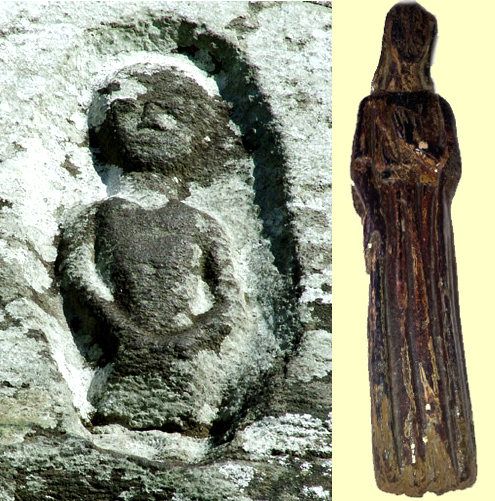
  • That’s a statue of a female figure with prominent genitalia. There’s one carved on the wall of the church at Ballyvourney, which is supposed to be a representation of the Saint.
Sheela-na-gig and medieval statue

Sheela-na-gig and medieval statue

  • That certainly sounds pagan!
  • Possibly something to do with fertility. There are a lot of examples in Ireland and Britain, almost always associated with churches. Perhaps just a medieval joke – or something which has a meaning now lost to us.
  • So, is that everything that there is to know about Saint Gobnait?
  • No – at Ballyvourney the Parish priest looks after a 13th century carved wooden figure of the Saint, and this is brought out on her day and also on Whit Sunday. Some people supposedly still use a Tomhas Ghobnatan: a length of ribbon or thread which is measured against the carved figure and then used as a healing charm. There are other sites in Ireland dedicated to her: a shrine and well in Dunquin, and Tobar Ghobnait, another well in a ruined oratory at Kilgore on the Dingle Peninsula, County Kerry. Here is found a simple ancient stone bowl which is always full.
  • How active is the pilgrimage at Ballyvourney?
  • Very active: the church is always crowded on the day, and there are long queues waiting to measure their ribbons against the wooden statue after doing the ‘rounds’.
  • Well, thank you: I will take a trip up to Ballyvourney…
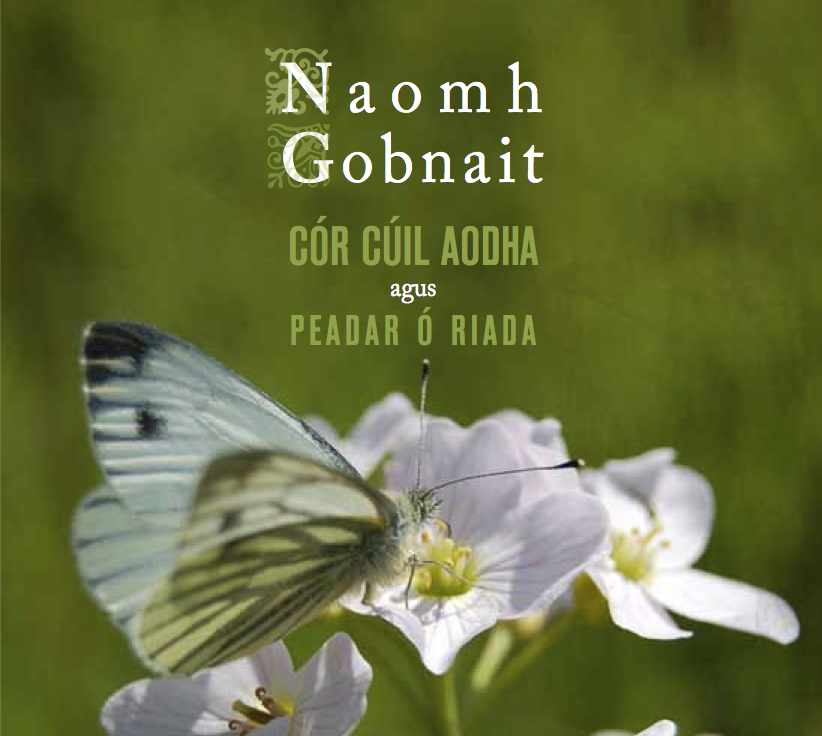
  • It’s worth going on a Sunday to hear the Mass sung in Irish. Sean O’Riada formed a choir  there which is still going strong today, now led by his son Peadar.

cludach-naomh-gobnait

The Southern Star

Banner

There’s so much going on here in West Cork. You could be out every night if you wanted to be, and  participating in as many community events as there are hours in the day. How do we keep up with it all? Easy – The Southern Star. It comes out every Thursday, and features a pull out Community section that details all the news from the towns and villages around West Cork. Births, baptisms, deaths, marriages and engagements are announced, and be-gowned university graduates are pictured with smiling parents.

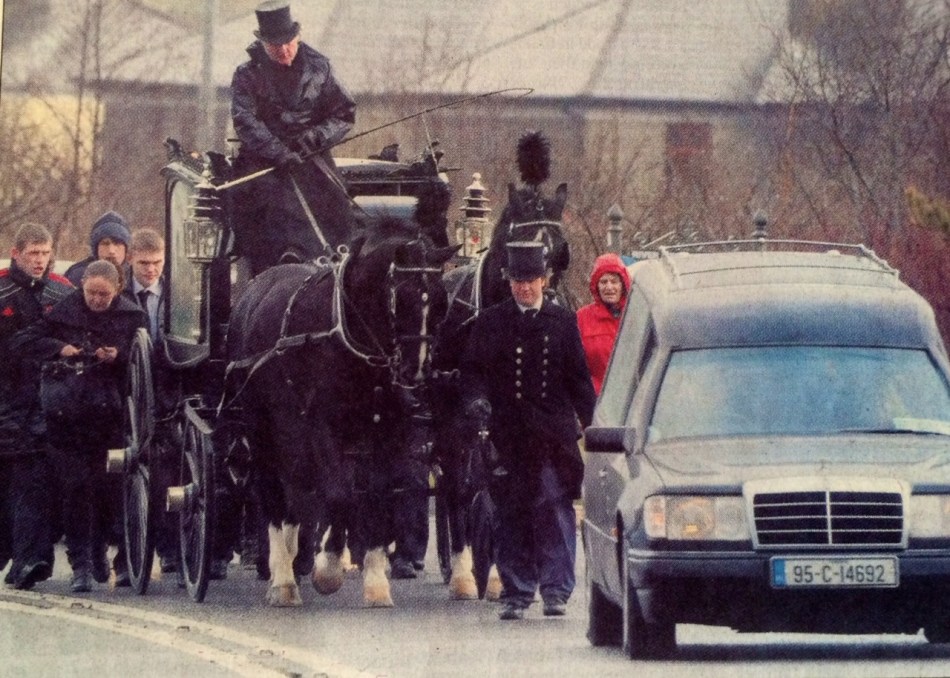
Recent funeral in Skibbereen

Competitions are legion – sometimes talent-based, and sometimes sporting, such as the Clonakilty Blackpudding Car Rally. But rural and farming pursuits such as ploughing competitions or agricultural conferences remind us that we are living in a part of the world that makes it living off the land. Recently a tillage seminar attracted large crowds in Bandon, while another one on calf-rearing had over 300 attendees in Timoleague. Cheval rides are often pictured – horse treks for charity from town to town or across golden beaches. A farmer recently put out an appeal for a missing cow:

The animal made good its escape from a farm in Jagoe’s Mills, Belgooly, on Friday, January 17th. The animal may be suffering from memory loss as it was last seen at the racecourse in Farrangalway, before evading capture and taking to the countryside in the Dunderrow area. This is an extremely prized animal.

The farming community has been up in arms recently over changes to the system of government grants known as “Single Farm Payments” and there have been huge turnouts at meetings, protests and rallies.

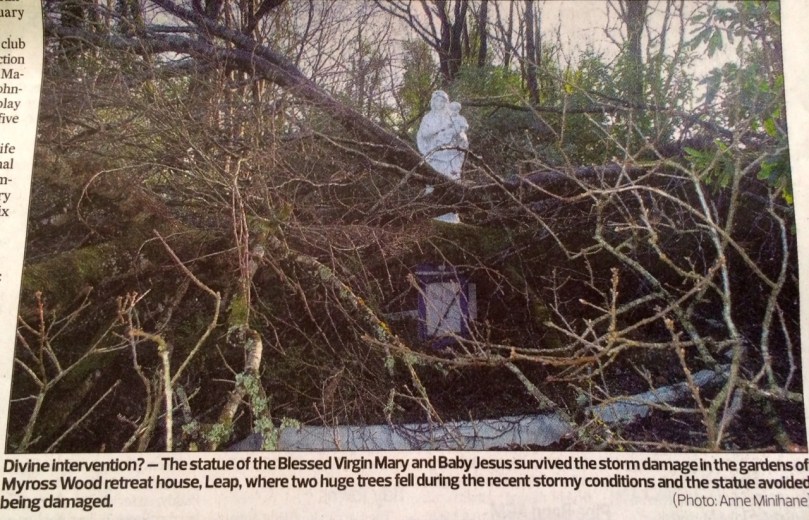
Divine Intervention at Myross

Divine Intervention at Myross

The ebb and flow of village life is chronicled in the Star’s Community pages. ICA (Irish Countrywomen’s Association) meetings are announced and later described. Local businesses close and the village say farewell to a pair of much-loved publicans. Community members gather to clean up a graveyard (…stone walls emerged and tombs reappeared after years of being buried in undergrowth. The little Huguenot chapel was cleared of saplings and briars…) or celebrate the opening of a new playground, to help neighbours affected by the recent awful storms or to hold a St Brigid’s Cross making session in the senior’s housing complex. West Cork people are upset about fluoride in their water and enthusiastic about the Men’s Shed Movement.

Getting news of cultural events

Getting news of cultural events

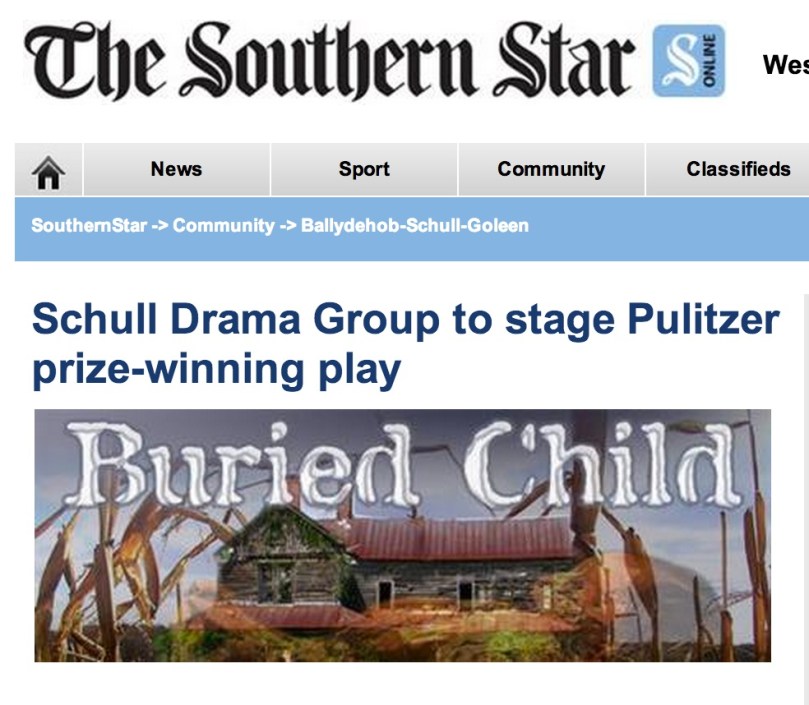
Reading the Southern Star is the only way to find out where Road Bowling events are taking place, or horse races. We comb through it looking for the upcoming meetings of the various Historical Societies, the concerts (from orchestral to traditional), the plays by the local drama groups (this weekend, Sam Shepard’s Buried Child in Schull), and the upcoming festivals. Ballydehob will hold its annual St. Patrick’s Day parade on March 17 (a national holiday here) and the theme this year is to recreate the 1914 Postal Directory of the village. We are witnessing the establishment here of an new national tourism initiative, the Wild Atlantic Way, and local communities are being asked to brainstorm how to get involved.

Daisy contemplates her strategy

Daisy contemplates her strategy

I will finish with one of my favourite recent items:

A Cowpat Challenge takes place at Kilmurry National School on Sunday, February 23rd. at 11am. Daisy the cow is coming to the grassy area in the playground which will be marked out into numbered squares. Whoever owns the square that Daisy decided to deposit the first cow pat into, wins a whopping €1,000.

We are posting early this week as we leave for a trip to Ireland’s west coast tomorrow. We still have no telephone or internet so this is coming to you through the kindness of neighbours who have given us access to their WiFi. Next post in two weeks – spring will have arrived by then. Right?

Code Red

A joint post by Robert and Finola

By Rossbrin Cove, after Storm Darwin

By Rossbrin Cove, after Storm Darwin

Weather apWe looked back recently and counted the number of posts both of us have done on the subject of the weather, and decided not to do any more on pain of boring our readership to death. But this week Met Eireann issued a rare Code Red warning and their direst predictions came true. The Southwest of Ireland was pounded by hurricane force winds, the like of which many people had never experienced before. Storm Darwin wreaked havoc in our corner of the world.

We were lucky! Our power was off for several hours, but our house is set up so we can still stay warm, run water, and cook. We lost a few more trees, including two that fell over the road, blocking access. Our terrific landscaper, Thomas, chainsawed them off so that at least cars could get by. Trees that came down in our neighbour’s property severed our telephone cable and we have been told that it could be ten days before this is fixed – so we have no landline and no internet. We use our cell phones to connect whenever we can in cafes in town or in friends’ houses, but reception has been spotty all week due to storm damage.

We're almost out of trees now in the haggard

We’re almost out of trees now in the haggard

Many of our neighbours have not been so fortunate and are still without power. For some this can also mean no water and no way to cook. The County Council has issued a warning to boil drinking water amid fears that water supplies have been contaminated. All over the countryside crews are out clearing away trees and restoring cables. Two young men were swept to their deaths by huge waves on the north side of the Sheep’s Head. Another man, part of a telephone repair crew, has died while working on the high wires. Roads and towns flooded although this time the storm surges did not coincide with high spring tides so the water damage was not as bad as it had been earlier in the year.

Boats blown down

Boats blown down

And what do we do in Ireland when the storm hits? We hunker down next to the fire in a warm dry pub, of course, and sing our hearts out! This week, an old friend of Robert’s arrived from Cornwall with his Lifeboat Choir – singers associated with lifeboat stations around Cornwall. The group has developed a long-term relationship with a similar group here in West Cork and this was their annual visit. So we found ourselves holed up in a hospitable establishment in the village of Ballinadee, with musicians and singers from both sides of the Irish Channel, singing and playing and hooting and cheering the night away, and then driving home beneath a clear brilliant moonlit sky that looked as if it had never held a drop of rain.

Cornwall comes to West Cork

Cornwall comes to West Cork

Life in West Cork is nothing if not variety!

This post has been brought to you courtesy of a friend’s internet. Lack of internet and a planned trip to Clare will disrupt the regular posting schedule over the next couple of weeks but normal service will resume as soon as possible.