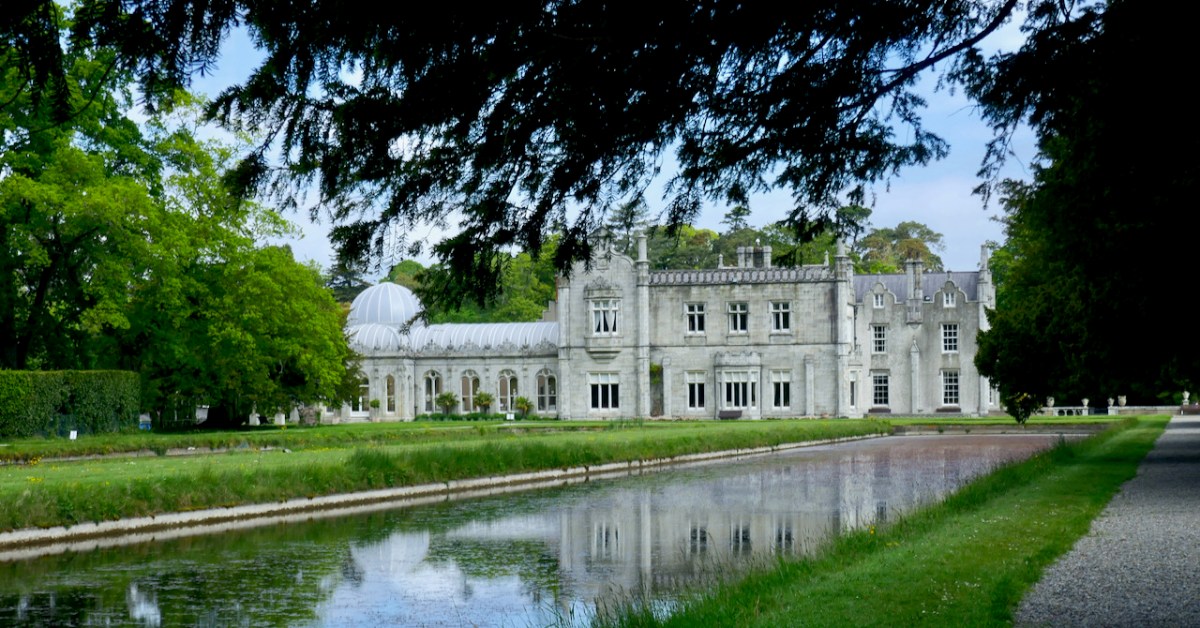
We’ve been visiting the wonderful gardens at Killruddery House, just outside Bray, and it’s been a tonic for the soul.
We talk a lot about managing for bio-diversity, but when you see it in action on this scale, it’s breathtaking. Killruddery is the ancestral home of the Earls of Meath and the house and gardens are open to the public during normal (non-Covid) times. They have just opened the gardens again and when we visited yesterday and today they were teeming with people – a deservedly popular destination for families. There’s lots of room, so the enormous lawns were dotted with picnic blankets, and the largest sandpit I have ever seen was full of delighted children.
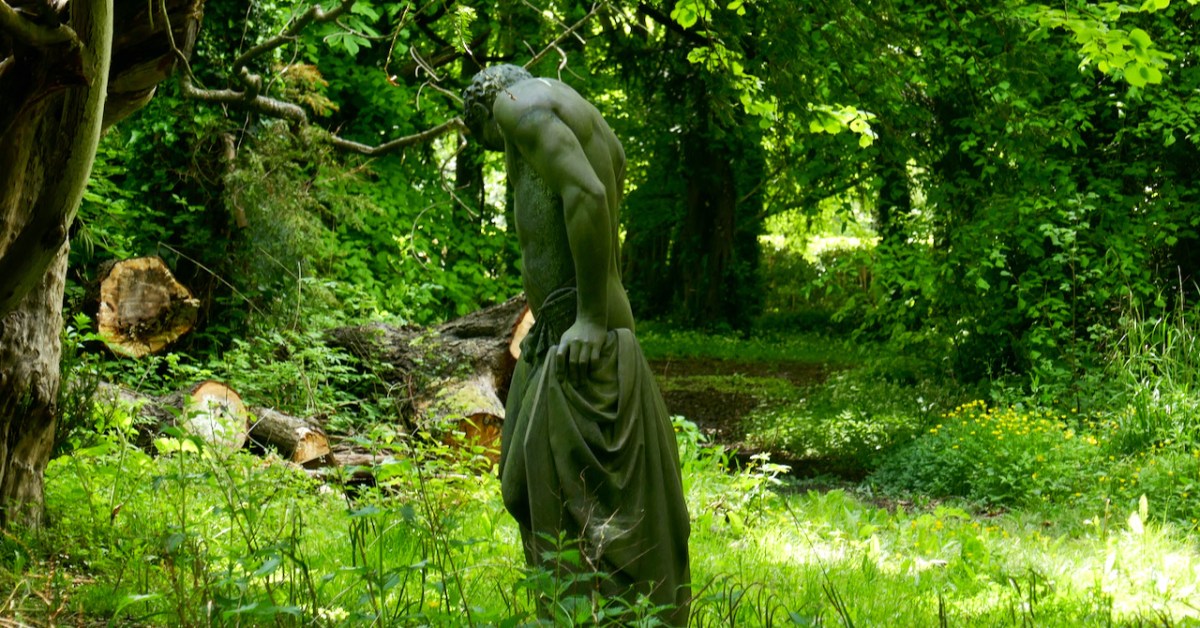
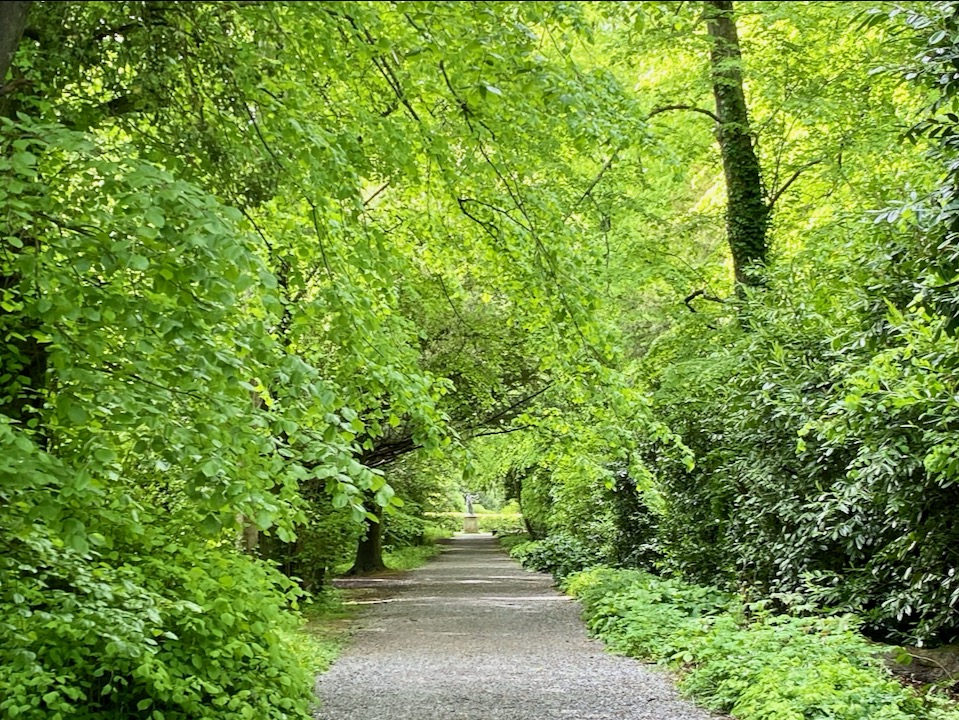
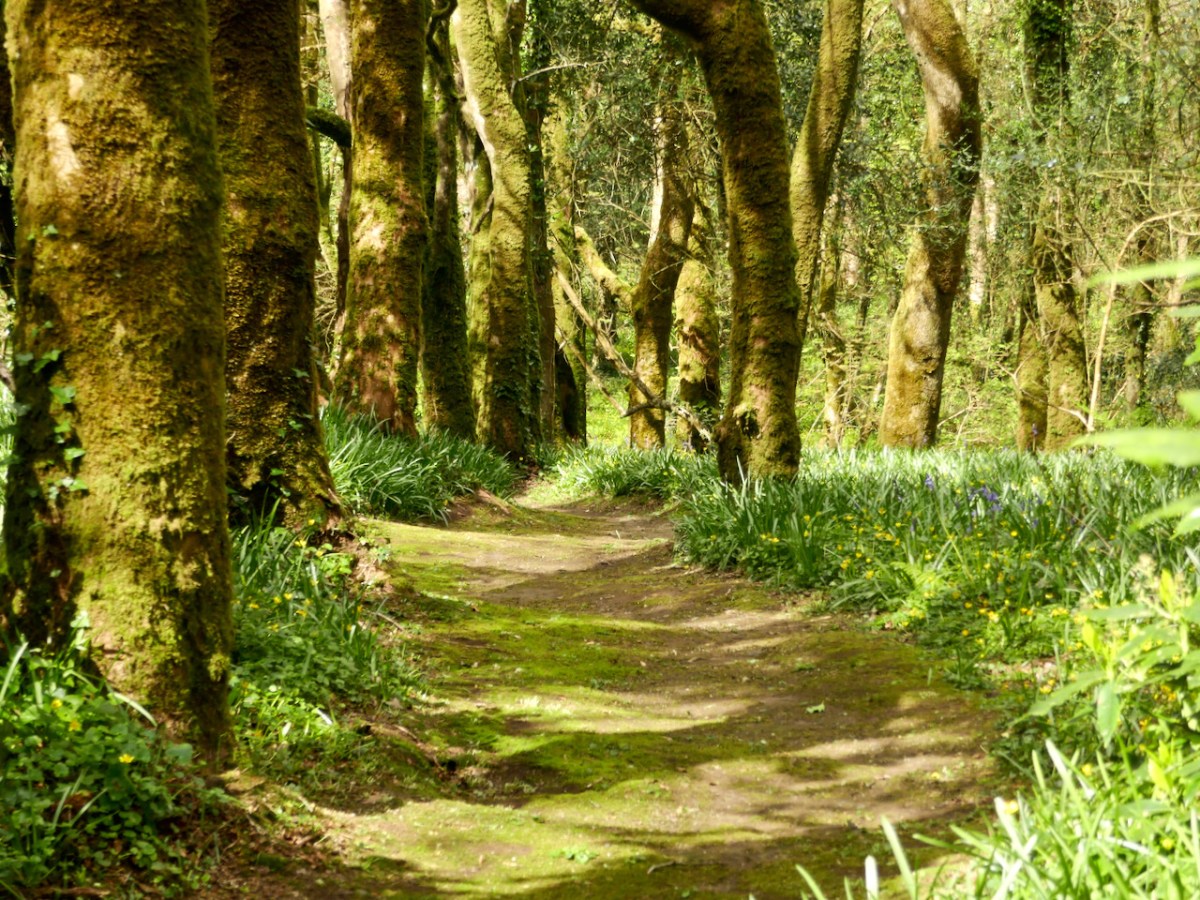
Despite the crowds, it is easy to stroll along the woodland paths and never meet another person. And it’s on those paths that the term Nature and Nurture came to me as an apt description. The Meaths are managing for bio-diversity and sustainability on a grand scale, and doing it magnificently, at the same time as providing a wonderful amenity for visitors.
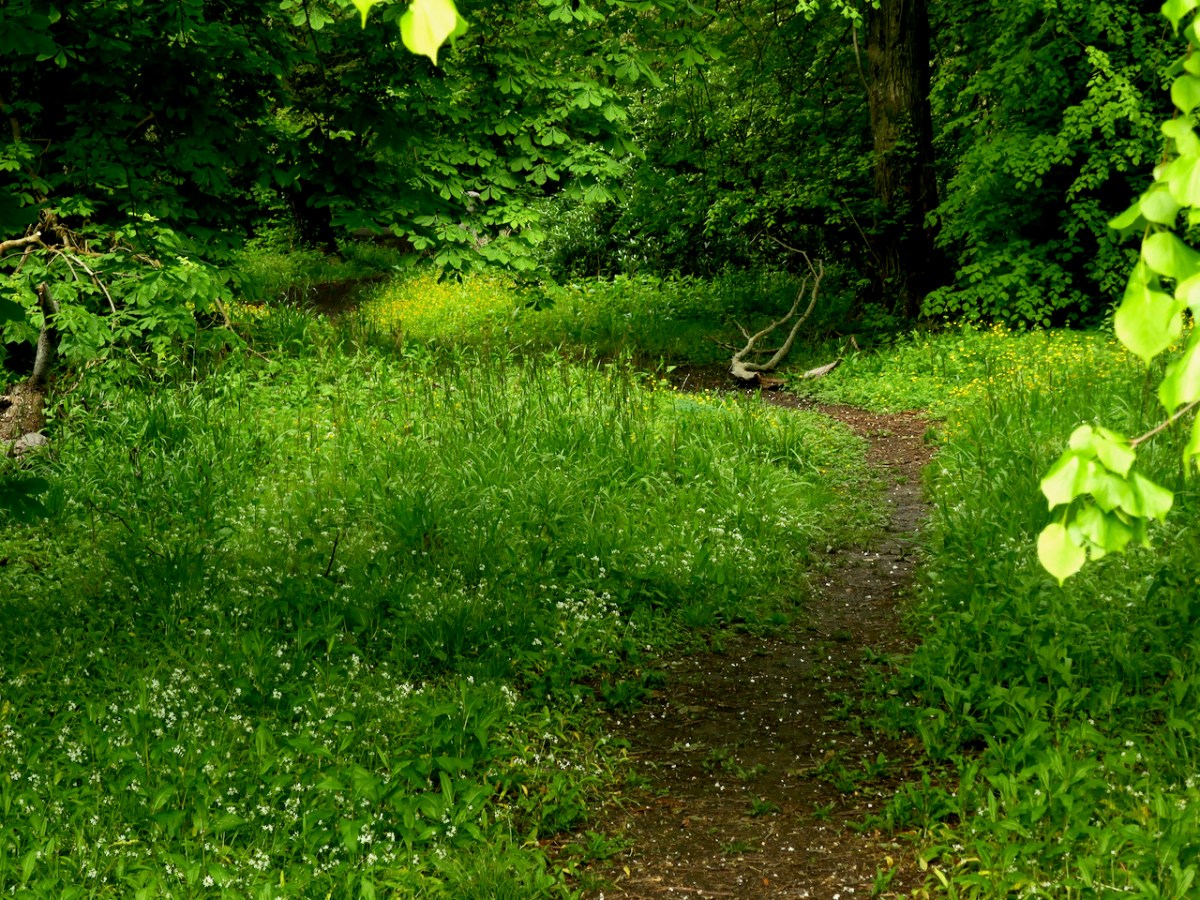
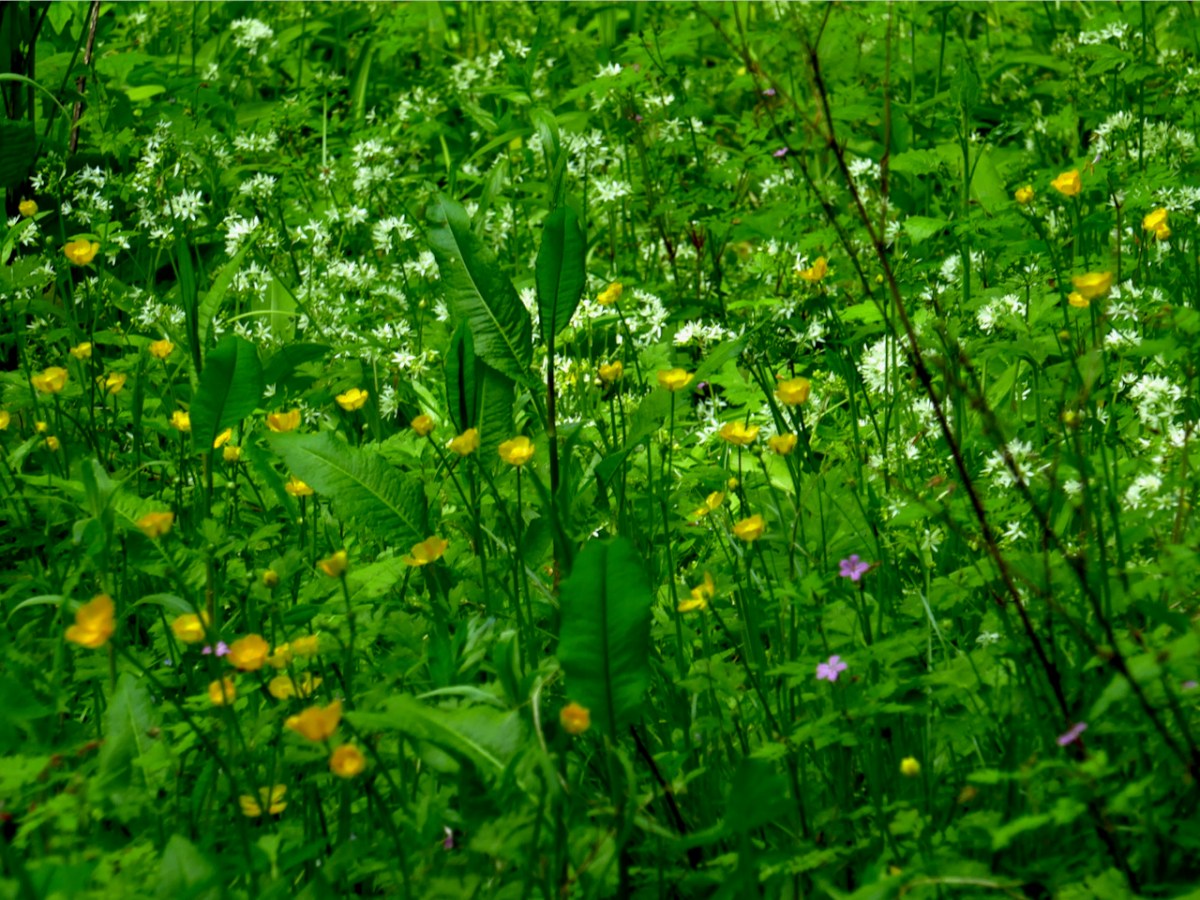
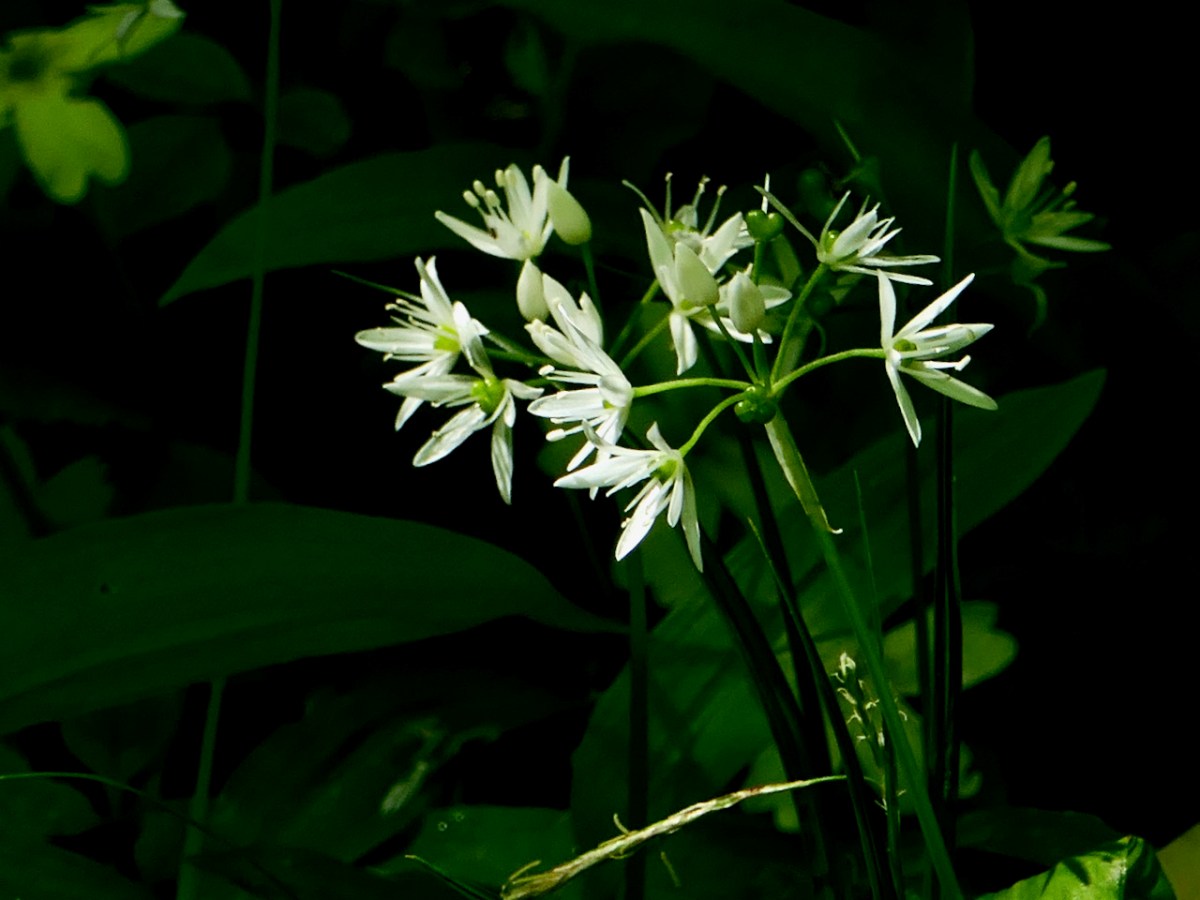
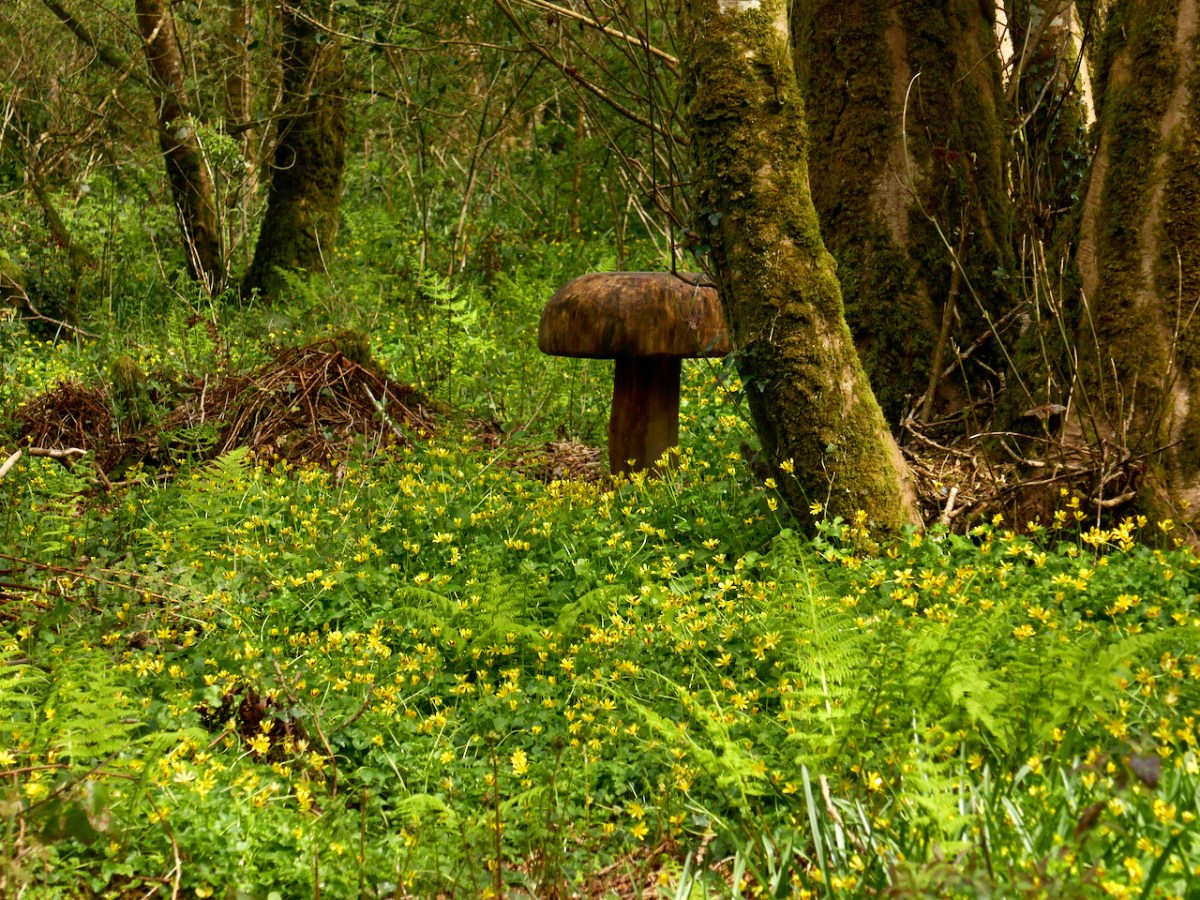
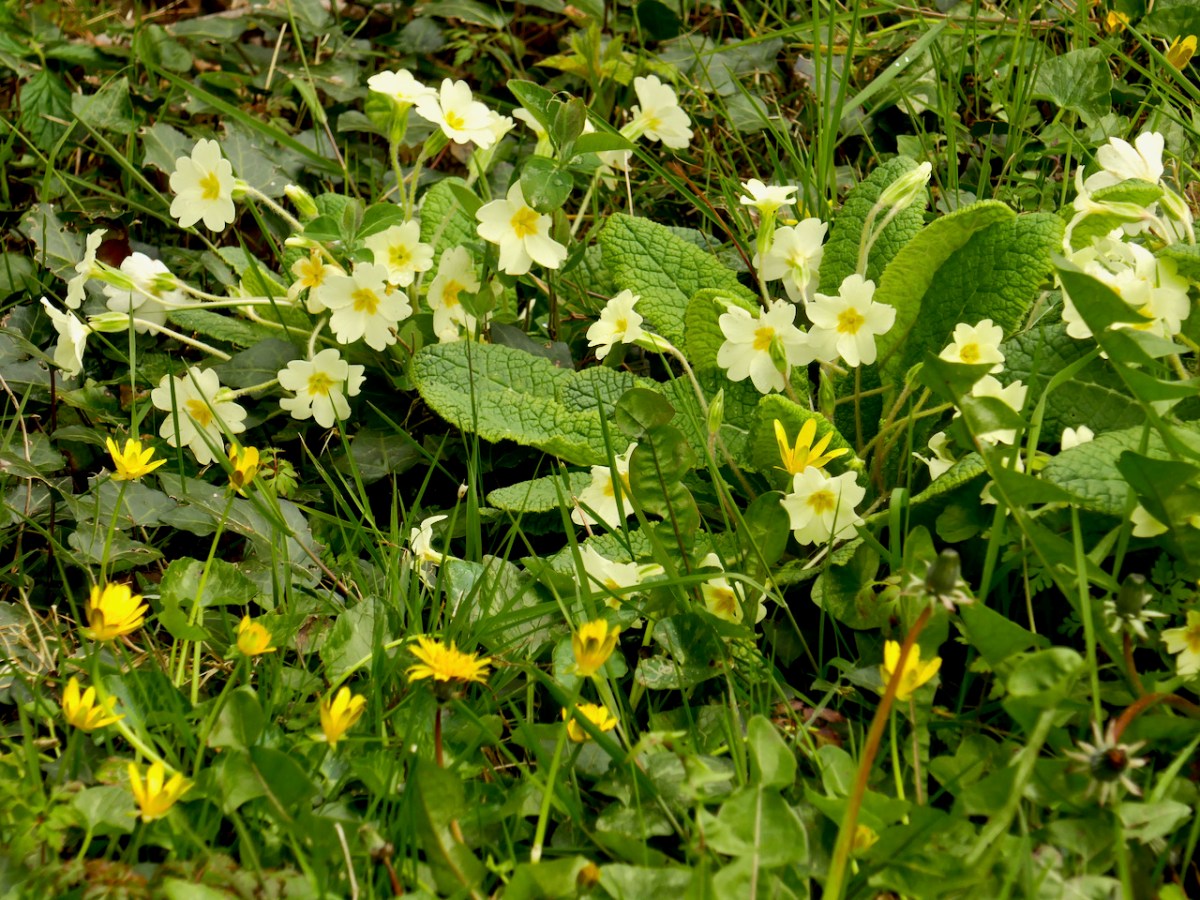
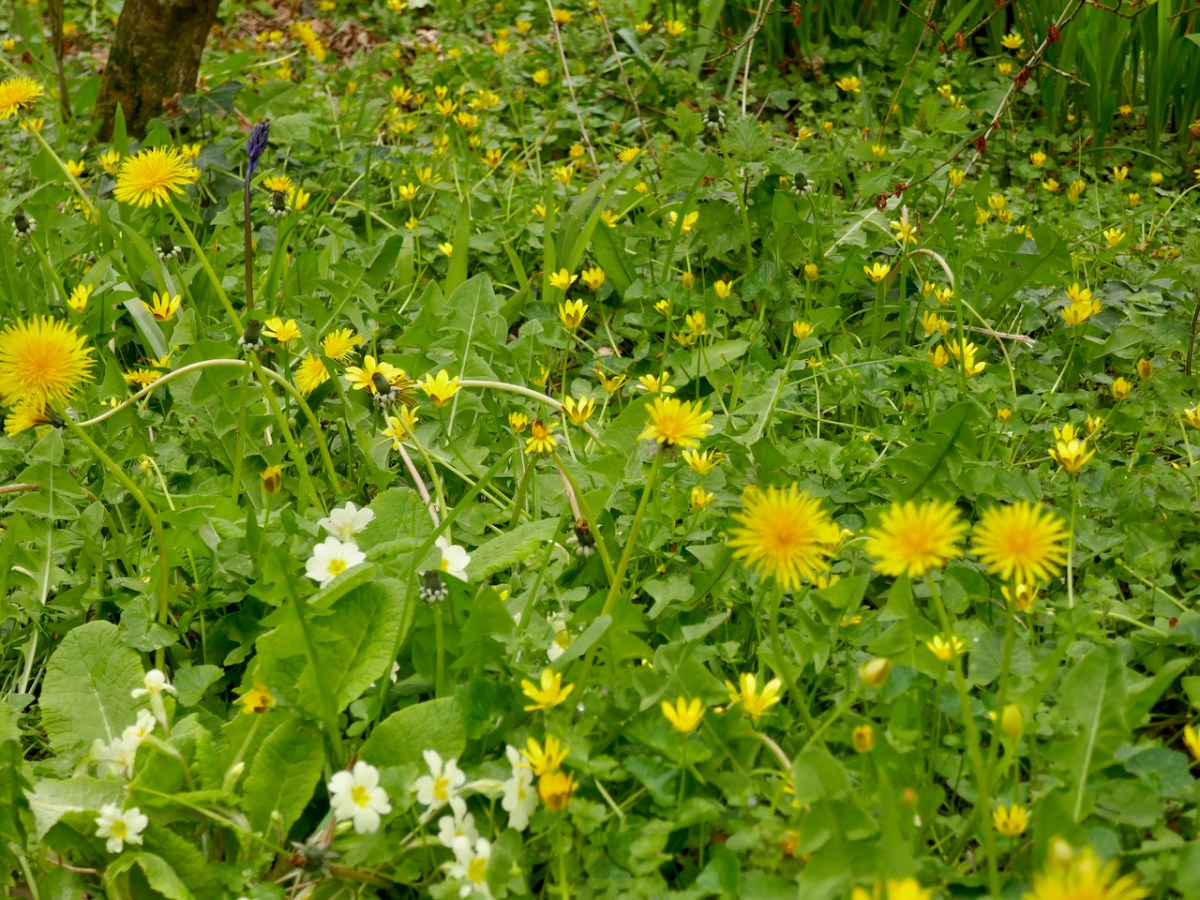
The mix of natural and designed landscape works so well that it all blends together and you wander seamlessly from the kind of open lawn with specimen trees that Capability Brown would have been proud of to deep woodland with a carpet of wildflowers. The smell of wild garlic, Ramsons, drifted over us as we strolled. That’s the white flower, below, mixed with buttercups and Herb Robert.
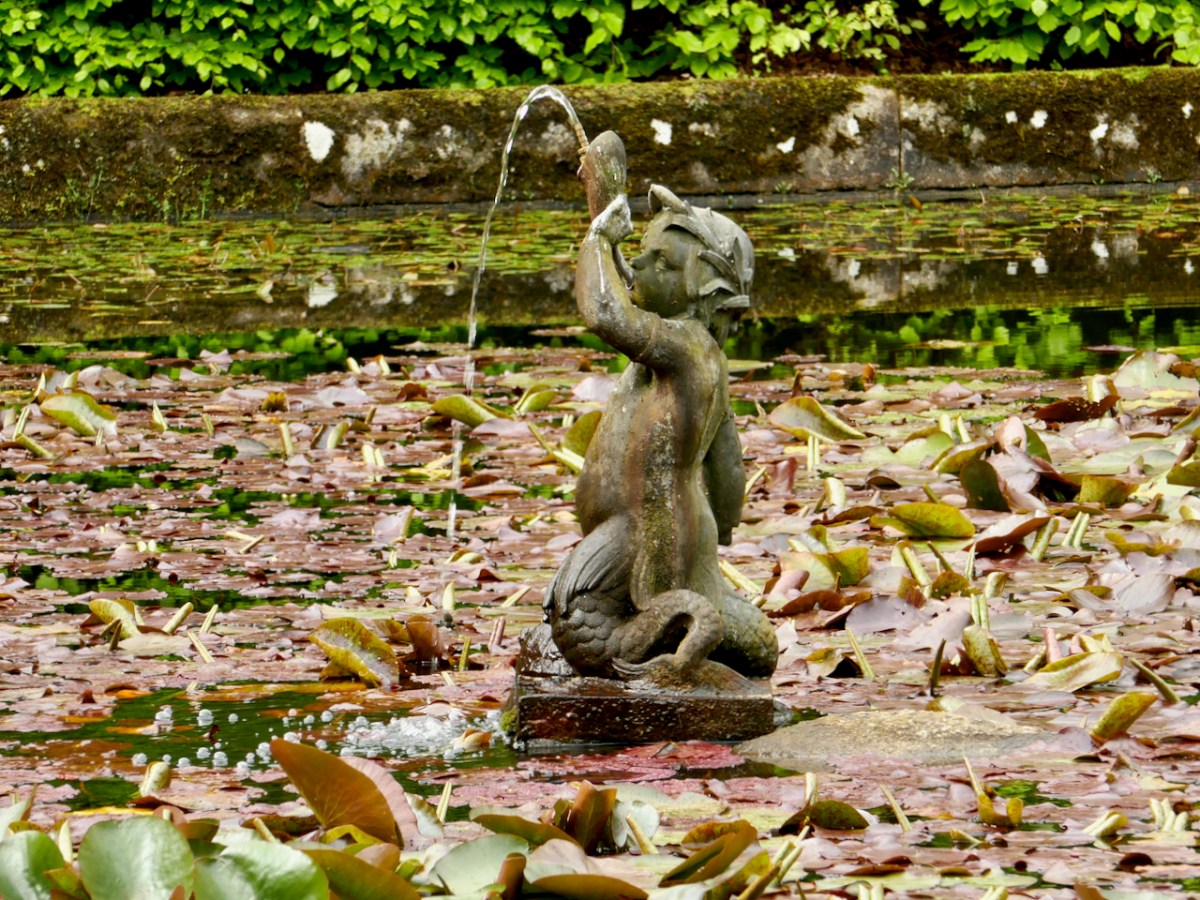
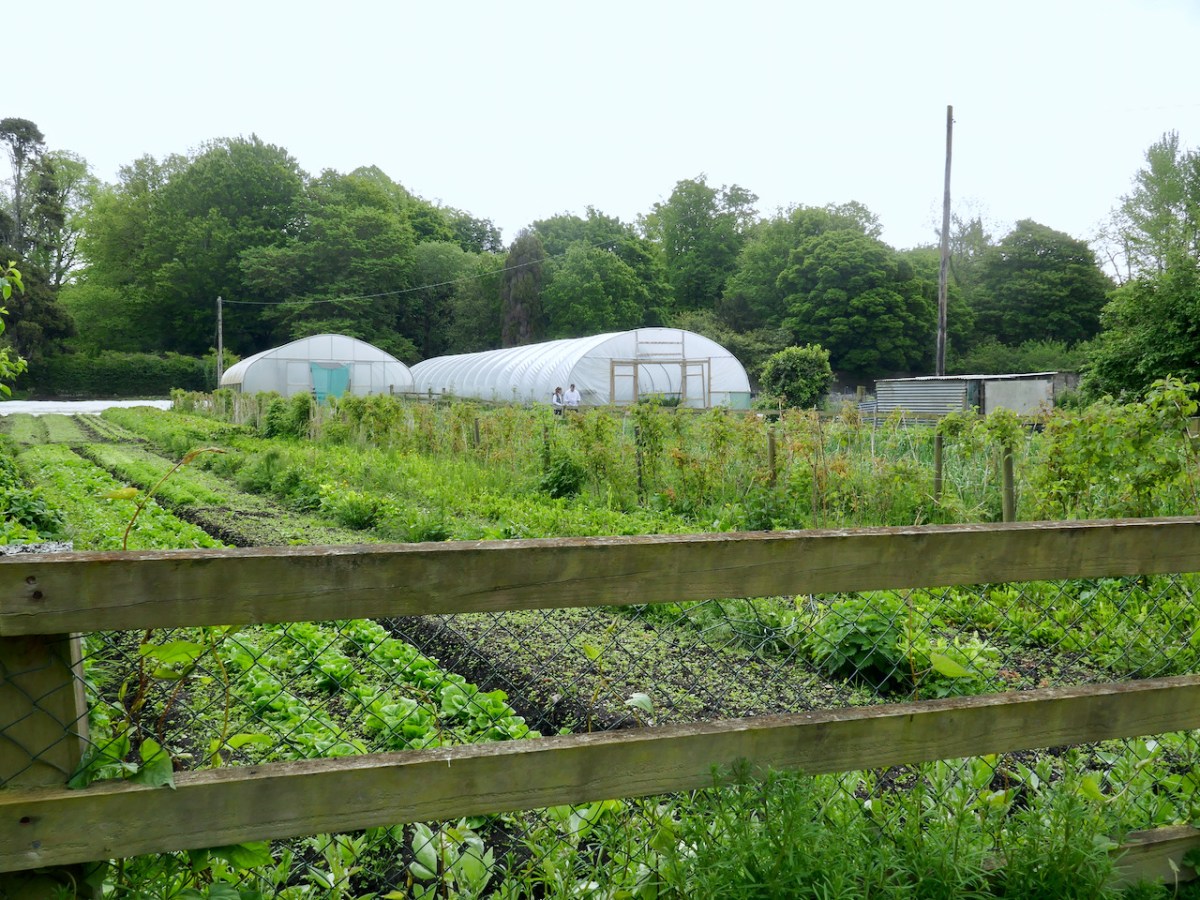
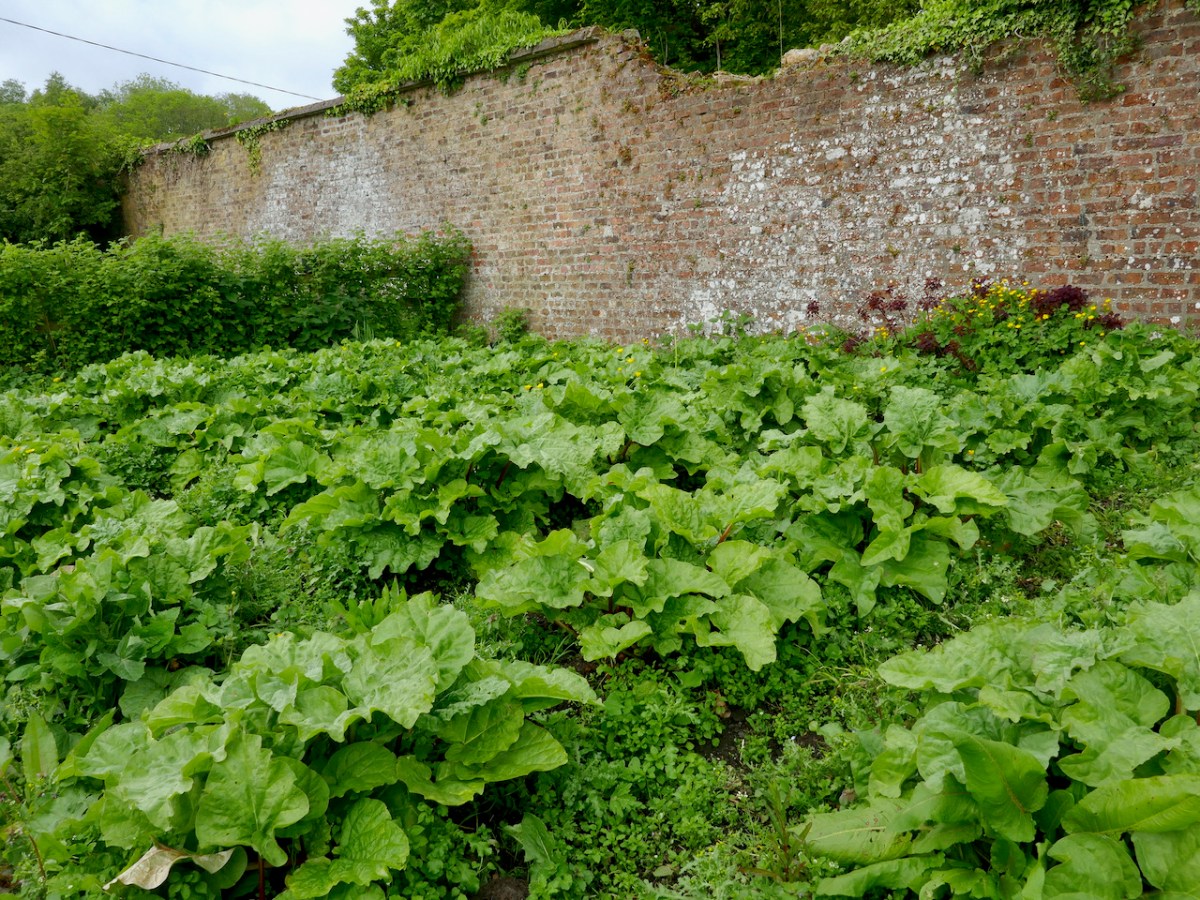
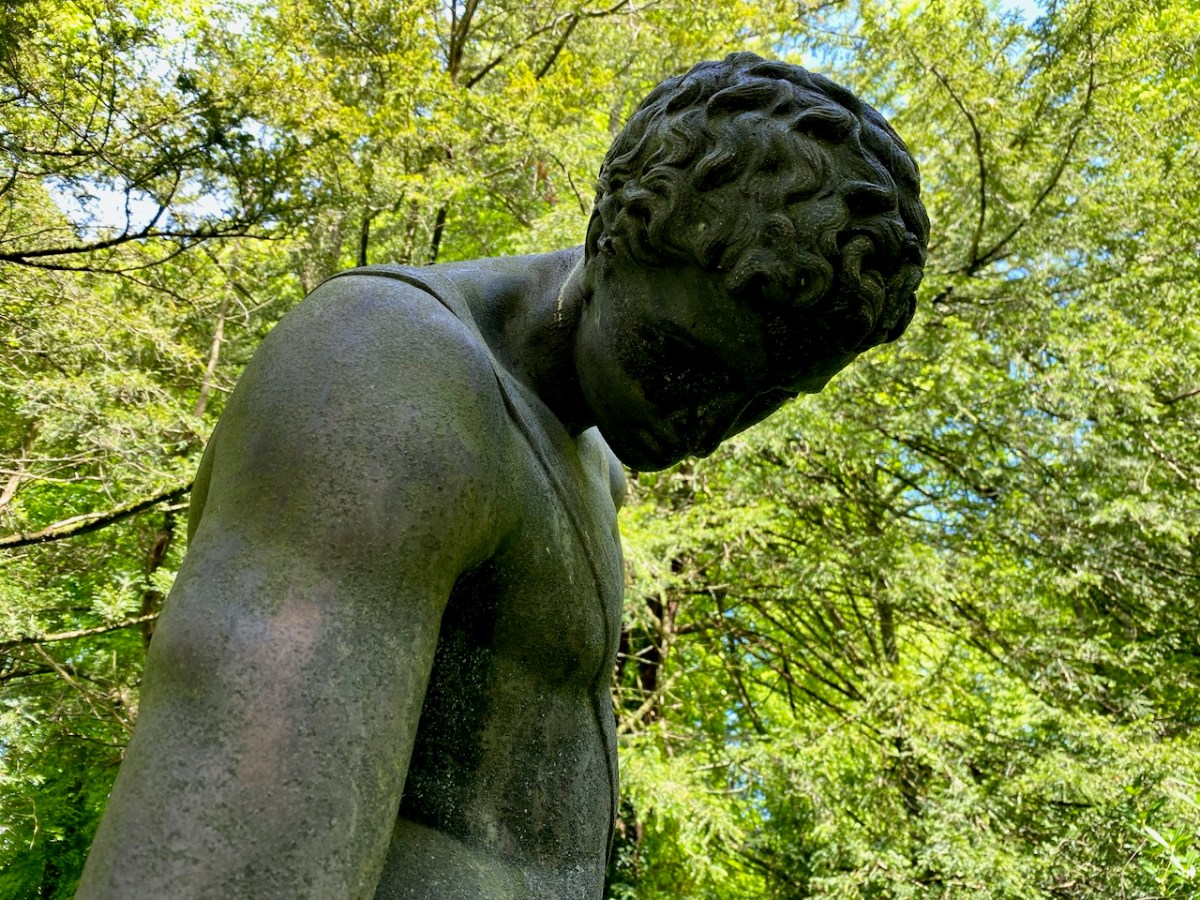
There is SO much to Killruddery – a kitchen garden that supplies their own chefs; the house itself, famous as a film and wedding venue and full of treasures and history; the farm shop and farmers market; the farm trails and children’s activities; a formal parterre and sunken garden; a water clock – and I am only touching the surface. It will repay visit after visit.
But our readers know that I can’t resist the wildflowers and on my two visits this week I mainly focussed on the woods, with occasional sorties into open spaces and long vistas.
Jack, the Earl of Meath, has been writing a nature diary – you can find it here – and it’s the work of a man passionate about preserving natural surroundings, and alarmed about our loss of habitat and species. I’ve been lucky enough to have had a tour of the gardens with Jack, and I can tell you that he knows the name, history and provenance of every tree and every shrub.
His son, Anthony and daughter-in-law, Fionnuala, are committed to an ethos of conservation, looking to the long term health of the land and the animals and plants that make it home.
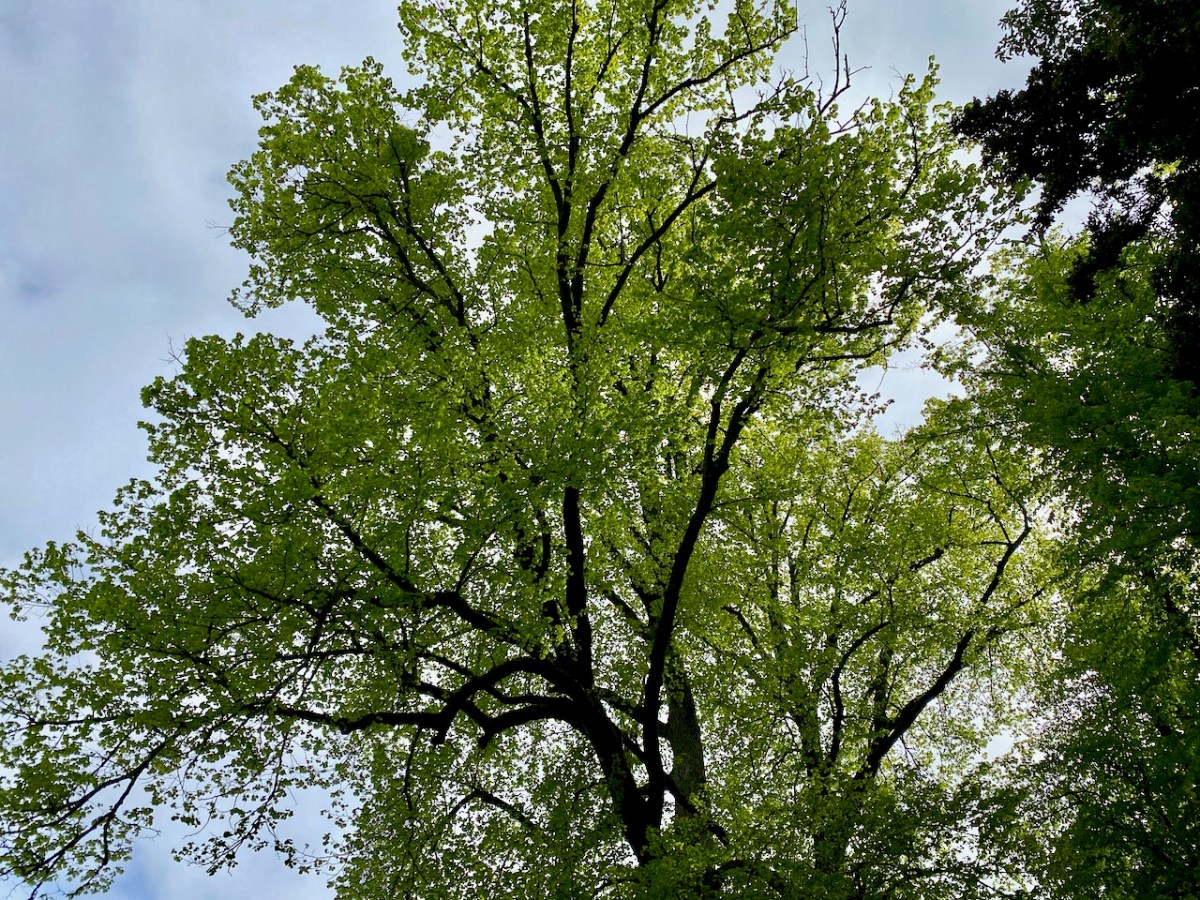
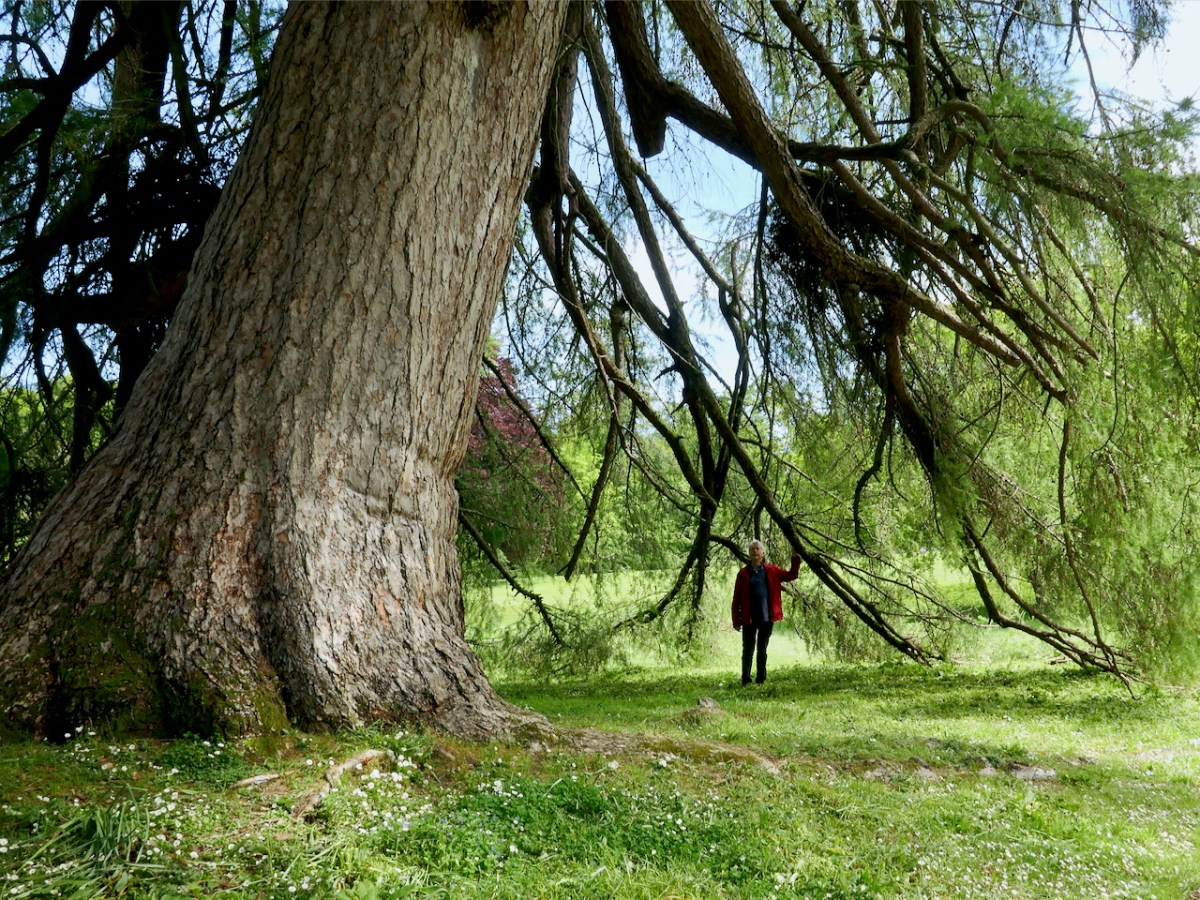
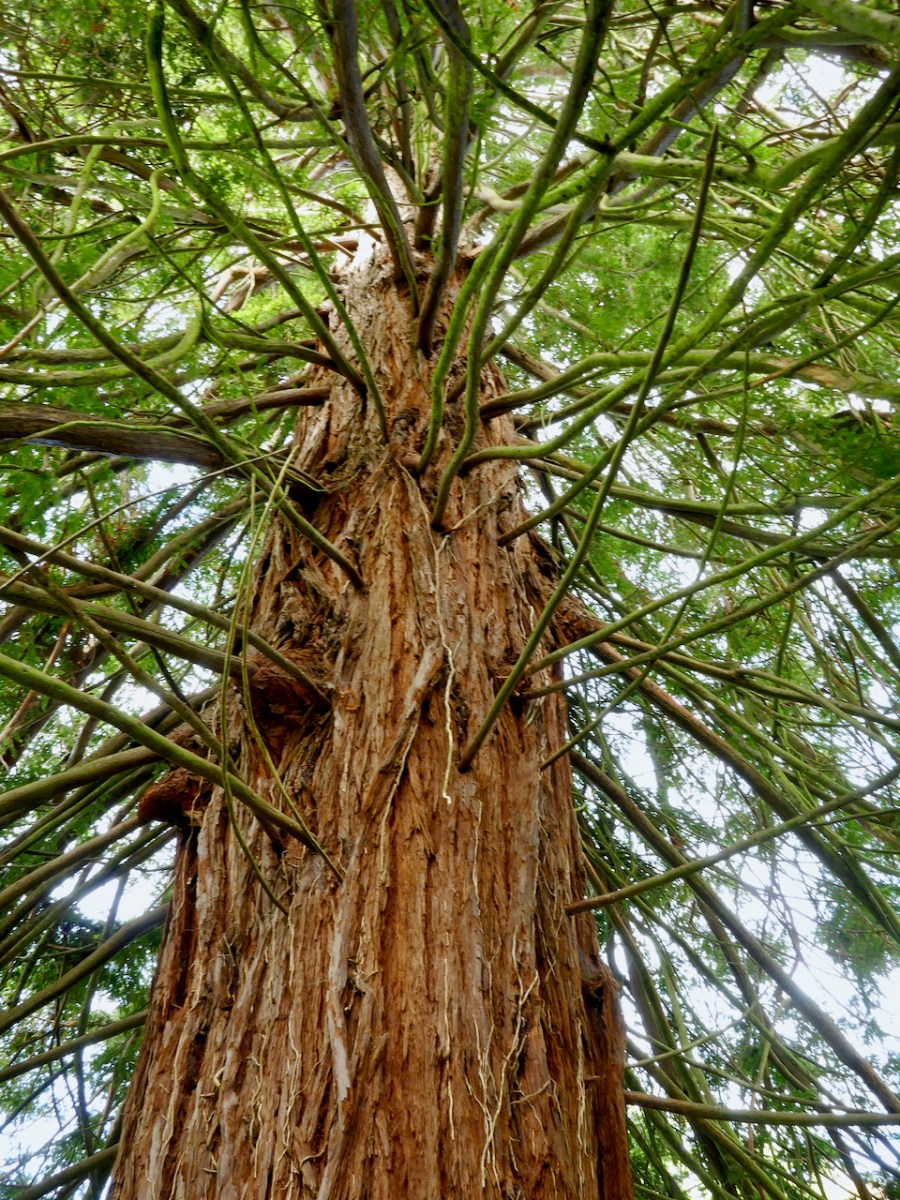
Almost uniquely in Ireland, this is a garden that has been established since the seventeenth century. It was underway by the 1680s and much of it was already in place by 1711. It’s difficult to imagine that there are taller trees anywhere else in Ireland! Each generation has planted and refreshed, changed and improved, always taking seriously their stewardship of the estate and nurturing the land.
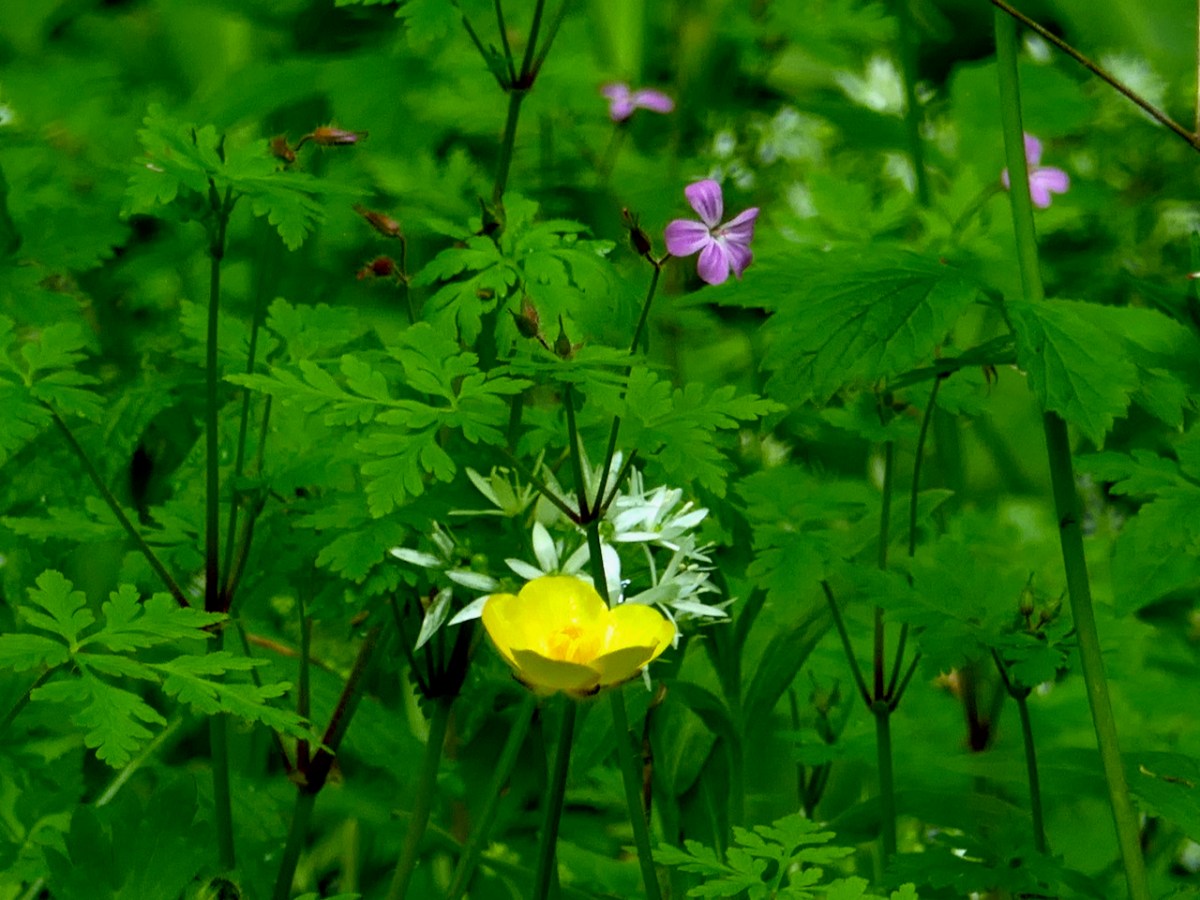
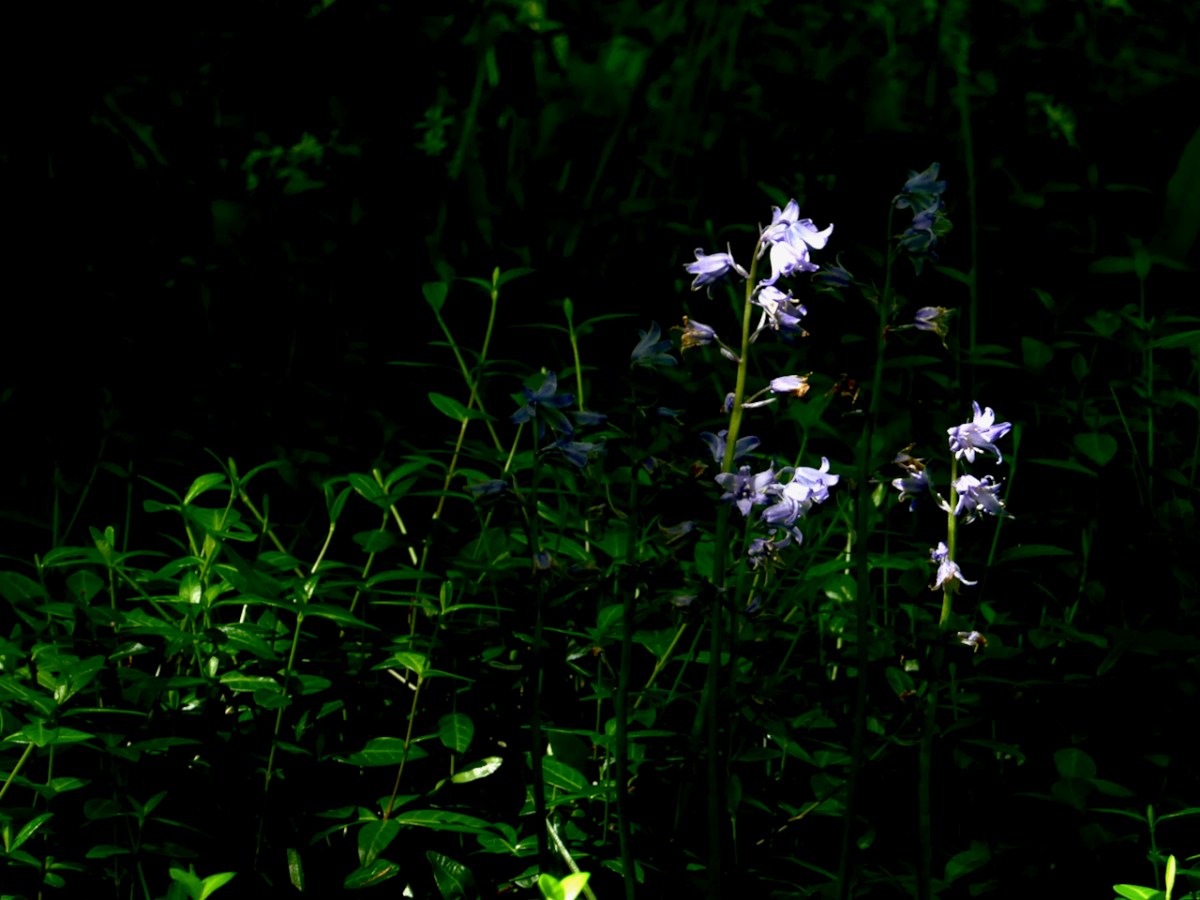
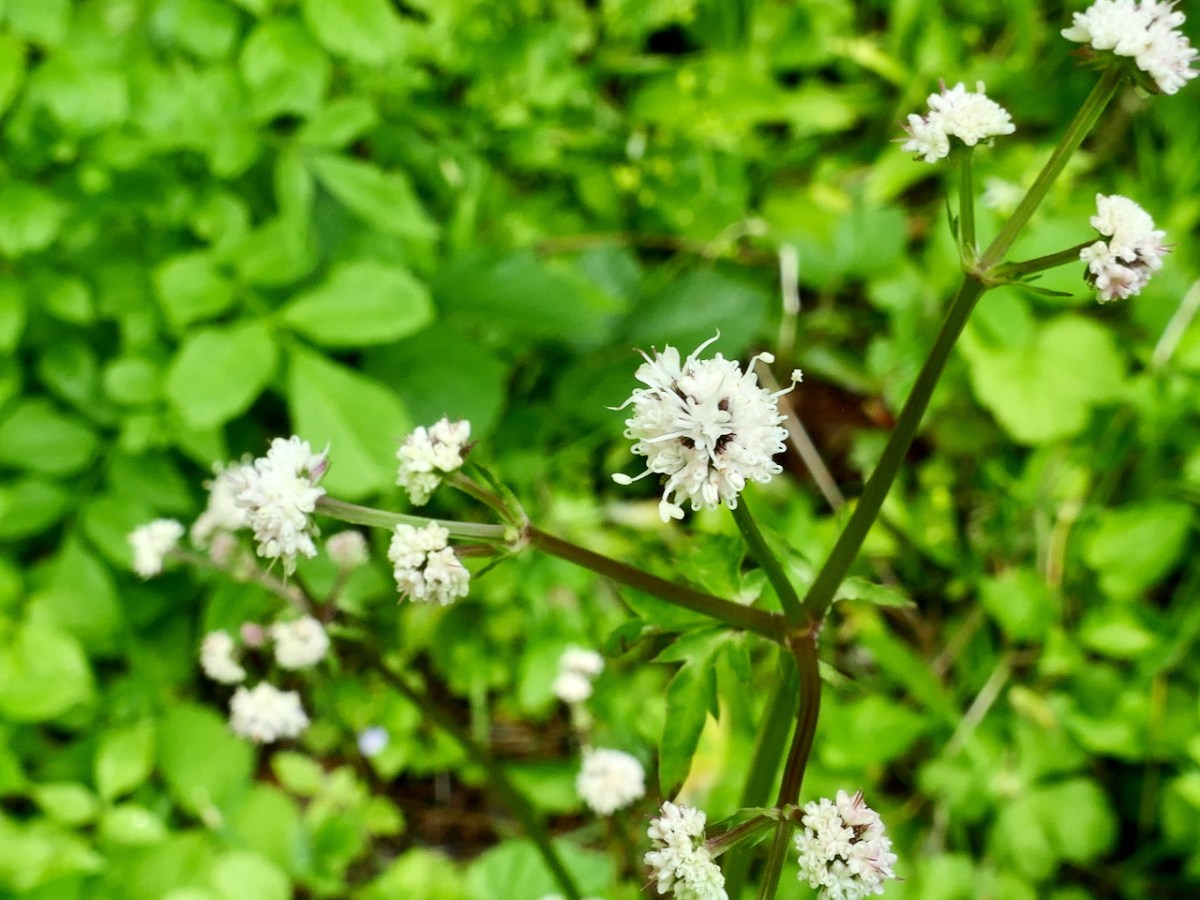
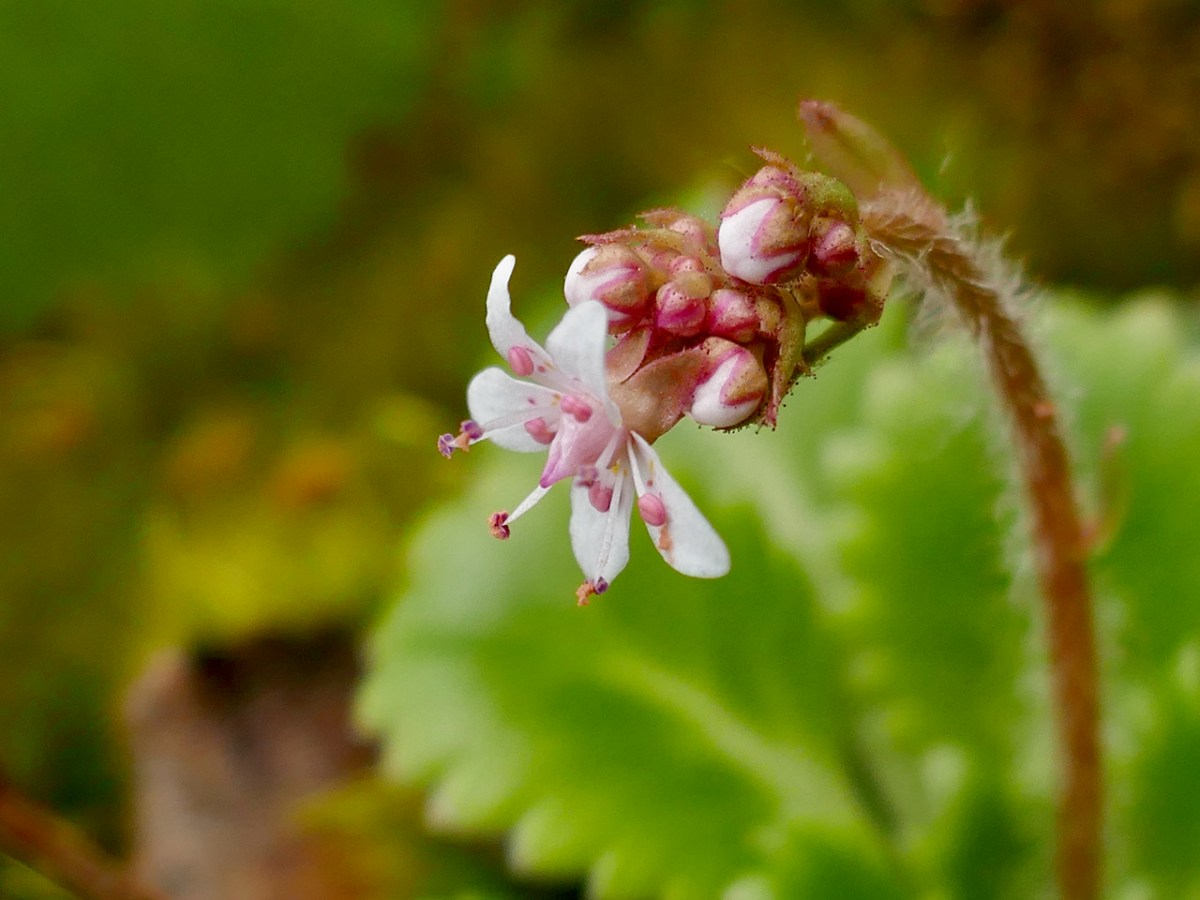
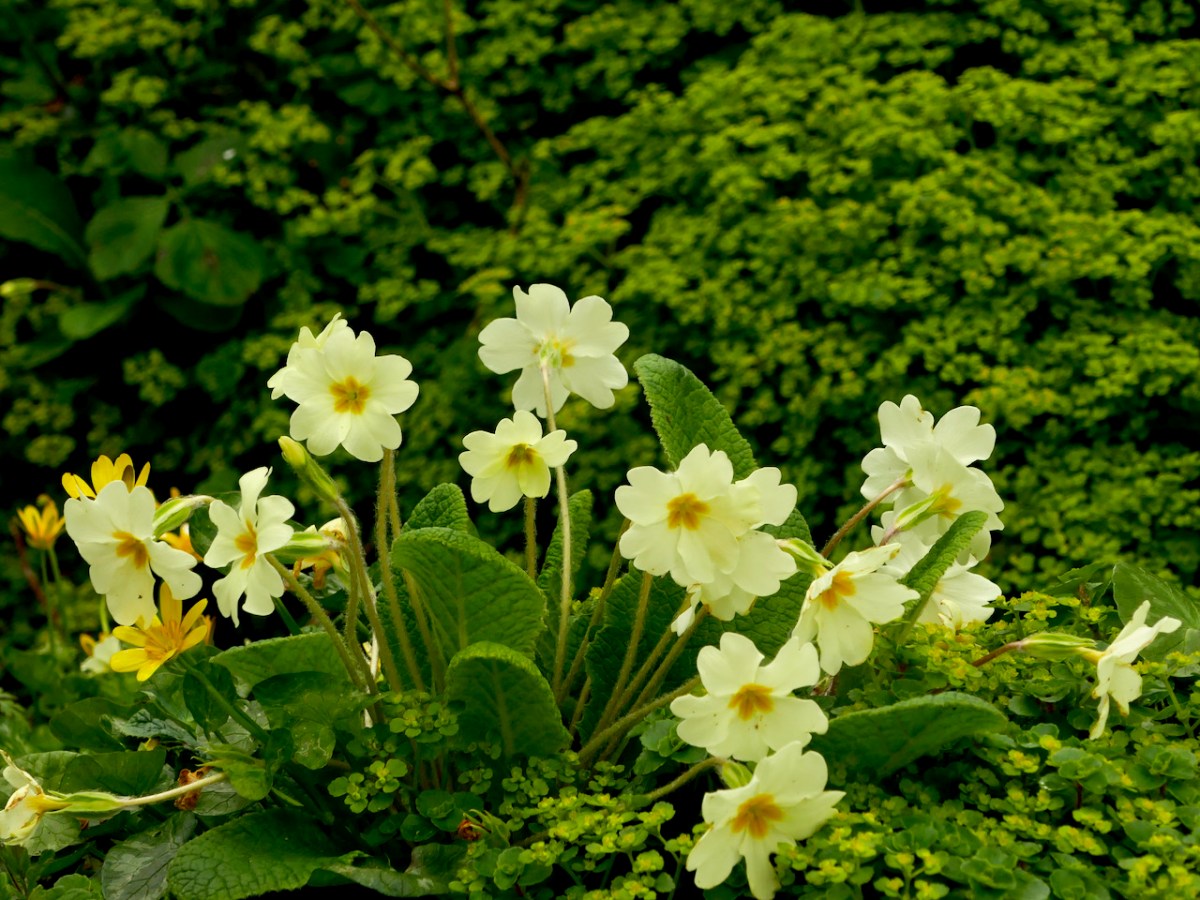
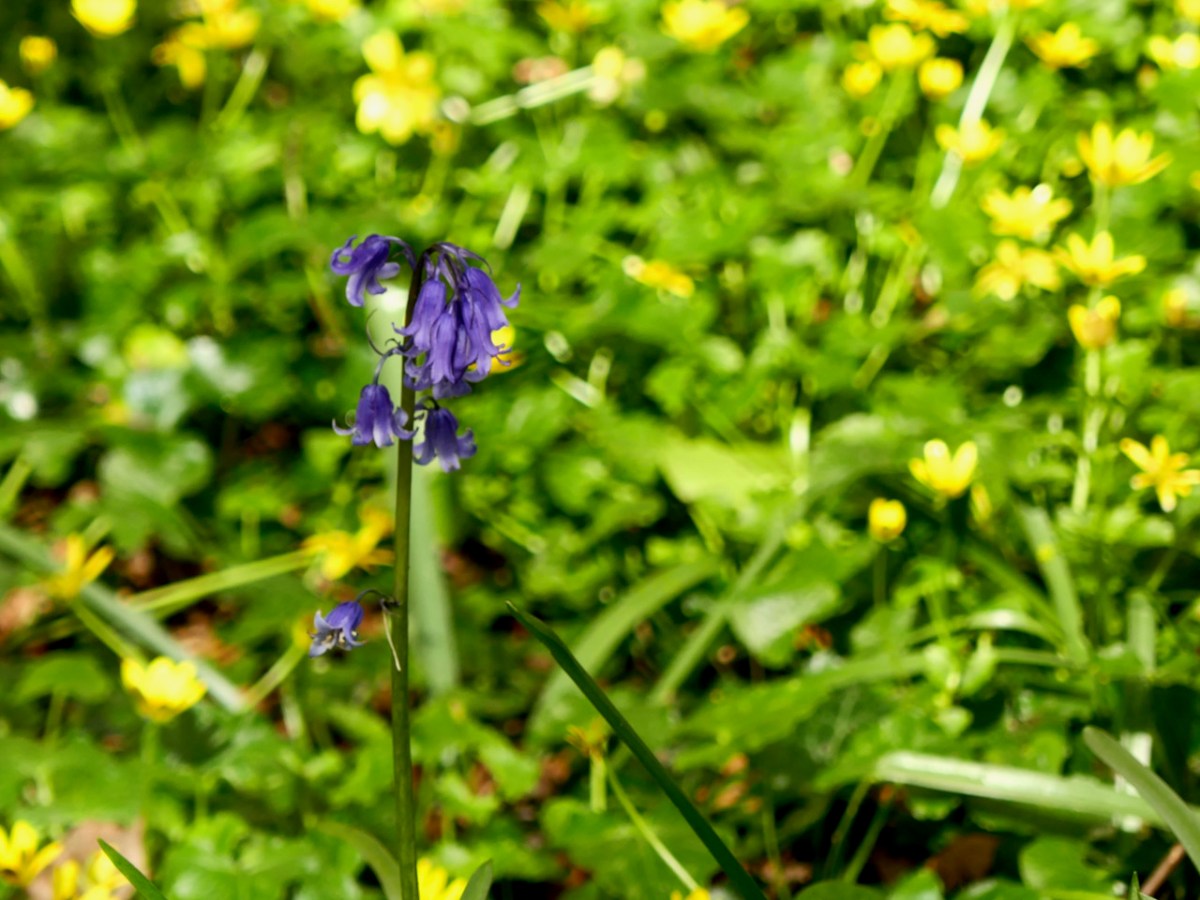
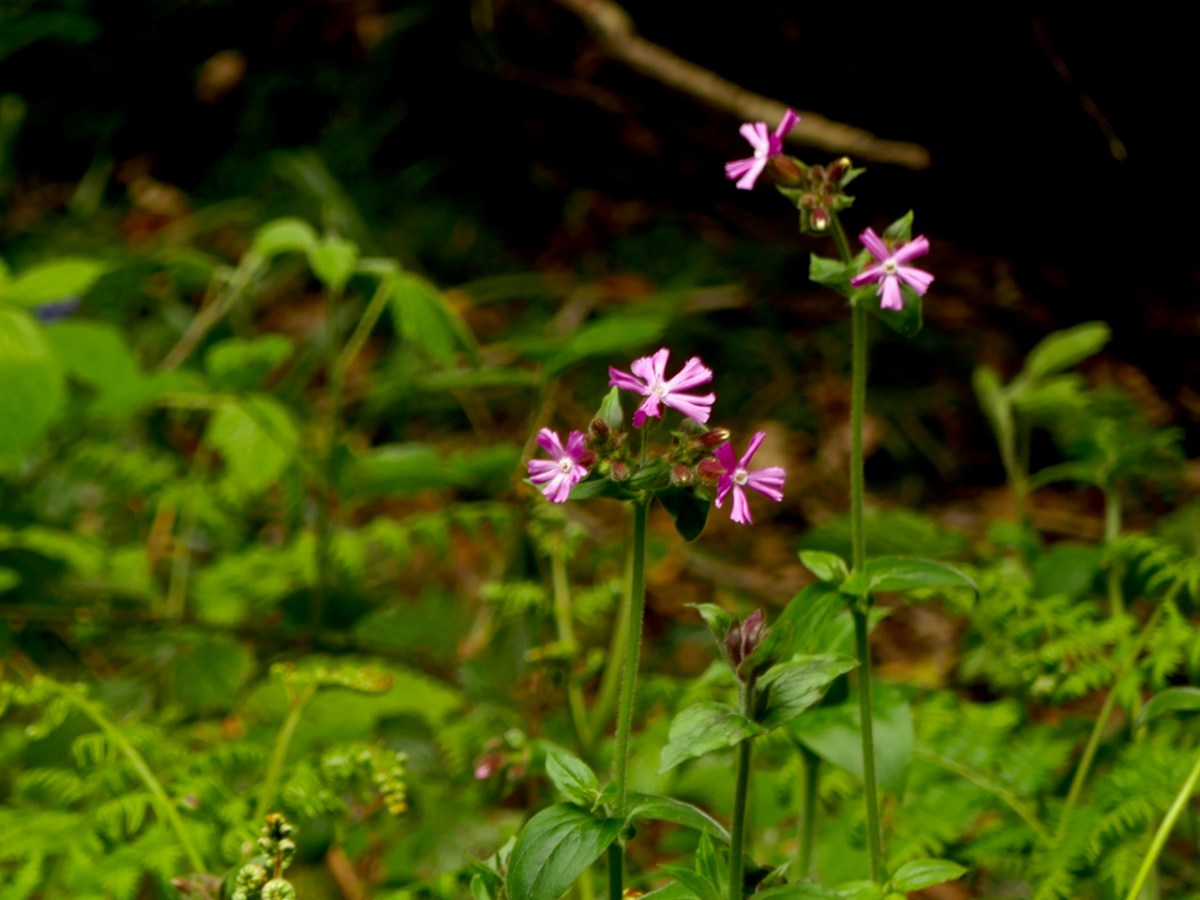
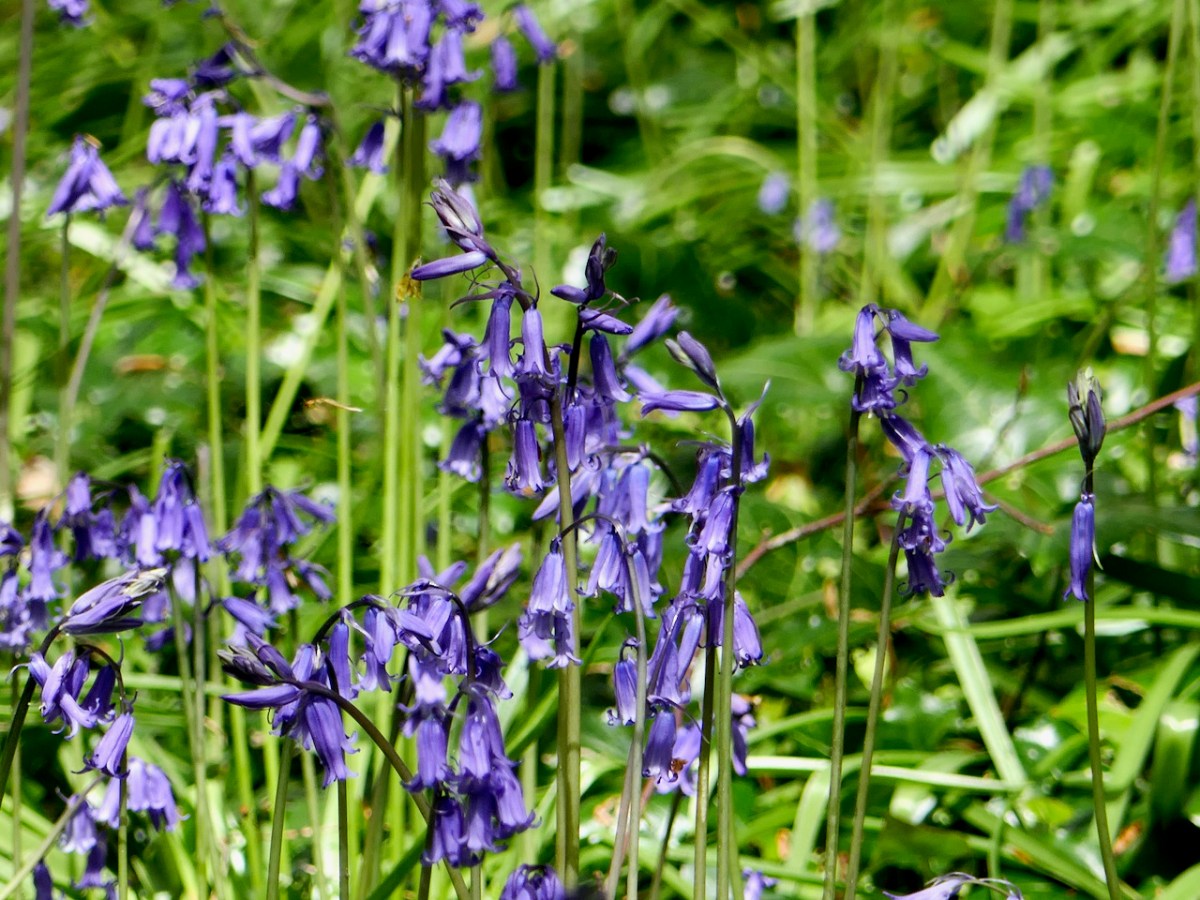
Robert has shared some photographs of the more formal part of the gardens today, while I have concentrated on the woodland. The last of the bluebells were still blooming (above) and I was lucky enough to stumble on some Sanicle (below) – although it’s common and widespread in Ireland you are most likely to find it under beech trees in woodland – not something that abounds in West Cork.
There’s something for everyone at Killruddery (including excellent coffee!) so do pay a visit if you happen to be anywhere near Bray.
it’s not just for long walks – the Sheep’s Head is also perfect for wandering with intent, having, as my father used to say, a dander. Our trip there this week, in the excellent company of Amanda and Peter, was that sort of day, where we drove around and dropped in and out of interesting places. Amanda and Peter Clarke, our regular readers will know, are the couple behind Walking the Sheep’s Head Way, so who better to have as companions and guides for a day of exploring. Amazingly, given all the time we’ve spent there, only one of our stops was familiar.
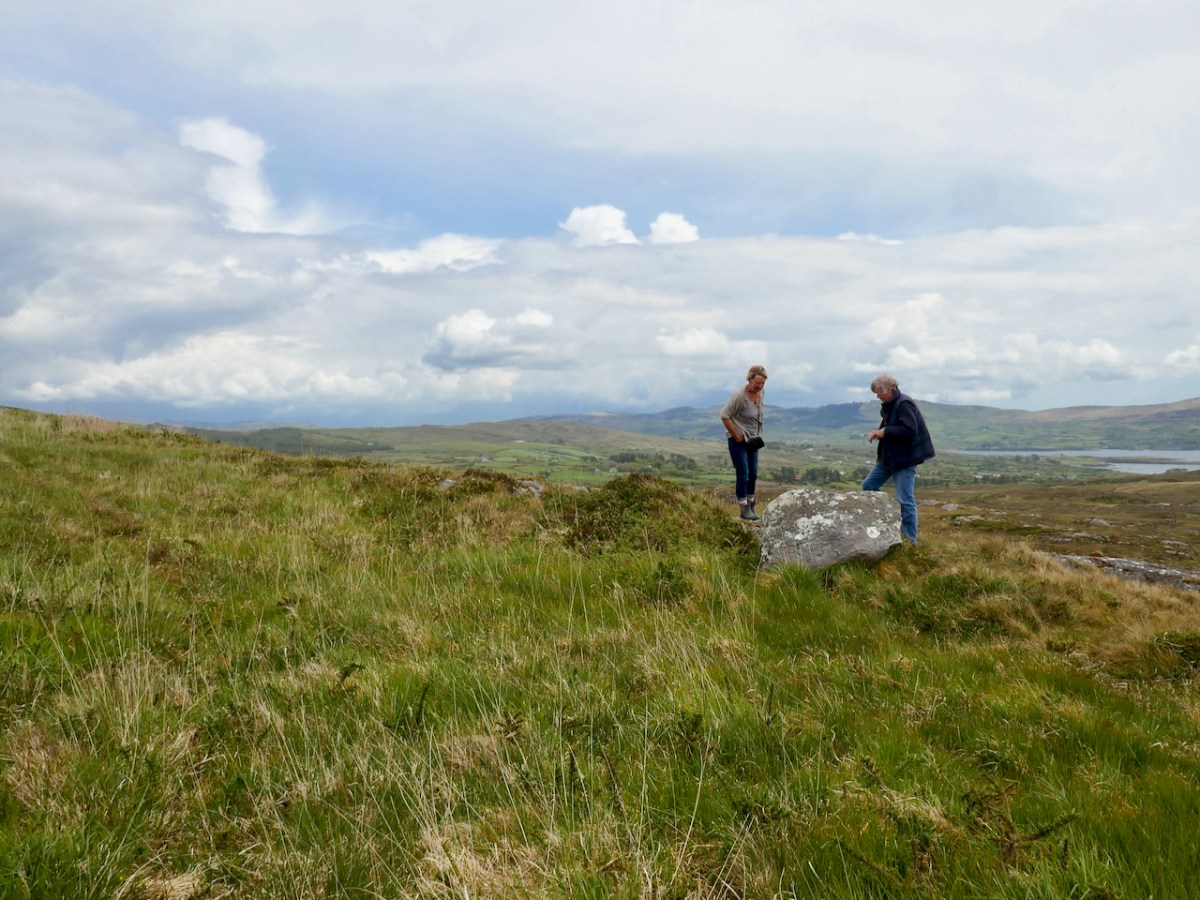
Our first stop was a curious stone overlooking Dunmanus Bay. Known as the Giant’s Footprint, the local legend tells a familiar story about two giants throwing rocks at each other. This must have been a mere pebble, because one of the missiles became the Fastnet Rock. Footprint stones are also associated with inauguration sites, where kings were acclaimed in early medieval society. (See the comments section below for a link to an amazing piece of art from our friend, the acclaimed photographer EJ Carr, who used this stone in his fantasy photography piece on the Arthurian legend – follow the link in the comment to view his images.)
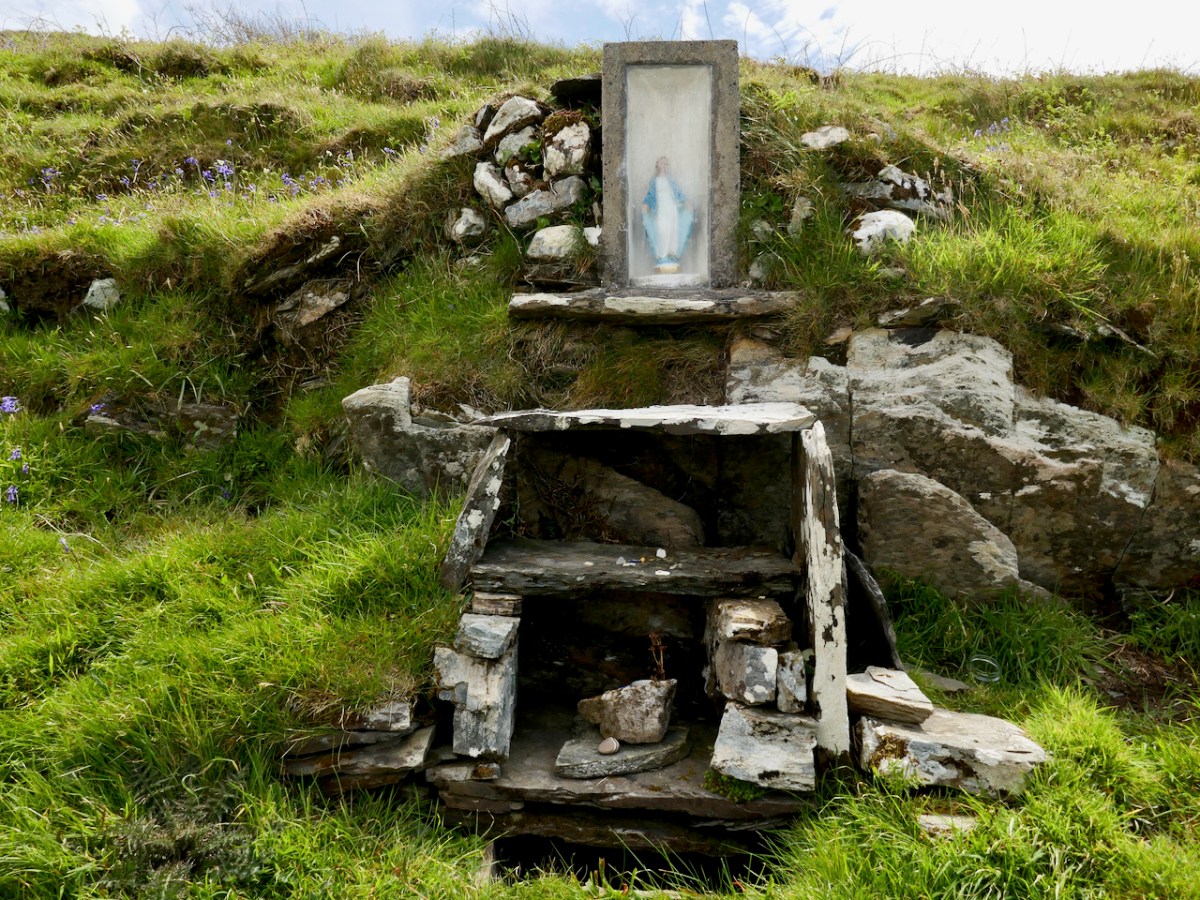
Being with Amanda is always a great opportunity to visit a holy well and we had never been to Gouladoo. It also ticked a box for me as I’ve been wanting to visit promontory forts. The holy well first – it’s a Tobar Beannaithe, a Blessed Well, not associated with any particular saints. Amanda’s research revealed that it did have a particular purpose, though – girls would visit to pray for a husband. Read Amanda’s comprehensive account here.
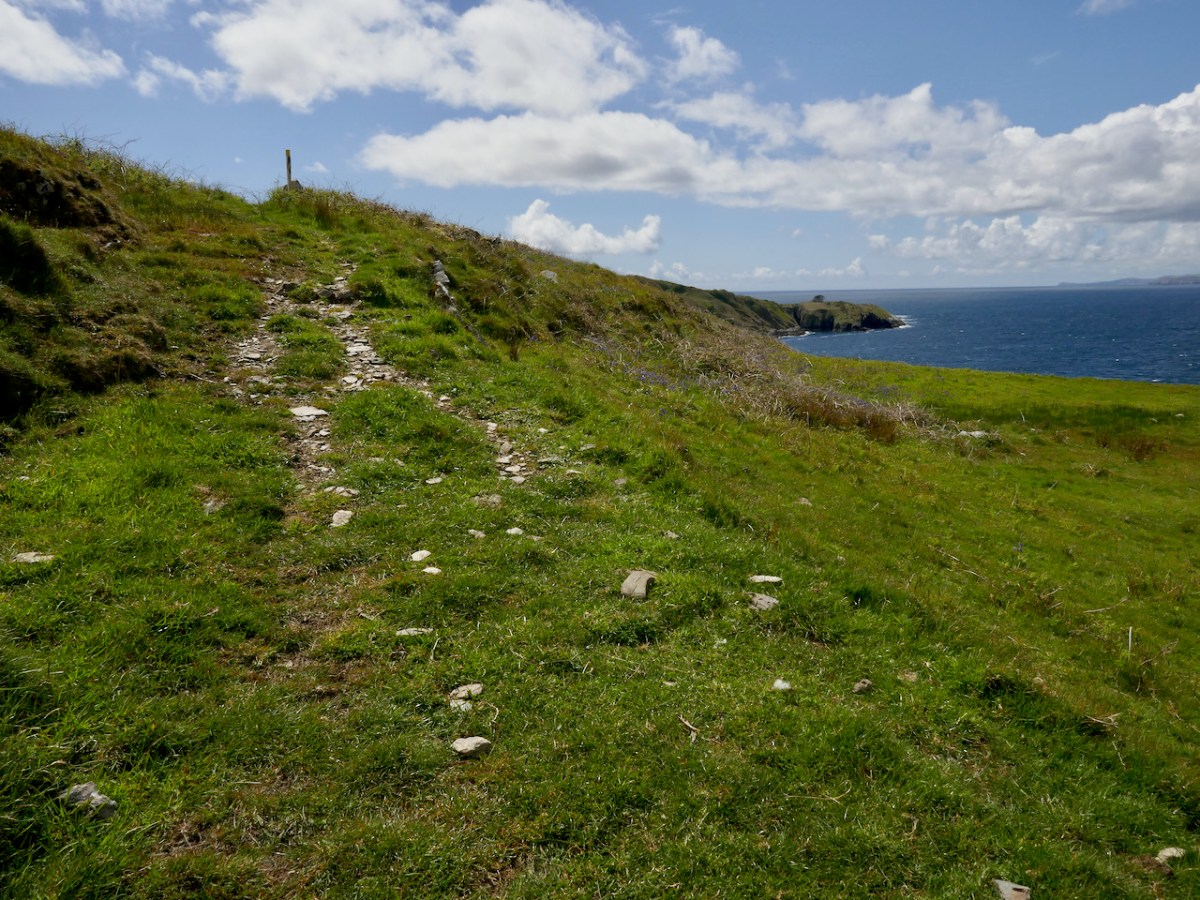
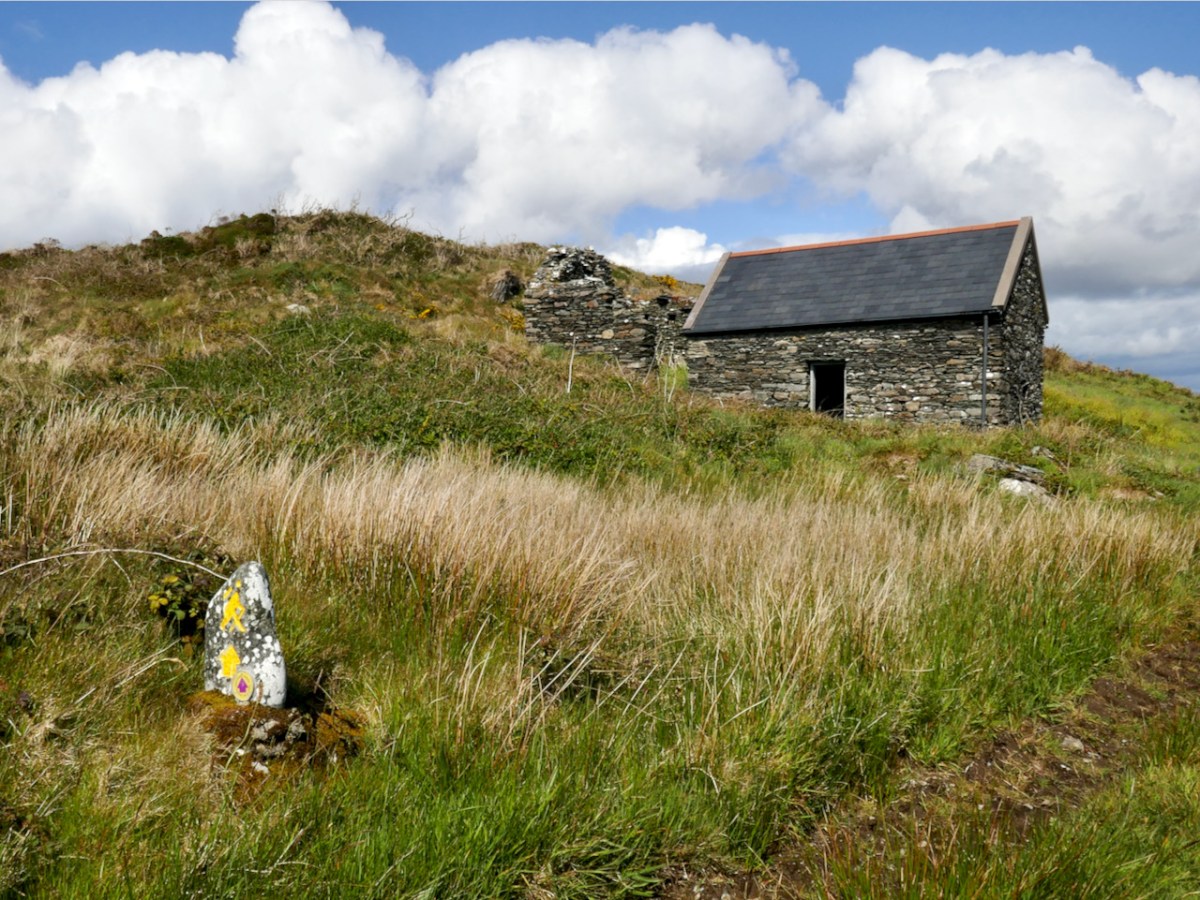
Because this is on the Sheep’s Head Way, the route is signposted and maintained. The well itself has a cup thoughtfully provided so you can have a drink if you dare. The path down to it has been carved out of the hillside and roughly paved, indicating that this was a site to which many people once came.
If you turn your back to the holy well, the promontory fort is straight ahead of you.
Where you have a promontory jutting out into the sea it’s easily fortified by building banks and ditches at the neck. Promontories with narrow necks were usually chosen, as being easiest to defend, and archaeological evidence suggests that some were in use as early as the Bronze Age but most evidence of occupation dates to the Early and Later Medieval Period (400 -1500AD).
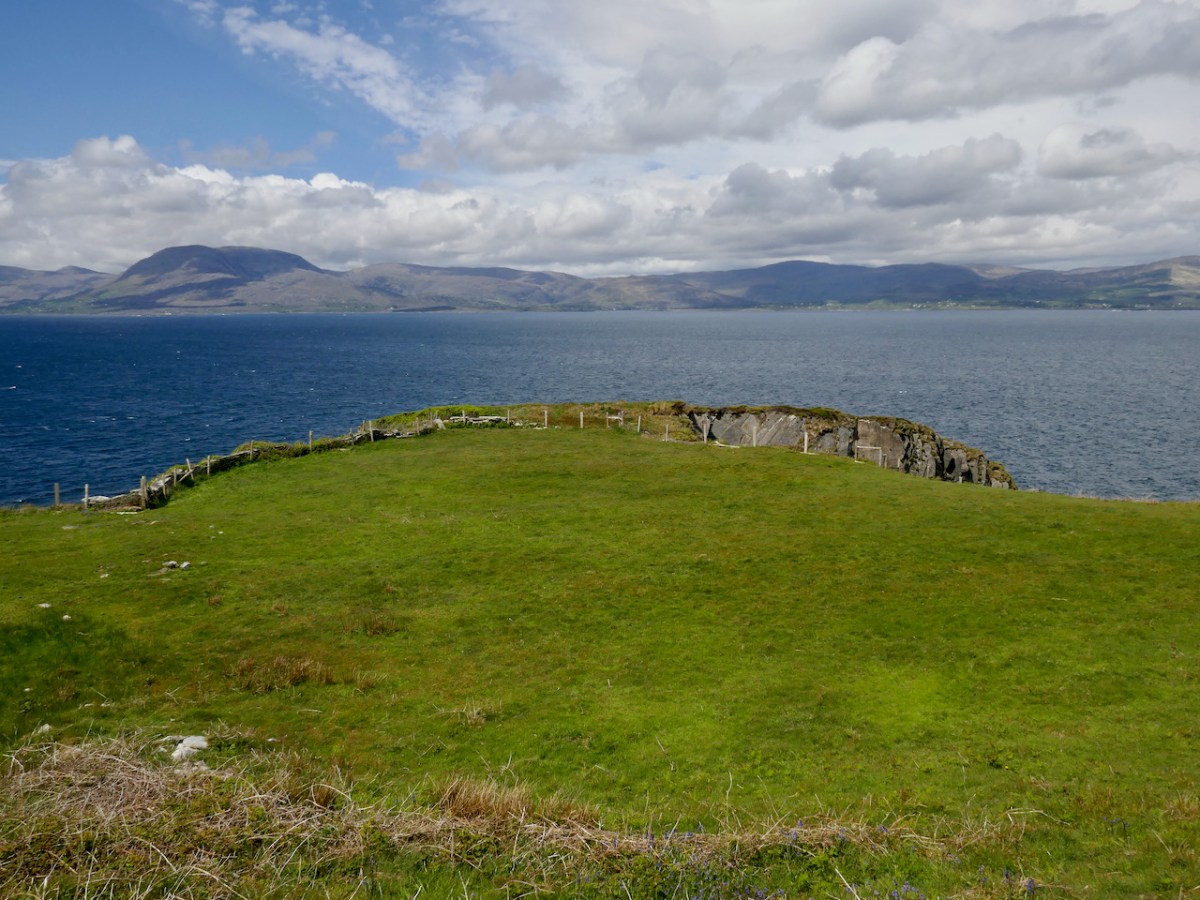
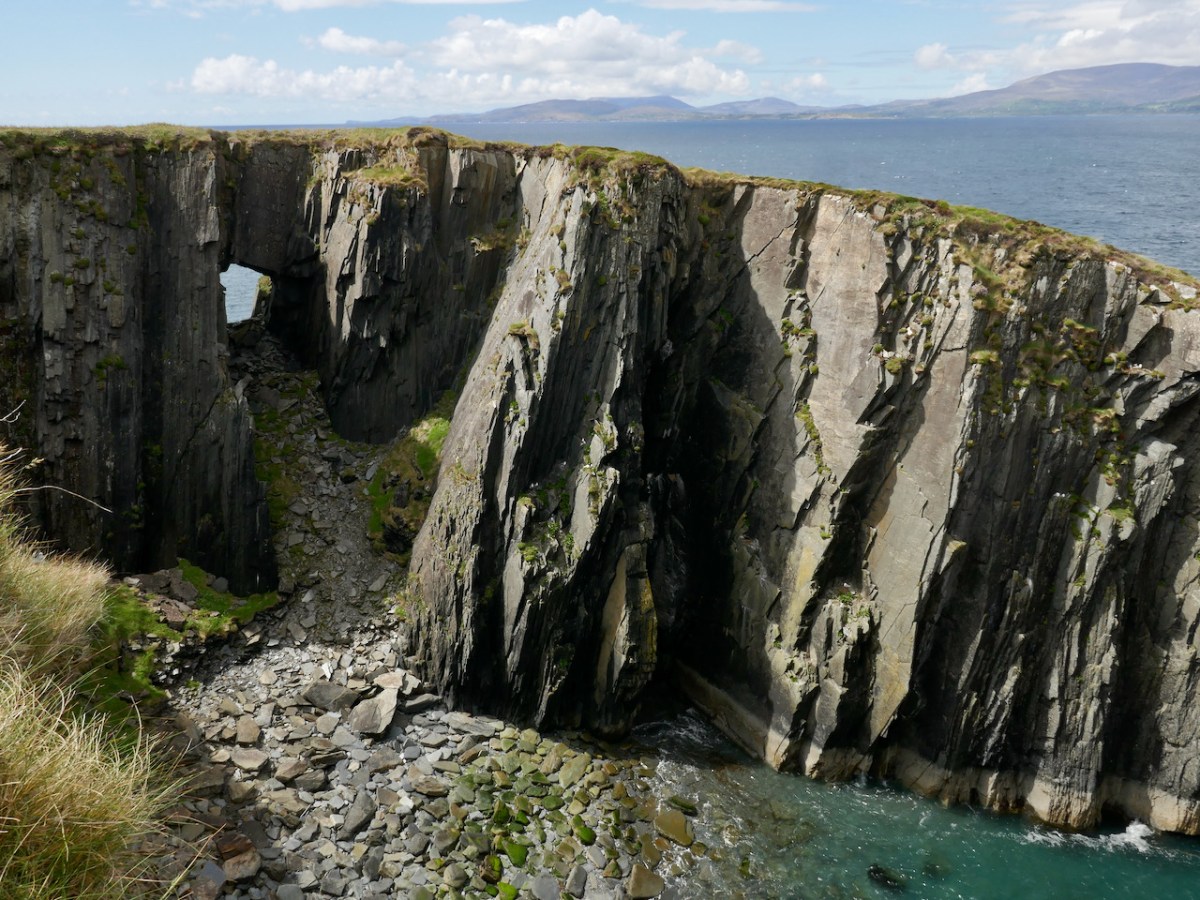
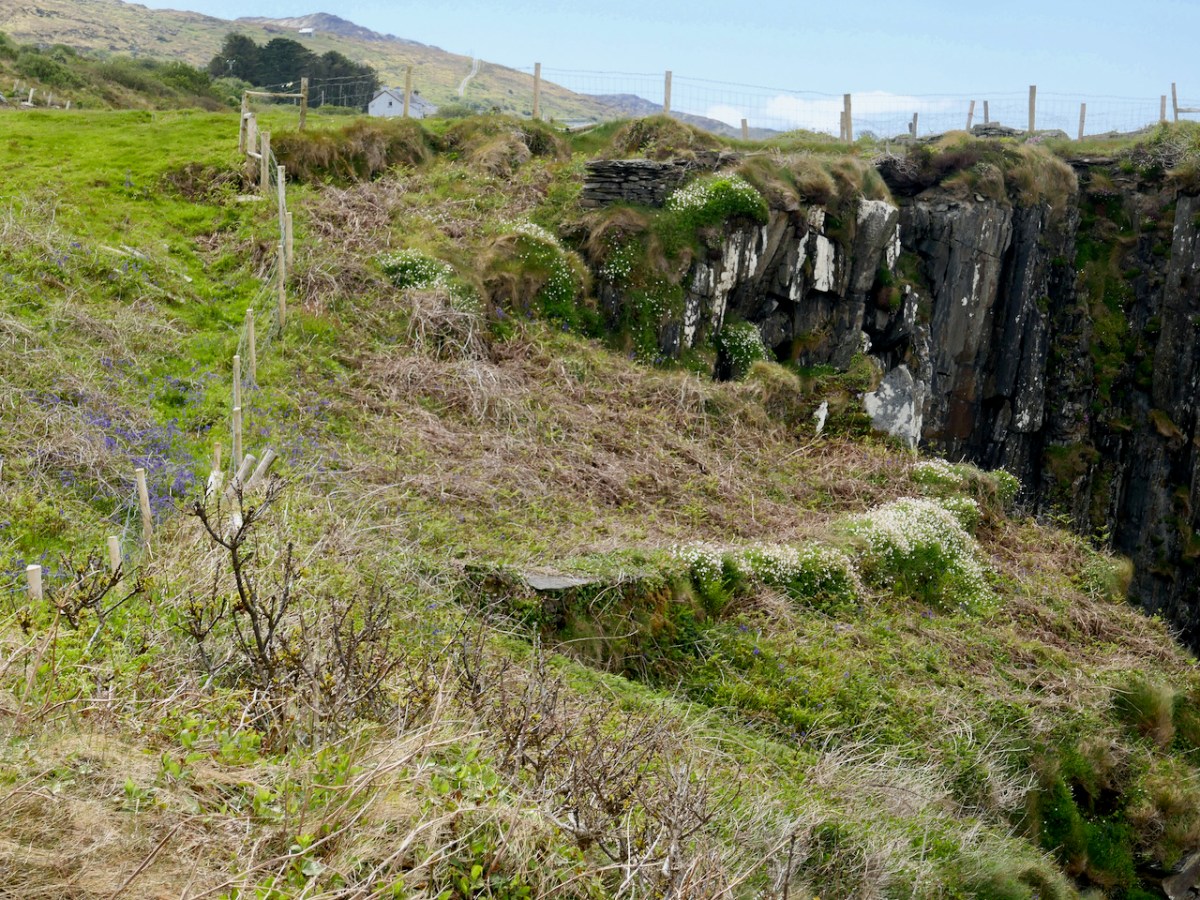
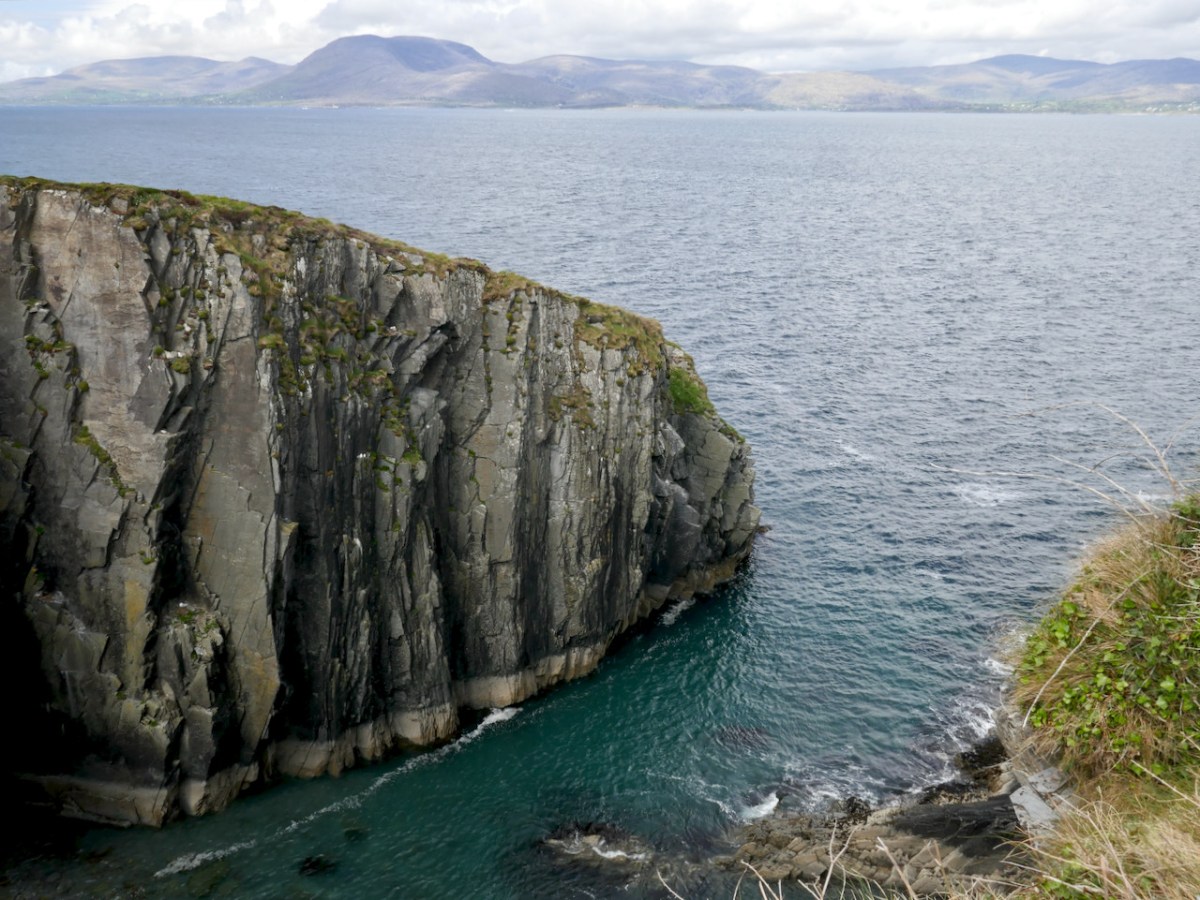
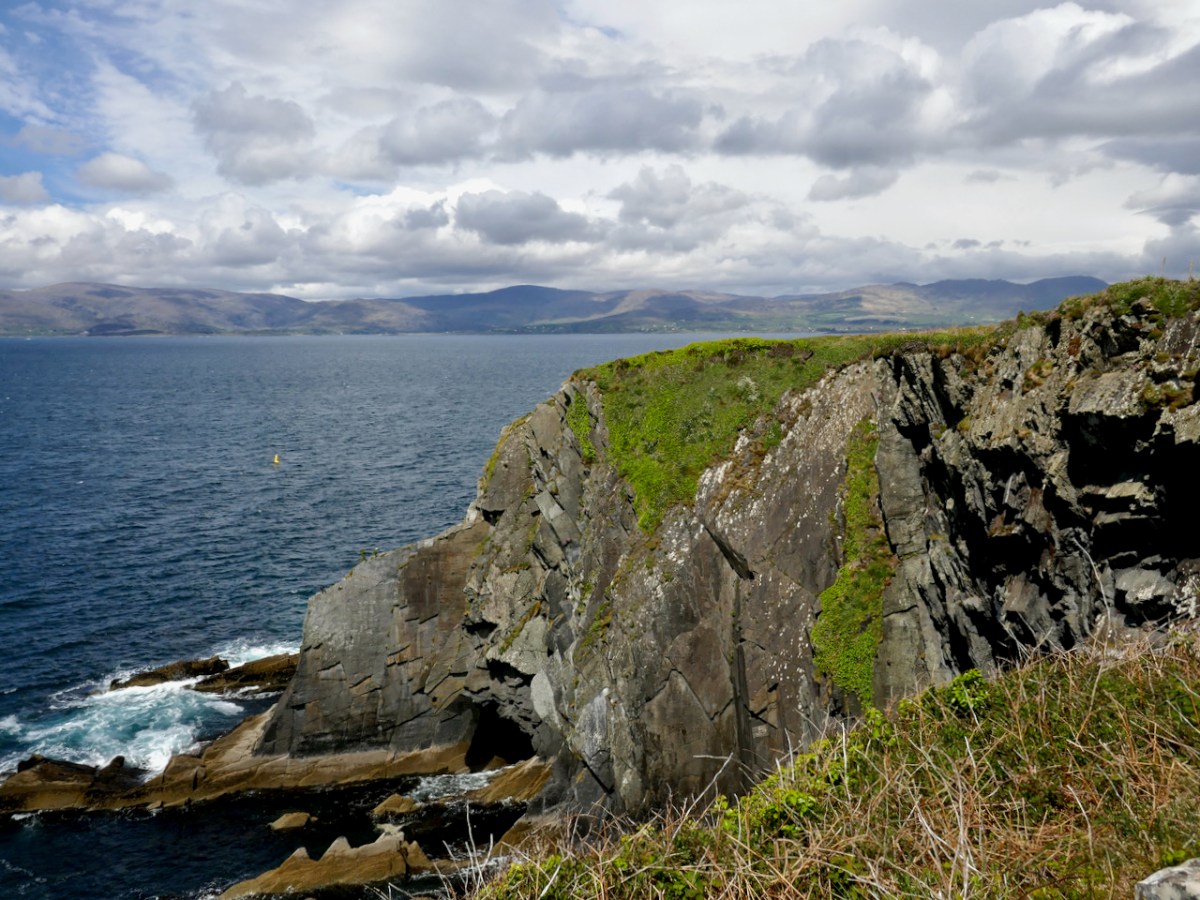
As promontory forts go, this is a classic – a narrow neck with evidence of walls across it, steep cliffs on all sides, and a flat and verdant area in the middle for houses and cattle. This one has an added feature – sea arches underneath! The sea arches mean that this may eventually become an island.
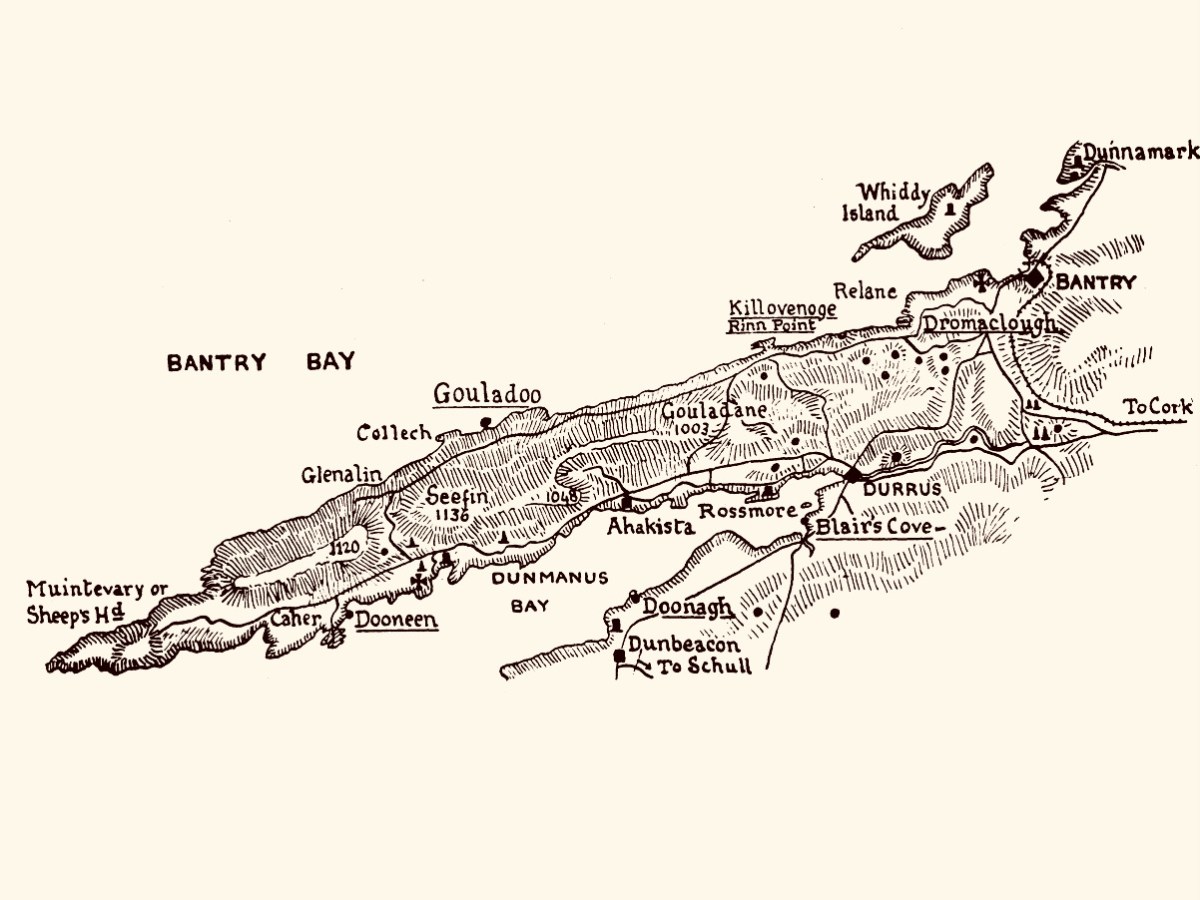
The antiquarian Thomas J Westropp set out to visit all the promontory forts along the Beara and Sheep’s Head in or around 1920 and has left us his account, written over three articles in the Journal of the Royal Society of Antiquaries of Ireland. Gouladoo, as his map shows, was one of his destinations.
Here is his description of the fort as he found it then.
Far to the west of Rinn, in Kilcrohane, is a remarkable fortified headland of dark grey slate, up tilted and separated from the mainland by a gully. This is spanned (like those at Doonagh and Dursey) by a natural arch. The adjoining townland is called Dunoure, but no fort is known to have existed near this, so perhaps that name refers to Gouladoo. The arch is lintelled, like a great Egyptian pylon, and is 15 ft. or 16 ft. wide at the gully. The neck is wider to the landward, and was strongly defended. First we find a trace of a hollow or fosse; then the foundation of a drystone wall 82 ft. long (E. and W.); behind, a natural abrupt ridge forms a banquette over 4 ft. high; the wall is about 12 ft. thick, the terrace 12 ft. to 15 ft. wide. Beyond this the neck was enclosed all round by a fence about 6 ft. thick. The whole work measures about 80 ft. each way. As at Doonagh, I think that the line of debris on the peninsula along the edge of the chasm is a trace of a wall, and that the bare slope behind it was stripped by a landslip. The whole is tufted with luxuriant masses of rich crimson heather.
The Promontory Forts of Beare and Bantry: Part III, Thomas J Westropp The Journal of the Royal Society of Antiquaries of Ireland, 1921
It’s quite difficult to see those features now, although there is a piece of the wall remaining, and what must be his ‘terrace.’
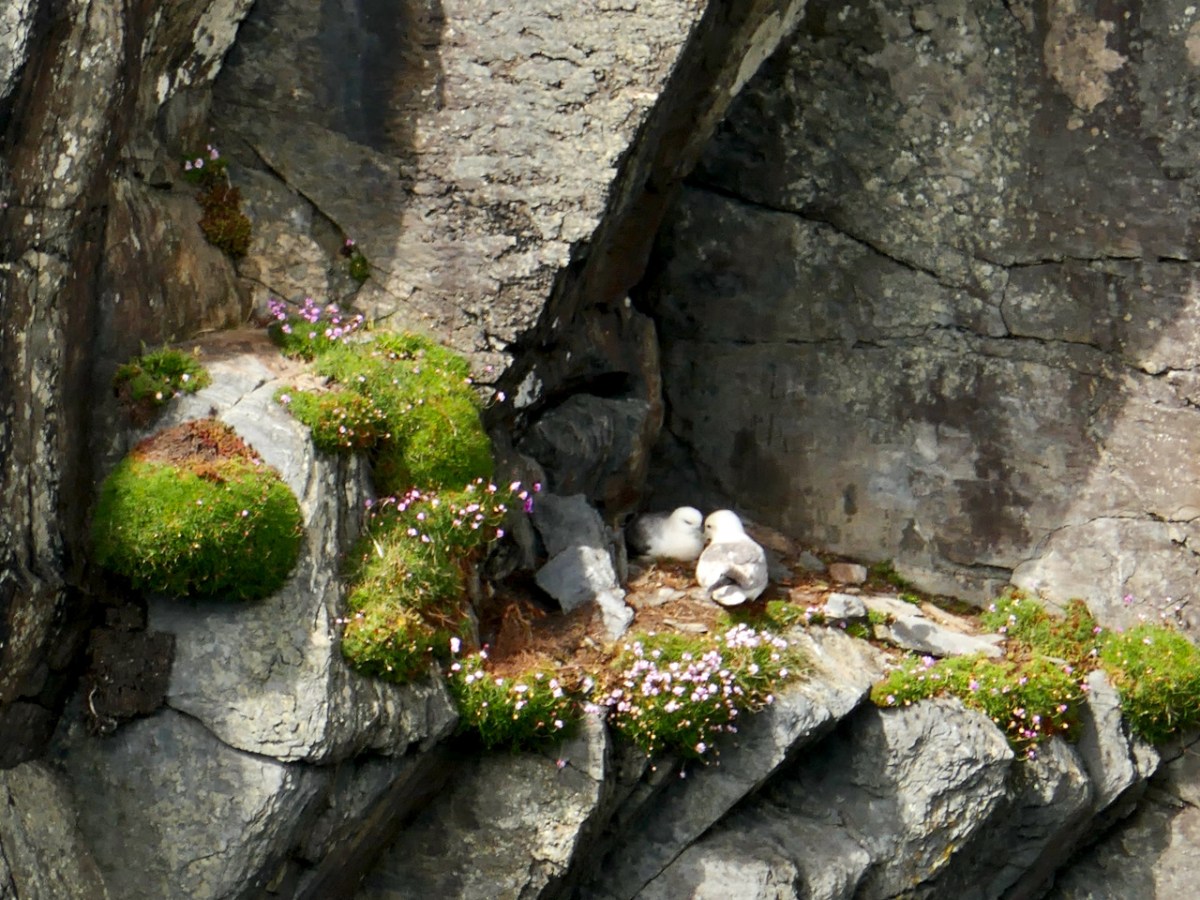
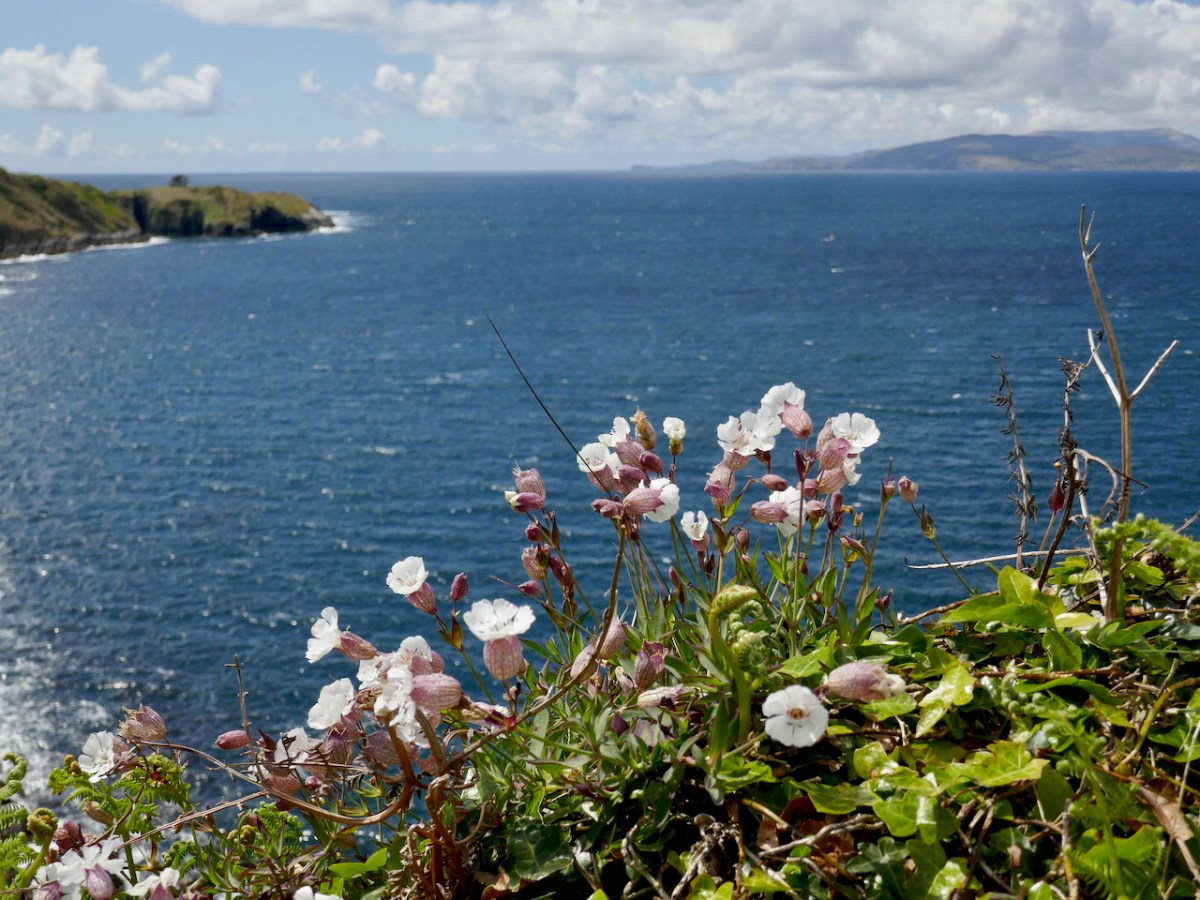
There are other compensations to visiting a site like this – those sheer cliffs which provide such an impregnable defence for the fort, also host many gulls in nesting season. The Bluebells and Sea Campion were abundant there too.
Westropp wrote his article, The Promontory Forts of Beare and Bantry, over several issues of the Journal of the Royal Society of Antiquaries of Ireland, and maybe it would be fun to retrace his steps a hundred years later to see what’s on the ground now – what do you think?
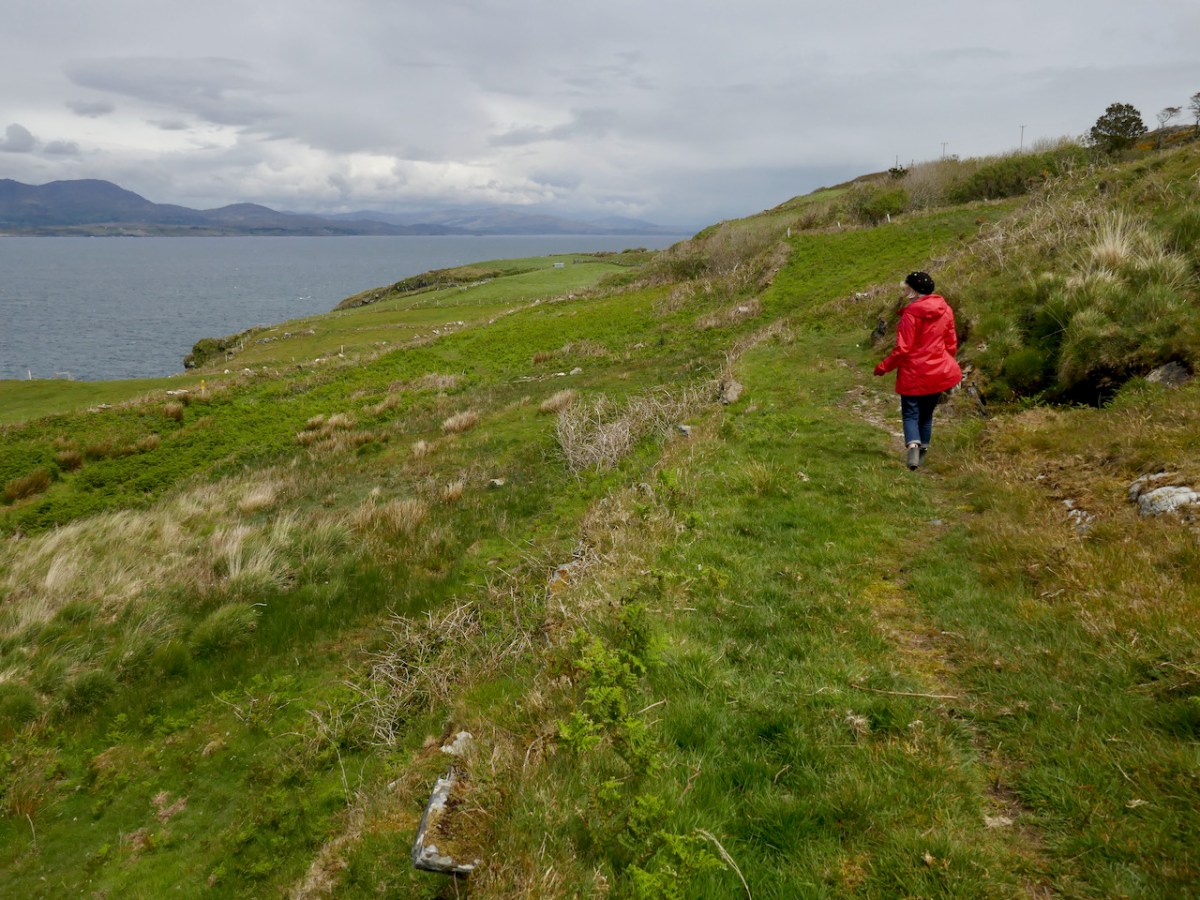
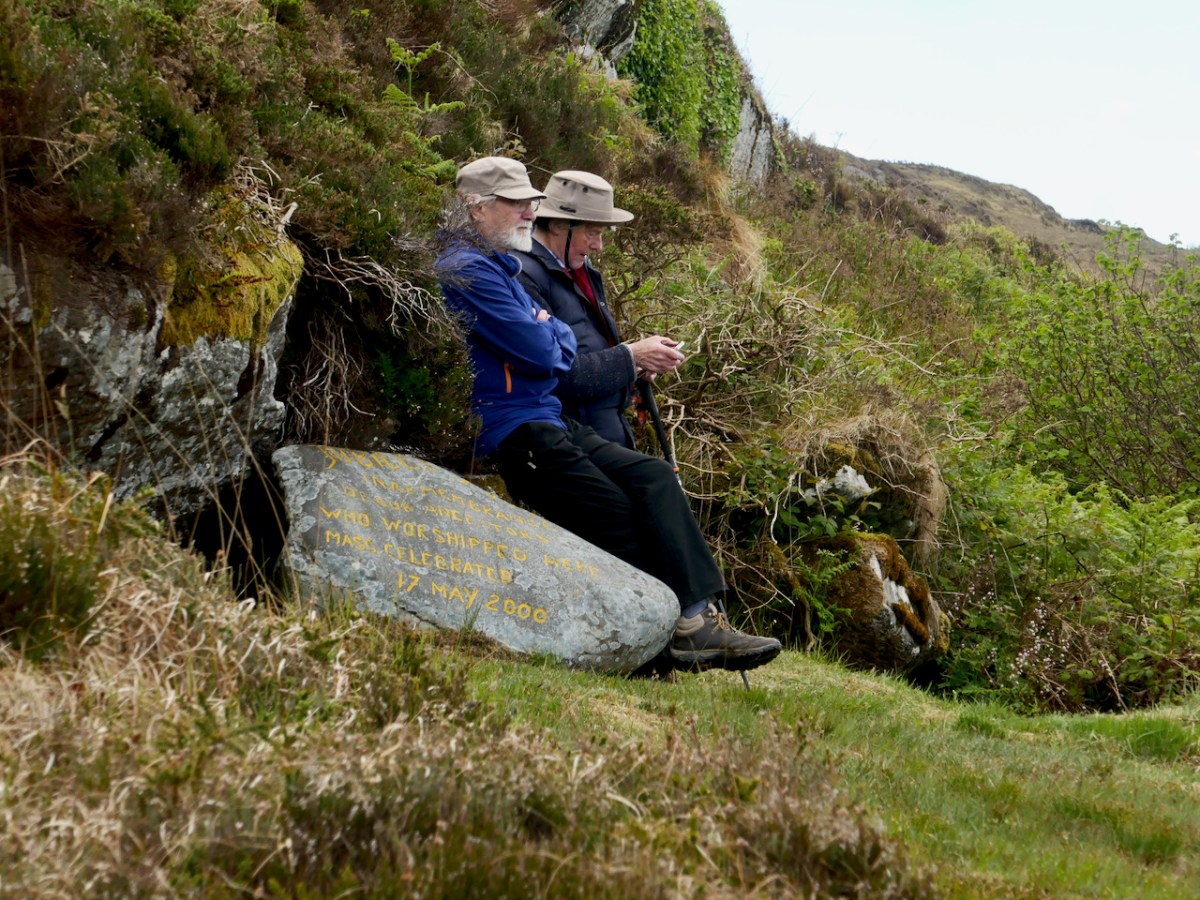
From there it was off to the Mass Rock at Glanalin, an easy walk down from the Pietà in the pass above Kilcrohane. It’s a particularly lovely walk to this mass rock (above), and in May the spring flowers are everywhere, especially St Patrick’s Cabbage, one of the group of plants known as the Lusitanian Flora, that only grows here and in Iberia.
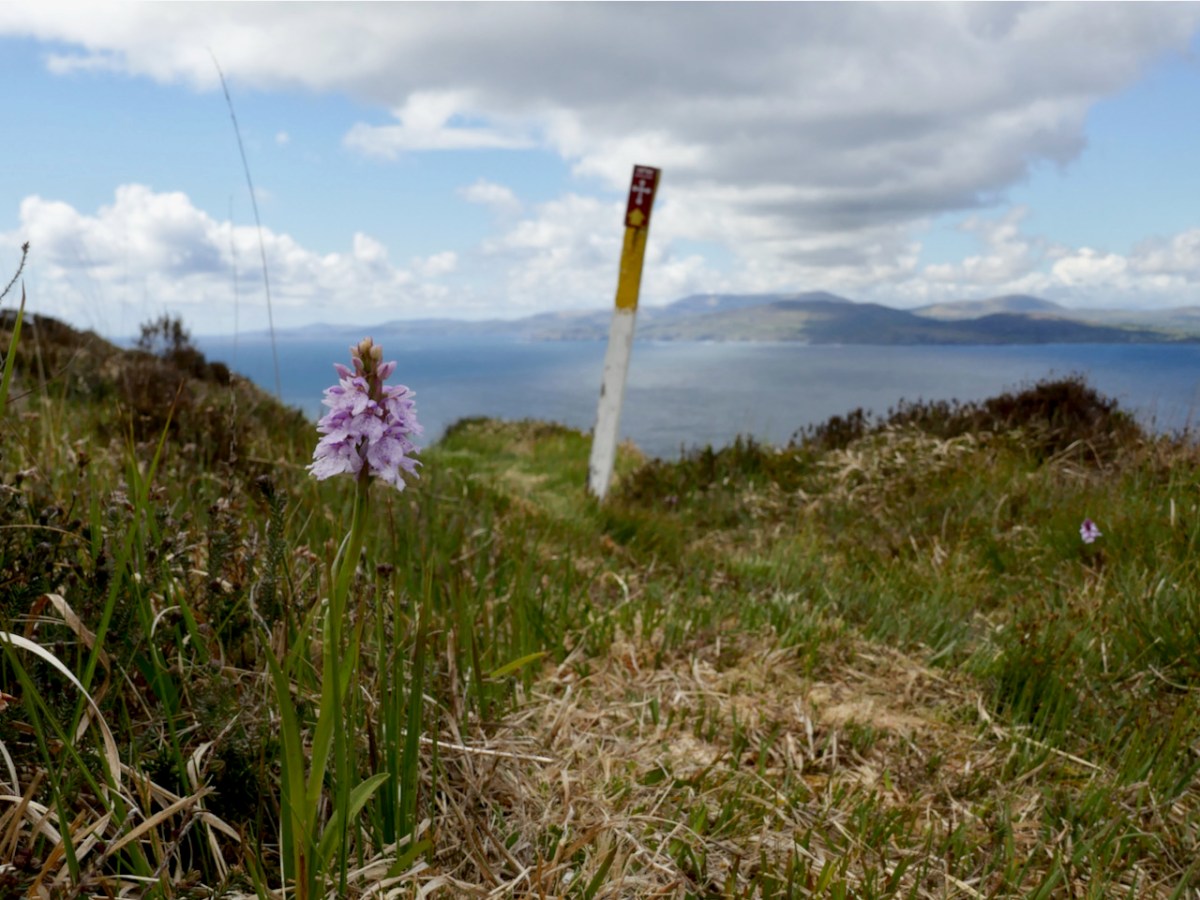
And finding a lone Heath Spotted Orchid (above) was a real bonus too!
By sheer coincidence we were there on the same day, May 17th, when Mass was celebrated here in 2000 in remembrance of the ancestors who worshipped here.
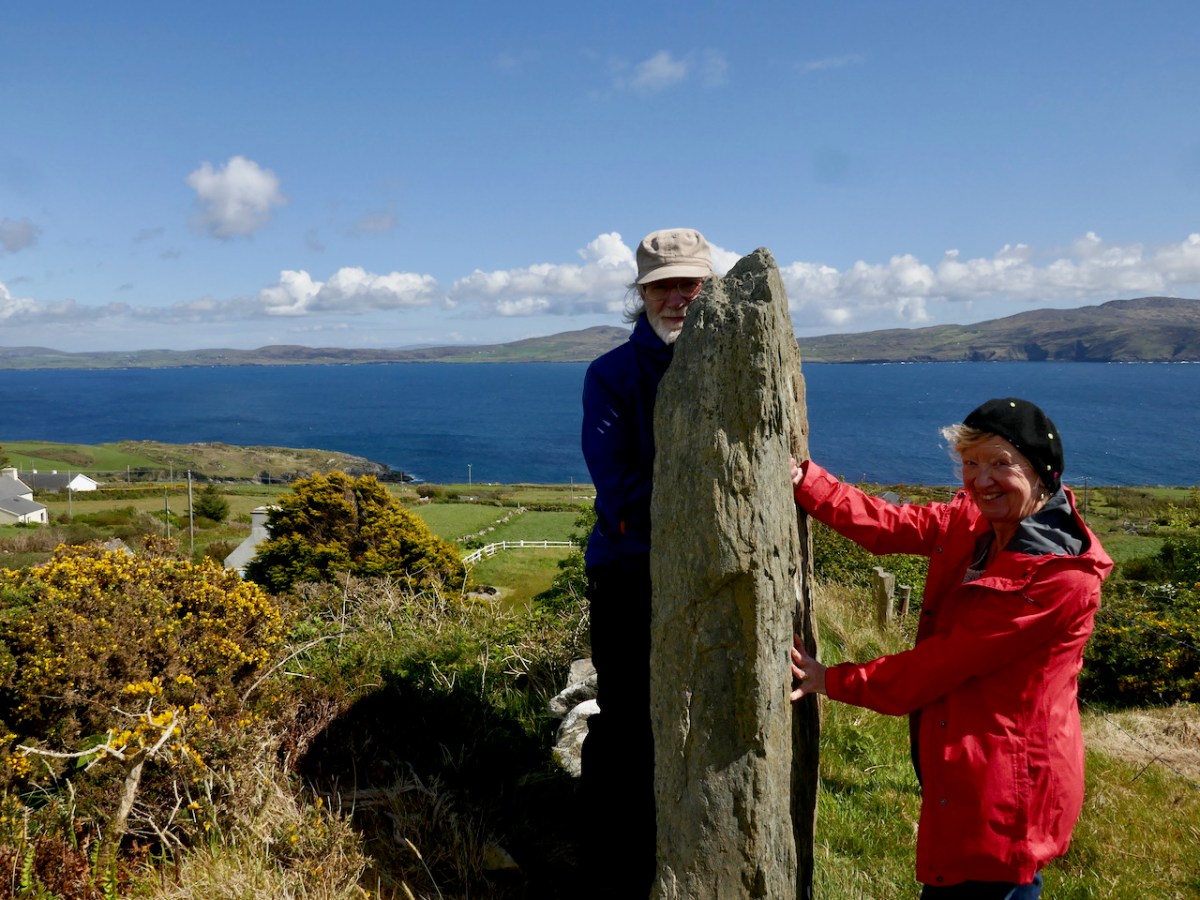
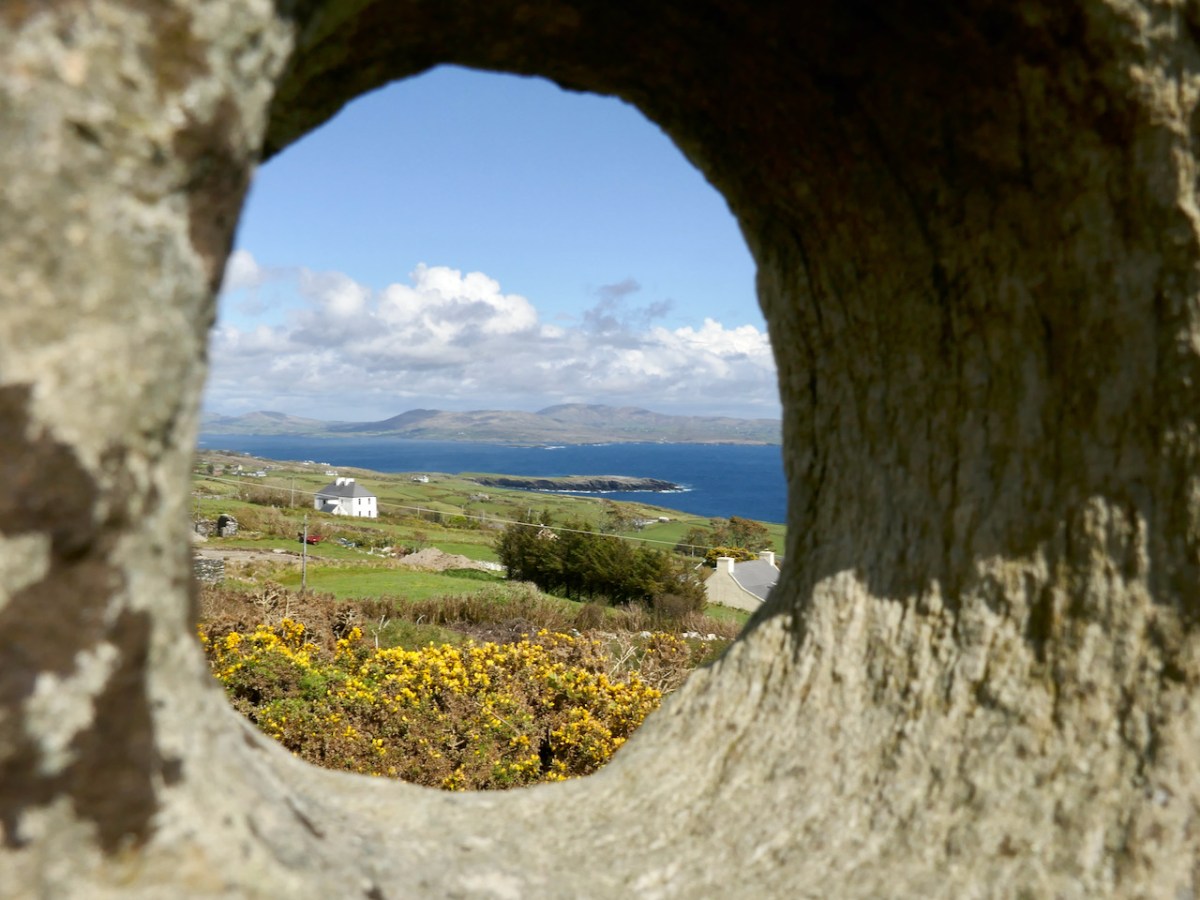
The hole in the stone is narrow on one side and wide at the other. The man had a bigger hand and he put his hand through the big side and the woman put her hand through the narrow side. They made their promises when they put their hands through the stone
Of course we all had to do it!
There was a ring fort nearby – actually described as an enclosure in the National Monuments records – but over the years it has been disturbed to the point where it is hardly recognisable. Perhaps it is this site that gave its name to the townland, Caherurlagh. A caher is a stone fort and so the townland name means Fort of the Slaughter. Perhaps there are some aspects to the history of this area into which we should not delve too closely.
I highly recommend a day like this on the Sheep’s Head, with Walking the Sheep’s Head Way as your travelling companion, and channeling the spirit of old Thomas Westropp. I will leave you with what he had to say about the views north to the Beara as he journeyed along the north side towards Gouladoo
We pass beneath the beautiful woods of Bantry House and the picturesque old graveyard, where the Franciscan Friary once stood erected by O Sullivan in 1330. We reach the shore out of a maze of low green hills, several with ring forts on their summits, near Dromclough. Thence on past Rinn Point and up the lofty road, often unfenced and narrow, along the edge of cuttings and precipices to Gouladoo and Collack. The sweep of the high mountains in Beare and those inland heights towards Muskerry is magnificent as seen across the great bay. From Black Ball Head and Dunbeg past flat-topped Slieve Miskish and the great domes of Hungry Hill and the Sugarloaf, on to the shapely cone of Mullach Maisha, the stately range extends.
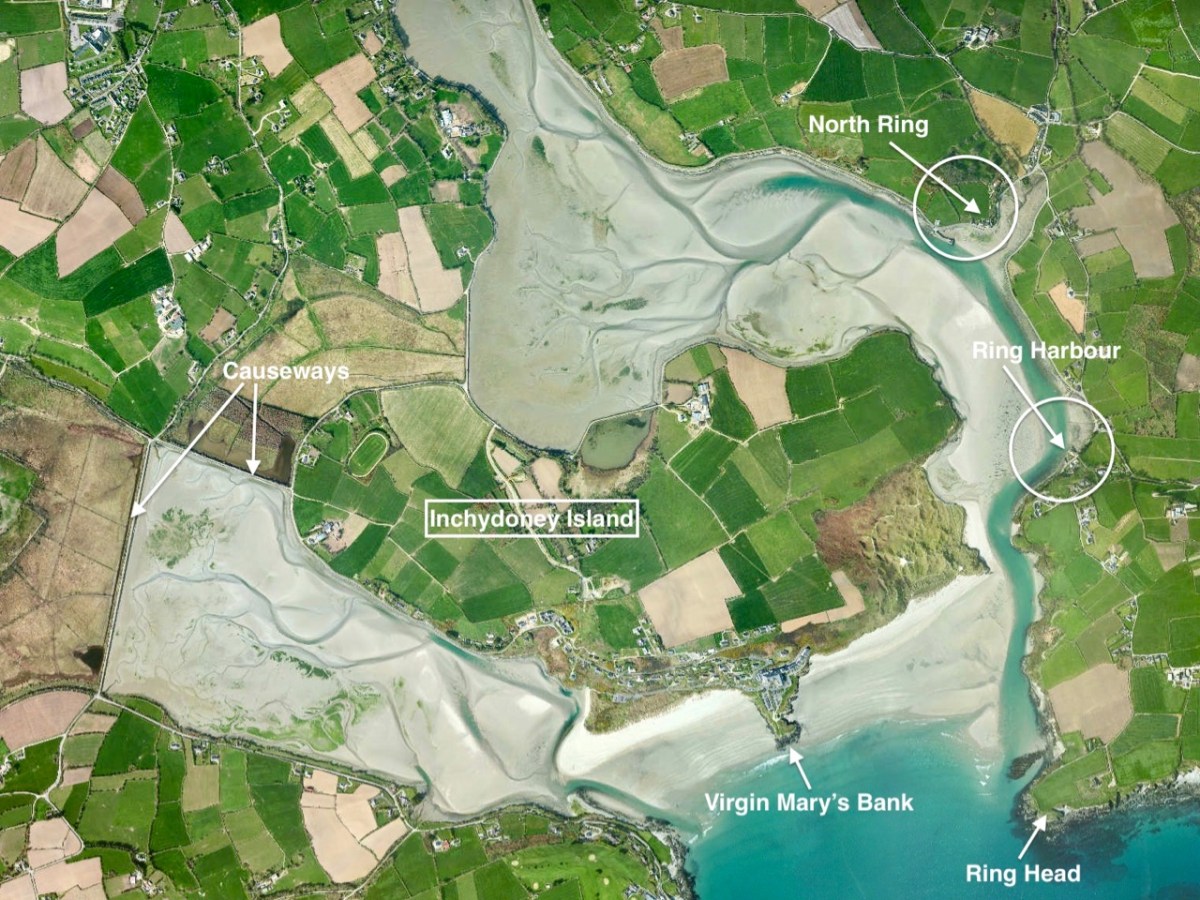
A few weeks ago we took ourselves round Ring, a perhaps less-well-trodden part of West Cork’s many delights, just to the south east of Clonakilty. I ran out of time and space in that post and left the rest for another day. This is the day! Last week we were just across the water from Ring – on Inchydoney Island – and that exploration enthused me again. I’ll remind you of the geography:
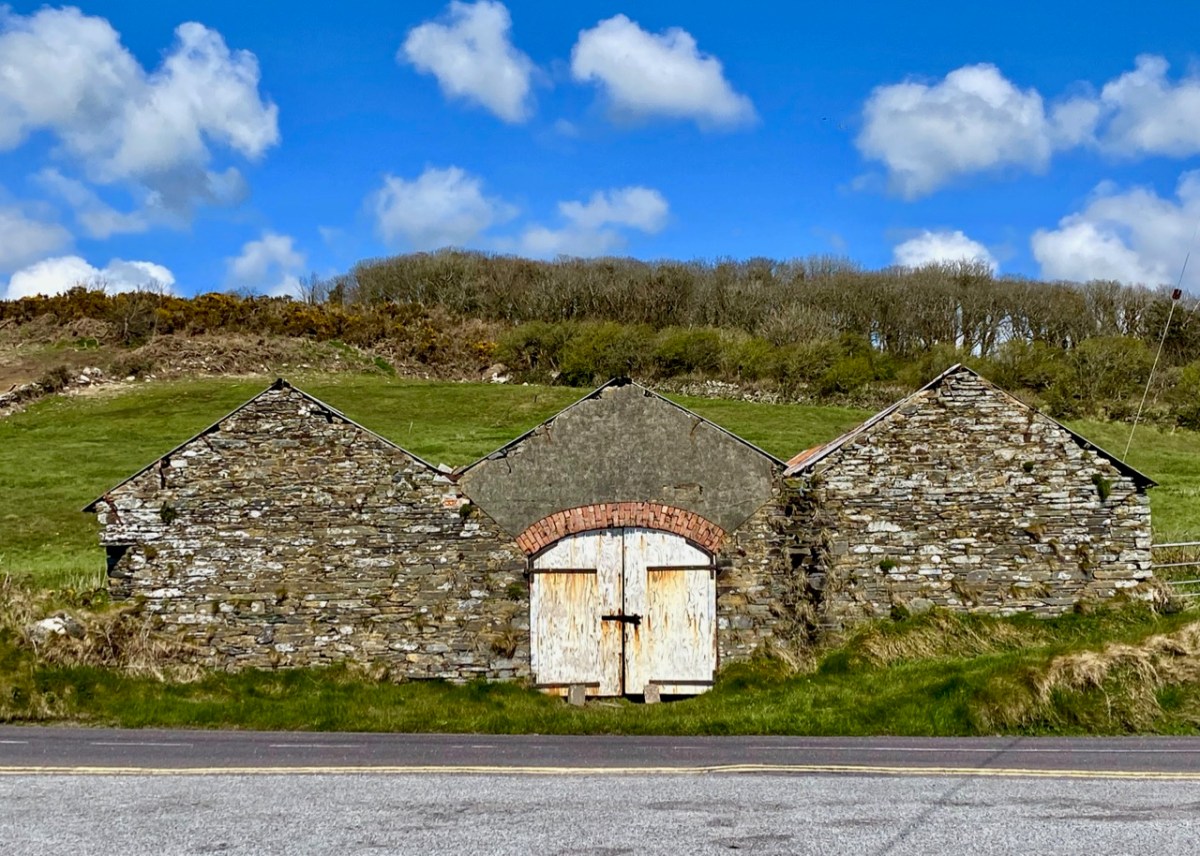
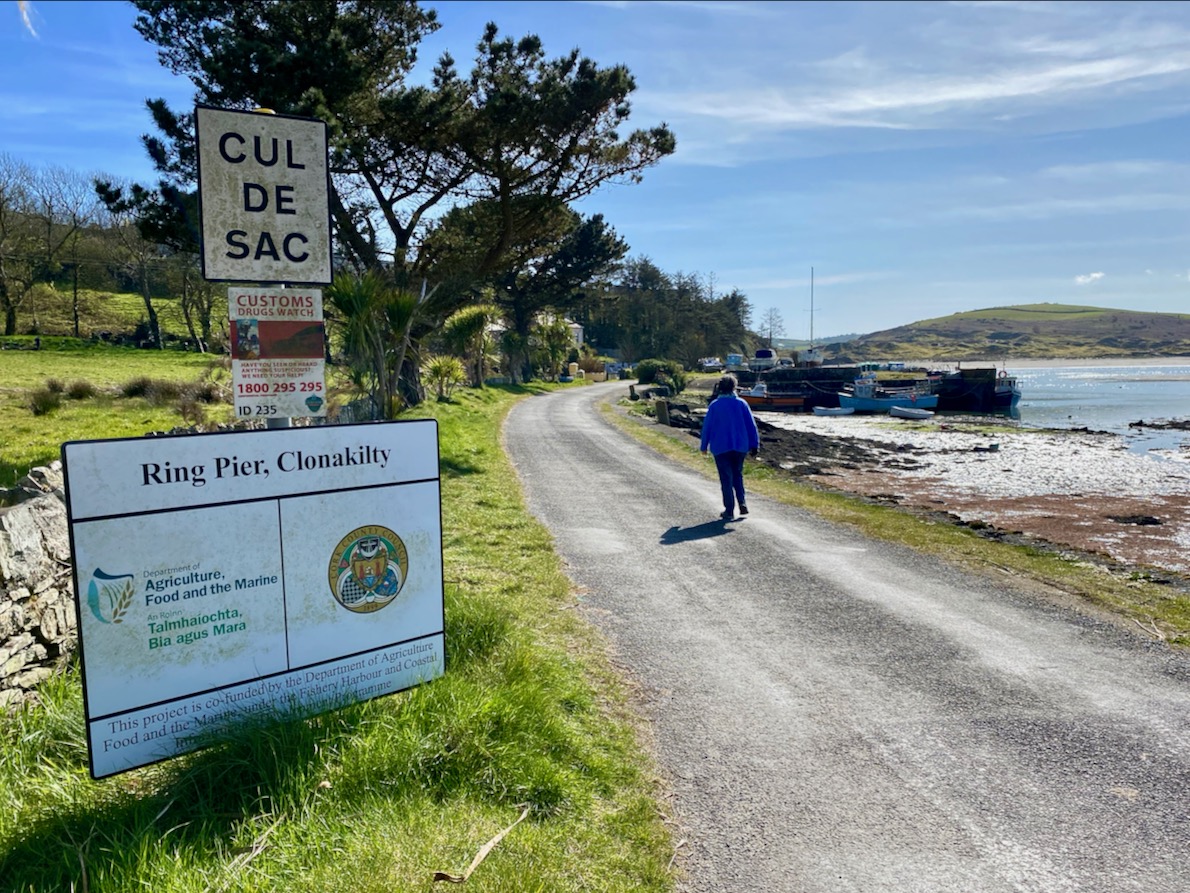
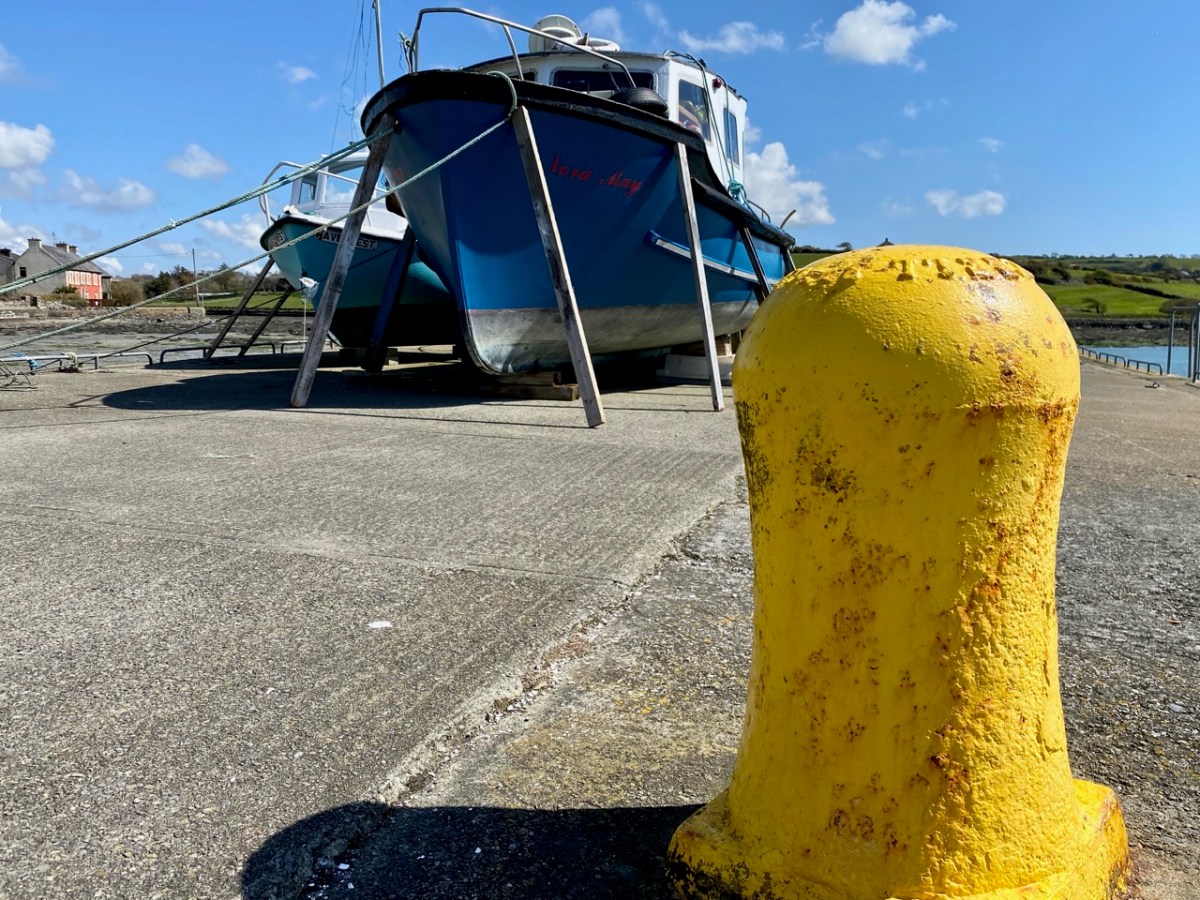
Between North Ring and Ring Harbour the road skirts the coast, and it’s obvious from the buildings along the way that boats and boating were the most significant assets to the area in past times, and are important also today.
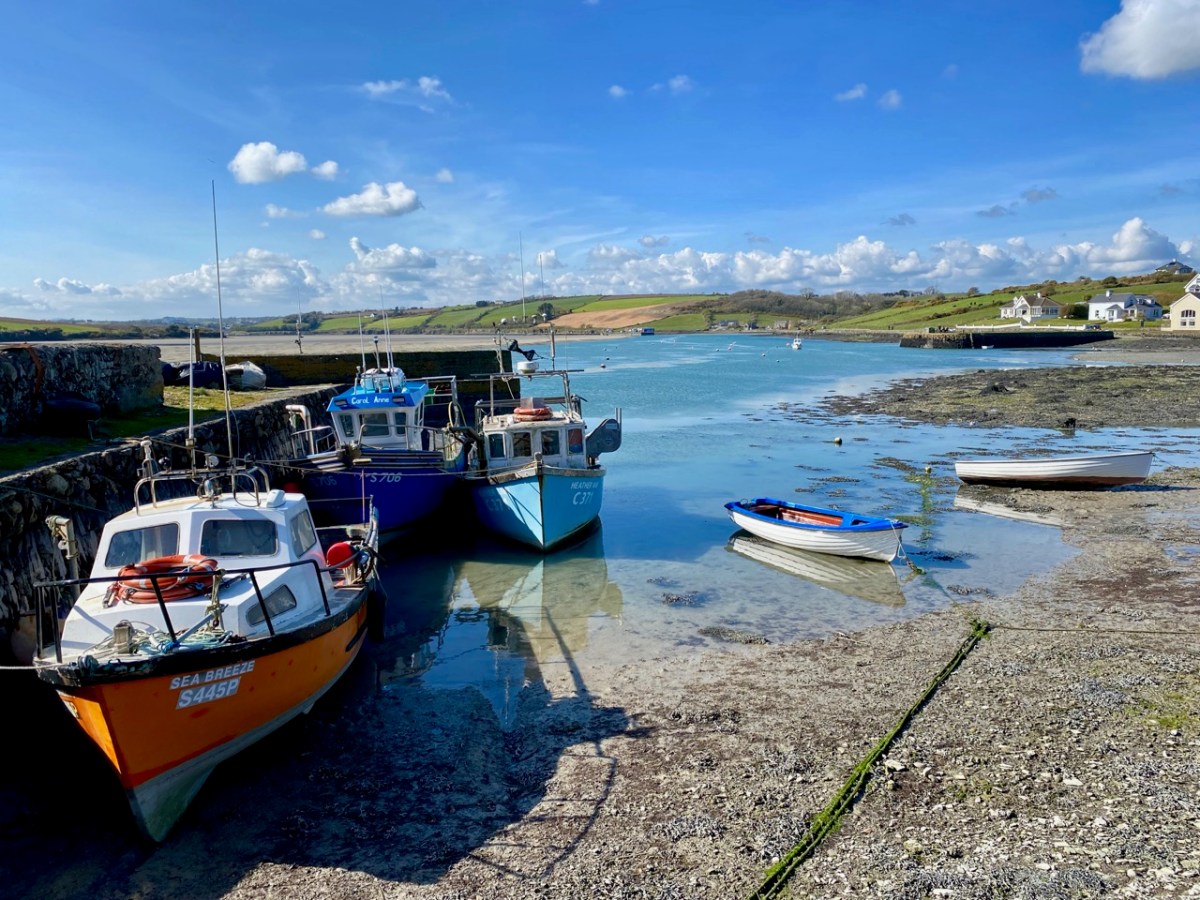
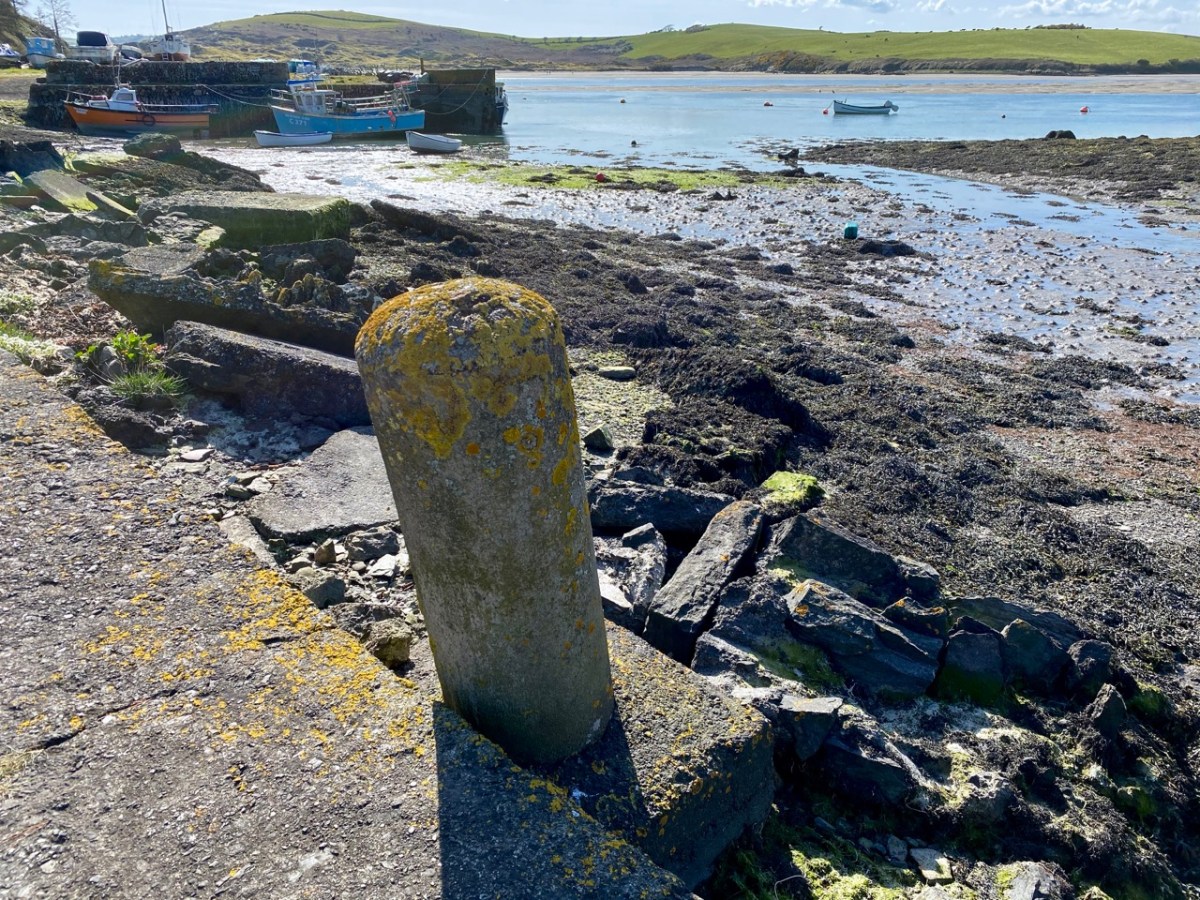
The two buildings with arched openings, above, were boathouses and stores. They are on the road which runs right beside the water going south out of Curraghgrane More. The colourful craft are at Ring Pier, which is still an active centre for fishing and – well – just messing about in boats.
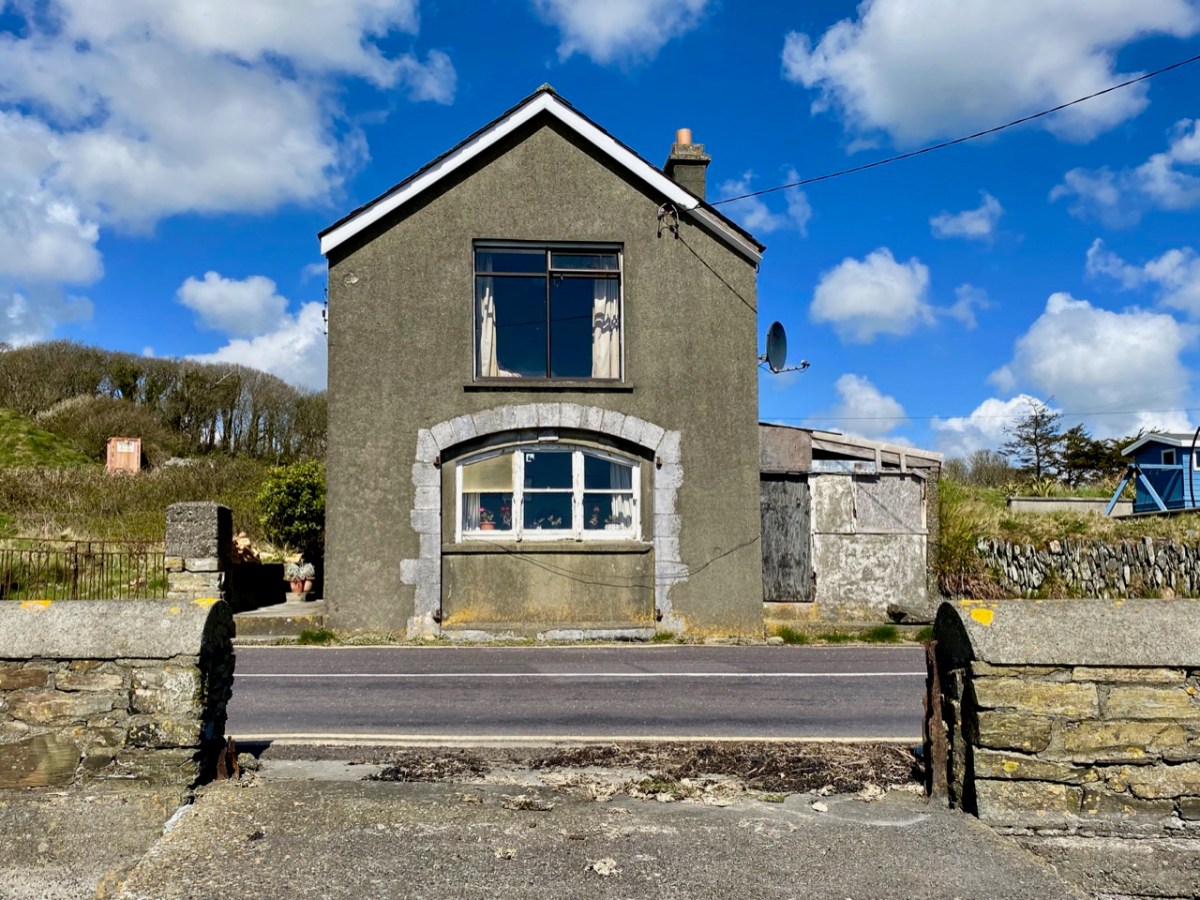
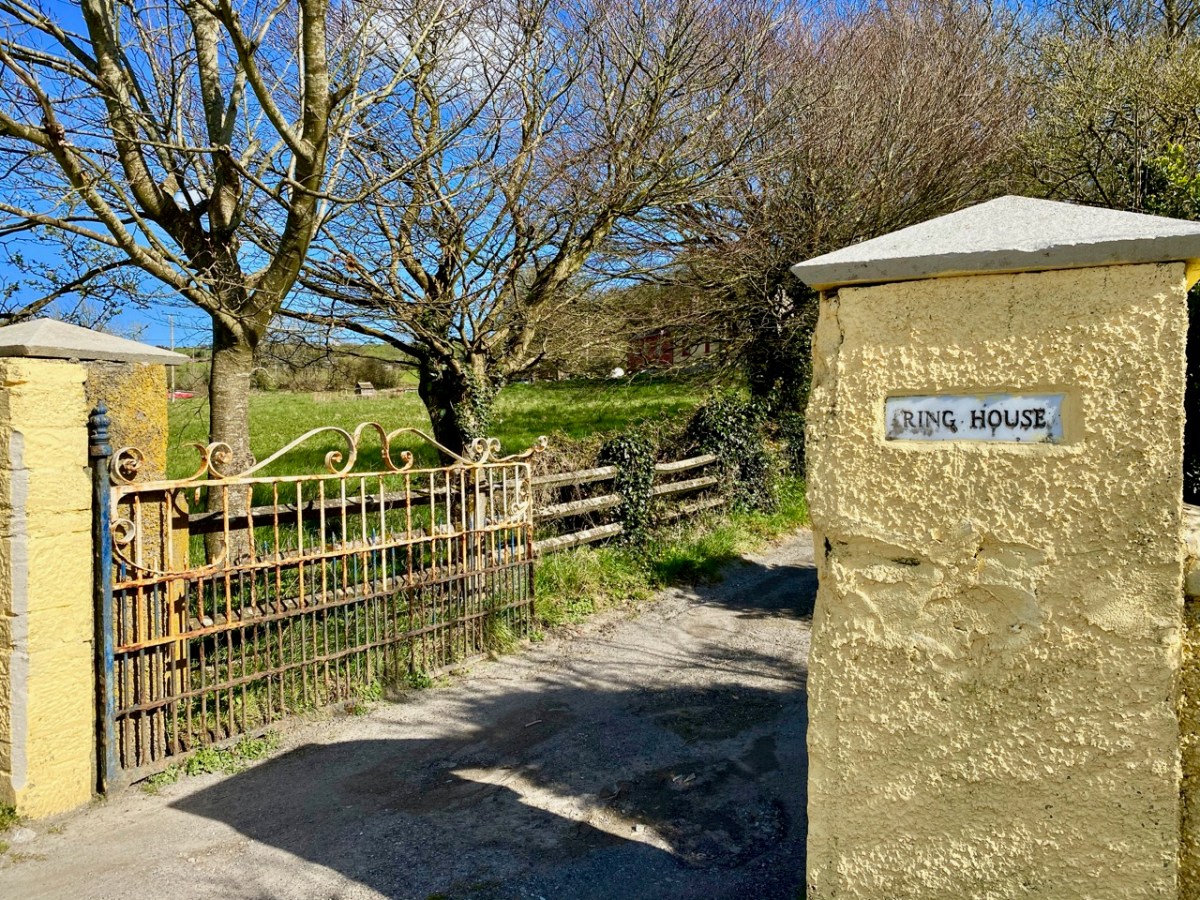
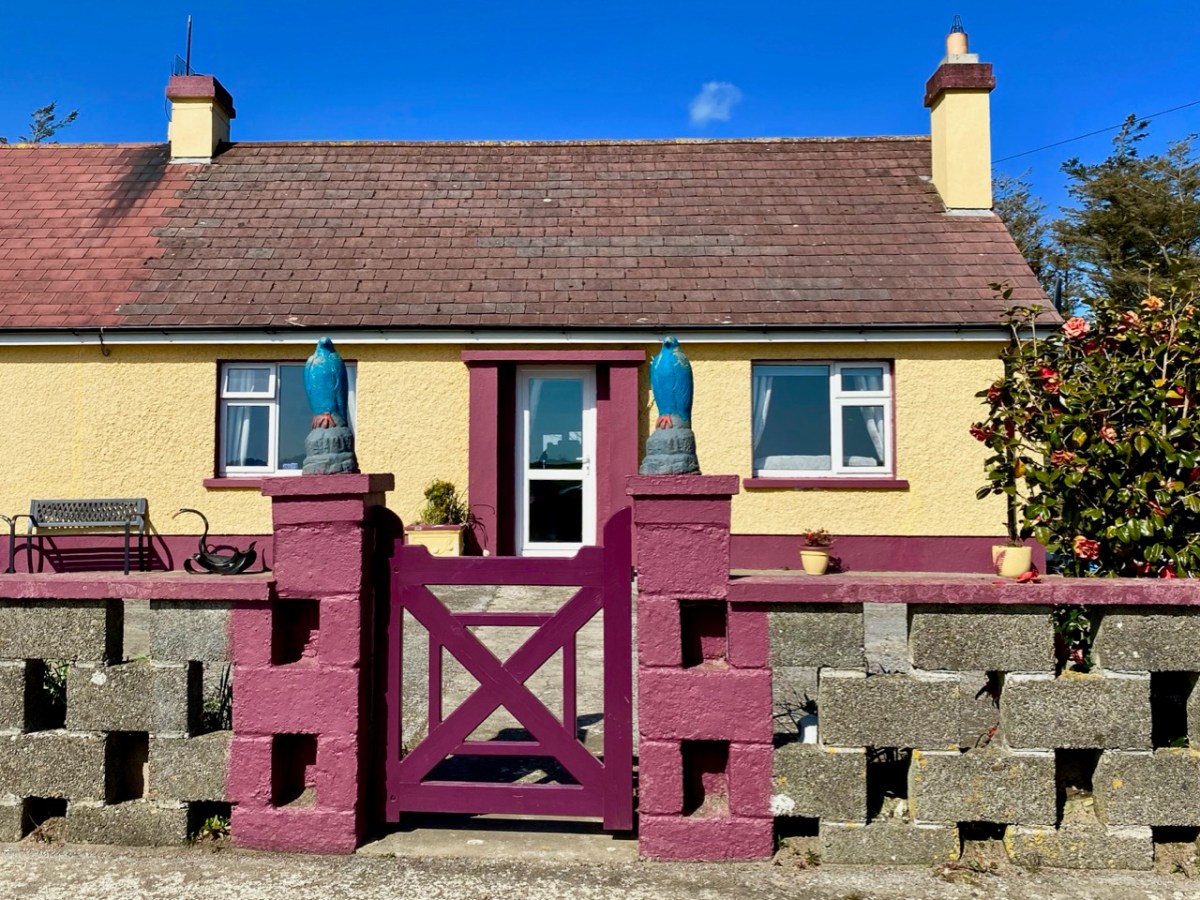
Just beside the harbour at Ring is the entrance to Ring House, which is on the National Inventory of Architectural Heritage, described thus:
. . . Pair of semi-detached three-bay two-storey houses, built c.1820, having single- and two-storey with dormer attic extensions to sides (north, south) elevations . . . An interesting pair of houses, which are unusual as they are semi-detached and large scale, yet in a rural area. Though some traditional features have been replaced, nonetheless the pair retains its historic character and is a notable contributor to Ring Harbour . . .
National inventory of architectural heritage, Reg no 20913532
The gateway is promising, but there is very little to see of Ring House from the road. I also could not find any other accounts or any history of the place. I wondered if it had always been two semi-detached houses – as described in the National Inventory – or whether it was originally a single dwelling of some stature.
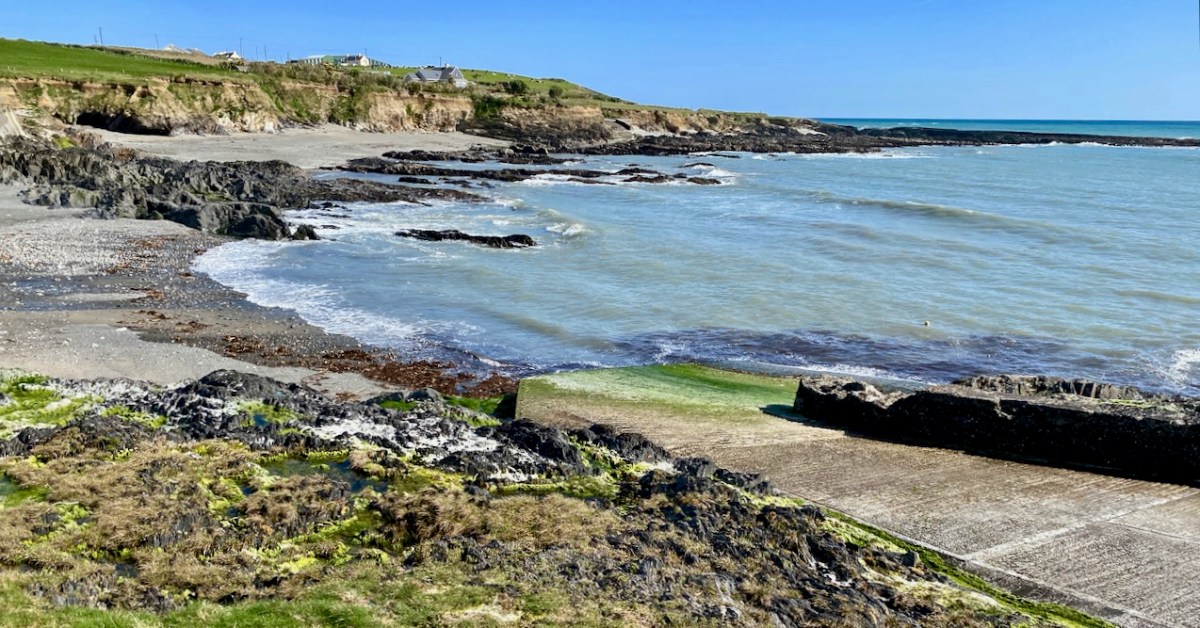
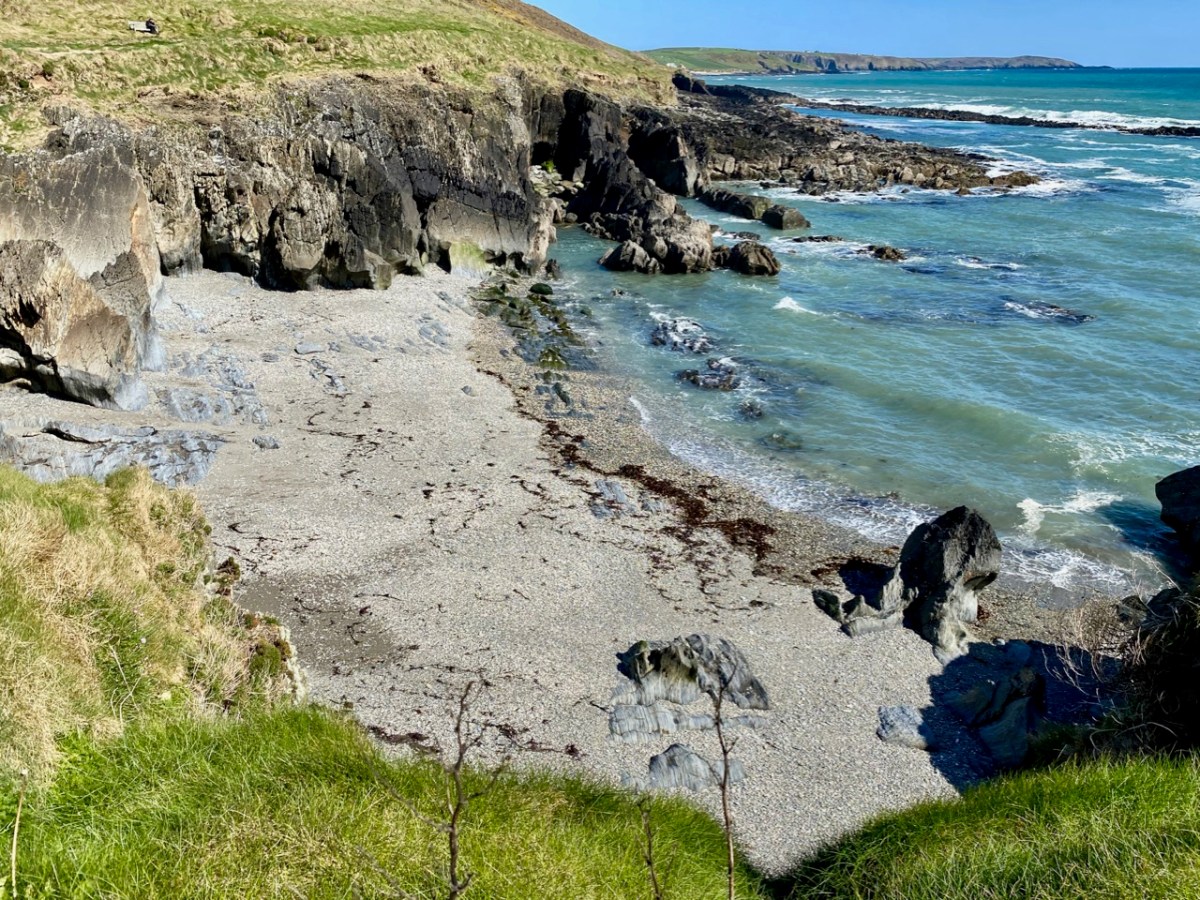
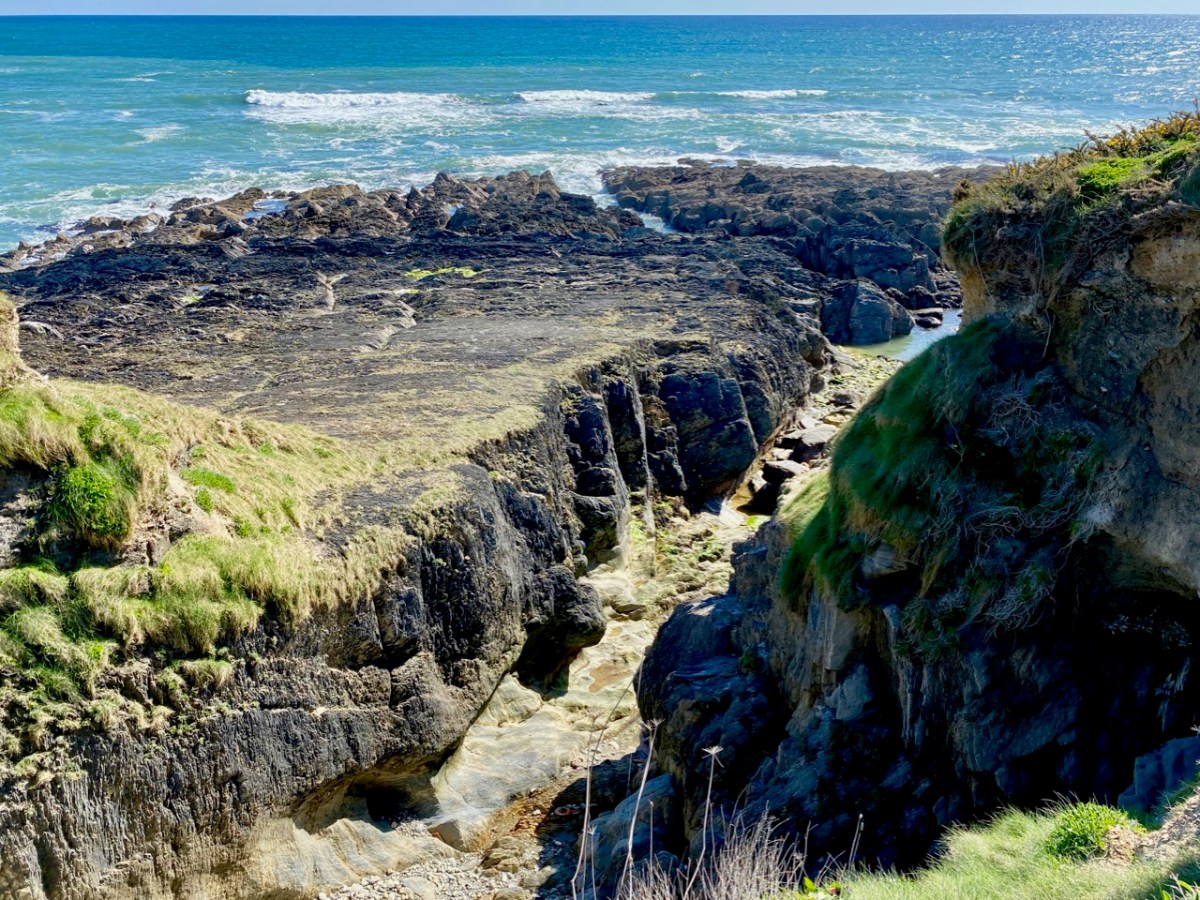
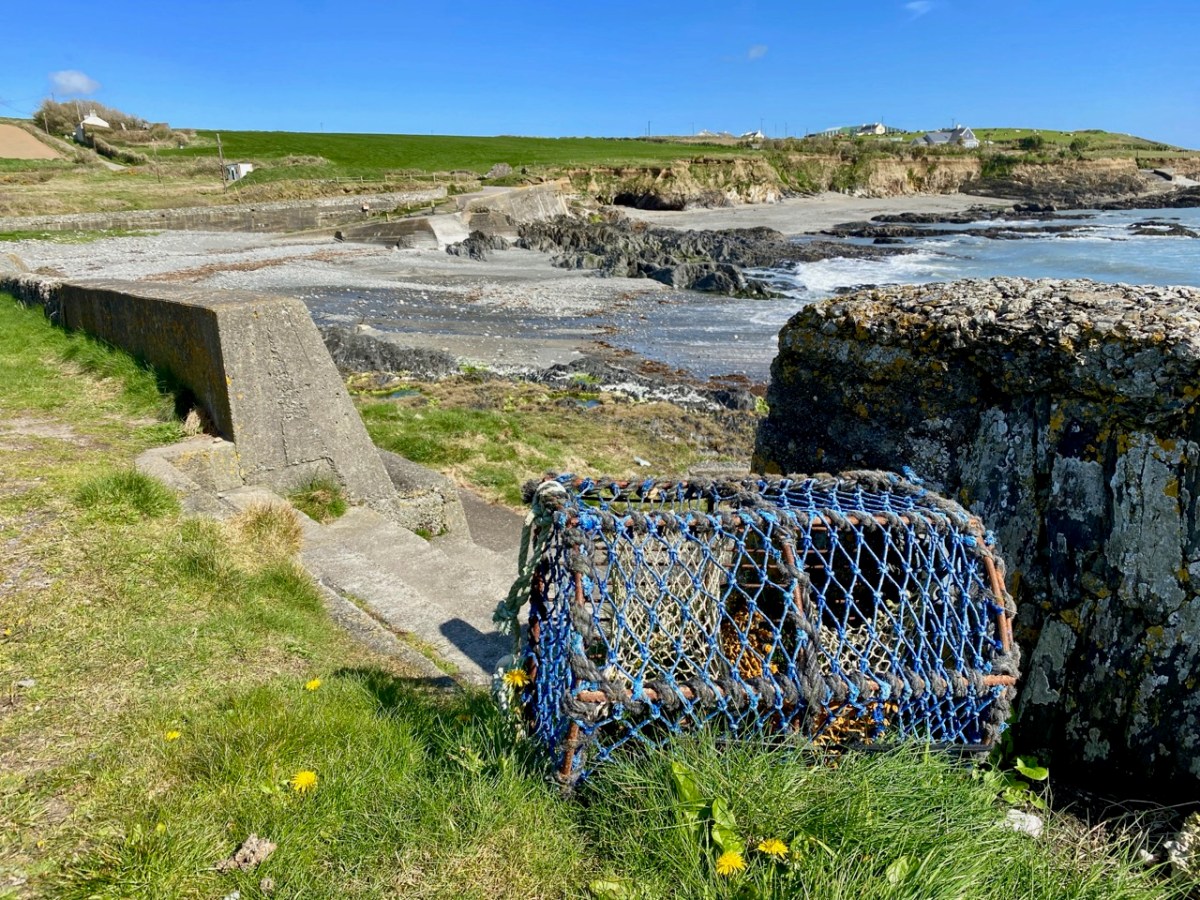
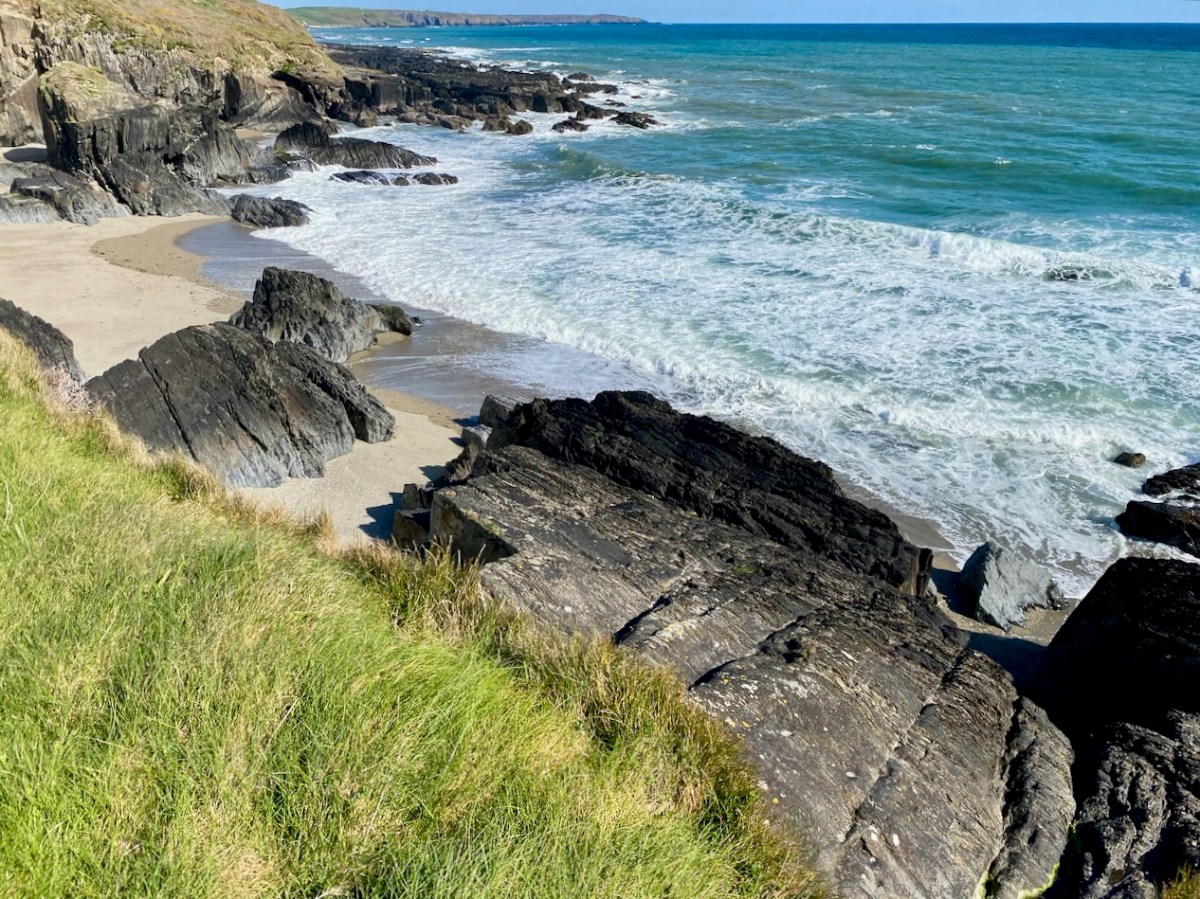
Our journey took us along the south facing coastline and we dropped down to the little inlets at Sheep Cove and Simon’s Cove. Both are worth visiting, involving negotiating tiny culs-de-sac, but there’s always room to turn at the end. Look out for the small paths leading to flagstone and sandy beaches. As always, there is evidence of the resourceful use of the maritime environment.
At Simon’s cove we turned and retraced our steps: we were barely 15 minutes away from the town of Clonakilty. Next time we will travel further east, and hopefully uncover more West Cork treasures.
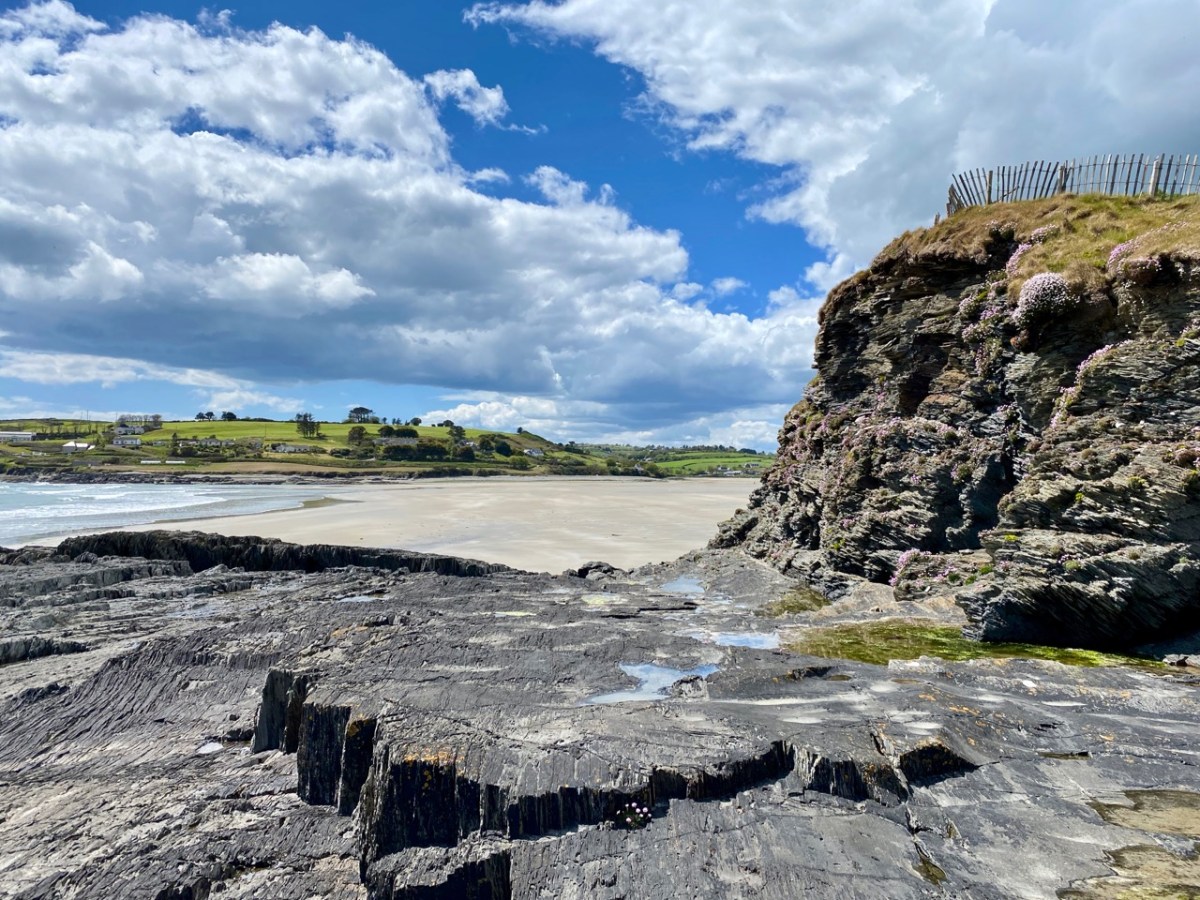
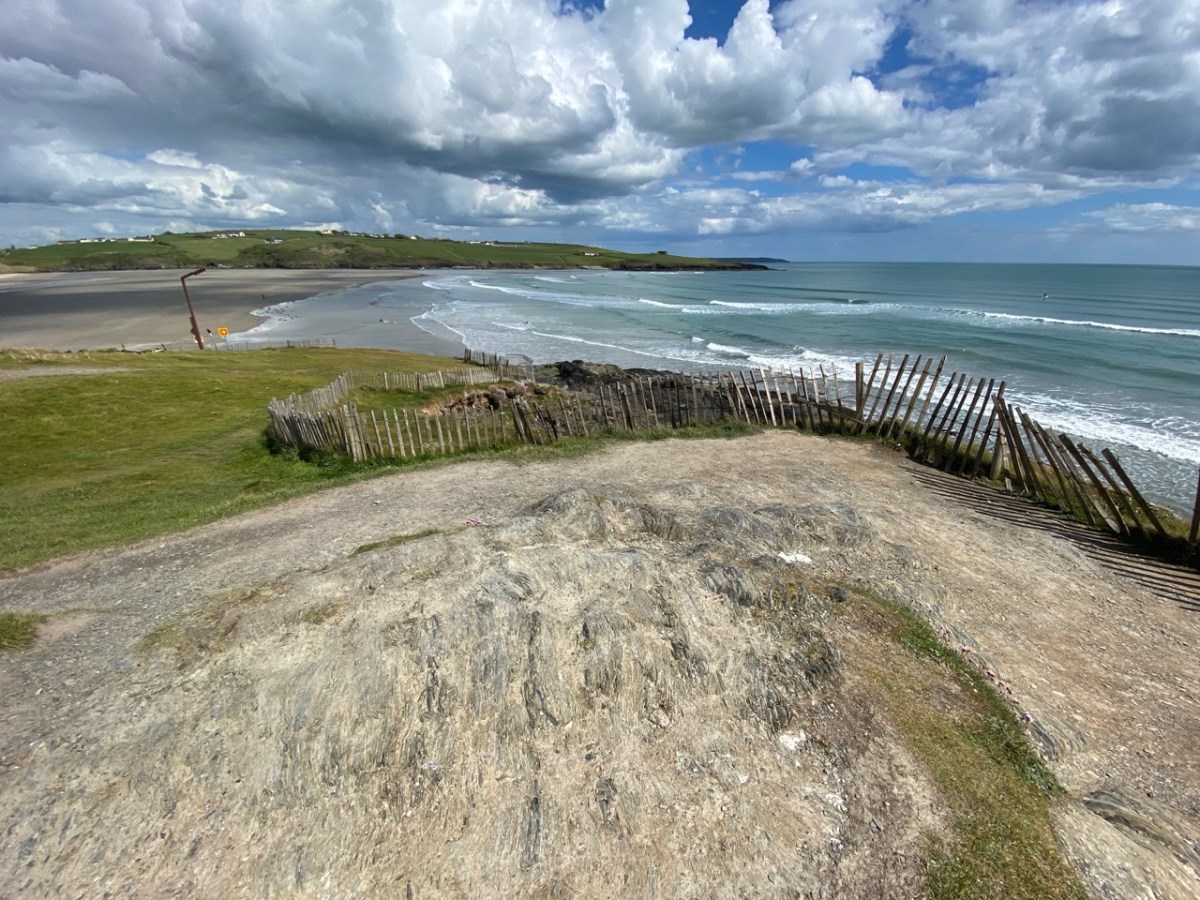
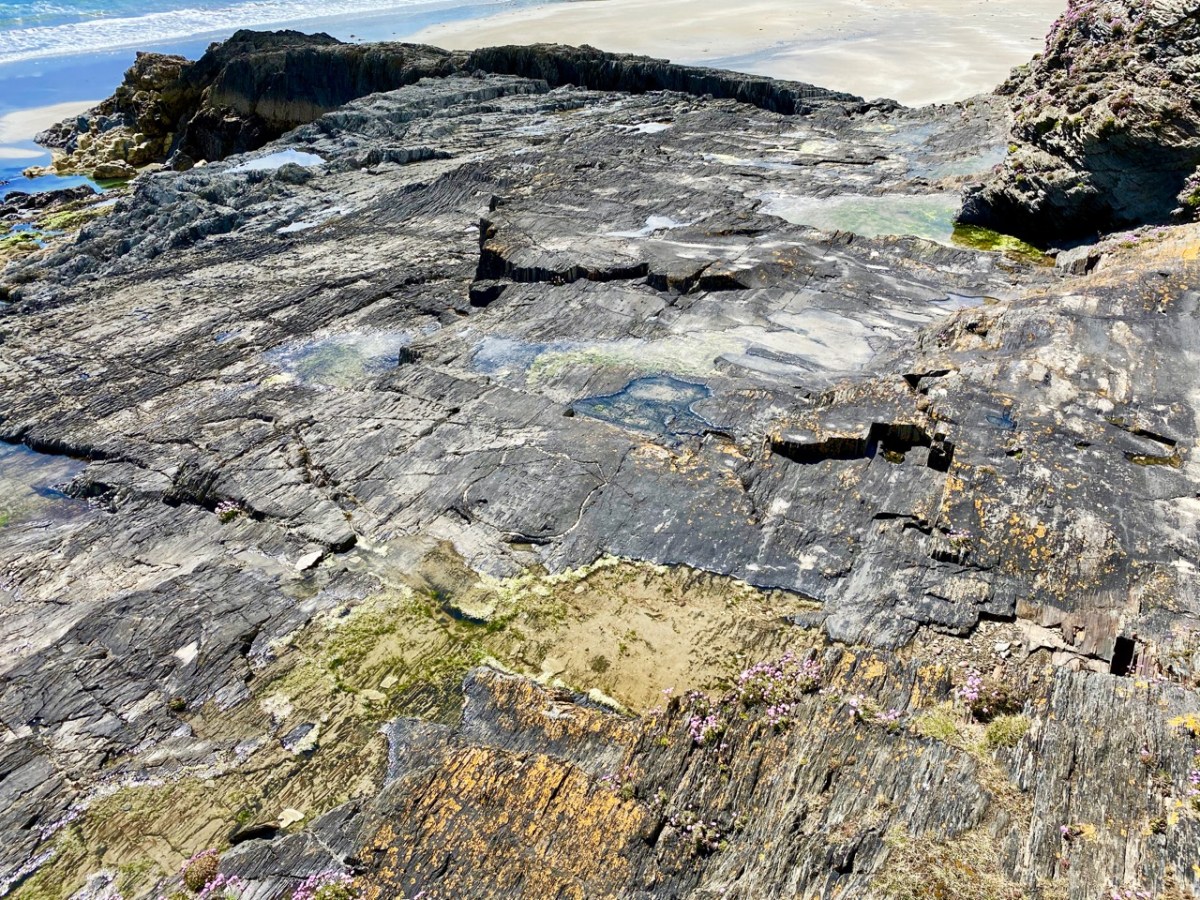
Virgin Mary’s Bank: it’s the intriguing name of a smallish rock outcrop that juts out into the sands at Inchydoney, West Cork. Stories abound, of course. Let’s do a bit of exploring…
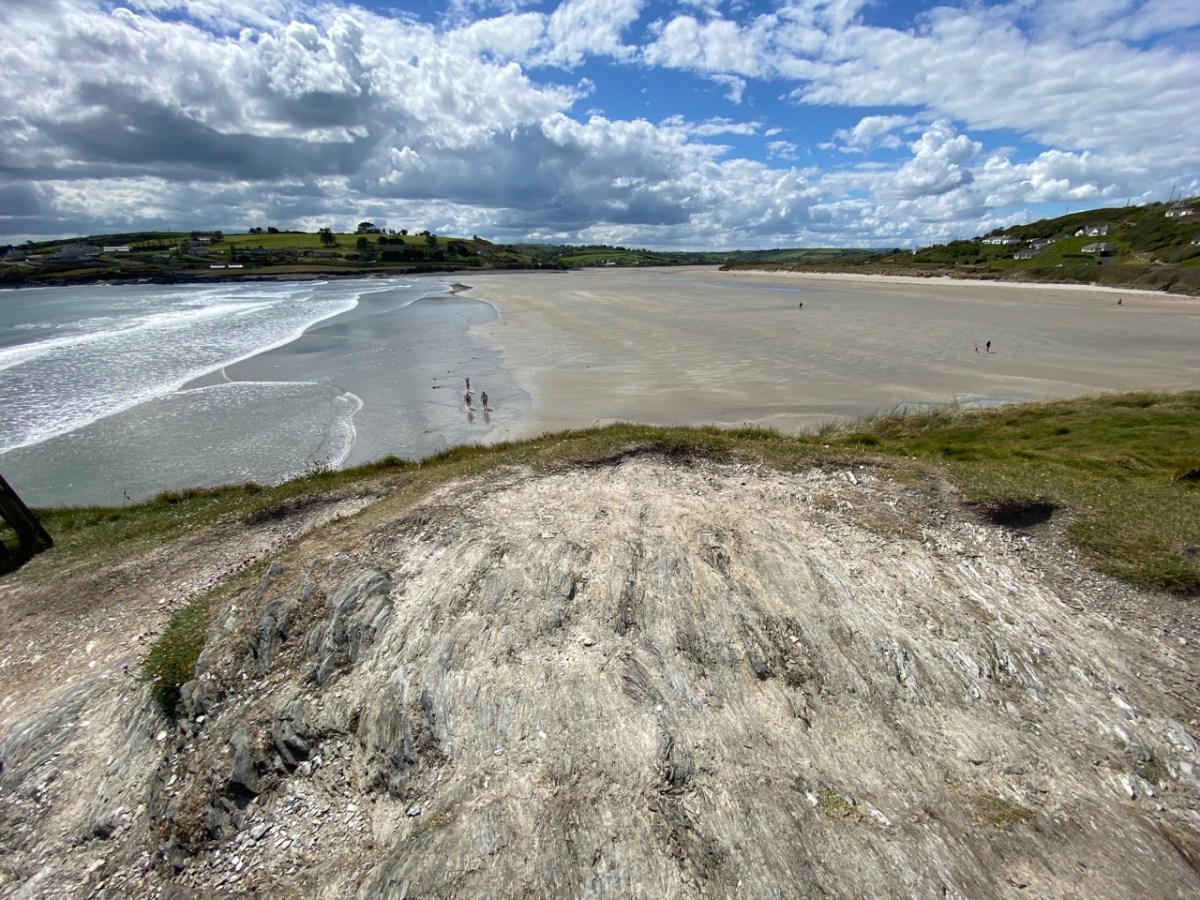
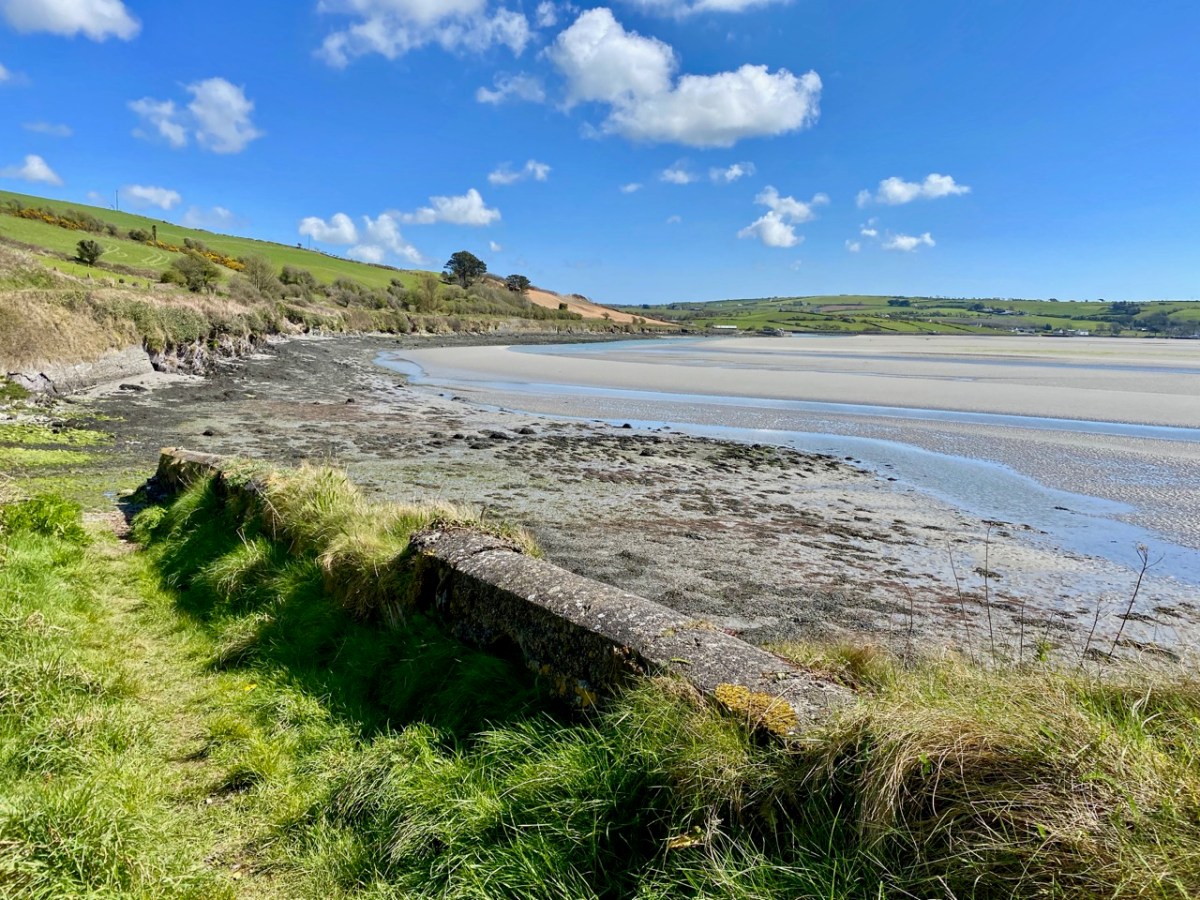
We first saw the name – Virgin Mary’s Bank (sometimes Virgin Mary’s Point or Virgin Mary’s Rock) – on the map when we were orientating our views across the sands from Ring on our excursion last month (above). There’s such a huge, sandy estuarial strand over on that side, stretching all the way from Ring and beyond Inchydoney island: it must be one of West Cork’s most covetable assets!
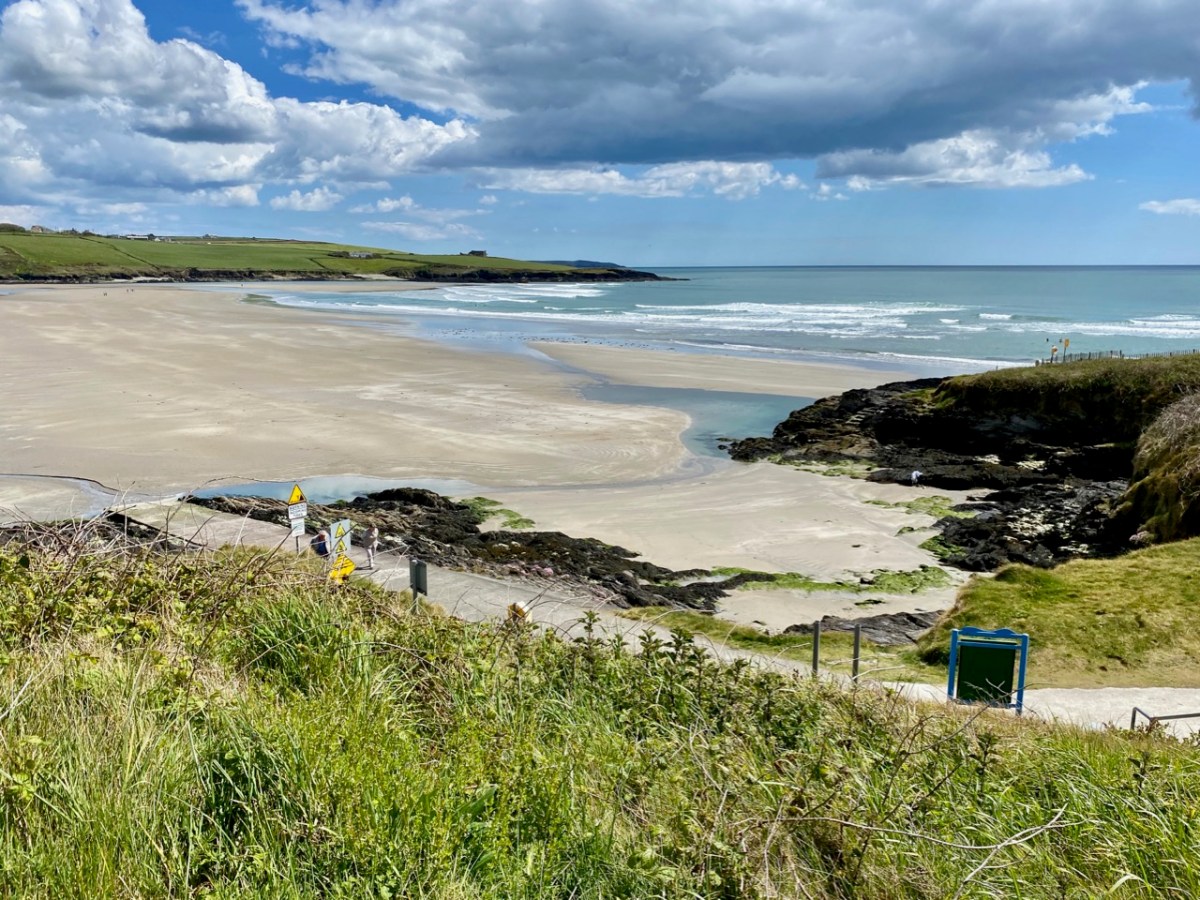
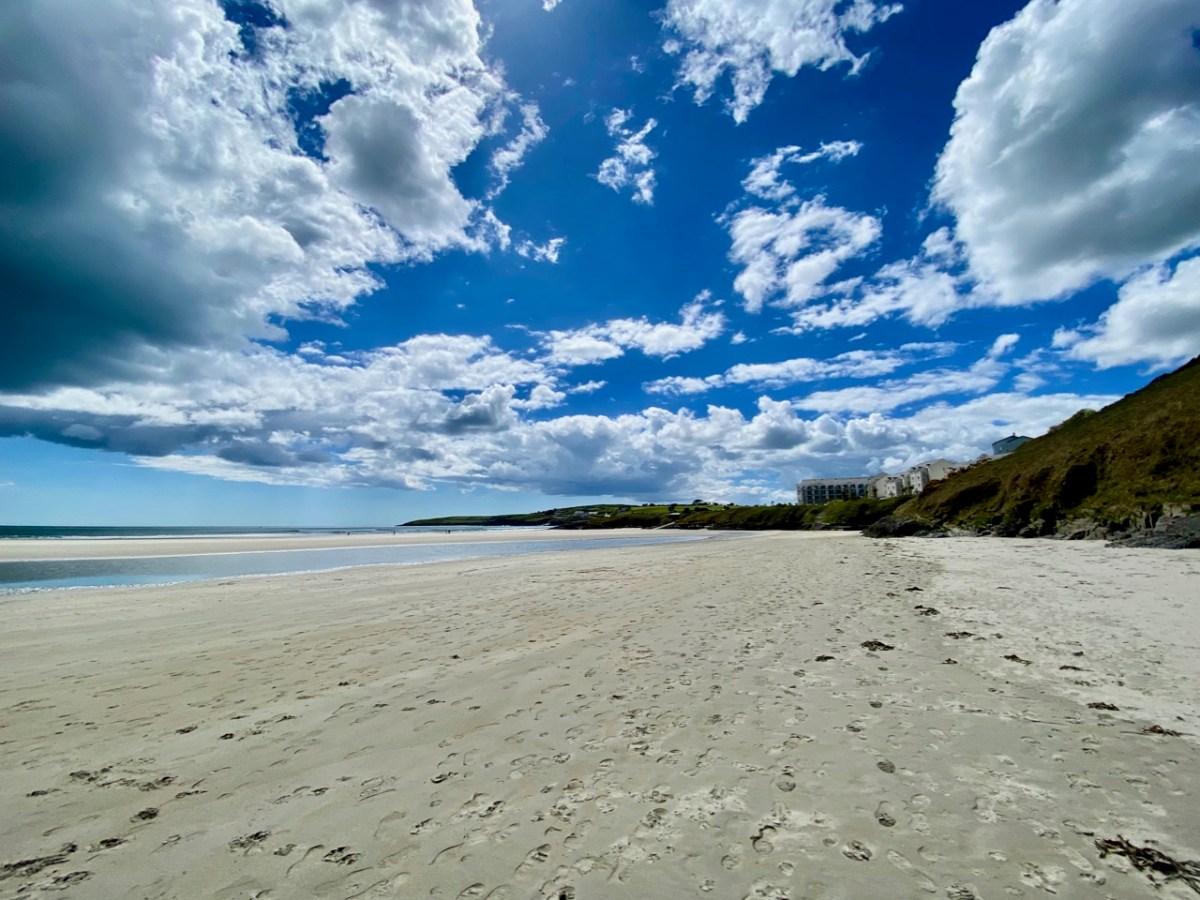
The view above – looking east from Inchydoney Island towards Ring Head – shows barely half the extent of the sands – and beautiful, golden sands they are. In the summertime, of course, the area is buzzing with visitors and sun-seekers, but there is plenty of room, and the beaches are never overrun, although car parking can be at a premium – get there early, if you can, in peak season. But why is Inchydoney an island, you might ask, when you look at the aerial view which seems to show it linked to the pastured landscapes to the north west? Here’s the answer:
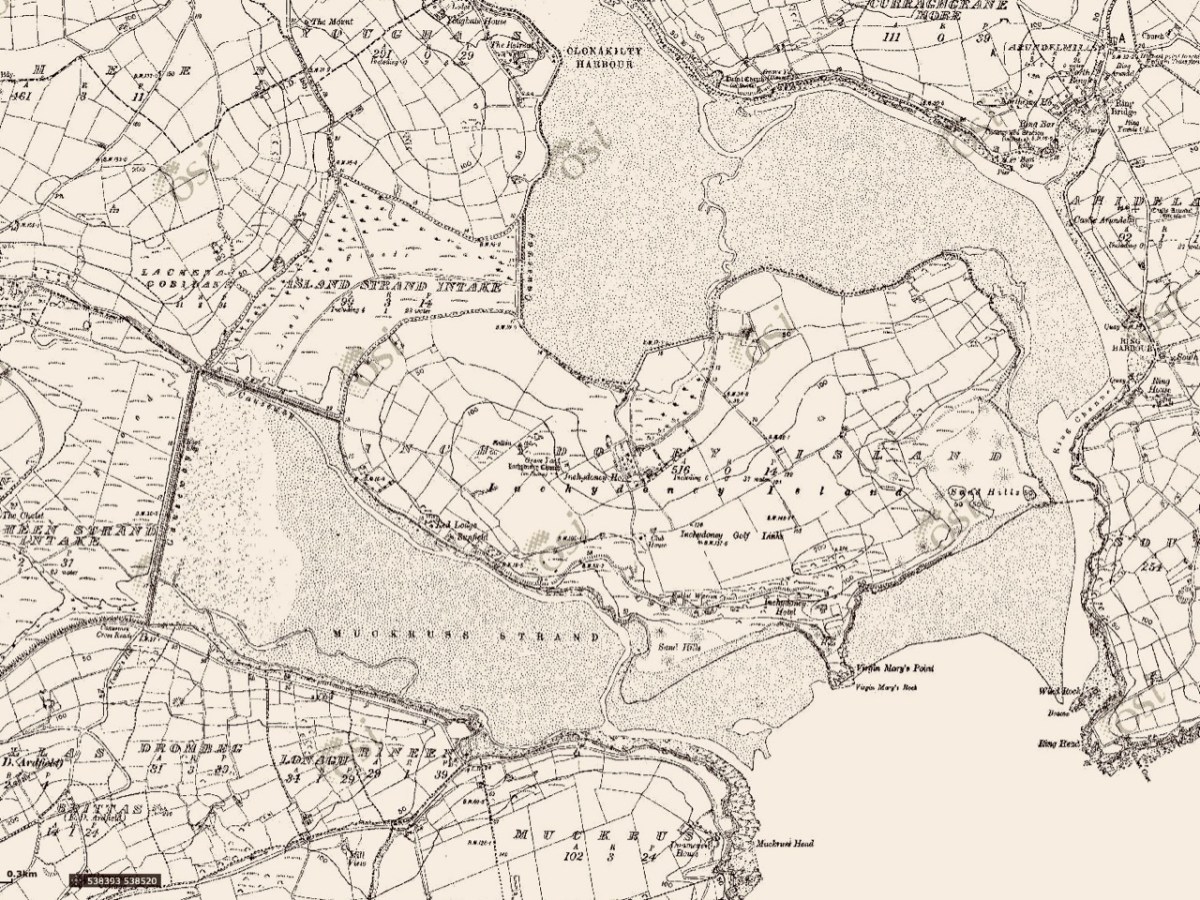
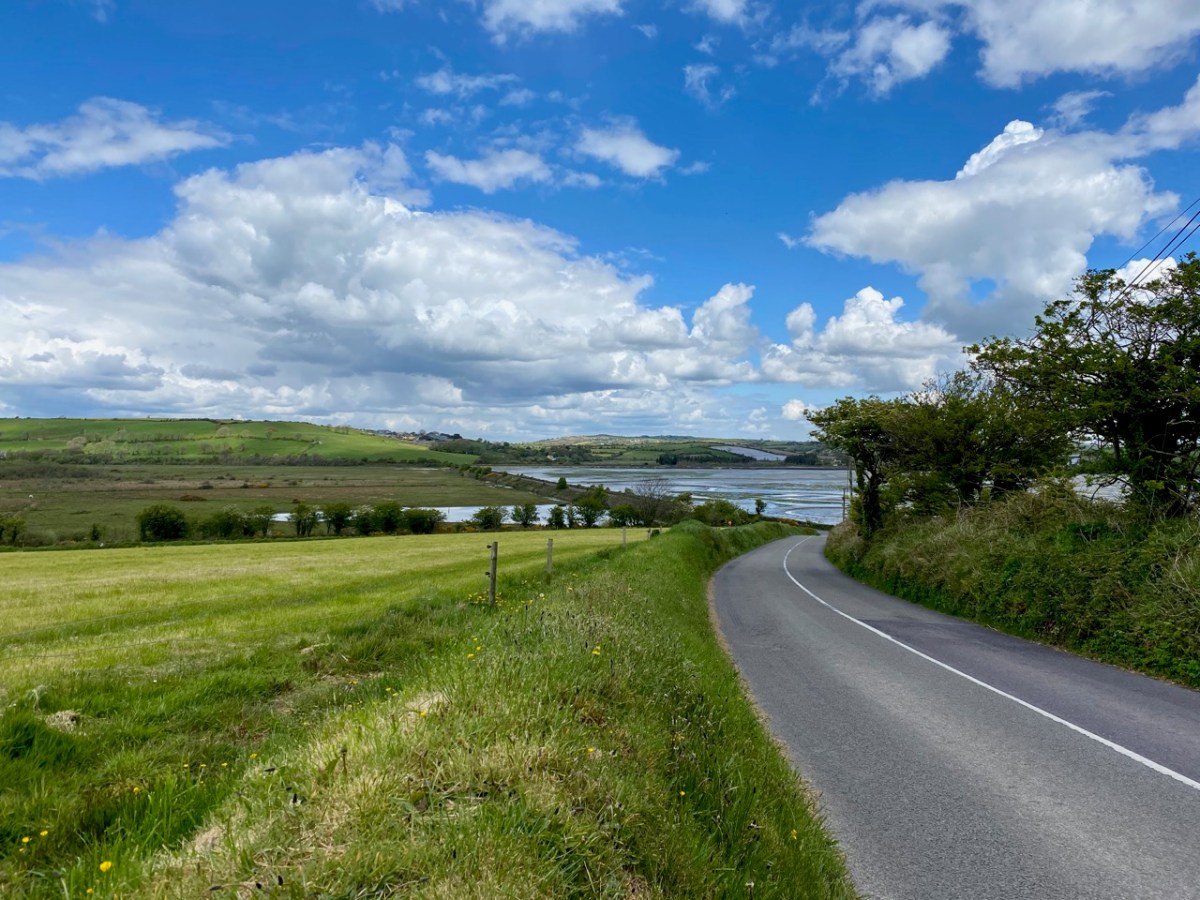
The top map is an extract from the earliest 6″ Ordnance Survey map, mostly surveyed in the 1840s. There you can see the island, clearly surrounded by water, with a causeway on the northwest side linking it to the nearby mainland. The principle features on the island at that time are Inchidoney House, a ruined church and burial ground. The later Cassini 6″ map (above) shows how causeway dams have been built to enclose areas of reclaimed land, here called ‘intakes’, effectively joining the former island to the adjacent mainland. The causeways are very clear if you approach the island from the west side (below).
The Cassini map was surveyed in the late 19th century, and we know from historical records that the causeway system was constructed by the Congested Districts Board in the 1840s, probably as a famine relief scheme. The roads and retaining boundaries were constructed from limestone quarried on the island. It is recorded that workers were paid a penny a day, and that on the first day of the works nine people died – presumably of malnutrition.
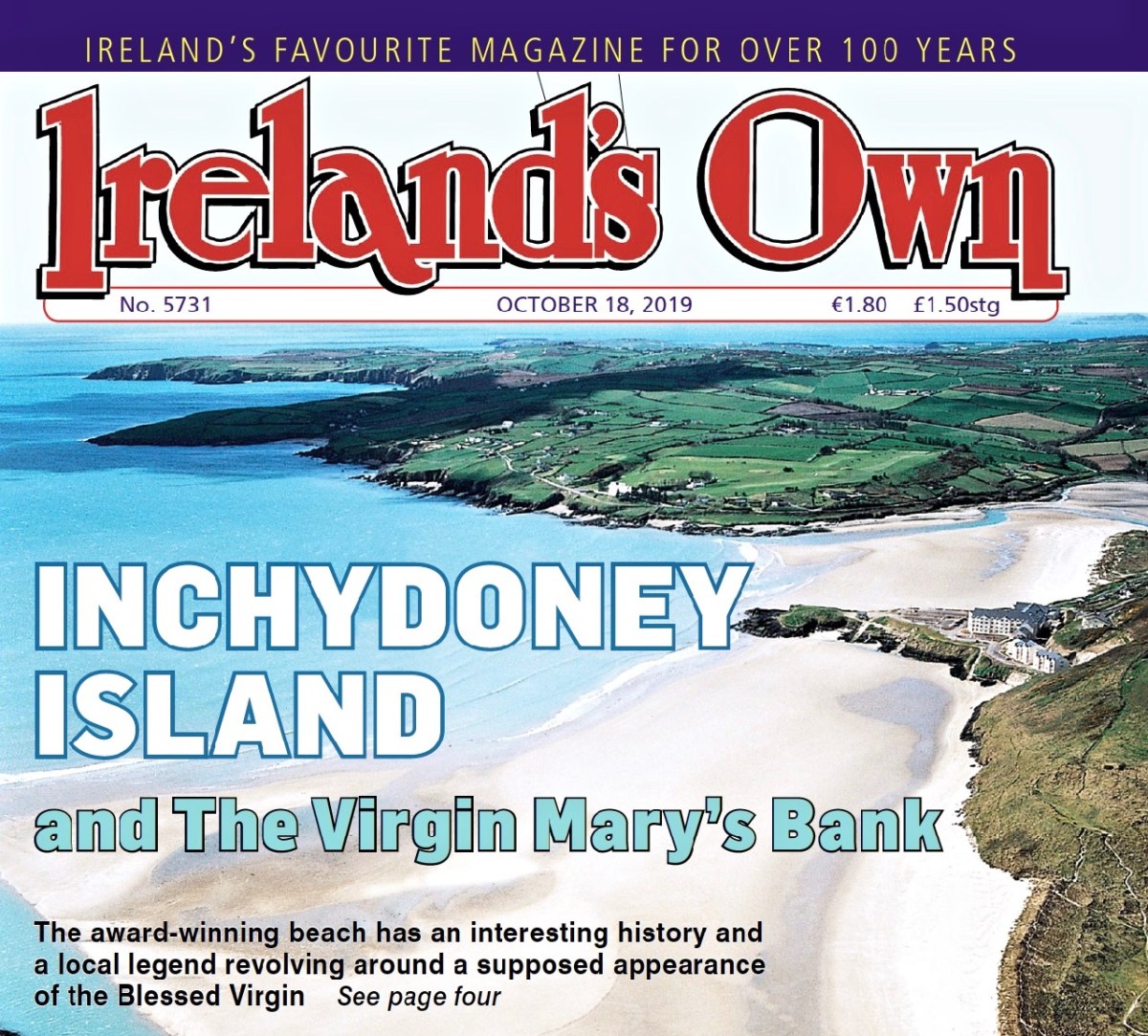
I found an excellent article on Inchidoney Island in a recent edition of Ireland’s Own (October 2019), available to download online, written by Mary Rose McCarthy. She relates how Richard Hungerford, from a Somerset family background, owned a substantial part of the island in 1690 and his descendants were there until the early 1900s. They rebuilt Inchydoney House in the early 1800s: it still stands. The writer ‘Mrs Hungerford’ – Margaret Hamilton of Rosscarbery – married into the Hungerford family and was notorious for an incident in 1905. Here is an extract from a letter sent by her to the Clonakilty Urban District Council on August 16th:
On 10th inst I received a letter from the Town Clerk of Clonakilty who ‘had been directed by the Urban District Council to ask me to receive a deputation with reference to asking me to open my grounds to the public on Sundays’ . . .
The Urban District Council, in proposing this resolution, ‘regretted that I had not followed the example of Mr Bence Jones’ (who had kindly thrown his most lovely garden open to the public every second Sunday) and one member, whom I shall not name but with whom I have had a little business transaction in the past, was of opinion that ‘I should have done so without waiting to be asked’. Now, during the past summer I have permitted every person, and at every hour, who asked leave at the hall door to go through to the strands. The result has been as usual in Ireland, disappointing, Gates were left open and of course my animals strayed away and people had to leave their work to hunt for them and the portion of ‘the public’ who considered asking for leave too much trouble, or perhaps, too derogatory, wandered over the land wherever they choose and papers, bottles etc, etc, littered the place . . .
Miss Hungerford, The Island, Clonakilty 1905
Mary Rose McCarthy, in her Ireland’s Own article, recounts:
. . . Locals felt they had a right to travel to the beach by an old roadway past Inchydoney House. Clonakilty UDC mediated but Miss Hungerford refused all approaches. A group of locals marched from town, tore down the gates, and asserted their right to travel to the beach. This gave rise to a local song – Who broke the island gates?, although the words were never recorded . . .
Mary Rose McCarthy, Ireland’s Own, October 2019
The author also notes that Margaret Hamilton (Miss Hungerford) wrote novels, the most famous of which – Molly Bawn – is mentioned by James Joyce in Ulysses; and also credits her with having coined the phrase ‘beauty is in the eye of the beholder’.
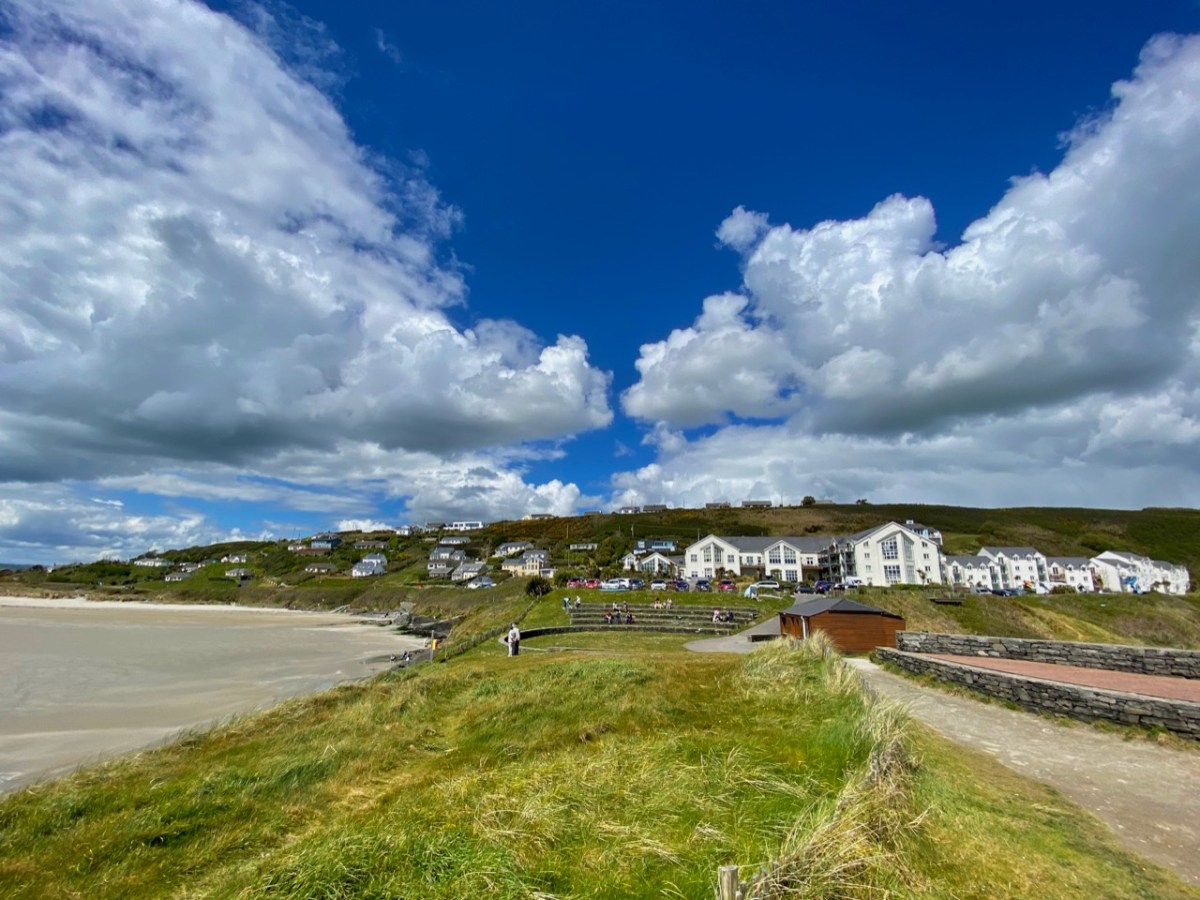
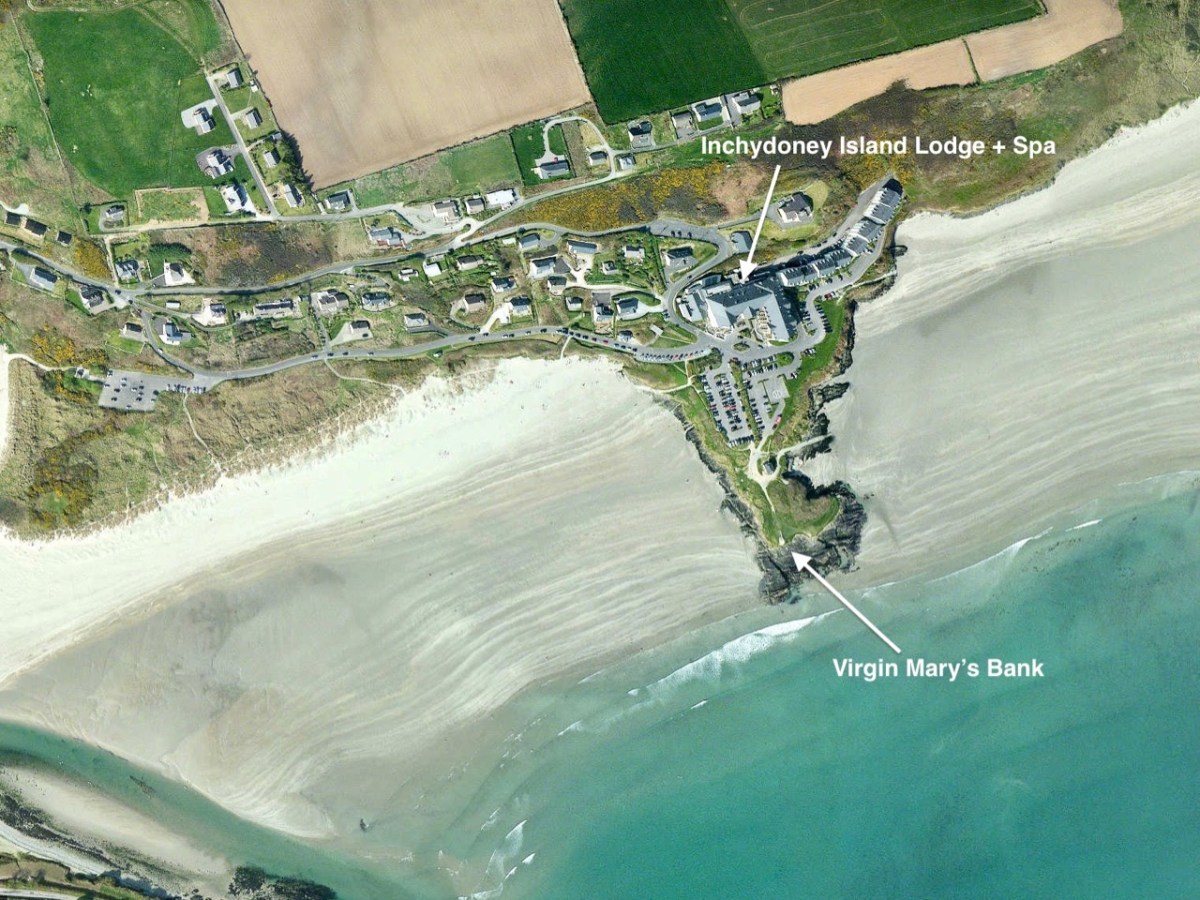
The most notable building on the Island today is the Inchodoney Island Lodge & Spa which – with associated apartments – commands a stunning view over the whole south strand. It replaces the earlier Inchydoney Ocean Hotel, built in the 1930s and famous for its ballroom – and the dances and fancy-dress parties held there, which always went on into the early hours of the morning. The postcard below, published by H Rosehill, Cork, shows the hotel in 1940.
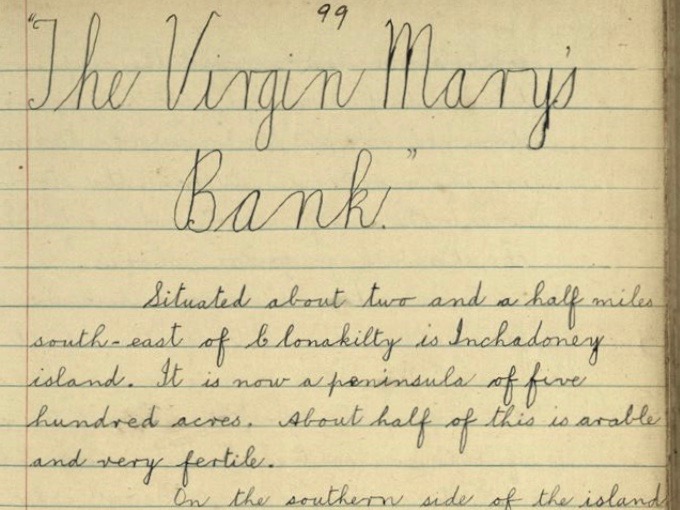
The aerial view gives an idea of the extent of the present day building, and also shows how it relates to the principal subject of today’s post: Virgin Mary’s Bank. The legend of this promontory is best told through the pages of the Duchas Schools Folklore Collection:
. . . Situated about two and a half miles south-east of Clonakilty is Inchadoney island. It is now a peninsula of five hundred acres. About half of this is arable and very fertile.
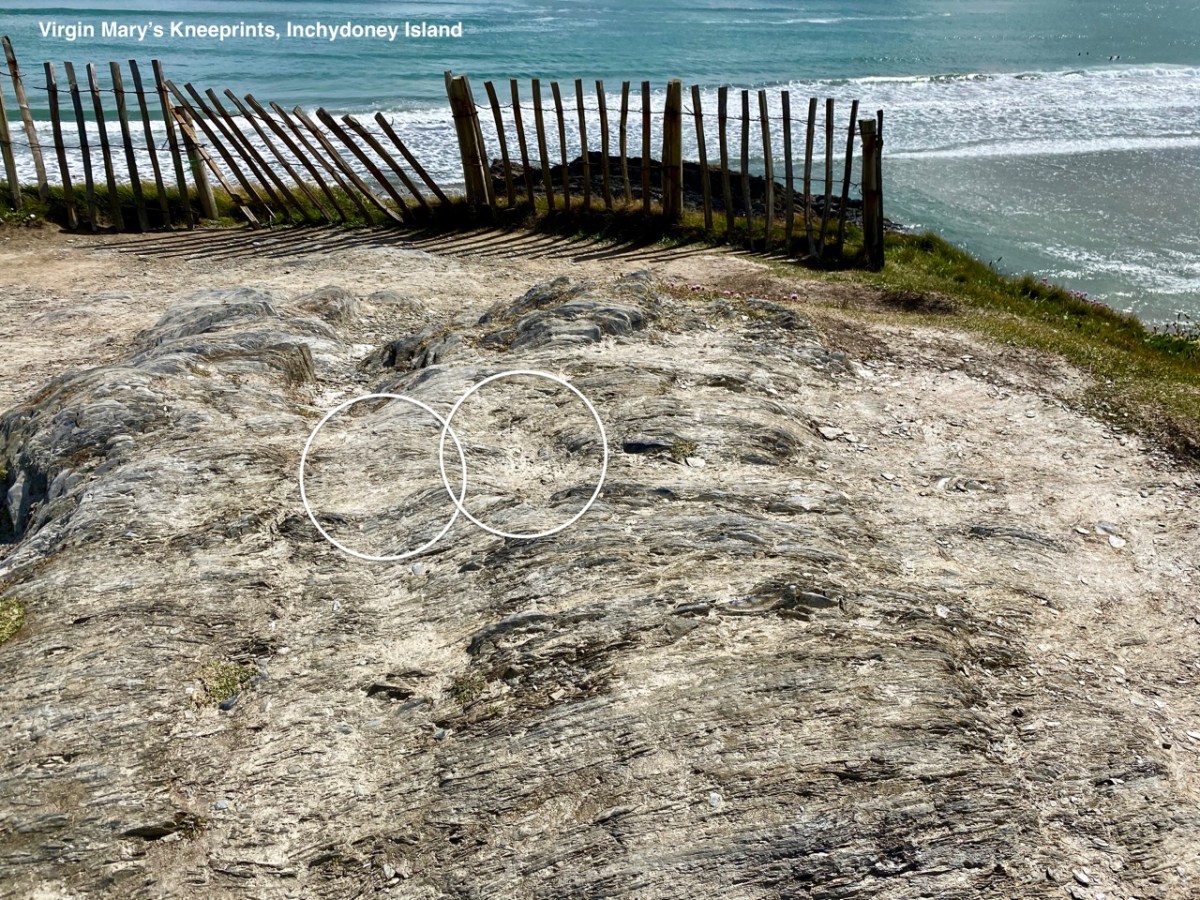
In the southern side of the island there is a bank jutting out into the sea called the Virgin Mary’s bank. It is said that there was a ship coming in there once and the sailors saw a beautiful woman praying on the bank. She was as white as snow and she was kneeling on a knoll which bears the impression of her knees to-day . . .
All the sailors but one began to mock and blaspheme her. Suddenly a great storm arose and the ship was blown to pieces and all her sailors were drowned except the one who took no part in the mockery. When the storm ceased the lady went out and brought the drowning sailor ashore . . .
In olden times there was a flourishing convent on the island and the remains of which are to be seen to-day. Some people say it was one of the nuns of this convent but it is more likely that it was the “Virgin Mary” who saved the man from drowning . . .
Tim Cowhig, Duchas Schools Collection, Clonakilty 1936
If ever doubt was to be cast as to the veracity of this story, there – as clear as day – are the knee-prints on the rock! A tragedy on the strand in 1932 is commemorated by a carving on the flaggy formation, just below Virgin Mary’s Bank. In August 22-year-old Timothy O’Sullivan from Casement Street in Clonakilty and 19-year-old Joseph Santry, a plasterer from Clarke Street Clonakilty, drowned. Charles P Millar from Summerhill, Cork, managed to rescue a third man who was also in difficulty but due to rough sea conditions he was unable to save the others despite his heroic attempts.
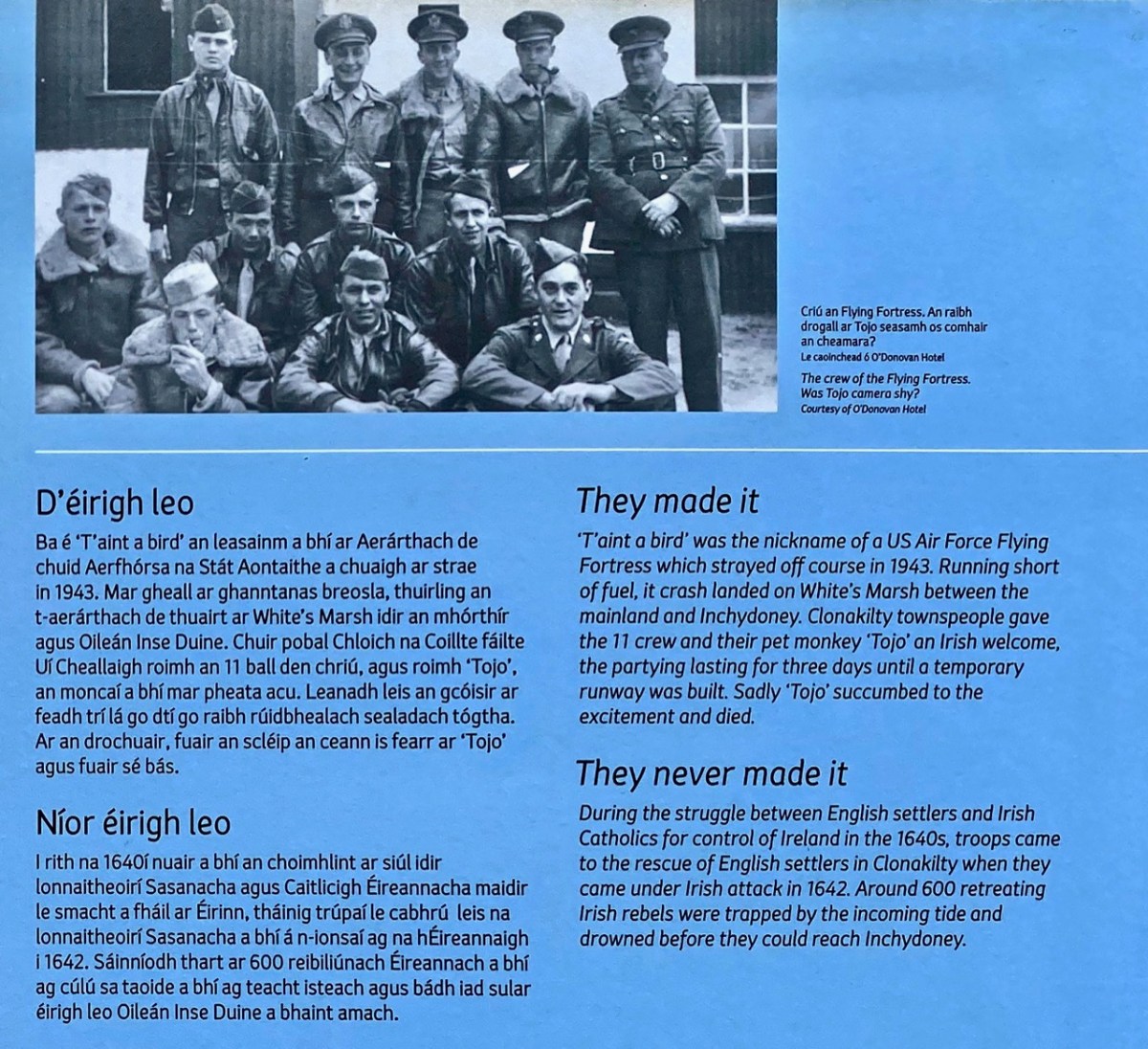
A Wild Atlantic Way information board close to Virgin Mary’s Bank tells of another incident, in more recent times.
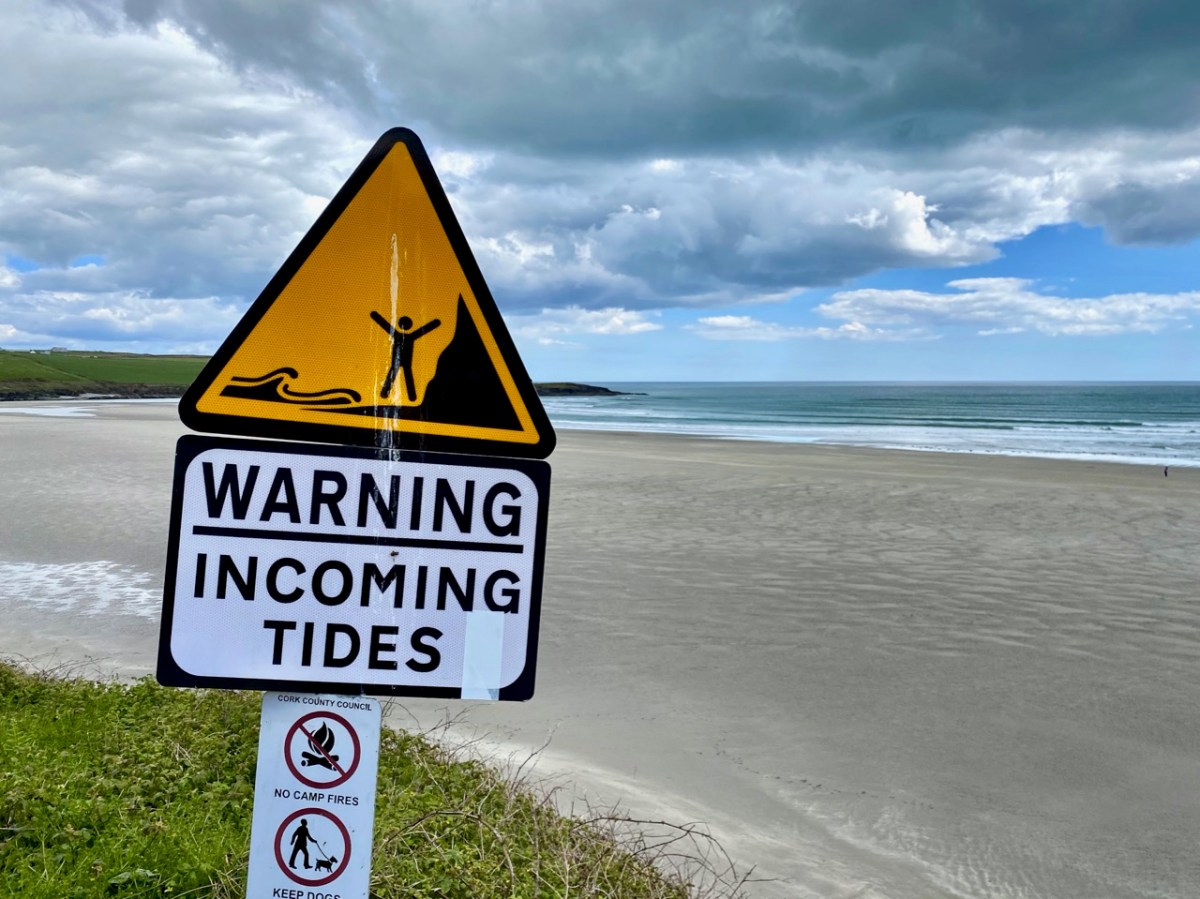
But note the paragraph They never made it, above. In 1642 around 600 Irish rebels were trapped by the incoming tide and drowned on the sands: a salutary warning, perhaps, for those who come to the beaches here and don’t keep a wary eye on the tide. Because of the wide, flat expanses of open strand it comes in at a great pace.
An all but forgotten Cork poet, Jeremiah Joseph Callanan (1795 – 1829), heard the story of the appearance of the Virgin Mary at Inchydoney and penned some verses which – according to local legend – all Clonakilty primary school children had to learn by rote. I have transcribed it from the Duchas Schools Collection record above, as the dramatic rendition is well worth quoting in full.
The Evening Star rose beauteous above the fading day, As to the lone and silent beach the Virgin came to pray, And hill and dale shone brightly in moonlight’s mellow fall; But the bank of green where Mary knelt was brightest of them all.
Slow moving o’er the waters, a gallant barque appeared, And her joyous crew looked from the deck as to the land she neared; To the calm and sheltered haven she floated like a swan, And her wings of snow o’er the waves below in, pride and beauty shone.
The Master saw Our Lady as he stood upon the prow, And marked the whiteness of her robe – the radiance of her brow; Her arms were folded gracefully upon her stainless breast, And her eyes looked up among the stars, to Him her soul loved best.
He showed her to his sailors, and he hailed her with a cheer, And on the kneeling Virgin they gazed with laugh and jeer; And madly swore, a form so fair they never saw before; And they cursed the faint and lagging breeze that kept them from the shore.
The ocean from its bosom shook off its moonlight sheen, And up its wrathful billows rose to vindicate their Queen, And a cloud came o’er the heavens, and a darkness o’er the land, And the scoffing crew beheld no more the Lady on the strand.
Out burst the pealing thunder, and the lightning leapt about, And rushing with his watery war, the tempest gave a shout; And that vessel from a mountain wave came down with thundering shock, And her timbers flew like mattered spray on Inchadony’s rock.
Then loud from all the guilty crew one shriek rose wild and high; But the angry surge swept over them, and hushed their gurgling cry; And with a hoarse, exulting tone the tempest passed away, And down, still chafing from their strife, the indignant waters lay.
When the calm and, purple morning shone out on high Dunmore, Full many a mangled corpse was seen on Inchadony’s shore; And to this day the fisherman shows where the scoffers sank, And still they call that hillock green “The Virgin Mary’s Bank”.
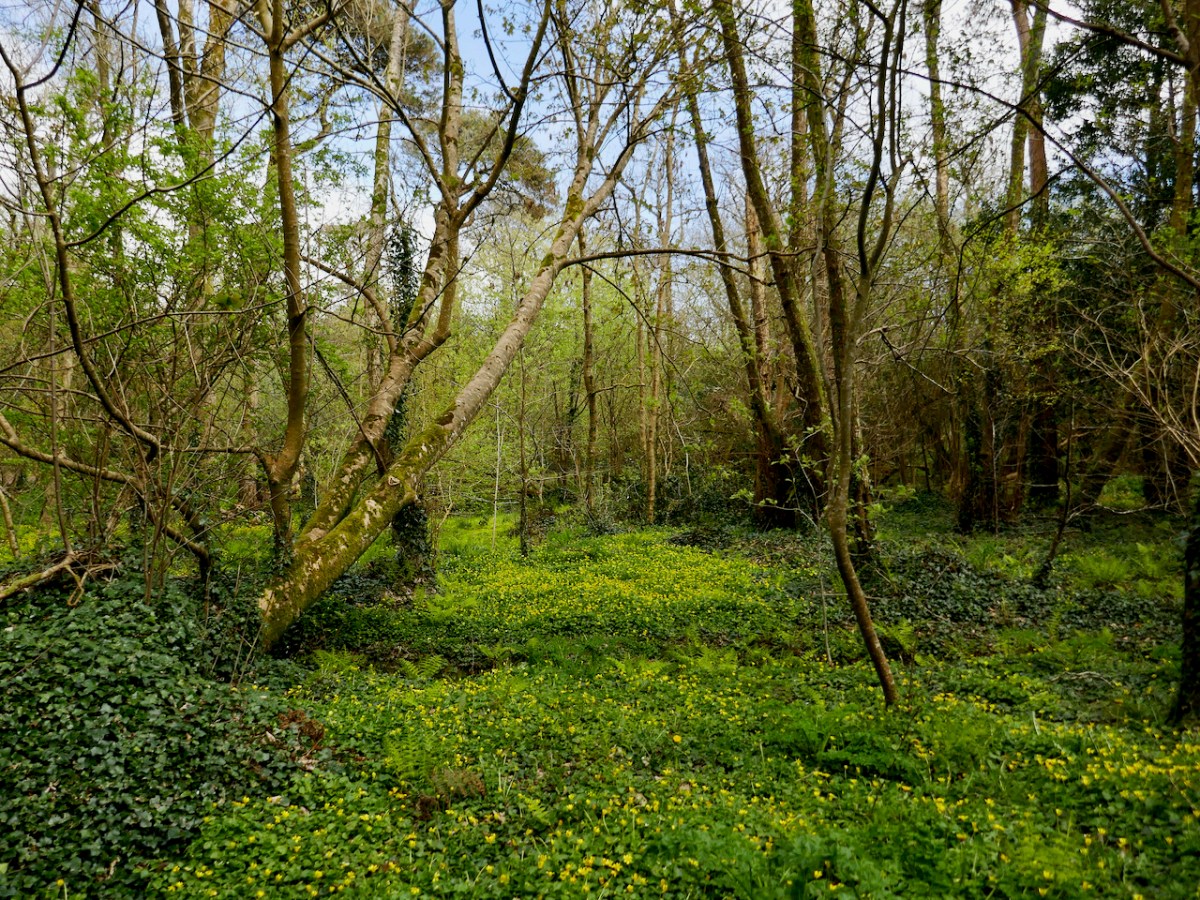
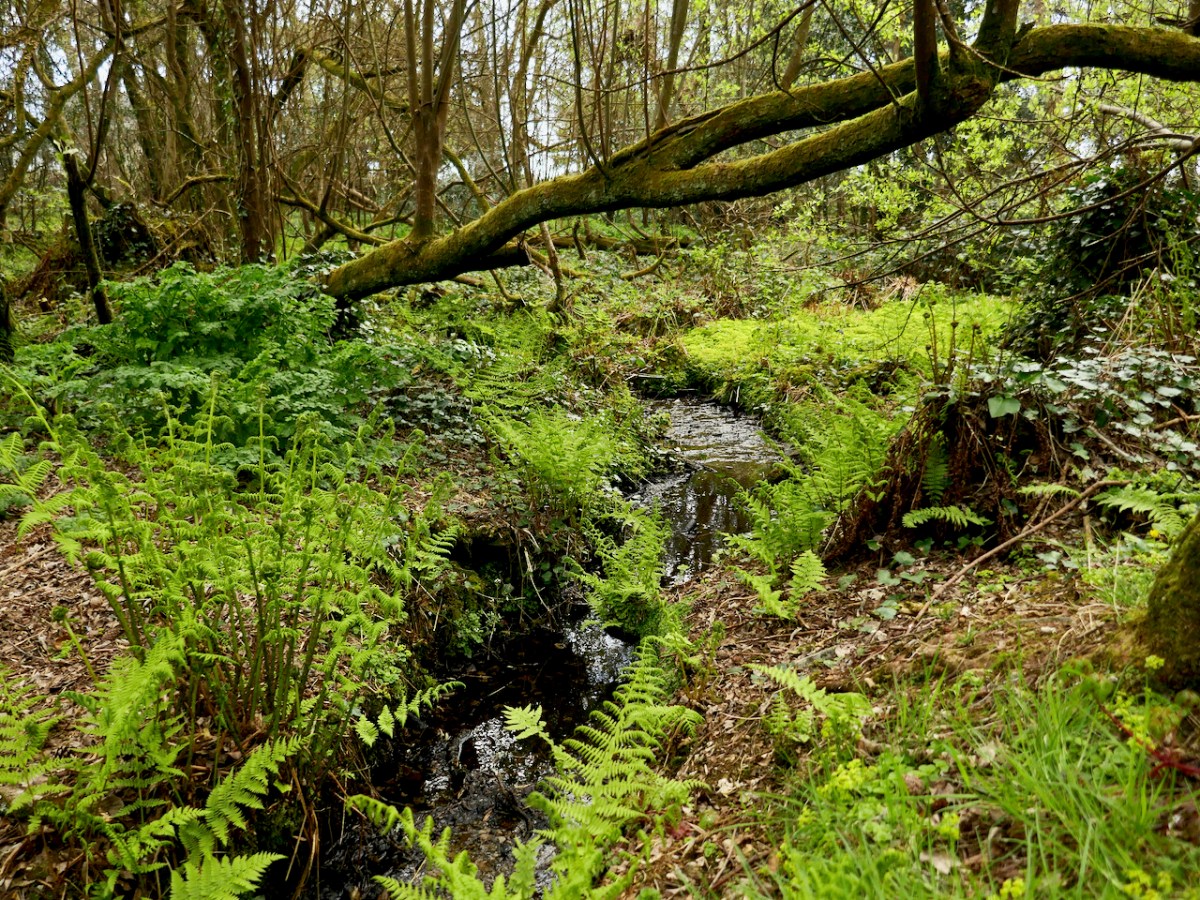
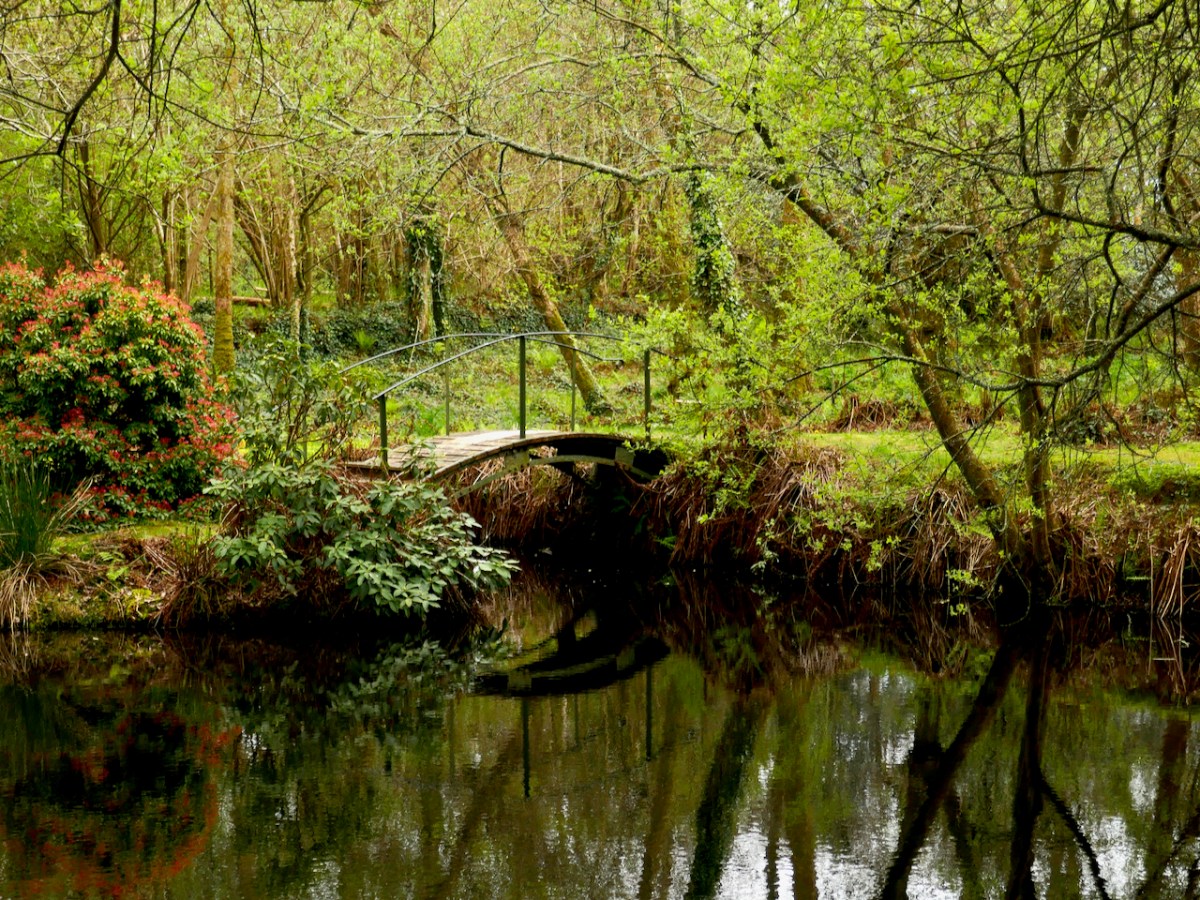
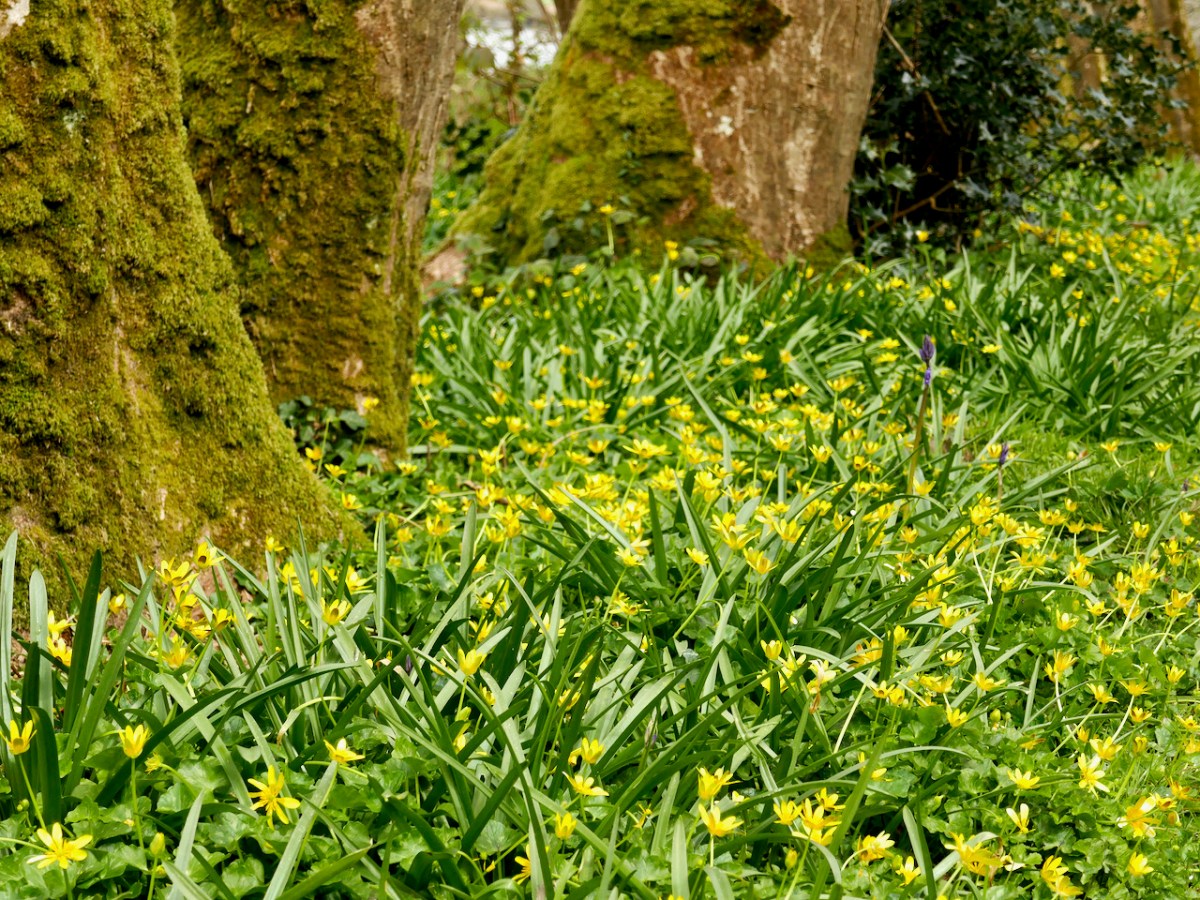
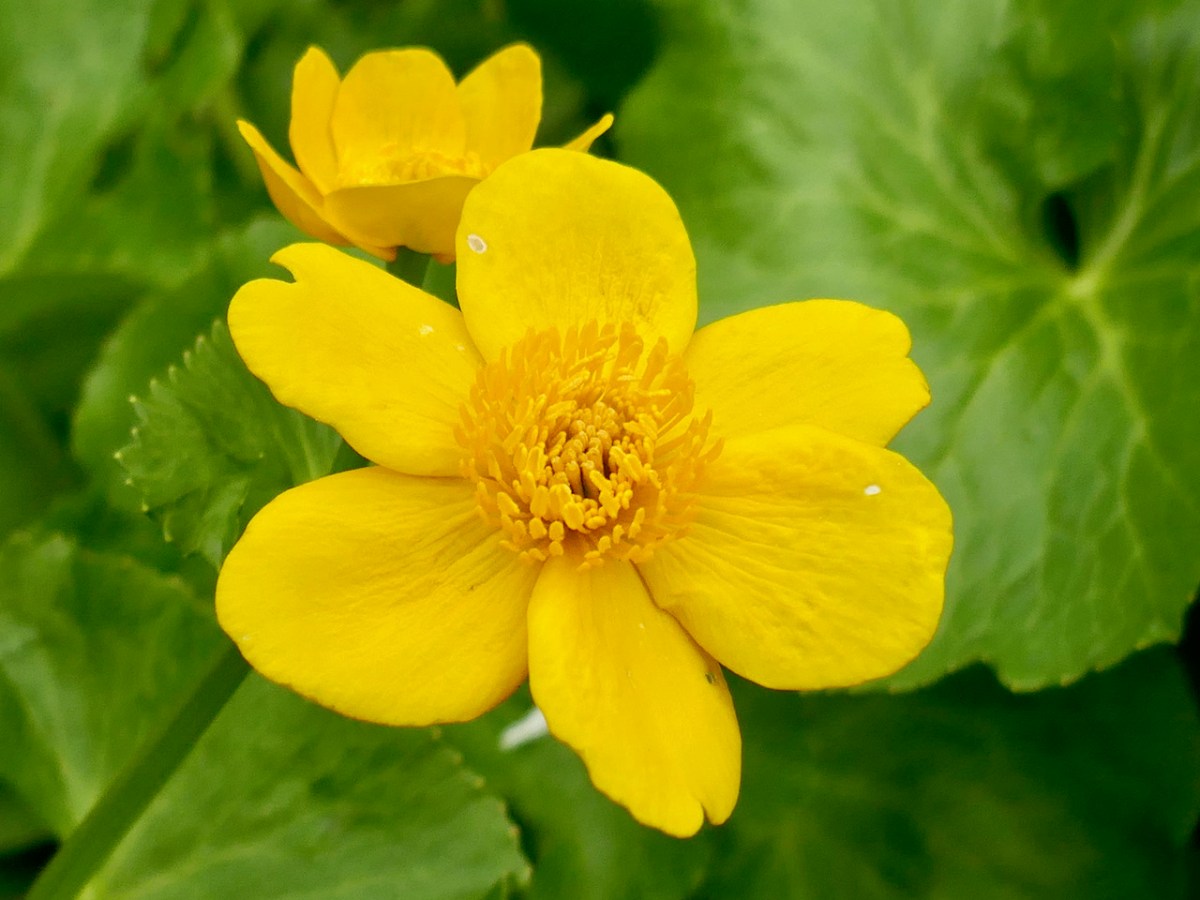
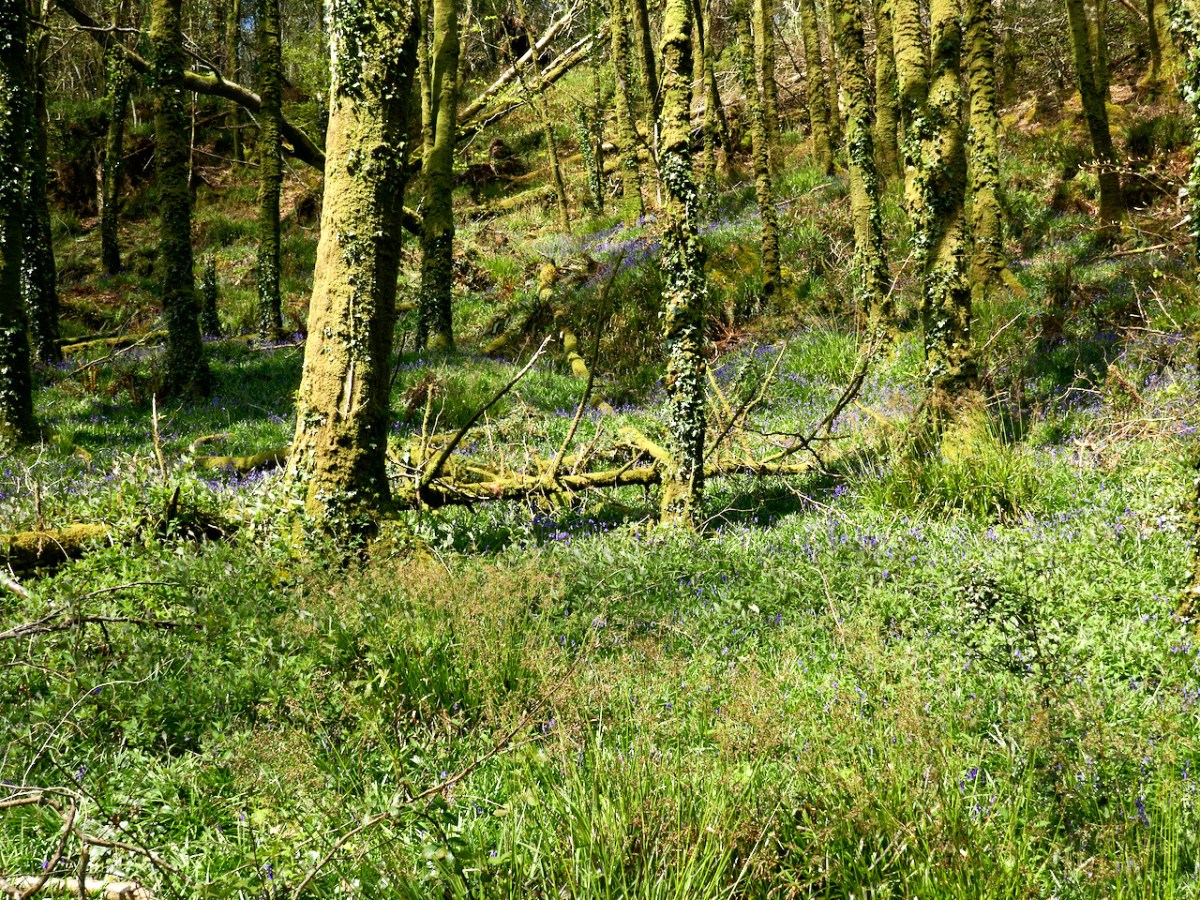
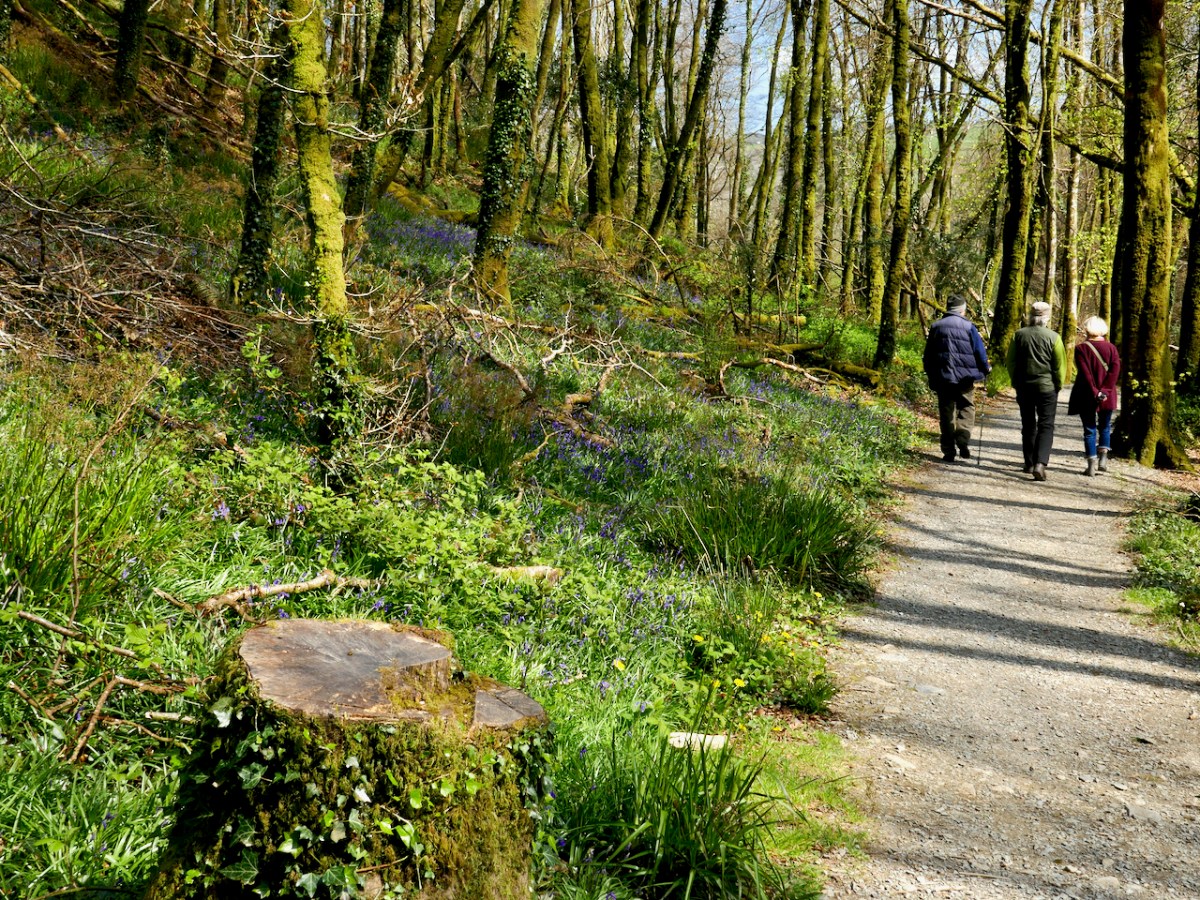
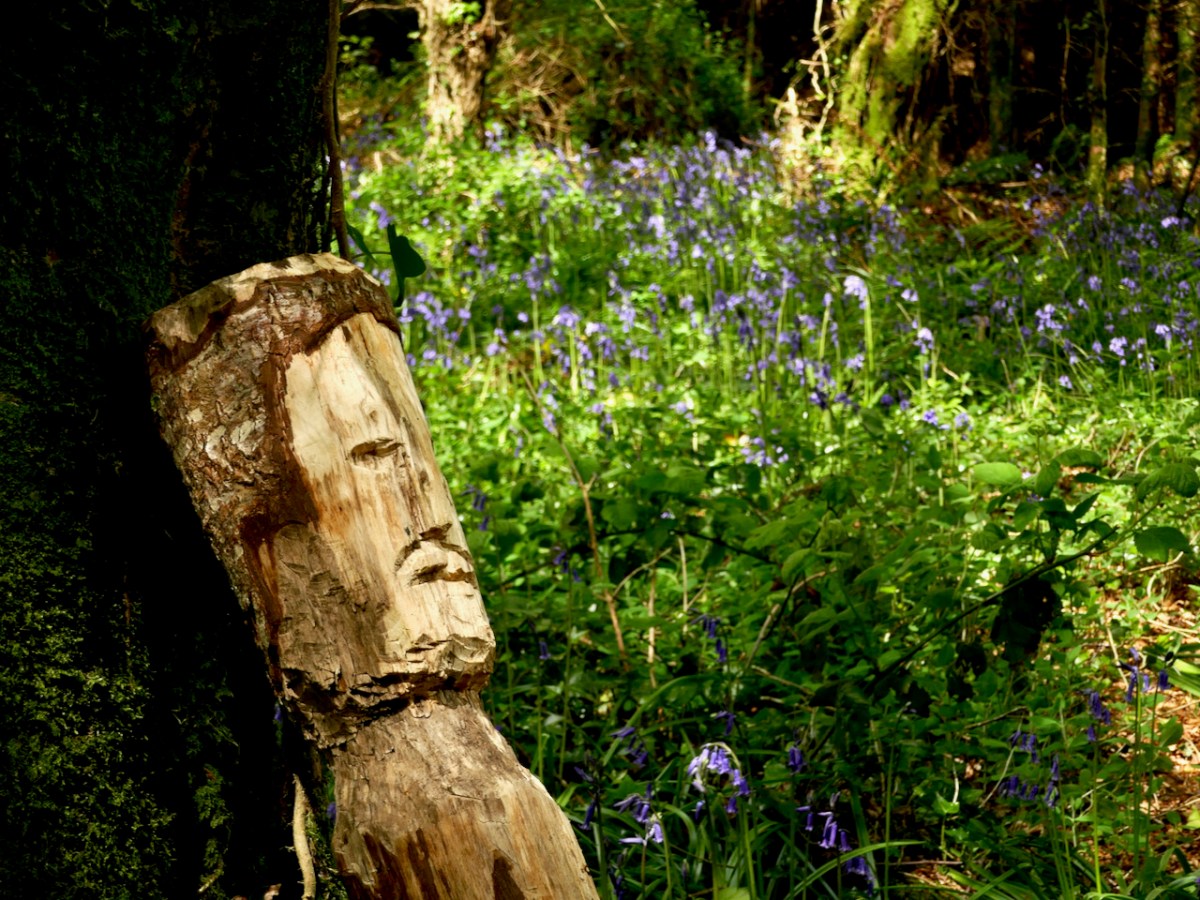
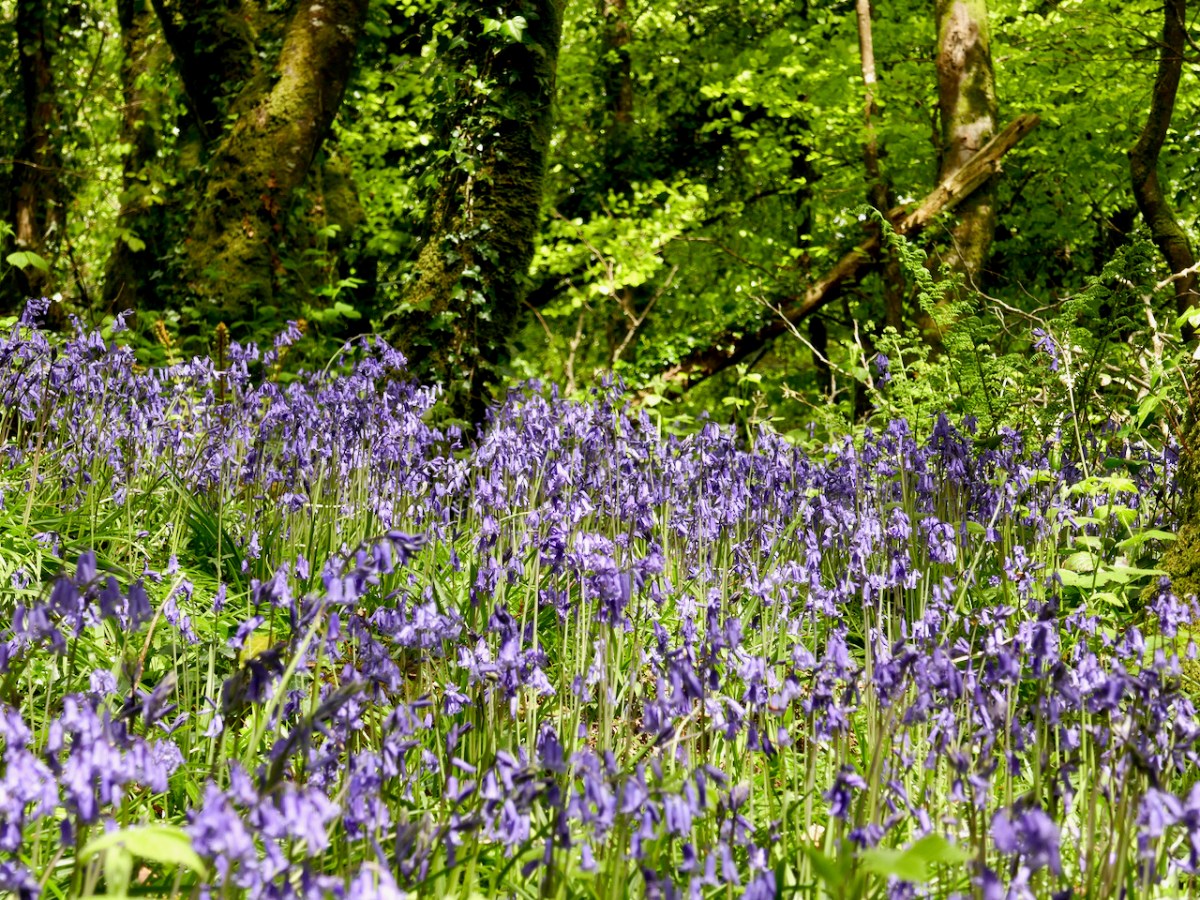
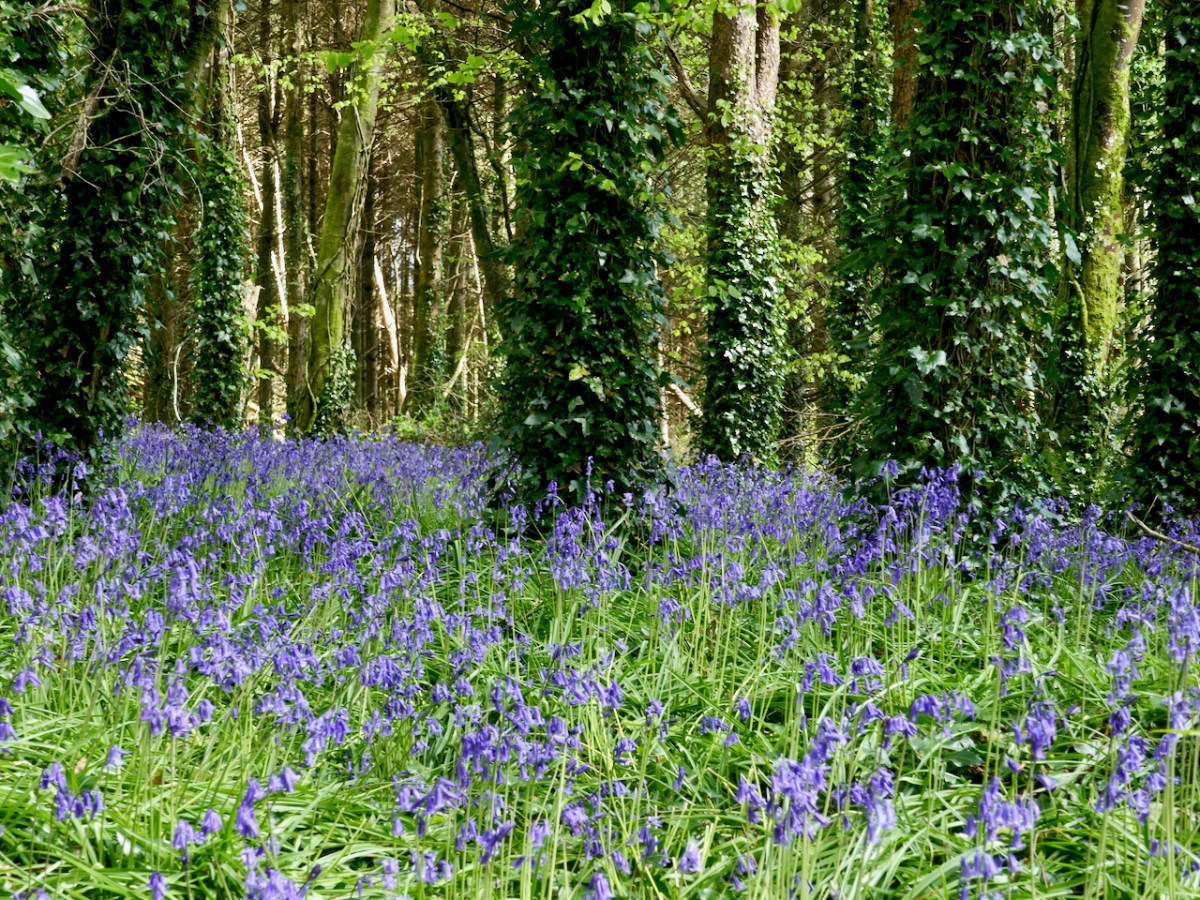
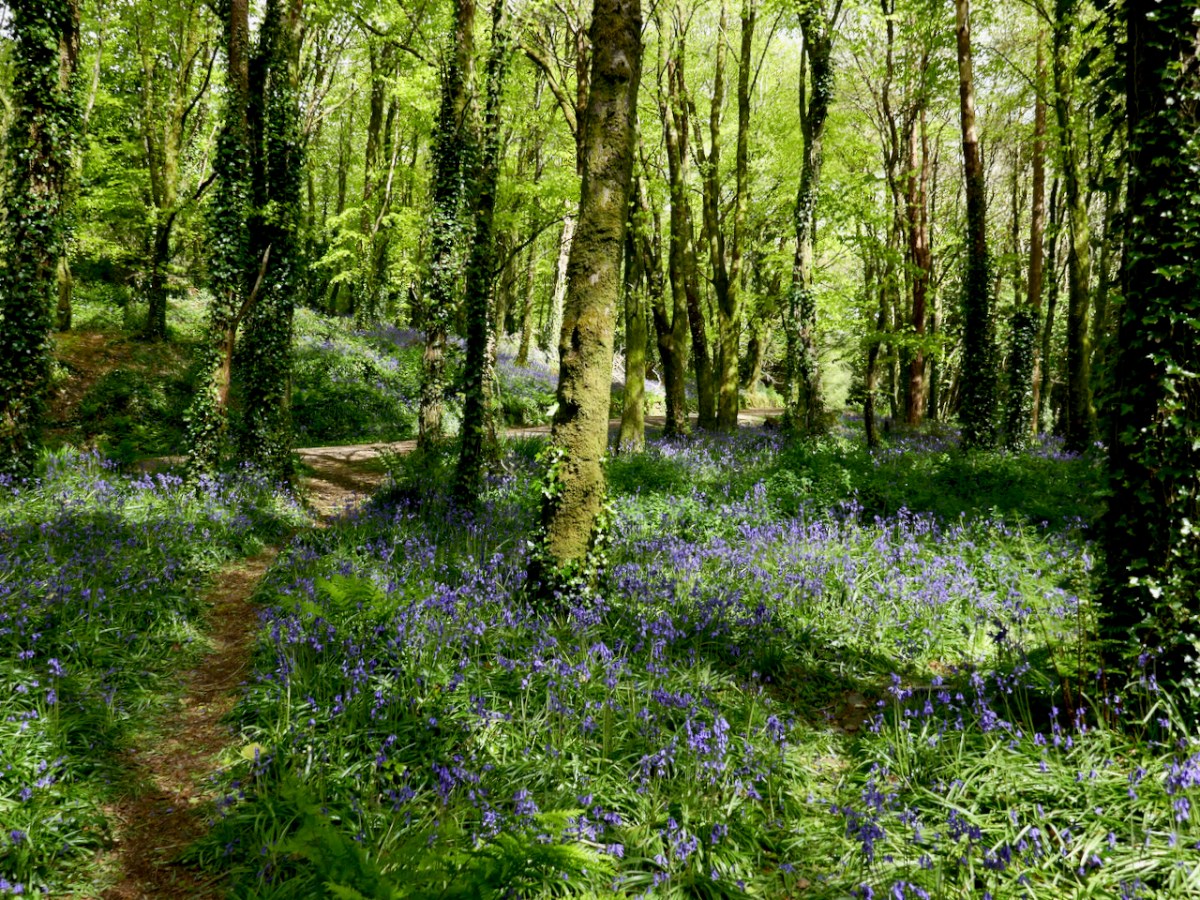
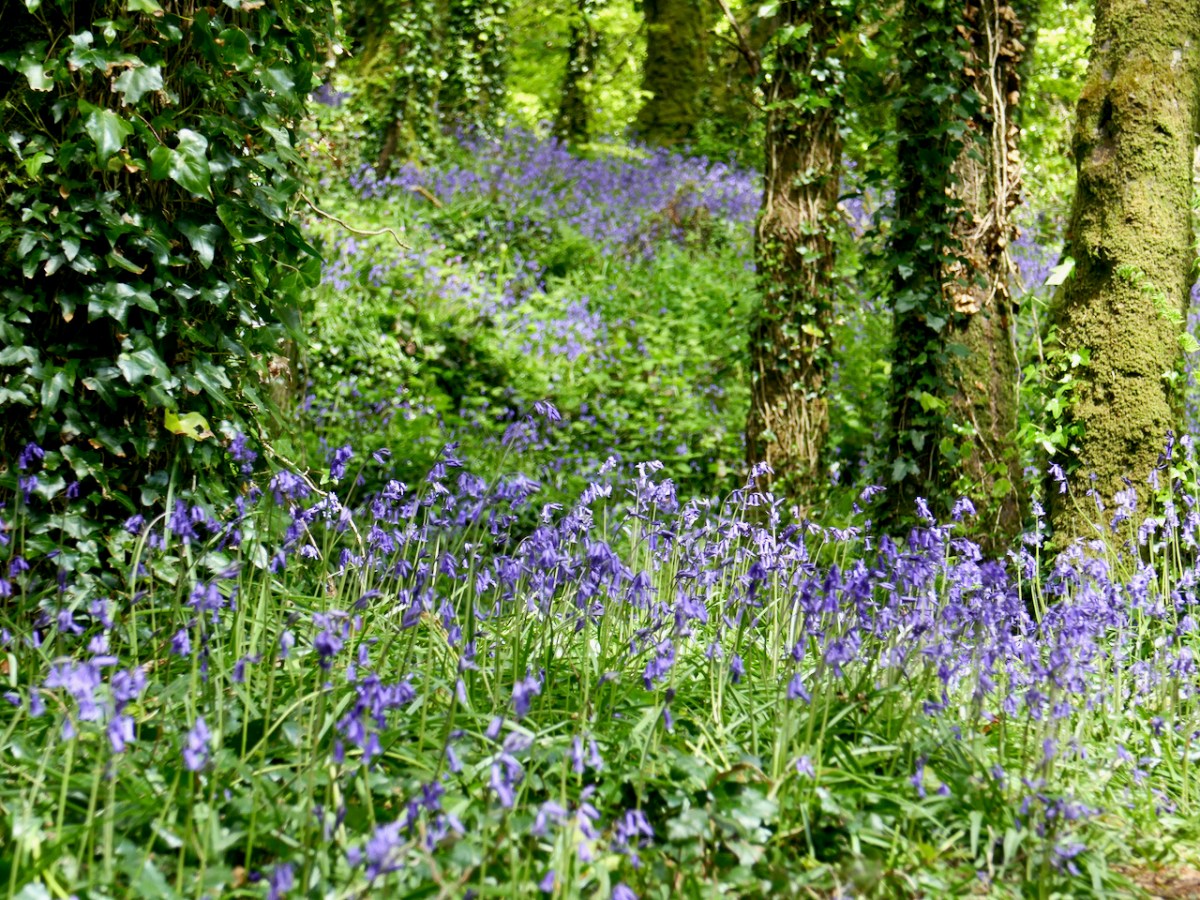
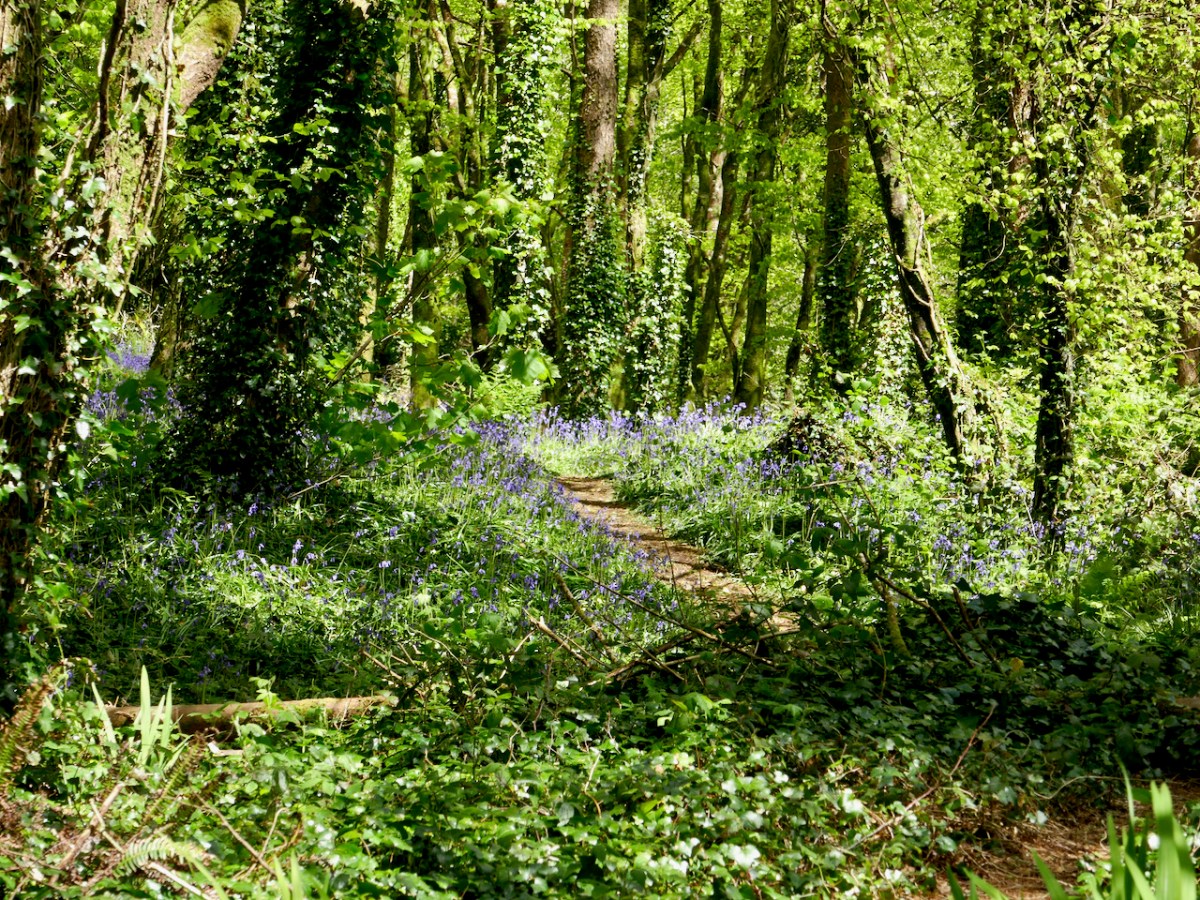
There’s something that compels us into the woods in the spring. It’s all that verdant growth, perhaps – the sap rising in us as well as in the trees. Or maybe it’s the cool green-ness or those swathes of extravagant bluebells and celandine. Here are three of our favourites, just in little slideshows.
Inish Beg
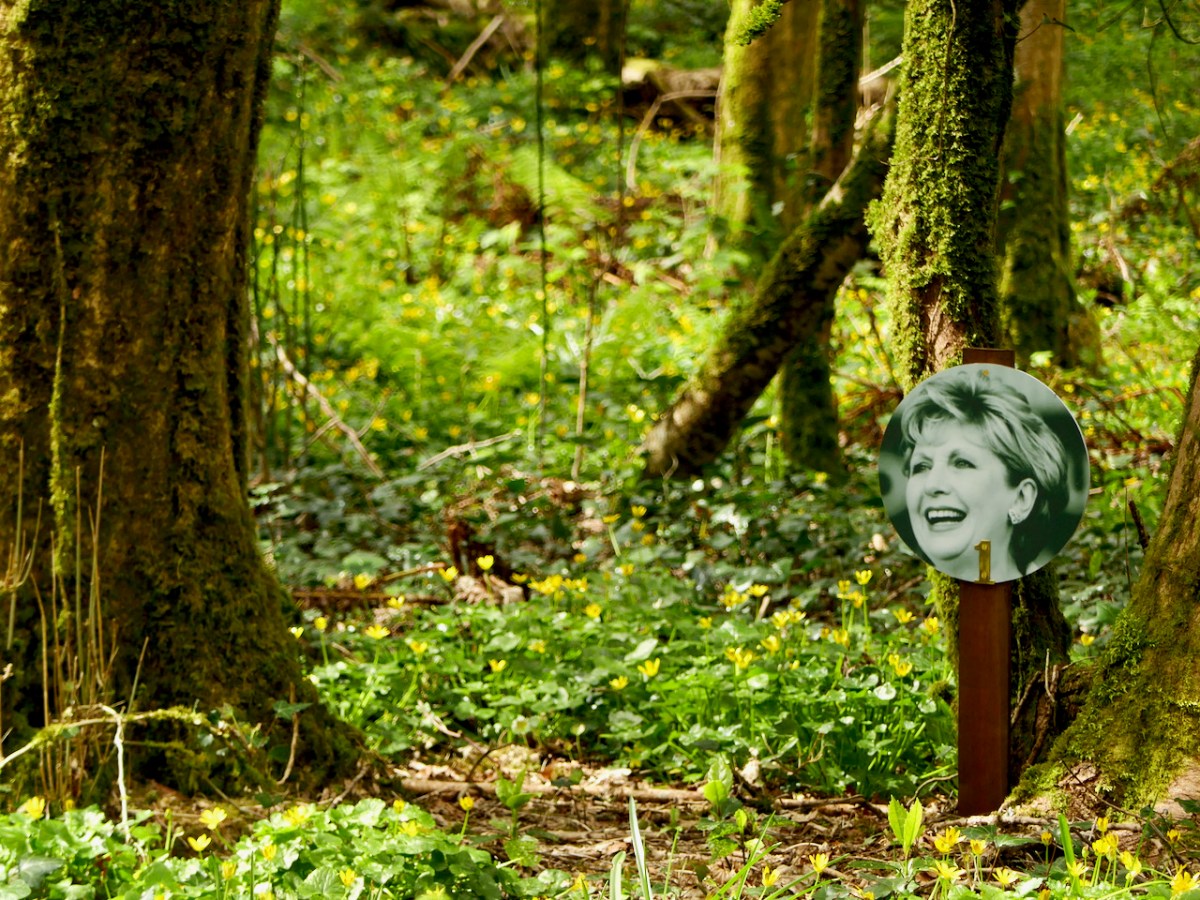
An old estate, beautifully managed by its owners. We visited in April, before the bluebells but in time for the carpet of Celandine. The walks are varied, there are lots of ponds and riverside vistas, and treasure hunts for kids and adults. Do you know all the Presidents of Ireland? Can you find them all?
Dromillihy
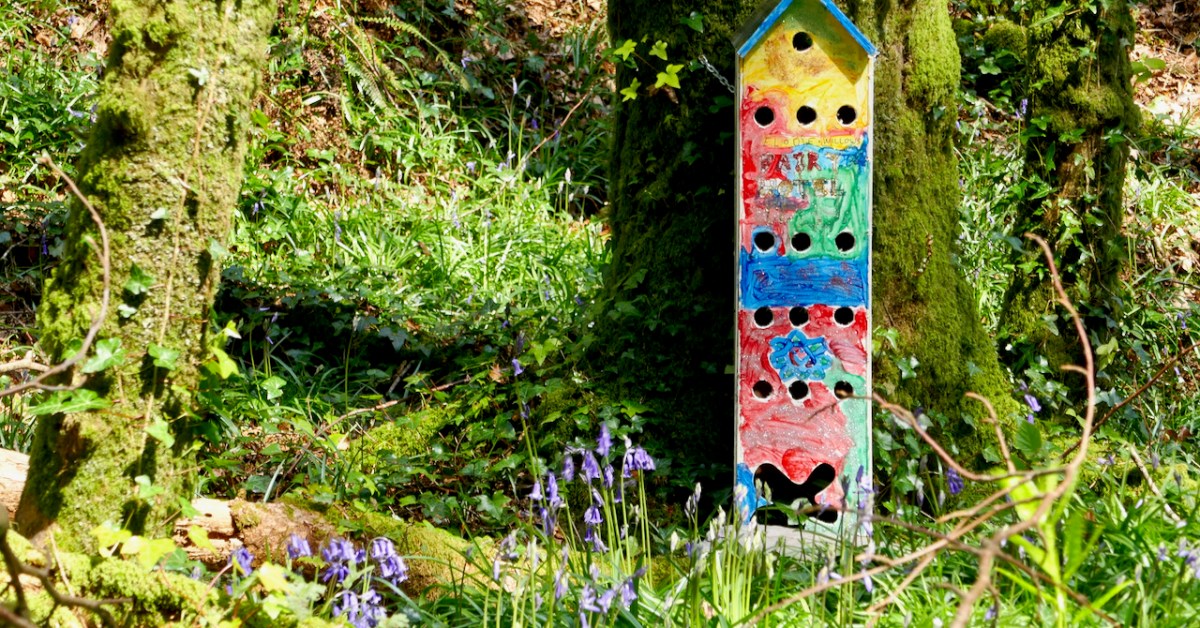
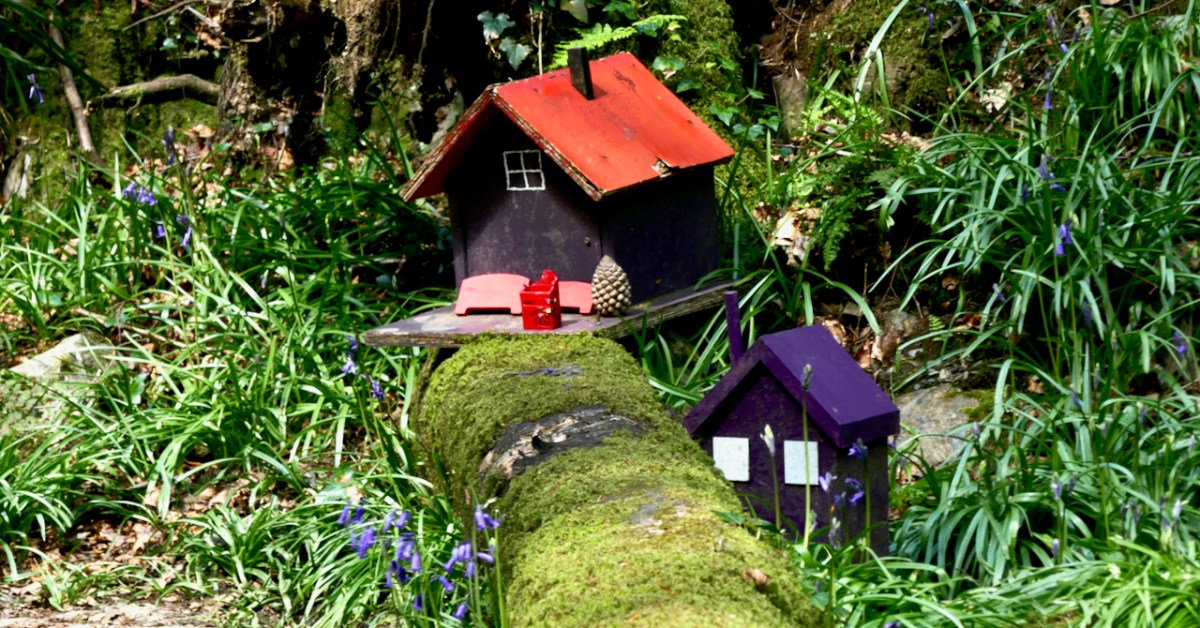
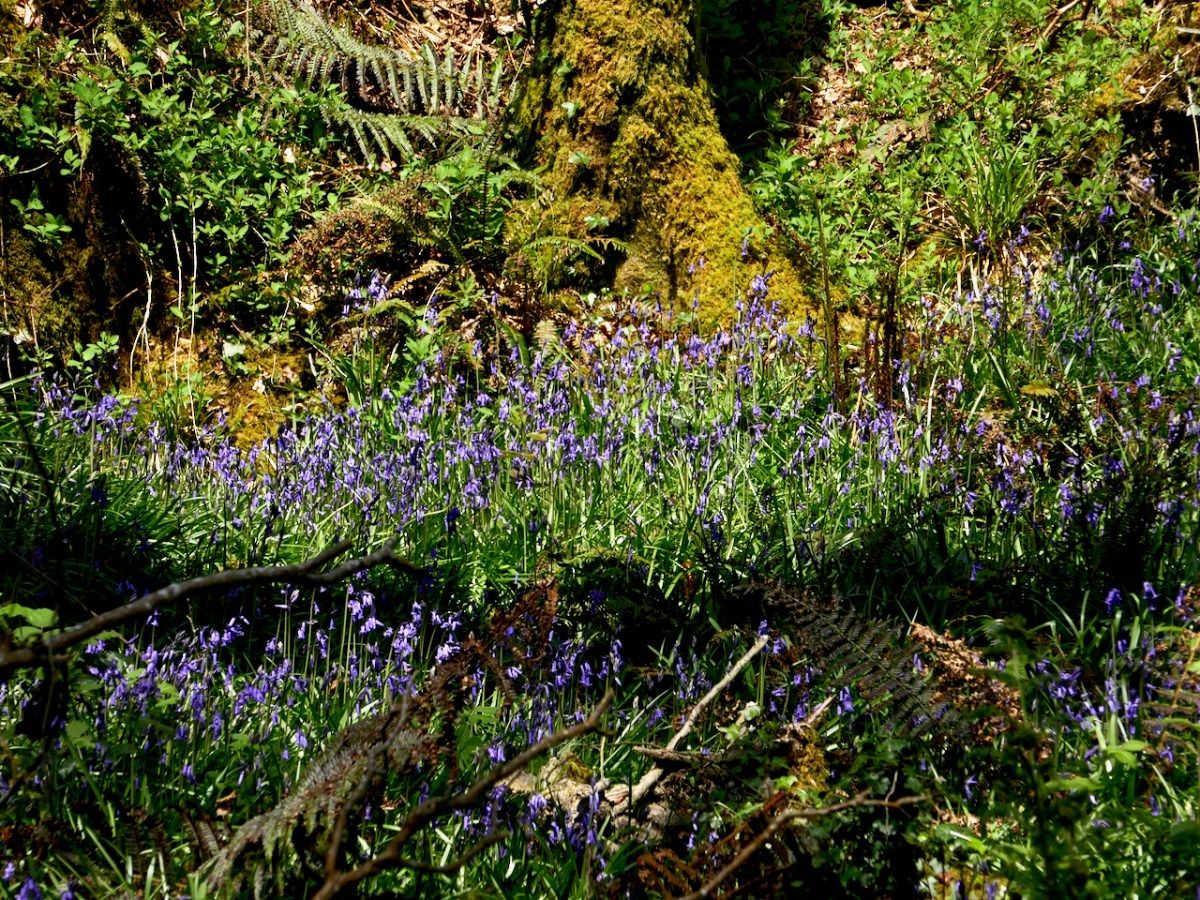
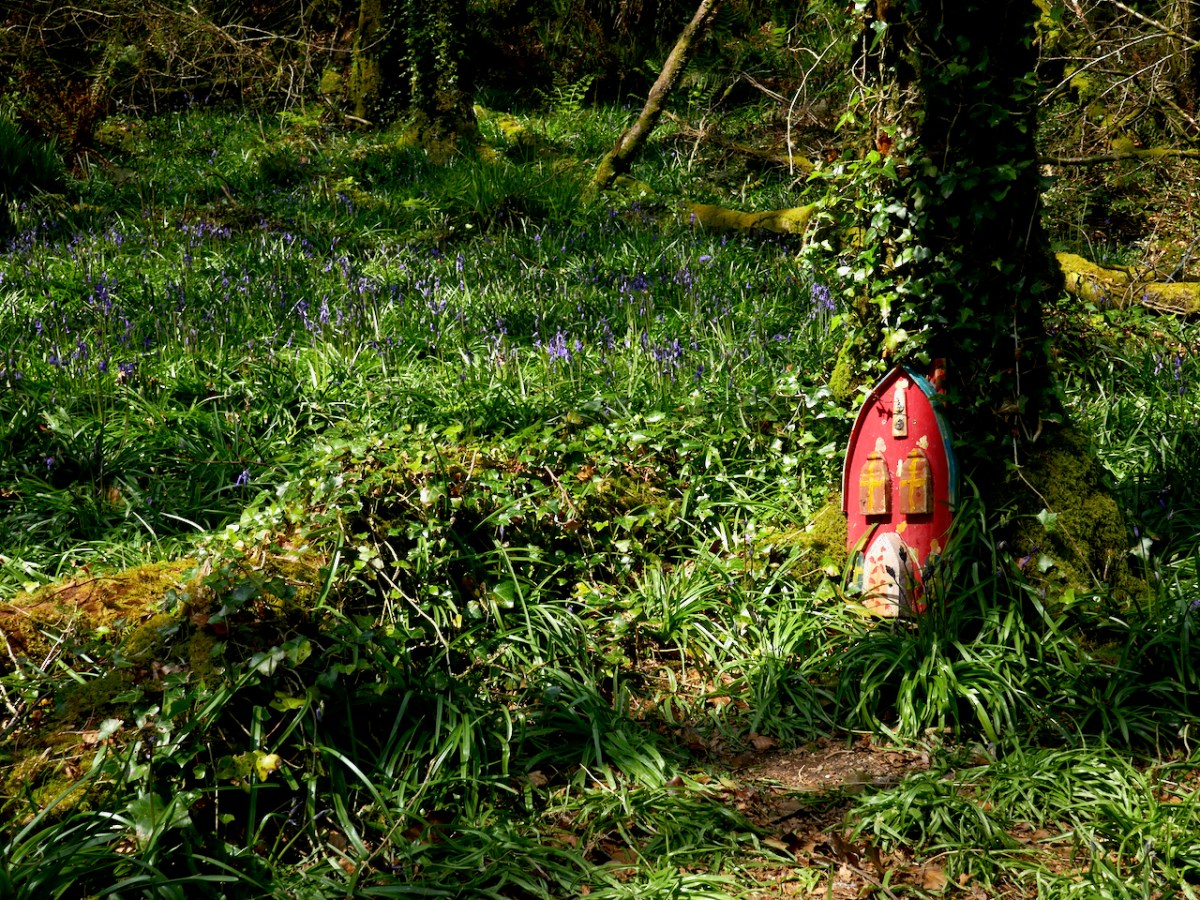
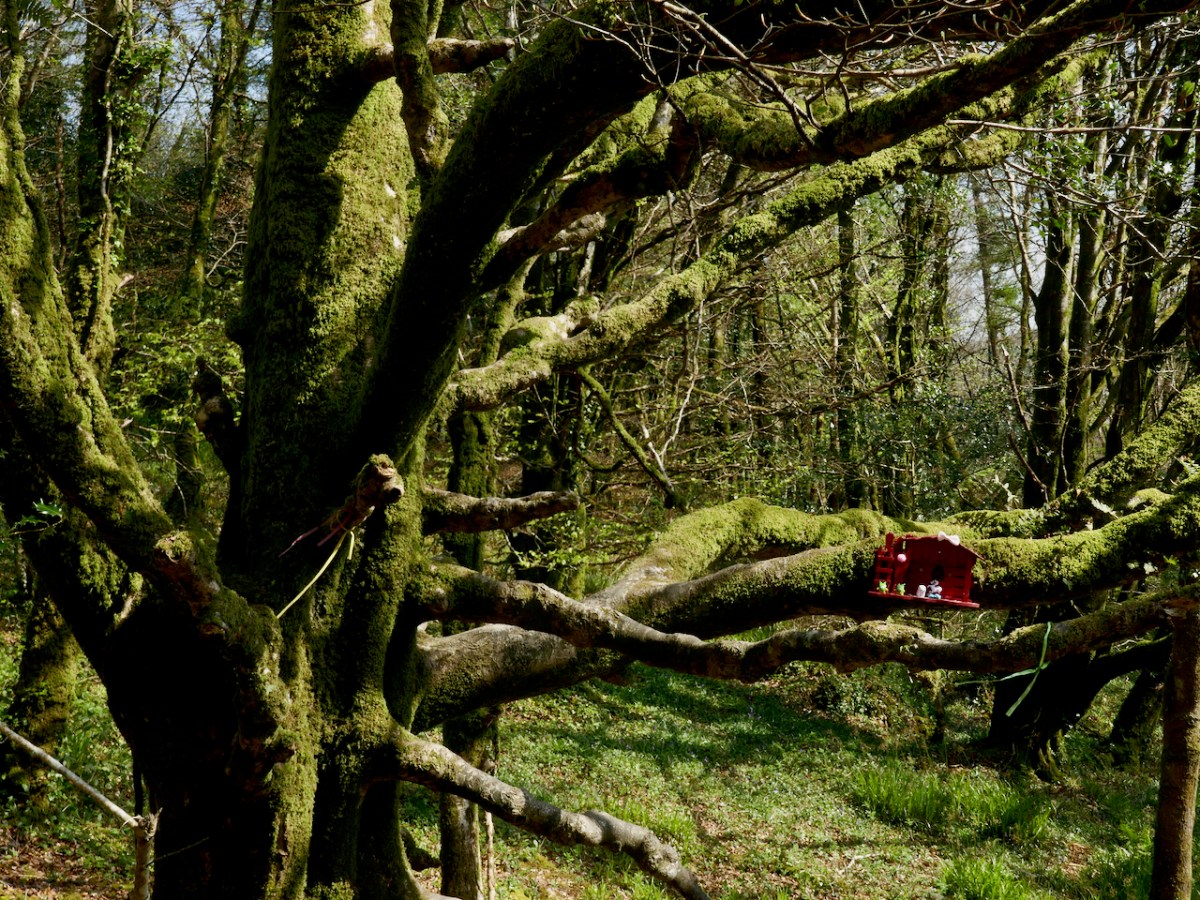
Betwen Leap and Cononagh along the N71 you will find a car park providing access to this woodland managed by Coillte, the Irish Forest Service. More extensive than it looks from the road, these walks are a delight for all ages, with lots of fairy houses for the kids and, when we walked the trails recently, acres of bluebells.
Castlefreke
Another old estate managed by Coillte – a series of woodland walks linked by roads and trails. There’s a ruined church and old graveyard, great views across old farm buildings, and ancient trees. We were there a week ago and the bluebells were heavenly.
What are your favourite woodland walks in West Cork?
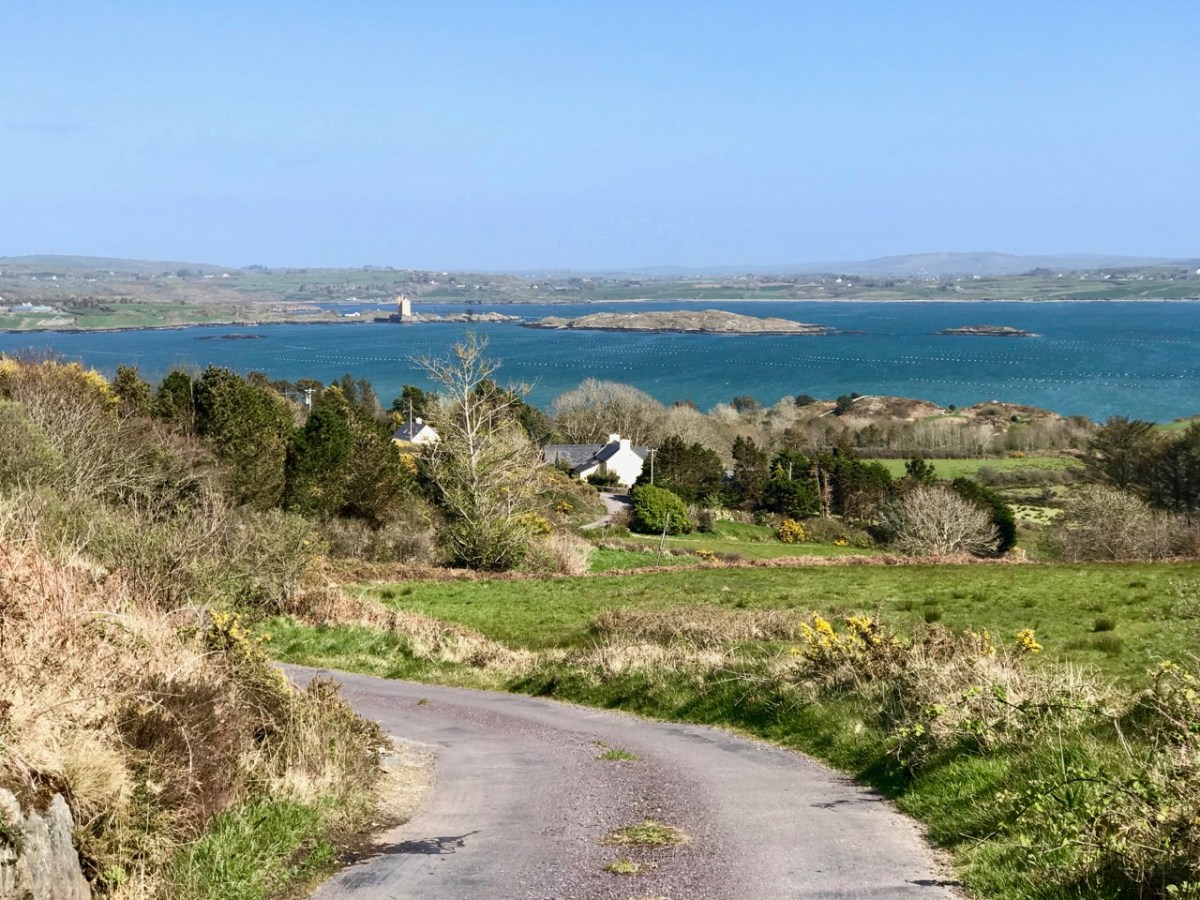
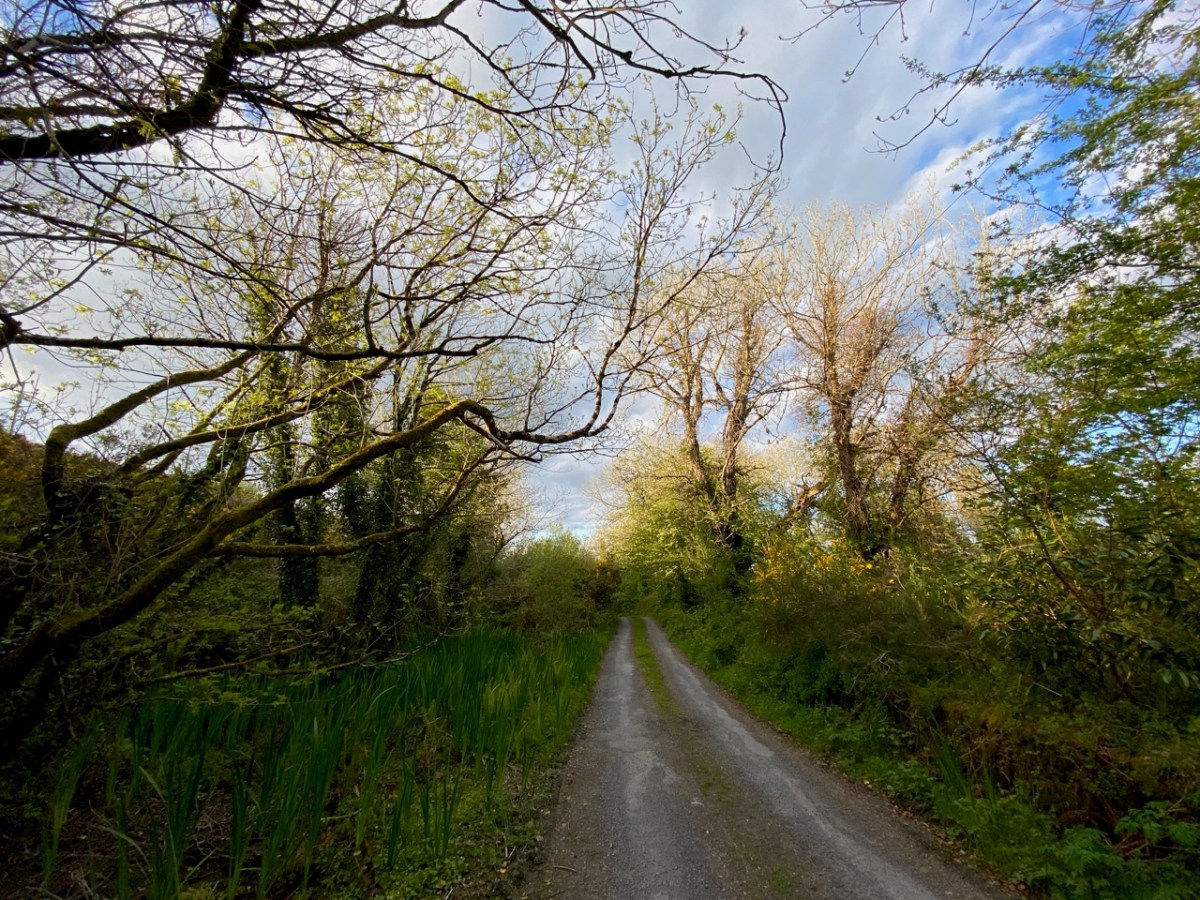
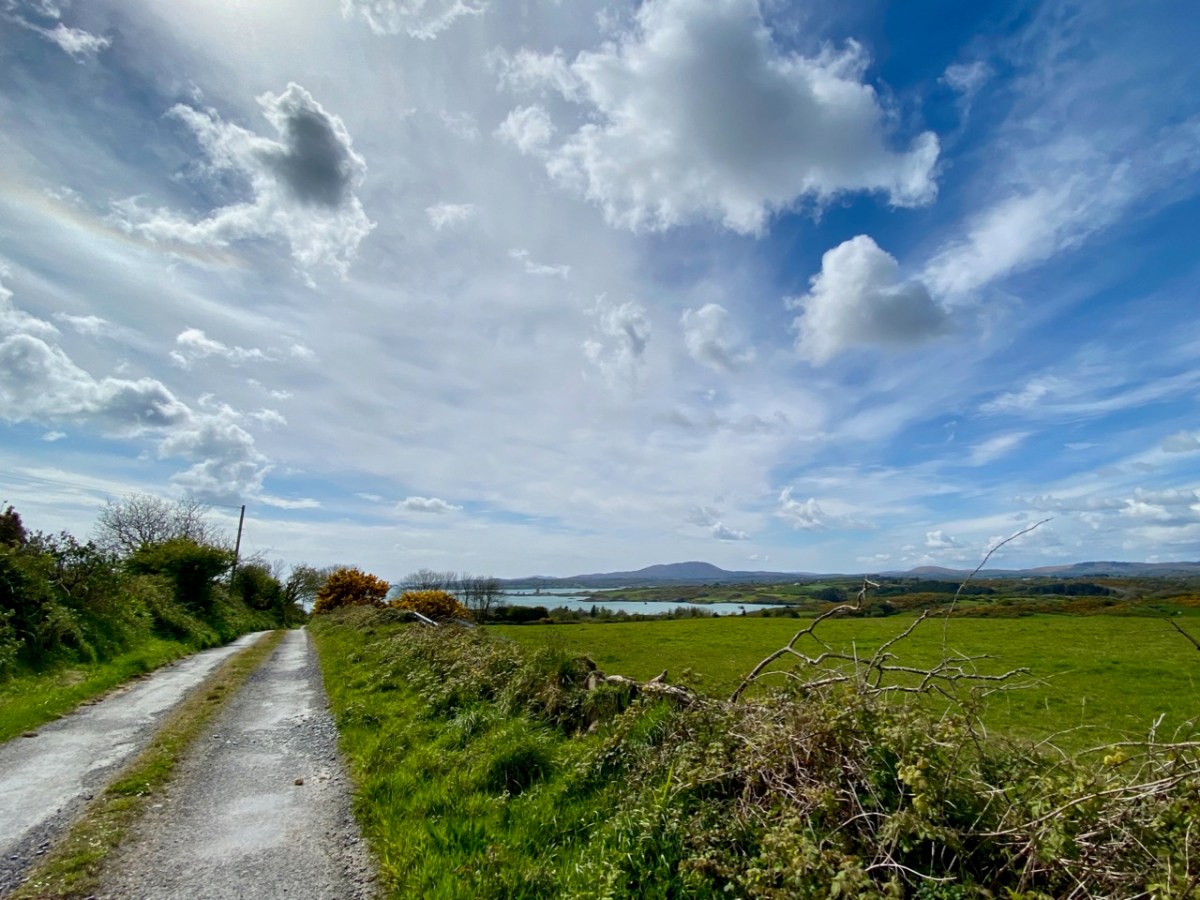
You’d think we would know every centimetre of West Cork by now… Of course we don’t! But we do like a challenge so, on occasion, we will follow a whim and deliberately go off main roads and randomly follow the smallest lanes. We invariably find ourselves emerging at places we know, but the journey along unfamiliar ways is always worthwhile. I thought that this week I will treat you to just such an exploration – in fact it’s a few explorations: I’m not going to tell you where any of the pictures is taken. You will travel with us and open up many new vistas (hopefully), just to give you a taste of the boreens, which you can also find for yourself when you come and visit – unless you are fortunate, as are we, to live here already.
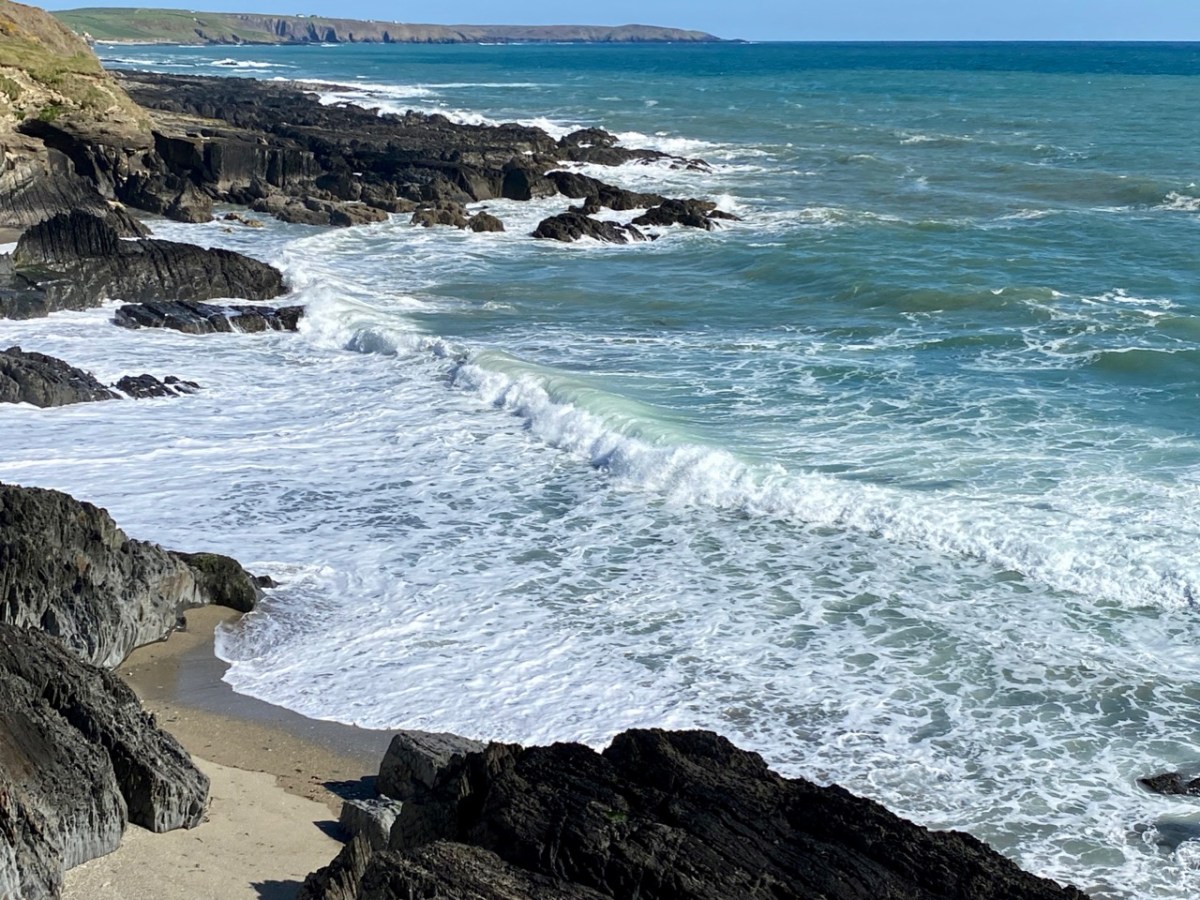
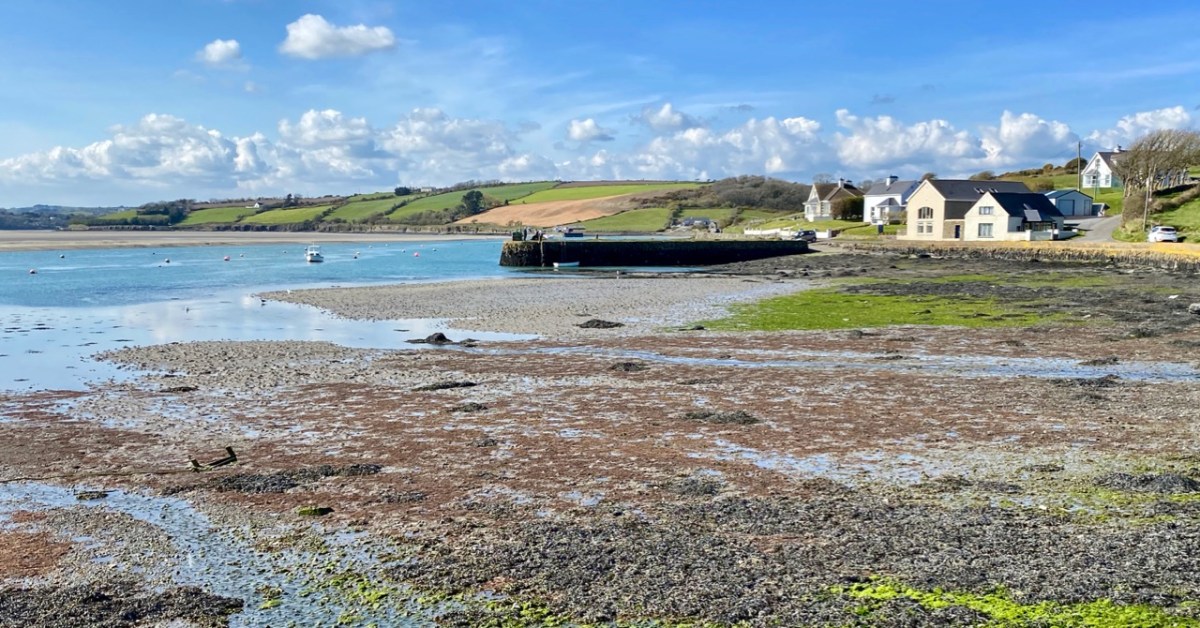
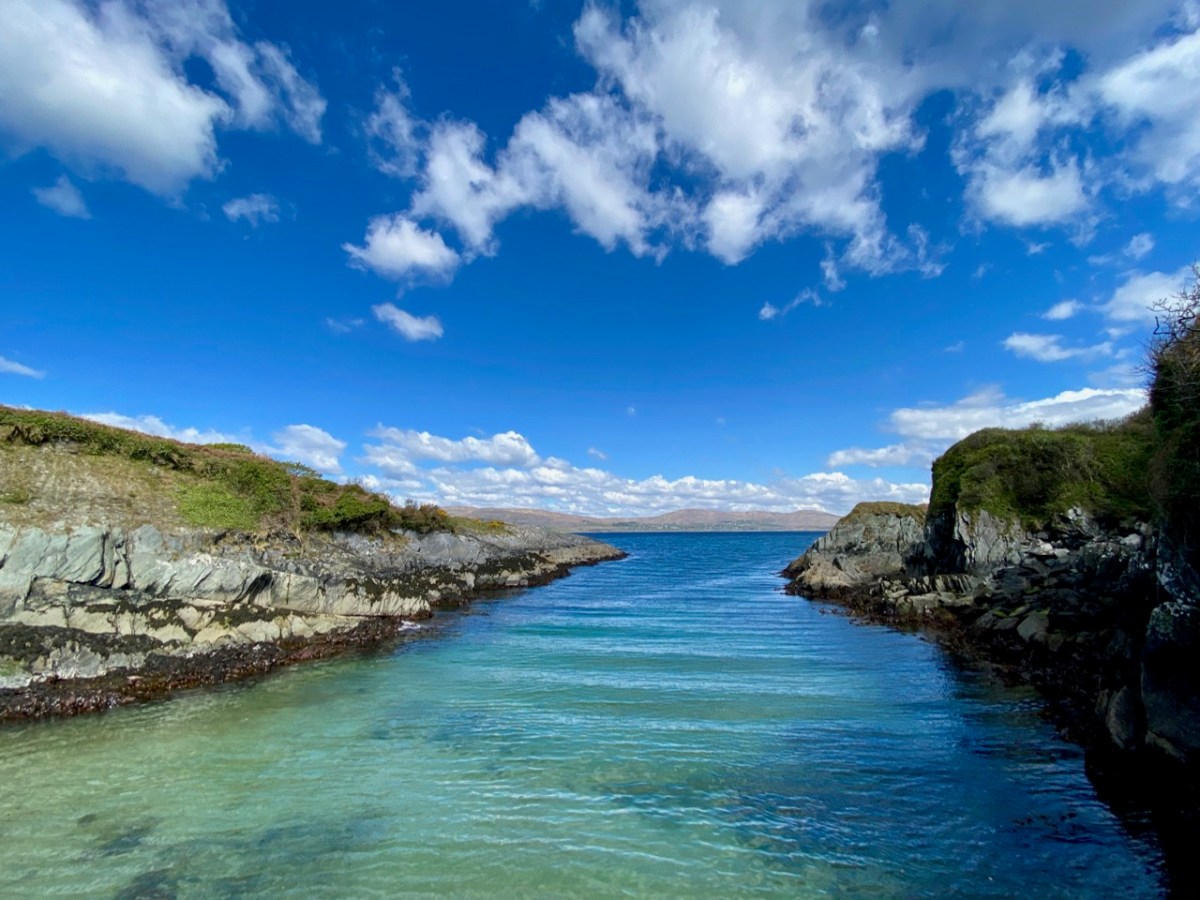
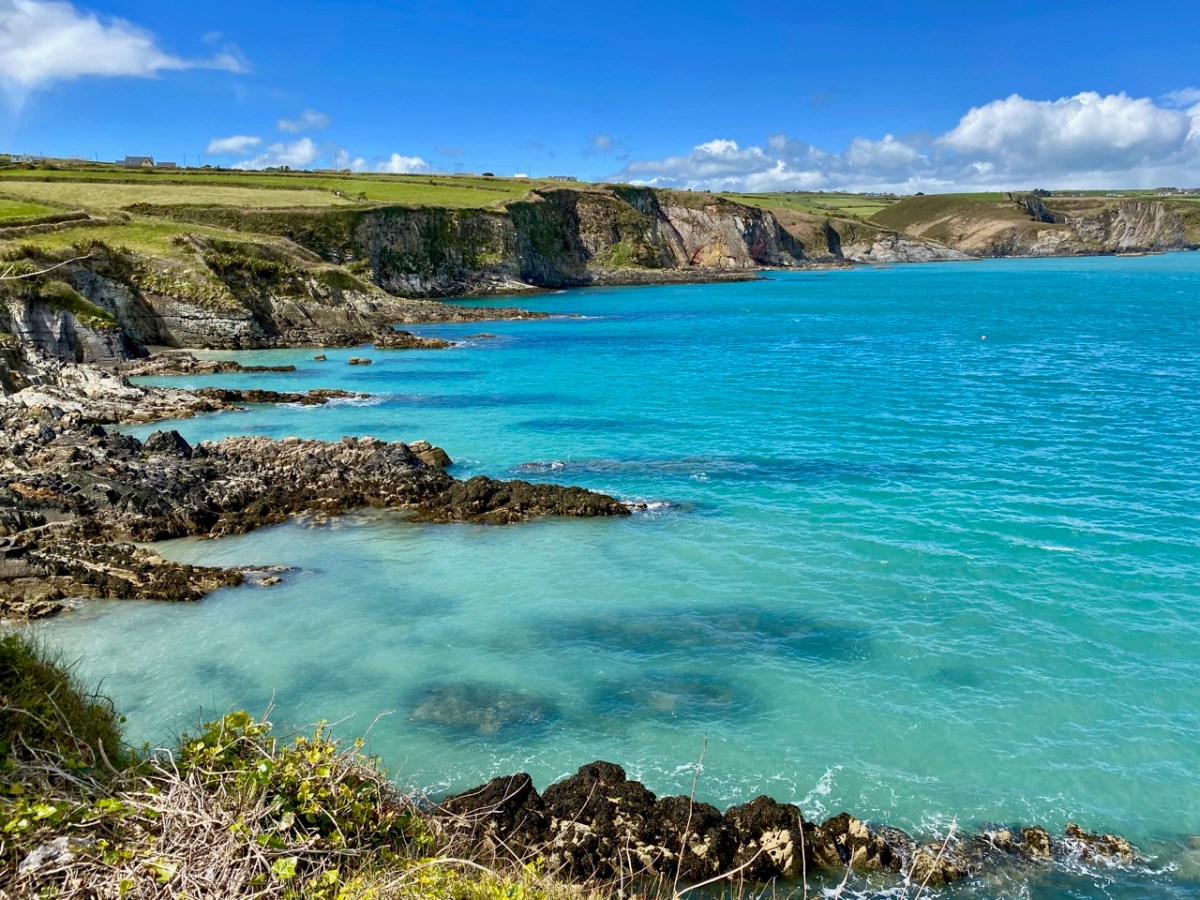
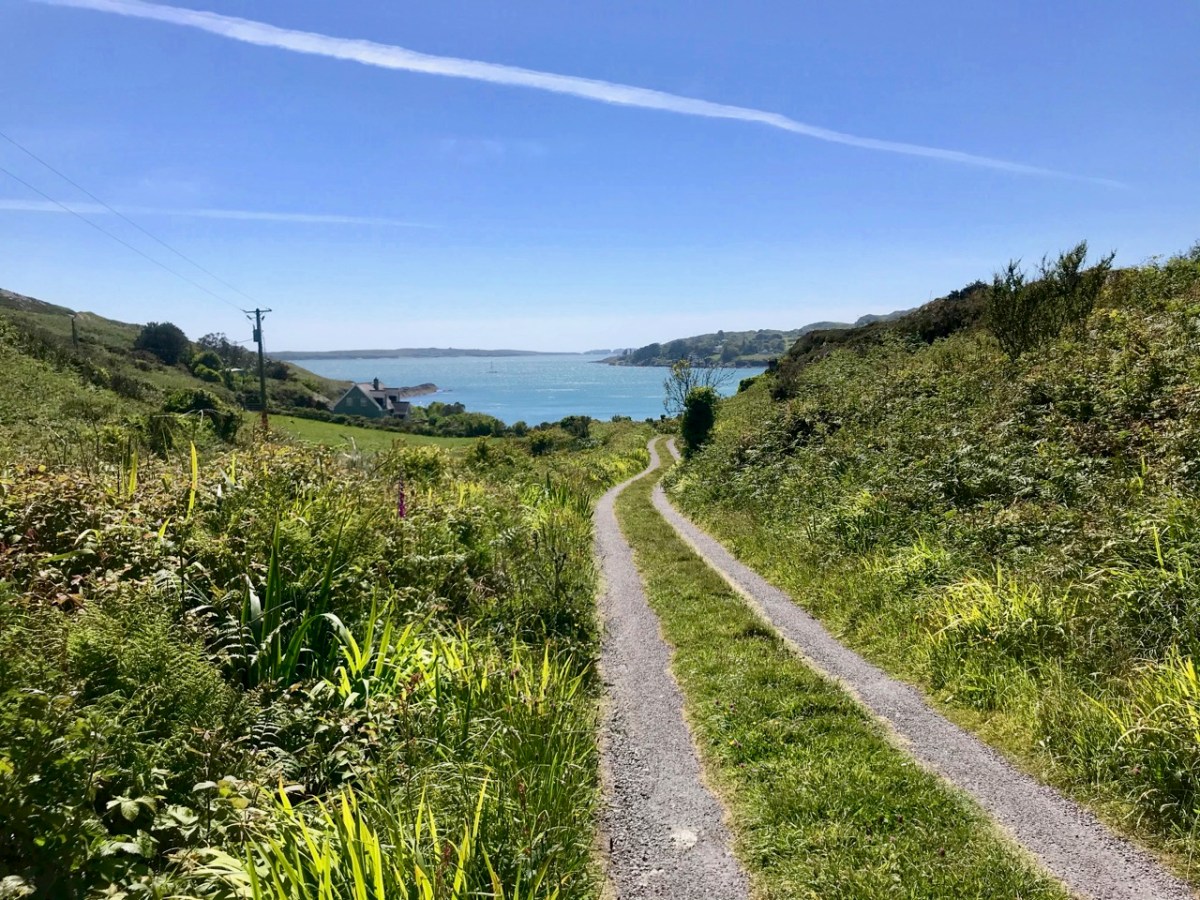
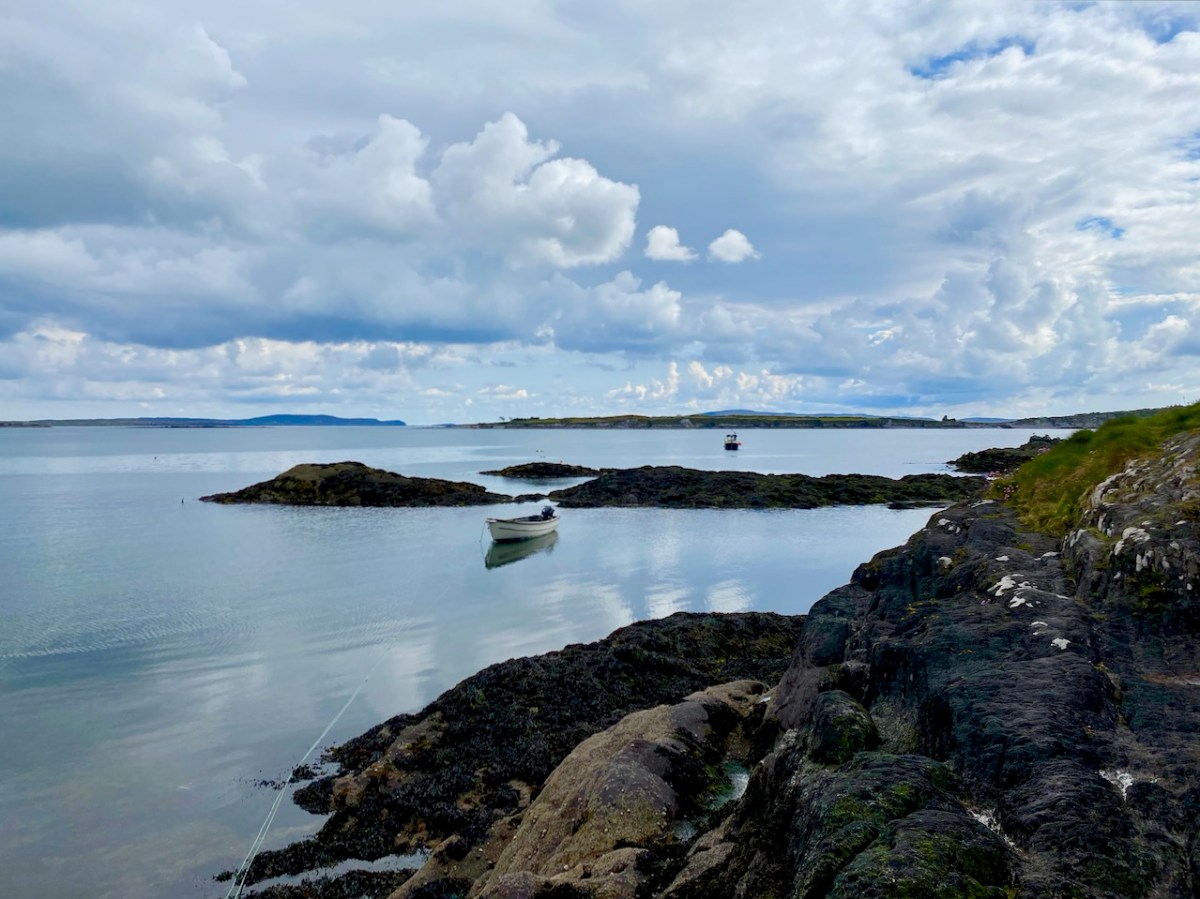
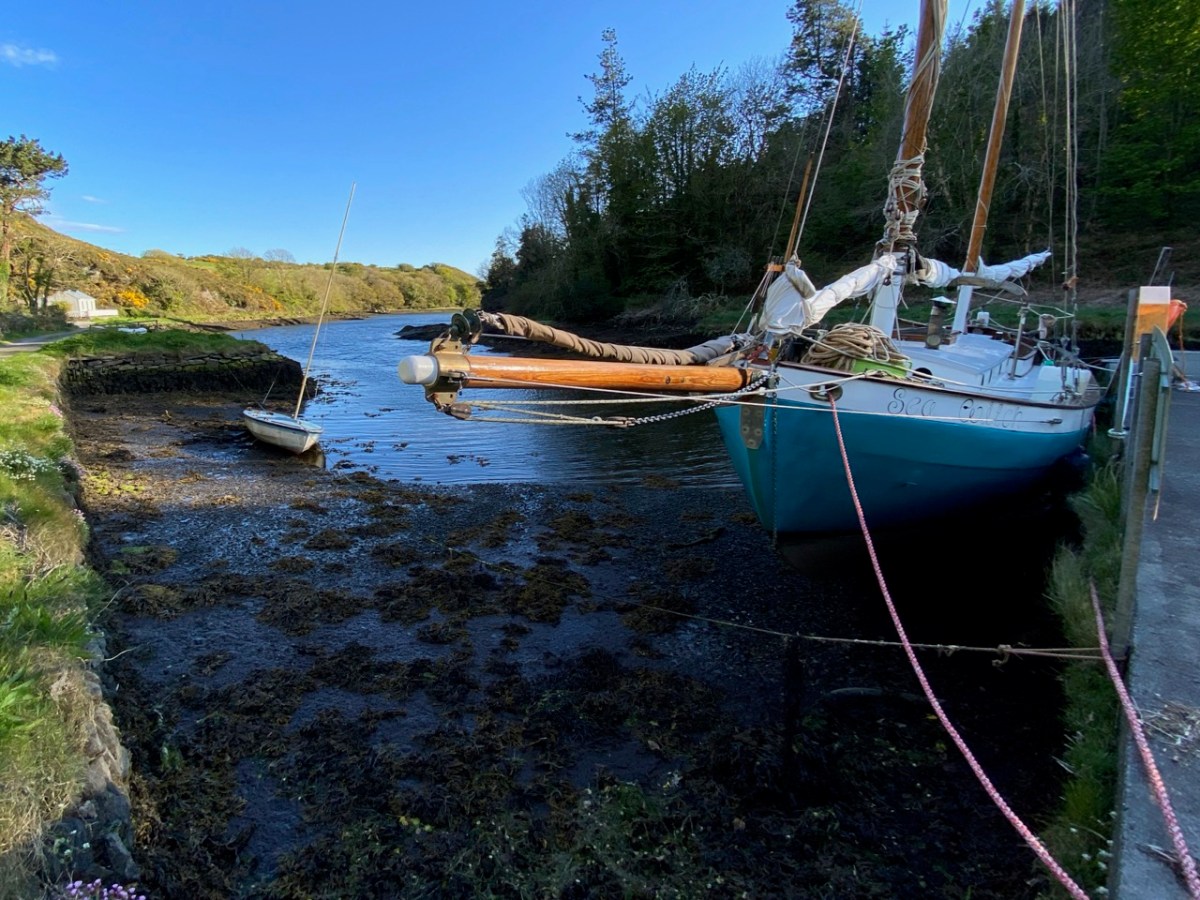
Wherever you are in West Cork, you will not be far from the sea – and there’s seldom a view which doesn’t have at least a silver horizon or a glimpse of water which is so brilliantly hued at the moment under our clear spring skies. We have taken to following the smallest of lanes which lead down to a dead-end at some little inlet, bay or remote pier along our coasts.
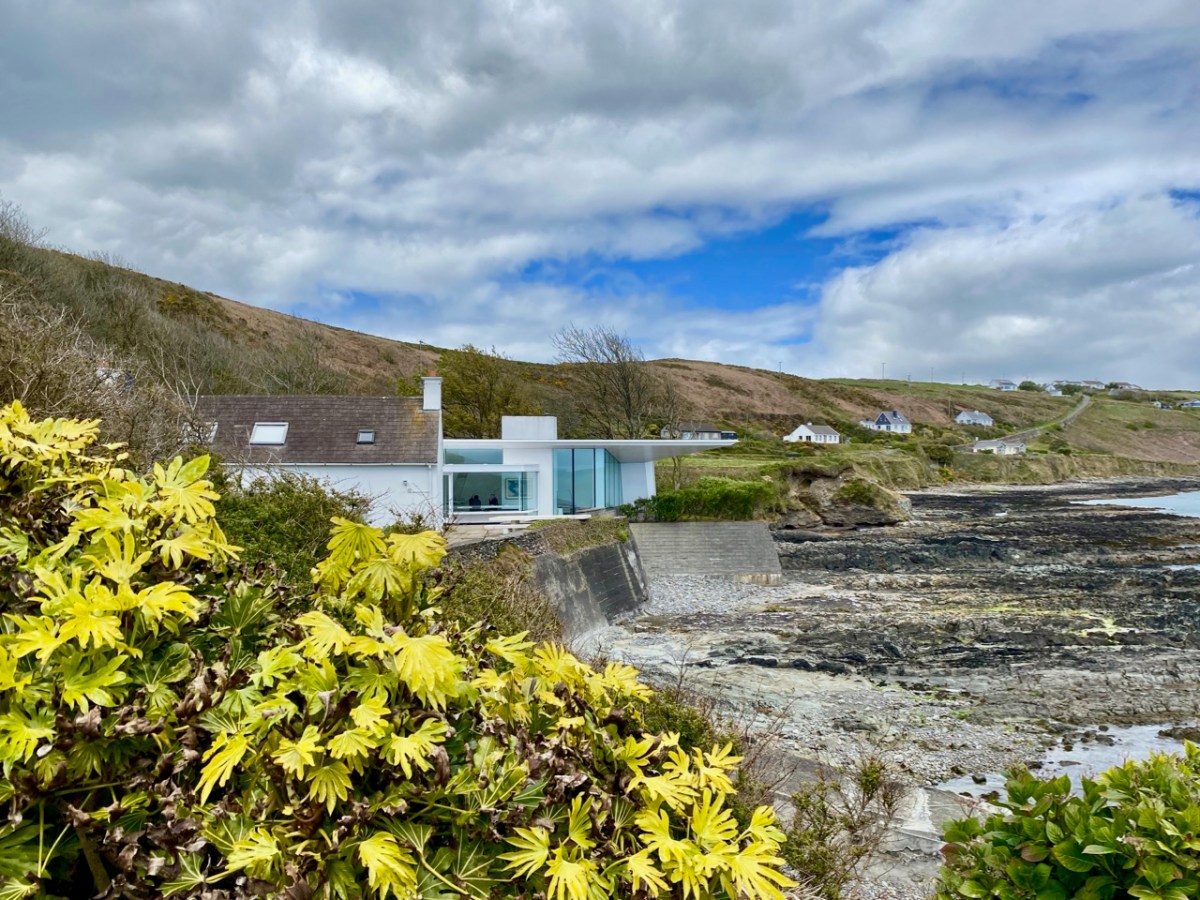
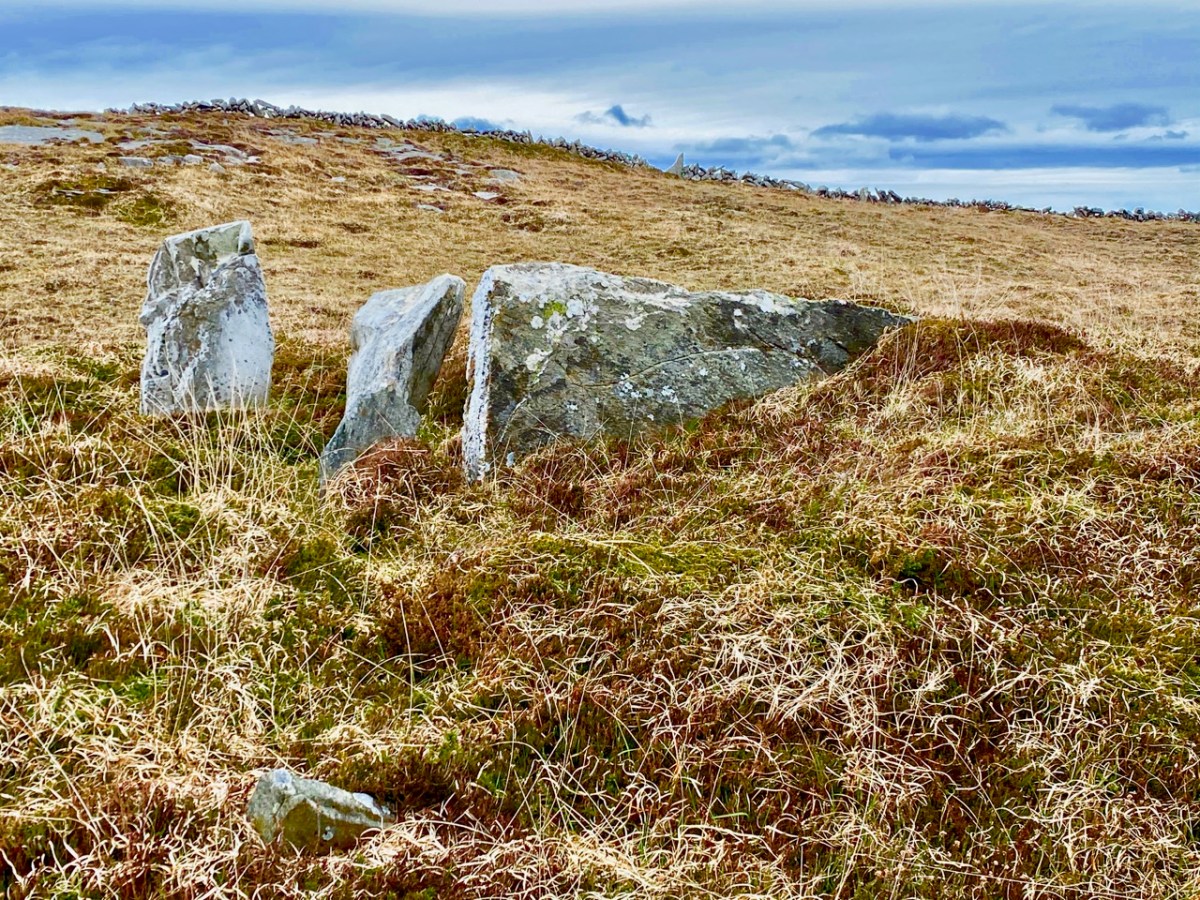
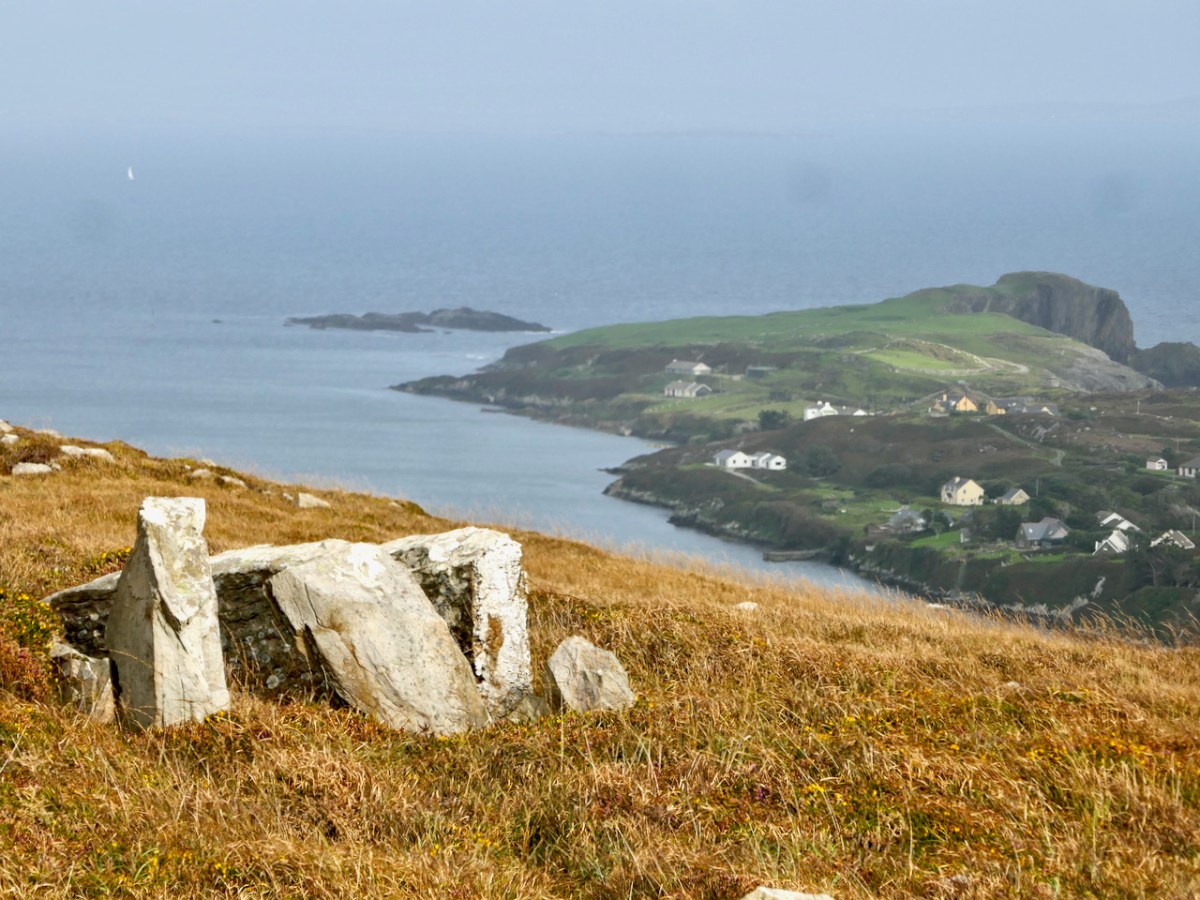
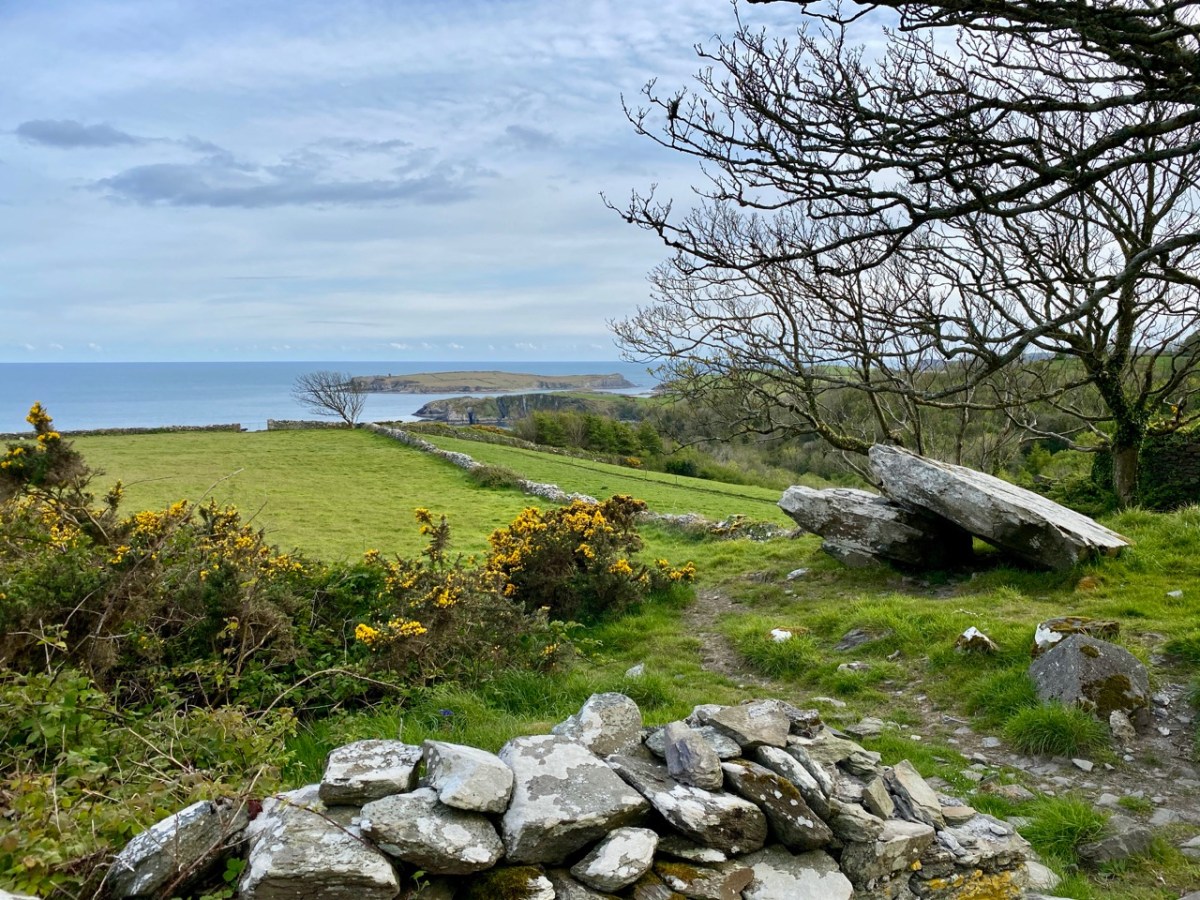
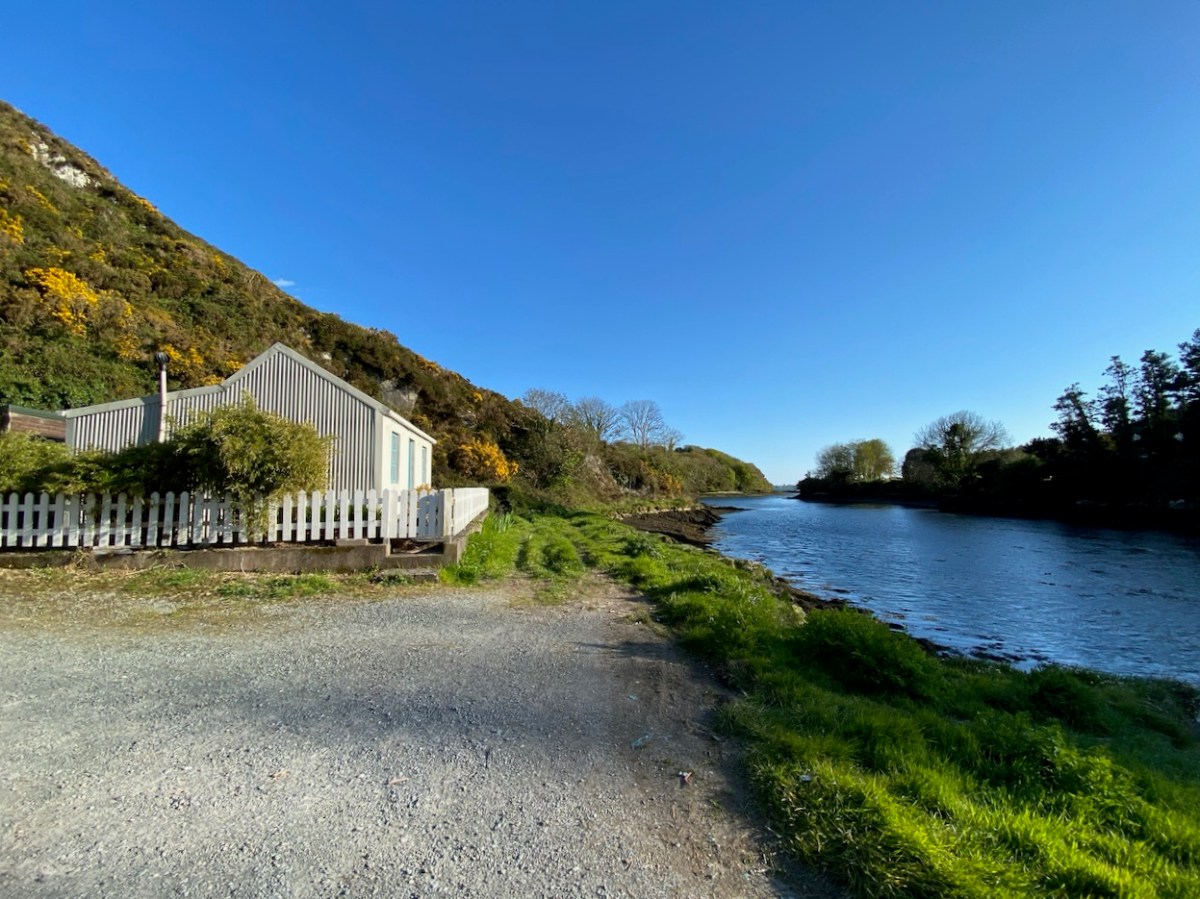
As a retired architect, I was delighted to find this modern gem at the very end of a cul-de-sac, a long way off the beaten track. An extension to a traditional house, it is right on the water’s edge: a spectacular location. I researched the building, and found that it was designed by Níall McLaughlin Architects – London based, but with obviously Irish roots. Below is a piece of architecture a few thousand years older, a possible passage grave, on the far end of the Mizen – equally spectacular and with a dramatic view.
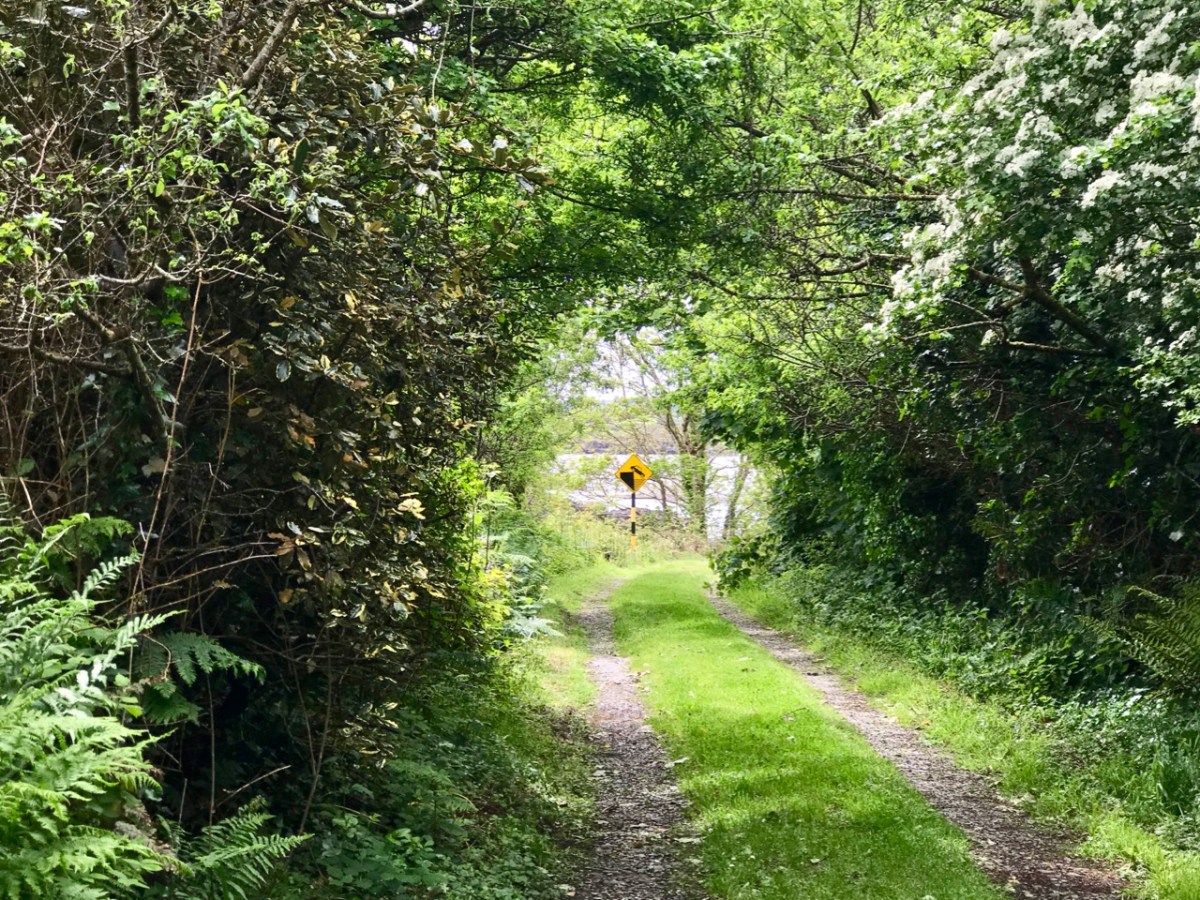
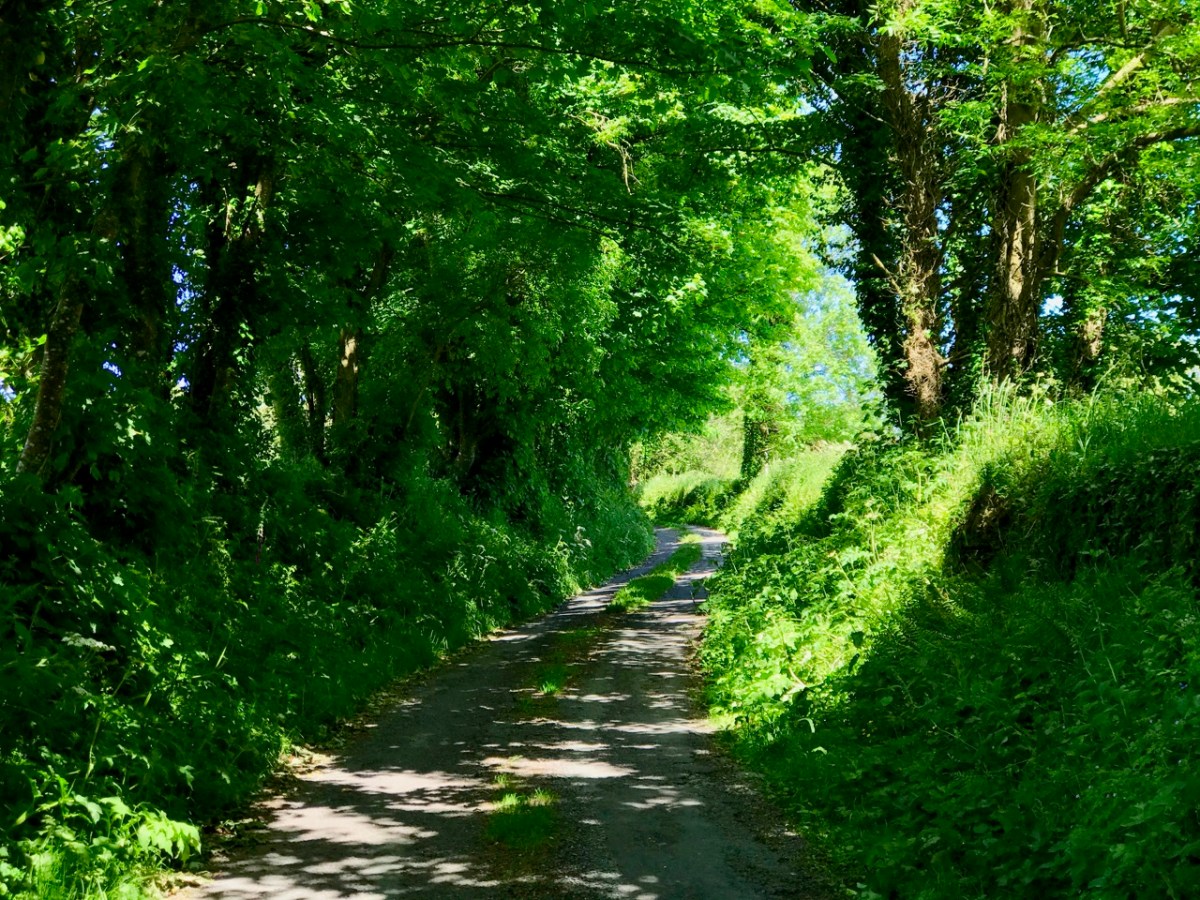
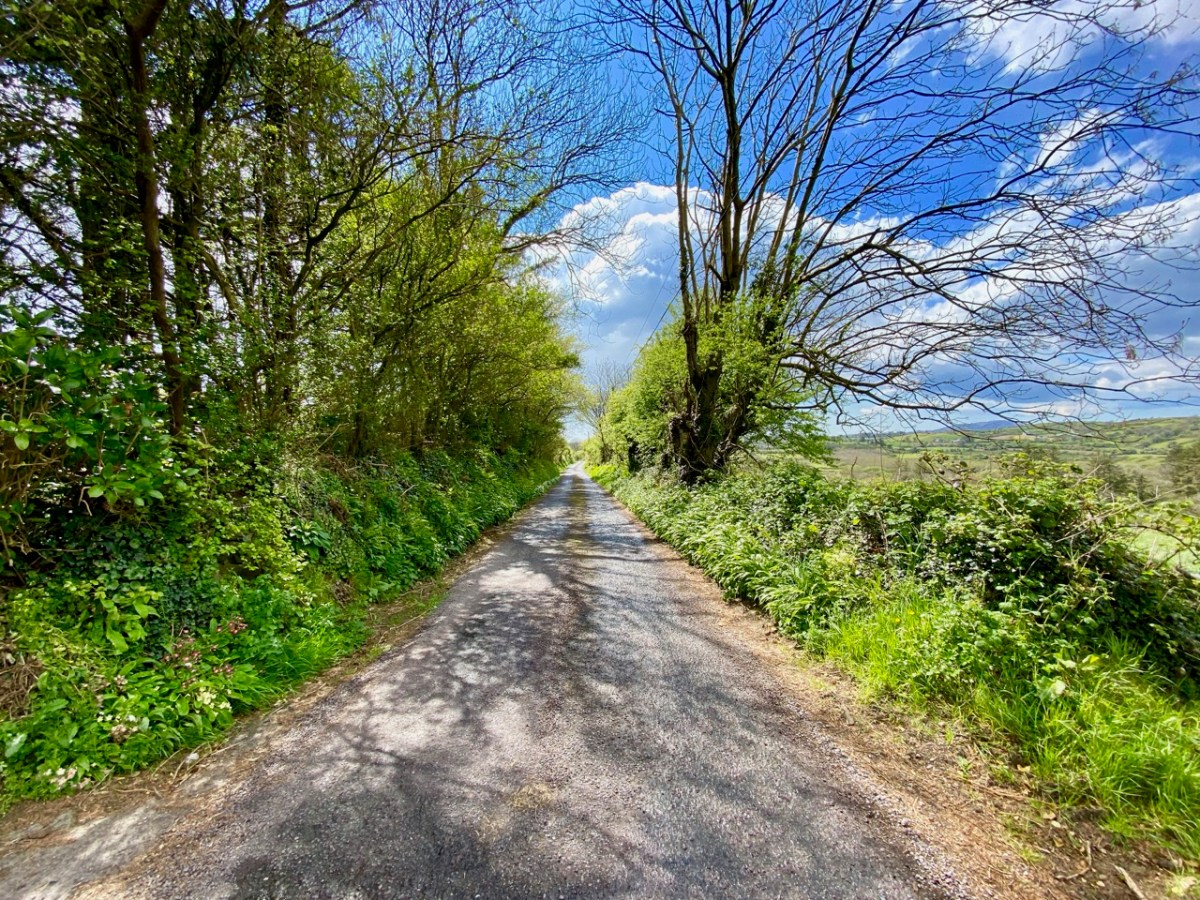
Not every byway discovery is as memorable as some of these examples: just a lane lined on each side with natural hedges can be inviting in its simplicity – and could be hard to find again!
Often it is important, of course, to know where you are going – and to find your way back. The latter is seldom a problem, especially with boreens which have an obvious end.
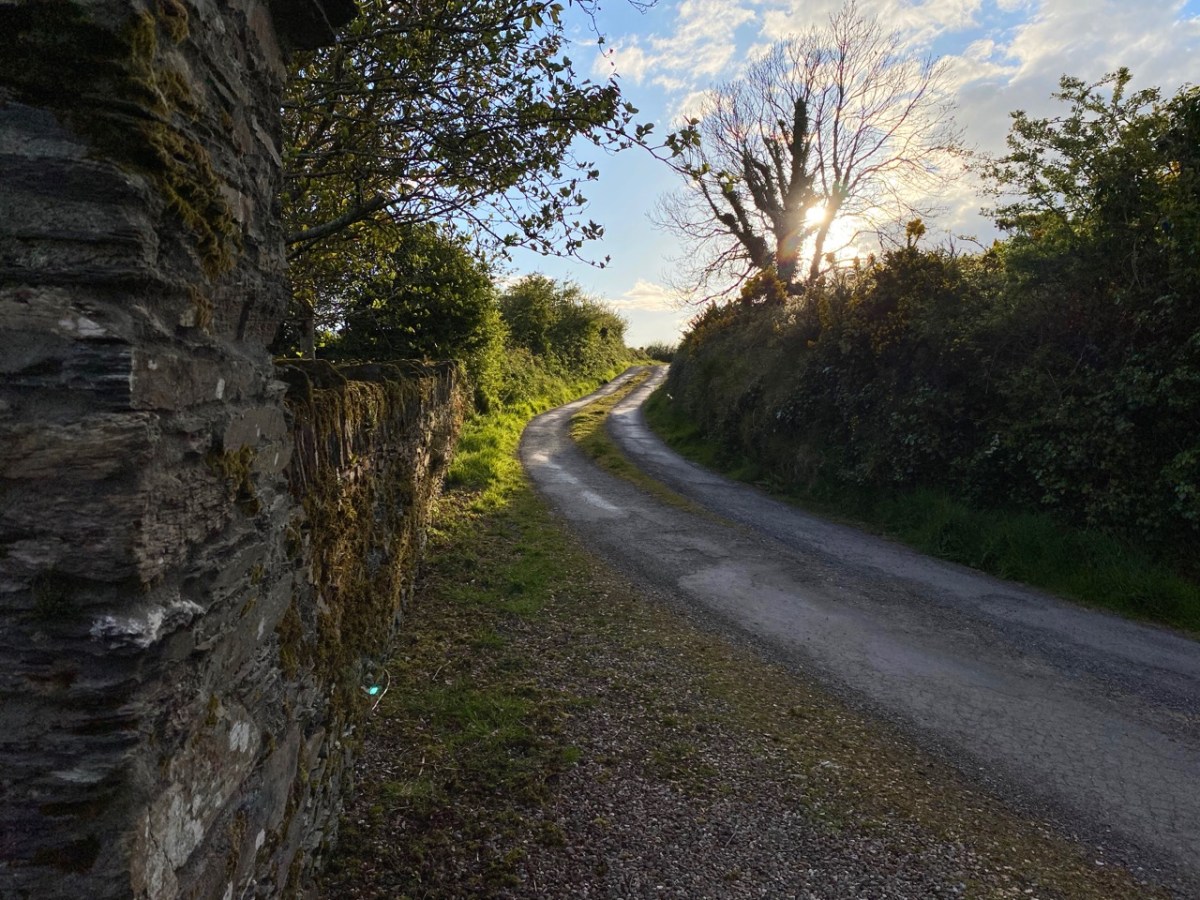
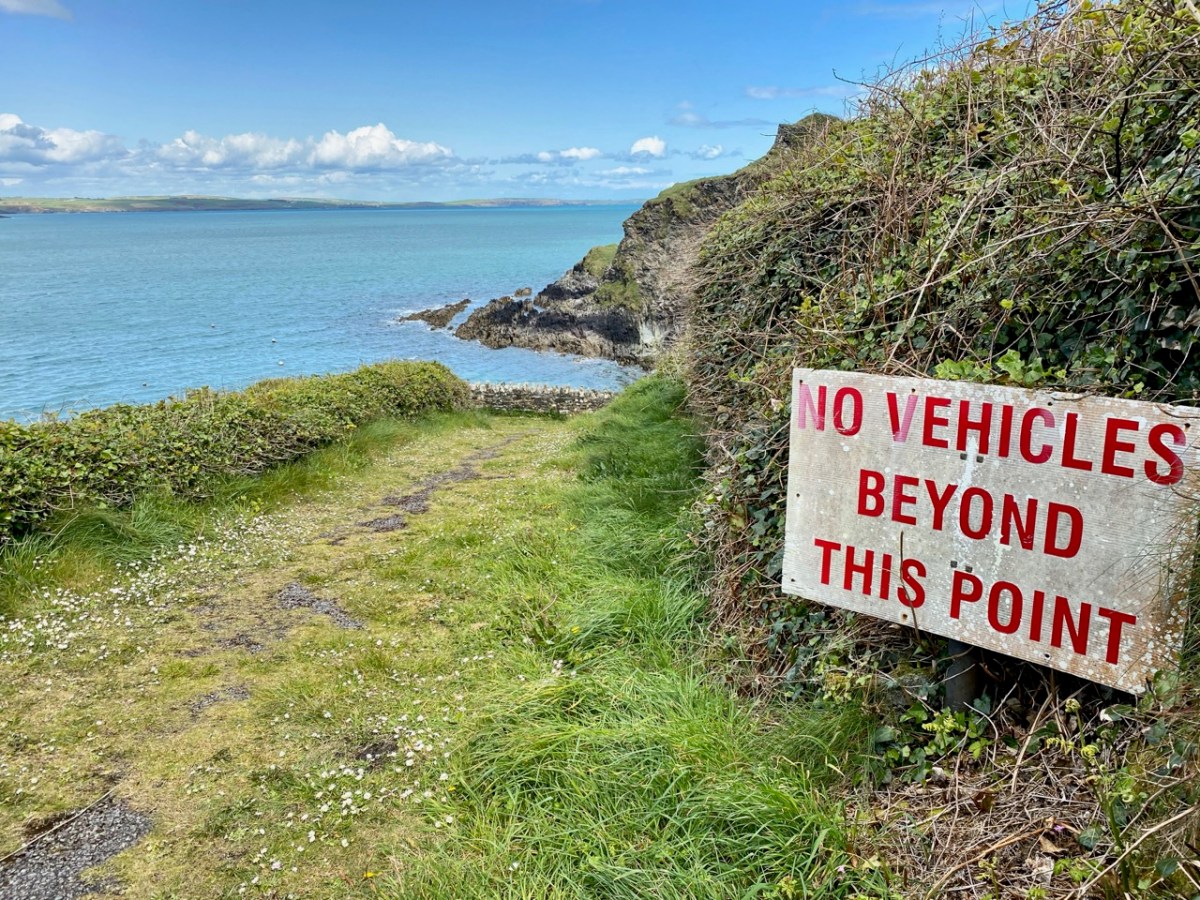
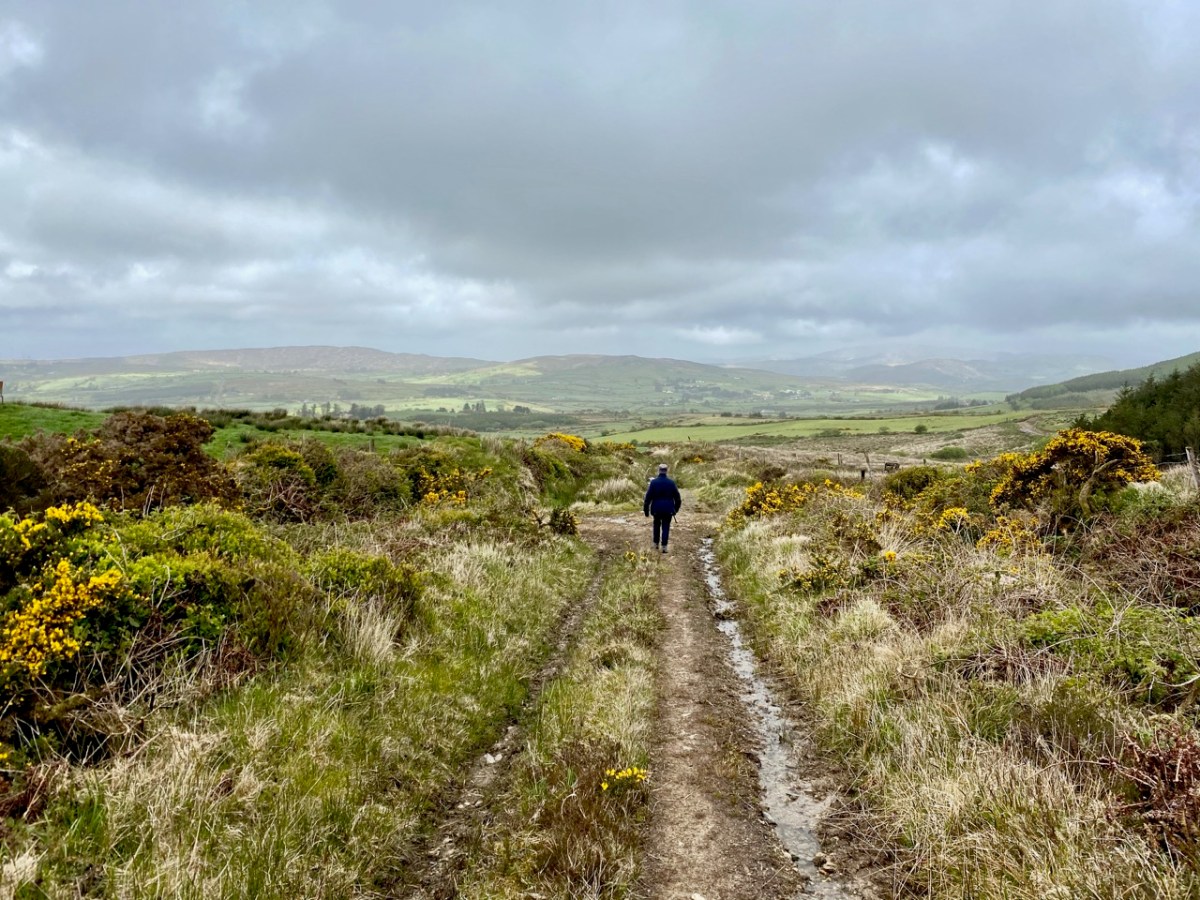
Sometimes you have to leave the car behind and explore the tiniest of trackways: we know them as ‘grey roads’ on the map. Finola uses the term ‘Tis a grand road’ quite frequently, as the mud sticks to our boots and progress becomes slow.
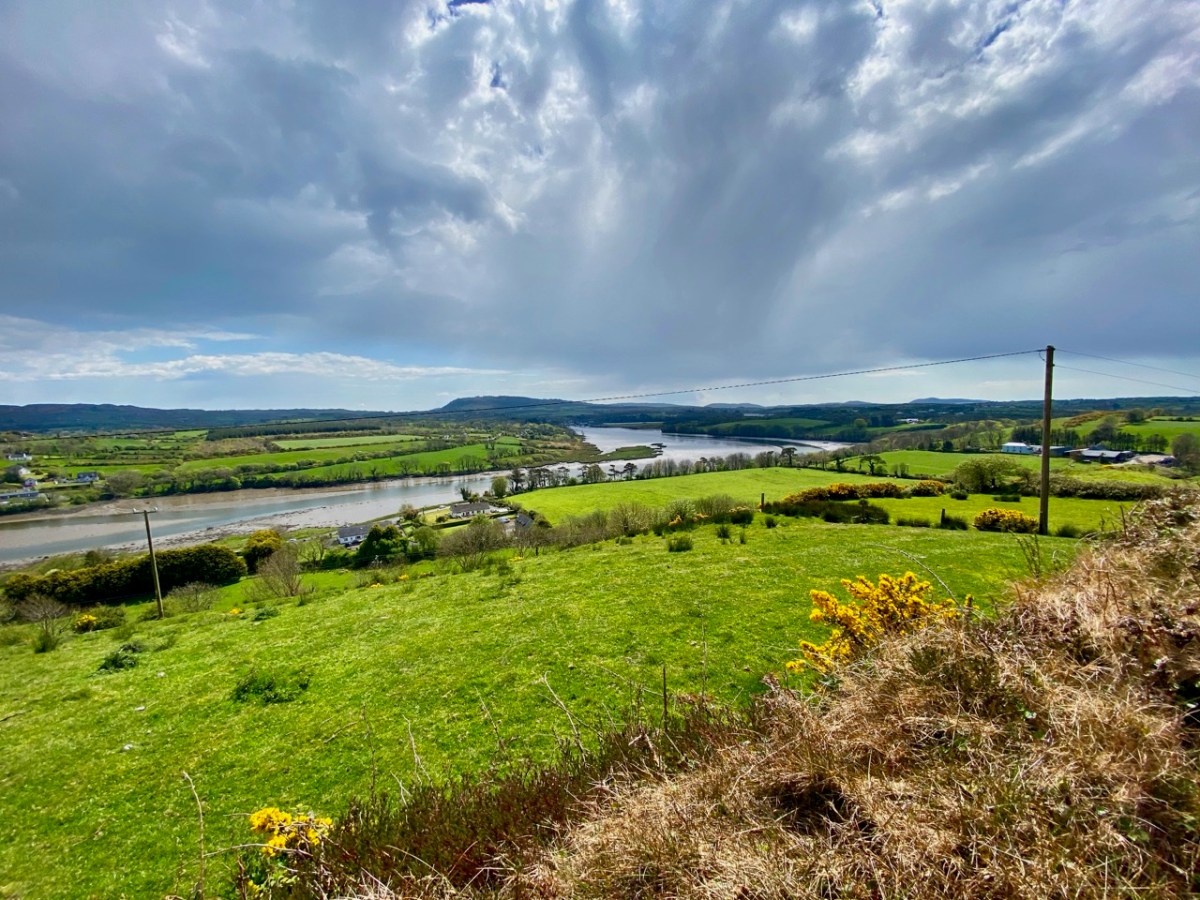
I am pleased when we come to the top of a small rise and suddenly find we have a wide view set out below us. On this occasion (above) we were presented with an unexpected prospect of the Ilen River in its broad tidal reaches before it becomes a true estuary. Of course, there are many moments when the view revealed to us is no surprise, as we have trodden so many paths so many times.
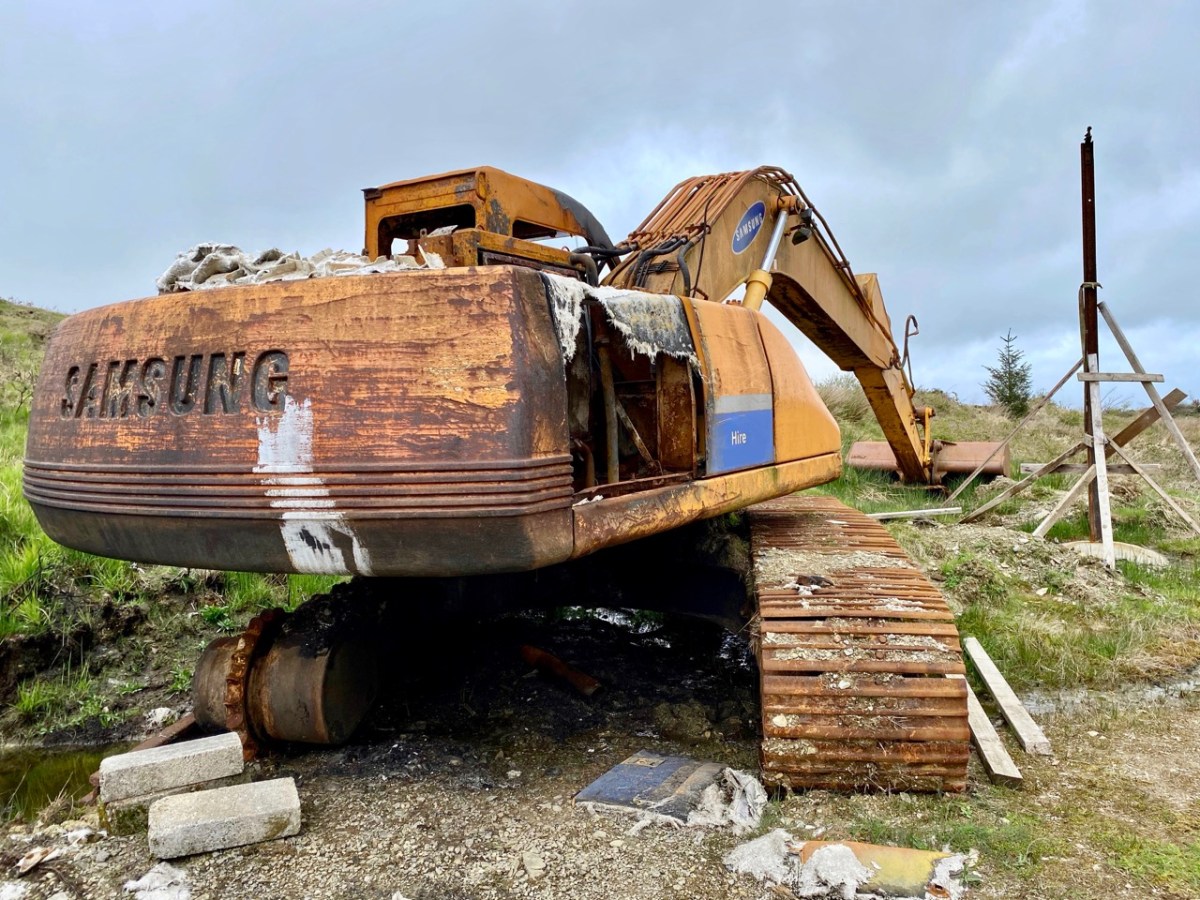
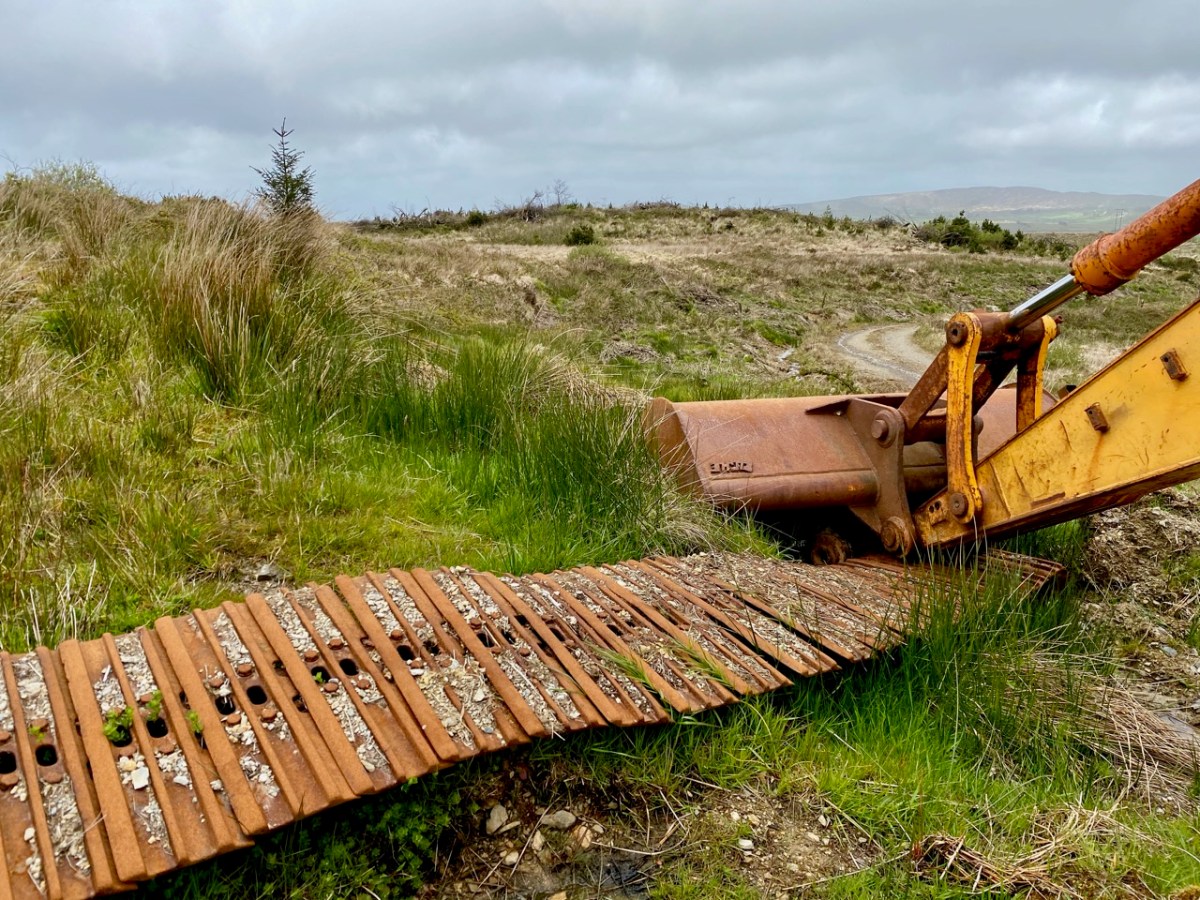
There have to be some contrasts in our travels – and some curiosities. Here, not too far from home, we were presented (below) with the answer to ‘where do all the old rock-breakers go’? We have lived here long enough now, to be familiar with the constant sound, day and night, as landscapes are broken down and smoothed off in order to ‘improve’ pasture for the farming industry: it’s a conundrum for the archaeologists among us who can see the danger of ancient history written on the land being swallowed up in the name of progress.
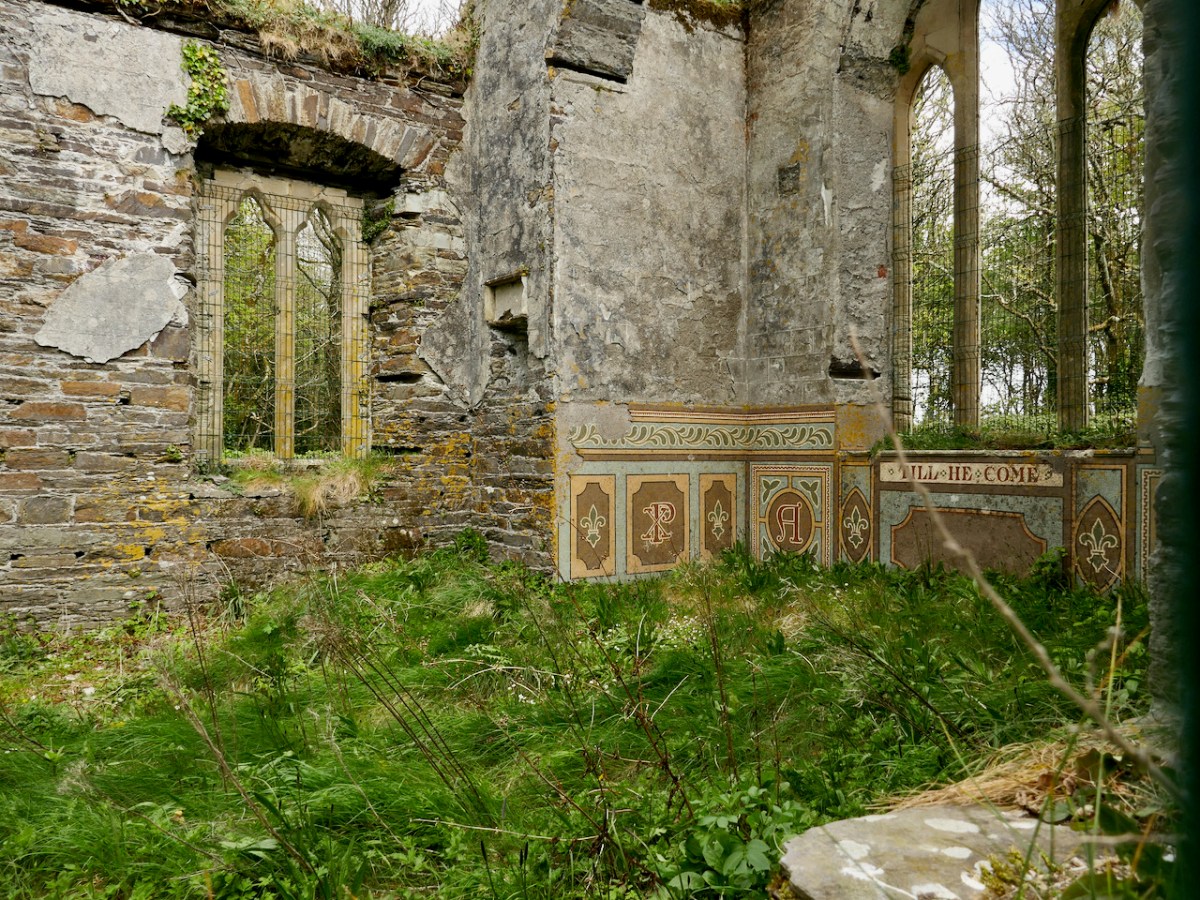
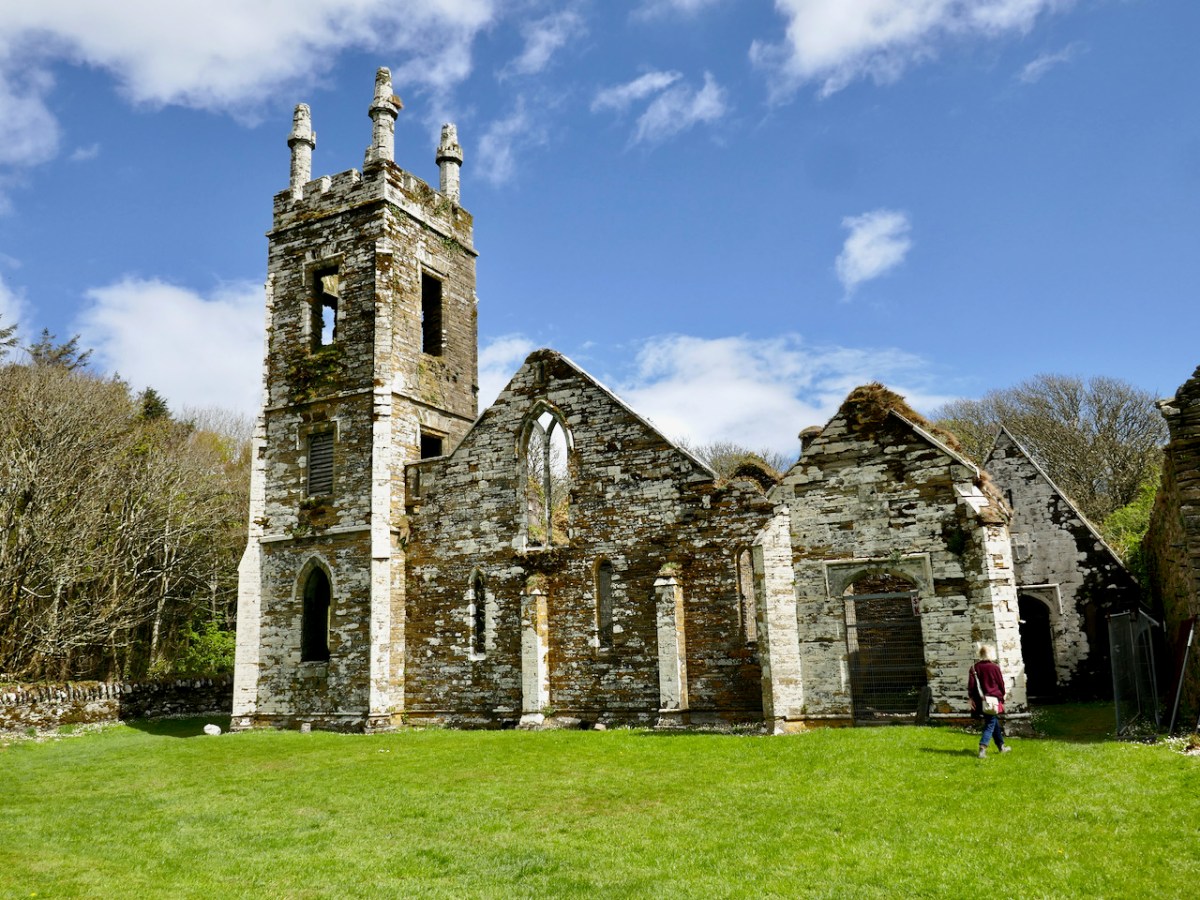
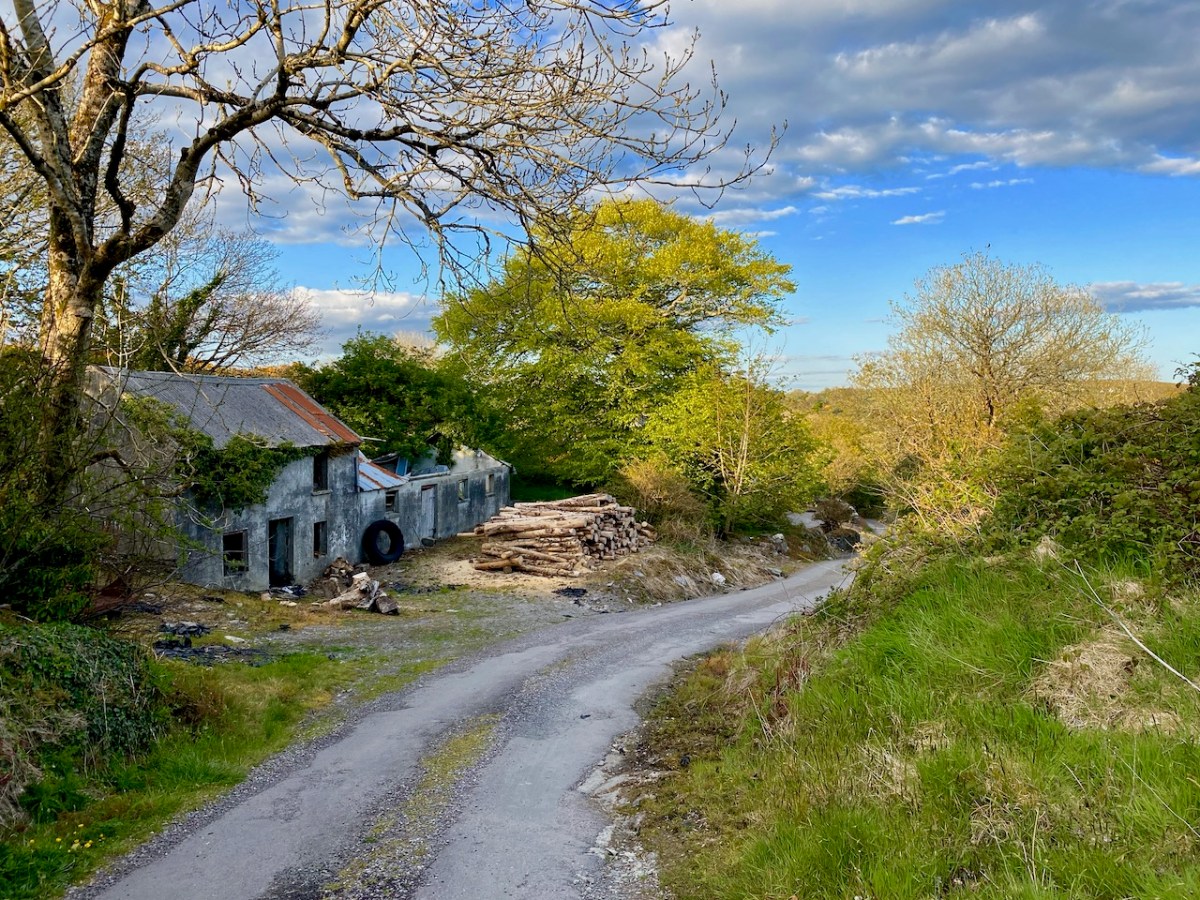
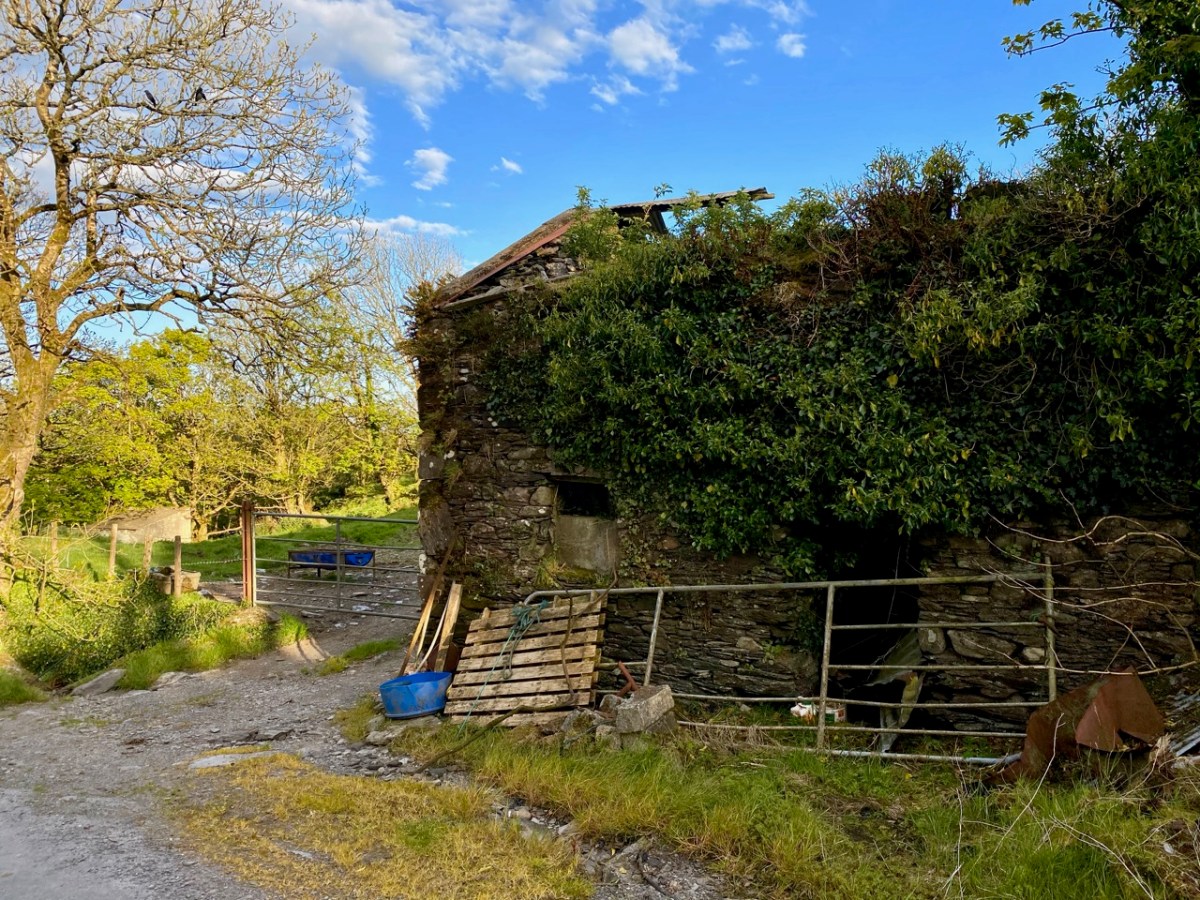
There is still so much history which remains visible, of course. This (below) was a thriving established village not too far from here dating from pre-famine times. It once had a church, a shop, two schools, mining, and maritime related industries. Now all are gone – or in ruins – and there is barely a family living in the area.
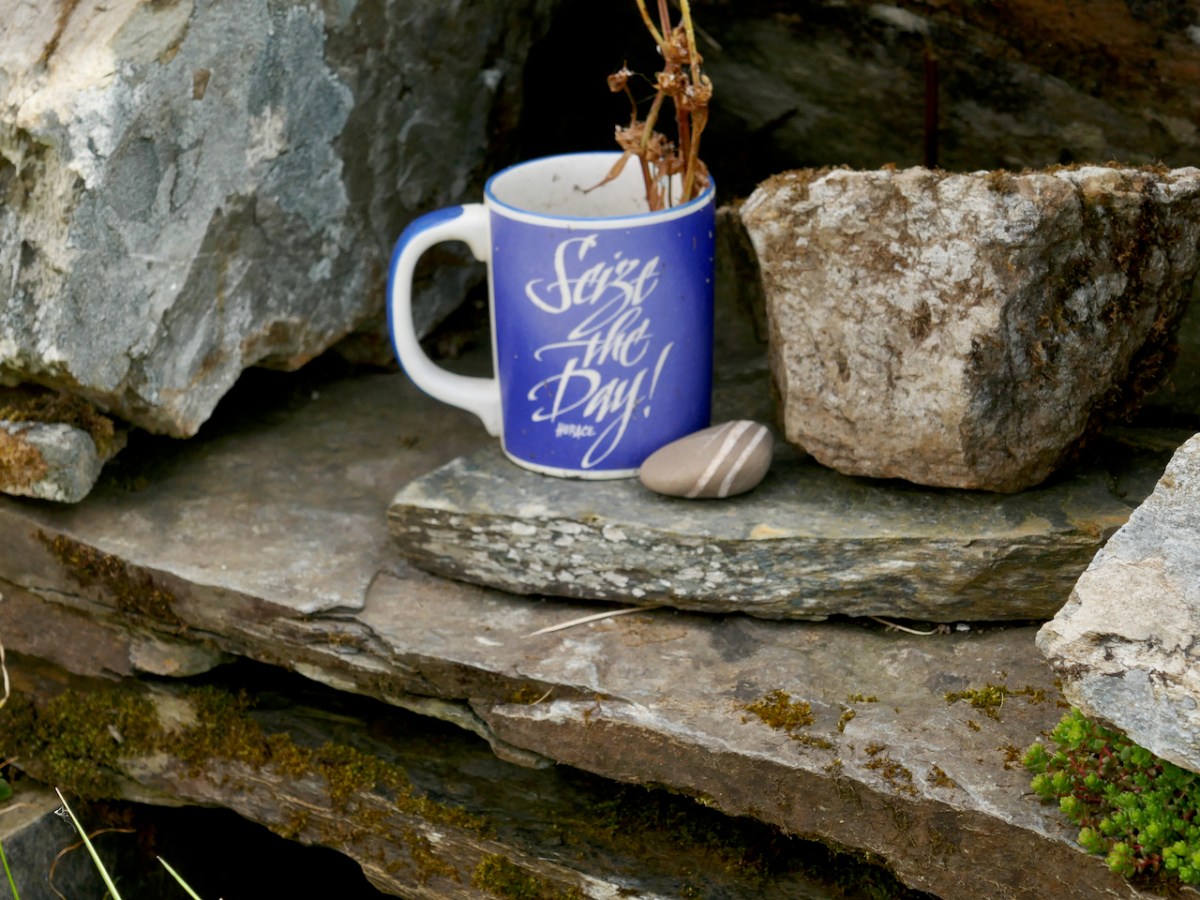
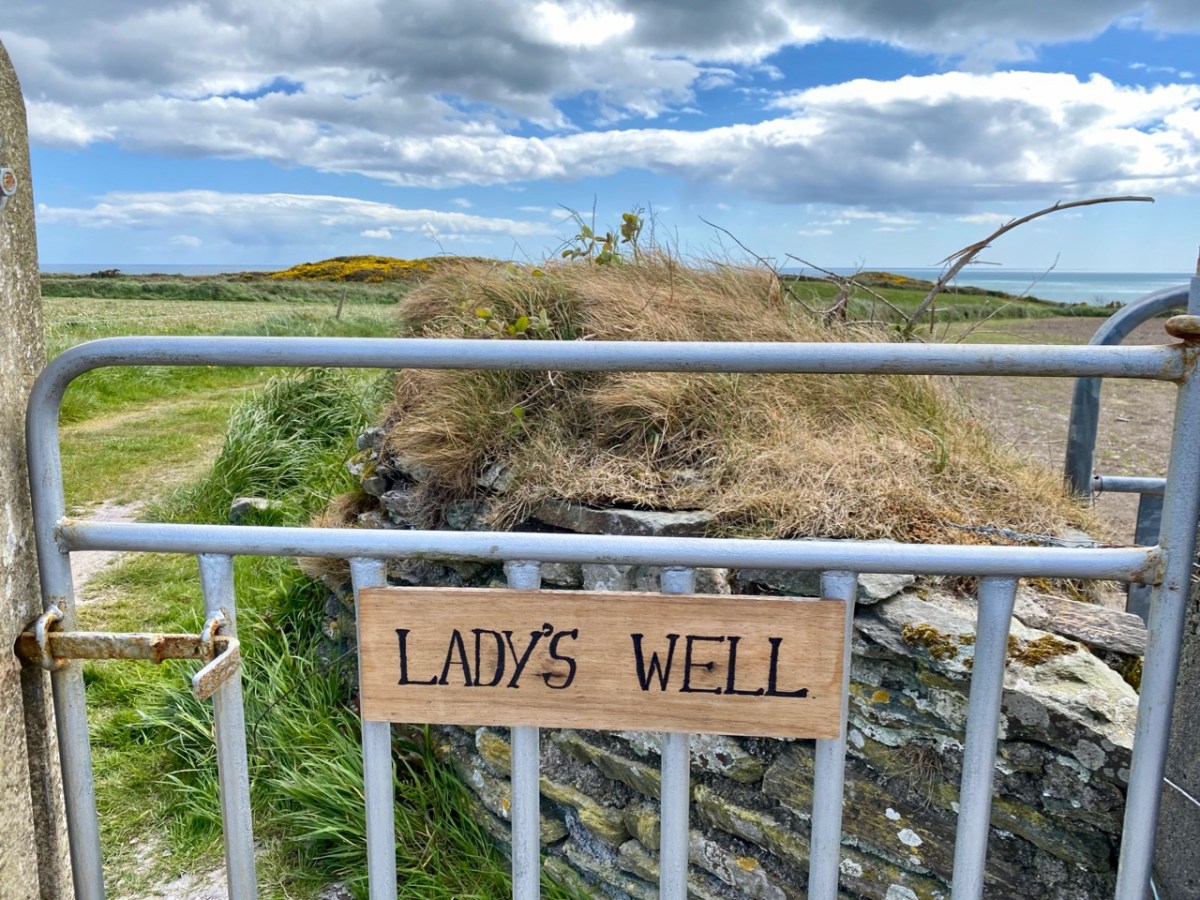
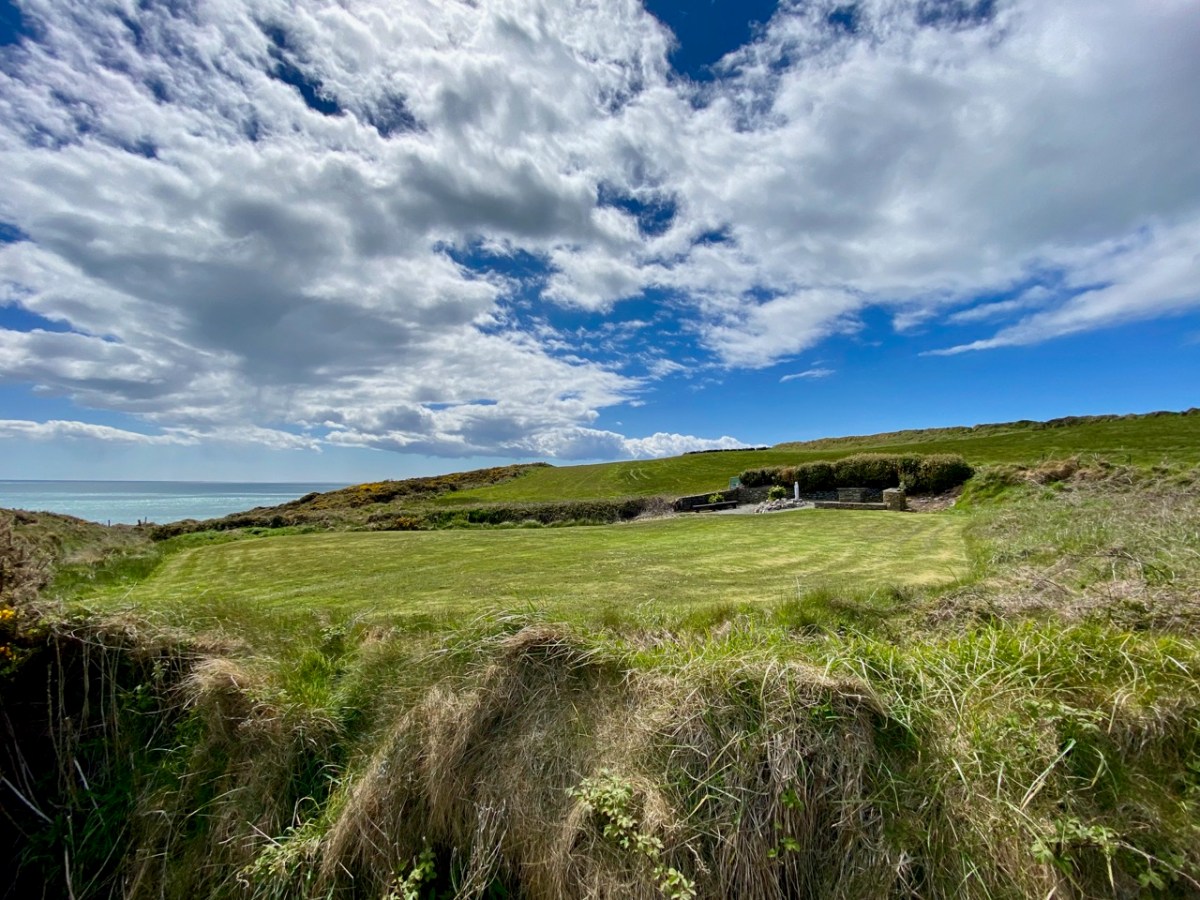
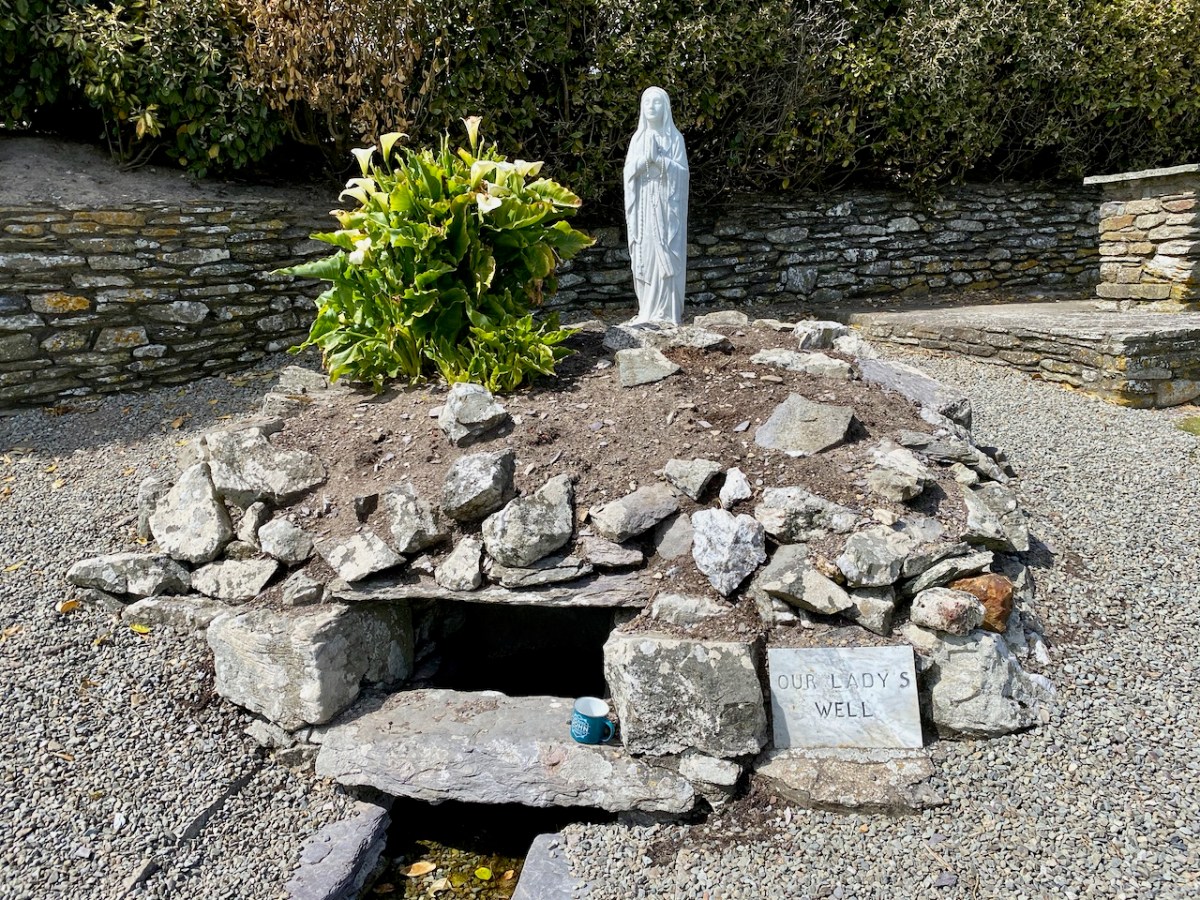
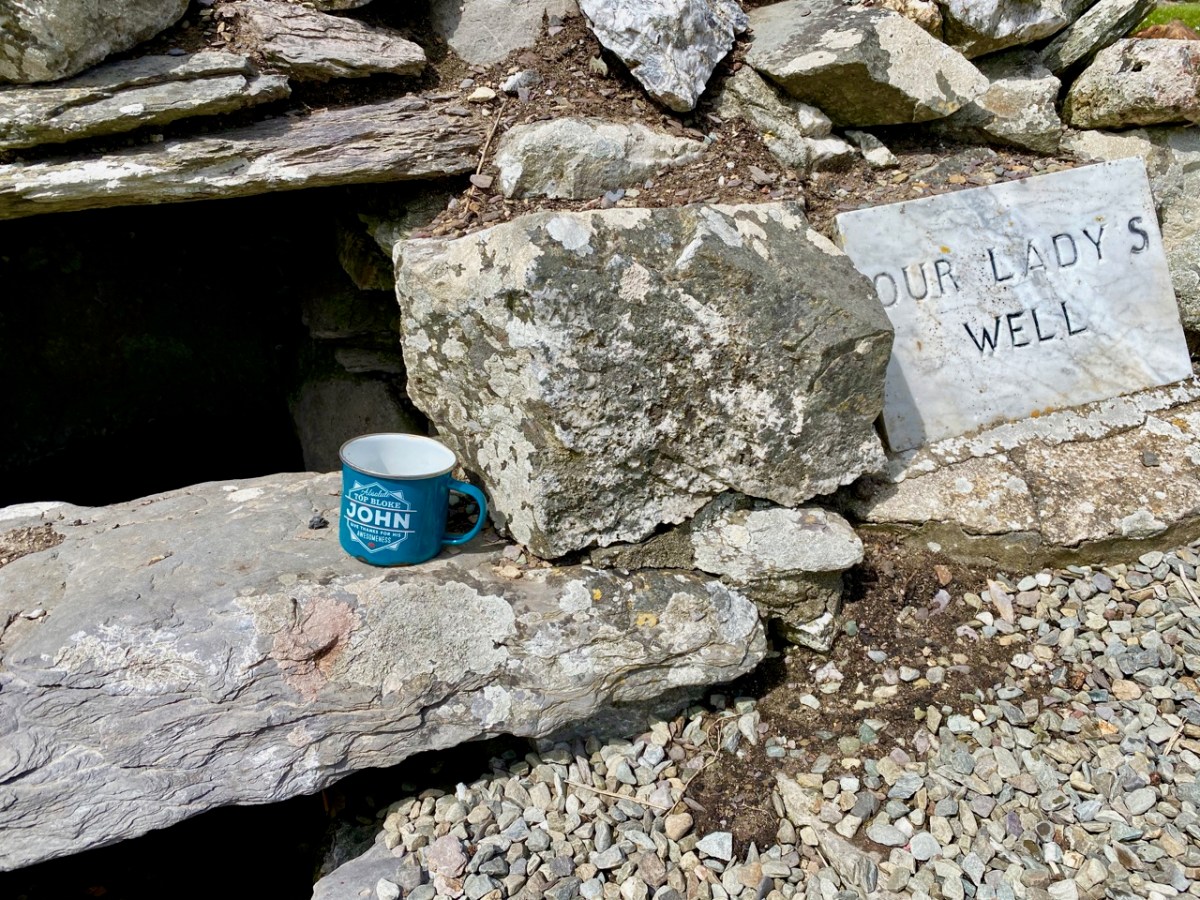
We are always delighted to discover spots such as this (below): again, a long way from any main road and right out in the middle of nowhere – yet a site which is immaculately maintained and celebrated. Note the ‘Top Bloke’ cup…
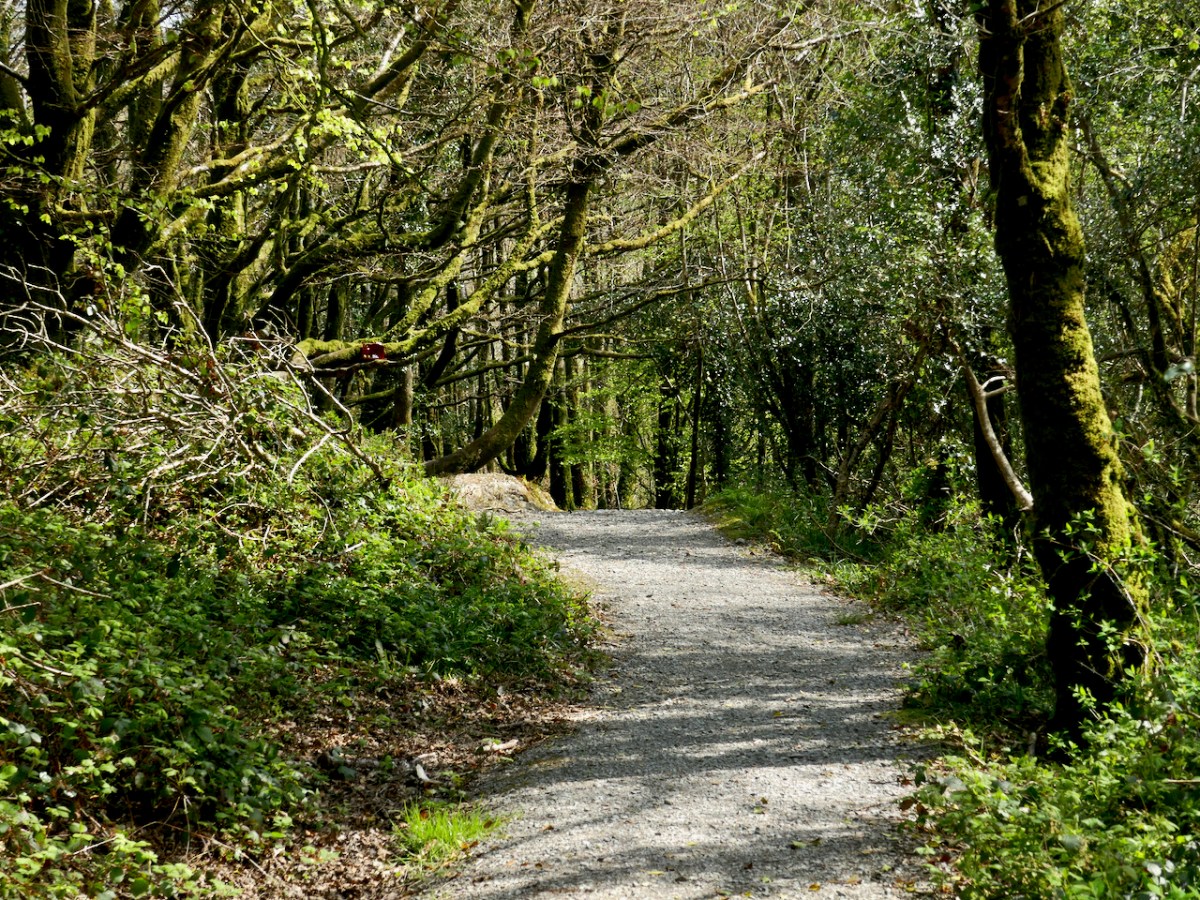
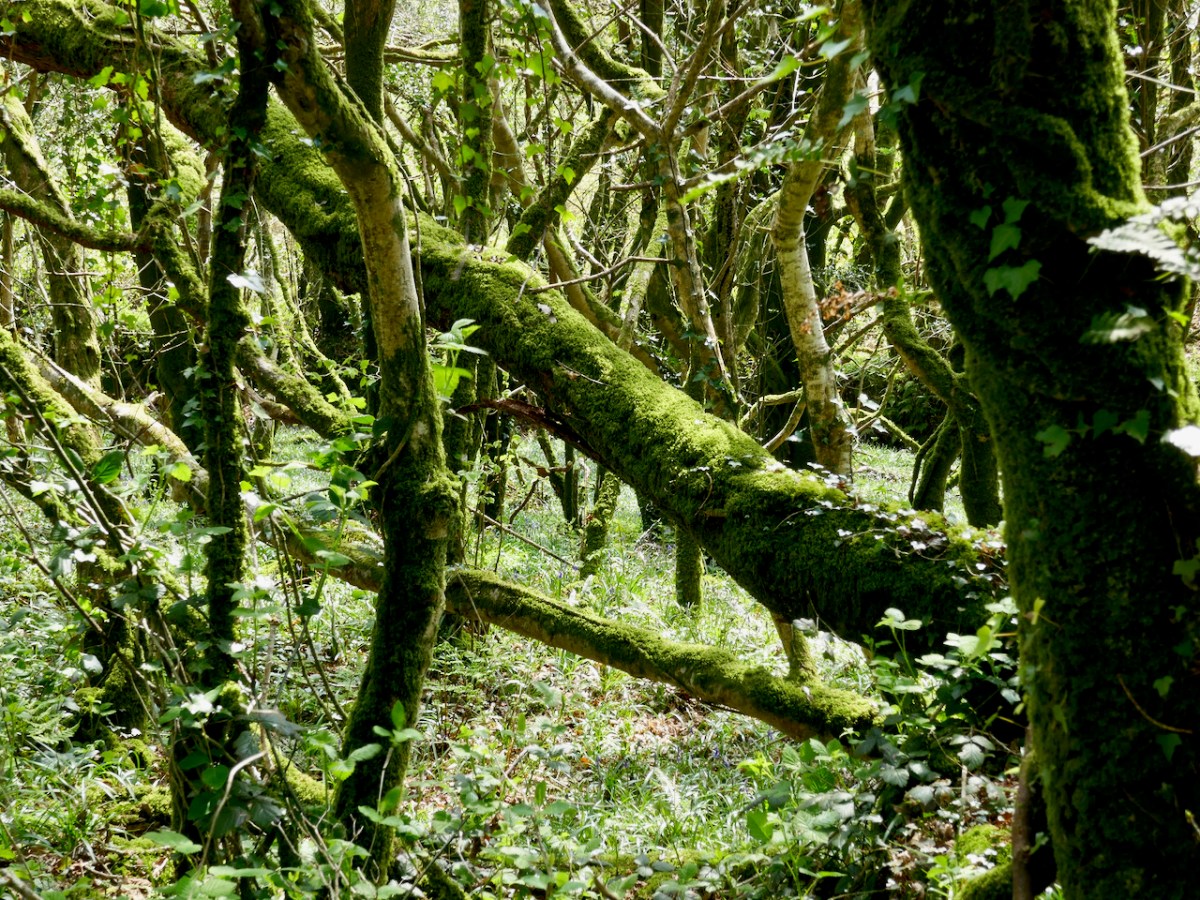
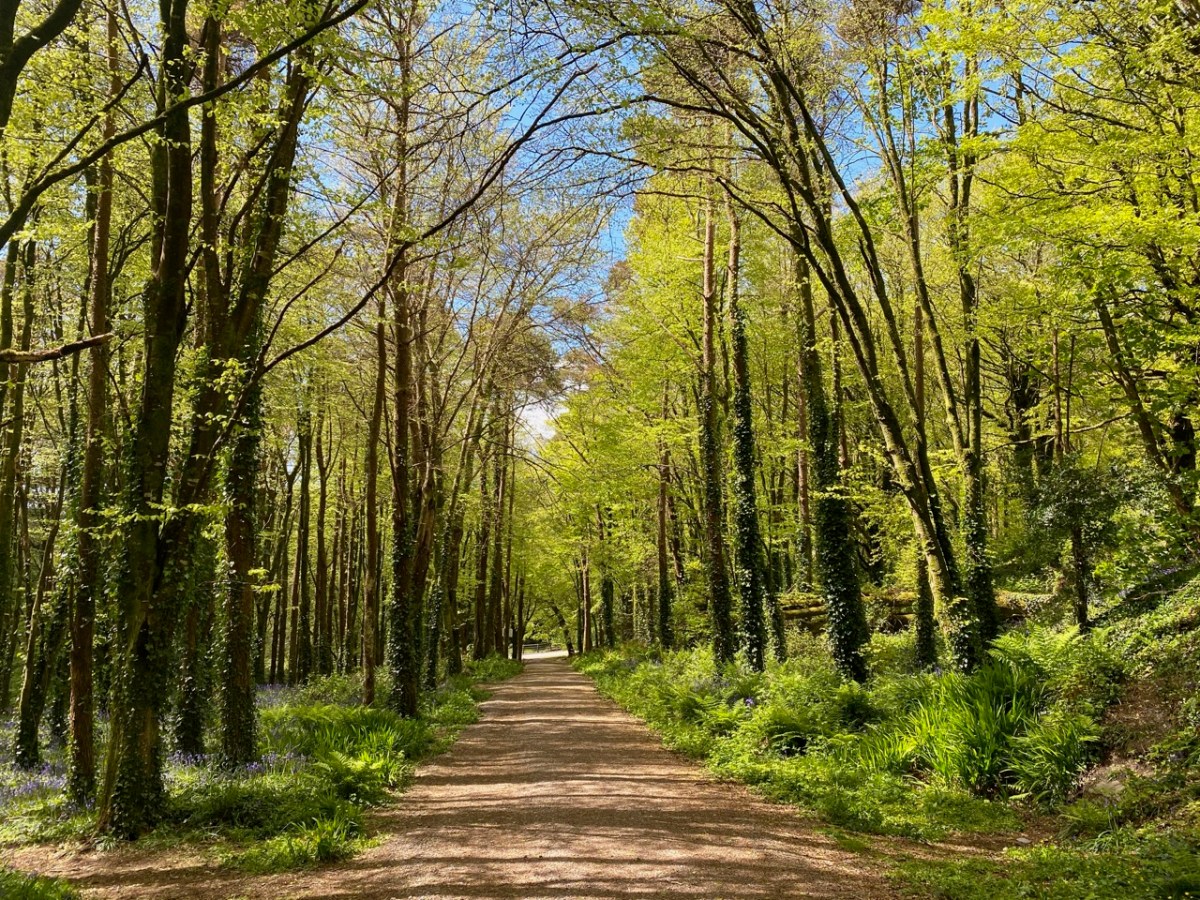
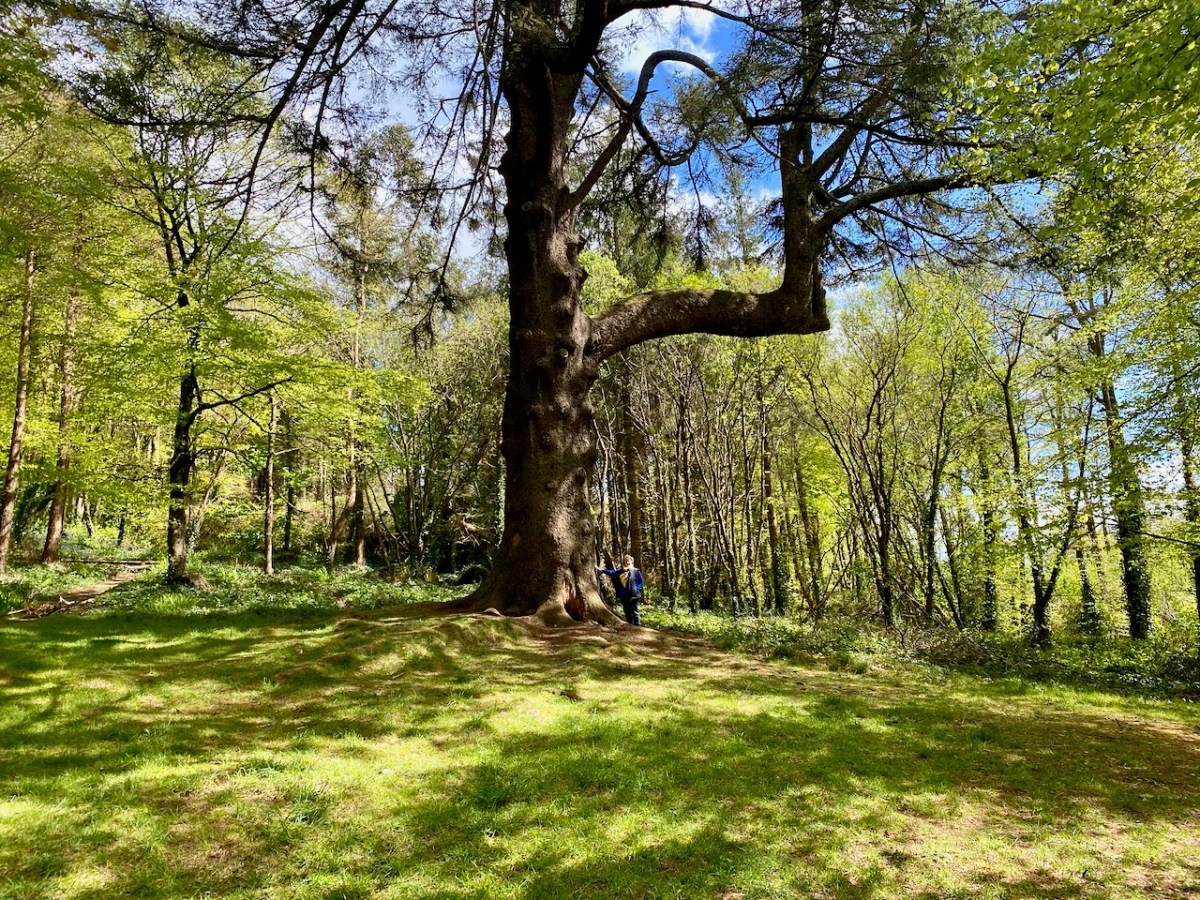
This post could go on forever. I have so many photographs of boundless boreens, captivating seascapes and intriguing sites – enough to revisit the subject in future posts. Let’s close with a woodland walk which is on a West Cork demesne, and open to all: at this time of the year it is magnificently decorated with all the spring wildflowers and vivid young shoots creating a green cloud in the tree canopies.
Welcome to the UCD Library Cultural Heritage Collections blog. Discover and explore the historical treasures housed within our Archives, Special Collections, National Folklore Collection and Digital Library
























 Roaringwater Journal