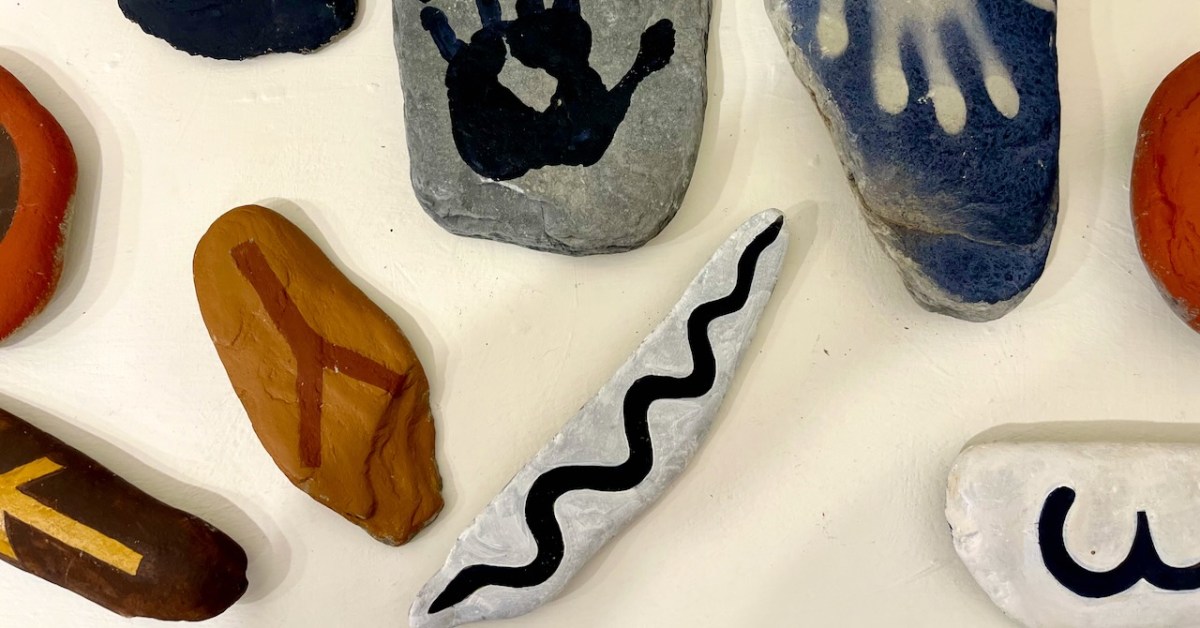
Keith Payne – Schull Exhibition!

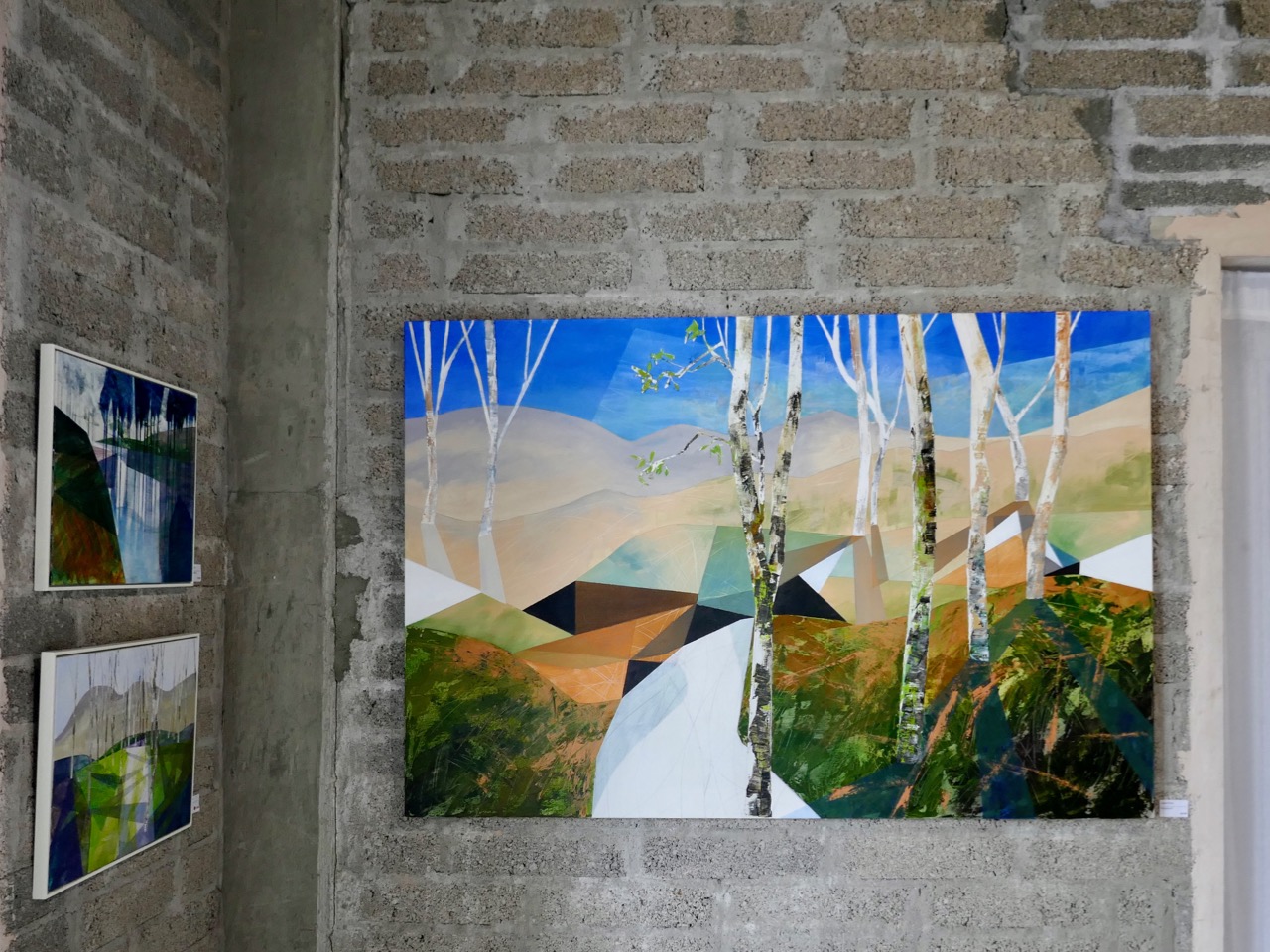
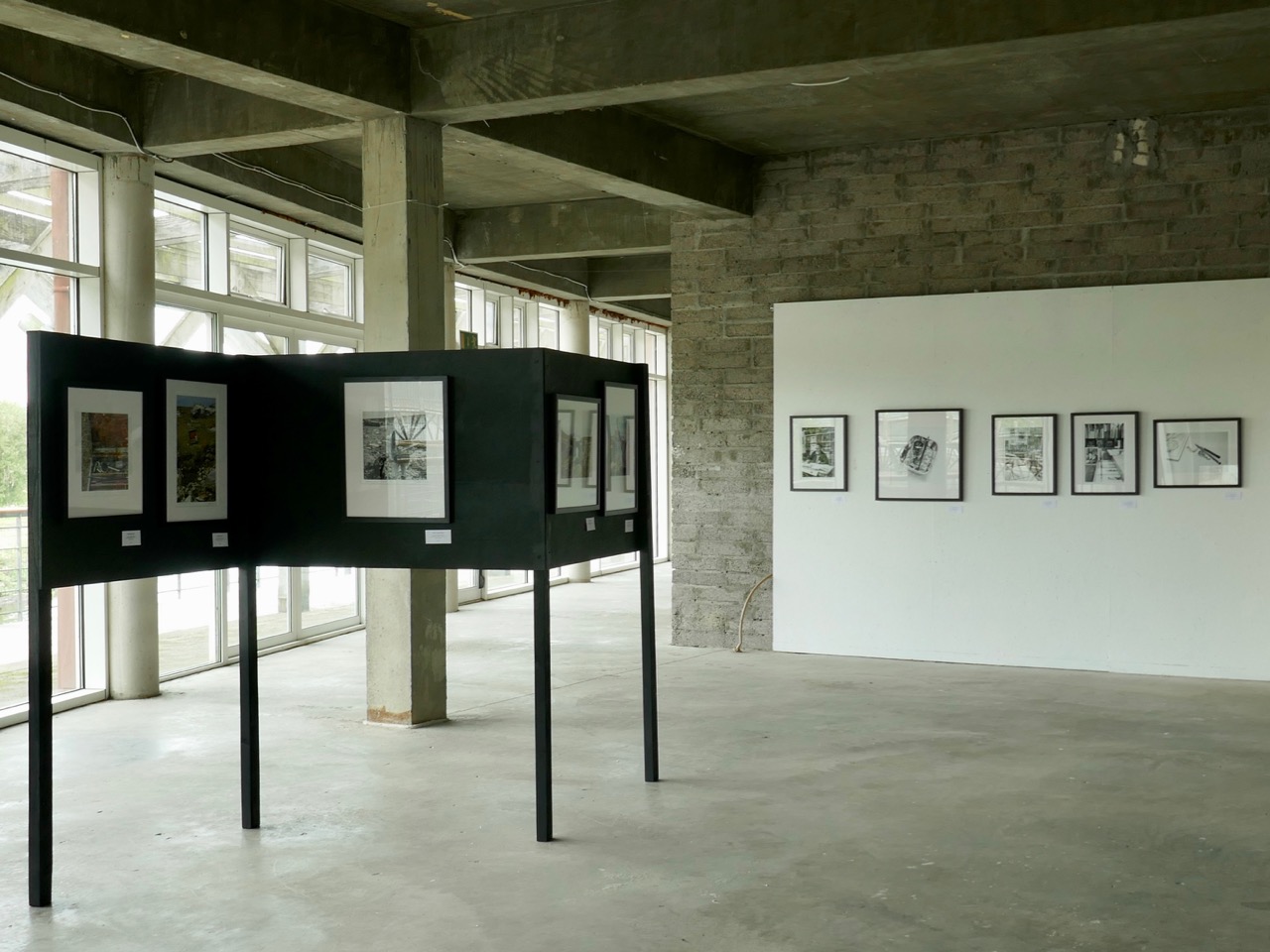
West Cork artist Keith Payne is currently the subject of an exhibition in the Blue House Gallery, Schull. Get to see it if you can! We featured Keith on our Journal back in 2018, when he had an exhibition in the Burren College of Art Gallery in Ballyvaughan, Co Clare. But he also contributed some amazing work to our own Rock Art exhibition at the Cork Public Museum in 2015.
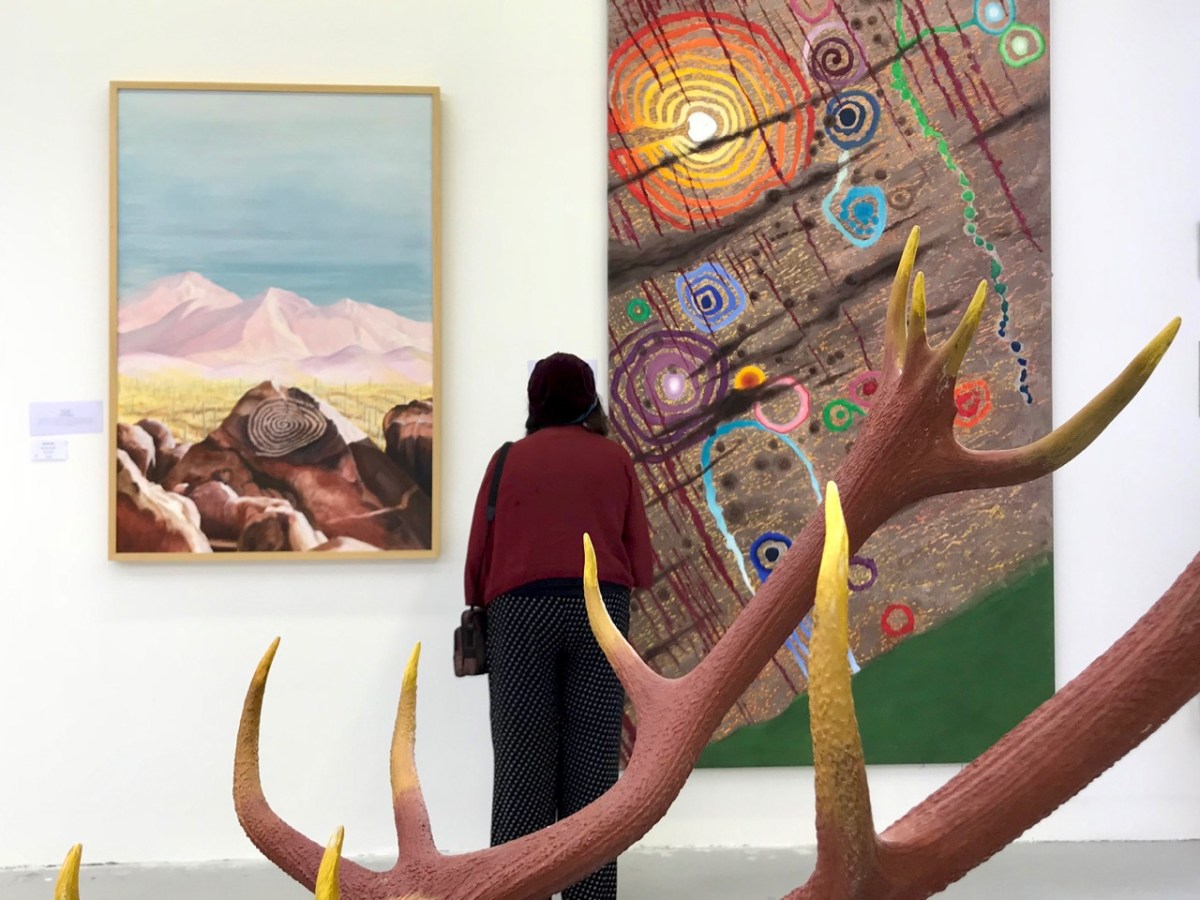
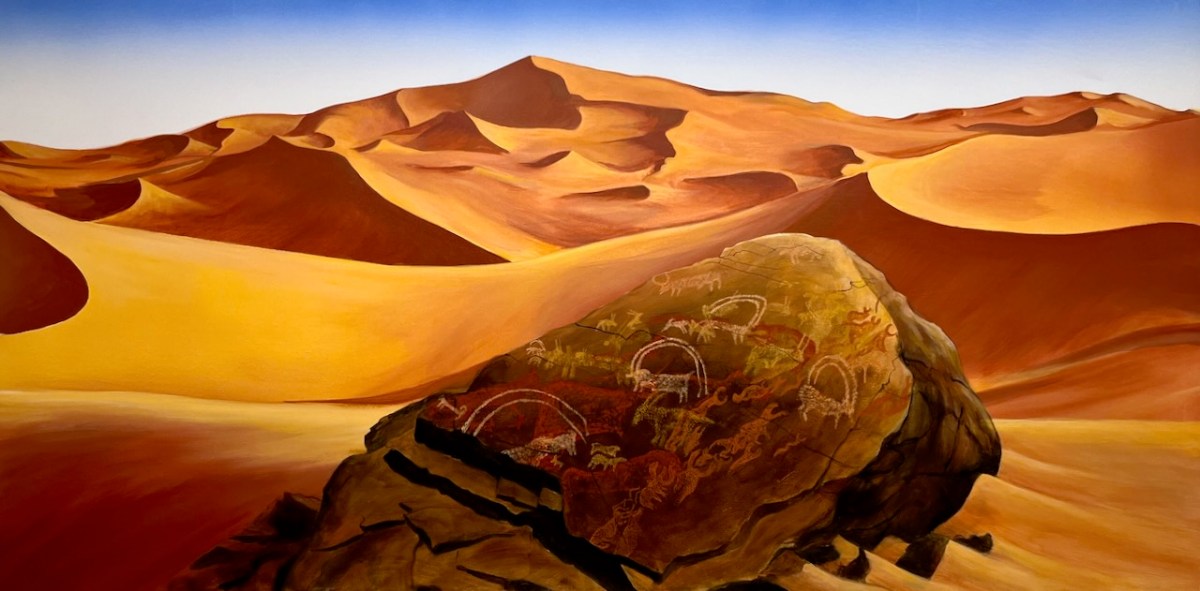
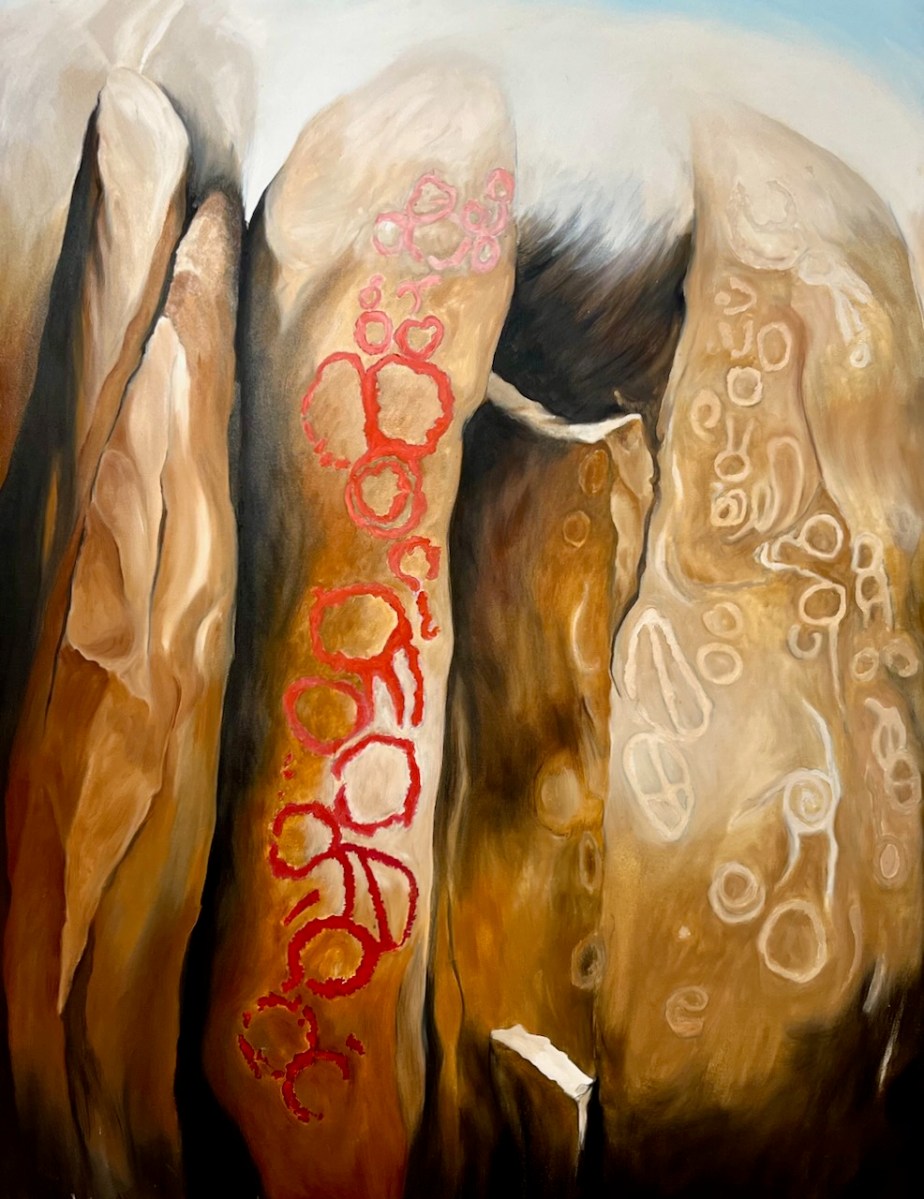
That’s Keith’s painting – based on the Rock Art at Derreenaclogh, close to where we live in West Cork – on the right, above. It was in the Clare exhibition and also our Cork Public Museum exhibition.
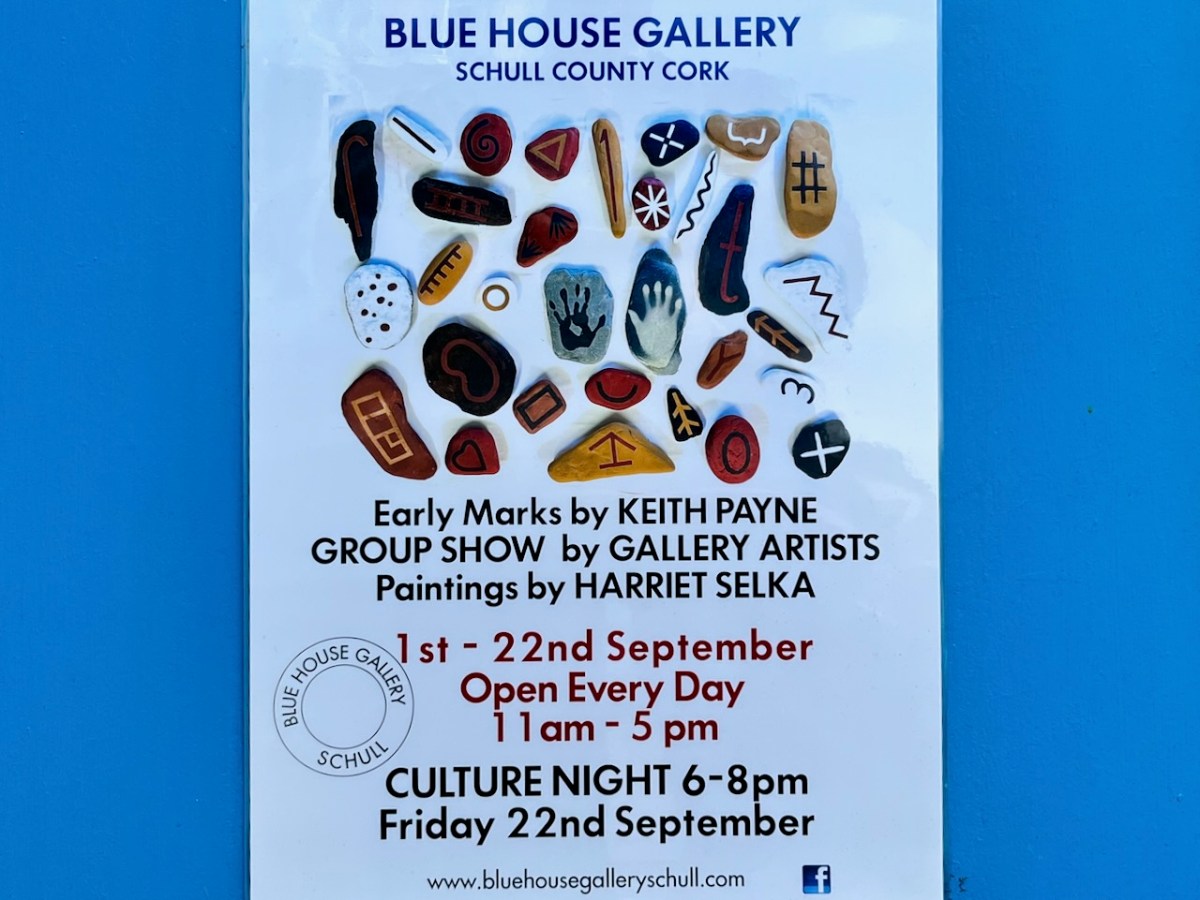
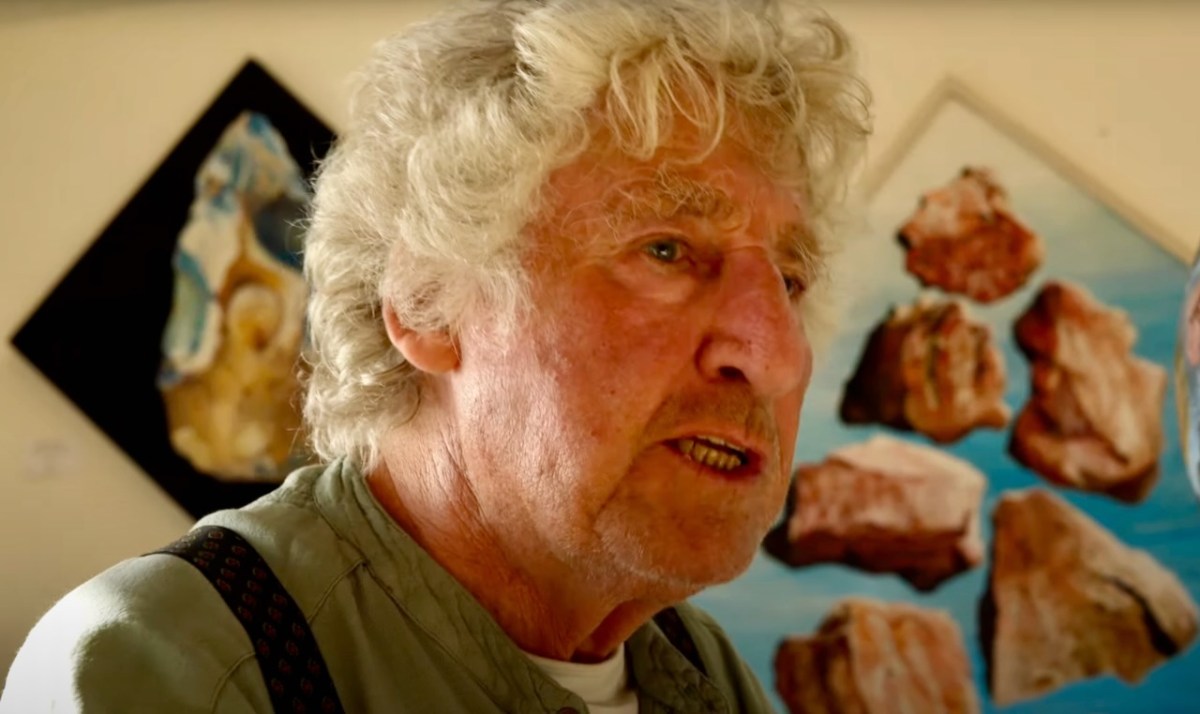
You have the opportunity to see the current show in Schull, as it’s on until Culture Night (Friday 22 September 2023). Early Marks is “…a study of the beginnings of art and the possible source of a prehistoric worldwide visual language…” That’s a huge subject, and Keith (below) tackles it with large, assured and spirited images.
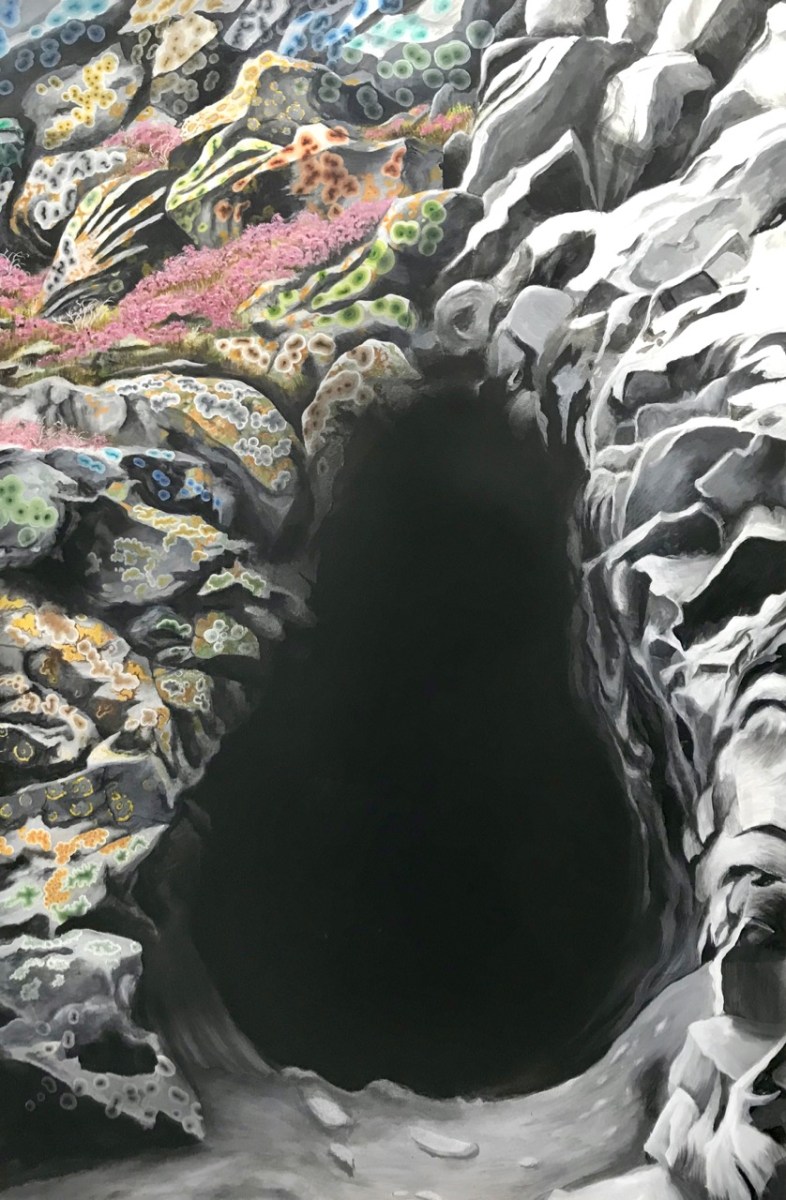
. . . There is no Time associated with any of these works, as Time is a construct invented long after the images on exhibition. Hunter-Gatherers, the makers of Early Marks, lived in a visionary state now lost to western civilisation . . . The language of Early marks consists of imagery, symbols and patterns that have been left in the physical world but created in the ‘other world’ . . . Many of the forms are possible direct projections of electrical impulses from the brain seen during states of altered consciousness . . . ‘Entopic’ images that manifest as points of light in the absolute darkness of the mind in the cave . . .

Keith Payne – from the Exhibition Catalogue
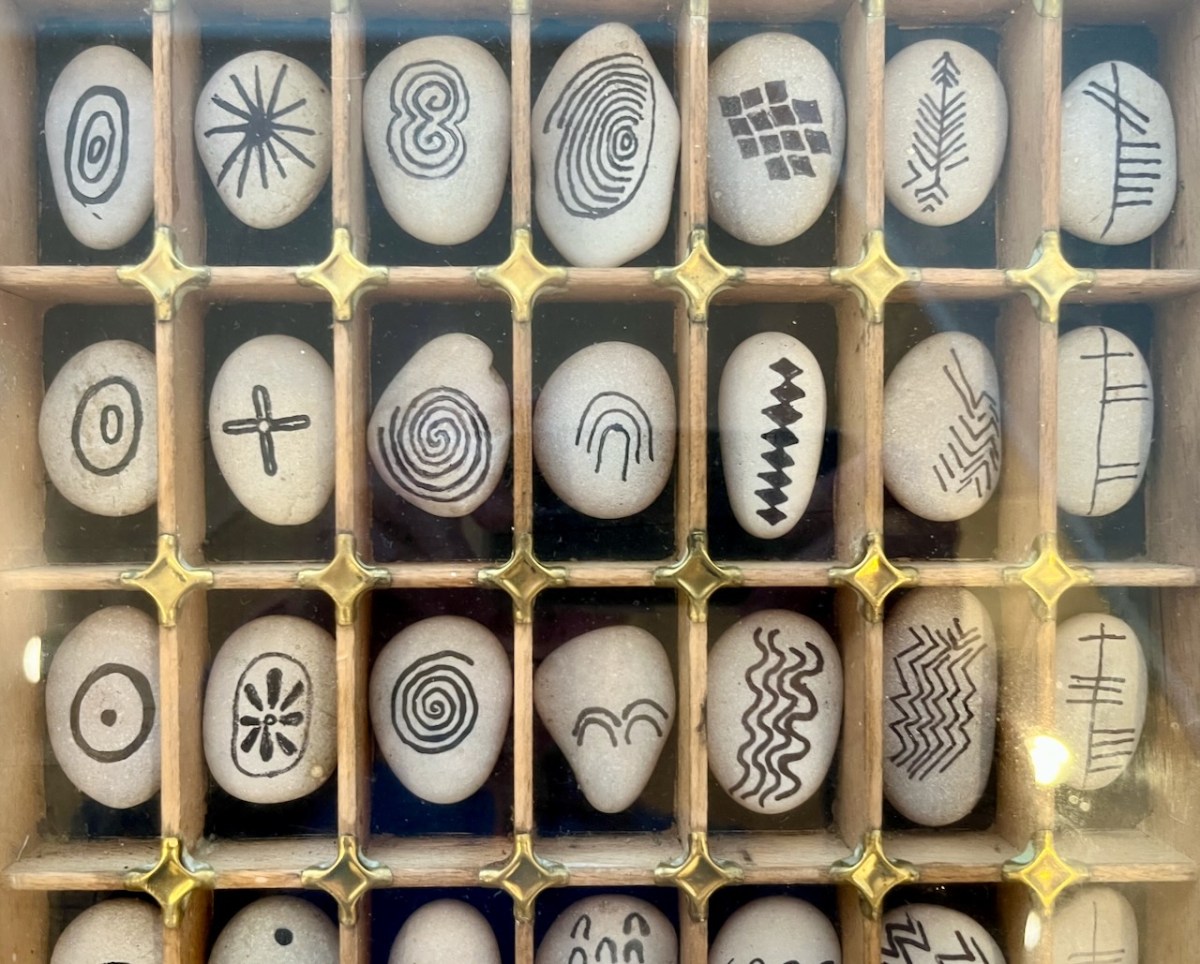
Font Tray – part of a larger work titled The prehistoric development of visual language:

. . . Reading from left to right are the earliest images from South African caves then through Palaeolithic, Neolithic, to a column of Ogham which reads from bottom to top: “Visual Language” . . .

Keith Payne – from the Exhibition catalogue
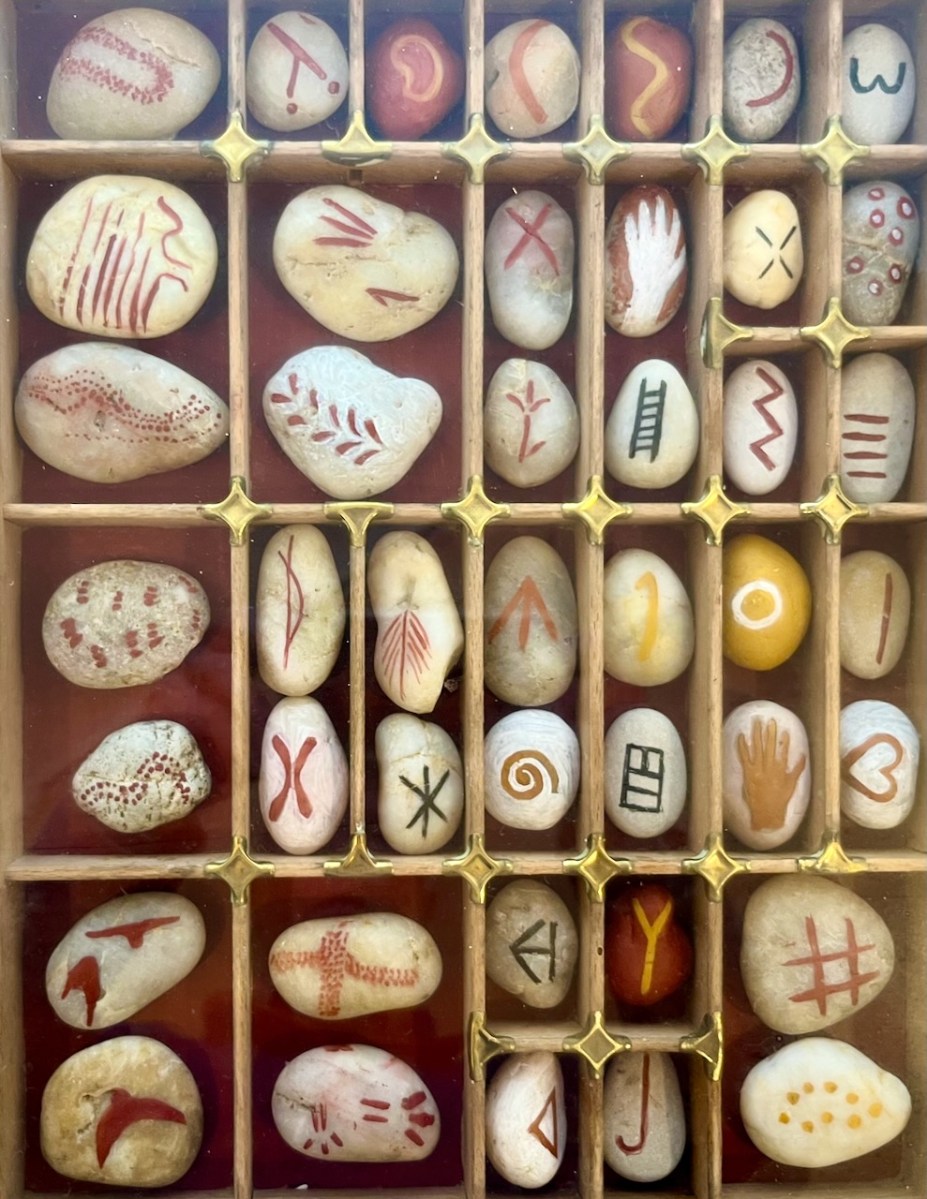
Empty Quarter (above) – a geographical region in the southern part of Saudi Arabia: the largest continuous sand desert in the world. Now scarcely populated it was in prehistory more temperate and the petroglyphs represent fauna of the time. Keith has painted the images in different colours to indicate the different periods of engraving.
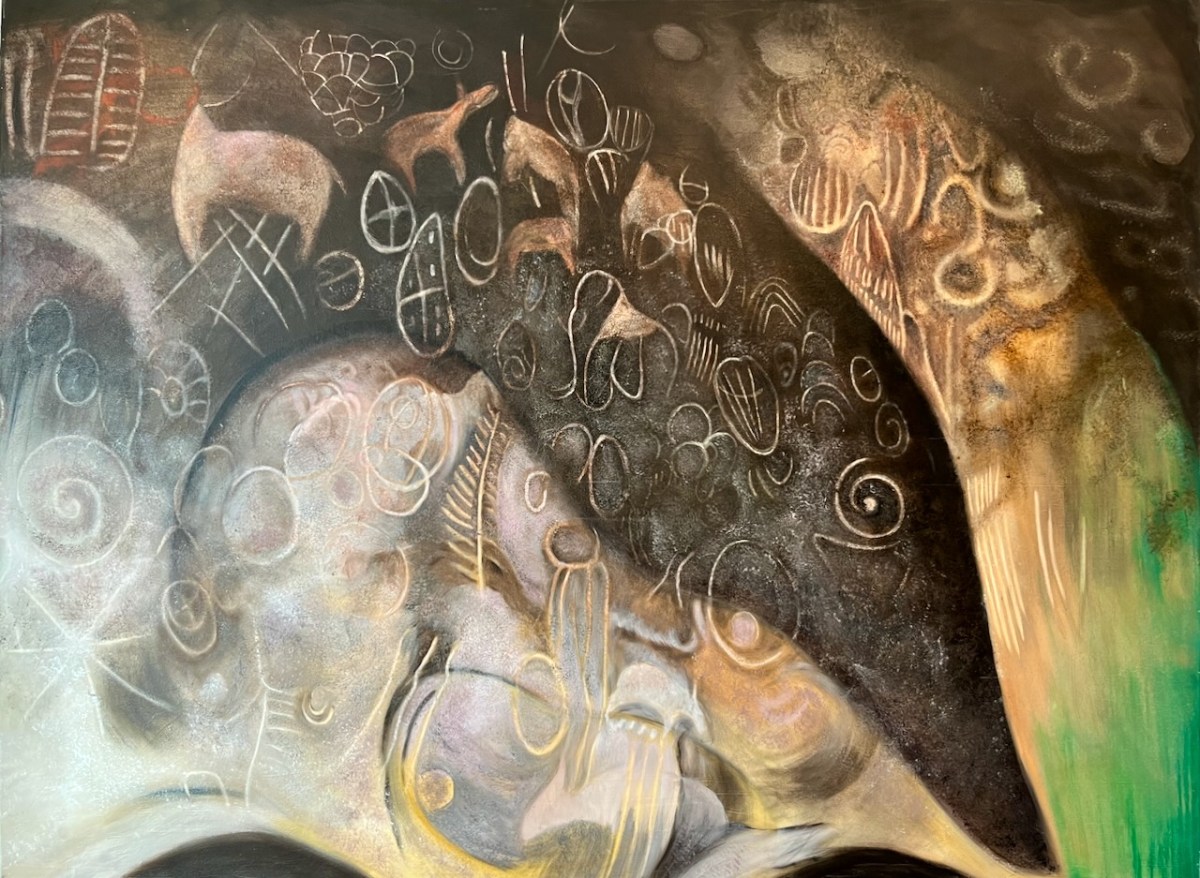
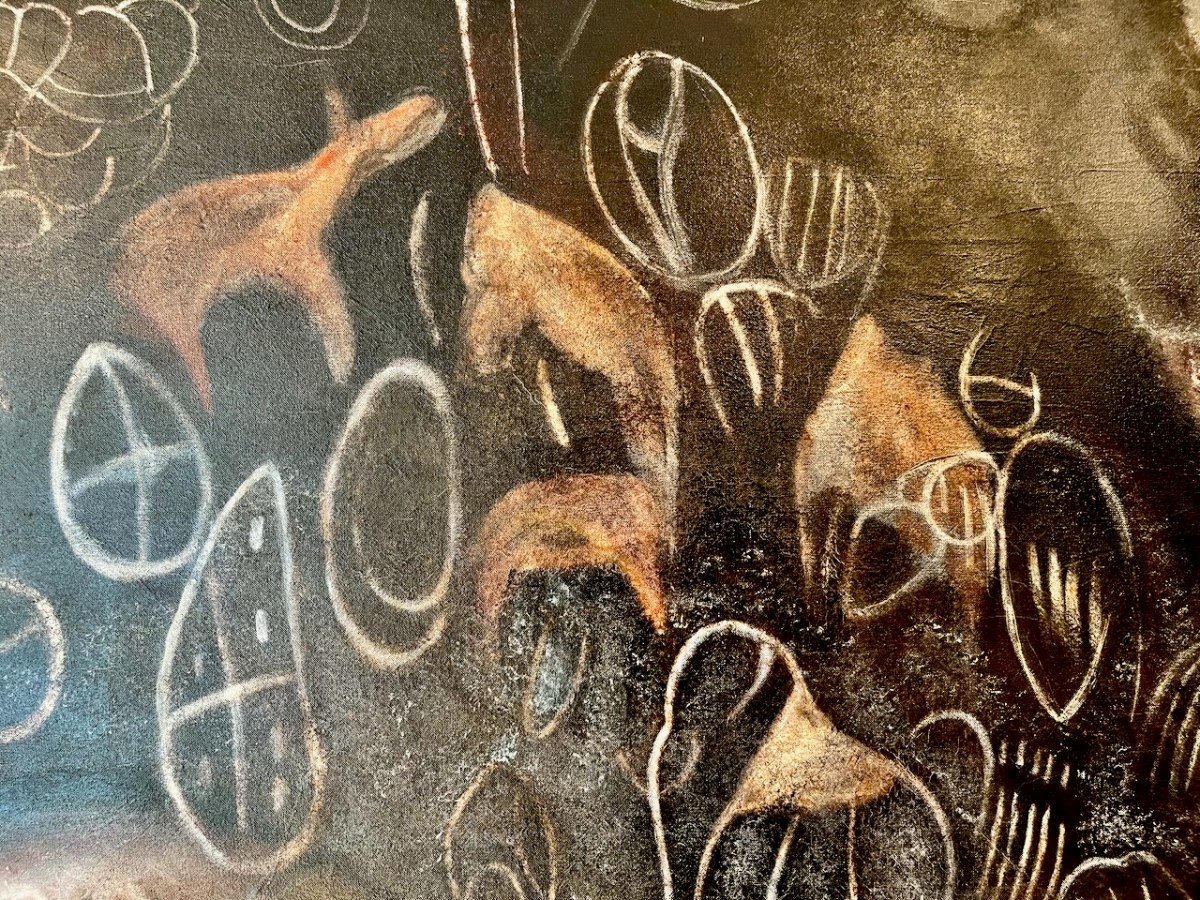
Kakapel (and detail), Chelelemuk Hills, Uganda (above). Keith has travelled across the world to find his inspiration: in this painting – set at the entry point to the spirits living within the rock – are three styles: geometric images by the Twa people, pygmy hunter gatherers; these are overpainted with cattle by later Pastoralists.. The final abstract and geometrical designs were added by the ancestors of the Iteso people who migrated from Uganda.
Lokori (above) – site of the Namoratunga rock art cemetery in Turkana Country of Kenya. Located on a basalt lava outcrop adjacent to the Kerio River.
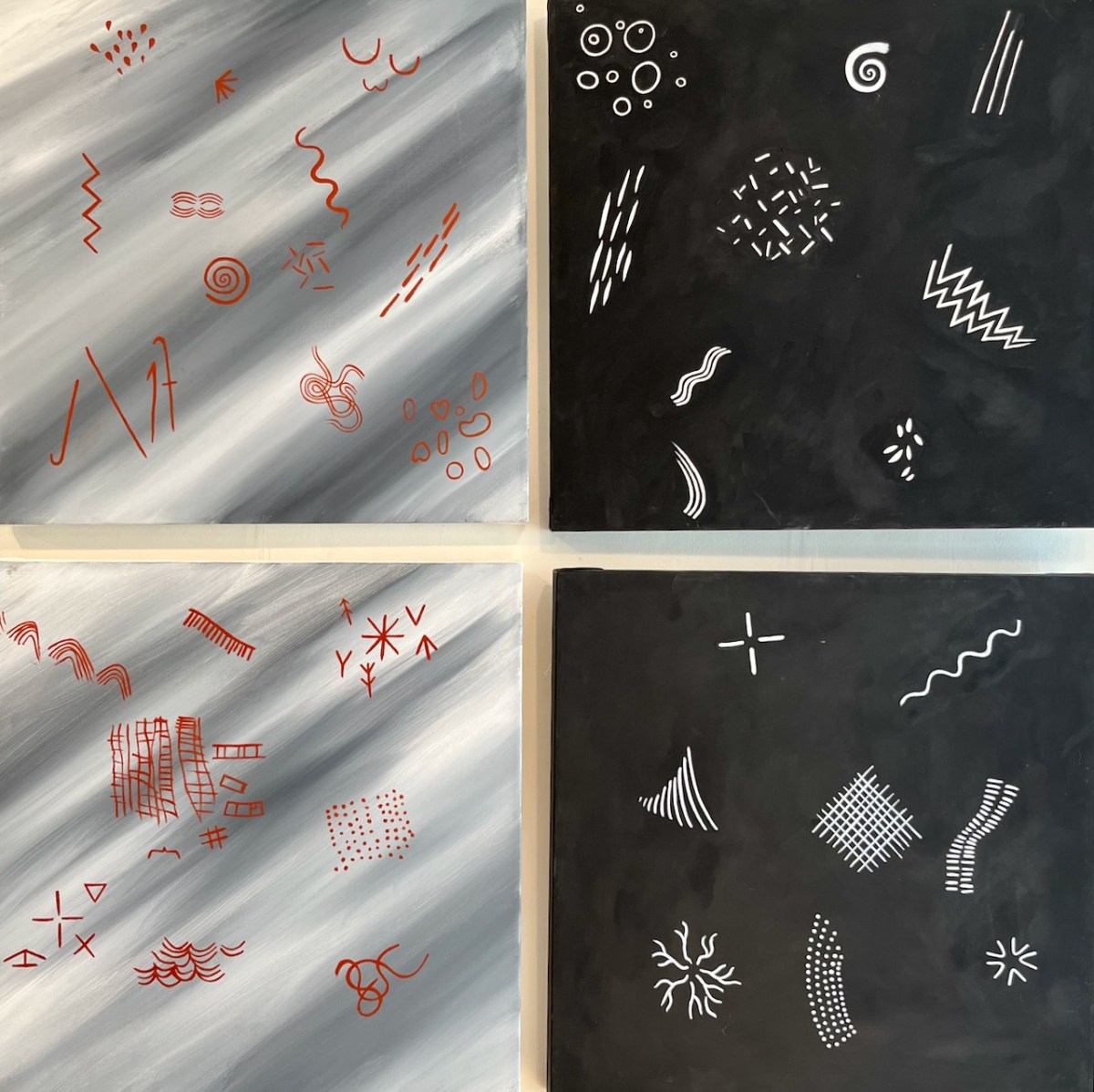
Left side above: Paleolithic Images – found in paleolithic sites worldwide: Believed to be visual statements perceived during trance states. Right side: Entopic Images – produced in the visual cortex. Often geometric in form and linked to the nervous system, seen as a visual hallucination. Noted during altered states produced by the use of the entheogens and trance states, fasting and the total deprivation of all light.
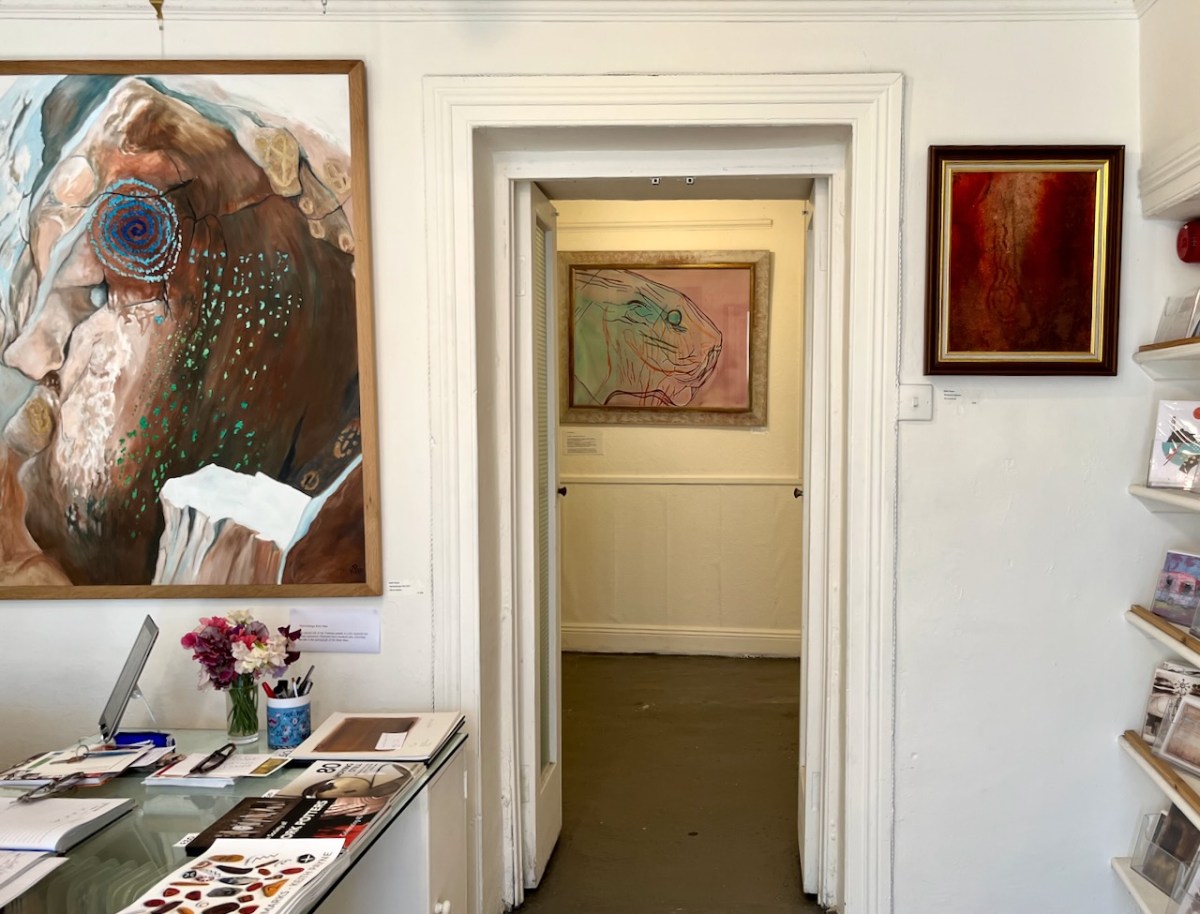
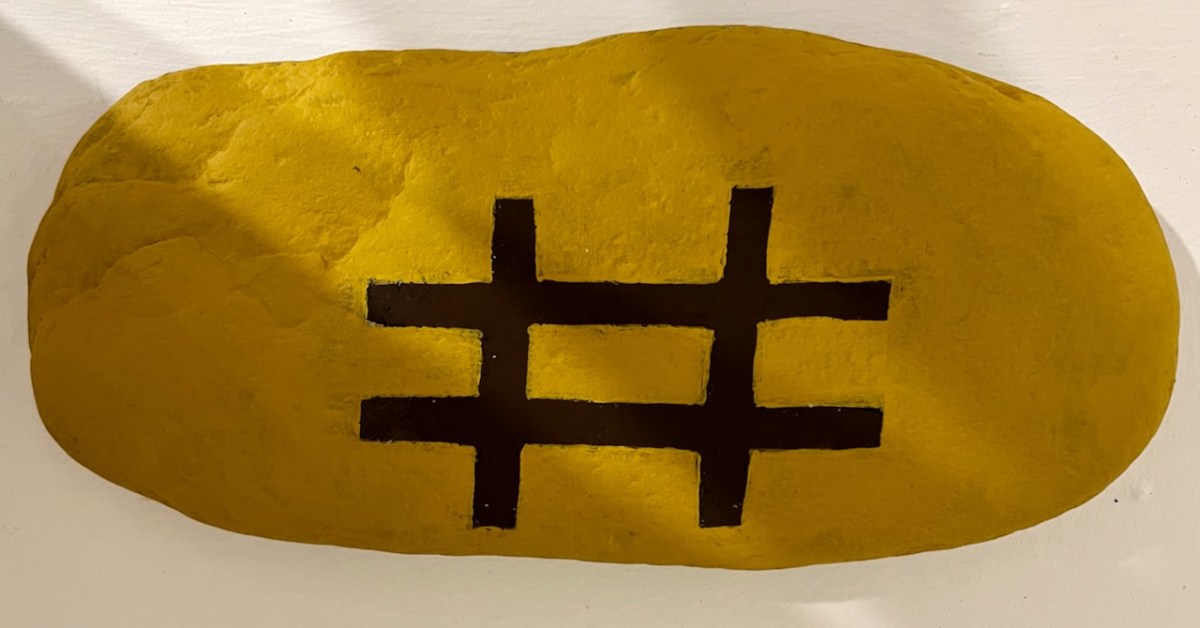
Schull Blue House Gallery: Keith Payne’s Namoratunga Rain Man petroglyph on the left.
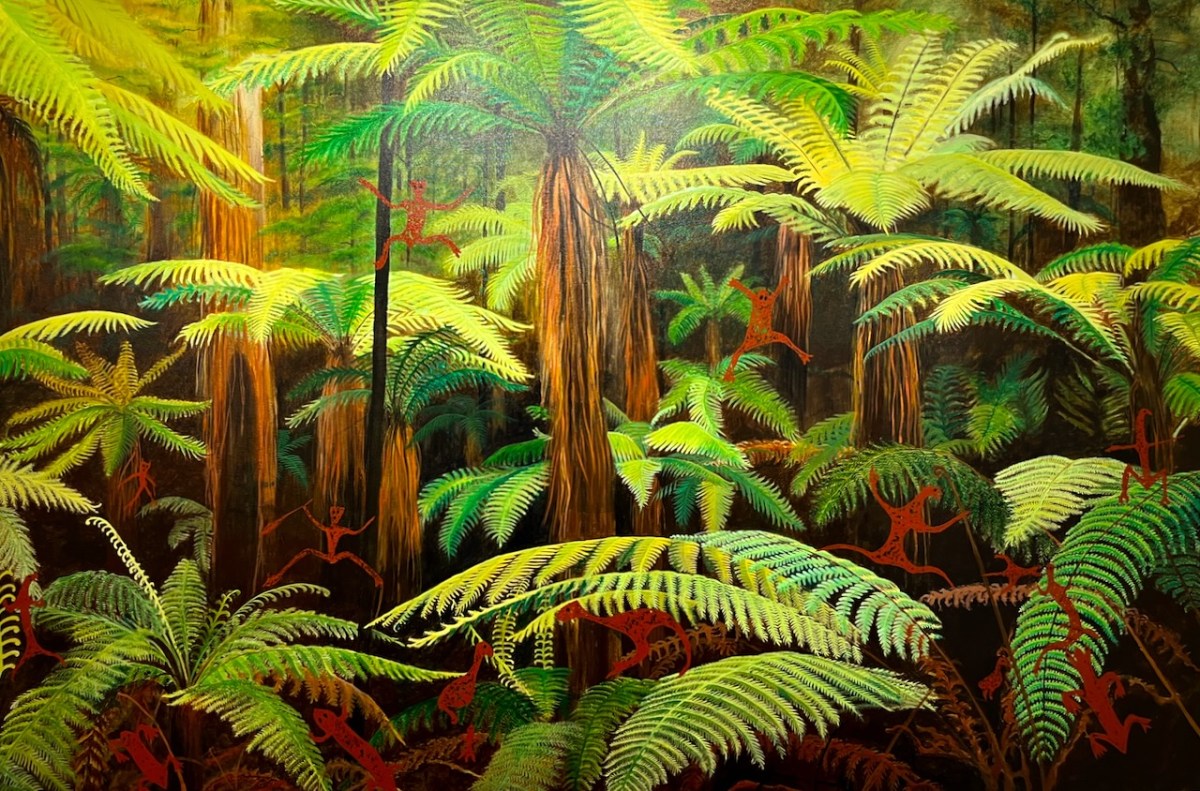
Teana Te Waipounamu, New Zealand
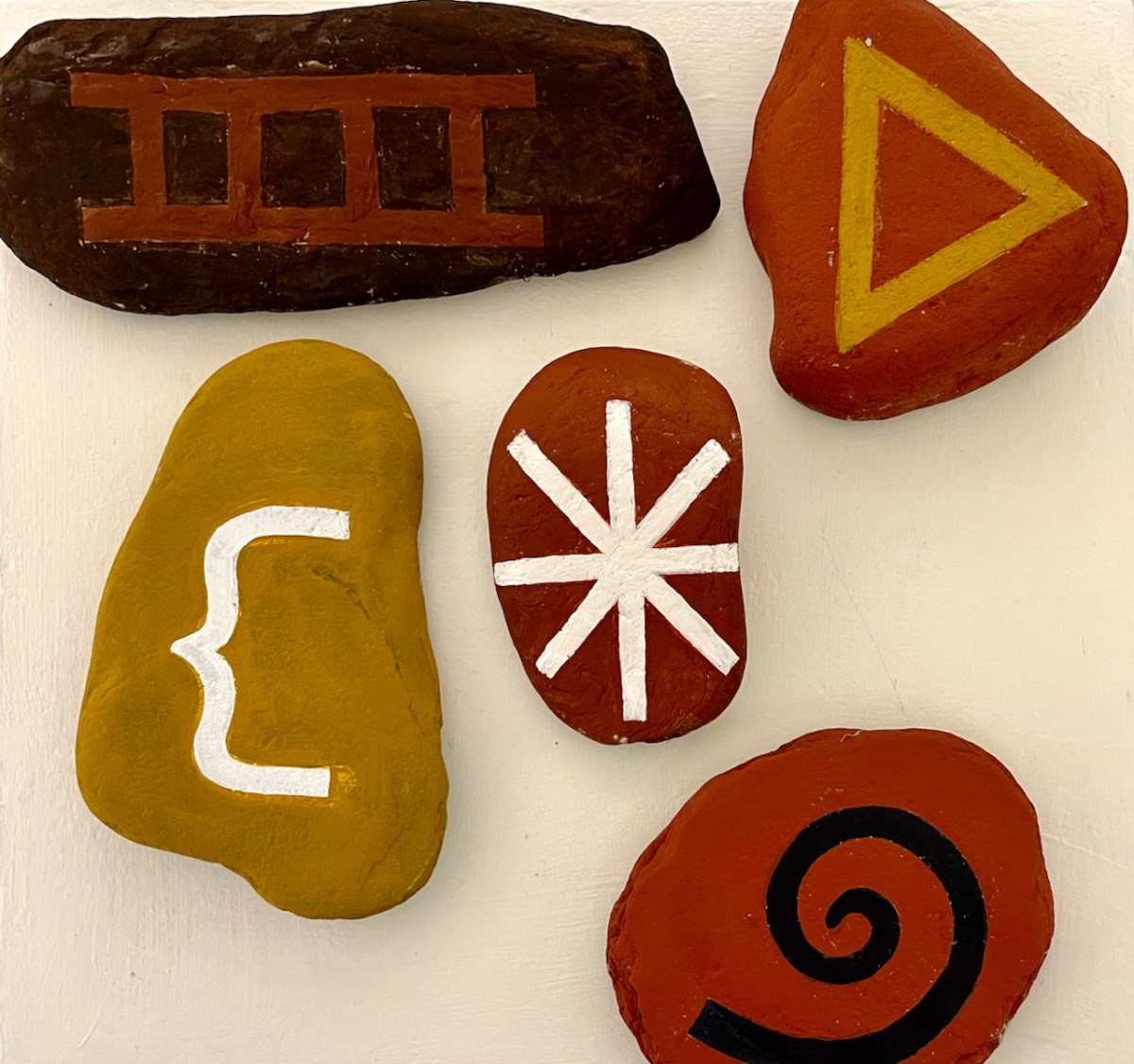
From Signs + Palette of Ice Age Europe: a possible Visual Language.
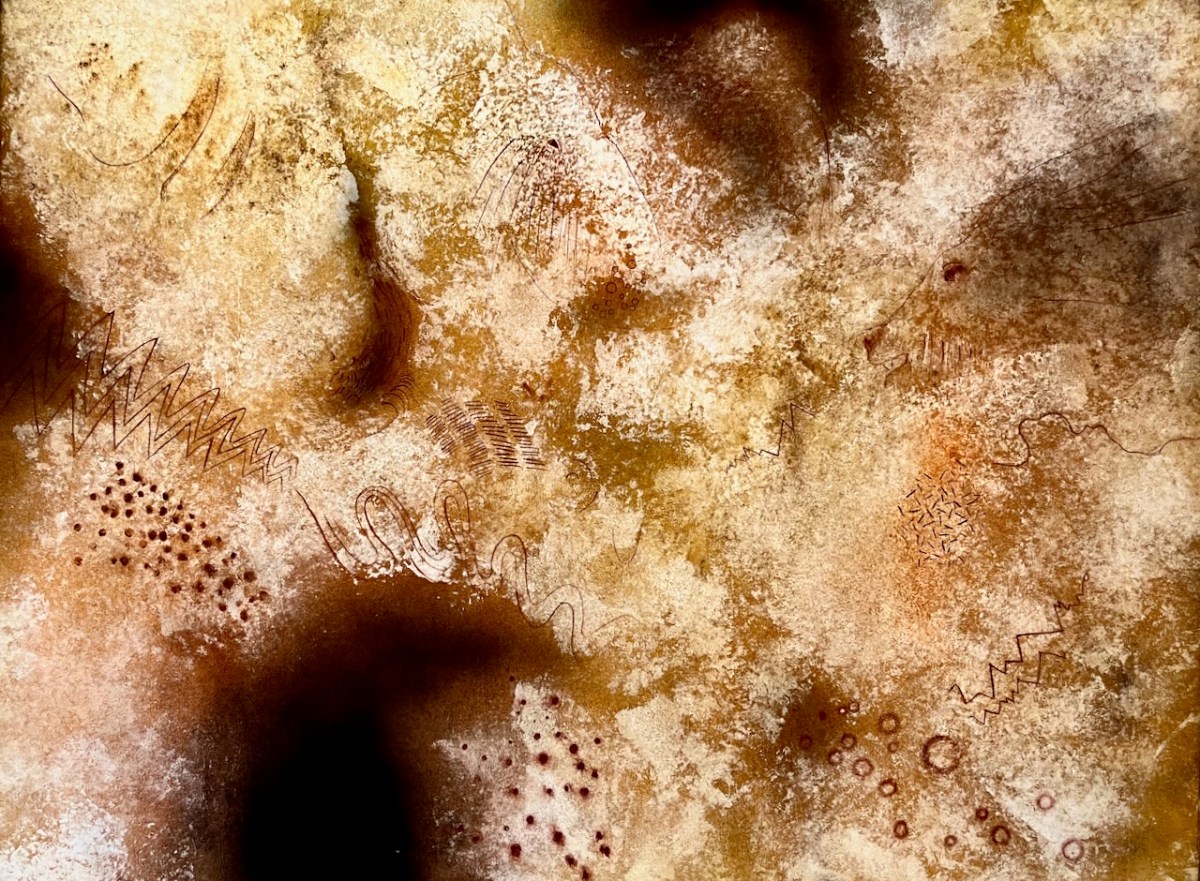
Waiting Room:

. . . Approaching the mystery of the sacred space one dwells, initially, in the First Chamber. Many caves of the Mid region of France are very deep with passages, rivers and massive chambers which stretch for miles. To enter is to commit to a journey into the Sepulchre. The first chamber is for adjusting to experience ahead, perhaps initiation into the mystery of total light deprivation with the sound of beaten lithophones and flutes, echoing through the darkness. Or the revelation of your totem in a state of trance, to then be led deeper to meet with the serpent force of the mountain and shown the way of the Shaman . . .

Keith Payne – From the Exhibition Catalogue
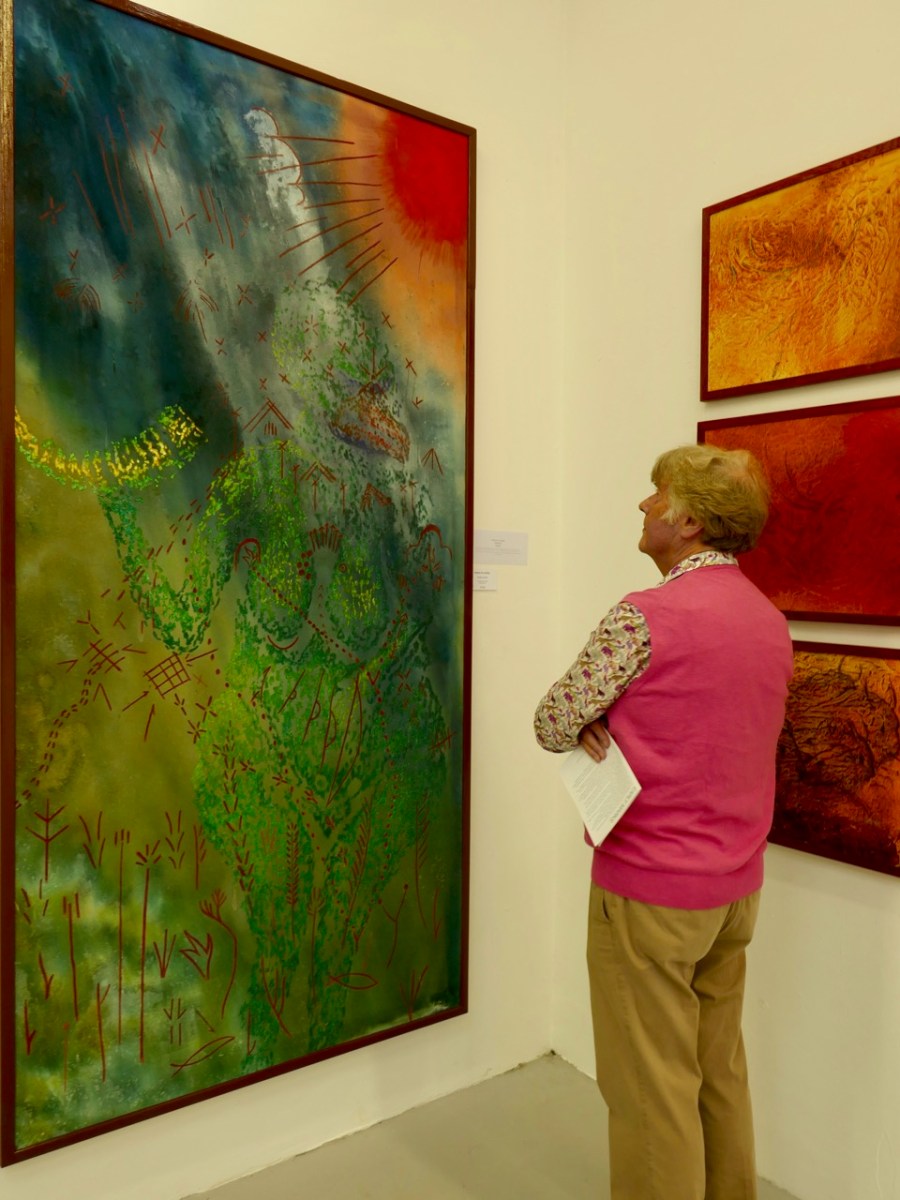
That’s me – at Keith’s Burren exhibition – awestruck by his Venus of Laussel.

Ronan Kelly discovered Keith Payne’s West Cork studio in this YouTube video
Art, Noodles and World Championship Turnip Racing: West Cork in the Summer

We’ve been enjoying a week of laid back excursions, In Ballydehob and Skibbereen, as we take time this week to enjoy what’s around us in West Cork at this time of year.
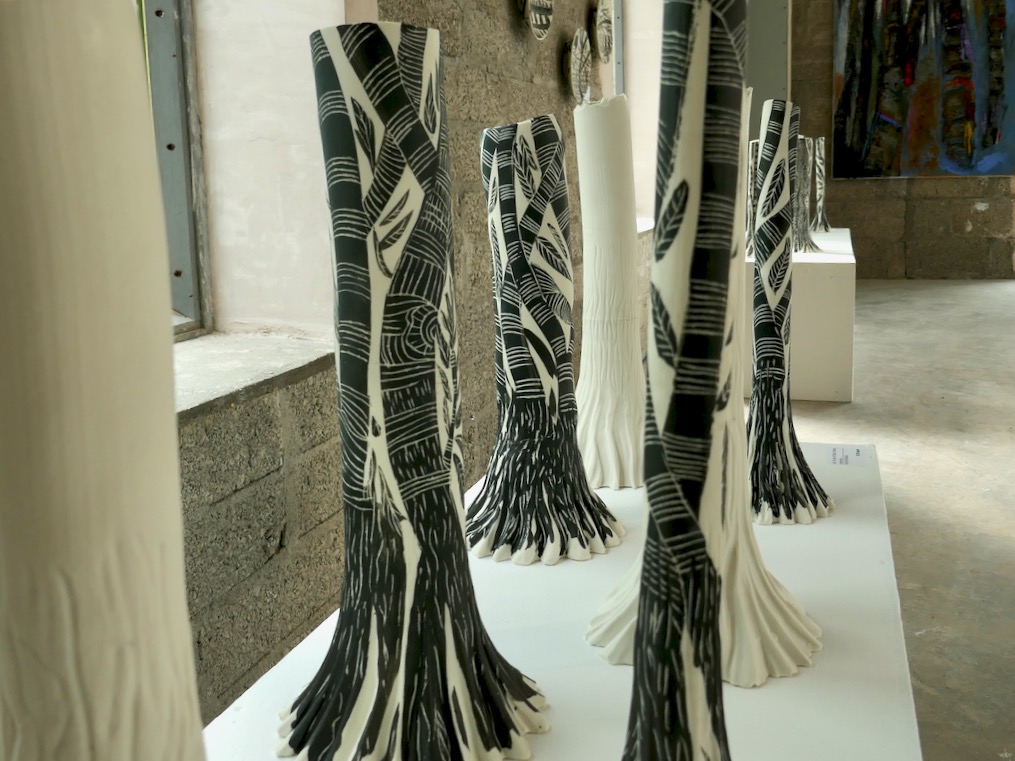
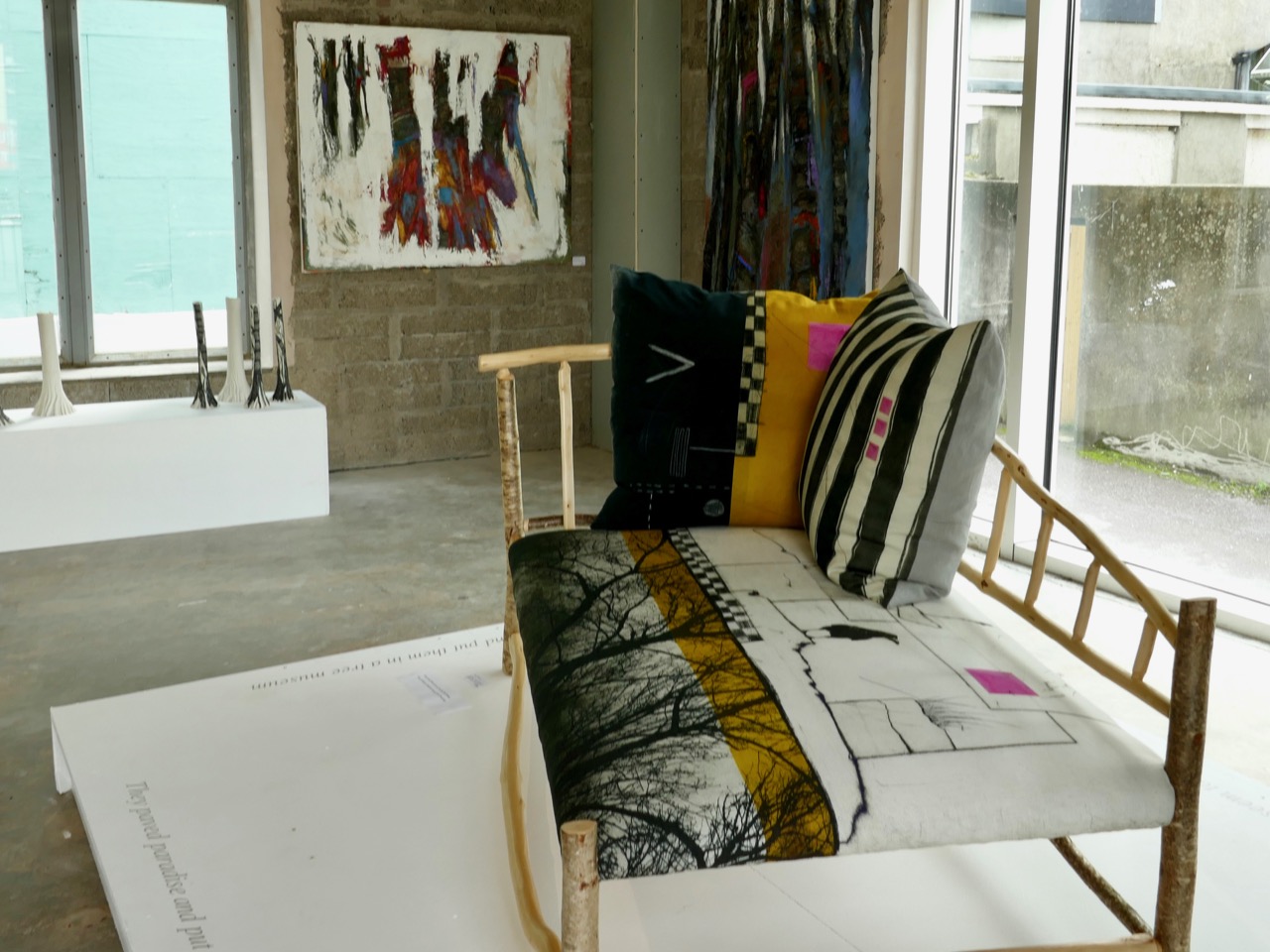
Top, above and below from the West Cork Creates Exhibition: Alison Ospina’s chaise with Anne Kiely textiles; Angela Fewer paintings; Trees by Jim Turner and Etain Hickey

There are always excellent art exhibitions in the summer – we have written this summer already  about the always interesting Blue House Gallery and Judi Whitton’s watercolours, the marvellous art trail in the Skibbereen Arts Festival and of course the Ballydehob Arts Museum’s current exhibition, Ballydehob on Bahnhofstrasse.

This week saw the opening of what’s always eagerly anticipated – the annual West Cork Creates exhibition on Skibbereen. Curated by Alison Ospina of Greenwood Chairs, this show brings together the best of West Cork arts and crafts in an exciting mix of styles and materials.

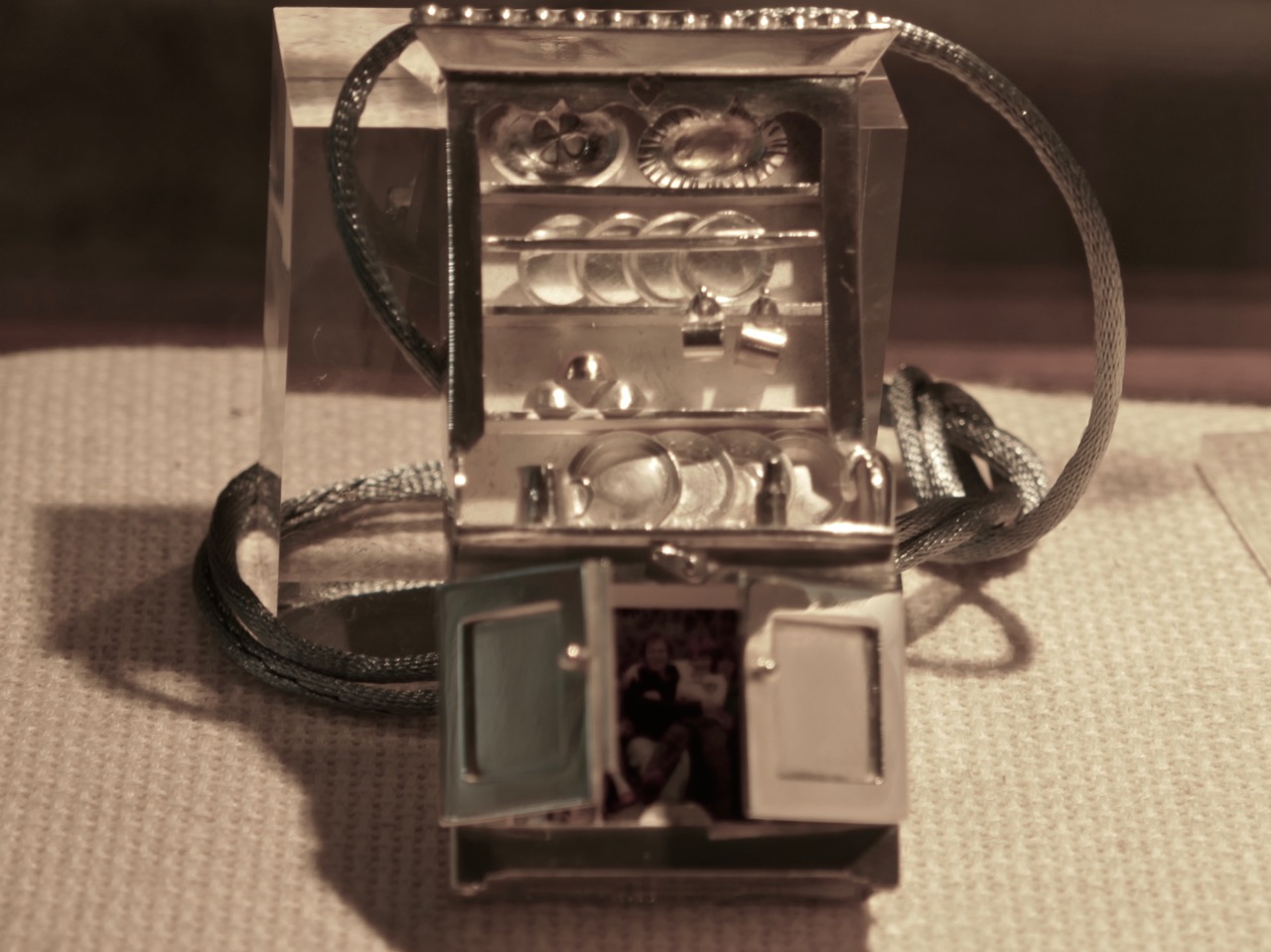
Lots of jewellery at the exhibition and among them is this unique dresser pendant by Michael Duerden

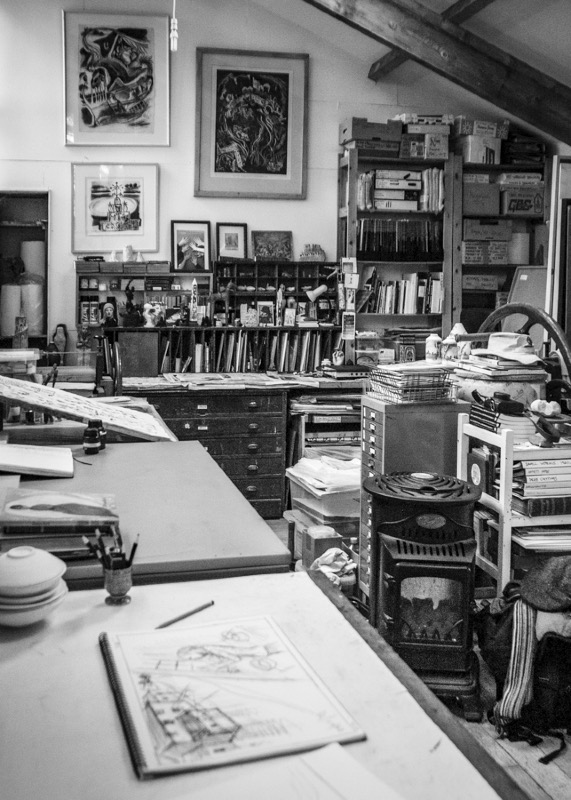
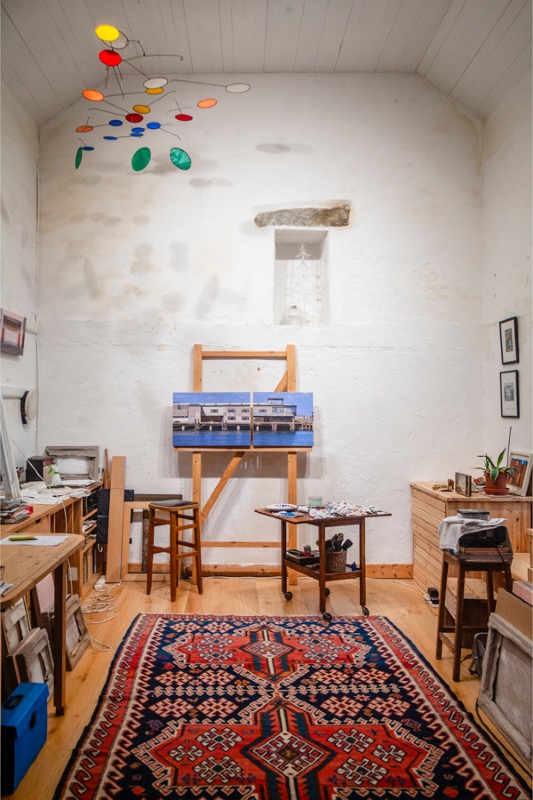
Next to it is Geoff Greenham and Melanie Black’s Creative Spaces, a photographic journey through the studios of artists currently practising in West Cork. It’s a great idea and feels like a real privilege to catch a glimpse inside these spaces.

The two images above are borrowed, with thanks, from the Blue House Gallery, where an earlier exhibition matched the studio images with pieces of art from each artist. The first shows Brian Lalor’s studio and the second is that of John Doherty.

And yes, I thought, somehow those spaces do reflect the art that comes out of them. I’ve tried to photograph artists’ studios myself in the last couple of years, so I know how difficult it is to capture the essence.

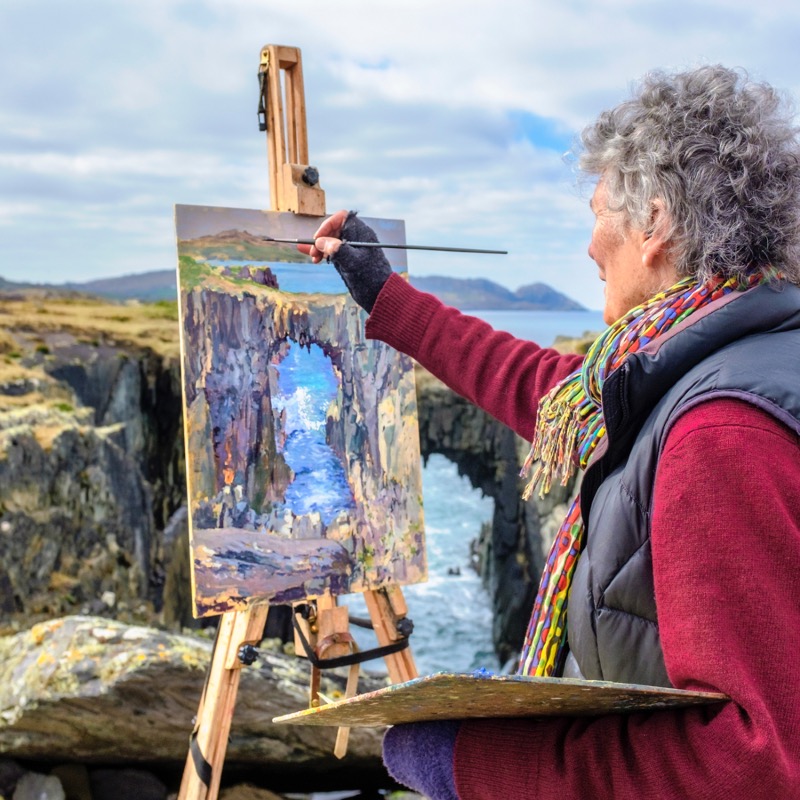
No studio needed when you paint en plein air. This is Damaris Lysaght at work at a site we wrote about in our post Mizen Magic 13: Dunmanus Promontory

Do catch these two exhibitions if you can. Then make your way to Ballydehob and take in the new space that is the Working Artist Studios, right on the Main Street. We’ve all been looking forward to the opening of this venture, previously situated in Skibbereen but now adding to the thriving streetscape of Ballydehob.

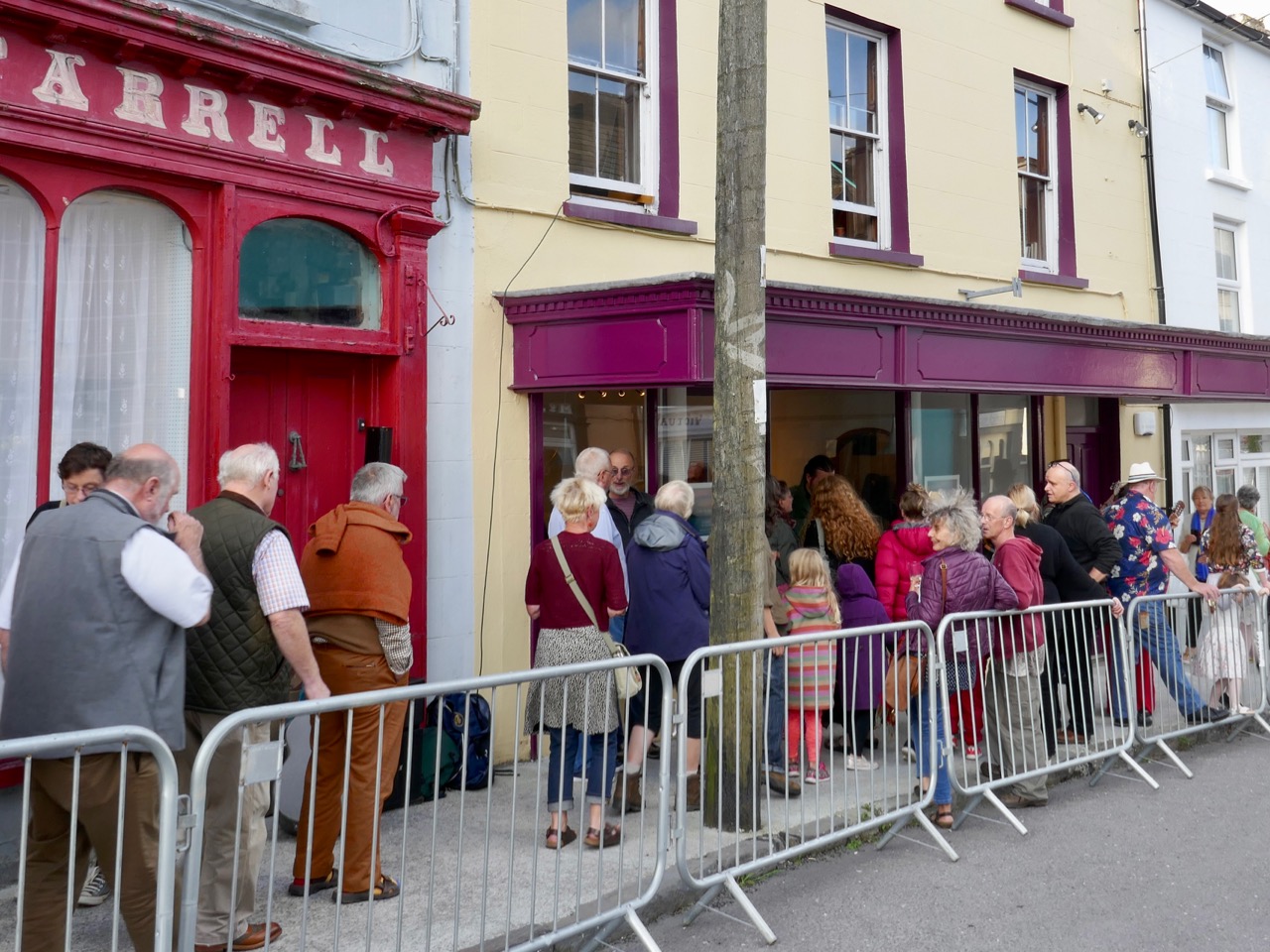
The grand opening was well attended! (The railings are not for the WAS but for the Turnip Races, see below)

Working Artist Studio is an innovative idea that melds gallery and performance space with studios for artists at reasonable rates. Pól and Marie are bursting with ideas and plans and it’s wonderful to see this shop and house, surprisingly roomy inside, so nicely re-purposed.

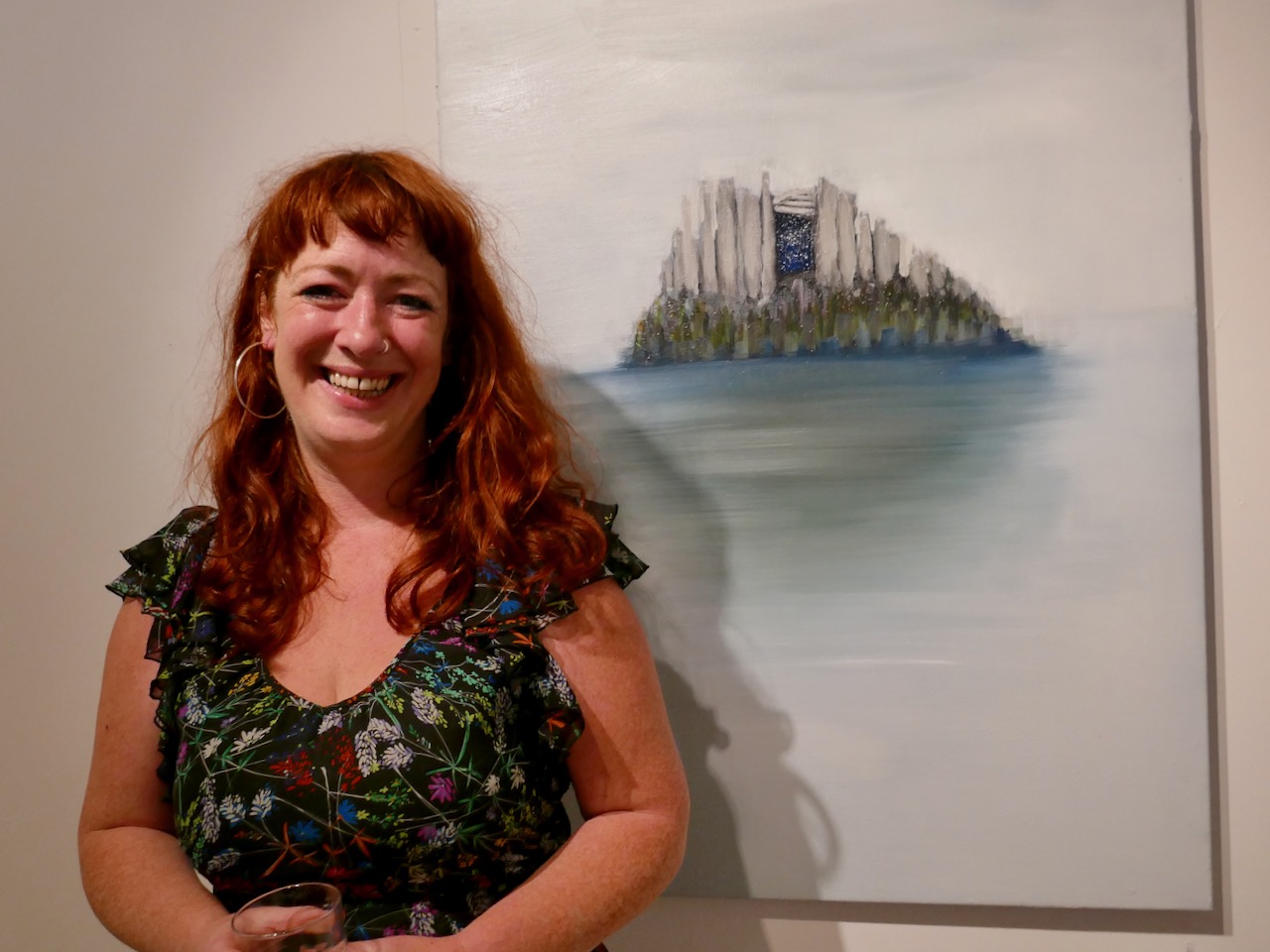
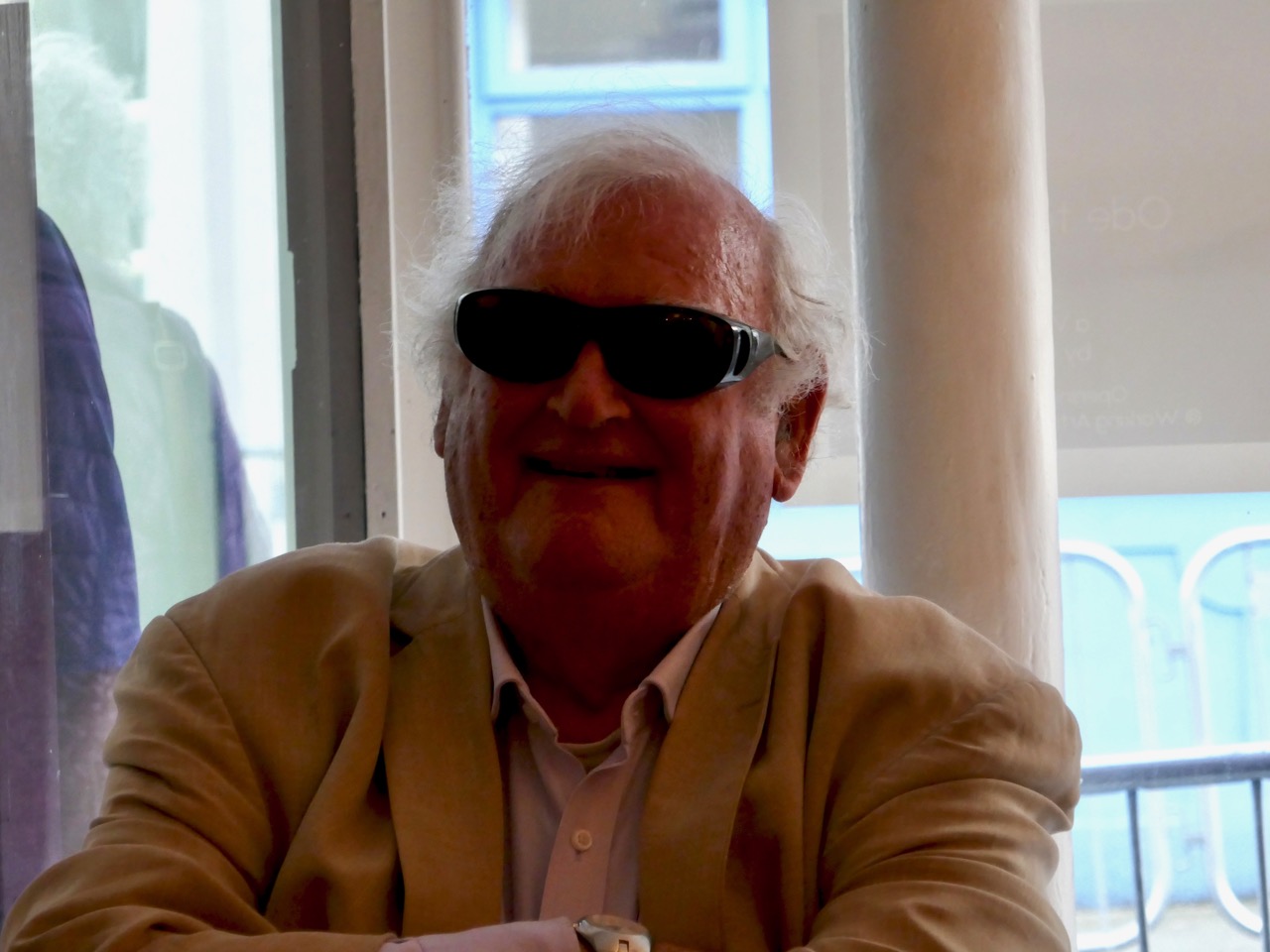
The opening exhibition was by Caoimhe Pendred (above), titled Hy Brasil – her ethereal take on the notion of the mystical Isle to the West. It was opened by none other than Tim Pat Coogan (below), the Irish historian, and Caoimhe’s grandfather.

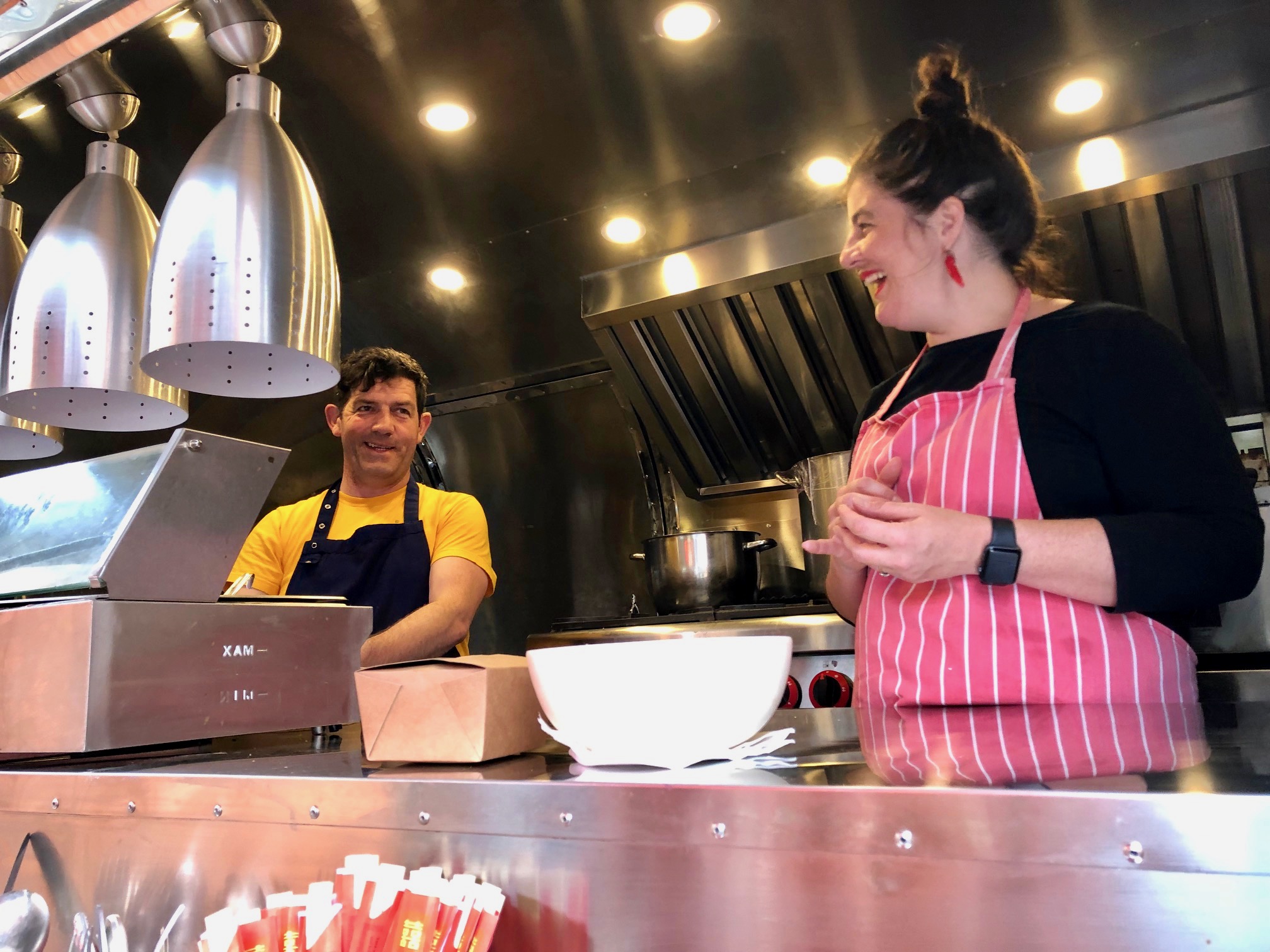
But woman cannot live on art alone, and we were delighted to welcome back Bia Rebel Ramen to our village this summer after a stint at the Taste of West Cork here a couple of years ago. Brian and Jenny have made a name for themselves with top restaurant critics as the best place in Ireland for ramen.

The truck is set up to serve the food at Levis’s Corner house. They are only here for a few more days

They normally operate out of their food truck in Belfast,  but are on ‘holidays’ in West Cork. Some holiday – they are so busy that they run out of food on a couple of hours. What can we do to entice them to stay here permanently? This is the best ramen I have ever eaten, and having lived in Vancouver (Canadian home of Japanese food) that is saying something!

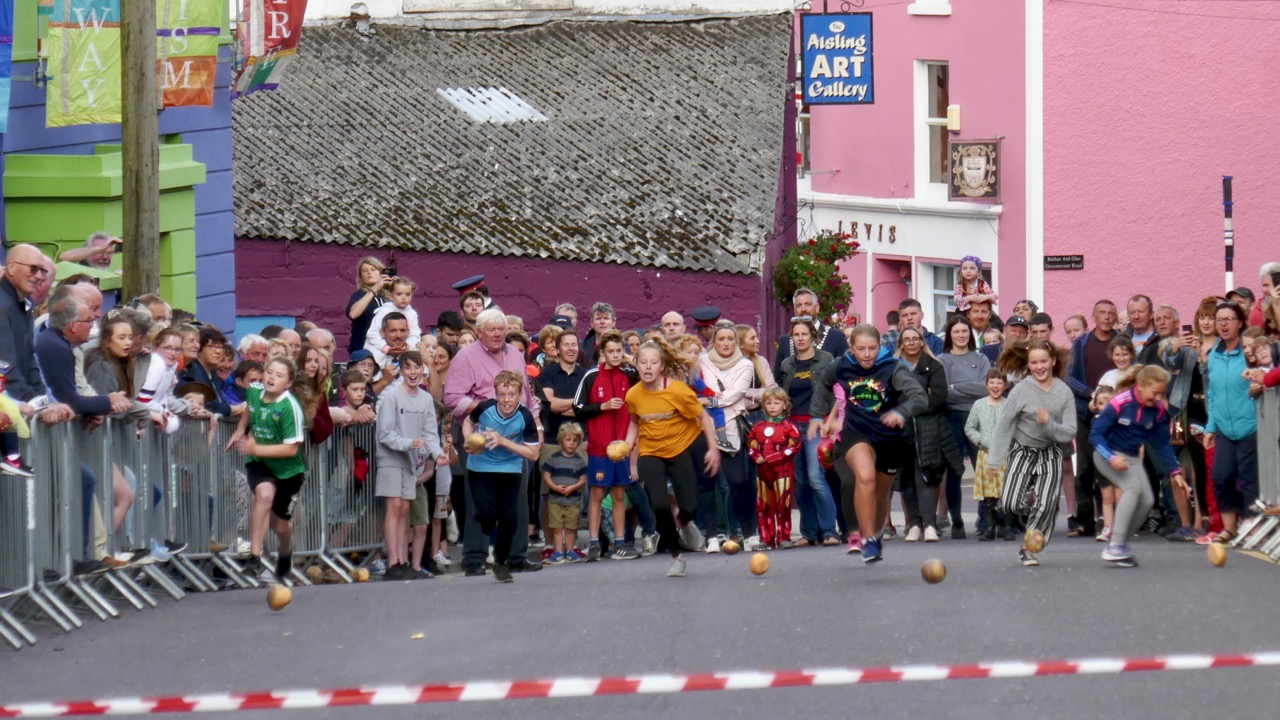
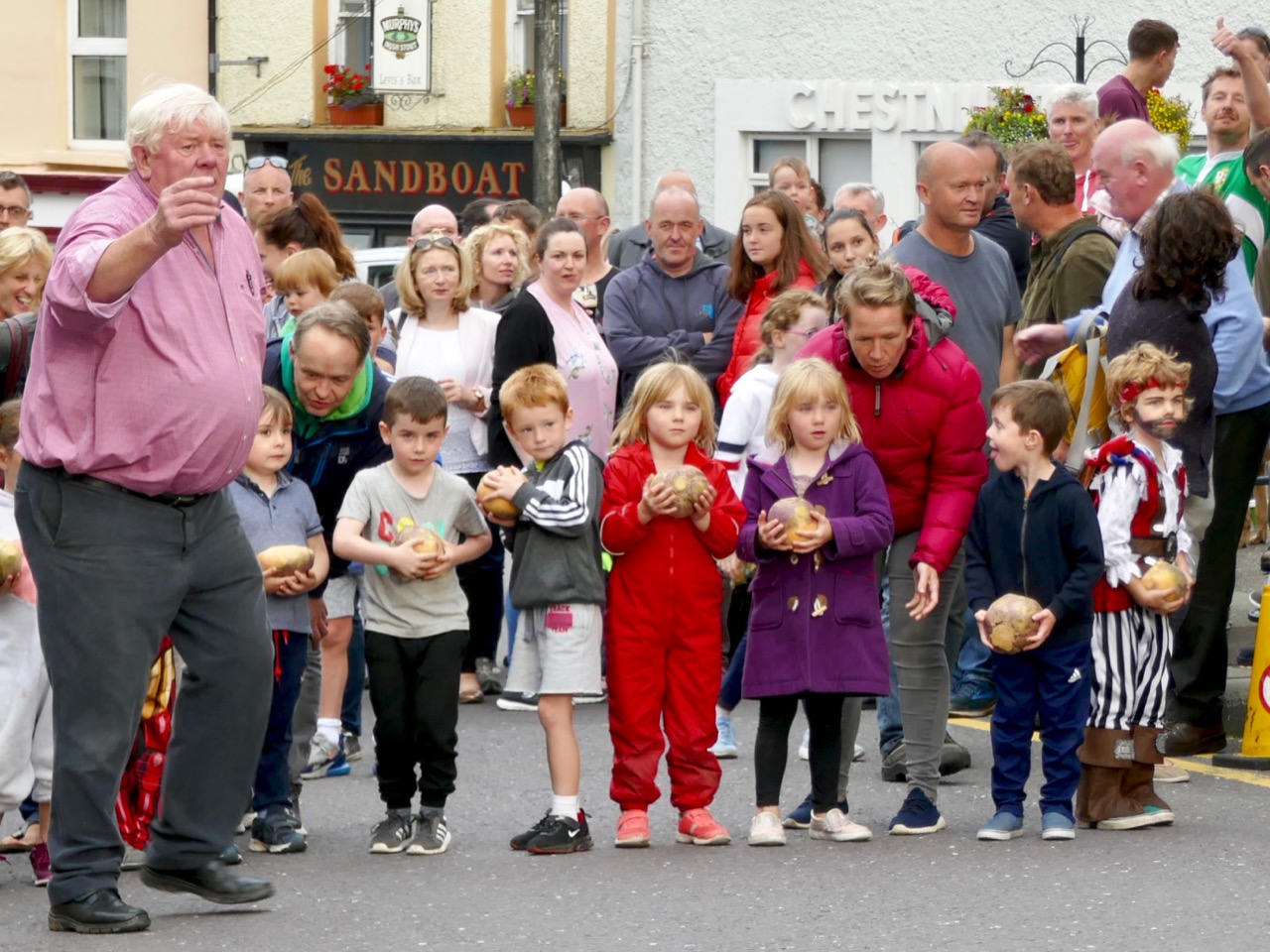
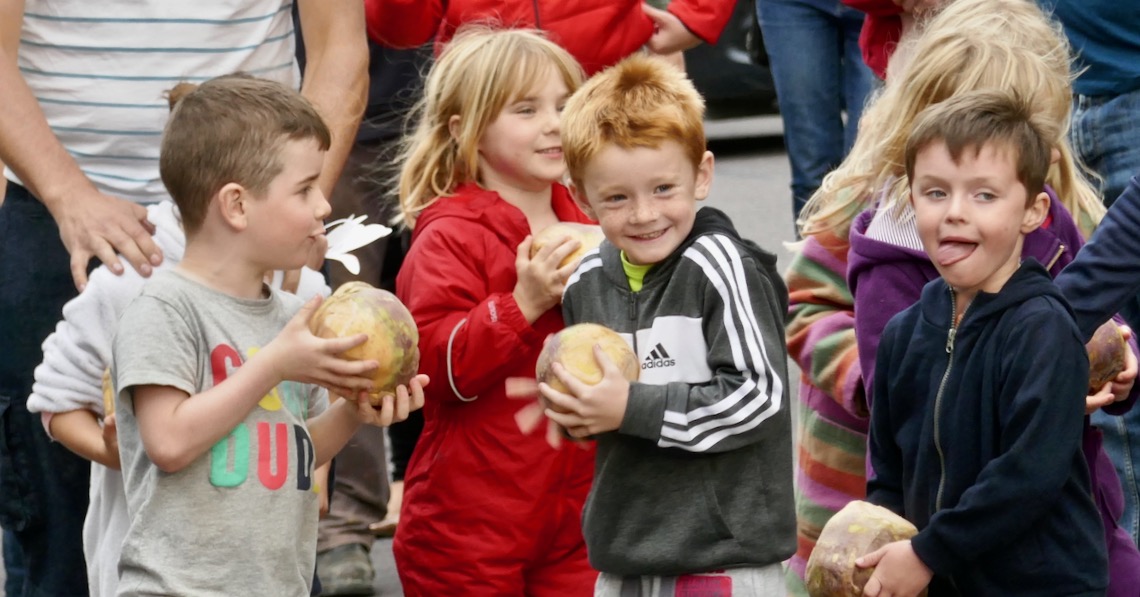
Did you know that Ballydehob hosts the World Championship Turnip Races? This Irish Times article in 2006 described it, and 13 years later it’s still going strong and still great fun, with Barry O’Brien (below in the pink shirt) doing the marshalling.

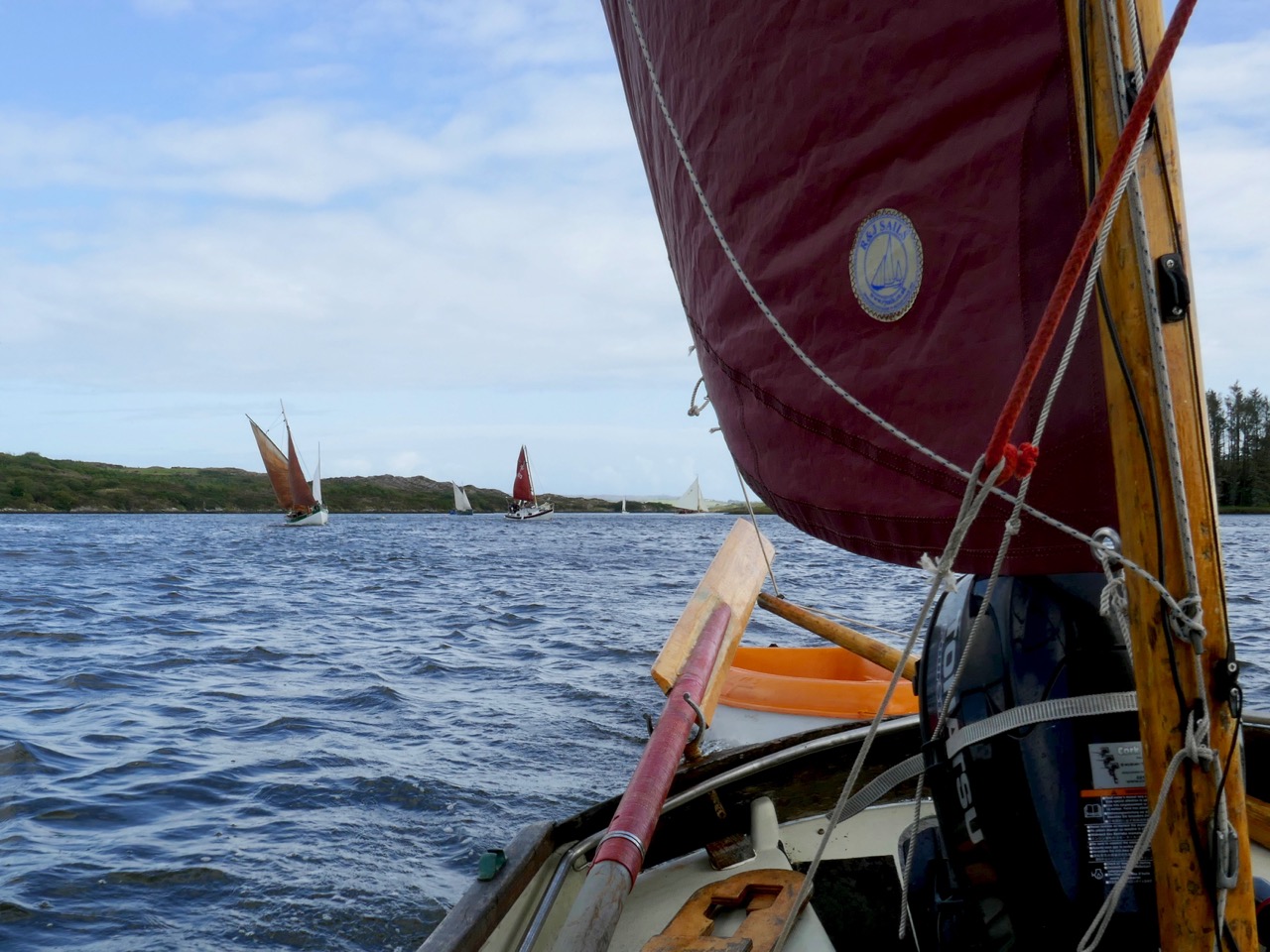
And to round out my week, a major thrill. I hitched a ride on my friend Jack O’Keefe’s Drascombe Lugger as he participated in the Ballydehob Crinniú na mBád. I wrote about this wonderful event a couple of years ago, but it was a whole other experience to be out on the water with the boats as they gathered at the mouth of Ballydehob Bay and then sailed up the estuary. See Robert’s post today, Ballydehob and Boats, for some more of my photographs of this event.

All around us summer is in full swing – we have just mentioned a tiny fraction of what’s going on. Why don’t you join us next year? We can’t guarantee good weather, but you won’t be bored!

Mizening

What do you do when a fine day dawns and you want something totally relaxing? You go Mizening, of course! OK, it’s not a real word, but it should be – for the act of wandering at will around our wonderful peninsula.

We’ve been tied up a lot lately with the West Cork History Festival – it was a great success, by the way, with a wide variety of speakers and topics. We really enjoyed leading two of the field trips, including one that involved much dodging rain showers. But now it’s time to get back to our true avocation – meandering lazily around our own patch of heaven.

So what follows is a record of a blissful day on the Mizen, doing not much of anything, drinking coffee, visiting new friends, observing the wildlife, popping into the Blue House Gallery – well, you get the picture.

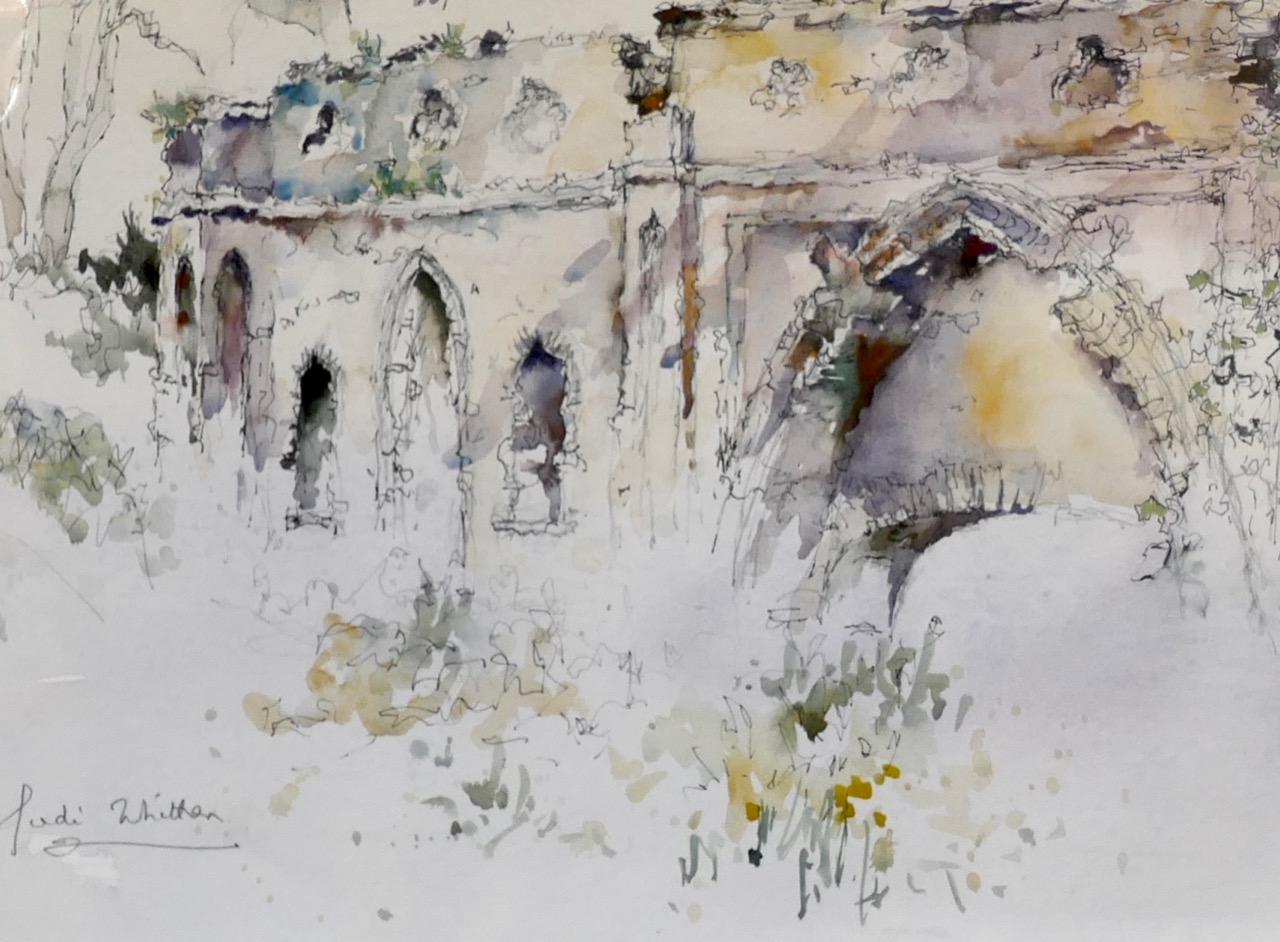
Those new friends? Judi and Pete Whitton, both artists, with a home and Gallery near Schull. Judi and I felt we knew each other already although we had never met in person, just through the wonders of the internet. She has a gorgeous show, Easel in the Ditch, running at the moment (follow the signs from Lowertown) – we were bowled over by her beautiful watercolours.

Above – Newcourt Bridge – Judi had seen my post on this ‘hidden wonder’ of West Cork and had to paint it

Then it was off for a walk in the countryside. You think you’ve been down all the little roads before, but there are always surprises.

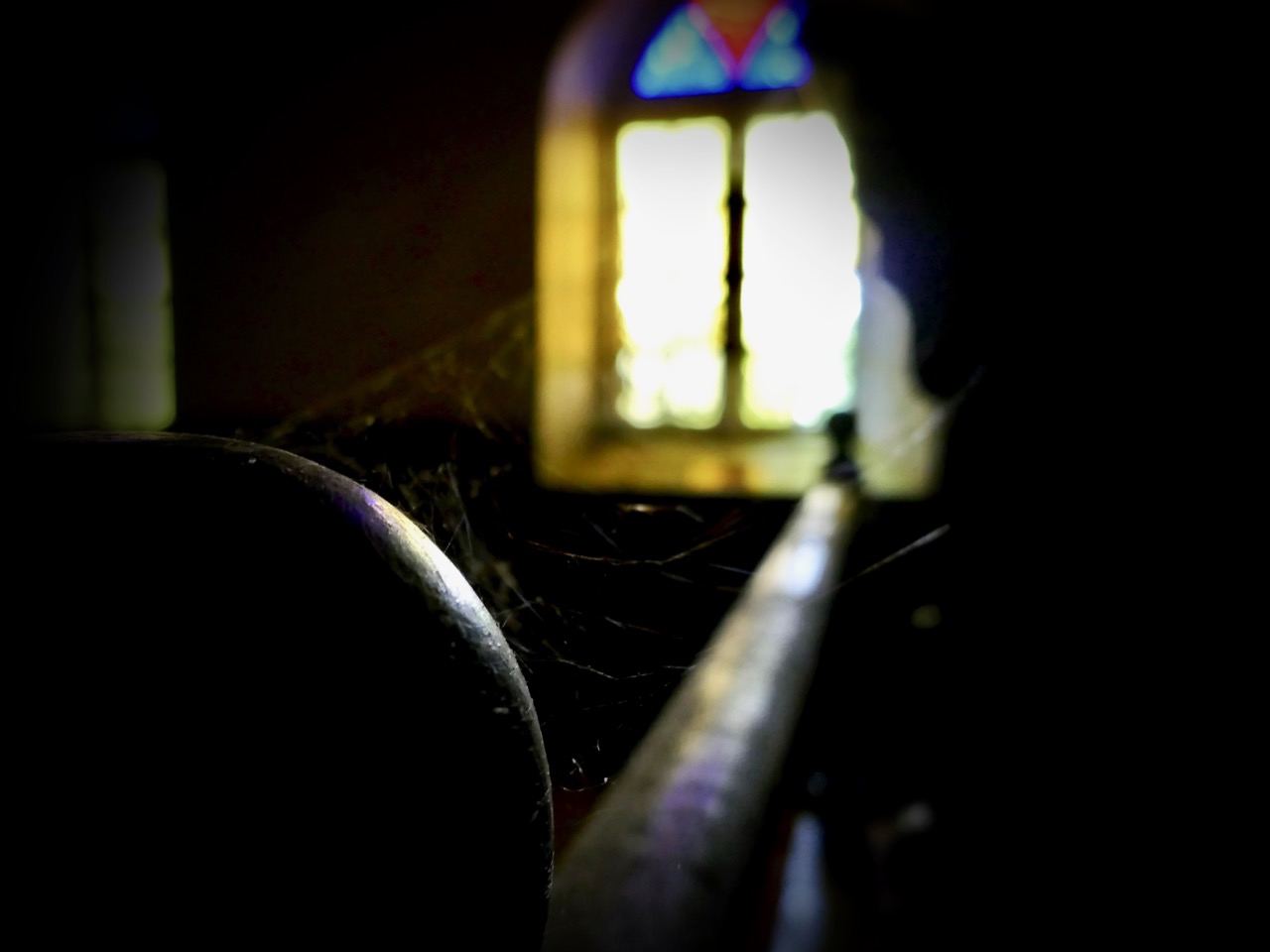
Cobwebs in an abandoned church

It’s August now and many of the flowers have finished blooming, but others have come along to take over and the boreens are still a delight.

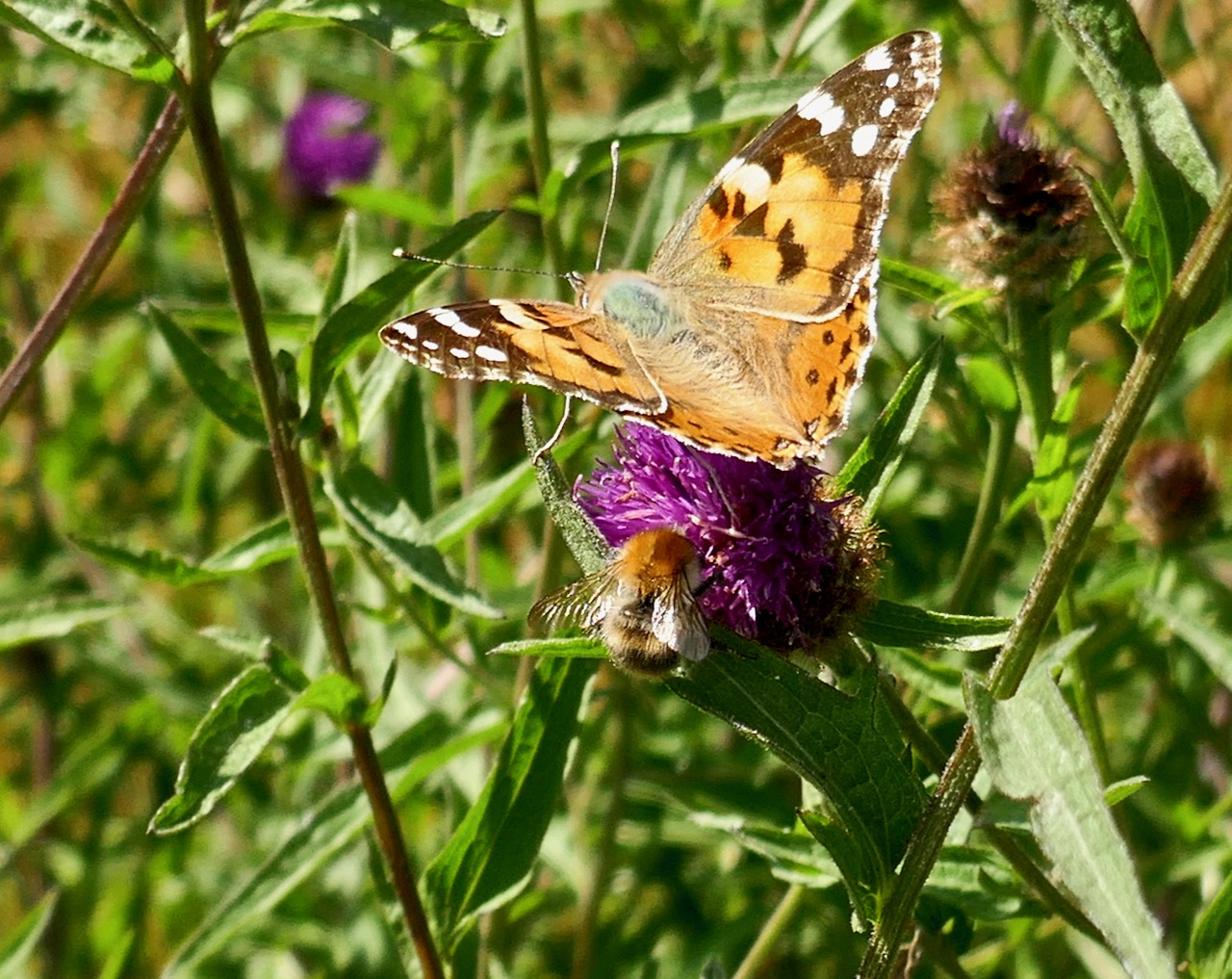
We’ve had an invasion of Painted Lady butterflies. Normally, this is a phenomenon that happens once a decade, but it’s starting to happen more often now, and scientists feel it may be down to general climate warming. The butterflies are especially attracted to the Knapweed, which is abundant, although they have to compete with the bees for it.

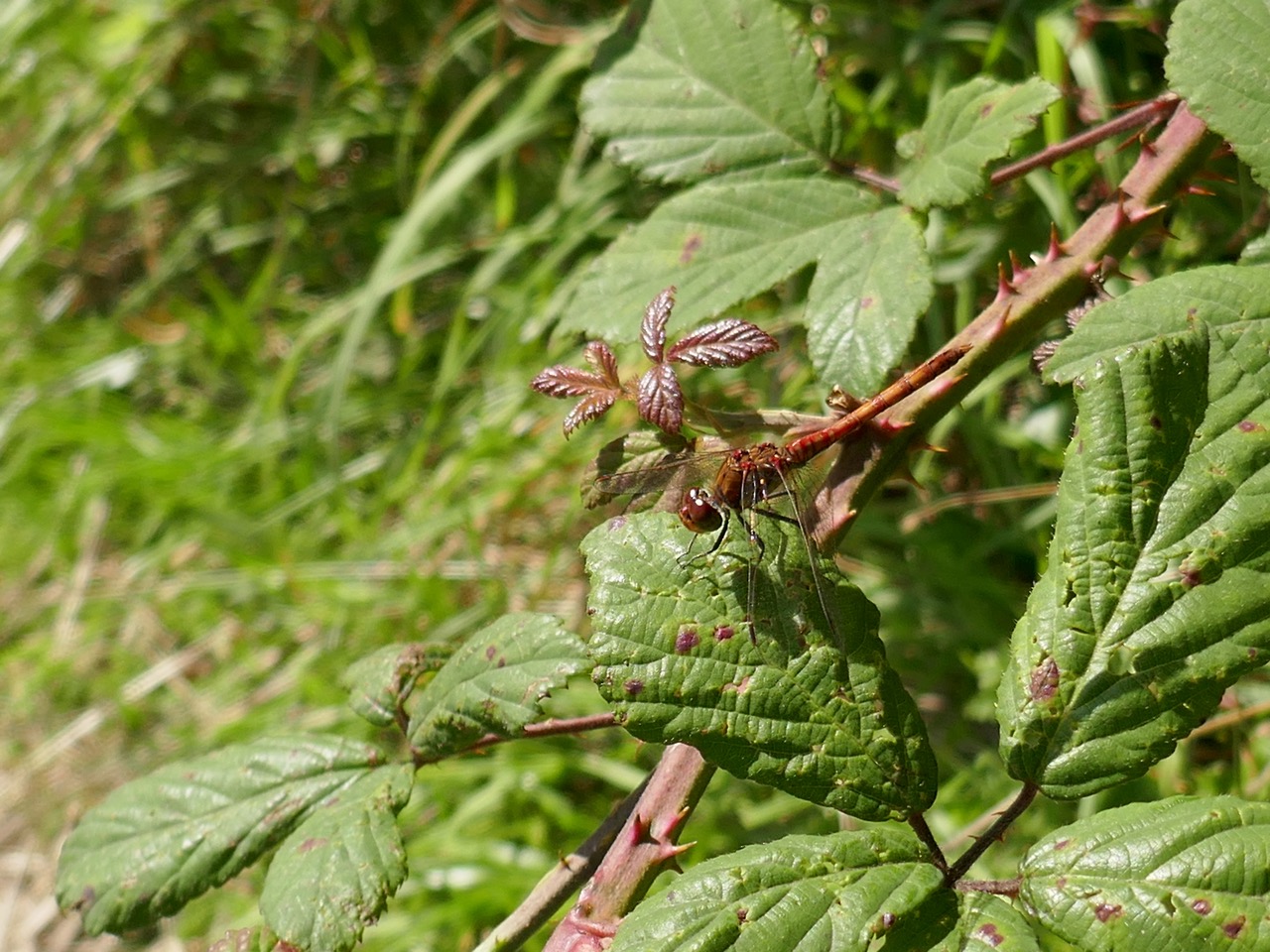
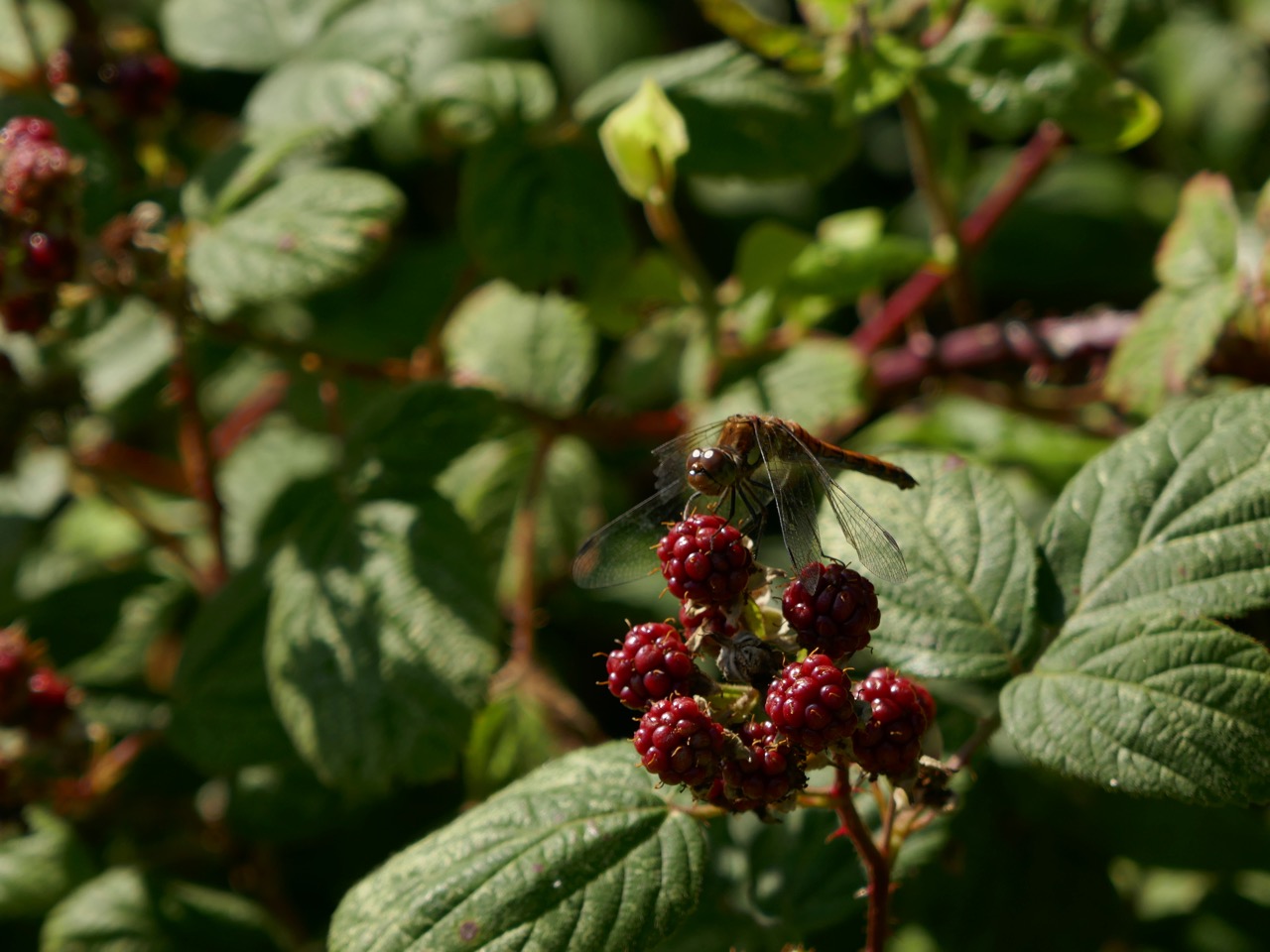
We were seeing lots of dragonflies too, although they wouldn’t stay still enough to allow a photograph – I finally snuck up on this one (above, both images), which it turns out is a Ruddy Darter. Well named!

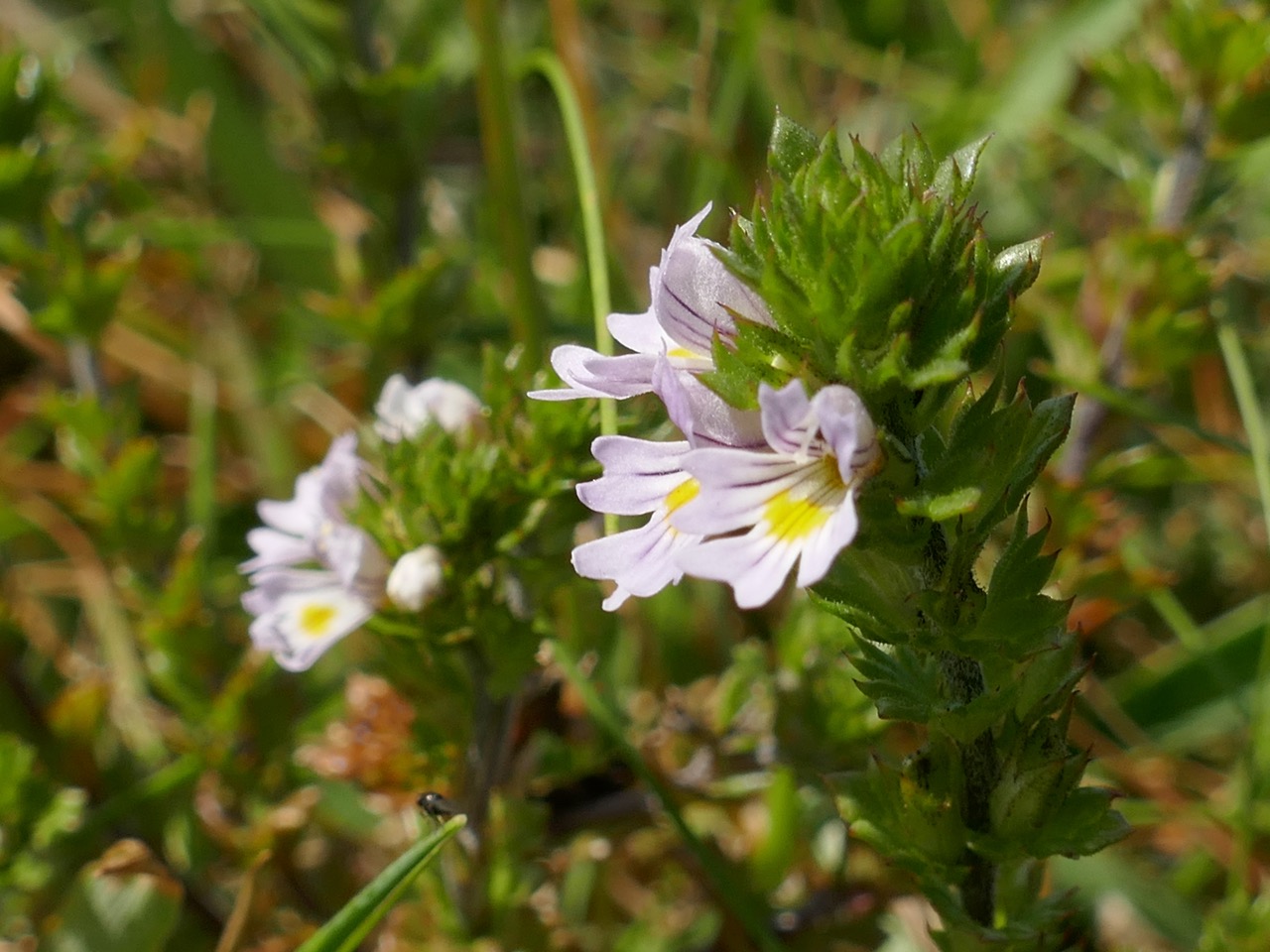
After more obligatory wildflower photography (example above, Eyebright), we dropped into Schull to see the latest Exhibition at the Blue House Gallery. Titled cleverly Blau Haus/Bauhaus, the downstairs show is based on the Bauhaus, the German arts, crafts and design school, founded a hundred years ago, that dragged us all into the twentieth century, .

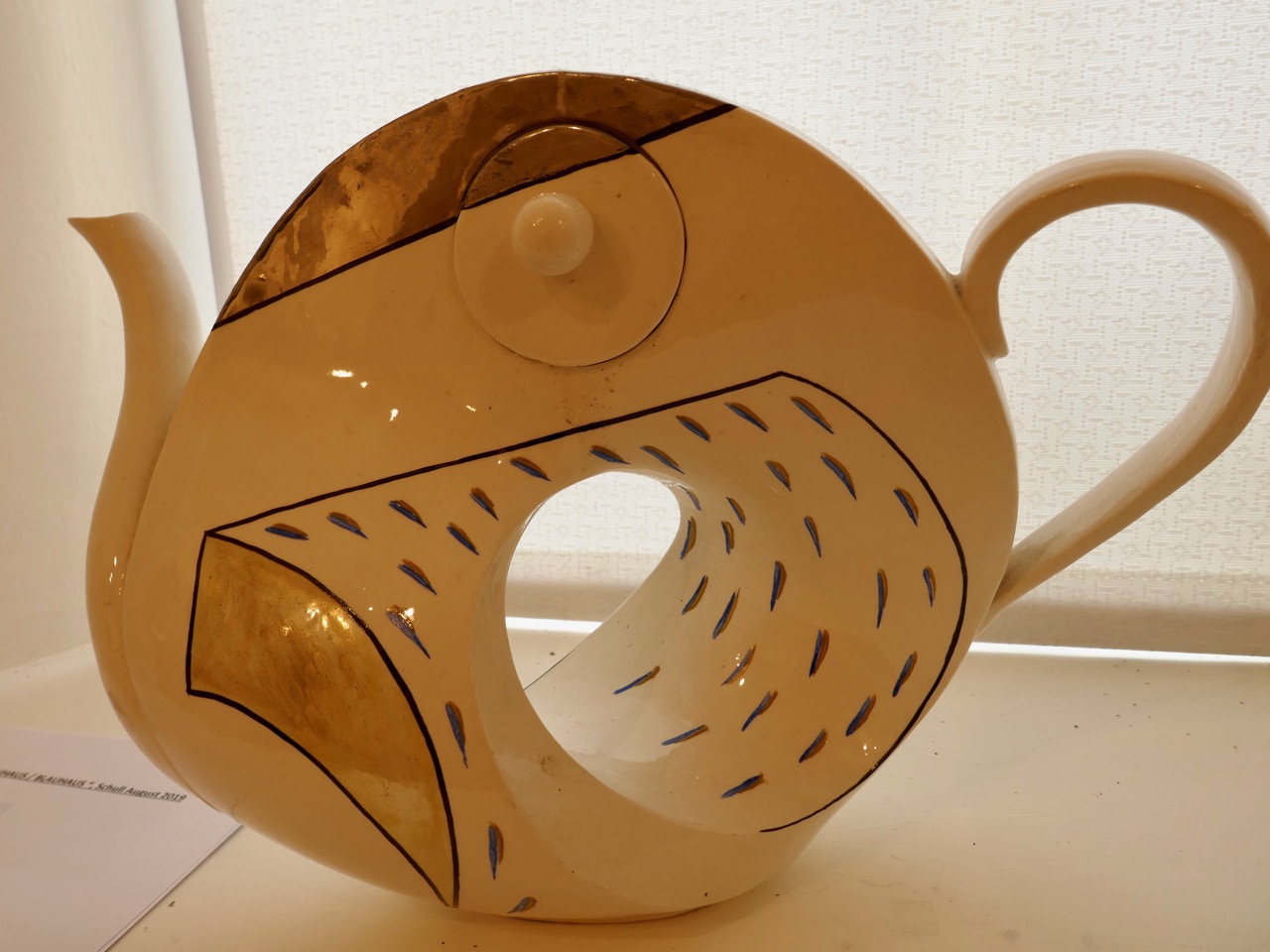
A tiny taster of the Bauhaus-inspired pieces above – a detail from a tall fused glass and bronze collaboration by Angela Brady and Holger Lönze, and a teapot by David Seeger

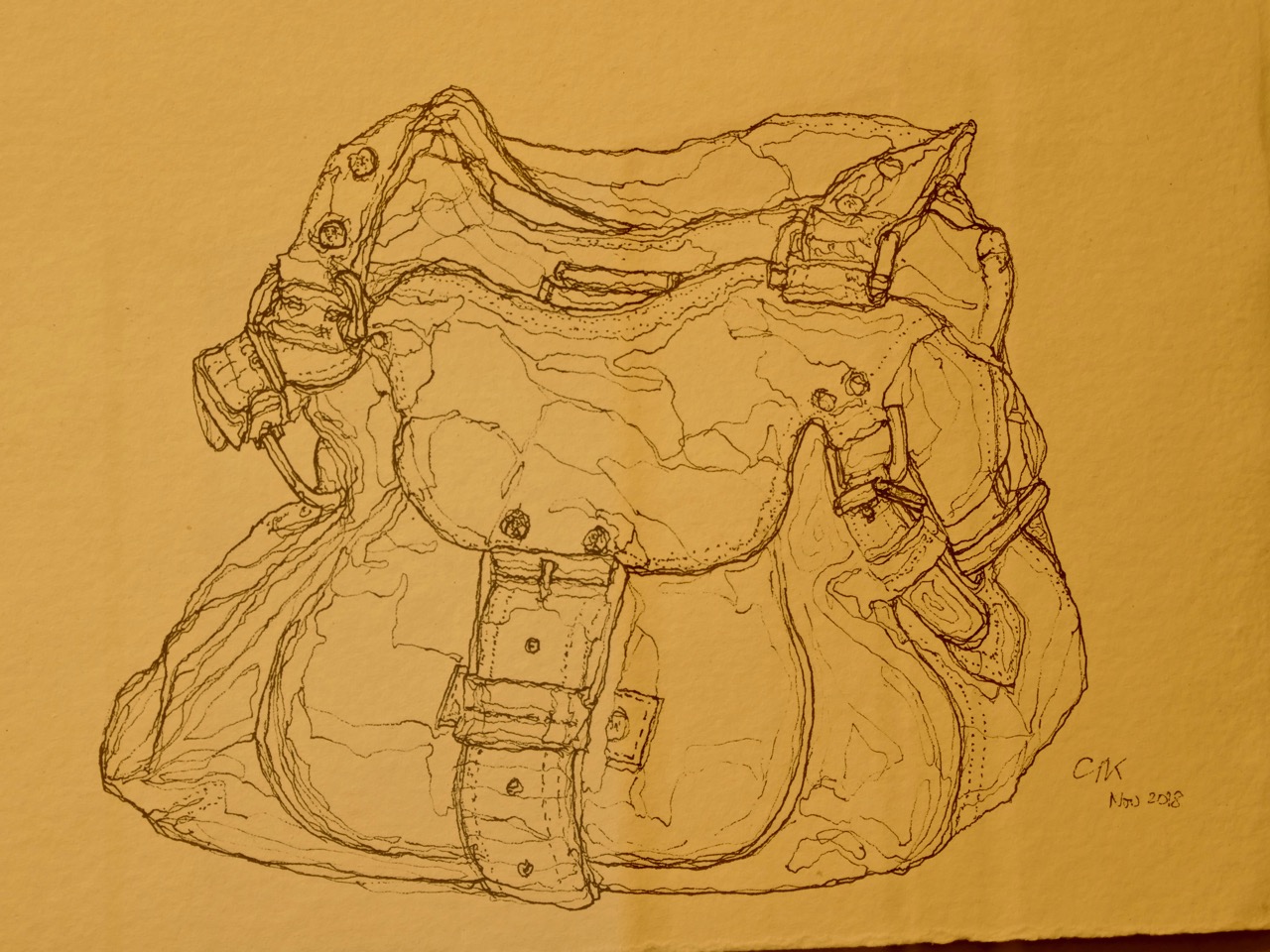
Upstairs was an entirely different show – The Drawn Line, curated by Catherine Weld. I was particularly taken with this line drawing by Christina Todesco-Kelly, titled simply Satchel.

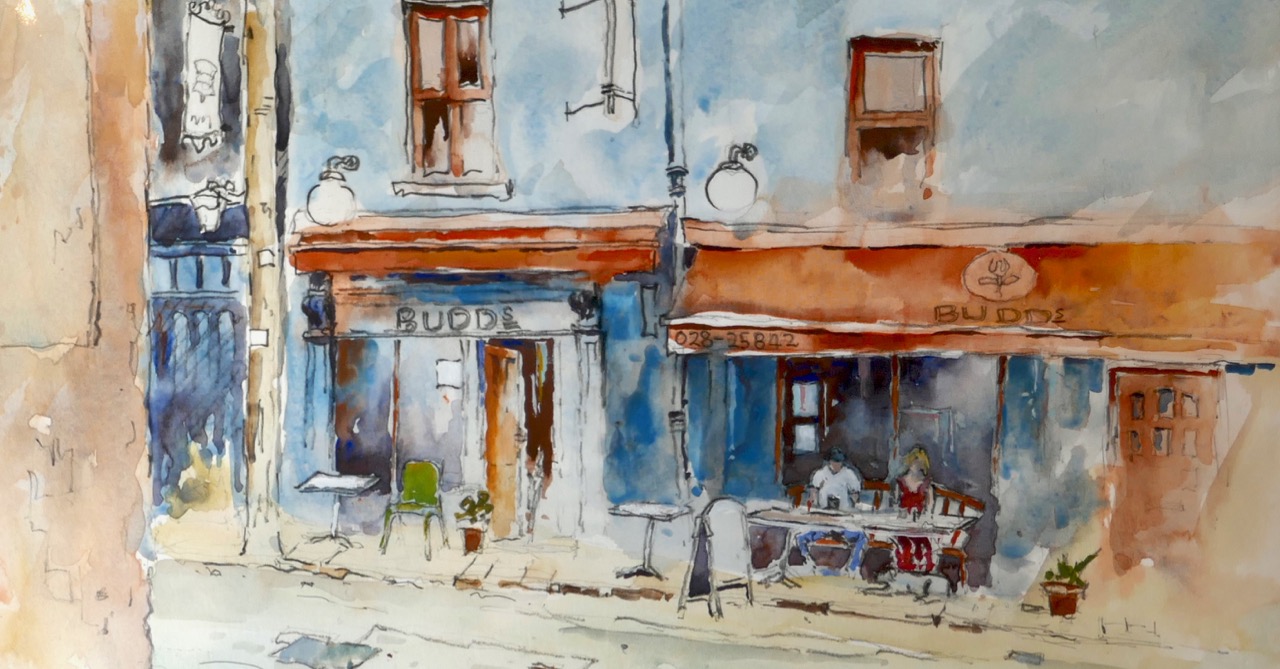
A lovely day! I did mention coffee, so I will end with a detail from Judi Whitton’s portrayal of our favourite local, place to get coffee (or lunch or dinner!) – Budd’s of Ballydehob. It captures so well what Mizening is all about and it’s the first thing we see as we approach Ballydehob from Nead an Iolair.


Fastnet Film Festival 2018

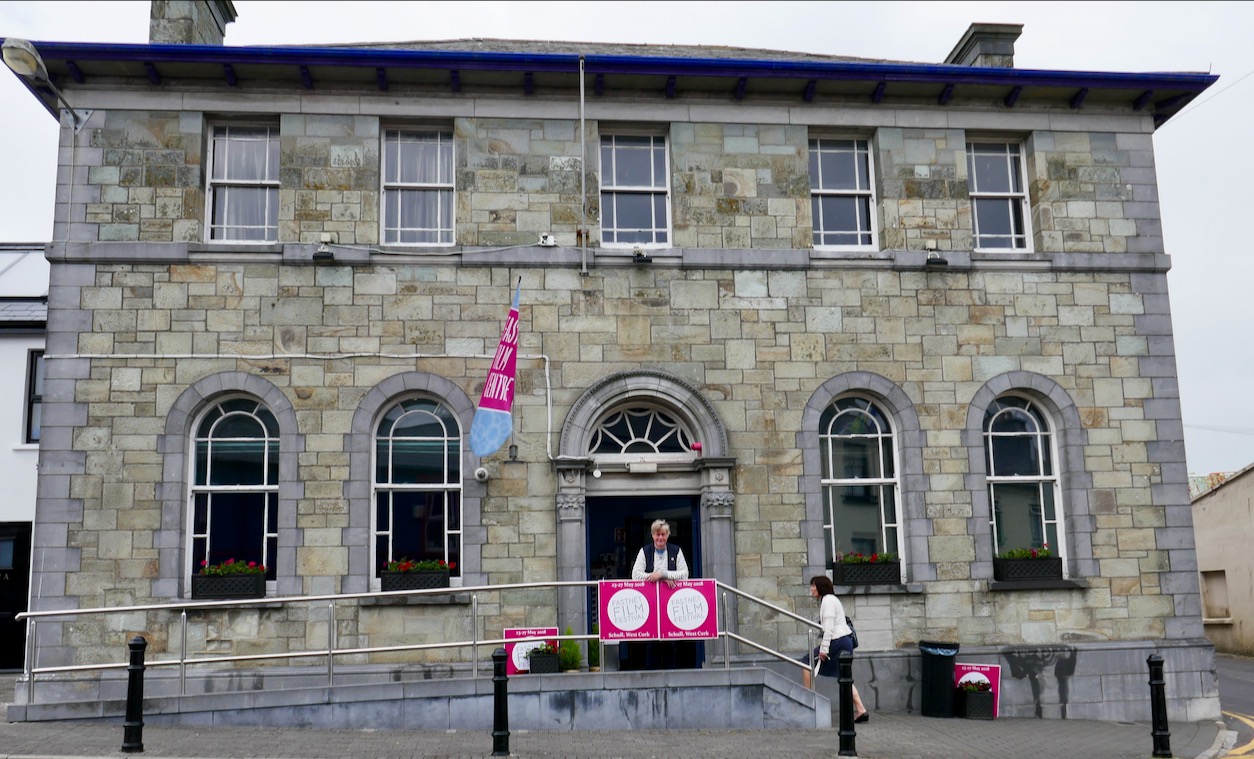
How do you run a film festival in a town with no cinema? You use technology! The festival’s motto is Our Village is Our Screen, and it’s totally apt. For the duration of the Festival, you can drop into any venue (pub, cafe, village hall, mobile cinema), order up a coffee or a pint, and enjoy one of the many free short film programs on offer. This distributed intranet is all organised locally (kudos to Digital Forge!).

It’s all run now from the new Film Centre: the old Schull bank building is being converted, thanks to generous endowments from William and Judith Bollinger and others. It will be a tremendous asset for the town and there are Big Plans for the building in the future.

Pauline Cotter – the Chair, and beating heart of the Festival

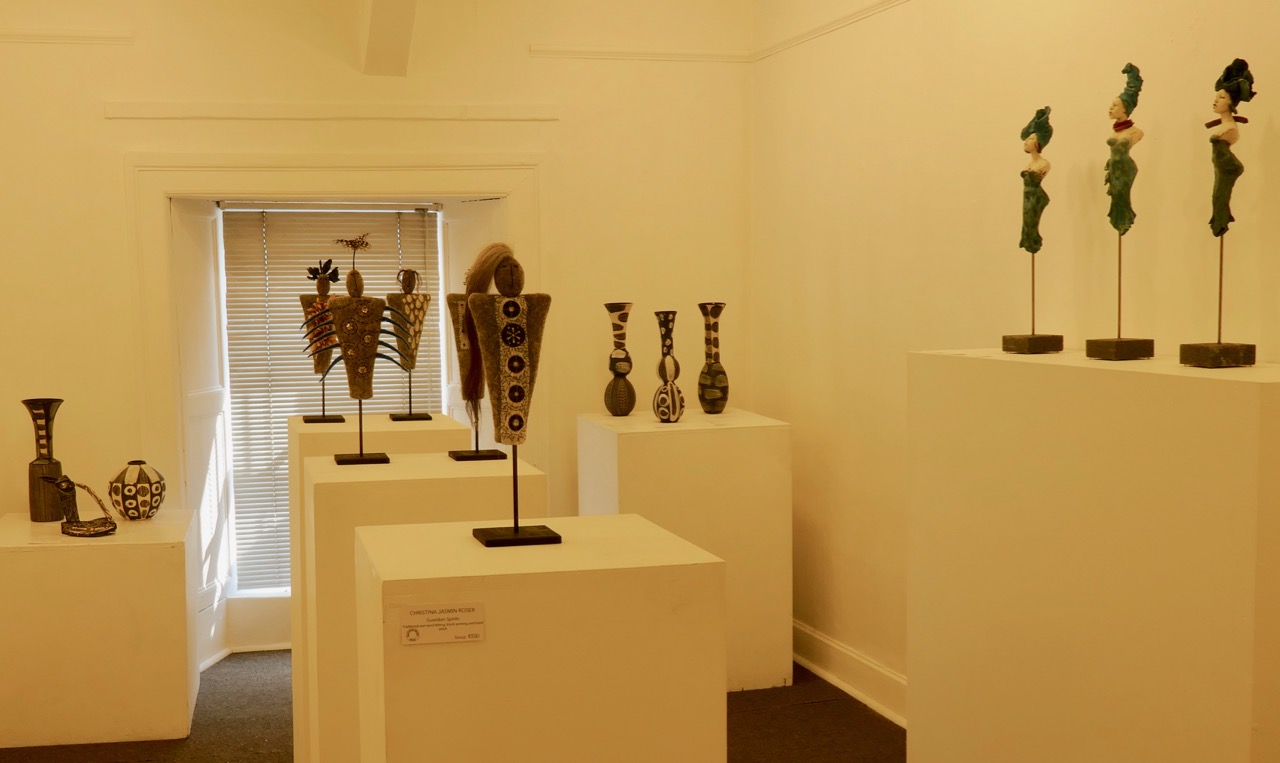
The marvellous Blue House Gallery organised a show with the theme of “Tribal” that included a series of films along with the art works.

One of the gallery rooms in the Tribal Exhibition: felt idols by Christina Jasmin Roser, ceramics by Etain Hickey and Jim Turner, and sculptures by Eyelet Lalor

Each short film lasts anything from two to eighteen minutes. We are so used to long movies that it comes as a revelation that a complete story can be told in such a format. If you’re not sure that this is actually possible, watch Happy Birthday Timmy. We watched in in the world’s tiniest cinema – only room for three.

It’s called The Closet Cinema

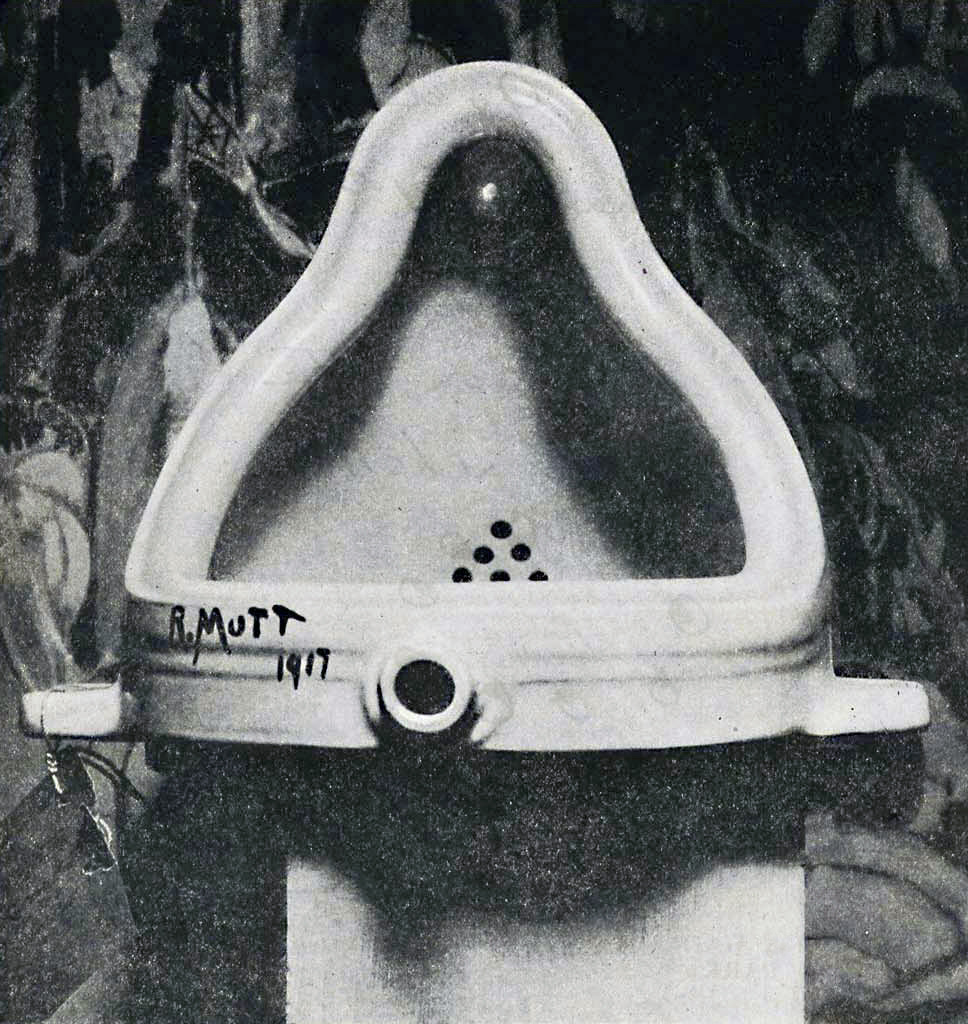
One of the shorts that really hit a chord with us was from Cartoon Saloon, Late Afternoonhere’s the trailer, but it doesn’t really give a complete sense of the colour palette that made this such a special experience. It’s from the celebrated Cartoon Saloon studio and it’s already won awards. We also howled through The Fountain, a fabulous conceit built around the re-disovery of DuChamp’s iconic work of art. The Festival Image this year was from a powerful short called Little Shit, with a moving performance by the young actor, Badger Skelton.

DuChamp’s Fountain, said to have ushered in a new era in modern art

Besides the short films from all over the world, there are feature length movies, along with question and answer sessions with producers, directors, actors, casting specialists, composers, set designers… Aspiring film makers can take a stunt workshop, or have their script critiqued by a laser-sharp expert, or learn how to make a movie using only an iPhone. We had the young star of Song of Granite (an Oscar contender) who gave us an example of his sean nós (old style) singing. Here’s the trailer of that film, which we saw in general release earlier this year and which made a powerful impact on us.

We attended a screening of The War of the Buttons, with the producer, Lord David Puttnam (beloved local), the Casting Director and several of the (not so young any more) actors. It was a joyful occasion. Not only is it a classic and thoroughly enjoyable movie, but it was shot around West Cork, and apparently was one of those movies where everyone felt like family afterwards.

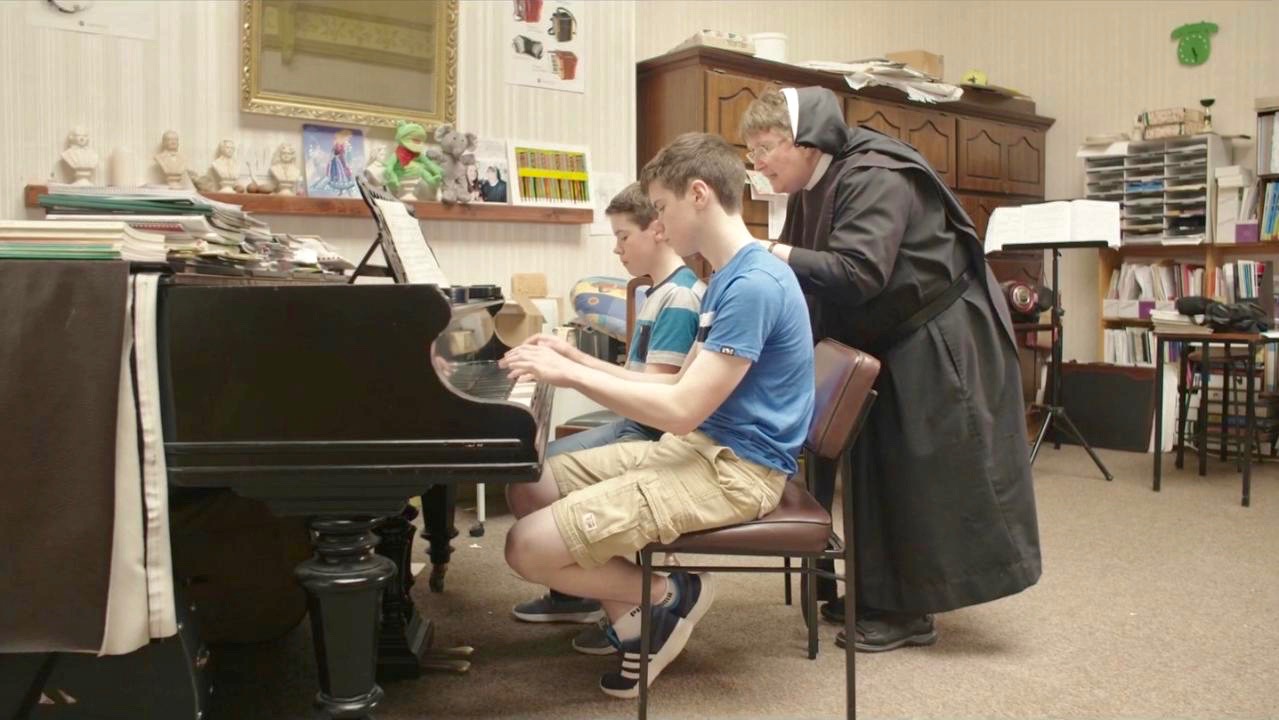
The best movie we saw all weekend, hands down, was the Irish documentary Making the Grade, which believe it or not was all about piano lessons. The header photo for this post is from that movie. The Director, Ken Wardrop, was there to receive our standing ovation and to tell us a little about his technique. Here’s an Irish Times Review that perfectly sums up how we all felt about it.

More difficult to watch was Black 47, a film of the Great Hunger, shot as a kind of Western, with a Connaught Ranger returning from the British Army’s Afghanistan Campaign to find his family dead and the land devastated. It raised complex issues for us and lead to some pretty intense discussions afterwards. Interestingly, it seems to have divided the critics down the middle, earning a 50/50 rating on Rotten Tomatoes. But the Irish Times had a thoughtful review of it that also contains a link to the trailer.

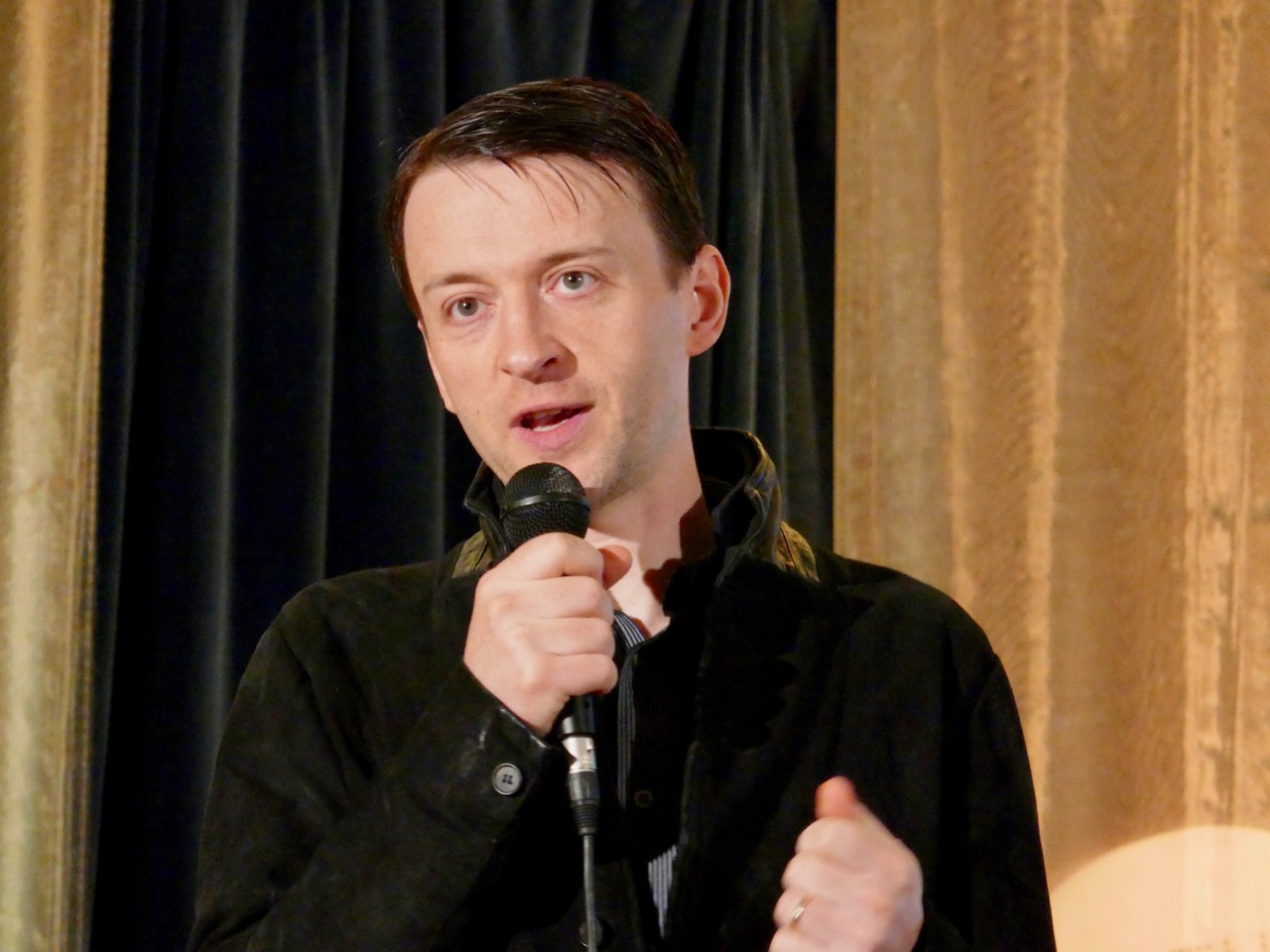
Lance Daly, the impossibly young-looking director of Black 47

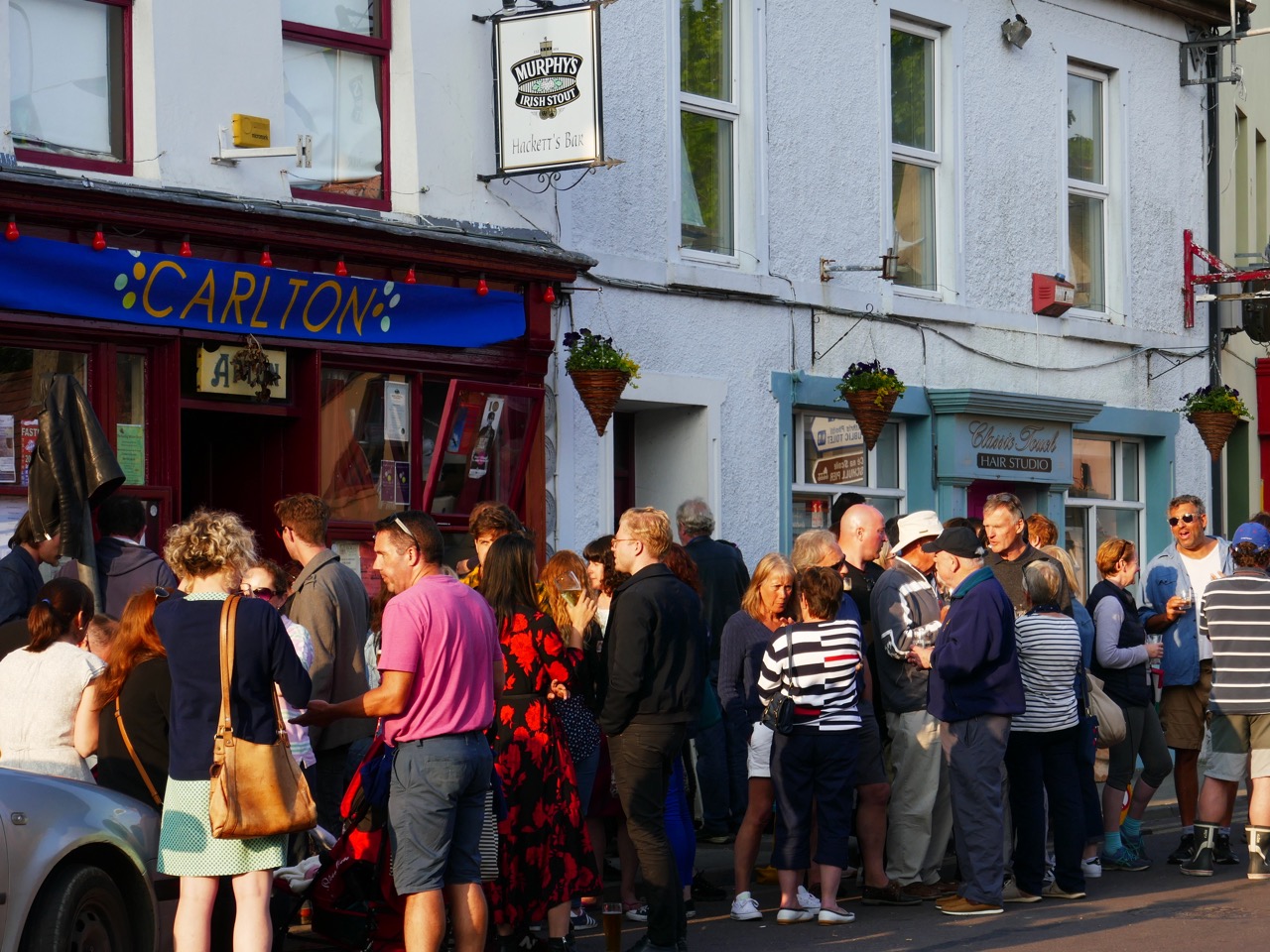
And in between the shorts and the big screen events the star of the show was Schull, buzzing with lively interchanges on the streets and in the pubs and cafes, conversations spilling out onto the streets, speedy young volunteers dashing around the venues, banners waving gaily above the crowds. Celebrities, actors, producers, directors, casting experts, script writers happily mixed it up with the locals.

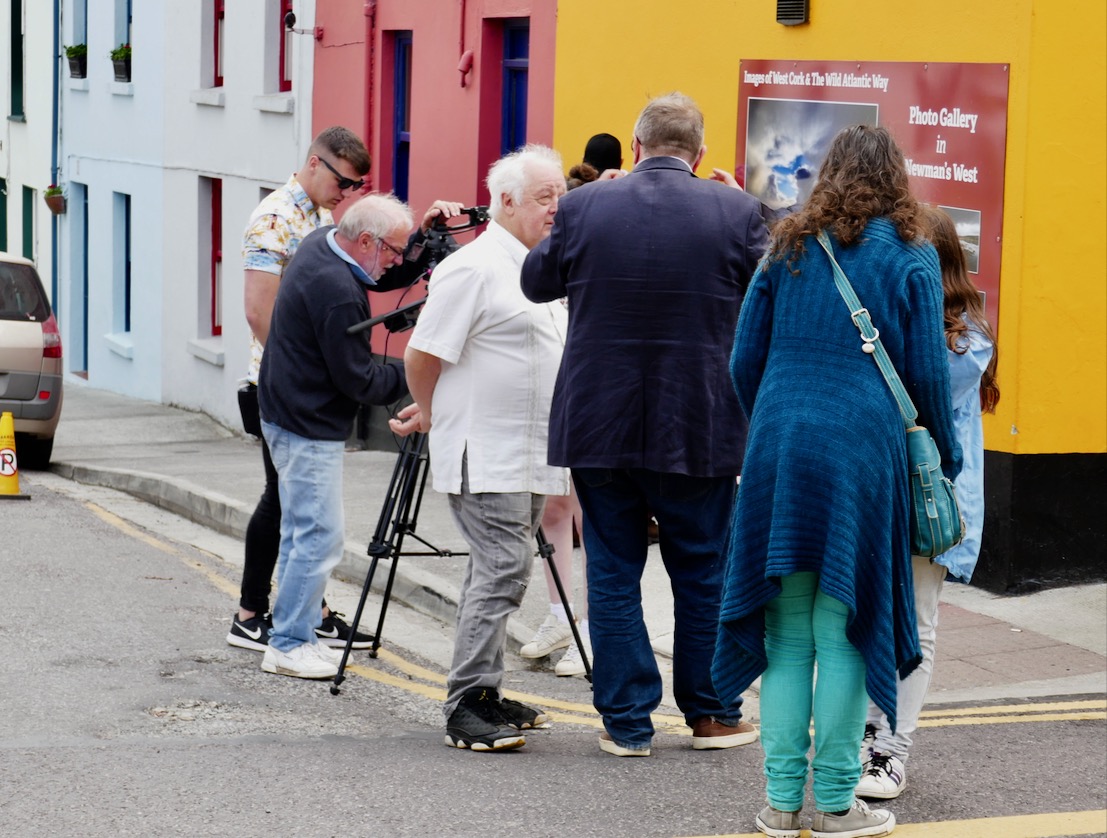
Locals out with the camera – except that’s Chris O’Dell behind the lens and Jim Sheridan (in the white shirt) directing

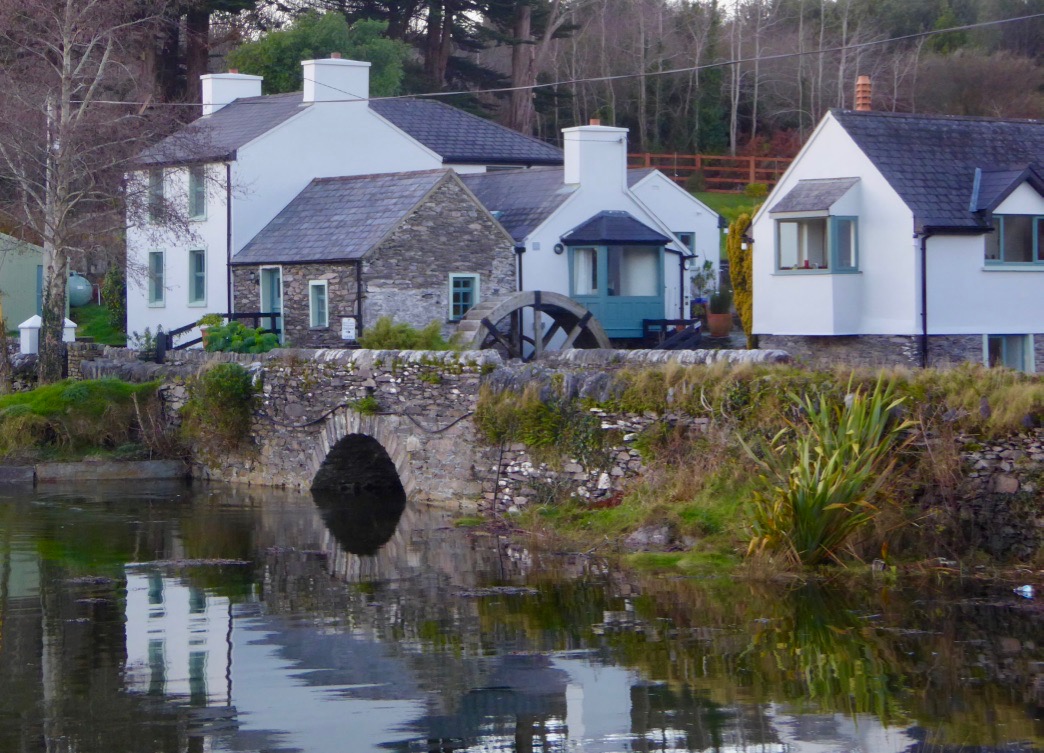
And the locals themselves featured in several movies, including one (The Wheel) about our friend Sheena’s superbly restored mill-wheel. The hilarious duo of Eileen and Marilyn (aka Terri Lieber and Karen Minihan) played us out tonight with their own take on a local film, made with the help of a great local crew.

Coosheen Mill, home of Sheena Jolley the esteemed wildlife photographer, and the subject of one of the short movies

We didn’t attend the awards ceremony, but it doesn’t matter to us really who won – except for one thing. Over and over we heard people urging us to see The Swimmer, about local resident and marathon swimmer, Steve Redmond. We didn’t get to see it – but we do hope it won a prize as it seems to have riveted everyone who saw it.

THANK YOU to the incredible committee that puts this Festival together every year – what an amazing job you have done, again!

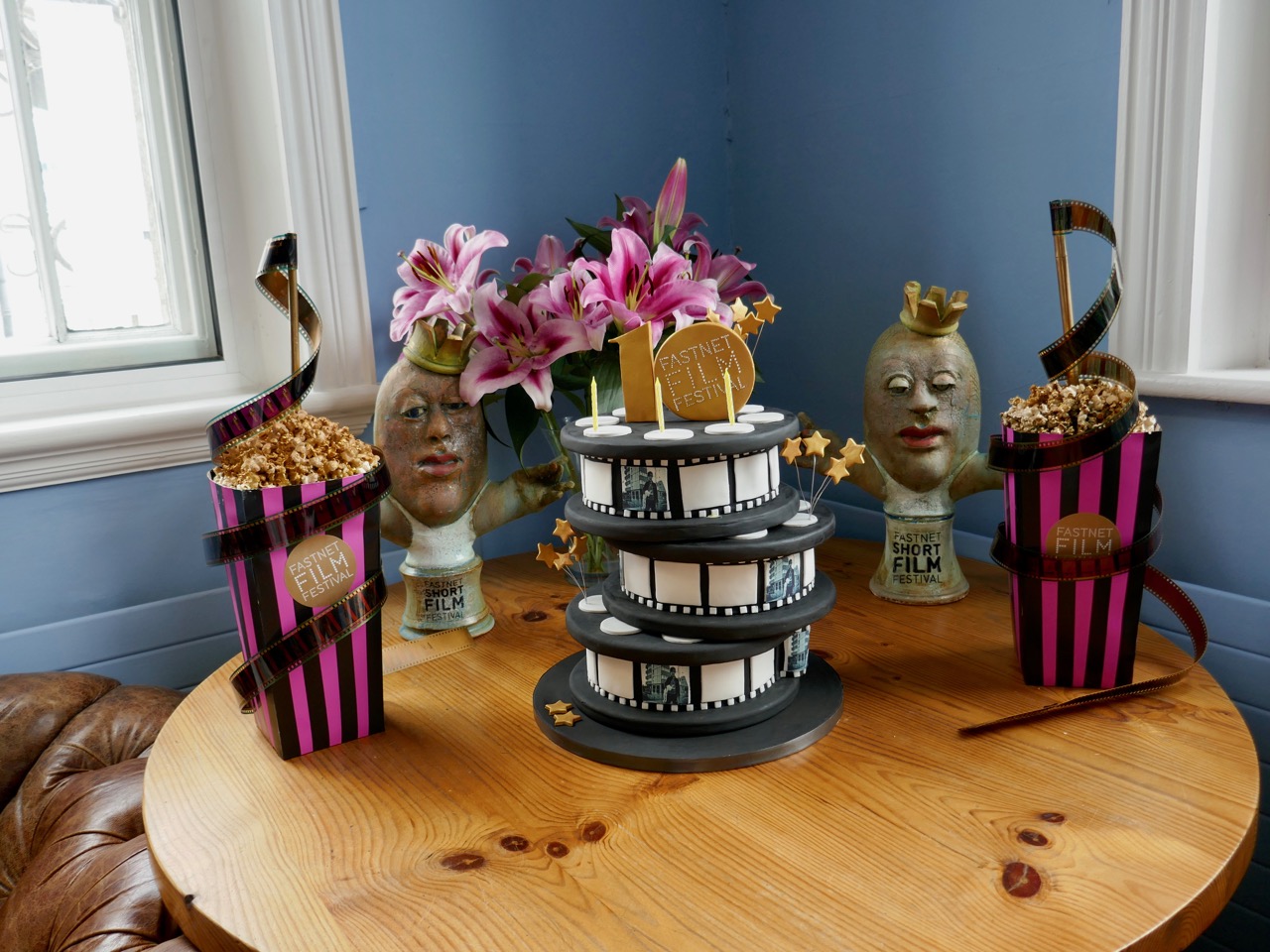
It’s a cake, locally made by a VERY talented baker

The Fertile Crescent – A Review

Just about a year ago I reviewed a most stimulating exhibition which was running in Skibbereen: West Cork Creates. It featured collaborations between local craftspeople, visual artists, photographers and designers – combining their skills and expertise to produce exciting, original work. In my review I asked if there was a difference between an artist and a craftsperson, and this sparked off a lengthy online debate. My favourite sentence from this exchange was penned by Colin Murray, an artist printmaker who had taken part in the Skibbereen exhibition:

…I think all creative workers share the essence of making a lingering dream and the effort of sharing one’s dreams with others is an urgent business of us humans…

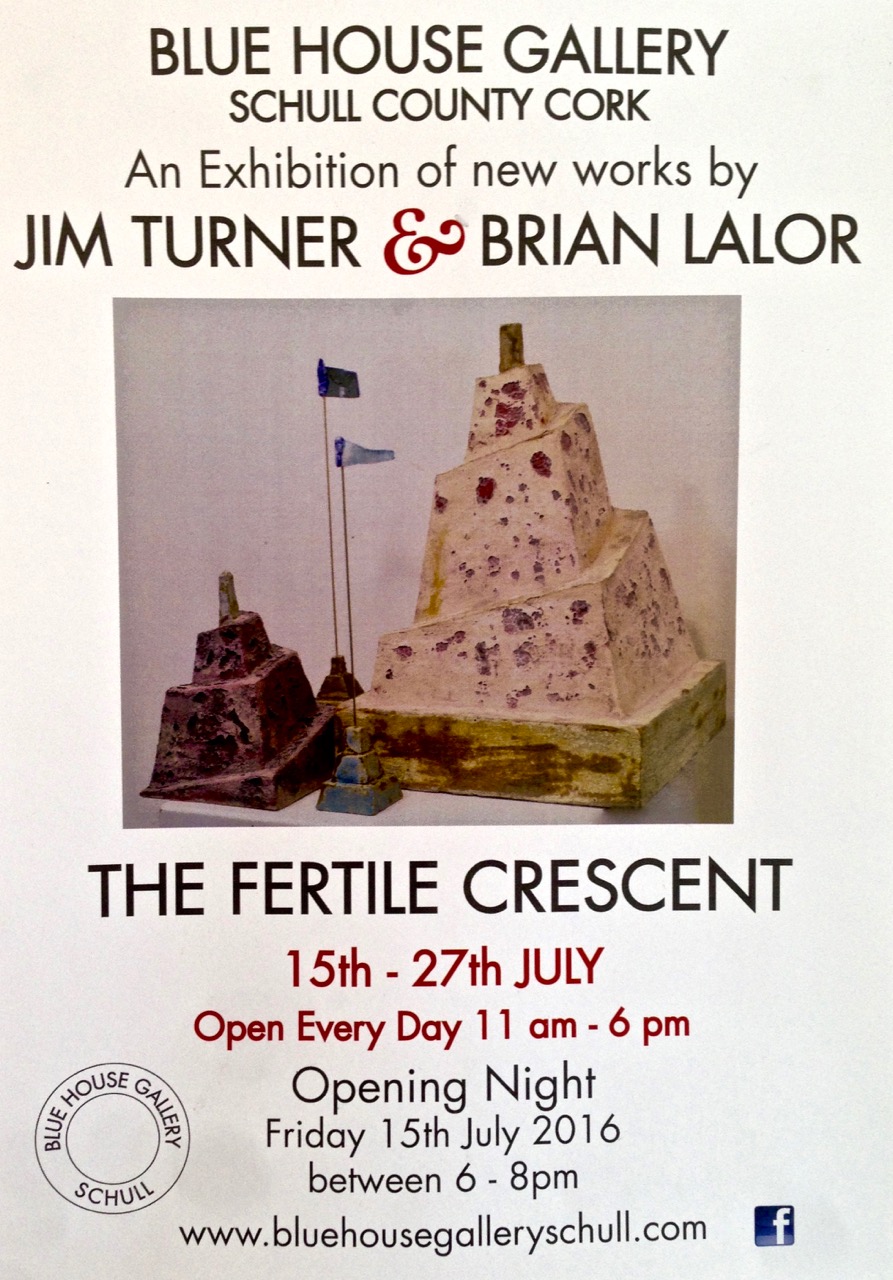
All the work in the Skibbereen exhibition was outstanding, but I was drawn more than anything else to the collaboration of artist and writer Brian Lalor and ceramicist Jim Turner. They have continued to collaborate, and the current exhibition at the Blue House Gallery, Schull is an extraordinary display of their combined talents.

One of Brian and Jim’s larger works currently showing in the Blue House Gallery in Schull – a gold capped obelisk

The exhibition has the title The Fertile Crescent, a phrase that might seem strange, at first, encountered on the small main street of a village in the far west of rural Ireland. It conjures up, of course, the images we had in our school text books of the beginnings of human society, including the development of writing, the invention of the wheel, the use of glass – and irrigation which enabled settled agriculture to develop. This led gradually to the exploration of metalworking – some of the earliest figurative bronze work is from the area:

fertile crescent bronze

Not in the Schull exhibition – but original bronze figurines from Tell Judaidah, Turkey. These are the oldest examples of true bronze (combination of copper and tin) known. They are dated to around 3000 BC (photo – University of Chicago)

At school we learnt about this land and its features and I remember the romance of the names that were conjured up: Mesopotamia, Assyria, Egypt, Tigris, Euphrates… geographically far away but important enough to be titled The Cradle of Civilisation. That’s where our ancestors came from, we were told: that’s where our religions began.

great mosque

Minaret of the Great Mosque of Samarra, an etching by Brian Lalor

That geography today is at the forefront of our news. We now think of Iraq, Syria, Lebanon, Jordan, Israel and Palestine as well as the older names. We now think of idealogical war zones, we think of suffering, of displaced people; we think of bombs, human carnage, ruined ancient sites – and refugees. The mission statement for the exhibition begins:

…In this exhibition Jim Turner and Brian Lalor have devoted their attention to the current tragedy unfolding in the Middle East where the ruins of the civilisations of the past are being destroyed, and the present-day populations forced to flee their homes in fear of their lives, to become refugees in adjoining countries and in Europe. Our world heritage is under threat of total destruction as the cycles of violence recorded by history continue to occur…

It’s this modern view of what is going on in The Fertile Crescent that occupies this exhibition, and for that alone this work is as important on the main street of Schull as it would be in any major world capital.

Children pot

The ceramics – pots and bowls: the decorations on these utilitarian objects portray urgent messages for our society today. Jim Turner is the potter and Brian Lalor provides the illustrations

In the exhibition there are references everywhere to the cultural history of the Fertile Crescent. Jim Turner has made a series of cylinder seals, which involve inscribing a clay roller which is used to impress calligraphy on to a clay tablet; the same techniques have been used to decorate ceramic plaques.

cylinder seal

(Top) one of many ‘cylinder seals’ by Jim Turner on display in the gallery; (above) two of the ceramic plaques with impressed patterns

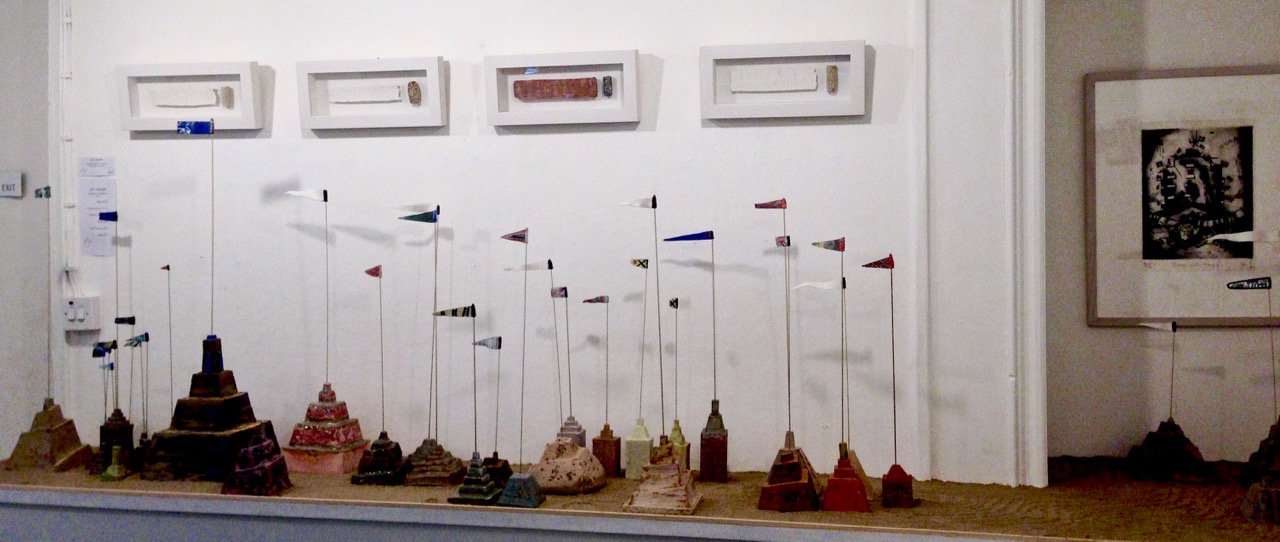
Obelisks and ziggurats are architectural features which we associate with the history of the Middle East. The two artists have produced a huge array of artefacts using these distinctive forms. Some stand in serried rows like an army (top picture), while other are decorated by Brian with motifs ancient and contemporary. The juxtaposition perhaps sometimes perplexes the viewer but the overall effect within the galleries is arresting and we are left in no doubt that these artists are giving us – Europeans – clear and deep messages, not only about our endangered world heritage, but our own responsibilities towards the chaos that is engulfing The Fertile Crescent in our own time.

Try to catch this exhibition: it deserves a wide audience. Perhaps West Cork is a long way for some of you to come? I hope there will be chances for this work to be seen elsewhere. I know the artists are collaborating on a further venture later on this summer: doubtless that may well reach the pages of this Journal. Congratulations to The Blue House Gallery for providing us with this most thought-provoking and dynamic work.

panorama

poster

A Bell for Bangor

Holg + Donagh 2

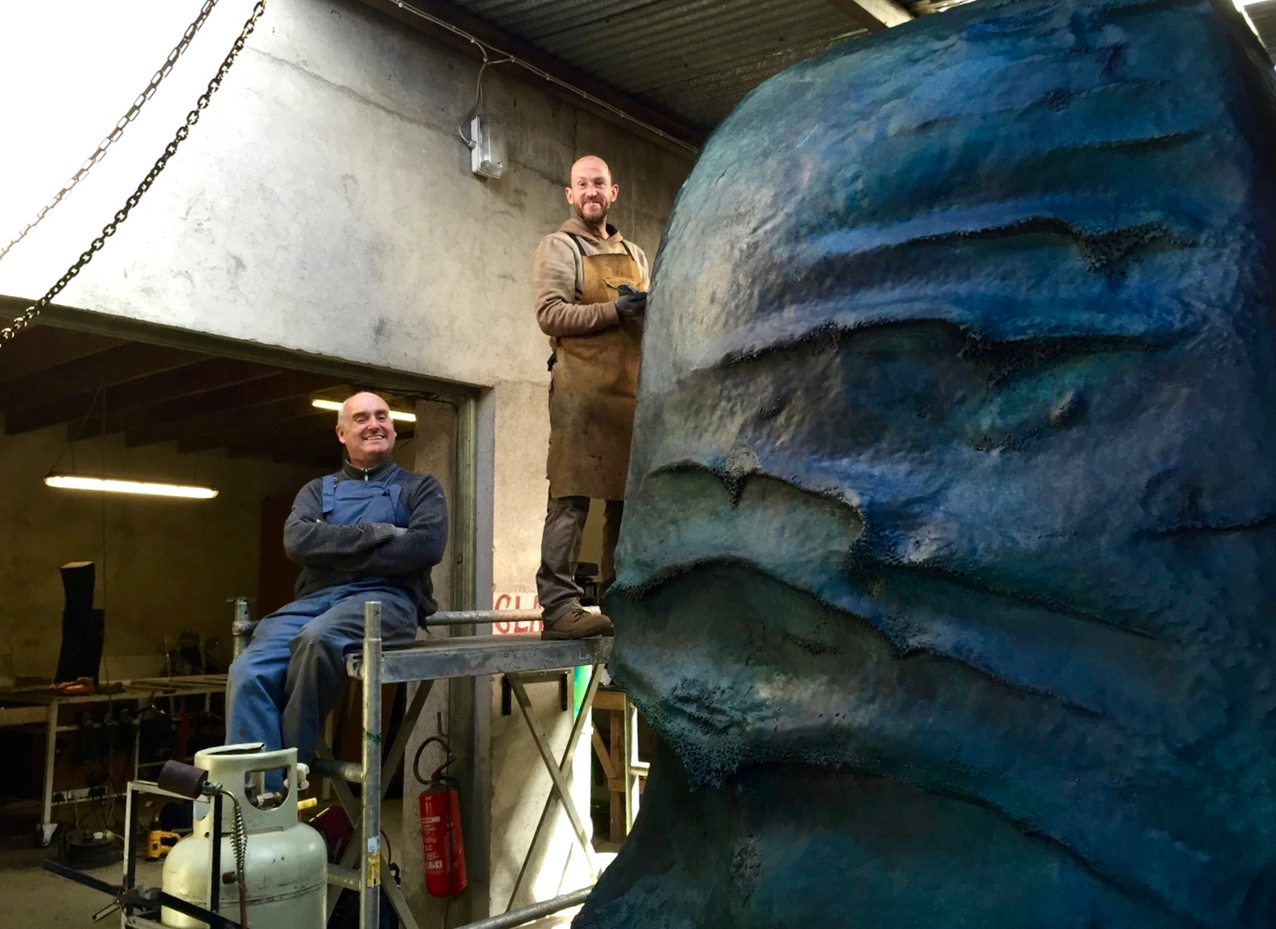
The man standing on the platform in the picture is Holger Lönze. You might remember him from Umha Aois, a post I put up last year about a group of artists and ‘experimental archaeologists’ who use Bronze Age metal working techniques to produce replicas of ancient tools, weapons and musical instruments. Holger – a sculptor – is a key member of that group: his workshop is in Schull and he has just completed a commission to make an enormous bell. You can see the project in progress on the right of the picture. On the left is Donagh Carey, another West Cork artist who worked on the casting.

Left: the original Bangor Bell – the inspiration for the new work – and, right: an early sketch design by Holger of the proposed bell sculpture

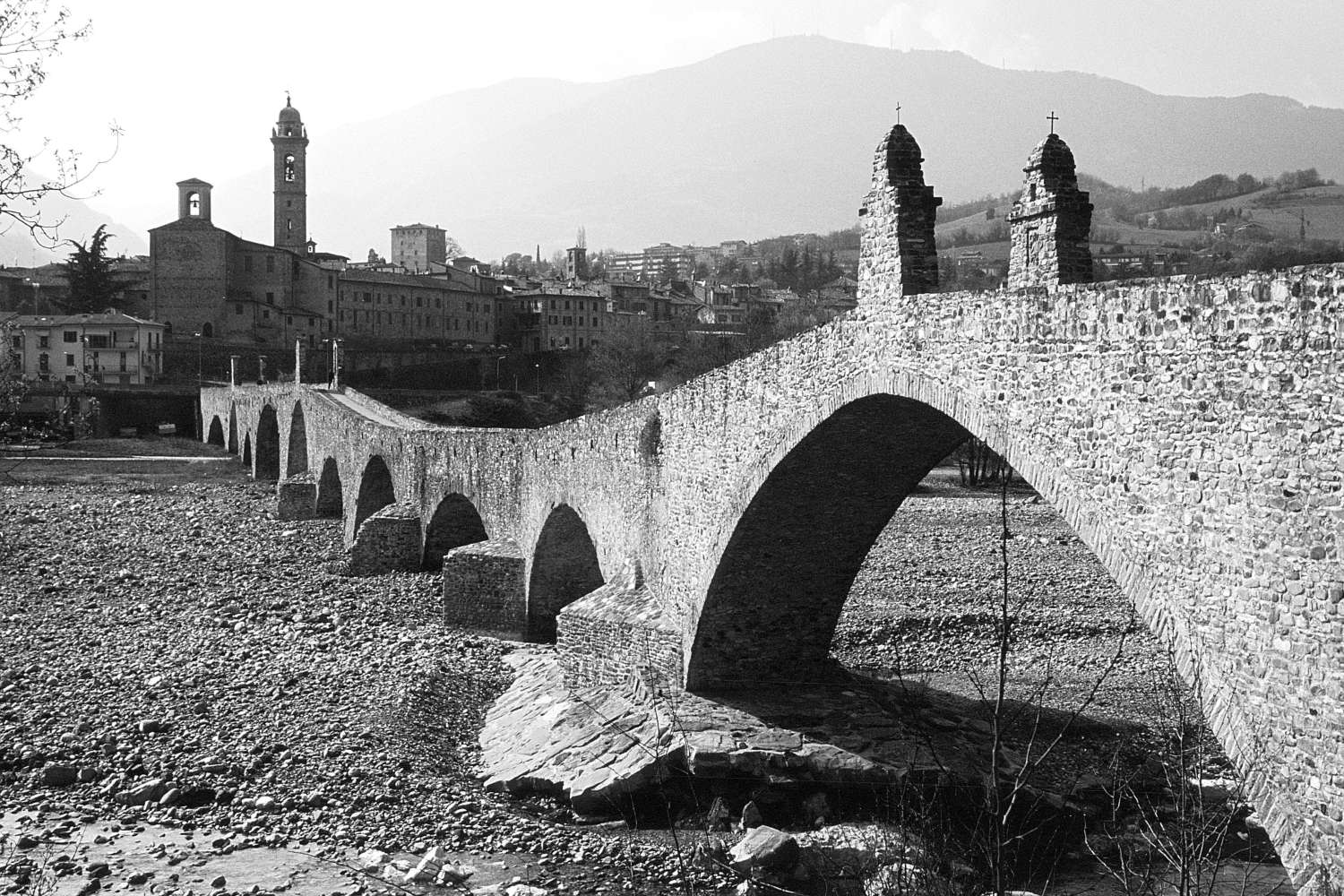
The story begins in the sixth century when Columbanus (the Latinised form of Columbán, meaning White Dove) was born in the Kingdom of Meath, now part of Leinster, Ireland, in 543. That’s about 50 years after the death (aged 120) of St Patrick. Patrick, of course, is the best known of the missionaries building up Christianity in Ireland, but he wasn’t Irish himself, having been born a Roman Briton. Columbanus was Irish, and he saw his mission as spreading Christianity from Ireland throughout the Continent of Europe. His mission was successful and St Columbanus is recognised in Europe as a founder of many monastic settlements during his travels in Gaul, Burgundy, the Alps and finally Italy where he established the great monastery at Bobbio, beside the River Trebbia. Columbanus died at Bobbio in 615 and his remains are buried in the crypt there.

Bobbio_bridge

The medieval bridge at Bobbio with St Columbanus’ great monastery beyond (photo by Herbert Ortner, Vienna, Austria)

There are great stories told about the life of Columbanus. When he walked in the woods, birds would land on his shoulders to be caressed, and squirrels ran down from the trees and nestled in the folds of his cowl. He is also said to have tamed a bear and trained it to pull the plough. Wolves would not harm him. He is usually depicted with a book and an Irish satchel, sometimes with sunbeams over his head. I’m not sure why but Columbanus is known as the patron saint of motorcyclists.

Saint Columbanus – left: depicted on a medieval fresco with book and sunbeams (note he is carrying a bell) and, right: sailing off to Europe with his companions

Getting back to West Cork and the bell: Columbanus travelled to Bangor, County Down – in the far north east of the island of Ireland – where he studied in the  Abbey until he was 40. A beautifully decorated bronze handbell was found near the Abbey by gravediggers in the 18th century; it is assumed to have been buried to keep it safe from Viking invaders in the 9th century. The Abbey is seen as the starting point for Columbanus’s missionary work in Europe and the bell (now in the North Down Museum) is associated with him, although unlikely to have been contemporary with his time there. Holger Lönze has always been fascinated by medieval bronze bells and has made replicas of many surviving examples. He cast a copy of the Bangor Abbey handbell using Medieval metalworking techniques in 2012, and the process is recorded in this video.

Holger’s full-sized replica of the Bangor Bell and (right) Holger in his studio explaining his techniques to Robert

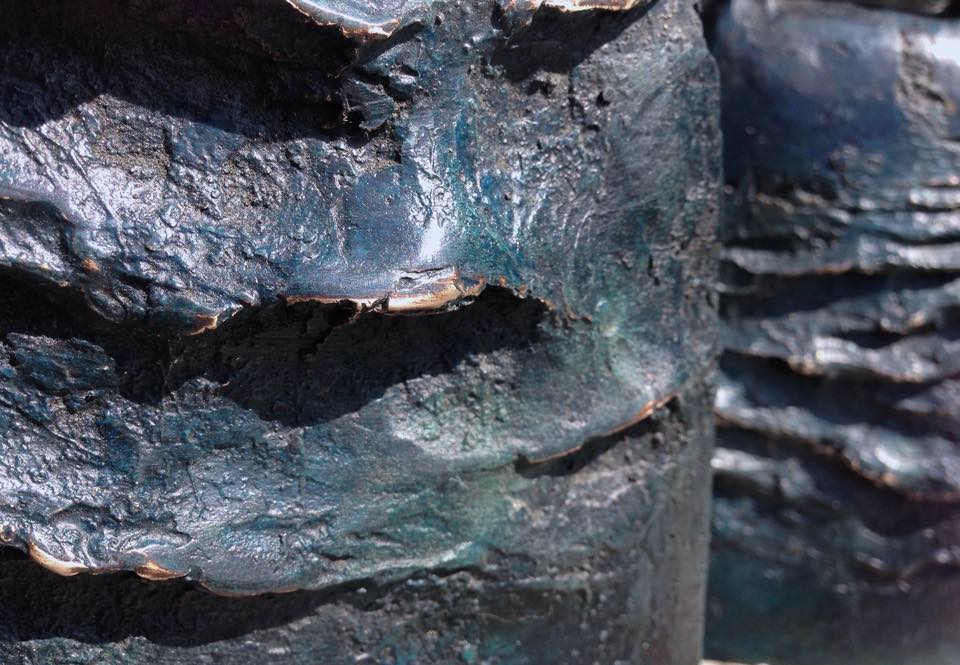
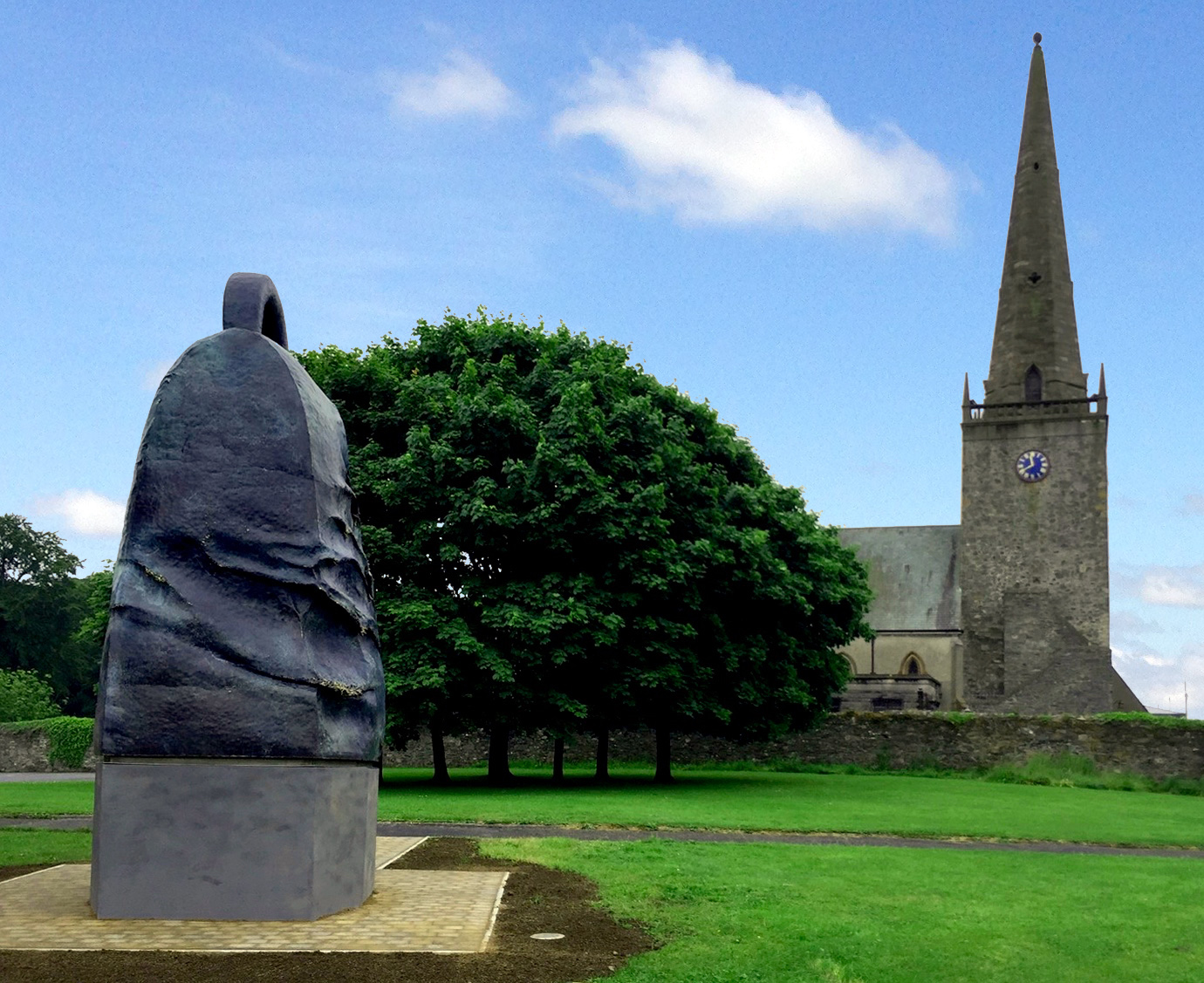
The new sculpture – titled Fluctus Angelorum (Wave of Angels) was commissioned by Ards and North Down Borough Council for Bangor Abbey  as one of a series of works inspired by the extraordinary achievements of Columbanus and his companions. Based on the proportions of the original bell, the surface of the sculpture is shaped like the surface of the ocean. The sea-blue patina and breaking waves are a metaphor for Columbanus’ remarkable sea voyage. The 4m high bell was fabricated in bronze plate in West Cork using the ancient repoussé process – by alternating annealing and hammering and finally welding. It took no less than 400,000 hammer blows to transform flat sheets of bronze into this piece of sculpture!

Bell surface

In the workshop: the surface of the 4m high bell reflects the surface of the ocean and (right) the inside of the great bell: it is mounted on a stone plinth and lit at night. Both bells and waves are striking metaphors to mark the Saint’s 1400 miles journey from Bangor to Bobbio – 1400 years ago

The medieval Bangor Bell didn’t have a clapper: it was carried around and hit with a hammer. Taking me back to my days as a percussionist, Holger allowed me to hit the giant bell… It made a mighty sound! From West Cork the bell travelled the whole length of Ireland, passing its 8th Century sister bells in Cashel, Co Meath and Bangor. It is now installed in the Abbey grounds and was formally unveiled on 13th June. The sculpture is not yet complete – Holger is making a number of smaller ‘satellite’ bells which will be set around it, but even on its own it is a most impressive sight: the largest bell ever made in Ireland.

holger with bell

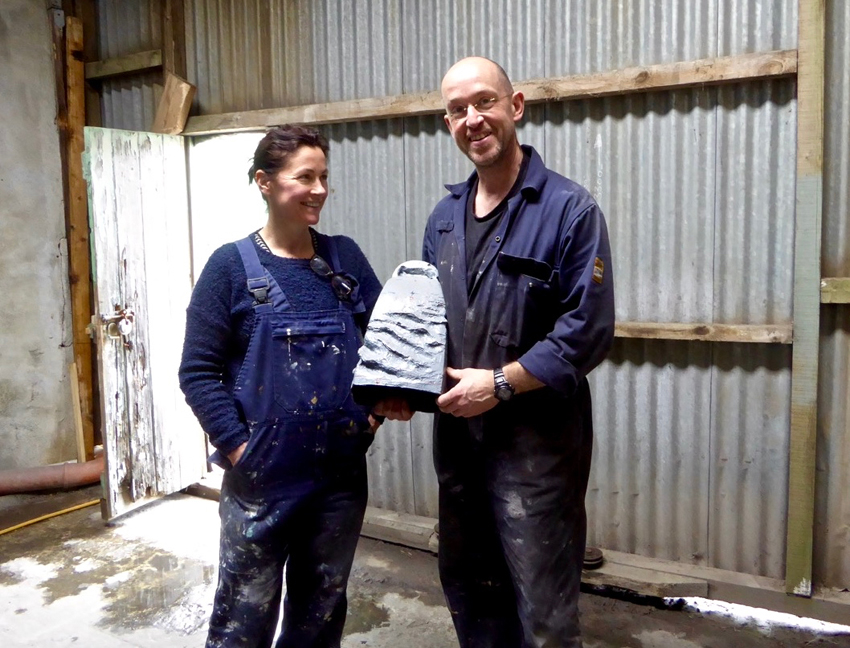
Artist Karen Hendy and Holger Lönze showing the maquette for the bell project in Schull and, below, the bell in its setting at Bangor Abbey

bangor context

I’m often repeating the message but there is no doubt that West Cork is the most creative place I have ever lived! All manner of culture flourishes here and we are privileged to live in a community where we can readily meet and appreciate the work of so many artists; and we have excellent galleries to showcase this work – The Blue House Gallery in Schull (next door to Holger’s workshop), Uillinn in Skibbereen, Catherine Hammond‘s excellent gallery, now also in Skibbereen and The Aisling Gallery in Ballydehob. We are spoiled!

With many thanks to Holger for allowing me to use some of his own images of the work progressing…