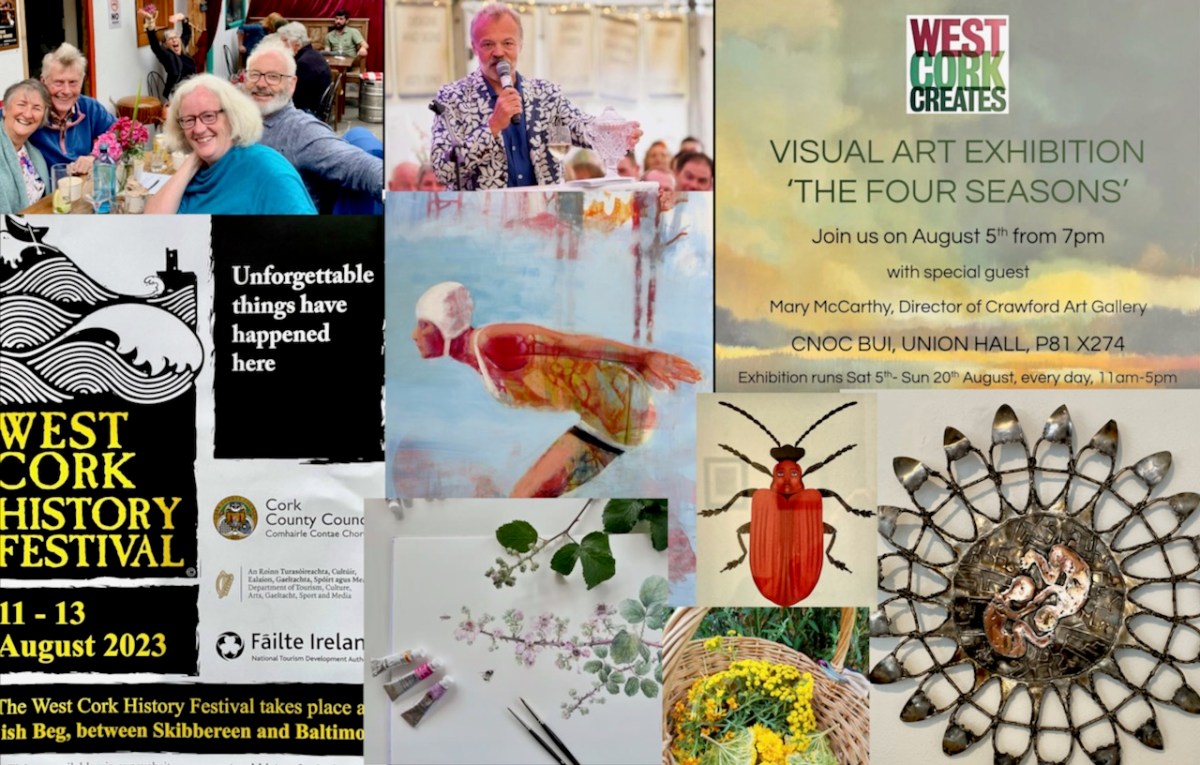
Feasts and Festivals

It’s August in West Cork and we’re going to need a holiday to recover! July was a blast – here are a few highlights – The West Cork Literary Festival (I was on stage at Future Forests as part of a joint Lit Fest and Ellen Hutchins Fest Seaweed and Sealing Wax presentation, to a large and enthusiastic audience; A Fusion Feast at Levis’s with good friends and cooked by Rob Krawczyk and, both with their own Award Winning Restaurants; the Launch of Holy Wells of Cork by Amanda Clarke; and a continuation of the high standards of exhibitions at The Blue House Gallery in Schull, with Oonagh Hurley, Catherine Weld and Shane O’Driscoll – including this rug designed by Shane and made by Ceadogán Rugmakers.
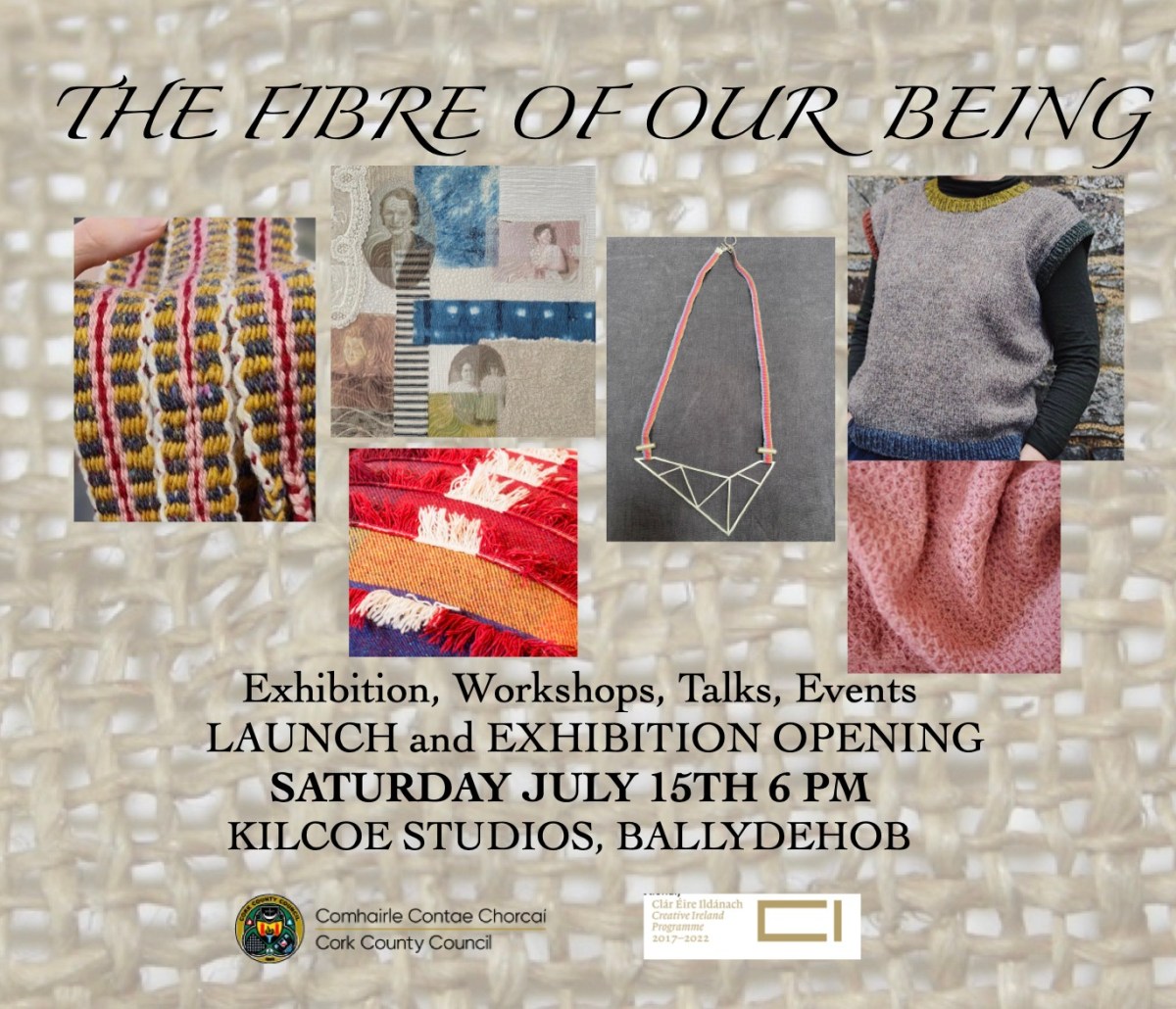
The wonderful Kilcoe Studios also organised an innovative series of events titled The Fibre of Our Being, “exploring contemporary textiles which draw on tradition to reinvigorate their process” and involving several different artists, including our friend and neighbour Liadain Aiken – see here for our post on Robert’s sweater.
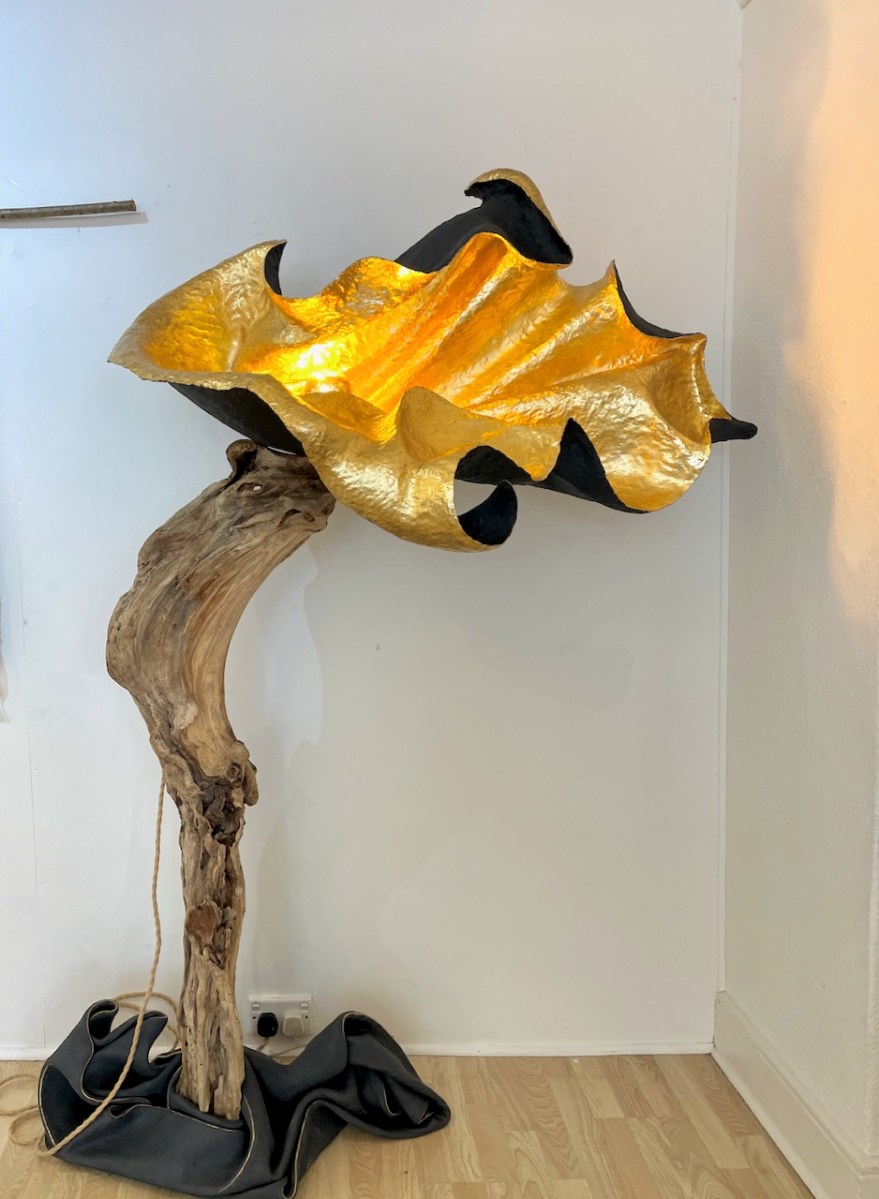
August started with the 10 Hands Exhibition at the Working Artists Studios. 10 Hands is the brainchild of Angela Brady, architect, film maker and craft historian. This year, the ten artists and makers have been joined by 6 more from the Working Artists Studios team, and the result is very impressive. Lots of variety here, and an exceptionally high calibre of vision and execution. I am craving one of the incredible standards lamps by Ania Surazynska – here’s one example. This artist is new to me, but I see a very, er, bright future for her. You heard it here first.
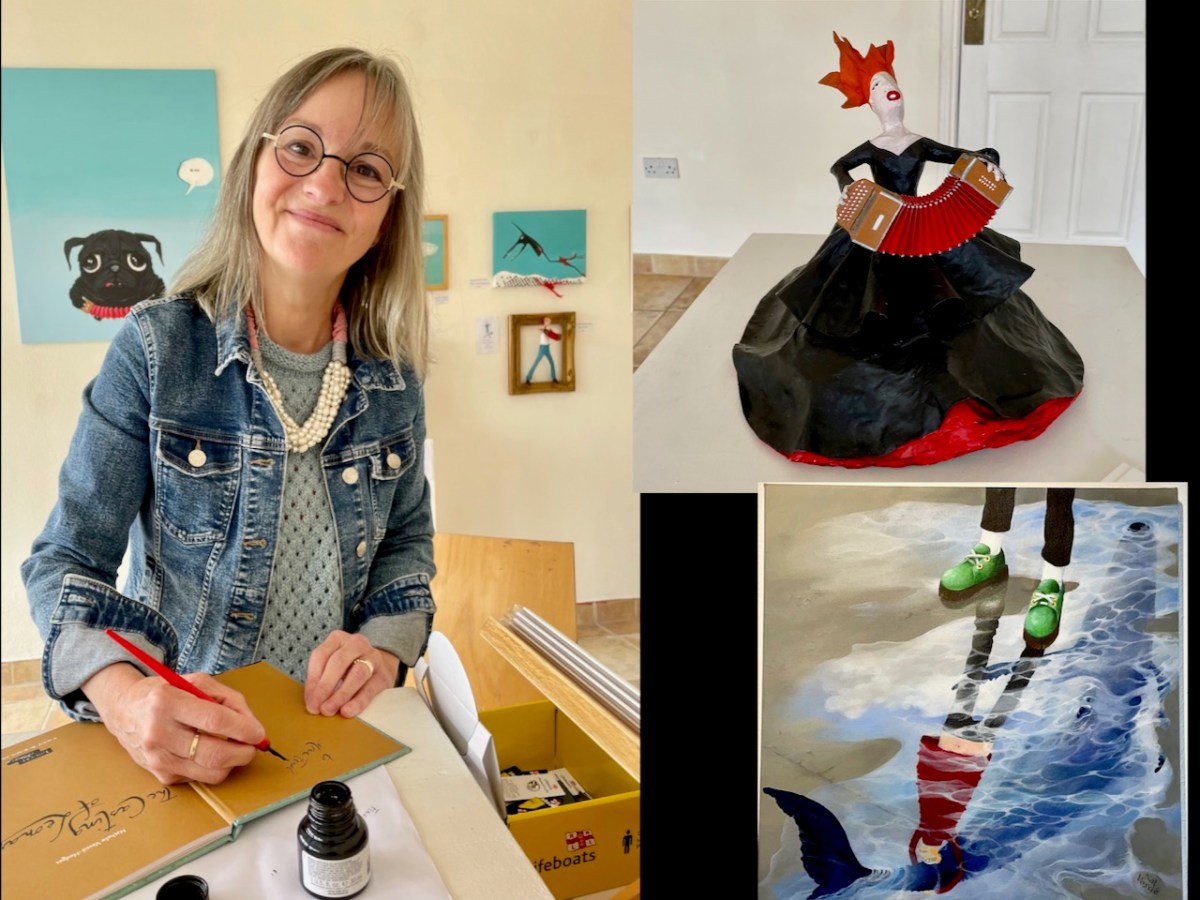
While we weren’t able to get to the opening last night, we are planning a trip out to Union Hall tomorrow for the annual and always-outstanding West Cork Creates Exhibition. This show has now moved to a marvellous new establishment, the Cnoc Buí Arts Centre. We visited last month and were delighted by the exhibition we found there, of sculptures, paintings and books by Nathalie Vessié-Hodges. Here she is signing one of her books for me (it was published by the Louvre!). A fairly recent blow-in to West Cork, I predict we will be seeing more of Nathalie.
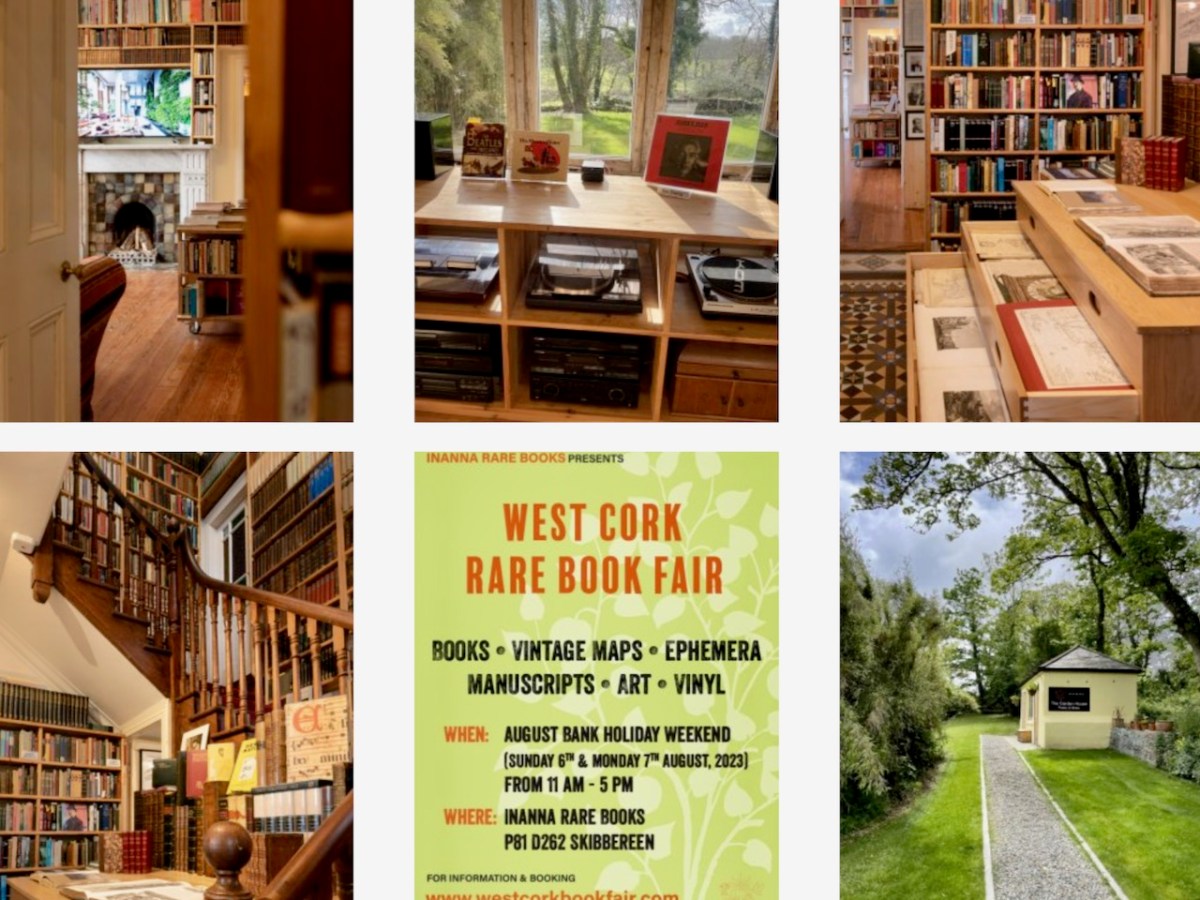
Also on our list for tomorrow is the West Cork Rare Book Fair – we attended last year at the lush Inish Beg Estate and this year it is being held at the home of Innana Rare Books just outside Skibbereen. Doesn’t this look inviting? (It’s a screenshot from the Innana website – thank you, Holger and Nicola!)
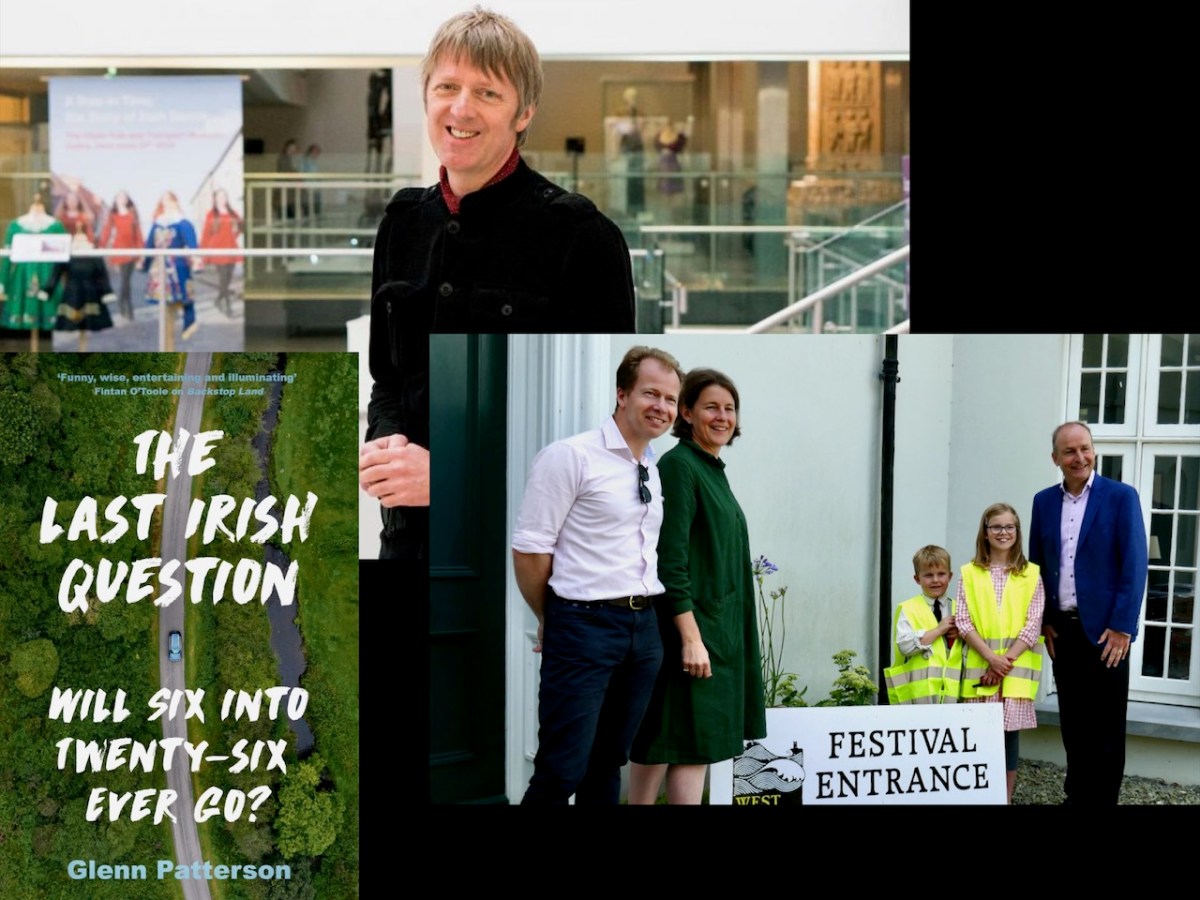
And then it’s right into the West Cork History Festival. Robert and I have organised the field trips, and we are looking forward to our own contribution to those – a tour of the historic Church of St Barrahane in Castletownshend. There are several other options – including walks and swims with Gormú, a walking tour of Ballydehob (oops -sold out!) and an historical Kayak trip through Castlehaven. The Program of Talks features leading academics and writers, and there’s a hot rumour that Micheál Martin will do the opening honours. I’m particularly looking forward to Friday night’s opening session with writer Glenn Patterson who will be in conversation about his latest book The Last Irish Question: Will Six into Twenty Six Ever Go? followed by a panel ruminating on what we have learned from the Decade of Centenaries about our past and our future.
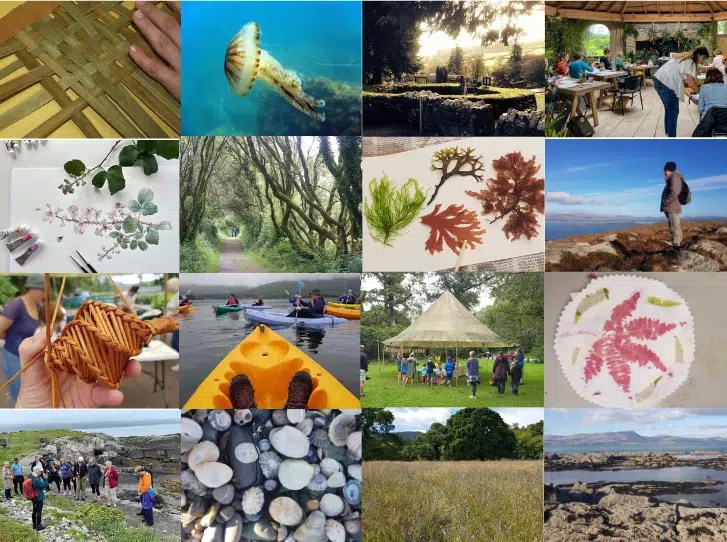
For history buffs, you just can’t beat this Festival, this year in the magical surroundings of Inish Beg Estate. As soon as it’s over I will be hot-footing it to the events of the Ellen Hutchins Festival – a feast of delights for anyone even vaguely interested in the natural world, inspired by the life and work of Ireland’s first female botanist. I’ve signed up for several events – lots of them are free and many are suitable for children.
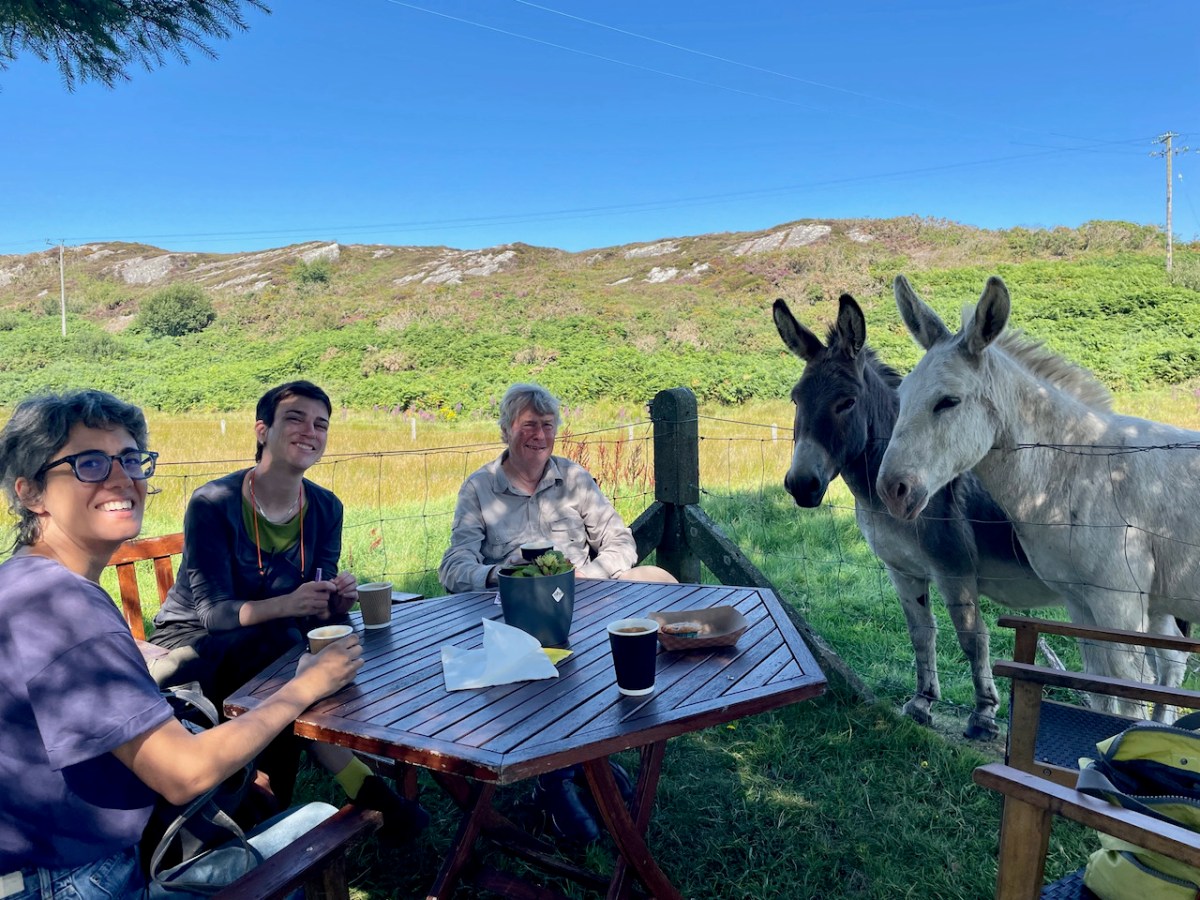
And once all that is over, I might just have to retire. Wait, what? I AM retired, I hear you say? Ah – so no excuse needed to do more of this – having leisurely lunches overlooking Roaringwater Bay?
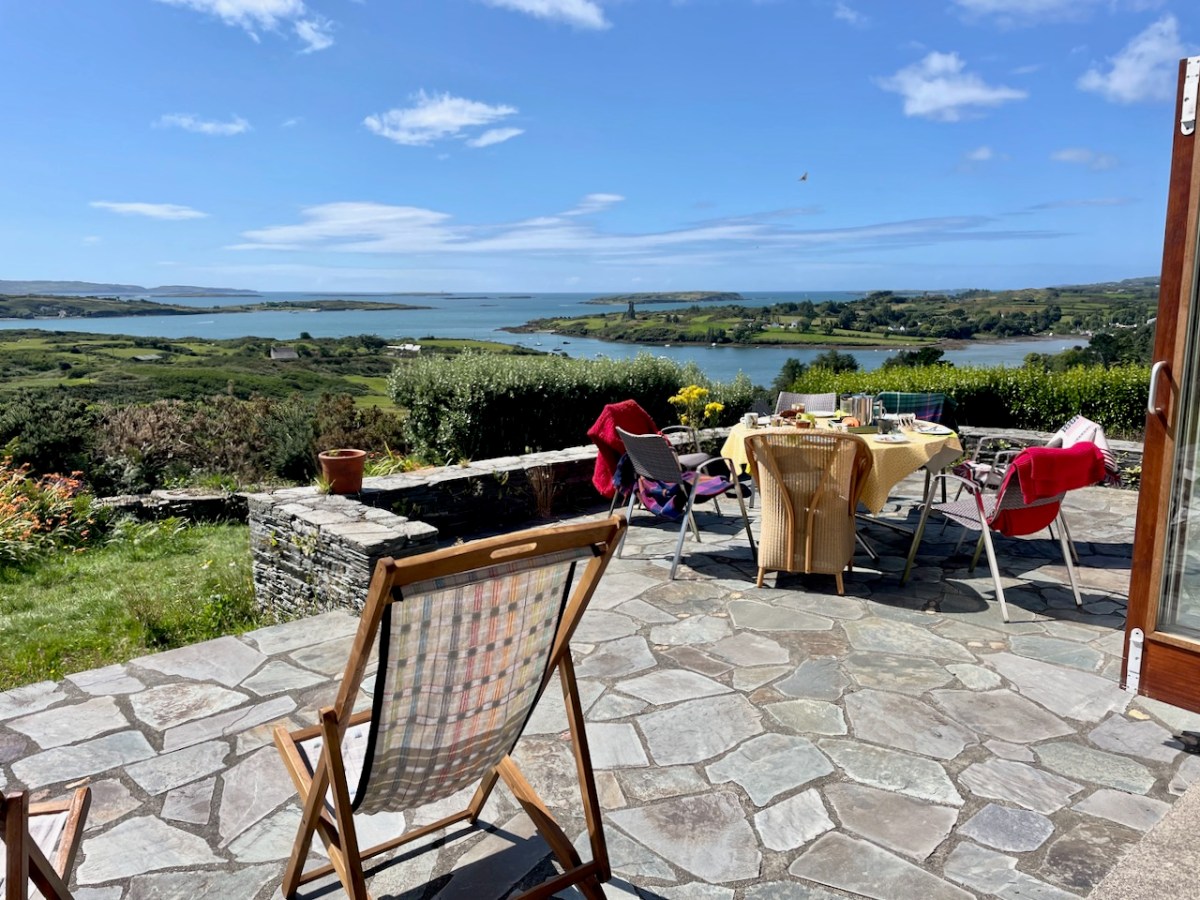
Oh – you have another question? What’s Graham Norton doing in the top photo? That’s easy – he lives part time in Ahakista on the Sheep’s Head, and there he is, doing his stint as Quizmaster at the annual Ahakista Festival this weekend. We attended one year and it was predictably hilarious.
Boulders, Books, Boats and Bogs

I bet you can’t wait for more of me banging on about August in West Cork – so let’s get to it! Our week has involved all of the above, and I resisted the urge to add the word Bryophytes to the title. You’re welcome.

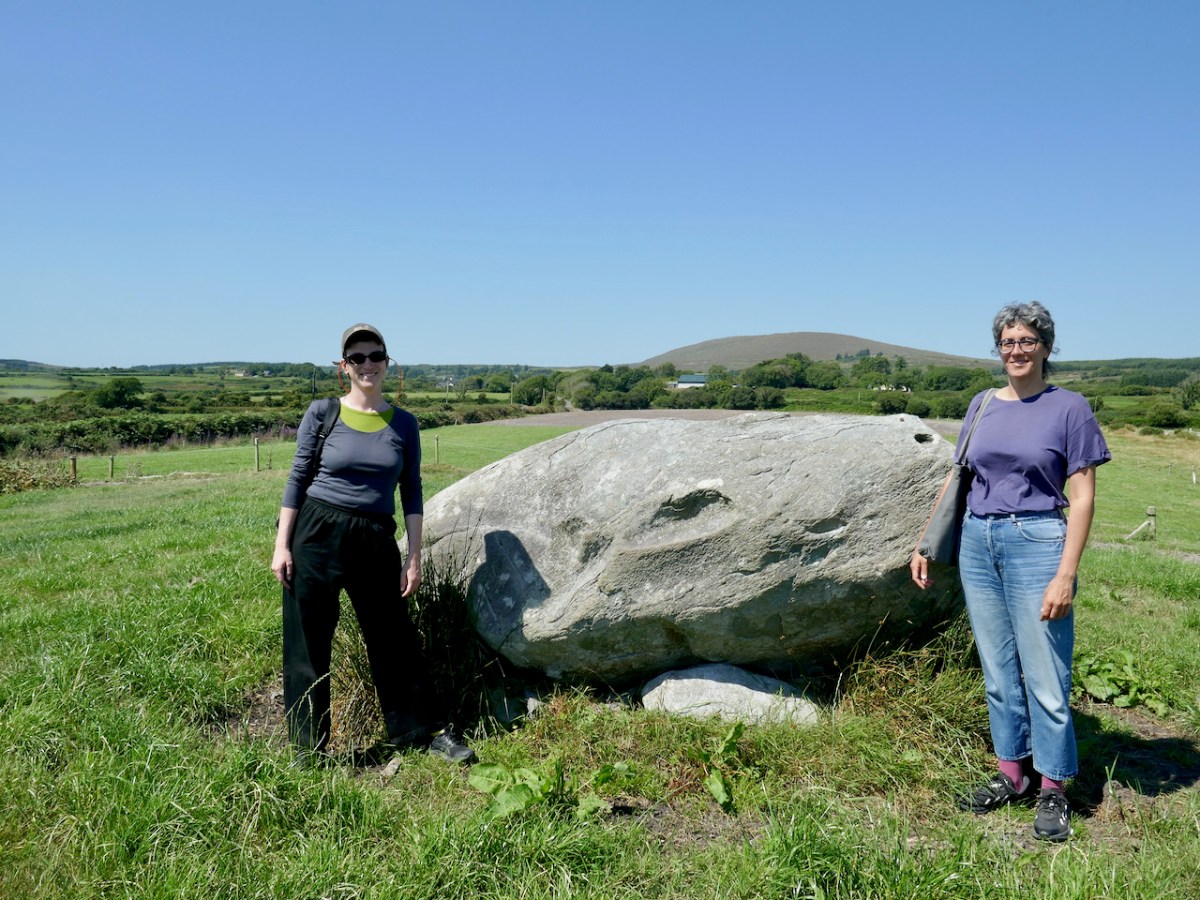
The boulders? Shorthand for Boulder Burials, just one of the ancient monuments we visited this week with Konstanza and Christiana, two of the artists in residence with the Crespo Foundation. They are both from Greece and collaborate on documentary and sound-based projects, and Konstanza is also an archaeologist. It was great fun to introduce them to some of our favourite sites on the Mizen, from rock art to wedge tombs, standing stone and boulder burials. 

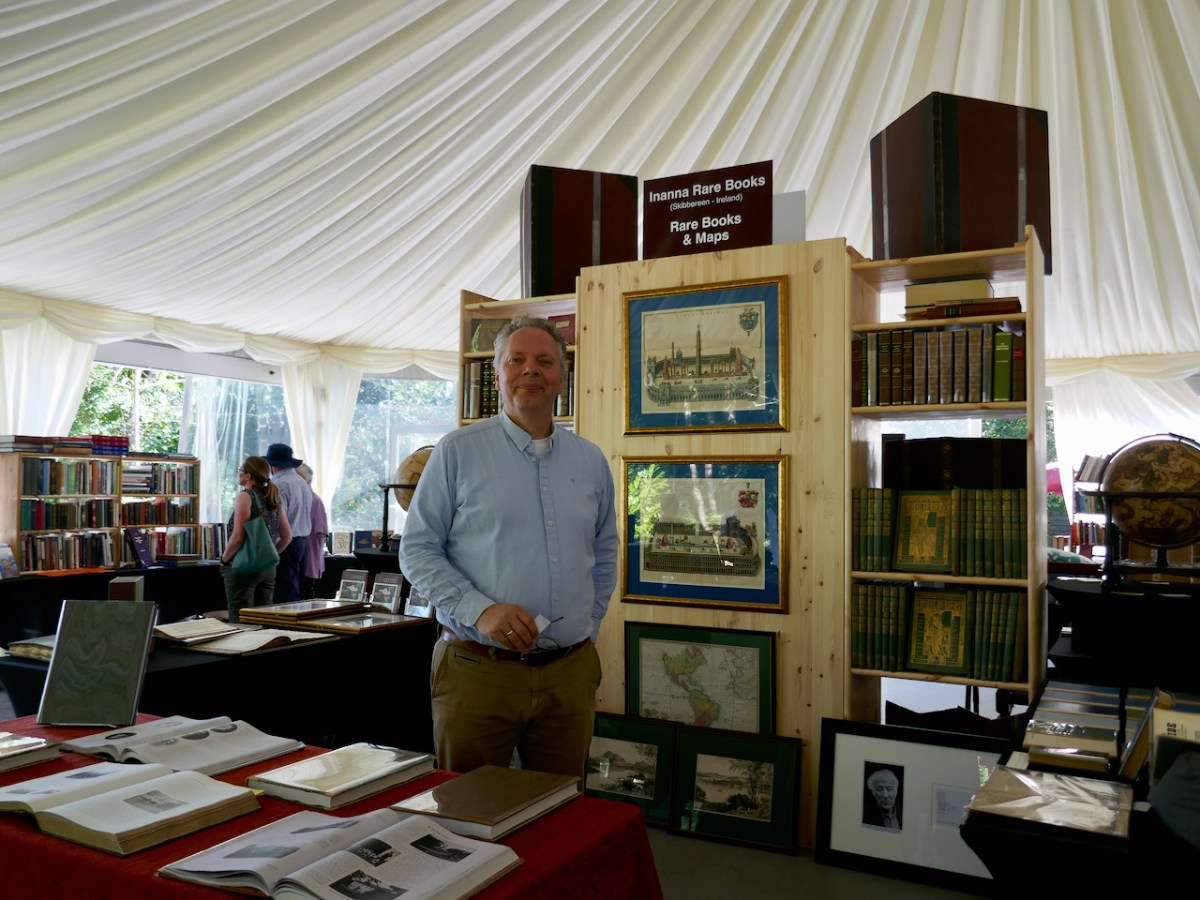
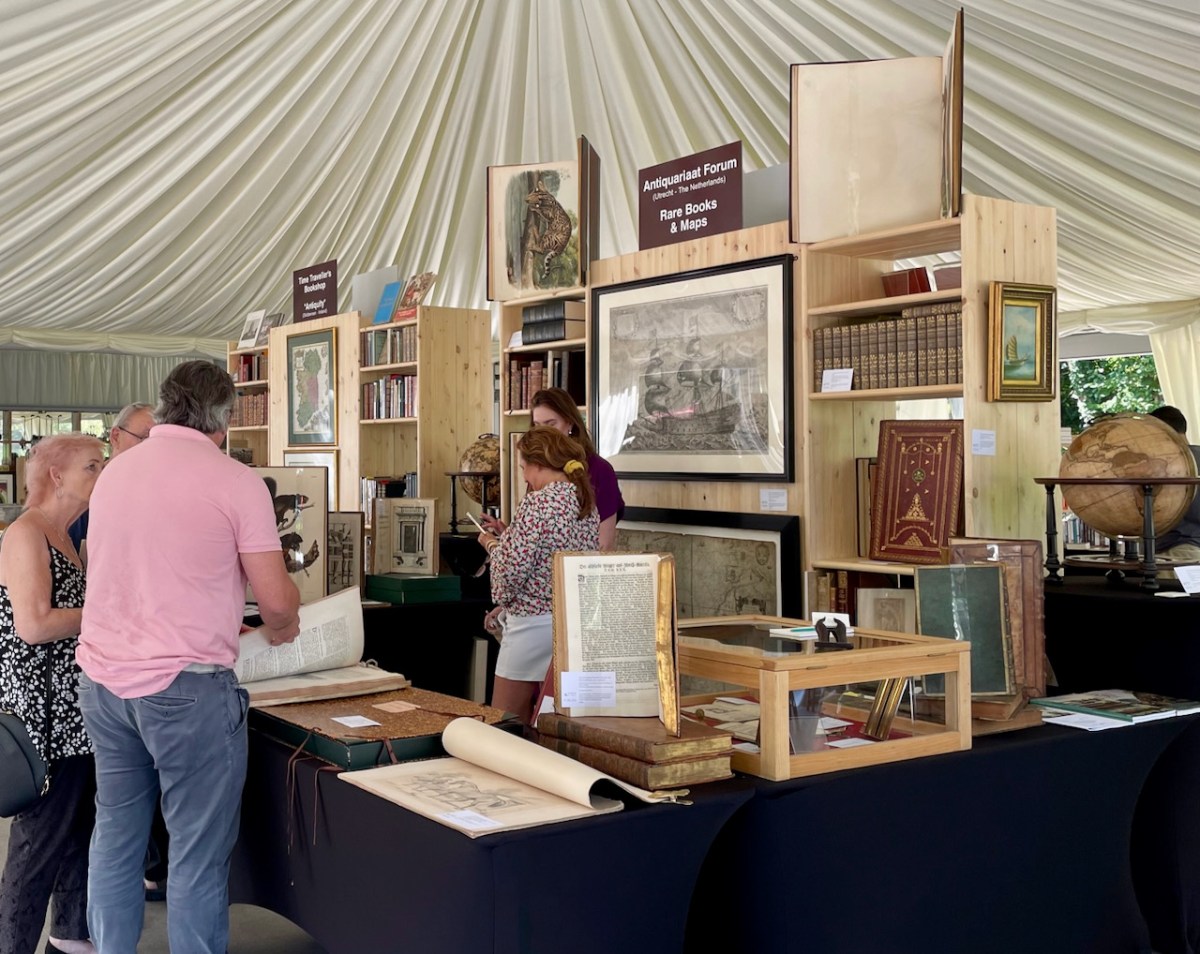
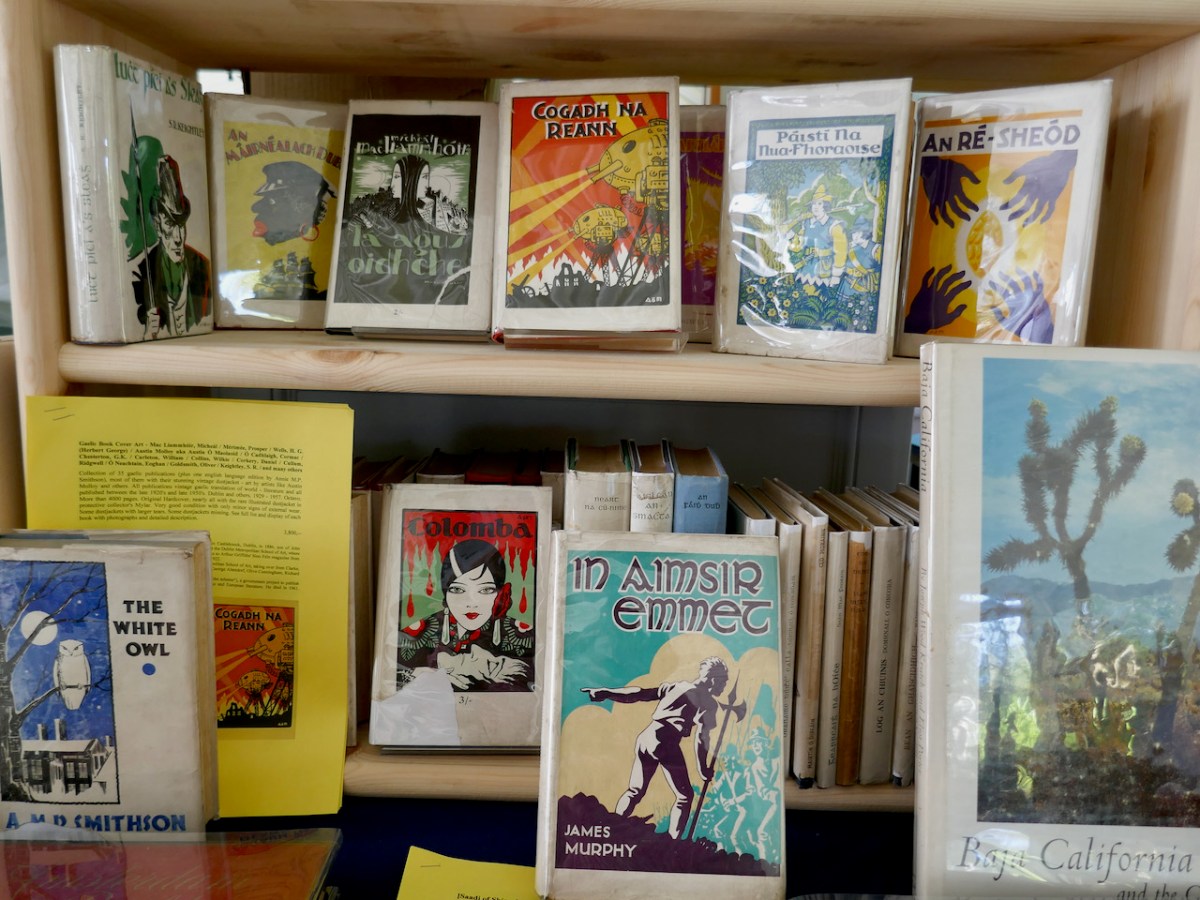
And then it was time for the Rare Book Fair, the brainchild of Holgar (below) and Nicola, who run, respectively, Inanna Rare Books and the Antiquity Bookshop and Plant-based Cafe. This is the inaugural fair and it took place out at the luscious Inish Beg Estate. 

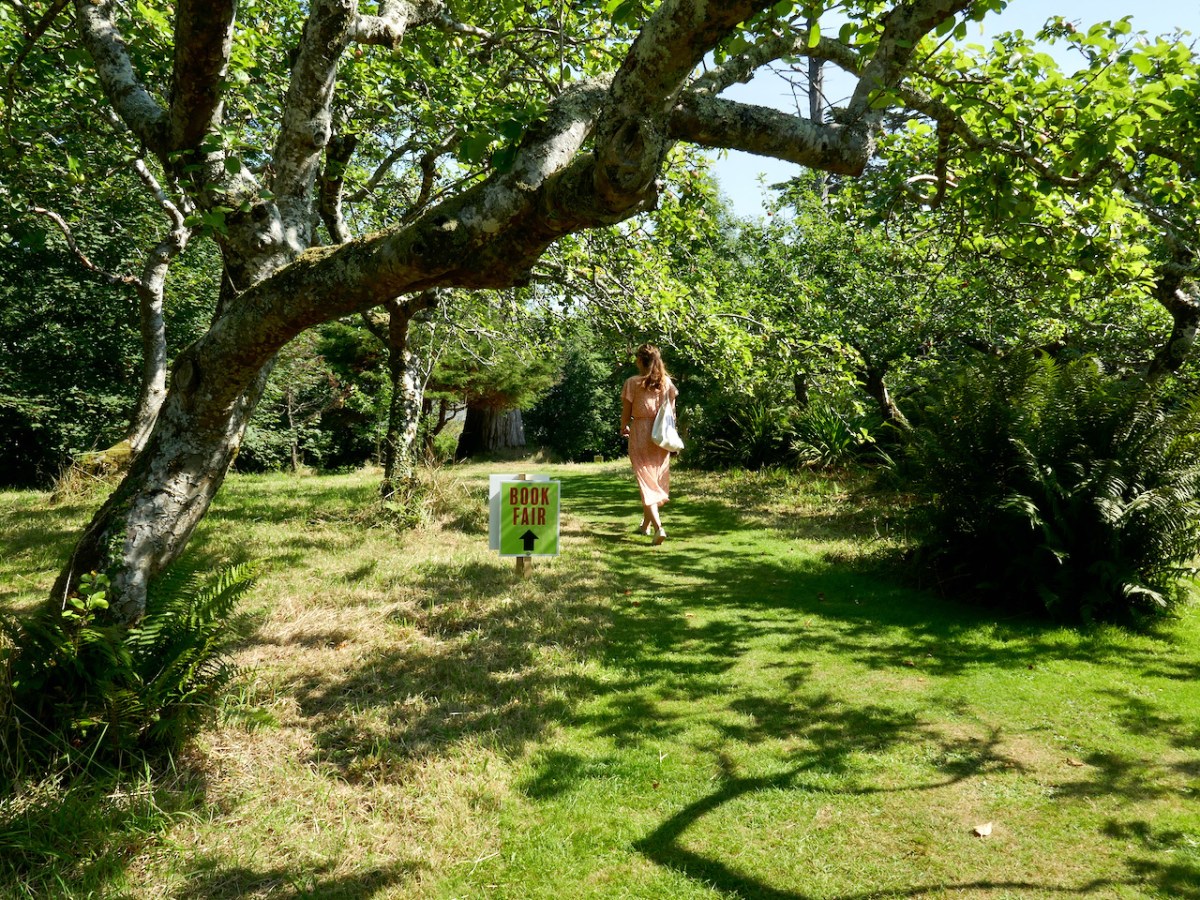
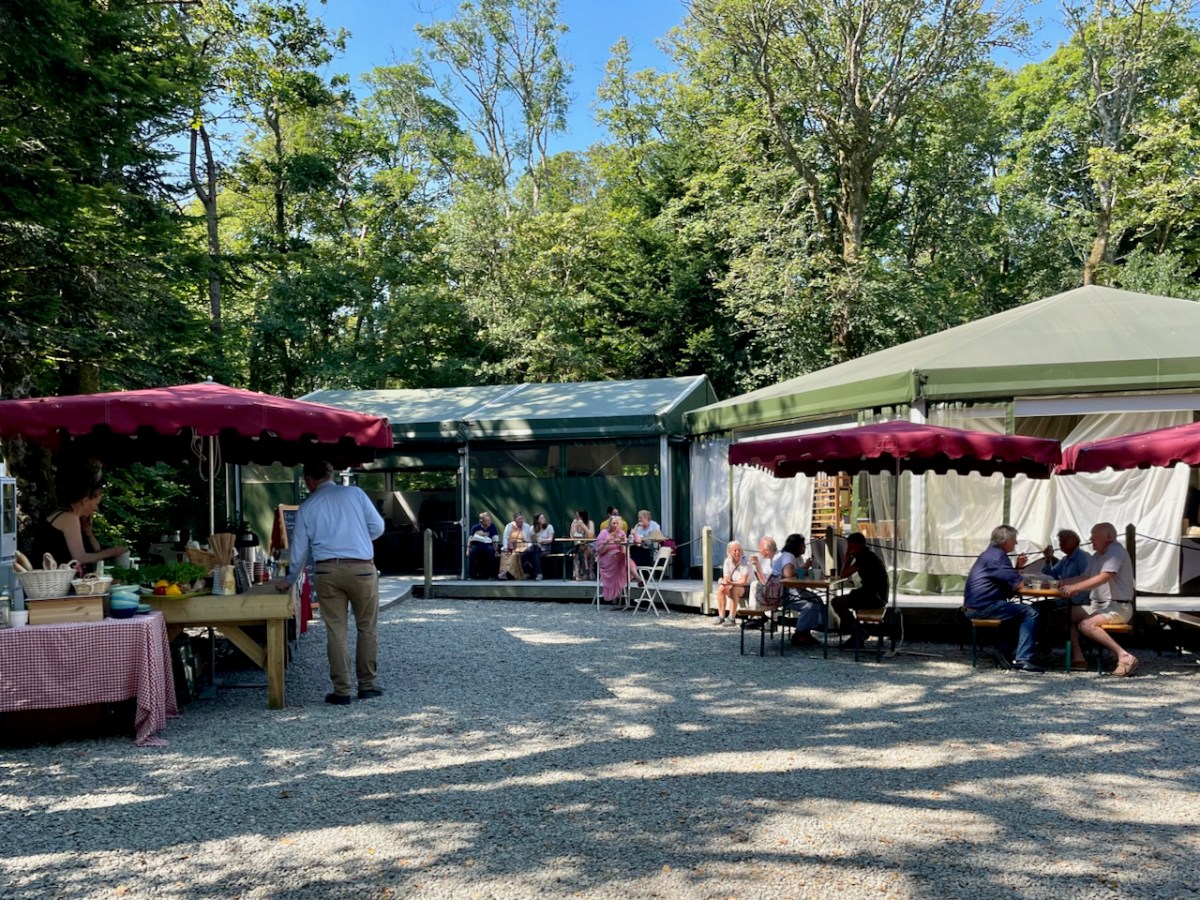
We love Inish Beg – nothing beats a good wander in the gardens and woods there – but even though we’ve been there several times, we were unprepared for the sheer magic of just getting to the book fair from the car park, all part of the experience.

Of course we couldn’t come away without a few books, but the best part was just chatting to the booksellers – a passionate and knowledgeable group – and sitting outside sipping a cold drink and leafing through our purchases with other like-minded folk. Bliss!

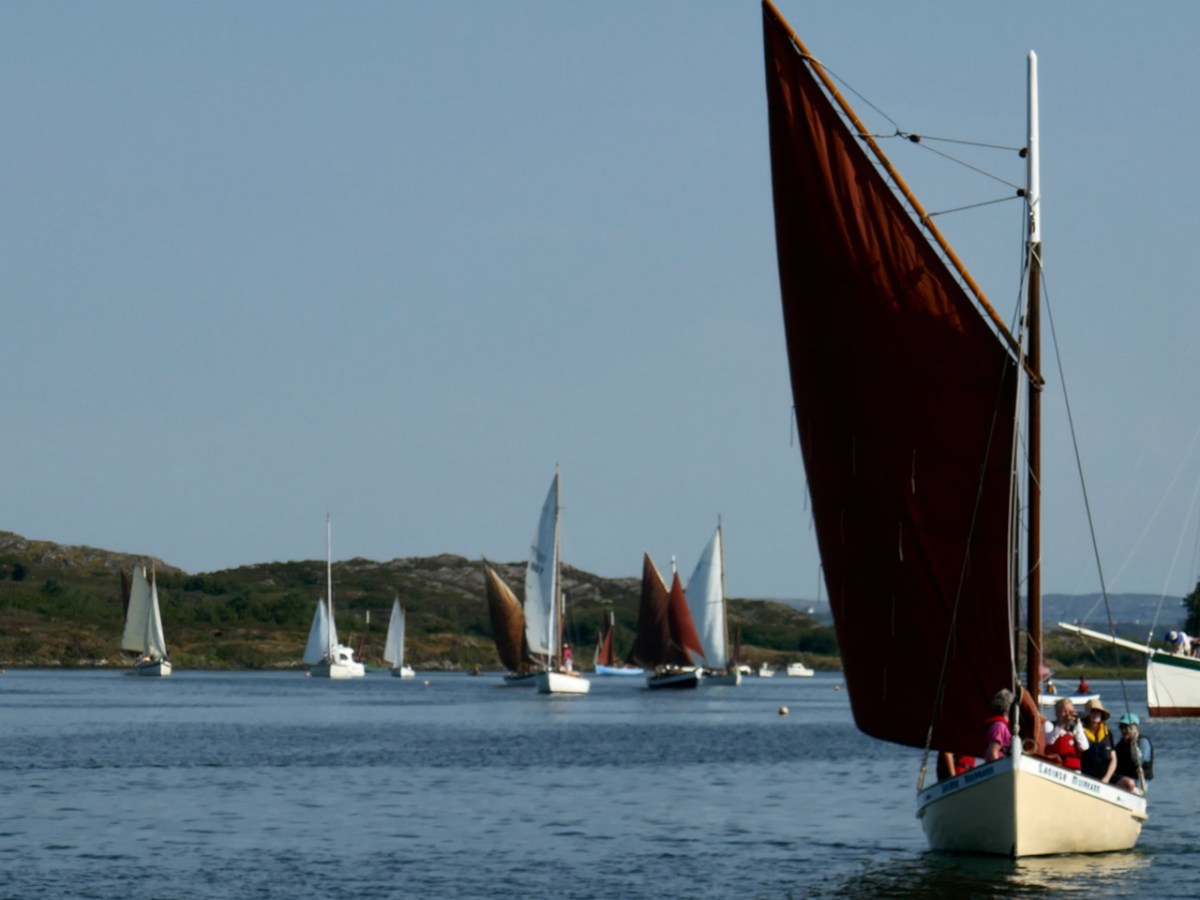
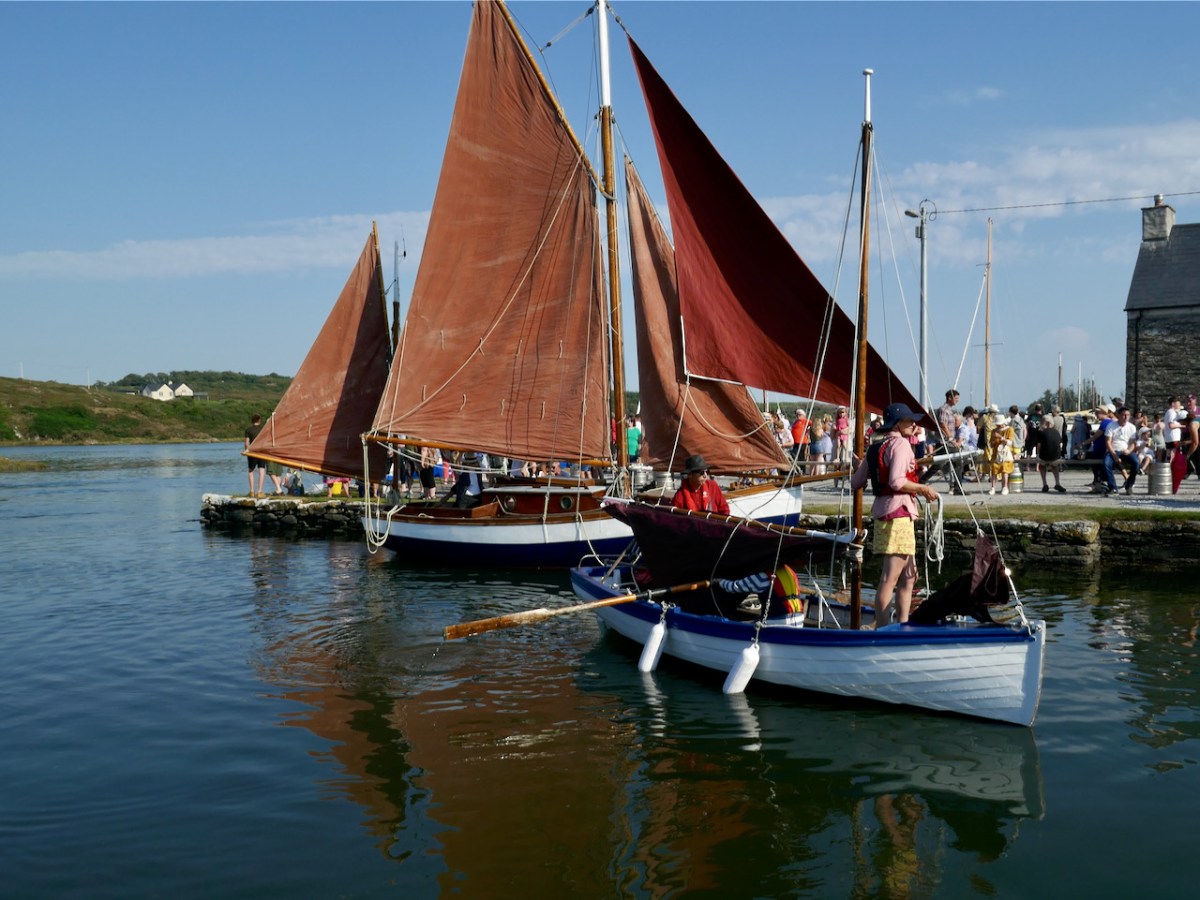
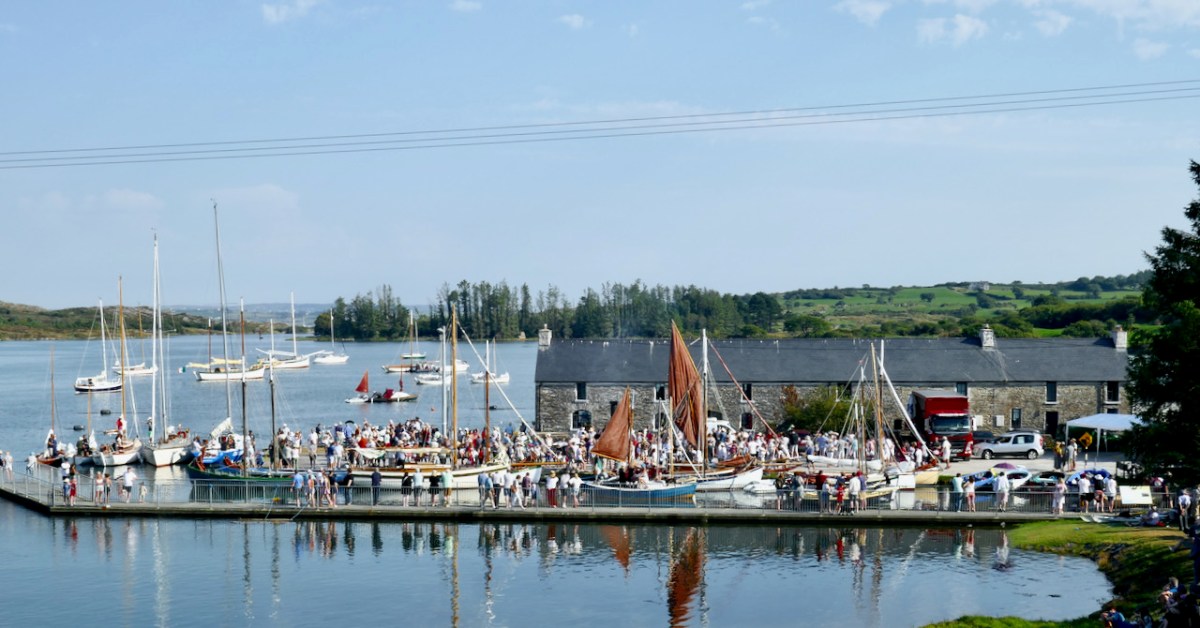
This book fair has the potential to become a very enjoyable permanent part of the West Cork Festival scene and I hope it does. On to Ballydehob and the annual Boat Gathering, or Cruinniú na mBád. Here’s my account of it in 2017 and in 2019 I had the wonderful experience of travelling in one of the boats with my friend Jack. 

This is just a fantastic community event. The whole village gathers on the quay, there’s music and burgers and the crack is mighty. But it’s the sight of the boats, in full sail, coming up the bay on the rising tide, that is the big draw and takes us back to the days when this was a common sight. 

And talking of boats and Ballydehob, we also took part in Inbhear, a sensory experience featuring the pedalos which used to be a common sight in Ballydehob Bay many years ago. Check out Robert’s post for his account of this – it was lovely.

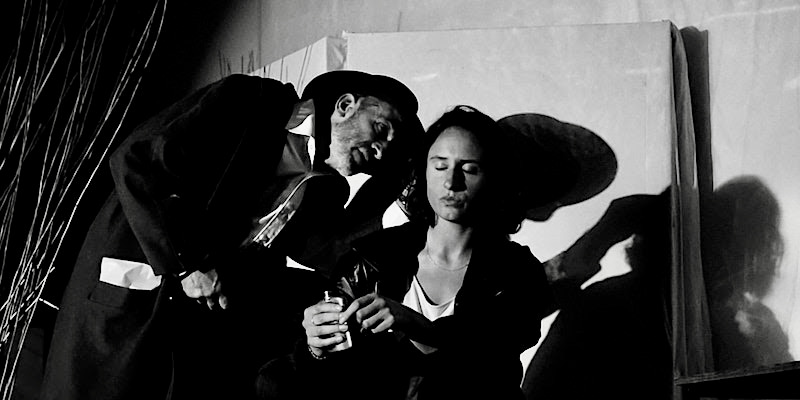
That leaves us with bogs . . . and the first of these was to attend, in the attractive surrounding of Glebe Gardens in Baltimore, a local production of By the Bog of Cats (above), a play by Marina Carr, loosely based on the Greek tragedy of Medea. This is a powerful, multi-layered and haunting story of betrayal, abandonment, longing and revenge. It debuted in the Abbey Theatre in 1998 and has had many international productions (think Broadway and West End) since then. The Director, Terri Leiber, elicited outstanding performances from her cast, and the standing ovation at the end of the evening was well-deserved.

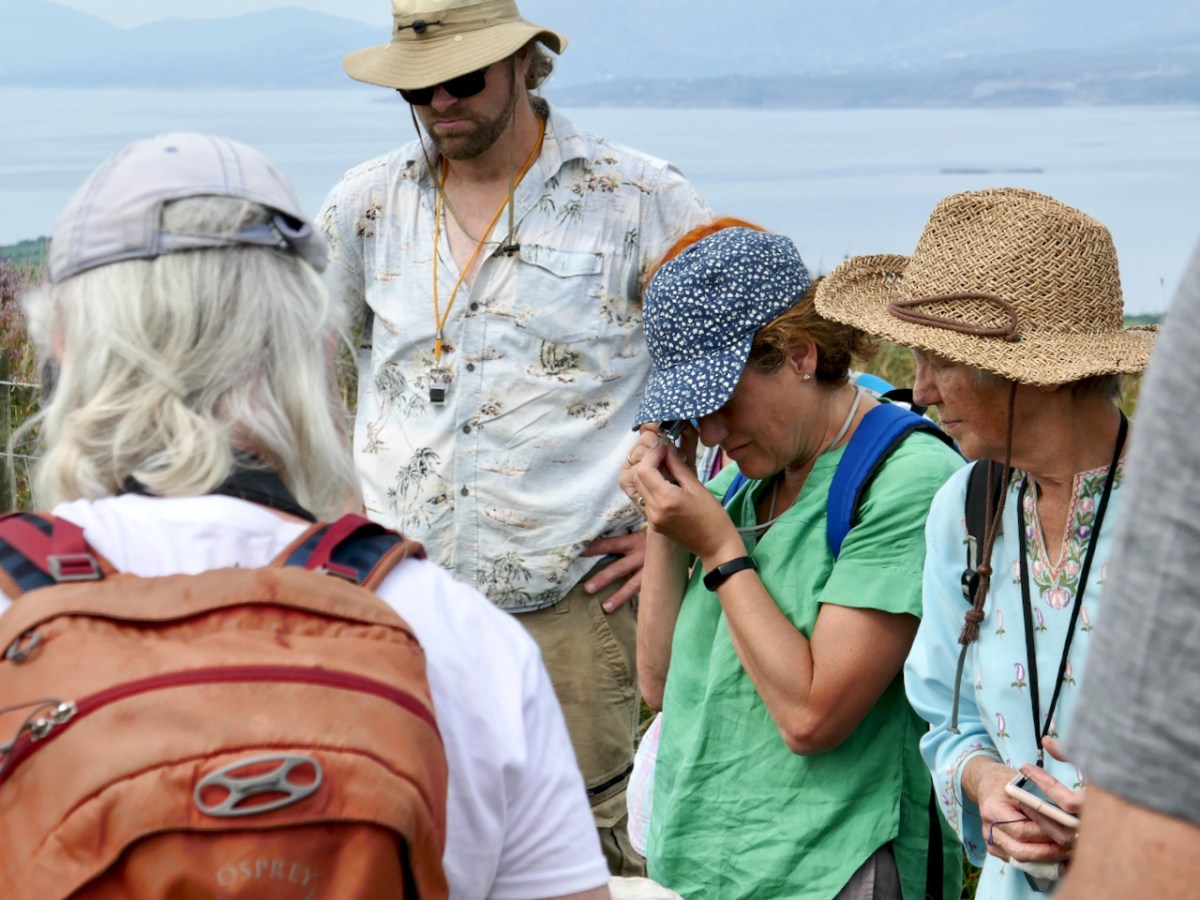
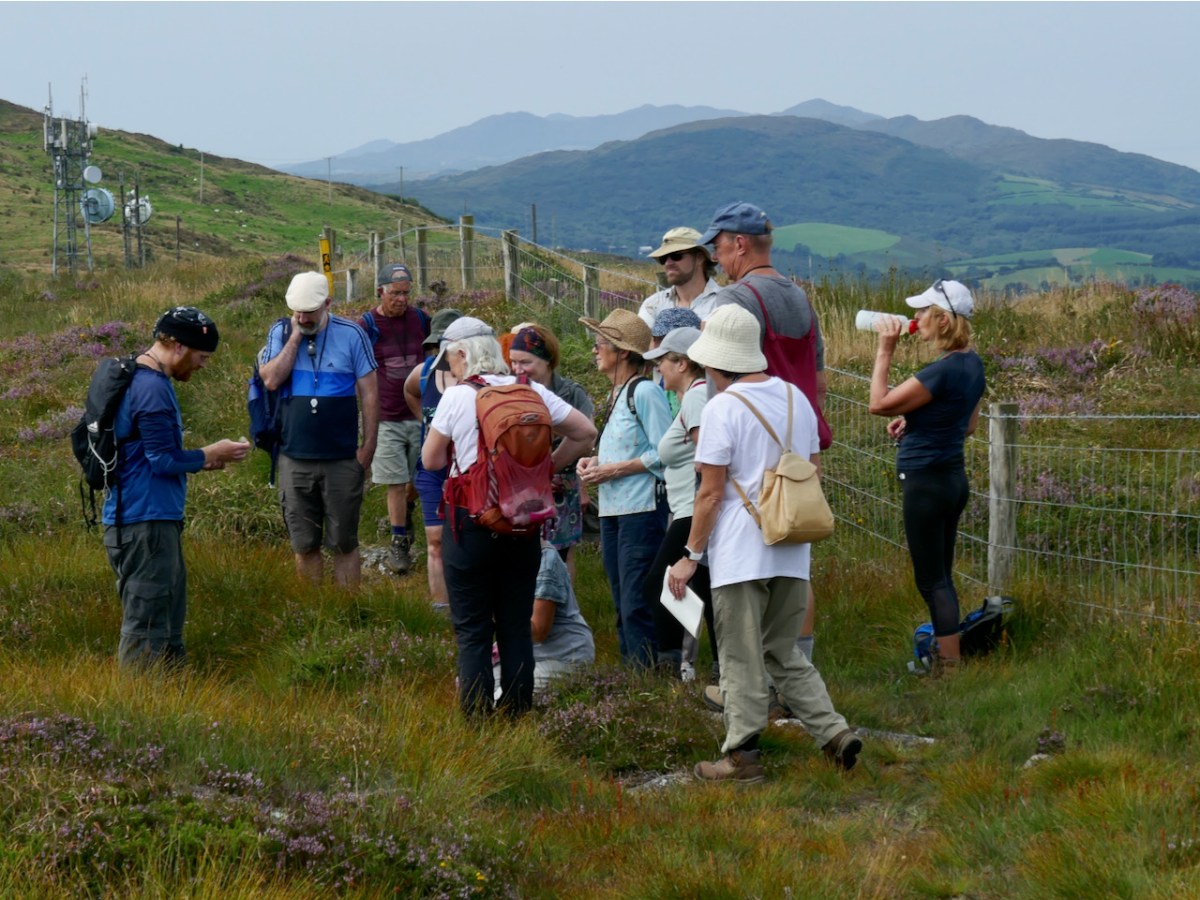
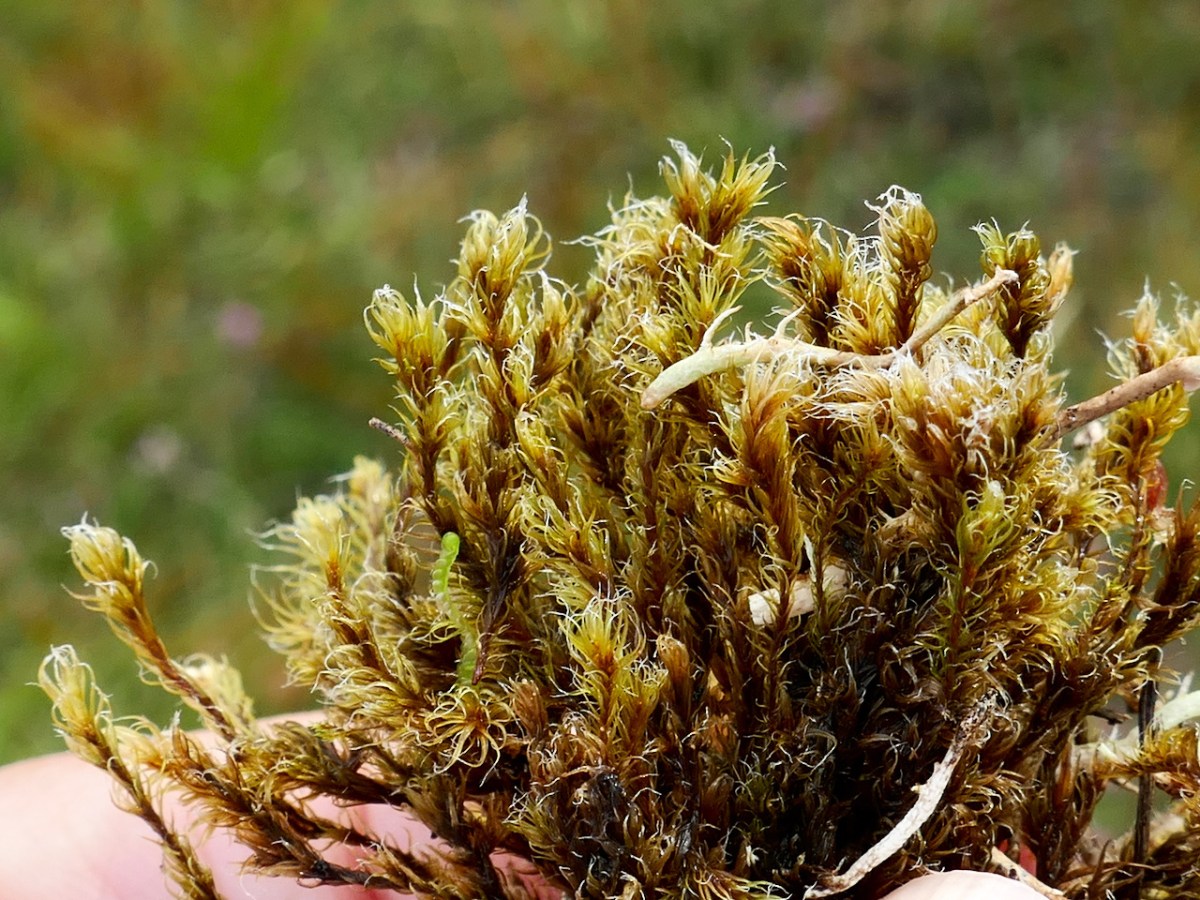
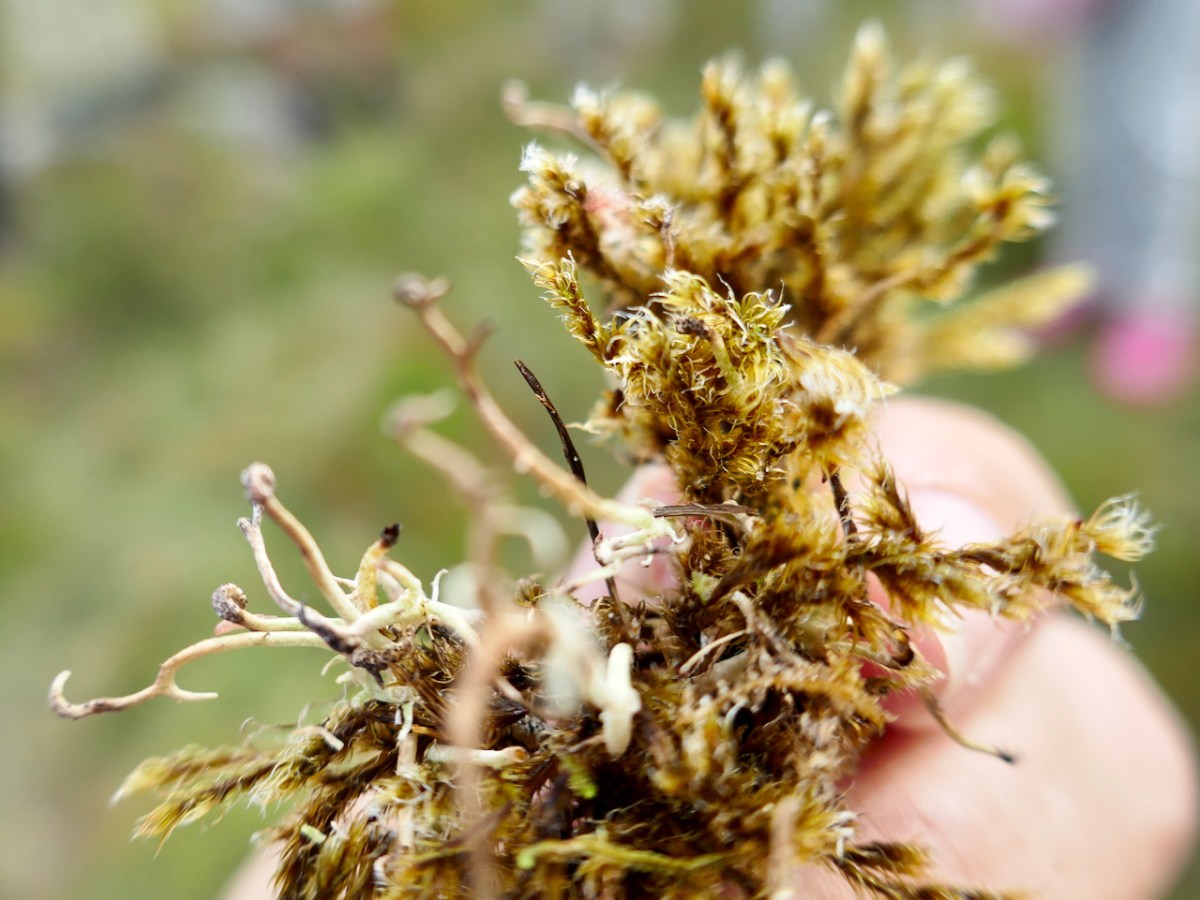
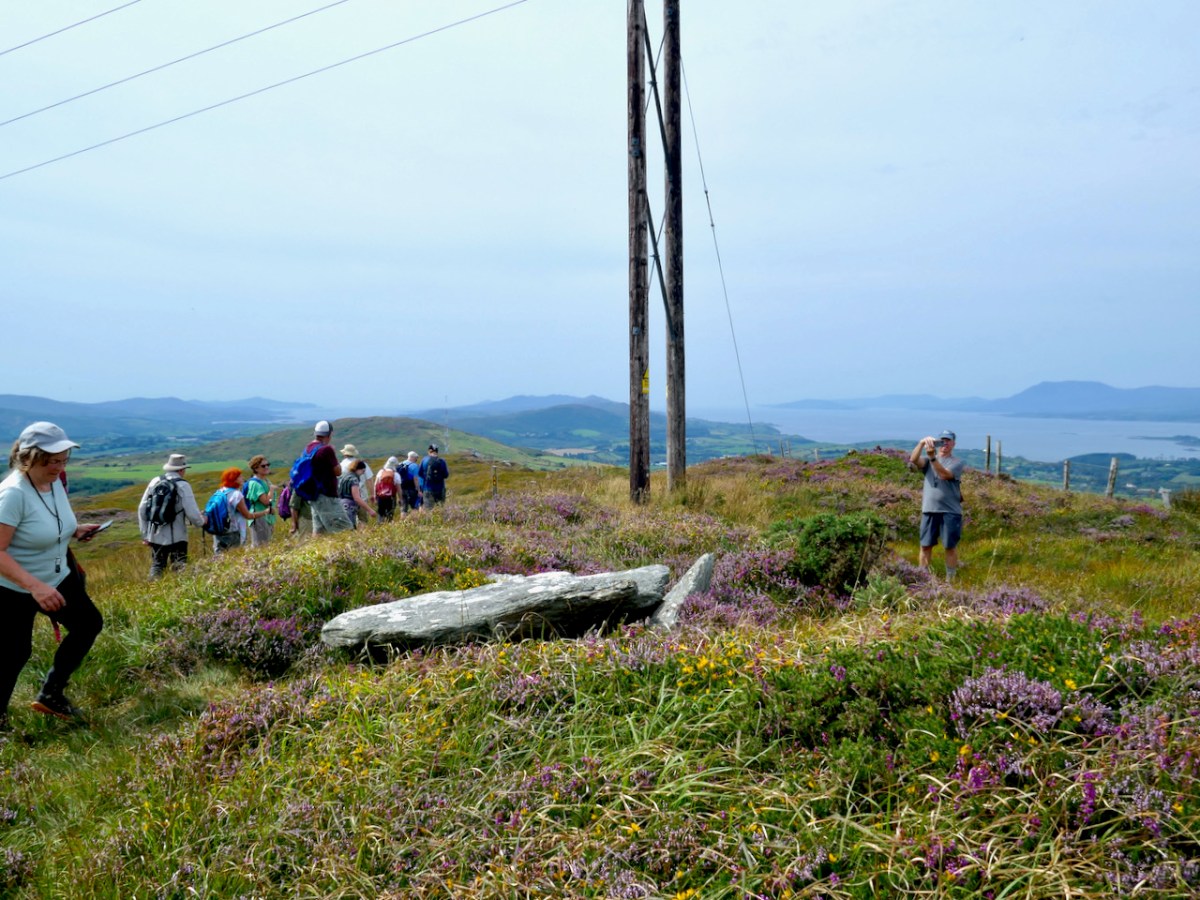
And the second bog? That was today, and although not the first event of the Ellen Hutchins Festival, it was the one that kicked it off for Robert, me and my sister, Aoibhinn, visiting from Dublin. Led by eminent botanist Rory Hodd, and provided with hand lenses, we tramped over the high land above Bantry, on a quest to understand more about heathland and boggy environments.

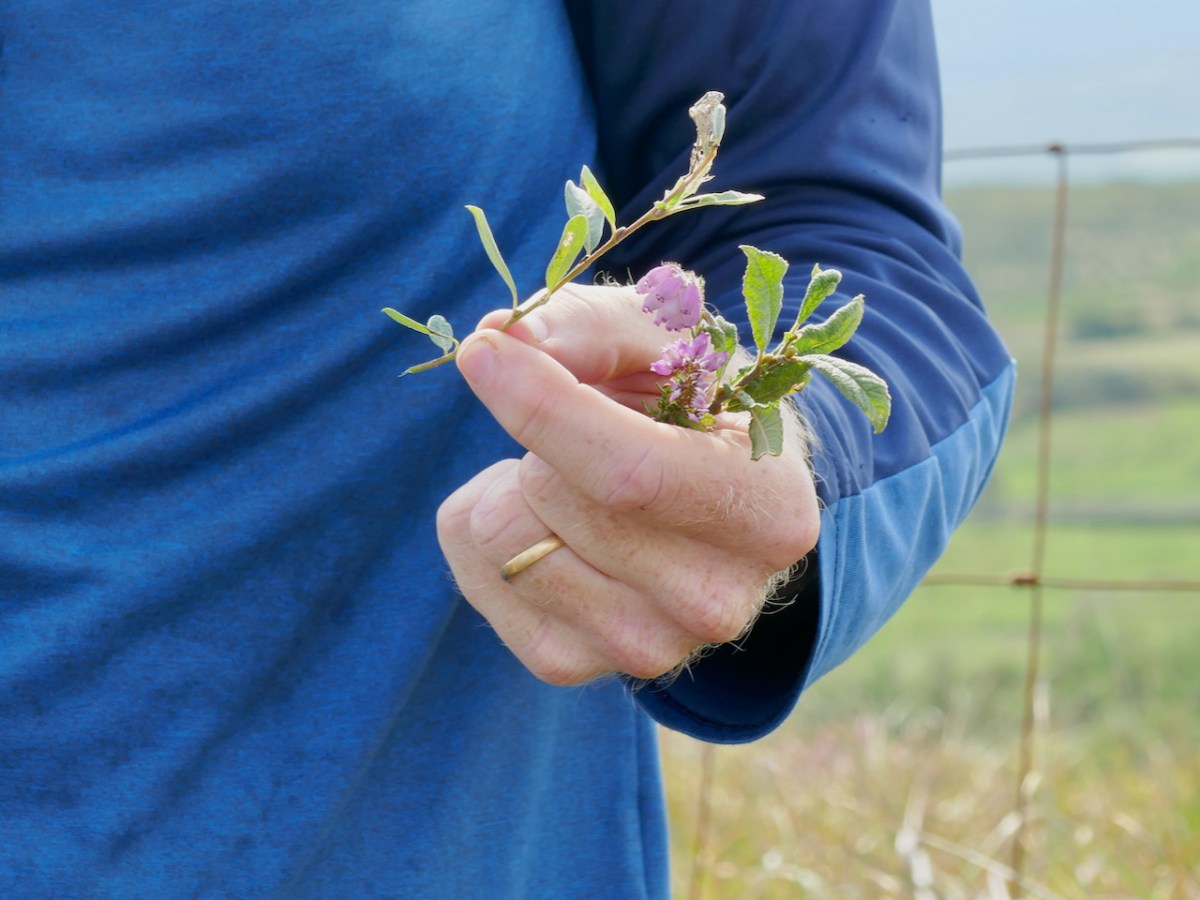
Rory is an acknowledged expert in this area, and it’s a real privilege to be on a walk with him. He knows everything, but manages to make it all accessible to the layperson. He explained how mosses, bryophytes, lichens, heathers and other plants interact to form the complex ecosystem that make up heathland and bogs.

I now know that ‘sedges have edges’ is not a reliable rule of thumb, and that the Purple Moor-grass that almost defines the winter bog landscape in West Cork (called Fionnán, or blond grass) actually decreases bio-diversity, and that one handful of plants can contain several different species of mosses (including invasive ones from New Zealand!) and liverworts!

And all of this in the most glorious landscape, with a view down all three peninsulas, the Mizen, Sheep’s Head, and the Beara, with a prehistoric wedge tomb at one of the high points (along with Ireland’s most unsympathetically located electricity pole) just to add some non-botanical interest.

The Ellen Hutchins Festival continues all week, and you can still get tickets to many events. The one I play a part in, as MC, is on Friday. It’s called Seaweed and Sealing Wax 2, and it charts the correspondence between Ellen and Dawson Turner, continuing from Part 1 last year. It’s free but you have to register. Hope to see you there – come and say hello.

Woods of West Cork

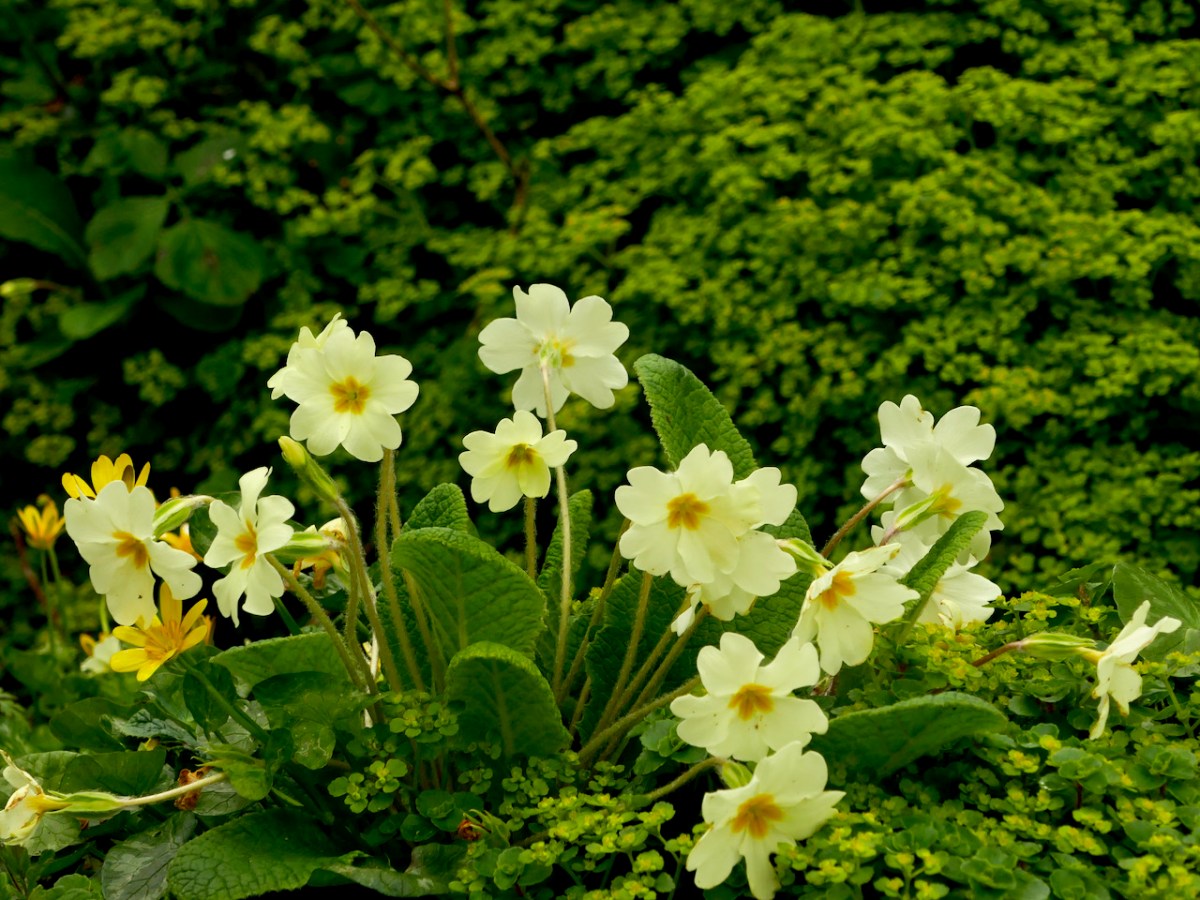
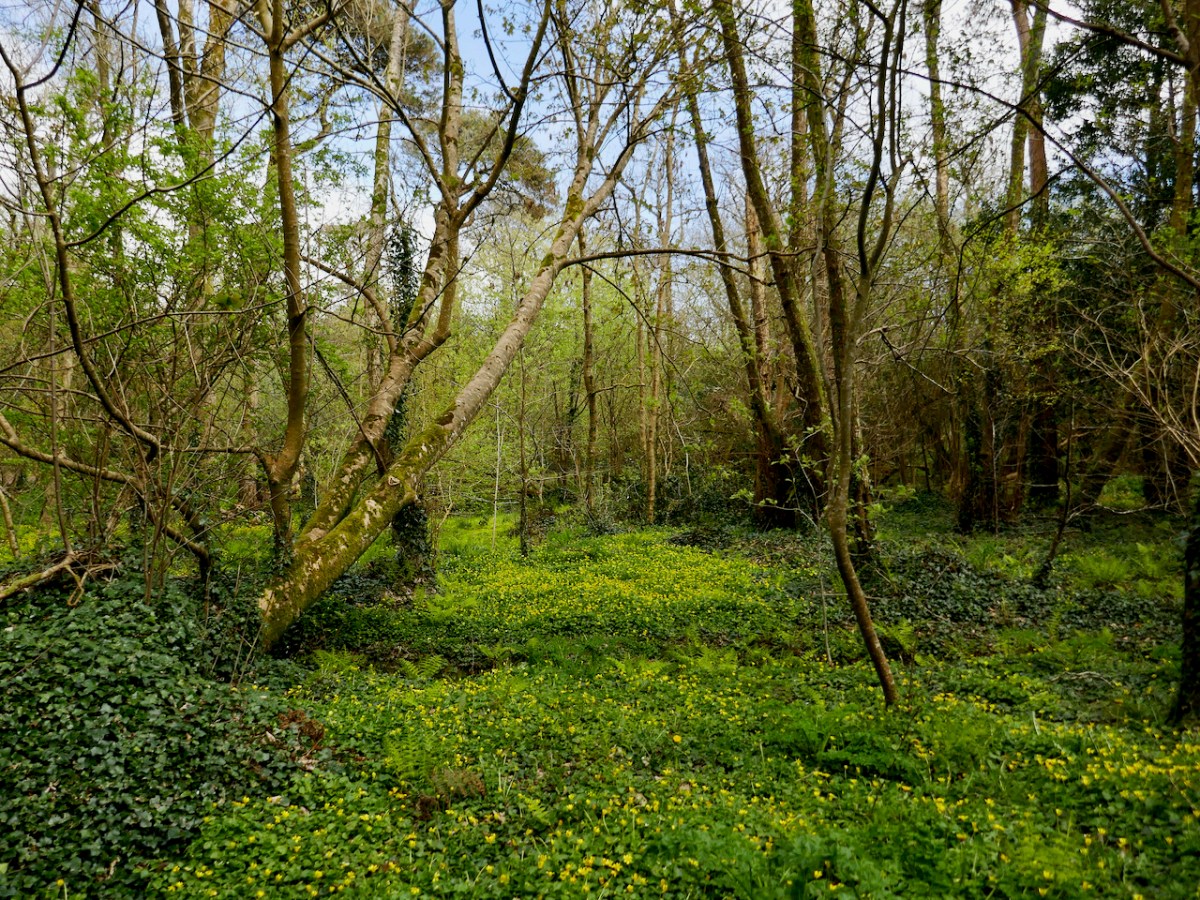
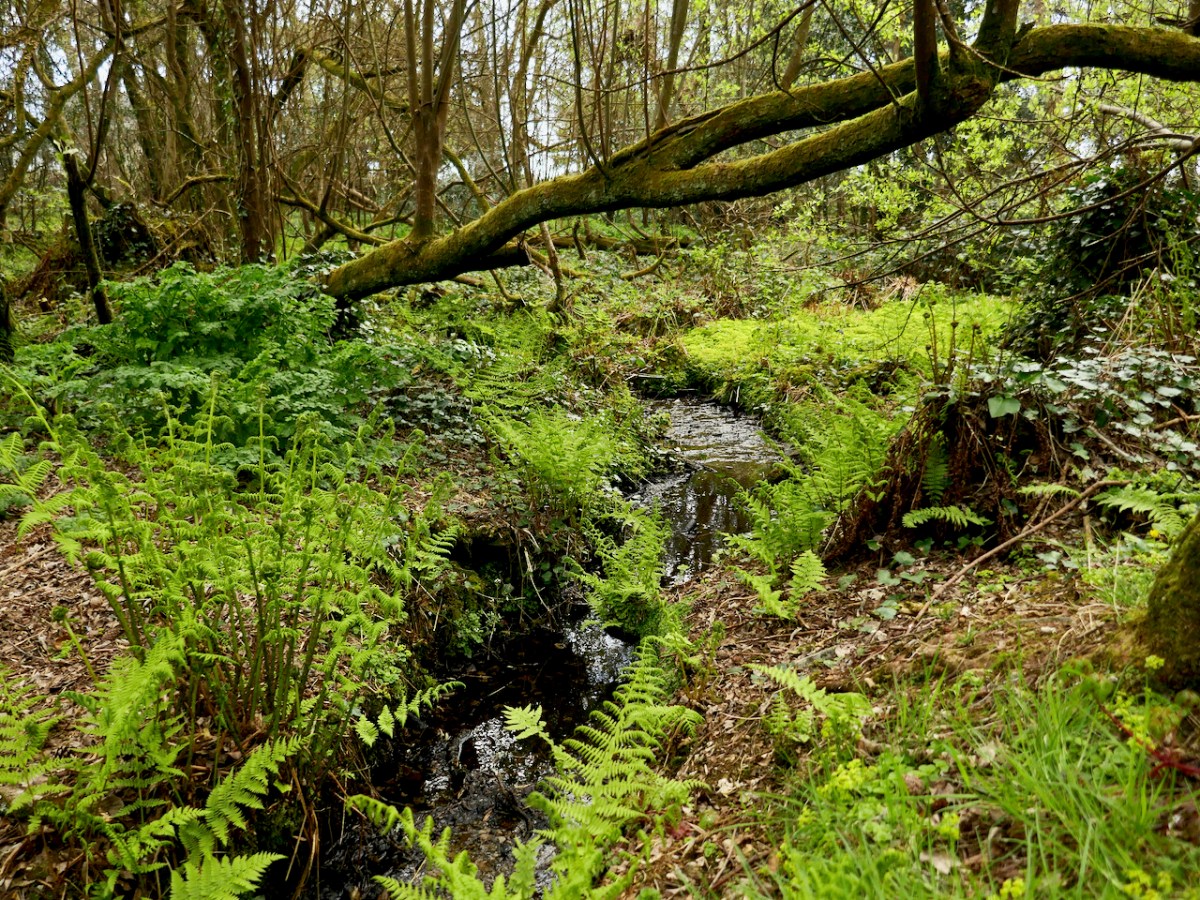
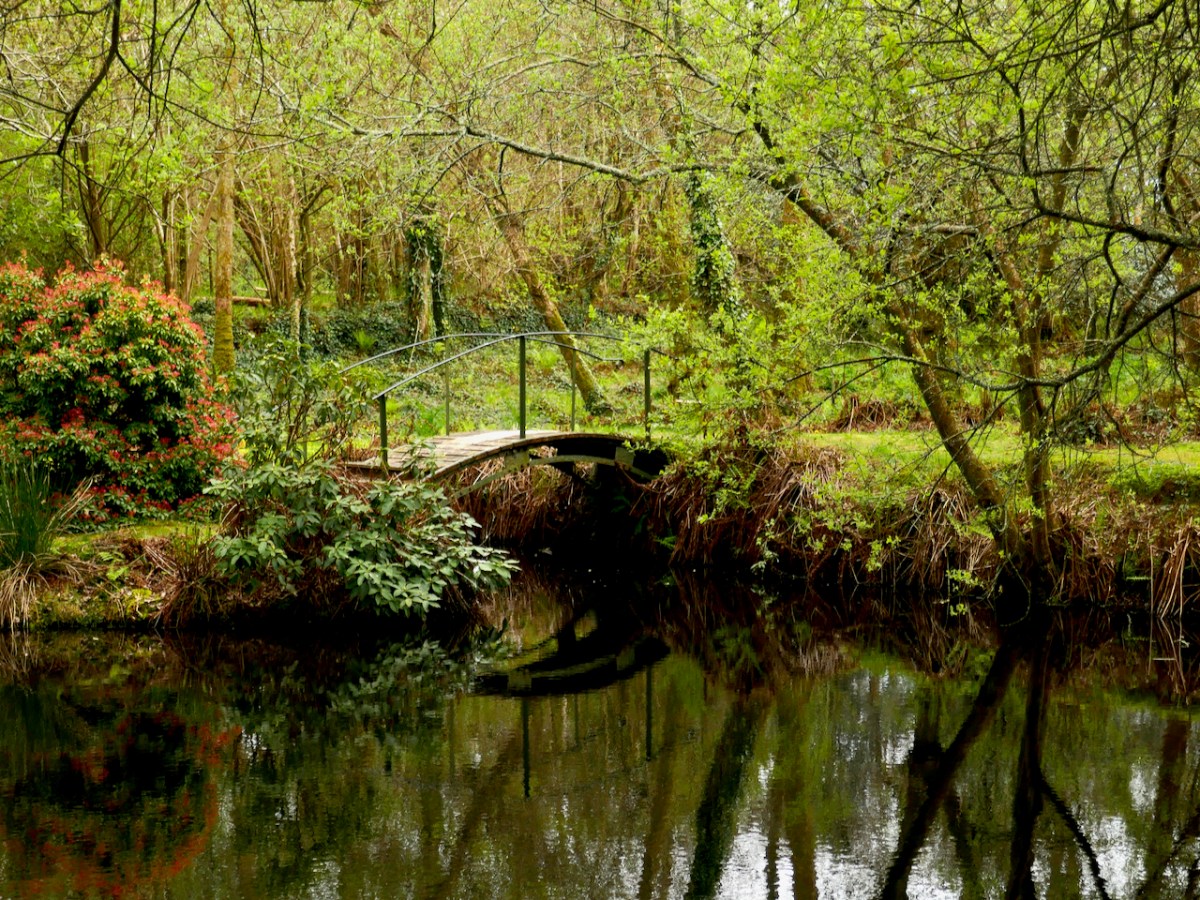
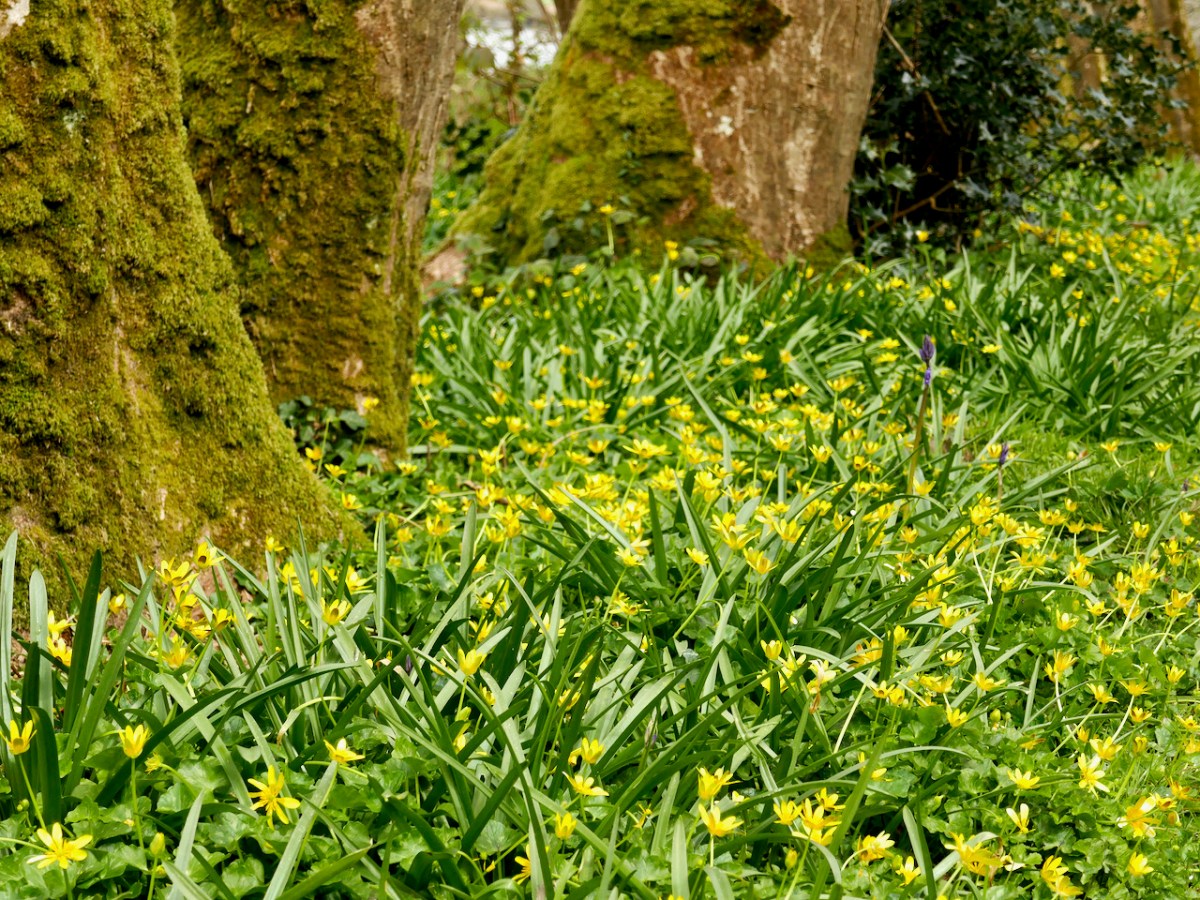
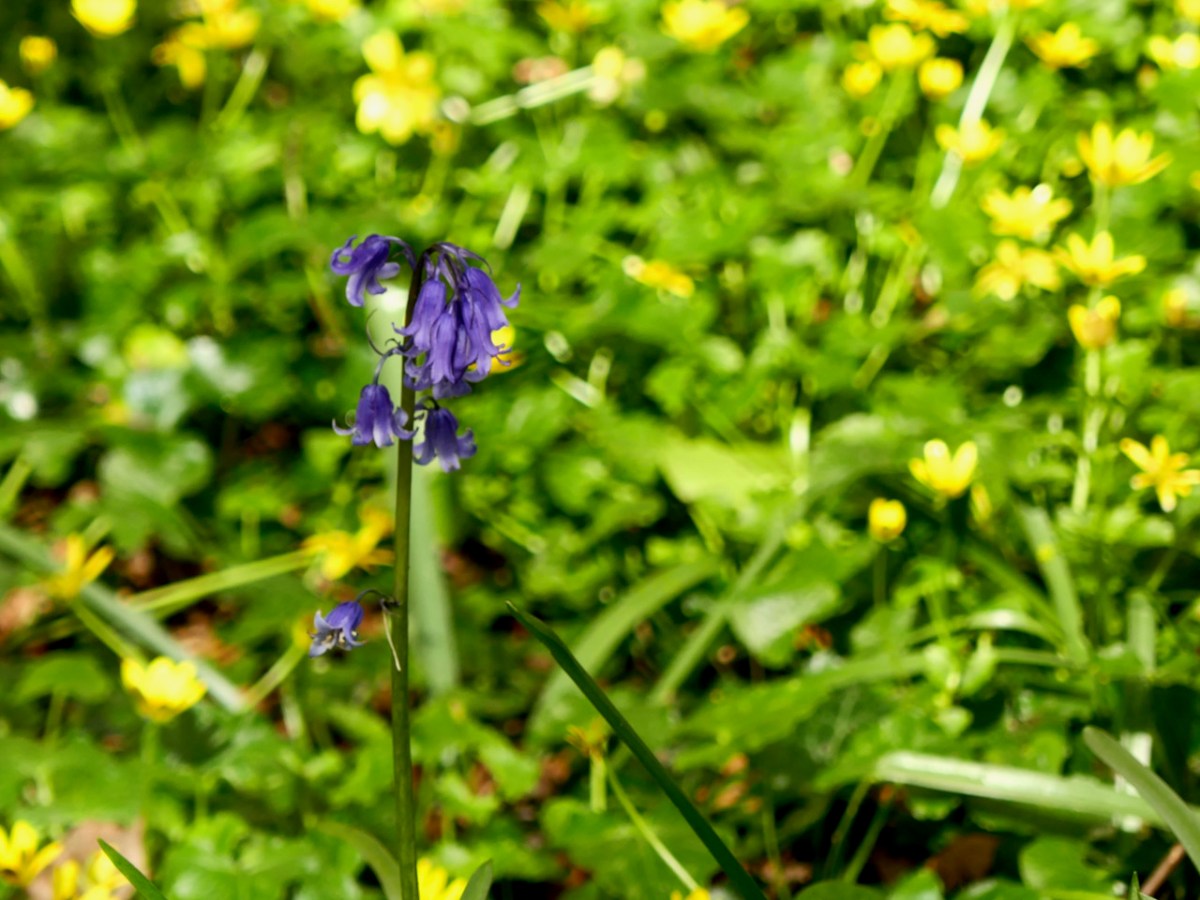
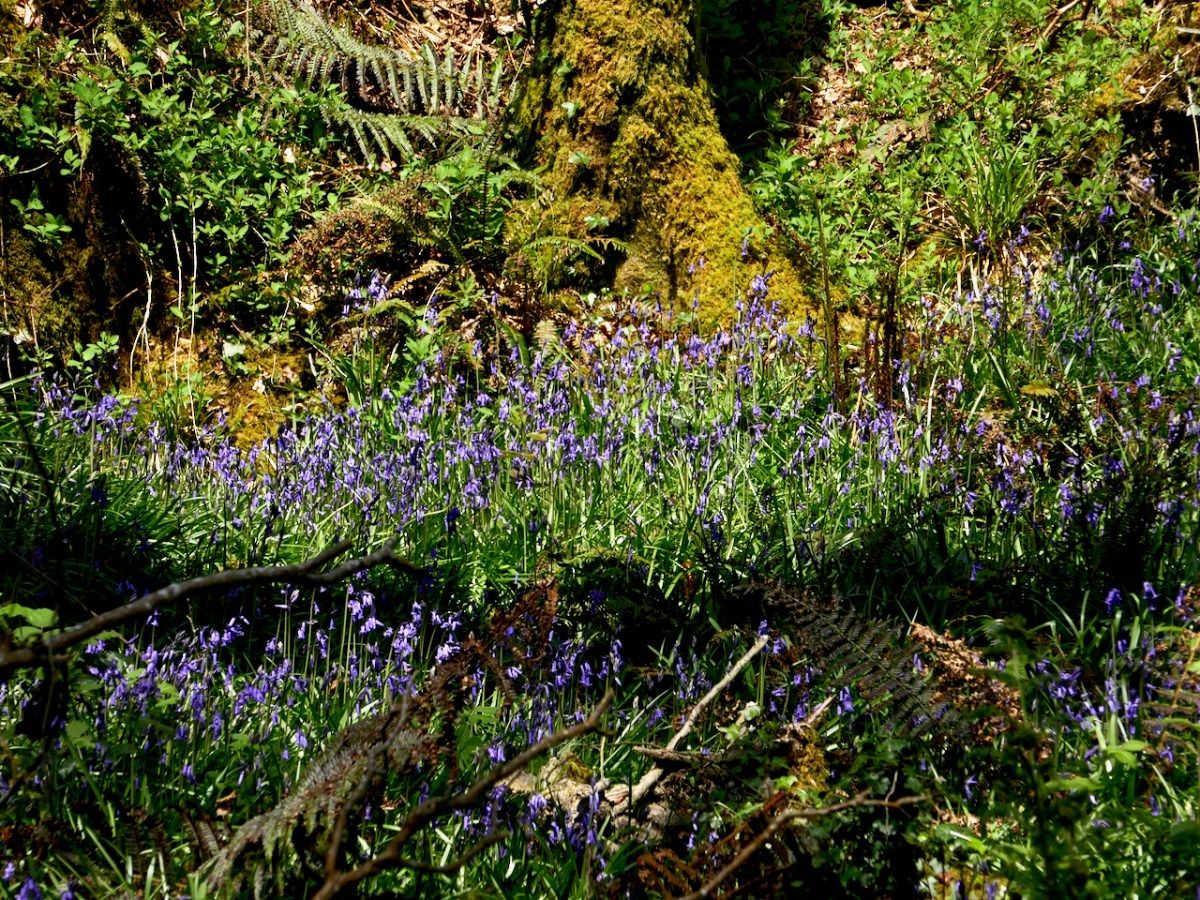
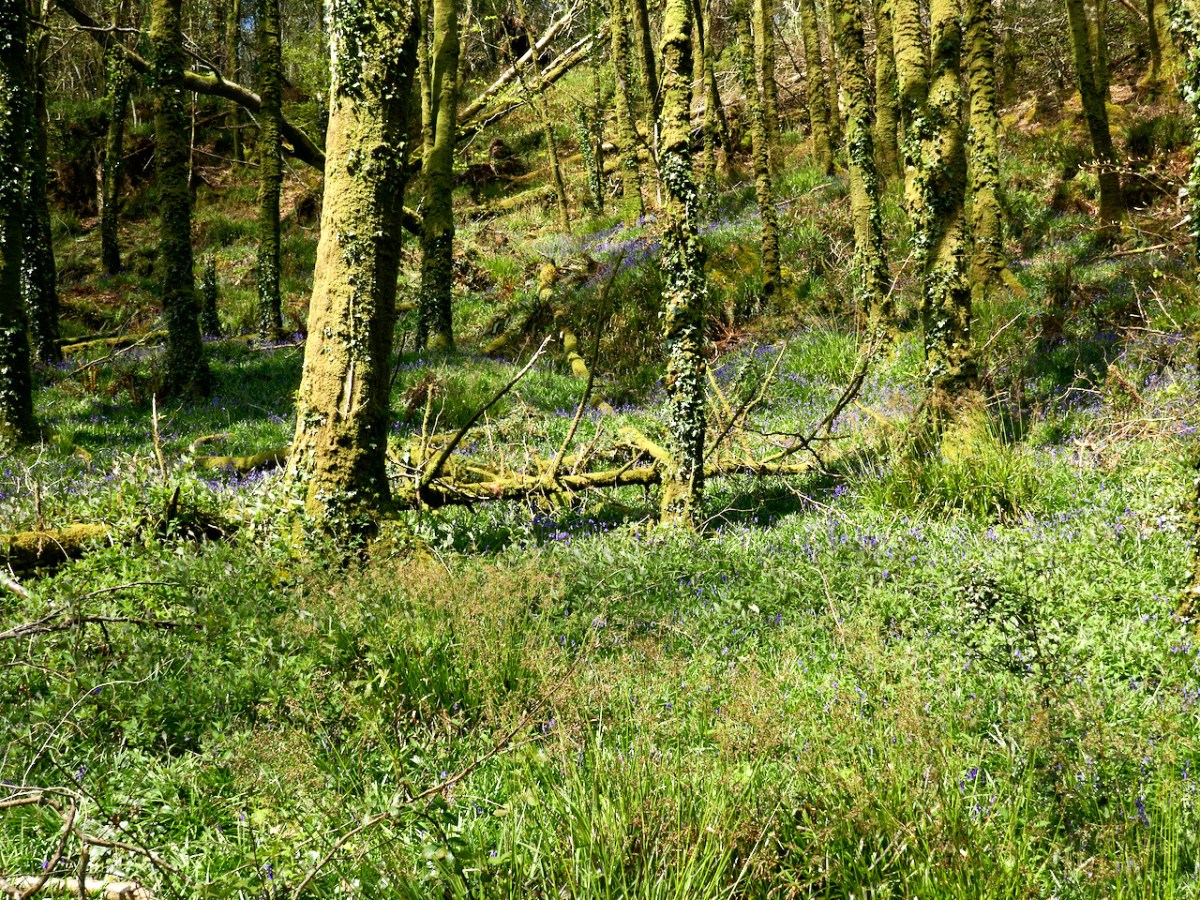
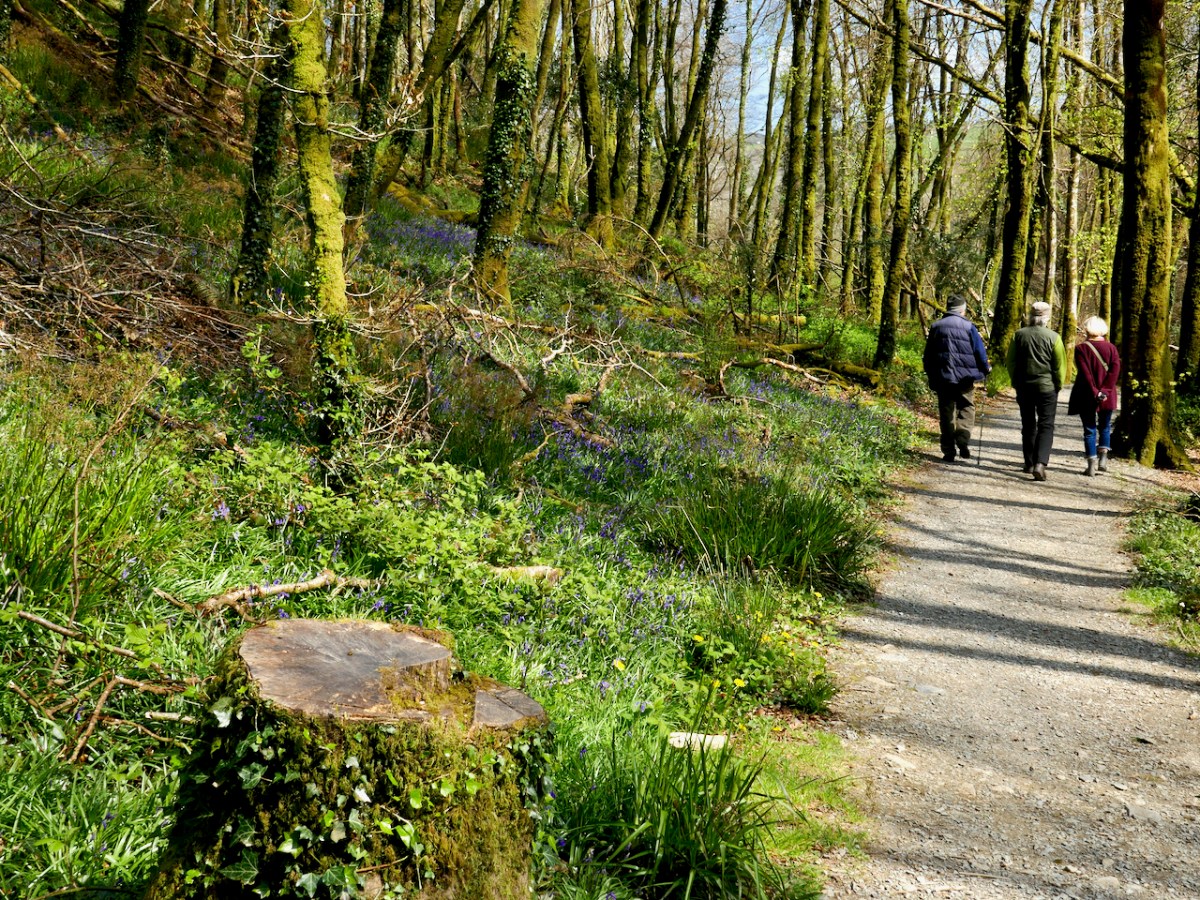
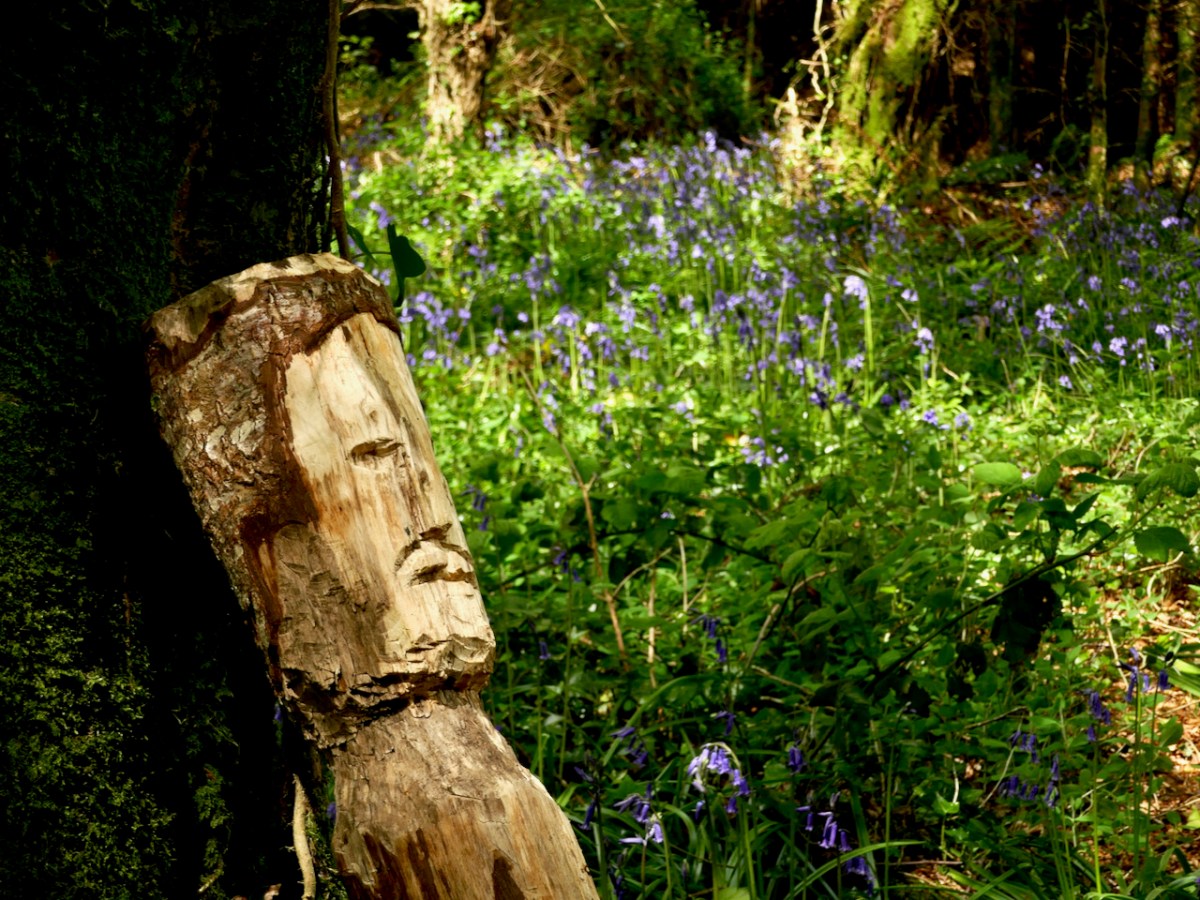
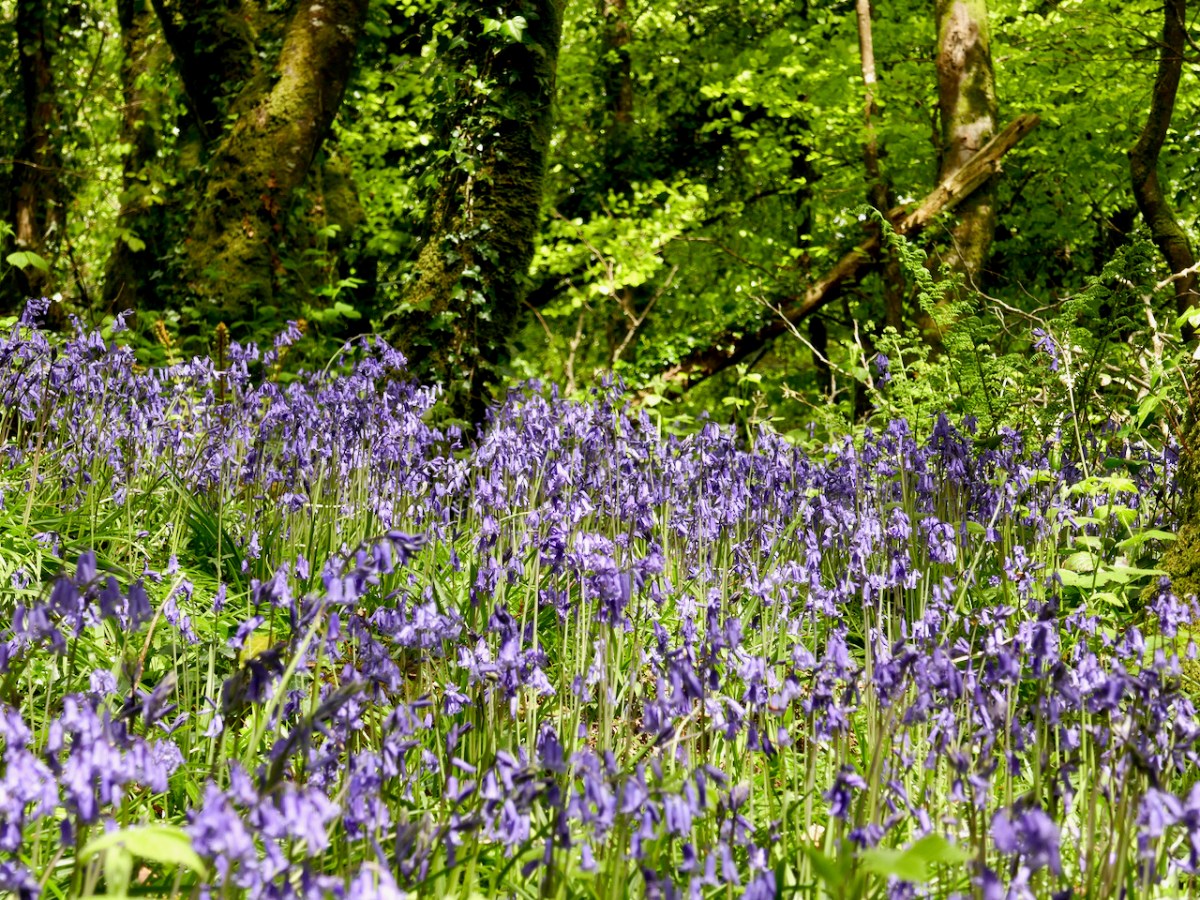
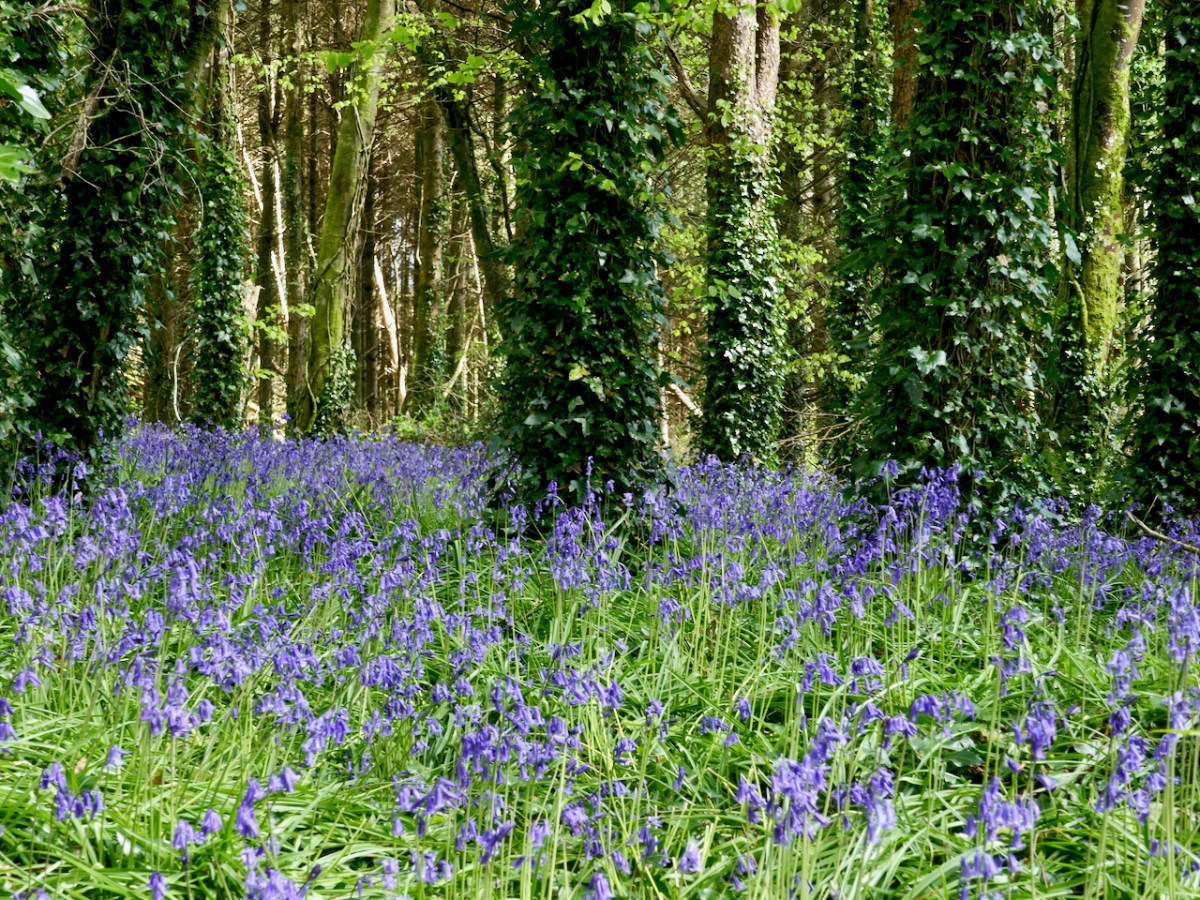
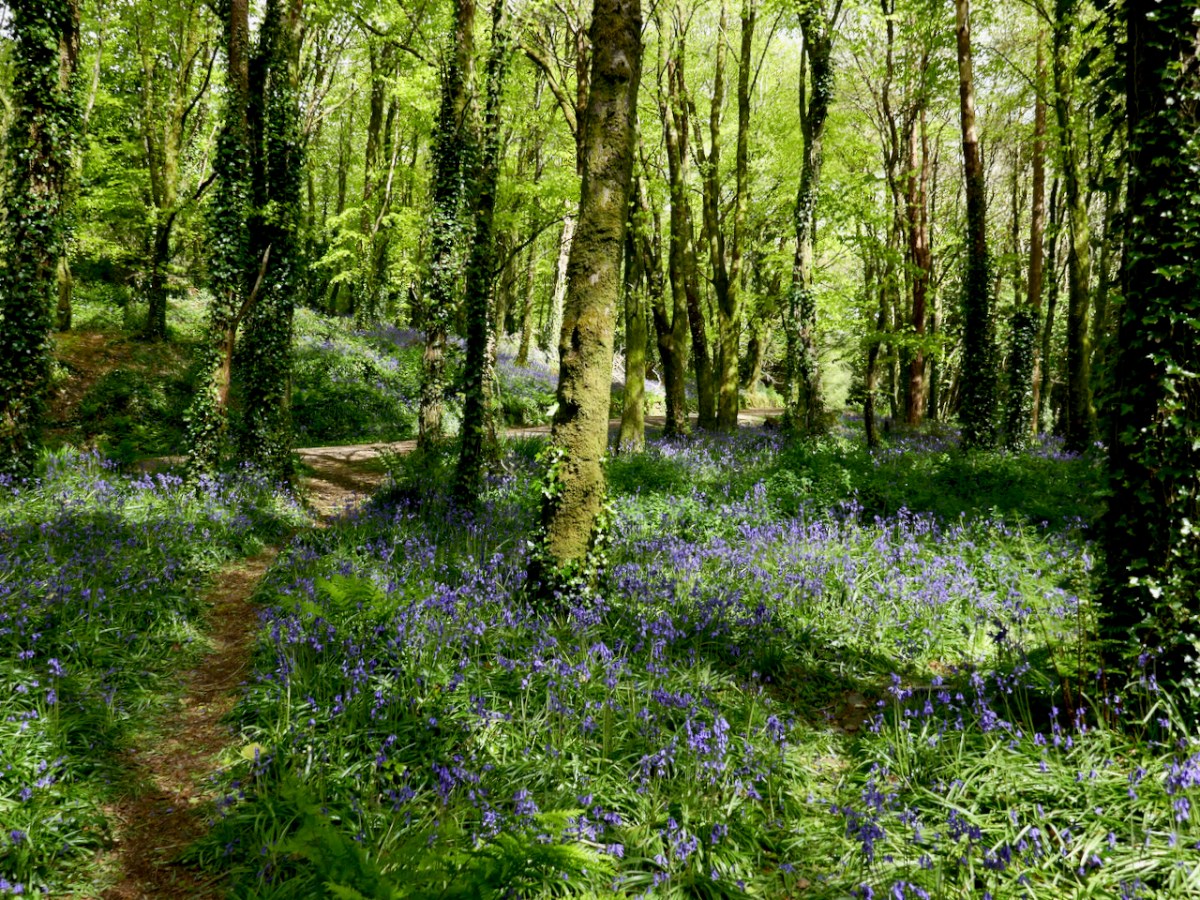
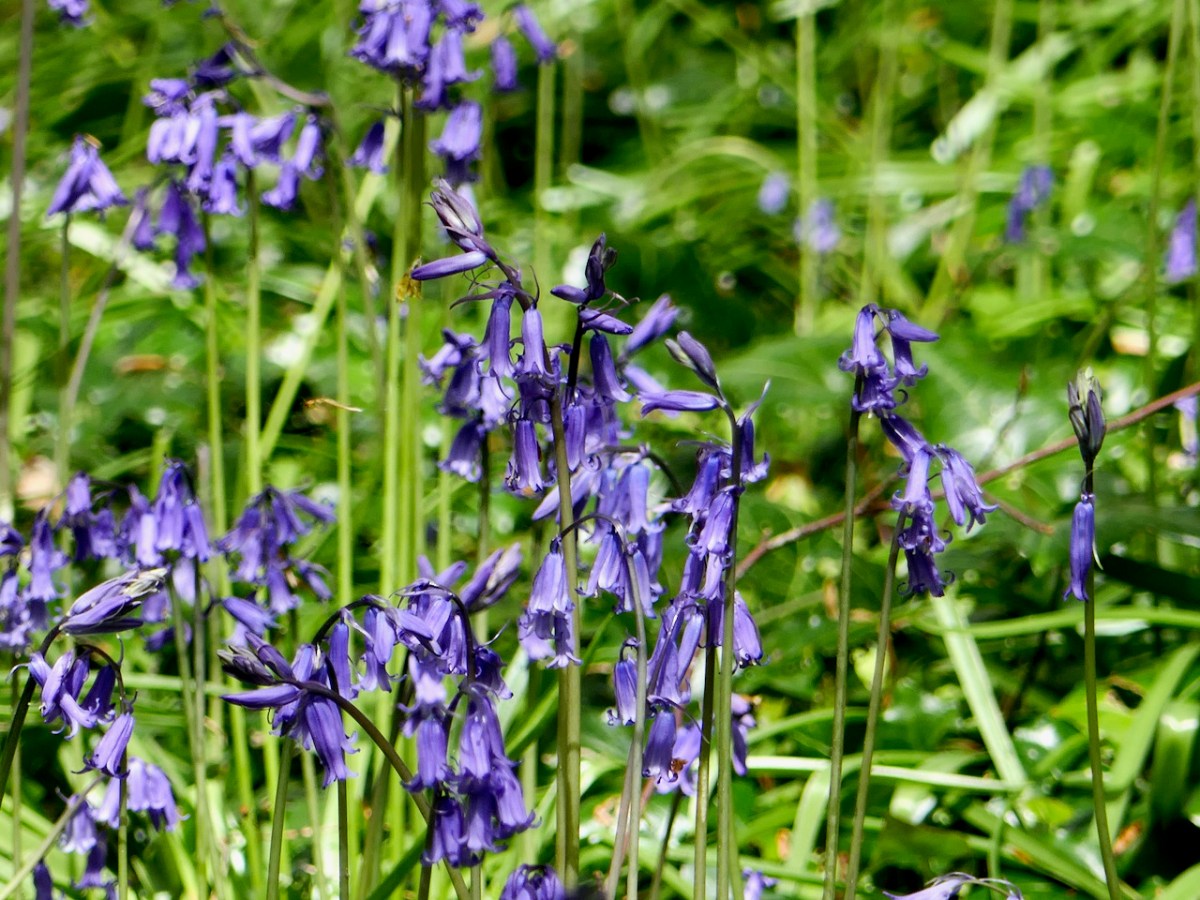
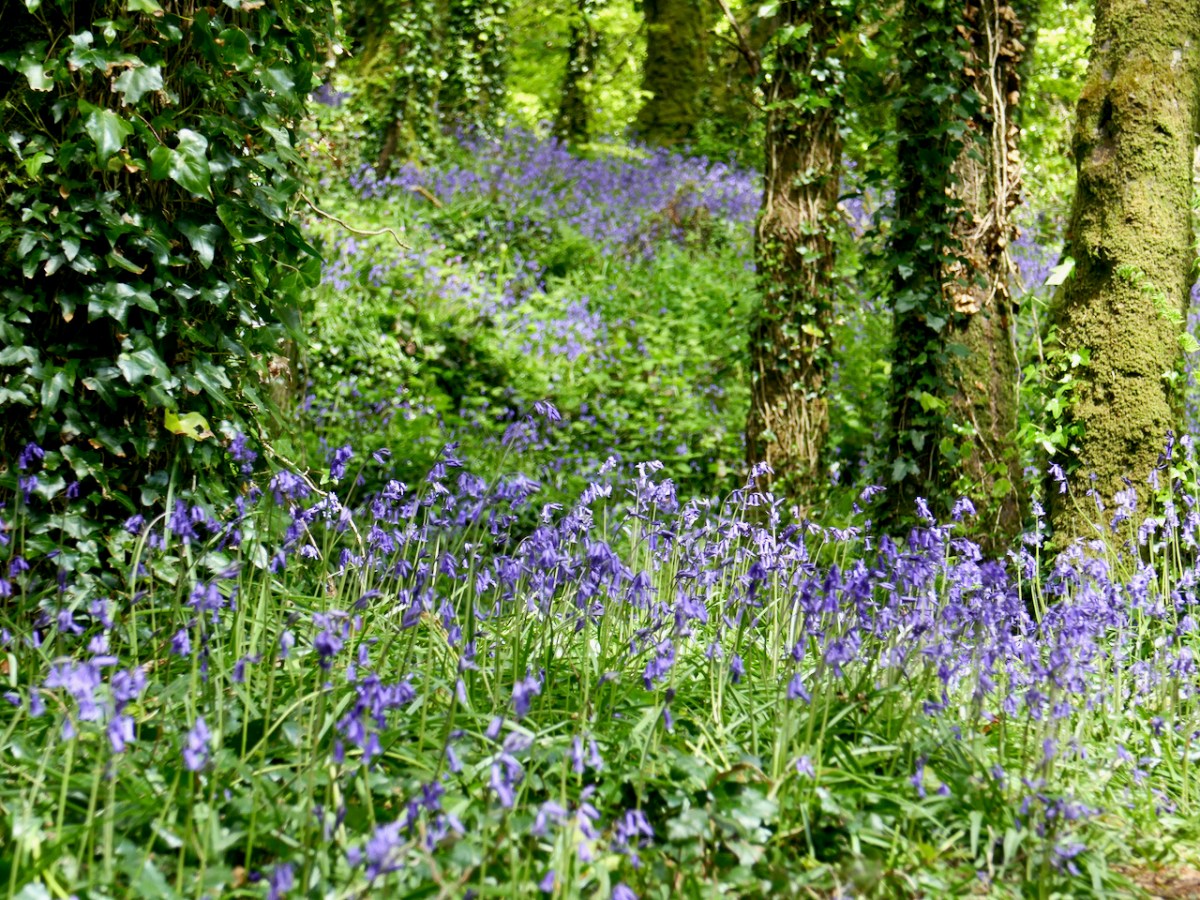
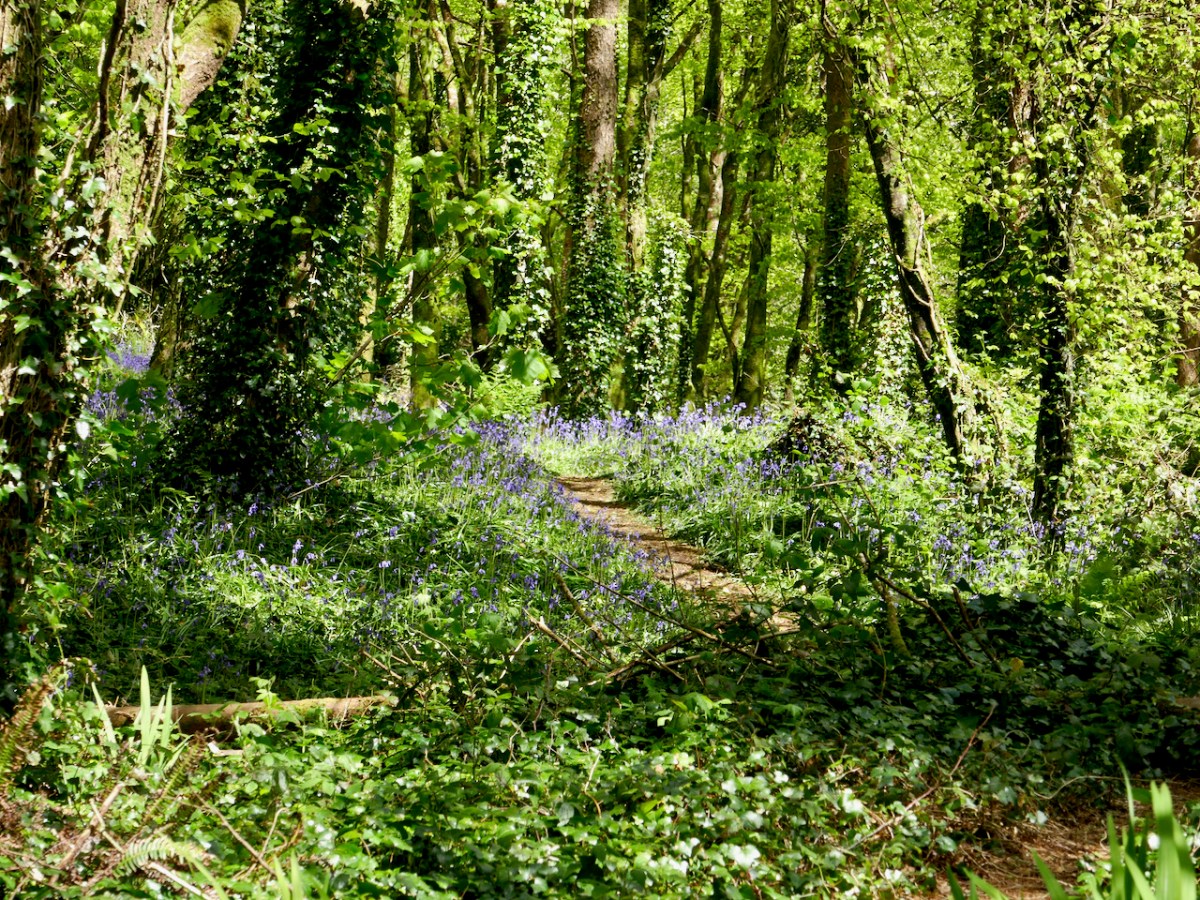
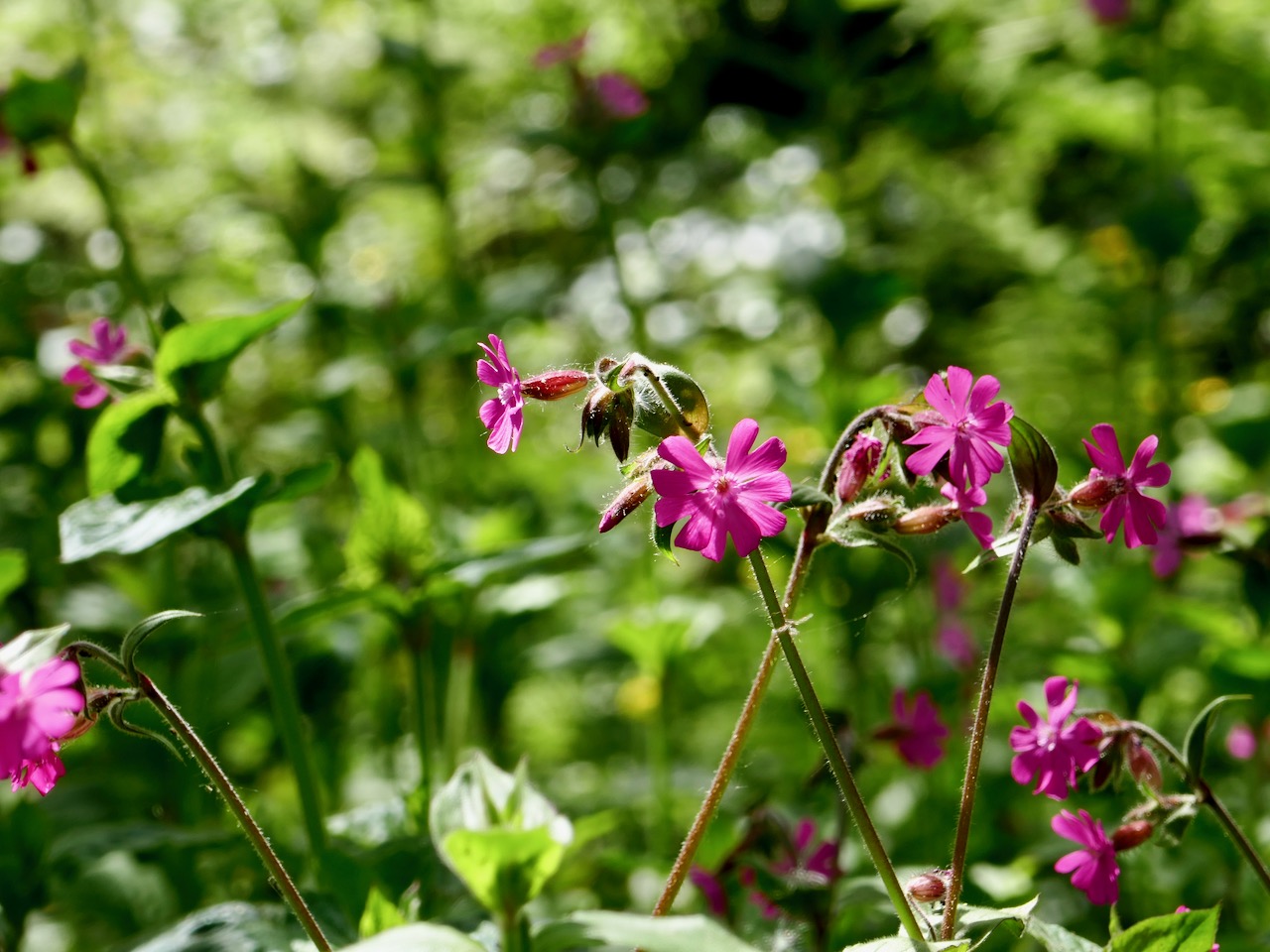
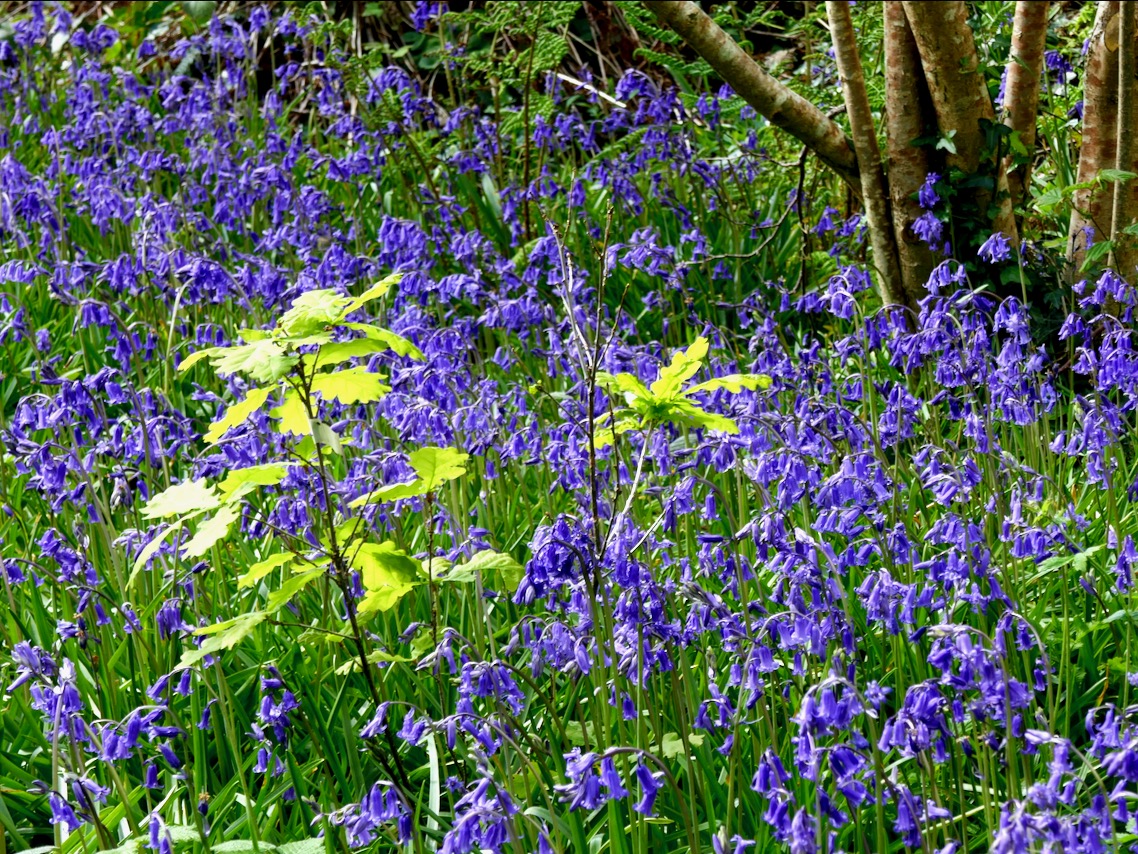
There’s something that compels us into the woods in the spring. It’s all that verdant growth, perhaps – the sap rising in us as well as in the trees. Or maybe it’s the cool green-ness or those swathes of extravagant bluebells and celandine. Here are three of our favourites, just in little slideshows.

Inish Beg

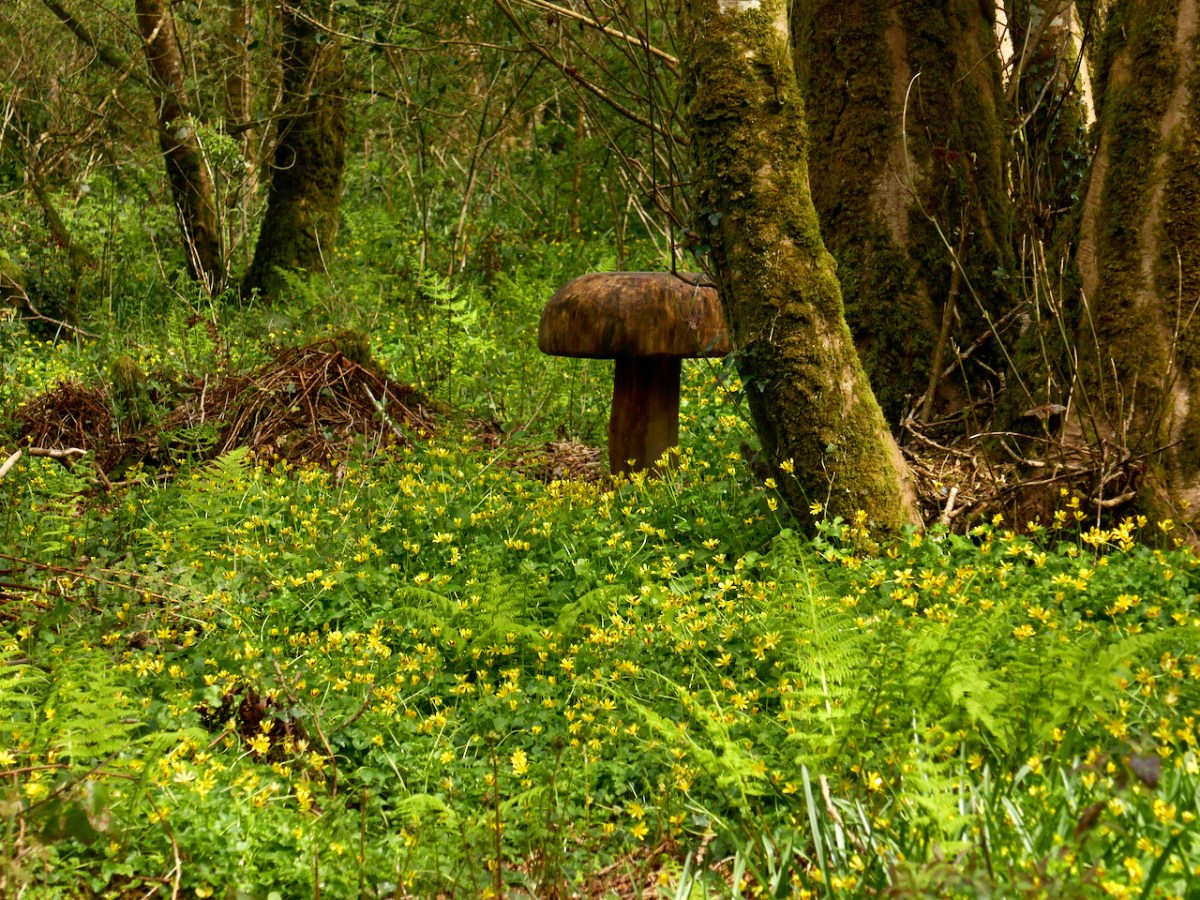
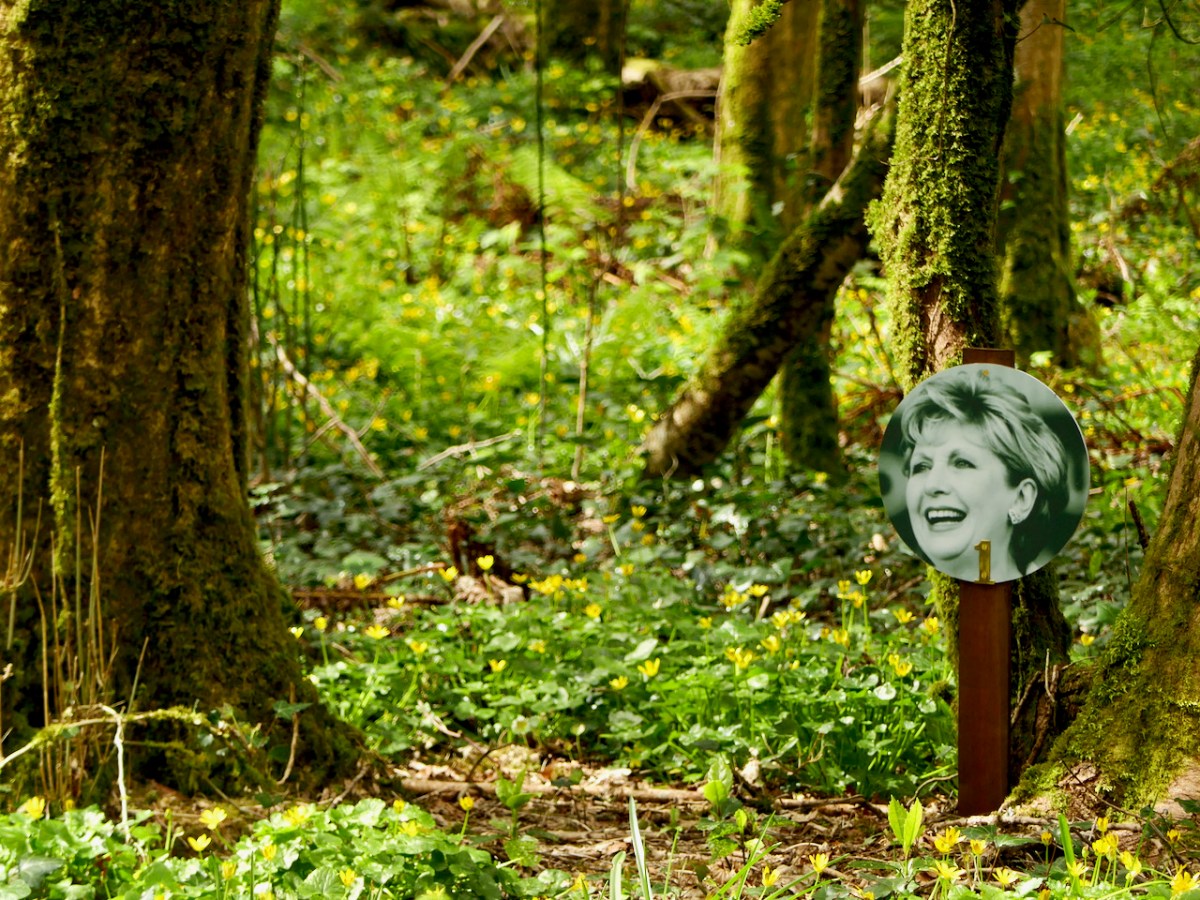
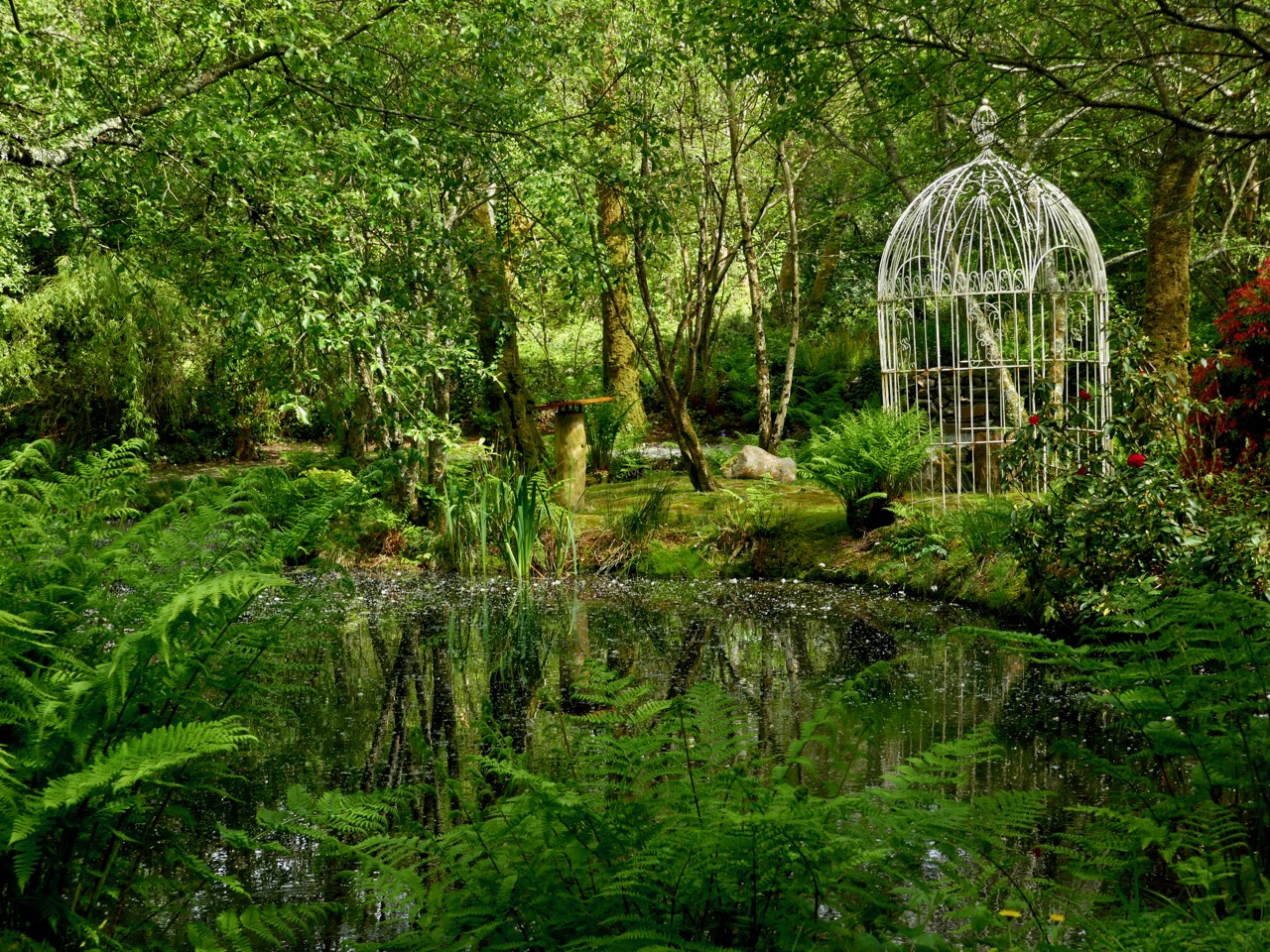
An old estate, beautifully managed by its owners. We visited in April, before the bluebells but in time for the carpet of Celandine. The walks are varied, there are lots of ponds and riverside vistas, and treasure hunts for kids and adults. Do you know all the Presidents of Ireland? Can you find them all?

Dromillihy

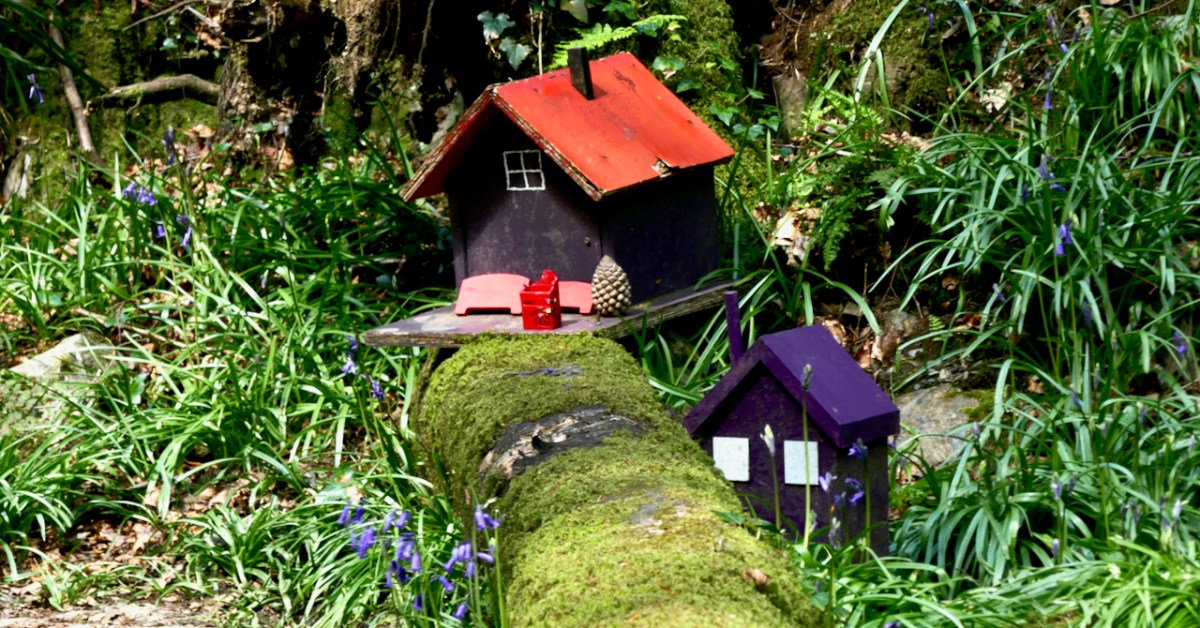
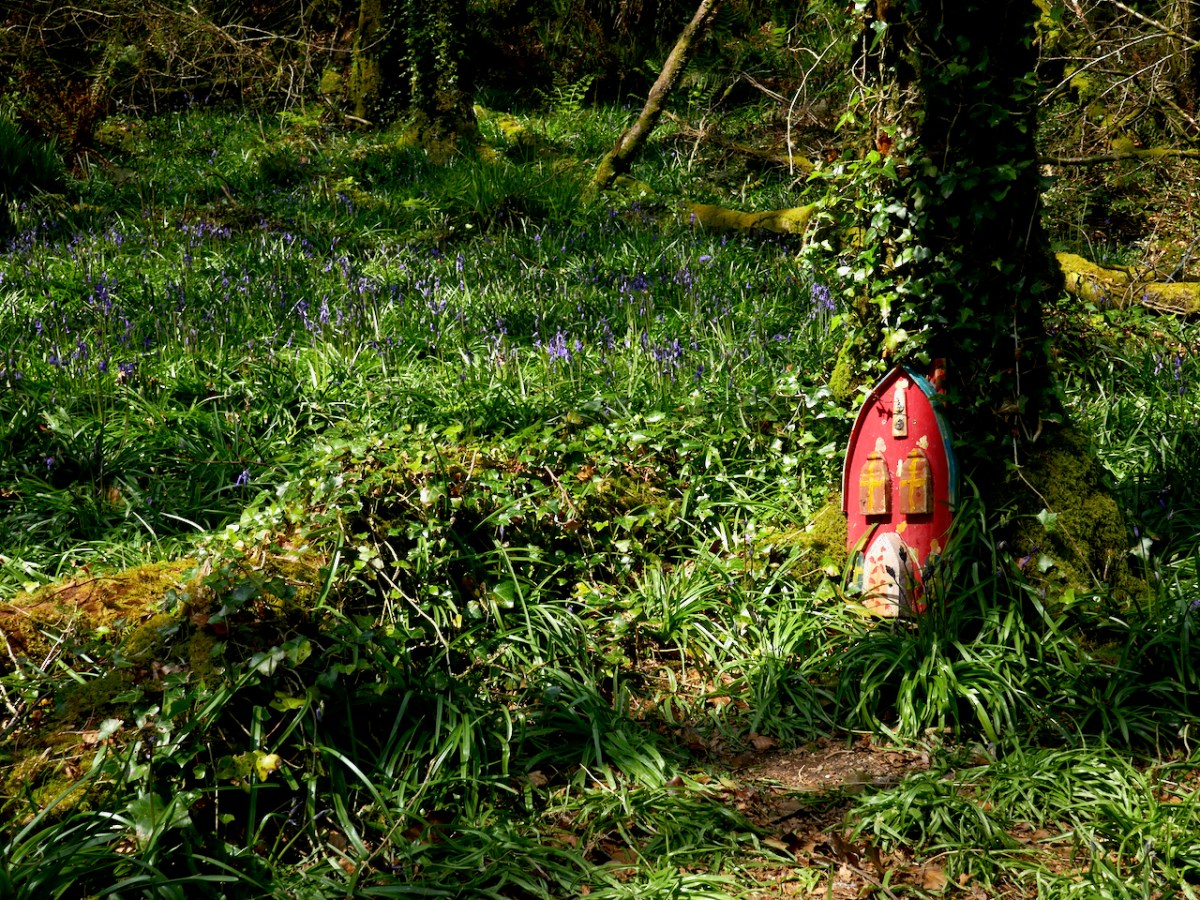
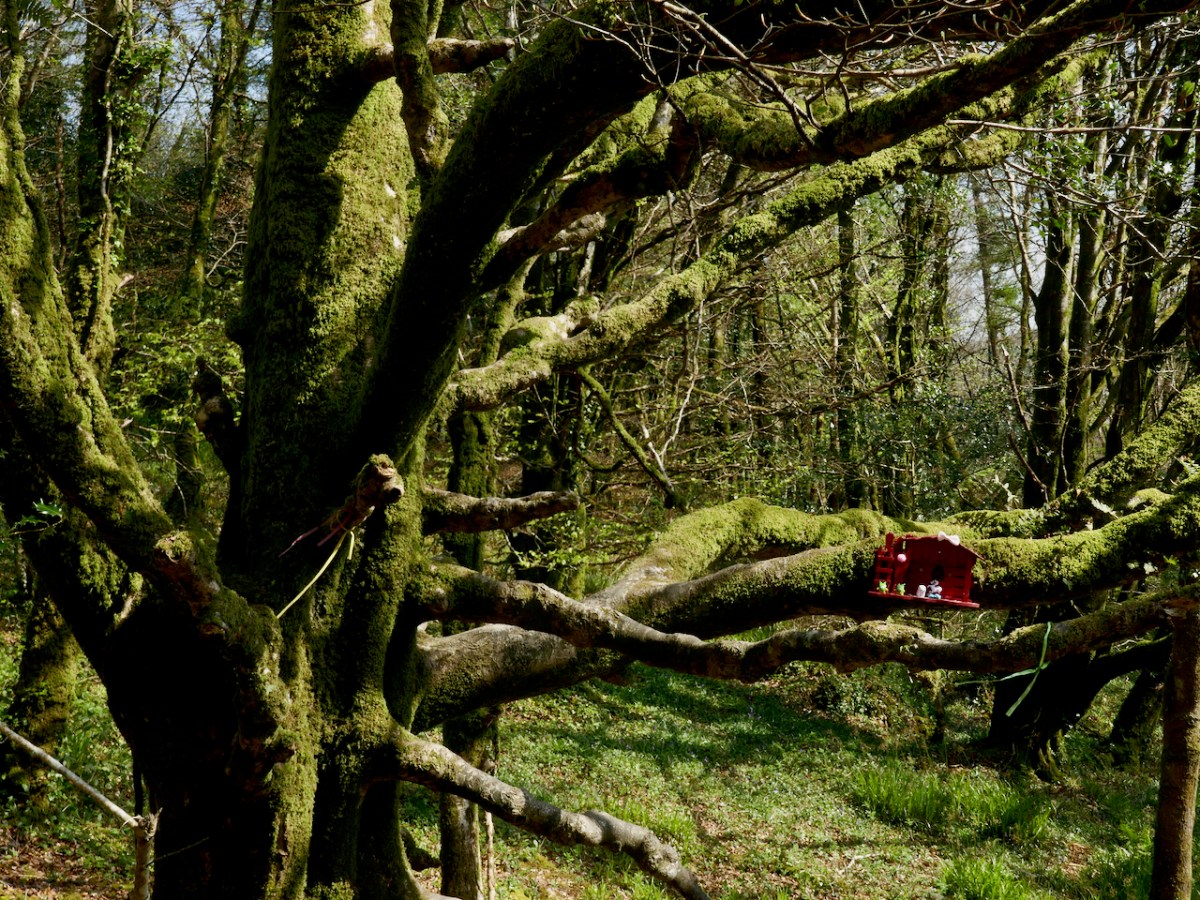
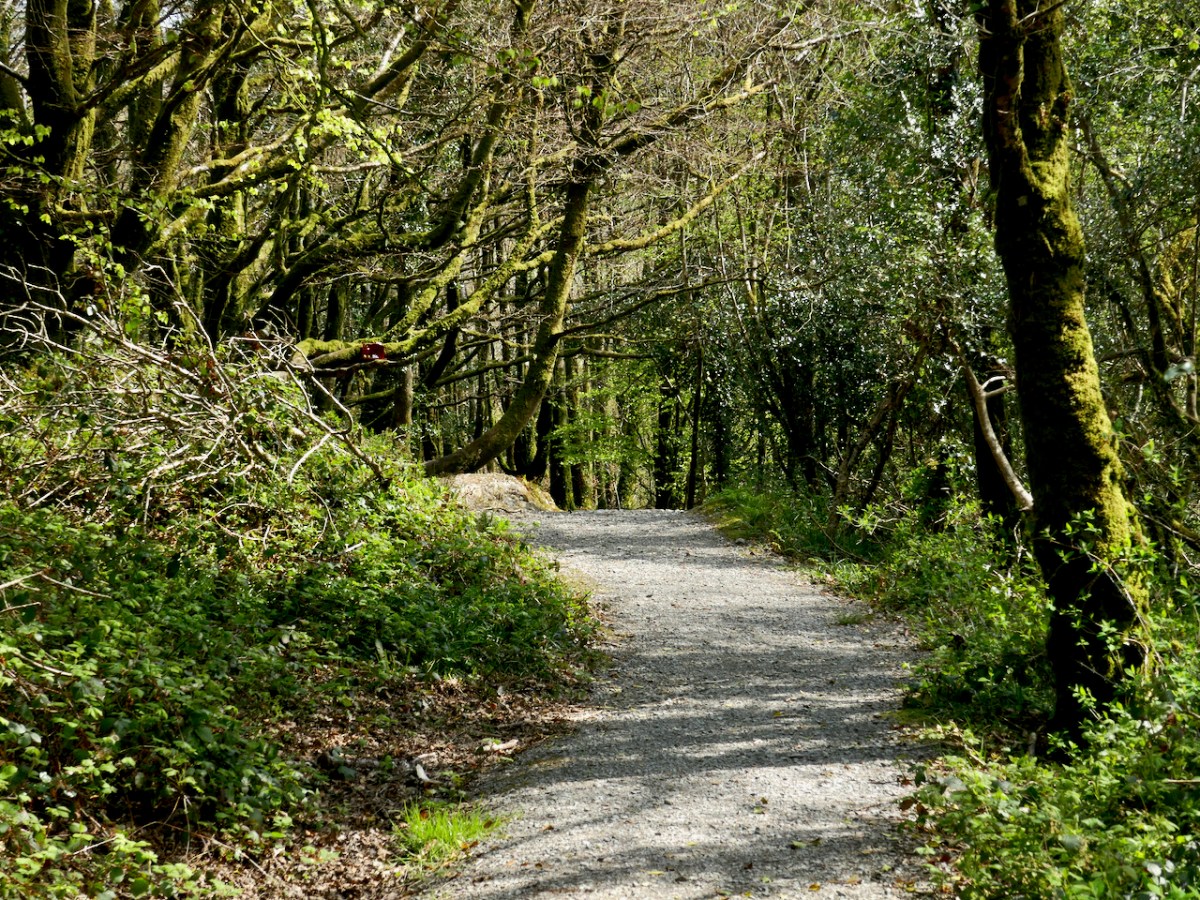
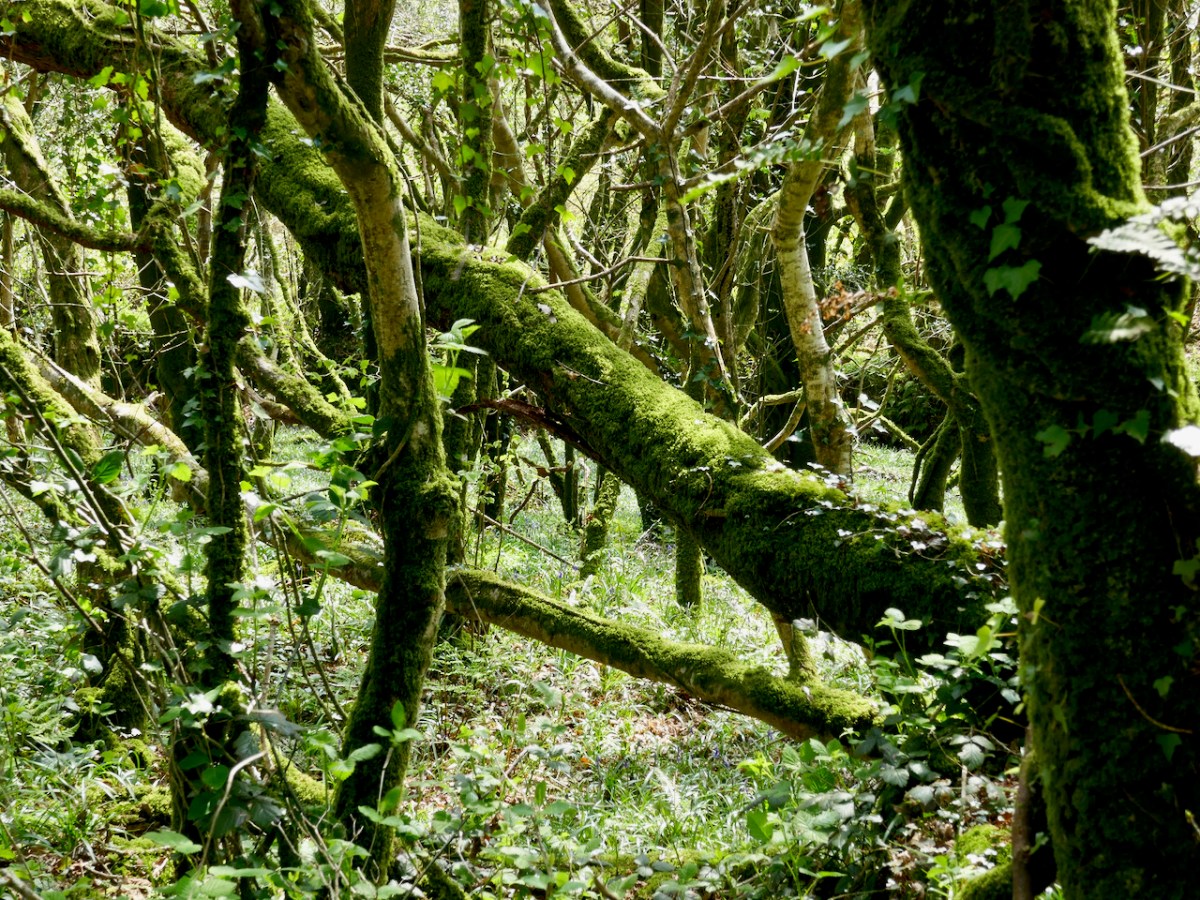
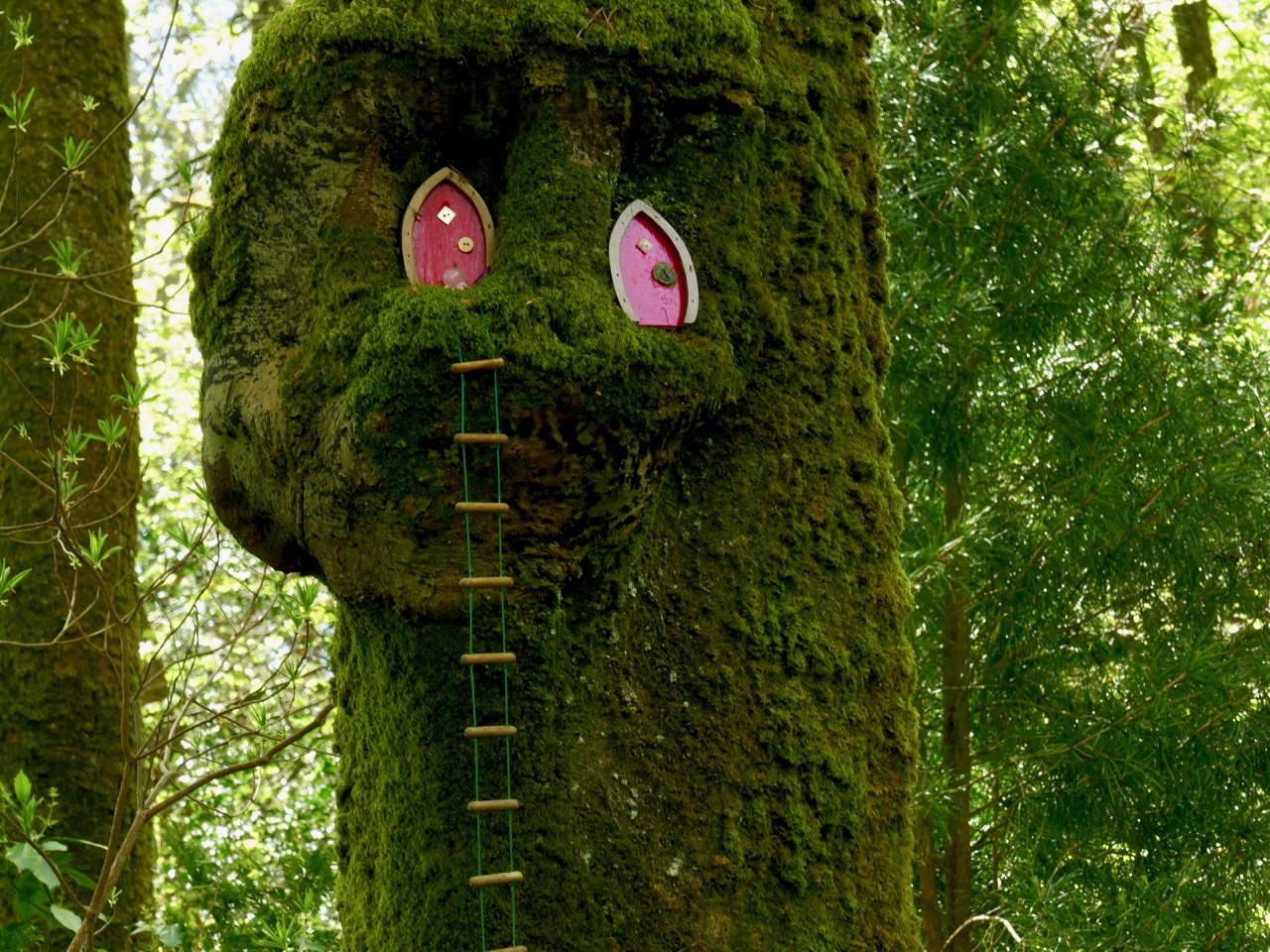
Betwen Leap and Cononagh along the N71 you will find a car park providing access to this woodland managed by Coillte, the Irish Forest Service. More extensive than it looks from the road, these walks are a delight for all ages, with lots of fairy houses for the kids and, when we walked the trails recently, acres of bluebells.

Castlefreke

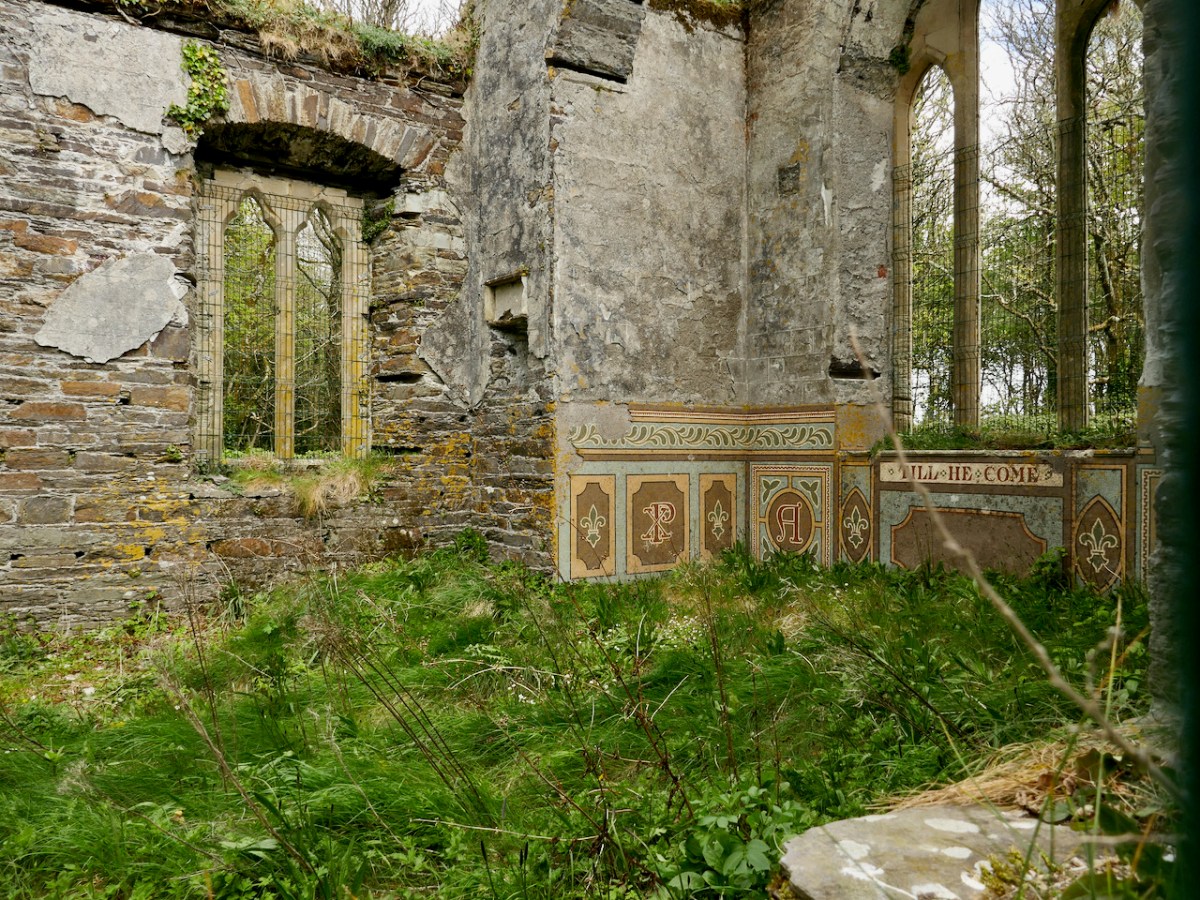
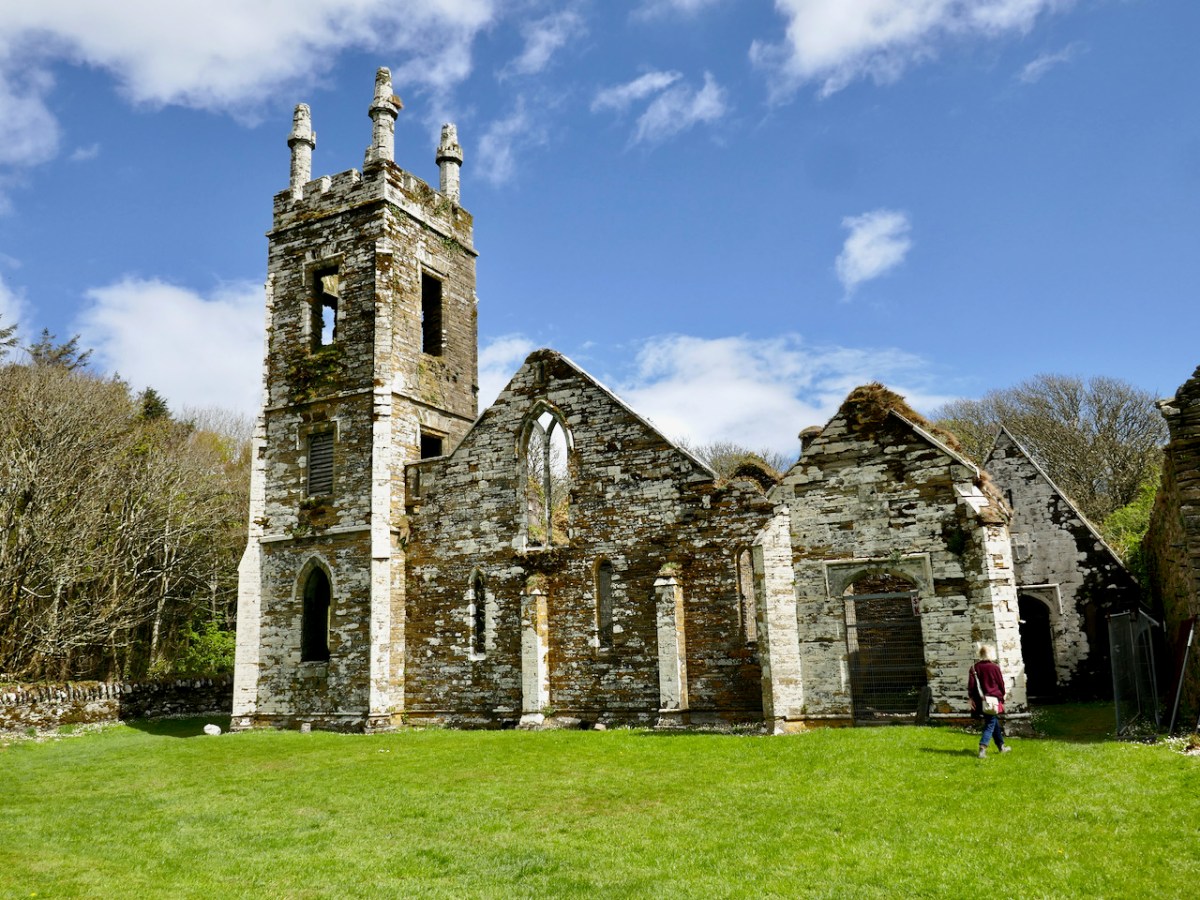
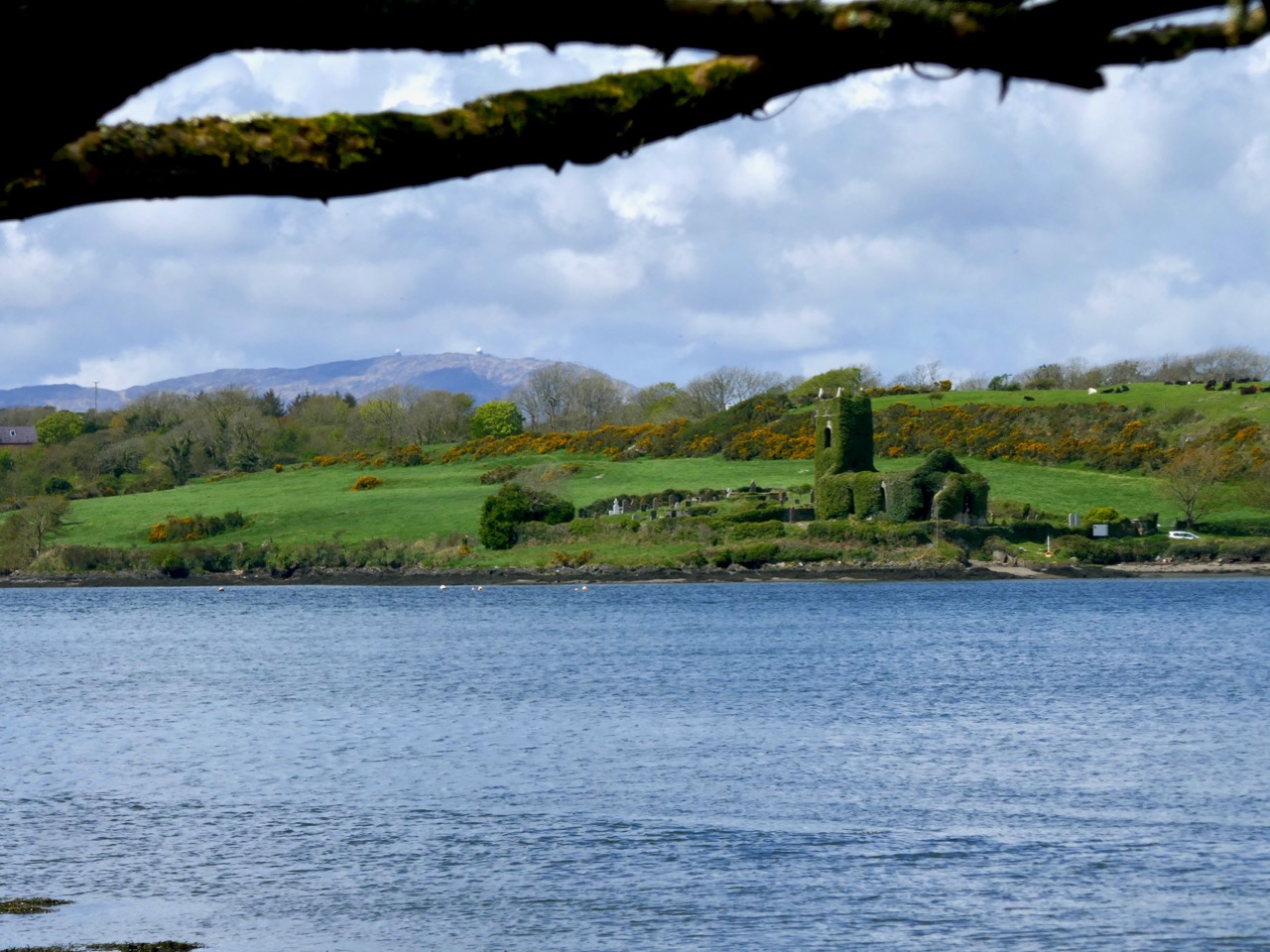
Another old estate managed by Coillte – a series of woodland walks linked by roads and trails. There’s a ruined church and old graveyard, great views across old farm buildings, and ancient trees. We were there a week ago and the bluebells were heavenly.

What are your favourite woodland walks in West Cork?

Inish Beg Estate: Ancient Woods and New Discoveries

Craving a woodland walk, we took ourselves to Inish Beg this week – and found a lot more than bluebells!

This is a cillin, down beside the river. There are lots of stories associated with it

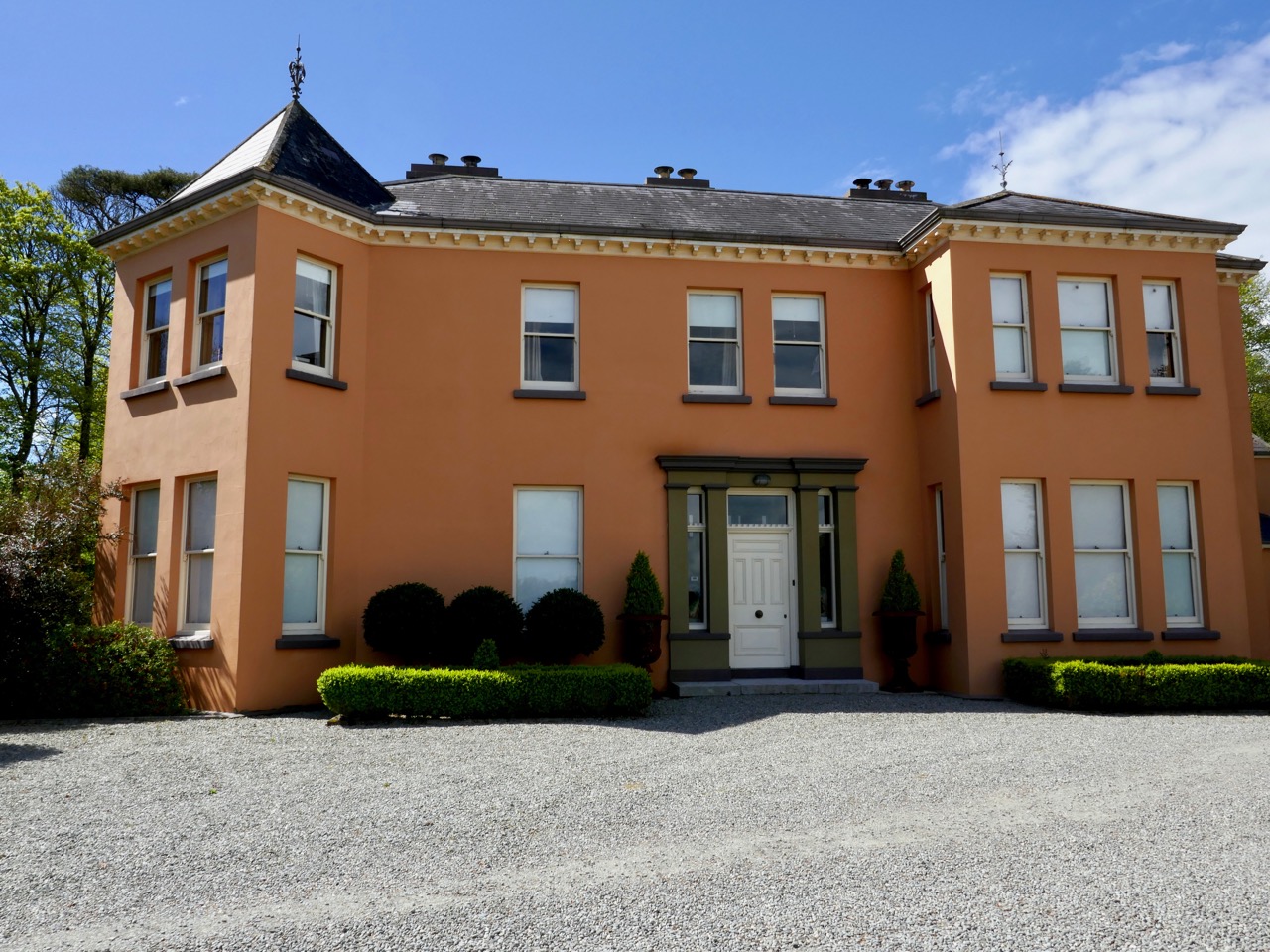
Inish Beg abounds in both the wild and the tame. That’s not such an easy balance to maintain and it’s a real tribute to the team on the ground that manages and nurtures the estate. Mostly, of course, it’s down to the vision and hard work of Paul and Georgiana Keane who bought the place in 1997 when it was crumbling and neglected. The house, Georgie told us, was close to collapse and had to be completely re-done – new roof, plumbing, electrics and a complete re-furbishment. It’s hard to believe now, when you see the beautiful place it has become.

Paul and Georgie run it now as a hotel and wedding venue and it is totally set up for it. In fact it must be one of the most romantic venues in Ireland, ideally situated on an island on the Ilen River, accessible by an old stone bridge. It was originally O’Driscoll territory, but owned by the McCarthy family. When James Morrogh inherited it from a McCarthy relative in the 1830s he changed the family name to McCarthy Morragh – such stipulations were not unusual then.

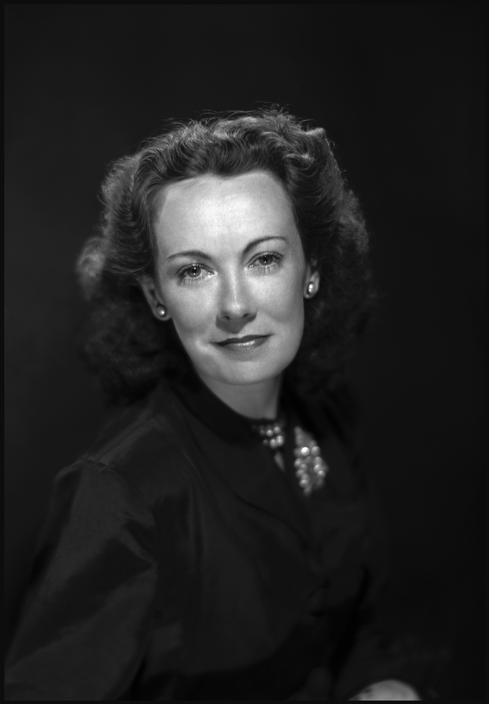
In the 1890s the family built the grand house, and it is this house that is associated with its most famous inhabitant, Kay Summersby. A noted beauty, she was Eisenhower’s secretary in London during the war, and may (or may not) have had an affair with him.

She describes her early life at Inish Beg thus:

Our home, Inish Beg, was a somewhat run-down estate on a small but lovely emerald island in a river in County Cork. Our favourite pastime (I had a brother and three sisters) was to sail down that river four miles, to the Atlantic. There was a succession of governesses, hunts, spatting parents, riding in the fields and along the long avenue fringed with old trees . . . the usual pattern of life in that obsolete world.

The ‘usual pattern’ for some, perhaps – to me it sounds like a life of breathtaking privilege. However, like many such estates, it became difficult to sustain and by time the Keanes took it over it desperately needed their infusion of enthusiasm and capital. And what a magnificent job they have done with not only the house but the grounds as well.

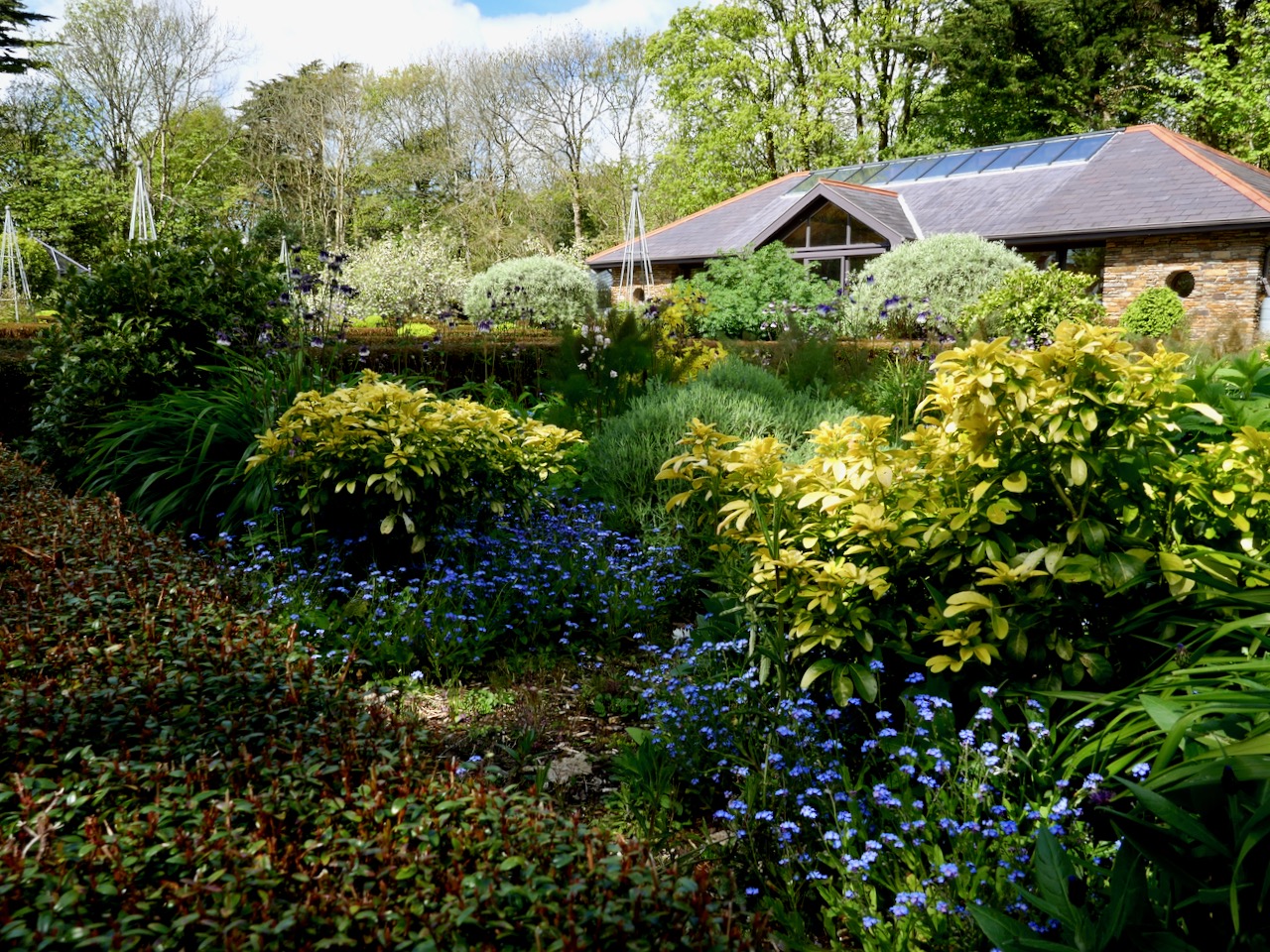
There’s a walled garden (above) that’s full of organic goodies for the estate kitchens, and also features an indoor swimming pool! Tony O’Mahony, the head gardener, practises an organic philosophy and does not feel the need to eliminate wildness from the garden, which results in a delightful mix of plant life.

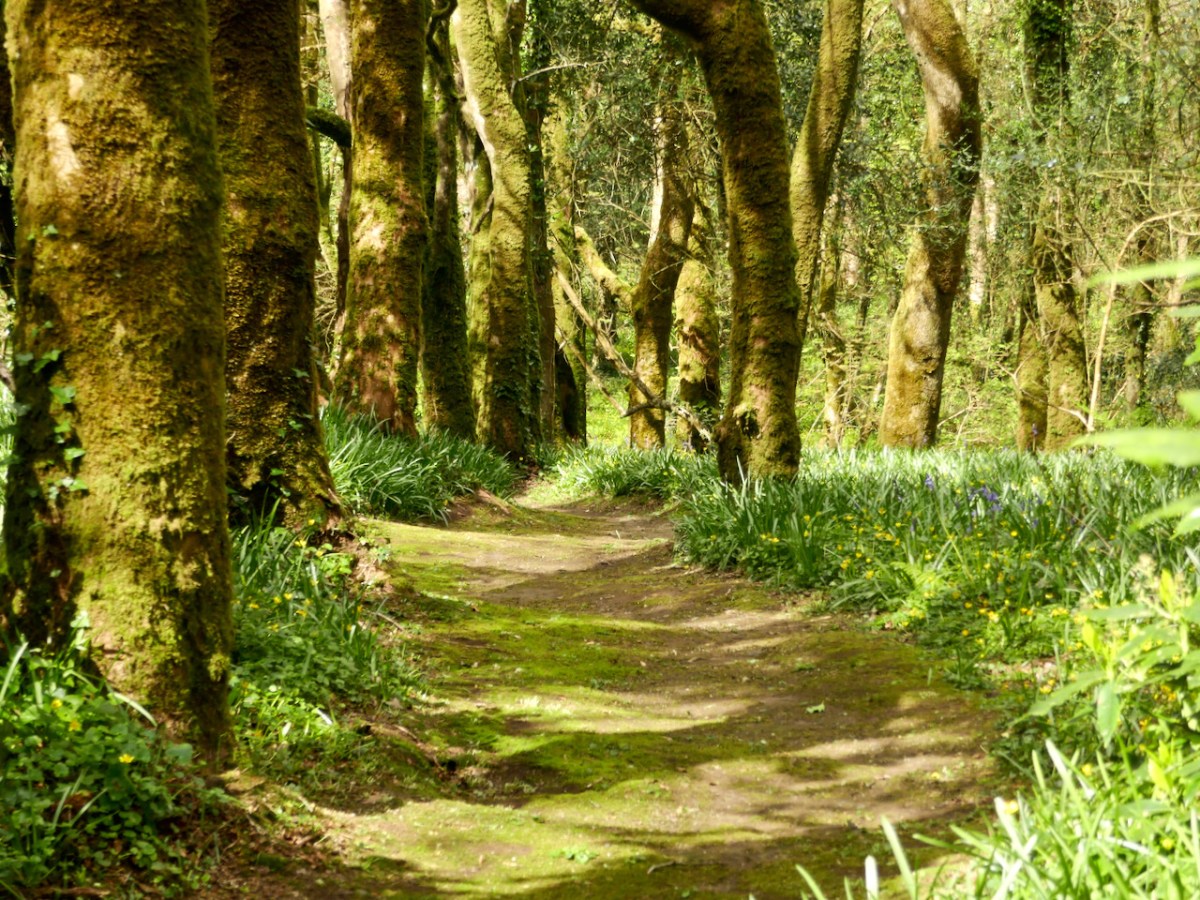
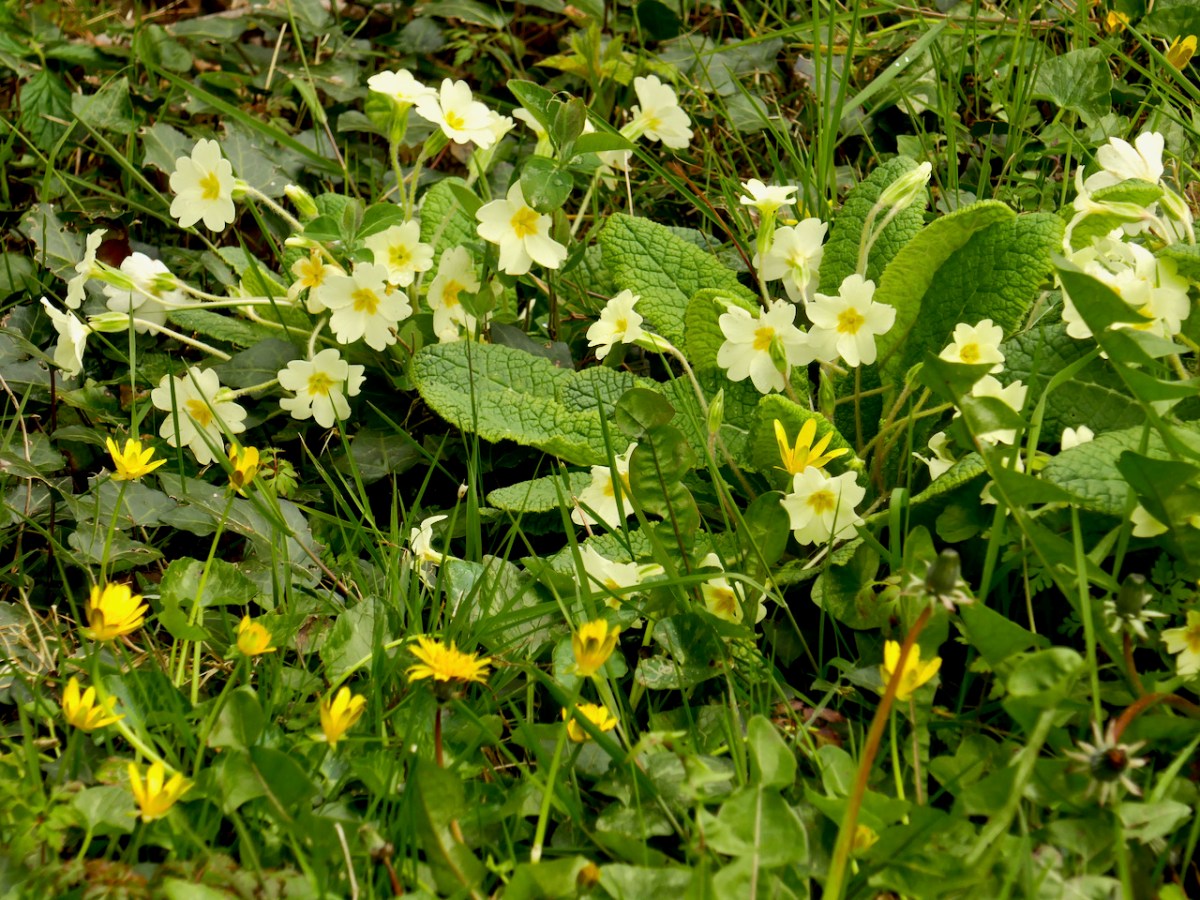
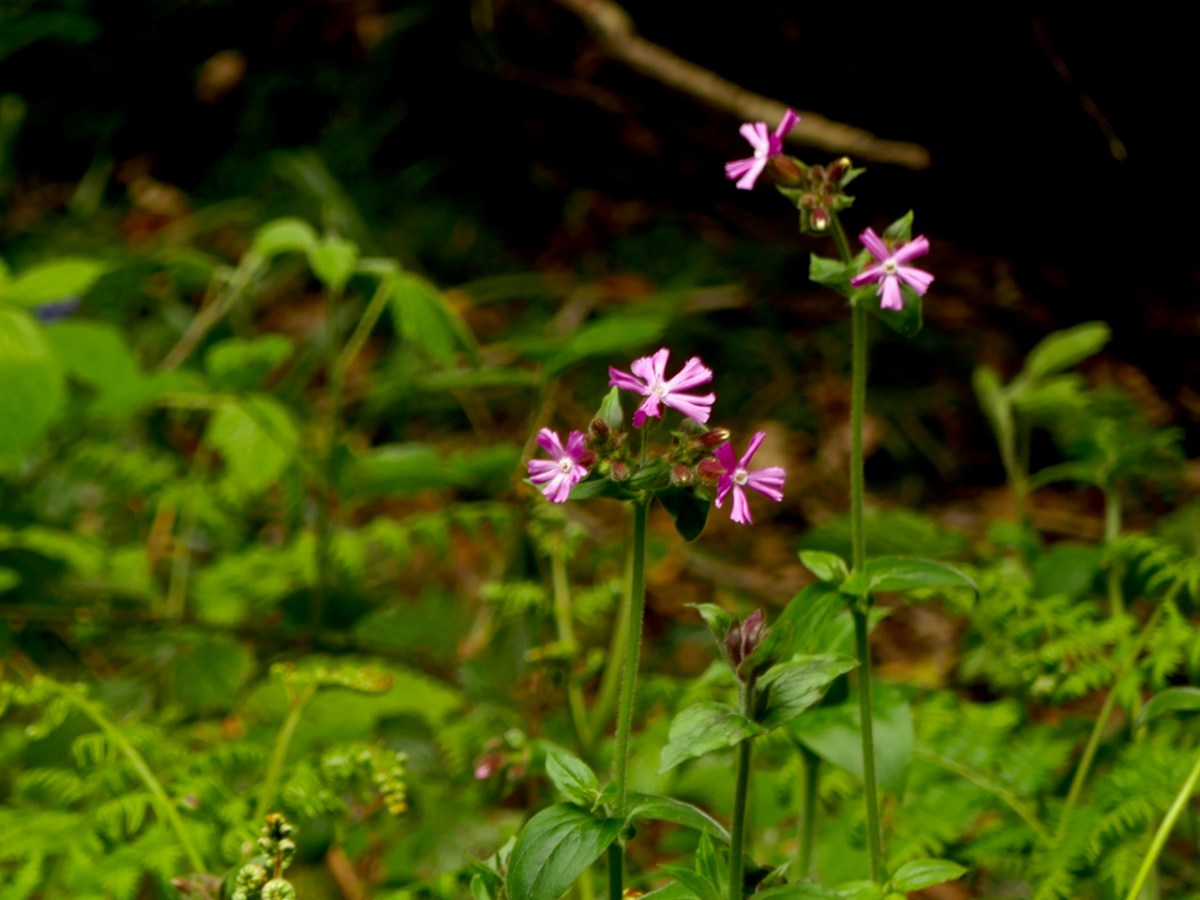
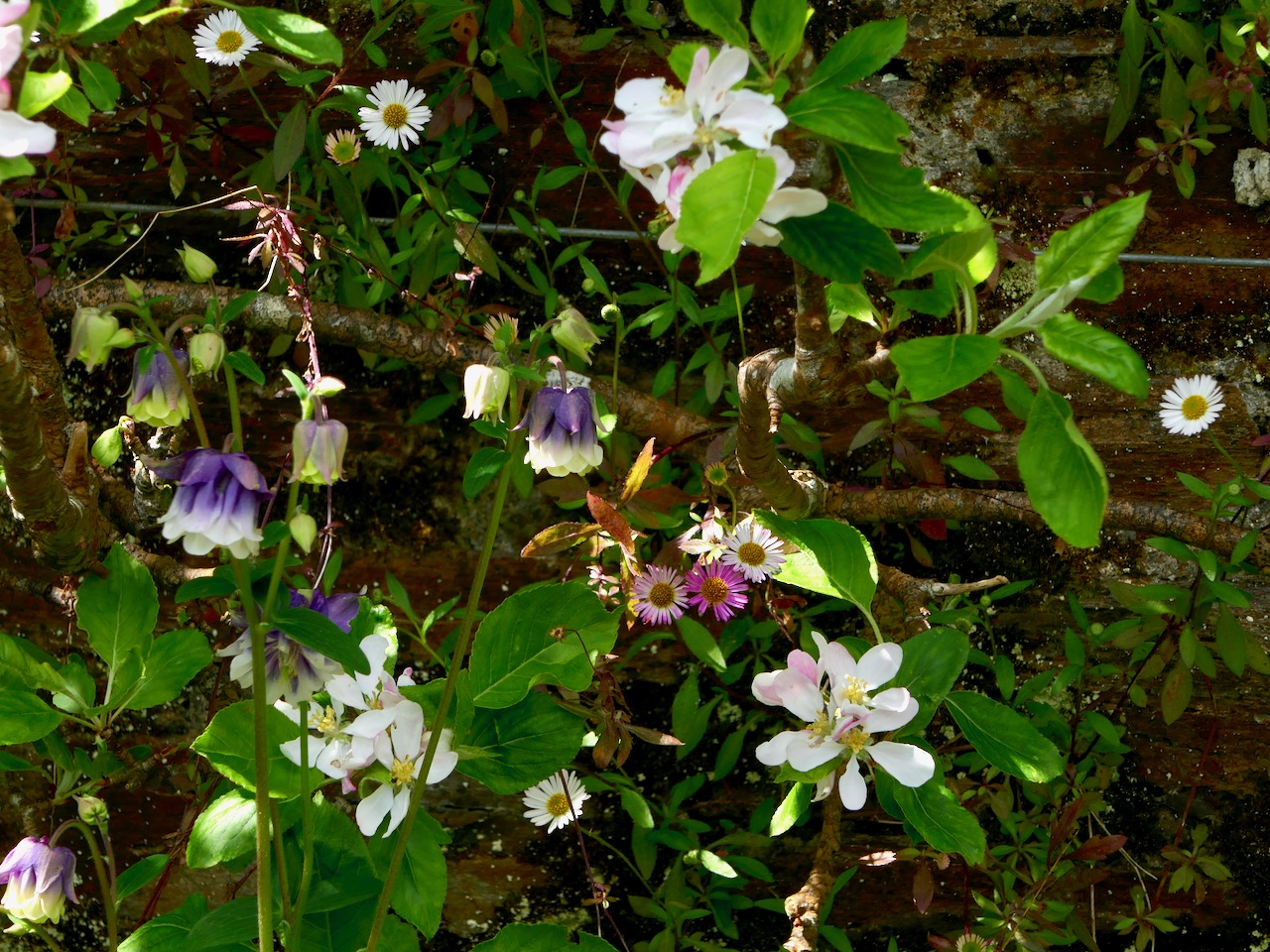
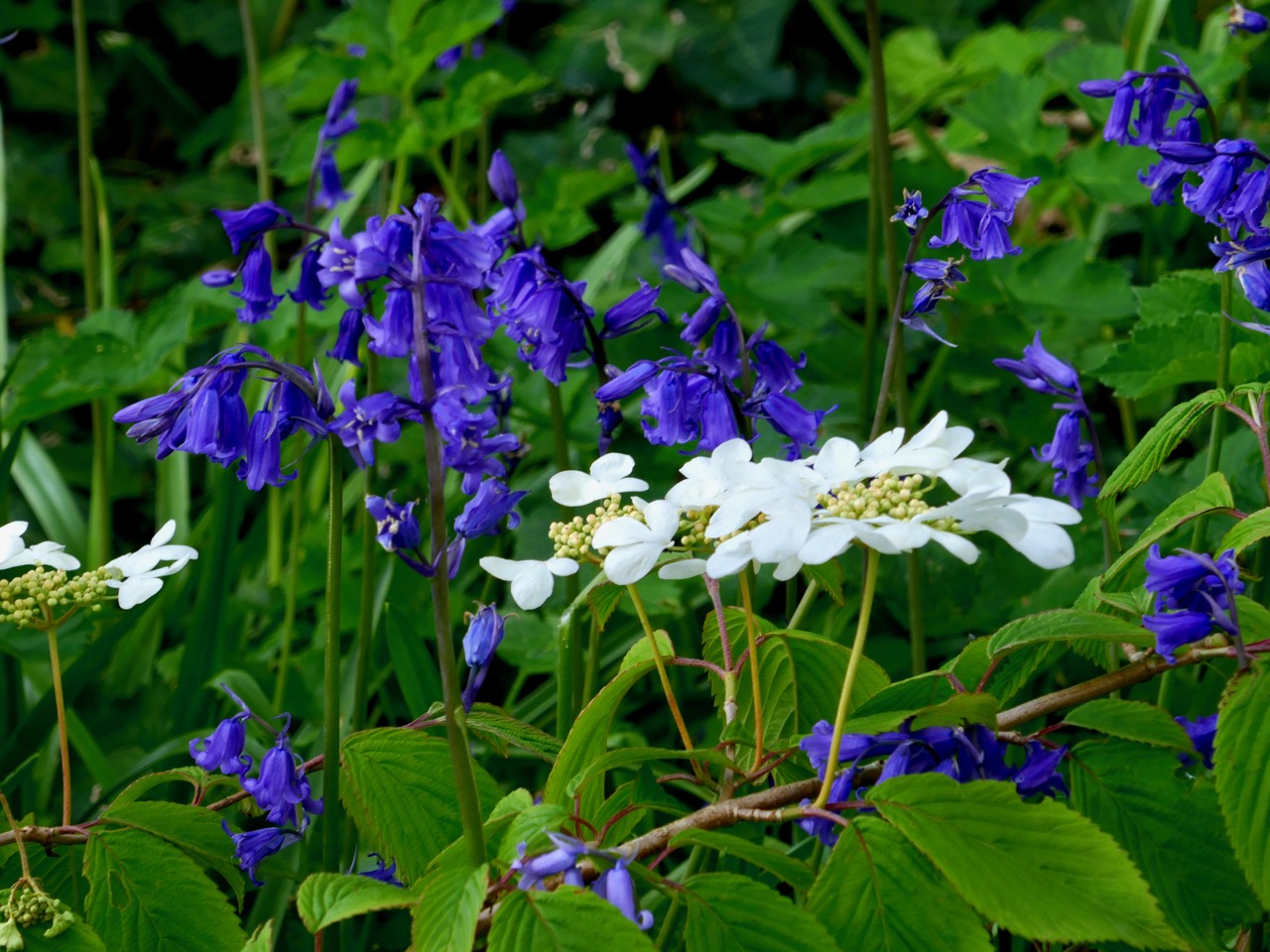
But we were here mainly for the woodland walks and we were certainly not disappointed. You could spend several hours wandering the trails here and right now the undergrowth is glorious. Bluebells were in abundance along with every wildflower that contributes to that colourful spring carpet that is so dear to our senses.
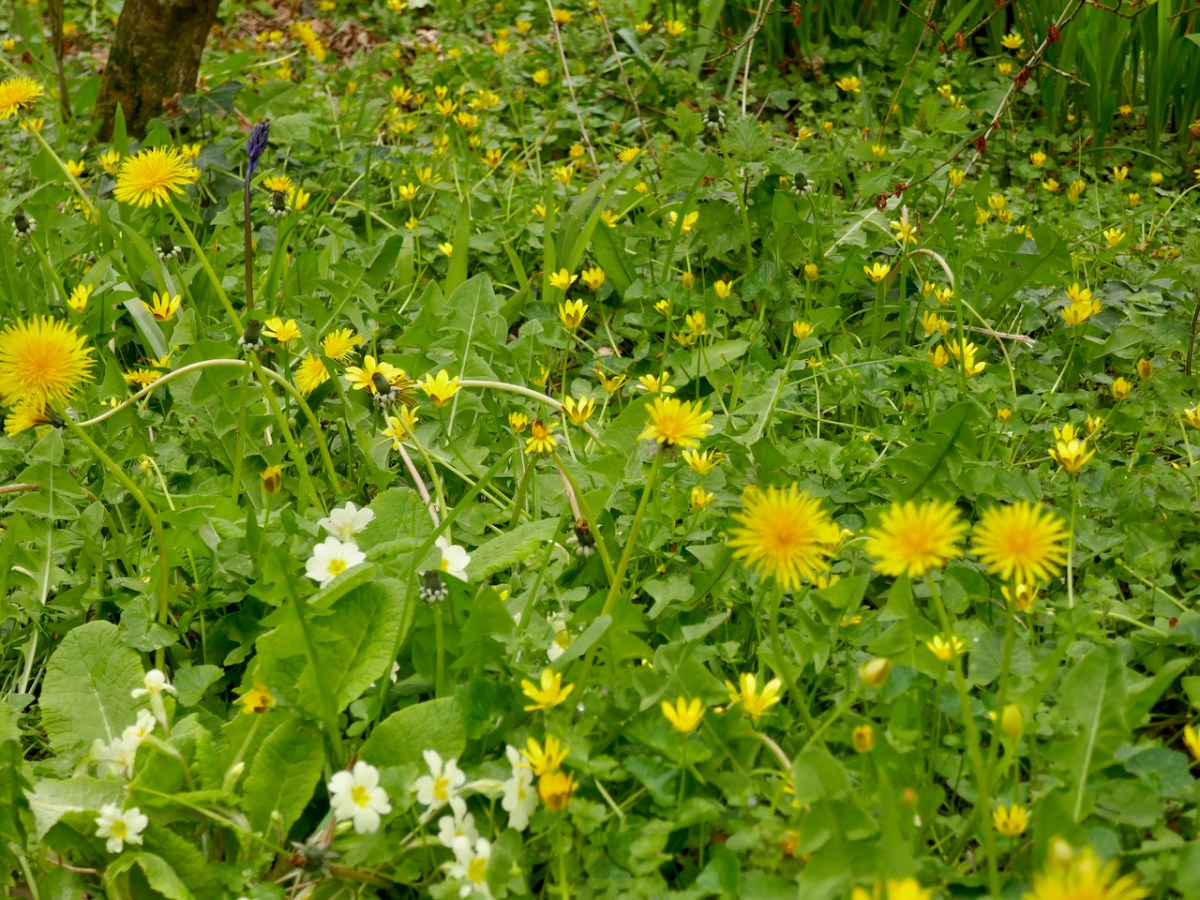
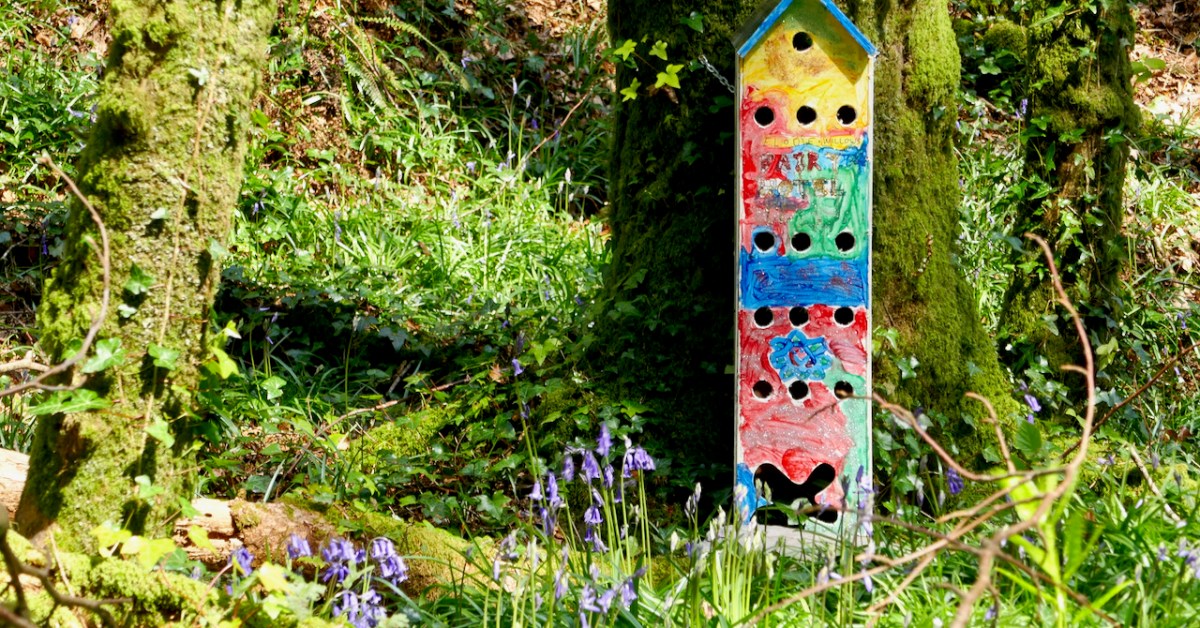
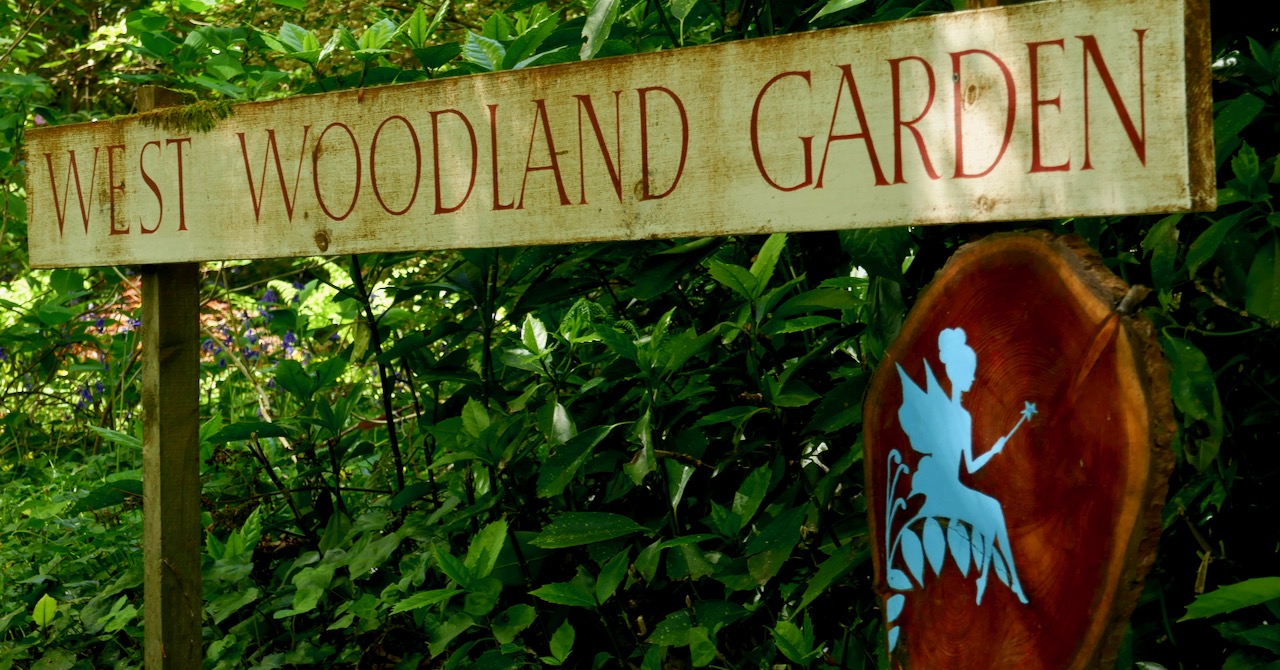
There are trails for the kids – pirates and a wildlife search are part of the system, as well as little fairy houses here and there.
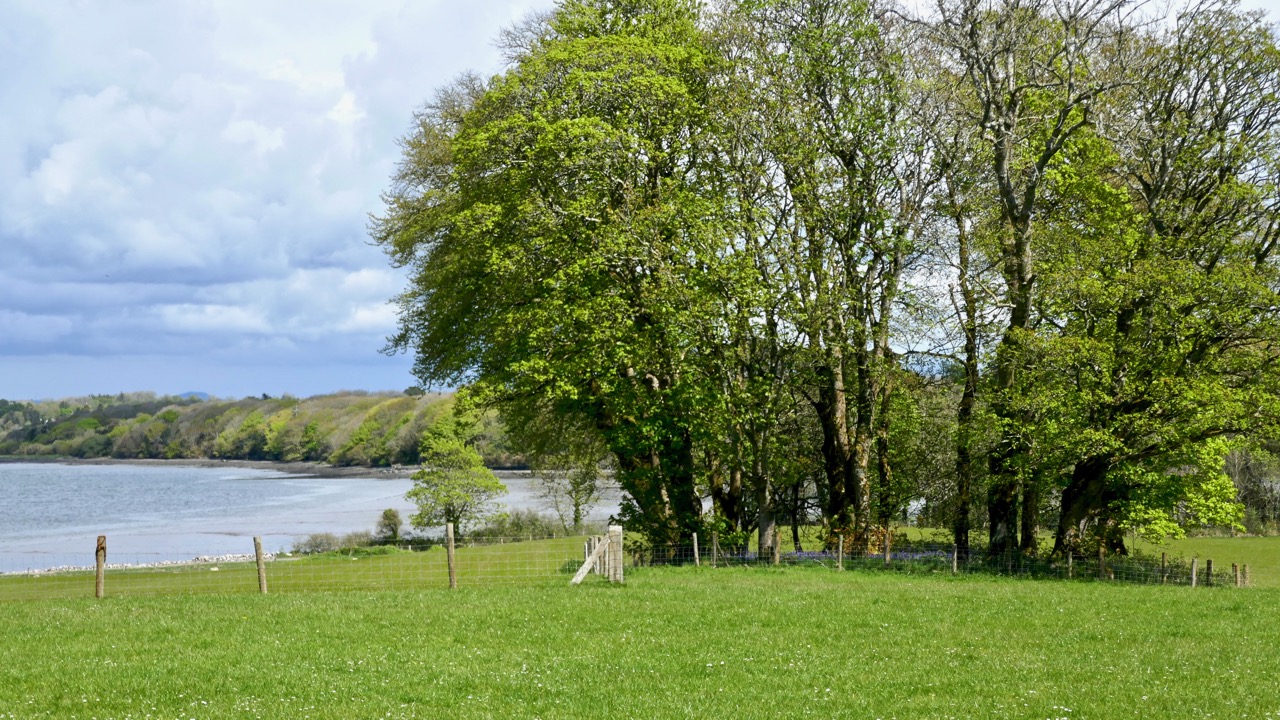
There are lovely views (above) across the Ilen to the ruined church at Aughadown – burial place of the Tonsons that I wrote about in New Court Bridge – a Hidden Wonder. Surprisingly, beyond the church, you can see Mount Gabriel. I mention this because of its significance with our next find – a previously unrecorded cupmarked stone!

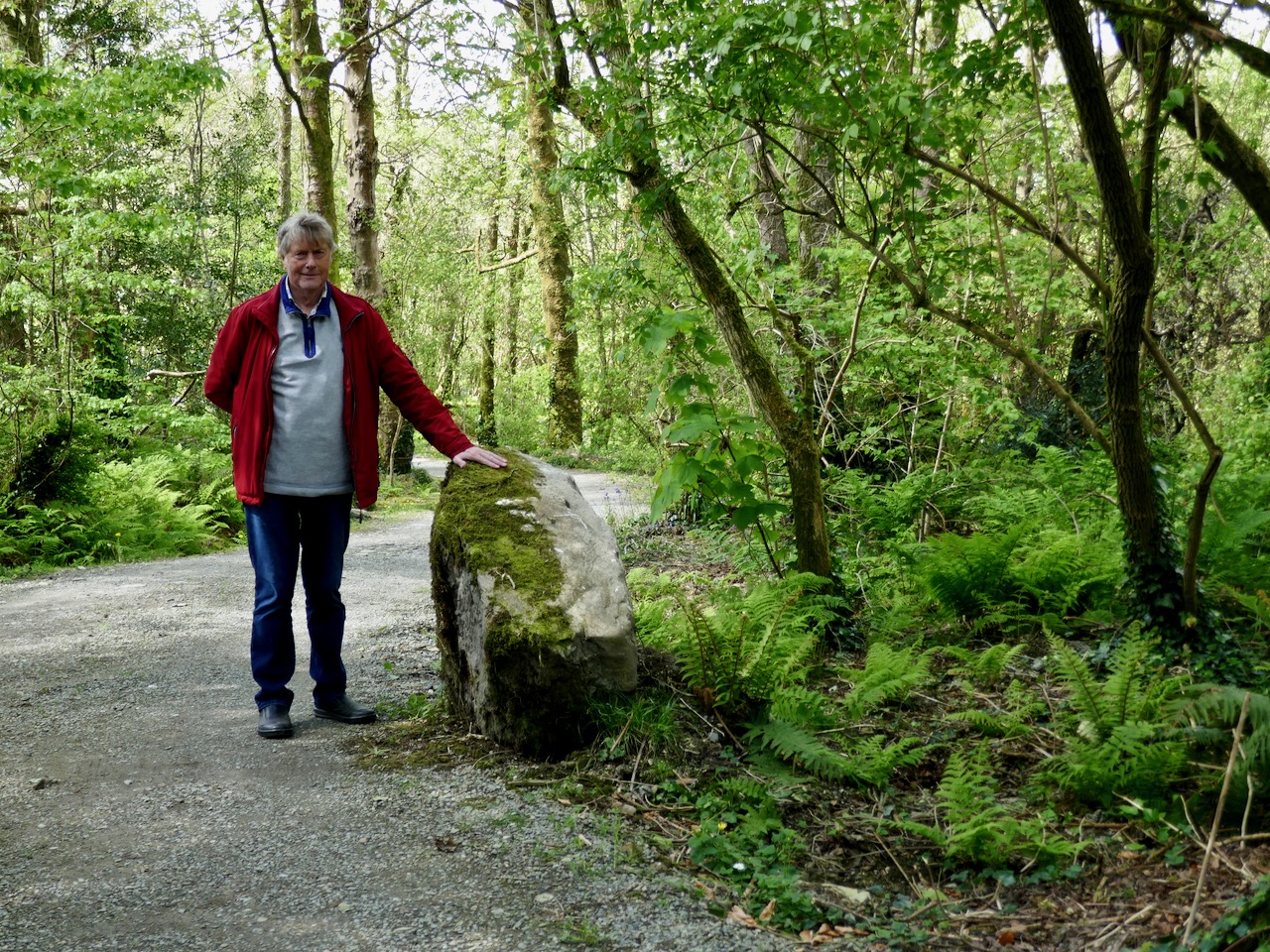
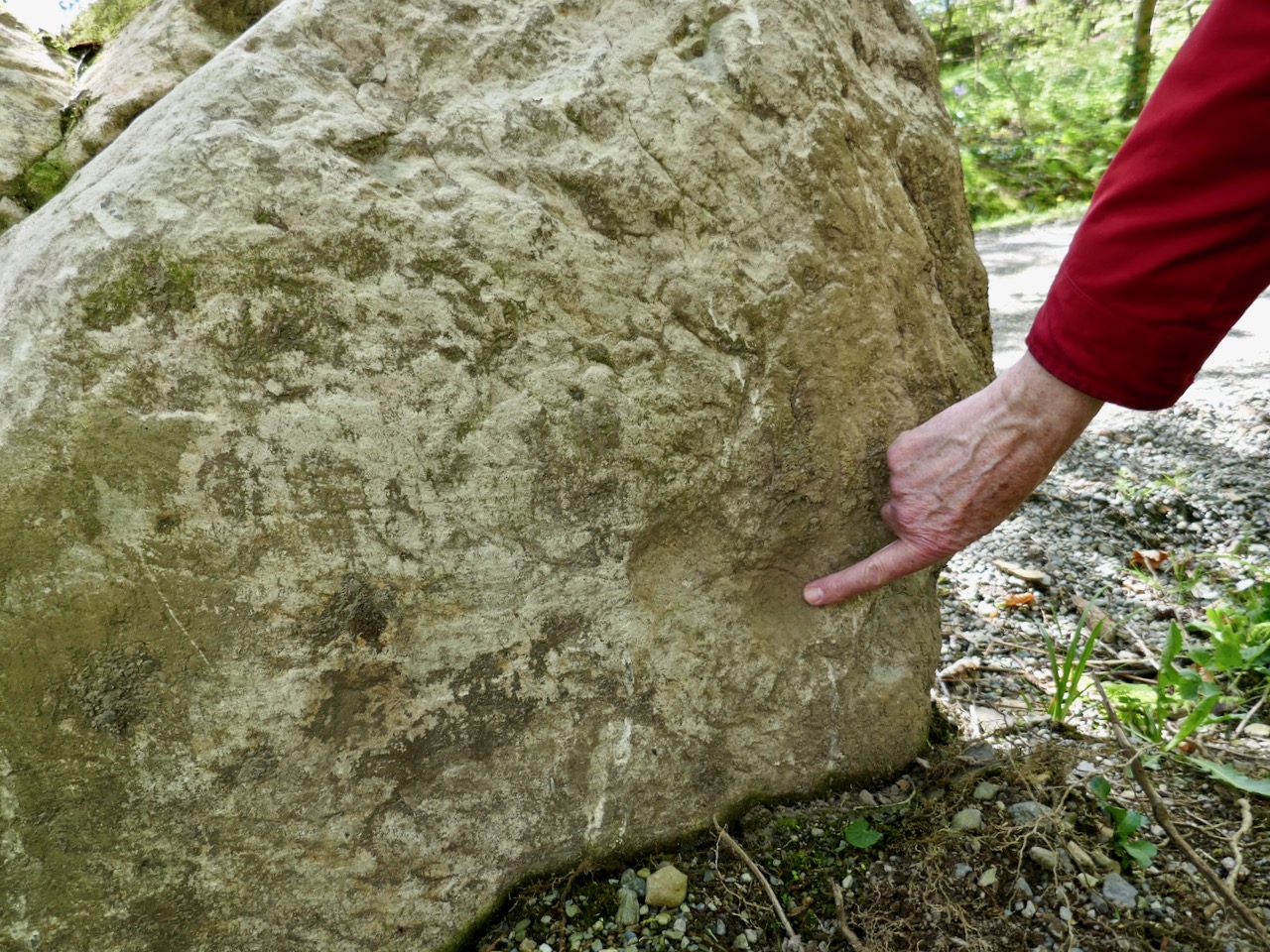
Regular readers know of our involvement with Prehistoric Rock Art – Neolithic or Bronze Age carvings on open air boulders and outcrops. The cupmark is the basic motif of all Irish Rock Art – a semi-spherical cup-shaped hollow (see more about Rock Art here and here and specifically about cupmarks here). Robert has an amazing eye for slight differences in rock surfaces and has developed a habit of examining every stone we come across for cupmarks. This time he struck gold! At least four cupmarks on the back of a stone along one of the trails.

We like to warn people that rock art can be a little underwhelming. I know these cupmarks don’t look like much, but they were probably carved several thousand years ago as part of a ritual we now know nothing about

The stone has been moved there from somewhere on the estate and the Keanes will try to track down where this was. It’s always important to see a rock like this in its context, of corse, but we are also curious to know if Mount Gabriel was visible from the location, as it is from so many of our West Cork Rock Art sites. We will be returning to do a proper record and see if we can add more information to the story before we send it in to be included in the National Monuments database.

There’s also a boulder burial on the estate, visible as you are leaving. It’s a pretty tumbledown affair, but still recognisable, and we found cupmarks on the capstone too. These may be already recorded, but we will let National Monuments know in case they aren’t.

Fabulous woodland walks, my fill of wildflowers, lovely vistas across the Ilen – and a new archaeological find. Too much excitement for one day!