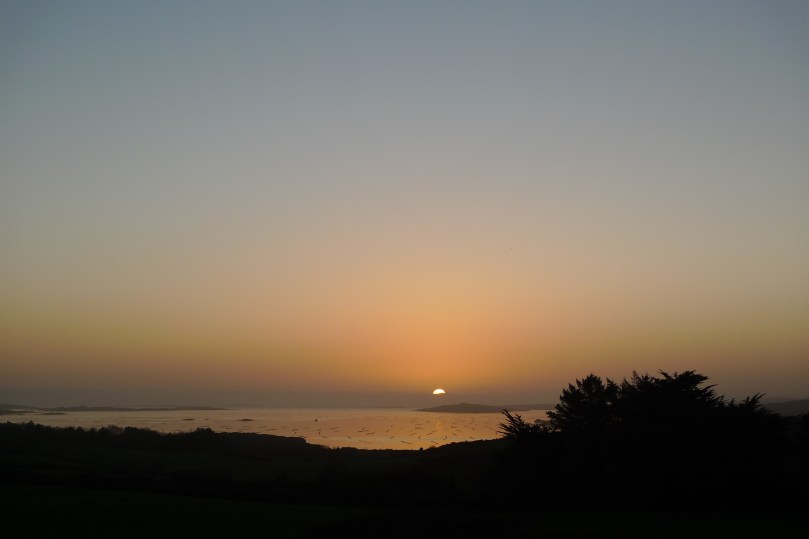
Unknown Souls

Unmarked gaves

Unmarked graves in a section of a Protestant churchyard

Dotted across the countryside around us, and throughout Ireland, are the loneliest places on earth. These are the cillíní – the children’s graveyards. A cill (kill) is a monk’s cell or church site, cillín (killeen) is the diminutive and cillíní (killeenee) is the plural: small churches. Ironically, the cillíní despite their names were usually non-church sites. They were burial grounds reserved for unbaptised children (those who died before they could be baptised or were perhaps born out of wedlock), pregnant women (because they were carrying unbaptised children), unrepentant murderers, suicides, shipwreck victims and strangers – anyone, in short, who was not ‘saved’ or whose baptismal status was ambiguous or unknown. They were used into the twentieth century. Some cillíní were also used for mass burials during the time of the famine.
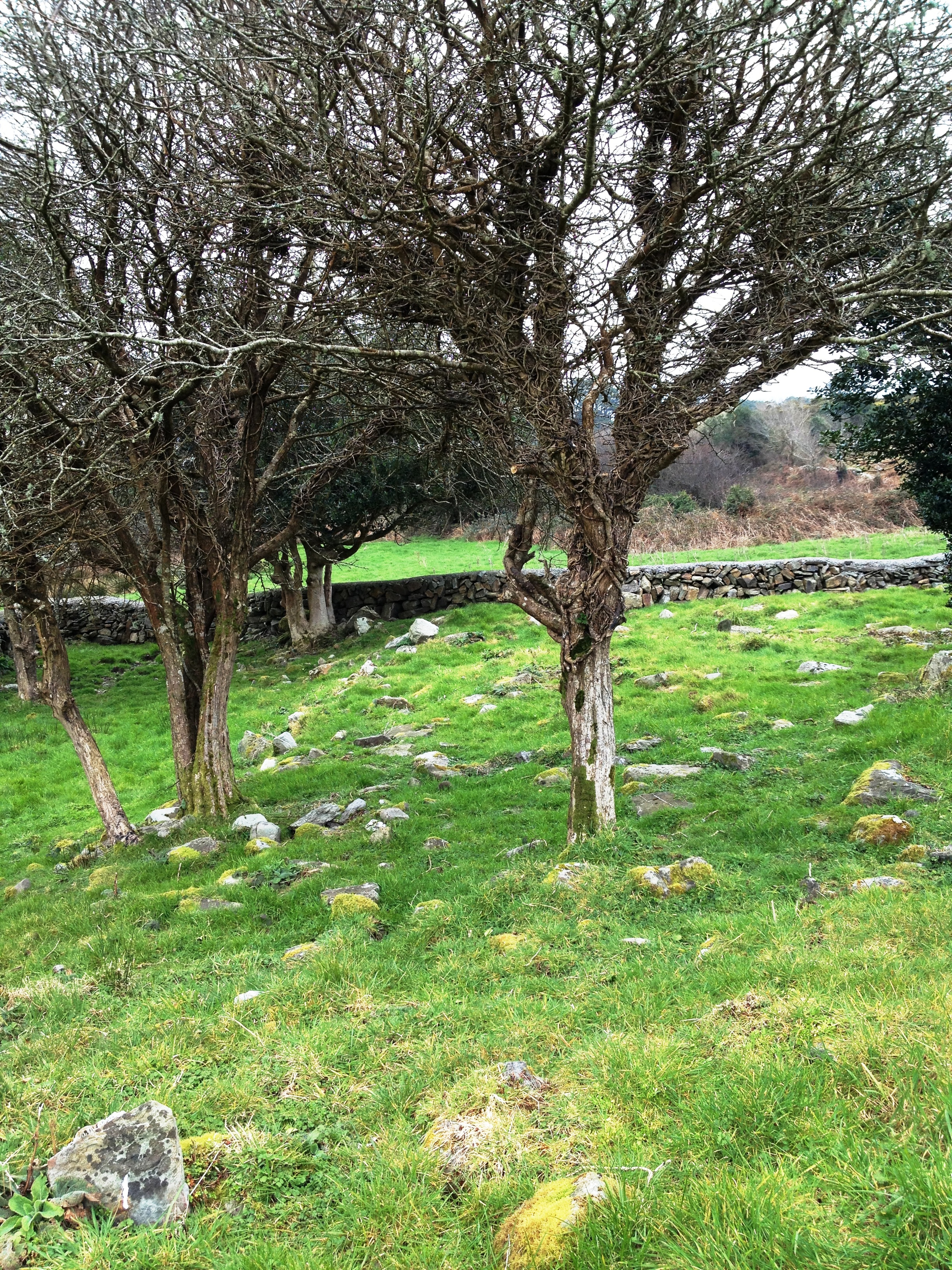
Also used for mass famine burials

This burial ground was used as a mass grave during the famine

This week we attended a fascinating talk on cillíní by William Casey, a local historian. As he explained it, the teachings of the Catholic Church on where unbaptised babies go after death had evolved from a position of ‘they go to hell’ (Augustine, 4th century) to a more moderate invention of the concept of Limbo (Thomas Aquinas, 13th century) – an in-between place where these lost souls would dwell eternally, never to suffer but never to reach heaven.

An 11th century round tower watches over the wandering souls

An 11th century round tower watches over a graveyard; a recent plaque commemorates lost souls

This ‘placelessness’ extended to their burial: cillini were normally situated away from the what the church considered ‘consecrated ground.’ Locations often contain poignant echoes of other trapped or wandering souls: boundaries, for example, of parishes or townlands were chosen.  Sometimes cillíní are found in ring forts. Known in Ireland as ‘fairy forts’ these ancient sites were believed to be the domain of the , the fairy folk who also inhabited the world in between earth and heaven. The association of the ring forts with the fairies guaranteed their security – if you interfered with a ring fort bad luck would dog you from that day on.  Protestant churchyards were also used, or areas within or near abandoned or ruined church sites. Perhaps, as William put it, these choices reveal an attempt by parents to ensure their children were buried in holy ground, while still adhering to the strict rules of the Catholic Church
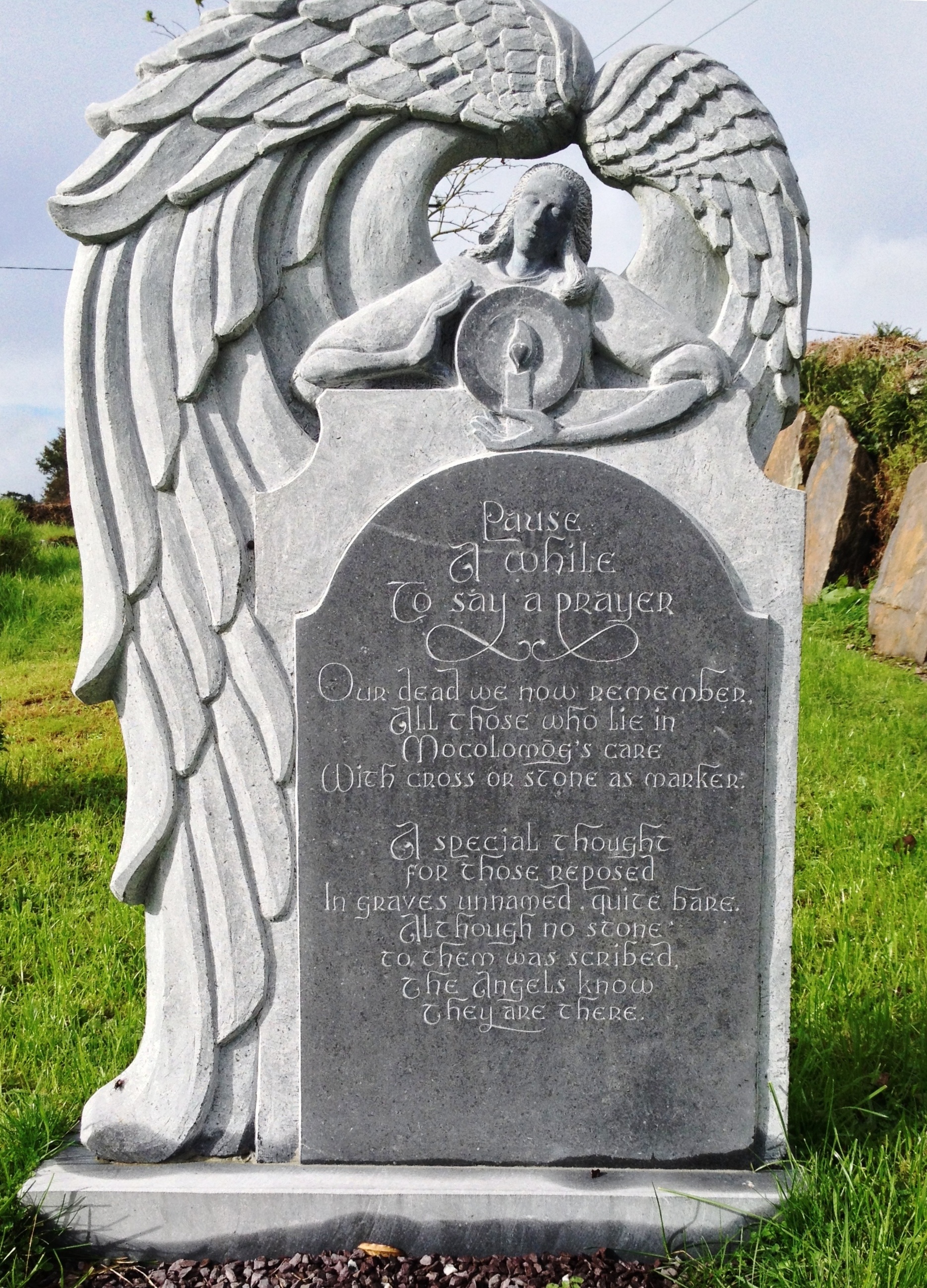
Let us not forget them

Pause a while

Maybe the saddest thing we learned from William’s talk was that tiny children who had died before baptism were buried at night, by lantern light, by the father and male relatives. Women had no role to play and the mother was not present. The grave was placed east-west, alongside other babies who had been buried in the same way and marked, if at all, with a small uninscribed stone. Over time many cillíní melted into the surrounding landscape and are now impossible to find. Others have been restored so that these lost souls will not be forgotten. Here, simple monuments invite us to remember. They attempt to reinstate the dignity and hope that were once robbed by the rigid beliefs of another age.

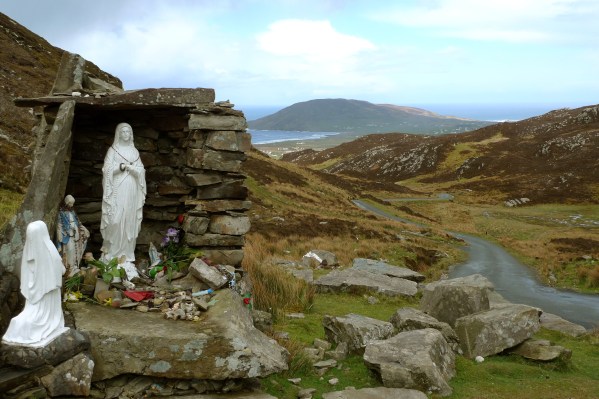
This medieval church was used as a cillin and most recently as a grotto

This ruined church was used as a children’s burial ground and most recently as a grotto

Old Stones

A classic piece of Rock Art - on display in Dublin's National Museum

A classic piece of Rock Art – on display in Dublin’s National Museum

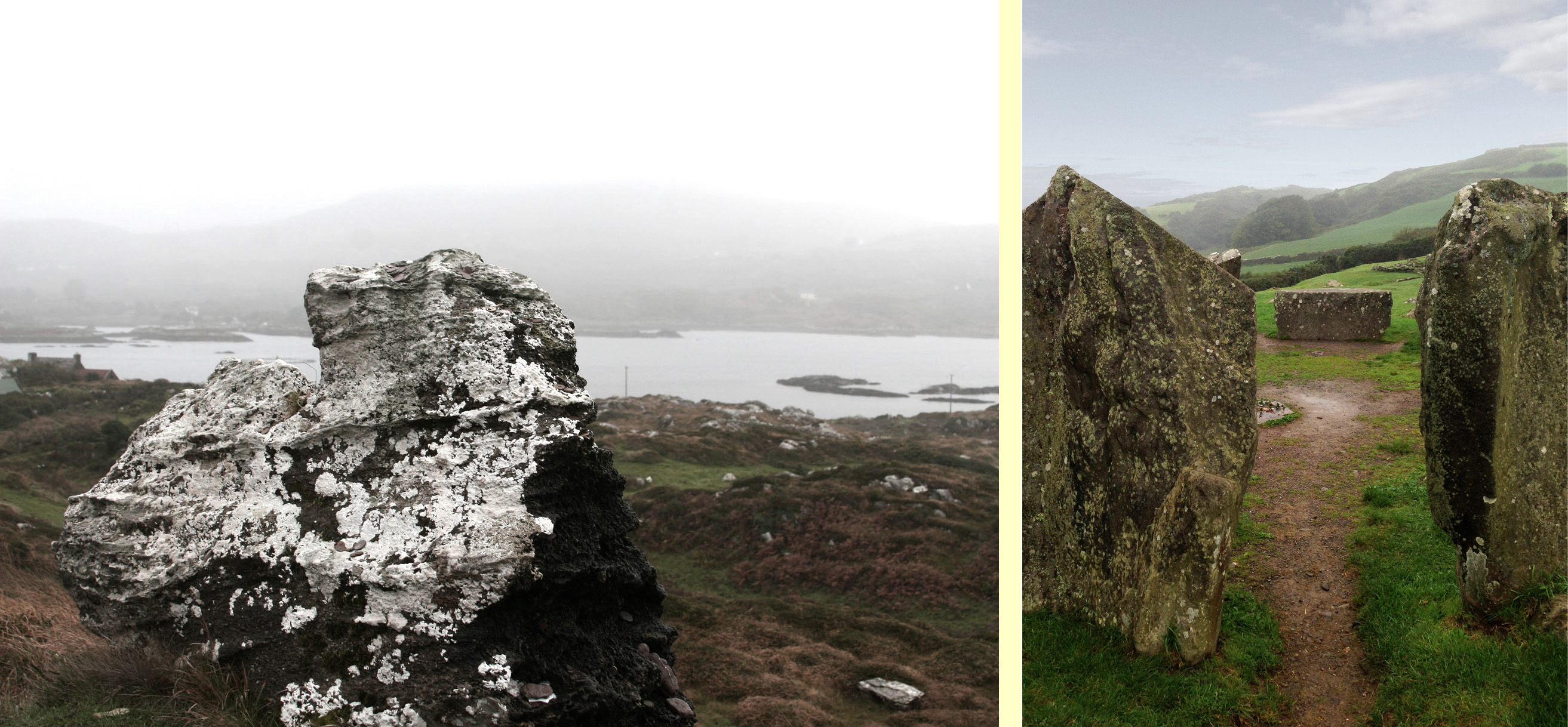
As we enter October, we begin to look towards the dark part of our year – and to think of the Cailleach who, in these western parts of Munster, is known as The Hag of Beara: in early tales she is pictured as a prolific figure responsible for shaping the landscape by carrying huge stones in her apron and dropping them to form hills and outcrops, as well as ancient standing stones, circles and alignments. She is also seen wielding a great hammer with which she sculpts and refines her geological creations. She has had seven periods of youth, one after another, so that every man who lived with her came to die of old age. Her grandsons and great grandsons are so many that they make up entire tribes and races. She falls asleep on Bealtaine (May 1st) and wakes again on Samhain (November 1st) – we will be looking forward to the storms which will herald her coming. Until then she rests on a hillside overlooking Coulagh Bay, beyond Allihies on the remote Beara Peninsula, where her rocky incarnation depicts her as both a young maiden and an old crone.

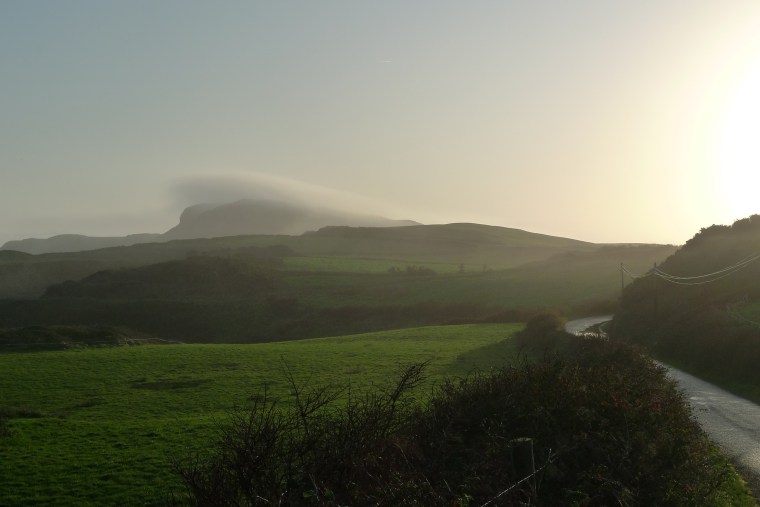
Monuments in the mist: The Hag of Beara and Drombeg Circle

Monuments in the mist: The Hag of Beara and Drombeg Circle

Ireland is stuck in a stream of warm air coming up from the tropics at the moment: this makes temperatures two or three degrees higher than the norm for early autumn, but also causes a damp landscape shrouded in fog: we have missed our view of the Fastnet for several days.

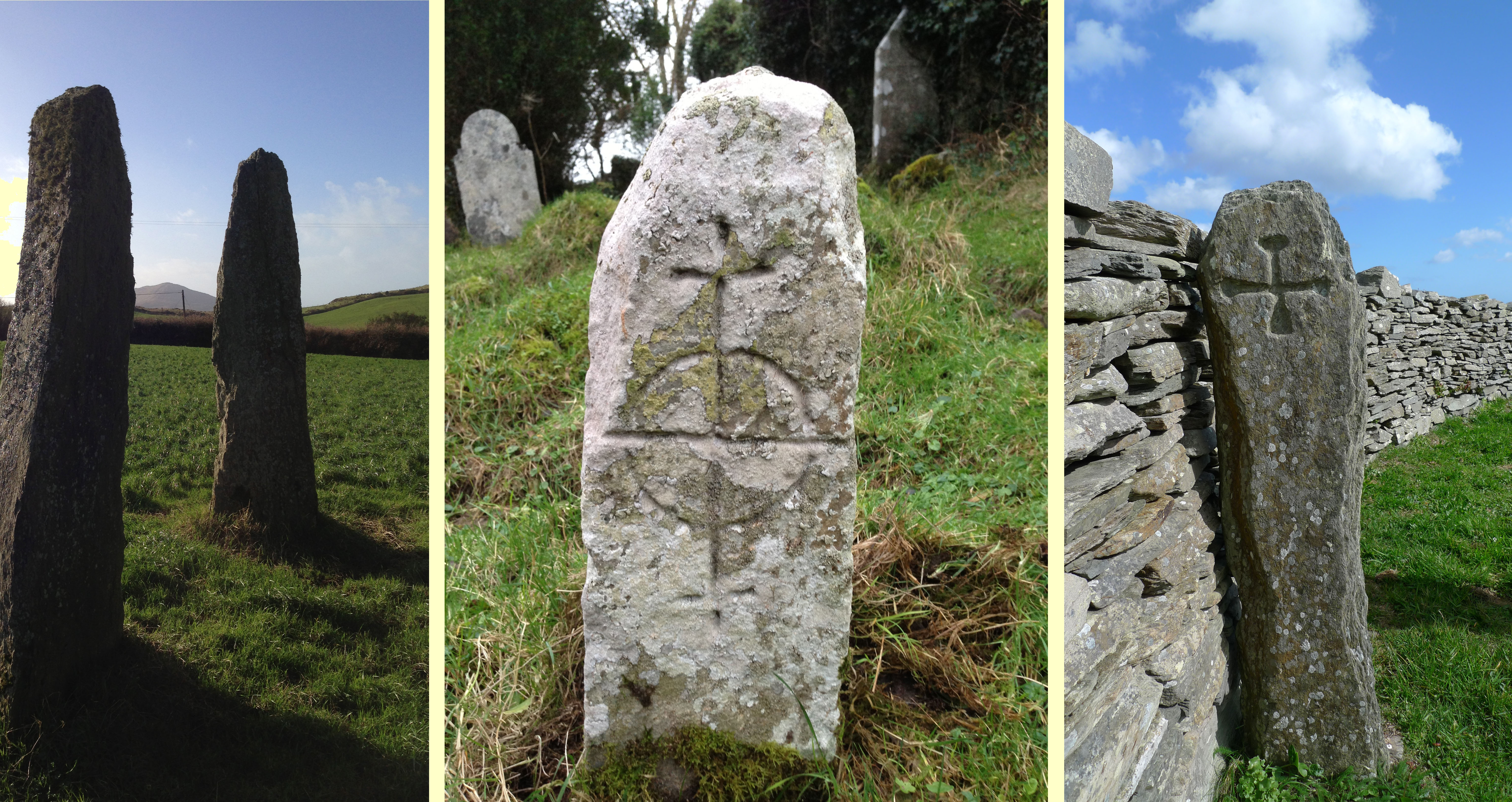
Standing stones

Some West Cork standing stones

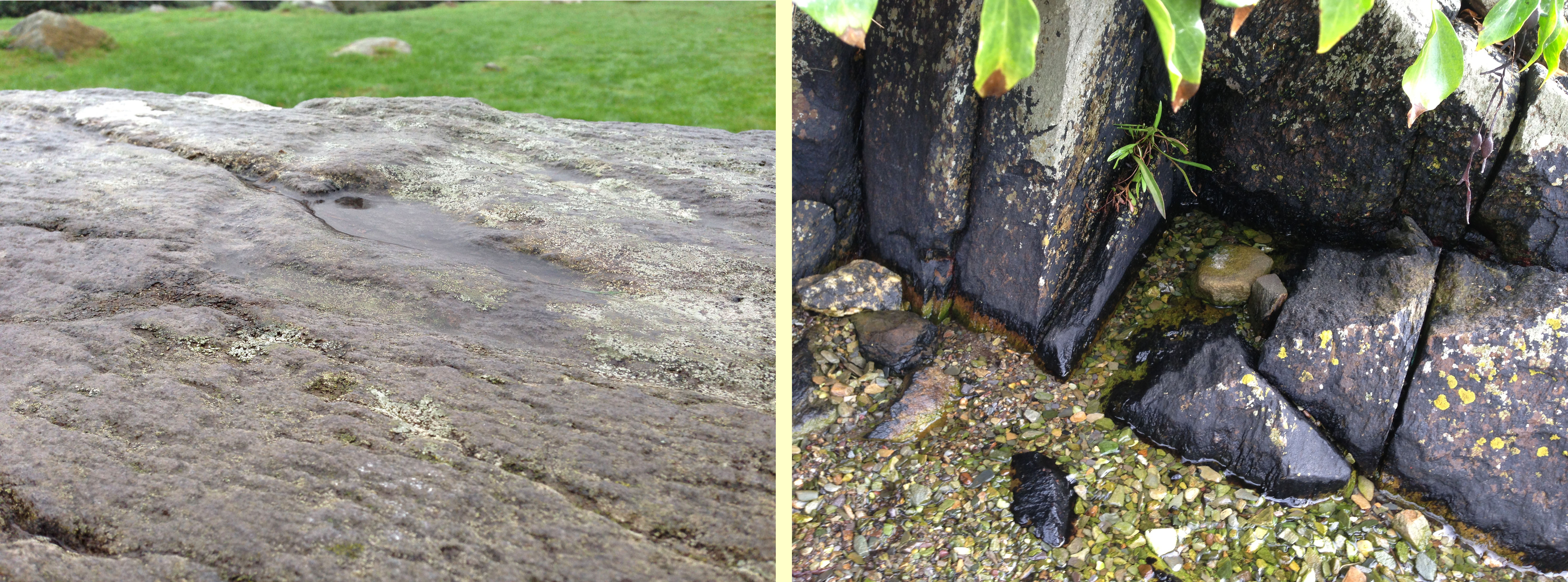
The weather hasn’t hindered our exploration of Ireland’s old stones – the terrain created by the Hag. Yesterday we went to Drombeg Circle: a popular site for tourists. Many visitors will fail to notice the rock art carved on the recumbent stone that points out this megalithic monument’s alignment with the winter solstice. At the foot of another stone we found some enigmatic markings which I readily interpreted as a dancing Hare.

Drombeg Rock Art - and a mysterious Holy Well in Rossbrin Cove

Drombeg rock art – and a mysterious holy well in Rossbrin Cove

Bishops Luck - a megalithic close by Nead an Iolair: according to local legend, a

Bishop’s Luck – a megalith close by Nead an Iolair: according to local legend, a bishop is buried under this!

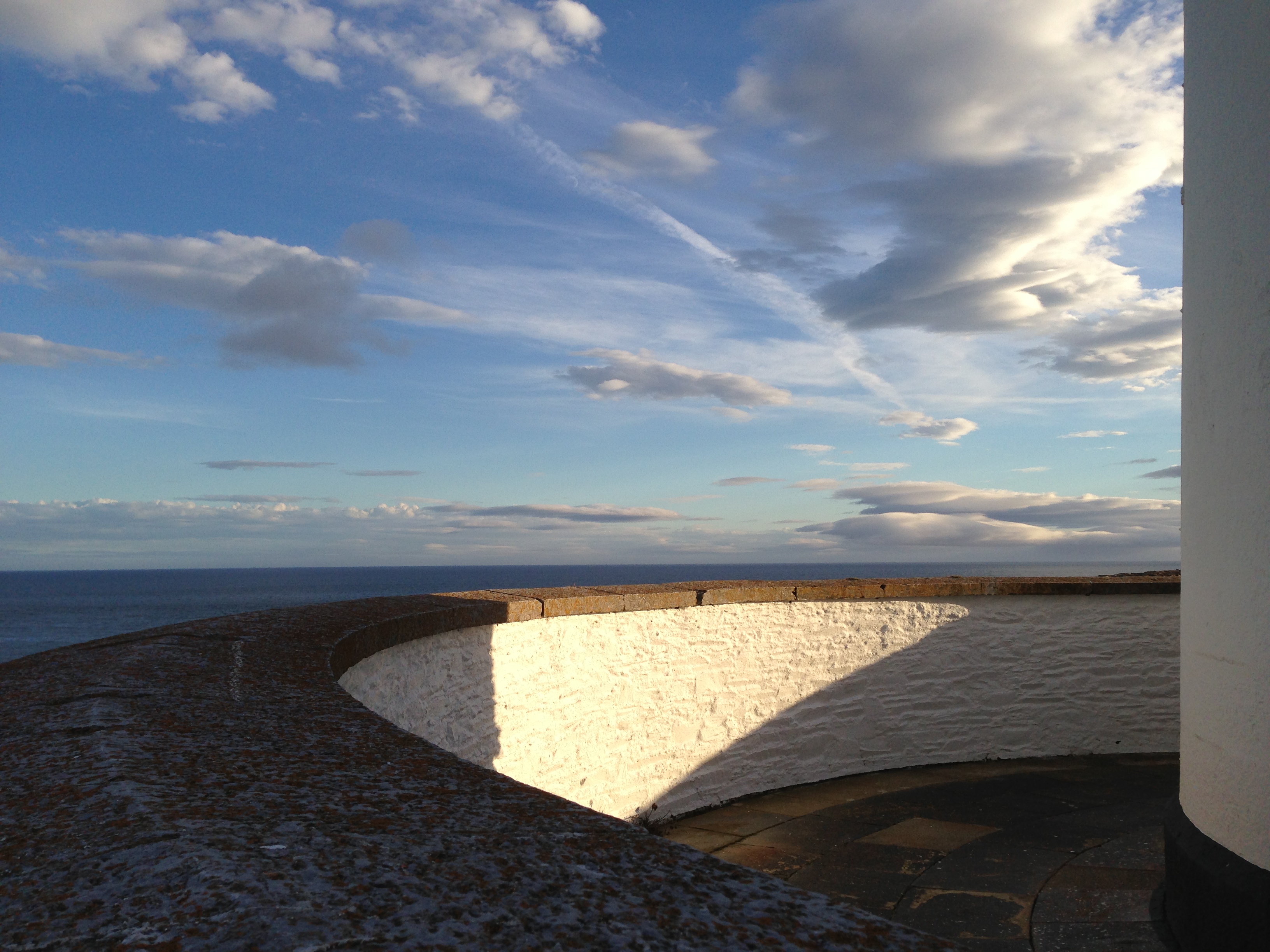
Ireland’s history is written in stone: the natural landscape; megalithic monuments; buildings – cottages, castles, farms, churches, lighthouses; every townland is rich in examples. Building material, track surfacing, grave marker and artists’ canvas (perhaps): stone has been a resource to aid human occupation for thousands of years.

Stone in context: Galley Head Lighthouse

Stone in context: Galley Head Lighthouse

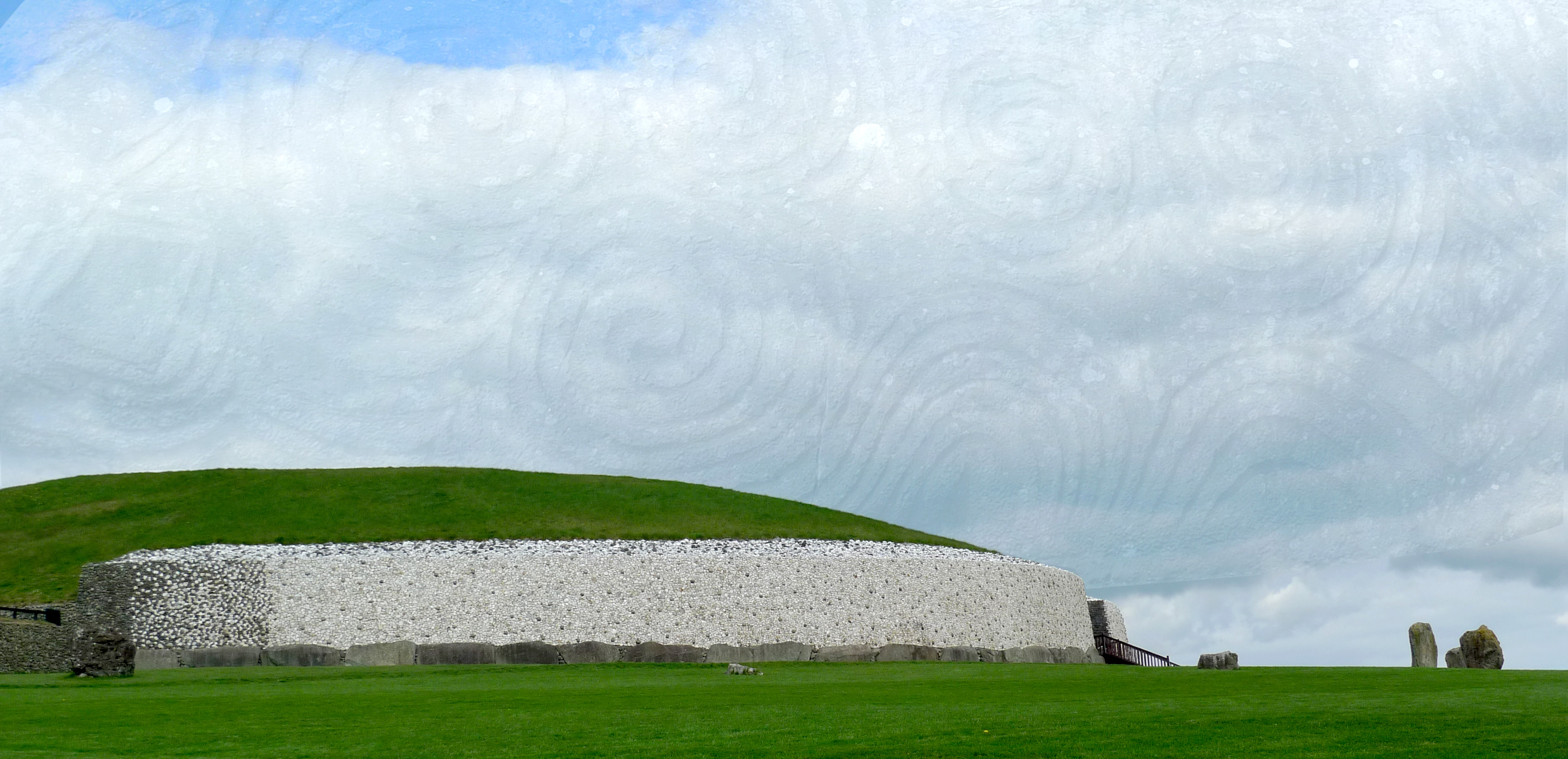
The ultimate stone monument - Newgrange Passage Grave, County Meath - the spectacular quartz facing is a conjectural reconstruction

The ultimate Neolithic stone monument – Newgrange Passage Grave, County Meath – the spectacular quartz facing is a conjectural reconstruction

Ból an bhóthair

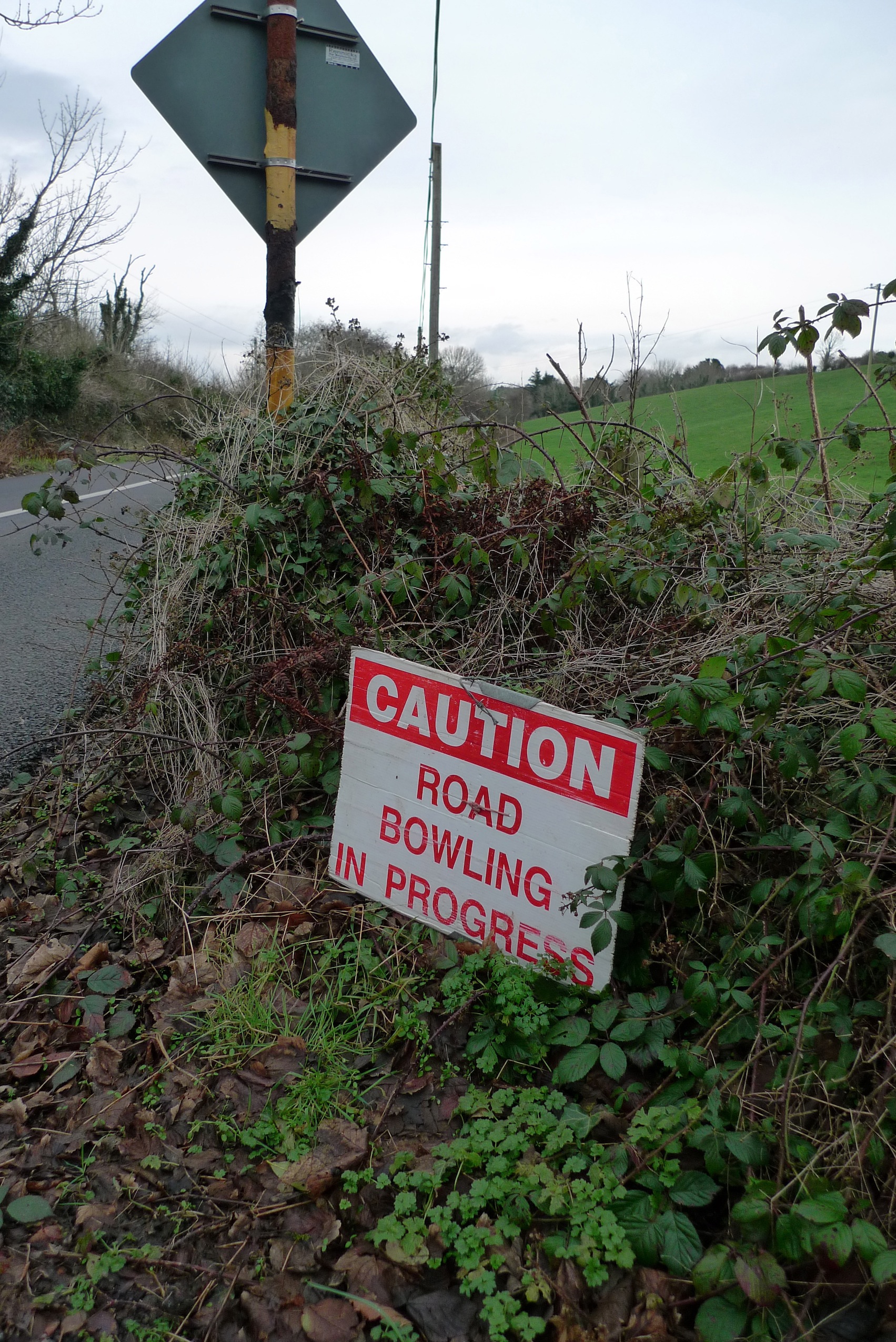
bowling

A damp, grey, Sunday afternoon seemed as good a time as any to find out about a strong West Cork tradition – Road Bowling – the title of this post is the Irish for that. I had come across this ancient sport on a previous visit to Ireland and was intrigued. Friends enlightened me that it was a traditional local pastime which has spread to Armagh and, through emigration, to London and the United States – while other versions of the game exist in Holland and Germany. But the county of Cork – and particularly our western part of the county – is its true home.

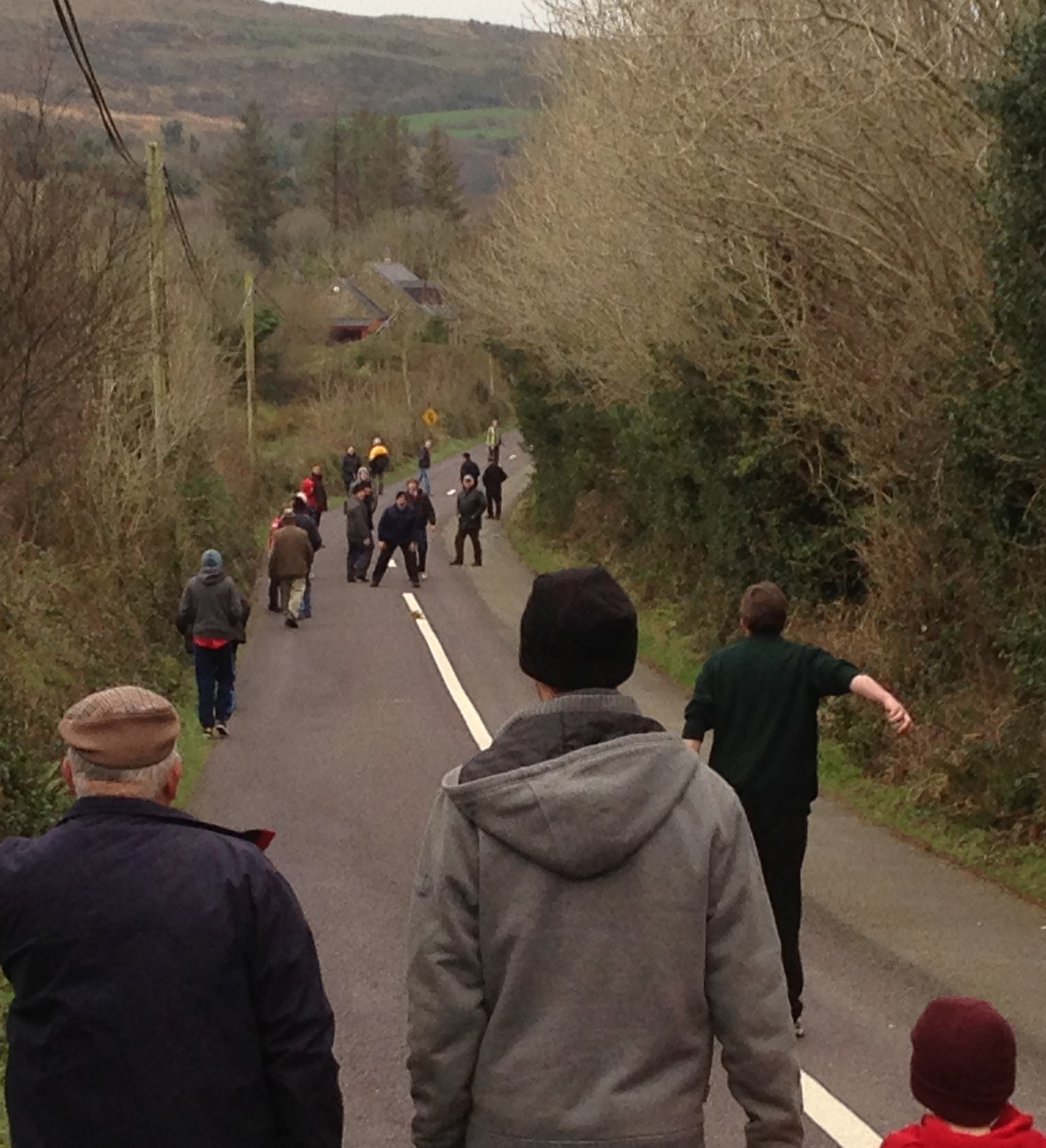
bowling2A notable merit of the sport is that it requires absolutely minimal equipment and facilities: an iron ball (or ‘bullet’) weighing 800 grams and 18cm in circumference (note: Ireland is fully up to date with its metrification – miles and ounces have vanished along with the old Irish punt or pound) and about 4 kilometeres of public road. That’s all, apart from a stick of chalk. The road can be anywhere: it’s good if there are some hills and bends. Today I watched a game on the Road out of Durrus going towards Schull. It’s fairly well used (although, as this is Ireland and a Sunday, there’s probably one car passing through every five minutes), but the traffic always gives way to the bowlers.

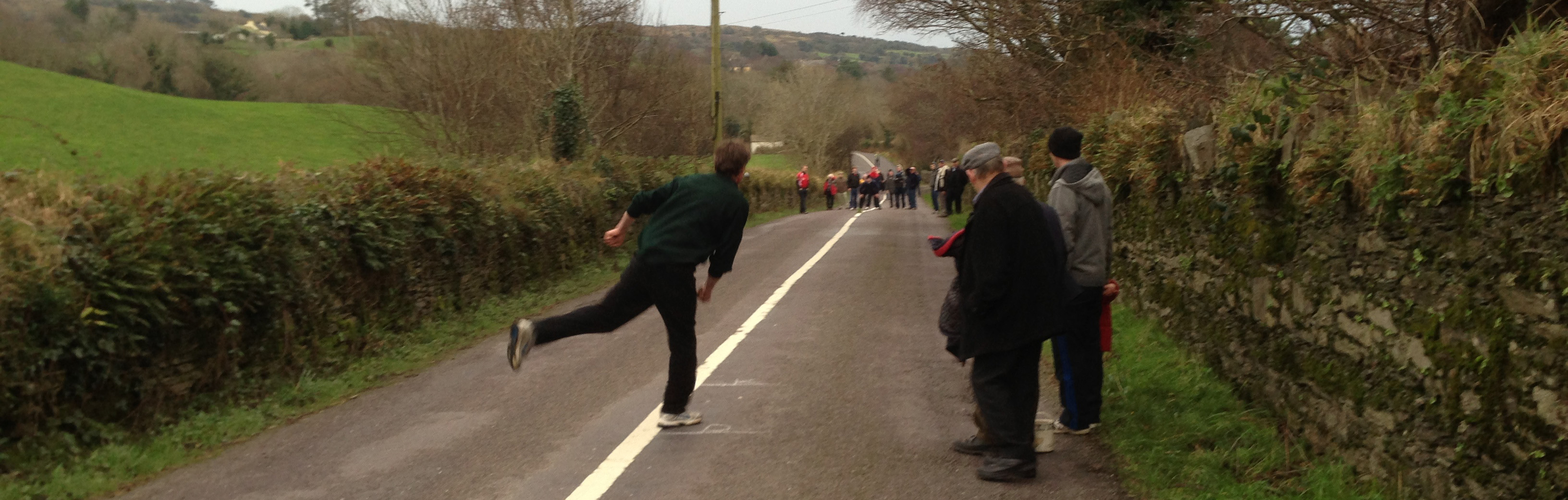
The object is to throw the iron ball along the road. There are two players – or two teams – in each match, and the match involves one journey along the road in one direction, each player having his own ball. There’s usually another match when the crowd returns along the same route. The winning player or team is the one that reaches the end of the course with the fewest ‘throws’. To throw a player runs up to a chalk mark and, using an underarm swing, propels the ball as far as possible. Regardless of whether or not the ball has hit a wall or drain or whatever, the next chalk mark is made at the point that the ball has stopped moving. There are all sorts of techniques, but nothing – it seems – breaks any rules, unless the player’s foot steps over the chalk mark before the ball has left his hand. And I’m not sure whether anyone is actually watching out for that, as the whole crowd, including the players, spend the entire time engaged in conversation; although this is interspersed at times with shouts of encouragement – or perhaps discouragement, and loud comments on how poor that particular throw was. I was guided through the process by friendly members of the gathering (many of whom suggested that I should have a go myself) and they also assured me that an essential part of the fun was ‘money changing hands’ – a gamble on the match, or on individual throws. Everything seemed so chaotic and informal that I couldn’t work out how this all went on.

bowling3

I was interested to see a tuft of grass (a ‘sot’) pulled out of the hedgerow and placed on the road at the point which the thrower should aim for in order to get the best ‘line’. And I was told that a helper known as a ‘road shower’ advises the thrower as to the best trajectory. ‘Shower’ here rhymes with ‘blower’. And – I should have said at the outset – ‘bowl’ actually rhymes with ‘howl’. But the West Cork accents I heard this afternoon were so strong that I only picked up every third or fourth word…

I returned a little wiser about another ingredient of life in West Cork.

bowling8

A Place in the Heart

clarke

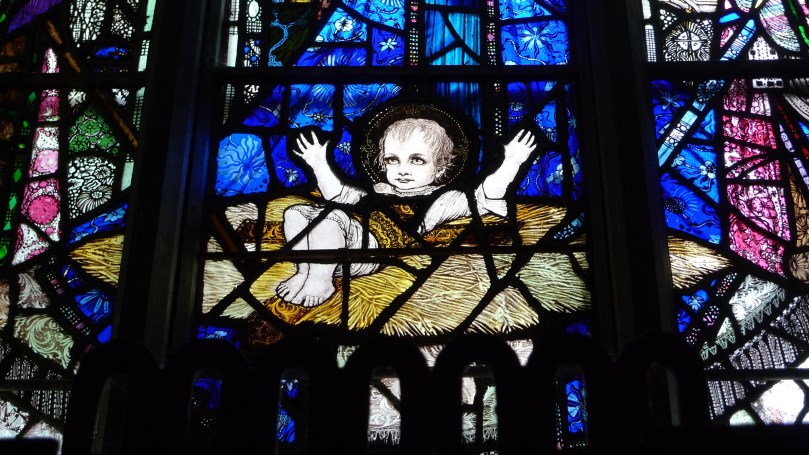
A church window by Harry Clarke: Ireland’s – and perhaps the world’s – foremost glass artist

At the ending of the year we are halfway through our winter adventures in West Cork. Today is a turning point: a transition. Traditionally, crossing over boundaries is rife with custom and superstition. Make sure you let your fire go out tonight, and kindle a new one in the hearth in the morning to ensure good health and good fortune. The Celts noted the importance of boundaries – they divided the year up into four parts: Imbolc, Beltaine, Lammas and Samhain. At each turning point there was a festival, usually involving fire. It’s interesting that our New Year is marked by fire – or fireworks – in many cultures.

ballin

clarke2

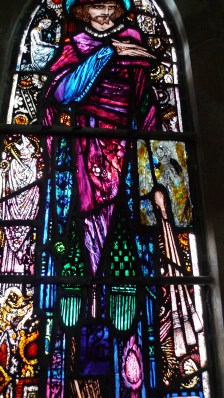
St Luke – another Harry Clarke window, in the church at Castletownshend

At this moment we are right in the middle of the Celtic dark time: Samhain – pronounced ‘Sow (female pig) – in’. This will end on February 1st, when Imbolc begins. Imbolc is ‘the beginning of the light’ – Candlemas in the church calendar. Certainly, in early February, we see the first green shoots of the Spring appearing.

castledesmond

statuestat

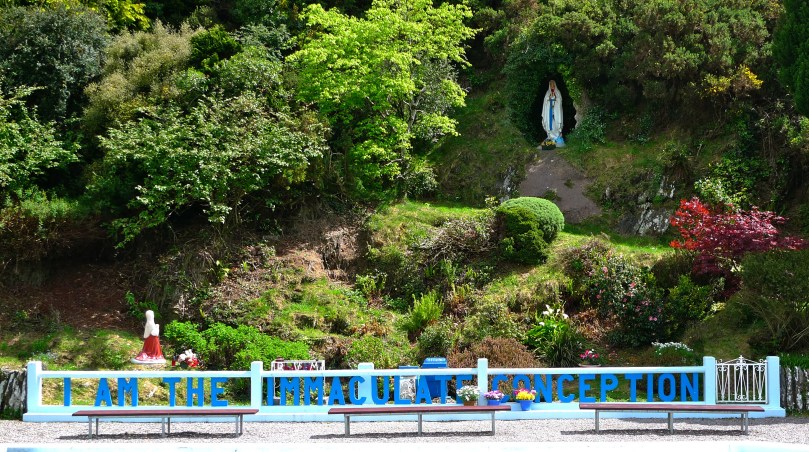
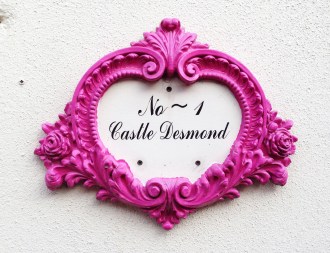
This post is a bit of a reminiscence. A summing up of impressions and emotions through pictures from the last three months. The common theme is colour – whether in landscape or in architecture – because we have found this ‘green’ island to be full of so many colours. Hopefully a few of the photos capture something more, something deeper:  an inherent respect in this land for history, culture and holy places.

scene

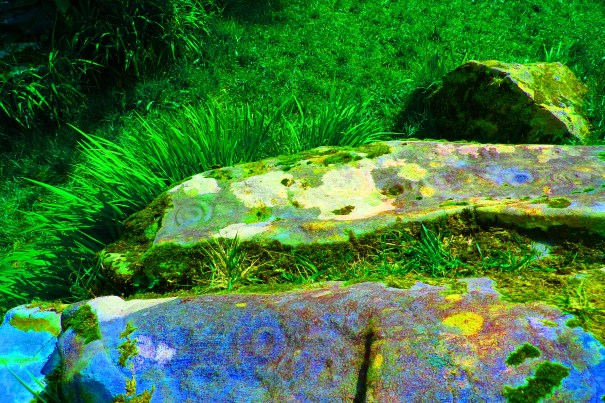
Rock Art - was it once painted?

Rock Art – was it once painted?

mussels

Mussel beds on Roaringwater Bay

HAPPY NEW YEAR from Ard Glas, on the shores of Roaringwater Bay!