Rare Plants on the Mizen

For a wildflower enthusiast there is nothing better than a day spent with like-minded folk looking for interesting plants under the leadership of a true expert.
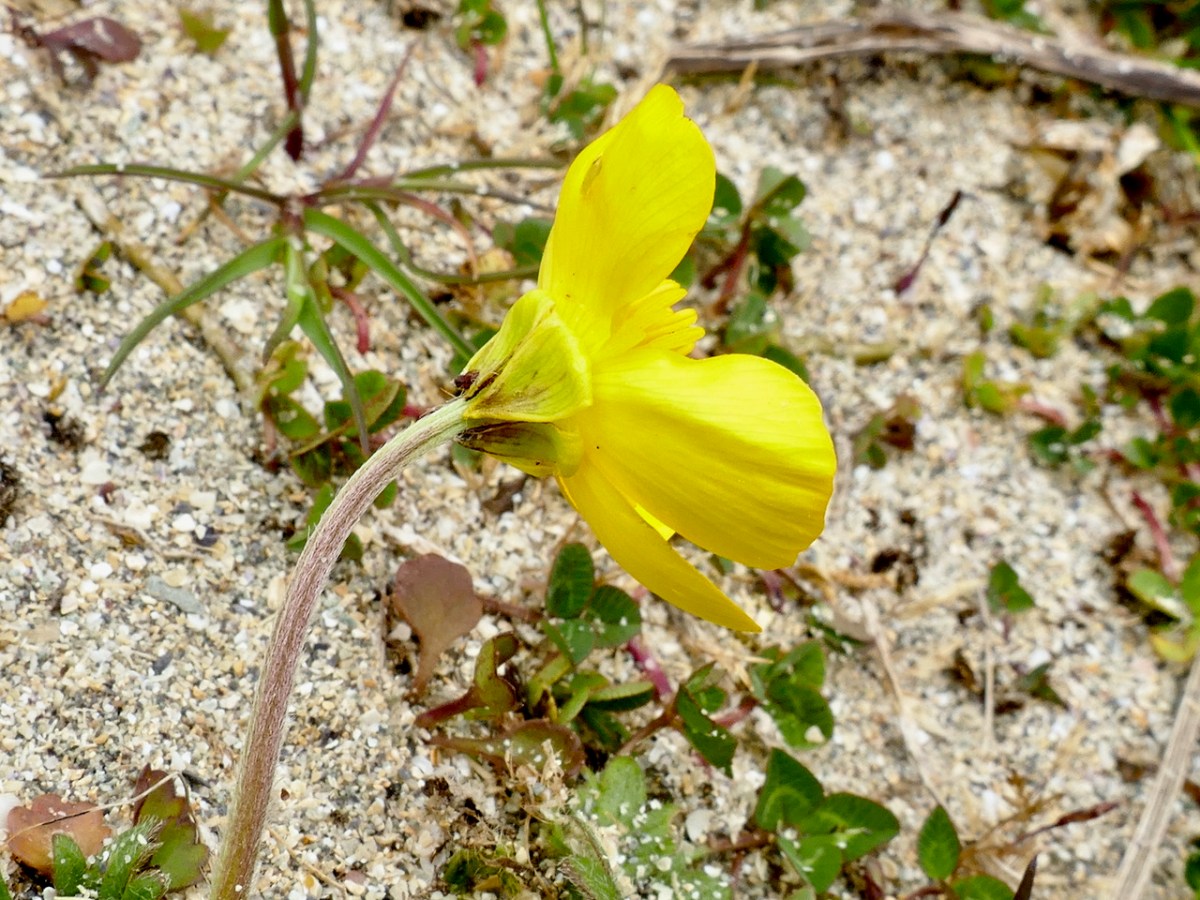
At this time of year the buttercups all over the dunes are actually Bulbous Buttercups – if you look under the flower head you will see that the sepals turn down away from the petals

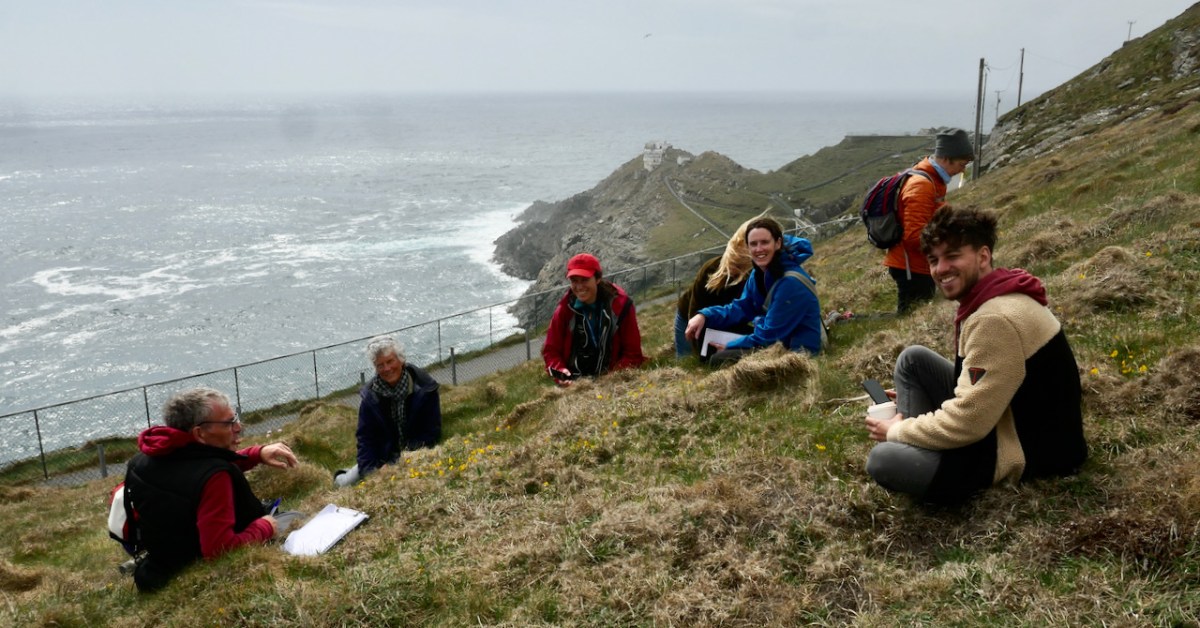
I had the immense privilege of being included in a Rare Plant Monitoring Workshop on Friday the 13th – which also happened to be the day that Biodiversity Week kicked off in Ireland. As you probably all know by now, Nature is in crisis all across the world, and although we may be surrounded by lush hills and boreens in West Cork, there are ominous signs that all is not well with our natural world here as elsewhere. Fewer than ten percent of our native species in Ireland have been assessed for their conservations status – but of those that have been, one fifth (yes – one-fifth!) are at risk of extinction.
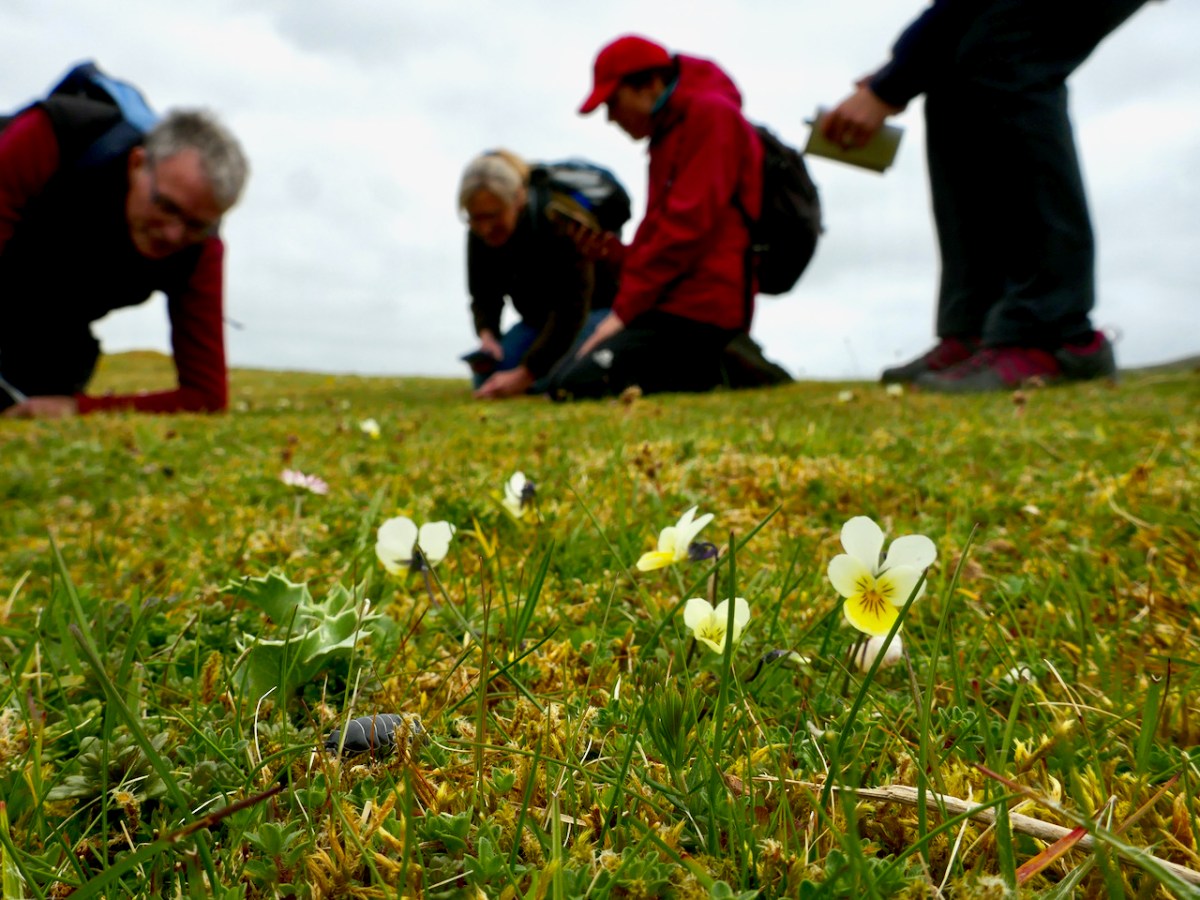
Sand Pansy – gorgeous little violas found on the dunes

That’s why counting plants is important – each one is part of the complex web of biodiversity that contribute to the health of our environment and the loss of even one can have knock-on effects on a whole cascade of others. I already monitor two rare plants for the National Biodiversity Data Centre (NBDC), Vervaine and Calamint, so I have an insight into the kinds of threats rare plants can face, from mowing to herbicides to change of land use – all of those have happened to the small populations I monitor.
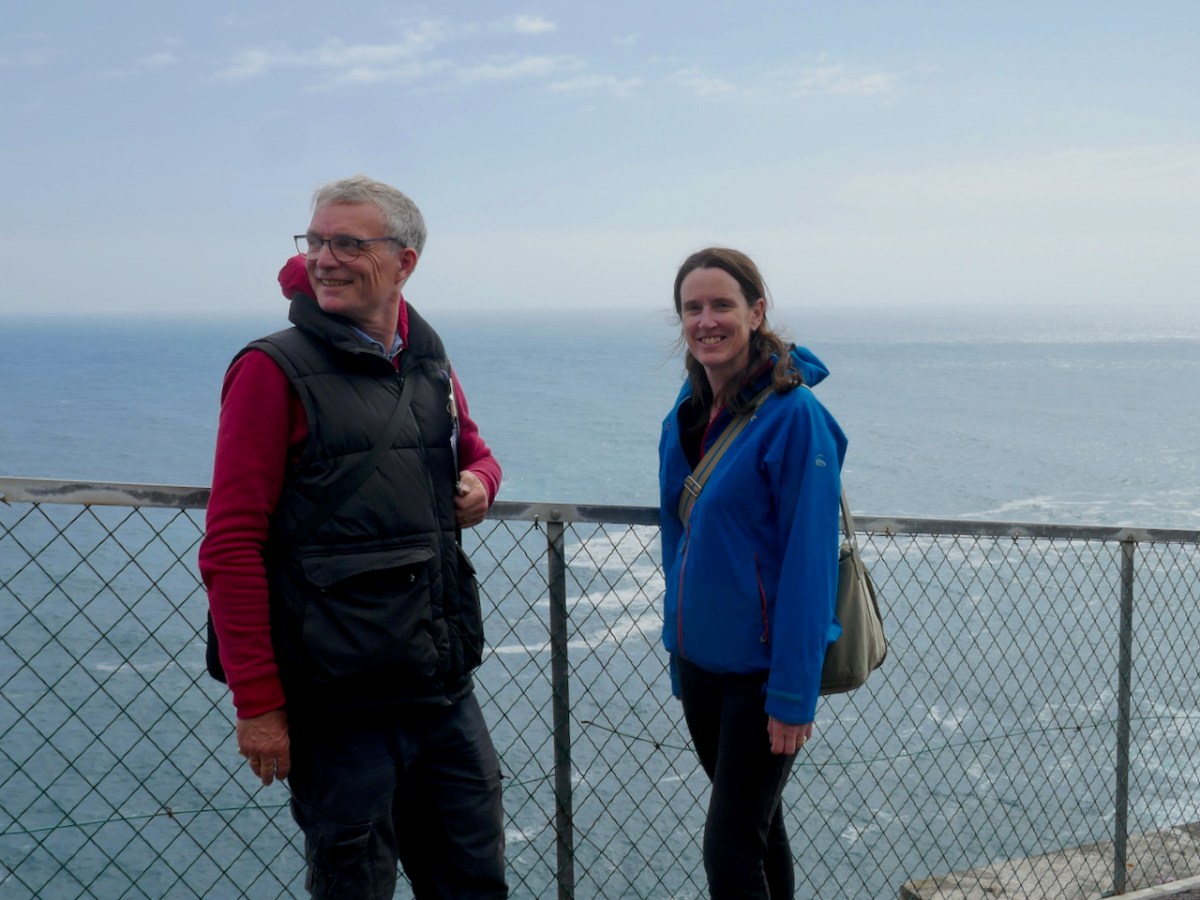
The location for this workshop was Barley Cove and Mizen Head. Having rendezvoused with Botanist Paul Green and NBDC Scientist Úna FitzPatrick (above, at Mizen Head) we set out across the dunes. I had met Paul before and so I knew that he is unfailingly generous about sharing his immense knowledge. Throughout the day we stopped frequently to exclaim over a plant that one or another of us spotted (like the Bulbous Buttercup) on the dunes or the rocks, and Paul always took the time to stop and educate us about each one.
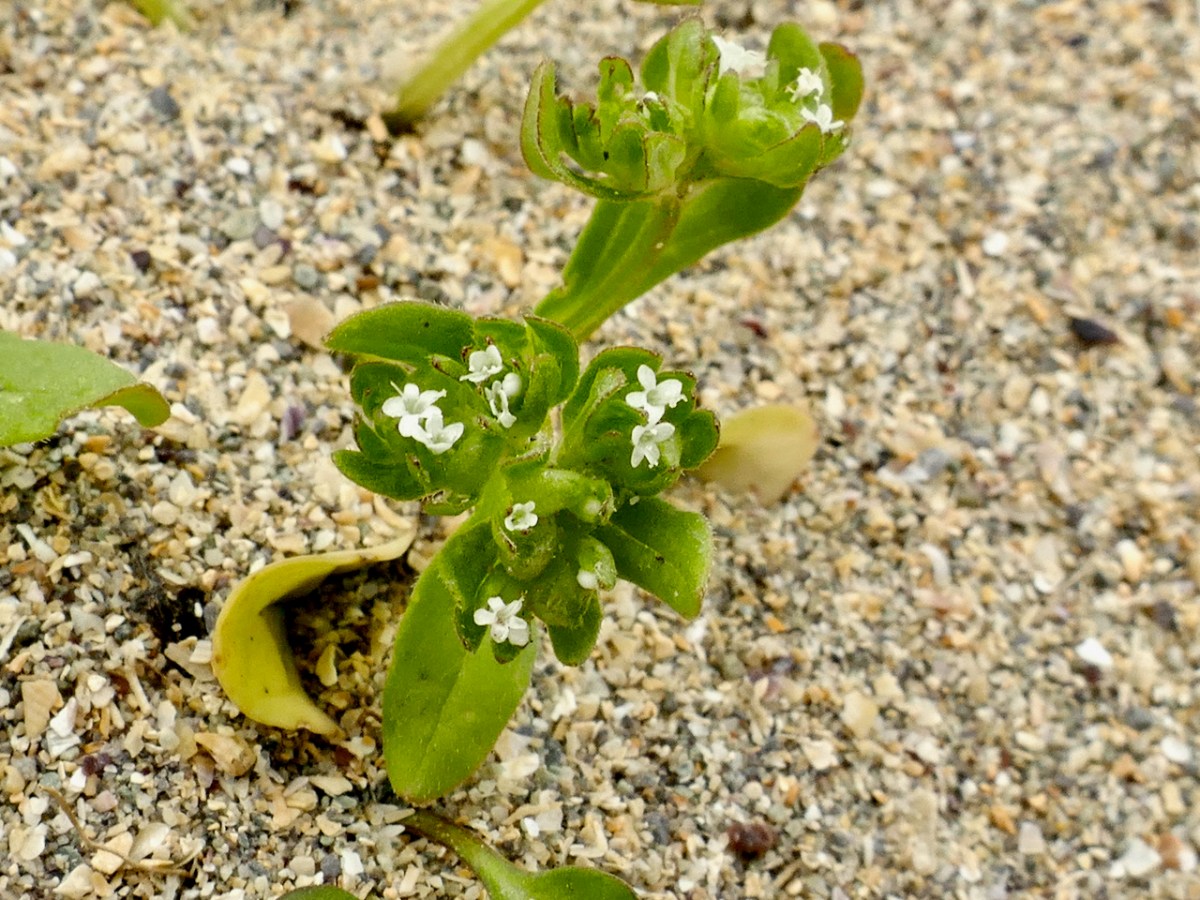
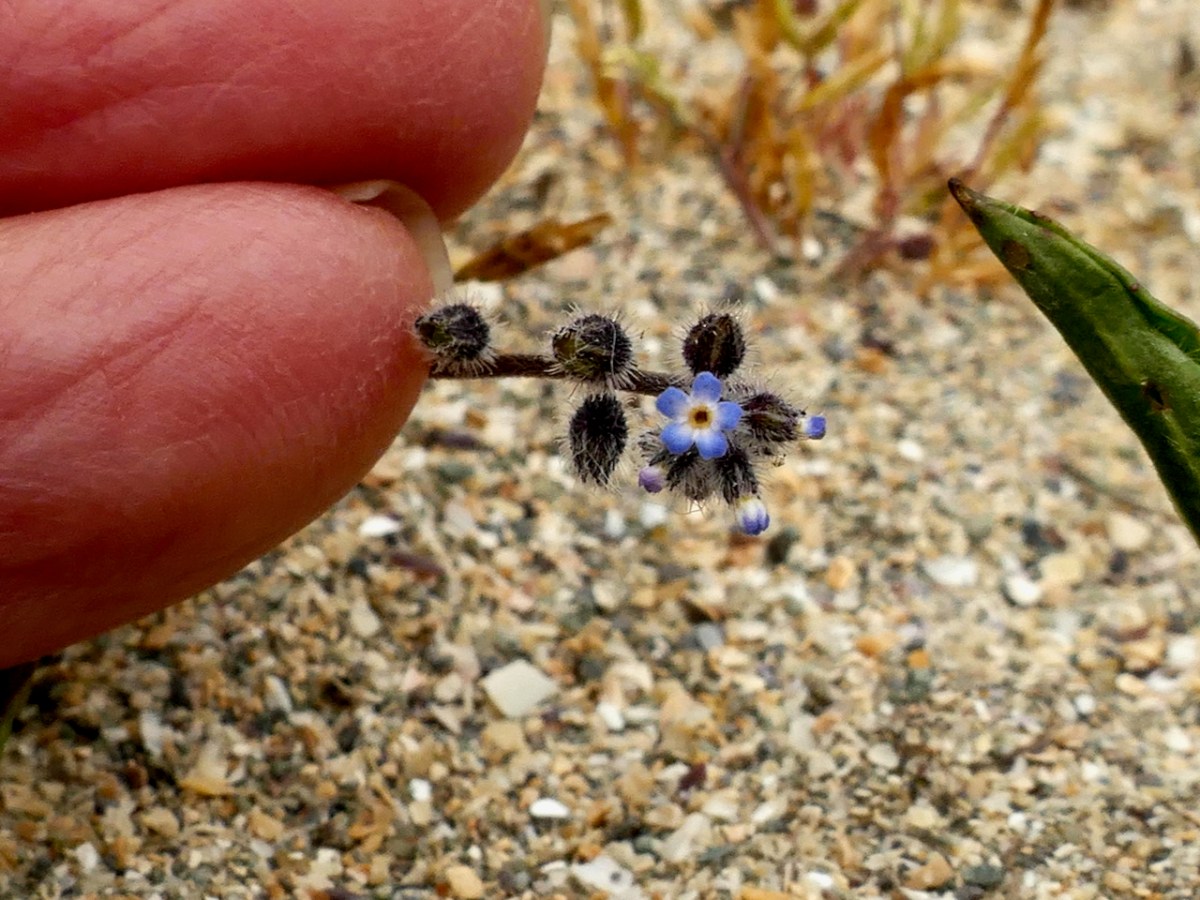
Thus, along the way, I was introduced to several plants that were entirely new to me. Despite the fact that I have been to Barley Cove on numerous occasions, many of them spent lying in the grass on the dunes (see this post and the wildflower slideshow within it, for example), I had never seen Common Cornsalad (above) nor Early Forget-me-not (below) before Friday.
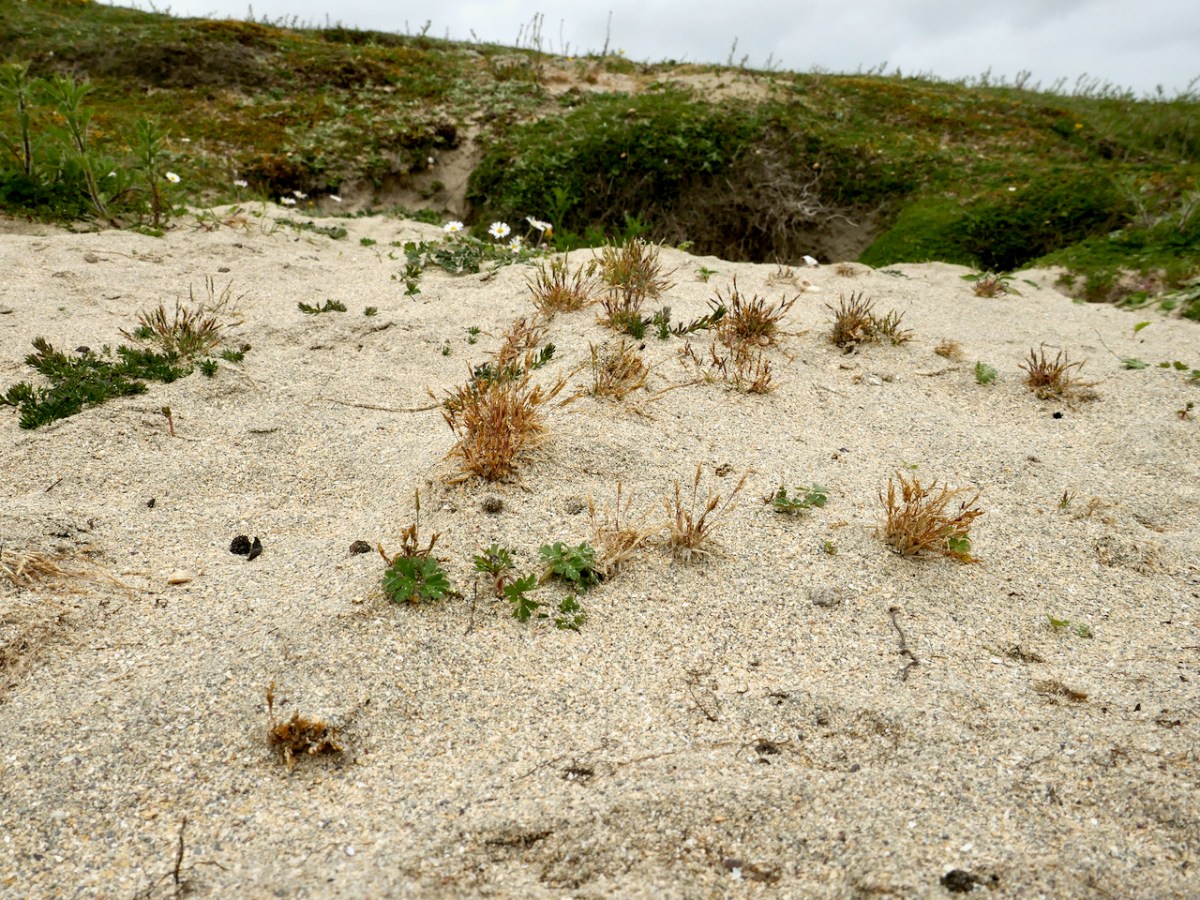
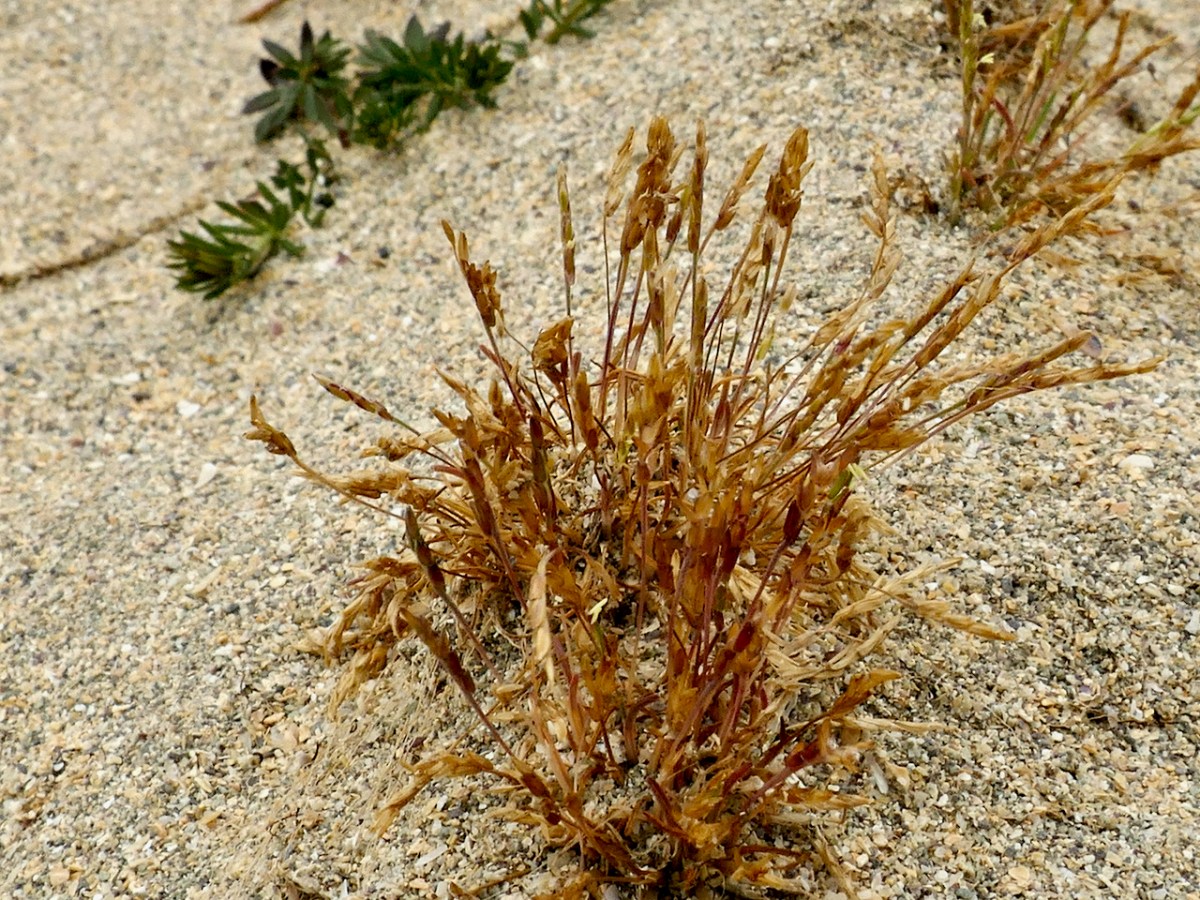
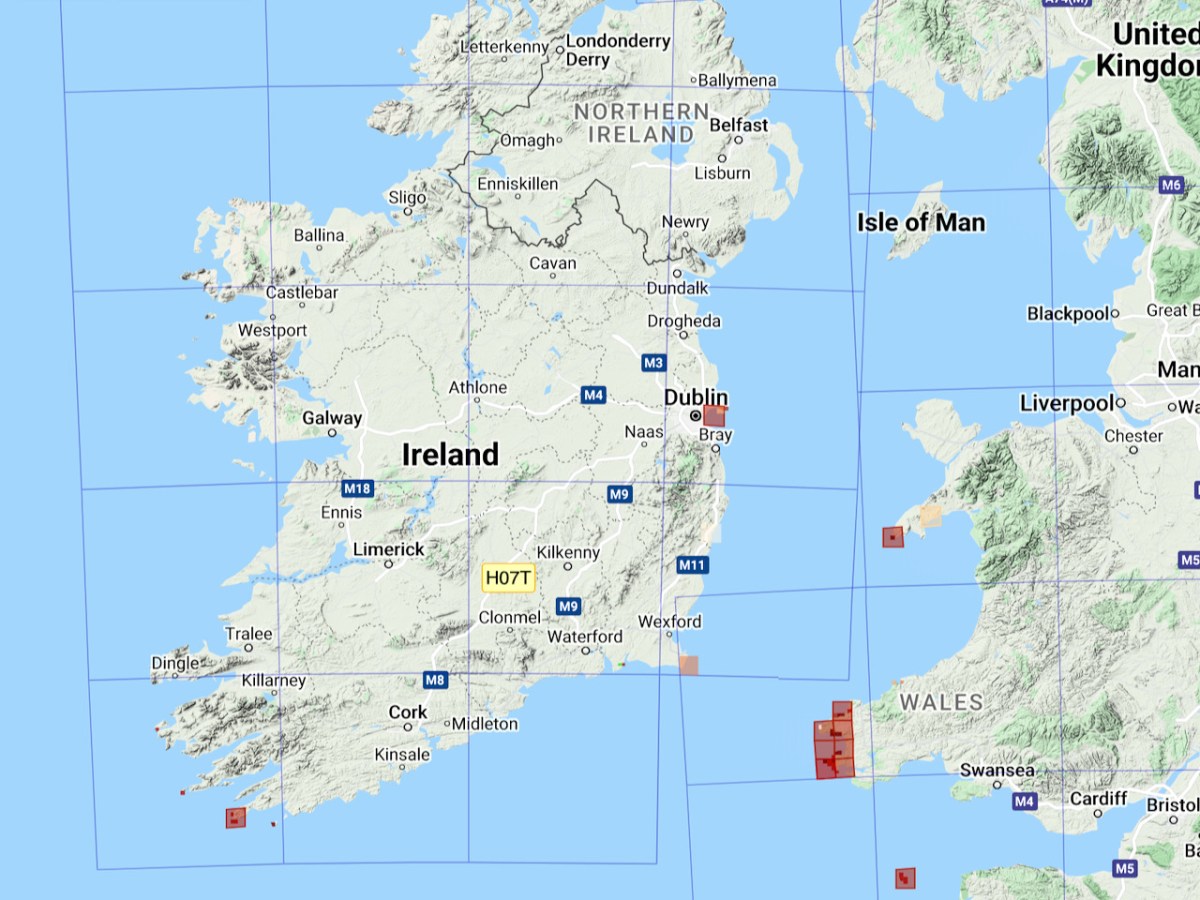
As our first rare plant, we were in search of Early Sand-grass, the kind of undistinguished little plant that you would walk over unthinkingly, but which is so rare that it only occurs here and in the Bull Island Nature Reserve in Dublin. That’s the distribution map below, courtesy of the BSBI.

Paul found it and we collectively traced its extent across the dunes. This is an area with much rabbit activity and Paul speculated that the bare patches of sand created by the busy bunnies was what had encourage or allowed the Sand-grass to colonise this area. It’s a complex issue – those Barley Cove Bunnies can be destructive to the dunes in some ways, but here we have an instance where their presence has been beneficial – one of those complex interactions that are so hard to predict.
Our next target was an orchid – the Green-winged Orchid. But, on the way, we found another Orchid – the Irish Marsh Orchid (below). It was beautiful and bold and instantly visible in the short grass on the dunes.

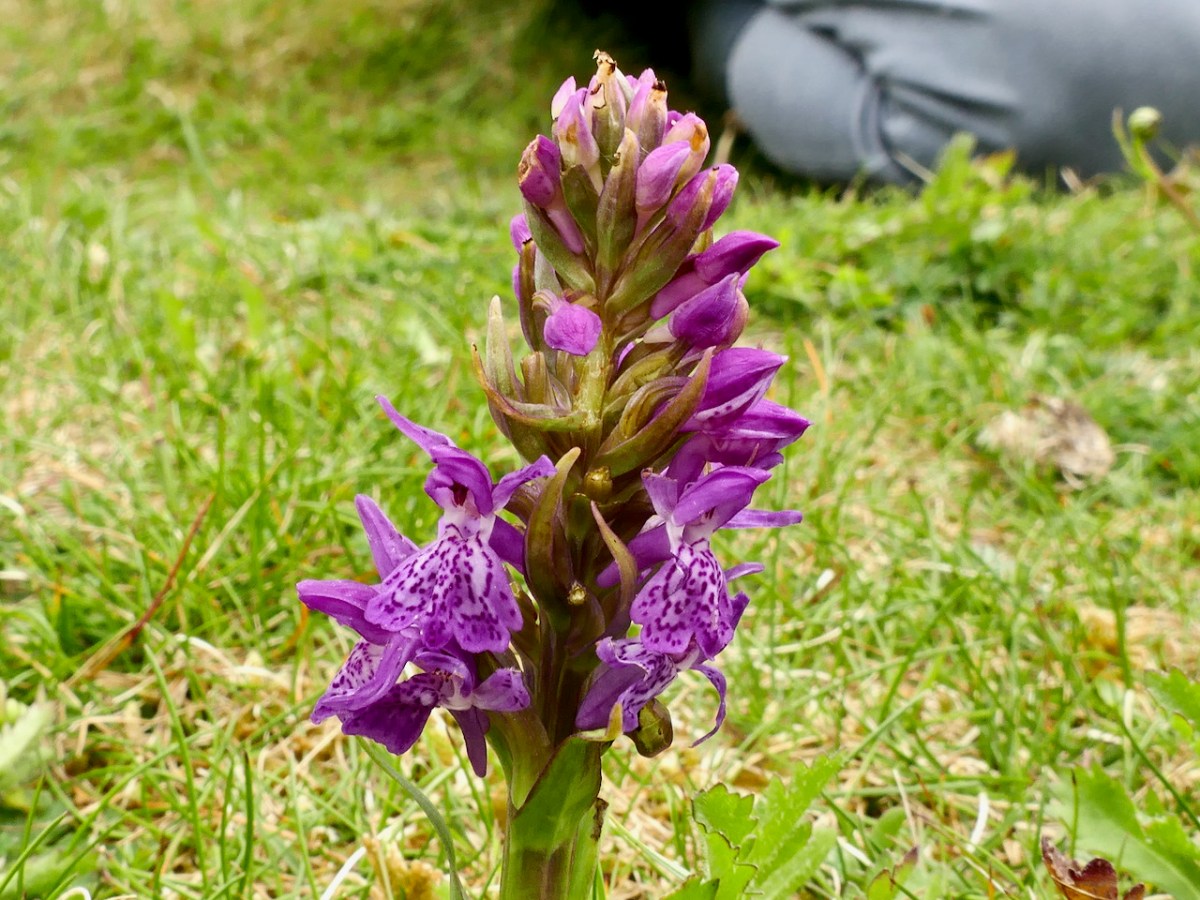
In contrast, we almost tripped over the Green-winged Orchid, which upon first glance looked spindly and unremarkable. This is one you have to get close to – can you see them in the grass, below?
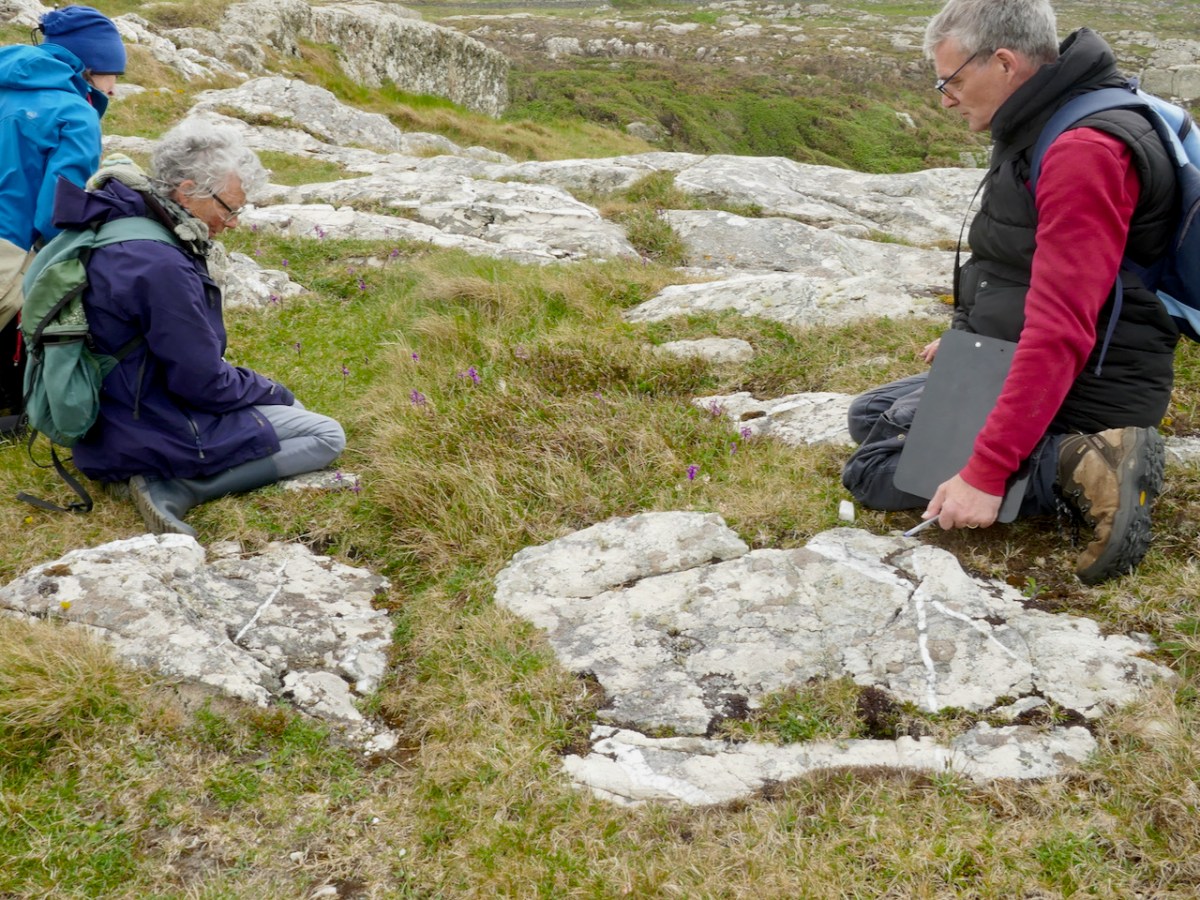
Here’s what Zoe Devlin has to say about this flower:

Surely the most exquisite wild orchid in Ireland. . . Green-winged Orchid is a small, erect plant which grows to about 30cm tall in grassland and meadows where grazing occurs. It bears flowers, well separated, in short spikes and these flowers appear in several colours – from snow-white through pink and magenta to deep purple. The three sepals are purple-veined with strong, green lines and these sepals form a hood over a broad, downward folded lower lip which is three-lobed and heavily spotted at its white centre. There is also a stout, slightly-curved spur. These incredible flowers bloom from mid-April to mid-June. The leaves are shiny green, unspotted with the upper leaves sheathing the stem and the lower leaves forming a rosette. 

Zoe Devlin, Wildflowers of Ireland

Can you see all that in these photos? I’m not sure you can, which is one of the things that makes wildflower identification interesting – especially with a family like the orchids where there are quite a few that look similar until you really examine them. 
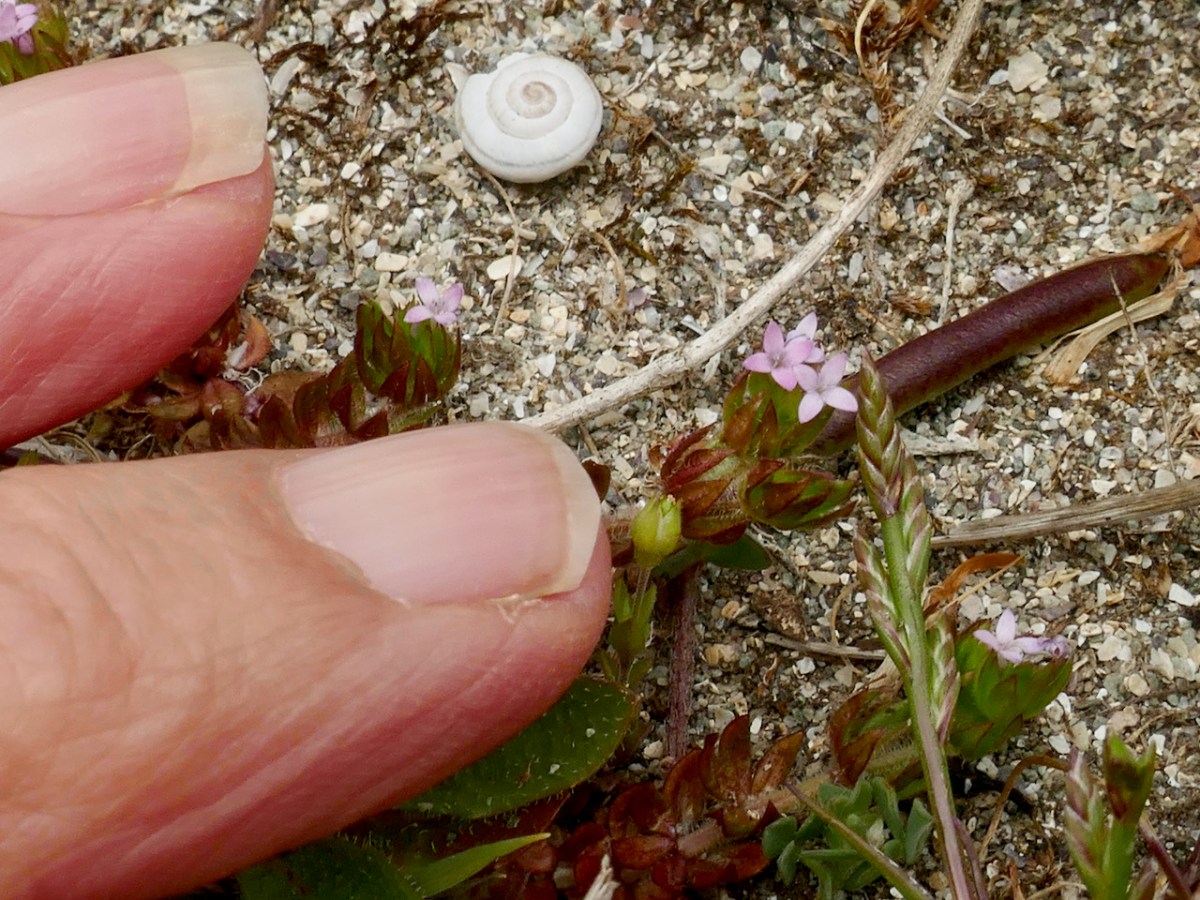
There were more plants on the dunes – I was amazed to find Field Madder (above), which I always assumed was a plant of arable ground. One of the things we had to get used to was how tiny many of the plants on the dunes were compared to those that grow in less challenging environments – like miniature versions of themselves.
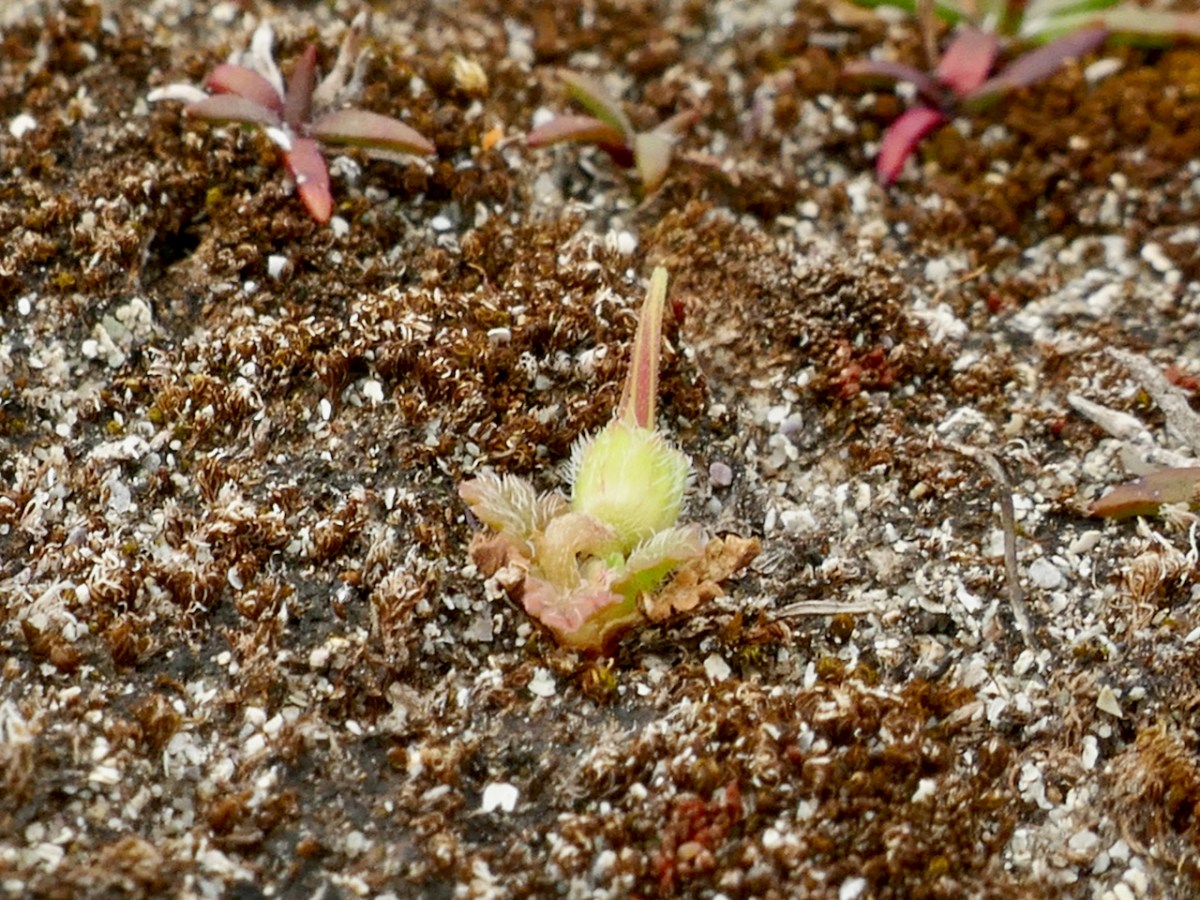
Then there was one of our target species, the Sea Stork’s-bill (above) – really, a flower that only its mother could love, but very rare in Ireland and therefore one of the plants that enable us to chart the conservation of its habitat.

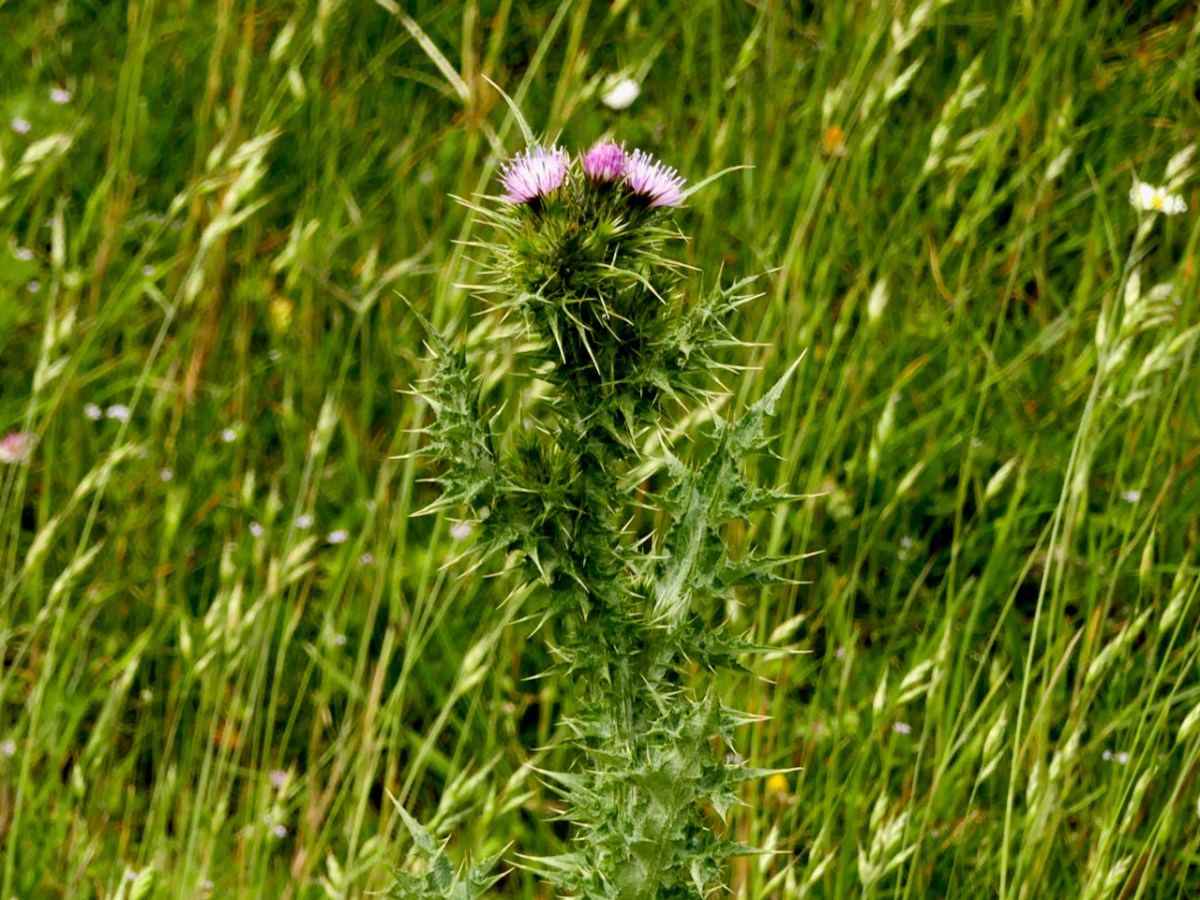
We drove from Barley Cove around to the Holiday Park but were unable to do a count of the Slender Thistle. The land was being grazed by sheep and every access was blocked (above). So we contented ourselves with noting that currently it appears to be abundant, if very localised. I managed a distant shot of this fine head (below) showing the pink flowers but also how spiny it is.
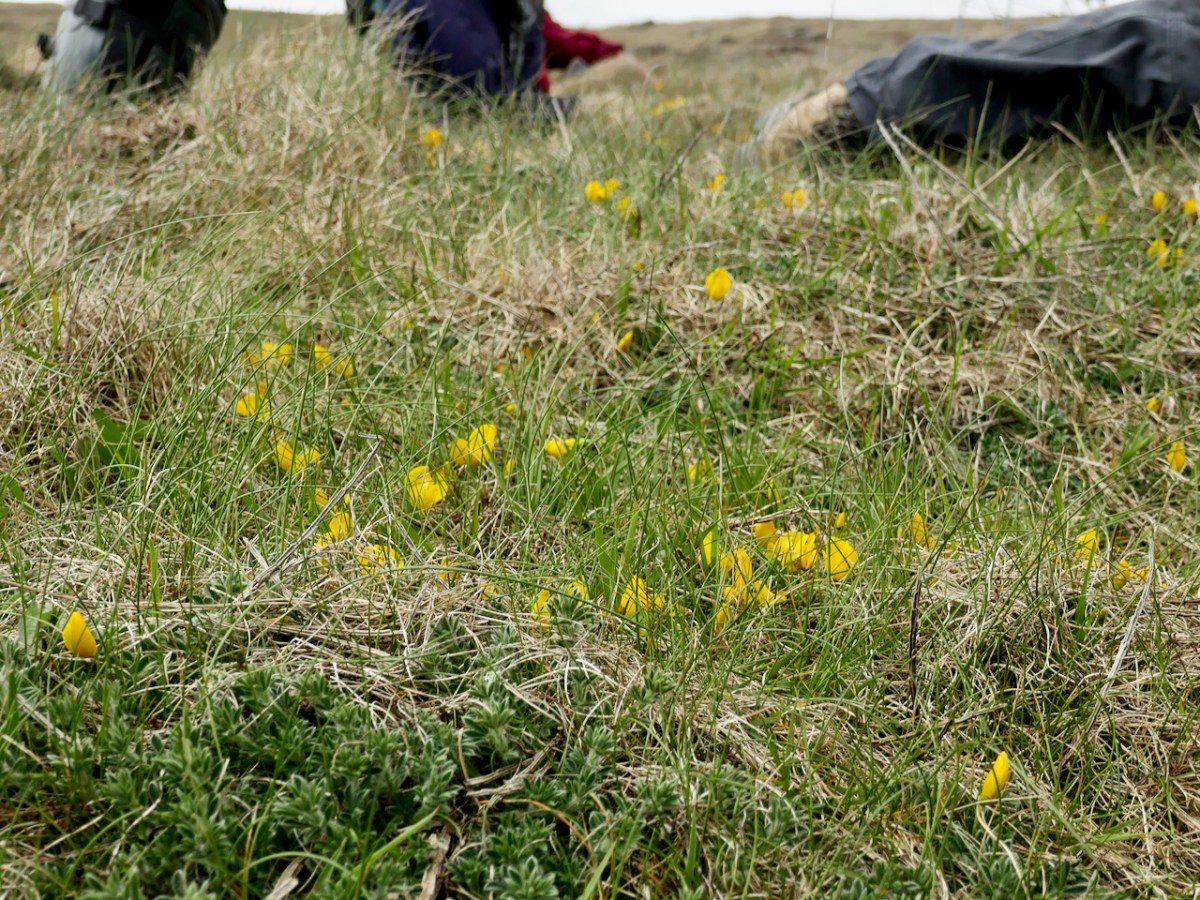
Our final stop was Mizen Head, one of the very few places in Ireland (see map below and the Broom below that) where you can find Prostrate Broom (try saying that fast). This was another exercise in a different kind of counting, since the plant is on sea cliffs and behind fences at the Visitor Centre, so it has to be identified at a distance and the count is an educated estimate. Add in the fact that there are two other yellow flowers gaily blooming around it (Kidney Vetch and Bird’s-foot Trefoil) and you get an idea of the challenge involved.
I have taken on the task of the Early Sea-Grass count. It may bloom as early as February or March, so I’ve made a calendar note to head out to the Dunes next year at that time. Another one of the participants, Damaris, and I will work together on our counts – it’s always more fun if you have a companion and probably more accurate too.
Thank you, Úna and Paul, for such a profoundly educational experience, that also managed to be great fun. 

‘Twas Early Early All in the Spring

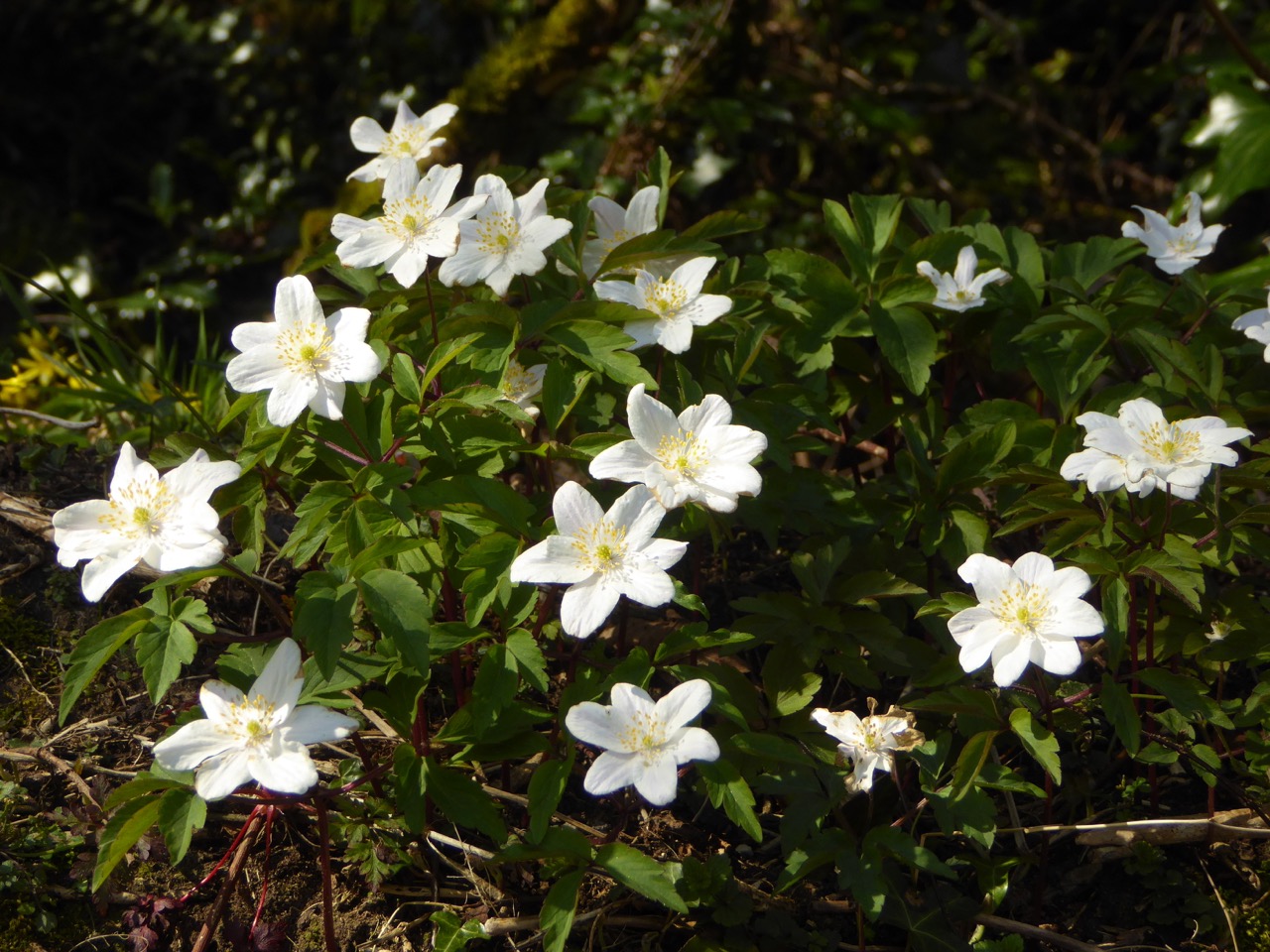
The world around us is starting to wake up from its winter snooze. We are shooing bees and wasps from our house and every day we see new flowers (like these Wood Anemones, above) peeping out at us from the verges and hedges. It’s estimated that this part of Ireland is about two weeks ahead of the more northerly counties, due to our milder and dryer climate. All of the photographs were taken in March, except for a couple on April 1st. But that’s OK, because the first three days of April are The Borrowed Days, according to Irish folklore, and still really March. 

Primroses – indelibly associated with early spring. Most are yellow (top) but a true wild pink variety (as opposed to a hybrid between wild and cultivated flowers) does exist too.  The little one about to open is growing out of a stone wall.

Although not yet in their full spring splendour, the boreens are sporting a plethora of wildflowers. And not just flowers but flowering trees and shrubs. In fact much of the colour and drama of the boreen come from shrubs at this time of year.

Blackthorn 

I set out to document the wildflowers of a West Cork March and found many old friends already showing themselves, as well as a few new acquaintances. Ready for a ramble? Let’s go.

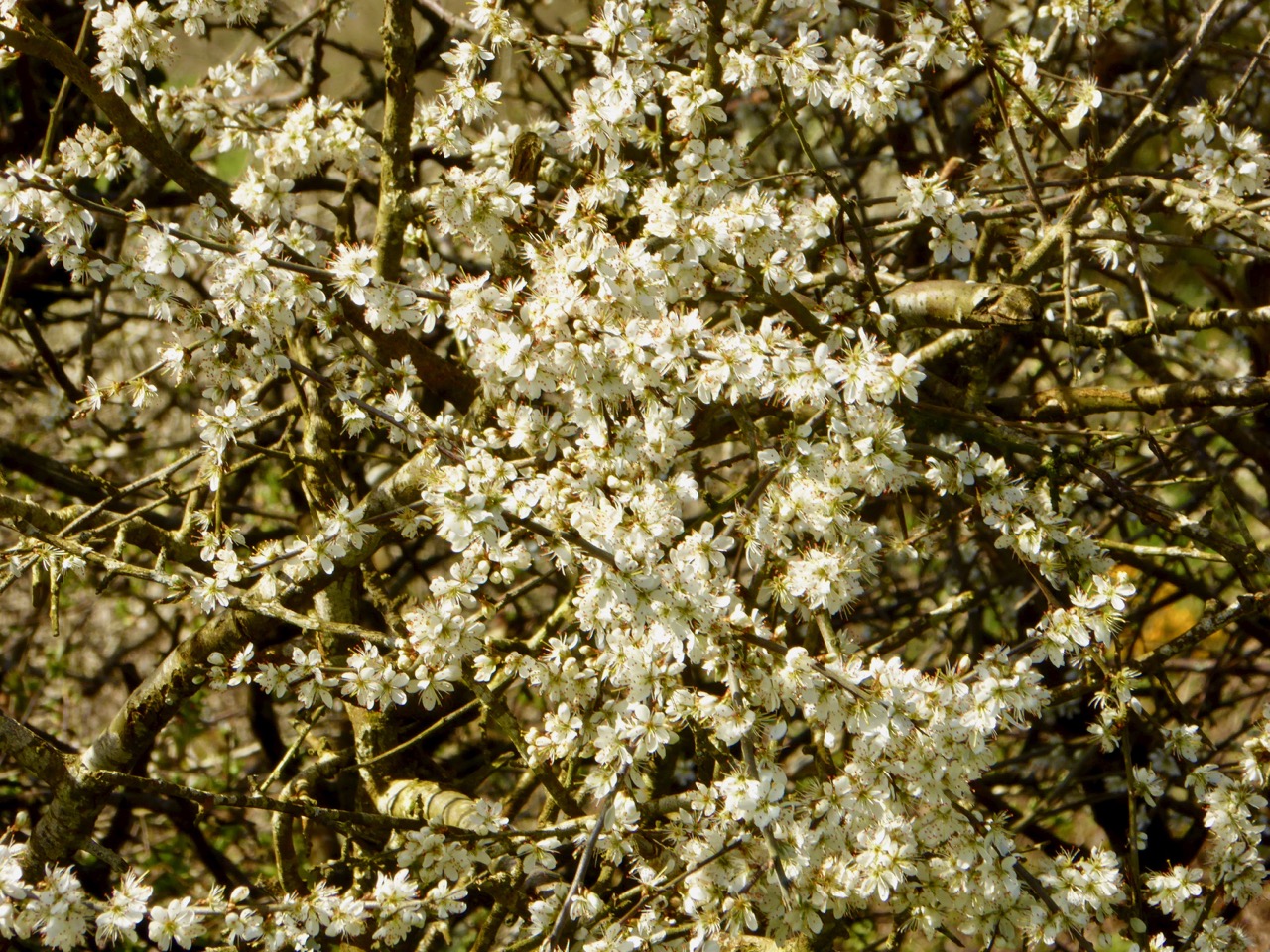
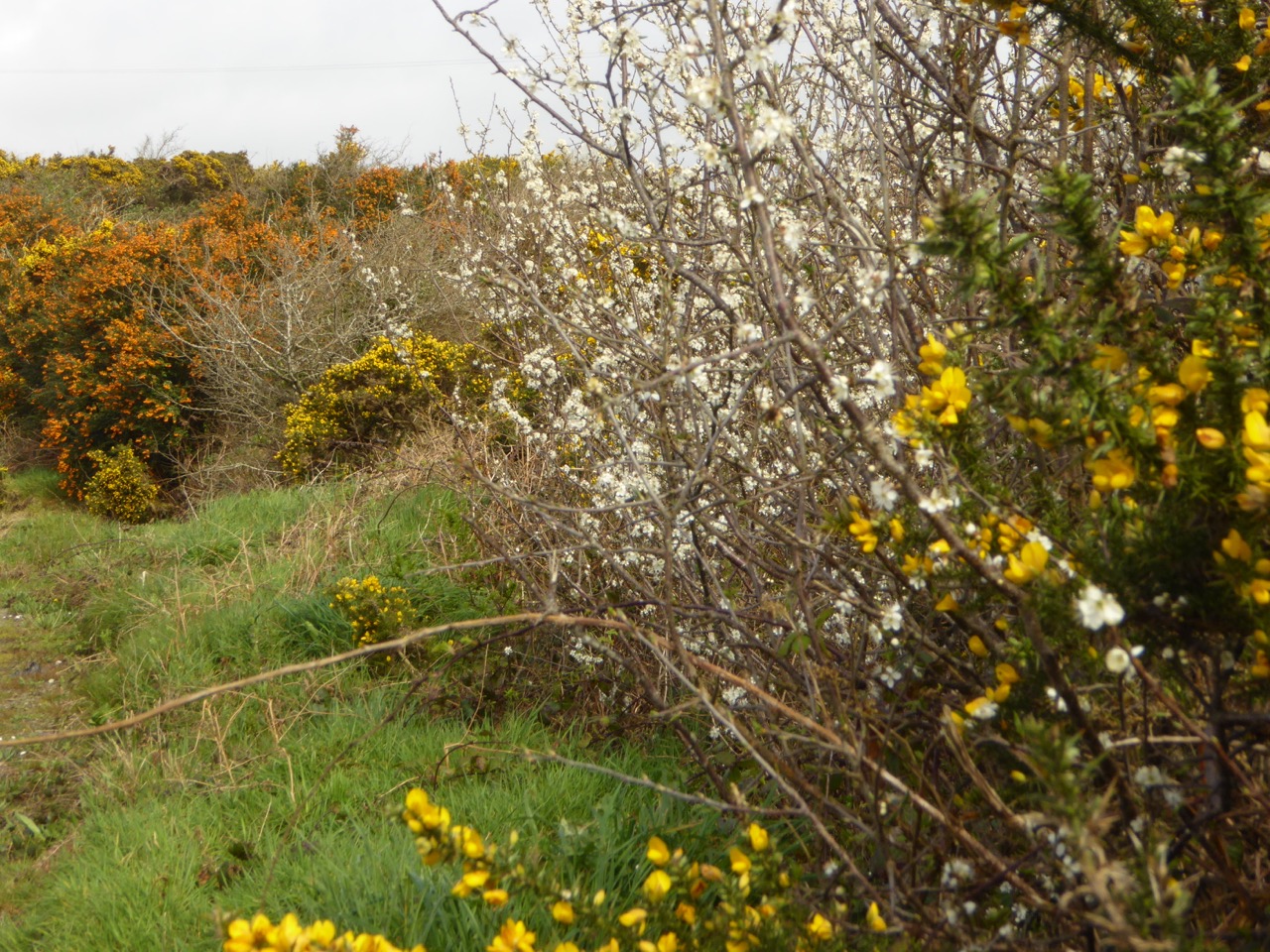
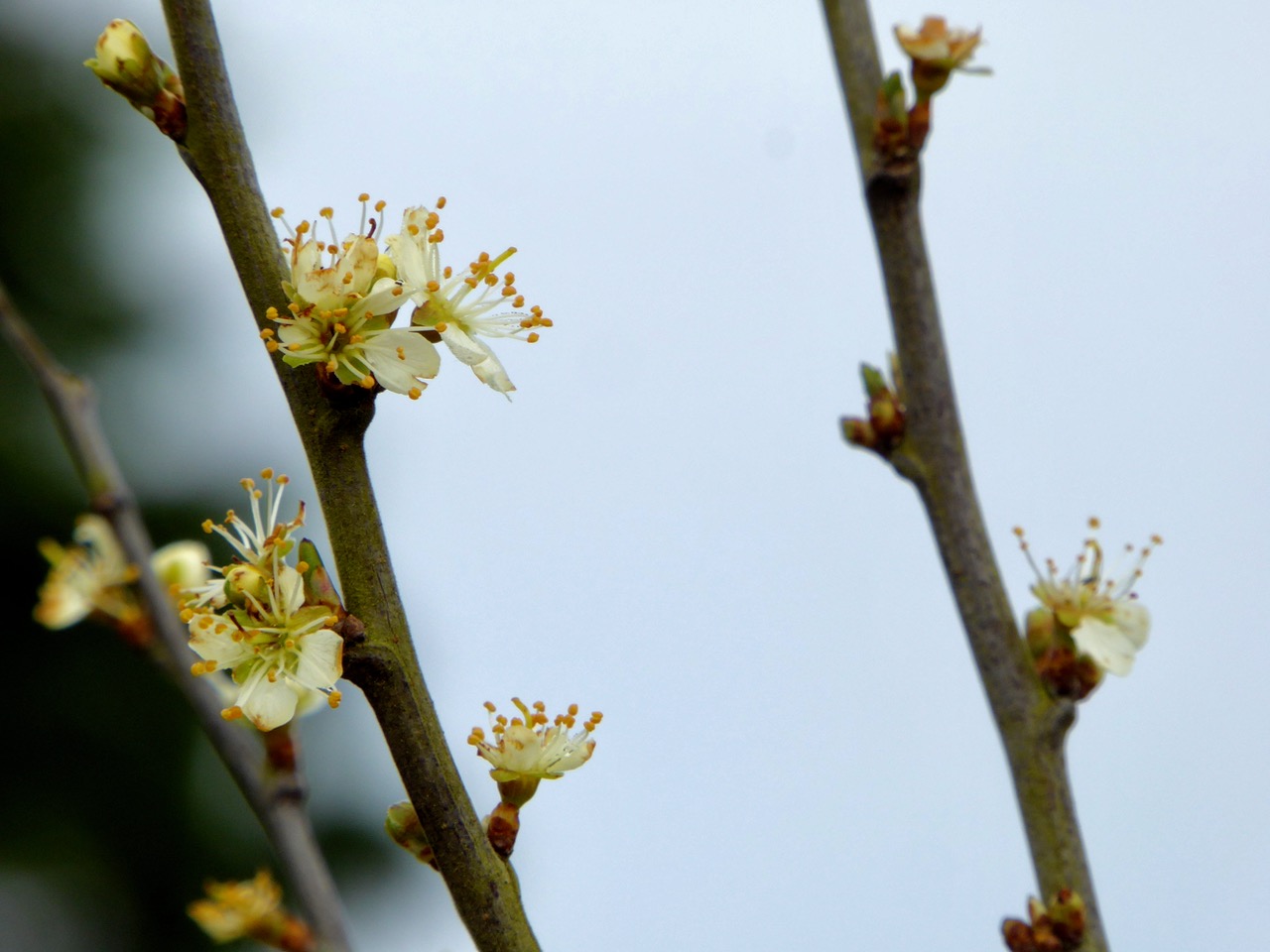
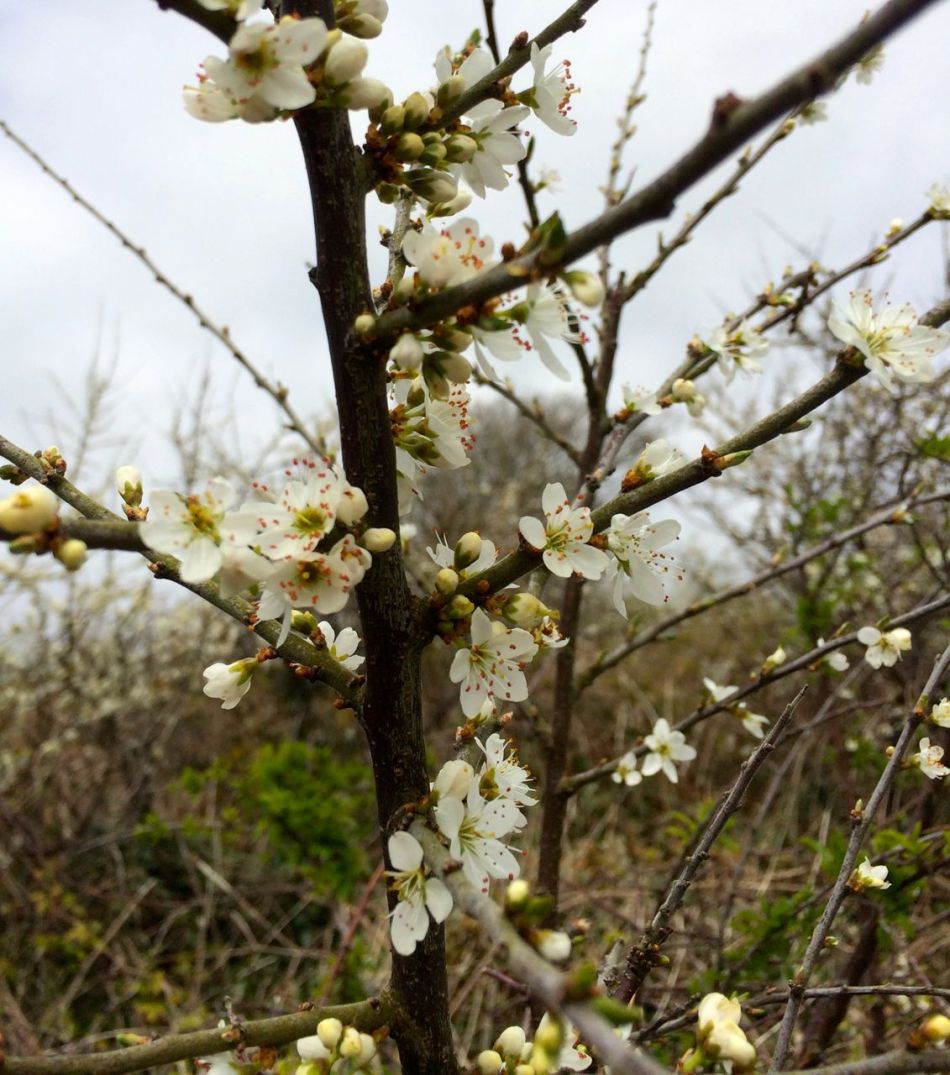
We’ll start up in Stouke and walk back to Rossbrin by way of Kilbronoge. The first things that hits us of course is that heady combination of Gorse and Blackthorn along each side of the boreen. The Blackthorn flowers come before the leaves and they are beautiful when observed close up.
Blackthorn flowers

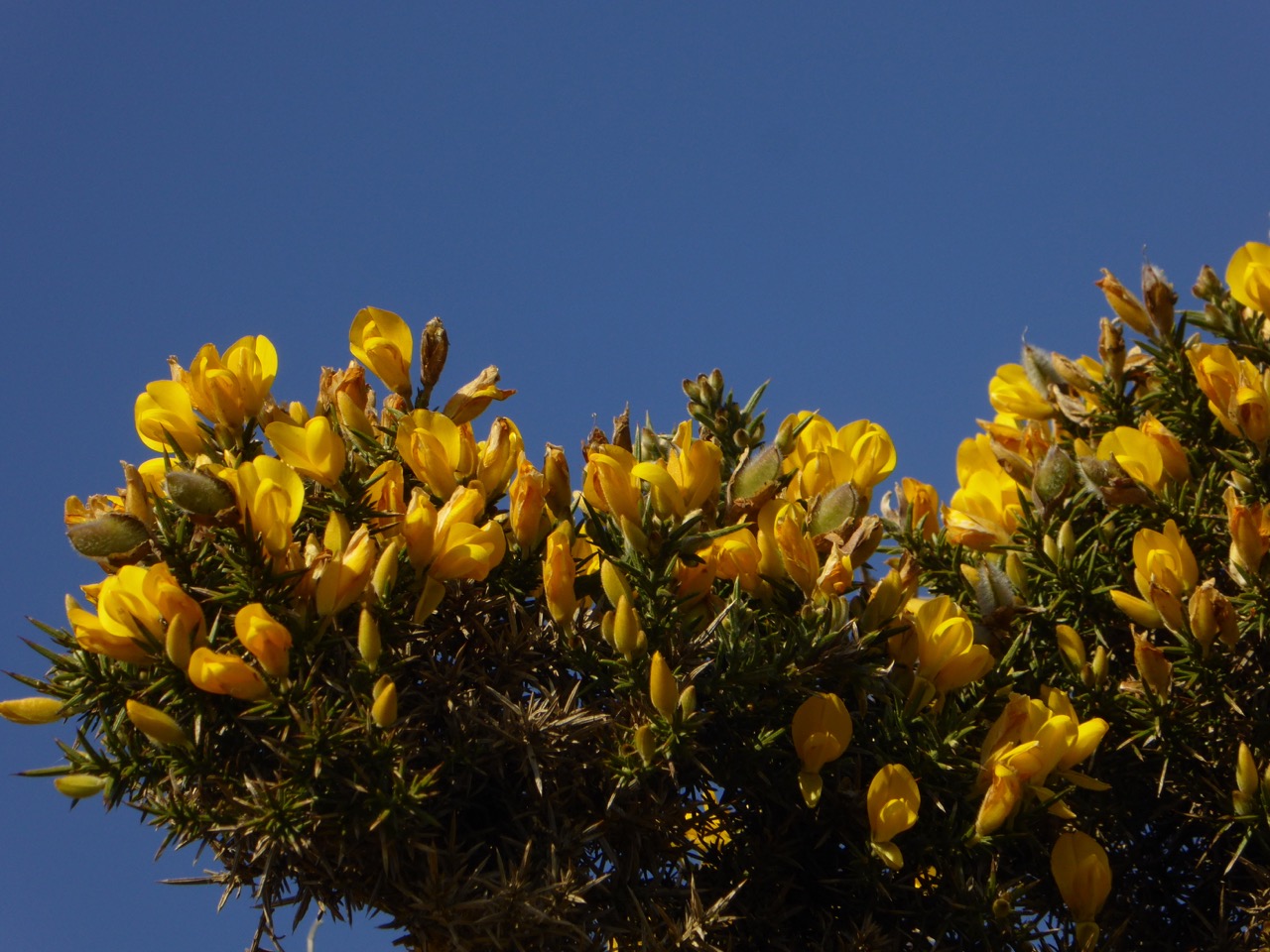
This year the Gorse seems especially vibrant – but I think I say that every year.

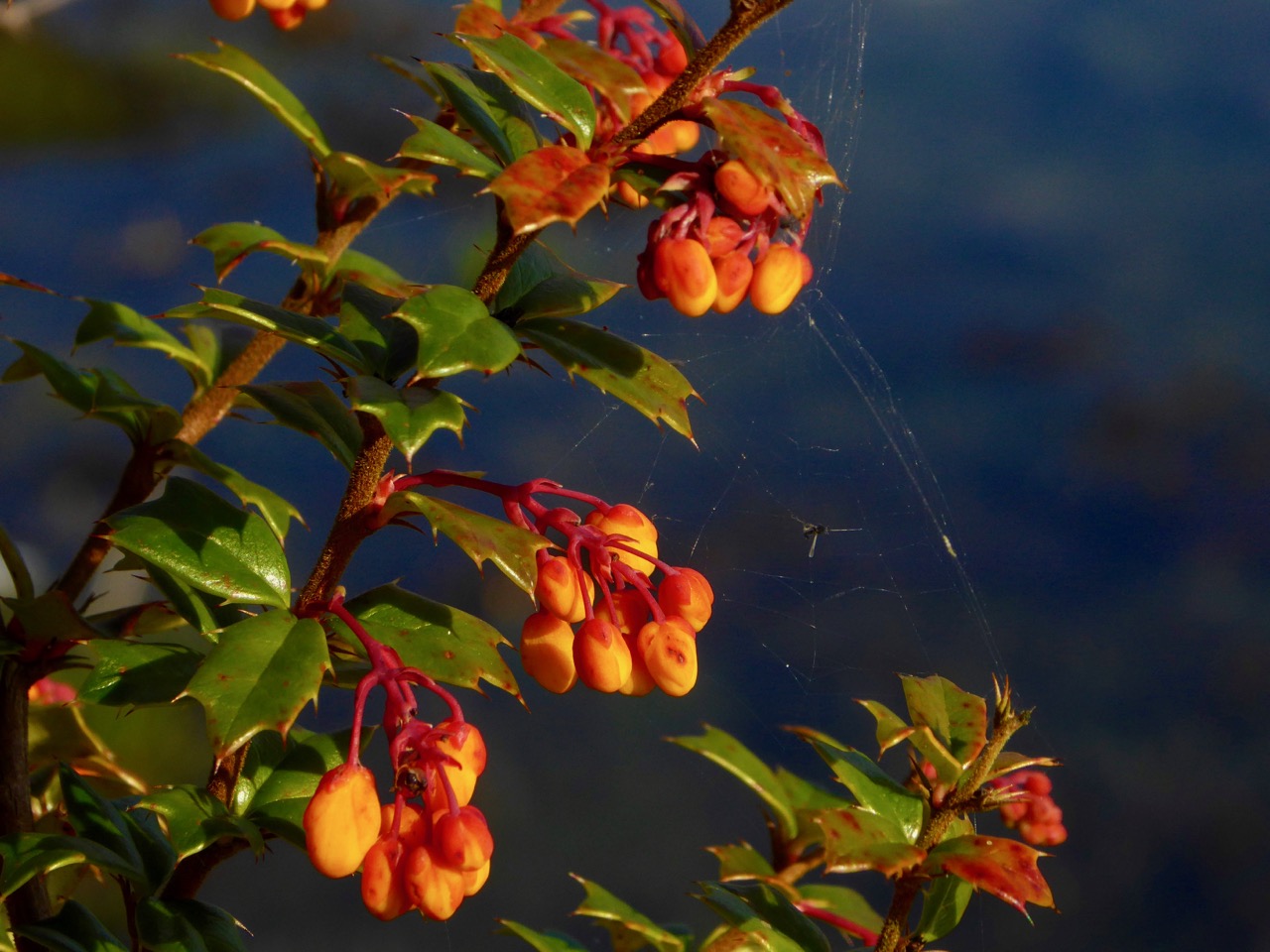
Gorse (upper) and Berberis (lower)

 At some point in the past, somebody planted Berberis as a decorative hedging, perhaps around the Stouke graveyard. It has spread and is still spreading. Although it was only introduced in the mid-19th century from Chile (by none-other than Charles Darwin!) it thrives here, happily lending its rich orangey tones to ensure you keep looking up.

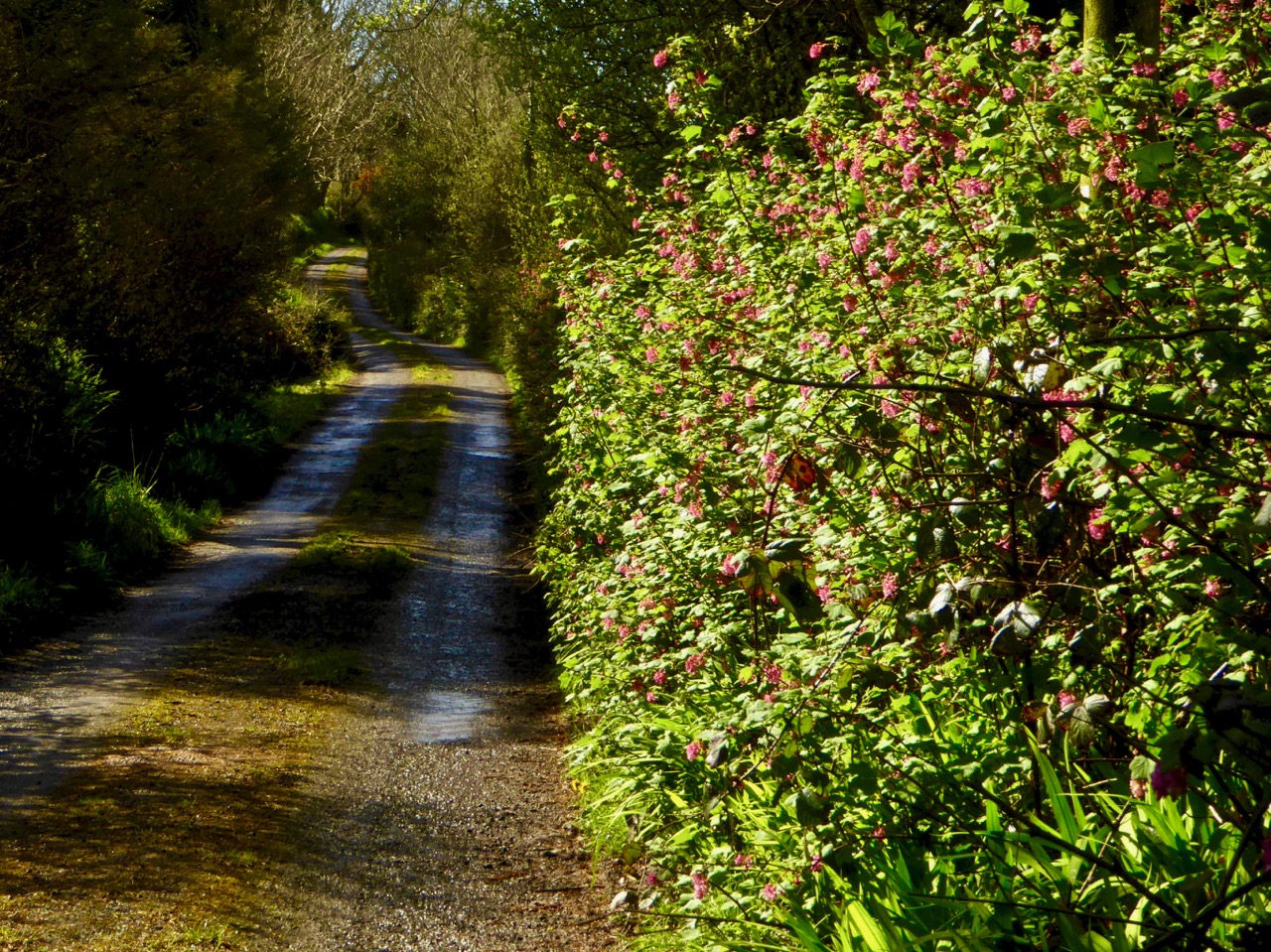
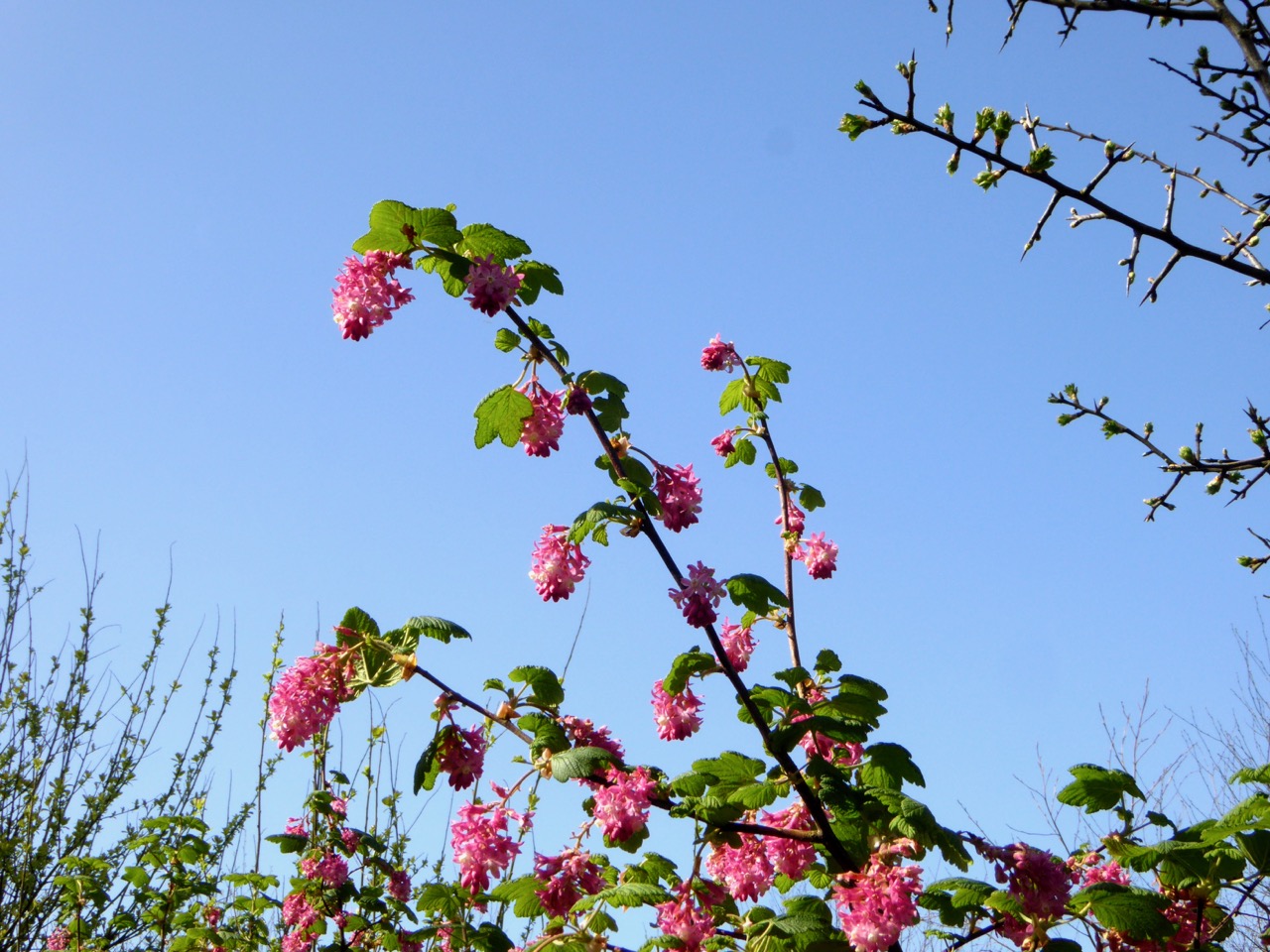
Flowering currant along the boreen

Further along we came across a long stretch of Flowering Currant. You smell it before you see it – all at once you’ll be sniffing and saying mmmm! Flowering Currant came to Europe about the same time as the Berberis and this one was probably originally planted as a hedge, but now the birds have spread it far and wide and it’s naturalised.

Close up, the flowers are spectacular and they have a strong and pleasant curranty aroma. Thank you to my friend Susan for introducing me to the Berberis and Flowering Currant.

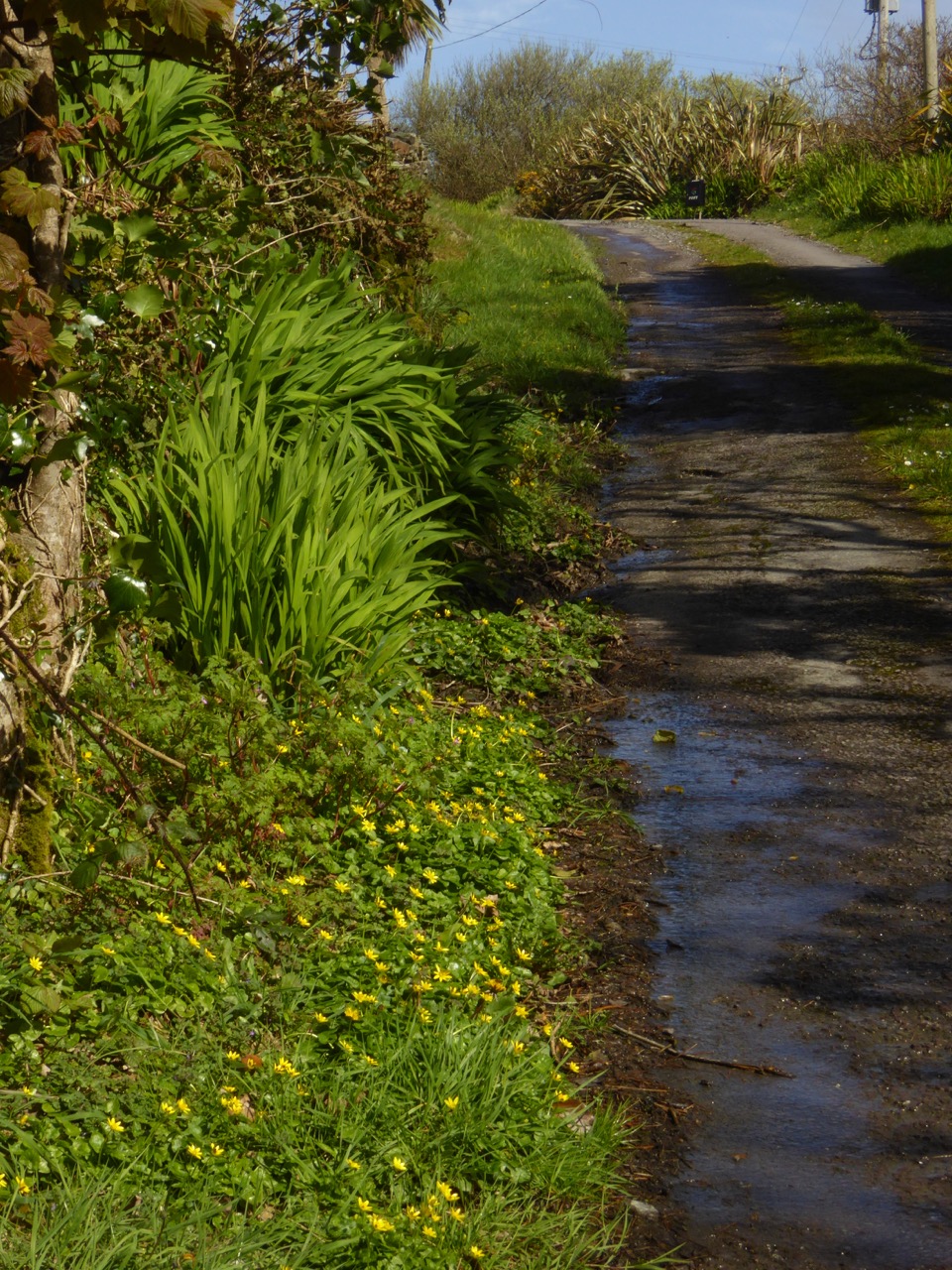
As we make our way down to the water we are stopped in our tracks every so often to admire that quintessential early riot of yellow – Celandine. On its own, or mixed with bright pink Herb Robert or with blue Dog Violets, it’s a cheerful sight.

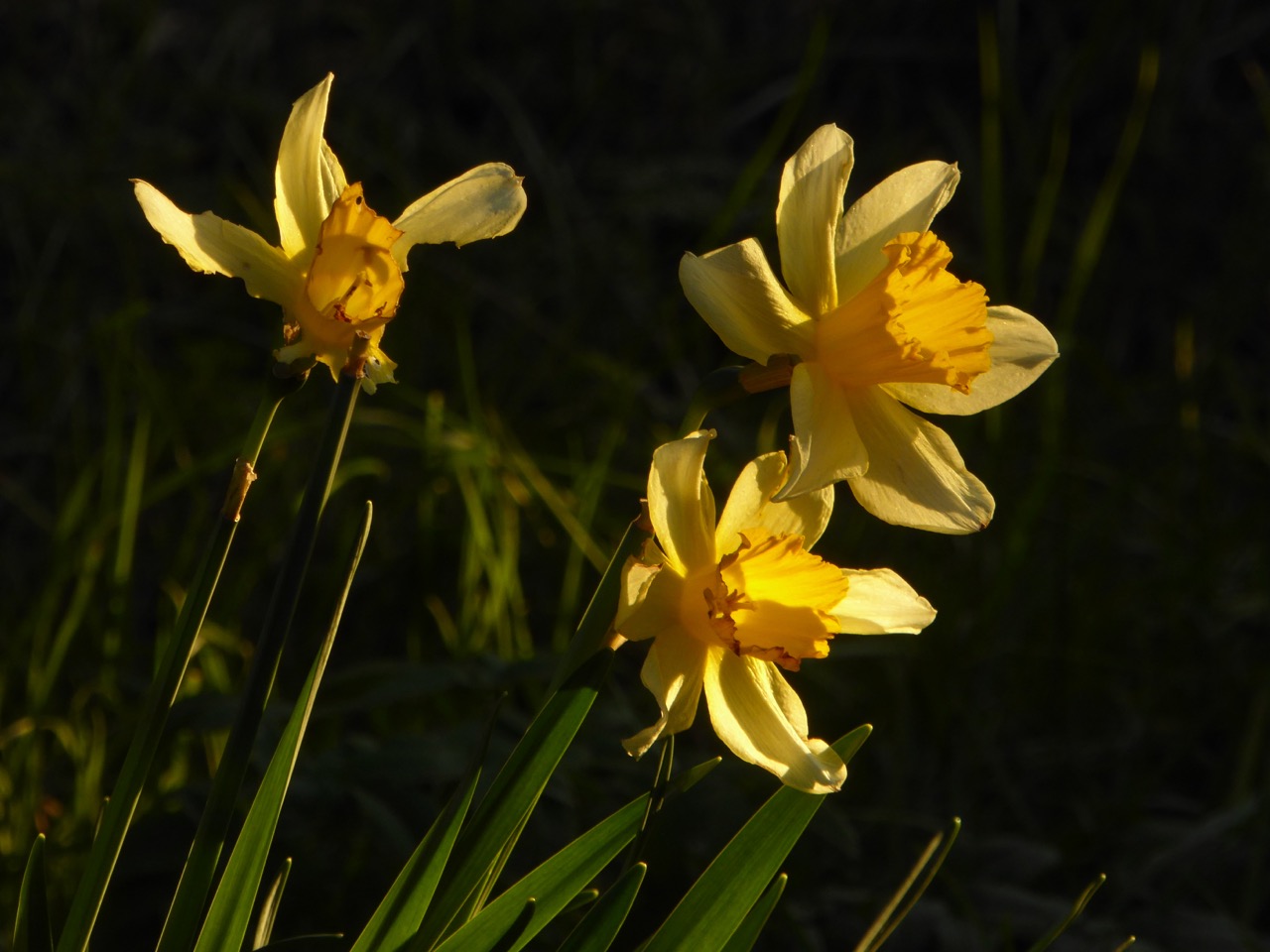
The Daffodils have gone over now, except for a few hardy souls in sheltered spots. I know Daffodils aren’t really wildflowers, but they grow so freely all over the place here, in the middle of fields, along the grassy verges, and especially in old graveyards, that I simply see them as yet another one of the spring flowers. 

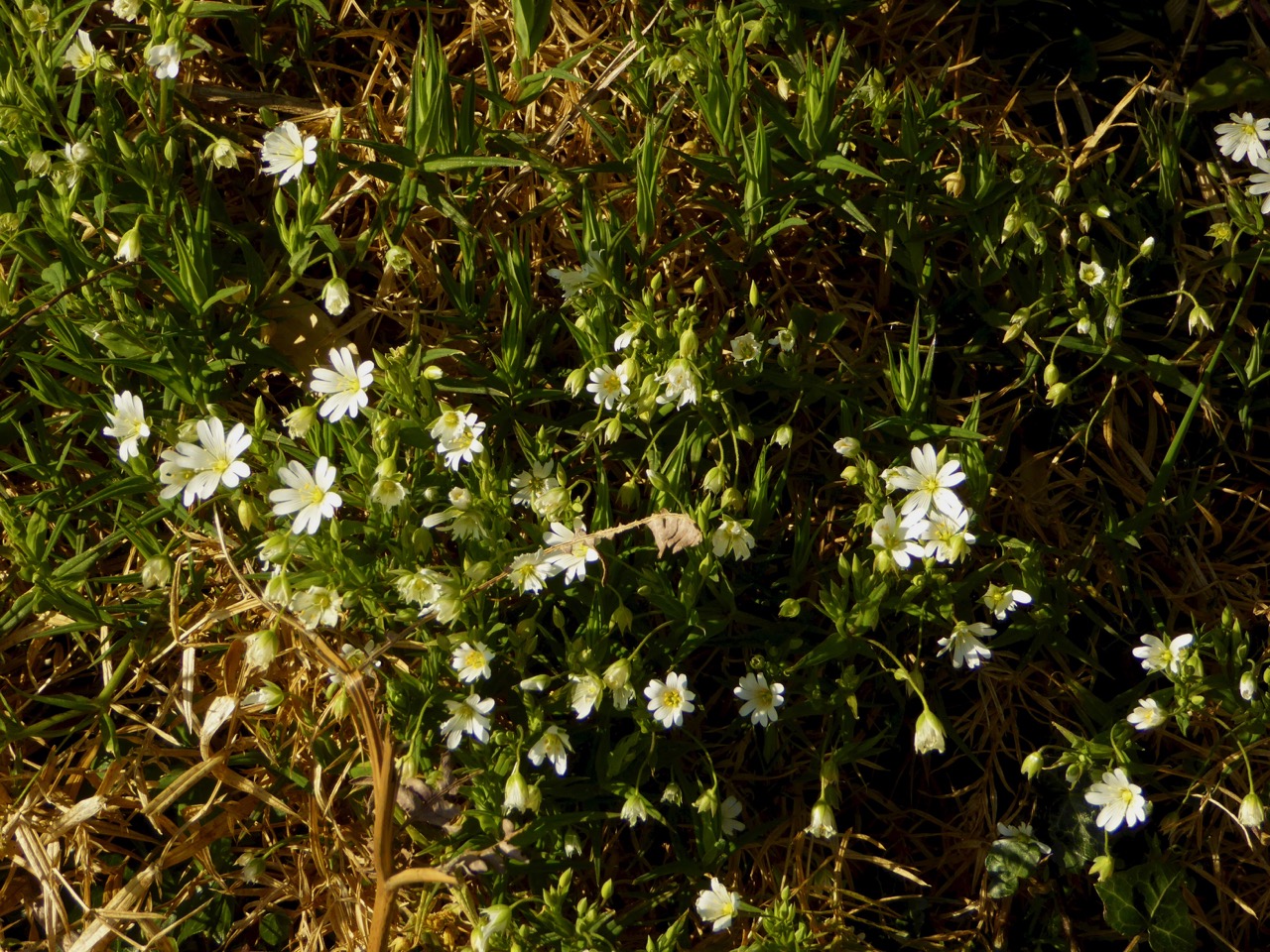
Stitchwort is everywhere too, and little blue Speedwells – you have to be alert for that tiny blue pop of colour or you’ll miss them entirely. The first Common Vetch is just beginning to appear as well.

Stitchwort (top), Slender Speedwell (lower left) and Common Vetch (lower right)

Down on the water, we’re on the look out for Thrift, or Sea Pinks. There are none in Rossbrin yet, but I did see some on a sunny sea-cliff the other day. I risked life and limb to get a photo!

I was hanging over the cliff – but look at the other photographer in the background. I was concentrating so hard on the Thrift I never noticed until afterwards that somebody else was taking pictures too. She survived it, but it sure looks risky from this angle

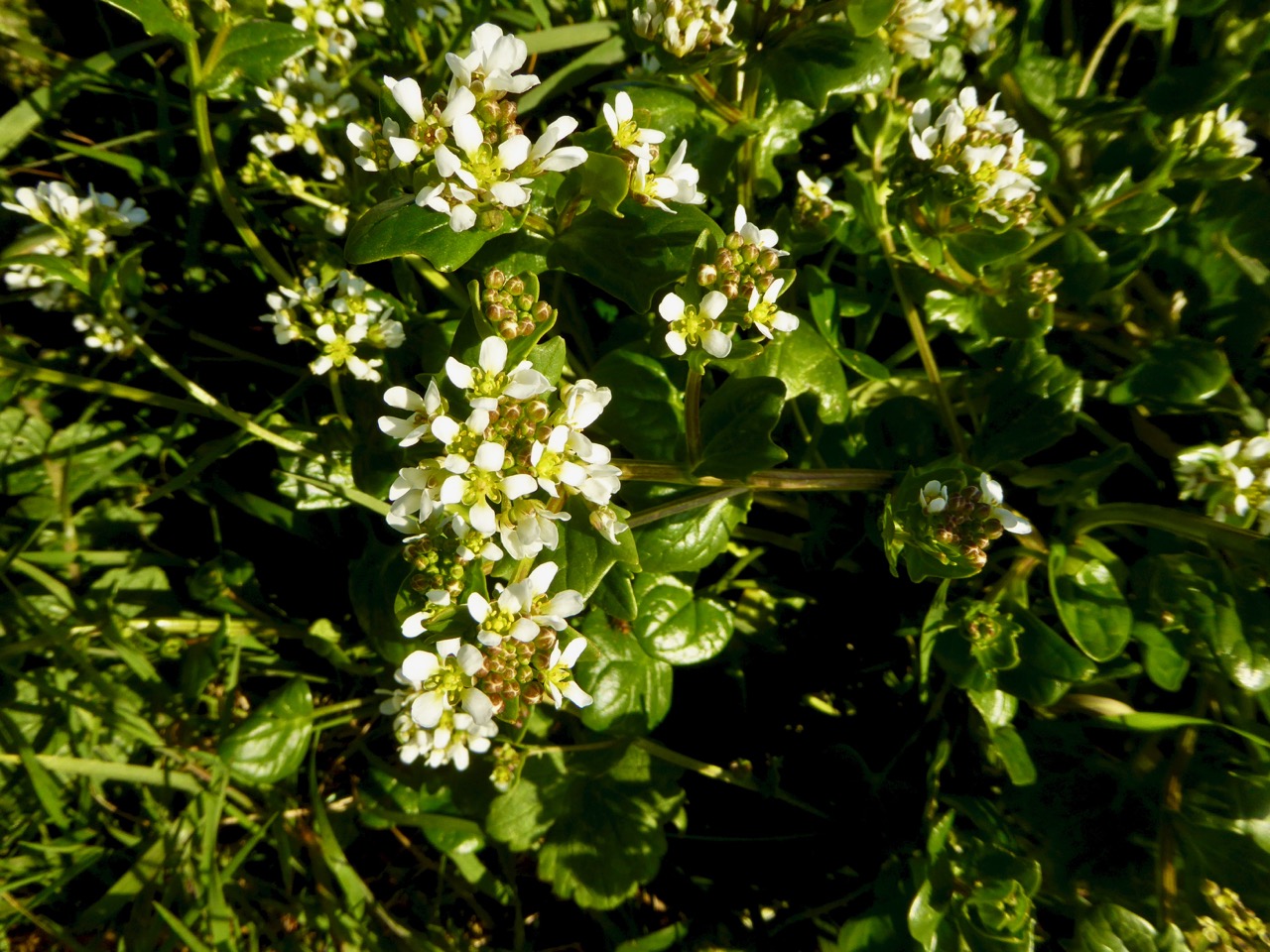
When I was photographing the Thrift I noticed something else, further down the cliff face. I had to dangle over the edge to get a good shot and was convinced I had discovered a rare species! But here it is again along the Rossbrin Cove wall – it turns out to be Common Scurvygrass. And yes, it’s packed with Vitamin C and sailors used it in a tea to prevent scurvy. For something with an unattractive name, it’s rather fetching, don’t you think?

Common Scurvygrass

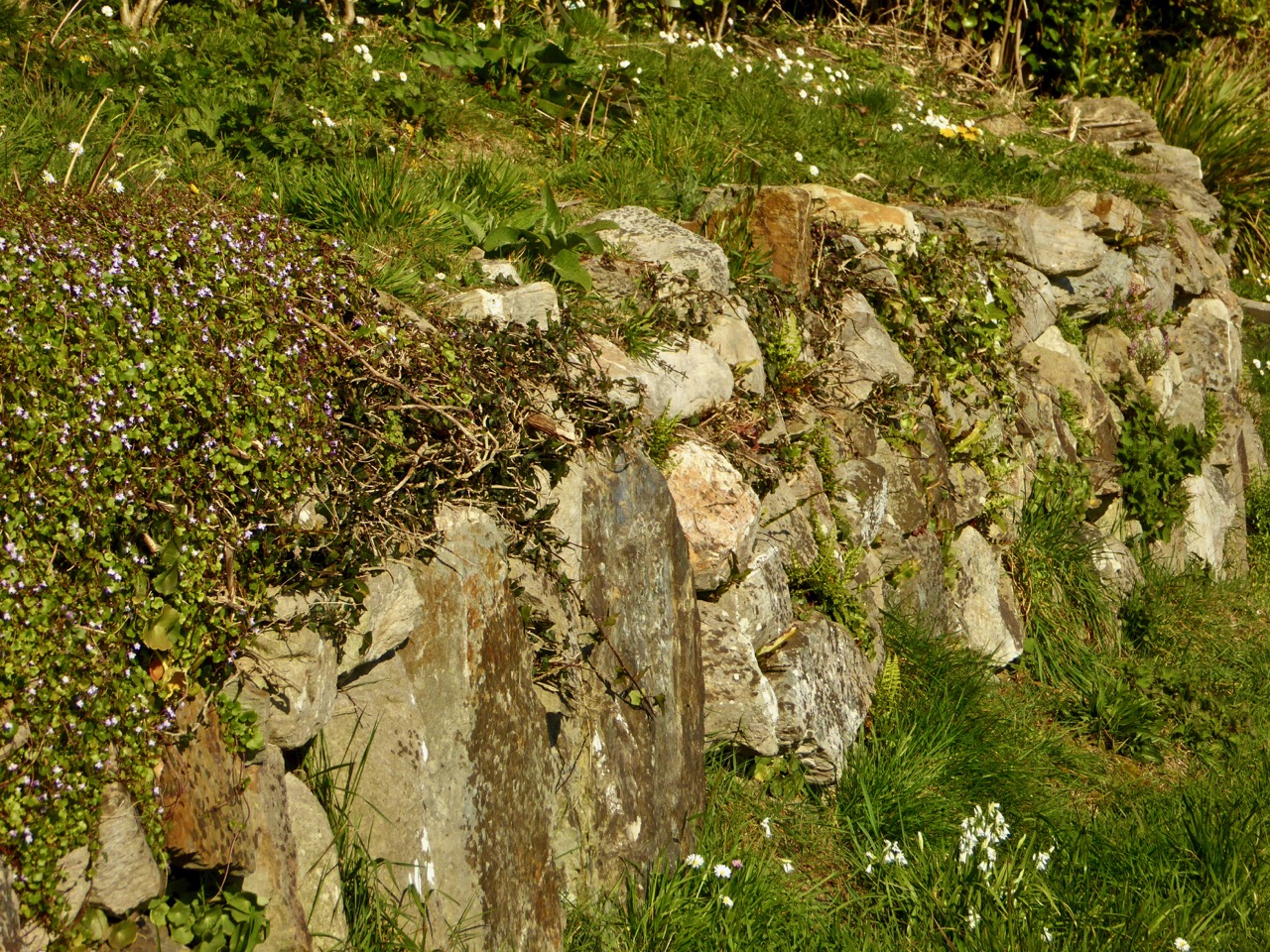
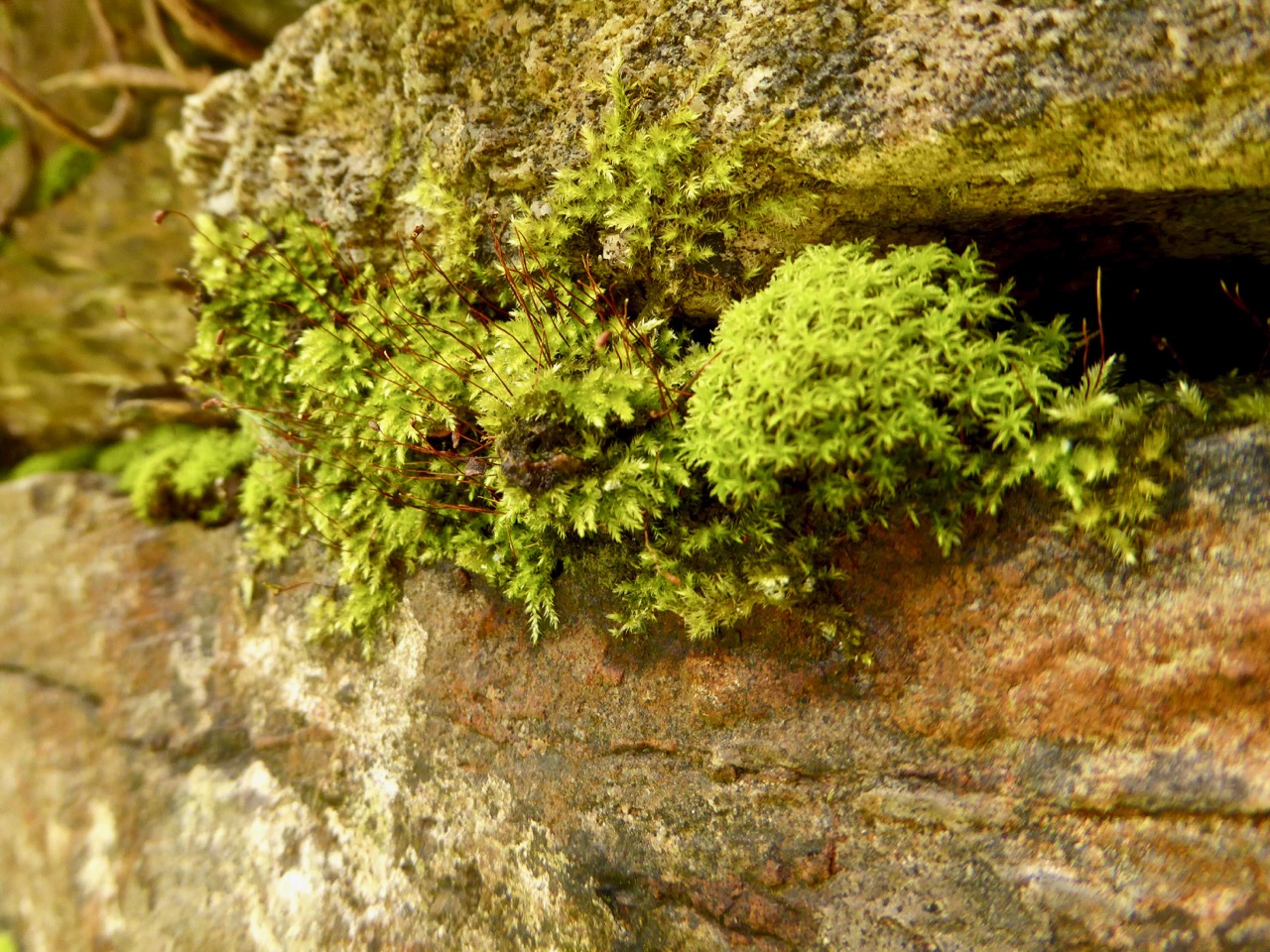
Along by the water several of the houses are fronted by stone walls. On one of them we found a whole world unto itself – a complete ecosystem.

Declan Doogue and Carsten Krieger in their marvellous book The Wild Flowers of Ireland: The Habitat Guide (brilliant – highly recommended!) describe what happens to old stone walls:

…Grit, sand and dust gradually accumulated in in the spaces between the cut stones and a thin soil began to form. The stones themselves functioned as a sort of storage heater, warming up by day and retaining heat well into the evening. These small areas were very much warmer and dryer than the surrounding wooded or grassy countryside… In these relatively favourable conditions, some species were able to spread much further north and west into cooler and wetter areas. At a local level a number of plants were enabled to grow in areas where there was no suitable ground for rock dwelling species.

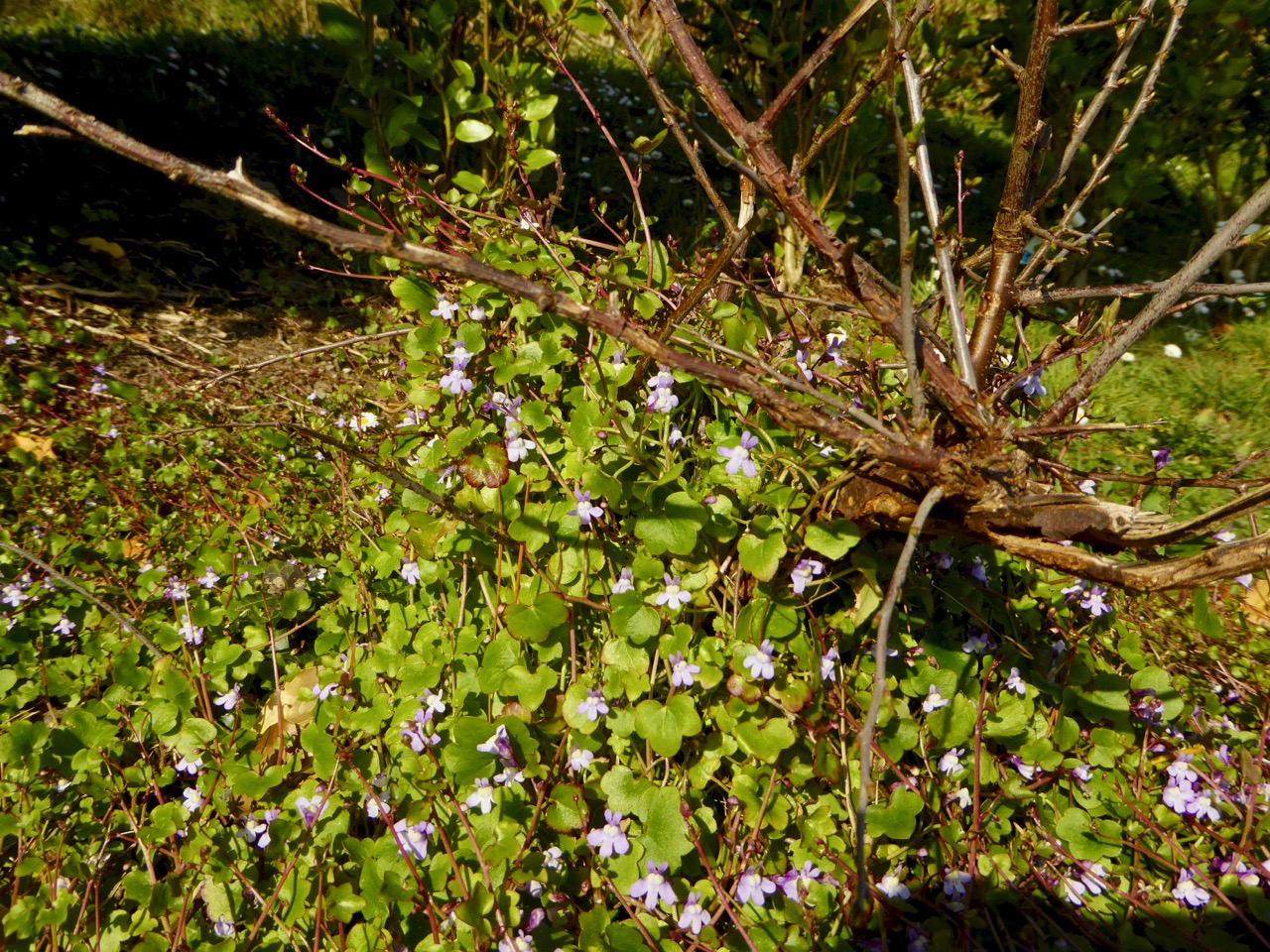
Ivy-leaved Toadflax (an introduced species) loves old walls

Conditions on the top of the wall can be different (drier, for example) than the crevices, or the face or base of the wall, thereby providing a variety of living conditions for different species of plants.

Ramping Fumitory (don’t you love that name!) has rooted well in the south face of the wall

Abundant and beautiful, Ivy-leaved Toadflax clings to the rock face and cascades down the front of the wall. Ramping Fumitory (which seems to be everywhere) had also found a foothold among the stones, and adds lovely flashes of pink.

Wild Strawberries and a little patch of Dandelions occupy space on top of the wall

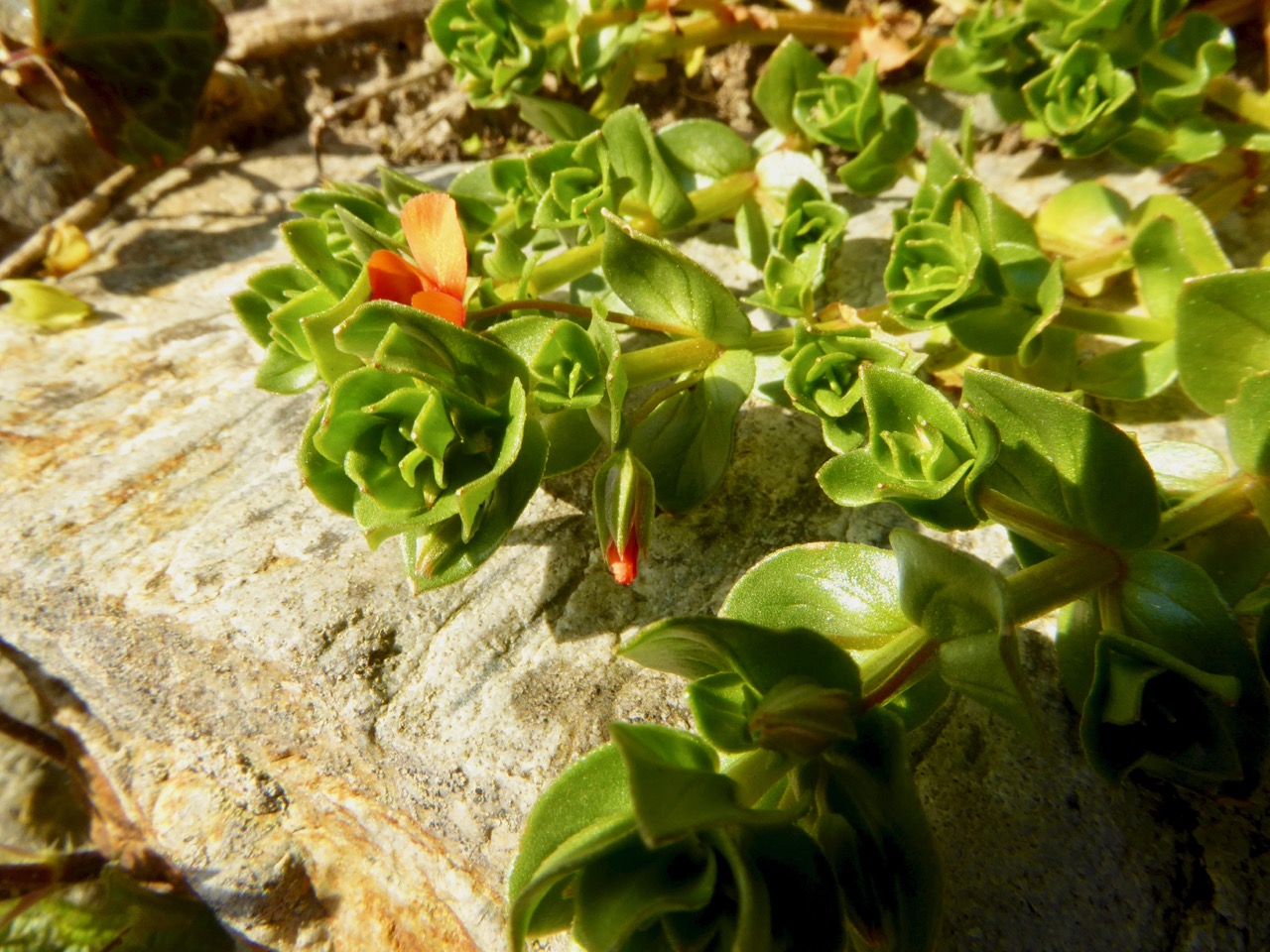
This wall is south facing, absorbing the maximum amount of heat the sun can provide in West Cork in March. The top hosts Daisies and Dandelions, some newly emerging Scarlet Pimpernel and some Wild Strawberries (duly noted!).

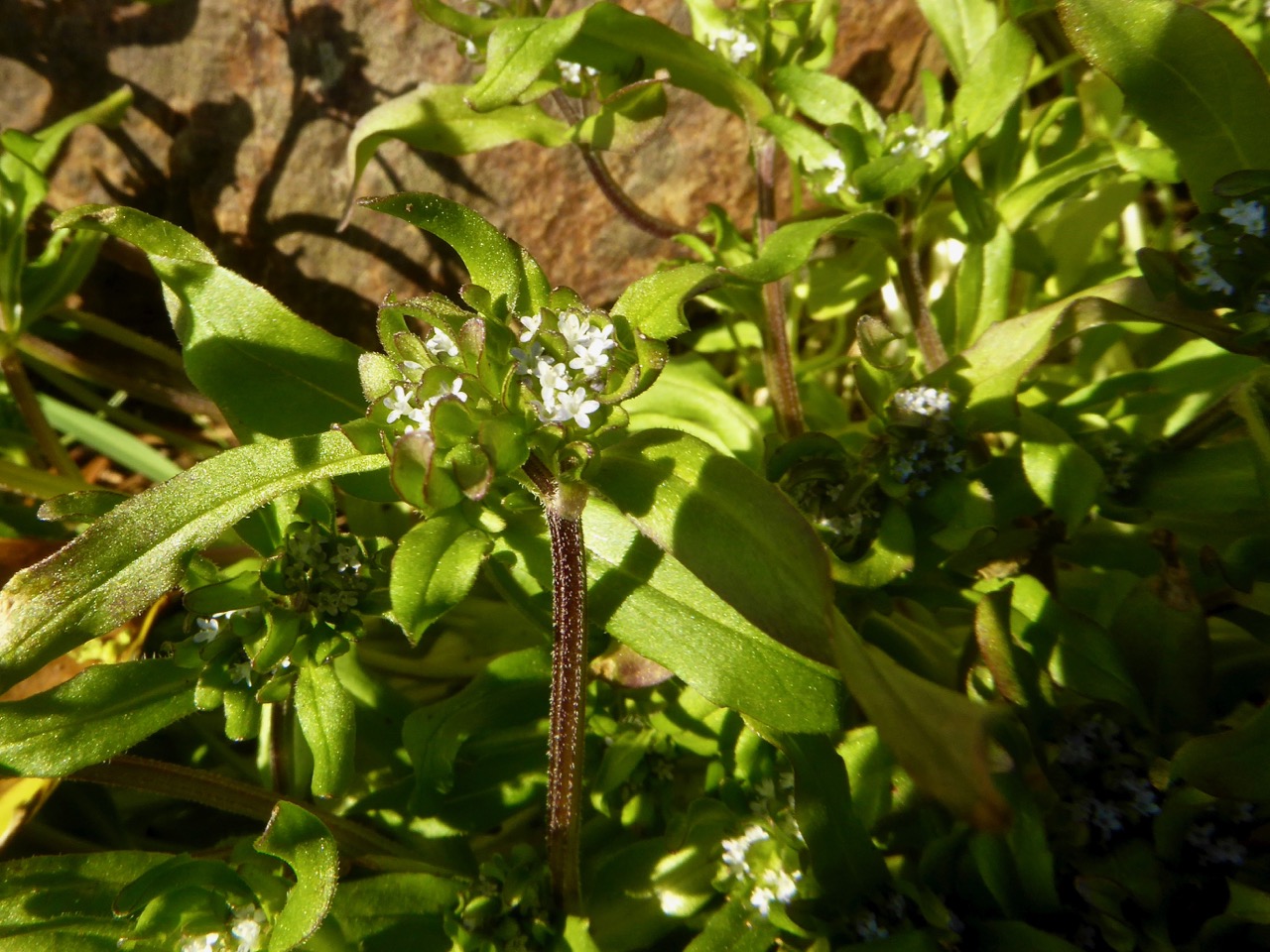
Common Cornsalad or Lamb’s Lettuce

It took me a while to even spot the tiny white flowers hiding among a particular foliage that was growing from spaces between the stones on the front of the wall. Difficult to photograph, as I don’t have a macro lens, this is Common Cornsalad, or Lamb’s Lettuce. As its name suggests, it’s edible, and a popular salad green in several European countries. If you want to get a better idea how tiny these flowers are, check out Zöe Devlin’s listing on her Wildflowers of Ireland site – click on the ‘see more images’ link.

Scarlet Pimpernel on the top of the wall – it’s one of only a very few native flowers in the orangy-red colour range

Nettles, ferns and Navelwort grow on the wall or at the base

This tiny fern is sprouting, in between the stones

But two of the species we found there speak to the indiscriminate nature in which a microclimate like this provides opportunity for all – both Three-Cornered Garlic and Chilean Iris benefit from this ideal patch of sunlight and warmth.

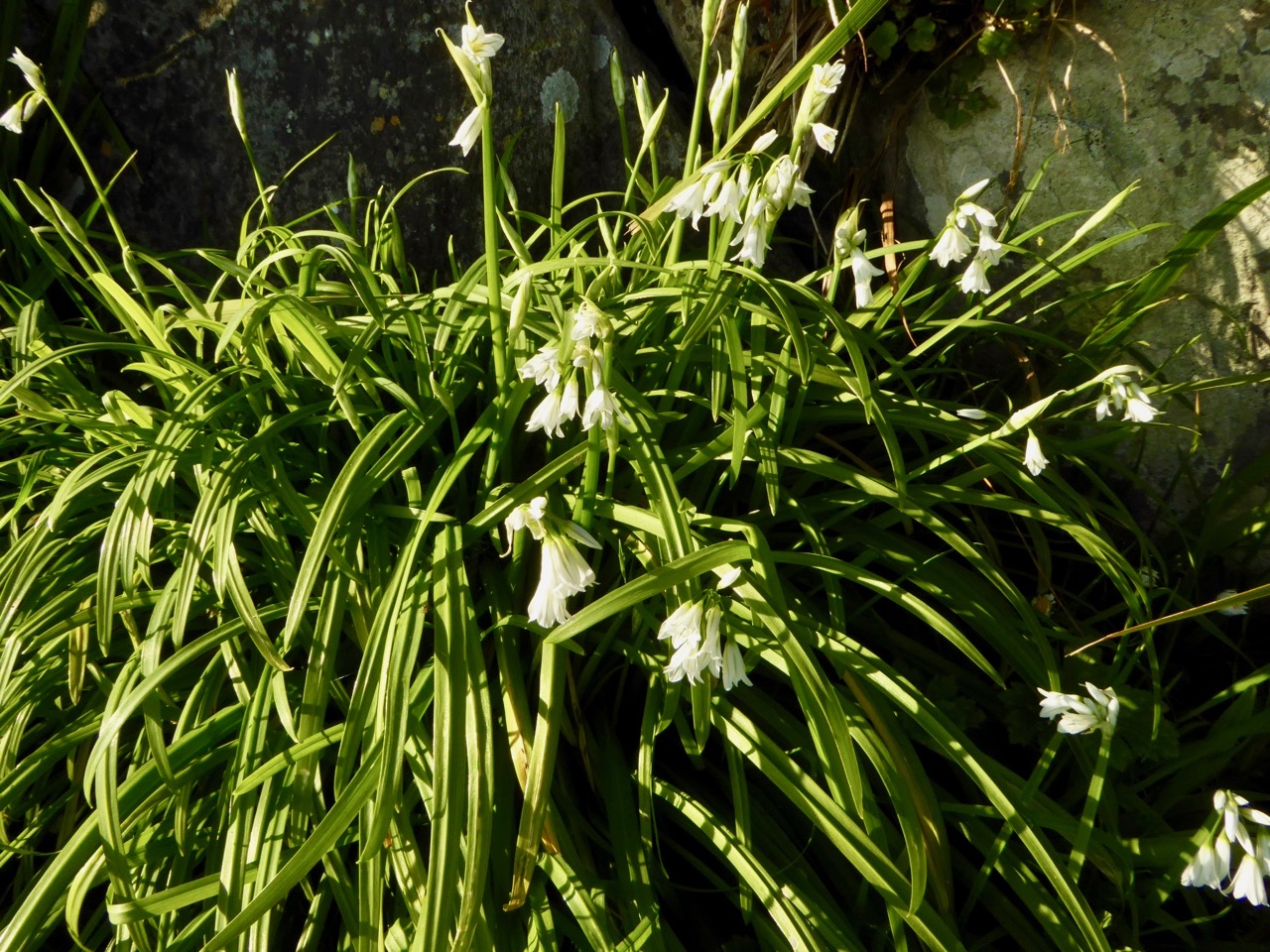
Three-Cornered Garlic is not our native wild garlic (that’s called Ransoms and is a broad-leaved variety). Tony O’Mahony in his excellent Wildflowers of Cork City and County* refers to it as an ‘ineradicable weed’ and says that ‘it poses a major threat to some West Cork native plant rarities’ (such as the Wild Onion). All parts are edible, and said to taste like a cross between an onion and garlic.

Chilean Iris

Chilean Iris is another invasive species, although not considered high-impact, possibly because it needs a warmer climate to grow. However, it has the potential to invade habitat preferred by our native plants. From Rossbrin we wend our way back to our own little patch of paradise. But something catches our eye on the way – can it be? Yes – our first Bluebells of the season, almost hidden in the brambles.

We’ve decided to leave part of our lawn unmowed this year, as an experiment in whether or not a wildflower meadow will develop. We have to be careful, as some areas are already full of Montbretia corms, which will be only too delighted to proliferate if left unchecked.

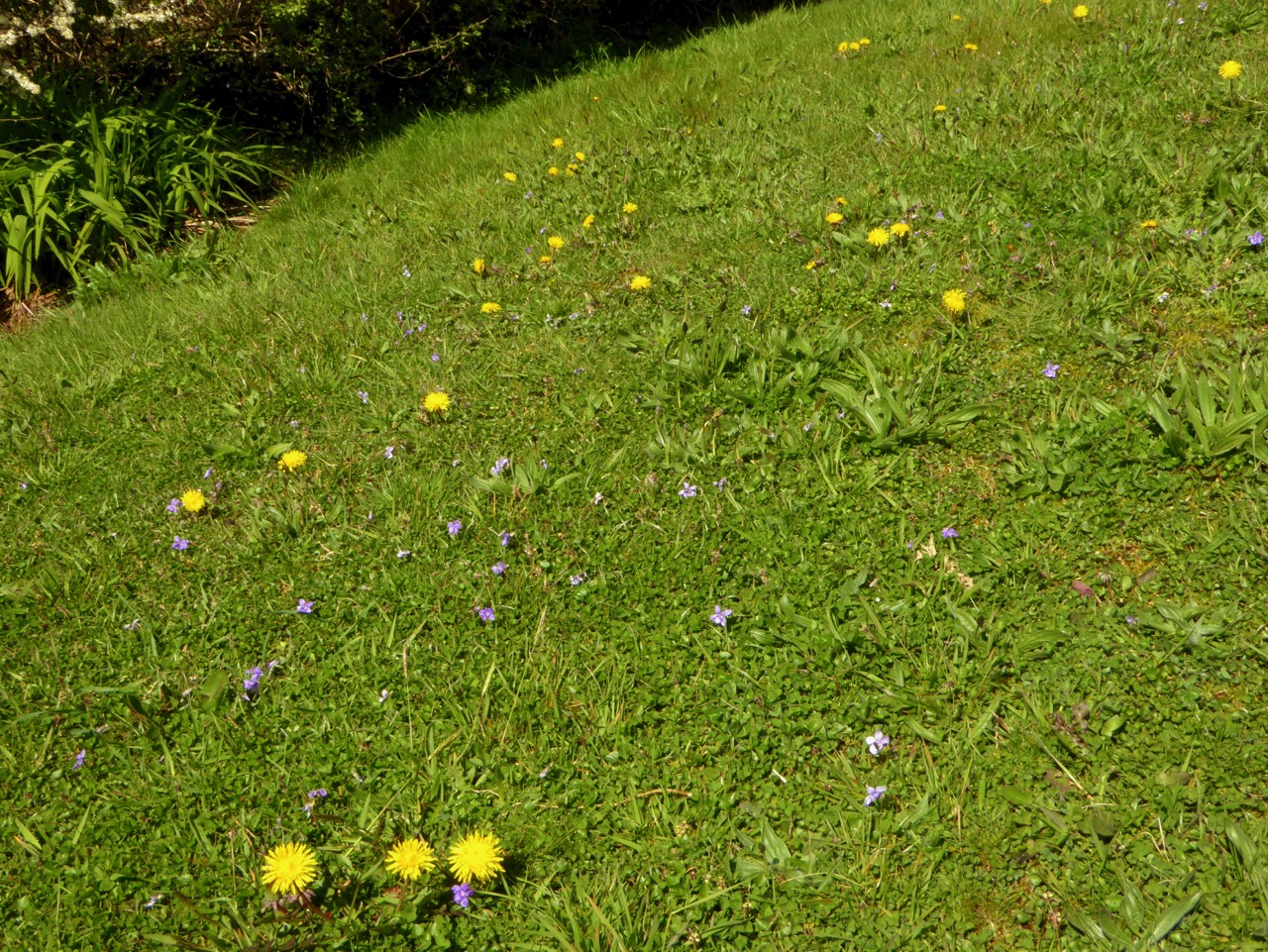
But we’ve identified an area as having potential. It’s south facing and relatively sheltered – and it’s already a haven for little Common Dog Violets, mixing with the Dandelions and Daisies to provide a colourful carpet. We’ll let you know how things progress.

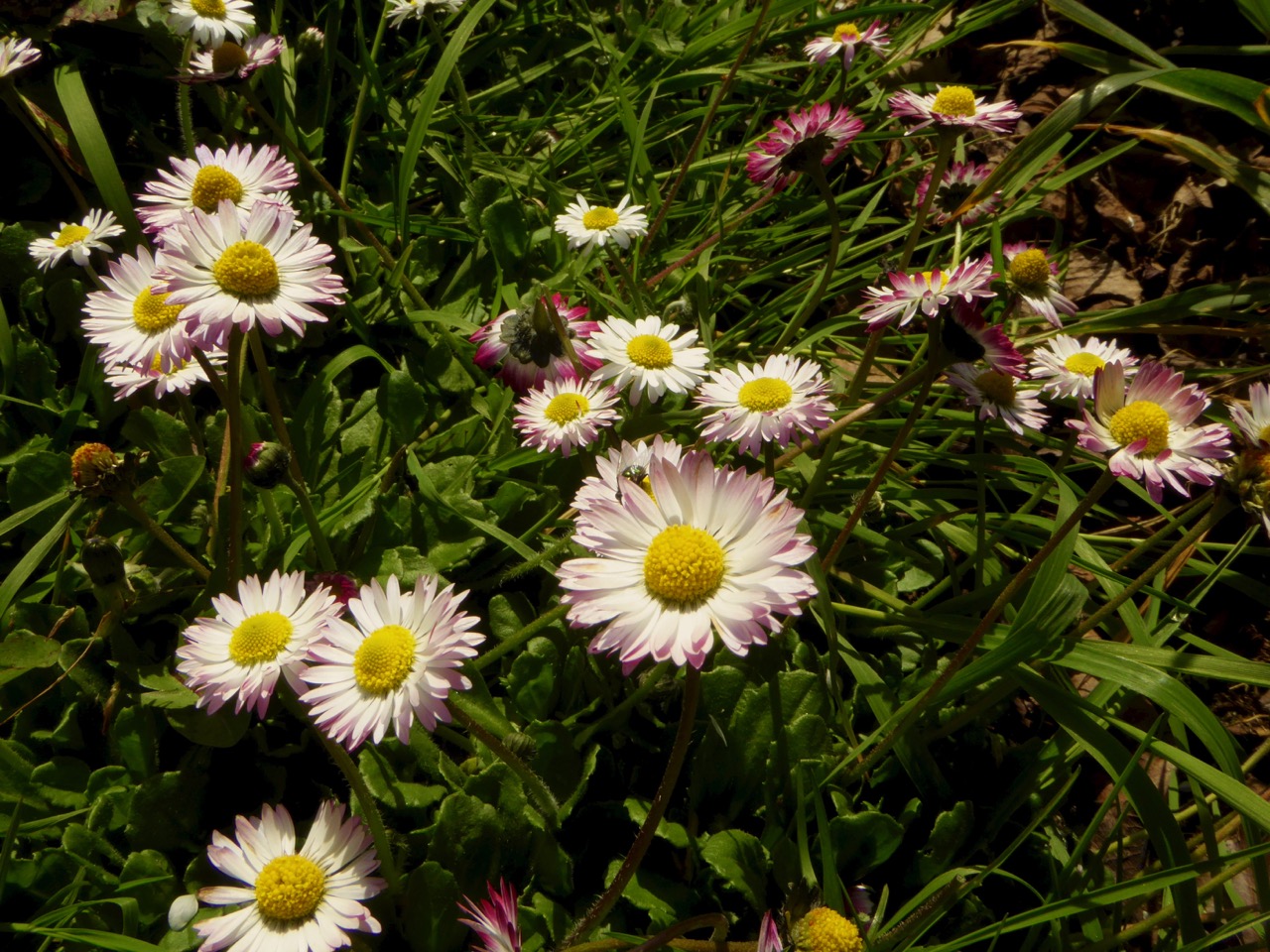
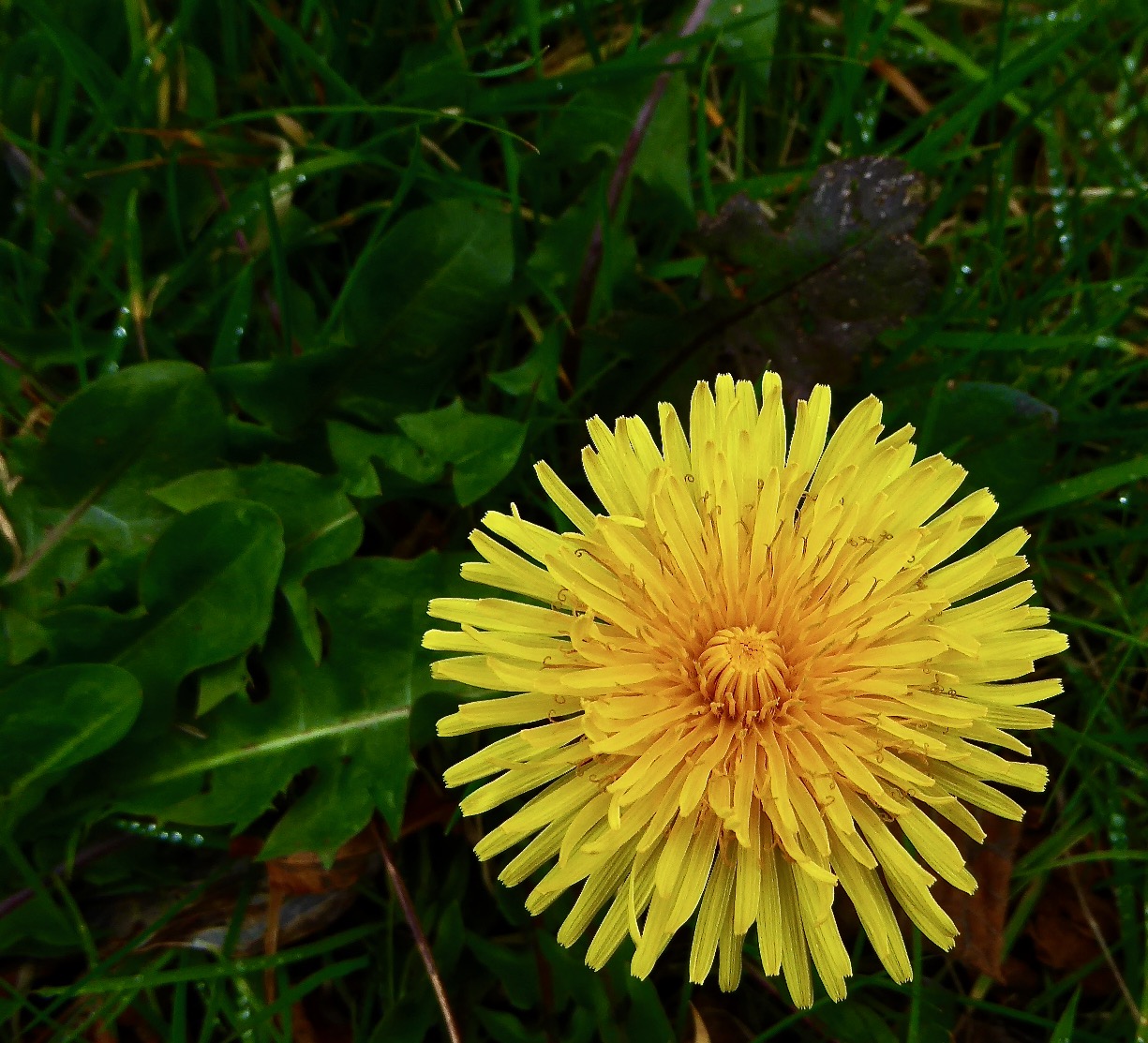
All this early spring wildflower exploration has made me look closer at the humble ones we take for granted – the Lawn Daisies and those pesky Dandelions. How did I never see before how utterly perfect they both are?

I will leave you with one final image – we found more Berberis down on the water, where it was clinging to a stone wall over the water. An astounding testament to the resourcefulness and strength of such a pretty and delicate-looking stem of flowers.

For more wildflower posts, click here.

*The book is out of print and quite hard to get, but worth the hunt.

Mizen in Bloom


hawthorn or whitethorn

Hawthorn or whitethorn

They say that spring is a little late this year – the result of the winter storms, which caused so much destruction and set back growth. Many shrubs and trees around us looked stripped and burned from a combination of ferocious winds and salt spray. Even the gorse is slow: although some of it is in full bloom, the hillsides are not yet ablaze with that incredible yellow.

Gorse and hawthorn

Gorse and hawthorn

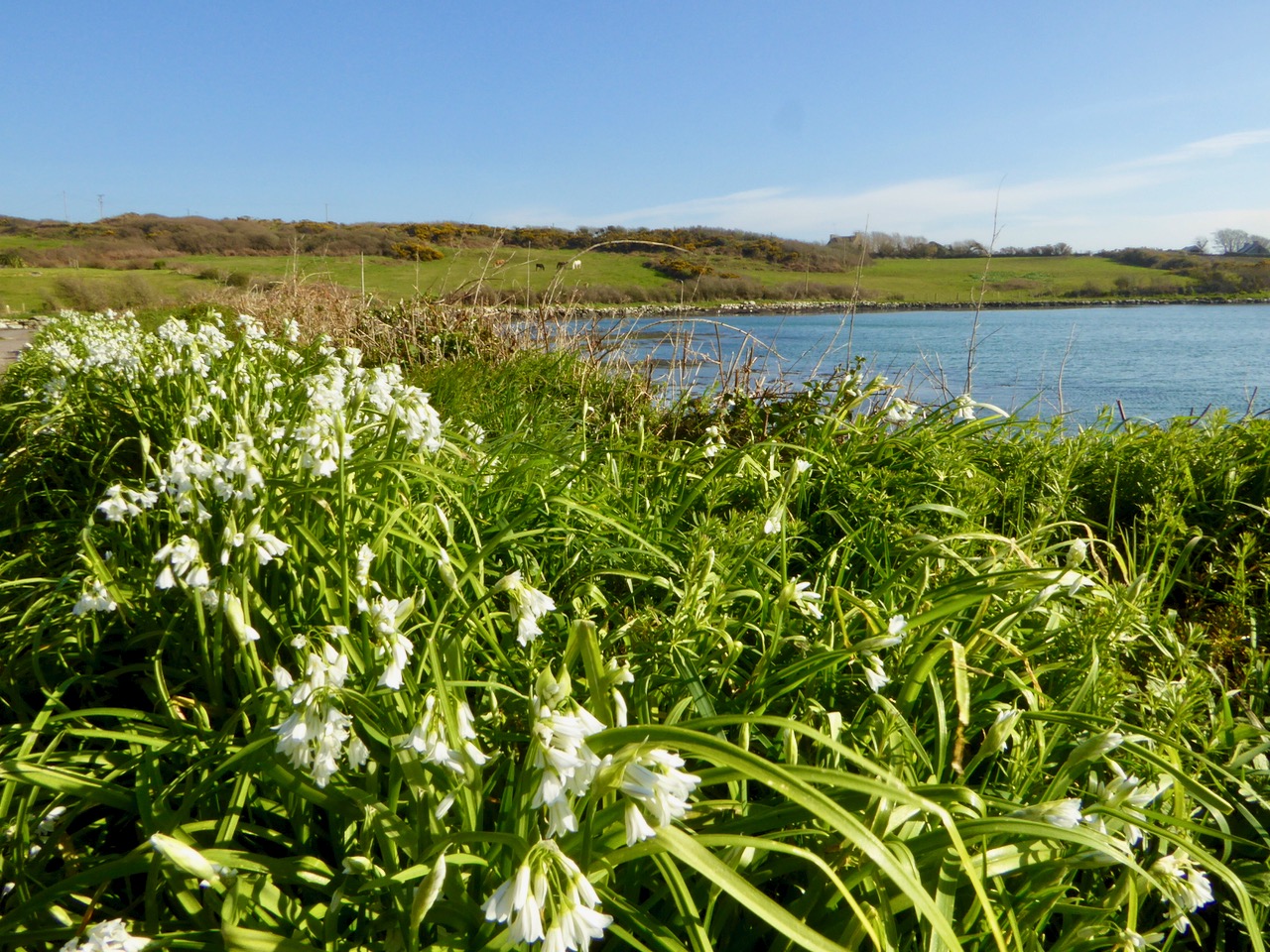
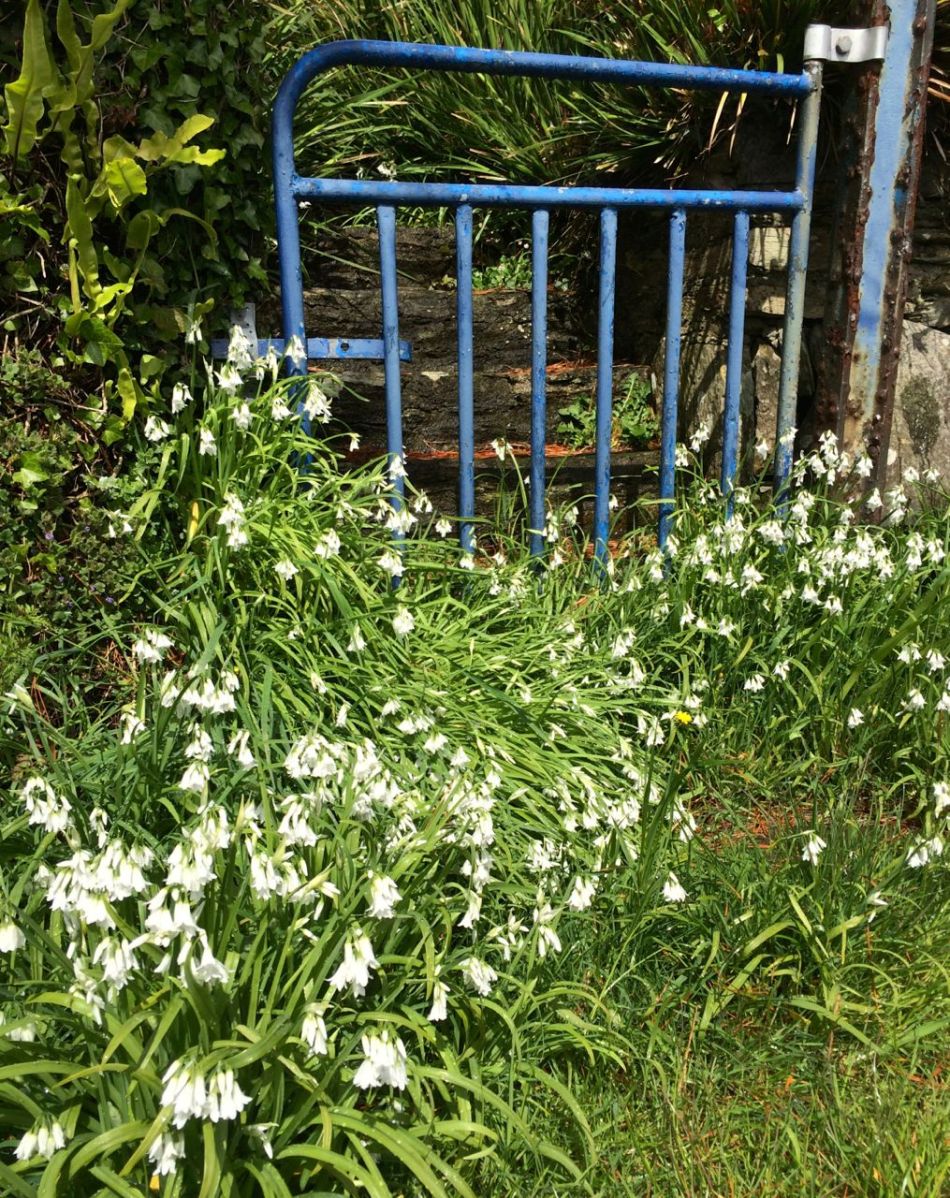
But now around the Mizen the spring flowers have burst into bloom. The boreens are heady with wild garlic. It’s become a thing to cook with it. One of my favourite young Irish chefs, Donal Skehan, has a recipe for wild garlic pesto and another for wild garlic soda bread. Haven’t tried it myself yet, but it’s definitely on the list.

Wild garlic

Wild garlic

I have serious bluebell wood envy. There is one near here, and I dream of eventually having my carpet of blue under the trees. Here’s a little bluebell slideshow: most of the photos were taken close to our house, but a couple are from Wicklow (Bray Head and Mount Usher Gardens), and the last one shows my brand new bluebells coming up from the bulbs I planted last autumn.

This slideshow requires JavaScript.

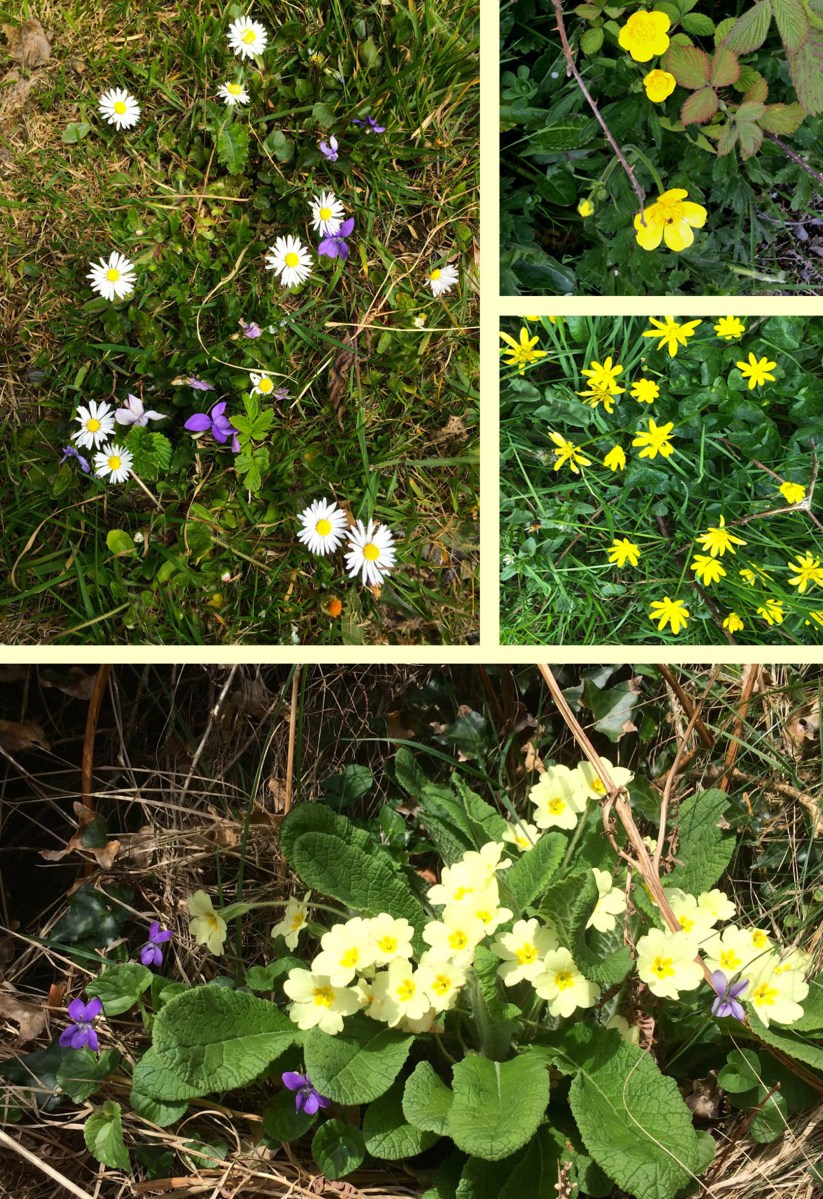
The hedgerows are striking right now. Above are the white branches of the hawthorn (also known as whitethorn), gorgeous in their bountiful white blossoms, and below are the roadside flowers – celandines, buttercups, daisies, violas and primroses.

wayside flowers

Wayside flowers

Along the shore hardier species are showing themselves now. Sea pinks, or thrift, are waving in the breeze. Today we found one that Robert has always called pennypies, but which is more properly called navelwort. It’s a fascinating looking plant – and good, apparently, for curing corns!

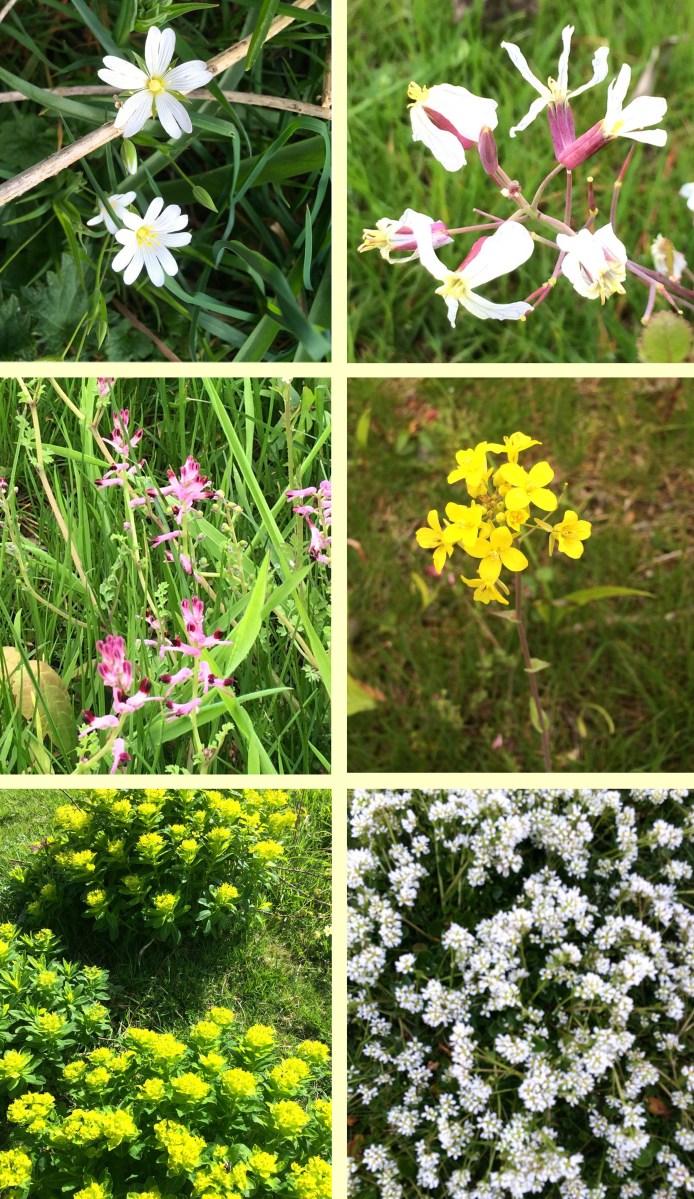
There are lots I can’t name, so can you help me out, Dear Reader, and tell me what these flowers are?

Can you name these flowers?

Can you name these flowers?

I can’t resist one final photo – no, it’s not a wild flower, but it holds the promise of delicious things to come. These are the blossoms on our pear trees.

Pear blossoms

Pear blossoms