Cures and Curses

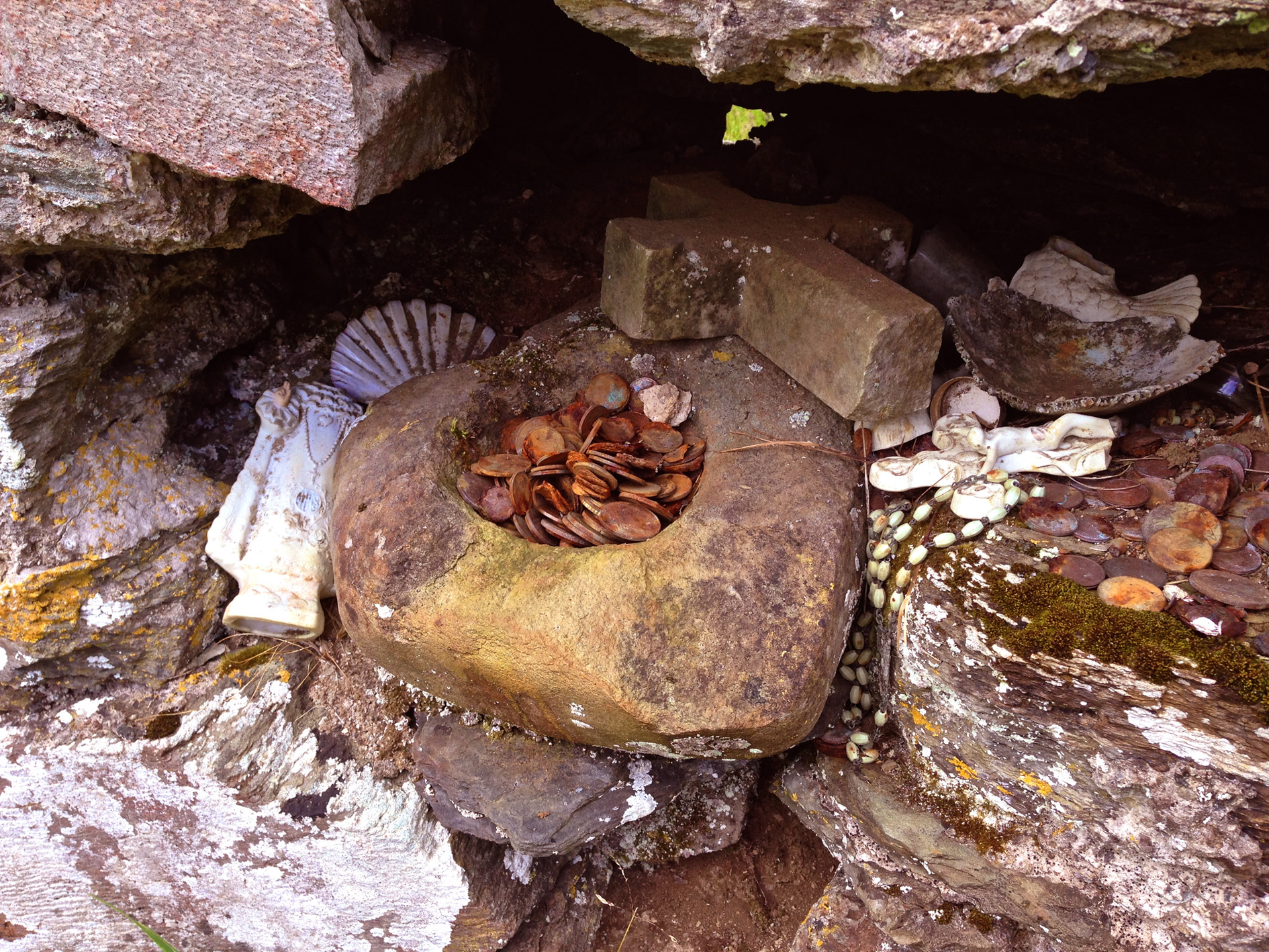
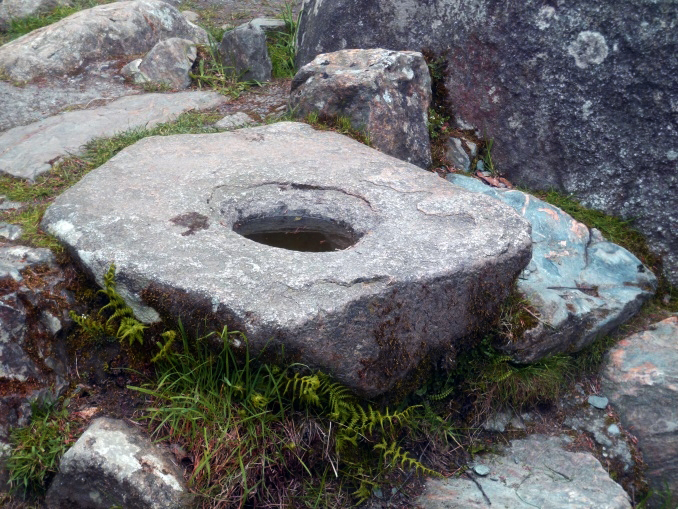
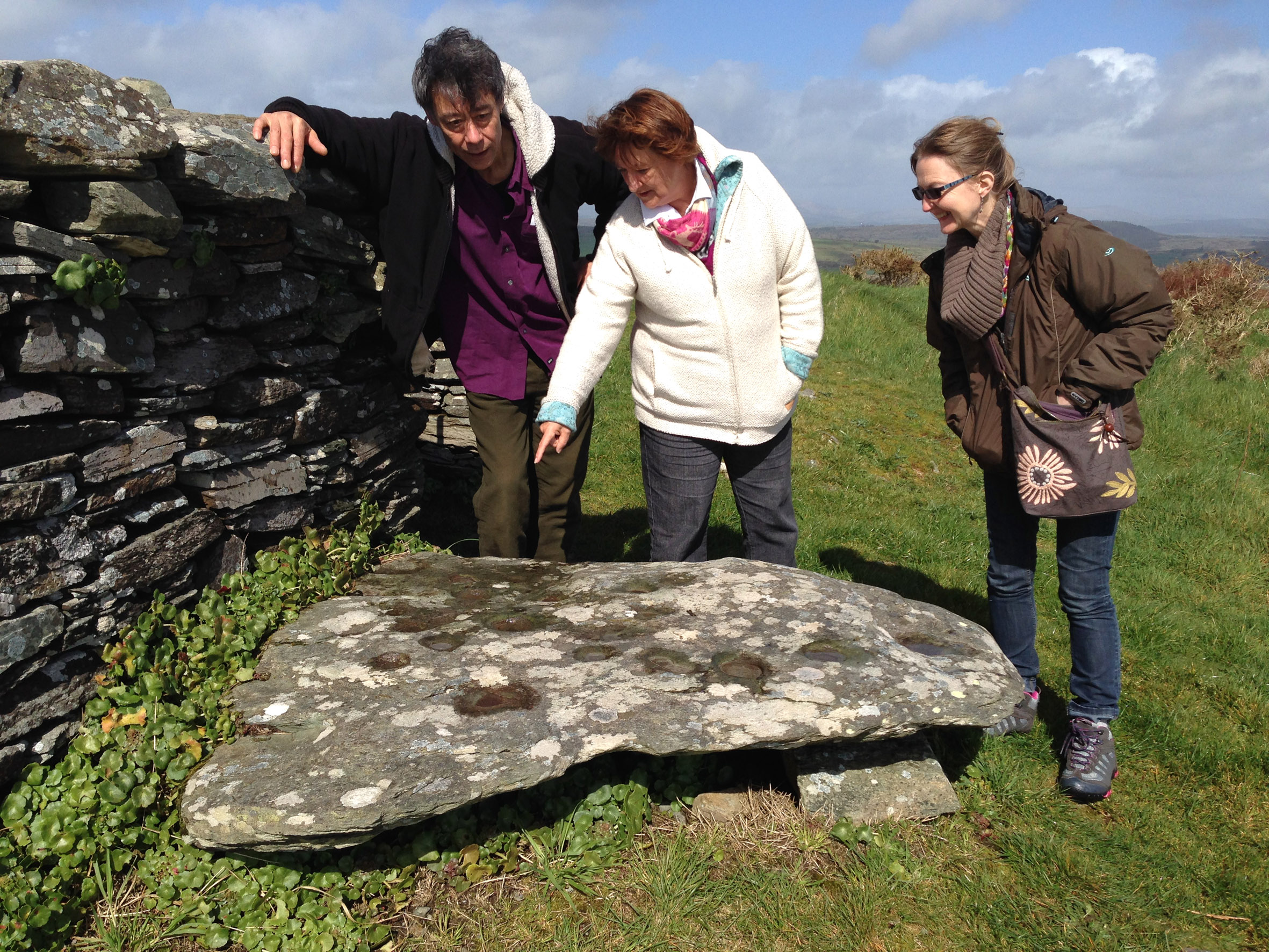
Wishing Stone at Maulinward

Wishing Stone at Maulinward

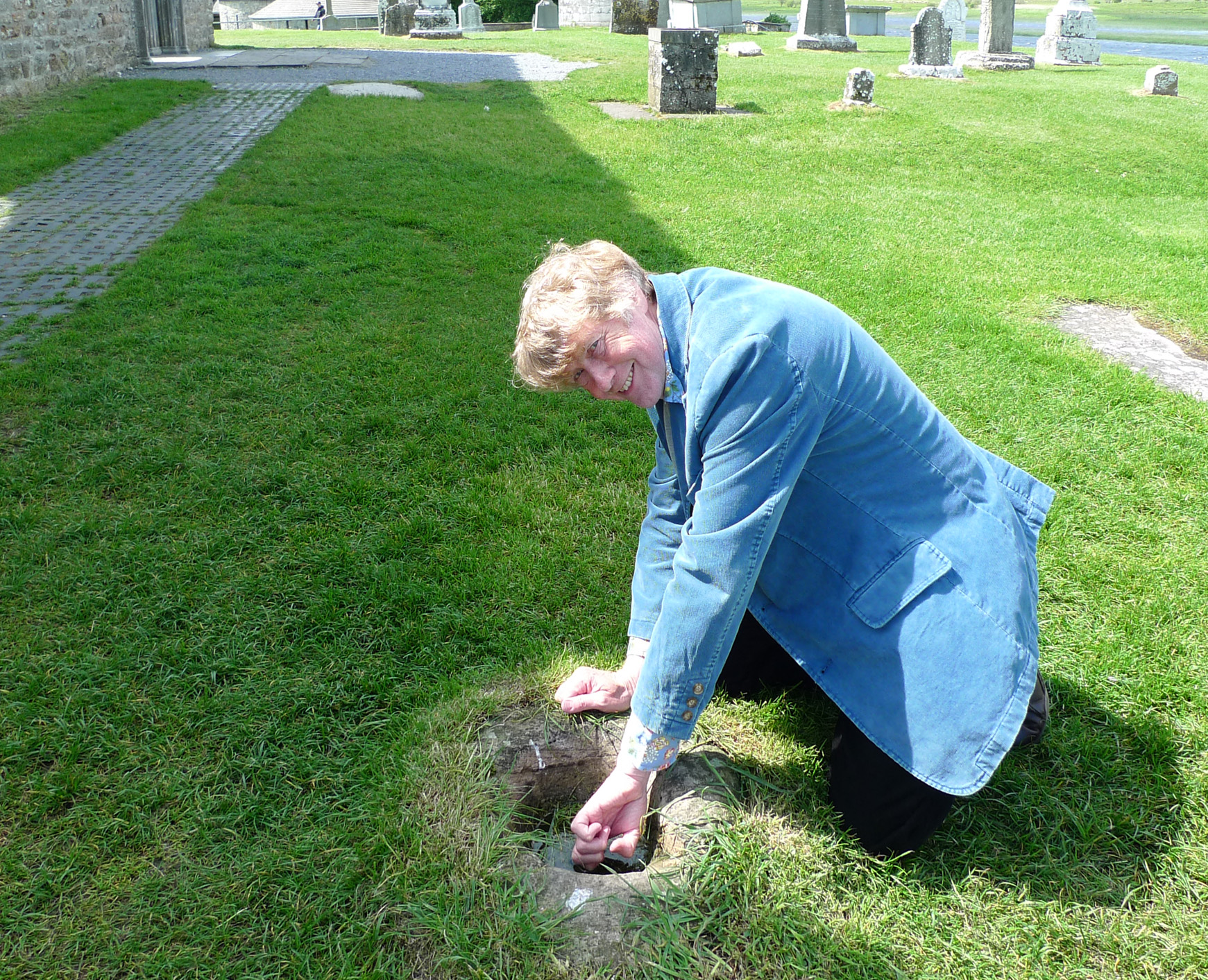
I am a firm believer in wart wells: there is one at Clonmacnoise, the holy centre of Ireland, and some years ago when I was visiting the place I dipped my finger – warts and all – in it. Within… well, perhaps it was two or three weeks… the warts had gone. The Cynics among you will be saying that they might have gone anyway, but I have had other warty experiences to reinforce my beliefs. When my daughter Phoebe was 11 years old and we were living back in Devon she had a really bad outbreak of warts on her hand. The doctor couldn’t recommend anything but our neighbour was very sure of what to do: take her to see Auntie Grace who lived up the lane. We duly knocked on Auntie Grace’s door and showed her Phoebe’s hand. “That’s alright, Dear” she said, and shut the door. That was all. But within a week (more or less) the warts had vanished completely, never to return.

Curing my warts at Clonmacnoise

Curing my warts at Clonmacnoise

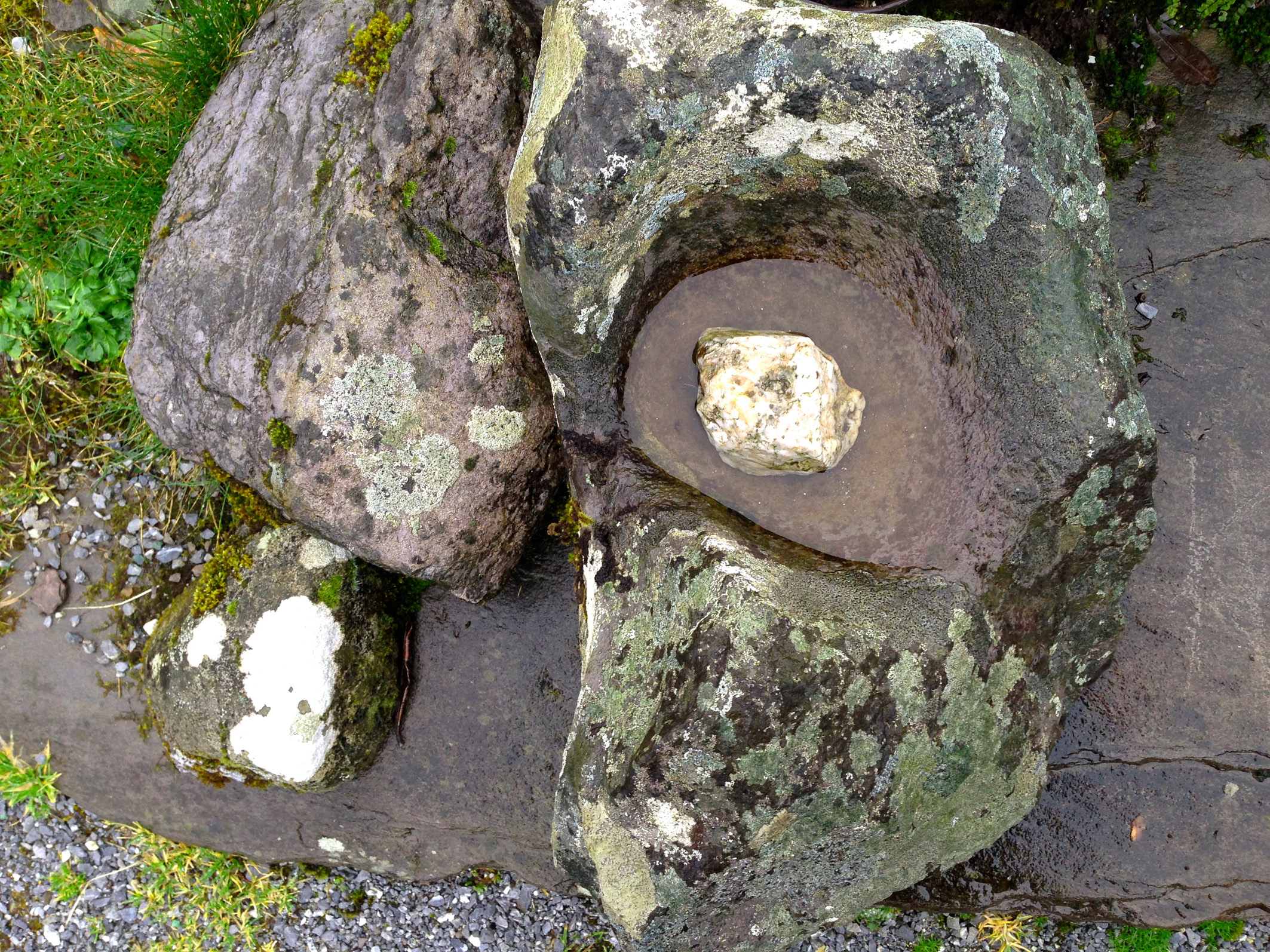
Bullaun Stones abound in Ireland. They are usually found at sites with ecclesiastical connections – as the two examples above (and this one), but this association does not reduce or affect their traditional uses: to cure or to curse. The Irish word Bullán means ‘bowl’ – a water container. At pilgrimage sites, such as St Gobnait‘s Well, Ballyvourney, the bullaun stones often hold smooth rounded pebbles – perhaps incised with a cross – which are turned around each time a pattern or procession is completed.

In the sixth century, the Council of Tours ordered its ministers “…to expel from the Church all those whom they may see performing before certain stones things which have no relation with the ceremonies of the Church…”  Such an order doesn’t seem to have prevented folk traditions of curing continuing into the twenty-first century.

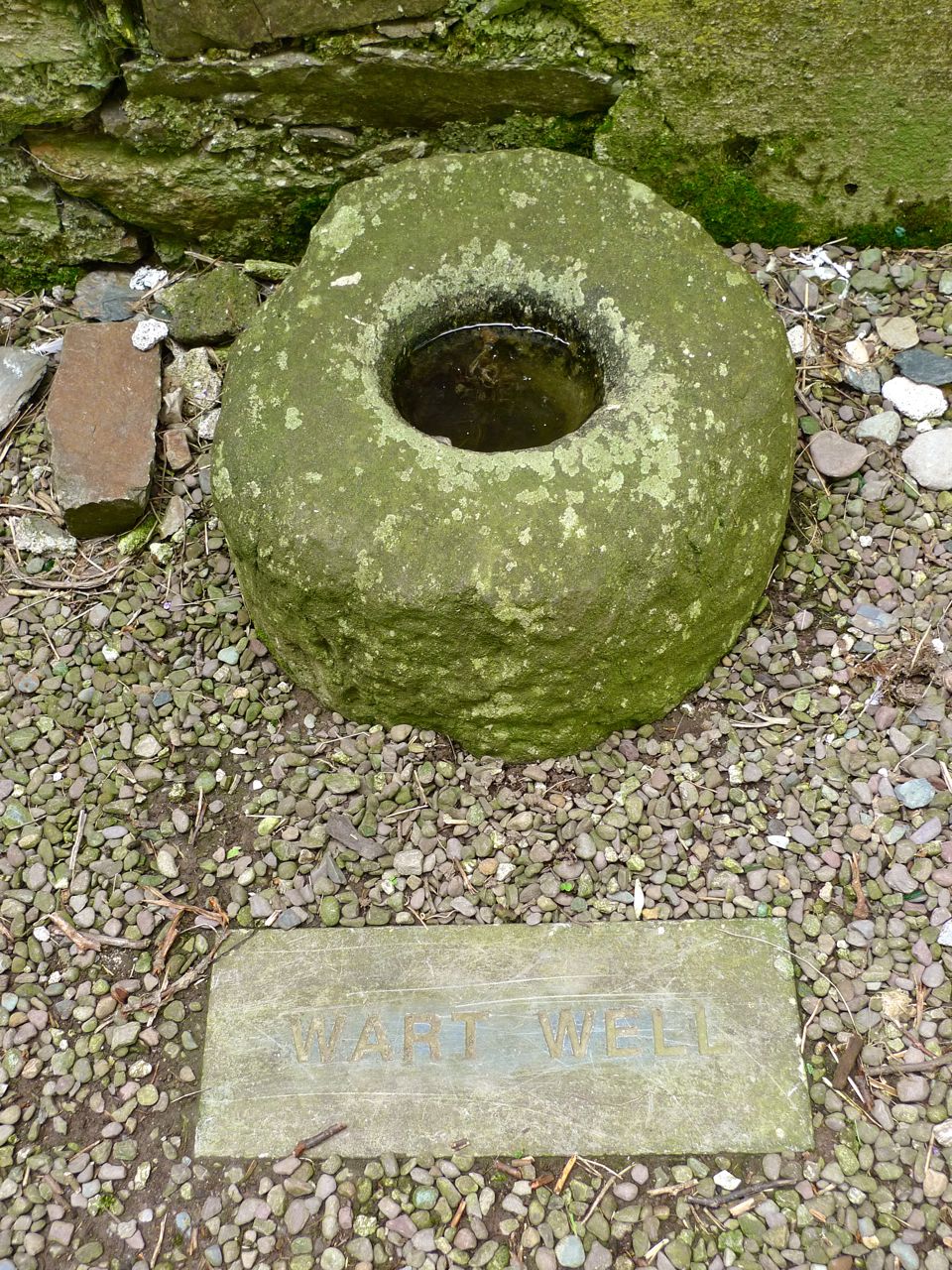
Wart Well at Timoleague Friary

Wart Well at Timoleague Friary

Traditionally, in Ireland similar stones are used for less benign purposes than curing warts or other maladies. Thankfully not in West Cork but in faraway Cavan a group of bullaun basins and stones at the ruined Killinagh Church are associated with curses, as explained here by Harold Johnston in a 1998 interview: “…if you wanted to put a curse on someone, you turned the stones anti-clockwise in the morning.” However, the curse had to be ‘just’ otherwise it came back to curse you in the evening!

An 1875 drawing of the Killinagh Cursing Stones

An 1875 drawing of the Killinagh Cursing Stones

Nearer to home, in County Cork, are the ‘cursing stones’ known locally as  the Clocha Mealachta – not in this case associated with bullaun basins but kept hidden under a slab of rock, which seems a bit sinister to me.

Hidden Cursing Stones at Labbamolaga, Co Cork

Hidden Cursing Stones at Labbamolaga, Co Cork

I prefer the legends which show bullaun stones as a force for good: in more than one location they are said to be associated with a local saint. St Kevin of Glendalough (in County Wicklow) drank every morning from the Deer Stone, a bullaun which miraculously was always filled with milk.

Deer Stone at Glendalough

St Kevin

St Kevin


Rock Art in Danger

The age-old landscape of Derrynablaha

The age-old landscape of Derrynablaha

Both Robert and I have written about prehistoric rock art several times in this Journal – here and here, here and here. Readers will know that it was the subject of my Master’s thesis in the early 70s, and that it has become a shared passion for us both as well as a retirement project. One aim of this project for me is to assess how rock art has been doing, as a category of ancient monument in Ireland, since I last studied it intensively forty years ago.

Benign neglect - rock art in a cow field

Benign neglect – rock art in a cow field

Within the archaeological community there is discussion about how best to protect rock art sites. The arguments take shape around opposing approaches: the first alternative is to promote and advertise rock art, to make it as well-known as other monuments such as megalithic tombs and medieval friaries; the second is to leave it lie in obscurity. 

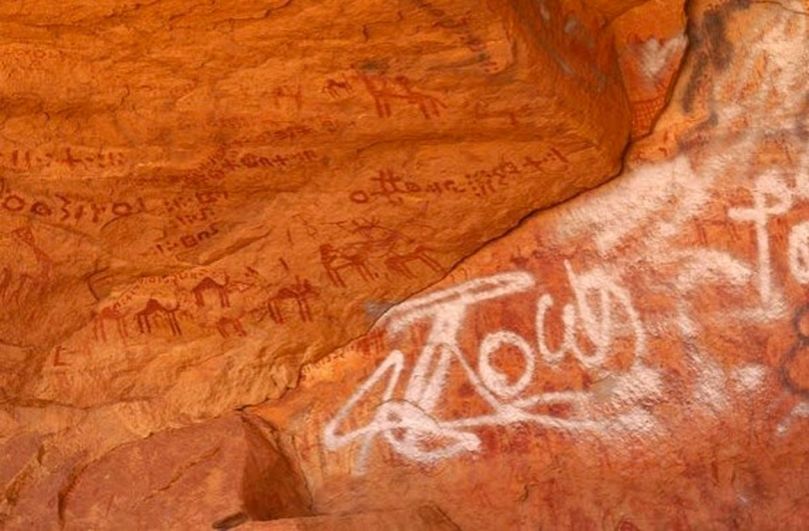
Spain has a lot of rock art, and the approach there is to encourage people to come and view it and explore it. There are visitor centres, interpretive signs, rock art trails. While the results have been positive on the whole, raising the profile of this class of site and increasing the understanding and respect of visitors, it has not been without challenges: some damage and vandalism has occurred on carved panels.

Vandalism to rock art in Libya

Vandalism to rock art in Libya

In Ireland we have taken a low profile approach when it comes to promoting rock art. Its very obscurity, the argument goes, is its protection. All known rock art sites are recorded in the database maintained by the National Monuments Service, and anyone planning on building on or developing a piece of property must check plans against this inventory. But apart from that we do not advertise the presence of rock art with signs or centres. A few are marked on the Ordnance Survey maps, but are difficult to find. The folk-beliefs of country people have helped in the past – where any prehistoric site was known it was never interfered with for fear of the bad luck that would follow. 

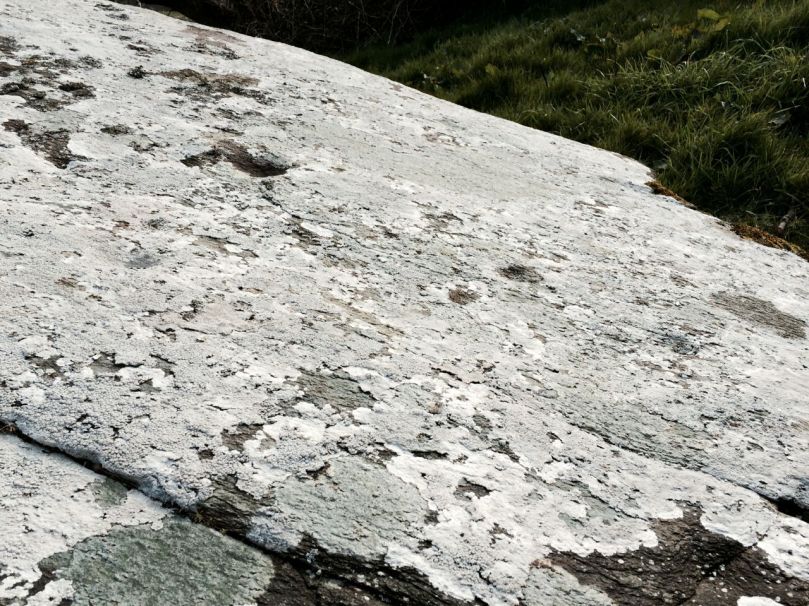
Under all that lichen lie many cupmarks

Under all that lichen lie many cupmarks

Weathering and lichen growth are not kind to carved surfaces over time and rock art in Ireland has not been protected from such natural occurences. On the  whole, however, the  fact that rock art is little known has indeed functioned to ensure that carved panels remain in place and my own sympathies would have lain therefore with the second argument.  However, times are a-changing in Ireland and I have become alarmed at the prospects for the conservation of this important prehistoric resource. I have come to believe that the more people who know about rock art, who know the locations of the rocks and can keep an eye on them, the better. 

Robert and I have spent a year now, in West Cork, visiting rock art sites and re-recording them. I have begun to understand in that time that there are two main dangers to rock art in the Irish landscape: ignorance and the economy. 

If only we'd known, we would never have built it on top of the rock art!

If only we’d known, we would never have built it on top of the rock art!

First: lack of awareness. By this I mean that in general people simply do not know that there is a class of ancient monument known as rock art. They don’t know what it looks like and don’t recognise it when they walk over it. This is not their fault – rock art can be almost impossible to see on the surface of a weathered rock on a grey day, even when you know it’s there. We have described how in one case a building was erected on top of rock art. In another case we are aware of, a piece of rock art was unrecognised and probably damaged when a homeowner erected an ornamental stone circle beside it. In both cases the homeowners would have protected the rock art had they known it was there, or understood the extent of it.

The shadows are from a newly built stone circle

The shadows are from a newly built stone circle

Second: the economy. Here, two huge threats to rock art exist. The first is in the rapid growth of forestry plantations in Ireland – a practice that is altering the landscape and obscuring what lies underneath in many areas of the country. We have experienced this first hand: rock art in a nearby townland can no longer be located in a young forestry plantation. 

The second is even more serious – the threat lies in the encouragement to farmers to improve and bring into production previously marginal land. All around us in West Cork the sound of the rock breaker is as common as the lowing of cattle. Vast stretches of rocky land, suitable only for a few sheep, are being levelled, drained and seeded. Green fields are appearing where once only scrubby grass and bog could grow.

The excavator is at the top left of the photograph

The excavator is at the top left of the photograph

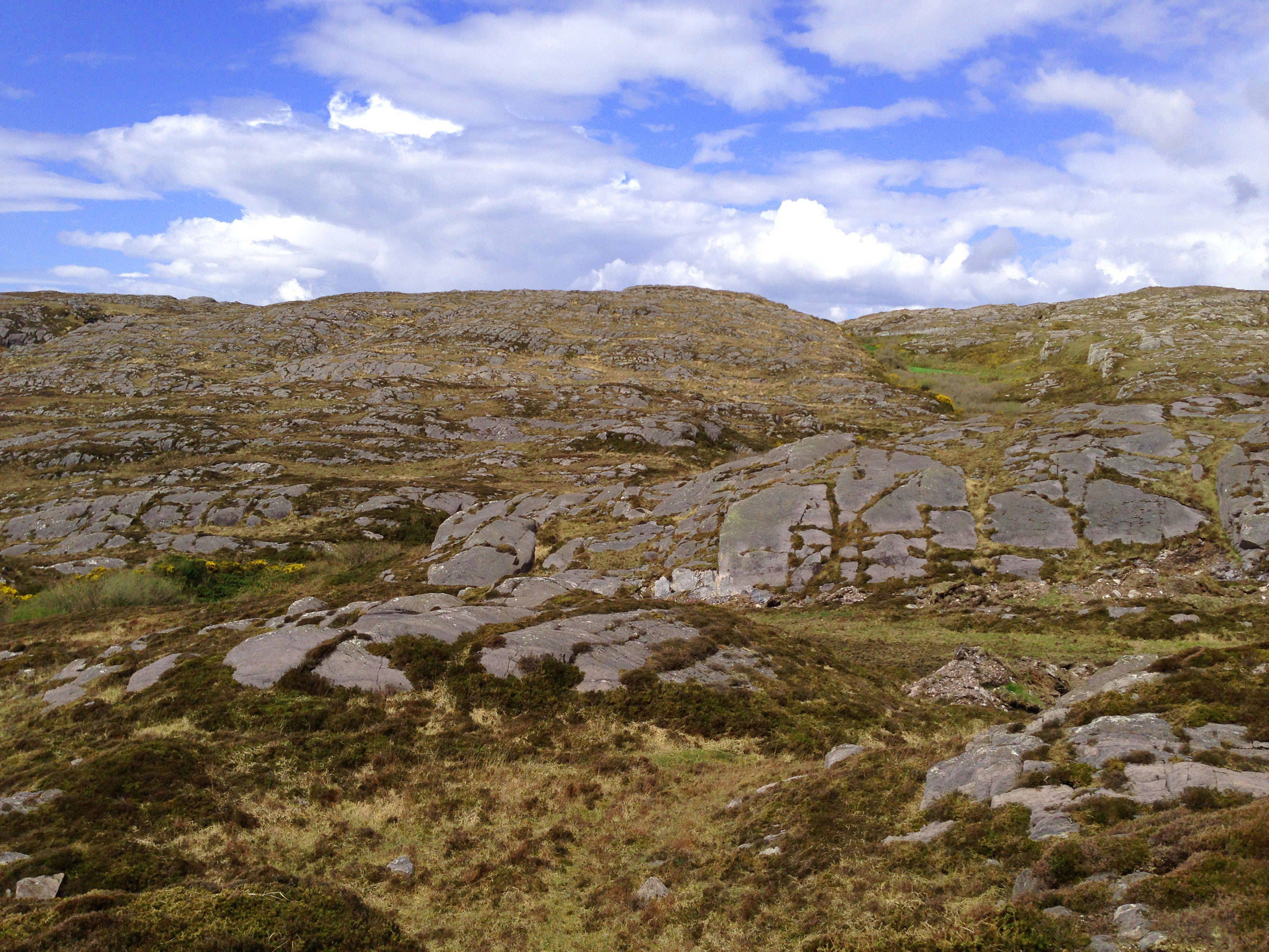
We saw first hand what this could mean on a recent trip to Kerry. In the mountains above Sneem, on the Iveragh Peninsula, lies the lonely valley of Derrynablaha. It is spectacularly beautiful, but wild and remote. Forty years ago the one house in the valley was occupied by the farmer who ran his sheep on the mountain slope. That house is now in ruins: a new owner until recently simply carried on the use of the land for sheep. Imagine our surprise and concern, therefore, when, on a recent trip to Derrynablaha, we observed an enormous excavator working in the fields above the house. It had been there for some time. The ground had been levelled, all rocks and old field boundaries had been cleared away, and the land is now ready to be seeded and made into an enormous and pristine green field.

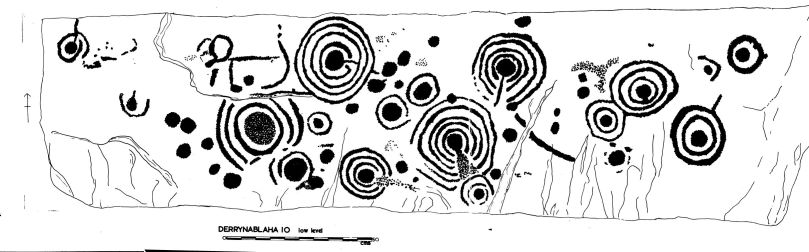
So what’s the problem with this? It’s alarming because Derrynablaha, and the neighbouring townland of Derreeny, contain the largest and most significant concentration of rock art in Ireland. Forty examples have been found and recorded so far. Some of them lie right beside the new field. An assessment by the National Monuments Service took place immediately and they will monitor closely now that they know this is happening. However, damage has already been done. Rock art does not exist in a vacuum – it is part of a prehistoric landscape and nowhere is this more so than in Derrynablaha, where the land has been lightly lived on over the centuries and where prehistoric and historic features lie just beneath the boggy turf. 

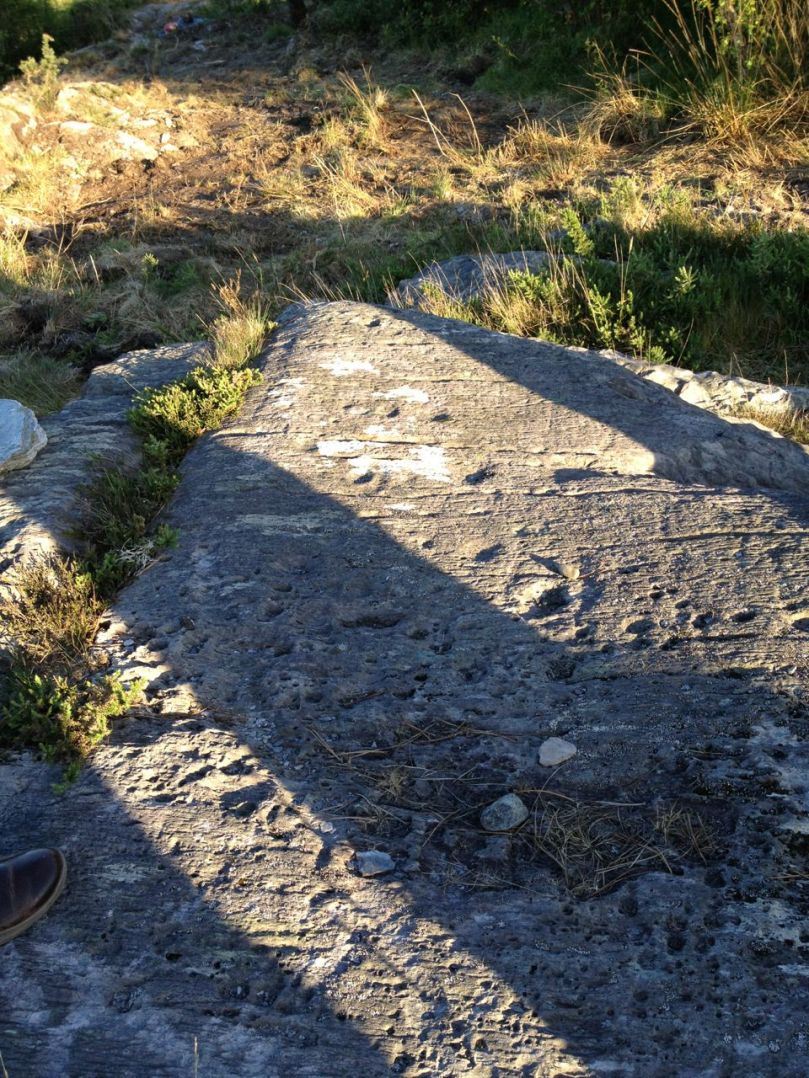
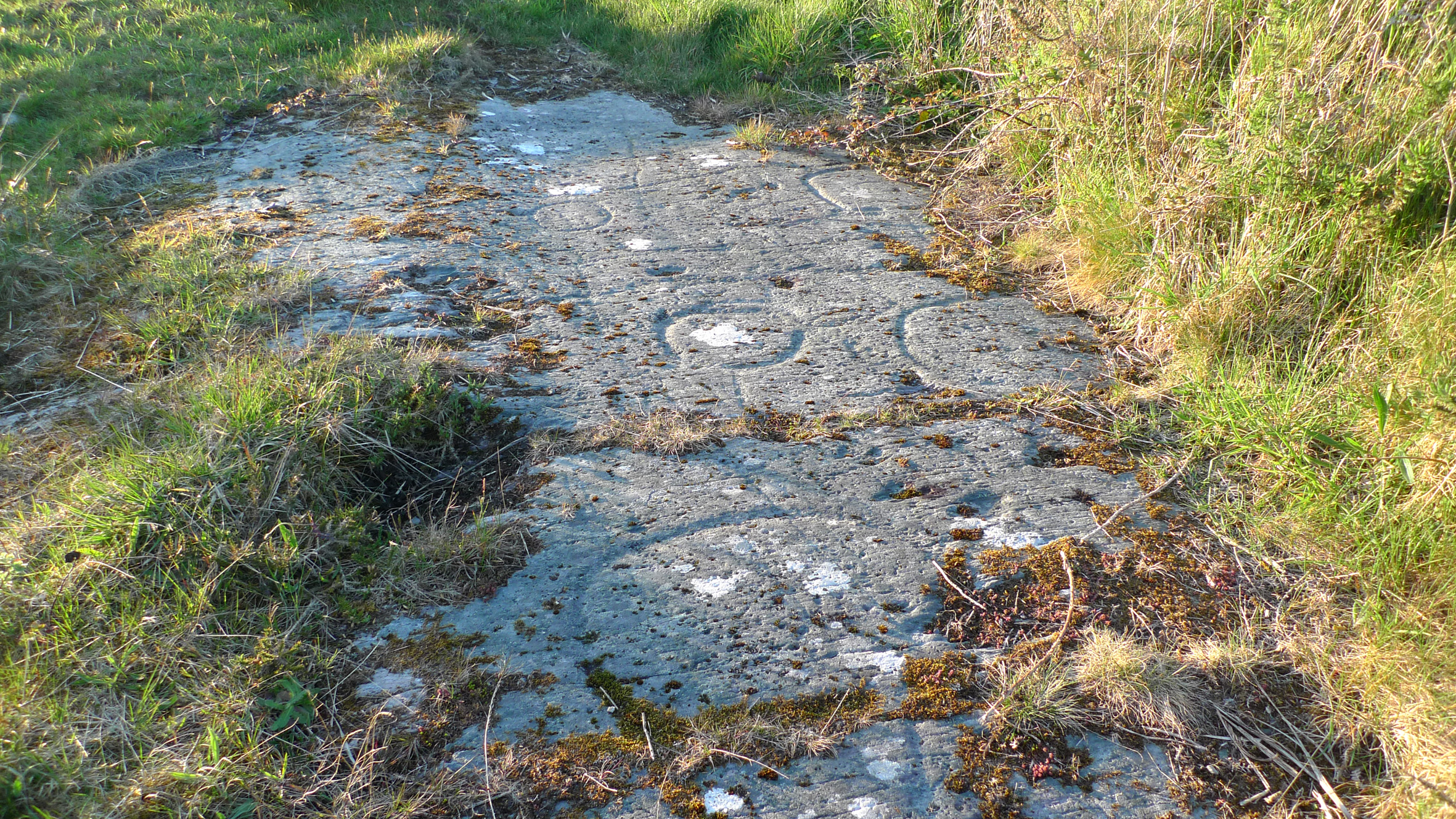
It's hard to see, isn't it? But tjis is one of the most iconic pieces of Irish rock art

It’s hard to see, isn’t it? But this boulder at Derrynablaha is one of the most iconic pieces of Irish rock art

The farmer, of course, is just doing his job. With the encouragement of the grants system he is improving his land, trying to be more competitive and hoping to pass on a viable farm to his son, so the young man won’t have to emigrate like many of his contemporaries. He is aware of the rock art and is avoiding direct contact with any pieces he knows. He needs no planning permission (a process that would have involved and alerted the County Archaeologist) to do what he’s doing.

Just part of the surface of the Derrynablaha rock above

Just part of the surface of the Derrynablaha rock above

In both these scenarios – lack of awareness and the economy – the intentions of everyone concerned were honourable. But honourable intentions won’t save rock art from damage and destruction. Our only hope lies in a Save the Whales approach: the more people who know about and appreciate rock art and who are committed to helping to preserve this precious resource, the better its chances of survival will be. 

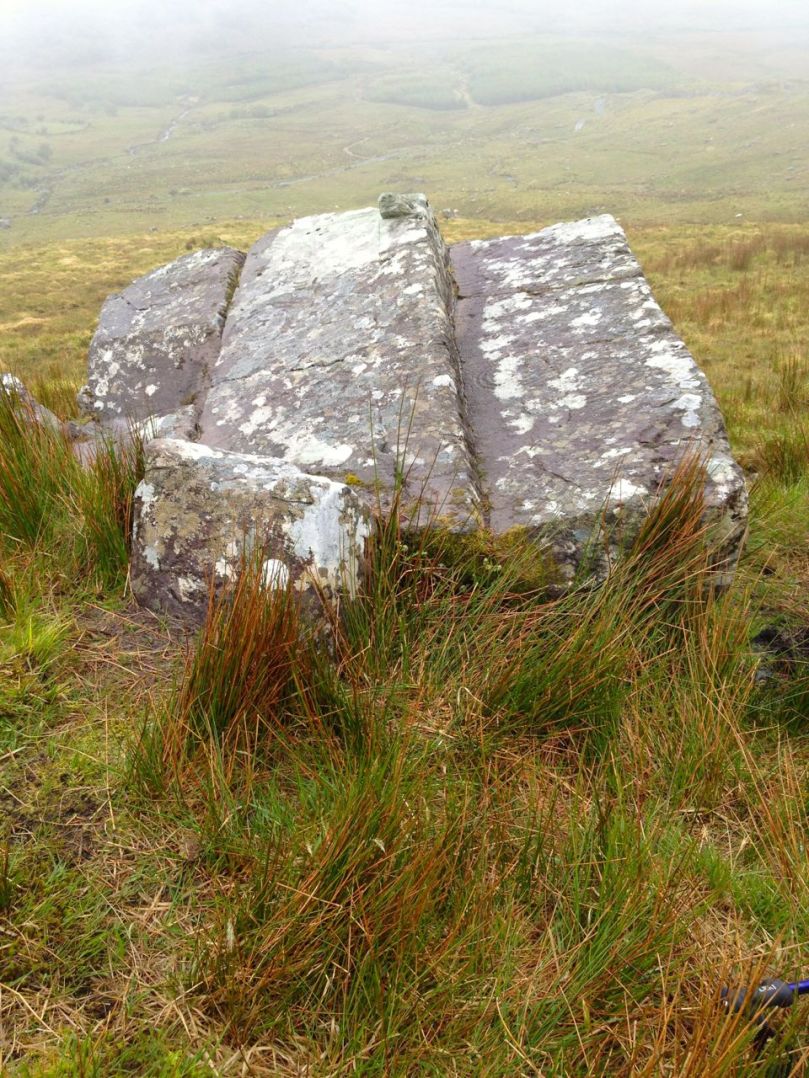
Derrynablaha - current landscape at that rock

Derrynablaha – current landscape at that rock

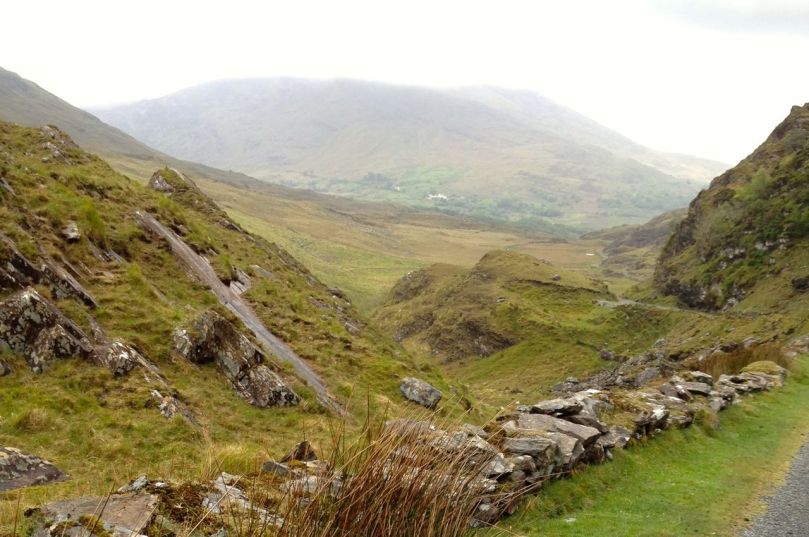
Mount Gabriel

Trails over Mount Gabriel

Trails over Mount Gabriel

Only a few kilometres from Nead an Iolair – as the Crow flies – sits Mount Gabriel: at 407m elevation it’s the highest piece of land in West Cork. Cork mountains are dwarfed by those from Kerry: McGillycuddy’s Reeks has the highest peaks in Ireland, at over 1,000 metres. However, our own local mountain is nevertheless impressive and on a good, clear day provides a view not to be missed – to all points of the compass.

Looking west to the Mizen

Looking west to the Mizen

I spent a while researching why a mountain in the west of Ireland should be called Gabriel. There is no received opinion about this. I suppose there’s no reason why it shouldn’t be named after the Archangel himself: after all, we have Croagh Patrick (after St P) and Mount Brandon (after St Brendan) and many others: Ireland’s landscape is alive with place-names having religious connections, although such associations are likely to be fairly young. In Irish the mountain is Cnoc Osta – possibly ‘hill of the encampment’ – so there’s no clue there.

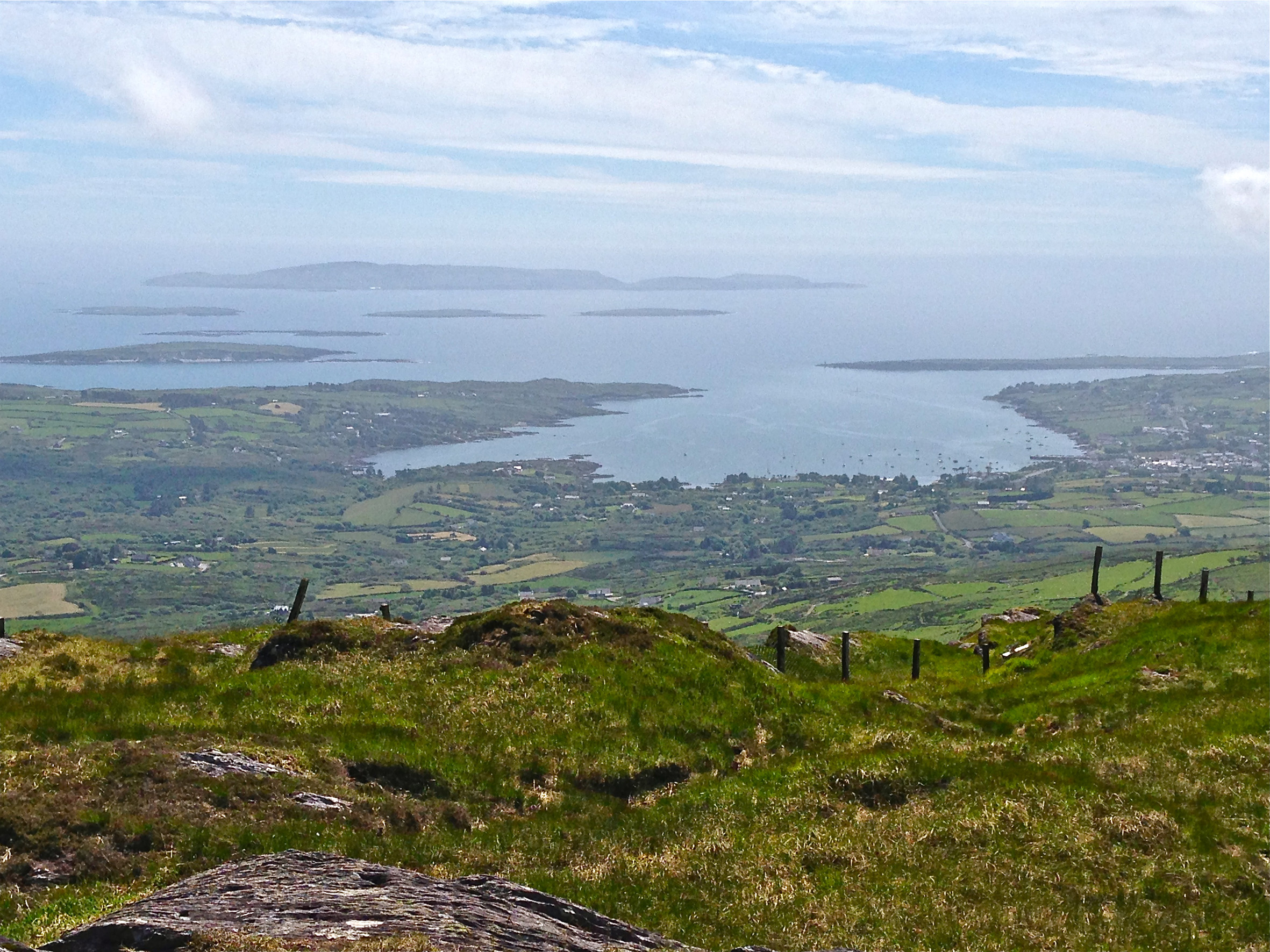
Roaringwater Bay

Roaringwater Bay

I did find this fascinating piece from the Church of Ireland Magazine, dated 1826 – written by John Abraham Jagoe, Vicar of Cape Clear …where I have no protestant parishioners… and Curate of Schull …where interspersed amongst moor and mountain, I have fifteen hundred Protestants, to visit and oversee… It’s well worth a verbatim extract:

‘…amidst these everlasting hills arose, in peculiar prominence, Mount Gabriel. Why, my lads, said I, is yonder mountain called such an outlandish name; one would think it was brought here by Oliver Cromwell, it has such an un-Irish – such a saxon name. O! says Pat, it is a pity that the blockhead is not here to tell the gentleman the story about this, for sure and certain such poor garcoons as the likes of us know little, and care not the tail of a herring for such old stories. And who, said I, is the blockhead? O, says my friend, the blockhead is an old man living up on the mountain, who, from his great memory, his knowledge of cures for cattle, charms against fairy-struck people, experience in bleeding, acquaintance with legends about the good people, the Milesians, and Fin McCoul, is called far and near, the blockhead.

My dear fellow, will you tomorrow bring me to that man; I would pilgrimage over all the hills in Cork and Kerry to get into chat with him: says I to myself, this is just the man that I want. Ah my good friend, do bring me to the blockhead to-morrow. Why yes to be sure, – but stay, can you speak Irish? Not a word, to my sorrow be it spoken. Well then go home first and learn Irish, for Thady Mahony can speak no other language. – Well boys, can none of you (as I cannot get it out of the blockhead) tell me about Mount Gabriel; O! yes, Sir, says Pat Hayes, my Godmother used to tell me it was called after the Angel Gabriel, who came, you know, from Heaven to deliver the happy message of mercy to the Virgin – ever blessed be her name. And so on his return, as he was flying back, he looked down upon Ireland, and as he knew that in time to come, this honest island would never part with the worship and duty it owes to the Mother of God, he resolved to take a peep at the happy land, that St Patrick was to bestow for ever on the Virgin. So down he came, and perched on the western peak of that mountain; the mark, they say, of his standing is there to this day, and his five toes are branded on the rock, as plain as if I clasped my four fingers and thumb upon a sod of drying turf; and just under the blessed mark, is a jewel of a lake, round as a turner’s bowl, alive with trout; and there are islands on it that float about up and down, east and north and south; but every Lady-day they come floating to the western point, and there they lie fixed under the crag that holds the track of the Angel’s foot…’

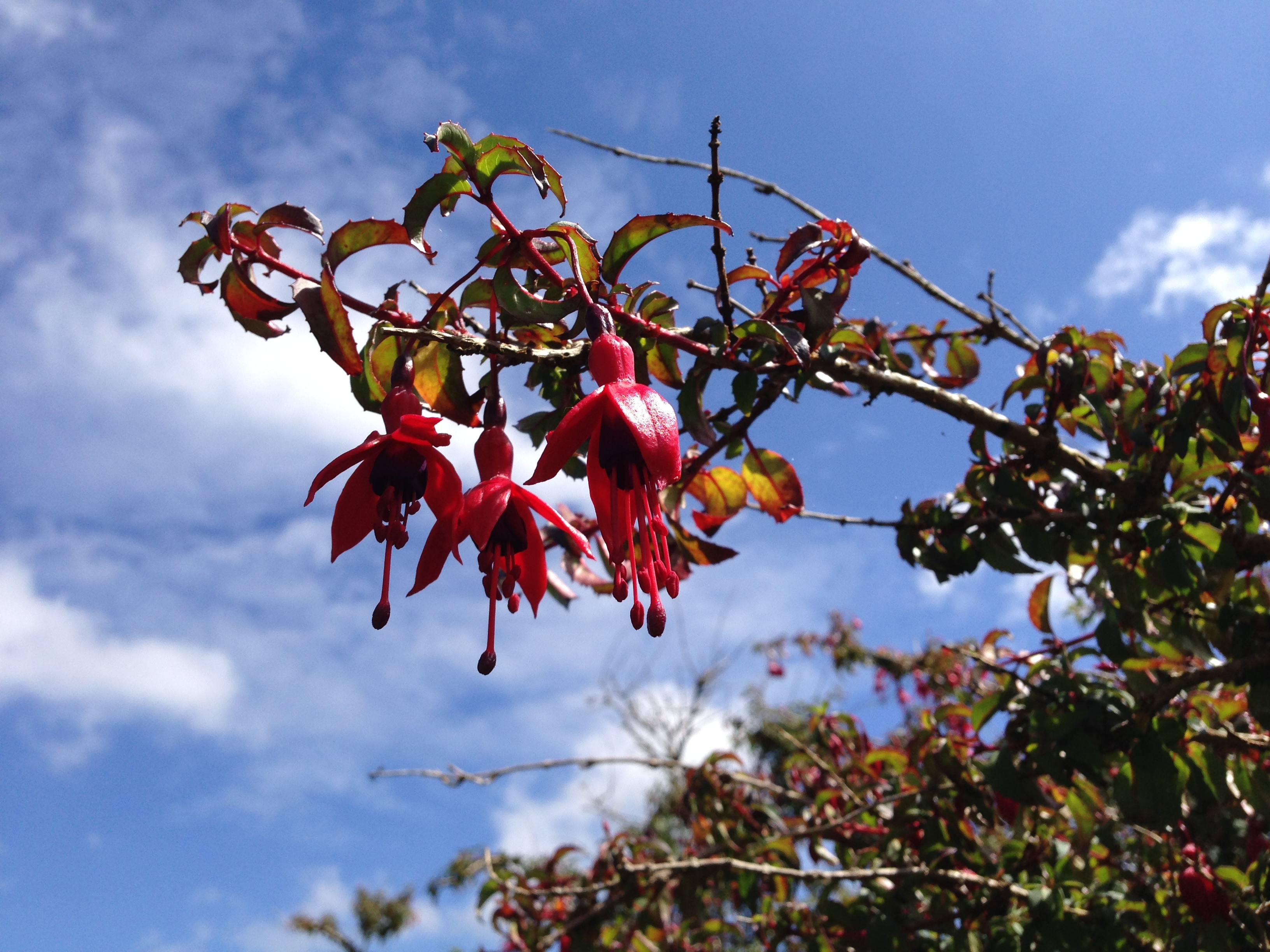
Hidden Glen Fuschia

Hidden Glen Fuschia

Well, there’s enough in those few lines to keep us going on field trips for some time to come! We did find, on the western slopes, a beautiful hidden valley holding the ruins of a one roomed cottage. I have convinced myself that this must have been the dwelling place of the blockhead Thady Mahony, who may once have been the keeper of all the secrets of the mountain. But we have yet to find the jewel of the lake with its trout and its miraculous floating islands, notwithstanding the Archangel’s footprint…

View from the summit

View from the summit

One other possibility for the name is a corruption of the Old Irish Gobhann – which means smith, as in a metal smith. Remember Saint Gobnaitt? She was the patron saint of ironworkers (blacksmiths) and her name is supposed to be rooted in Gobhann. There is also a Goibhniu in Irish mythology: he was the smith of the Tuatha De Danaan and forged their weapons for battle with the Formorians. So – Gobhann, Goibhniu, Gabriel…? Too much of a leap of faith? But it is known that Mount Gabriel was the site of extensive copper mining a few thousand years ago – remains of pits, shafts and spoil heaps can be seen:  so perhaps there just could be something more ancient inherent in the name.

golf ball

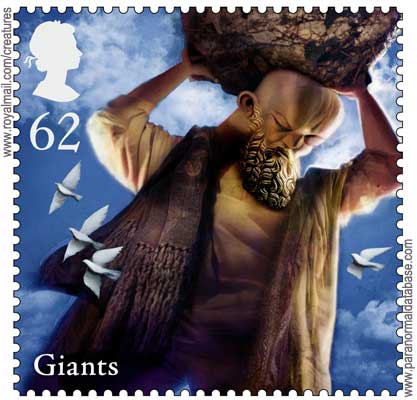
There is mythology attached to the Mountain: the Fastnet Rock was torn from the slopes and thrown into the sea by a giant; once we were searching for a piece of Rock Art within sight of the mountain and the landowner assured us that the carved stone had been thrown there by Finn MacCool (we didn’t find it).

giant stamp

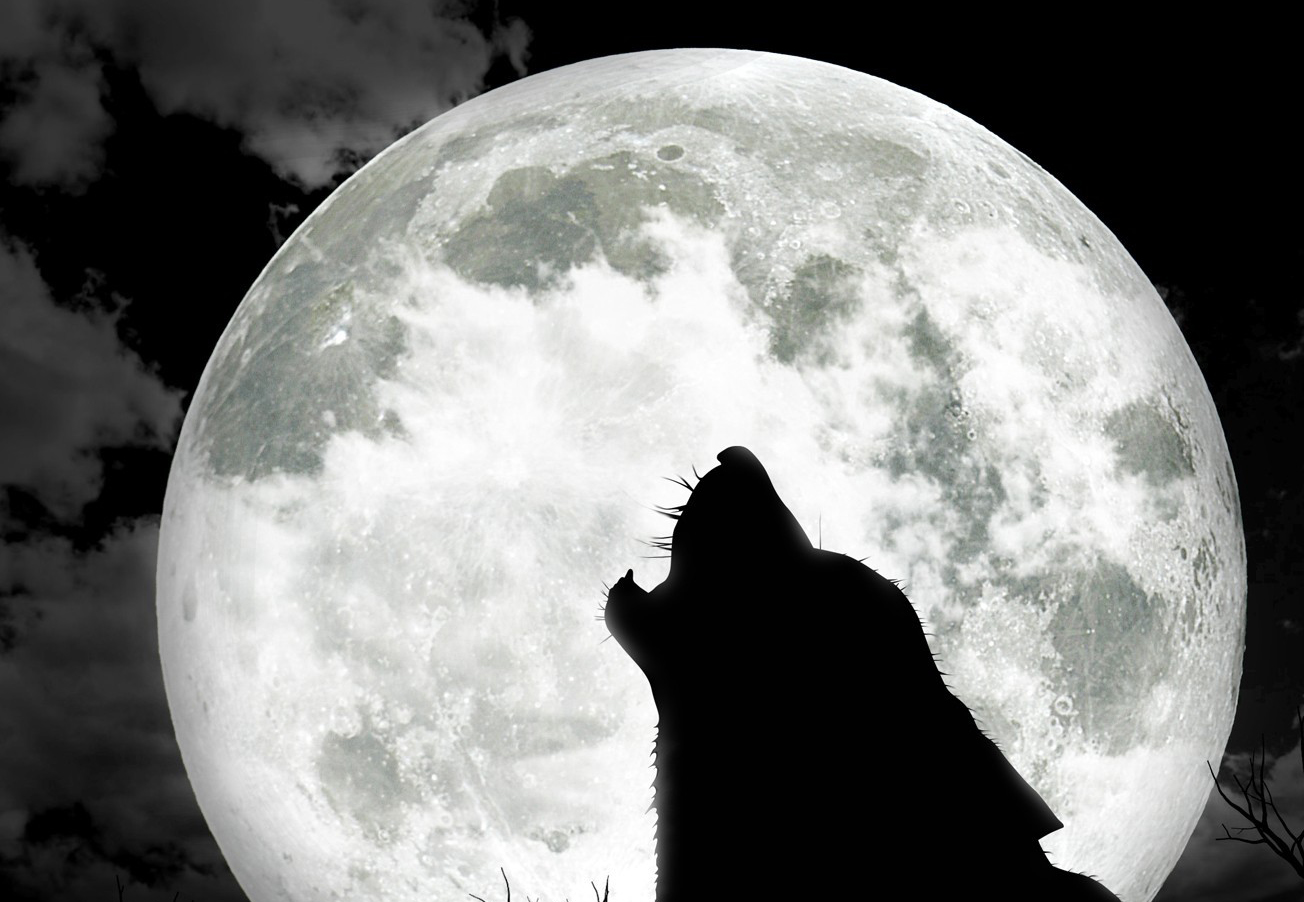
The story about Mount Gabriel that most captures my imagination is the suggestion that the last Wolves in Ireland inhabited the rocky landscape there back in the eighteenth century (although it’s true that several other places make the same claim). Until that time Wolves were commonly seen in the wilder parts of the land and feature in local stories and folklore. Interestingly they were often portrayed in a positive way and were sometimes companions of the saints. There are very few records of Wolves having maimed or killed humans, yet in 1653 the Cromwellian government placed a bounty on them – 5 pounds for a male Wolf, and 6 pounds for a female: worthwhile prize money in those days. This encouraged professional hunters and, coupled with the dwindling forest habitats, the fate of the animal was sealed.

grey wolf

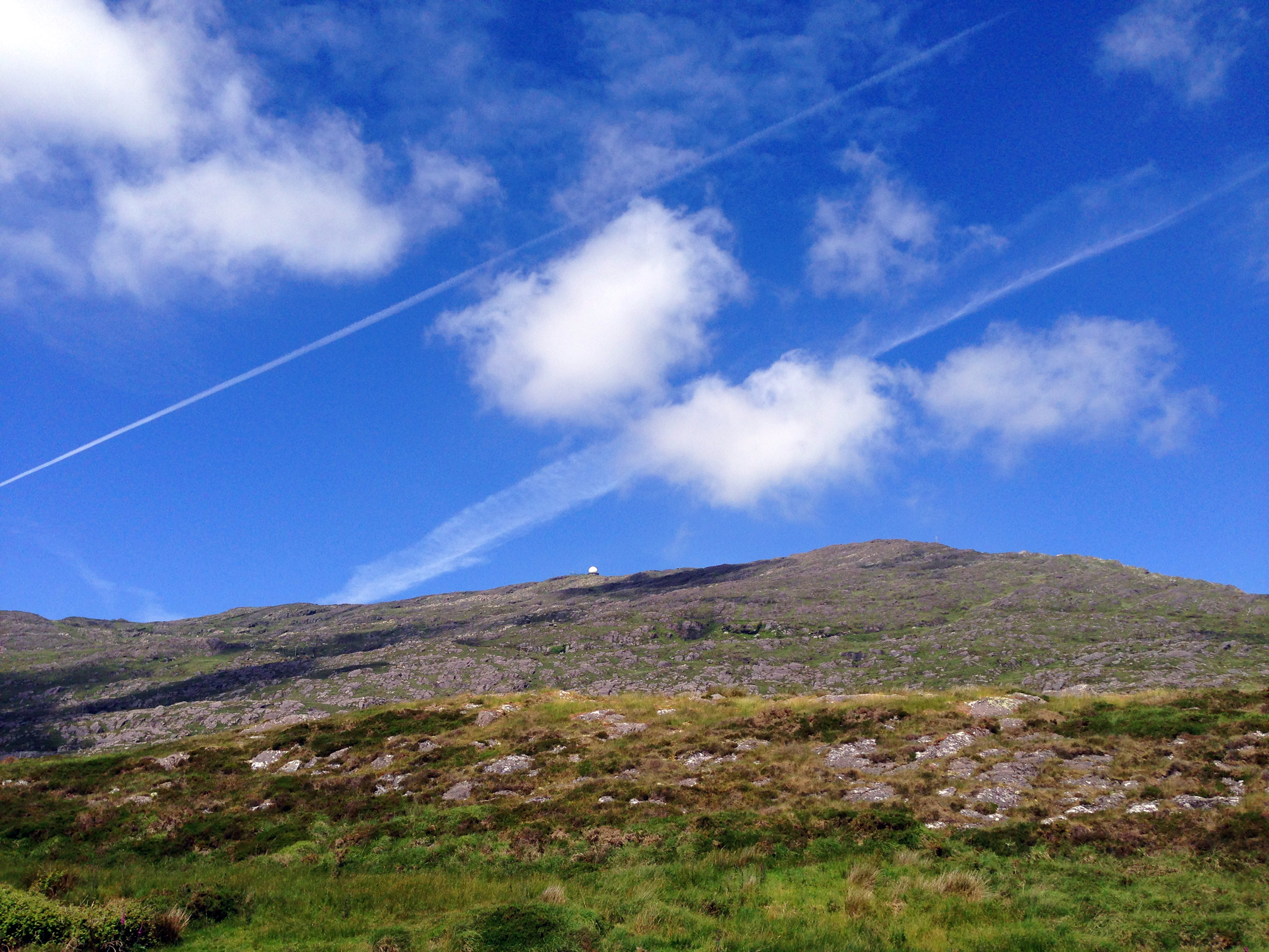
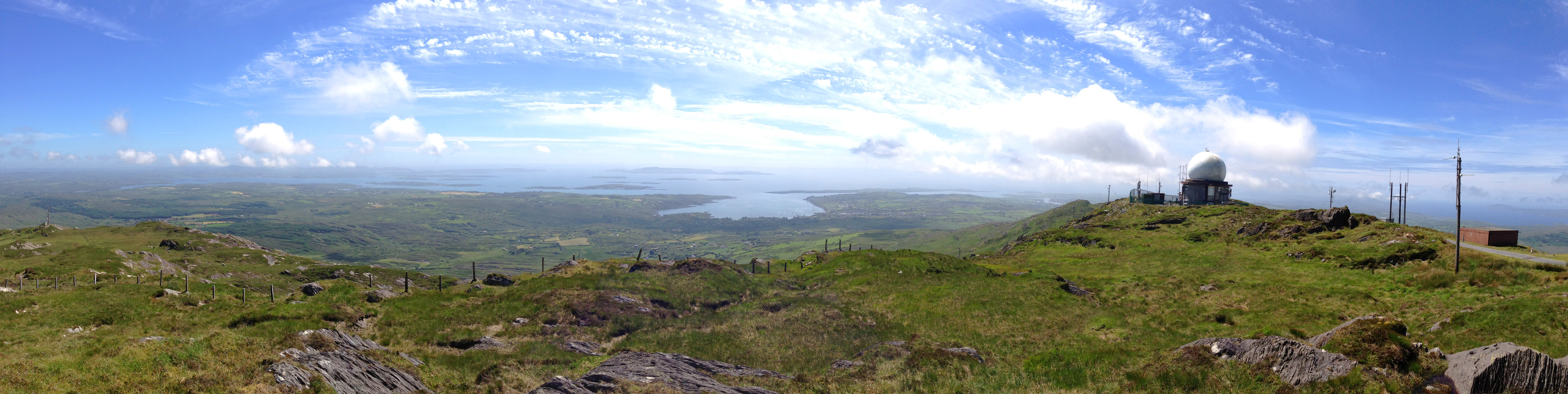
Mount Gabriel today is relatively benign, although it still has its remoter parts. The Irish Aviation Authority has kindly provided a road up to the summit, where sit the distinctive ‘golf ball’ radar domes and aerials of an Air Traffic Control installation. From these heights we can see Rossbrin Cove, Ballydehob, Schull and all the islands of Roaringwater Bay set out in a magnificent panorama – on a clear day.

iaa

Aerials and view to the north

Aerials and view to the north

Modern events have affected the mountain: a German plane crashed here in 1942, and in 1982 the Irish National Liberation Army bombed the radar station, believing that it was providing assistance to the North Atlantic Treaty Organisation, allegedly in violation of Irish neutrality.

IMG_3573

For us the mountain is a landmark and, like most of our view, its profile changes with the weather on a daily – perhaps hourly basis. As a repository of archaeology, human history, lore and nature Gabriel provides a rich resource.

Gabriel

Gabriel

A Little Adventure

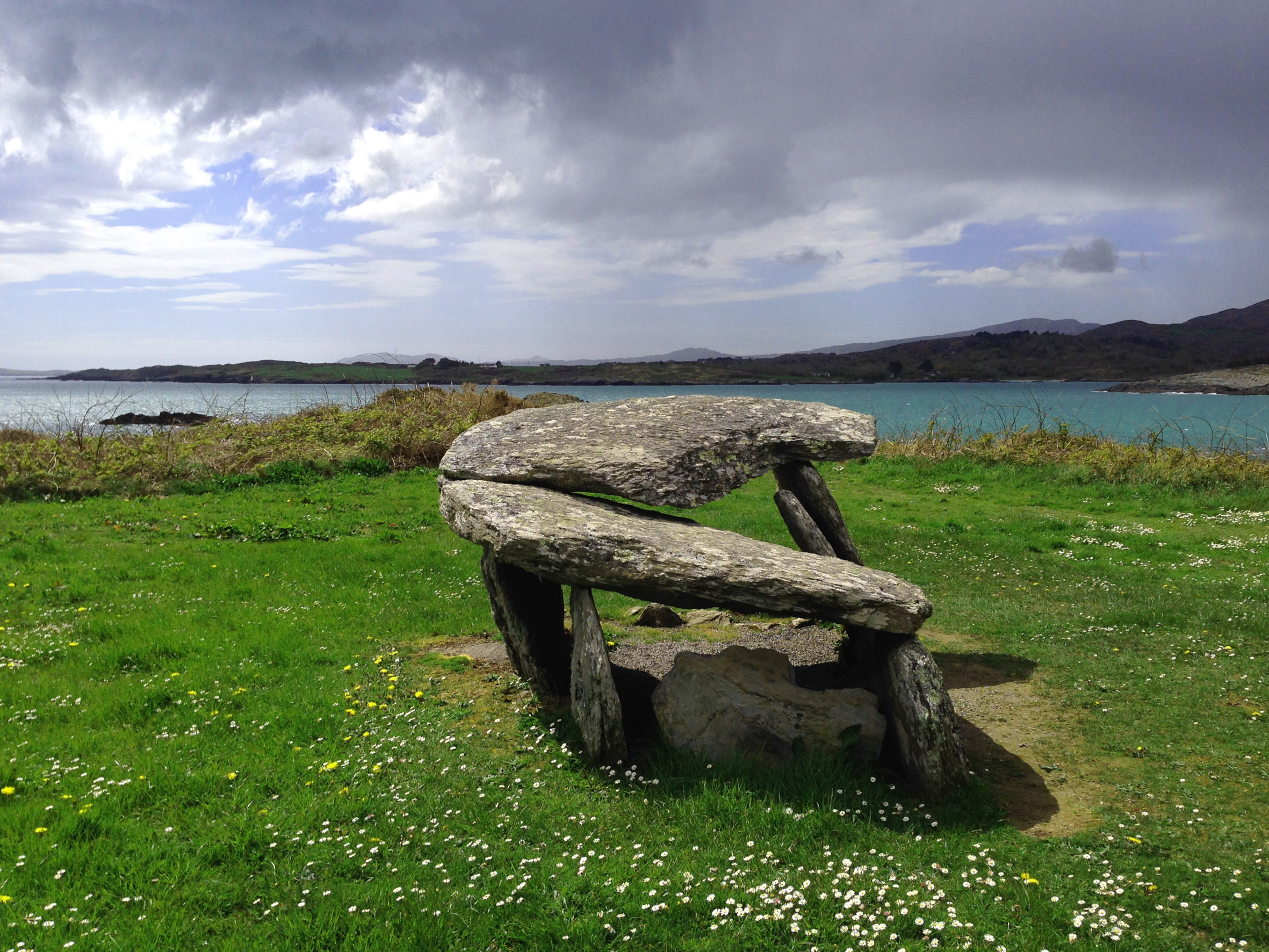
Arderrawiddy a Portal Tomb

Aderrawinny – a Portal Tomb

The landscape of West Cork is so densely populated with archaeology and historical sites that it will be a lifetime’s work to visit every one. Whenever the sun shines – and often when it doesn’t – we are out exploring. A great resource for us is the Archaeological Survey Database, set up by the National Monuments Service of Ireland. This lists and describes every site in the Republic which has been recorded to date – and it is expanding all the time. I have to say that the way it works in practice is slightly clumsy: you have to know which County and which Townland you are searching in, but once you have got your head around it it is fairly straightforward to locate a record. One of the really good things about it is that you can see the position of each record laid over the modern Ordnance Survey mapping of Ireland, or historic 6″ and 25″ maps – and even over satellite views of the terrain: all this makes locating the sites relatively easy, although it doesn’t help overcome bogs, barbed wire fences and seemingly impenetrable undergrowth.

Prehistoric Landscape West of Schull

Prehistoric Landscape West of Schull

We have been researching Megalithic tombs, and there are many of these on the Mizen Peninsula. On Sunday last we compiled a list from the Survey Database, donned our boots, filled up our flasks and went out to tackle the wild unknown…

View from Arderrawiddy

View from Aderrawinny

Our first stop was in the townland of Aderrawinny – a Portal Tomb. The site is shown north of the Schull to Goleen road, up in a rocky hillside. In spite of having looked carefully at the maps it wasn’t easy to locate precisely, but I find you begin to get an instinct about these things and we headed off expectantly across boggy land and through painful patches of gorse and bramble, pausing frequently to examine every outcrop for undiscovered Rock Art. Eventually our travails were rewarded when we crested a low ridge and found ourselves looking down on a lonely construction created perhaps 5,000 years ago. It’s a humbling experience to think of the history which has befallen our ancestors during those millennia: through it all this little monument to humanity has survived with little change, eternally pointing its entrance to the movements of the sun and having always in its sight the distant blue waters of Toormore Bay. The landscape, also, has changed so little, apart from the minor interventions of agriculture. This is what makes the west of Ireland such a special place – for me, at least.

5,000 year old Monument

5,000 year old Monument

We travelled on, passing by the well known and well signposted Altar Tomb, a Wedge Tomb which is constructed so that the setting sun around Samhain (November) is aligned with a holy peak at the far end of the Mizen.

Altar Wedge Tomb: Sacred Orientation

Altar Wedge Tomb: Sacred Orientation

We found another Wedge Tomb near Goleen: this has been ‘domesticated’ because somebody’s garden is built around it: it has to share its presence with chicken runs and a wheelbarrow.

Back Yard Wedge Tomb

Back Yard Wedge Tomb

Lastly, we searched out another type of tomb: a Boulder Burial. This lies almost drowned in a salt marsh near Dunmanus. Since the time of its construction water levels are reckoned to have risen by up to two metres. It reposes like some great amphibian reptile on a watery bed, as dramatic in its own way as any of the other Megaliths.

Drowning Monument: Boulder Burial at Dunmanus

Drowning Monument: Boulder Burial at Dunmanus

These hillsides, mountains and monuments will outlive humankind. Interesting to ponder whether something we have created in our own lifetime could still be around and – for all we know – still performing its original function in 5,000 years’ time…


News from The Pale

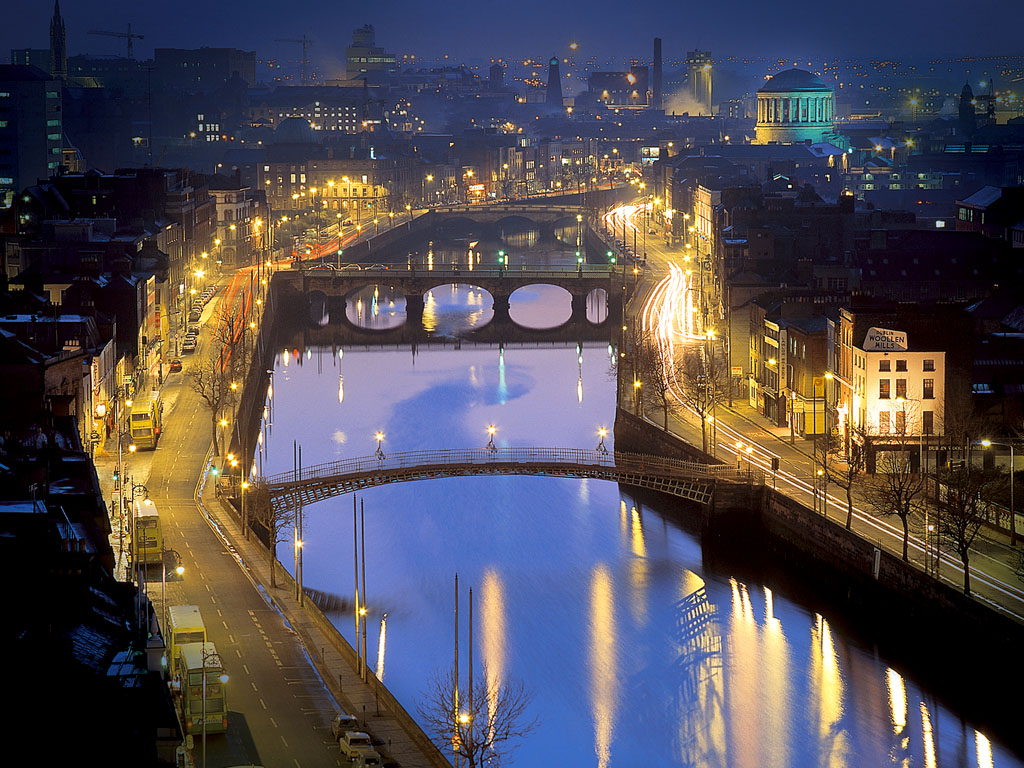
The European City of Dublin

The European City of Dublin

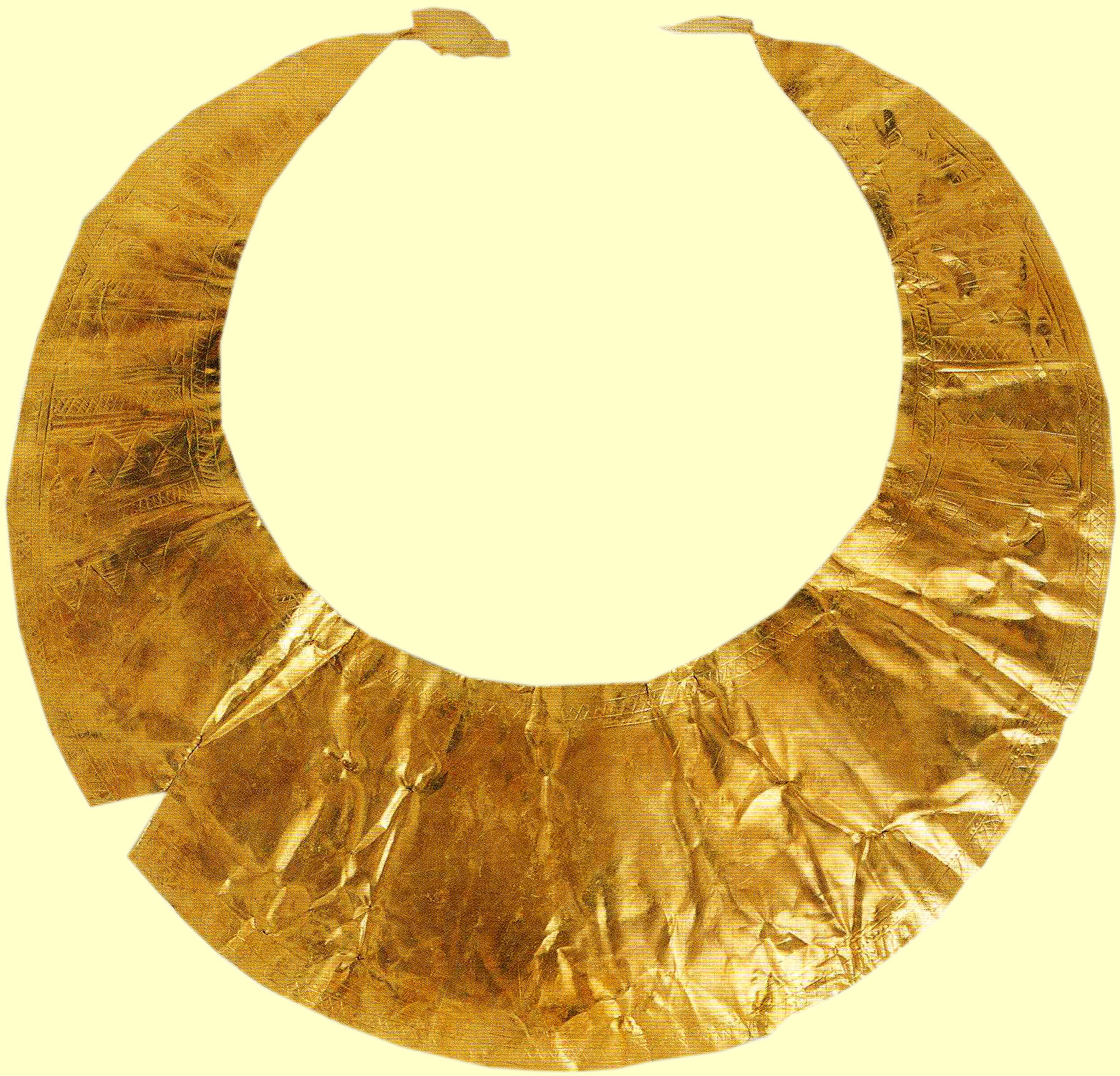
We are in  Dublin for a few days. Some of you will remember my piece on the expression Beyond the Pale: now I can report from The Pale itself. In some ways Dublin is quite like any other capital city in the world – it has its shops and shows – but in others it is unmistakably Irish. The National Museum, for example, has one of the greatest collection of Bronze Age artefacts anywhere – and some Rock Art

Gold Lunula from County Kerry - a 4,500 year old artefact in the National Museum

Gold Lunula from County Kerry – a 4,500 year old artefact in the National Museum

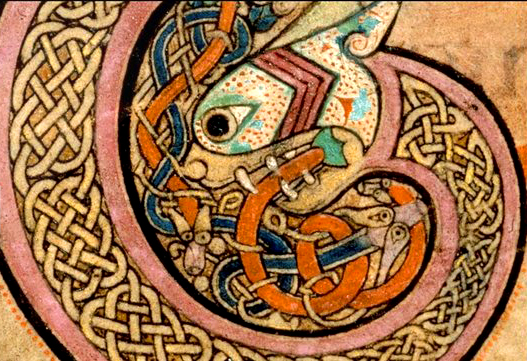
…while Trinity College Library, Dublin, is the home of the Book of Kells – an equally impressive medieval treasure. This unfinished manuscript dates possibly from the eighth century and tradition has it that it could have been begun by St Columba himself and that it was worked on for at least three centuries.

kells

The Book of Kells

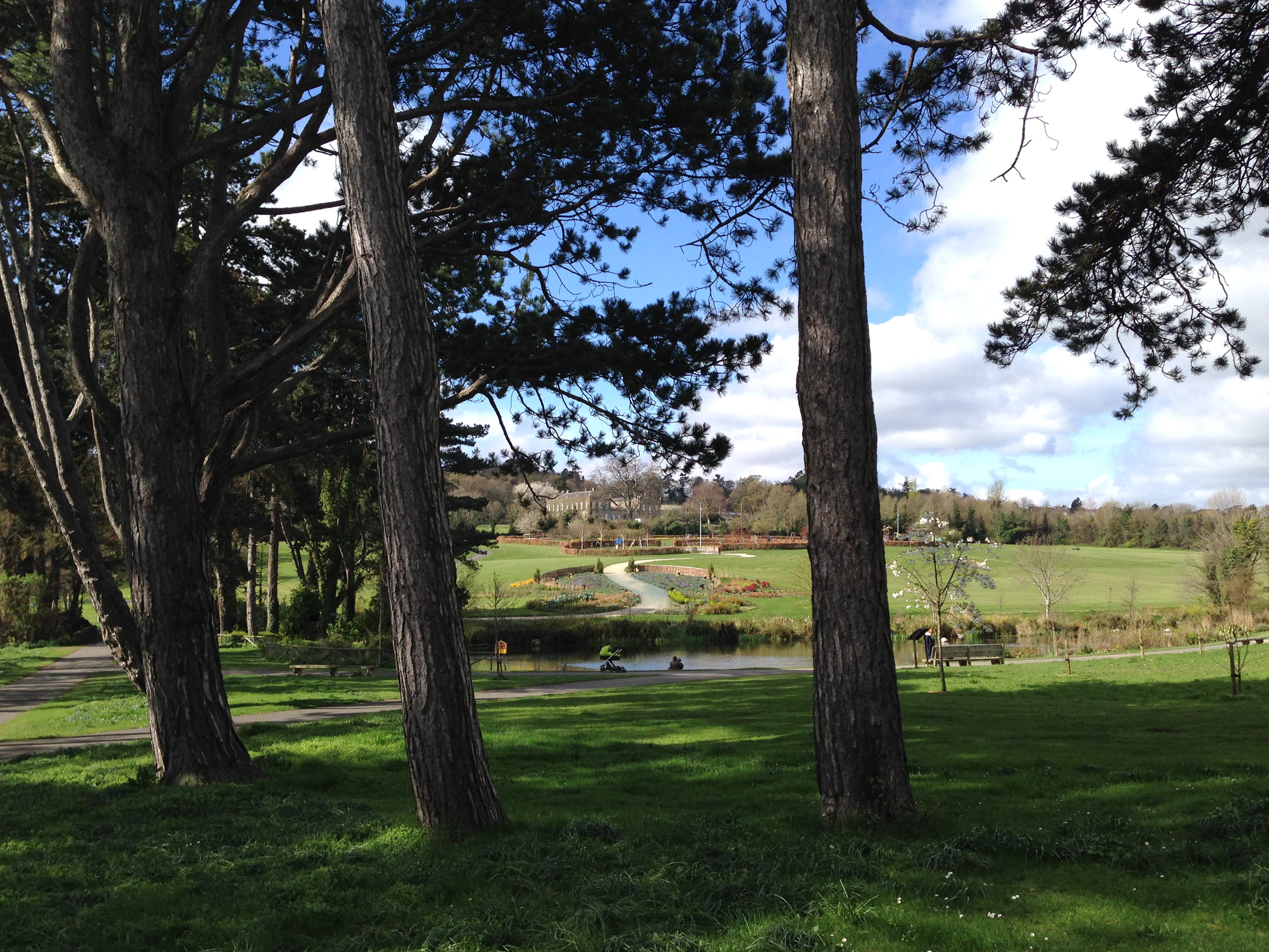
Away from the centre of things we discovered a little gem: Cabinteely Park. This publicly accessible amenity spans 45 hectares and provides city dwellers with walks, woodland, playground and cafe. It was once the estate of the Earls of Clare and now belongs to the local council. The ‘big house’ itself still stands and is undergoing slow restoration. The park is within minutes of where we are staying, and provides us with evening walks in the sunshine – and breakfast treats.
City Amenity: Cabinteely Park

City Amenity: Cabinteely Park

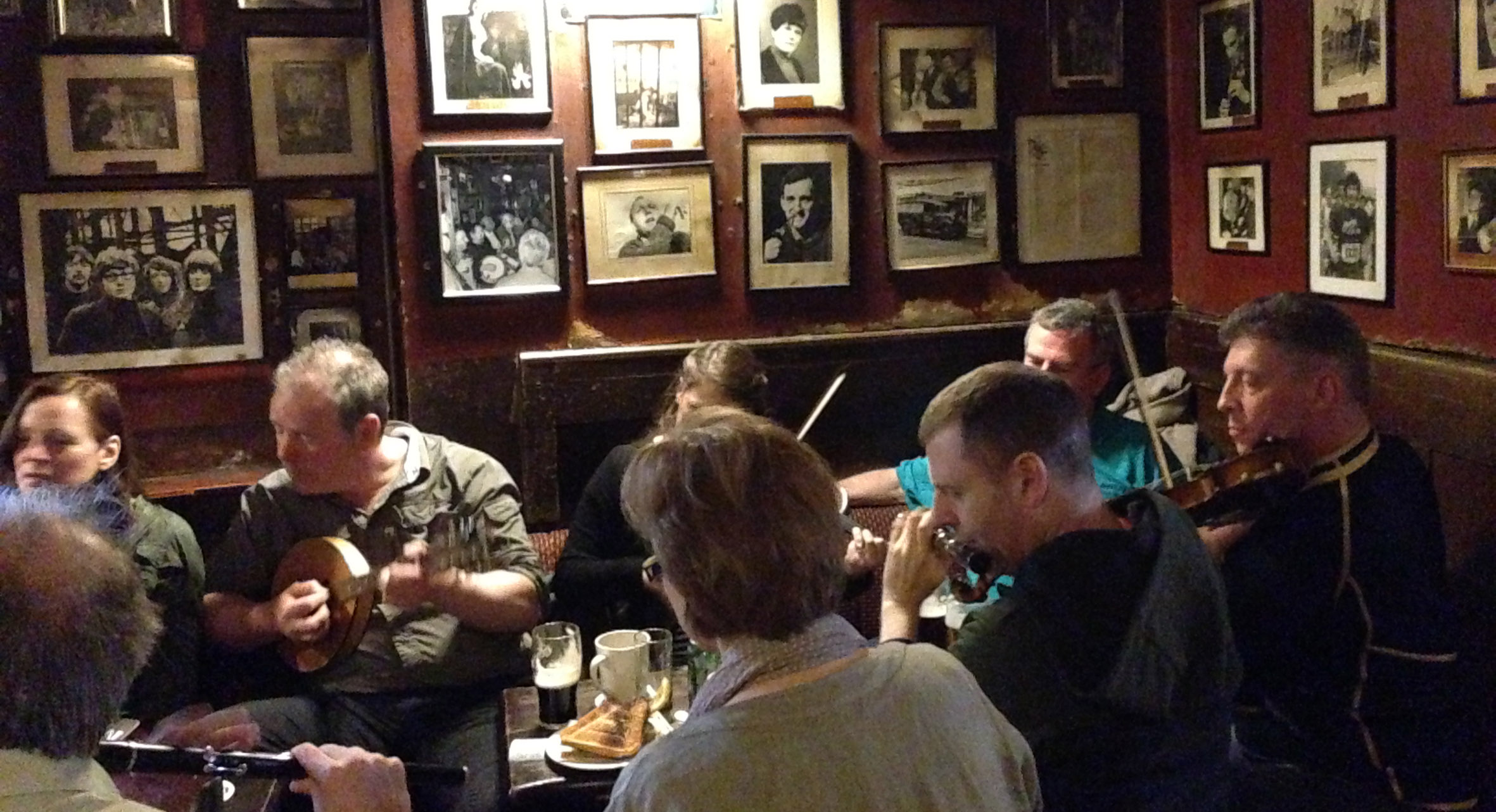
Being an Irish city, the music sessions are good. We went to O’Donoghue’s pub on Friday lunchtime and found 18 musicians gathered: fiddles, concertinas, flutes – and even a bagpipes played by a Scottish visitor.

Trad Session at O'Donoghue's

Trad Session at O’Donoghue’s

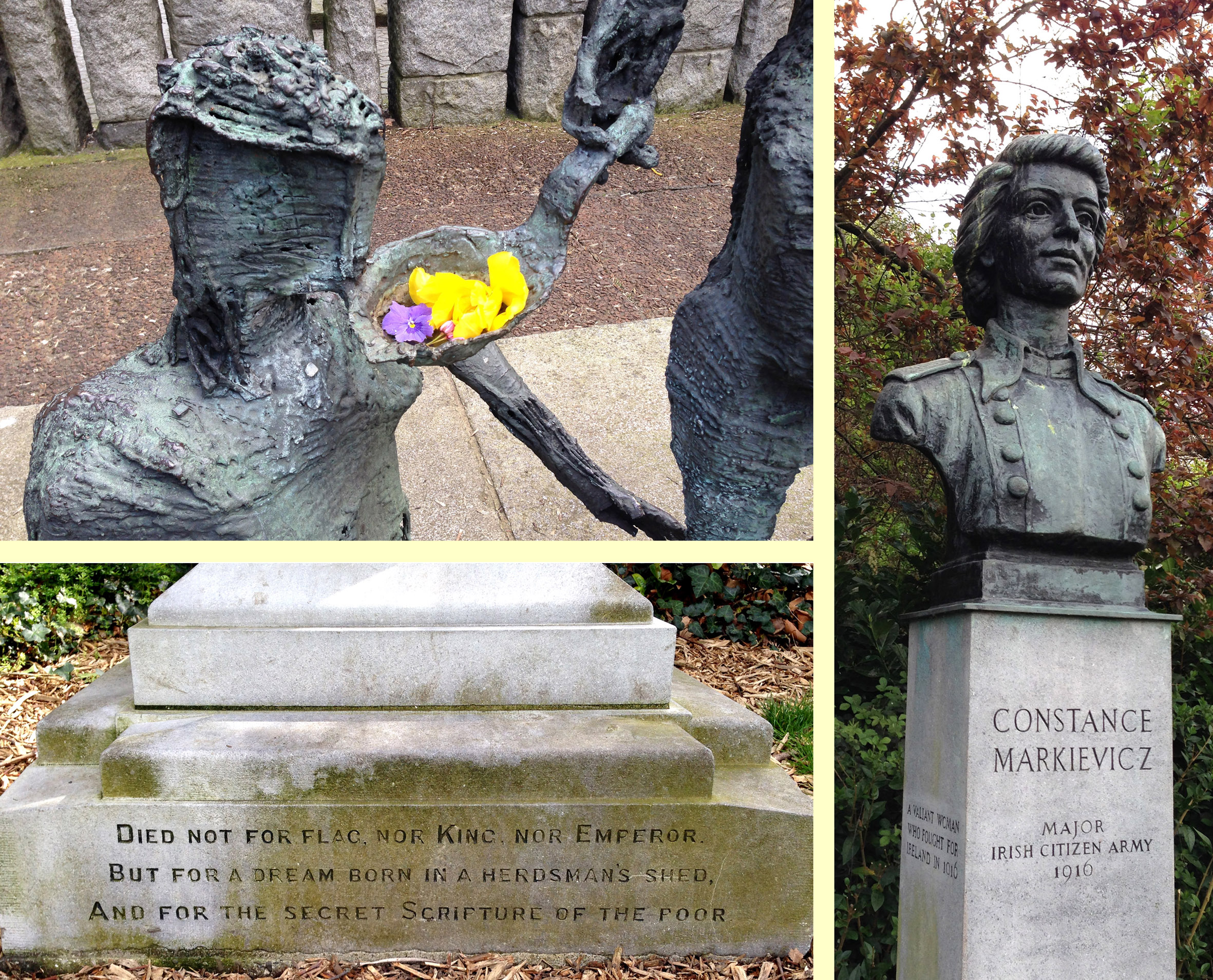
In the heart of Dublin City is St Stephen’s Green – which presents a collection  of statues of various Irish figures who are known to the world through the arts: Oscar Wilde, W B Yeats, James Joyce et al, but also nationalists who fought for the cause of Irish independence.

Remembering Irish History in St Stepen's Green

Remembering Irish History in St Stephen’s Green

At present the media is full of the state visit of the President of Ireland to Britain: it can only be a good thing that the two nations should become closer, and it’s great to hear the pretty universal enthusiasm for it from this side of the Irish Sea. So while this new era of better relations is taking off, I am dismayed to read of the rise of nationalistic right wing politics in Britain itself: could these lunatic press-inspired extremists really derail Britain’s place in the European Union? Will common sense ultimately prevail? I can only look on from the shores of a very firmly European country and hope.

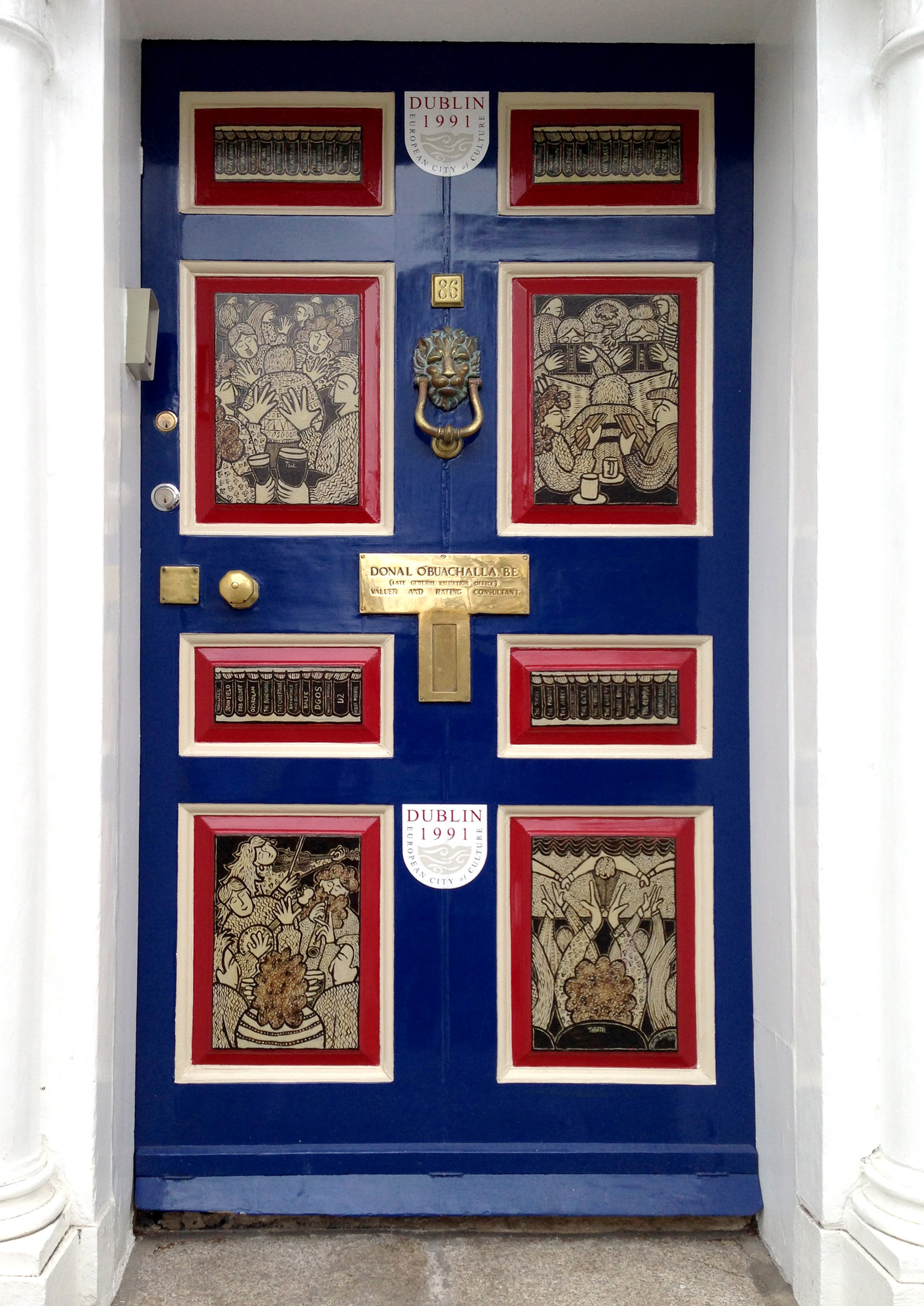
Dublin Doorway

Dublin Doorway


Diving for Petroglyphs

Finola unravels the mysteries of Rock Art

Finola unravels the mysteries of Rock Art at Knockdrum

Our friends Chris and Gill from Devon are staying with us at the moment, so we took them on the mandatory Rock Art tour: be warned, anyone who comes to see us…

The Rock of the Rings at Ballybane West

The Rock of the Rings at Ballybane West

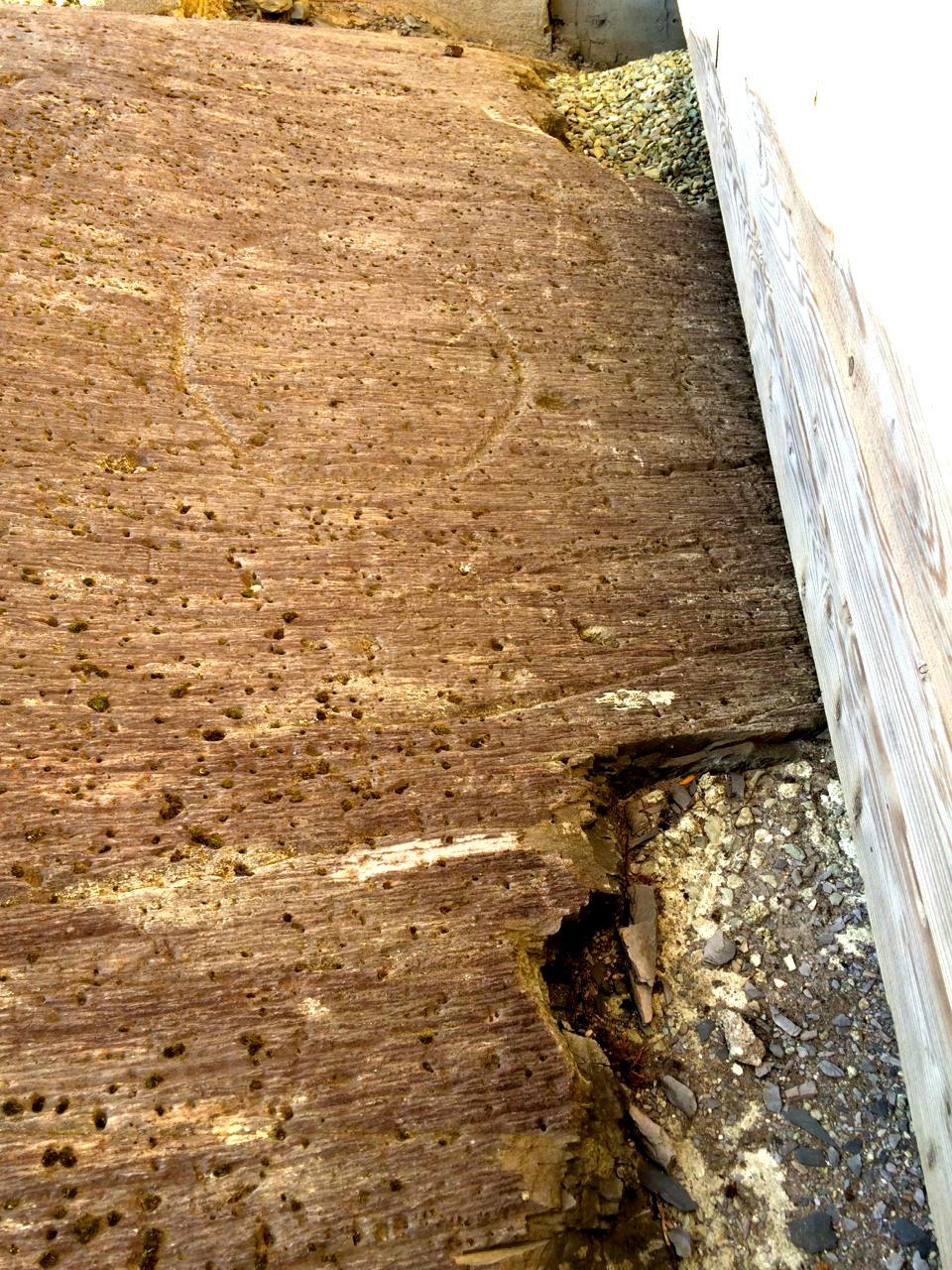
Visible signs of newly discovered Rock Art

Visible signs of newly discovered Rock Art: note the building on the right

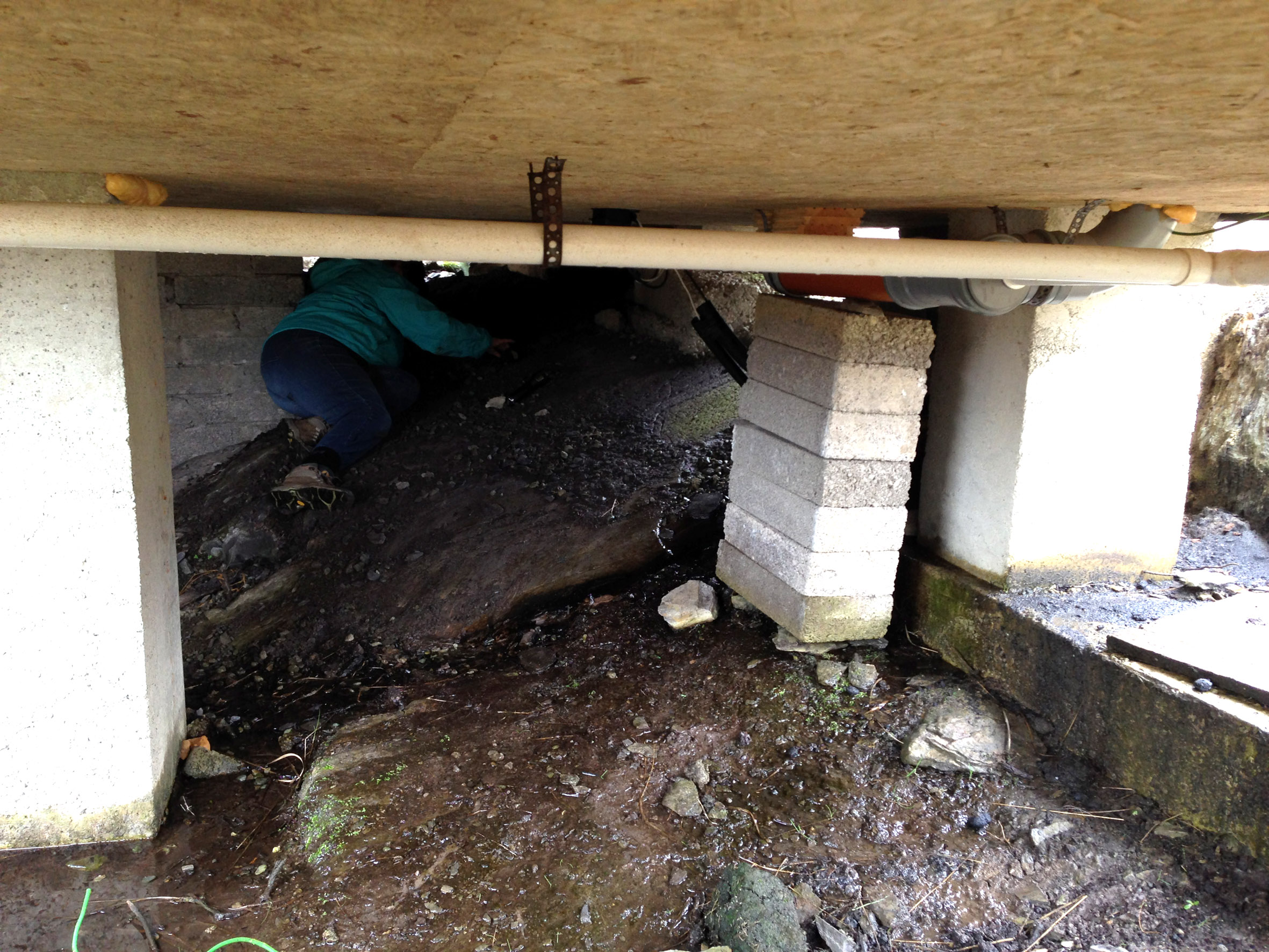
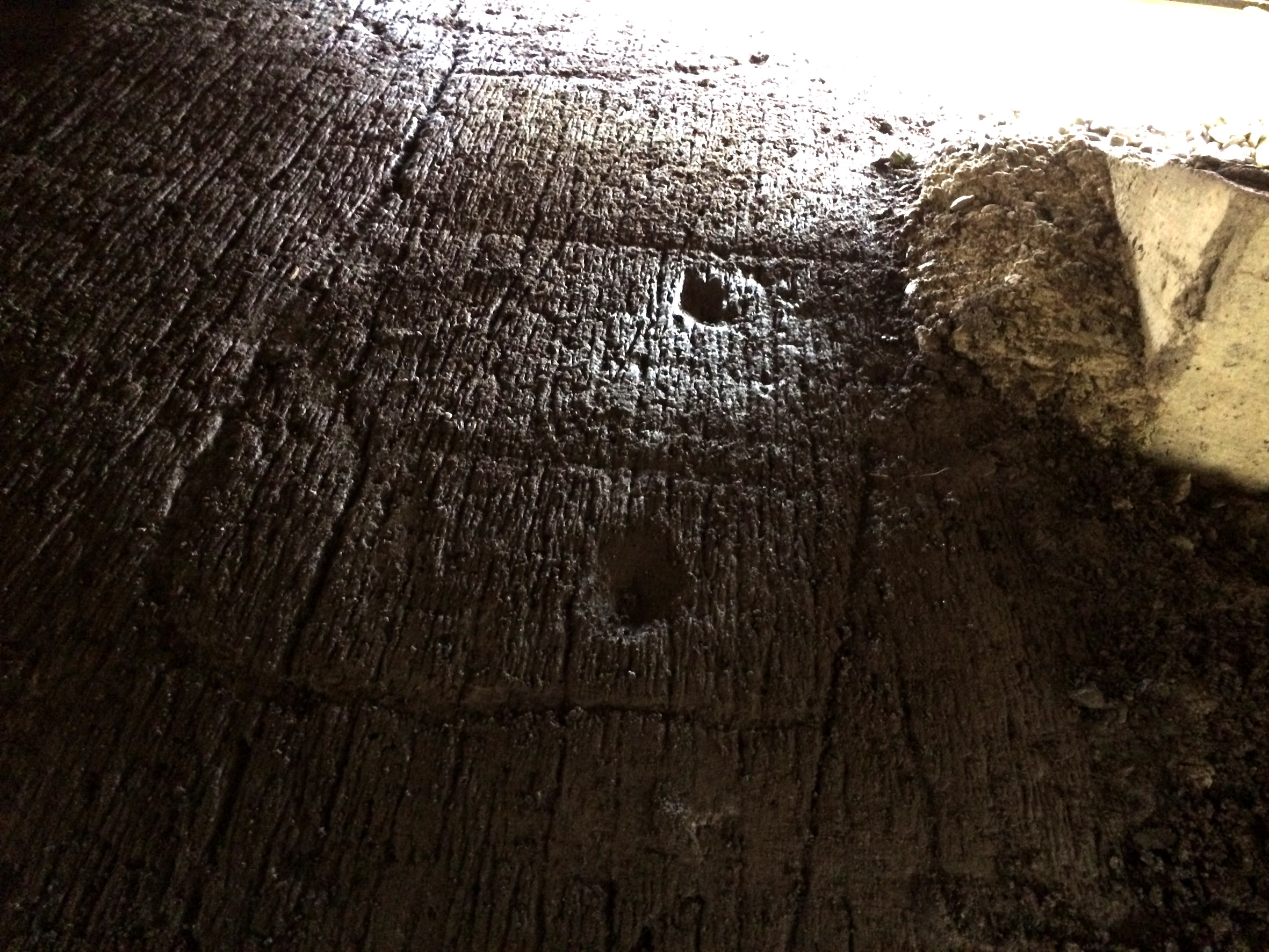
There have been rumours of a new discovery in the Ballybane West area – not far from the Rock of the Rings and the piece on Danny and Gill’s land (and within spitting distance of the Derreennaclogh find), so we set out to track it down. And discover it we did: a distinct but unexciting single ring, right beside a newly built timber studio in someone’s garden. For me this was all fine and neat and tidy: we measured and photographed it and I was ready to move on to the next location without any loss of dignity. Finola, however, was like a dog with a bone – you’ve heard of Truffle Hounds: Finola is like a Petroglyph Hound with a bone – she won’t let it go. She was convinced there was more of the Rock Art – underneath the building! Of course not, said I, uncomfortably eyeing the very small space between the timber framed walls and the muddy wet rock underneath. But too late! Within seconds all you could see were Finola’s feet sticking out from the foundations and muffled shouts of enthusiasm from some deep and murky place. I gingerly stuck a few fingers in the crevice and quickly realised that I have always suffered badly from claustrophobia. Chris, however,  smartly and snazzily dressed as always in something totally unsuitable for pot-holing was away down there in no time, and we soon heard calls for torches, paper and measuring tape.

Finola goes underground

Finola goes underground

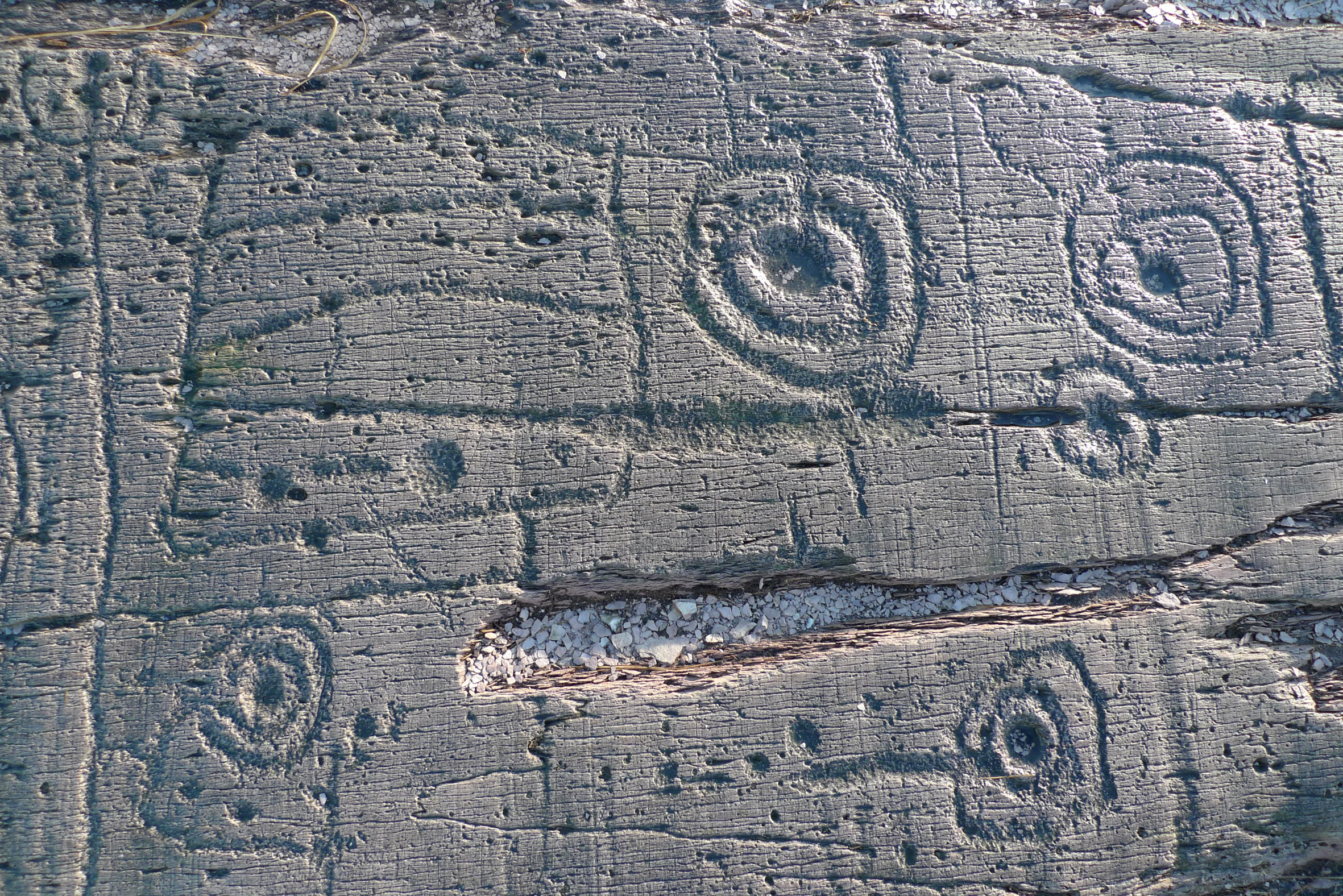
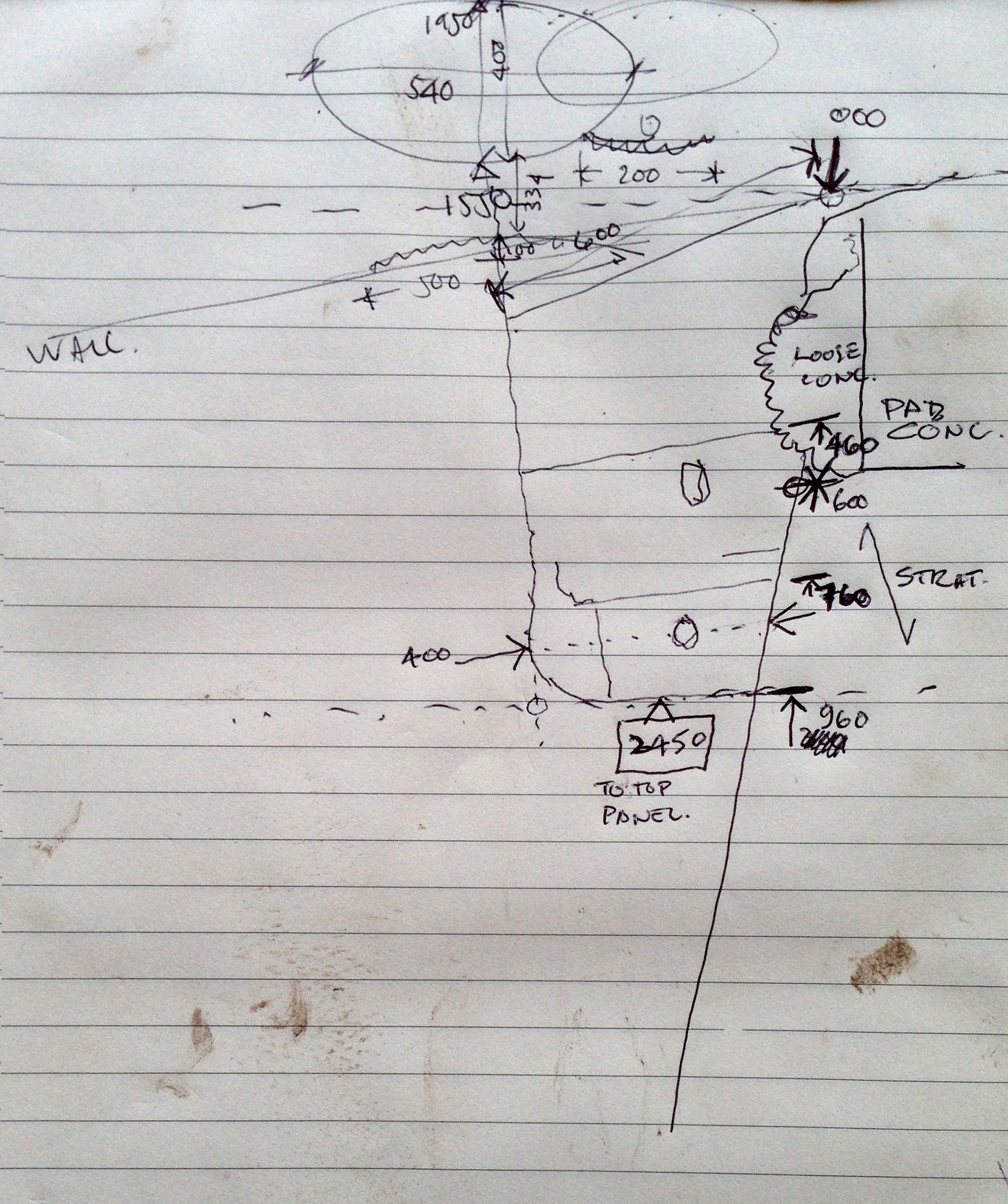
We will have to go back another time to somehow accurately measure and record this example, but Finola and Chris emerged mud-encrusted but triumphant with some photographs and sketches of another unusual panel containing circles, rectangles and cup-marks. These are very much in the style of the panels at Derreennaclogh and Ballybane West, themselves atypical of the more usual cups and circles which show a pattern of Bronze Age carving extending through the Atlantic seaboard from Scotland, Britain, Ireland to the Iberian coast, and pose so many questions on the culture and communications of those times.

The find: a piece of carving with similarities to motifs seen at Derreennaclogh (below)

The find: a piece of carving with similarities to motifs seen at Derreennaclogh (below)

derreennacloghBut this discovery does highlight the vulnerability of Rock Art – perhaps the ‘poor relation’ of archaeology in Ireland. Examples can go unnoticed (as in this case), can become overgrown, and can be so easily damaged or obliterated by weather or human intervention. They can also be underwhelmingly low key: a few circles or marks faintly visible on a rock surface. Farming practices are changing, and the transformation of rocky rough land into ‘pasture’ through grants which encourage large scale rock-breaking is a great potential threat to examples of petroglyphs which have only a paper protection through being listed on the Archaeological Survey of Ireland. As yet, we are unsure of how we can best look after this heritage: this is clearly an area of discussion for the future.

Trophy: Chris produced a valuable sketch of the 'hidden' motifs

Trophy: Chris produced a valuable sketch of the ‘hidden’ motifs