Raw Material

The art of building: West Cork Arts Centre on opening day

The art of building: West Cork Arts Centre on opening day

On the last day of January (traditionally the last day of winter and St Brigid’s Eve) the new West Cork Arts Centre opened its first exhibition in Skibbereen. We have taken a great interest in this building during its construction: the very strong architecture has aroused a lot of negative comment in the community, but now that it is virtually complete the general view of it seems to be mellowing a little. For my pennyworth this bold, modern insertion into the townscape has provided Skibbereen with a new visual focus and with great potential for a successful future.
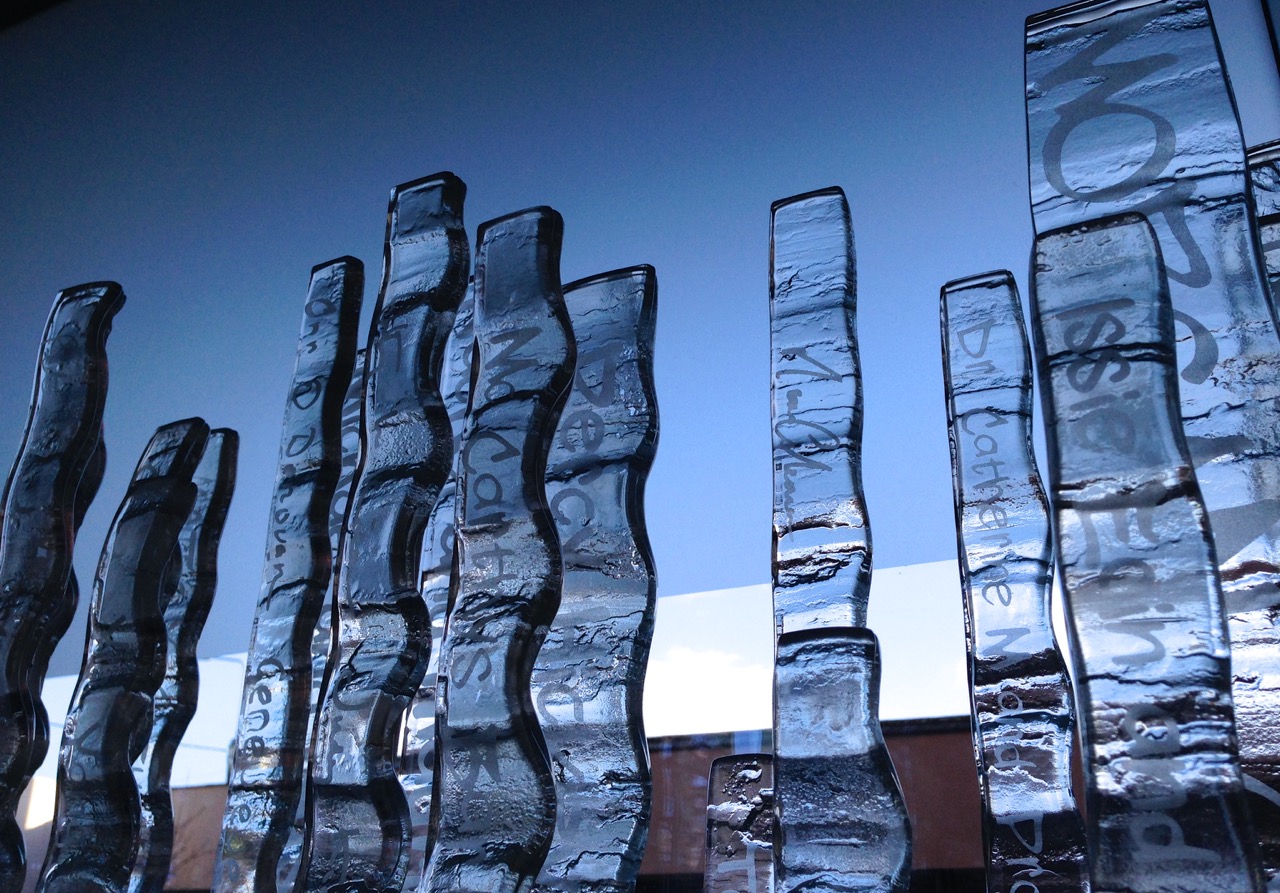
A specially commissioned glass sculpture by Michael Ray graces the entrance hall, and incorporates the names of sponsors of the building

A specially commissioned glass sculpture by Michael Ray graces the entrance hall, and incorporates the signatures of sponsors of the building

The name of this new building is Uillinn – it means ‘elbow’, a reference to the angled plan of the building and its cantilevered location over a bend in the Caol Stream that snakes through the town’s back yard. Dublin based Architects Donaghy and Dimond won the international design competition in 2009: have a look at their plans for the building here.

One of the exhibits is titled ‘Flying Colours’ and is a project by the West Cork Education Centre in collaboration with local Primary School children: stairways and circulation spaces in the new centre are alive with colour and creativity. How wonderful that these children can feel they have played such a significant part in this new venture.
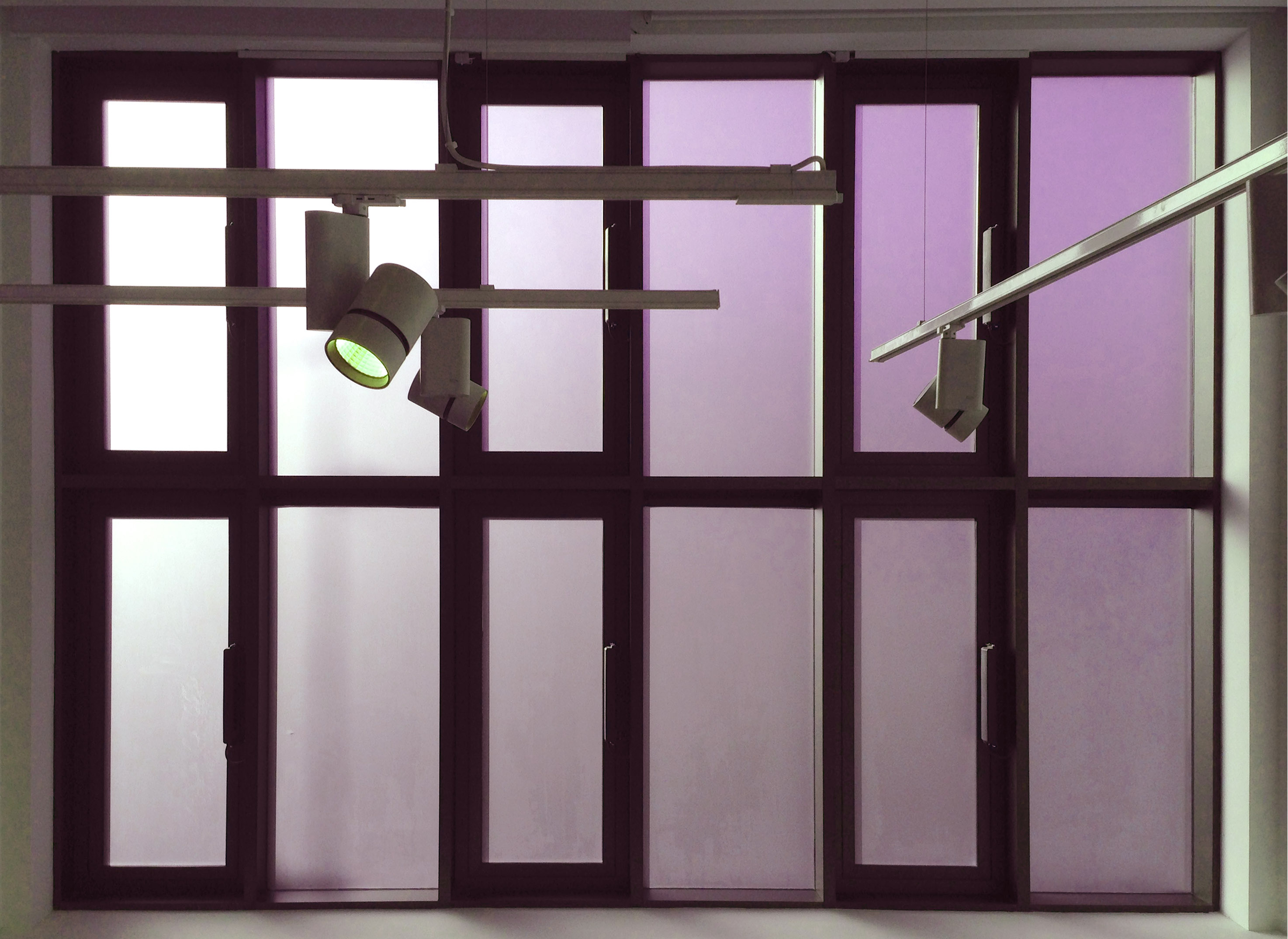
The fabric of the building is lively and well considered

The fabric of the building is lively and well considered

This building simmers with potential: the gallery spaces and facilities are impressive and architectural elements are well detailed. Skibbereen has been given a high quality civic building that will last for generations: it’s now got to be used creatively.
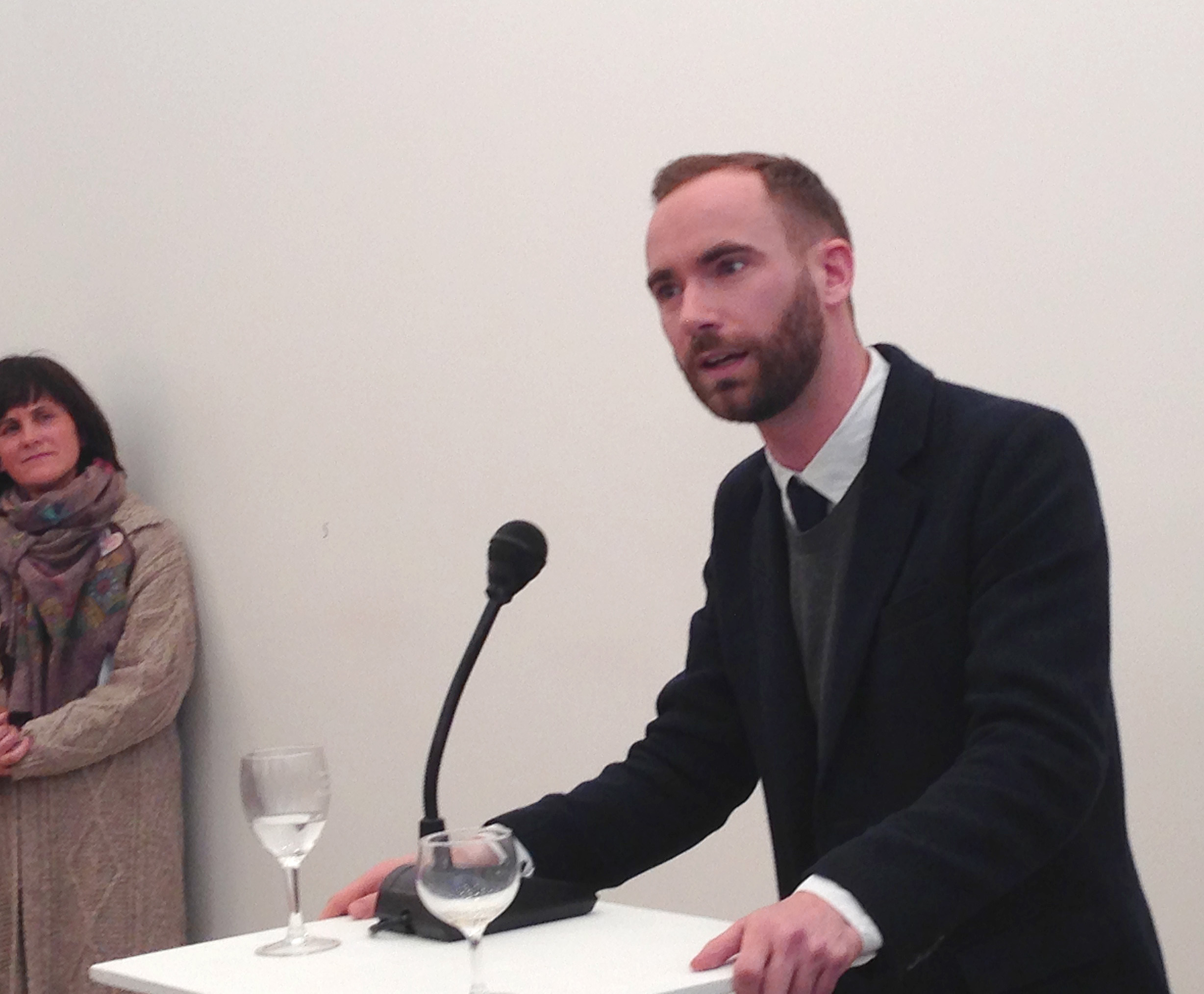
Sam Thorne

Sam Thorne

It’s no coincidence that one of the speaking guests at the opening was Sam Thorne, artistic director of the Tate St Ives Gallery in Cornwall. Comparison between West Cornwall and West Cork is inevitable: both regions have a history of attracting artists because of the very particular light that comes from close proximity to the Atlantic coastline. Also, artists have been drawn to these places because of enduring lifestyles that are simple, basic and close to nature. Thorne made the perhaps surprising statement that West Cork is home to more artists per capita than both Paris and London.
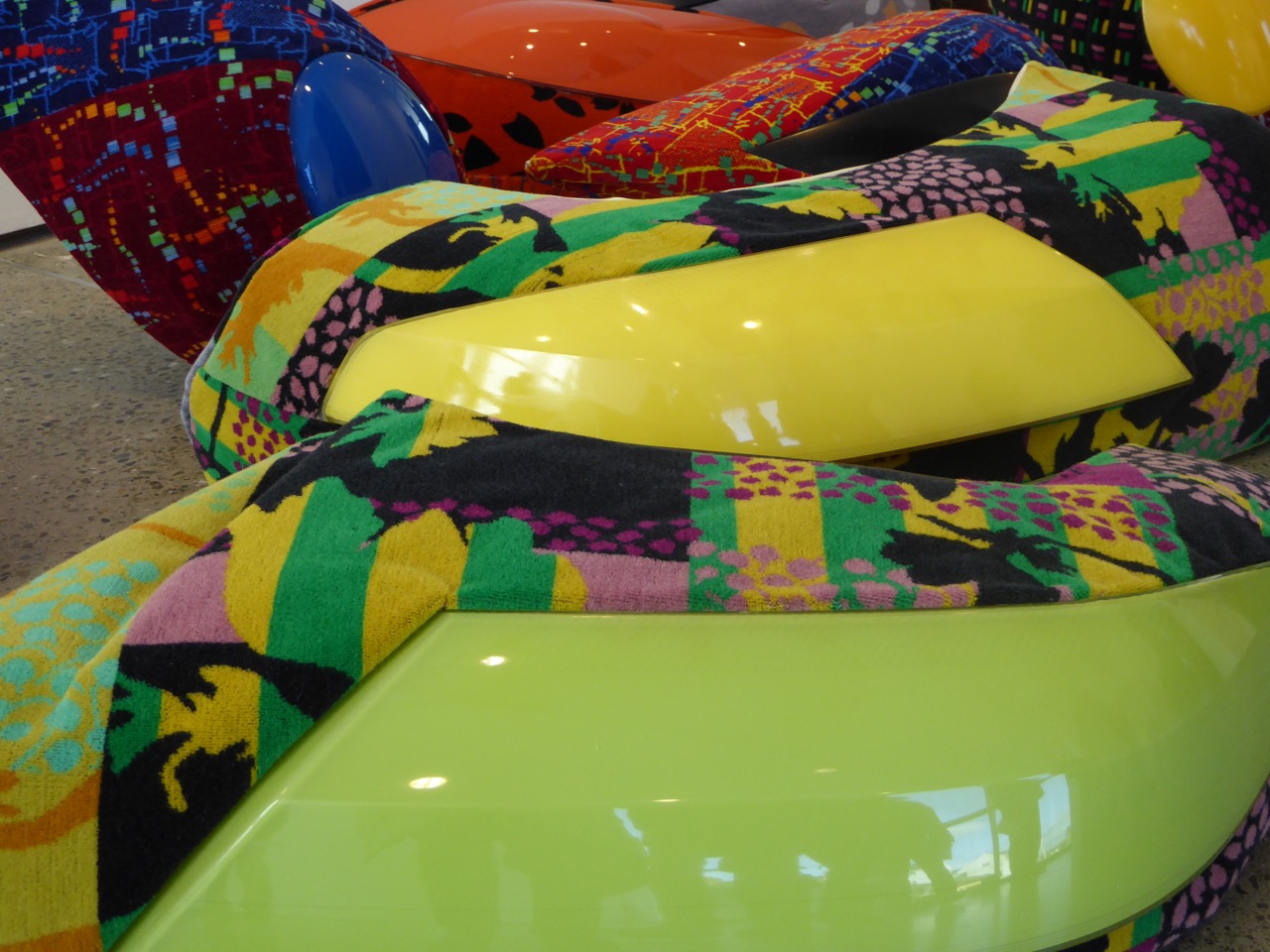
'Blinkers' - Angela Fulcher 2015

‘Blinkers’ – Angela Fulcher 2015

Sam Thorne said that having a community of artists contributes all kinds of different aspects to a region. One of the simple ones is tourism. “That’s been a really important thing in St Ives over the past two decades,” he said. “The gallery contributes £11m (€14.6m) every year to the local economy in St Ives – three times that which was anticipated when the gallery opened… So there’s a very real powerful impact that having artists there, having art there, creates for the community.” He added that the St Ives Gallery now needs to extend its buildings and anticipates over £80m coming into the local coffers over the next few years.
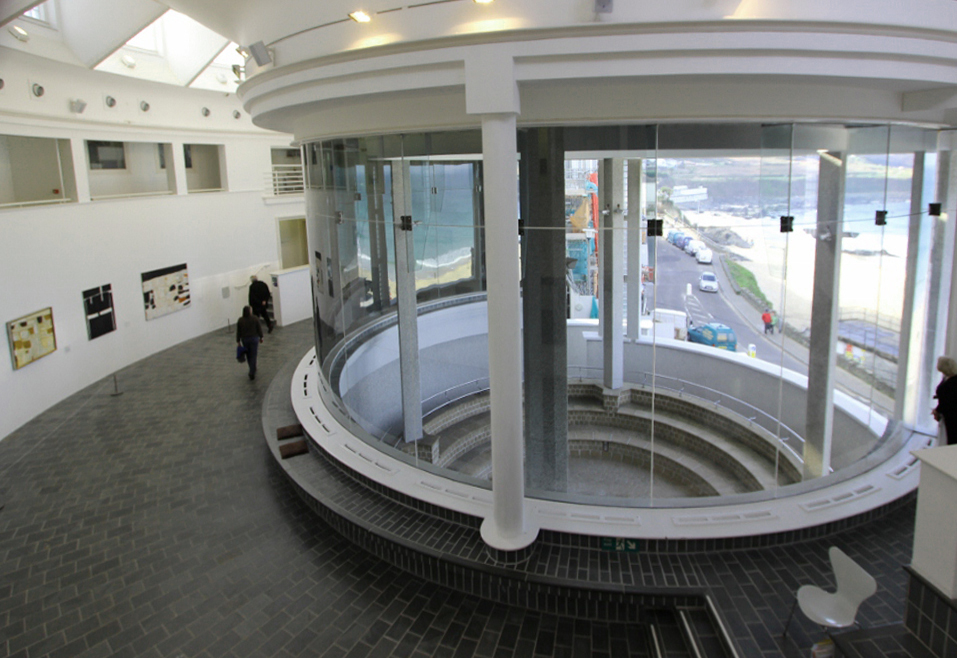
tate

Phenomenal success: the Tate Gallery, St Ives, Cornwall

I spent many years in Cornwall and watched the development of the Tate Gallery in St Ives. It has become a year-round tourist destination: in all seasons – and in all weathers – the streets of the little town are crowded with visitors who are, of course, using the local shops, b + bs and restaurants. It has also created problems: overloaded car parks, strained infrastructure. But surely this is better than closed shops and failing businesses?

Of course, Skibbereen is not St Ives – and our Arts Centre doesn’t have the backing of a body like the Tate, with its enormous resources of historical art. But there are great possibilities nevertheless: Ireland has a wonderful art heritage, much of which is seldom seen outside of the big city galleries. And there are strong links between Irish artists and Britain which could be delved into. Think of the Newlyn School artists – Alexander Stanhope Forbes and Norman Garstin were both Irish; Cornwall was also home to Breon O’Casey and Tony O’Malley. Other artists moved from Cornwall to the west of Ireland, including Nancy Wynne-Jones, Conor Fallon and – mentioned above – Michael Ray.
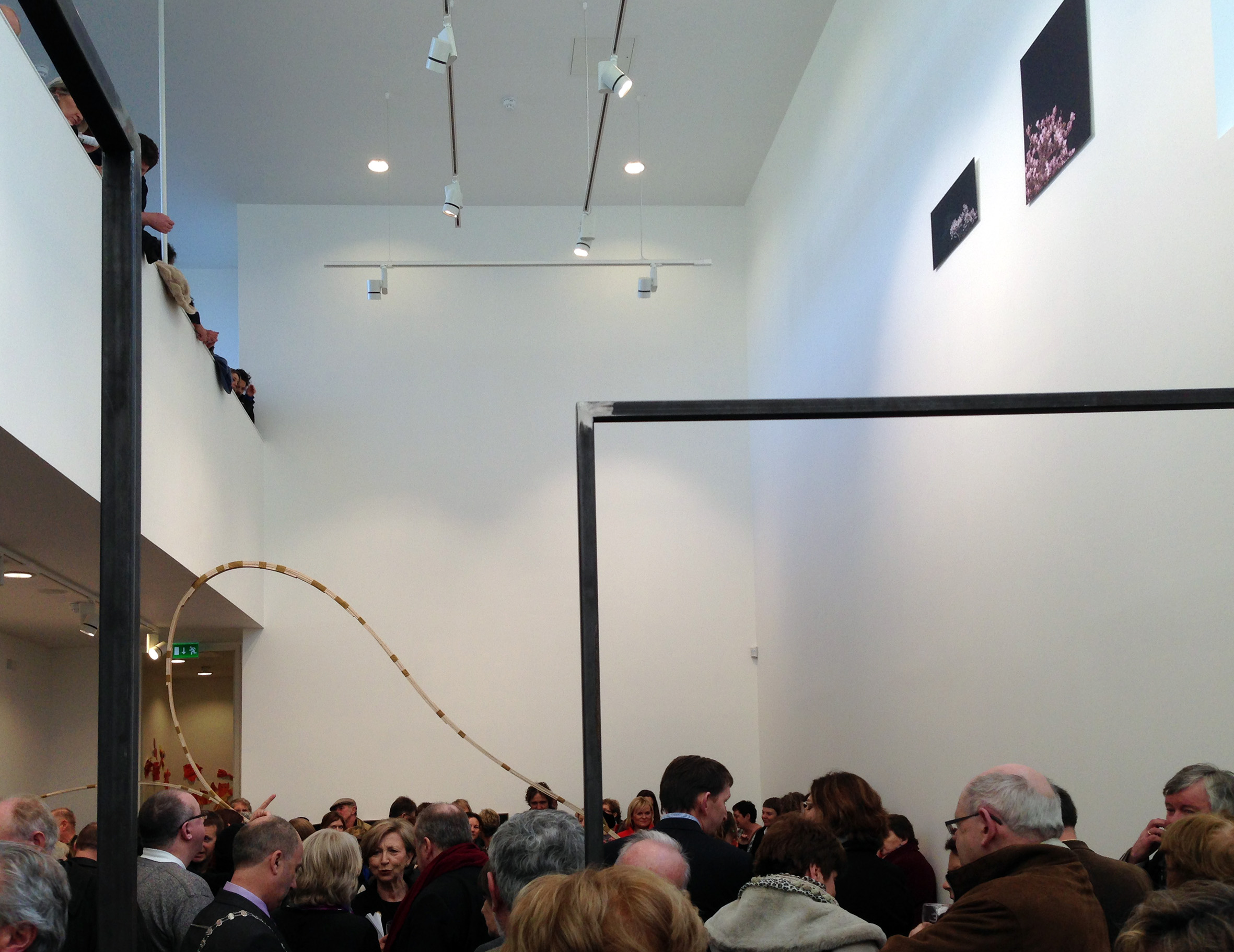
Impressive gallery spaces call for dynamic works

Impressive gallery spaces call for dynamic works

The St Ives Tate works so well because it is able to show the ‘big names’ – but it also encourages young and local artists, whose output often interacts with the historically established works. There is no reason why the Skibbereen centre couldn’t build on similar links: wouldn’t it be wonderful if we could see paintings by the likes of Jack B Yeats, Paul Henry, Sara Purser or Daniel Maclise on our doorstep – complimented, of course, by the very best of home grown talent? The ‘big names’ would be the crowd-pullers – at least initially: these are the building blocks for forging a lasting reputation.
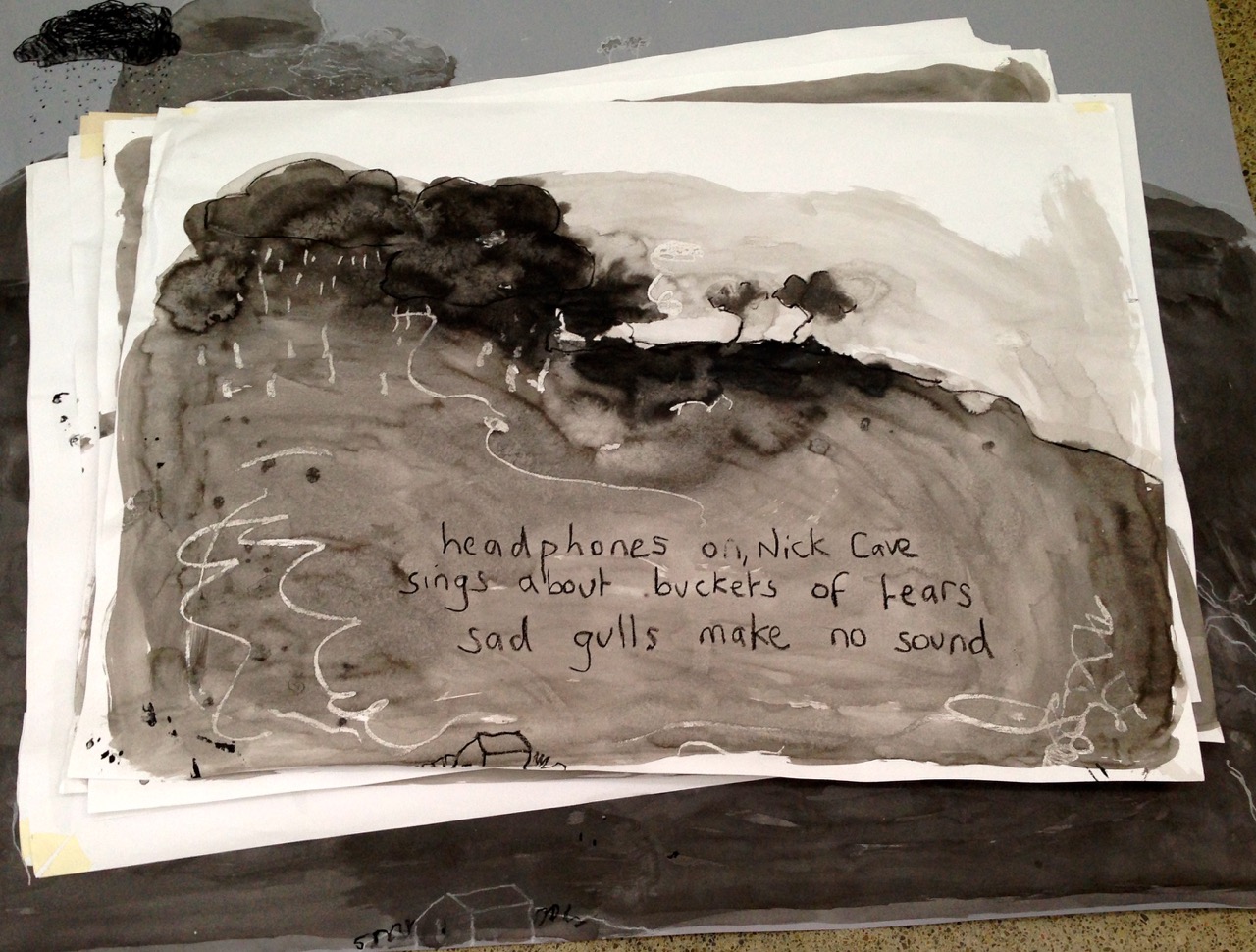
headphones on

Works in progress: the centre contains studios and workshops

The new building still awaits its official opening: this will happen in the summer and the President of Ireland – Michael D Higgins – will have that honour: a scoop for Skibbereen! The Board of the West Cork Arts Centre – and the sponsors and donors – have moved mountains to realise the vision of this building. Now it’s down to creativity and dynamism from the team – and to enthusiasm and encouragement from us, the visitors, whose support is vital to this building’s future success.
quirky

Sky Garden

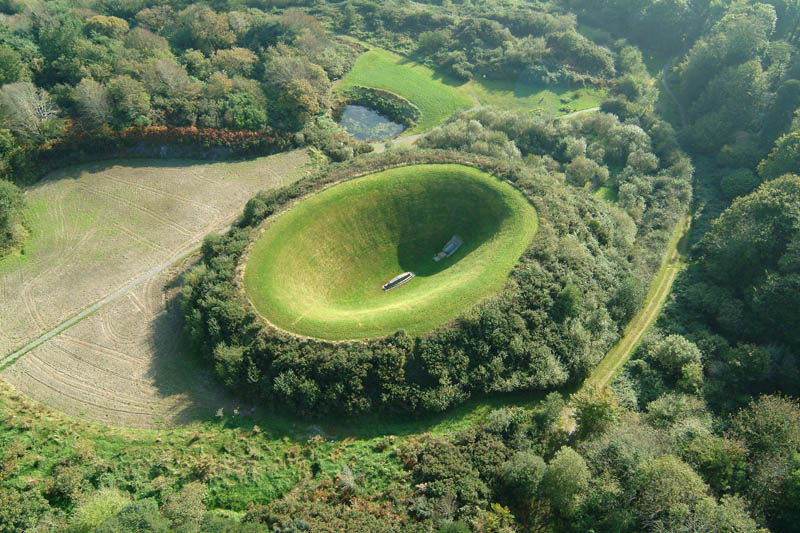
Iris Sky Garden (photo by Liss Ard Estate)

Irish Sky Garden (photo by Liss Ard Estate)

Just outside Skibbereen – a stone’s throw from Nead an Iolair – is a work by Californian artist James Turrell: the Irish Sky Garden. It’s a piece of landscaping which explores light by both night and day: an observatory. The structure is an artificial crater with a stone plinth at its centre from which two participants can view the sky framed by the perimeter of the oval enclosure.

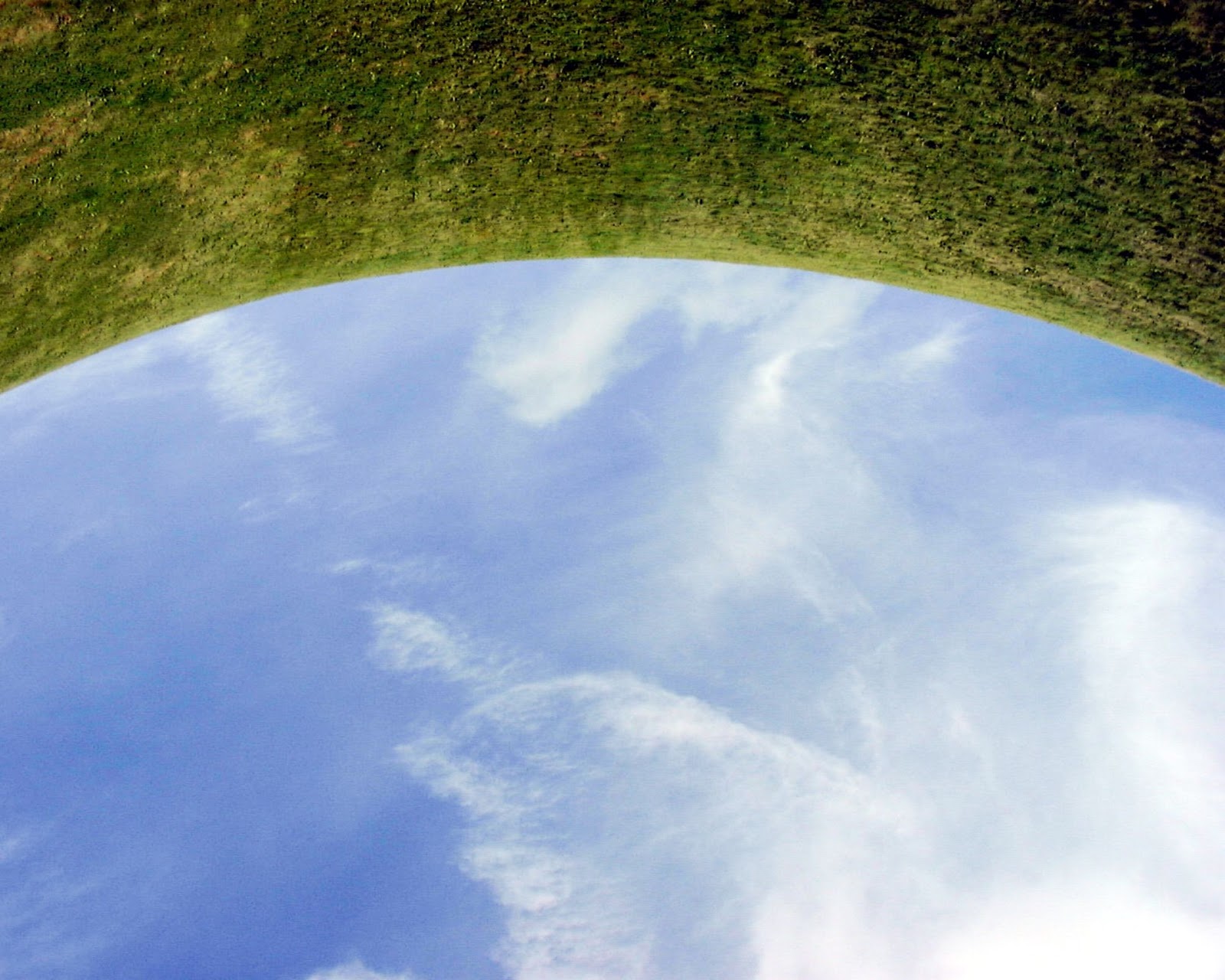
Sky view from the plinth

Sky view from the plinth

In Turrell’s own words describing the experience “…The most important thing is that inside turns into outside and the other way around, in the sense that relationships between the Irish landscape and sky change…”

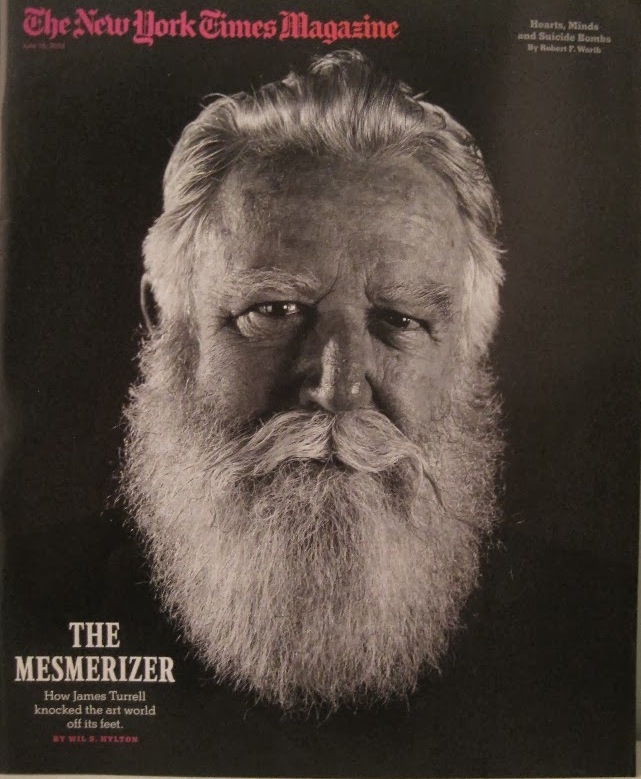
Turrell CoverJames Turrell was born in 1943 – in Pasadena. His father was an aeronautical engineer and James obtained his pilot’s license when he was just 16. He has been exploring landscapes by flying over them ever since. He studied perceptual psychology, mathematics, geology and astronomy. He enrolled in the graduate Studio Art program at the University of California, Irvine, in 1966, when he began to explore light projections. At the same time Turrell, a Quaker and conscientious objector, was jailed for a year for encouraging young men to avoid the Vietnam War draft.

All the artist’s work is focussed on light and space. In an interview of 2002 for the International Sculptor Center he explained:

“…I was raised a Quaker, and now I have come back to being active. I’m not sure whether that has impacted my art-making, because my work is not about specific issues—perhaps being a Quaker influences how I live my life and what I value. People tend to relate any work in light to the spiritual. I don’t think this is actually correct, yet, in terms of our lives, we greet light in three major ways that aren’t necessarily partitioned. There is a psychological aspect, a physical aspect, and a spiritual aspect. In terms of the physical, we drink light as Vitamin D, so it’s literally a food that has a major effect on our well-being. The strong psychological effects of light can readily be felt in particular spaces…” 

Some examples of Turrell’s work in light and space:

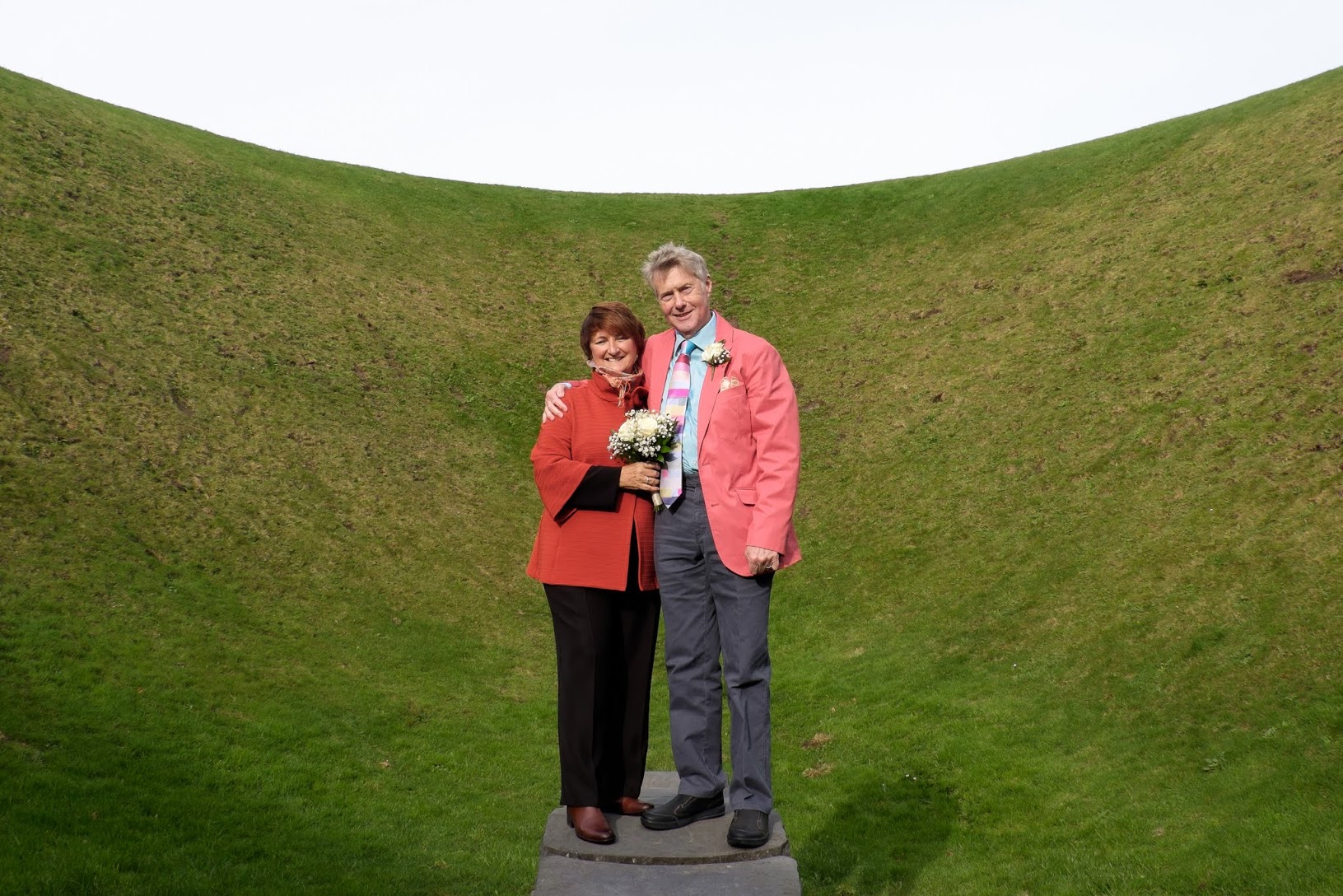
Finola’s post on Liss Ard Gardens gives a good background to the setting of this artwork: a Georgian house (now also an excellent hotel and restaurant – check for opening hours) surrounded by formal and informal landscaping and lakes interlaced by tracks and footpaths which offer ever changing vistas. When she wrote the post a year ago she probably had no idea that it would be the setting for our marriage – which took place this week!

Liss Ard House

Liss Ard House (photo by Peter Clarke)

The name Liss Ard comes from Lios Ard, ‘lios’ being an Iron Age ring fort and ‘ard’ meaning high – hence high fort. The ring fort is still extant as a magical space – a grass circle surrounded by trees; there is also, under it, a souterain – a system of low tunnels and chambers which are often found in association with structures of this type. When we discovered that Liss Ard was licenced to hold weddings – and that licence covered all of the grounds – we jumped at the opportunity to ‘tie the knot’ within an Irish archaeological site…

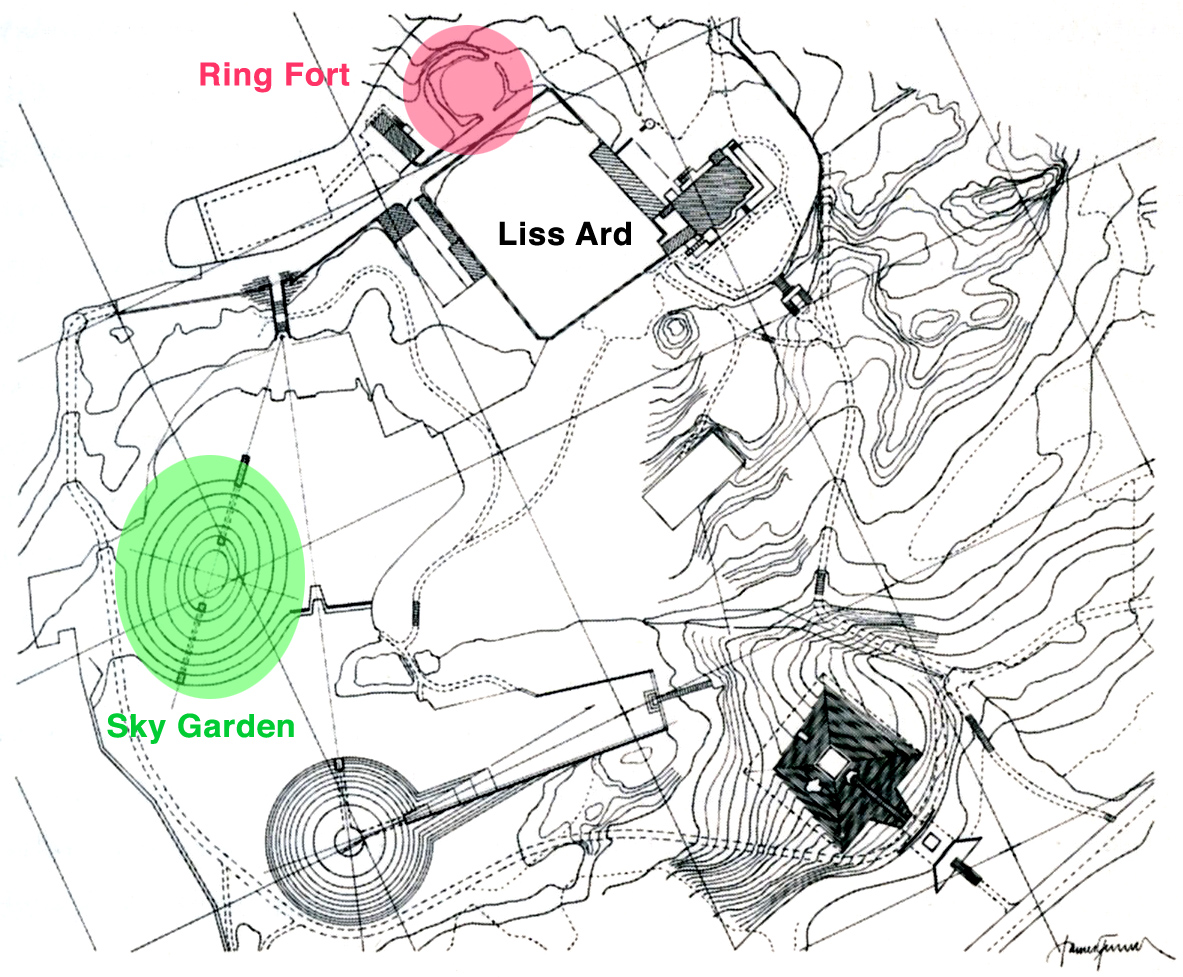
James Turrell's concept drawing for the Liss Ard project, showing Ring Fort and Sky Garden

James Turrell’s concept drawing for the Liss Ard project, showing Ring Fort and Sky Garden

Our ceremony was simple – a humanist celebrant and just a few guests who have been important to our lives in Ireland. After the official bits we wandered down to the Sky Garden and admired Turrell’s vision from the altar-like plinth. We were blessed with blue sky and sunshine.

Wedding Day...

Wedding Day… (photo by Peter Clarke)

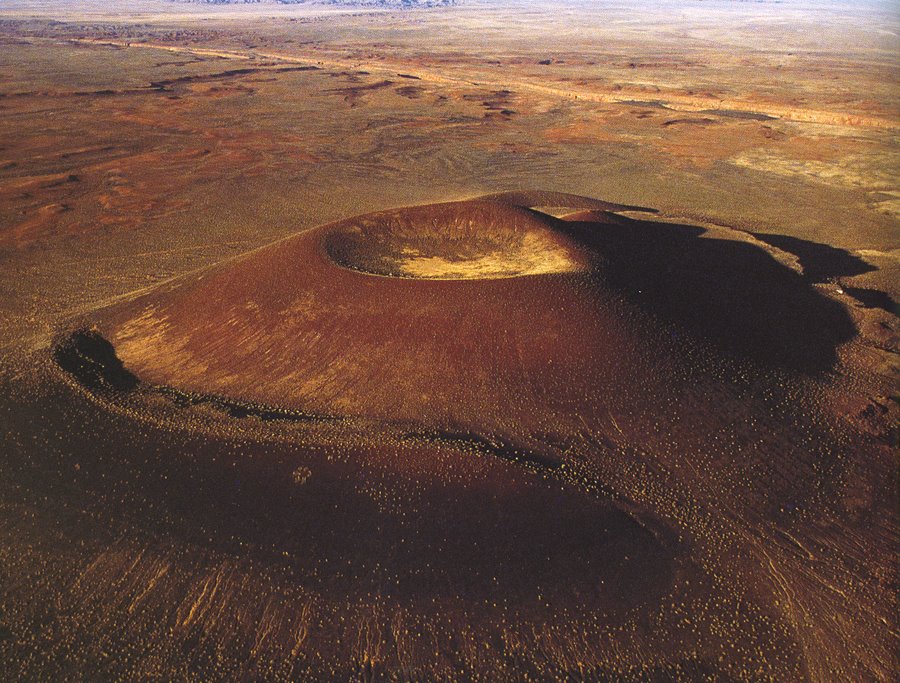
In 1979 James Turrell acquired a vast natural cinder crater located outside Flagstaff, Arizona. This – the Roden Crater – is possibly his best known work, and it is still in progress. He is turning this volcanic crater into a massive naked-eye observatory, designed specifically for the viewing of celestial phenomena. There are other ‘sky’ works in a number of countries: a ‘Turrell Tour‘ has been mapped out which takes in an least 23 of them.

Roden Crater

Roden Crater, Arizona

Skyspace, Scotland

Skyspace, Scotland

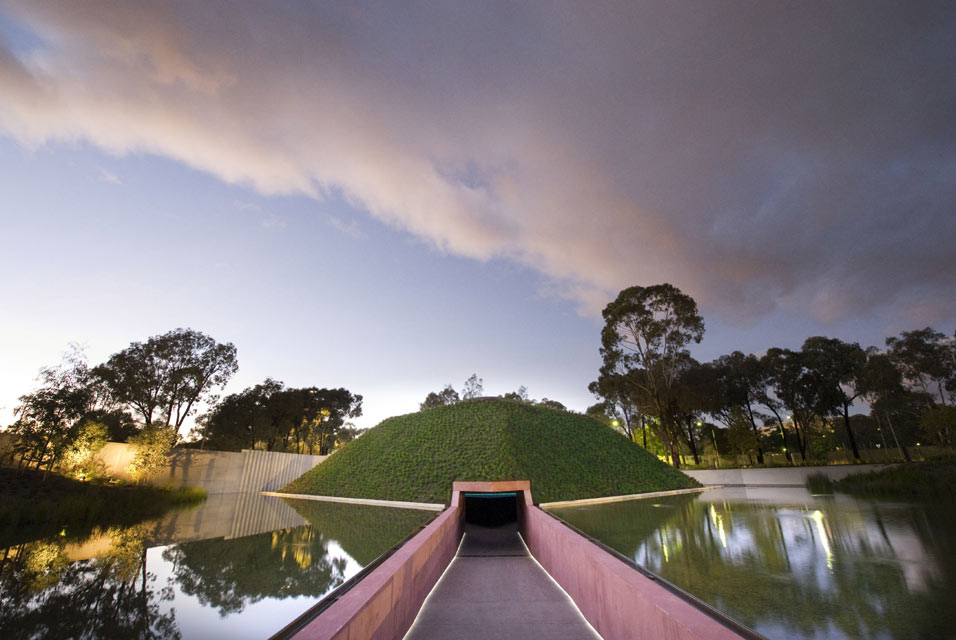
Within-Without

Within-Without, Canberra 2010

Celestial Vault, Stroom, Holland 1996

Celestial Vault, Stroom, Holland 1996

*

It’s a big leap – from Liss Ard to Arizona and beyond. The full concept of the Sky Garden has never been completed: two more installations were planned. But how exciting that here in West Cork we have a stunning example of the work of this world-renowned artist.

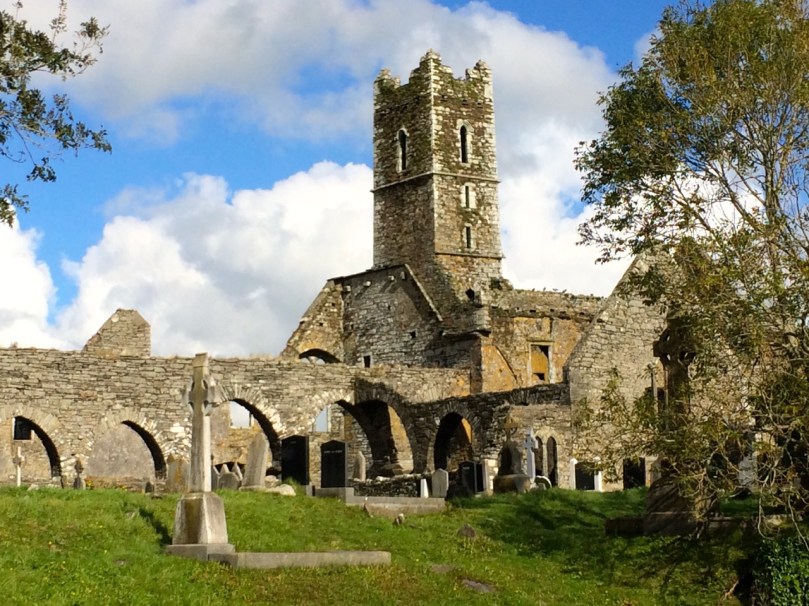
Timoleague Friary

Timoleague Friary

If you take the coast road from West Cork to Cork City, you go through Timoleague, a beautiful village at the top of Courtmacsherry Bay. This little town has a main street of colourful houses and shops, a large and imposing Catholic church with notable stained glass windows, a medieval bridge spanning the inlet, and lovely walkways by the Arigideen River.

Looking across the river to the Friary

Looking across the river to the Friary

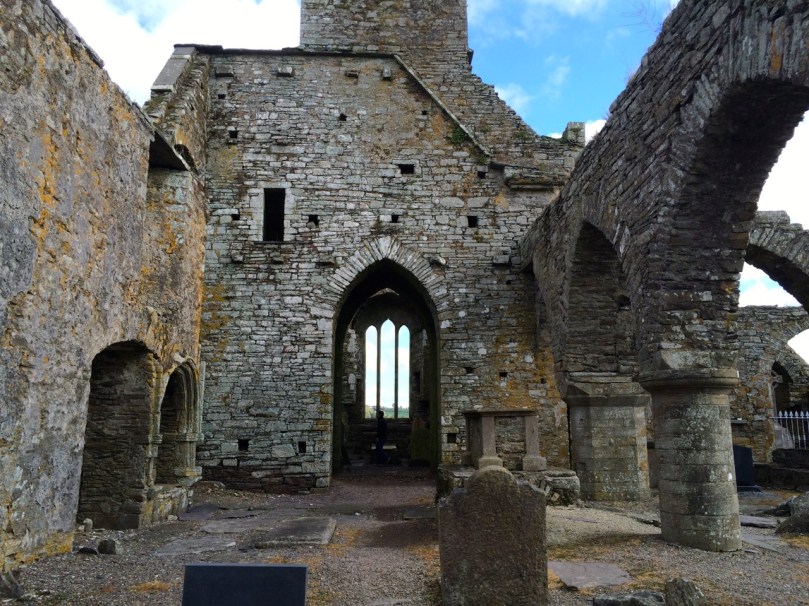
What makes us stop, though, no matter how often we have visited it before, is the Friary. Perched on a knoll overlooking the river, this Franciscan establishment was built in the 13th or 14th Century, and subsequently enlarged and extended. It somehow managed to survive the reformation but was finally abandoned when it was burned in 1642.

The Franciscans first arrived in Ireland about 1230. The order spread quickly and in time there were many Franciscan houses in Ireland. Followers of the Rule of St. Francis, they lived in fellowship in the friary, but went out every day to work among the people. Unlike monks in abbeys or monasteries, they did not shut themselves away to follow a strict regimen of prayer and work. Instead, the friars depended upon their parishioners for sustenance, devoted themselves to their flock during the day and returned to the friary for their simple meals and prayers.

The Cloisters

The Cloisters

Despite this avowed simplicity, the friary is large and imposing. The remains of the cloisters give evidence of the daily meditation and recitation of the Divine Office. Their living quarters included a chapter room, refectory and infirmary.

Nave and choir

Nave and choir

The church would have been impressive in its day, with large and elaborate windows, a long nave and a sizeable transept. The columns between the nave and the transept are massive: the cut stone demonstrates the high quality of masonry that went into the building of the Friary.

A wander through the ruins is a delight. There is a wart well, old gravestones (while away half an hour deciphering some inscriptions!) and niches that would have held the tombstones of dignitaries. Lichen of every colour clings to the stones while low archways appear around every corner, with inviting vistas of further corners to explore.

Timoleague is named for St Molaga, who is also associated with other locations in Ireland. Many stories are told of St Molaga. Here is one, recorded by Colonel James Grove White and provided online by Cork City Librarians.

Close to Temple Molaga is a copious spring well, which was always held sacred by the people and should be used only for drinking and curative purposes; but on one occasion, the lady of the manor, an unbeliever, would insist on cooking her husband’s dinner in the water of the sacred spring. When the water had time to boil, the cook remarked it was icy cold; more logs were placed on the fire, still to no effect. The logs were still being piled on, the fire blazed, but when the dinner hour arrived, the water was still as cold as ever. The lord waxed hungry, and, like other mortals, became angry; he rushed into the kitchen to ascertain for himself the cause of the delay, had the cover lifted off the huge pot, and, although the fire was crackling and blazing high about it, he felt the water was quite cold; but what astonished him more was to behold a beautiful trout swimming about in it, without apparently suffering the least inconvenience. He became wonder-stricken, and had his advisers called in. They told him to take the water back to the well without delay and pour it in. This being done, the trout again became invisible, and is since rarely seen, except by certain votaries.

In the district it is a common saying when water is slow to boil, “perhaps the Molaga trout is in it.”

Timoleague Friary, as the largest medieval religious ruin in West Cork, is a unique and special part of the West Cork landscape.

friary silhouette

Holy Relics + Masons’ Marks

tabern

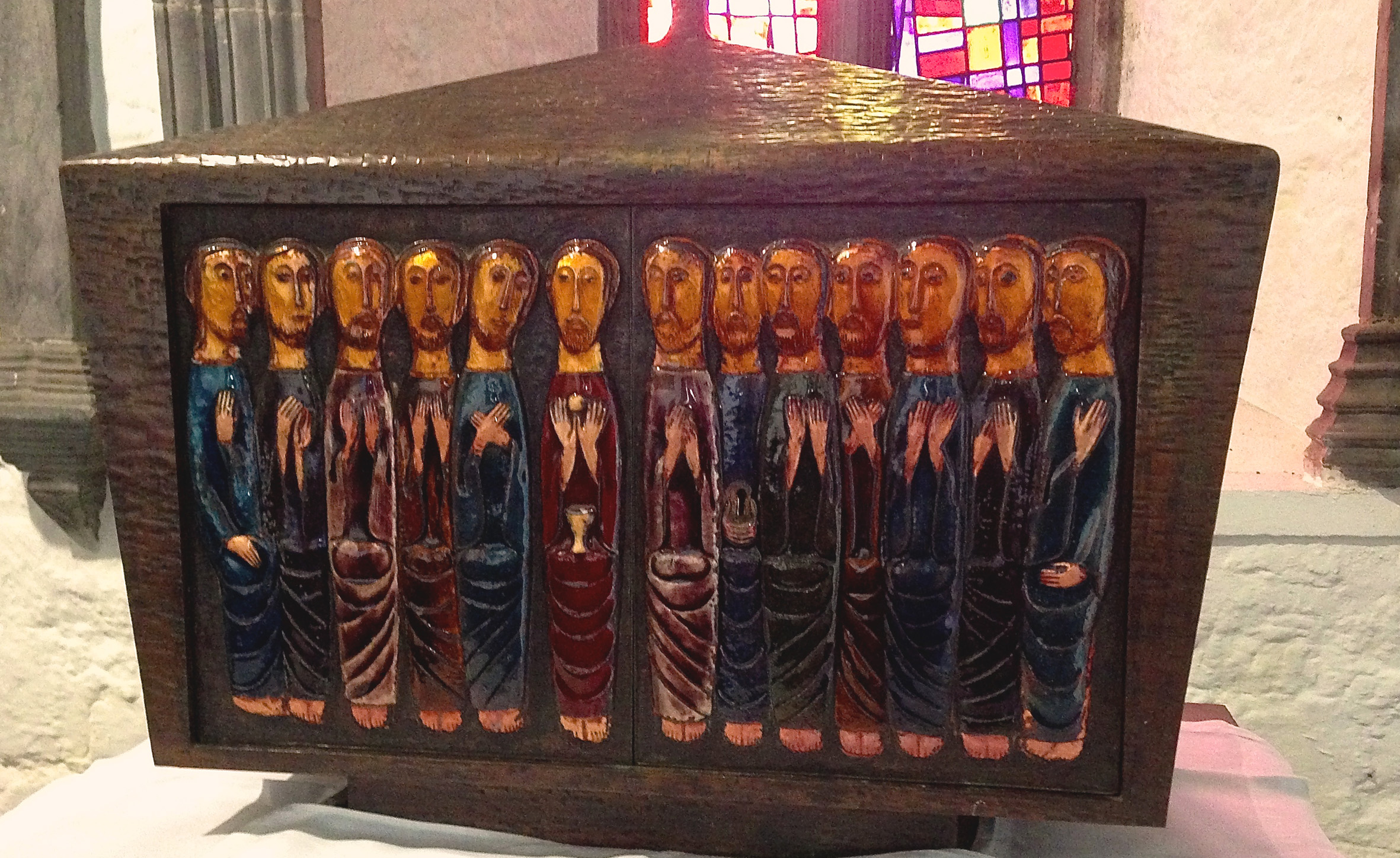
Modern Tabernacle at Holy Cross

Ireland is full of surprises. We are always coming across unexpected feasts for the eyes and the senses: often this arises from simply looking at the map for names that might hold a promise of history – or just ‘story’ – and head that way. Returning home from Dublin recently we diverted into Tipperary, for an investigation of the name Holy Cross.

the Abbey 2

The medieval abbey occupied an extensive site beside the River Suir

What we found was a thousand years of turbulent Irish history: a ‘Celtic’ hermitage dating from the first millennium became a Benedictine Abbey in the second, was refounded as a Cistercian Monastery in the twelfth century by a King of Limerick, Domhnall Ó’Briain, went through Henry VIII’s decimation of the Irish religious houses in the 1530s but survived as a pilgrimage centre until the Williamite wars of 1690. (Incidentally, in my anxiety to try to understand the fine detail of Irish history around this time, I discovered that the Protestant King William’s campaigns in Ireland were funded by Pope Innocent XI to the tune of 150,000 Scudi, which in today’s money is around four and a half million Euros! Can someone explain, please?) By the beginning of the 18th century Holy Cross was in ruins and, like so many other destroyed sites, the remains of the Abbey became a local burial ground.

Following the Reformation the Anglican Church of Ireland became the established church and the entire population – overwhelmingly Catholic – had to pay tithes to the Church of the Ascendancy. English Prime Minister William Gladstone declared “My mission is to pacify Ireland” on being elected in 1868, and his Irish Church Act became law in 1871. This disestablished the Church of Ireland: no-one paid tithes thereafter, and Catholics were free to worship wherever they wanted. At the same time ruins such as Holy Cross became scheduled National Monuments ‘…to be preserved and not used as a place of worship…’

The ruins of the abbey became a burial ground

The ruins of the abbey became a burial ground (Bartlett)

http---www.tara.tcd.ie-jspui-bitstream-2262-40632-1-ertk2528

A rare fresco - depicting a hunting scene - was found in the church

A rare fresco – depicting a hunting scene – was found in the church

On the 50th anniversary of the Dáil, on 21 January 1969, special legislation was enacted to enable Holy Cross Abbey to be restored as a place of Catholic worship: the only exception to the 1871 Act ever granted.

Now, in the third Millennium, Holy Cross is fully restored as a functioning Catholic Church and a pilgrimage centre which, every September, hosts around 65,000 pilgrims.

Why do so many people come to Holy Cross? Possibly because it was important enough, originally, to house a relic of the True Cross. In 1586 the English antiquarian William Camden wrote of the ‘…famous abbey to which the people still come to do reverence to the relic of the Holy Cross…’ He went on to say ‘…It is incredible what a concourse of  people still throng hither out of devotion. For this nation obstinately adheres to the religion of superstition of their forefathers…’  This relic disappeared in the 1630s.

After the restoration of the church in the twentieth century an authenticated relic of the True Cross was provided by the Vatican, and placed on display there. Unhappily, in 2011 masked raiders descended on Holy Cross and, using angle grinders, hammers and screwdrivers, stole the relic. The story has a happy ending however, as it was duly recovered the following year and was safely back in place when we visited.

Reliquary containing a fragment of the True Cross displayed in the North transept

Reliquary containing a fragment of the True Cross displayed in the North transept

There is an intriguing piece of folklore surrounding this building. An English prince of royal blood – the Good Woman’s Son – came to Ireland to collect Peter’s Pence (a tithe) but was murdered and buried in a wood near the Abbey. Following a vision, a blind monk discovered the boy’s body and carried his ring to his mother, the Queen. In gratitude she presented to the Abbey a large piece of the True Cross which had recently come to England.

pictures

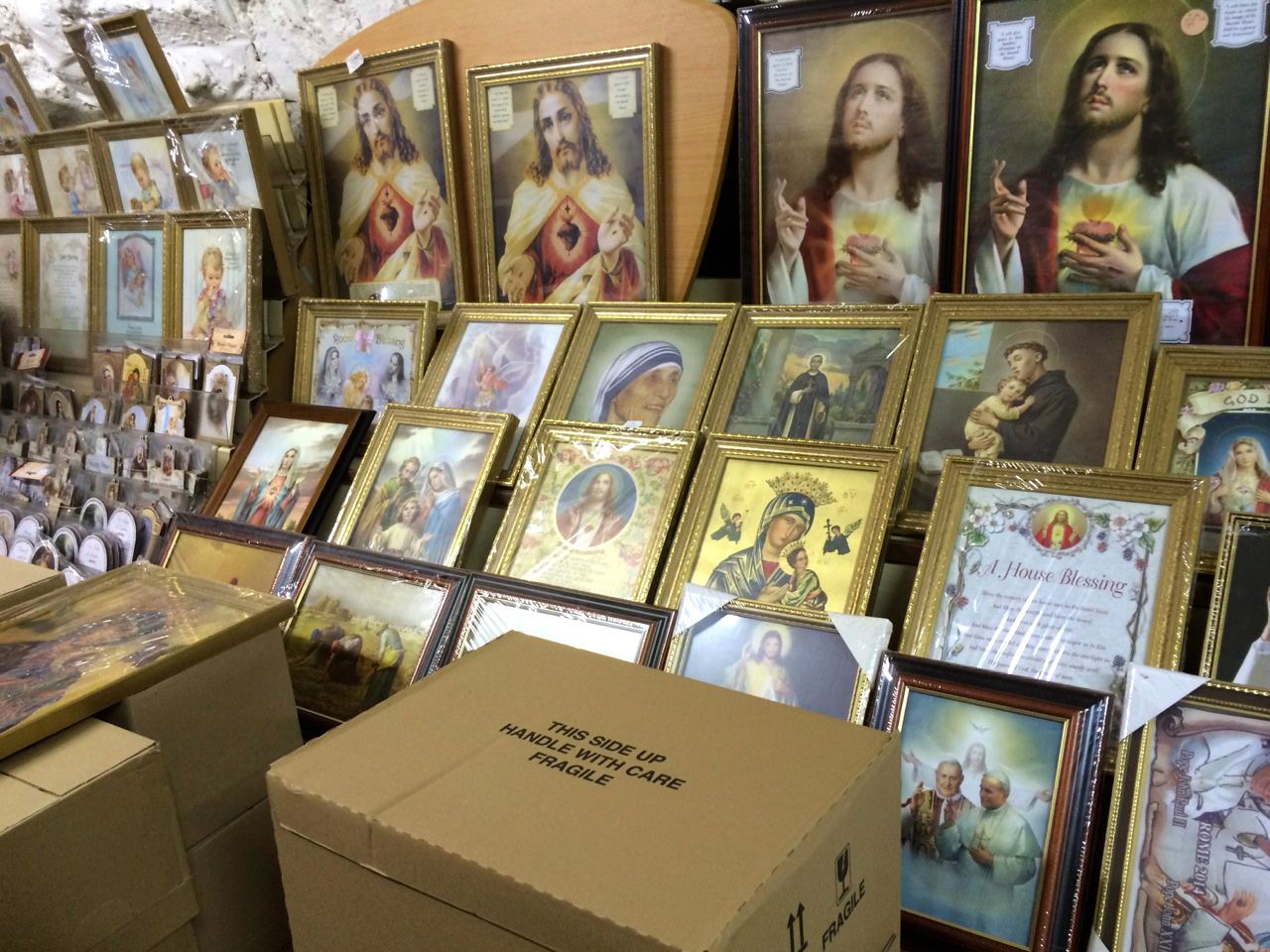
The Abbey Shop


A Misplaced Saint

detail 11

Partly in West Cork, and partly in Kerry, the Beara Peninsula is a majestic place to explore. Some of Ireland’s highest mountains are here, and in places they sweep sheer down to the Atlantic to create dramatic landscapes, hard to match – in my own limited traveller’s view – with anything else in the world, But it’s not just landscape: the Beara offers surprises in the way of rainbow-hued village houses, off-the-beaten-tracks pubs with lively music and conversation, and the occasional gem of an altogether different kind. My post today is simply about one place – one church, in fact – which we found by chance in the village of Eyeries situated on the recently implemented long distance drive around the whole magnificent west coast of this country: the Wild Atlantic Way.

Wild Atlantic Way...

Wild Atlantic Way…

‘…Come to Eyeries Village. Embrace the tranquility…’ That’s the advice of this little community’s website. We did just that and, as we were enjoying our coffee outside Miss Murphy’s cafe in the centre of town we were only disturbed by one or two cars and diverted by the sound of the street sweeper’s brush. But the focus of our attention for this visit became the church: St Kentigern’s.

notice

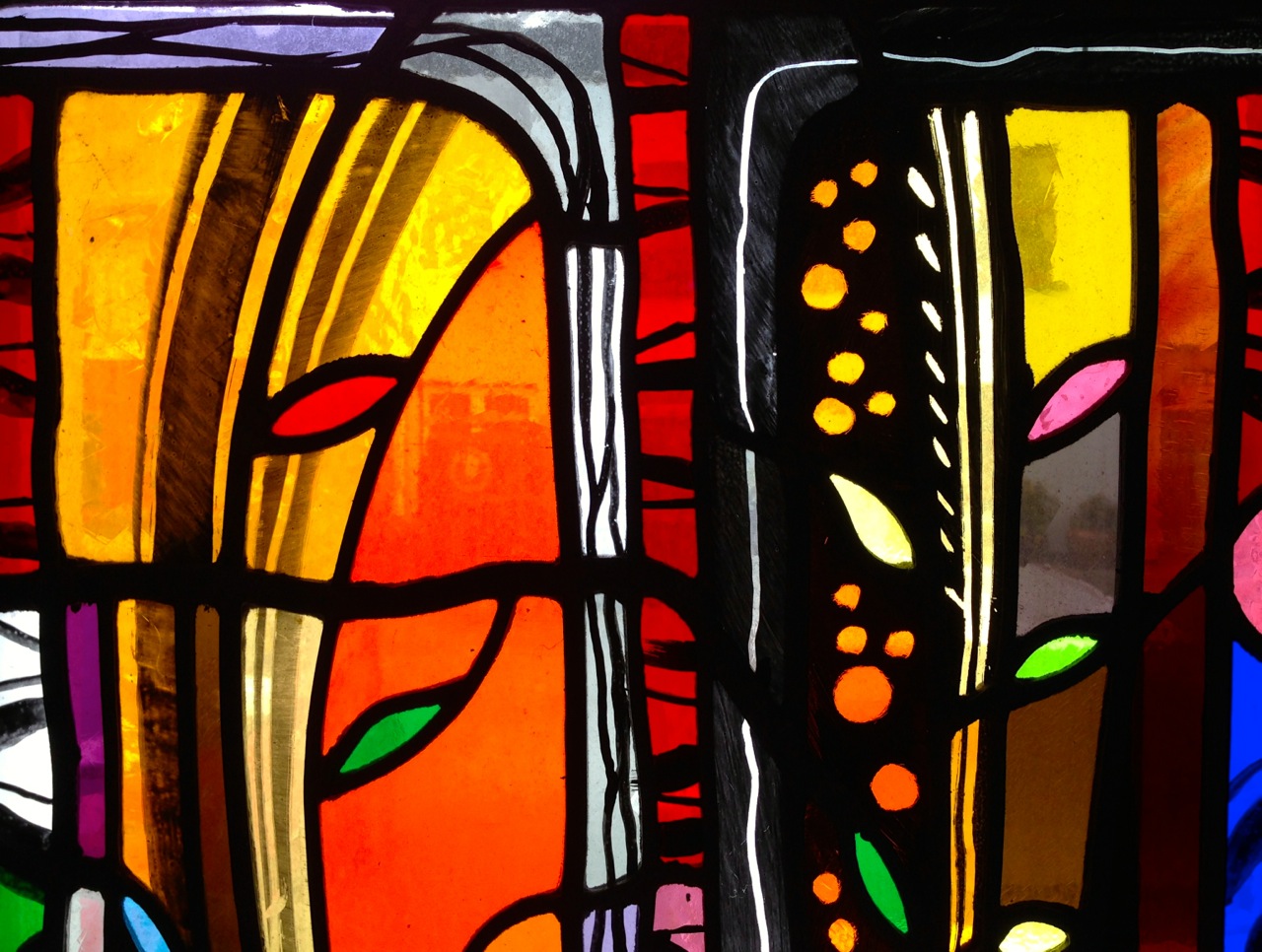
As you will know, I am always on the lookout for Irish Saints, and I had never heard of St Kentigern, so I went inside expecting to find a new story. My eyes were assailed by a riot of colour! This unassuming little building hides a magnificent set of coloured glass windows telling the story of the world from prehistoric times and Ireland’s central part in that history… I have put a precis of the artist’s explanation of the designs below, but the windows must speak for themselves.

There are eleven windows in all: eight in the main body of church, two in the Sanctuary, and the last in the west wall, over the entrance doors.

So – why are they here? A very good question. I have gleaned no information from the usual sources. The best I could find (based on a chat with a passer by) was that the windows were commissioned in the 1980s, and each one is dedicated to the memory of a local person, and they were all paid for by friends and relatives of the dedicatees. It seems that there was a wish at the time to ‘brighten up’ the interior of the formerly nondescript building. I think this aspiration has been completely successful, but it’s a shame that there’s hardly a mention of the church or its windows in any of the information I could find about Eyeries.

Regarding the stained glass artist himself – George Walsh: I have found mentions of him as an artist working in Dublin. His father, George S Walsh, worked in the studios of Harry Clarke. He has carried out commissions in Kerry, Kildare, Kilkenny, Dublin, Galway and as far afield as Newfoundland and Florida. My source thought that he is now retired and living in Dublin. It seems odd that he hasn’t gained more public recognition (unless I am missing something – comments please).

Here are the notes of George Walsh giving an ‘explanation’ of the Eyeries windows: it would be easy to miss, as it is a single fading typewritten sheet on a window cill on the south side of the aisle:

 ‘…The windows… begin with the elements sun, rain wind etc. The next depict fishing and the tradition of work on seas and rivers… Next, farming and husbandry, sowing seed etc. the final windows on this side show Saint Finbar – emigration, both going and returning old and new. The windows on the right side begin with the Dark Ages and pre-history to the next which remembers our Megalithic and Celtic past. Following on to the Christian period – Eucharist, Gospel Missionaries etc and finally to Resurrection… Sun and birds symbolise renewal and hope… The Sanctuary windows show Baptism, Water, Fish, Shell etc. Next is Mary in the form of Annunciation… the balcony windows are seen as we go out from the Church into the world in renewed spirit…’

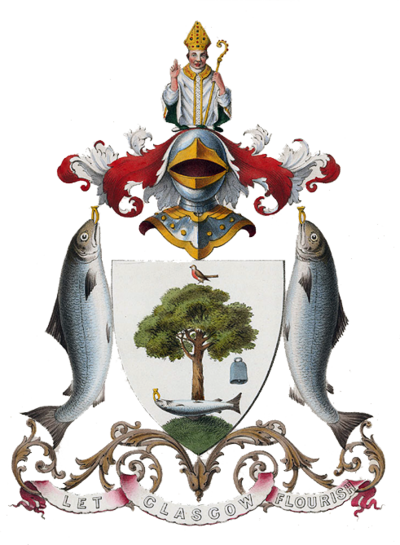
What of Saint Kentigern? You may well ask that – he gets no mention in the church, nor in the Irish Saint Hagiographies. He is mentioned as a Scottish Saint (more commonly known as Saint Mungo) who founded the city of Glasgow in the 6th century. Look for him on that city’s coat-of-arms. I could only glean (from another local source after a bit of a grumble) that when the church was restored and the new windows were commissioned a priest of the time decided to give the church that dedication. He evidently had unearthed some obscure link, but this has apparently never been put on record. There is another possibility: he might have been the local saint whose name is now more commonly given as Chaitighern or Catherine. There is a ruined church of this dedication on the Beara, not far from Eyeries.

Church of Catherine, Close to Eyeries

Kilcatherine Church, close to Eyeries

Our elusive Saint on Glasgow's coat-of-arms

Our elusive Saint on Glasgow’s coat-of-arms


Alma Mater

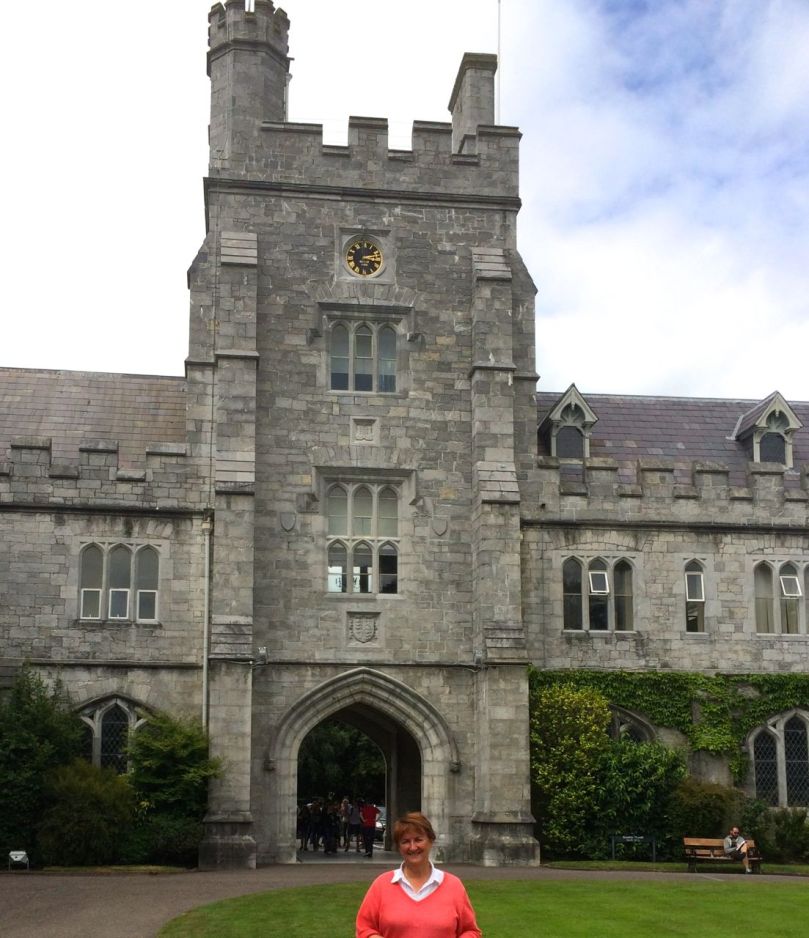
The Clock Tower, University College Cork

The Clock Tower, University College Cork

We have lovely friends visiting from Canada and we have been out and about every day showing off West Cork, so this is just a little post from me today. When we went to pick them up at Cork Airport we had some extra time, and spent it at University College Cork.

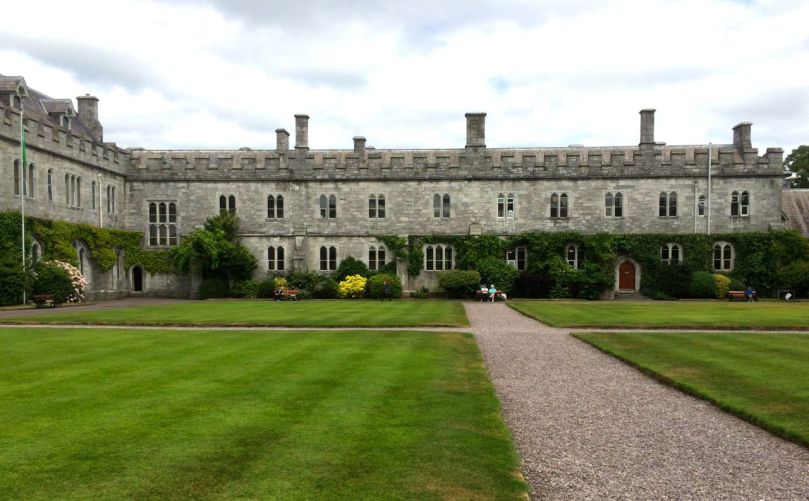
The Quad

The Quad

I attended UCC from 1968 to 1973 and graduated with a BA and MA. The University (or De College as we called it) was much smaller then – I seem to remember there were a couple of thousand students, whereas now there are 20,000. Student life revolved around the Quad, the Rest (restaurant), the library and the lecture halls.

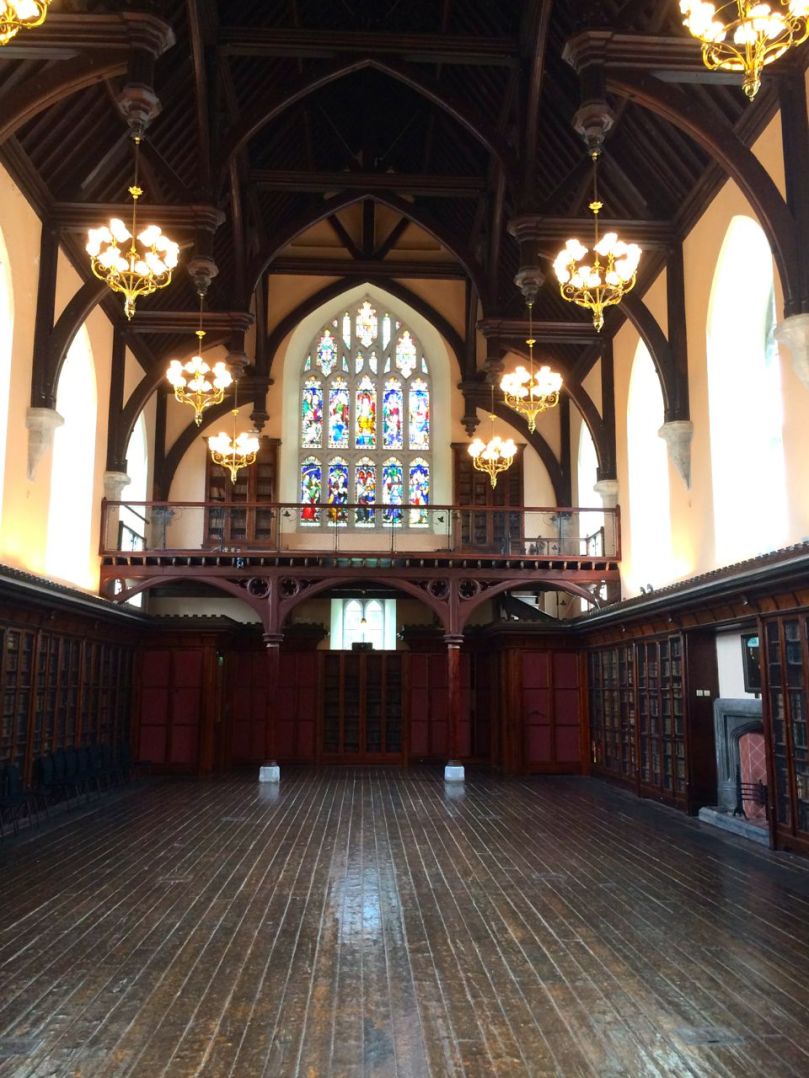
Aula Maxima

Aula Maxima

The Aula Maxima, a beautiful book-lined room, was used for exams, conferring ceremonies and concerts. I first saw The Chieftains there in the early 70s. As a student of history and archaeology, the Stone Corridor was important to me – see Robert’s post for more on this.

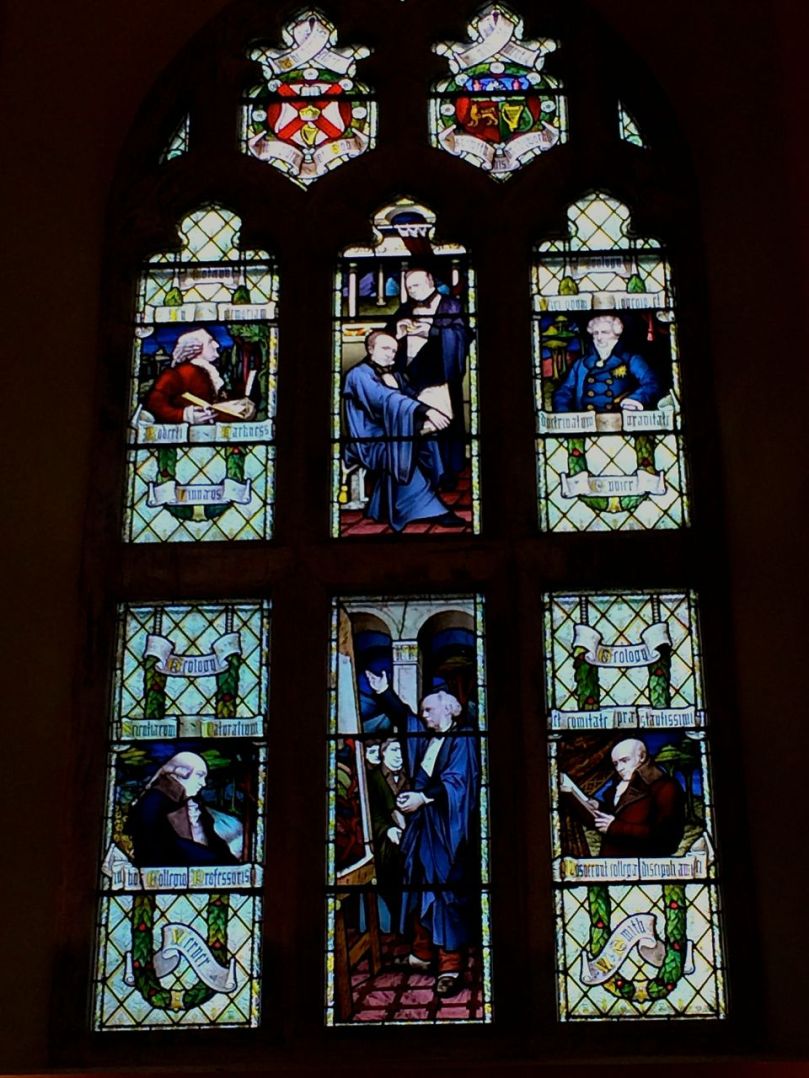
Window in the Aula Maxima

Window in the Aula Maxima

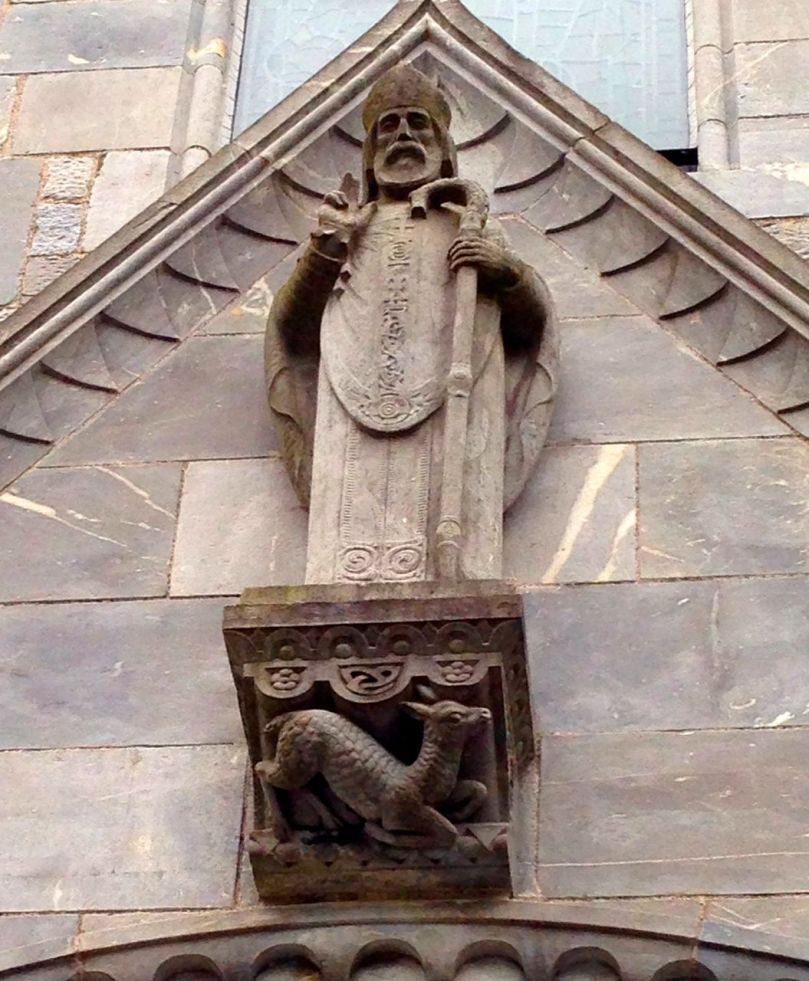
UCC was founded, as Queens University Cork, after Queen Victoria, in 1845. It’s motto, Where Finbarr Taught, let Munster Learn, reflects the importance of Cork as a centre of Early Christian learning led by St Finbarr. Today, it is highly regarded internationally for its research and innovation. Most of the teaching and learning takes place in smart new buildings with modern labs and high-tech facilities.

St. Finbarr keeping and eye on things

St Finbarr keeping an eye on things from the Honan Chapel

If you’re visiting Cork, drop up to UCC and soak in the ambience of a traditional university, with cloistered corridors, old oak floors and echoing stone hallways. And say hello to the the shades of St Finbarr.