Circumnavigation

It’s a hop and a step from down here on the Mizen (Ireland’s most south-westerly point) up to the top of the island: people are doing it all the time, on foot, by bicycle, by boat… We thought we’d do it as a road trip – in fact, why wouldn’t we circumnavigate the whole of Ireland? We did – it took us three weeks.
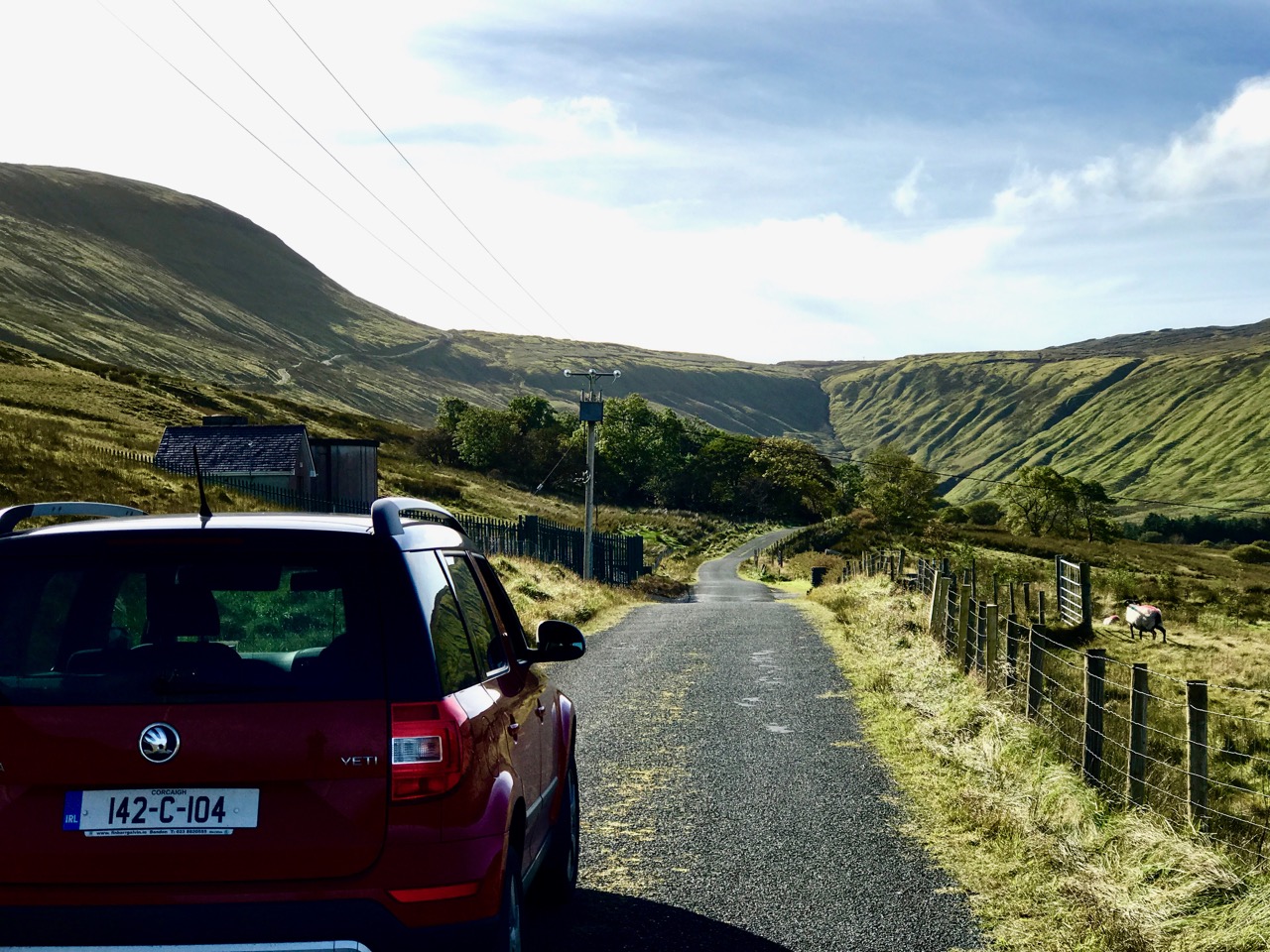
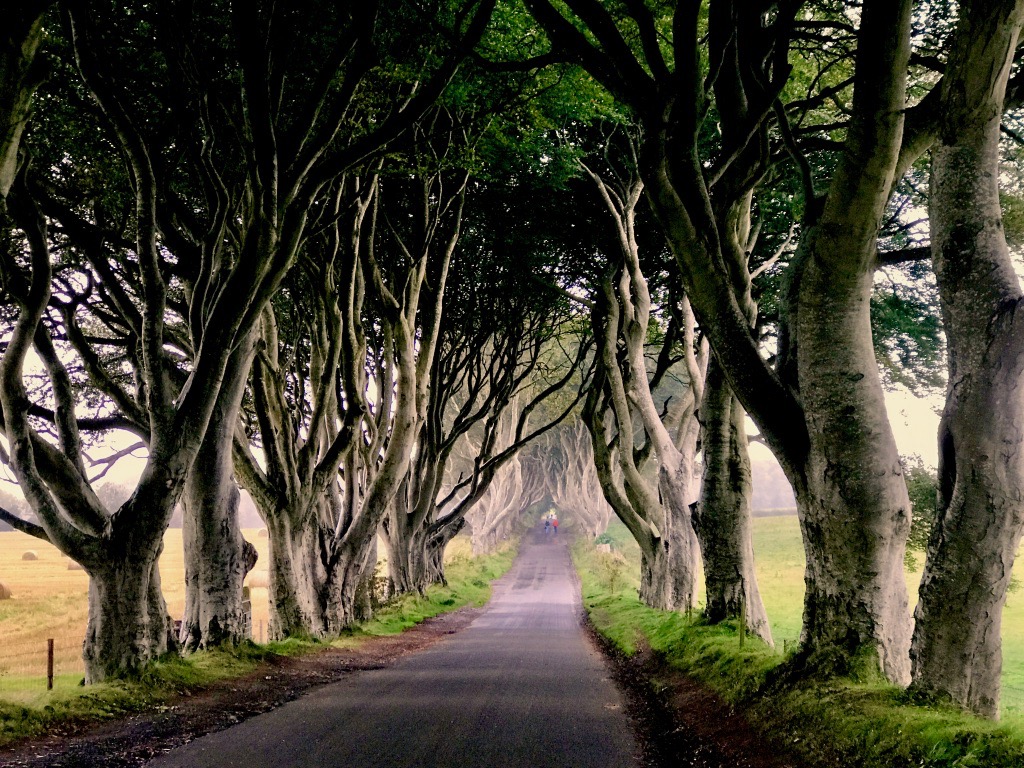
Header – the Dark Hedges, Ballymoney, County Antrim, Northern Ireland. Planted by the Stuart family in the eighteenth century to enhance their Georgian mansion of Gracehill, it is now much visited as it features in Game of Thrones. It’s good to know that traffic can no longer go through this avenue, as it has suffered damage in recent times. Above, one of the many byroads that we sought out on our journey around the island: this one is the loop road behind Ben Bulben in County Sligo

It was a most fascinating and educational trip, particularly for me: most of the places I had never visited before. Finola was more familiar with her own country, although for her it was a voyage of rediscovery. In many cases she saw how much had changed over years of boom and bust, while elsewhere her memories were reawakened.
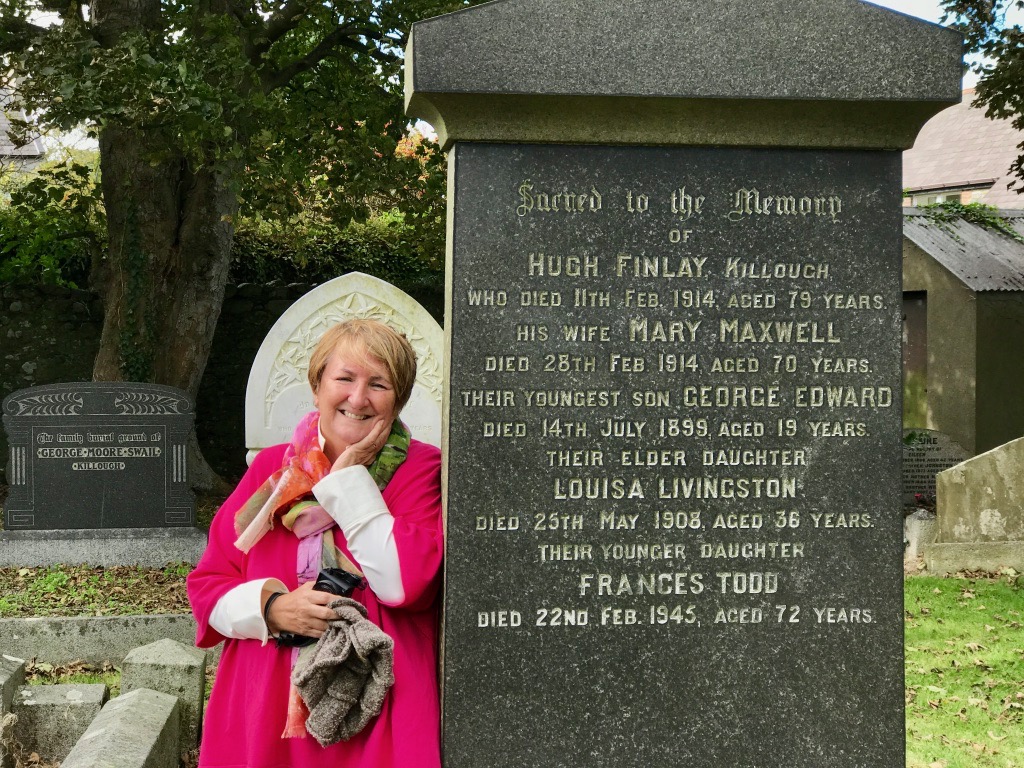
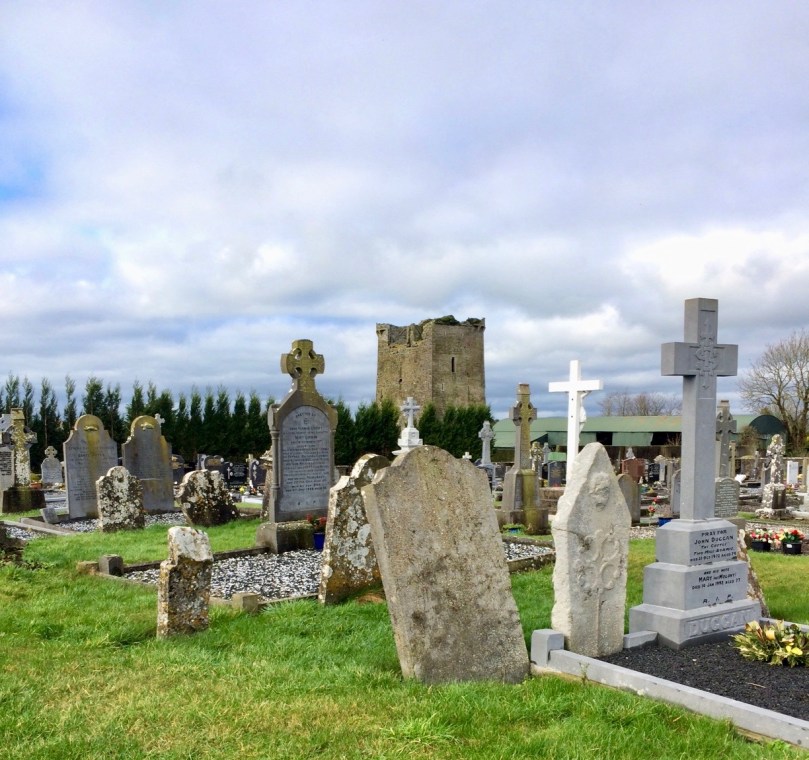
A voyage of rediscovery: Finola’s Great Grandparents are buried here in Killough, County Down, Northern Ireland

This is but a short summary of our travels: a taster. Many of the places we visited will feature in future posts here. As you can imagine, Archaeology, Romanesque architecture, stained glass, saintly shrines, pilgrimage sites, holy wells, stunningly beautiful land- and sea-scapes, and social history were prominent in our must-see itinerary. But we found we were also following in the footsteps of Irish poets. And British eccentrics.
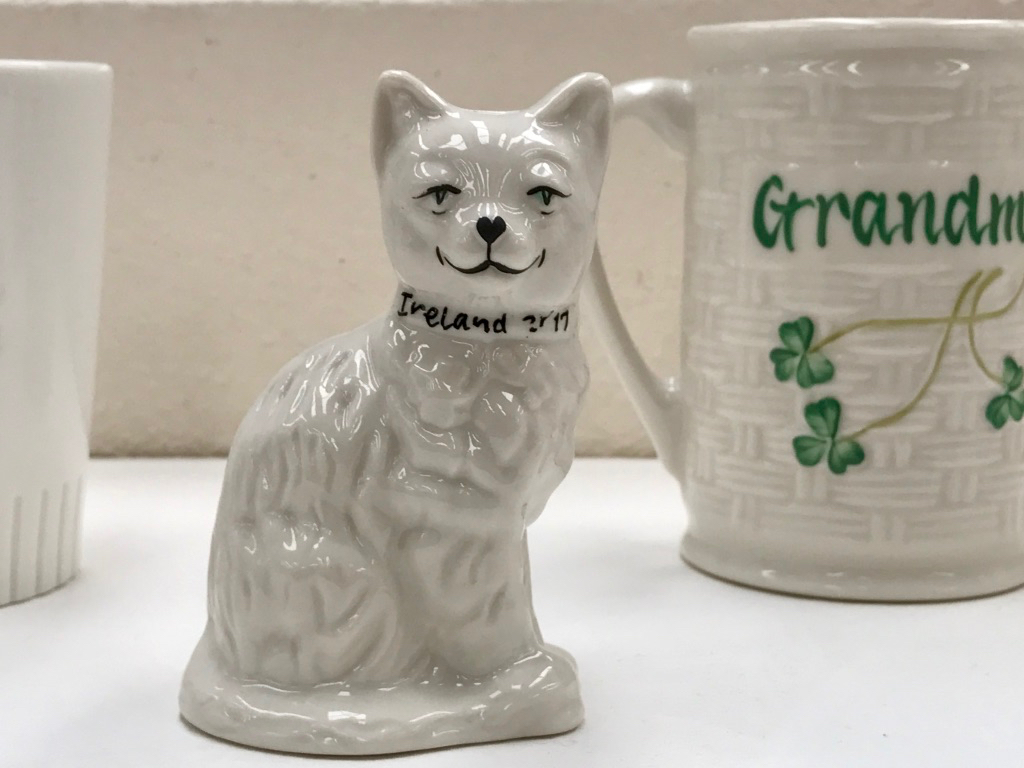
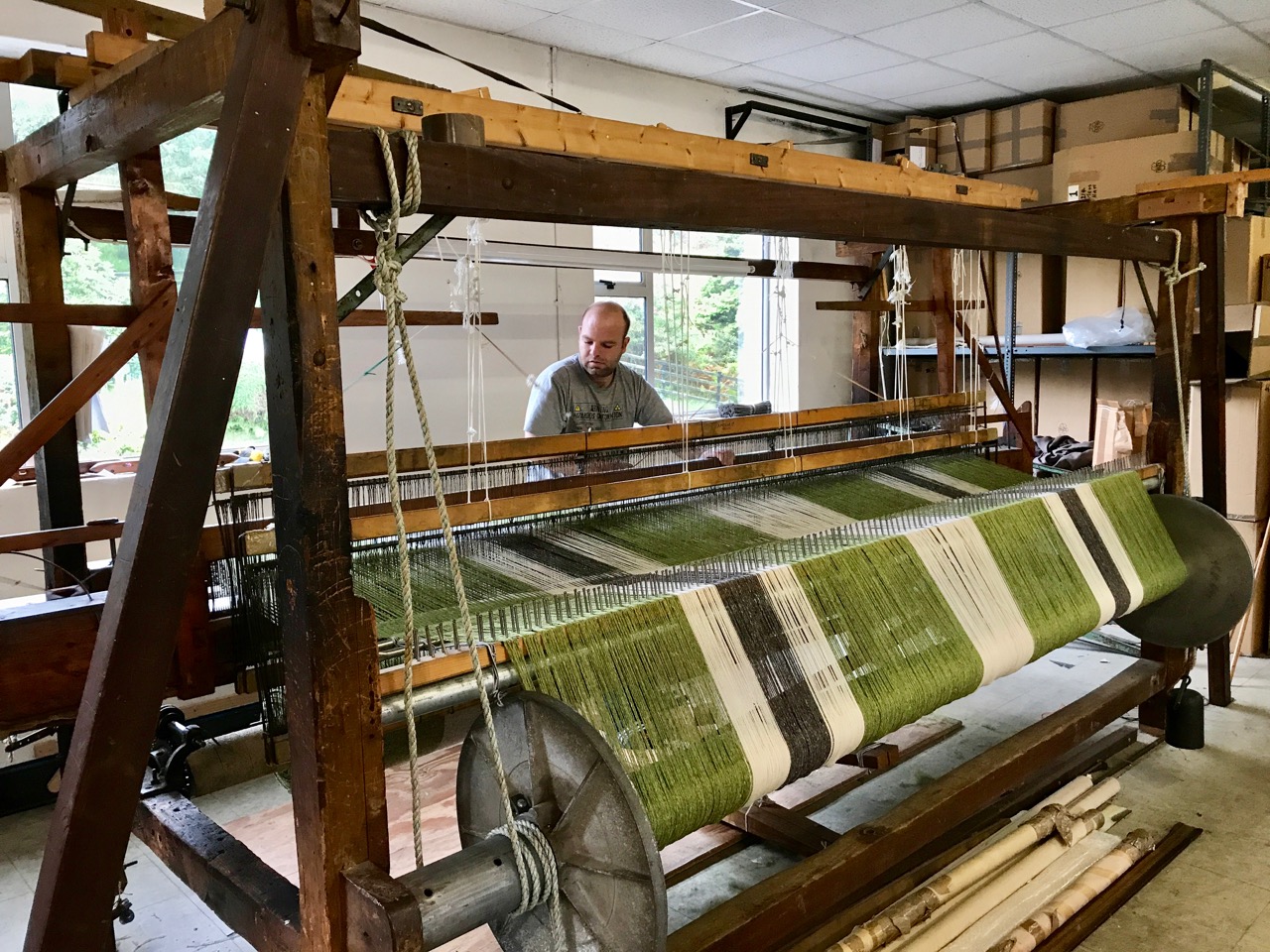
Craftworks: we visited the Belleek Pottery, County Fermanagh, Northern Ireland – which has been operating continuously since 1884 (upper), and (lower) Glebe Mill, Kilcar, County Donegal – where we could watch traditional handweaving on enormous looms

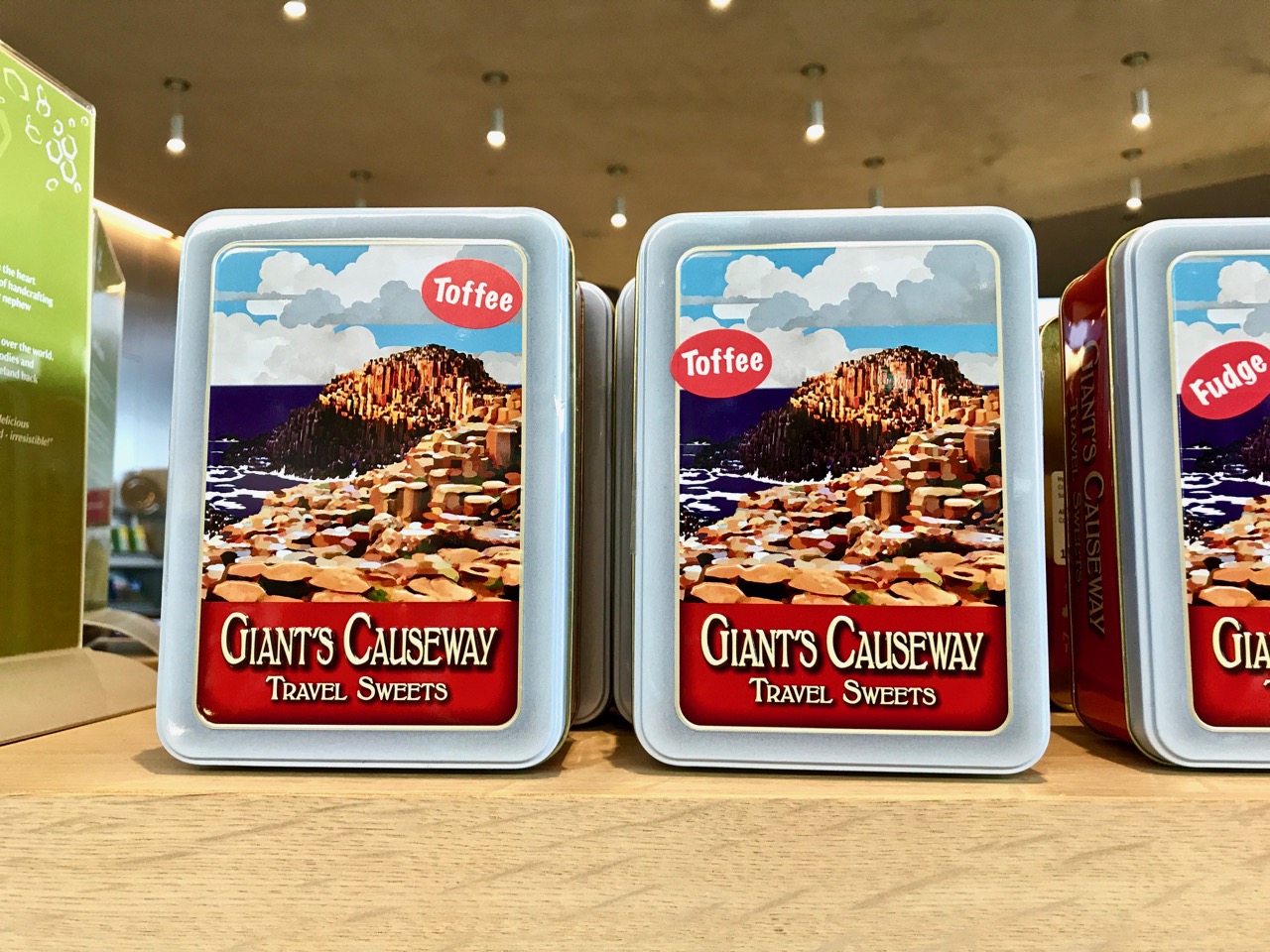
I prefer to stay off the more heavily trafficked tourist spots, but we made exceptions for Europe’s highest sea cliffs at Slieve League, County Donegal (three times the height of the Cliffs of Moher! Beautiful and very wet) and for the Giant’s Causeway. After all, this features strongly in the stories of Finn McCool. I thought that the inevitable crowds were catered for very well and – if you are prepared to walk away from the main site – you can have the spectacular cliff paths largely to yourselves. In Northern Ireland I was very struck by what an asset the National Trust is, for it preserves and makes accessible so many properties and areas of outstanding beauty. If only the Republic had a similar well funded body…
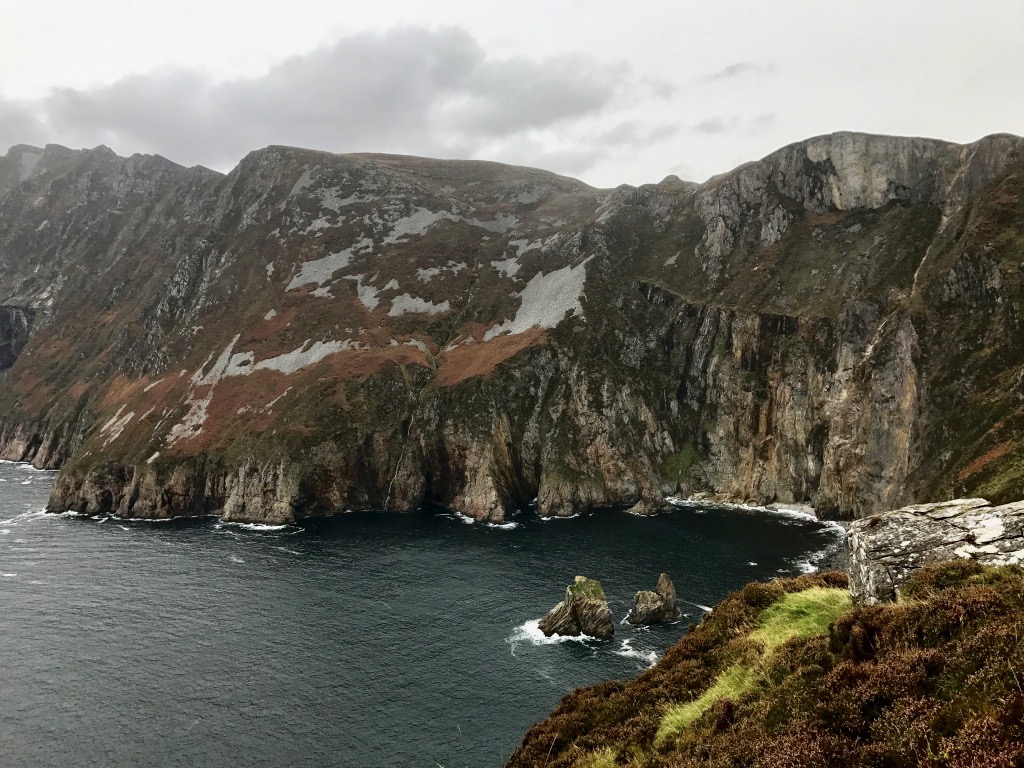
Top – the cliffs at Slieve League. Lower – Giant’s Causeway on a stormy day, and souvenirs in the National Trust’s Causeway Visitor Centre

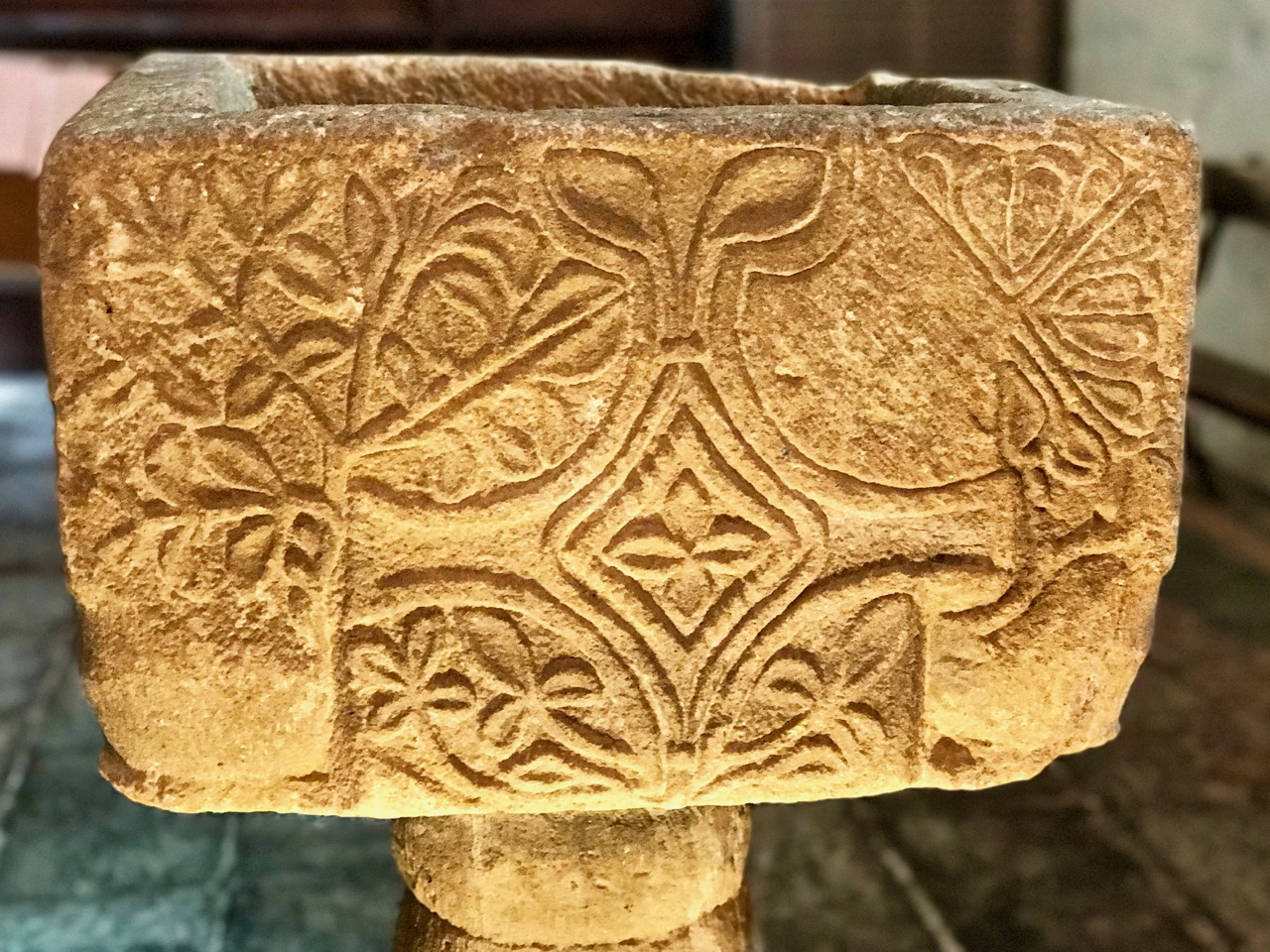
It would, perhaps, be unreasonable to pick out a ‘best’ destination that we visited, but I must say that I was probably most impressed by the medieval sites: we took in many. It’s amazing that right off the beaten track you can find stunning ancient carvings and artefacts tucked away and – sometimes – not even signposted.
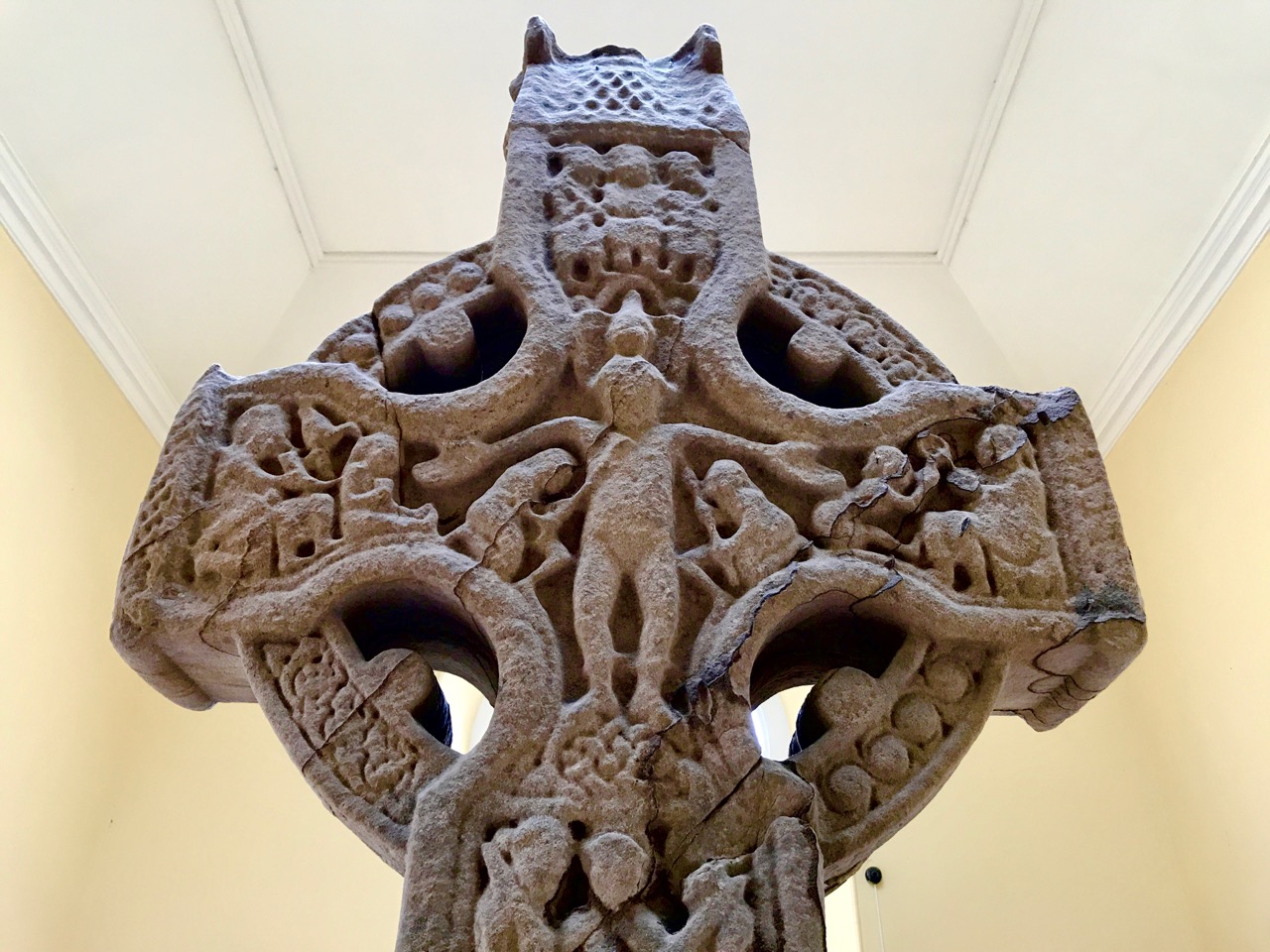
Upper – the superb High Cross at Durrow has been protected and conserved, but it’s not signposted from the busy road that passes nearby. Centre – the beautiful shrine that holds the relic of the True Cross in St Peter’s Church, Drogheda, County Louth: the same church holds the head and remains of Saint Oliver Plunkett. Lower – 13th century font in St Flannan’s Cathedral, Killaloe, County Clare

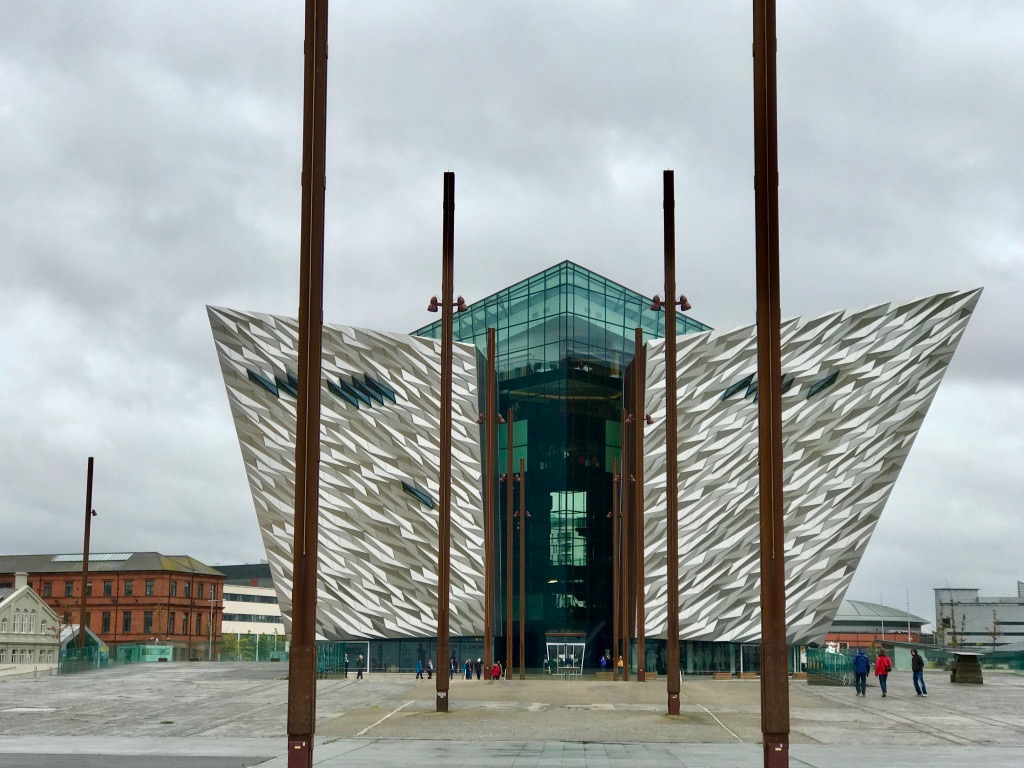
Our travels were punctuated with a whole variety of experiences, impossible to summarise in one short post. We took in Derry – the only completely walled city in Ireland and one of the finest examples in Europe: we walked the whole length of the early seventeenth century structure. Belfast was intriguing. We undertook the Titanic Experience, and were duly impressed with the building and the exhibitions. We also toured the whole city in the hop-on-hop-off bus: a full two hour tour of everything with a thoroughly enlightening commentary – a good way to keep out of the rain!
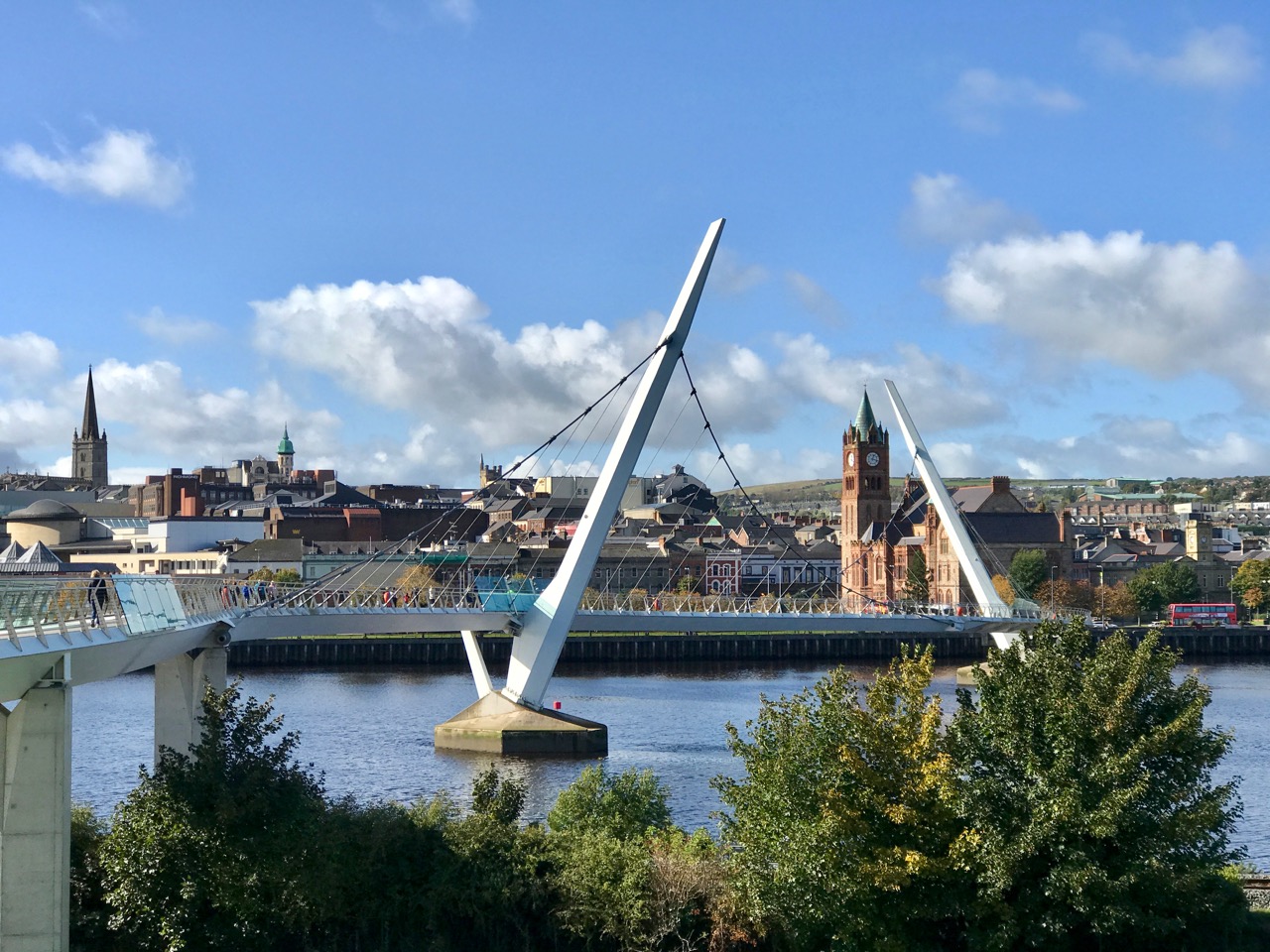
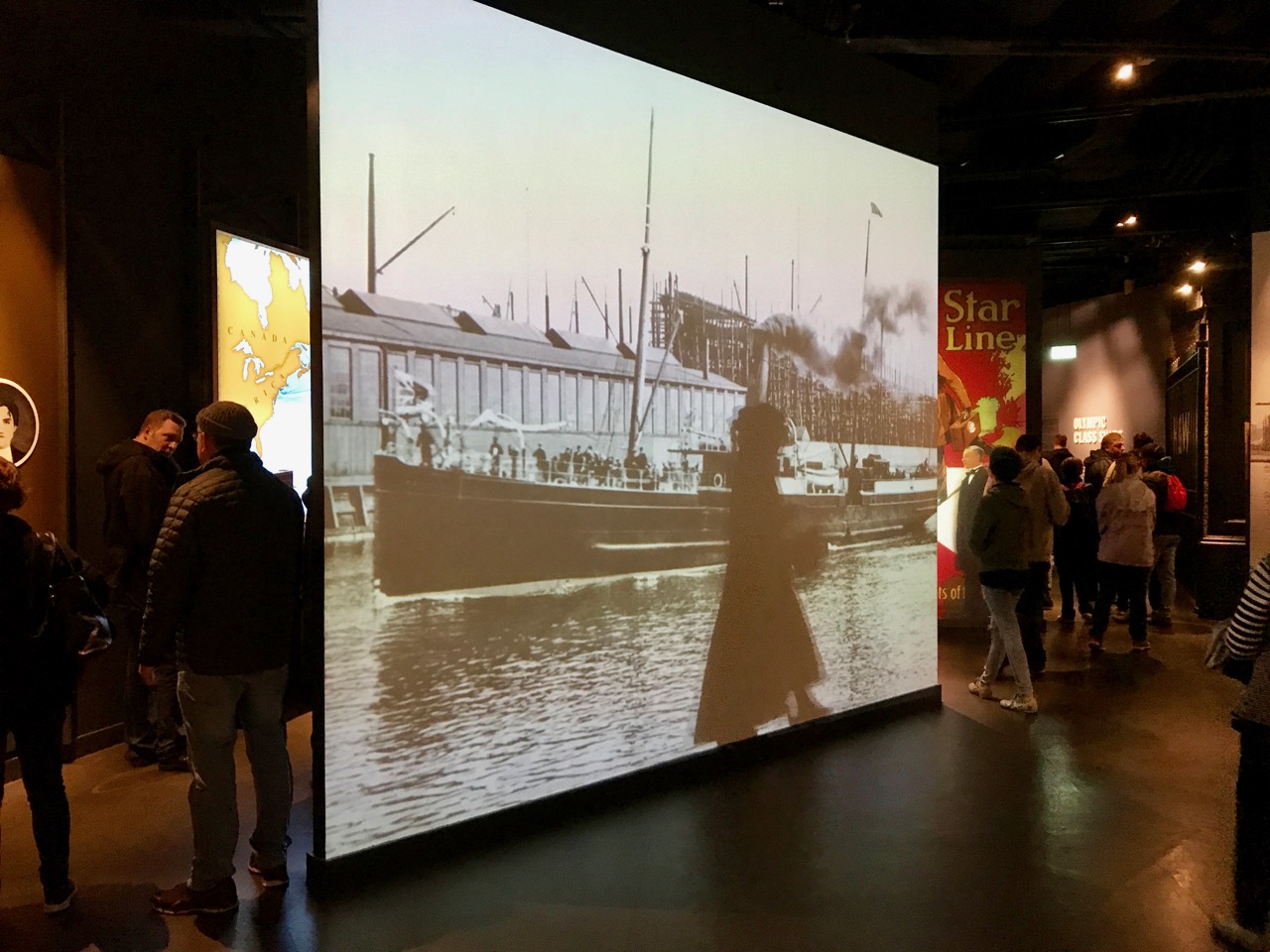
Upper – the Peace Bridge in Derry. Lower – the Titanic Experience, Belfast: the exhibition and the building. The external shot is taken from the enormous slipway which was used to launch the ship

We’ve only just got our breath back from all the travelling (although we always went at a leisurely pace with plenty of stops for investigation and coffee). Between us we took well over 5,000 photographs! You’ll see a good few of them in due course.

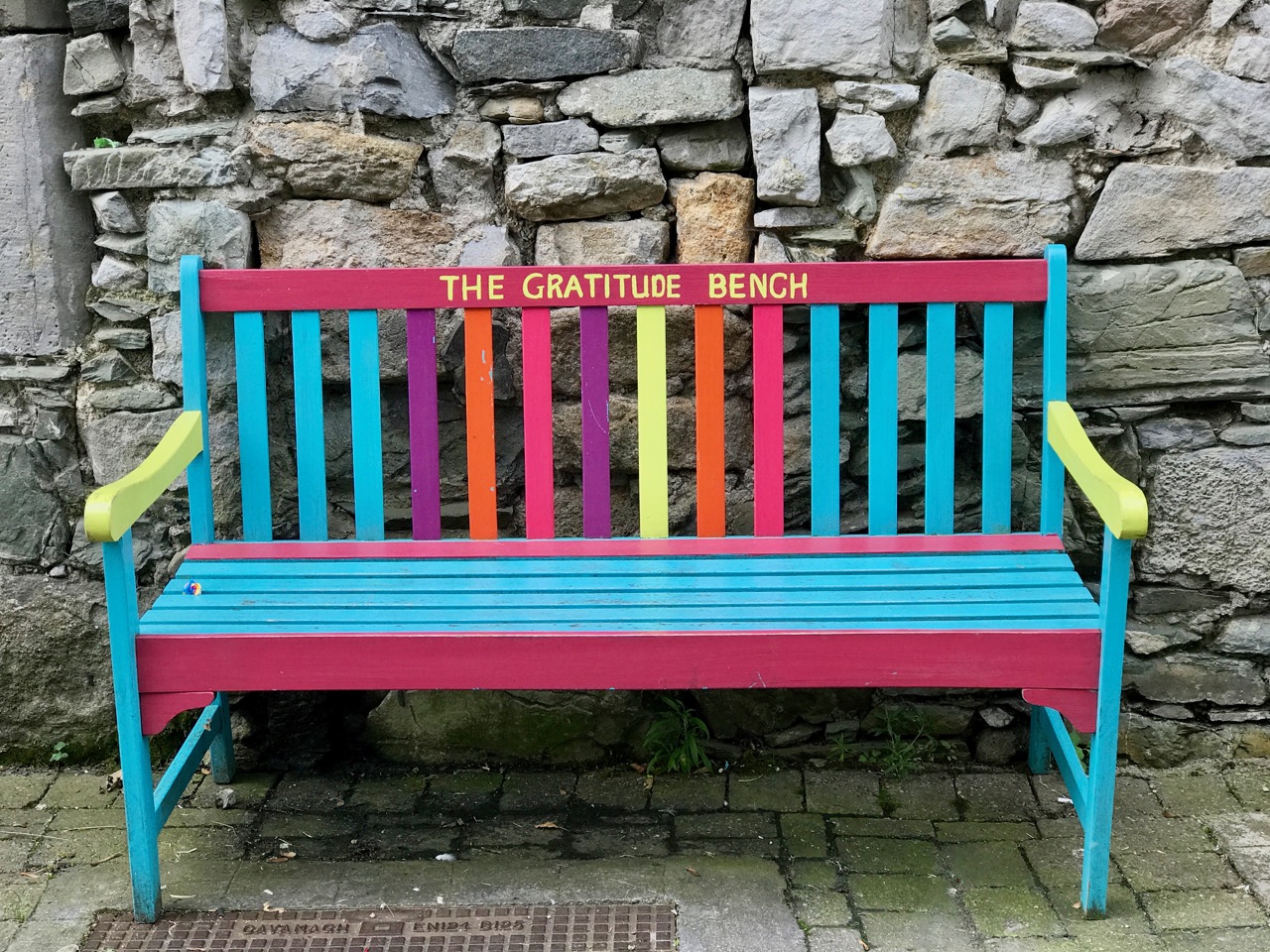
Often it’s the simple things that impress the most: just little vignettes of Irish life. We would thoroughly recommend a slow exploration of this land – ambling along the byroads and keeping a weather eye open for new experiences. Have a good time!

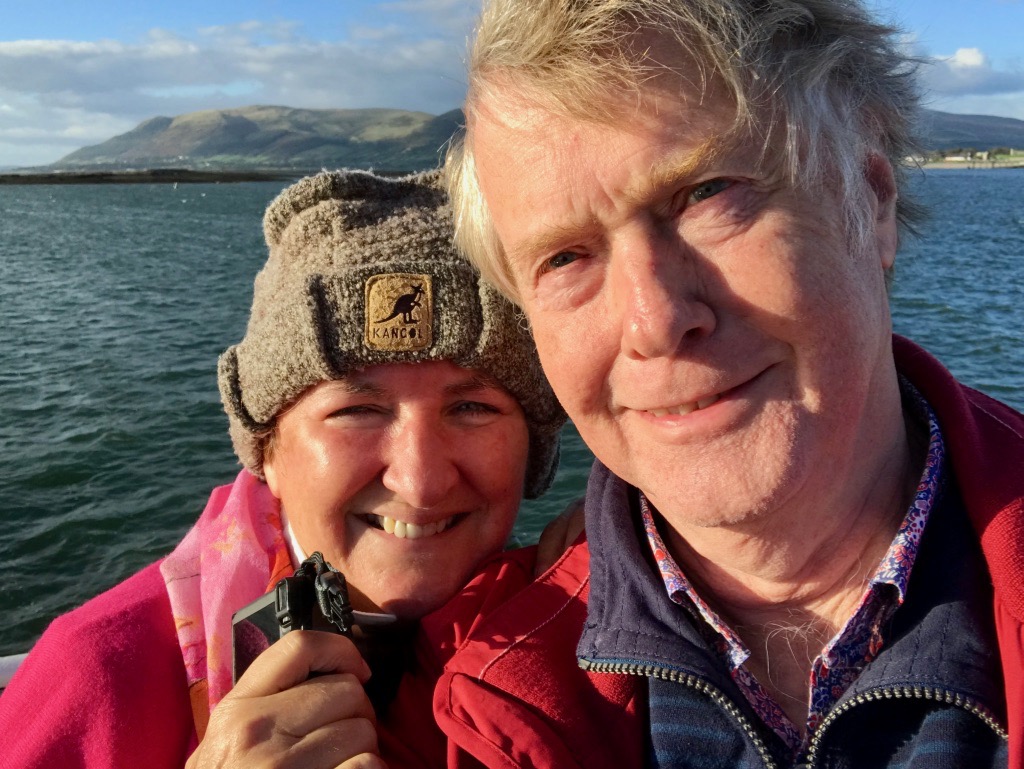
We are not averse to the odd selfie! Here we are on Carlingford Lough with the Mountains of Mourne behind us… Today it’s an invisible border between Northern Ireland and the Republic: what does the future hold?
Off The M8 and into Medieval Ireland

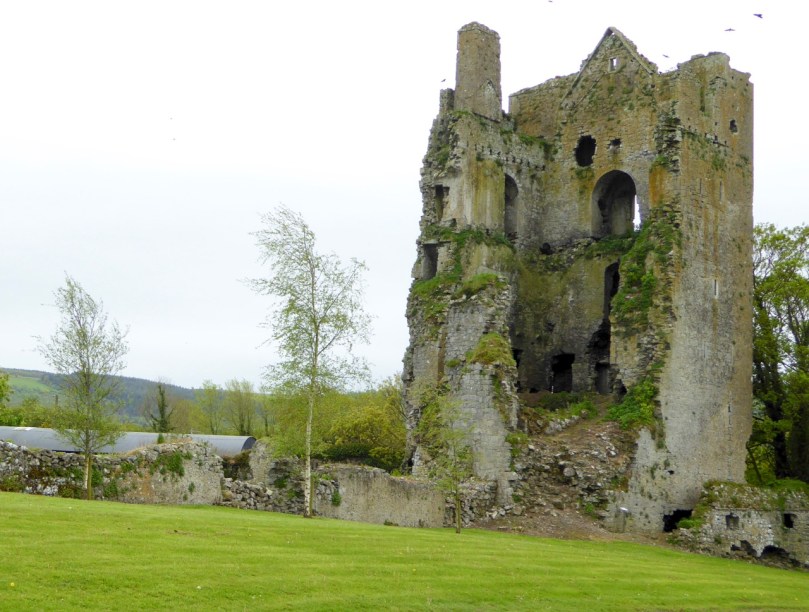
Twomileborris Castle

The drive from Cork to Dublin used to take four hours; now it takes two and a half on a speedy motorway. As you drive along, tantalising glimpses are offered of castles, a round tower, those brown signs that point to ancient monuments. If you’re not in a mad hurry, why not do some exploring? This post is about one stretch of the old road, running parallel to the motorway, where you can have a medieval experience, great coffee and cake, and rejoin the motorway when you’ve sated your curiosity. You can take a few hours and do everything on this list on one day, or you can do one or two each time you travel.

Twomileborris Gravslab and Castle

The castle and old graveyard at Twomileborris offer lots of opportunities for exploration. Above, the castle looms over the graveyard, but note the white gravemarker with the head above a stylised fleur de lys – similar to many such markers set into the floor of St Canice’s Cathedral. It’s much earlier than anything around it

I am assuming you are coming from Cork and are dying for a coffee about the time you see that turn-off for Horse and Jockey. The busiest spot in all Ireland, nevertheless we always find a corner on a comfy couch and relax with a coffee and goody before we continue. But don’t go back to the motorway – The Horse and Jockey Hotel is right on the old Cork to Dublin Road, now called the R639, so head north on it and go exploring. I’ll provide directions but a good map will come in handy, as will stout shoes for some of the sites.

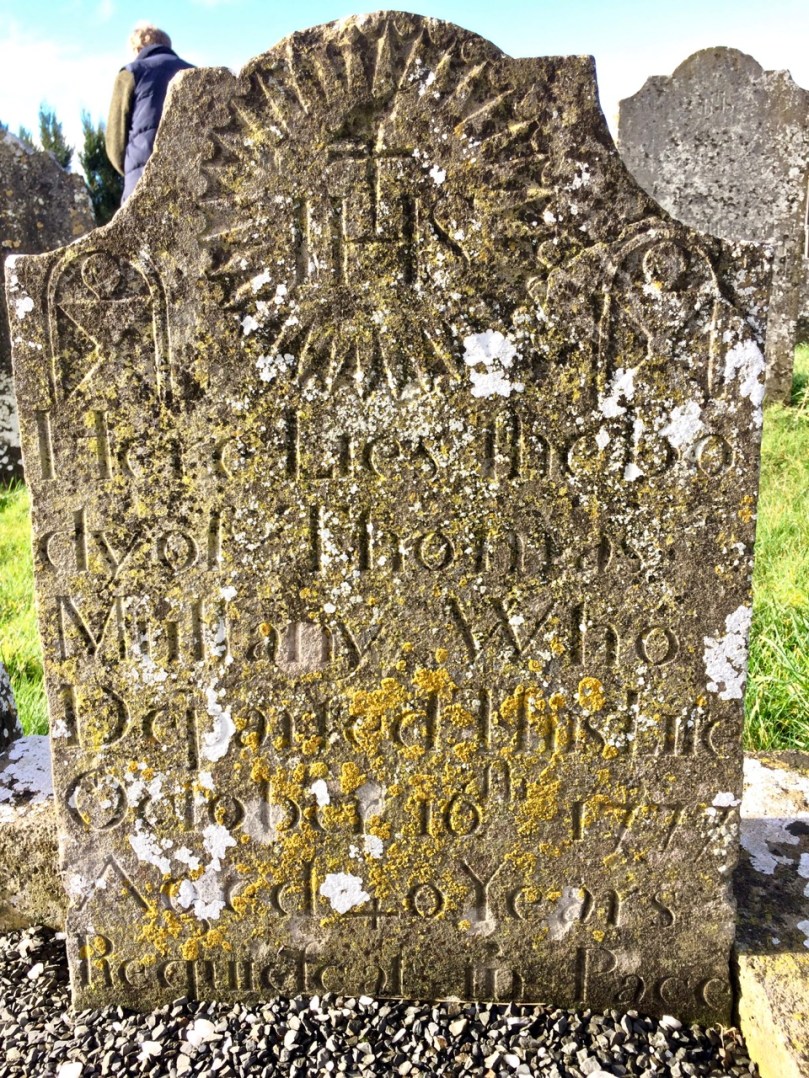
Two Mile Borris 1777 gravestone

A 1777 gravestone in the Twomileborris graveyard

First off – Twomileborris. You’ll see the sign just after Littleton and you’ll spot the castle as soon as you approach the village. Park just beyond the castle and take the path to the old graveyard – it affords good views of the castle, which is on private land. Head for the old part of the graveyard and have a good wander – you will find fine examples of gravestone that date back to the 18th century. As you leave, take a good look at the top of the castle and observe all the architectural features I’ve been telling you about in the Tower House posts. For this one, have a quick read of Tower House Tutorial Part 1.

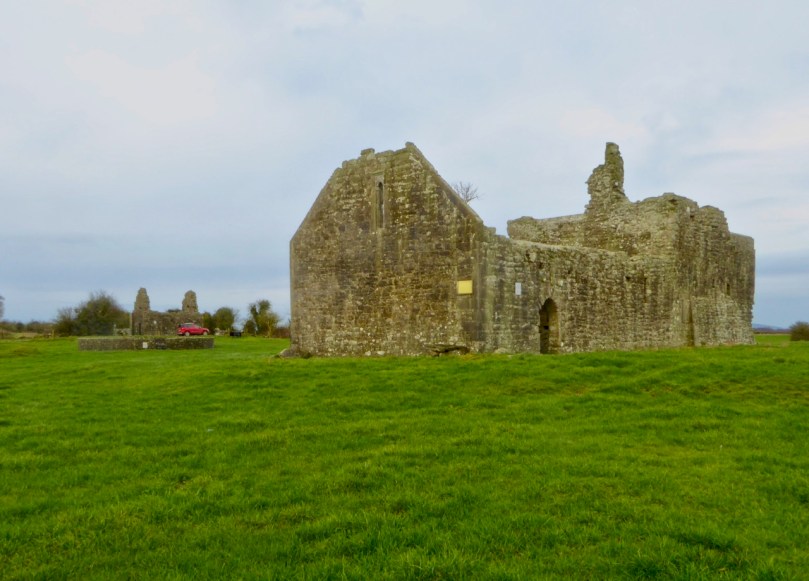
Liathmore churches

The churches at Liathmore. The round feature is a modern wall built around the stump of the round tower

Proceed through the village and you will rejoin the R639. Turn left and less than a kilometre down the road look for the National Monuments brown sign to Liathmore Churches and follow the signs to the site. This a complex site with early and later churches. The first, right beside the track, is one of those early-medieval churches with the projecting antae that Robert wrote about in Molaga of the Bees. It probably dates to the same period as the round tower – unfortunately there’s not much of this left, just a stump that was found during excavations.

Liathmore Early Medieval Church

The Early Medieval church (8th to 11th century) at Liathmore

But as you head over to the later church look around the field at all the bumps and hollows and enclosures – you are looking at what was probably a medieval settlement, long deserted. The second church was built and modified and re-modified over several centuries. It has an intact vaulted chancel – the plaster work is extensive and still bears the marks of the wicker scaffolding that was used to build it. Here and there, inside and outside, carved pieces of stone have been inserted into doors, windows and walls. You can easily miss these so let your eye rest on each section of the building. The Sile na Gig is sideways in the door nearest the round tower.

At some time in the past, pieces of carved stone were inserted into walls and doorways. Here are two examples – the one on the left has a carved creature and the one on the right is a síle-na-gig. Below I have turned the photographs to facilitate viewing of the figures

Back on to the R639 now and continue north, though Urlingford and Johnstown and about a kilometre out of Johnstown take the left turn at the first crossroads. You’ll go across the M8, turn right and another kilometre or two will bring you to Grangefertagh Round Tower. It is clearly visible in the landscape so if you miss it just follow your nose until you get there.

Grangefertagh round tower and church

Grangefertagh site is visible from the M8 – haven’t you always wanted to stop off and find it? Take a look at the church – what’s that modern-looking wall doing on top of it?

Once again, this is a site with multiple periods of occupation. You can’t climb the round tower, as you can in Kildare and Kilkenny but it’s nice to be able to get up close to one. Robert has a post on round towers, High Drama!, so have a quick read on your phone if you don’t already know all about them. Two aspects of this site are especially intriguing. The first is that, at some point in the past, the medieval church was turned into a handball alley! Hard to fathom how this could have happened, but no doubt the handball players who did it had great bad luck and never won a tournament.

Grangefertagh church and handball alley

The interior wall of the church has been rendered and old gravestones have been used to create a flatter wall. Outdoor handball alleys were once common but most are now disused and crumbling

The second is the effigy tomb – these are relatively rare in Ireland this is a nice one, although the figures are weathered and lichen-covered. The tomb commemorates John Macgillapatrick, Brian his son and Honora, Brian’s wife and is dated to about 1537.

Grangefertagh effigy tomb

Right – we’re going to finish with a couple of castles, so turn right now and it will lead you back under the motorway to the R639 where you turn north again. After another kilometre or so you will see an imposing tower house on the right. You can drive up to the farm and observe this more closely. Since it’s on private property you must ask permission to go beyond the farm gate, but you’ll get a very good view from outside.

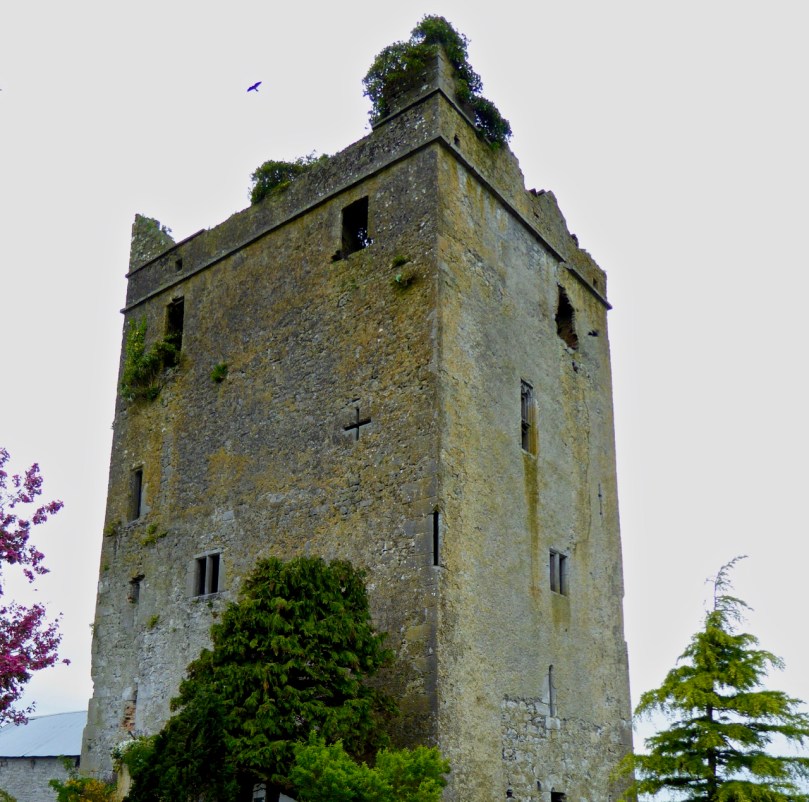
Glashare Tower House

Glashare Castle

It’s remarkably intact and from your browsing of the Tower House Tutorial Part 1 you will be able to admire the loops – unusual corner loops in this one, as well as cross shaped loops. This castle has render on the outside, but how old the render is, or what material, I have not been able to ascertain.

Glashare Tower House windows and arrow slits and render

An amazing variety of opes – windows and loops

The final stop of this tour is Cullahill Castle – turn right at the small village of Cullahill, which is 4 or 5 km beyond Glashare. This one you can wander around. It was reputedly destroyed by Cromwellian cannon, and so you get a wonderful cross-section view of the interior. Tower House Tutorial, Part 2, will tell you exactly what you are looking at, or have a read of Illustrating the Tower House to see how JG O’Donoghue shows us exactly how the interior of a tower house would have been constructed and used.  You can rejoin the M8 by proceeding to Durrow and following the signs from there.

Cullohill later fireplace

Cullahill Castle – a unique opportunity to look at a cross-section of a tower house

For those of us who travel the M8 regularly it’s great to know that we can take a break along the way and catch up on our history and archaeology at the same time. Let us know if you deviate from the M8 to visit any of these sites, or if you have your own favourites along the motorway. 

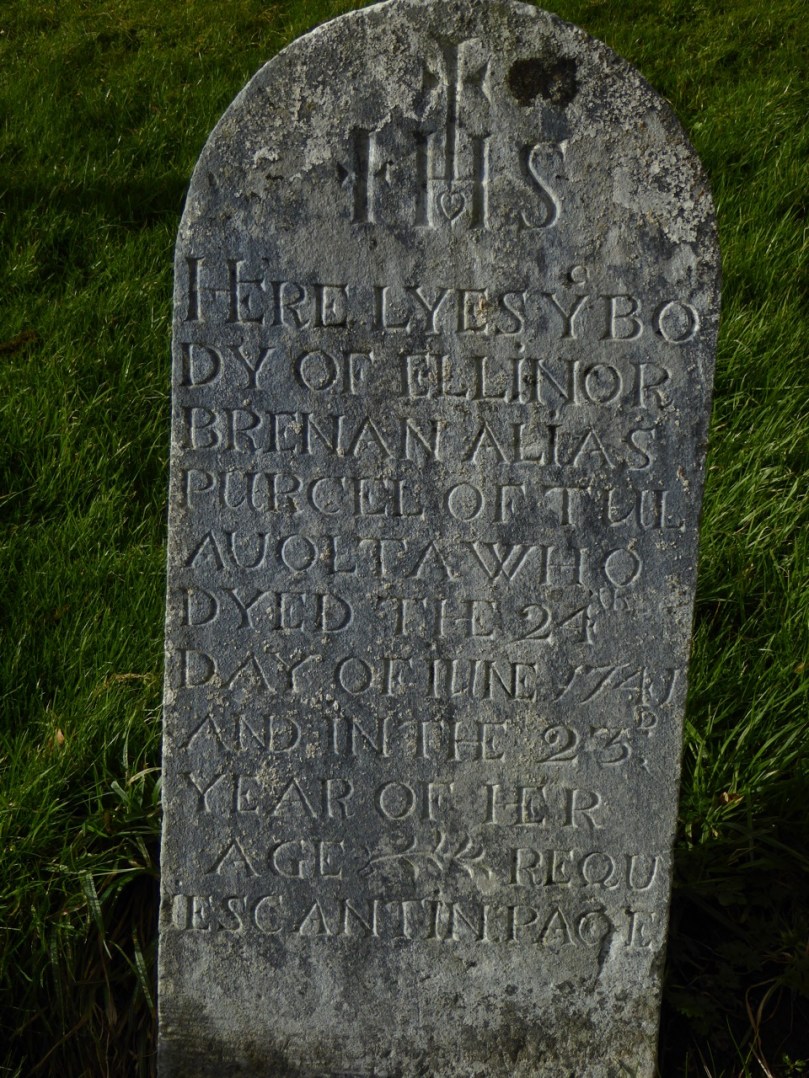
Grangefertagh 1741 graveslab

A gravestone from Grangefertagh

Into the Heartland

Elphin Windmill

Because we live on it, sometimes we get carried away by the notion that The Wild Atlantic Way represents the best that Ireland has to offer. A recent trip to the midlands – the Heartland of Ireland – convinced us (if we needed it) that there is no part of Ireland that isn’t beautiful and full of fascinating things to do and see. (Like the Elphin Windmill, Co Roscommon, above.)

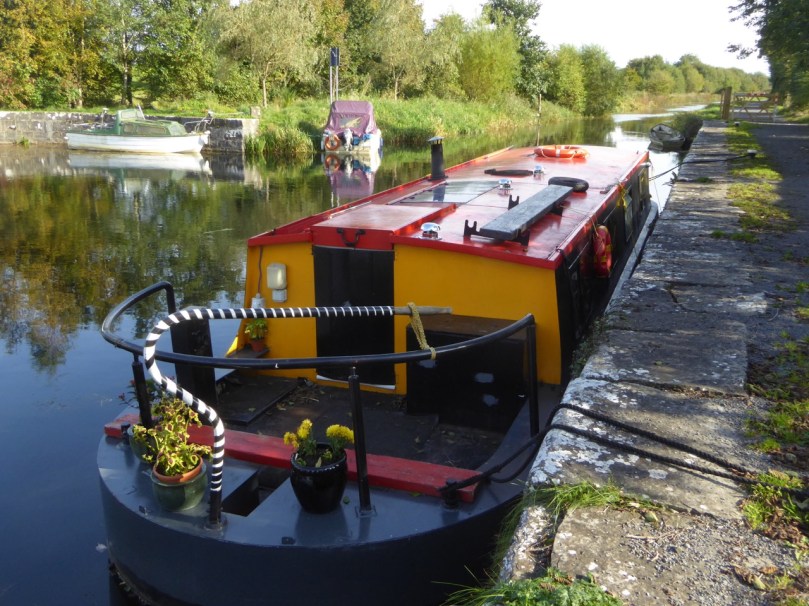
Parked at Coolnahay

We spent a lot of time along rivers and canals! 

Robert explains the background and purpose of our trip in his post, Travel by Water. I knew very little about canals before I met Robert and it’s been eye-opening to learn about the history and the sheer extent of Ireland’s inland waterways. We spent a lot of time exploring the canals – walking and driving – and enjoyed it all tremendously.

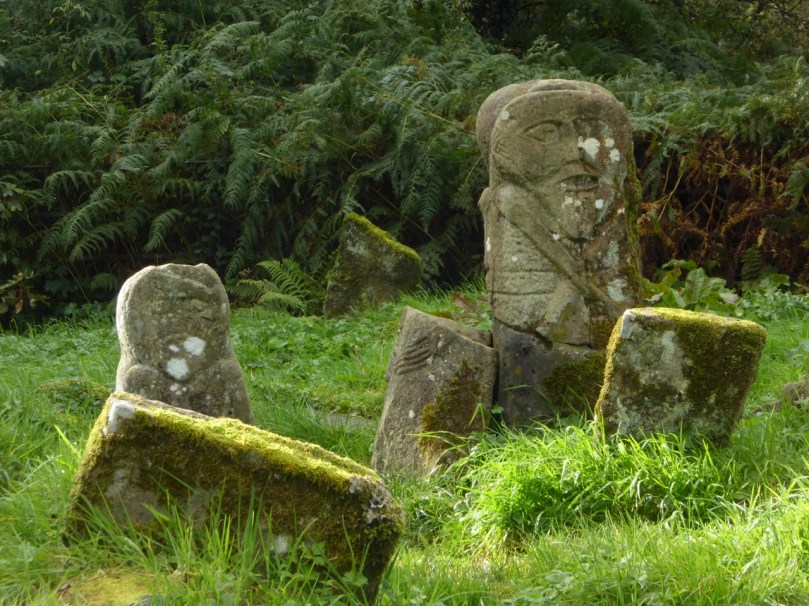
Boa Island figures

Boa Island on Lough Erne, Co Fermanagh, is home to these mysterious carved figures. Lower left: heads on a medieval church in Kilmallock, Co Limerick. Lower right: a contemporary sculpture celebrates the mythical Finn McCool, in Keshcarrigan, Co Leitrim

But wherever we went there were always other places luring me away – tower houses and fortified houses, churches and graveyards, friendly villages and colourful houses, stained glass windows and prehistoric sites. We drove along roads where we counted ring forts in every field. We explored ancient graveyards and we found a Holy Tree. We visited two sites we posted about last week, the Corlea Iron Age Trackway, and the Hill of Uisneach.

Holy Chestnut

The Holy Tree. A local man we met called it a ‘holy show’ and it certainly had some very questionable items mixed in with the statues and offerings

It’s autumn now, and, while we do experience a change of colour here in West Cork, it’s really in the midlands that the colours of the deciduous trees can overwhelm the senses. They were just starting to turn. I’m strongly tempted to head back in another couple of weeks for the full experience.

Birr Castle Gardens 2

These photographs were all taken at Birr Castle Gardens. Birr Castle (Co Offaly) was one of the most interesting and beautiful places we visited, home of the famous telescope and beautifully maintained

We visited thirteen of Ireland’s 32 counties on this trip – and never came close to the sea or the Wild Atlantic Way. Instead, everywhere we went we saw notices for the latest iteration of the Tourist Board’s marketing scheme. This one is called Ireland’s Ancient East, and appears to take in every county that isn’t on the Atlantic seaboard. A good resource, if you’re considering a trip like this, is Neil Jackman’s guidebook, Ireland’s Ancient East – we kept it by us and found it invaluable.

Grange Stone Circle, Lough Gur

Grange Stone Circle, the largest in Ireland, is one of a complex of monuments at Lough Gur, Co Limerick

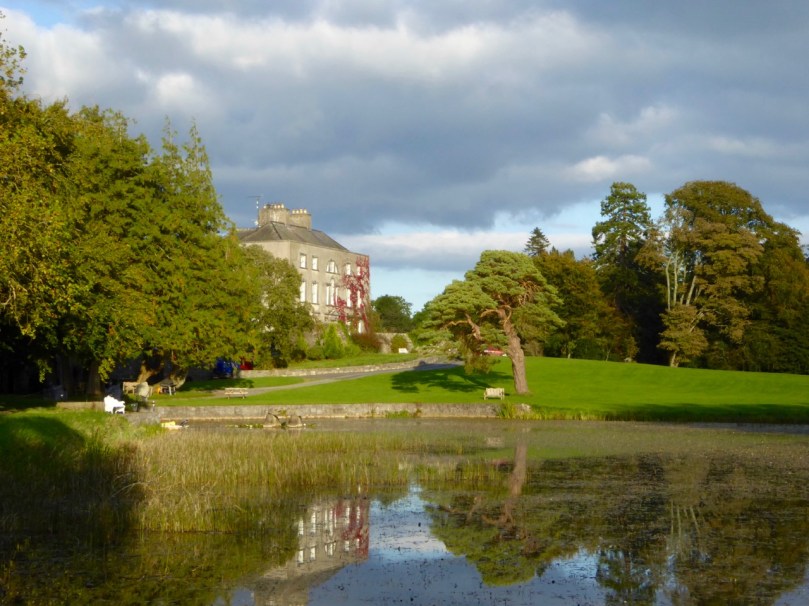
Our headquarters for the biggest chunk of our time away was the incomparable Mearescourt House near Mullingar, Co Westmeath. George and his team made us welcome and comfortable, there were glorious grounds to wander around and animals to meet, and delicious breakfasts that left us feeling full for the rest of the day.

Mearescourt House

Mearescourt House – highly recommended!

When tourists are interviewed about their holidays in Ireland they praise the scenery, the food, the music – but most of all, they say, it’s the people who make it so enjoyable. We agree! Everywhere we went we ended up in conversation, as you do here, with local people delighted to help out with information, share old stories, invite us to the sessions, tell us where to go for a nice dinner, or point out places off the beaten track (and then rescue us later when we got lost).

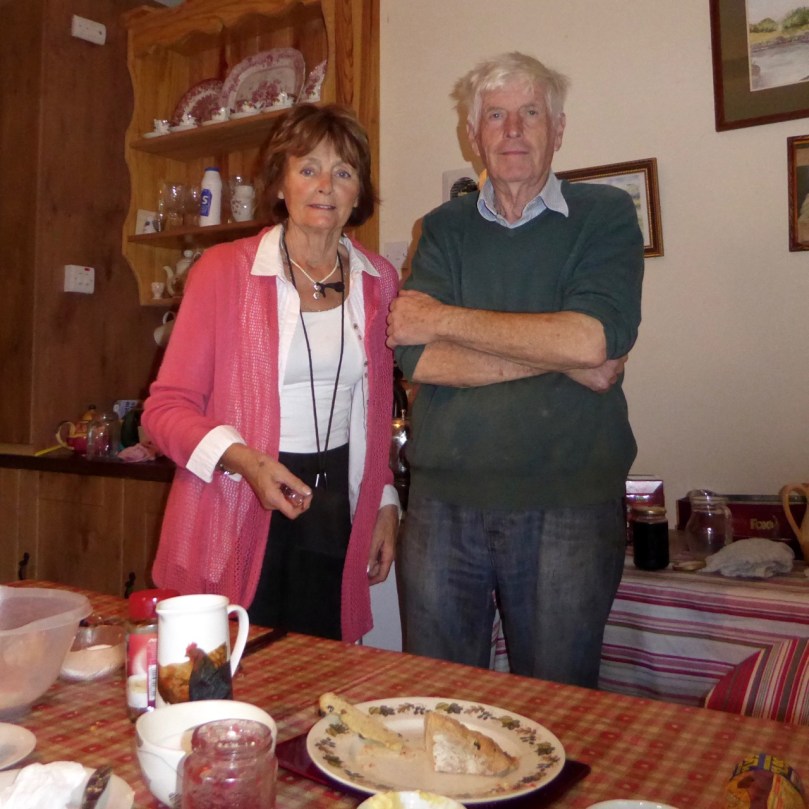
Claire and Paddy Crinnegan, Coolnahay

Paddy and Claire Crinnegan maintain the canal lock at Coolnahay on the Royal Canal. in Co Westmeath They made us tea, fed us Claire’s delicious currenty bread, told us about the trad concert that evening, loaned us a book, and related stories of growing up at the lock, where Claire’s father was the lock keeper.

Future posts will go into more depth on some of what we saw and experienced on this trip. This one is just an introduction, to share some of our impressions and drop some hints about what might be upcoming.

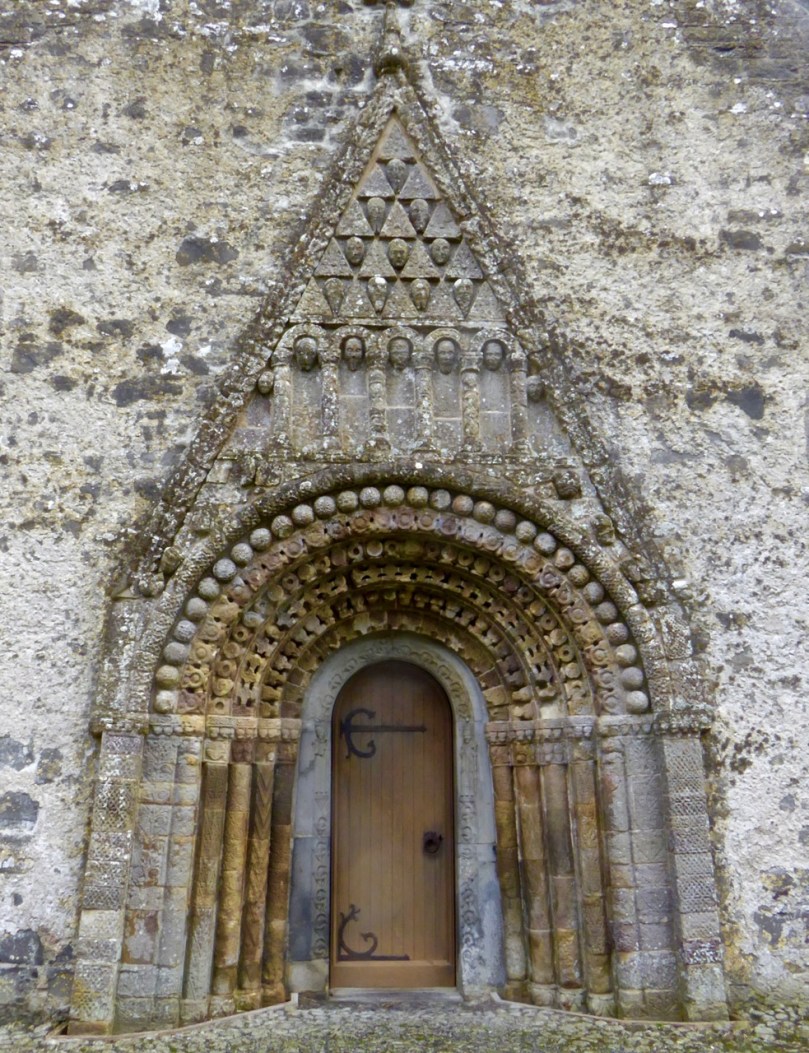
Clonfert Doorway

Clonfert Cathedrall (Co Galway) has the most beautiful Romanesque doorway I have ever seen
Along the canals and rivers, flora and fauna
Top left: in case you might get too happy with yourself; top right: the imposing gates to Portumna Castle, Co Galway, a 17th century house now owned and managed by the Office of Public Works; Bottom left: I peeped inside the priest’s section of a confession box and observed how he maintains an efficient count of time spent on each confession; bottom right; we disturb the rooks at Ballycowan Castle, Co Offaly

HC Studio, Athlone

Athlone Cathedral (Co Westmeath) has a gorgeous set of enormous windows from the Harry Clarke Studios – this is a detail from just one of them.

Can you detect a future post or two?

Irish Roads

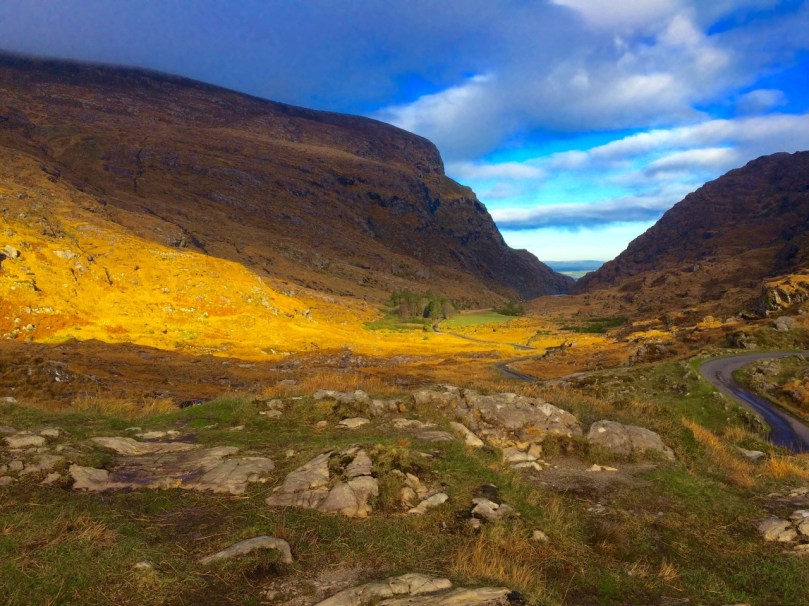
Heading towards the light

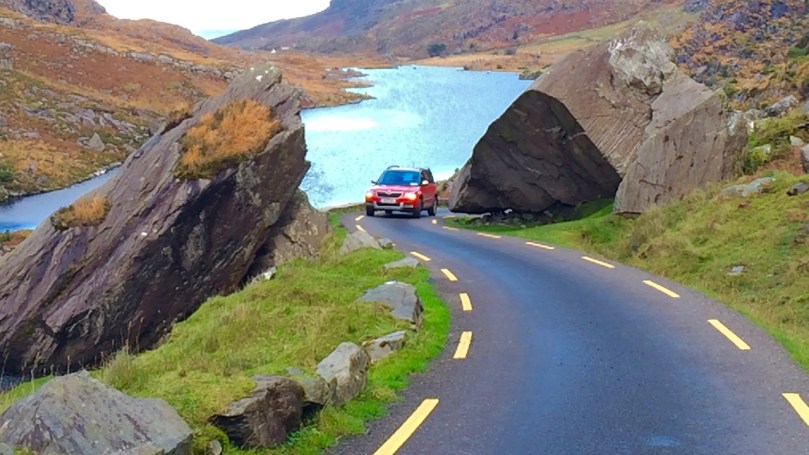
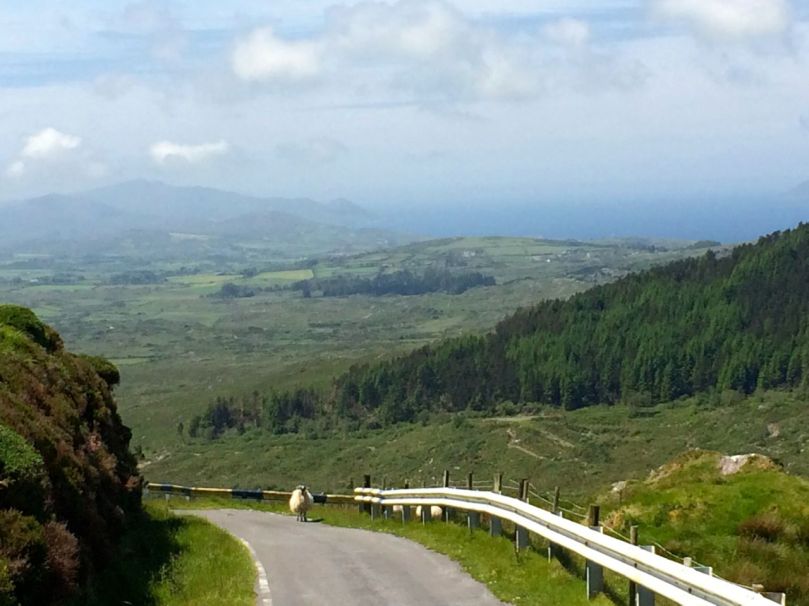
Driving the Gap of Dunloe in Kerry – it can only be done in winter.

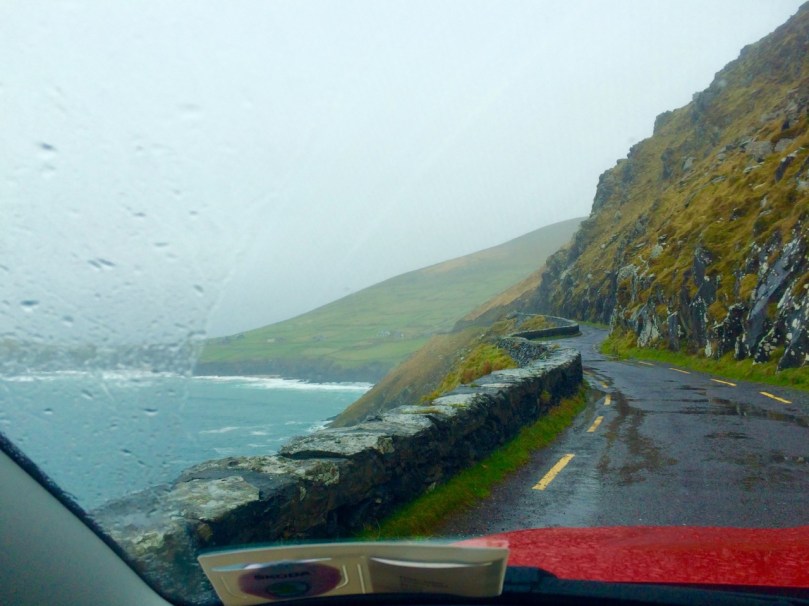
To give you a flavour of what it’s like to drive in Ireland, I’ve put together a few of my favourite photographs of the roads we’ve travelled. Sometimes I wonder if we will get to the point where we take for granted the spectacular scenery which is such an everyday occurrence for us, but then we find ourselves pulling over once again to wonder at the wild landscape, the grandeur of the mountains, the way the sea cuts deeply into the sandstone cliffs, the old castles and ruins that dot the fields – and we know that we will never tire of Irish roads.

This slideshow requires JavaScript.

I’ve chosen only photographs that have roads in them, so you can get the feel of travelling in Ireland. And yes, it does rain in Ireland and the clouds come down and cover everything and then driving isn’t as much fun. Find a pub to hole up in, wait a while, and try a prayer to St Medard

Dingle

Of course some  of you, dear readers, do this every day, like we do, so tell us your own favourite Irish roads – or share a photograph on our Roaringwater Journal Facebook page if you like.

This slideshow requires JavaScript.

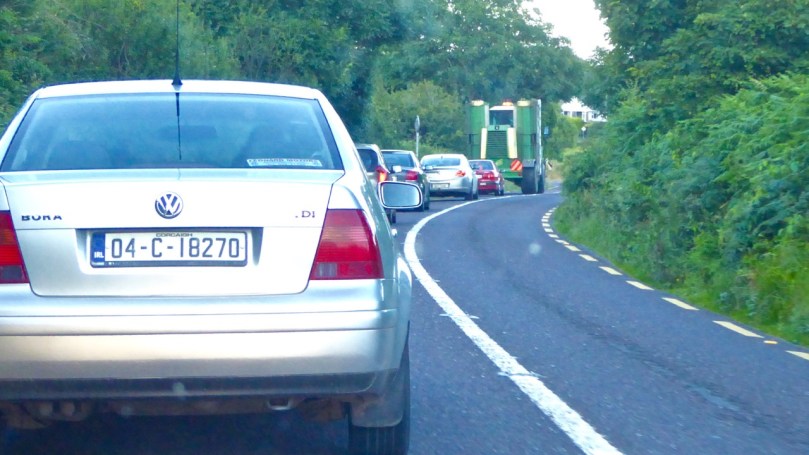
Obstacles are common – so don’t drive too fast along the rural roads as you never know what might be around the bend.

Tractor pace

And there’s no point in being in a big hurry…
Only room for one at a timeThere’s only room for one at a time

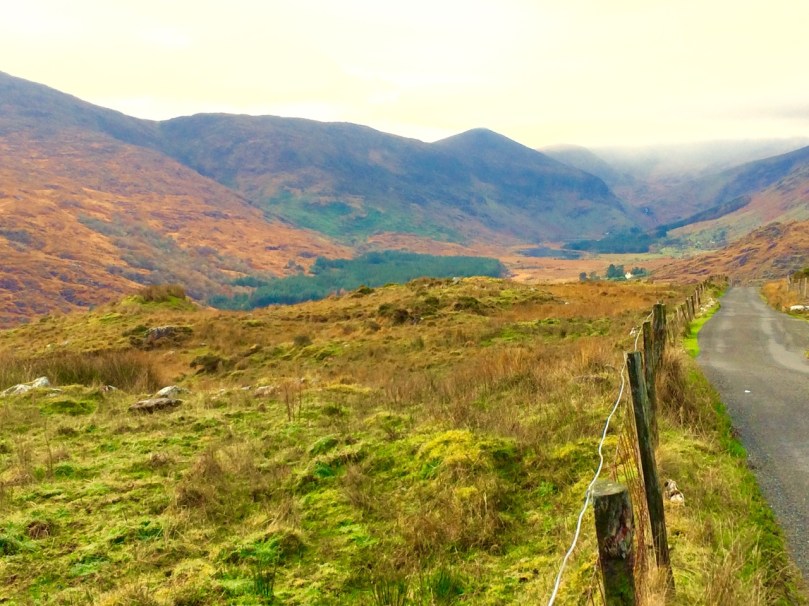
We do have freeways/motorways in Ireland, and tolled highways, and congested city streets with honking traffic. Our advice is to get off the highways and out of the cities as soon as possible. Get on this road, for example, that runs through the Black Valley in Kerry, and see where it takes you.

Black Valley, Kerry

Happy driving in Ireland!

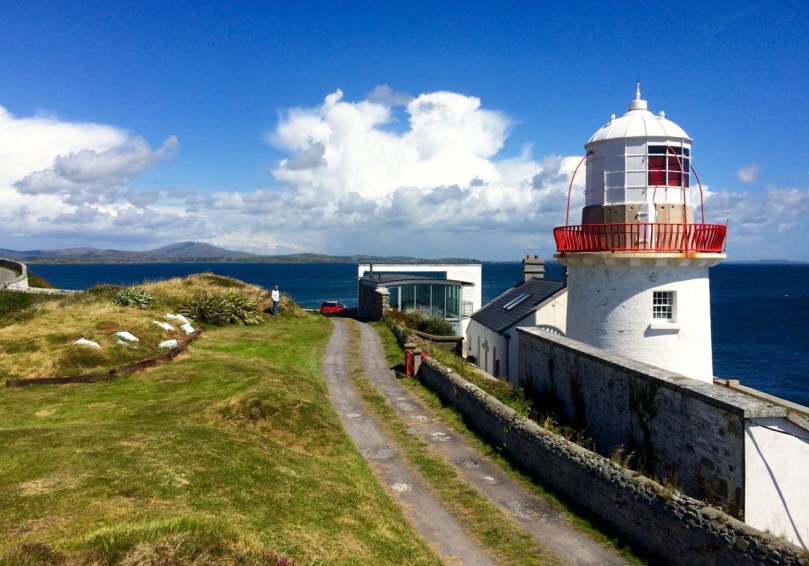
By the lighthouse

Dear Minister

Share the road

Share the road

Readers will remember my travails with the Irish driving system. I wrote about having to apply for an Irish Driving License and then about the mandatory driving lessons and passing the driving test. I promised myself that when it was all over I would write to the Minister for Transportation and make recommendations about how people like me could be treated respectfully and flexibly.

I’ve finally written the letter and have extracted my recommendations below. I would be interested in whether readers agree with them. I’d also love to hear your personal experiences of driving in Ireland. It’s a unique experience in many ways – I am constantly bemused by what I observe as I navigate the boreens and village streets of this part of the world.

This slideshow requires JavaScript.

EXTRACT FROM LETTER TO MINISTER OF TRANSPORT, TOURISM AND SPORT

There is no justification for such an inflexible approach to holders of foreign licenses. I know Ireland is committed to negotiating mutual recognition agreements with other countries over time, and that Canada may be a little more complex since licensing is handled by individual provinces, thus  requiring recognition of ten provincial licenses rather than one national one. I also understand that progress is being made, but slowly.

Since my license happens to be Canadian, I will venture now to make some recommendations on an alternative approach to how holders of Canadian licenses (and by extension others) could be treated.

Recommendations:

  1. Retain the requirement for the Rules of the Road test – there are enough differences to make this a good idea.
  2. Waive the requirement for the mandatory lessons or reduce them considerably – four lessons would be more than adequate to cover some of the idiosyncrasies of driving in Ireland.
  3. Waive the requirements for the Canadian license holder to apply for an Irish Learner Permit.
  4. If, for whatever reason this is not possible or practical, waive the regulation whereby the Learner Permit then takes precedence over the Canadian License. In practice, this allows the Canadian license holder to continue to drive on their Canadian license for a year (as they can if they do NOT apply for a Learner Permit) while preparing for the road test.
  5. Conduct a desk review of all ten Canadian Provincial Licensing systems. They are all easily accessible online, and fully explained. I can assure you that each province in Canada has a rigorous and comprehensive learner-driver program, but don’t take my word for it – a civil servant in your Ministry can conduct this assessment in less than a week.
  6. Once you have done this, immediately declare a unilateral recognition of Canadian driving licenses, as your Ministry has already done for several other countries.

The Road Safety Authority is doing a good job of raising the standards of driving in Ireland. In doing this they are battling decades of deeply-engrained negative attitudes to careful driving and to adherence to licensing regulations, especially outside the major metropolitan areas. I applaud this progress towards real change to the culture of driving in Ireland. But please, allow flexibility in how the regulations are applied so that someone with 40 years of driving experience is not treated like a  beginning driver.

Sincerely

Finola Finlay

Don't get distracted by the scenery

Don’t get distracted by the scenery

I wonder if I will get a response. I will let you know.

Mooooove over!

Mooooove over!

One last image…

What the...?

What the…?

Driving Home the Point

Another grand road

Another grand road

In my two previous posts about driving in Ireland, I chronicled the bureaucracy involved in registering our car and in applying for an Irish driving licence. Since Ireland and Canada do not have a mutual recognition agreement I had to take the theory test, a series of 12 mandatory lessons, and then take the road test. The good news is that I passed – I am now a fully qualified Irish driver! More good news – we got a €50 rebate on our car insurance. And best of all – having never even sat in a tractor in my life, I am now licensed to drive one. This is particularly pleasing since it is the vehicle of choice for the farmer visiting the pub at night in country villages, so you never know when I might be called upon to use this facility.

I can park my tractor in town now if I want.

I can park my tractor in town now if I want.

The bad news is that, between all the fees and the mandatory lessons, I spent a LOT more than the €50 I saved. It also cost me several months in which I was unable to drive on my own, and the aggravation of being trapped in an inflexible bureaucracy that refused to acknowledge my 40 years of safe driving.

I've learned to be alert for road signs

I’ve learned to be alert for road signs

However, all that paled when it came to the frustrations of learning to drive in a whole new style. As my friend Danny puts it, if someone tries to teach you how to walk (place this foot here, now lift this one) you will fall down. It just messes with your head to have to unlearn a sequence of actions that is as familiar as breathing, and relearn them a different way. This is not to do with being a better driver (although I think I am a better driver now), but with passing the test by demonstrating the correct procedures in the approved sequence.

You MUST not stop or park in a box junction

You MUST not stop or park in a box junction

Some examples might help to demonstrate. Shoulder checking is a huge thing in Canada – looking over your right and left shoulder before moving off, changing road position, turning a corner, etc. It’s because of the danger of not seeing a cyclist in the car’s blind spot. In Ireland, they want you to do a quick glance, no more. Here, you MUST check your mirrors before signalling, and after – there’s a strict sequence to follow. In Canada they teach you to take one hand off the steering wheel so that you can turn around and look out the back window when reversing – here they want both hands on the wheel at all times. You WILL be asked to reverse around a corner (you would not be asked to do that in a Canadian test) and you WON”T be asked to parallel park (a Canadian right of passage). None of these things are matters of life and death – they are all stylistic, but this is what you will be tested on. The national pass rate for the test is only 56% so there is a very real possibility of failing, no matter how well prepared you think you are.

No parking where there are zigzag lines. Or double yellow lines. Or both.

No parking where there are zigzag lines. Or double yellow lines. Or both.

Meanwhile, all around you, you will see Irish drivers doing the most appalling things and routinely flouting the rules of the road. This can be put down to the lax driving standards of the past, and so it is encouraging that it is now more difficult to get a license and that the expectations for skill and safety have been elevated. (See an interesting discussion on this here.)

Don't drive too close behind the slurry tank

Don’t drive too close behind the slurry tank

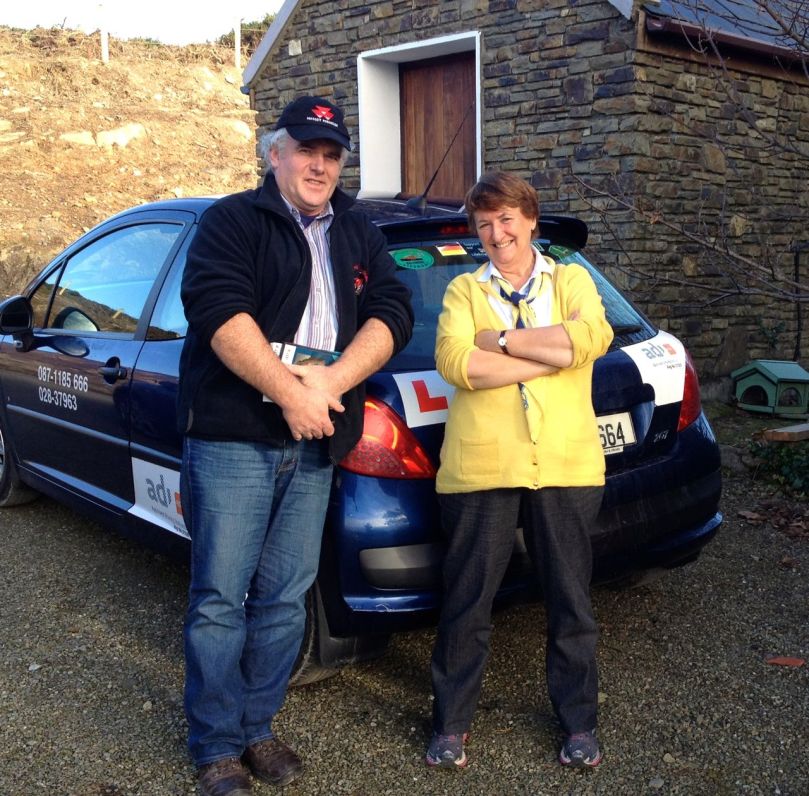
There was one bright spot in all of this – my driving instructor, Frank O’Driscoll. Having spent years driving big rigs all over Europe, and huge buses around the tiny West Cork roads, there’s nothing about driving that Frank hasn’t seen or done. Sympathising with my plight, he nevertheless gently prodded me through the lessons in sequence and encouraged me to just get on with it. An hour and a half in the car with Frank wasn’t just about driving, though. He has a great tenor voice and on the long straight stretches we roared our way through Come By The Hills or The Fields of Athenry, punctuated by snatches of poetry or by snippets of local history. Back at the house Robert put the kettle on and we settled down to tea and laughter as Frank filled in the log book and entertained us with his West Cork wit and stories.

Frank – if you’re reading this – I almost miss my driving lessons!

Frank O'Driscoll - instructor par excellence

Frank O’Driscoll – instructor par excellence