Old Nog

The Heron Family - a 19th century print

The Heron Family – a 19th century print

Here at Nead an Iolair we are on a flight-path. Not for Eagles – which you might expect (Nead an Iolair means Nest of the Eagle) – but for Herons. I have often watched one of these most prehistoric seeming of birds lazily flapping its way across our view, apparently from the hills behind us, towards the islands in front – no doubt heading for its shallow water fishing grounds. Yesterday I saw the Heron being mobbed persistently by Crows – presumably worried about their eggs and young – but our Old Nog ignored the harrying and continued stolidly on his way. Herons roost in trees – and do so communally: I would like to search out the Heronry, which would be a rich experience in both sound and smell.
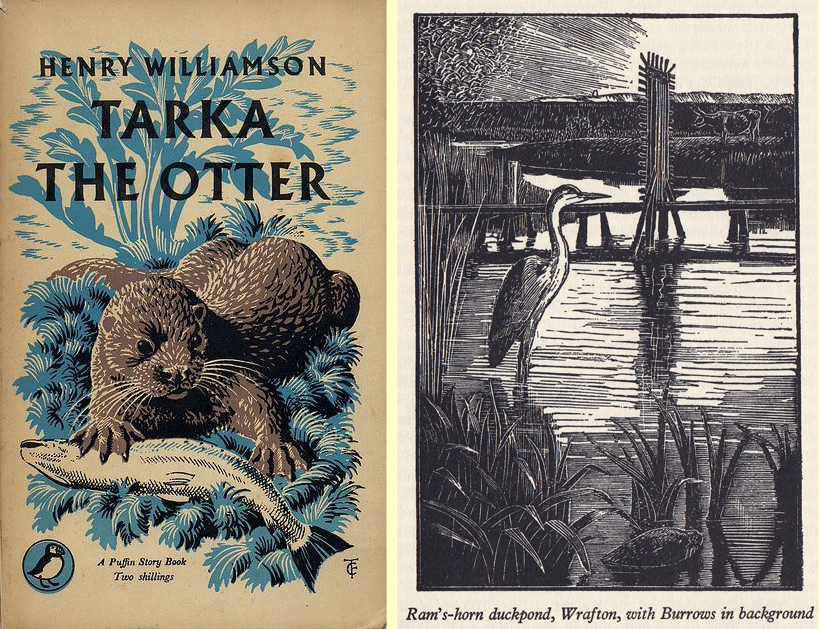
A 'Tarka' edition illustrated by Tunnicliffe

A ‘Tarka’ edition illustrated by Tunnicliffe

Old Nog – there’s a good name for this character. It comes from Tarka the Otter, probably the most famous book by Henry Williamson – a master nature writer and novelist who lived from 1895 to 1977, spending many of those years in Devon. The book – winner of the Hawthornden Prize for Literature in 1928, and never out of print since it was published – opens with these lines:

…Twilight upon meadow and water, the eve-star shining above the hill, and Old Nog the heron crying kra-a-ark! as his slow dark wings carried him down the estuary. A whiteness drifting above the sere reeds of the riverside, for the owl had flown from under the middle arch of the stone bridge that once carried the canal across the river…
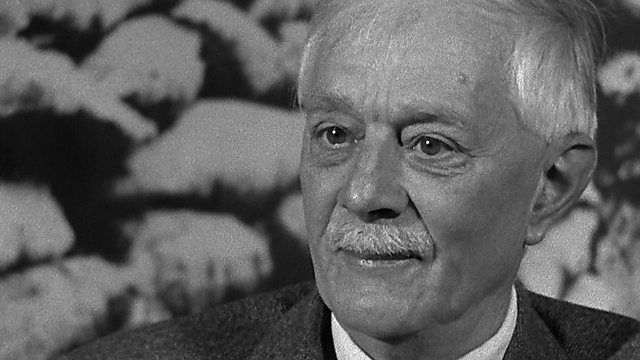
Henry Williamson

Henry Williamson

The story of Tarka unfolds in places I know well: I was in Devon for nearly four decades before I came here to Ireland. The stone bridge that once carried the canal across the river is still there, not far from where I once lived: the old aqueduct on the Rolle Canal over the Torridge now carries the driveway to a private house. Tarka’s travels took him right up to the heart of Dartmoor: to Cranmere Pool, close by which stand, today, the ruins of an old farm. This was once described (by William Crossing the Dartnoor writer) as ‘the remotest house in England’. My mother’s grandmother was born and raised there in the nineteenth century, one of fourteen children from a single generation. The name Cranmere comes from ‘mere of the Crane’, and the Crane was and still is a name often given, in England and Ireland, to the Heron.
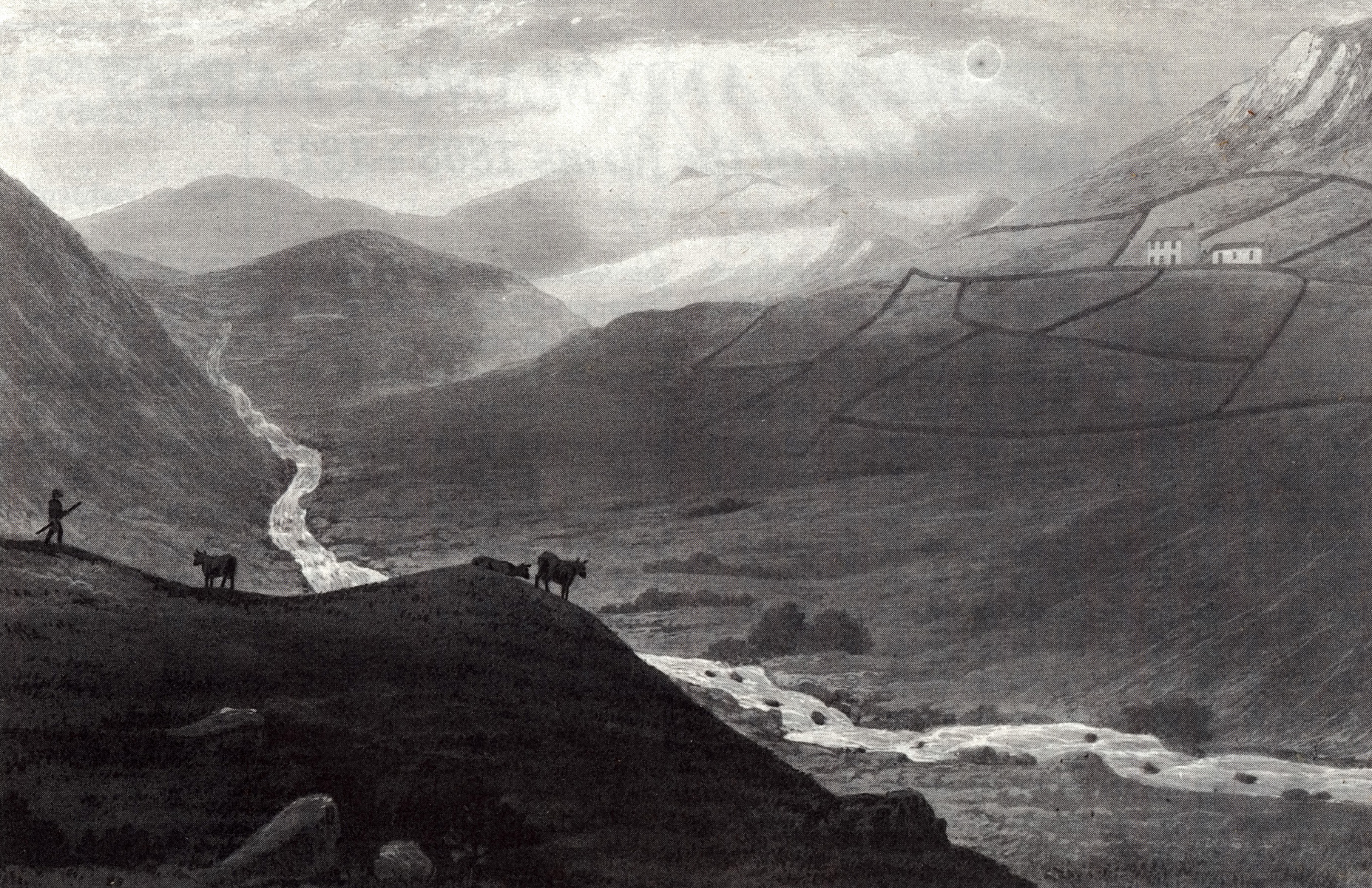
Home of my forebears: Teignhead, Dartmoor (Strutt 1828)

Home of my forebears: Teignhead, Dartmoor (Strutt 1828)

Having established, perhaps somewhat tenuously, my own relationship to the Heron, I will enlarge upon the bird’s place in folklore and tradition. The Heron was once a regular dish on the English medieval banqueting table: as the property of the crown, heavy fines were levied on anyone caught poaching the bird, while in Scotland the penalty was amputation of the right hand. From observations of the bird standing still for hours in shallow water waiting patiently for its lunch to pass within range of its sharp bill, anglers assumed that the Heron’s feet had some means of attracting the fish towards it, and it was once a custom for the fisherman to carry a Heron’s foot for luck, but also to coat the fishing line with Heron’s fat and a noxious mixture made from boiled Heron’s claws.

Aesop penned a fable about the Heron and the Fox: Fox invites the Heron to dinner but only provides a shallow plate of soup which the bird is unable to partake of because of its long beak. In retaliation, Heron invites Fox, and provides the food in a bottle with a long narrow neck: Fox is unable to share in this food. The moral? ‘One bad turn deserves another’.
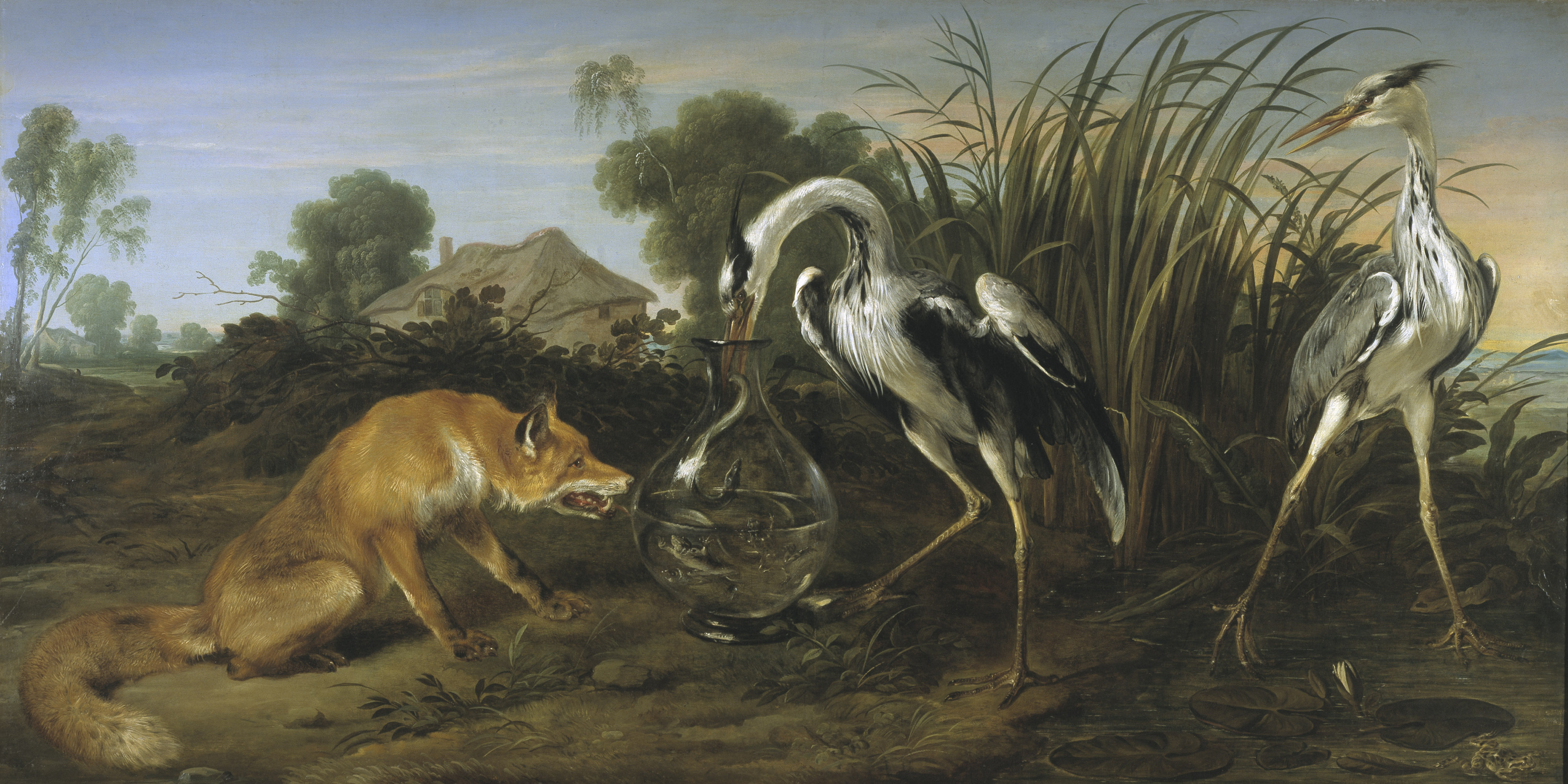
Fox and Heron - Frans Snyder 1657

Fox and Heron – Frans Snyder 1657

I have never successfully photographed a Heron, but you can see some excellent pictures in the portfolio of Sheena Jolley – a professional wildlife photographer who lives not far away from here, in Schull. And here’s another – by our friend Lisa who lives out on the Sheeps Head.

In Ireland the Heron is known as Corr reisc or Corr-ghrian (crying Crane). Although a common bird, I have found no specifically Irish folktale which includes Herons: if you know of one I would be delighted to hear it. There are some superstitions: if a Heron lands on your house you will have good luck, and if some of its plumage floats down to you – then you will have amazing luck! So, come on Old Nog – how about an occasional perch on the roof of Nead an Iolair? And, while you’re at it, throw out a few feathers as well… Of course, if there are more than one of you we will be able to say …there goes a siege of Herons…! 
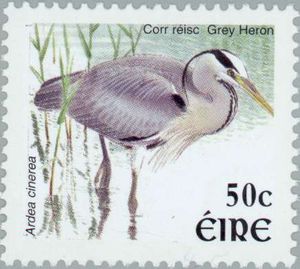
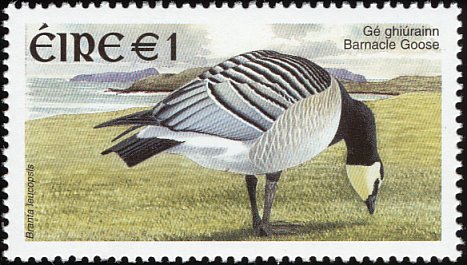
heron stamp

Troll Tuning

Baltimore - with Dún na Séad before restoration - painted by Val Byrne

Baltimore – with Dún na Séad before restoration – painted by Val Byrne

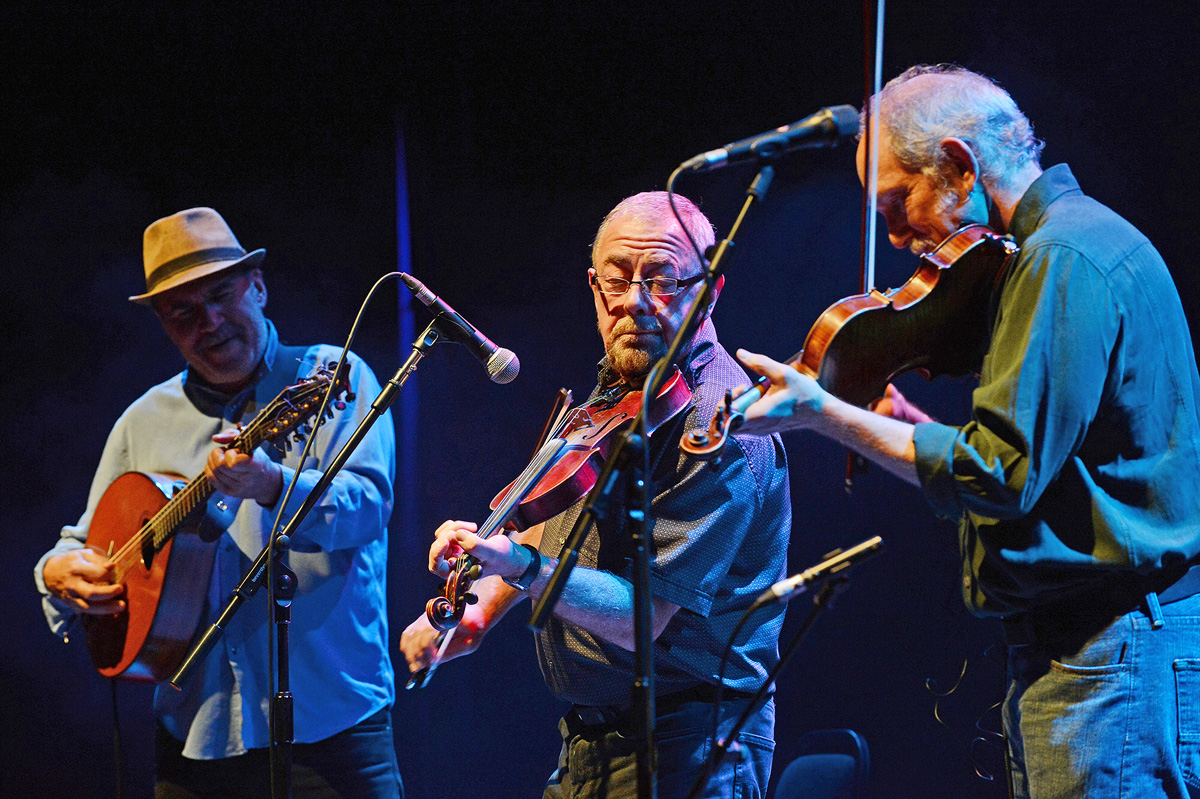
It’s May, and time for the Baltimore Fiddle Fair, still in progress as I write this, and keeping us up well into the nights with world class concerts: music from so many cultures that involves the ubiquitous violin. My post today has been sparked off by the opening event held in the restored Dún na Séad – the name means fort of the jewels, which may be a reference to the building’s role in the collection of taxes levied on foreign vessels entering the harbour. The Anglo-Norman castle was built in the early 13th century, was besieged and sacked many times, became a garrison for Oliver Cromwell in 1649 and fell into ruin until it was rescued and underwent a superb full restoration only completed in 2005. Friday’s candlelit opening concert featured a fiddle master from the Shetlands, Aly Bain, and his long term musical collaborator Ale Möller, a multi instrumentalist from Sweden. 

One piece in their programme immediately caught my attention: Hjaltadans – literally translated as ‘lame’ or ‘limping’ dance. It’s also the name of a Bronze Age stone circle near Houbie in the Shetlands. It’s said that the two central stones of that circle are a fiddler and his wife who were entertaining a group of Trowies (trolls) and were interrupted in their music making by the rising sun which turned them all to stone. Trolls are undoubtedly related to The Other Crowd in Ireland, and also inhabit the shadows in Scandinavia.

Here is an extract from the latest album from Bain, Möller and Molsky – Troll Tuning: King Karl’s March


The Shetland troll dance was followed by a Swedish ‘Troll Tuning Set’. Aly and Ale explained that Troll Tuning is a particular way of setting up a fiddle where the strings are tuned AEAC♯, rather than the more usual GDAE. This tuning is sometimes used in Scandinavia, Shetland and in American old-time music (this probably because there were so many settlers from Sweden in North America). The tuning produces very distinctive, haunting music: ‘…Once you’ve heard a trowie tune you can never forget it…’ Even more interesting is the legend that playing such tunes connects the musicians with magical powers.

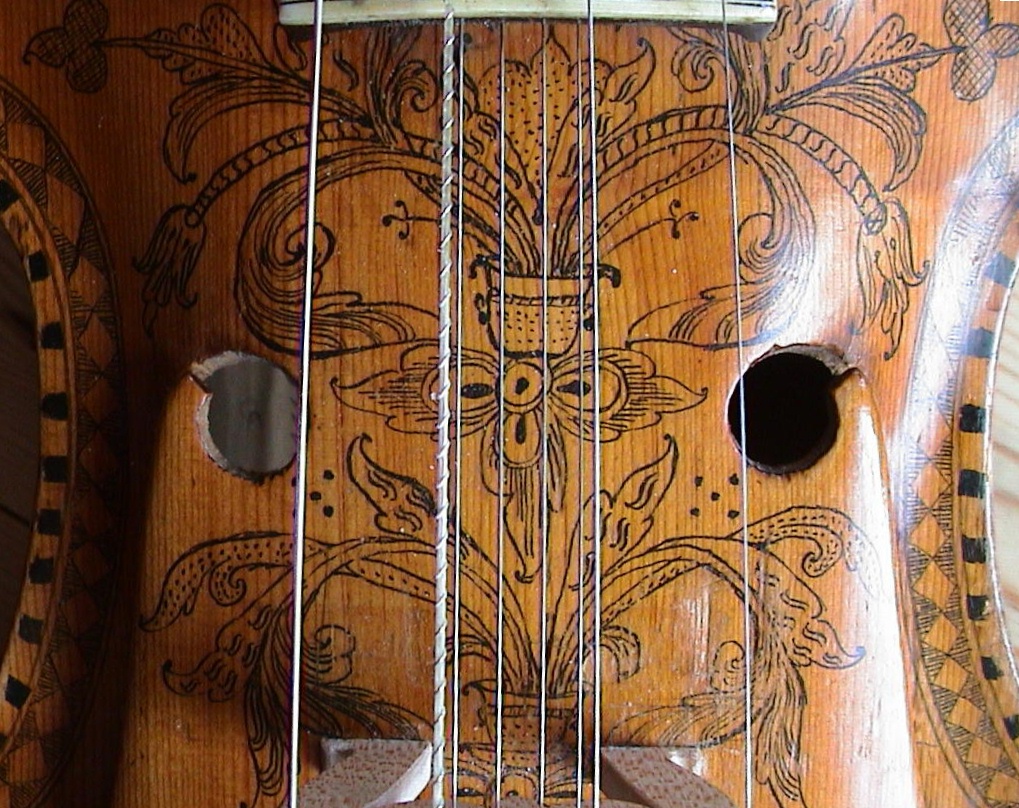
The Devil's Music: Hardanger Fiddle

The Devil’s Music: Hardanger Fiddle

All this reminded me of traditional stories involving musicians and characters from the Otherworlds: they are pretty universal over many cultures. I also thought about a particular type of fiddle from Norway (regularly seen and heard at the Fiddle Fair) which has ‘magical’ associations: the Hardanger Fiddle or Hardingfele in Norwegian. This traditional instrument is usually magnificently carved and inlaid, and has understrings which are not actually bowed, but are tuned to vibrate when other notes are sounded. The tone and ambience of the instrument is unique and compelling: it is easy to imagine the Trowies or Sióg (pronouced Sheeogue: Irish Fairies) requiring such striking sounds for their festivities. But some have thought the Hardingfele has diabolic connections, and in fact many good players were reputed to have been taught to play by the Devil himself. During the 1800s many fiddles were destroyed or hidden both by fiddlers and laypeople who thought ‘…that it would be best for the soul that the fiddle be burned…’ as it was viewed as ‘… a sinful instrument that encouraged wild dances, drinking and fighting…’

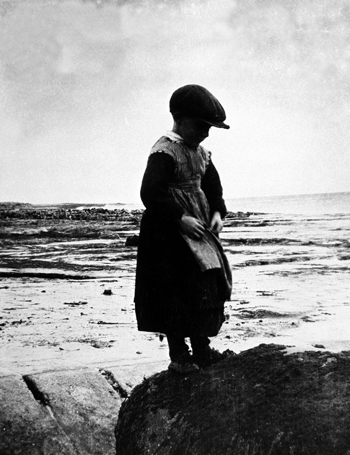
In Ireland, boys were sometimes dressed as girls to stop the Sheehogue from stealing them away

In rural Ireland, boys were sometimes dressed as girls so the Sióg would not steal them away

At this time of the year it’s not just the instruments and the music we have to be wary of: throughout the month of May the Sióg are active. Yeats tells how an old man saw them fight once: ‘…they tore the thatch off a house in the midst of it all. Had anyone else been near they would merely have seen a great wind whirling everything into the air as it passed. When the wind makes the straws and leaves whirl, that is the Fairies, and the peasantry take off their hats and say, God bless them…’

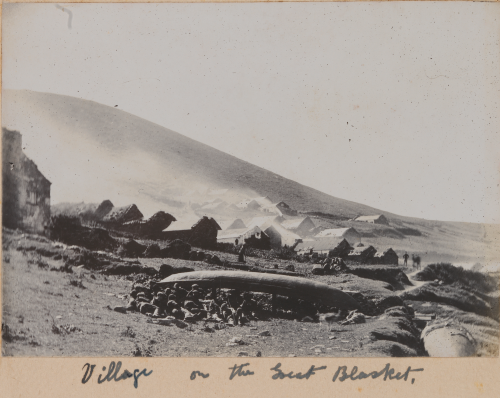
The wind is certainly whirling and tearing at the trees outside as I write this: May has seen the return of strong gales – the trees are bending again and Roaringwater Bay is alive with white breakers. Looking out to the islands I bring to mind a tune from the Blaskets, over on the coast of Kerry. Port na pBucai (Music of the Fairies) is a haunted song if ever there was one. It’s said that the islanders were out fishing in their currachs when a storm broke out. It turned into a gale and they feared for their lives as the canvas hulled craft became swamped. Then, the wind suddenly died and they became aware of music playing somewhere around them – an unearthly music. The island fiddler was amongst the crew; when they got safely back to land he found he could remember the tune they had heard. It has passed into the traditional repertoire and has been played ever since.

My own rendition of Port na bPucai on the concertina –


To close, a verse by Seamus Heaney which was inspired by this story of the Fairy music:

The Given Note

On the most westerly Blasket
In a dry-stone hut
He got this air out of the night.

Strange noises were heard
By others who followed, bits of a tune
Coming in on loud weather

Though nothing like melody.
He blamed their fingers and ear
As unpractised, their fiddling easy

For he had gone alone into the island
And brought back the whole thing.
The house throbbed like his full violin. 

So whether he calls it spirit music
Or not, I don’t care. He took it
Out of wind off mid-Atlantic. 

Still he maintains, from nowhere.
It comes off the bow gravely,
Rephrases itself into the air.

Blaskets

Dancing Sun

Dancing Sun, Roaringwater Bay

Dancing Sun, Rossbrin Cove

“Where does that road lead?” said I, pointing to a road on the left of the one we were pursuing. “The road is it?” said the man with the cloak, “why, then, what road should it be, but the road to Sunday’s Well, a fine well it is, and a blessed place, for sure they say, though myself never seen it, that if one was to go there at peep of day on an Easter Sunday, they’d see the sun dancing a jig on the rim of the sky for joy; and I suppose that’s the reason they calls it Sunday’s Well” [Thomas Crofton Croker, Legends of the Lakes: or Sayings and Doings at Killarney, 1829]

When I lived in Devon I was told that the sun danced on Easter morning, but also that the ancient stone at the crossroads above the house where I lived could be seen to move at dawn on that day. I never caught the dawn when I lived there but here’s evidence that the sun does, indeed, dance at Roaringwater Bay. According to Kevin Danaher children in Ireland were shown the sun on Easter morning reflected in water – perhaps in the sea or a well – and this ensured that it would be seen to dance.

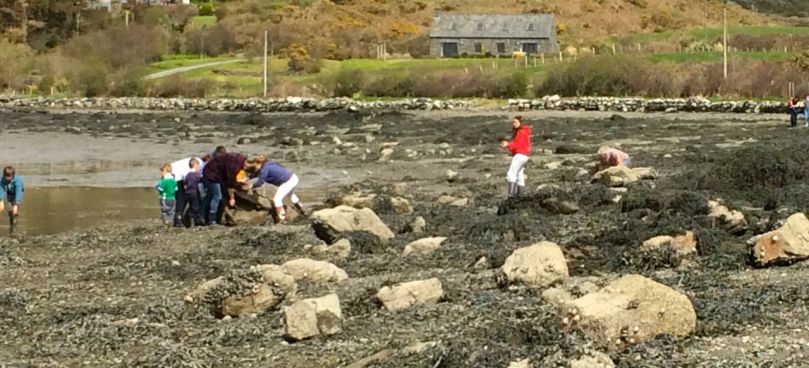
Gathering Bia Tragha at Rossbrin: the house on the skyline is Nead an Iolair

Gathering Bia Tragha at Rossbrin: the house on the skyline is Nead an Iolair

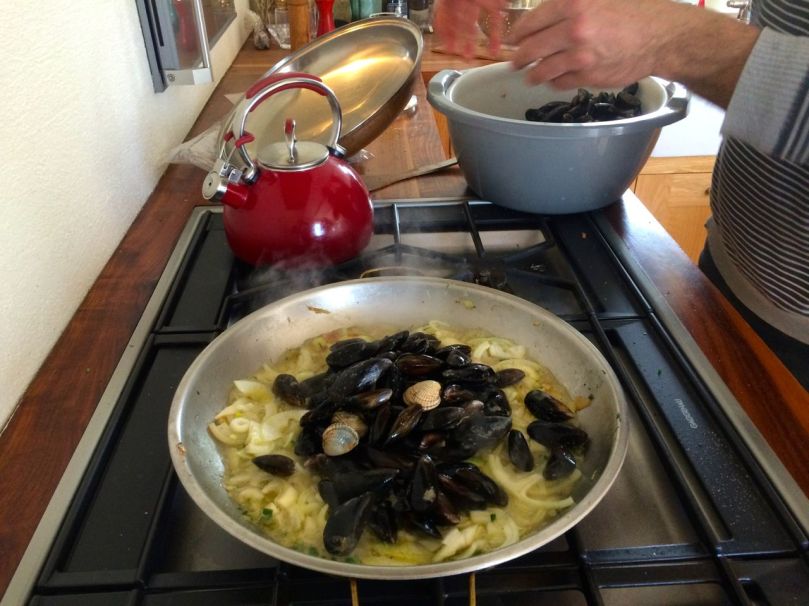
There are so many Easter customs: Finola is writing about the bia tragha – the custom of gathering shellfish and seaweed on Good Friday, the culmination of the austerity of Lent. Down in the Cove we joined several families collecting mussels. When I asked them why people in Ireland carry out this Good Friday tradition I always got the same answer – ‘…because we have always done it…’

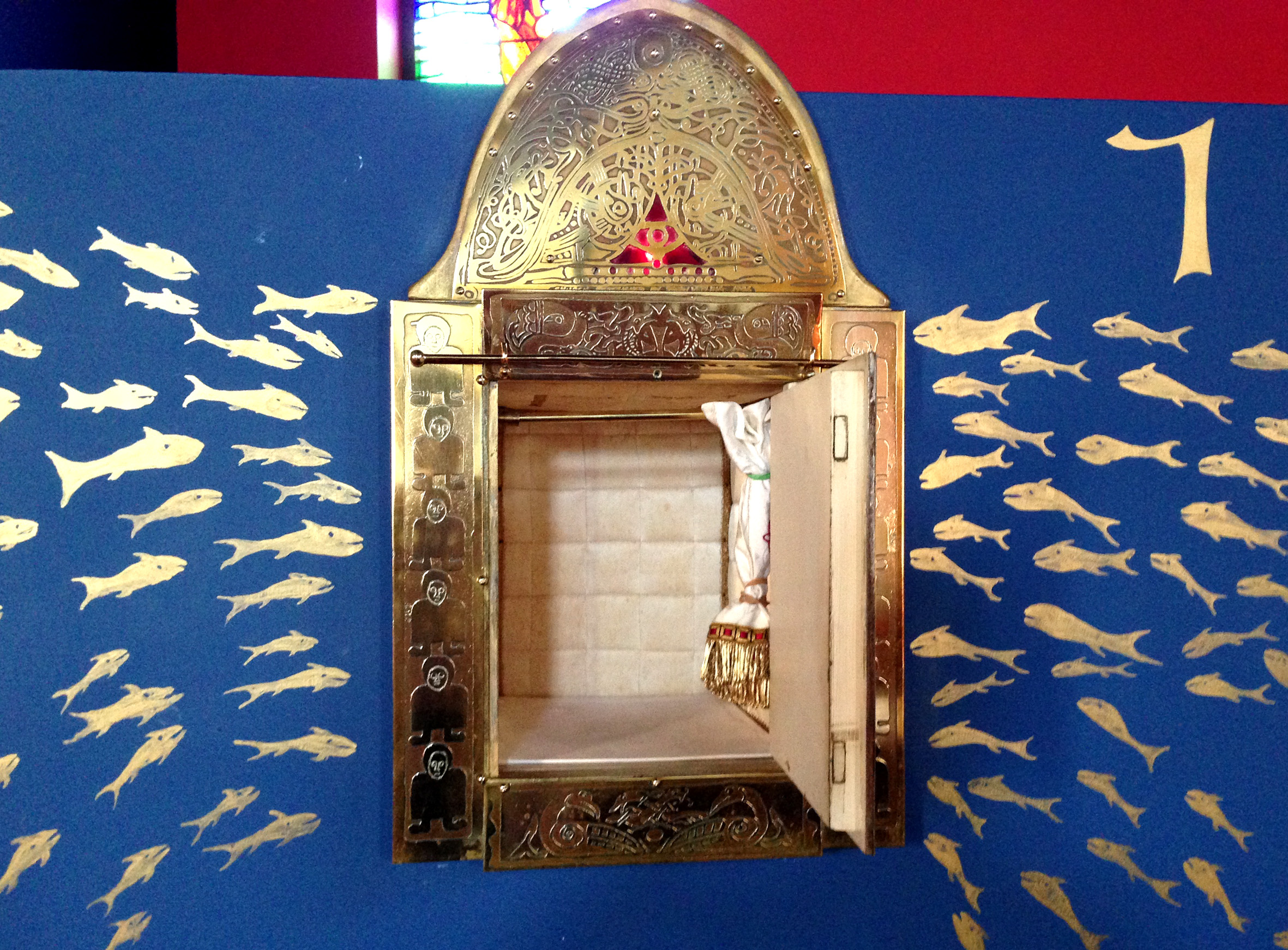
Good Friday - and the Tabernacle in Ballydehob Church is empty

Good Friday – and the Tabernacle in Ballydehob Church is empty

There is a lot of respect for the observance of Good Friday here. No alcohol is consumed: the pubs close at midnight sharp on Thursday evening (it’s not unusual on a normal day for them to stay open until two or three in the morning – especially if there is a session going on) and don’t reopen until Saturday. Ireland is probably the only Catholic country in the world where this tradition is still kept up. Not so long ago no work was done on the land, and ‘…no blood should be shed, thus no animal or bird could be slaughtered, no wood should be worked or burned and no nail should be driven on the day on which the Saviour was crucified…’ (Danaher)

Burning the Mountain on Good Friday

Burning the Mountain on Good Friday

Bearing this in mind we were surprised to encounter a ‘controlled burning’ of the gorse on the Sheep’s Head when travelling back from visiting friends on Good Friday evening. It was spectacular: the whole mountainside seemed to be engulfed.

On the Mizen – according to McCarthy + Hawkes ‘…Early on Easter Sunday morning all the lads from the townlands would go around in a big group, blowing a trumpet made from a cow horn. The women of the houses visited would give them boiled hen’s eggs to eat, sometimes coloured yellow from boiling with furze petals or onion skins. After Easter Mass everyone went home for a quiet day of rest and a good feed after Lent. The night would bring a ball with much drink and dance…’

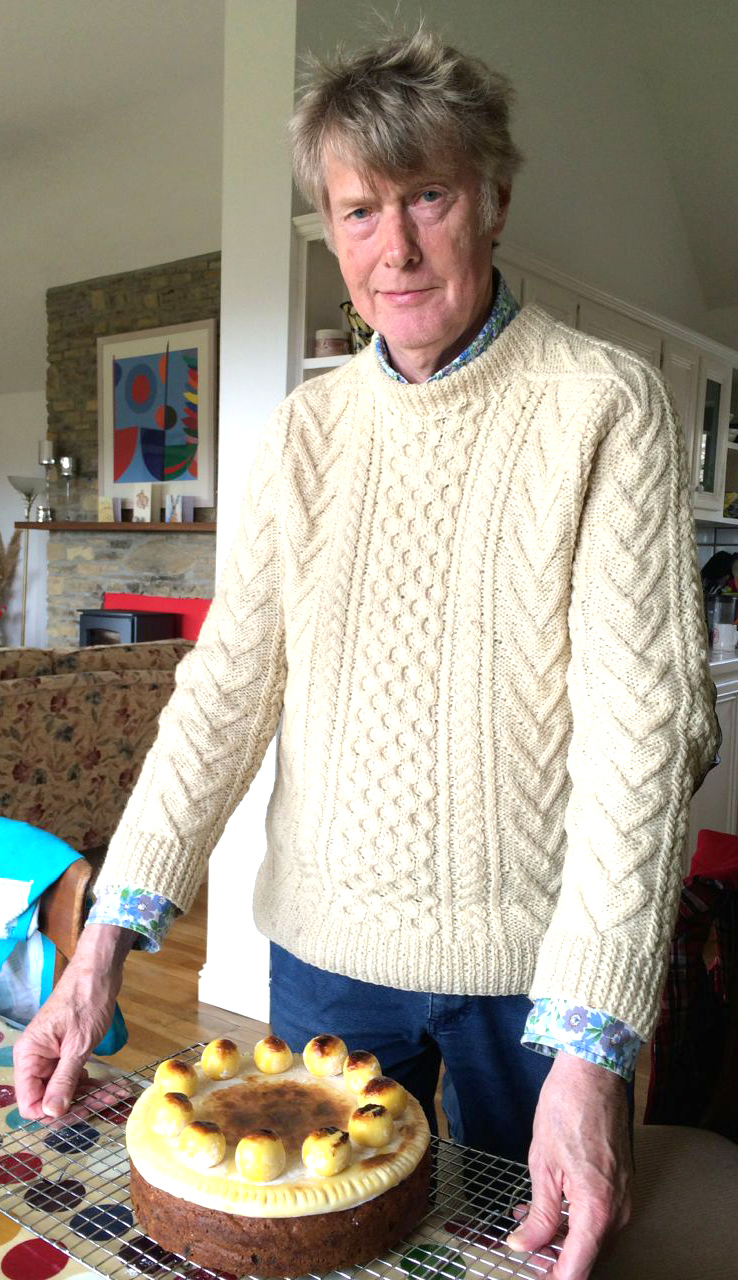
simnel

We are observing some of our own traditions today: we’ll be eating the Simnel Cake which I have made – more of an English tradition than an Irish one: the eleven marzipan balls represent the twelve Apostles (minus Judas) – and then we’re off to the Ballydehob Road Trotting races. Oh – and there are some eggs involved.

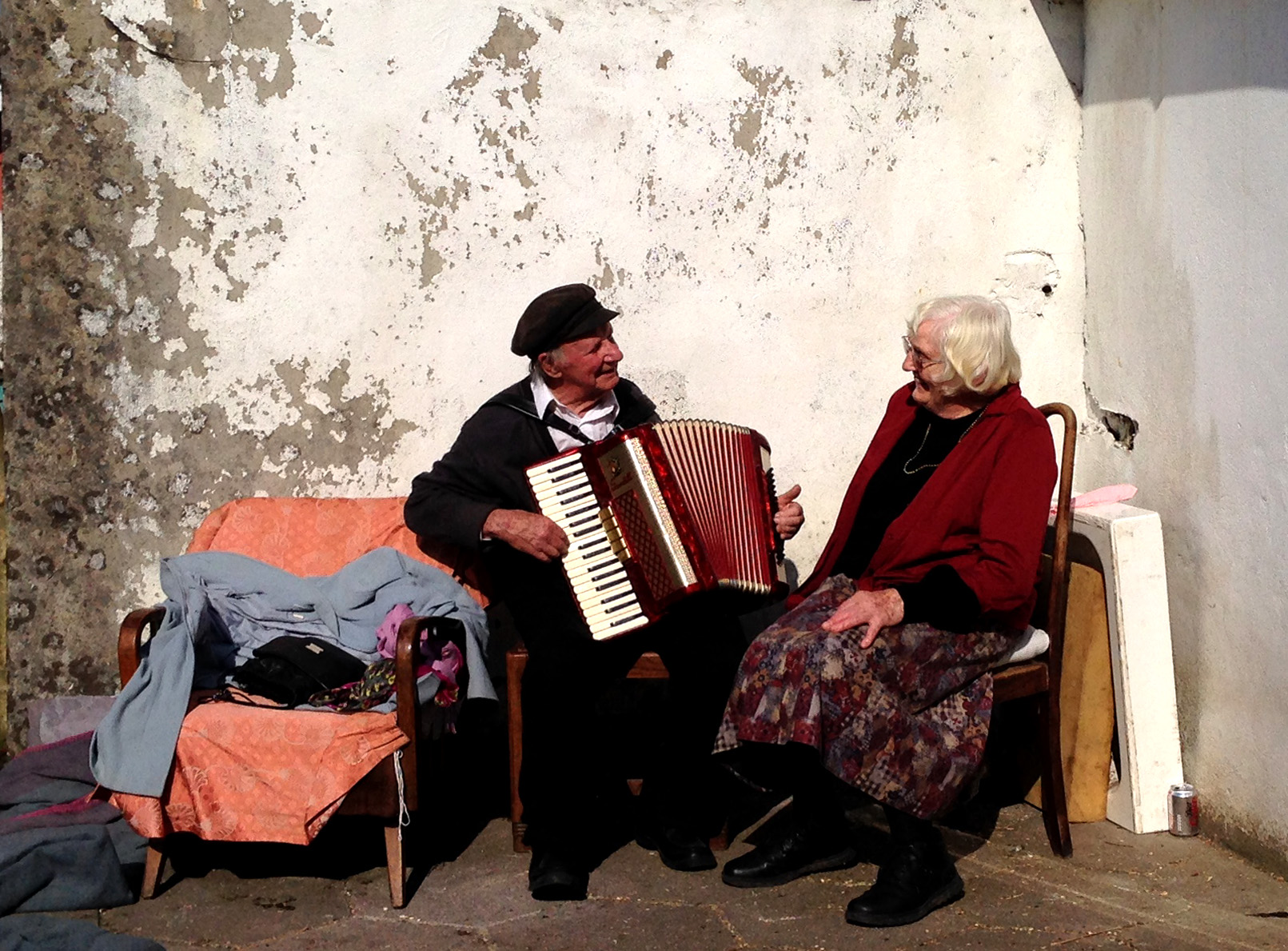
A scene in Provence? No - a sunny corner in Ballydehob on Easter Saturday

A scene in Provence? No – a sunny corner in Ballydehob on Easter Saturday


Good Friday – Foraging and Feasting

Fresh from the Shore!
Fresh from the Shore!

This post dates from 2014. Since we first published it, Tommy Camier is no longer with us and sadly the Gortnagrough Museum has had to close.

One of the Easter traditions Robert writes about this week is the practice of gathering shellfish on Good Friday. Traditionally, Good Friday was a day of complete austerity – the very apex of the Lent period when people gave up treats and went on a simple diet for the 40 days before Easter Sunday. In Ireland, Good Friday is the only day of the year apart from Christmas Day when the pubs are closed. No meat was eaten, and because fishermen would not put their boats out to sea on Good Friday, it was customary to gather whatever was available on the shore – seaweed and shellfish – for dinner.

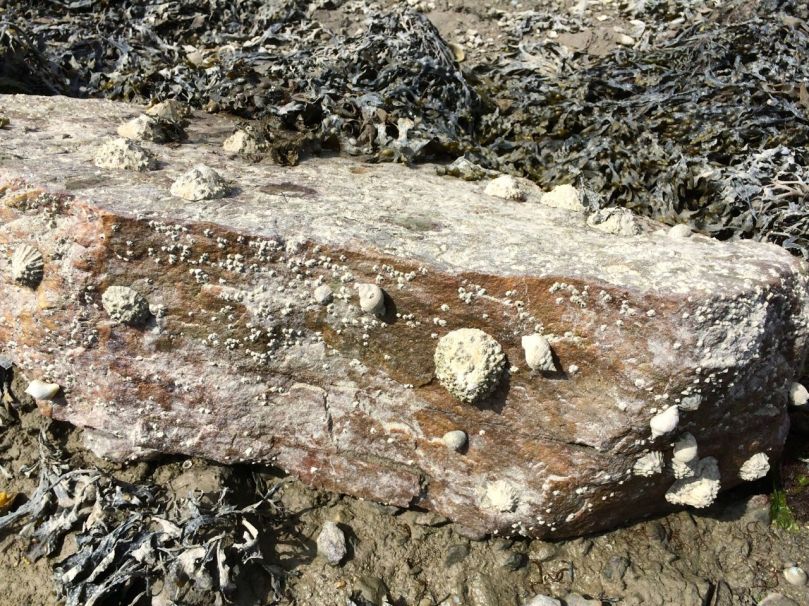
Limpets are edible too, but  difficult to dislodge

Limpets are edible too, but difficult to dislodge

To our amazement, we have discovered that this tradition persists, here in West Cork. It has evolved, as such traditions do, into a family day on the shore, with everyone gathering shellfish, followed by a mussel feast back home.

On the shore

On the shore

We tagged along with friends, walking down to Rossbrin Cove, with wellies and buckets. We met Leita and Tommy Camier of the Gortnagrough Folk Museum, who were leaving with a full bucket of mussels. They told us they had gathered mussels on Good Friday as long as they could remember. There aren’t as many mussels now as in the old days, they said, and they’re smaller.

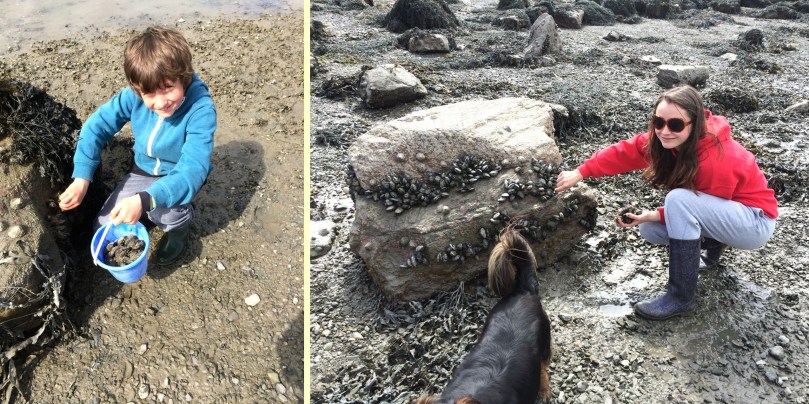
Gabriel and Matilda - hard working mussel pickers!

Gabriel and Matilda – hard working mussel pickers!

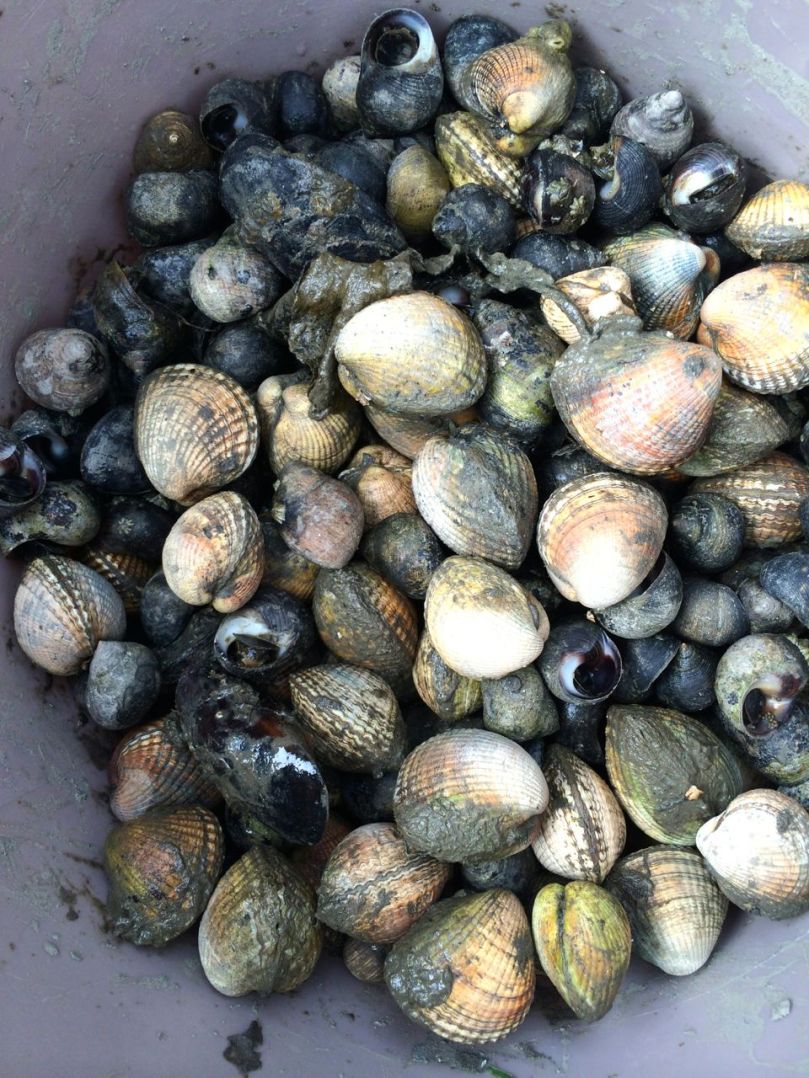
Mussels were the shellfish of choice for most of the folks who had come to the Cove. Picking was fairly easy, off the rocks, taking pains to avoid ones with barnacles. Our neighbour Hildegard and her family also gathered cockles and winkles.

Cockles and mussels, and winkles too

Cockles and mussels, and winkles too

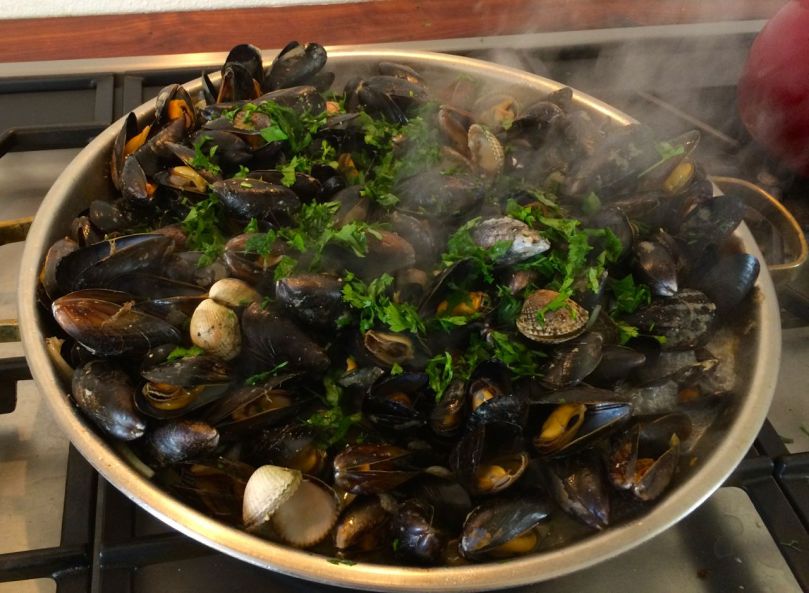
Afterwards, we ended up at Dietrich and Hildegard’s house for a feast. Robert and I are not mussel eaters – or so we had told each other. Robert stuck to bread and cheese, but I thought I should be polite and at least try some when presented with a plate of fresh steaming cockles and mussels and some warm French bread. Surprise! As cooked by Rui with onions and garlic and herbs, they are delicious! Two plates later, I am a firm convert.

Rui cooks up a feast

Rui cooks up a feast

I like this austerity business!

Good Friday abstinence

Good Friday abstinence

But enough of this deprivation! I wonder if Robert has remembered to get me a chocolate Easter Egg…

The Barnacle Goose – and Other Wonders

Barnacle Geese portrayed on canvas by Charles Tunnicliffe

Barnacle Geese portrayed on canvas by Charles Tunnicliffe

Here we are in Lent and the butchers are feeling the pinch.

Excuse me?

Well, strictly speaking we shouldn’t eat any meat or animal products during the 40 days of Lent. So that’s a lean time for the milk sellers, the cheese makers and the egg producers as well as the butchers. 

Surely that’s not still the case?

Depends on how strictly you observe the ‘abstinences’. But – I have to be honest – these rules were officially relaxed by the Catholic Church in Ireland in 1917. Still within living memory, however – just. And old habits die hard… 

So, tell me a bit more about Lenten traditions.

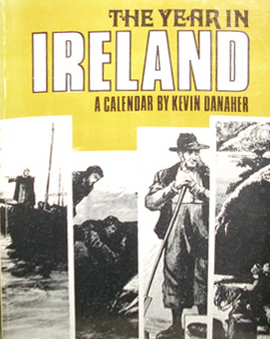
Published by Mercier Press, 1972

Published by Mercier Press, 1972

I will: I’m relying for much of this on The Year in Ireland, an excellent book published in 1972 and written by Kevin Danaher, who at that time was Lecturer in Irish Folklore at University College, Dublin. While he derived some of his material from printed sources he cites ‘…memories of a childhood spent in a district where old beliefs and customs still survived vigorously…’ and ‘…more than thirty years of research into Irish folk tradition…’ so it’s reasonable to say that much of the popular culture he describes was alive and well in the middle of the twentieth century – at least around his native part of the West of Ireland, County Limerick.

Now, the butchers….?

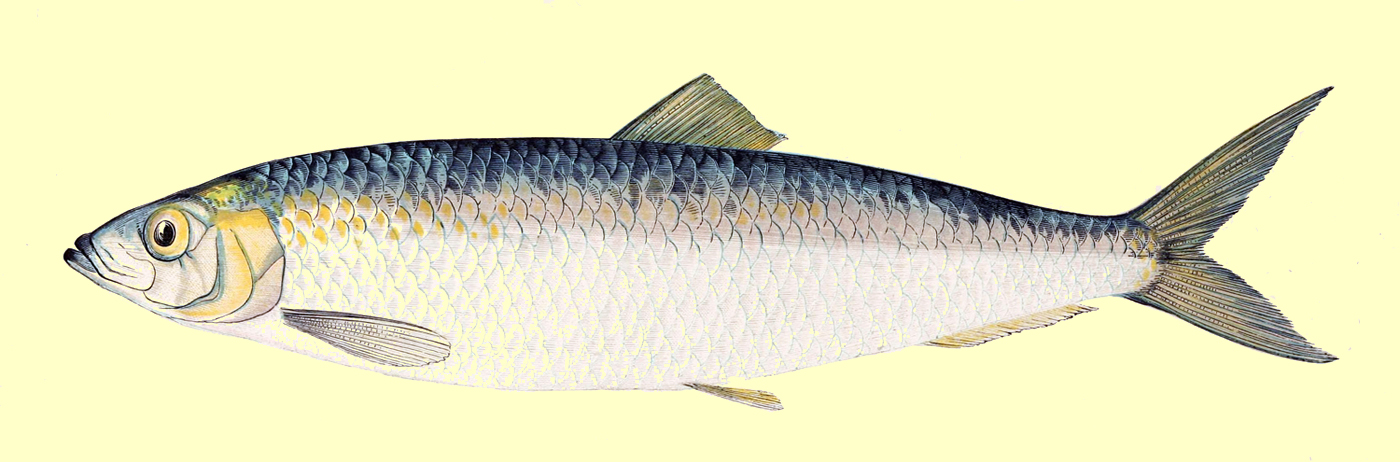
Yes – so pleased were they that Lent was over that on Easter Saturday in Cork, Drogheda and a few other towns they held a mock funeral for the Herring (for salted Herrings became a staple diet during the ‘abstinence’). The butchers put a Herring on the end of a nine foot long lath and carried it through the streets, insulting the poor fish as they went. When they got to the bridge the Herring was hurled into the water and they hung up a quartered Lamb decorated with ribbons and flowers instead.

herring

Another commentator in 1916 describes a remembered ceremony in County Monaghan:

whippingtheherring‘…On Easter Sunday morning, immediately after last Mass, all the young men and maidens, dressed in their best, flocked into the town of Carrickmacross, where they formed into a procession, headed by one of their number carrying a long pole, from the top of which dangled a Herring, and marched to the tune of whatever musical instruments they could muster (fiddles were the most common in those days) till they came down to the lake just outside the town, when the Herring was taken down from the pole and thrown into the water amidst the cheers and laughter of the spectators… The Herring, being the cheapest and most plentiful fish, was the principal dish of the poorer classes, and of some of the better-off people, too; consequently the people grew so tired of seeing him day after day on their tables that they conceived the idea of getting rid of him by drowning, after which they would indulge in all kinds of games and pastimes, amply making up for the quiet time they spent during Lent, as no one would think of enjoying themselves during the Holy Season…’

Enjoyment being another ‘abstinence’ then?

Certainly. Danaher again: ‘…there was no merrymaking during Lent, no music, dancing, card playing or visiting friends. No mother would visit her daughter newly married at Shrove until Lent was over. Musical instruments were stored away. In many houses the pack of playing cards was burned and a new pack was bought at Easter. Many people, women (who were equally addicted) as well as men, gave up smoking and some in excess of zeal broke or burned their tobacco pipes. And although some topers found solace in the old couplet:

 – Good luck and long life to the Council of TrentIt took away meat but it left us the drink –

large numbers took a pledge against alcoholic drinks ‘for the duration’…’

The Council of Trent

The Council of Trent

I’m getting dizzy – just tell me about the Barnacle Goose.

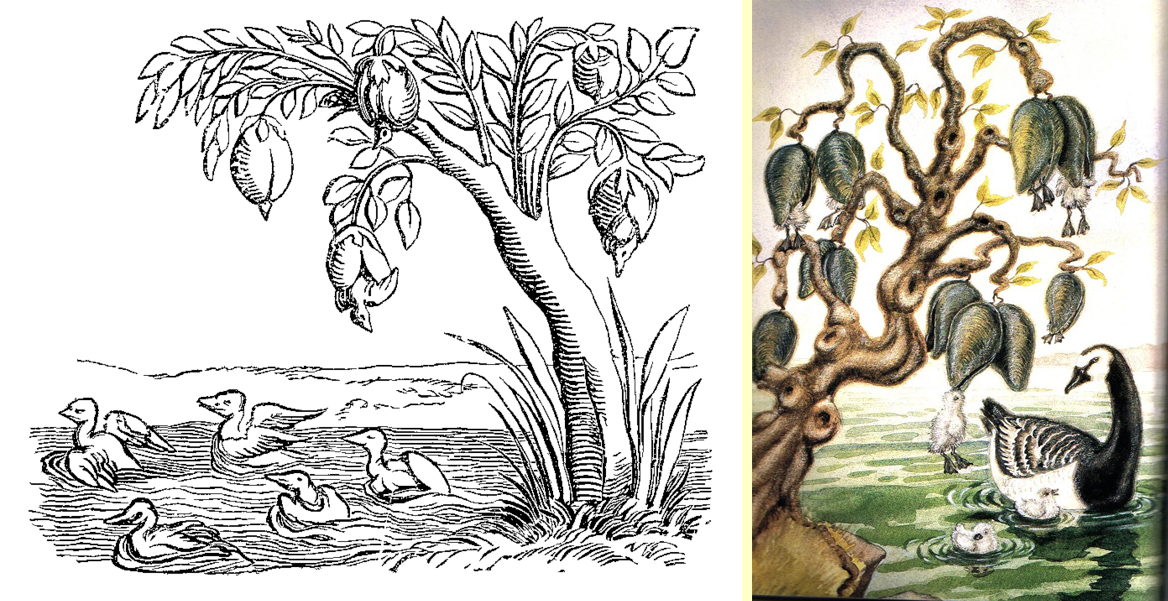
Human ingenuity has a way of overcoming all difficulties and we find that the clergy were eating Geese throughout Lent! This was because it was once thought that the Barnacle Goose (and the Brent Goose) – both of which winter on our west coast but don’t breed here – should be classified as fish. This is first mentioned by Geraldus Cambrensis who visited Ireland in the twelfth century and described the wonderful way in which these Geese came not from eggs but from Shellfish – or grew on trees!.

img4465-1

He goes on to say ‘…Accordingly in some parts of Ireland bishops and religious men eat them without sin during a fasting time, regarding them as not being flesh, since they were not born of flesh..’ More recently – shortly before the 1914-18 Great War – Martin Duncan, librarian of the Zoological Society, was lecturing in the North of Ireland on marine mammals when he was asked by a local Parish Priest ‘…whether he had told the whole story of the Barnacle “because his people were in the habit of eating the Barnacle Goose during Lent under the impression that it was more fish than fowl”, and stating that a comparatively recent pope had granted a dispensation to the people of Derry to continue to eat the Barnacle Goose during Lent as an ancient and established custom…’ The same licence obtained all along the Kerry coast ‘…not because they had any belief in the mythical story of its origin, but because they knew that it lived more on the sea than on the land, and so acquired fishy character…’

In fact it is true that a pope commented on the topic, but that was Innocent III in 1215 – and he condemned it. As Danaher relates, ‘…news of this does not seem to have yet reached the people of the west of Ireland…’

Good for them! Oh – and what is the collective noun for Barnacle Geese?

A Crustacean of Barnacle Geese…

BarnacleGooseIE

March Miscellany

shovel

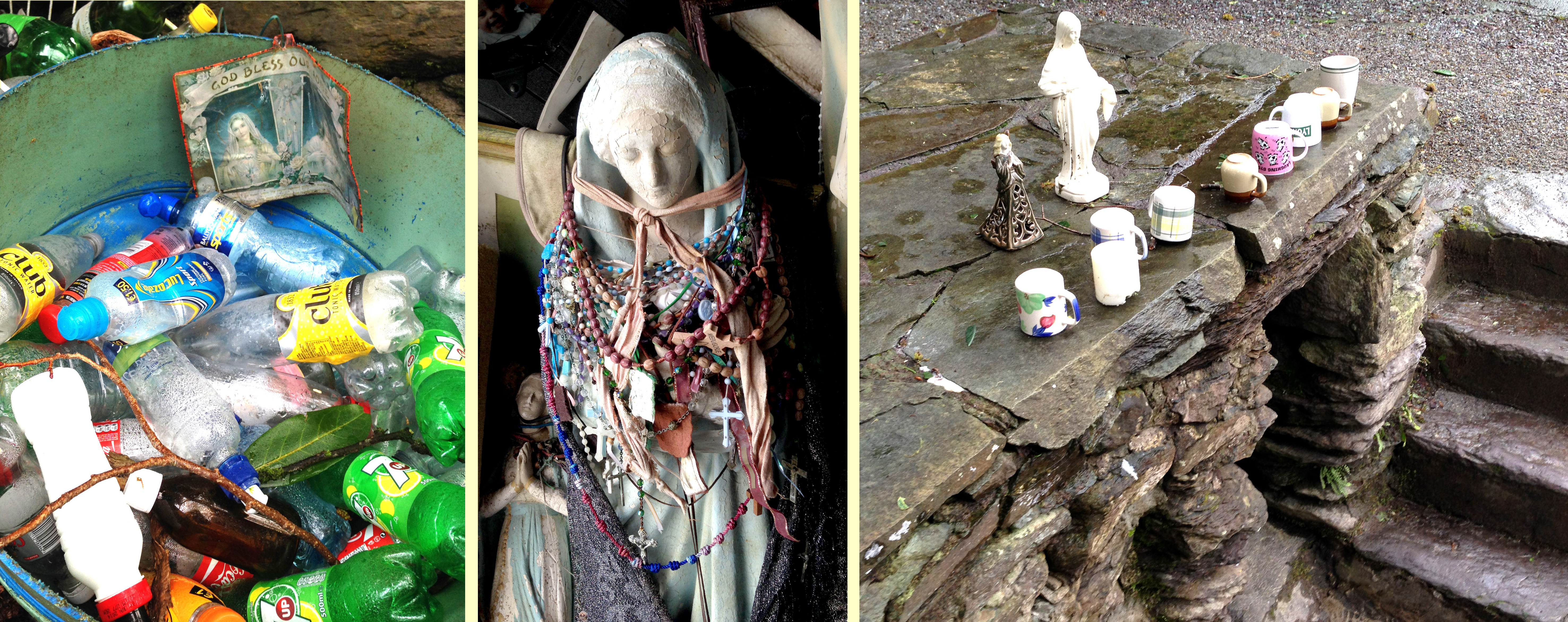
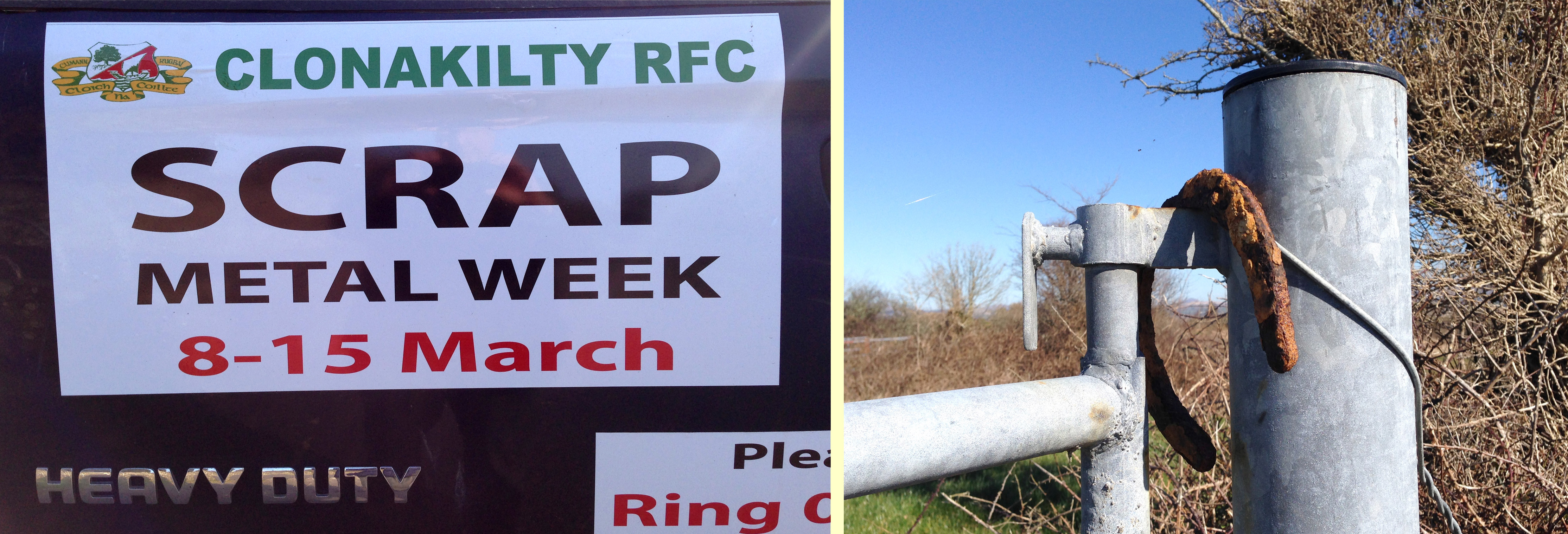
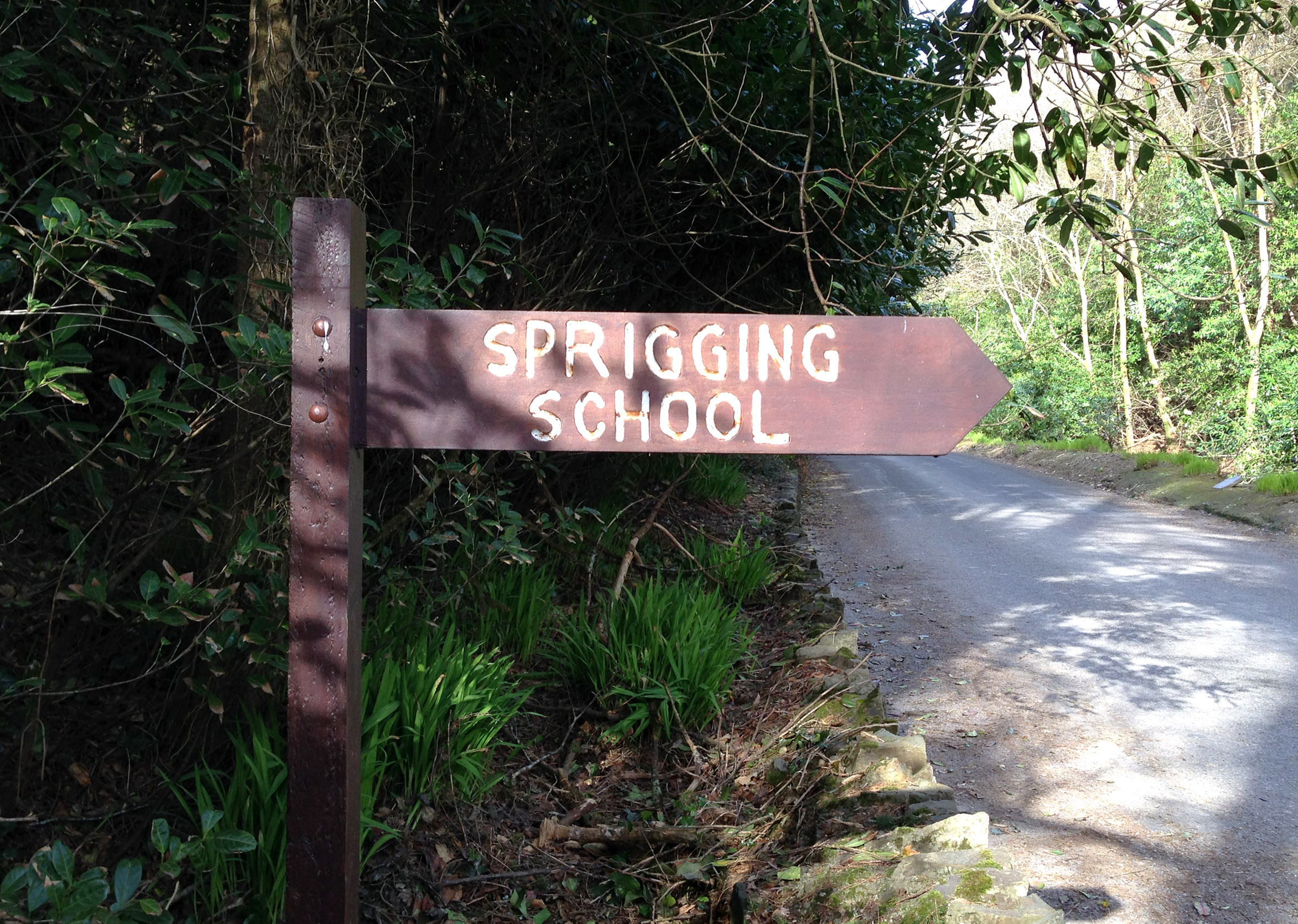
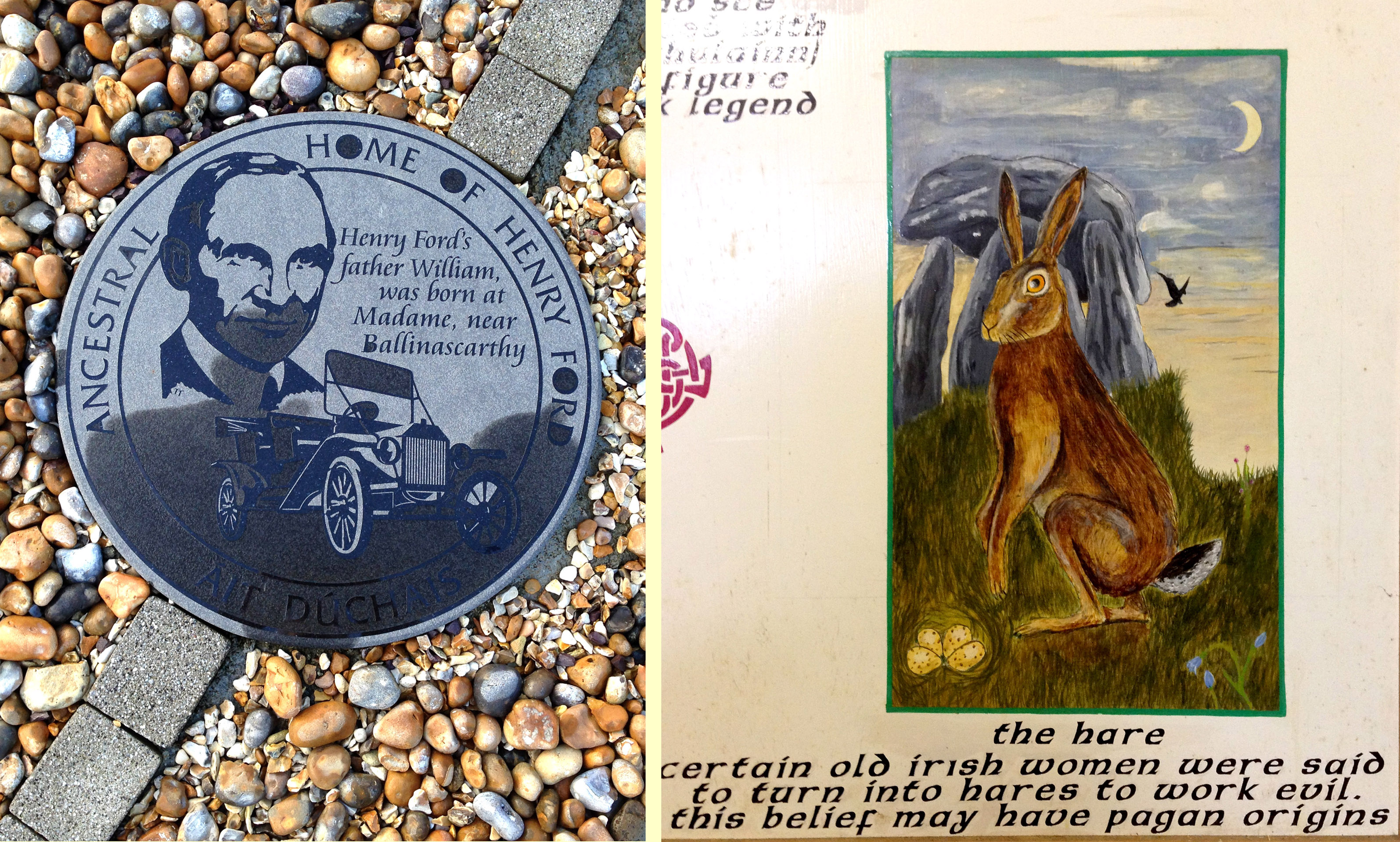
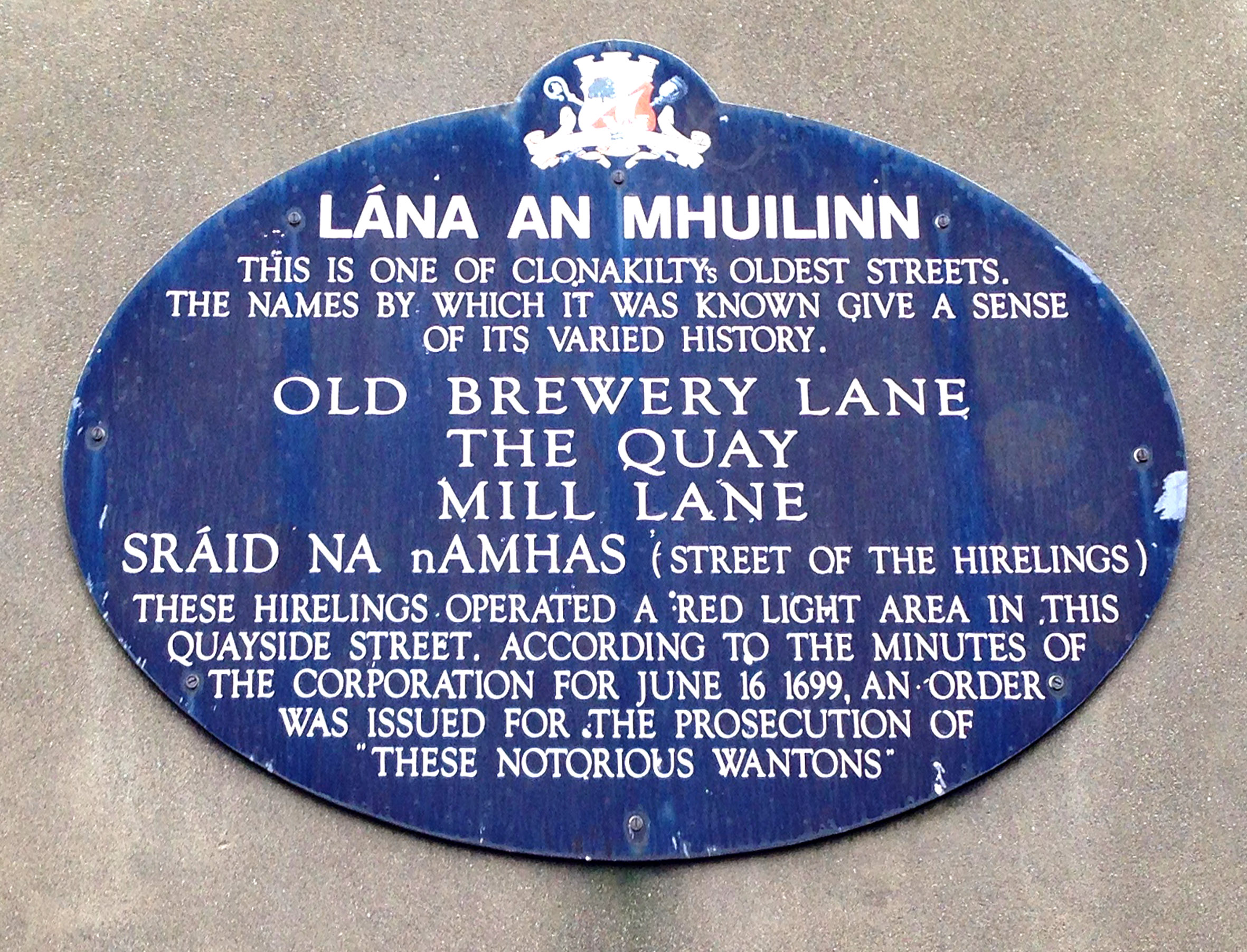
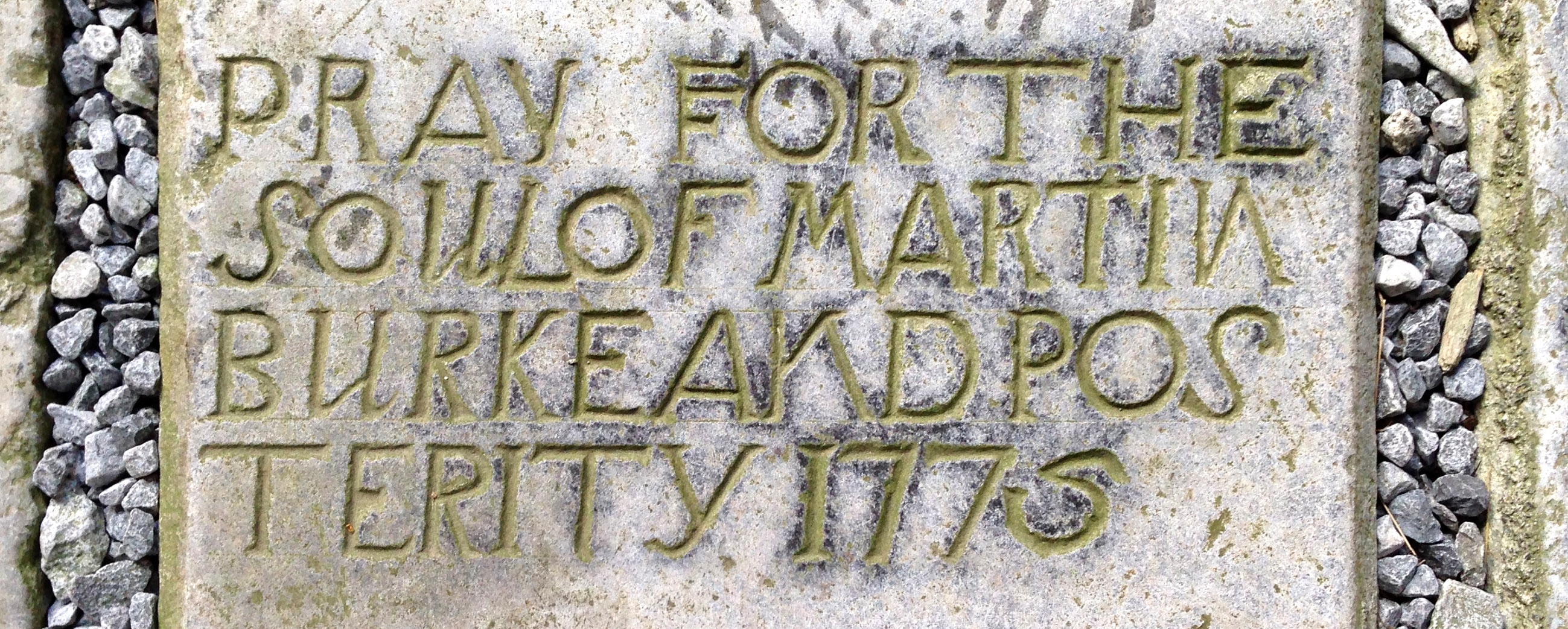
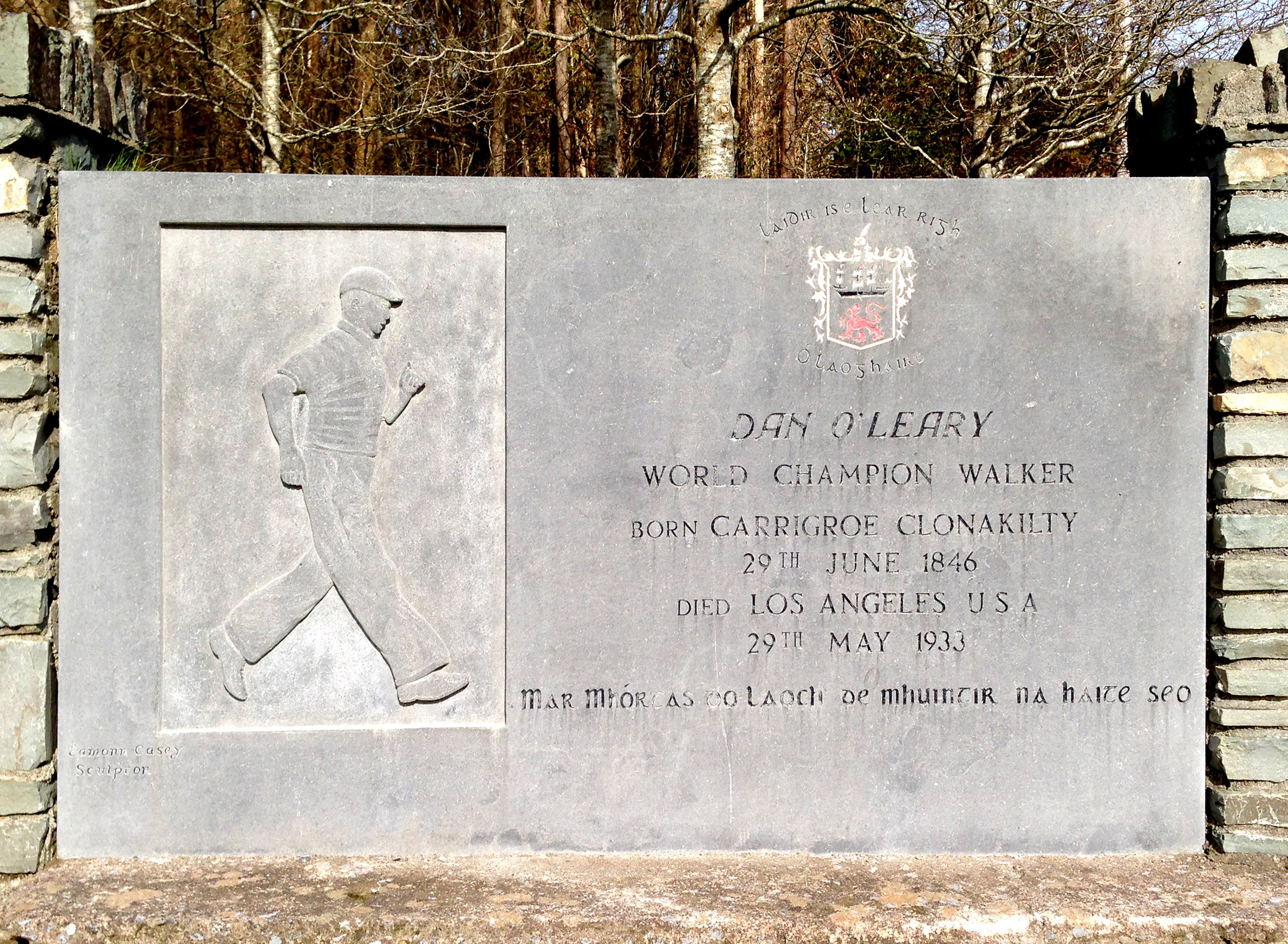
Another selection of Irish ‘normalities’ which have caught my English eye over the last few months (the previous selection is here). They have amused me, surprised me and sometimes baffled me. I have the greatest respect for their ‘Irishness’ – a unique outlook on life and culture from a small island which has made a big mark on the world. Mostly the images need no commentary but I have provided a little information for the curious at the end of the post.

them jobs

holy water

scrap

sprigging

ford hare

red light

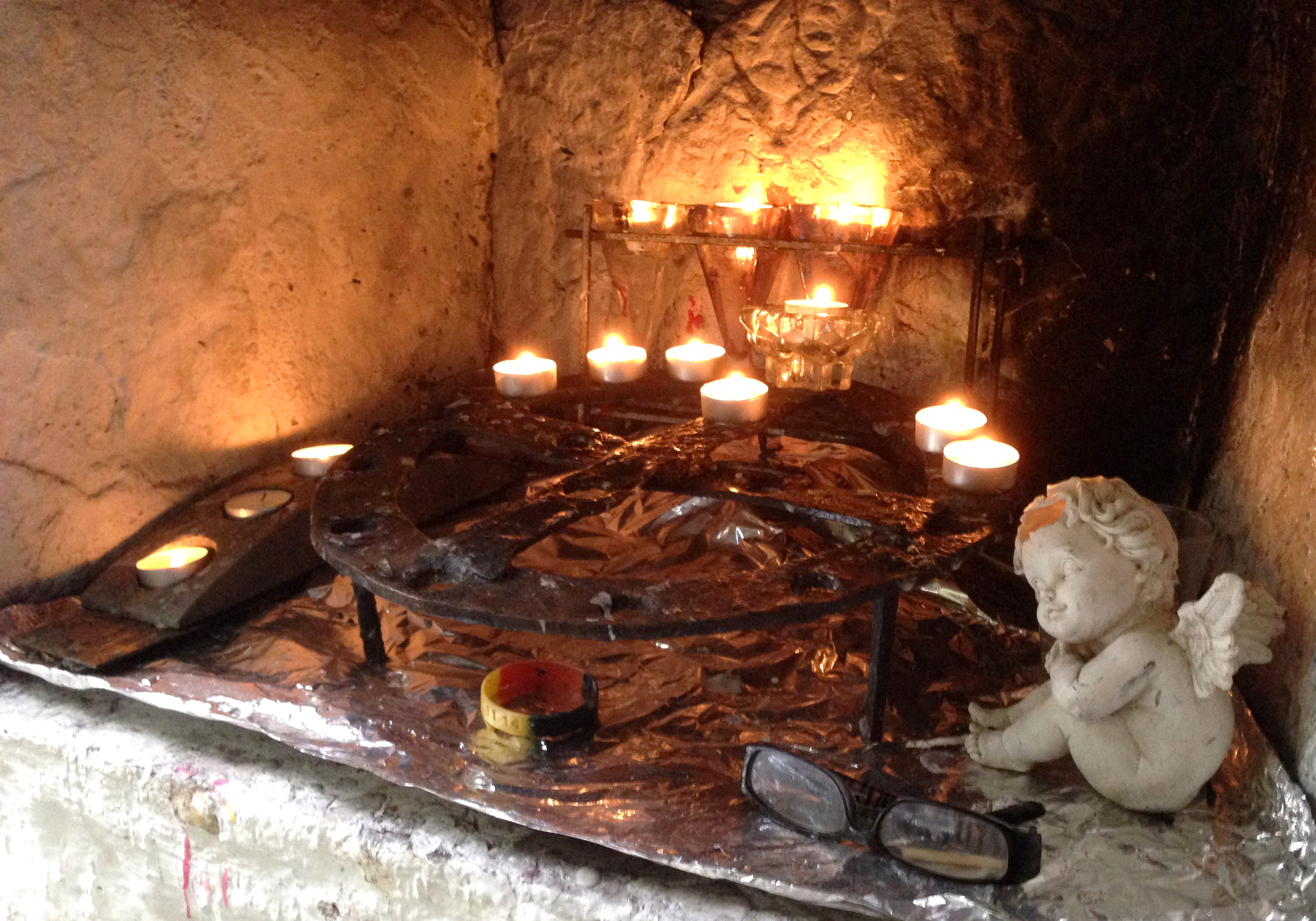
shrine

luckyhouse

posterity

till he comes

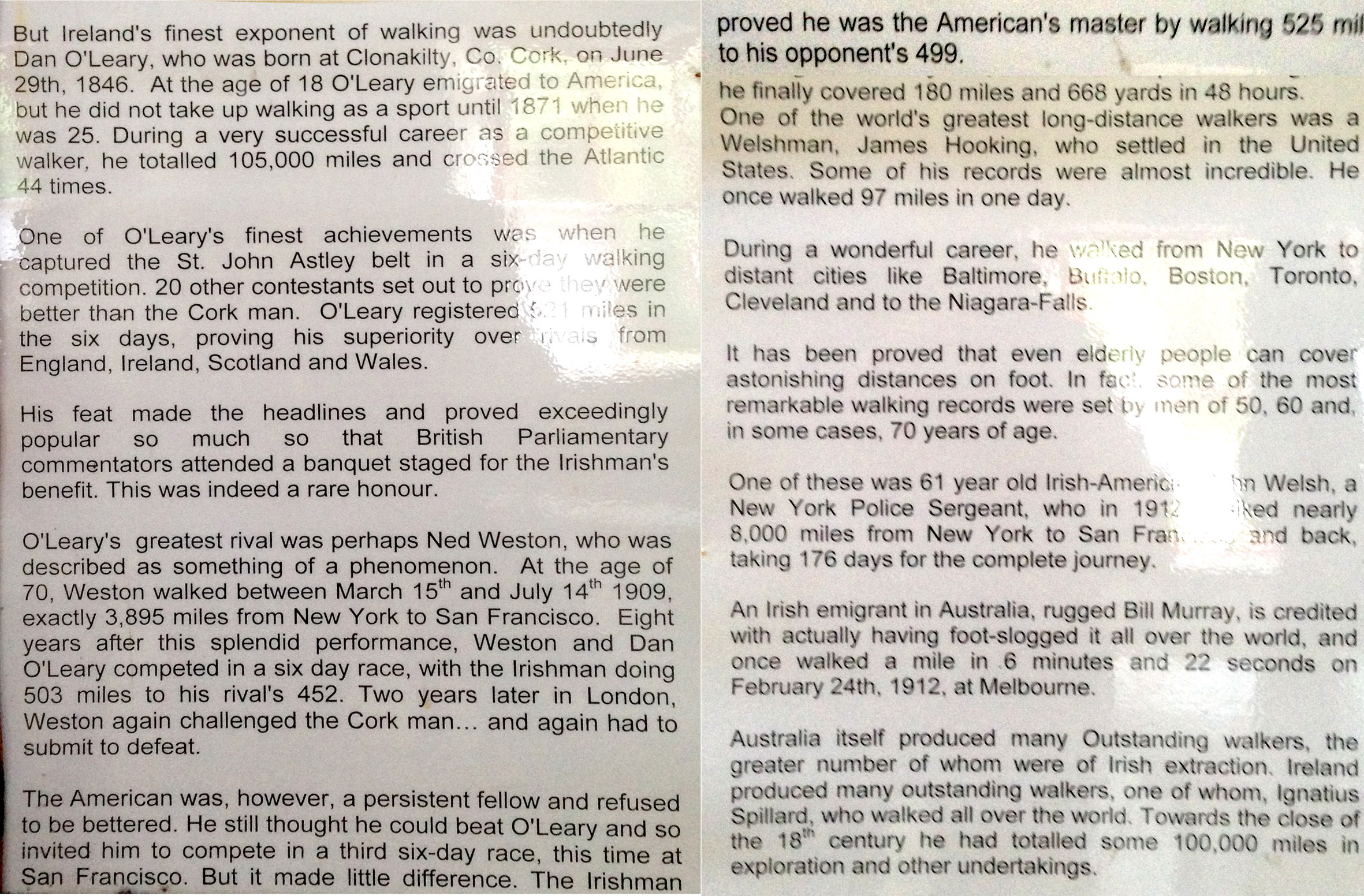
walker

walking

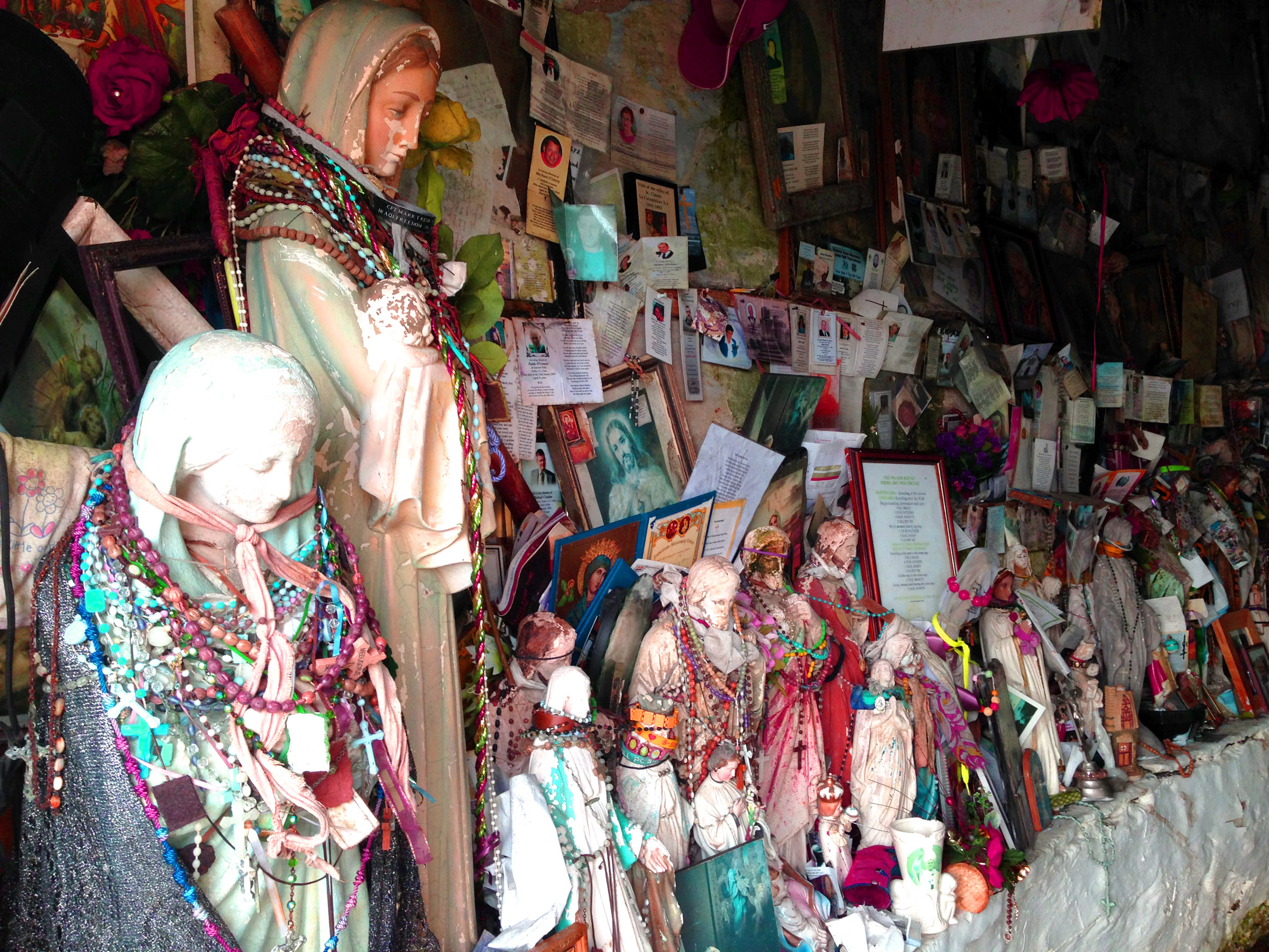
offerings

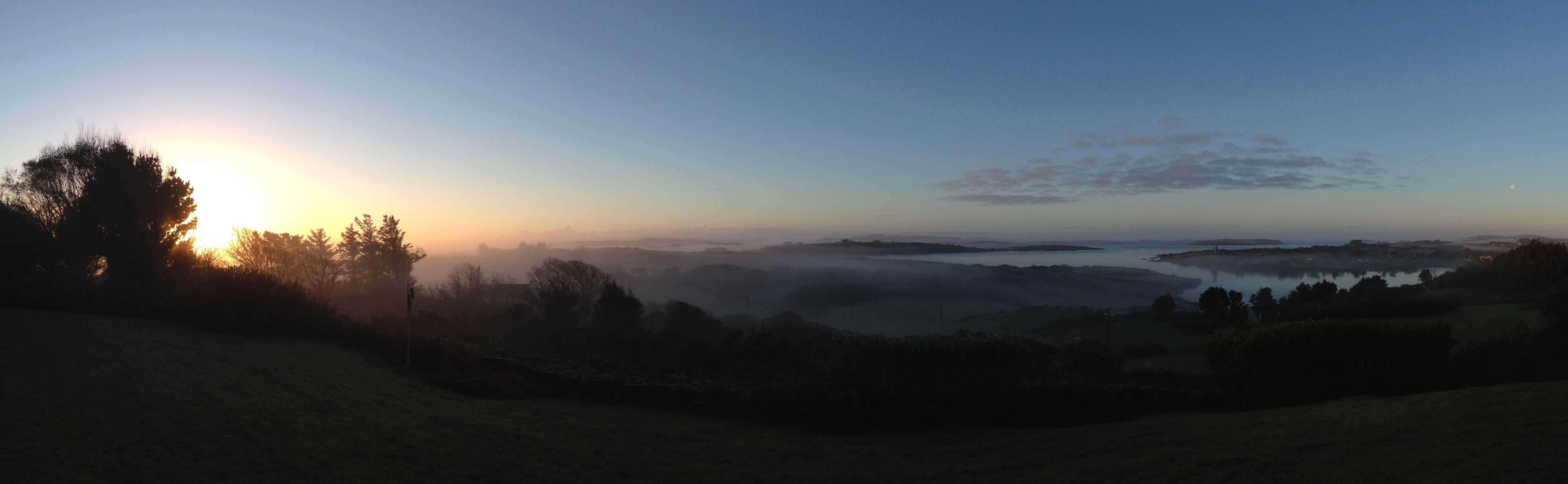
Most of the images are from our own neighbourhood, but the spectacular wells and shrines – including the one above (to St Brigid) were seen on our trip to Clare. Can’t resist just one more image: it’s the view we enjoy every day from Nead an Iolair, constantly changing and always arresting.

panorama