The Laughing Boy

Birthplace of a Folk Hero

Birthplace of a Folk Hero

T’was on an August morning, all in the dawning hours,
I went to take the warming air, all in the Mouth of Flowers,
And there I saw a maiden, and mournful was her cry,
‘Ah what will mend my broken heart, I’ve lost my Laughing Boy’

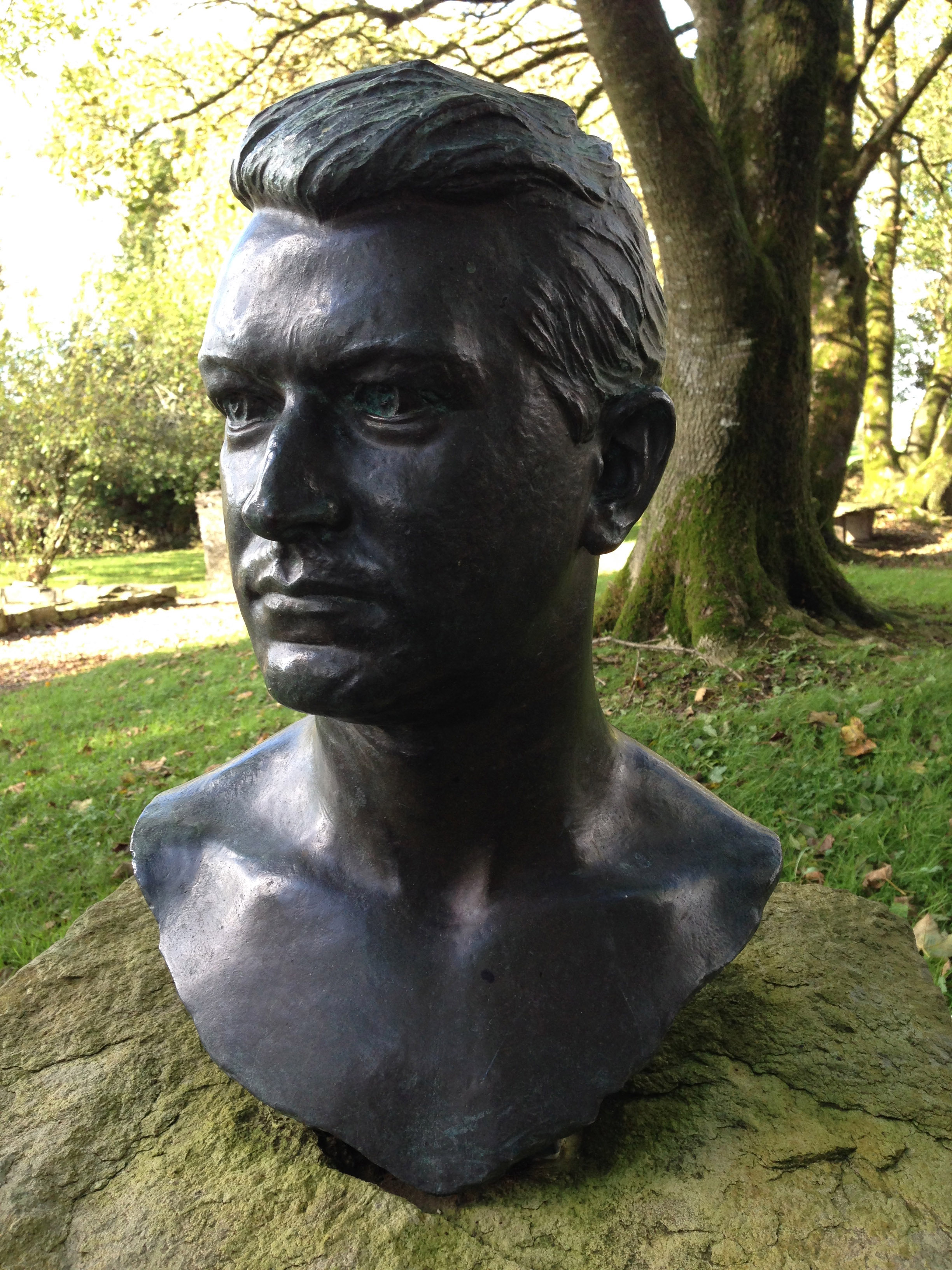
bust

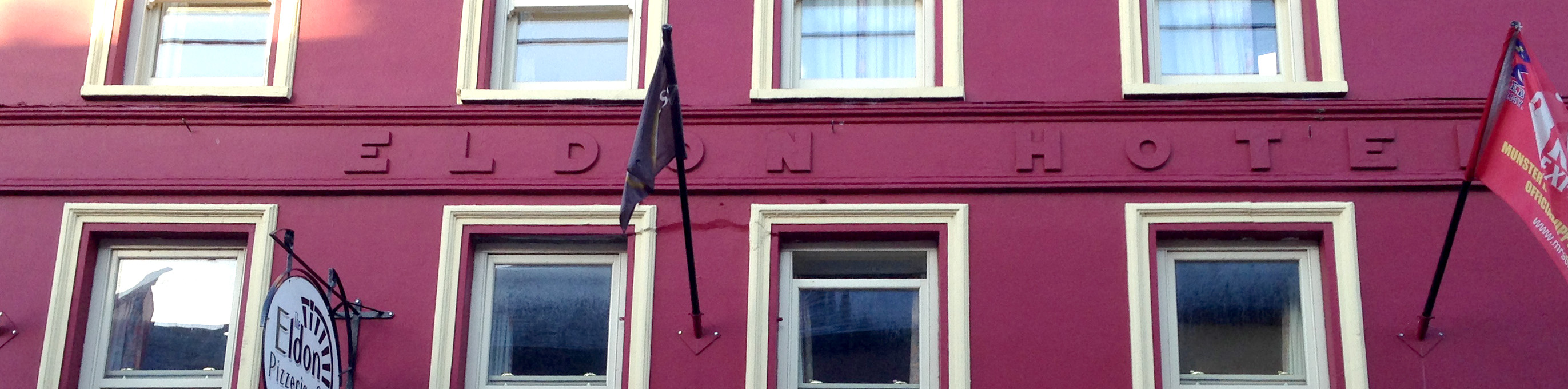
Let’s face it: our travels today were a pilgrimage. We went out in search of a hero and we found shrines, monuments, places of devotion and folktales. It all started last week, which was ‘Rebel Week’ in Cork County and Skibbereen was one of the centres of activity. We were attracted by a flyer for a ‘Tribute to Michael Collins’ being held in the Eldon Hotel – a venue which we now know features in the story of the man: it claims to be the place where he ate his last meal. The ‘Tribute’ proved a bit of a damp squib as the advertised speaker didn’t turn up, but as compensation we were shown a 1973 British film made and zealously narrated by a very ebullient Welsh actor, Kenneth Griffith: Hang Up Your Brightest Colours. This film extravagantly documents the life of Michael Collins and the Irish struggle for freedom in the early twentieth century, and was considered ‘incendiary’ in a time when The Troubles were boiling over; consequently its showing was banned for twenty years. We determined to visit some of the significant locations that featured in the film and which are not too far away from Nead an Iolair.

Master of Oration

Master of Oration

West Cork is Collins’ country: he was born in Sam’s Cross, near Clonakilty – the youngest of eight children – in October 1890. His father Michael had married Marianne O’Brien (23) when he was 60. Already the folklore kicks in: Michael the elder was the seventh son of a seventh son and therefore gifted with powers of divination. On his deathbed he predicted that our hero – then aged 6 – would one day “…be a great man. He’ll do great work for Ireland…” Also, there’s a touch of mystery about Collins’ birth: the records state he was born on 16 October whereas on his tombstone the date is given as 12 October.

The Collins grave in Rosscarberry

The Collins grave in Rosscarbery

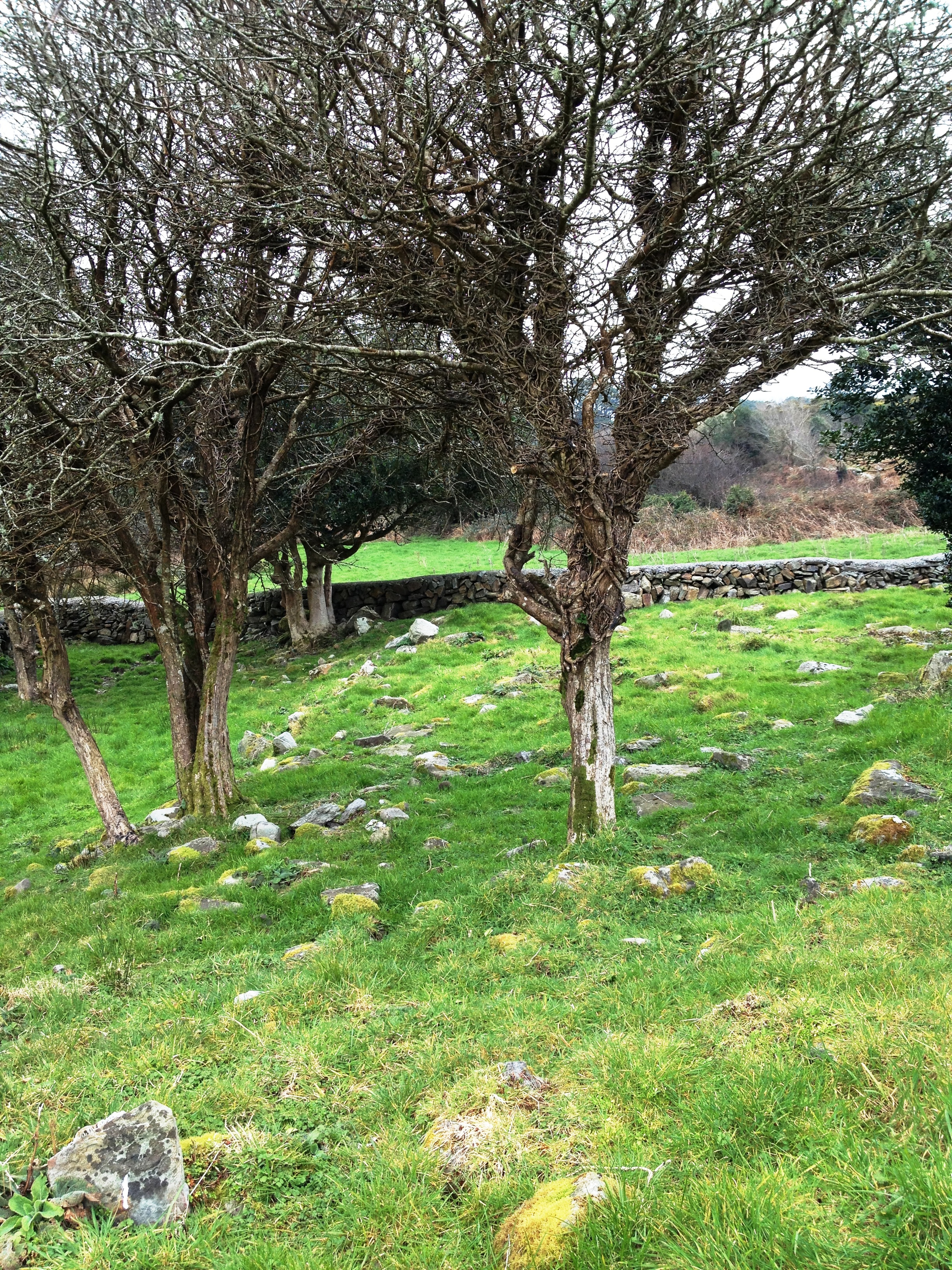
In the burial ground in Rosscarbery we found the family grave. There is a modest entry on the headstone for young Michael, recording that he died on 22 August 1922 (he’s actually buried in Dublin). That’s about all that’s modest about the Collins story. He was known as The Big Fella, as much because of his reputation and charisma as for his physique.

You can’t miss his birthplace – it’s signposted for miles around the area of Woodfield – but the family farmhouse isn’t there! It was burnt to the ground by the Auxiliary Division of the Royal Irish Constabulary in 1920, during the Irish War of Independence (and not by the Black and Tans, which is often claimed). However, the site has been preserved as an essential waymark of the Michael Collins pilgrim trail.

Memorial at Sam's Cross

Memorial at Sam’s Cross

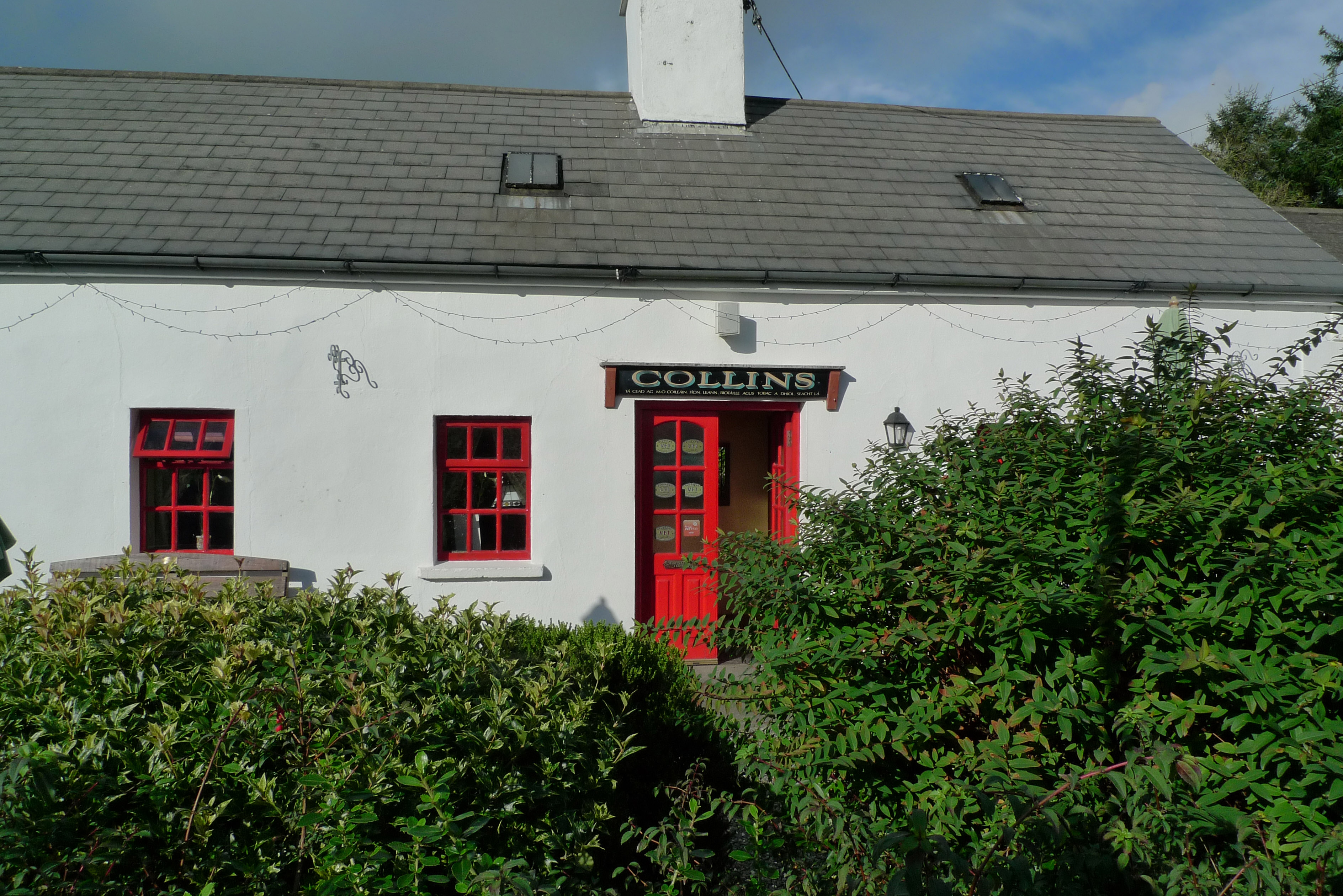
There is also another, larger monument to Michael a little way up the road at Sam’s Cross – this is in fact next door to the house where his mother was born – and opposite his cousin Jeremiah’s pub – The Four Alls (this is one of several places where Collins is supposed to have taken his last drink).

Four Alls pub - cousin Jeremiah's

Four Alls pub – Cousin Jeremiah’s

For anyone who doesn’t know I had better just say that Michael Collins – soldier, freedom fighter and politician – was one of the key figures in the long Irish struggle for Independence – a conflict that was won, after a fashion, in December 1921 when the irish Free State was set up. Collins signed the Treaty in his then role as ‘Chairman of the Provisional Government and Commander-in-chief of the National Army’ and (legend has it) pronounced that he was also signing his own death warrant (the great folk heroes usually foretold their own death). The conditions of the Treaty, and the exclusion of some of the northern counties from the new state caused such dissension that a civil war ensued, and Michael Collins fell as a victim to that war as he toured through his home county of Cork on 22 August 1922.

The Eldon, Skibbereen

The Eldon, Skibbereen

His convoy left the Eldon Hotel, Skibbereen, in the early afternoon for Cork city and was ambushed at Béal na Bláth, on a minor road between Clonakilty and Macroom. During the skirmish Michael Collins was shot in the head and died instantly. He was the only casualty of that confrontation.

memorial2

Béal na Bláth

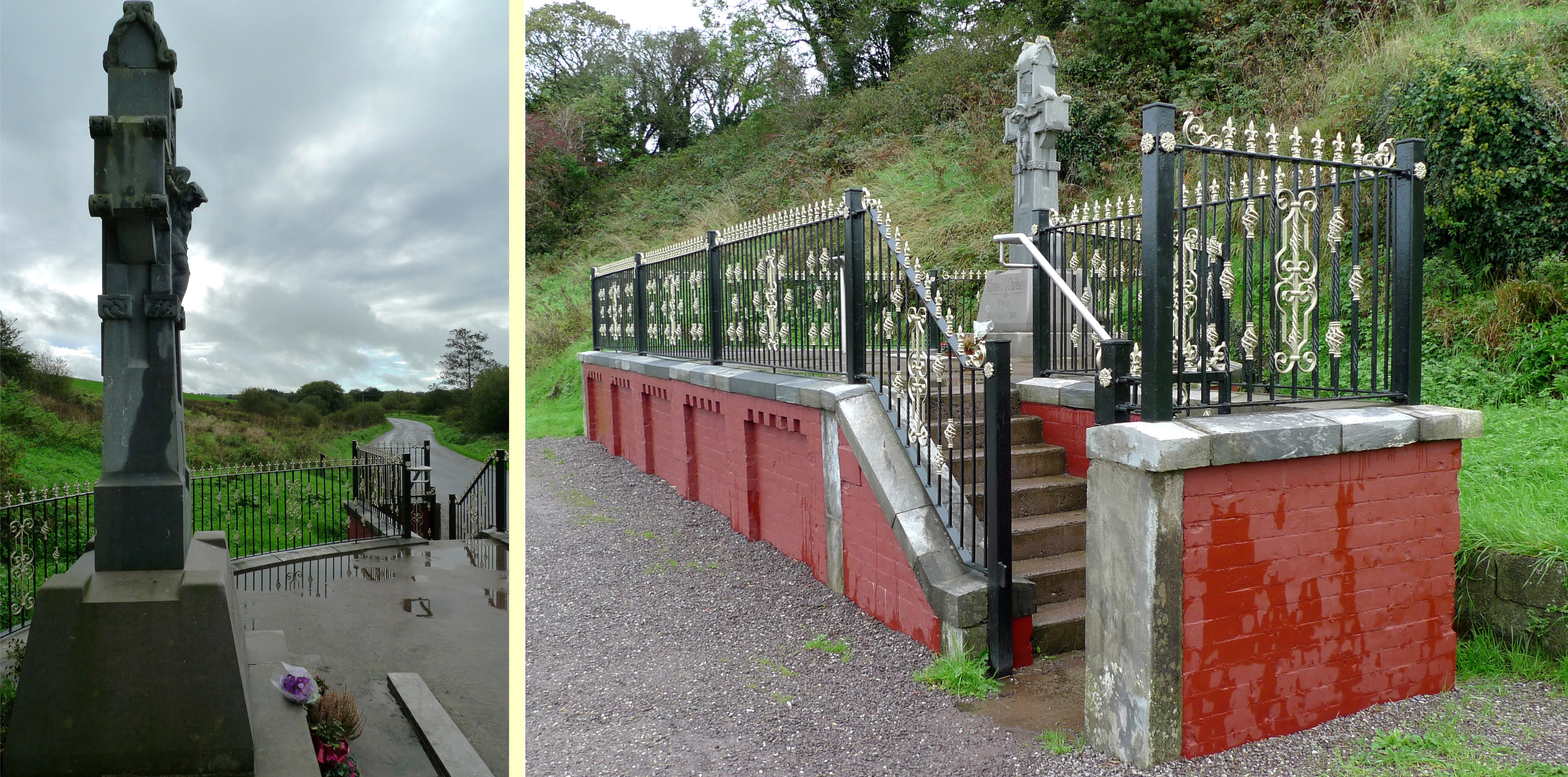
Béal na Bláth may mean ‘Gap of the Blossoms’ but there is some debate as to its correct translation: ‘Mouth of the Ford of the Buttermilk’ is one suggestion. Brendan Behan, in his folk ballad on the death of Michael Collins (the first stanza of which starts off this post), goes for ‘Mouth of Flowers’. We began our pilgrimage here on a wet Sunday morning. The place had a sombre atmosphere and the monument that we found – although unmistakably Messianic – is grim. Crowds come to this site, especially on the anniversary of the assassination. A white stone marks the actual spot where he fell: the fine details seem all important.

ambush

But – sifting through these details when I was trying to assemble this piece – I realise that there is so much that is apocryphal or contradictory in the various accounts, not just of his death but with many aspects of his life. And it’s the stories that will win out in the end. Michael Collins is a real national hero – quite rightly – but he’s on his way to becoming a folk hero – something different. He could be a Saint (he did after all perform a miracle in bringing together so many different factions and feelings to found the beginnings of modern Ireland) but to me he is more likely to end up in the ranks of the great Hero Warriors of Irish mythology such as Cu Chulainn, Medb or Finn McCool – or even the Gods. I wish I could be around to hear his sagas told in a few hundred years from now.

The fate of a Folk Hero...

The Fate of a Folk Hero…

The Great Hunger

2012-05-19 16.04.23

Skibbereen Heritage Centre

Skibbereen Heritage Centre

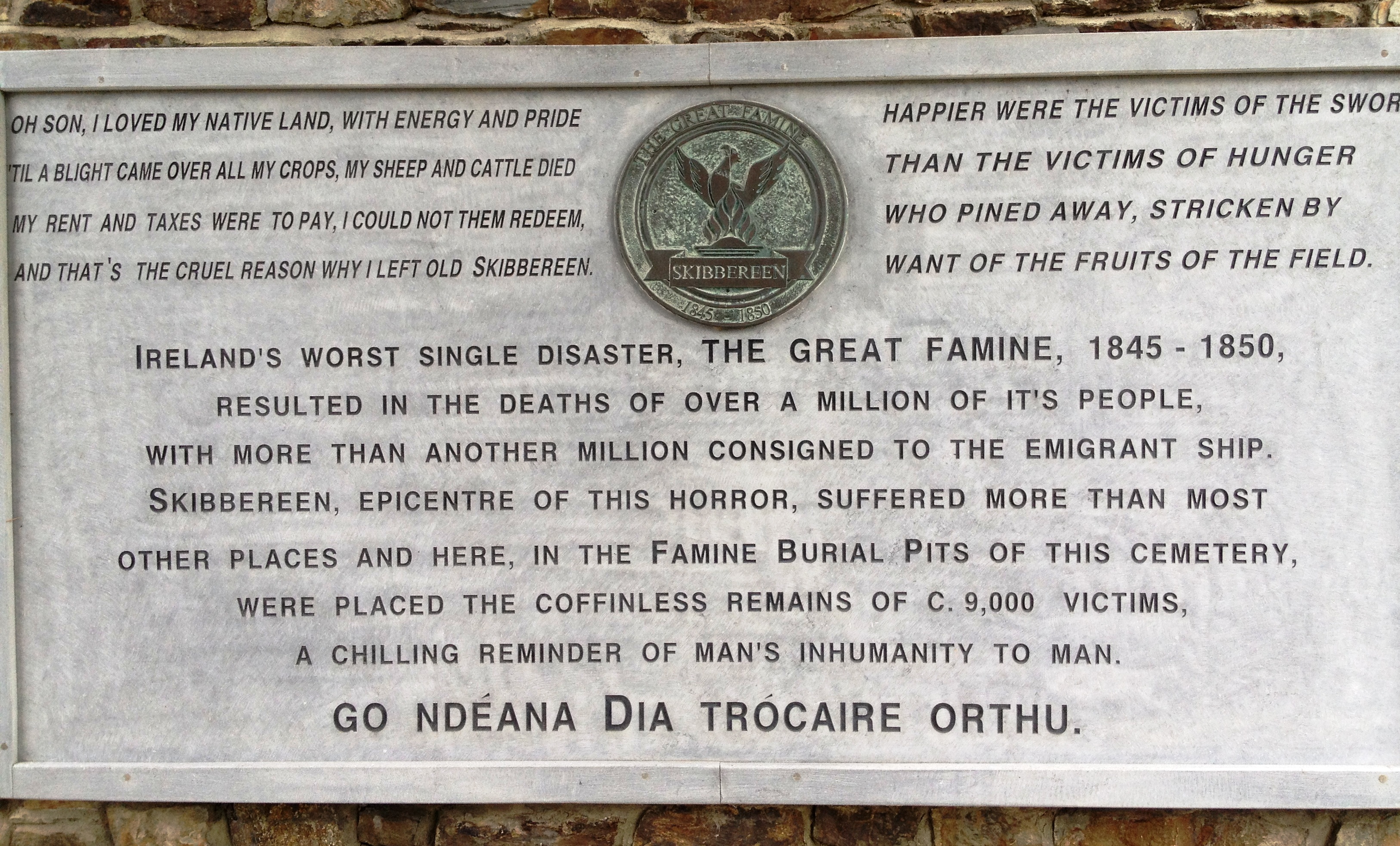
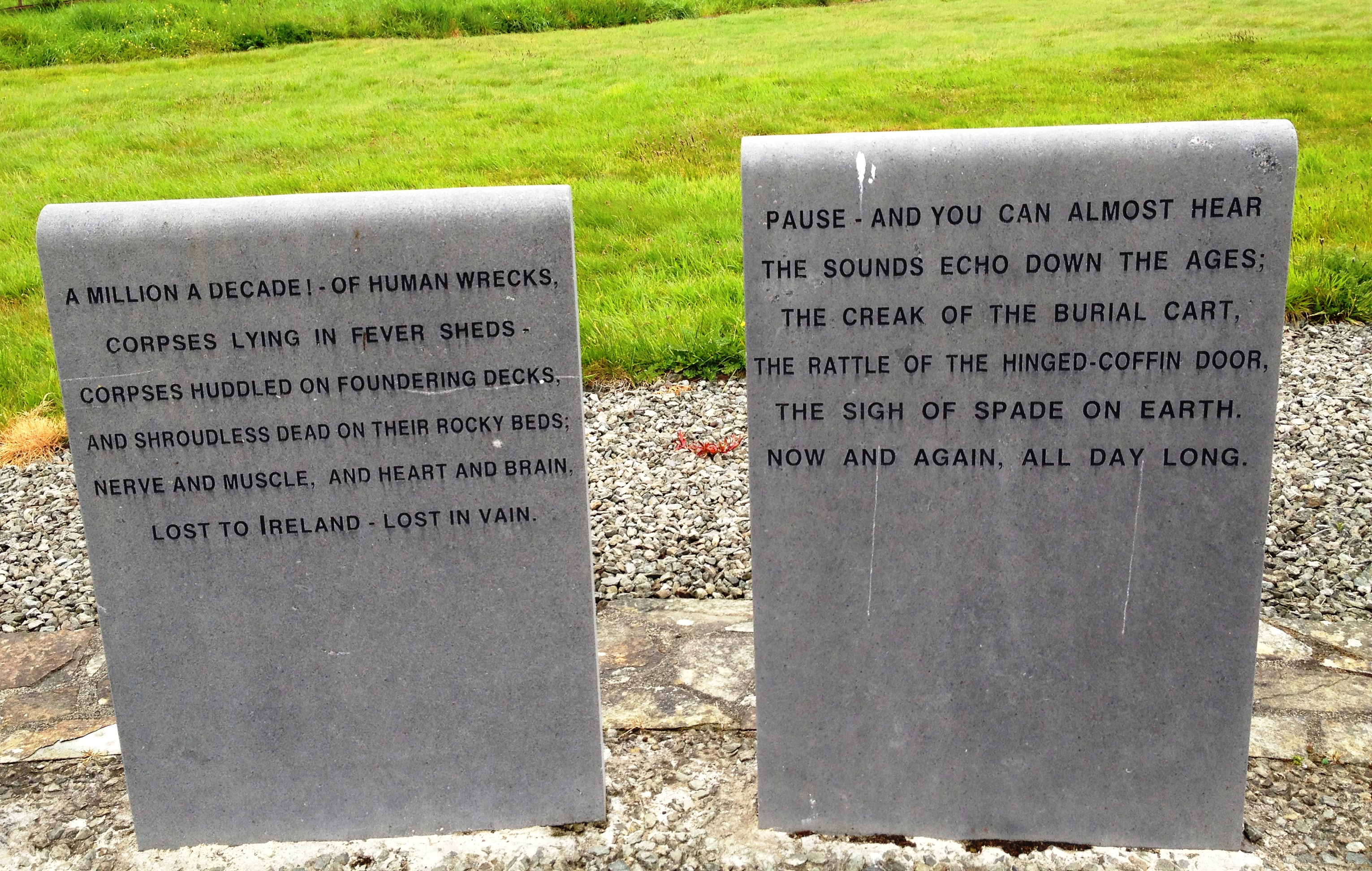
I have mentioned the Irish Famine in previous posts. West Cork and the area around Skibbereen in particular was greatly affected by this national disaster. In the period of the failure of the potato crop between 1845 and 1850 it is estimated that one in three people in this area died through starvation or disease. A million people perished in the island as a whole while another million emigrated. By the end of the nineteenth century the population of Ireland had halved, from just over 8 million to just over 4 million, as a traumatised race filled the Coffin Ships to America, Canada and Australia, or took the mail boats to Britain. This time in Irish history has left deep wounds in the Irish soul, and a legacy of distrust of Britain that fuelled much of the subsequent nationalistic fervour.

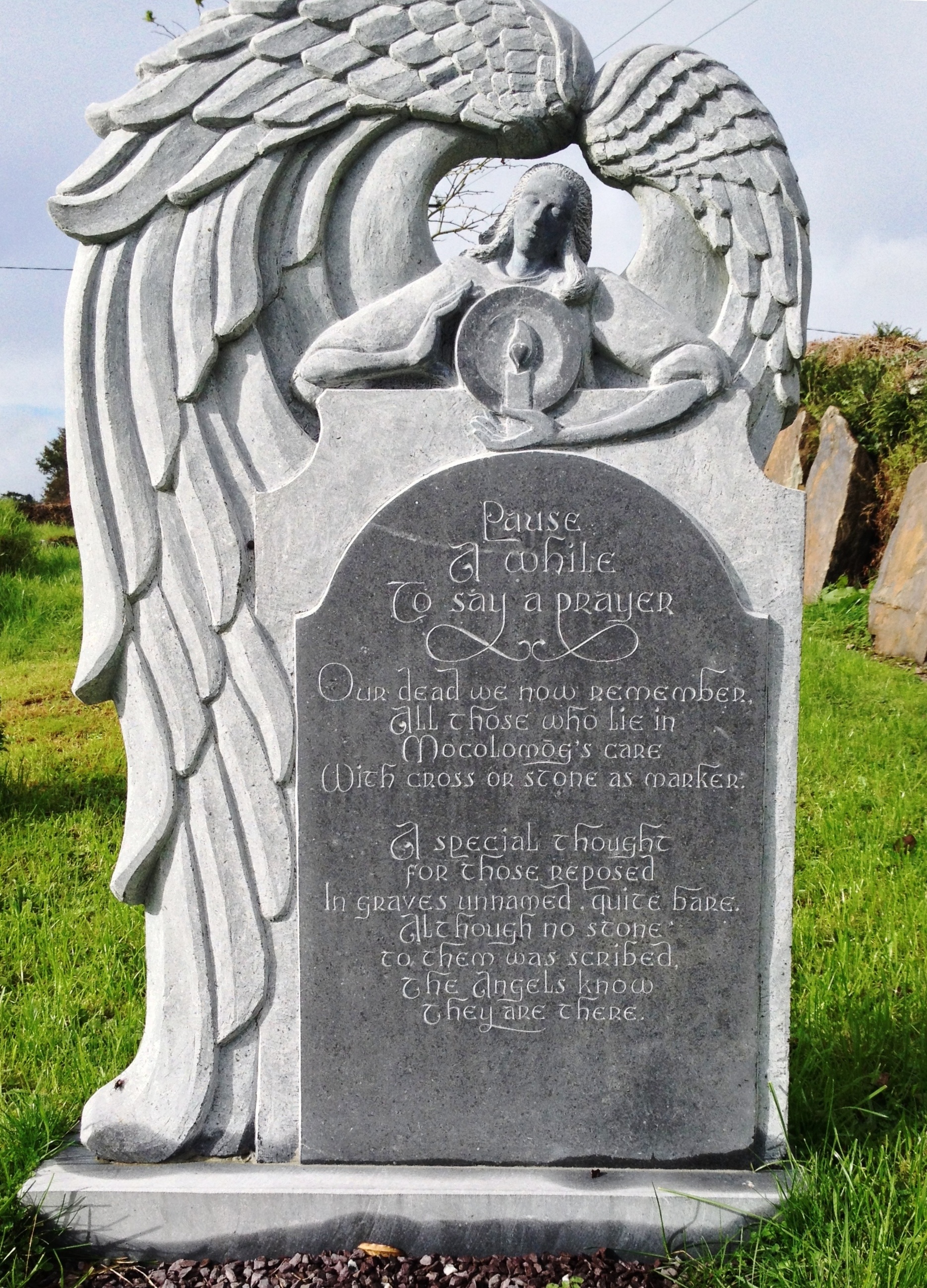
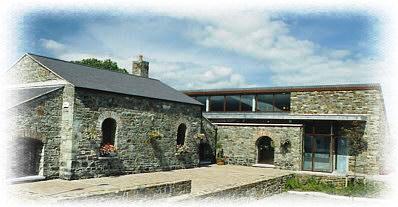
The Heritage Centre in Skibbereen has an excellent, if harrowing, Famine exhibition. Even more moving, perhaps, is the Abbeystrewry Graveyard, site of mass and unmarked graves of thousands of victims.

2012-05-19 16.02.27

In 1997 when events commemorating the 150th anniversary of the Famine were being planned new research turned up many previously unknown stories of the time. While most, understandably, turned on the wretchedness of the people and the political and social context, one small tale fired the imagination of the historian who discovered that the Chocktaw Indians of America had made what must have been for them an enormous donation to hunger relief. Having been deprived of their ancestral homeland, and with their population decimated by European diseases, this faraway people collected and sent $710 to the starving Irish. Since this discovery, a special relationship has been nurtured between the Chocktaw and the Irish.

Tim Tingle, Chocktaw Story Teller

Tim Tingle, Chocktaw Story Teller

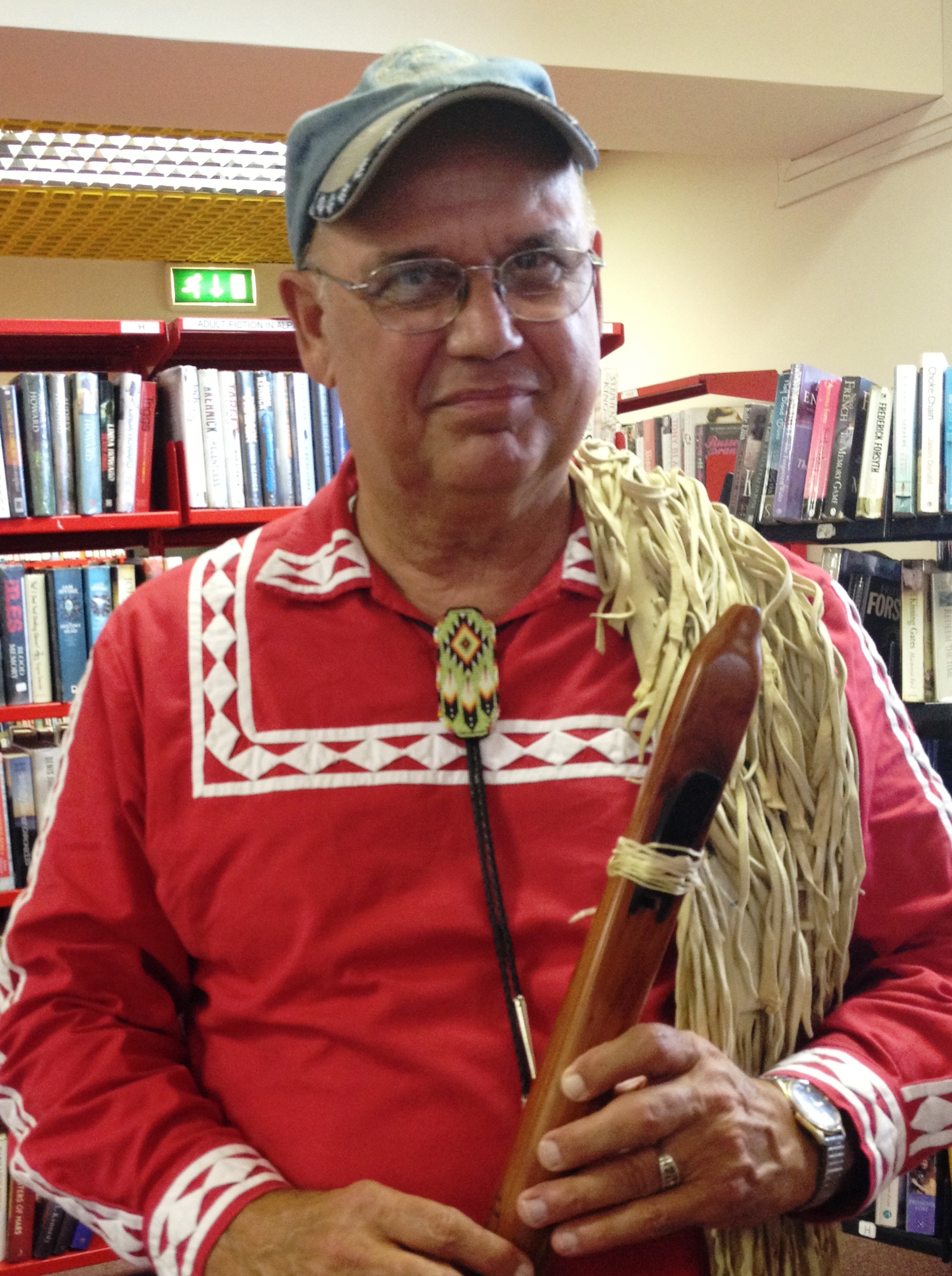
We were lucky, recently, to be present at a session by Tim Tingle, a Chocktaw writer and storyteller, in the Skibbereen library. Relaxed and humourous and with the aid of his drum he told us of his people and their relationship with the land and the animals. Slowly he drew us in to a deeper story from the time of the Chocktaw Trail of Tears: a story universal in its appeal and its humanity. His message: “Look ahead, keep moving forward.”

At Sea Level

mysticwaters

THE SUMMER sun is falling soft on Carbery’s hundred isles,

The summer sun is gleaming still through Gabriel’s rough defiles;

Old Innisherkin’s crumbled fane looks like a moulting bird,

And in a calm and sleepy swell the ocean tide is heard…*

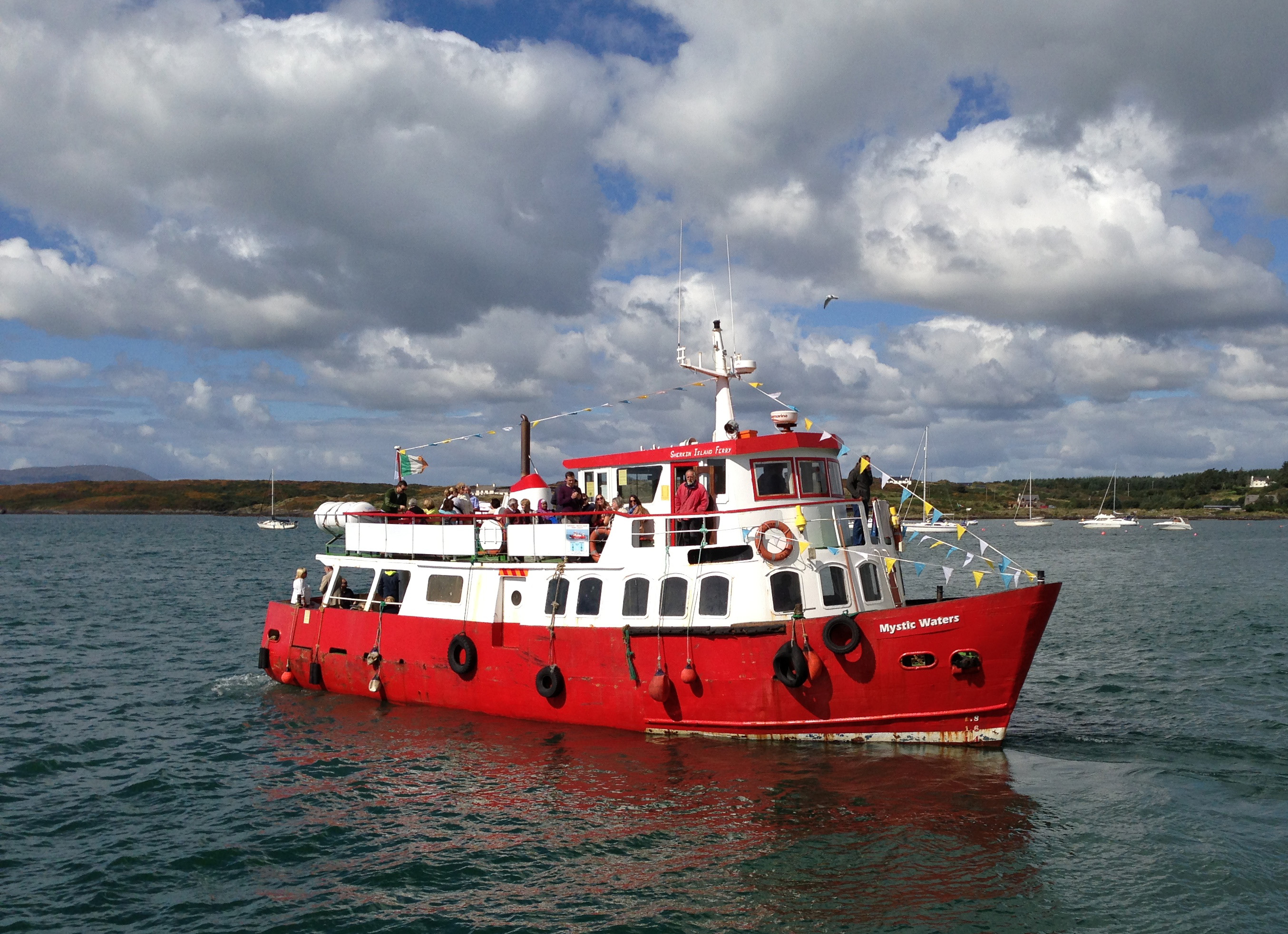
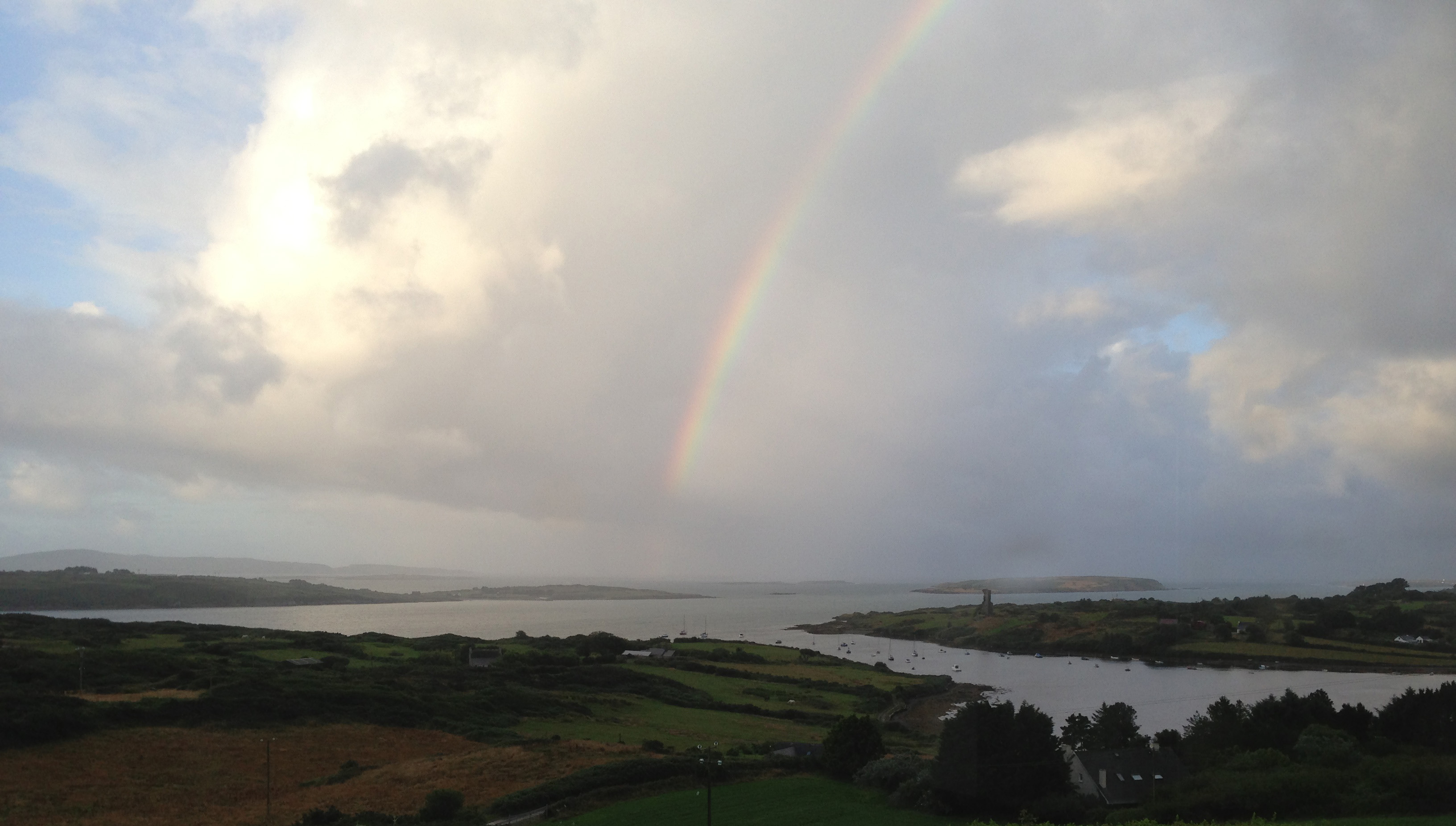
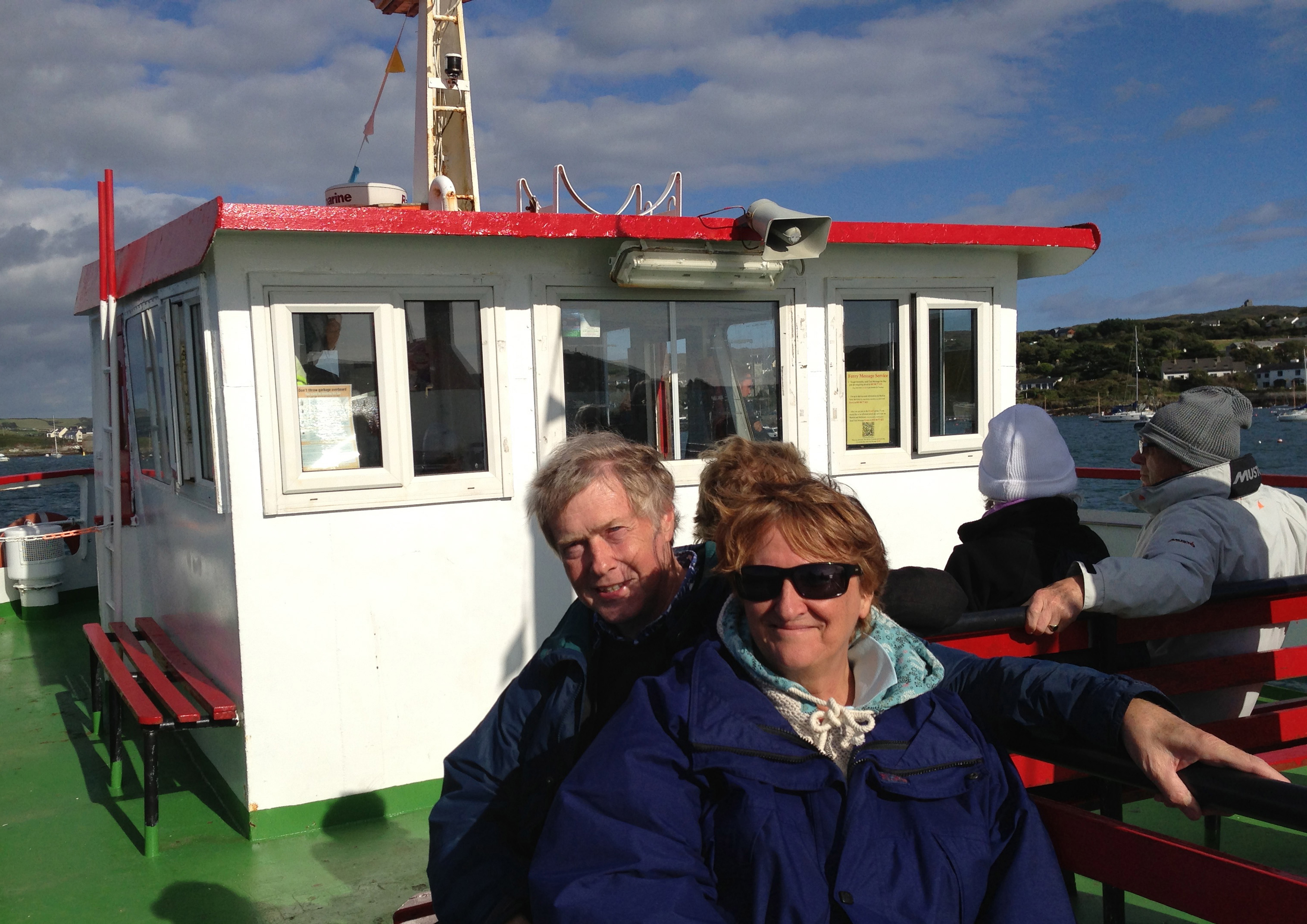
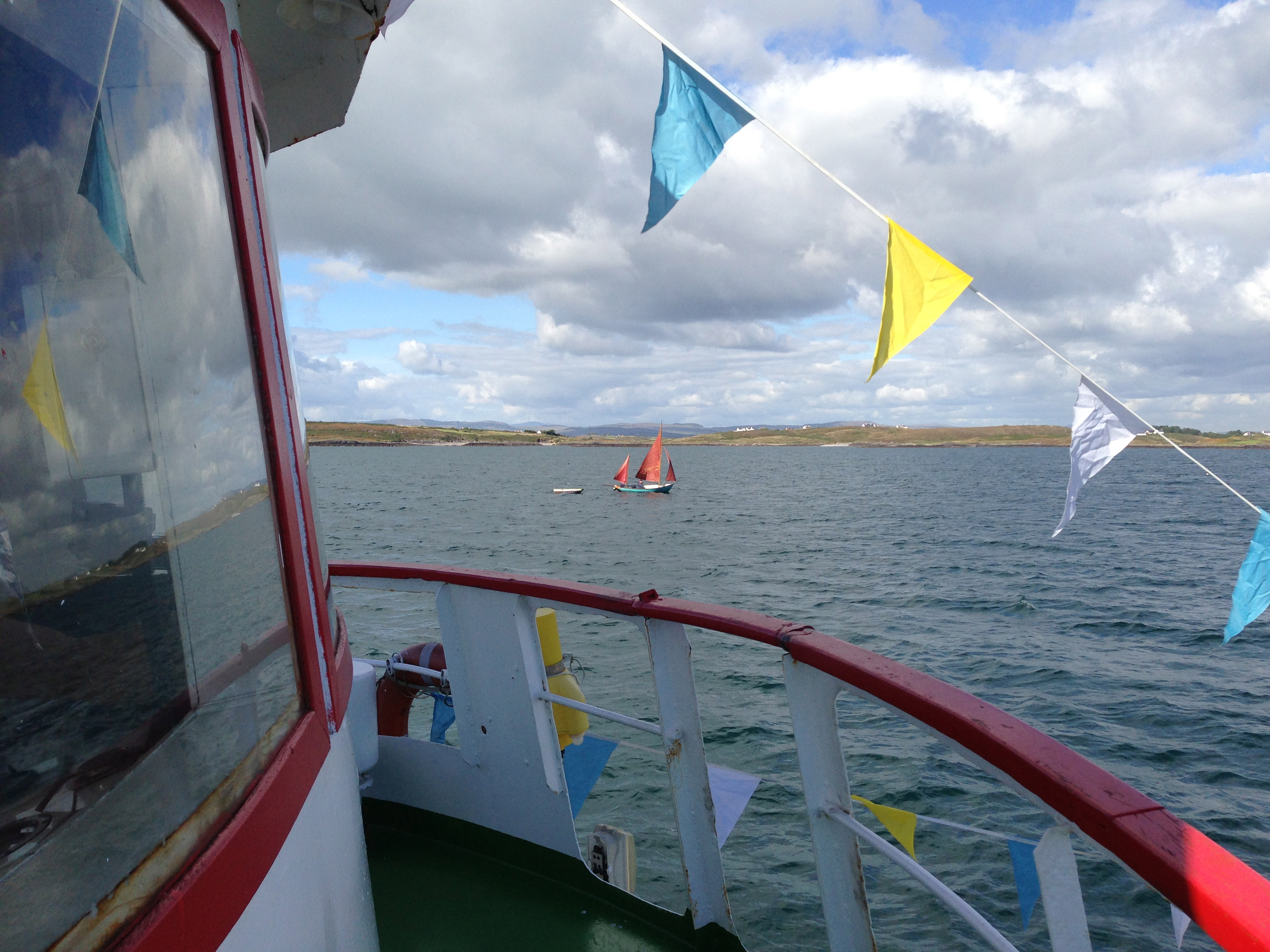
The little red boat that spends most of its days plying the ten minute crossing between the mainland and Sherkin island is occasionally let off its leash to go further afield and explore the Islands of Roaringwater Bay – ‘Carbery’s Hundred Isles’. We signed up for yesterday’s voyage: every day we look down over these waters from our nest up on the hill, and we welcomed the opportunity to explore our view from within it. This event was organised as part of the Taste of West Cork Food Festival, and we had the bonus of enjoying trays of good food and drink as we savoured the scenery.

carbery isles

The late summer sun was certainly ‘falling soft’ as Mystic Waters pulled away from Baltimore. Perhaps it was the last of the summer sun as our view from Nead an Iolair today has gone! There’s not one island to be seen through the driving rain, and the Atlantic storm is sending our weather-vane spinning…

aboard

Some of the ‘Hundred Isles’ are little more than perches for gulls and cormorants, but a few are still inhabited – Clear, Sherkin, Hare and Long Island – while ruined evidence remains to show that many more have once supported small farmsteads – The Skeams, The Carthys, Calf Islands and Castle. Horse Island is the residence of one family – with plans to establish a distillery there.

A traditional Hare island lobster boat - sailing past Hare Island

A traditional Hare Island lobster boat – sailing past Hare Island

Middle Calf

Middle Calf

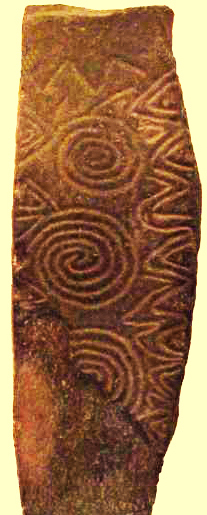
capeclearstone3We didn’t land on any of the islands yesterday: we hope to visit some in the future. My first goal is the Middle Calf – a Hare Haven! But we do need to catch up on some Rock Art. There are marked stones on Horse Island while Clear (an Irish speaking community – part of the Gealtacht) supports a Neolithic chambered tomb which once contained a remarkable artefact: a carved stone with spirals, lines and zigzags, much more akin to the decorated boulders of the Boyne Valley Culture than the cups and rings of West Cork and Kerry. The stone (now – sadly – removed to the Cork City Museum) was part of a passage grave sited on the highest point of the island. Like the huge Newgrange monuments, the passage here is aligned on a solstice sunrise. As we look out through the mist today it’s a sobering thought that a sophisticated, scientifically aware society resided on these remote islands over 5,000 years ago.

* This poem was written by Thomas Osbourne Davis (1814 – 1845) and records the Sack of Baltimore of 1631 when Barbary pirates raided the town and took over 100 residents into slavery.

Food Glorious Food

Taste of West Cork

There’s yet another festival on at the moment, and this one is a yummy one: A Taste of West Cork Food Festival. It will culminate next Sunday in a giant market that will take over the main street of Skibbereen, but in the meantime every day brings something new – a farm tour, cooking and fish-smoking demonstrations, walking and boating tours, tasting menus, and special dinners.

Finola and Regina

Finola and Regina

Today we attended a lecture by Regina Sexton, a brilliant writer, broadcaster and food historian. Under the title “Teaching the Poor to Cook in 1847,” Regina led us through the contents of what might have been one of the earliest ever Irish recipe books. Published by a member of the Northern Irish gentry, it instructed the Irish ‘Peasantry’ on how to cook the foods available at the time as substitutes for the potato, then in catastrophic failure due to blight. Revealing as a document of the social and political philosophy of its time, it was eerily poignant given the death toll occurring all around at the height of the Great Famine. I was keenly aware of our surroundings at Liss Ard House, once a mansion where people enjoyed a fine standard of living, while the town of Skibbereen, down the road, had been an epicentre of starvation.

Everything locally grown!

Everything locally grown!

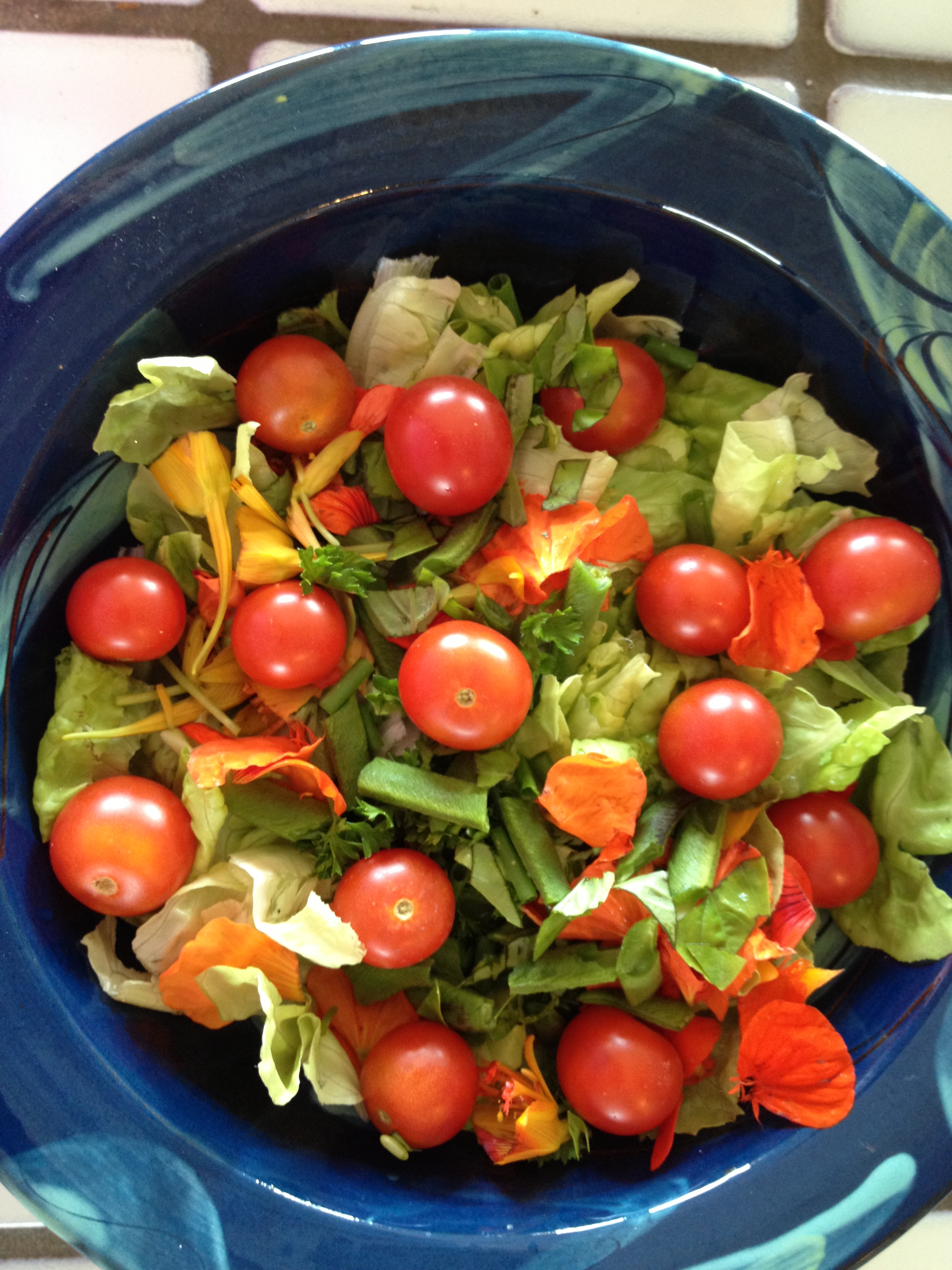
I have written before about West Cork Food (here and here): this really is Foodie Heaven, with fresh vegetables, artisan cheeses, homemade preserves and relishes, breads of every description and a wide variety of seafood and organic meats all readily available not only in the weekend markets but in local shops and supermarkets. To add to this, my friend and neighbour Hildegard has been generous with her garden and we have been enjoying fresh beans, zucchini and lettuce and flavouring dishes with her wonderful basil and savoury.

Robert and I love to eat breakfast out as a treat. On one recent foray I ordered boiled eggs and it brought me back to my childhood and time-honoured rituals. Lift the top off the egg with a spoon, drop in butter and salt and put the top back on. Cut your toast into fingers to dip into the buttery yolk. When you have finished your egg, turn it upside-down in the egg cup and present it to an unsuspecting sibling.

Breakfast in Skibbereen

Breakfast in Skibbereen

The Green Saint

pyramid

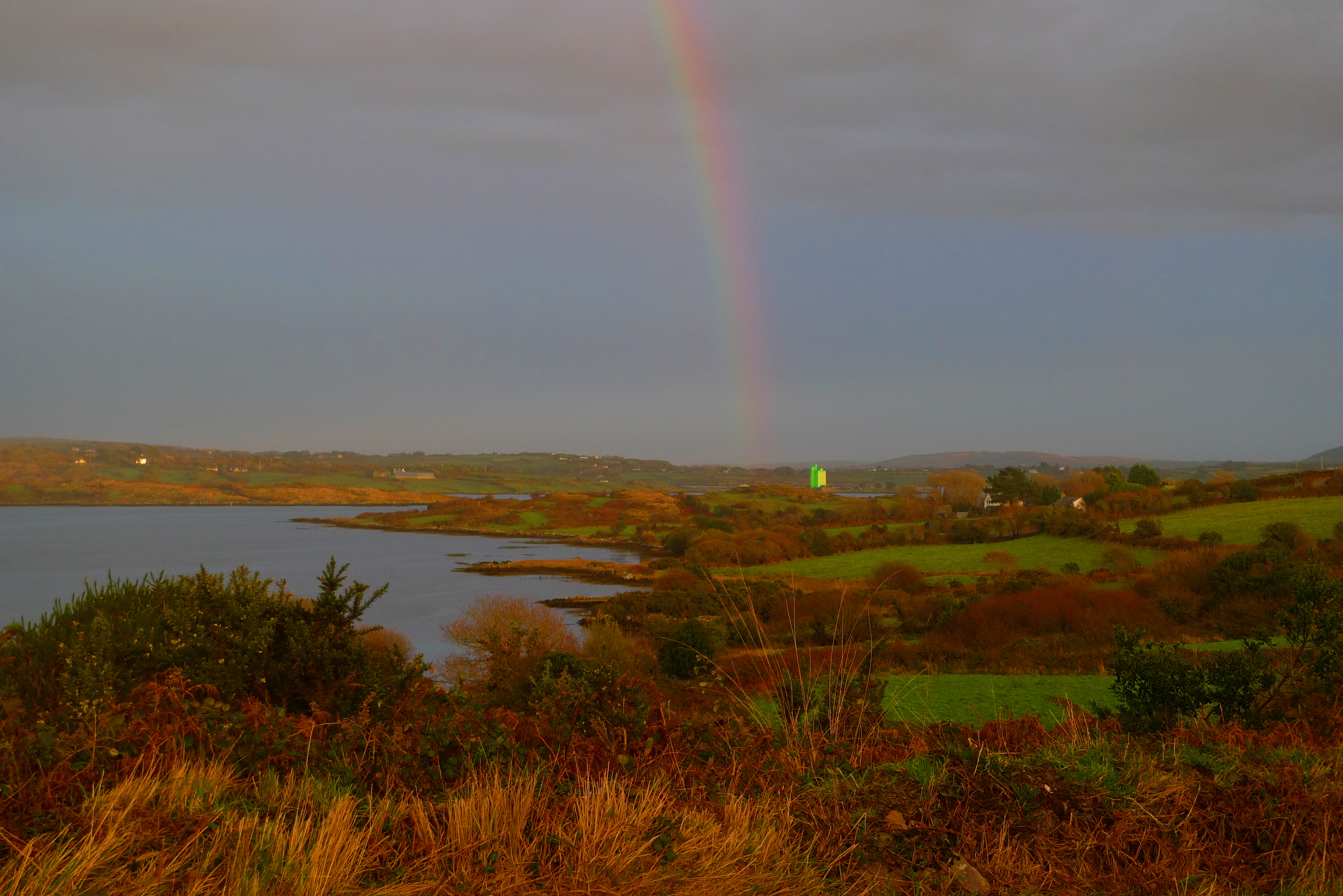
I welcome the excuse to put a picture of a green pyramid at the top of my post – with justification: it’s Saint Patrick’s Day, and all over the world things are turning green! It’s a campaign by Tourism Ireland to encourage people to visit the country, as tourism is now probably the largest industry here. As well as the Pyramids and the Sphinx, the Sydney Opera House, the London Eye, the Leaning Tower of Pisa and even the Angel of the North are getting the green treatment, along with many other well known landmarks. I’ve added a couple of my own – why not?

Kilcoe Castle - 17 March

Kilcoe Castle – 17 March

Gary and Finola puzzle over this St Patrick's Day phenomenon at Derreenaclough

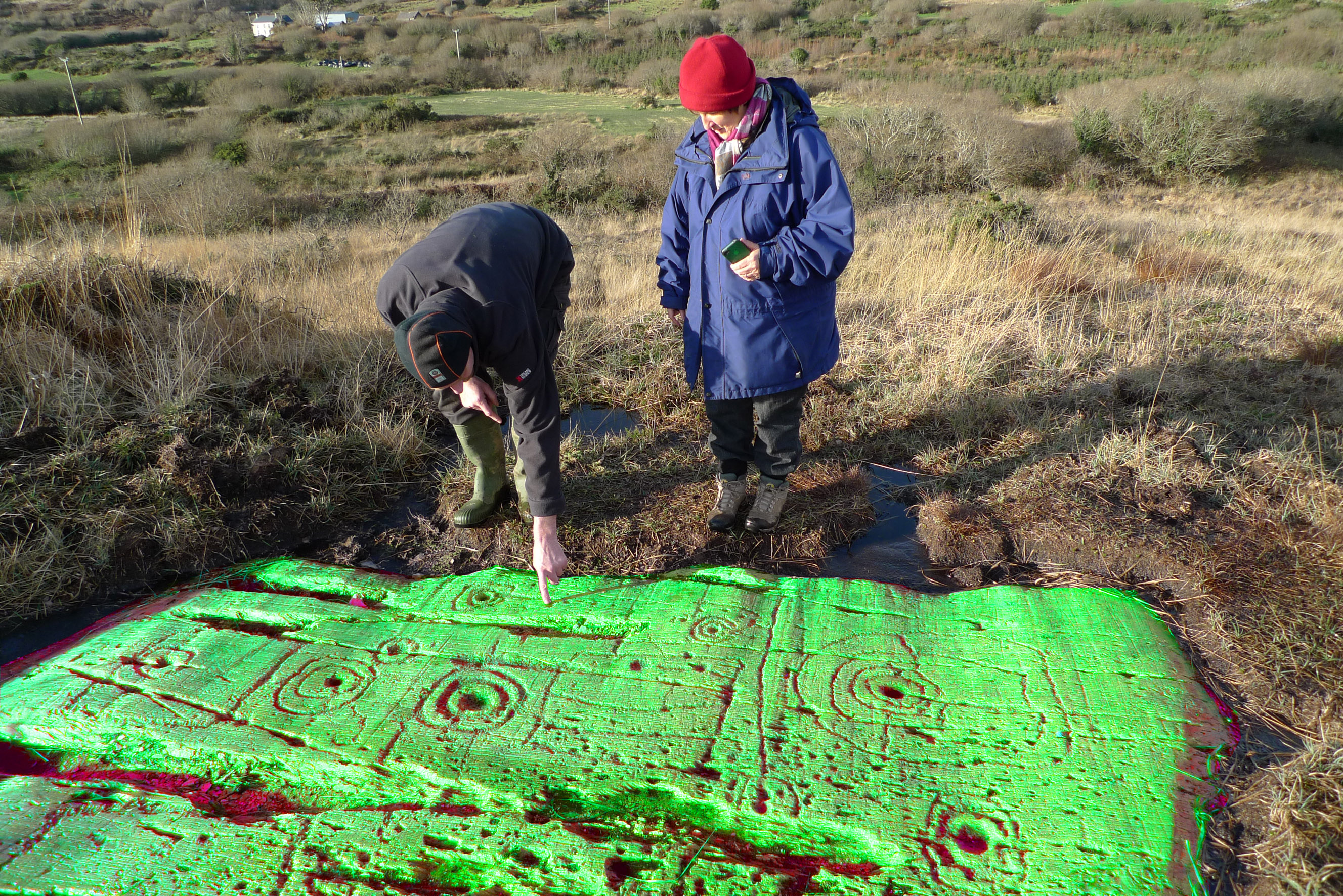
Gary and Finola puzzle over this St Patrick’s Day phenomenon at Derreenaclough

We were staying near Dublin at the weekend to attend a wedding and, as there were three Irish people and me around the breakfast table, I asked the others to tell the story of St Patrick. They did a good and convincing job: I now know that Patrick was descended from a Roman family living in the north of England. He was captured by Irish raiders when a young man and kept as a slave for six years, before escaping home to Britain. After a while he had a vision in which he was being called back to Ireland to become a Christian missionary. He trained as a priest and crossed the Irish sea again. He was one of several early saints in Ireland. He has also become a hero figure in Irish folklore, and appears in many pre-Christian legends, including stories of Finn McCool and the Children of Lir.

Saint P

My breakfast companions assured me that St Patrick cast all the Snakes out of Ireland (but I was interested to learn today that there are also no Snakes in New Zealand, Iceland, Greenland and Antarctica) – although someone cheekily introduced Slow-worms into Clare in the 1960s, and they are now breeding happily in the Burren (ok – Slow-worms are in fact legless Lizards – but they do look a bit like Snakes). The story I like best about St Patrick involves his ash wood staff which he always carried with him. Whenever he was evangelising he would stick it into the ground: on one occasion it took so long to get his point across to his listeners that his staff had taken root and become a fully grown tree before he was finished!

St Patrick died on 17th March – probably in the year 493 AD. It’s fitting that we should end our blog (for the moment) on St Patrick’s Day: we leave Ireland this week having spent a wonderful winter getting to know and falling in love with this little bit of land sticking out into the wild Atlantic. We will be back – and, hopefully, we will continue our posts then. Meanwhile, Finola has written our goodbyes so well above that I don’t need to say any more…

Music Mad

site

When we set off to find the Road Trotting we travelled roads we had never seen before: out to the east of Bantry. We were intrigued by a sign to ‘Tralibane Memorial’ and duly diverted to investigate. Up the hills and around a sweeping bend in the road: the first thing we saw was Mary, looking down over her modest garden – but that wasn’t the memorial; we found it a little further on. Our immediate view was a man playing a flute on top of a rock, approached by an ornate staircase. As we took in the whole site we had the impression of a huge plateau carved out of the hill summit – somewhere you could park a hundred cars or assemble a mighty crowd. It had the feel of a place where a Pope might come to give the Mass: there is an ornate Commemorative Wall surmounted by grand light fittings and with room for 120 granite name-plaques on each side.

commemorative wall

It’s a place waiting for something to happen. On the day of our visit it was deserted – and a little bleak. But, on other days, things do happen: crowds arrive and pay tribute – they come from all corners of the world. They also dance, and great craic is had. What is it all about? Well, once we’d worked it out we realised that this is a very important shrine for me, and for all other players of Irish Traditional Music. This is a memorial to Captain Francis O’Neill, a man who was born in the townland of Tralibane in 1848; ran away to sea at the age of 16; worked his way around the world and survived a shipwreck; became a policeman in Chicago; survived a gangster shoot-out, and eventually attained the rank of Chief of Police in that city. But he is famous for his greatest achievement: a collection of Irish tunes which numbers nearly two thousand, and which probably forms the repertoire basis of most of the musicians keeping the tradition alive today. The O’Neill collections were certainly my own introduction to The Music, and the several volumes in my own sheet music library are still the most valuable resource I have, bar only the internet.

plaques

O’Neill was imbued with the music of his native West Cork while growing up. He played the flute himself but, like many traditional musicians, he didn’t read or write music. The transcriptions which now appear in his collections (which are still all in print) were made by another O’Neill – James: unrelated but a colleague in Chicago. If you want to read a fuller account of O’Neill’s life try Ronan Nolan’s comprehensive article, where you can also find links to many of the wax phonograph cylinders recorded by Captain Francis during his collecting years (edit 2019: this link is no longer active!).

Robert + Francis