Mizen Magic 12: Autumn Colour

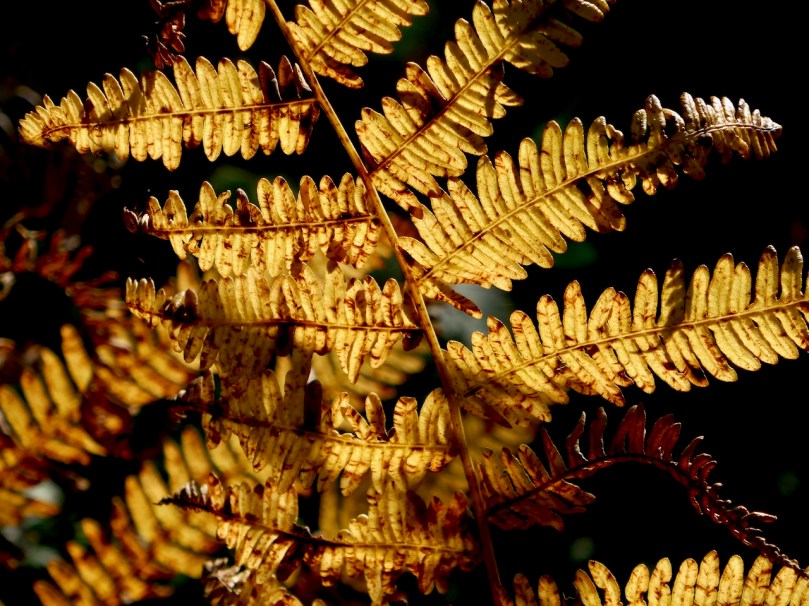
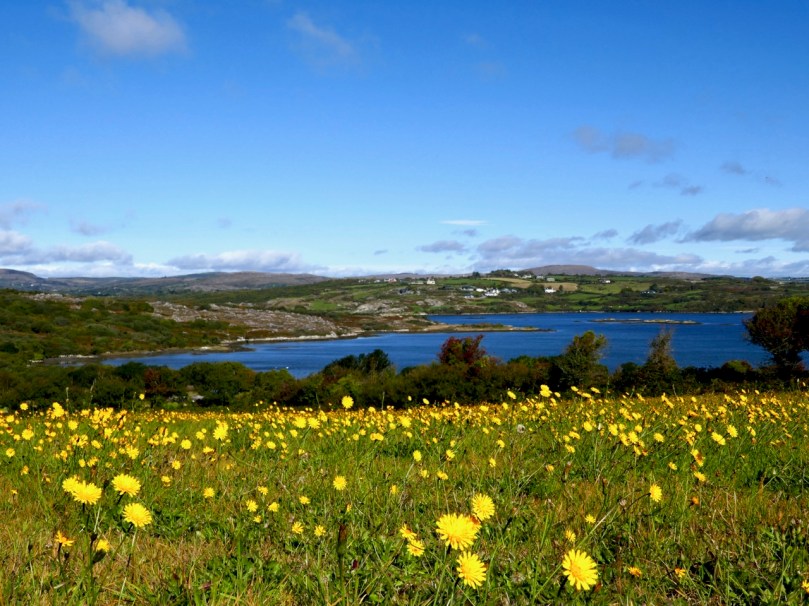
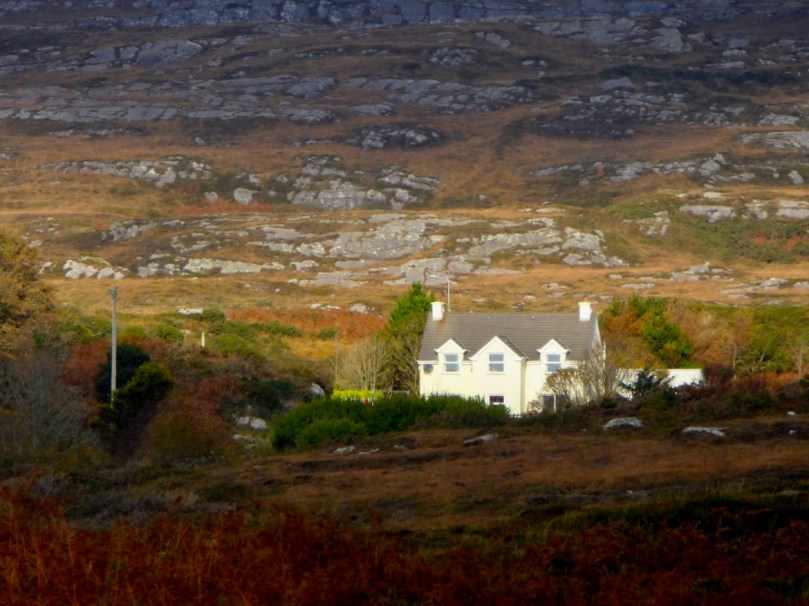
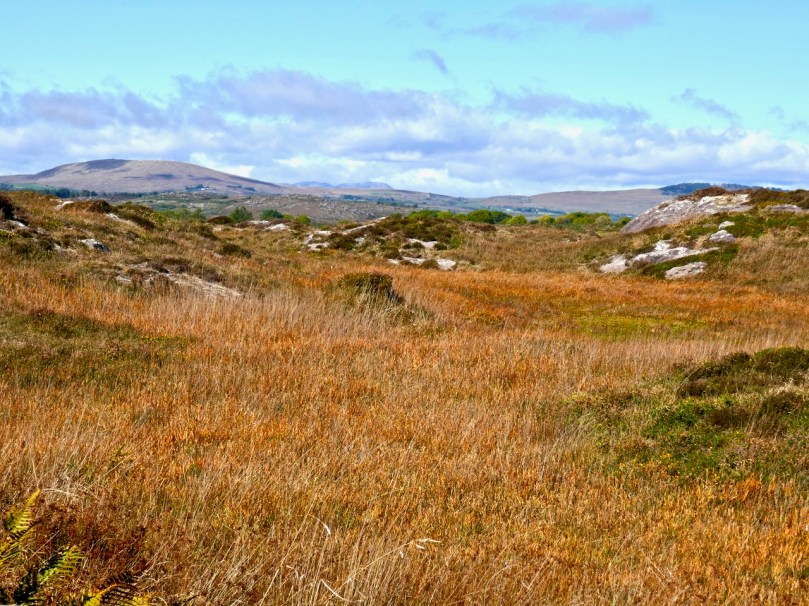
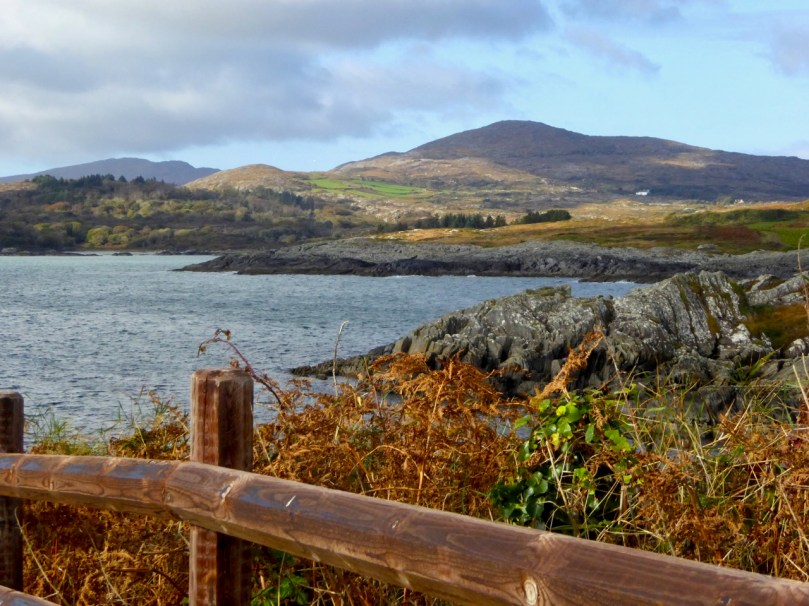
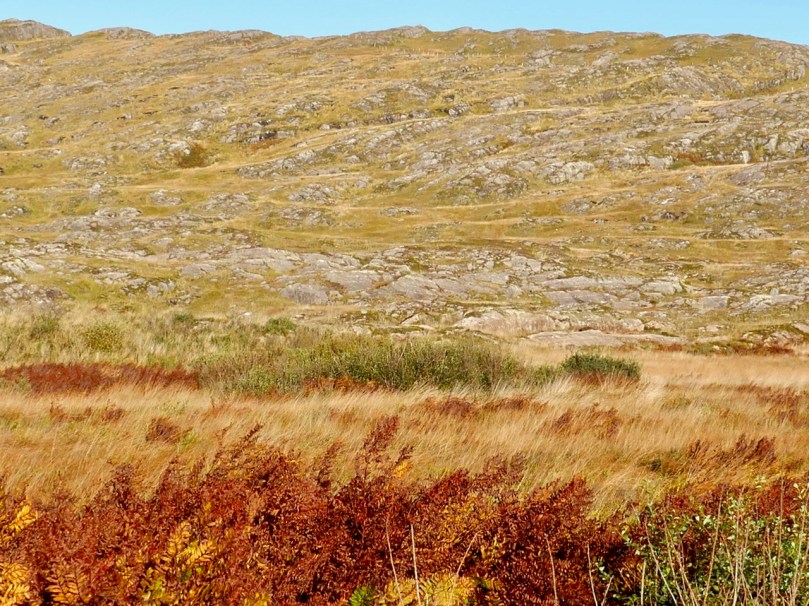
It’s not the trees that lend autumnal hues to the Mizen, as they do elsewhere. It’s the whole landscape – that combination of rock, heather, bracken, moor grass, brambles, filtered through the light and shade of our notoriously changeable climate – that creates the special colour palette we associate with autumn. It’s my favourite time of year.

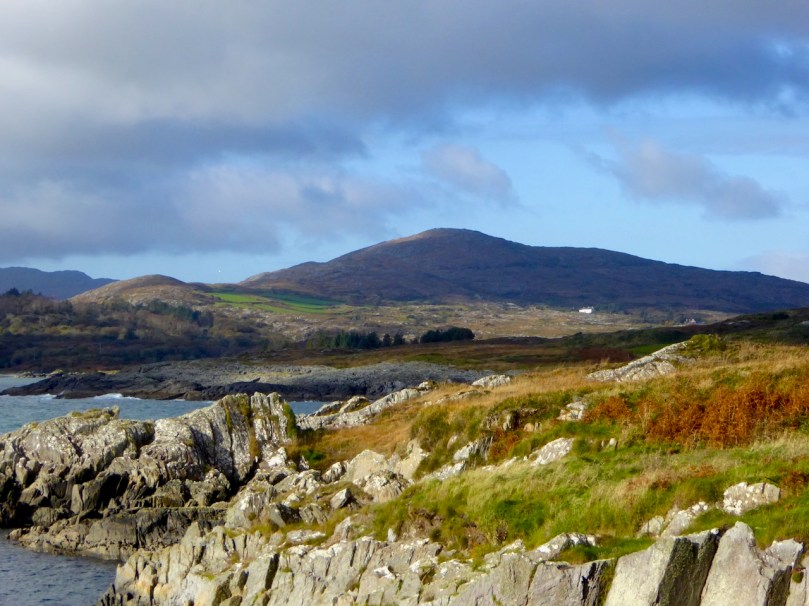
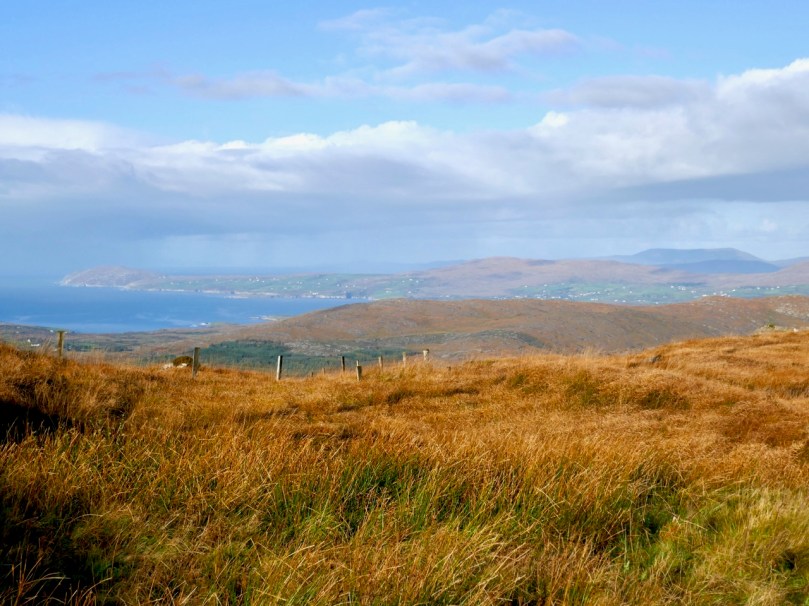
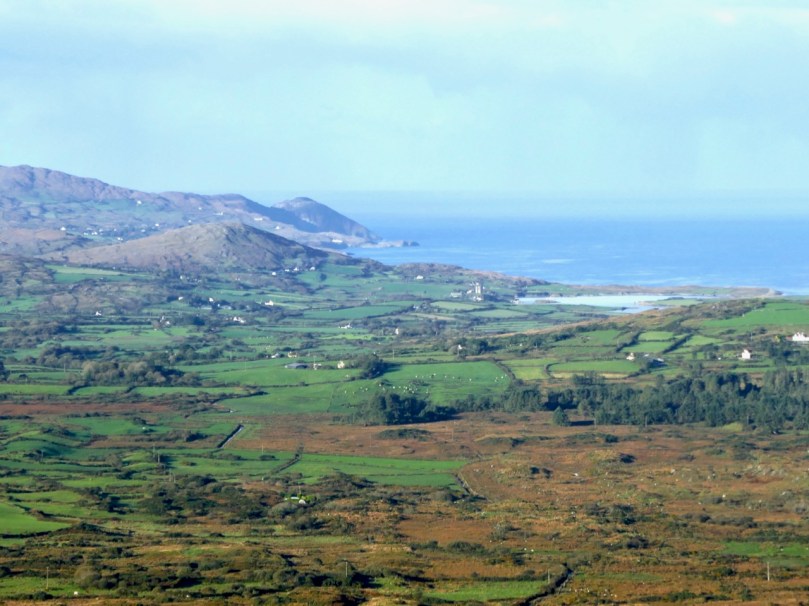
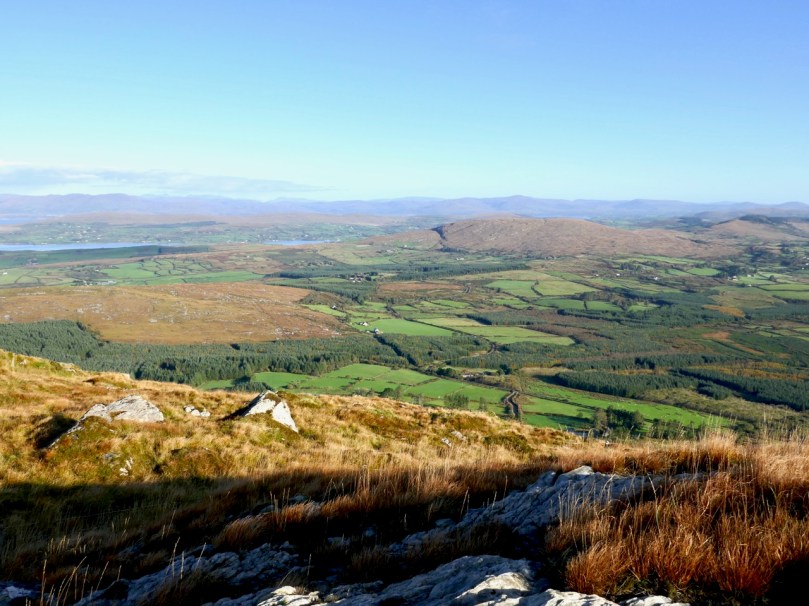
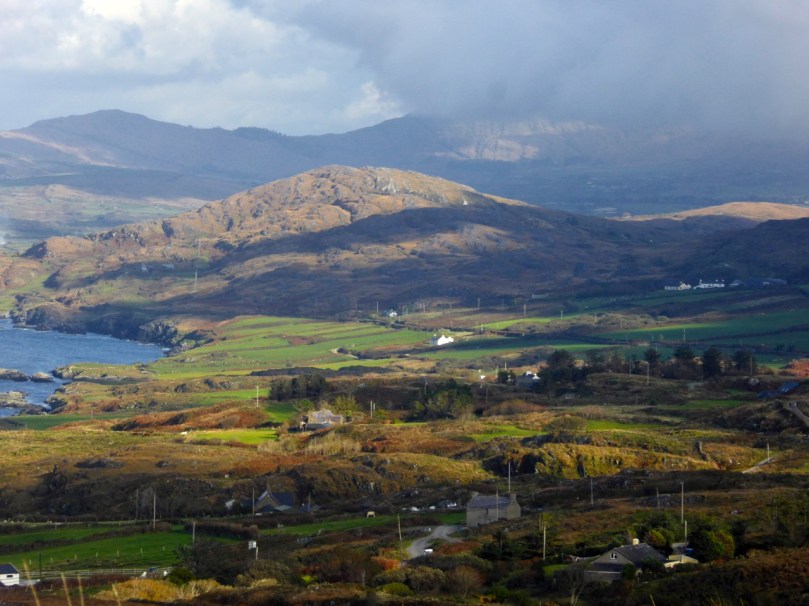
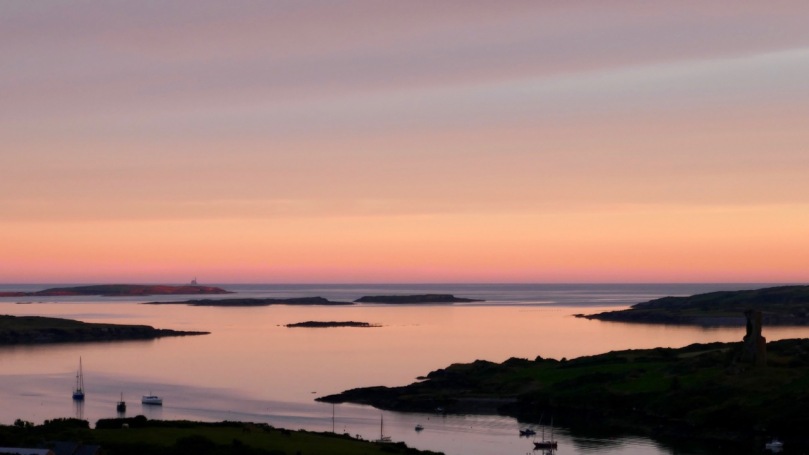
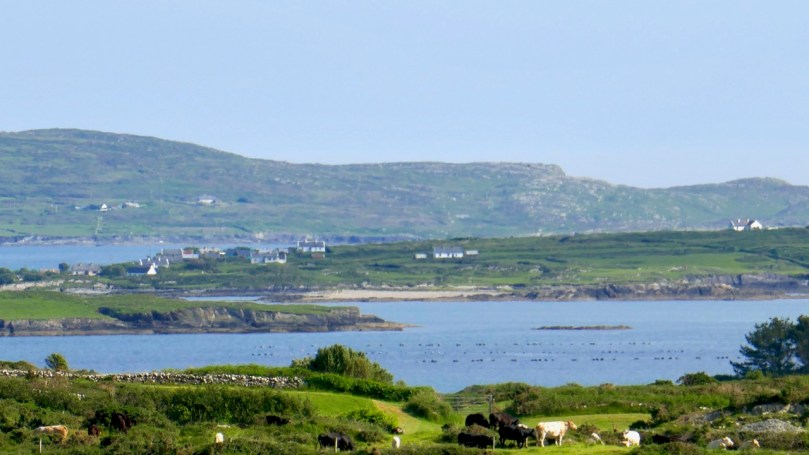
Today, early, we drove up Mount Gabriel and looked over the whole of the Mizen, back to Mount Corrin and Mount Kidd, and across to the Sheep’s Head, the Beara, and away to the mountains of Kerry.

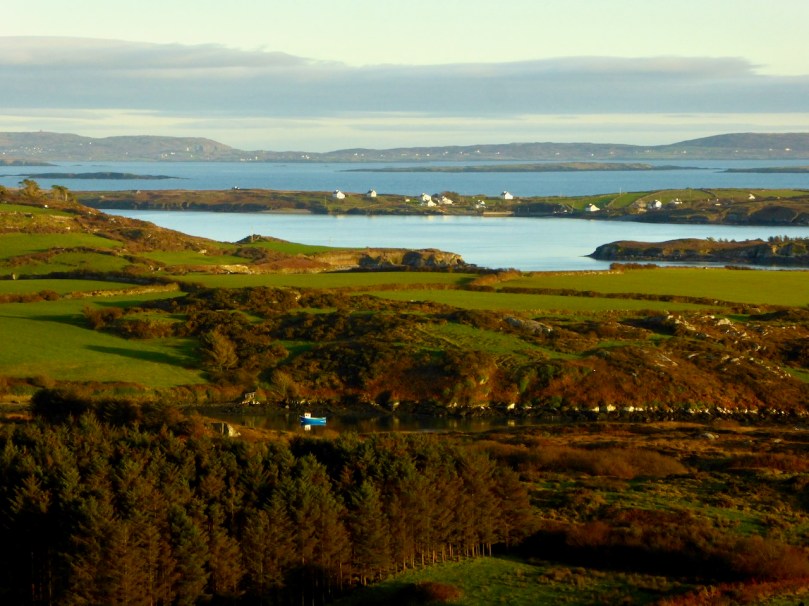
Upper: looking down to Dunmanus Bay from Mount Gabriel; Lower: looking across to Mount Corrin

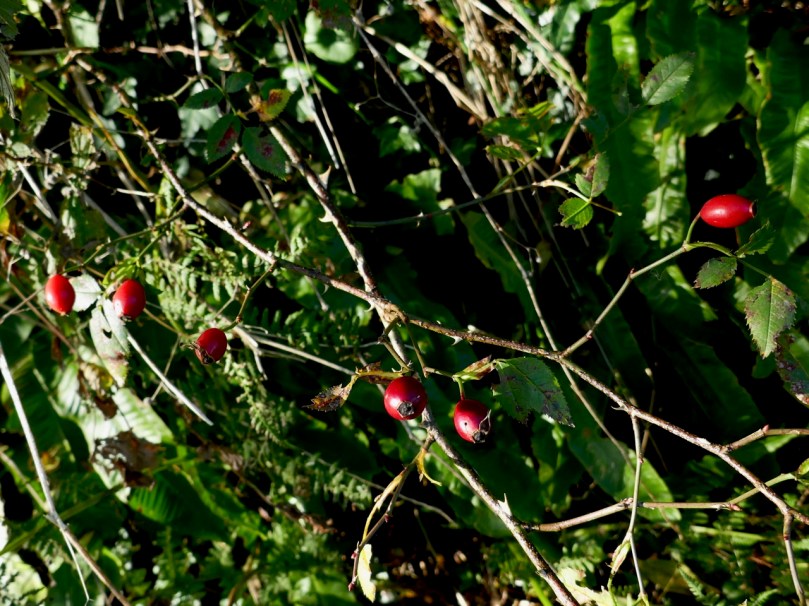
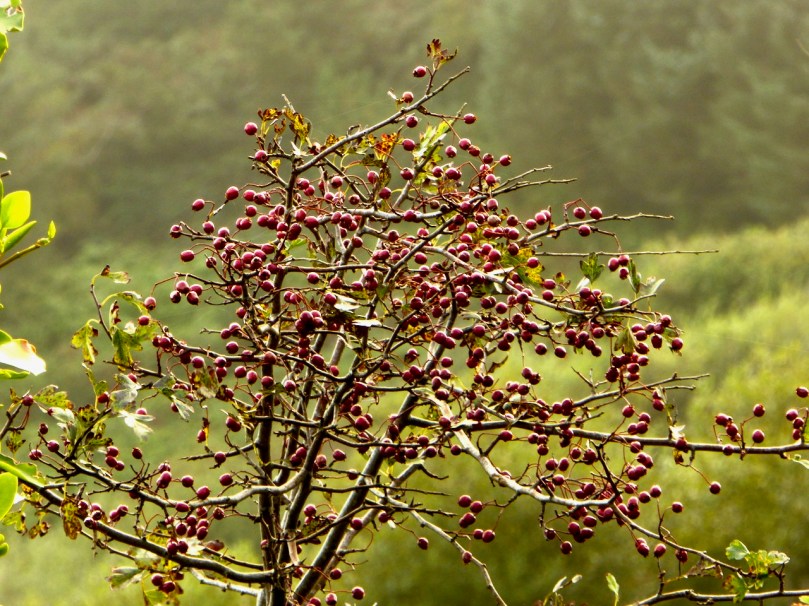
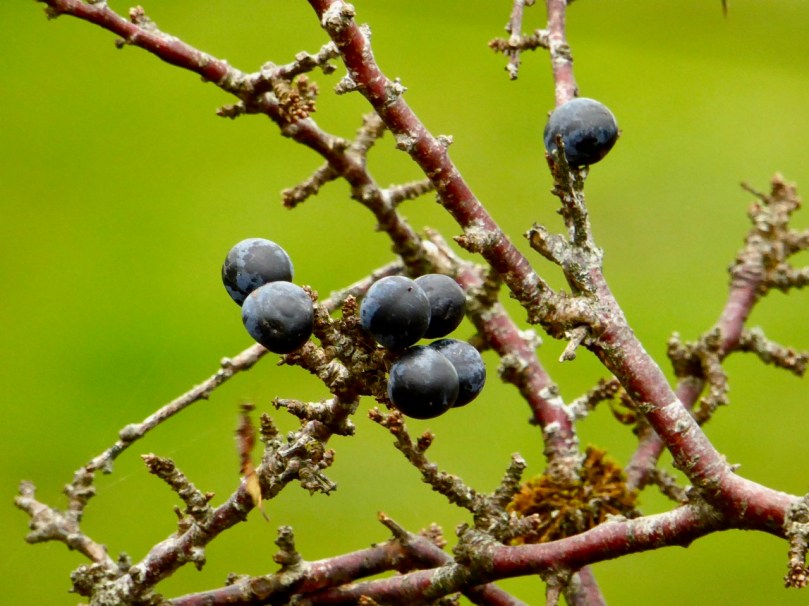
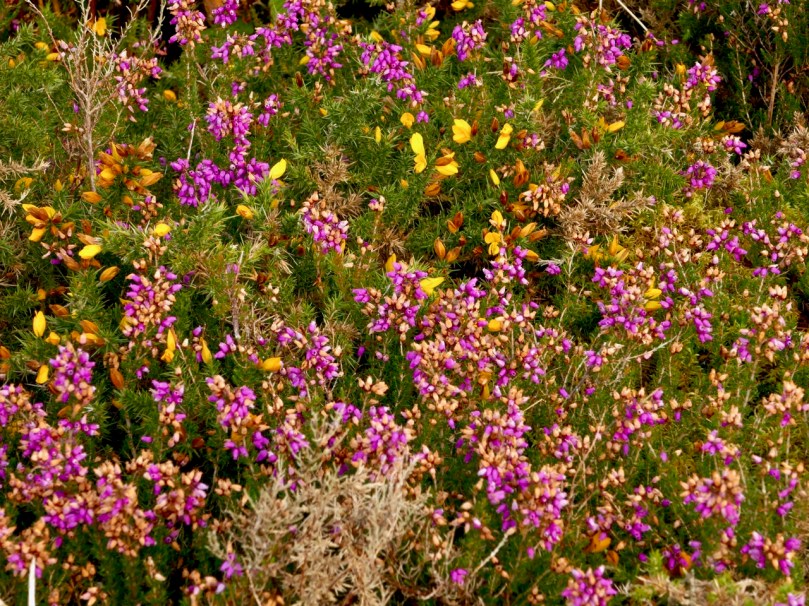
But every day brings changes. What trees we have are not yet bare. The thorns, blackthorn and whitethorn are loaded with berries. The heather is hanging on here and there, providing a wonderful contrast to the yellow gorse.

Haws, Sloes, Heather and Gorse

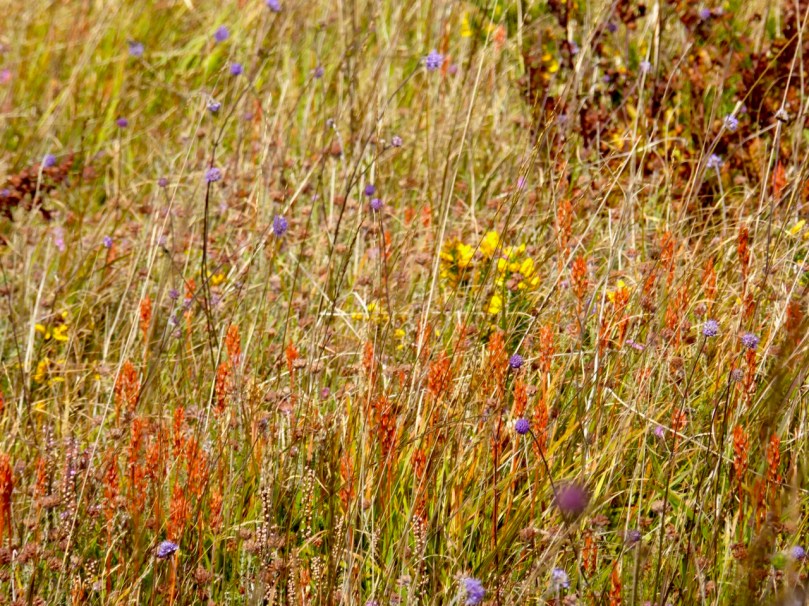
The bog asphodel is fading now, but earlier in the month it had reached its peak orange state and looked spectacular consorting with the other bog and mountain flowers that were still blooming.

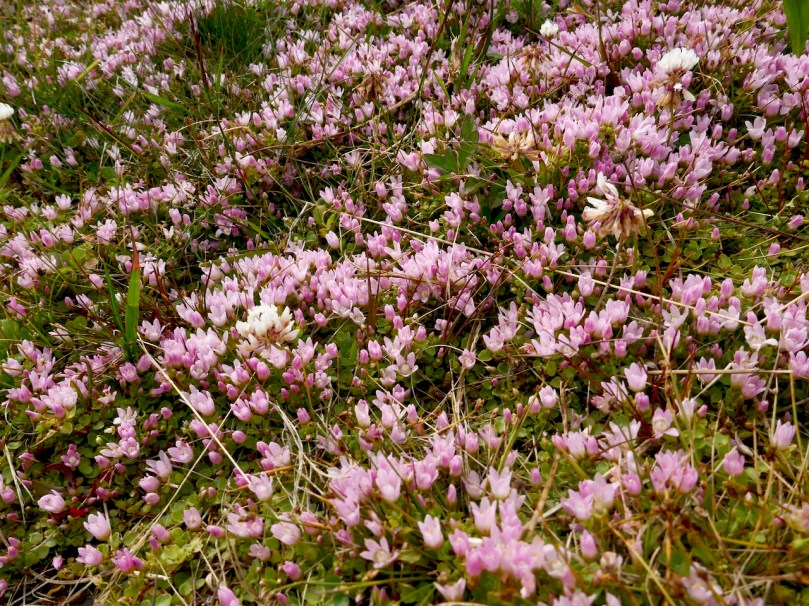
Upper: Bog Asphodel, Gorse, Scabious; Lower: Cappaghglass Bog

When you get a clear day, like today, there is nothing on earth like a walk on the West Cork hills, drinking in the colours and trying to store them in the memory. Or perhaps, in a blog!

Upper: Toormore; Lower: Derryconnell 

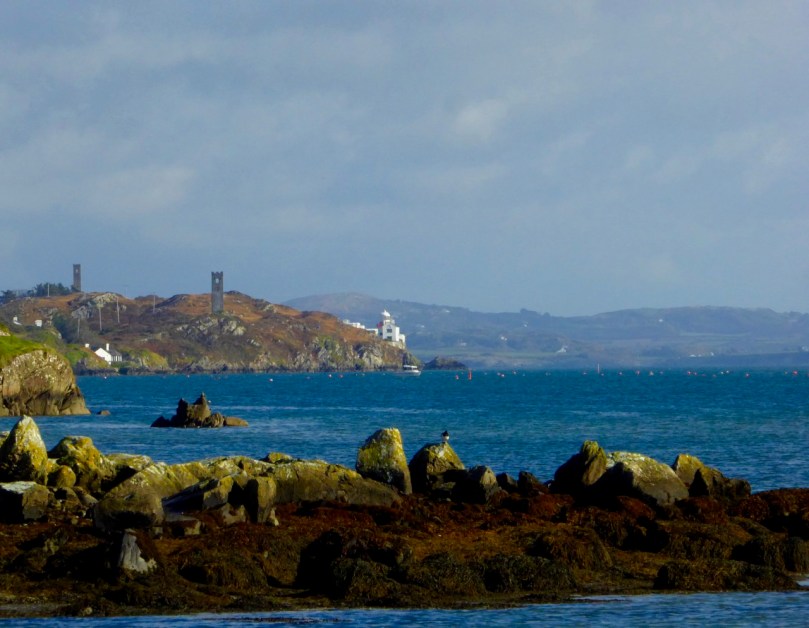
Upper: North Side of the Mizen; Lower: Crough Bay and Long Island

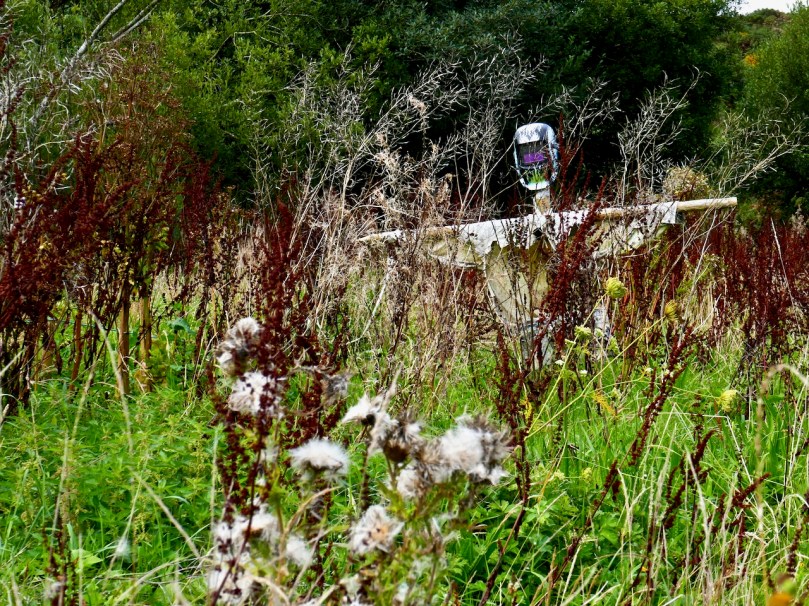
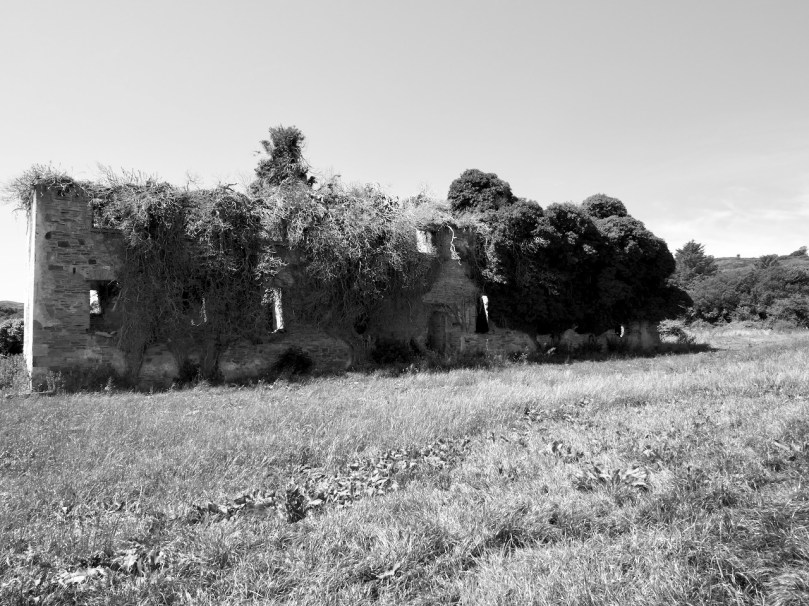
Scarecrow in an abandoned garden – quintessential autumn image!

Rock Island

One Acre – One Year On

Last year I introduced to you the wildflowers that arrive unbidden every year to our one acre plot in West Cork. This year I will continue that tradition (if it’s more than once, it’s a tradition – agreed?), starting in March and ending in September and trying to choose different flowers from last year. It was a very different year!

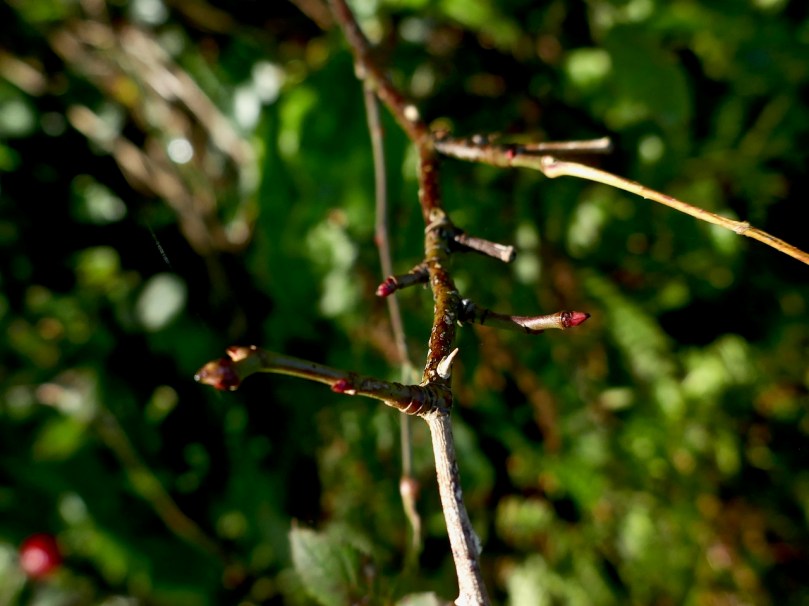
Top image – Blackthorn, the first of the trees to blossom in April (flowers before the leaves come). Above is Blog Pimpernel which grows on what had been quite a wet section of the lawn last year

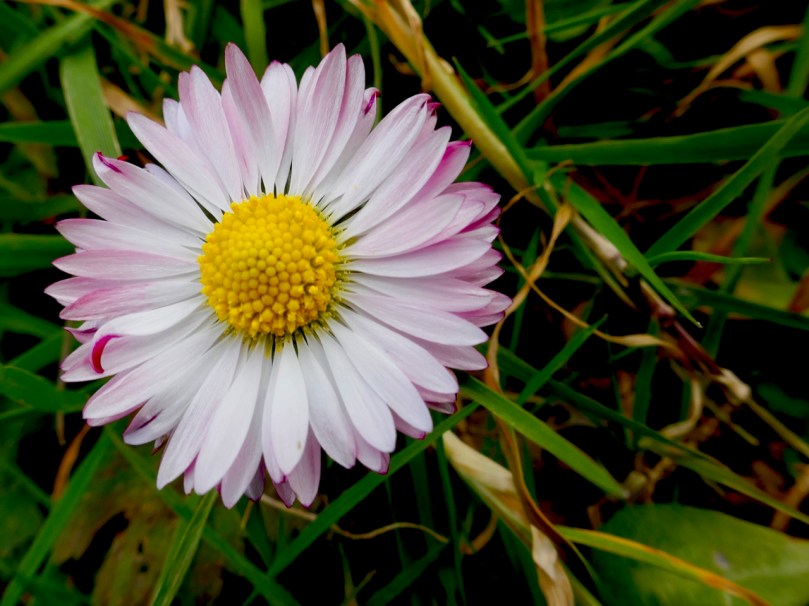
We had a late start to spring after a long and exceptionally cold winter. Everything seemed about two to three weeks later than last year, so that by March, all I really had to report was the good old lawn daisy.

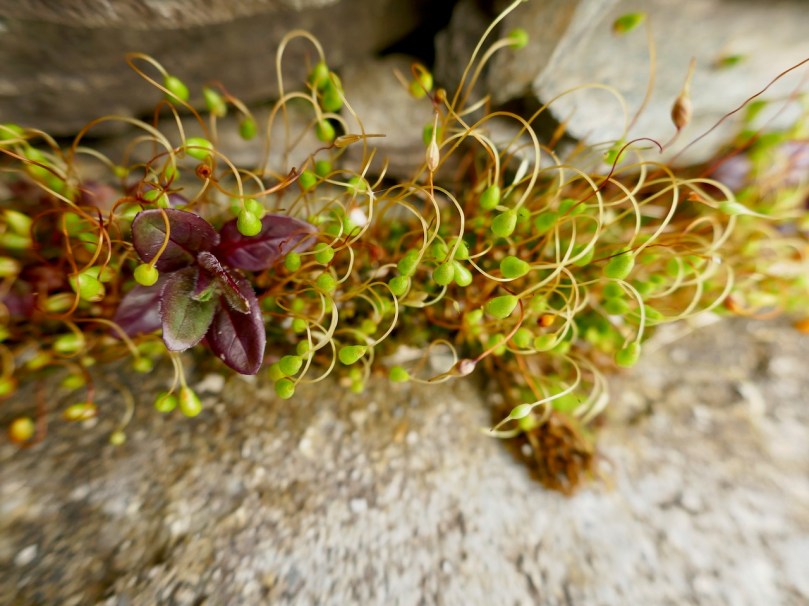
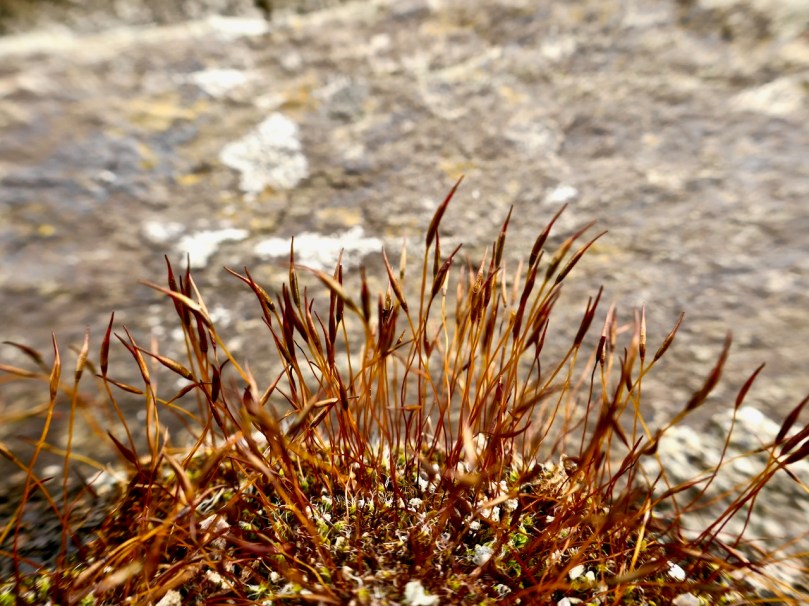
But finally in April the chill abated and tiny flowers started to appear in the grass. Nothing too showy yet – some of them needed a magnifying glass to find. The mosses were having a field day, though, and our Blackthorn bushes put on quite a fireworks show.

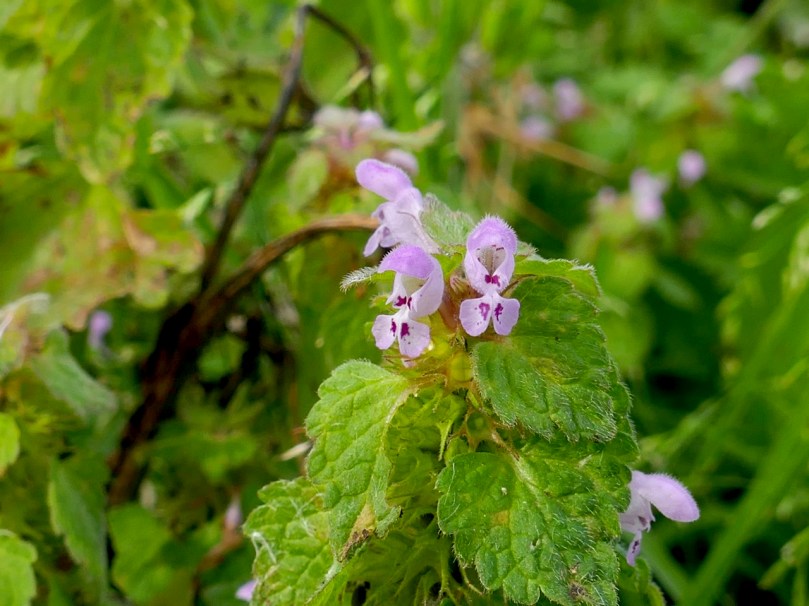
From the top: Keel-fruited Cornsalad (edible and more of a light blue than white); Hairy Bittercress; Common Dog-violet: Ground-ivy; two kinds of mosses

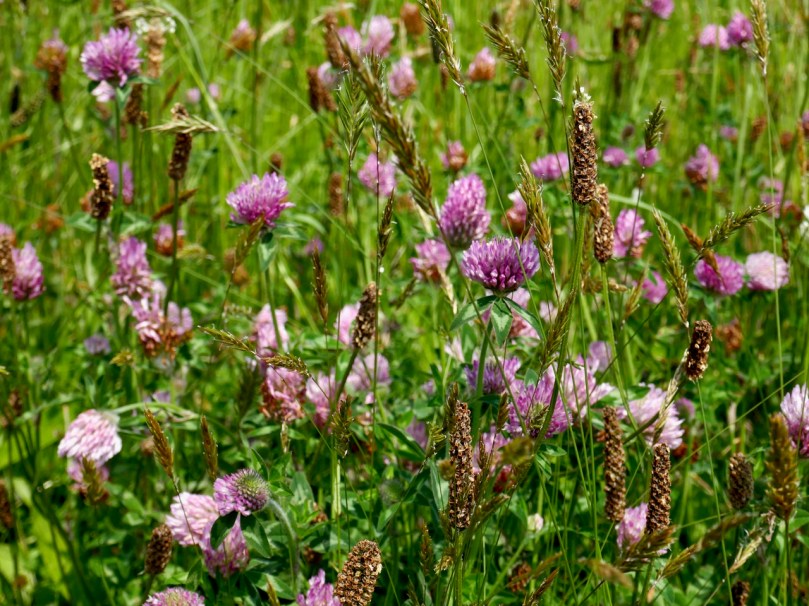
May started to warm up nicely and now the grasses started to grow in earnest, and my uncut portion – my wildflower meadow – took off with a profusion of grasses, sorrel, and clover.

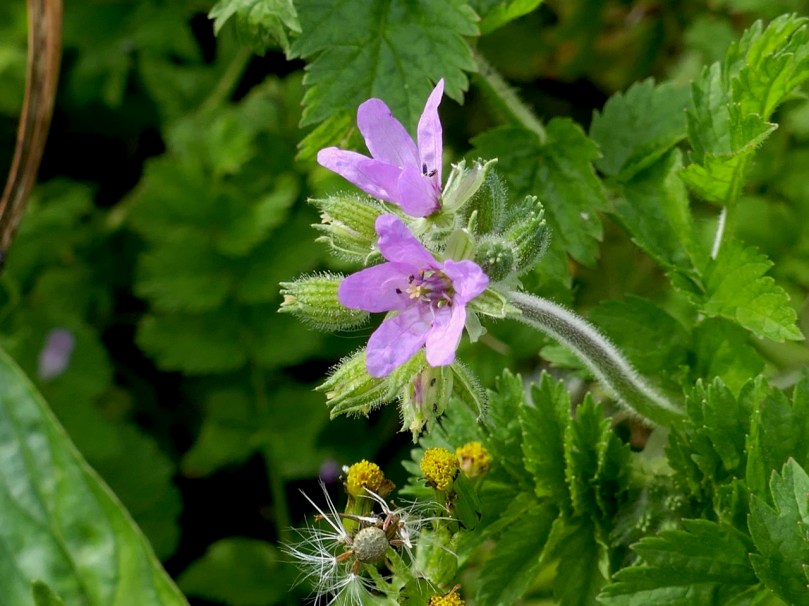
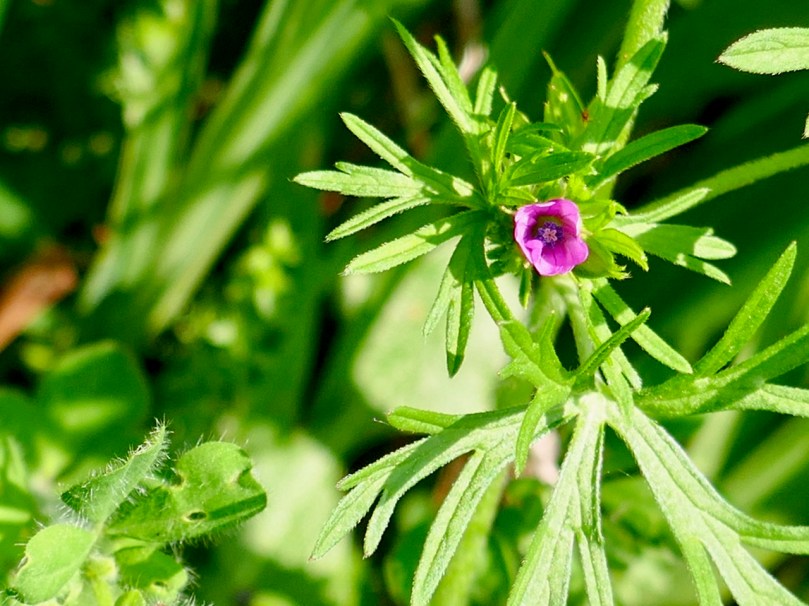
From the top: Grasses, Red Clover, Ribwort Plantain; Common Milkwort; Cut-leaved Crane’s-bill; Trailing St John’s-wort; English Stonecrop; Whitethorn (flowers after the leaves come)

And then, boy did it warm up – Flaming June, they call it, and it lived up to its reputation this year with everything suddenly verdant and pulsing with life and colour. Day after day of sunshine – we just aren’t used to that around here and as the month wore on the word drought was introduced to our vocabulary. Imagine – in Ireland!

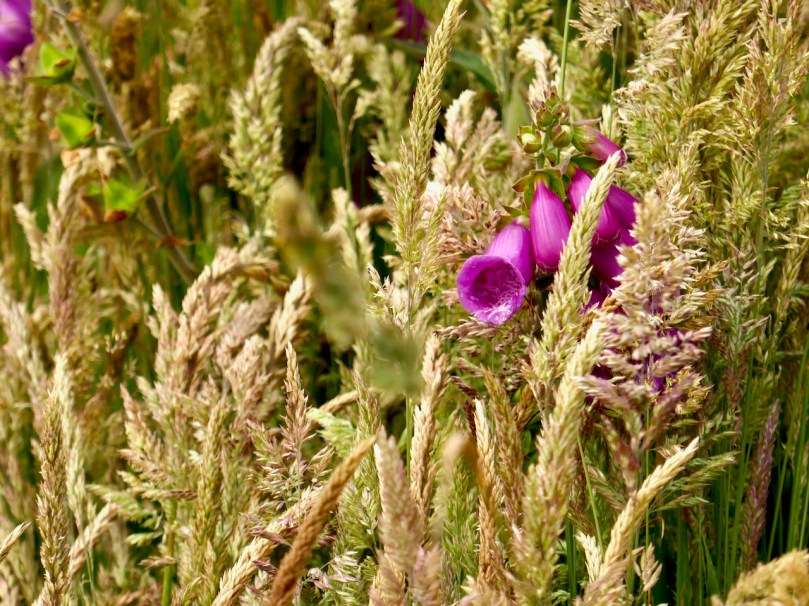
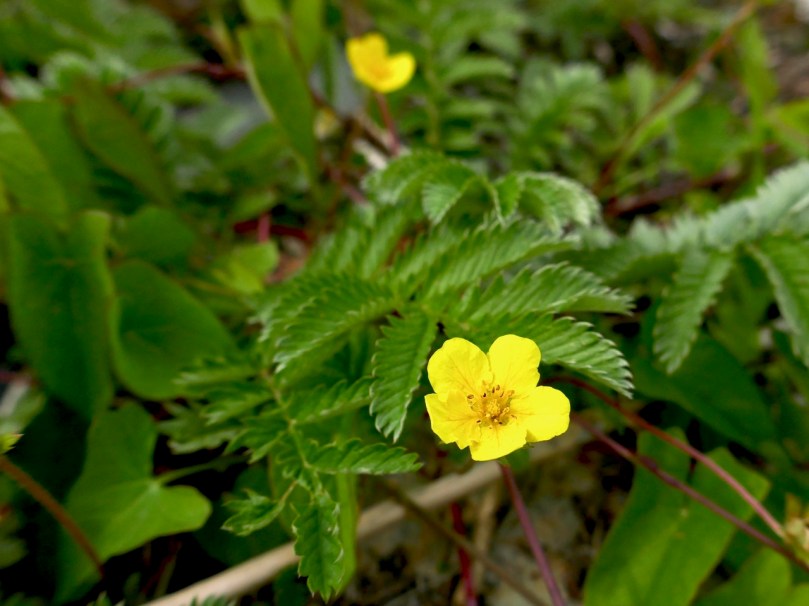
From the top: Grasses and Foxglove; Silverweed; Red Campion; Scarlet Pimpernel; Bog Pimpernel; White Stonecrop

July arrived and still no rain. As the month wore on things started to wilt and shrivel. The Bog Pimpernel, which had spread nicely from last year, gave up the fight and turned into dust. There were compensations, though – the long grasses turned the most delicious golden colour and the Knapweed, undeterred by lack of water, sprang up to populate the meadow.

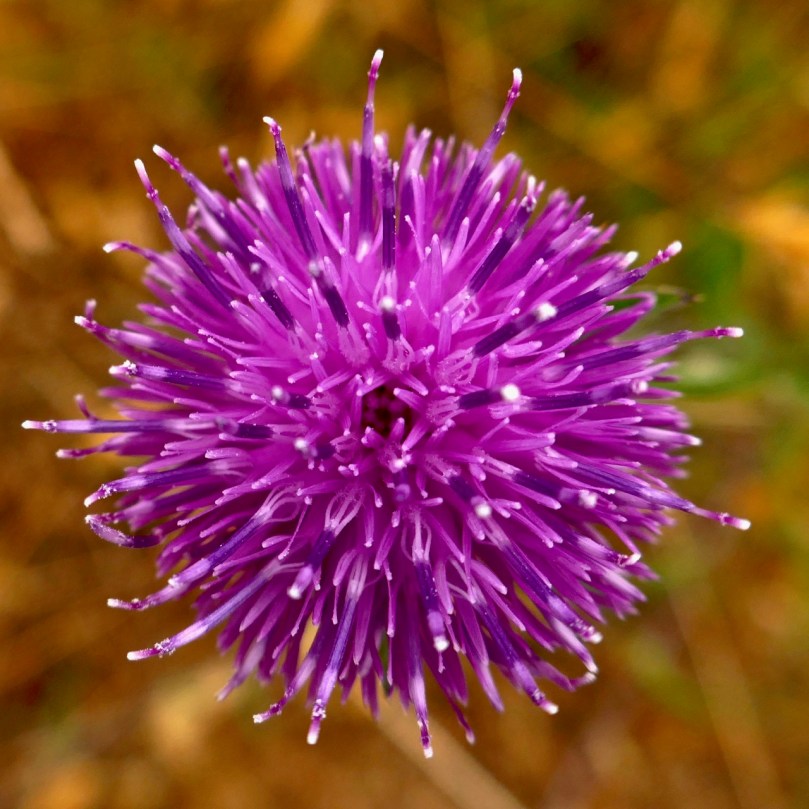
Grasses and Common Knapweed

The rain started in August – not as much as we needed, although it was welcome. But it was too late for most of the flowers to recover and flourish. But one wildflower more than held its own – Chamomile! Most of the chamomile that grows in Ireland (over 90%) occurs in West Cork and South Kerry and I am lucky to have extensive coverage here. Walking over it on a warm day releases that well-known sweet scent – it’s lovely to have!

From the top: Chamomile; Yarrow

And now it’s the end of September. The heather is flowering and the gorse is on its second or third blossoming of the year. I have discovered that somehow the invasive shrub Himalayan Honeysuckle has found its way to a hard-to-access section of my garden and I am not quite sure what to do about that but I’ll definitely keep an eye on it to make sure it doesn’t spread too much.

From the top: Bell Heather; Himalayan Honeysuckle

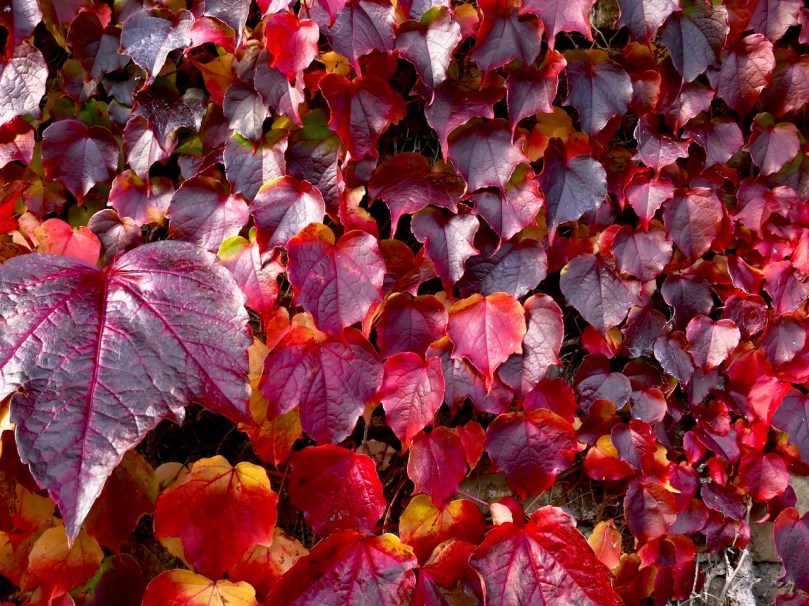
The glory of the property right now is the colour of the vine (I don’t know what it is) that covers the house. It’s not a wild flower, but it is irresistible and I think that’s a good way to end this post.


Seeking Calm Now

What a week it’s been in our part of West Cork! Only the gentlest of images will help to bring me back to earth – hence the somewhat random collection of photographs today, some taken along the Toormore Loop Trail or in my own garden.

Along the Toormore Loop Trail

The highlight of the week was the opening of Coming Home: Art and the Great Hunger – Robert has given you some sneak peaks into this incredible exhibition in his post. If you do nothing else in West Cork this summer, take in this experience.

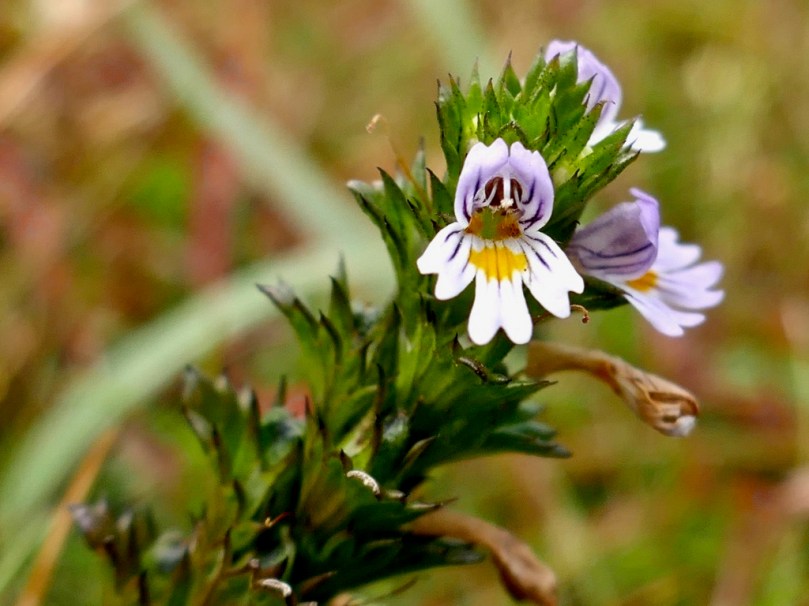
Eyebright, along the trail

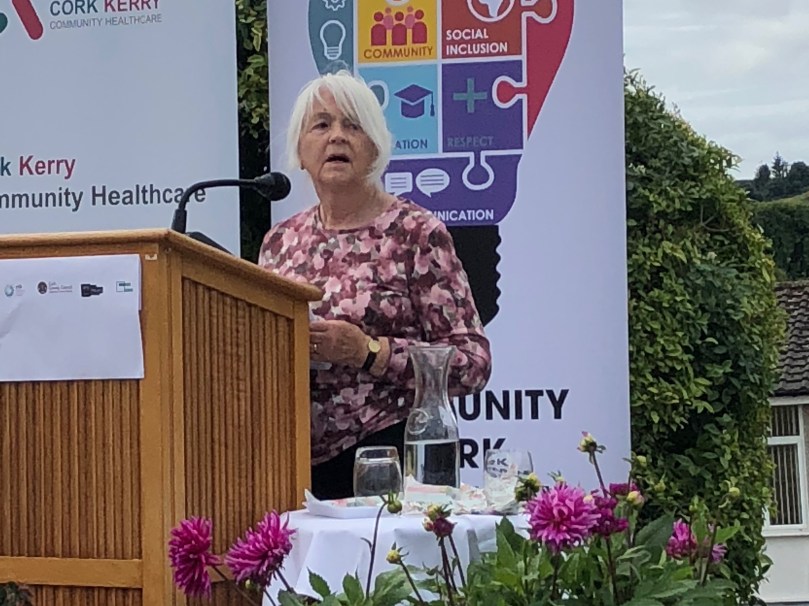
But that’s not all – we also attended the unveiling of the memorial to the 110 Skibbereen Girls, which I wrote about last week. Most movingly, the ceremony was attended by Judith Constable, the Great, Great Granddaughter (and her daughter) of one of those girls. This is a story of hope, of the bravery of those adventurous girls who accepted the passage to Australia and went on to have full lives in their adopted land. It reminds us that it is possible for individuals to transcend the wretchedness of their circumstances.

Above, Judith Constable – her Great Great Grandmother, Jean Leary, was pictured in my previous post on the occasion of her 50th wedding anniversary. Below, the commemmorative spoons, finally installed, and the block of Australian stone.

And on Saturday night there was the long-anticipated performance of Anáil na Beatha (Breath of Life) at the ruins of the Schull Workhouse. We found ourselves seated outside the former hospital on the Workhouse grounds, listening to the unearthly lament of a chorus of voices, chanting the names of places stricken by famine, and then walking silently in a torchlight (well, lightstick) procession through the place where so many had come to die. It felt cathartic, respectful, important.

There was a memorial for Seamus Hogan too this week. He was one of us blow-ins to Ballydehob, a poet and raconteur and he will be much missed. His portrait was one of Shay Hunston’s finest and is reproduced here from Shay’s Wild Atlantic People series. It’s in a shop window in Ballydehob, across from his favourite hangout, Ina Daly’s pub.

Photo courtesy of Shay Hunston

And in between we had the launch of the marvellous Skibbereen Arts Festival, which goes from strength to strength each year and which will keep us busy from July 27th to Aug 5th. The program includes many concerts, the world premier of the Asenath Nicholson play, poetry, art exhibitions, movie screenings, walking tours.

Finally, today, was the opening of the new Toormore Loop walk. I helped out by leading a wildflower walk around the small looped trail with a happy group of a dozen lovely people. The greatest reward – a mother telling me that even the kids enjoyed it!

I’m wiped! All this stimulation is wearing me out. I need to take up meditation so all together now. . . om. . .om. . .

Heir Island – a Modern Paradise

You know that term, Island Paradise? Well, this week I went there. It’s called Heir Island, and it’s one of the inhabited islands of Roaringwater Bay. It was the first of many visits, I hope, and it was taken in the good company of Trish Punch and two Islanders, Christine Thery and Sarah Mathews.

This is the view of Heir Island from our own home – the grouping of houses behind the sandy beach is called Paris!

Heir (sometimes rendered as Hare) is Inis Ui’Drisceoil in Irish, and indeed it was very much part of the O’Driscoll territory up to the 1600s. The population has dwindled, along with that of all the islands, until now there are only about 20 permanent residents. But it’s a popular destination in the summer, with an active sailing school, a renowned restaurant (the Island Cottage) and of course the Bread-Making School that Robert and I attended and enjoyed enormously.

It’s got wonderful peaceful boreens, picturesque cottages, panoramic views over Roaringwater Bay and to the other islands, golden beaches – all this and it’s only a four minute ferry ride to the mainland. But shush – don’t tell anyone else or they’ll all want to come.

Trish is doing a long-term photographic project focusing on the islands of the Wild Atlantic Way and was keen to get back to Heir to capture the views. I had been following a Facebook Page called Heir Island Wildlife Project and had contacted Christine and Sarah, two of the admins on that page, to see if they would meet us when we came and tell us a little about their project. They did better than that, walking the length of the Island with us, and answering all our questions. (Not to mention the coffee and those Portuguese buns!)

I had boned up a little on the island plants, with the help of The Wild Plants of Sherkin, Cape Clear and adjacent Islands of West Cork by John Akeroyd et al, a publication of the Sherkin Island Marine Station that we had visited way back. The book outlines the habitats and growing conditions of the islands, and enumerates the “astonishing” richness of plant species that are to be found on them. Heir is second only to Sherkin in the number of Flowers and ferns to be found, several of which are nationally rare.

The islands ‘specialise’ in heathland species, due to the dominance of open ground, the lack of trees and the broken rocky nature of the terrain. As Akeroyd explains, Thin soils dry out during the summer, thus preventing encroachment by more vigorous species and allowing the plants themselves to die down and the seeds to ripen. Most of this group of plants are annuals more characteristic of southern Europe and the Mediterranean region. . . 

This slideshow requires JavaScript.

And indeed what I found was an astonishing variety of wildflowers. When I got home I counted that I had taken photographs of 45 different plants! But that was only part of the wildflowers we saw, since I didn’t photograph everything we came across. Several were new to me, including the Amphibious Bistort and the Pond Water-crowfoot that had arrived unbidden in Sarah’s newly-dug pond.

Butterflies, hover flies and bumble bees seemed to be everywhere we looked. The orange-tip butterfly (the one that loves the Cuckooflower) wouldn’t stay still enough for a snap, but a Common Blue Butterfly with its iridescent wings, and a Cinnabar moth with bold stripes both cooperated.

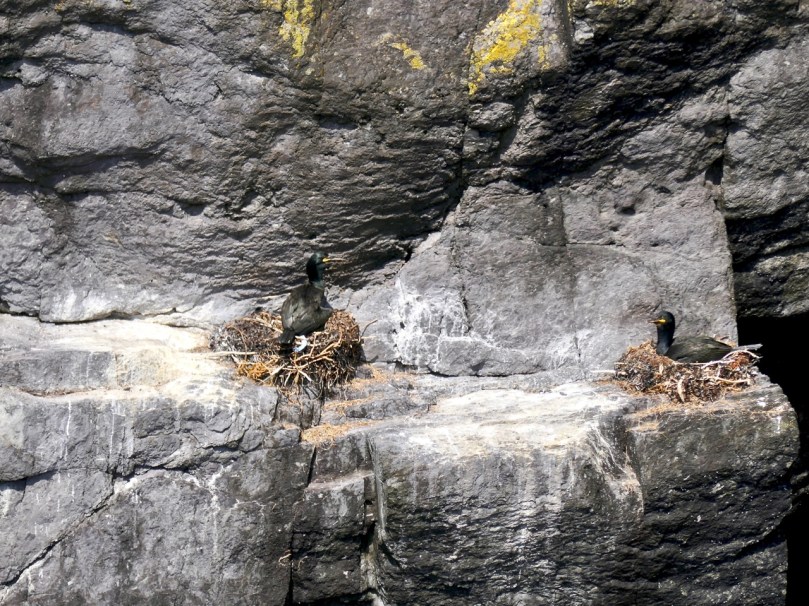
At the West end of the Island rugged cliffs provide a perfect breeding ground for European Shags. These birds have been amber-listed in Ireland because breeding populations are very localised. Therefore, it’s important that they have found a suitable nesting site on Heir and it’s wonderful to see that this small colony seems to be successfully hatching their young. Looking quite like a cormorant and similar in size, up close they have a striking green gloss to their feathers.

The headland from which we observed the shags provided a carpet of spring heath on which to loll about and admire the views across the Cape Clear and the Mainland. My eyes were immediately drawn down, however, to the ground beneath me. Orchids, Wild Thyme, Thrift, Lousewort, and a beautiful rose-coloured Kidney Vetch provided swaths of pink and purple, while Milkwort and Dog-violet yielded hint of blue and Scurvygrass (Common, I think) rounded it all out with a mat of white flowers.

I didn’t find (or didn’t recognise) some of the very rare plants that grow on these islands, like Wormwood, Deptford Pinks and Spotted Rockrose. Obviously another expedition is called for!

I worry all the time about habitat loss in West Cork. The sound of the rock breaker is a constant in our lives, carving out new fields where there was heath and hedge, and thereby reducing food and shelter for our pollinators and small mammals. I feel despair when I arrive at my favourite place to see a certain set of wildflowers, only to find that someone has been in there with Roundup and it’s now a brown wasteland. Places like Heir Island have a unique opportunity, perhaps even a responsibility, to stay as pristine as possible, to remain an Island Paradise as long as possible for all our sakes. Fortunately, lots of the local residents think so too and that make me hopeful.

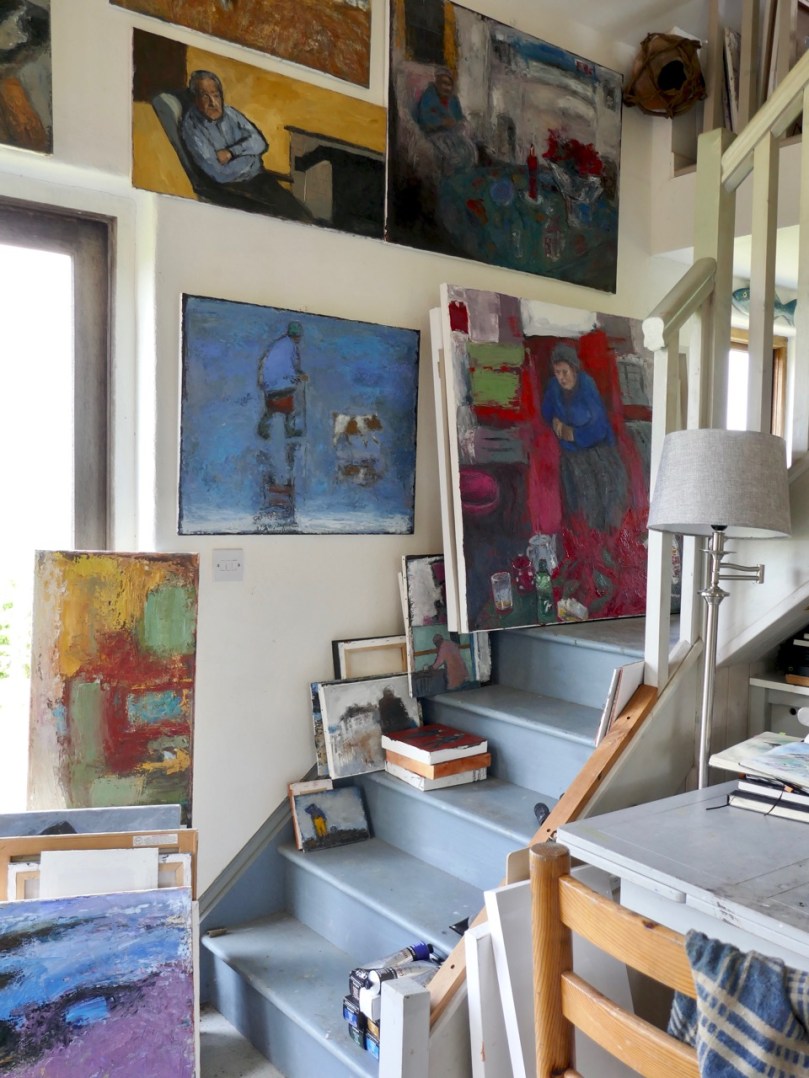
A glimpse into Christine’s studio – her exhibitions are always eagerly anticipated locally

Thank you, Sarah and Christine for a wonderful day, and Trish for your excellent company. Let’s do it again soon!

Ballyfin Bliss

If the house at Ballyfin is beyond superb (see Robert’s post this week), the grounds are equally so. Originally based on the design philosophies of Capability Brown, the emphasis is on natural and sweeping vistas, pleasure gardens, mixtures of open lawn and woodlands, tea-houses and follies artfully dotted around, an expansive lake with an island and with lawns leading down to the edge, and of course a long winding driveway that eventually reveals the best view of the house.

Somehow all these landscape features have survived intact at Ballyfin, although some of them needed to be rediscovered or uncovered. What has been added is a masterpiece of both enhancement and restraint, and the genius behind that is Jim Reynolds, the Managing Director of the enterprise that is Ballyfin Demesne. Jim and I share a past in Boyne Valley Archaeology, although we were in different camps (that’s another story) and I visited his famous garden, The Butterstream in Meath, with my mother in the early 90s. That was the last time I saw him until this week. Genial and self-effacing, he gives credit to his marvellous team, while they, to a person, talk about his eye, his vision, his expansive knowledge and his drive.

We spent two days walking, riding (in a horse and carriage) and driving (in a golf cart) around the estate, and we still haven’t seen all of its 640 acres. Entrancing is the word that keeps coming to me. It’s spring still (late this year) and the woods are awash in bluebells, mixed with Ramsons, Herb Robert and Greater Celandine.

The extensive trail system takes you around the lake and into the old-growth woods, where chestnuts and oak trees shelter vast swathes of colourful undergrowth.

The path meanders past the Grotto (every house should have one) which is not your typical Irish Lourdes shrine, but a rustic construction created to convey a sense of ancient ‘druidic’ mystery. Impressing and amusing your guests was important and grottos, temples and such like were a vital element of 18th century pleasure gardens.

When it comes to follies, the jewel in the crown at Ballyfin is the Round Tower. It looks old because it was built that way, as a ruin. They say that from the top you can see 16 counties. It’s a pleasant thing, as a couple of our fellow-guests did, to take a book up to the little room at the top and while away an hour or two before wandering back down to the house for coffee and a scone, mid-morning.

Jim and his team’s commitment to wild flowers and to pollinators is everywhere in evidence. The meadows are only cut once a year and as a result they are alive with the hum of bees and the flash of butterflies. Even the formal and kitchen gardens have areas set aside to attract pollinators.

As seems inevitable in Ireland nowadays, we also saw Japanese Knotweed on the demesne. Robert Pywell, the head gardener, told us that the rock garden was originally hidden under an acre of Knotweed. Only constant spraying/injection can address a Knotweed problem, and the program is ongoing for this invasive and persistent species.

He told us about another pest too – Ireland has a mink problem. Originally imported from North America for the purpose of fur farming, several hundred mink were “liberated” by animal rights activists in a nearby county years ago. Others have escaped, or been released by fur farmers over the years. They have no predators in Ireland and they are ferocious killers of ducks, swans, fish, rabbits and small mammals. They have decimated the waterfowl population at Ballyfin. Trapping them is difficult, but it has to be done. Lady Coote would approve – she loved her peacocks and built an aviary for them (above) that was, as our driver said, better than some of the houses round about.

Back to that rock garden (above) – once it was salvaged it turned out to be a glorious addition to the demesne. Built around an old millstream and pond, it hosts some delightful plants. A new one for me was Saxifraga Cymbalaria (sometimes called Celandine Saxifrage), which is not native and only known in a few places in Ireland. It obviously loves the rockery as it is flourishing and providing an attractive yellow ground cover.

Beautiful as this designed landscape was, once fully restored, something was missing and Jim Reynold’s unerring eye for detail knew exactly what was needed. What he did was to build a cascade down the back lawn, from an ornamental temple at the top to a Neptune pond at the bottom. It is the perfect finishing touch and has quickly become an iconic aspect of Ballyfin’s landscaping.

We loved our break at Ballyfin. Special treats such as this don’t come around often in the normal course of life, so we are grateful that we can enjoy the odd sortie such as this now and then. It was such a privilege to be able to appreciate the incredible work that has gone into restoring this house to its former glory and the wonderful staff that looks after it (and looked after us!) so proudly.

Thank you, Ballyfin!

Wild Wall

It’s a wall like hundreds of other such walls in the city, an old remnant of some enclosure long forgotten. It’s been heightened in a more recent period, although it’s not clear why.  ‘Round back’ of a plumbing supply place in Cork, people walk and drive by it every day without a second glance. But if you pause and take a close look it rewards with an astonishing variety of plant life.

In their magnificent book The Wild Flowers of Ireland:The Habitat Guide Declan Doogue and Carsten Krieger devote a chapter to Old Walls and Ruins. Here’s how they introduce that chapter: Walls, they say

. . .have over time been colonised by a number of plant species, some of which seldom live elsewhere in Ireland. . . . Buildings are completely artificial structures. Therefore the question arises as to where these colonising species lived before these walls were built. Some species were either deliberately or accidentally introduced by man into the country, usually for medicinal or ornamental reasons, within the past 1000 years and have become established or persist on walls. Another group of genuinely native Irish species made their own way, spreading from natural and usually rocky habitats within the Irish countryside onto the new buildings of the time. In both cases there were enough points of environmental similarity between the plants’ original natural habitats and the buildings of the Irish countryside to make it possible for them to extend their range and find new homes. In a sense an ongoing botanical battle between the native and newcomer was being fought on the fabric of these old buildings. This struggle comes complete with issues such as natural succession, colonisation, displacement, local extermination and sheer opportunism. The conflict continues to this day and can be observed in most older towns and cities.

Walls have other characteristics friendly to certain plants: the stones warm up in the sun and retain their heat into the evening, acting, as Doogue and Krieger put it, as a sort of storage heater. Lime-rich mortar allows lime-adapted plants to flourish even in non-lime areas. Microclimate and soil conditions on top of the wall can be different from those on the sides, or on south-facing versus north-facing walls.

This wall in Cork exemplifies everything Doogue and Krieger describe – native and non-native species growing side by side in an environment where it seems impossible that enough nourishment could be supplied.

Oxford Ragwort

Some of the plants have intriguing histories. Take the humble Oxford Ragwort, the one that looks like a yellow daisy. (This is not to be confused with Common Ragwort, or Buachaláns as they’re known in Ireland, which are on the Noxious Weeds list – although that’s another story.) It was introduced into an Oxford botanic garden in 1690 from Sicily, but soon escaped and was seen all over the walls of Oxford. The University of Bristol takes up the story from there:

During the Industrial Revolution, Oxford became a thriving railway centre and Oxford ragwort found a new habitat in the clinker beds of the railway lines that fanned out of Oxford to all parts of the country. These ‘furnished the plant with a replica of the lava-soils of its native home in Sicily’, said Druce in his Flora of Oxfordshire. Referring to the fruits (achenes) of Oxford ragwort, he said ‘I have seen them enter a railway-carriage window near Oxford and remain suspended in the air in the compartment until they found an exit at Tilehurst’ (near Reading).

Because this species hybridises readily with other Senecio species (other Ragworts and Groundsel), this site adds, the introduction and spread of the promiscuous Sicilian S. squalidus has resulted in a great deal of evolutionary novelty among British Senecio – an amazing example of evolution in action. I love the idea of a promiscuous plant.

Herb-Robert – surely one of our most-loved wildflowers

Herb-Robert is among our most commonly seen (and known) native wildflowers – a dependable spot of brilliant colour almost all year round in a huge variety of environments, with its frondy leaves turning a brilliant red as the season wears on. However, on this wall it was joined by a cousin – Shining-Crane’s-bill.

And this is Shining Crane’s-bill!

In fact, I had to do a double-take, as I had never seen this flower before and at first I thought I was looking at a miniature Herb-Robert. While it might be easy to confuse the flowers, the leaves are totally different, with the Shining Crane’s-bill leaves being smooth and hairless, almost waxy, with a distinctive shape. I wish all similar species were this easy to tell apart upon close inspection!

Shining Crane’s-bill – the flowers are smaller than Herb-Robert and the leaves are totally different

One of my favourite wall species has to be Ivy-leaved Toadflax – not a very pretty name for a truly spectacular flower. This is another Mediterranean plant, and we can blame Oxford for this one too, as it is thought to have hitched a ride on marble sculptures imported from Italy to Oxford in the seventeenth century. Once the flowers are finished, the seed heads bend away from the sun and towards the wall, dropping their seeds into the cracks – thus they are able to grow vertically up the wall.

Ivy-leaved Toadflax – every well-dressed wall should have some

At the bottom of the wall I thought I saw the ubiquitous dandelion, but once I looked closer I saw that the leaves were quite different. I think this is Smooth Sowthistle. Zoe Devlin of Wildflowers of Ireland tells me that the leaves can go this purplish colour in the absence of good soil. There are so many wildflowers that look, more or less, like dandelions – it has been a real journey of discovery to find out more about this large flower family.

Smooth Sowthistle and Ivy-leaved Toadflax in the act of climbing up the wall

Smooth Sowthistle is edible when young and has been used as fodder for animals. According to one authority I read, In Greek mythology Theseus is said to have eaten smooth sow-thistle to gain power before leaving to slay the Minotaur in its Cretan labyrinth, where it dined on human bodies, bull’s heads and young Atheneans.

Rue-leaved Saxifrage. It’s also pictured in the lead photograph at the head of the post, where you can see the basal rosette

Growing from the mossy ridges in the wall was a delicate little white flower with a reddish basal rosette, and this turned out to be Rue-leaved Saxifrage. Although it was new to me, this little native beauty is common in many parts of Ireland. As the season progresses the stem, leaves and rosette become redder – hence ‘rue-leaved.’

Red Valerian sprouting from the wall, with Oxford Ragwort and Ivy-leaved Toadflax. The tiny fern growing in the cracks glories in the name Maidenhair Spleenwort

We all know the plant known as Red Valerian, yet another Mediterranean import. I saw it growing in huge masses in the Burren a couple of years ago, meaning it’s one of those plants that enjoys the lime-rich environment provided by the mortar in the wall.

This is not, by the way, the Valerian that the sleep-aid tea is made from, the one that makes cats go loopy. It can also come in shades of pink and white, all growing side-by-side.

Keel-fruited Cornsalad (above) is also known as Lamb’s Lettuce, although it doesn’t look like the supermarket variety known by the same name. It is, in fact, very edible, with a kind of parsley after-taste and packed with vitamins (although you probably shouldn’t pick it anywhere near dog-height). The tiny blue/purple flowers reward examination through a hand-lens if you have one.

It took me a while to identify one little plant growing close to the pavement (above). It turned out to be Petty Spurge and, although it is not native to Ireland it’s been here a long time and has spread widely. It’s not usually as red-tinged as this when you see it in ID sources. It’s of huge interest to scientists at the moment because of the potential of its sap (a toxic latex substance) to treat common forms of skin cancer. Several rigorous double-blind studies have come to the same conclusion that it is an effective treatment for non-melanoma lesions. It’s a hardy little thing too – seeds found in excavations, dormant for a hundred years, can still germinate.

Finally, up on top of the wall is sprouting a Butterfly-bush (above); many of us know it as Buddleia. It’s well named, as butterflies love it. It was introduced into Europe by missionaries returning from China and it spread quickly as it will grow just about anywhere. What you see on this specimen are the remains of last year’s flowers: by June it will be hosting butterflies. Butterfly Bush may seem benign but like many other introduced species there is a dark side. First of all, as Tony O’Mahony points out in his Wildflowers of Cork City and County, it’s quite invasive and can take over and crowd out native species. The roots can do significant structural damage to the very walls it depends on for survival. More serious is the charge that, while it provides nectar for butterflies it is not a butterfly host plant – that is, one that butterflies can use to deposit their larva, which will then feed on the leaves. According to a spokesperson concerned about the destruction of chalk grasslands at Folkestone Warren in Kent: If left uncontrolled, then buddleia and other shrubs would have engulfed the chalk grassland. Clouds of butterflies used to be seen there, but now only common species can be spotted and even these are in decline, with the rarest ones disappearing altogether. Buddleia was eliminating butterfly habitat by killing off everything else, and while the shrub provided food for adults and larger insects, other plants were needed for butterflies in their larval stages.

So there you have it – it’s just like the human history of Ireland, full of invasions, adaptations, displacements and resurgence. All in a Wild Wall.