Nollaig na mBan

This post was first published many years ago – in 2014! The subject matter – Women’s Little Christmas – is just as relevant today. So, have another look…

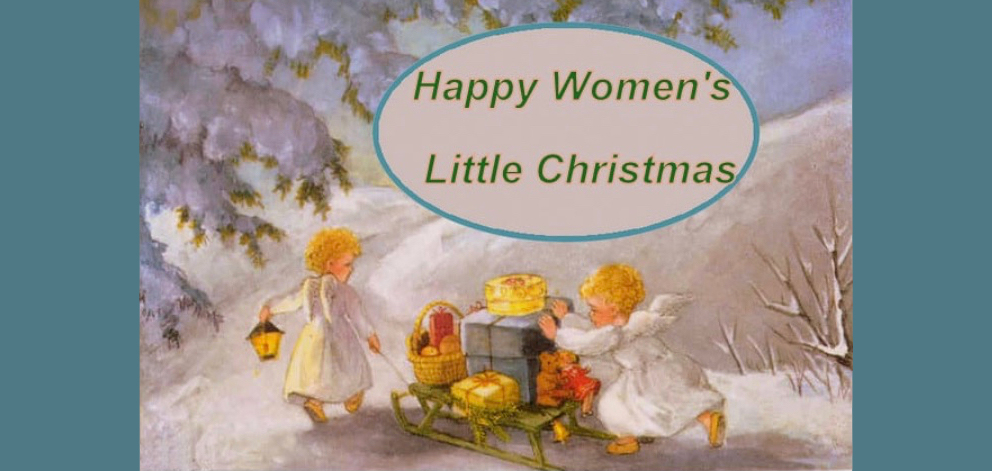
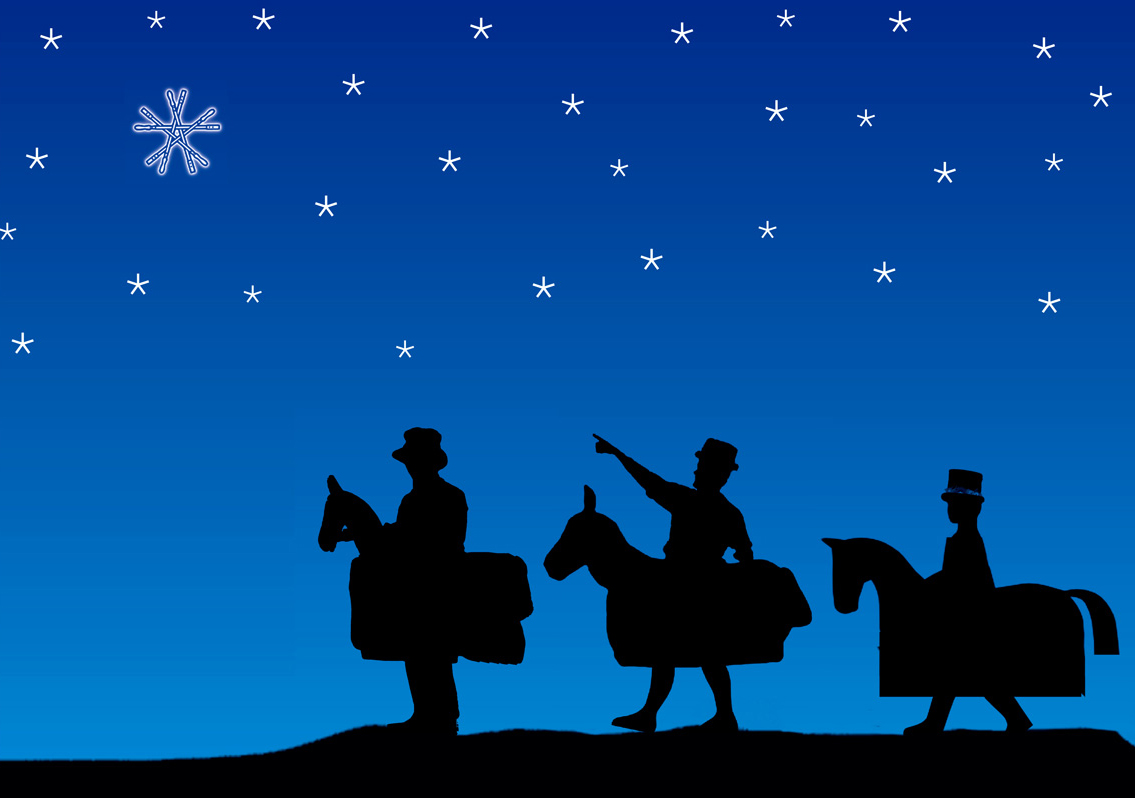
Sounds like ‘Nullig ne mon’ and translates as ‘Christmas of the Women’, but is also known as ‘Little Christmas’. It’s today – the 6th of January – and is celebrated in Ireland and wherever else in the world there are Irish communities. There are other traditions surrounding this day (quite apart from the arrival of the Three Wise Men), and they are confusing. I was brought up knowing that the Christmas decorations have to come down today otherwise there will be some bad luck in the year. Finola, however, knows that they have to stay up all through the day as it’s still part of Christmas – so she would have them down tomorrow instead. Maybe this is a Catholic / Protestant divide? And when is Twelfth Night: 5th or 6th of January? Either one, it seems, depending on which of the many traditions you choose to follow, or which part of the world you live in.

Layout 1

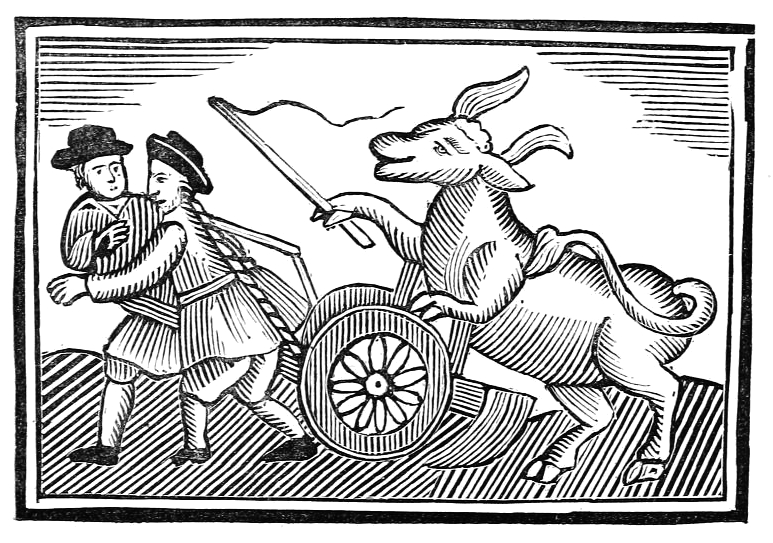
In Tudor Britain the whole winter festival started on All Soul’s Eve (Halloween) and lasted until Twelfth Night. On the first day a cake was baked with a bean in it. Whoever had the slice with the bean was elected Lord of Misrule and presided over a topsy turvy time when the peasant ruled the master and so on. The World Turned Upside Down is a wishful thinking concept that has inspired many artists ever since.

8597011641_560e181106_o

In some parts of Europe a custom of house-blessing takes place today. Dried herbs are burnt and their scents fill the building. Doorways are sprinkled with holy water and the master of the house writes with chalk above the house and barn doors the initials C M B enclosed within the year (eg 20 C  M  B 14). According to the ritual he says: Caspar, Melchior, Balthasar, protect us again this year from the dangers of fire and water. Alternatively it could stand for “Christus Mansionem Benedicat” (May Christ bless this home).

Some traditions closer to home: McCarthy + Hawkes write in Northside of the Mizen

…On Nollaig na mBan (Woman’s Christmas or Epiphany), the women put all the scraps and leftovers from Christmas onto the kitchen table and it was then up to everyone else to cope the best they could. At midnight, on the eve of Nollaig na mBan, the water in the spring well turned to wine. Now that was a great thing! Ne’er a man or woman has ever supped any and that was because it was only for the Little People…

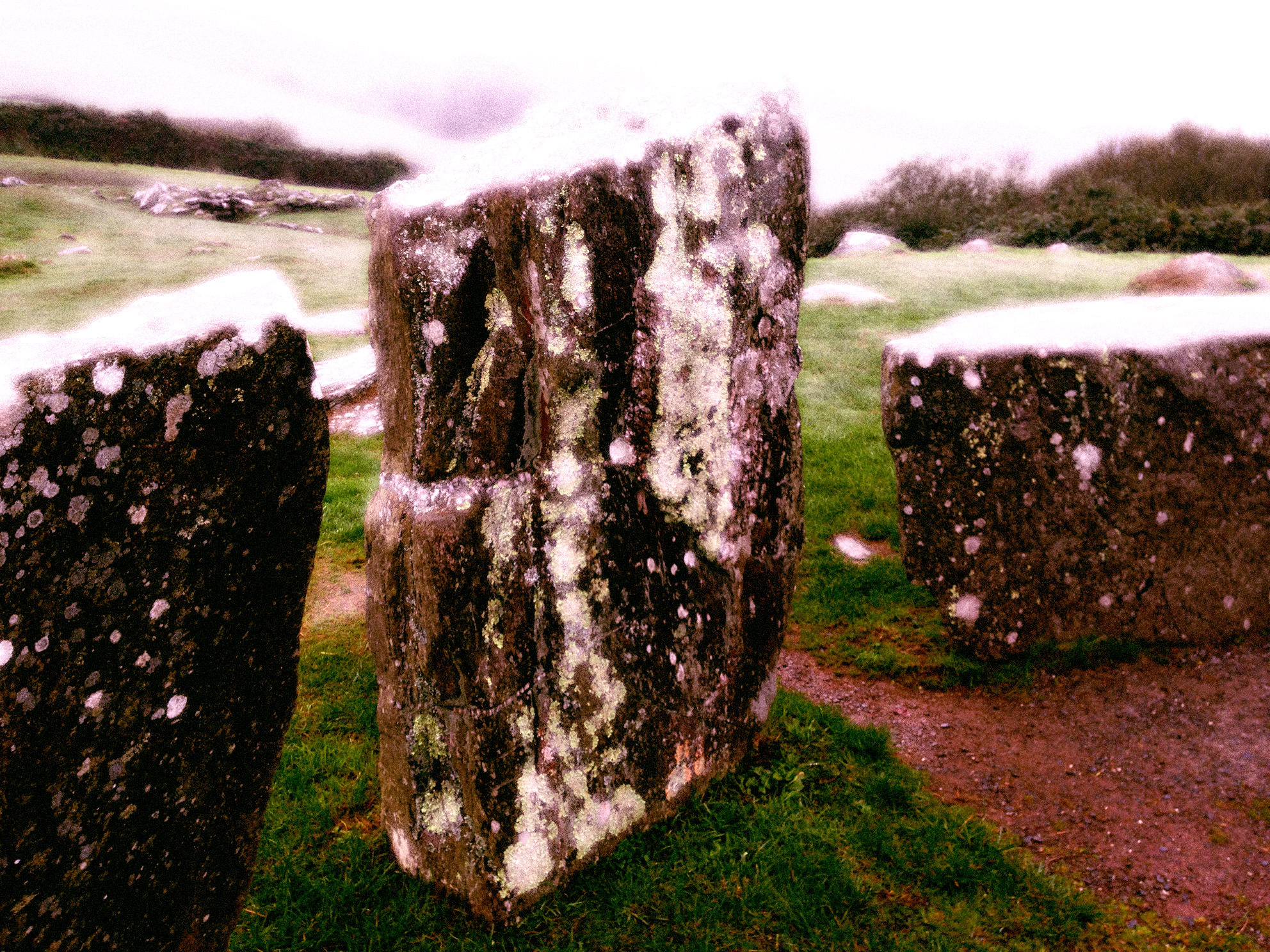
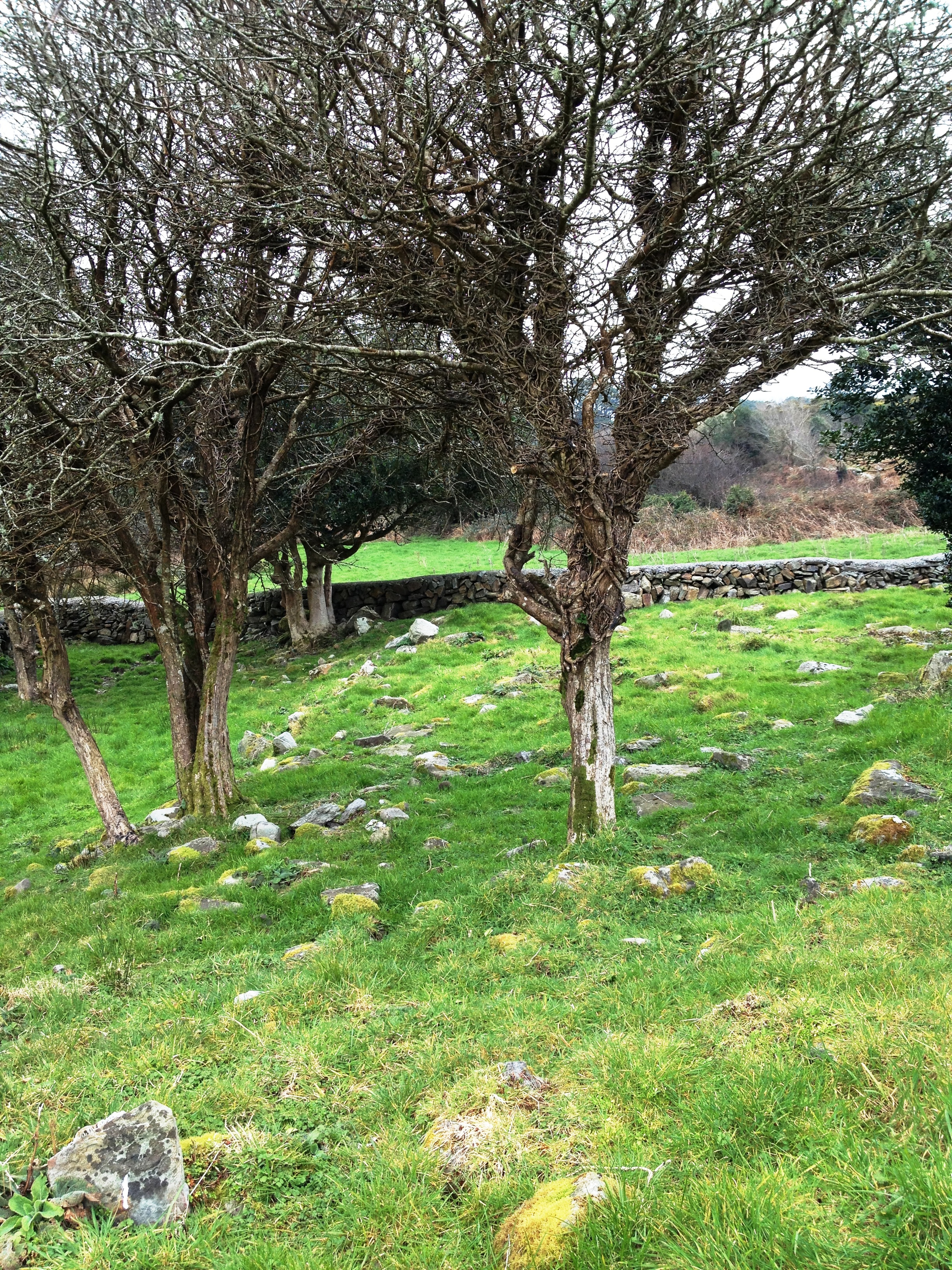
Perhaps to emphasize that such miracles should be the preserve of only the Fairy Folk, there is a tale told of the blessed well of St Brendan in Cill a ‘Ruith, near Ventry in County Kerry: here in days of yore Three Unwise Men sat up to drink their fill of wine at the appropriate hour and were turned into three large boulders which stand there as a warning to this day.

rocks

As this is a Monday, and the first one of the new year, it is also known as Handsel Monday, when children used to visit neighbours and friends and ask for money or cakes. Such a gift was known as a suggit which may derive from the Irish so dhuit – ‘here’s for you – here you are’.

Finola is off out tonight with friends to celebrate Nollaig na mBan, as she used to in Vancouver where the tradition was strongly followed in the Irish community. It is said that the term ‘Women’s Christmas’ can be explained because Christmas Day was marked by beef and whiskey – men’s fare – while on Little Christmas Day the dainties preferred by women – cake and tea – were more in evidence. Finola will no doubt tell me whether this is still the case.

Wrens and Rhymers

troglodytes

…..…In comes I the Wran,

The Wran, the Wran, the king of all birds.

On St Stephen’s Day I was caught in the furze.

Although I am little my family is great,

Rise up landlady and give us a trate.

Up with the kettle and down with the pan,

Give a few pence to bury the Wran.

Then I’ll dip my wings in a barrel of beer,

And I’ll wish you all a happy New Year.

St Stephen - the stoning
Stoning of St Stephen by Uccello

– St Stephen was the very first Christian martyr: in the same year that Christ was crucified he claimed to have a vision of Jesus in heaven standing at the right hand of God. To Stephen’s enemies this was a blasphemy, and he was forced into hiding. But his hiding place was given away by the song of a little Wren, and St Stephen was publicly stoned to death. In retribution for this the Wren is traditionally hunted in Ireland  (and some other Celtic countries) on St Stephen’s Day – December 26th, and groups of Wrenboys carry the bird from door to door – slung from a pole or interred in a small wooden coffin: there was a time when the poor Wren himself would have been stoned to death. An old story also blames the Wren for alerting a band of Vikings to the approach of the Irish army by pecking on a drum; yet another claims that when Cromwell’s soldiers were asleep and the Irish were about to attack, a flock of Wrens rose into the air and wakened the enemy with the sounds of their wingbeats. So there has always been a strong connection with betrayal.

Wrenboys in Cork - 19thC and Wren Boys by Jack Yeats
Wrenboys in Cork – C19th and The Wren Boys by Jack Yeats

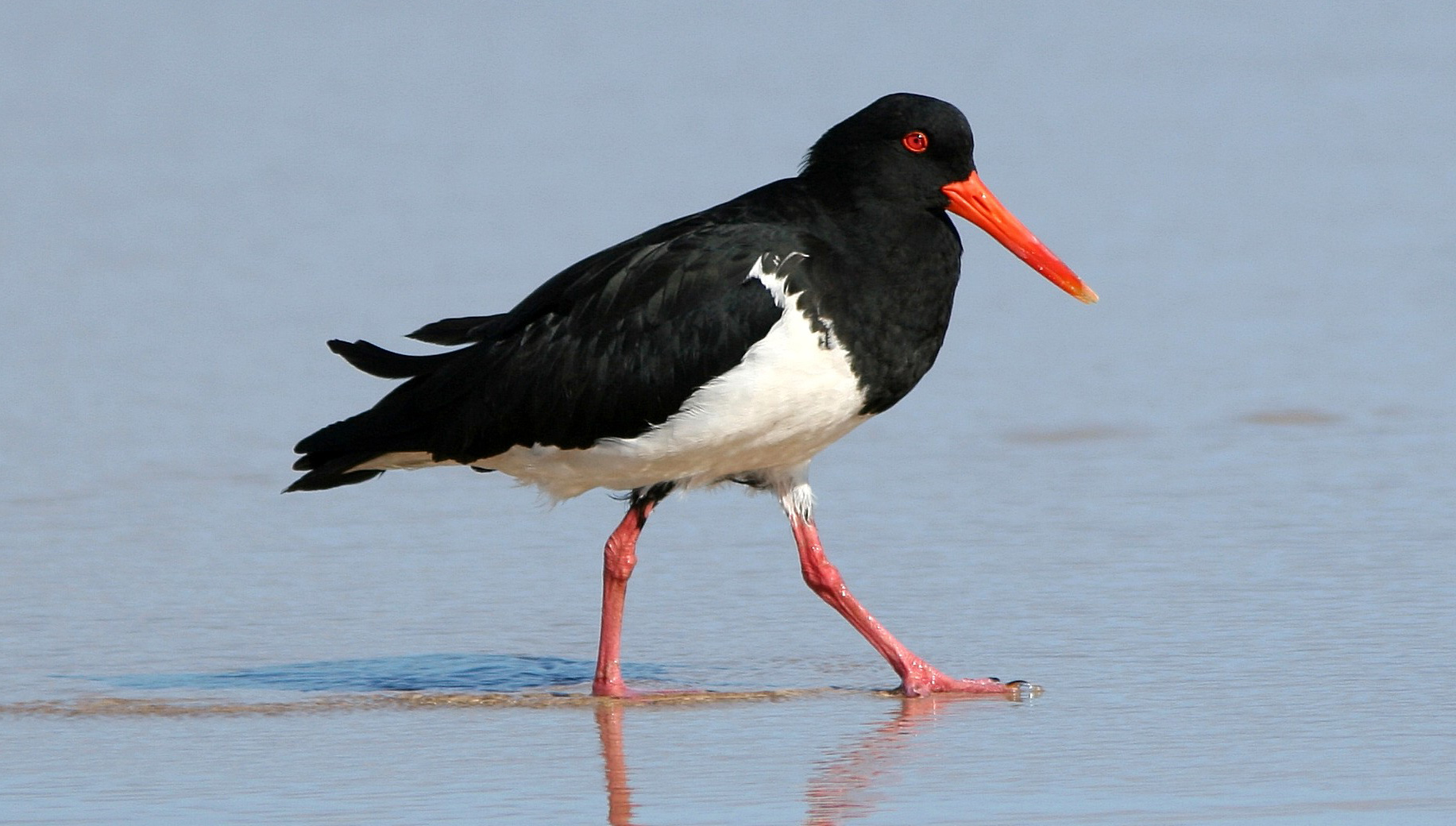
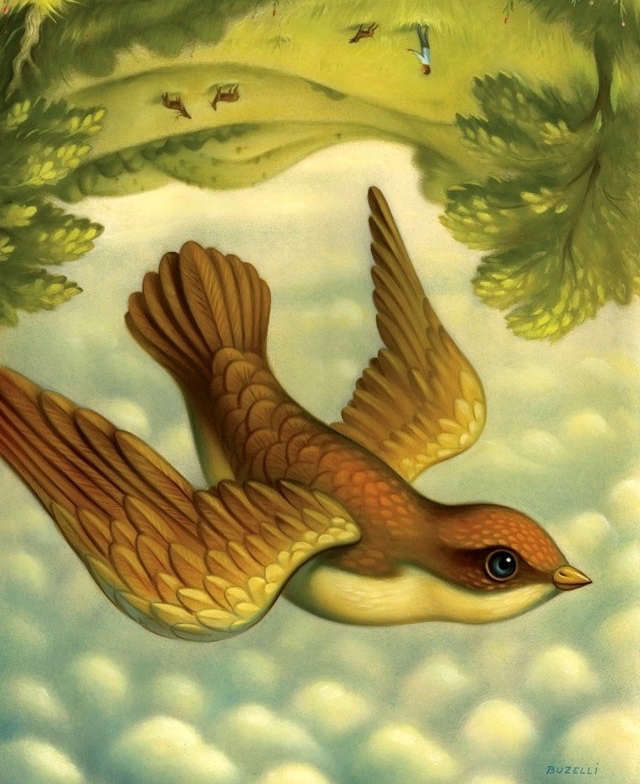
Troglodytidae (cave dweller) is such a small bird: here at Nead an Iolair we occasionally catch sight of him darting out from thick, seemingly impenetrable bushes close to the bird feeder – his movements seem more like a mouse. Small, yet in mythology he’s a giant – King of the Birds in several traditions: Koning Vogel in German, Konije in Dutch, Reytelet in French, Bren in Welsh – all mean King or Little King. When the birds were electing their king they decided that whoever could fly the highest would win the contest; the Eagle easily outflew everyone else but the Wren was hiding in his wings until the Eagle had exhausted himself and then flew on up to claim the title. But there’s more: the Wren is forever associated with that turning point of the year when everything goes topsy turvy: the Twelve Days of Christmas. At this time the Lord of Misrule presides and traditional roles are reversed; it’s not surprising, then, that the tiniest of the birds should become the most important. But, like all kings, his reign is finite – and he is sacrificed at the dark year’s end to ensure that the sun will rise again.

wren song

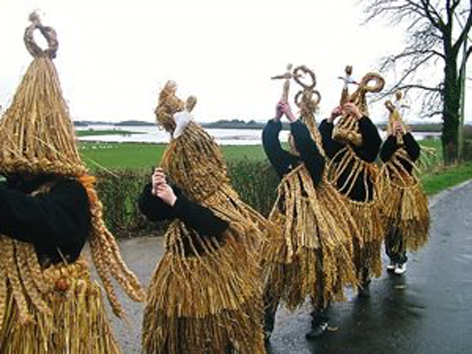
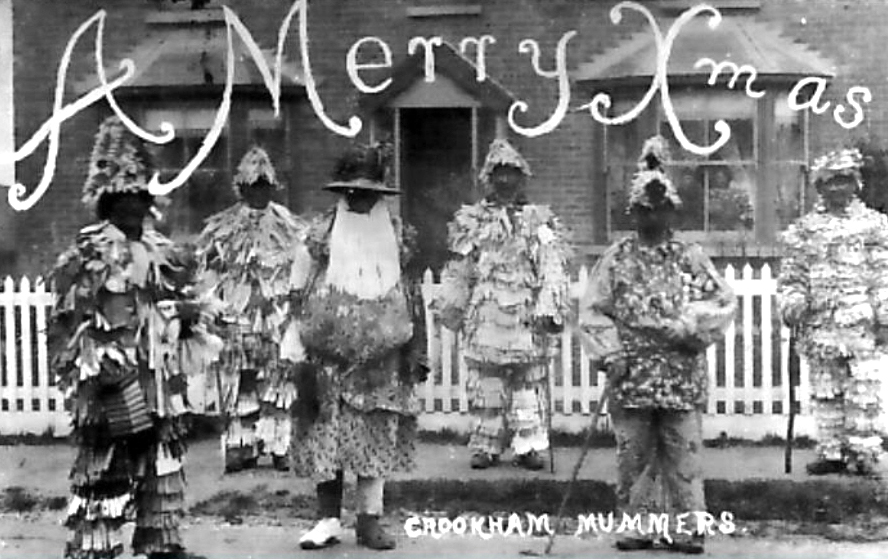
Which brings us to Rhymers… and Wrenboys, Strawboys, Guisers and Mummers… The Feast of Stephen is their day too. When I was a boy we went out every Boxing Day morning to Crookham in Hampshire to watch King George slaying Bold Slasher, who was miraculously brought back to life by the quack Doctor, after which the young fertility figure Trim Tram Jolly Jack ‘…wife and family on my back…’ killed Old Father Christmas – something which must have seemed odd to a child, who might not have understood the symbolism of the  old, dark winter giving way to the new life of spring. Danny tells me that when he was growing up in Limerick he saw the Strawboys or Rhymers performing the same play on the streets – and he remembers the Wren being paraded in procession, too.

crookham mummers
Mummers in Hampshire, England, above – and Wrenning in Kerry, Carrigaline and Dingle below
wren day

The folk play is alive in Ireland: there are Mummers in Wexford, Cork and Dingle, and the Armagh Rhymers travel across the world to perform their rituals. Here at Nead an Iolair I shall be reciting ‘…In comes I…’ around Christmas time: the words of all the characters are locked firmly in my brain – I have never seen them written down. It’s a true oral tradition – and a surviving one. Who knows – if I don’t repeat those words, the sun might just stop shining… It’s not worth the risk.

The Armagh Rhymers
The Armagh Rhymers

And – on St Stephen’s day – I shall be on the lookout for a Chime of Wrens, but I love all our birds, so it will only be a token ‘hunt’.

Christmas Cribs

Bantry Town Square

Bantry Town Square

In this part of Ireland putting up a nativity scene at Christmas time is as natural as breathing. Known as cribs, they appear everywhere at the beginning of December. Every Irish home has one, perhaps passed down through the generations, and they come out from the attic storage boxes along with the decorations to be displayed in a window or on a mantlepiece or hall table. Even for families that consider themselves non-religious, the crib is an essential part of getting a house ready for Christmas.

One for every budget

One for every budget

Large cribs are erected in town squares and in churches. Sometimes the figures in a church crib will be inserted slowly, one a day, in little ceremonies involving children. Traditionally, the baby Jesus, was not placed in the manger until Christmas Eve. Live cribs, where the nativity figures and animals are alive, are often mounted as fundraisers. I wrote about the Skibbereen one last year. There is even, in Dublin, the Moving Crib – an institution that generations of Irish children will remember and which is still going strong almost 60 years after it was first introduced as a Christmas wonder in a church basement.

Rosie's Pub in Ballydehob

Rosie’s Pub in Ballydehob

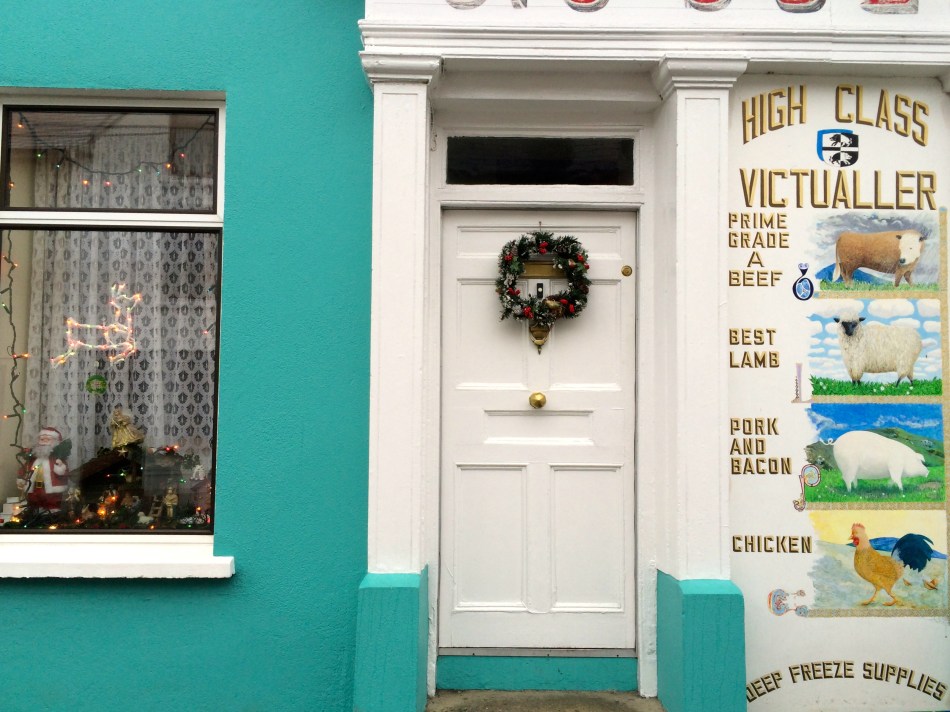
Many businesses clear their window displays to feature the crib at Christmas – along with Santa, reindeer and the usual holly and candles. Shops, hairdressers, garages, pubs: it’s universal and it’s all a reminder that Ireland, which now prides itself on its multi-cultural and pluralistic society, is still at heart a traditional Catholic country.

Outside the Catholic Church in Schull

Outside the Catholic Church in Schull

A striking aspect of Irish cribs is their conventional character: lifelike (and sometimes life-sized) representation is the norm. Mary, Joseph, Baby Jesus, shepherds and kings, the cow and the donkey are all instantly recognisable and similar, as if stamped out by the same crib-figure factory in Italy.

In Ballydehob

In Ballydehob

John Charles McQuaid and Eamon DeValera - together keeping Ireland devout

John Charles McQuaid and Eamon DeValera – together keeping Ireland devout*

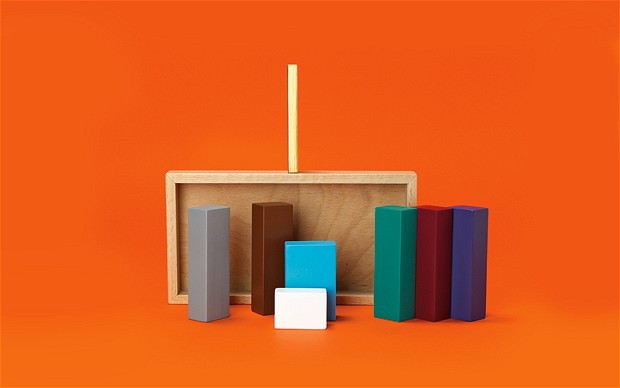
As I considered this, a memory stirred and I went hunting on the internet for more information. In 1964 a new church was built at Dublin Airport. Named, suitably, “Our Lady Queen of Heaven” it was a beautiful piece of mid-century modern architecture designed by an Irish architect, Andrew Devane, who had studied under Frank Lloyd Wright. For Christmas 1966 a new crib was installed. Consisting of minimalist, highly stylised all white figures (I am going by memory here – I can’t find any pictures of it on the internet) it created a sensation at the time. My father, who worked at the airport and who was very proud of the church, brought us to see it. Alas, it was all too much for the Archbishop of Dublin, the famous John Charles McQuaid. Decreeing that it was “beneath the level of human dignity” and that its presence was an offence against Canon Law, he ordered it removed. This sentiment was echoed in the Irish parliament (Dáil Éireann) by the Minister for Public Works of the day, Oliver Flanagan. He said: A crib in modern design was erected at Dublin Airport last winter. The Archbishop of Dublin ordered it to be removed. The images could be described as anything but the kind of images one associates with the Christmas crib. We must have modern art. We must have proper designs for memorials and statues in keeping with the present and the past. Monuments commemorating the past must resemble the past.

I can’t imagine this happening today in Ireland and perhaps there are now many modern and unique cribs around the country. But I certainly haven’t found any so far in West Cork.

How's this for a modern crib?

How’s this for a modern crib?

*From the Irish Independent Website

Unknown Souls

Unmarked gaves

Unmarked graves in a section of a Protestant churchyard

Dotted across the countryside around us, and throughout Ireland, are the loneliest places on earth. These are the cillíní – the children’s graveyards. A cill (kill) is a monk’s cell or church site, cillín (killeen) is the diminutive and cillíní (killeenee) is the plural: small churches. Ironically, the cillíní despite their names were usually non-church sites. They were burial grounds reserved for unbaptised children (those who died before they could be baptised or were perhaps born out of wedlock), pregnant women (because they were carrying unbaptised children), unrepentant murderers, suicides, shipwreck victims and strangers – anyone, in short, who was not ‘saved’ or whose baptismal status was ambiguous or unknown. They were used into the twentieth century. Some cillíní were also used for mass burials during the time of the famine.

Also used for mass famine burials

This burial ground was used as a mass grave during the famine

This week we attended a fascinating talk on cillíní by William Casey, a local historian. As he explained it, the teachings of the Catholic Church on where unbaptised babies go after death had evolved from a position of ‘they go to hell’ (Augustine, 4th century) to a more moderate invention of the concept of Limbo (Thomas Aquinas, 13th century) – an in-between place where these lost souls would dwell eternally, never to suffer but never to reach heaven.

An 11th century round tower watches over the wandering souls

An 11th century round tower watches over a graveyard; a recent plaque commemorates lost souls

This ‘placelessness’ extended to their burial: cillini were normally situated away from the what the church considered ‘consecrated ground.’ Locations often contain poignant echoes of other trapped or wandering souls: boundaries, for example, of parishes or townlands were chosen.  Sometimes cillíní are found in ring forts. Known in Ireland as ‘fairy forts’ these ancient sites were believed to be the domain of the , the fairy folk who also inhabited the world in between earth and heaven. The association of the ring forts with the fairies guaranteed their security – if you interfered with a ring fort bad luck would dog you from that day on.  Protestant churchyards were also used, or areas within or near abandoned or ruined church sites. Perhaps, as William put it, these choices reveal an attempt by parents to ensure their children were buried in holy ground, while still adhering to the strict rules of the Catholic Church

Let us not forget them

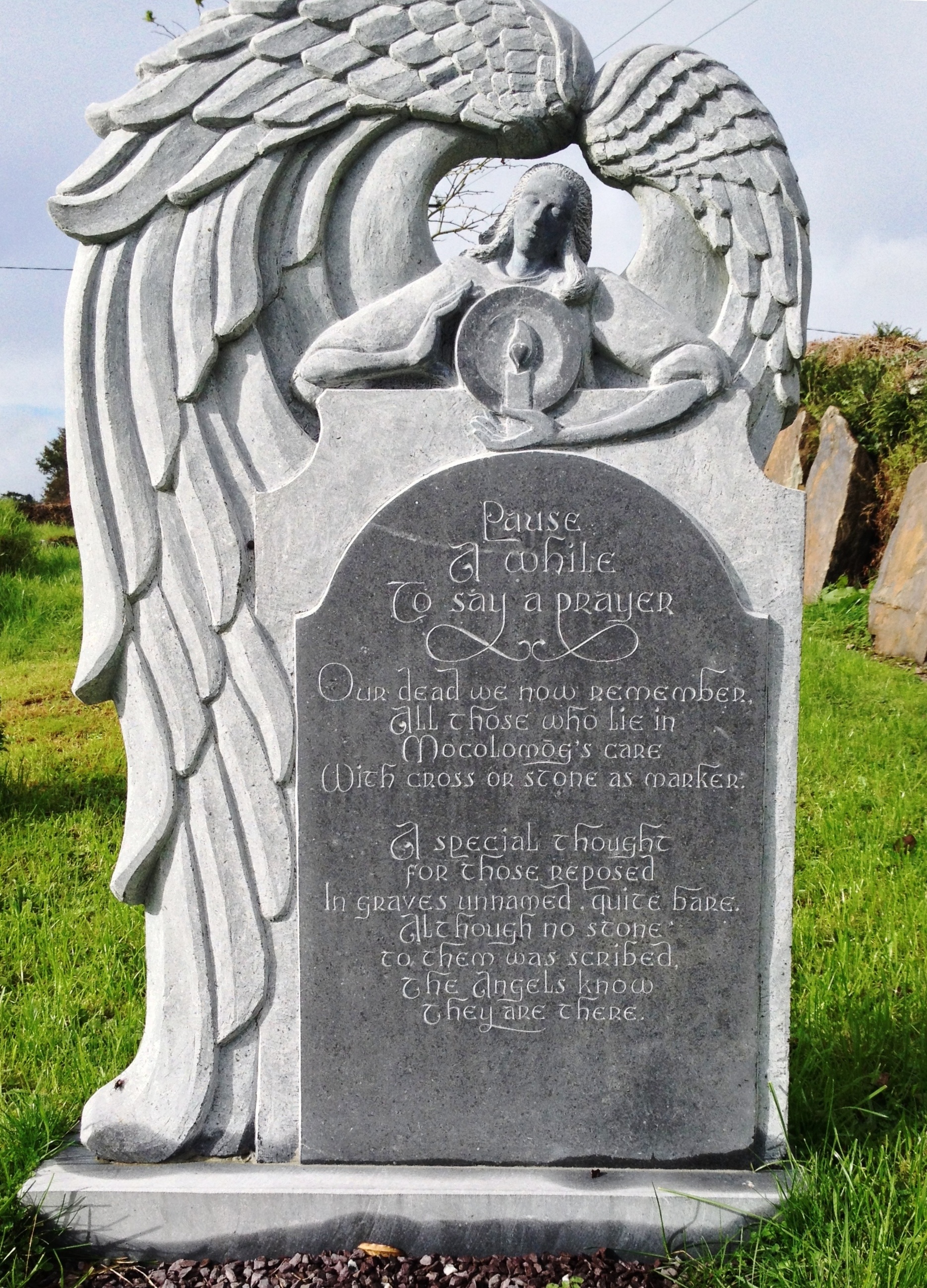
Pause a while

Maybe the saddest thing we learned from William’s talk was that tiny children who had died before baptism were buried at night, by lantern light, by the father and male relatives. Women had no role to play and the mother was not present. The grave was placed east-west, alongside other babies who had been buried in the same way and marked, if at all, with a small uninscribed stone. Over time many cillíní melted into the surrounding landscape and are now impossible to find. Others have been restored so that these lost souls will not be forgotten. Here, simple monuments invite us to remember. They attempt to reinstate the dignity and hope that were once robbed by the rigid beliefs of another age.

This medieval church was used as a cillin and most recently as a grotto

This ruined church was used as a children’s burial ground and most recently as a grotto

The Laughing Boy

Birthplace of a Folk Hero

Birthplace of a Folk Hero

T’was on an August morning, all in the dawning hours,
I went to take the warming air, all in the Mouth of Flowers,
And there I saw a maiden, and mournful was her cry,
‘Ah what will mend my broken heart, I’ve lost my Laughing Boy’

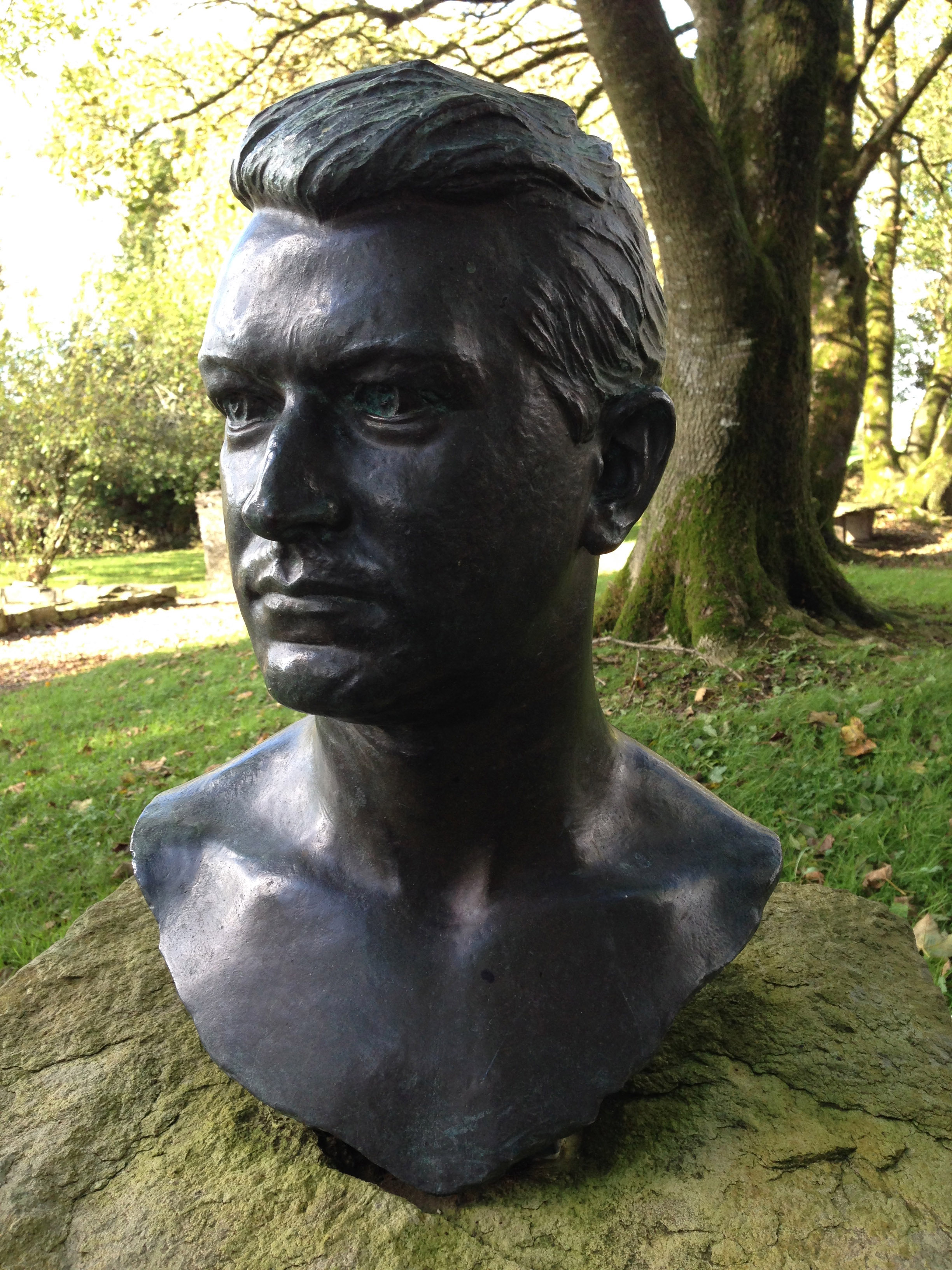
bust

Let’s face it: our travels today were a pilgrimage. We went out in search of a hero and we found shrines, monuments, places of devotion and folktales. It all started last week, which was ‘Rebel Week’ in Cork County and Skibbereen was one of the centres of activity. We were attracted by a flyer for a ‘Tribute to Michael Collins’ being held in the Eldon Hotel – a venue which we now know features in the story of the man: it claims to be the place where he ate his last meal. The ‘Tribute’ proved a bit of a damp squib as the advertised speaker didn’t turn up, but as compensation we were shown a 1973 British film made and zealously narrated by a very ebullient Welsh actor, Kenneth Griffith: Hang Up Your Brightest Colours. This film extravagantly documents the life of Michael Collins and the Irish struggle for freedom in the early twentieth century, and was considered ‘incendiary’ in a time when The Troubles were boiling over; consequently its showing was banned for twenty years. We determined to visit some of the significant locations that featured in the film and which are not too far away from Nead an Iolair.

Master of Oration

Master of Oration

West Cork is Collins’ country: he was born in Sam’s Cross, near Clonakilty – the youngest of eight children – in October 1890. His father Michael had married Marianne O’Brien (23) when he was 60. Already the folklore kicks in: Michael the elder was the seventh son of a seventh son and therefore gifted with powers of divination. On his deathbed he predicted that our hero – then aged 6 – would one day “…be a great man. He’ll do great work for Ireland…” Also, there’s a touch of mystery about Collins’ birth: the records state he was born on 16 October whereas on his tombstone the date is given as 12 October.

The Collins grave in Rosscarberry

The Collins grave in Rosscarbery

In the burial ground in Rosscarbery we found the family grave. There is a modest entry on the headstone for young Michael, recording that he died on 22 August 1922 (he’s actually buried in Dublin). That’s about all that’s modest about the Collins story. He was known as The Big Fella, as much because of his reputation and charisma as for his physique.

You can’t miss his birthplace – it’s signposted for miles around the area of Woodfield – but the family farmhouse isn’t there! It was burnt to the ground by the Auxiliary Division of the Royal Irish Constabulary in 1920, during the Irish War of Independence (and not by the Black and Tans, which is often claimed). However, the site has been preserved as an essential waymark of the Michael Collins pilgrim trail.

Memorial at Sam's Cross

Memorial at Sam’s Cross

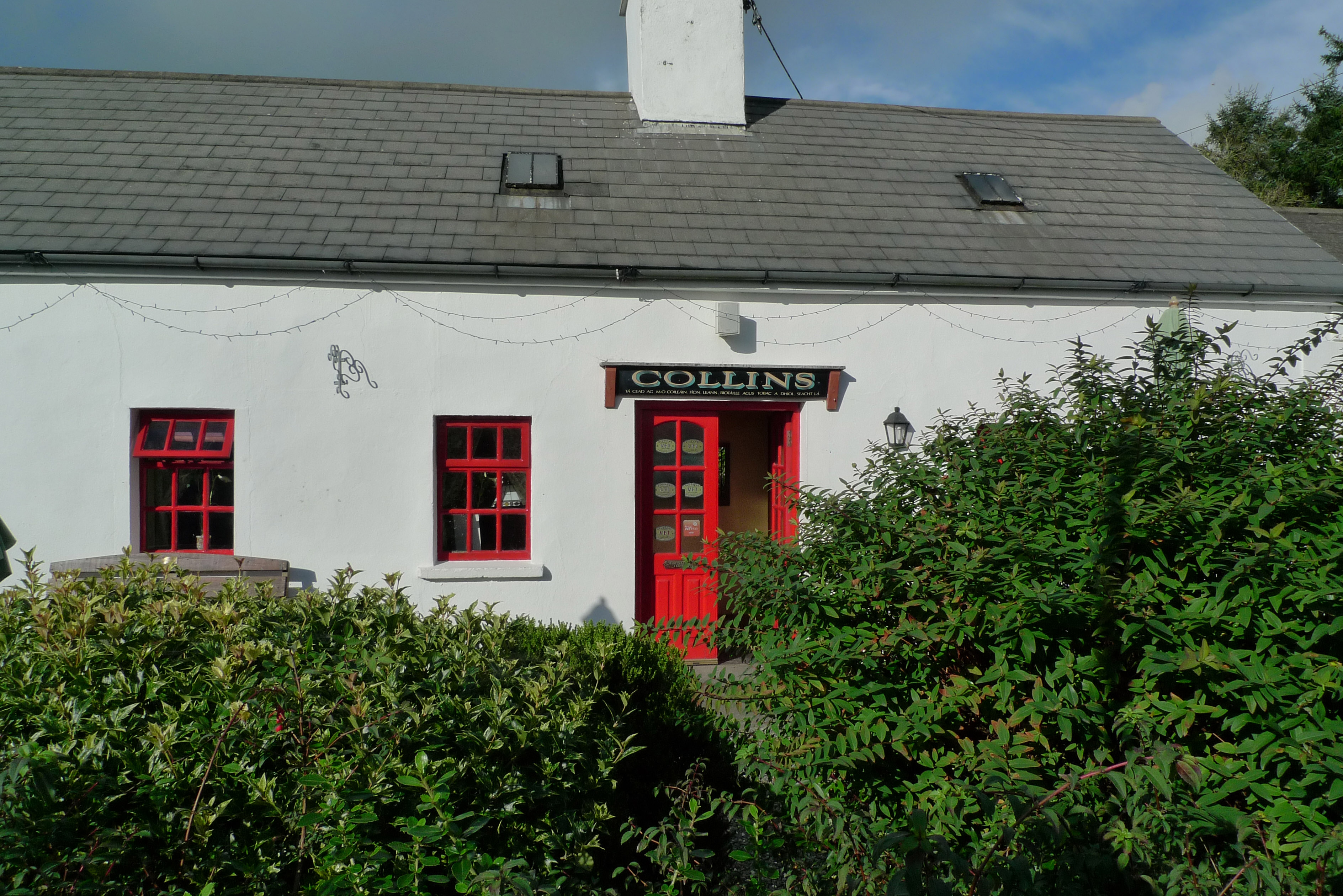
There is also another, larger monument to Michael a little way up the road at Sam’s Cross – this is in fact next door to the house where his mother was born – and opposite his cousin Jeremiah’s pub – The Four Alls (this is one of several places where Collins is supposed to have taken his last drink).

Four Alls pub - cousin Jeremiah's

Four Alls pub – Cousin Jeremiah’s

For anyone who doesn’t know I had better just say that Michael Collins – soldier, freedom fighter and politician – was one of the key figures in the long Irish struggle for Independence – a conflict that was won, after a fashion, in December 1921 when the irish Free State was set up. Collins signed the Treaty in his then role as ‘Chairman of the Provisional Government and Commander-in-chief of the National Army’ and (legend has it) pronounced that he was also signing his own death warrant (the great folk heroes usually foretold their own death). The conditions of the Treaty, and the exclusion of some of the northern counties from the new state caused such dissension that a civil war ensued, and Michael Collins fell as a victim to that war as he toured through his home county of Cork on 22 August 1922.

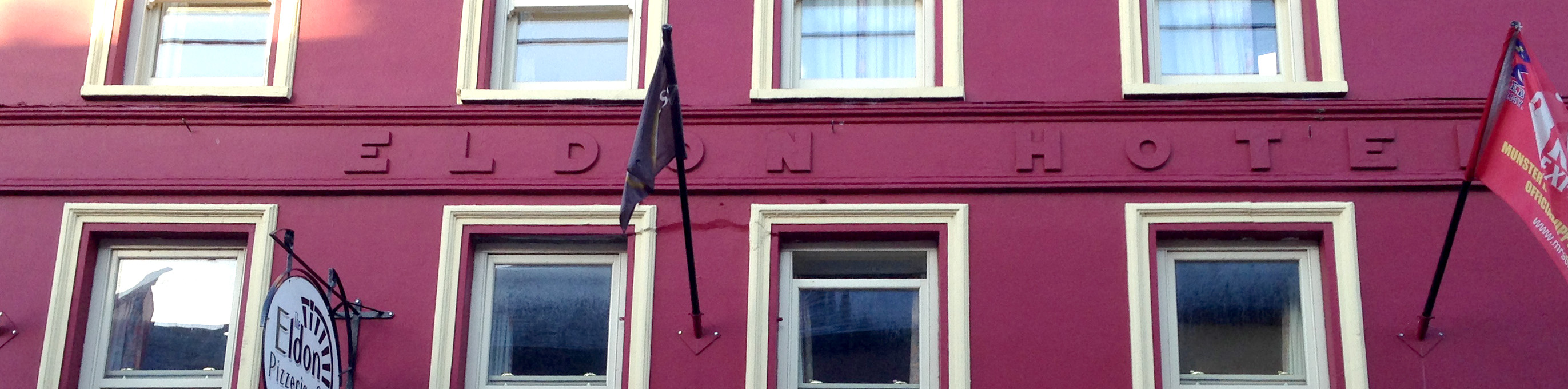
The Eldon, Skibbereen

The Eldon, Skibbereen

His convoy left the Eldon Hotel, Skibbereen, in the early afternoon for Cork city and was ambushed at Béal na Bláth, on a minor road between Clonakilty and Macroom. During the skirmish Michael Collins was shot in the head and died instantly. He was the only casualty of that confrontation.

memorial2

Béal na Bláth

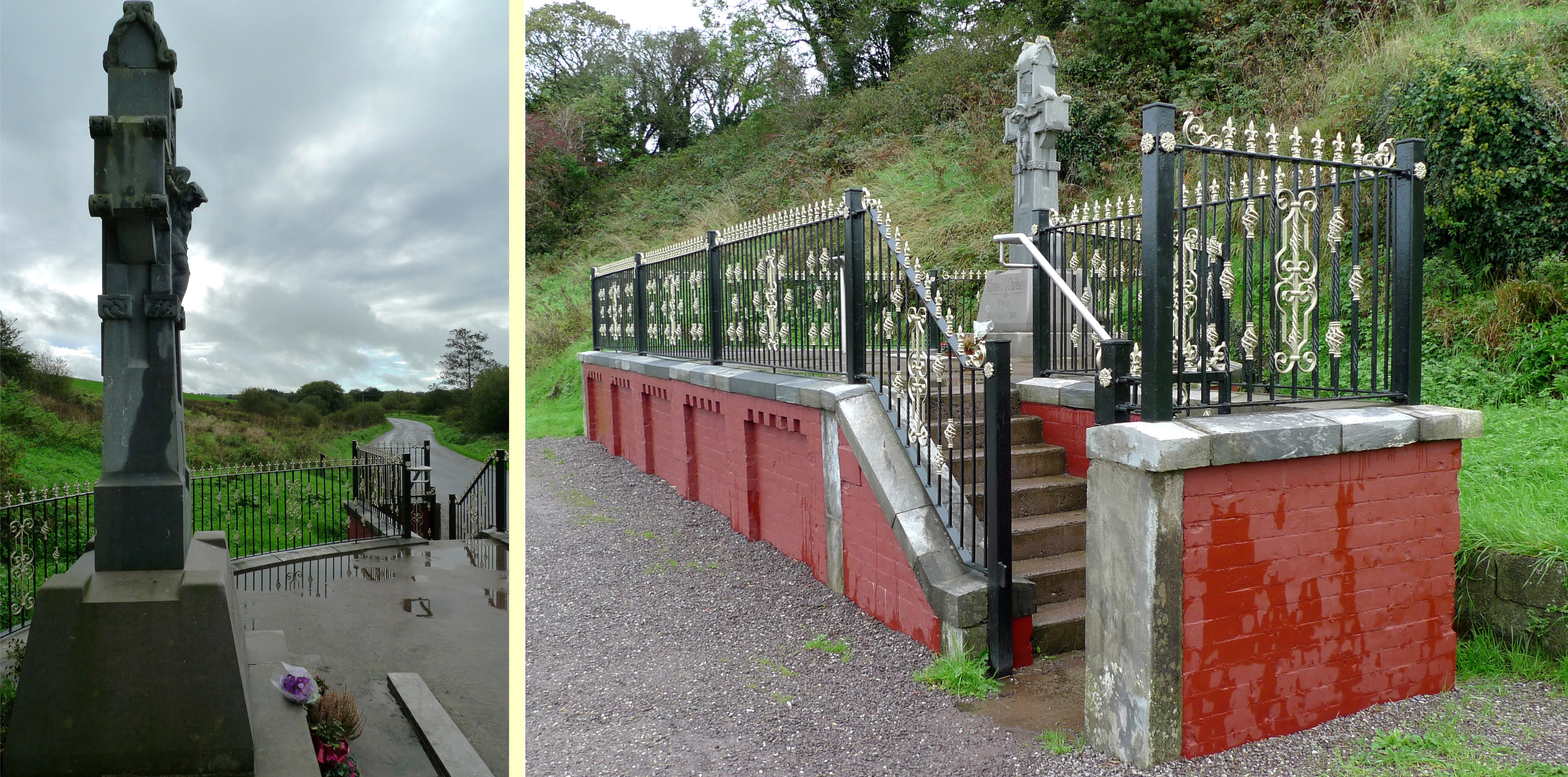
Béal na Bláth may mean ‘Gap of the Blossoms’ but there is some debate as to its correct translation: ‘Mouth of the Ford of the Buttermilk’ is one suggestion. Brendan Behan, in his folk ballad on the death of Michael Collins (the first stanza of which starts off this post), goes for ‘Mouth of Flowers’. We began our pilgrimage here on a wet Sunday morning. The place had a sombre atmosphere and the monument that we found – although unmistakably Messianic – is grim. Crowds come to this site, especially on the anniversary of the assassination. A white stone marks the actual spot where he fell: the fine details seem all important.

ambush

But – sifting through these details when I was trying to assemble this piece – I realise that there is so much that is apocryphal or contradictory in the various accounts, not just of his death but with many aspects of his life. And it’s the stories that will win out in the end. Michael Collins is a real national hero – quite rightly – but he’s on his way to becoming a folk hero – something different. He could be a Saint (he did after all perform a miracle in bringing together so many different factions and feelings to found the beginnings of modern Ireland) but to me he is more likely to end up in the ranks of the great Hero Warriors of Irish mythology such as Cu Chulainn, Medb or Finn McCool – or even the Gods. I wish I could be around to hear his sagas told in a few hundred years from now.

The fate of a Folk Hero...

The Fate of a Folk Hero…