Possibly Over-Stimulated

Gloria Steinem is an international icon. This week, we welcomed her to Bantry Literary Festival. Four hundred women, and a few men, rose spontaneously to our feet and clapped and cheered her entrance. First time I’ve seen a standing ovation before someone actually stepped on stage.
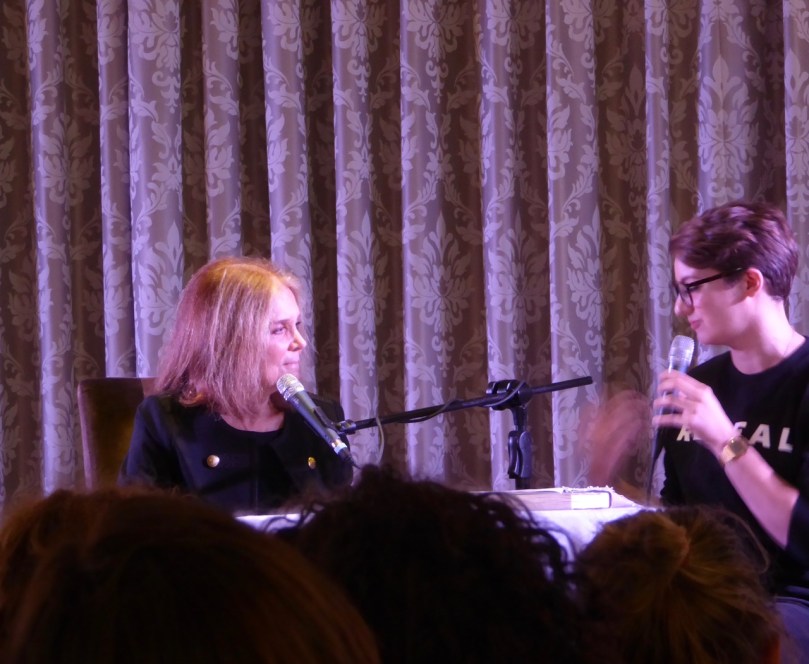
Gloria and

What followed was breathtaking – Gloria spoke, a little and beautifully, but mostly she listened as audience members asked questions and shared their own experiences as women in this country. People had come from far and wide to hear her and just to be there: people I admire and respect – Tara Flynn (see also You’re Grand) and Louise O’Neill. Lelia Doolan, for goodness sake, a Irish feminist icon in her own right. The conversations weren’t easy (misogyny, abortion, pornography, violence) and there certainly were dissenting and opposing viewpoints presented. But the atmosphere was respectful (if electric) and Gloria calmly dealt with each question in ways that were thoughtful and non-divisive. Two hours later, I think we all felt we had been present at a little bit of history.
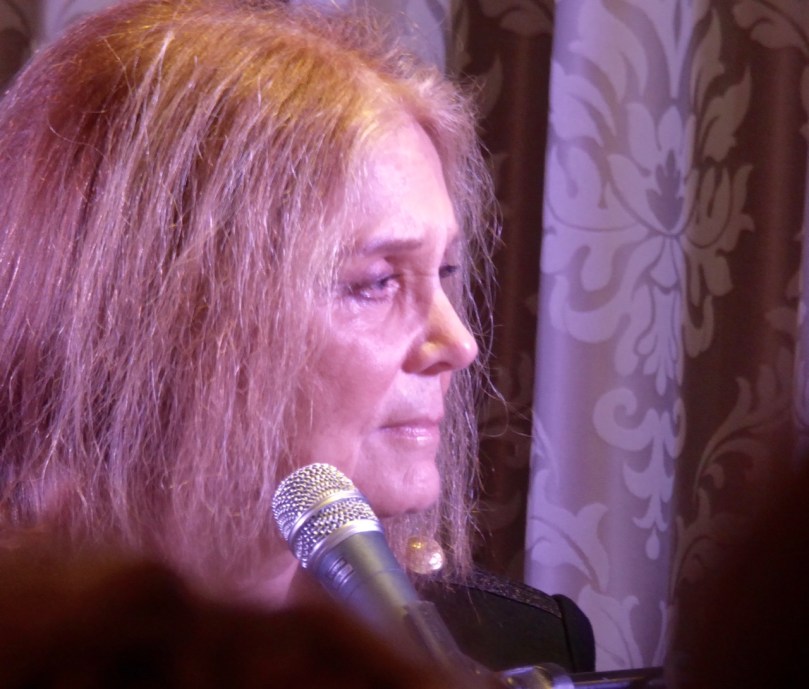
Gloria

We attended other Literary Festival events and Robert is writing about one of them – the delightful evening with Seán Ó Sé. That evening formed a wonderful contrast to the talk by Alice Carey, a self-professed New York/Irishwoman, vivacious and stylish, but also moving in her descriptions of a childhood caught between two worlds.
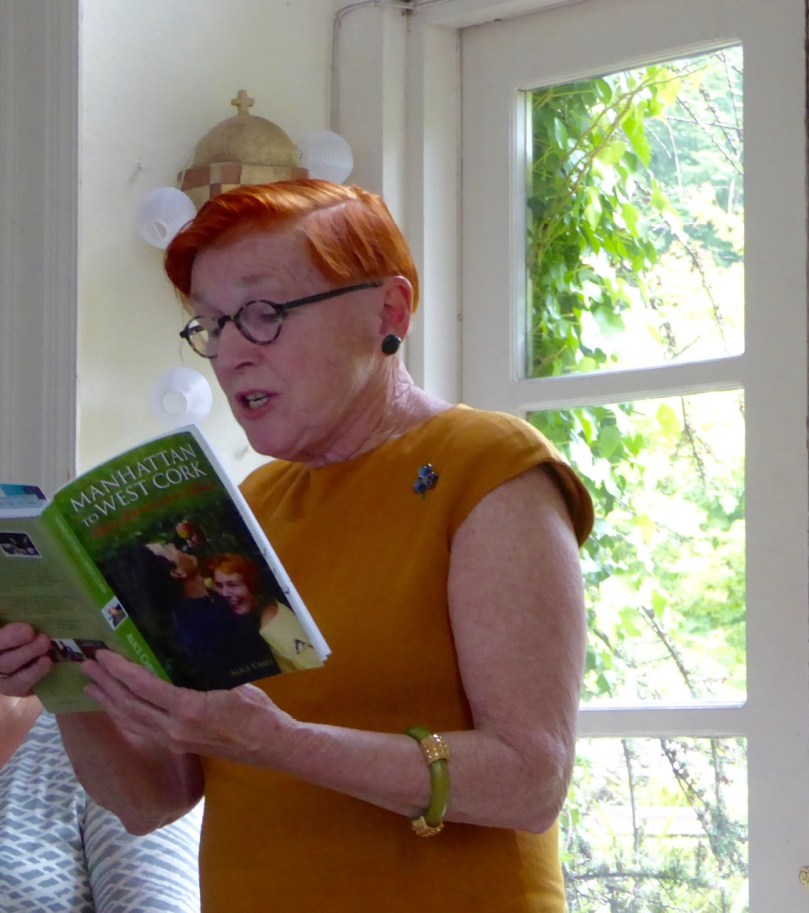
Alice Carey

Alice Carey

And just as that Festival is ending, the Skibbereen Arts Festival is bursting upon the scene with a slew of gallery openings and a 60’s street party! Sometimes it’s hard to know where the dividing line is between business and the arts in Skibbereen. All the business people seem to support the arts and all the arts events seem to work well with the businesses. Shopfronts become display cases. Empty buildings are re-purposed as galleries and theatres. Employees and owners dress up and decorate. Everyone has fun.

Skibbereen shop windows. Hands up who remembers women wearing curlers all day in the 60s!

This Friday was a good example as Skibbereen went all out for a 1960s-themed street party of food and music, to celebrate the opening of the Skibbereen Arts Festival. I wrote about this festival a couple of years ago. As arts festivals go in Ireland, this one is only in its infancy, but it hit its stride right from the starting gate, with an eclectic mixture of art, theatre, music, spoken word, film, and events for children.

Robert used to have a van like that

This year we have tickets for all kinds of disparate events and may have to take a holiday when it’s all over! On Friday we attended three art show openings and then joined the throngs on Bridge Street to get into the 60s swing.
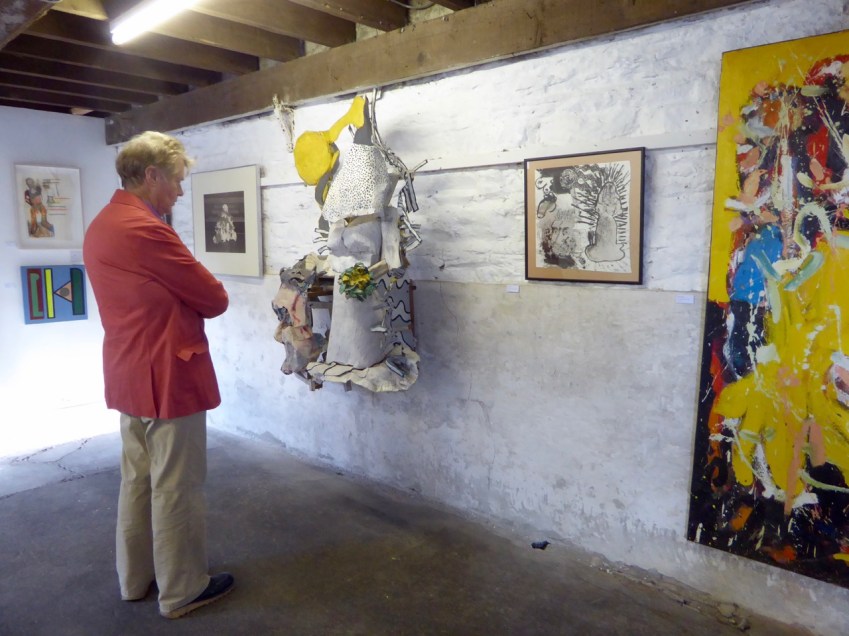
Angela Flowers Exhibition


The old Bottling Plant makes an excellent gallery space, in this case for the Angela Flowers Collection

The first opening was extraordinary. Angela Flowers is one of Britain’s foremost gallery owners (she has two in London and one in New York), dealing with contemporary art. She has a house in West Cork and the pieces on display are from her own private collection. (Read more about Angela here and about her galleries here.) This is challenging stuff – no pretty paintings here, but compelling and engrossing. The exhibition was opened by Lord David Puttnam, the film producer and now digital champion and educator, who never misses an opportunity to support Skibbereen, where he lives full time.

Uillinn came next: the whole space was devoted to the work of John Kelly, a painter and sculpture with a studio in West Cork and an international reputation.

Yet a third art exhibition opened in an unused space down by the river – a huge L-shaped room perfect for such a purpose. This one was called Mór (‘Large’) and brought together the work of several artists who work in large scale. Huge canvasses and large sculptural pieces created an imposing and magisterial atmosphere.

Karen Hendy’s triptych (top) and Don Cronin’s piece titled ‘Windfall’

Then it was off to the opening of The Souvenir Shop by Rita Duffy. Robert and I have signed up for two ‘invigilation’ sessions at this quirky and unusual art installation, so I will write about it more at a future date, or post photos on our Facebook page.
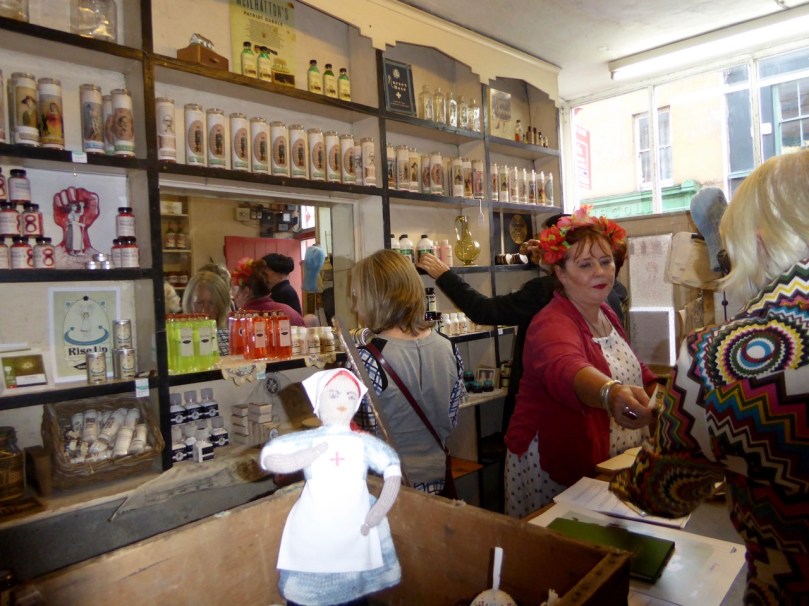
Souvenir Shop

The Souvenir Shop

Before we staggered home, we joined the throngs of Skibbereen folk on Bridge Street for the 1960s party. The hippies were out in force!

Finally, tonight, we attended a premier showing of the Film Rebel Rossa. Last year we met the two great-grandsons of Jeremiah O’Donovan Rossa in Skibbereen, here to attend various functions commemorating Rossa and to document them for a film they were making. Since I did extensive research on Rossa in preparation for a series of three posts (March Back in Time, O’Donovan Rossa – the First Terrorist? and Rossa: The Skibbereen Years), I was particularly interested in how the film turned out. They did a great job! Rebel Rossa turned out to be about Rossa, but also about family and about how governments celebrate such things versus how republican groups or local committees do it. Fascinating stuff and they are hopeful about getting a distribution deal.
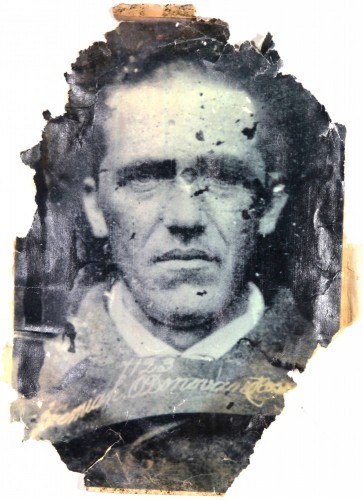
Rebel Rossa

More, much more in the days to come. How am I going to cope? I came here to retire!

The Fertile Crescent – A Review

Just about a year ago I reviewed a most stimulating exhibition which was running in Skibbereen: West Cork Creates. It featured collaborations between local craftspeople, visual artists, photographers and designers – combining their skills and expertise to produce exciting, original work. In my review I asked if there was a difference between an artist and a craftsperson, and this sparked off a lengthy online debate. My favourite sentence from this exchange was penned by Colin Murray, an artist printmaker who had taken part in the Skibbereen exhibition:

…I think all creative workers share the essence of making a lingering dream and the effort of sharing one’s dreams with others is an urgent business of us humans…

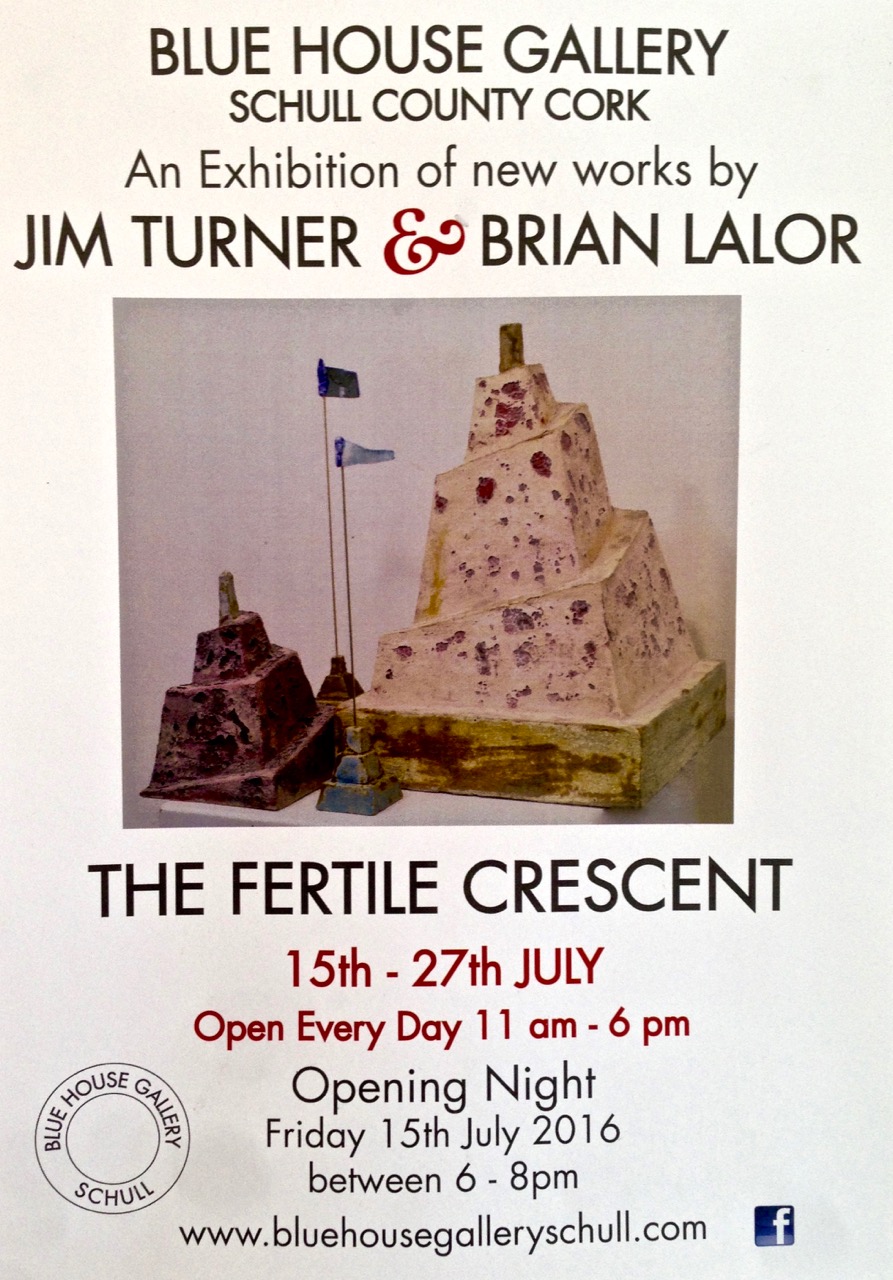
All the work in the Skibbereen exhibition was outstanding, but I was drawn more than anything else to the collaboration of artist and writer Brian Lalor and ceramicist Jim Turner. They have continued to collaborate, and the current exhibition at the Blue House Gallery, Schull is an extraordinary display of their combined talents.

One of Brian and Jim’s larger works currently showing in the Blue House Gallery in Schull – a gold capped obelisk

The exhibition has the title The Fertile Crescent, a phrase that might seem strange, at first, encountered on the small main street of a village in the far west of rural Ireland. It conjures up, of course, the images we had in our school text books of the beginnings of human society, including the development of writing, the invention of the wheel, the use of glass – and irrigation which enabled settled agriculture to develop. This led gradually to the exploration of metalworking – some of the earliest figurative bronze work is from the area:

fertile crescent bronze

Not in the Schull exhibition – but original bronze figurines from Tell Judaidah, Turkey. These are the oldest examples of true bronze (combination of copper and tin) known. They are dated to around 3000 BC (photo – University of Chicago)

At school we learnt about this land and its features and I remember the romance of the names that were conjured up: Mesopotamia, Assyria, Egypt, Tigris, Euphrates… geographically far away but important enough to be titled The Cradle of Civilisation. That’s where our ancestors came from, we were told: that’s where our religions began.

great mosque

Minaret of the Great Mosque of Samarra, an etching by Brian Lalor

That geography today is at the forefront of our news. We now think of Iraq, Syria, Lebanon, Jordan, Israel and Palestine as well as the older names. We now think of idealogical war zones, we think of suffering, of displaced people; we think of bombs, human carnage, ruined ancient sites – and refugees. The mission statement for the exhibition begins:

…In this exhibition Jim Turner and Brian Lalor have devoted their attention to the current tragedy unfolding in the Middle East where the ruins of the civilisations of the past are being destroyed, and the present-day populations forced to flee their homes in fear of their lives, to become refugees in adjoining countries and in Europe. Our world heritage is under threat of total destruction as the cycles of violence recorded by history continue to occur…

It’s this modern view of what is going on in The Fertile Crescent that occupies this exhibition, and for that alone this work is as important on the main street of Schull as it would be in any major world capital.

Children pot

The ceramics – pots and bowls: the decorations on these utilitarian objects portray urgent messages for our society today. Jim Turner is the potter and Brian Lalor provides the illustrations

In the exhibition there are references everywhere to the cultural history of the Fertile Crescent. Jim Turner has made a series of cylinder seals, which involve inscribing a clay roller which is used to impress calligraphy on to a clay tablet; the same techniques have been used to decorate ceramic plaques.

cylinder seal

(Top) one of many ‘cylinder seals’ by Jim Turner on display in the gallery; (above) two of the ceramic plaques with impressed patterns

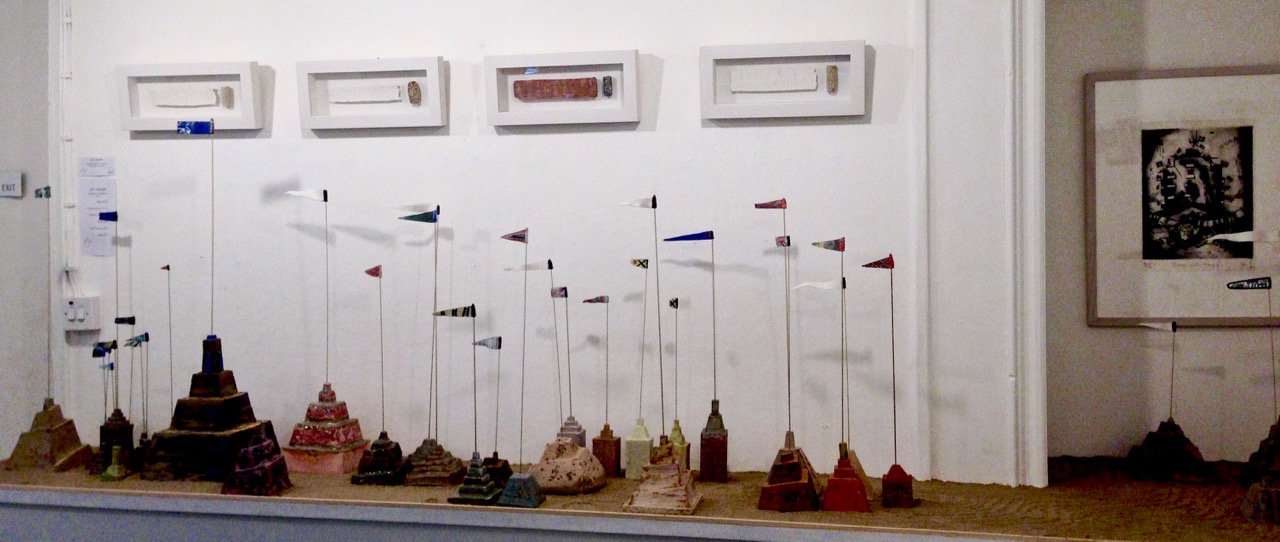
Obelisks and ziggurats are architectural features which we associate with the history of the Middle East. The two artists have produced a huge array of artefacts using these distinctive forms. Some stand in serried rows like an army (top picture), while other are decorated by Brian with motifs ancient and contemporary. The juxtaposition perhaps sometimes perplexes the viewer but the overall effect within the galleries is arresting and we are left in no doubt that these artists are giving us – Europeans – clear and deep messages, not only about our endangered world heritage, but our own responsibilities towards the chaos that is engulfing The Fertile Crescent in our own time.

Try to catch this exhibition: it deserves a wide audience. Perhaps West Cork is a long way for some of you to come? I hope there will be chances for this work to be seen elsewhere. I know the artists are collaborating on a further venture later on this summer: doubtless that may well reach the pages of this Journal. Congratulations to The Blue House Gallery for providing us with this most thought-provoking and dynamic work.

panorama

poster

Good Signs

Ah go on...

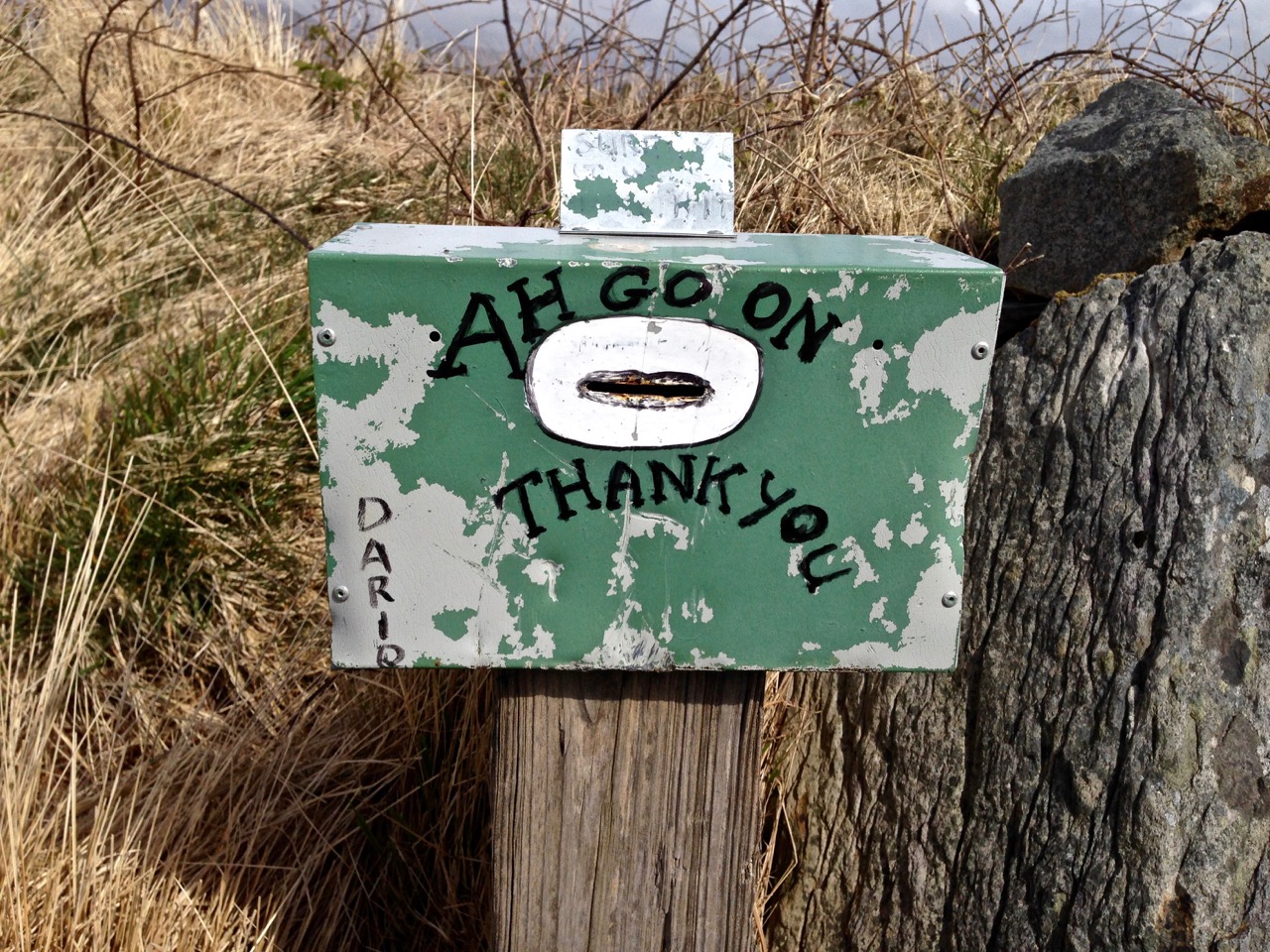
A collection of words (mainly) seen on signs around and about west Cork (and occasionally further afield) in recent times. They need no explanation. Enjoy them!

I have my own favourites; I’m always directing my own children to digest this one…

children and fathers

…And, lest we err, there’s always something to remind us:

no drink

Forge

Many blacksmiths can still work in time-honoured ways in West Cork. In my quest to know more about old gates, I contacted Pat O’Driscoll of Ironworks Ireland, whose forge is in Drimoleague. Pat was extraordinarily generous with his time and expertise and has offered to take us one day on an old gates tour – so look out for that post at some point in the future.

Horses

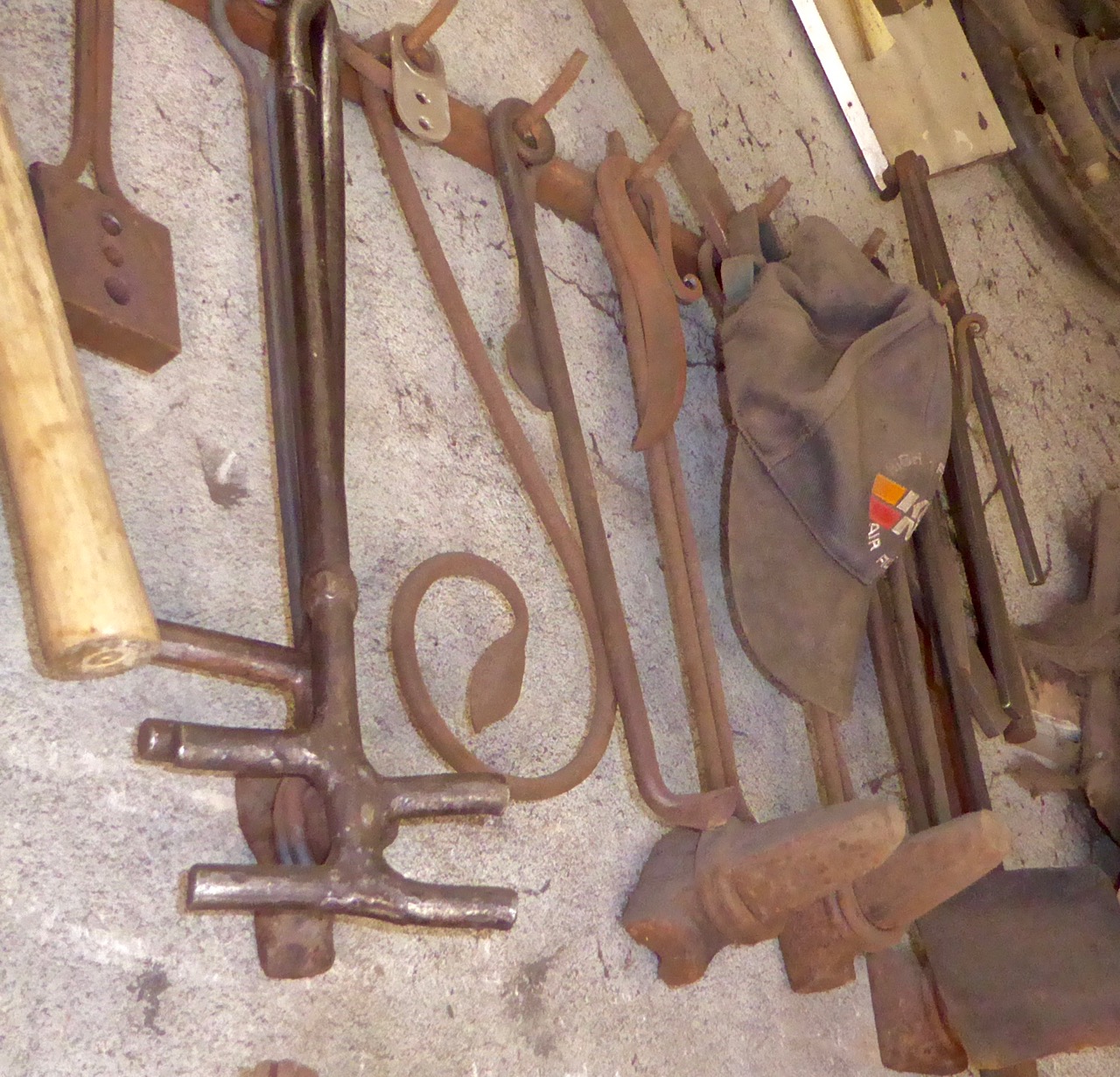
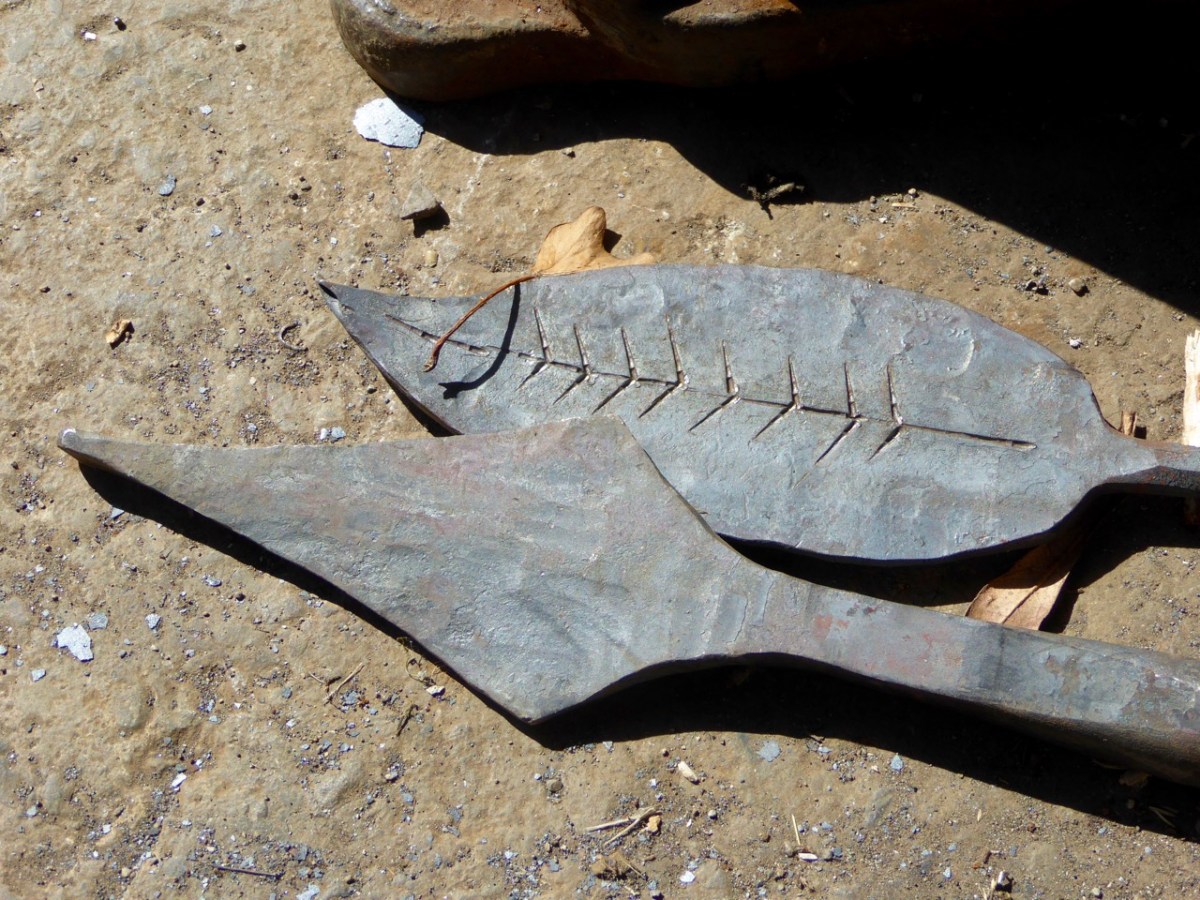
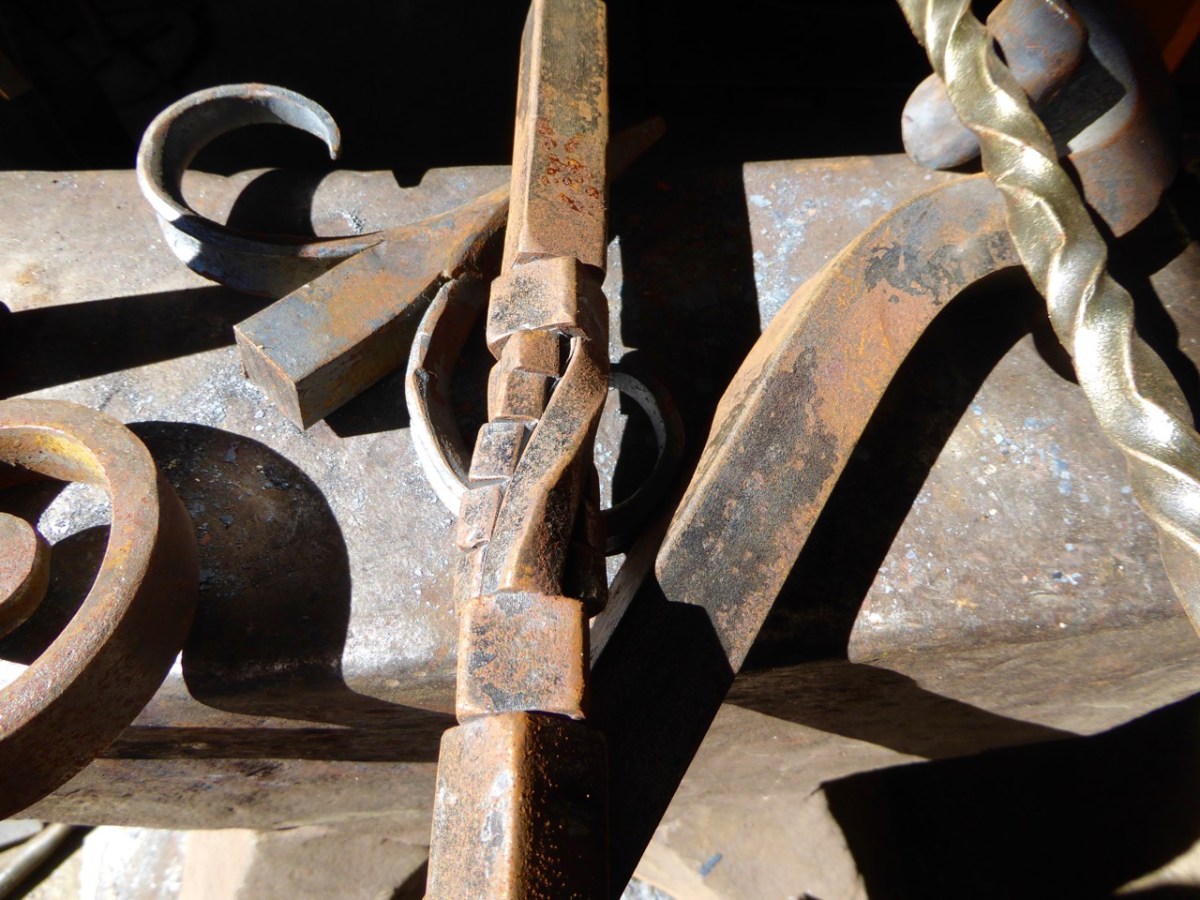
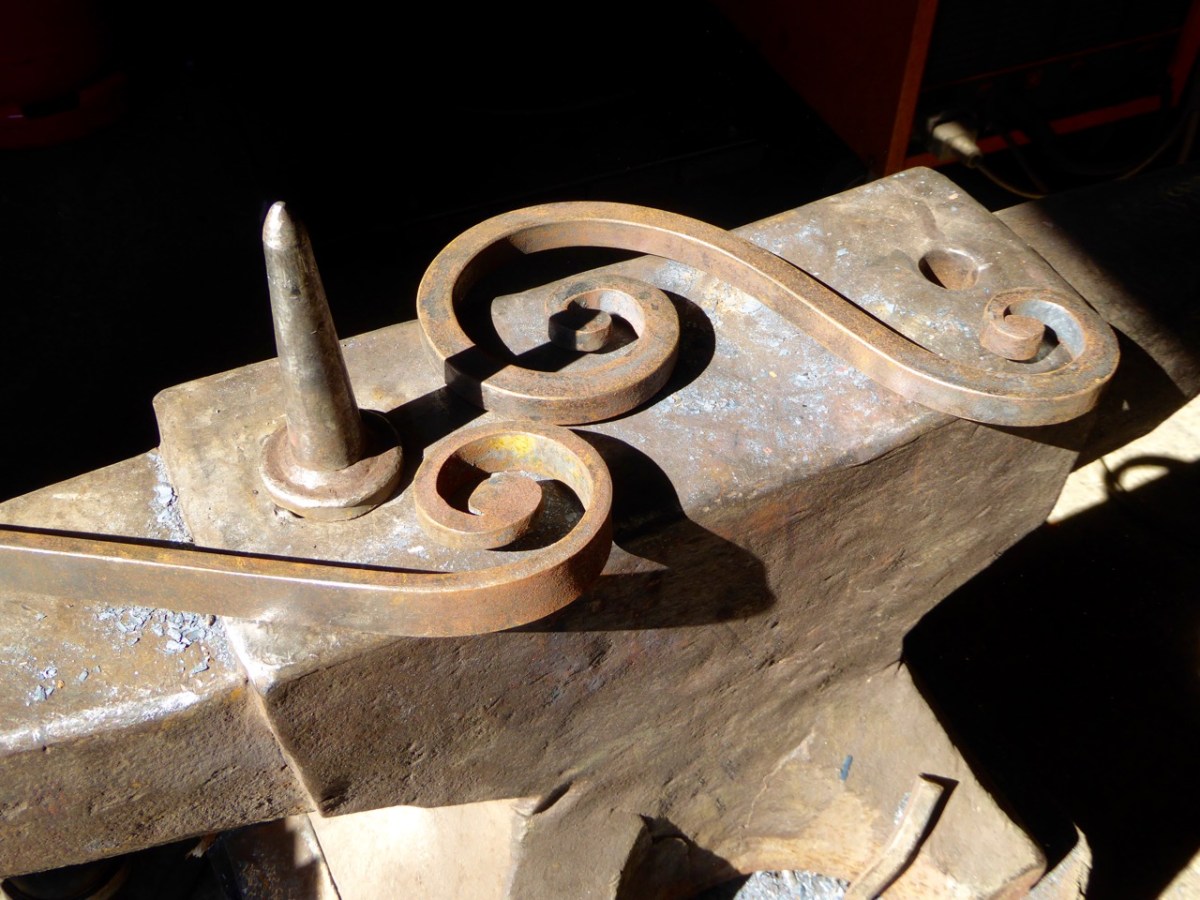
This post is really a photo essay. I was so entranced with the forge and with what seemed like the magical processes that Pat used that I really just want to share that with you. Although Pat has a fully modern ironworking facility he loves the traditional craft of forging, so his workshop is a treasure chest of examples of wrought iron.

Forge tools
Forge tools 2

First – a series of photographs of tools and wrought iron pieces, old and new. The tools were mostly handmade by Pat himself.

Forge Tools Hammers
Kissing Gate 1

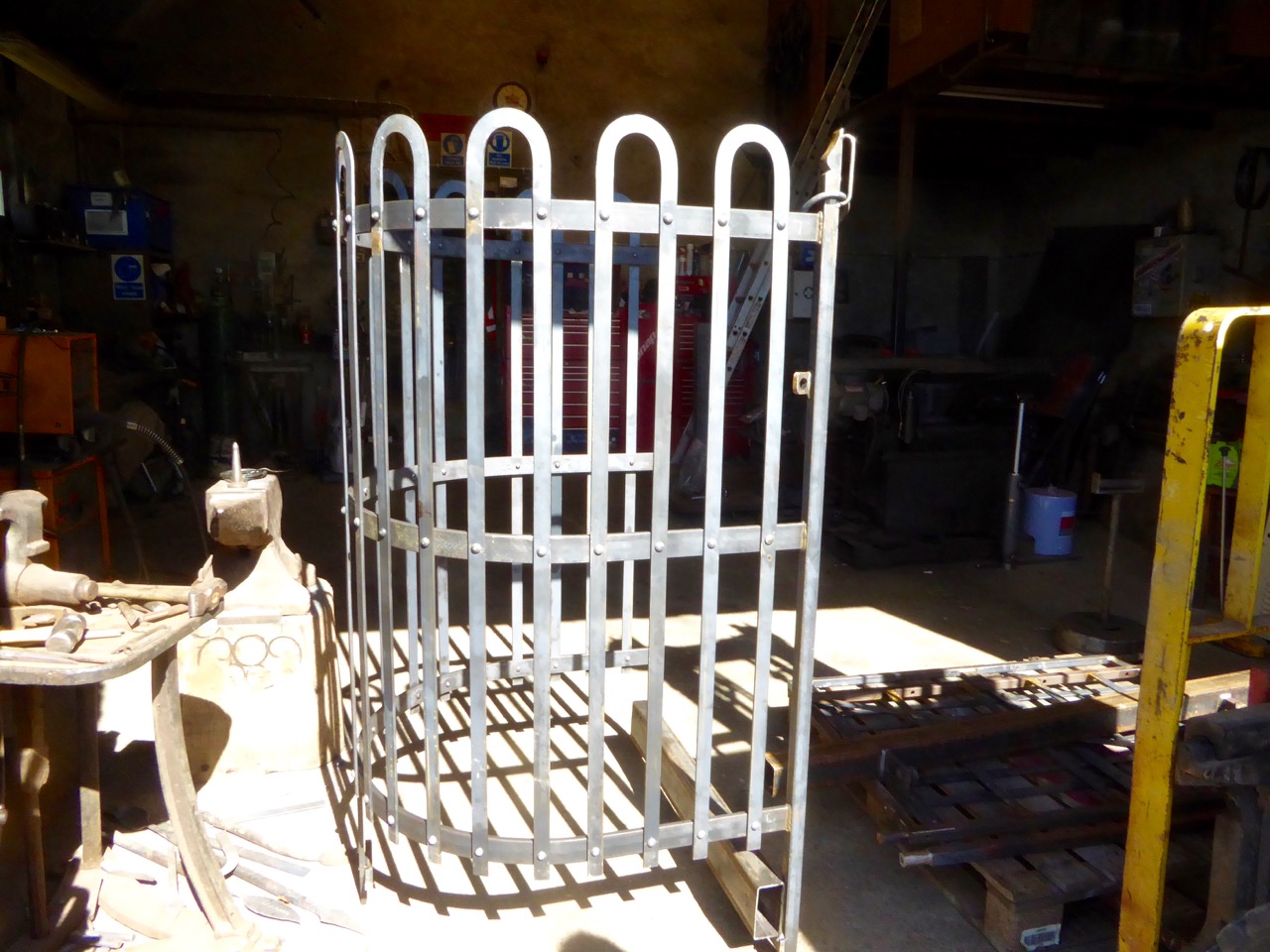
Second – a traditional kissing gate, just completed.

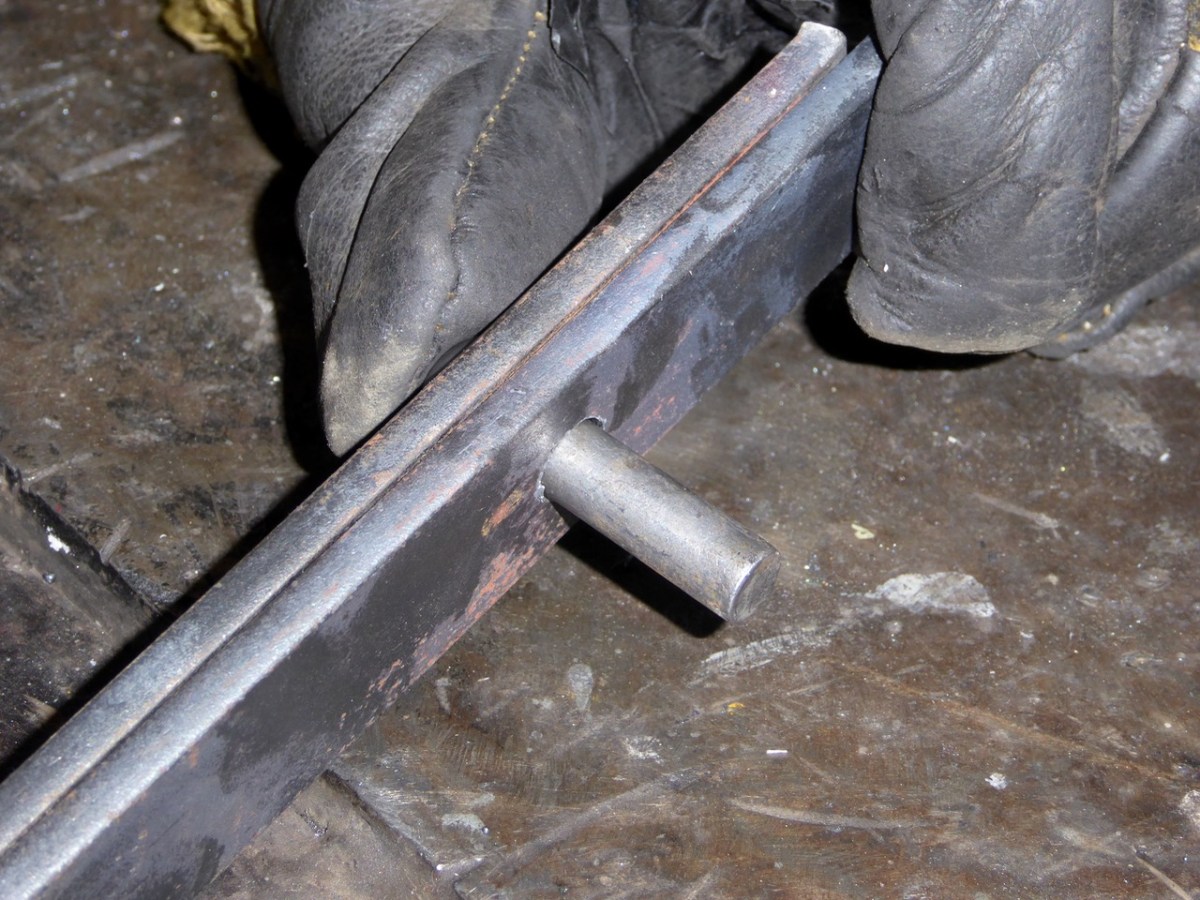
Notice the rivets on the kissing gate? Here’s how they’re made.

Rivet 3
Rivet 6

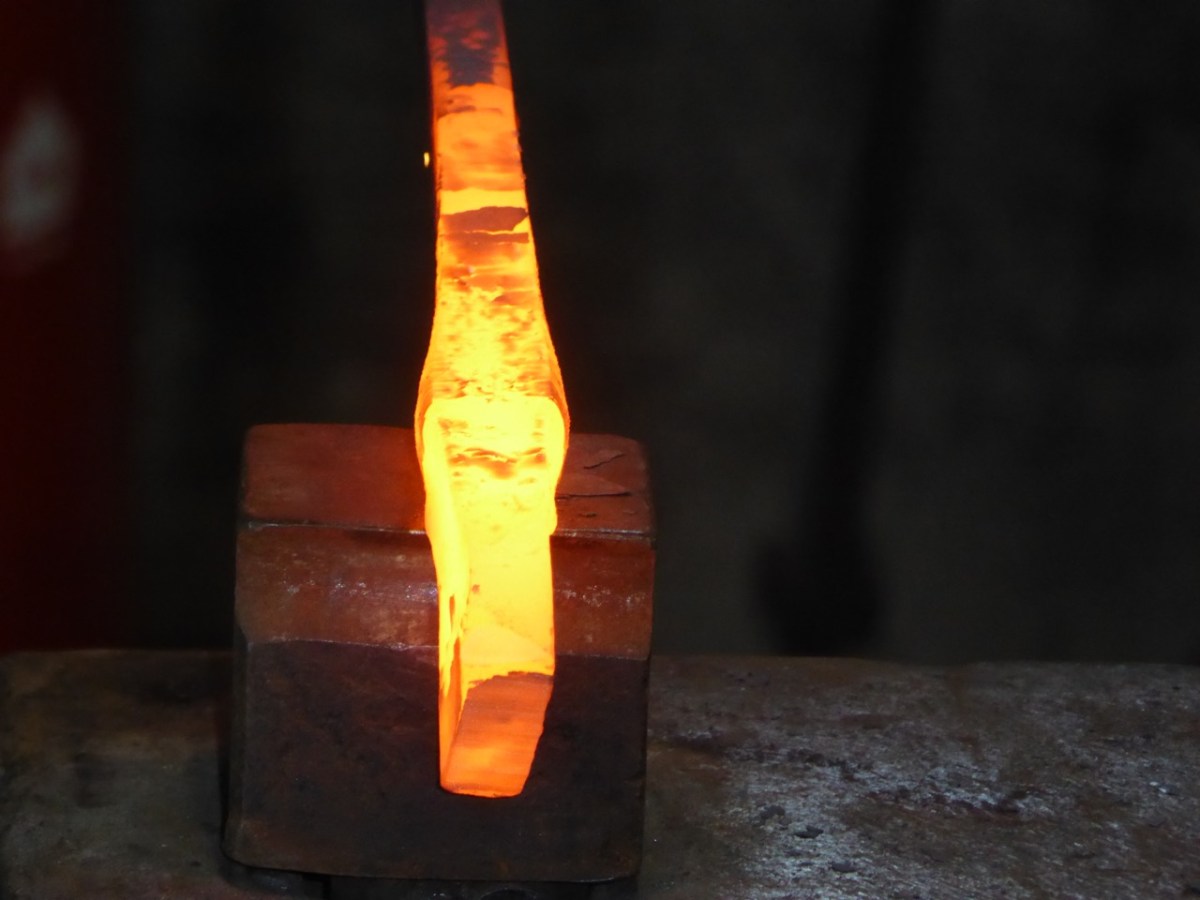
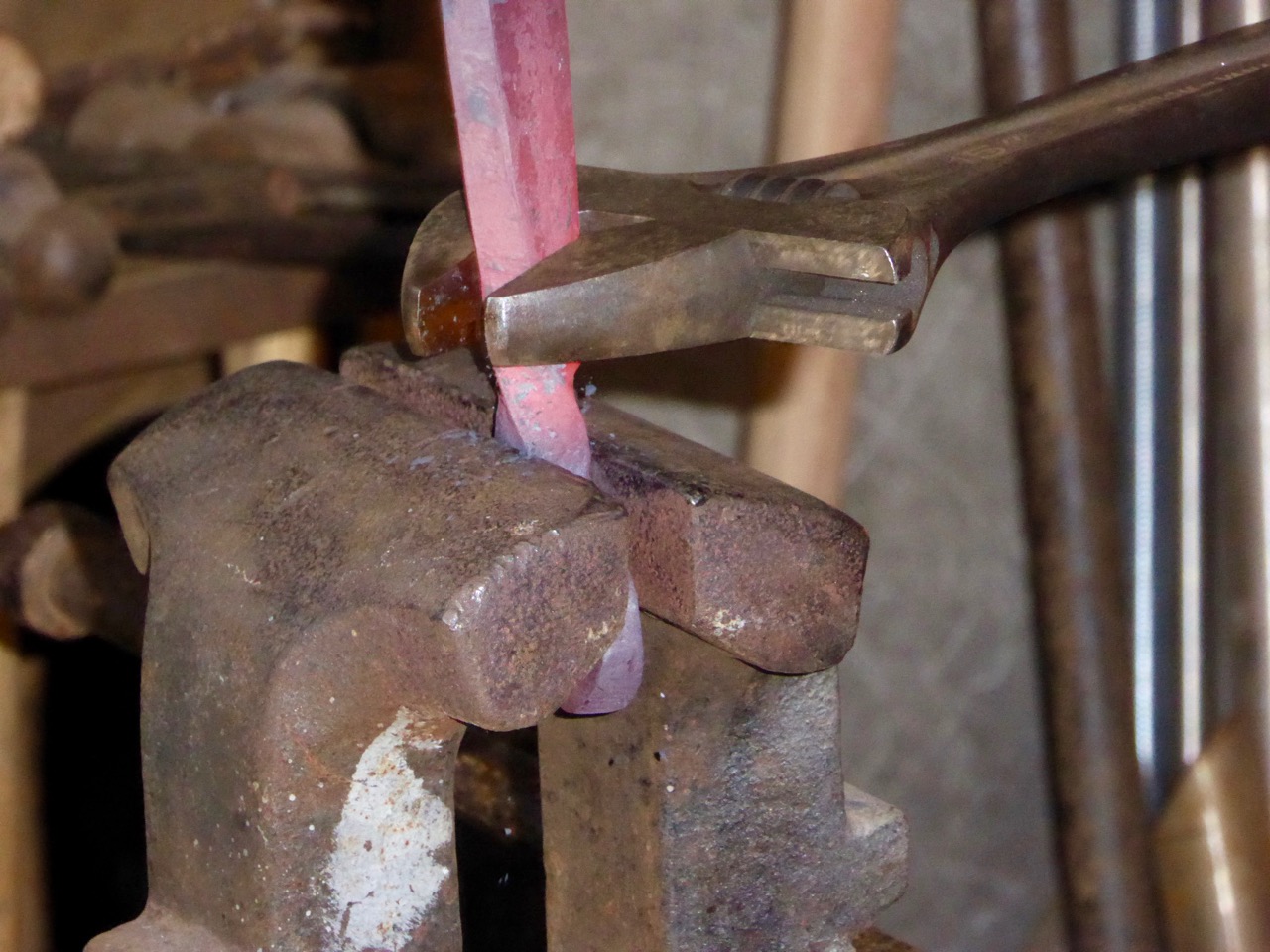
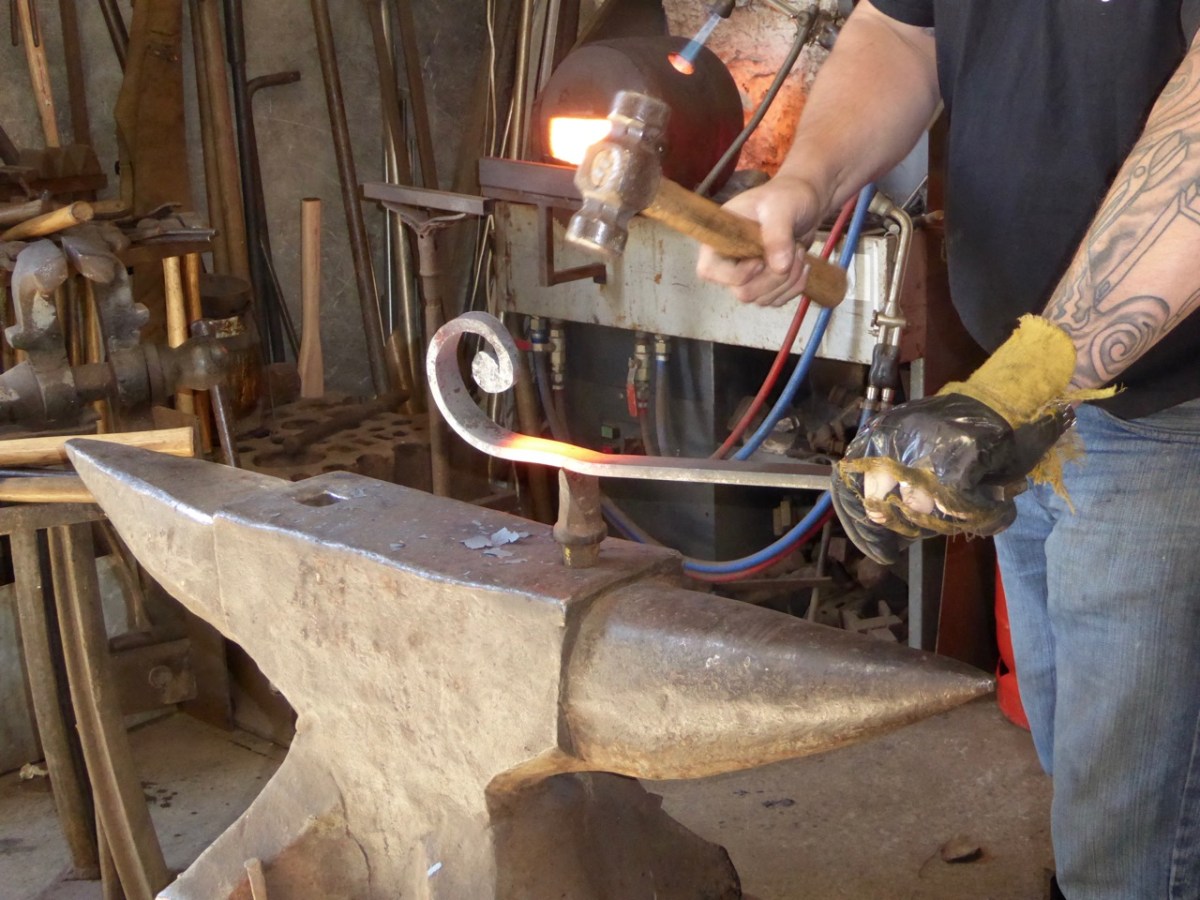
I expressed curiosity about decorative curls… Here’s what happened next.

Curl 1
Curl 4
Curl 9

And here’s our souvenir of a wonderful morning, installed on our mantlepiece.

Thank you, Pat, and see you again soon!

Pat

One last word… why was I reminded of Longfellow’s The Village Blacksmith, I wonder?

Under a spreading chestnut-tree
The village smithy stands;
The smith, a mighty man is he,
With large and sinewy hands;
And the muscles of his brawny arms
Are strong as iron bands.

Tattoo

A Bell for Bangor

Holg + Donagh 2

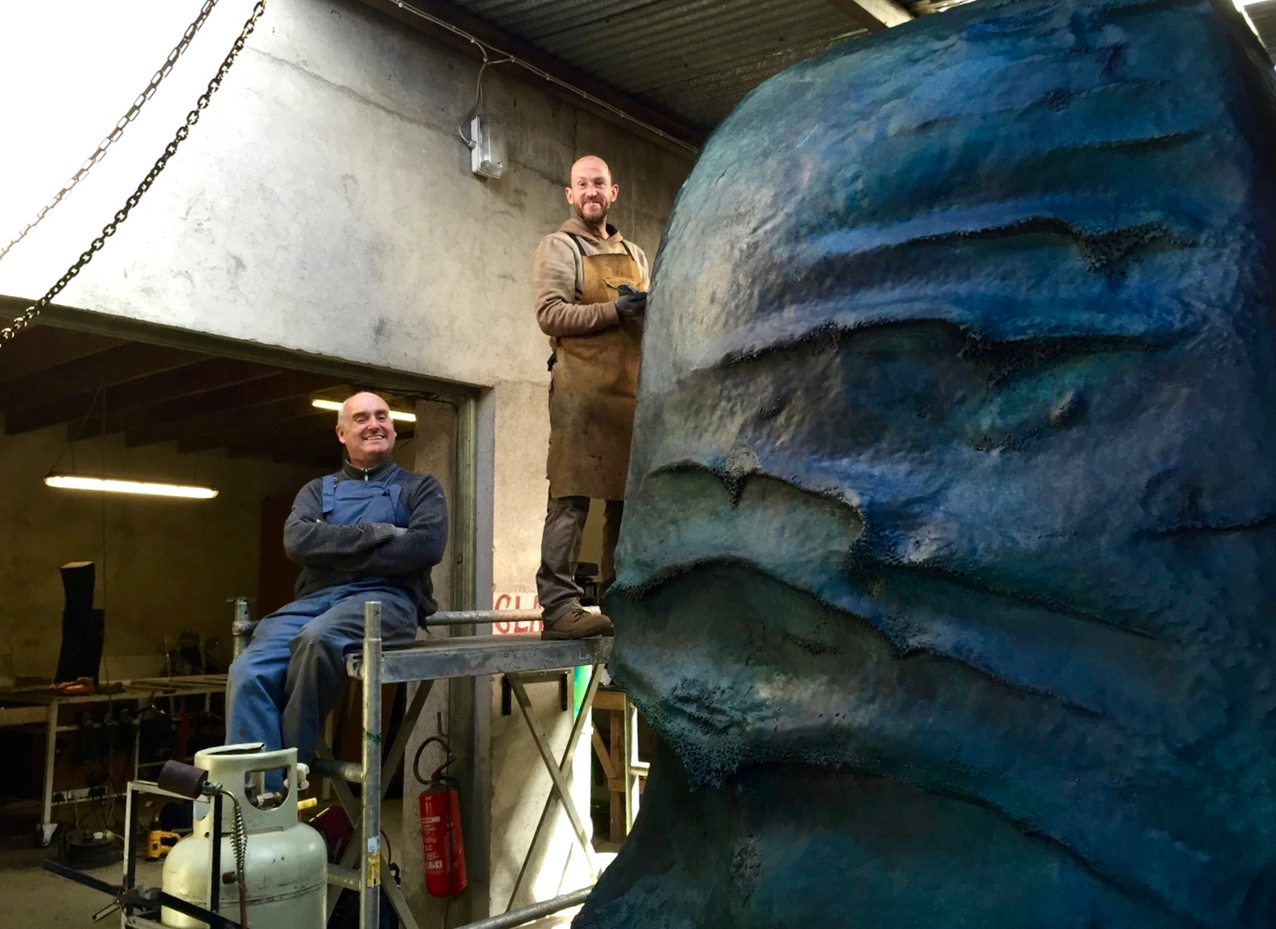
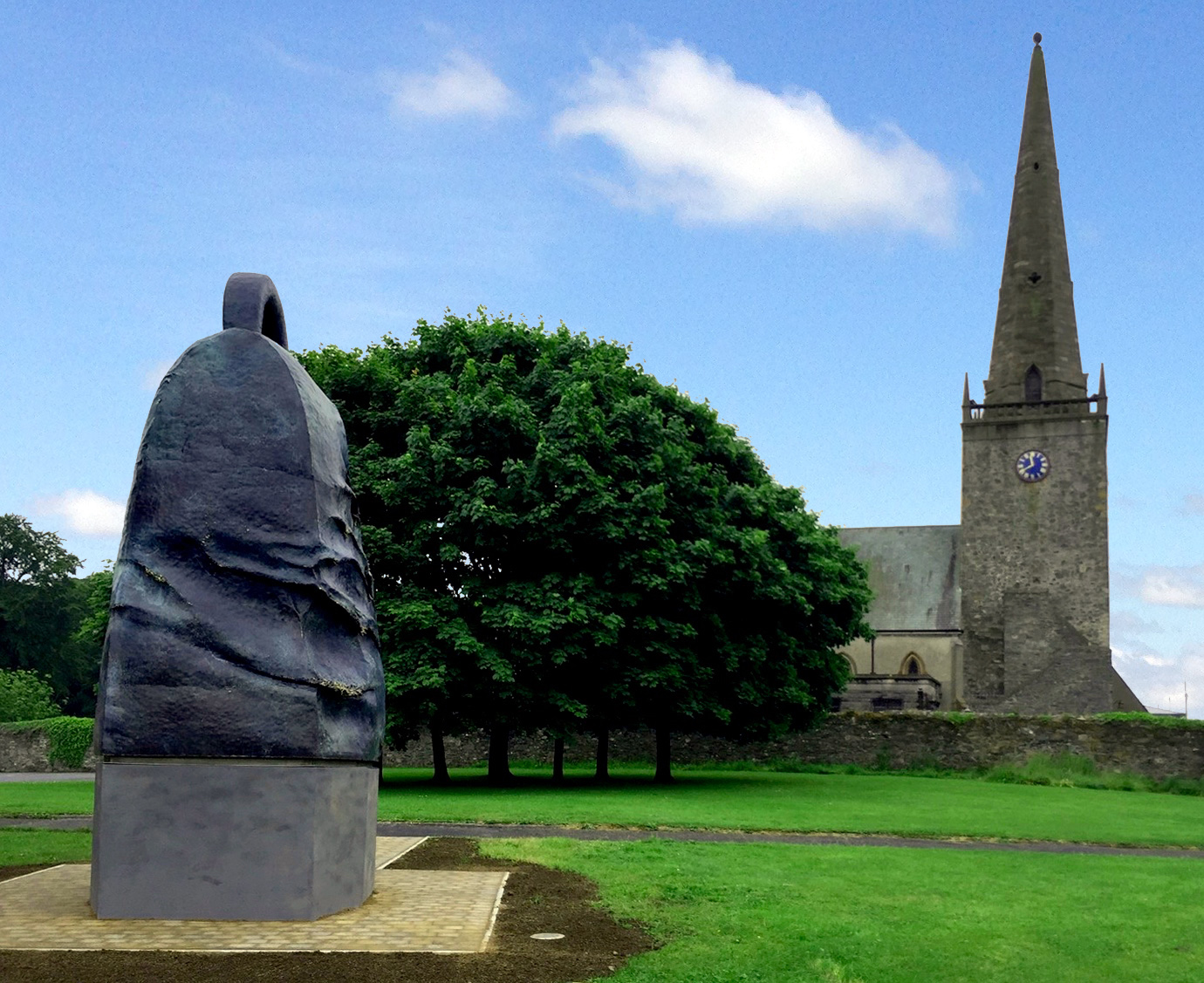
The man standing on the platform in the picture is Holger Lönze. You might remember him from Umha Aois, a post I put up last year about a group of artists and ‘experimental archaeologists’ who use Bronze Age metal working techniques to produce replicas of ancient tools, weapons and musical instruments. Holger – a sculptor – is a key member of that group: his workshop is in Schull and he has just completed a commission to make an enormous bell. You can see the project in progress on the right of the picture. On the left is Donagh Carey, another West Cork artist who worked on the casting.

Left: the original Bangor Bell – the inspiration for the new work – and, right: an early sketch design by Holger of the proposed bell sculpture

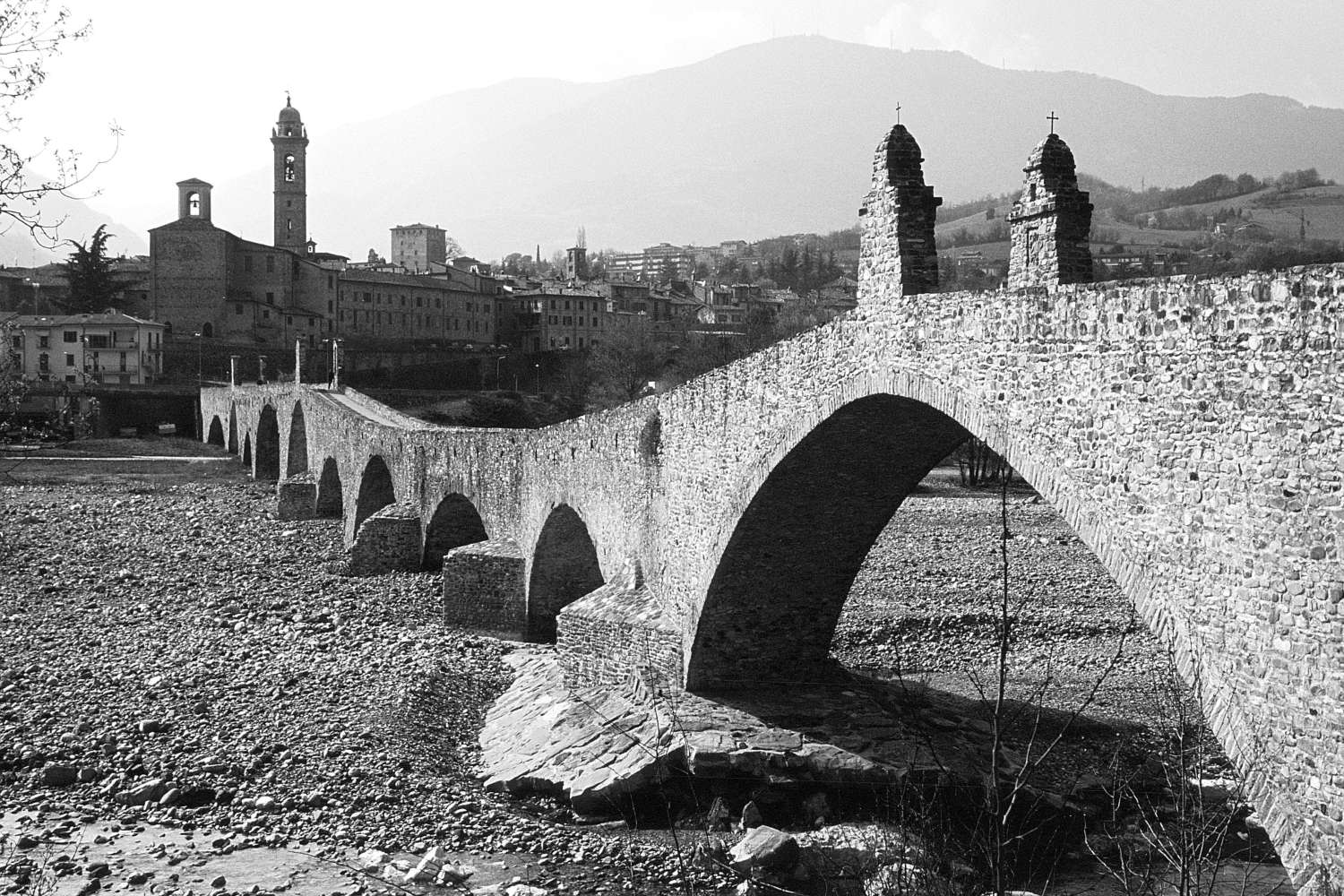
The story begins in the sixth century when Columbanus (the Latinised form of Columbán, meaning White Dove) was born in the Kingdom of Meath, now part of Leinster, Ireland, in 543. That’s about 50 years after the death (aged 120) of St Patrick. Patrick, of course, is the best known of the missionaries building up Christianity in Ireland, but he wasn’t Irish himself, having been born a Roman Briton. Columbanus was Irish, and he saw his mission as spreading Christianity from Ireland throughout the Continent of Europe. His mission was successful and St Columbanus is recognised in Europe as a founder of many monastic settlements during his travels in Gaul, Burgundy, the Alps and finally Italy where he established the great monastery at Bobbio, beside the River Trebbia. Columbanus died at Bobbio in 615 and his remains are buried in the crypt there.

Bobbio_bridge

The medieval bridge at Bobbio with St Columbanus’ great monastery beyond (photo by Herbert Ortner, Vienna, Austria)

There are great stories told about the life of Columbanus. When he walked in the woods, birds would land on his shoulders to be caressed, and squirrels ran down from the trees and nestled in the folds of his cowl. He is also said to have tamed a bear and trained it to pull the plough. Wolves would not harm him. He is usually depicted with a book and an Irish satchel, sometimes with sunbeams over his head. I’m not sure why but Columbanus is known as the patron saint of motorcyclists.

Saint Columbanus – left: depicted on a medieval fresco with book and sunbeams (note he is carrying a bell) and, right: sailing off to Europe with his companions

Getting back to West Cork and the bell: Columbanus travelled to Bangor, County Down – in the far north east of the island of Ireland – where he studied in the  Abbey until he was 40. A beautifully decorated bronze handbell was found near the Abbey by gravediggers in the 18th century; it is assumed to have been buried to keep it safe from Viking invaders in the 9th century. The Abbey is seen as the starting point for Columbanus’s missionary work in Europe and the bell (now in the North Down Museum) is associated with him, although unlikely to have been contemporary with his time there. Holger Lönze has always been fascinated by medieval bronze bells and has made replicas of many surviving examples. He cast a copy of the Bangor Abbey handbell using Medieval metalworking techniques in 2012, and the process is recorded in this video.

Holger’s full-sized replica of the Bangor Bell and (right) Holger in his studio explaining his techniques to Robert

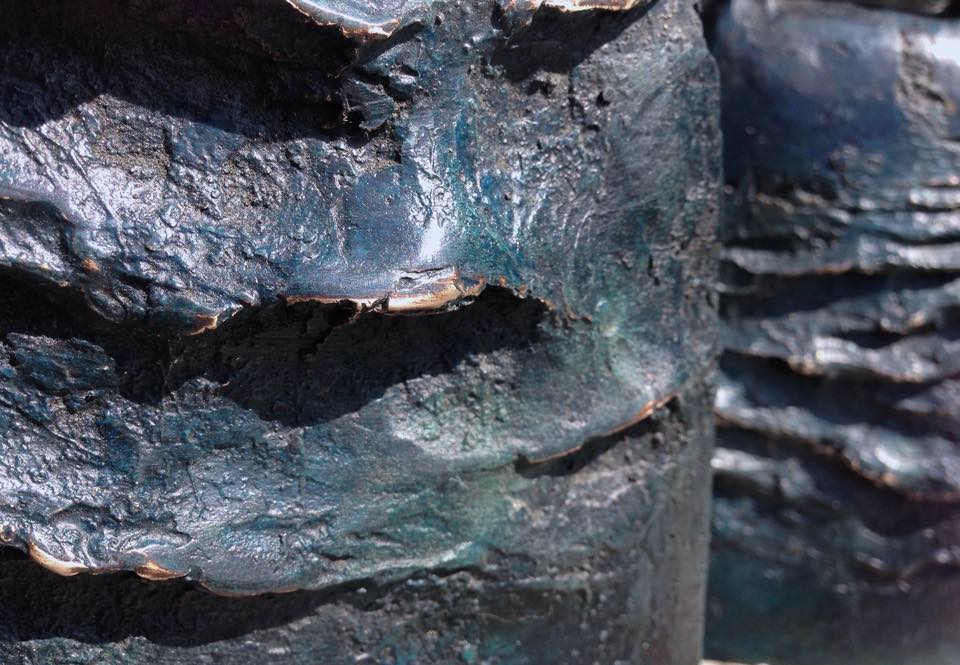
The new sculpture – titled Fluctus Angelorum (Wave of Angels) was commissioned by Ards and North Down Borough Council for Bangor Abbey  as one of a series of works inspired by the extraordinary achievements of Columbanus and his companions. Based on the proportions of the original bell, the surface of the sculpture is shaped like the surface of the ocean. The sea-blue patina and breaking waves are a metaphor for Columbanus’ remarkable sea voyage. The 4m high bell was fabricated in bronze plate in West Cork using the ancient repoussé process – by alternating annealing and hammering and finally welding. It took no less than 400,000 hammer blows to transform flat sheets of bronze into this piece of sculpture!

Bell surface

In the workshop: the surface of the 4m high bell reflects the surface of the ocean and (right) the inside of the great bell: it is mounted on a stone plinth and lit at night. Both bells and waves are striking metaphors to mark the Saint’s 1400 miles journey from Bangor to Bobbio – 1400 years ago

The medieval Bangor Bell didn’t have a clapper: it was carried around and hit with a hammer. Taking me back to my days as a percussionist, Holger allowed me to hit the giant bell… It made a mighty sound! From West Cork the bell travelled the whole length of Ireland, passing its 8th Century sister bells in Cashel, Co Meath and Bangor. It is now installed in the Abbey grounds and was formally unveiled on 13th June. The sculpture is not yet complete – Holger is making a number of smaller ‘satellite’ bells which will be set around it, but even on its own it is a most impressive sight: the largest bell ever made in Ireland.

holger with bell

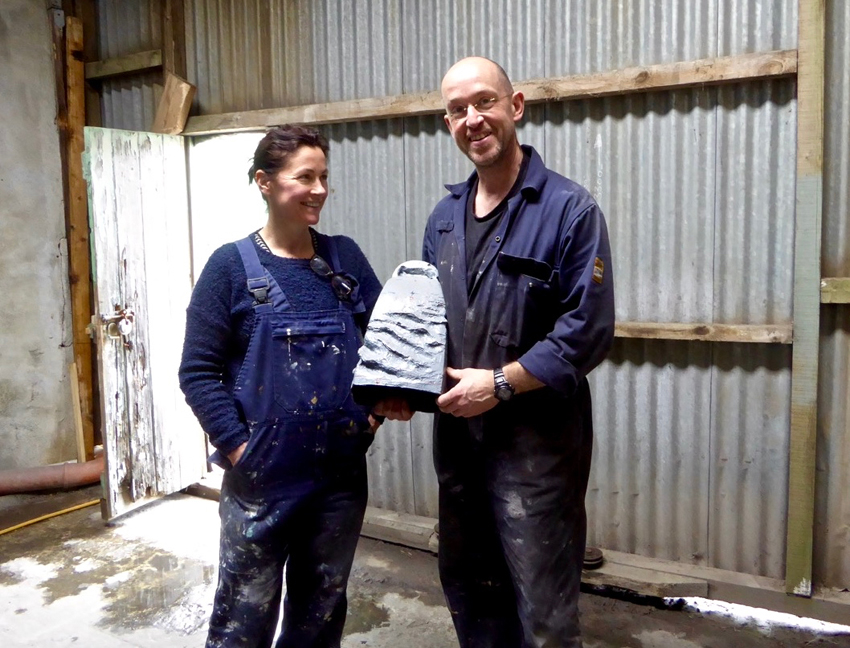
Artist Karen Hendy and Holger Lönze showing the maquette for the bell project in Schull and, below, the bell in its setting at Bangor Abbey

bangor context

I’m often repeating the message but there is no doubt that West Cork is the most creative place I have ever lived! All manner of culture flourishes here and we are privileged to live in a community where we can readily meet and appreciate the work of so many artists; and we have excellent galleries to showcase this work – The Blue House Gallery in Schull (next door to Holger’s workshop), Uillinn in Skibbereen, Catherine Hammond‘s excellent gallery, now also in Skibbereen and The Aisling Gallery in Ballydehob. We are spoiled!

With many thanks to Holger for allowing me to use some of his own images of the work progressing…

Learning from the Masters

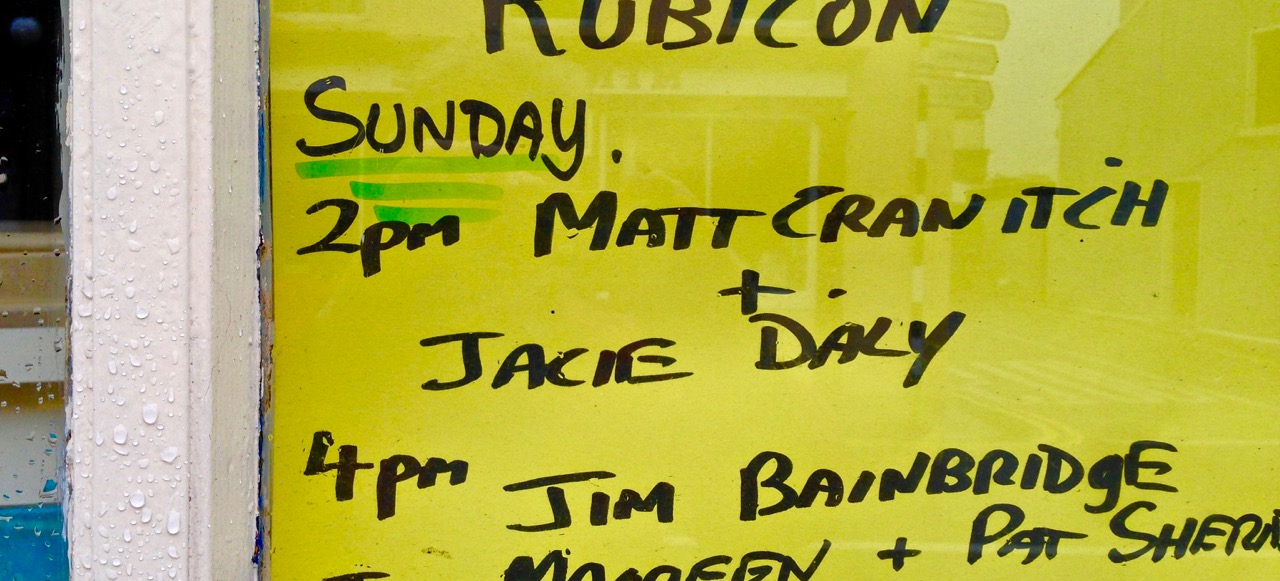
matt + jackie

It’s midsummer – and time for the Fastnet Maritime and Folk Festival in Ballydehob. Amongst the distinguished guests this year are these two regulars: Matt Cranitch and Jackie Daly. They hail from the Sliabh Luachra on the Cork, Kerry and Limerick borders. I’ve made mention of this area before, particularly in Slides or Jigs and The City of Shrone: the name means ‘Rushy Mountains’. I can’t resist quoting from this anonymous and wry review of a book published in 2003:

…I’ve just come across a book which may interest serious Sliabh Luachra obsessives, though not those merely in search of new polkas and slides.  “Sliabh Luachra Milestones”, by Diarmuid Moynihan, is an attempt at the first general history of the area, and grew out of a thesis on early road development in Sliabh Luachra.  It covers, in outline at least, such topics as archaeology, Christianity (traces have been found, apparently), early descriptions by English invaders, historical events, settlement patterns, maps, and of course, roads…

rushy glen

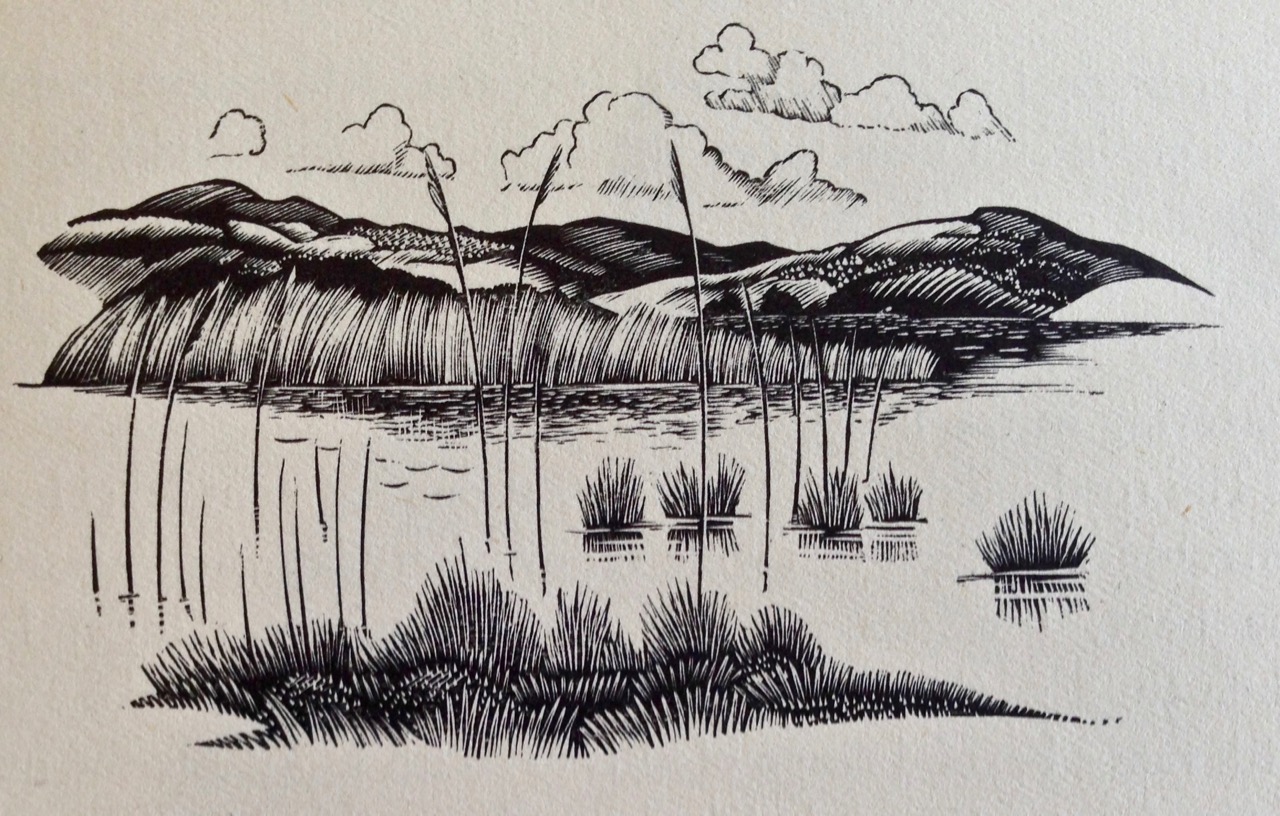
The rushy glens of Sliabh Luachra – from a woodcut by Robert Gibbings

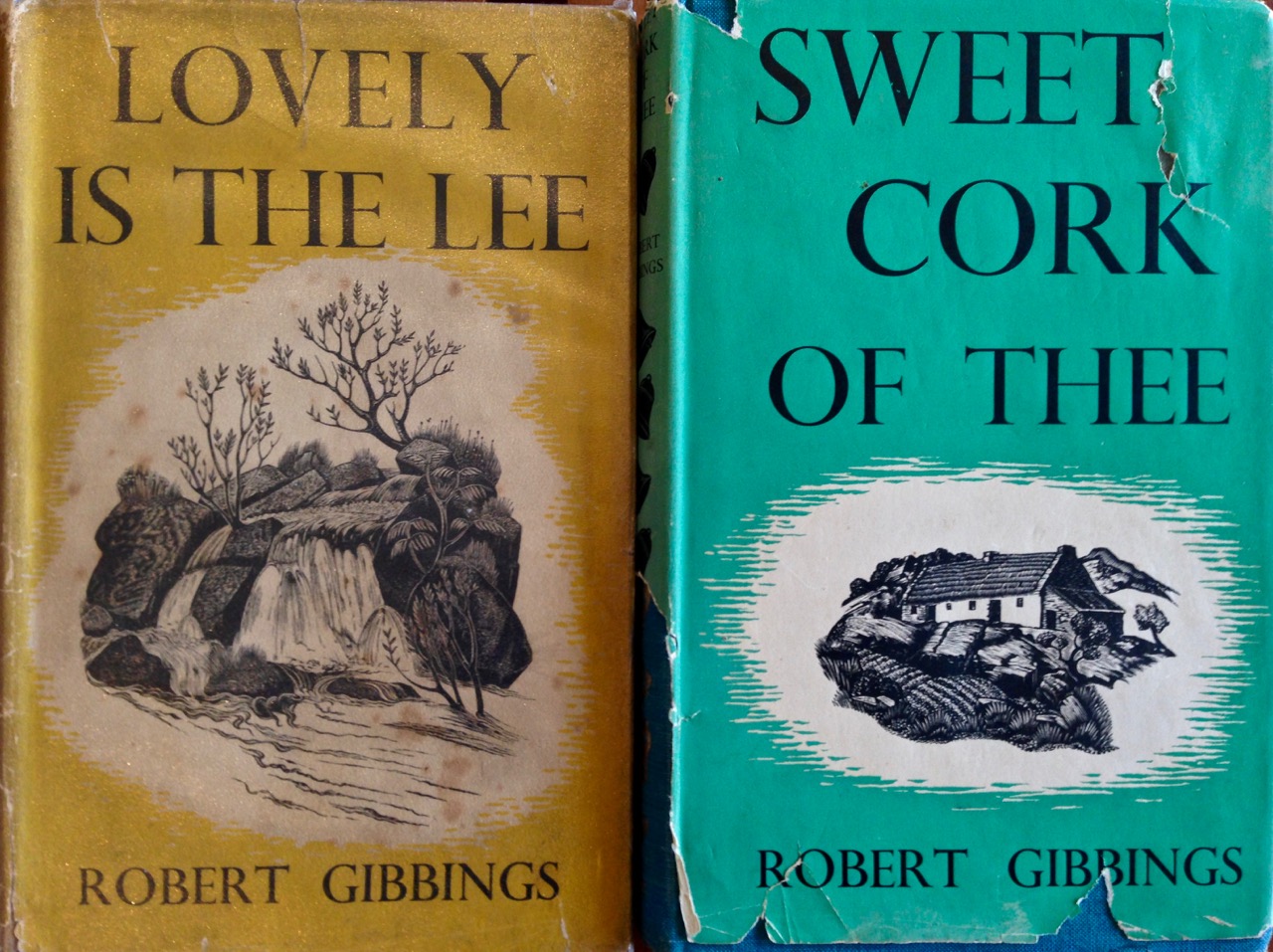
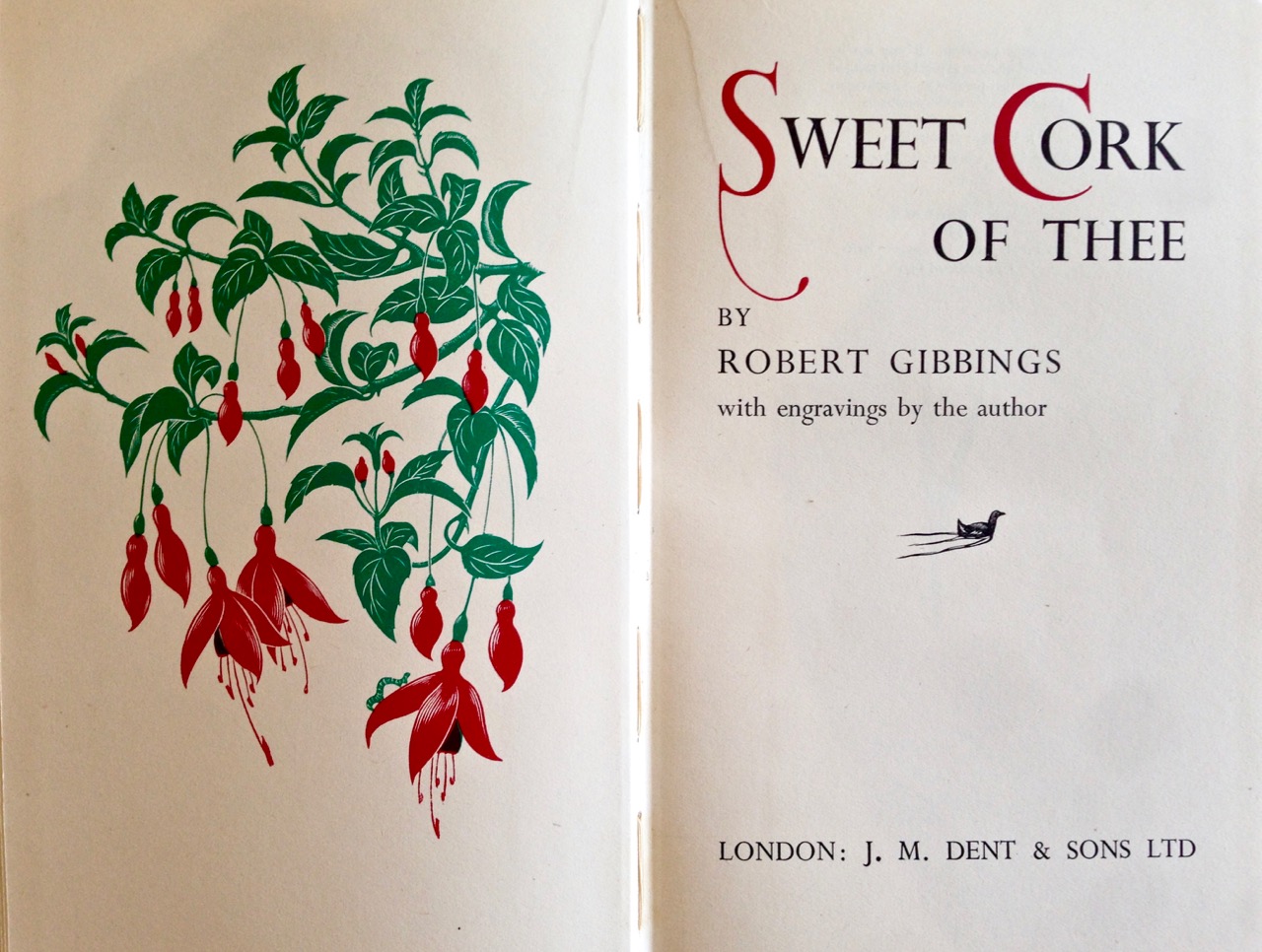
So, am I a Sliabh Luachra obsessive? I think I probably am… It all started in the 1970s when my good friend Danny gave me two books by Robert Gibbings – Lovely is the Lee (J M Dent 1945) and Sweet Cork of Thee (J M Dent 1951). They are my most treasured books in our extensive collection of Irish literature and both are set, in part, in the Sliabh Luachra – and it was these books that set me on a journey that – 40 years later – has brought me here to Nead an Iolair, and to the wealth of musical tradition that we enjoy.

Gibbings books

Sweet Cork title

Jackie Daly is only a year older than I am, yet I remember looking up to him as a master when I first started listening to Irish music half a century ago: I suppose we must both have been more youthful then! He grew up with the music of course: his father played the melodeon, and he played at local ‘crossroads dances’ with a neighbouring mentor Jim Keefe. I still have – and still play – the recordings of Sliabh Luachra musicians that I bought in the early 1970s (and which are still available from Topic Records). Matt Cranitch is a distinguished and respected fiddle player who has also has an academic career and has lectured widely on Irish traditional music.

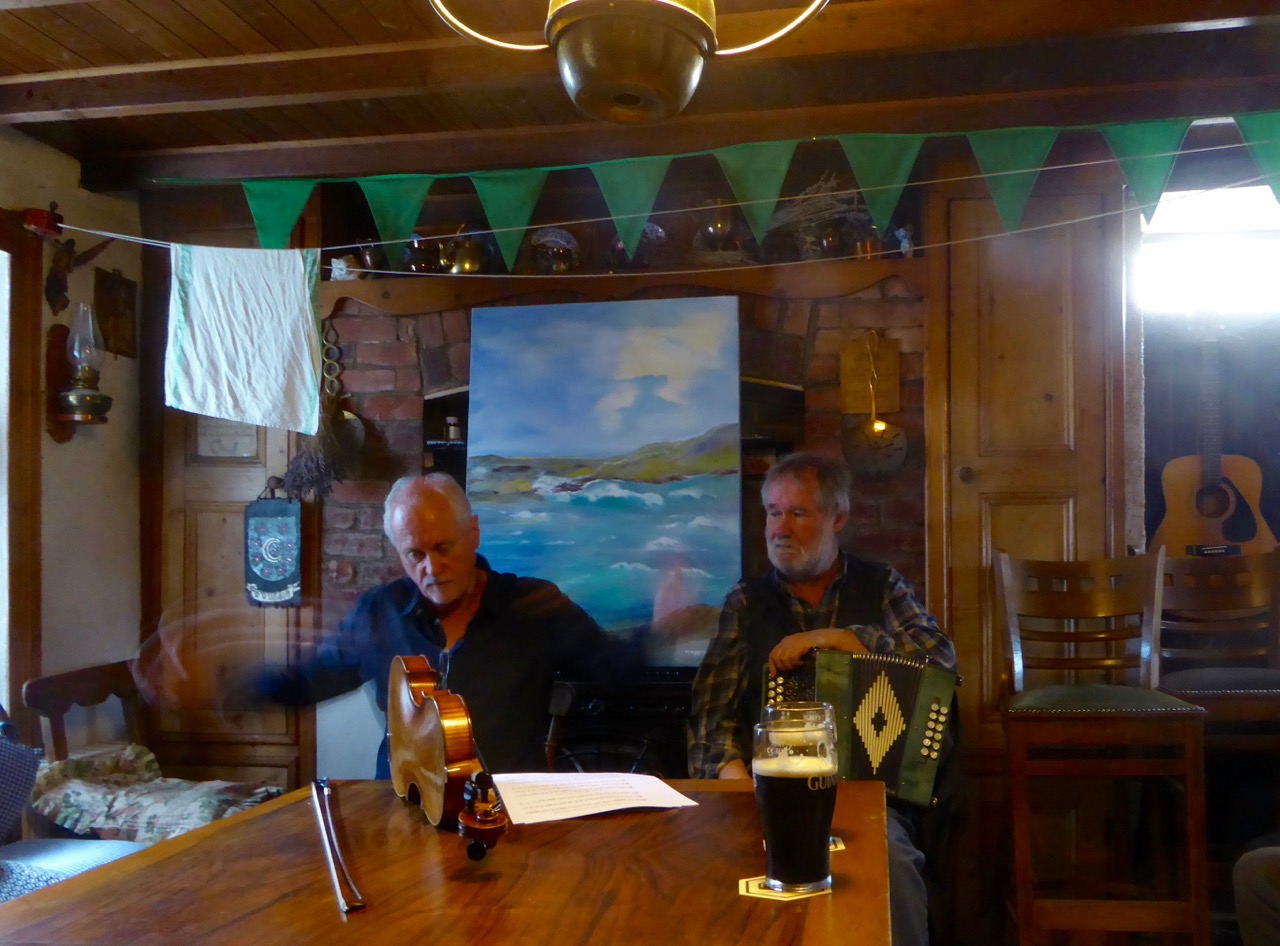
Here’s a taster from the Festival sessions – Matt, Jackie and friends finishing up a set of iconic Sliabh Lauchra slides in Rosie’s Bar

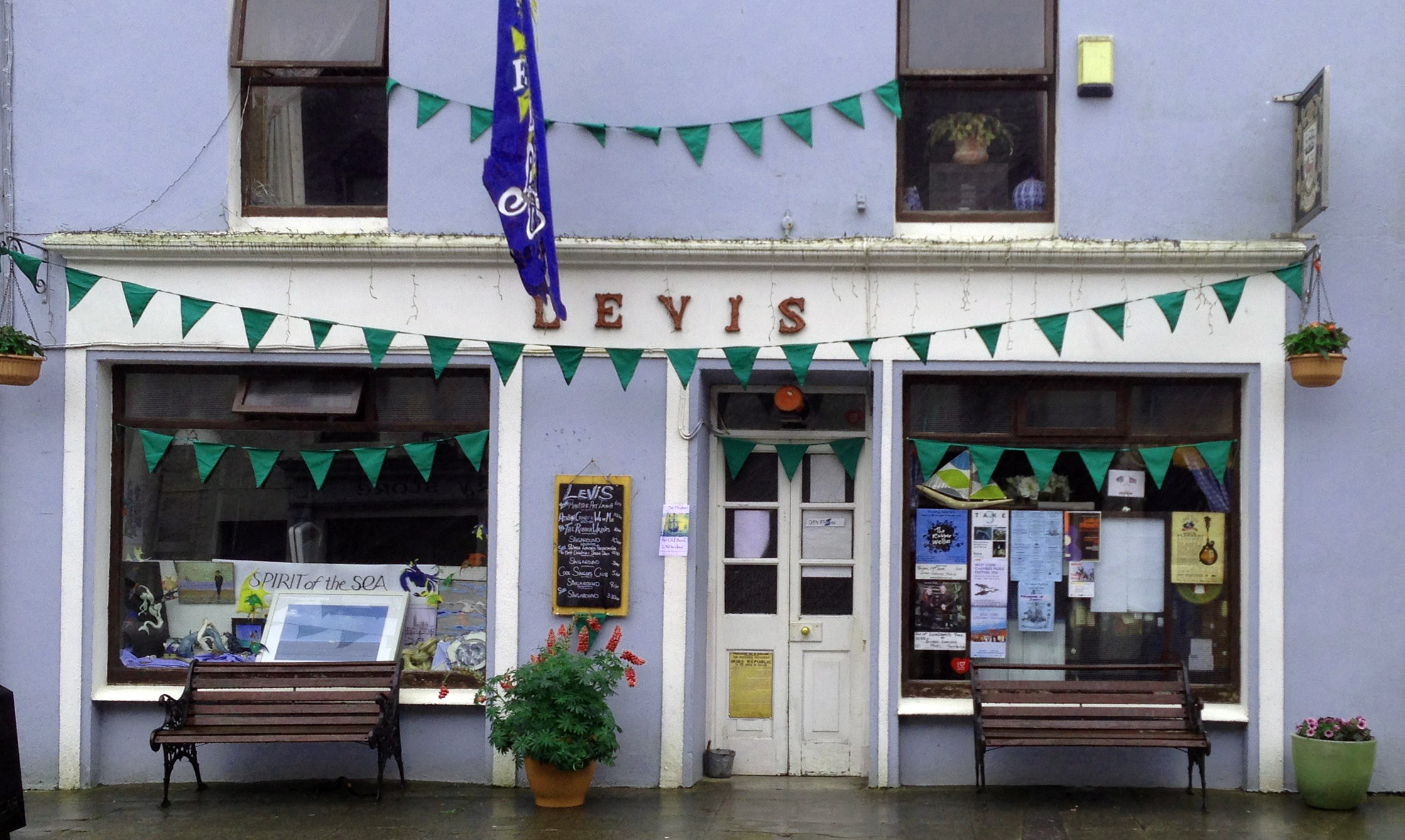
I was fortunate to attend a workshop with Matt and Jackie in Levis’s on Saturday. After a fascinating talk on their traditions we all ended up learning a set of polkas. Wonderful! Those without instruments were cajoled to sing the tunes, so it was a communal affair.

Here you’ll catch the end of a tale by Jackie and a few bars of a beautiful slow air (Maidin Ró-Mhoch) from Matt

The workshop took place in the intimate setting of the back parlour of Levis’s Corner House – on its way to becoming one of the top music venues in Ireland through the efforts of Joe and Caroline yet always keeping its distinctive character.

Levis midsummer day

It takes me a little while to pick up new tunes but the duo were good and patient teachers and we were doing quite well by the end of the session. I thoroughly recommend their latest CD Rolling On (2014), which includes Maidin Ró-Mhoch and many other fine Sliabh Luachra pieces.

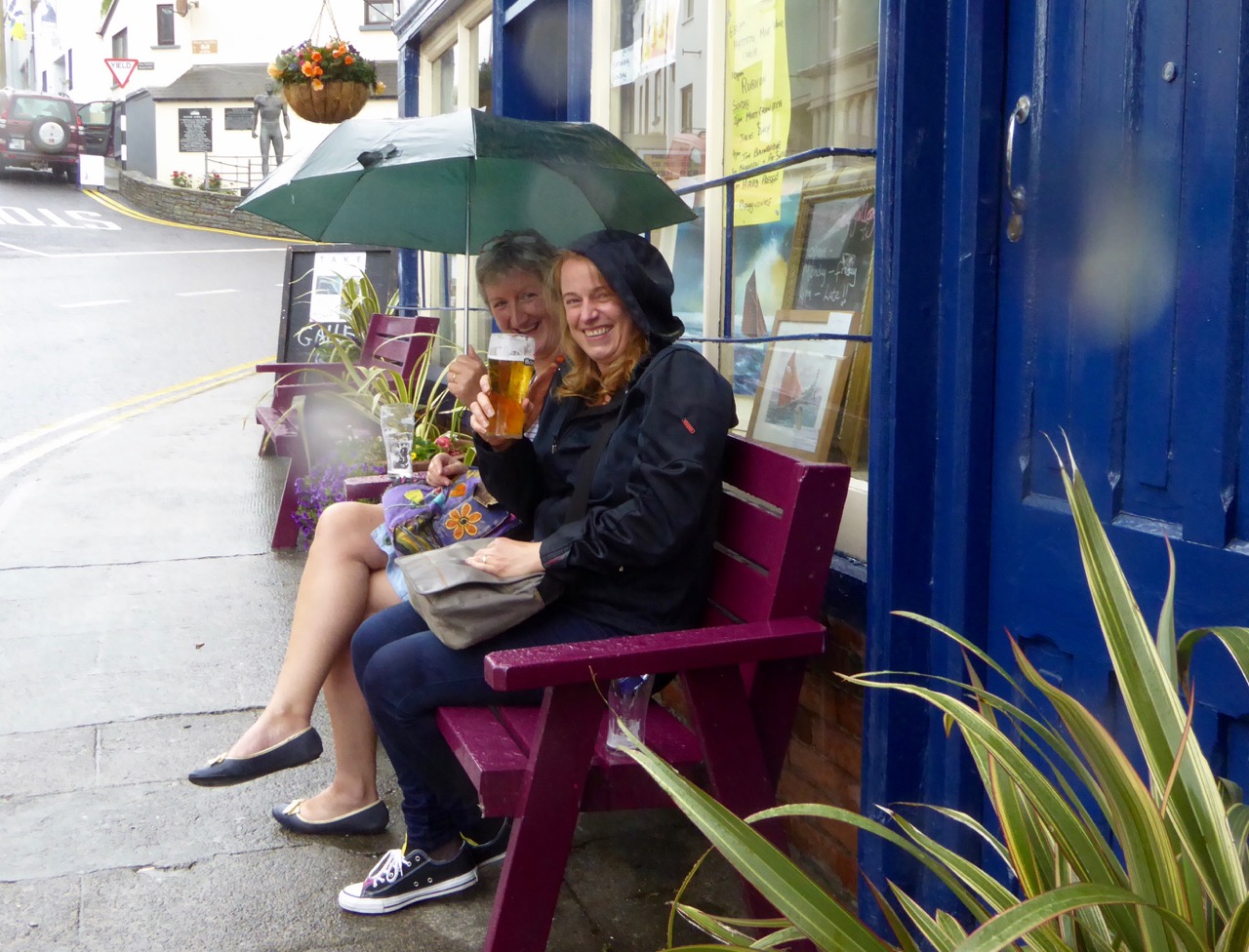
As usual, Ballydehob has embraced this festival – one of many through the summer – and the town is rocking in the rain… there are visitors from afar: Hyttetu – a maritime themed male voice choir from Norway, Swansea shantymen Baggyrinkle and very many others, including someone who has been at the forefront of the Irish folk music scene for many years, Andy Irvine.

yellow poster

festival time!

Festival time – midsummer’s day!

So many thanks to all the organisers, particularly Dick Miles and Cathy Cook, and the landlords of all our local hostelries: it wouldn’t happen without them. Now I’m off home to get dry and practice those tunes!
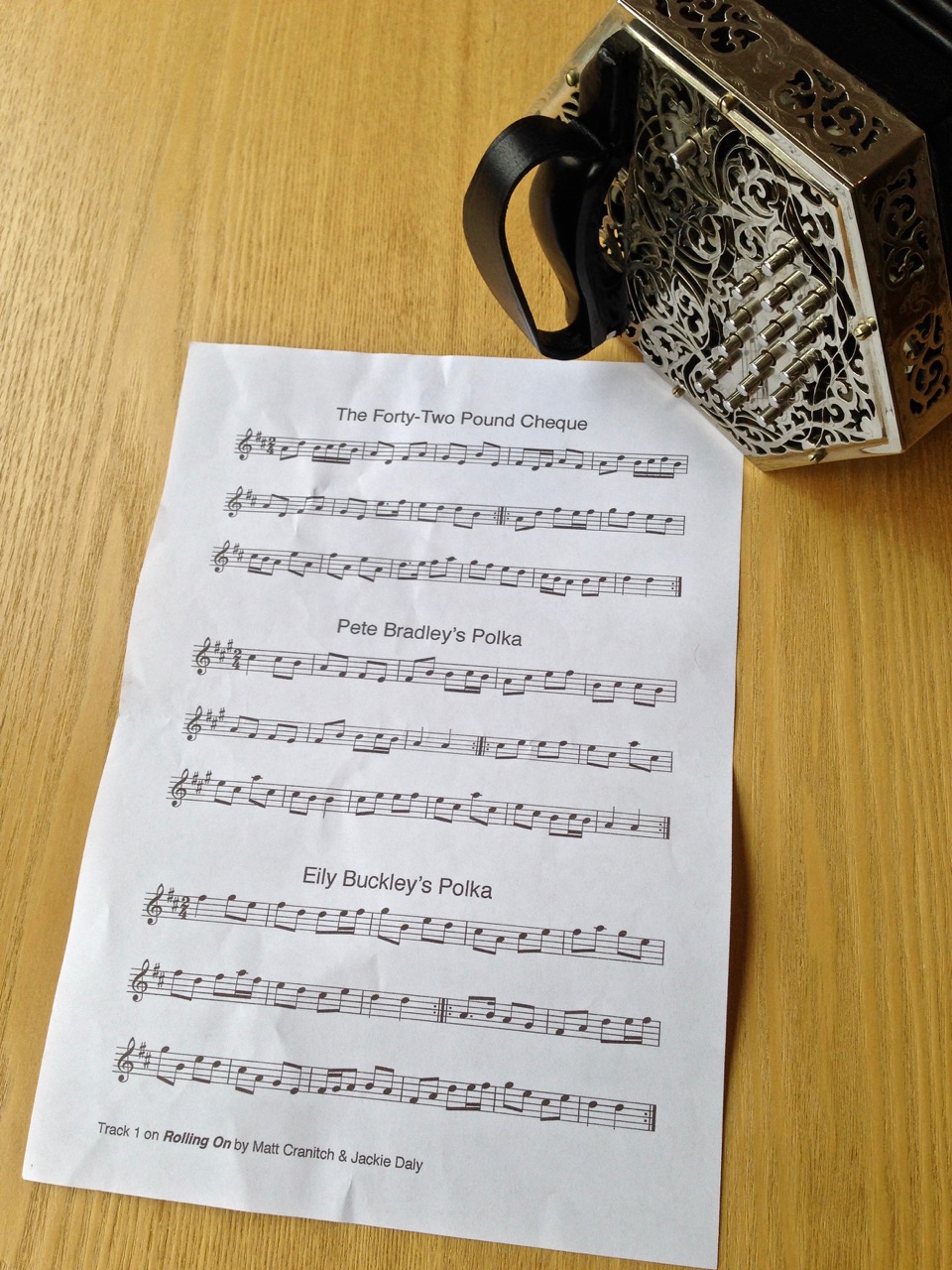
3 polkas