Time to Refresh

Mum and three lambs

Everything is looking fresh and new in West Cork these days as we revel in the early summer light. Time to perk up Roaringwater Journal too, with a new look and feel and better navigation. We like this full-page look, with the menus in sidebars and more information in the footers. It’s designed to look good on all devices.

We hope you agree, but do let us know what you think.

High Drama!

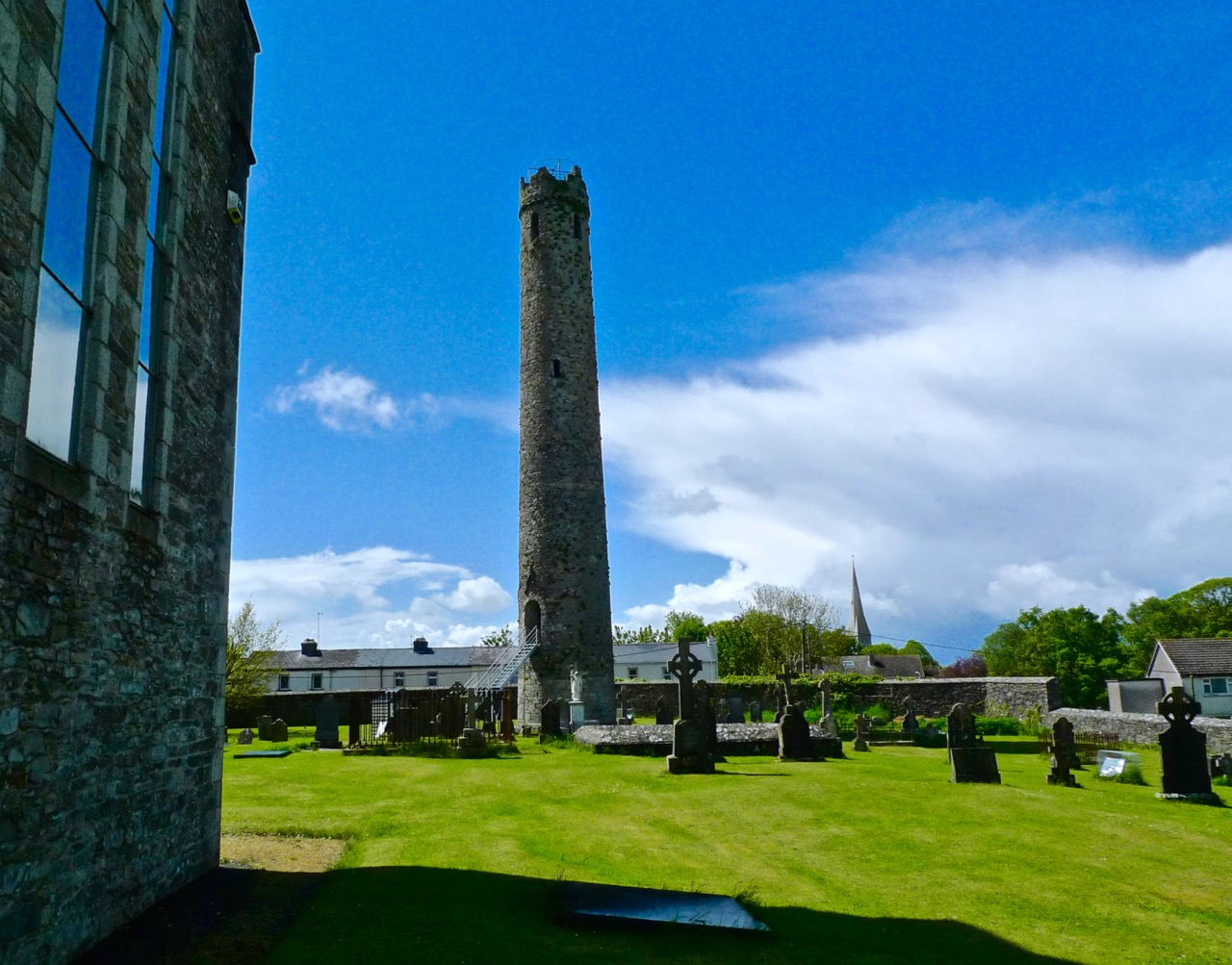
tower in context

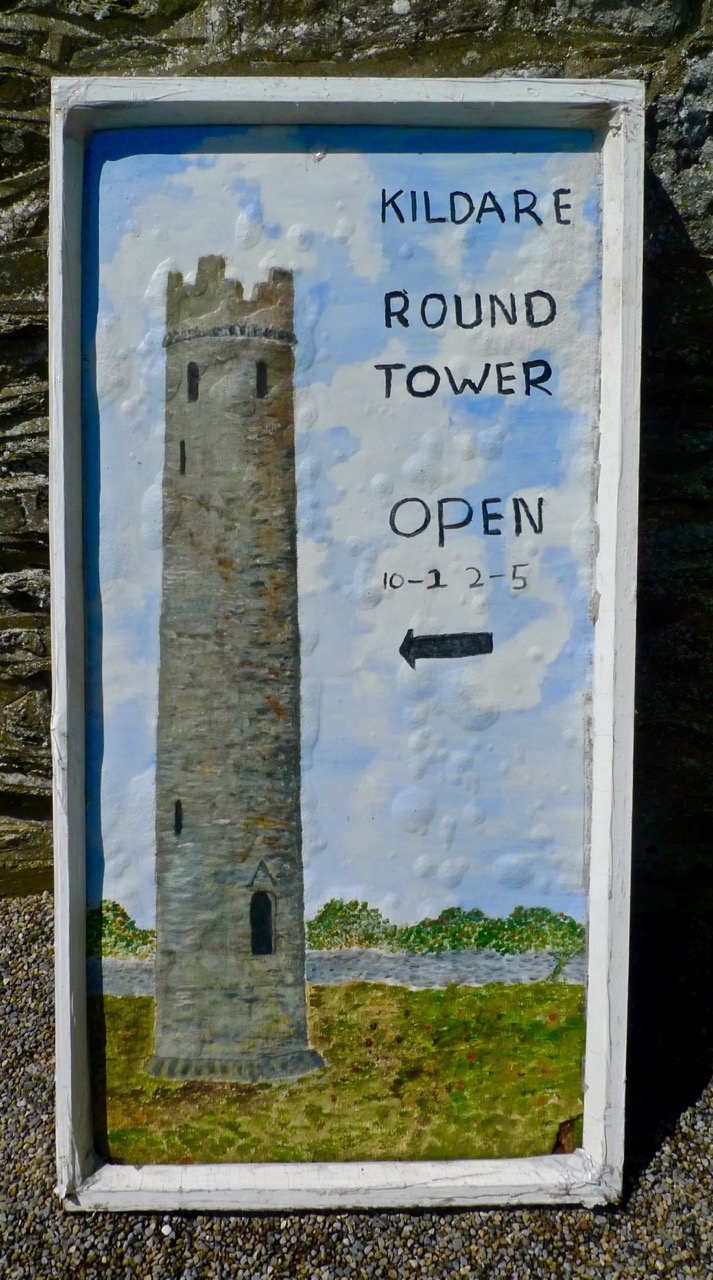
If you suffer from vertigo or claustrophobia – or both – then you won’t want to follow us in the adventure we had this week while returning from a visit to Dublin: climbing to the top of an Irish Round Tower! Overcoming any tendencies we might have had towards these phobias, we arrived at the roof of the 32.6 metre high Kildare tower and marvelled at being able to stand on the summit of a piece of architecture over a thousand years old. Kildare has the second highest Round Tower still extant in Ireland: the highest is at Kilmacduagh, Co Galway, at 34.9 metres; however, Kildare now lacks a conical cap, which it might once have had. If so, it would just tip in as the highest of all the towers.

Kildare Round Tower: note the battlemented top - probably added in an 18th century restoration, the romanesque doorway and the granite base. The upper stonework is limestone and sandstone

Kildare Round Tower: note the battlemented top – probably added in an 18th century restoration, the romanesque doorway and the granite base. The upper stonework is limestone and sandstone

The print above – dating from 1788 – shows the ruins of St Brigid’s Church, which was fully restored as a Church of Ireland Cathedral a hundred years later. We looked down on this from our vantage point atop the Tower – and had a good view of the (also restored) Fire Temple where a perpetual flame, lit by the Saint, was kept burning for hundreds of years, finally being extinguished by the shenanigans of Henry VIII.

Looking down on Kildare Cathedral, with St Brigid's 'Fire Temple' in the grounds

Looking down on Kildare Cathedral, with St Brigid’s ‘Fire Temple’ in the grounds

You’ll have heard me talk about St Brigid many times: she’s second only to St Patrick in the Irish Martyrology. In fact, as probably the most influential woman in Irish history, I’m going to declare her as quite the equal of St Patrick: she’s often enough described as one of the Patron Saints of Ireland. You will also know that she is surrounded by folklore and traditional customs, such as the making of her Cross on her day, the First of February.

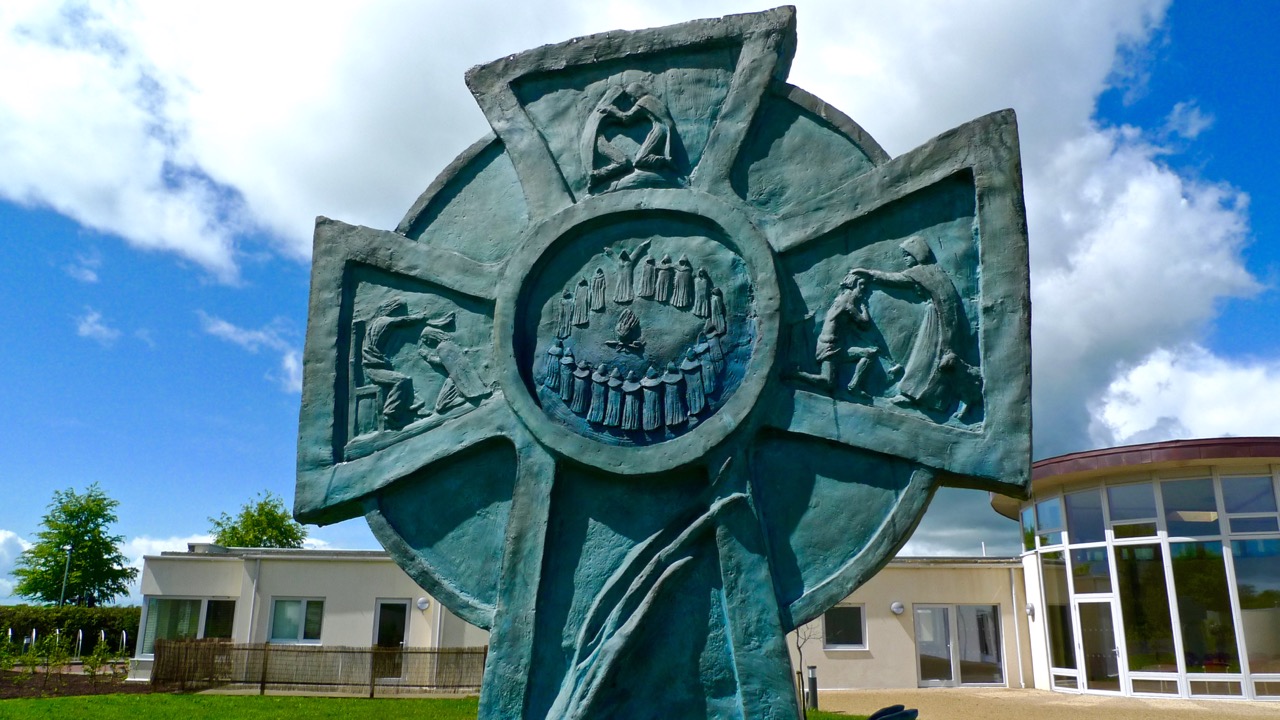
St Brigid’s Cross – left, at her Holy Well and right, a textile in the Solas Bhride Centre, Kildare

Back to the adventure (although the whole day was adventurous!) – climbing the tower was hard going. There were a series of near-vertical ladders to be negotiated: each one took us to a higher timber platform, six floors in all. At the top of each ladder we had to squeeze ourselves through a narrow opening; this, and the confines of the tower interior – only two metres or so across – certainly challenged the claustrophobiac in me.

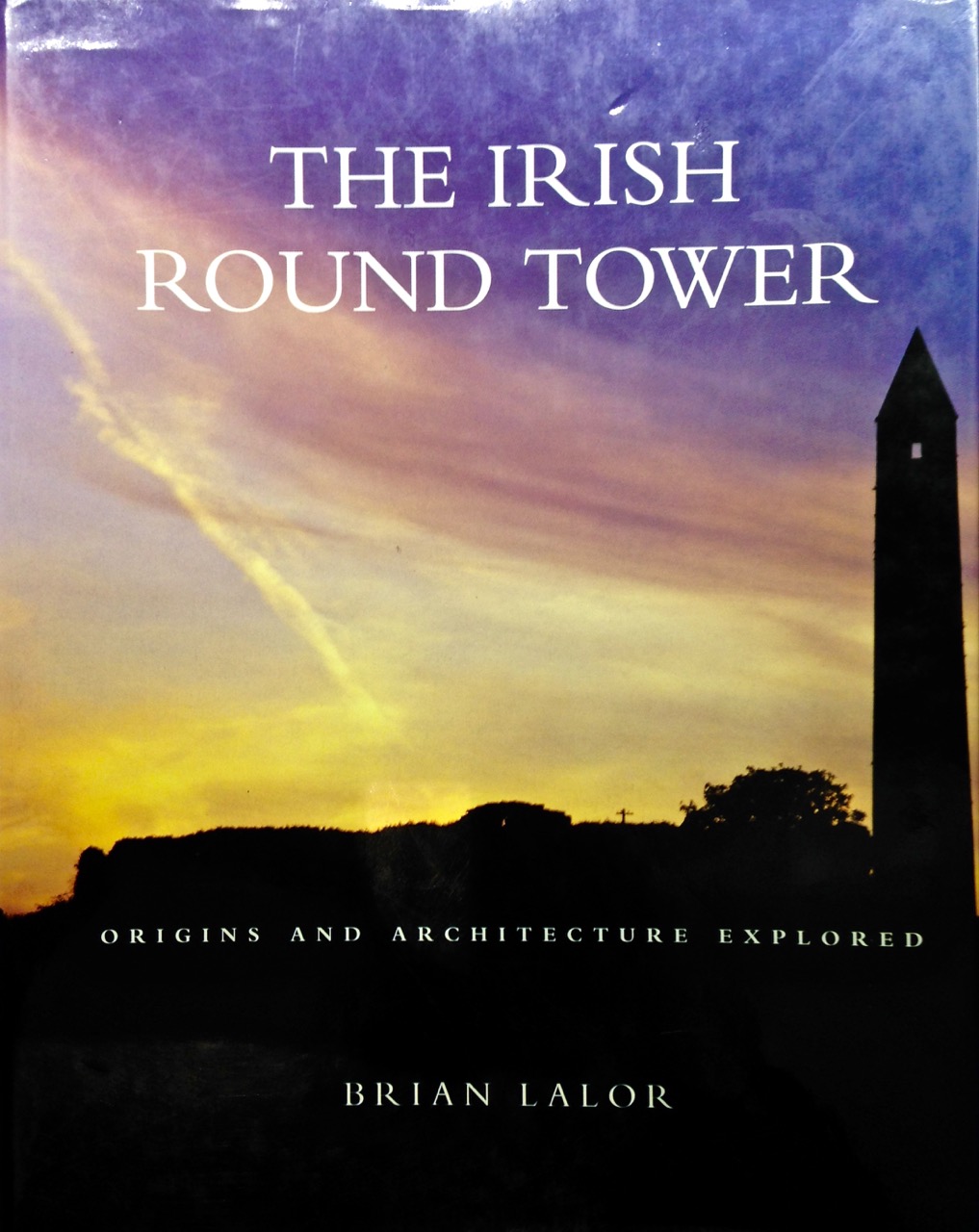
The restricted space also made us question some of the theories about the uses of these towers, which are always located at ecclesiastical sites. The definitive work on them is, as it happens, written by someone who also lives in West Cork – just a little distance from Nead an Iolair: Brian Lalor. Brian has led a very full life, involving architecture, archaeology, sketching and printing (his etchings are exquisite). He is also the author of a number of books, many of which are on our own shelves, including The Irish Round Tower, published by The Collins Press, 1999 and 2005.

lalor

Brian is unequivocal in his assertion that the primary purpose for round towers was to house the monastery bell. He also suggests that a secondary function would be as a safe storage place for the monastic treasures: the entrance door was always raised at a considerable height above the surrounding ground level, requiring steps or a ladder to gain access. In the times when they were constructed they would have been visually impressive – and could be seen from a great distance. They would have acted as signposts for travellers who might have been searching for the hospitality which monastic communities always offered. Brian discounts some of the more bizarre theories for the towers – for example, that they might have been places of safe refuge for the monks if under threat of attack by Vikings – or that they are simply phallic symbols! Lastly, Brian considers – and gives some credence to – the idea that the towers were monumental buildings of prestige and local aristocratic patronage: certainly, they required considerable expense and effort to construct.

centre entrance

As is often the case with our days out, one adventure led on to another. When we came down from the tower we found that St Brigid’s Cathedral had closed for lunch. But we knew that the Saint’s trail also involved a Holy Well and we had heard that there was a new building devoted to the work of Brigid just outside Kildare.

Solas Brhíde Centre

Solas Brhíde Centre

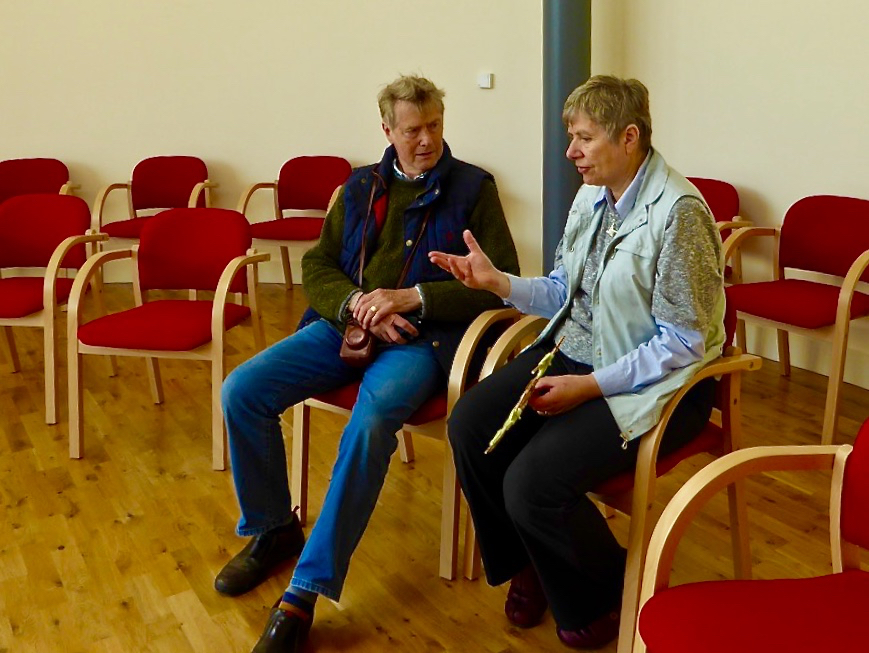
Robert with Phil, one of the Sisters who conceived the project

Robert with Phil, one of the Sisters who conceived the project

We were very impressed with the Solas Bhríde Centre: a small group of Brigidine Sisters has put together the project to build a Christian Spirituality Centre which unfolds the legacy of St Brigid and shows that it is still relevant in the present day. We were shown around the Centre by one of these Sisters, Phil, who pointed out that Brigid was attuned to the natural world and would have appreciated that the new building (designed by Solearth Ecological Architecture) is conceived on ecologically sound terms using sustainable materials and techniques which care for the wellbeing of the Earth. The plan of the building is appropriately inspired by the shape of a St Brigid’s Cross.

Architect's drawing of the newly completed building

Architect’s drawing of the newly completed building

The next stop on our itinerary was the nearby Holy Well – a popular place of pilgrimage and veneration on St Brigid’s Day:

Finally, we arrived back at the Cathedral. I’m always a little disappointed by restorations – particularly those which were carried out in Victorian times; nevertheless there are some impressive features. The possibly twelfth century font is one of them (below left), and another has to be the hidden Sheelagh-na-gig under the lip of Bishop Wellesley’s tomb (below right). I reached under to feel this little carving, and was then told by the Cathedral’s guardian that anyone who touches the effigy is ensured everlasting fertility!

The excellent Heritage Centre opposite the Cathedral entrance is informative about the town’s history and the important connections with this special Saint. There is much more to be discovered – and written – in respect of St Brigid, and other places in Ireland which are connected with her still to be visited. Do go to Kildare and, at the very least, suspend your phobias sufficiently to allow you to climb the ancient Round Tower. But make sure you go between May and September – and not during the lunch hour…

tower poster

Trading Up in Tudor Times: Fortified Houses in West Cork

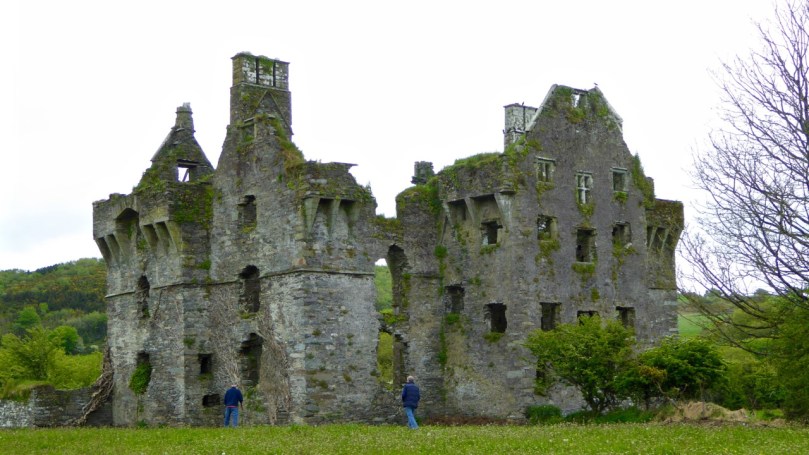
Coppinger's Court, Ballyvireeen, near Rosscarbery

Coppinger’s Court, Ballyvireeen, near Rosscarbery

Fortified houses are a distinctly Irish phenomenon. The Tudor period in Britain ushered in a great era of house building with many distinctive features. But England was a peaceful place – the owners of these great houses did not expect to be attacked. Tudor Ireland was a very different environment: life was still dangerous and conflict between the native Irish and the planter class, or between Irish clans, was common.

Machicolations at Coppinger's Court

Machicolations at Coppinger’s Court

Up to the end of the 16th century the castle/tower house was the residence of choice of the powerful – a tall stone keep mainly focussed on defensive features and horribly uncomfortable to live in. (See When is a Castle..? for a complete run-down on tower houses.) These new houses emphasised the horizontal rather than the vertical, and were built with comfort in mind. However, they incorporated some of the defensive features of the tower houses – they were “fashionable but defendable.”

Mullioned windows

Mullioned windows

In Ireland they represented “a public display of power and wealth…[and] a long-term investment in their owner’s regional future and were monuments to an aspiration for an English and Continental house style suited to local Irish conditions. On a basic level  the construction of a fortified house represented the owners desire to modernise and Anglicize.” These quotes and much of the information that follows is taken from The Fortified Houses of County Cork: Origin, Fabric, Form, Function and Social Use of Space, by Joe Nunan, who has generously made it and related material available on his website.

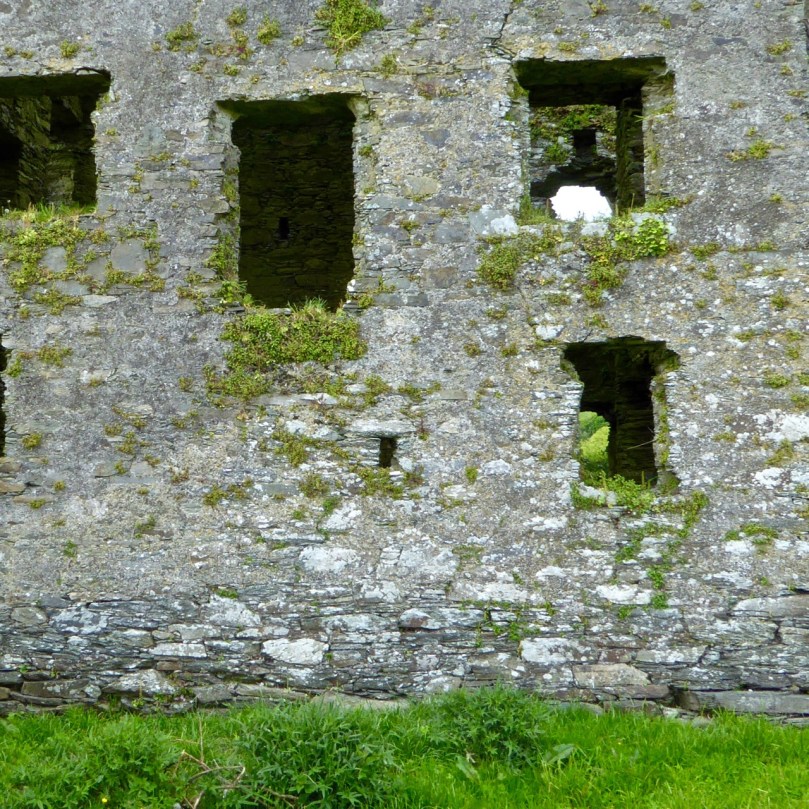
Gun loop at ground floor level, Coppinger's Court

Gun loop at ground floor level, Coppinger’s Court

Fortified houses were built of stone but all internal floors, stairs and partitions were of wood. Defensive features included machicolations, bartizans, wall walks, gun loops, corner towers or wings to provide for flanking fire. They were built starting about 1580 up to about 1650.

Tower and Bartizan, Reeandisert

Tower and Bartizan, Reenadisert

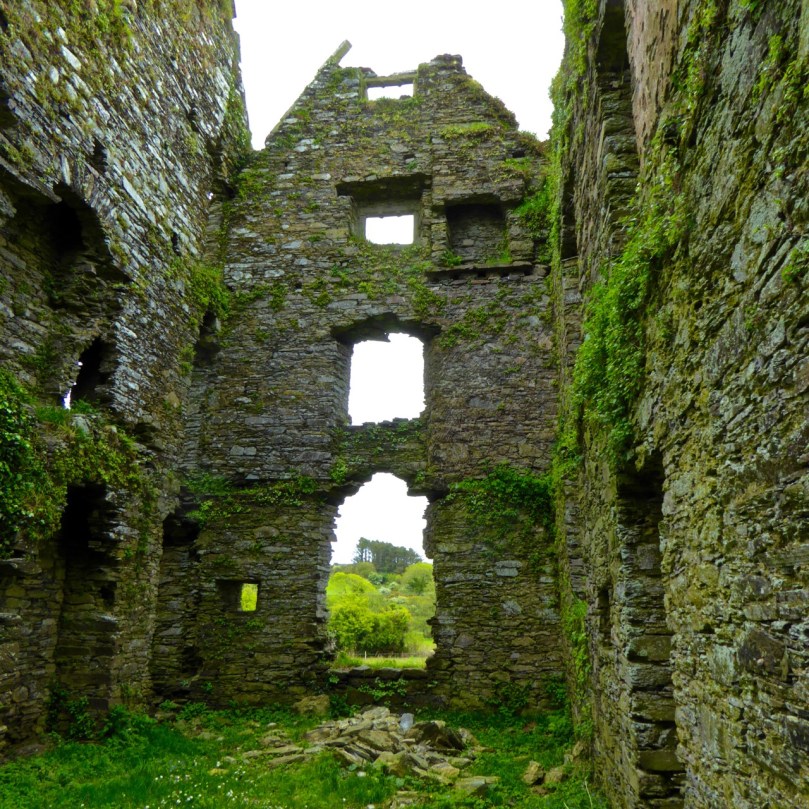
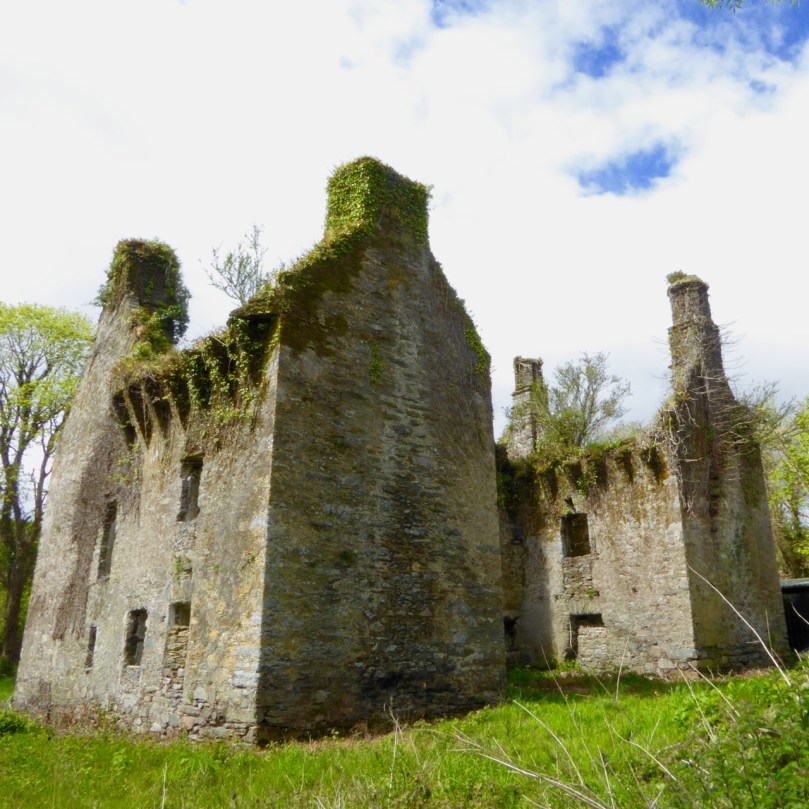
There are four (or five, if you include Baltimore Castle) surviving fortified houses in West Cork. The one that is most accessible (should you wish to visit) is Coppinger’s Court, in Ballyvireen townland near Roscarbery. It is also one of the most magnificent examples of this type of dwelling in Ireland. Some of the mullions remain in upper windows, and a sharp eye will spot gun loops in the outer walls. The machicolations are particularly fine, with impressive cut stone supports. This was the home of the infamous Sir Walter Coppinger, whose plan was to build a complete settlement around him in this lovely spot on the banks of the Roury River. He was a despot who got rich through clever manipulations of mortgage documents and he was said to hang his enemies from a gibbet from one of his windows.

The chimney on top of this wall has fallen - note the pile of stones on the ground.

The chimney on top of this wall has fallen – note the pile of stones on the ground

The house was so awe-inspiring in its time that the legend developed that it had a window for every day of the year, a chimney for every week and a door for every month. The house was eventually attacked and ransacked in 1641 and has sat in ruins ever since. Sadly, one of the magnificent chimneys fell down in the storms of early 2014. Evidence of a bawn wall remains, with possible outdoor cooking areas.

Gearhameen - a U shaped plan

Gearhameen – a U shaped plan

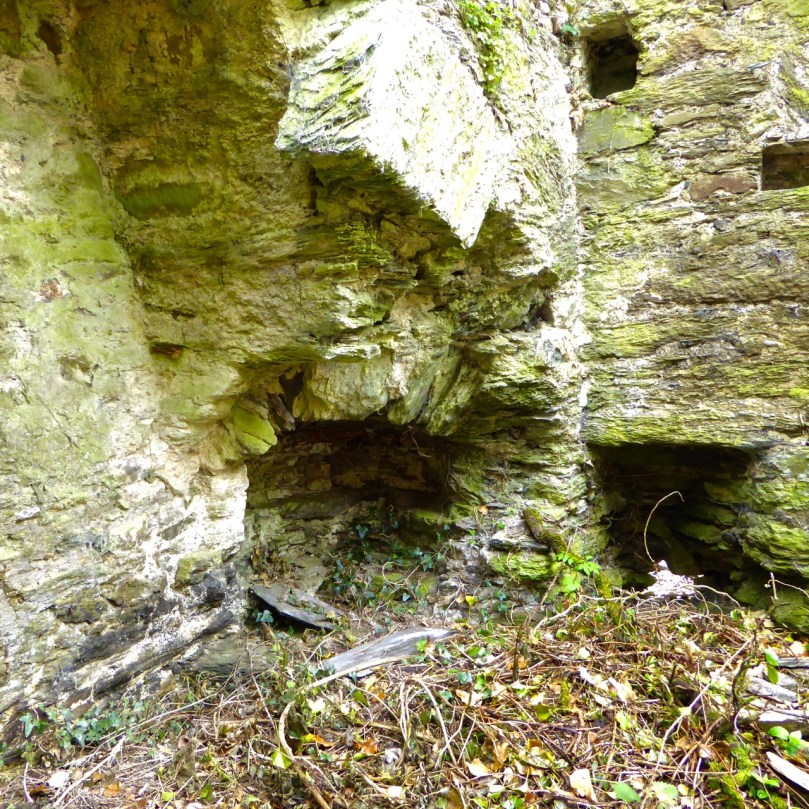
The fortified house at Gearhameen near Durrus, built by the MacCarthy Muclaghs, provides evidence of the comfort that these new ‘castles’ provided. The household work was done on the ground floor – large kitchens contained huge fireplaces, and in this house we can see the main kitchen fireplace had a bread oven to one side and a slop hole for sweeping out leftovers to the pigs, who must have been in an attached pen (the smell!).

Large ground floor fireplace with bread oven

Large ground floor fireplace with bread oven

The first and second floors have large fireplaces, with magnificent herringbone chimneys still intact (and hosting nesting choughs).

Rather than the machicolations we see at Coppinger’s Court, corbels on the outside walls probably supported wooden or stone platforms.

Corbels supported a platform for defenders

Corbels supported a platform for defenders

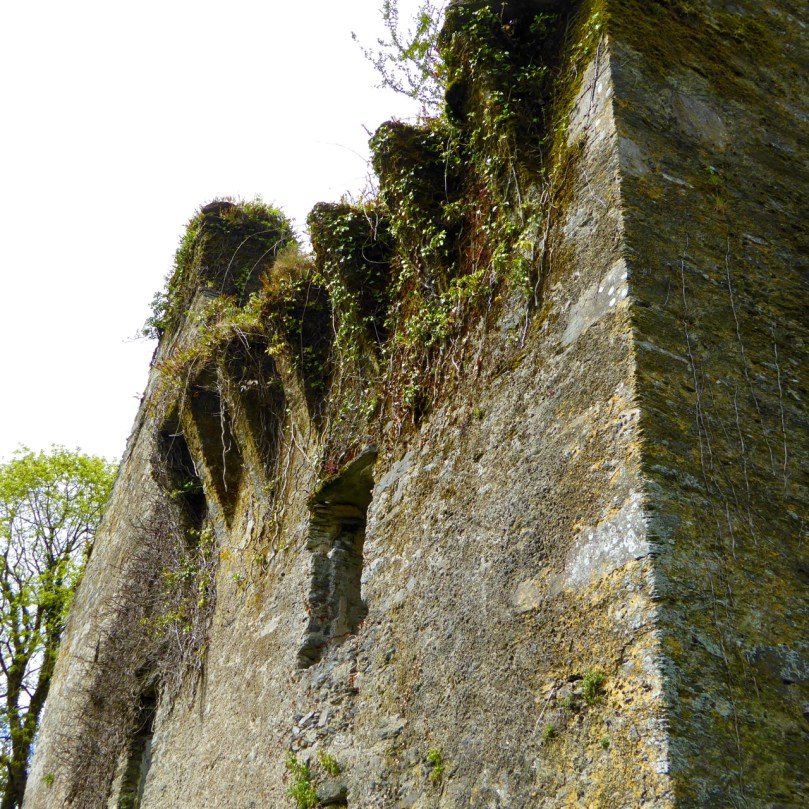
Like Coppinger’s Court, the outer walls still stand to their full height, but the loss of a keystone above one arch, and the consequent development of a large crack above it, bodes ill for that section of the wall.

Missing keystone

Missing keystone

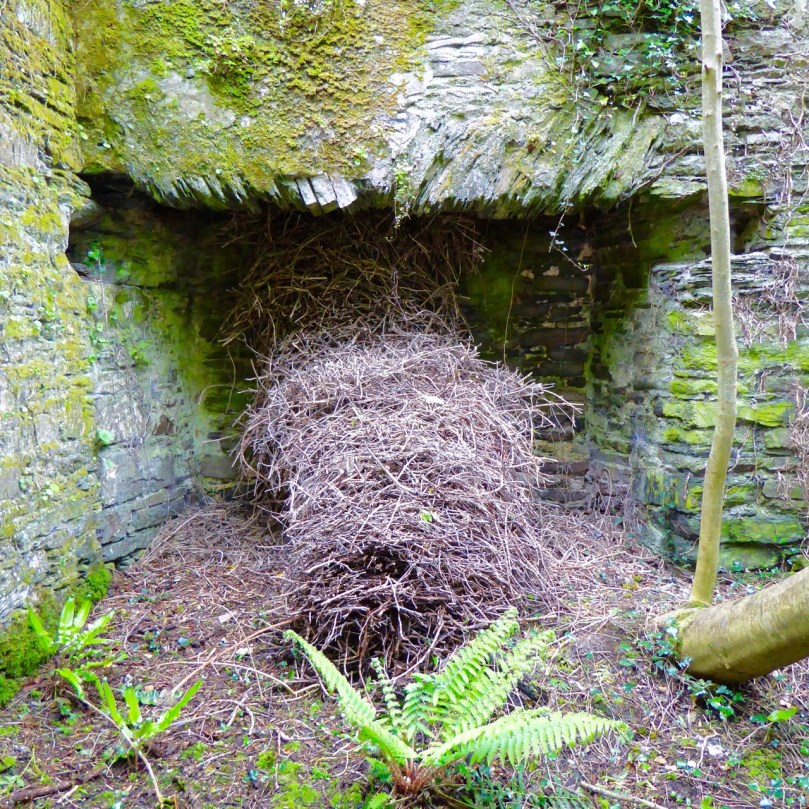
The house at Reenadisert, near Ballylickey, has been built onto and within over the centuries, serving as a modified dwelling place and as farm buildings. It was the stronghold of an O’Sullivan and has an impressive bartizan on one of the external towers. It is in a very ruinous state inside – the eeriness is enhanced by an enormous crows’ nest that has fallen from inside one of the chimneys to rest on the ground. There is evidence of a basement but this cannot be accessed.

Fallen nest

Fallen nest

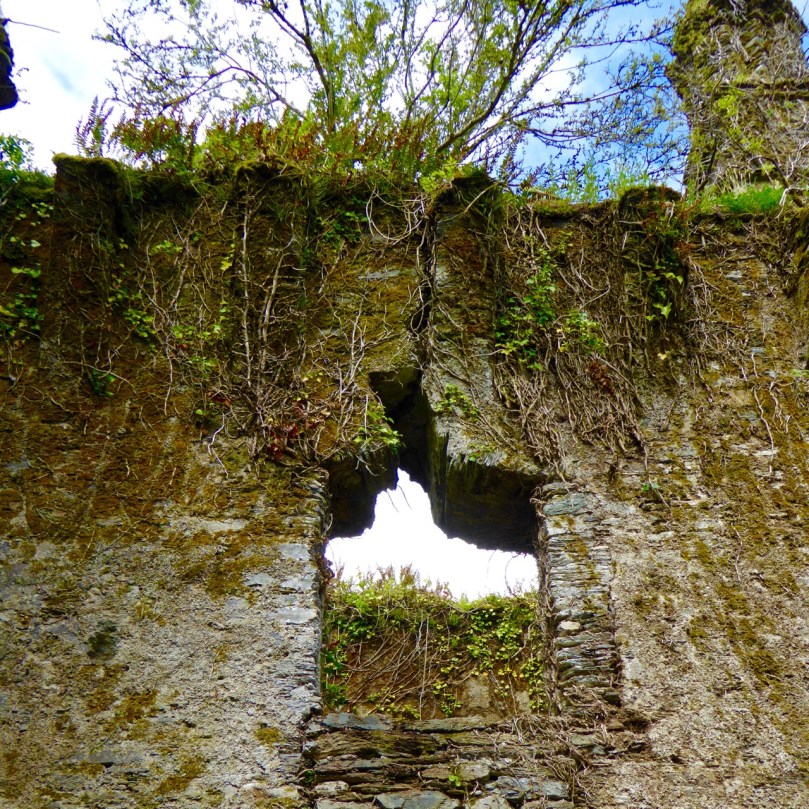
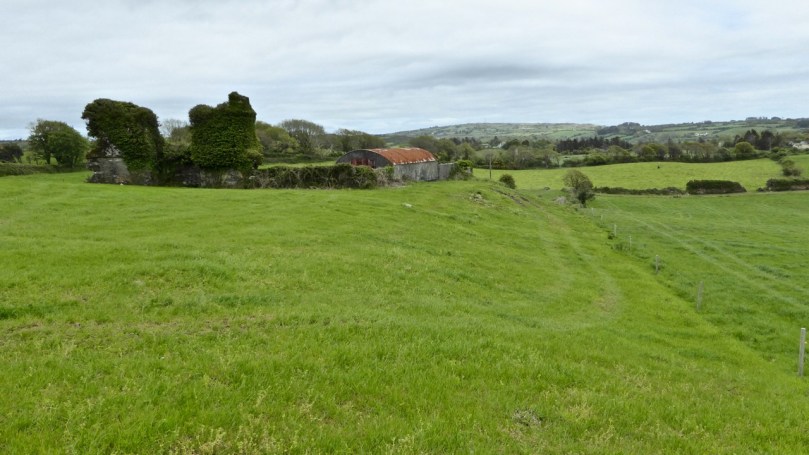
The house at Aghadown, home to the Becher family, consists only of one wall with attached towers. Ivy has threatened to take over most of it – I love Leask’s description of ivy – “destructive green mantle beloved of the sentimentalist.” Through it one can make out traces of the slate that once hung on the wall above the ground floor, the outline of corbels at roof level, and a string course between the ground and first floor.

Aghadown Fortified house occupies high ground with a commanding view

Aghadown Fortified house occupies high ground with a commanding view

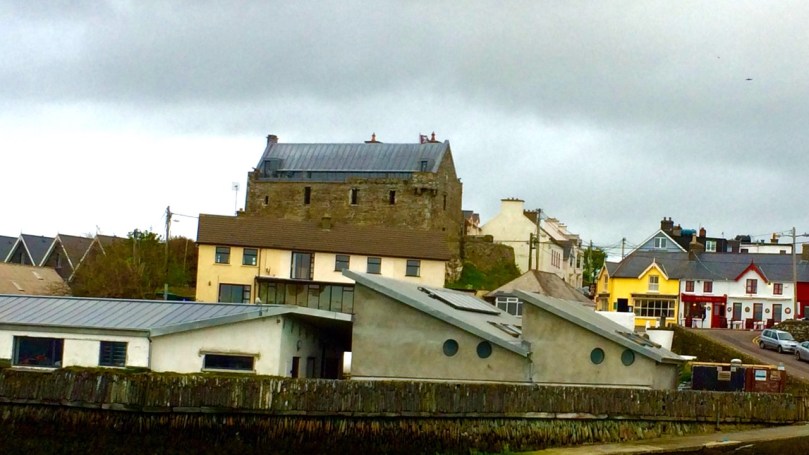
Interestingly, Dún na Séad Castle in Baltimore, home of the O’Driscolls, is described as a fortified house in the National Monuments Inventory. It possesses aspects of both a tower house and a fortified house – in this photograph you can see the corner bartizan, a gun loop, and the long, rather than tall, shape.

Dún na Séad or Baltimore Castle

Dún na Séad or Baltimore Castle

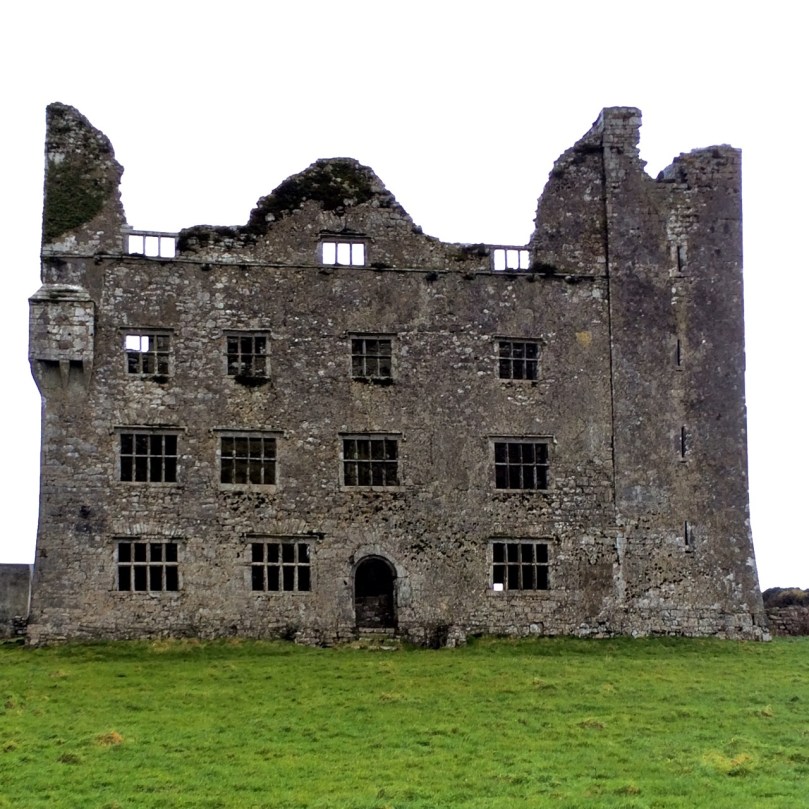
For a comparison of the two types of edifices, take a look at Leamanagh in Clare – here a 17th century fortified house has been literally tacked on to a 15th century tower house.

Leamanagh, in County Clare

Leamanagh, in County Clare

Joe Nunan provides useful summations of Irish fortified houses. Among other points, he says the following:

The fortified houses built in Co. Cork had a unique Irish architectural quality and a distinct southern English look and feel; the result of contacts built up between both regions, politically through plantation-immigration and economically, through trade with the port and fishing towns of Waterford, Cork, Kinsale, Youghal and Baltimore. The social changes that took place in Tudor England were reflected in architectural form by the elites in that society and it was the latter who spearheaded the Munster plantations. They were noblemen who viewed Munster as another region within a larger England and it was through these individuals that the initial architectural influence of the many gabled, oblong country manors with circular, square, rectangular and hexagonal corner-towers was introduced into Co. Cork.

Reenadisert

Reenadisert

We are lucky to have these fine examples of  fortified houses in West Cork still. However, all of them apart from Baltimore Castle are in a perilous state of dereliction.  Gearhameen’s owner has tried to stabilise the building and stave off collapse but all of them may eventually succumb to the natural ravages of time. That’s a sad thought.

You’re Grand

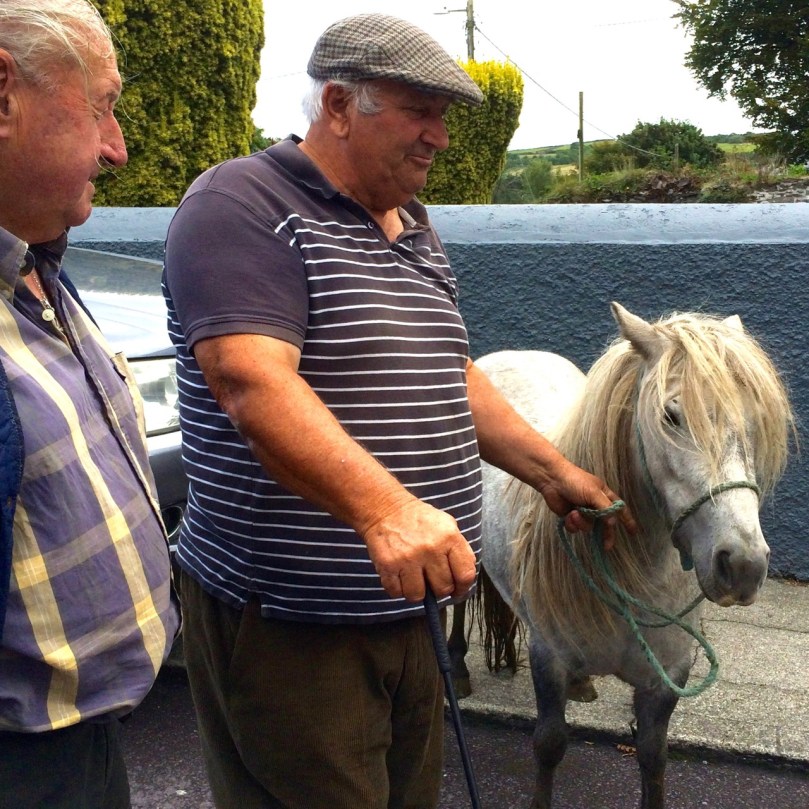
Tis a grand horse

‘Tis a grand horse

My very first lesson in how to speak like you’re from West Cork featured the many ways in which we use the word grand. (Skip to the end to see links to previous posts on West Cork Speak.) It seems, though, that I really didn’t do it justice, as it turns out that You’re Grand is, in fact, a phrase that sums up an entire philosophy and way of life. To understand this better, I highly recommend the comedian Tara Flynn’s book You’re Grand: The Irishwoman’s Secret Guide to Life.
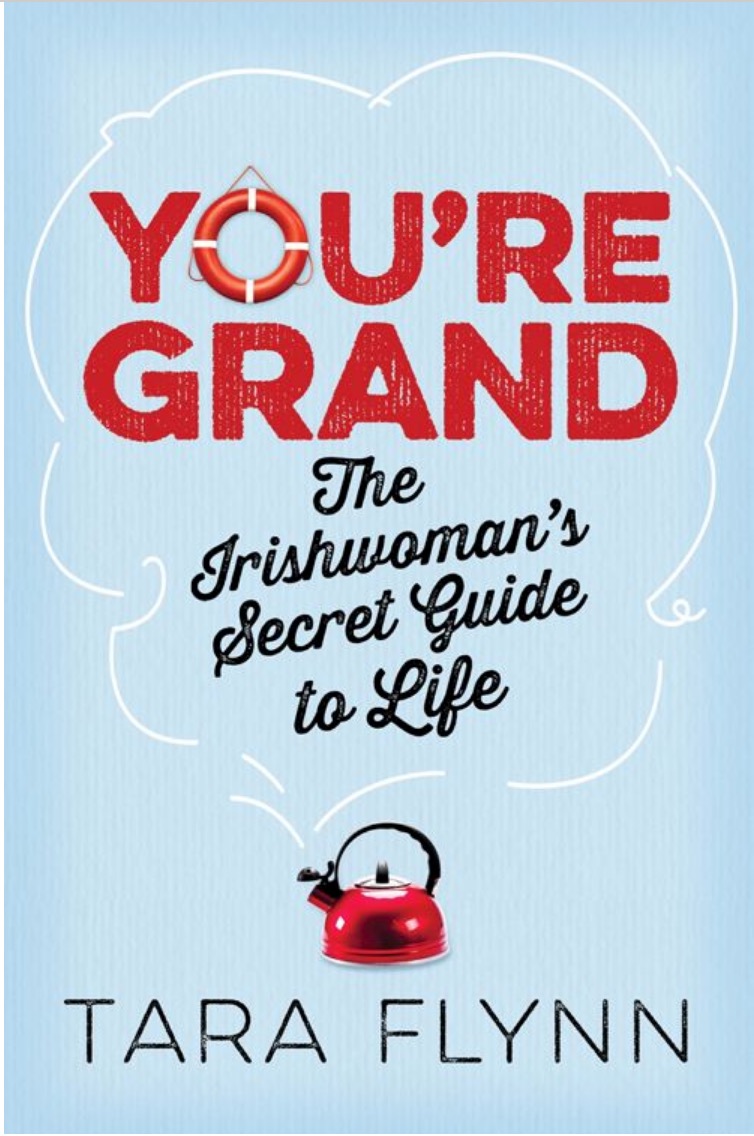
You're Grand

Tara tells us:

no matter how bad things get, sooner or later everything will be Grand. Even when it won’t. In fact, especially then. Simply asserting that “You’re Grand” puts you in a state of mind that instantly makes you feel better… 

She goes through the variations: Grand Out, Grand Altogether, Grahnd, That’s Grand, and Graaaand, so that you can use each one with confidence, and offers a lesson in connecting with your Inner Grandness.
At the bar

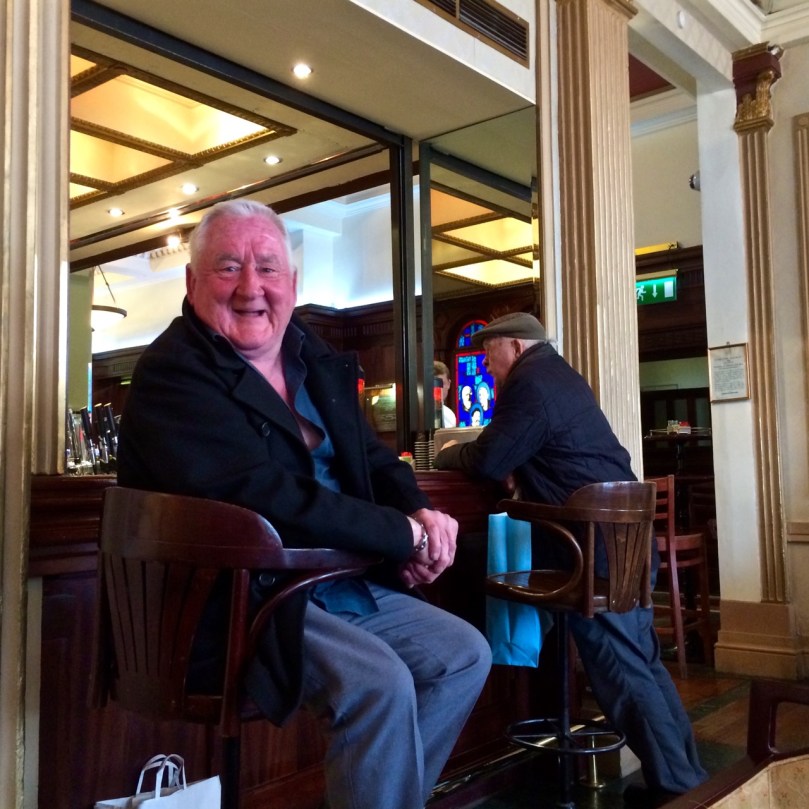
Isn’t it a grand ould bar?

As you know, as a returned Irish person who spent 40 years in Canada before deciding to live in West Cork, I take very seriously my duty towards any of who you are planning to visit Ireland, to prepare you for the culture you will encounter here. First and foremost, it’s a culture of TALK, of relating to others and making them feel welcomed, helped and listened to. So what follows are the top ten essential instructions from Tara and from me that will help you understand what it is to be an Irish woman and how, at the end of the day, you’ll be Grand.

1.  If you agree with something or you’re willing to at least put up with it, the proper phrase is Grand Job.
Ah sure, feck it. I'll start the diet again tomorrow.

Ah sure, feck it, I’ll start the diet again tomorrow

2. A most useful expression is Ah sure, feck it. You’ve just embarked on a strict diet and your friend invites you to tea and produces fresh scones. Ah sure, feck it, you might as well have one.

3. ‘Tis far from X you were reared. This will indicate to your listener that you, along with the country, has grown in incredible sophistication since the Ould Days (see 7 below). For X substitute, for example, cappuccinos, fancy cheeses, hair straighteners, salad, cell phones, avocados, skinny jeans, holidays in Thailand.

'Tis far from induction hobs you were reared

‘Tis far from induction hobs you were reared

4. Try not to lose the run of yourself. In other words, don’t get carried away. You might do this by asking if they have a wine menu in a country pub, or by spending more than €10 on a handbag, or by having too many drinks and leading the singing at a session.

Put in an offer on this place? Ah now, don't be losing the run of yourself

Put in an offer on this place? Ah now, don’t be losing the run of yourself

5. Use the word the instead of my in front of nouns. You will go to get the hair done. You’ll just drop in to see the Mammy. Tara paints this picture of bus travel: The Irish women who make the best use of the bus are the little old ladies with the free travel. They put on the good dress and the good coat and meet their friends down the back of the bus and go on an outing. (Tara also has a great piece of advice on transportation: Don’t hitchhike, it’s too dangerous. You will inevitably be picked up by a chatty driver who will take you an hour out of your way in case you miss out on a single detail of their life story.)

Ah sure aren't they only gorgeous?

Ah sure aren’t they only gorgeous?

6. Weddings are a fixture of Irish life (along with First Communions, which is the other time in your life when you get to wear a bridal outfit). If it’s yourself that’s getting married, Tara has one important piece of wisdom to impart: Invite EVERYONE…It’s not your day, it’s theirs.

7. Add the word OLD (pronounced ould) before nouns. Time to get th’ould hair done. Enough of your ould blather, now. Would you be after singin’ me an ould song?
Come here to me now...hoooo might Your People be?

Come here to me now…hoooo might your people be?

8. Learn how to interrogate strangers to get the maximum information out of them.  We’re interested, not nosy and we need to establish who your people are. Funeral teas may consist almost entirely of establishing the genealogy of the deceased to the most distant of connections so we can be categorical about who is encompassed by his people. If you’re a visitor, looking for your roots, expect an inquisition. We’d be failing in our duty to our neighbours if we couldn’t recount your life history to them in graphic detail, followed by an hour of enjoyable speculation on who your people might have been. (Interestingly, in West Cork, this will result in the exact knowledge of who your relatives are to many removes, but also, and equally importantly, who you are NOT related to, despite any similarity of name or location. Time after time we have inquired of somebody with an unusual last name whether they are related to someone else of the same name, only to be told that there is no relationship that can be established. There is, however, one huge exception to this. It seems that everyone of the last name of Collins is related to Michael Collins.)
My People

My People

9. If someone you know has bought a new car (or a house or an extra-nice new suit) the proper greeting is well wear.

10. But most of all, learn how to make a grand cup of tea. There are few things that a grand cup of tea and a little sit down won’t make better.

I’ve only just skimmed the surface of Tara’s book for you. I laughed until the tears ran down my cheeks. I will leave you with an excerpt from her disquisition on salads.
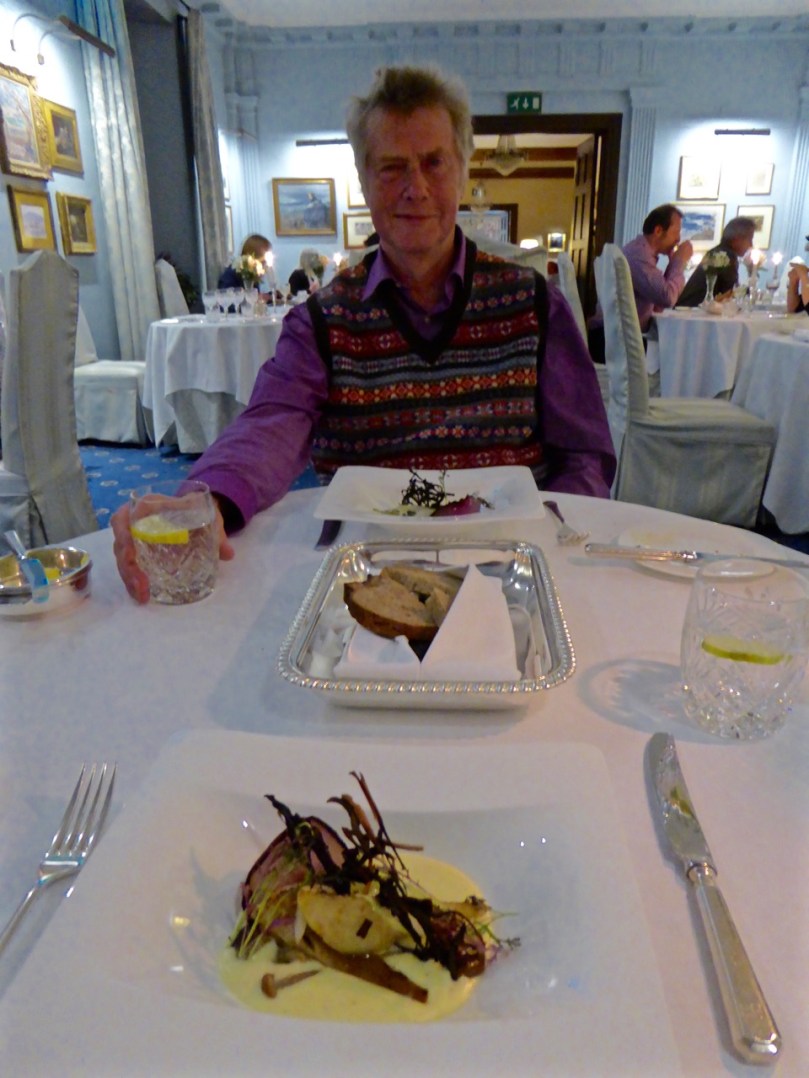
Yes, Sir, we do call that a salad

Yes, Sir, we do call that a salad

For the longest time Irish women NEVER had salad at home. You wouldn’t even think of it. You got salads in hotels, usually at funerals: already in the throes of grief, you’d be given salad. On that grim funereal plate would invariably be:

  • one hard-boiled egg
  • some sad ham
  • beetroot out of a jar
  • one really, really limp leaf of lettuce.

Just the one – you wouldn’t insult people by giving them too much lettuce to deal with at such a sad time.

This “salad” is the main reason why Irish vegetarians still sometimes have to explain to relatives that ham isn’t a vegetable.

Irish women do eat more salad these days. But we make sure to have it with chips. For balance.

Only in Ireland? Chips with pizza

Only in Ireland? Chips with pizza

Go buy the book, then curl up with a grand cupán tae, and plan your trip.

To read more about how to speak like the Irish, see these posts:

West Cork Speak: Lessons 1 and 2

West Cork Speak: Lessons 3 and 4

West Cork Speak: Lessons 5 to 7

The Village That Never Was

Colourful Courtmacsherry

Colourful Courtmacsherry

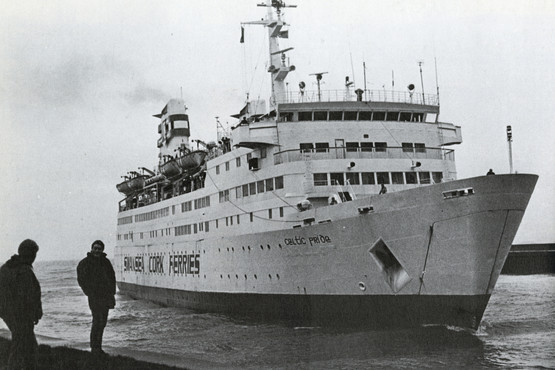
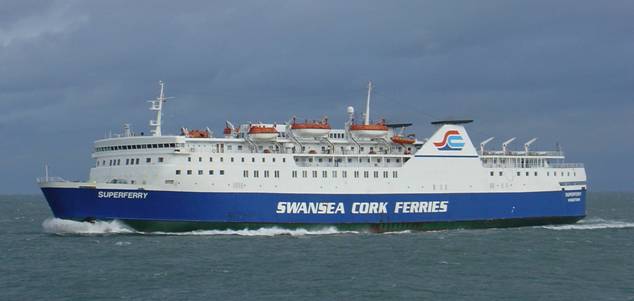
In the Days of Yore – when I first started to visit the west of Ireland – I travelled on the good old Swansea – Cork Ferry. It’s such a shame this route has now been scrapped (not once but twice): it was an overnight crossing, leaving the Welsh port at 9pm and arriving in the mouth of the Lee estuary at dawn. I felt there was nothing more beautiful than the slow cruise up through that great natural harbour in the early morning sunlight: passing lighthouses, lookout towers, mothballed ships, the Irish Navy and the coloured terraces of Cobh (pronounce it Cove), before disembarking at the exotically named Ringaskiddy Terminal.The Swansea-Cork ferry, the Celtic Pride1980s

image006

Swansea – Cork Ferry: above – Celtic Pride, 1980s, below – MV Julia, withdrawn in 2011

Part of the excitement of that journey was the anticipation of the drive down to Ballydehob and beyond. I always went on the R600 route, passing through Carrigaline and Kinsale – stopping, of course, at Ballinspittle to check that the BVM was safely in place at her grotto – before heading out along Courtmacsherry Bay. The journey alongside that ribbon of water – the road hugs it for some 10 kilometres – is recommended as an exemplary introduction to the landscape characteristics of rural Ireland.

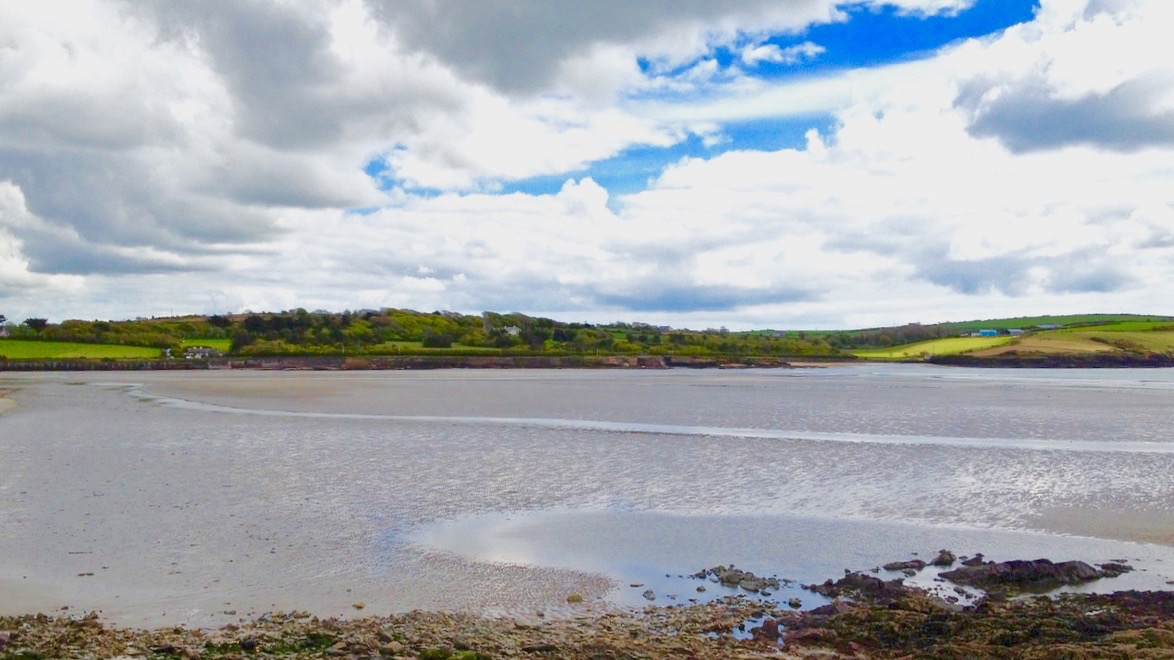
This water was known as Timoleague Bay until it became silted up in the 18th century

This water was known as Timoleague Bay until it became silted up in the 18th century

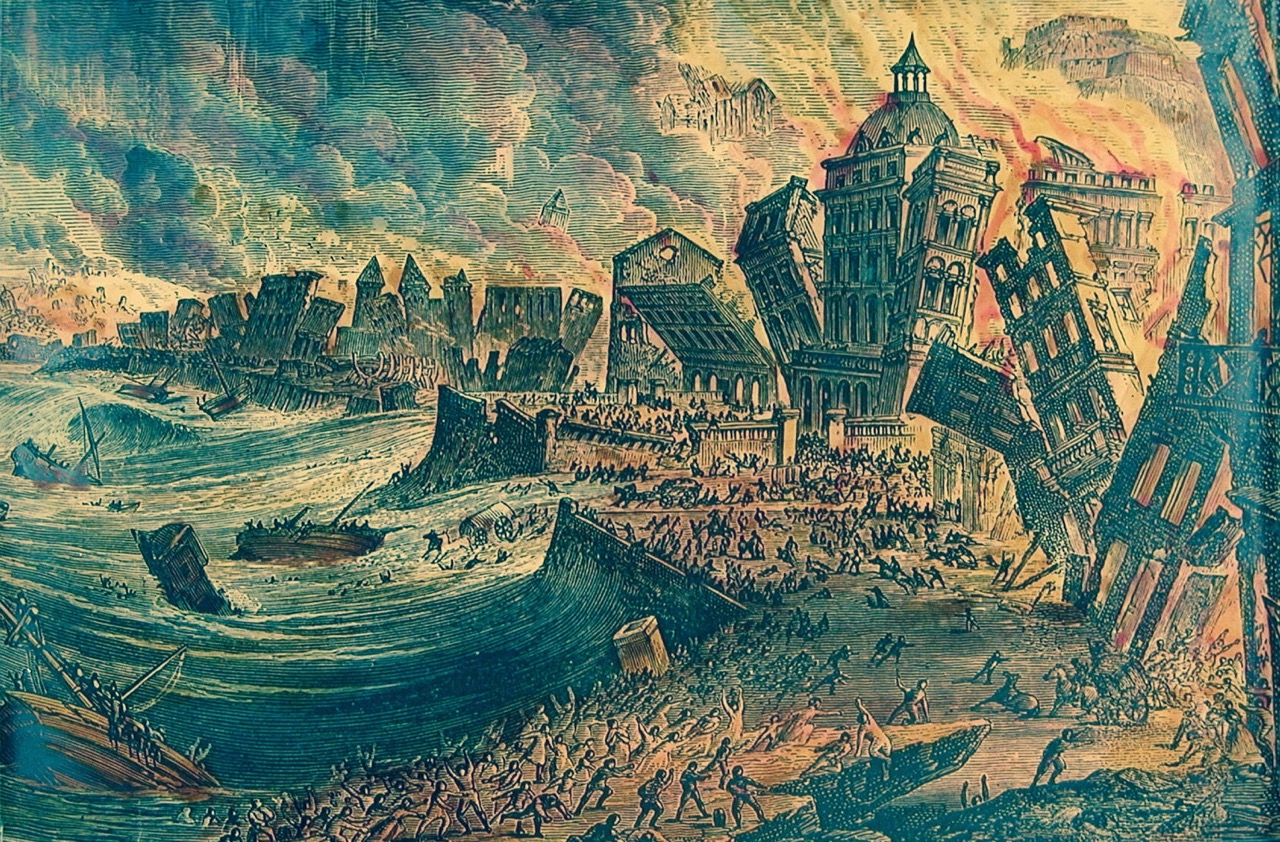
What was formerly Timoleague Bay is now known as Courtmacsherry Bay. Timoleague was the head of the navigation and thrived from wharfs built in front of the medieval Priory there until a catastrophic earthquake occurred in Portugal in 1755 causing a tsunami which hit the coasts of Britain and Ireland and dramatically changed the topology. This bay is one example: the inlet was no longer navigable for sea-going vessels up to Timoleague, and new piers and quays were built further to the east, closer to the mouth of the estuary, on the north facing shoreline. The place we now call Courtmacsherry didn’t exist until after this maritime event (hence the title of this post).

The Lisbon Earthquake of 1755 changed the shoreline of Britain and Ireland

The Lisbon Earthquake of 1755 changed the shoreline of Britain and Ireland

So how did the name ‘Courtmacsherry’ come about? It’s an unusual one, and a bit of a mouthful – locals call it simply ‘Courtmac’. According to Sean de Barra of the Courtmacsherry Historical Society the area was settled by the Hodnett family from Shropshire, in England:

…In the course of time they became more Irish than the Irish themselves and took the Irish version Mac Seafraidh…

…Which sounds like Macsherry – the prefix Cuirt would have been ‘Manor House’ or ‘Mansion’.

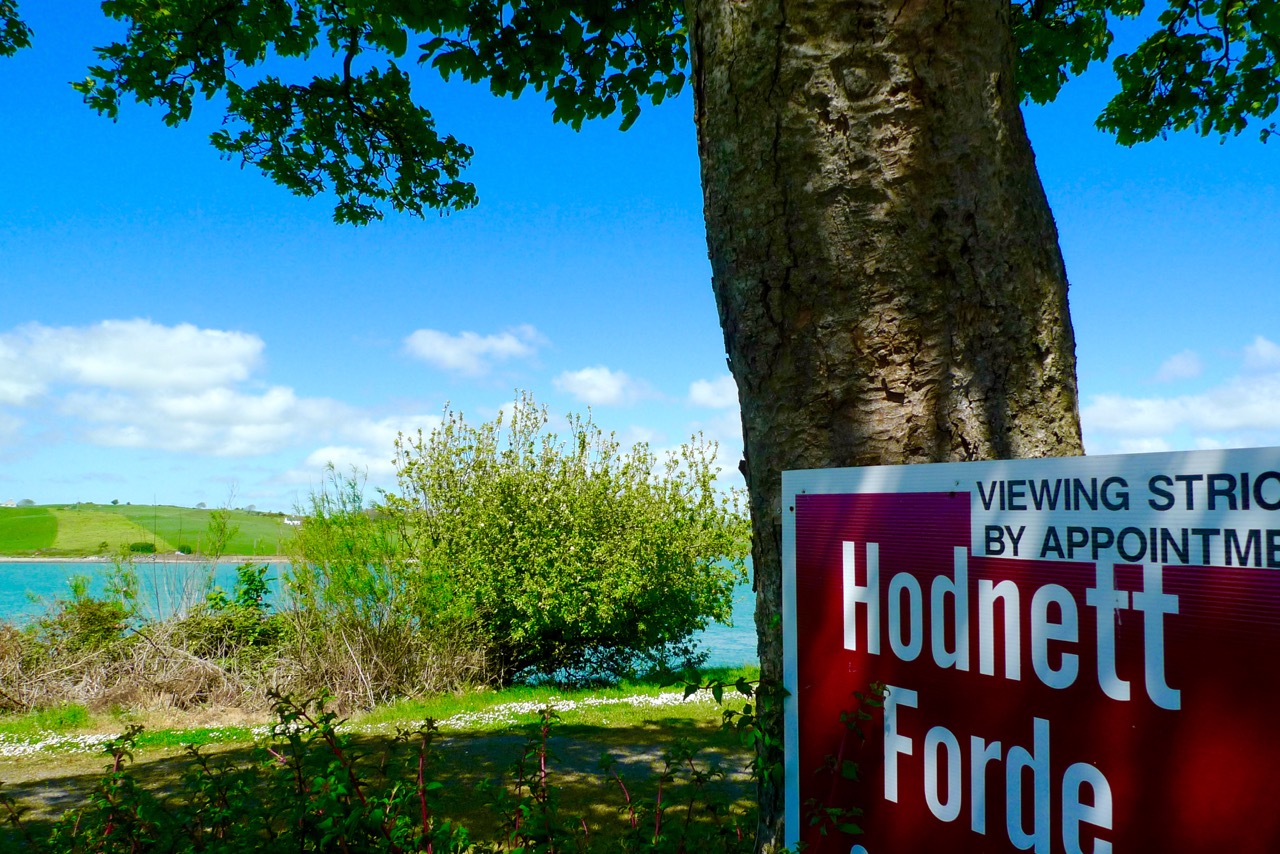
The Hodnett name is still familiar in the area

The Hodnett name is still familiar in the area

Although I travelled so many times along the road up to Timoleague it is only very recently that I actually diverted to visit Courtmacsherry. I’m very pleased that I finally did: it’s an attractive settlement which displays many aspects of its 300 year history. I had heard of the place – it has a lifeboat which is twinned with the one in Bude, Cornwall (have a look at this post). I worked for very many years in Bude with Jonathan Ball, who was Coxswain with the Bude boat and he led (and still leads) a choir from the Bude crew who have an annual twinning visit with the Courtmacsherry crew.

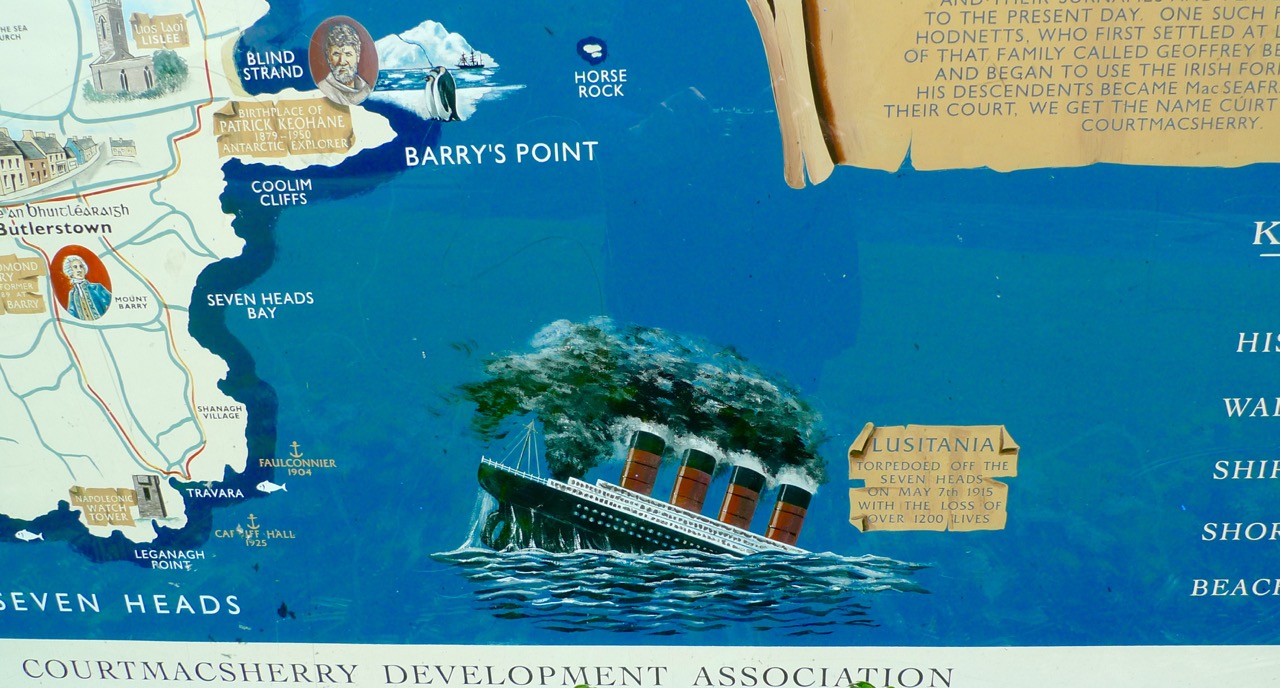
The Courtmacsherry Lifeboat has recently been in the limelight as the Centenary of the sinking of the Cunard liner Lusitania by a German torpedo has just passed (here is a very detailed account of the tragedy). The RNLI lifeboat Kezia Gwilt was on call during that event (having to row the 11 miles out to the wreck because there was no wind to sail her with) and helped rescue survivors. Sadly, 1,198 of the 1,959 people on board lost their lives on 7 May 1915.

Notice Board

Model of Lusitania on display in Courtmacsherry, 2015

Model of Lusitania on display in Courtmacsherry, 2015

*

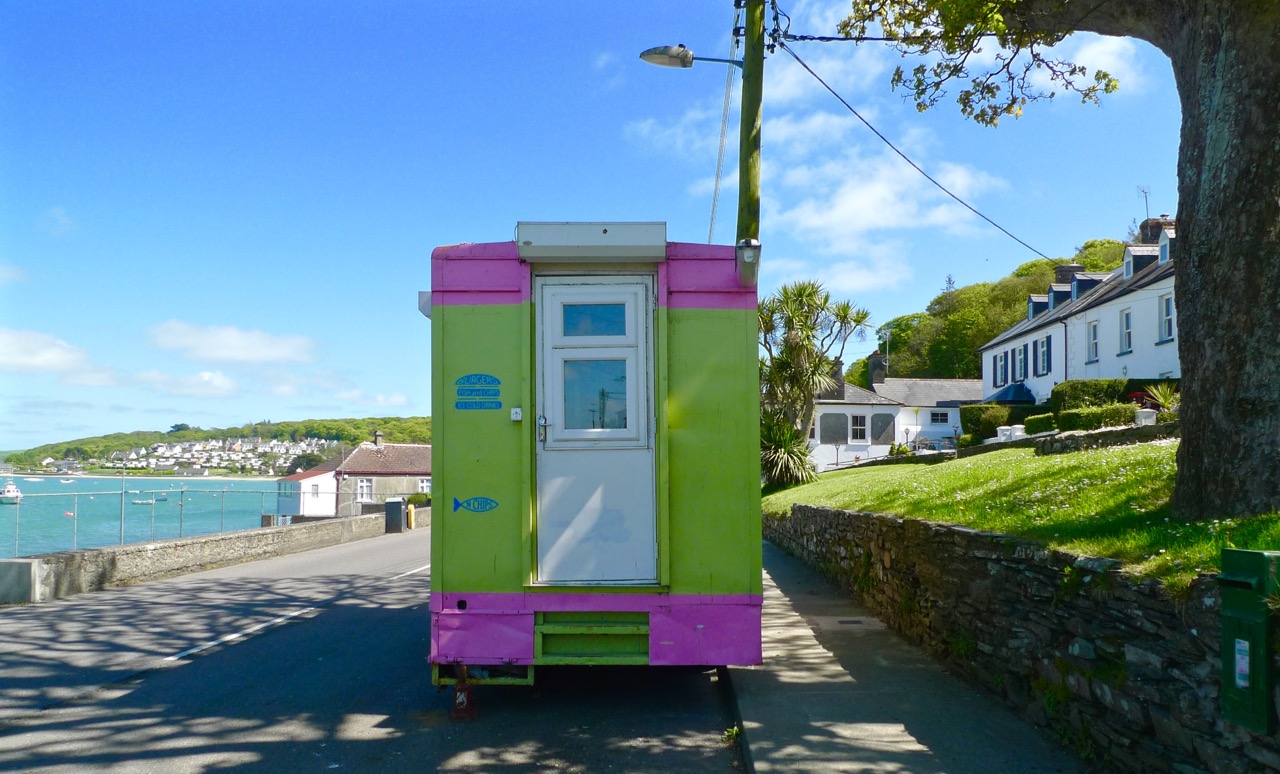
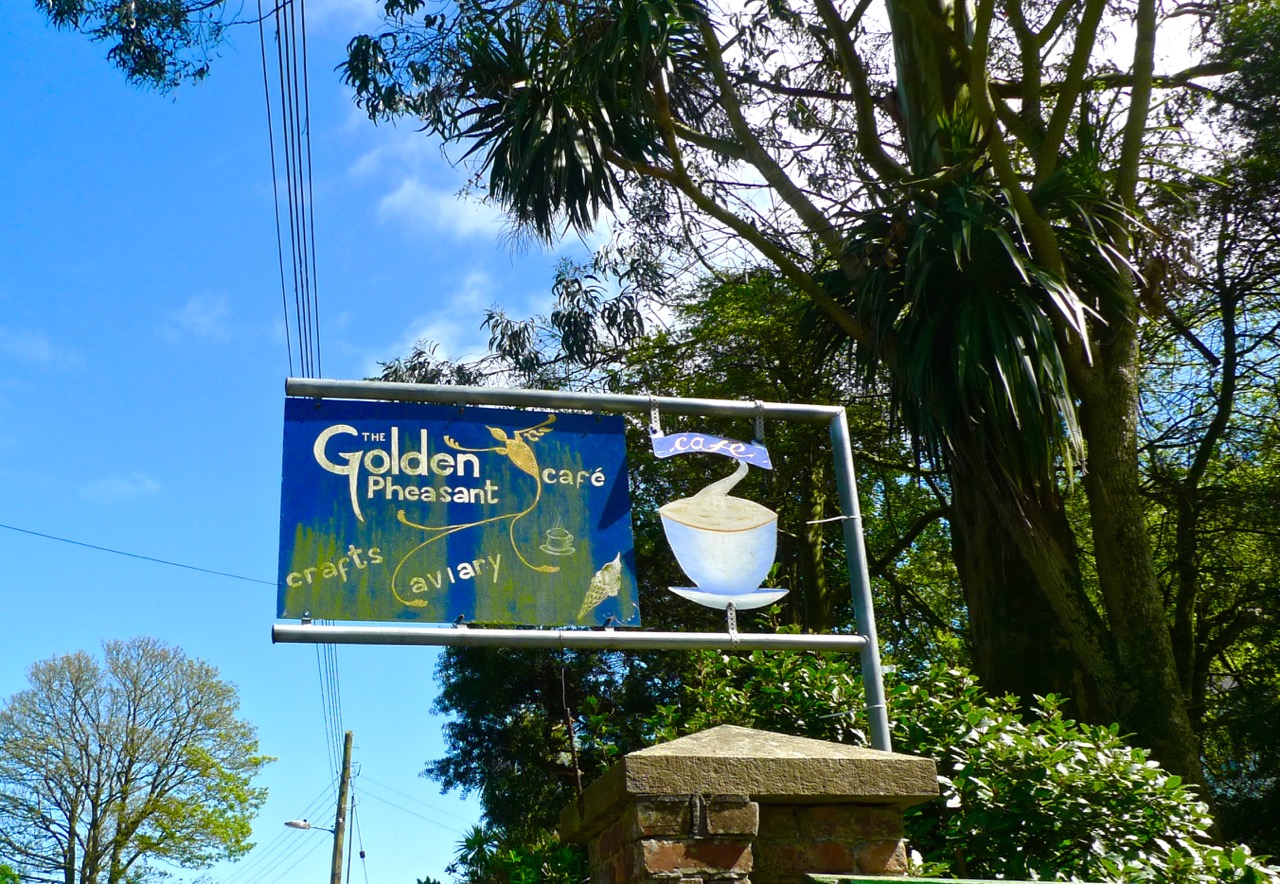
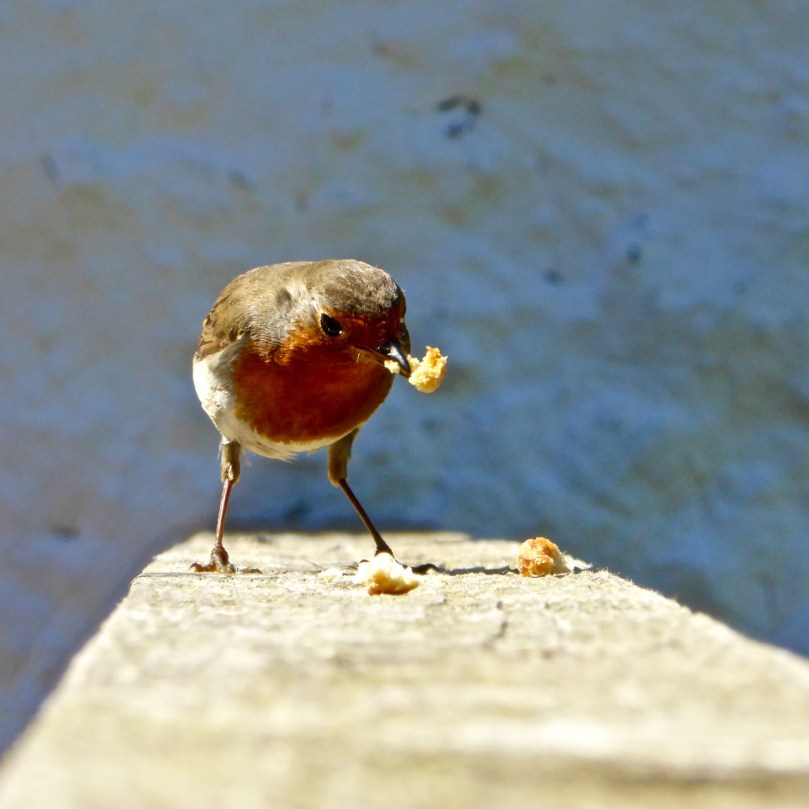
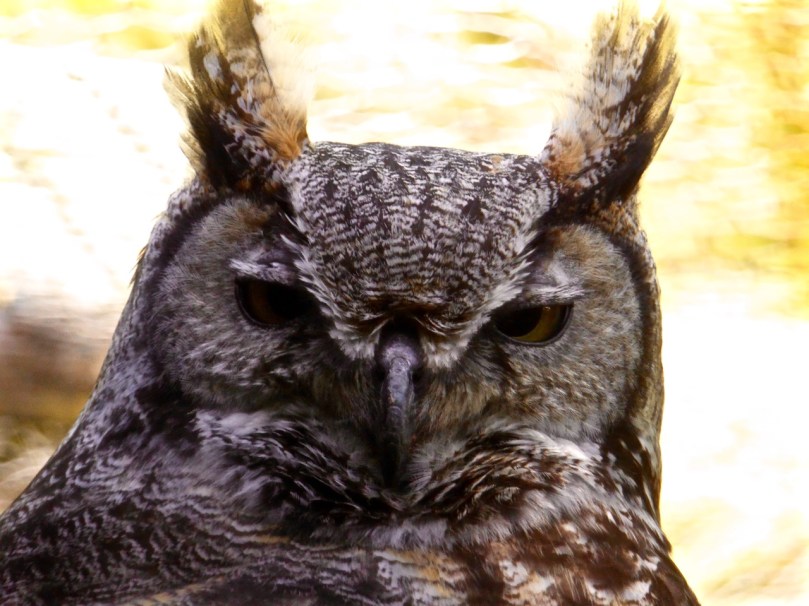
The village is unusual in that it has virtually only a single street facade, which follows the line of the water. Finola liked the colourful house fronts! Fishing is still a living here, just about. Tourism is important nowadays: we certainly appreciated the hostelries, including the Golden Pheasant Cafe. There really are Golden Pheasants in the cafe garden and – to my delight – Robins and Chaffinches who will eat from your hand. Also, in the aviary, a magnificent Eagle Owl. Apart from all this the food is excellent!

Golden Pheasant

Single sided street...

Single sided street…

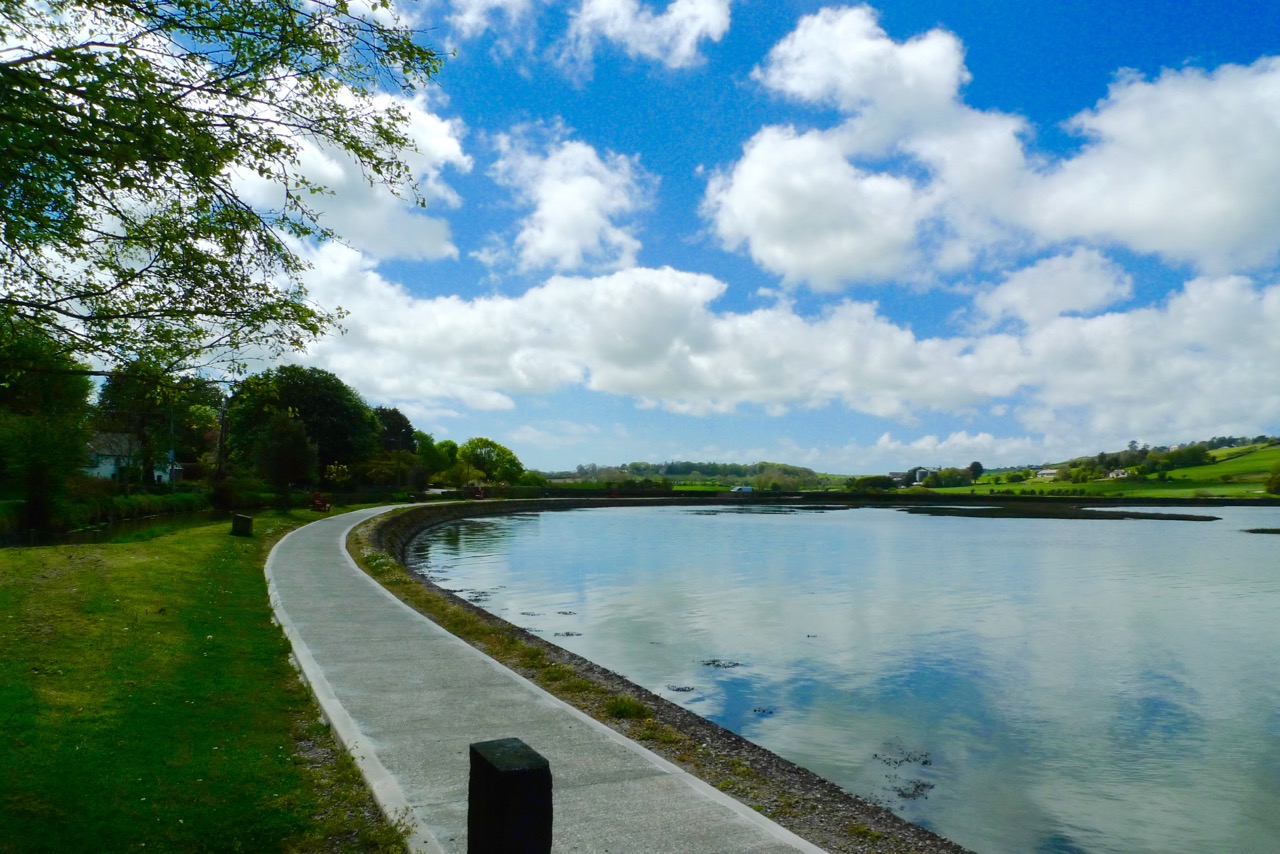
As with our own village of Ballydehob, Courtmac was served by a branch of the West Cork Railways. Although planned as a three foot gauge ‘roadside railway’ (just like our Skibbereen to Schull line), the Timoleague and Courtmacsherry Extension Light Railway was actually built to full gauge, and lasted a little longer: our line closed in 1947, this one in 1960. The track bed from Timoleague has been made into a scenic waterside footpath covering several kilometres.

Railway Line Walk

Timoleague Station around 1910, top left – seaside Courtmacsherry 1950s, top right – the waterside walk along the old railway line, above

Our visit to Courtmacsherry was too short: we will be back soon, to take in the Castle and the Abbey – and to try and find out why it has an area called Siberia! My researches showed that there is another Siberia in Ireland: it’s in County Sligo and is also known there as Slieveroe. In that case the name is said to have come from  An Sliabh Rua, which means ‘Red Mountain’ – but there are no such topographical features in this part of West Cork.

I didn’t quite draw a blank with ‘Siberia’. Here’s an extract from Eating Scenery – West Cork, the People and the Place by Alannah Hopkin, The Collins Press 2008:

…In July and August, like most coastal villages in west Cork, Courtmacsherry can be too busy; it is heavenly in May and June, September and October. But in winter Courtmacsherry is deadly quiet, prone to dull, dark days of low sky and mist, when you are acutely aware of its north-facing character.The only compensation in this season is the presence of thousands of migrant birds, great clouds of golden plover, lapwing, blacktailed godwits, and Arctic shags, fleeing the cold of Scandinavia and Siberia to roost on the mudflats of Courtmacsherry Bay…

Houseen

Magic Forest

Thomas

Thomas

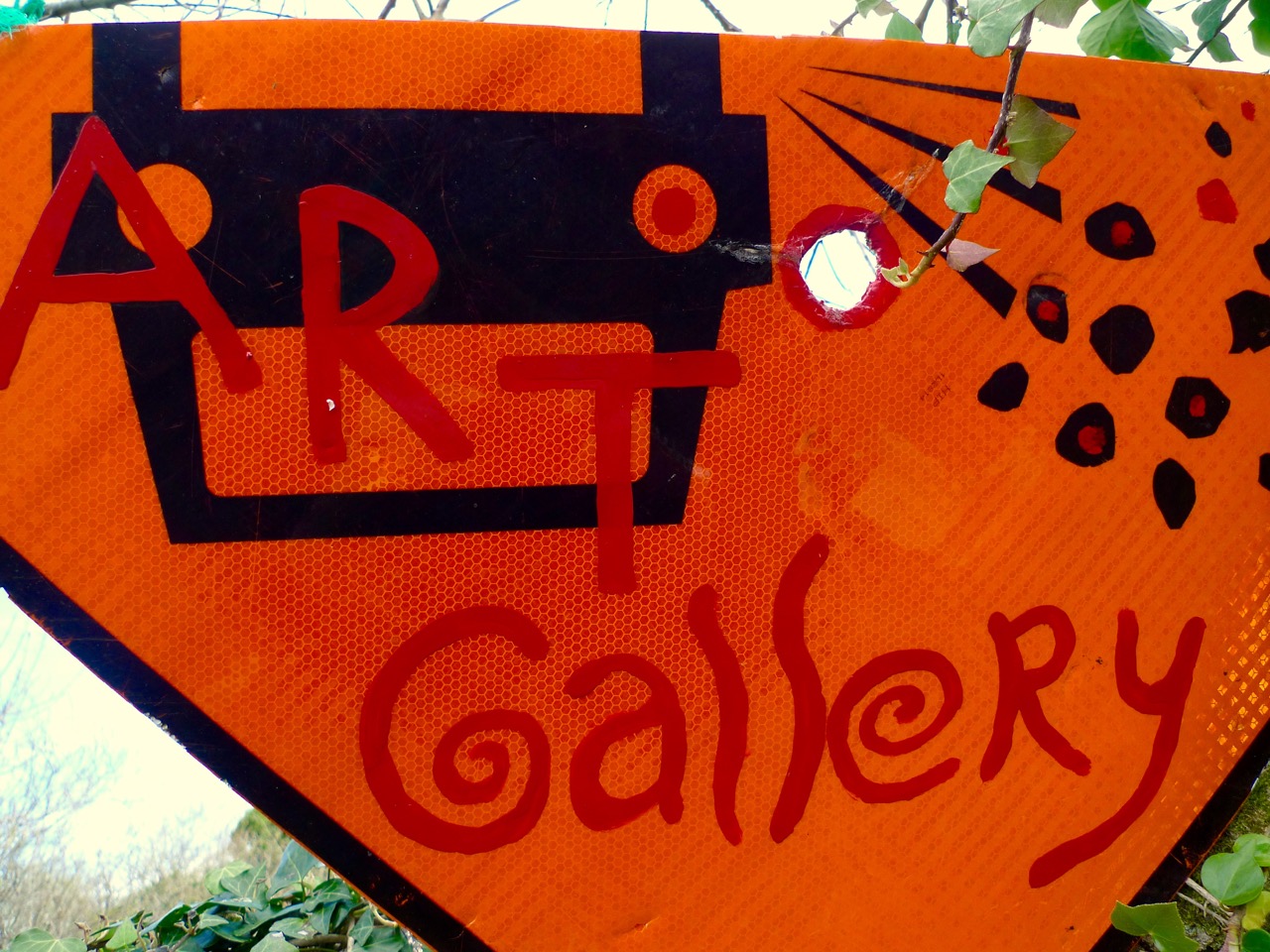
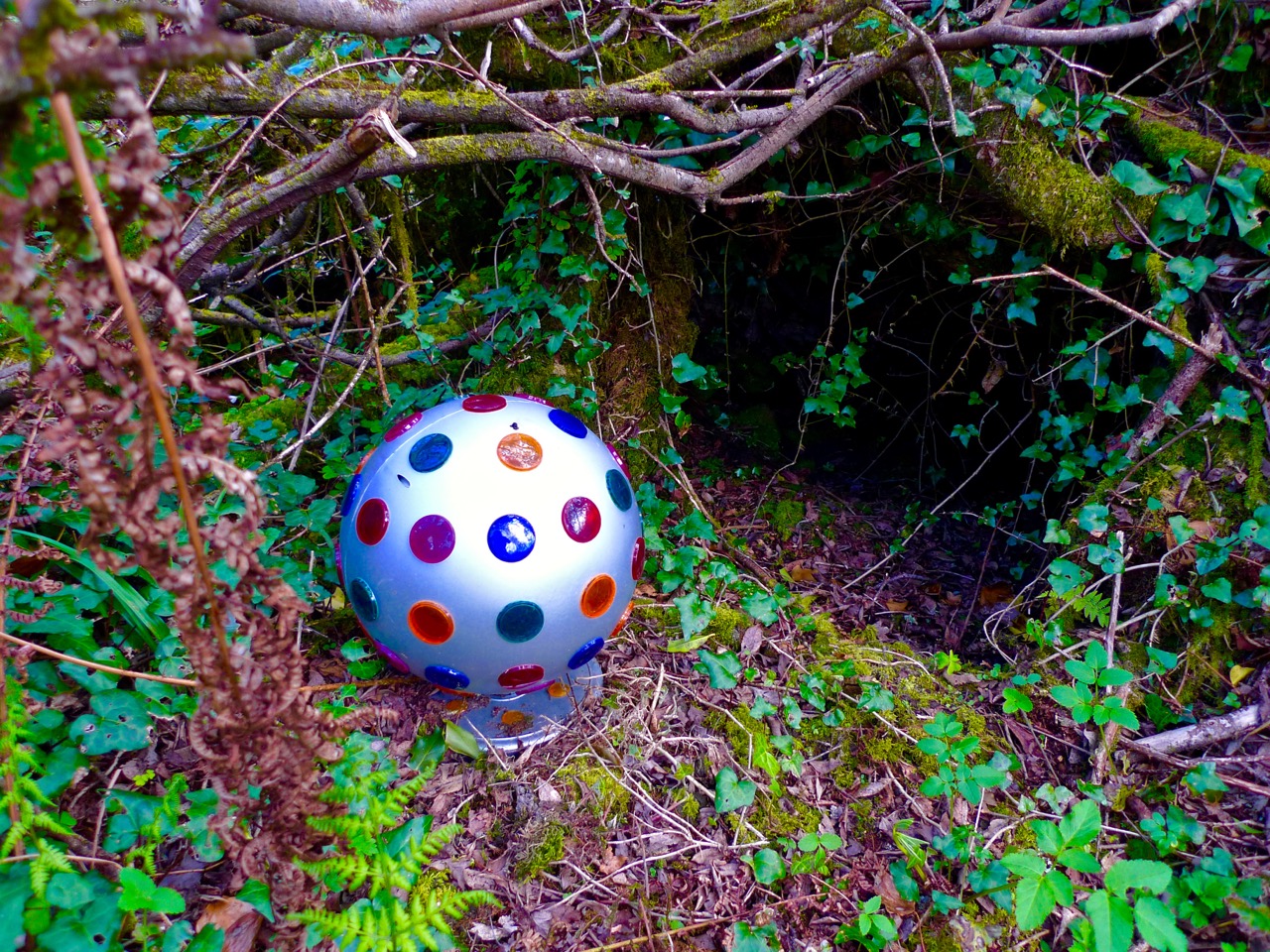
A byway taking off to the north just after the Cross House on the Skibbereen to Ballydehob road – signposted to Corravoley – will bring you to the townlands of Ballybane West and Ballybane East. That little boreen will take you past some Rock Art, and then on to the Magic Forest. If you find your way in, keep a lookout for the Other Crowd!

Look out for the Other Crowd!

Look out for the Other Crowd!

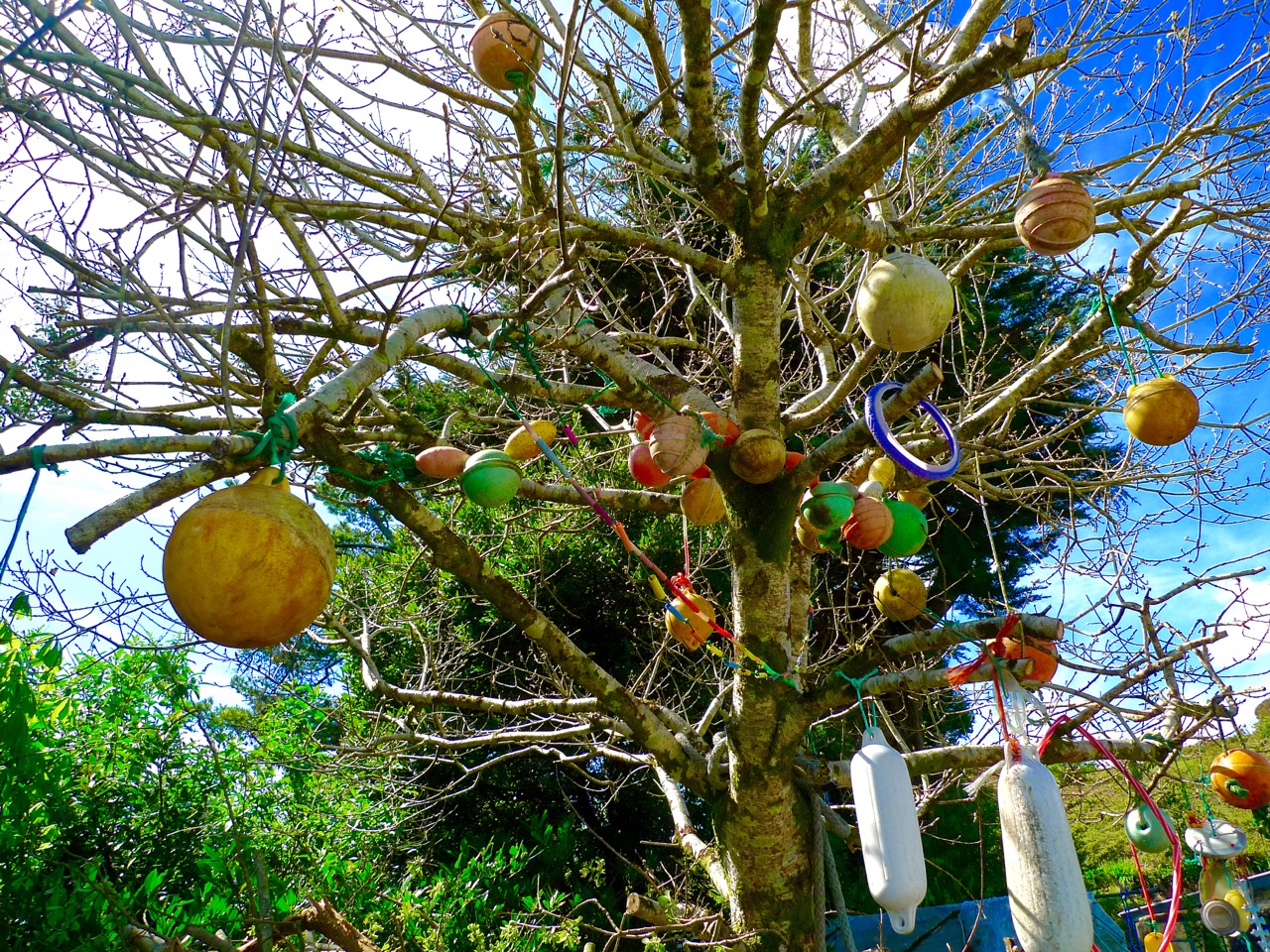
We accepted an invitation from the creator of the Magic Forest – Thomas Wiegandt – to come and visit while the bluebells were out – and we were enchanted by the woodland walks and all the experiences which excited our senses once we were there.

art gallery

buoy tree

plain to see

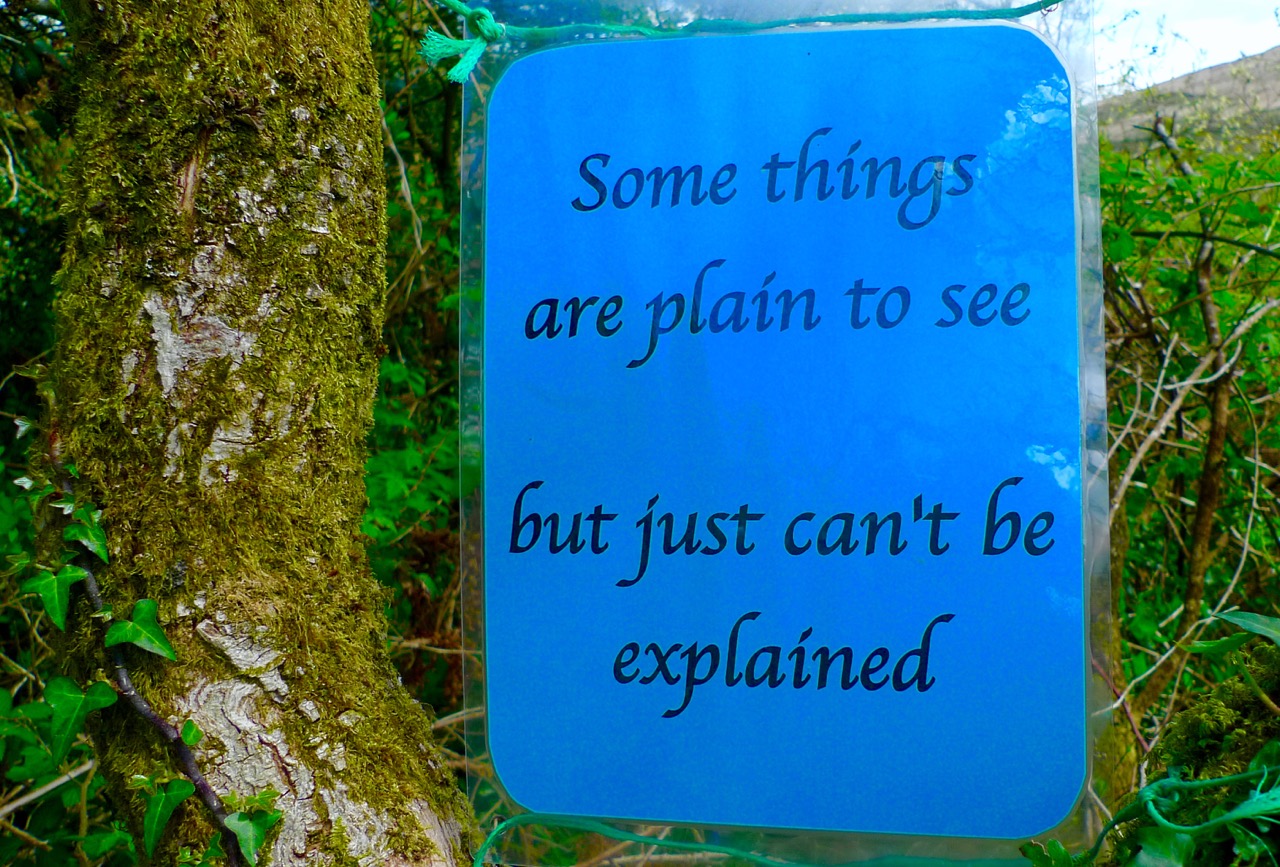
It’s hard to describe Thomas – he’s a musician, an artist, a poet and – above all – he has a quirky and witty way of looking at the world… I like that way of seeing things.  He has lived for years at Ballybane and pursued his creative career as well as working on and caring for his few acres of West Cork wildness, which is based around an old sally grove – a place which hadn’t been used for around 100 years and which had been sold as ‘waste land’. As you make your way through the Magic Forest (and take care – there are some rough paths and a few stony steps to be negotiated) you will be taken through his thoughts and into his imagination.
spidey

spring

lizard

Thomas believes we are all musicians at heart (I agree) – and invites us to have a go at the Ballydehob Gamelan – a wonderful collection of ‘rescued’ objects with which we can create rhythms and explore a whole world of sounds: you can play an array of drums, cans, goblets, makeshift xylophones, even stones… Finola had a whale of a time!

There is art and poetry set amongst the willows, often with the most unexpected juxtapositions. One of my favourite discoveries in the Magic Forest was Natural High – a little knoll looking out to Mount Kidd: there are two garden seats there where you can sit at ease and frame the view of the mountain, with two dogs as companions: one of them is real!
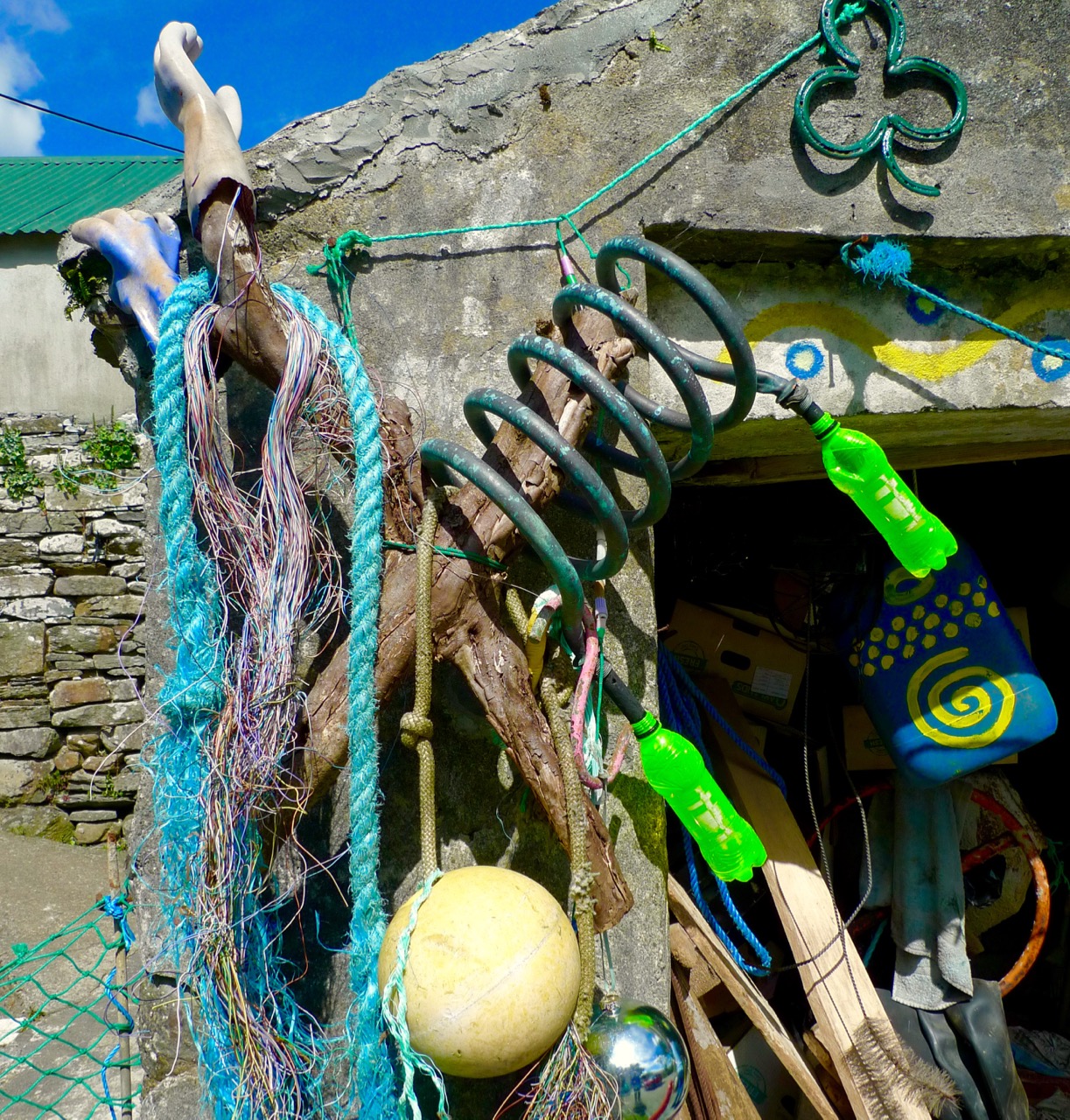
There were some messages here – about how we treat our world (or mistreat it), but they weren’t intrusive to the enjoyment of the whole adventure. If anything they were thought-provoking and – overall – a very good lesson in how we can all positively re-use things that seem to have transcended their original purpose.

ball

cone

for the record

In another life, Thomas might have been a shaman or medicine man: walking through the forest can be seen as therapeutic and refreshing in the context of our modern busy world – and it will certainly make you laugh at times. I really liked the idea of picking up a phone and talking to our ancestors!

You can discover more about the Magic Forest – and about Thomas Wiegandt – on his website: Cosmic Radio. You will find his poetry and his music there, and you can download many of his compositions for free. But do go and visit this unique piece of West Cork for yourselves: I hope you will be as delighted by the experience as we were.

poetree

signage