Roaringwater Journal loves to explore and discover our beautiful West Cork. Here is our 2020 selection of favourite photographs – yours, as measured by Facebook likes, and ours, as measured by Robert and Finola’s own quirky tastes. Remember, these are personal choices – each one represents a memory or a place special to us. Also, they encompass the strange year we have experienced in which we all had to focus on our own stomping grounds. We’ve captioned each one, but no more text, so just enjoy!
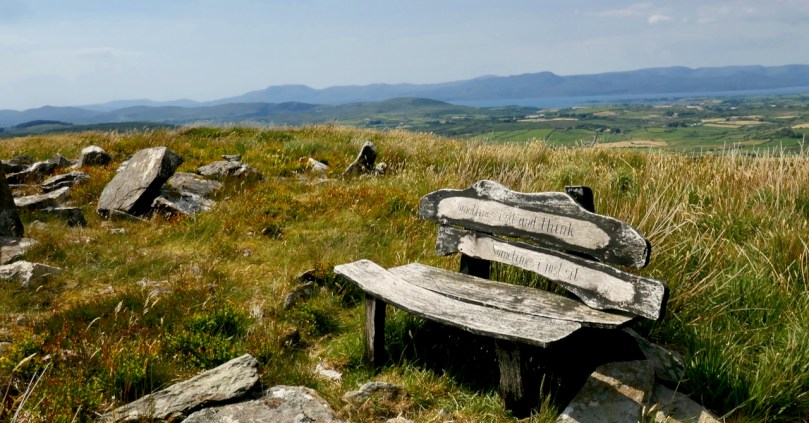
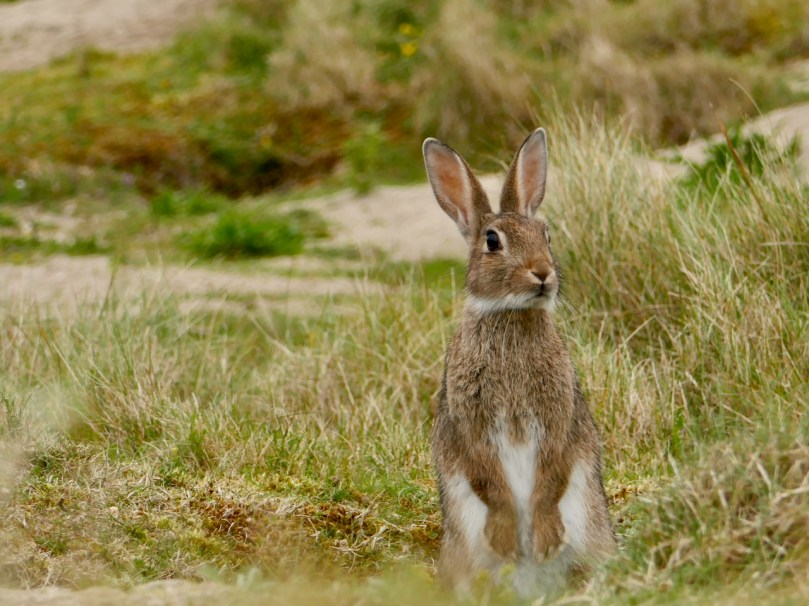
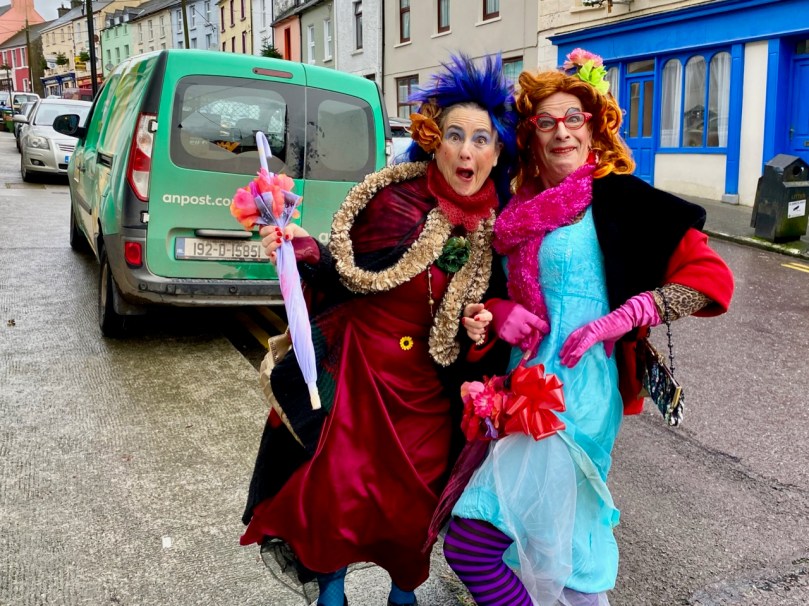
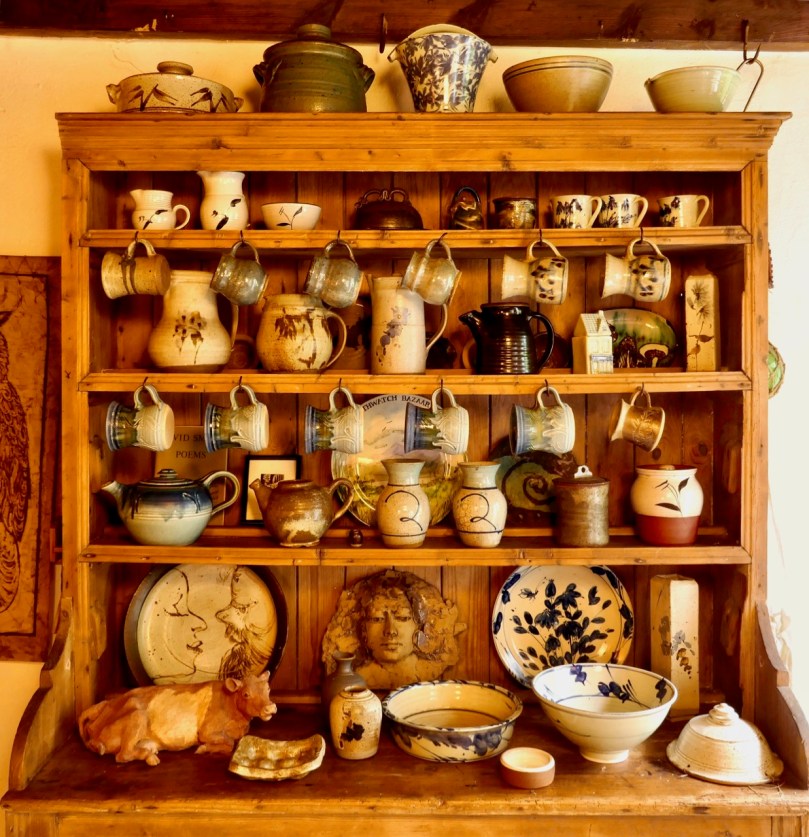
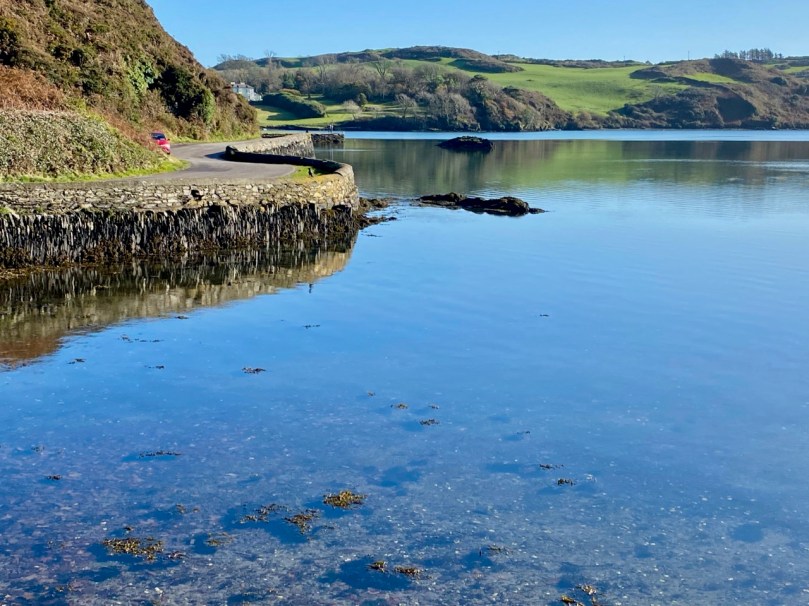
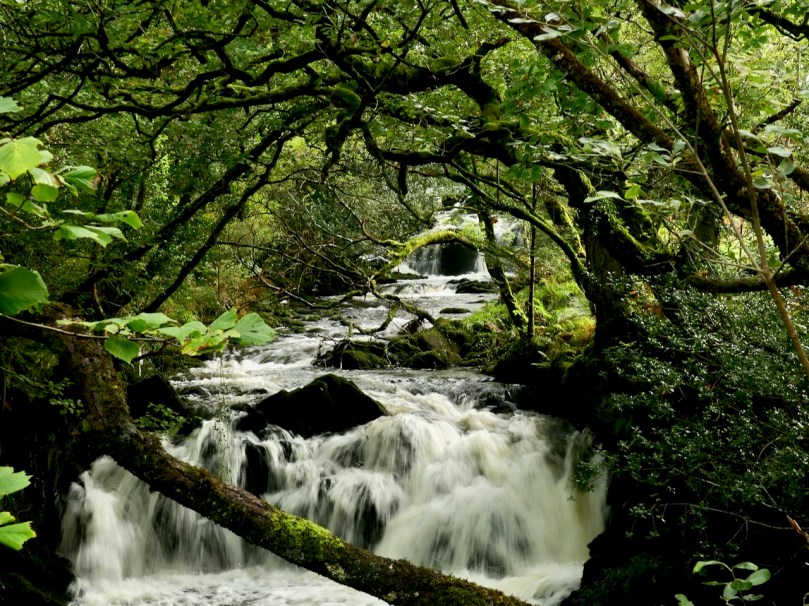
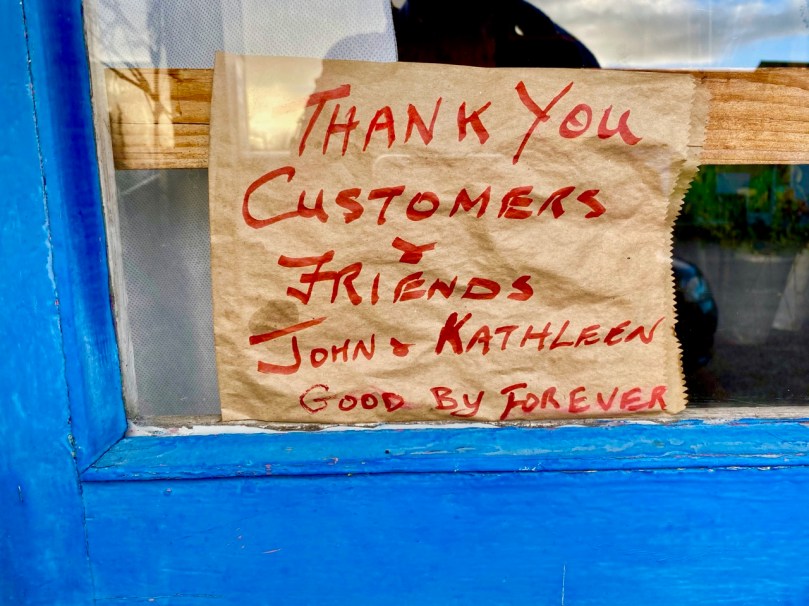
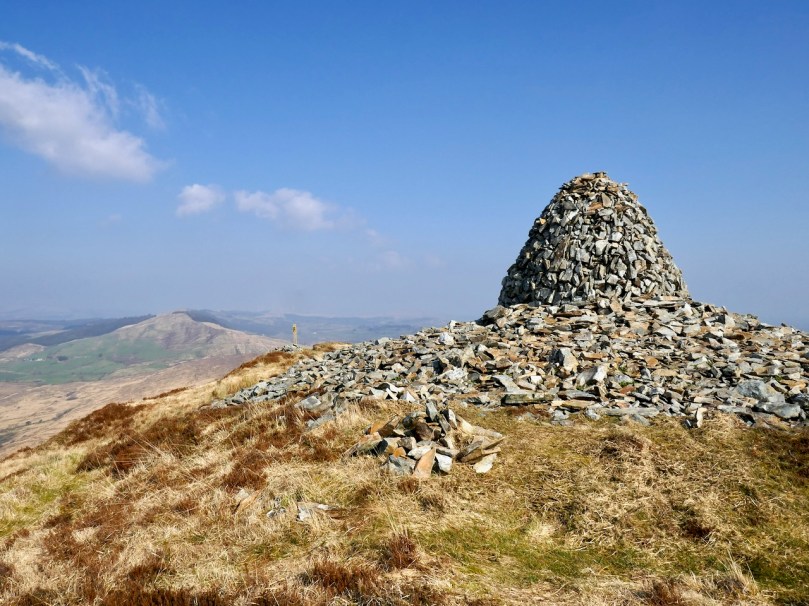
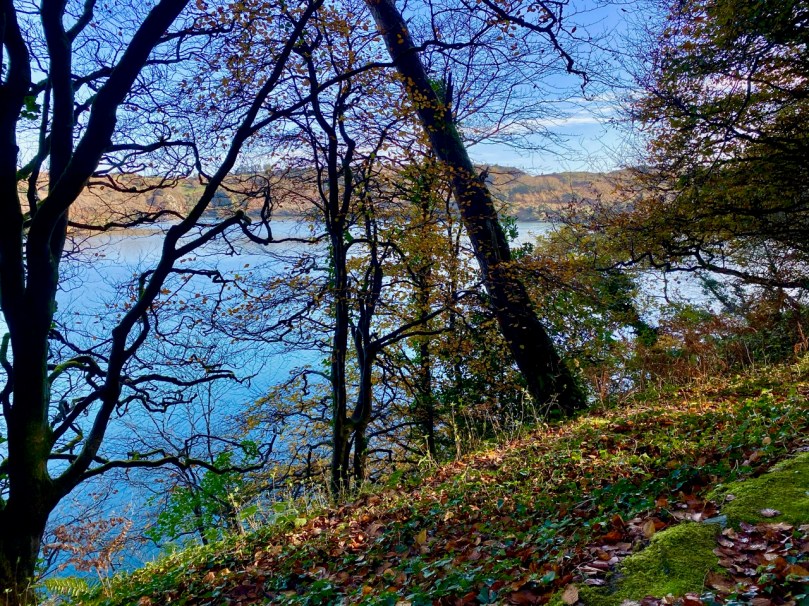
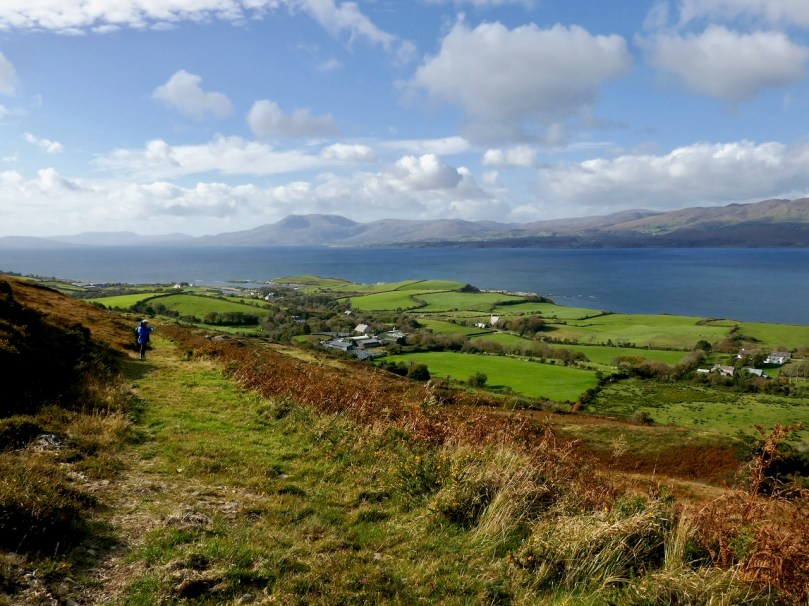
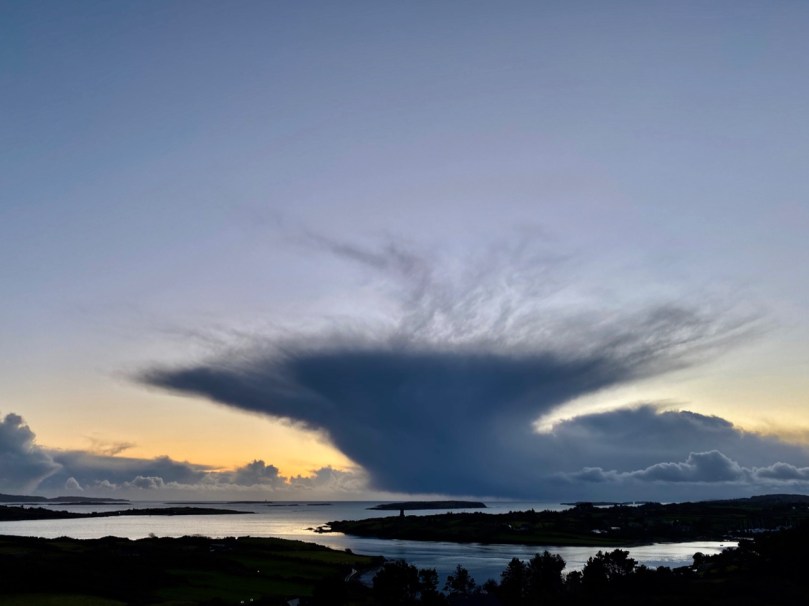
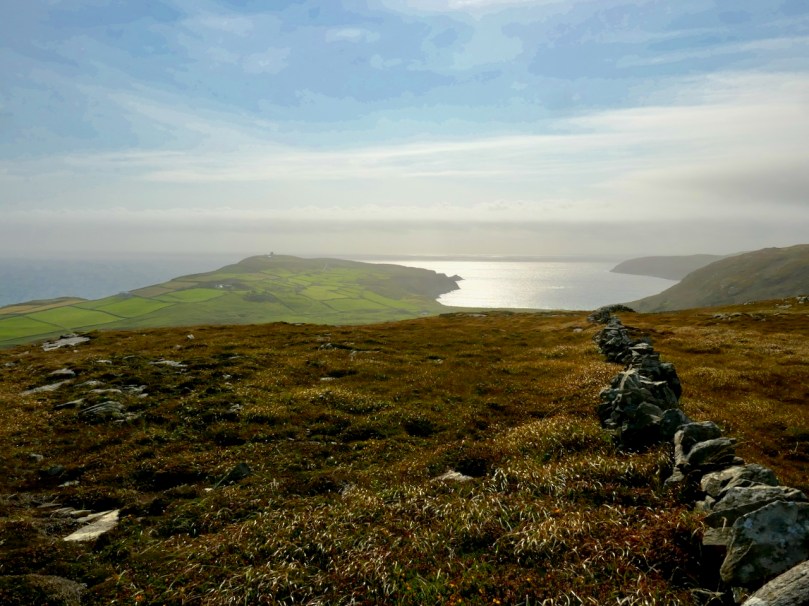
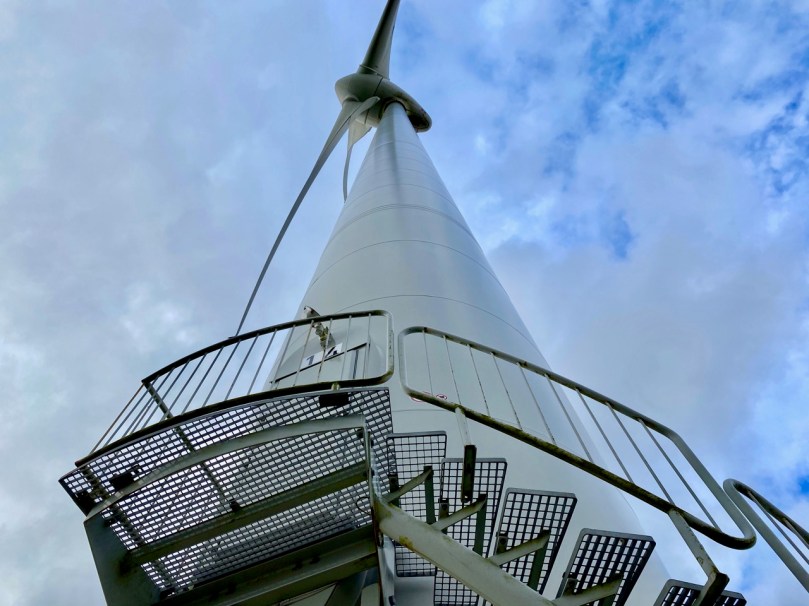
Take-out coffee on Sailors Hill’s, near SchullThe North Side of the MizenDark Skies over RossbrinBenny, the Barley Cover BunnyBallydehob on Wacky WednesdayEverything on the dresser was made in West CorkSolstice Shadow-Casting at DrombegA back road on the Sheep’s HeadLough HyneAlong the Ilen from the Top of the Rock Trail near DrimoleagueView across Roaringwater Bay from a high field known as The GalleriesA mountain stream on The BearaMy Beautiful Launderette in Ballydehob closes its doorsThe Cairn, Mount CorrinLeaning Tree, Lough HyneOn the Mass Path, looking across to the Beara from Sheep’s HeadSign of the TimesBantry BayBallydehob, from the 12 Arch BridgeCoppinger’s CourtTyphhoon!Brow Head from ArdusloughTurbine
Looking forward to 2021! Much more Roaringwater Journal coming your way.
This has been a banner year for Roaringwater Journal – we passed the milestone of a million views and had our most viewed post ever (see below). Most of all, though, it’s been a year in which we feel privileged to have been able to keep bringing you our weekly blog in the teeth of this global pandemic. We won’t lie, there have been moments when it all seemed too hard, weeks when we couldn’t do the sort of travelling around and photographing that are so essential to our research, and days when the sense of underlying dread and distraction made it hard to concentrate on writing. Through it all, you kept us going, cheering and encouraging us with your likes, your views and your comments. So a huge THANK YOU to you, our dear readers! We hope that our little efforts have provided to you, in turn, some notes of sunshine in the dark – like our view, above, from Nead an Iolair, taken just before we hit Publish. Herewith, keeping with the tradition of our usual year-end round up, your (and our!) favourite posts of 2020.
Finola’s Favourites
That most-viewed post of all time? Of course it was Beautiful West Cork in Picture and Song. Colum Cronin’s song – and that voice! – paired with the incredible West Cork Scenery. A perfect fit. Here it is again, in case you missed it first time around, or just to enjoy it once more.
Amazingly, our second most popular post this year was a recipe! We all got into baking during lockdown, and Roaringwater Journal was no exception. The main attraction with this Savoury Soda Bread is how easy it is – in ten minutes you can have bread in the oven filling your house with the aroma of virtue. It’s also a great base recipe which can be varied to make it more like a tea-time treat to serve with jam.
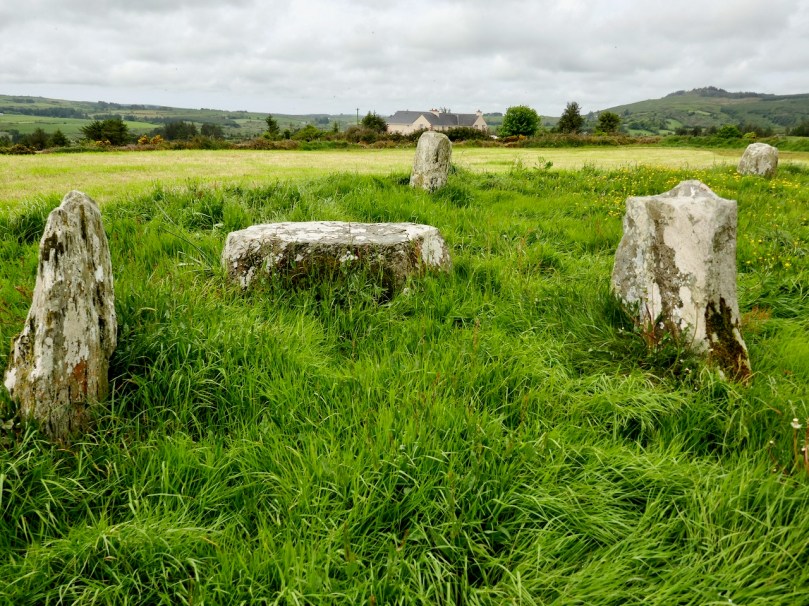
I’ve been wanting for a long time to do a proper treatment of the prehistoric Stone Circles that dot our West Cork landscape. When you write about archaeology there is no substitute for on-the-ground observation. Only by spending time at each monument do you become more alive to their presence in the landscape, their orientations, their similarities and differences. Travel restrictions this year made field trips more challenging and there are still a few on my list to see, but most of the ones we saw are so isolated and in such spectacular settings that it was a joy to plan and write this series. That’s Glanbrack Stone circle below, with a pair of stone outliers (taken in a big hurry as a slurry tank was heading into the field). You can start with The Stone Circles of West Cork: An Introduction (written in 2019), and move one to Multiple Stone Circles, Five-Stone Circles and finally the Discussion.
Readers will know my stained glass obsessions and this year I devoted three posts to a group of mid-century artists and craftspeople producing unique and accomplished windows under the name Murphy Devitt Studios (links to all three parts on this page). I confined myself to their Cork windows and a marvellous journey of discovery it was to see how a young and energetic group set out to test how the ancient traditions of stained glass could be influenced by modern movements in art and design.
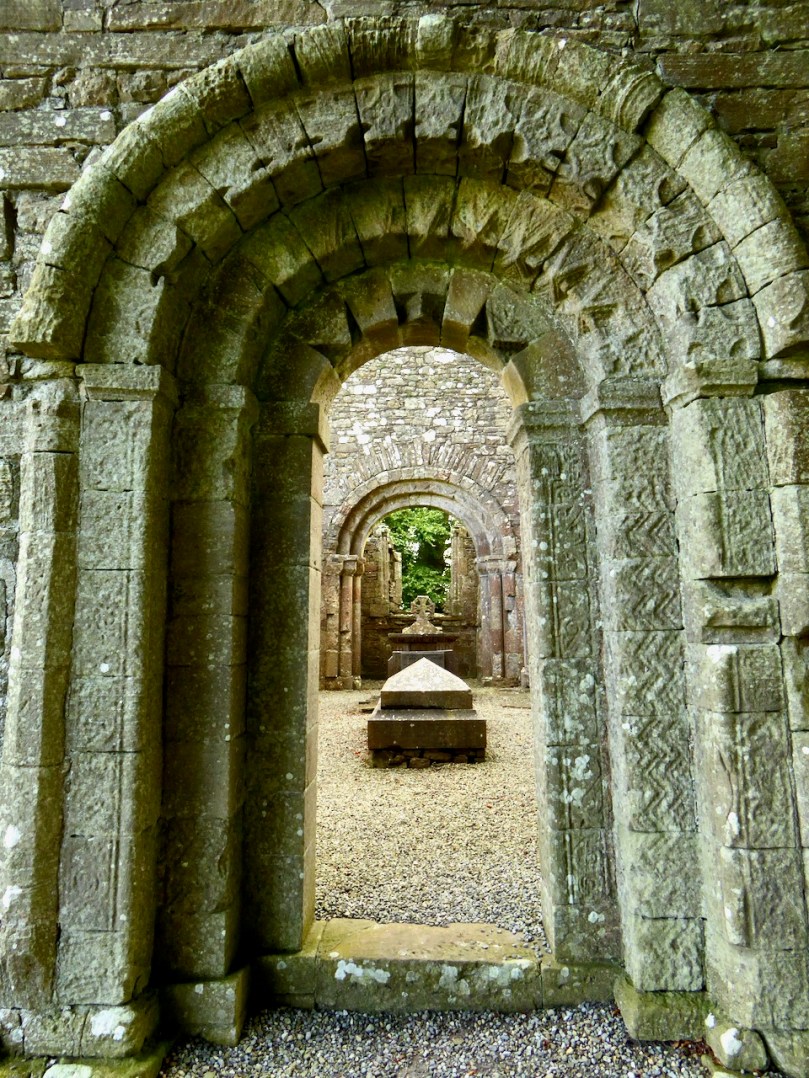
Finally, a post about a place that totally captured me – Monaincha, The Isle of the Living, in Co Tipperary. This is a site that takes a little effort to find and get to, but once you’ve been, you might agree with my opening statement that There are places on this island that seep into your soul. You come away with a sense of having visited another world, of having passed through a portal and been lucky enough to come back to tell the tale.
It’s been hard to limit myself to five (and as you can see I did cheat a bit) and indeed I could as easily have chosen others. Over to Robert now.
Robert’s Favourites
As Finola has set out, we are each reviewing favourite posts of this year: 2020. It has been a year unlike any other for both of us – and for everyone else, of course. At times we have been very limited as to where we can travel – no more than 5km from home for weeks at a time, for example. It’s not surprising, therefore, that our immediate environs have come into close focus for us. In one of my posts – from 26 January this year (and before Covid) – our own Rossbrin Cove was my subject, and I saw it partly through the eyes of others, including some local artists. The photo above was taken by our friend and neighbour Julian van Hasselt in 2010 – that’s a year before we arrived. It’s more or less our own view of Rossbrin’s medieval castle. Our winters so far haven’t been so ‘Christmassy’, but – who knows – there may be something waiting for us around the corner. . . The following photo, also from this post, was taken in January this year and shows how contrasting our weather patterns can be.
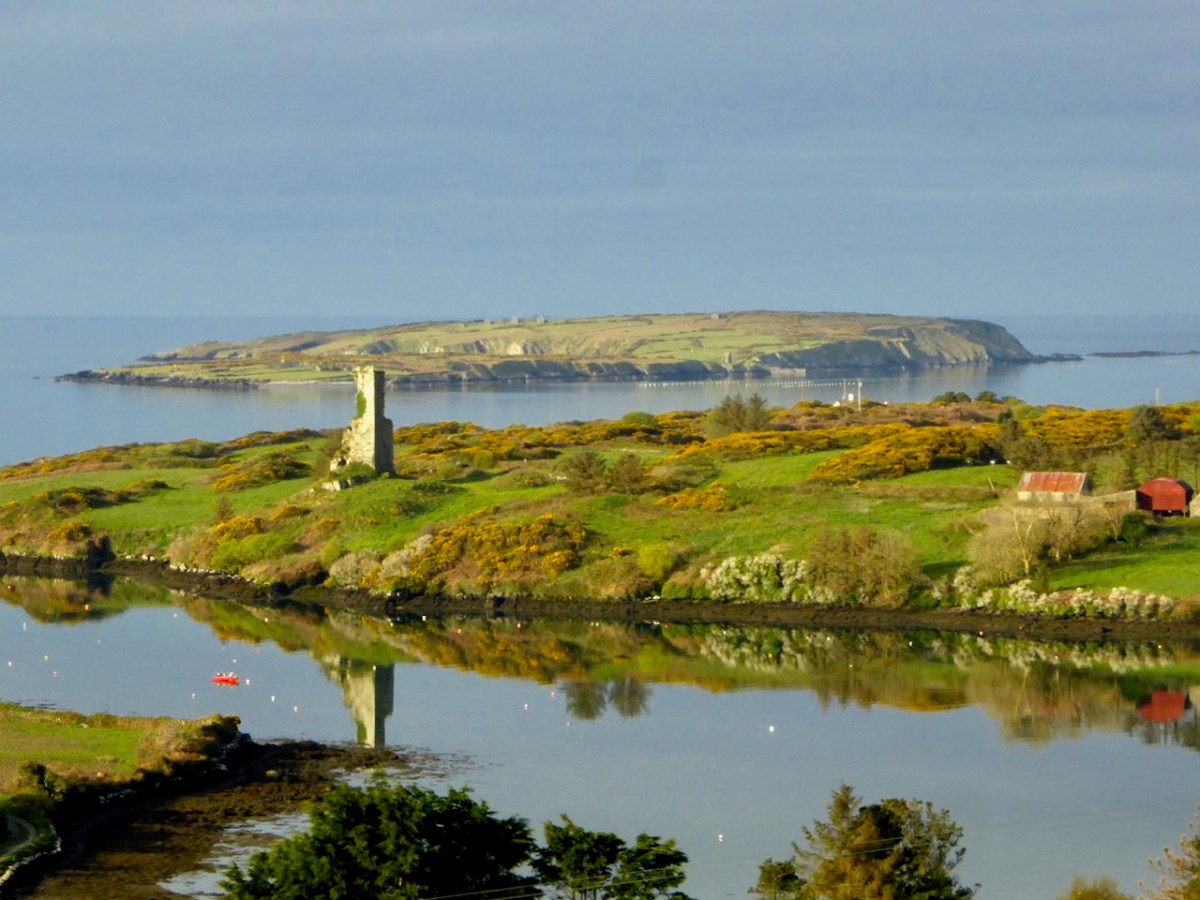
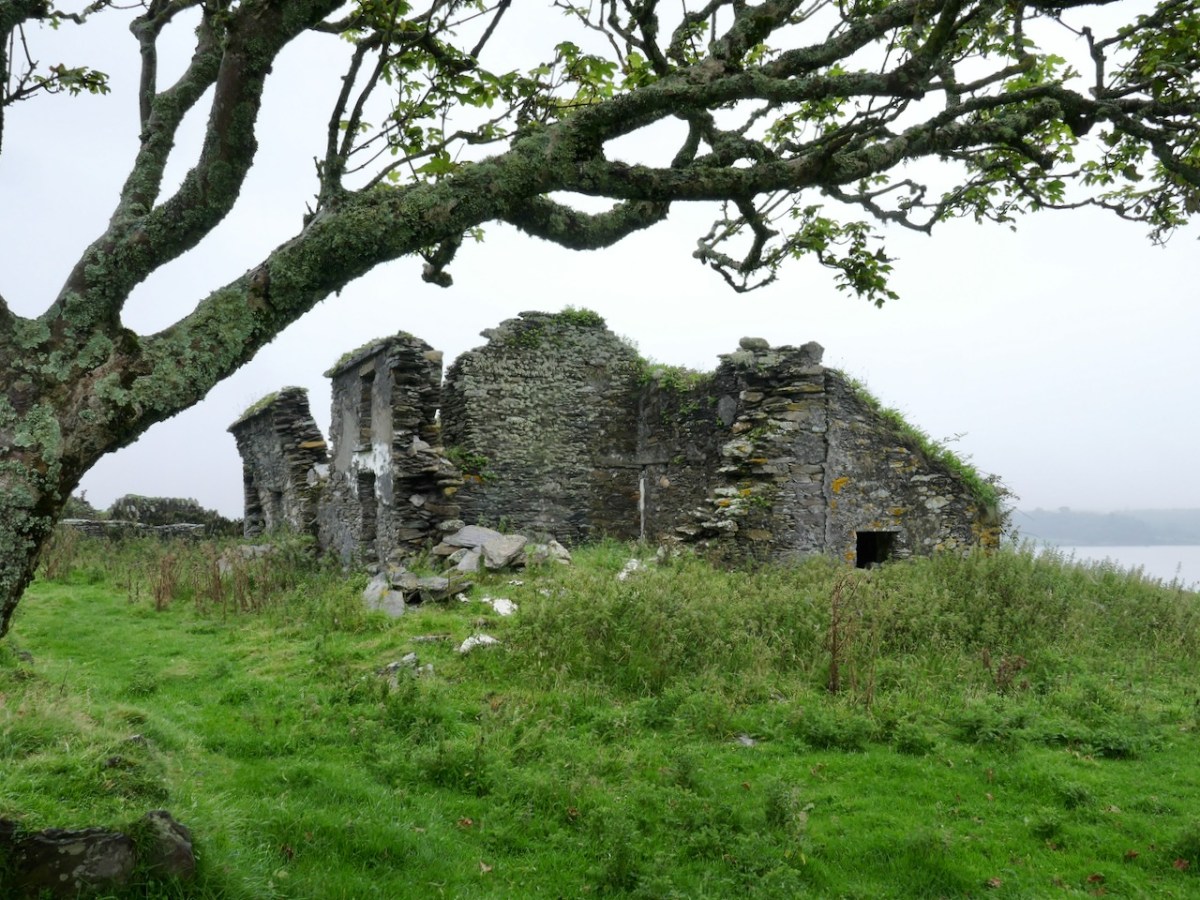
This beautifully atmospheric view of Rossbrin castle also includes another castle across the water in the distance: that’s the one that gives Castle Island its name. One of the highlights of the year for me was a visit to that island, courtesy of another neighbour: thank you, Dietrich, for giving us a ride out there on your handsome classic fishing boat ‘Barracuda’ (and for bringing us back)! We look out to the island from Nead an Iolair, and it has always had a sense of mystery for us: it has a number of dwellings on it, all now deserted and in ruins (have a look at the picture below). My post Castle Island Explored – Part 1 tells of our exploration but also sets out a little of the history of the place. Since our visit I have discovered more about the island and its story, and I really will get on with the long overdue second instalment in 2021 – that’s a promise!
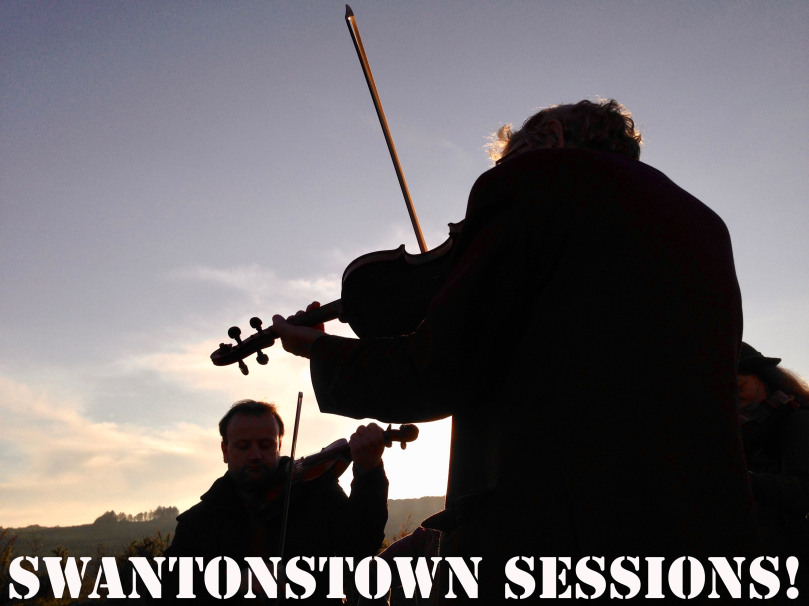
In March this year, our lives changed: the pandemic was upon us, and I realised that one of my favourite pastimes – playing in the live music sessions in the Ballydehob pubs every Friday evening throughout the year – would not be happening for a while. To compensate, I started a new blog giving our musicians the opportunity to put up recordings of tunes and sings online to try and keep up our spirits as Covid progressed. ‘A while’ became a very long time and, in fact, music sessions have been out of the question ever since. The way things are looking as I write, it’s unlikely that they will start again until well into the coming year. I introduced the Swantonstown Sessions blog with a Roaringwater Journal post. Why ‘Swantonstown’? Because Ballydehob carried that name for a time in its history: many Swantons once lived here, and some still do today. As a musical interlude for this post, here’s me playing a tune by Turlough O’Carolan which I recorded for Swantonstown Sessions on my anglo concertina – Planxty Maggie Brown:
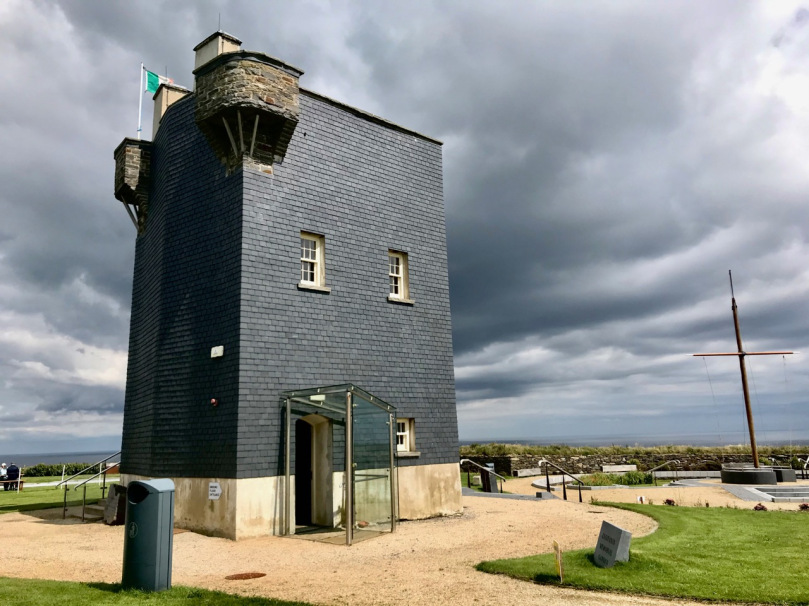
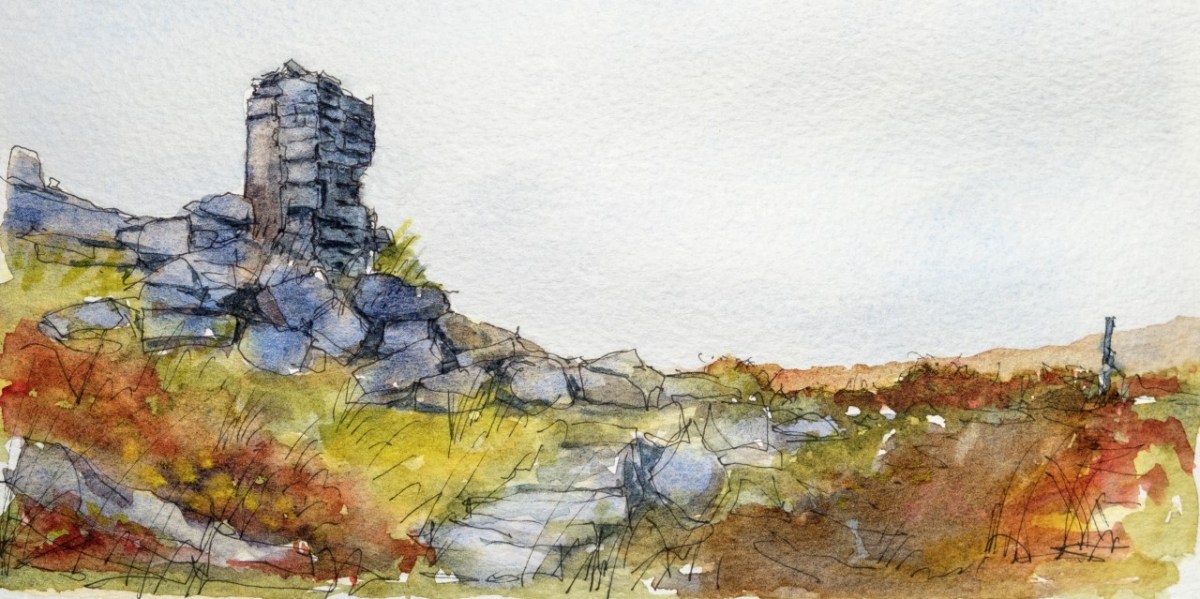
This year I discovered – and wrote about – signal towers in Ireland built at the time of the threat of a Napoleonic invasion in the very early years of the nineteenth century. One post turned into a series of seven posts, as – in spite of travel restrictions – we were able to explore most of the sites of these structures in County Cork, including the restored example at The Old Head of Kinsale (above). All the others are impressive but gaunt ruins dotted around the coastline, each one in sight of two further ones, and signals were passed between them using flags and – sometimes – beacons. If I had opened the series to include the whole Irish coastline there could have been 81 posts! That many were built in a period of just a few years. I called the series A Signal Success in Irish Engineering: you will find them all by following that link. Here’s a picturesque rendering by our friend, Peter Clarke, of the very vestigial tower remains at Ballyroon Mountain on the Sheep’s Head:
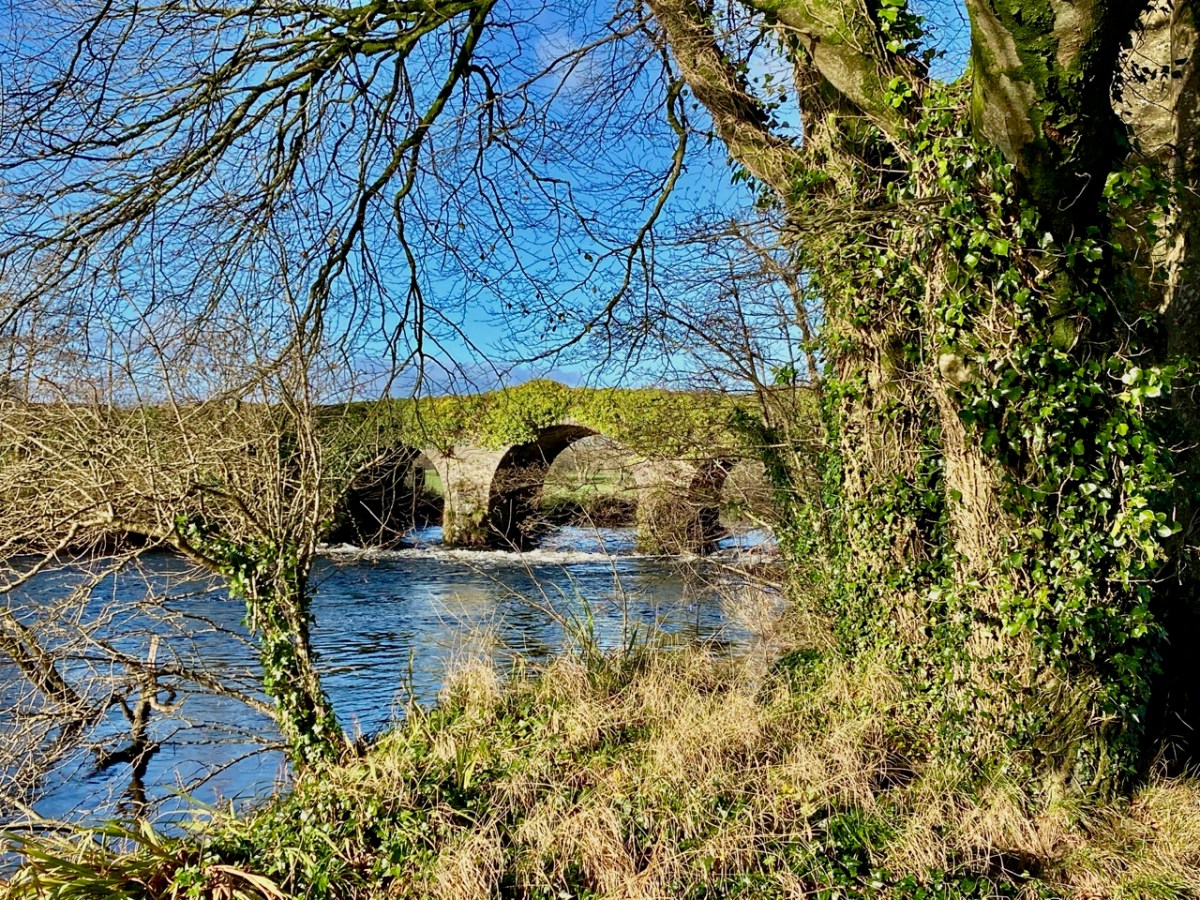
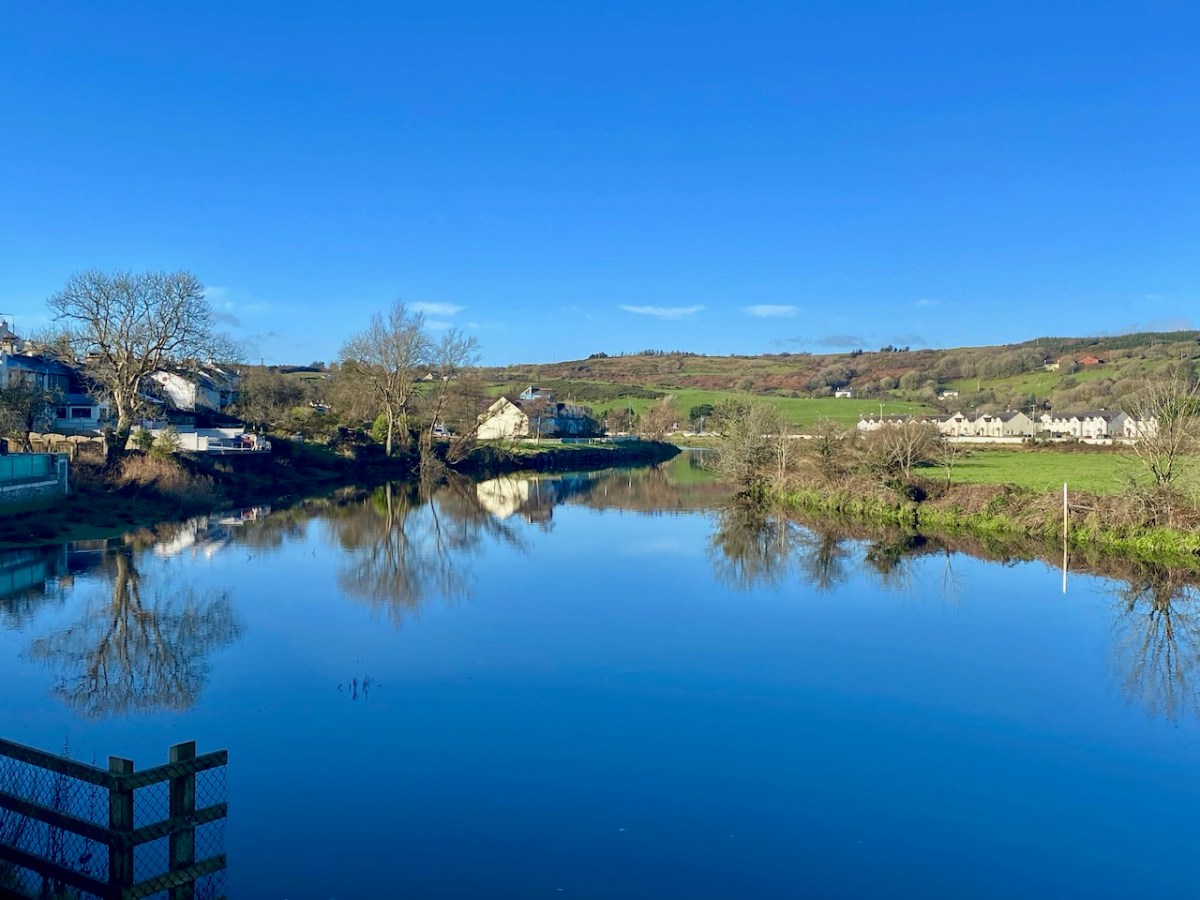
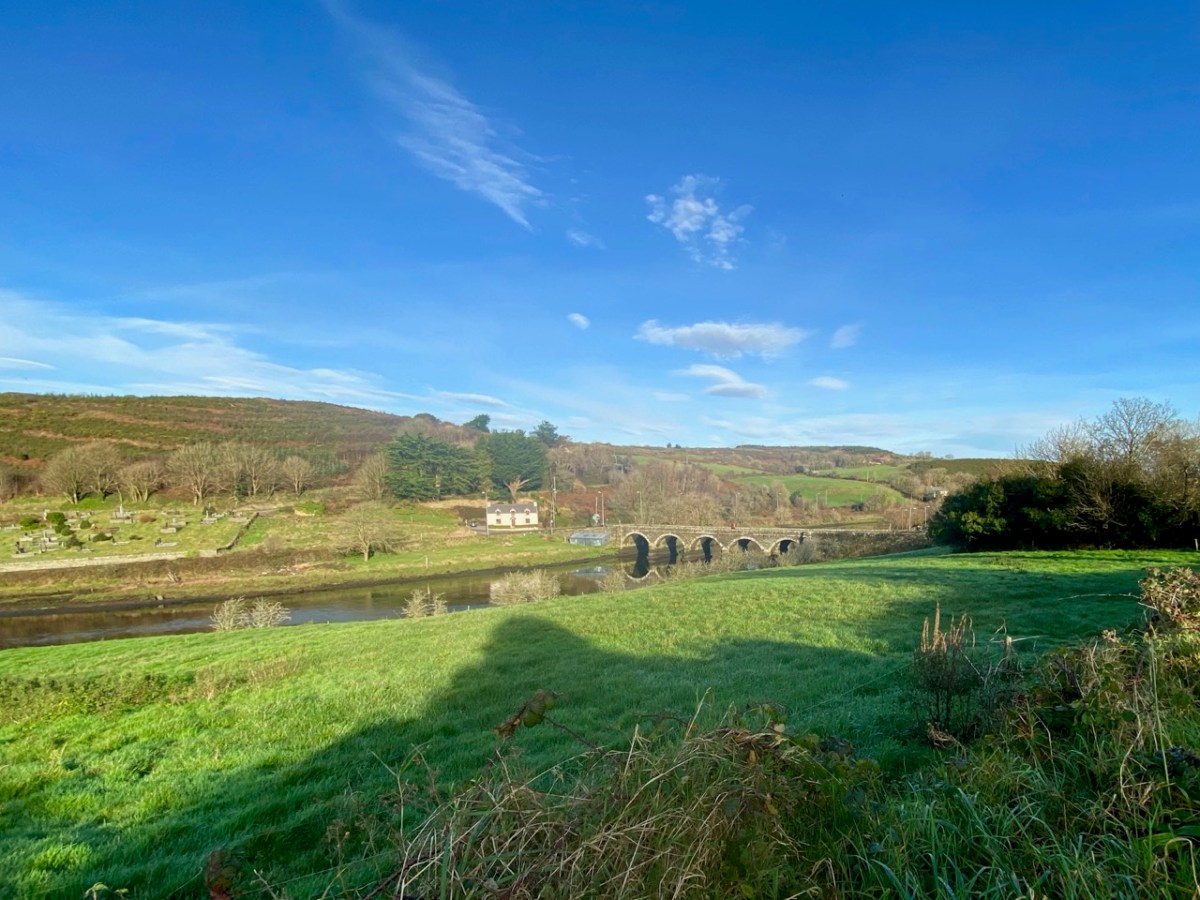
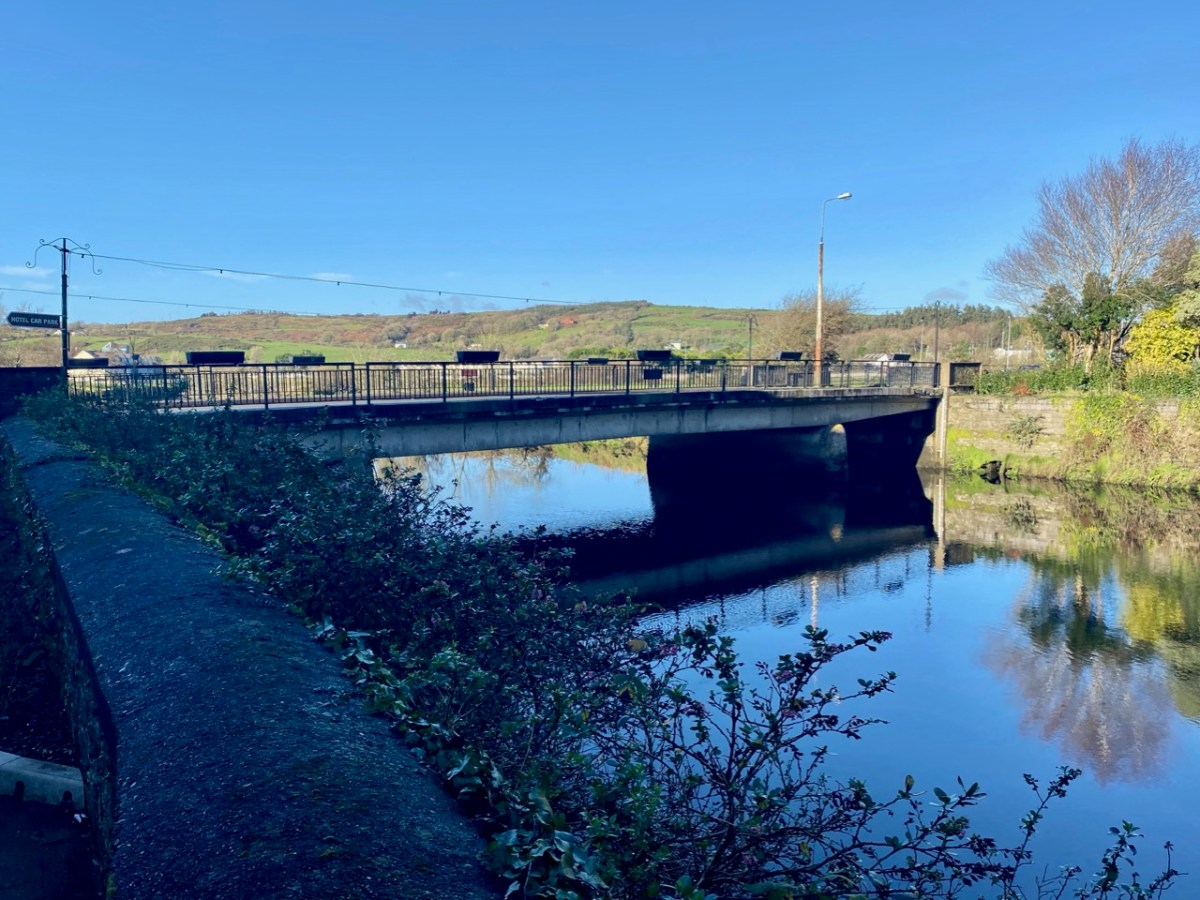
Another project which I started towards the end of the year is the exploration of our major West Cork river – the Ilen. That’s Ballyhilty Bridge, above. My series – Sweet Ilen – will continue into next year. There have been three posts to date: here is the most recent – Sweet Ilen Part 3. At the end of that one you will find links to the other two. It’s a magnificent waterway, rising in the summit of Mullagmesha Mountain and taking a lazy, winding course down to meet the Atlantic at Baltimore. I’m really looking forward to getting to that mountain source, when circumstances permit – and to the mouth. In the meantime there is plenty to to keep you busy in these posts, and all the others I have mentioned above. Enjoy your own celebrations and I hope the new year will bring us all renewal. Here is Sweet Ilen close to its tidal limit at Skibbereen:
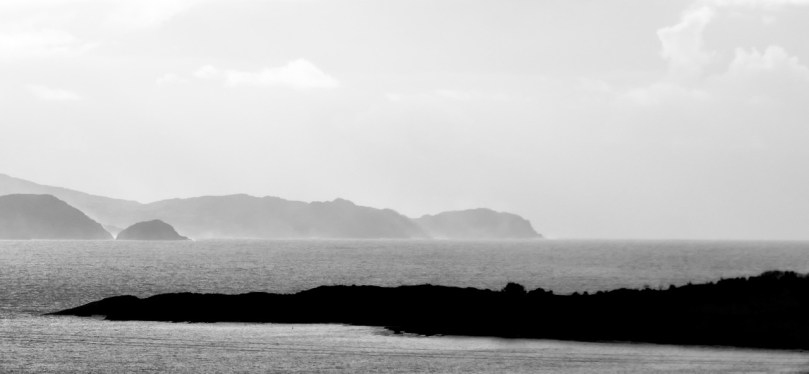
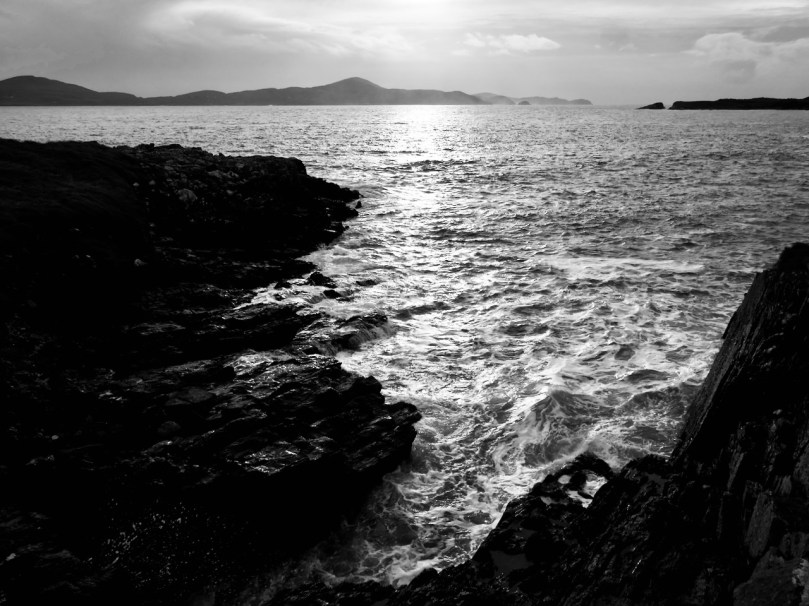
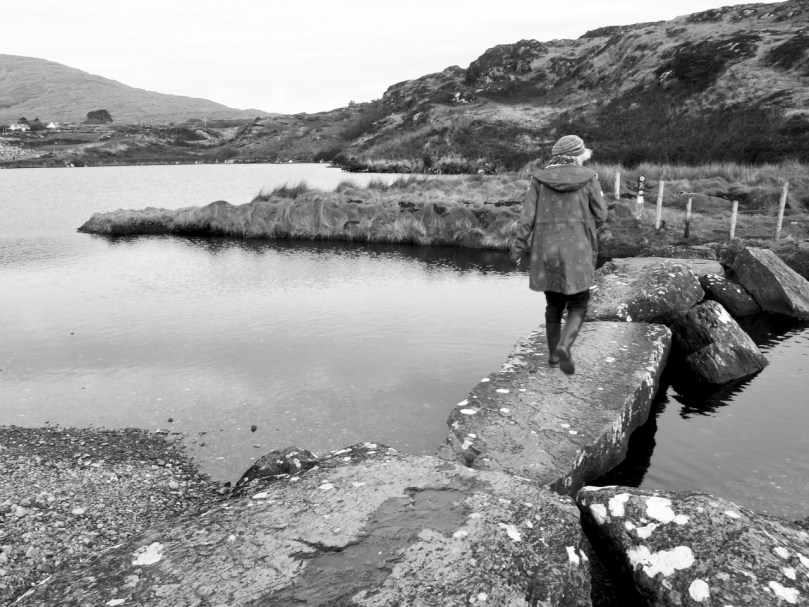
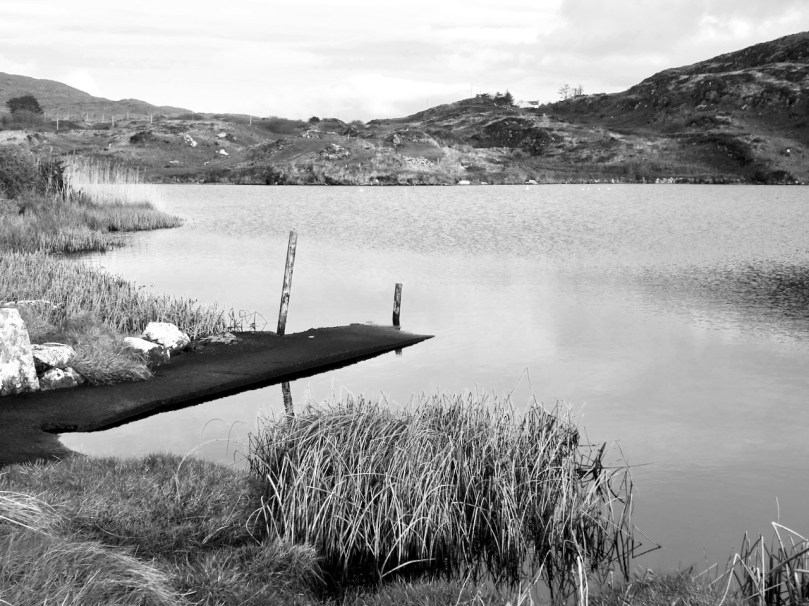
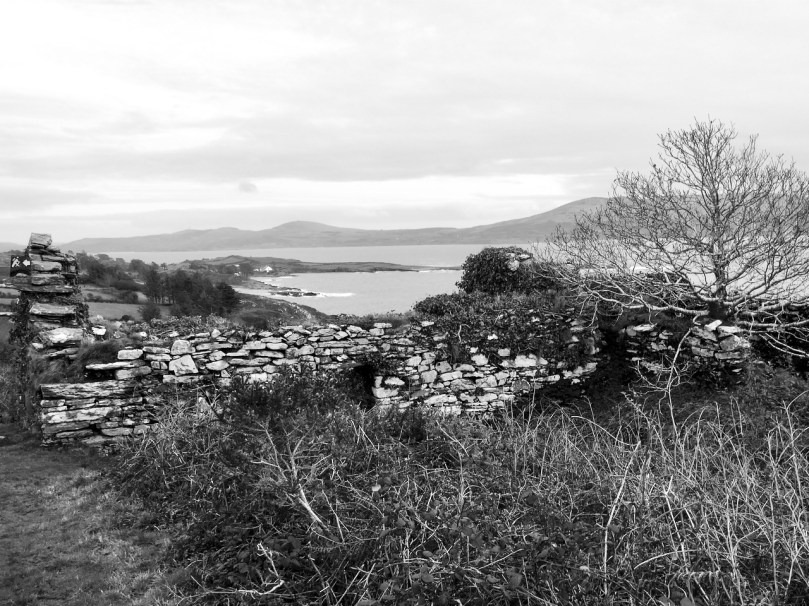
Some days, especially in the winter, just feel like black and white days. The sky is grey, the sea is silver, the rocks are black – colour drains from the landscape as atmosphere and mood creep in.
Now that we are allowed a bit more freedom of movement and association, we headed over to the Sheep’s Head yesterday for a walk with Amanda and Peter. We did one of our all time favourites, the Farranamanagh Loop Walk, which takes in Farranamanagh Lake and the O’Daly Bardic School.
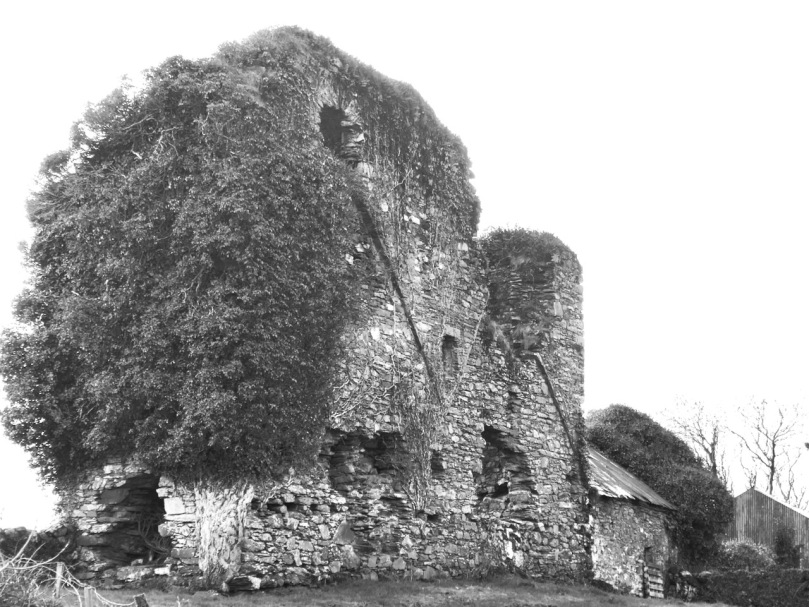
We stopped on the way to look at Rossmore Castle, near Durrus. This is a fairly vestigial, probably fifteenth or sixteenth century tower house, probably built by the O’Mahonys but taken over by the McCarthy’s at some point. Not only is there not much left standing, but what is there is covered in ivy, so it’s hard to make out a lot of features. One thing that has survived up to a couple of stories, though, is the stairwell, with a few treads of the original spiral staircase still hanging on.
Then it was on to our rendezvous with Amanda and Peter and the walk. I’ve provided a map, which comes from the Sheep’s Head Way website. As always, for your companion on any of these walks, we recommend Amanda’s book, Walking the Sheep’s Head Way, now in its second edition. You can buy it in all the local bookshops or get it online.
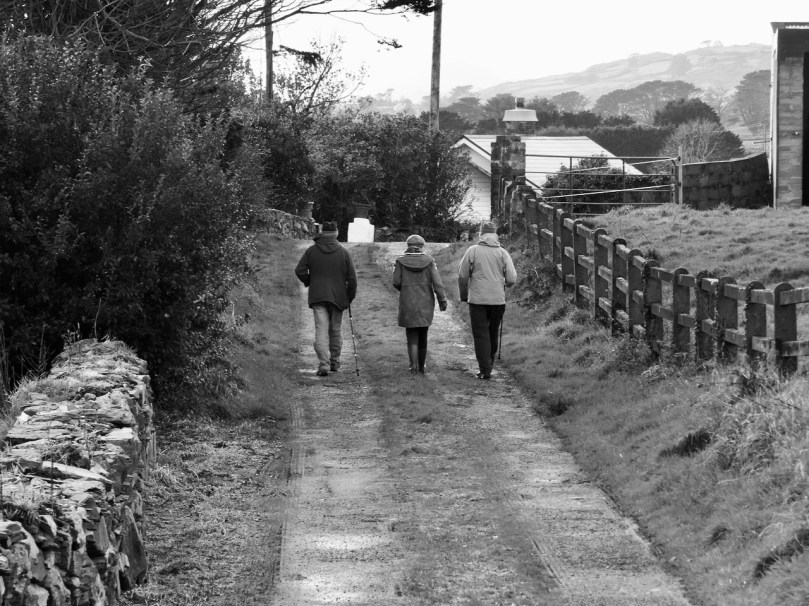
We started the walk at Dromnea car park (P on the map) and crossed the road to the short walk up to the Well of the Poets (430) (you can read more about the well here, and see what I am writing about in full colour) and on down the old green road. We walked along the road until the spot indicated by the arrow, then down to the shore.
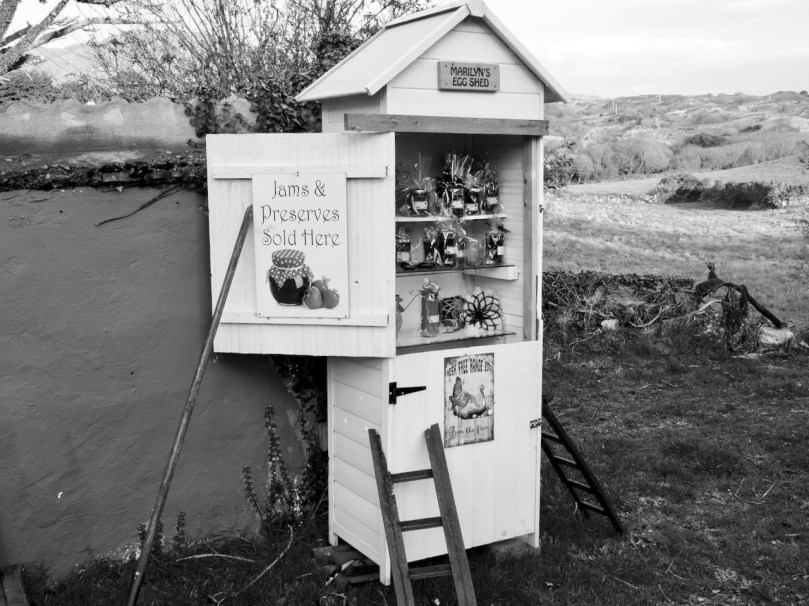
The ‘castle’ marked on this map, by the way, is practically invisible – nothing remains except some rubble. This road leads you past a quirky little small holding that is locally famous for its eggs and jams – and for its alpacas!
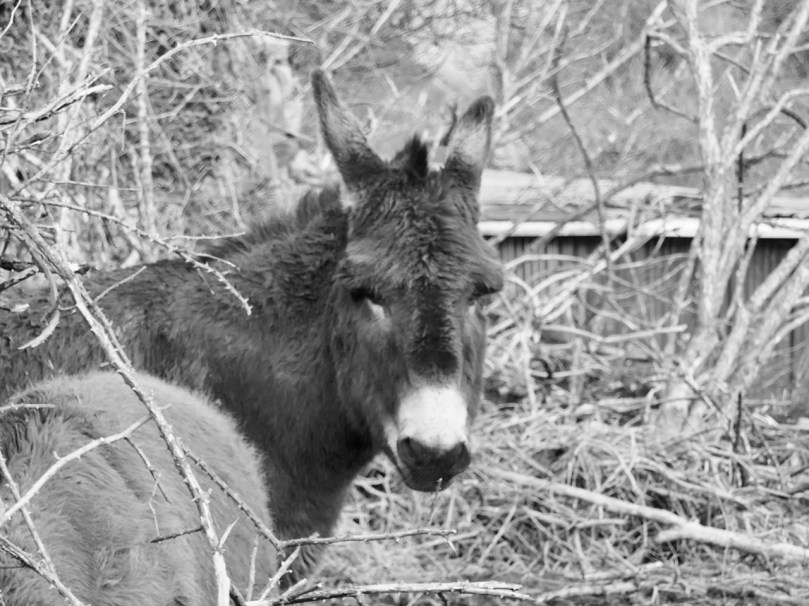
Although we saw the alpacas yesterday it was the donkeys that caught my eye. Donkeys, although they are actually not native to Ireland, seem like such iconic Irish animals, beloved of postcard makers, with panniers of turf on either side.
Photographing in black and white like this makes everything seem at once nostalgic and old, as if I had been transported back a hundred years. If you don’t squint too hard at the houses you can imagine them as simple whitewashed cottages with thatched roofs. You can, can’t you?
From 410 you walk along the lake shore to a clapper bridge across the stream that drains the lake into the sea, and then uphill and back towards the Bardic School.
One of the lovely things about this particular walk is that you are looking across at the Mizen Peninsula all the time and on a day like this the impression is of a series of hills receding into ever more misty contours. The effect is ethereal and mysterious – see my top two photos at the start of the post.
The lake itself is home to the sons of the King of Spain in the form of swans. You can read that story in Robert’s post from way back in 2012, Of Kings and Poets. That post will also serve as an introduction to the Bardic School and its most famous poet, Aenghus O’Daly, The Red Poet. He may have made his home in the ruined castle marked on the map – it was an O’Daly castle, their only one in this area, and an indication of the power and prestige that accrued to bards.
The ruins that are nowadays pointed out as the remains of the Bardic School may indeed have been part of it and it was certainly right in this area. The views from them are so magnificent that the poor apprentice poets had to be locked into darkened rooms so they could concentrate on composing their stanzas.
As we write, the vaccination program for Ireland is being put together by an expert panel. We feel hopeful that future Sheeps Head walks can resume their gentle, charming rhythm without the underlying low-level fear that accompanies us at the moment. We are moving from darkness to light.
Here is the third instalment of our wanderings along the Ilen – one of West Cork’s most significant rivers. Once a commercial highway connecting the merchants of Skibbereen with the coastal ports and scattered islands, it now plies its way from the summit of Mullagmesha Mountain taking a lazy and often secret course through lush valleys and pastures, showing itself to us only at a few crossing points until, boosted by many tributaries, it becomes a wide tidal waterway heading for Baltimore and the wild Atlantic.
Our explorations so far have taken us from Newcourt upstream to Ballyhilty Bridge. We have yet to ‘top and tail’ the river: that will be done, but only when restrictions and conditions permit. I doubt that we will be searching for the source in the mountains until next spring at the earliest, as those high paths are closed for safety at present. But, back in November, we were able to continue north from Hollybrook Demense and Maulbrack townland.
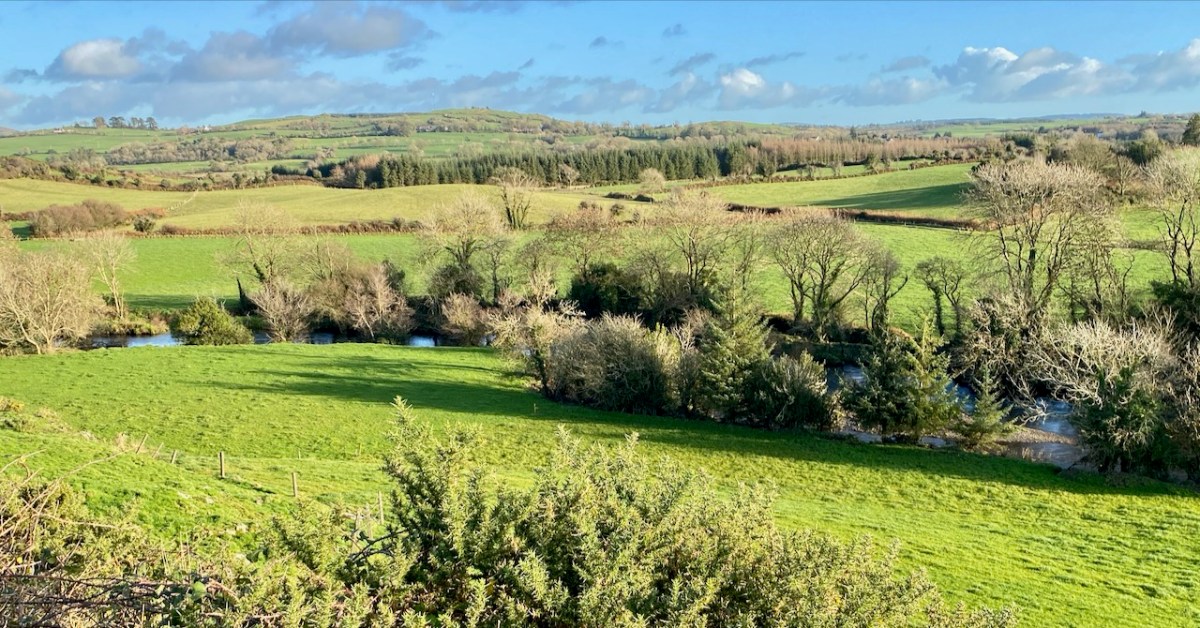
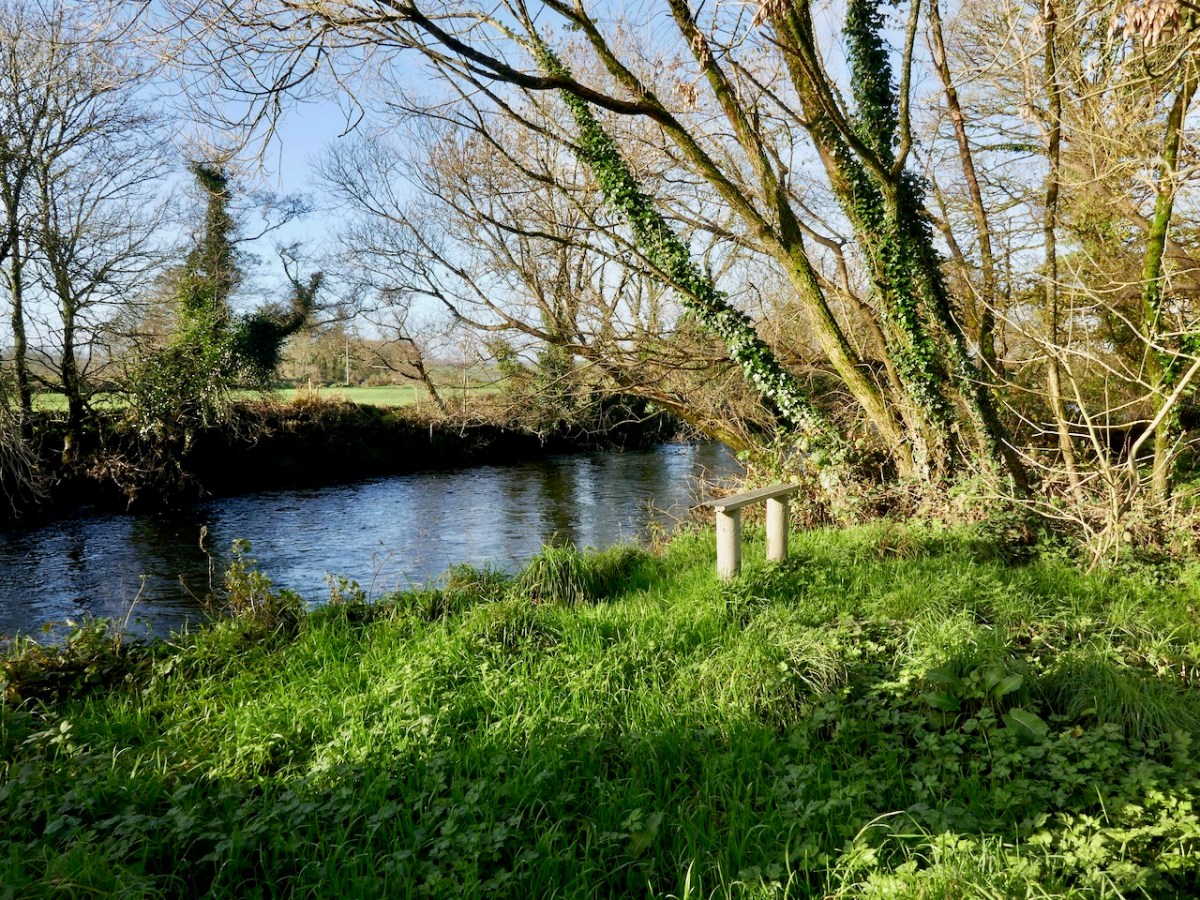
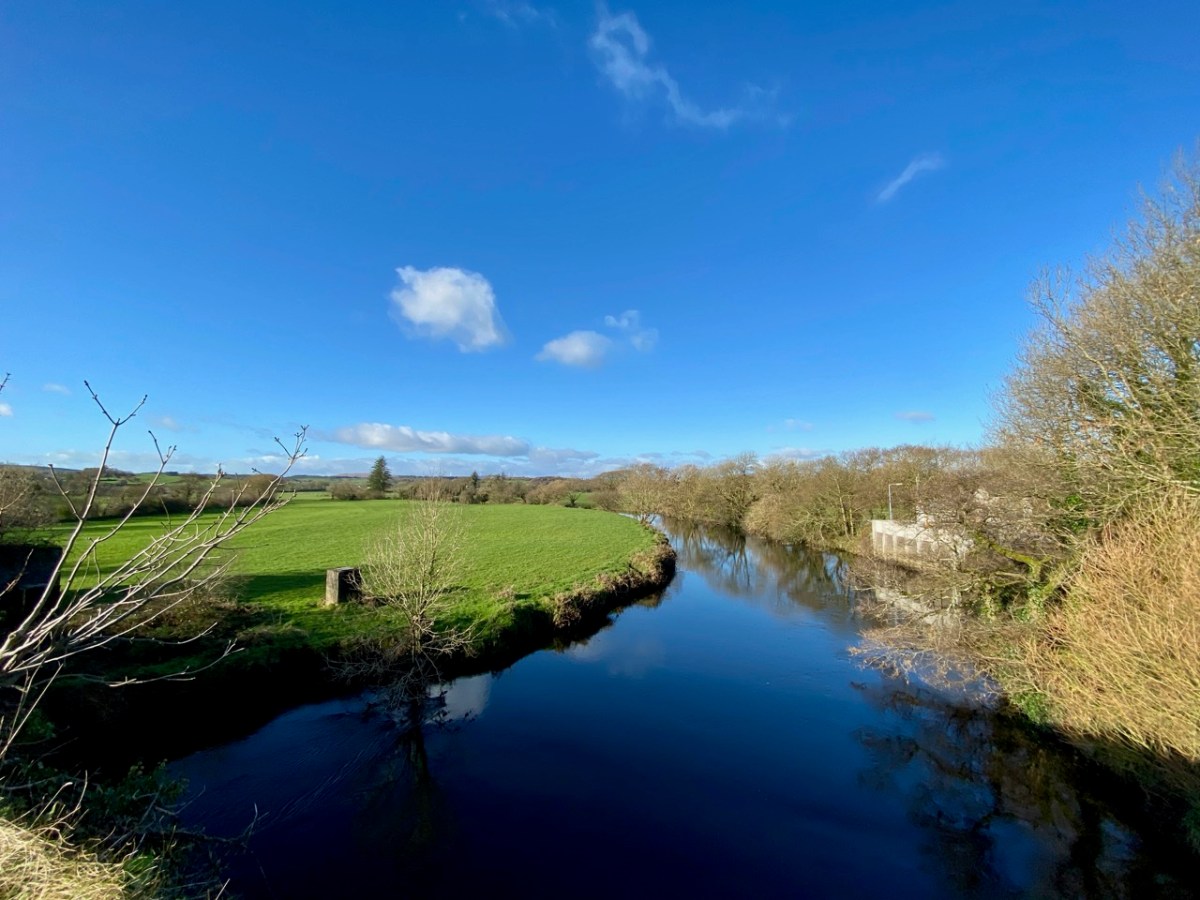
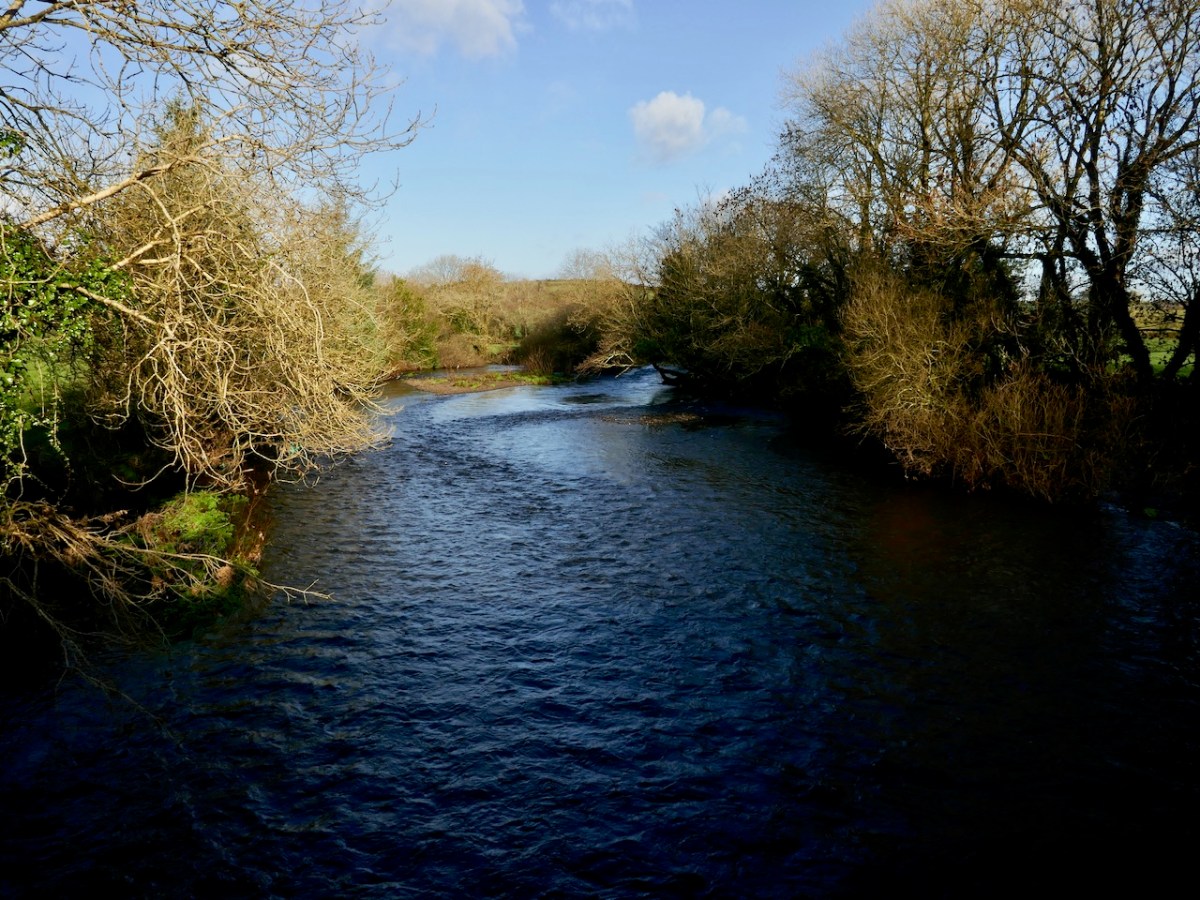
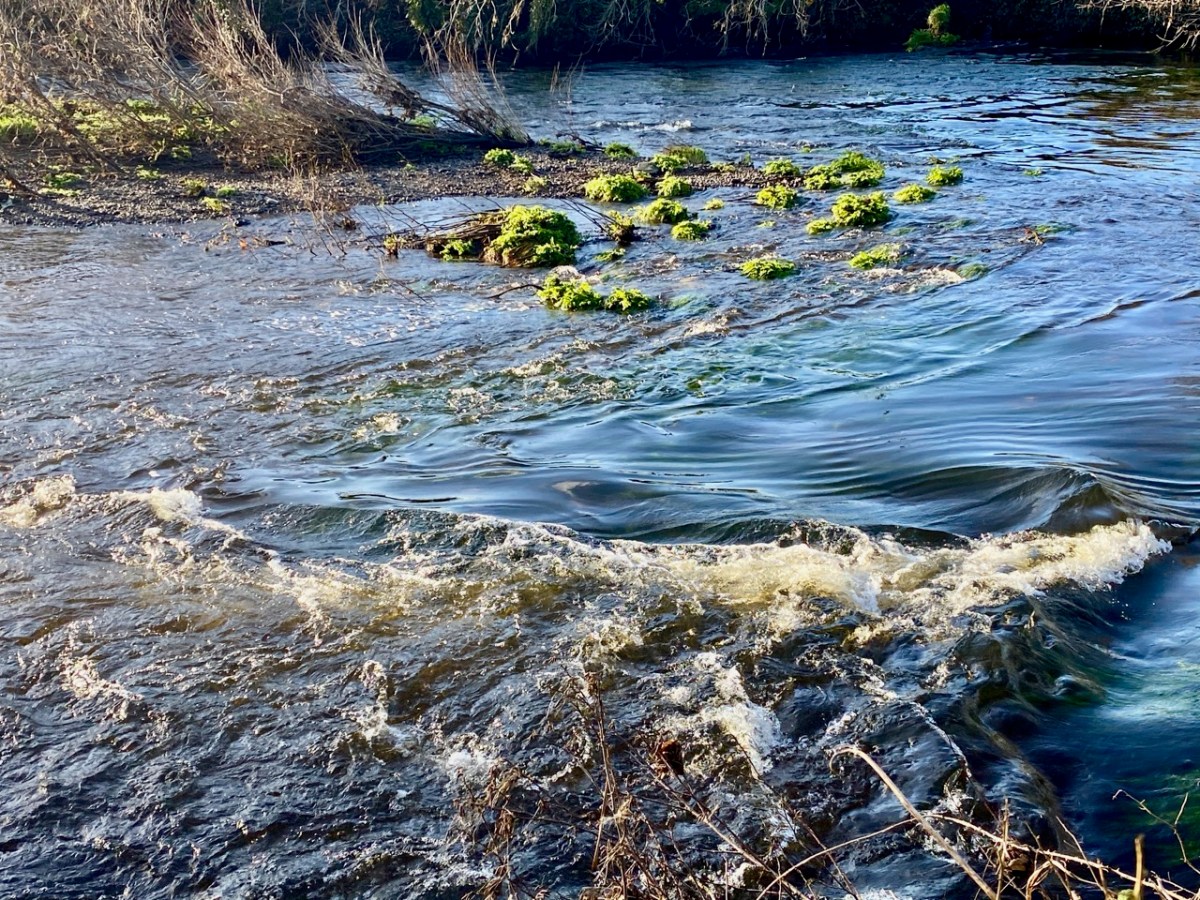
Images from top include the header showing the river at Caheragh with the distant mountains to the north; an anglers’ seat at Ballyhilty; and the broad river just upstream of Ballyhilty Bridge. The river is still wide as we follow it, but becomes shallower and is interrupted by rapids mixing with contemplative, deep pools (above).
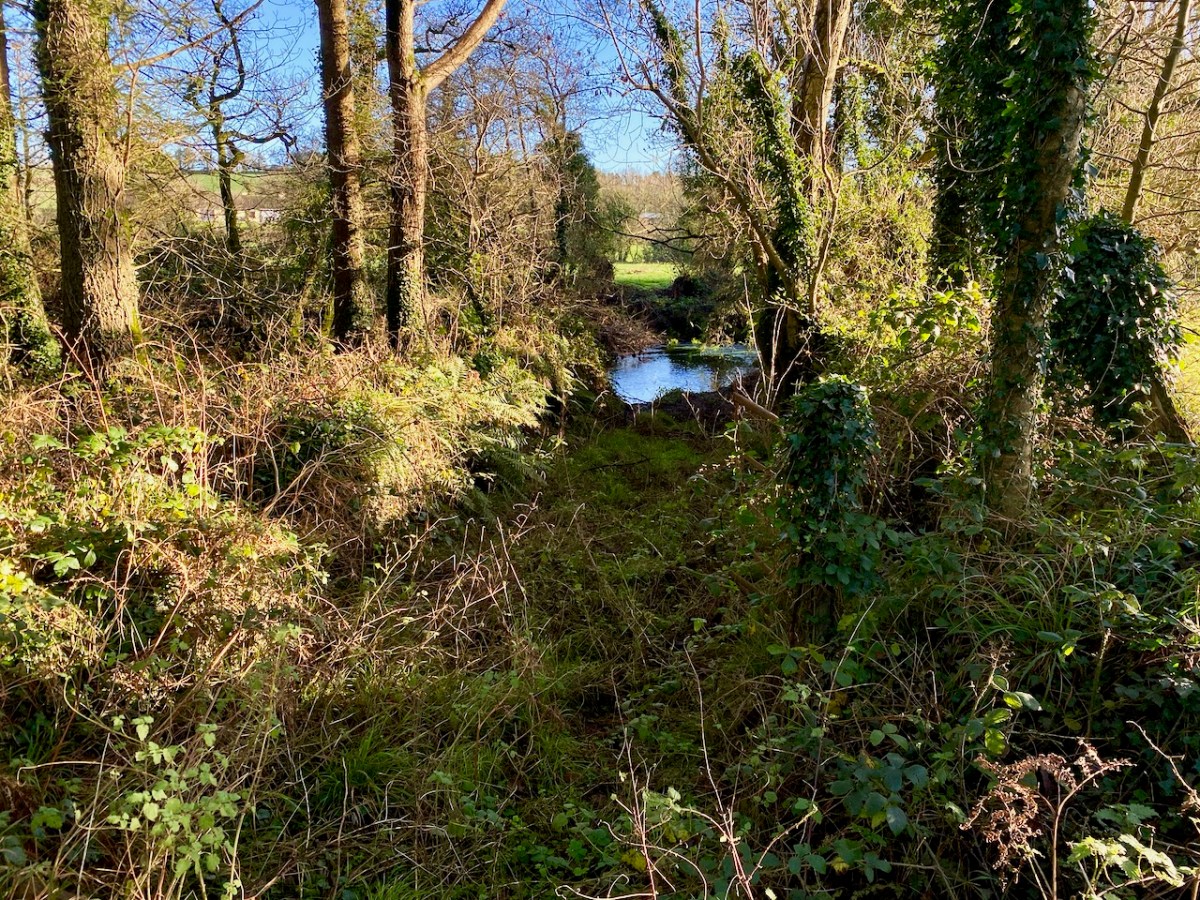
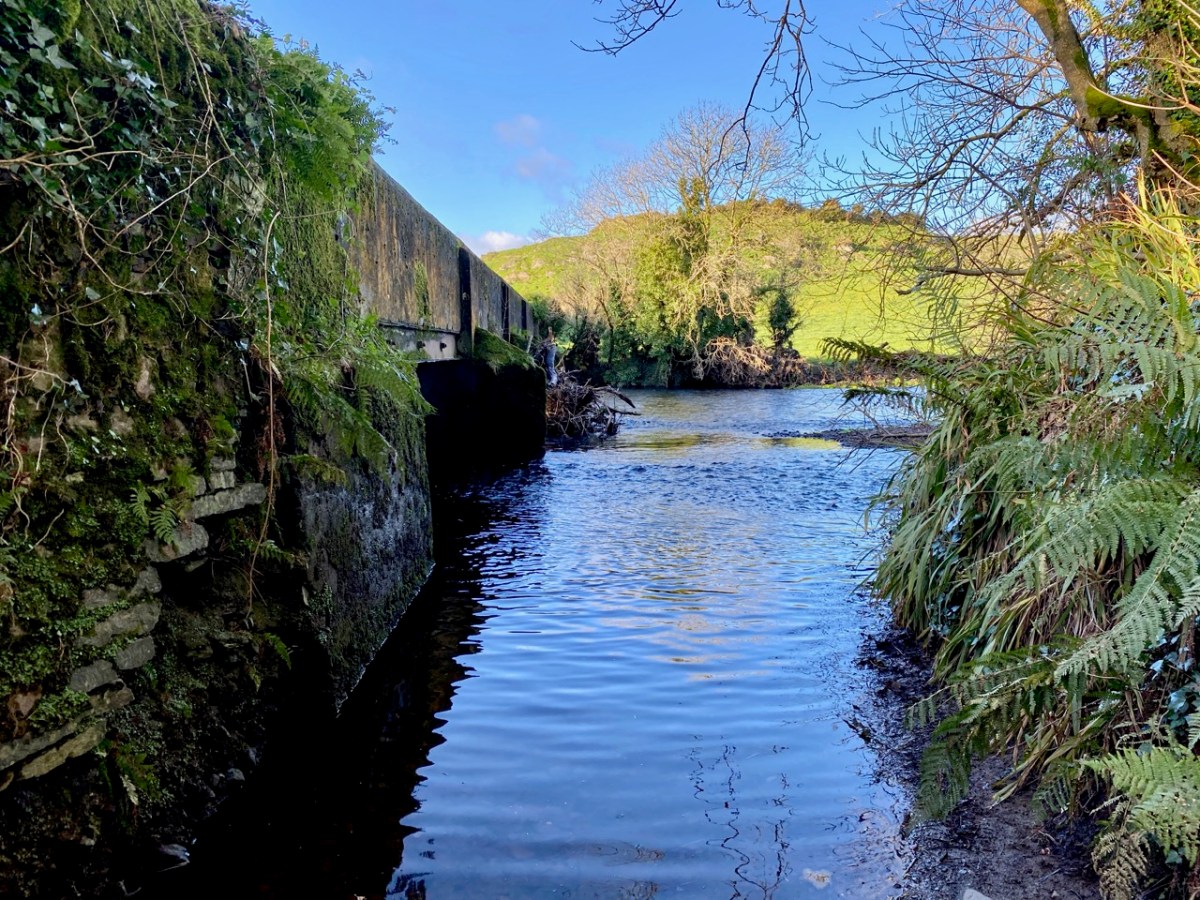
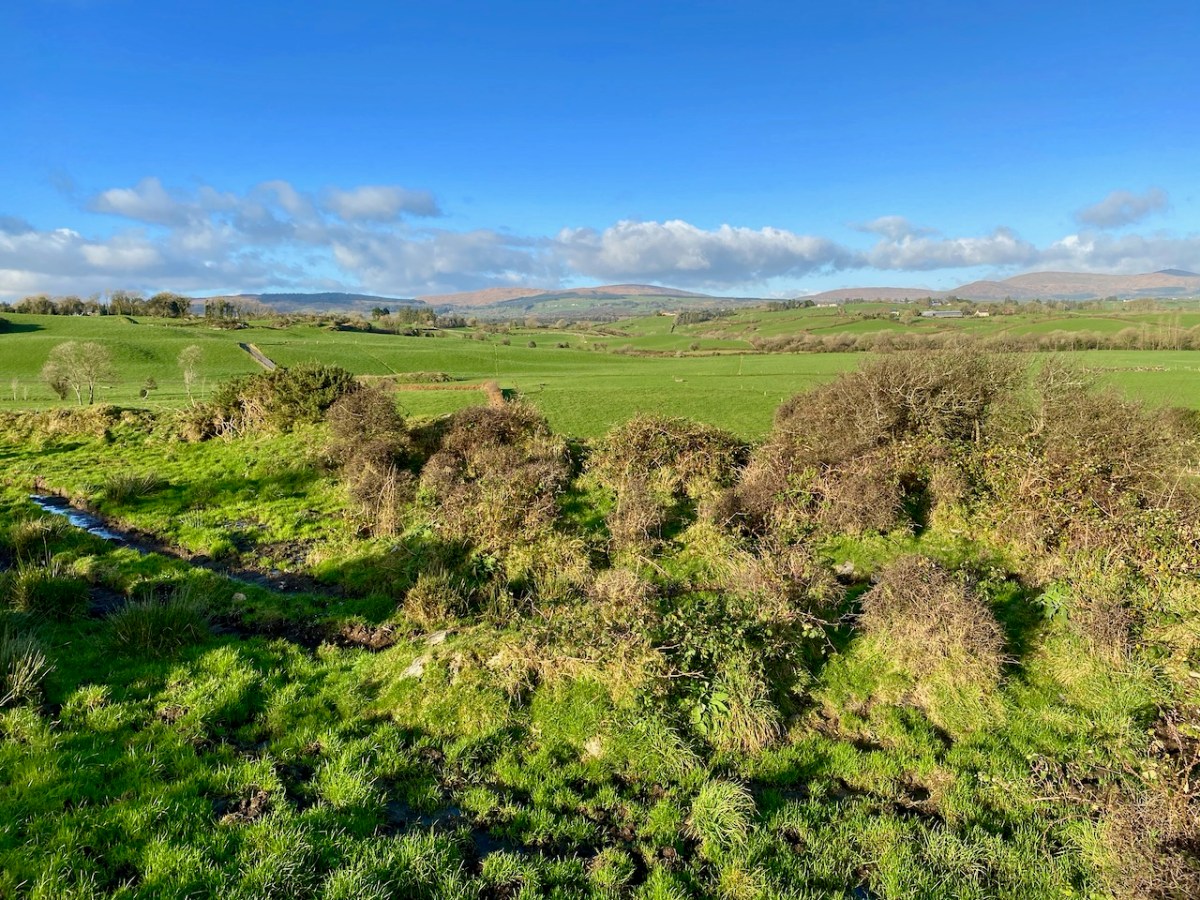
Large parts of the river here are lost in the hinterland. We try to follow every small trackway that might take us close to it – and which certainly take us to the back of beyond – and catch the occasional glimpse such as this one (above), which is probably an ancient ford.
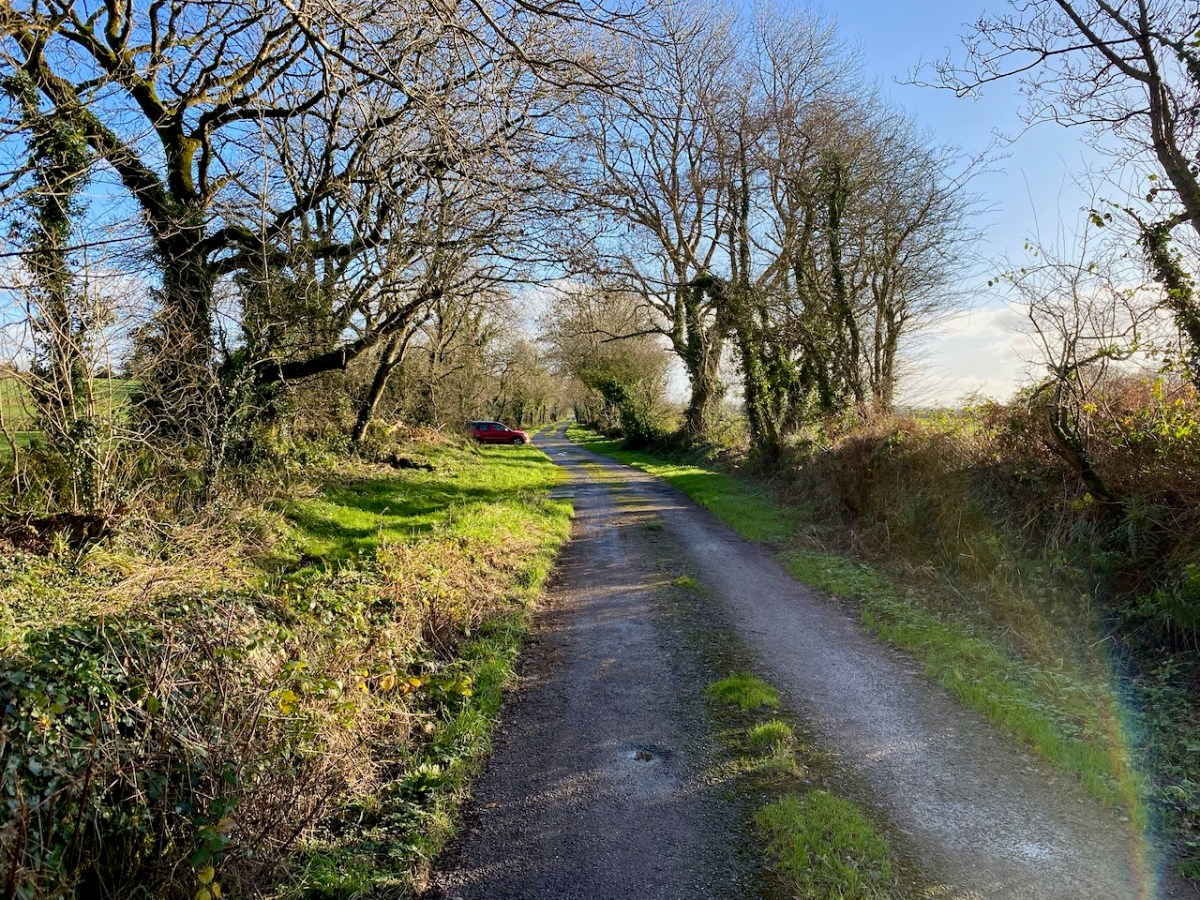
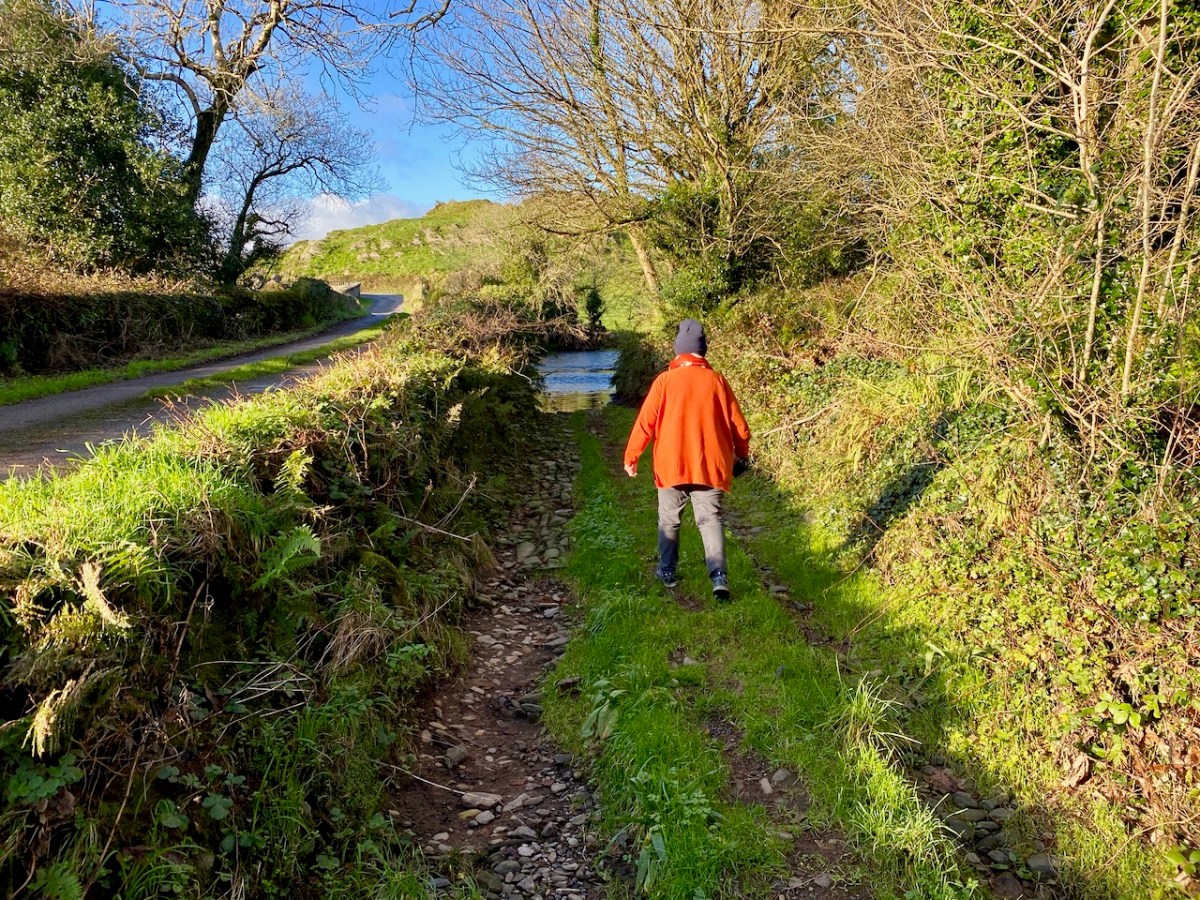
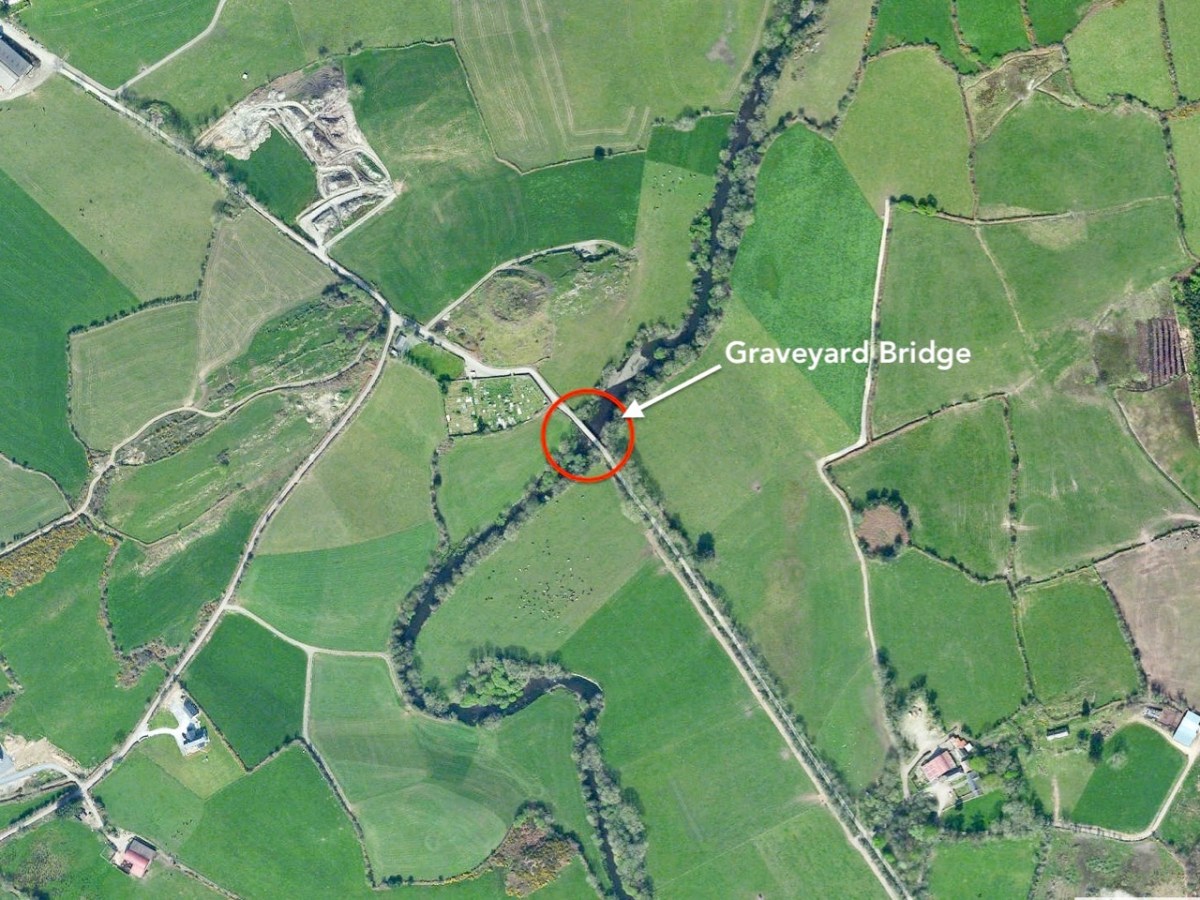
We delight in travelling the tiniest of boreens, which invariably open up new vistas for us, and make us feel so happy to be living in such a beautiful part of our world! This little used lane (above) takes us to the next crossing point – romantically named, as far as I can ascertain, Graveyard Bridge.
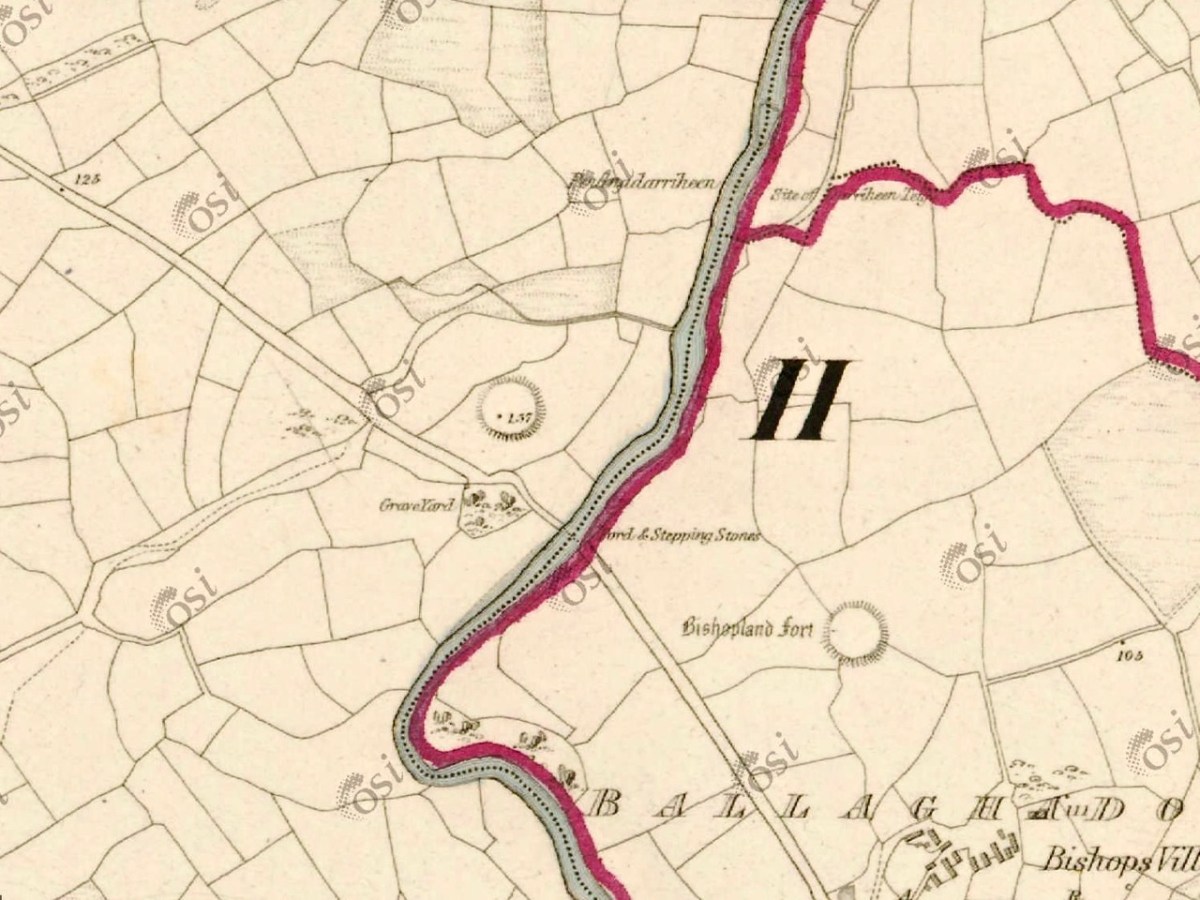
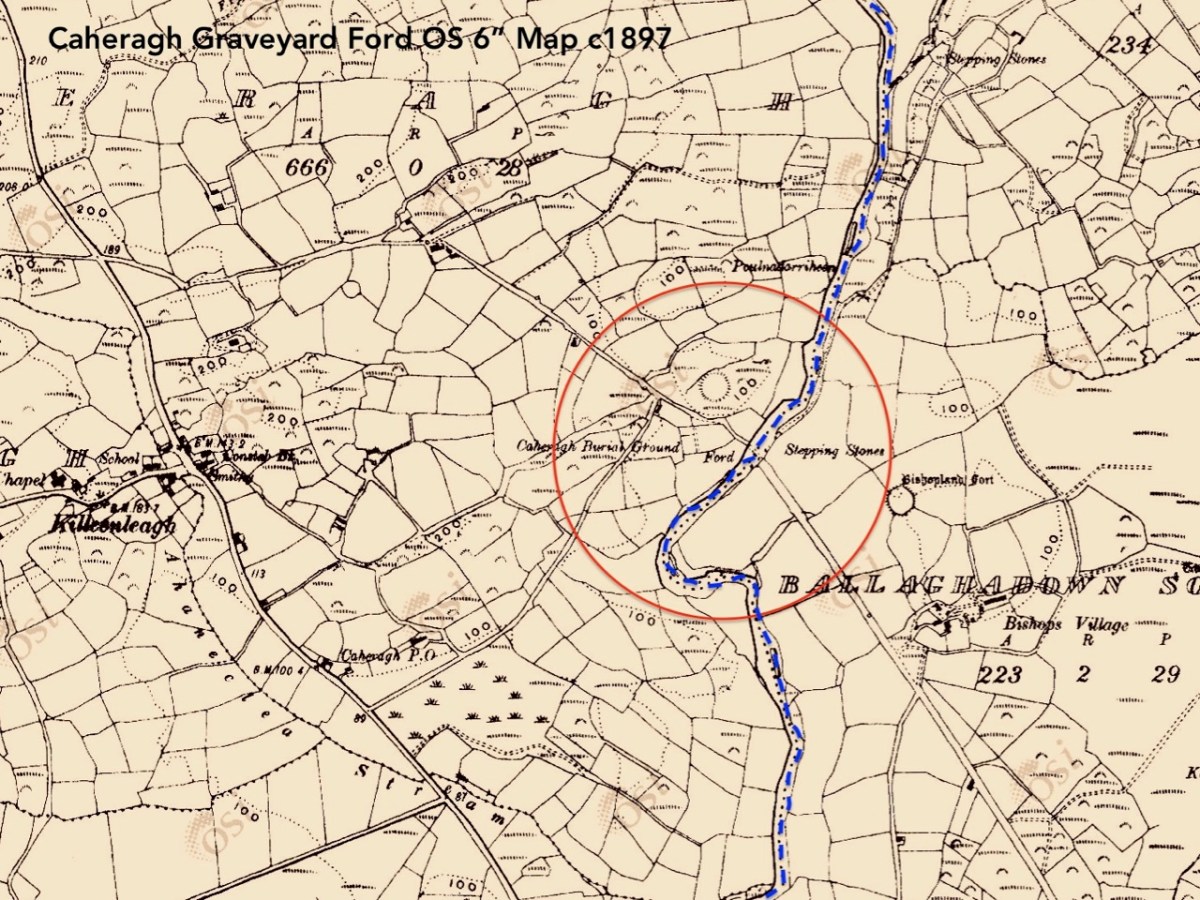
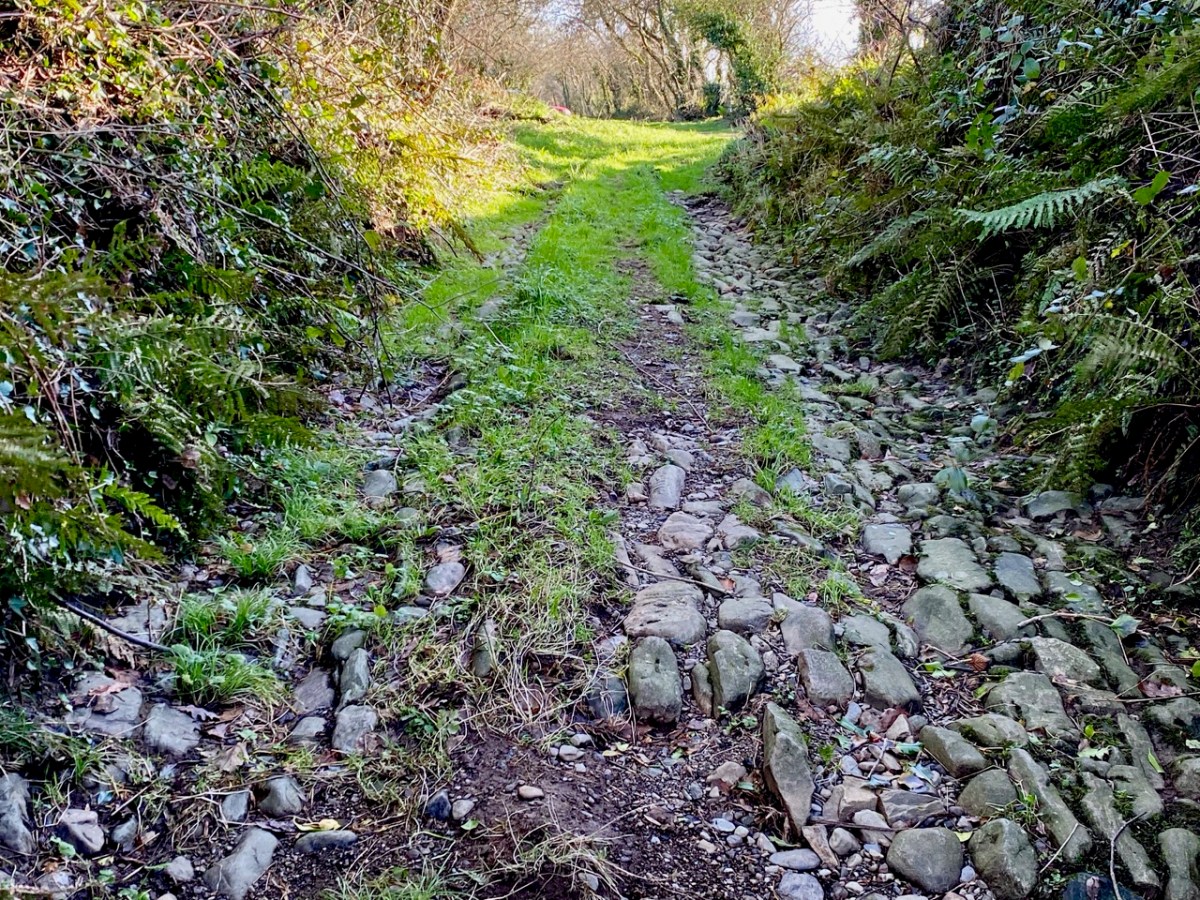
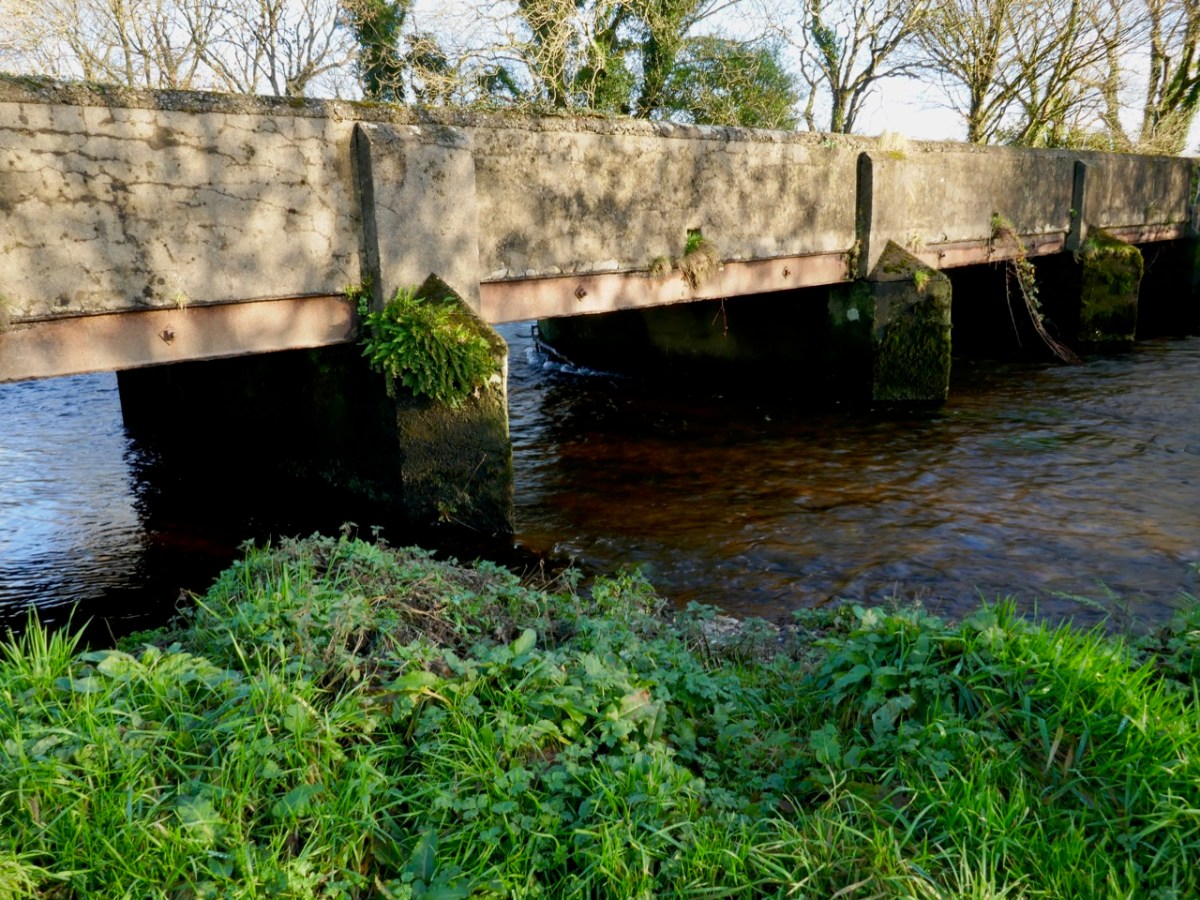
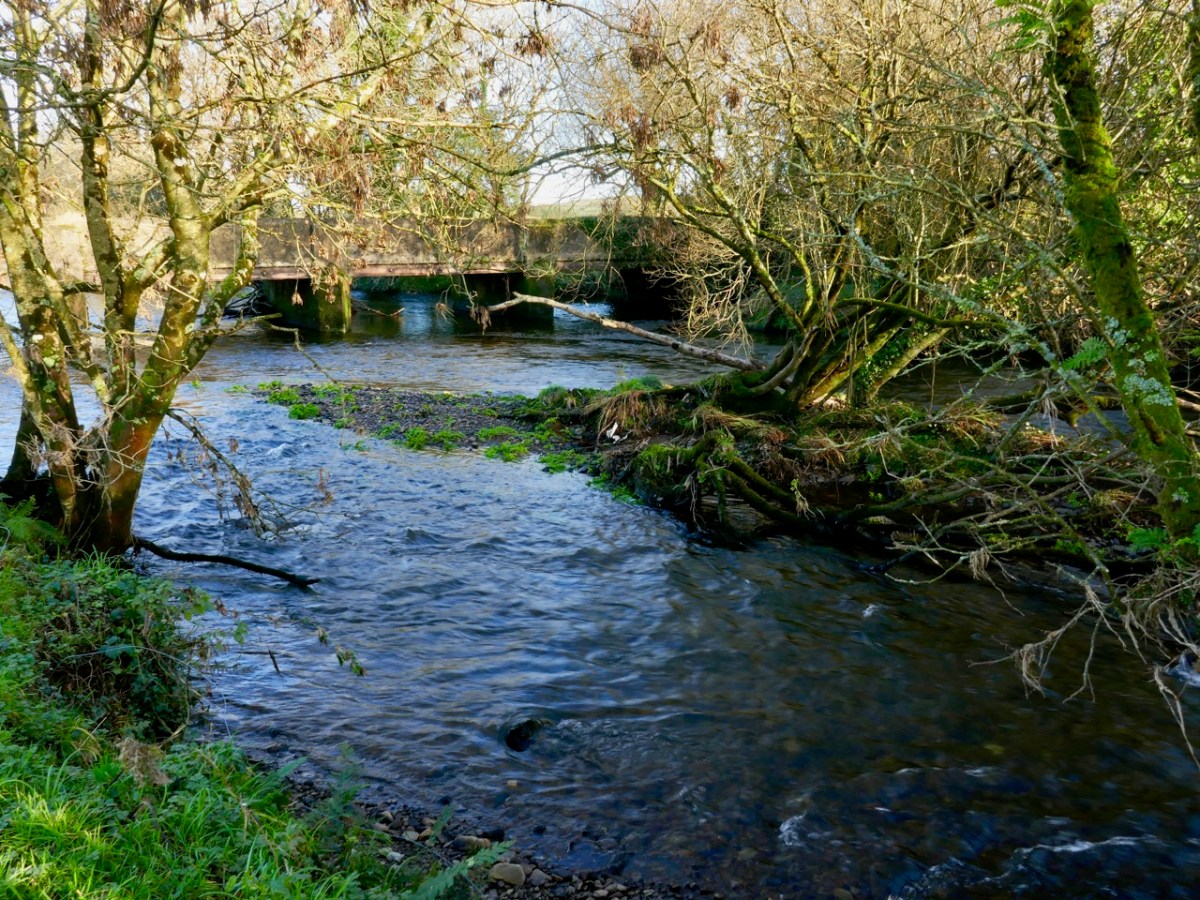
Two extracts from the OS maps of c1840 (upper) and c1897 (lower) show the site on the border of Ballaghdown South and Caheragh townlands, where an ancient road crosses the Ilen River. Both maps show a ford and stepping stones at this point. Today we found a bridge there dating (we believe) from the early twentieth century. We also found the remains of the old ford: large cobbles providing a trackway down the the waters’ edge: Finola is following the original line of the lane (below).
This river crossing was of significance in Medieval times. ‘Blessed Mary de Caheragh’ was a monastic site, said to be situated on the hilltop commanding the view above the graveyard. It was no doubt founded here because of the proximity of the watercourse.
1317 December 28, Geoffrey Fitz John de Cogan is presented by the King (by mandate to the Bishop of Cork), to the church of the Blessed Mary de Catheragh, in the King’s gift, by reason of his wardship of the lands and heir of John de Cogan
Tuckey’s Cork Remembrancer, from Durrus History
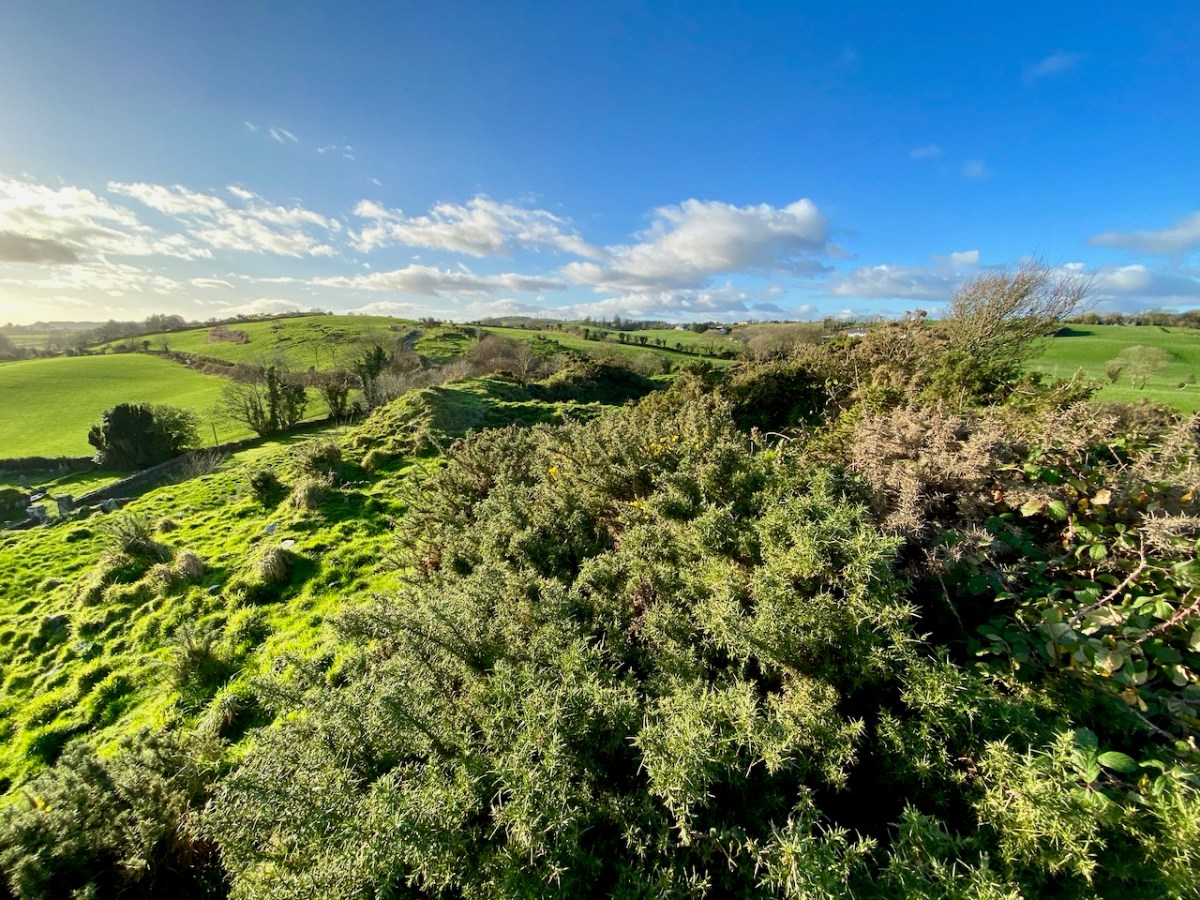
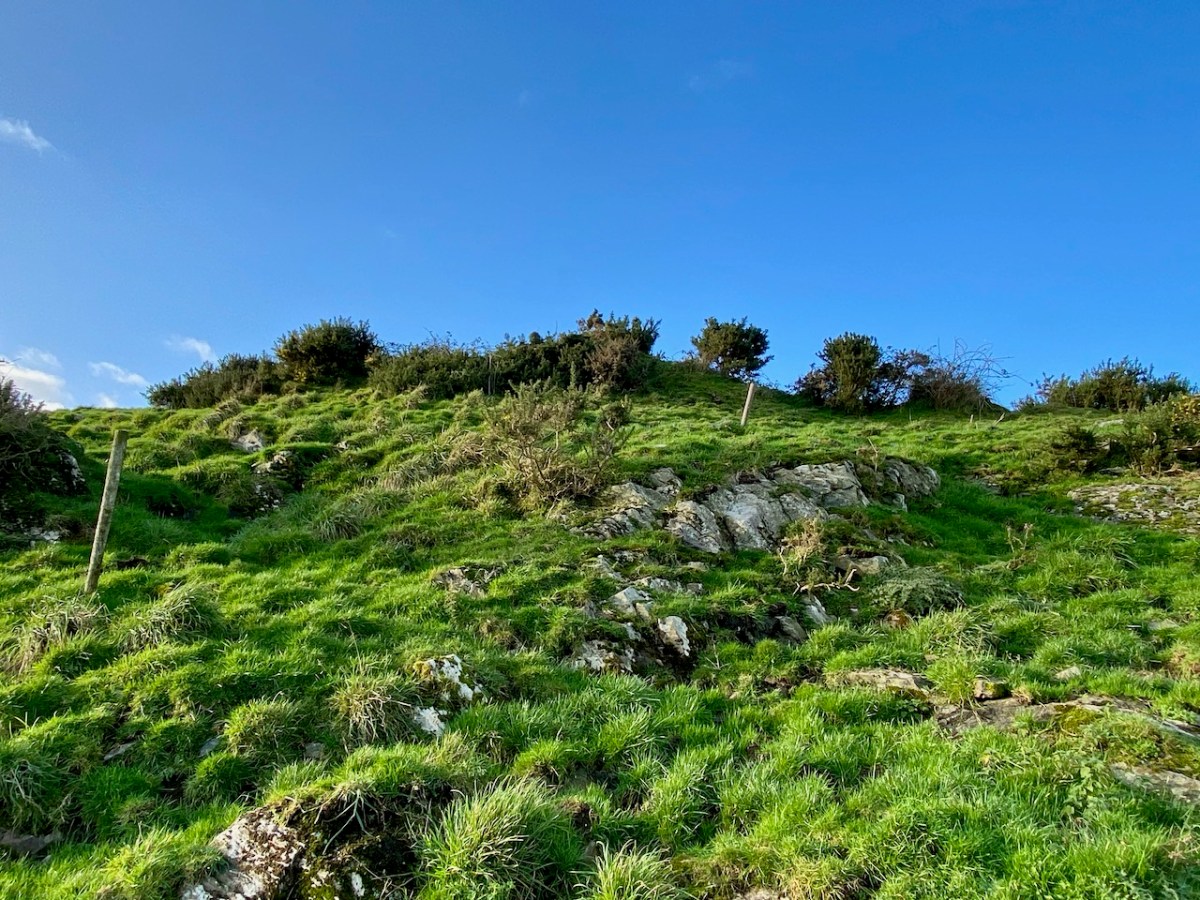
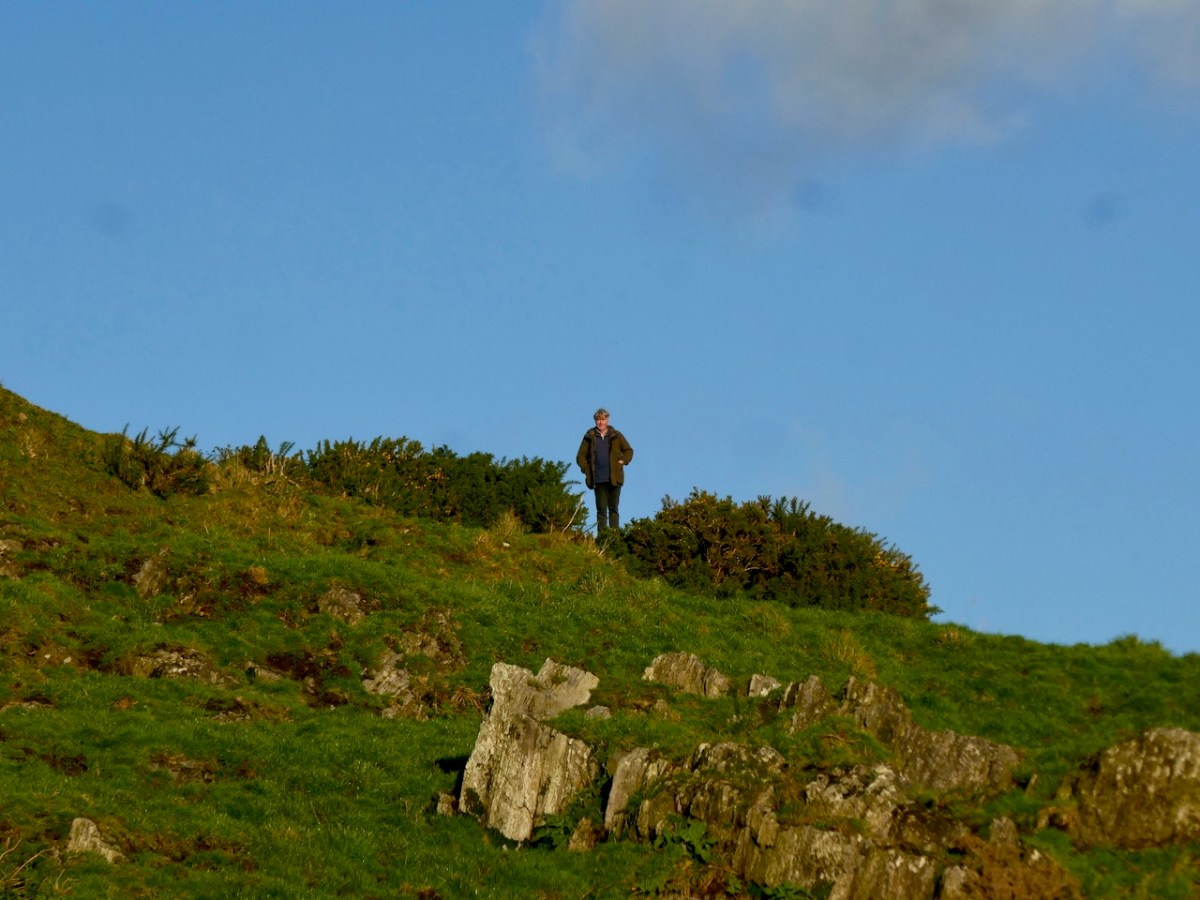
There are certainly earthworks, embankments and (reputedly) a souterrain on the high ground which overlooks the river, the ford site and the adjacent burial ground connected to Caheragh village. The Historic Environment Viewer suggest that this site (shown on both maps above) is a ringfort and makes no mention of an ecclesiastical settlement. I braved fierce cows and barbed wire to make the steep climb: it was well worth the effort (and the risk) for the views across the old fort ramparts which opened up to the distant mountains. There is no sign, today, of anything remotely monastic up there on the hill. There is another ‘ringfort’ a short distance to the south – enigmatically named ‘Bishopland’. Nowhere can I find any records or accounts of the fort or the small settlement to the south of it named Bishops Village: this confirms that there is still so much early history to be unravelled in the Irish landscape.
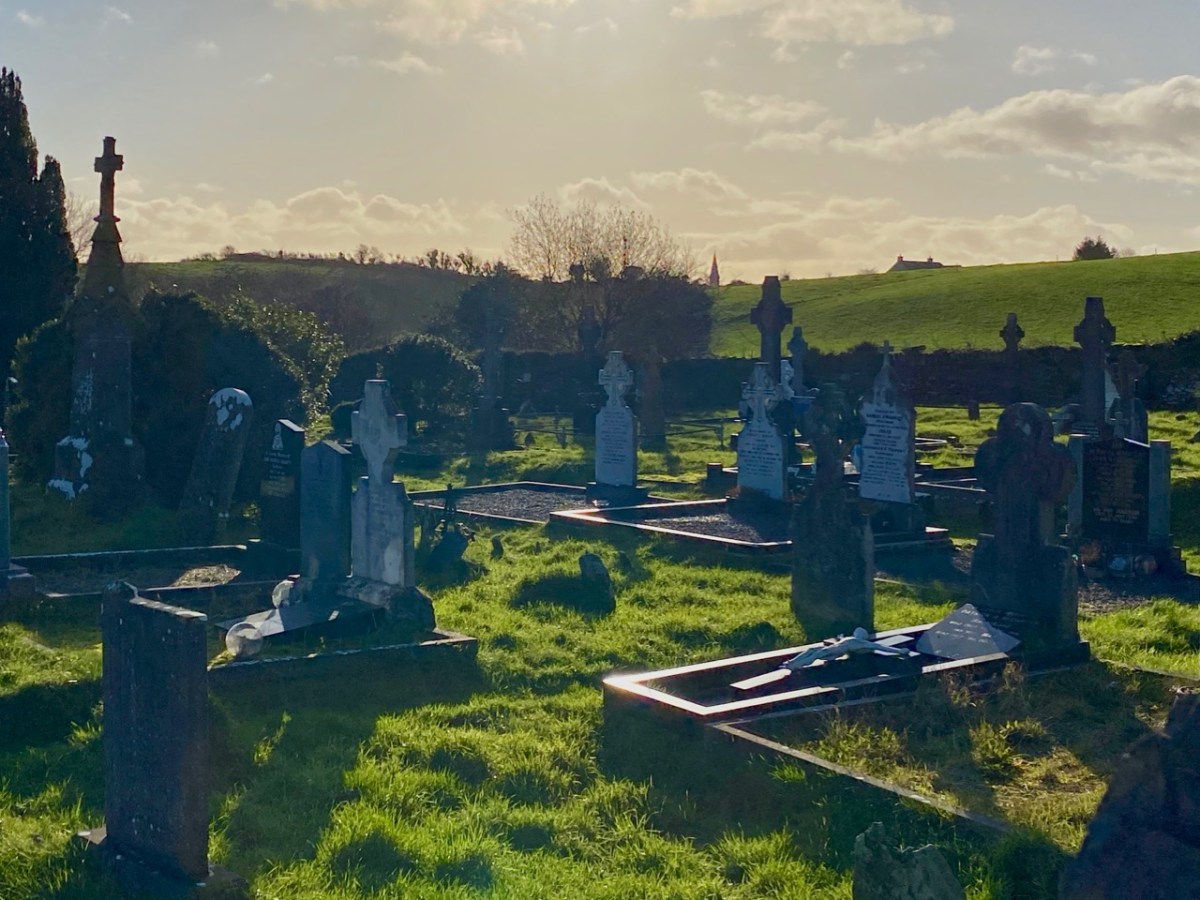
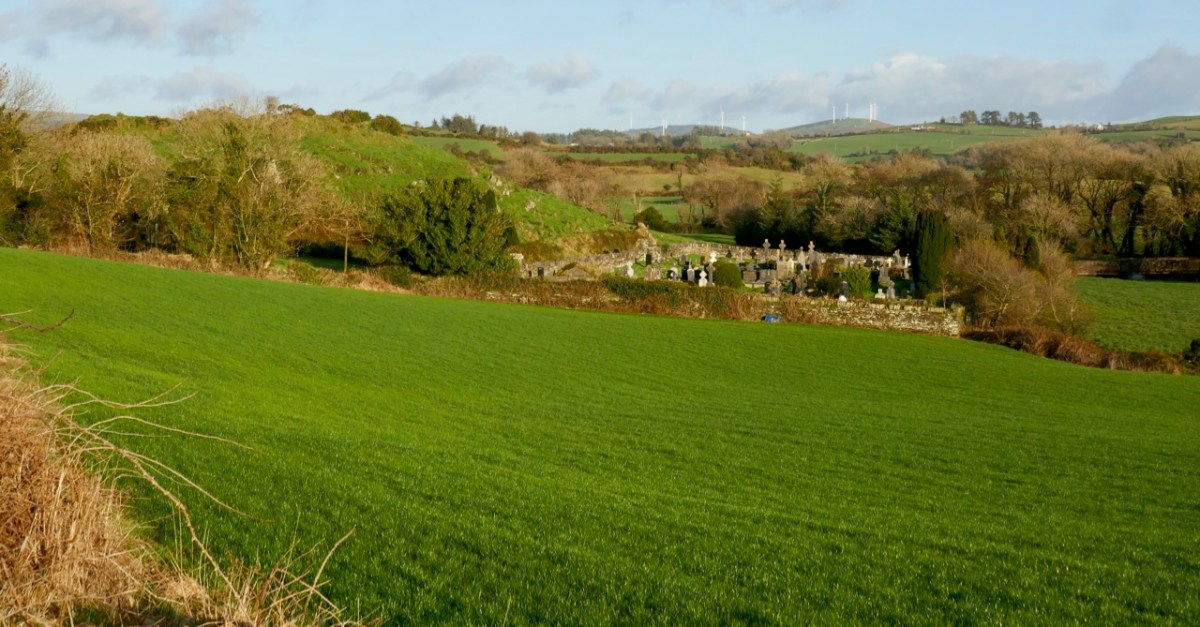
Caheragh Graveyard is located beside the Ilen here and it is also well worth making the time to explore. The village and present day church at Caheragh (which has some fine stained glass) are some way off to the west. You can see the spire on the skyline in this view from the graveyard itself (below).
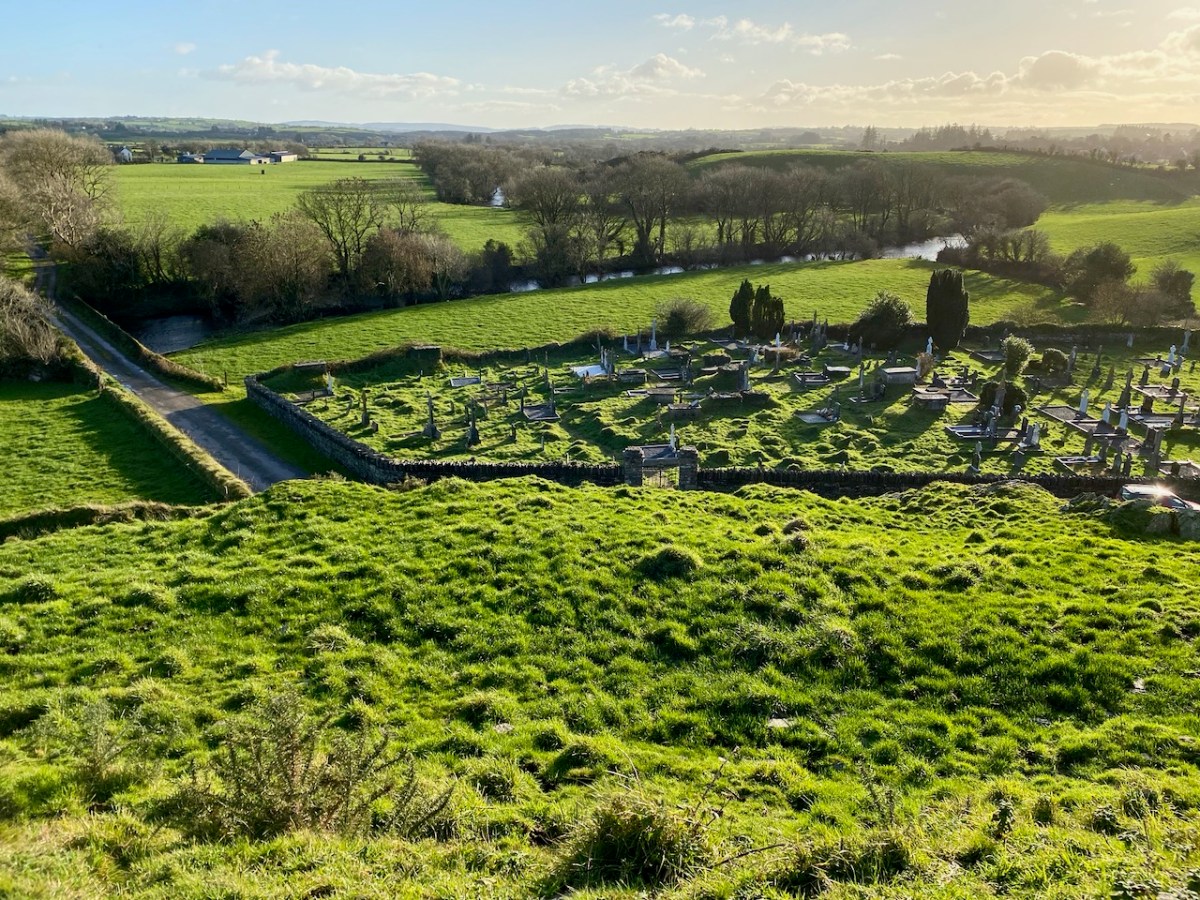
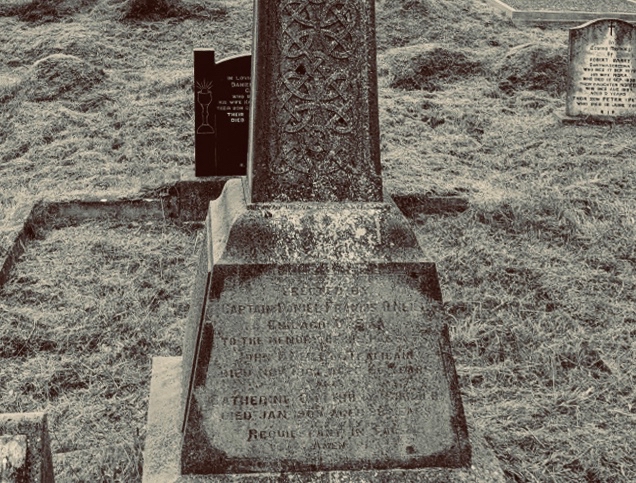
The extensive Caheragh graveyard (above) – a view from the ringfort (and possible medieval site) looking across the river. The ford, roadway and later bridge are on the far left of the picture. Burial grounds are always a magnet for us, and we spent significant time exploring. The Skibbereen Heritage Centre has done sterling work researching this and many other West Cork graveyards: you will find information online here, and more in the Centre itself, which merits many visits. One grave which was important for me is that of the parents of Captain Francis O’Neill, the Chicago Police Chief who came from West Cork and collected thousands of Irish traditional dance tunes and songs which he gathered from the many Irish settlers in Chicago and who had kept the tradition alive far away from their birthplaces. I wrote about Chief O’Neill a few years ago. The ‘Celtic Cross’ memorial below was commissioned by Francis during a visit home in 1906.
Erected By Captain Francis O’Neill
Chicago, USA To the Memory of his Parents
John O’Neill of Tralibane
Died Nov 1867 Aged 66 Years
And Catherine O’Mahoney
Died 1900 Aged 88 Years
Requiescant in Pace
Amen
inscription in Caheragh Graveyard, West Cork
This aerial view above clearly shows the bridge that has replaced the old ford and stepping stones at this site. You can also see the ‘fort’ on the hilltop above it. The bridge should not be dismissed because it is relatively modern: it’s an example of practical civil engineering in Ireland, possibly in the early years of the Free State, and is functional rather than elegant, serving the purpose of helping to open up some of the remoter regions of the west of Ireland.
Last week our first exploration of Sweet Ilen – our West Cork river – began in Skibbereen town from whence we travelled north, as far as Ballyhilty Bridge. Today, we return to the town and unearth some further history on the way downstream.
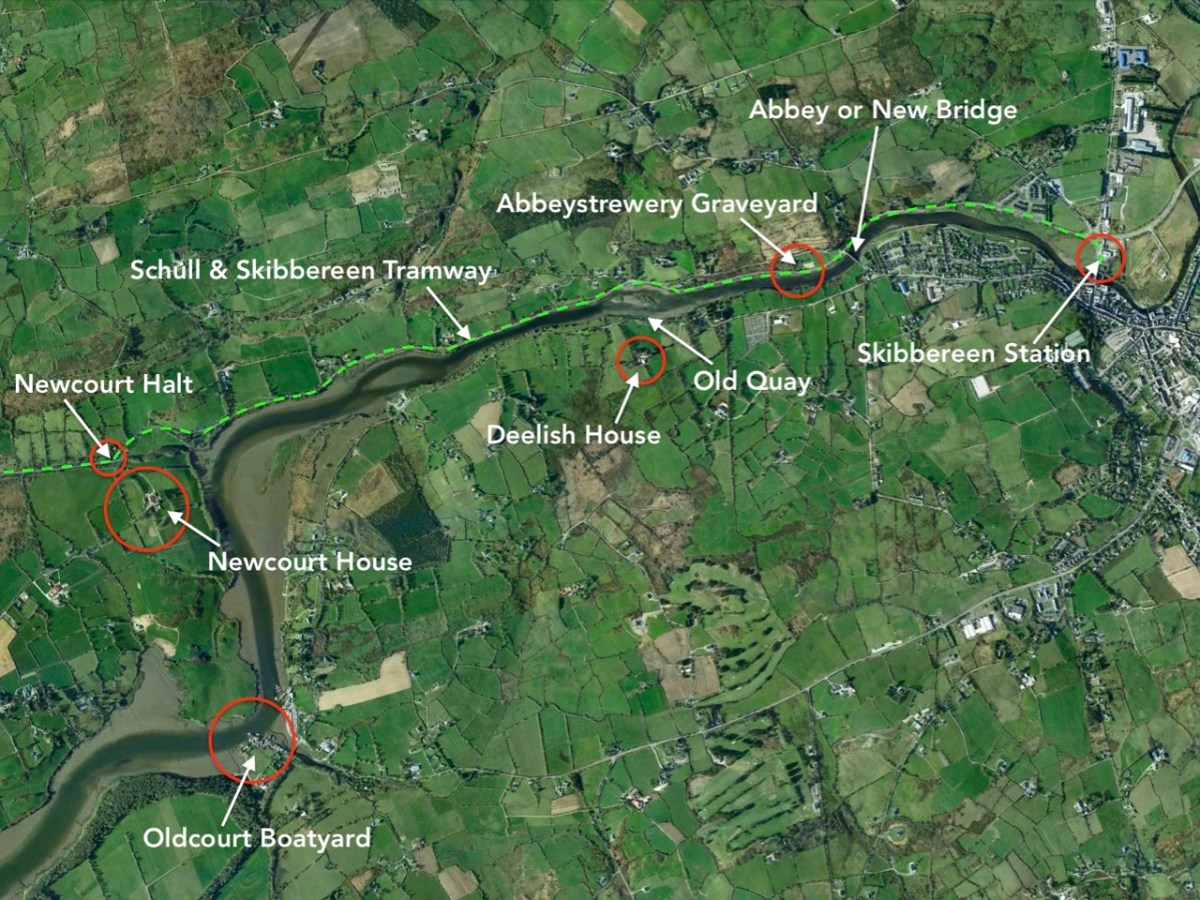
On the aerial view of the Ilen flowing south-west from Skibbereen (above) I have marked some significant locations. Abbey or ‘New’ Bridge is the first crossing point and the limit of navigation for large craft. The Old Quay shown to the north of Deelish House was the offloading point for ships arriving from the south; barges or lighters carried the goods further into the town. The narrow gauge Schull & Skibbereen Tramway (as it was originally named) left Skibbereen Station and followed the Ilen as far as Newcourt Halt, alongside the main road.
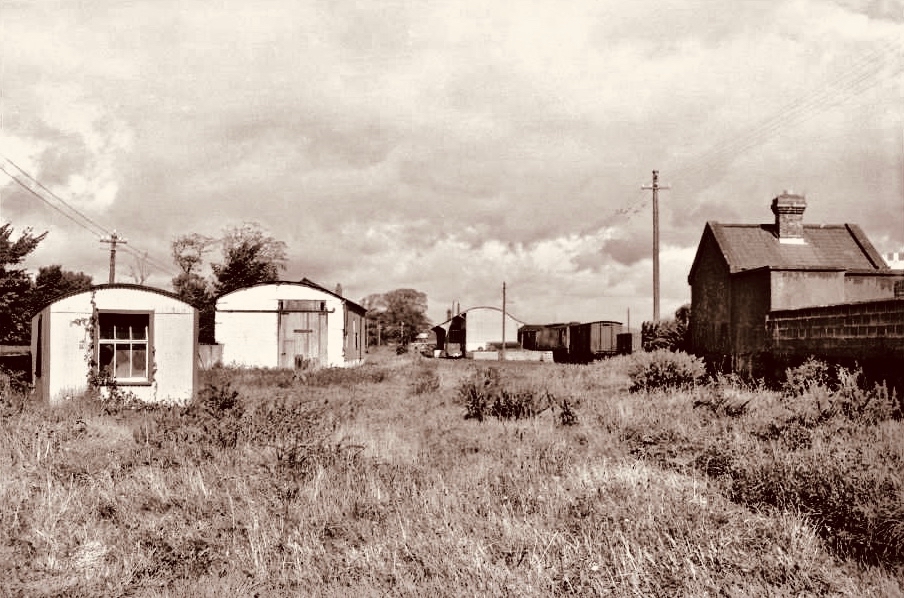
The Ilen Valley Railway, which brought the regular gauge railway into Skibbereen from Bandon and Cork, shared its station at Skibbereen from 1886 with the 3ft gauge line going to Schull. This picture (above) of Skibb Station in 1960 (courtesy Roger Joanes) shows the main line on the right and the remains of the narrow gauge terminus on the left.
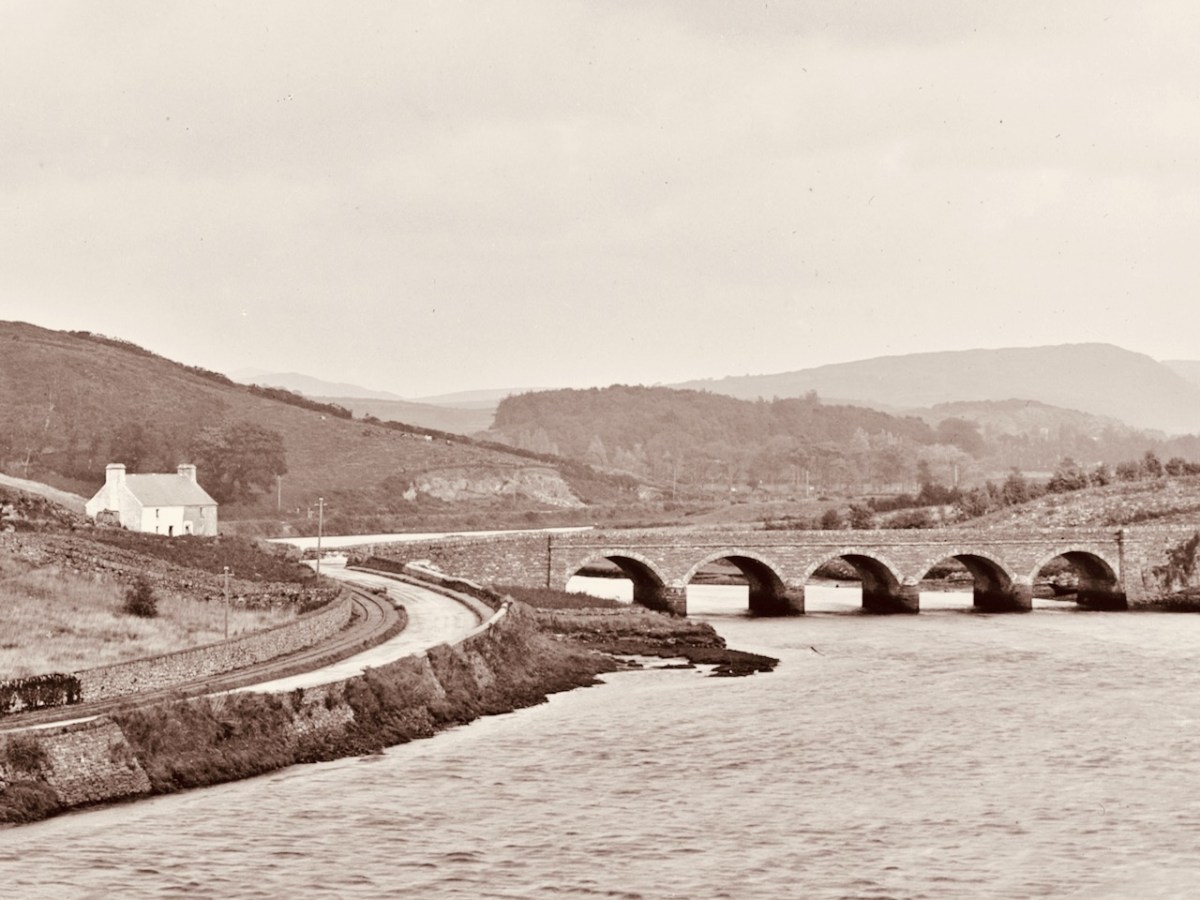
The header picture shows Abbey or ‘New’ Bridge as it is today. The upper picture above, with an enlarged section of it underneath is fascinating for our study: it was taken in around 1893 by Robert French for the Lawrence Collection and is reproduced here with the permission of the National Library of Ireland. It shows the bridge – which was built in 1822 – with the road to Skibbereen running to the left, as it does today. But it also shows the tracks of the tramway on the left hand side of the road. Also in the main picture is a white building below the Abbeystrewery Graveyard. That marks the point at which the entrance to the graveyard adjoins the road, and is in fact a level-crossing keeper’s cottage, now gone.
Marked on this extract from the OS 25″ survey (late nineteenth century) is New Bridge on the right, the Graveyard with its level-crossing and the quay above Deelish House
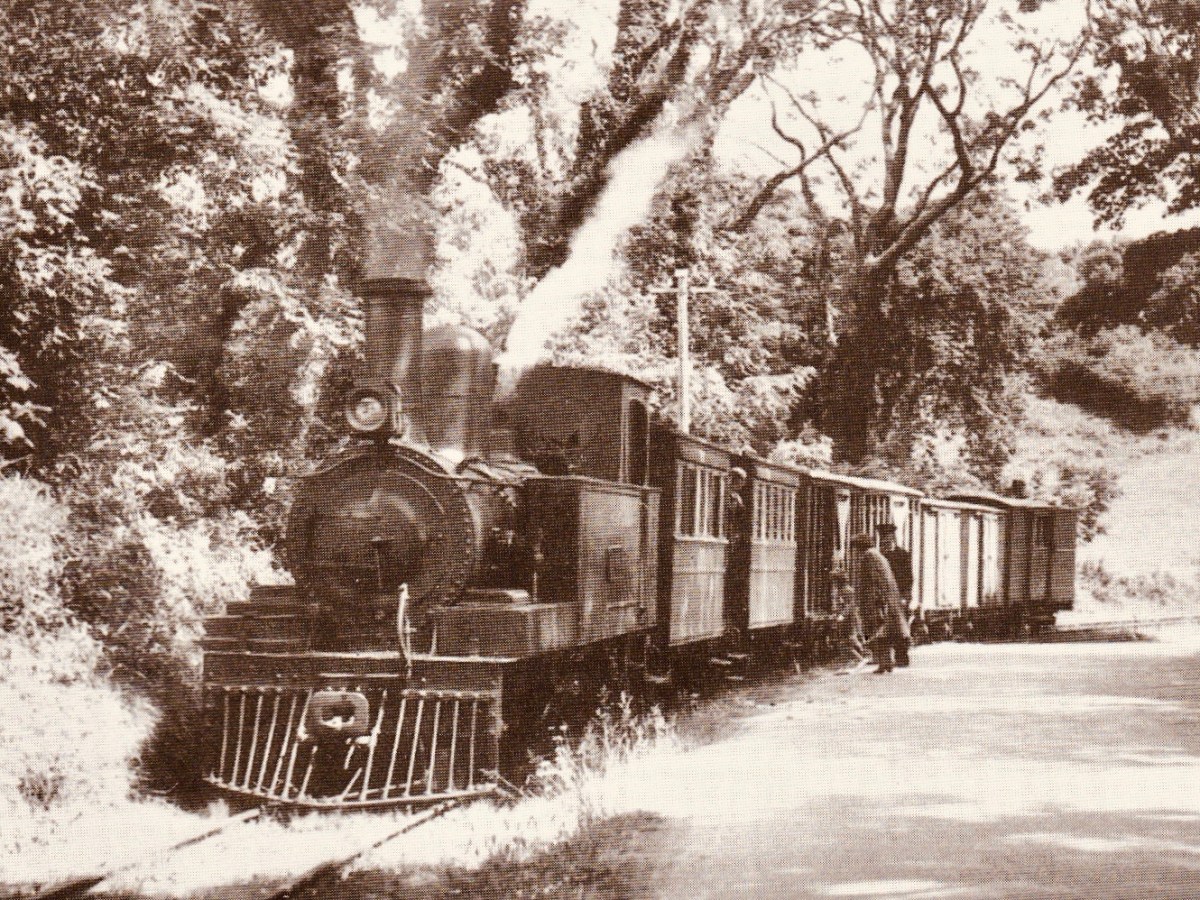
The first halt on the tramway travelling from Skibbereen was at Newcourt. Here is a ‘sylvan scene’ of a train at that halt in 1939 (courtesy of W A Camwell, taken from the invaluable volume The Schull & Skibbereen Railway by James I C Boyd, published in 1999 following over 40 years of research):
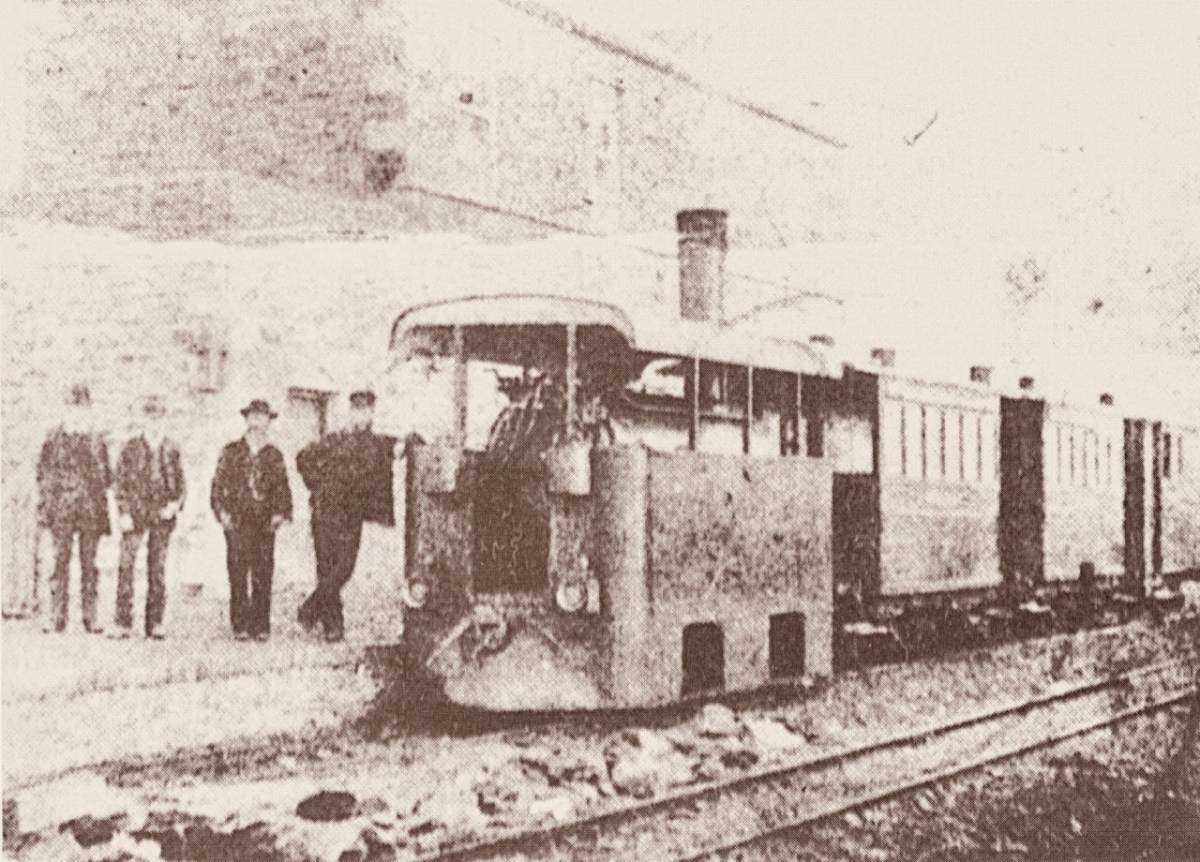
If that doesn’t bring a nostalgic tear to your eye – for those apparently idyllic days of leisurely rural life in Ireland – I don’t know what will. But the little railway had its ups and downs (before vanishing altogether in 1947). Its association with the Ilen River was there at the beginning: the very first locomotive was named ‘Ilen’ and here it is (below), having just pulled a passenger train into Schull Station, probably in the 1880s (photo from the collection of Mrs E McCarthy):
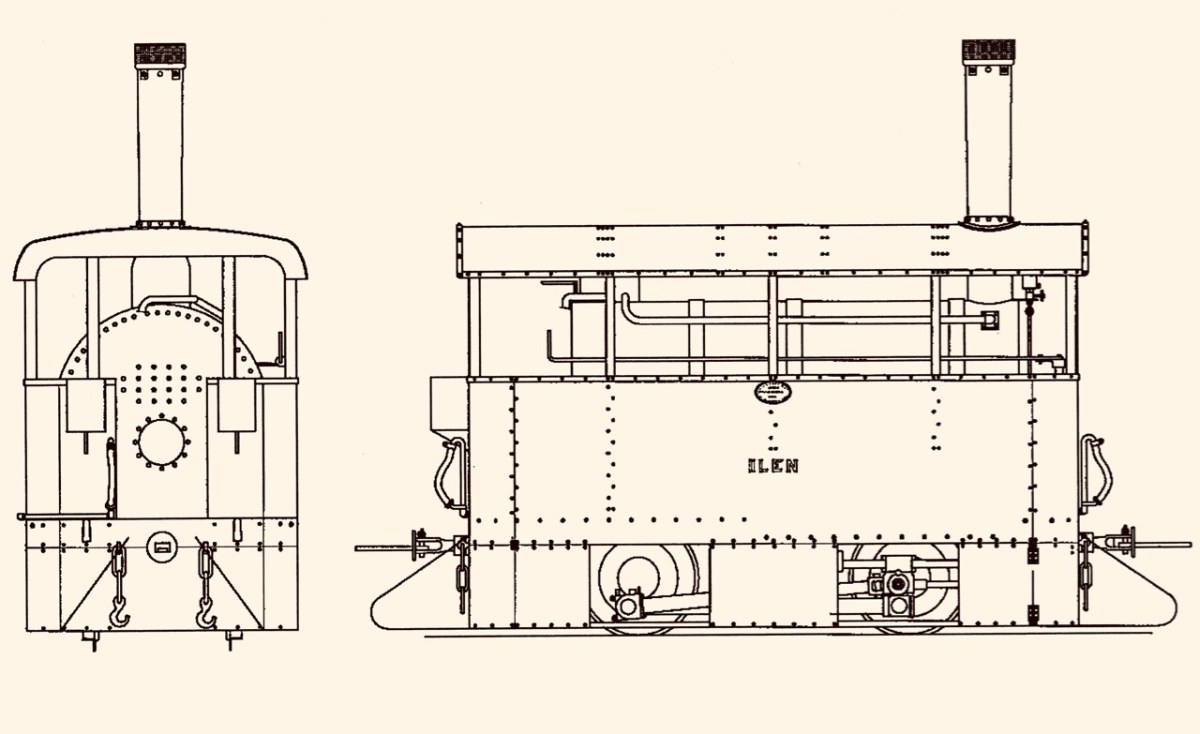
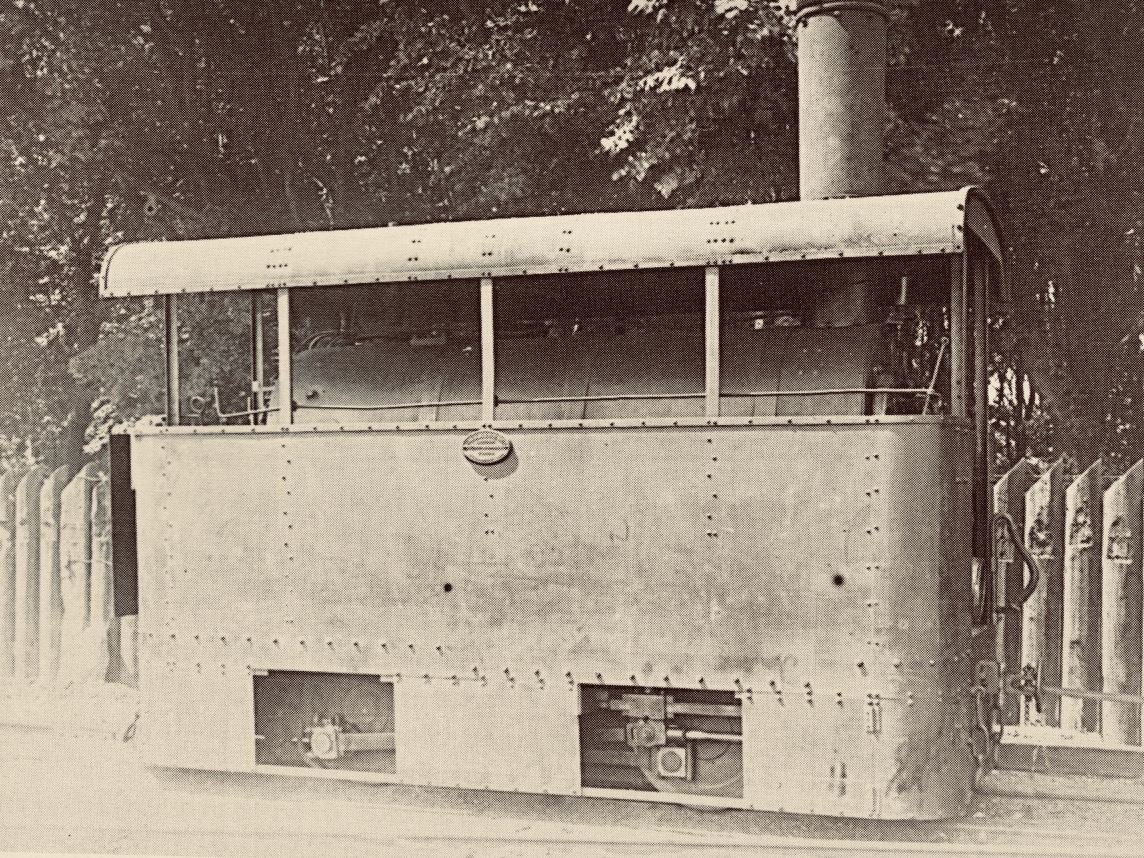
Why is it so strangely shaped? Because the line was conceived as a tramway or ‘light railway’ to comply with the conditions of The Tramways of Ireland Act 1862, which allowed tramways to be built along public roads, thereby reducing costs. Because of this, locomotives were treated in the same way as city trams – where very low slung bodywork supposedly prevented serious injury if they struck pedestrians or animals sharing the roads – something that could be echoed on West Cork’s boreens where donkeys and cows were quite likely to be encountered.
. . . To comply with regulations sheet-steel skirting was taken down to a level approximately 3 inches above the rails; the rolling and pitching of the engine probably produced shrieks of protest as it scraped the rails . . . An impressively tall chimney was surmounted by a ‘chip-pan’ spark-arrester . . .
James I C Boyd 1999
Tram Engine Ilen at Skibbereen in 1906 – photo by H Fayle
It’s a shame, but this unique piece of machinery failed because it lacked sufficient sustained power to climb the relatively steep inclines on the tramway, and its later replacements were more conventional engines (such as the one pictured at Newcourt) fitted with cow-catchers.
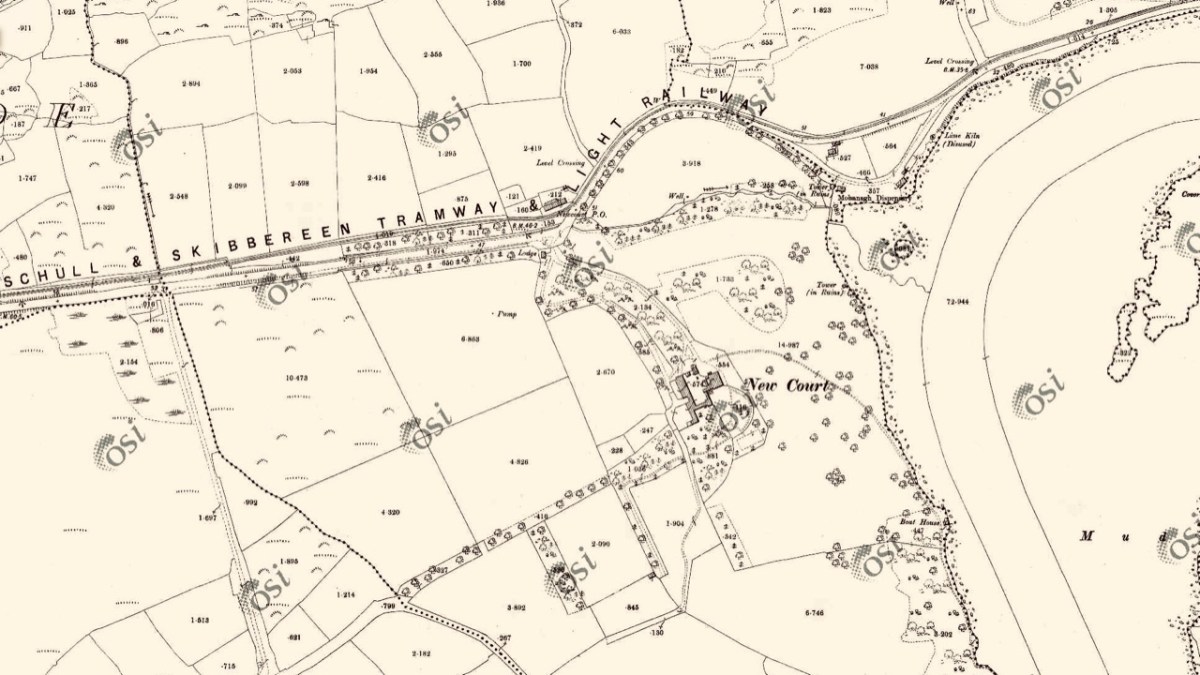
OS 25″ survey extract, late nineteenth century. It shows the tramway diverging from the road just north of the entrance gate to Newcourt: there was evidently an ornamental avenue along that stretch of road leading to the gate, with arches over. Also on this map is located Newcourt Post Office (by the tramway halt), Mohanagh Dispensary and various landscape features belonging to the demesne
The Ilen River is broad and magnificent as it passes by Newcourt. You do see large boats on that stretch sometimes, but also many skiffs and small craft from the Skibbereen Rowing Club. The grand house – New Court – is gone now, but the ‘designed landscape’ can be traced through the survival of ruined towers, gazebos and water-gates.
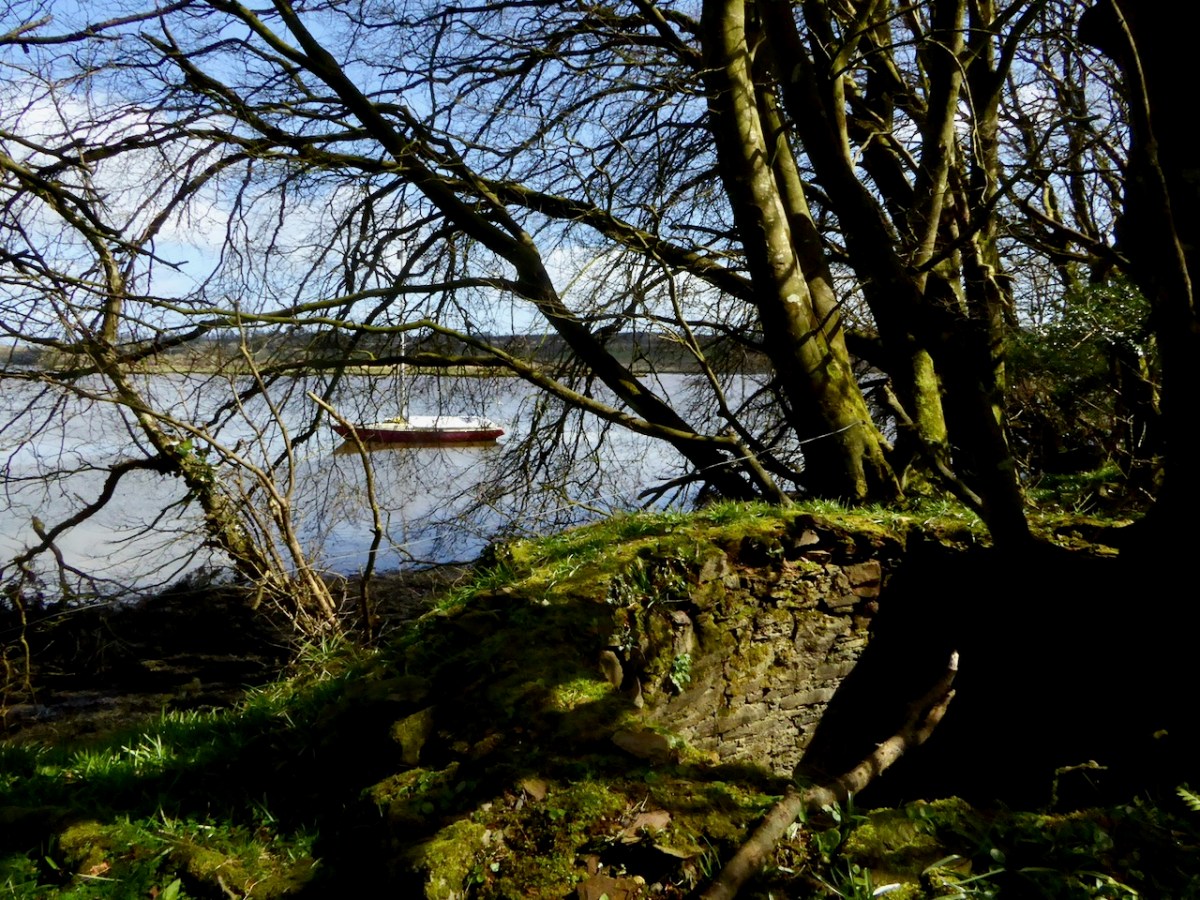
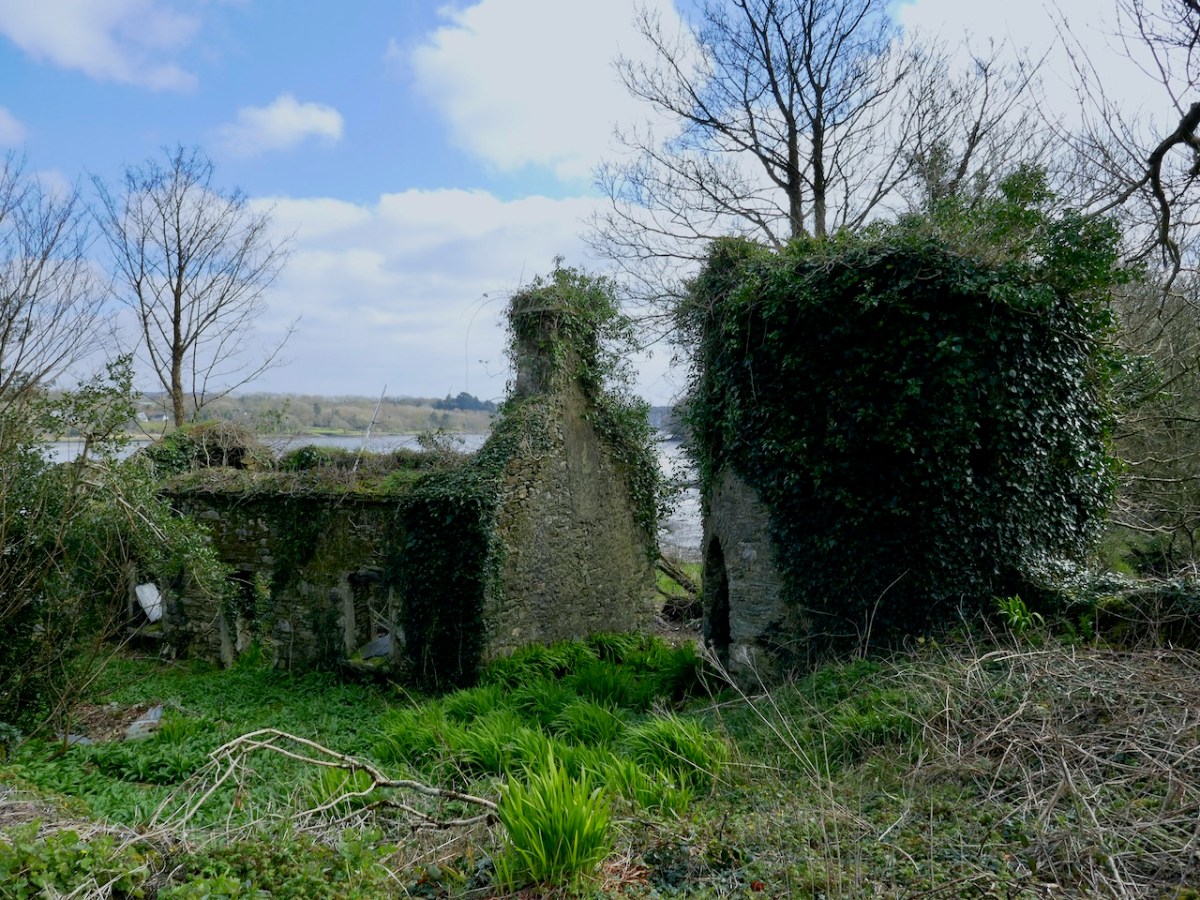
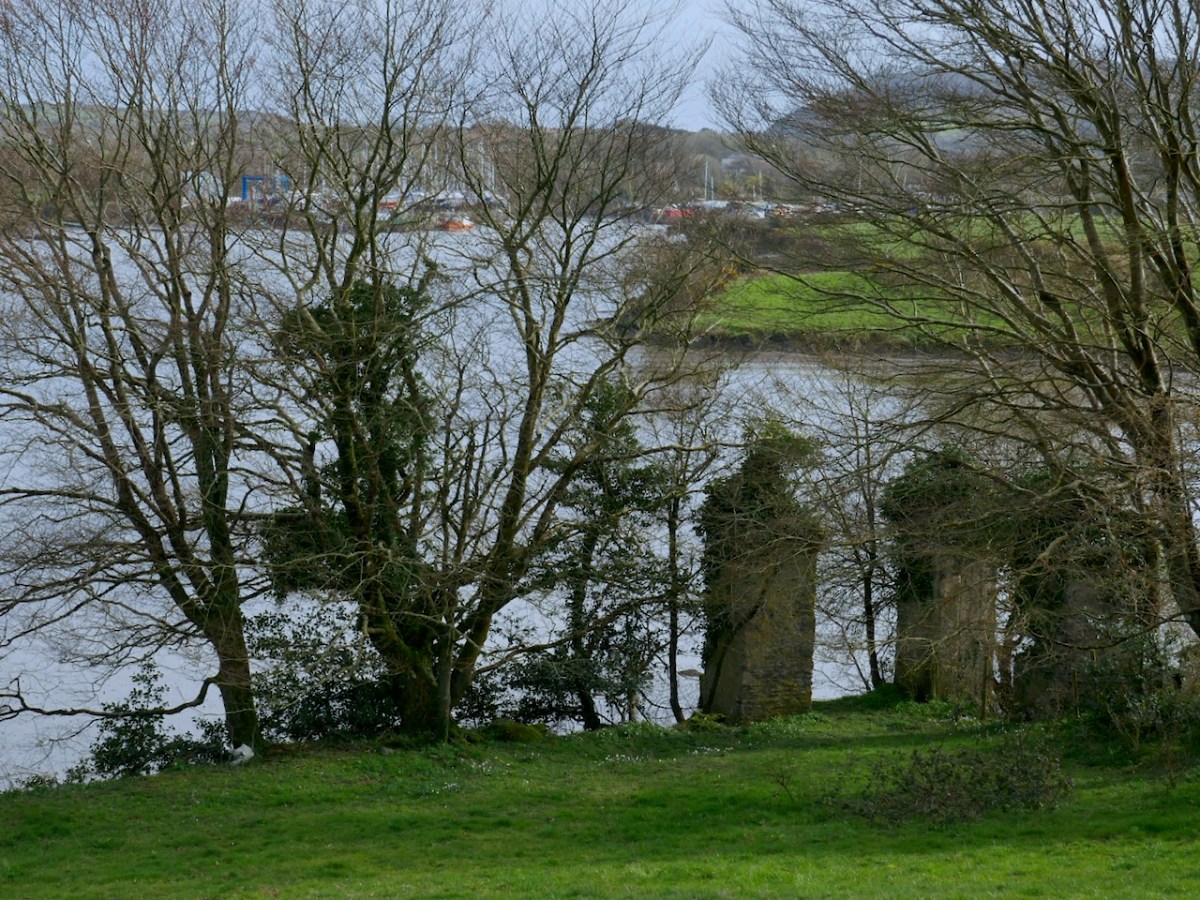
Ilen River frontage on the Newcourt Demense: from upper – the base of an ornamental tower fronts the constructed river wall; Mohanagh Dispensary ruin and another tower; prospect towards Skibbereen from the estate; substantial pillars which were part of a water gate on the south of the site – in the distance is the boatyard at Oldcourt
Finola has written previously about Newcourt, and there tells the story of another ‘water-gate’ which will be seen today by anyone travelling towards Skibbereen from the main road. We now return to Skibbereen ourselves to finish off this second episode of the series. This (below) was the bridge which took the road into the town over the Ilen prior to the present one: built in 1877, it was condemned as unsafe for heavy loads in 1953, but it took another ten years to replace it.
Above is Kennedy Bridge, Skibbereen, that was opened with due ceremony on Monday 15 June 1964 and named in honour of American President John F Kennedy. It has a centre span of 22 metres and two side spans each of 8 metres. First to cross the bridge on that day was Richard Burchill of Tragumna on a horse and cart! Information about these events – and much more – can be seen in the excellent displays in the Skibbereen Heritage Centre: formerly the town’s gasworks buildings and sited appropriately enough alongside the Ilen River!
Look out next time for more adventures exploring the further northern reaches of the Ilen!
Here is the first episode in this series: Sweet Ilen
Welcome to the UCD Library Cultural Heritage Collections blog. Discover and explore the historical treasures housed within our Archives, Special Collections, National Folklore Collection and Digital Library





















 Roaringwater Journal