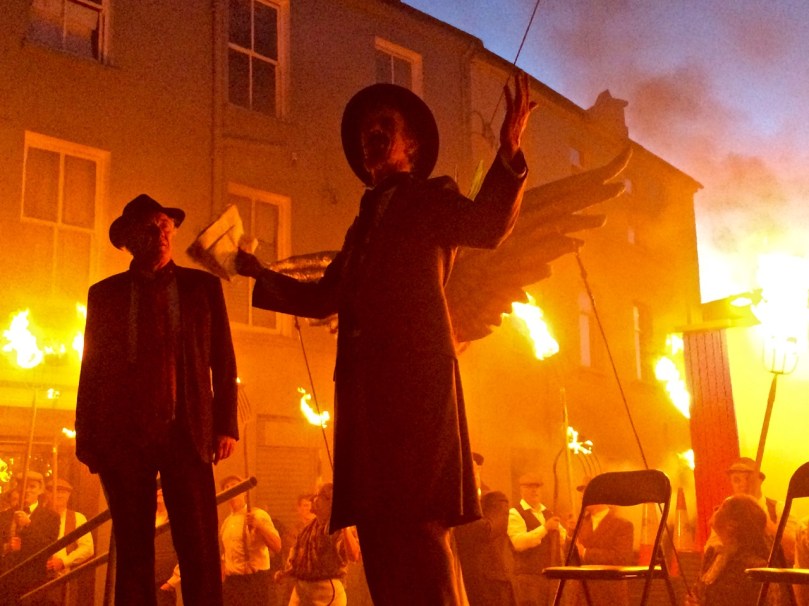
Rossa: The Skibbereen Years

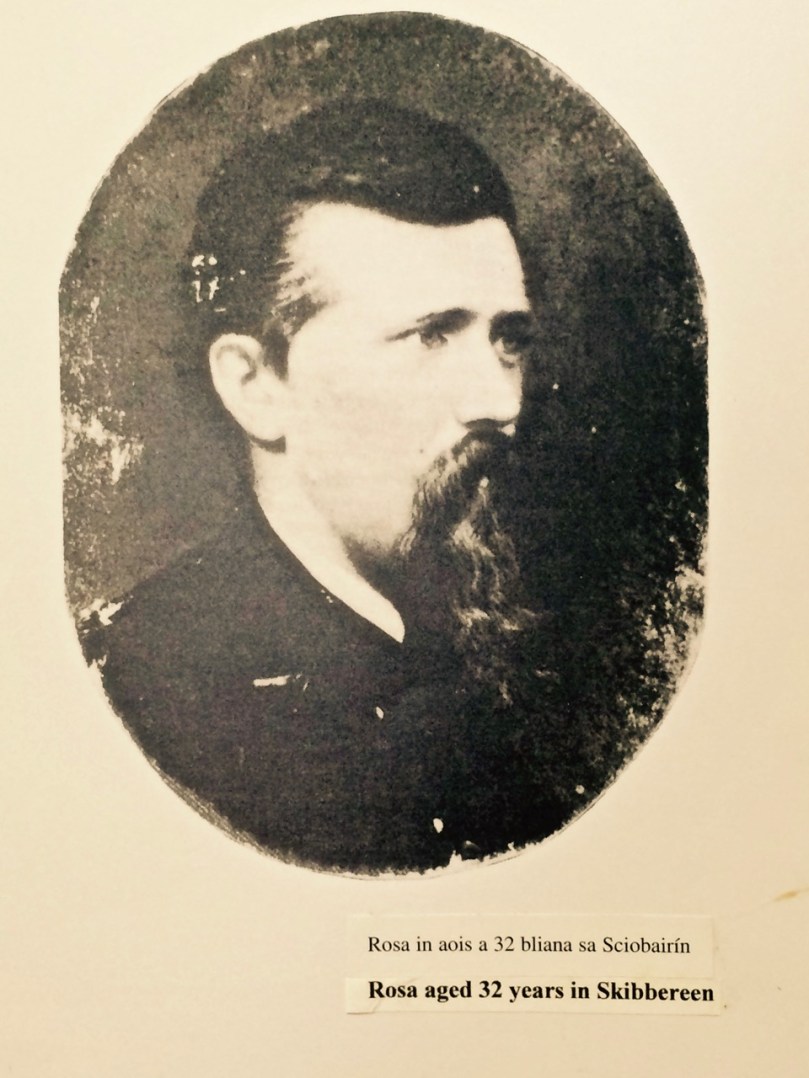
Rossa aged 32

This is the third post in a series about Jeremiah O’Donovan Rossa. In the first, March Back in Time, I introduced the man and described the thrilling re-enactment of the famous 1863 demonstration in Skibbereen. In the second, O’Donovan Rossa – the First Terrorist? I looked at his activities in America and the British bombing campaign he coordinated, as well as the influence of the Fenians in general on American and Canadian history. For more on the question of whether he can be considered a terrorist or a freedom-fighter, or both, I refer readers to the excellent research of Shane Kenna, author of Jeremiah O’Donovan Rossa, Unrepentant Fenian. In particular, Kenna’s  thoroughly researched article available on The Irish Story website, ‘One skilled scientist is worth an army’ – The Fenian Dynamite Campaign 1881-85 is a useful summary of the arguments.

The Skibbereen Heritage Centre is an incredible resource for local history and specialises in the Great Famine. Their Walking Trail and its associated app and book have been immensely helpful in preparing this post (and many others).

My aim on this post is to outline the events in Rossa’s young life that led to his radicalisation and, since much of that time was spent in Skibbereen, to see what traces remain in this West Cork town that can help us to understand the man.
2012-05-19 16.04.23

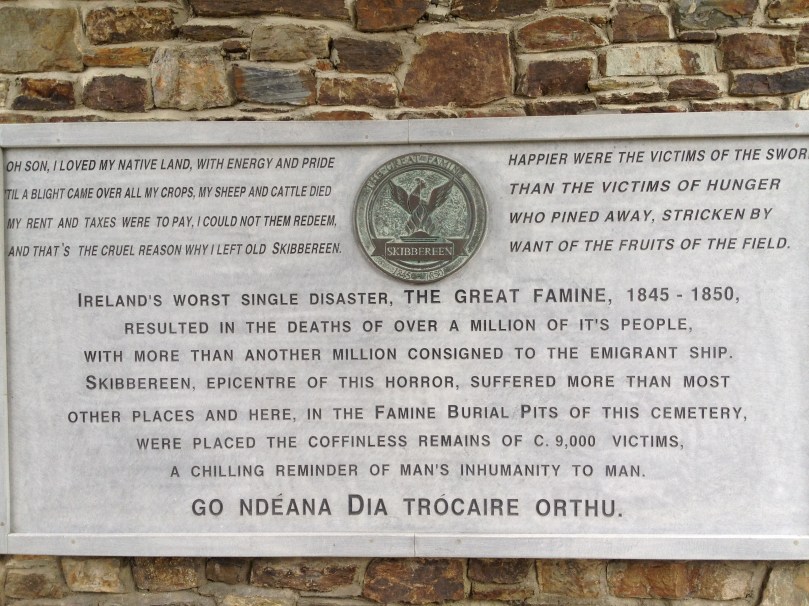
We have to start with the Great Famine of 1845 to 1850, although that’s a hard place to begin. It’s hard because it’s almost impossible to read about it without welling up with emotion and rage. The details are harrowing in the extreme and Skibbereen was the epicentre of the disaster. When Rossa arrived here, aged 16, to live with an aunt, he had witnessed his father die of famine fever after being forced to labour on one of the infamous Board of Works schemes. As was happening all around him, his widowed mother and his siblings were evicted from their home for non-payment of rent, and made the wrenching decision to emigrate. He had had a normal happy childhood and now everything was torn from him under the most appalling conditions.
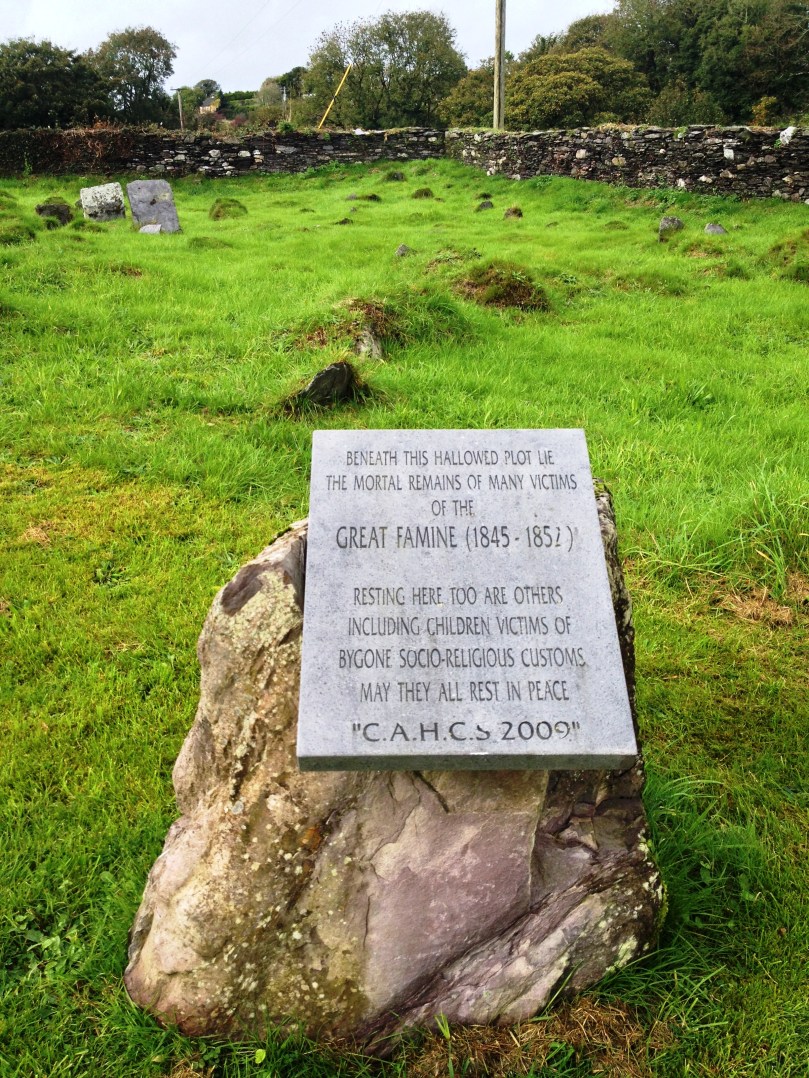
Cillín near Durrus

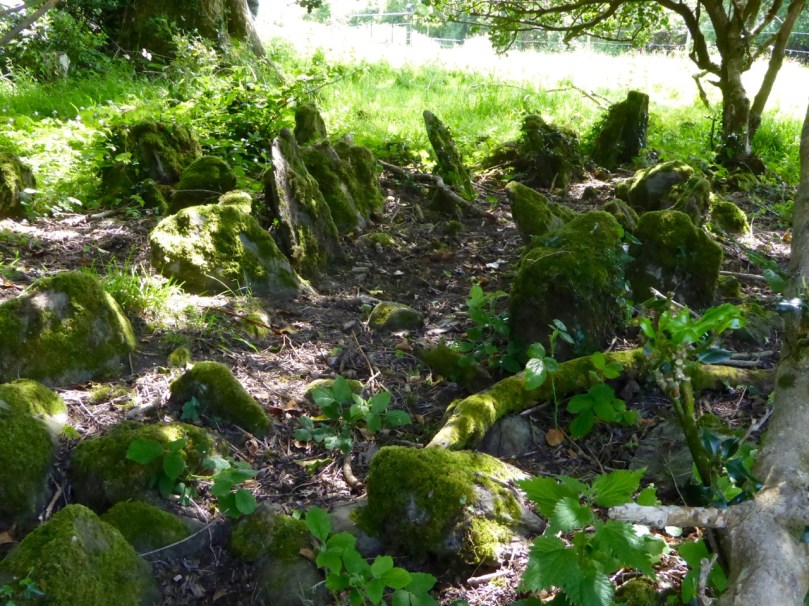
Famine graveyards full of mass burials and unmarked graves are scattered throughout West Cork, like this one near Durrus

In Skibbereen, in Black ’47, the 16 year old saw the worst of the Famine – the carts piled with bodies taking them every day to mass graves, the soup kitchens, the sickness and despair.
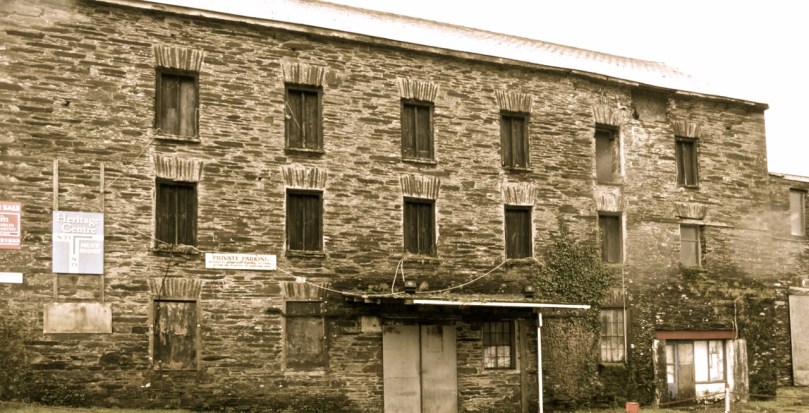
Famine soup Kitchen

This building in Skibbereen was used as a soup kitchen during the famine. Thousands of people were fed a watery soup that had little nutritional value but had the advantage of being cheap to make

Meanwhile he saw that tons of food was being exported from the surrounding countryside. He helped an old friend to bury his mother, Jillen Andy. Later, in prison, he would hold that memory and write a moving poem about the experience. It’s a long poem and it begins this way:

 ‘Come to the graveyard if you’re not afraid,
I’m going to dig my mother’s grave. She’s dead,
And I want someone that will bring the spade
For Andy’s out of home, and Charlie’s sick in bed.’
2013-10-20 13.44.38 HDR

Rossa became a shopkeeper in Skibbereen while at the same time founding and organising the Phoenix National and Literary Society which, although supposedly a educational group, had the aim of liberating Ireland by force of arms. It eventually merged with the Irish Republican Brotherhood after Rossa formed an alliance with James Stephens. ‘Fenians’ was the general term applied to the IRB and other such nationalist organizations.
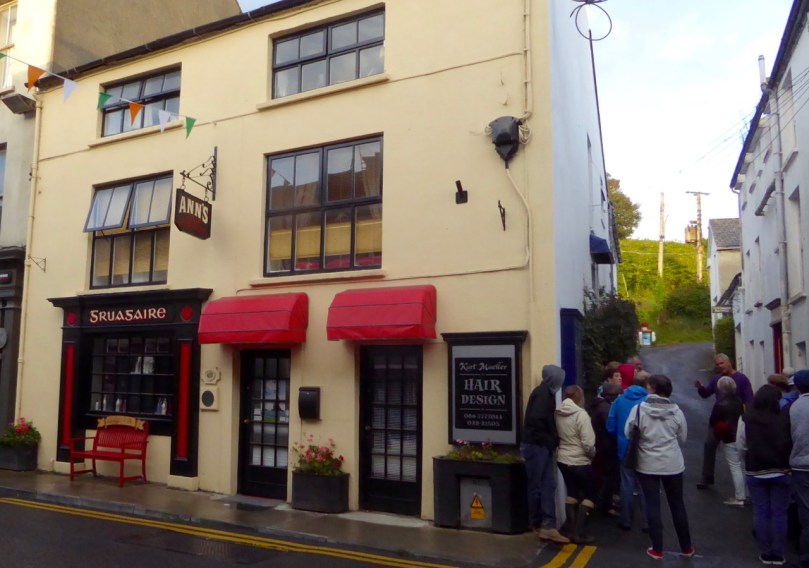
Phoenix Soc meeting place

Philip O’Regan of the Skibbereen Heritage Centre leads us on a walking tour. One of the places he points out is the meeting rooms above what is now a hairdressers, where Rossa and his fellow members of the Phoenix Society used to gather

Business and politics didn’t mix well and life was a constant economic struggle. His store is still there, now a jewellers run by the genial Mr O’Leary.
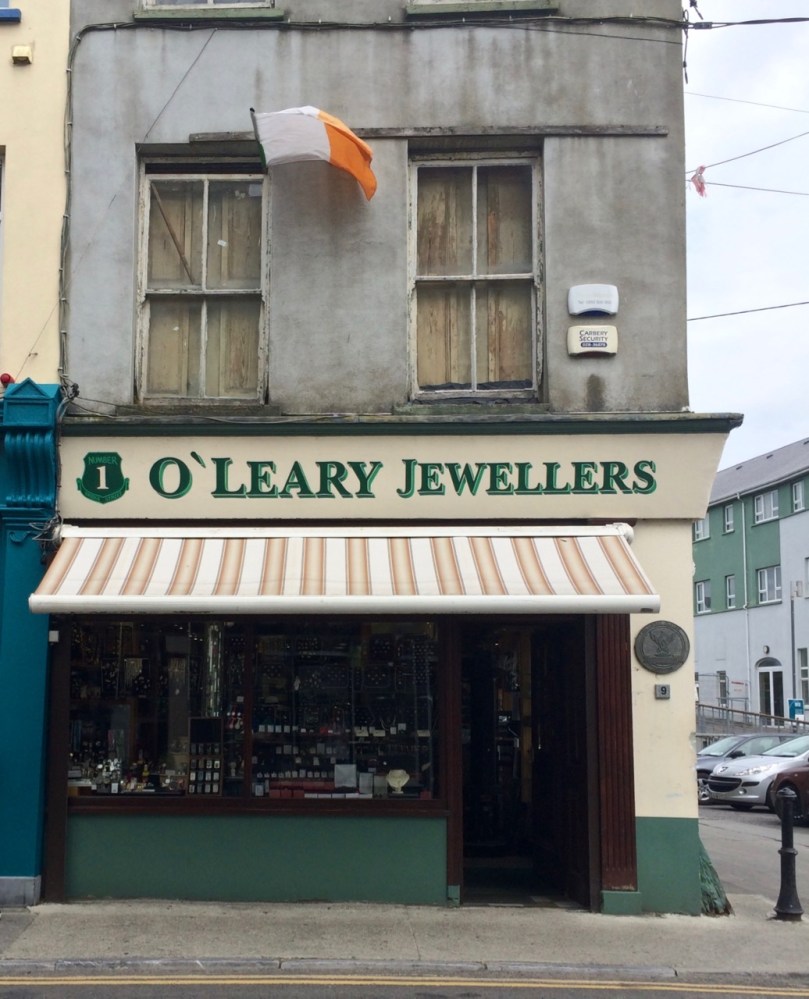
Rossa shop

Rossa married a local woman, Honora Eager, and they had four sons, before her untimely death. I can find no image of Honora, known as Nanno, and can only imagine the devastation to the little family caused by her demise.
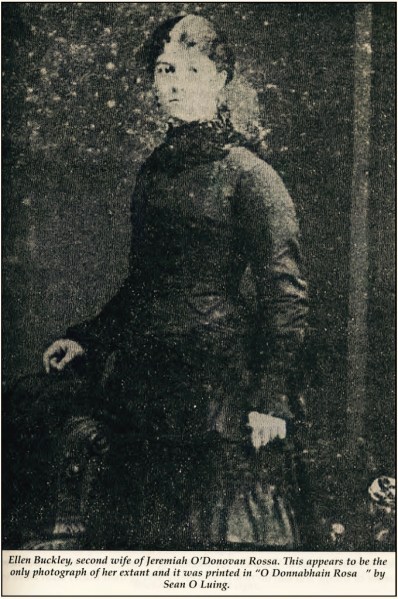
Ellen BuckleyThe following year he met another local woman, Ellen Buckley, who was only 18 at the time and who married him despite the fierce opposition of her parents. She was beautiful and well-educated – and strong willed, obviously. She took on the task of being a mother to his four sons and she bore another son, known as Flor Rossa. But then she also died, leaving Rossa devastated once more. He was in America when it happened and she was buried in Castlehaven graveyard. Her grave is marked with a large headstone – which bears no reference to Rossa, only to her parents. Flor was eventually buried there too, having died as a young man.

The remote and beautiful Castlehaven graveyard, final resting place of Rossa’s second wife, Ellen Buckley. Note that her gravestone makes no reference to Rossa.
annie-mays-bar-skibbereen-920x450

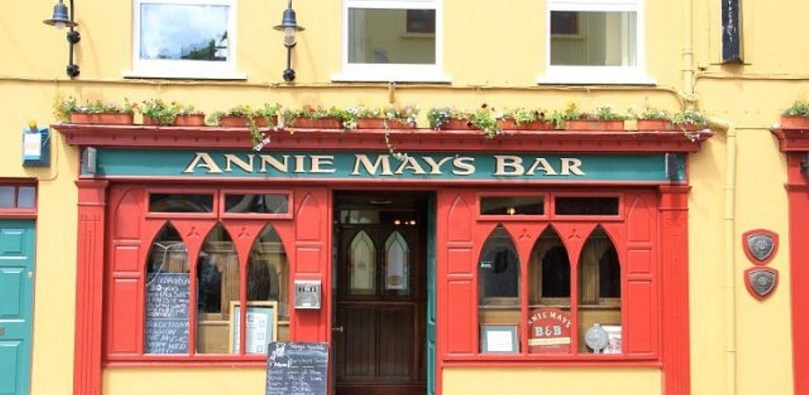
Members of the Buckley family still farm near Skibbereen and run Annie May’s bar and restaurant, a favourite with locals. Photo courtesy of Skibbereen.ie

Rossa’s third wife was Mary Jane Irwin from Clonakilty. Once again, she was young, well-educated, and married him despite the opposition of her parents.

The young Mary Jane Irwin, and Mary Jane in her mourning dress at Rossa’s funeral. Still beautiful. She supported the family with her poetry readings and recitals while Rossa was in prison

She would go on to have thirteen children with Rossa and they would be married for over 50 years – by all accounts a successful and happy union. Their happiness was short-lived at first. Rossa spent several years under atrocious conditions in English prisons, while Mary Jane wrote poetry and speeches and travelled across America and Ireland raising money for the cause and supporting the family.
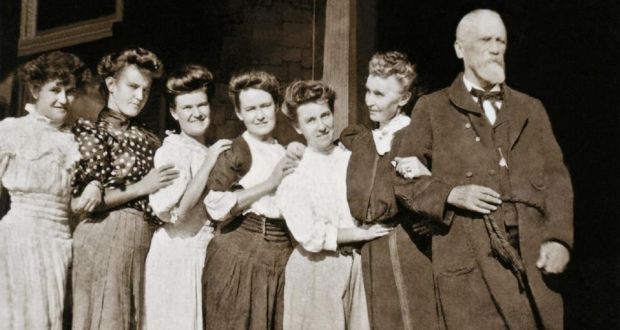
Rossa and daughters

Rossa, Mary Jane and their daughters.

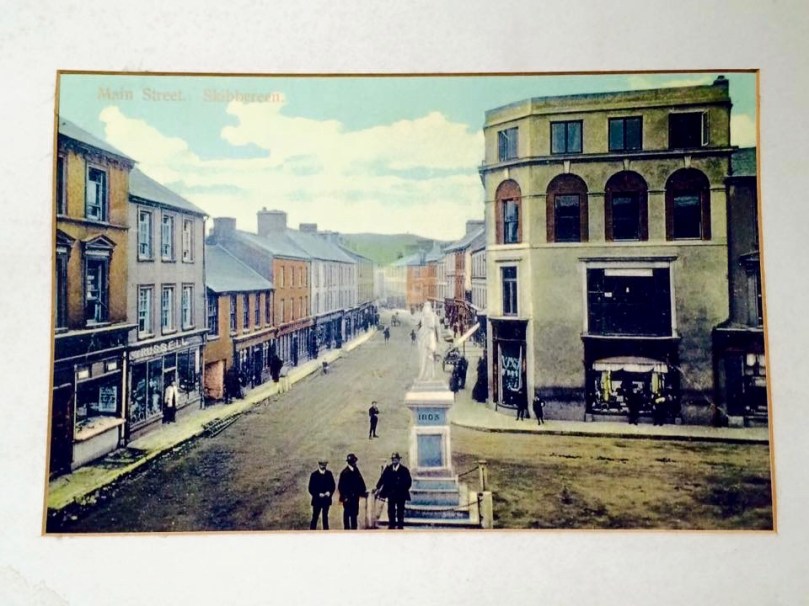
Shortly after his third marriage Rossa moved from Skibbereen and only returned once, in 1904. This was the occasion of the unveiling of the Maid of Erin statue: a fascinating monument that commemorated two failed uprisings against British rule, while Britain still ruled!
North St and Maid

The Maid of Erin statue was originally in the middle of the intersection but was disruptive of traffic so was moved closer to the town hall

But the Rossa family connection to Skibbereen remains strong, and this summer we were delighted to meet two of his great-grandsons, Williams Rossa Cole and Ross Williams Cole, in town to record footage on the Rossa commemorations for a documentary they are making on the life of their great-grandfather. You can read more about them in this Examiner article. And take a look at the trailer for the documentary!
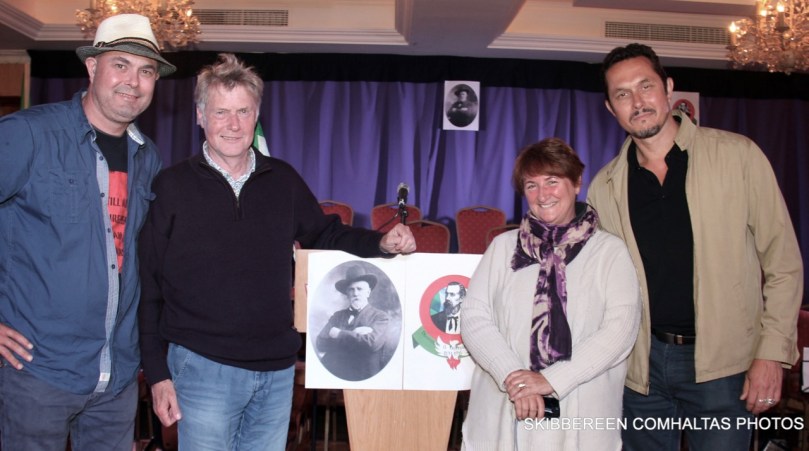
Rossa boys in Skibbereen

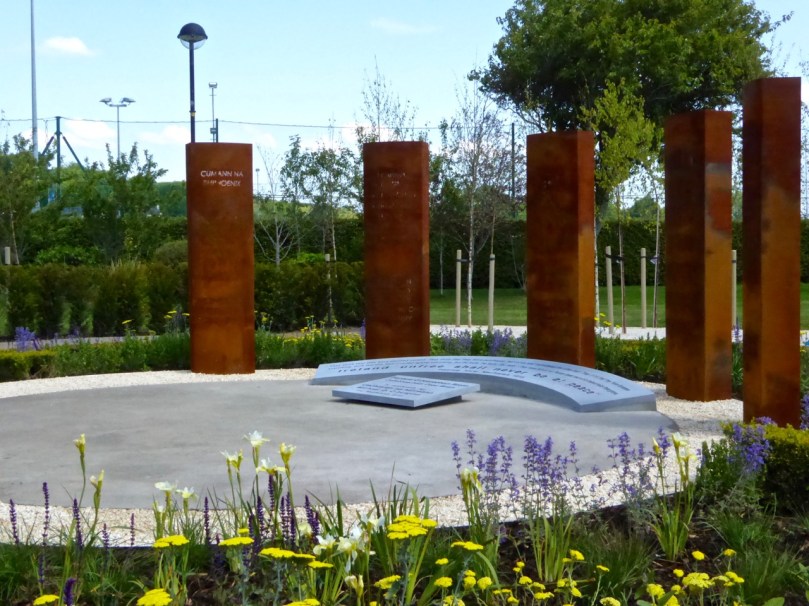
The final stop on any Rossa trail in Skibbereen has to be the park that is dedicated to him. Robert recorded the grand opening by Michael D Higgins, the President of Ireland. It’s a striking monument in stone and steel reflecting the unbending and steadfast commitment of Rossa to his own brand of patriotism, forged in tragedy and hardened in the crucible of prison.

Rossa Memorial

The steel columns have cut-outs of quotes and images silhouetted against the sky. Among these quotes are the poignant final words of Jillen Andy. The poem was composed in prison, not written but memorised because he had no paper. It was a talisman he held close to his heart for when his courage faltered: he conjured up again the image of the wasted body of Jillen, dead of famine sickness as a result of the egregious lack of compassion and mismanagement of resources by the British Parliament and it cemented his resolve once more.

How oft in dreams that burial scene appears,
Through death, eviction, prison, exile, home,
Through all the suns and moons of twenty years,
And oh! How short these years compared with years to come.
Some thing are strongly on the mind impressed
And other faintly imaged there, it seems;
And this is why, when reason sinks to rest.
Phases of life do show and shadow forth in dreams.
And this is why in dreams I see the face
Of Jillen Andy looking in my own,
The poet-hearted man, the pillow case,
The spotted handkerchief that softened the hard stone.
Welcome these memories of scenes of youth
That nursed my hate of tyranny and wrong,
That helmed my manhood in the path of truth,
And help me now to suffer and be strong.

The complete text of Jillen Andy is here.
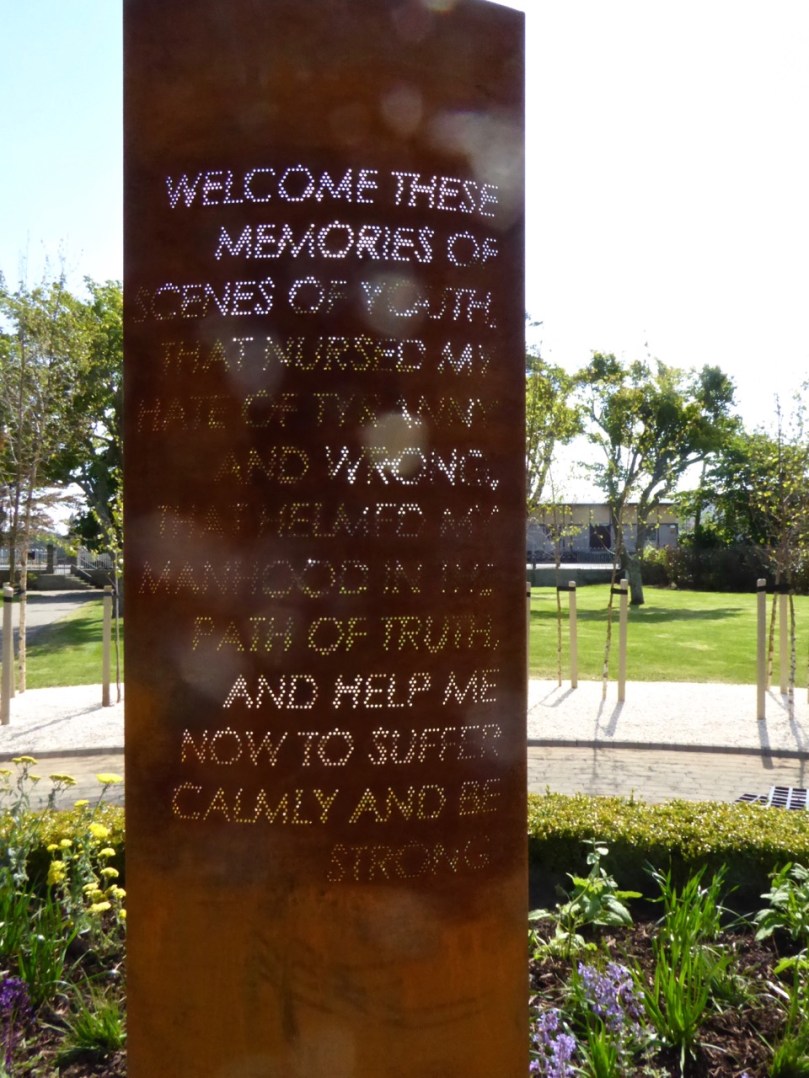
Welcome these memories

Perhaps we can leave Rossa now to the judgement of history. And perhaps with one last image of him and Mary Jane in happier times. Rest in Peace, you Unrepentant Fenian.
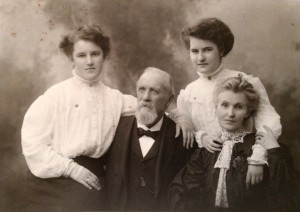
Rossa MJ ans 2 daughters

The Booley

Bucolic

Booleying is an Irish term for transhumance – the agricultural tradition of taking cattle up to the high open lands to graze during the summer months.

booley farm

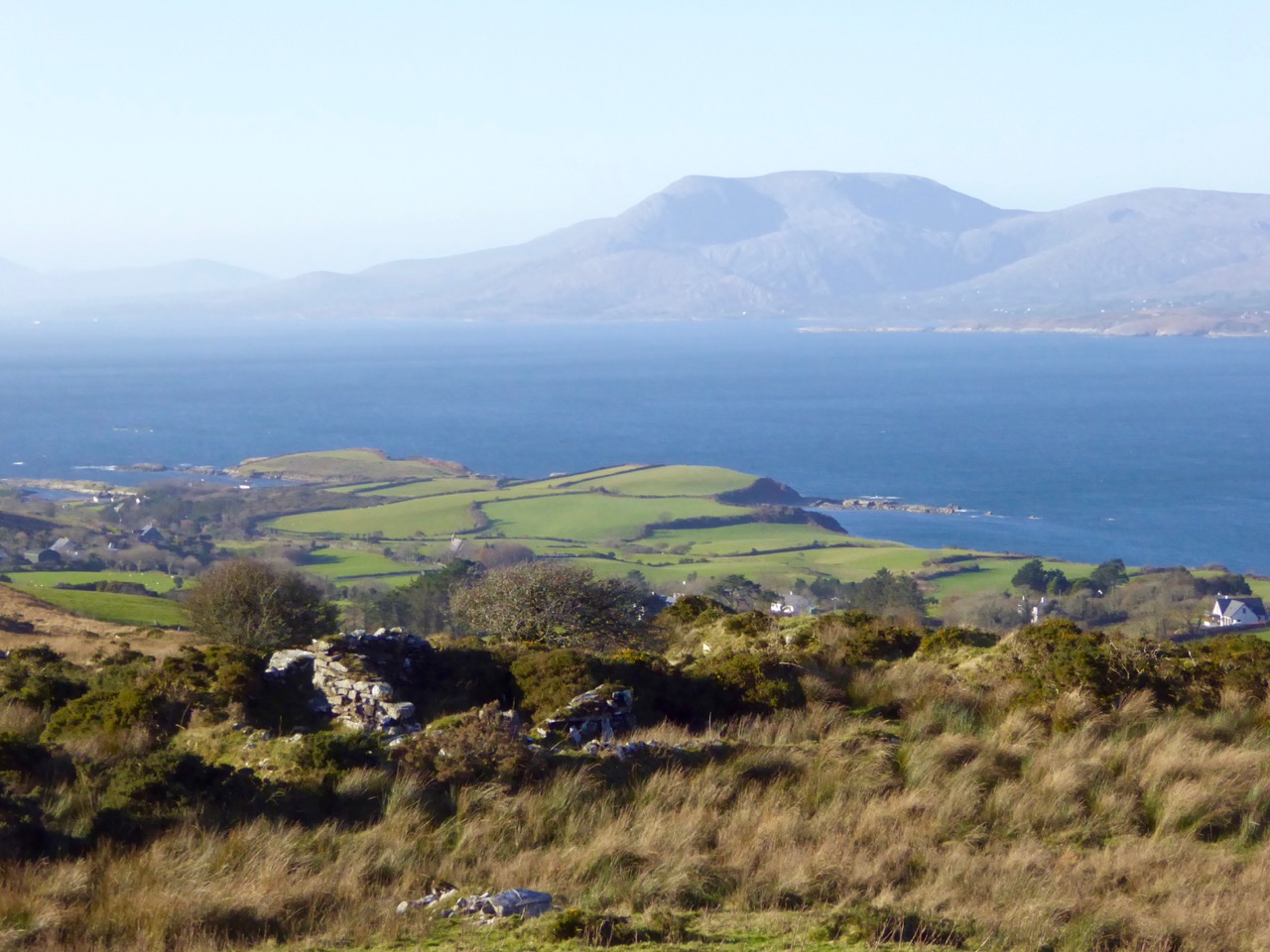
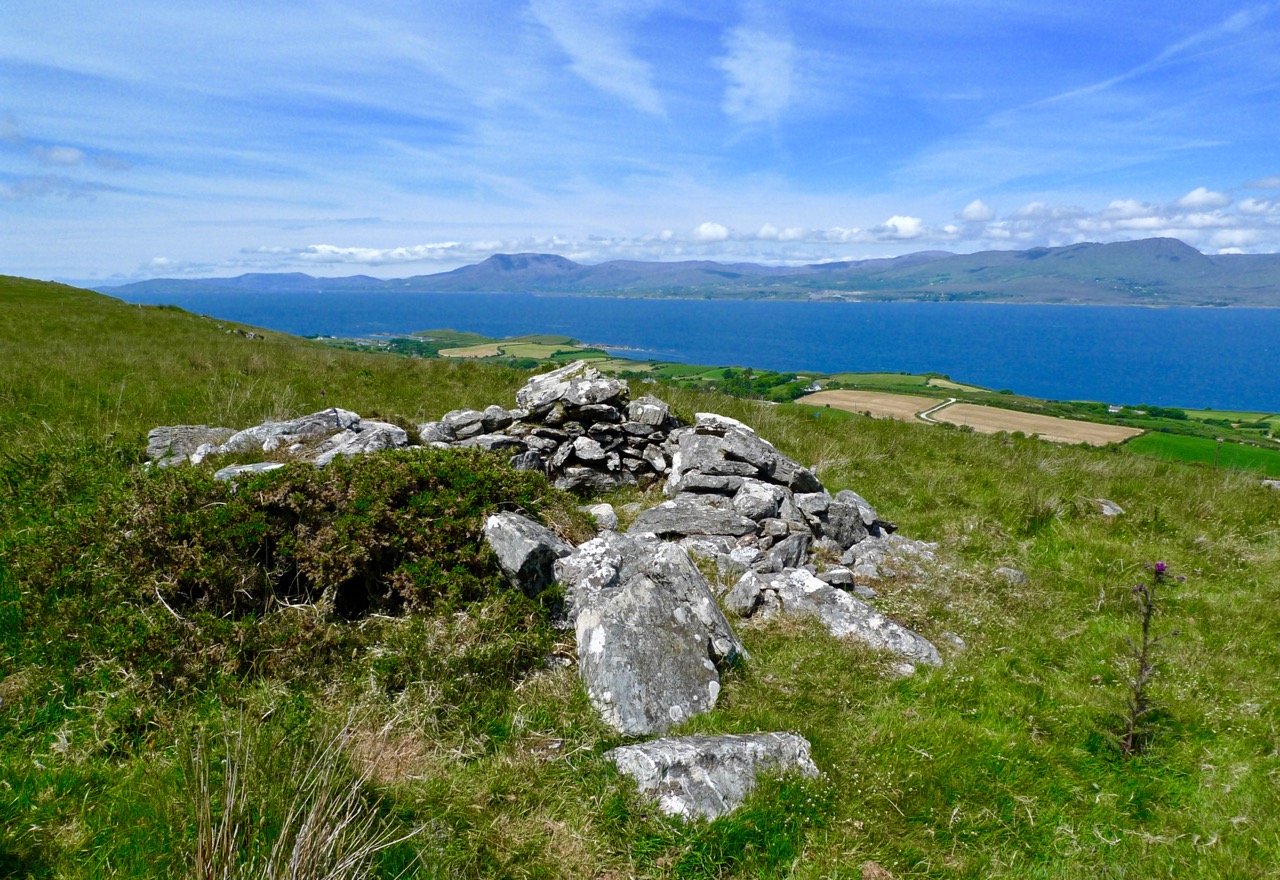
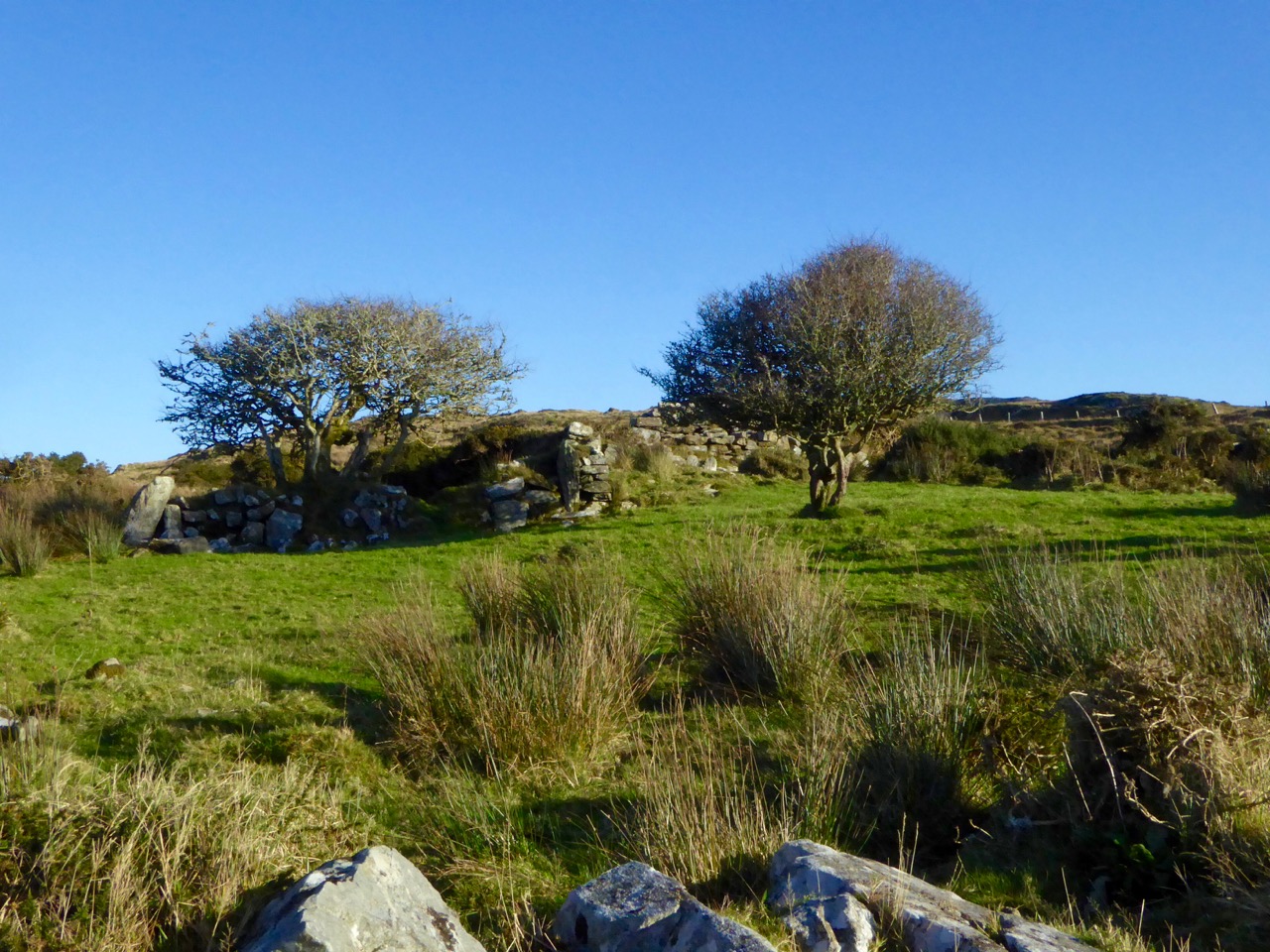
Booleying territory: on the upland moors of the Sheep’s Head the ruins of a simple cottage in a lonely glen tell of bygone farming practices

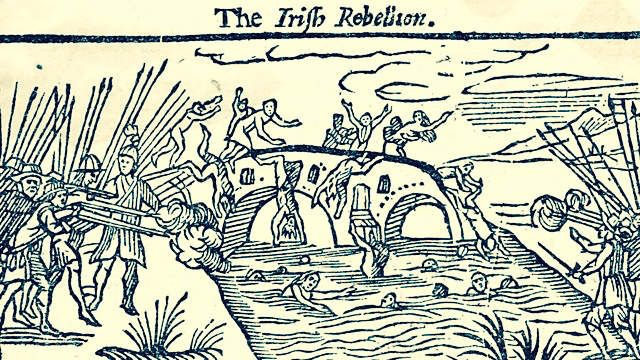
The English poet Edmund Spenser went to Ireland in 1580 and was given lands in County Cork that had been confiscated in the Munster Plantation. (His fellow colonialist Sir Walter Raleigh was also granted large areas of land, which he sold to Sir Richard Boyle who later became Earl of Cork and one of the richest men in the British Isles). In 1596 Spenser wrote a pamphlet – A View of the Present State of Ireland – based on his experiences. This piece is highly regarded as a historical source on 16th century Ireland although it refers somewhat inaccurately to booleying: …the Irish country people keep their cattle and live themselves the most part of the year in bollies, pasturing upon the mountains and wild waste plains, and removing to fresh lands as they had depastured the former… 

irish rebellion

16th century Ireland: the Munster Plantation

Our trusted commentator Kevin Danaher devotes a chapter in Irish Customs and Beliefs (Mercier Press 1964) to ‘The Summer Pastures’: …If you could take away the cattle from the fields around the house all during the summer and autumn, you could have more hay and a bit of winter pasture. Therefore you could keep more cattle and were a richer man. But where could you put the cattle in summer and autumn?

peak

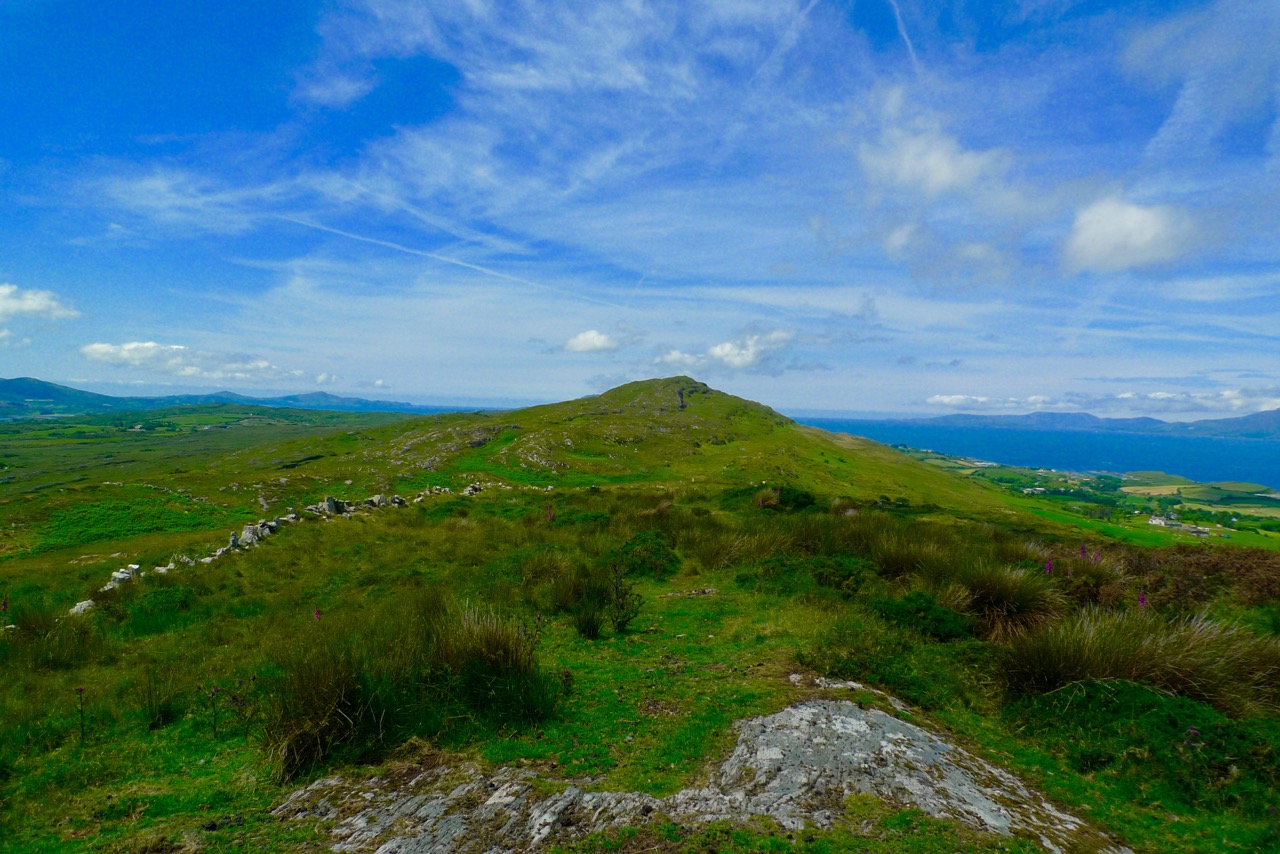
Old walls on the Coomkeen ridge tell of early land divisions

(Danaher) …In Ireland there are big areas of the countryside which have some value during the better part of the year but none at all during the winter and spring. These are, of course, the mountains and moor lands. In the cold season they are barren and desolate, but when the milder part of the year comes they provide grazing which may be sparse but is very sweet. Our farming ancestors knew this and a system was worked out which gave the milch-cows the benefit of them. They were away in the mountains or the moors, far from the homestead over bad roads or no roads at all, so that the cattle could not be driven home for milking. Some of the family went and lived with the cows on the mountain. Some sort of dwelling was built there for them, they milked the cows morning and evening and made the butter which could be stored until the men from the home farm came for it once a week…
Varieties of simple shelters – ancient beehive style (left from George Walsh’s window in St Kentigern’s Church, Eyeries, on the Beara Peninsula and – top right – from Dingle, County Kerry – both were used by contemplative hermits but some booley huts were built in similar style) and, bottom right, an example of an Irish cabin

Of the booley houses – or huts – Danaher writes: Most of them were just rough copies of the kind of houses ordinarily used as dwellings, smaller and simpler but made of the same materials and by the same methods. Usually they had only one room, with a simple fireplace, often without any chimney, only a hole in the roof over the hearth… In fine weather their occupants could live out of doors all through the long period of daylight, coming in only to sleep or to cook food and eat it, and the buaile houses were used as sleeping-places only…

booley hut

This structure on the Sheep’s Head is recorded on the National Monuments Record as a Booley Hut

Farming practices have changed in the modern day and I am not aware that any booleying still happens – but the custom lives on in memory and in place names. The Irish word Buaile (pronounced bool-yeh), is translated as a feeding or milking place for cows – so it refers to the dairy as well as the summer pastures. There is a townland near us called Corravolley: that’s the anglicised name. Two roads lead there, and on each road is a signpost:

Do you notice the subtle difference in the Irish rendering of the name on these signs? One reads ‘An Chorrbhaile’ and the other ‘An Chorrbhuaile’. One letter is different in the second sign, but it makes all the difference in the way you might translate its meaning. An Chorrbhaile combines corr – round hill, pointed hill, hollow, pointed, conspicuous with baile – townland, town, homestead, but the alternative suffix buaile means cattle-fold, or summer-pasture. As Corravoley is way up in the hills it is very likely that it was the place of the booleying.

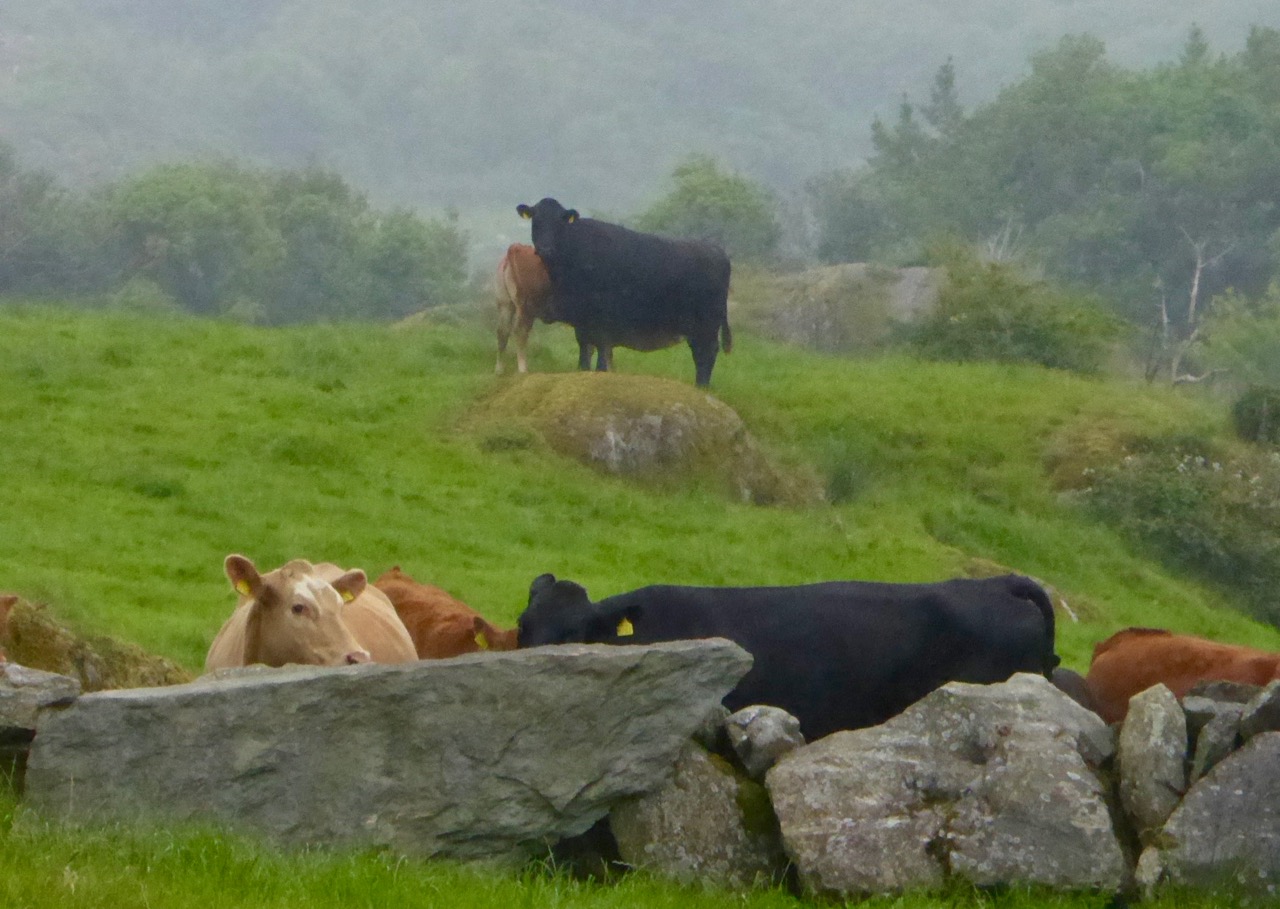
cattle in the wild

Other examples of Irish names which may have derived from the booley include Coill na Buailidh, Kilinaboley, Kilenabooley, Both Théith, Boheagh, Knocknaboley, Buaile h’Anraoi, and Cnoc an tSamhraidh (which actually translates as Summerhill – a place name associated with transhumance in Britain).

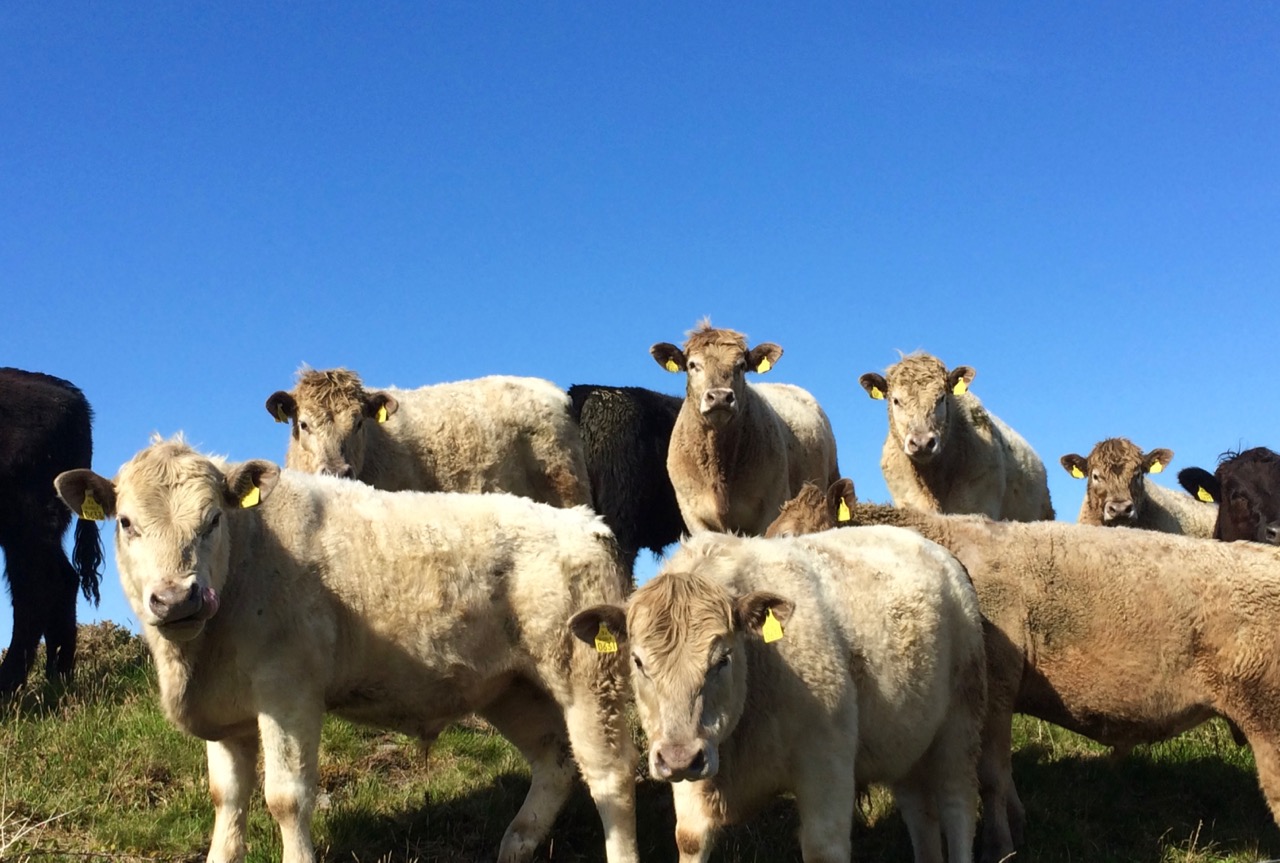
bullocks

In Scandinavia, transhumance is still practiced: there the common mountain or forest pasture used for transhumance in summer is called seter or bod / bua. The same term refers to a mountain cabin, which is used as a summer residence. In summer (usually late June), livestock is moved to a mountain farm, often quite distant from a home farm, in order to preserve meadows in valleys for producing hay. Livestock is typically tended for summer by girls and younger women, who also milk and make cheese. As autumn approaches and grazing becomes in short supply, livestock is returned to the home farm. Note the Norse word būð which sounds like ‘both’ as in ‘bothy’, and the use of that word in Scotland to mean a basic shelter on the high moors, unlocked and available for anyone to use free of charge.

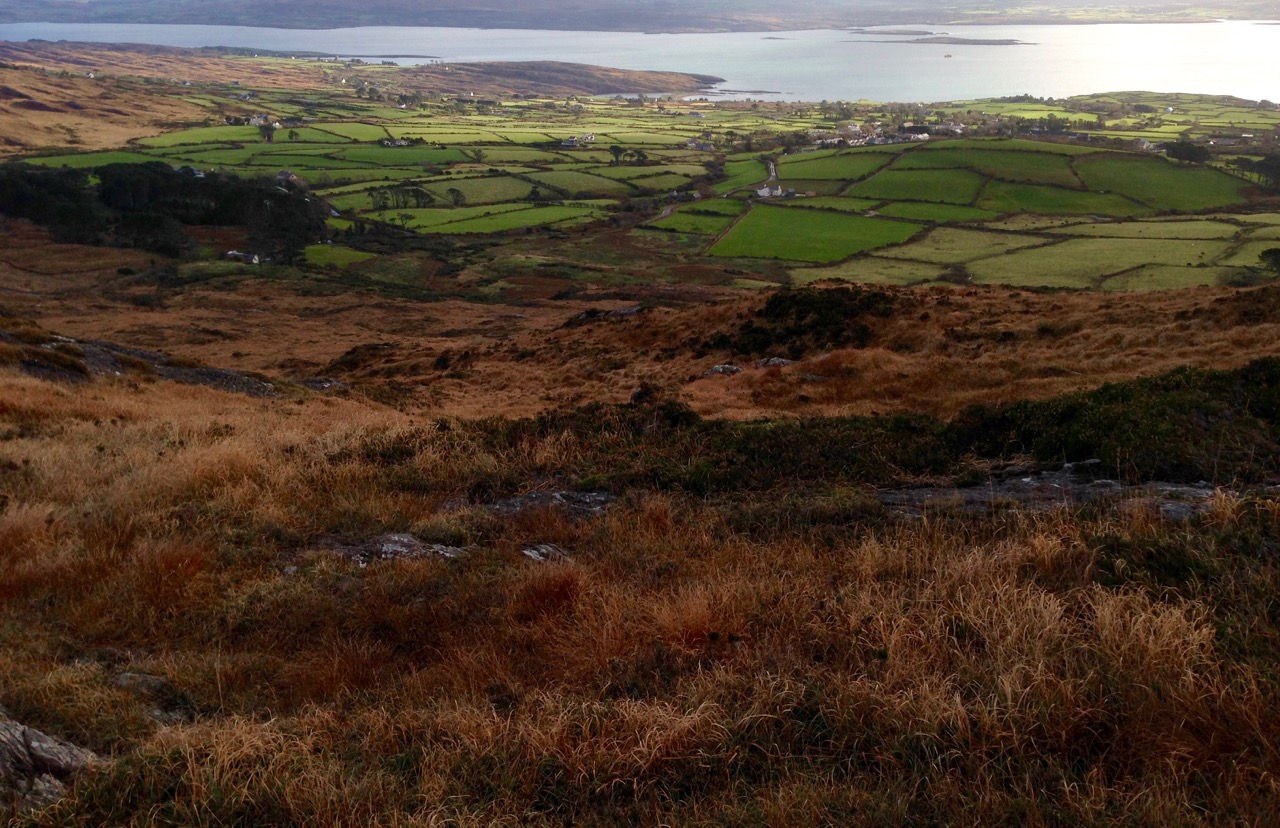
from the uplands

There is physical evidence of the booleying in Ireland. On the Coomkeen route of the Sheep’s Head Way we found a little glen high up on the mountain, a setting for a ruined small stone house which could well have been used by those herding the cattle on the summer pasturage in bygone days. It’s a beautiful sheltered site, guarded by two ancient thorn trees, and we could easily imagine – through our romantic 21st century vision – the hard but simple lifestyle invoked there.

booley thorns

Guardians of the Booley – two ancient thorn trees stand by the abandoned cottage

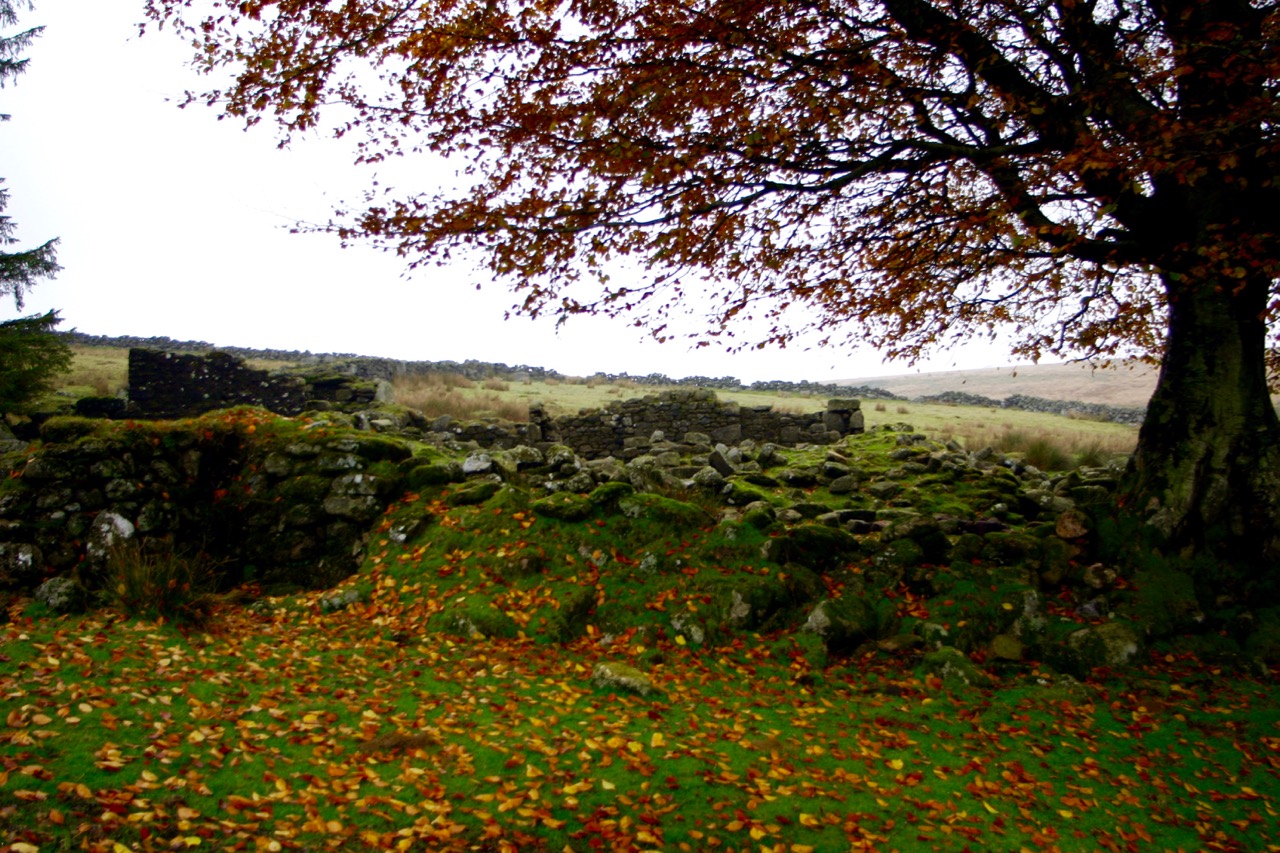
I feel particularly close connections to that way of life as my Dartmoor ancestors were transhumers. They kept a remote farm out on the moor uplands, well away from the nearest centre of civilisation. The enclosure had been established towards the end of the 18th century and involved the building of miles of stone boundary walls (which caused dissent among the commoners) and my forebears who lived there for a few generations were paid to run cattle from other farms on the pastures during the summer months. By the early 1900s the farm had been abandoned and nature has gradually taken over and created an attractive antiquity which I loved to wander over and recreate in my mind’s eye the scenes of family life: my maternal great-grandmother was one of fourteen children born on the farm in one generation.

teignhead today

Family home: Teignhead Farm on Dartmoor – used as a summer run for cattle, although it was  a permanent residence way off the beaten track for the large family of my forebears – an early 19th century print (top left), a photograph dated 1889 (top right) and the ruins of the house today (below)

Novelist Philip Robinson writes:

…The ghostly footprints of ancient sod walls still mark the sites where families once moved with their cattle up to uplands in county Antrim during the summer months (from May to October). They built temporary ‘booley’ huts to live in, usually beside a water burn or spring… The families that took their cattle to booley places on the Commons like Ardboley (High Booley), Carnbilly (Booley Cairn) or Milky Knowes had their home farms down on lower ground in clusters or villages called ‘clachans’. The arable land around each clachan was shared out between the group in a jigsaw of tiny plots and strips each year, and when the cattle returned before the 1st November, the field markers were torn down and the land around the clachans returned to common winter grazing. The homecoming to the clachan at harvest time was another great time of celebration and seasonal customs, closely tied up with Halloween bonfires and gatherings on 31st October.

on the move

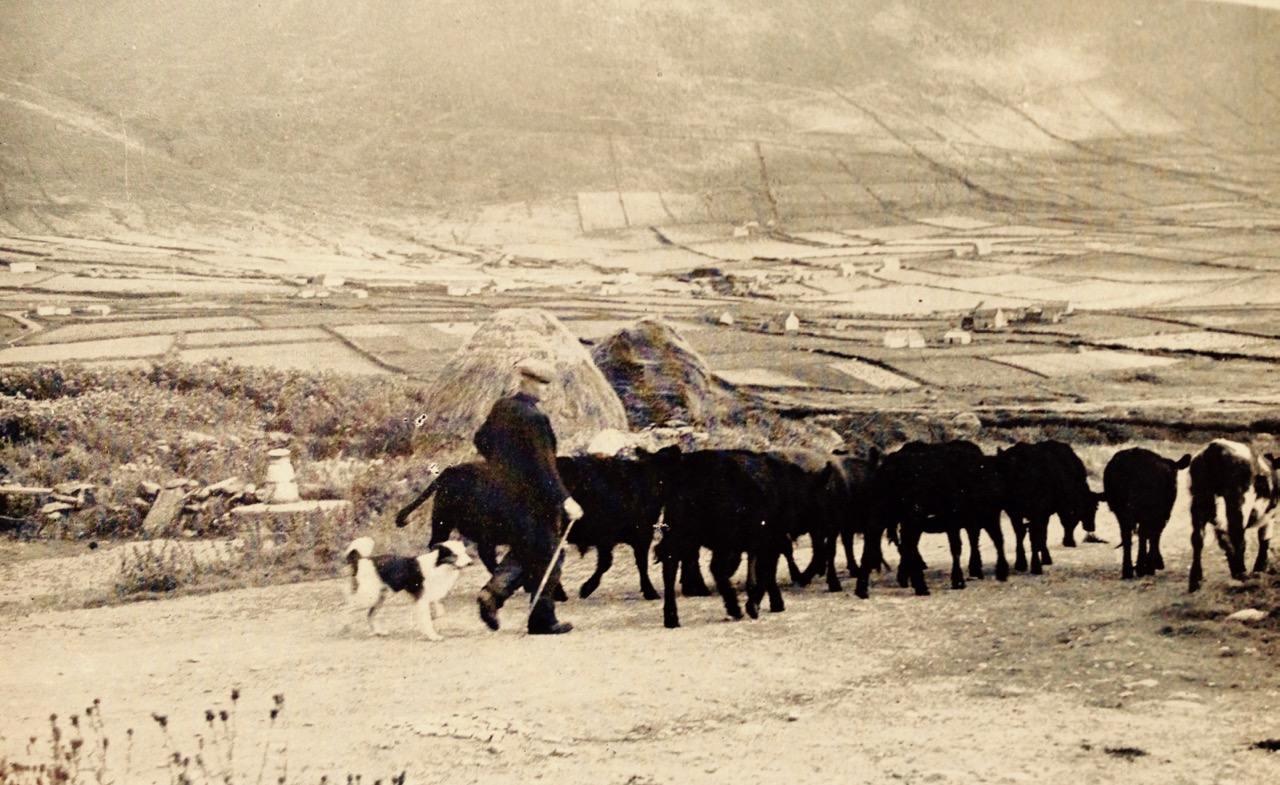
On the move – Kerry cattle (believed to be Ireland’s most ancient breed) from the collection of photographer Tomás Ó Muircheartaigh, who documented life in rural Ireland between the 1930s and the 1950s

We know that Booleying was an ancient practice as it is mentioned in the Brehon Laws – which takes it back at least to the time of St Patrick. Later, under the 14th century Statute of Kilkenny the Irish ...were forbidden to booley or pasture on those of the march lands belonging to the English; if they did so the English owner of the lands might impound the cattle as a distress for damage; but in doing so he was to keep the cattle together, so that they might be delivered up whole and uninjured to the Irish owner if he came to pay the damages… The historian, John O’Donovan (1806-1861) noted (in his Ordnance Survey Letters of 1838) that the people owned houses in two townlands, one of which was a booley. …It is a great habit among the people of the island to have two townlands and houses built on each where they remove occasionally with their cattle. The townlands are held under one lease and one of these farms is called a Bouley…

booley house

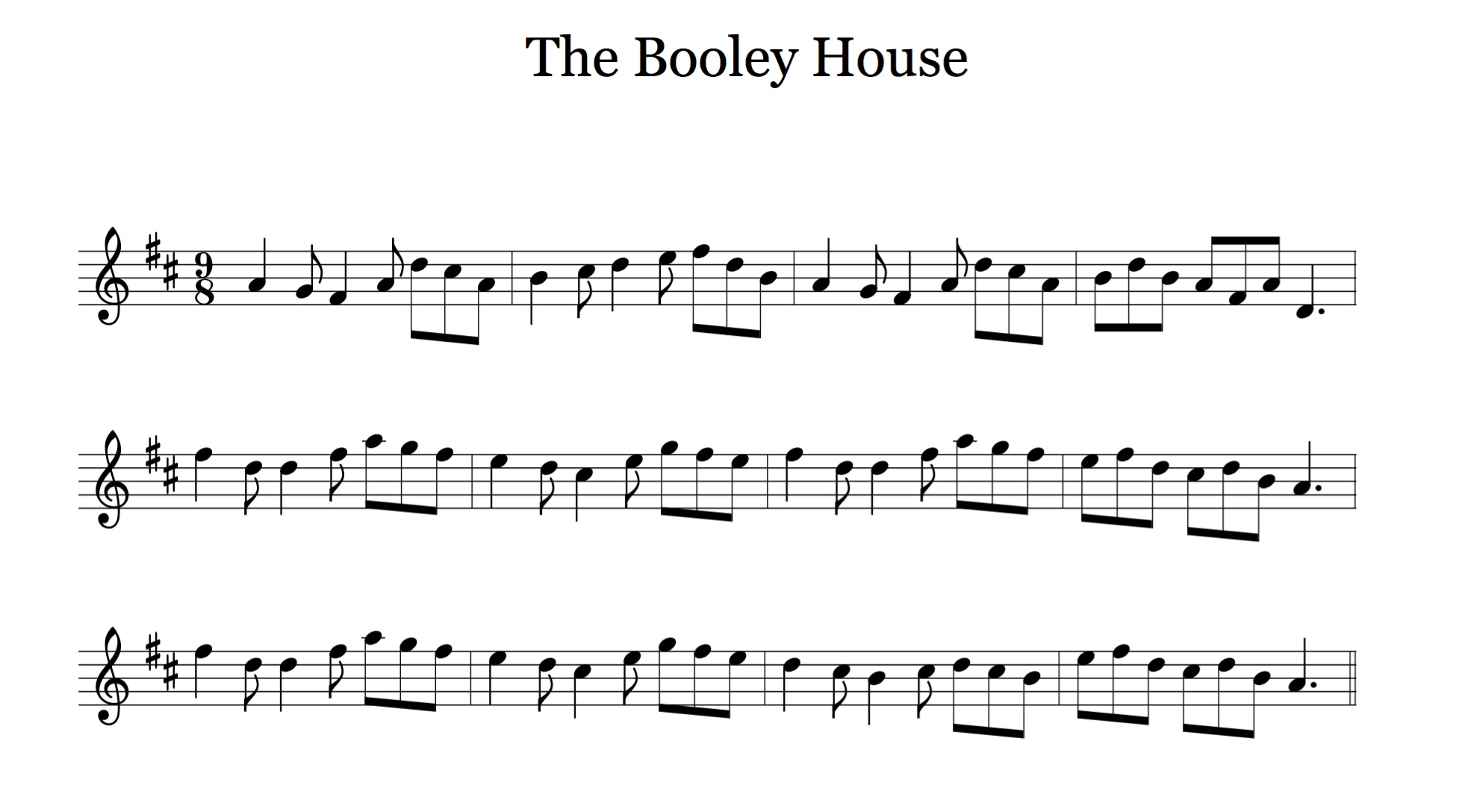
In Ireland The Booley is relegated to the tune books but there are those alive today who remember the tradition in their own families. Danaher relates: …old people tell of the buaile as a very happy place, full of song and laughter. On Sunday evenings the girls from several buailes would come together and the young men came up from the farms to be with them, and there was music and dancing and gaiety on hillsides that now hear only the bleat of the sheep and the cry of the grouse and the curlew…

boley fair poster


O’Donovan Rossa – the First Terrorist?

Fiery Rossa

The world was shocked this week by appalling acts of terror. Terrorism is rightly and universally condemned in modern Ireland – and yet this year we celebrated the centenary of the death of a man whom many, including his fellow patriots, denounced as a terrorist in his lifetime while others hailed as a hero.

Our American and Canadian readers might be surprised at how relevant his story is to their own countries.

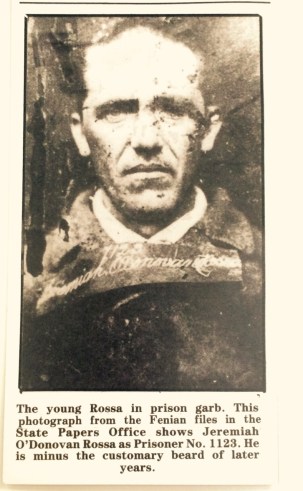
Rossa Prisoner

I write of course of Jeremiah O’Donovan Rossa of Skibbereen, the ‘Unrepentant Fenian’, whose state burial in 1915 was the occasion of a fiery speech by Patrick Pearse that is commonly seen as a catalyst to the 1916 Rising. In March Back in Time I introduced him and wrote about the awful background that turned him into a revolutionary – the death of his father from famine fever and his family’s eviction and departure from Ireland. To the end he refused to call the cataclysmic events of 1845 to 1850 a famine: there was no shortage of food, he pointed out, just a shortage of humanity. It fired in him a lifelong hatred of British rule which hardened through terrible treatment in prison and which he brought with him to exile in America, where he and his fellow Fenians were accorded a hero’s welcome.

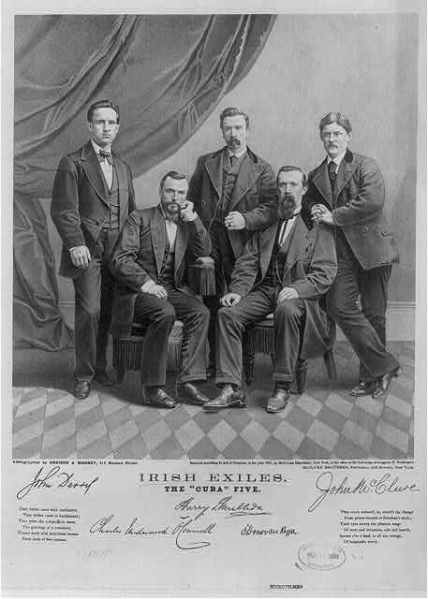
The Cuba Five were so named for the ship that brought them to America. Courtsey Library of Congress

The Cuba Five were so named for the ship that brought them to America. Courtsey Library of Congress

The Fenian brotherhood Rossa joined in America in 1870 had organised several raids on Canadian communities during the 1860s and early 70s. All were unsuccessful, but resulted in loss of life and a worsening of relationships between Canada and America, seen as harbouring and tolerating Fenian activity. The raids involved hundreds of Fenians, many of them battle-hardened veterans of the American Civil War. (For more on the Irish in the American Civil War – the numbers and the stories will amaze you – see Damian Shiels’ meticulously researched blog and website.)

According to this article on the Fenian Raids:

Ironically, though they did nothing to advance the cause of Irish independence, the 1866 Fenian raids and the inept efforts of the Canadian militia to repulse them helped to galvanize support for the Confederation of Canada in 1867. Some historians have argued that the affair tipped the final votes of reluctant Maritime provinces in favour of the collective security of nationhood, making Ridgeway the “battle that made Canada.”

Fenian Raid on Canada

The Battle of Ridgeway, courtesy Library of Congess

Embracing this militaristic approach, Rossa became as notorious an extremist in America as in Ireland. He founded a newspaper, The United Irishman, to propagate his views and raise funds for his infamous skirmishing fund. This fund, in fact, was to pay for a bombing campaign carried out in Britain from 1881 to 1885, causing injuries and deaths (to civilians, including children) – and real terror.

One of the exhibits in Skibbereen this summer consisted of newpaper clippings from American newspapers about Rossa, amply testifying to his notoriety. The top right clipping consists of snippets about Well Known People – Rossa is listed alongside William Morris, Geronimo and the Csar Of Russia

In many ways O’Donovan Rossa encapsulates a central dissonance at the heart of Irish History: he was a passionate patriot who believed in armed struggle, while many of his contemporaries espoused a pacifist (see Michael Davitt as a prime example – he referred to Rossa as O’Donovan Assa) or parliamentary approach and saw Rossa’s campaign of violence as undermining their objectives. Now, in 21st Century Ireland, we are faced with the dilemma of how to deal with historical figures who are both important markers in the struggle for independence and echoes of a violent past many no longer wish to glorify.

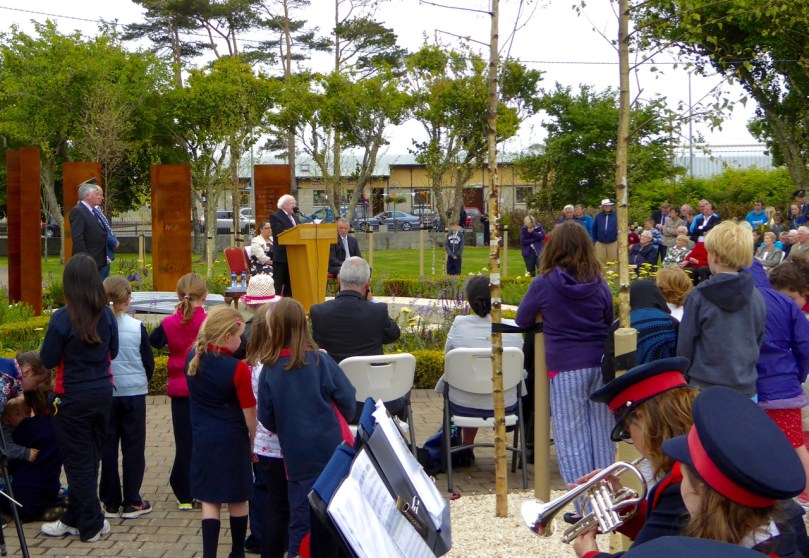
The President of Ireland, Michael D Higgins opened O'Donovan Rossa Park in Skibbereen

The President of Ireland, Michael D Higgins opened O’Donovan Rossa Park in Skibbereen

In Skibbereen this summer Rossa was celebrated in several ways. We attended not just the March, but a play, two exhibitions, a lecture, and the grand opening of a refurbished park in Rossa’s honour by Michael D Higgins, the President of Ireland. In Dublin his 1915 state funeral and graveside oration were given a full scale re-enactment, attended by the President, the Prime Minister (Taoiseach) and many dignitaries.

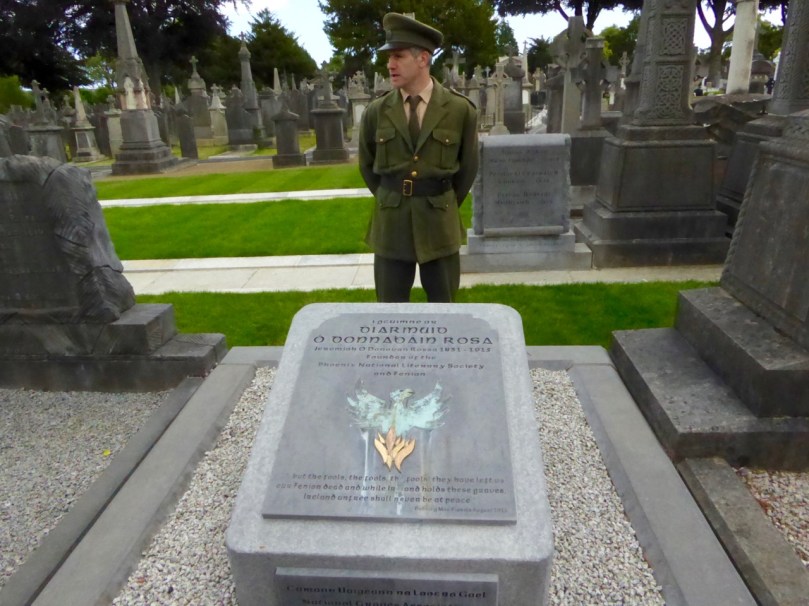
We toured Glasnevin Cemetary on Dublin this summer. The tour included a re-enactment of Patric Pearse's oration at the grave of O'Donovan Rossa

We toured Glasnevin Cemetary on Dublin this summer. The tour included a recital of Patrick Pearse’s oration at the grave of O’Donovan Rossa

To give you a flavour for how Rossa is revered as a hero watch this YouTube clip – the ultra-nationalist ballad features Pathé News footage of the actual funeral.

But not everyone felt that it was appropriate for the Irish government to underwrite such commemorations. This was expressed well by the historian, Carla King writing to the Irish Times. She summed up thus:

…while O’Donovan Rossa is a figure for whom we can feel some pity, his philosophy, with its commitment to mindless and counter-productive violence, launched a tradition of which we should be ashamed.

Another historian, Marie Coleman wrote:

It was unclear whether the focus of the event was Rossa himself or the significance of the funeral as signifying the rejuvenation of republicanism as a precursor to the Easter Rising. If the former, the State’s endorsement of an archaic form of irredentist Irish nationalism will sit uncomfortably with many in 21st-century Ireland and with unionist opinion in Northern Ireland.

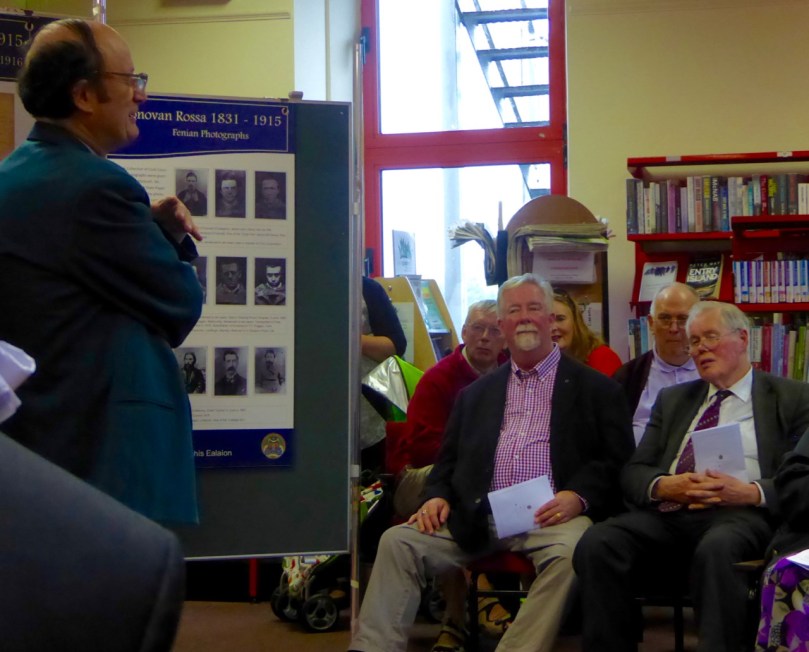
Another exhibition opening - this one at the Skibbereen Library

Another exhibition opening – this one at the Skibbereen Library

Like many Irish people growing up in the 50s and 60s I was brought up on stories of the epic Fight for Irish Freedom, although in my family’s case it was also complicated by ancestry on both sides of the divide. In that narrative, Rossa was one in a long line of heroic freedom fighters. To dig a little deeper still into the story of O’Donovan Rossa, I went looking for signs of the man himself around Skibbereen and found them in some surprising places.  My next post will relate to Rossa’s time in Skibbereen and the legacy he left in this West Cork town.

November Dark

November Dark

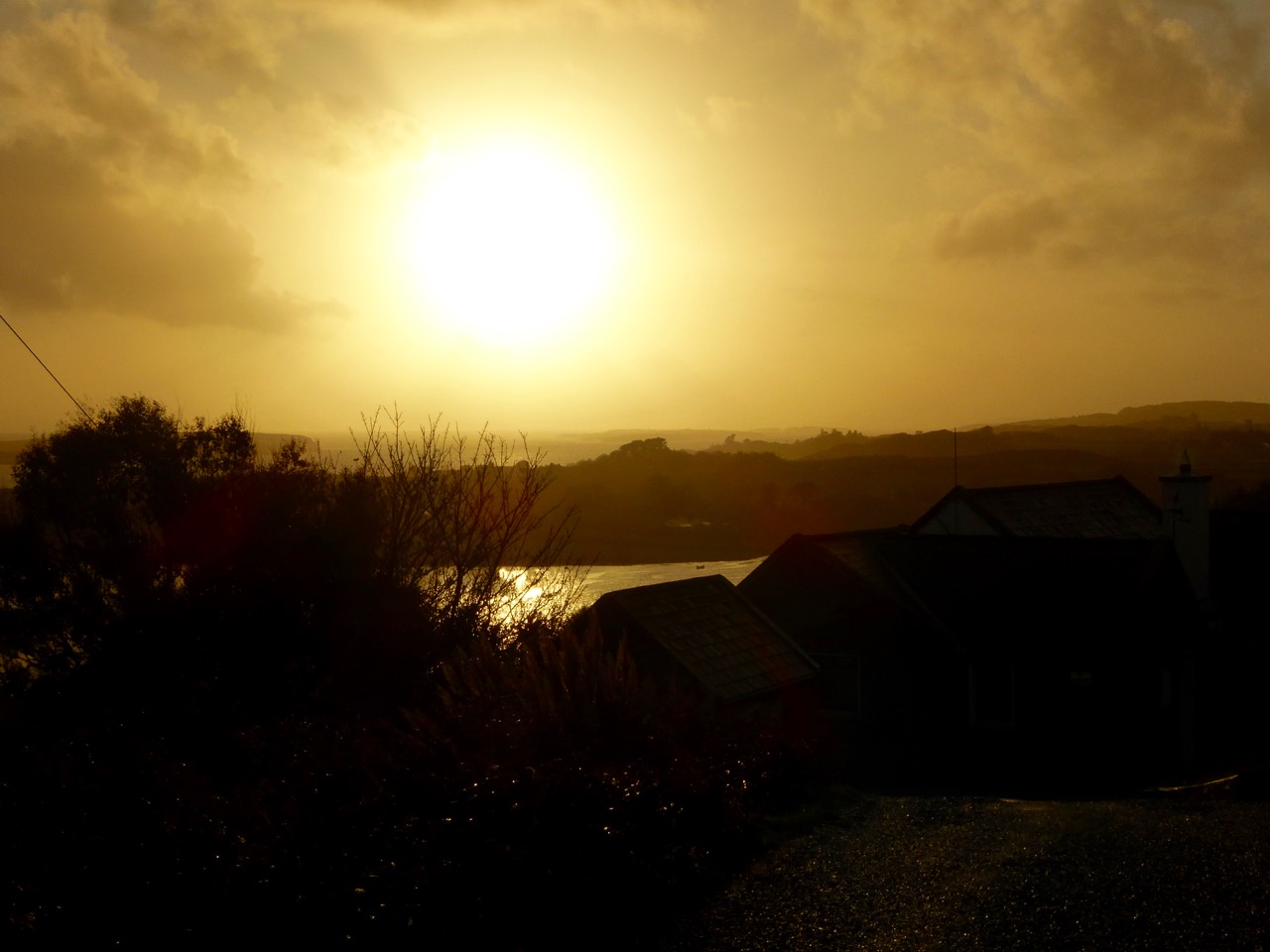
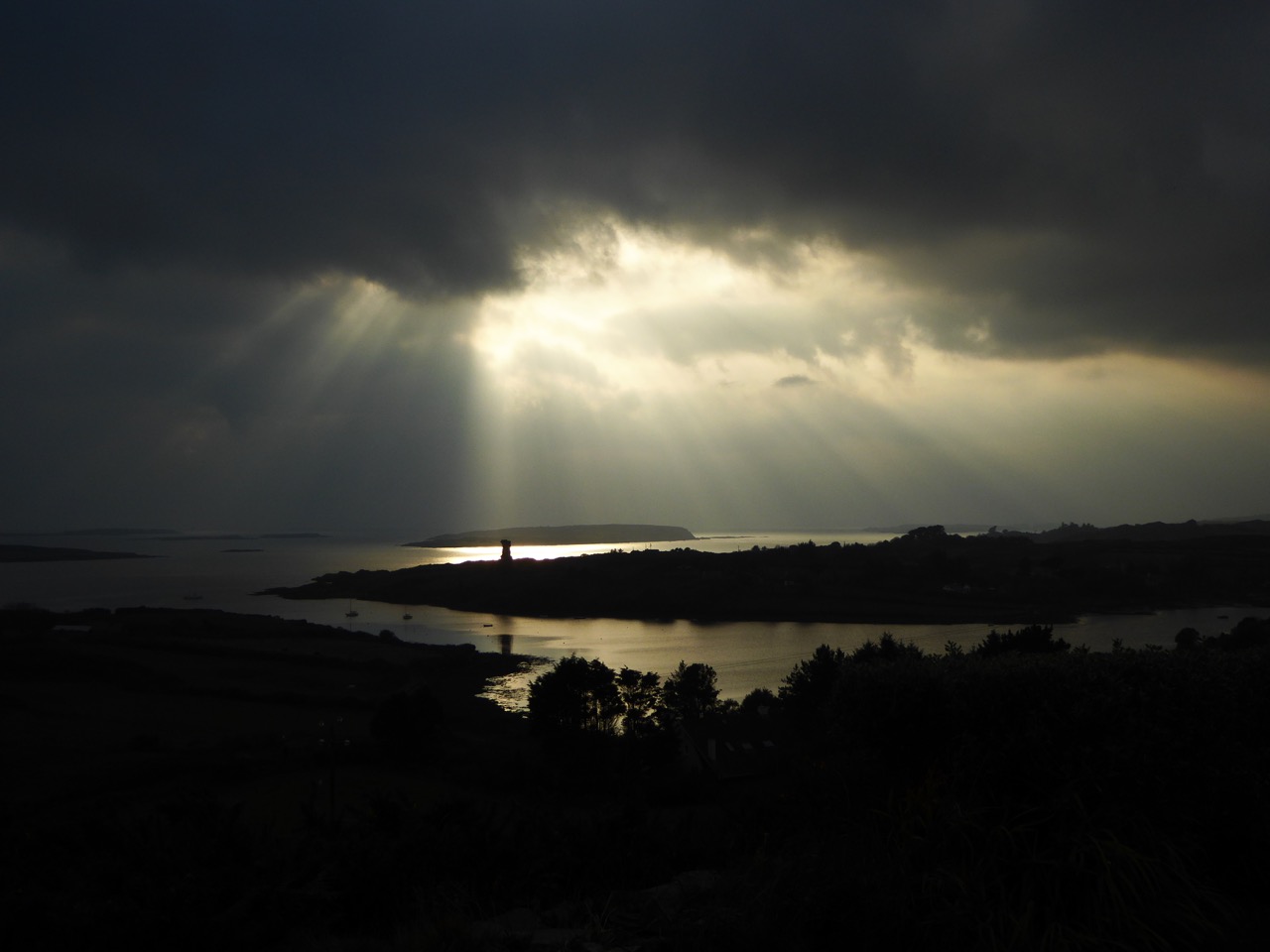
Dramatic sky over Nead an Iolair on November Dark this year

The month opened with Snap-apple night and tales of pucás and little folk. From the rising of the moon on November Dark the mackerel would make their way to deeper water; it was the end of the seine season. With the crops all in and hill grazing finished, fires were set on the hills and preparations made for the winter. There was little employment for the months ahead… (from Northside of the Mizen by Patrick McCarthy and Richard Hawkes 1999)

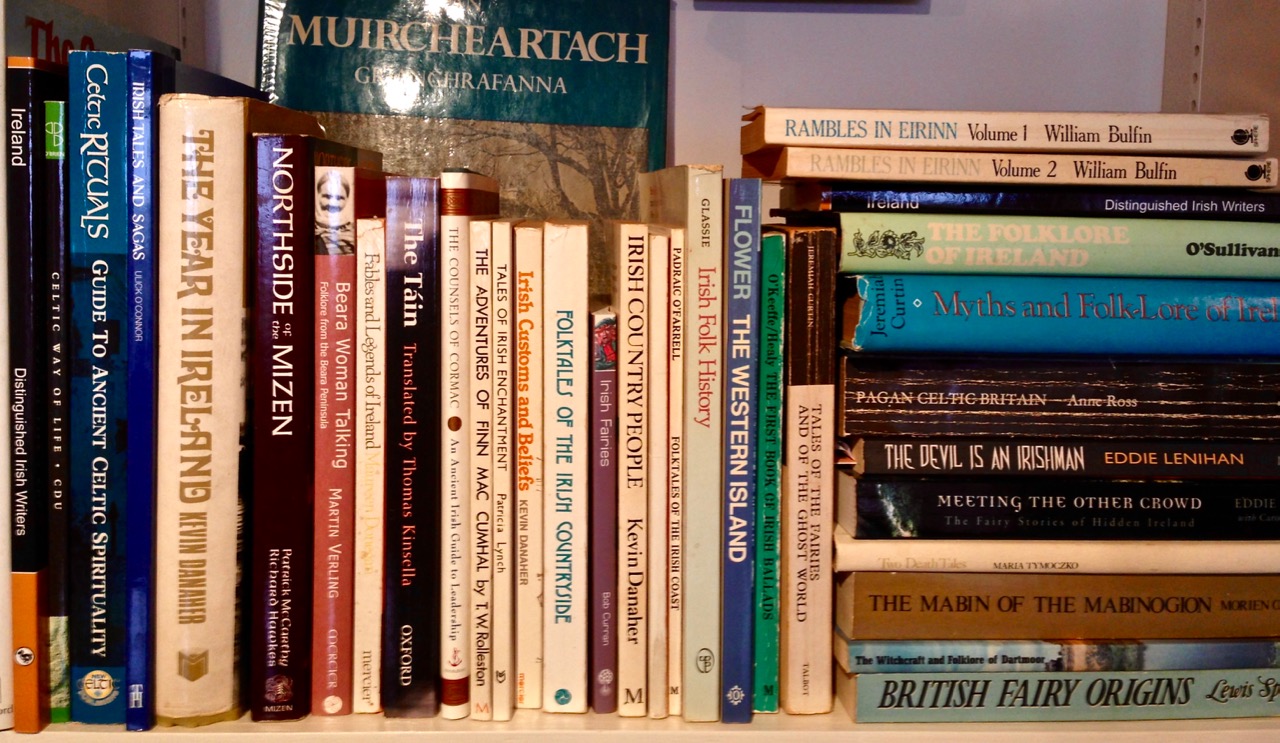
I have mentioned this reference to ‘November Dark’ in previous posts but, apart from the Northside book, I have been unable to find any other allusions to the term – either on the internet (which is usually a sure source of every conceivable fact or fiction) or on our bookshelves (which are overflowing with volumes on Irish culture, traditions and folklore). According to McCarthy and Hawkes it points to the appearance of the November new moon: this year it occurred last Wednesday – the 11th – which was also Martinmas.

bookshelf

gallimaufry on the bookshelves at Nead an Iolair

Once, the day had particular significance: …With the rising of the moon from November Dark the mackerel made their way to deep water; it would be the end of the seining season. Most of the barrels of fish were collected by ships from September onwards. Limerick Steam coasters and ships from England and America anchored offshore, and the barrels would be taken to them. The faller boats took five to eight barrels per trip to the ships. They were hauled up by a derrick, two at a time, into the hold. Often 300 barrels would be loaded onto one ship… Although the barrels of fish were taken throughout the season by the fish buyers, it was on November Dark that the seine crews received their money… (from Northside)

Seining: the huer (top) watched for the arrival of the shoals and then signalled their location to the boats at sea; the lower photograph shows seine netting on the beach at Greystones, Co Wicklow

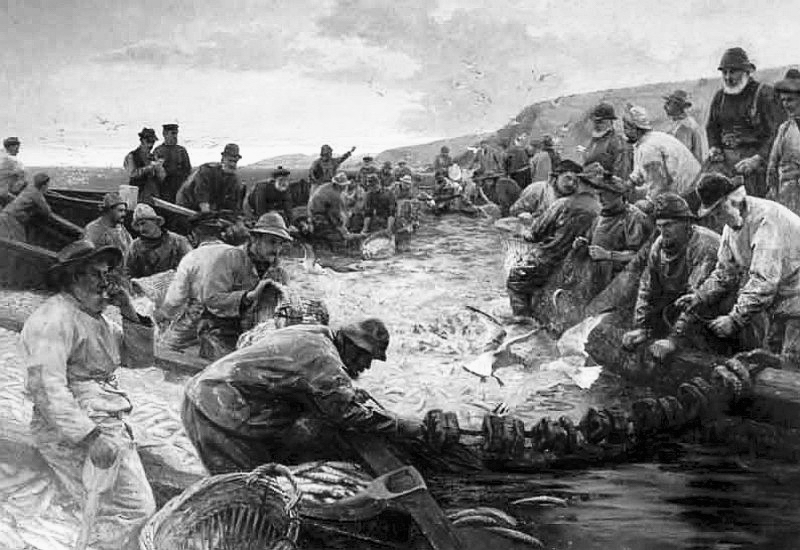
Historical evidence documents seining in the South West Coast of Ireland from County Waterford, to County Kerry, from the 16th century onwards. This was an important industry with Baltimore, Dunmanus, Schull, Sherkin, Kinsale, Bantry and Whiddy Island as centres, together with outlying curing stations called Fish Palaces or Pallices, of which there were significant numbers along the Southern coast. The fish – usually pilchards – were caught by means of a seine net: two boats, the seine boat and the so-called follower (locally called the ‘faller’) were used. The seiner, a large boat pulled by perhaps a dozen or more oars, carried the net, which was often 300–400 yards long. An experienced fisherman acted as a huer by directing fishing operations from a suitable vantage point ashore. From high land, the huer could see the shoals of pilchards clearly, and he alerted the seine boat, by shouting (the ‘hue and cry’) or making suitable signs as to the location of the shoal. Often the shoals were too far out to be seen from the land, and one of the crew – known as  a spyer – had the job of locating them from on board. On a given signal, the net was shot around the shoal by the seine boat, and in the meantime, the free end of the net was picked up by the faller, with a crew of perhaps five or six, pulling the ends of the net together. The footropes of the net were gradually drawn up until the fish were completely enclosed, and by means of baskets the fish were transferred from the net to the boats.

Tucking

Cornish ‘Tucking’ – gathering in the pilchards from the seine net – by the Newlyn School artist Percy Robert Craft: the original painting is in the Penlee Gallery, Penzance. As the seining season advanced, the Cornish boats followed the shoals to the west coast of Ireland

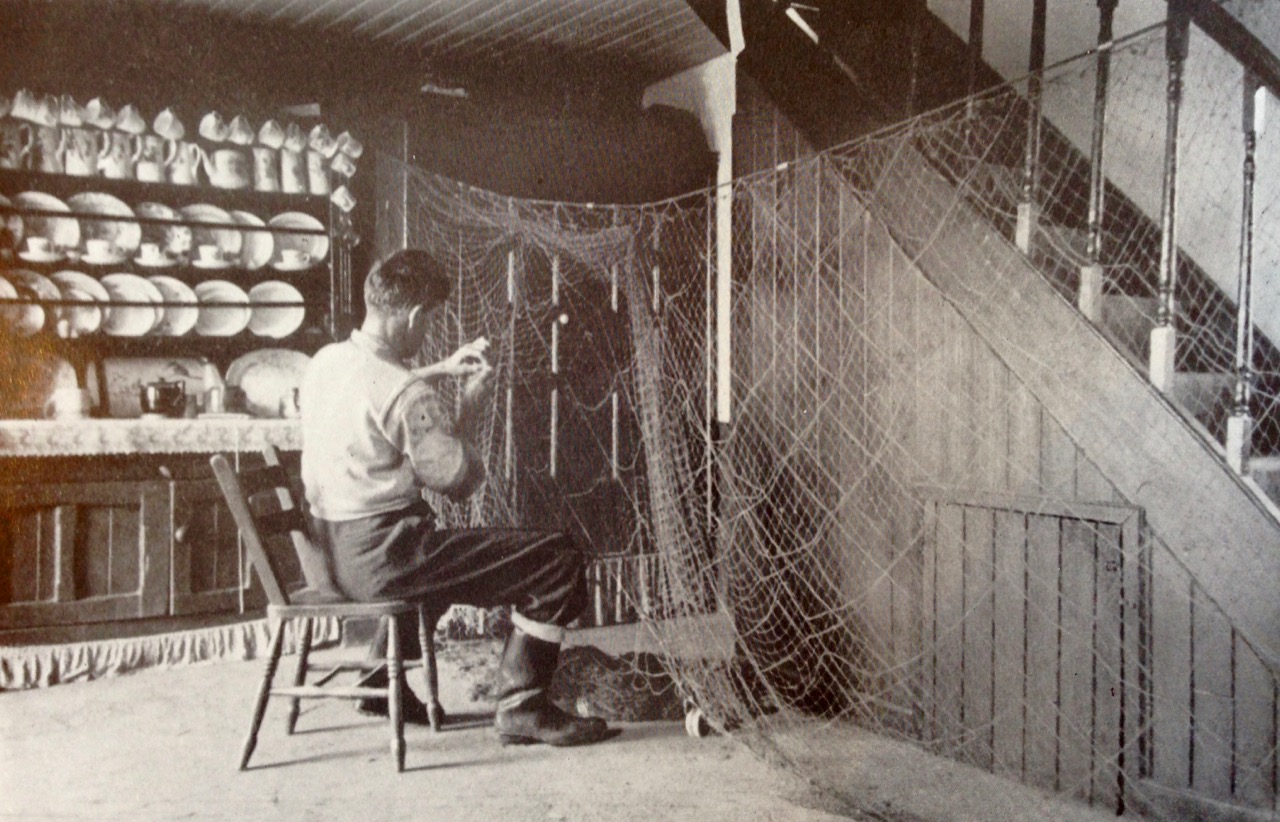
…After the season’s fishing all the nets were barked in a ceiler (a flat bottomed iron pot) at Dunmanus or Goleen… The ceiler would be full of boiling water and bark (a non-sticky type of tar), and the nets were steeped for a good spell. Barking drove out the salt and would preserve the cotton mesh for the next year’s fishing. The nets, when being repaired, were spread out in a field. In Dunkelly the field was called the Seine Field, and at Gurthdove it was at Willie’s Paircnafarriga. Only the experienced and older men were allowed to repair the nets, as the younger lads rarely had enough care for a job that had to be done so well… (from Northside…)

The Barking Pot at Goleen has been restored as a historic site: sadly the pot is no longer in use

Seining was used to catch pilchard, mackerel, herring and pollock off the Irish coast. A ‘Kerryman’ article by Ted Creedon in the Irish Independent back in 2003 gives a very comprehensive account of the living made in pre-war years – this is a short extract:

…Mike Séamus O’Sullivan of The Glen, St Finan’s Bay, was a member of the crew of the last seine boat to land a catch in South Kerry. Mike began fishing lobsters with his father when he left school aged sixteen.

“That was before the war and lobsters were making four shillings a dozen in those days, but when the war came the fishing really got going in these parts,” Mike told The Kerryman this week.

“We were catching mackerel, pollock, herring and they were cured and boxed at Renard Point before going by train to England. The seine boats were catching all mackerel in the war years and prices were about two shillings per hundred, but one day in 1942 an English buyer arrived at Renard Point and offered £3 a hundred!” Mike recalled.

“There was a fortune made in those days then and the local buyers put their prices up to £4 a hundred for the mackerel to keep the English buyer out!” he said…

mending nets

Mending the nets – in this case in a traditional Irish kitchen: a photograph by Tomás Ó Muircheartaigh, who documented life in rural Ireland between the 1930s and the 1950s. The Irish caption to this photo suggests that the net was damaged by a shark

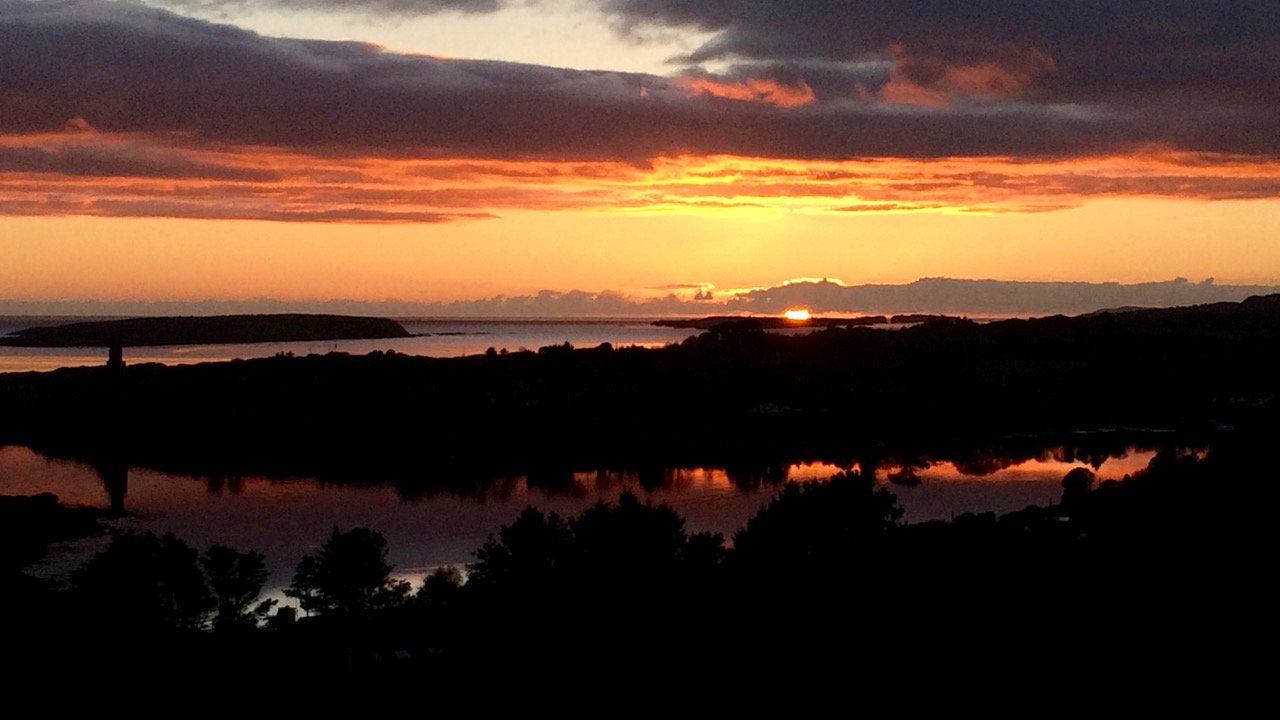
We have been looking back through our archive of the photographs which we’ve taken here on or around ‘November Dark’ in past years. There’s quite a contrast: we have had times of golden sunsets and warm days when we could sit out, while this year has brought a period of wild storms and grey skies.

Mizen Sunset November

November evening

November contrasts: our view a year ago (above) and (below) in the last day or two, brief respite from a period of Atlantic storms

November Dark – have any readers a recollection of this term? We’d like to know – and record – memories of the day and its significance here in West Cork…

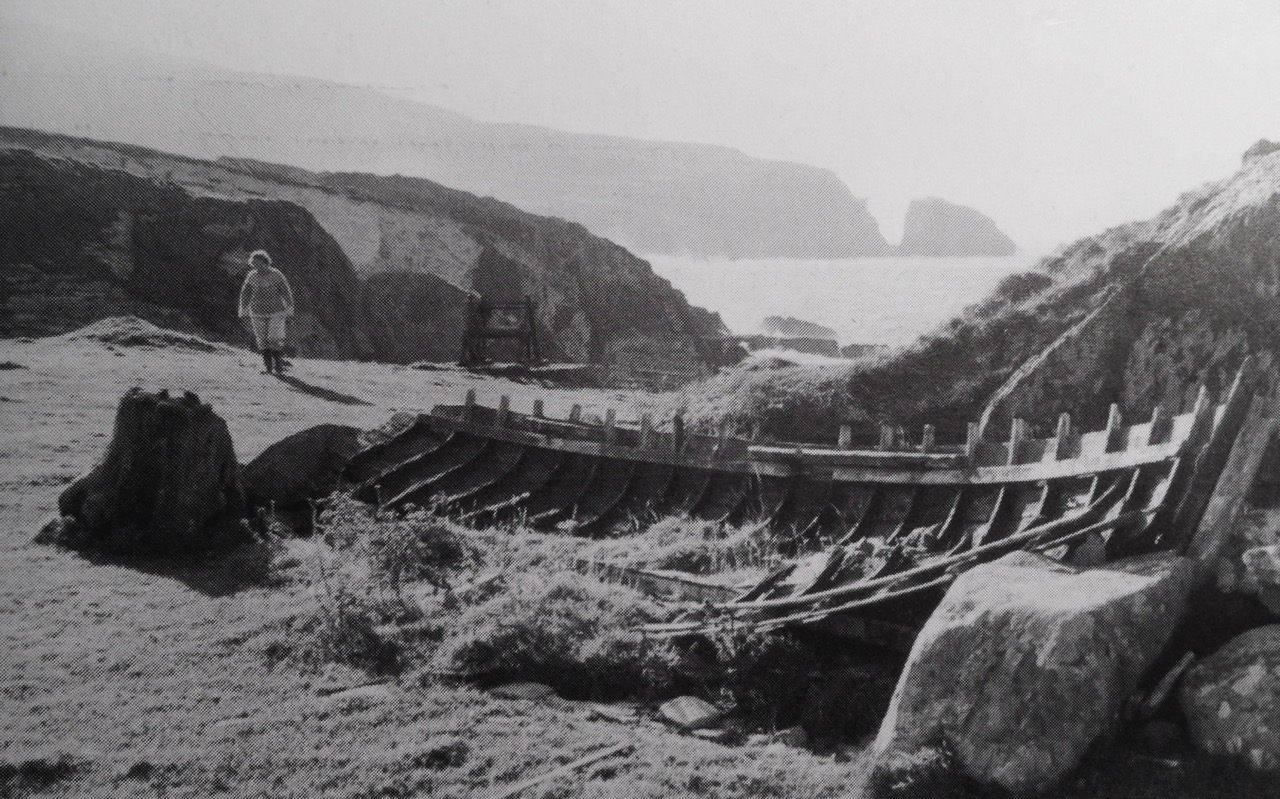
sad end for a seine boat

From Northside of the Mizen – the photo is captioned ‘A sad end for a seine boat’

Tower House Tutorial, Part 2

Oooh, it open - let's go inside!

Oooh, it’s open – let’s go inside!

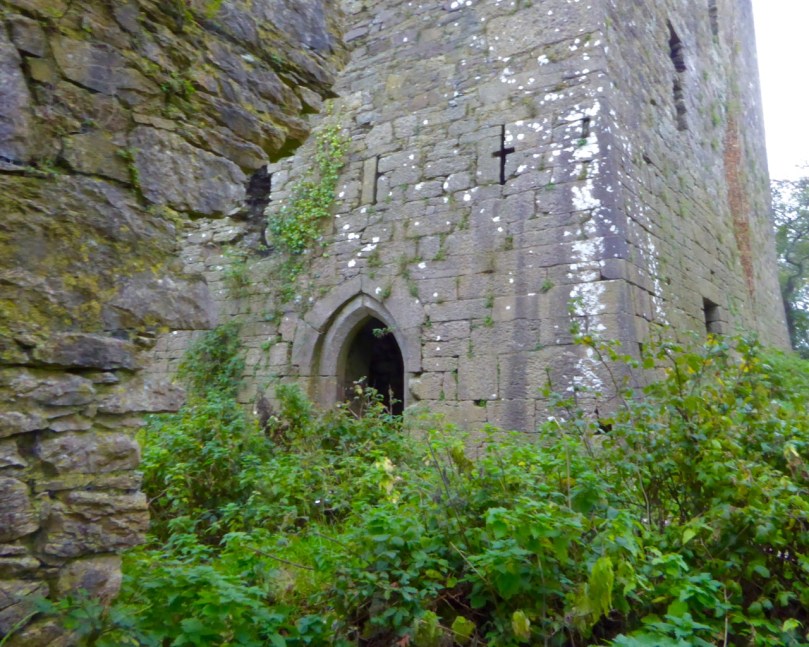
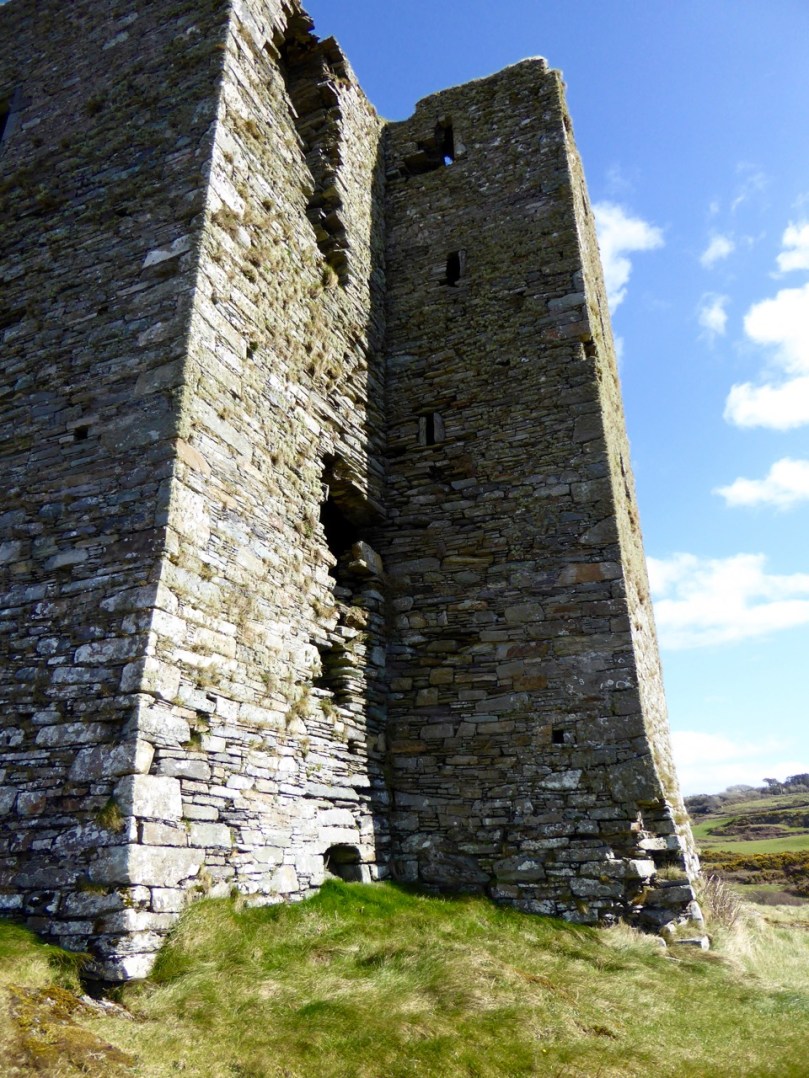
It’s time to move inside! Now that you are all experts in tower house construction from the outside, let’s go into one of these small castles and see how they were built.

Remember that a tower house was all about defence and thus many of the features you will find inside have much to do with an expectation of attack and little to do with comfort. This was all fine, of course, as long as weapons consisted of bows and arrows, swords and spears, and even muskets. But as soon as cannon appeared on the scene the tower house was doomed – even its thick stone walls were no proof against such a bombardment.

Raheen architecture

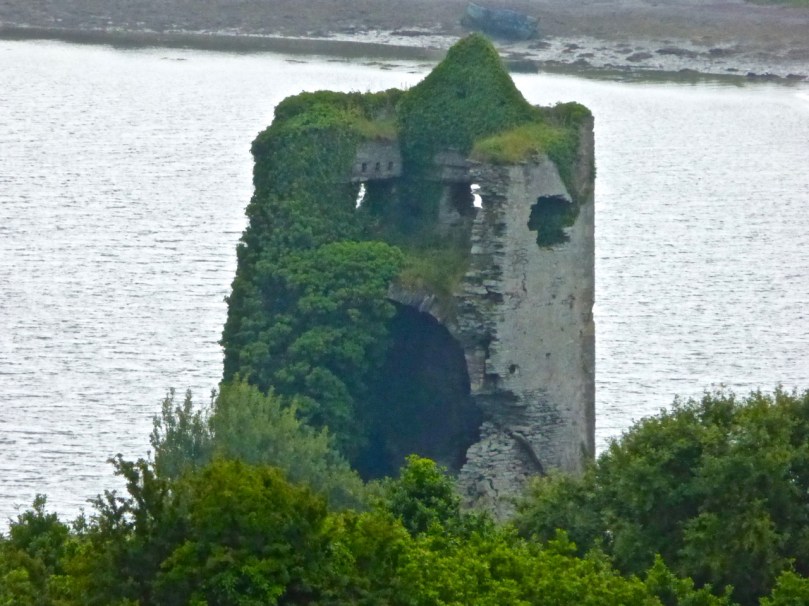
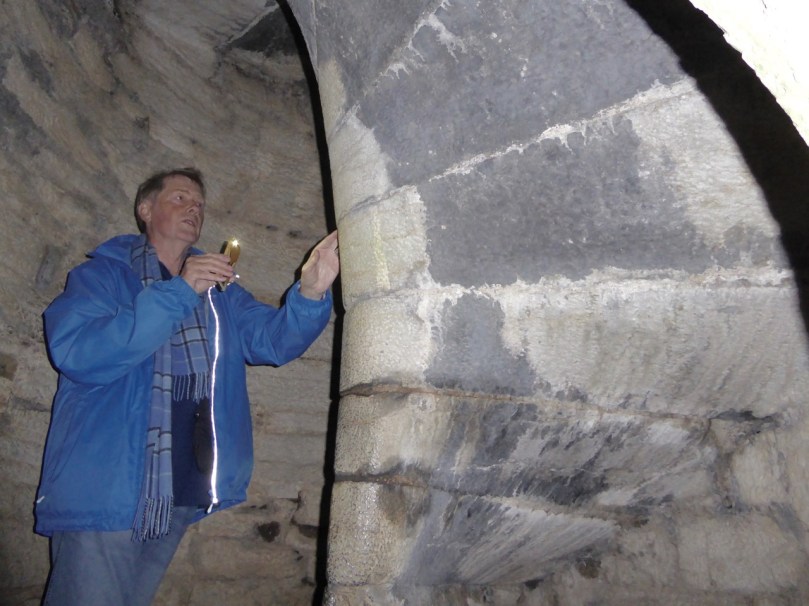
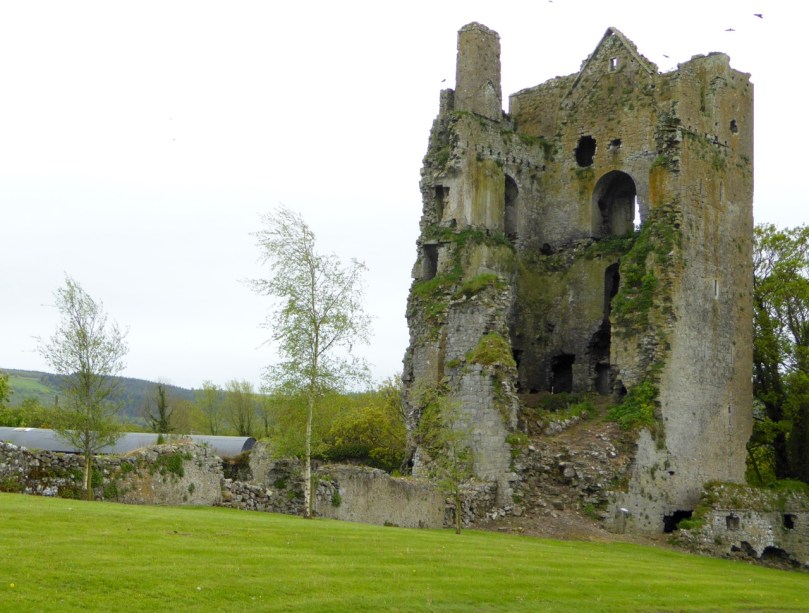
Ironically, having a wall or two blown away by cannons, as at Raheen Castle (by Cromwellian forces), above, allows us to see the internal construction of the castle. In the case of Raheen the lower floors were separated from the upper floor by an enormous barrel-vaulted ceiling.

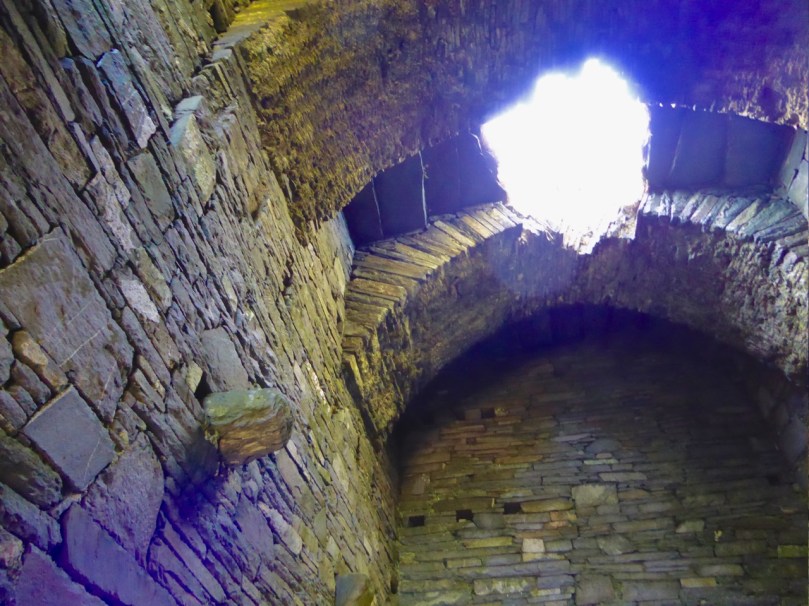
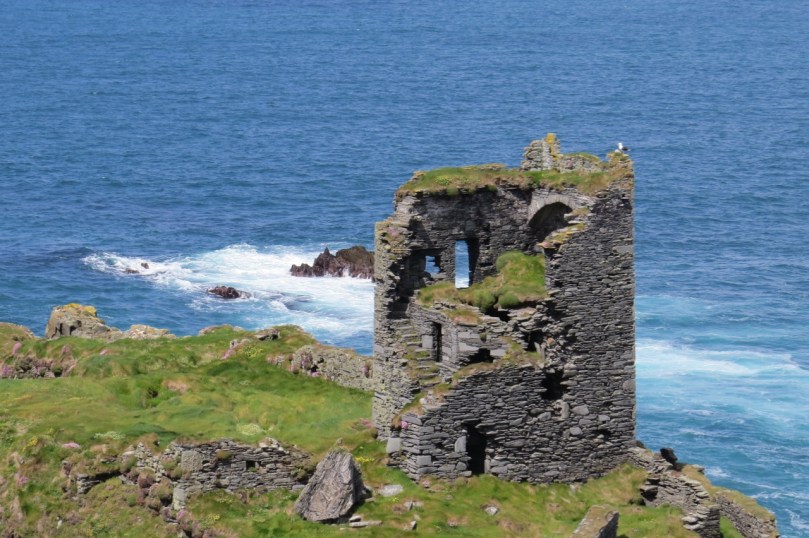
Dunlough Castle - note the projecting corbel denoting a wooden floor, and the imprint of the wicker scaffolding on the ceiling mortar

Dunlough Castle – note the projecting corbel denoting a wooden floor, and the imprint of the wicker scaffolding on the ceiling mortar

These vaulted ceilings were wicker-centered. A scaffolding of wicker was erected first and a layer of mortar laid on top of that. Ceiling stones were laid on the scaffold and mortared into place and then the stone work was built up to provide the floor of the next story. When the scaffold was dismantled the impression of the wicker was left on the mortar – clearly visible in several of our examples here.

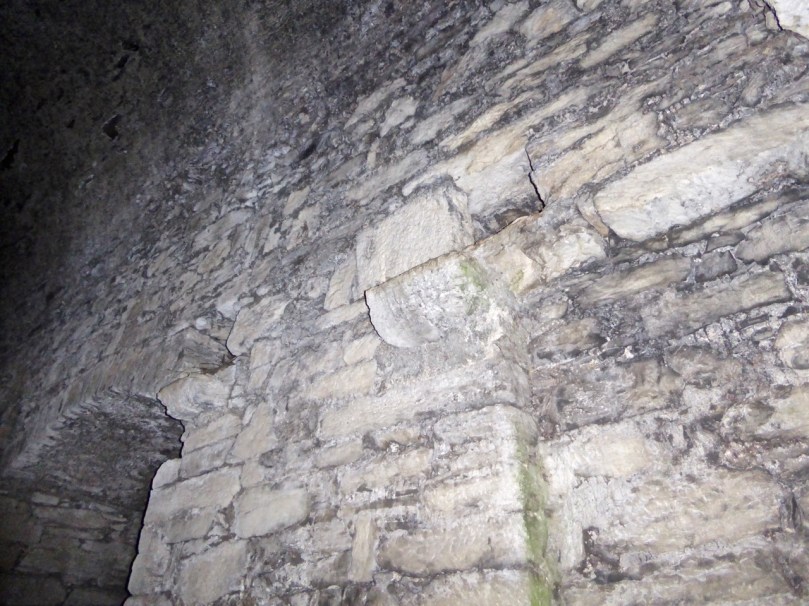
Floors were supported using projecting corbels and beams which fitted into sockets

Floors were supported using projecting corbels and beams which fitted into sockets

The entrance was often a raised entrance (see When is a Castle..?) with access via an outside wooden stairs that could be pulled up when necessary. Tower houses where the entrance was on the ground floor needed a defended access and this was often in the form of a small lobby, externally (as at Dunlough Castle) or internally, as at Kilcrea Castle. The door was secured with a heavy wooden bar, slotted into a bar-hole.

Look for a bar-hole behind the main door

Look for a bar-hole behind the main door

At Kilcrea we see that the lobby could be defended from each side and also from above, with the addition of a murder hole – literally a hole through with the inhabitants could throw rocks or boiling water down on those trapped in the entry.

Each floor was accessed by a stairway. Although some very basic castles may have relied on internal wooden stairs leading from one floor to another, most staircases were accommodated inside the walls – thus they are called mural stairs.

Dún an Óir Castle on Cape Clear Island. The mural stair can be clearly seen

Dún an Óir Castle on Cape Clear Island. The mural stair can be clearly seen

Stairs were both straight or spiral and some castles had both. A straight set of stairs didn’t need a very thick wall, but a spiral stairs needed either very thick walls or a corner tower or projection. Building a set of spiral stairs was a highly-skilled task and not just because of the inherent difficulty of working with intractable stone.

Castle Donovan spiral staircase

Castle Donovan spiral staircase

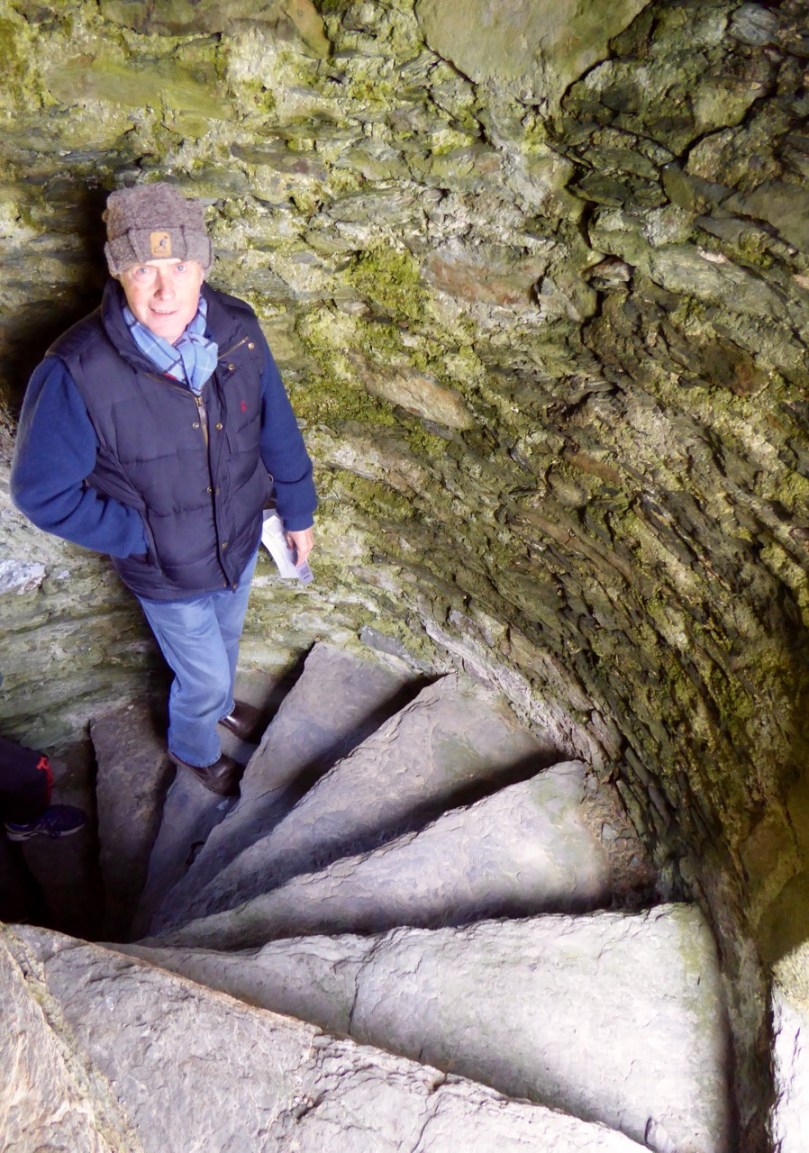
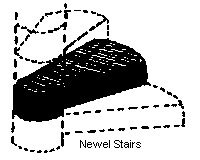
They were usually built so that you ascended them clockwise, thus presenting more of yourself to defenders above, who could hold onto the newel post with their left hand and wield a sword in their right. It was important to make the steps slightly uneven too, so that an ascending attacker could trip easily if he didn’t watch carefully.

Dunlough spiral staircase

Dunlough spiral staircase

Windows had to be inserted to light the way but these could only be slits, to be used as arrow or gun loops when necessary. A cross-shaped loop was called a crosslet.

This crosslet provides light for a spiral staircase and allows an archer to shoot from inside the castle

This crosslet provides light for a spiral staircase and allows a defender to shoot from inside the castle

spiral stairsOne of the most beautiful examples of a spiral staircase we have come across is at Kilcrea Castle, near Aherla in Cork. While all such staircases* are impressive, the one at Kilcrea is a work of art. All the wall and sill stones are dressed to conform to the shape of the spiral and the sinuous progression of the newel and the steps is a joy to behold.

Kilcrea spiral staircase

The beautifully constructed spiral staircase at Kilcrea Castle. All the stones are dressed to fit the contours of the circular stairwell

The walls hold other items of interest too. Mural chambers, for example, may have served a variety of purposes from storage to dressing – some have loops for lighting but many have not. Cupboards were built into the walls to hold lights and valuables – a mural cupboard is called an aumbry.

Two mural chambers: left is a rectangular chamber with two aumbries (cupboards) and right is an L-shaped chamber light by a loop

Garderobes (indoor toilets) are usually enclosed in a mural chamber for privacy (although not always!), with the garderobe chute extending down the wall to an external exit.

Dunmanus Garderobe chute
Upper: The garderobe at Ballinacarriga. Lower: Dunmanus Castle showing where the garderobe chute exits at the base of the castle

The lowest floor was often used for storage or for cattle and hence the floor was sometimes left in a natural state.

Castledonovan ground floor

Castle Donovan ground floor

The next floors were for administration and daily living activities of castle inhabitants and workers. Floors were wooden – corbels and beam sockets to support the floors show where the next level began.

Cullohill Castle - floor levels clearly visible, plus the addition of a later firepalce that obscures a window

Cullohill Castle – floor levels clearly visible, plus the addition of a later fireplace that obscures a window

Fenestration (the arrangement of windows) was organised to emphasise defence – small windows and loops on the lower floors, larger on the top floor or solar. This was the private living quarters of the lord and his family, and a place where the women of the household could enjoy privacy and peace.

A fireplace from Castledonovan

A fireplace from Castledonovan

It was sometimes the only room in the castle to have a fireplace and generally speaking was the most comfortable room and therefore also used for entertaining.

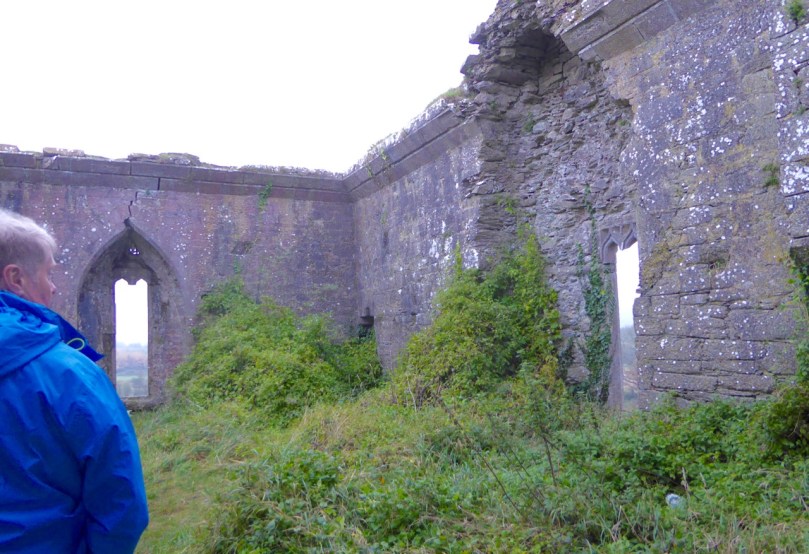
Top floor, Kilcrea - the only floor with sizeable windows and more finely finished than the lower floors

Top floor, Kilcrea – the only floor with sizeable windows and more finely finished than the lower floors

If this floor had more than one room, the other might be called the great hall and be the entertainment space.

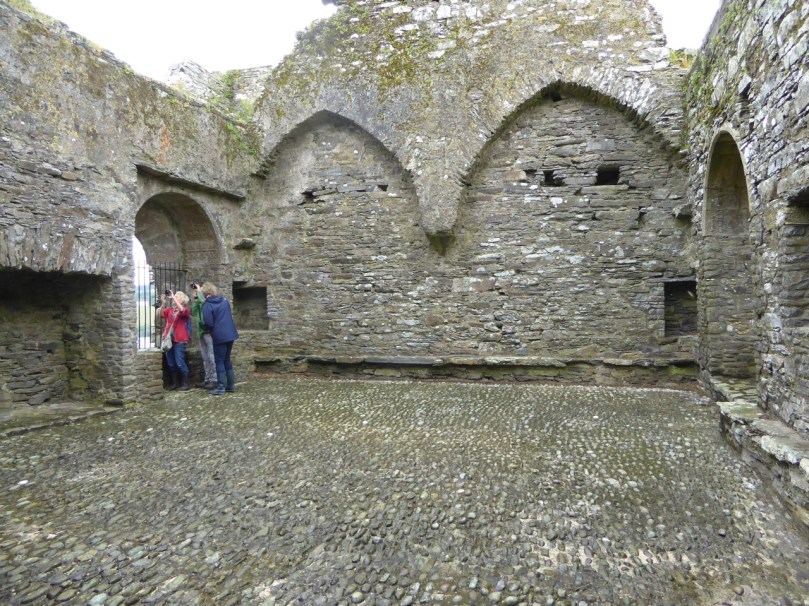
The Great Hall at Ballinacarriga. But what are we all looking at?

The Great Hall at Ballinacarriga. But what are we all looking at?

Ballinacarriga is unique in West Cork in that there are several carved window embrasures.

From the solar a stairway led to the battlements and wall walk. The roof could be made of timber, slate, or even thatch. The wall walk at Kilcrea had specially designed weepers to carry water away from the roof.

The wall walk at Kilcrea - note the weepers

The wall walk at Kilcrea – note the weepers

So there you are – next time you wander around a deserted castle in Ireland (we specialise in them!) you will be able to rattle off the proper terms for everything you see. The more you know, the more you appreciate the genius of our Medieval castle-builders.

Ballinacarriga Great Hall

Ballinacarriga Great Hall

I’ve learned so much doing these posts on castle architecture I am tempted to move on to abbeys – what do you think?

* The illustration of the newel stairs is from the Castles of Britain website. I believe it is from an Irish castle. That site also has an excellent glossary.

Beyond Leap, Beyond the Law…

spooky

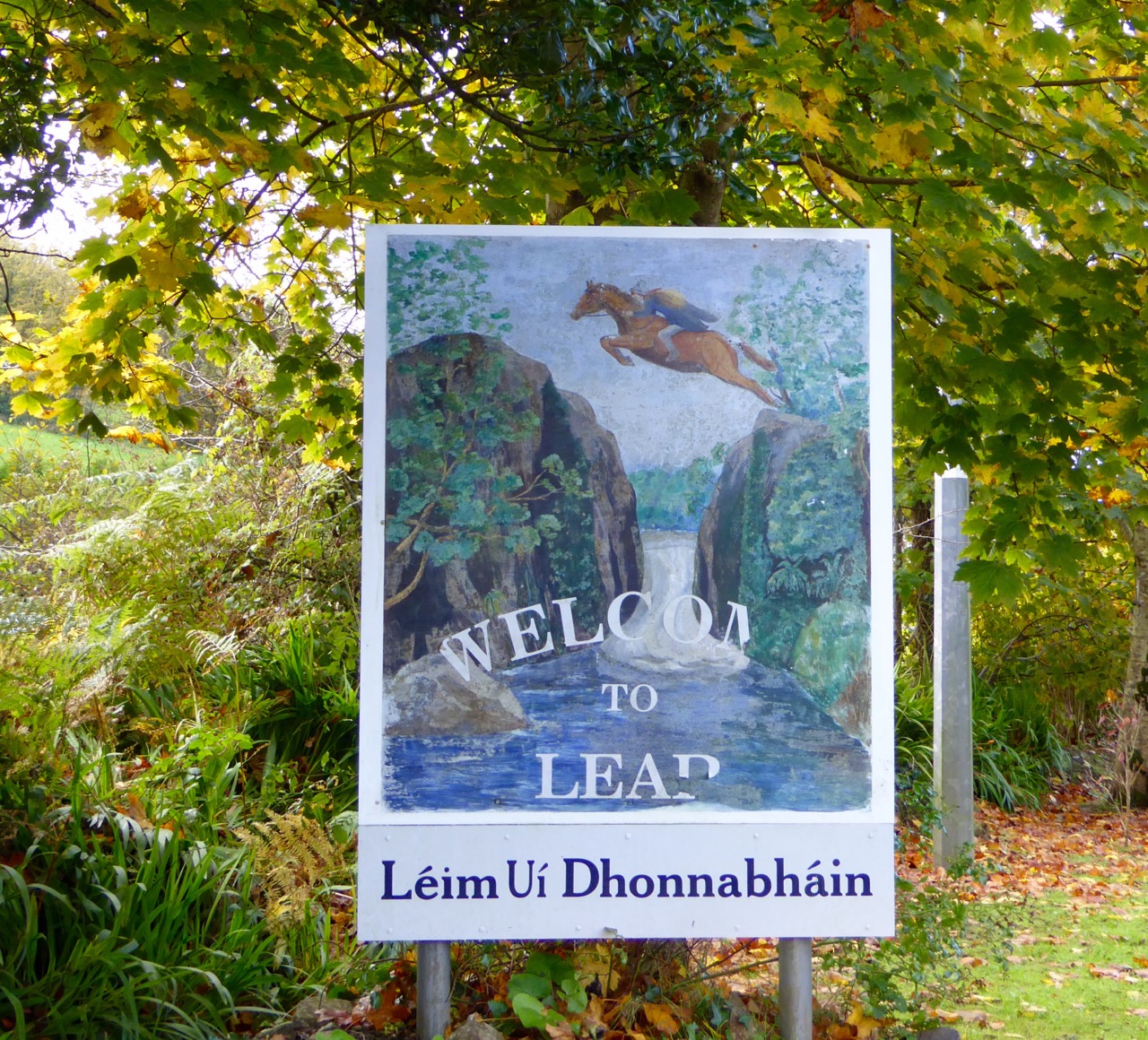
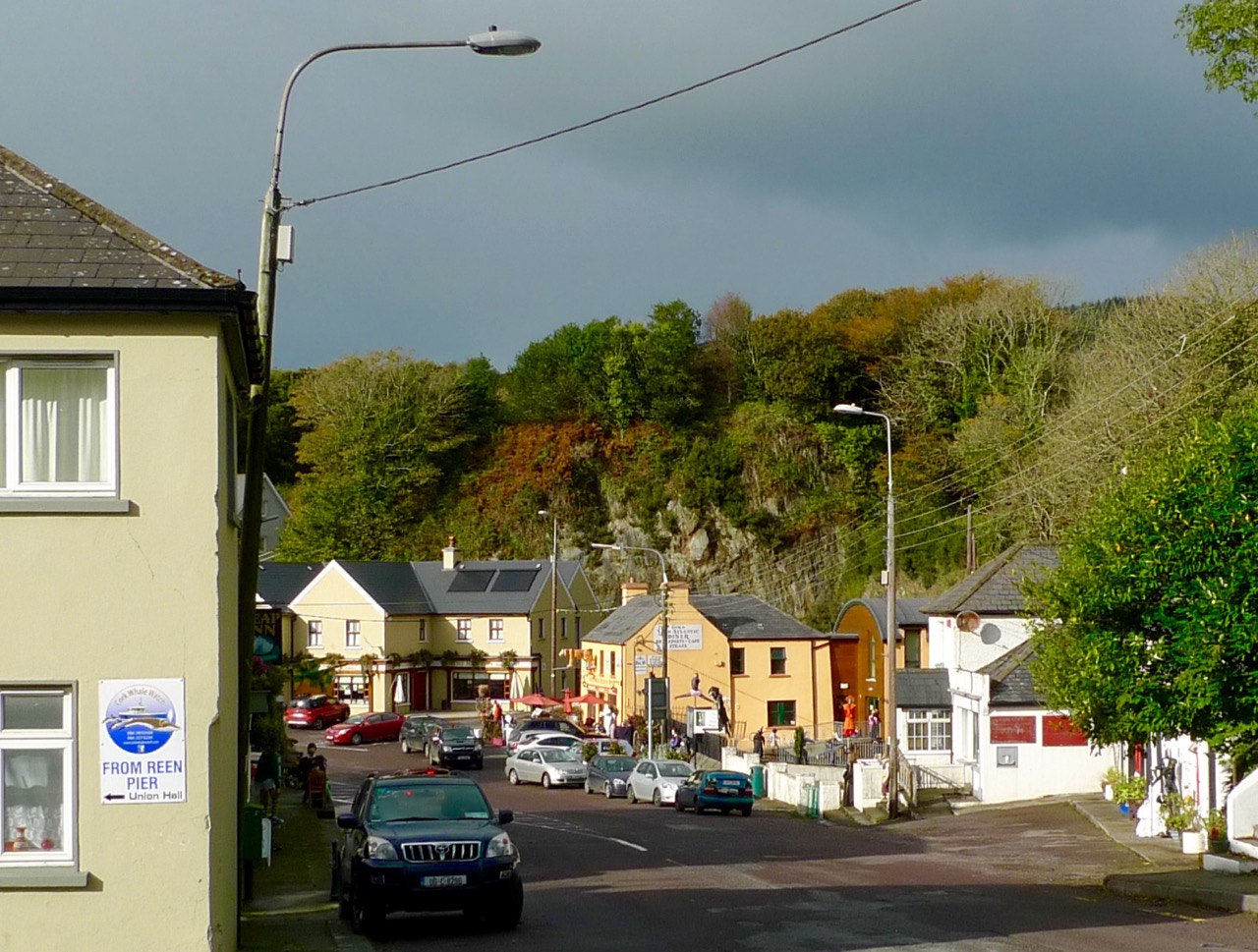
A West Cork village is named after an athletic achievement that happened 400 years ago: this must be an unusual appellation… The next stop after Skibbereen on the N71 road going east to Cork is Leap. Locally, this settlement is always called ‘Lepp’ – perhaps in defiance of the English epithet, and in defiance of the English forces who, after the Battle of Kinsale in 1601, pursued the Irish chieftains – no doubt intending to make examples of them on the gallows.

The leap?

Lift to the jazz Festival

Strange things are happening in the village of Leap… These hitchikers are trying to get out of town!

In the west, an O’Donovan (we don’t know which one) was being chased by an English contingent and reached the 12m wide gorge over the Mullaghnagowan River that flows out into Glandore Bay. It was a point of no return, and O’Donovan took the risk and urged his horse on… He (and his horse) made it, and we may assume the pursuers didn’t, as O’Donovan escaped and his feat became a legend, and the village of Leap has made sure that it won’t be forgotten.

Leap sign

O’Donovan leaped into the wild lands of West Carbery and, the story goes, from that day onwards the phrase beyond Leap, beyond the law… entered into the local parlance. We live beyond Leap, so I suppose we are also beyond the law!

Leap street

Leap’s busy main street (top); the gorge where the famous ‘leap’ took place (left) and a visitor from the bay holding up the pub sign

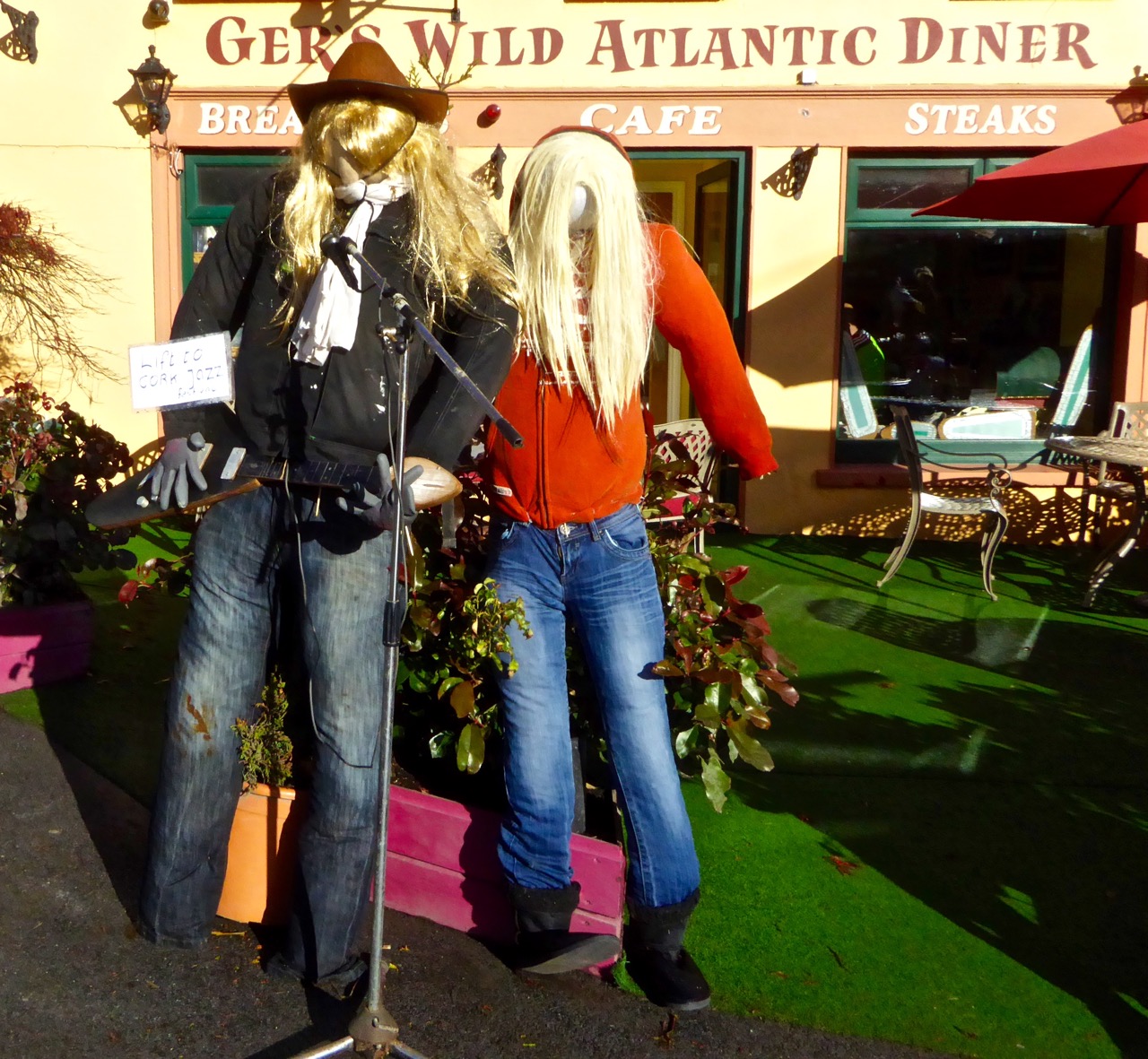
Leap is a good stopping point if you are travelling the Wild Atlantic Way. We called in there on Saturday and filled up with a hearty breakfast in Ger O’Sullivan’s Wild Atlantic Diner. There are a number of other equally good hostelries to cater for all tastes, as well as a large furniture shop (O’Donovan’s), a petrol station, a builders’ merchant and a fascinating ‘collectibles and curios’ store. It’s a lively place and hopefully benefits commercially from the considerable traffic on the main road, although that aspect might also be seen as a downside to those who live within its environs.

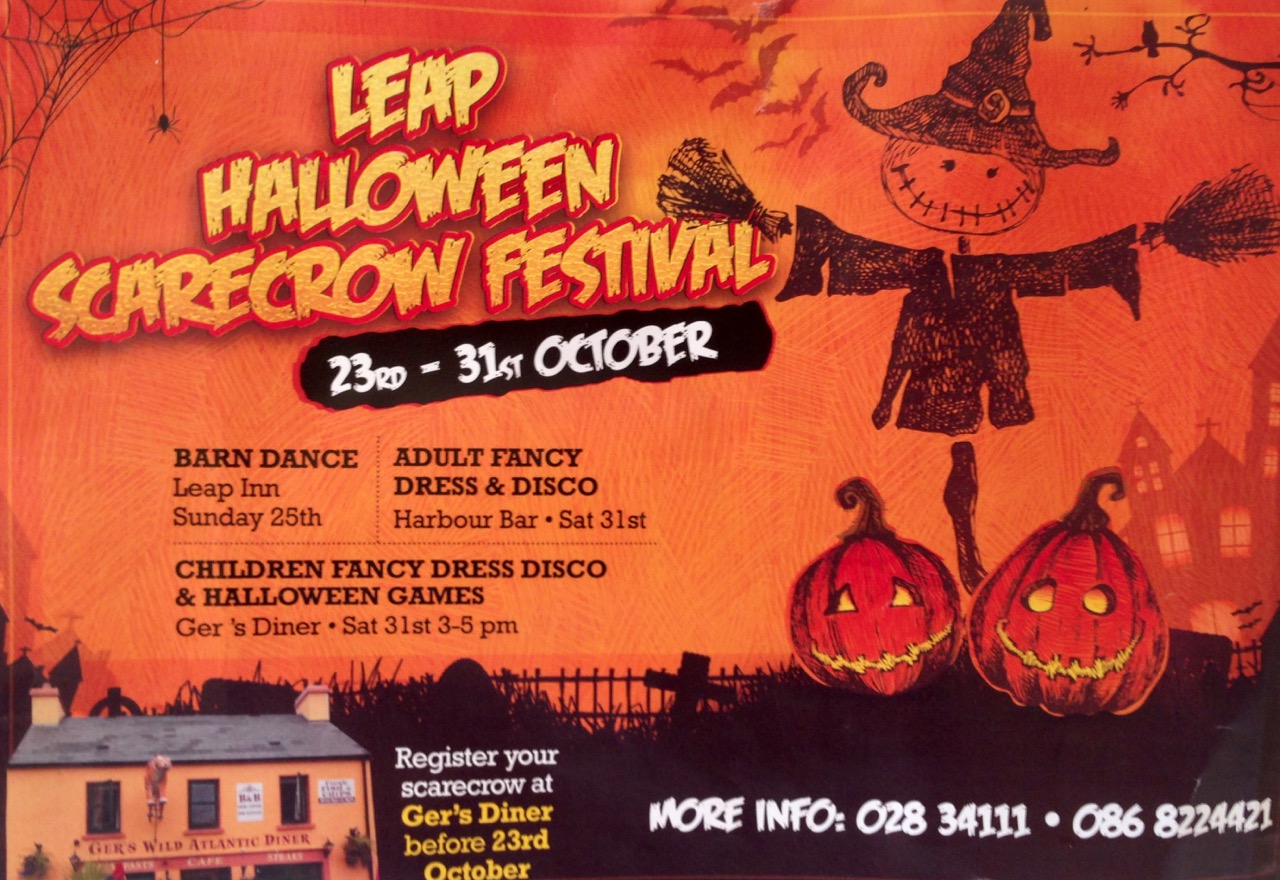
poster

Dining out in Leap…

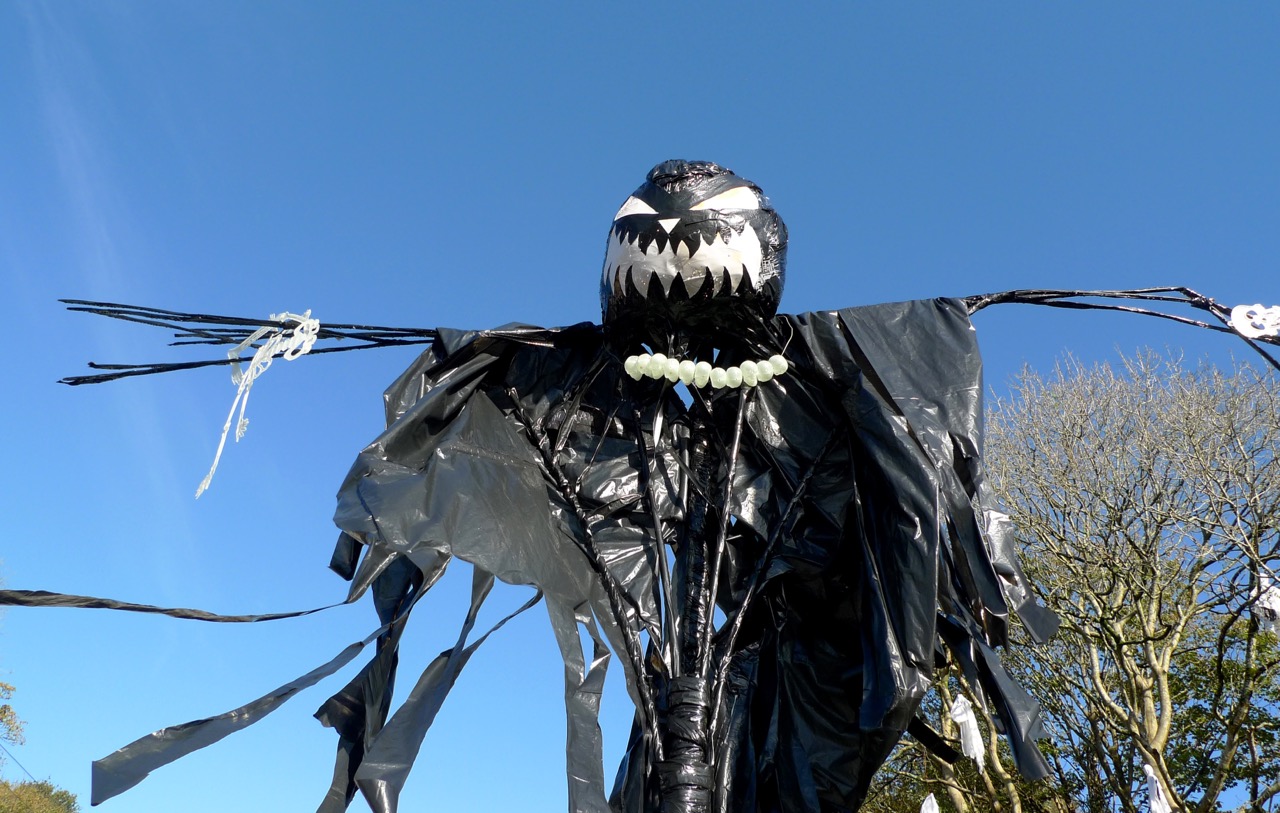
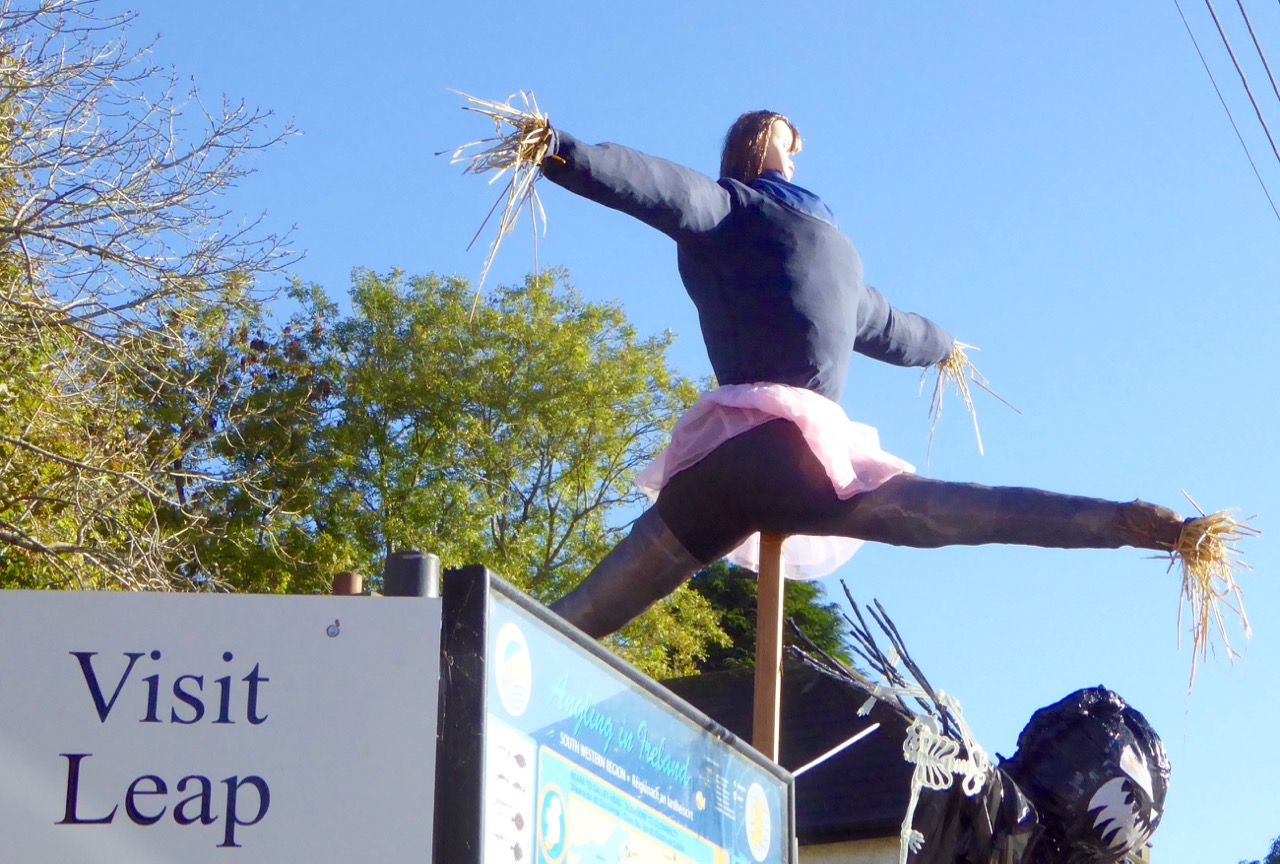
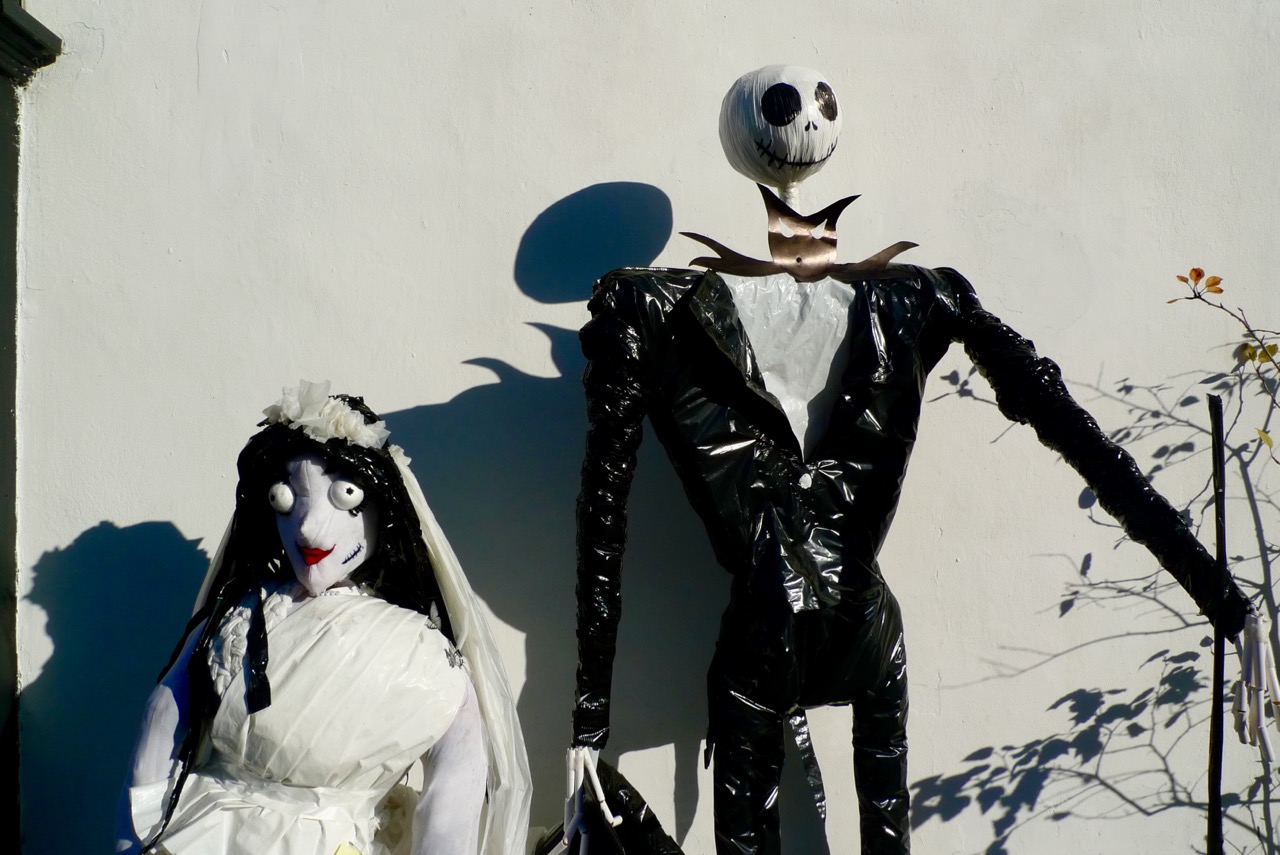
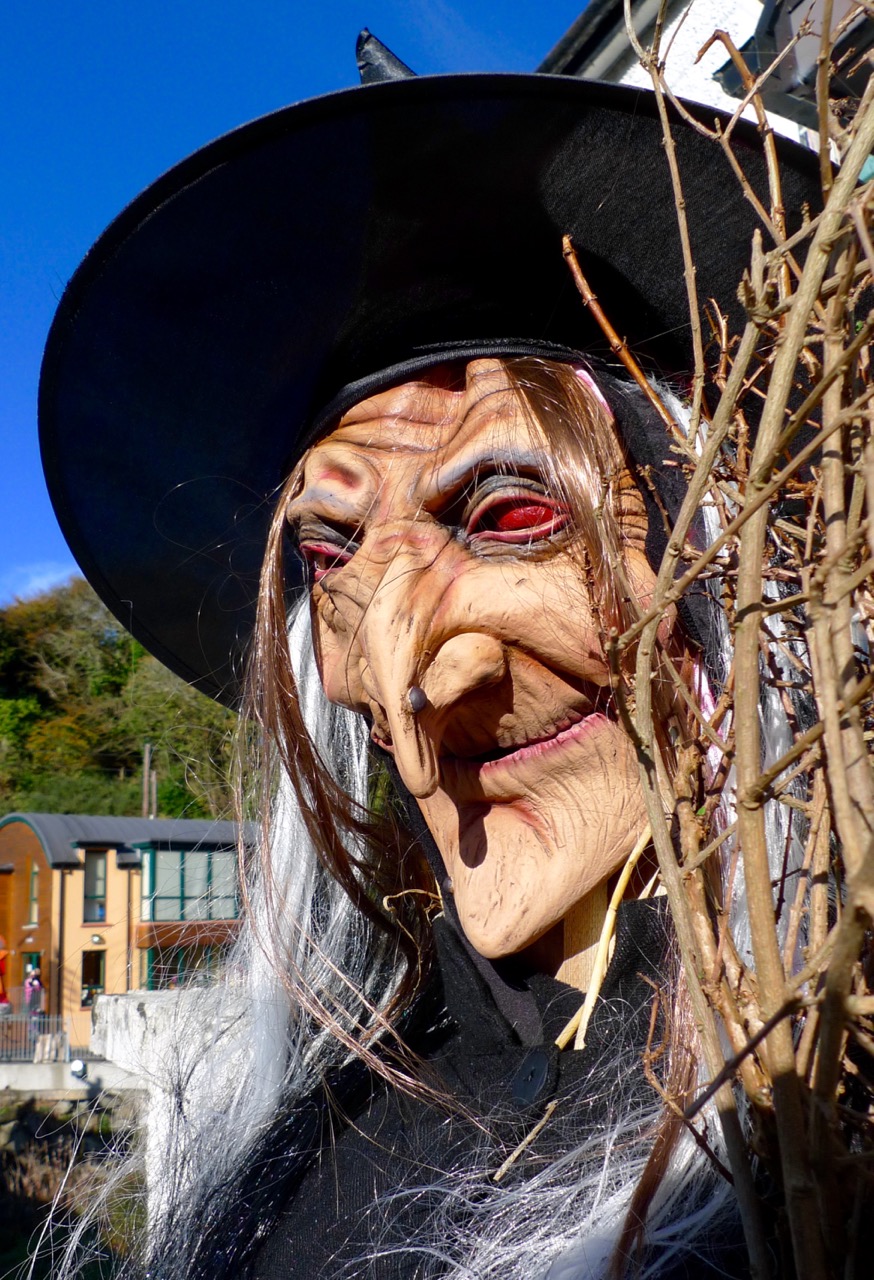
We chose our day in Leap to coincide with a Scarecrow Festival: a competition to see who can produce the wittiest or spookiest scarecrows – bearing in mind it’s Hallowe’en next weekend. The people of the village have completely embraced the idea, with something over 80 imaginative (and hilarious) entries set up in all available locations: along with us there were many families out on Saturday enjoying the entertainment.

As with anywhere in West Cork – and, indeed, in Ireland – there is plenty more history relating to Leap. Dean Swift spent some time in the area in the early 18th century, and I found much information relating to Myross Wood House, a large residence close to the water which was built by the Rev Arthur Herbert in the mid 1700s. In 1826 this house passed to the Townshends, the first of whom was John Sealy Townshend, a Trinity educated lawyer and Master of Chancery. I was intrigued to find that John had suffered from consumption as a child and had been cured by an aunt who dosed him with slugs taken in sugar and honey…

The Myross Wood Estate remained with the Townshends until 1946, when there was no male heir. It was bought by the Missionaries of the Sacred Heart and has been used as a retreat and study centre for priests. The community is still at Myross.

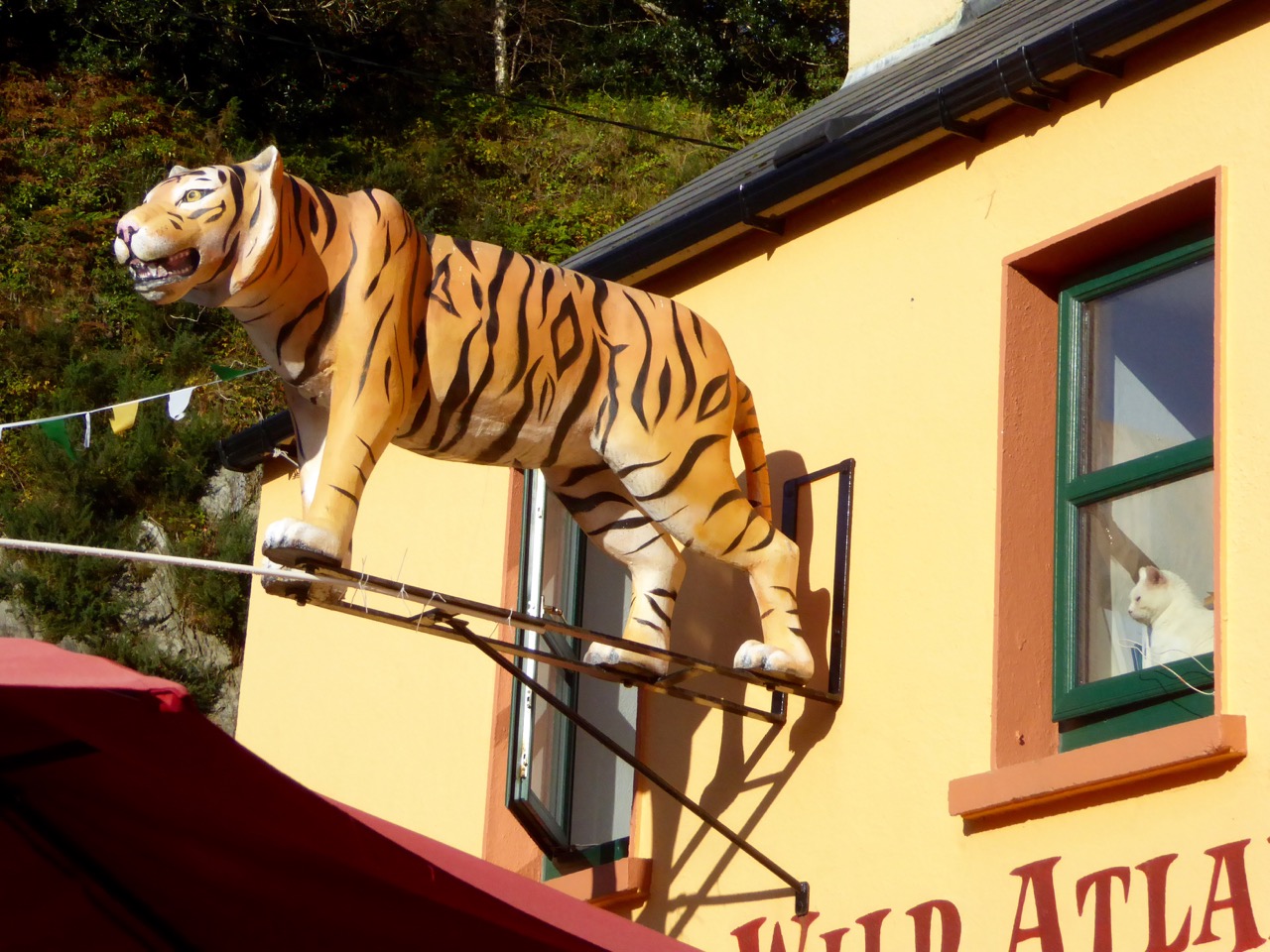
Big cat small cat

bride and groom

The Tiger is a permanent fixture at Ger’s Wild Atlantic Diner (top) – the white Cat may not be… Worth considering getting married in the village (above)?

Ger O’Sullivan has created a dizzying viewing platform over the gorge where the O’Donovan leaped into legend. Keep an eye – perhaps at Hallowe’en his ghost will make an appearance!

witch