Shopping for Memories

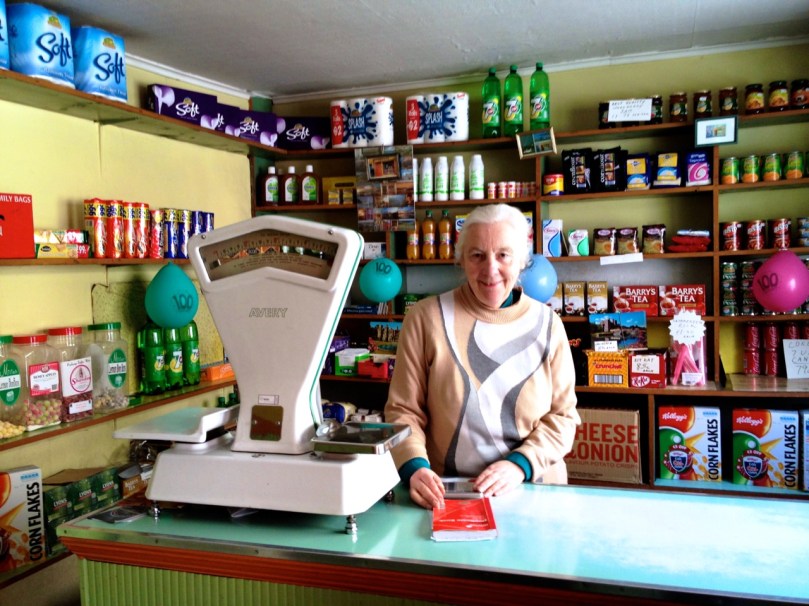
Miss Clerke

In my post Going for the Messages I told you about rediscovering the shops of my childhood here in West Cork. Since then, Miss Clerke’s shop, lightly photoshopped but totally recognisable, graced the front page of the Irish Times Magazine as their illustration for their Ireland’s Best Shops competition. So it’s not just me, then. I’m not the only one with a nostalgia for the old-time shopping experience.

Evans of Bantry

In that spirit, I am revisiting a few of my favourites traditional shops. I have discovered two more shops like Miss Clerkes. First, there’s Evans, In Bantry. Proudly run by Miss Evans, it has the same look and feel of a place unchanged since the 50’s, although perhaps the pinkness of it all might be more modern. It has a lovely atmosphere – when I was in there a couple of kids were trying to decide how to spend their pocket money on sweets from the big glass jars.

MIss Murphy in her traditional shop

MIss Murphy in her traditional shop, Eyeries
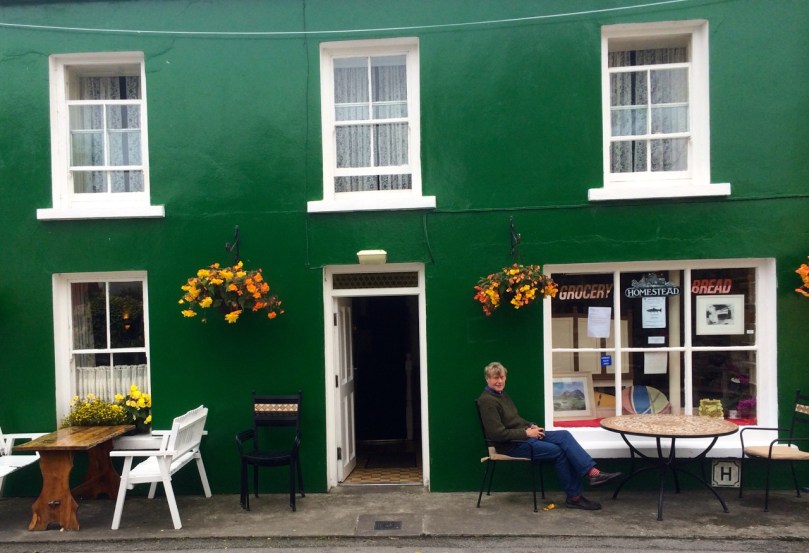
 

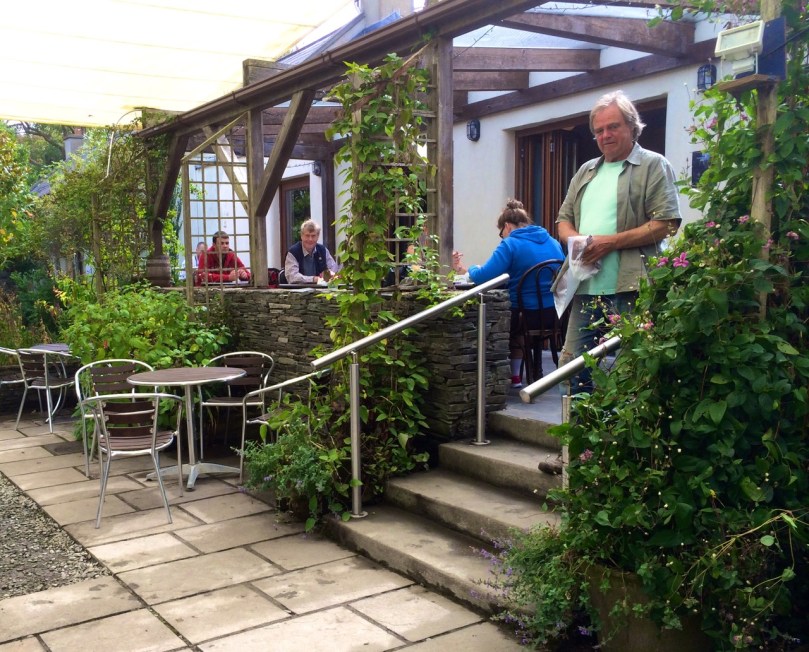
Lunch is served outside

Lunch is served outside

On the Beara Peninsula we stopped for lunch at Miss Murphy’s store in Eyries and chatted with her about my Great Uncle who had married an Eyries woman. Since I couldn’t remember her name Miss Murphy was unable to help, but she tried, and she made us a delicious basket of sandwiches.

Some shops are a little puzzling – for example, P. Cronin Carpenter in Skibbereen. I’ve never seen it open and I’m not sure what it would sell if it did open its doors. The photo of the interior was taken through the window.

In Bantry one of the Undertaking establishments has a shop. At first I found this idea a little startling, but it makes a lot of sense once you come to appreciate Irish graveyard traditions, including how often people visit graves and leave tokens at them.
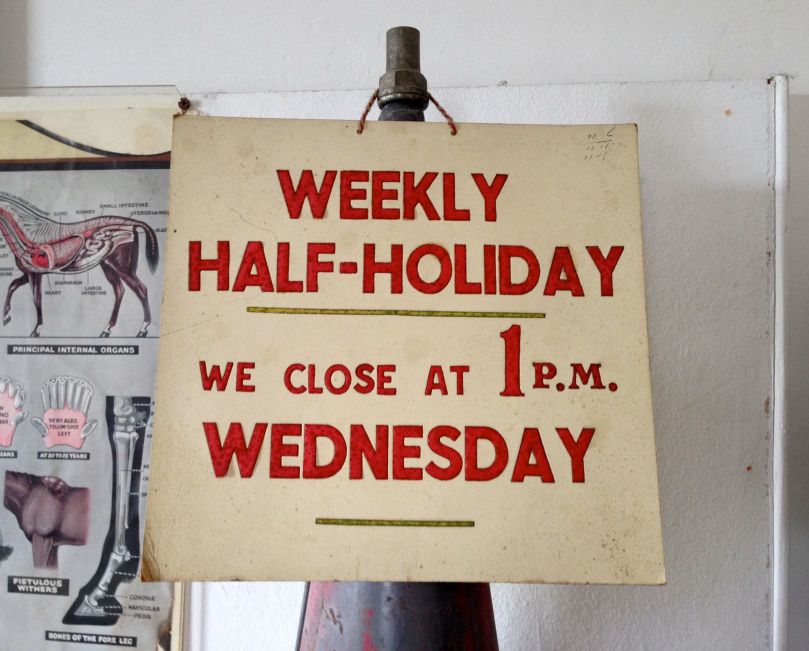
half holiday

Shops in Irish country towns follow traditional opening hours. They invariably close for lunch (1PM to 2PM) and generally follow a five-day-a-week opening schedule. This can mean they are closed, besides on Sundays, on Mondays – but other days are possibilities too. None nowadays follows the old tradition of the half day. Remember that? 

messenger bike

And remember how the groceries would be delivered – by a young lad on a messenger boy bike? You can still get delivery but now the messages come in a van.

Levis's Pub in Ballydehob: the traditional grocery section is still intact

Levis’s Pub in Ballydehob: the traditional grocery section is still intact

Of course, one of the traditions we remember about country towns was that of pubs also selling groceries or dry goods – whatever people needed. You went in for a pair of wellies and a dozen eggs, and took your ease with a pint on the bar stool, or a whiskey in the snug, before you left. Levis’s Corner House in Ballydehob has preserved the grocery counter. You can hear Joseph talking about it, and about the great history of this historic pub in the excellent radio documentary “Keeping the Door Open.” It’s about far more than just this one pub – it’s about a whole way of life in rural Ireland. A way of life that still lingers in West Cork…so far.
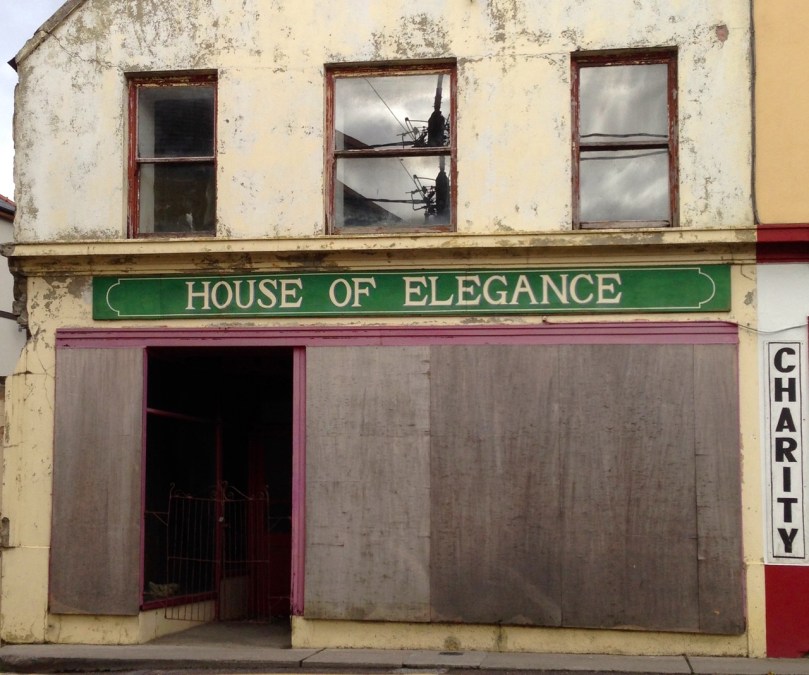
elegance

Sky Garden

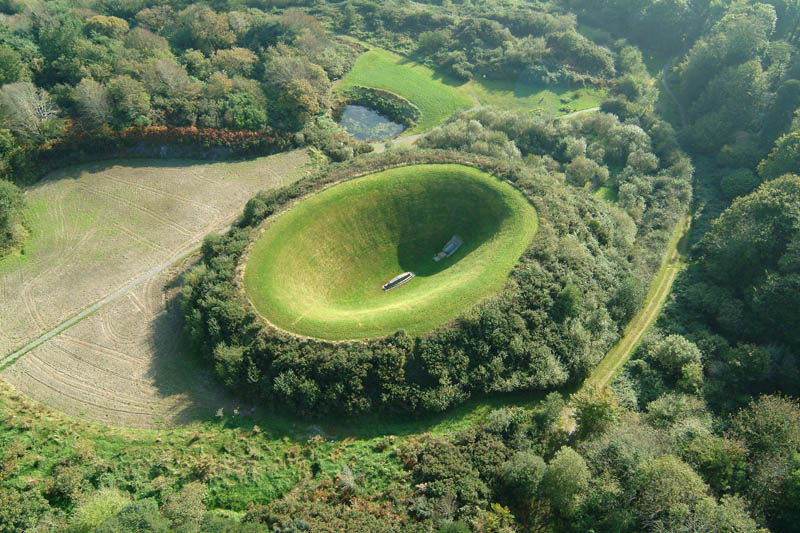
Iris Sky Garden (photo by Liss Ard Estate)

Irish Sky Garden (photo by Liss Ard Estate)

Just outside Skibbereen – a stone’s throw from Nead an Iolair – is a work by Californian artist James Turrell: the Irish Sky Garden. It’s a piece of landscaping which explores light by both night and day: an observatory. The structure is an artificial crater with a stone plinth at its centre from which two participants can view the sky framed by the perimeter of the oval enclosure.

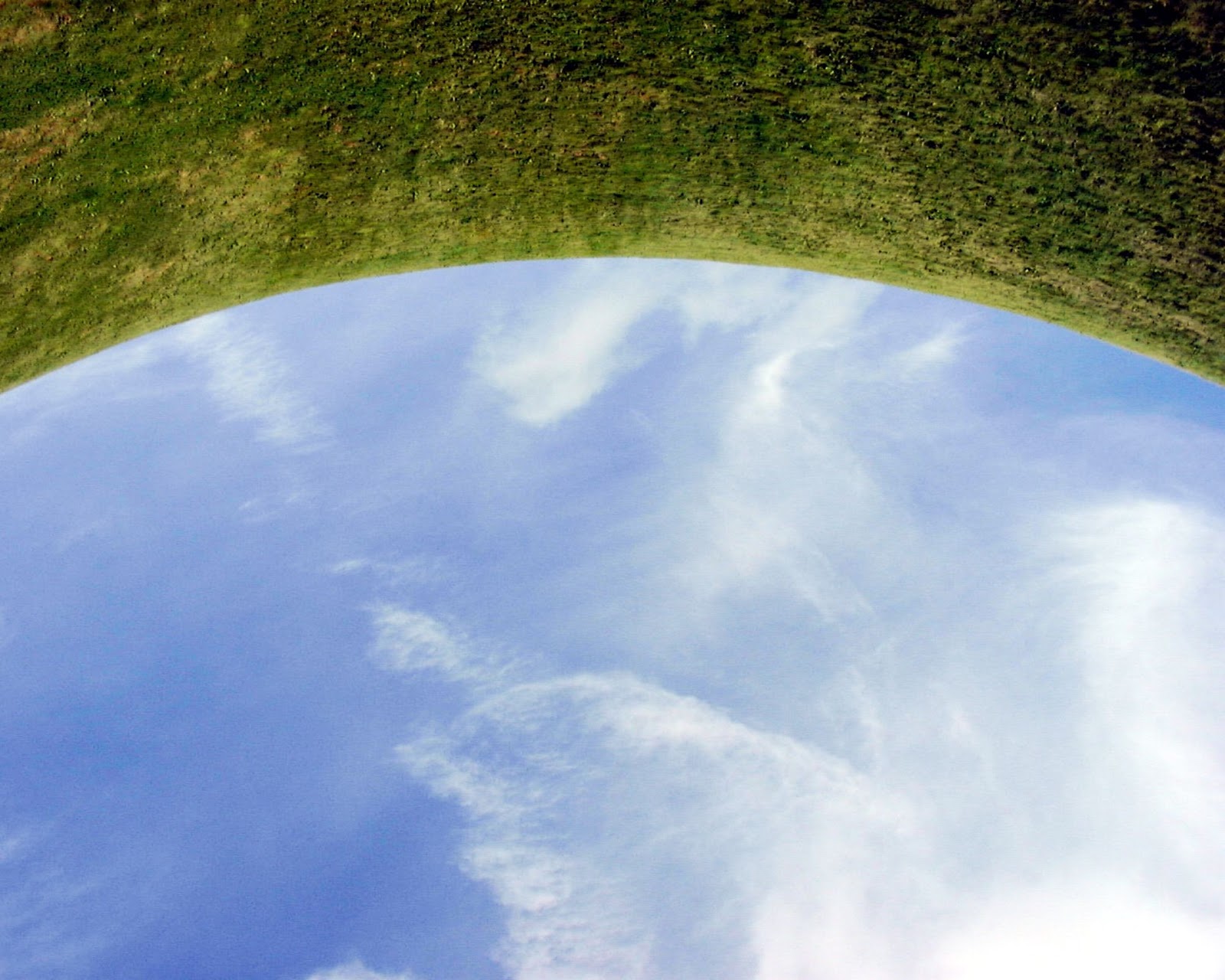
Sky view from the plinth

Sky view from the plinth

In Turrell’s own words describing the experience “…The most important thing is that inside turns into outside and the other way around, in the sense that relationships between the Irish landscape and sky change…”

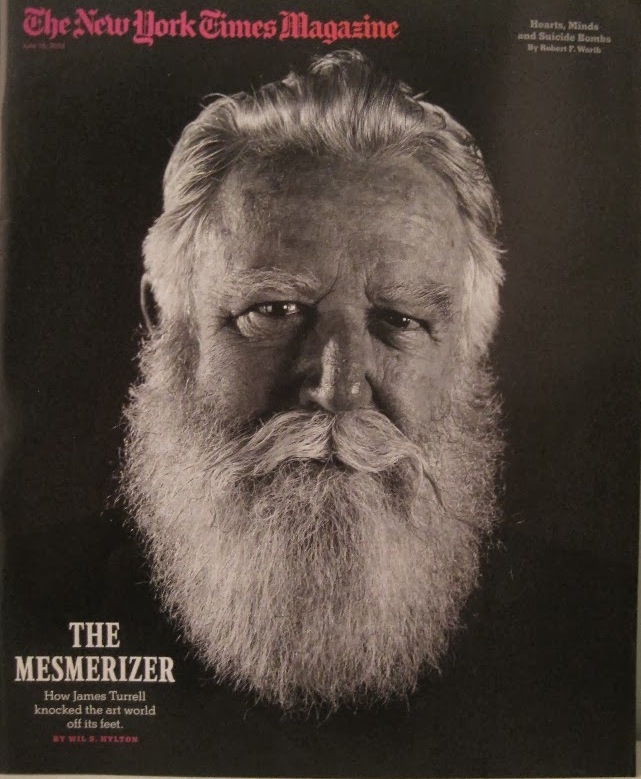
Turrell CoverJames Turrell was born in 1943 – in Pasadena. His father was an aeronautical engineer and James obtained his pilot’s license when he was just 16. He has been exploring landscapes by flying over them ever since. He studied perceptual psychology, mathematics, geology and astronomy. He enrolled in the graduate Studio Art program at the University of California, Irvine, in 1966, when he began to explore light projections. At the same time Turrell, a Quaker and conscientious objector, was jailed for a year for encouraging young men to avoid the Vietnam War draft.

All the artist’s work is focussed on light and space. In an interview of 2002 for the International Sculptor Center he explained:

“…I was raised a Quaker, and now I have come back to being active. I’m not sure whether that has impacted my art-making, because my work is not about specific issues—perhaps being a Quaker influences how I live my life and what I value. People tend to relate any work in light to the spiritual. I don’t think this is actually correct, yet, in terms of our lives, we greet light in three major ways that aren’t necessarily partitioned. There is a psychological aspect, a physical aspect, and a spiritual aspect. In terms of the physical, we drink light as Vitamin D, so it’s literally a food that has a major effect on our well-being. The strong psychological effects of light can readily be felt in particular spaces…” 

Some examples of Turrell’s work in light and space:

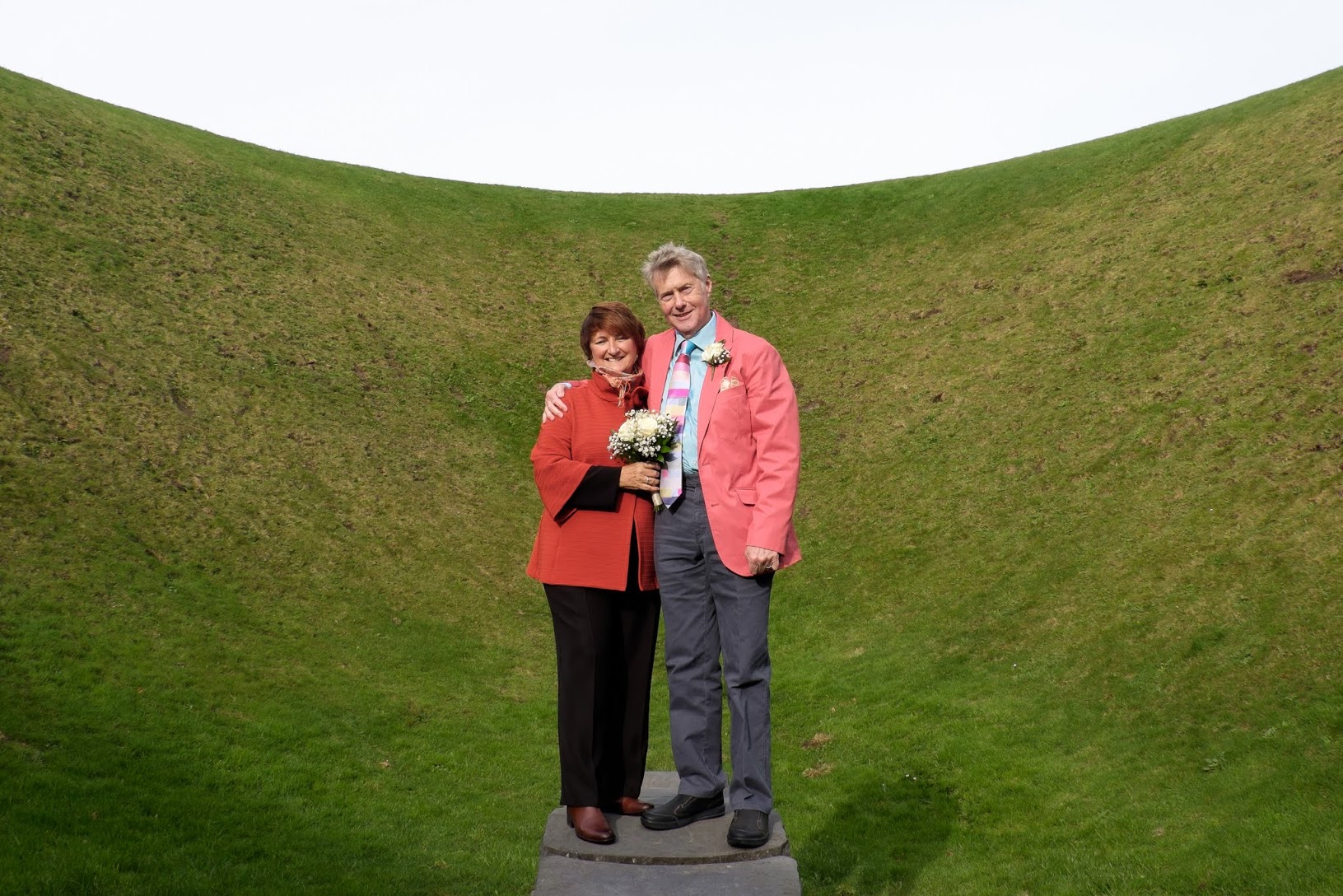
Finola’s post on Liss Ard Gardens gives a good background to the setting of this artwork: a Georgian house (now also an excellent hotel and restaurant – check for opening hours) surrounded by formal and informal landscaping and lakes interlaced by tracks and footpaths which offer ever changing vistas. When she wrote the post a year ago she probably had no idea that it would be the setting for our marriage – which took place this week!

Liss Ard House

Liss Ard House (photo by Peter Clarke)

The name Liss Ard comes from Lios Ard, ‘lios’ being an Iron Age ring fort and ‘ard’ meaning high – hence high fort. The ring fort is still extant as a magical space – a grass circle surrounded by trees; there is also, under it, a souterain – a system of low tunnels and chambers which are often found in association with structures of this type. When we discovered that Liss Ard was licenced to hold weddings – and that licence covered all of the grounds – we jumped at the opportunity to ‘tie the knot’ within an Irish archaeological site…

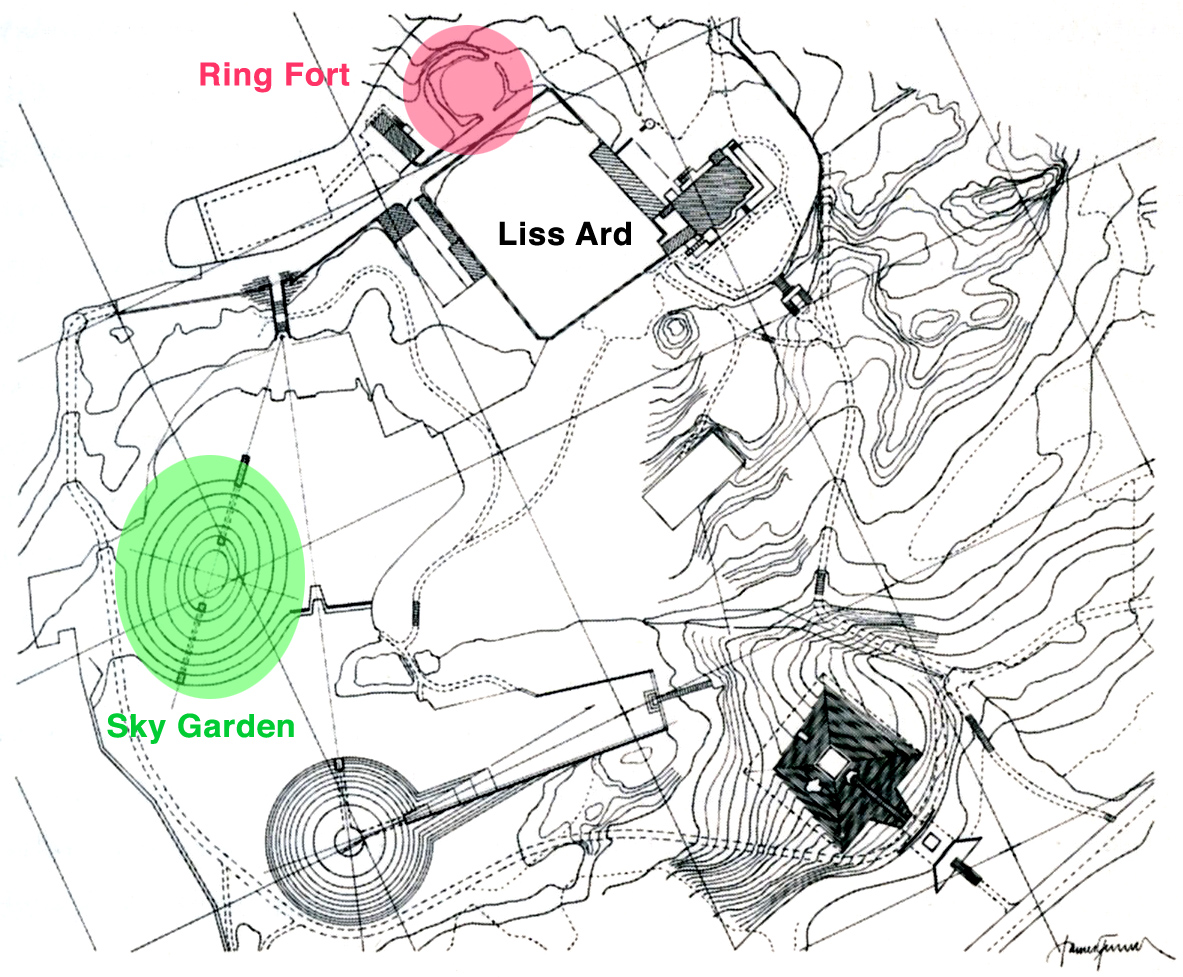
James Turrell's concept drawing for the Liss Ard project, showing Ring Fort and Sky Garden

James Turrell’s concept drawing for the Liss Ard project, showing Ring Fort and Sky Garden

Our ceremony was simple – a humanist celebrant and just a few guests who have been important to our lives in Ireland. After the official bits we wandered down to the Sky Garden and admired Turrell’s vision from the altar-like plinth. We were blessed with blue sky and sunshine.

Wedding Day...

Wedding Day… (photo by Peter Clarke)

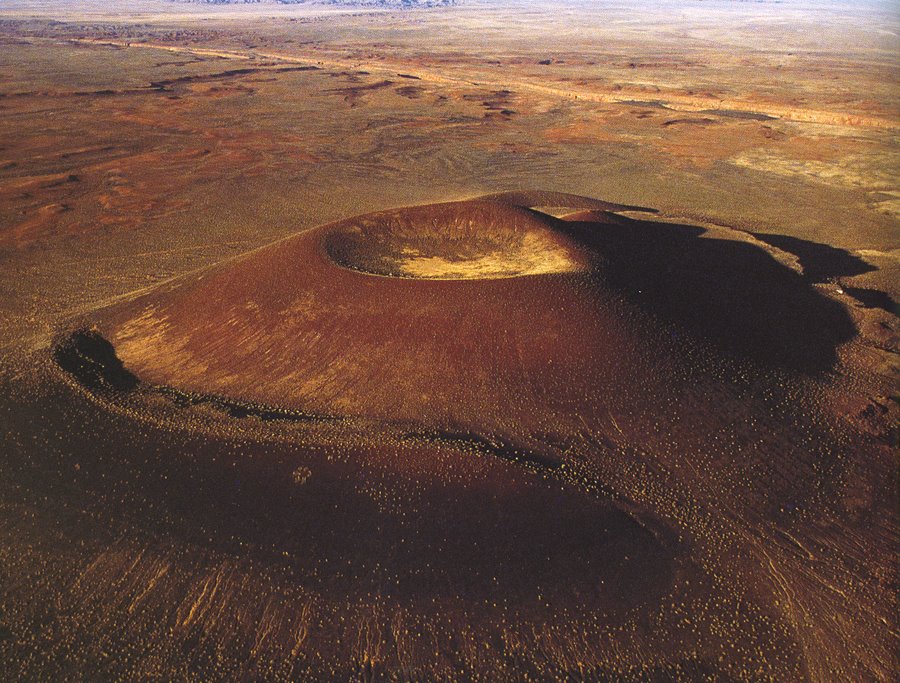
In 1979 James Turrell acquired a vast natural cinder crater located outside Flagstaff, Arizona. This – the Roden Crater – is possibly his best known work, and it is still in progress. He is turning this volcanic crater into a massive naked-eye observatory, designed specifically for the viewing of celestial phenomena. There are other ‘sky’ works in a number of countries: a ‘Turrell Tour‘ has been mapped out which takes in an least 23 of them.

Roden Crater

Roden Crater, Arizona

Skyspace, Scotland

Skyspace, Scotland

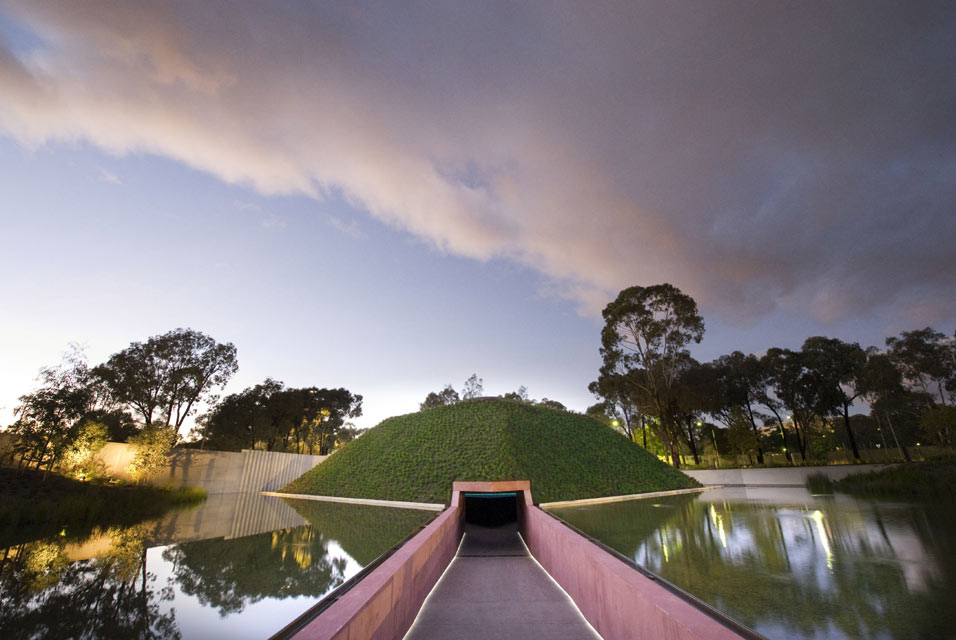
Within-Without

Within-Without, Canberra 2010

Celestial Vault, Stroom, Holland 1996

Celestial Vault, Stroom, Holland 1996

*

It’s a big leap – from Liss Ard to Arizona and beyond. The full concept of the Sky Garden has never been completed: two more installations were planned. But how exciting that here in West Cork we have a stunning example of the work of this world-renowned artist.

Snap-Apple Night

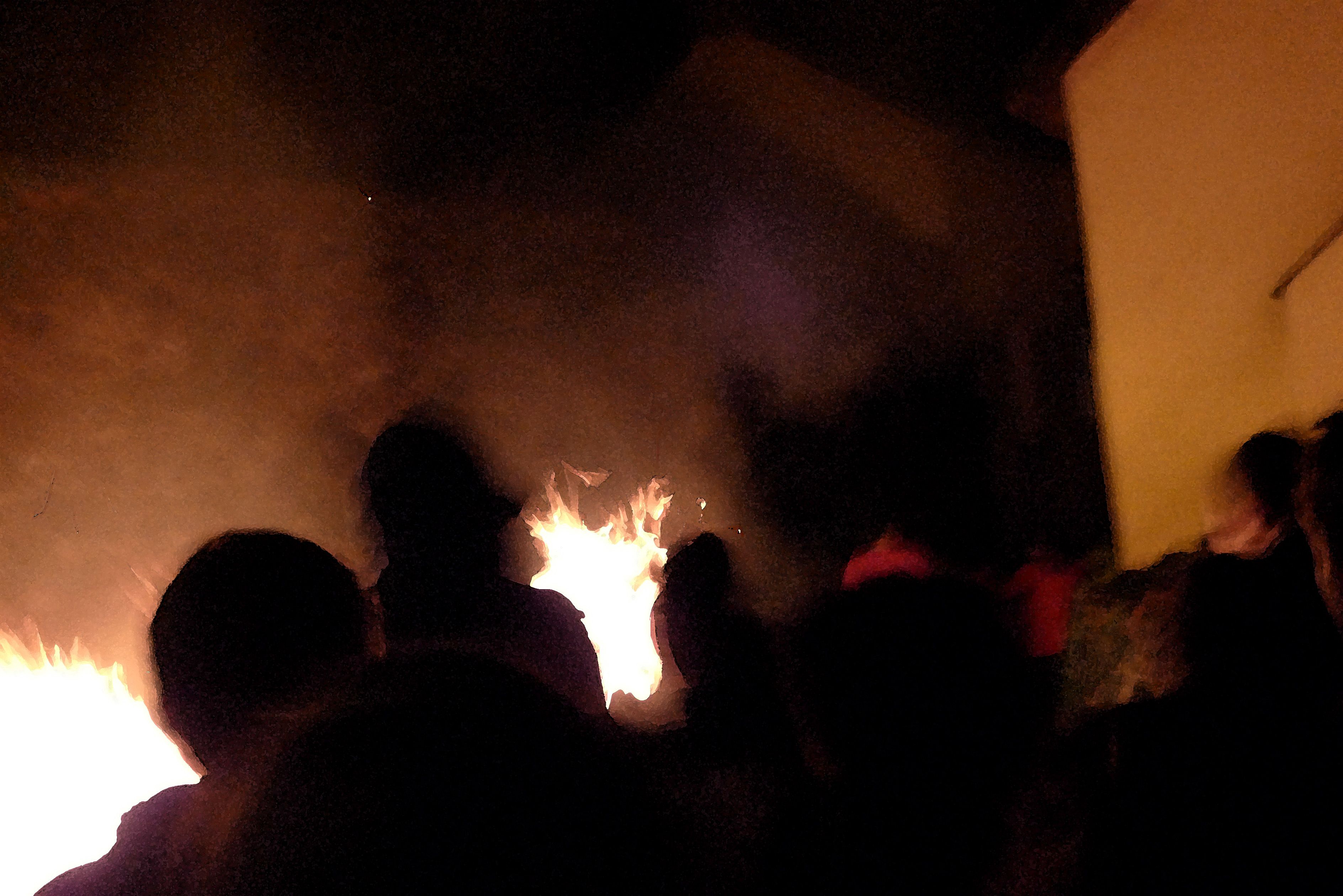
November - a time for Fire Festivals

November – a time for Fire Festivals

Hallowe’en is big in Ireland. It has always been celebrated and is, of course, an opportunity for children in wonderful spooky disguises to go out collecting sweets and treats. But this – the ‘Day of the Dead’, and traditionally the beginning of the winter – has generated far more elaborate customs than any I have encountered before. Have a look at this parade which takes place in Shandon, Co Cork.

The origins of Samhain (Oiche Shamhna in Irish) seem to be an old Irish festival marking the first day of winter and the ending of the farming year. All crops had to be in and safely stored – hay, potatoes, turnips, apples – and cattle and sheep were moved from mountain and moorland pastures and brought closer to the farmstead; milking cows were brought inside for the winter and feeding with stored fodder began. Turf and wood for the winter fires must have been gathered and dried. If fires were lit year-round – for cooking – they had to be allowed to go out for the one night and were then lighted again in the morning: this custom still survives in some Irish households.

Fire is an essential element in the festival. The word ‘bonfire’ is supposed to be derived from ‘bone fire’ – the burning of the bones of the animals slaughtered before the onset of winter once the meat had been prepared and preserved to keep the larder full through the cold bleak months to come. It’s no coincidence that in England bonfires are lit in early November to ‘remember’ Guy Fawkes and his plot to blow up the House of Lords in 1605: this was just a continuation of fire festivals that already happened then – and are still happening now. When I lived in Devon I came across (and took part in) traditions of pulling burning barrels through the streets (Hatherleigh) or carrying burning barrels through crowds of spectators (Ottery St Mary). West Country carnivals were common at this time of the year, and many were accompanied by flaming torches and fireworks. It has always seemed necessary to ‘lighten’ and warm the darkening year with fire.

Tar Barrels in Hatherleigh, Devon, 2012

Tar Barrels in Hatherleigh, Devon, 2012

November, from Northside of the Mizen by Patrick McCarthy and Richard Hawkes 1999:

‘…The Month opened with Snap-Apple Night and tales of púcas and little folk. From the rising of the moon on November Dark the mackerel would make their way to deeper water; it was the end of the seine season. With the crops all in and hill grazing finished, fires were set on the hills and preparations made for the winter. There was little employment for the months ahead…’

Snap-Apple Night by Irish painter Daniel Maclise, 1833

Snap-Apple Night by Irish painter Daniel Maclise, 1833

Continuing tradition - a modern Snap-Apple, by Coca Cola

Continuing tradition – a modern Snap-Apple, by Coca Cola

‘…The first game of the night was always ‘Snap-apple’ when an apple was hung from a beam in the kitchen and all the children took turns to ‘snap’ the apple. Sometimes the apples were put in a half barrel of water and you had to take one out with just your teeth, with your hands behind your back…’

Two Hallowe’en tales from Northside of the Mizen:

…One fine Halloween, Neddy Hodnett (Gurthdove) was crossing the land on the way back from scoriachting (visiting friends and neighbours), when he came across a Narry the Bog (a heron) at Hodnett’s Sleabh. He caught it and put it under his coat. Neddy knew that Dan Thade Coughlan was out scoriachting and he also knew what route across the fields Dan would take, so he hid in a beillic. It wasn’t long before Dan came from the east, and as he passed the beillic, Neddy knocked a screech out of the Narry. Dan leapt out of his skin with fright and with a roar he leapt over the ditch and away out of sight. Dan didn’t take long to arrive home and he told everyone he had met the devil himself, coming agin him! Dan did not leave the house, day or night, for a week…

The Púca of Knocnaphuca  …The old people would feed the Púca of Knocnaphuca on ‘Snap-apple Night’, or indeed, whenever one had a call to travel up the hill. It was the wise person that fed the Púca the night before going up. Milk and cake would be put on a plate and left outside the house and by the next morning the food had always gone!

The Púca of Knocnaphuca was half horse and half human. One late Snap-apple night there was a young lad out walking the road when he heard a strange, sweet music coming from the hill. He went up and saw the Púca playing on a whistle. As soon as the lad had put eyes on it, it stopped playing and caught him. Away the Púca went to the top of the hill, where a crack opened up in the rock. In they went. They went twisting and turning down through tunnels until the entered a chamber full of gold. “Now,” said the Púca, “you are mine!”…

The next morning the boy was found on the road by the Long Bog. His hair had turned white and he could not speak a word ever after…

I like Finola’s tradition for Samhain: making (and tasting) a Hallowe’en barm brack… Delicious!

barm brack

Glebe Gardens

Glebe Gardens in the autumn

Glebe Gardens in the autumn

We’ve been to the Glebe Gardens in Baltimore on numerous occasions, for a delicious lunch in their restaurant, or to attend a concert in their amphitheatre. Until this autumn, however, I had never really been around the gardens themselves. I was fortunate, during the Taste of West Cork Food Festival, to be able to sign up for a tour with Master Gardener Jean Perry. Jean and her husband Peter started and manage the gardens, now with their daughters actively involved as well. It’s been an enormous amount of work over many years but in that time it has become a beloved West Cork institution.

Jean Perry, our tour Guide

Jean Perry, our tour guide

I had never heard of No Dig Gardening, the philosophy underlying this garden, until I heard about it from Jean. Vegetables are, for the most part, grown in deep beds and the soil is left as undisturbed as possible. When one crop comes out, another goes in. Fertilising and soil rebuilding is accomplished with organic compost, with occasional additions of seaweed pellets. They start the seeds in a protected place and plant them out once they’re big enough. They grow module plants – for example, lettuce in the spring, beetroot in the summer, brassicas in the fall – and get two and sometimes three crops a year. Besides the outdoor crops there are greenhouses loaded with tomatoes, peppers – and grapes!

Raised beds

Raised beds

The vegetables grown here are used in the restaurant. You can tell – everything tastes fresh and homemade. But flowers also make an appearance in this garden. Even though it was late in the year we were treated to a feast of colour in the herbaceous border.

This slideshow requires JavaScript.

The gardens include a stretch of canal that was once the railway cutting. A winding path leads down over a wooden bridge and eventually to the amphitheatre.

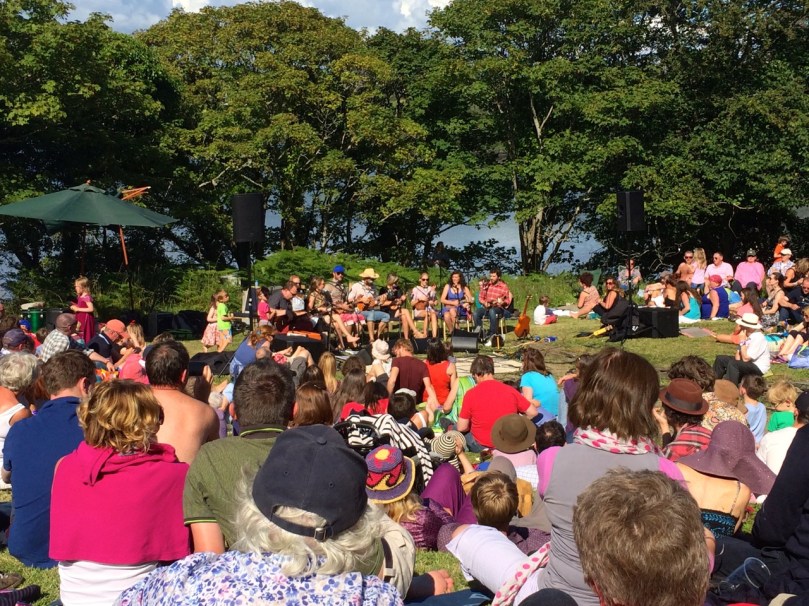
The amphitheatre was an inspired addition to the garden – in a tricky climate it’s always a nerve-wracking watch to see what the weather will do when you’ve scheduled an outdoor concert. The gods have smiled on it, though – very few concerts have been affected by bad weather.

Summer concert at the amphitheatre - the West Cork Ukelele Band

Summer concert at the amphitheatre – the West Cork Ukelele Band

Next it was up to visit the hens and goats – where Robert made a new friend – and then on to the greenhouses to see a truly impressive variety of tomatoes and to sneak a grape or two.

kiss kiss

kiss kiss

The tour finished with a tomato-tasting session and an impromptu lesson from Jean on which ones were best for what dishes. Robert and I stayed for lunch in the restaurant and a chat with fellow-tourists.

Glebe Gardens open from March to September, and occasionally for special events during the winter. Next time you’re in Baltimore, pop by for lunch.

Waiting for lunch

Waiting for lunch

And after that final excellent latte, take a stroll through the gardens. Or make it part of your West Cork Garden Trail next year, along with Carraig Abhainn and the Heron Gallery, or any of our other wonderful gardens. Spoiled for choice, we are!

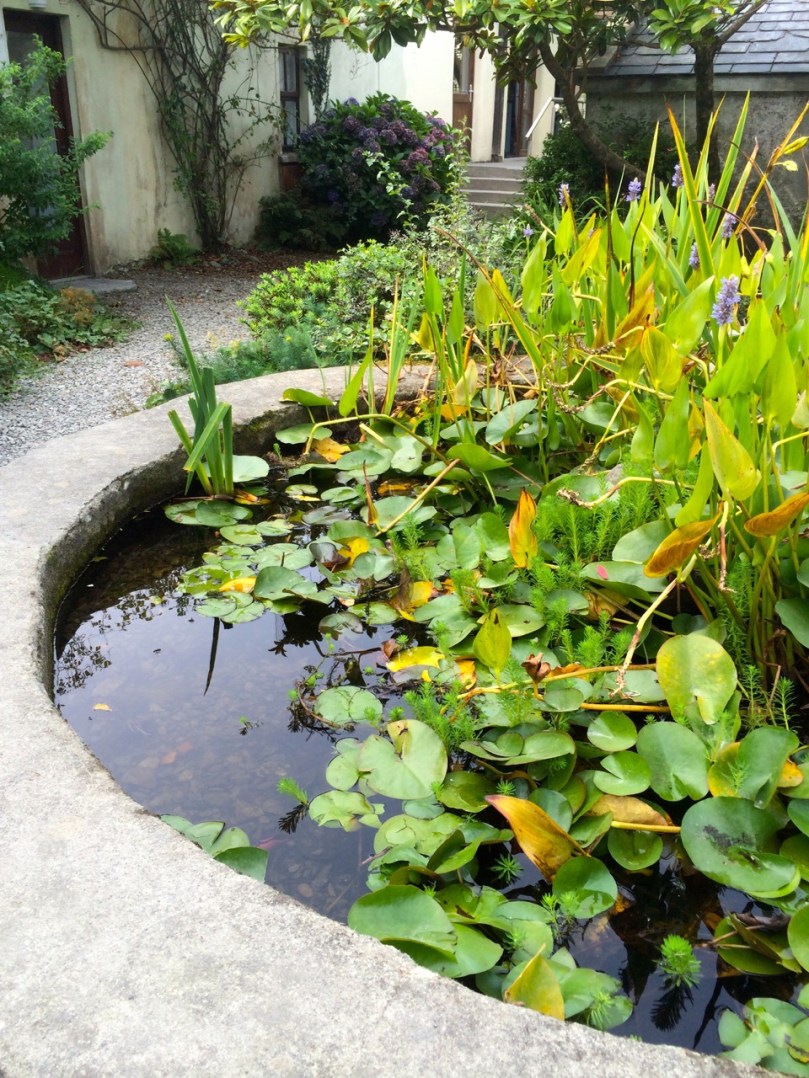
pond

The Irish Elk

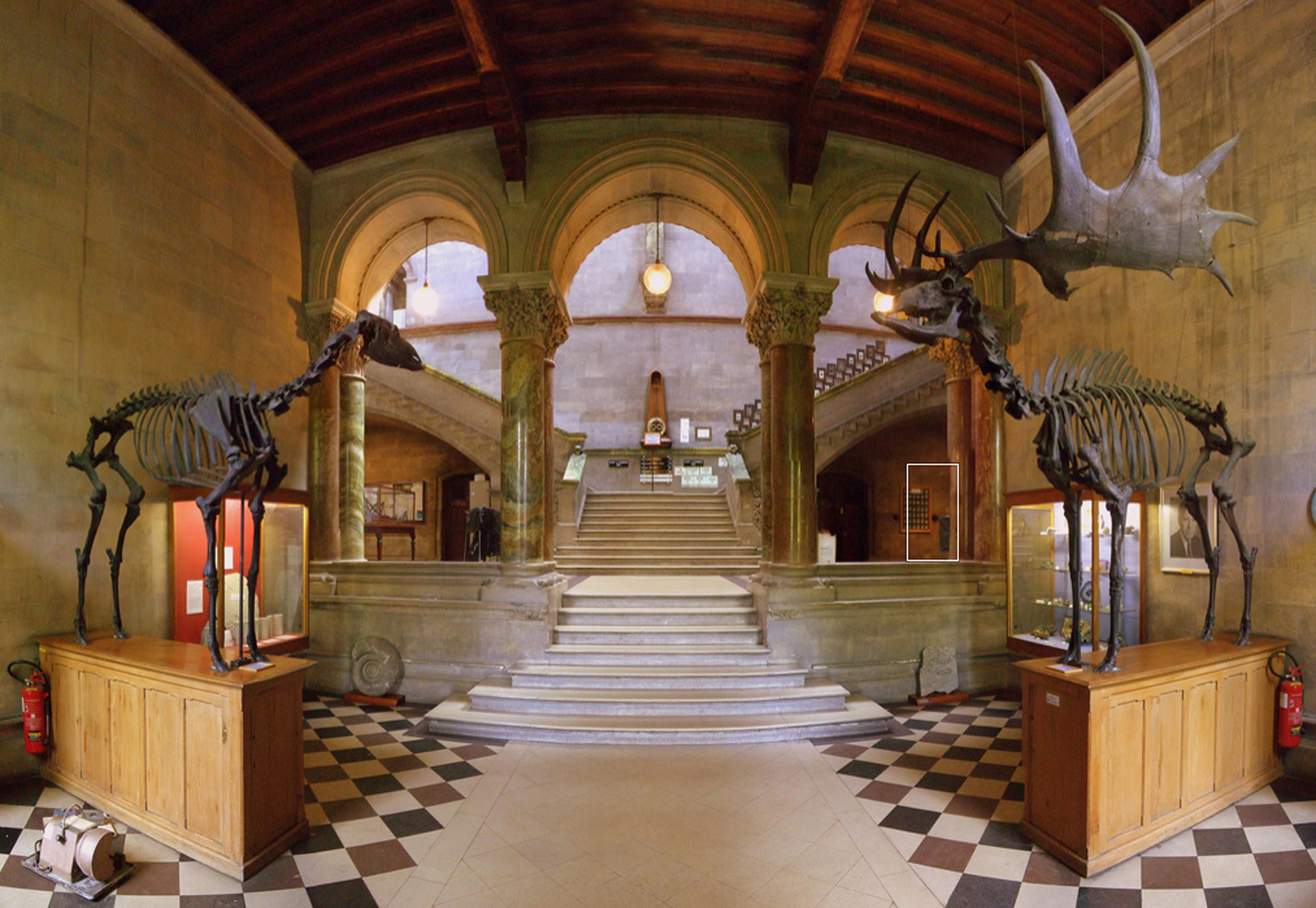
Megaloceros seen in Cahir Castle

Megaloceros seen in Cahir Castle

Have you seen an Irish Elk? It’s not something I’ve bumped into…

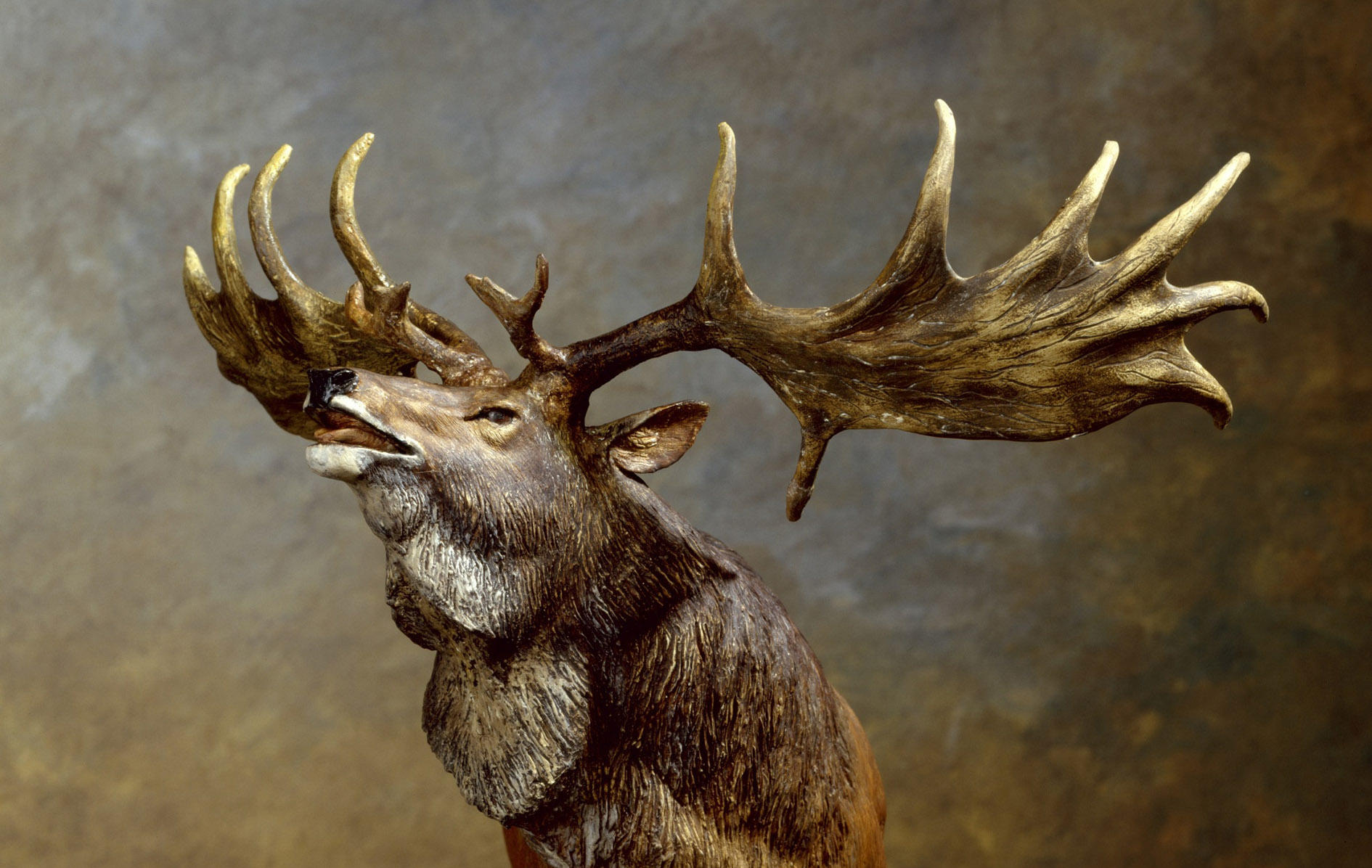
You’d know it if you had! Megaloceros Giganticus stood over two metres high at the shoulders and had antlers up to four metres wide. It was the largest Deer that ever roamed the Earth.

And it was Irish?

It actually lived all over Europe – and in Russia and China. But the best fossilised examples have been found in Ireland, preserved in the peat bogs.

Giant Elk

Have you seen an Irish Elk?

I certainly have: there are some whole skeletons in the wonderful Natural History Museum in Dublin, but their antlers hang in many a hall – by which I mean a ‘Baronial’ hall or castle. They seem to have been popular trophies to have mounted on the wall along with all the Foxes and Salmons that didn’t get away… And these ‘trophies’ became sought after in the boom years: Christie’s sold a pair of antlers for £52,850 in 2001, and another pair from Powerscourt, Co Wicklow, sold for £77,353 in 2005.

largeelk

Dublin’s Natural History Museum

Trinity's pair of irish Elks - female and male

Trinity’s pair of Irish Elks – female and male

But trophies means that someone would have hunted them. Surely they were never around at the same time as people?

It’s a good chance they were. The latest dating of Megaloceros is around 5,000 BC, although others assert that they died out several Millennia before that. The first humans are supposed to have settled in Ireland around 8,000 BC – the Mesolithic period.

Lascaux Cave Painting - estimated to be 17,300 years old

Lascaux Cave Painting – estimated to be 17,300 years old

And why did they die out?

There are a few theories: being hunted – not being able to adapt to changing climates and environments – or simply that their antlers were too big…

I like that theory…

Yes. We saw this one at Ballymaloe – but it wasn’t on the menu!

Ballymaloe Trophy

Ballymaloe Trophy

Such a shame that it doesn’t still exist.

True… although it might be a bit scary if you met it on the slopes of Mount Gabriel!

Along with Ireland’s last Wolf?

Exactly.

Closest relation: Canadian Bull Moose (Robert Bateman)

Closest relation alive today: Canadian Bull Moose (Robert Bateman)

But you know…

Yes?

I read that some scientists believe that if they found a good enough specimen – preserved in the permafrost perhaps – they could extract enough DNA to re-establish the species through cloning. And others, too: Mammoths maybe, and Sabre-Toothed Tigers.

So, one day, our view from Nead an Iolair could be enhanced by a herd of grazing Giant Elks.

Now, there’s a thought…

I’ll give the last word to Seamus Heaney – who found inspiration in Megaloceros:

We have no prairies

To slice a big sun at evening–

Everywhere the eye concedes to

Encrouching horizon,

Is wooed into the cyclops’ eye

Of a tarn. Our unfenced country

Is bog that keeps crusting

Between the sights of the sun.

They’ve taken the skeleton

Of the Great Irish Elk

Out of the peat, set it up

An astounding crate full of air.

Butter sunk under

More than a hundred years

Was recovered salty and white.

The ground itself is kind, black butter

Melting and opening underfoot,

Missing its last definition

By millions of years.

They’ll never dig coal here,

Only the waterlogged trunks

Of great firs, soft as pulp.

Our pioneers keep striking

Inwards and downwards,

Every layer they strip

Seems camped on before.

The bogholes might be Atlantic seepage.

The wet centre is bottomless.

(Bogland, Seamus Heaney 1969)

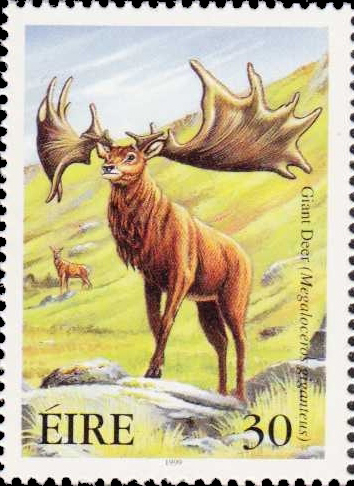
meg stamp

Ballydehob Rocks Art and Culture

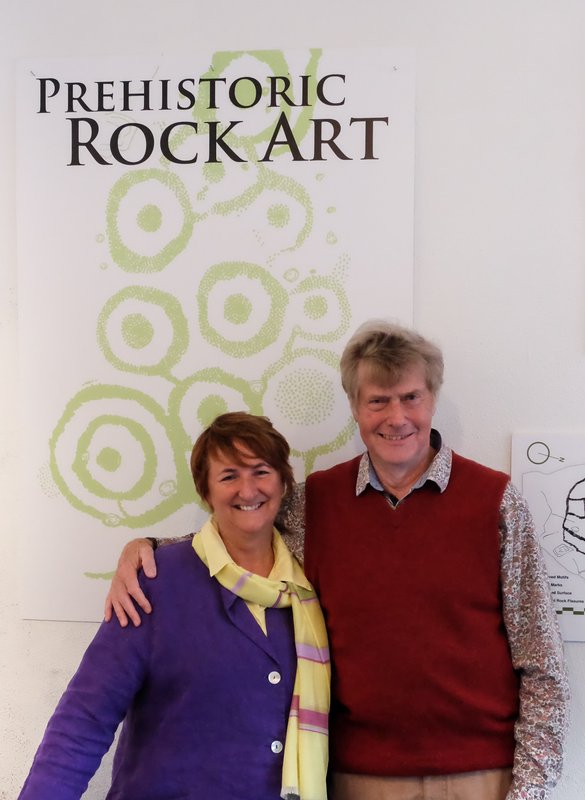
Looking pleased with the exhibition!

Looking pleased with the exhibition!

I’ve posted before about the amazing variety of events and festivals that West Cork towns host. The latest, and this is a new one, is Ballydehob’s Art and Culture weekend. It’s just over and it was great fun.

For the most part the venues were intimate (think pubs, cafes, An Sanctoir) or outdoors. The weather was variable – we got everything from gales to sunshine – but only one event had to be cancelled because of it.

There was a bus tour to the delightful Gortnagrough Museum, and another to the Rock of the Rings (local rock art!) and an historic walking tour of the town. There was a poetry trail, storytelling, plays, dance performances, a dozen different art exhibitions (including our own), kids’ workshops and movies, a cabaret, and of course music – lots of music from trad to country to world music to drumming to classical.

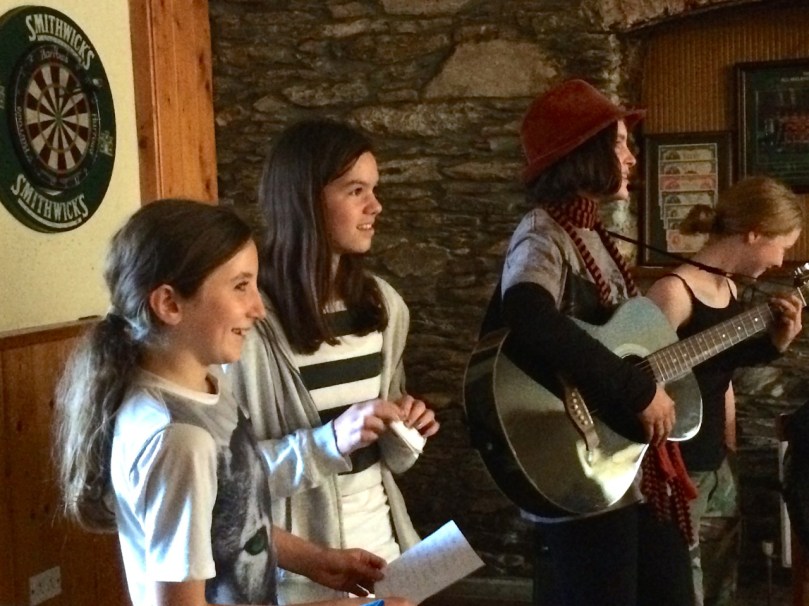
Young songwriters

Young songwriters

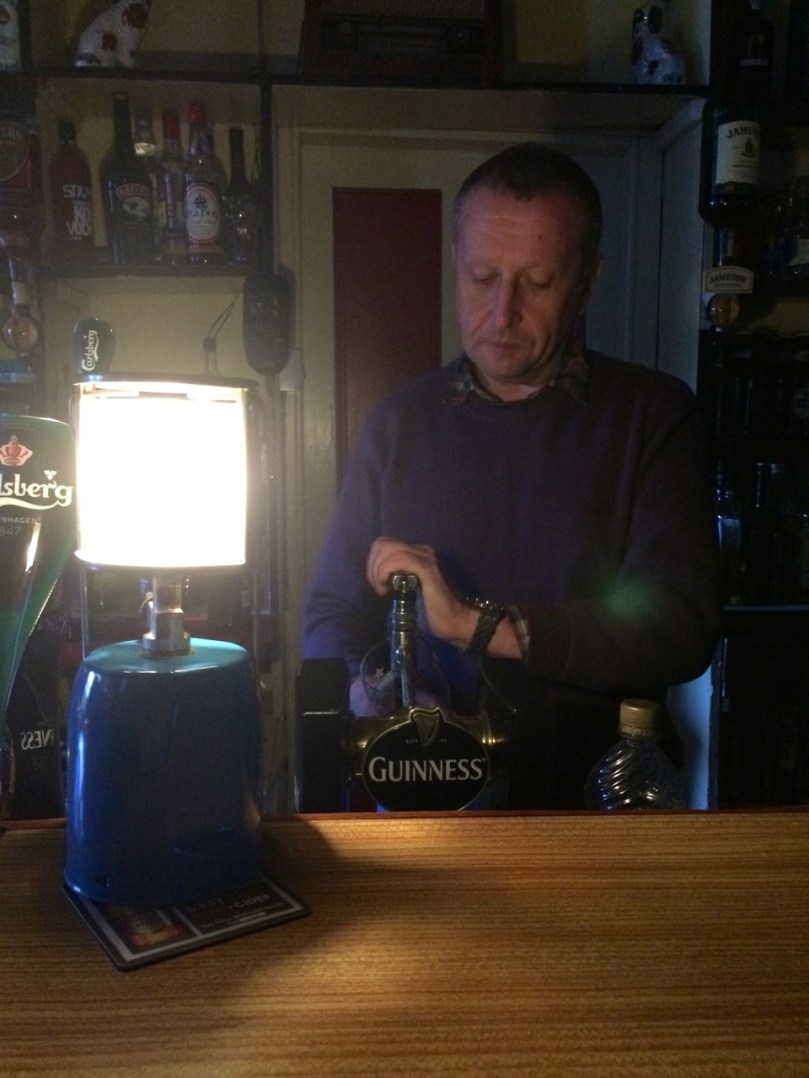
Perhaps one of my favourite moments was watching the girls who had taken the songwriting workshop, which had been led by a 12 year old, perform the songs they had written. We’ve been having fierce gales and the whole of Ballydehob was without electricity, so the pub was lit by candles and gas lamps. It was like going back to the rare old times when we made our own entertainment for gatherings of neighbours and friends. The lack of power didn’t bother anyone – the following act simply switched from electronic to acoustic with no fuss and soon we were singing again. The Choir I (try to) sing with, A Capella Bella, had a sing-along too – it was great to hear so many voices belting out our African rythms, enthusiastically conducted by the talented Caz Jeffreys.

By lamplight

By lamplight

Our own event, the Prehistoric Rock Art Exhibition, proved to be popular. The talk was packed and people lingered afterwards and peppered us with questions. There is a lot of interest here in anything to do with our heritage, and rock art is a little-known aspect of it: many people commented that they had no idea it existed or what it was like. People also liked Robert’s account of rock art in other parts of the world. For those of you who would have liked to be there but couldn’t, we are planning a permanent blog page on rock art which will contain some of the images we used as well as the program we produced for the show. You can also read our friends Amanda and Peter Clarke’s accounts of the exhibition here and here – they supplied the photographs of the exhibition I’ve used in this post.

These small local festivals can make a huge difference to a place. I’ve written before about the economic downturn in Ballydehob and the depressing effect it has had on local business, but the community has never lost its positive attitude and its volunteering spirit. One of our local writers, Sarah Canty, illustrates, in her documentary Down But Not Out, the challenges facing small villages like ours.

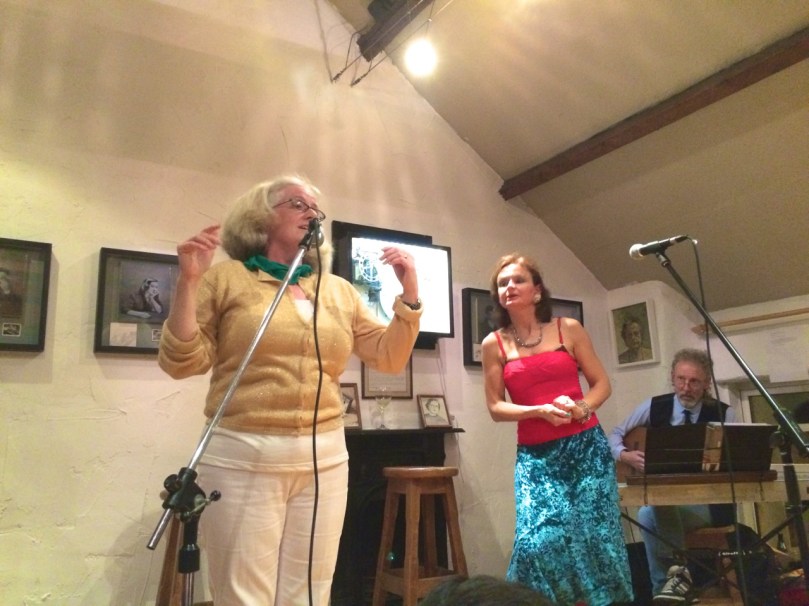
The Eileen and Marilyn Experience

‘The Eileen and Marilyn Experience’ Caberet

This festival was spearheaded by a great team, many from the Ballydehob Social Club, with lots of other volunteers pitching in. A huge thank you to the pubs and other venues for providing free space and paying for entertainers. And a special shout out from us to Joanne Cassidy at the West Cork Gourmet Store for providing a wonderful gallery for our Rock Art Exhibition. 

The Weekend ended with a huge party – more music, more dancing, more laughter and camaraderie.

Ballydehob – you rock!