Cousins Find Each Other – Through Roaringwater Journal!

I don’t know how to put it in words, but it it means so much to have this connection to our past and our common ancestors.

These are the words of Barbara Baxter, who found her cousin, Sylvia Whitmore-Jones, when they both responded to my post on Rock Island. Their common ancestors were the Burchills of Crookhaven. Here’s the story, as they have each sent it to me, and as I have put it together. It is deeply embedded in the history of this part of West Cork and directly related to the building of that iconic lighthouse, the Fastnet Rock.

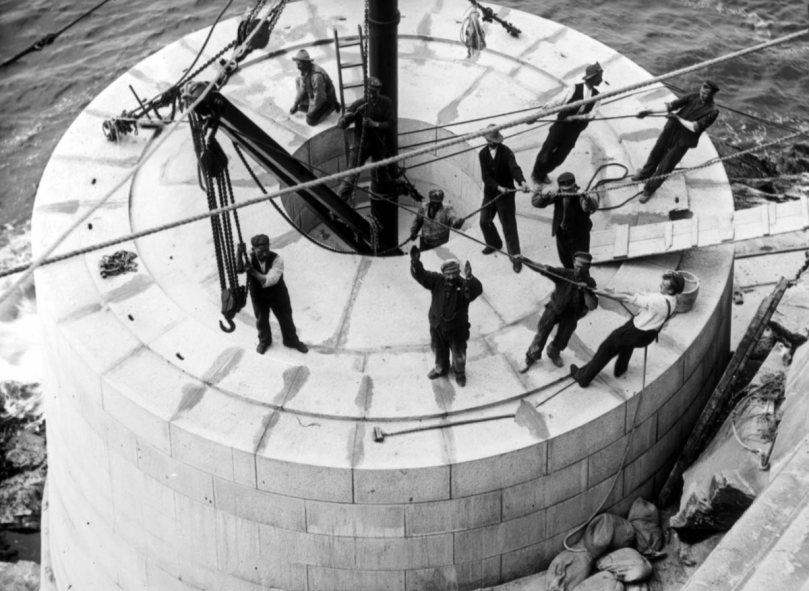
Two brothers, Charles and Arthur Nicholls, experienced stonemasons, came from Penzance in Cornwall to help build the Fastnet Lighthouse. According to Aidan Power’s book on Rock Island (Available from the author, we can put you in touch), they were employed by  John Albert Freeman who supplied all the granite for the Fastnet Lighthouse from his quarry at Penryn, Cornwall. Nicholls’ job was to assist in the erection of the tower.

The building of the Fastnet. I’d like to think that the Nicholls brothers are in this picture (Photo courtesy of Irish Lights)

It took five years to build the Lighthouse (read more about the Fastnet here) and during that time all the men were housed locally and it seems integrated well into the local community. So well, in fact, that the Nicholls brothers married two sisters: Charles married Elizabeth Burchill and Arthur married Sarah Burchill. The Burchill sisters’ parents, Michael and Sarah (Hegarty) were Church of Ireland, and lived in Crookhaven.

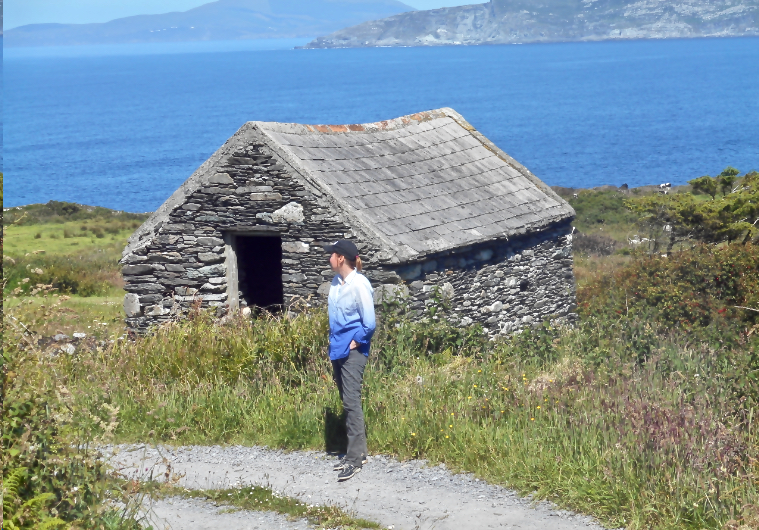
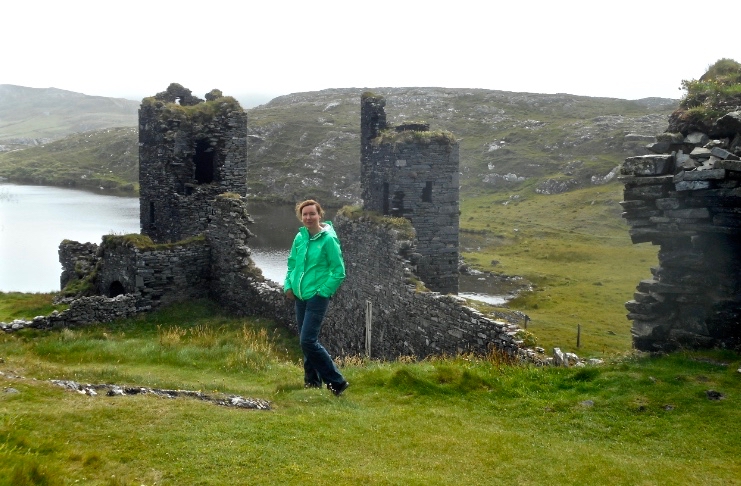
A third sister, Anne, married William Wilkinson (more on her below). If I am understanding the history correctly, her aunt, Michael’s sister, also called Anne, had herself married a George Wilkinson. That Wilkinson family had a farm at Gortnacarriga, just outside Goleen. The photo below is of Barbara Baxter on a visit to that Wilkinson farm a couple of years ago. 

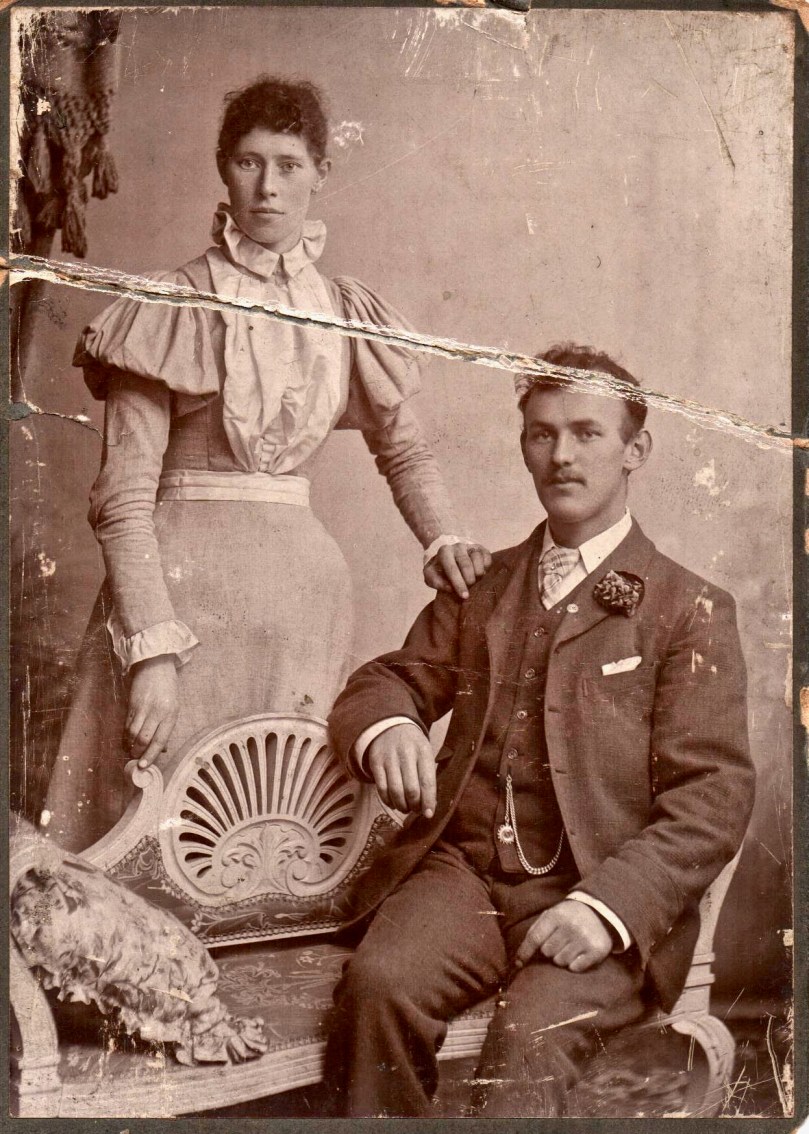
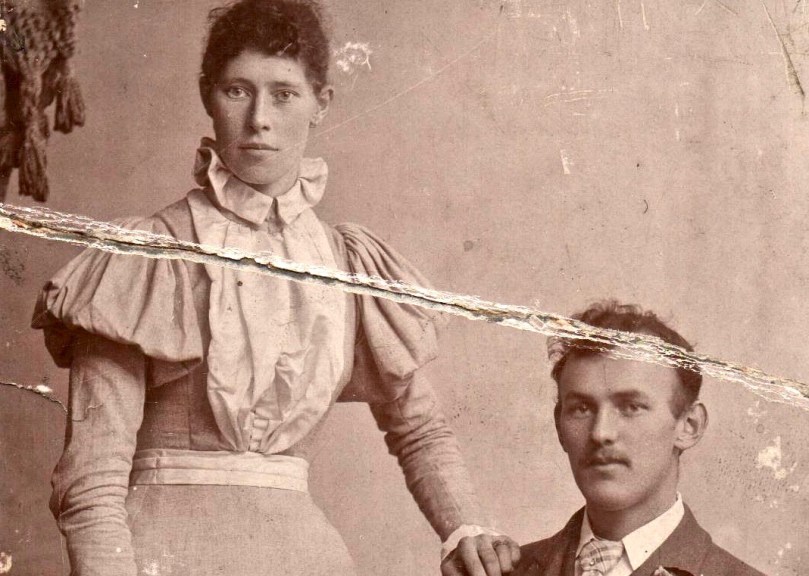
Let’s start with Charles and Elizabeth – they are the couple in the photograph at the beginning of the post. The 1901 census has them in House number 8 on Rock Island, with a baby daughter, Annie, who is just one. When the Fastnet project was finally over, in 1904, Charles and Elizabeth went to live in Wales where they had at least one more child, a son, in 1911. Sadly, Charles, who had served in the First World War, died in the Spanish Flu epidemic in 1919 (echoes of my own family history here – same thing happened to my grandfather).

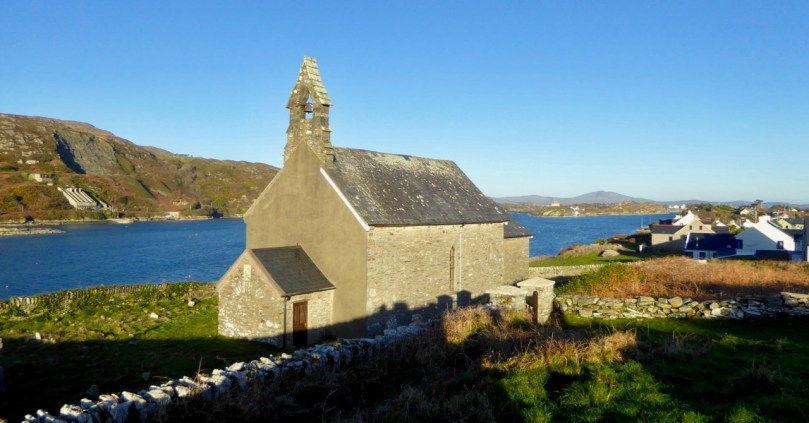
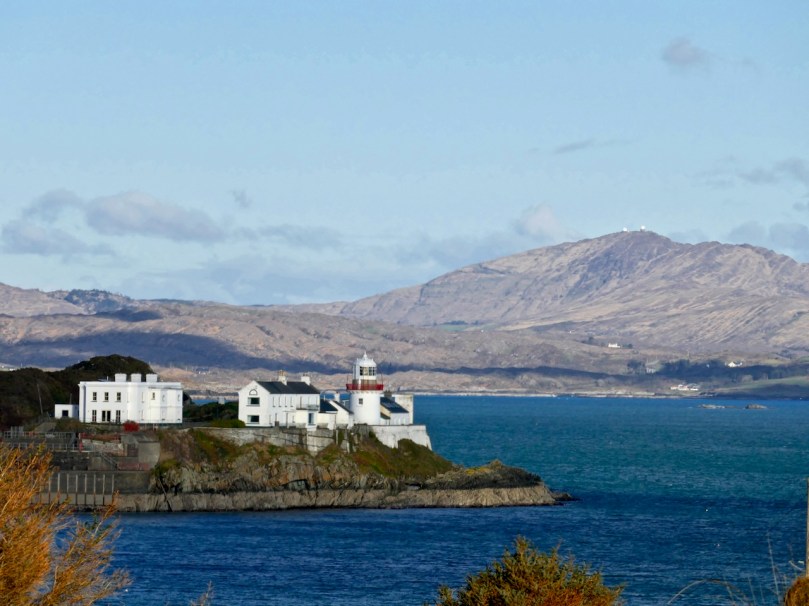
The Rock Island lighthouse and housing, seen from Crookhaven. Charles and Elizabeth lived in one of these houses

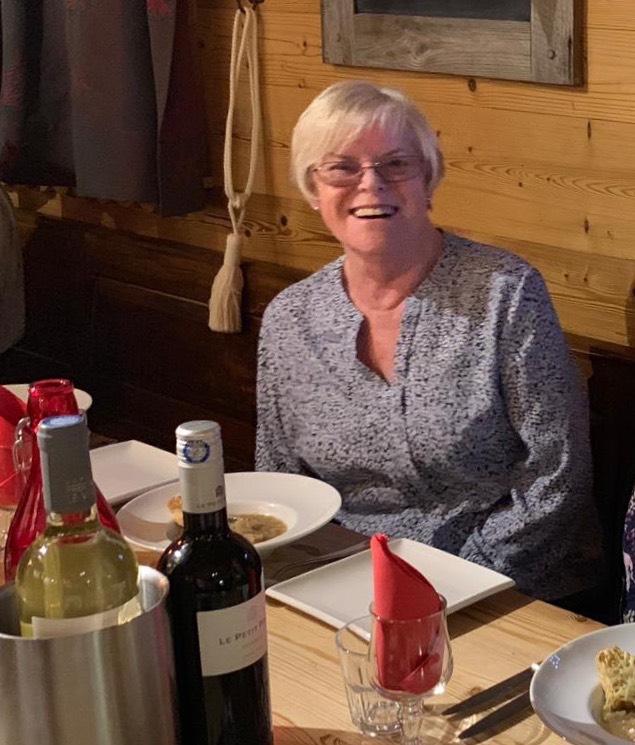
Charles and Elizabeth’s son eventually moved to Southhampton, and worked as a draughtsman in Thornycroft’s shipbuilding firm, married and had four children. The eldest of these was Sylvia Whitmore-Jones, an active and youthful 78 year-old. Here she is.

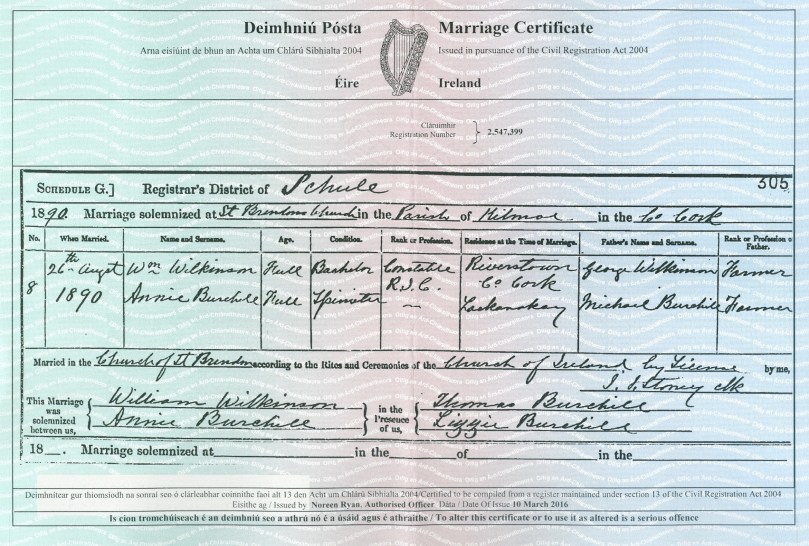
But let’s go back to Charles and Elizabeth, living in the Fastnet housing on Rock Island in 1901. Did you notice they had a daughter named Annie? I think she was so named after yet another of Elizabeth’s sisters – Anne Burchill. Anne married William Wilkinson (I think they were cousins – not uncommon in those days), an officer in the Royal Irish Constabulary.

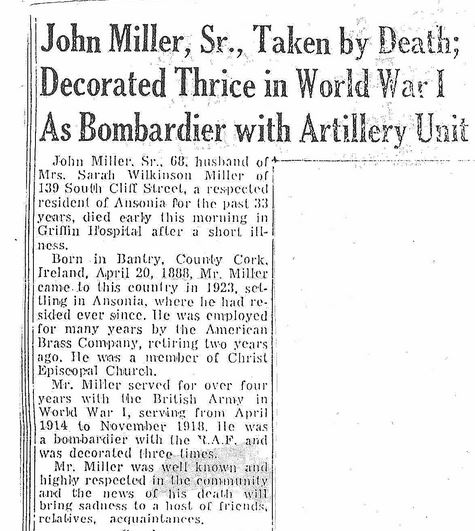
They had a daughter, Sarah Anne. They were great at keeping names in the family – no doubt Sarah Anne was called after her aunt, the Sarah Burchill who married Charles’ brother, Arthur, as well as the numerous Annes in the family. Sarah Anne Wilkinson must have been close to her Aunt Elizabeth Nichols because eventually, as a young married woman, she and her husband, John Miller, from Bantry, moved to Wales.

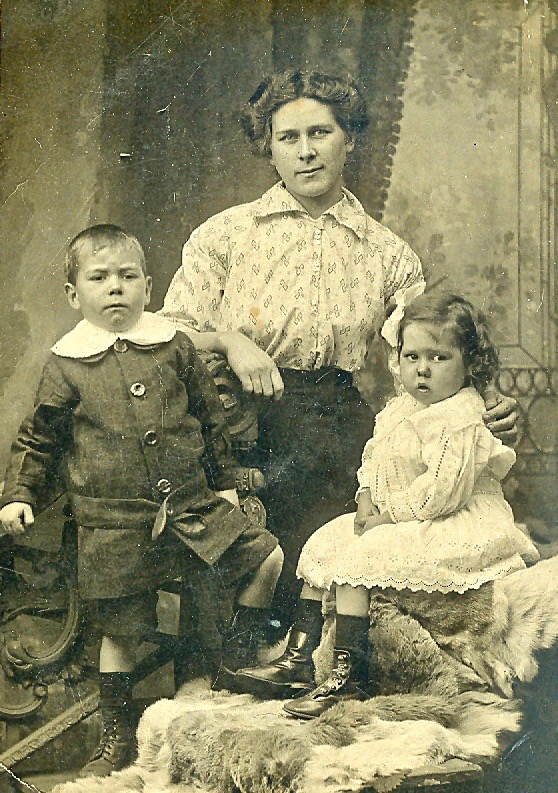
Sarah Anne Miller, nee Wilkinson, with her children

This photo (above) must have been taken then, when Sarah Anne and John had two children. Sarah Anne is Barbara Baxter’s great-grandmother and her grandmother is the little girl in the photo. Perhaps this was during the time when John was away in the war – he was apparently decorated three times for his service as a bombardier.

Eventually the family emigrated to America, finally settling in Connecticut, which is where Barbara Baxter grew up. Barbara is now 57 and lives in Virginia. She has led an active life filled with animals, especially horses. She wonders if her love of horses might be connected to John Miller – apparently before he left for Wales with Sarah Anne he worked with horses at Drombrow House, near Bantry. Drombrow, not surprisingly, was owned by the Wilkinson family.

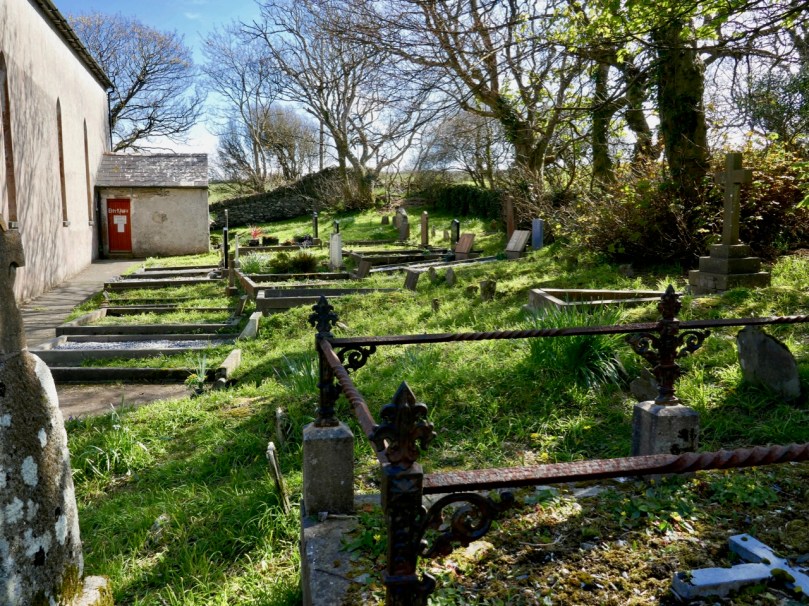
Graveyard attached to the Church of Ireland (no longer in use as a church) in Goleen – Babara said in one of her emails: ‘I am related to all of the Wilkinsons and Burchills buried at the Goleen Church’ 

Sylvia and Barbara had been independently interested in their family history but had never known of each other or met (at least virtually) until both of them contacted us at Roaringwater Journal when they each saw our Rock Island post.

On her trip to West Cork in 2017, Barbara visited Three Castle Head. The Wilkinson farm is close by

I am beyond pleased that Roaringwater Journal has been the cause of bringing these two cousins together, but there’s another reason for my interest. My own dear cousin, Shauna, is also a Burchill! Although she has lived in the United States most of her adult life she is Irish and her father grew up in Bandon as a Prebyterian. She is likely to be connected to Sylvia and Barbara at some point way back in the family tree – the Burchills first came to West Cork in the 1620s as part of the Plantation of Munster. It’s a tenuous connection, but it adds an additional frisson for me – we are all connected somehow.

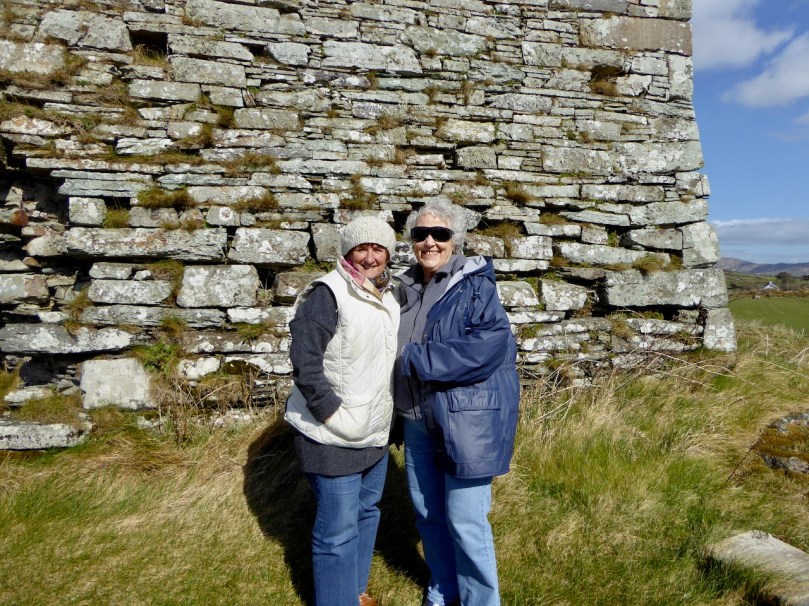
Shauna (right) and I, on one of her visits to Ireland

Thank you to Sylvia and Barbara for generously sharing their family stories, and to Aidan Power, whose book on Rock Island was the ultimate catalyst for all of this. It’s been a privilege to be a tiny part of it. If I have made mistakes in my relating of their stories, I hope they will weigh in with the corrected version. 

Now all we need is for the descendants of Arthur Nicholls and Sarah Burchill to join the party. C’mon – we know you’re out there.

The Mass Rock – revisited

This post was originally published way back in 2014 but I have updated it with a few new photographs and edited the text slightly.

An raibh tú ag an gCarraig? / Were You at the Rock?

nó a’ bhfaca tú féin mó grá / Or did you yourself see my love,

nó a’ bhfaca tú gile, / Or did you see a brightness,

finne agus scéimh na mná? / The fairness and the beauty of the woman?

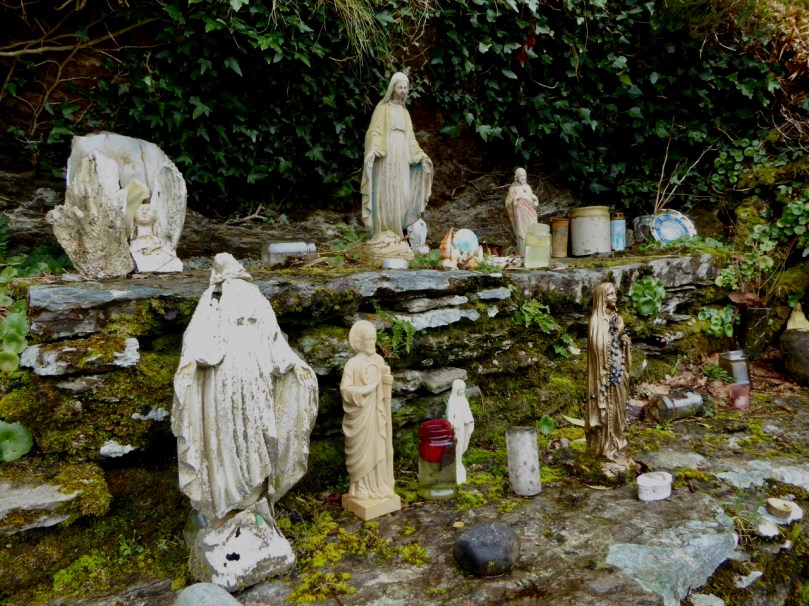
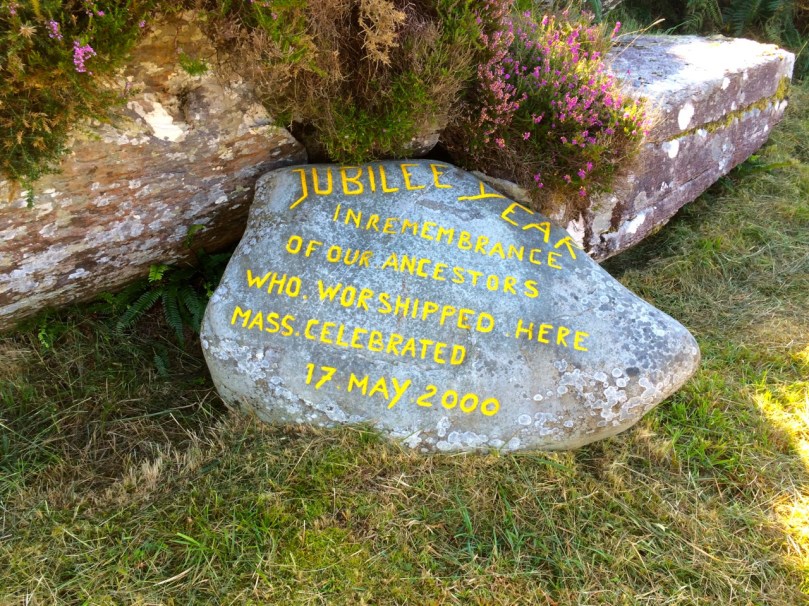
This beautiful song speaks to a revered tradition in Irish history and folk custom – the mass rock. During the period of the Penal Laws (late 17th and first half of 18th Century) when the practice of Catholicism was outlawed, parishioners would gather at a secret location to attend mass. The priest travelled from community to community in disguise, a lookout was posted, and mass was celebrated on a lonely rock far from the reach of the law. The song encodes the message that the people still find ways to attend mass, despite the harsh prohibition against it.

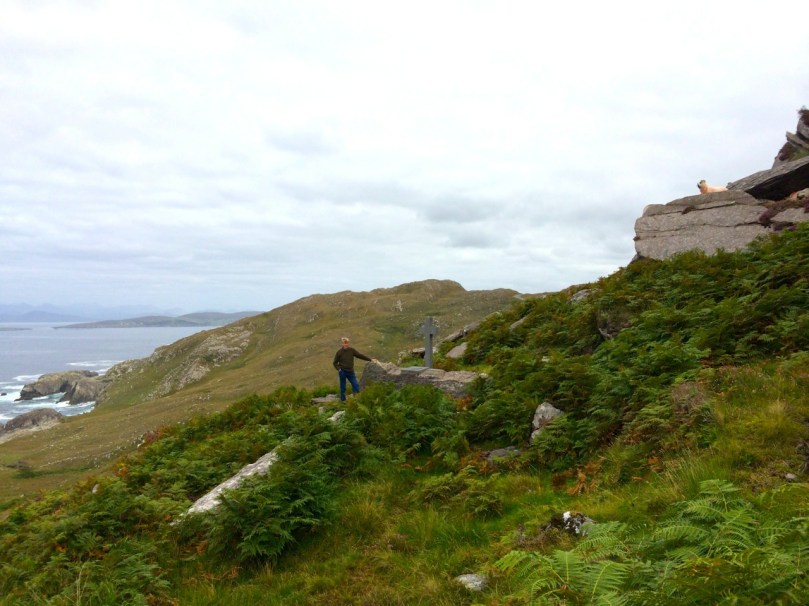
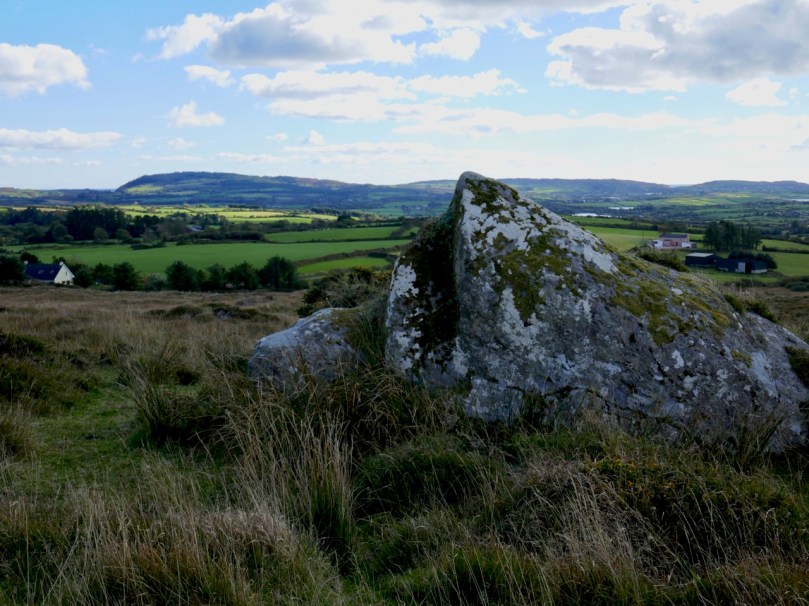
Mass rocks are often in remote locations, such as this one in Kerry, or the lead image on the Beara

Dr. Hilary Bishop, in her excellent website Find a Mass Rock says, As locations of a distinctively Catholic faith, Mass Rocks are important religious and historical monuments that provide a tangible and experiential link to Irish heritage and tradition. She also points out that, because of the imperative for secrecy, mass rocks are difficult to find.

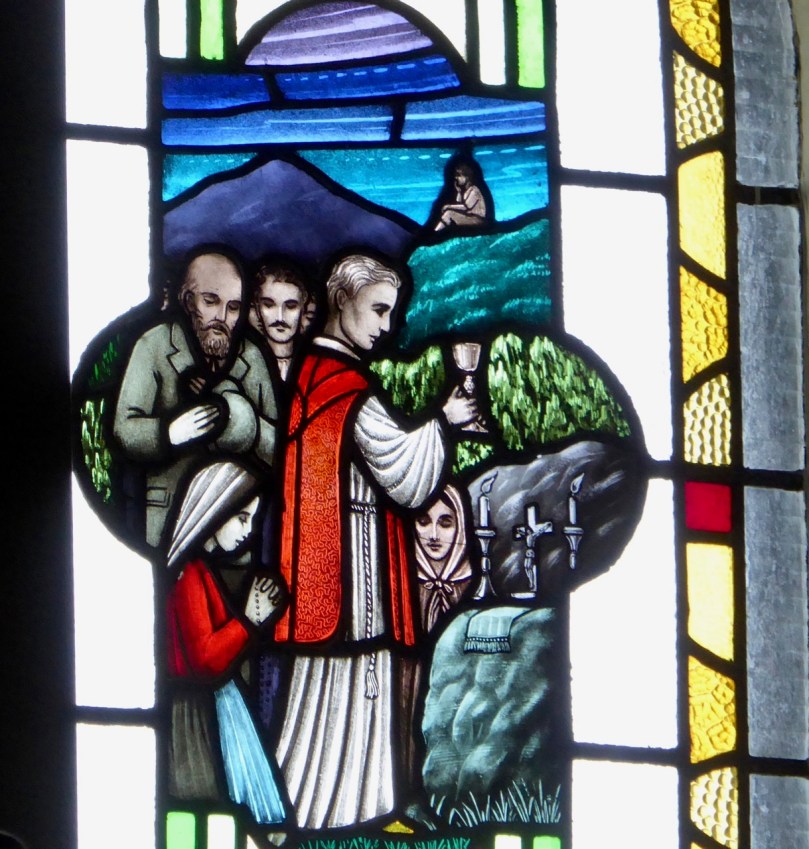
This stained glass window shows mass at a mass rock, with a lookout posted to keep an eye out for the redcoats

We certainly experienced this when we set out for a day of mass rock hunting. Working from a list generated from the National Monuments Service database we spent a day on the Sheep’s Head and the Mizen and had trouble finding all the rocks on the list. One, if it was still there, had disappeared under impenetrable layers of gorse. A second rock was last recorded in the 1980s: residents were no longer familiar with it.

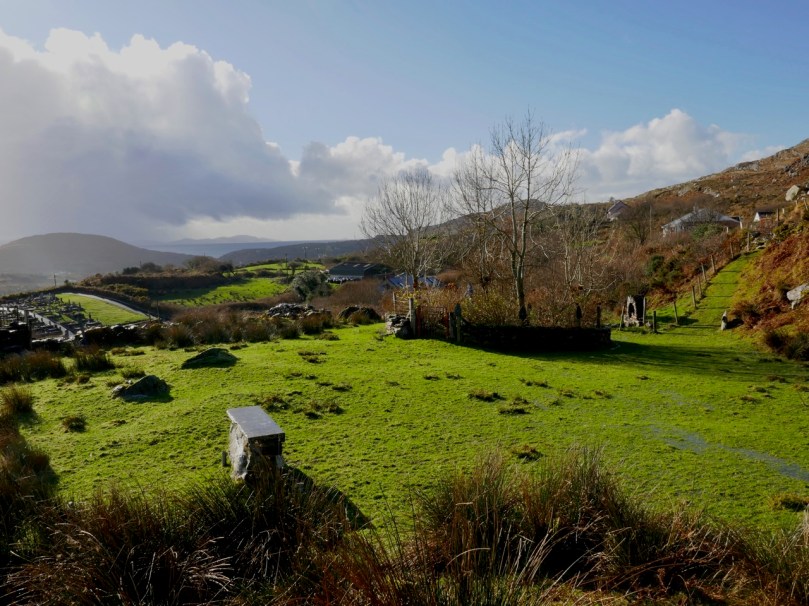
One of our favourite holy wells, at Beach on the Sheep’s Head, also incorporates a mass rock. Mass is celebrated here every August

Knowledge of mass rocks has passed down from generation to generation. In the deep countryside, the sites maintain a mystique and a sense of the sacred. We’ve written about the mass rock and holy well at Beach, where Mary conjured up a blanket of fog to confuse the English soldiers and allow the priest to escape. At Beach and at our first stop, the mass rock at Glanalin on the Sheep’s Head Way, mass is still celebrated.

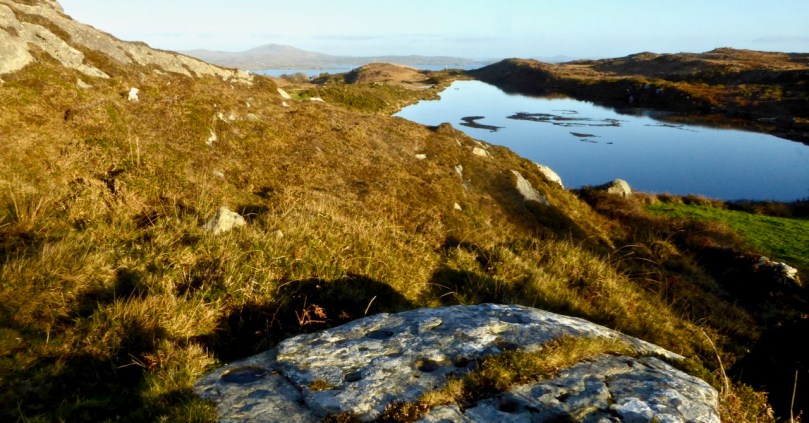
The Glanalin rock (above), and the one we visited on the Beara Peninsula, are good examples of the remote locations typical of many mass rocks, high on a hillside or hidden in an isolated valley. You can picture the procession of worshippers, in ones and twos, slipping silently through the bracken, pausing to make sure they are not being watched, climbing higher, following an overgrown trail, arriving at the meeting place where the hushed crowd awaits the arrival of the priest.

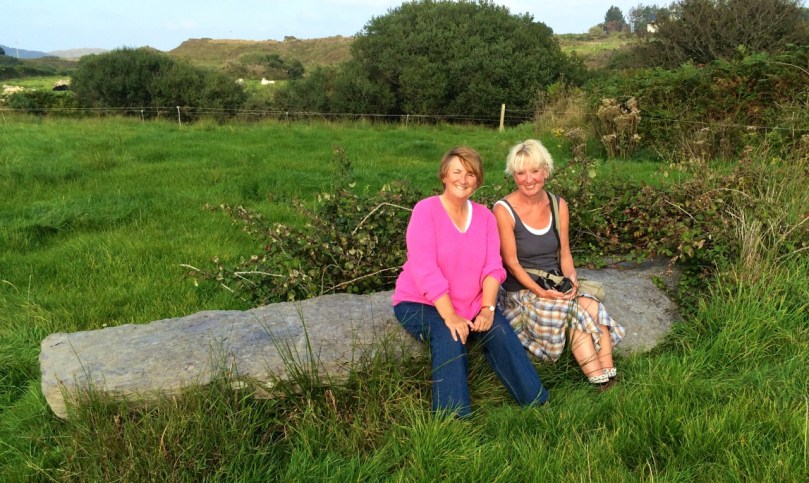
One of the rocks we found (above) looked for all the world like a fallen standing stone – and that’s probably what it was. (I wonder if I should go to confession, though – I’m sure that sitting on a mass rock would qualify as at least a venial sin.)

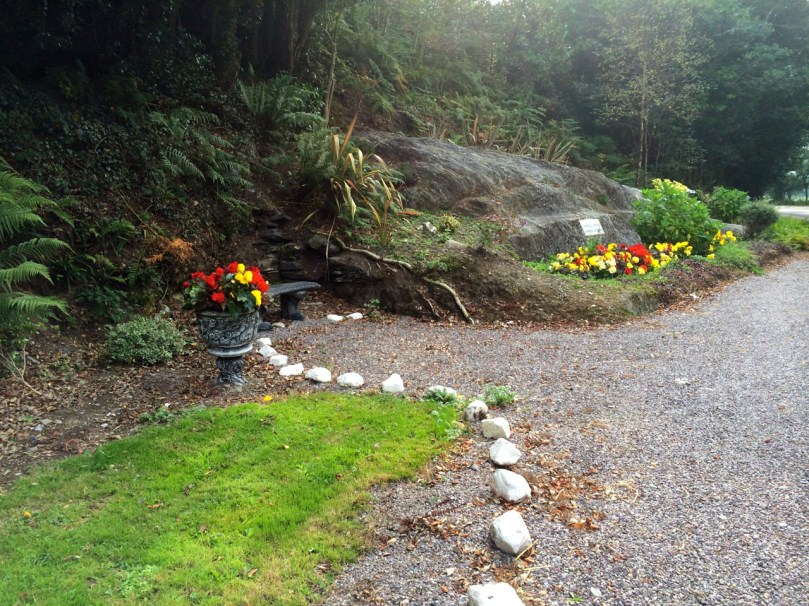
A mass rock that is easily visited is the one at Cononagh Village (above), right at the side of the main road into West Cork, the N71. This site is beautifully maintained – Cononagh is obviously proud of its heritage: signage and flowers invite the passerby to take a closer look.

The mass rock we visited last year, at Foherlagh, has a commanding view of the surrounding countryside. This one even had a small scoop-out in the rock, identified as a holy well

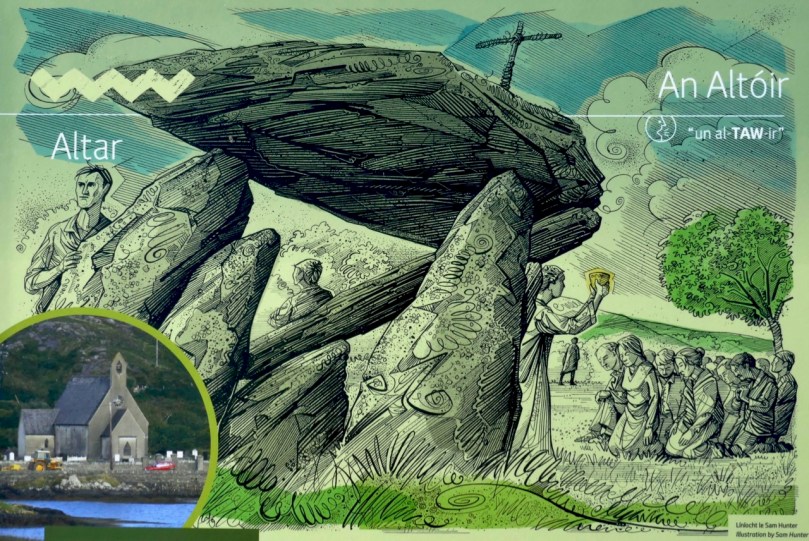
Another easily accessible site is Altar, at Toormore. This is a wedge tomb, probably over 4,000 years old and excavated in 1989. It remained in use through the Bronze Age and into the Iron Age. Dr. William O’Brien, in Iverni, says of this site: …over time this tomb came to be regarded as a sacred place, housing important ancestral remains in what was a type of community shrine. How fitting, then, that the flat capstone of the Altar wedge tomb became, in the Penal Days, a mass rock. And how intriguing to think of the continuation of this sacred space over the course of thousands of years.

But perhaps our favourite of all the mass rocks we have visited is the one at Castlemehigan. We wrote about it here. It started out life as a cupmarked stone perhaps in the Neolithic, then probably got converted into a bullaun stone in the Early Medieval period, before finally serving as a mass rock – and it has all the stories to go with its long history.


‘Flying Foam’

A recent post – Fish Palaces and How They Worked – discussed the history of the fishing industry in the south west of Ireland, and focussed on our own Roaringwater Bay. There’s an ‘extra’ story following on from that – well worth the telling, but frustratingly incomplete.

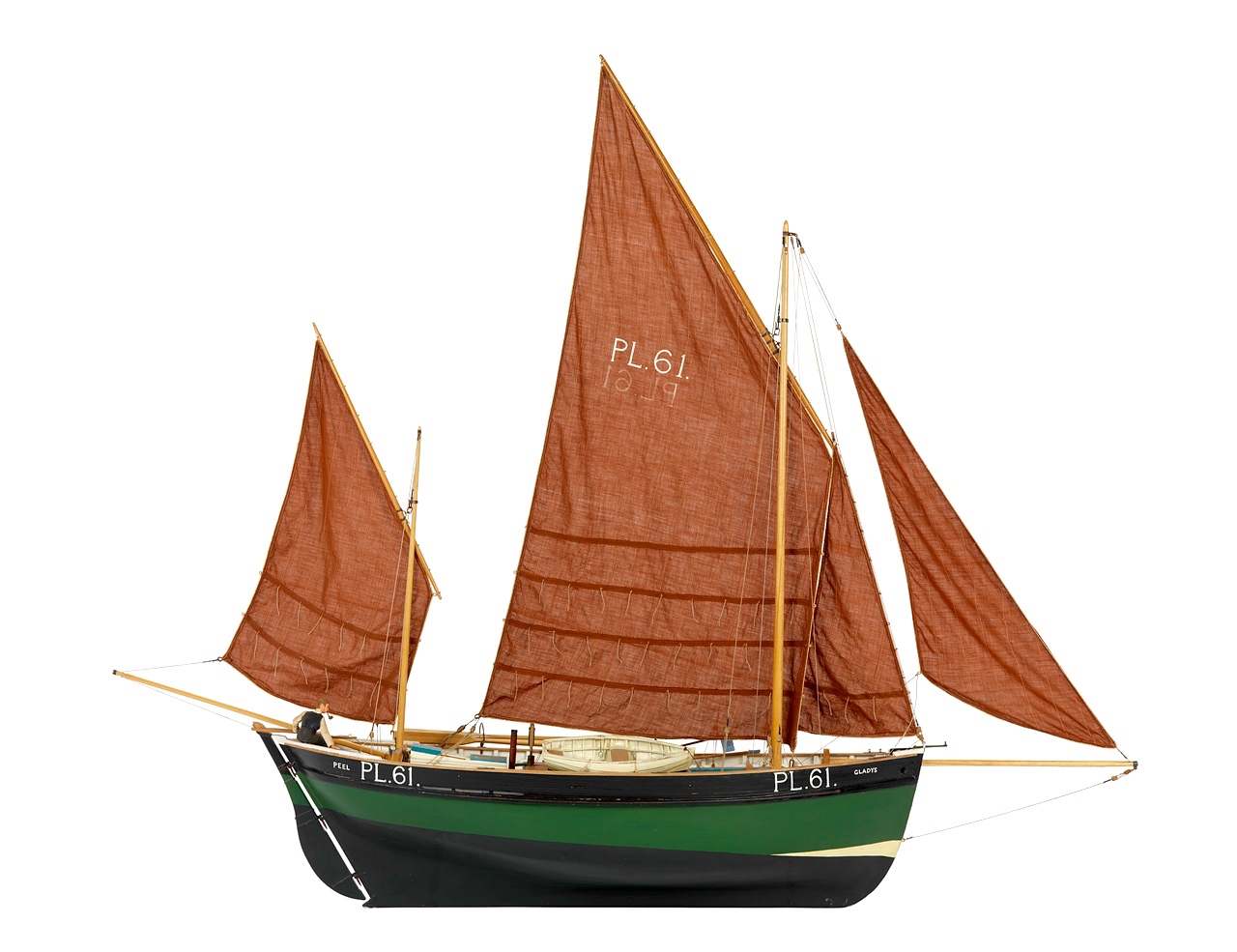
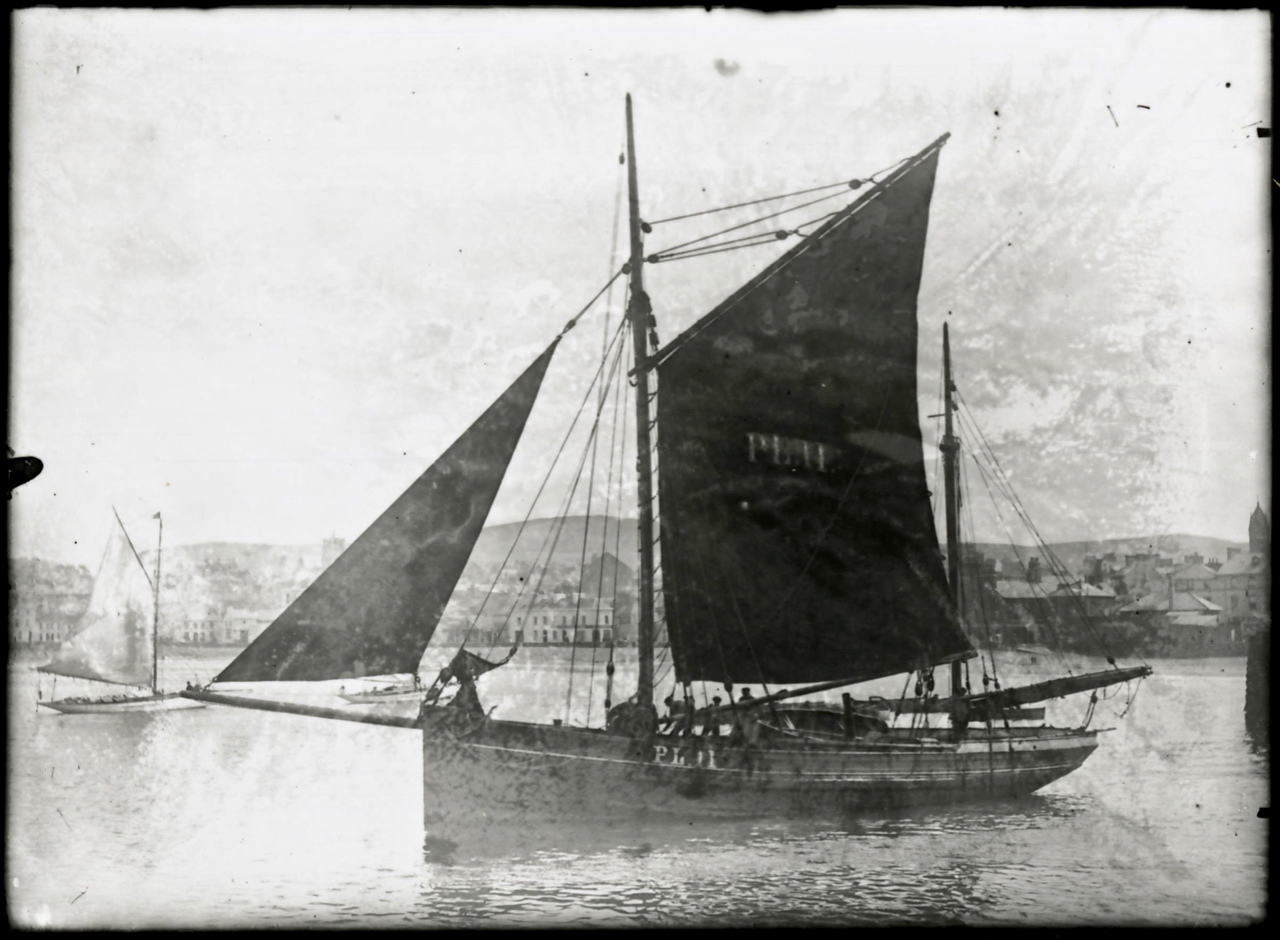
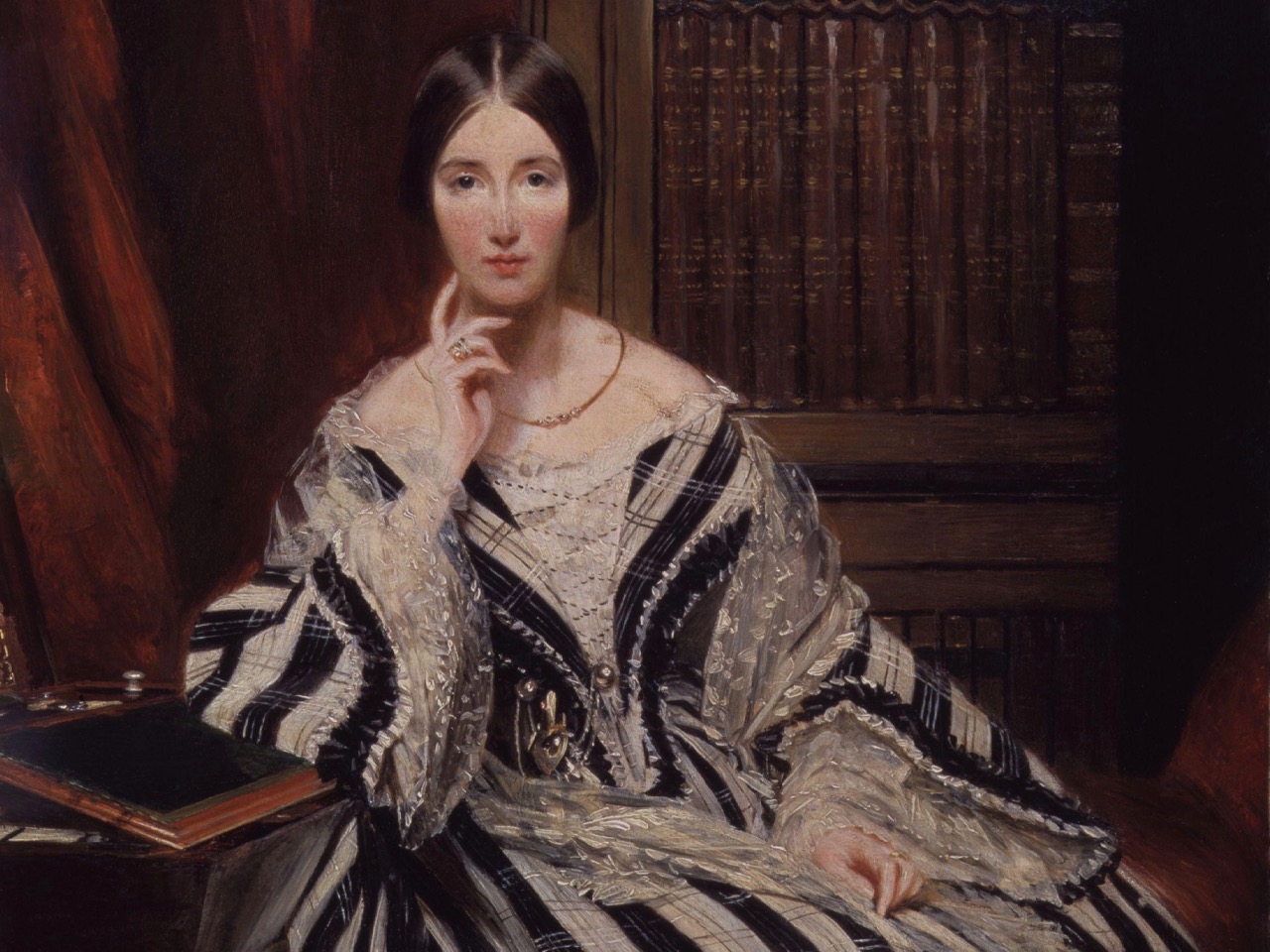
The header picture (courtesy of the National Maritime Museum, Greenwich) shows a ‘dandy-rigged nobby’, a traditional fishing vessel built on the Isle of Man during the second half of the nineteenth century. The photograph above shows such a boat, also from the Isle of Man. ‘Nobbies’ like these came to form the basis of a fishing fleet centred on Cape Clear and Baltimore, provided by the benefice of ‘the wealthiest lady in Victorian Britain’ – Baroness Angela Burdett-Coutts (1814 – 1906). Here she is, below.

Angela Burdett-Coutts was just twenty-three when in 1837 she gained an inheritance of around three million pounds (roughly one hundred and thirty million pounds in today’s money) from her Grandfather, which she immediately directed to good causes. According to the Dictionary of National Biography

In 1862 Father Davis, the parish priest of Rathmore, co. Cork (now Baltimore), appealed to her for aid on behalf of the people of the south-west of Ireland, especially in the district of Skibbereen, Crookhaven, and the Islands of Cape Clear, Sherkin, Hare, and the Calves, which had never recovered from the sufferings of the famine years 1848 and 1849 . . . Her chief work was to revive and extend the fishing industry of the south-west coast. She advanced large sums of money, on a well-devised scheme of repayment out of profits, to provide the fishermen of Baltimore and the Islands with the best fishing-boats that could be built, and fitted them with modern and suitable gear. In the course of five years the new fishing fleet of Baltimore was valued at 50,000 pounds . Much of the capital was in due course repaid; and Father Davis used all his influence to keep his parishioners scrupulously to their engagements. In 1884 she paid her first visit to the district and was everywhere welcomed with enthusiasm. With the assistance of Sir Thomas Brady she soon afterwards helped to inaugurate a fishery training school for 400 boys at Baltimore. The school was opened by her on 16 Aug 1887, when she was received with bonfires on the wild hill-sides, and flags flew from every cottage down the coast from Queenstown to Baltimore.

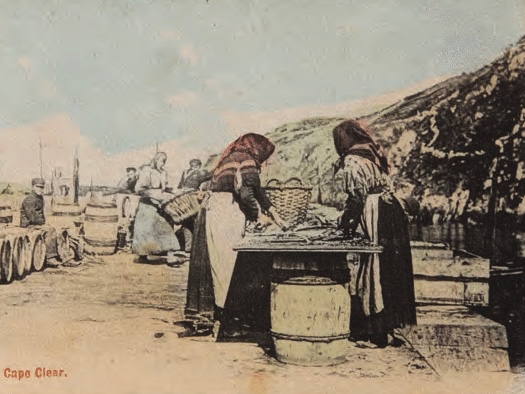
Fish processing on the quay in Cape Clear, nineteenth century

By 1900 fishing in West Cork was in its heyday, with an annual turnover of £100,000. Between 1880 and 1926 Baltimore was the largest fishing port in Ireland and 78 fishing vessels were registered locally. By 1907, after the North Pier had been built, the fleet was so numerous that you could, it was said, walk to Sherkin across the decks of the boats!

Looking across to Sherkin Island from the Cove, Baltimore, today

A further version of the story appeared in Ireland’s Own Magazine, in September 2018, narrated by Eugene Daly:

My father, Mícheál Ó Dálaigh, was born on Cape Clear in 1910, the eldest of four children. When his father Eugene died in 1920, he quickly had to take over the part of breadwinner and at a young age became a fisherman . . . The people of Clear, often known as Capers, had for many generations always been fishermen. On Cape Clear one is aware of the all-embracing sea. In the 1880s, through the work of Father Charles Davis, a £10,000 loan was granted by the English philanthropist, Baroness Angela Burdett-Coutts. With those loans they bought ‘dandies’, 50 to 60 ft long made in the Isle and Man and later in Baltimore Fishery School. By 1920 there were up to forty of these boats fishing out of Trá Chiaráin, the island harbour. Some of the musical names for these boats include Sarah Gale, Guiding Star, Carbery Queen, Jasmine of Downings etc . . .

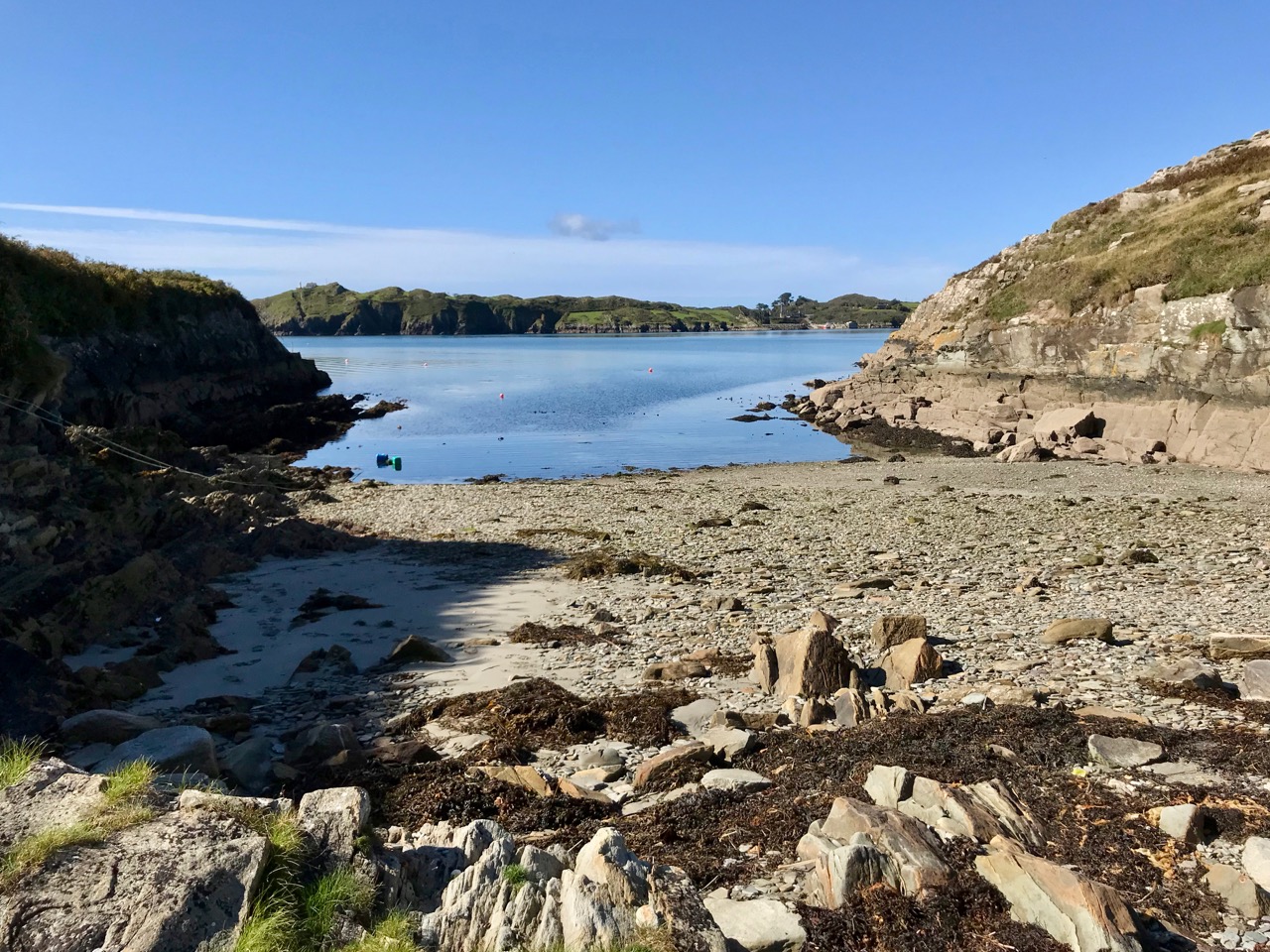
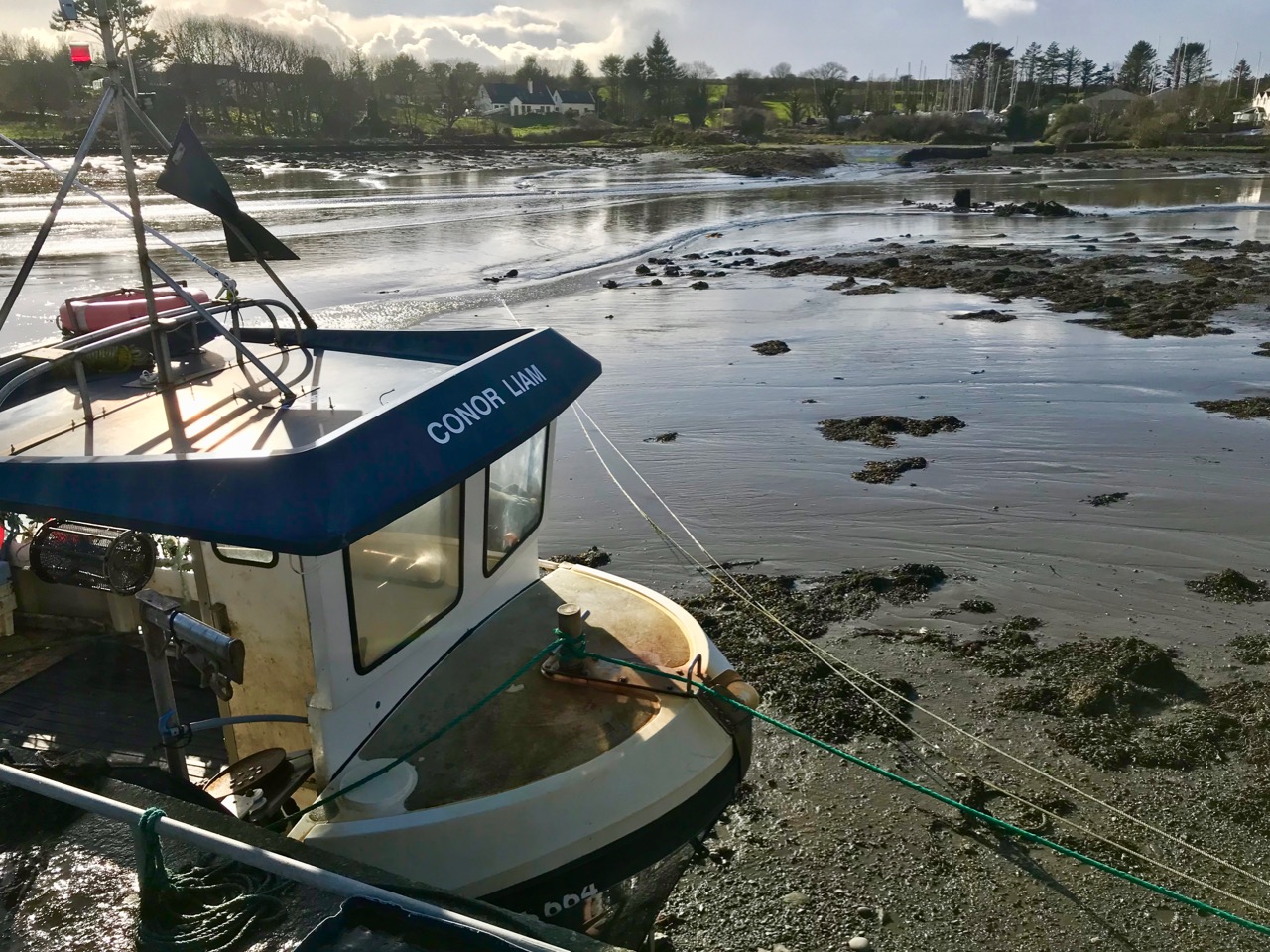
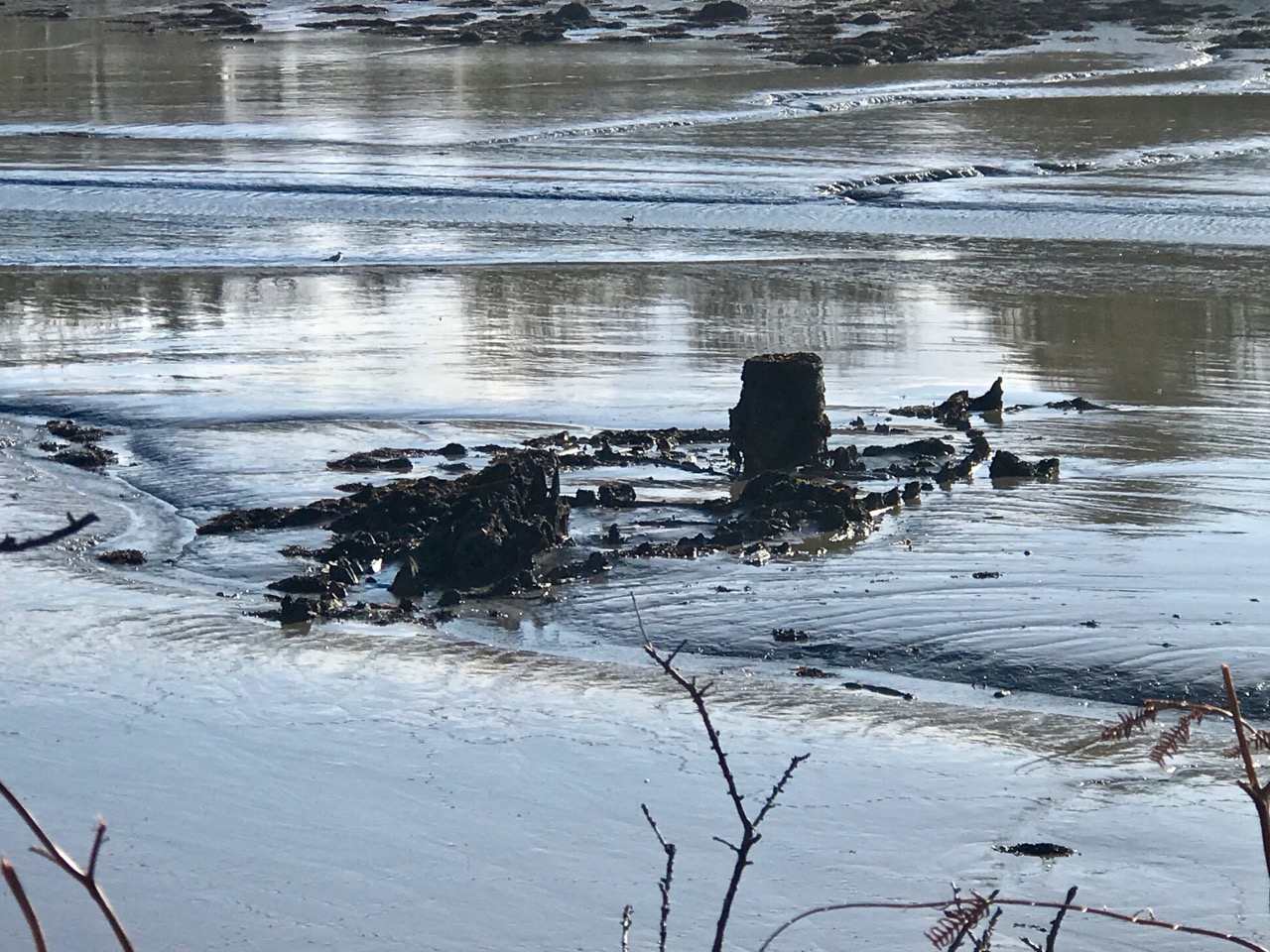
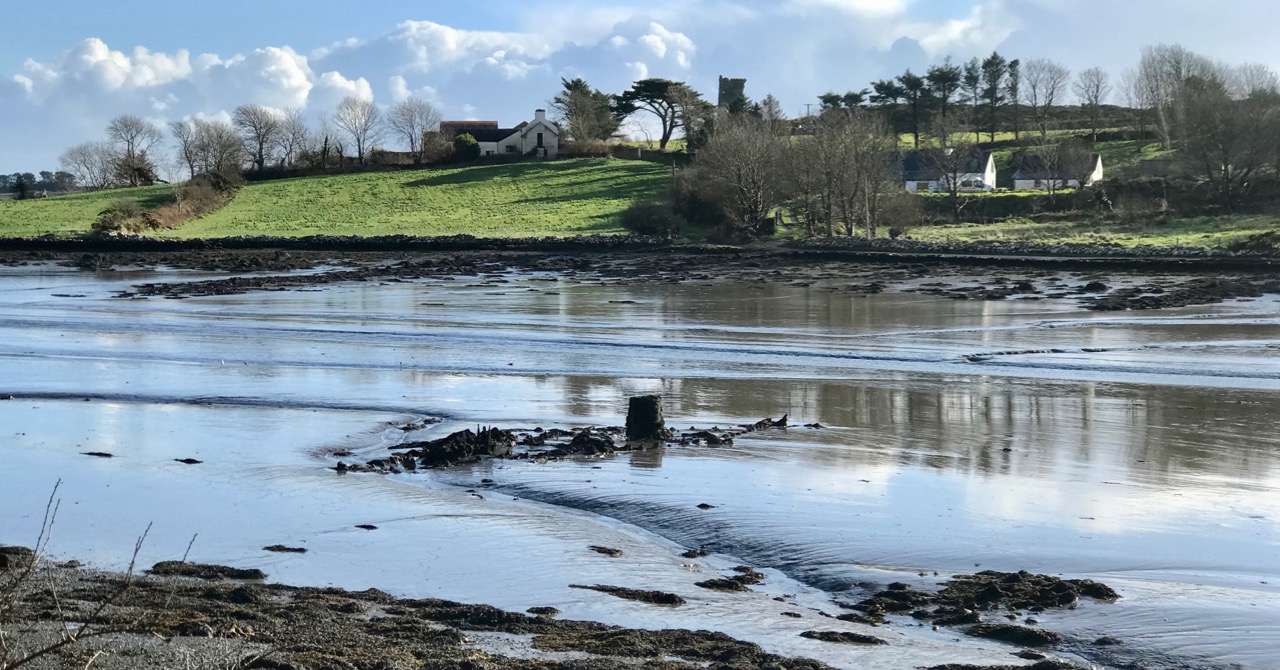
What is of interest to us is that – according to local tradition – there is the remains of one of the ‘nobbies’ or ‘dandies’ in Rossbrin Cove, just below where we live in Nead an Iolair. You’ll have to look at low tide: you can just make out the scuttled boat in the picture above, on the right in the middle distance. In the view below the wreckage is clear.

It was our near neighbour, Michael John, who told us that this was one of the Burdett-Coutts boats, and that it was named ‘Flying Foam’. He also remembered hearing a poem or recitation about the boat and its fate at some time in the past but – in spite of many enquiries locally – I can as yet glean no further information. Frustratingly, this is where the story is left hanging in the air . . . Perhaps a reader of this journal might have the memory and can enlighten us? We would love to find the poem!

Saints and Soupers: the Story of Teampall na mBocht (Part 7, the New Catholicism)

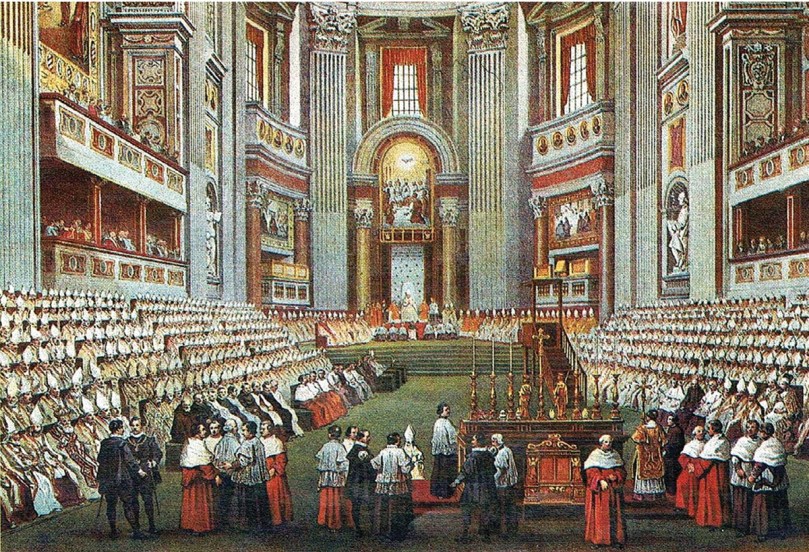
First Vatican Council

The Protestant Evangelical Crusade of the first half of the nineteenth century in Ireland was able to gain traction for two reasons. First, the Catholic Church, after centuries of suppression, was impoverished and underserved. While over 80 percent of the population was Catholic, there were relatively few priests, no seminaries to train new ones, no institutions of higher learning, few churches fit for purpose, few Catholic resources in Irish (the language of the people), and little access to primary education. Second, for the majority of the rural population, actual religious performance revolved not around church, mass and the sacraments, but around a variety of folk practices such as patterns at holy wells, stations, wakes, funerals and pilgrimages – events which started off with penitential prayers and offerings and often ended in drunkenness, revelry and even faction fights. Religious belief, meanwhile, was based on centuries of folklore, mythology and superstition mixed up with religion, so that saints and giants, pookas and devils, banshees and miracles, all became part of a rich melting pot of stories to underpin everyday behaviours.
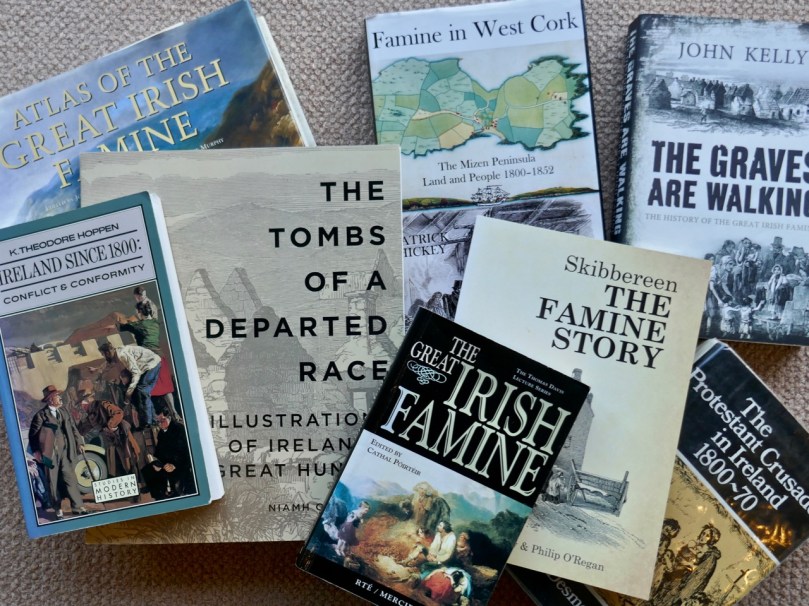
Some of the main resources I consulted for this series. All excellent reading, and towering over them all is Patrick Hickey’s meticulously researched study of the Famine in West Cork

During the course of the nineteenth century all of that was to change. The first half of the century saw significant advances. Catholic Emancipation in 1829, the establishment of the National School System in 1931 (soon dominated by, and ultimately controlled by the Catholics) and the Tithe Wars of the 1840s all galvanised the Catholic population into a new assertiveness. Many new churches were built in West Cork, mainly plain, barn-style buildings which were nevertheless a great advance on tumble-down mass houses or the open air, and some of which are still in daily use.

And then Ireland was struck by The Great Hunger. Over the ten years from 1841 to 1851 one in every four people in Cork died or left. Proportionately, of course, the poorer and more remote districts were hit the hardest. In the maelstrom of disaster, Catholic priests and Protestant Clergymen worked to alleviate the situation for their flock often together but sometimes, disastrously, in opposition to each other, as with the Rev Fisher in Kilmoe, and the ‘colonies’ in Dingle and Achill, leading to enormous resentment about ‘souperism’ but also to panic among the Catholic hierarchy about the inroads that the evangelicals had managed to make.
Archbishop John McHale of Tuam, Gallican and fiercely nationalist: Cullen disapproved of him (image licensed under Creative Commons,  Attribution: Andreas F. Borchert)

Enter the towering figure of Paul Cullen, Archbishop and later Cardinal, who was to dominate Irish Catholicism from his arrival as Archbishop of Armagh in 1849 to his death in 1878. According to Bowen, because of the increasingly Gallican attitudes of MacHale and his Episcopal supporters and their failure to discipline their clergy or to hold the extension of Protestant authority, the Vatican came to an important decision. The Pope would send to Ireland an ecclesiastic totally committed to the Ultramontane cause, and he would restore order among the faithful. The ecclesiastic who came as papal delegate and Primate was Paul Cullen.
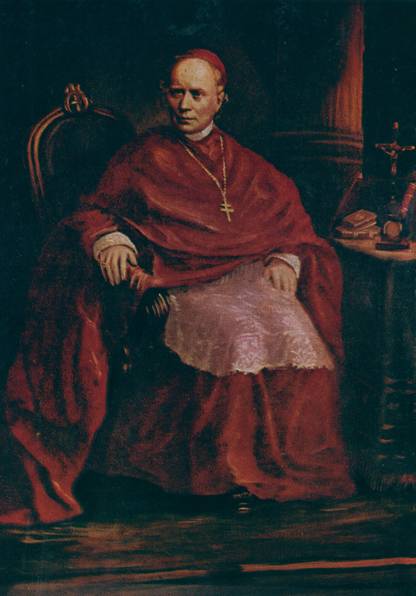
Cardinal Paul Cullen

Gallican, in this context, refers to a philosophy that respects the state in civil matters and religious authority on spiritual matters – a ‘render unto Caesar’ approach to which many Irish priests, trained on the continent, adhered. As Daniel O’Connell expressed it in 1815, I am sincerely a Catholic, but not a Papist.
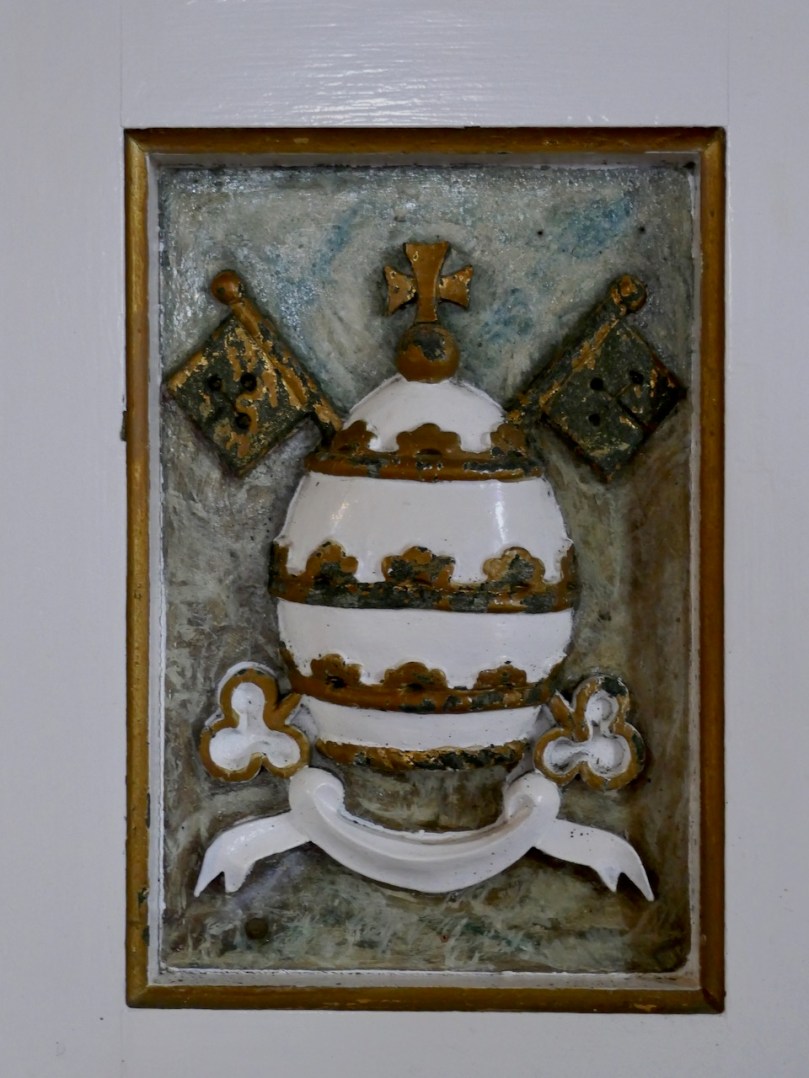
Cross Keys, The Papal Insignia. This one was spotted in a small Catholic Church in West Cork; look out for it in churches built after 1850.

Ultramontane Catholicism was the opposite – it placed papal authority as central to the conduct of the church and its members. In part, nineteenth century Ultramontanism was a reaction to the horrors of the French Revolution but also to the nationalistic policies of Bismarck which imposed state supervision on church activities. Cullen was an arch-Romanist. In his engaging study Ireland Since 1800: Conflict and Conformity, Theodore Hoppen says, Cullen, one of the towering figures of modern Irish history, had spent virtually all his earlier career in Rome where he had been inoculated against liberalism in its continental form

Cullen’s first major initiative was the Synod of Thurles in 1850. Hoppen again:

Patterns now stood condemned as potentially immoral. Wakes were to be sanitised and all the other rights of passage – funerals, baptisms, weddings – brought under clerical auspices alone. . .

Before the 1850s were out he had imposed Draconian loyalty oaths upon the staff and insured that both Maynooth and the new Seminary founded for his own diocese at Clonliffe in 1859 were henceforth to produce only priests totally committed, at least in theological and social terms, to his own version of the clerical role. While this did nothing to encourage intellectual endeavour within the church, it proved highly efficacious in producing a steady stream of those dogged pastoral moralists who, armed with the rulebook at once precise and immutable, could alone have furnished the kind of religious justification and guidance which important sections of the laity increasingly demanded and required.

The reference to ‘sections of the laity’ reflects the emergence of a new rural class. All over Ireland population decline after the famine was hastened by mass evictions as landlords took advantage of the situation to consolidate their holdings. In the second half of the century a new class of ‘strong farmers’ emerged who were to become the backbone of rural life. Seeking respectability, conservative, passing on their farms only to the eldest son, finally approaching financially security and land ownership, they supported the hierarchical and puritanical expression of religion represented by this new Catholicism. Cullen came from, and kept in close contact with, this very group.
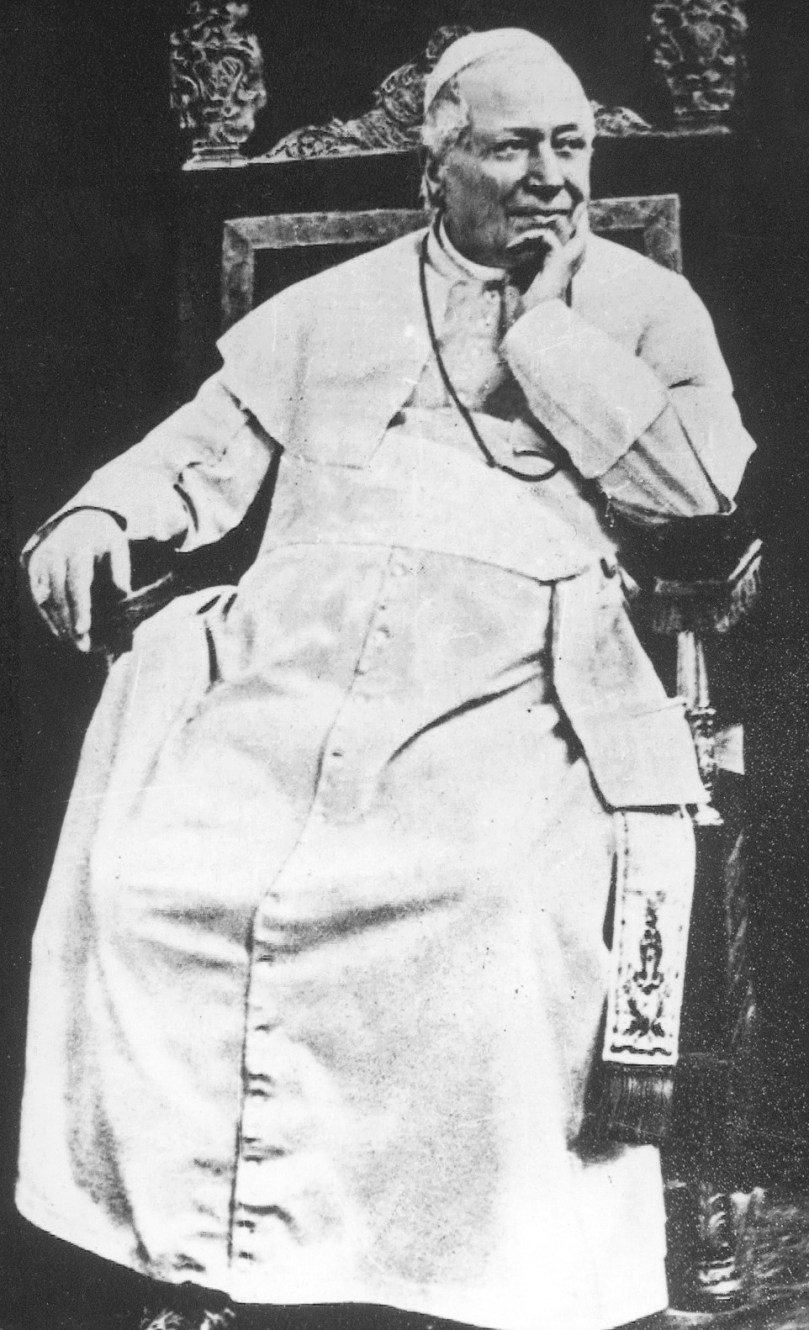
Pope Pius IX

Cullen was extremely well connected within the Vatican and indeed was a personal friend of Pius IX, still the longest-serving Pope and one of the most centralising and controversial. He could rely on Cullen for support – and needed it to get the infamous doctrine of Papal Infallibility passed at the First Vatican Council in 1868 (that’s my lead image for this post). It outraged not only Protestants but liberal Catholics too – a breed that still clung on to some influence as the century wore on, but were ultimately on the losing end of Irish religious history. Charles Kickham, for example, one of the Fenians and a revered writer, was a constant critic of Cullen’s ultramontane activities. Cullen dismissed him as a cultural Protestant.
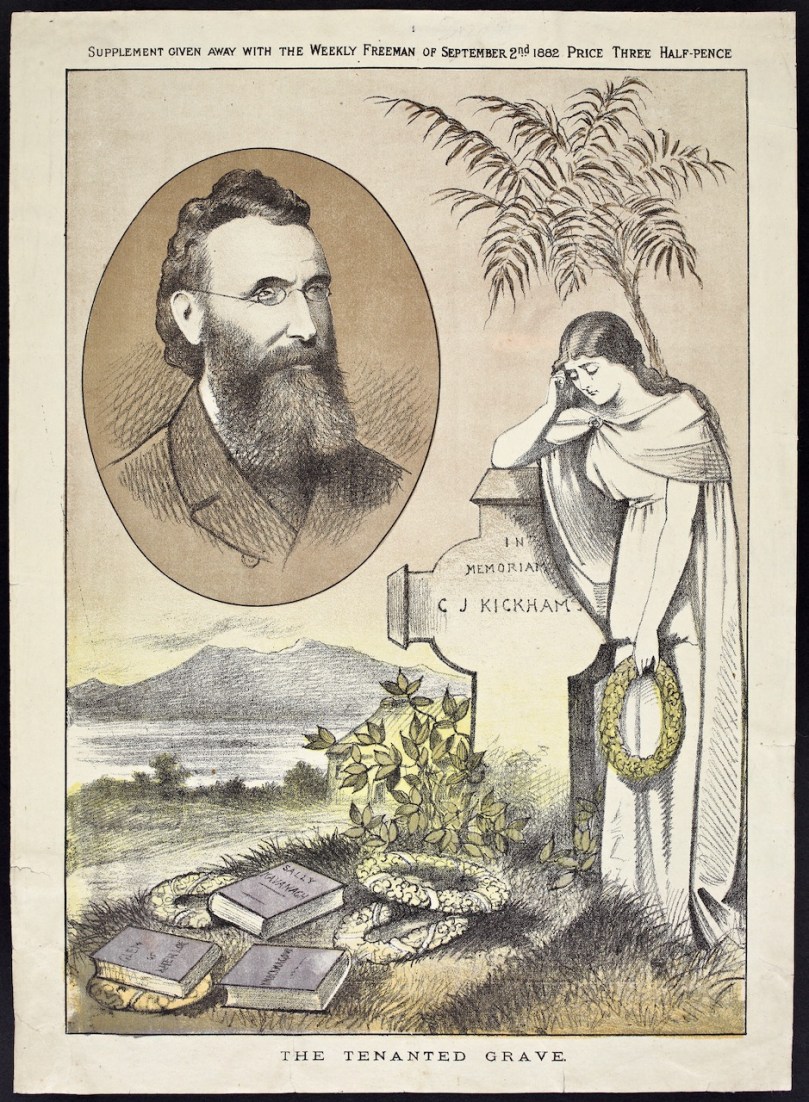
Charles Kickham. This image is reproduced courtesy of the National Library of Ireland (with permission)

Others, such as Charles Gavan Duffy, according to Bowen had to flee the kind of Ireland that Cullen had created, where the ‘power of the priest is the one unspeakable, unmentionable thing’. So long as their presence was felt in Irish Catholicism these people were to experience the full force of Cullen’s inquisitorial instincts.
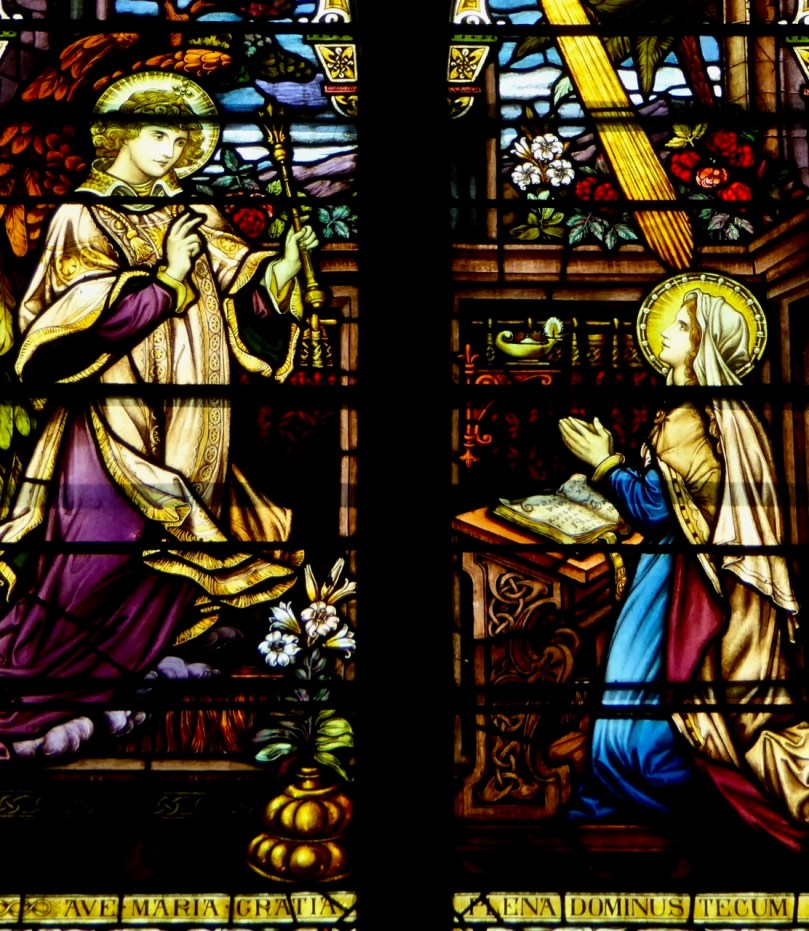
Marian imagery starts to dominate much Catholic Church decoration in this period

It is at this time that the great period of Catholic church building commenced and triumphalist cathedrals and churches were erected all over Ireland, often on the highest piece of ground in the town. ‘Roman’ initiatives such as an emphasis on Marian worship (Cullen helped to usher in the ‘doctrine’ of the Immaculate Conception in 1854), Novenas and Sodalities, ‘Miraculous Medals’ (the Vincentians had distributed these in Kilmoe and they were much derided by the Protestant clergymen) and of course a continuation of the yearly missions or retreats where the faithful were encouraged in their faith (or whipped into line, according to your perspective) by specialist itinerant preachers. Often referred to as Cullen’s Devotional Revolution, forms of worship settled into the pattern we often now consider ‘traditional’ Irish Catholicism.
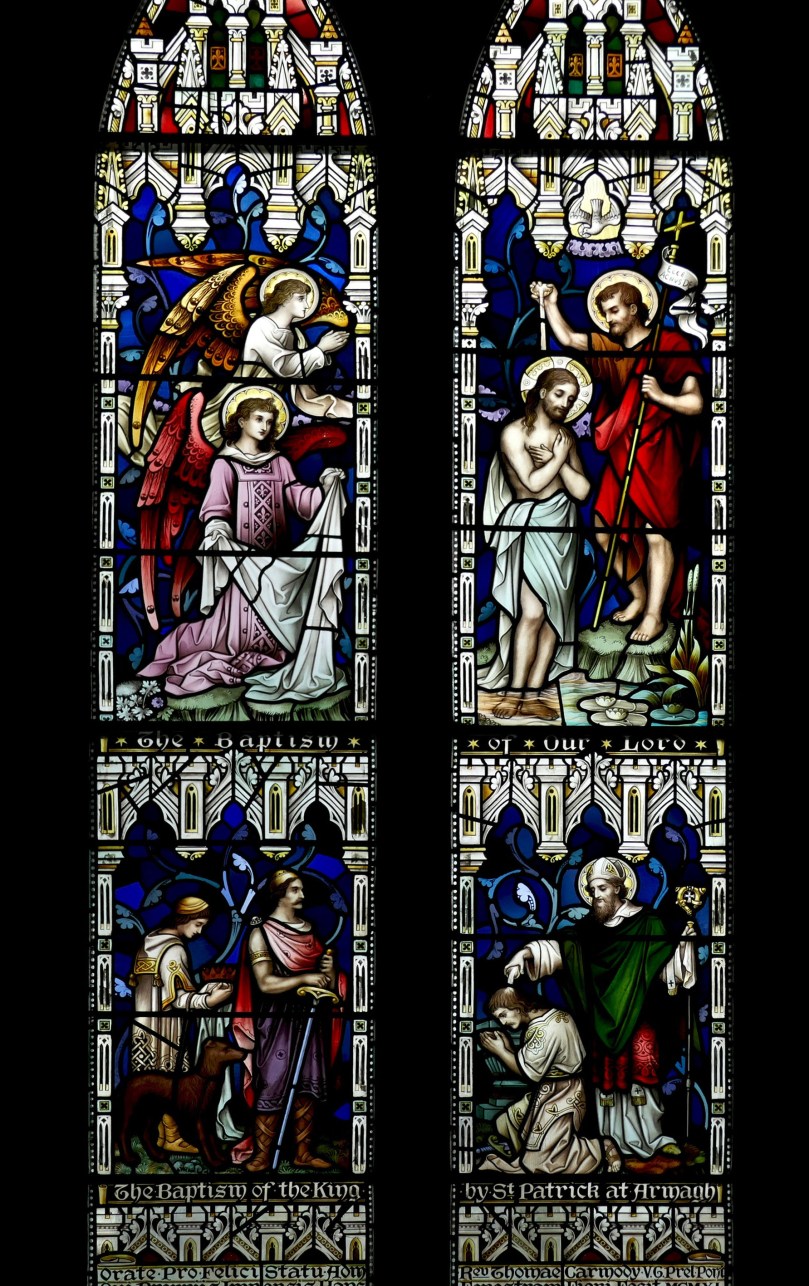
In this window from Killarney Cathedral a direct parallel is drawn between the baptism of Jesus and the conversion activities of Patrick

Stained glass and statuary of the period is a fascinating mix of the continental (the Italian holy statue factories must have been doing a booming business) and the local, as priests incorporated their own parish and diocesan patron saints into the overall decorative plan. Killarney Cathedral, started in 1842 but interrupted by the Famine, was ready for worship by 1855. Decoration was added as time went by, including a set of windows clearly designed with an Ultramontanist message in mind – they draw clear parallels between Irish saints and martyrs,  the life of Christ, and the ultimate authority of Rome. It’s quite a demonstration of verbal and visual sleight of hand, and a powerful message to the congregation.
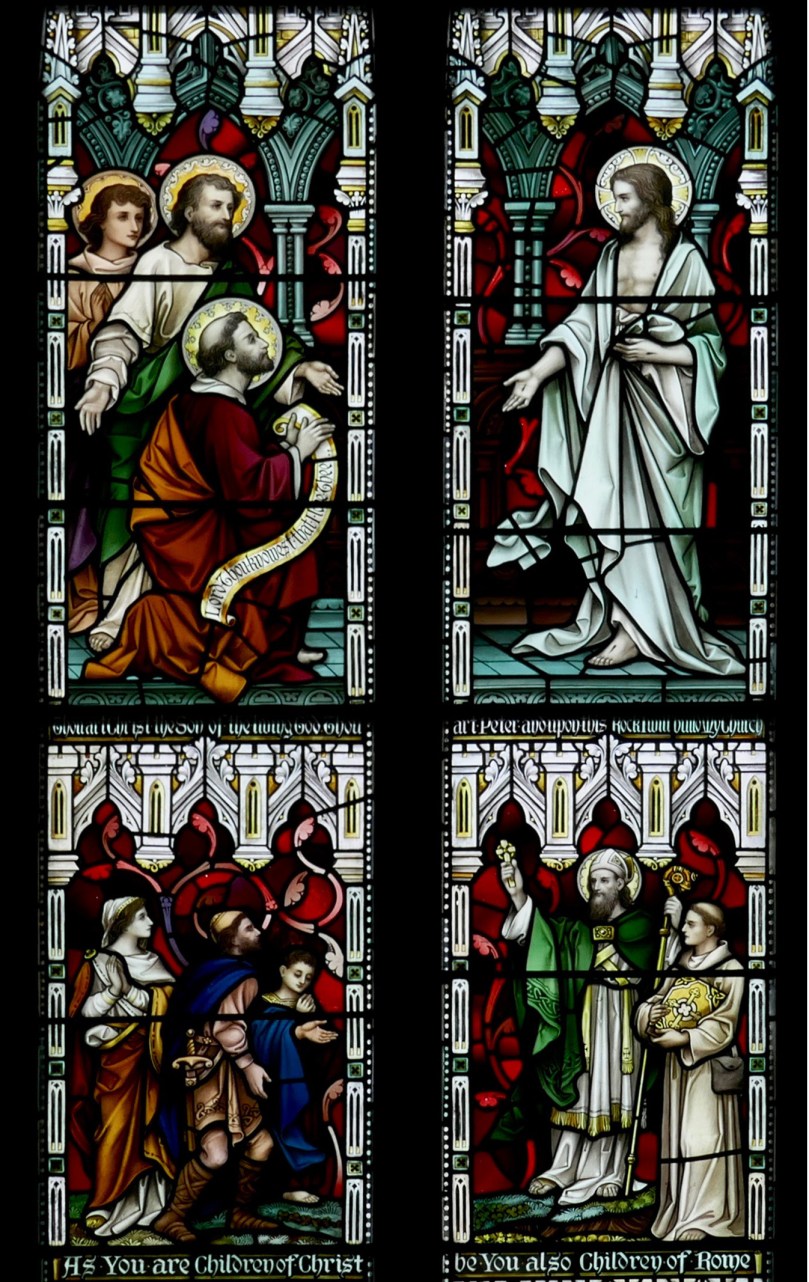
And in this one the message is direct – look to Rome for spiritual guidance. A message from St Patrick himself

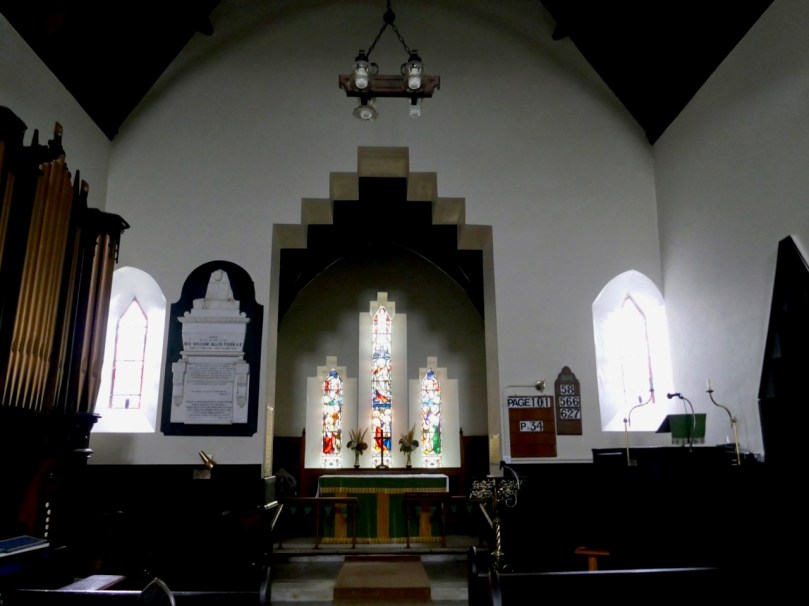
In Kilmoe, Fisher had built his own Church of Ireland church in Goleen in 1843 – the one that is now, for want of parishioners, in use as a sail making workshop. In contrast, the large Catholic ‘Star of the Sea and St Patrick’ Church stands on the hill, dominating the town and is very active. It was built in 1854, only a few years after the devastation of the famine, quite an amazing testament to the resilience of the population and the growth in influence and economic power of the Catholic church.

Goleen with the Catholic Church dominating the skyline

It is also, of course, a reminder that the Church of Ireland was finally disestablished by the Irish Church Act of 1869 under Gladstone.  
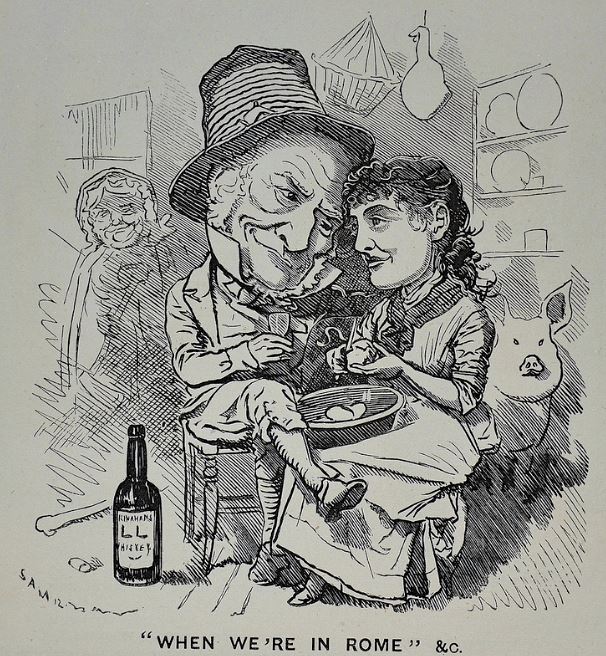
A typical Punch cartoon, this one showing Gladstone cosying up to the Irish.  And of course there’s a pig, potatoes, whiskey and a none-too-subtle reference to Rome – all the tropes of Victorian images of Ireland

This Ultramontanist Catholicism was the church I grew up in, walking up to mass every Sunday in the Holy Redeemer in Bray (built in 1895), going to confession on Saturdays, attending the Children’s retreats and participating in the Corpus Christi parade. Although I knew Protestants because we lived beside them, I had never been in a Protestant church. I attended a national school and an all-girls convent school run by the same order of nuns (the Loreto order) that set up convents all over Ireland in the nineteenth century. It always puzzled me that we called ourselves Catholics but the Protestants always insisted on calling us Roman Catholics. I understand why, now.
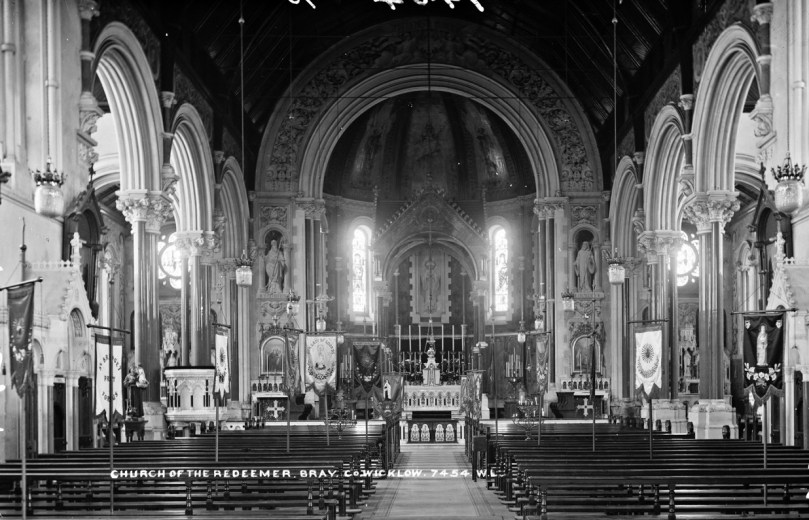
This is it, the Church of the Most Holy Redeemer in Bray – note the sodality banners and the extreme ornamentation. It’s much plainer now, having been toned down considerably in the post-Vatican II era. (This image is reproduced courtesy of the National Library of Ireland, with permission)

I’ve learned a lot about my own history in the course of this series and about the kind of attitudes I grew up with (and which, if I am to be perfectly honest, can still stir inside me in certain circumstances, despite the fact that I am now a non-believer). I suppose awareness of our history and constant vigilance against ingrained prejudice and facile assumptions has to be our watchword if we are not to perpetuate the mistakes and schisms of the past.
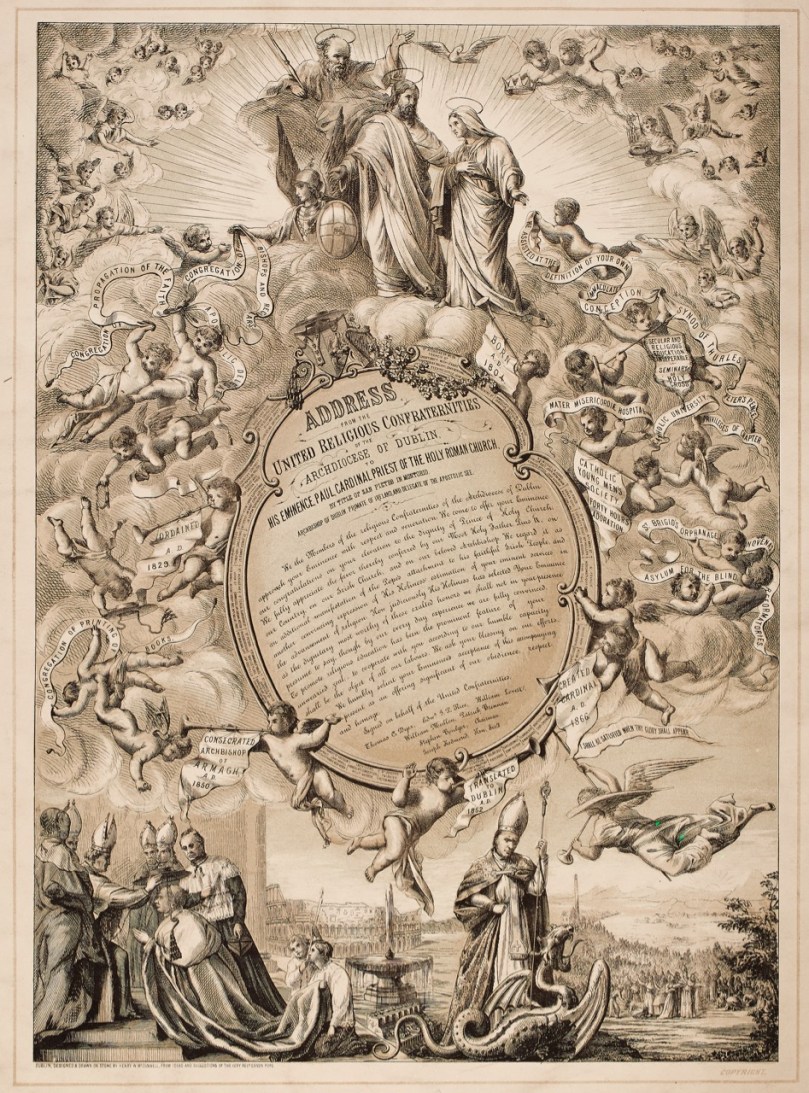
It’s worth enlarging this extraordinary print and having a good look. It’s an address to Cardinal Cullen, enumerating his many achievements. I love the bottom right image of him defeating the dragon. What evil does this dragon represent? I think you can choose one of several candidates. (This image is reproduced courtesy of the National Library of Ireland, with permission)

And what conclusions have I come to about Fisher – was he a Saint or a Souper? He was both. He worked incredibly hard and succeeded in saving hundreds, Catholic and Protestant, from the worst ravages of the Famine, and he died of famine fever himself. But his enthusiasm for his own narrow definition of Christianity drove him to alienate his Catholic counterparts by seeing the Famine as God’s punishment on Romanist intransigence, and to conflate the need to save bodies with the imperative to save souls.
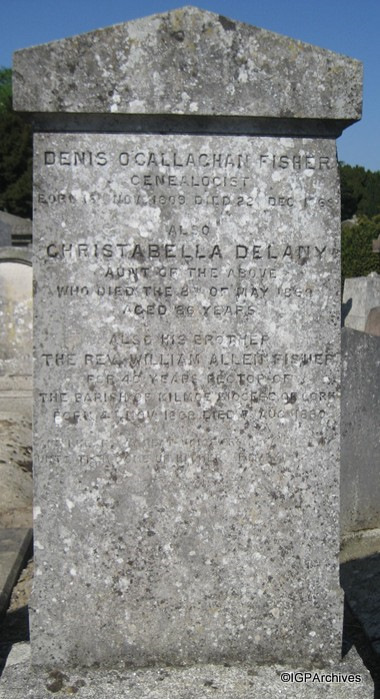
Fisher’s gravestone, in Mount Jerome, Dublin. I am not sure why he would have been buried there, since he died, I think, in West Cork. Perhaps he is simply commemorated on this stone, on the grave of his brother and sister-in-law (© IGP Archives)

I am left with an abiding sense of sadness that the events of the mid-nineteenth century, as symbolised for me by the story of Teampall na mBocht, have left a legacy of sectarian division in Ireland. Perhaps now we can leave Fisher – and all the other crusaders and reformists and counter-reformists – to lie in peace.
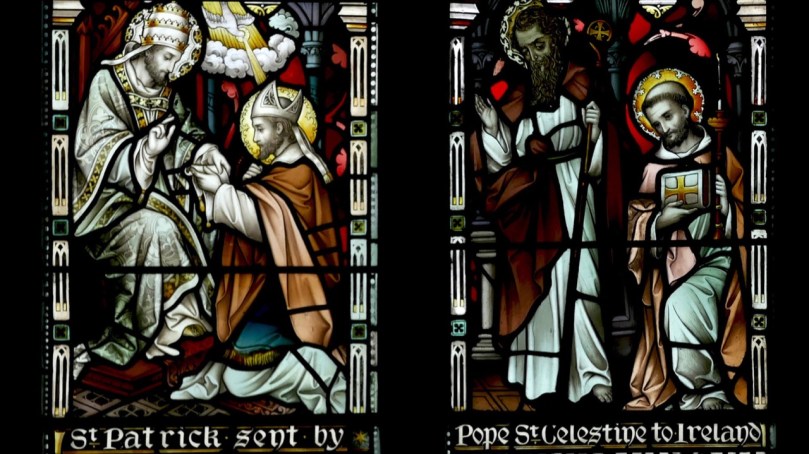
A reminder, in one of the Killarney windows, that Patrick was sent by the Pope

I’d like to end with the words of Carlo Gébler, reviewing John Kelly’s excellent book on the Famine, The Graves are Walking:

It’s tempting, with figures as obdurate and flawed as Trevelyan, to judge them by our standards and find them guilty of crimes against humanity – but. . . be advised: Kelly has no truck with this type of transaction. On the contrary, as he firmly but politely reminds us at every turn, all the participants in this miserable saga were made what they were by their period, should be judged only by standards of their time, and, however, we might wish it weren’t true, did believe they were doing right.
None of this is easy to accept, but part of growing up as a country is that we allow those we hold responsible for our woes the integrity of their beliefs, no matter the suffering they caused.

This link will take you to the complete series, Part 1 to Part 7

Fish Palaces – and How They Worked

Four years ago I wrote about the fishing industry that once flourished on the shores of Roaringwater Bay (and around much of the west coast of Ireland): according to extant records it was active before 1500, and probably had its heyday in the seventeenth century, when it was heavily invested in by the Great Earl of Cork (Richard Boyle, sometimes described as ‘the richest man in the known world’). In those days, pilchards were the main catch: huge shoals of them came to the comparatively warm, sheltered waters of the islands during the summer months, along with other oily fish such as herring and mackerel. Seine boats were commonly used for this enterprise. Today, pilchards are rare: through a combination of overfishing and changing climate, the bountiful shoals no longer appear.

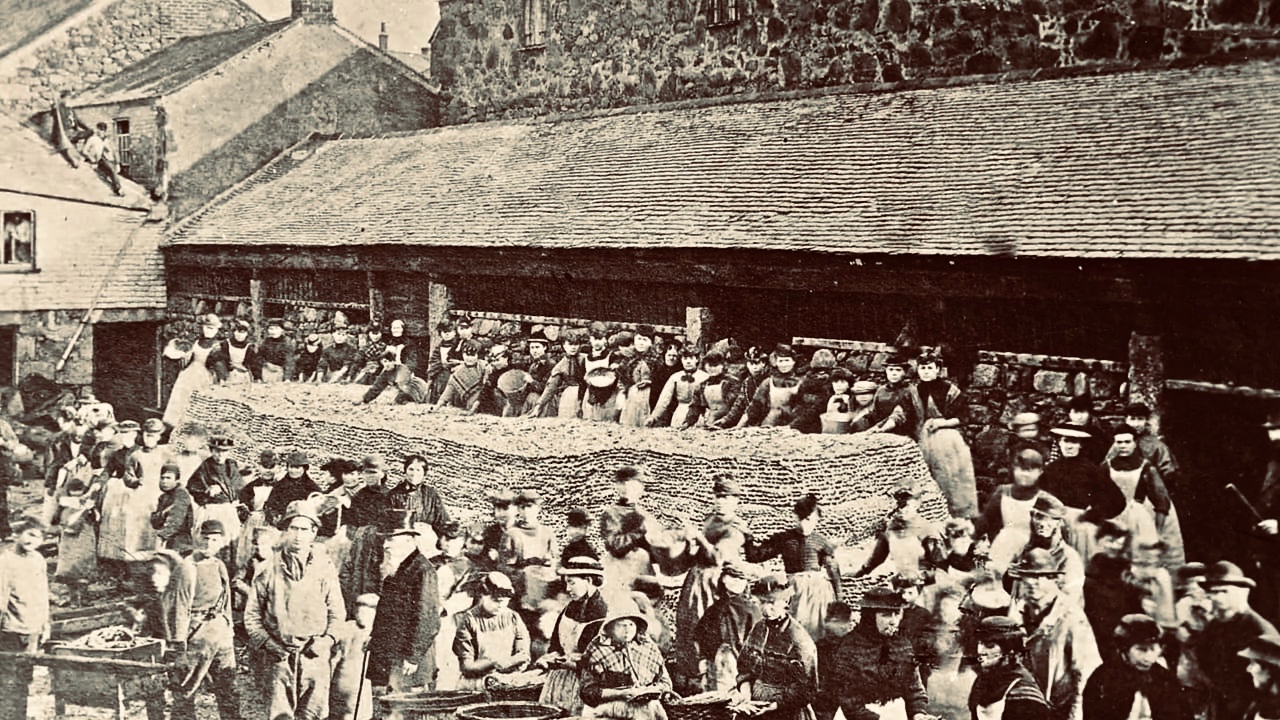
Header – pilchard curing in St Ives, Cornwall c1890: the pilchards are piled up in layers, forming the huge mound in the centre of the photograph. They are salted and weighted down. Above – curing the fish, Valencia Island, Co Kerry, early 20th century (Reddit / Ireland)
Shooting the Seine:

There were two boats per seine net, the seine and the faller. The seine boat was 27 foot long with a beam close to nine foot. The golden rule on the Northside was to never get into a boat whose beam was less than one third its length. The seine boat had five oars of about 17 foot (bow, Béal-tuile, aft, bloc and tiller oars). The crew of seven had to shoot the seine net; one man shooting the trip rope, another to feed out the bunt rope, four men rowing and the huer (master of the seine and captain of the boat) directing the operation. The faller (or bloc) boat was 24 foot long with a crew of five. Its job was stoning and to carry any fish caught. The largest load a faller could carry would be around 5,000 fish. All boats carried a Crucifix and a bottle of Holy Water.
(from Northside of the Mizen by Patrick McCarthy & Richard Hawkes, 1991)

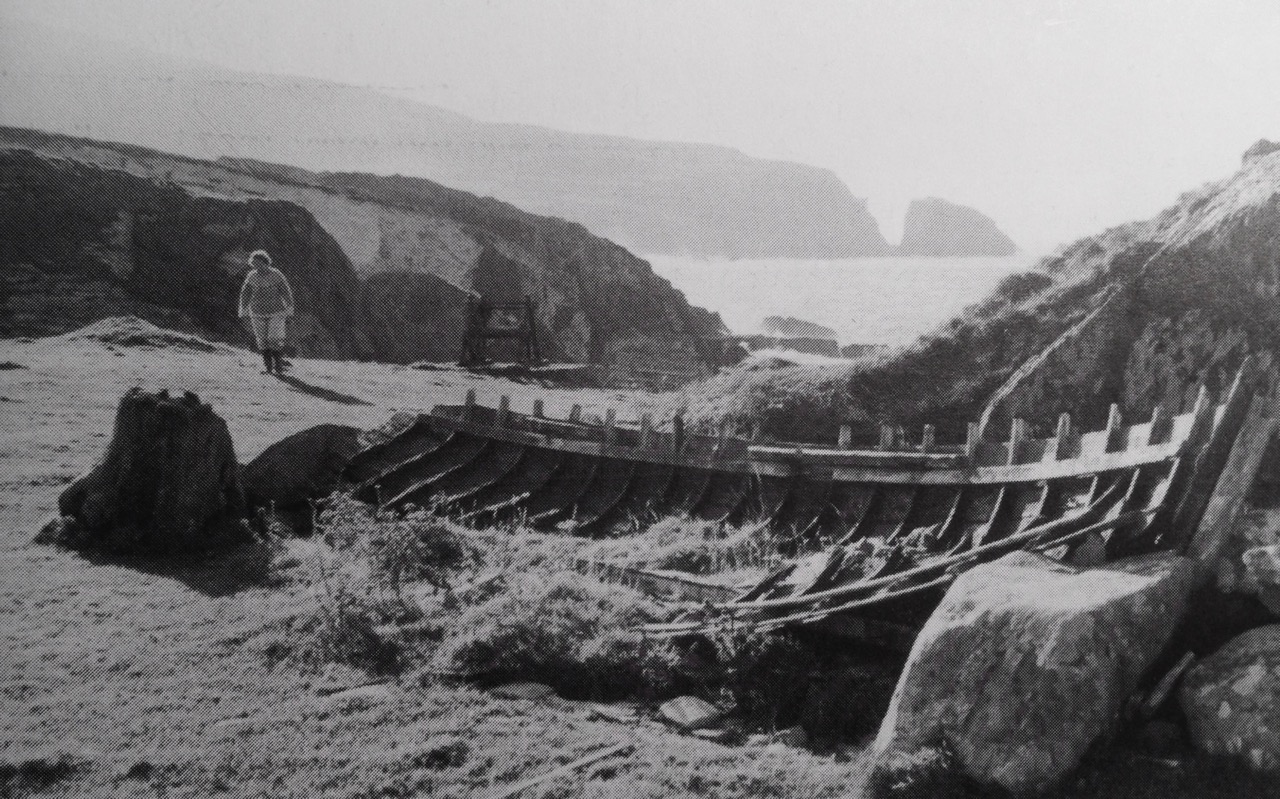
Twentieth century remains of a seine boat, from Northside of the Mizen

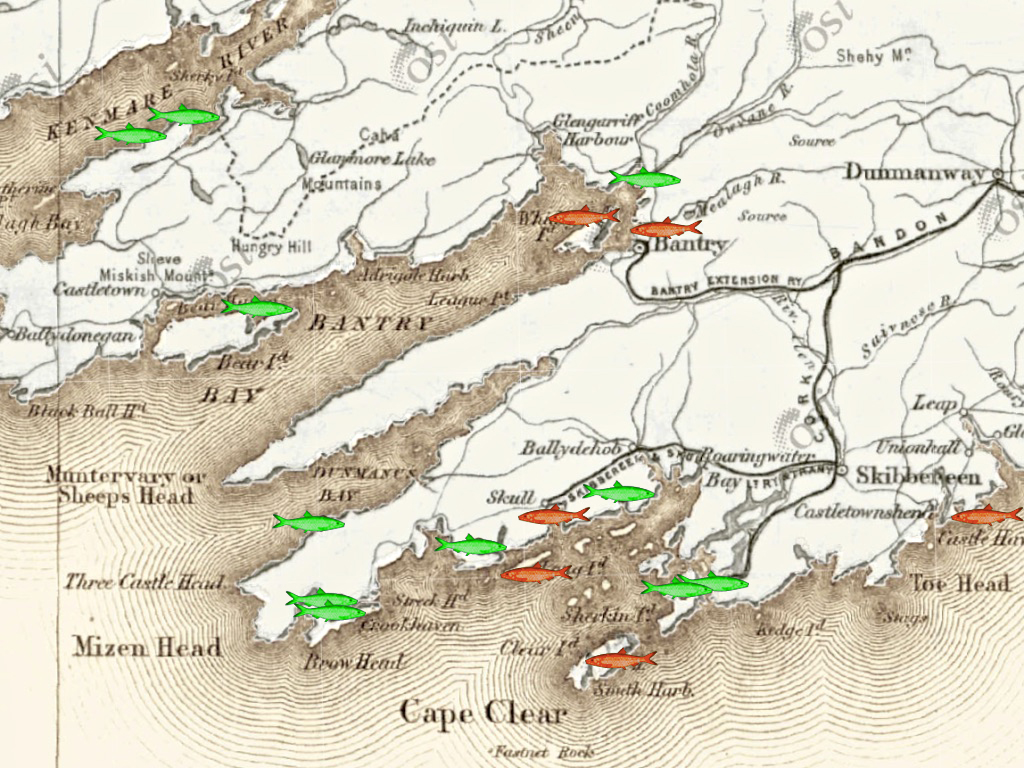
If the fish are gone, remains of the machinery of that industry are still to be seen. In particular, the sites of some of the curing stations – or Fish Palaces – are visible, and are recorded on the National Monuments Archaeological Survey Database. Take a look at the map below: I have drawn green pilchards to show the sites of fish palaces mentioned in the database – eleven in all on this section of the map. Also shown by red pilchards, however, are the sites of another six ‘curing stations’: these are mentioned in a long article by historian Arthur E J Went, Pilchards in the South of Ireland, published in the Journal of the Cork Historical and Archaeological Society in 1949: Volume 51, pages 137 – 157.

Known sites – or historical mention of – fish palaces (curing stations) in the South West of Ireland (information from  National Monuments database and  Arthur E J Went, Pilchards in the South of Ireland 1949)

The active fishing of pilchards on a large scale in Ireland has been discontinued for many years so that, unlike Cornwall, there is little left, apart from published records, to indicate its former importance. There is, however, published information as to the methods of fishing, and a few sites of old curing stations, frequently called pallices, can still be identified.

from Arthur E J Went, Pilchards in the South of Ireland, 1949

Arthur Edward James Went (1910–80), noted fisheries biologist and historian, lived at Sandycove, Co Dublin. In 1936 he was appointed Assistant Inspector of Fisheries in the Department of Agriculture, Dublin, and later was promoted to the position of Scientific Adviser and Chief Inspector of Fisheries

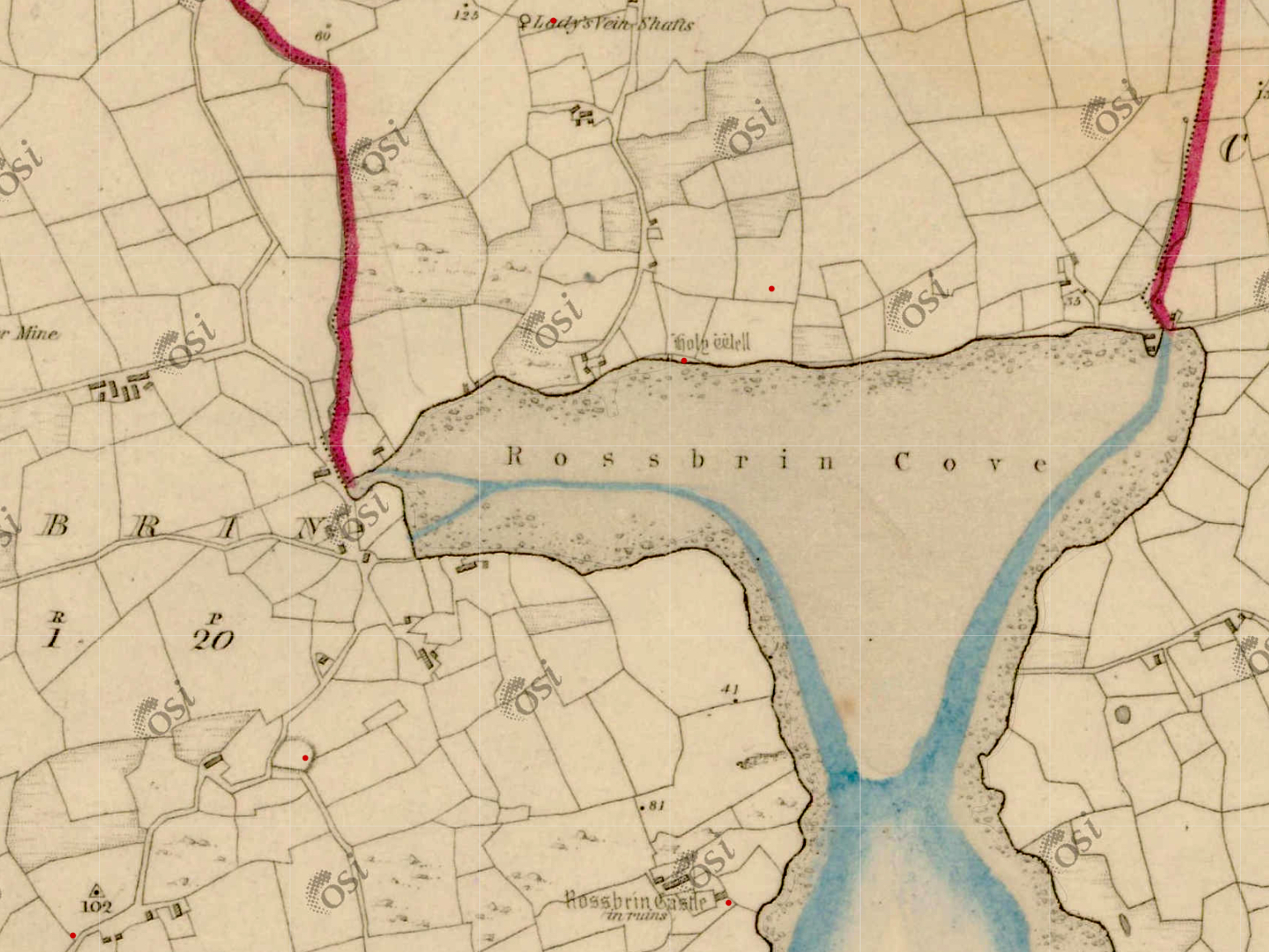
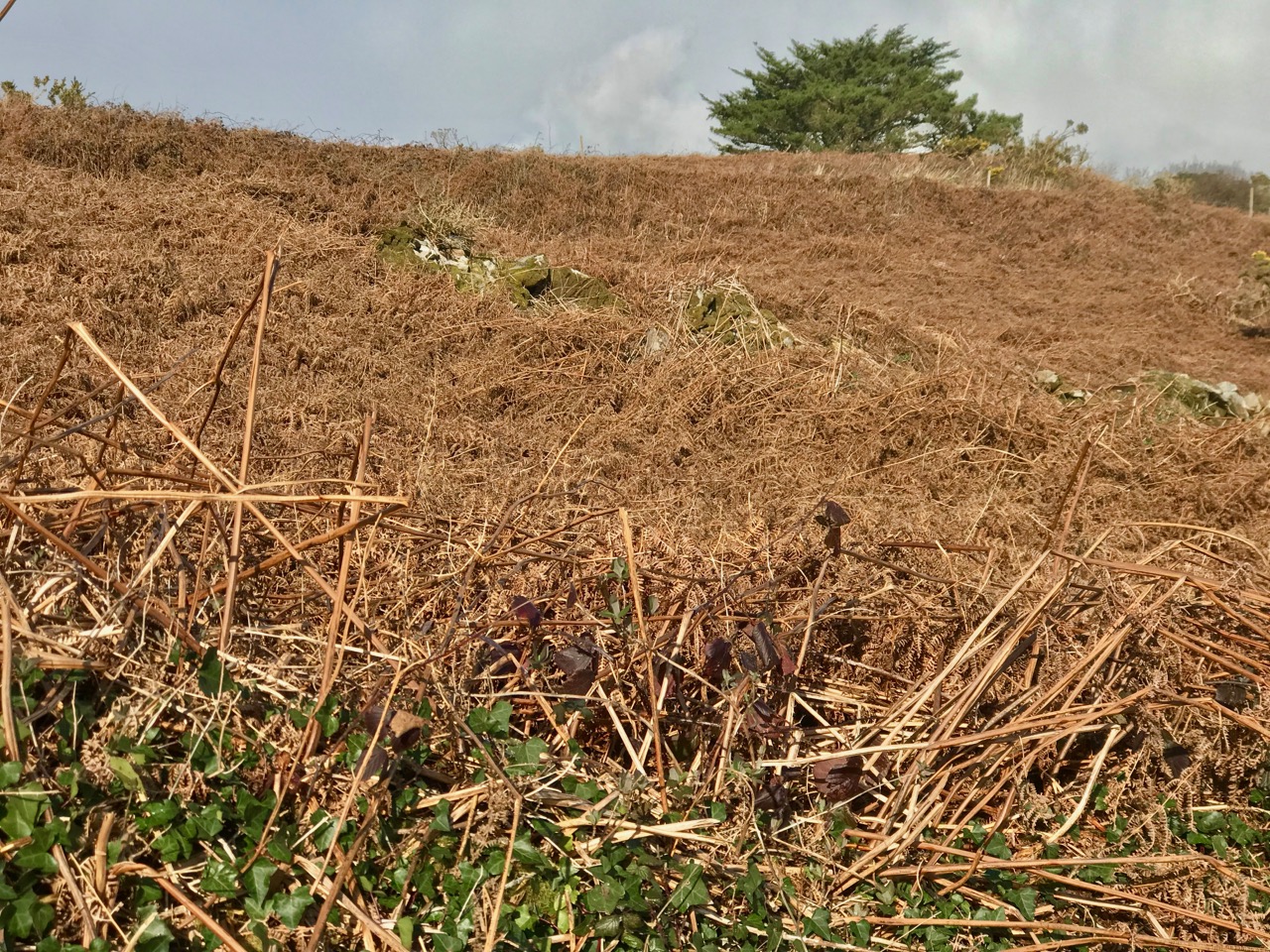
As explorers of all things historic and archaeological – particularly in West Cork – Finola and I couldn’t resist visiting some of the sites of Palaces – or Pallices – documented in these studies. We have always know about the one nearest to Nead an Iolair, in Rossbrin Cove – it’s just down the road: a perfect sheltered harbour, although it does dry out at very low tides. However, there seems to be some debate about exactly where this one is located. It would date from the time of William Hull and the Great Earl of Cork, so how much would be left after 500 years? There is a field on the north shore of the Cove with an old name: The Palleashes which, according to Arthur Went (quoting local tradition), was the site of a curing station for pilchards, operated by the ‘Spaniards’. There seems to be some difference of opinion locally as to which of the many small fields here is the actual site, although it is likely to be close to the large, now modernised quay, as this shows up on the earliest maps.

In the upper picture: the quay at Rossbrin is still used by small fishing boats today. Centre – the field above the present quay may be The Palleashes, and therefore could be the site of the medieval fish palace: there are very overgrown signs of stone walls here. Lower picture – the old 6″ OS map, surveyed around 1840, shows a lane accessing the area above the quay (to the left of the ‘Holy Well’ – that lane is no longer there today) and there are buildings close to the shore which could indicate the palace. In 1840 there was no road running along the north shore of the Cove, but the strand at low tide would have been used as a thoroughfare. Just above the ‘Holy Well’ indicated on the shoreline – and slightly to the right – is a small red dot. This is the area shown by Arthur Went as the possible site of the fish palace (and subsequently marked as such on the Archaeological Database); in my opinion it is more likely to have been directly accessed from the water.

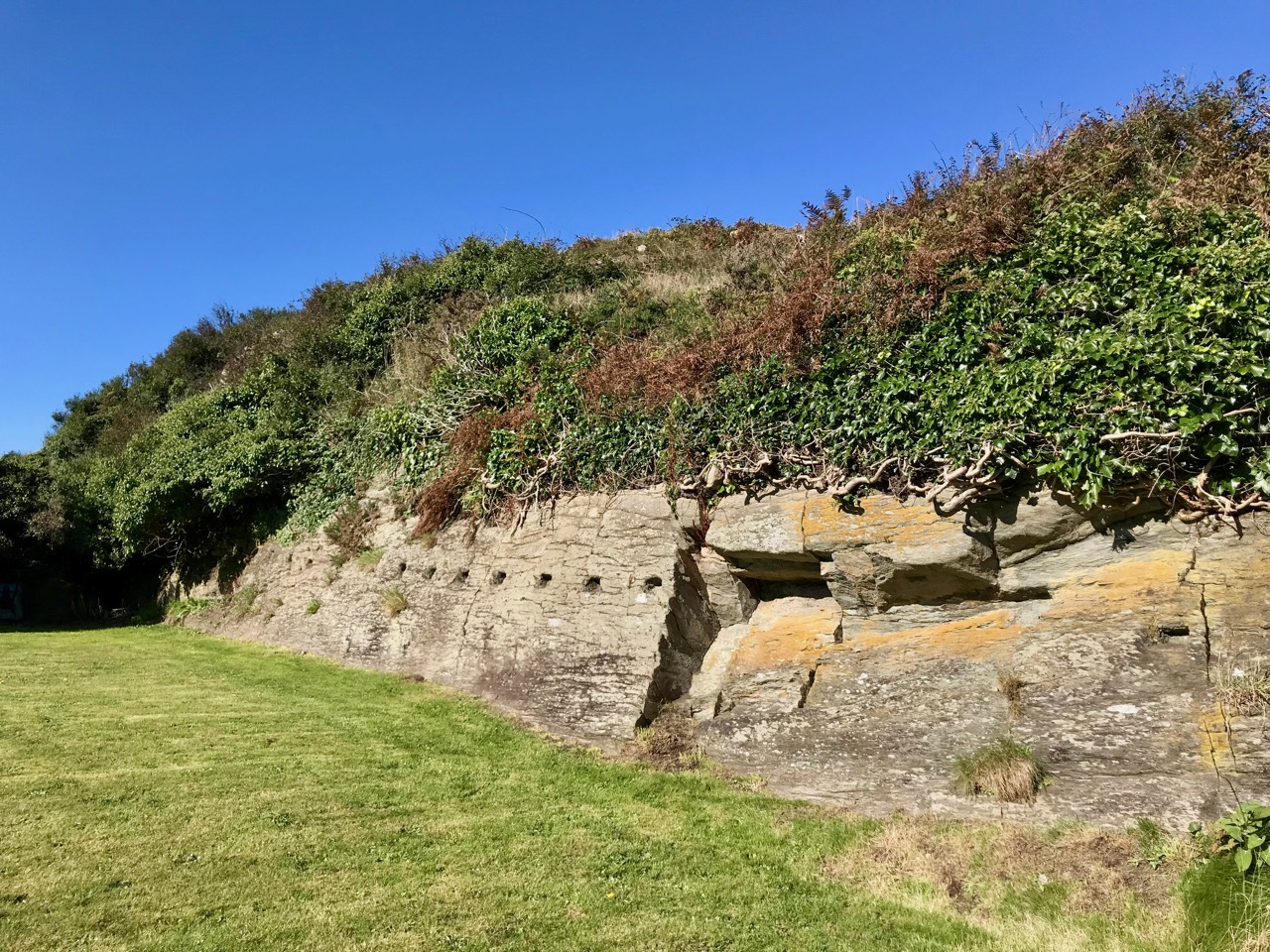
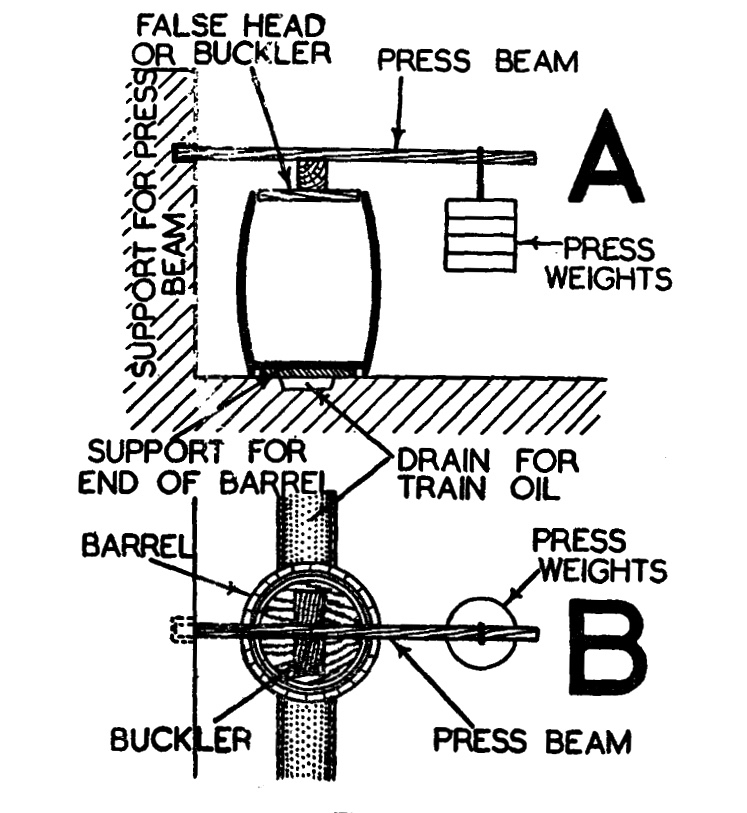
A sure sign of the site of a fish palace is a line of perforations or holes – as can be seen above at Baltimore, where a substantial curing station is recorded (although it may only date from the nineteenth century). Large timbers were inserted horizontally into these holes to form a ‘press beam’ to provide leverage for bucklers to squash out the oil from the salted pilchards, as shown in Arthur Went’s diagram, below:

The ‘Train Oil’ – produced from the compressed pilchards – was a valuable commodity, and was collected to be stored and used for treating leather, and as fuel for lamps. As a by-product of the pilchard industry it was said to be as valuable as the fish themselves.

Palace Strand, in Schull

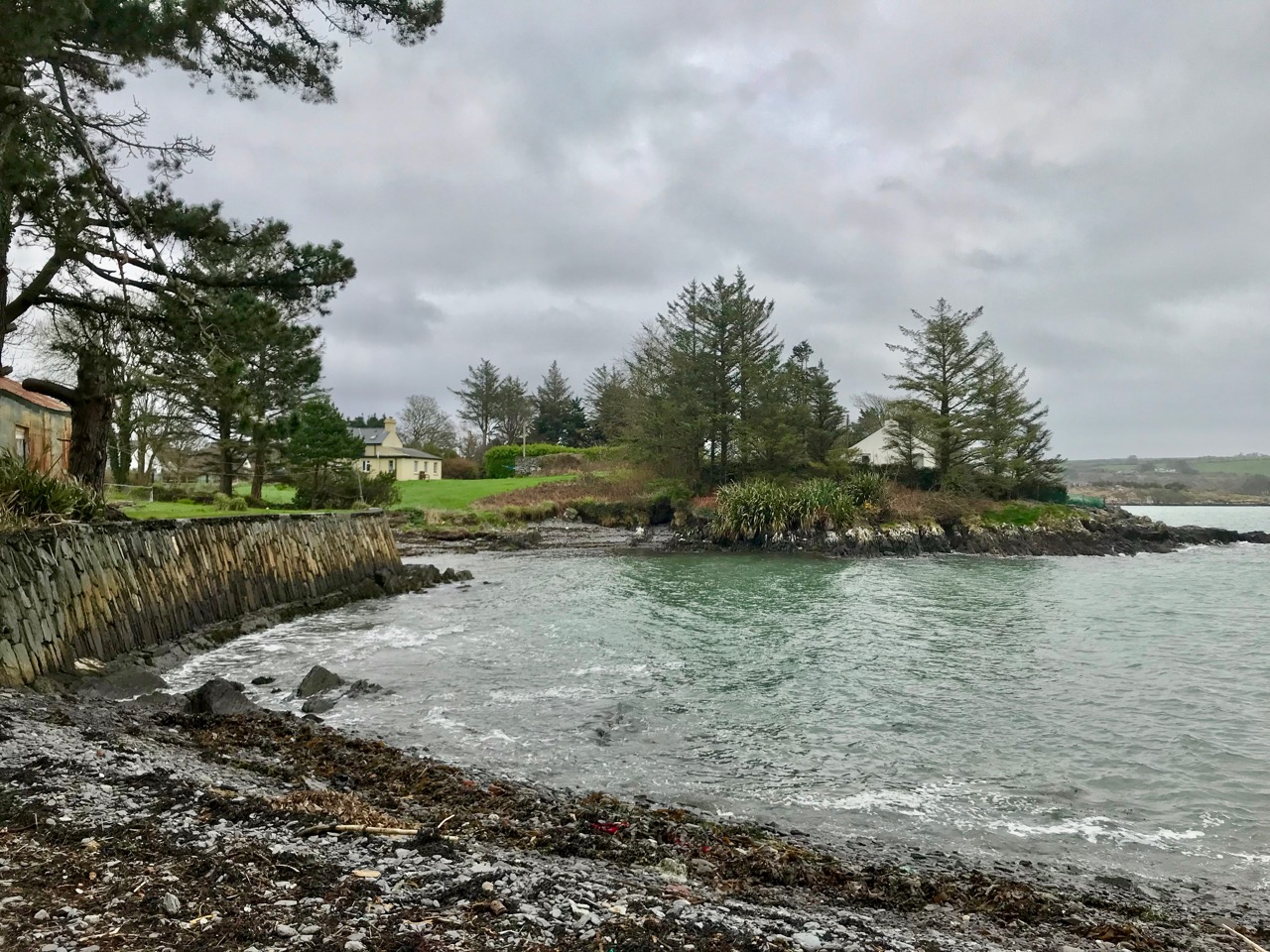
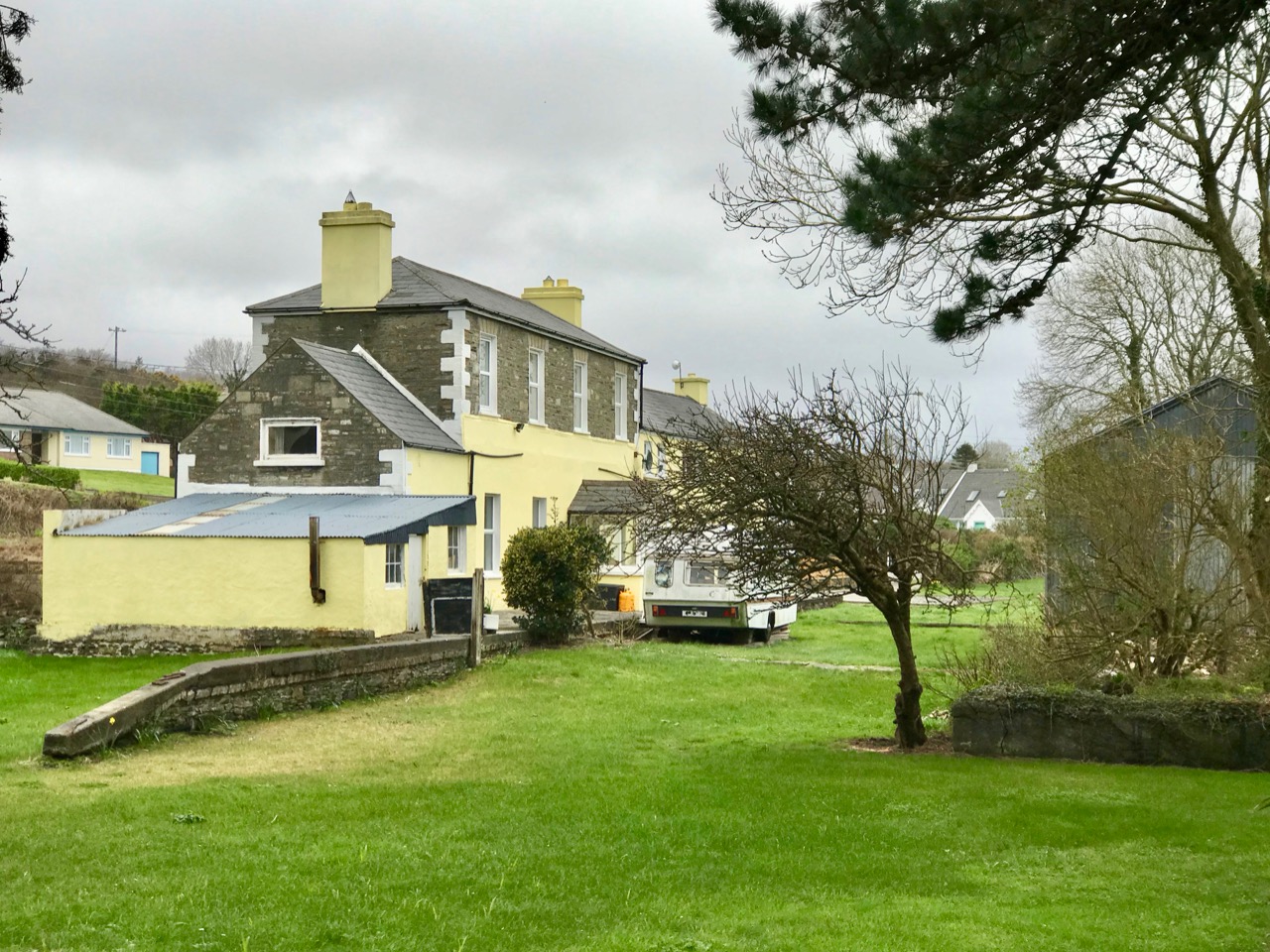
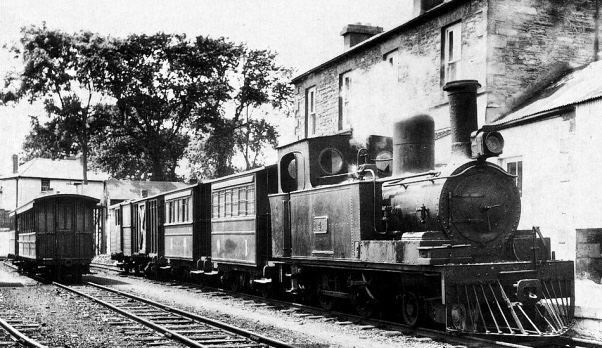
To continue my researches I went along to Schull, where Arthur Went mentions a ‘Palace House’ on ‘Palace Strand’ – an inlet just to the east of the main harbour. This is right beside the old railway station which was not quite the terminus of the Schull & Skibbereen Railway, as a spur went on from the station to serve the harbour itself. The station buildings and part of the platform are still there – now a private residence. I could not find anything in the area shown on Went’s map at the east end of the strand, but I did find something at the west end.

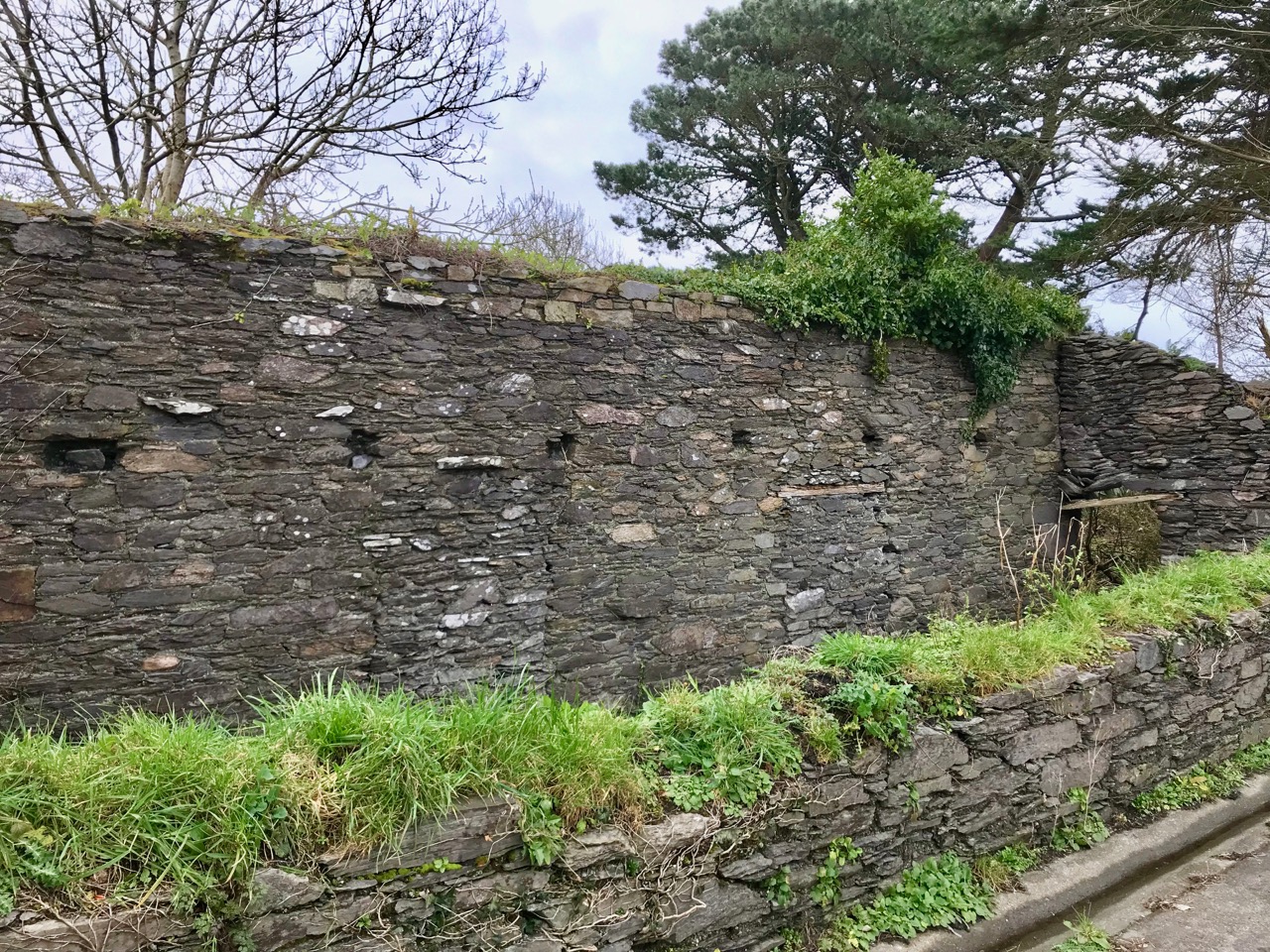
In the upper picture is a wall on the western boundary of the old station site in Schull. This contains beam holes very similar in size and spacing to those we have seen in fish palaces elsewhere: it’s very tempting to think that this wall – now part of a derelict building – may have had this purpose, as it is well situated close to the shoreline of Palace Strand. If this was a fish palace, it is also likely to date from the nineteenth century, as the early Ordnance Survey maps don’t indicate it. The centre picture shows the old station buildings today, and the lower picture taken at Schull Station in 1939 reminds us of past times: the railway closed in 1947.

This post is a ‘taster’ for a fully illustrated talk I’m giving at Bank House, Ballydehob, on Tuesday 26 February at 8pm: Pilchards & Palaces – 300 years of Fishing in South-West Ireland. It’s part of the Autumn series of Ballydehob’s ‘Talks at the Vaults’

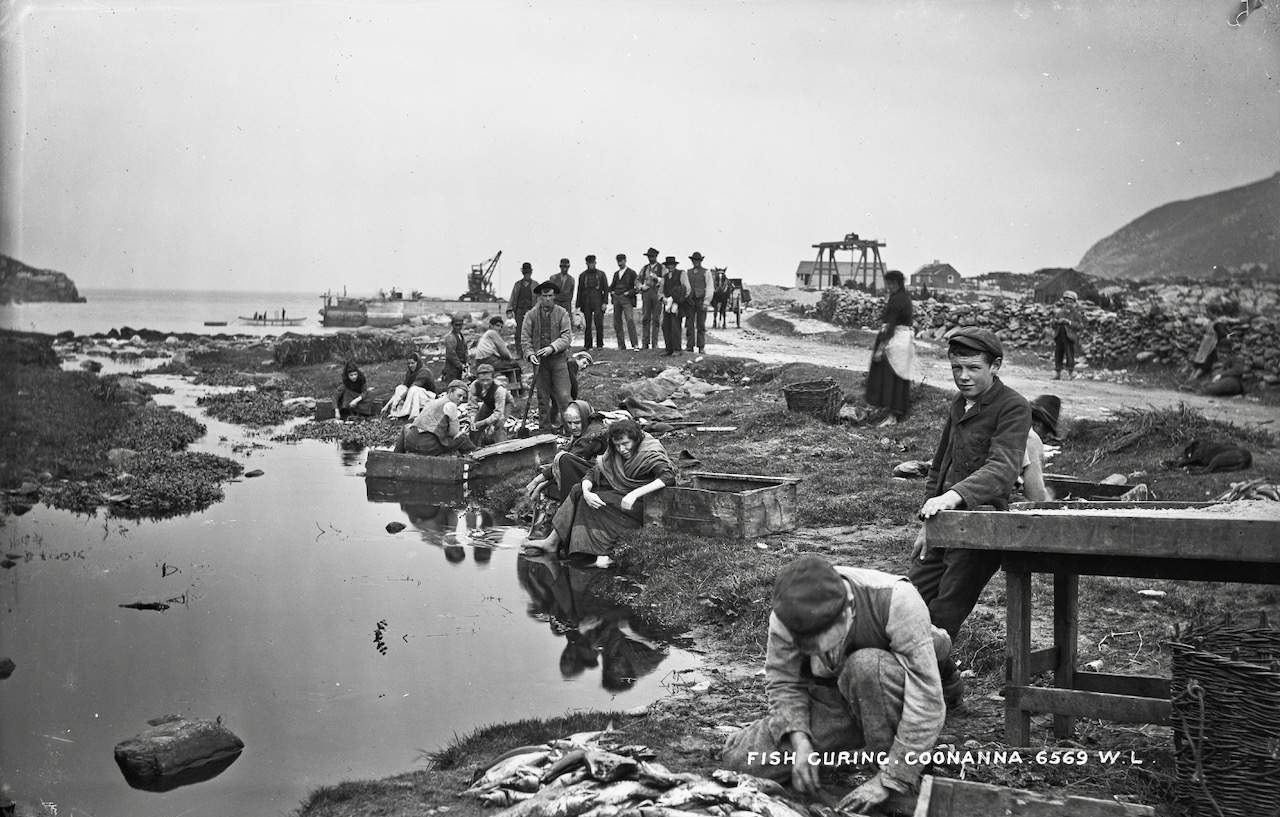
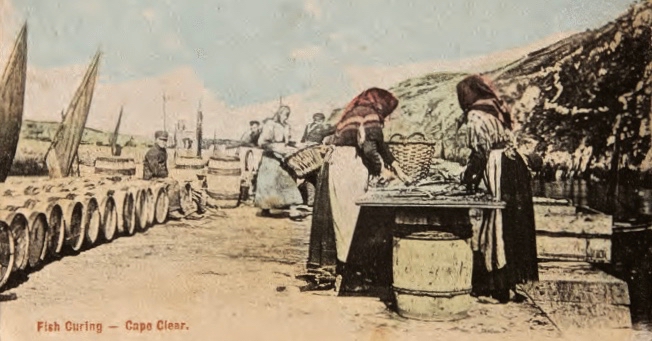
Below – a postcard showing fish curing on Cape Clear in 1906 (from Hely’s, Dublin)

Saints and Soupers: the Story of Teampall na mBocht (Part 6, Counter-Accusation)

Today I am looking at what happened to Teampall na mBocht when the Catholics finally got the resources together to win back Fisher’s converts.  As we saw in the last post, the Rev William Allen Fisher built Teampall na mBocht (above) with money raised through his own efforts, confining the work to the poorest labourers. There is no evidence that he made employment on this project conditional on conversion, and his own accounts quantify payments to Catholics as well as Protestants (going by the evidence of last names, which can, of course, be misleading).

Reproduced courtesy of the National Library of Ireland (with permission) from a collection of prints by the Irish Church Missions to Roman Catholics. The notes accompanying the image say: This image shows a Protestant clergyman standing at a pulpit with his right arm raised in anger while arguing with a Roman Catholic clergyman in the audience. Audience is divided into 2 groups determined by features. Those seated have more prominent features with upturned noses and those standing have more stern features with straight noses

However, he also supplied food to the Christian missionary schools in the area, the enrolments of which surged accordingly, and he enthusiastically welcomed those who wished to confess and be converted: the number of Church of Ireland adherents rose dramatically in the Goleen area during this period. He denied all charges that he ‘bought’ such conversions. The activities of a clergyman who also happened to be a large landlord using relief funds to build a Protestant church and fund Protestant mission schools, even if by doing so he saved many from starvation, were always going to excite odium within the minds of his Catholic counterparts.

Alexander Dallas, founder of the Irish Church Missions to Roman Catholics Photo from Archive.org

The Protestant Crusade, with its colonies and schools and aggressive proselytising, had reached its zenith in the period leading up to and during the famine. Led by men like Alexander Dallas of the Irish Church Missions, or Bishop Robert Daly of Cashel, it never succeeded in winning the numbers of converts that its proponents and funders hoped for. What it did, in fact, was to drive a sectarian wedge deep into the heart of Irish society and create a legacy of bitterness and distrust.

Lord John George de la Poer Beresford, every inch the aristocratic Lord Bishop of Armagh and Primate of All Ireland

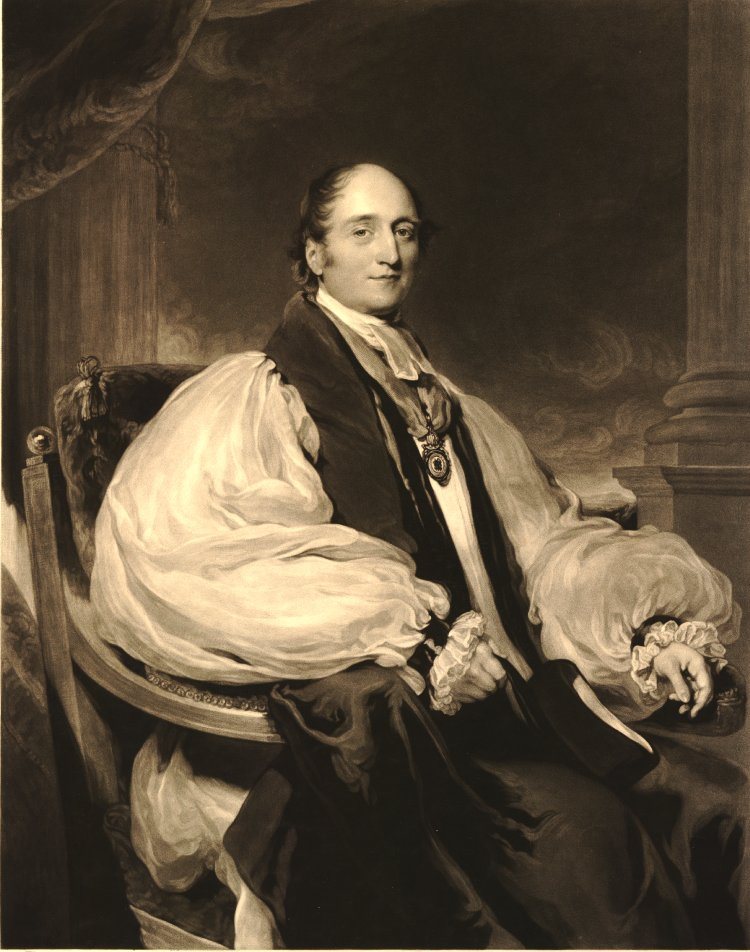
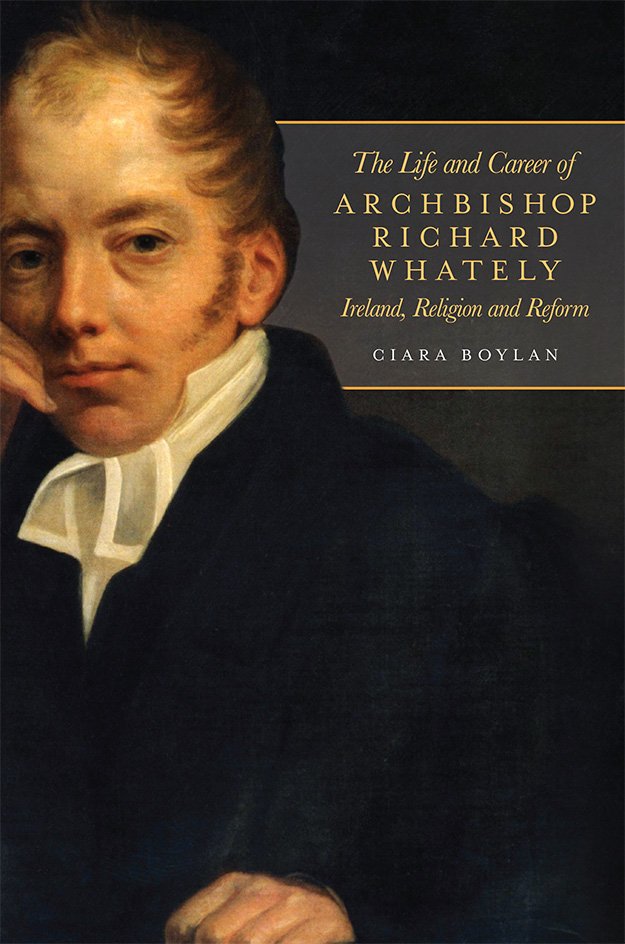
Moderate and liberal Church of Ireland leaders such as Archbishops Whately of Dublin and Beresford of Armagh, tried to curb the worst excesses of the movement, worrying that that The ICM was doing “Irreparable mischief to the Church in Ireland”. While they both deplored the ‘Romish’ religion they hoped for conversions through Irish Catholics seeing what a model of bible-based virtue looked like, not by means of radical evangelical activities and proselytising. 

Richard Whately, Archbishop of Dublin, a complex and possibly misunderstood prelate

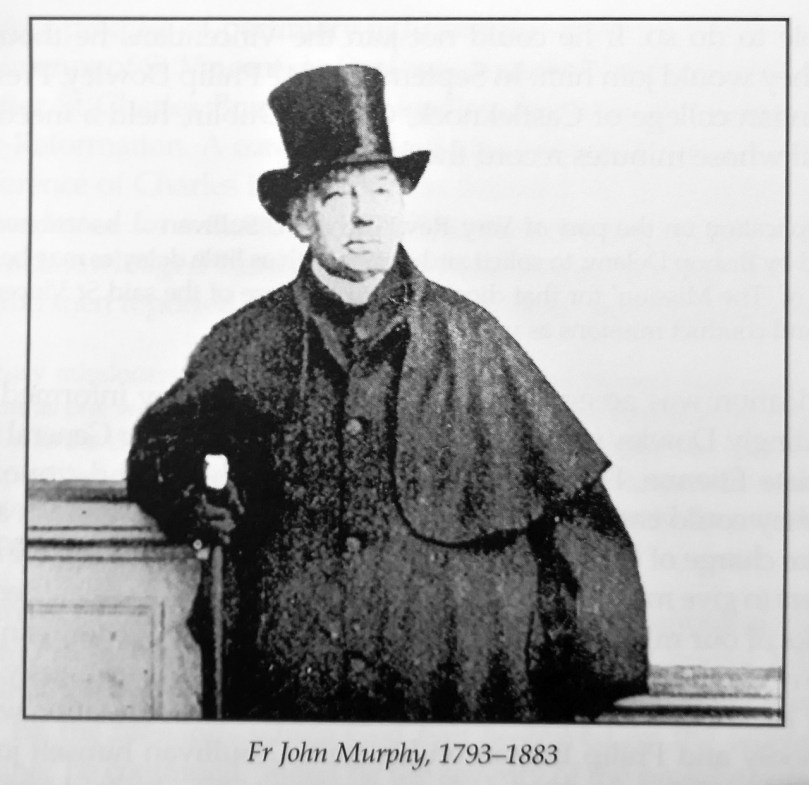
A Catholic backlash was inevitable and when it came it was as complete and heavy-handed as it was possible to be. Seeing the situation, and the number of converts in Goleen and Toormore, Bishop William Delany of Cork sent in the big guns, in the form of Fr John Murphy, AKA The Black Eagle of the North.

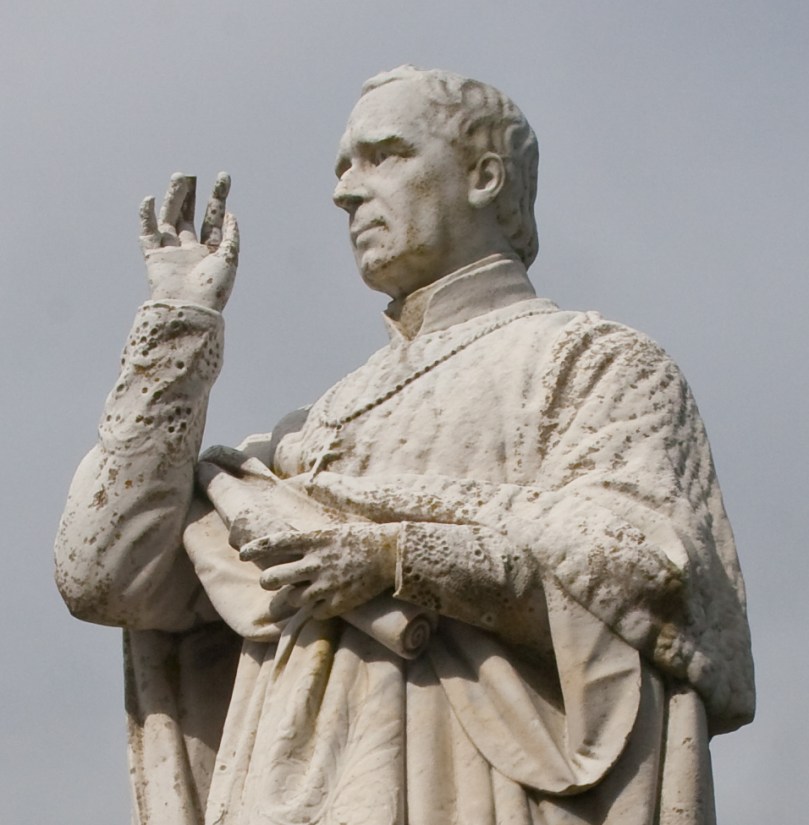
William Delaney’s rather magnificent statue in Cork. Note the Papal Insignia

Wait – the what? Yes, you heard me right! A scion of the famous and wealthy Catholic merchants, distillers and brewers (themselves accused of exporting grain during the Famine by none other than Fr Matthew) John James Murphy was the stuff of legend. Here’s a quote in full from one account (based on a well researched biographical sketch), because, well, you can’t make this stuff up.

The scene changes to a clearing in the virgin forests of Canada. There a French-Canadian priest has pitched his camp. He has no flour to make Hosts for the Holy Sacrifice and then down the little stream that bordered the clearing there drifted a birch-bark canoe paddled by an Indian. He shared his flour with the priest who was surprised at the soft cadences of the Indian’s English. And no wonder, for the Indian was born not on the banks of the St. Lawrence but on the banks of the Cork Lee. It was John James Murphy, one time an officer in the navy, now a hunter in Canada. In the course of his journeyings the Corkman had fallen in with a tribe of Red Indians and had thrown in his lot with them. They initiated him into their tribe, crowned him with feathers and dressed him in all the accoutrements of an Indian brave. To them and to all of the Five Nations he was known as the Black Eagle of the North.

In Black Eagle’s wanderings through the forests he came one day upon a green glade in the centre of which was a statue of the Blessed Virgin. And there in that silent glade there came back to him the faith and the teaching of his childhood. Perhaps the spirit of some martyred Jesuit was hovering around that neglected shrine.

So he returned to his tribe, washed off his war paint, relinquished his chieftain’s features and started off on a long trek, down the Hudson river, across the broad Atlantic, over the European continent to Rome, to commence his studies for the priesthood.

This account, by the way, omits to mention that in Murphy’s own words he also “dismissed his squaws.” The language, by today’s standards, is shudderingly horrifying throughout, isn’t it?

Murphy (above, illustration from Patrick Hickey’s Famine in West Cork) arrived dressed in black, wearing a tall black hat and flowing black cloak, and riding an enormous black ‘charger.’ He brought supplies of meal for the schoolchildren in the national school, took lodgings in Goleen, and set about sniffing out the converts. He marched them to Teampall na mBocht, mounted the wall, and proceeded to give a fiery sermon exhorting them to return to their true faith and insisting they recant at Fisher’s gate. His appearance and eloquence was electrifying and soon had the desired effect.

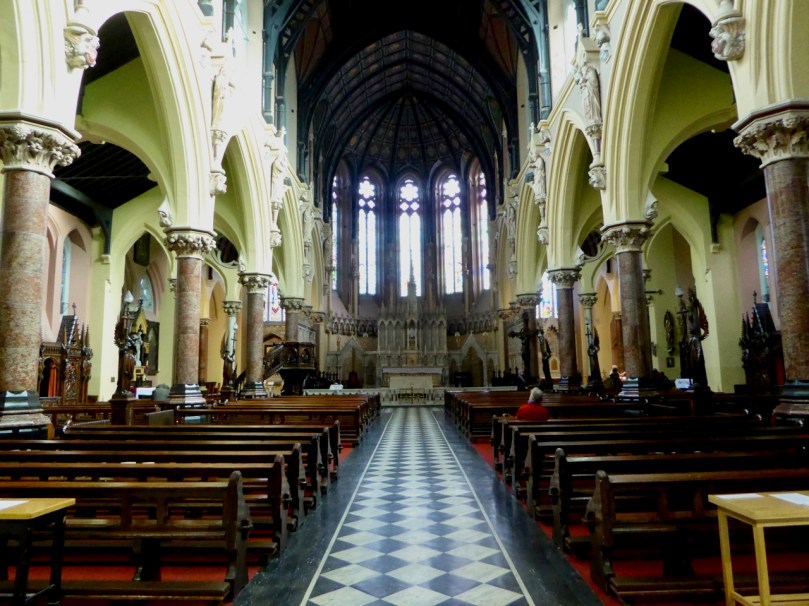
Interior of St Peter and Paul Church in Cork City, established and partly built by John Murphy’s considerable inherited wealth

Reinforcements arrived shortly thereafter in the form of a Vincentian mission. These missions, in which a group of priests from particular orders such as the Vincentians or the Redemptorists, would descend upon a town and preach every night for a week, were a staple of my young life. This one was reported to be a great success. Fr Hickey quotes from a contemporary report:

Our mission in West Schull (Kilmoe). . . is doing much good. A great number of the poor who were perverted in the time of the famine by relief given for that purpose by the Protestants, have returned already. The chapels, even in weekdays, are not able to contain the congregation and the confessional is crowded far beyond the power of our confreres to accomplish its work.

In fact, the famine was not over, and the Vincentians brought more than The Word of God (and the Fear of God) with them – they also distributed great quantities of food relief and some cash, both to individual families and to the schools. They established a chapter of the Society of St Vincent de Paul and the members busied themselves visiting the poor and distributing supplies. Fr Hickey says:

Food was now being used by the Catholic Church in order to hold on to its flock and win back the lost sheep. Did hunger tempt them to stray in the first instance? Were they now coming back because they were simply going to the church which would give them the most food, as some of them had bluntly told Fr Laurence O’Sullivan?

St Vincent de Paul. Most Irish people today recognise the Society of St Vincent de Paul as an active Catholic charitable organisation. The Vincentians, on the other hand, have declined in numbers to the extent that their Cork headquarters had to close for lack of vocations

Revs Fisher, Triphook (successor to Dr Traill), Donovan and Crossthwaite wrote a published statement which accused John Murphy and the Vincentians of failing to come during the horrors of famine and arriving only now in the harvest ‘to propagate Romanism’.

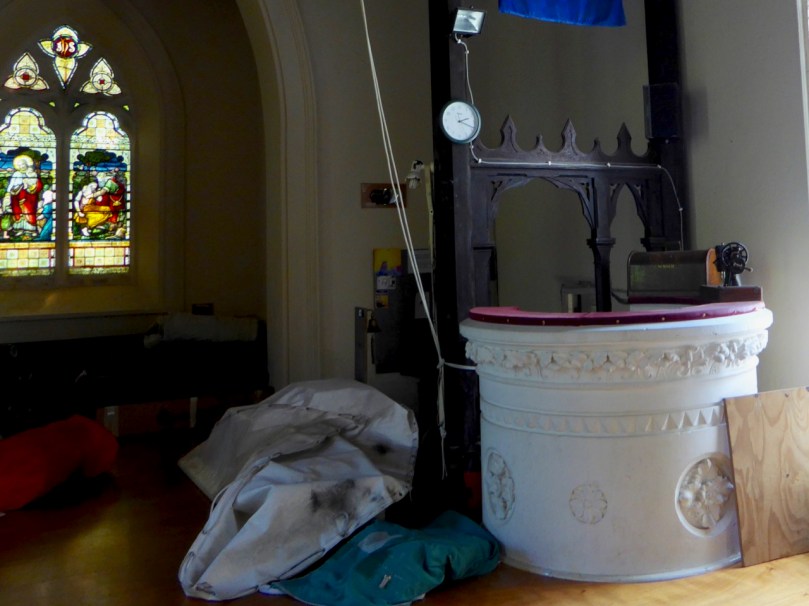
Fisher’s church in Goleen, now in use as a sail-making space. His pulpit would have been an important part of the church furnishings and I am pleased it has survived

It was a telling counter-accusation to the charges of Church of Ireland souperism, but in any case the heyday of the radical and fundamentalist evangelicals was nearing an end. A new era was dawning for the Irish, that of the Ultramontane Catholicism of Cardinal Cullen – the ethos that would drive Irish Catholicism for the next one hundred and fifty years. 

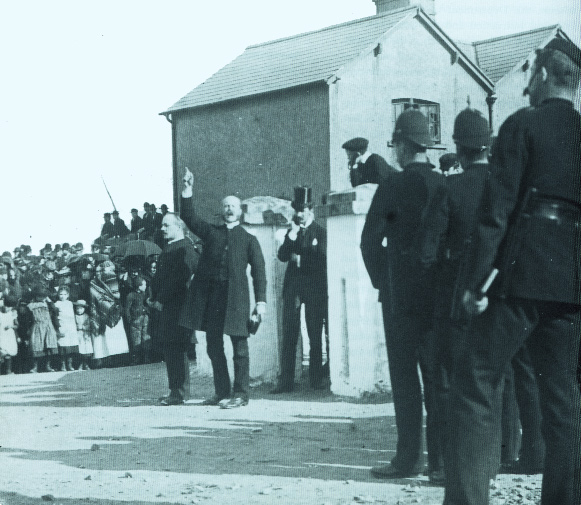
This photograph is captioned Late nineteenth-century evangelical preacher addressing a crowd under police protection, and is credited to Michael Tutty

Although I had hoped to finish this series with this post, I have learned so much now about the religious legacy of this extraordinary time in Irish history that I find myself unable to resist one final episode in the saga. In my next and last (I promise!) post in this series, I will endeavour to relate how the foundations of the kind of Catholicism I grew up with were laid down upon the contested ground of Teampall na mBocht and on the battle for the hearts of souls of the people of Ireland that such places epitomised. I shall also attempt to draw some personal conclusions from what I have learned, and to share with you some of the excellent resources I have used in this series.

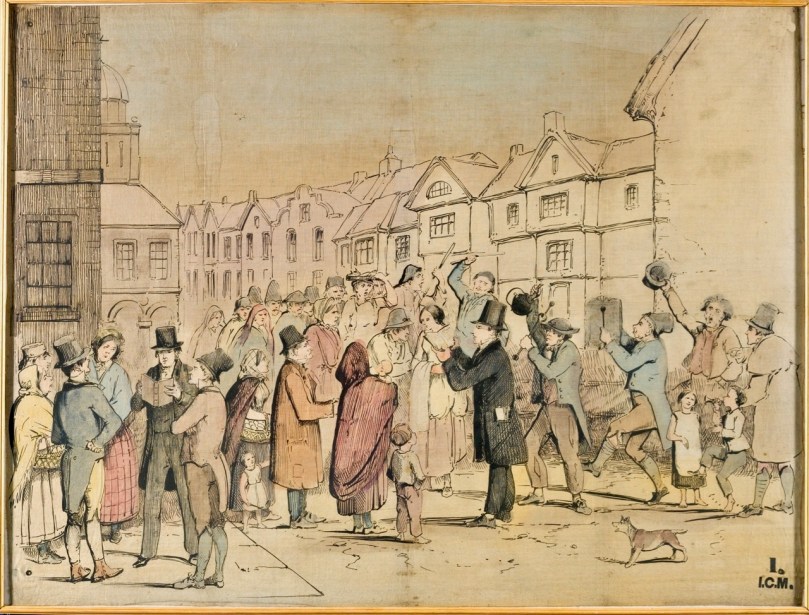
Reproduced courtesy of the National Library of Ireland (with permission) from a collection of prints by the Irish Church Missions to Roman Catholics. This print is captioned Two preachers standing in a street preaching to an audience. In the background a rabble sings, dances and jeers. The  notes given for this image in the NLI collections are: The differences between those converted to Evangelicism and the “unconverted” Roman Catholics are emphasised in this image. The captivated audience surrounding the preachers are dressed well whereas the rabble causing trouble behind them are badly dressed with the stereotypical Irish look about them

This link will take you to the complete series, Part 1 to Part 7