Ghosts of the Past

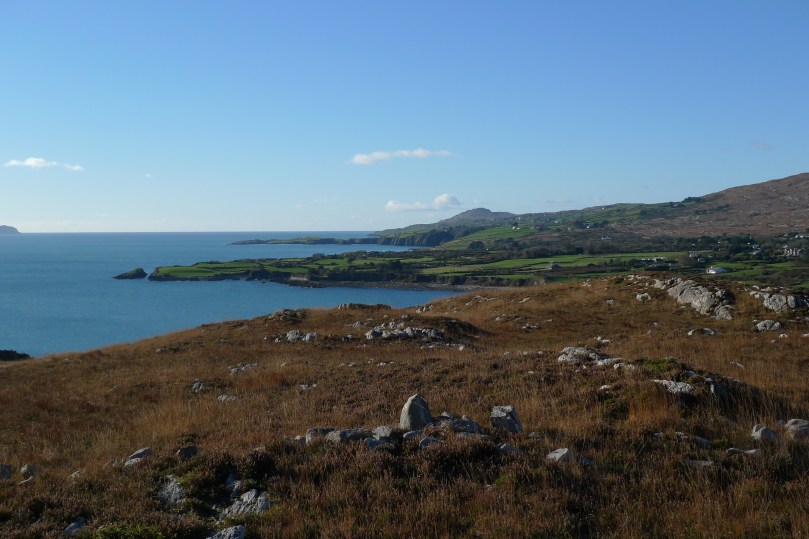
An abandoned village slowly returns to the bog

An abandoned village slowly returns to the bog

Amanda, Bardic School

Amanda, Bardic School

Amanda and Peter Clarke were our hosts yesterday for a Sheep’s Head Day. They know the peninsula intimately and were able to take us to places we would never have found on our own. They also love it: they have made their lives in Ahakista in a beautiful old farmhouse with a productive garden, and between them manage several projects that are great local resources.

We have written about the Sheep’s Head Peninsula in previous posts. It’s a wild and beautiful place, criss-crossed by a network of world-class marked trails, and full of prehistoric and historic sites. Part of our tour took in the Bardic School, about which Robert wrote in his Kings and Poets piece. But mostly what we saw was new to us: an impressive stone circle and a stone alignment, a lonely and moving famine graveyard, the remains of a pre-famine village, and finally a holy well and mass rock site.

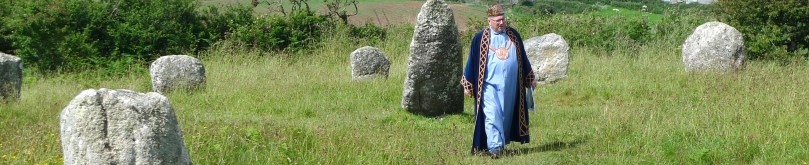
The stone circle is probably the recumbent type, in which two tall portal stone stand opposite a stone with its longest axis parallel to the earth. The sightline from the portals over the recumbent stone is often focused on a solstice sunrise. Stone alignments in this area tend to be three to five stones in a row and may also be part of the solar and lunar observatory system that is characteristic of many Neolithic and Bronze Age monuments.

2013-03-02 11.04.30

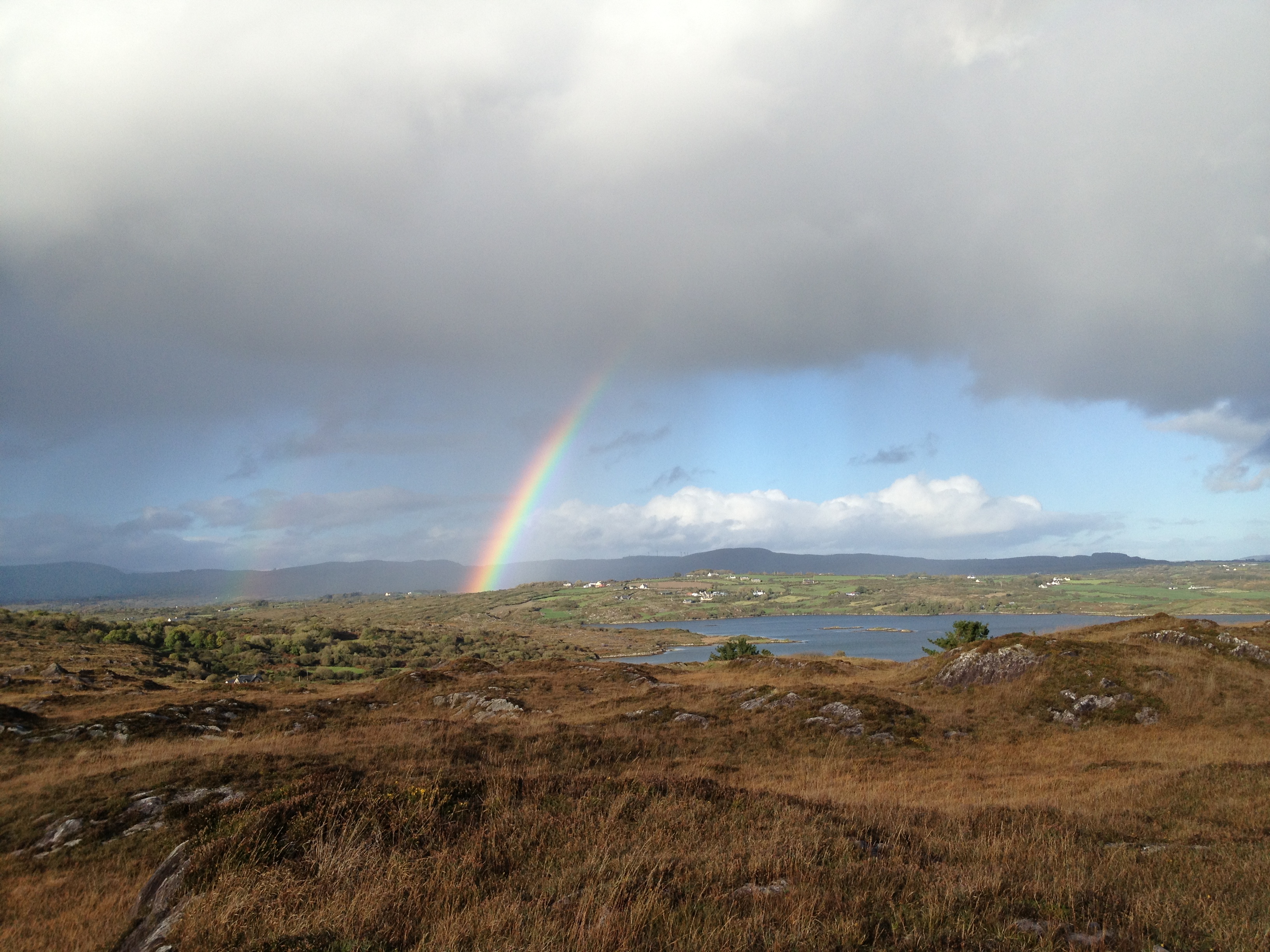
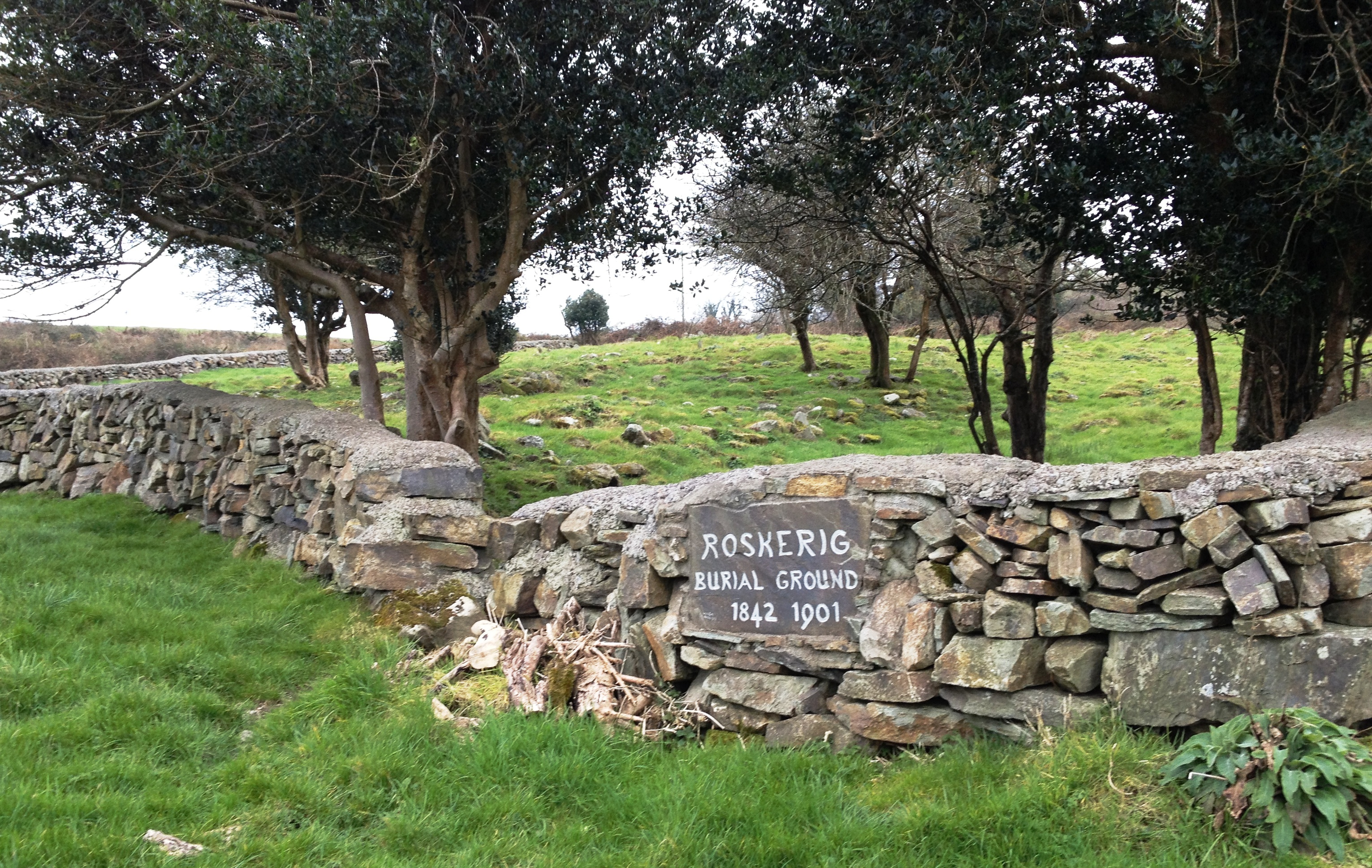
Ireland before 1845 had a population of 8 million people. Over a million died of starvation and disease and another million emigrated in the period of the Great Famine, from 1845 to 1852. West Cork was one of the epicentres of the disaster. It is still alive in the folk memory of the people and we saw two graphic reminders of it on our tour. The first was the Roskerig burial ground. Although stones were scattered around the graveyard, not a single inscription was visible, as if it had been hastily used in a chaotic time and then forgotten. The second reminder was the remains of a long-abandoned village, now slowly returning to the bog.
2013-03-02 11.23.39

The holy well and mass rock are dedicated to Mary and are adorned with multiple images of her. The well is still in use and credited with miracle cures. The mass rock, where a crowd would gather outdoors in the days of the Penal Laws that outlawed Catholicism, to hear mass, is well preserved. When the Redcoats got wind that a mass was in progress and came to arrest the priest, Mary threw up a thick mist around the area to confuse the soldiers and allow the priest to escape. In acknowledgement, we deposited our coins in the well and said a prayer for something close to our hearts.
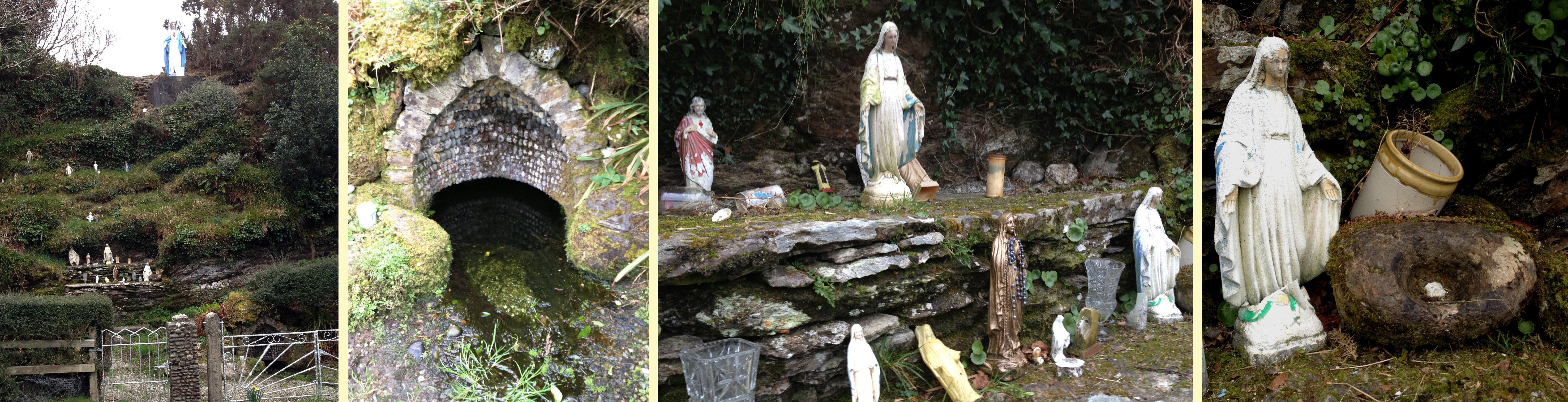
well

Buckets of Culture

Željko Lučić as Rigoletto. Photo by Metropolitan Opera

Željko Lučić as Rigoletto. Photo by Metropolitan Opera

-What we love about being here – the scenery, the history, the people, the hiking, the markets, the food, the opera…

-What? The opera?

-Yes, and the theatre. And very good cinema too.

-Wait – seriously? I thought you were there to get back to nature?

-Well, er, yes, but…

-But?

-West Cork is also a Mecca for artists of all kinds – musicians, actors, painters, poets, photographers – and part of being here is taking advantage of cultural events. As one local told me last year, “if it’s culture you’re after, we have buckets of it.”

-Oh, OK…tell us all about it, then.

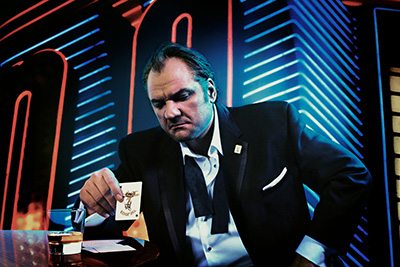
The weekend started with a trip to Cork to stay overnight with my cousin and to go to the Metropolitan Opera Live Broadcast of Rigoletto. This was a stylish production with the action moved to 1960’s Las Vegas and the singers modelling themselves on Rat Pack characters. The Duke of Mantua made a wonderful fist of Old Blue Eyes, and Marilyn Munro made an appearance as Ceprano’s wife. The singing was glorious, with the German soprano Diana Damrau as a transcendent Gilda and Željko Lučić suitably tortured and barrel-voiced as Rigoletto.

The following day we visited a friend in his beautiful and very modern house in Kinsale, ate a huge Sunday lunch and then got into The Music, with Alastair on the fiddle and Robert on his melodeon.

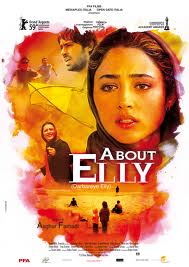
about EllyThe Cinemax in Bantry has all the latest releases and comfortable seating. They run an Arthouse Tuesday and this week we saw ‘About Elly’ by the Iranian Director, Asghar Farhadi. I had seen his movie ‘A Separation’ and was struck then, as I was now, by how much these films challenge our stereotypes of Iran. This one featured an ensemble cast of outstanding actors as young professionals from Tehran. The plot revolves around the disappearance of one of the group during an outing to the Caspian Sea, and the disintegration of cohesion as white lies and deceptions are compounded and revealed. The exploration of the dynamics of man-woman relationships was particularly riveting in what is apparently a time of transition between traditional and modern notions of gender roles.

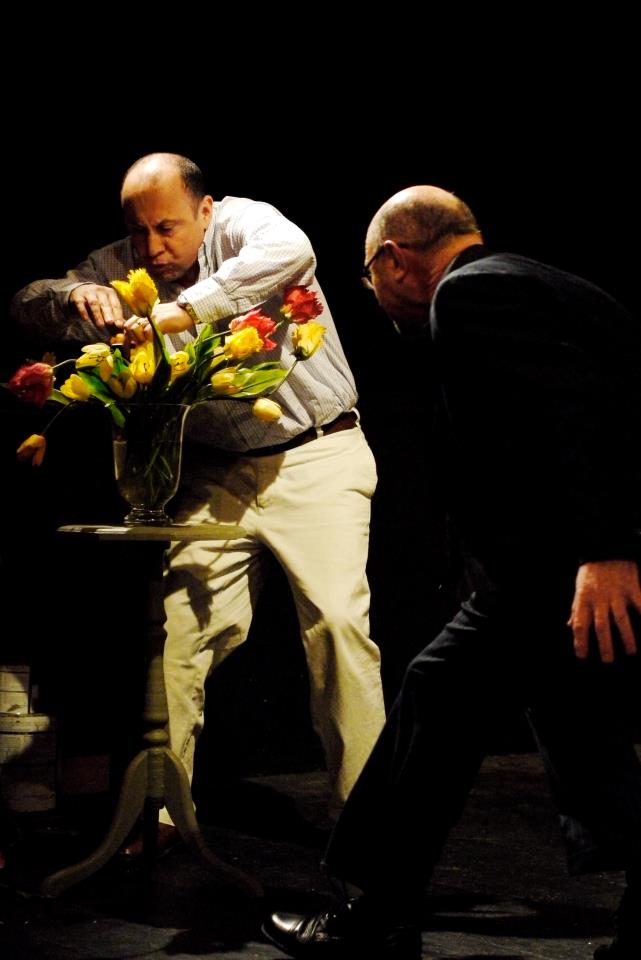
Photo from Schull Drama Group Facebook Page

Photo from Schull Drama Group Facebook Page

On Friday night we attended the Schull Drama Group’s production of The God of Carnage, a play by French actor and playwright, Yazmina Reza. This is the same company of players that was responsible for the broad comedy and slapstick of the traditional pantomime we had seen in January and this comedy/drama was a testament to the depth of their talent. Two couples, Veronique and Michel and Annette and Alain, meet to discuss a contretemps between their sons. Their plan to do this in a civilized manner, over coffee and clafoutis, quickly descends into chaos, as accusation and counter-accusation reveal the fault lines of each marriage and the assumptions and veneers of middle-class privilege.

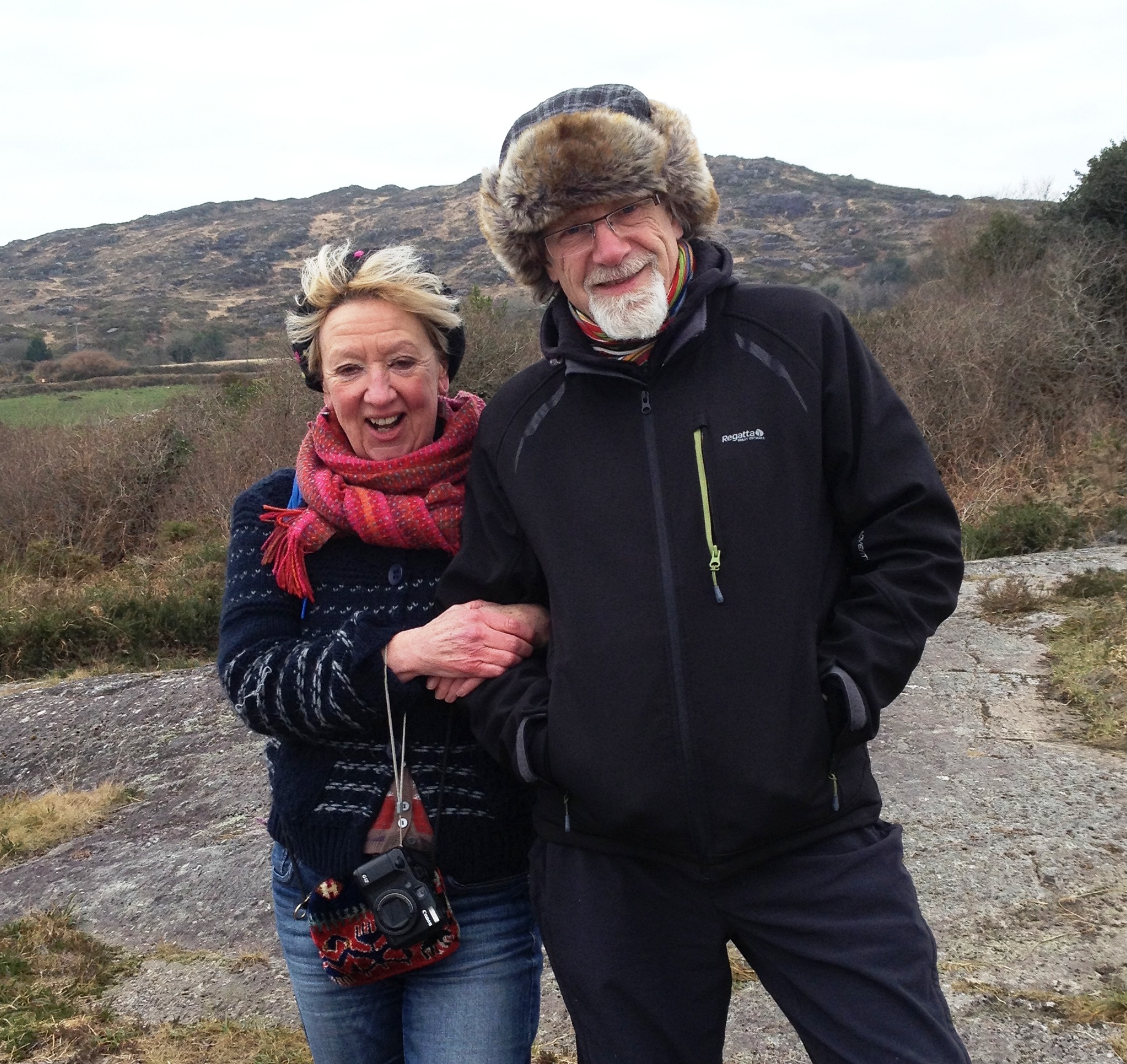
Amanda and Peter on our Rock Art Day

Amanda and Peter on our Rock Art Day

Finally, Saturday saw us in the company of two new friends, Amanda and Peter Clarke on a Rock Art Day of tramping through the countryside. Peter and Amanda are the talented couple behind two websites: Sheep’s Head Routes and Sheep’s Head Places, both invaluable resources for exploring this part of West Cork. Amanda is also a keen photographer with a wonderful eye. You can read her description of our day, and view more of her beautiful photography at her Blipfoto site.

Of Kings and Poets

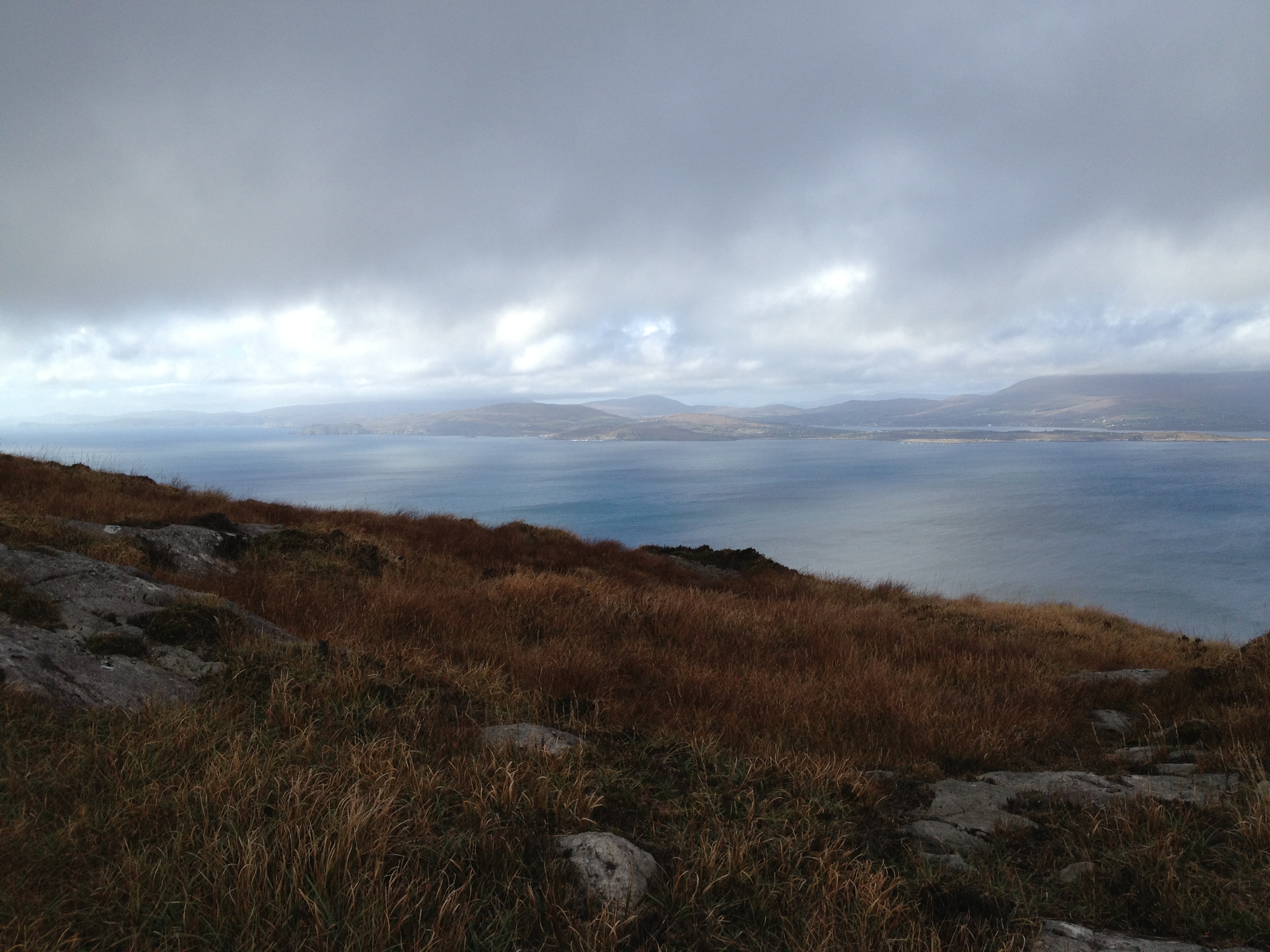
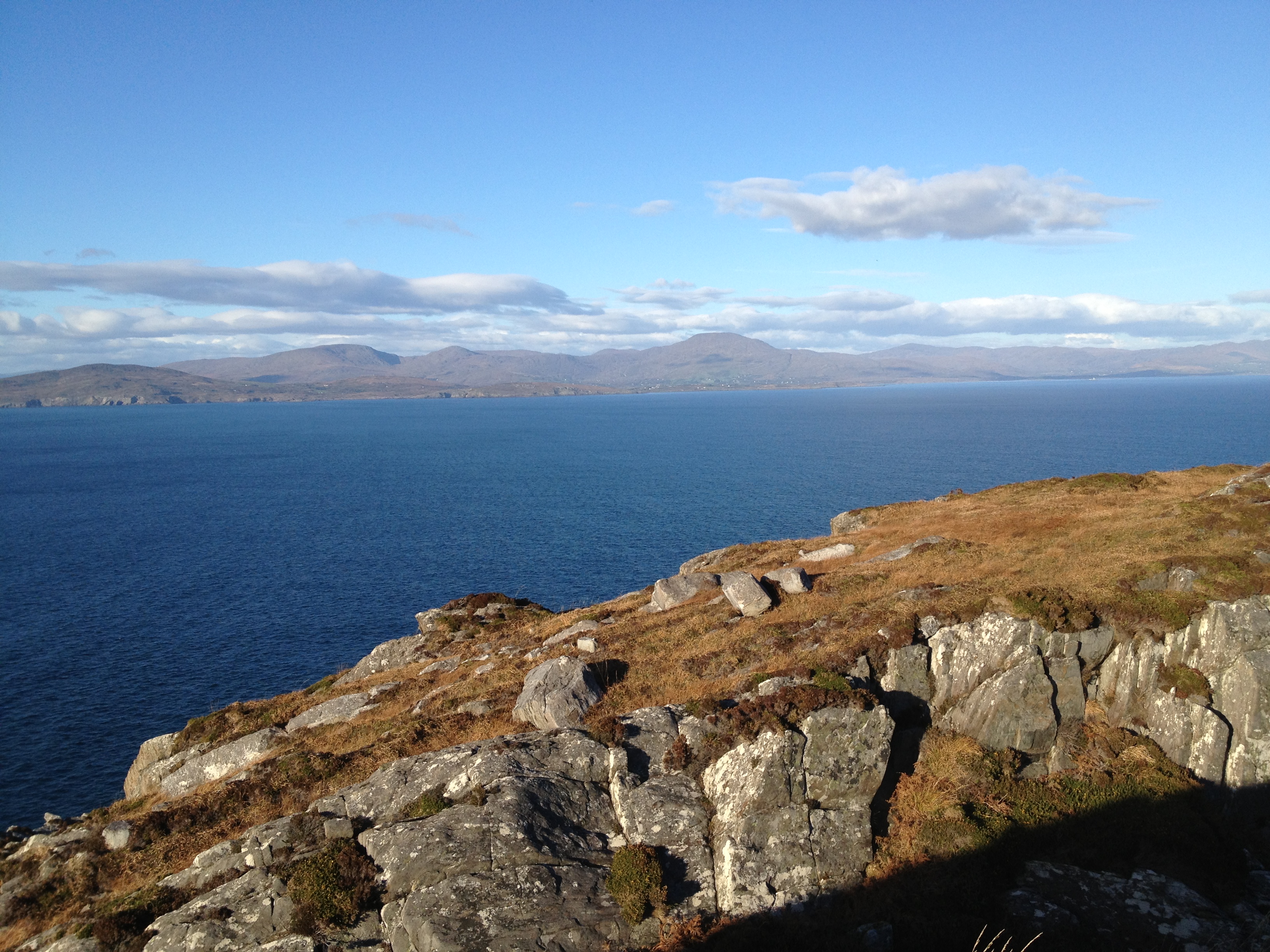
We are standing in one of the most beautiful places in the world… Or so it seems to us on this late November day as a cloudless sky casts an azure sheen over the whole sea stretched out between the Sheep’s Head and the Mizen, while the folds of the mountains behind are painted an indescribable autumnal gold by the low sun.

view west

We decided today that our Sheep’s Head walk would be by the water, and chose to start at Dromnea – where we were intrigued by mention of an old Bardic School. This is listed in the guide book, together with the nearby castle of the O’Mahony’s: both are picturesque ruins. In Feudal times, when they flourished, students of the school would serve a seven year apprenticeship which consisted of spending hours in a darkened cell composing poetry which was later read out to and critiqued by the whole company. They carried the traditions and history of families and communities, to be recited on their travels around the countryside, where hospitality for bards and minstrels was obligatory. The Dromnea School was owned and run by the O’Daly family, traditionally bards to the O’Mahony’s. The most famed of the poets was Aenghus O’Daly – also know as the Red Bard – who died in 1617. He is best remembered for his work – Tribes of Ireland: A Satire. As ‘research’ for our walk I read this – an 1852 edition available online: in a hundred or so verses Aenghus tells of his travels around the four provinces seeking hospitality from the ancient families of Ireland, as was the right of his profession. The whole work is a list of complaints as to how lacking the hospitality actually was. For example:

The tribe of O’Kelly—the screws whom I hate

Will give you goats’ milk, mixed with meal, on a plate

This hotch-potch they’ll heat with burnt stones, and how droll some,

Among them will tell you ’tis pleasant and wholesome.

and:

Three reasons there were why I lately withdrew

In a hurry from Bantry: its want of a pantry

Was one; and the dirt of its people was two;

Good Heavens! how they daub and bespatter

Their duds! I forget the third reason. No matter…

or:

Poor little Red Robin, the snow hides the ground.

And a worm, or a grub, is scarce to be found

Still don’t visit the O’Keeffe; rather brave the hard weather –

He’d soon bring your breast and your back-bone together.

Such was the reputation of the Dromnea Bards that the King of Spain sent two of his sons to the School to receive their education. They were both drowned while swimming in the lake by the castle: the story tells that they were turned into swans. We leave the ghosts of the school behind us and reach Lough Farranamanagh – a tranquil stretch of fresh water which flows out to the sea. We look across to the few stones that define the O’Mahony stronghold: sure enough, floating serenely in front of it are two stately swans.

After passing the time of day on the beach with a periwinkle collector (she exports great tubfuls of them to France) we walk for three hours, leaving the coast behind and going up into the the hills where we come across further ruins: this was once a village, and lazy-beds and ancient field systems are visible in the rocky moorland terrain. Finally we descend back to the now defunct old Ahakista – Kilcrohane road: a remote green trackway that has been given a new lease of life as one of the Sheep’s Head Way walking routes. This brings us back foot-weary but satisfied to our starting point after our tour through an intellectual and historical landscape in stunning West Cork.

A Bard of the Cornish Gorsedd

A Bard of the Cornish Gorsedd

A Grand Soft Day

Sometimes the city in which a novel is set functions as a character in the story – a vital influence on events, unthinkable in a different place. I feel the same way about the weather in West Cork. It’s a SHE, of course – in turn tempestuous, caressing, unpredictable, always to be respected and never, ever to be taken for granted. Around here it’s ‘wait five minutes’ forecasting: what it says for the next few days on the iPhone weather app at 9am may have changed radically by noon so we never despair if we see days of rain ahead. We awake to a glorious dawn, with sunshine flooding across the bay and are enveloped in mist by breakfast, only to enjoy a sunny walk that afternoon. The clouds bank up in great mounds, lending glorious light and shade and endless colour variations to the landscape. We have stopped taking rainbow photos because we have so many already. Maybe if I see a triple…

Robert uses the word ‘mizzling’ for that soft wetness that’s one step from mist and that you hardly need a hat for. When we walk along our Greenmount Road to the rise with the great view over to Kilcoe, we can see the rain coming across the sea, slanting down here and there from grey clouds, and sometimes it hits us and sometimes it doesn’t and mostly when it does it’s gone again in a few minutes and we dry out in the breeze that follows it. Odd nights we can hear it lashing on the skylights on the top floor and we echo the Cork people who say “’Tis a hoor of a night.” I remember endless days in Vancouver of rain pelting down and everyone with umbrellas and a grey will-this-never-stop misery sinking into the soul. So far – and maybe we are lucky – that isn’t happening here. We haven’t had a day without some sunshine.

On November the 5th we walked the lighthouse loop on the Sheep’s Head with barely a cloud in sight – what they call locally a “pet day.” This was our third section of the Sheep’s Head Way and took in yet more stunning scenery and a long section where the trail runs on the brink of vertical cliffs, with the waves crashing and roaring below. It was so hot I got sunburn. That might not happen twice: but then again SHE specializes in the art of surprise.

Hiking the Sheep’s Head Way

In my first post I complained about the endless rain. Fact is, in the first two weeks of October we have had some great weather, including several days of glorious sunshine and NO RAIN. We are fortunate to be within half an hour of the Sheep’s Head Way, a world-class system of marked trails with mountain, coastal and valley hikes of varying lengths but uniformly breath-taking scenery. On back-to-back sunny days this week we undertook to hike parts of the ridge trail that runs along the spine of the peninsula.


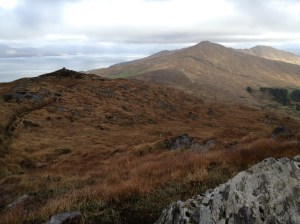
Our first hike took off north of Durrus at Booltinagh Mountain and ran south along the ridge to a high point and over the top to the Barna Mor, or Big Gap – an old donkey trail across the peninsula. Although the trail is well marked and clear it is soggy: waterproof boots are essential along with layers for taking off and putting back on as you heat up, cool off, or see a shower sweeping in from the south west. Our views were north to Bantry Bay, all the way back to Glengarriff Harbour and over to the Beara Peninsula. On the other side across Dunmanus Bay lay the Mizen, bathed in sunshine. We shared the trail with sheep, but saw no other walkers.

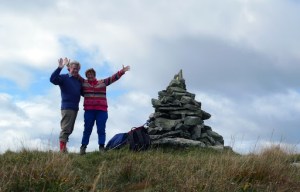
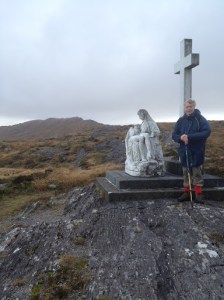
The next day we ventured further west to Kilcrohane, turning north up a steep and winding road to Finn McCool’s seat, a natural saddle on the ridge. This being Ireland, the trailhead is marked by a marble Pieta, perhaps dating to the Marian year of 1954 that saw so many such monuments erected all over Ireland. Once again, we had the mountain to ourselves. Although it was a bright day, a howling wind blew up from the sea below. We leaned into it, and tramped on, to the Peakeen cairn. Along the way we stopped to examine the remains of what may be a Neolithic passage grave, occupying a commanding knoll along the ridge. How important would you have to be to have your tomb in such a place? Perhaps as important to the people who built this monument as the crucifixion images of the Pieta was to the local residents in 1950s West Cork.

The passage grave is on the first knoll on the left
We wondered why this incredible, wild resource that is the Sheep’s Head Way is not a National Park – even a World Heritage Site. Perhaps the answer is that as long as people respect it (and they do – we saw no litter or vandalism) and as long as access is freely given by landowners, there is no need to administer it as a park. The website for the Way indicates that it receives funding from both Ireland and Europe, but that The Sheep’s Head Way committee is a voluntary committee, consisting of landowners/farmers and other representatives from the local community. What a fantastic job they have done!