All the Trimmings

Near Dunmanway

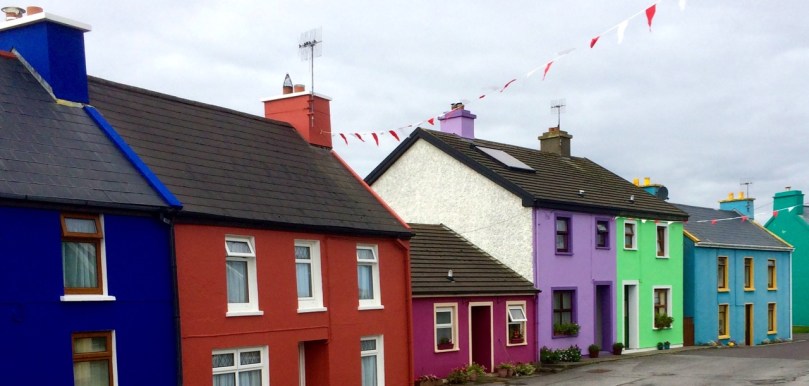
In my two previous posts on our wonderful West Cork colourful houses, A Lick of Paint and An Extra Lick of Paint, I’ve concentrated on overall house colour and on how that colour stands out in the landscape or the streetscape. Since that second post was written, in March, two of the most colourful houses I photographed have been re-painted, both in shades of khaki. Am I chronicling an endangered species? I hope not!

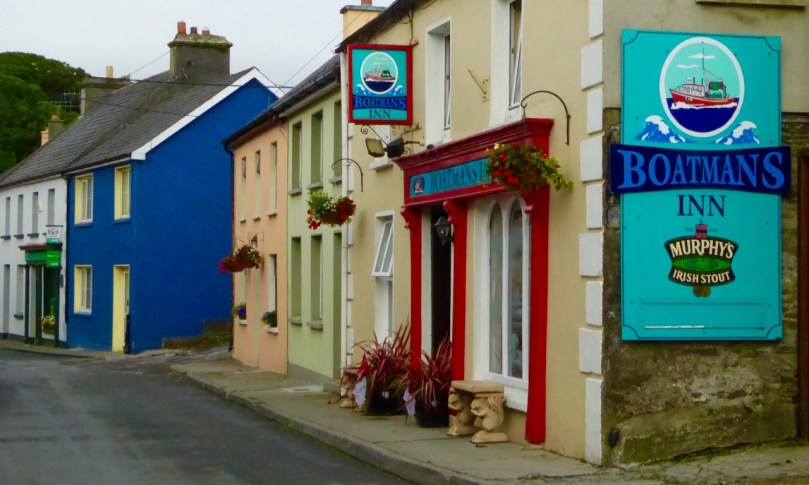
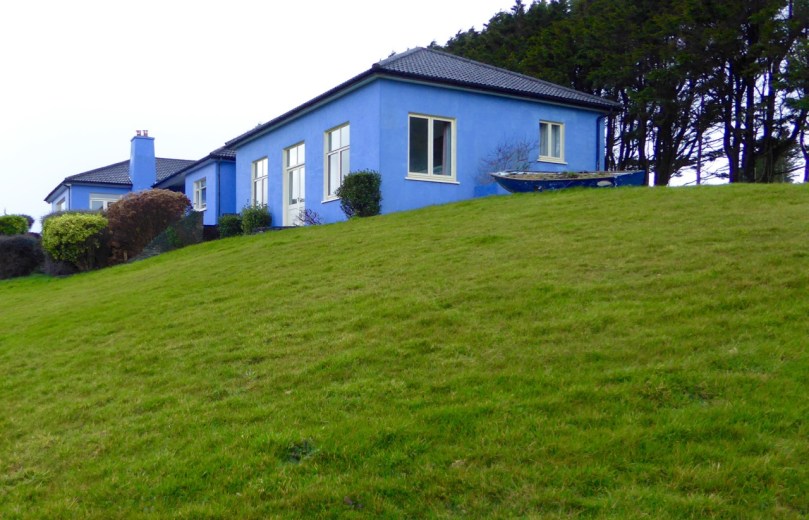
Boatmans

So in the spirit of celebrating our colourful tradition, I am devoting a post to the trim choices – the window surrounds, the doors and the chimneys, the shop fronts – that add to the vibrancy and delight of our neighbourhoods, villages and countryside.

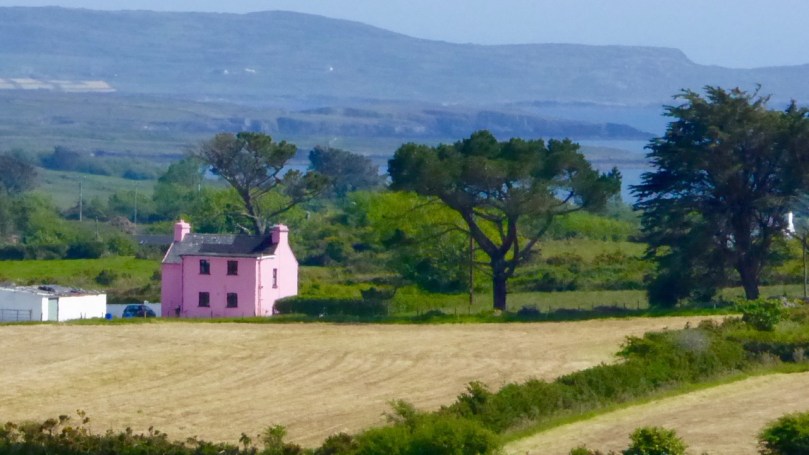
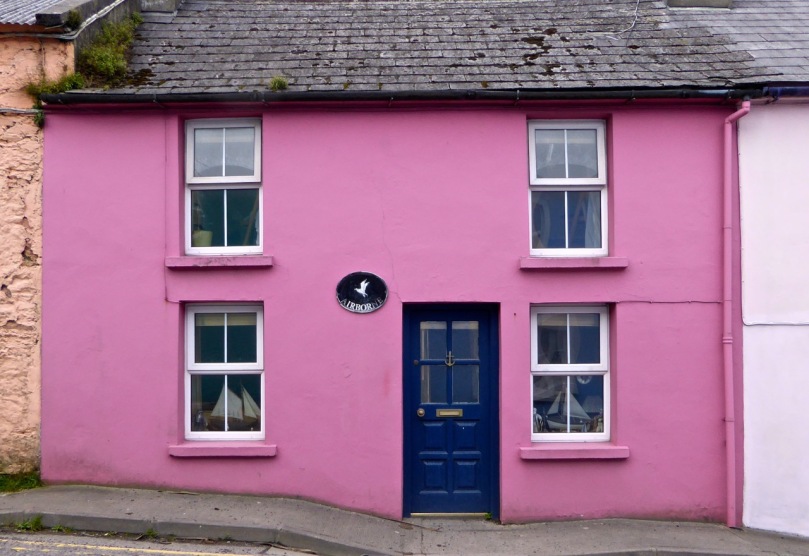
VERY VERY PINK

The most common trim choice is white and often that seems the only, or perfect, choice. Or perhaps the safest. It certainly provides a lively contrast to a bold colour.

Marine blue

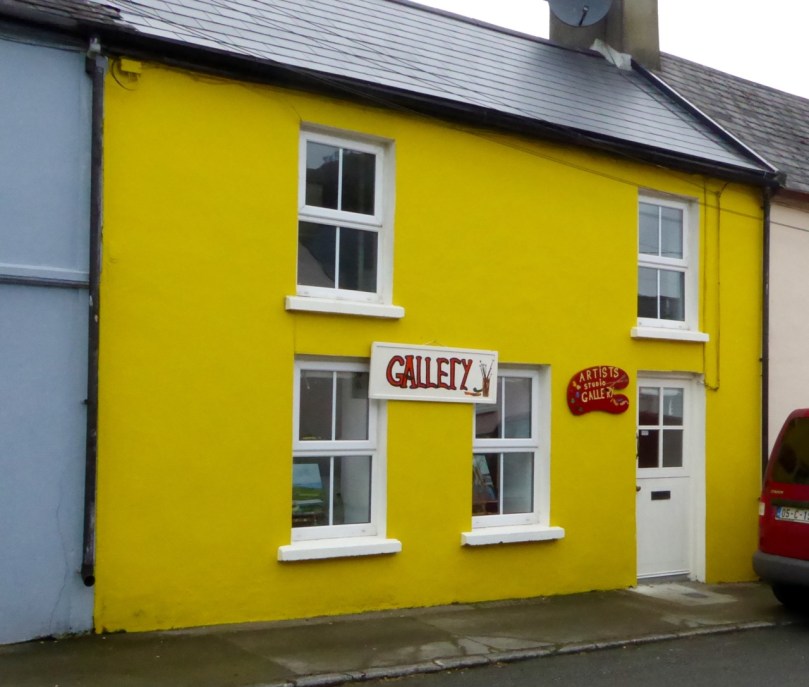
Orange you glad to see me?Gallery, Union HallWhite and bold-colour contrast can also look charming the other way around – white walls and colourful trim.

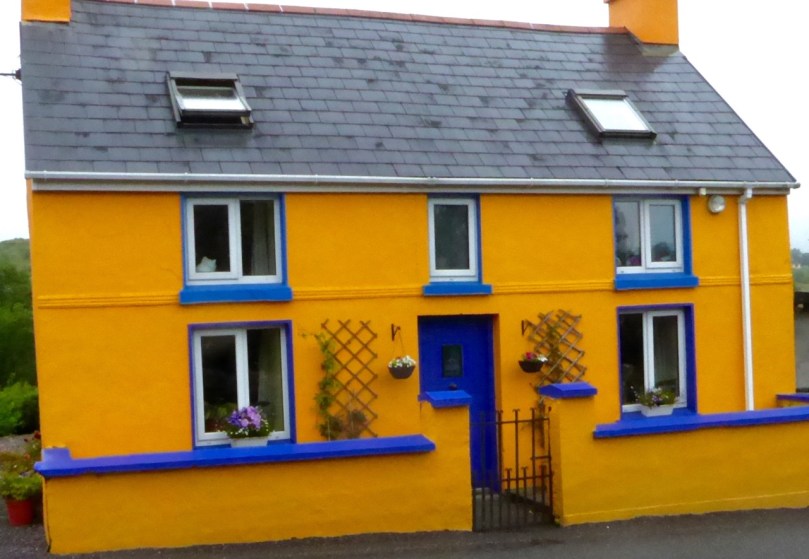
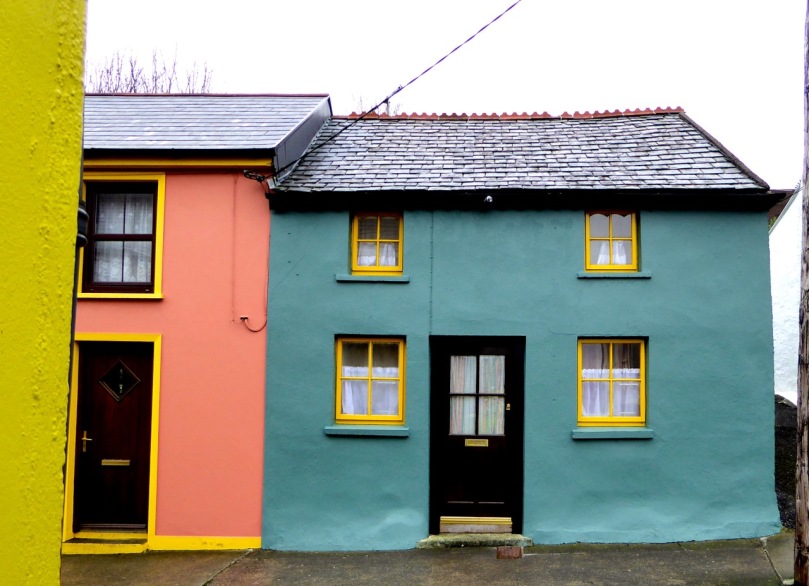
However, the juxtaposition of two bold colours, or even three, for walls and trim is irresistible.

Purple on Mustard

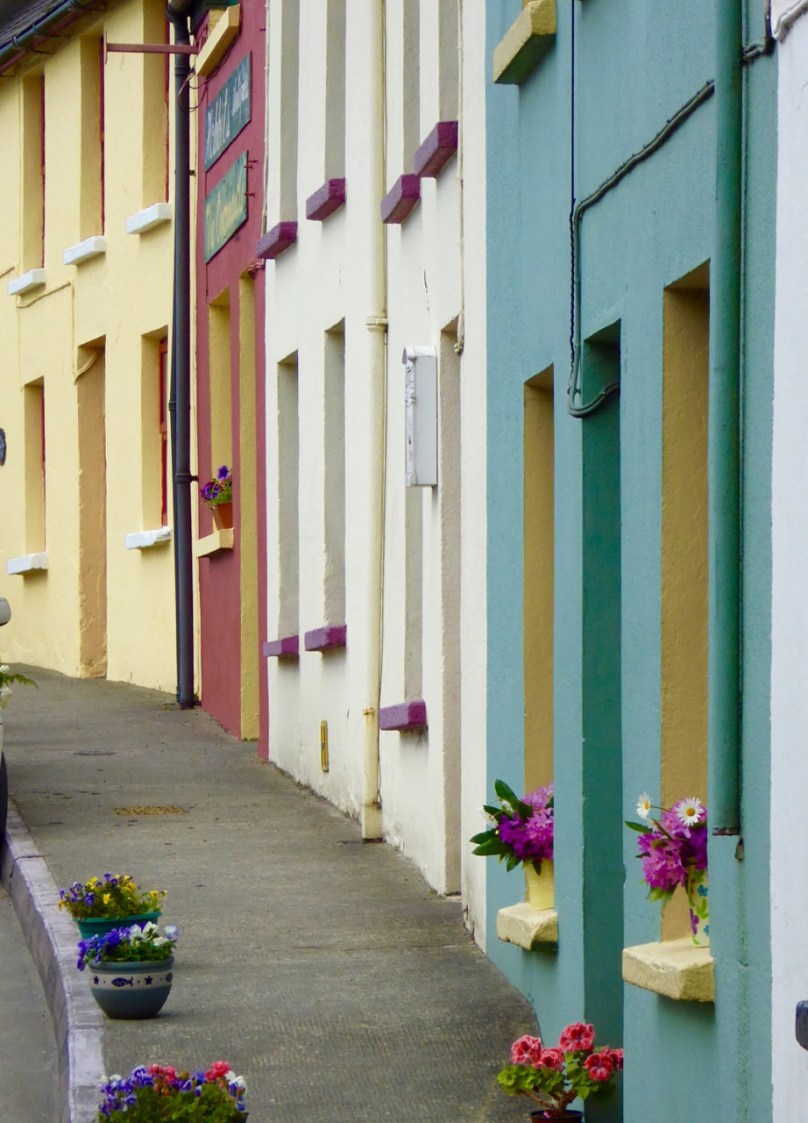
Windows are a natural focus for colour. Sometimes the frame and the surround is painted the same colour and sometimes two colours are employed, both contrasting with the wall colour.

Ballydehob windowsills

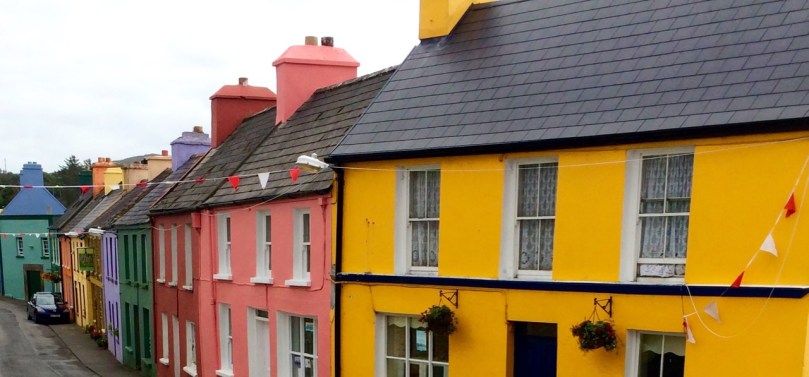
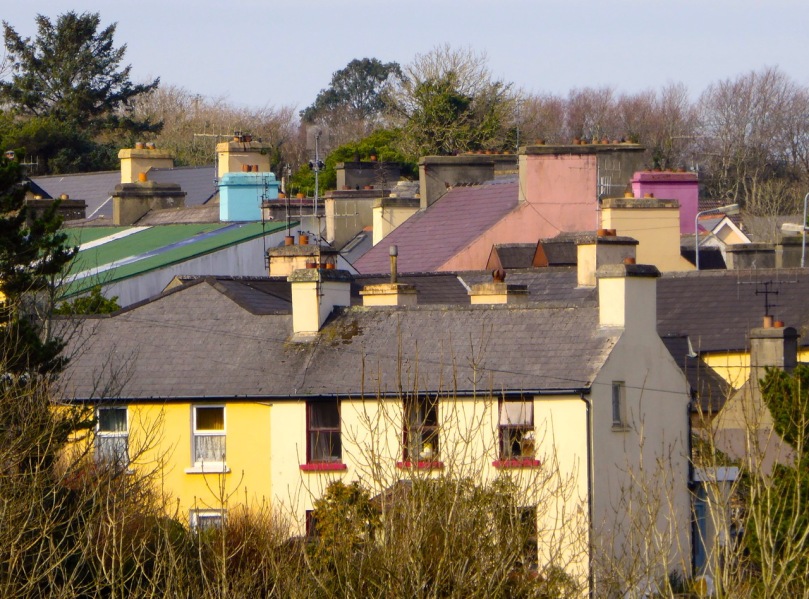
A local tradition seems to be to paint the chimneys the same colour as the walls, although occasionally the trim colour is used instead. I particularly like the chimneys in Eyries on the Beara Peninsula. Note the jaunty use of the trim colour on the chimney pots, on the second-to-last house in the lower photograph.

Eyeries Chimneys

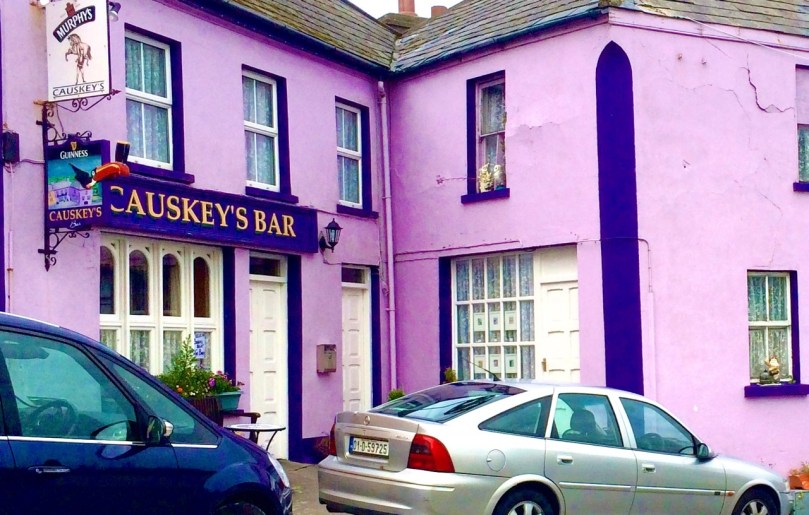
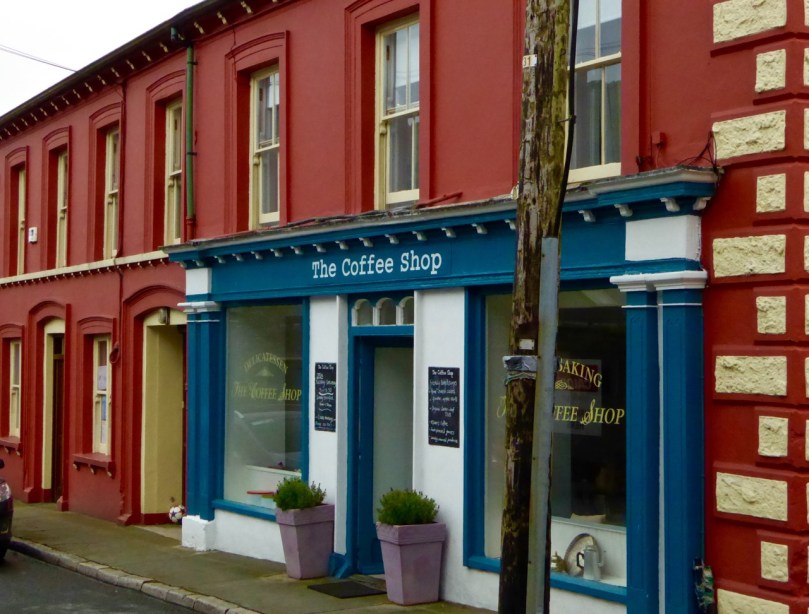
chimney trimMany traditional village or town commercial buildings here are masonry, with the shop-fronts in painted wood. A few examples here – although traditional shop-fronts deserve a post to themselves at some point. I also include cafés, restaurants and pubs in this category.

Causkey's

The Coffee Shop Union Hall

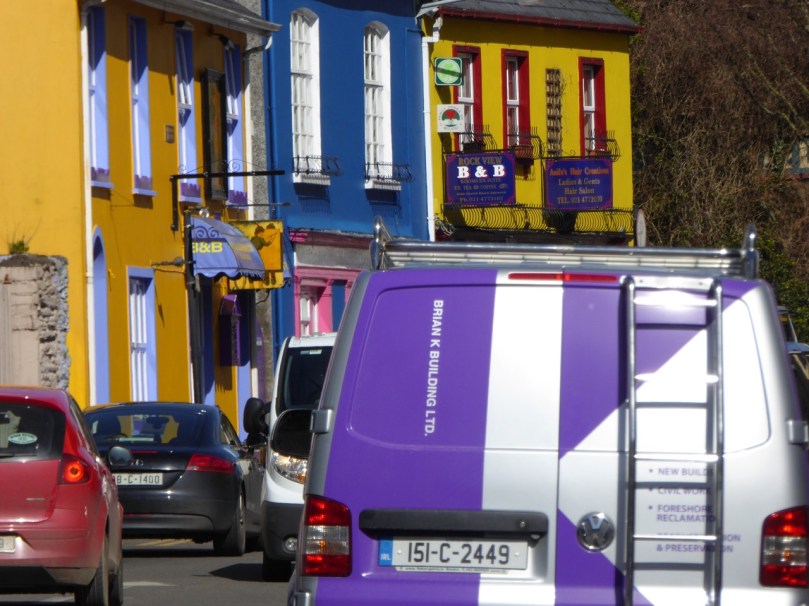
Kinsale is a cornucopia of colour! Herewith just a few examples of what you’ll find if you wander its streets.

Van

Trim colour is often used to good effect on garden walls and gate posts in addition to the house. Here’s a fetching example from near Union Hall .

Swedish

So – what do you think, Dear Reader? Do you have a favourite among these examples? Do you have any photos of your own to share? If so, comment below, or drop by our Facebook Page and vote for the one you like best. I will finish with one of my own current favourites and an exuberant addition to Ballydehob.

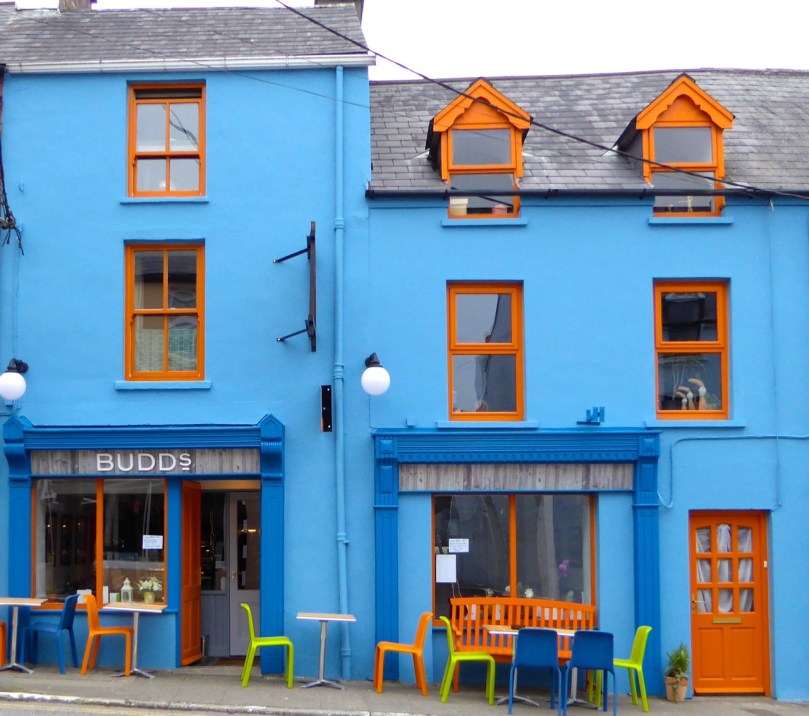
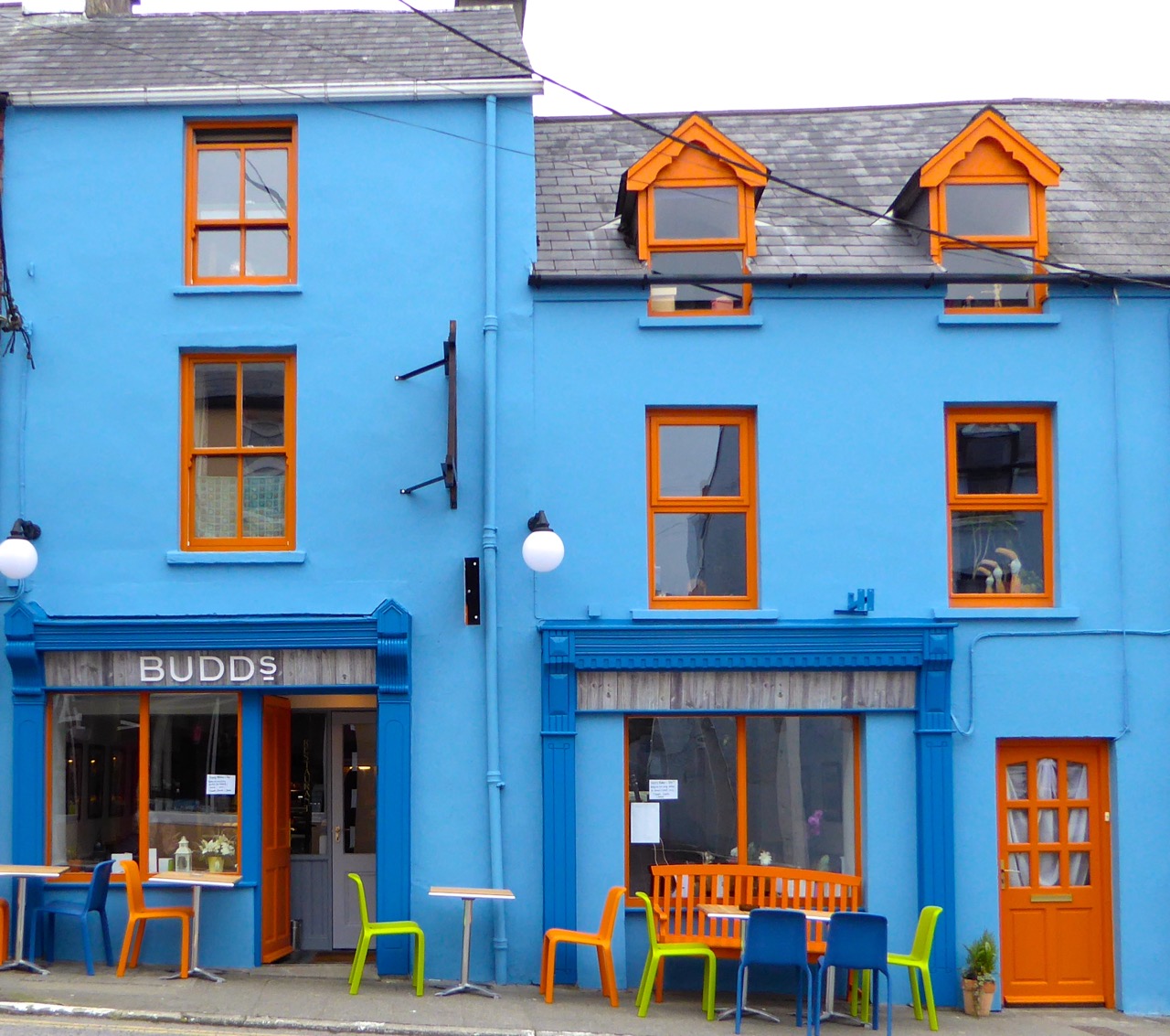
Budds

Closer Encounters – Fastnet Trails

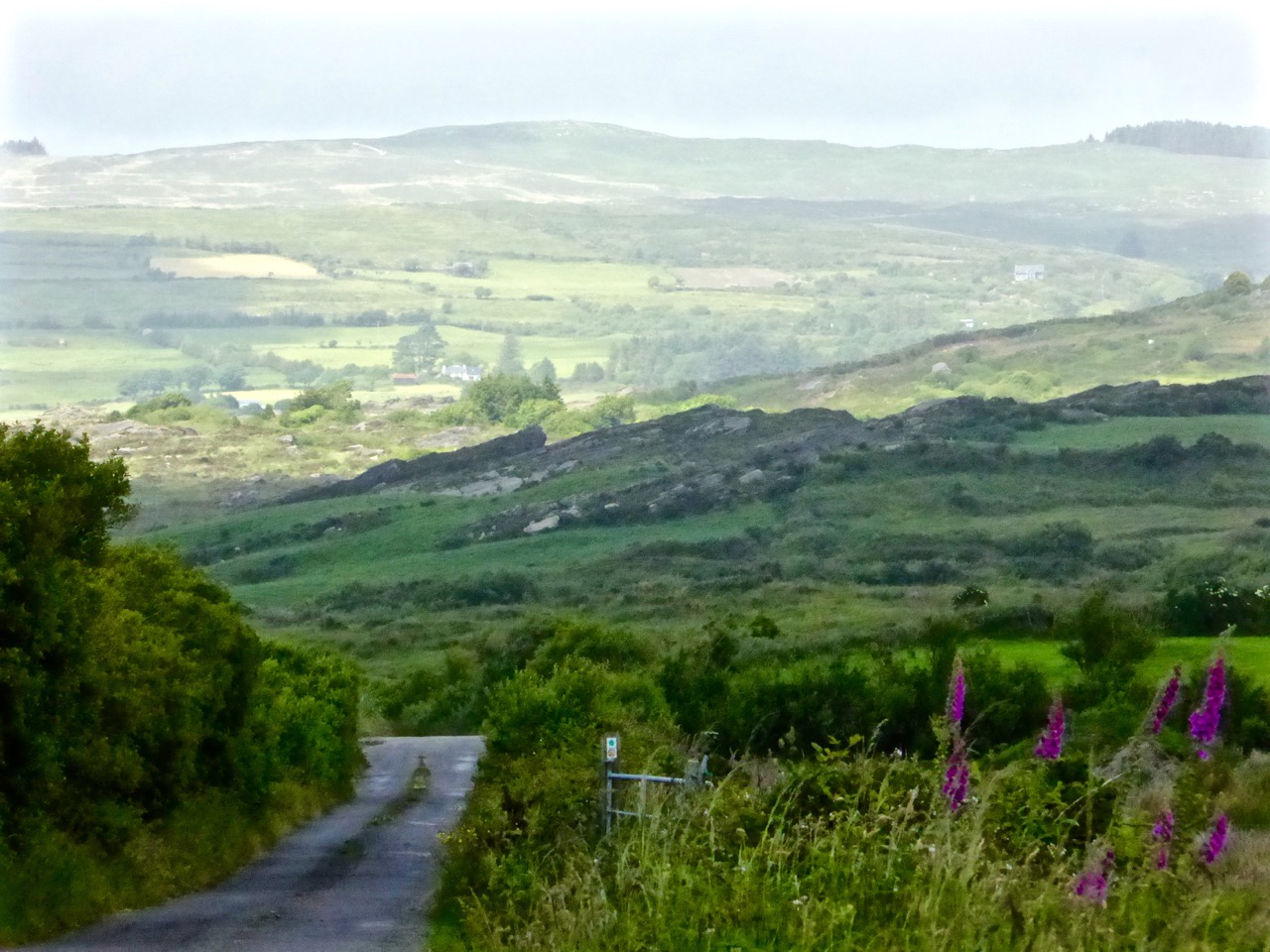
The view from Cappaghglass, on the Rossbrin Walk

The view from Ballycummisk, on the Rossbrin Walk

Today (Sunday 28 June) a newly established system of walking trails was formally launched – by longstanding local TD (now retired) Jim O’Keefe – at Aughadown: we were part of the crowd

The Unveiling – from top left: mover and shaker Eugene McSweeney with Jim O’Keefe; Jim and the Fastnet Walk Trails Group Committee cutting the ribbon; on the inaugural walk – Fr Patrick Hickey giving us the low-down on smuggling at Roaringwater Pier; the wonderful Kilcoe National School Band
At Kilcoe Trailhead - the walks unveiled!

At Kilcoe Trailhead – the walks unveiled!

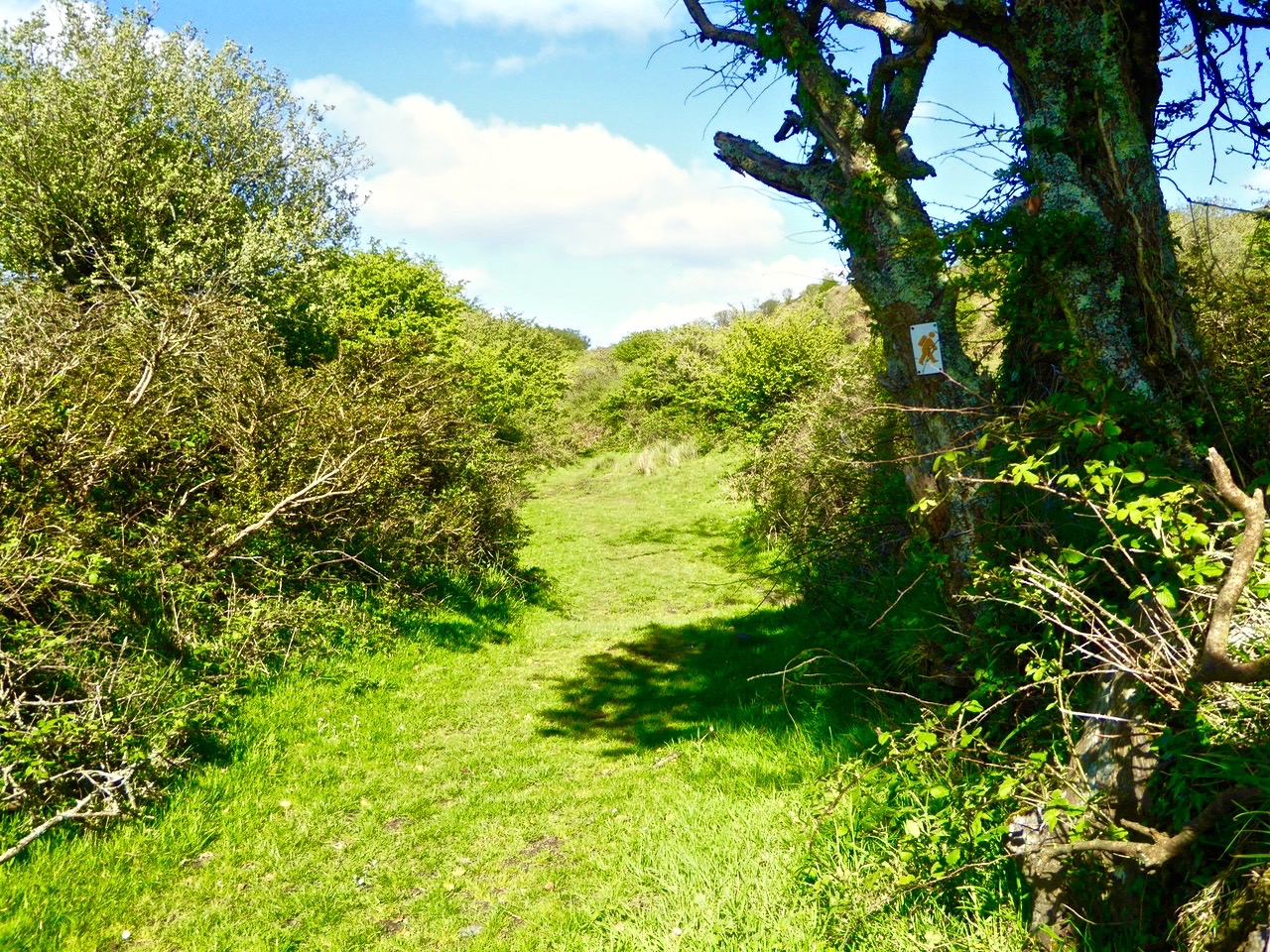
Rediscovering what we’ve only recently discovered… is that the best way of describing our experiences exploring the just launched Fastnet Trails? We have been traversing and driving around the boreens – local lanes and byways – that permeate this beautiful stretch of coastline and country on our own peninsula (Ballydehob is colloquially termed ‘the Gateway to the Mizen’) for the full two years that we have lived permanently here at Nead an Iolair. We have taken in the vistas – from the windows of our car – and appreciated the profuse combinations of sky, sea and mountain as we passed on our way; now, we are seeing everything anew, and in closer focus, because we have started to walk the trails.

Cornflowers

Old Copper Mine at Ballycummisk (Rossbrin Walk)

Old Copper Mine at Ballycummisk (Rossbrin Walk)

Towards Mount Gabriel - Butter Road Walk

Towards Mount Gabriel – Butter Road Walk

It may seem strange that many of these walks are along roads but don’t let that put you off! Remember that here in rural Ireland the old lanes were made to serve farmsteads and are little used today by anything more than very local traffic. I did the hike home from Ballydehob this morning (after my usual excellent coffee break in Budds) on the long route, passing by Ard Glas (Ballydehob Rossbrin Walk): I pootled along for well over an hour and didn’t see a single vehicle in the whole of that time! In fact, a passing car (or bicycle or tractor) is an event: invariably it involves a pause in walking while the time of day is passed in leisurely conversation during which acquaintances are made and news is passed on…

Have you time for a chat?
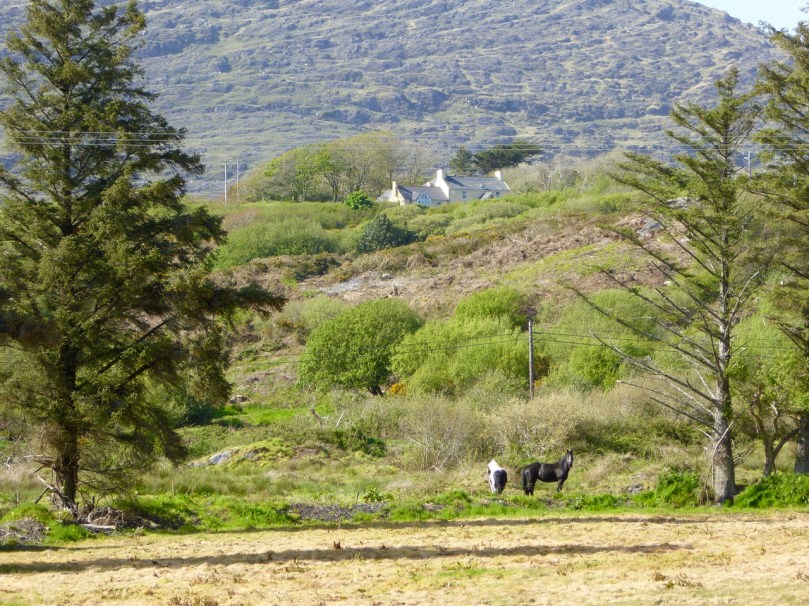
Have you time for a chat?

P1050062

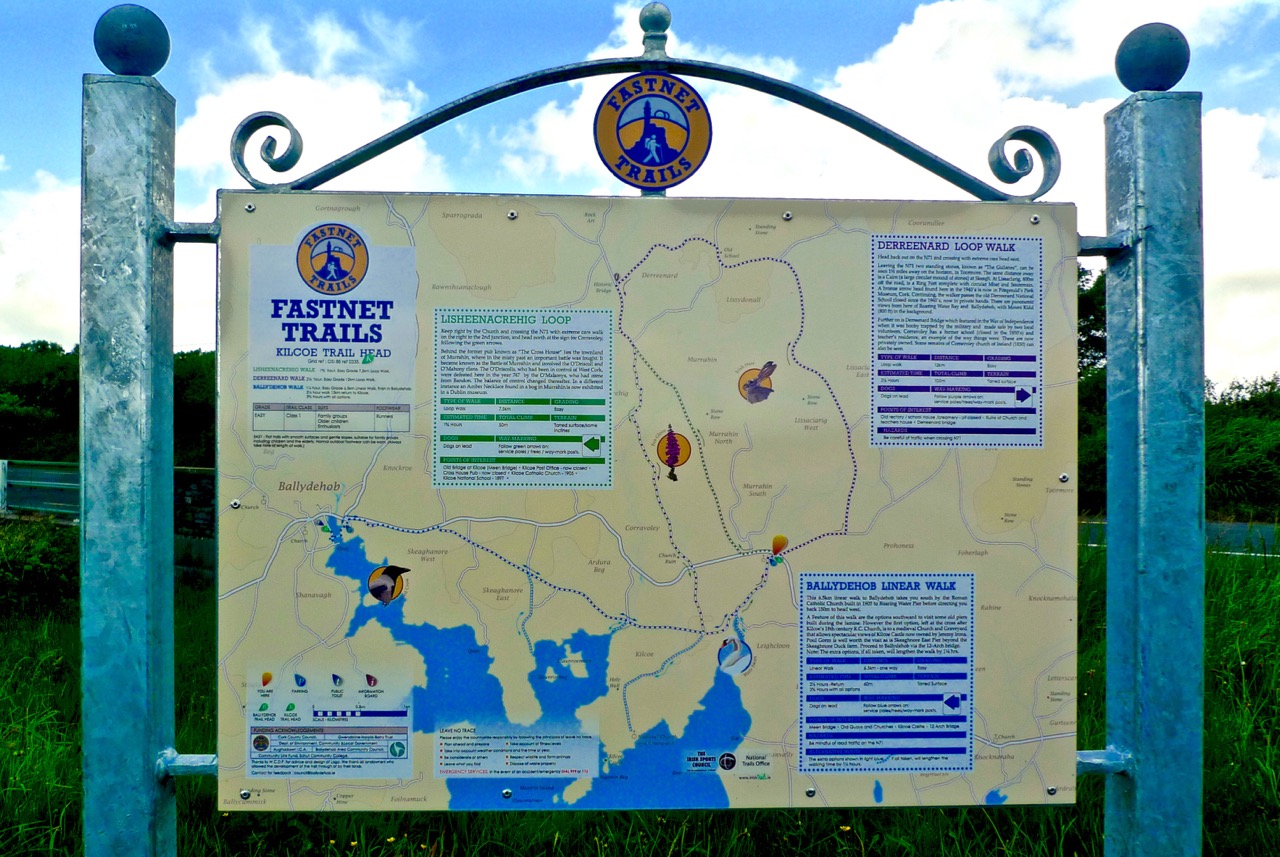
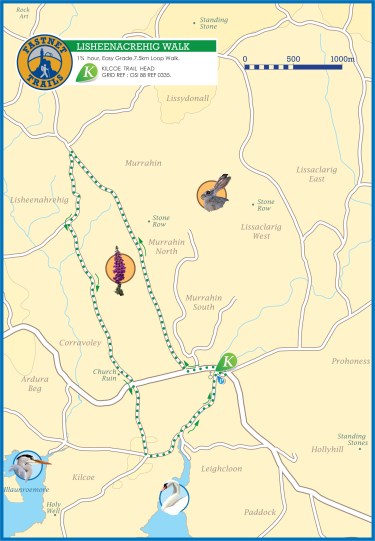
lisheenacrehig map

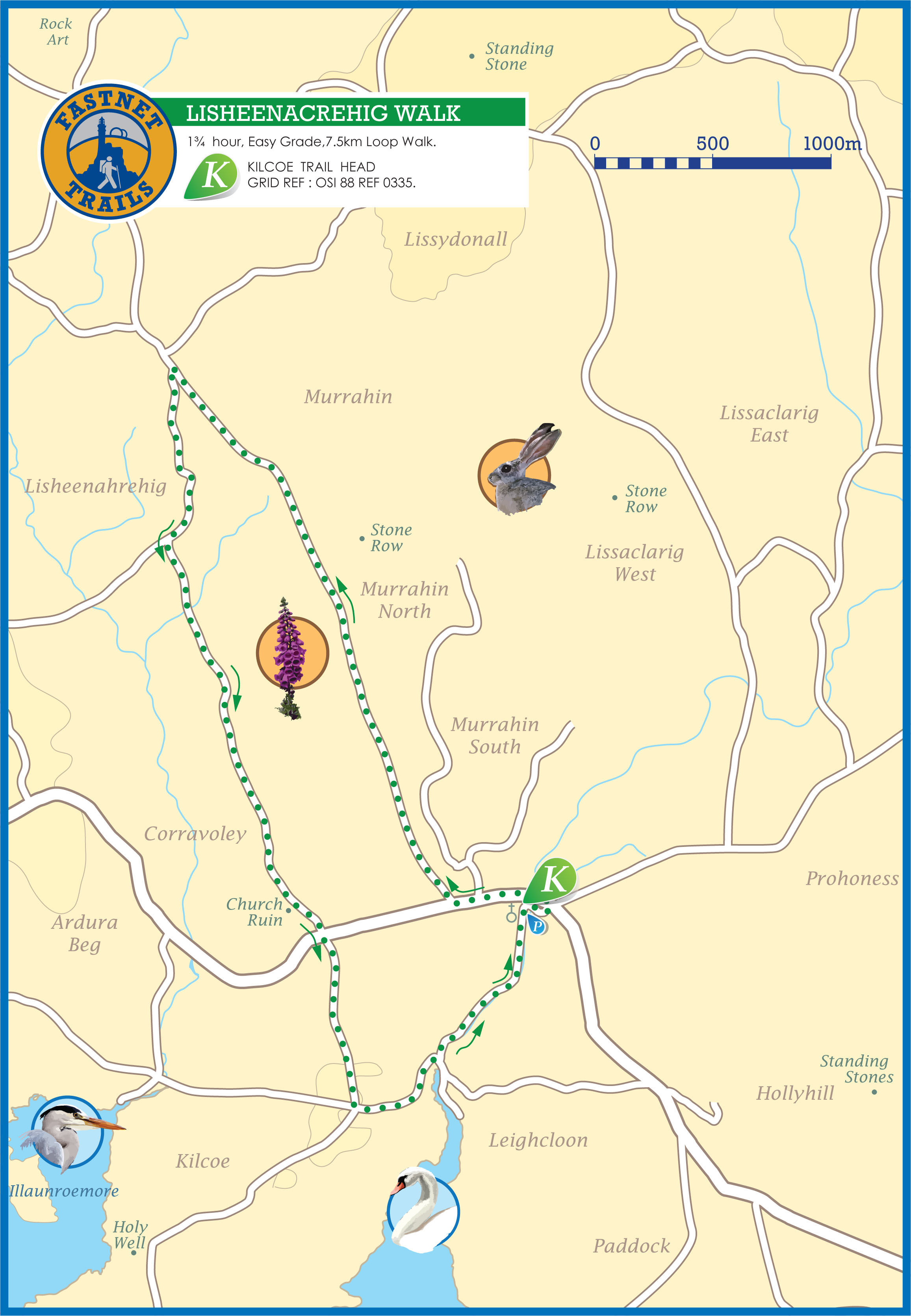
Before the official opening Finola and I undertook one of the walks (Lissheenacrehig Walk, starting at Kilcoe Trail Head): we deliberately chose the one that seemed perhaps the least interesting as it heads north inland and doesn’t pass directly by Roaringwater Bay. I’m not sure what we expected – after all, we had travelled all the little roads on this route by car previously – we are great explorers! In fact, our eyes were opened and we were surprised to be presented with wide views focussing on Mounts Gabriel, Kidd, Corrin and all the rugged uplands in between, and to be given the huge bonus of time to stop and scour inviting rock surfaces for new examples of Rock Art (we didn’t find any). But also it was the closer encounters which we really valued: a wealth (if that really is the right word?) of ruined sheds and cottages; wells, walls and wild flowers; an old burial ground with its memories of lives lived; the tumbling waters and green rocks of the Roaringwater River just before it empties itself into the Bay; archaeology (viewed from a distance on this occasion – the standing stones and ring forts are on private land and – as always – permission should be sought from the owners prior to visiting: that, of course, creating further opportunities for chat and dawdling).

View to Mount Kidd, Rossbrin Walk

View to Mount Kidd, Rossbrin Walk

Butter Road Walk

Butter Road Walk

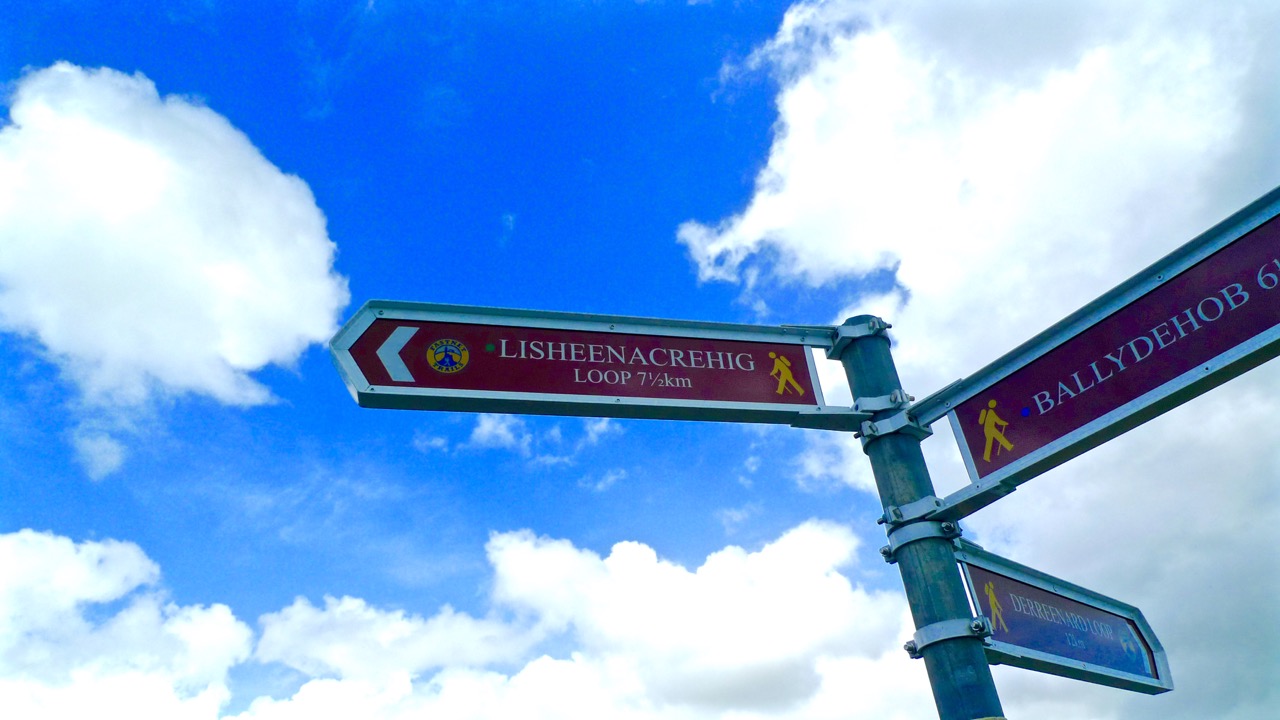
The signage on these walks is clear but discrete – you’d have to try very hard to lose your way. Very occasionally there are information boards: these have been well thought out and attractively drafted. At the end of our sample walk we realised we had taken three hours to do the 7.5 kilometres: the well produced trail information recommends allowing an hour and three quarters! I think that emphasises our predisposition to get diverted in every possible way…
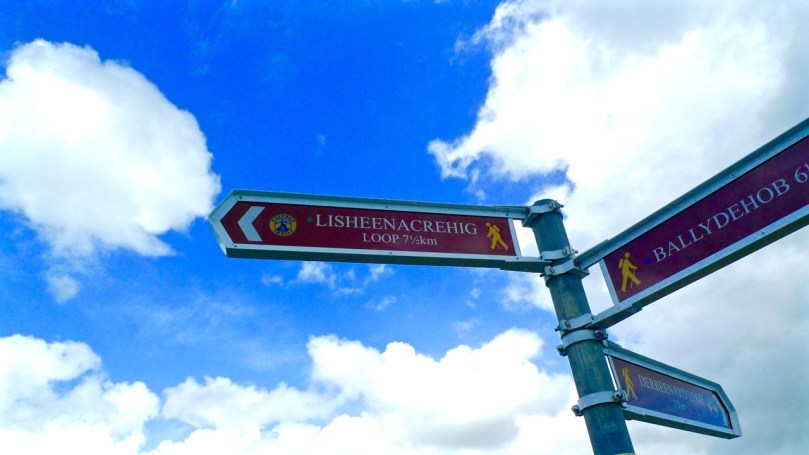
pathsign

Discrete signage on the Butter Road

Signage on the Butter Road

Bucolic

Useful signs along the way…

In all there are 80km of walks set out, from Schull in the west to Lisheen in the east. They are easily accessible, and there is ample parking at all the Trailheads.

gatepost

The one trail which is largely away from surfaced roads is the Butter Walk, running between Ballydehob and Schull. This an ancient way – Finola has written about it and its fascinating history previously. It’s magical to get into the heart of rural Ireland and to immerse yourself in nature and a past writ so clearly on the landscape.
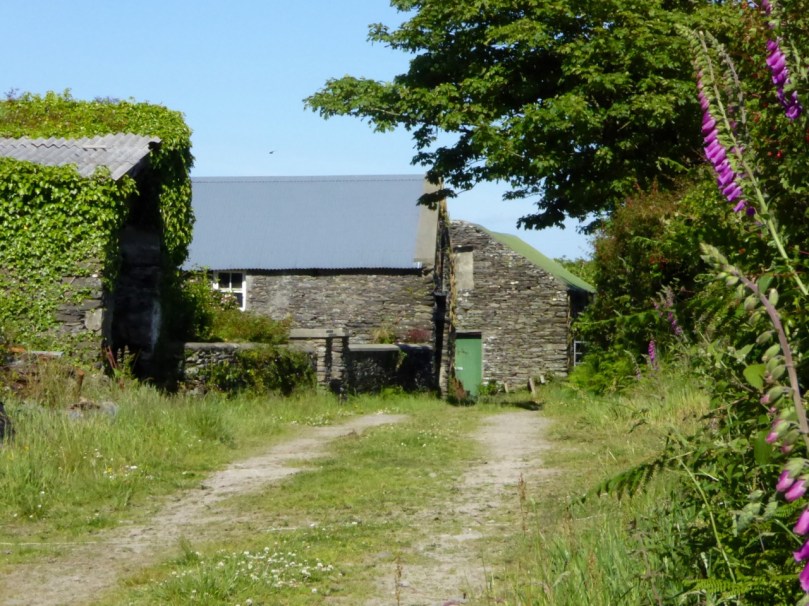
Along the Butter Road

Along the Butter Road

We really believe that West Cork is pulsating with an underlying energy! So much has happened (and is happening) during our time here. Much of it is, of course, down to people who have been working away for years – often behind the scenes and, therefore, unappreciated – but future generations will realise what a debt is owed to these innovators: West Cork has been steadily and deservedly building its reputation as good food capital of Ireland, for example – and the opening of Uillinn in Skibbereen will emphasise the equal importance and historical context of the arts in these remoter landscapes. For music, drama and literature, also, we are always spoilt for choice: the furthest we have to travel is half an hour to see and hear world class performers in all these genres.
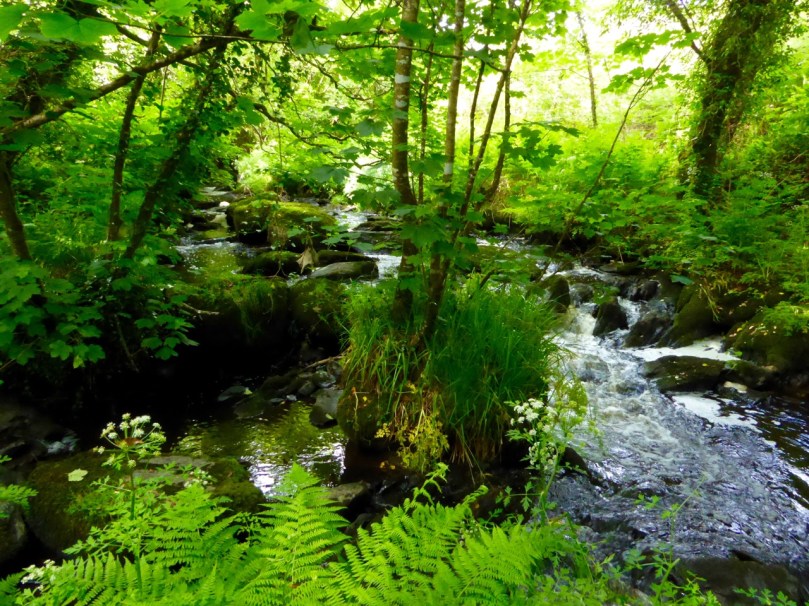
Roaringwater River, Lisheenacrahig Walk

Roaringwater River, Lisheenacrehig Walk
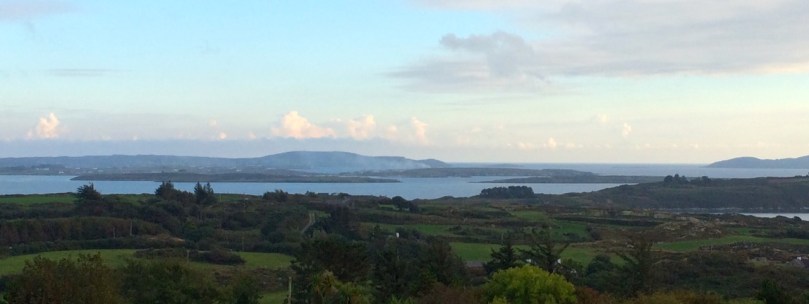
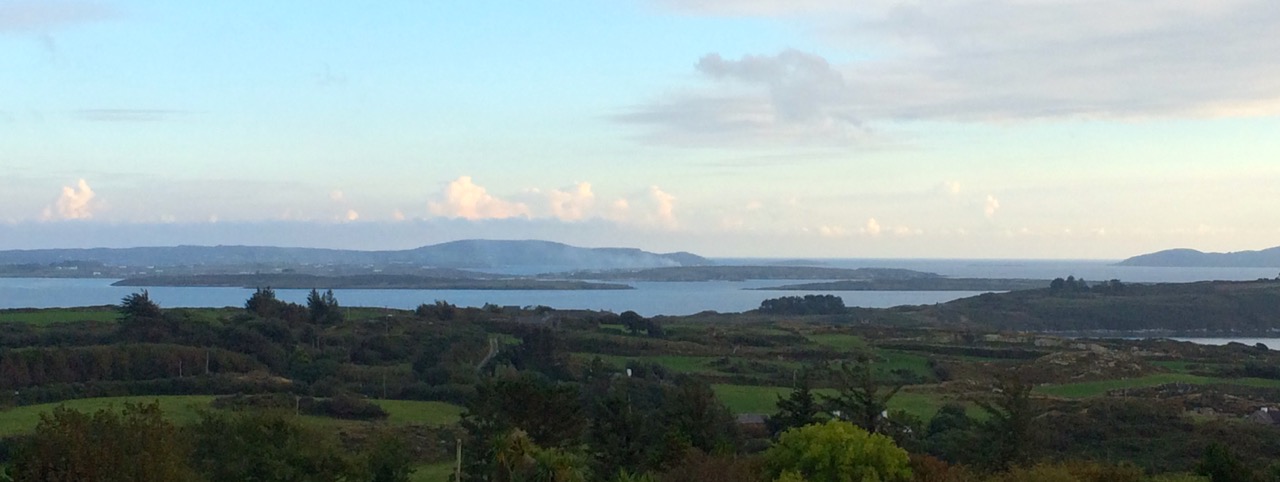
Roaringwater Bay Panorama

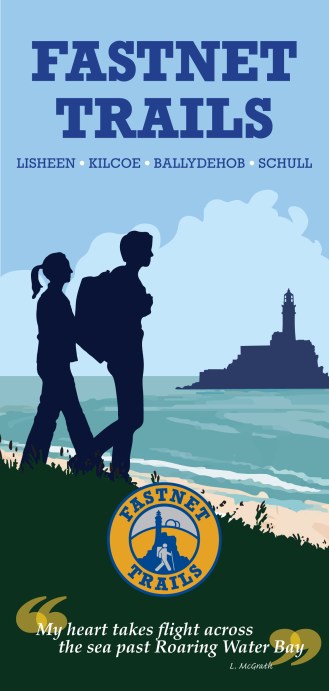
The latest asset to bring West Cork to the fore is this – literally – trailblazing one: the establishment of a network of walking routes along the coast, through the countryside and into the wild places. Fastnet Trails has been quietly gestating now for some time: the launch today shows how much work has been undertaken already – and what fruition has been attained. On behalf of everyone locally we thank the organisers for achieving the realisation of their dreams which benefit all of us and the generations to come. A grand start has been made: undoubtedly, more good works will follow.
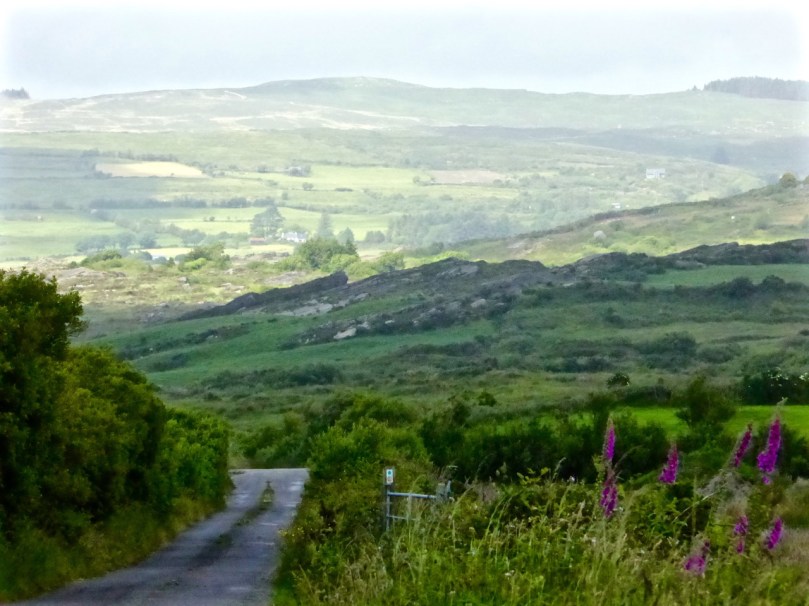
Light and shade: Lisheenacrahig Walk

Light and shade: Lisheenacrehig Walk

Lisheenacrehig Loop

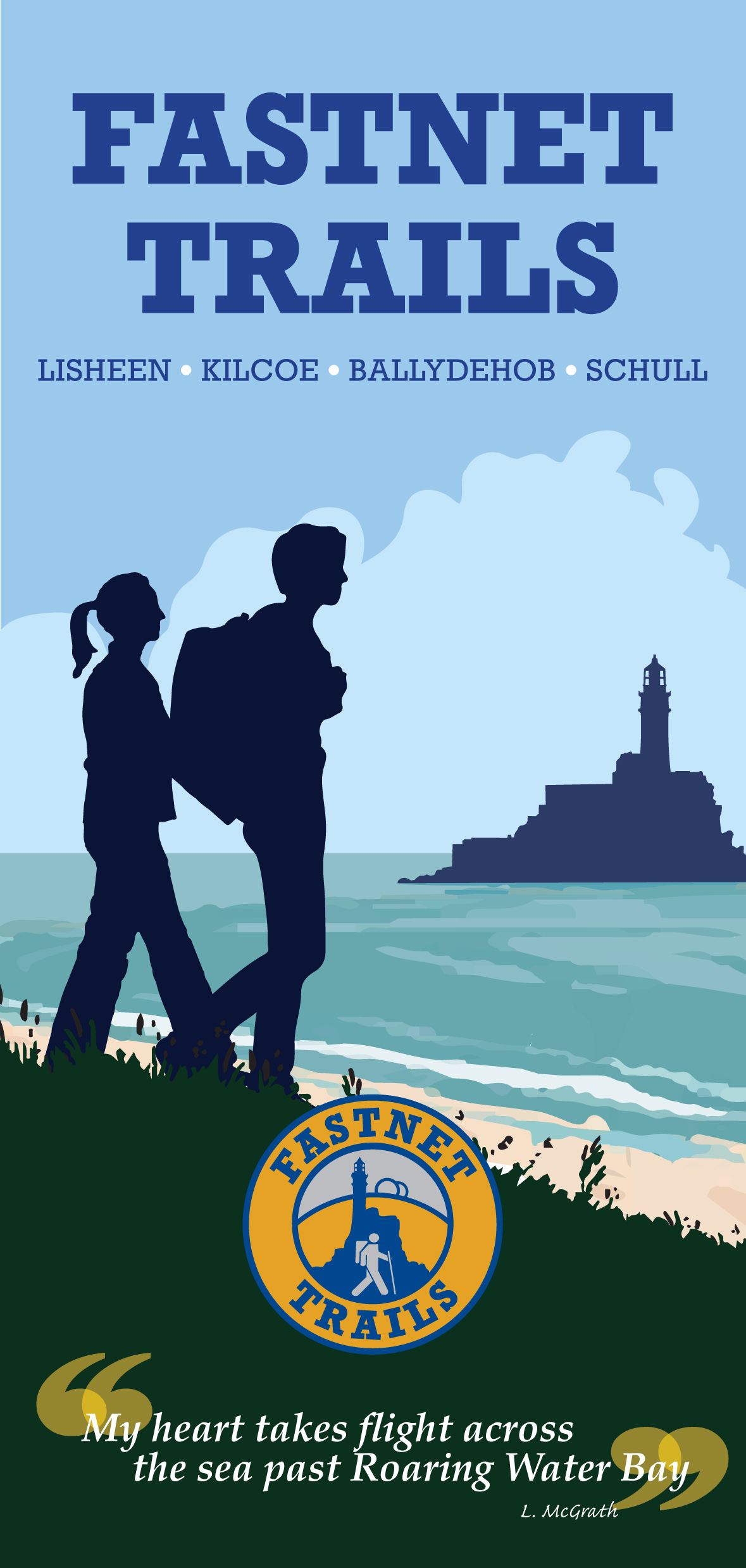
Fastnet Trails are recognised by the National Trails Office and the Wild Atlantic Way: the venture has been organised by The Fastnet Walks Trails Group with the help of the Community Councils of Aughadown, Ballydehob and Schull
fastnet_trails_a3.indd

Magic Forest

Thomas

Thomas

A byway taking off to the north just after the Cross House on the Skibbereen to Ballydehob road – signposted to Corravoley – will bring you to the townlands of Ballybane West and Ballybane East. That little boreen will take you past some Rock Art, and then on to the Magic Forest. If you find your way in, keep a lookout for the Other Crowd!

Look out for the Other Crowd!

Look out for the Other Crowd!

We accepted an invitation from the creator of the Magic Forest – Thomas Wiegandt – to come and visit while the bluebells were out – and we were enchanted by the woodland walks and all the experiences which excited our senses once we were there.

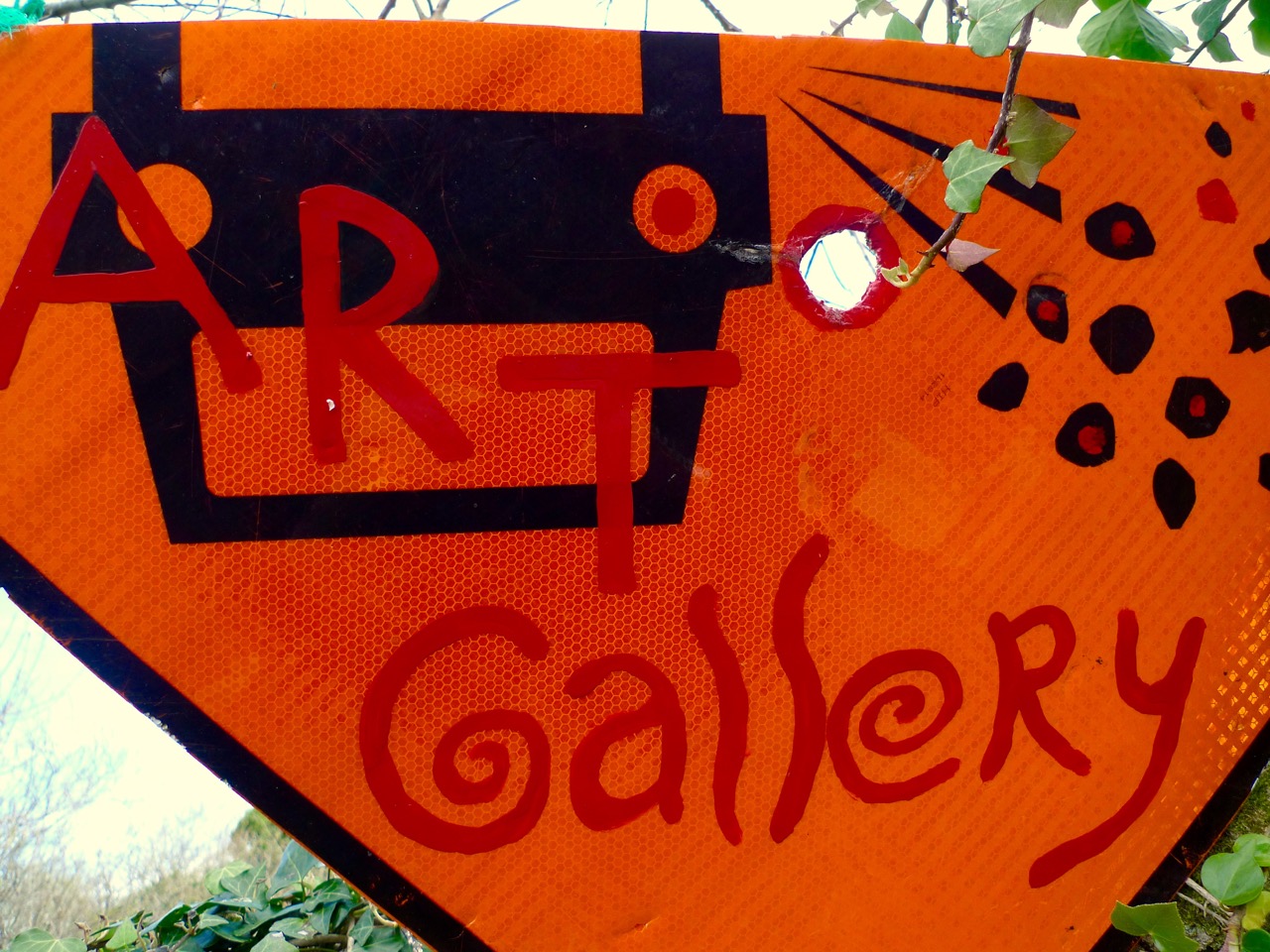
art gallery

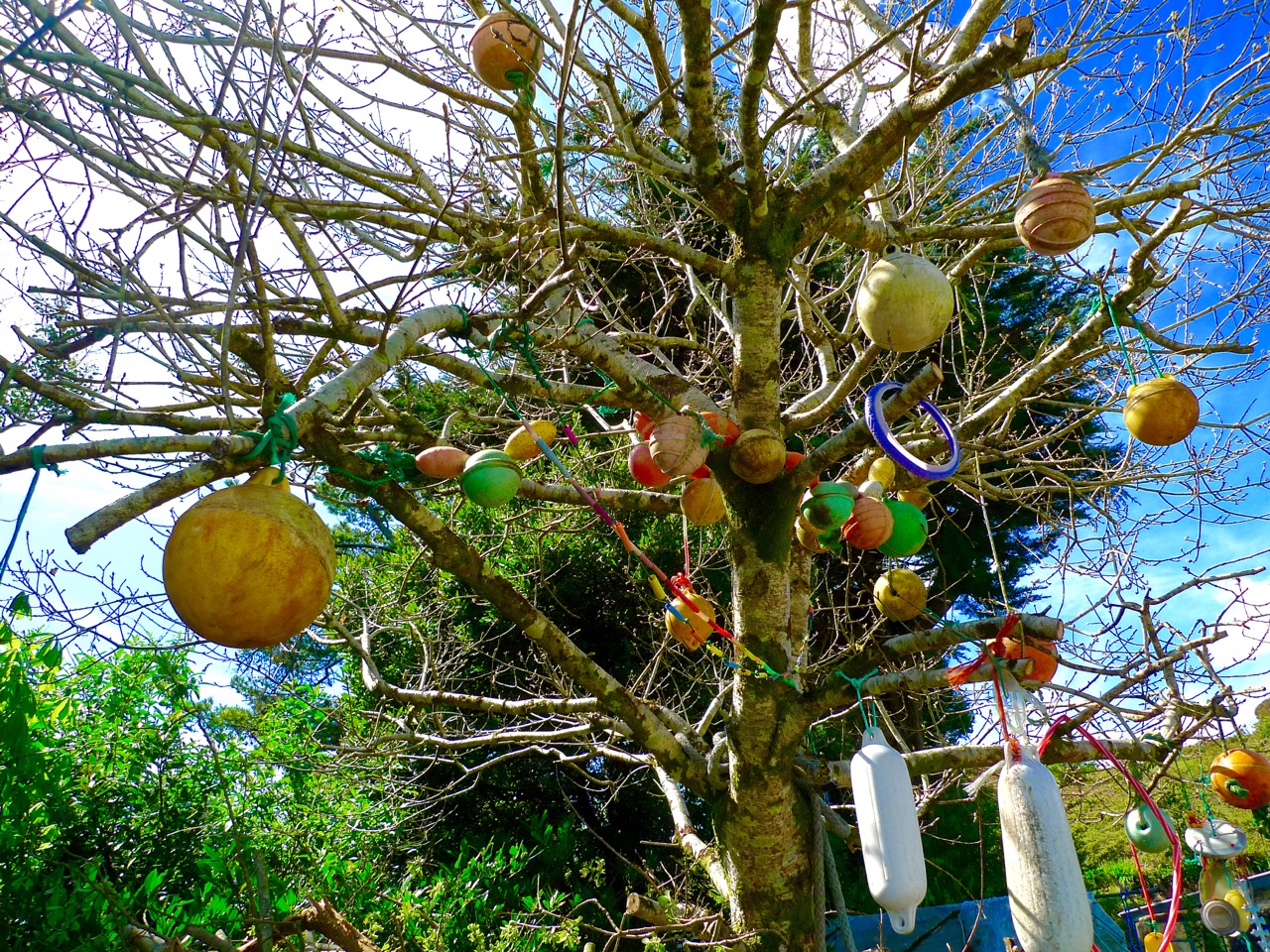
buoy tree

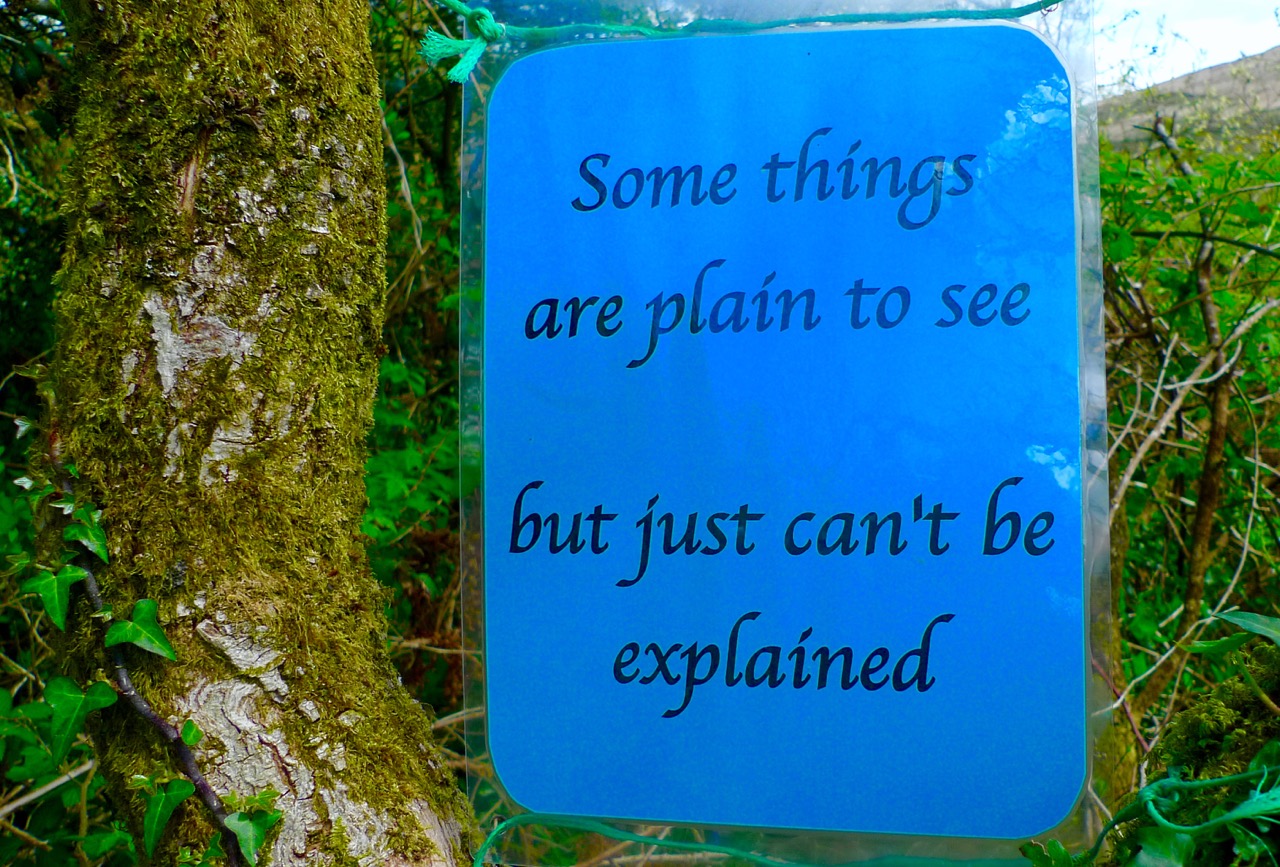
plain to see

It’s hard to describe Thomas – he’s a musician, an artist, a poet and – above all – he has a quirky and witty way of looking at the world… I like that way of seeing things.  He has lived for years at Ballybane and pursued his creative career as well as working on and caring for his few acres of West Cork wildness, which is based around an old sally grove – a place which hadn’t been used for around 100 years and which had been sold as ‘waste land’. As you make your way through the Magic Forest (and take care – there are some rough paths and a few stony steps to be negotiated) you will be taken through his thoughts and into his imagination.

spidey

spring

lizard

Thomas believes we are all musicians at heart (I agree) – and invites us to have a go at the Ballydehob Gamelan – a wonderful collection of ‘rescued’ objects with which we can create rhythms and explore a whole world of sounds: you can play an array of drums, cans, goblets, makeshift xylophones, even stones… Finola had a whale of a time!

There is art and poetry set amongst the willows, often with the most unexpected juxtapositions. One of my favourite discoveries in the Magic Forest was Natural High – a little knoll looking out to Mount Kidd: there are two garden seats there where you can sit at ease and frame the view of the mountain, with two dogs as companions: one of them is real!

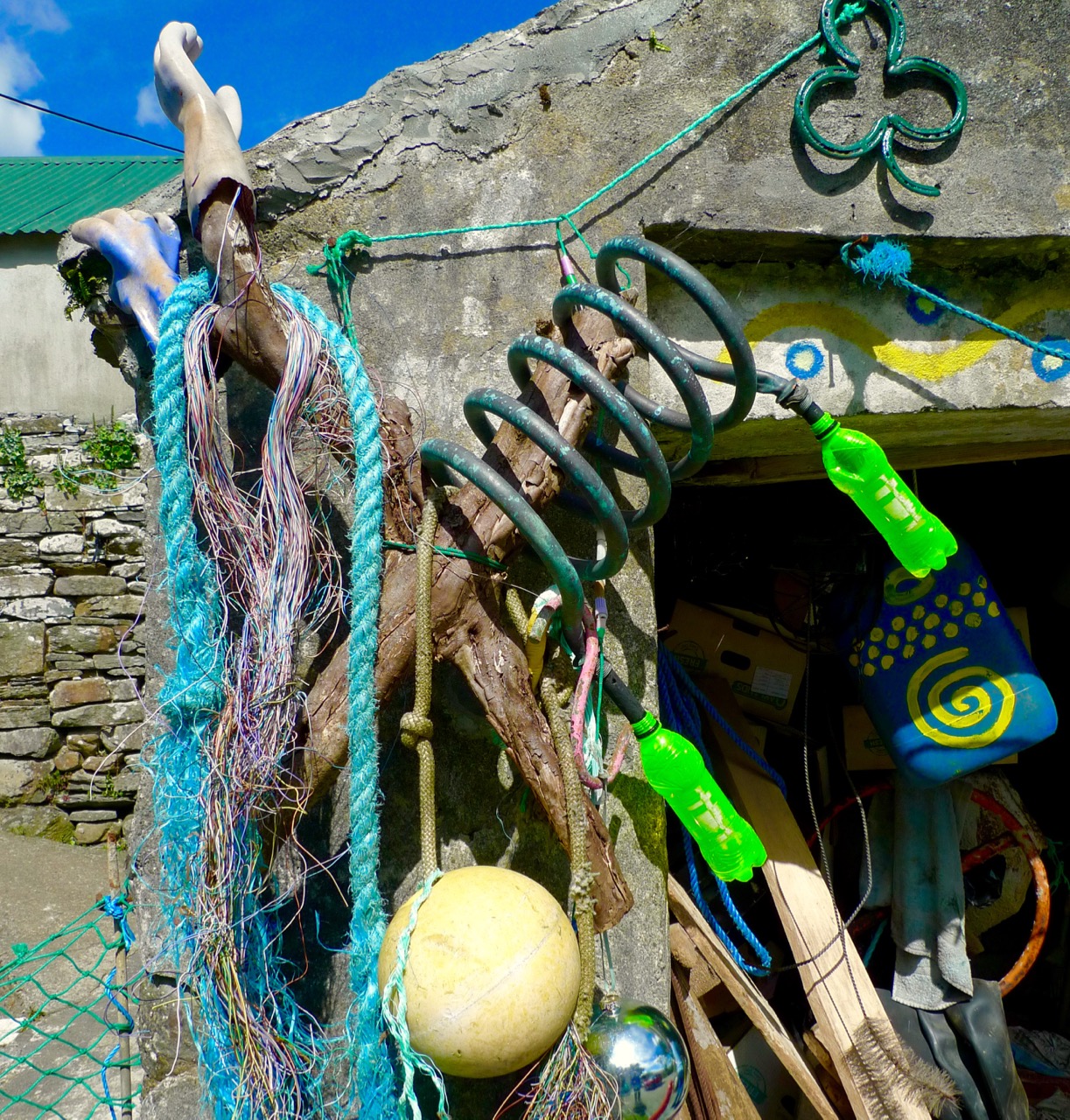
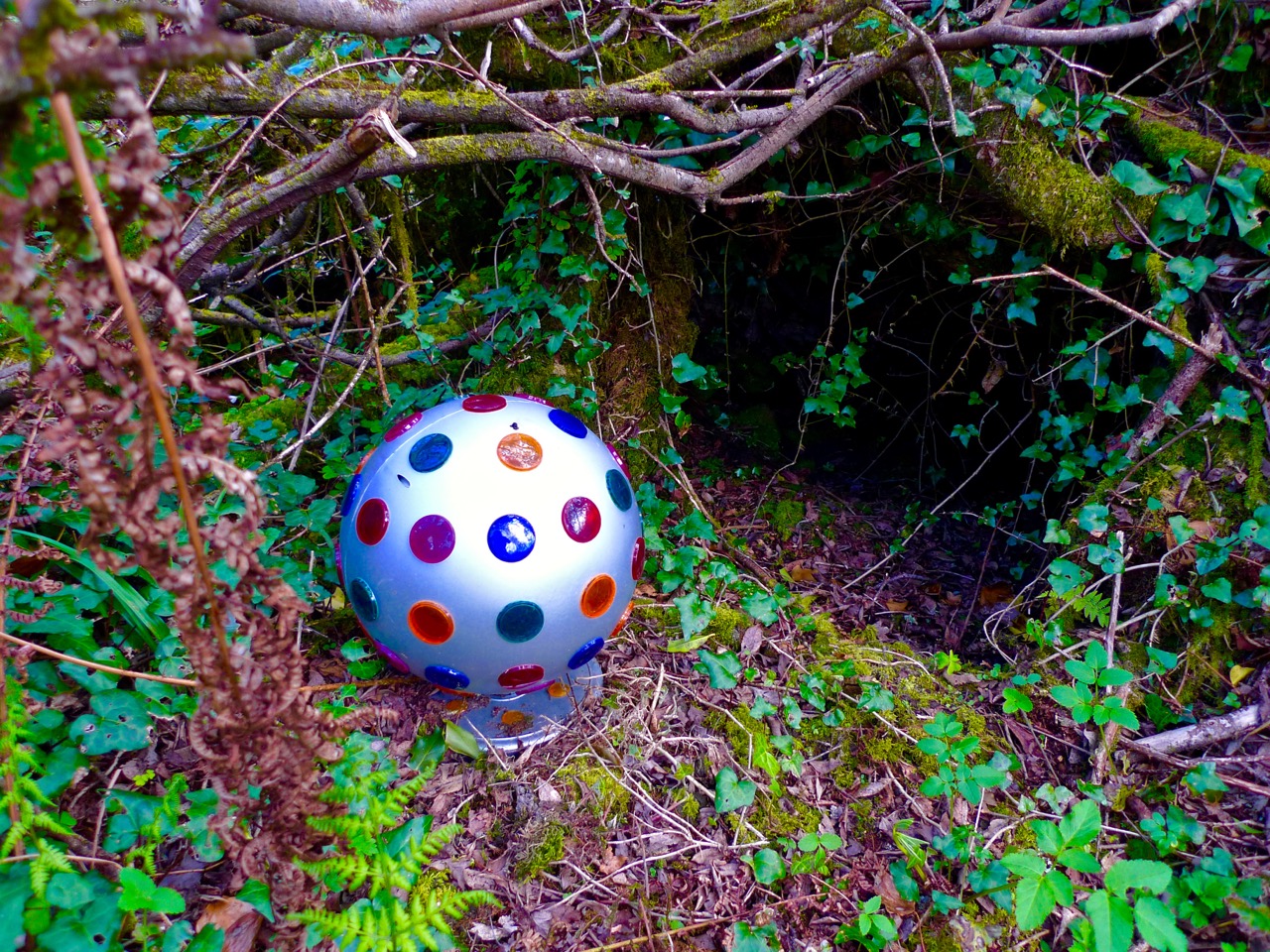
There were some messages here – about how we treat our world (or mistreat it), but they weren’t intrusive to the enjoyment of the whole adventure. If anything they were thought-provoking and – overall – a very good lesson in how we can all positively re-use things that seem to have transcended their original purpose.

ball

cone

for the record

In another life, Thomas might have been a shaman or medicine man: walking through the forest can be seen as therapeutic and refreshing in the context of our modern busy world – and it will certainly make you laugh at times. I really liked the idea of picking up a phone and talking to our ancestors!

You can discover more about the Magic Forest – and about Thomas Wiegandt – on his website: Cosmic Radio. You will find his poetry and his music there, and you can download many of his compositions for free. But do go and visit this unique piece of West Cork for yourselves: I hope you will be as delighted by the experience as we were.

poetree

signage

Ah! Sweet Fiddler…

paddysmoke

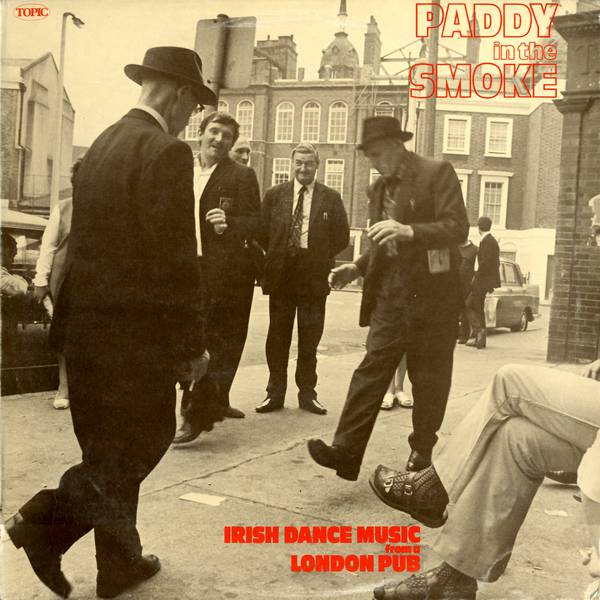
How did I first become aware of Irish Traditional Music? Probably through this Long Player (remember those?) released by Topic Records in 1968. Paddy in the Smoke was – still is – central to my collection of folk music on vinyl and is available today as a CD or a download.  The recordings were made during the mid 1960s in a London pub, The Favourite, in Holloway. Irish musicians gathered there every Sunday between noon and 2pm (such were the licensing laws of the day!) and those sessions are now legendary, probably representing the epitome of ‘folk music to aspire to’ – certainly that was the case for this wet-behind-the-ears 22 year old attempting to play along with these wonderful tunes on an ancient single-row Hohner melodeon. Here’s a sample of one of the tracks on YouTube: you can hear how the atmosphere of the occasions has been wonderfully captured.

More from my collection of fiddle recordings

Jump forward a few years and in the mid 1970s I was making my first trip to Ireland, visiting Cork, Clare and Longford – looking for The Music: I found it in abundance. By then I was playing an Anglo Concertina, but I was very aware that wherever you went to in Ireland – or whatever you listened to from the Irish tradition – it was above all else the fiddle that seemed to be the king-pin.

Fiddles at the Chief O'Neill's Festival, Tralibane

Fiddles at the Chief O’Neill’s Festival, Tralibane

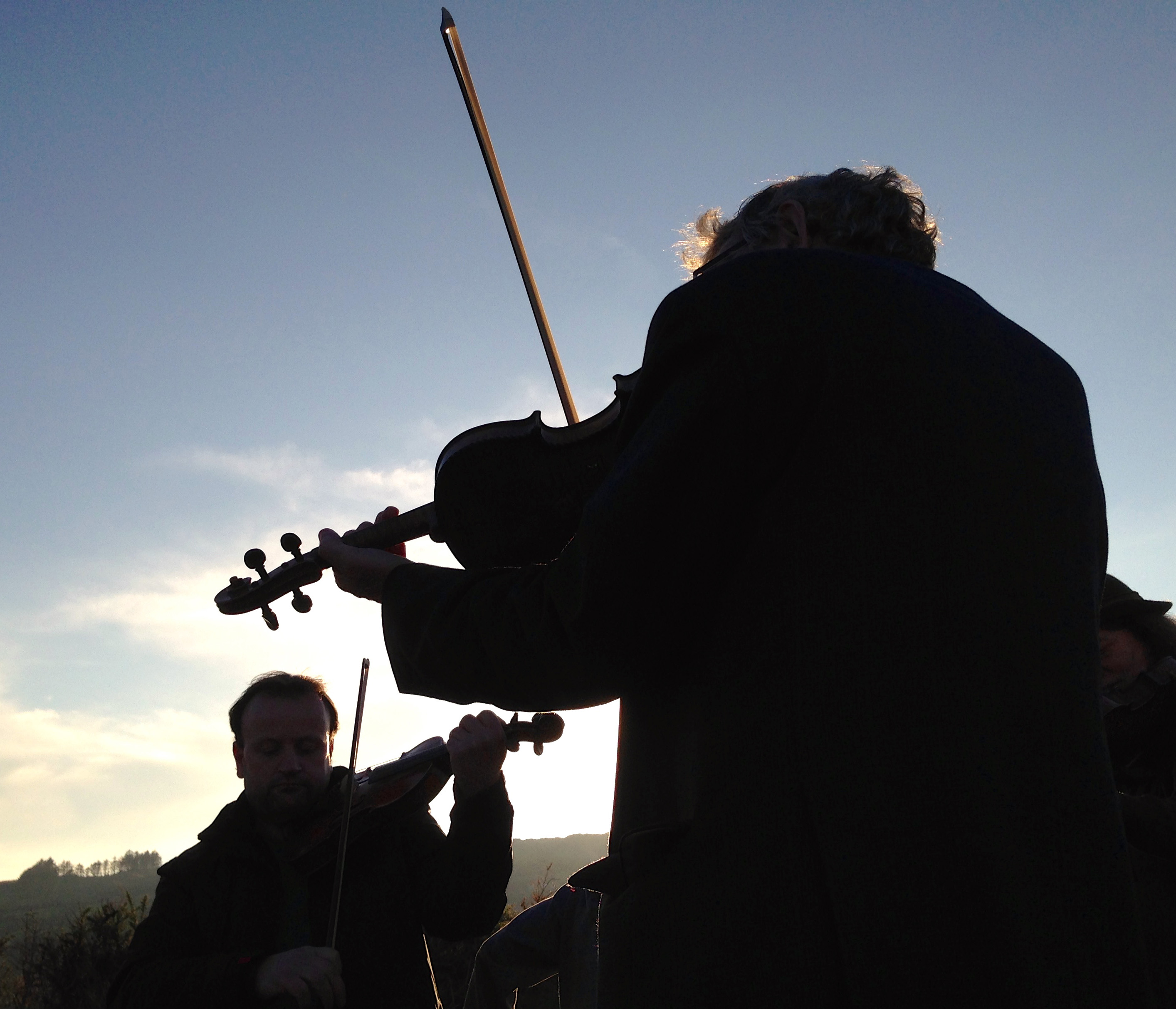
Now – dare I say it – almost 50 years on from hearing those first notes, here I am living on the shores of Roaringwater Bay and I am more than ever immersed in the music. Still it’s the fiddle that’s ubiquitous, wherever I go and whatever I listen to.

Fiddles to the fore: Friday night session in Ballydehob

I started to learn the ‘violin’ when I was 11 years old. It wasn’t a fruitful venture – I had given it up within the year and moved on to the piano. I suppose I have just always been happiest with an instrument that only requires you to press a key or a button to get exactly the right note. But I am filled with admiration for anyone who plays the fiddle – who is able to perfectly pitch the notes, and then ‘bend’ the music when the mood requires it. You can’t ‘bend’ steel reeds!

The Rakes dance band, founded in 1956 – Reg Hall, Michael Plunkett and Paul Gross. They introduced me to Irish dance music back in the day… They are still going strong! Reg Hall was responsible for the Paddy in the Smoke recordings, together with Bill Leader

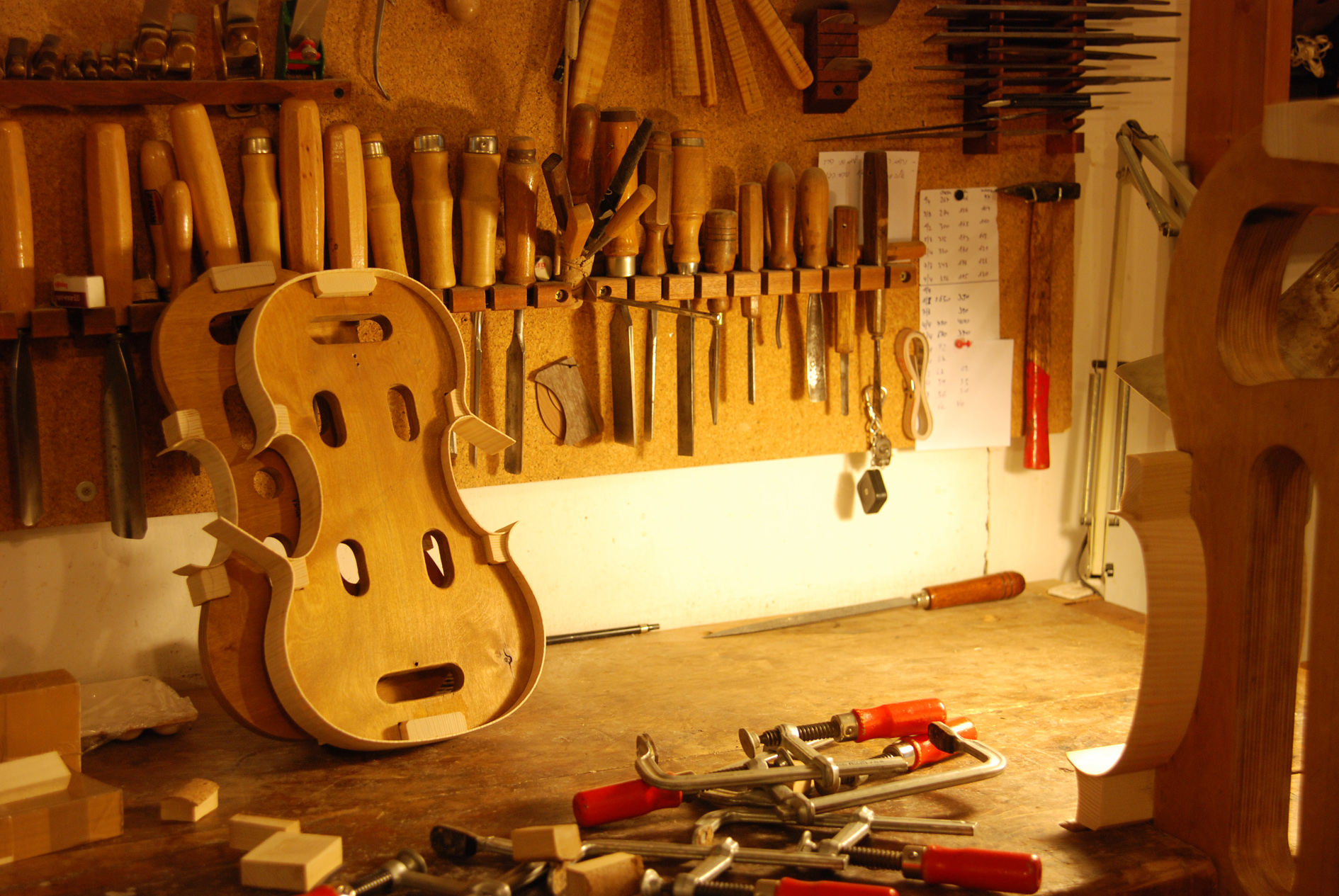
A fiddle is a violin – it’s the same instrument. Generally, classical players of the violin call it by either name, but traditional music players invariably call it a fiddle. It’s a beautifully constructed instrument with a feminine, flowing shape – a piece of craftsmanship which has been made the same way for 500 years. A seventh century Irish poem The Fair of Carman describes ‘…Pipes, fiddles, chainmen, Bone-men and tube players…’ but we don’t know what the fiddle was at that time. An excavation in Dublin during the 18th century uncovered a fiddle and bow dating from the 11th century: this is the oldest bow known in Europe – the bow is of dogwood and has an animal head carved on the tip.

workshop

The violin maker’s workshop (www.violinist.com)

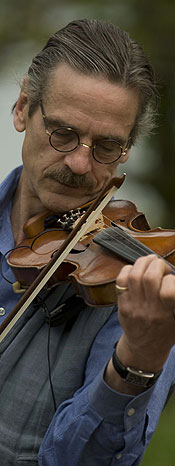
Can anyone learn to play the fiddle? Probably – with sufficient patience and perseverance – and a bit of musicality. But it takes very particular skills to put The Music into the instrument. We are immersed in good fiddling around here: we have so many music festivals – Baltimore Fiddle Fair, Masters of Tradition, Chief O’Neill’s, Ballydehob Trad Fest – right on the doorstep. The whole gamut of different regional styles and techniques is here for us to take in. If you have half an hour or so to spare, it’s well worth looking at this YouTube video dating from 2008: firstly, you’ll see Jeremy Irons learning to play traditional Irish fiddle, and you’ll see his mentors, including maestro Martin Hayes. But Jeremy lives in Kilcoe Castle, just over the hill from us – so you can also get a flavour of life down here in Roaringwater Bay – immersed in the sweet fiddle music…

left


An Extra Lick of Paint

Old vet clinic, Schull

Old vet clinic, Schull

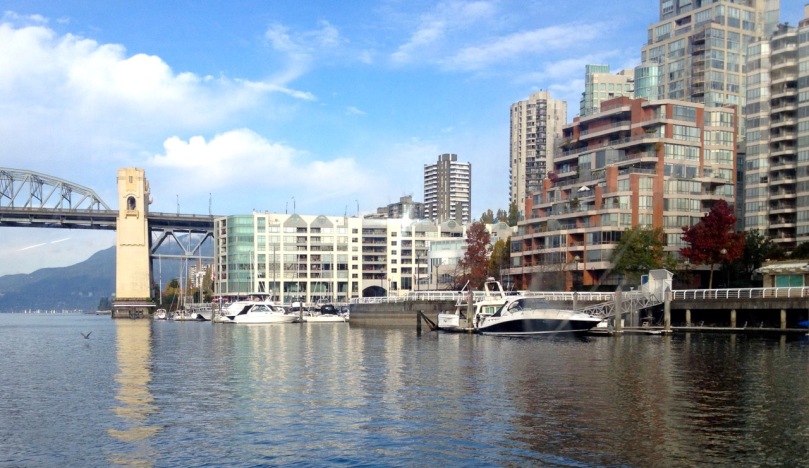
I used to live in Vancouver, on Canada’s west coast. It’s a beautiful city by any standards: gleaming high-rises, miles of seaside walkway, and snow-capped mountains lending a dramatic backdrop. I loved it, but when I looked through my window mostly what I saw was concrete and steel – and no colour! I had to escape up into the mountains or out to the Fraser Valley to get in contact with nature and feed my soul.

Where I used to live

Where I used to live

Where I live now

Where I live now

In West Cork, my soul is fed every day, every time I look out the window of our house, every time I stroll through our village of Ballydehob. That’s down to our rural setting, of course, and the magnificent scenery, but a huge part of it is about colour. I’m a colour person, I guess: I respond to it and crave it. I can certainly appreciate a quiet tasteful palate of greys or beiges, or any of the million variations of off-white when I see them. But left to my own devices I’d quickly have a chunk of candy apple red in there, or chairs the colour of daffodils, or a wall in a vivid pink. As Lady Gaga says, I was born that way.

Why is that woman taking my picture?

Why is that woman taking my picture?

And so I find living in rural Ireland a constant source of delight and inspiration. No country was ever this green, surely! Now the gorse is starting to bloom, turning the hillsides into a blaze of yellow. And every few kilometres along the road is another village or town full of colourful houses competing with each other for my attention. But before we get to the villages, here are some glimpses of houses just off the main roads as you drive those kilometres.

A Lick of Paint mainly featured houses out in the countryside, but for this post I wanted to show you some of my favourite houses in our nearby towns and villages: Ballydehob, Bantry, Skibbereen and Schull.

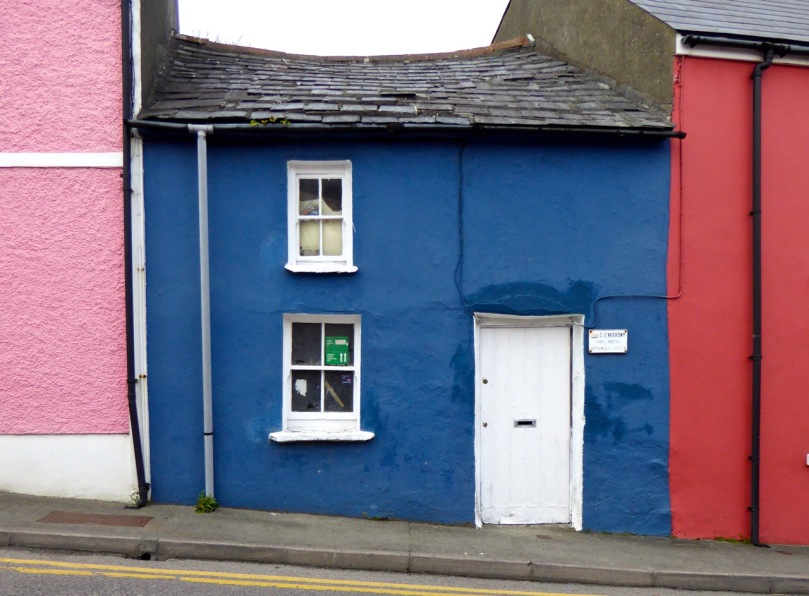
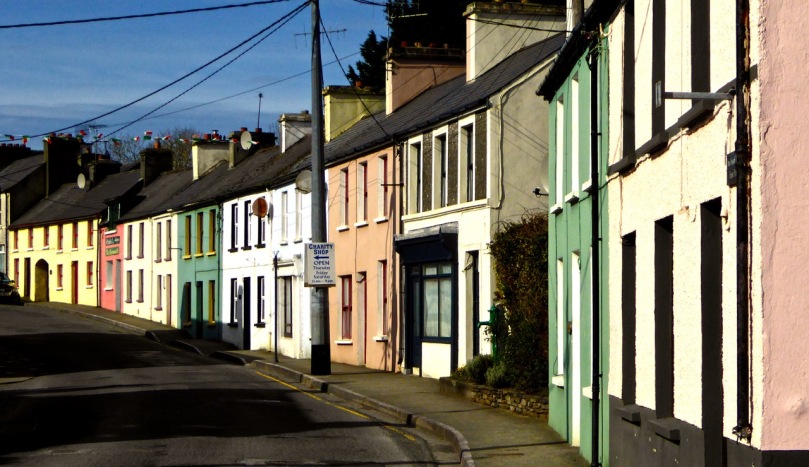
On the outskirts there are new estates of identical houses, of course, all painted in identical shades of cream. But in the steep and windy streets behind the shops you find little old terraced houses lovingly done up, the walls, doors and windows all in contrasting hues and with knife-edge divisions of colour between neighbours.

Skibb town house 2

Skibbereen townhouse

It can be like walking through a giant Rubik’s Cube (ok, that dates me) or one of those kaleidoscope tubes.

In his book, West of West, published in 1990, Brian Lalor captures my own experience growing up in a sea of grey. He says:

The nineteenth-century photographs of villages and farms show an unrelieved grimness of stone, cement and clay. Whitewash relieves this picture, though frequently this rendering has degenerated into a leprous greyness indicative of neither hope no prosperity. Colour has a symbolic relationship with the state of economics in rural Ireland. The last 20 years have seen the introduction of modern synthetics, bringing vivid tones not previously to be found here. Affluence and the EC have brought, as to the Aegean, a flight from the spartan virtues of white and cream…

Whatever the reason – prosperity, a sense of fun, a wish to lighten the spirits, the influence of the Tidy Towns Competition, an affinity with the colours of the wildflowers in the hedgerows, competition with the neighbours, the need to describe how to identify a house when street numbers are confusing or absent – I am grateful for it. It’s one of the things that makes rural Ireland unique and charming – and it feeds my soul.

Airborne, Schull

Airborne, Schull

The Gables of Ballydehob

The Gables of Ballydehob


New Archaeology

Unexpected Discovery...

Unexpected Discovery…

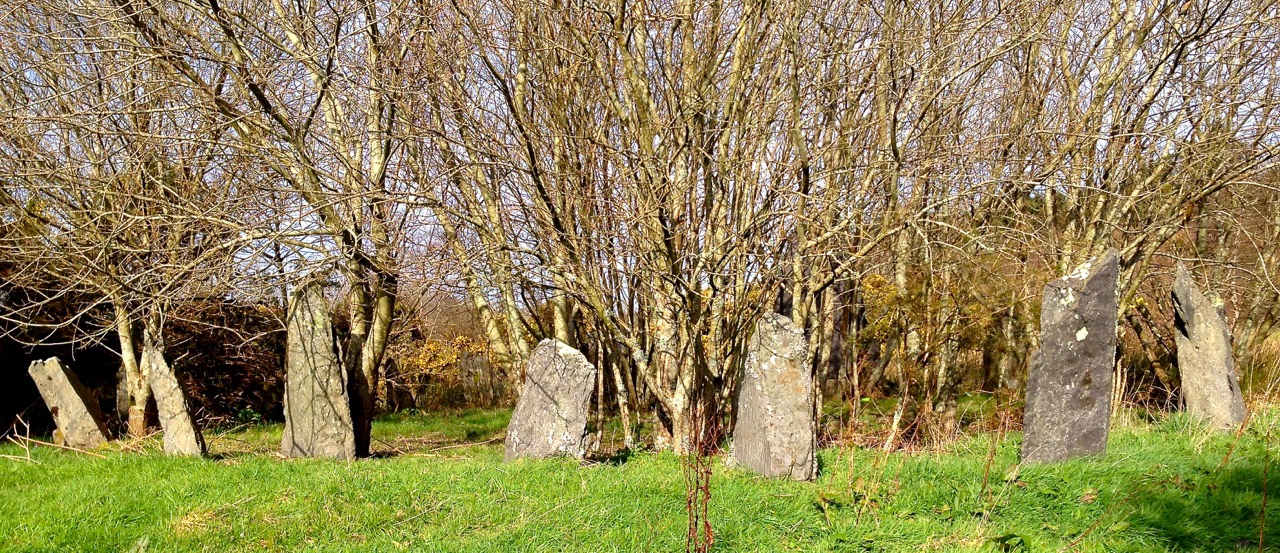
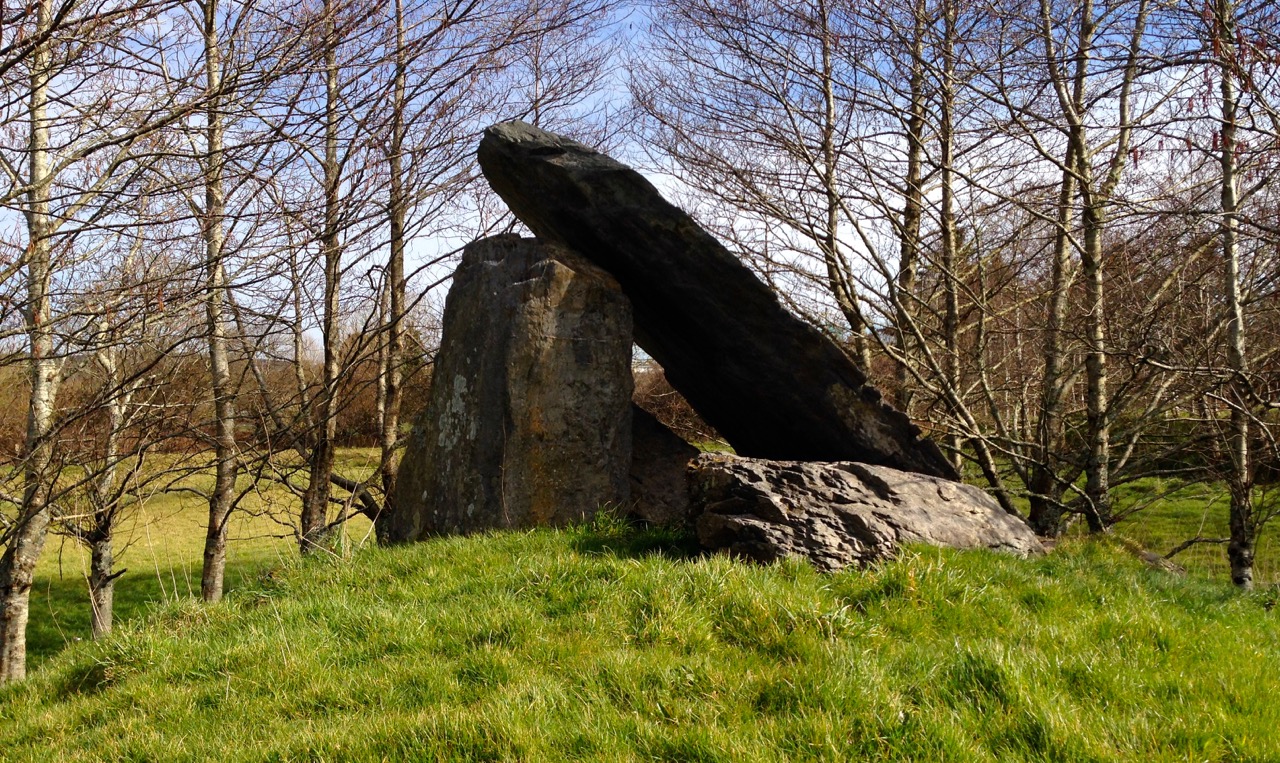
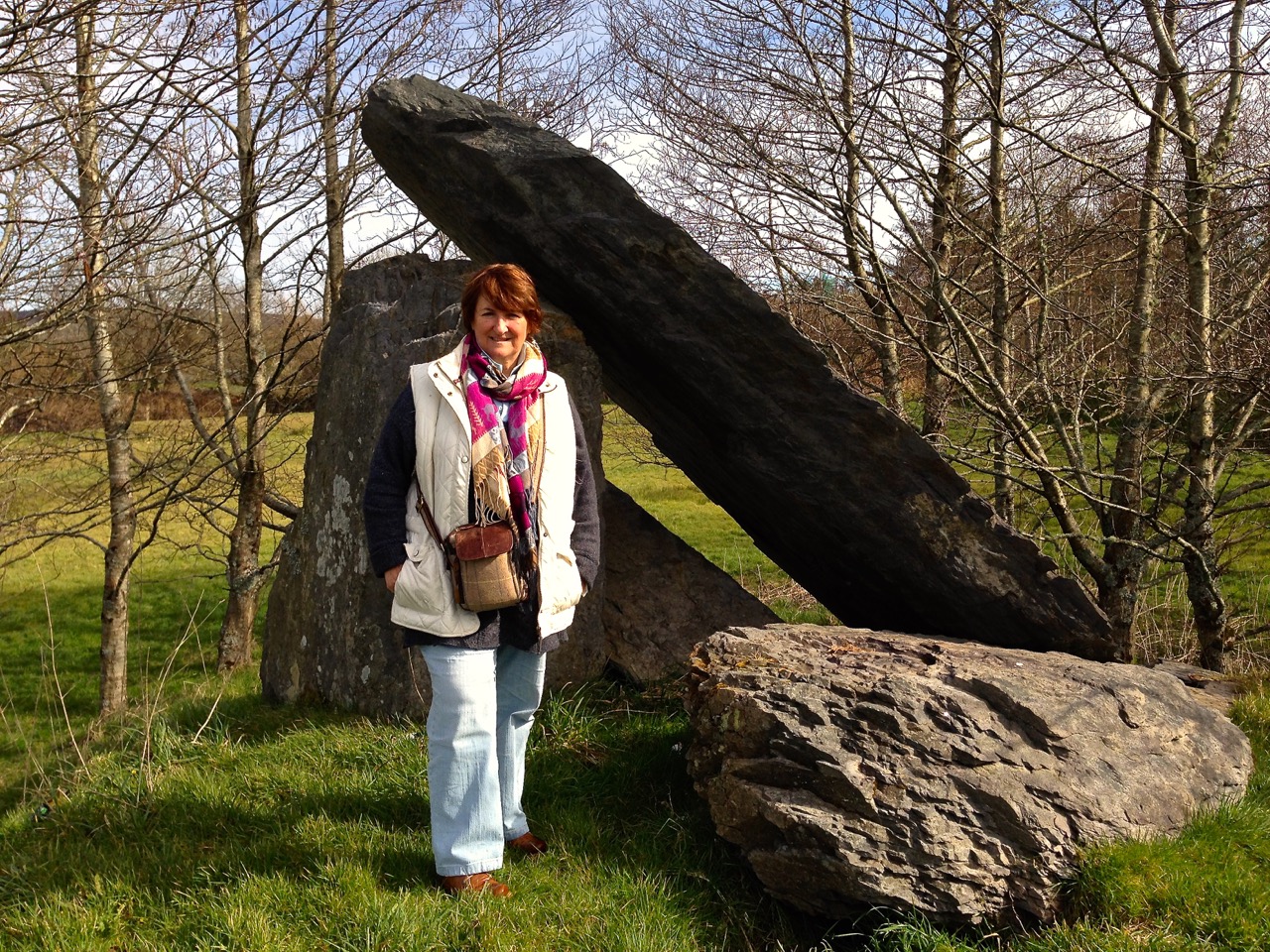
Wow! A hitherto unrecorded stone circle, a boulder burial, a gigantic standing stone and a dolmen… all found on a Saturday morning walk.

Ballydehob's Dolmen

Ballydehob’s Dolmen

Budds

Our expedition began after a great breakfast in Budds – Ballydehob’s newest eating venue: try it out – it has an attractive cheerful atmosphere and the food is excellent. After this sustenance we set out to explore – for us – uncharted territory. Did we travel miles out into the wild hills of West Cork to find these remarkable pieces of archaeology? No, we walked a few metres down the road…

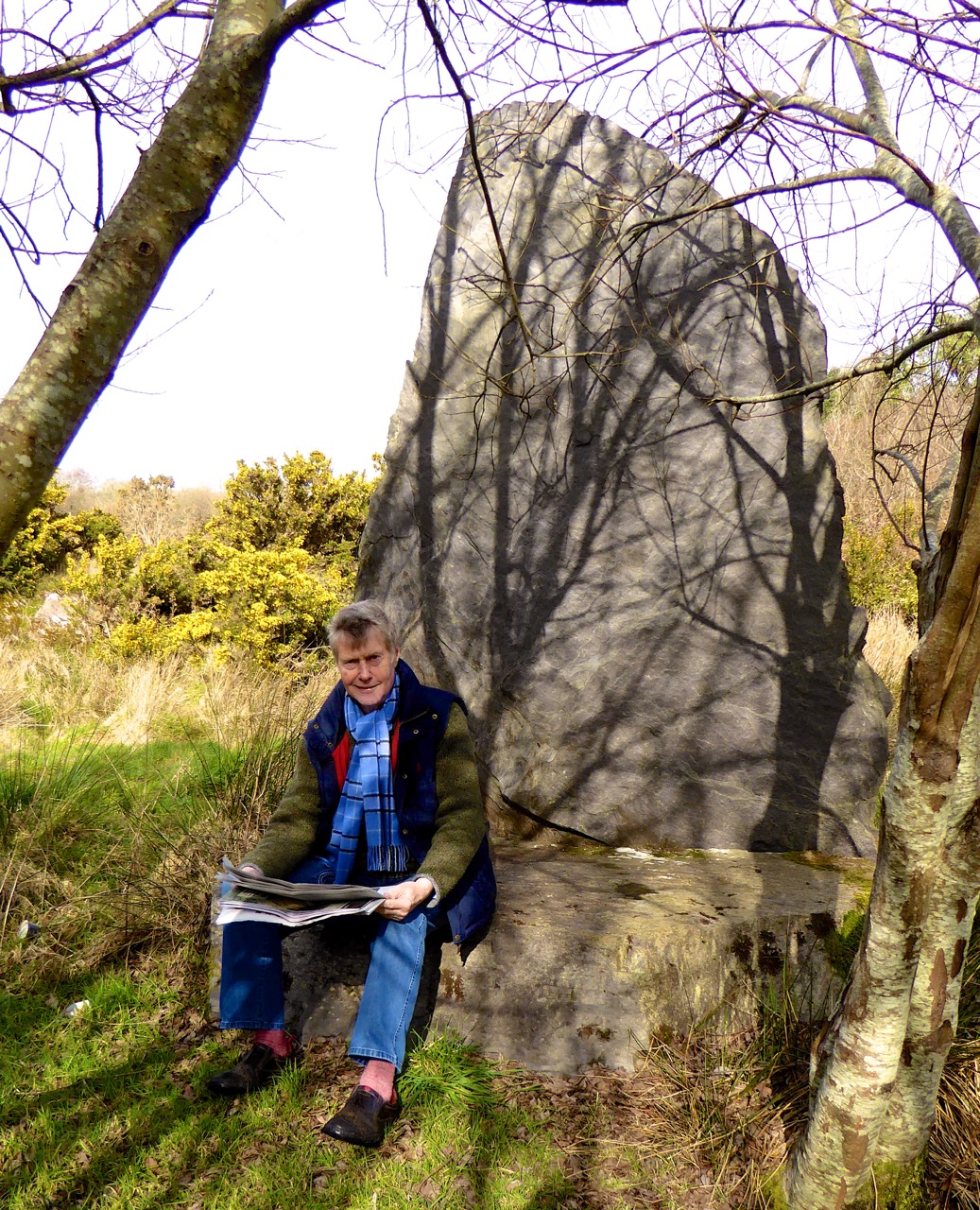
Time for the weekend paper - Robert takes to the Druid's Chair

Time for the weekend paper – Robert takes to the Druid’s Chair

Right behind the main village street in Ballydehob is a spectacular example of twentieth century Irish history: a golf driving range with a prehistoric theme!

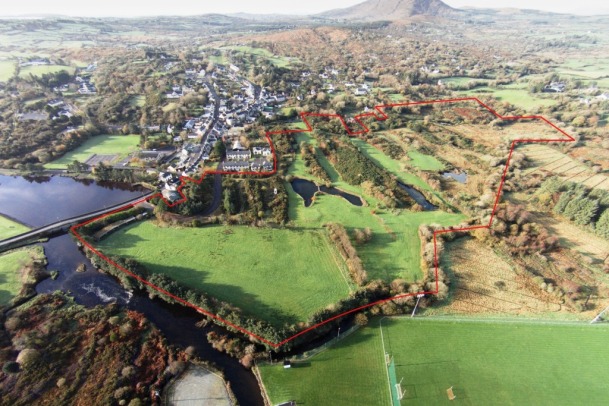
Aerial view of the site

Aerial view of the site

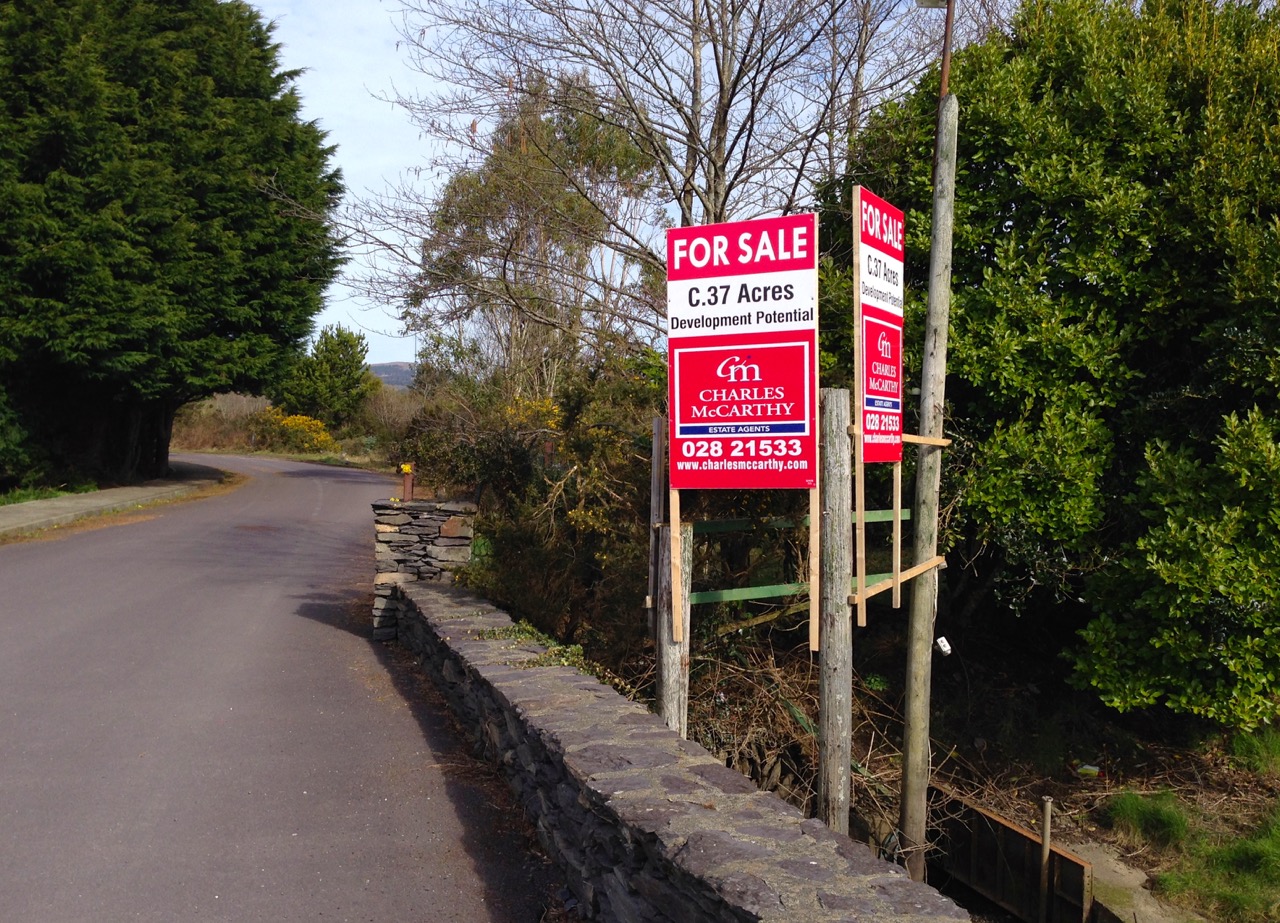
Ballydehob’s Golf enterprise came with the Celtic Tiger – and went when the Tiger collapsed. It’s now a site looking for a buyer – you could have it!

for sale

But we do hope that if someone does buy the site, then they keep all the features: the winding paths by the river, the parkland which feels so rural and secluded, yet is within a stone’s throw of the main N71 highway – and all the New Archaeology...

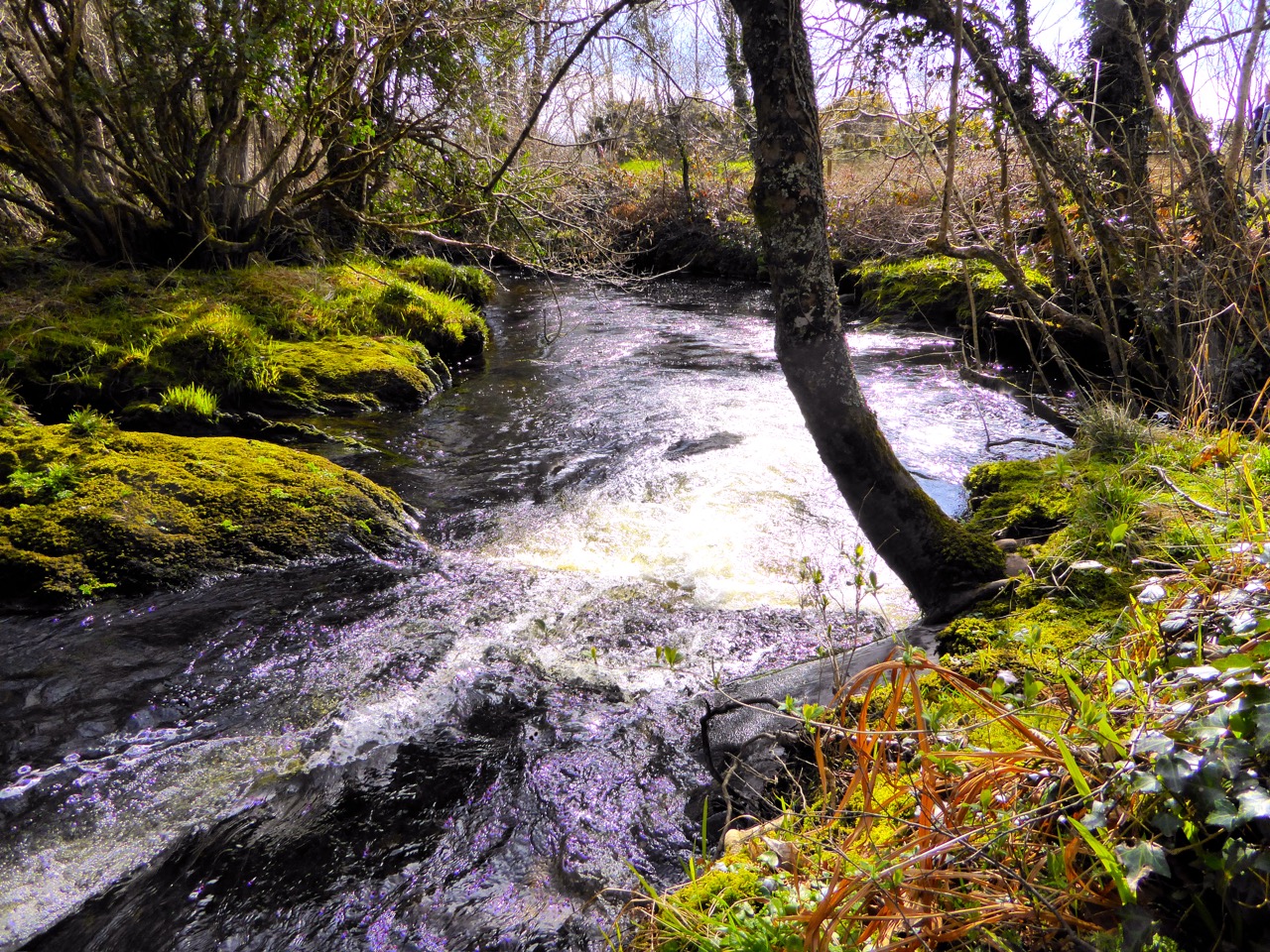
Riverside Walk...

Riverside Walk…

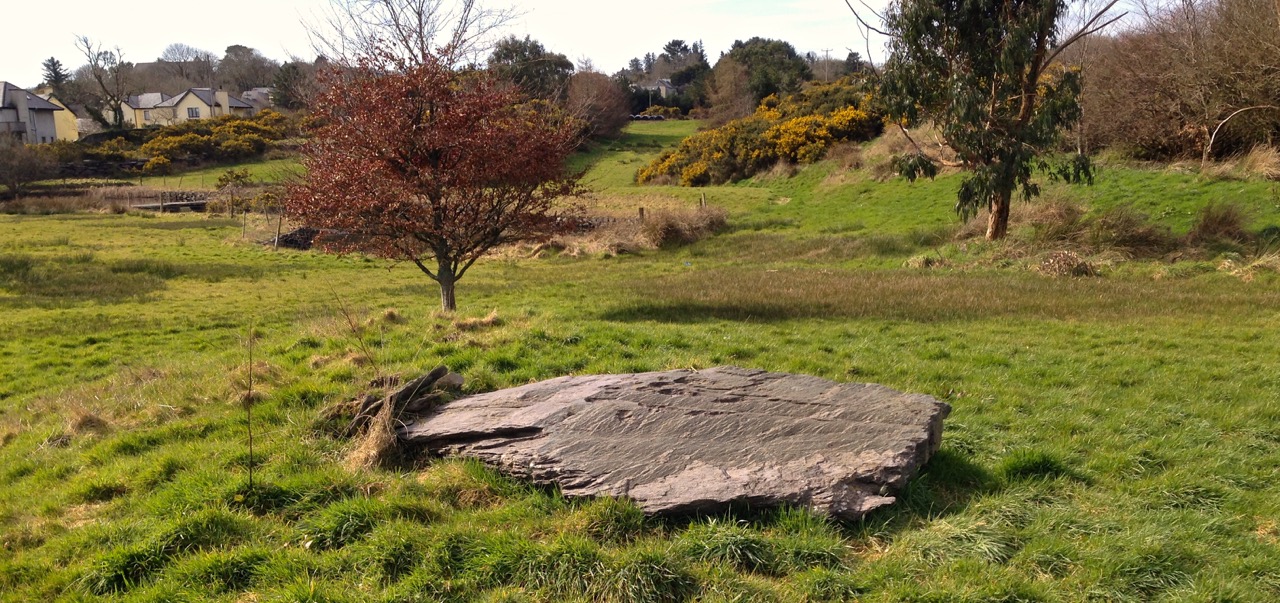
Boulder Burial...

Boulder Burial…

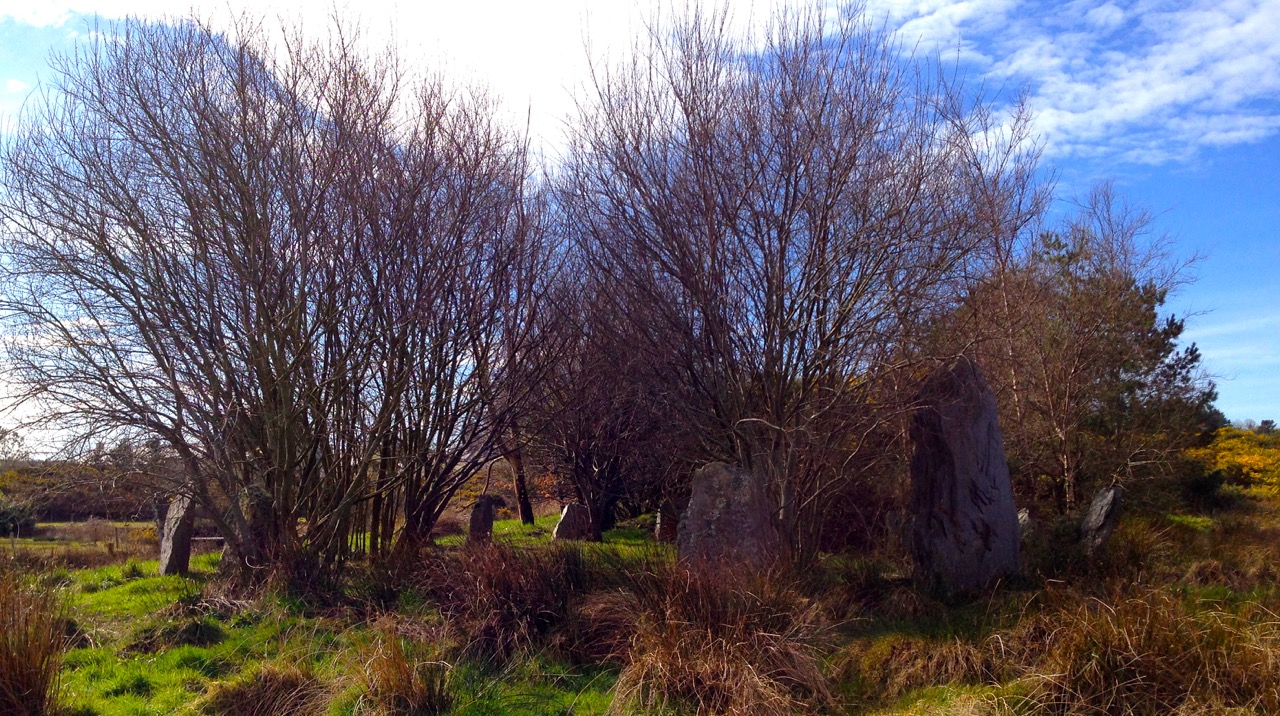
Circle within an 'ancient grove'...

Circle within an ‘ancient grove’…

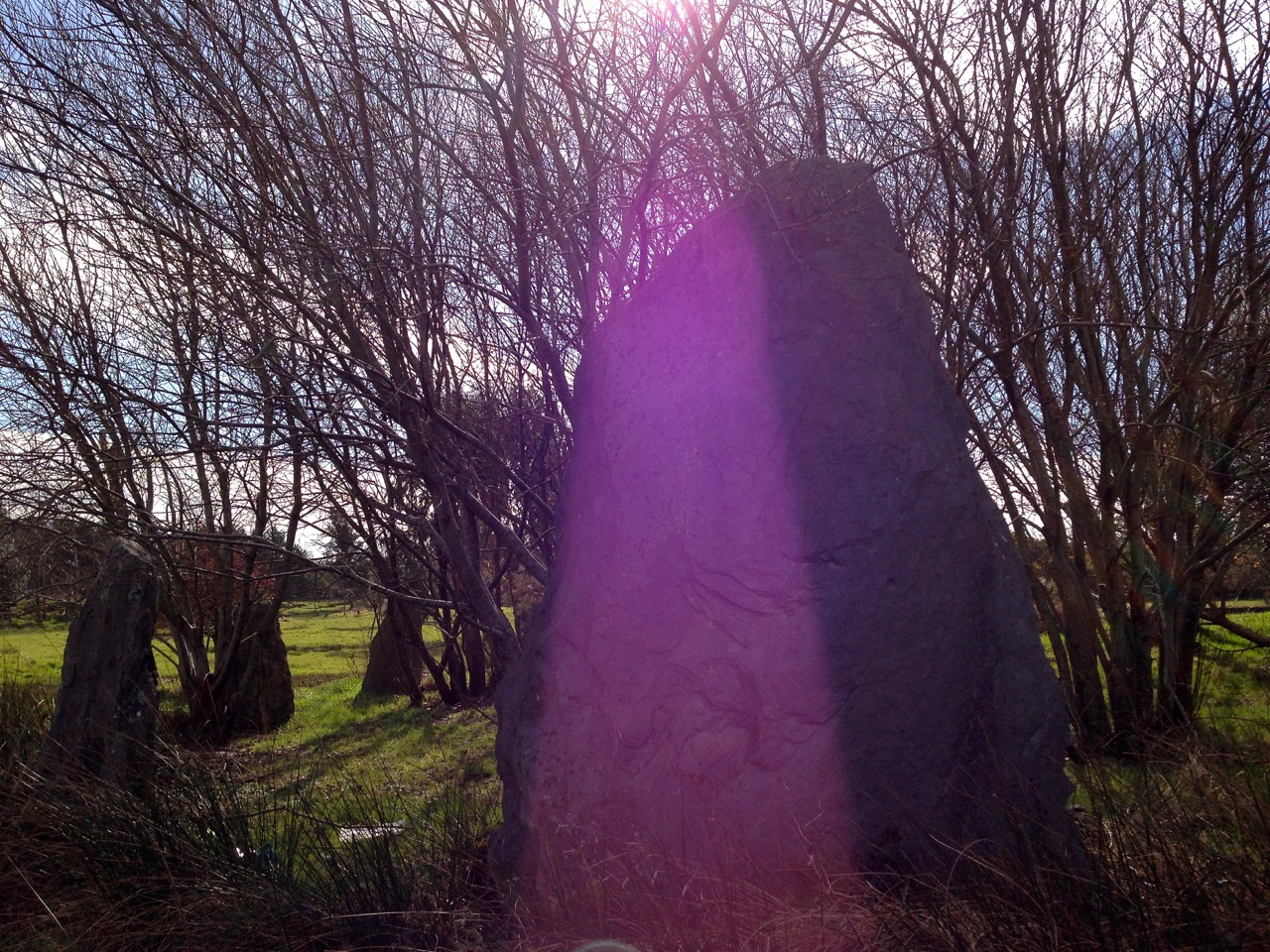
Megalith, enjoying a trick of the sun...

Megalith, enjoying a trick of the sun…

The unfortunate demise of the West Cork Golf Academy has left Ballydehob with an unofficial ‘town park’ – a very pleasant place to walk on a balmy spring morning. If only there was a way that this could become a permanent amenity for the community. But the land has a value and – presumably – potential for some worthwhile development. Who knows what the future holds? Meanwhile, we enjoyed our chance discovery of New Archaeology right on our doorstep!

PS – since publishing this post earlier today, I realise from comments received that some readers have been puzzled by it: rest assured that all this ‘new’ archaeology dates from the twentieth century – and was constructed as part of the golf project! They made such a good job of it that it could just prove very confusing for archaeologists of the future…

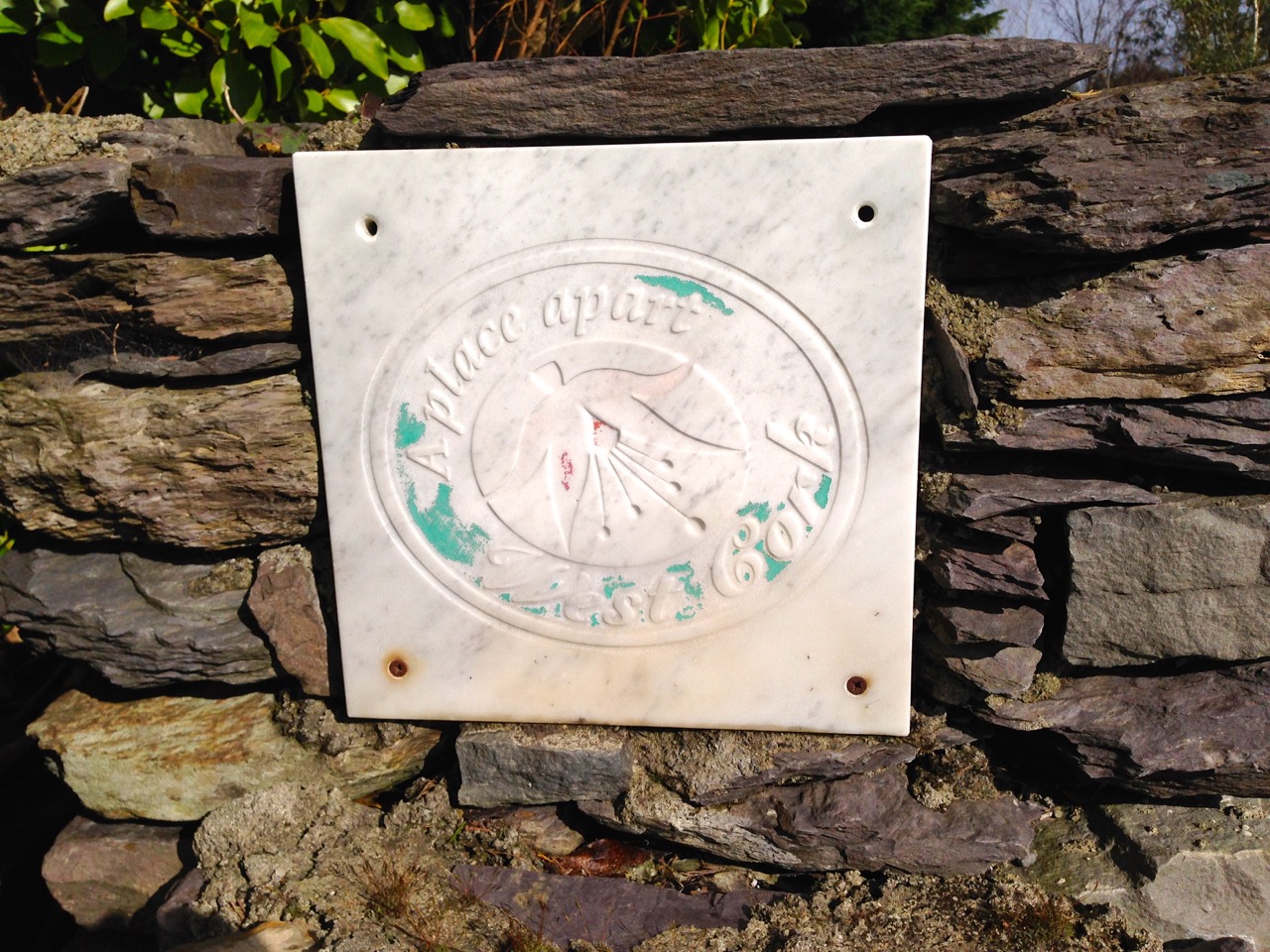
A Place Apart certainly - the Fuscia Brand labelling dating from better times

A Place Apart certainly – the Fuschia Brand labelling dating from vanished times

Finola enjoys the spirit of 'A Place Apart'

Finola enjoys the spirit of ‘A Place Apart’