Anam Cheoil – The Music’s Soul

The Friday evening concert at this year’s Masters of Tradition Festival in Bantry House was a tour de force: in all, probably the best concert I have heard at this festival in recent times. We went because on the programme were two of our favourite musicians who have come from the Irish tradition: Iarla Ó Lionáird and Mícheál Ó Súilleabháin. They were both on top form last night, and certainly didn’t disappoint.
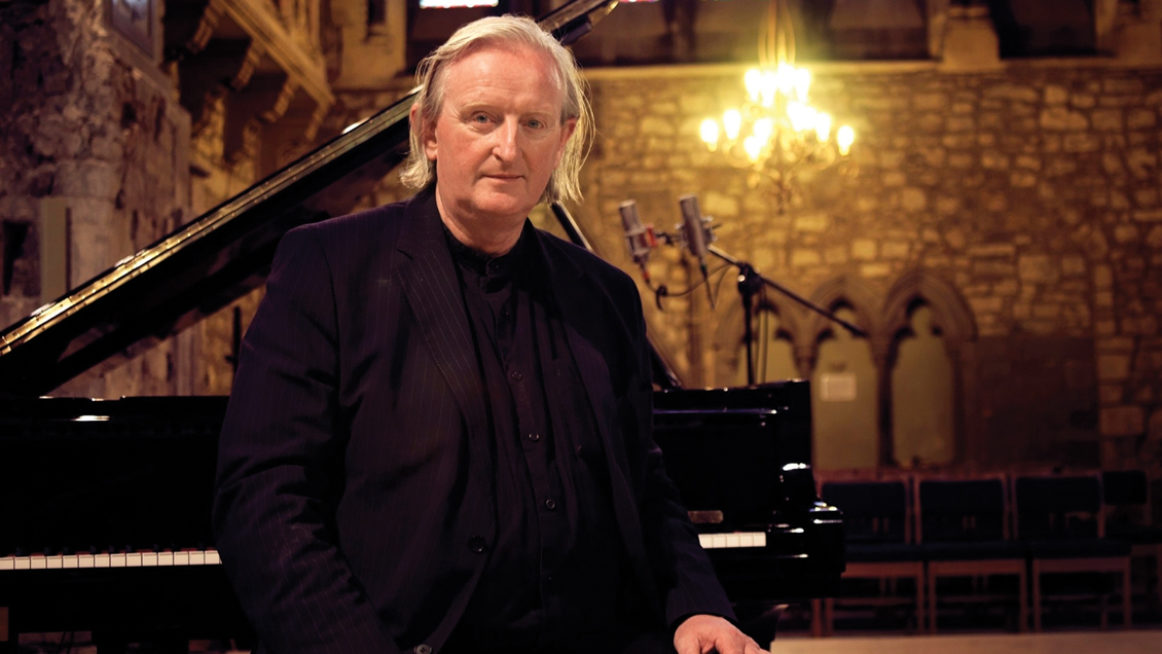
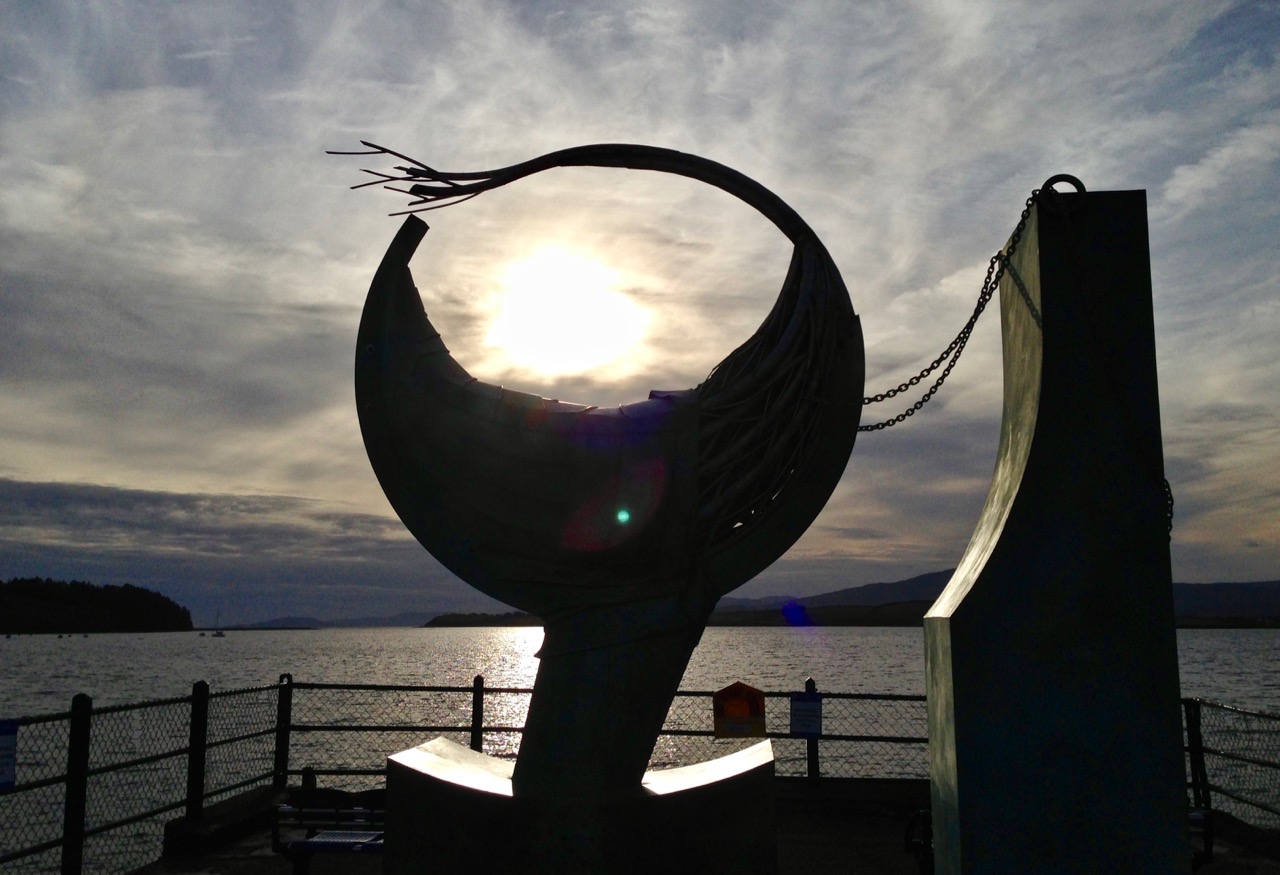
Header: ‘Odyssey’ by Barry Linnane  frames beautiful Bantry Bay – host to the Masters of Tradition Festival. Upper – Mícheál Ó Súilleabháin (RTE Orchestras) and Lower – Iarla Ó Lionáird (Fractured Air)

Using poetry, music and song, the two performers transfixed us. Both are imbued in the musical and poetic tradition of their country, which comes from deep, deep down. In my explorations of Ireland I am finding how much history is alive and embraced: this applies as much to the history of the culture here as it does to the physical relics of the ancestors in the landscape, whether it’s prehistoric rock art or medieval architecture.
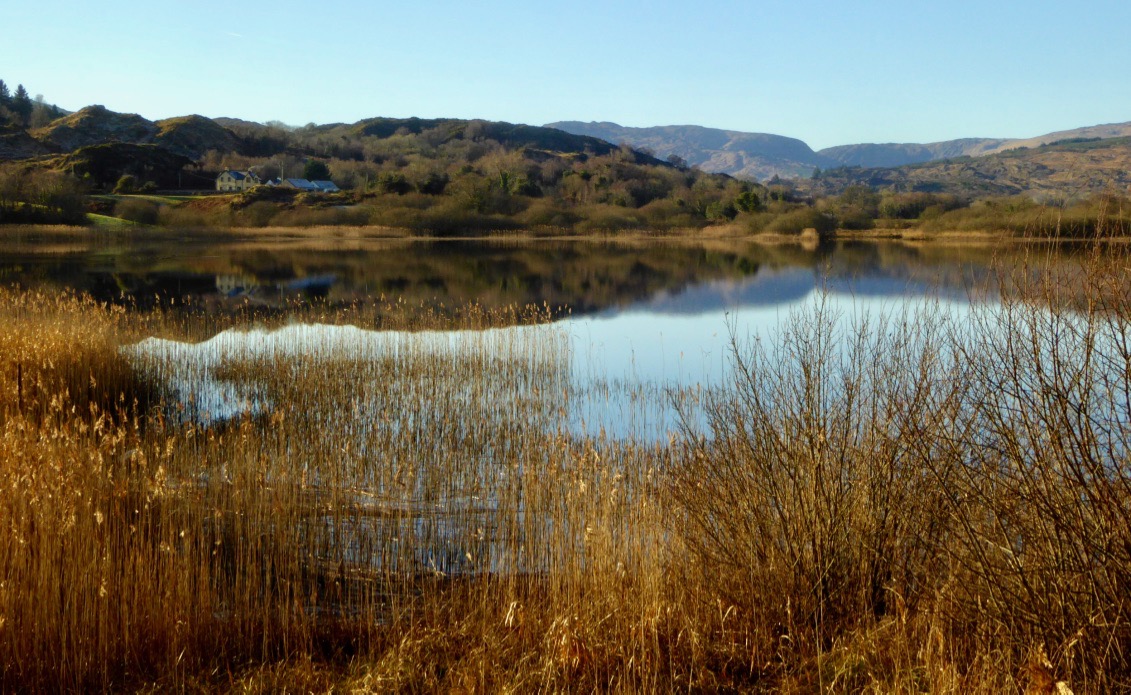
The rushy glens of the Sliabh Luachra country in the Muscraí Gaeltacht, where the Irish language is still very much alive

Iarla Ó Lionáird was born and raised in the Muscraí Gaeltacht, and imbued in the Irish language from birth. A near neighbour in his younger years was Seán Ó Riada, who lived in Ballvourney, and had established Cór Chúil Aodha, a male voice choir singing mainly in Irish, and which exists today under the leadership of Seán’s son Peadar. Iarla joined the choir as a child and sang with it until his early twenties. He now makes his living through his voice and is still very much involved in the Irish tradition while also exploring new grounds. Listen to this very beautiful rendition by Iarla of Caoineadh na dTrí Muire (the keening of the Three Marys):

Mícheál Ó Súilleabháin is best known for his unique expression of traditional Irish music on the piano. He claims that he was an introverted child, and that music was his saving grace. He went to UCC where he was also influenced – and taught – by Seán Ó Riada. Eventually he took over Seán’s job at Cork before founding and heading the Irish World Academy of Music and Dance at Limerick University. He wasn’t born into the Irish speaking tradition but came to it later in life. In a recent newspaper interview he gave this memorable quote: ‘…I wouldn’t like to be reborn as someone else, not even for a day, I’m so worn out trying to be myself…’ Here’s an example of Mícheál’s playing:

In the course of the Bantry concert the two musicians spoke of a little-known collector of Irish folk-songs – someone of whom I had not heard. Alexander Martin Freeman was …a retiring English scholar of private means… who travelled in the Muscraí Gaeltacht in 1913 and 1914. He wrote down no less than 84 Irish language songs, and his work has been described as ‘…incomparably the finest collection published in our time of Irish songs noted from oral tradition…’ This is all the more remarkable as Freeman spoke no Irish. He painstakingly wrote the words, exactly as he heard them, in phonetic spelling, based on his own native English. For this reason, the texts were apparently ignored initially by Irish folklorists. But now they are viewed with interest by scholars as they give a great insight into the word-sounds of Irish speakers from those years – apparently the West Cork dialect has been changing with time! Over the years both Seán Ó Riada and Iarla Ó Lionáird have brought the songs back into circulation, and we were treated to some examples. Freeman’s field notebooks from Ballyvourney are held in the National Folklore Collection, University College Dublin.

Winter scene in the Muscraí Gaeltacht

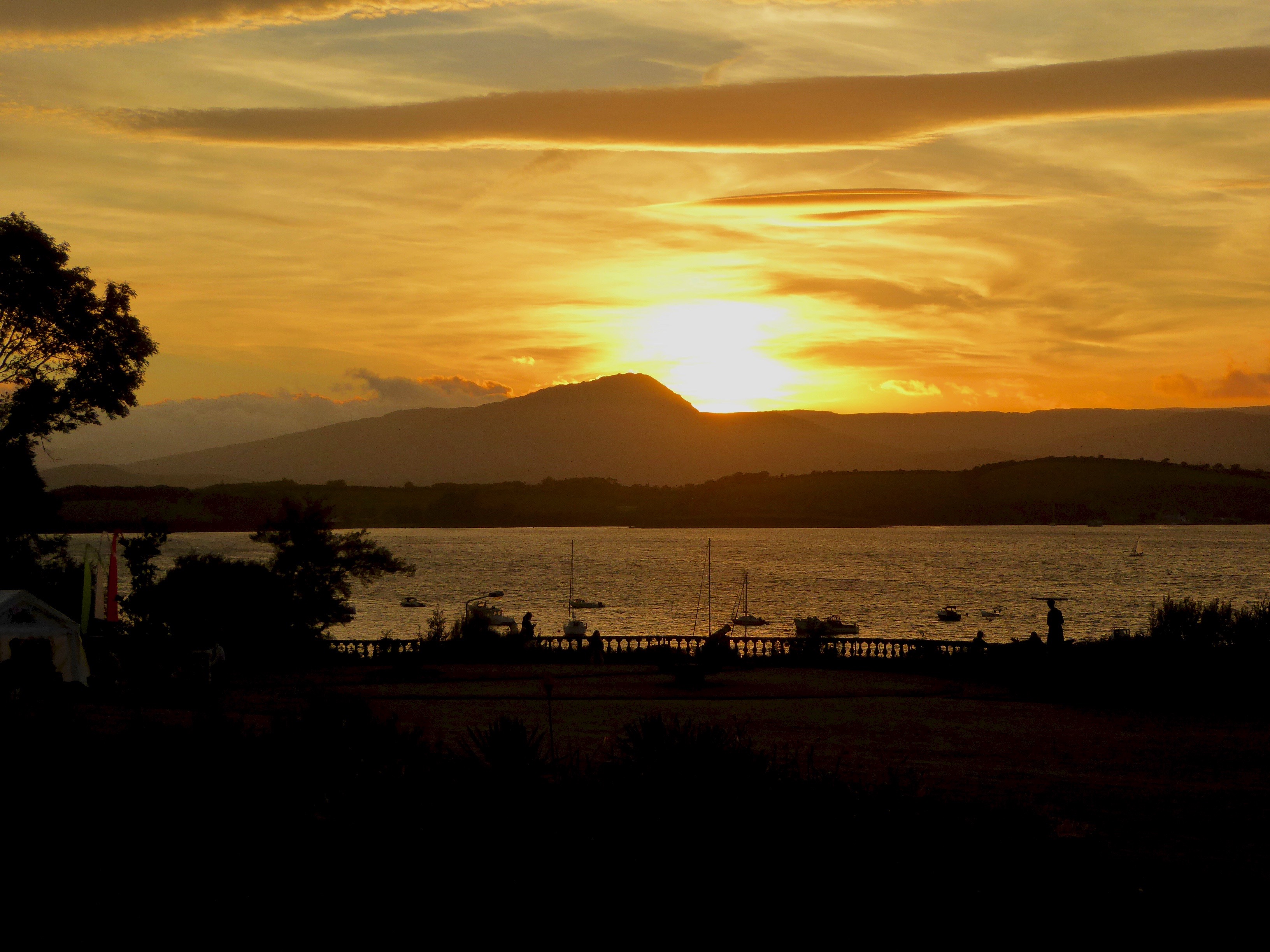
In the Library of Bantry House these two performers gave us a very special experience through music, song and poetry. Although I don’t speak or understand Irish, I appreciated the beauty of the sounds of the words – a music itself. We and the audience were transfixed by the whole experience. Walking out on the terrace of Bantry House afterwards, I looked to the west where the sun was dropping behind the mountains over the calm waters of the bay. I felt that we had, through the music, been given a privileged glimpse into the soul of Ireland.
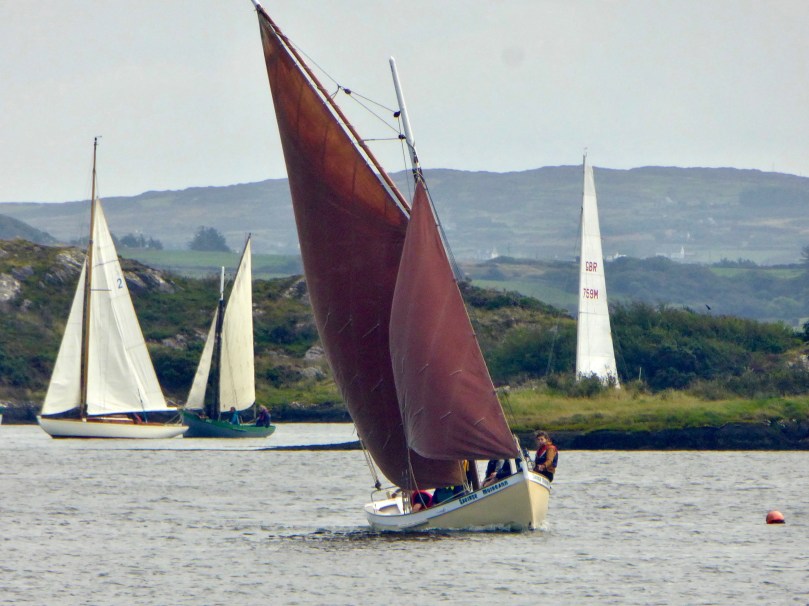
Cruinniú na mBád – the Boat Gathering

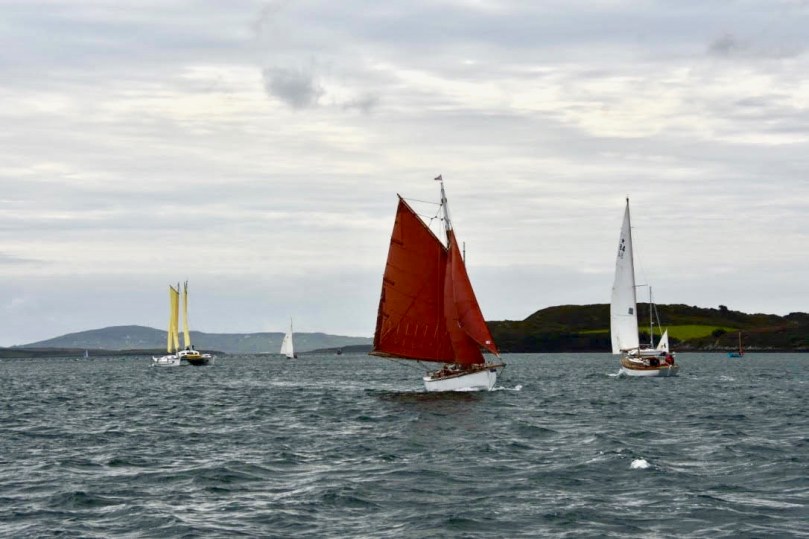
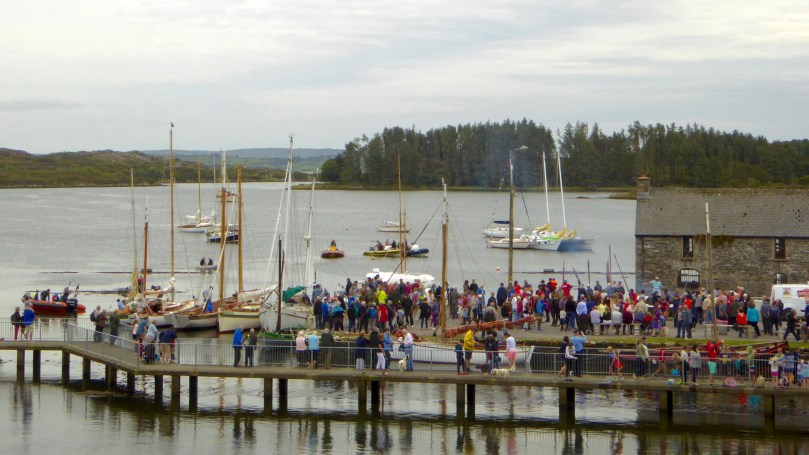
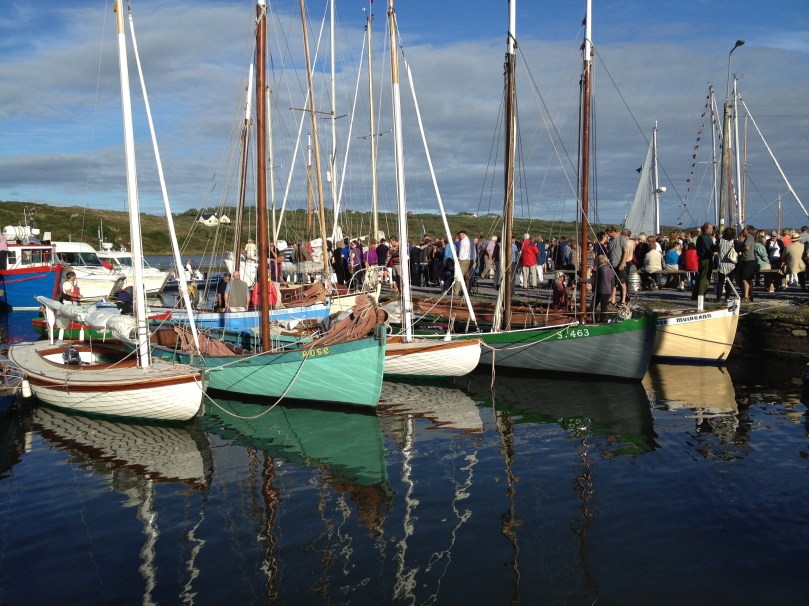
It only happens once a year! During Ballydehob’s Summer Festival traditional sailing boats gather in Roaringwater Bay and when the tide is right they sail up the shallow waters of Ballydehob Bay to the quay.*

This is a tidal estuary and normally not deep enough to be a reliable port of call for boats, especially those with keels. But during the high summer tides the waters become navigable, provided you time it right, and Ballydehob breaks out the band, fires up the barbecue and invites all sailors to the quay for a gathering like no other.

The Cruinniú na mBád (pronounced krinoo nuh mawd) is part of the village Summer Festival so from year to year it’s a real community affair. The vintage cars and tractors (my goodness there’s a lot of them in West Cork) parade behind a marching band to kick off the week of festivities. The week is filled with music in the pubs, guided walks around the village, charade competitions, and an evening of street sports where we cheer on the youngsters in the madcap turnip race and a completely socially irresponsible event involving chugging beer and pushing a wheelbarrow with an occupant (only in Ireland!).

Turnip races down the main street and crab fishing at the quay

On the weekend the whole village takes to the Pier. The kids compete for medals in crab fishing, there’s a “world famous duck race” (I have no photographs as it’s been cancelled due to bad weather so often), there are fireworks (when it’s dry enough) from the Twelve Arch Bridge, and we await the arrival of the Old Boats.

This year’s entertainment was the fabulous East coast Jazz Band. We catch up on the chat, and look out for one of our popular locals sailing in

It’s an oddly emotional experience to see the boats appear, one by one, and round the bend into the last stretch to the quay. Emotional because this is essentially a re-enactment of what was commonplace in former days, when the quay at Ballydehob was a bustling hive of commerce. Bigger boats would anchor at the entrance to the Bay and lighters would haul the cargo to the quay.

Not all the boats are old – some have come just to be part of this unique gathering – but most are traditional and many of them have been lovingly restored. Some, like the Ette, have been rescued from extinction and reconstructed from crumbling derelicts by master boatbuilders Anke Eckardt and Rui Ferreira – check out their site for an illustrated guide to the slow and skilful processes involved.

Anke and Rui arrive in their Ette-class boat

At this year’s gathering Anke’s parent, Dietrich and Hildegard, our neighbours and friends, were there with their classic fishing boat, the Barracuda.

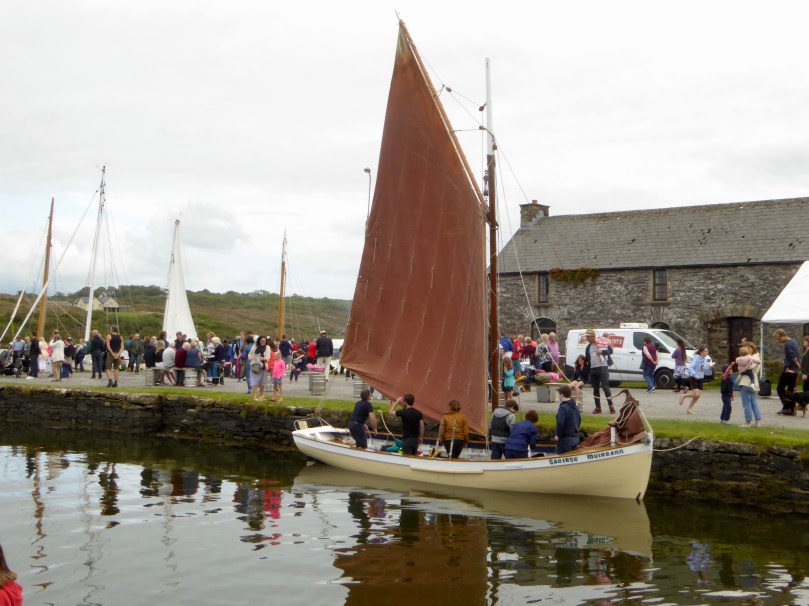
The whole Levis family sailed in on their beautiful Saoirse Muireann (seer-shuh mirren, Freedom of the Seas), a traditional Heir Island Lobster Boat. Cormac has written the book, literally, on these boats: Towelsail Yawls: The Lobsterboats of Heir Island and Roaringwater Bay. He started this gathering way back in 2004 and it’s been going strong ever since.

Saoirse Muireann coming in to dock. The term towel sail comes from the Irish word teabhal (pronounced towel) meaning shelter, as the sail could double as a kind of tent in wet weather.

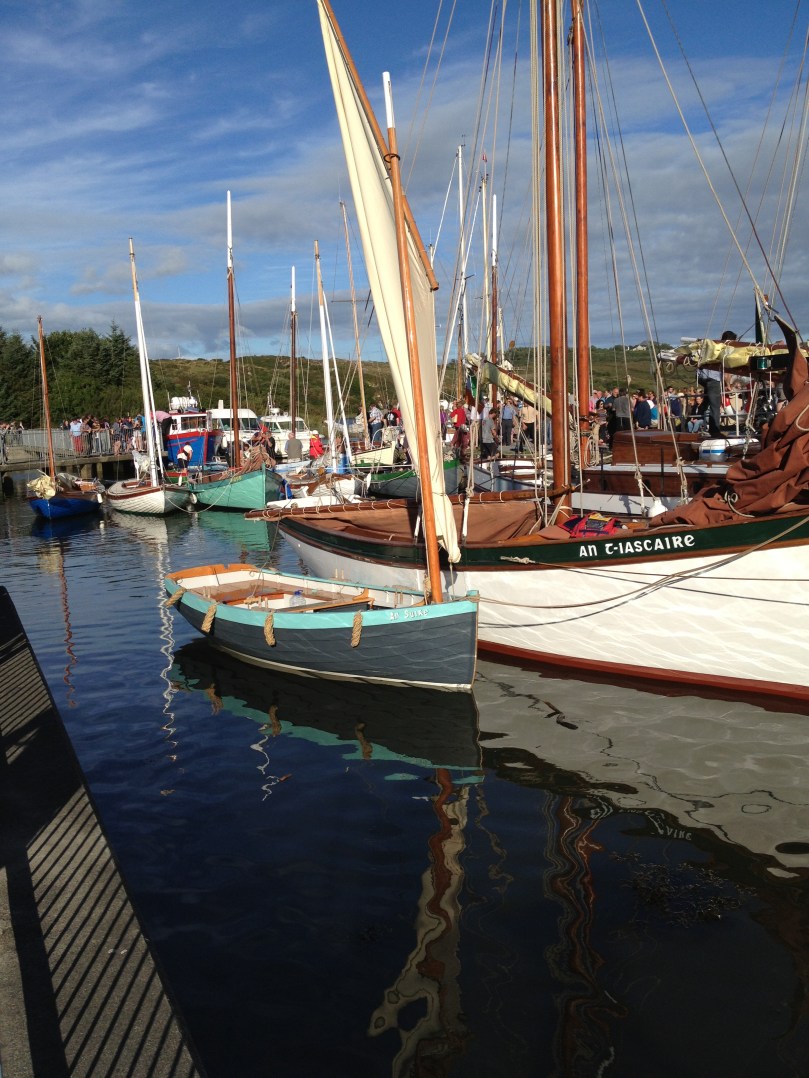
Another traditional boat was An tIascaire (on tee-skirruh, The Fisherman), a traditional mackerel yawl. Like many boats in these parts, this one has benefitted from the extraordinary knowledge of the boatbuilders at Hegarty’s Boatyard at Oldcourt – regular readers will remember Robert’s post about this wonderful place.

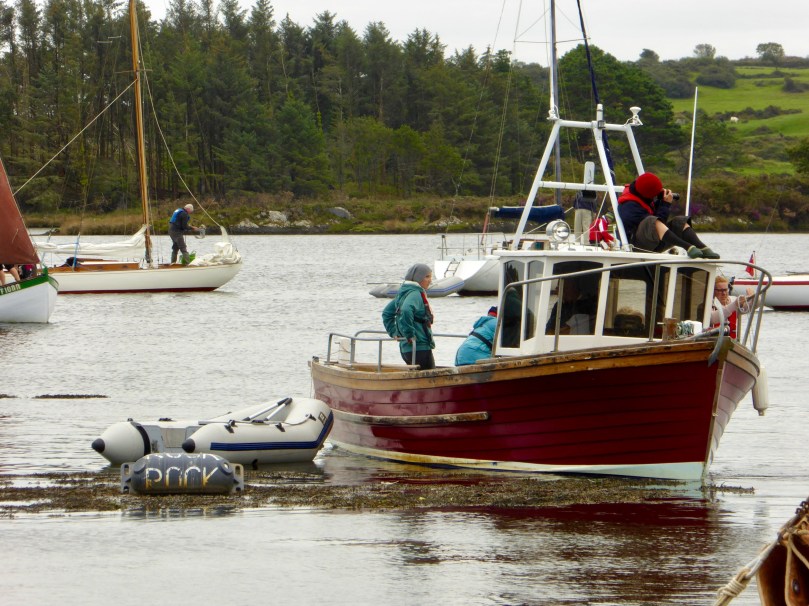
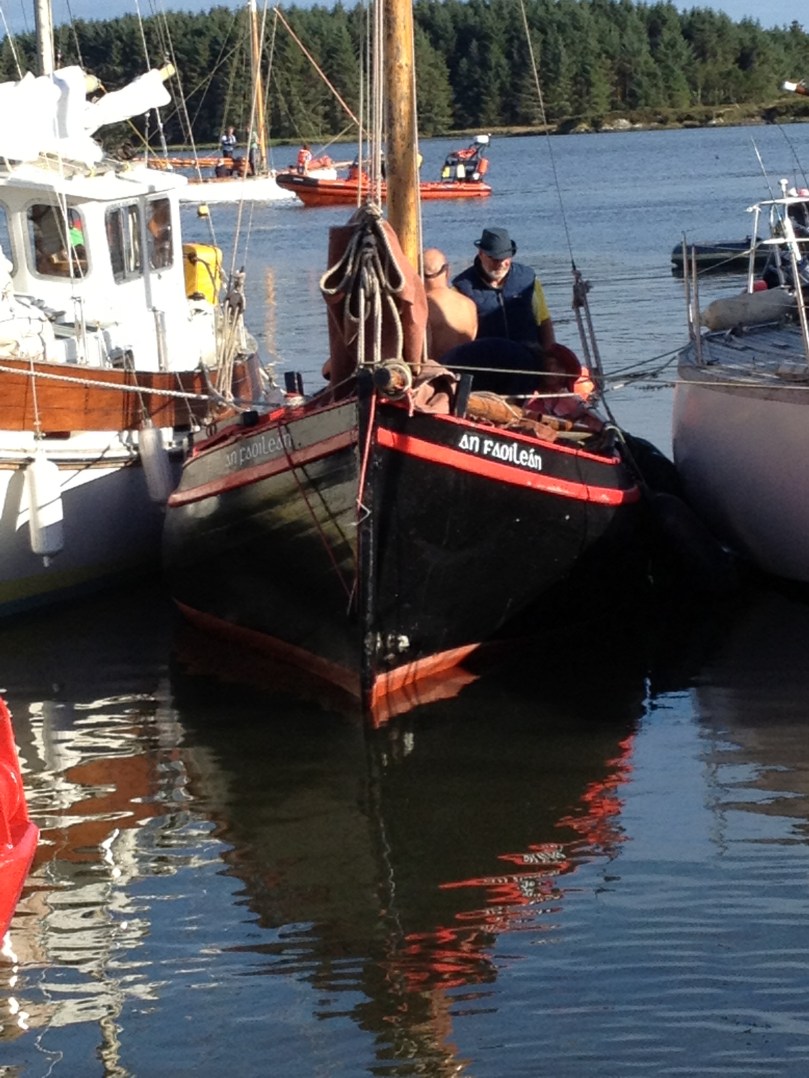
It’s also lovely to see a Galway Hooker, An Faoileán (on fwale-awn, the Seagull), participating – their black hulls and red sails are instantly recognisable. This one has quite a history – and reading it educated me as to the difference between sails that are gaffe-rigged, versus a traditional Irish rigging known as pucán-rigged (puck-awn). Of course all you sailors know this already, right?

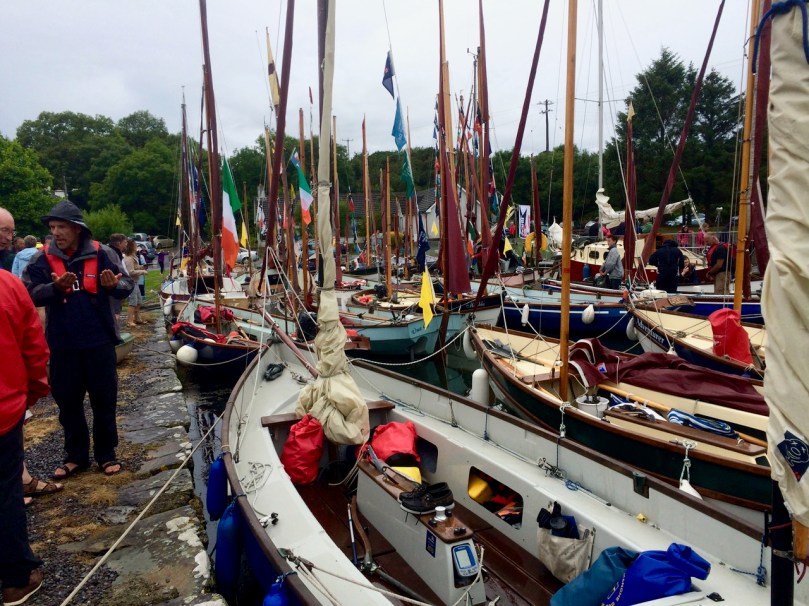
Our friend Jack O’Keefe organises a rally every couple of years for Drascombe Luggers and they joined the gathering en masse in 2014. Unlike 2013 it wasn’t the best of weather, but that did nothing to dampen the spirits of the sailors. It was lovely to be there on the dock to cheer them in.

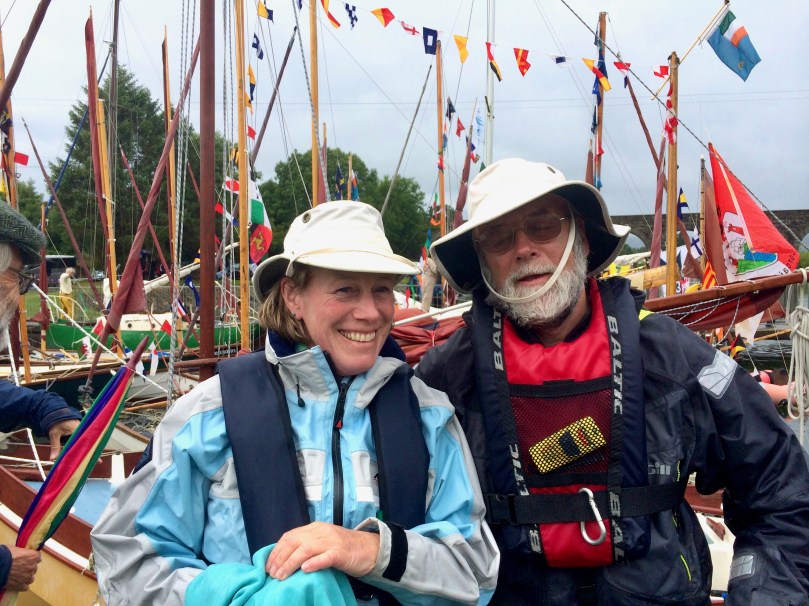
The Drascombes raft up alongside. Jack O’Keefe and  keen sailor Sheena Jolley

It takes lots of sailing know-how to get up the Bay, but even more to manoeuvre into the tight spaces along the quay, or raft up alongside. By the time everyone’s there, they are rafted up four and five boats deep. 

Then it’s up on shore to partake of the music, the food and the friendly camaraderie that is so typical of both the boating community and the village of Ballydehob, until finally the word goes around that the ebb tide has started and it’s time to carefully push out and take to the seas again – until next year.

 I’ll finish with a video. Sit back and enjoy it, and think about the hundreds, no thousands, of years of history that is evoked by the sight of boats sailing up Ballydehob Bay.

*The photographs in this post are not all mine. Barney Whelan (friend and follower of Roaringwater Journal) was in one of the boats and sent me some taken on the water. Thank you, Barney! Some were shamelessly stolen from the Fastnet Trails Facebook Page, and are the work of the indefatigable Margaret McSweeney (great people shots – thank you, Margaret!). The video is by Tom Vaughan of Oakwood Aerial Photography – he makes West Cork look even more beautiful than it is (and that’s saying something) in his amazing drone footage. The rest of the photos are mine and were taken in 2013, ’14, ’16 and this year.

Down By The Old Caol Stream

Skibbereen has a flooding problem and the flood-relief project is in full swing now. A lot of it concerns the stream that runs through the town, under several bridges, past Field’s supermarket and the West Cork Arts Centre, to empty into the Ilen River by Thornhill’s Furniture Shop. The stream is tidal, creating flooding hazards from above and below.

The lush growth along the stream: Buddleia (Butterfly Bush), Valerian, Twiggy Mullein and Bindweed; Red Valerian and Twiggy Mullein; Twiggy Mullein close-up.
Clockwise  from Left: Field Bindweed and Meadowsweet; Hemlock Water-dropwort (yes, as it sounds, poisonous!); Red Valerian and Monkeyflower

While the stream has enormous potential to be an attractive part of Skibbereen’s urban environment, nobody could call it beautiful – it’s neglected, choked with ‘weeds,’ and full of rubbish. But wait – it also happens to be home to an astonishing variety of wildflowers!

A sea of yellow. Clockwise from Top Left: Marsh Marigold; Marsh Ragwort (not the unwanted Common Ragwort); Monkeyflower; Yellow Water-lily

Or rather, it WAS home to the wildflowers. As the project advances, the flowers have become collateral damage in the march forward of the steel barrier that will (we hope) keep flood waters contained. Most of us who shop in Skibbereen cross the bridges over the Caol Stream (pronounced Kale, Irish word for ‘narrow’) several times a week, normally without a glance over the side.

This is Water Figwort, closely related to Common Figwort but adapted to an aquatic environment
Clockwise from Left: Yarrow – although Yarrow is mostly white, this one is a lovely deep pink; Short-Fruited Willowherb; Snow-in-Summer or Dusty Miller

I decided to record the biodiversity of the stream flora before it disappeared and took photographs over the course of the spring and summer. It’s amazing really, what flourishes in such an unpromising environment. This photo-essay is an homage to what I observed.

Clockwise from Left: Ivy-leaved Toadflax (look for it on the wall); Common (or possibly Long-headed) Poppy; Marsh-bedstraw

Purple Loosestrife

Stream beds are a particular type of habitat. Tony O’Mahony in his magisterial Wildflowers of Cork City and County, points out that riverine habitats provide a welcome environment not only for native, but also for naturalised alien plants. Combined with the fact that the Caol Stream runs through a town with cultivated gardens backing on to it, this means that many of the wildflowers I saw are non-native, naturalised species. But all, native and non-native, are uniquely adapted to this watery channel, even tolerating periods under water.

The area behind the steel barrier is being filled in with gravel. I don’t know if it will be topped with soil. Hoping so.
Left: Below the uppermost bridge. Right: the stream where it empties into the Ilen – the vegetation has already been stripped

Wildflowers are incredibly resilient. One of their favourite habitats is waste ground – no sooner is a plot of land disturbed than the flowers move in. My prediction is that, despite the seemingly barren and hostile environment created by the sterile gravel fill behind the steel barriers, we will start to see, as early as next spring, the shoots of little plants moving in to colonize the available space. The Willowherbs first, perhaps, followed by Loosestrife and maybe Figwort.  And of course good old Herb Robert (below), which seems to survive and thrive just about anywhere


This is a highly poisonous plant called Lords and Ladies – perhaps we could do without this one, although no doubt there are critters that depend on this too

Direct access to the water will no longer be as easy, though, because of the steel barriers, so the flowers may take on a different character. It will be fascinating to see what happens over the next few years. Keep watching!

The Community Orchard seems to be far enough upstream that it may escape major flood works. This is a beautiful and contemplative place. I was shown around by an eager young boy who knew the names of all the plants

This is what it looks like now – the view from the upper of the two bridges leading to Fields

What can you identify in this picture?

Where Art and History Meet

Perhaps I should say where they collide! West Cork has both, in abundance, and we’ve just lived through one of those once-in-a-lifetime conjunctions of  the artistic and the historical that leave you stimulated, thoughtful and reeling all at once.

Clockwise from top left: Coverage of the Festival in the Southern Star – the headline says it all; Roy Foster delivered an acclaimed opening address; Finola introduces Kevin Vickers, Canada’s Ambassador to Ireland; Canon Salter and his daughter Brigid at the screening of An Tost Fada, perhaps the most controversial (and certainly one of the most interesting) moments of the Festival

First of all, as our readers must be tired of hearing by now, we participated in the brand new West Cork History Festival. It was a great success, with well over 400 people enjoying a huge variety of talks, films, and panels, augmented with lashings of food and drink. It was so well planned, in fact, that the rain showers obliged by only appearing during the talks, and clearing off when it was time to be outside mixing and mingling and moving between marquees. The Festival wasn’t short on controversy. Sparks flew at several sessions, mainly between speakers and audience members, proving, if we didn’t already know it, that history is very much alive in West Cork. Depressingly, it also signals that, 100 years on, some people are still fighting the old battles. However, to judge from the general climate, those folks are in the minority.

John Kelly the Irish/British/Australian artist, and West Cork resident

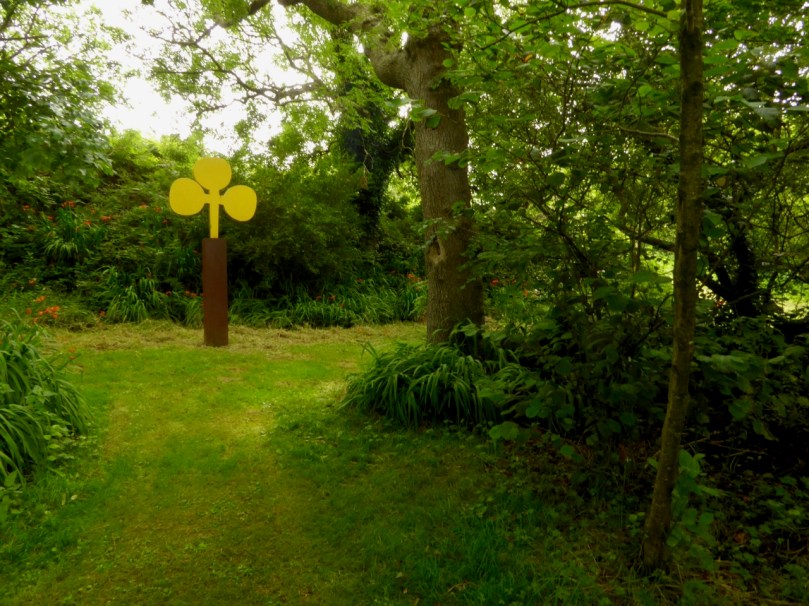
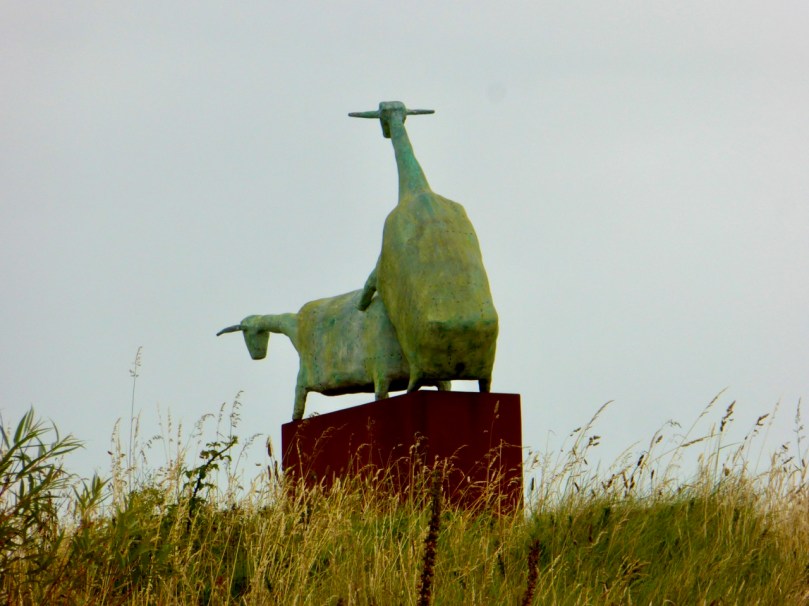
Two days after the Festival, we moved on to art. Or so we thought. We had signed up for a guided tour of Reen Farm, the Sculpture Garden that is the home, studio and inspiration for the artist John Kelly. This event was part of the marvellous Skibbereen Arts Festival that has been running all week.

Two upside-down kangaroos in the tennis court – don’t ask me to explain this one, my head was spinning at that point

We’ve met John a couple of times and had seen an exhibition of his at Uillinn that focused on his experiences in the Antarctic. We were aware that, as a sculptor, a painter, and a writer John is internationally esteemed and has exhibited world-wide.

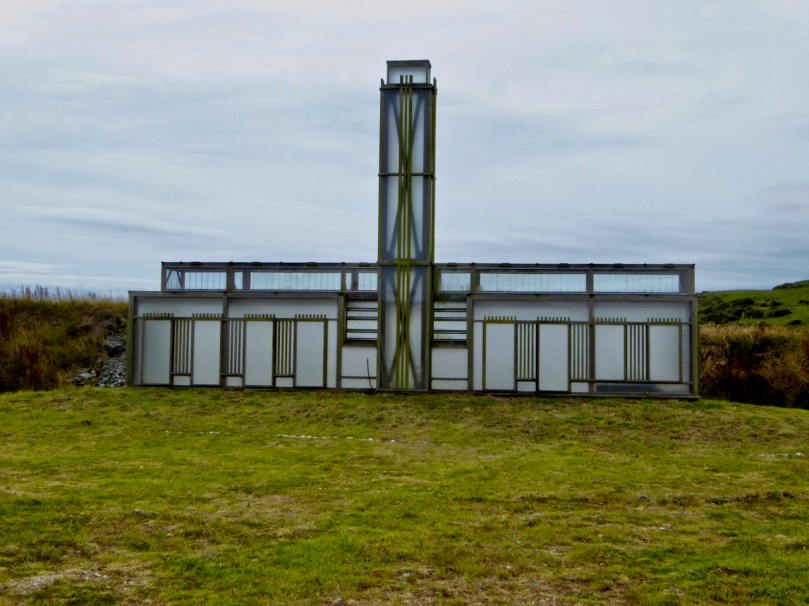
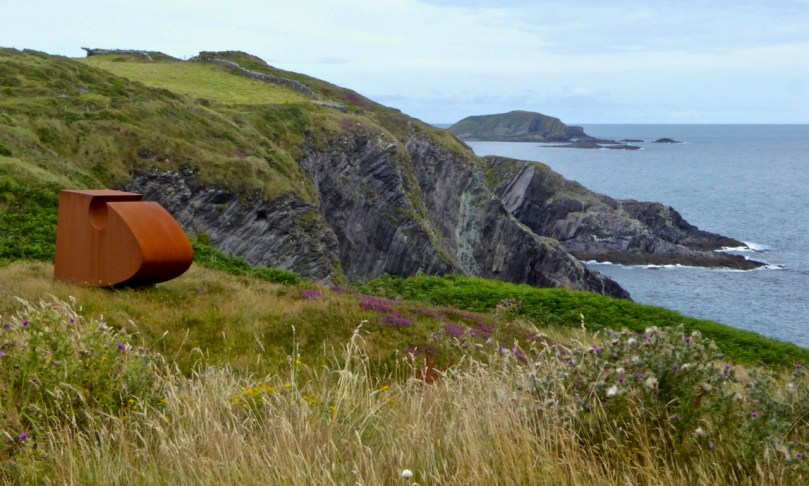
The Turrell-inspired crater with passages leading through it to the sea. (We have our reason to relate to John’s version of the famous Sky Garden at Liss Ard Estate in Skibbereen)

You’ve probably all visited a sculpture garden at some point – but I guarantee you, you’ve never had an experience like this. Being led around by John himself was a privilege, but it’s also a must in order to understand his inspirations, because it’s all about history, and eclectic history at that. 

His Tate Modern piece (above) was a response to the famine in his townland, Reen, as reported in 1846 by a local resident, N M Cummins. Now, looking at it, you would never arrive at that conclusion by yourself, but once you stand there and listen to John recounting the grim happenings that took place there 170 years ago and how that led him to contemplating the food abundance that made Henry Tate a millionaire around the same time, it all starts to come together.

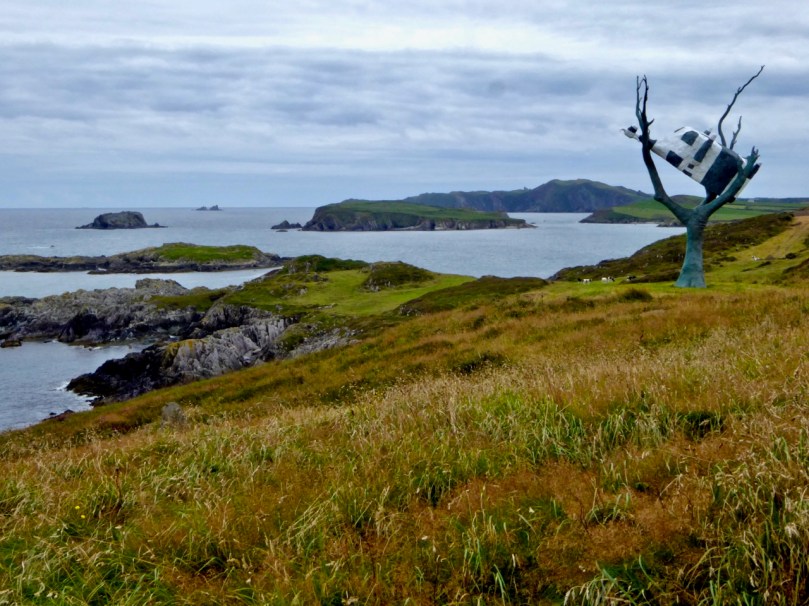
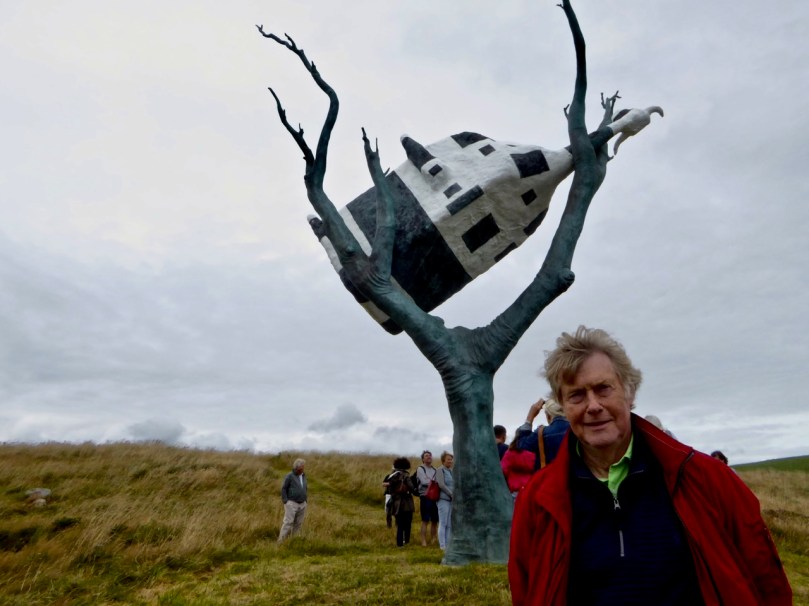
Robert and the Cow up a Tree – just to give you a sense of the scale of the sculpture

I won’t recount the story of the Cow up a Tree, because you have to go yourself and hear it from John in all its convoluted glory. (If you really need to know you can read about it on John’s website.) It’s the highlight of the tour, but definitely only one part of a whole fascinating set of experiences that goes on and on. 

Besides the art (some of which will make you laugh out loud), stunning views greet you as you follow the trail, and finally Christina’s garden and John’s studio round out the day. The Garden is now part of the West Cork Garden Trail and is open from August 7th (tomorrow) until the 13th.

Harvest Time

…The heat of the summer was eased by the cooling breezes from the Atlantic. It was busy on land and sea, with seine fishing by night and fish curing and farming by day, but there was always time for scoriachting, games and dance, sometimes on Carbery Island or across Dunmanus Bay…

(from Northside of the Mizen by Patrick McCarthy & Richard Hawkes, Mizen Productions, 1999)

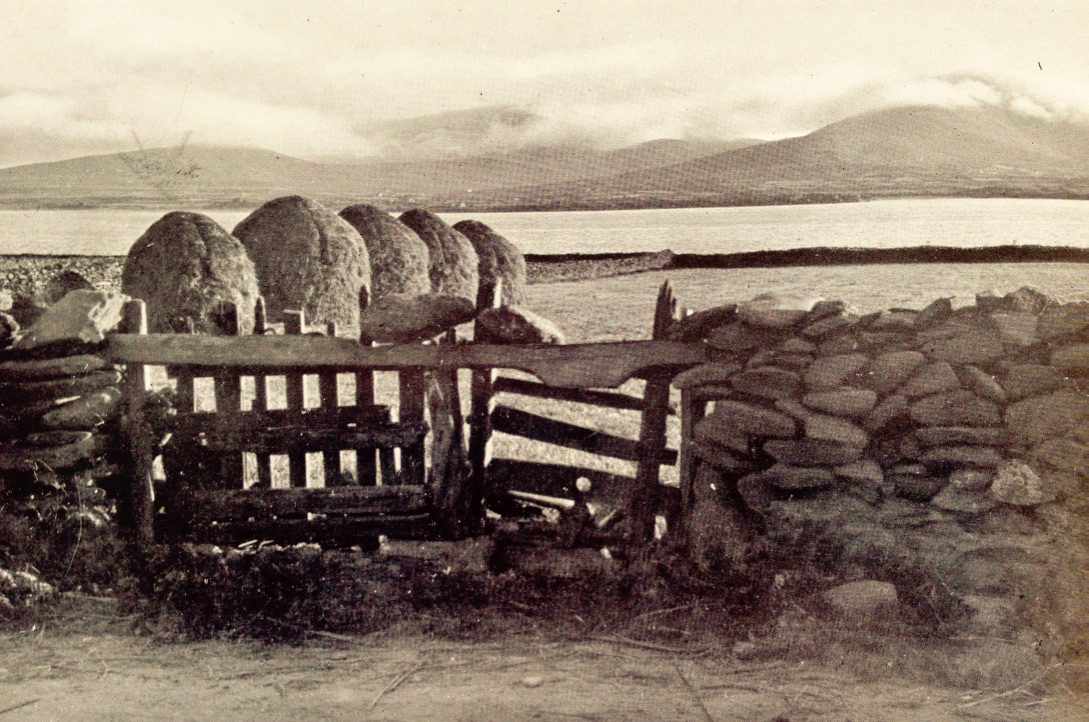
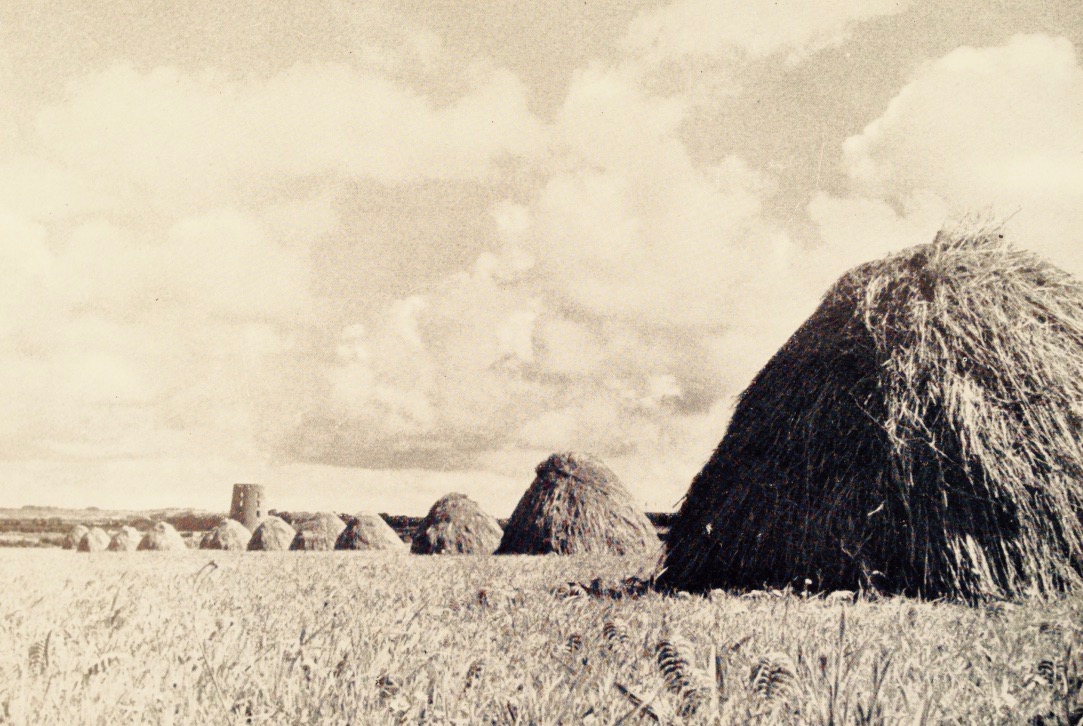
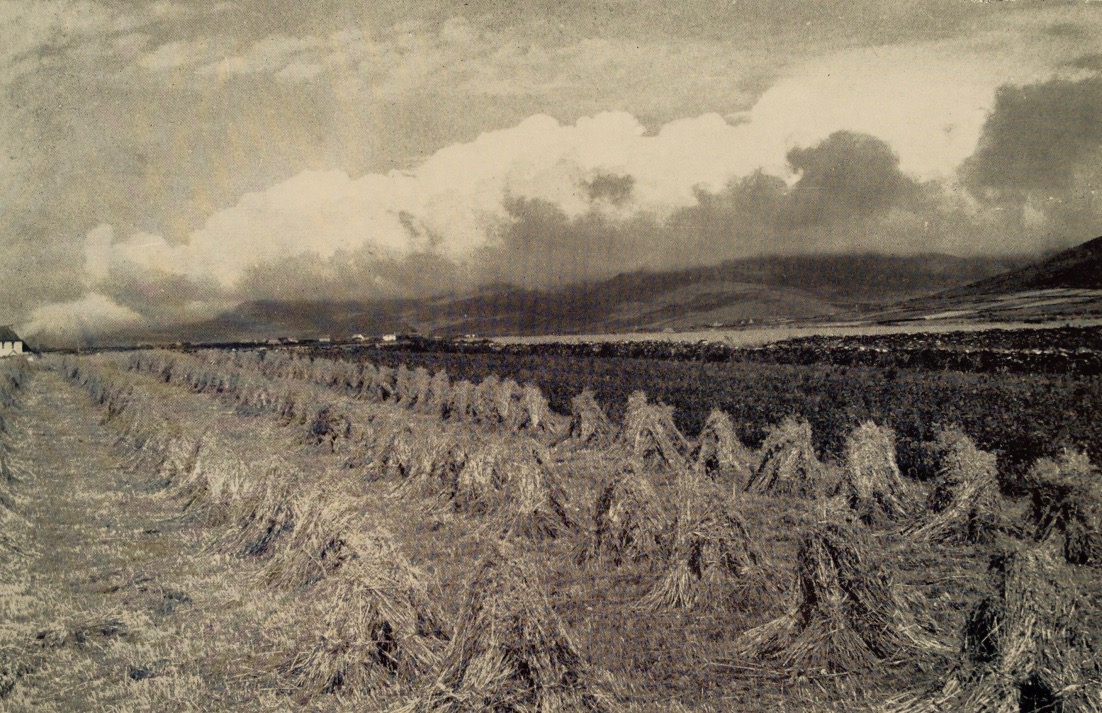
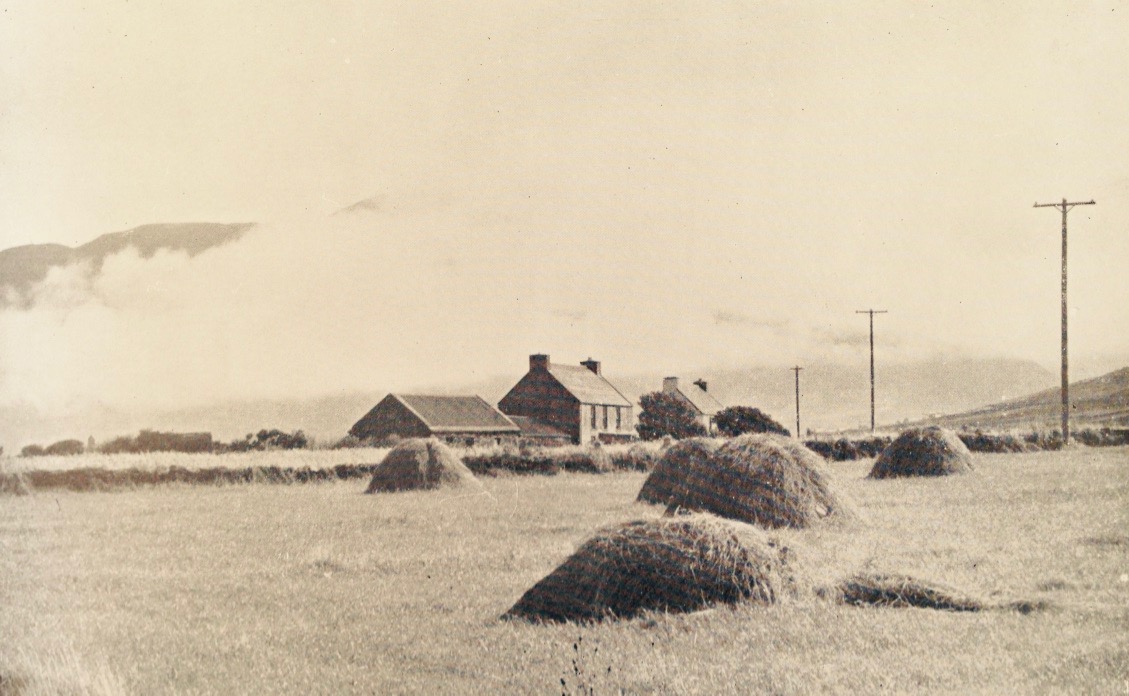
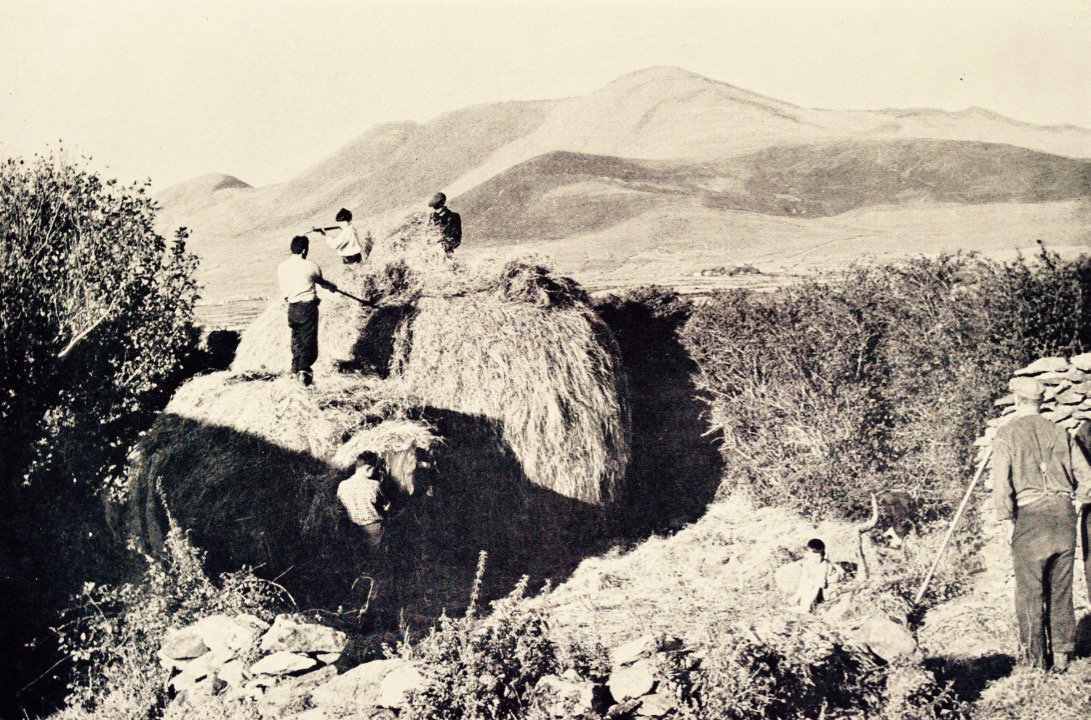
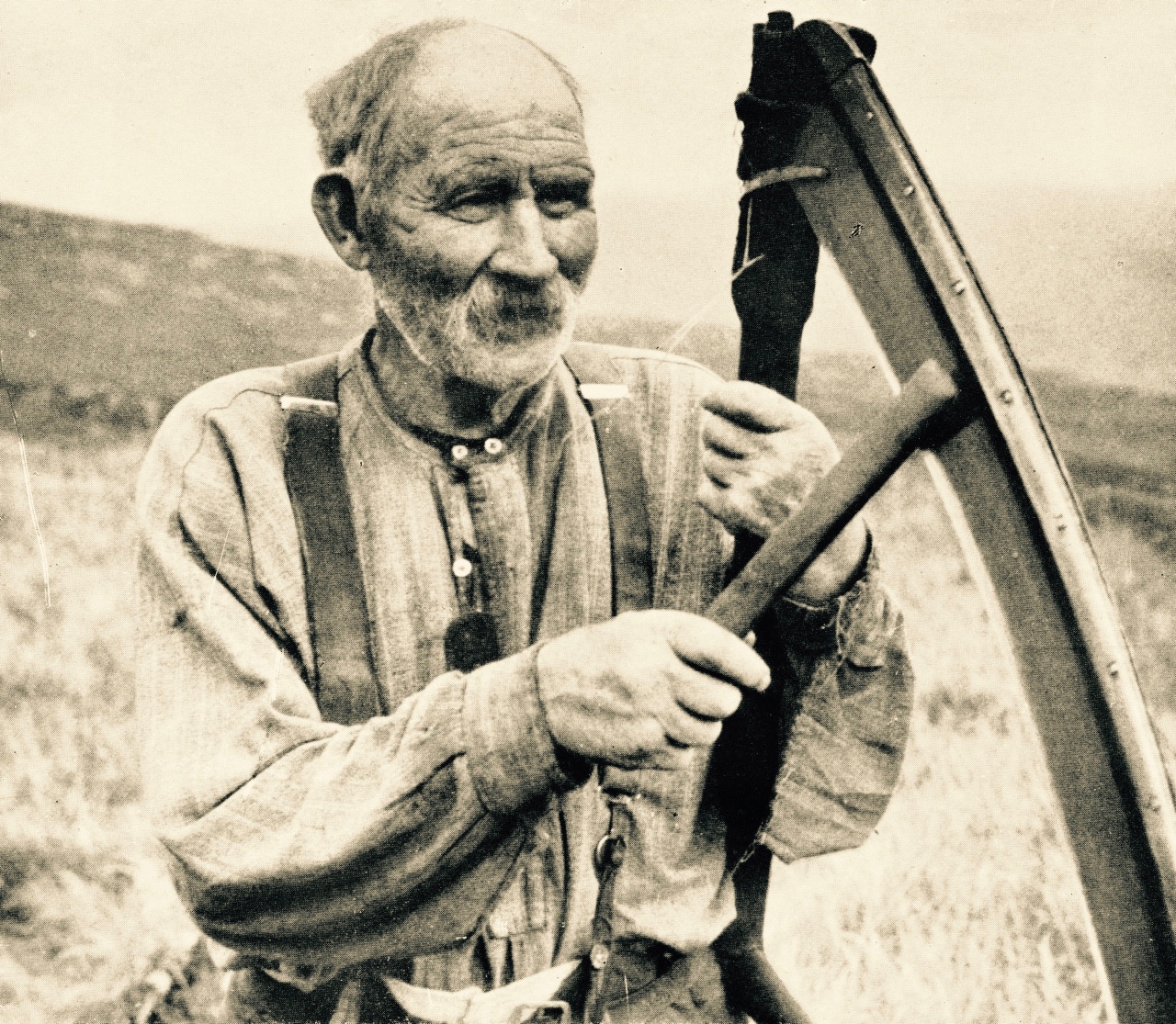
This selection of photographs is from the collection of Tomás Ó Muircheartaigh, 1907 – 1967, who documented life in rural Ireland between the 1930s and the 1950s. I have chosen his pictures that concentrate on gathering the harvest – and the fairs that are associated with harvest time: the festival of Lúnasa. They are generally not captioned, so we are not aware where these were taken. When I travelled in West Cork during the 1990s I remember seeing traditional stooks in the fields: this method of collecting the corn was practiced by the small farmers then, although now I believe it has completely vanished.

…Most of the people on the Northside had holdings that were so small that they could only grow corn (barley or oats) or wheat, for their own use. The land wasn’t good for corn crops. By the middle of August, the stooks were seen in the fields. As with the bringing in of the hay, the cutting of the corn was a great event with a meitheal to help you if needed. For cutting, a reaping hook or the scythe was used. When buying a scythe it had to be sharp enough to lift a penny off the floor. A man followed the cutter, collecting the corn, a sheaf at a time, and putting it out behind him. This was called ‘taking out’. Two people followed the man ‘taking out’ and bound the corn into sheaves with a bind, making sure that the ears on the bind lay with the rest of the ears. Six sheaves were made into a stook and left for a week, then the small stooks would be made into a stook of twelve sheaves which was left in the field to finish ripening for the rest of the month. The stooks were gathered into the haggard, by donkey or horse and cart, and made into a barrel stack ready for threshing in October… (Northside of the Mizen)

Lúnasa is one of the important turning points in the Irish calendar: harvest time, fruitfulness, and the onset of autumn. The others are Imbolc – 1st of February (the coming of the light and new life, spring), Bealtaine – 1st of May (onset of summer and a time of growth), Samhain – 1st November (winter and darkness). All these points have to be marked and celebrated. Lúnasa, or Lughnasa is probably the most fertile time for celebration, and festivities could last for days or even weeks. There was always a fair: the most well-known one still celebrated is at Killorglin, in the heart of County Kerry, where a great wild Puck goat is crowned and reigns above the crowds.


Terry Searle – A West Cork Artist

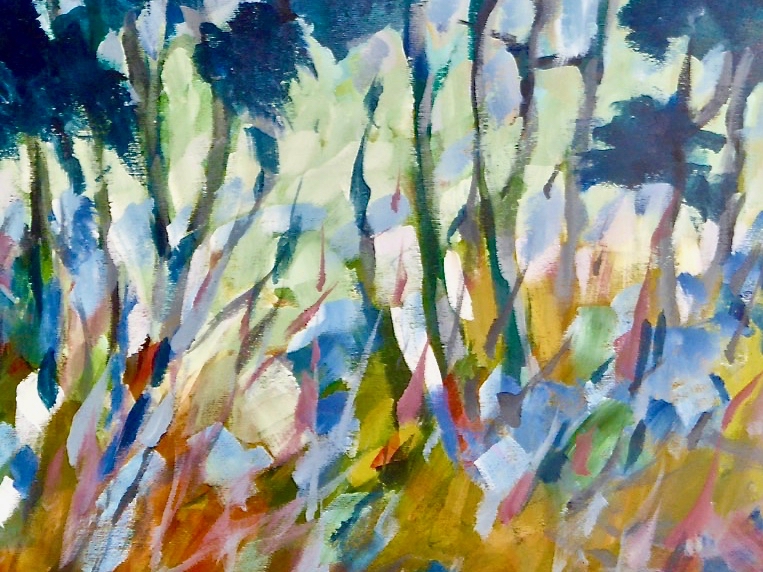
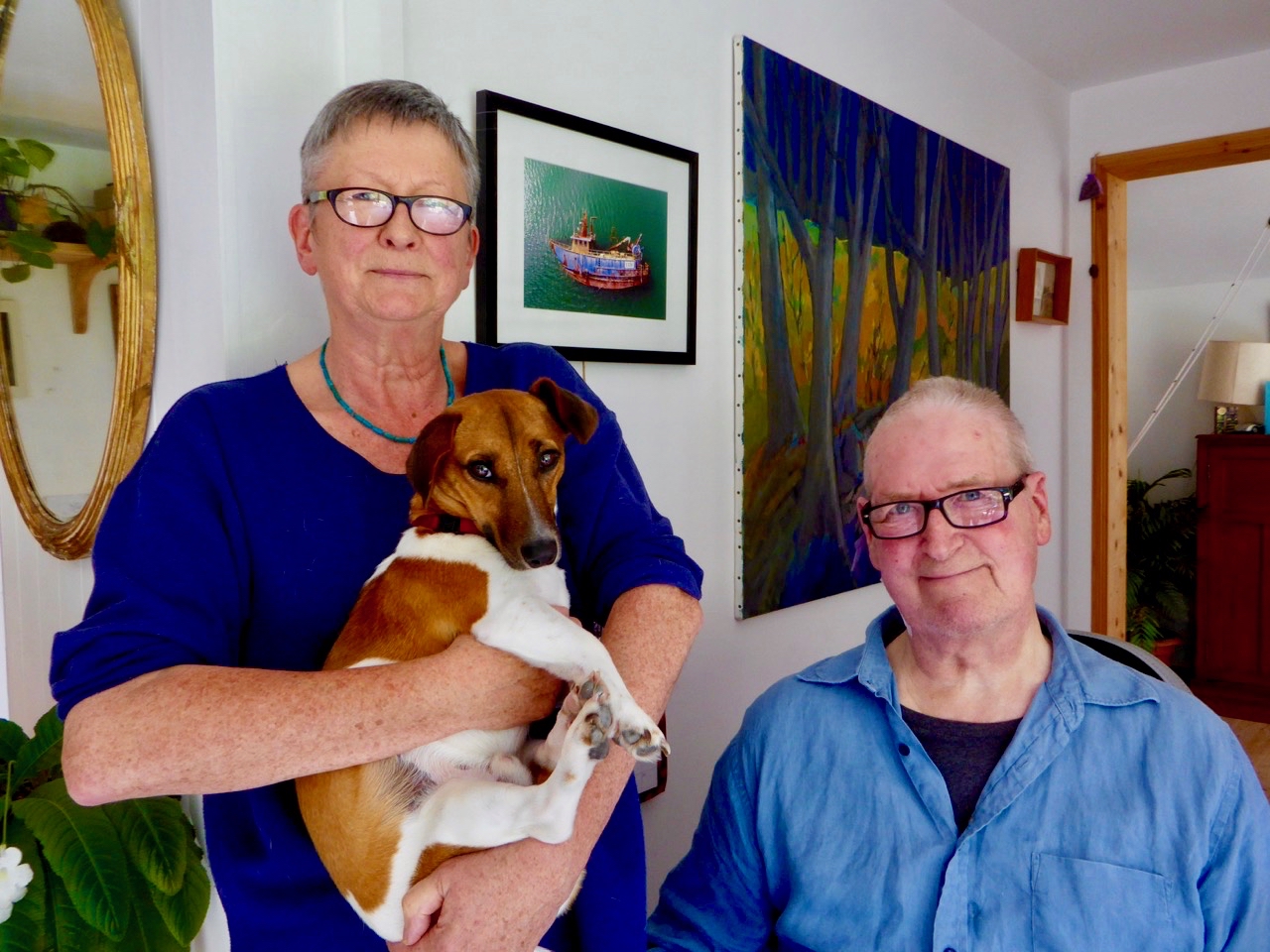
It’s all happening in West Cork at the moment! In particular, there’s a lot going on in Skibb: the fabulous Skibbereen Arts Festival continues to run all through the week and we have already enjoyed some memorable events. The first West Cork History Festival has been a resounding success – and a learning experience: look forward to great things in the future. But don’t leave Skibbereen without visiting the O’Driscoll Building at Levis Quay, in the town centre. Opening at 1pm on Saturday 5 August and running through to 2 September is an important exhibition of the work of two artists: Terry Searle and Ian McNinch. I’m concentrating today on the life and work of Terry – one of the ‘West Cork Artists’ Group’ who built up a reputation during the latter part of the 20th century, and the story of which has still to be written. Finola and I were privileged to meet with Terry and his wife Penny Dixey recently, and thoroughly enjoyed their accounts of the somewhat Bohemian life and times of artists in West Cork.

Penny (left, with Ted) and Terry (right) at home in Schull

The exhibition is a retrospective of Terry’s work. His great grandfather was from Dublin: he was born in 1936 and brought up in the East End of London. Like many of his contemporaries he was evacuated to the countryside during the war and spent six years away from his home. It’s hard to imagine how that experience might have affected a young, evolving mind: his positive take is that it imbued in him a permanent love for nature and this has been reflected in his life work.

Terry is a painter. At the end of the war Terry was called up for National Service, where he rubbed shoulders with would-be actors, artists and musicians: their outlooks attracted him and, when he moved back to London, he started evening classes at St Martin’s School of Art and then signed on for a full-time course at Goldsmith’s College of Art. Although life was hard – there were no grants available and he had to fund his studies through a variety of jobs occupying all hours – he never looked back. As he says “…life in the coffee shops in Soho was enjoyable, with a lively social scene…”

Terry’s influences were many – particularly the large, colour-full abstracts of Rothko and Joan Mitchell – but his life-long hero is JMW Turner. London’s Tate Britain has the world’s largest collection of Turner on exhibition, so Terry had the opportunity to study his hero at first hand. Turner challenged the art traditions of his time (first half of the 19th century) and his techniques appear very ‘modern’ to our eyes. Terry is no slave to Turner’s style, but has a very particular way of viewing his subjects. I think Terry’s work is vibrant – colourful – approachable – very attractive yet with a powerful individuality. I can see some parallels with William Crozier, whose work is currently being shown at Uillinn. By chance, Terry Searle and Crozier once lived in the same road in London but were only on nodding acquaintance. As their lives and work progressed, both found their way to West Cork.

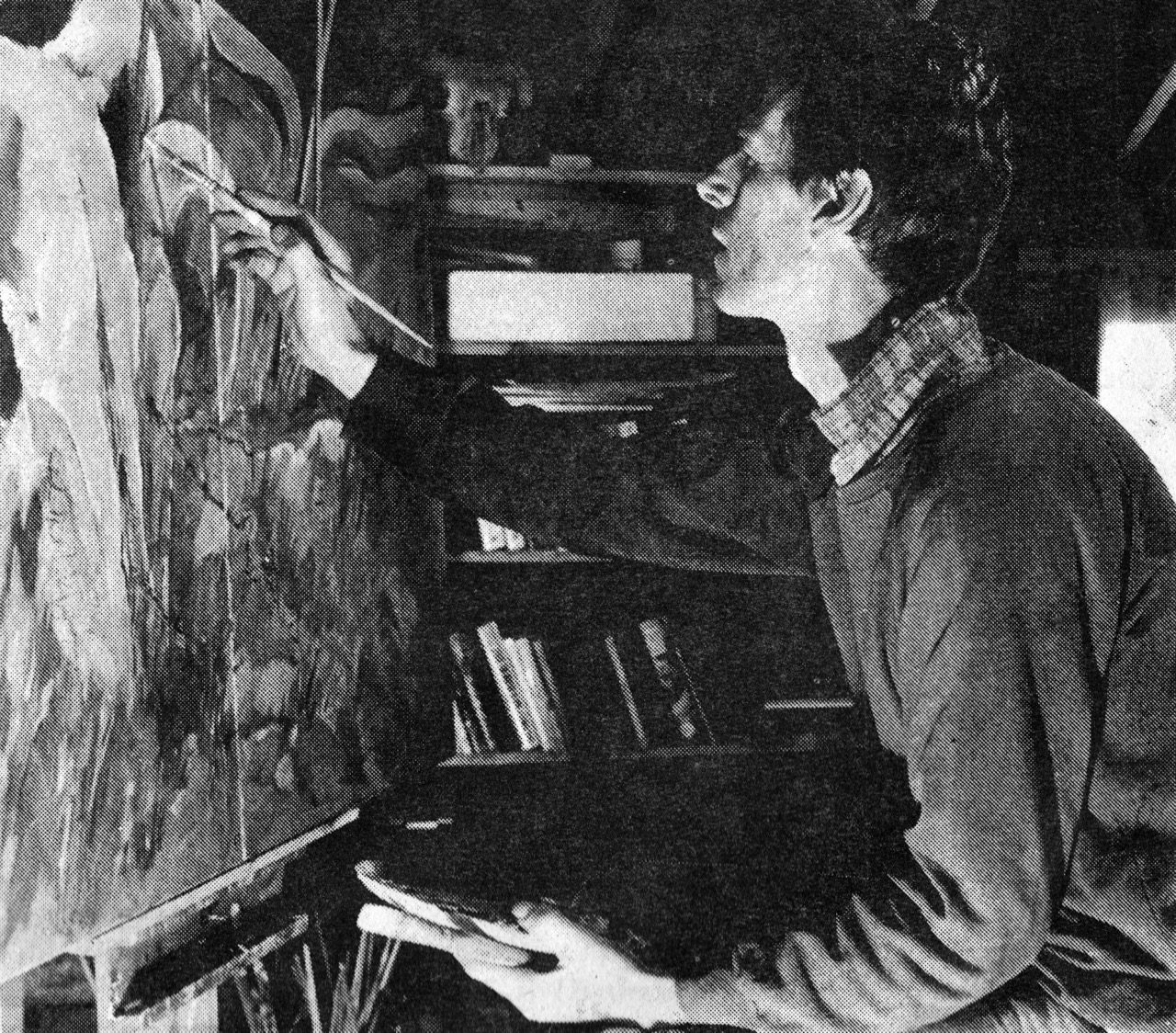
Terry Searle at work, probably around 1986: photograph by Kevin O’Farrell

Terry first visited West Cork when travelling with a group of friends in the 1970s. A number of visits followed and he found himself “enchanted” by the natural beauty of the place, and the civilised pace of life here. He must also have been aware of the strong artistic movement which focussed around Ballydehob and Skibbereen at the time. When he made the permanent relocation to the west of Ireland in 1981 he quickly became active in that movement, and was one of the founders of the West Cork Arts Centre. He contributed to the 1985 exhibition of West Cork artists in Zurich, and in 1987 was part of the important Living Landscape ‘87 Exhibition, which showed in the Crawford Gallery, Cork, as well as in the West Cork Arts Centre in Skibbereen. This extract from the introduction of the exhibition catalogue is enlightening on the spirit of the time:

…Skibbereen is a small town in the South West of the country with a population of 2,000 people. Ten years ago, because of the number of artists living in the area, a small interested group started an art society and held an annual members exhibition which ran for two weeks every July in a local hall. The demand from artists and local people increased over the years and due to the hard work of a dedicated committee, they realised a dream come true – an Arts Centre for West Cork; and with the essential practical help from the Vocational Education Committee in the provision of the building, we became the proud ‘owners’ of a thriving Arts Centre. We run exhibitions monthly, organise musical and theatrical evenings, and provide classes for all, covering a full range of artistic interests in our newly reconstructed classroom. Today, we are very proud to be hosting the first ‘Living Landscape’ exhibition by the top 25 landscape artists working in this country. Our intention to make this a prestigious annual event is ambitious, but then all our plans are ambitious…!

The Living Landscape exhibition shown at The Crawford and in Skibbereen: Terry is third from the right

I wonder how many of those involved in those times could have foreseen just where those ambitions would lead? With Uillinn in Skibbereen, the West Cork Arts Centre now has the foremost public gallery west of Cork city, and it is pushing the boundaries with major exhibitions of contemporary work. Readers will be aware of the recent West meets West exhibition – which heralds a regular exchange of art between West Cork and Cornwall – and the gallery, currently, is hosting a collaborative exhibition with IMMA on the opus of William Crozier.

It’s so good that Terry Searle is being appreciated with this show: he has never been a self-publicist, and it is high time his work received full and proper recognition. He celebrates his eightieth birthday this year. A few years ago he was diagnosed with a degenerative neuromuscular disease and has now been forced to stop painting altogether. It is painful to imagine what a loss that must be to a creative ethos such as his. This exhibition is a very special one – be sure to see it!

Robert is lining up further posts on the stories of the West Cork Artists group dating from the 1960s (and still thriving!) and would be delighted to hear from anyone who has personal accounts, reflections or memories from those days…

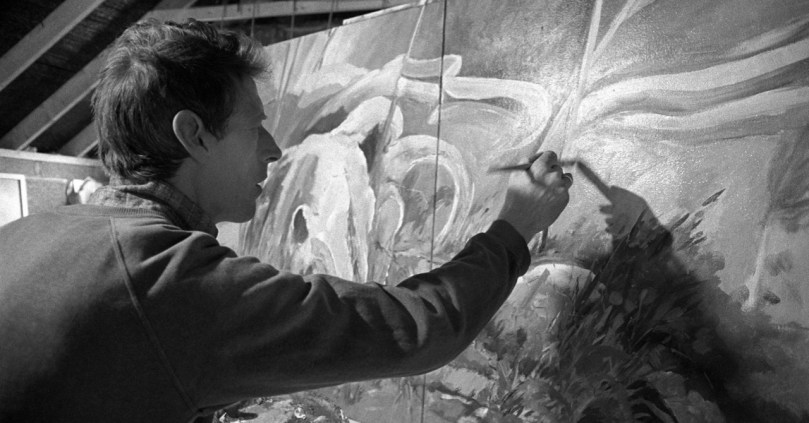
Image below – Terry Searle in his studio c1986 – courtesy of Kevin O’Farrell

Terry Searle - Kevin O'Farrell