The Great Hunger

2012-05-19 16.04.23

Skibbereen Heritage Centre

Skibbereen Heritage Centre

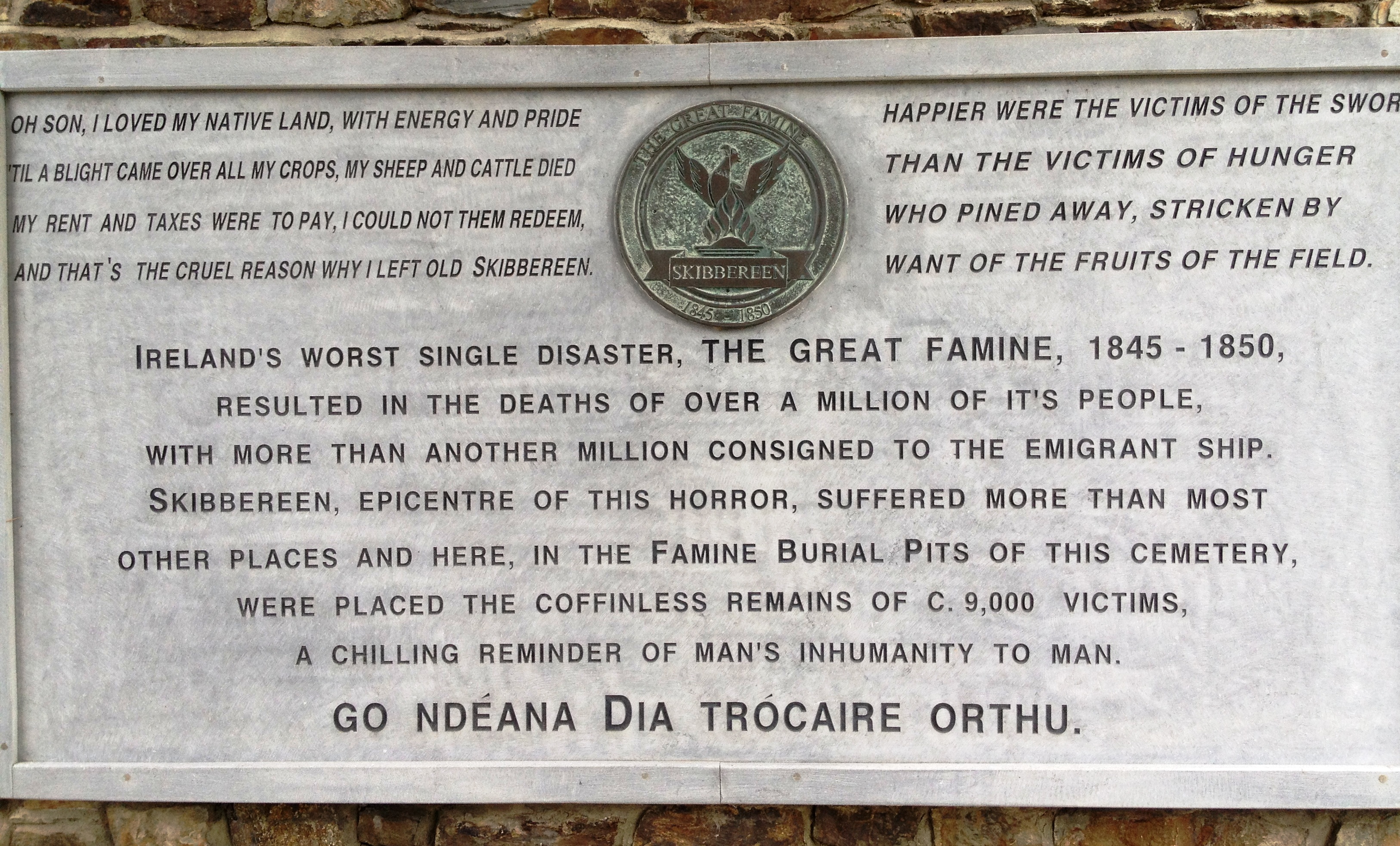
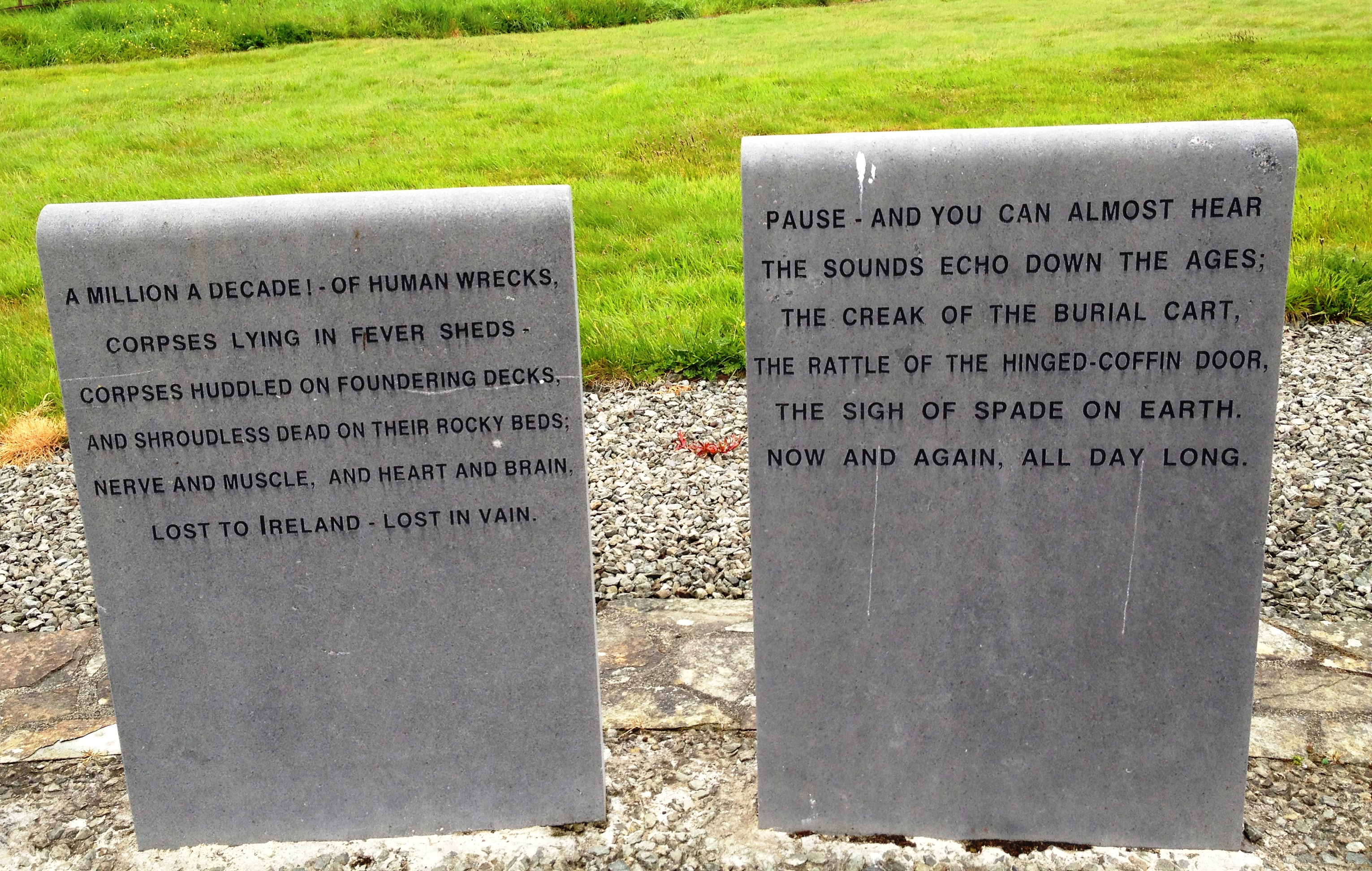
I have mentioned the Irish Famine in previous posts. West Cork and the area around Skibbereen in particular was greatly affected by this national disaster. In the period of the failure of the potato crop between 1845 and 1850 it is estimated that one in three people in this area died through starvation or disease. A million people perished in the island as a whole while another million emigrated. By the end of the nineteenth century the population of Ireland had halved, from just over 8 million to just over 4 million, as a traumatised race filled the Coffin Ships to America, Canada and Australia, or took the mail boats to Britain. This time in Irish history has left deep wounds in the Irish soul, and a legacy of distrust of Britain that fuelled much of the subsequent nationalistic fervour.

The Heritage Centre in Skibbereen has an excellent, if harrowing, Famine exhibition. Even more moving, perhaps, is the Abbeystrewry Graveyard, site of mass and unmarked graves of thousands of victims.
2012-05-19 16.02.27

In 1997 when events commemorating the 150th anniversary of the Famine were being planned new research turned up many previously unknown stories of the time. While most, understandably, turned on the wretchedness of the people and the political and social context, one small tale fired the imagination of the historian who discovered that the Chocktaw Indians of America had made what must have been for them an enormous donation to hunger relief. Having been deprived of their ancestral homeland, and with their population decimated by European diseases, this faraway people collected and sent $710 to the starving Irish. Since this discovery, a special relationship has been nurtured between the Chocktaw and the Irish.
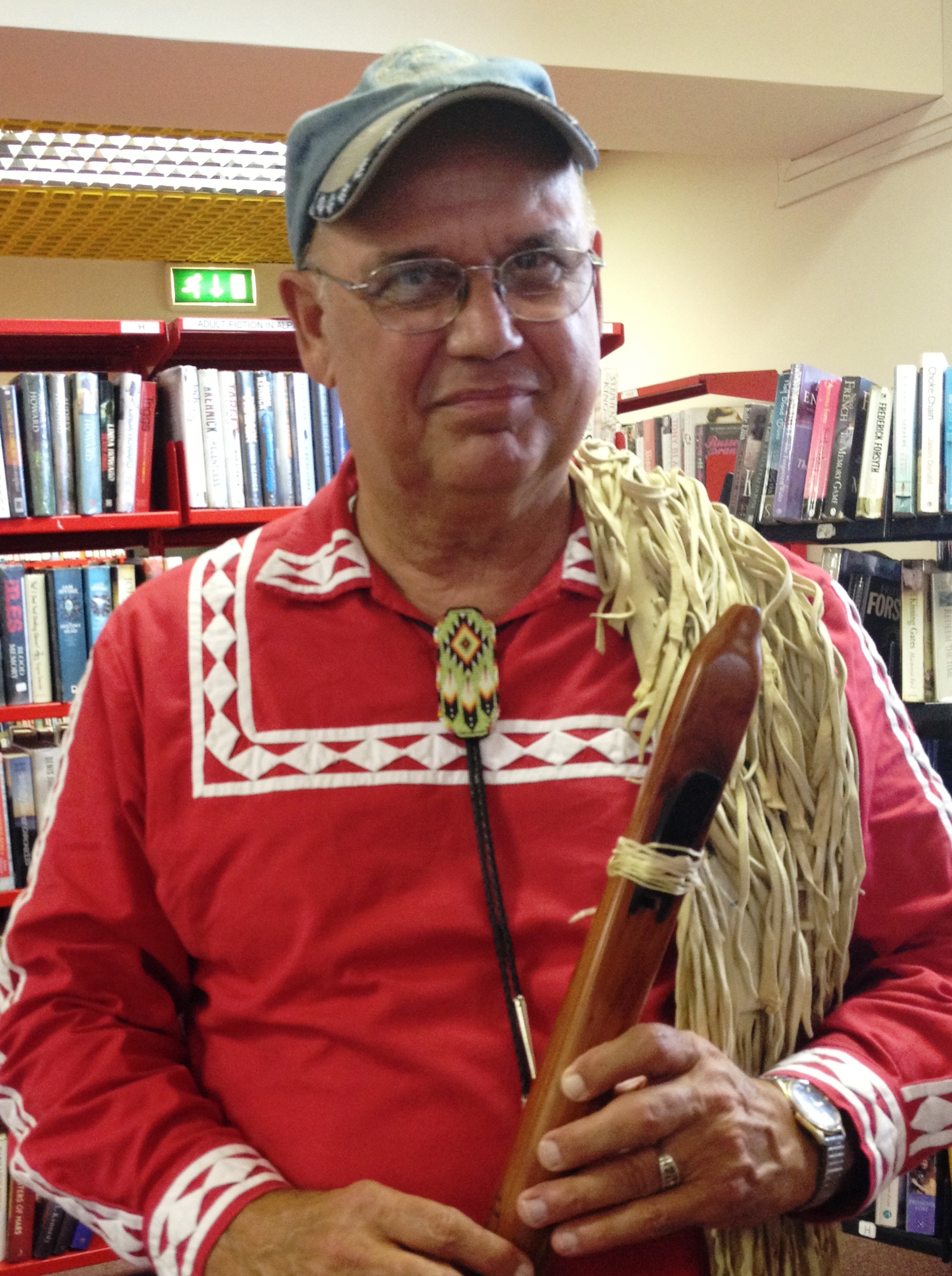
Tim Tingle, Chocktaw Story Teller

Tim Tingle, Chocktaw Story Teller

We were lucky, recently, to be present at a session by Tim Tingle, a Chocktaw writer and storyteller, in the Skibbereen library. Relaxed and humourous and with the aid of his drum he told us of his people and their relationship with the land and the animals. Slowly he drew us in to a deeper story from the time of the Chocktaw Trail of Tears: a story universal in its appeal and its humanity. His message: “Look ahead, keep moving forward.”

Mizen Magic

We’ve done several posts on the Sheep’s Head and the marked hiking trails that crisscross that peninsula. But we actually live on a different peninsula, The Mizen, and it is just as glorious and wild and beautiful.

Map of Mizen and Goleen

The road to the Mizen Head starts at Ballydehob, runs along the southern side of the peninsula through Schull and Toormore and on to Goleen and Crookhaven. At the far or western end are the beaches of Barley Cove and the Mizen Head Lighthouse and Visitor Centre. There are no villages on the northern side of the peninsula until you reach Durrus, which also marks the start of the Sheep’s Head Peninsula. It is bounded on the south by the waters and islands of Roaringwater Bay and on the north by Dunmanus Bay. The whole peninsula is rich in history and archaeology and we plan future posts about many aspects of life here.

For the moment, a flavour in photographs of what The Mizen landscape has in store for visitors.

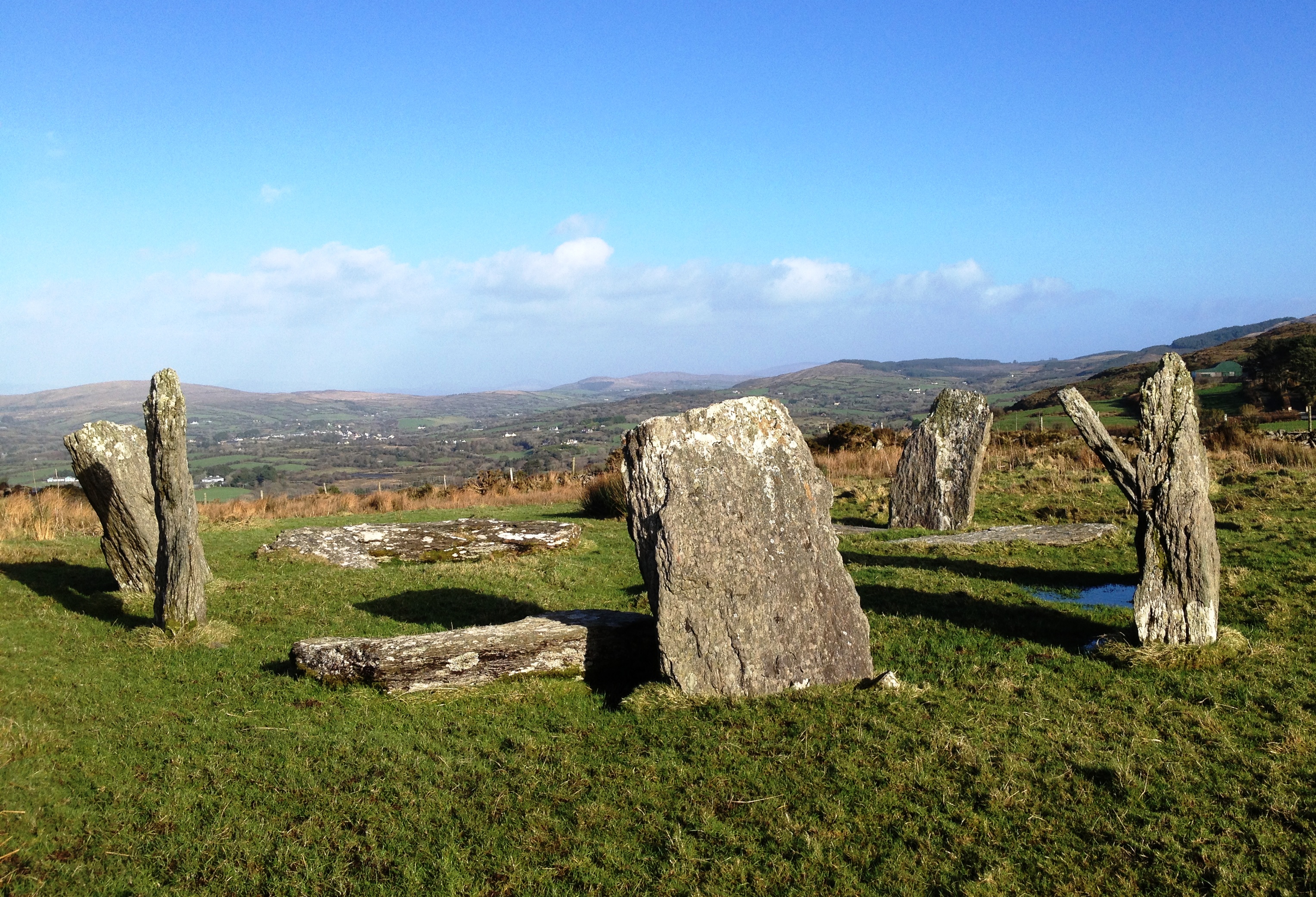
Dunbeacon Stone Circle

Dunbeacon Stone Circle

Ballyrisode Beach

Ballyrisode Beach

Dunmanus Bay

Dunmanus Bay

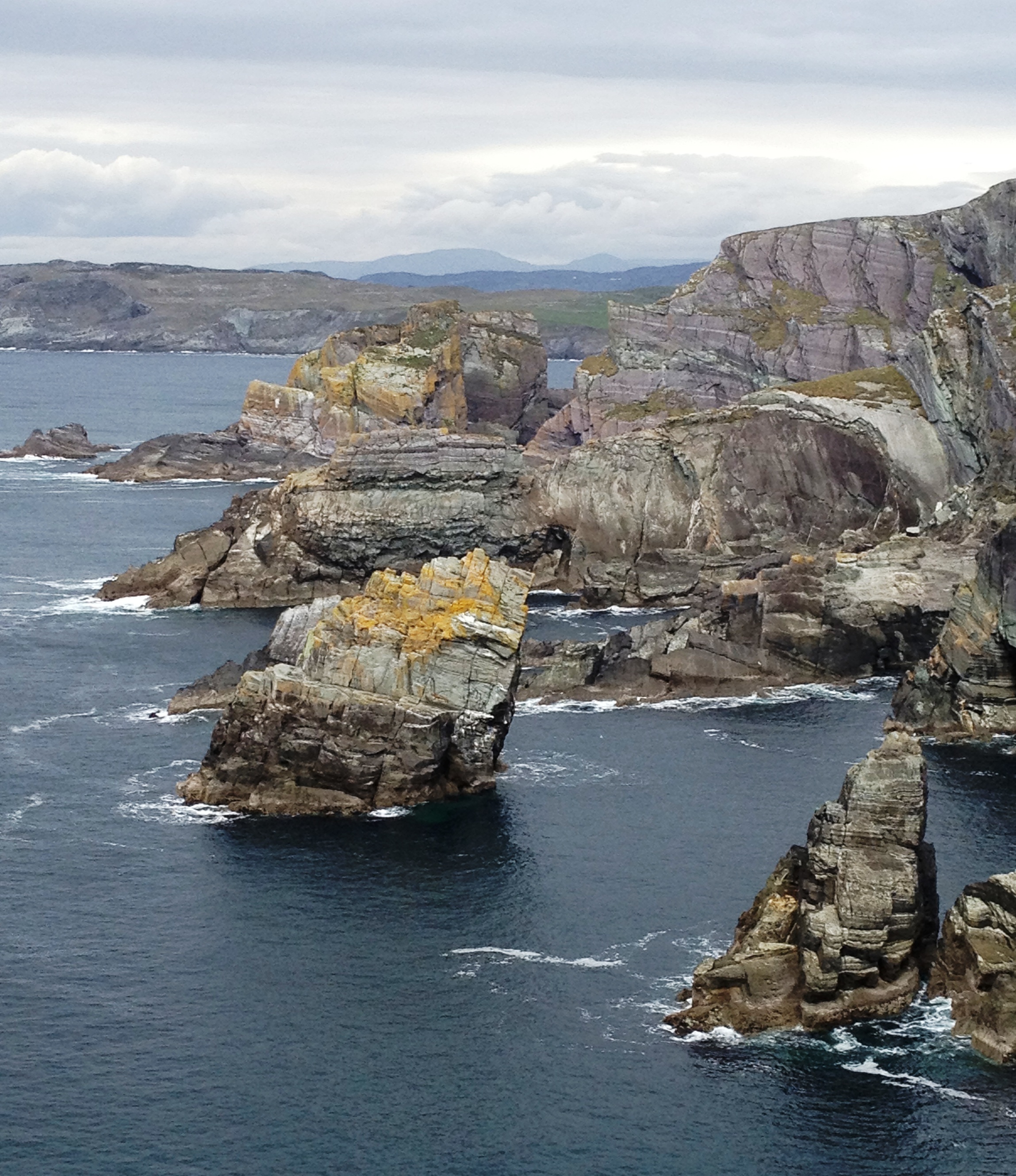
Mizen Head

Mizen Head

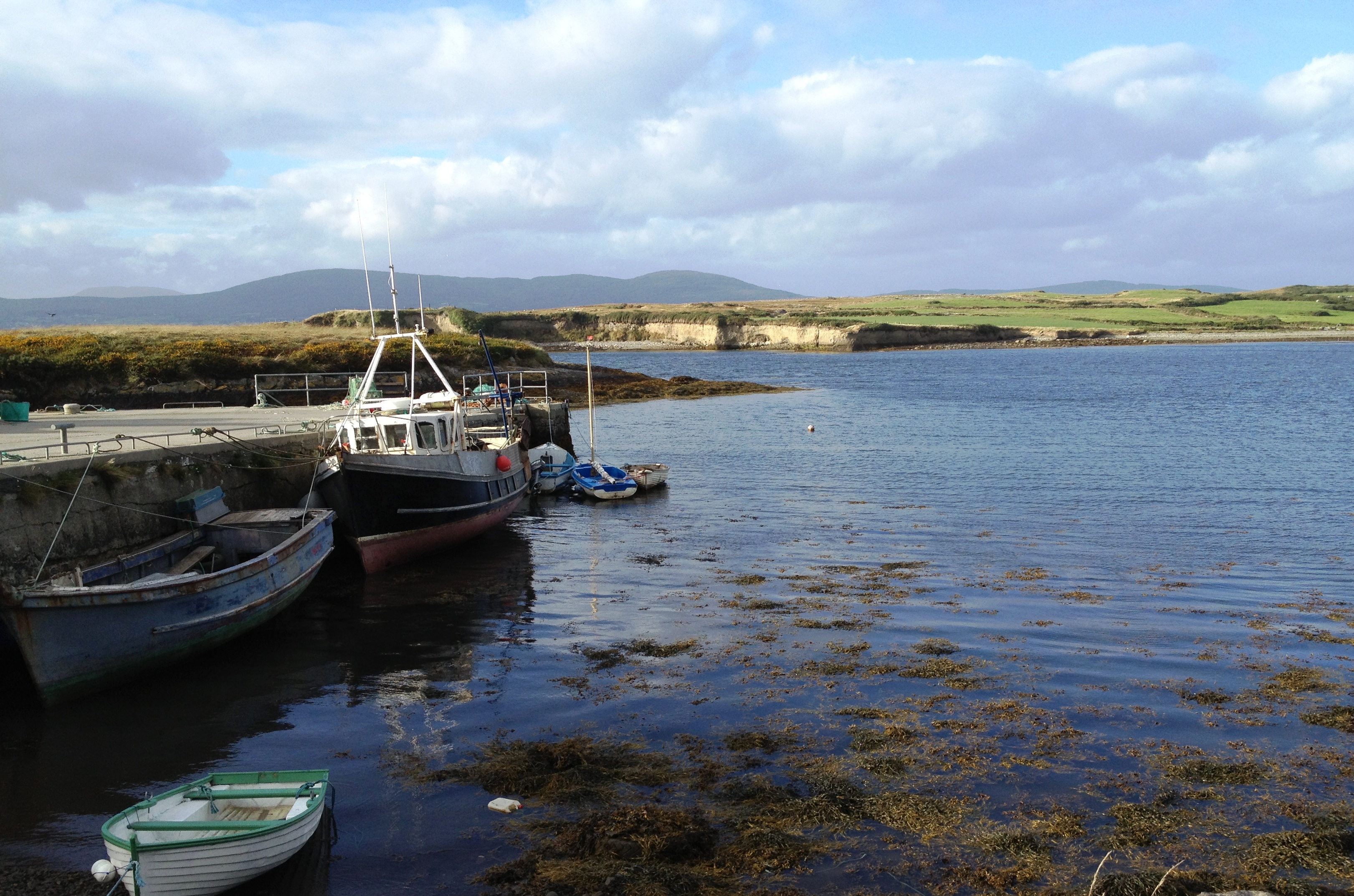
Dunmanus Harbour

Dunmanus Harbour

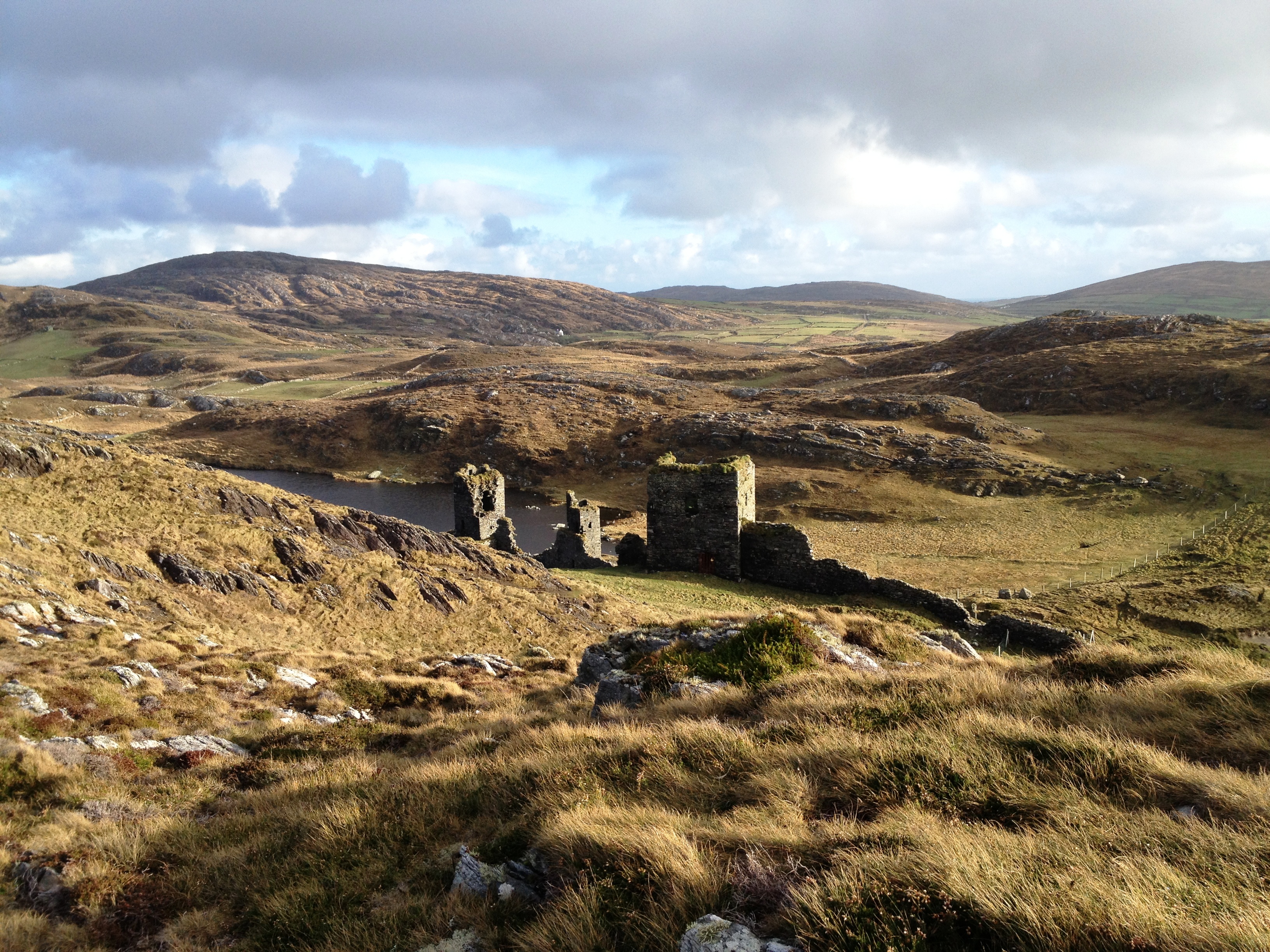
Three Castle Head

Three Castle Head

At Sea Level

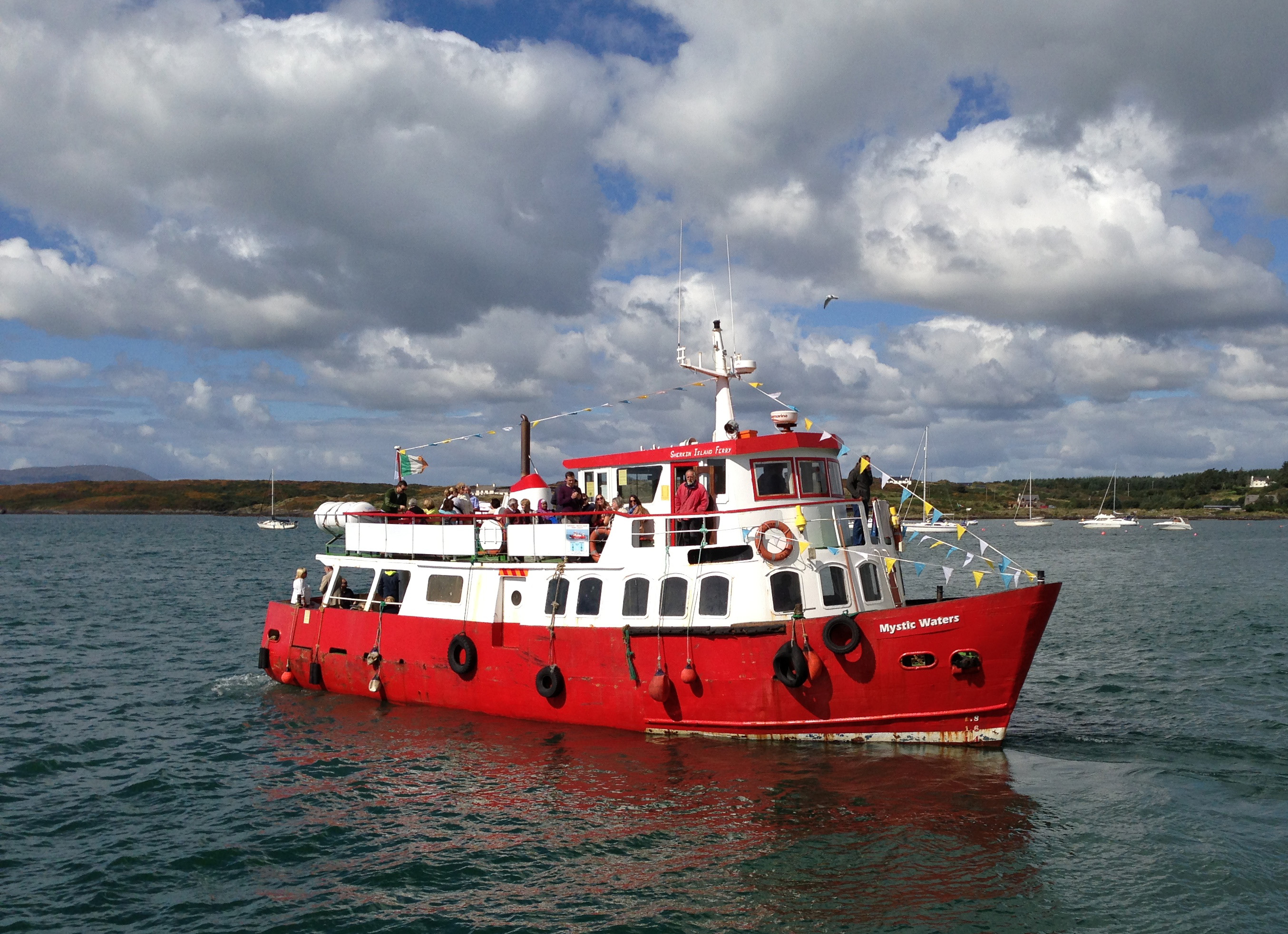
mysticwaters

THE SUMMER sun is falling soft on Carbery’s hundred isles,

The summer sun is gleaming still through Gabriel’s rough defiles;

Old Innisherkin’s crumbled fane looks like a moulting bird,

And in a calm and sleepy swell the ocean tide is heard…*

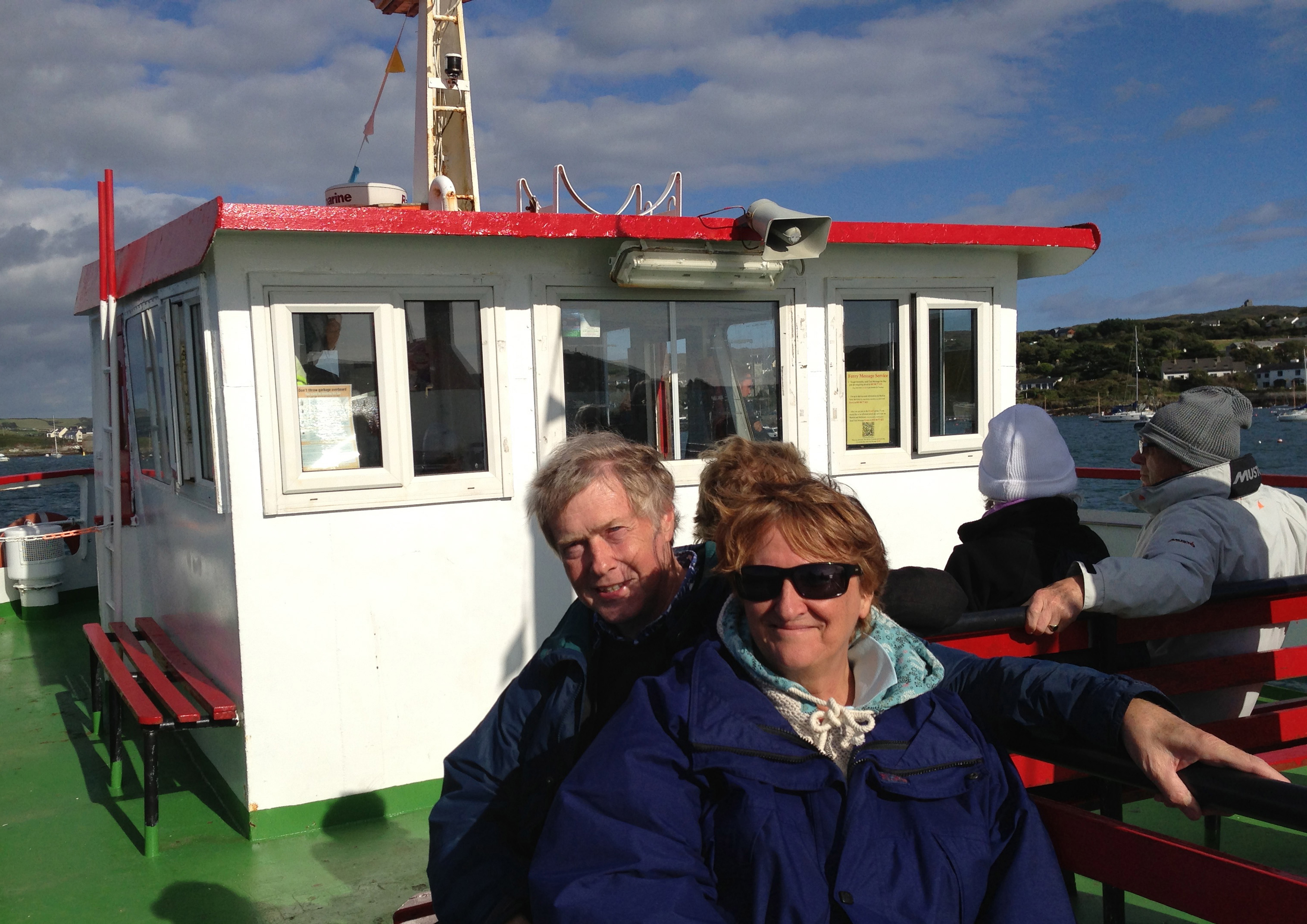
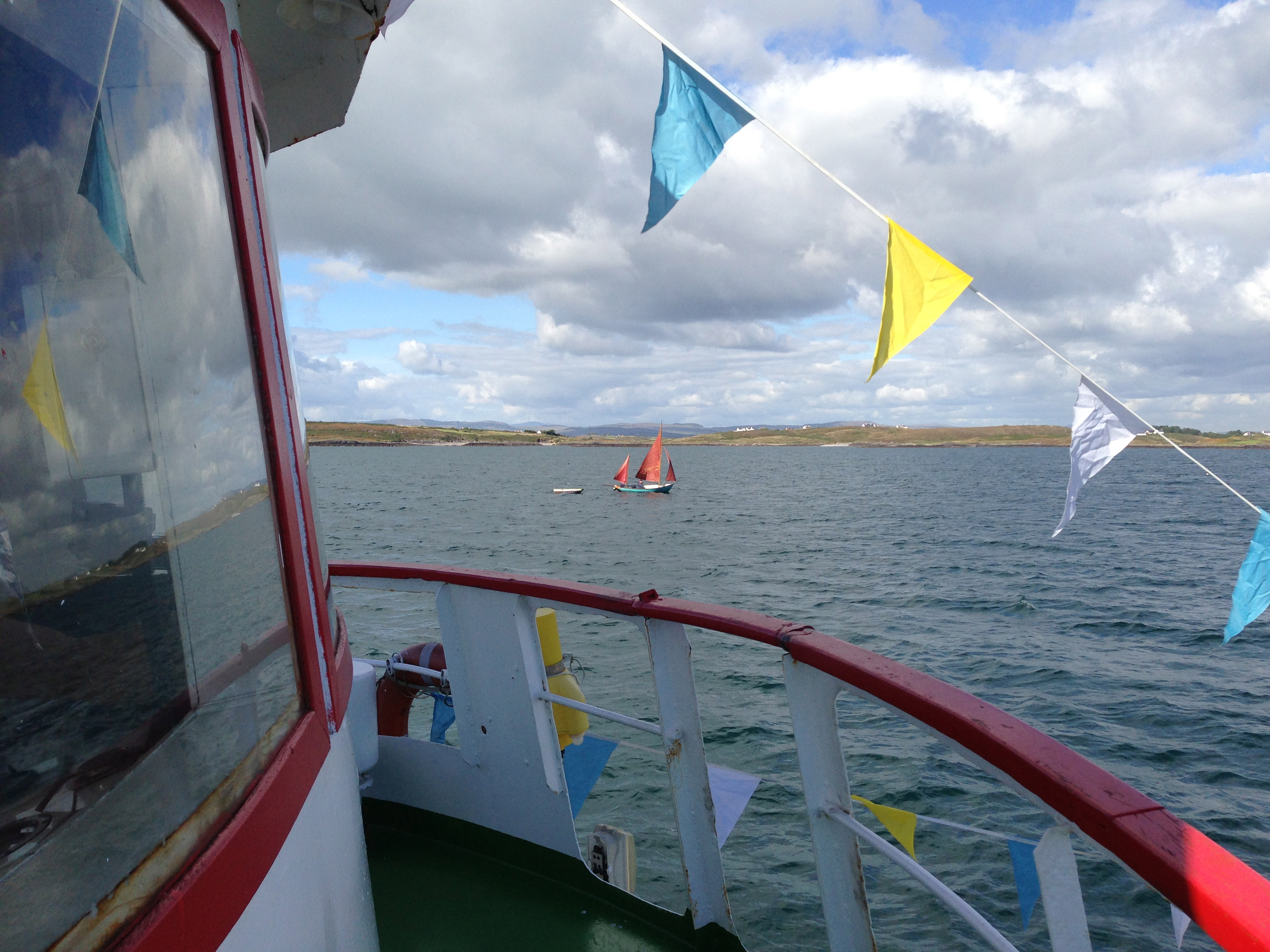
The little red boat that spends most of its days plying the ten minute crossing between the mainland and Sherkin island is occasionally let off its leash to go further afield and explore the Islands of Roaringwater Bay – ‘Carbery’s Hundred Isles’. We signed up for yesterday’s voyage: every day we look down over these waters from our nest up on the hill, and we welcomed the opportunity to explore our view from within it. This event was organised as part of the Taste of West Cork Food Festival, and we had the bonus of enjoying trays of good food and drink as we savoured the scenery.

carbery isles

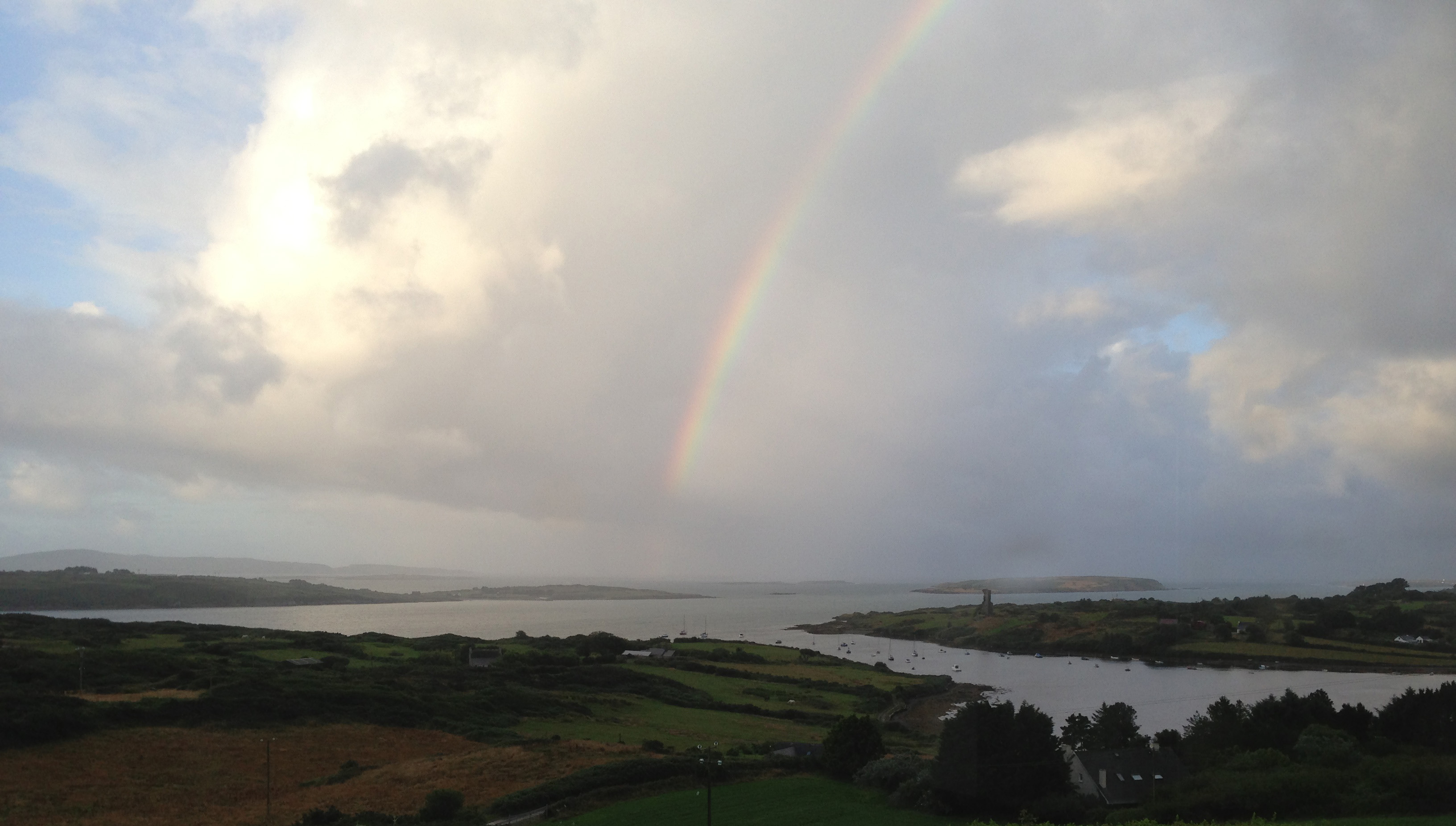
The late summer sun was certainly ‘falling soft’ as Mystic Waters pulled away from Baltimore. Perhaps it was the last of the summer sun as our view from Nead an Iolair today has gone! There’s not one island to be seen through the driving rain, and the Atlantic storm is sending our weather-vane spinning…

aboard

Some of the ‘Hundred Isles’ are little more than perches for gulls and cormorants, but a few are still inhabited – Clear, Sherkin, Hare and Long Island – while ruined evidence remains to show that many more have once supported small farmsteads – The Skeams, The Carthys, Calf Islands and Castle. Horse Island is the residence of one family – with plans to establish a distillery there.

A traditional Hare island lobster boat - sailing past Hare Island

A traditional Hare Island lobster boat – sailing past Hare Island

Middle Calf

Middle Calf

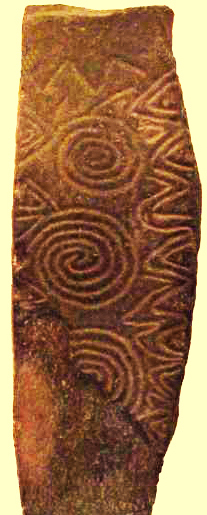
capeclearstone3We didn’t land on any of the islands yesterday: we hope to visit some in the future. My first goal is the Middle Calf – a Hare Haven! But we do need to catch up on some Rock Art. There are marked stones on Horse Island while Clear (an Irish speaking community – part of the Gealtacht) supports a Neolithic chambered tomb which once contained a remarkable artefact: a carved stone with spirals, lines and zigzags, much more akin to the decorated boulders of the Boyne Valley Culture than the cups and rings of West Cork and Kerry. The stone (now – sadly – removed to the Cork City Museum) was part of a passage grave sited on the highest point of the island. Like the huge Newgrange monuments, the passage here is aligned on a solstice sunrise. As we look out through the mist today it’s a sobering thought that a sophisticated, scientifically aware society resided on these remote islands over 5,000 years ago.

* This poem was written by Thomas Osbourne Davis (1814 – 1845) and records the Sack of Baltimore of 1631 when Barbary pirates raided the town and took over 100 residents into slavery.

Food Glorious Food

Taste of West Cork

There’s yet another festival on at the moment, and this one is a yummy one: A Taste of West Cork Food Festival. It will culminate next Sunday in a giant market that will take over the main street of Skibbereen, but in the meantime every day brings something new – a farm tour, cooking and fish-smoking demonstrations, walking and boating tours, tasting menus, and special dinners.

Finola and Regina

Finola and Regina

Today we attended a lecture by Regina Sexton, a brilliant writer, broadcaster and food historian. Under the title “Teaching the Poor to Cook in 1847,” Regina led us through the contents of what might have been one of the earliest ever Irish recipe books. Published by a member of the Northern Irish gentry, it instructed the Irish ‘Peasantry’ on how to cook the foods available at the time as substitutes for the potato, then in catastrophic failure due to blight. Revealing as a document of the social and political philosophy of its time, it was eerily poignant given the death toll occurring all around at the height of the Great Famine. I was keenly aware of our surroundings at Liss Ard House, once a mansion where people enjoyed a fine standard of living, while the town of Skibbereen, down the road, had been an epicentre of starvation.

Everything locally grown!

Everything locally grown!

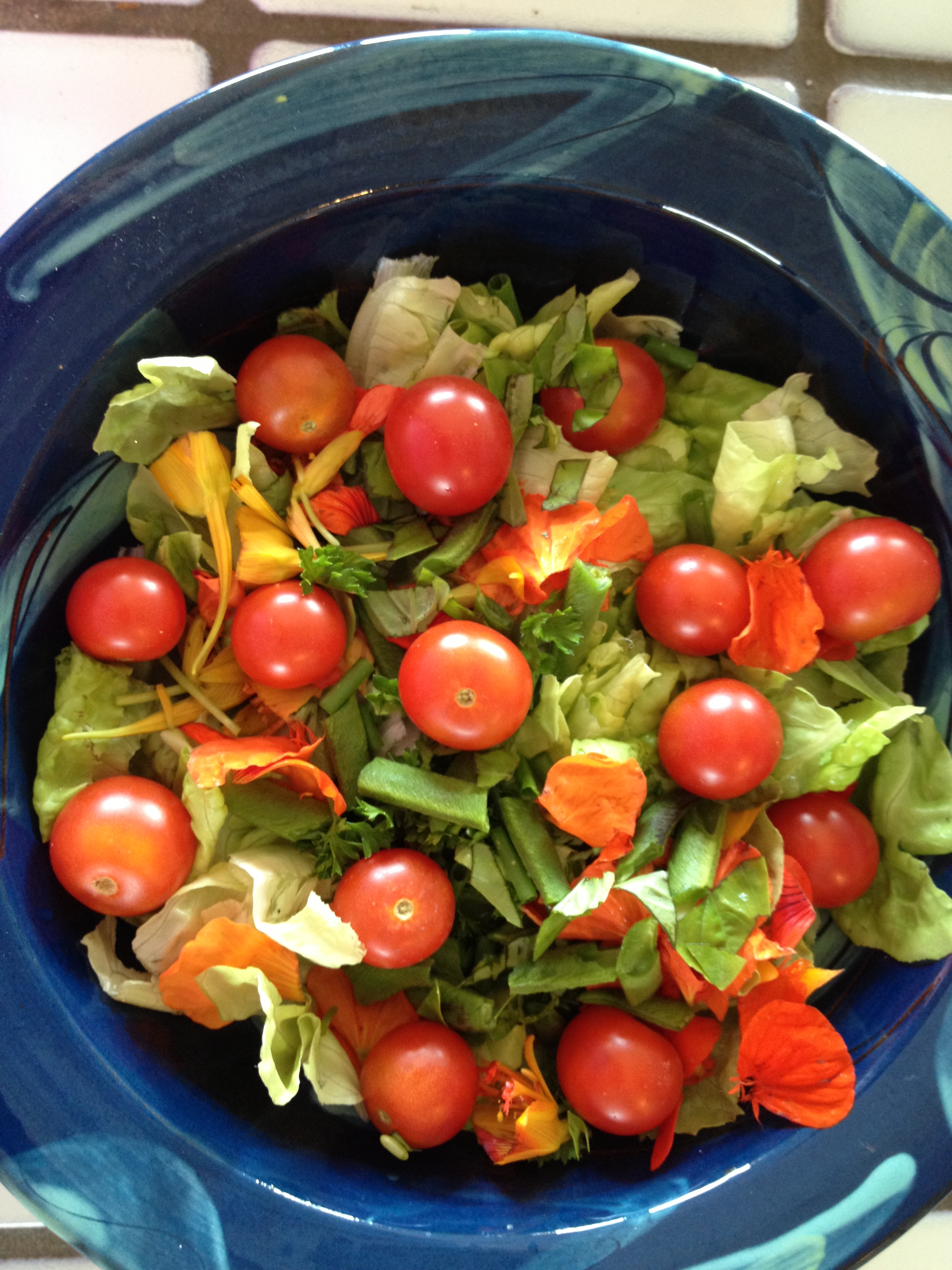
I have written before about West Cork Food (here and here): this really is Foodie Heaven, with fresh vegetables, artisan cheeses, homemade preserves and relishes, breads of every description and a wide variety of seafood and organic meats all readily available not only in the weekend markets but in local shops and supermarkets. To add to this, my friend and neighbour Hildegard has been generous with her garden and we have been enjoying fresh beans, zucchini and lettuce and flavouring dishes with her wonderful basil and savoury.

Robert and I love to eat breakfast out as a treat. On one recent foray I ordered boiled eggs and it brought me back to my childhood and time-honoured rituals. Lift the top off the egg with a spoon, drop in butter and salt and put the top back on. Cut your toast into fingers to dip into the buttery yolk. When you have finished your egg, turn it upside-down in the egg cup and present it to an unsuspecting sibling.

Breakfast in Skibbereen

Breakfast in Skibbereen

Relaunching

Image

Nead an Iolair

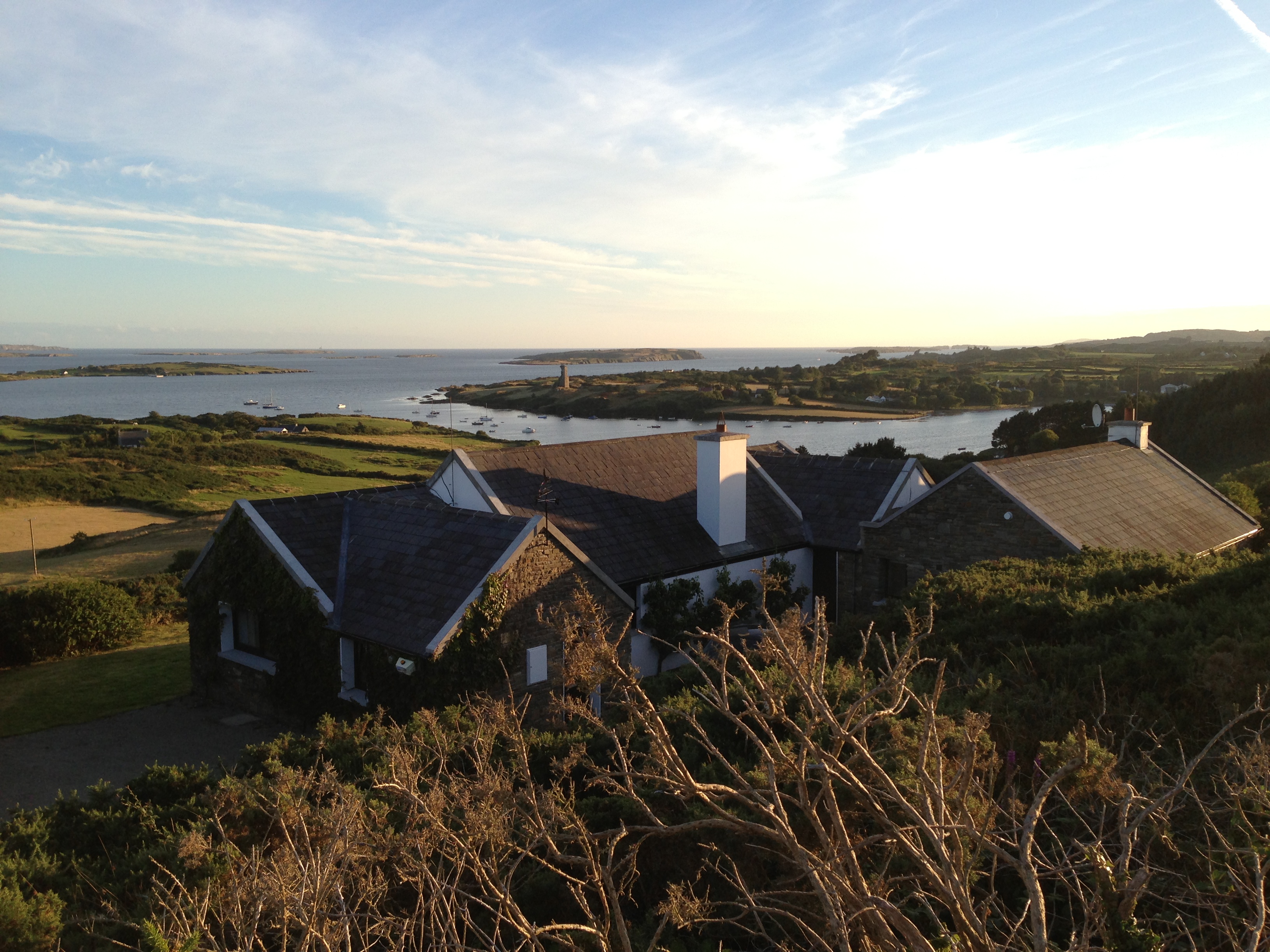
We have returned to West Cork, to the house we bought overlooking Roaringwater Bay, and this time it’s for keeps. Our first month has been a whirlwind of unpacking, sorting, making the house our own, meeting neighbours and friends from our winter stay, and taking in everything West Cork has to offer in the summer. Within a few days of arriving we had been to markets, a play, and several concerts; spent a day at an agricultural fair and another on a beach; attended gallery openings and a classic boat gathering; participated once again in the Friday night music sessions in Ballydehob; hosted dinner parties and been hosted in return; in short – settled back into the marvellous rhythm of West Cork life, but this time as permanent residents.

 Cruinniú na mBád: Ballydehob boat gathering

Cruinniú na mBád: Ballydehob boat gathering

We will be writing in Roaringwater Journal about aspects of life and why we love it here. An enormous part of it all, of course, is the people we meet – their open welcome and friendly acceptance has made us feel at home. But it’s more than that: people here are still close to the land, fiercely proud of this area, keepers of the lore and the history and uniquely expressive. Everyone loves to talk, so you’d better not be in a hurry. Today, for example…

After a late night at the session (made exceptional by the addition of a group of French musicians) we had slept in a bit and decided to head into Skibbereen to breakfast and the market. But even though it’s Saturday here comes Ger, the electrician, with the replacement bathroom fan. Abandoning the plan, we made breakfast for all of us and Ger, having installed the fan, regaled us with stories of the townland he comes from, a mile down the road. We told him we had tramped up and down the roads there, the other day, looking for a piece of rock art, a large boulder with cupmarks on the top, and couldn’t find it. He grinned, “’Tis in my yard,” he said. “The legend is that Finn McCool threw it down from Mount Gabriel.” We made a date to go next week to record it and moved on to discussing the theatre. Ger is an actor and knowledgeable dramatist and, over the eggs and toast, he gave us an insightful review of the recent “Fit Up Theatre” productions (excellent!) we had been going to.

West Cork Arts Centre

West Cork Arts Centre

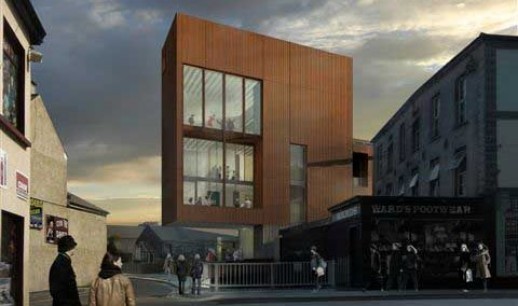
Then it was off to Skibb, to see if Richard, the cable guy, could come back and finish installing the wireless network in the house. In the store, the manager, who turned out to be Richard’s father, explained to us that Richard was on a hurling team that had just won the County finals for their division and needed to celebrate. With a twinkle in his eye, he suggested that we not look out for him before Wednesday. And while we were waiting, he added, why didn’t we take in this great presentation on Tuesday night, for which he would be delighted to sell us tickets. Half an hour later, we left the store, having been brought up to date on the plans for a new Arts Centre and been told the history of his name, family and business.

First Visitors

First Visitors

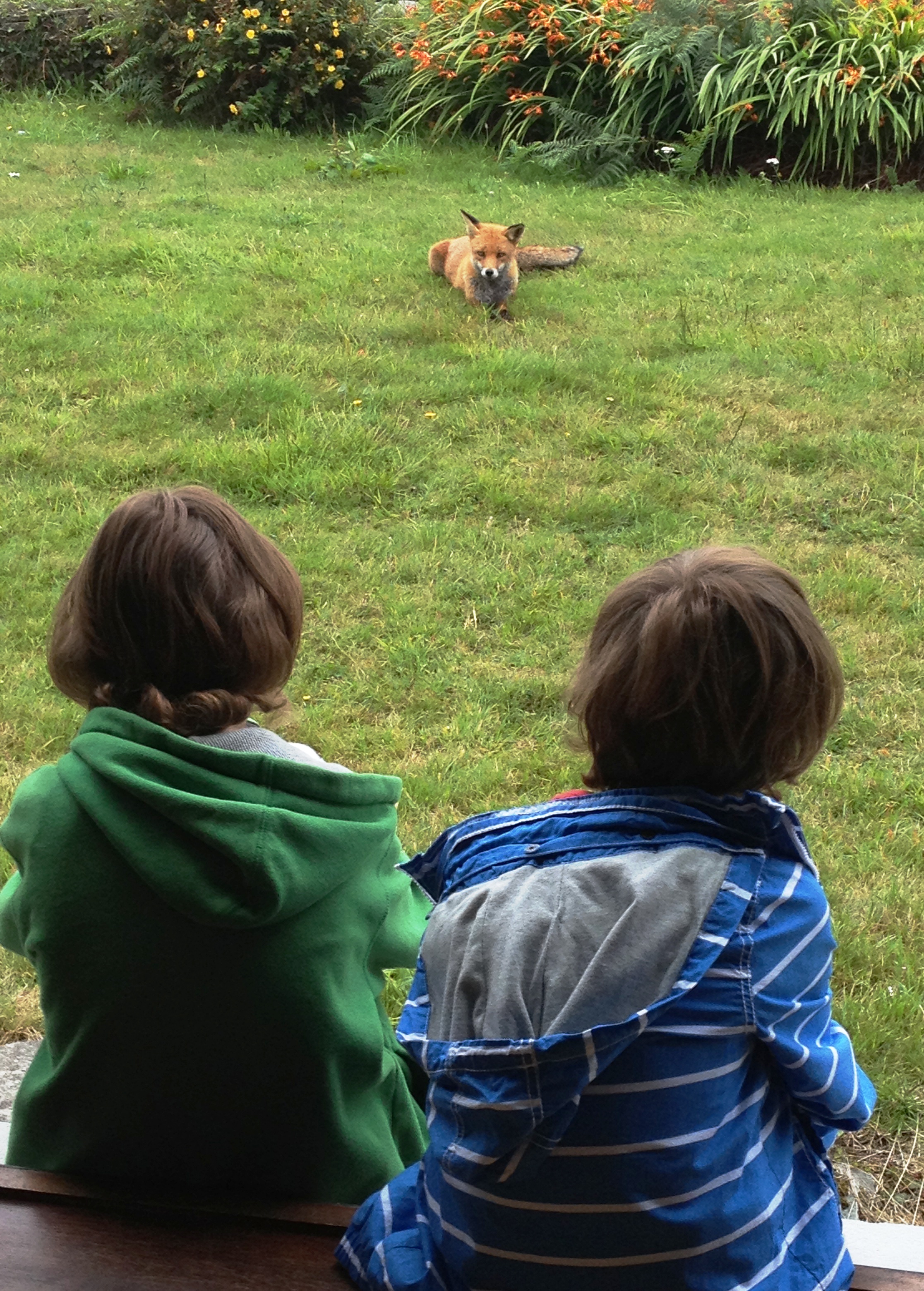
And so go our days. The summer is winding down and the villages will soon lose the tourist-mecca bustle. Already many of the houses in our little cove have the blinds down as their owners return to the city. There’s a slight hint of autumn in the evenings. Our walks are slowed by the temptations offered by the blackberry brambles, our mornings enlivened by visits from Ferdia, our friendly fox.

From Canada and from England, from cities, from careers and responsibilities, from vastly different lives, we have come together to this extraordinary place.

And now here we are – at home in West Cork.

Tuning In

sharonshannon

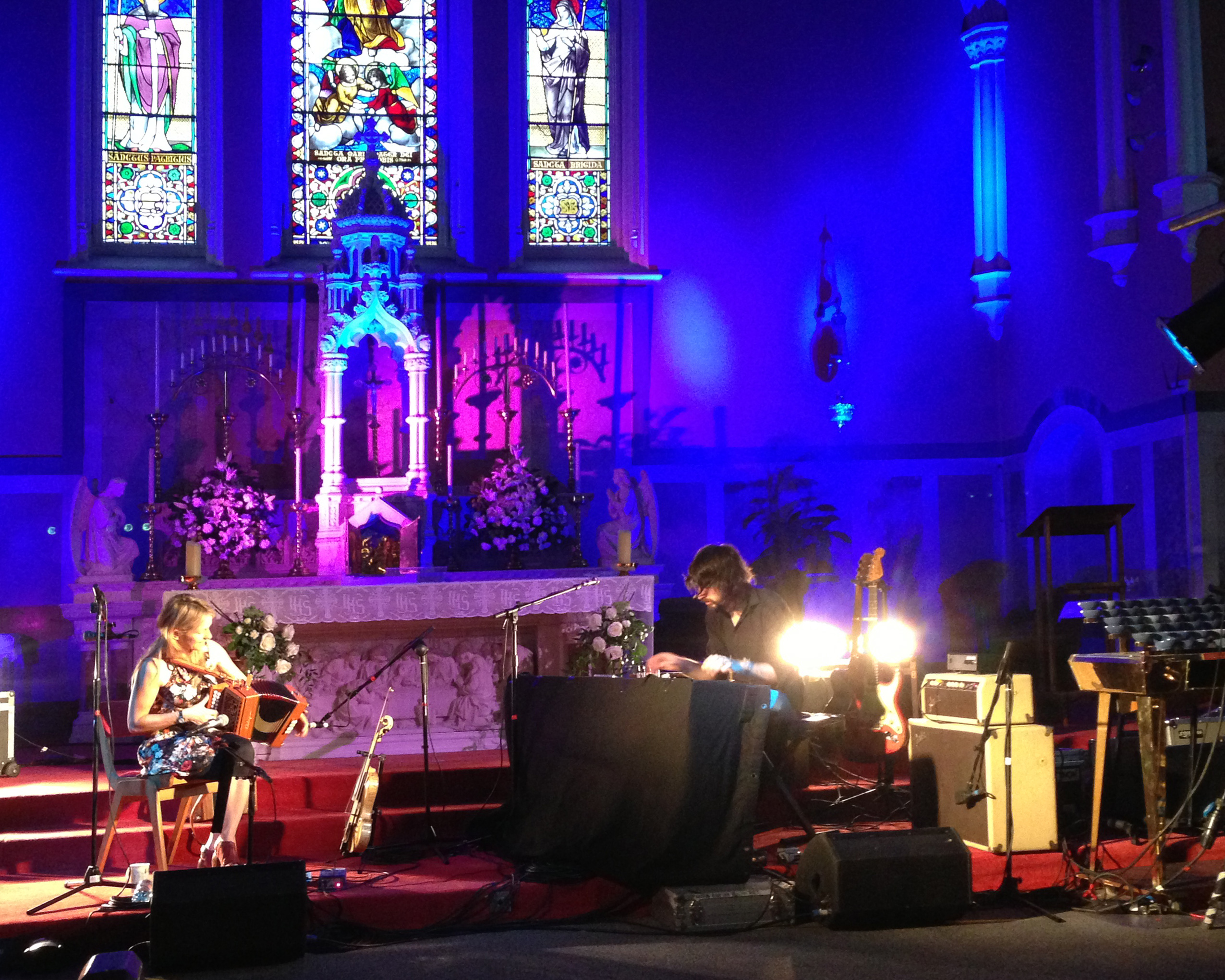
Sharon Shannon in concert, Dalkey

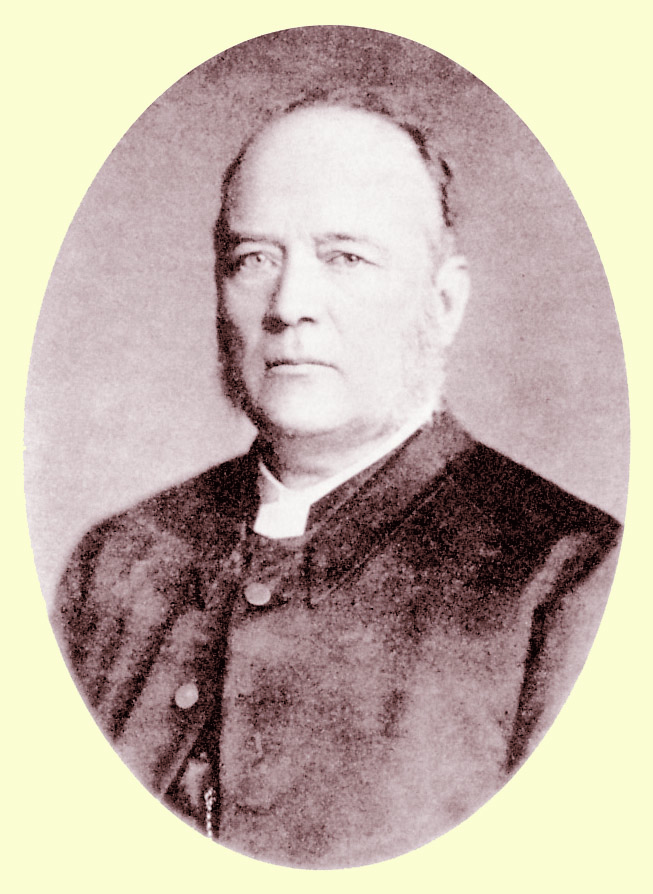
We are safely home in Nead an Iolair – and have immediately become immersed in music. We are making our own – with guests on the doorstep and at the local Friday sessions in Ballydehob – but also attending the many events which take place in West Cork in the summer. On our second night here we couldn’t miss a Skibbereen Festival event in the Abbeytsrewery Church: a concert in memory of Canon James Goodman, a cleric of the Church of Ireland who served the Skibbereen Parish for 30 years until his death in 1896.

james-goodman

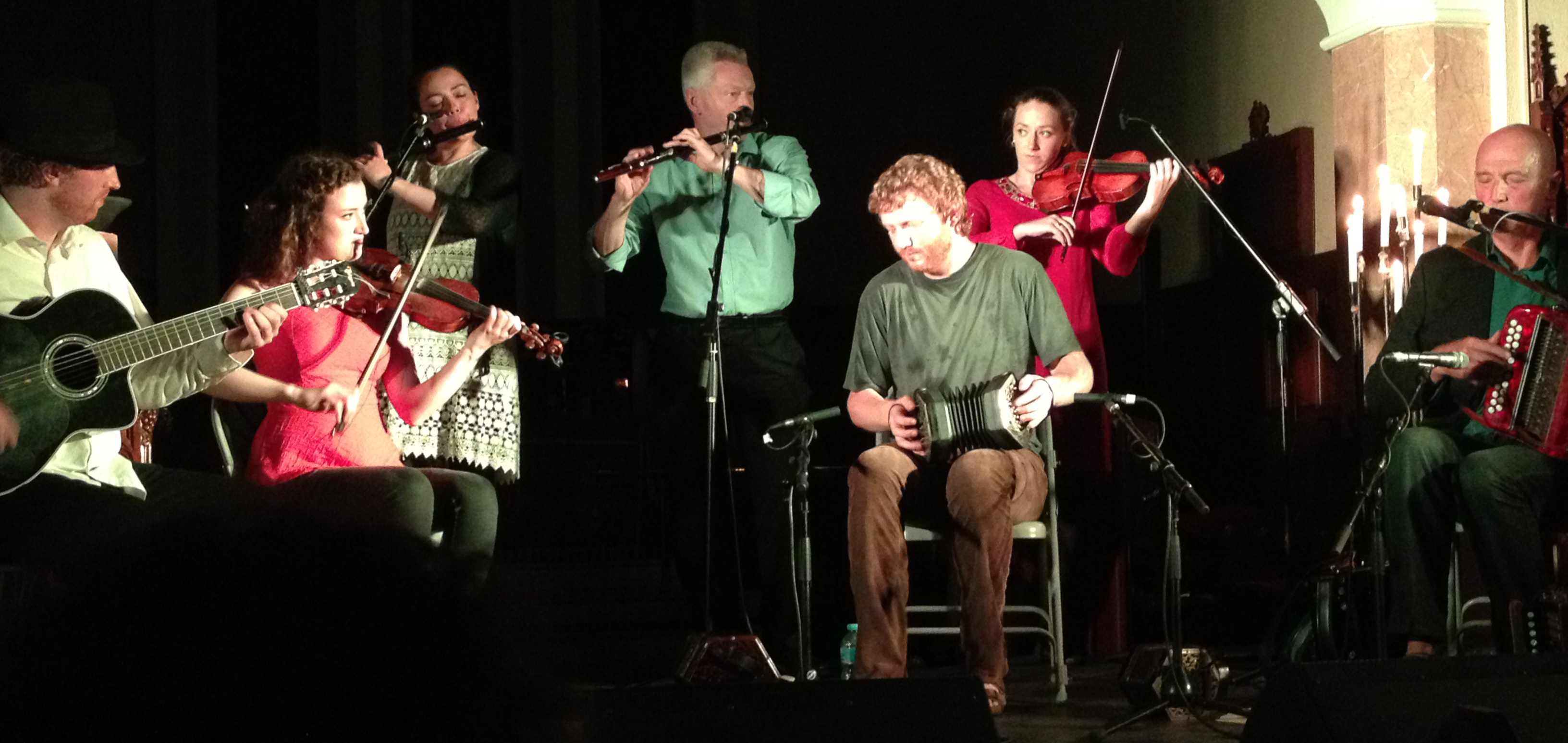
There is a statue of the Canon by the gates of the church, where he can be seen with his Uillean pipes: he was a proficient player of this most complicated of all instruments. He is best known, though, for having produced one of the earliest collections of Irish traditional music – transcribing over 2000 tunes which he gathered from local players. All his known manuscripts are now in the library of Trinity College Dublin, where Goodman was also appointed Professor of Irish in 1879, but have only recently been brought to light and performed. Our Skibbereen concert celebrated the Canon and was devoted to his collected music. As Goodman was born in 1828 and starting collecting in his youth, we were listening to music as it would have been played in Ireland before the famine! But this is what The Music is all about – continuity of a timeless cultural tradition passed down through the generations and still very much alive.

The Canon Goodman concert

The Canon Goodman concert

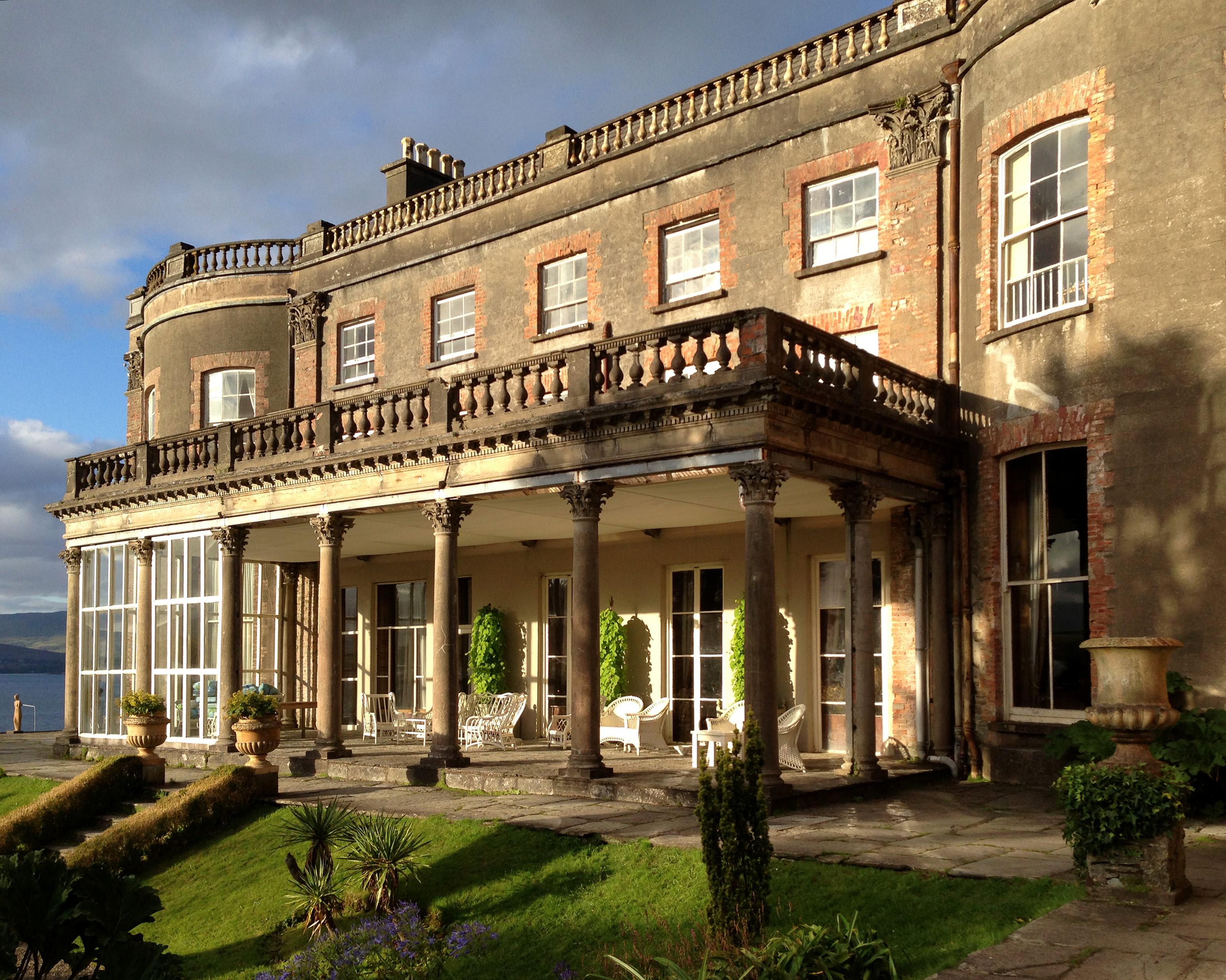
August was the month for the Masters of Tradition Festival, organised and run by Martin Hayes who hales from East Clare. For me, he is one of the world’s greatest musicians of the Irish tradition: his playing is captivatingly lyrical and seems to carry with it the soul of this ancient land. We attended all the concerts, many of which took place in Bantry House, a gently fading edifice which was once the home of the Earls of Bantry and is still occupied by their descendants. This stately home hosts many artistically based events through the year and provides an impressive – if incongruous – background to the activities. Some of the traditional musicians seemed slightly uncomfortable in the polite ambience of the candlelit Library, being more used to the ‘dancing in the aisles’ atmosphere of pubs and village halls: nevertheless, all the performances were memorable.

bantryhouse

Bantry House, built in 1690 with a spectacular setting overlooking Bantry Bay

There have been so many events within easy reach of our home here in Cappaghglass through the summer: we have had to miss a few because they overlap. We are keeping those for next year – or the years after that! We visited Finola’s family in Dublin and arrived to find a Sharon Shannon concert happening just down the road. This was wonderfully located in the Catholic Church of the Assumption. Sharon is an outstanding accordion player who has been performing professionally for very many years. In this incarnation of her music we were treated to heavy amplification, a brilliant pianist and singer – Alan Connor (who almost stole the show!) – and a disco light display which was enhanced by the ornate Victorian richness of the altar and reredos. There was very nearly ‘dancing in the aisles’ on this night!

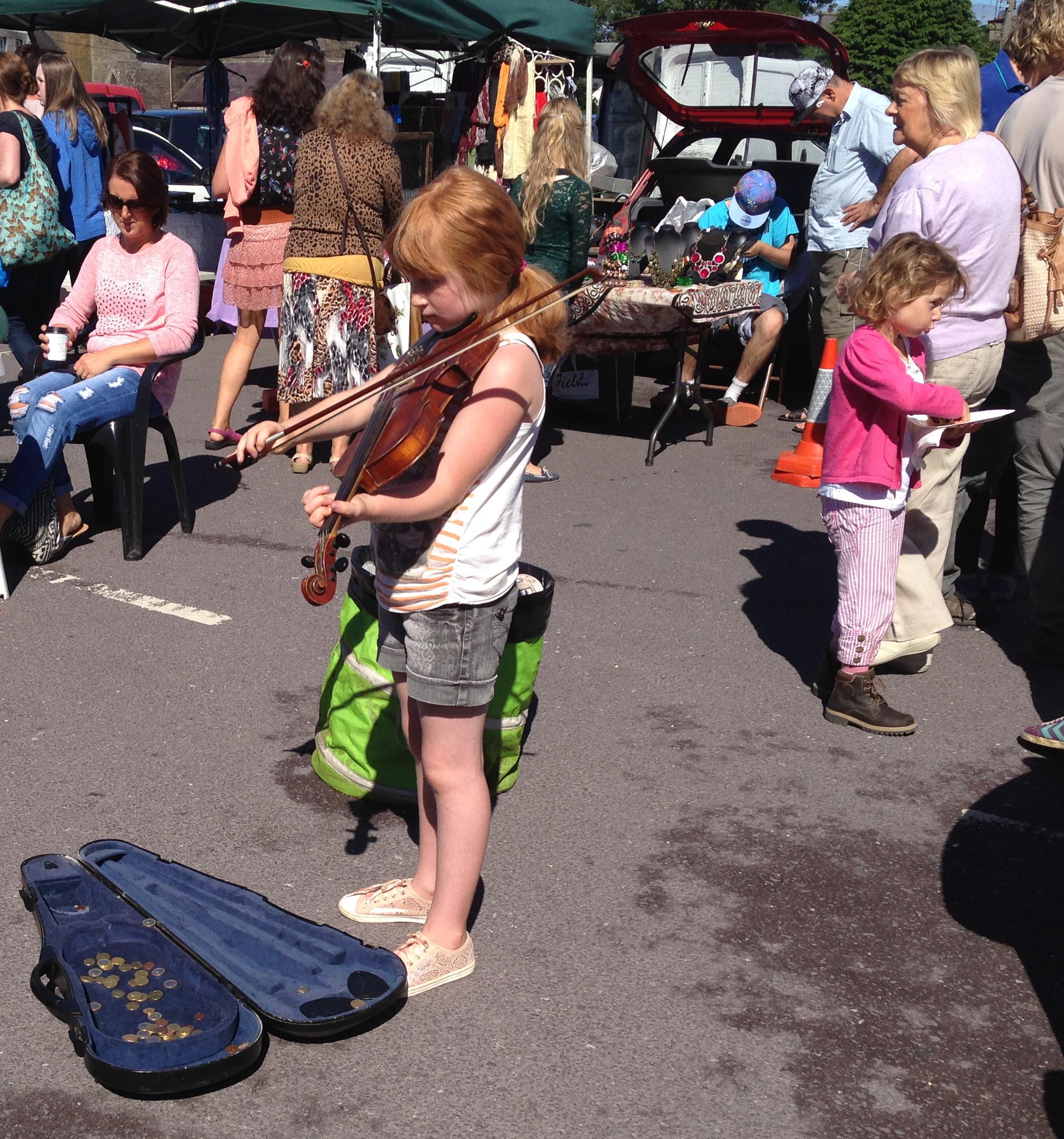
Keeping alive The Music - in the market at Skibbereen

Keeping alive The Music – in the market at Skibbereen

In what seems like just a few whirlwind days we have progressed from music on the doorstep to world calibre concerts in beautiful settings: this is only the beginning of our new life here…

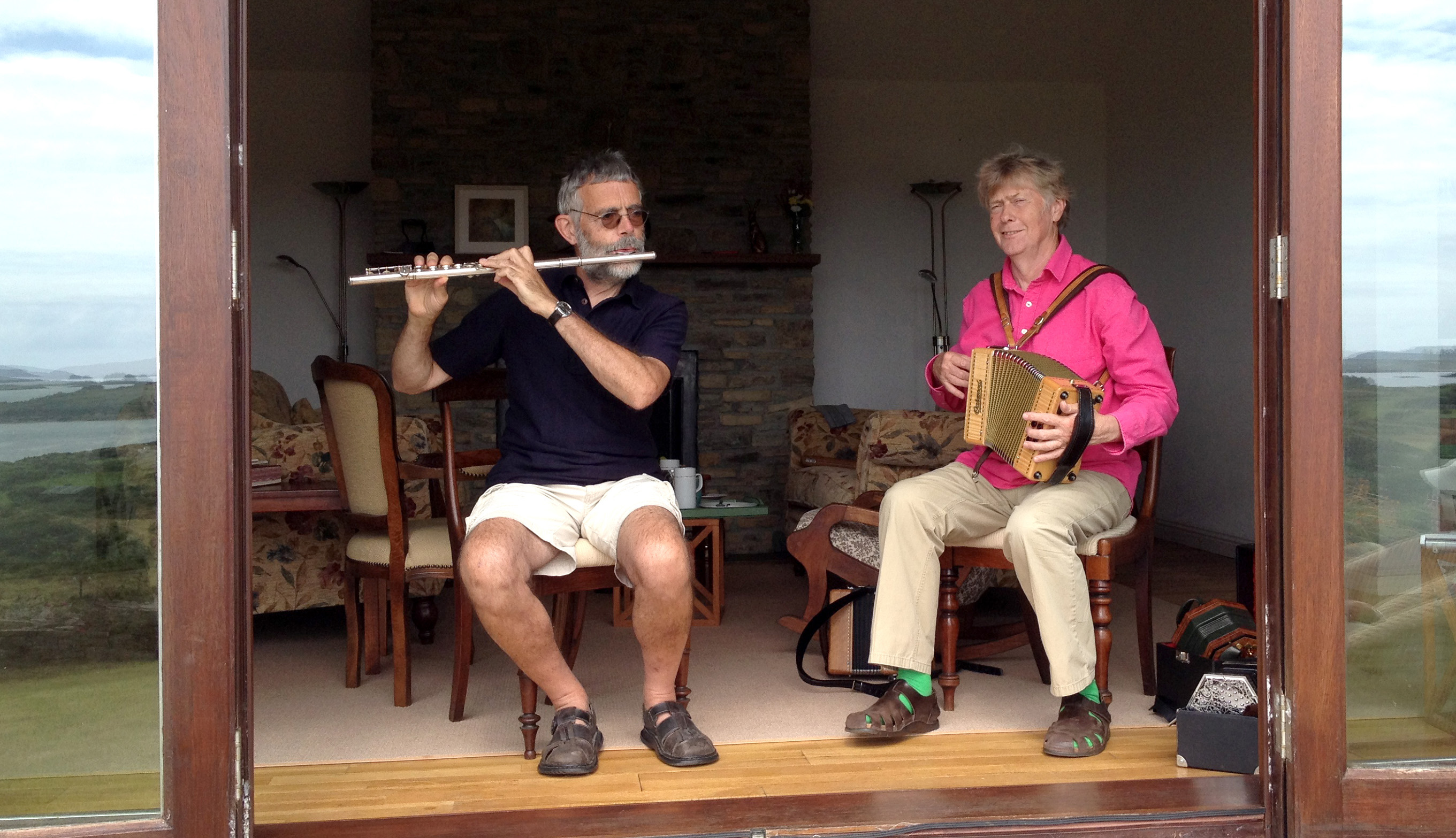
On the doorstep: Nead an Iolair

On the doorstep: Nead an Iolair