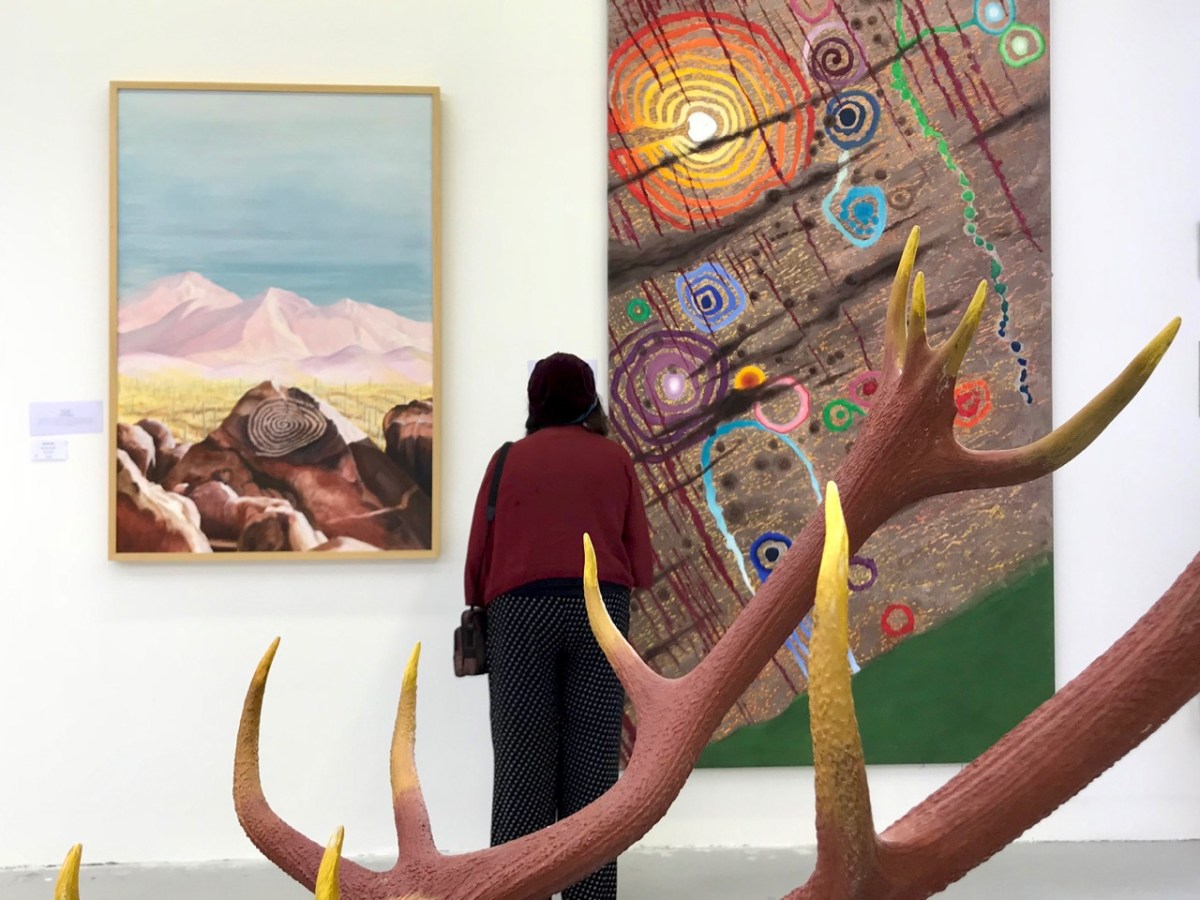
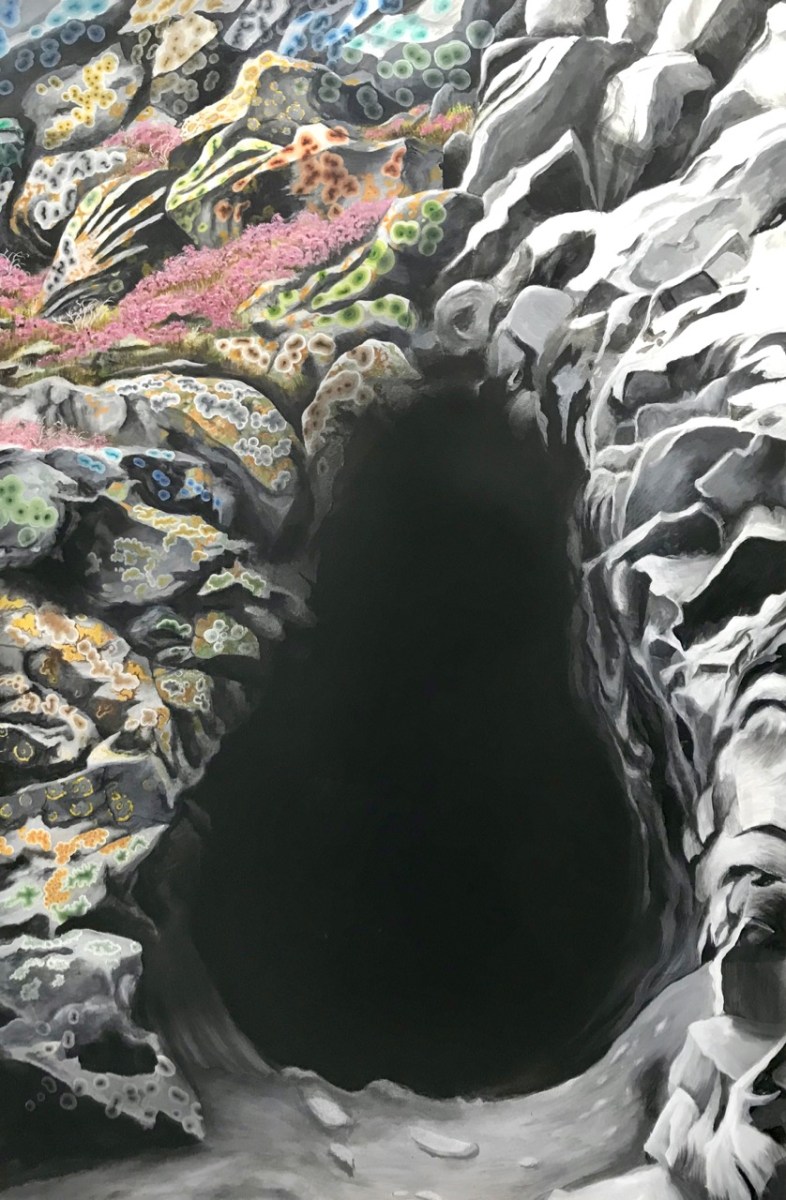
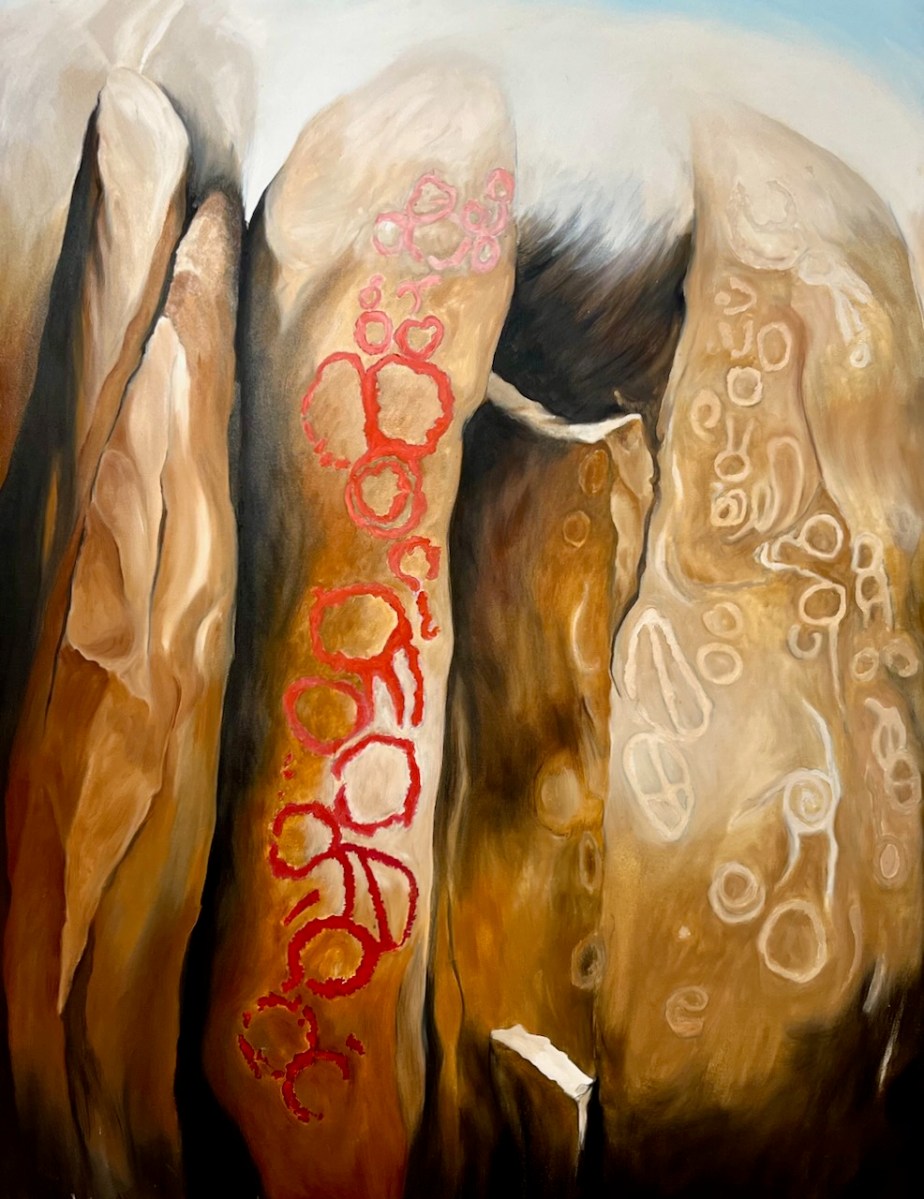
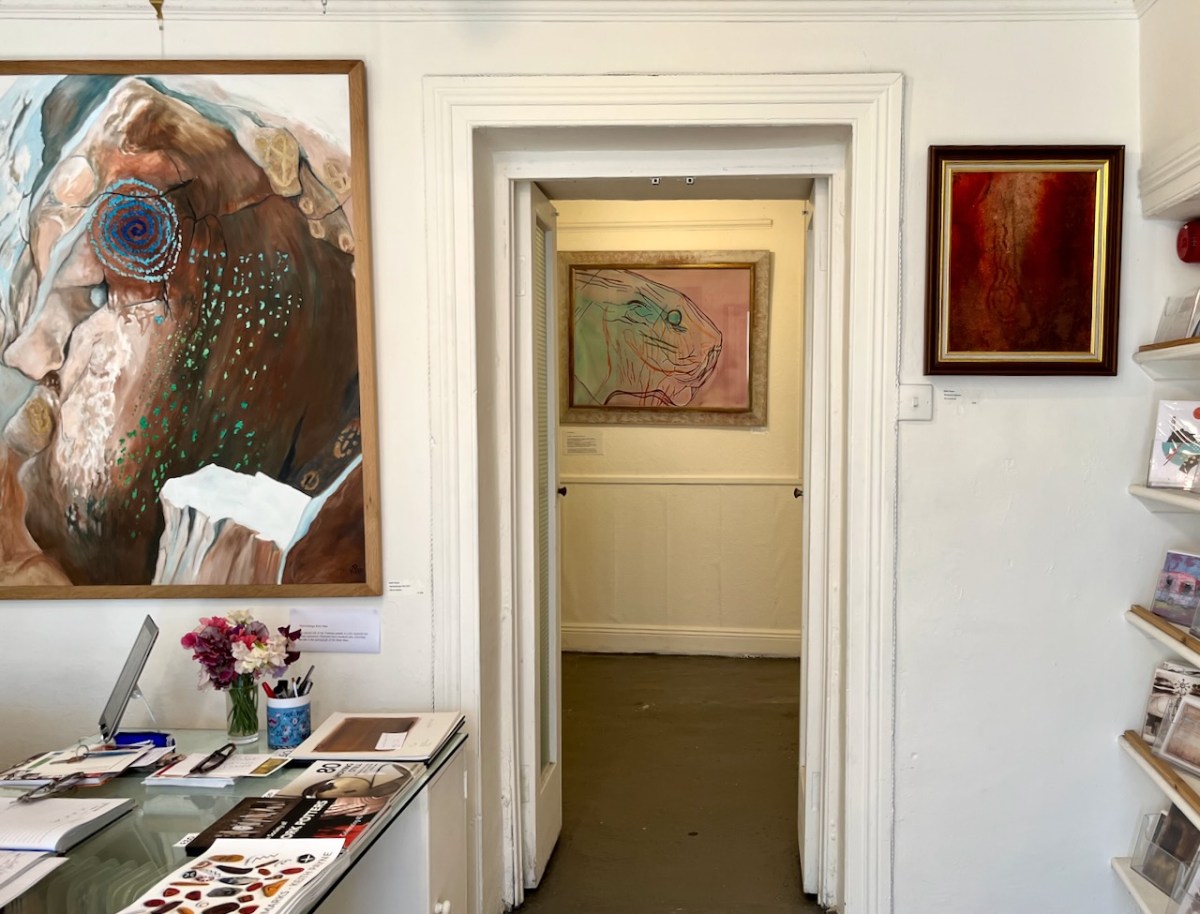
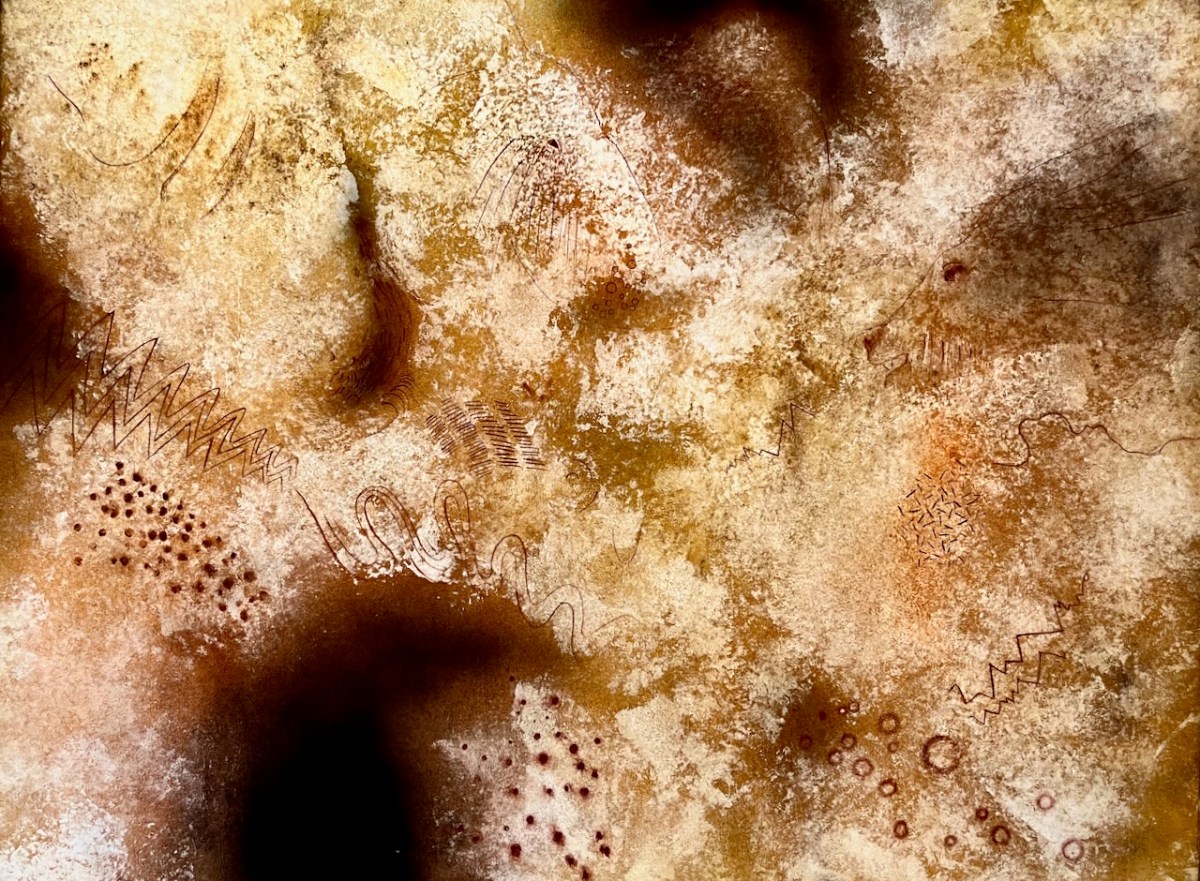
That’s Keith’s painting – based on the Rock Art at Derreenaclogh, close to where we live in West Cork – on the right, above. It was in the Clare exhibition and also our Cork Public Museum exhibition.
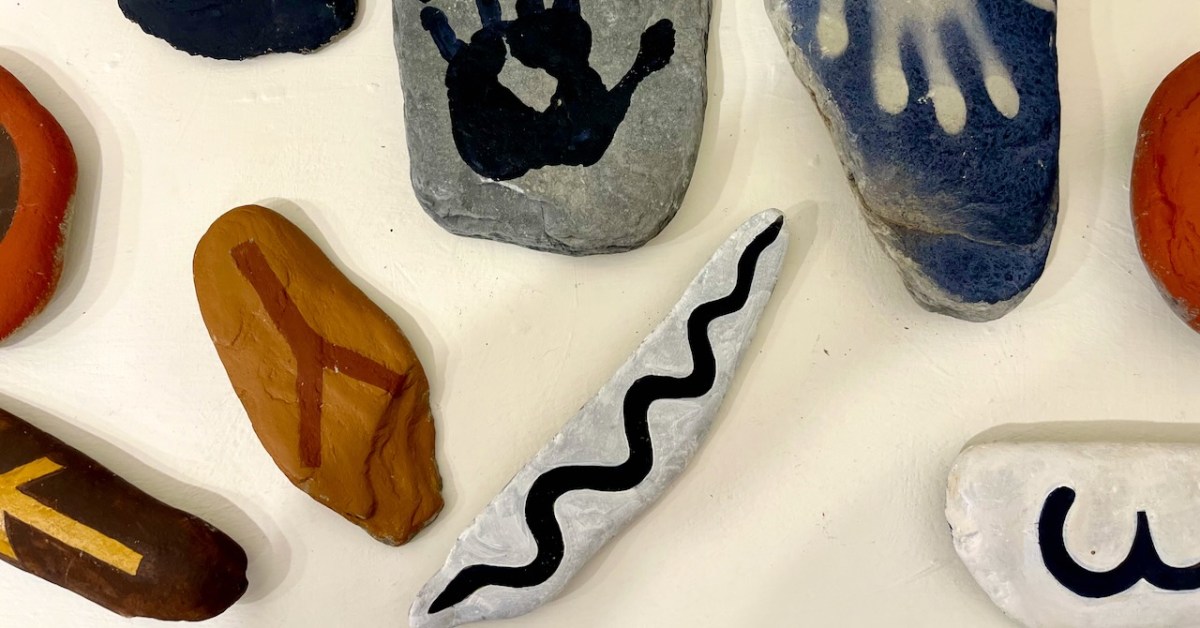
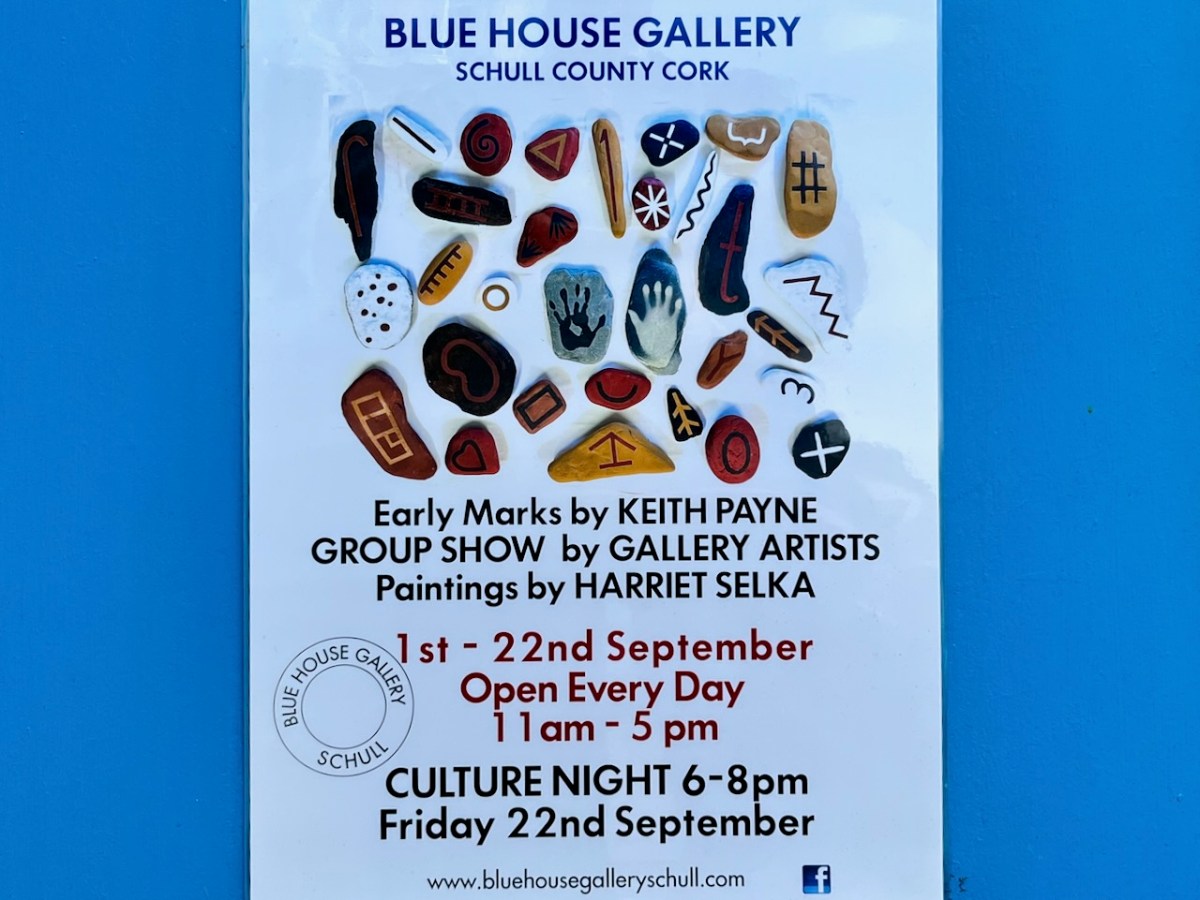
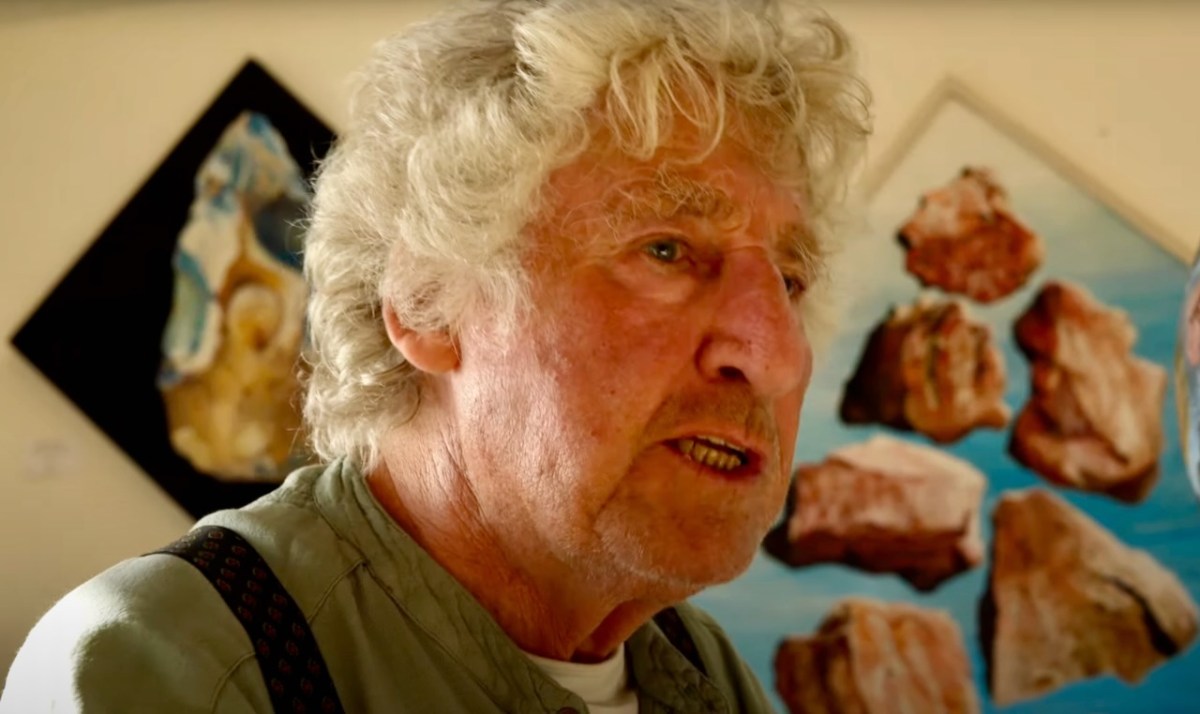
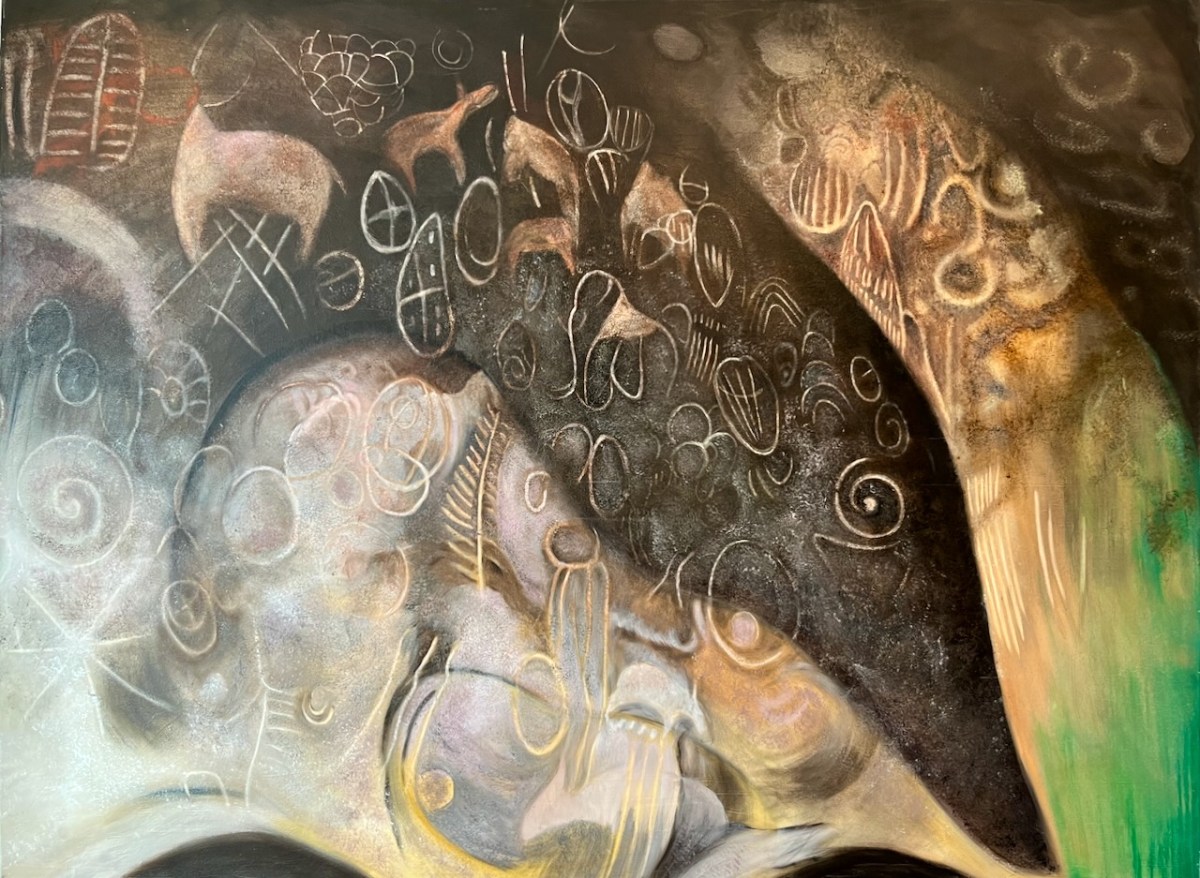
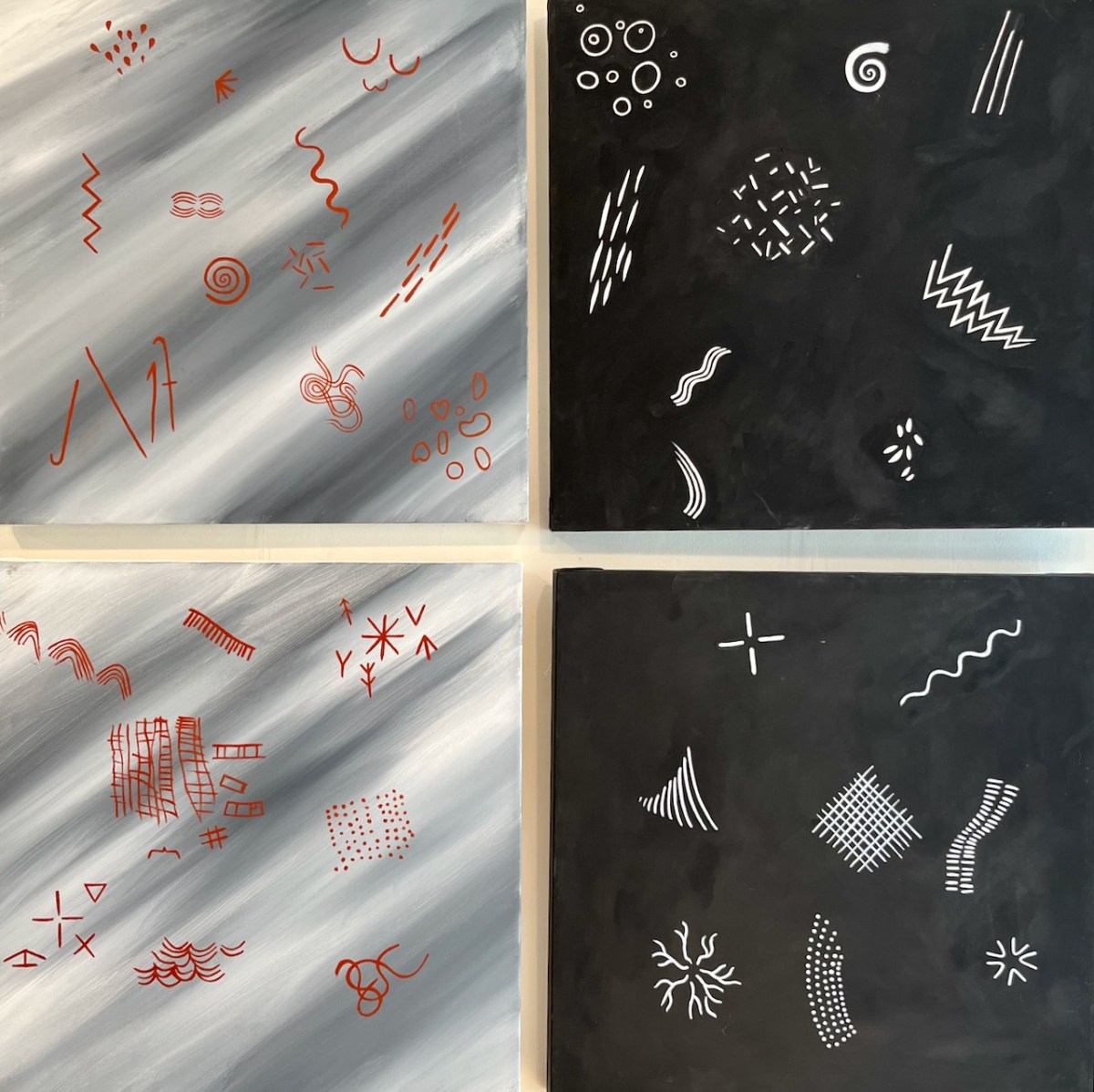
You have the opportunity to see the current show in Schull, as it’s on until Culture Night (Friday 22 September 2023). Early Marks is “…a study of the beginnings of art and the possible source of a prehistoric worldwide visual language…” That’s a huge subject, and Keith (below) tackles it with large, assured and spirited images.
. . . There is no Time associated with any of these works, as Time is a construct invented long after the images on exhibition. Hunter-Gatherers, the makers of Early Marks, lived in a visionary state now lost to western civilisation . . . The language of Early marks consists of imagery, symbols and patterns that have been left in the physical world but created in the ‘other world’ . . . Many of the forms are possible direct projections of electrical impulses from the brain seen during states of altered consciousness . . . ‘Entopic’ images that manifest as points of light in the absolute darkness of the mind in the cave . . .
Keith Payne – from the Exhibition Catalogue
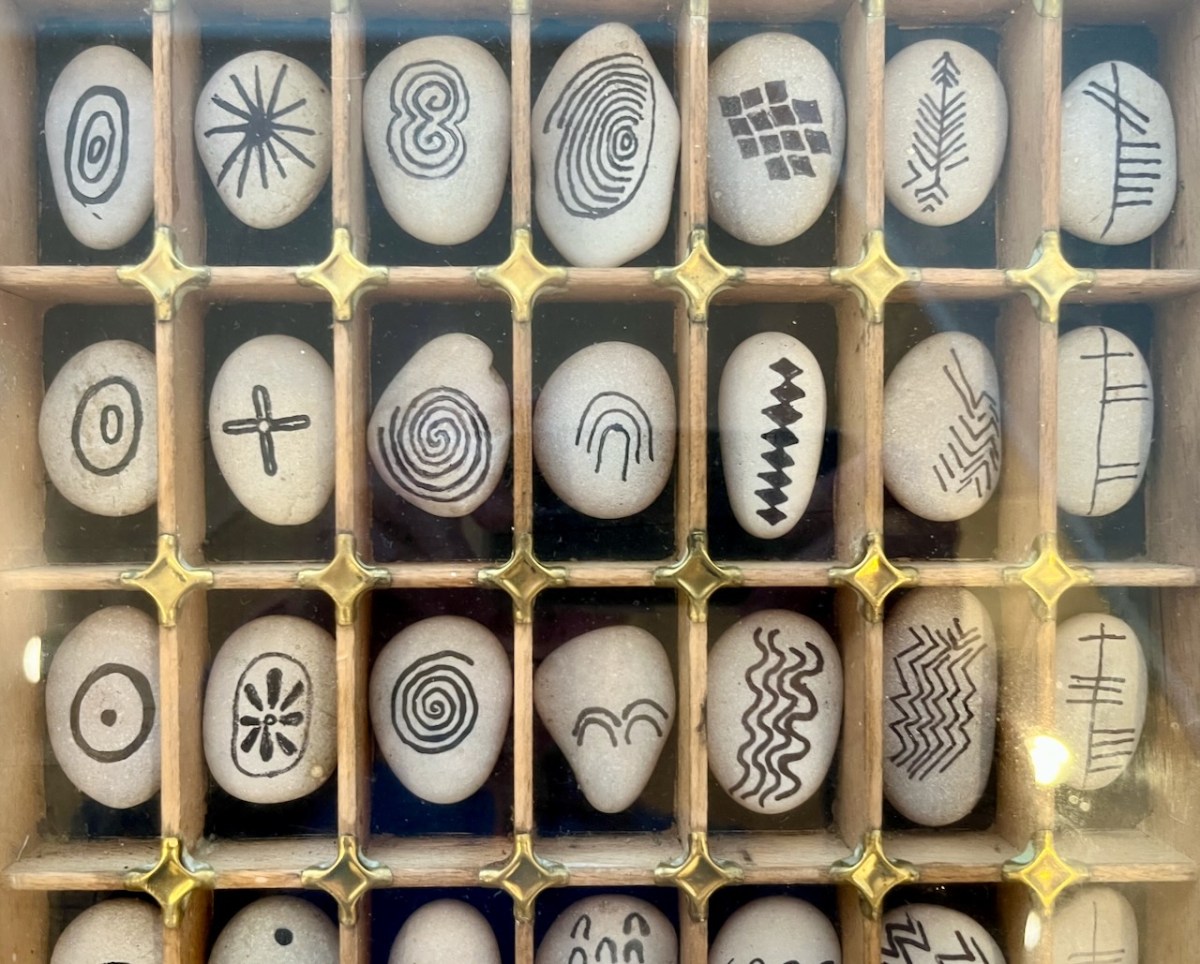
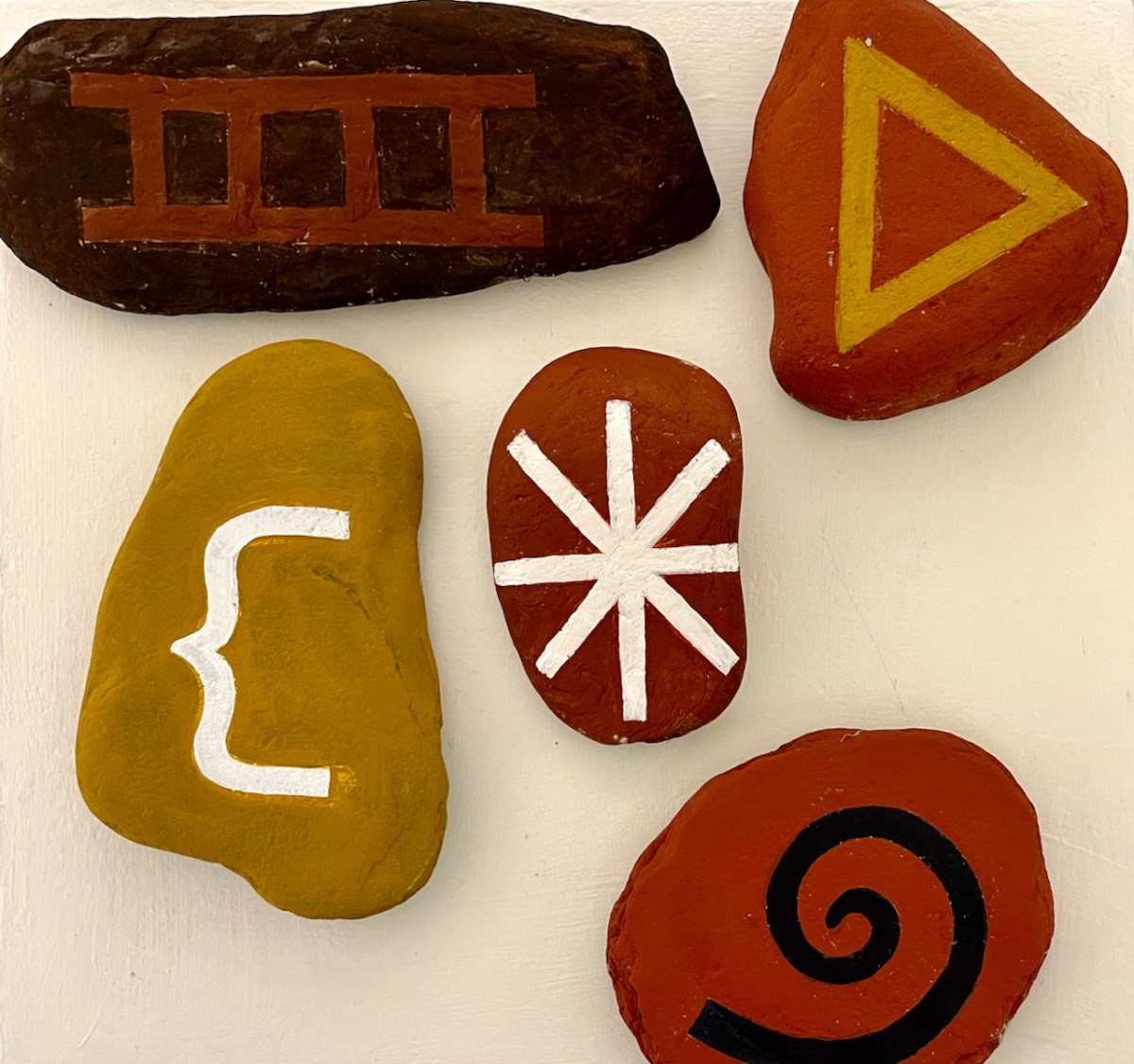
Font Tray – part of a larger work titled The prehistoric development of visual language:
. . . Reading from left to right are the earliest images from South African caves then through Palaeolithic, Neolithic, to a column of Ogham which reads from bottom to top: “Visual Language” . . .
Keith Payne – from the Exhibition catalogue
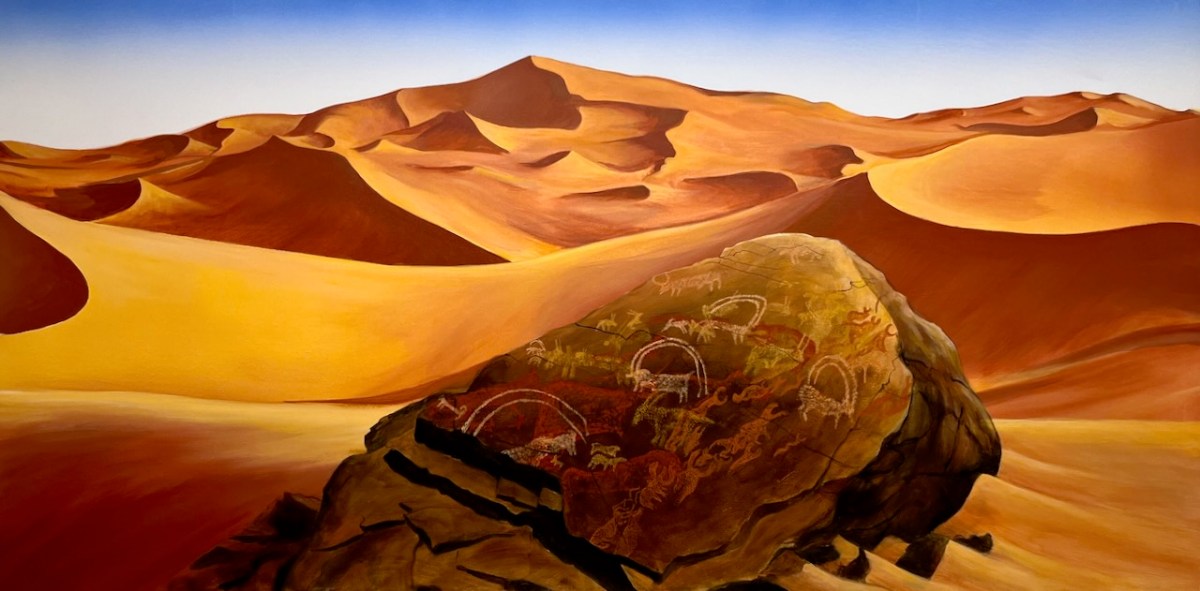
Empty Quarter (above) – a geographical region in the southern part of Saudi Arabia: the largest continuous sand desert in the world. Now scarcely populated it was in prehistory more temperate and the petroglyphs represent fauna of the time. Keith has painted the images in different colours to indicate the different periods of engraving.
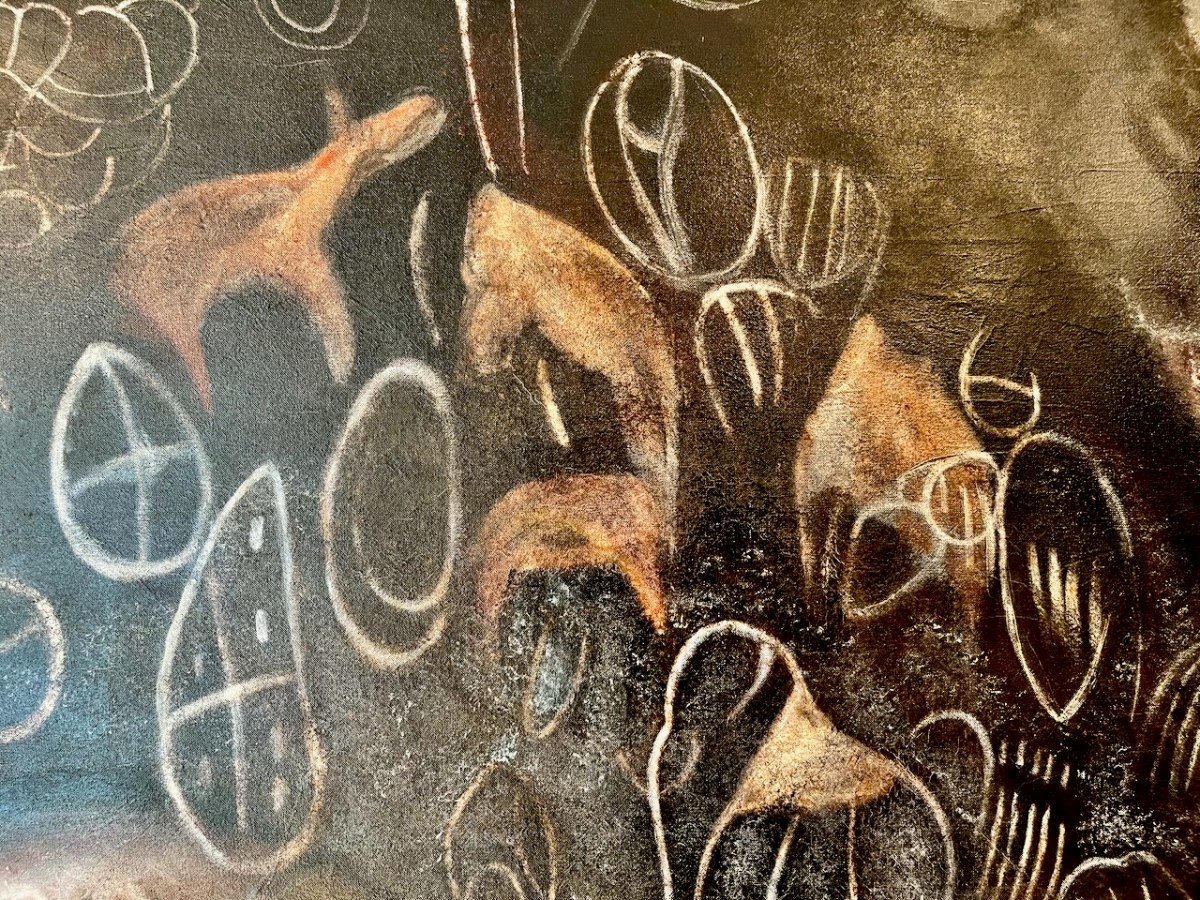
Kakapel (and detail), Chelelemuk Hills, Uganda (above). Keith has travelled across the world to find his inspiration: in this painting – set at the entry point to the spirits living within the rock – are three styles: geometric images by the Twa people, pygmy hunter gatherers; these are overpainted with cattle by later Pastoralists.. The final abstract and geometrical designs were added by the ancestors of the Iteso people who migrated from Uganda.
Lokori (above) – site of the Namoratunga rock art cemetery in Turkana Country of Kenya. Located on a basalt lava outcrop adjacent to the Kerio River.
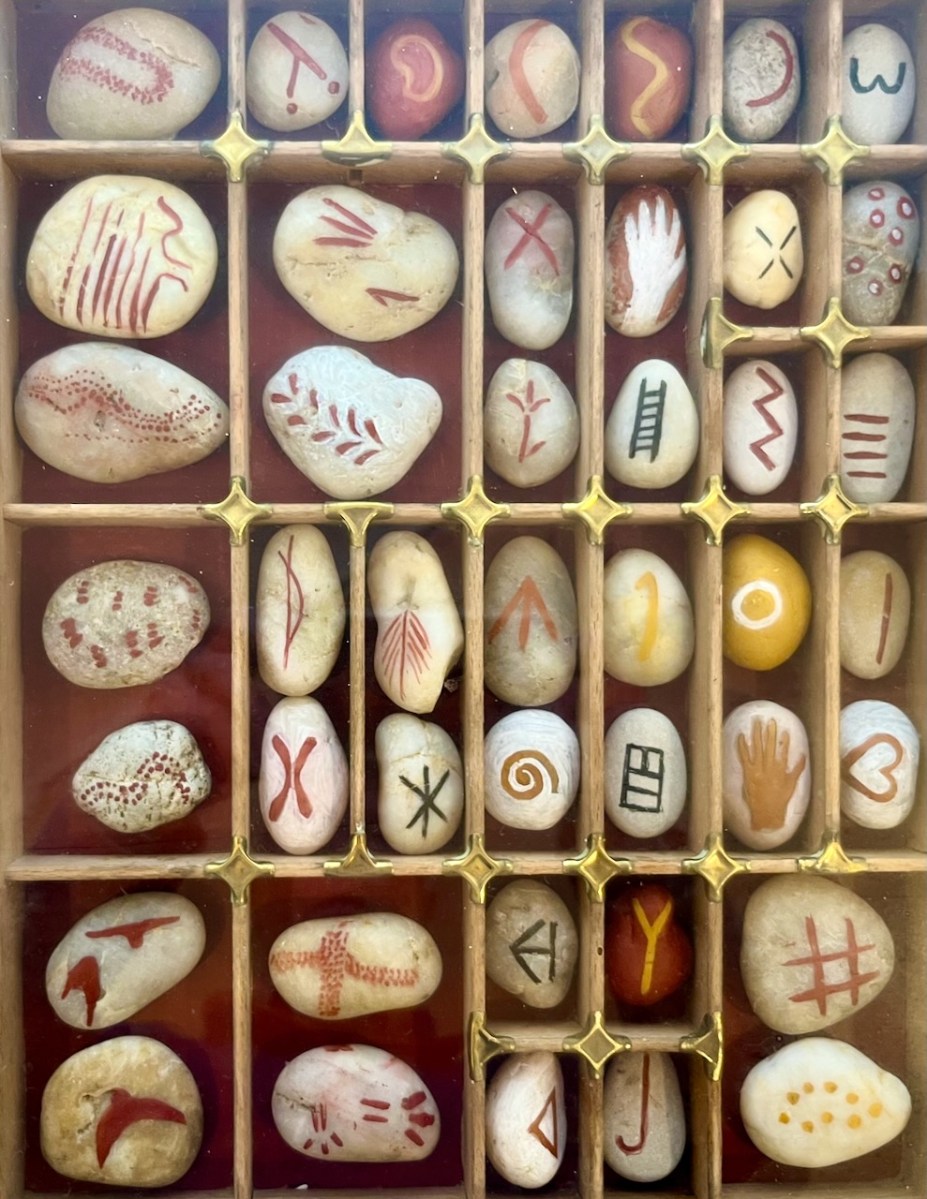
Left side above: Paleolithic Images – found in paleolithic sites worldwide: Believed to be visual statements perceived during trance states. Right side: Entopic Images – produced in the visual cortex. Often geometric in form and linked to the nervous system, seen as a visual hallucination. Noted during altered states produced by the use of the entheogens and trance states, fasting and the total deprivation of all light.
Schull Blue House Gallery: Keith Payne’s Namoratunga Rain Man petroglyph on the left.
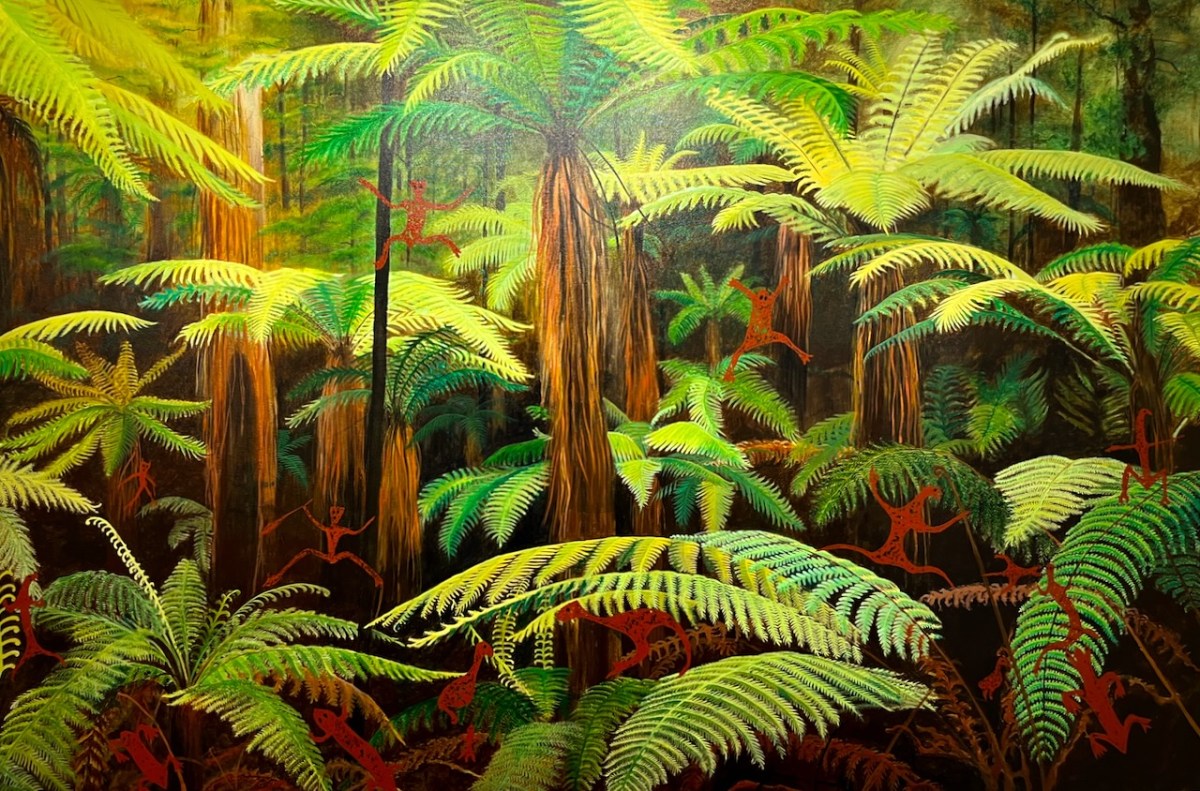
Teana Te Waipounamu, New Zealand
From Signs + Palette of Ice Age Europe: a possible Visual Language.
Waiting Room:
. . . Approaching the mystery of the sacred space one dwells, initially, in the First Chamber. Many caves of the Mid region of France are very deep with passages, rivers and massive chambers which stretch for miles. To enter is to commit to a journey into the Sepulchre. The first chamber is for adjusting to experience ahead, perhaps initiation into the mystery of total light deprivation with the sound of beaten lithophones and flutes, echoing through the darkness. Or the revelation of your totem in a state of trance, to then be led deeper to meet with the serpent force of the mountain and shown the way of the Shaman . . .
Keith Payne – From the Exhibition Catalogue
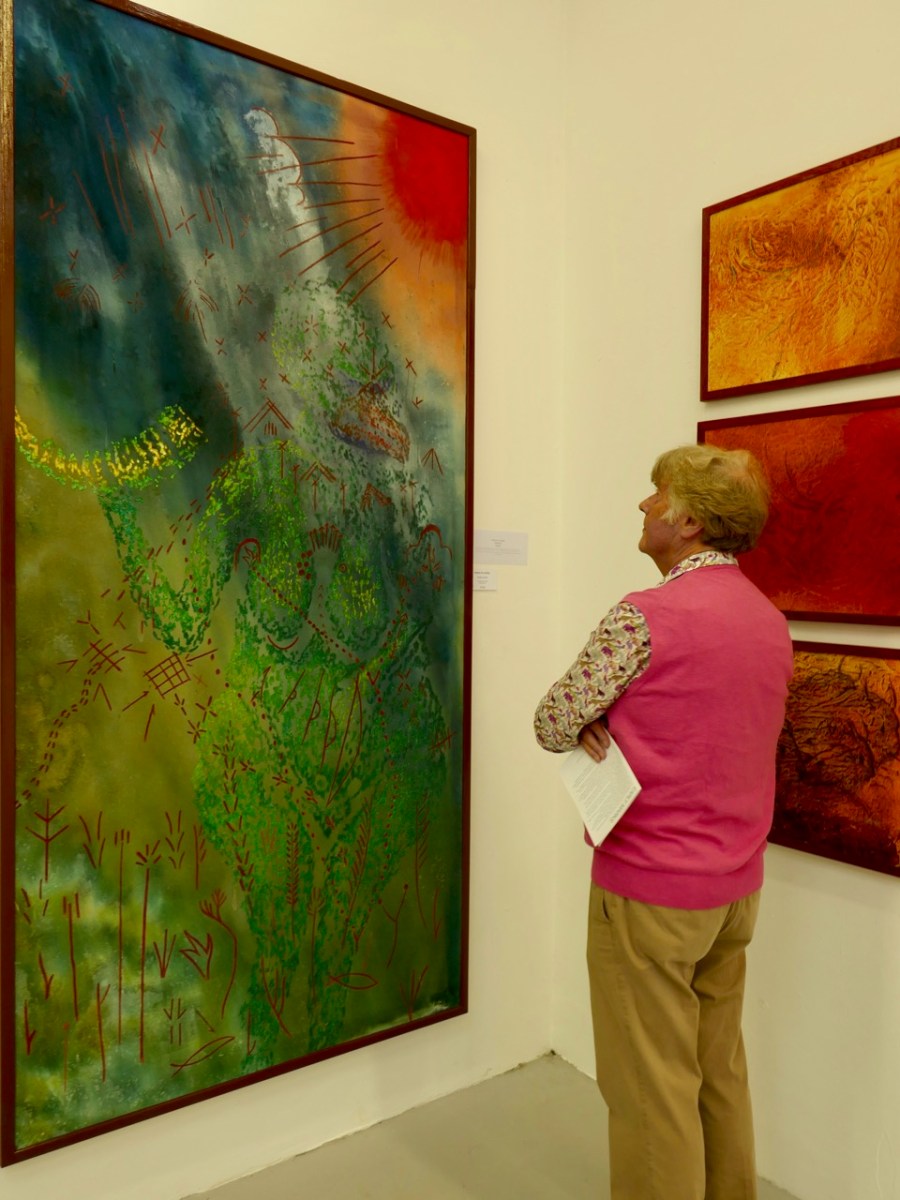
That’s me – at Keith’s Burren exhibition – awestruck by his Venus of Laussel.
Ronan Kelly discovered Keith Payne’s West Cork studio in this YouTube video
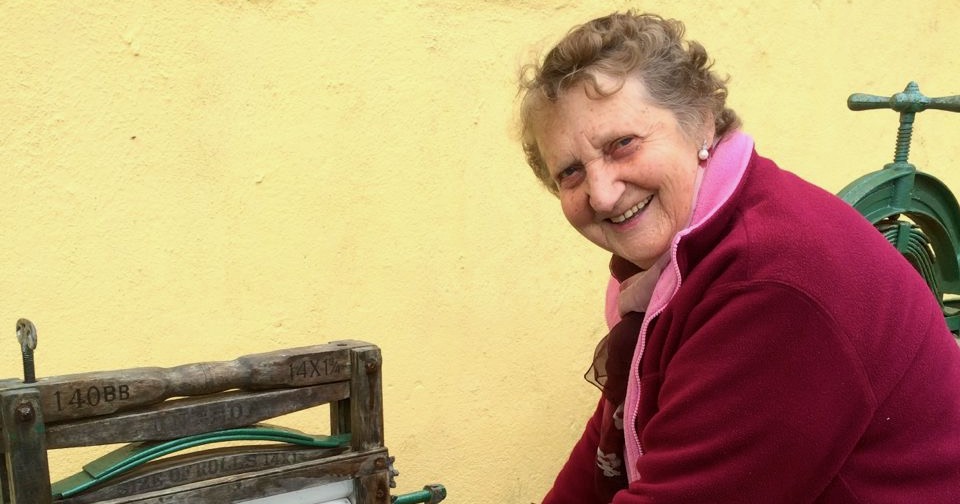
Our lovely friend Leita Camier died this week, aged 92 (although you wouldn’t have guessed it). Leita, and her husband Tommy, who predeceased her, were the marvellous couple who ran, up to a few years ago, the Gortnagrough Folk Museum. Tommy was quiet and gentle, where Leita was outgoing and chatty, and together they built an incredible collection of heritage artefacts. We were lucky we got to visit it before Tommy’s death made it all too much for Leita – it’s been closed for a few years now. In memory of Leita, I am reposting our account of our visit to their Folk Museum. You will see what a special place it was, and why Leita and Tommy were two more in our pantheon of Heritage Heroes.
What follows was written in 2014.
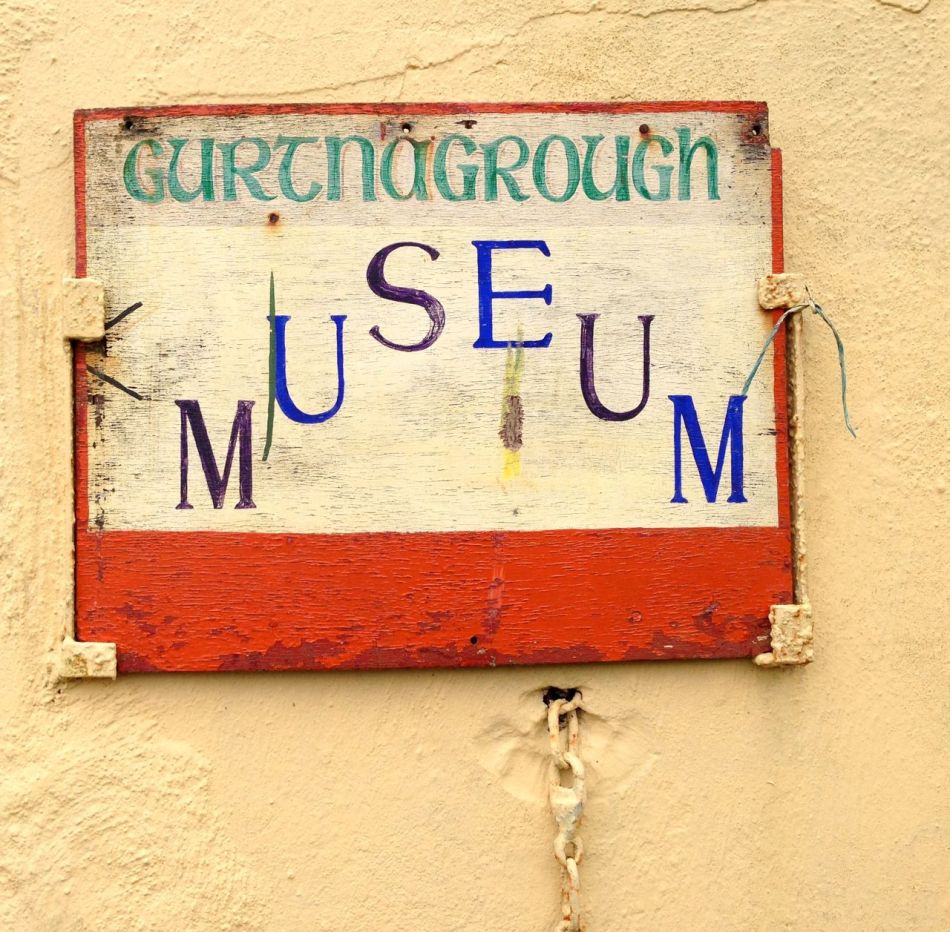
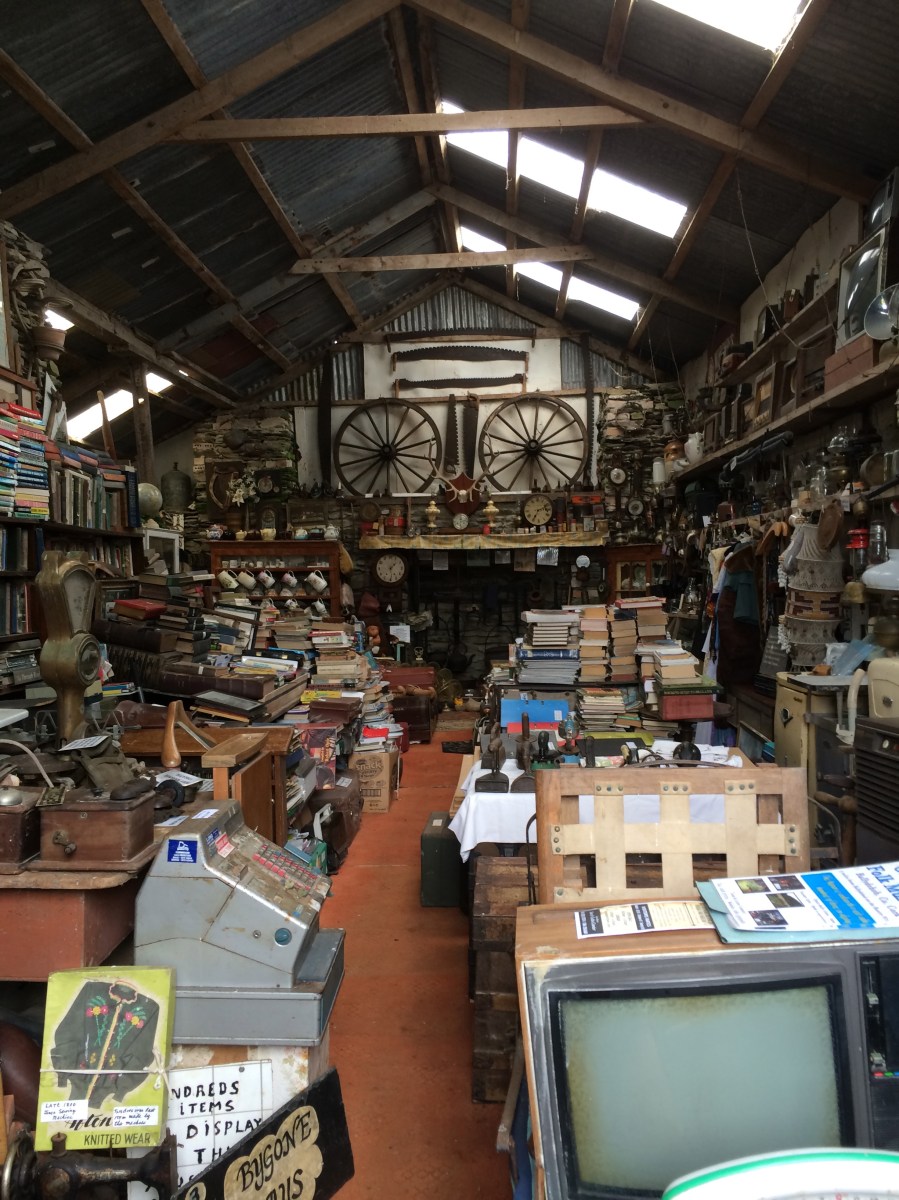
Gortnagrough Folk Museum has been called Ballydehob’s Best Kept Secret, but it could equally be called its Most Delightful Discovery. Leita and Tommy Camier have devoted years to building a huge, quirky, fascinating collection that will transport you back to your childhood, or perhaps your grandparents’ childhood. It’s pronounced Gurt-na-Grew.
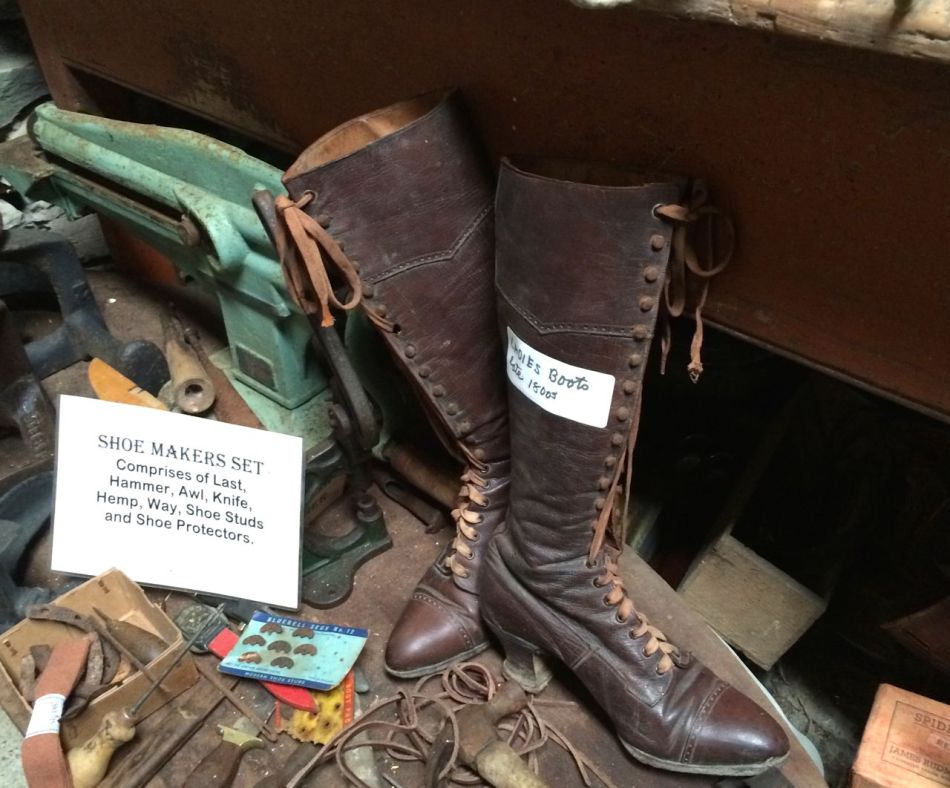
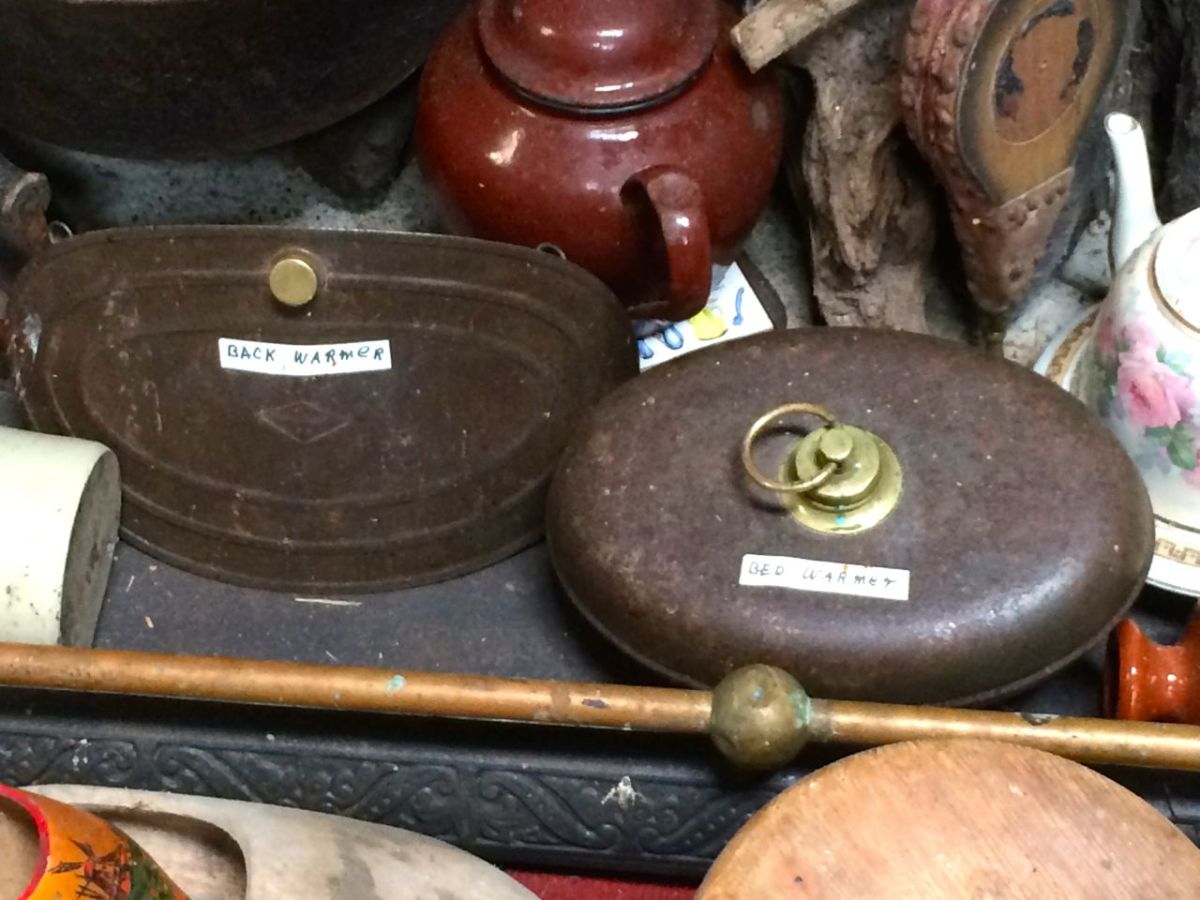
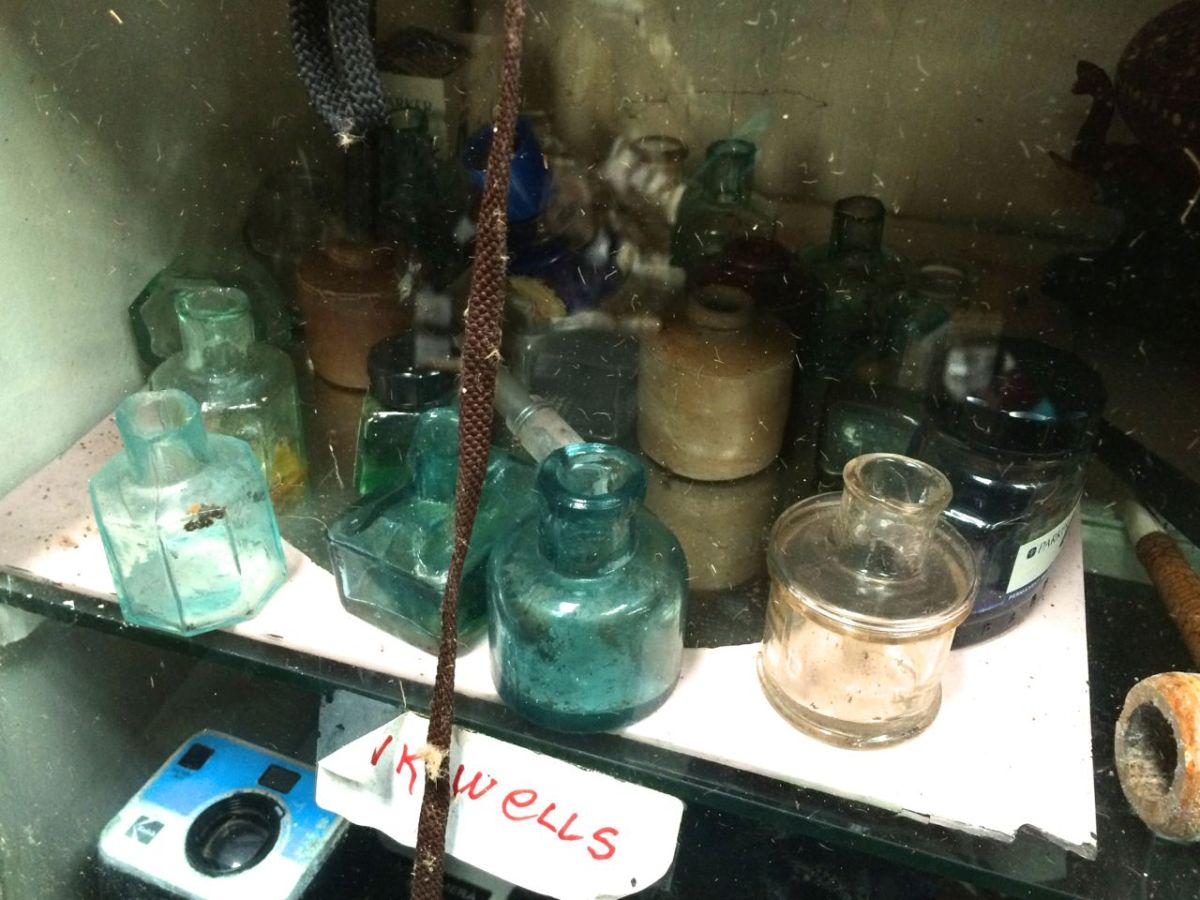
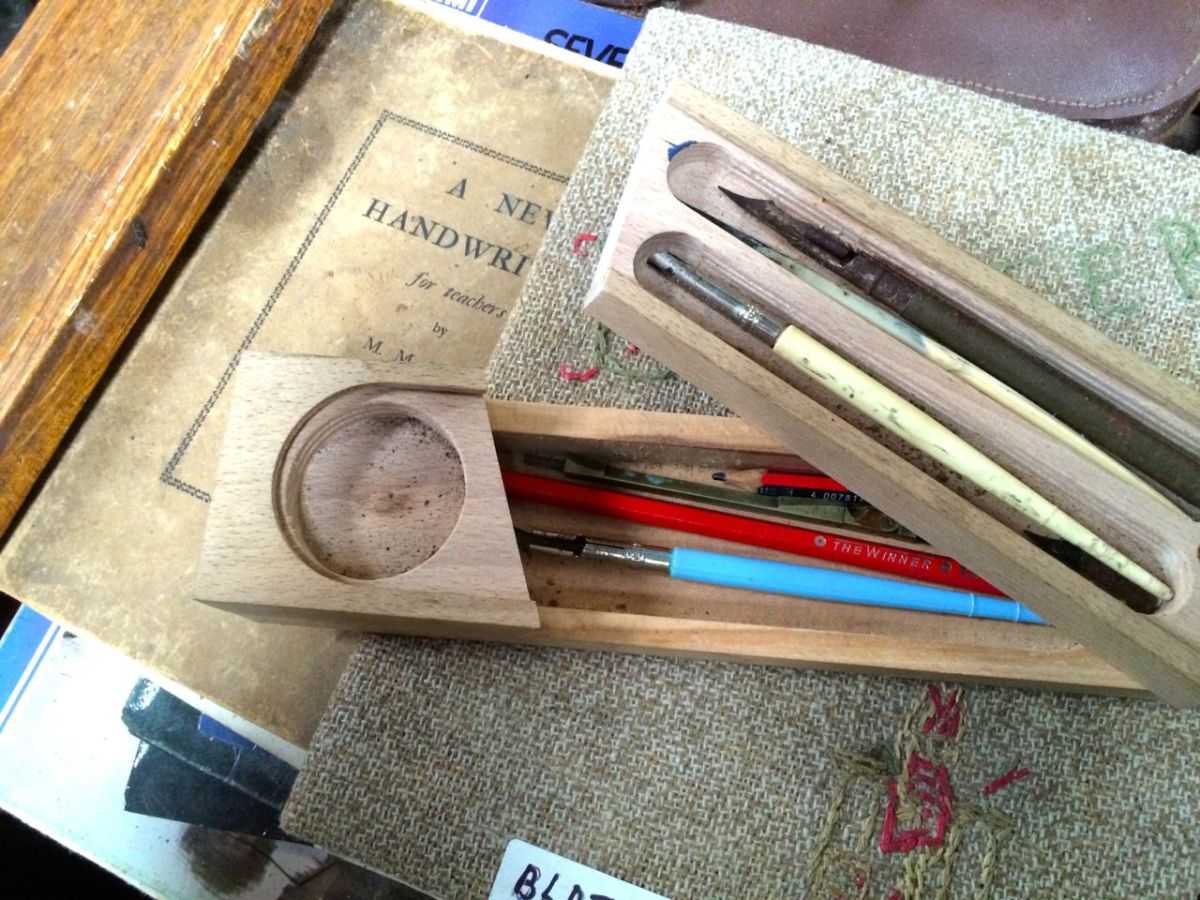
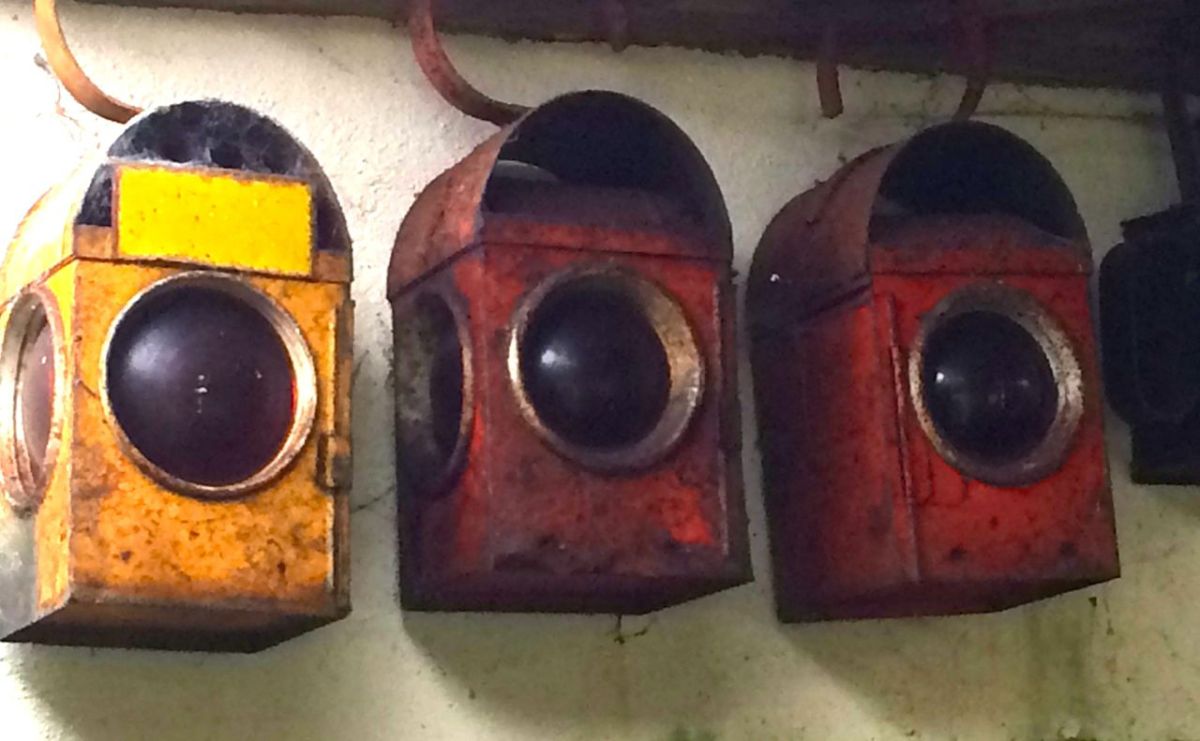
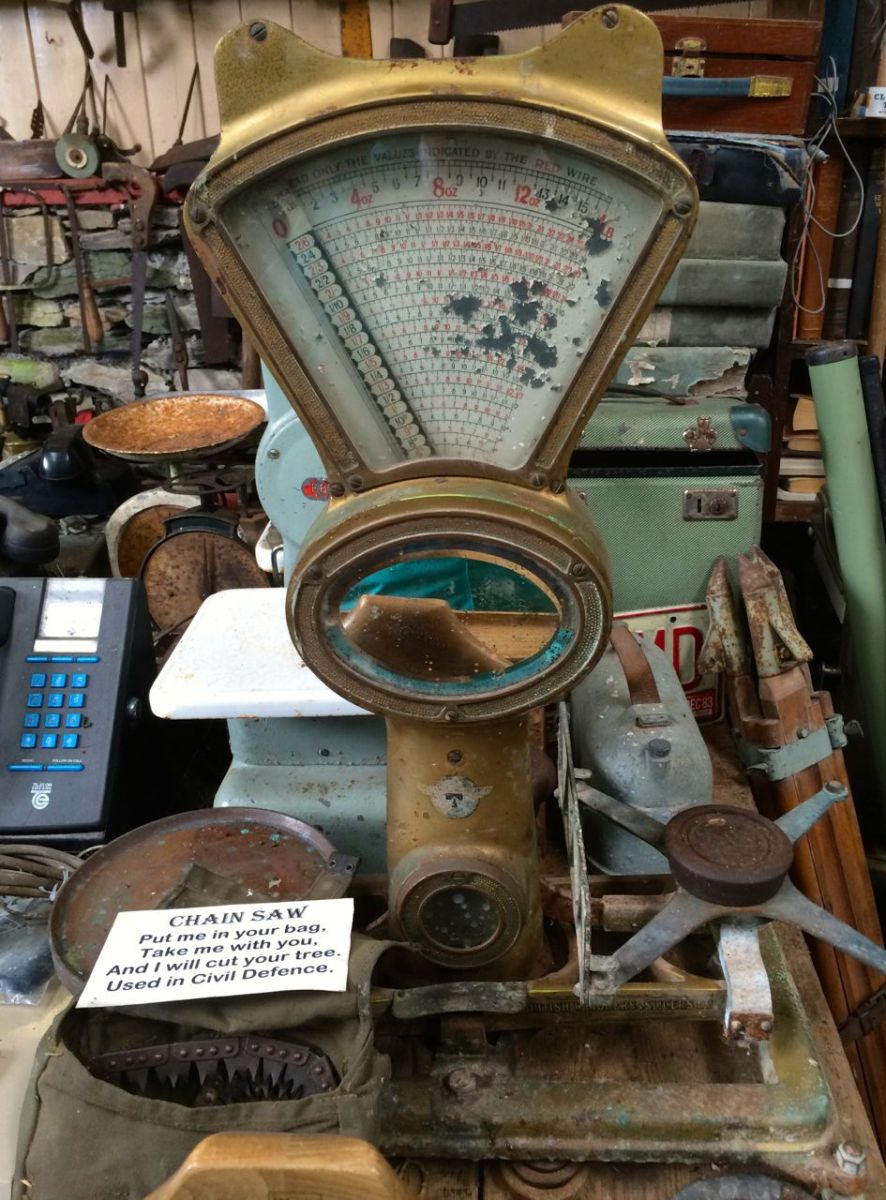
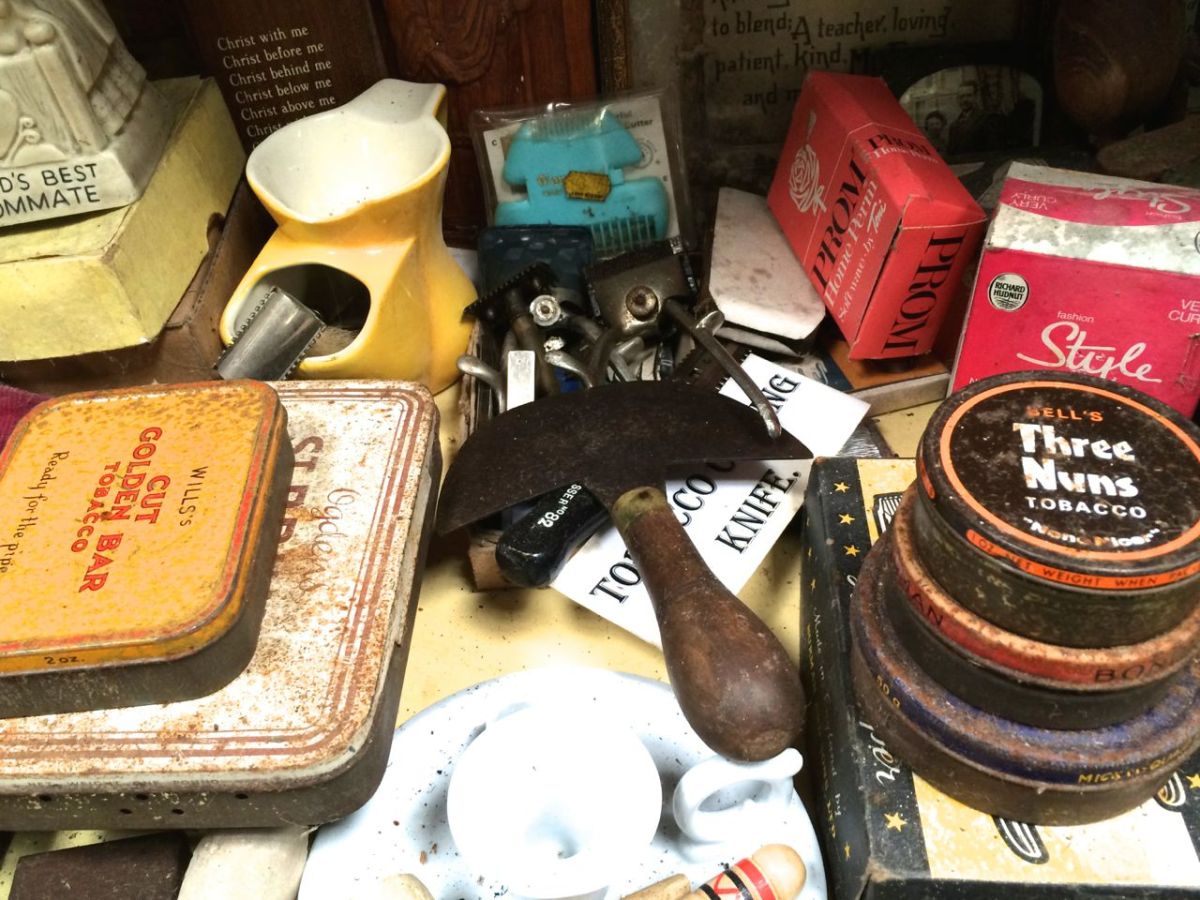
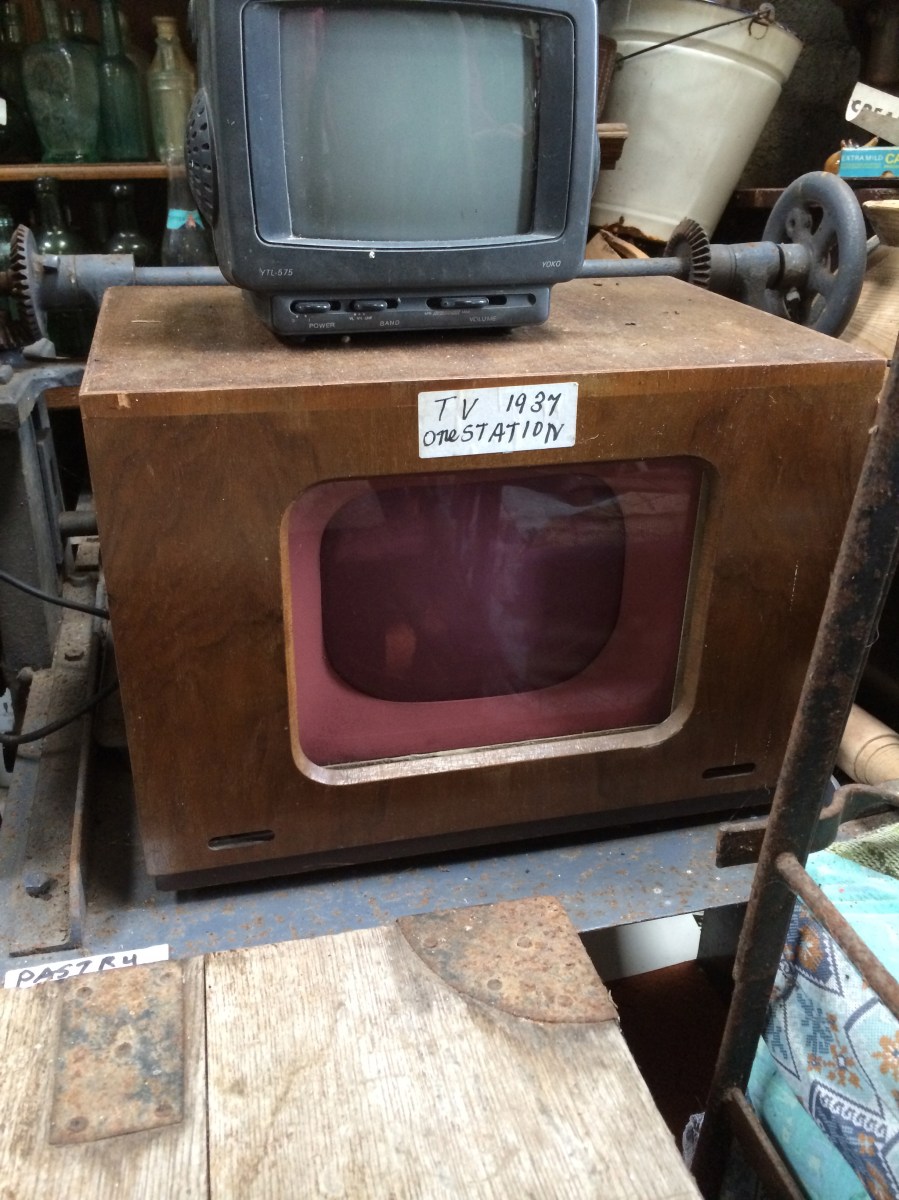
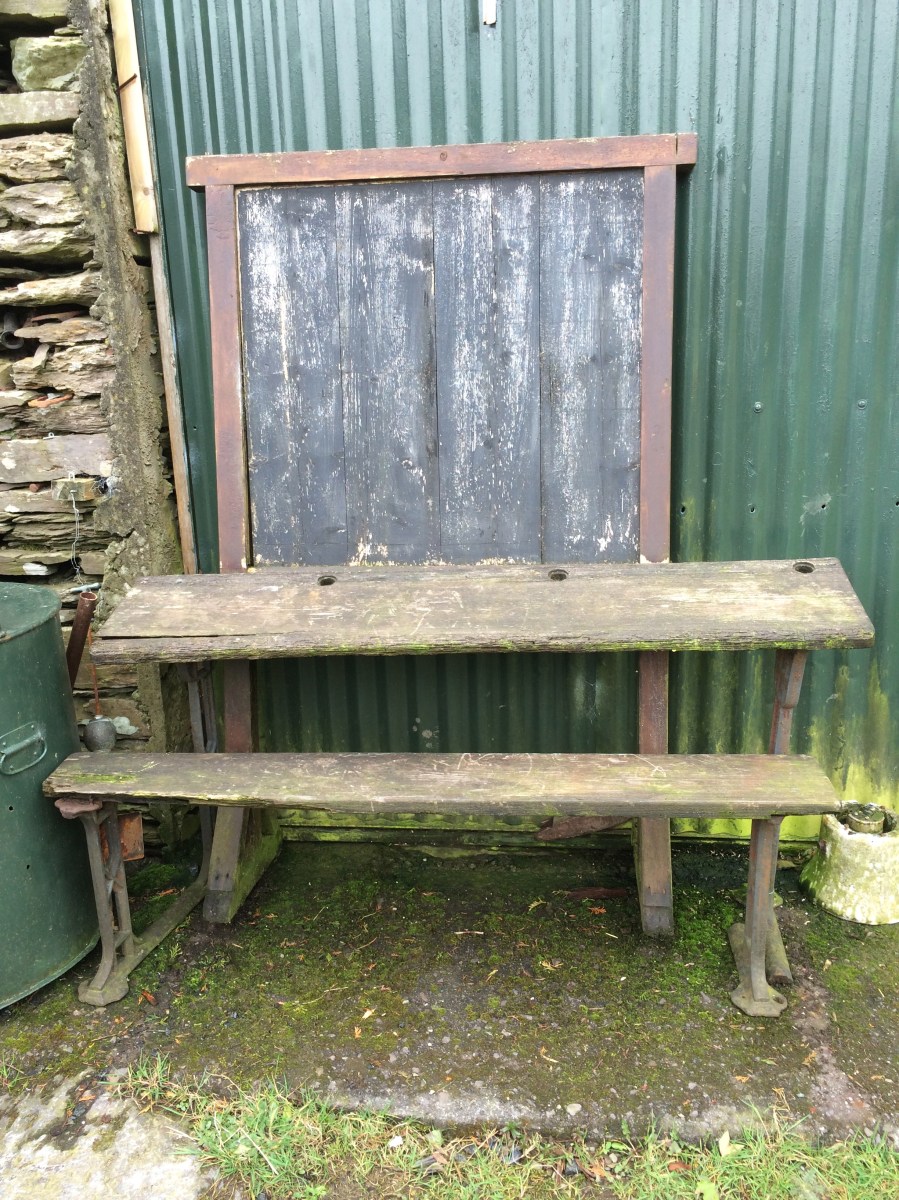
While the emphasis of the collection is on local and West Cork history and on farm machinery, many of the items will bring back memories, no matter where you grew up. Close your eyes for a minute and conjure up a picture of the little tin box that your father used to produce to fix the puncture on your bicycle tyre; or the tobacco tin your grandad opened when he needed to fill his pipe for a contemplative puff by the fire; or the funny old caddy your mother kept the tea in, that had belonged to her mother; or, if you’re as old as I am, the school desk you sat at, with the inkwell that was filled by the teacher once a week. You’ll find all of those here.
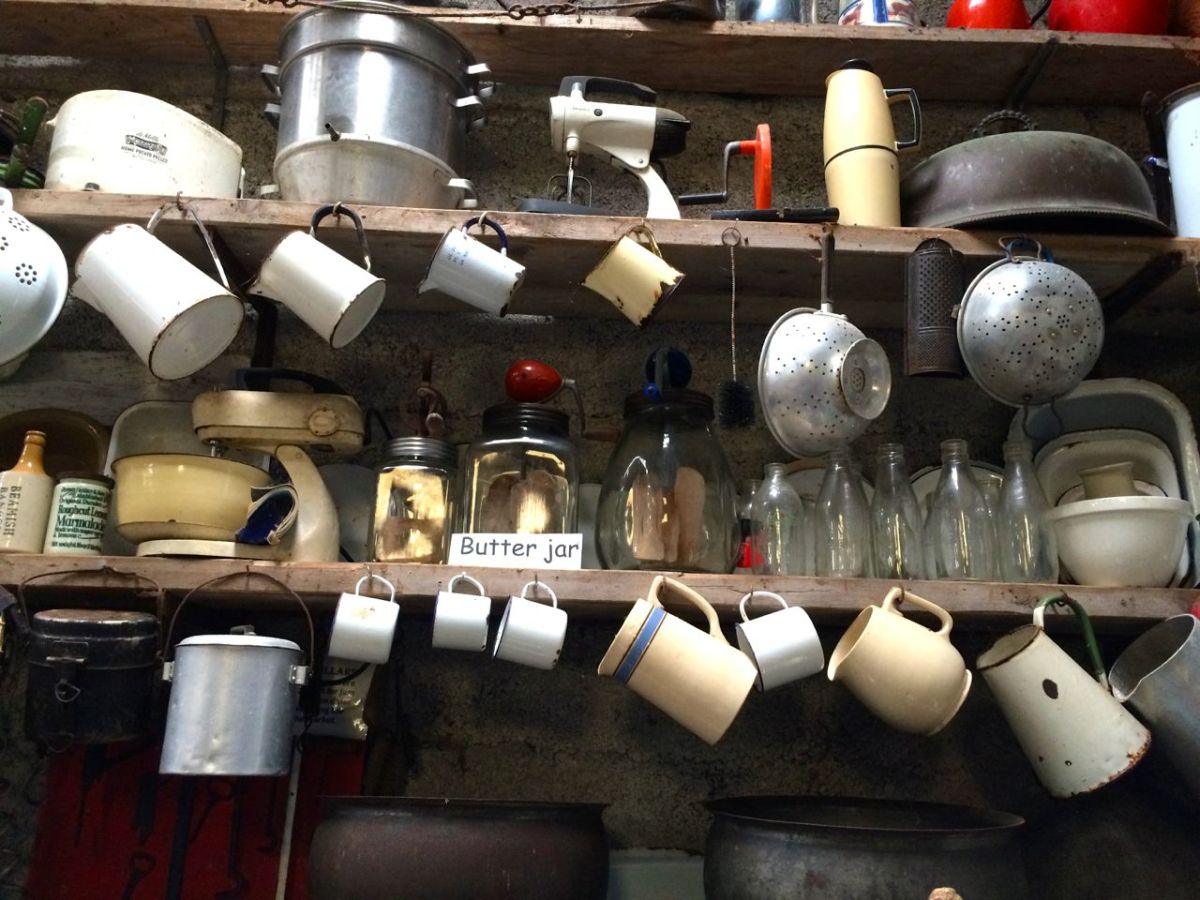
How many of these do you remember?
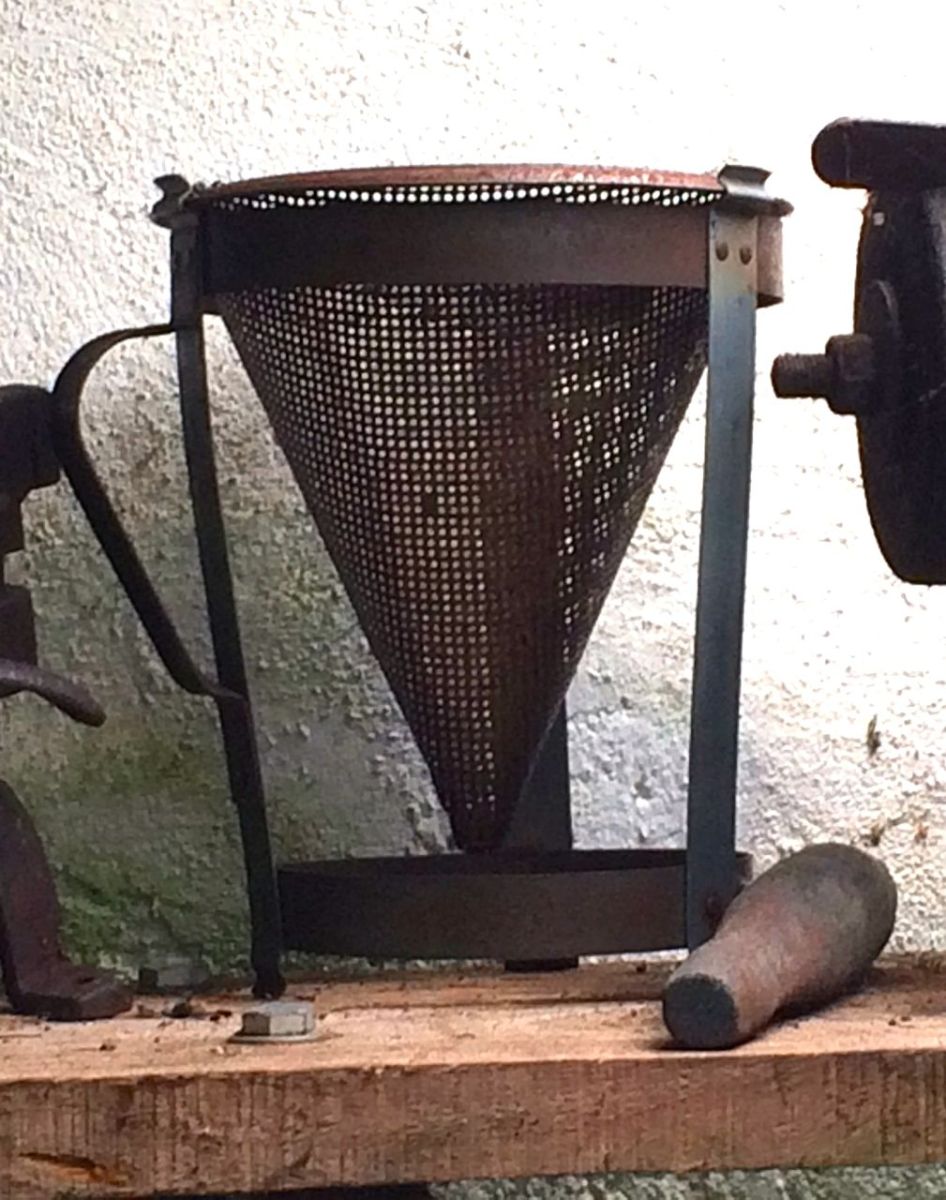
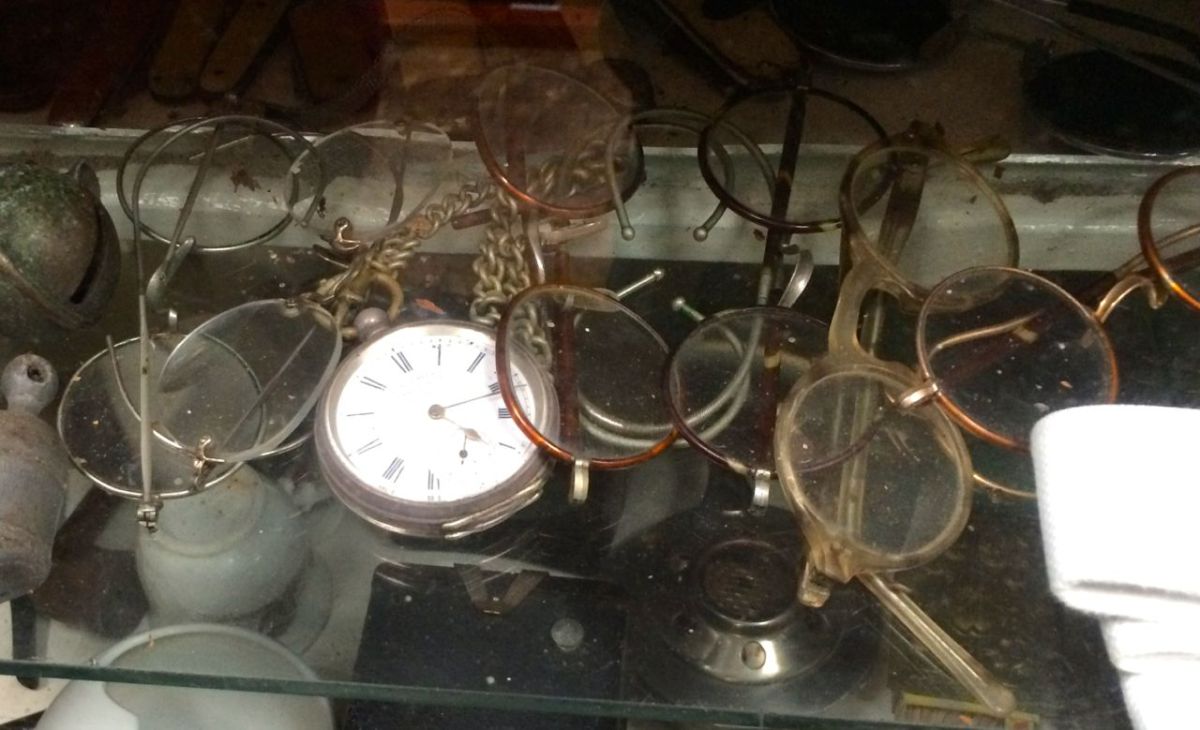
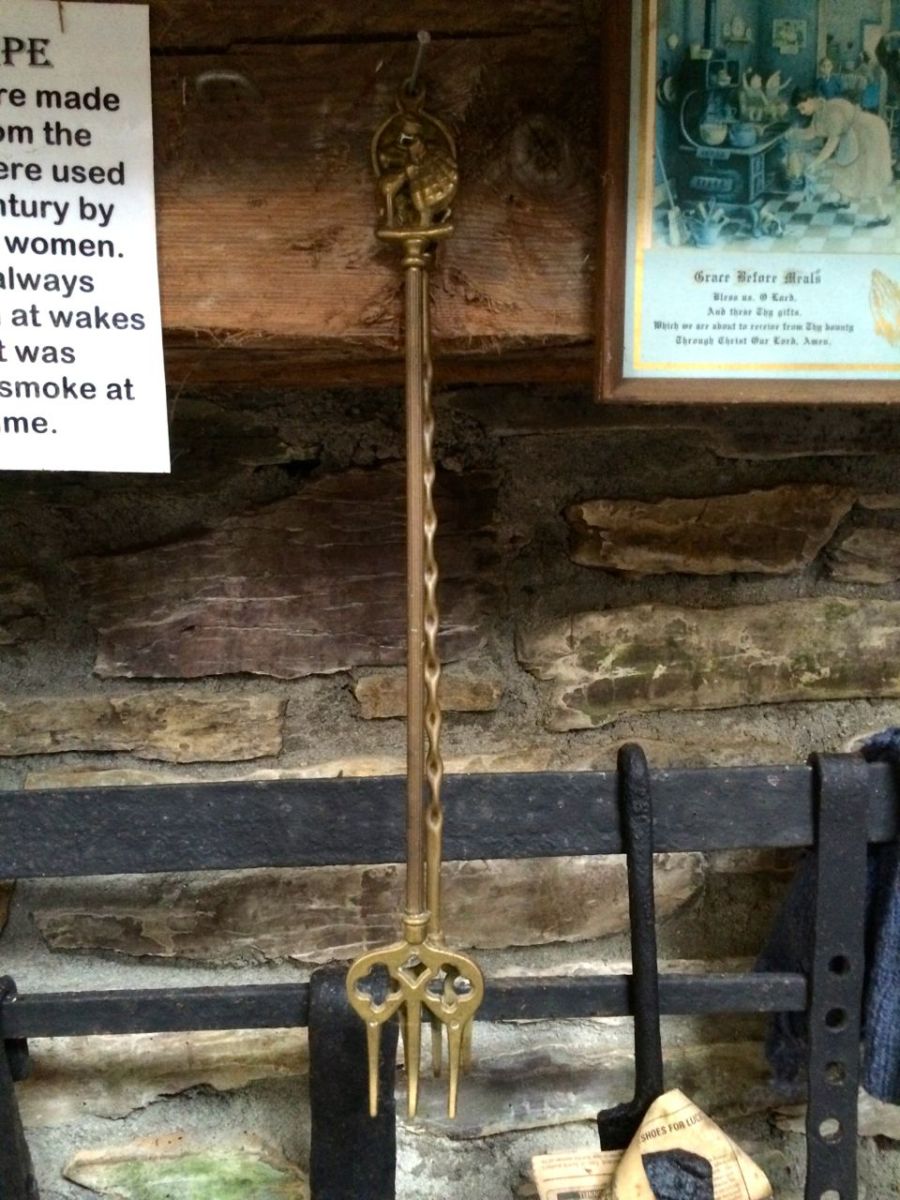
How about these?
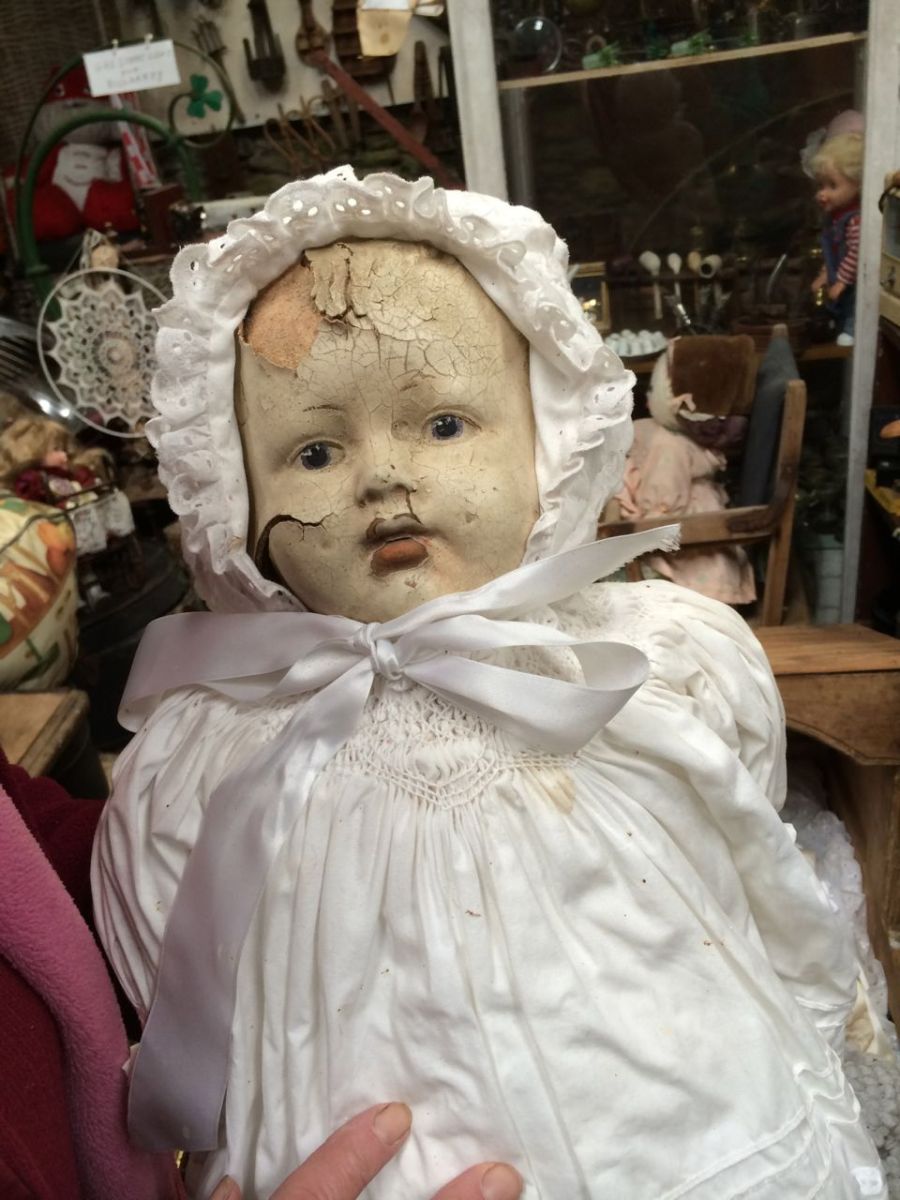
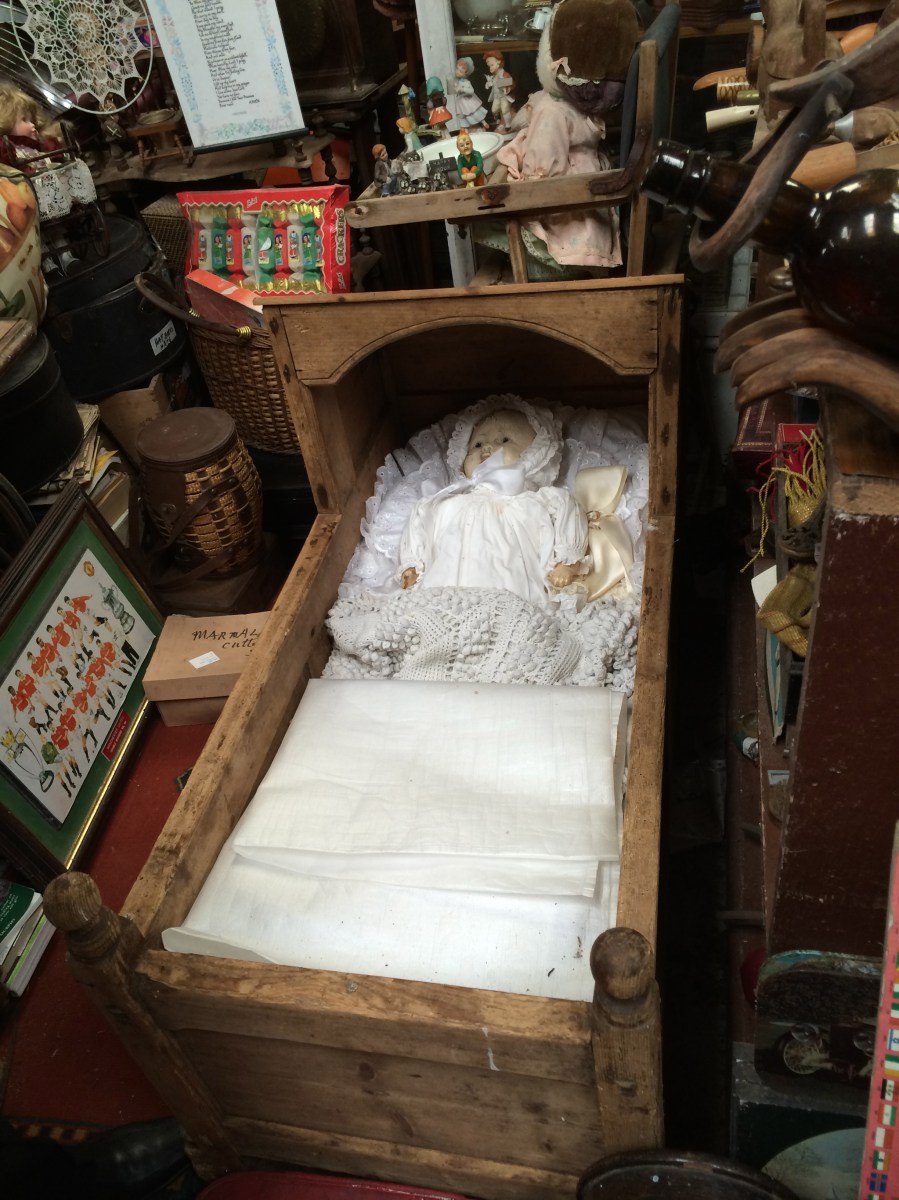
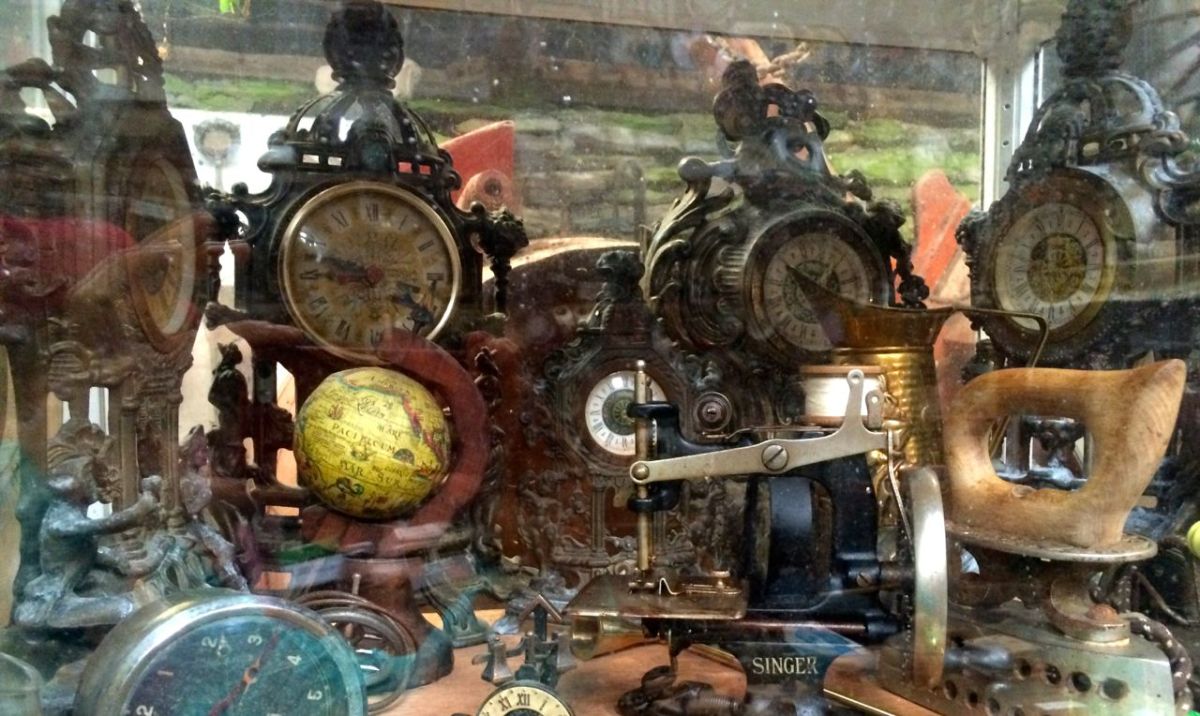
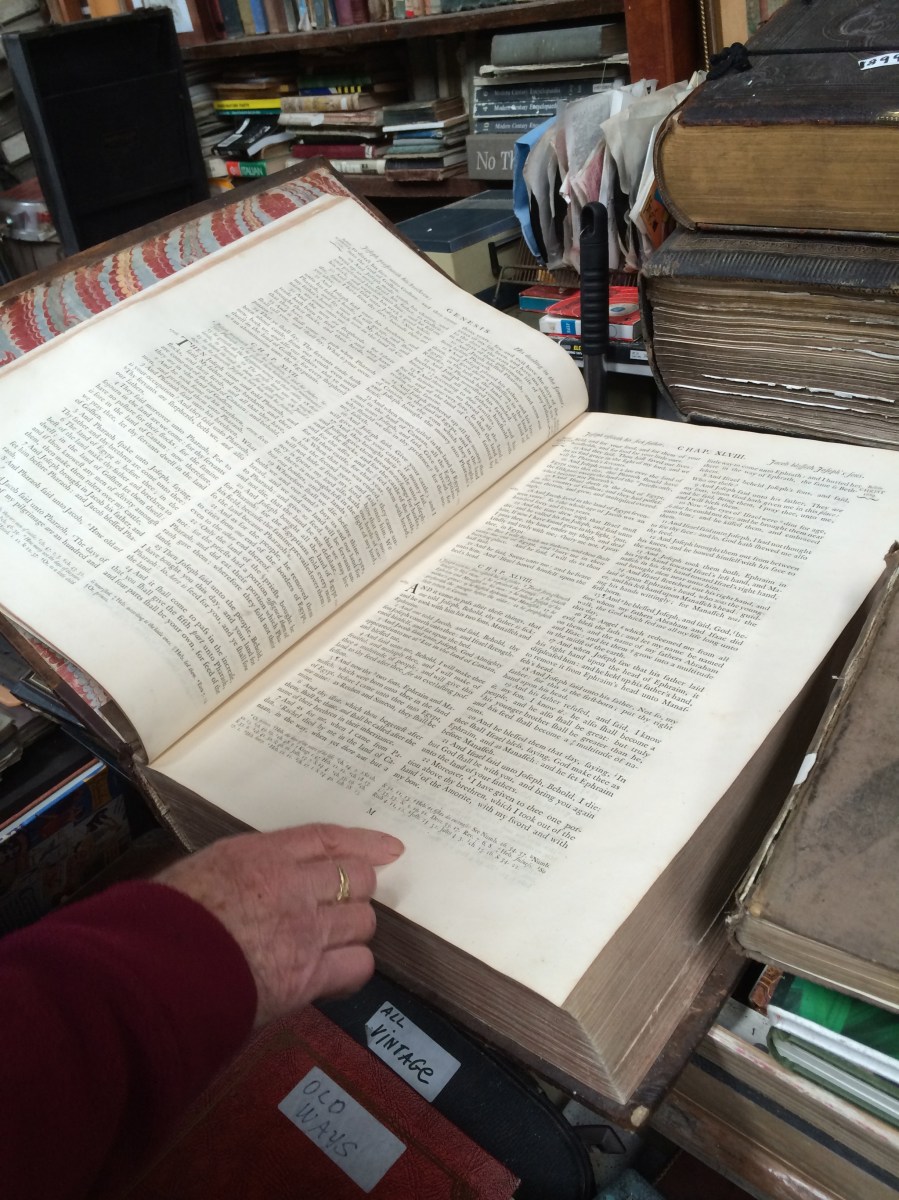
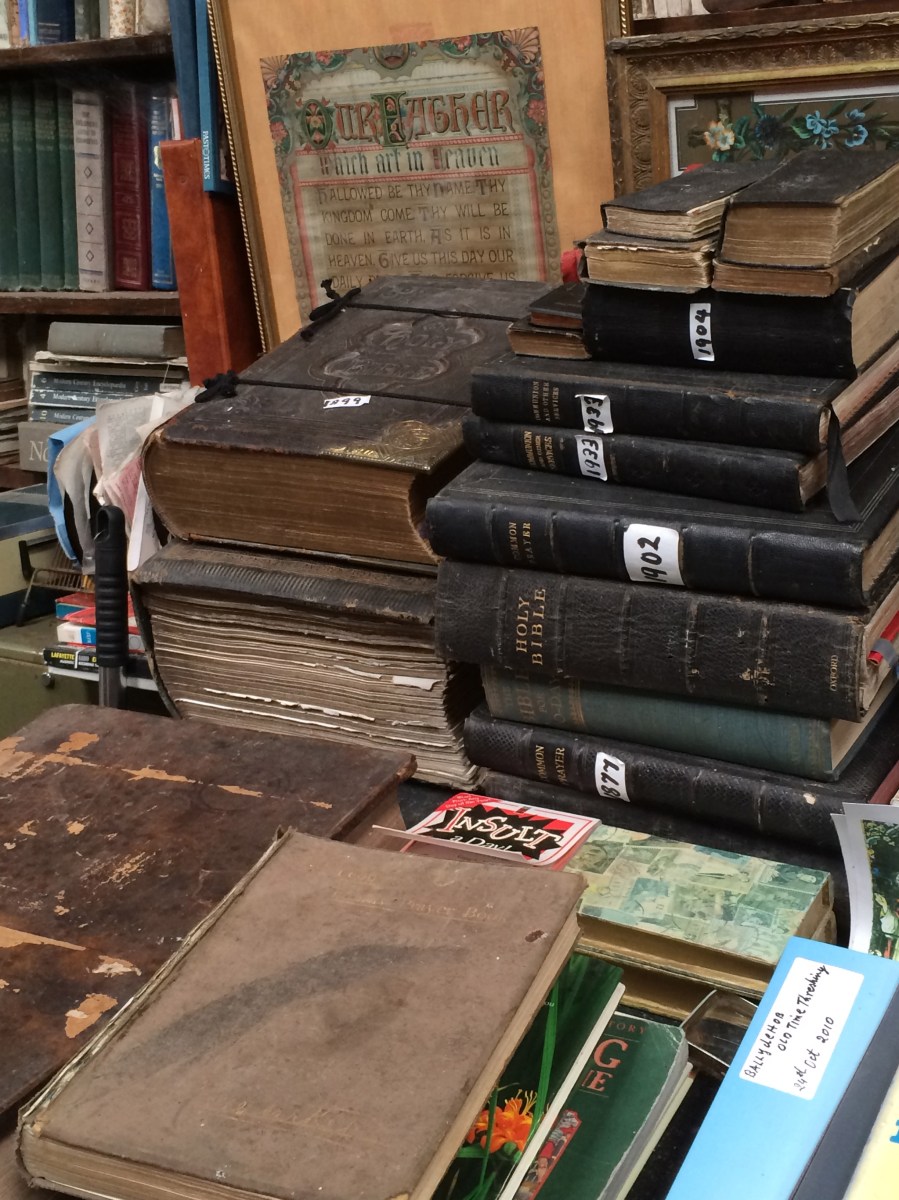
There are older items here too – eighteenth century bibles, little cages for coalmine canaries, famine soup pots, equipment used by tailors and cobblers, dolls loved by little Edwardian girls and clocks that adorned Victorian mantlepieces.
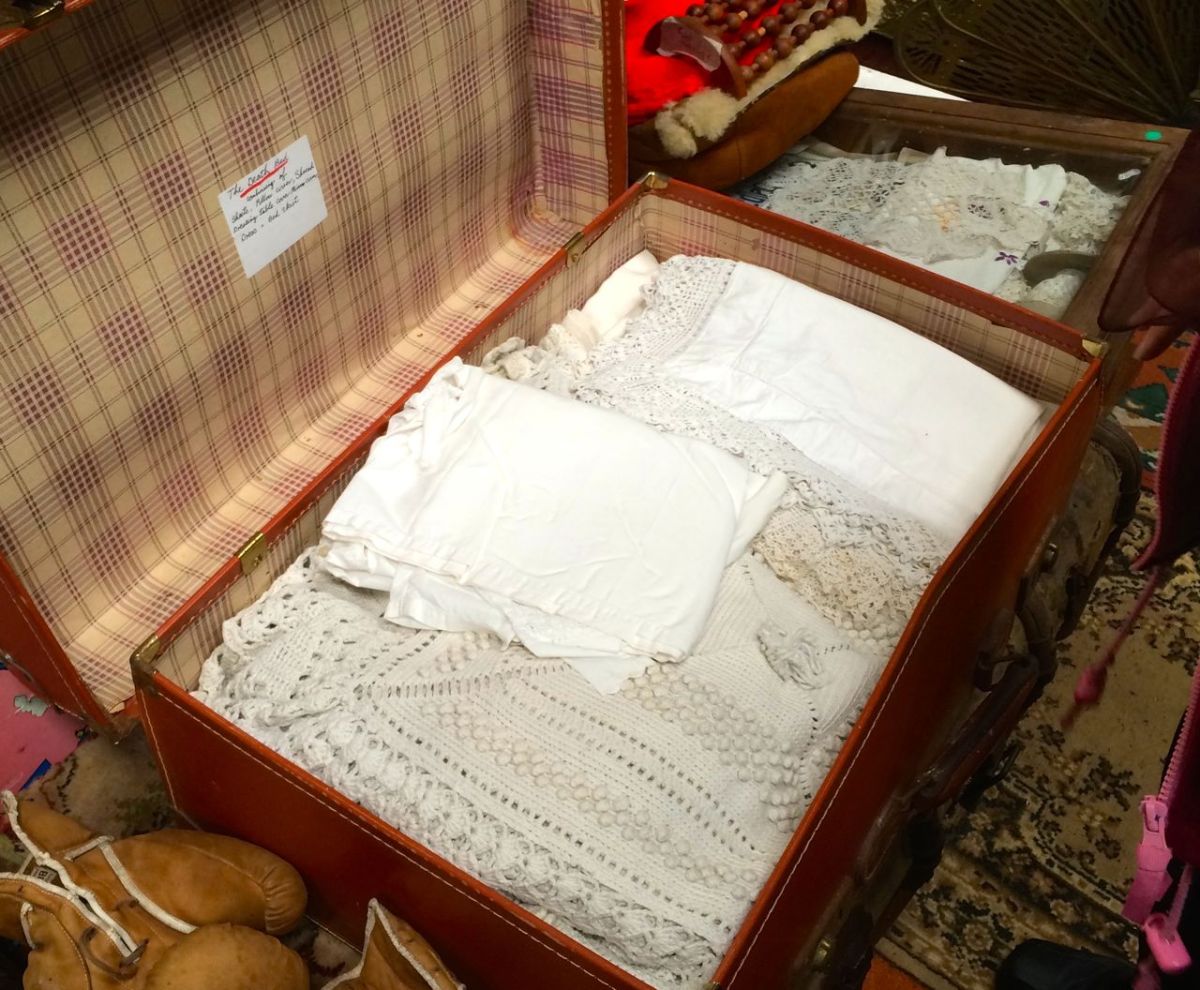
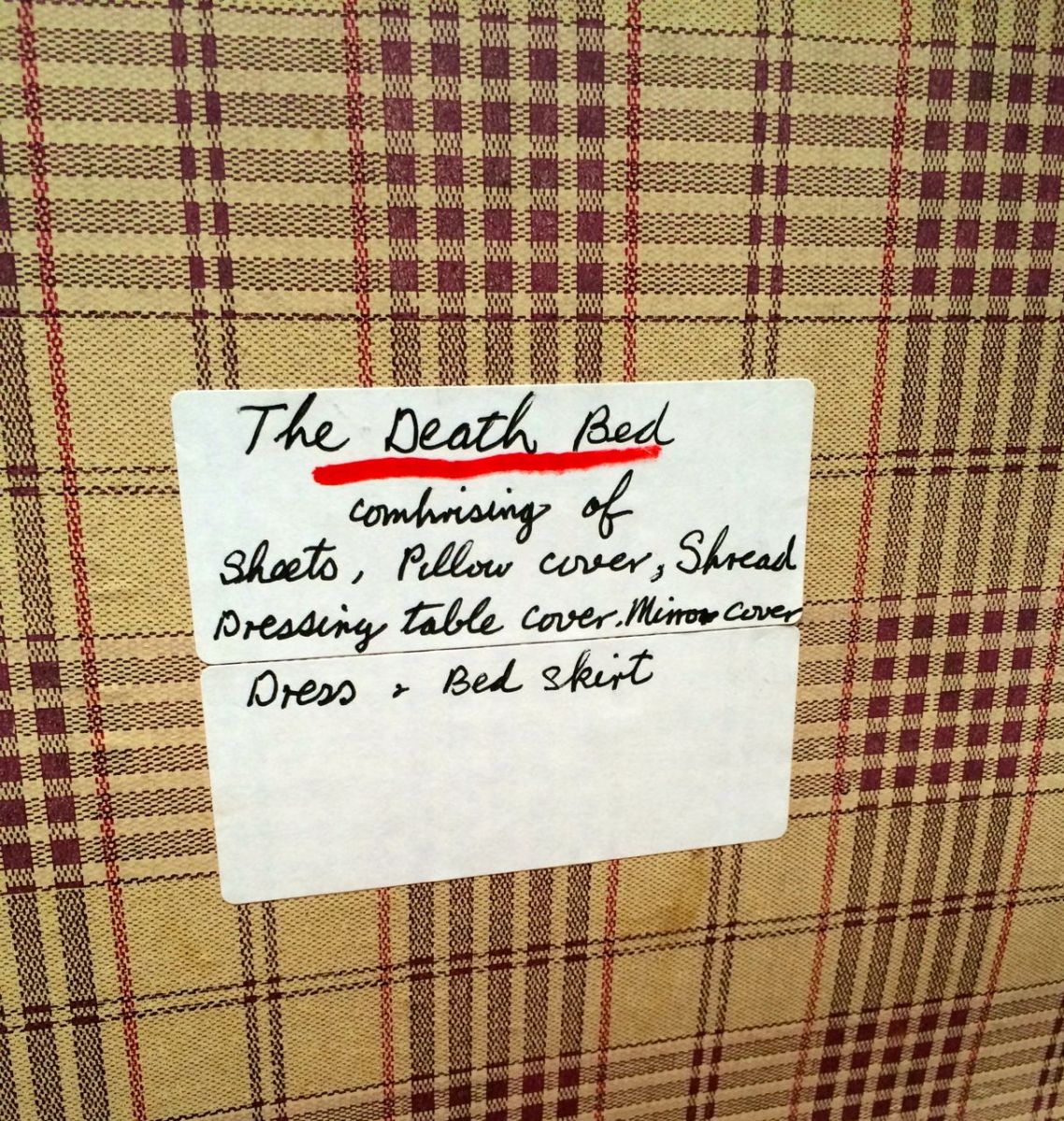
The Irish, as everyone knows, had a grand tradition of Waking the Dead. The body, first, had to be washed and dressed. Special linens, often passed down through generations and kept beautifully white, were used to dress the body, but also the bed and surrounding furniture. Mirrors and clocks, especially, had to be covered. Leita showed us an old suitcase that contained a treasure trove of this linen.
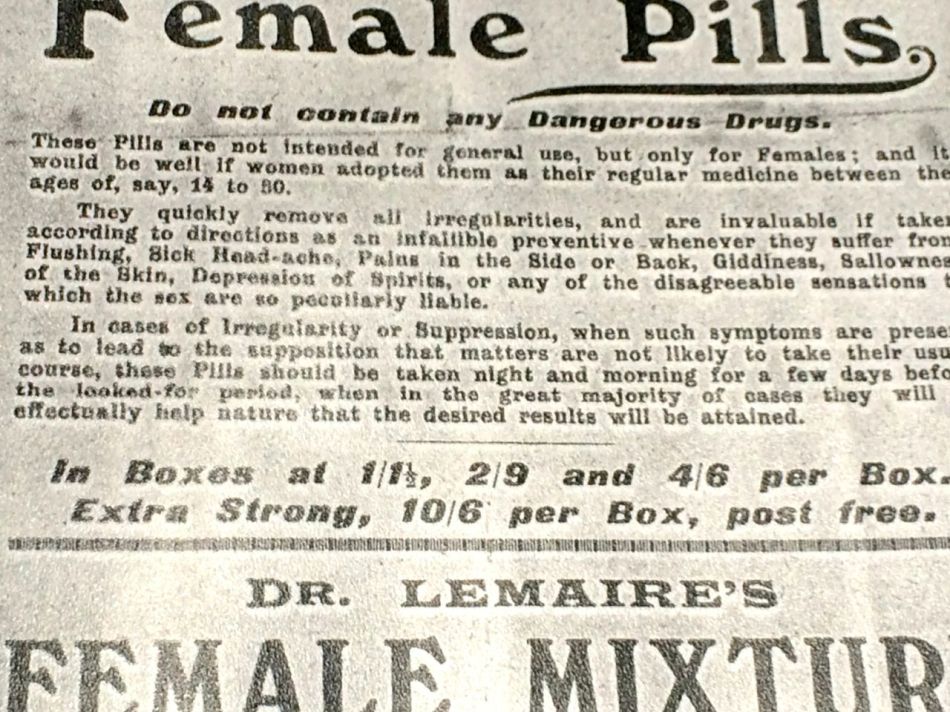
Among the artefacts are books and books of cuttings, old photographs, recipes, shop accounts, advertisements, journals and articles, all lovingly collated and saved in plastic covers.
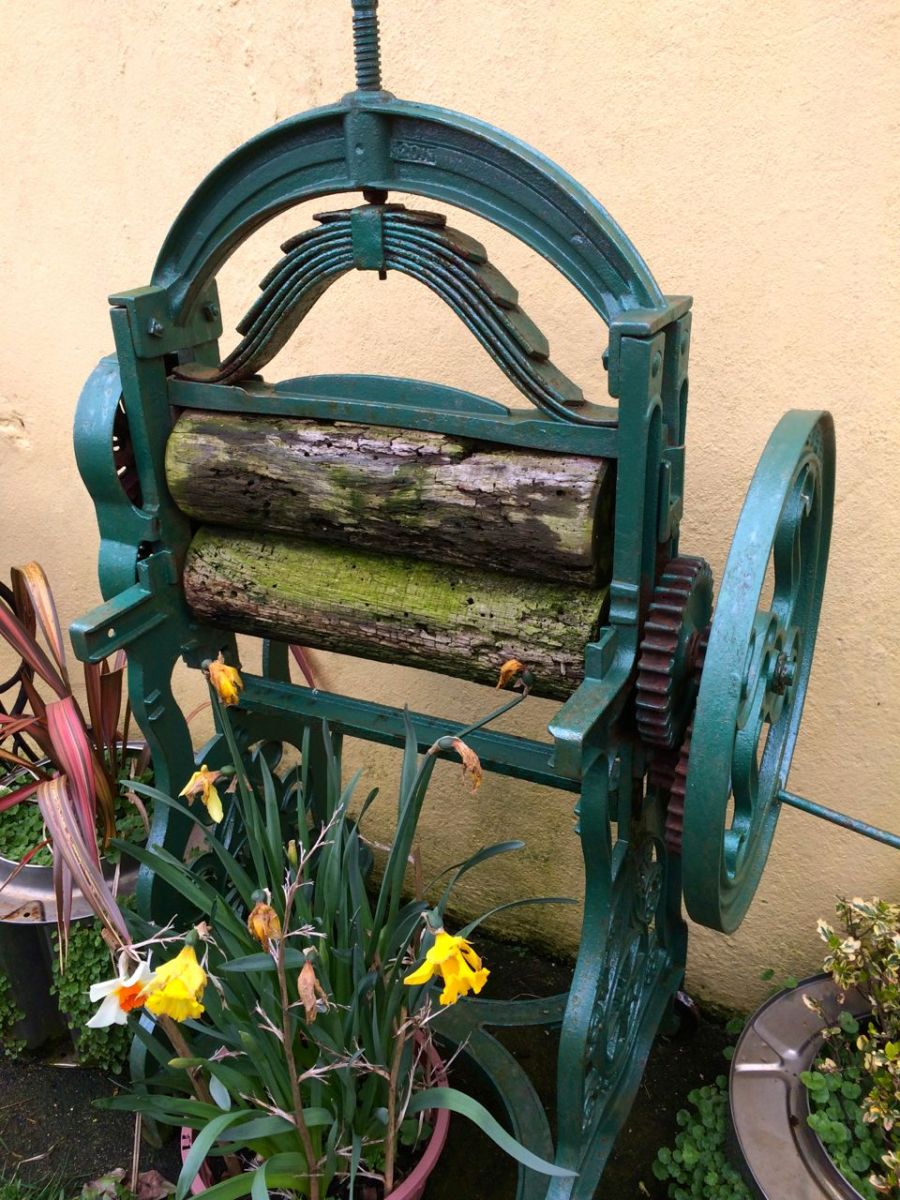
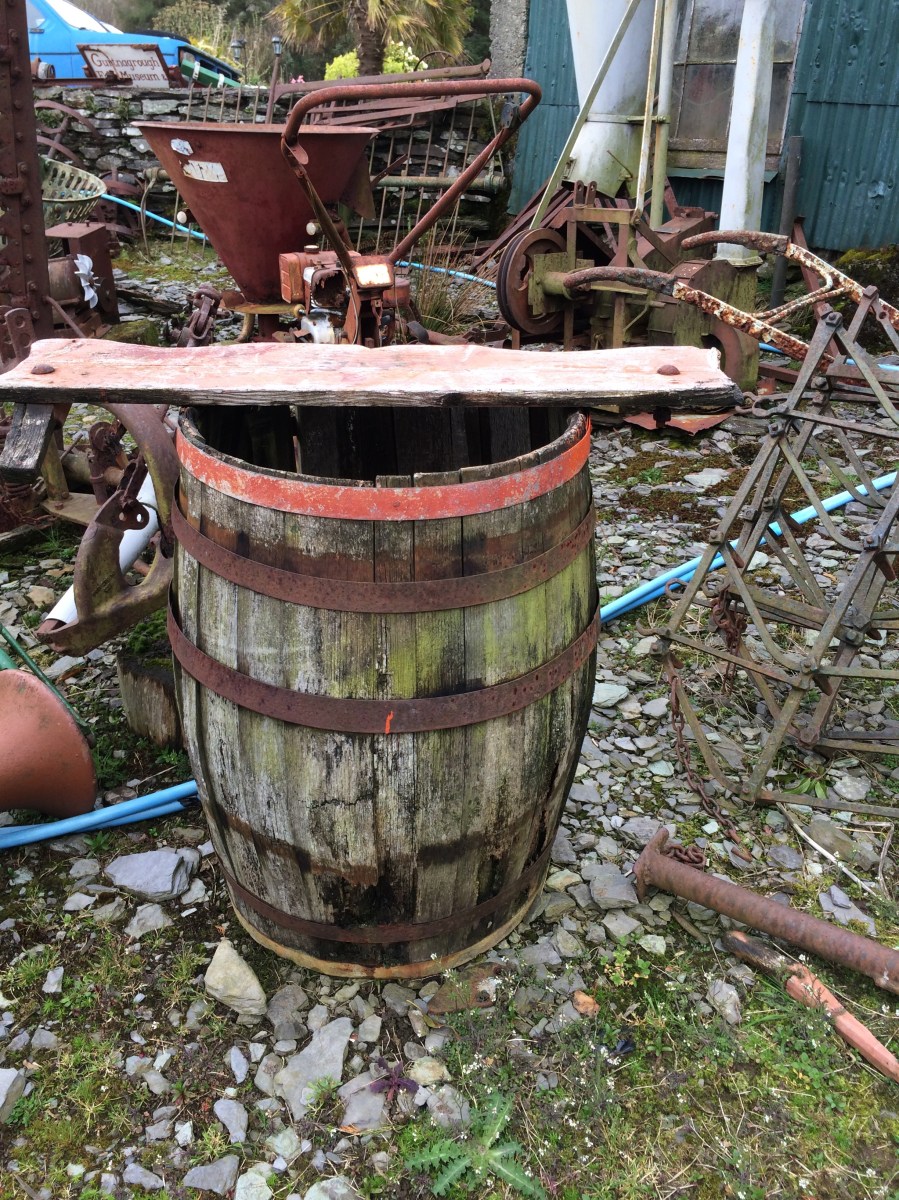
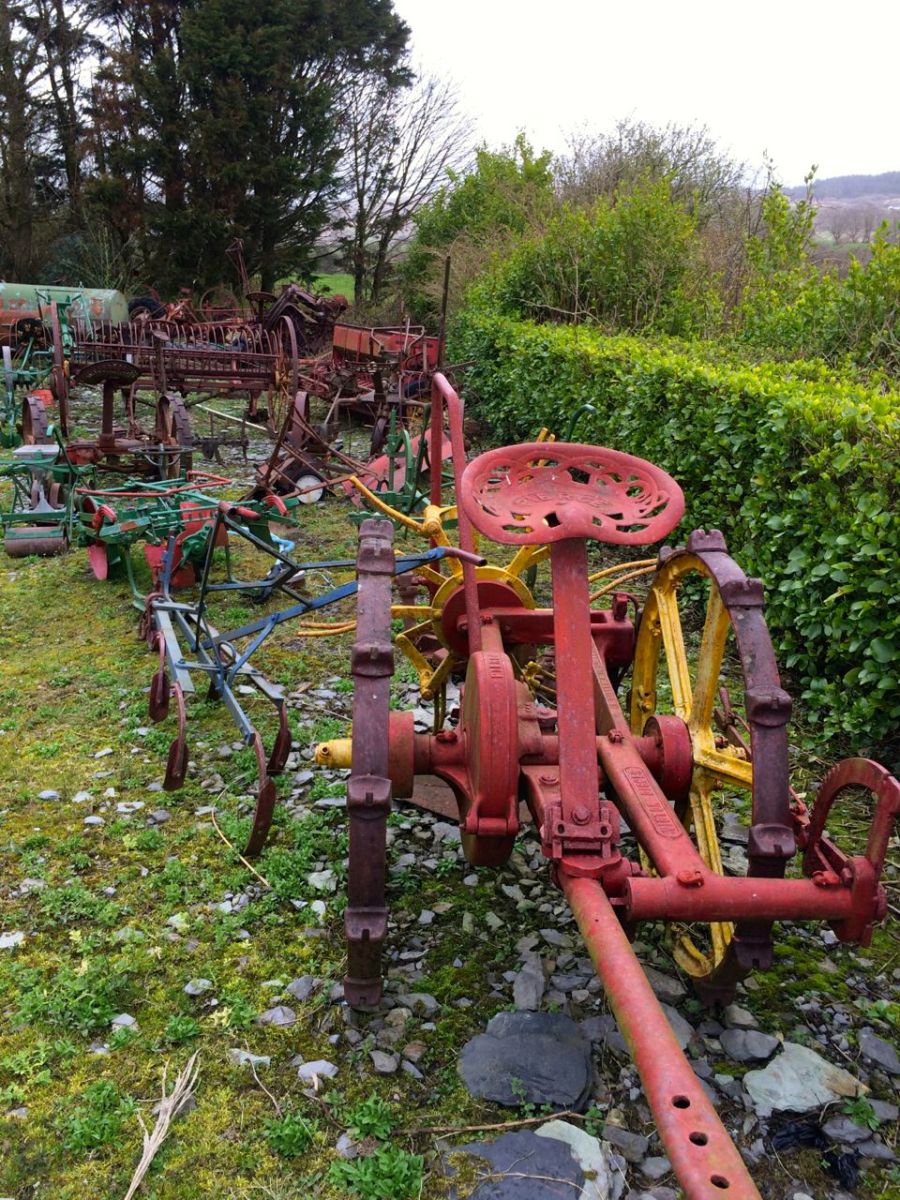
Outside is an equally interesting mixture of memories.
Careful – you might get so caught up in browsing among this eclectic collection that the rest of your party has moved on to the farm machinery before you notice.
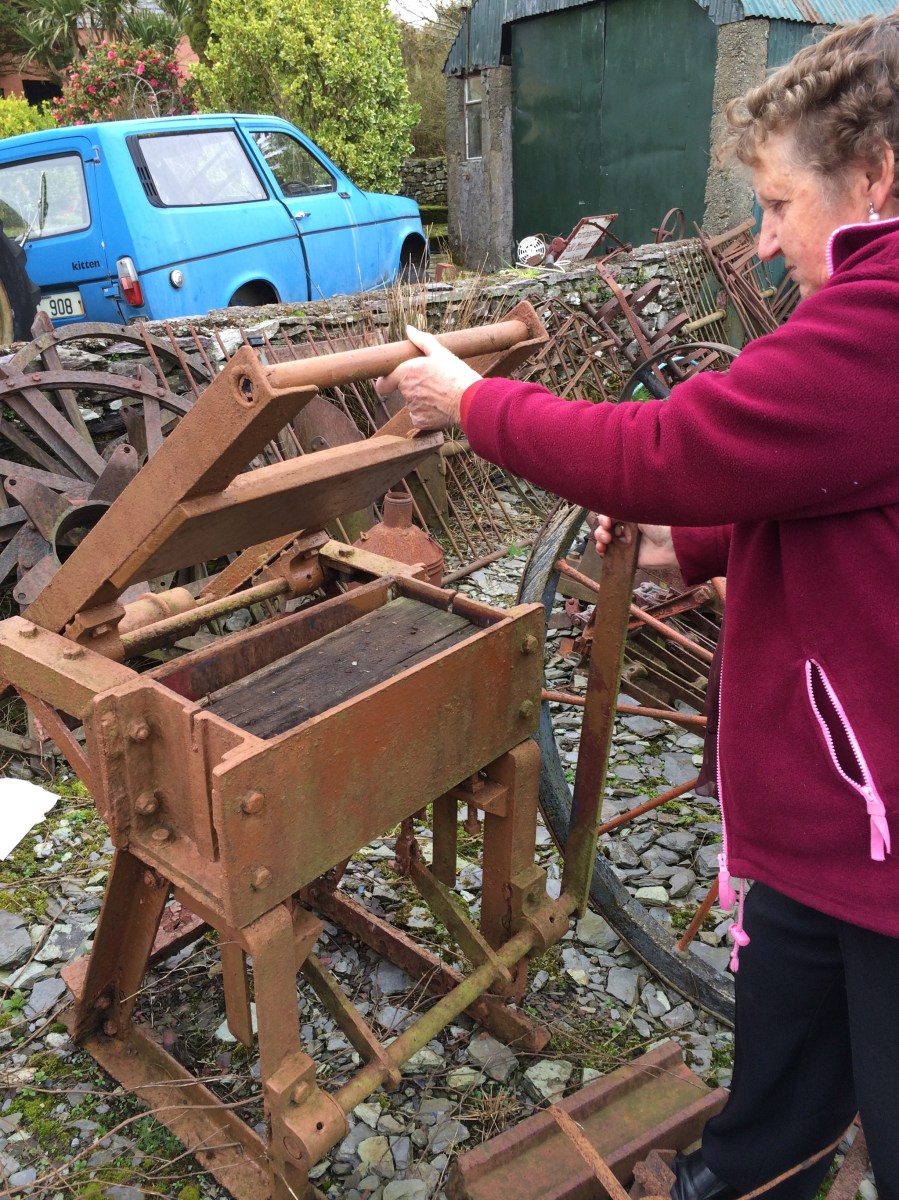
Tommy and Leita know the use of every item of machinery on their property. A lot of it is still in working order and they bring it to the Thrashing or to country fairs – to demonstrate old winnowing techniques, or to make butter.
Postscript
Looking back on these photos has been a joy, as we remember Leita and Tommy, how kind they were to us as recent blow-ins then, and how much they enjoyed their collections. We hope that this post gives other Ballydehob folk some fond memories too.
I’ve been writing and giving talks about Agnes since 2015, and it’s wonderful that she is becoming more of a household name now. Storm Agnes is especially fitting because she certainly shook up the Astrophysics establishment in her day, as a woman writing about what had traditionally been a man’s domain. The post that follows is a substantial re-writing of my 2015 post From Skibbereen to the Moon: Agnes Mary Clerke. I know a lot more about Agnes now than I did then. Mostly, that’s down to the work of Mary Bruck, a fellow astronomer, yet another Irish woman (from Meath) and author of Agnes Mary Clerke and the Rise of Astrophysics.
West Cork is where Agnes grew up, with her parents, sister and brother. Agnes, Ellen and Aubrey were all brilliant, scholarly and published writers, each in their own fields. Their father, John William Clerke came from a long-established ‘Liberal Protestant’ family in Skibbereen – that’s John William’s own father, St John Clerke’s, grave in Skibbereen, above. At the time the children were young he was the manager of the Provincial Bank and the family lived above it.
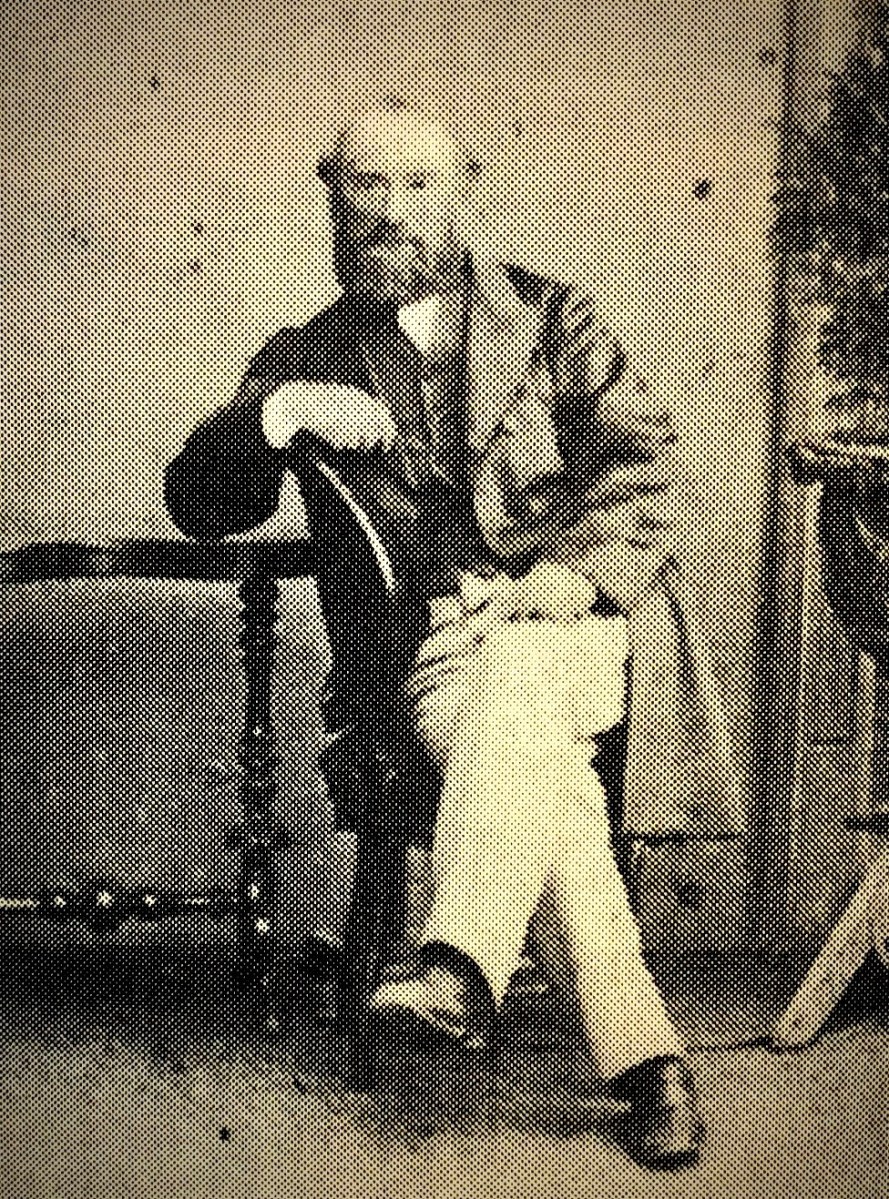
Agnes was born in 1842 and her young life was dominated by the awful tragedy of the Great Famine, which started in 1845 and blighted life in Skibbereen up to 1850 and beyond. John William (above) headed up relief efforts in Skibbereen during this awful time and was felled by Famine Fever himself, remaining critically ill for months.
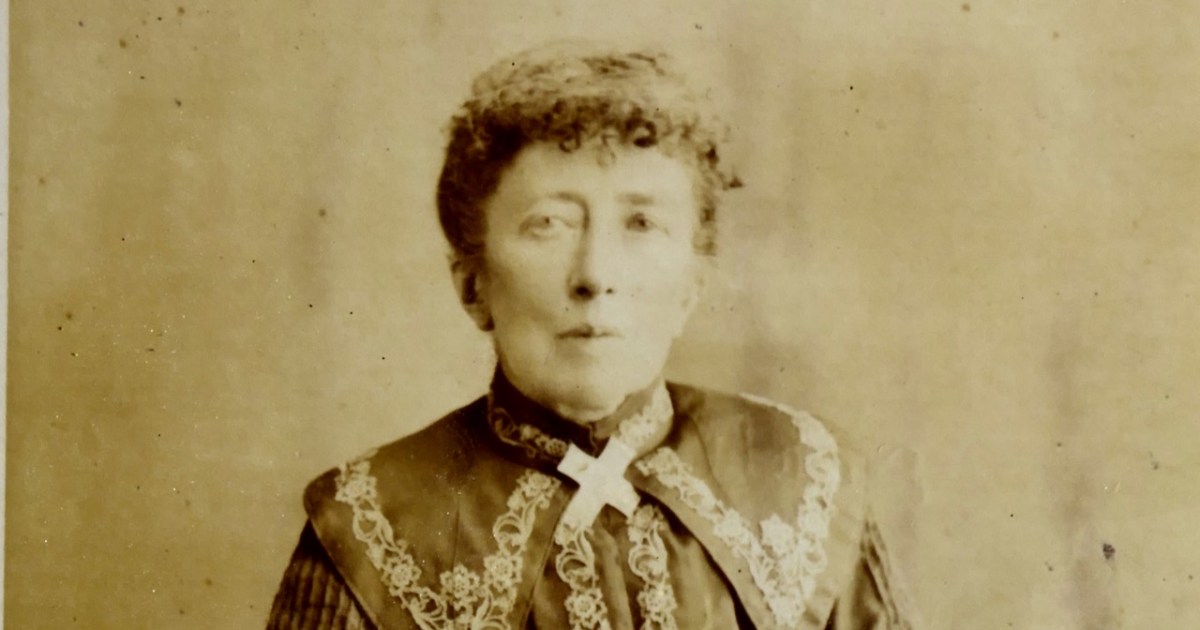
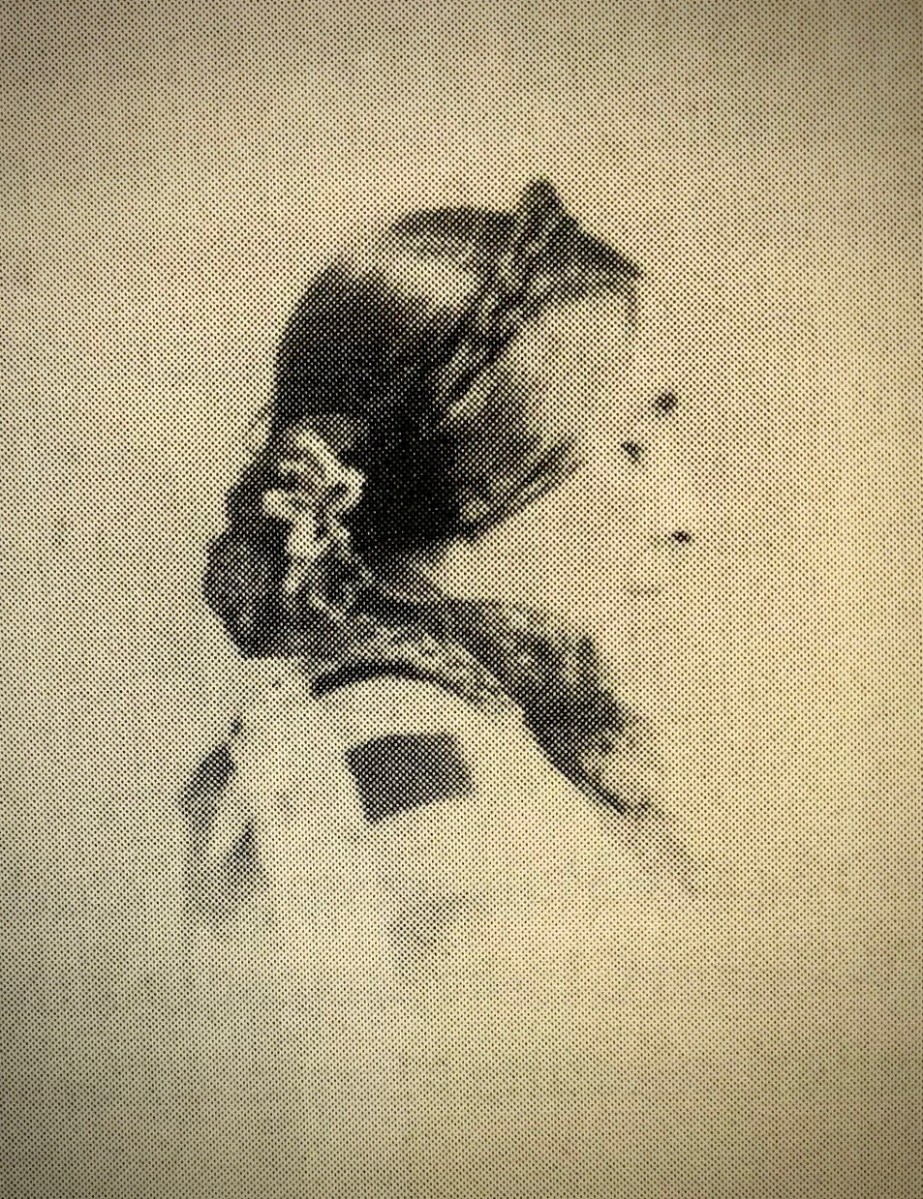
John had married Catherine Mary Deasy (above, in older age), the sister of his best friend at Trinity, Rickard Deasy, from a prosperous Catholic family in Clonakilty. Catherine had been well educated in the Cork Ursuline convent and was high-minded and musical. She tutored the children to a high proficiency in music, Latin and Greek. Catherine played Irish music on the harp and retained her ability to entertain well into her 80s.
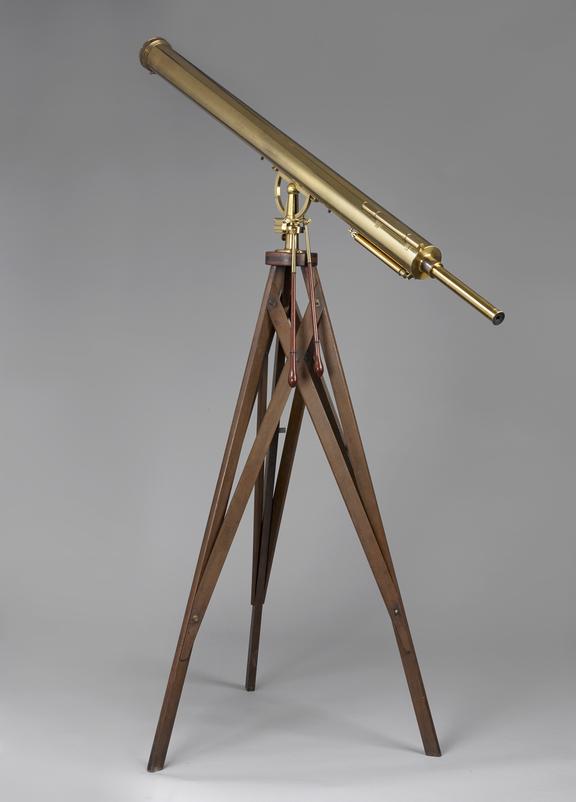
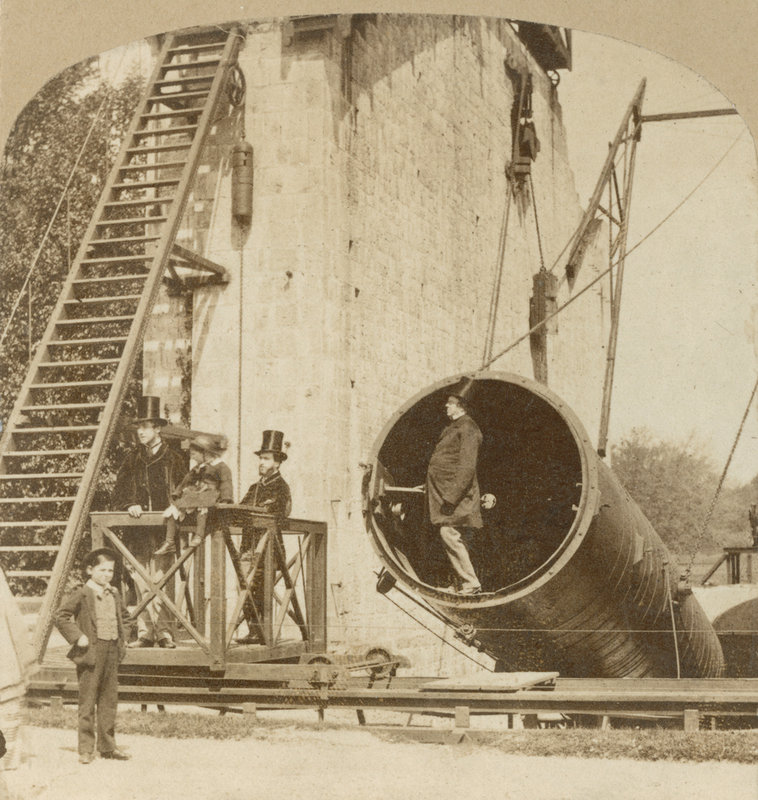
The children grew up in the 1840s and 50s with access to their father’s extensive library, his telescope (like the one above) and his chemistry experiments. The telescope, according to Mary Brück’s biography, was equipped with a chronograph for timing the transits of stars across the meridian. With this arrangement Clerke was able to provide a time service for the town of Skibbereen, which was as yet unconnected to the outer world by either railway or telegraph.
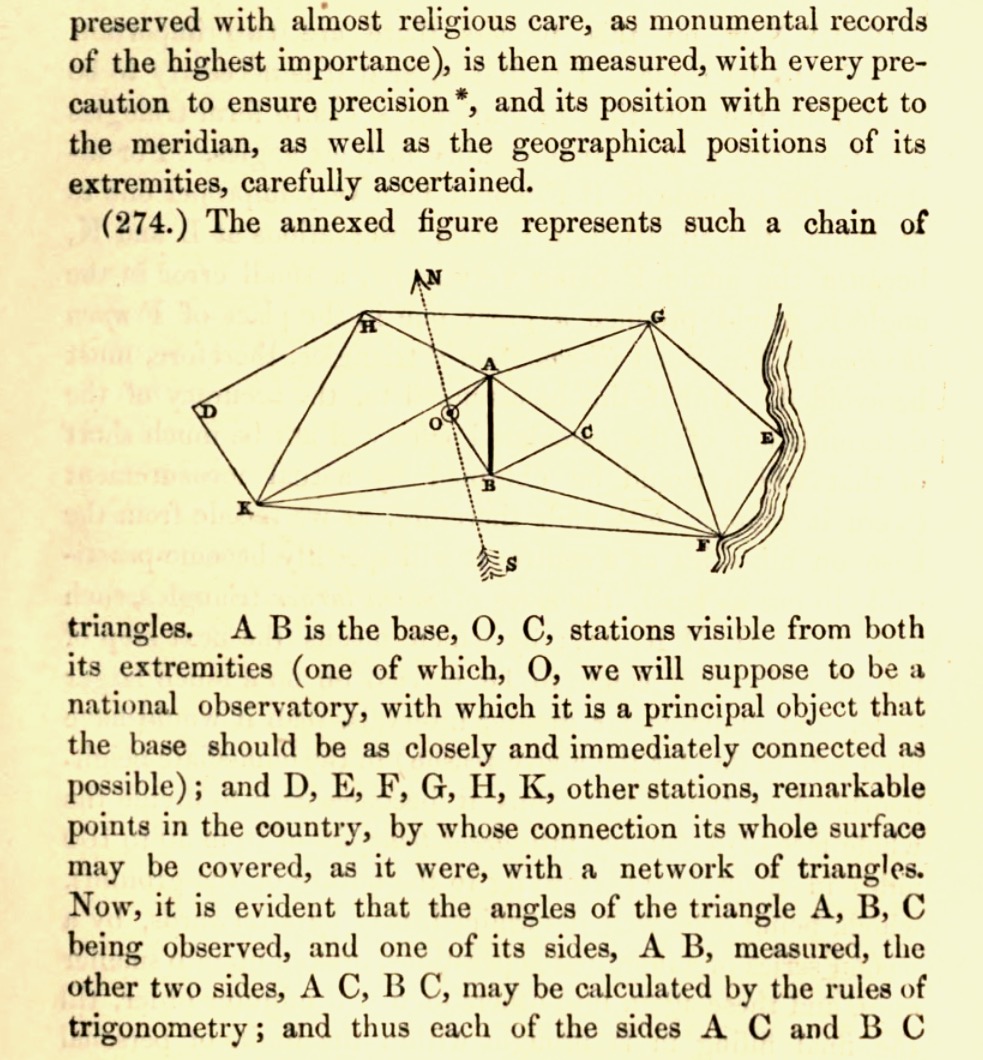
Insatiably curious, they devoured knowledge and by 15 Agnes had already begun to write a history of astronomy – a book that would later count as her magnum opus. By the age of 11, she had mastered John Herschel’s Outlines of Astronomy. (She was later to write the biography of Herschel’s father and aunt – still available for Kindle!). That’s a page from Outlines of Astronomy, below. To repeat – she was 11!
The family moved to Dublin when Agnes was 19 – her father had been appointed to a position by Rickard Deasy who was now Baron of the Exchequer Court. But her health was always delicate and her mother determined to move the two young women to a more salubrious climate. Starting with extended visits and then moving there, the Clerke women spent from 1867 to 1877 in Italy.
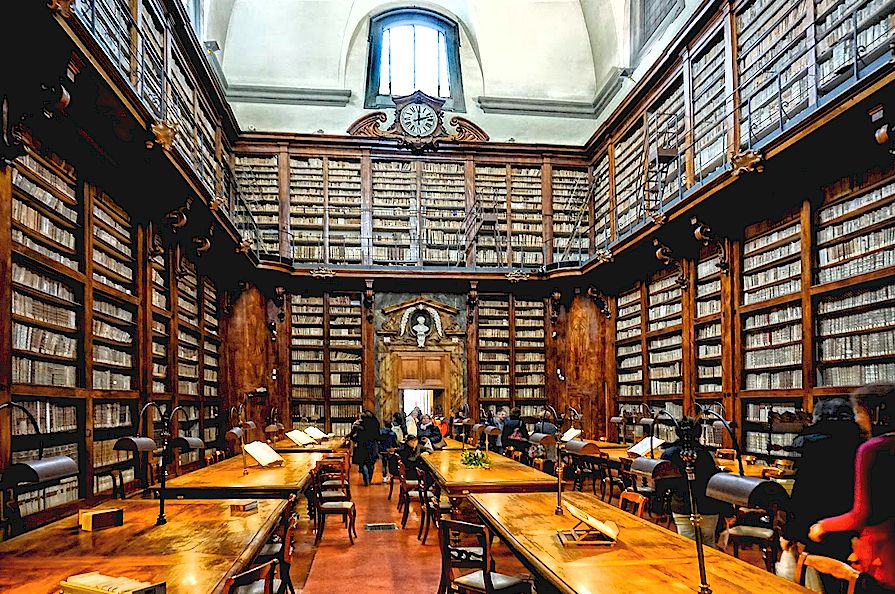
There, Agnes and Ellen, now in their 20s and early 30s, studied extensively in the excellent libraries in Rome and Florence (above), becoming proficient in several languages and going to primary sources to research their interests.
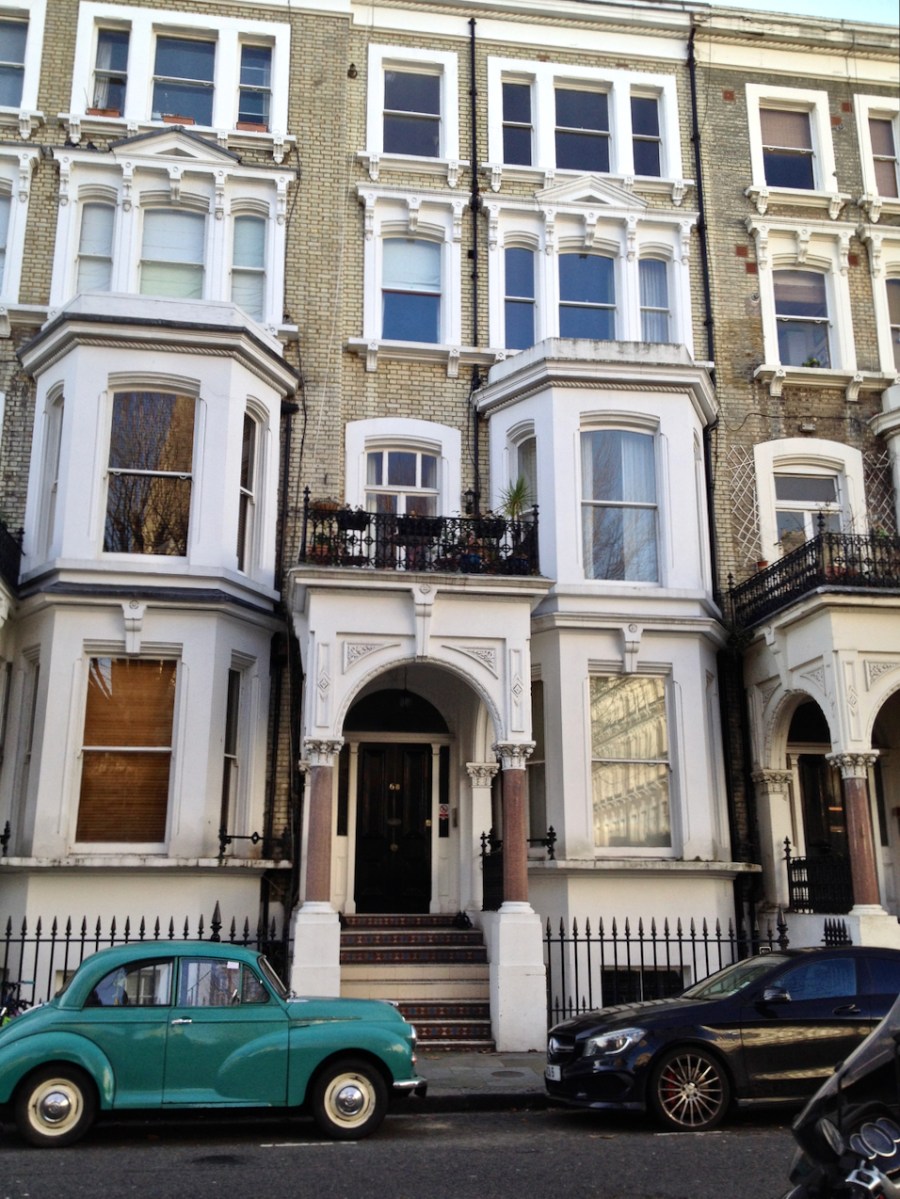
Thereafter, the family settled in London, at 68 Redcliffe Square (below). Devoted to each other, none of the siblings ever married and the family lived together in harmony and supported each other’s endeavours to the end.
Although she started off with a wide range of topics, Agnes over time concentrated on writing about astronomy. Her first published pieces (one about Copernicus, the other about the Mafia!) appeared in the Edinburgh Review in 1873. But her magnum opus, the book which brought her to the attention of the scientific community in England and the United States, was her History of Astronomy during the Nineteenth Century.
With it, she burst upon the scene in December 1885. She had spent four years writing it. It was an instant best seller – both to interested lay people and amateurs but also to serious students of astronomy, as one reviewer put it on account of its accuracy and the really remarkable skill with which the leading points on which our knowledge has been increased are seized upon and set forth. It sold out in two months and went to a second printing and an American edition. It has never been out of print since. It is still used as a text book and on lists of recommended readings. It went into four editions, each one a monumental task to update as findings came thick and fast. Illustrations only began with the second edition.
Now in her early 40s, the depth and scope of Agnes’s scholarship is awe-inspiring. To read through the book (available online through Project Gutenberg) is to see a brilliant mind at work. Her purpose in writing it was:
to embody an attempt to enable the ordinary reader to follow, with intelligent interest, the course of modern astronomical inquiries, and to realize (so far as it can at present be realized) the full effect of the comprehensive change in the whole aspect, purposes, and methods of celestial science introduced by the momentous discovery of spectrum analysis.
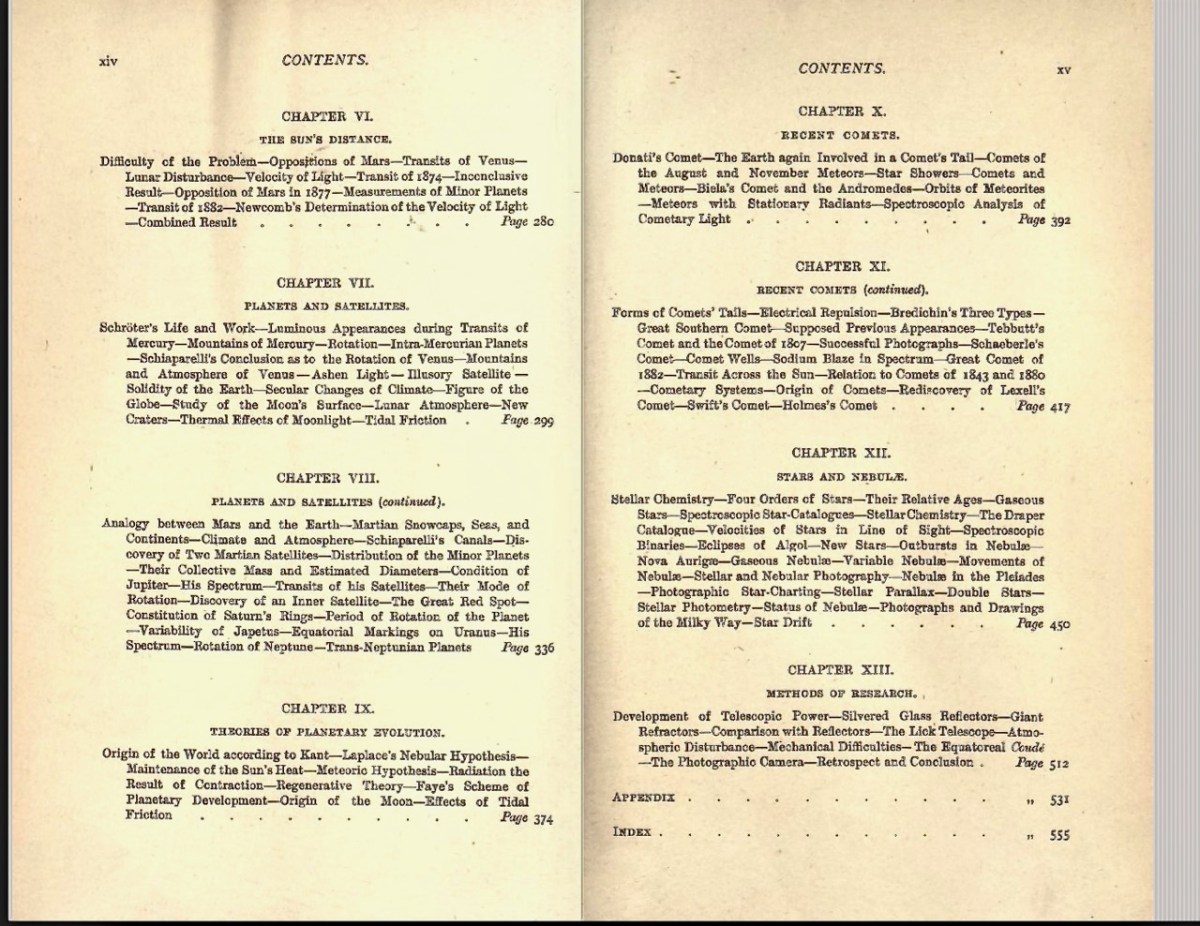
This IS the rocket science of her generation, encompassing chemistry, physics, mathematics, history of scientific thought, cosmology, the most up to date observation and measurement techniques – in short, the disciplines that made up the emerging science of astrophysics. Take a look, for example, at the headings for her Chapter IV: Chemistry of Prominences—Study of their Forms—Two Classes—Photographs and Spectrographs of Prominences—Their Distribution—Structure of the Chromosphere—Spectroscopic Measurement of Radial Movements—Spectroscopic Determination of Solar Rotation—Velocities of Transport in the Sun—Lockyer’s Theory of Dissociation—Solar Constituents—Oxygen Absorption in Solar Spectrum. Looks pretty frightening for a non-scientist, doesn’t it? And yet, this book was one of the best-sellers of the day.
One of the huge advances in astronomy in the nineteenth century was the development of the spectroscope and Agnes’s book was the first widely-read description of its significance. A spectroscope disperses light over a much wider band than a simple prism. The pattern of colours, as well as black bands in the spectrum, all indicate the presence of certain elements. The composition of stars could now be studied for the first time.
Better optics was another huge advance. Lord Rosse of Birr Castle worked with Grubb (who had been at college with Aubrey) to develop the largest telescope then in existence, capable of analysing nebulae. Agnes has a chapter devoted to Rosse’s achievements. Agnes had a unique ability to absorb and compile knowledge and then to lay it out for the non-specialist. (I got through the first chapter with little difficulty.) She is rightly credited as the founder of what is called today Science Writing. Her books (she wrote many more) and articles sold well and she made a good living from her writing.
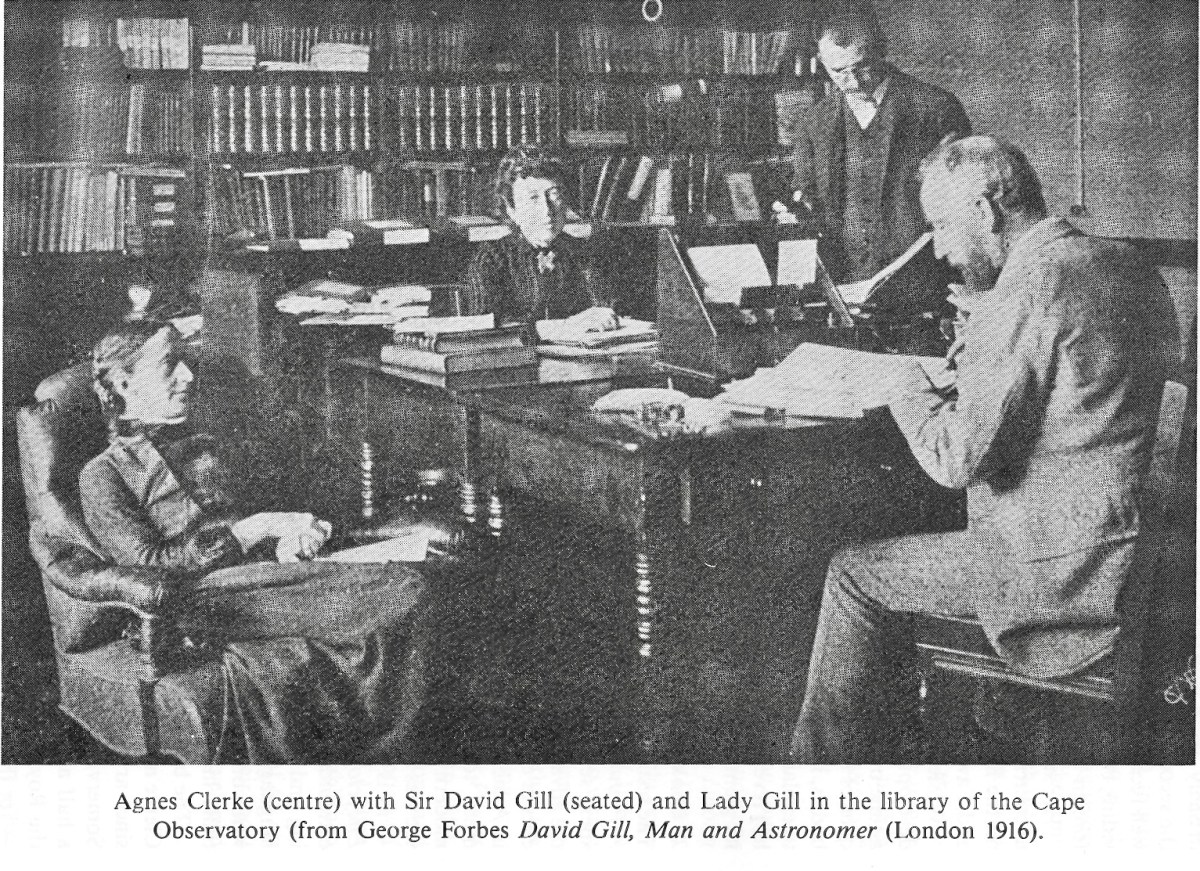
Successful as the book was, Agnes was a woman, and a non-practitioner (that is, she didn’t work in an observatory) and many in the predominantly male science establishment of Victorian Britain were sceptical of her knowledge and resentful at her success. One who was not was David Gill who invited her to spend time at his observatory in Cape Town. She went, had a marvellous time, and gained practical experience that enabled her to write with much more confidence on certain subjects afterwards.
But as they read what she wrote, scientists were won over by her erudition and her ability to present their complex findings to a wide audience. Although she was a member of the British Astronomical Association, as a woman she was ineligible to be a member of the prestigious Royal Astronomical Society and had to call in favours to be allowed access to their library. But eventually even that bastion of male scientific privilege was forced to acknowledge her achievements and appointed her and her great friend Lady Margaret Huggins (another Irish astronomer, below) as honorary members. Lady Huggins was also her biographer.
Besides her new editions of A History of Astronomy, Agnes wrote several other books on Astronomy and as a diversion took a break and wrote one about Greek Literature, Familiar Studies in Homer (she knew how to take it easy).
The foremost authority on Agnes’s life and scholarship was Mary Brück. Of Agnes, she said:
This remarkable woman, educated solely within her own family and through her own private studies, not only kept abreast of astronomical progress world-wide but also had a genuine understanding of the matters on which she reported and the gift of communicating them through her fluent and prolific writings. Her books – in particular her Popular History of Astronomy during the Nineteenth Century, first published in 1885 and reprinted over almost twenty years – are treasured by historians and by amateur lovers of astronomy alike as sources of reliable and enjoyable information on that period.
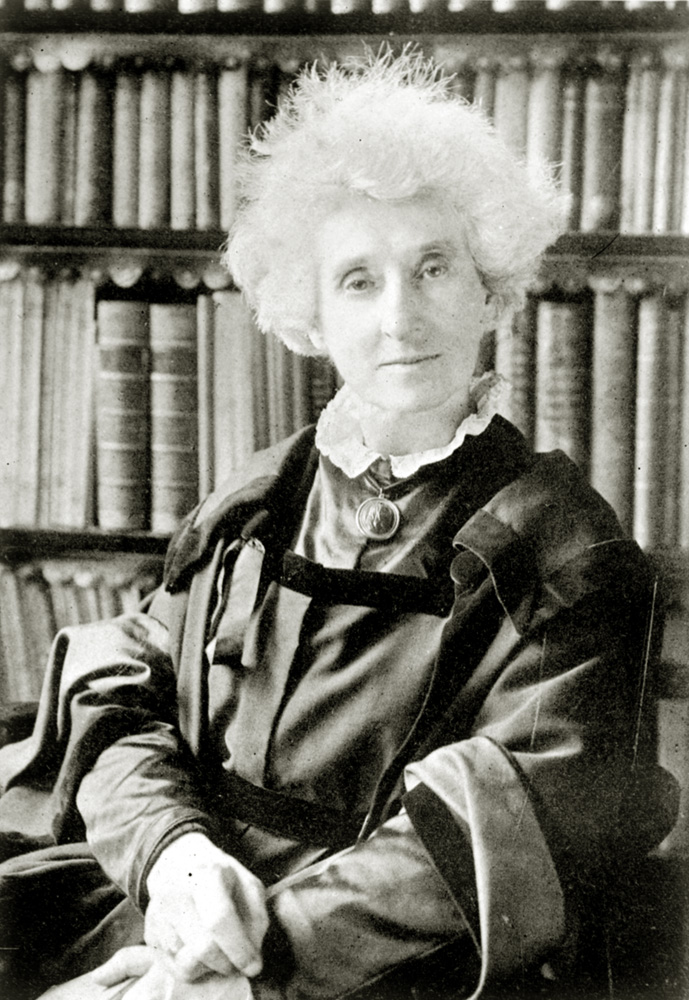
I loved her description of Agnes at the height of her powers: Agnes Clerke in her sixties had become a sort of mother figure among astronomers, tactful, kind, helpful. In one account, she was described at a scientific event surrounded by leading astronomers, genuinely keen to hear her opinion on some knotty point.
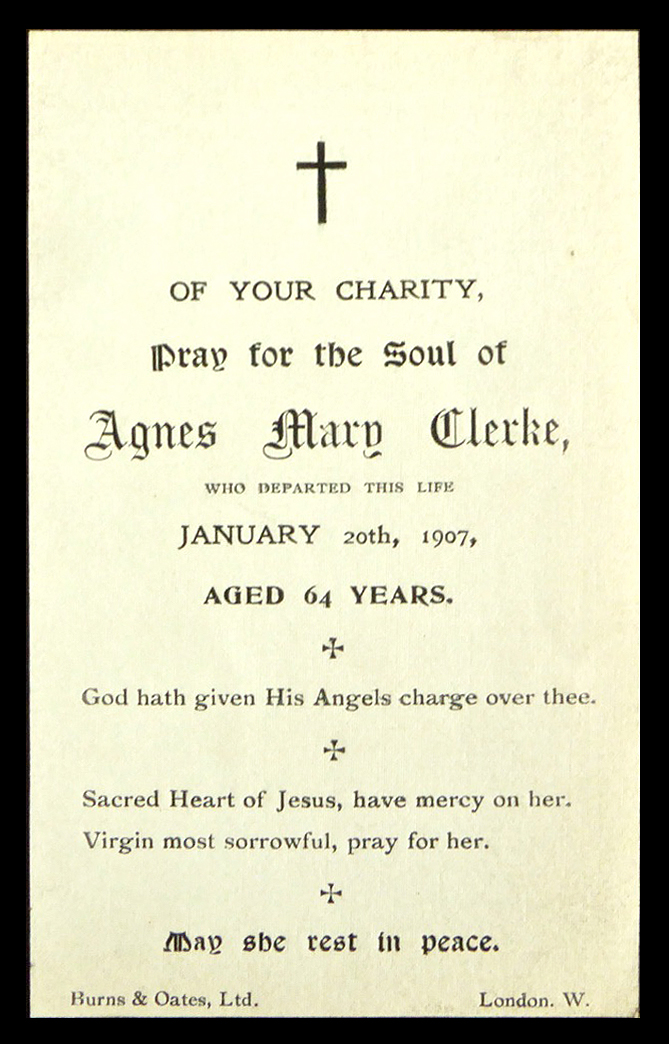
Agnes died in 1907, of the same flu that had carried off her beloved sister, Ellen, the year before. Aubrey lived on alone in the house in Redcliffe Square, the house where they had lived and worked and hosted many gatherings of eminent scientists and writers.
In 1981, Agnes was paid a high honour. A crater on the moon, near the Apollo 17 landing site, was named the Clerke Crater by the International Astronomical Union.
I have written about Ellen and Aubrey here. It seems apt to close this piece on Agnes with a quote from one of Ellen’s poems, Night’s Soliloquy:
…are not hidden things
Reveal’d to science when with piercing sight
She looks beneath the shadow of my wings
To fathom space and sound the infinite?
Thanks to:
Janice McClean for the photograph of the Clerke’s house at Redcliffe Square in London. Janice, a member of the British Astronomical Society, is endeavouring to secure an English Heritage blue plaque for the house.
Paddy Leahy, for his piece Sisters in Science: Agnes and Ellen Clerke in The Journal of the Skibbereen and District Historical Society, Vol 7, 2011
In his essay, “Agnes Mary Clerke and the Edinburgh Review,” for the Skibbereen and District Historical Society Journal (Vol 9, 2013), Perry O’Donovan points out that being accepted to write for the Edinburgh Review was the equivalent of an unknown writer today being published in the New Yorker.
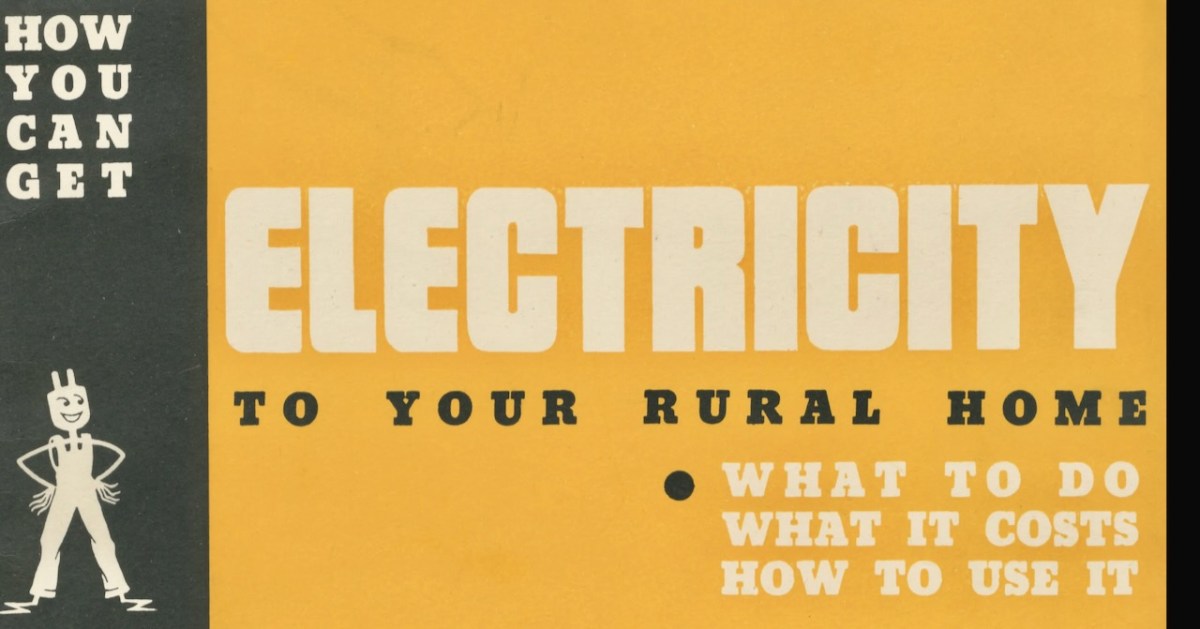
There are a thousand ways to tell a story. I thought I had written up much of what’s to know about the coming of Electricity to the rural areas of Ireland in this series (click the link). However, I now realise I have missed a dimension in this recounting: I haven’t included the direct experience of the populations whose lives were upturned by this state-imposed revolution. I haven’t written about that – but someone else has!!
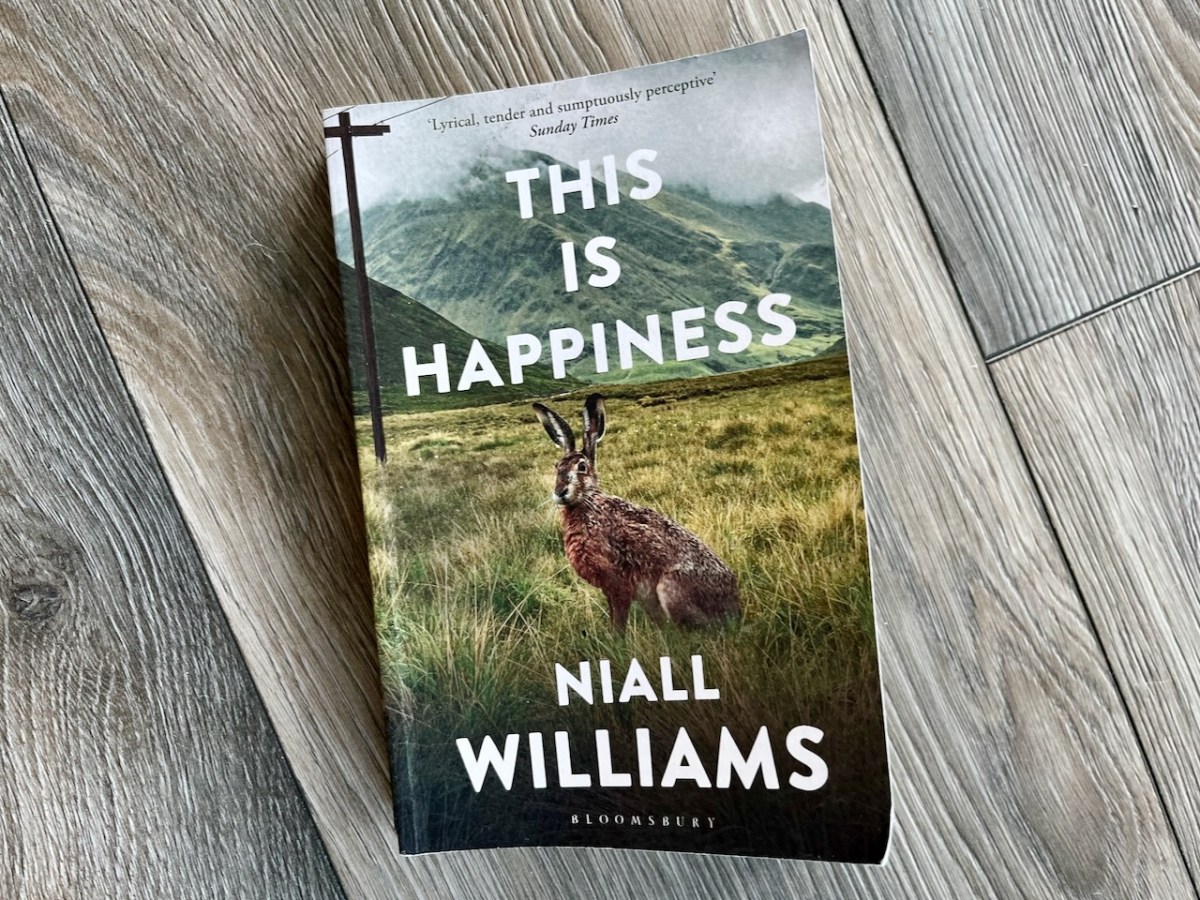
Our very good friend Amanda – she of the holy wells – presented me with this book (and not just because it features a hare on its cover!) . . . This is a brilliantly written novel that concerns itself with the detailed lives of a small close-knit community – Faha – in County Clare, at the time of the heralding, and then the arrival of, electricity. The ‘voice’ of the book is a 78 year-old man remembering growing up and coming-of-age in the 1940s and 50s, and experiencing first-hand the changes that electricity brought to the order of things in rural Ireland. In fact the author – Niall Williams – was born in 1958, towards the end of that period, and has used his writer’s skills to invoke the colour and tenor of the times and, of course, the inevitable suspicions, consternations and conservatism that were inherent in a community and lifestyle which had changed very little over generations and many decades.
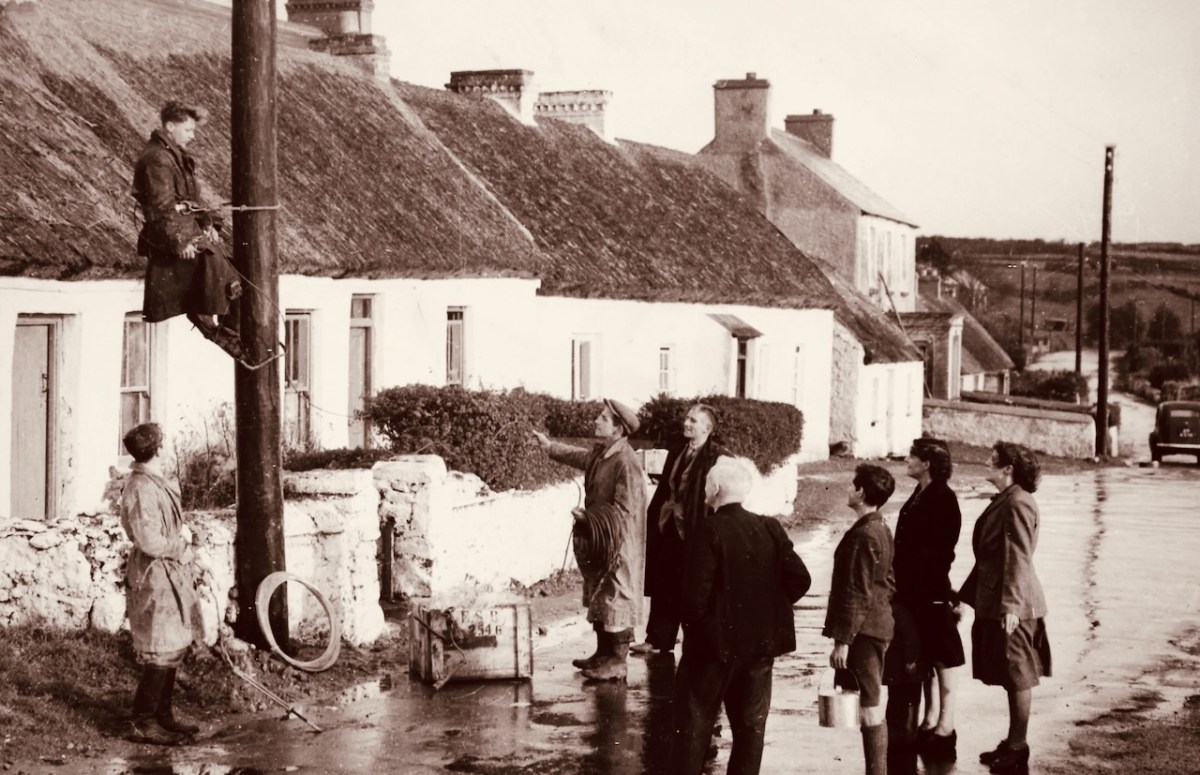
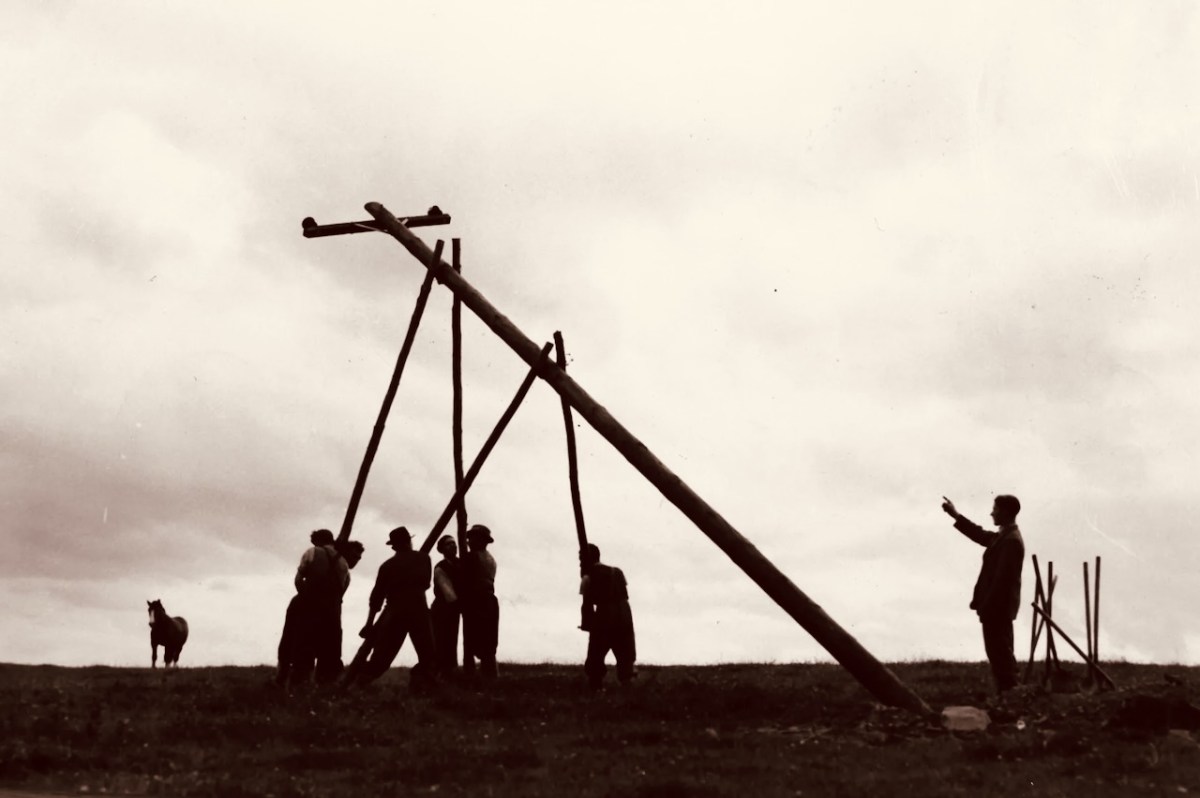
Rosses Point Village, Co Sligo: the poles arrive, 1940 (ESB Archives, which has been an invaluable source in my own search for information on the events of the time)
The book – This is Happiness – is outstanding. I consumed it eagerly, and I’m giving you a few extracts to whet your appetites. I thoroughly recommend that you read it, even if you think your interest in Ireland’s rural electrification is but brief. It’s also a story about people’s personal lives, of course, and all the characters are beautifully painted and completely credible. In terms of reality, my feelings are that Niall Williams has been scrupulous in his research, and deserves the accolade of having creatively told an absolutely true piece of social history through his particular medium of narrative romance.
Firstly, consider how ‘The Electricity’ had to be taken across rural Ireland: a landscape that was seldom accommodating – using poles and wires. Here is Niall Williams’ account of how the poles were purchased – all this can be verified:
. . . The electricity poles, it turned out, would not be Irish. Irish forests, we had learned in school, were felled to make Lord Nelson’s fleet and were now fathoms deep with the rest of the Admiralty. Instead, after extensive research, which in those days meant sending a man, the Board learned that the best place to purchase the poles was the country of Finland. To Finland they dispatched a forester, Dermot Mangan. Mangan had never been north of Dundalk. He tramped through the snow directly to the Helsinki offices of Mr Onni Salovarra, stood melting alarmingly beside the ferocious stove and said he was there to negotiate for poles on behalf of the Irish State.
Mr Salovarra thought him a novelty. He considered the comedy of the clothes the Irish thought adequate to the Finnish winter. The shoes, the shoes were little more than cardboard, a detail that inexplicably moved him, conjuring a country poor and valiantly endeavouring to overcome its circumstances. Still, business was business. Like all who had to outwit savage climate, Mr Salovarra eschewed sentiment and offered an inflated price of £4 a pole.
Mangan furrowed his brows and melted some more. He was not a businessman, his prime negotiation was with saws, but he had been told to drive for £3 and 10 shillings per pole, and if things did not progress, the Department Secretary had told him, drop in a mention of Norway, they won’t like that.
Mangan sat down. He said he was sorry he had travelled so far in vain. He said he had been hoping to see the glory of the Finnish forests, which he believed the finest in the world, but now he would have to travel on to Norway.
Mr Salovarra said £3 and 10 shillings per pole.
Mangan said he would send word back to the Government and asked for the nearest telegram office.
Right here is the only one, said Mr Salovarra and smiled. He had the kind of teeth that suggested the tearing of fish-flesh.
Mangan wrote up the words of the telegram. Please send this, he said, and passed the wording across the desk to Mr Salovarra. The message was written in Irish.
Mangan crossed the frozen street and into the tropic of a wooden hotel where three stoves were kept going and the floor of the lobby wore a permanent stain of male thaw. His room was spartan but it was overhead Reception and the heat fairly cooked him. The floorboards up there been shrinking and creaked like the bones of old men, but they dried his shoes in jig-time. In the same jig-time the stitching of them gave up the ghost and you could hear the tiny snaps of the cobbler’s thread as the soles came loose. The fish he ate for dinner was larger than the plate. He had no idea what kind it was, but with enough salt you could eat timber was Mangan’s thought.
He went back to Mr Salovarra the next day and received the telegram of the Government’s response, which was also written in Irish. Translated, it read: Delighted with offer. Accept on behalf of State.
Mangan looked across at Mr Salovarra whose teeth were smiling. ‘Offer refused,’ he said.
Mr Salovarra could not believe it.
‘Look here,’ said Mangan, and read aloud the impenetrably harsh sounds of the Irish. He finished with a flourish the sign-off, An tUasal O Dála.
Mr Salovarra asked him what An tUasal meant and Mangan explained that in Irish we remembered we were noblemen and greeted ourselves as such.
Mr Salovarra said £3 a pole.
In all, ten telegrams went back and forth from Helsinki to Dublin, all of them in Irish, and, because in Irish and incapable of being translated in Finland, they were able to take on whatever degree of intransigence Mangan thought apt. Ultimately, because of the unnegotiable severity of the Gaelic, Mr Salovarra was bargained down to £2 a pole, and on that the two men shook.
But that was not the end of it. Now fearful that their inexperience might be taken advantage of, the Electricity Board insisted that each individual pole be inspected, calipered and approved by Mangan himself before being shipped to Ireland.
Mangan told Mr Salovarra he would have to stay in Finland for some months. He was to visit the northern forests in person.
Mr Salovarra lifted onto his desk the gift of a pair of fleece-lined lace-up boots and made a small respectful bow. An tUasal, he said.
Dermot Mangan travelled by sleigh to the snowbound forests of Finland. In the deep woods was a preternatural silence and the sense of the beginnings of time, and Mangan was not surprised to learn of the Finnish epic poetry of the Kalevala in which the earth is created from pieces of duck egg, and the first man, whose name is not Adam but Väinämöinen, starts by bringing trees to barren ground.
Mangan took to the woods. They were his dream habitat. He wore furs, Mr Salovarra’s boots, and went from pole to pole and made his mark, selecting the ones that in time would criss-cross the green spaces of Ireland. He became a story, and that story was well known by the electric crews that came in to Faha and told and retold it with greater or lesser detail. But the fact is that for the next 30 years, May to December, there was always a ship bringing poles from Finland to port depots in Dublin, Cork or Limerick. In the interest of story, sometimes you could do no worse than go out into the country, find one of those quiet roads where time is dissolved by rain, look out across ghost fields that were once farmed, and you’ll see still see some of those poles An tUasal Mangan first laid a frozen hand on in the forests of Finland . . .
Niall Williams – This is Happiness
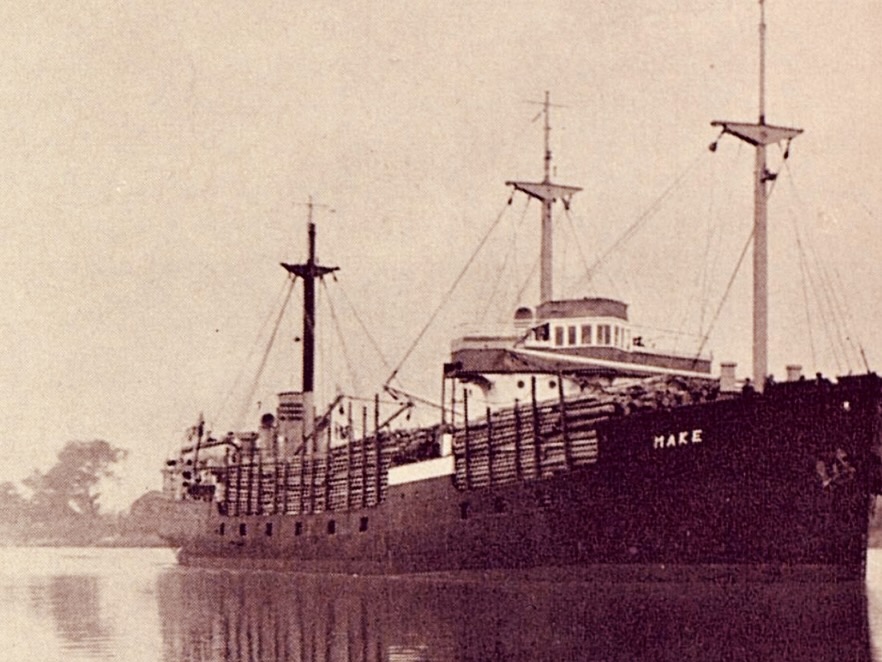
One of the largest consignments of poles from Finland: the MV Make navigates the Shannon Estuary c1950 ESB Archives
One million poles were erected in Ireland, and 50,000 miles of electric cable were strung from them. Here’s the account from the book of one pole’s progress:
When we came into Quirke’s there was a quorum in shirtsleeves gathered around a fresh hole in the front field there. Quirke’s was mostly stones and the pole was on the ground while the men assessed whether enough stones had come out to make a third attempt to stand it. When Christy and I came into the avenue our arrival seemed propitious and we did the thing all men do, we came over for a look into the hole, nodding the tight-lipped nods that masqueraded as expertise. Two long lines of rope ran across the grass to a jittery grey horse waiting with Quirke. The third attempt was decided by a smack of the ganger’s hands. Christy threw off his jacket and, because there are coded imperatives in the company of men, I did the same, we stood in to raise the pole.
With a sharp hup hup from Quirke and a worry from his rod of osier the horse took the tension. Head down and hands out on the sticky sweat-melt of the creosote, I saw nothing and heard only the grunts of effort and the come on come on of the ganger, the now now, men as the shaft of timber sank into the hole and then began to rise like a giant’s needle into the sun. It was wonderful. I felt a surge of joy, the simple, original and absolute thrill of a physical victory over the ardours of the terrain, a pulse so quick as to pass instantly in through the arms of each man, into the blood and brain the same moment with the pole triangled now at nine o’clock, now ten, Come on come on, effort increasing beyond the point when no increase seemed possible and yet was found.
And because of that surge, because I was given over completely to the thrust of a communal triumph I had never experienced before, I didn’t hear the rope snap…
Niall Williams vividly recreates a gathering in Faha when the people of the village were summoned to a demonstration of what the benefits of ‘The Electricity’ might herald:
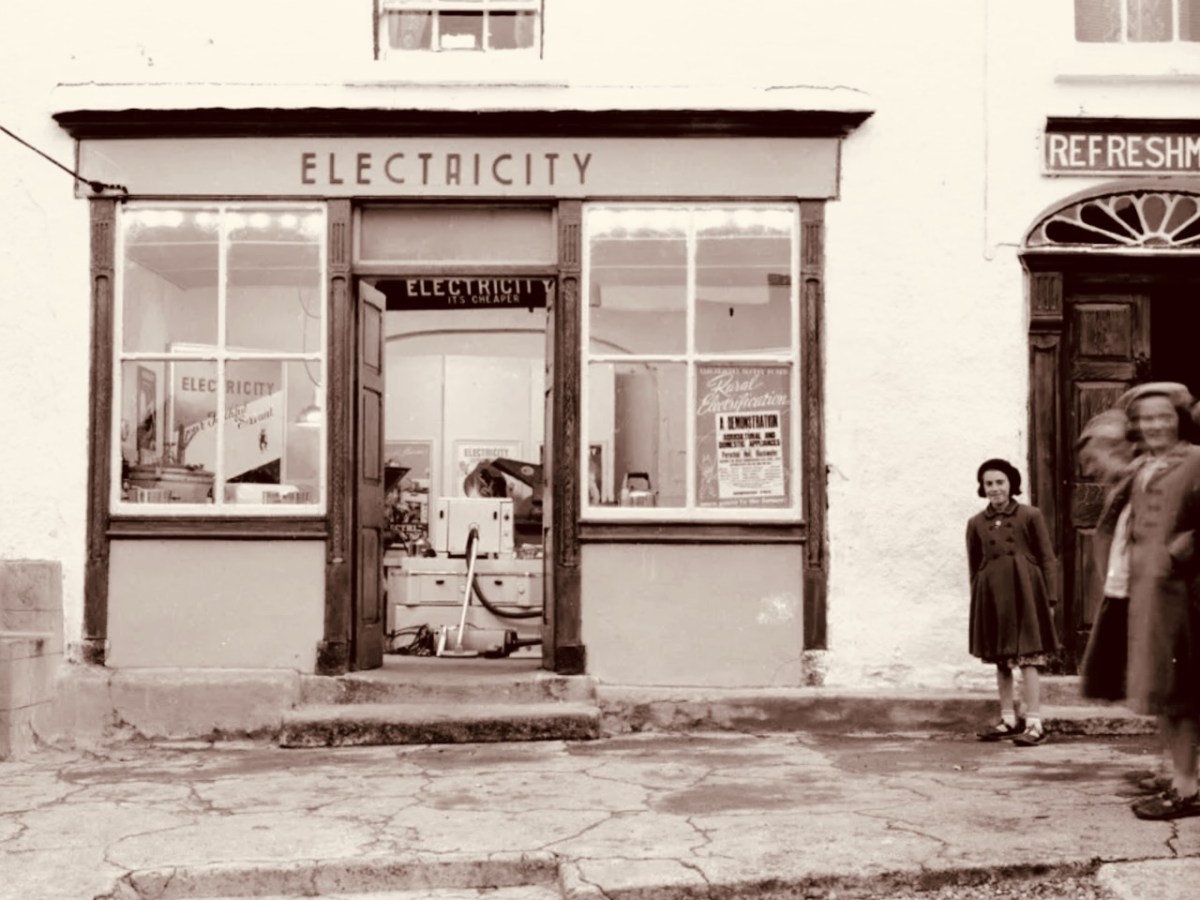
. . . One afternoon the stools and chairs were brought in from the garden and set around the kitchen because a summit of the neighbours had been called. Moylan, a salesman from the electricity company, was doing the rounds. Because it had the telephone and the air of unofficial post office, because it was already deemed connected, my grandparents’ house was chosen for the demonstration of what the future was bringing.
The meeting had been called for three in the afternoon. Moylan was a nine-to-five man, three was when he was at his peak, and country people have no work that couldn’t be left aside for something as essential as electricity, was his position. A Limerick baritone with a magnificent sweep of black hair, he arrived in the yard in the van. Sonny, help me carry these in, was his greeting. When he saw the smallness of the kitchen – the slope of the floor doubling the cramped illusion – he had to overcome the familiar fall of his heart that this was a lesser stage for his talents, and not let it impact upon his performance.
‘Where is everybody?’ He asked Doady.
‘Everybody is coming,’ she said.
Into the kitchen on a handcart Moylan hefted a selection of machines whose existence to that point had been notional. Many were white and of such a gleaming newness it seemed nothing in the parish was as white as had previously been thought. All had a black wire coming out the back with a three-pin plug that looked both imperative and nakedly masculine, as though in urgent need of finding a three-holed female. Moylan laboured to get the washing machine in and around the turning of the front door whose jamb was predicated on human dimensions. Doady said it was a shame Ganga wasn’t there to help. The turf needed turning, he’d announced abruptly that morning, and headed with Joe (the dog) to the bog.
In clusters of shyness, the neighbours began arriving.
Moylan had already given a performance in the village, and the reviews were good. ‘Nice little house you have,’ he said to Doady, the sweat shining off him standing in front of the twelve-foot hearth where small sods were sighing a complacent smoke unaware that their time was running out.
The centre of the room was taken with the machines and the neighbours came in around them muted and respectful the way they did when there was a body laid out. They settled into the chairs, onto the stools and benches, and let their eyes do the talking for a while. Mostly it was the women. Those who were not eyeing the electrical equipment were taken by Moylan’s shoes, which were two-toned, extra-terrestrial, and with an air of Hucklebuck. Maybe the Shimmy Shake too.
While the practical business of bringing the electricity to the parish was almost exclusively the domain of men, inside the houses the jurisdiction over electrical equipment, kettles, cookers, hairdryers and washing machines, was conceded to women. Only two men came to the summit. First, because it was taking place in the kitchen in daytime, and second, because men refused to be summoned, it outraged their dignity, and nothing in the known world had yet required that absolute submission accept Christ, and even with Him it was leeway. The two men were Bat from back the road who came in, God bless all, with cap low and eyes down, and Mossie O Keefe who was the Job of Faha . . . O Keefe’s mother died when the cart turned over on her, his father went into the bottle, he himself married the woman in love with his brother, one of his sons went in a threshing machine, the other drowned in a ditch.
There were others, the room filled and the sunlight blocked at the window, but Moylan couldn’t wait forever. Emboldened by the air of event, and with the fattened authority of farmyard matrons, three hens came inside the open front door, nestling down in a bath of sunshine to watch. Neither in nor out, I was perched on the back step.
To give Moylan his due, he had his routine down pat, Now I want you first to look at this, a combination of science and circus in an actor’s boom, This, this machine, will do all the work. It will wash your clothes for you. He lifted the lid and drew out a white towel, as though the washing and drying had happened in the time it took him to say the sentence and here was the proof. He had devised this touch himself and was proud of it. It was the only proof possible without electricity and had the added boon of making it seem as if he himself was the current or at least its conductor. Further to this, ten seconds into his pitch a film of sweat was glistening on him, lending him a shine which he didn’t dab away, believing it translated as electric excitement and disguised the actual truth, that he was being cooked by the fire.
His audience was rapt by the important and foreign sounds of spec and kilowatt in that 200-year-old house, and by touch and look Moylan kept relaying the words to the magic of the machines that sat mute but powerful like idols . . .
Niall Williams – This is Happiness
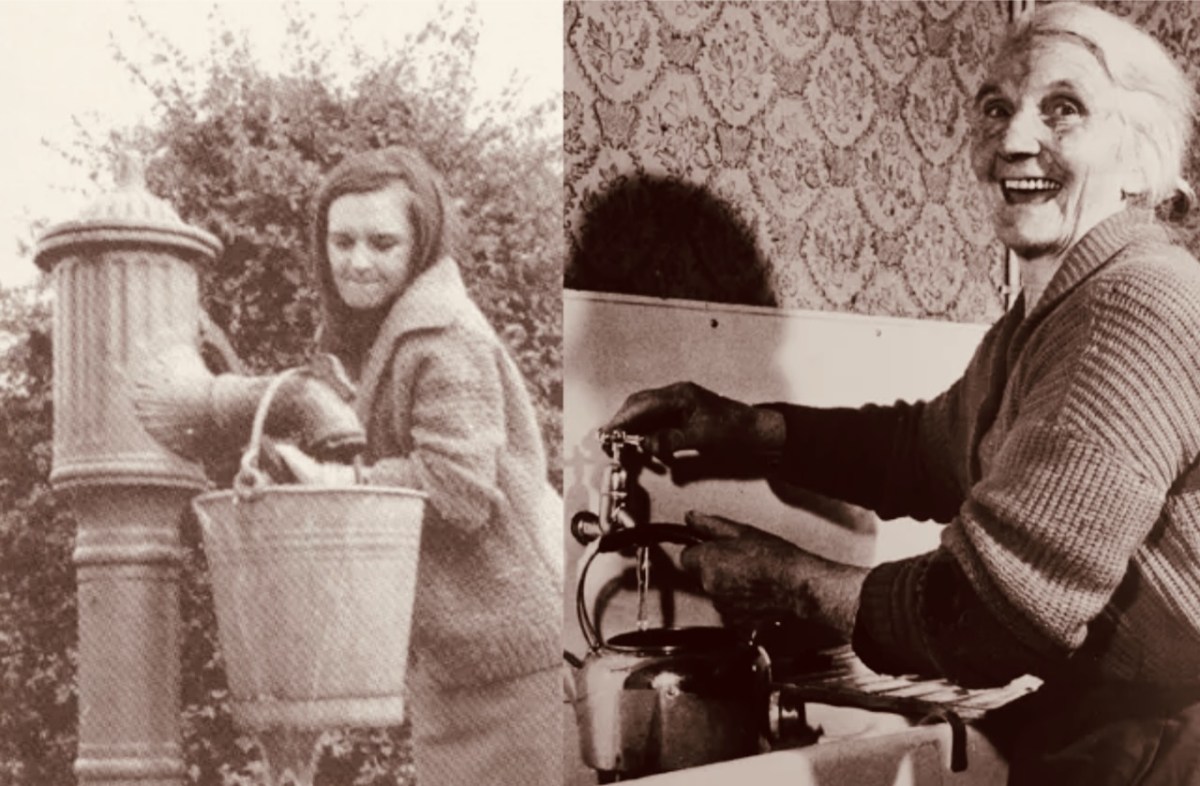
An early shop selling electric appliances – Blackwater, Co Waterford, 1955 ESB Archives
I have set out these extracts from what is a good-sized novel. Hopefully they will whet your appetite and make you seek out the book: it’s a good read. Finally, I’m taking a page which is close to the end of the story. And this isn’t just about electricity – it’s speaking of a vanished part of Ireland’s rural history:
. . . My grandparents never took the electricity. They didn’t act as though there was a lack. They carried on as they were, which is the prayer of most people. They lived in that house until they were carried out of it, one after the other. Because the twelve sons in the corners of the world couldn’t reach a verdict, the house was left to itself. The thatch started sagging in two places like consternated eyebrows, brambles overtook the potato ridges and came up the garden, and soon enough in under the front door. Soon, you couldn’t see the house from the road. Soon, too, the bits of hedging Doady had stuck into the ditch to camouflage the broken Milk of Magnesia bottles grew to twelve feet and fell over and grew along the ground then, marrying thorn bushes and nettles and making of the whole a miry jungle. When the roof fell in the crows that were in the chimney came down to see the songbirds sitting in Ganga’s chair eating Old Moore’s and that way becoming eternal. When grown a man, one of the Kellys took out the kitchen flagstones for a cabin he was making. He took out the stone lintel over the fireplace after, and a year later came back for half the gable when he needed good building stones for a wall.
In time, as with all modest places of few votes, Government would be looking the other way when its policies closed Faha’s post office, barracks, primary school, surgery, chemist, and lastly the pubs.
In time, the windmills would be coming. Gairdíen na scoile and Páirc na mónaigh would be bulldozed to straighten the bends in the road to let the turbines pass. Any trees in the way would be taken down. Two- and three-hundred-year-old stone walls would be pushed aside, the councillors, who had never been there, adjudging them in the way of the future.
By that time, my grandparents’ house would be another of those tumbledown triangles of mossy masonry you see everywhere in the western countryside, the life that was in them once all but escaping imagination . . .
Niall Williams – This is Happiness
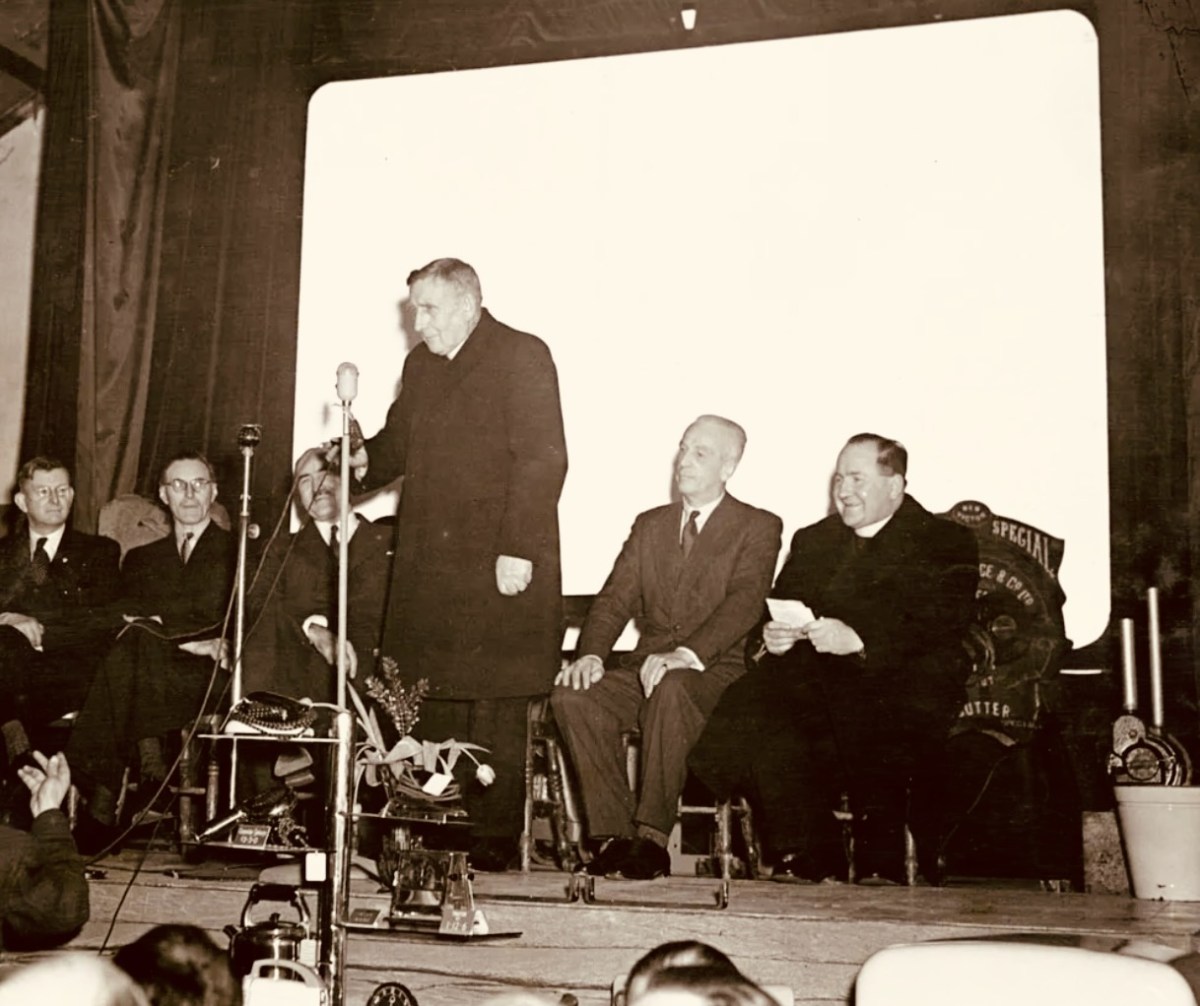
Switching-on ceremony Kilsaran, Co Louth 29 January 1952 – the 55,000th consumer! ESB Archives
A big thank you to Amanda Clarke for sending this book my way!
This is Happiness by Niall Williams, published by Bloomsbury 2019
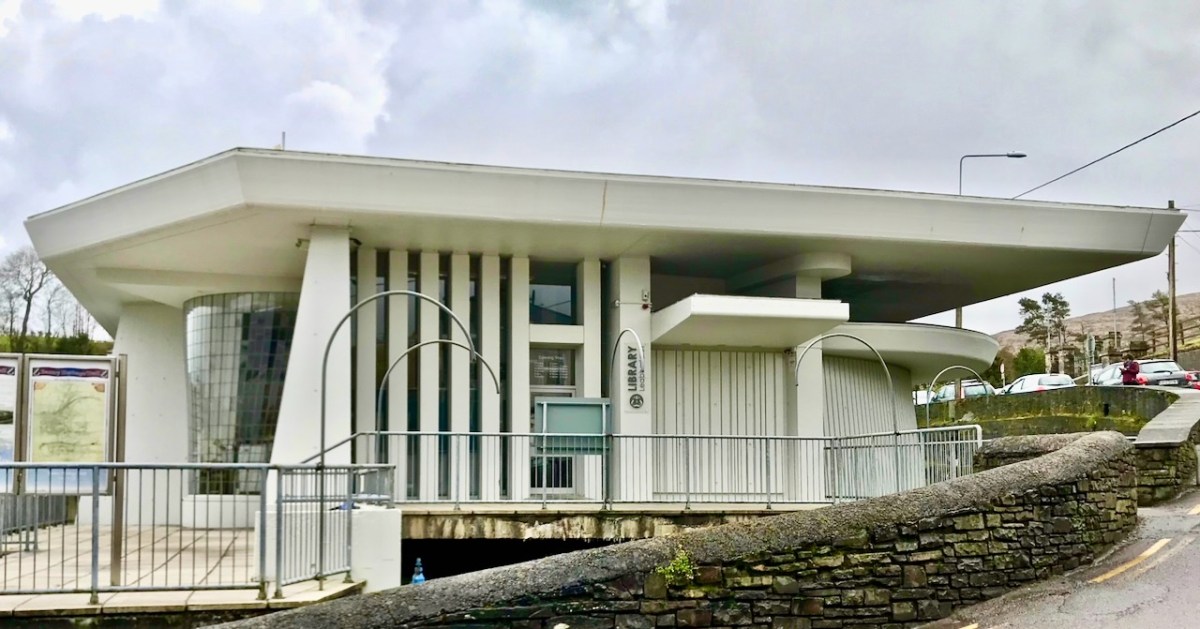
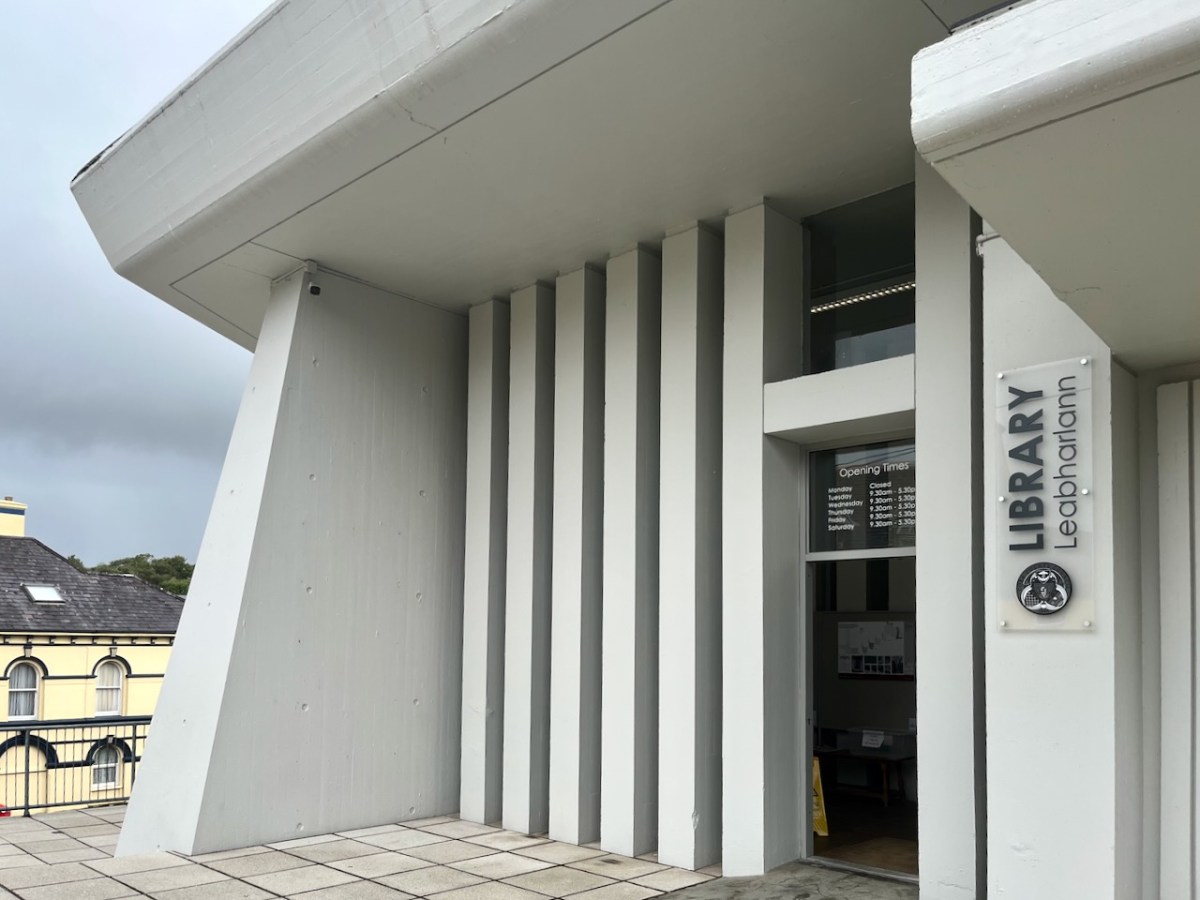
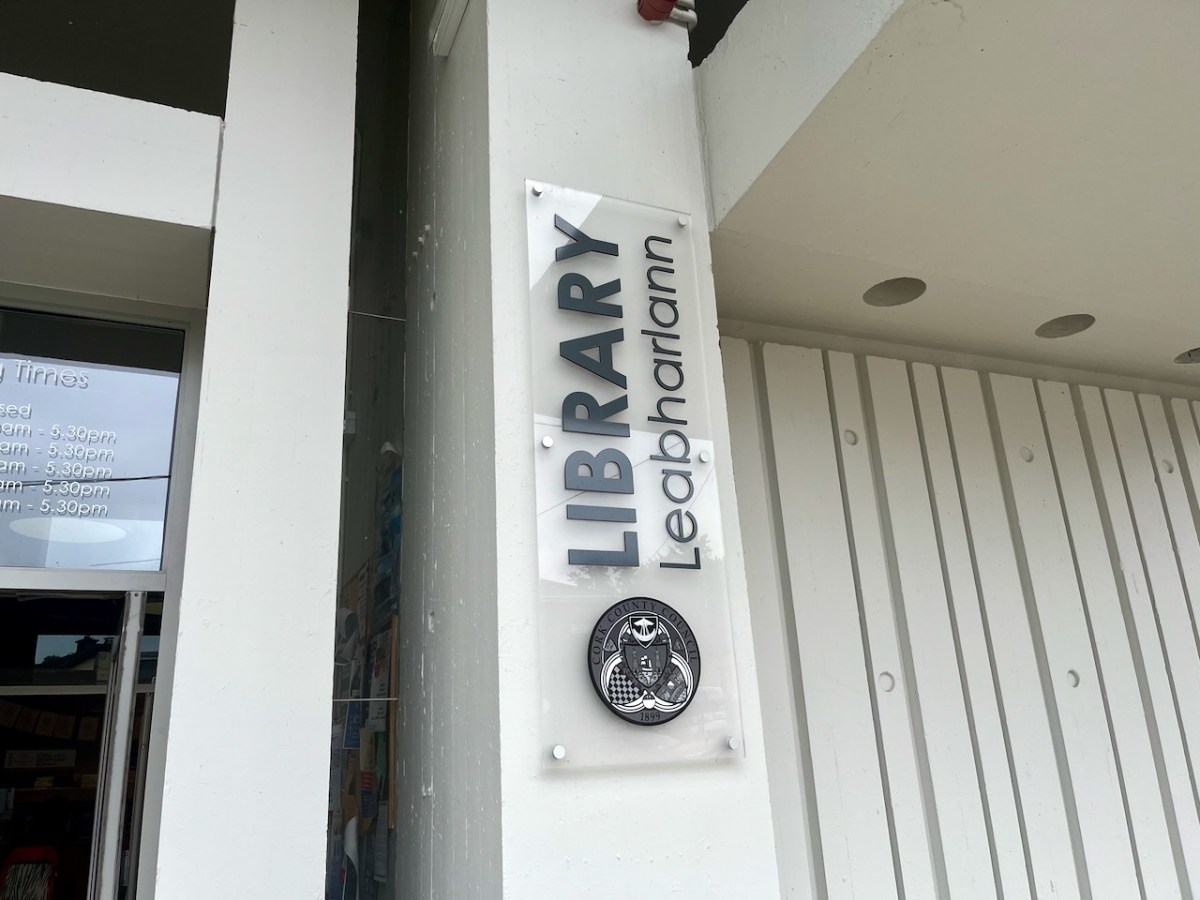
In last week’s post I described a unique type of boat that was connected with Bantry, here in West Cork. Today we are also focussed on Bantry, but this time on architecture: the Public Library, which is one of the most unusual and innovative buildings from twentieth century Ireland.
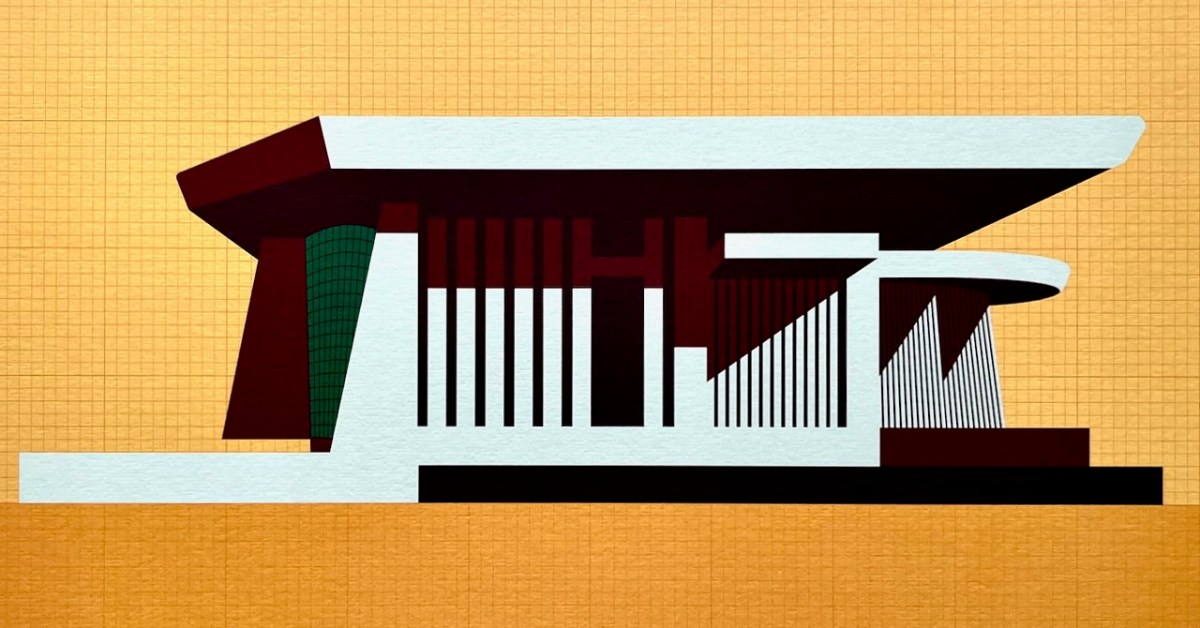
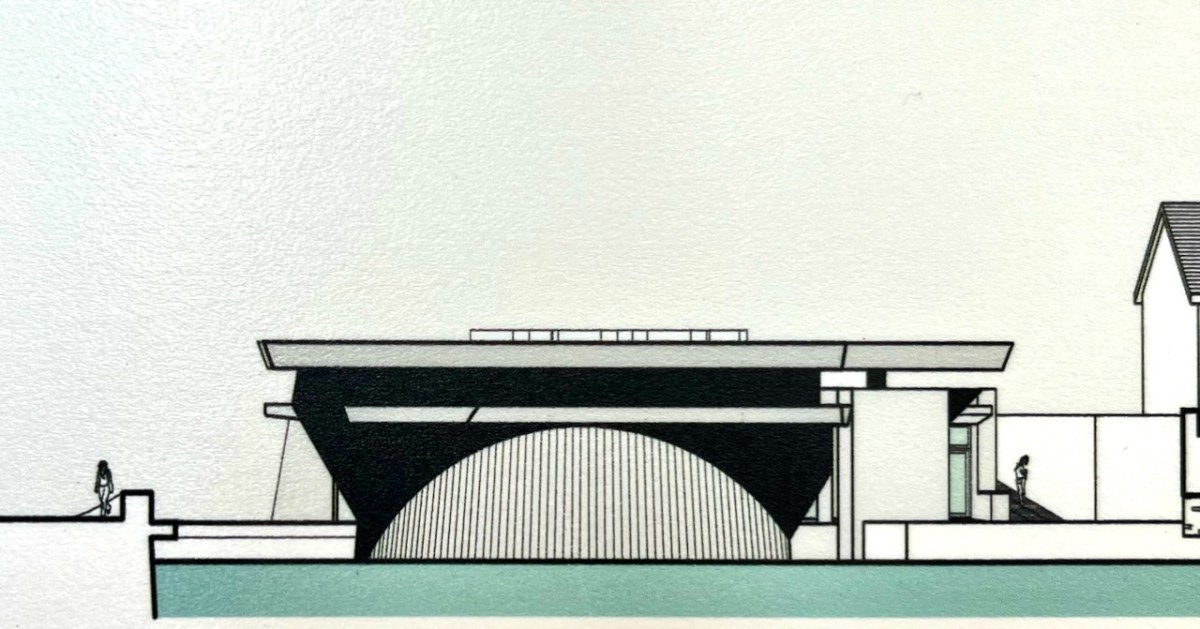
Here is the building as we see it today. The header is a limited edition print, a collaboration between Dermot Harrington of Cook Architects and Robin Foley of Hurrah Hurrah celebrating the upcoming 50th Anniversary of the completion of Bantry Library in 1974. For me, the print captures perfectly the iconic graphic of this most unorthodox design.
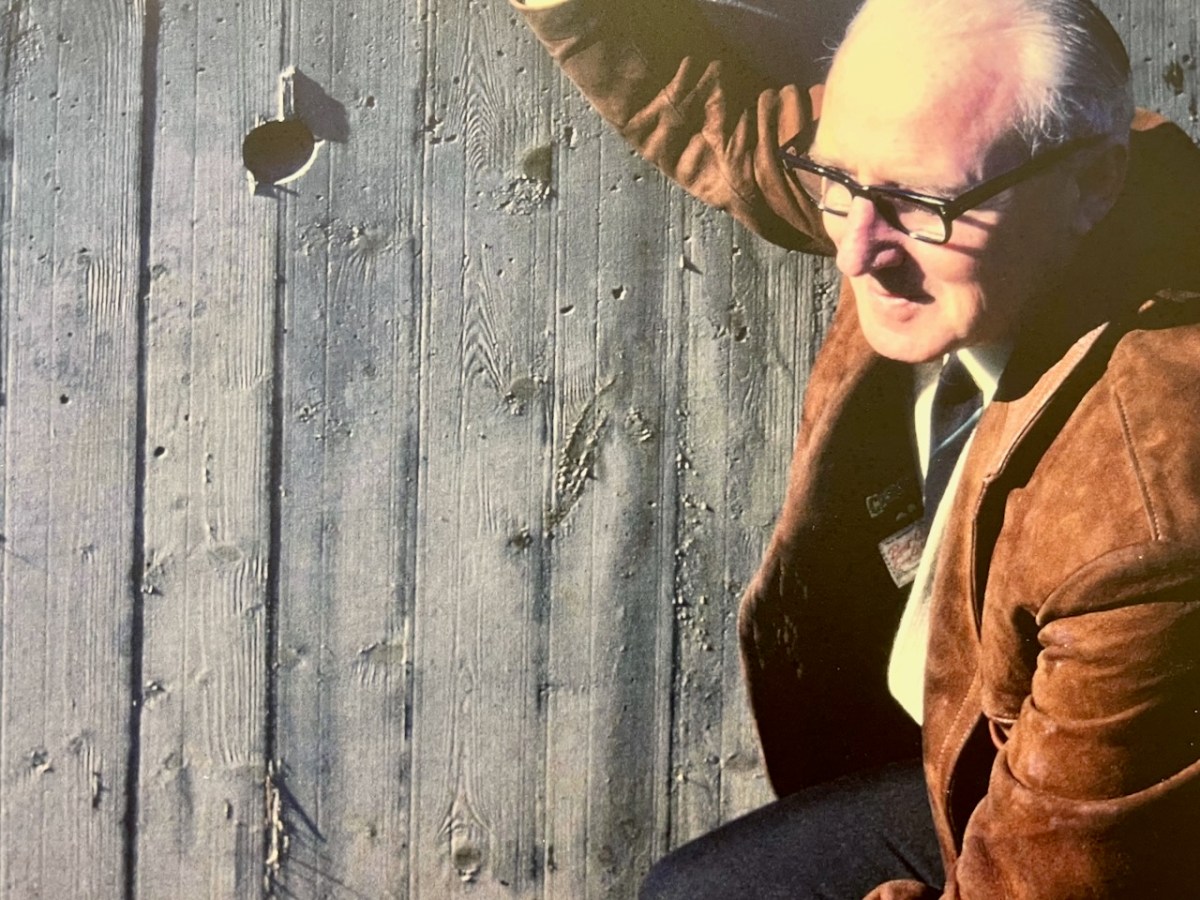
The Library was conceived by Patrick McSweeney (above) – Cork County Architect between 1953 and 1975. He deserves a post of his own one day, as he was responsible for some outstanding buildings in the county. Two of his assistants in the Architect’s Department at the time were Brian Lalor and John Verling. Both had a hand in the genesis of the Library. Interestingly for us, McSweeney, Lalor and Verling were all living around Ballydehob in those days – it was a swinging village!
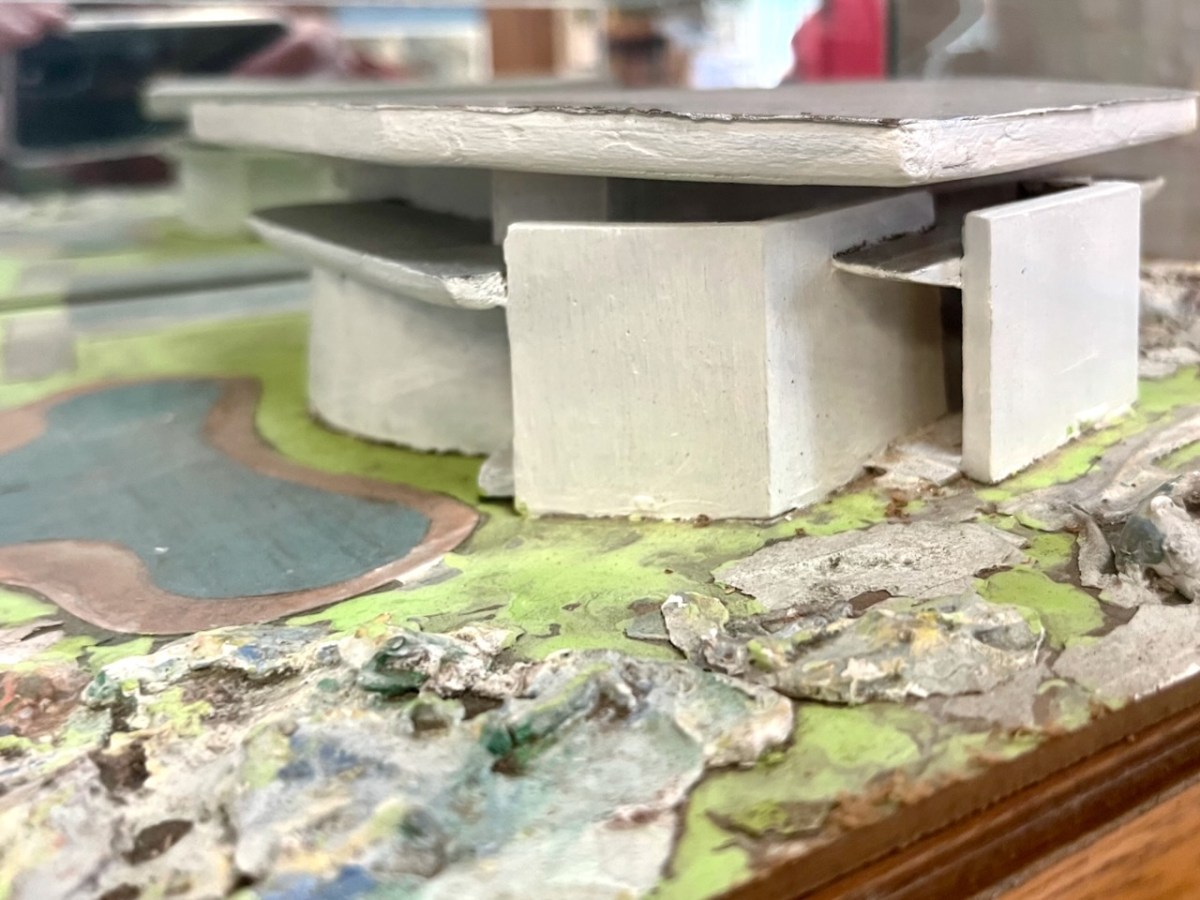
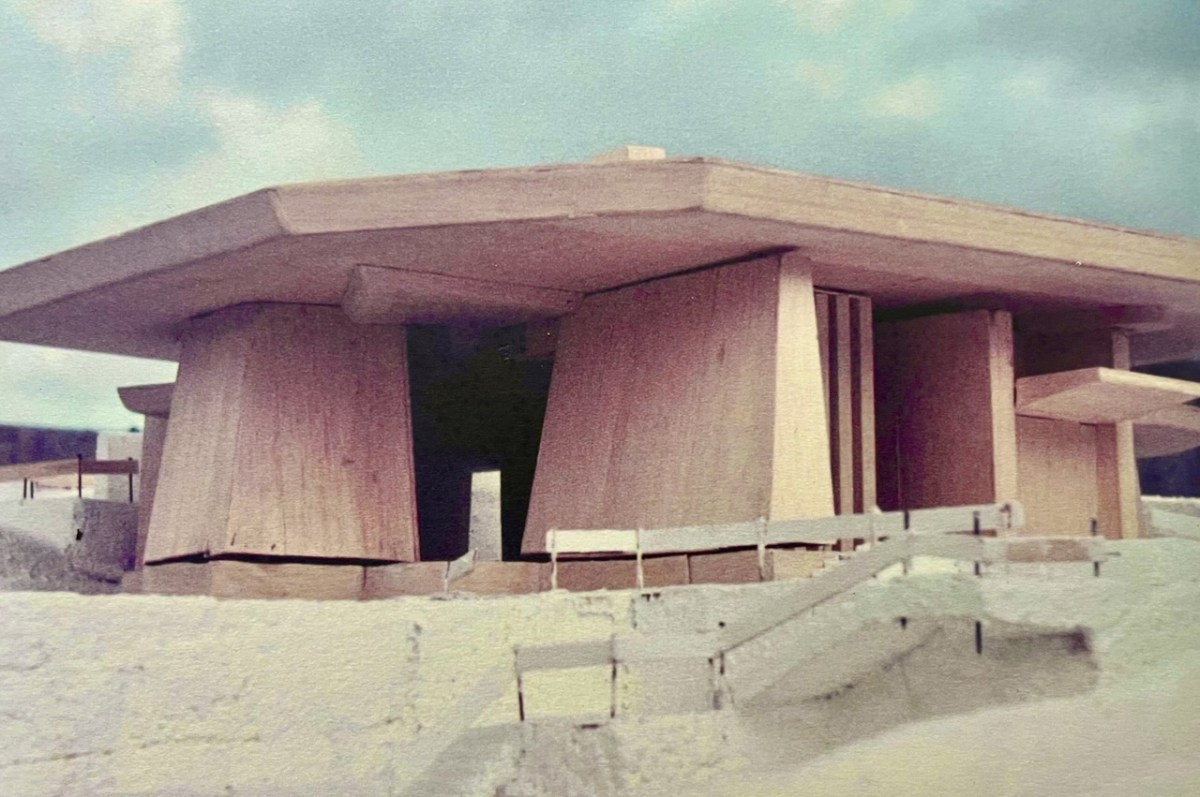
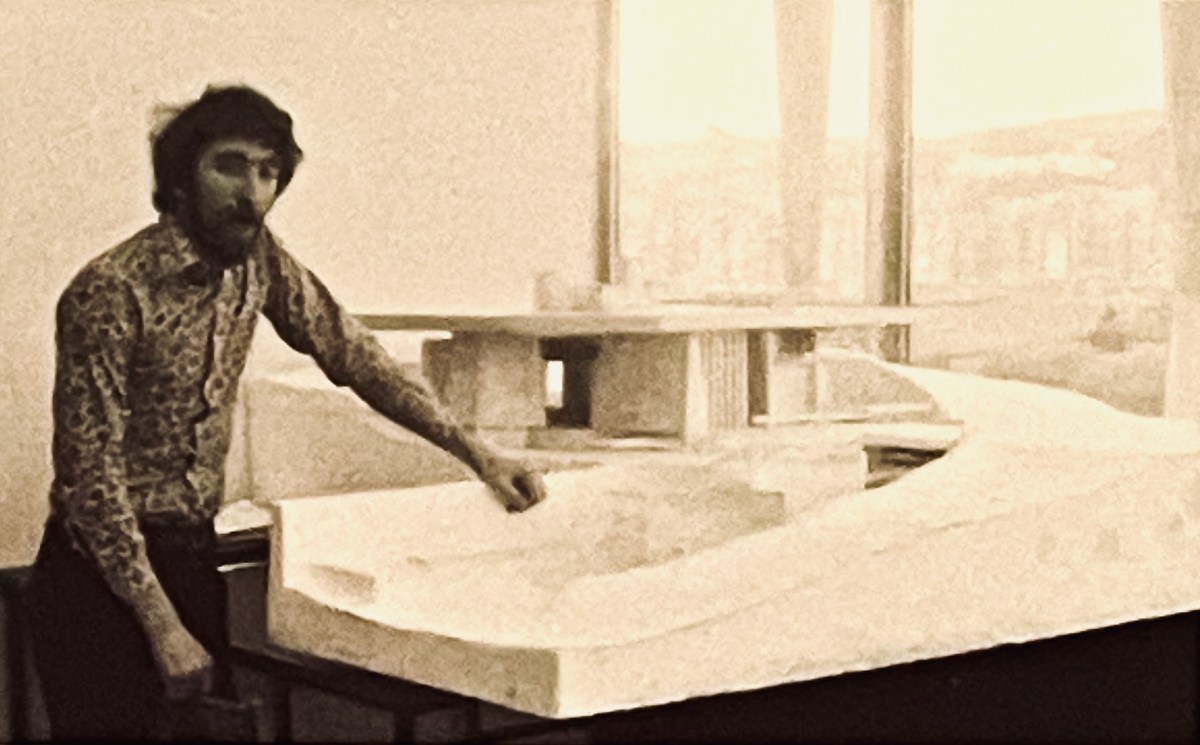
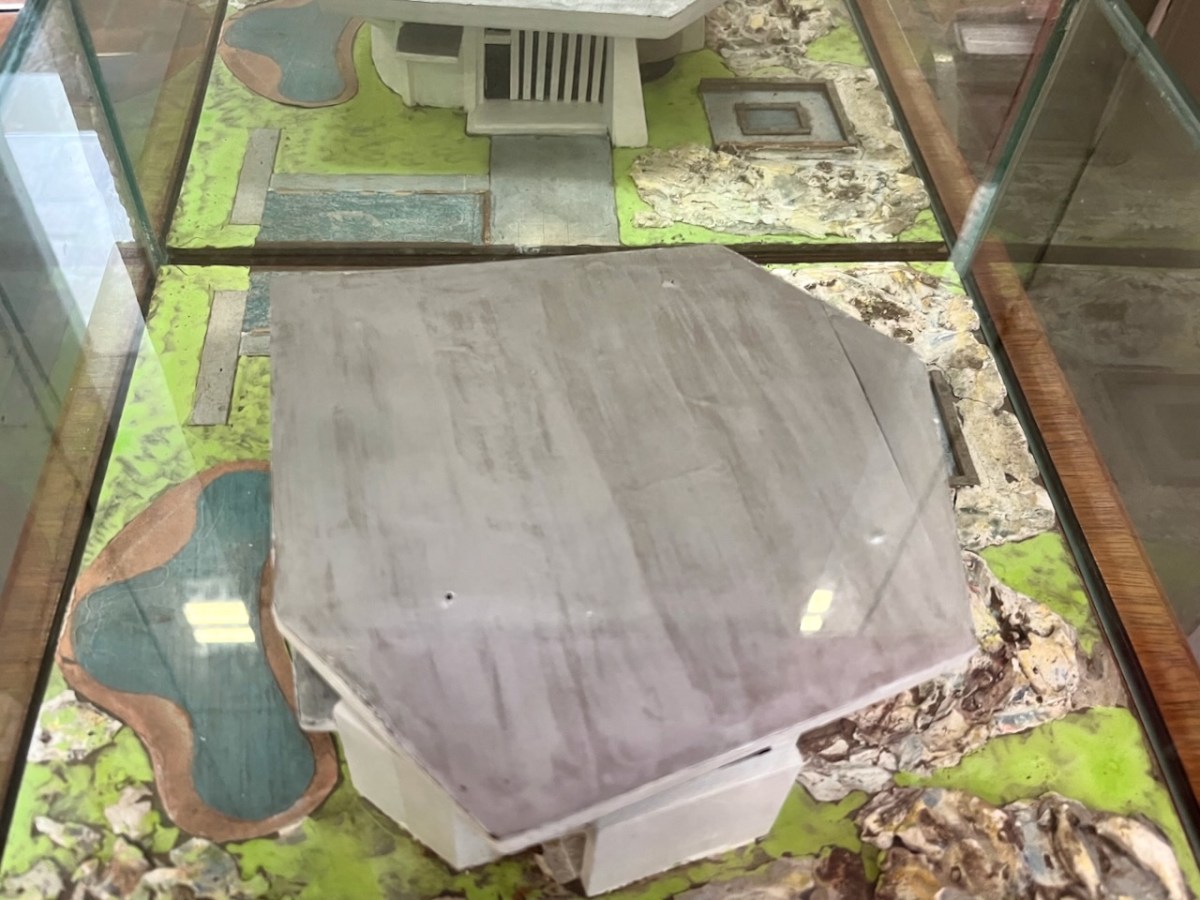
In the era before computers were universal in architects’ offices, everything was drawn by hand – or modelled. Brian recalls that Pat (McSweeney) called him into the office one day, handed him cardboard, tape and scissors, and instructed him to make a model of a building shaped like a Bronze Age dolmen. And he wanted it made in a hurry! It could well have been the one shown above – which still exists. Remarkably, although this model was made in the early 1960s, the building that resulted in the 1970s was very similar in form. Later, John Verling produced a balsa-wood model upon which the design production drawings were based:
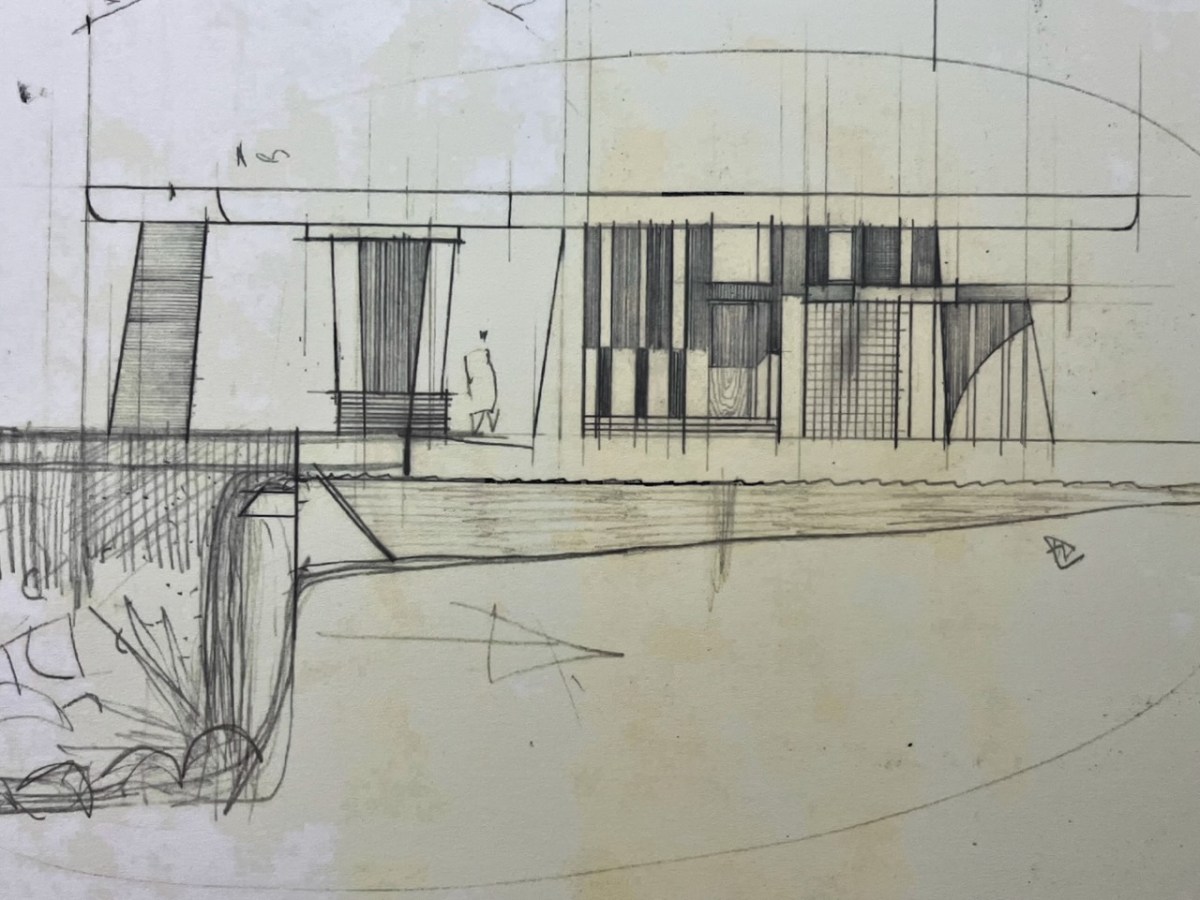
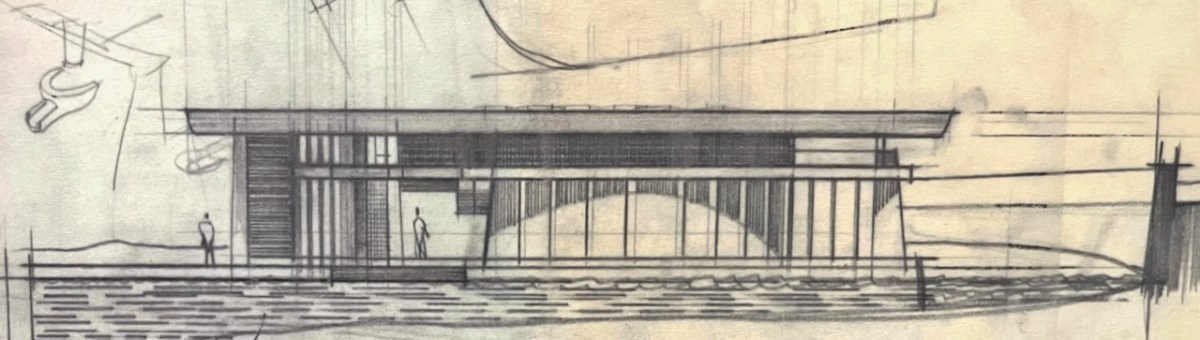
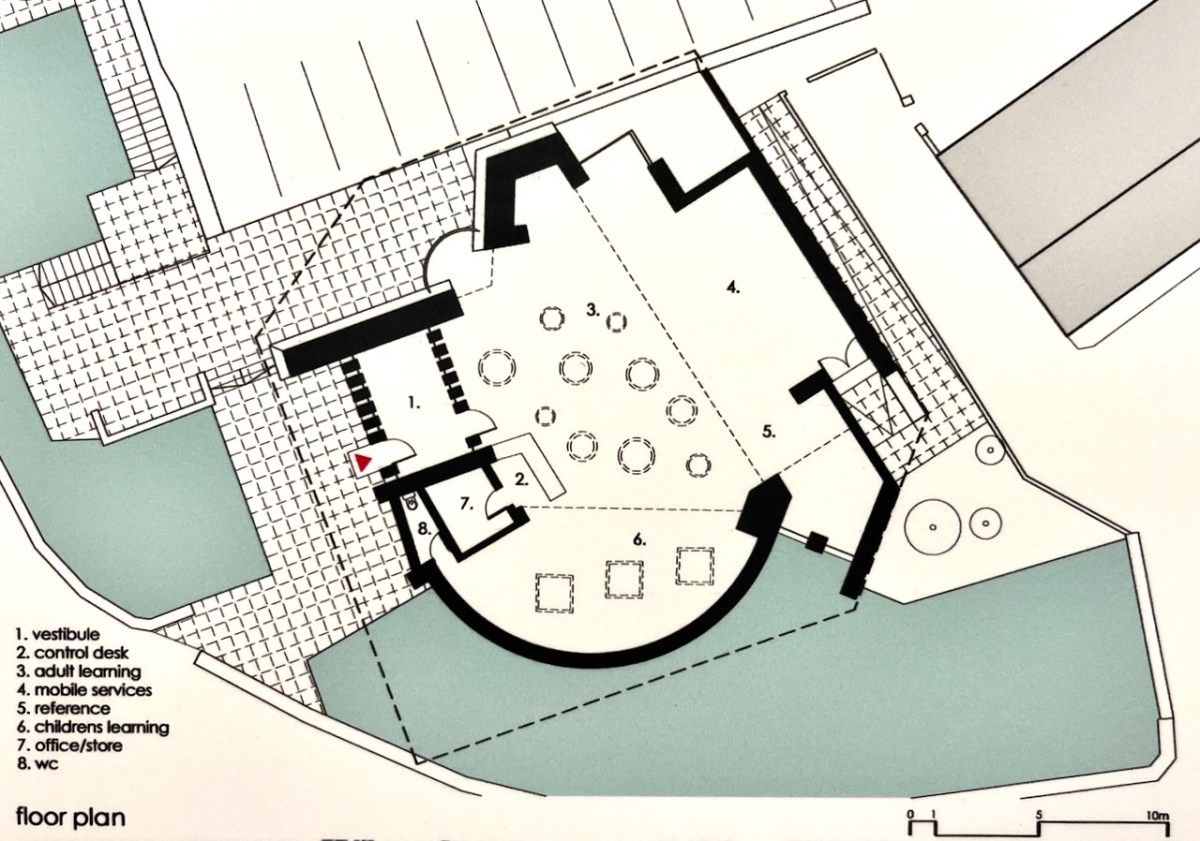
That’s John Verling, above, with his model. He and his wife, Noelle, are the subjects of the current exhibition in the Ballydehob Arts Museum (click the link). Following are some of the design sketches carried out by Harry Wallace who was leading the team in County Hall, and detailed drawings of the building that eventually ensued.
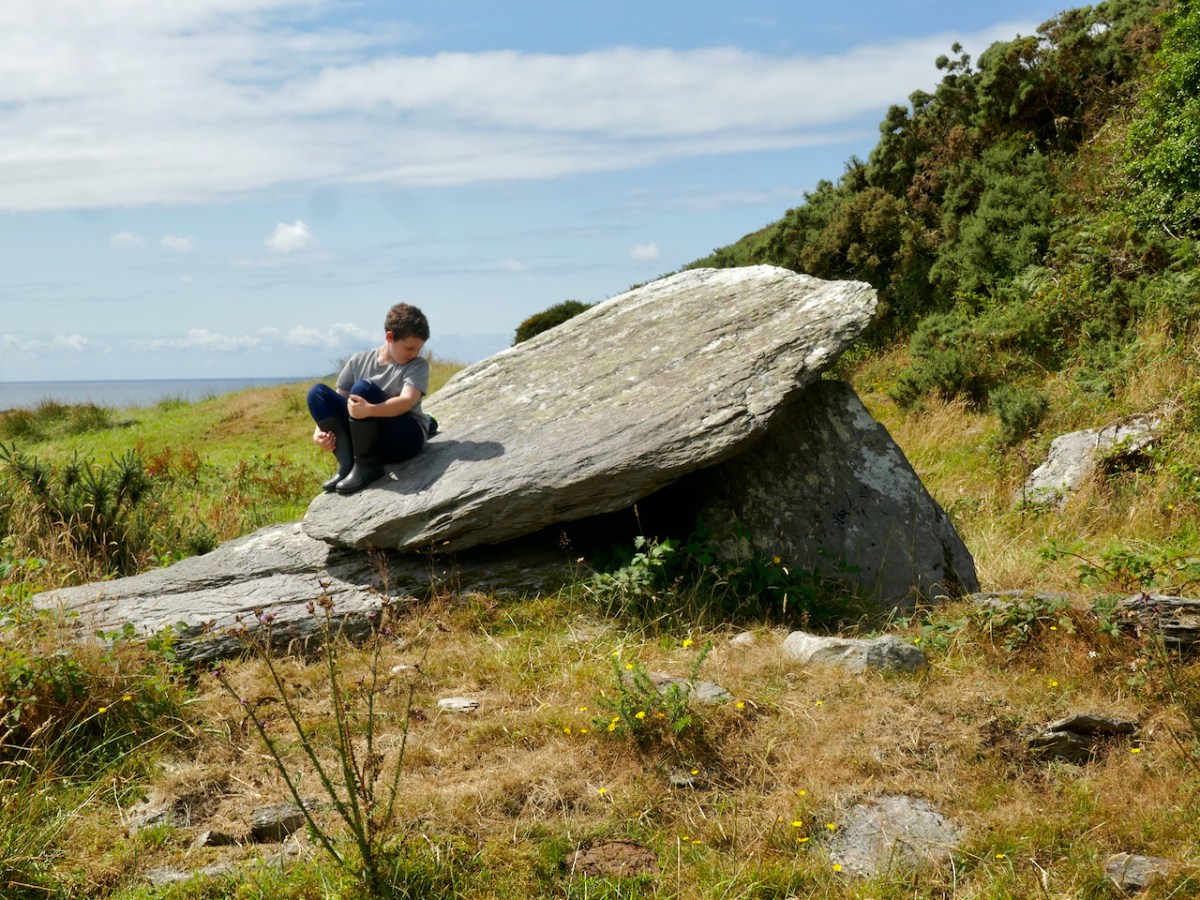
Let’s look a bit further at the early concept work, especially that first model. It’s said that McSweeney was inspired by a ‘Dolmen’. In fact we would today call that type of early megalithic structure a ‘Wedge Tomb’ or a ‘Portal Tomb’. At its simplest, this is a large flat stone slab (or slabs) supported on vertical stone slabs: it was probably a burial chamber, perhaps with its opening facing the sunset at a particular solar event. The closest such tomb structure to Ballydehob is the one featured in Finola’s post today. I wonder if Pat McSweeney was aware of this local one? He would have certainly been aware of the striking example at Altar, further west on the Mizen Pensinsula.
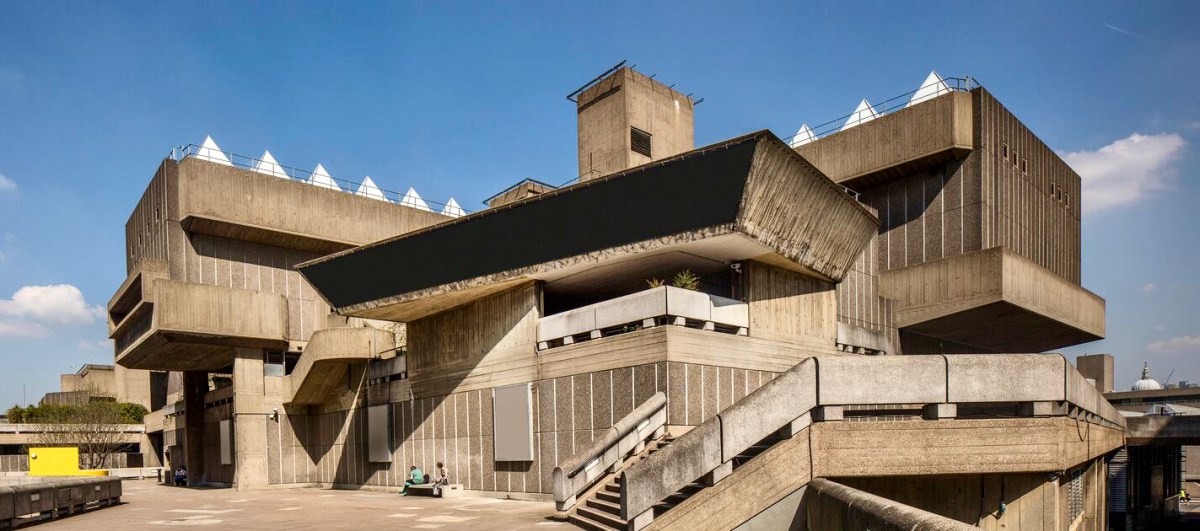
Returning to the twentieth century, and the Bantry Library project, construction posed many problems, using techniques which might have been considered at the leading edge of architecture in its time and place. Across the sea similar experiments were taking place. I was at the centre of them! I completed my architectural education in the late 1960s and went to work for the Greater London Council. I saw going up around me on the South Bank of the Thames a development which included the Hayward Gallery (below): its design (described as ‘brutalist’), earned it the nomination of the ugliest building in Britain when it opened!
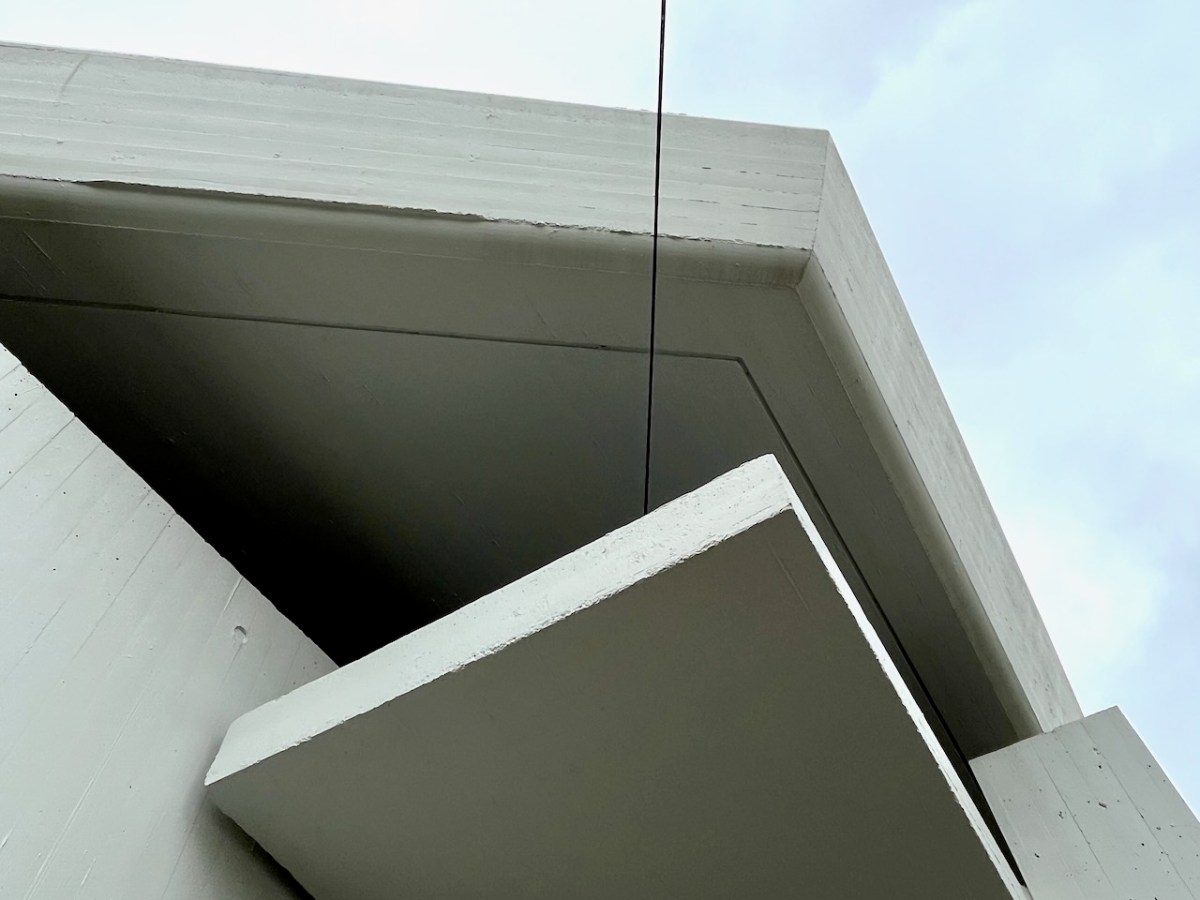
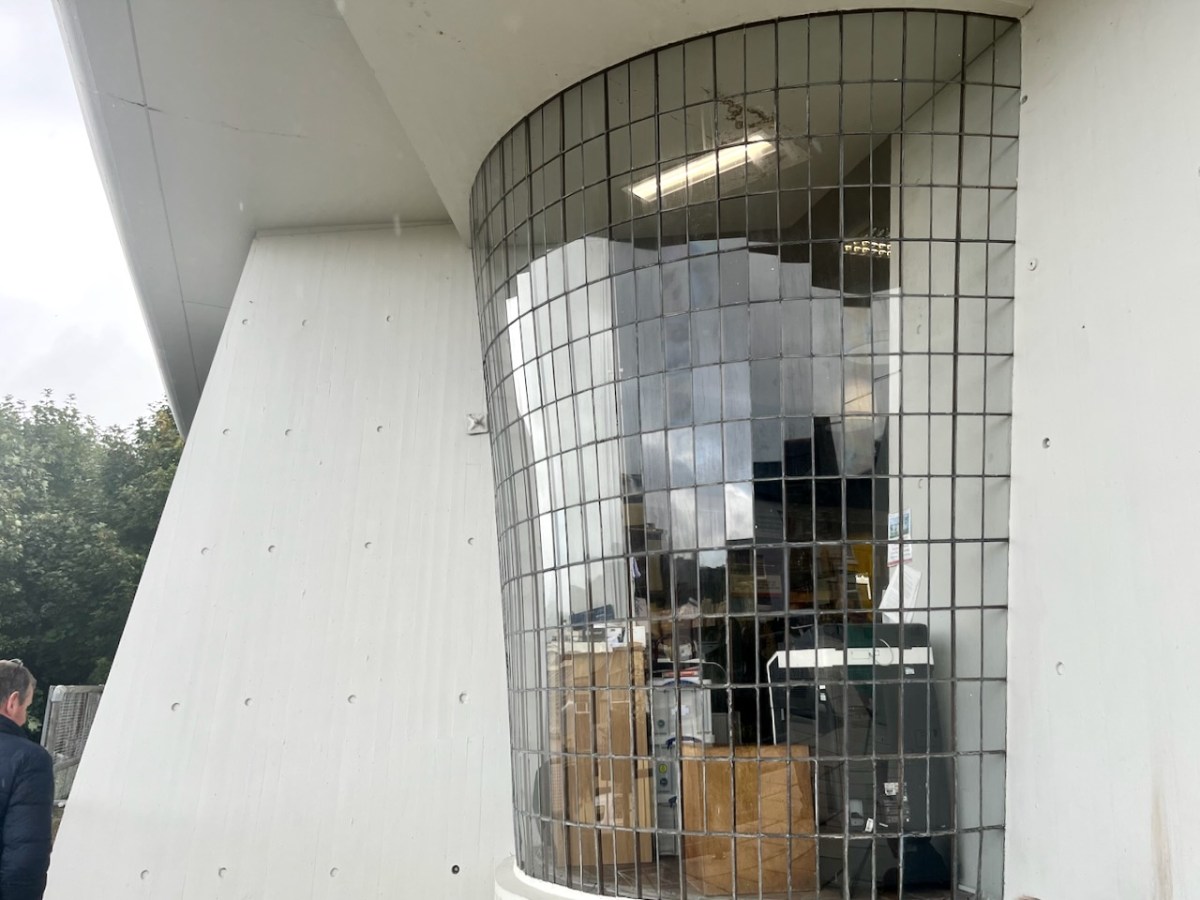
Larger in scale, this complex exhibits some of the features we see in Bantry: shutter-marked mass concrete, frameless glazing, bold overhanging roof planes… The Library roof cantilevers six metres in one part of the building.
The status of this building as an unique example of modernist architecture in Ireland has recently been recognised with a Heritage Council grant of over €250,000 to carry out refurbishments to some of the major elements.
. . . As Bantry Library approaches its 50th anniversary, we are committed to safeguarding this important building. As a protected structure within an Architectural Conservation Area, Cork County Council recognizes its responsibility to preserve and protect Bantry Library for future generations. The conservation works will take place during 2023, and we look forward to seeing the library restored to its former glory . . .
Tim Lucey, Chief Executive, Cork County Council
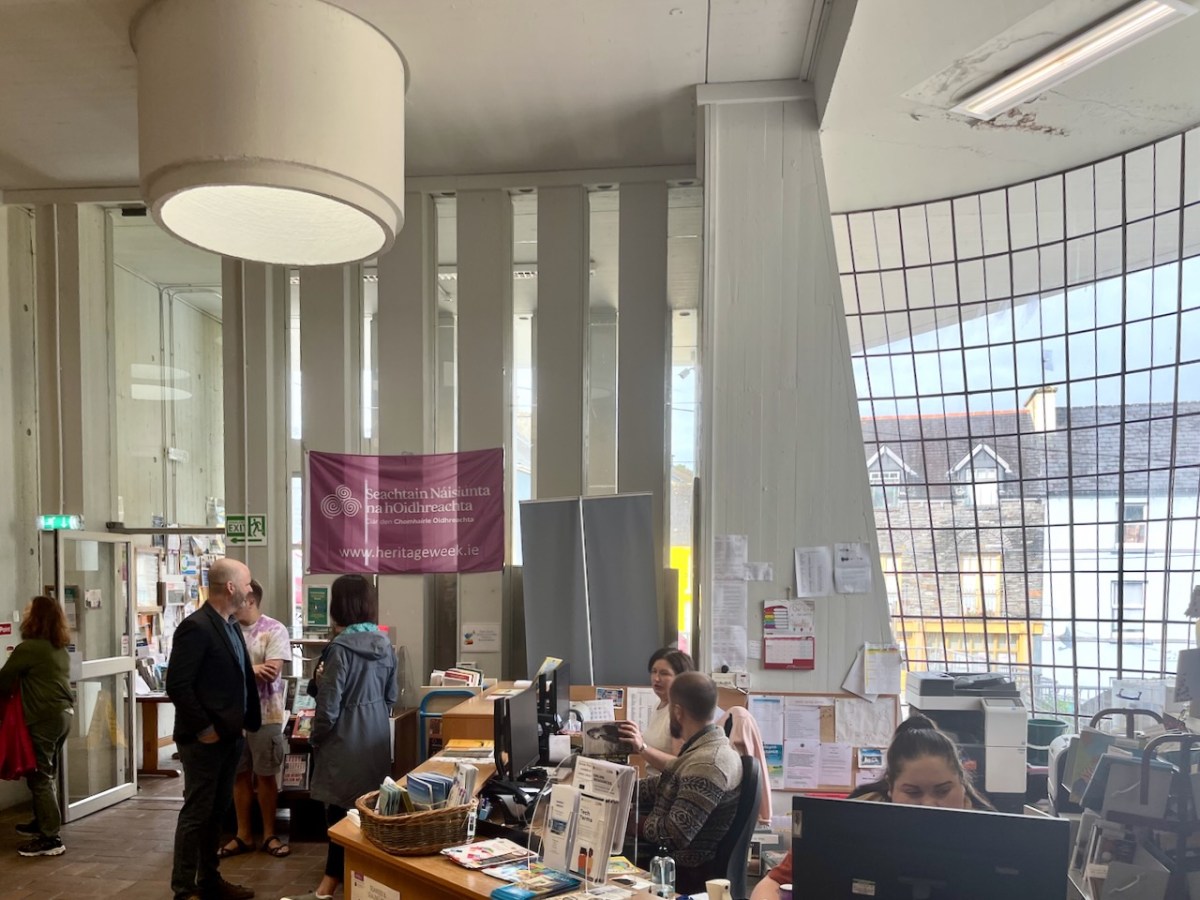
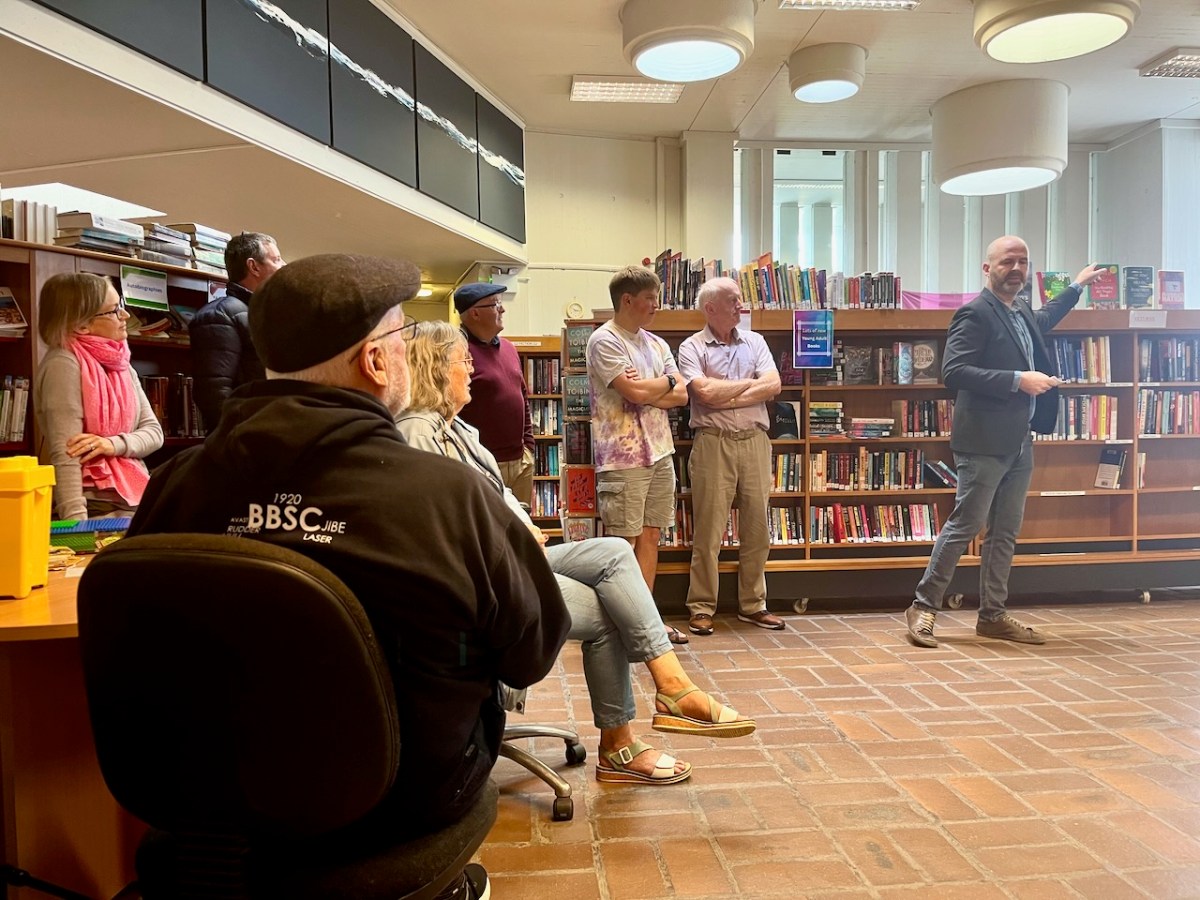
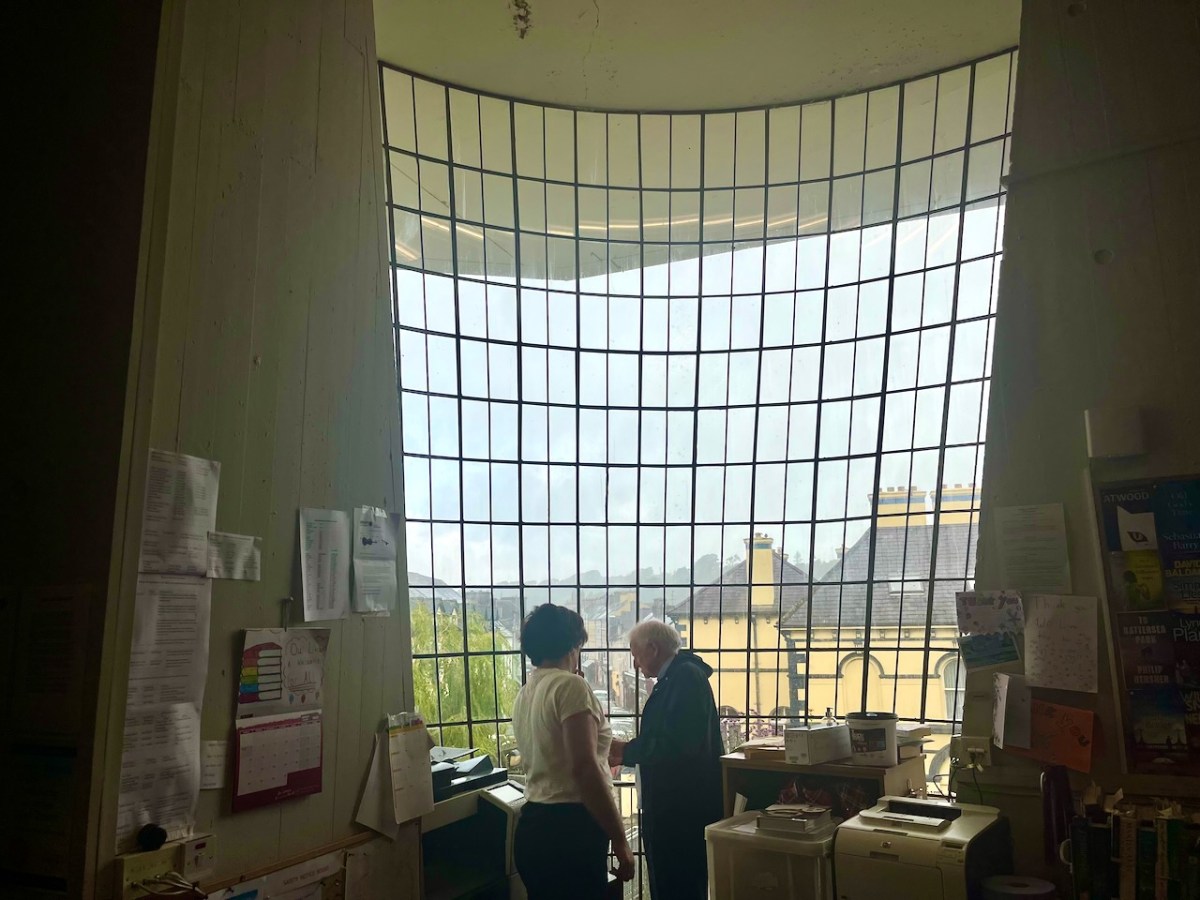
A Heritage Week talk was given by Dermot Harrington of Cook Architects at the Library (below). It was a most informative review of the building and its history.
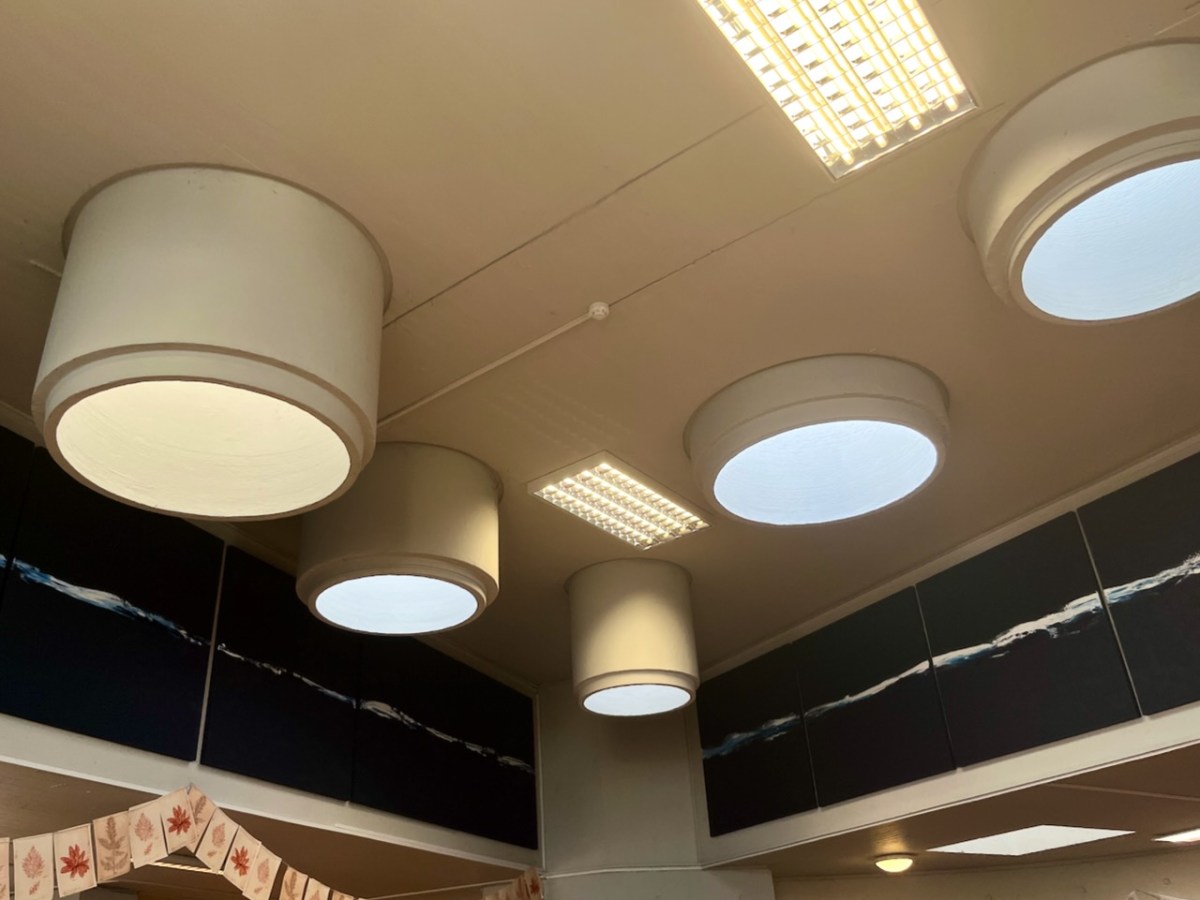
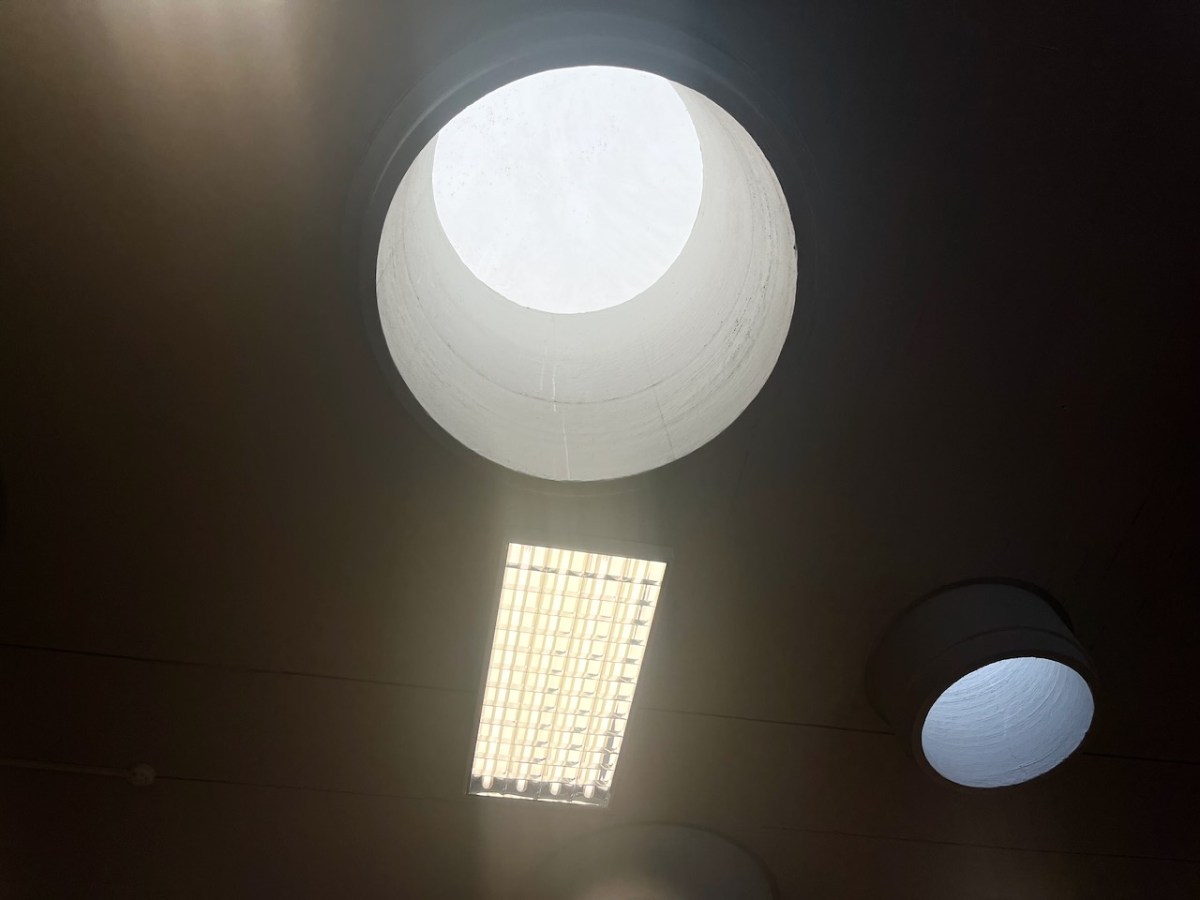
Most of the original features of the building have survived in reasonable order. I was impressed with the ‘pipe lights’ which draw daylight down into the centre of the main room:
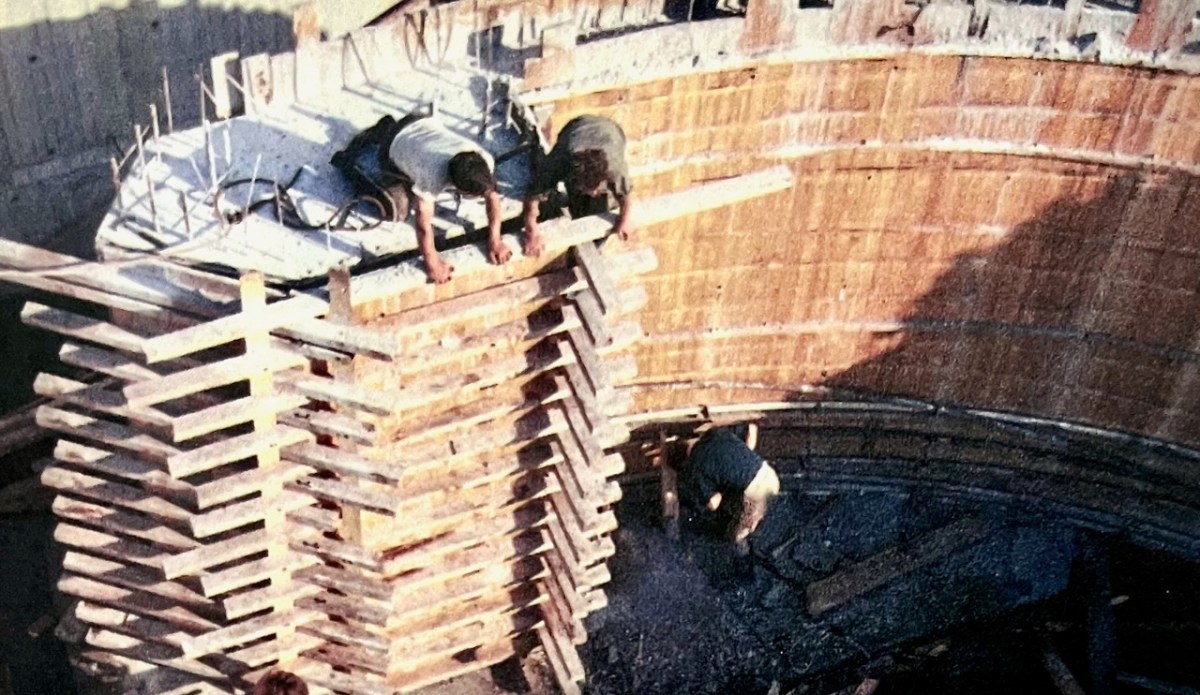
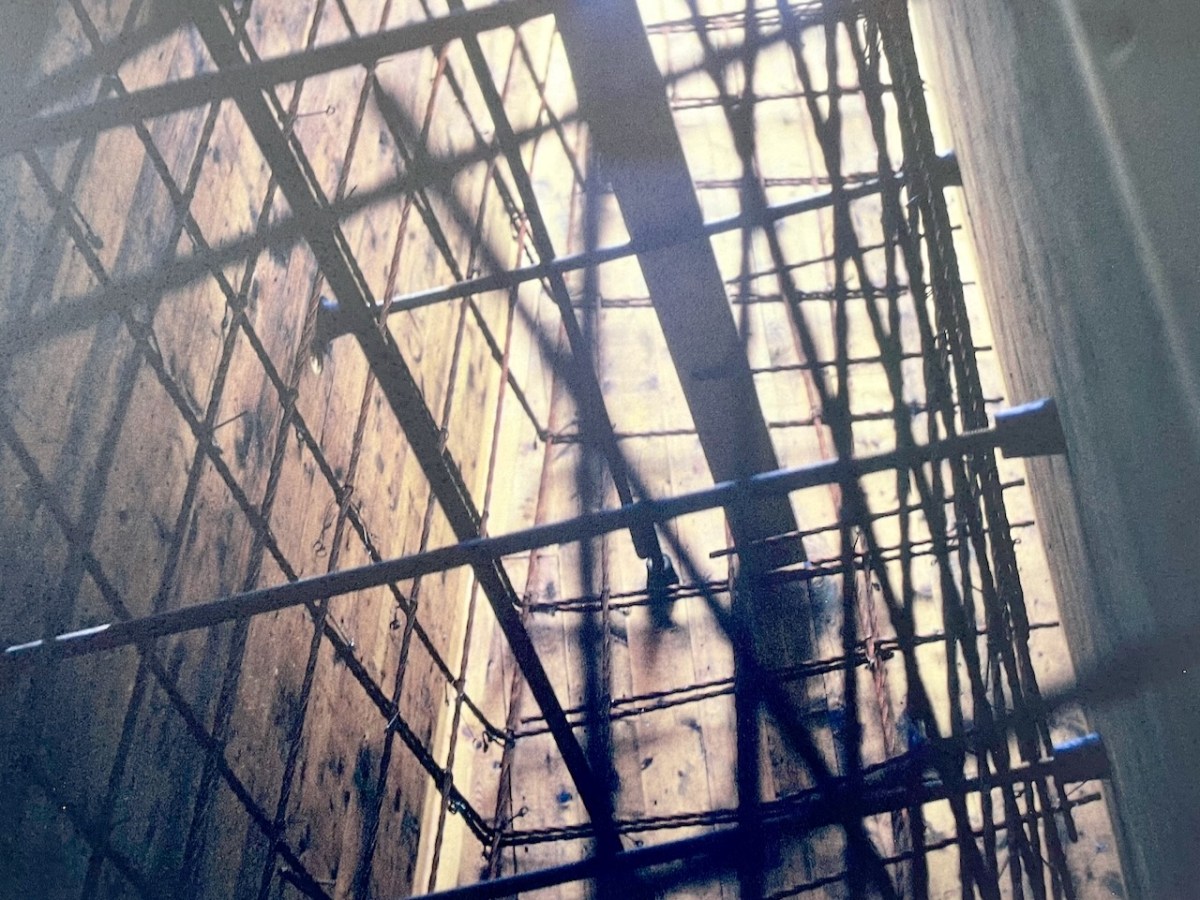
We also learned about the complexity of the building construction, and saw photographs of the steel reinforcement and board shuttering from fifty years ago:
Dermot Harrington pointed out that the building was effectively put together by only five men, under foreman Gerry O’Sullivan, who was just 27 years old. Neither he or any of the other crew had ever tackled anything like this before!
The Library is central to the life of the town, and still serves its original purpose. It’s eye-catching (perhaps sensational is a good word?) and very much alive and relevant. We look forward to the completion of the current works, and suitable festivities to mark the fiftieth birthday of this creative West Cork project.
Thank you to the Library for the information they provided and the display boards that are currently on show. Many of my illustrations are taken from these resources
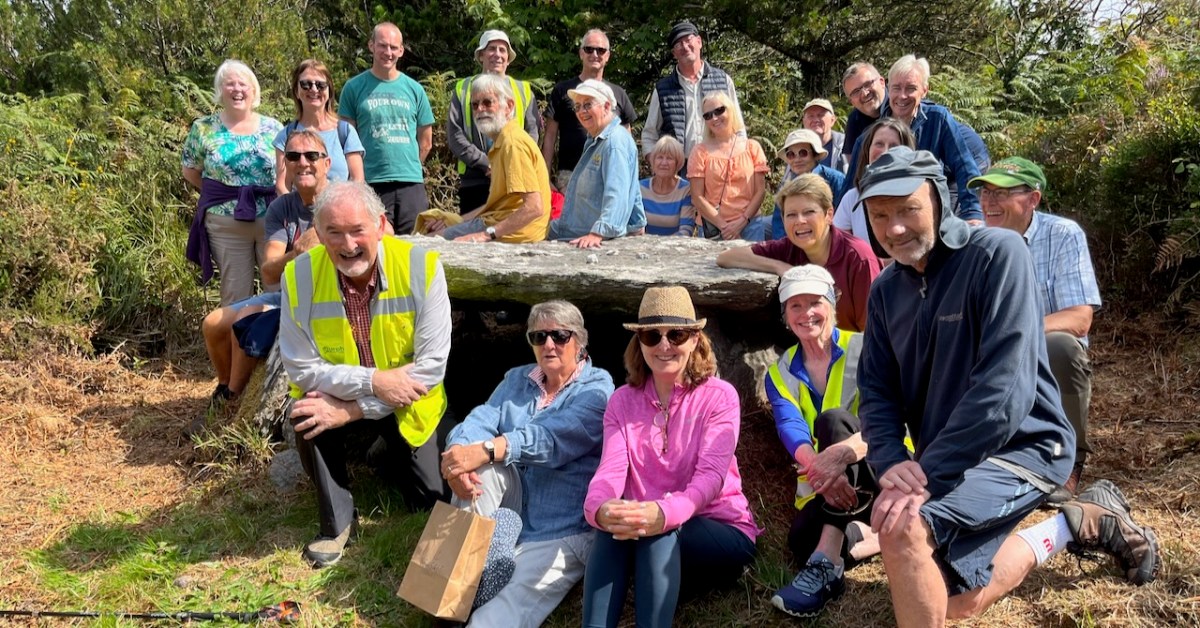
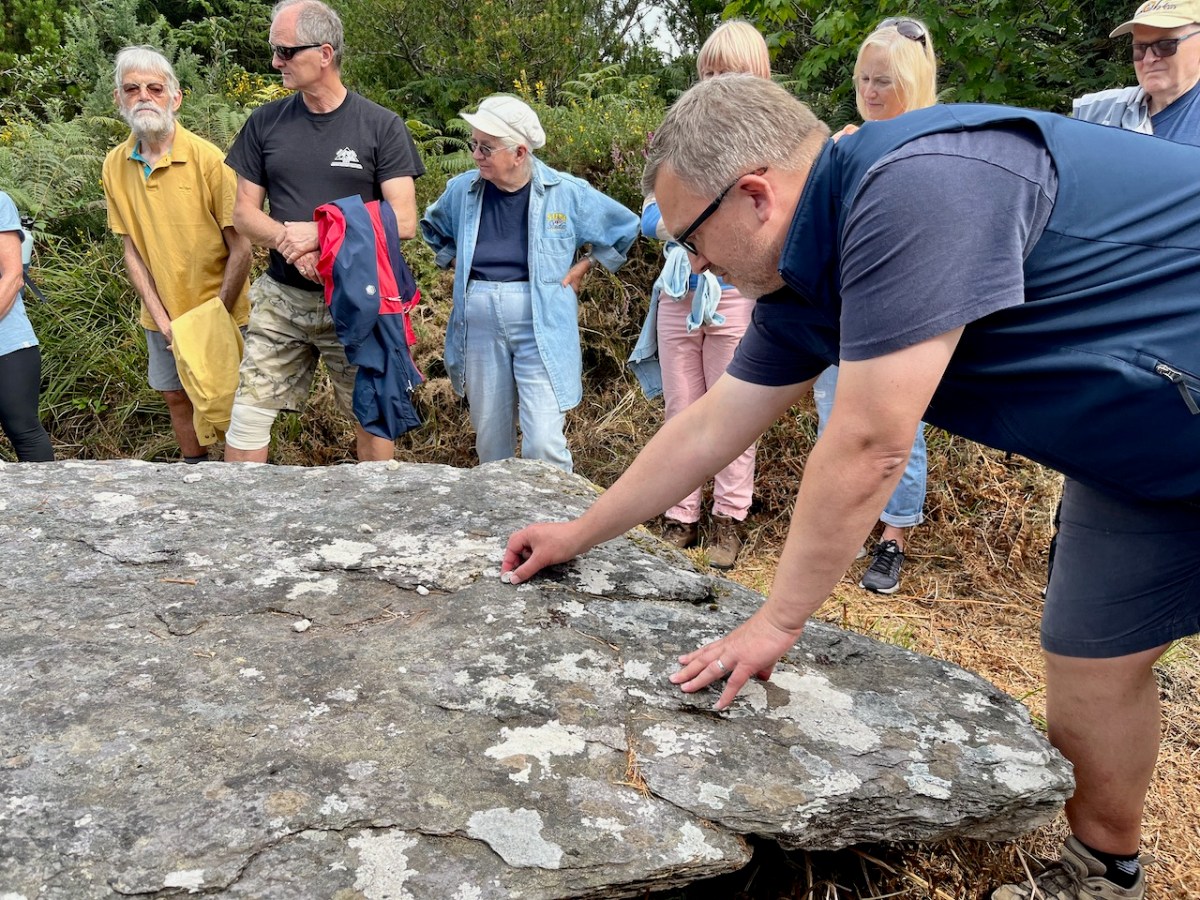
During the Ballydehob Summer Festival this year the organisers scheduled a Walk to the Wedge Tomb. A lovely group signed up and we made our way up the newly-cleared path.
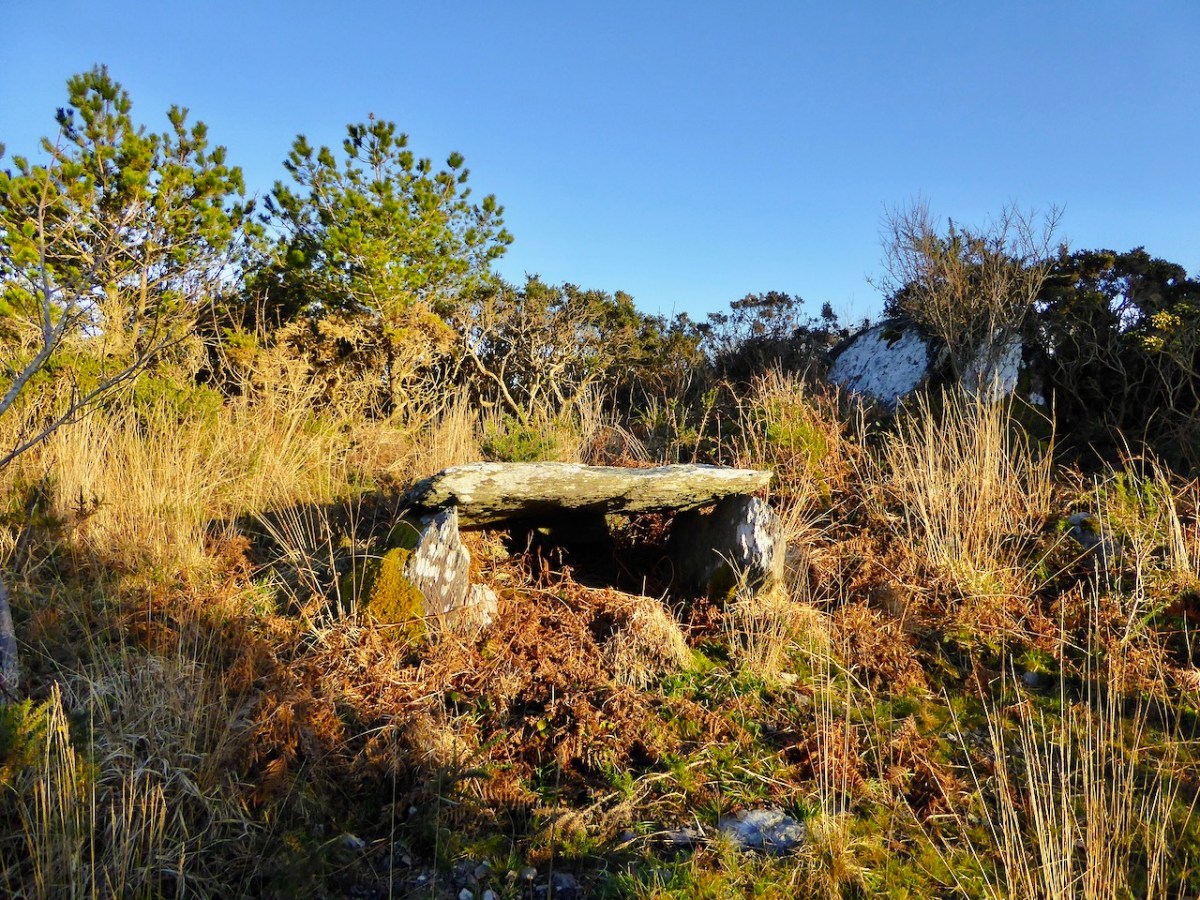
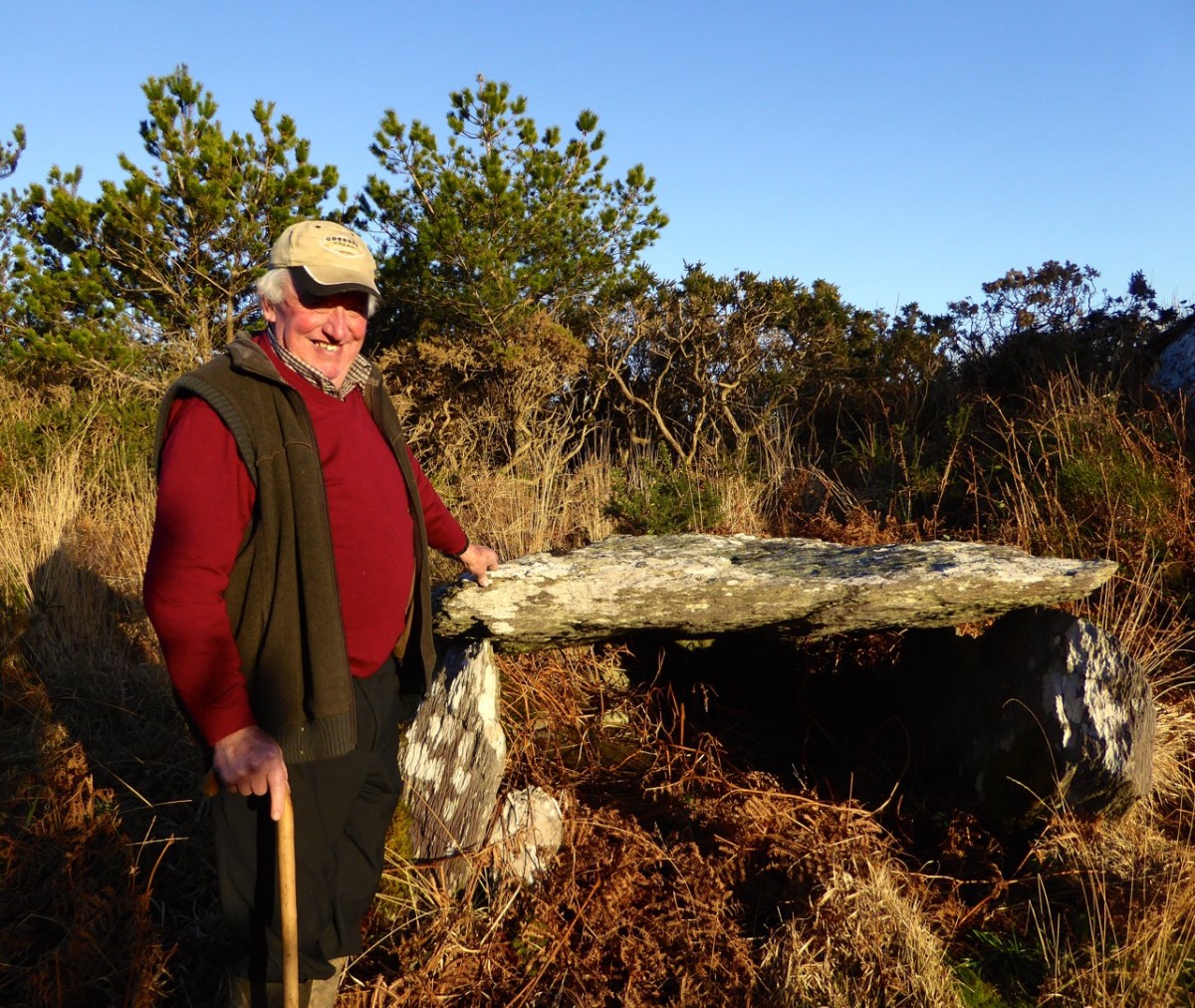
This wedge tomb, in the townland of Kilbronogue, is close to where we live. We were introduced to it way back in 2015 by the owner of the land, Stevie Lynch – see this post for an account of that meeting, and for more about wedge tombs in general. At that time, Stevie also brought us to a previously-unrecorded cupmarked stone on his land (below), which we subsequently submitted to the National Monuments records.
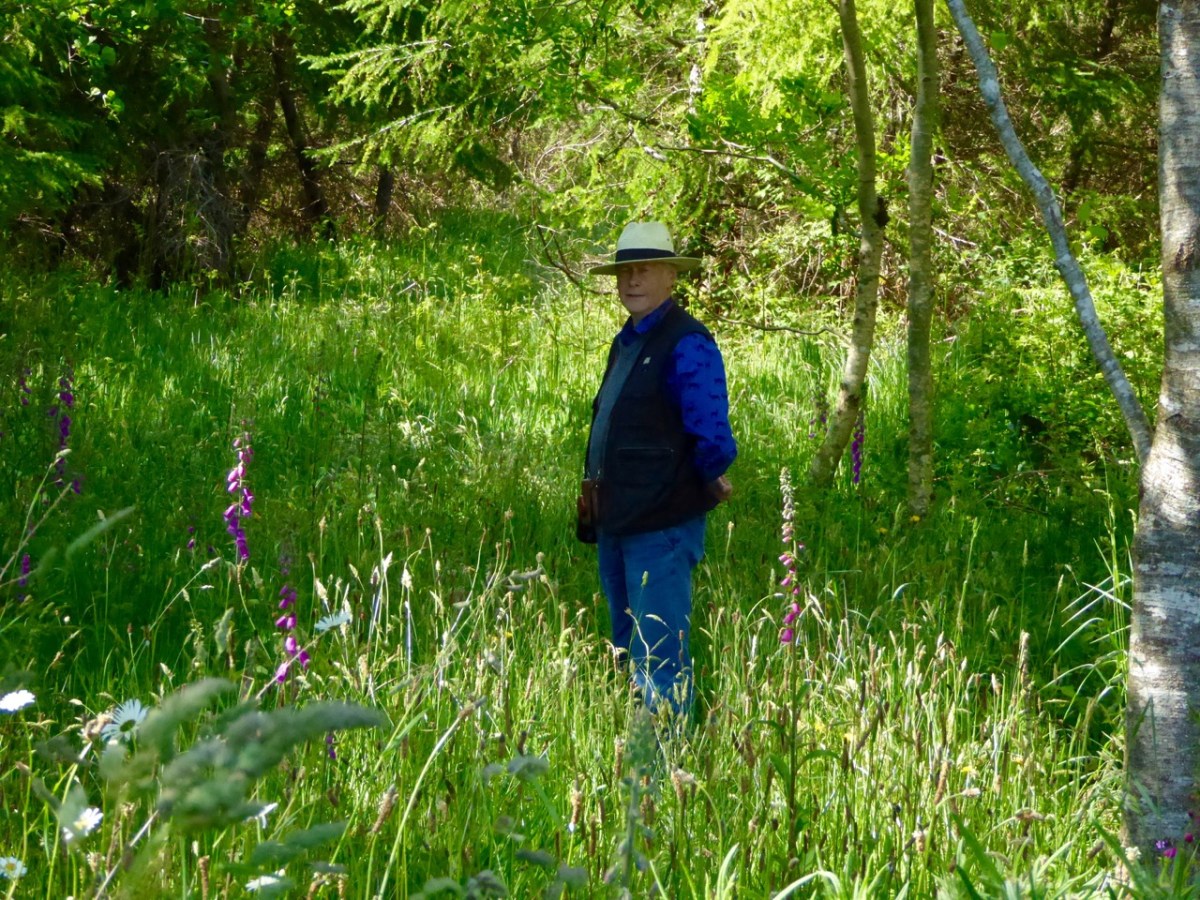
Stevie’s attitude to the monuments on his land was exemplary. He promised that no harm would ever come to them while he was alive. “These ancient monuments don’t belong to me,” he told us, “they belong to everyone.” In that instant he became our Heritage Hero, and we loved seeing him at the Ballydehob Talks at the Vaults, which dealt with all aspects of local heritage.
Sadly, Stevie passed away earlier this year. So this Walk to the Wedge Tomb was an opportunity for all of us to honour the memory of the man who had treasured this megalith and designed a path to it for everyone.
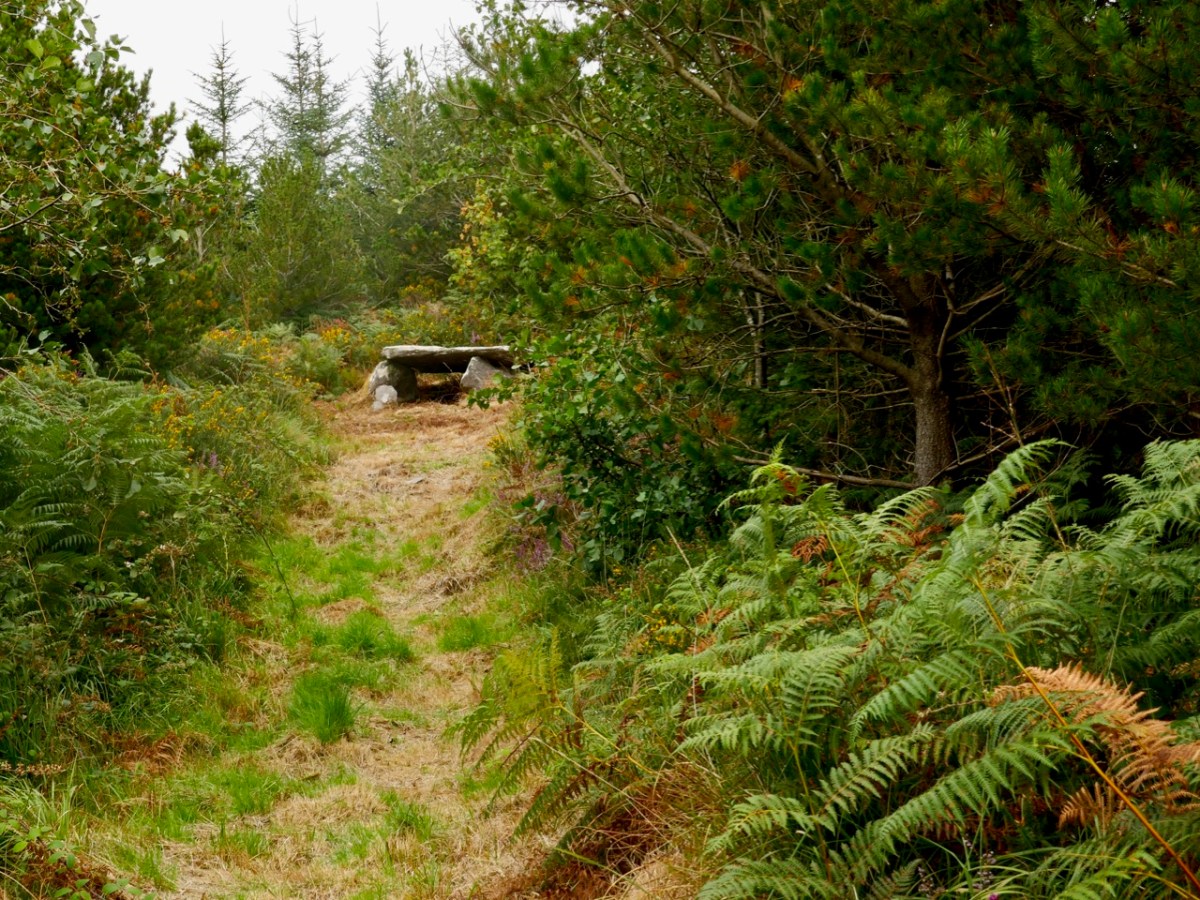
The walk up through Stevie’s plantation of native trees is beautiful. It can get quite overgrown in the summer (above), which only enhances the atmosphere, and it’s actually quite awe-inspiring to emerge at the top to the site of the tomb, sitting in a small glade.
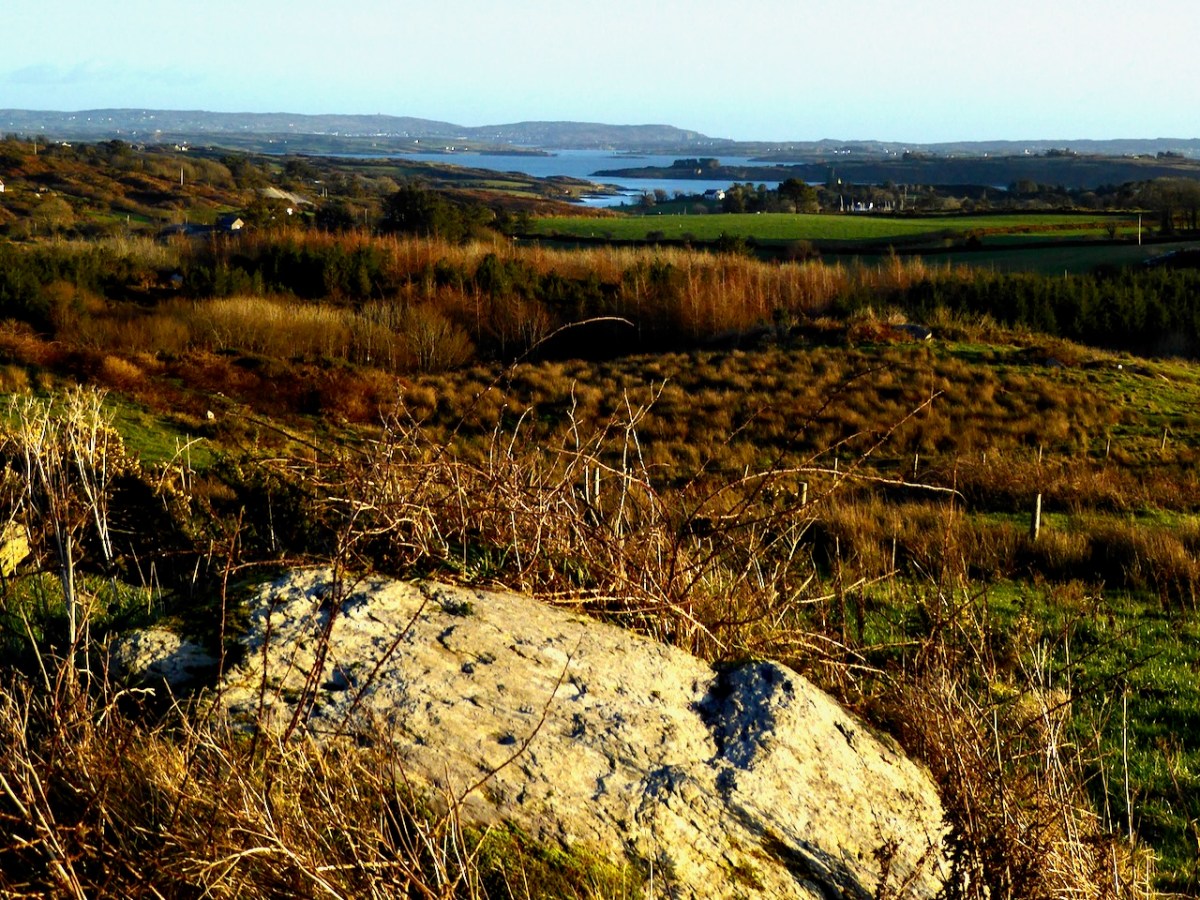
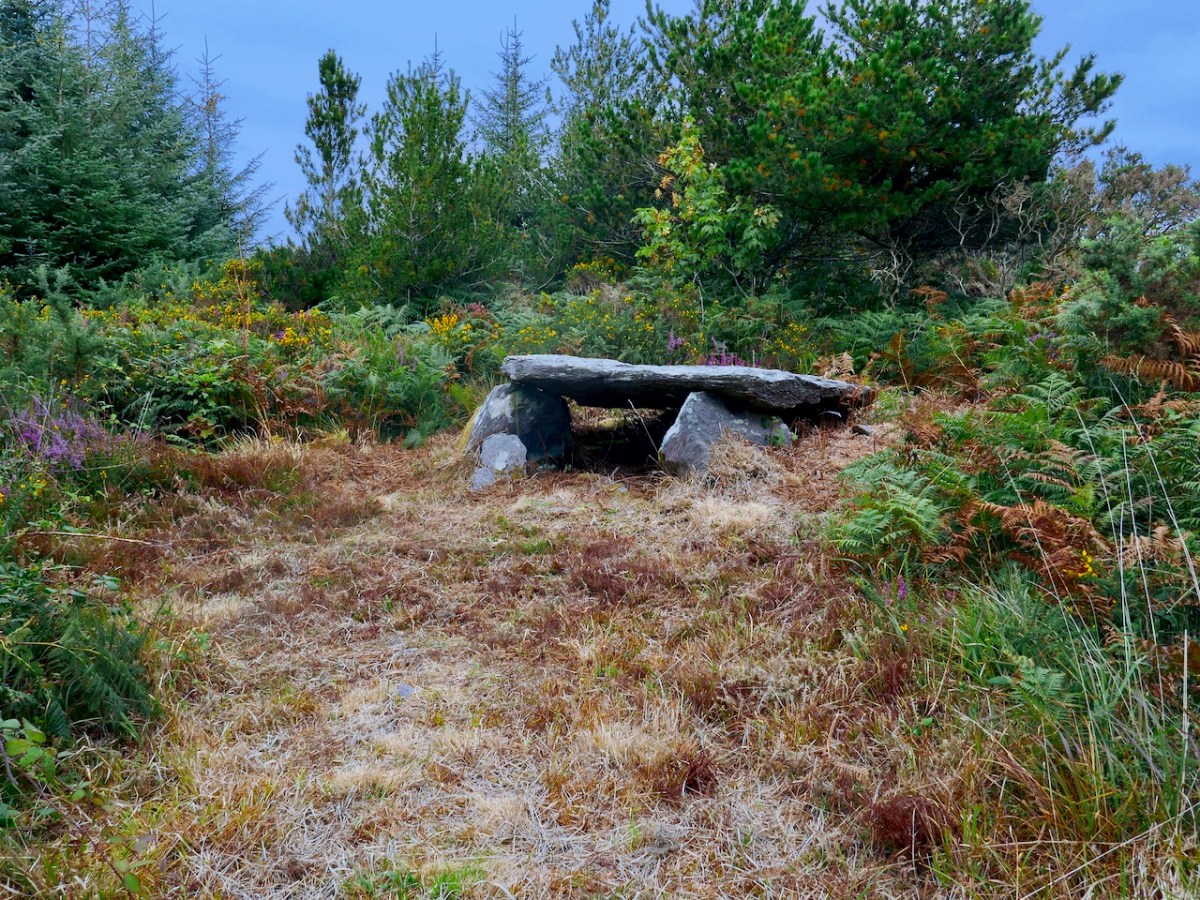
Kilbronogue is a classic wedge tomb, higher and broader at the opening, west, end, and oriented to the west. Some trees have come down, I think, in the last few years, because now there is a clear view to Mount Gabriel from the tomb. I suspect that there is also a view down the Peninsula to the Mizen Peak, although I can’t verify that due to the trees that surround it.
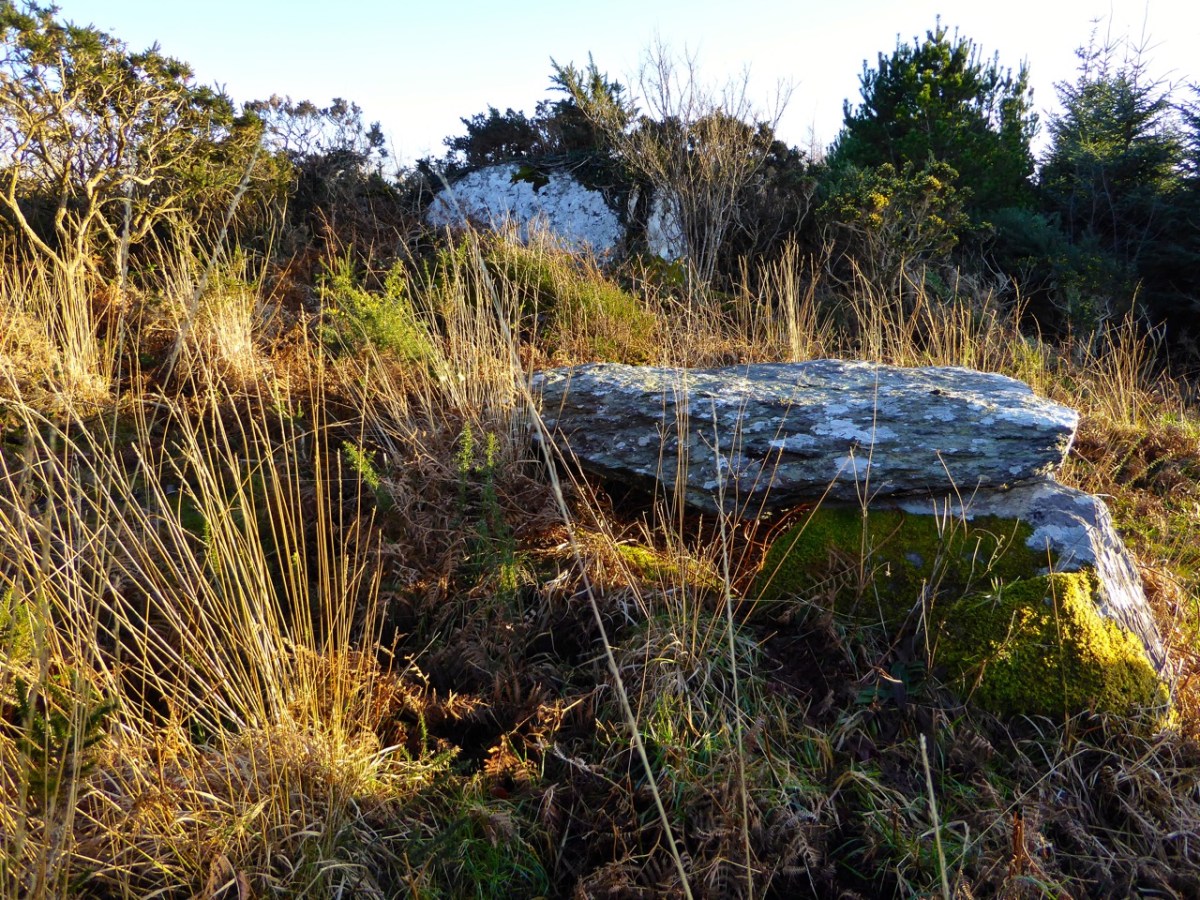
There’s a rock outcrop right behind the tomb (above) and it was probably the source of the stones that built it. Wedges are small megaliths and we can imagine them as the work of a local community or even family group.
The burial rite was cremation, and they generally date to the Early Bronze Age, the time when Mount Gabriel was a source of copper for these early metal workers and farmers.
There is some folklore about it – here’s an extract from the Schools’ Folklore Collection:
There is a Dolmon also in Kielbronogue in a hill which belongs to John ORegan. There is a very big stone on top of three other stones. It weighs one ton. It is said that men lifted it. Some people say that Mass has been celebrated there, and others say a great chieftain of old was buried there.
One of the findings at wedge tomb excavations is that white quartz often features as votive offerings, sometimes in the tomb and often in front of it. We had brought along a bag of white quartz pebbles, and each of us laid a pebble on the tomb as our own small thank you to Stevie, our Heritage Hero.
Welcome to the UCD Library Cultural Heritage Collections blog. Discover and explore the historical treasures housed within our Archives, Special Collections, National Folklore Collection and Digital Library








 Roaringwater Journal