Viking Traces

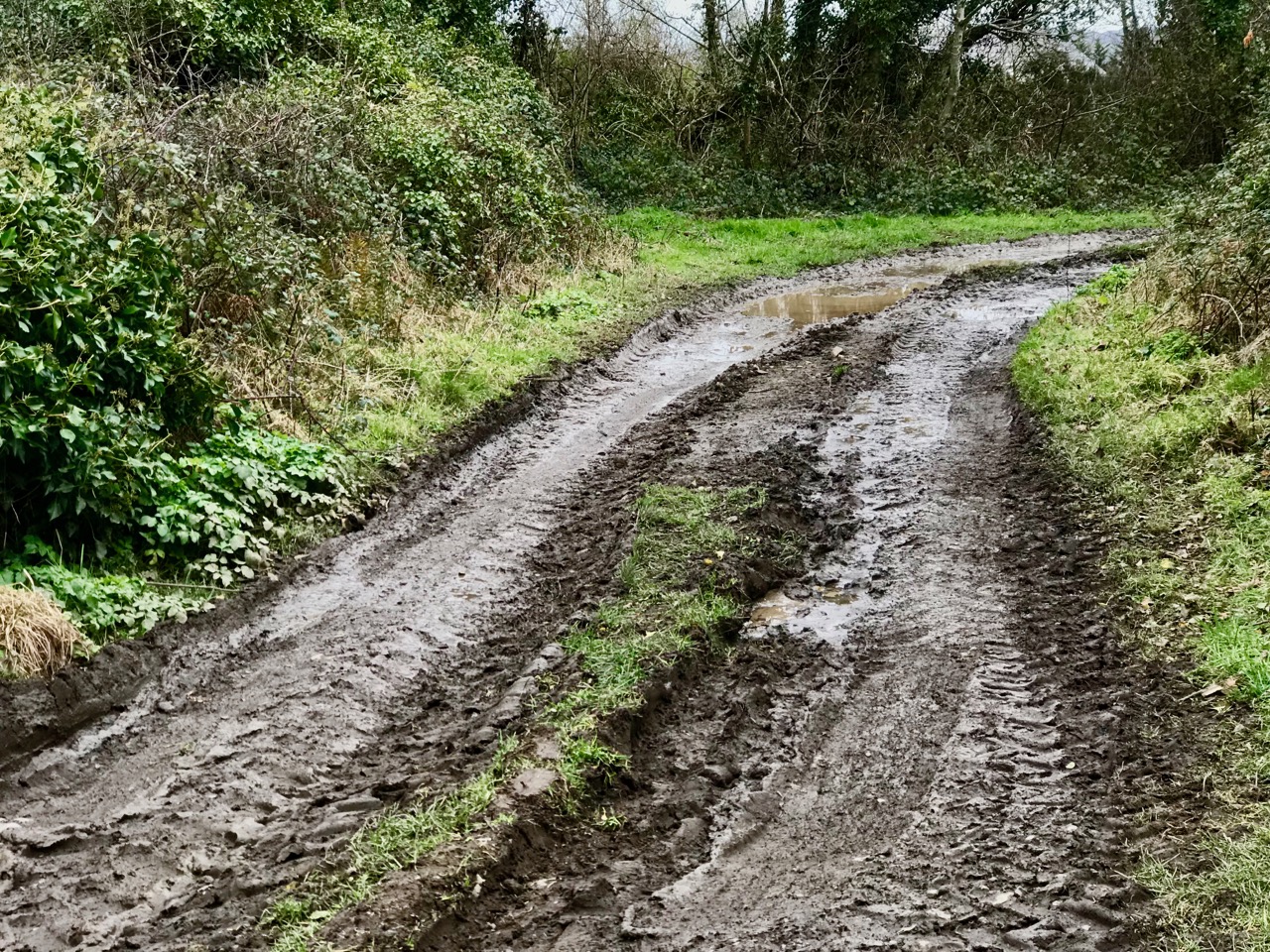
If you want to find some remote Irish history which is a long way off the beaten track, try the city of Dublin! Just a few minutes’ drive from the edge of this bustling metropolis (and down a long, rough and muddy farm track) is a collection of carved stones which have their roots in the time of the Vikings.
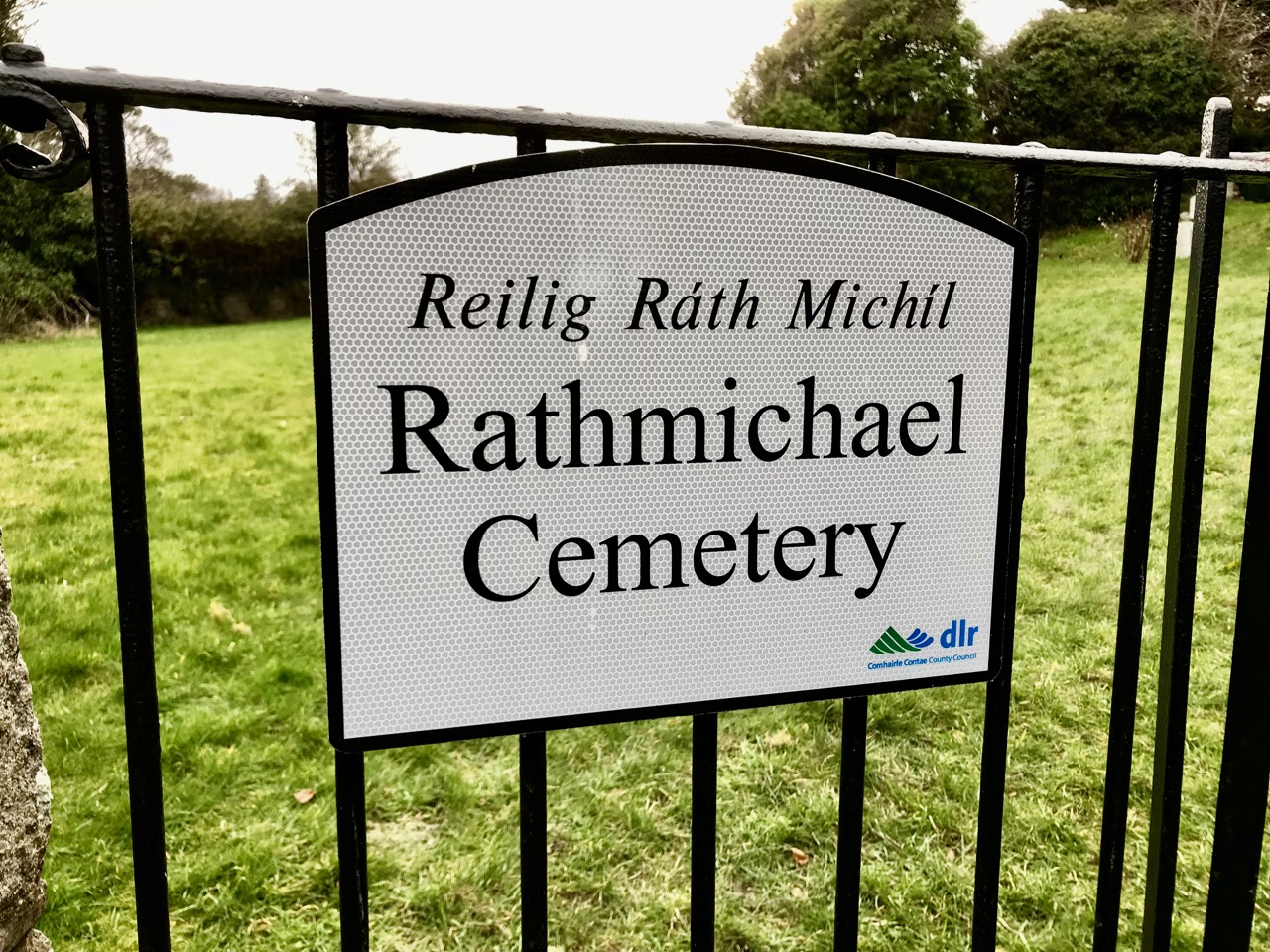
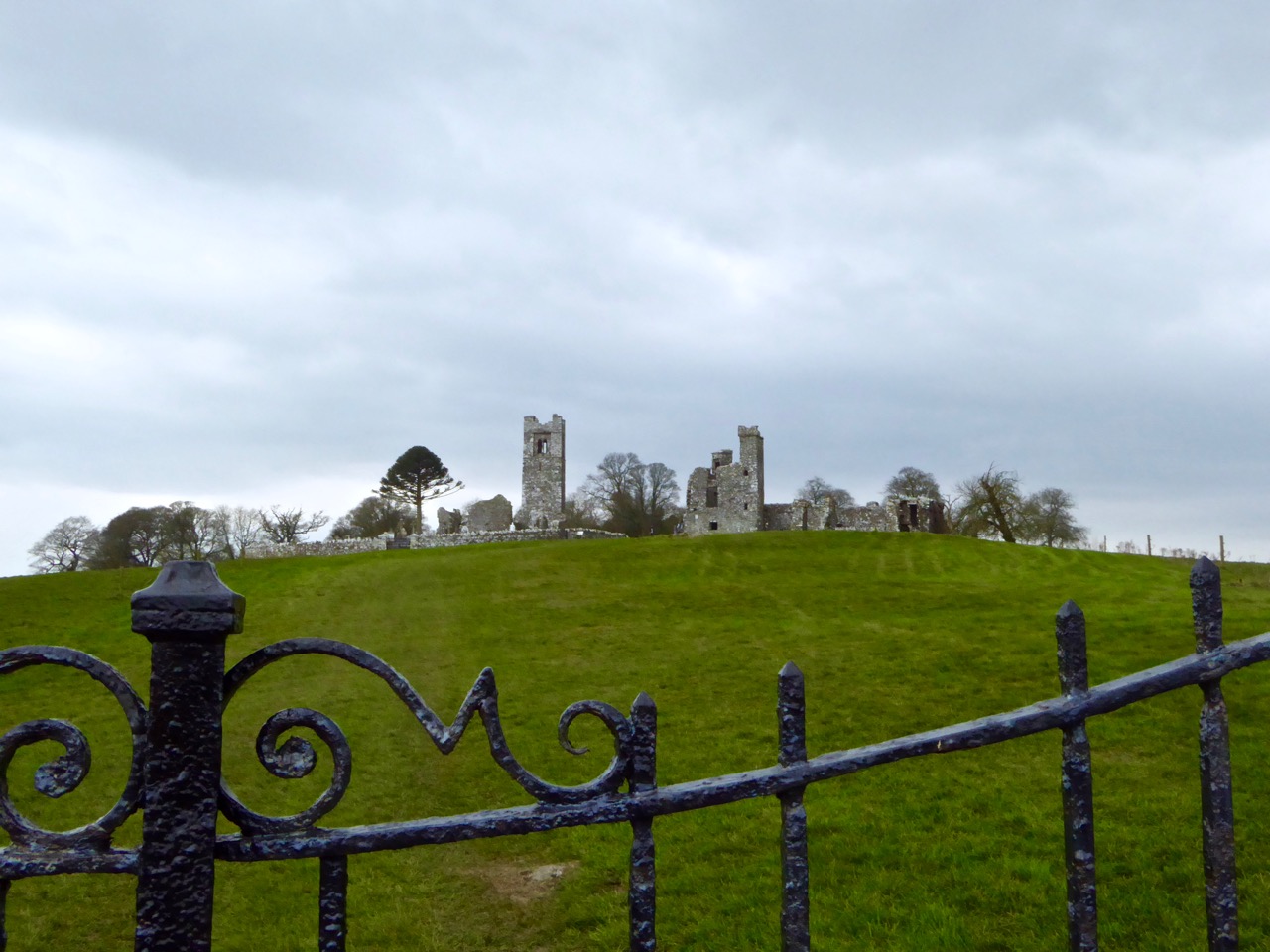
Here, in the barony of Rathdown, the remains of a small ruined church date from the twelfth century, but a monastic settlement was set up long before that by St Comgall of Bangor, who lived from 520 to about 600 AD. There is the stump of a round tower here, known locally as the Skull Hole, as bones from the surrounding graveyard were thrown in here. Some say, also, that it is actually the entrance to an underground tunnel going down to the coast: furthermore, a piper was once seen to enter the tunnel playing his pipes – but was never seen again!
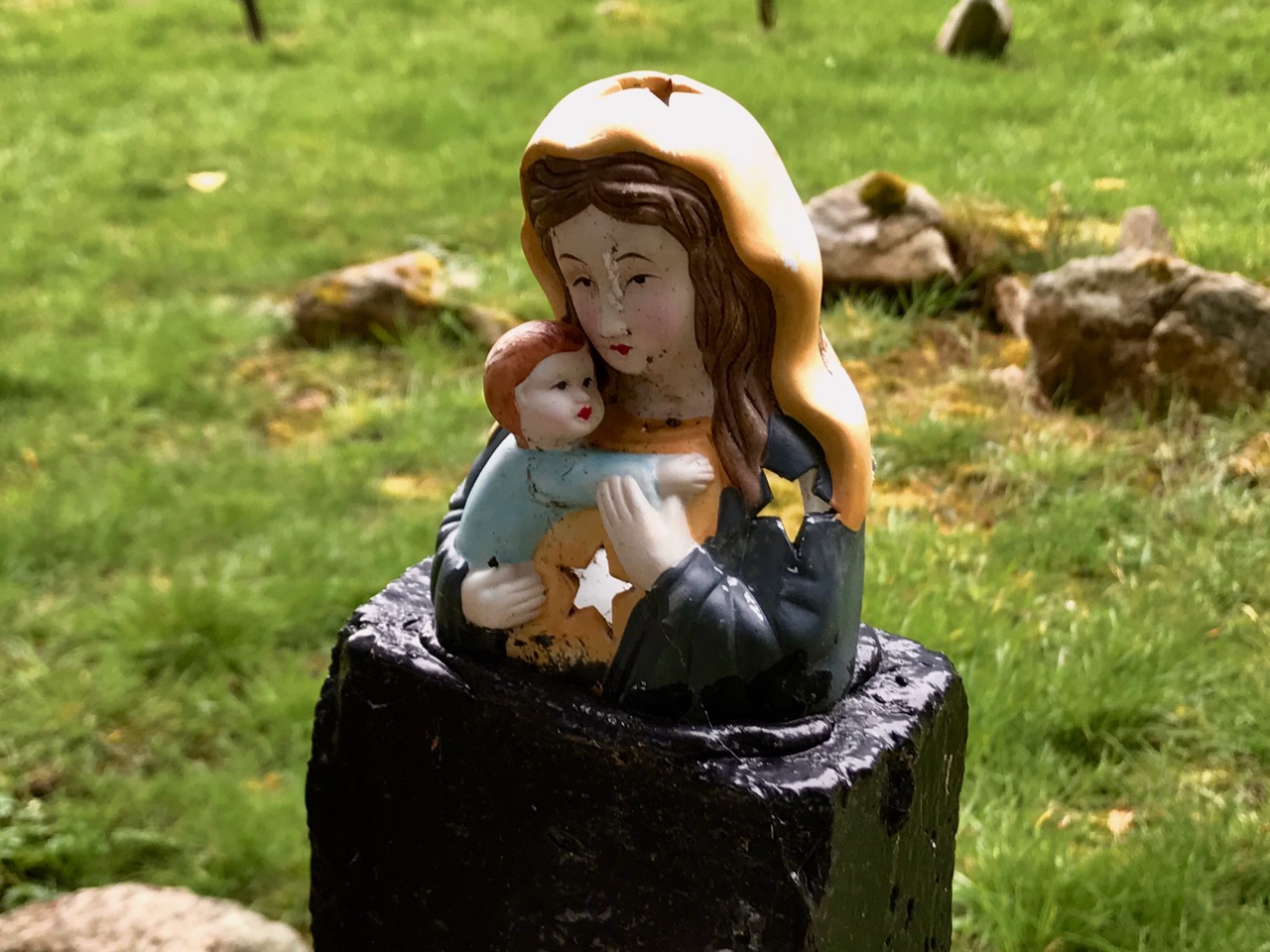
There is another piping tale connected with a nearby site: Puck’s Castle. A fairy piper is often seen jumping from rock to rock while also playing his pipes. We watched and listened, but in vain . . . Here are some of the noteworthy ‘modern’ gravestones in the cemetery at Rathmichael:
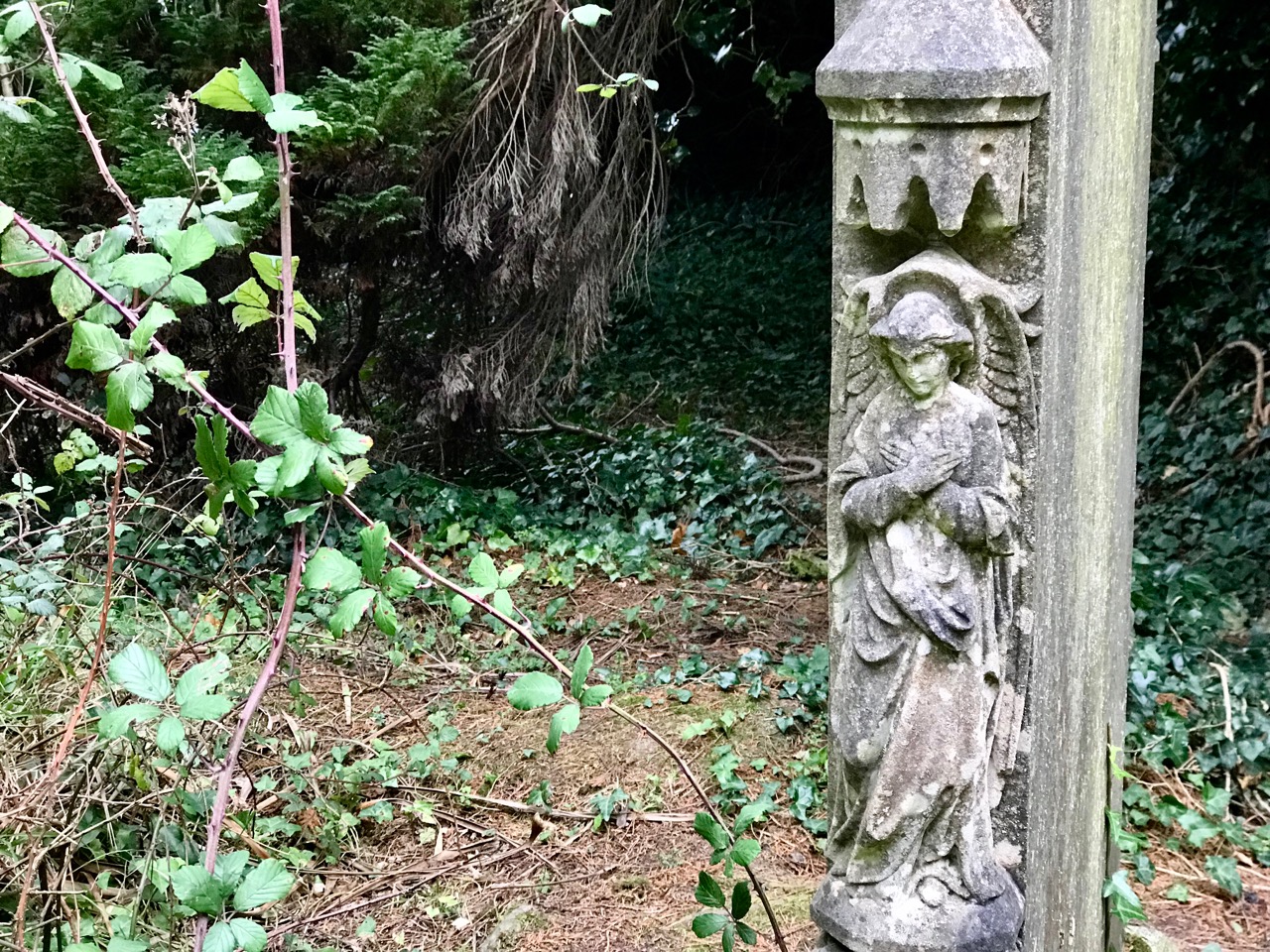
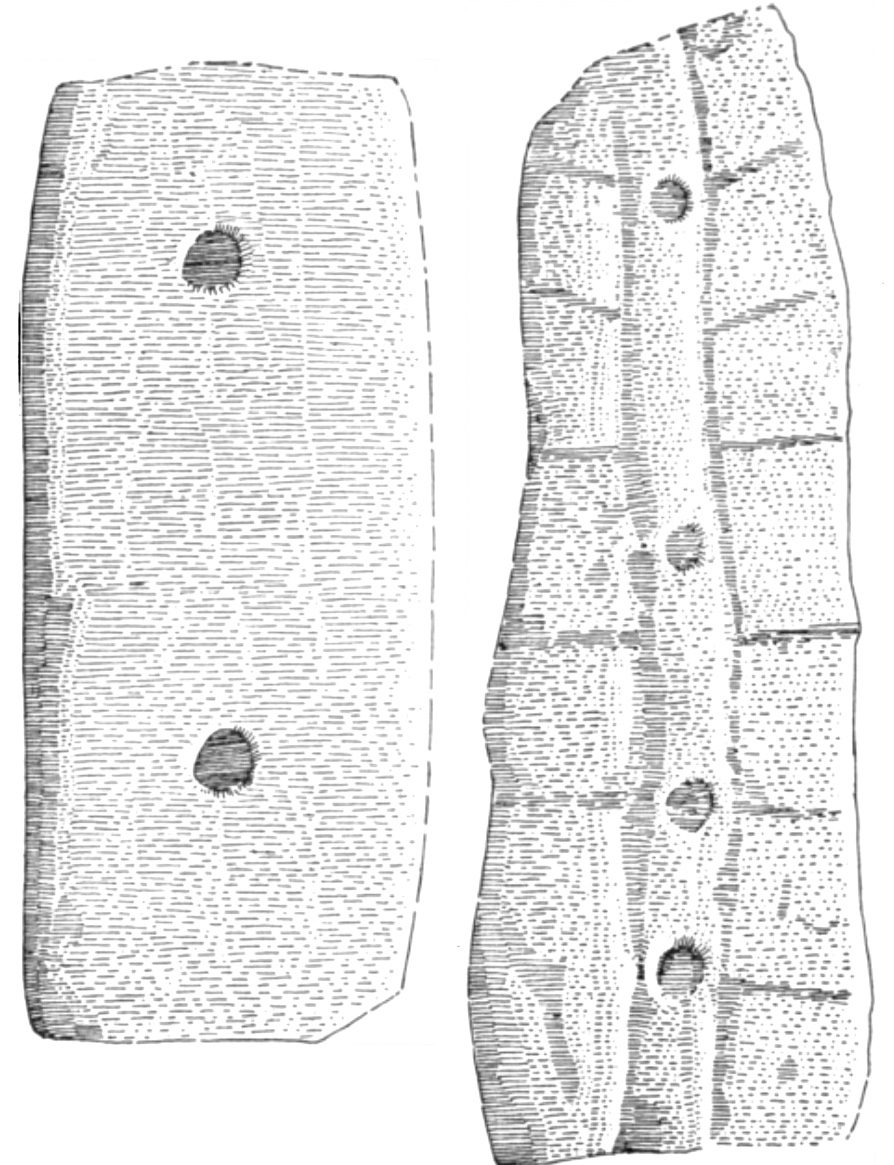
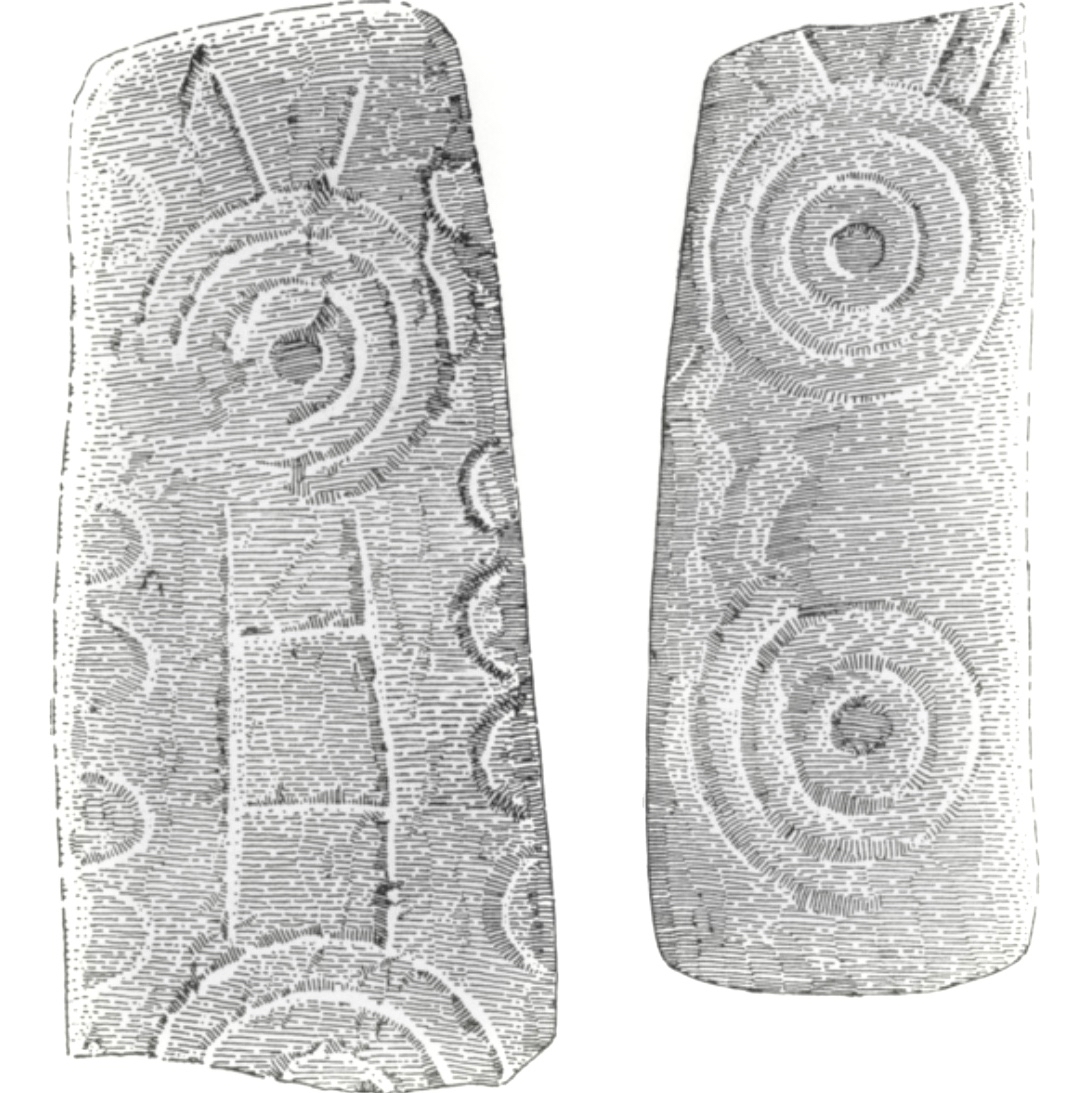
But the real treasure of the place are the carved stones which date from Viking times, and which are probably early Christian grave markers. They are generally known as The Rathdown Slabs. Some of these we would classify as ‘Cross Slabs’, even though, on some, the cup marks and concentric circles make us think of Prehistoric Rock Art. Well worn by time and weather we can still make out the various motifs – and we are fortunate to have good drawn records of these stones dating from a study carried out by Pádraig Ó hÉailidhe, a member of the Society of Antiquaries of Ireland, and published in volume 87 of the Journal of that Society in 1957.
Rathdown Slabs (top to bottom): 1 and 2; 8 and 9; 3 and 4 – as classified by P Ó hÉailidhe in his 1957 study

From around 850 AD we find mention of Norse names: Amláib (Olaf the White) arrived in Dublin in 853 and ruled jointly with Ímar (Norse Ívarr inn beinlausi – ‘Ivar the Boneless’). Amhláib was a Norwegian but Ímar may have been a Dane. Ímar is mentioned as ‘king of all the foreigners in Ireland’ at his death in 873. The grave slabs at Rathmichael probably date from the time when Viking settlements were established in the Dublin area, and – although we tend to think of the Vikings as plunderers of monasteries – it seems that they began to follow Christian practices once they settled in Ireland. 
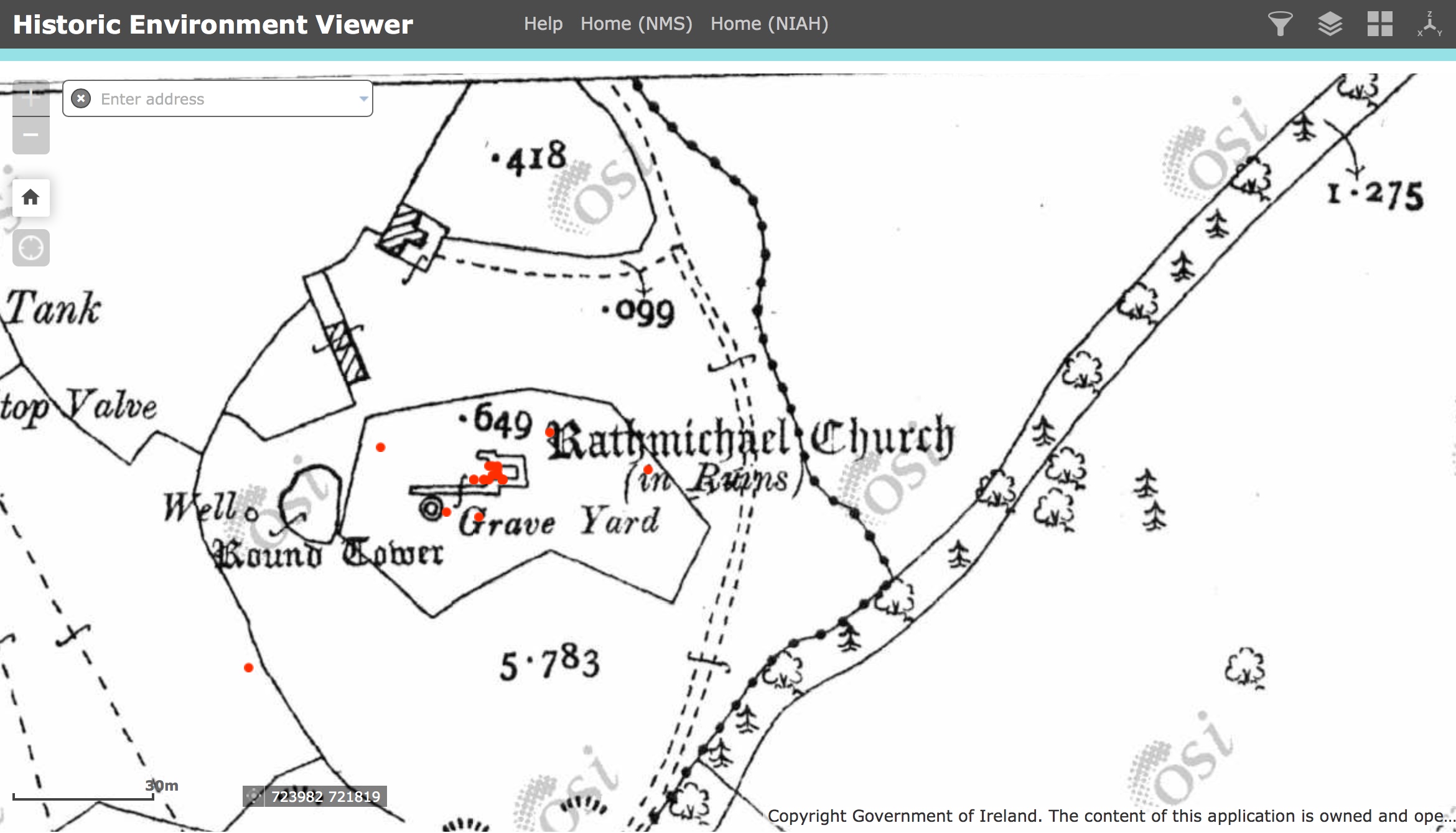
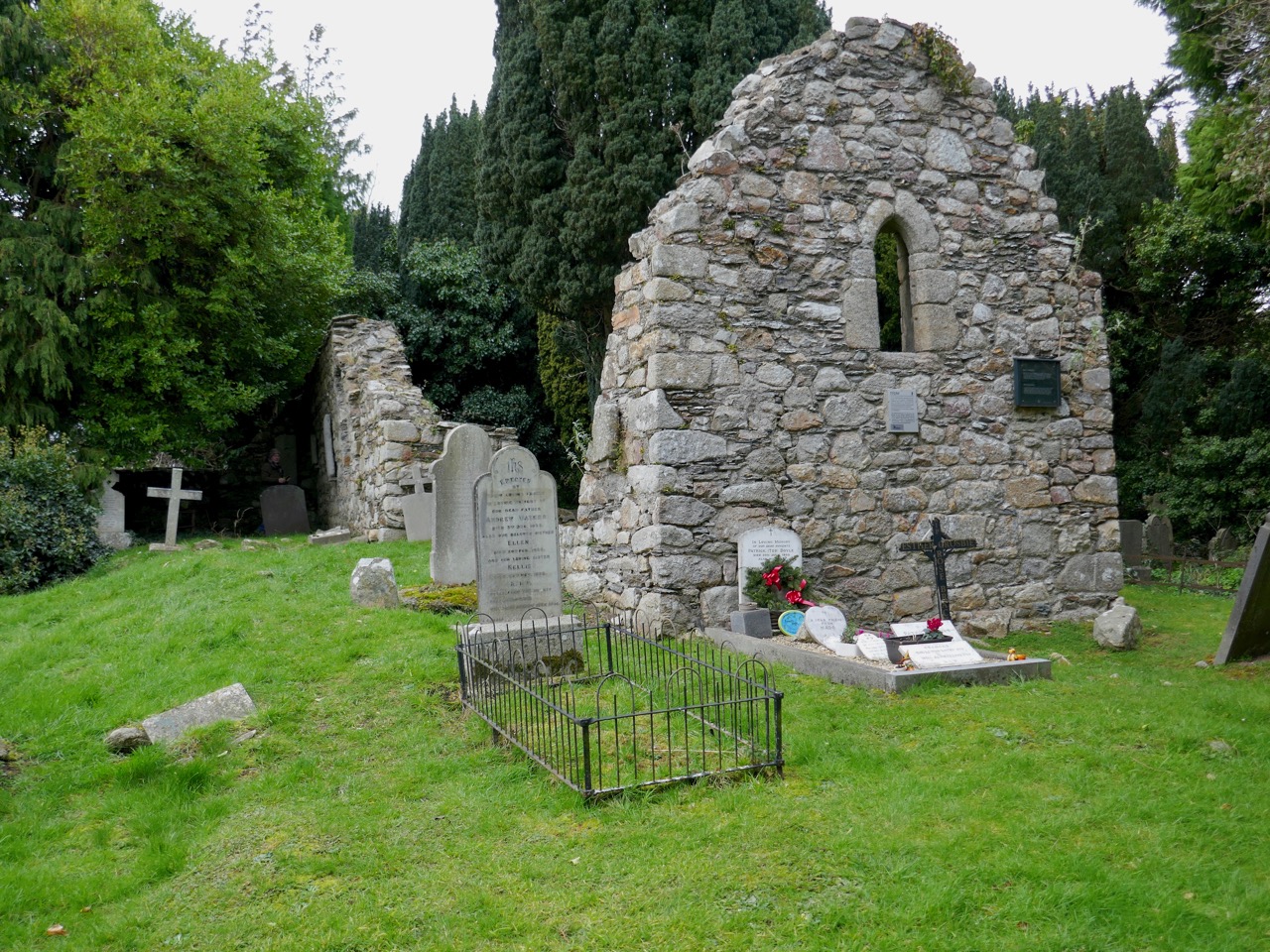
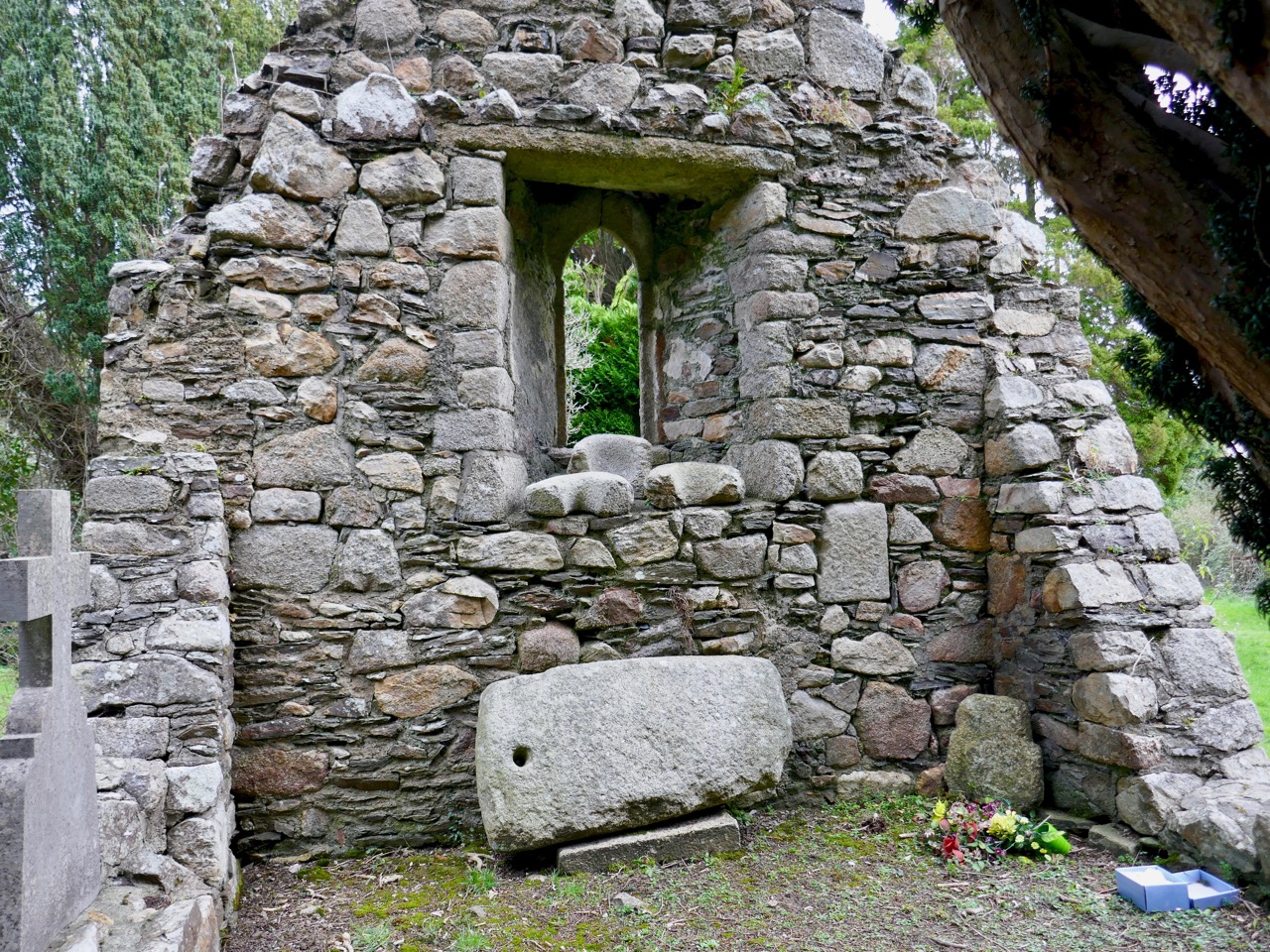
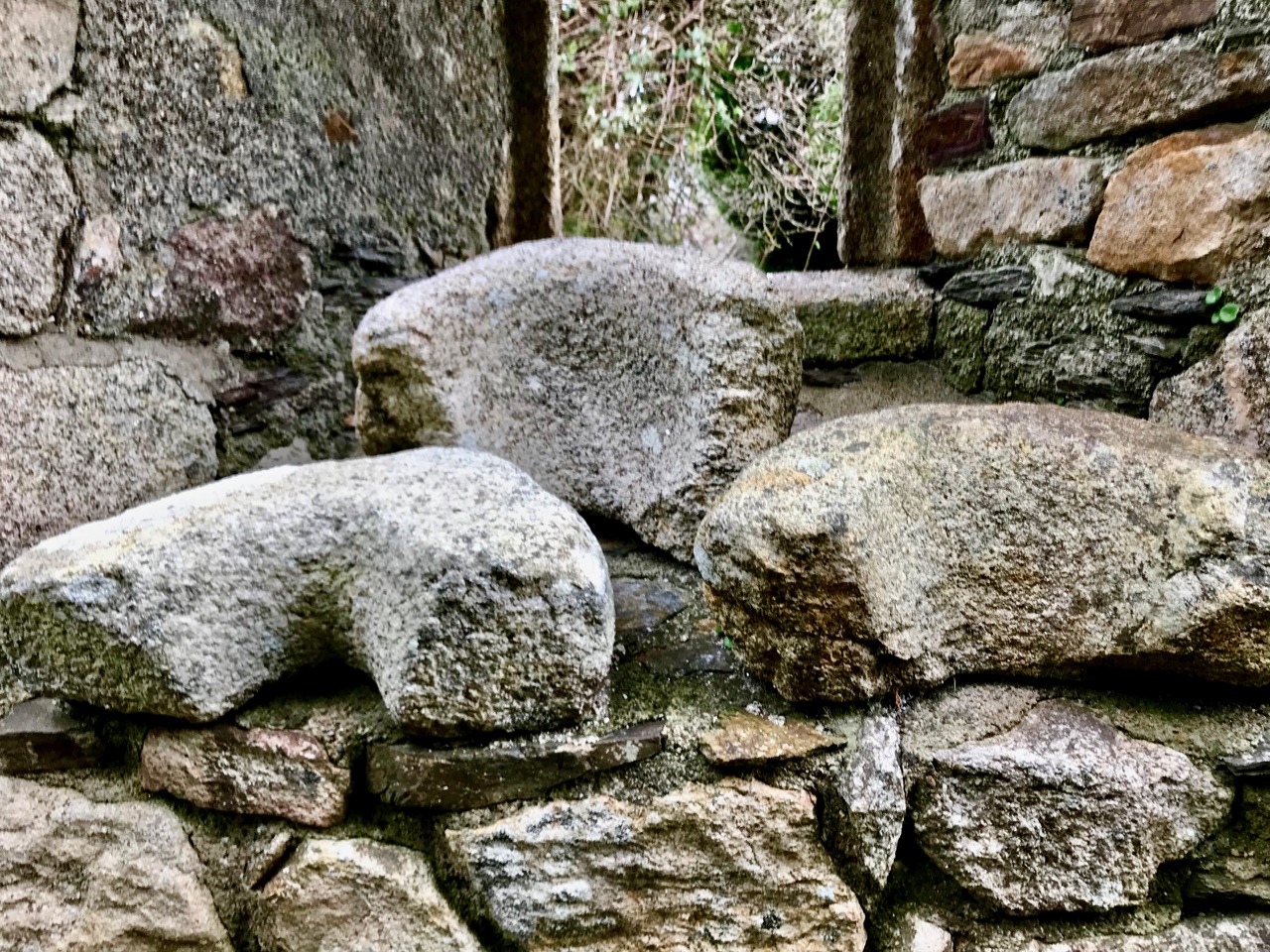
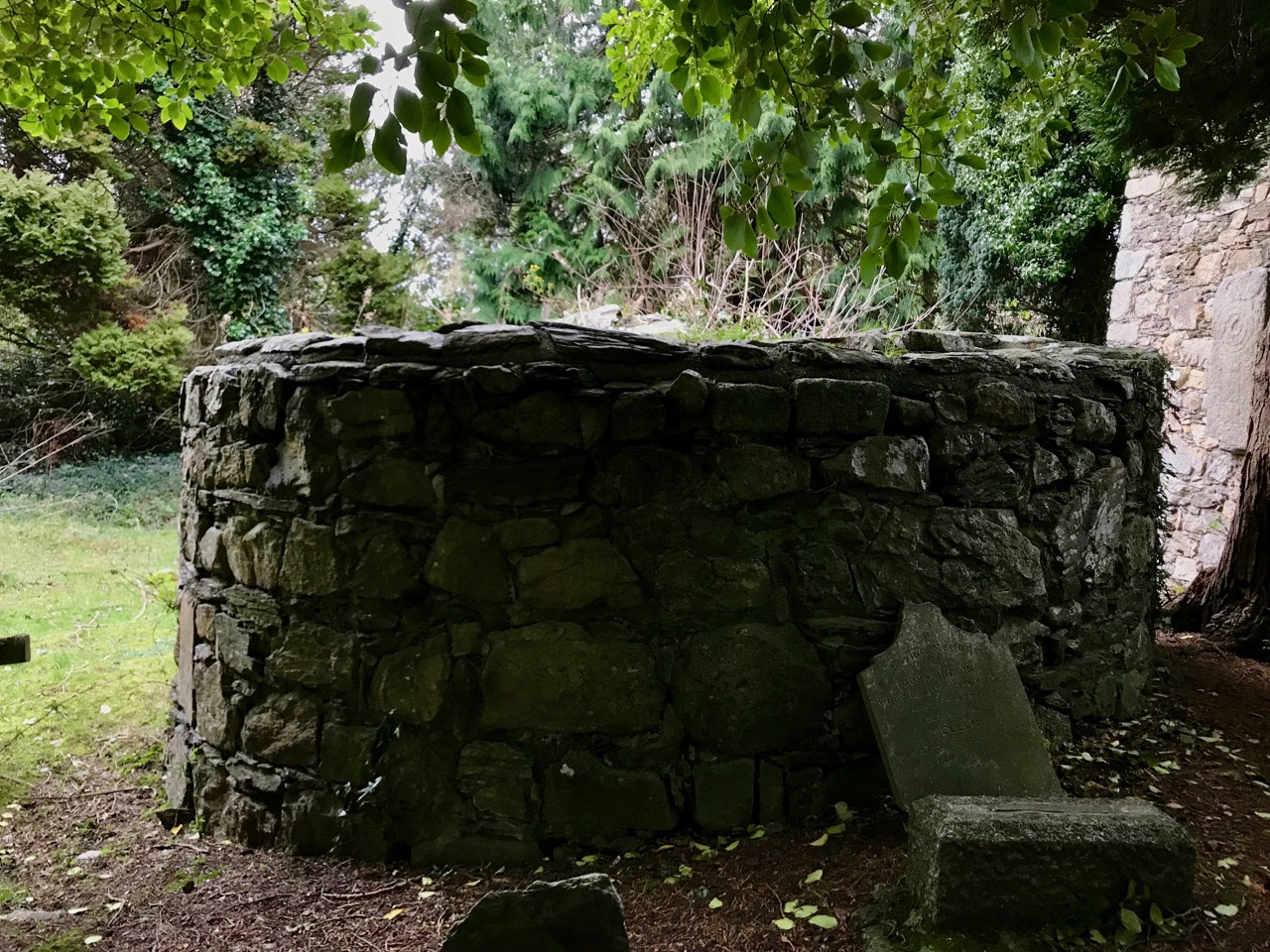
Top – Rathmichael Church with its round tower and Viking graves was established on an ancient Rath or fort, in fact one of the largest in the locality: you can see the probable circular outline of the fort in this extract from the National Monuments Service Archaeological Survey Database; middle – ruins of the medieval church at Rathmichael and, lower – fragments of Bullaun Stones at the church site

Other – probably related – inscribed slabs from the wider area are recorded by Pádraig Ó hÉailidhe (below): Dalkey Castle Heritage Centre displays one of the finest of them all (left), while the Tully Slab (right) is assumed to have come from another remote church ruin close by – however I cannot find any record of its current whereabouts. If anyone can throw light on this, please let us know.
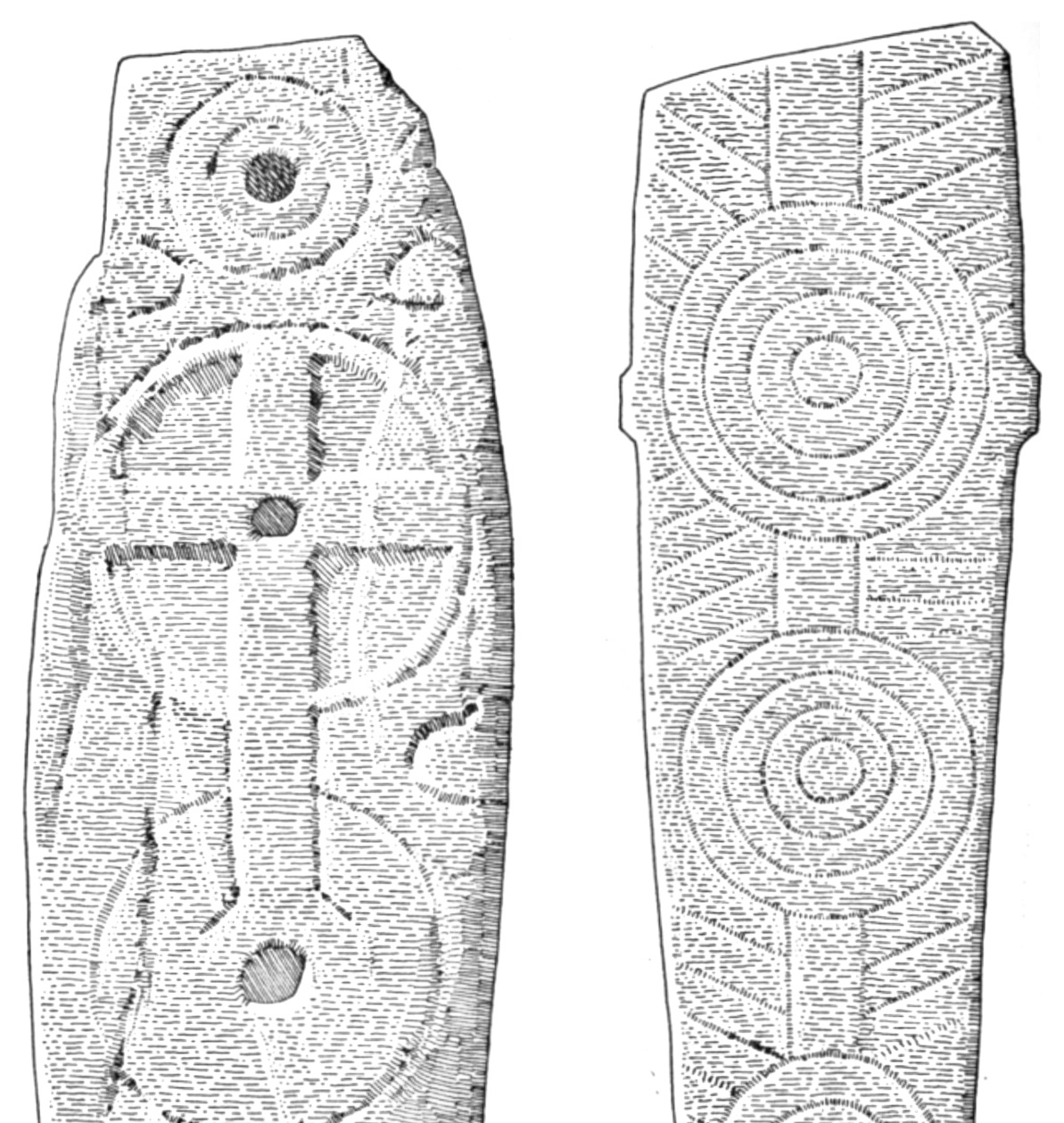
Dalkey and Tully grave slabs – drawn by Pádraig Ó hÉailidhe, 1950s

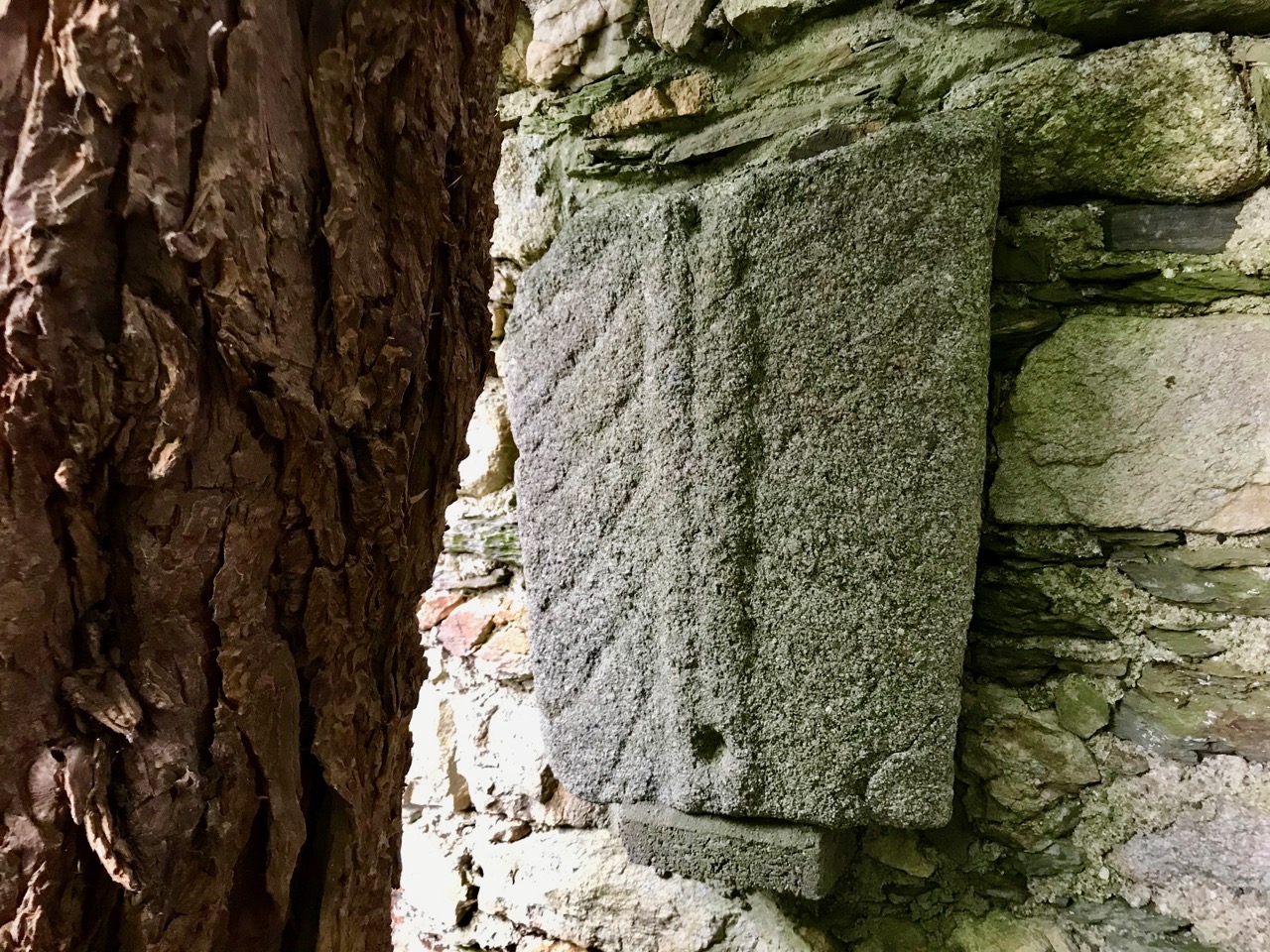
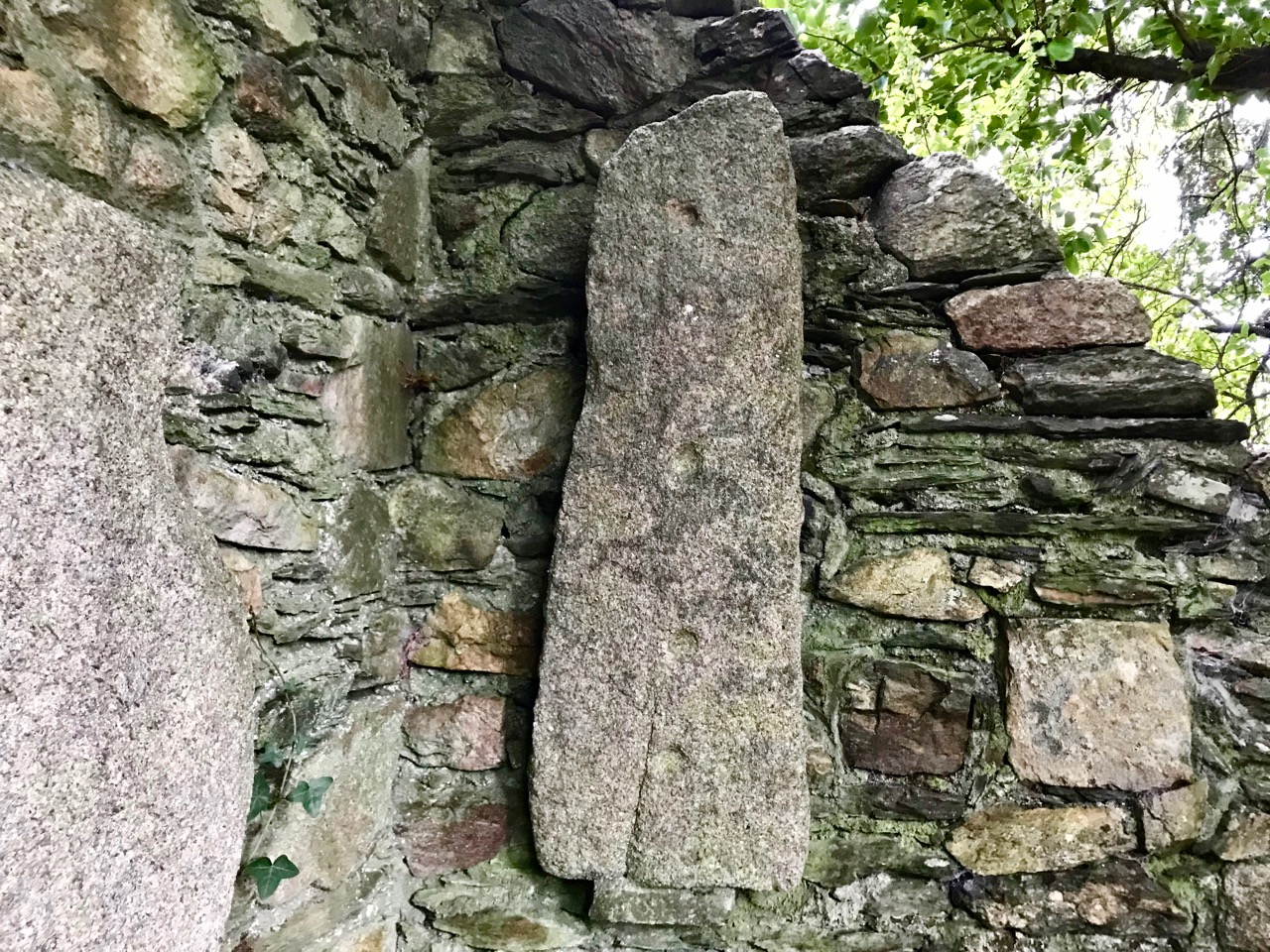
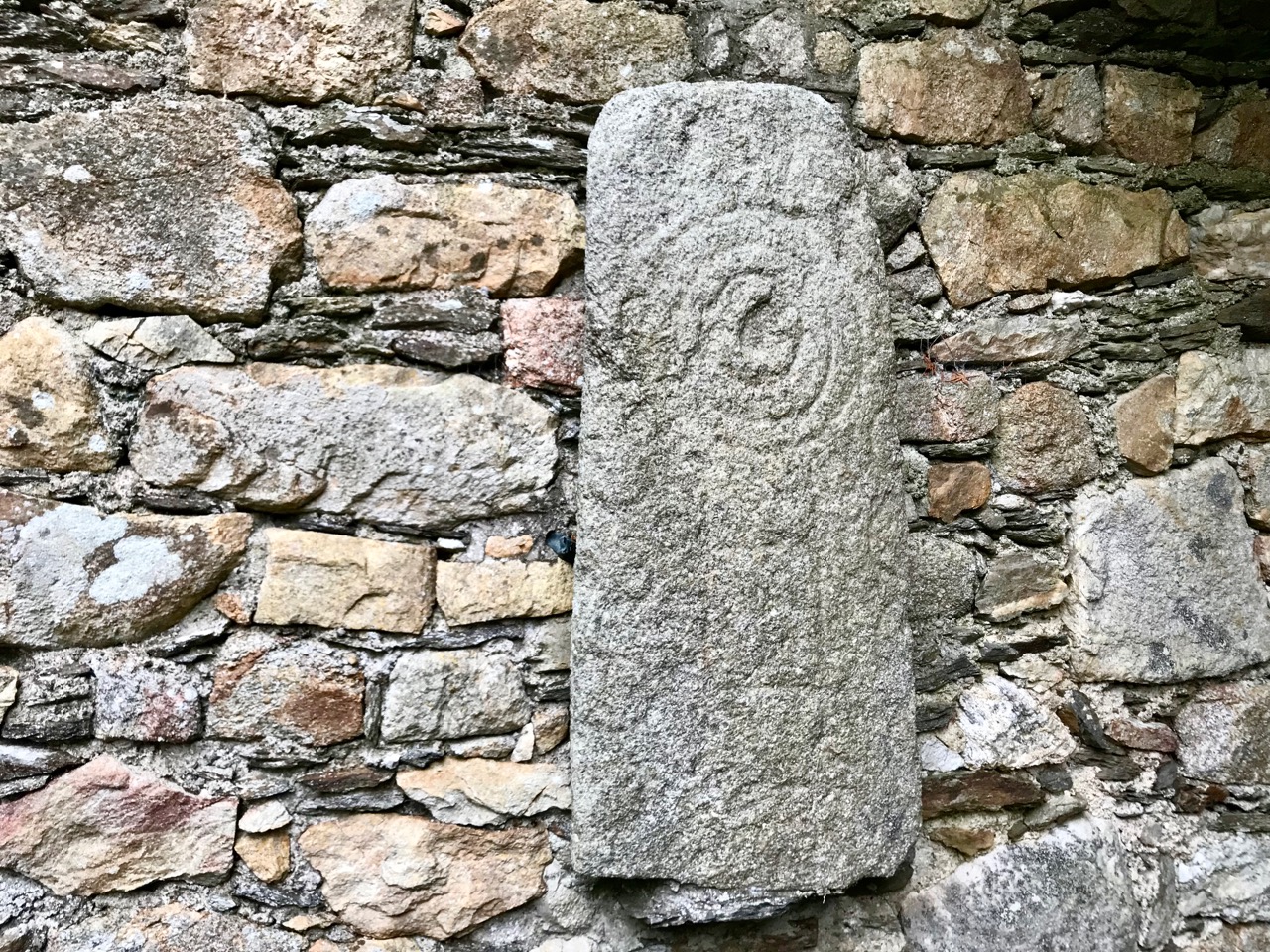
I have used the drawings by Ó hÉailidhe because they are so clear: we visited the Rathmichael site this week and were struck by how faded much of the inscription seems to be. It could be that we were not seeing the carvings in a good, clear light. Worryingly, it may also be that the stones are suffering from accelerated weathering (much as our unprotected medieval high crosses appear to be) due to acid rain and pollution. You can see for yourselves by comparing the drawings above with our own photographs, a selection of which form the tailpiece of this post.
Betjeman in Ireland – Poet and Spy?

1970s st enodoc

I remember well the day they buried Sir John Betjeman. The graveyard of St Enodoc’s Church (above, from a 1970s postcard), is close to the Cornish village of Trebetherick – his home for many years. On that day in May 1984 there was a downpour of torrential proportions, and all that could be seen when they laid him to rest was a sea of black umbrellas. The poet himself would have loved the very English spectacle of it.

Left – the larger than life 2007 bronze statue of John Betjeman at St Pancras Station, London: the sculpture is by Martin Jennings (photo Christoph Braun). Betjeman was a founding member of theVictorian Society and a passionate defender of Victorian architecture: his campaigning was responsible for saving the Station and the Chambers from demolition in the 1960’s. Right – the headstone of Betjeman’s grave in Cornwall

The poet is well known for his accessible and, often, highly amusing writing: perhaps less well-known are his Irish connections. During the Second World War (or ‘the Emergency’ in Ireland), John Betjeman was posted to Dublin, ostensibly as a press attache in the British embassy, tasked with planting British propaganda in newspapers and trying to counter the activities of Deutsche Nachtrichten Büro – the German Press Agency which, in 1939, appointed its own official representative in Ireland, Dr Carlheinz Petersen. As the war got under way British media were swamped with propaganda stories against Irish neutrality: for example, it was suggested that German submarine crews were being entertained in remote villages in the west of Ireland, and that wireless transmitters up in the mountains were at the heart of a vast espionage system against Britain. When Ireland refused to lease back its ports to Britain during the Battle of the Atlantic, the idea began to take hold in Britain that ‘neutralit’y was a wilful act of hostility against the allies. John Betjeman was drafted in to the Ministry of Information to help calm the situation. Betjeman’s job was to rein in these anti-Irish fantasies. Luckily for future Anglo-Irish relations, he managed to put a stop to a Ministry plan to disseminate propaganda leaflets in packets of tea, soap and toilet paper. Betjeman recommended “the stopping of anti-Irish articles and cartoons”. Instead, propaganda should concentrate on backing De Valera “and showing the tightrope he is walking”. Although De Valera was convinced Germany would win the war, the poet said: “There is no doubt that he and most of his ministers feel that the better interests of Eire will best be served by a British victory. For this reason Mr de Valera is Britain’s best friend in Ireland.”

Betjeman and family Dublin

A surviving photograph of John Betjeman (left) in Dublin during the war years – note the two pipers; the context is unknown

It’s hard to know whether Betjeman was actually a spy – even his biographer can’t clarify that. But the IRA thought so, and dispatched two men to permanently put him out of action. Diarmuid Brennan was the IRA army council’s head of civilian intelligence in 1941, and he was approached by two gunmen from the second battalion of the Dublin IRA who were looking for a photograph of …a fellow called Betjeman… These second battalion types were known to us as the Edward-Gees of the IRA, after Edward G Robinson… 26 years later Brennan wrote to John Betjeman telling him about the plot: …I got communications describing you as ‘dangerous’ and a person of menace to all of us. In short, you were depicted in the blackest of colours…

However, Brennan was interested to know more about this condemned man and began to read his poetry. The story goes that Brennan was swayed by reading Continual Dew, a 1937 volume that contains several poems about Ireland and another about Oscar Wilde, as well as Slough, in which he implored the Luftwaffe: 

…Come friendly bombs and fall on Slough!
It isn’t fit for humans now,
There isn’t grass to graze a cow…

Brennan decided that someone who was as passionate about poetry as Betjeman should be given the benefit of the doubt and aborted the assassination. There’s no doubt that Betjeman liked Ireland – and had some appreciation of the Irish outlook on life, in particular the love of literature. He was a lifelong friend of the poet Louis MacNeice and also of Patrick Kavanagh, who wrote a poem for Candida – Betjeman’s daughter – in celebration of her first birthday in 1942:NPG x78423; Candida Lycett-Green; Sir John Betjeman; Penelope (nÈe Chetwode), Lady Betjeman; Paul Betjeman by Bassano

Candida is one to-day,
What is there that one can say?
One is where the race begins
Or the sum that counts our sins;
But the mark time makes to-morrow
Shapes the cross of joy or sorrow.

Candida is one to-day,
What is there for me to say?
On the day that she was one
There were apples in the sun
And the fields long wet with rain
Crumply in dry winds again.

Candida is one and I
Wish her lots and lots of joy.
She the nursling of September
Like a war she won't remember.
Candida is one to-day
And there's nothing more to say.
The Betjeman family: John, Candida, Paul and Penelope 1948 (Bassano)

Betjeman is also particularly remembered for the part he played in bringing Laurence Olivier to Ireland to film Henry V on the Powerscourt Estate. This film, itself a piece of wartime propaganda, brought a short period of prosperity to County Wicklow in 1943. The doughty yeomen who faced the French in the Agincourt battle scenes were actually Irish farmers: these ‘extras’ each received an additional pound if they brought along their own horse!

Photo_ENsemble_1.202222324_large-1

Battle scene – Agincourt in Ireland, Powerscourt, Co Wicklow

The small towns of Ireland by bards are neglected,
They stand there, all lonesome, on hilltop and plain.
The Protestant glebe house by beech trees protected
Sits close to the gates of his Lordship’s demesne.

But where is his Lordship, who once in a phaeton
Drove out twixt his lodges and into the town?
Oh his tragic misfortunes I will not dilate on;
His mansion’s a ruin, his woods are cut down…

(from The Small Towns of Ireland, John Betjeman)

Champions for Ireland

wolfhounds

Irish Champions – ancient warriors, wolfhounds and rain at the Tailteann Games 1924

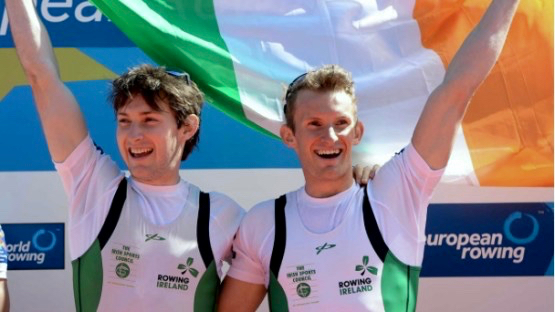
We heard hearty cheers coming across the water on Friday, when Ireland won the Olympic silver medal in the Lightweight Men’s Double Sculls Final. The cheers we heard were not coming from Rio, however (although there were plenty there), but from Lisheen, the tiny West Cork parish that’s just around the corner from us. That’s where Gary and Paul O’Donovan hail from. We think they have declared a public holiday there in honour of the two rowing brothers who, prior to this title, won gold at the European Championships in Brandenburg in Germany this year – the first Ireland rowing crew to become European Champions. This success set me looking at the records of Irish Olympic achievements over the years.

NGI 941

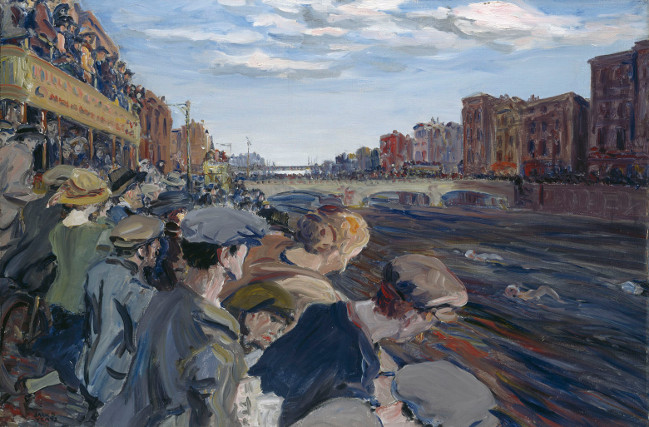
The Liffey Swim by Jack Butler Yeats, painted in 1923. Courtesy National Gallery of Ireland

Independent Ireland was represented at the Olympic Games from 1924 onwards. No Irish athletes won medals in 1924 but Jack Butler Yeats won a silver medal for the above painting and Oliver St John Gogarty won a bronze medal for literature in that year. Did you know that between 1912 and 1948 competitions in the arts were part of the Olympic Games? For a small nation Ireland has made its mark in the games: in Melbourne in 1956 Irish athletes and boxers won 5 medals between them – a gold, a silver and three bronze, and in London in 2012 boxers, athletes and a showjumper won 6 medals – a gold, a silver and four bronze. 1996 was a memorable year when, in Atlanta, Michelle Smith won 3 golds and a bronze for swimming.

An original cover from the 1924 programme for the Tailteann Games, an artist’s perception of the ancient games and (right) two medals struck for the Games

While researching this information I came across Tailteann Games. The word is pronounced ‘tell-tin’. The eleventh century Lebor Gabála Érenn (the Book of the Invasions of Ireland) states that the games were founded by Lugh Lámhfhada, Lugh of the Long Arm – the first High King of Ireland – as a mourning ceremony for the death of his foster-mother Tailtiu. Lugh buried Tailtiu underneath a mound in an area that took her name and was later called Teltown in County Meath, not far from the Hill of Tara. It’s perhaps significant that the games took place around the festival of Lughnasa – at the beginning of August. Accounts vary as to the historical periods in which the games were held: some say as early as 1800 BC, while a more generally accepted dating seems to be from the 6th to the 9th centuries AD: the festival died out after the Norman invasion but was later revived as the Tailten Fair, consisting of contests of strength and skill, horse races, religious celebrations, and a traditional time for couples to contract ‘trial’ marriages. These were allowed under Brehon Laws: couples could meet and live together for a year and a day – at the end of this time either party could end the marriage on the ‘Hills of Separation’.
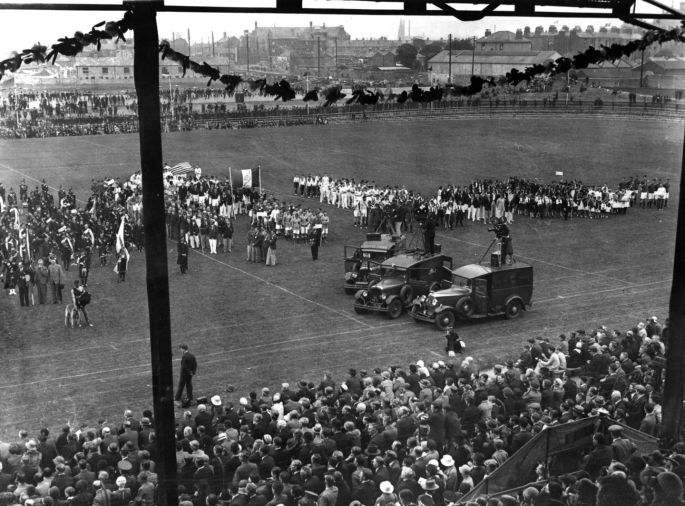
Presumably these photographs are from the ‘Opening Ceremony’ of the 1924 Tailteann Games held in Croke Park

While the 1924 Olympics were being held in Paris (where Finola’s grandfather was a member of the Irish team) a revival of the Tailteann Games was held in Croke Park, Dublin. This ‘meeting of the Irish race’ or ‘Irish Olympiad’ had been announced by Éamon de Valera in Dáil Éireann in 1921 to celebrate the founding of the Irish Free State, but the event was delayed because of the Anglo-Irish War and the Irish Civil War. Organised by the Gaelic Athletic Association (GAA), it was open to all people of Irish birth or ancestry. Participants came from England, Scotland, Wales, Canada, the USA, South Africa and Australia as well as Ireland. 

image

Note the media presence at the 1924 Tailteann Games: newsreel cameras mounted on to motor vans  

Tailteann Games were held again in 1928 and 1932. The name survives today as Rás Tailteann, which is an 8 day international cycling race around parts of Ireland. This race has run every year since it was founded in 1953 and has developed into a much sought after event by professional and amateur teams from many parts of the world: it is able to award qualifying points that are required for participation in Olympic Games and World Cycling Championships.

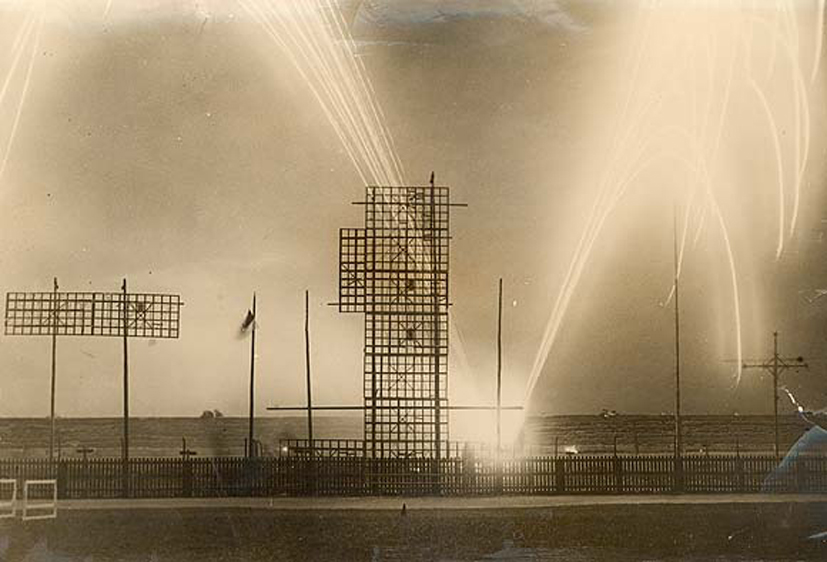
Fireworks_at_the_First_Tailteann_Games_August_15,_1924

No modern games ceremony would be complete without a fireworks display: (top) this unusual photograph shows the fireworks at the 1924 Tailteann Games. (Lower left) a 1958 poster for the Rás Tailteann. (Lower right)  We watched this year’s Rás Tailteann on the road to Ballydehob. (Below) Paul and Gary O’Donovan – West Cork lads in Rio on Friday added a 2016 Olympic Silver to their many achievements (photo afloat.ie)

brothers

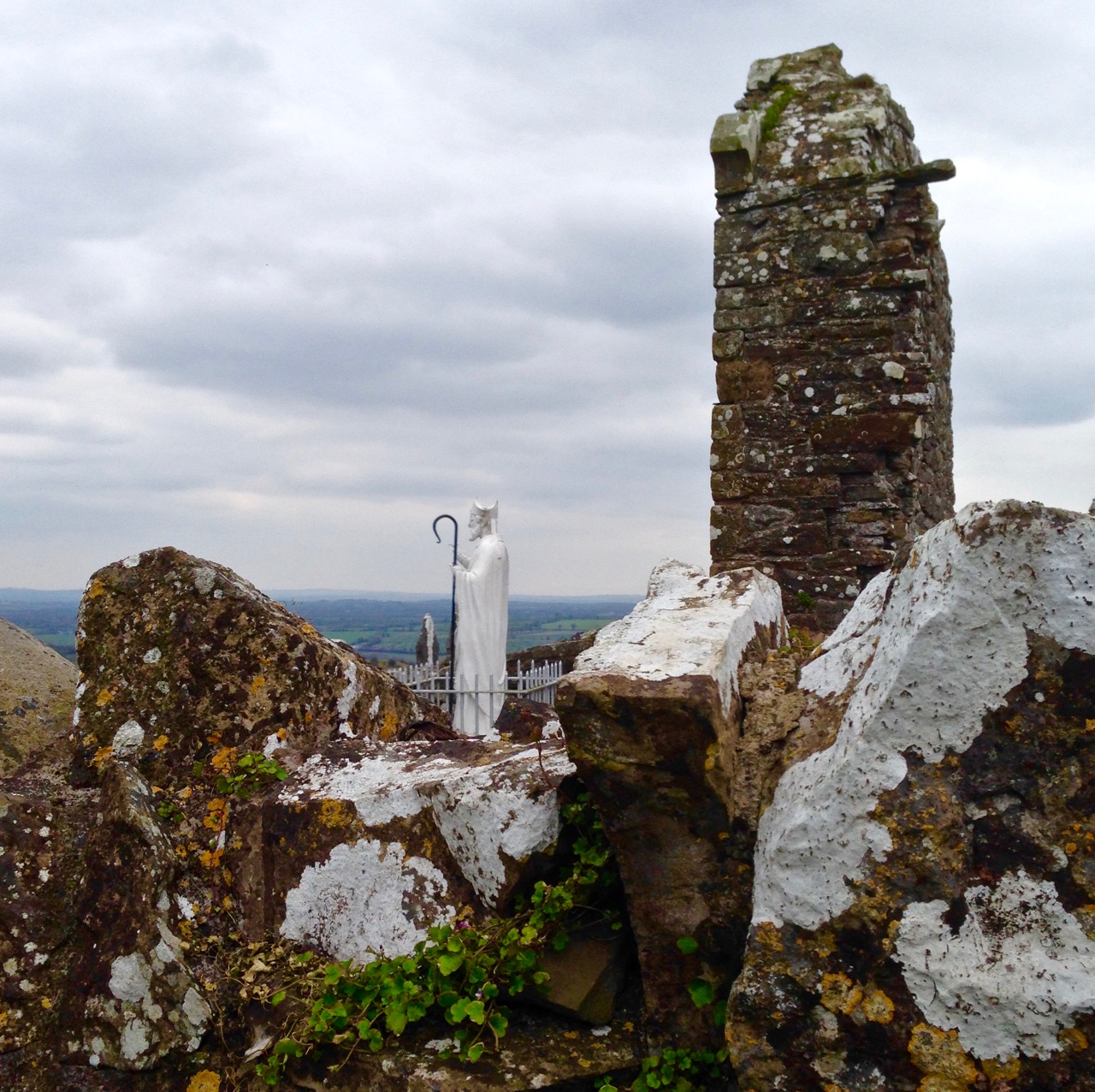
Hill of Slane

abbey + college

Our travels took us to the Hill of Slane. On its summit overlooking the River Boyne a depleted Saint Patrick (he’s lost his hands) looks forever out to the east, facing towards the mound of Millmount at Drogheda, about 15 kilometres away according to our Crow. Millmount is reputed to be the site of an ancient passage grave – and the burial place of Amhairgin mac Míled, who was regarded as the originator of the arts of song, poetry and music. The very first Irish poem The Song of Amhairgin was recited by him as he entered Ireland from the River Boyne, below the mound. Here’s a version of it translated (from the original Irish) by Lisa Gerrard:

I am the wind on the sea
I am the stormy wave
I am the sound of the ocean
I am the bull with seven horns
I am the hawk on the cliff-face
I am the sun’s tear
I am the beautiful flower
I am the boar on the rampage
I am the salmon in the pool
I am the lake on the plain
I am the defiant sword
I am the spear charging to battle
I am the god who put fire in your head

Who made the trails through stone mountains?
Who knows the age of the moon?
Who knows where the setting sun rests?
Who took the cattle from the house of the Warcrow?
Who pleases the Warcrow’s cattle?
What bull, what god created the mountains’ skyline?
The cutting word – the cold word?

The Saint lit the Pascal Fire on the Hill of Slane soon after his mission in Ireland began (the flame is still lit at Easter). That seems to me a symbolic action: a challenge issued, perhaps to the pagan traditions that had gone on for generations before the new religion arrived. Patrick’s fire-raising activities are also a comparatively recent addition to the lore of the hill: according to the Metrical Dindsenchas – combining poems from the Book of the Dun Cow, the Book of Leinster, the Rennes Manuscript, the Book of Ballymote, the Great Book of Lecan and the Yellow Book of Lecan – all sources well over a thousand years old and themselves most likely compiled from the timeless oral traditions of the Bards – Slane is the burial place of an ancient king:

…Slaine, whence the name? Not hard to say. Slaine, king of the Fir Bolg, and their judge, by him was its wood cleared from the Brugh. Afterwards, he died at Druim Fuar, which is called Dumha Slaine, and was buried there: and from him the hill is named Slaine. Hence it was said: Here died Slaine, lord of troops: over him the mighty mound is reared: so the name of Slaine was given to the hill, where he met his death in that chief abode….

(Translated by Edward J Gwynn in 1903)

The ‘mighty mound’ must surely be the enigmatic earthworks hidden in the trees to the west of the abbey and college ruins: these are variously described as a barrow or a motte.

Over the gate

Top: medieval profile; Above left: ‘Creature of Slane’ decorating the walls of the old college, and Above right: the tower of the monastery which dates from the 16th century

Mostly what we see today on the summit here is medieval: the hill remained a centre of religion and learning for many centuries after St Patrick. A friary church was established on the site of an earlier monastery in 1512: it was abandoned in 1723. Beside it is a medieval college, probably also 16th century. The stonework here includes some extraordinary carvings, sadly much dilapidated.

I musn’t shy away from another tradition associated with Slane Hill: the authors of this book make a convincing case for an alignment right across Ireland that takes in several historically important sites:

41s5jHsihjL…The Millmount-Croagh Patrick alignment stretches over 135 miles from the east coast of Ireland to the west, and has significant St Patrick associations … we found that the line from Millmount to Slane westwards travels all the way to Croagh Patrick, perfectly intersecting the little chapel on the summit of The Reek with breathtaking accuracy. Significantly, this line skirts the hills of Loughcrew on its way, and also travels directly through Cruachan Aí, one of the largest archaeological complexes in the whole world, with 200 monuments located in a 10-mile radius. Croagh Patrick, known in prehistoric times as Cruachan Aigle, is the place where, according to legend, Patrick banished the serpents from Ireland…

If nothing else, the theory at least demonstrates that St Patrick’s influence stretches the length and breadth of the country: witness his statue looking out from the Hill of Slane and another looking across from the lower slopes of The Reek!

croagh patrick 6

croagh patrick 5

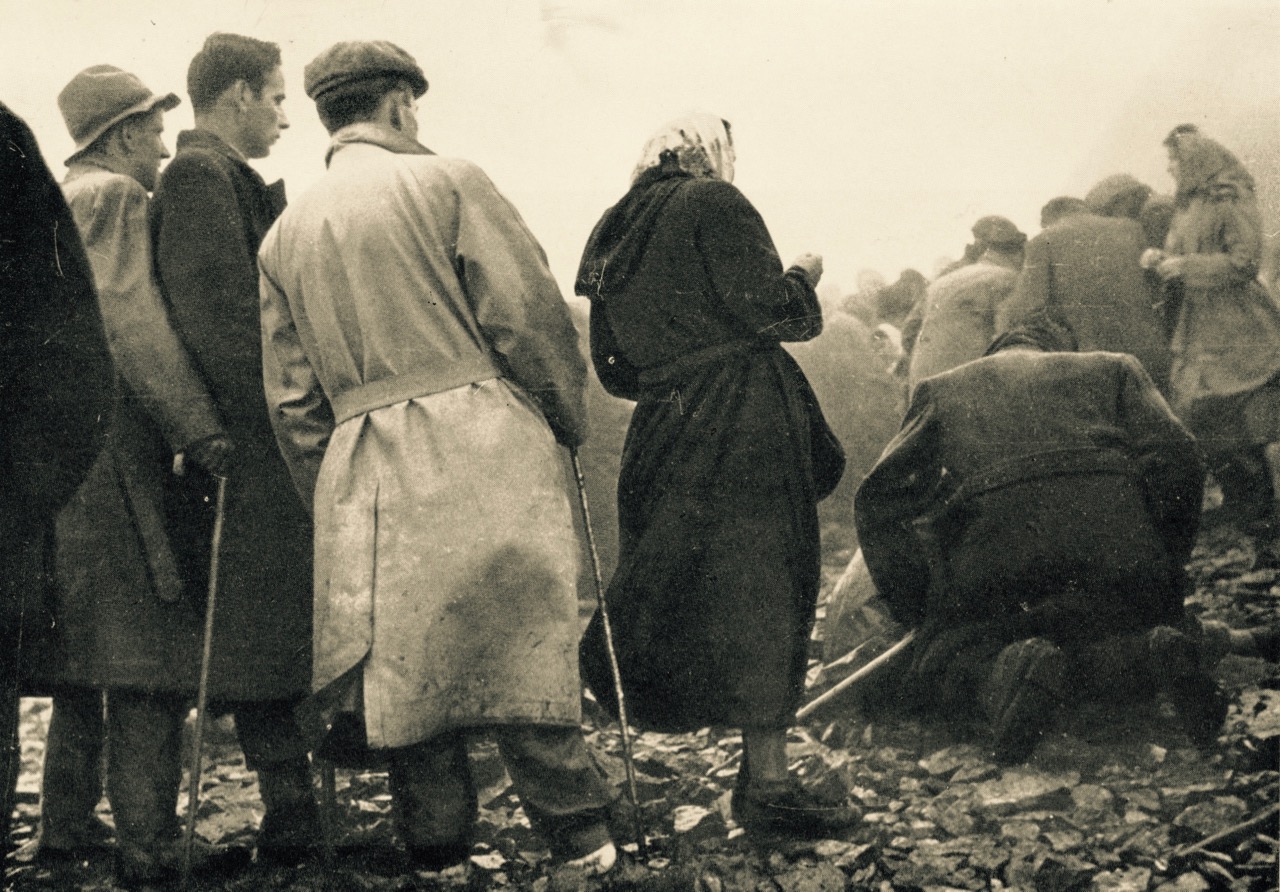
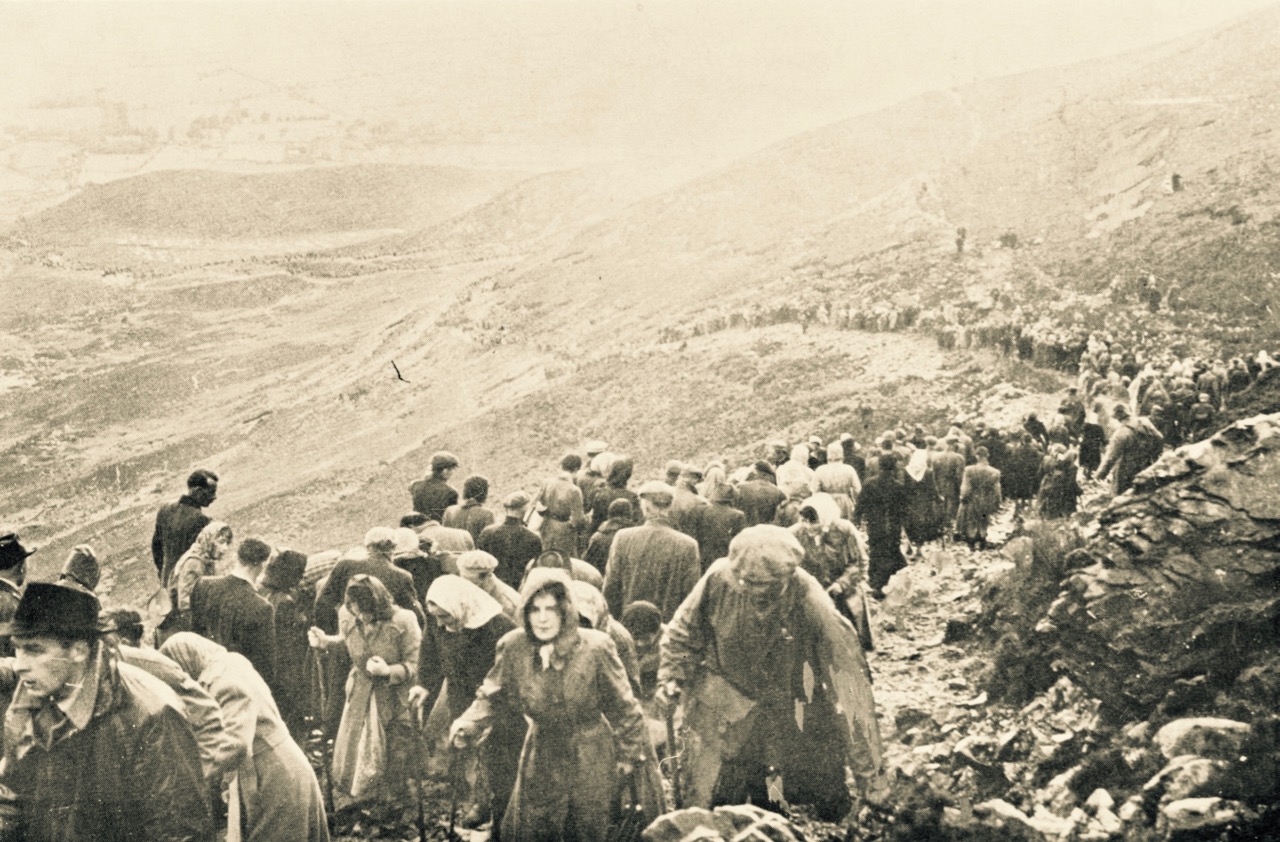
Pilgrimage for St Patrick on The Reek: Photos from the collection of Tomás Ó Muircheartaigh, who documented life in rural Ireland between the 1930s and the 1950s

St Patrick (his day was last week), Easter (this weekend), the Boyne neolithic monuments, Irish poetry, ancient kings and their battles, a little bit of astro-archaeology, the commemoration of the 1916 uprising in Dublin, the fight for Irish freedom… All seem to have joggled along beside each other in our recent explorations. Somehow they fit together and define an Irish-ness which is all-encompassing but not overwhelming. History is dancing all around us: alive and relevant.
watching saint p


1916 and 485

485

We’re in Dublin this week, at the height of the centenary commemorations for the Easter Rising of 1916. There is much to do and see but I’ve decided to focus on a place where the men and women who died in the struggle for Irish freedom are remembered every day – Glasnevin, our ‘national cemetery.’
Work in progress

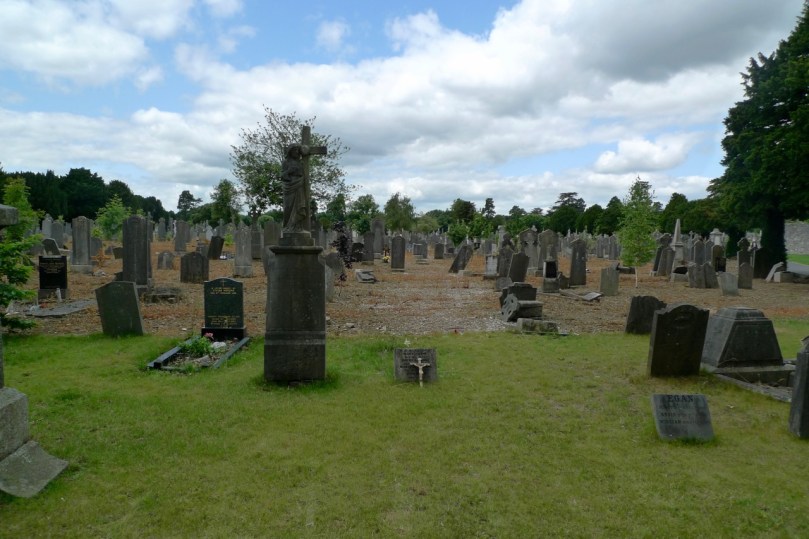
This part of the cemetery is still a work in progress. Slowly but surely all areas are being reclaimed and restored

Glasnevin is one of Ireland’s top tourist attractions – a cemetery, imagine! This is all the more remarkable when you realise that only a few years ago it was a tangled mess of weeds and ivy with row upon row of broken and fallen headstones, neglected and unsung. Now, after an extensive restoration project there is a handsome new museum (the world’s first cemetery museum) and avenues of statuary and bowers the like of which you might see in Paris.

Glasnevin Statuary

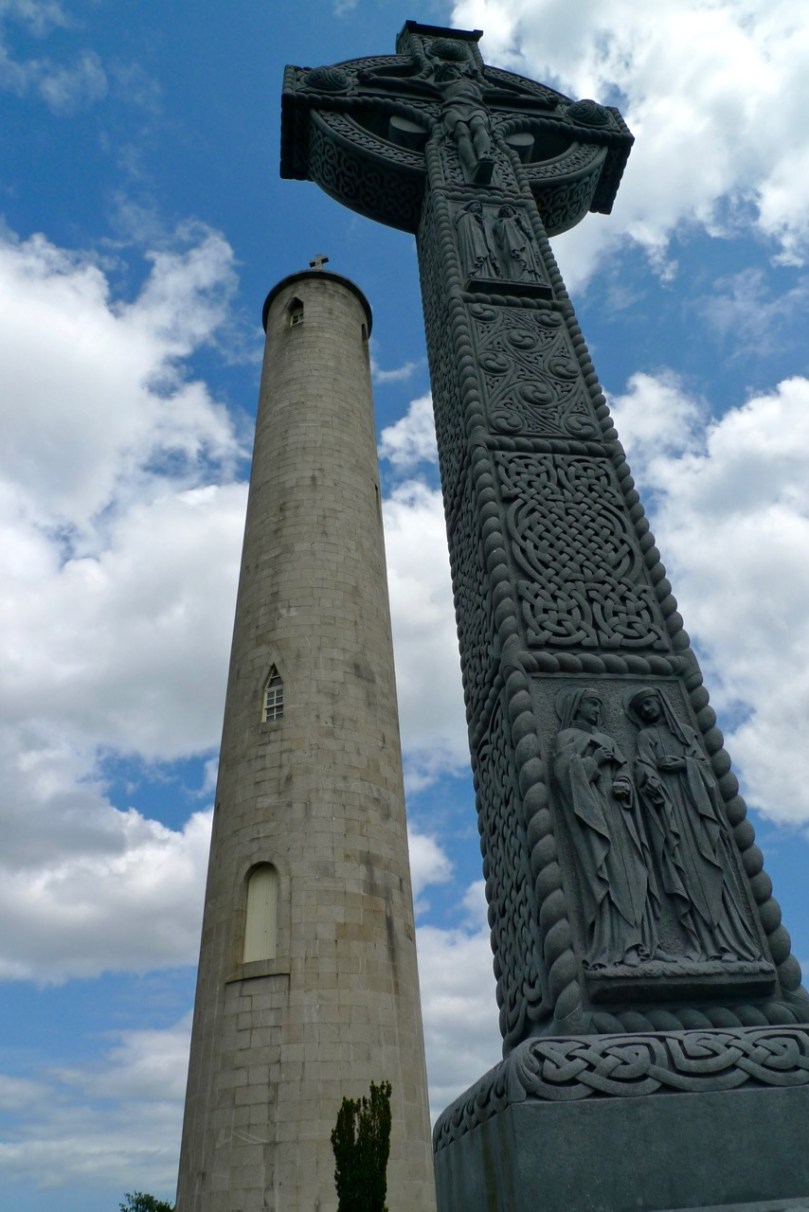
But of course it’s who is buried here that marks it as a focus for this year of commemoration. The giants of Irish history – poets and politicians, painters and writers, priests and suffragists – can all be found here. And, most impressively, all religions. Daniel O’Connell, whose crypt and round tower dominate the scene, helped to found this graveyard as a burial place for all denominations.

Tower and Cross

Daniel O’Connell’s round tower rises above all other monuments

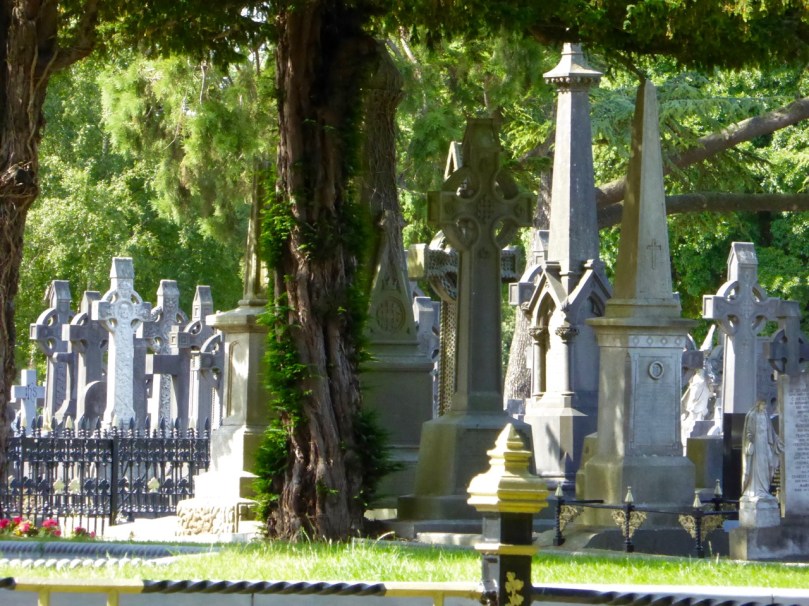
The history of headstone trends can be read in this graveyard too. Victorian statuary and sylvan avenues dominate the earlier periods but it was all Celtic Crosses and Maids of Erin at the turn of the century. The modern period has brought austere and understated granite slabs. 

Casey Memorial

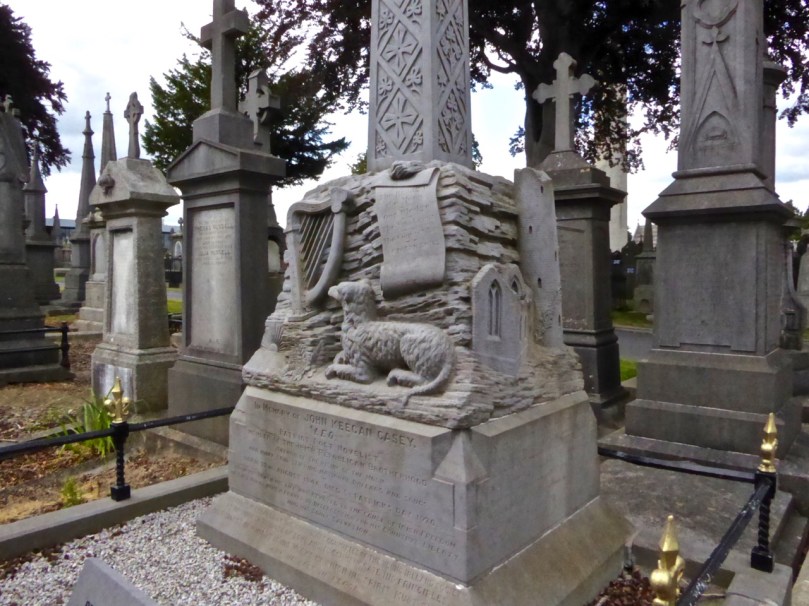
Restored MonumentThe Celtic Revival was not just about literature – trends in art extended to gravestone designs. The top one above is the gravestone of John Keegan Casey, author of soul stirring national ballads and songs; the lower one commemorates several different patriots

Outlaws and Felons

Last year, the focus was on O’Donovan Rossa (see my posts about Rossa here and here and here). The oration at his graveside in Glasnevin was given by Patrick Pearse: it was re-printed and widely distributed and is usually credited with marking an important starting point to the 1916 Rising, one year later.

Rossa Oration

An actor re-enacts the oration given by Patrick Pearse in 1915 at the graveside of O’Donovan Rossa

Many of the participants in that rising found their final resting place here in Glasnevin, although not the leaders who were immediately executed, most of whom were buried in quicklime at Arbour Hill cemetery, in what was once a prison yard. But here are Eamon de Valera, Countess Markievicz, Thomas Ashe, Harry Boland, Cathal Brugha, Austin Stack, Sir Roger Casement, Elizabeth O’Farrell (see below) and many more. They were men and women, Catholic and Protestant: although the new state that grew from independence was predominantly Catholic, many Protestants numbered in the ranks of the revolutionaries. See the always entertaining Come Here To Me blog for a thorough investigation of this. Of all the graves the most famous belongs to Michael Collins, about whom Robert has written. Collins’ grave has the distinction of being the most visited in the cemetery, and always has fresh flowers on it. 

Michael Collins Gra ve

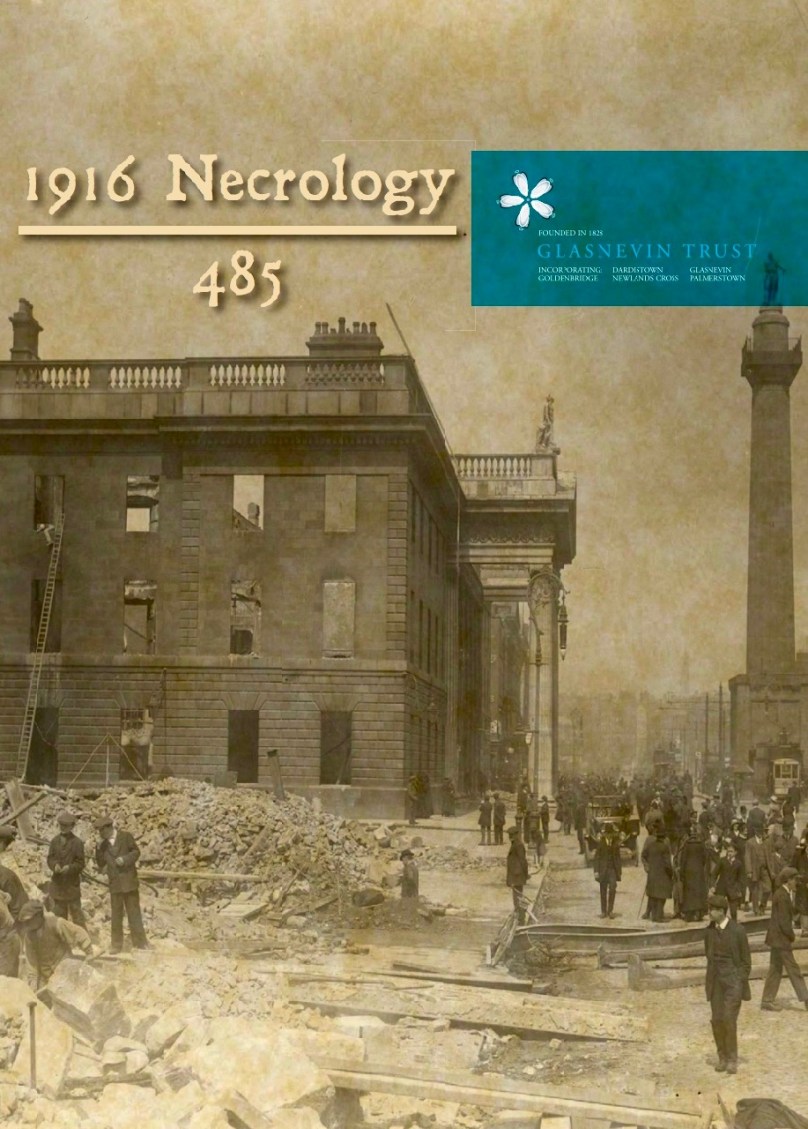
But the most startling and important association that Glasnevin Cemetery has with 1916 is not captured by the roll call of the leaders and foot soldiers of the IRB and Volunteers who fought in the various actions. No – the real story here is in the sheer numbers of people who died during that conflict and who were buried here. That number (so far) is 485 men, women and children.

Museum

The modern Glasnevin Museum houses displays, vast records, and a visitor centre

This number is the result of a massive research effort by Glasnevin Trust.** Here is what their website has to say about their findings:

This major research work has revealed many interesting and previously unknown facts. The majority of the dead were civilians, 54% of the total dead, caught up in the fighting. British Army dead accounted for 26% of those killed while the rebel forces had 16% of the casualties. The remaining percentage is made up of members of the Dublin Metropolitan Police and Royal Irish Constabulary. The numbers of civilians killed each day steadily increased, peaking on the final day of the rebellion 29 April when 45 died. This was also the most violent day of the rebellion during which 78 people lost their lives. 26 April, the day of the Battle of Mount Street Bridge, was the worst for the British Army losing 30 men during the fighting throughout the city. The rebels also suffered their worst casualties on this day with 13 men killed. For the police the day of the Battle of Ashbourne, 28 April, proved to be their worst.

The vast majority of those killed were buried at Glasnevin Cemetery in the aftermath of the fighting. The staff of the cemetery struggled to deal with the large numbers of bodies being brought for burial. Despite great strain they succeeded in giving all a dignified burial and recorded their details in our registers.

Celtic Crosses

If you’re in Dublin, do go on a tour of Glasnevin Cemetery. And when you’re there, stop at the new memorial to all those who died in the 1916 Rising (to be unveiled in early April), and reflect not only upon the insurgents or the soldiers and policemen, but upon the innocents. It is fitting that their lives and their deaths should also form part of what we remember and understand about that week of conflict.

Much has been written lately about the many women who played active roles in the Rising. One of those was Elizabeth O’Farrell, the nurse who carried the white flag of surrender out of the GPO – and who was almost airbrushed from history

And that planned new memorial – a ‘necrology wall’ listing the 485? It is, inevitably, controversial. Depending on what you read it is either a bewildering, ‘bizarre’ and revisionist decision, or a brave new effort to recognise all the dead equally and non-judgementally. But perhaps that is, after all, the job of a cemetery. 

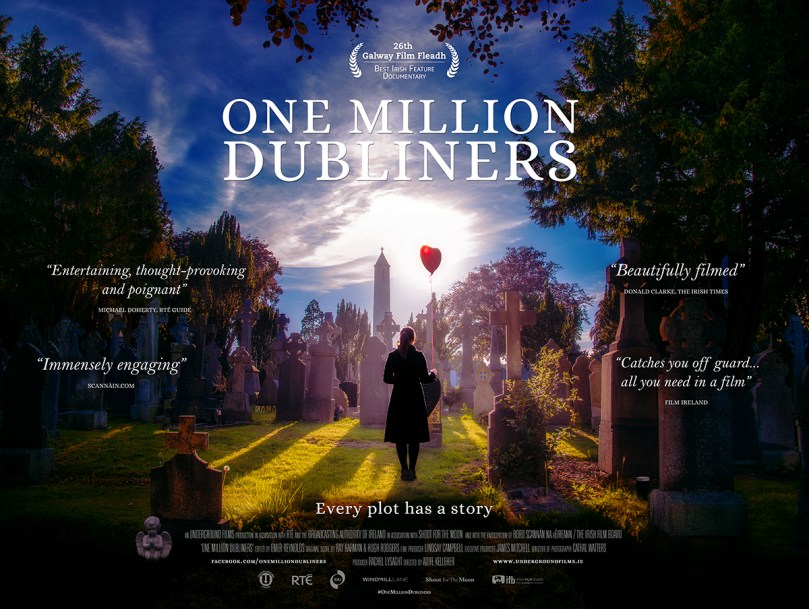
One-Million-Dubliners

And if you can’t get to Glasnevin, try to see the film One Million Dubliners. It’s a brilliant, moving, evocative and beautifully made film that will show you why this historic cemetery has so rightly earned its place as one of Ireland’s major tourist attractions.

** The first photograph in this post is the front cover of the research report 1916 Necrology by the Glasnevin Trust

Perspectives on Irish History

Occasionally we review books that we think will interest our followers. Here are two which I recommend without reservation: Victorian Dublin Revealed and The Green Divide. Both are by Michael Barry, an engineer, writer and publisher who hales from Ballydehob and now lives in Dublin: he describes himself as an author and transport consultant and has spent much of his career with Ireland’s railways. Michael recently penned an article for the Irish Times in which he set out the highs and lows of producing books here: …There is the pleasure of receiving in one’s hand, a new book, straight from the press: perfectly laid out, high quality, the illustrations perfectly printed. It is the joy of creating something worthwhile – it is almost like seeing a child just born… and, balancing that, the frustrations of a literary world where British publishing dominates: …It is a hard world out there, one may have the best book in the world, but if you don’t have contacts in the press or radio, one doesn’t get reviewed or interviewed… Having read these two books from Michael I can confirm that he is a perfectionist: his writing is faultless and authoritative but, more than that, he generates an enthusiasm for his subjects. Pick up either of these volumes and I guarantee you will be hooked. If there is a word – unputdownable – then that perfectly describes them both. I didn’t know that I was so fascinated (as I now am) by the Irish Civil War: The Green Divide makes such a good job of describing that awful part of Irish history in all its perspectives. It is eminently readable and brilliantly illustrated – there are 400 pictures which include contemporary images, documents and posters as well as the author’s own high quality photographs.

Very different, but equally compelling, the book on Victorian Dublin is, indeed, a revelation. The architect in me immediately wants to go out and see all these places – houses, halls, churches, industrial archaeology – which I never knew existed. The level of research is breathtaking. Mary Leland, in an effusive review for the Irish Examiner, puts it well: …If modern life in Ireland began in the nineteenth century, so did modern architecture. Michael Barry makes this point time and time again in a book of sometimes startling illustrations . Here are pictures to remind us of what we have been ignoring because they seem so commonplace or constant. Barry is his own photographer and has a pleasing eye for detail. He also has a nice sense of historic irony…

I am including a few extracts from both of these volumes: in their brevity they cannot do the books justice. I am hoping you will be inspired to look out for these in your local bookshops (or to ask that they get them in – as we need to keep our bookshops going…!) Michael Barry has written much more: you will find full details on his Andalus Press website – there’s a lot to explore there too!

From: The Green Divide…
Left: two National Army soldiers billeted in a rural cottage – Barry comments ‘If they are city boys, this glimpse of how people in the countryside lived probably came as a shock’. Right: a propaganda poster by Constance Markievicz – ‘this one adopts a mystical theme, depicting male and female Republican fighters as The Bodyguard of the Republic’
Left: Republican activity – removal of two rails – led to this derailment on 15 August 1922 along the banks of the River Slaney on the Dublin & South Eastern Railway: the locomotive of the down Night Mail ran on the sleepers for over 150 metres before turning over. Right: in Lough Mahon, Upper Cork Harbour, Republicans scuppered a dredging barge (distant) and the steamer ‘Gorilla’ to impede passage upriver.
Left: In July 1922, the Irish republican Army published this newspaper advertisement warning Dublin public house proprietors that their premises could lose their licences for plying soldiers with (too much) drink! Right: the ‘schloss-style’ former RIC Barracks at Caherciveen, Co Kerry, now a museum: it was set on fire during the Republican retreat from the town in August 1922.
From: Victorian Dublin Revealed…
Left: ceramic door surround in the National Museum, with carved door by Carlo Cambi of Siena; Cambi’s carvings adorn a wide range of Dublin buildings. Centre: ‘poetry in stone and iron’ – entrance gates to Howth Castle and Demense. Right: ‘heroic engineering’ – a pipe bridge over the Dargle River.
Older times. Left: the tram-yard at Dalkey. Right: oak vats in Vathouse 4 at the Guiness Brewery, 1980s; at the end of the nineteenth century it was the largest brewery in the world. ‘…They garner the succulent berries of the hop and mass and sift and bruise and brew them and they mix therewith sour juices and bring the must to the sacred fire and cease not day or night from their toil…’ – James Joyce, Ulysses.
‘A Byzantine jewel in the heart of the city’ – The University Church on St Stephen’s Green, established by John Henry (later Cardinal) Newman and designed by John Hungerford Pollen. It opened in 1856.

masonic hall

My personal favourite so far… the astonishing Grand Chapter Room in the Freemason’s Hall, Molesworth Street. The building, by Edward Holmes, dates from 1866. Evidently there is, within, an array of exotic rooms designed around fantastical themes. I can’t wait to get to see them! Will they let me in?

observatory

The South telescope at Dunsink Observatory, dating from 1868. Its 12 inch lens was the largest in the world when it was cast in Paris in 1829. The telescope mounting and rotating dome enclosure was provided by the Grubb Optical and Mechanical Works in Rathmines: ‘…the Grubb Works was a thriving hub of advanced optical technology during the nineteenth century. It produced astronomical telescopes which were exported all over the world…’ This telescope is still in working order.
Below: Michael Barry is gifted with an eye for detail: he spotted these three monkeys playing billiards on the elevations of Deane and Woodward’s Kildare Street Club (1859-61) – and wonders if it was a comment by the stone carvers on the rich and leisured denizens of the club?
three monkeys