Storm Agnes: Agnes Clerke of Skibbereen and Nineteenth Century Astronomy

This week, I was thrilled to hear Met Éireann announcing that the first storm of this year will be called Storm Agnes, after Agnes Mary Clerke who grew up in Skibbereen (in the pink house, below) and went on to become the foremost science writer of her day and a distinguished astronomer. 
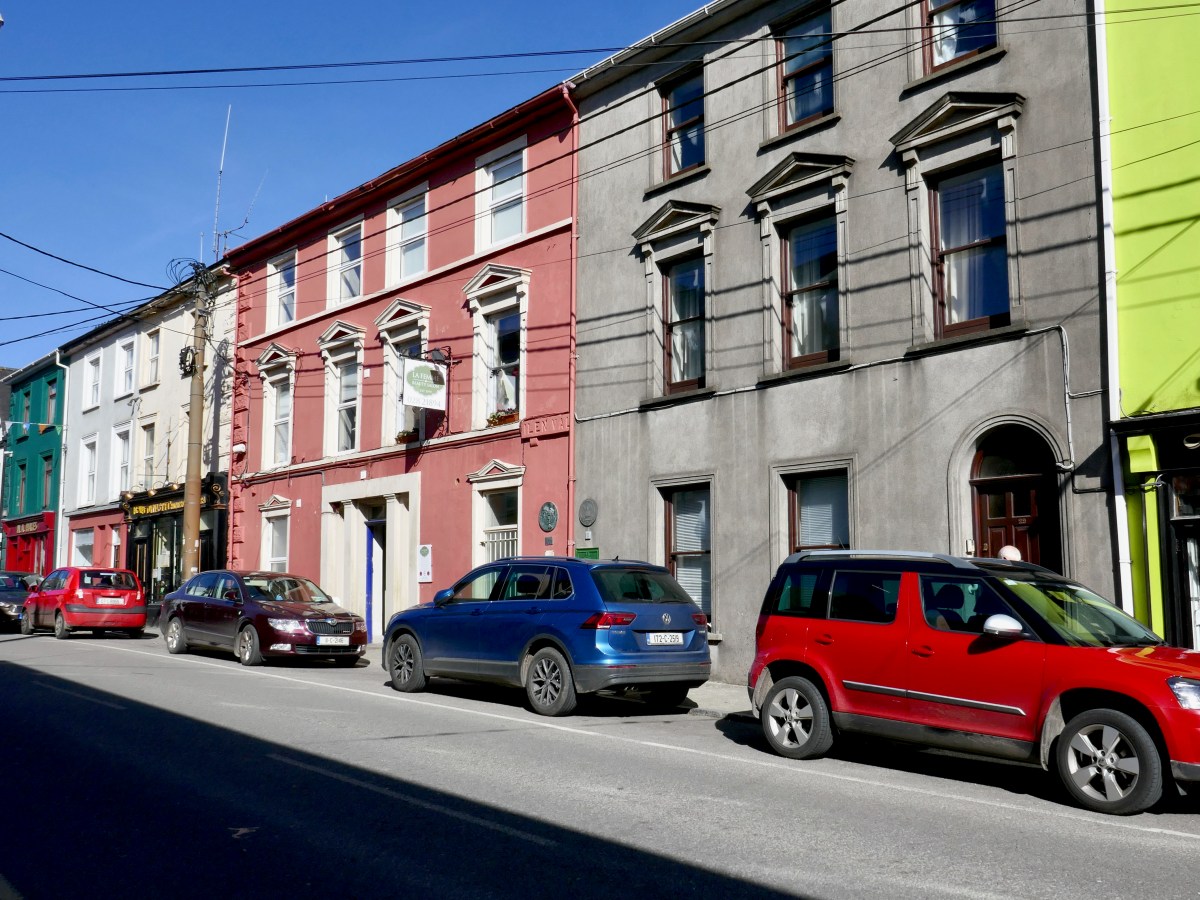
I’ve been writing and giving talks about Agnes since 2015, and it’s wonderful that she is becoming more of a household name now. Storm Agnes is especially fitting because she certainly shook up the Astrophysics establishment in her day, as a woman writing about what had traditionally been a man’s domain. The post that follows is a substantial re-writing of my 2015 post From Skibbereen to the Moon: Agnes Mary Clerke. I know a lot more about Agnes now than I did then. Mostly, that’s down to the work of Mary Bruck, a fellow astronomer, yet another Irish woman (from Meath) and author of Agnes Mary Clerke and the Rise of Astrophysics. 

West Cork is where Agnes grew up, with her parents, sister and brother. Agnes, Ellen and Aubrey were all brilliant, scholarly and published writers, each in their own fields. Their father, John William Clerke came from a long-established ‘Liberal Protestant’ family in Skibbereen – that’s John William’s own father, St John Clerke’s, grave in Skibbereen, above. At the time the children were young he was the manager of the Provincial Bank and the family lived above it.
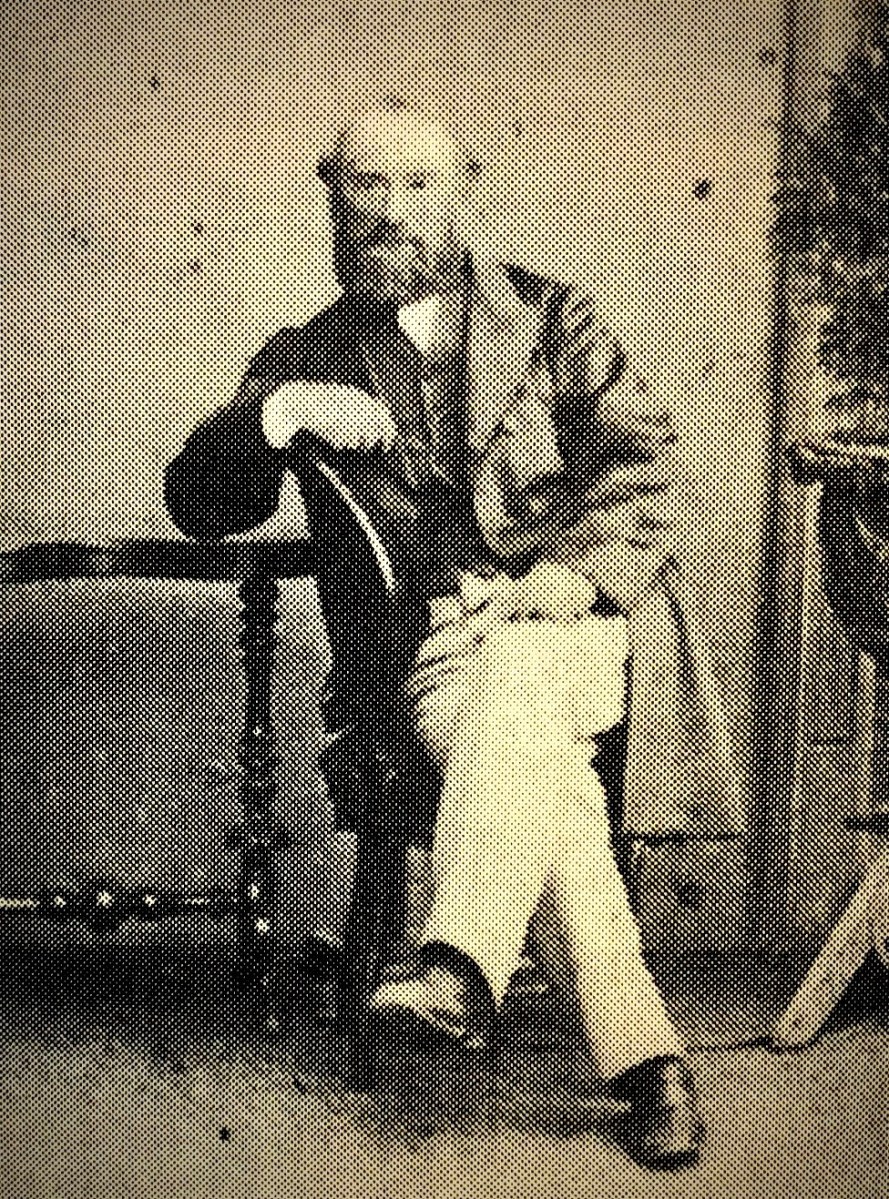
Agnes was born in 1842 and her young life was dominated by the awful tragedy of the Great Famine, which started in 1845 and blighted life in Skibbereen up to 1850 and beyond. John William (above) headed up relief efforts in Skibbereen during this awful time and was felled by Famine Fever himself, remaining critically ill for months.
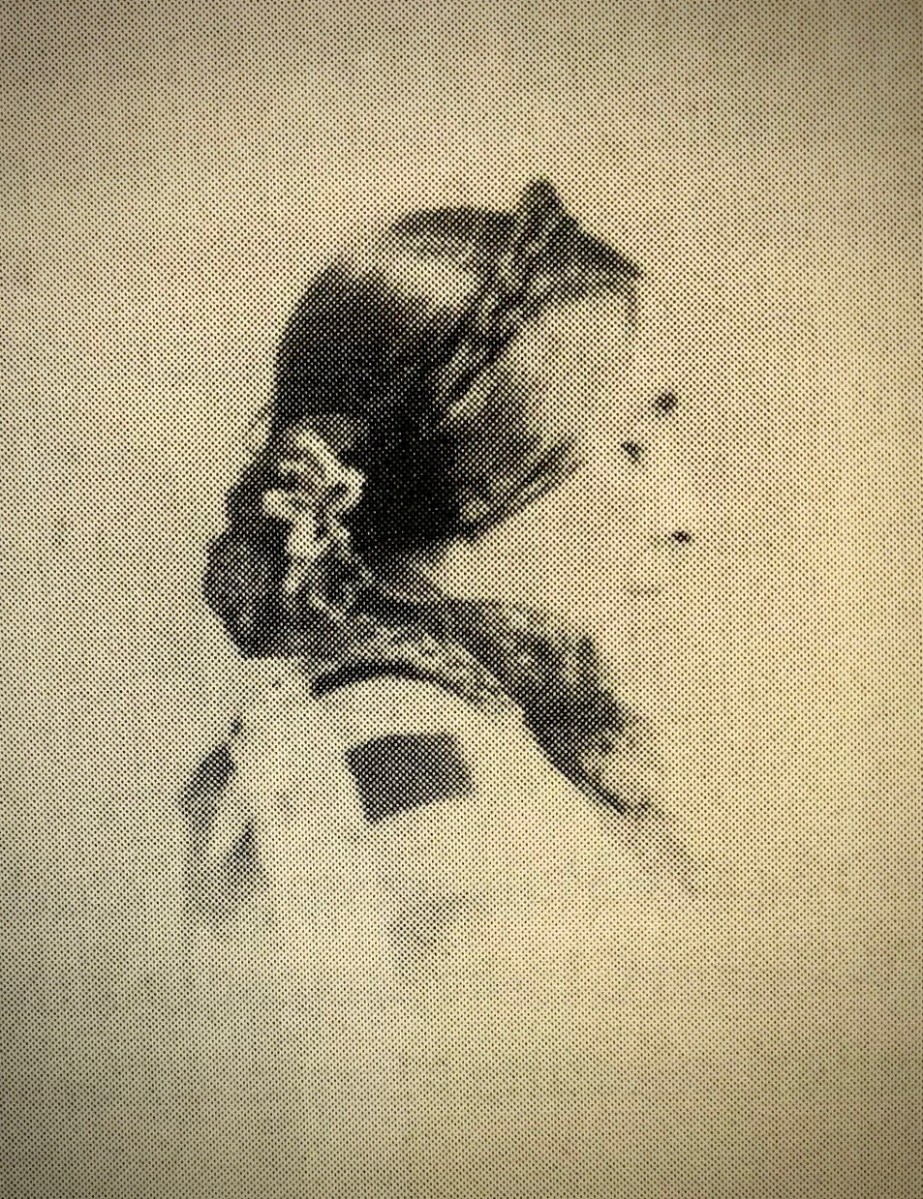
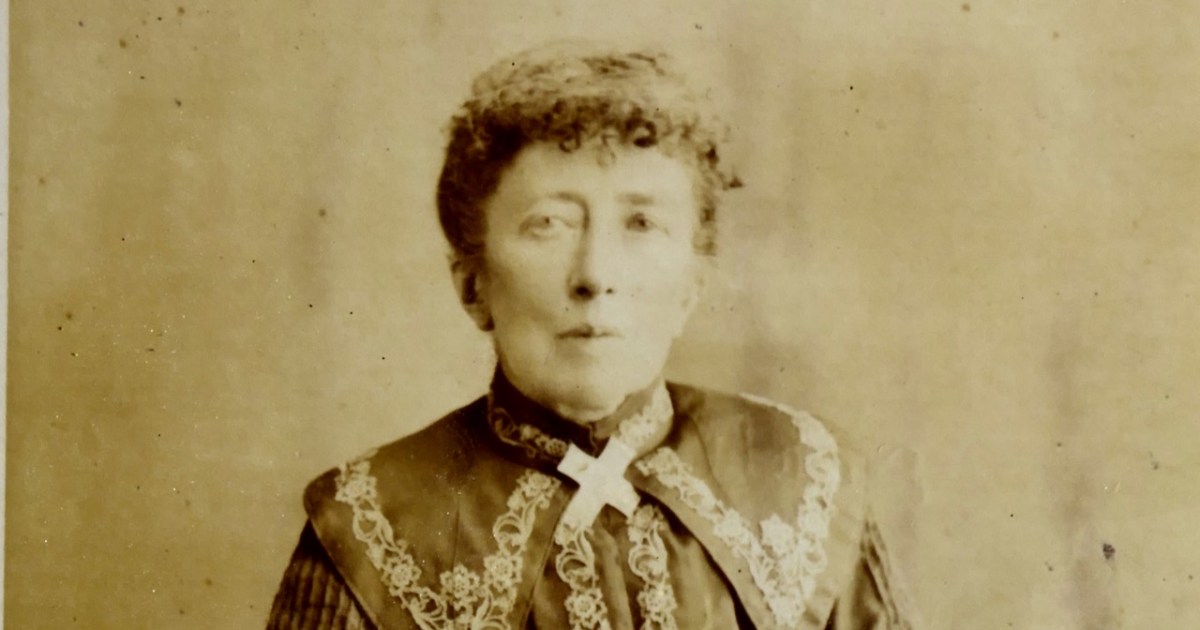
John had married Catherine Mary Deasy (above, in older age), the sister of his best friend at Trinity, Rickard Deasy, from a prosperous Catholic family in Clonakilty. Catherine had been well educated in the Cork Ursuline convent and was high-minded and musical. She tutored the children to a high proficiency in music, Latin and Greek. Catherine played Irish music on the harp and retained her ability to entertain well into her 80s. 
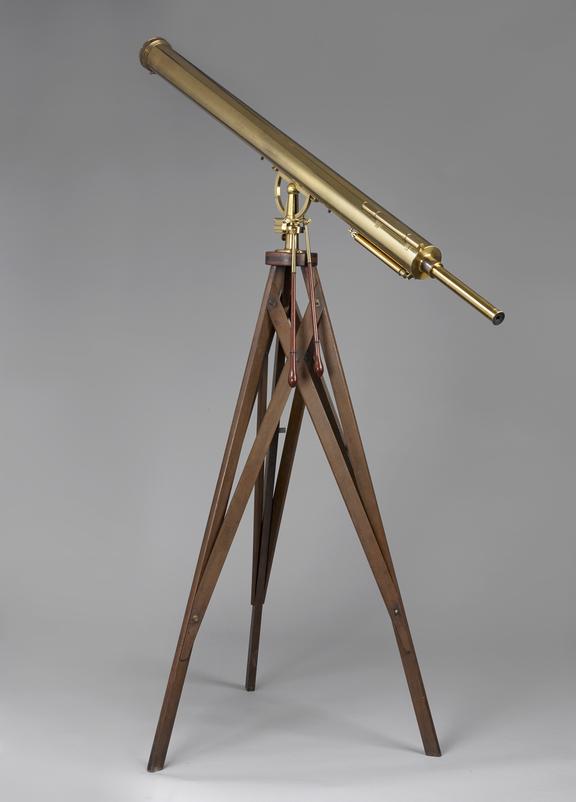
The children grew up in the 1840s and 50s with access to their father’s extensive library, his telescope (like the one above) and his chemistry experiments. The telescope, according to Mary Brück’s biography, was equipped with a chronograph for timing the transits of stars across the meridian. With this arrangement Clerke was able to provide a time service for the town of Skibbereen, which was as yet unconnected to the outer world by either railway or telegraph.

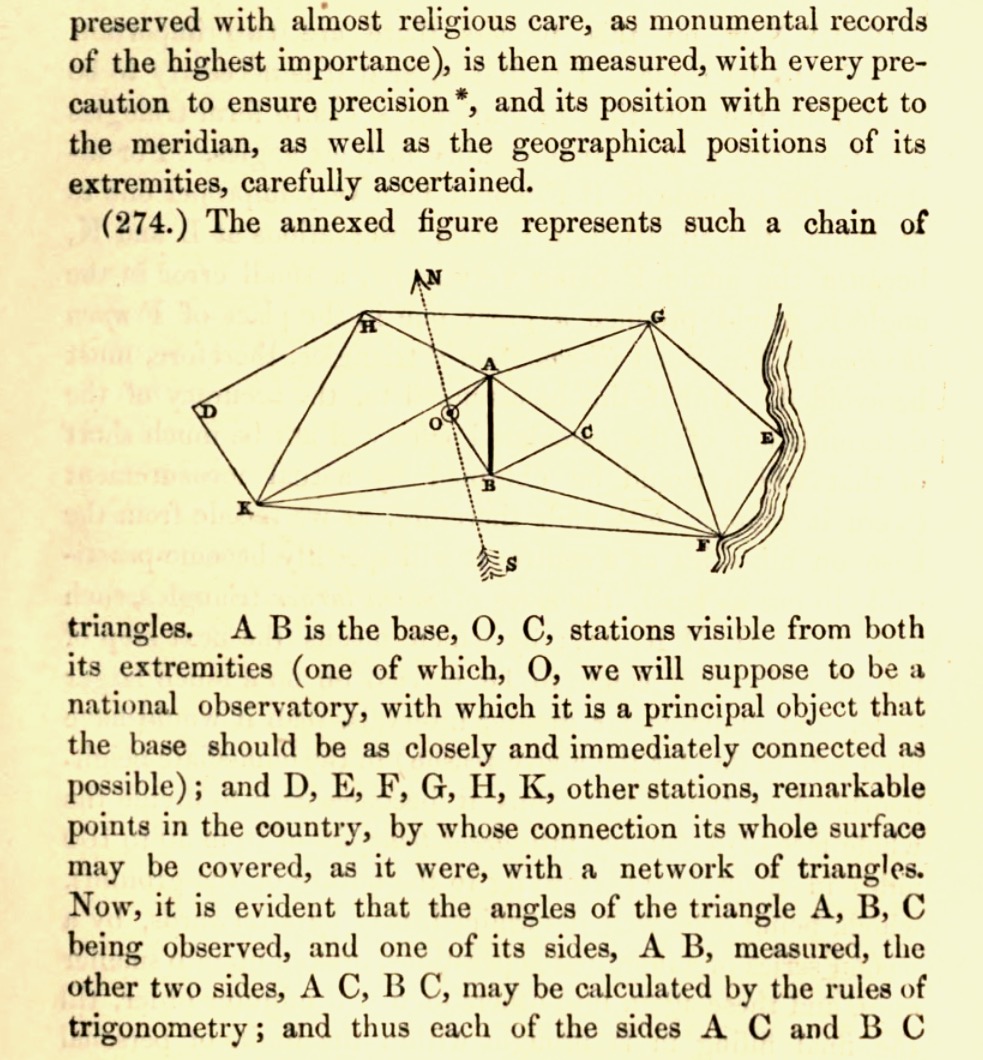
Insatiably curious, they devoured knowledge and by 15 Agnes had already begun to write a history of astronomy – a book that would later count as her magnum opus. By the age of 11, she had mastered John Herschel’s Outlines of Astronomy. (She was later to write the biography of Herschel’s father and aunt – still available for Kindle!). That’s a page from Outlines of Astronomy, below. To repeat – she was 11!
The family moved to Dublin when Agnes was 19 – her father had been appointed to a position by Rickard Deasy who was now Baron of the Exchequer Court. But her health was always delicate and her mother determined to move the two young women to a more salubrious climate. Starting with extended visits and then moving there, the Clerke women spent from 1867 to 1877 in Italy. 
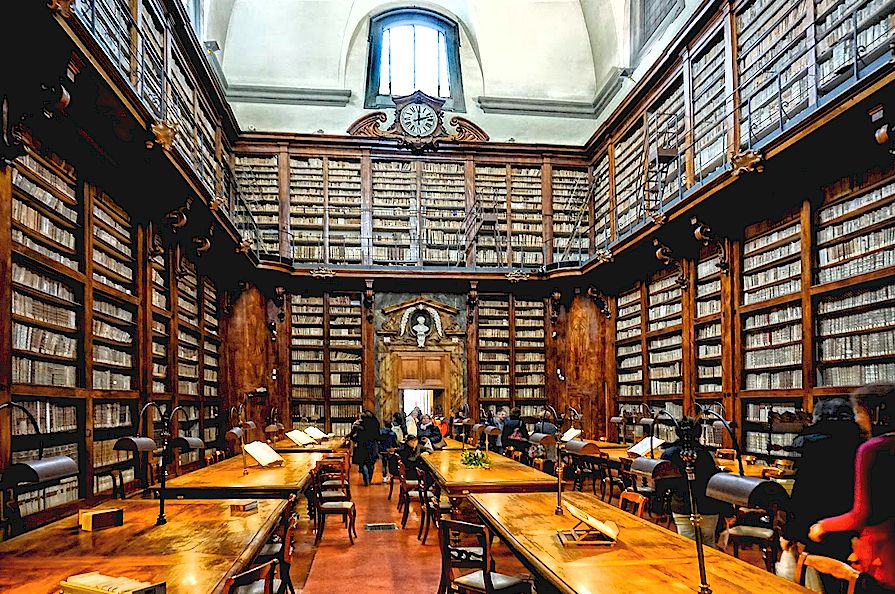
There, Agnes and Ellen, now in their 20s and early 30s, studied extensively in the excellent libraries in Rome and Florence (above), becoming proficient in several languages and going to primary sources to research their interests.

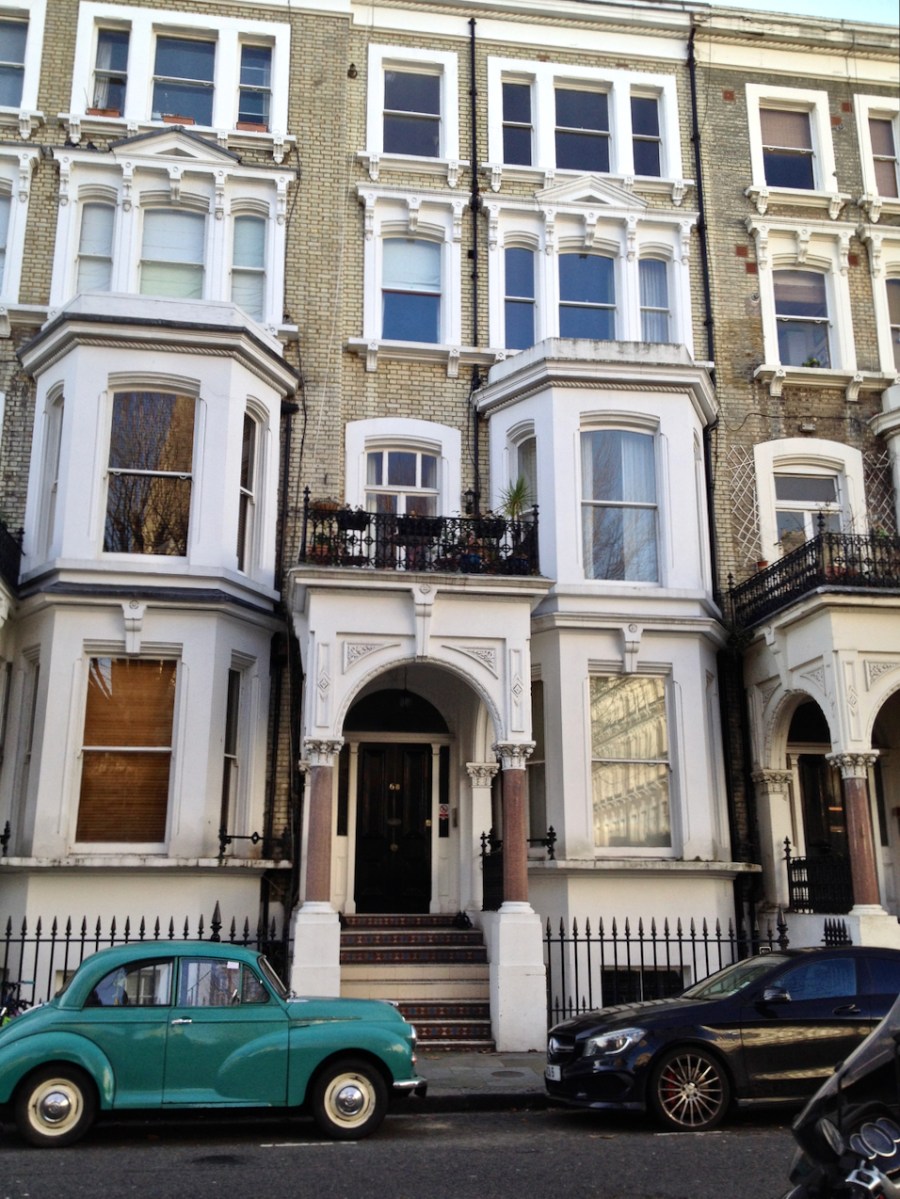
Thereafter, the family settled in London, at 68 Redcliffe Square (below). Devoted to each other, none of the siblings ever married and the family lived together in harmony and supported each other’s endeavours to the end.
Although she started off with a wide range of topics, Agnes over time concentrated on writing about astronomy. Her first published pieces (one about Copernicus, the other about the Mafia!) appeared in the Edinburgh Review in 1873. But her magnum opus, the book which brought her to the attention of the scientific community in England and the United States, was her History of Astronomy during the Nineteenth Century.

With it, she burst upon the scene in December 1885. She had spent four years writing it. It was an instant best seller – both to interested lay people and amateurs but also to serious students of astronomy, as one reviewer put it on account of its accuracy and the really remarkable skill with which the leading points on which our knowledge has been increased are seized upon and set forth. It sold out in two months and went to a second printing and an American edition. It has never been out of print since. It is still used as a text book and on lists of recommended readings. It went into four editions, each one a monumental task to update as findings came thick and fast. Illustrations only began with the second edition.

Now in her early 40s, the depth and scope of Agnes’s scholarship is awe-inspiring. To read through the book (available online through Project Gutenberg) is to see a brilliant mind at work. Her purpose in writing it was:

to embody an attempt to enable the ordinary reader to follow, with intelligent interest, the course of modern astronomical inquiries, and to realize (so far as it can at present be realized) the full effect of the comprehensive change in the whole aspect, purposes, and methods of celestial science introduced by the momentous discovery of spectrum analysis.

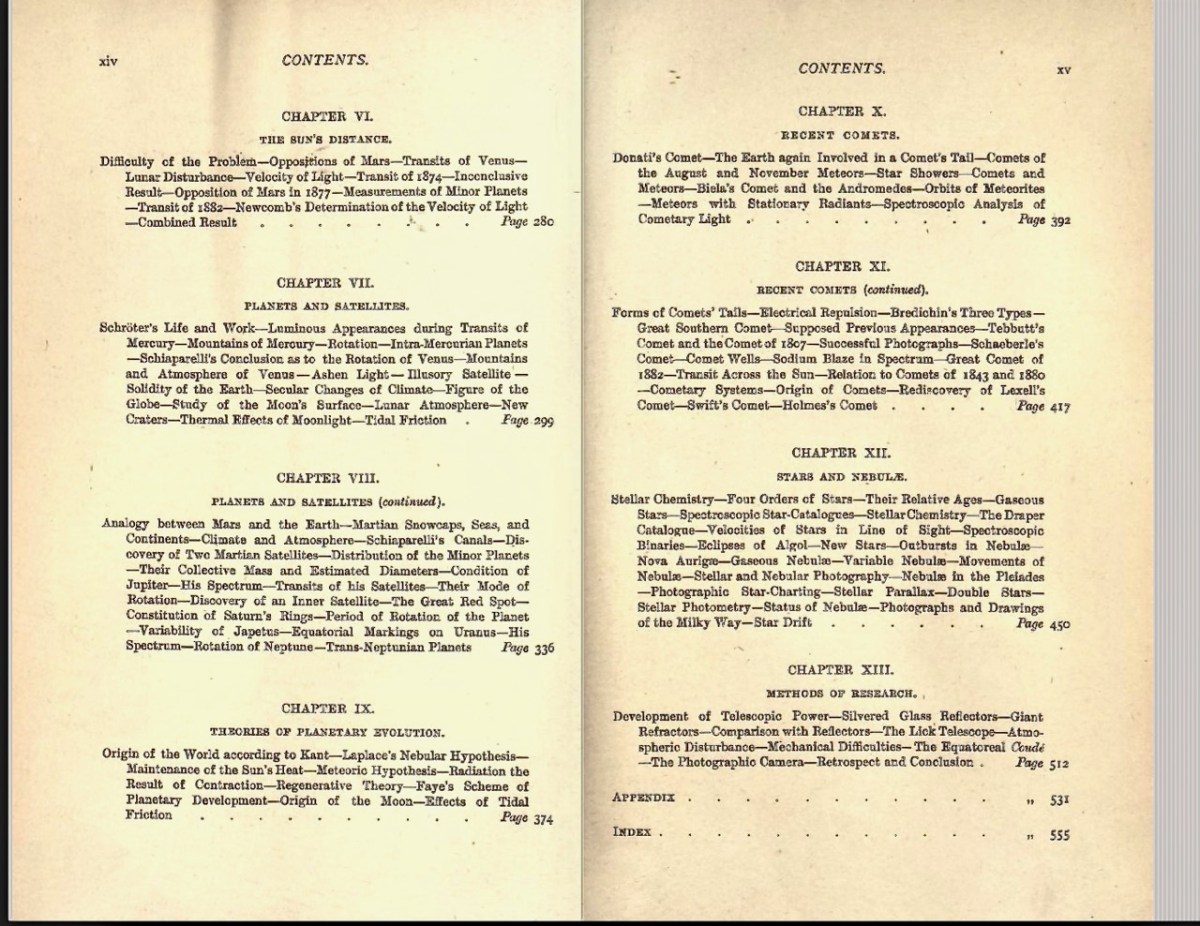
This IS the rocket science of her generation, encompassing chemistry, physics, mathematics, history of scientific thought, cosmology, the most up to date observation and measurement techniques – in short, the disciplines that made up the emerging science of astrophysics. Take a look, for example, at the headings for her Chapter IV: Chemistry of Prominences—Study of their Forms—Two Classes—Photographs and Spectrographs of Prominences—Their Distribution—Structure of the Chromosphere—Spectroscopic Measurement of Radial Movements—Spectroscopic Determination of Solar Rotation—Velocities of Transport in the Sun—Lockyer’s Theory of Dissociation—Solar Constituents—Oxygen Absorption in Solar Spectrum. Looks pretty frightening for a non-scientist, doesn’t it? And yet, this book was one of the best-sellers of the day. 
One of the huge advances in astronomy in the nineteenth century was the development of the spectroscope and Agnes’s book was the first widely-read description of its significance. A spectroscope disperses light over a much wider band than a simple prism. The pattern of colours, as well as black bands in the spectrum, all indicate the presence of certain elements. The composition of stars could now be studied for the first time.

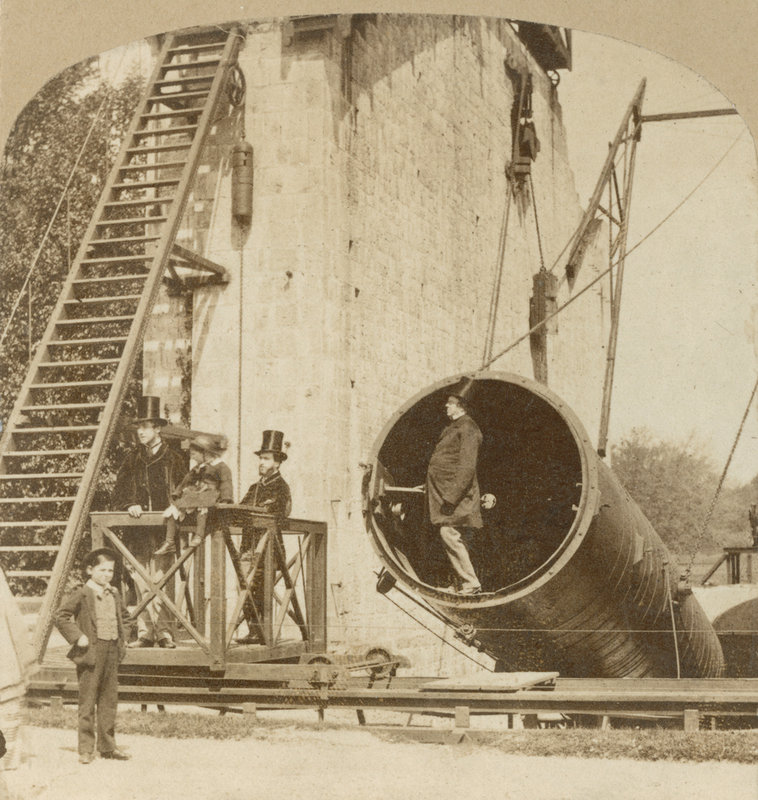
Better optics was another huge advance. Lord Rosse of Birr Castle worked with Grubb (who had been at college with Aubrey) to develop the largest telescope then in existence, capable of analysing nebulae. Agnes has a chapter devoted to Rosse’s achievements. Agnes had a unique ability to absorb and compile knowledge and then to lay it out for the non-specialist. (I got through the first chapter with little difficulty.) She is rightly credited as the founder of what is called today Science Writing. Her books (she wrote many more) and articles sold well and she made a good living from her writing.
Successful as the book was, Agnes was a woman, and a non-practitioner (that is, she didn’t work in an observatory) and many in the predominantly male science establishment of Victorian Britain were sceptical of her knowledge and resentful at her success. One who was not was David Gill who invited her to spend time at his observatory in Cape Town. She went, had a marvellous time, and gained practical experience that enabled her to write with much more confidence on certain subjects afterwards.
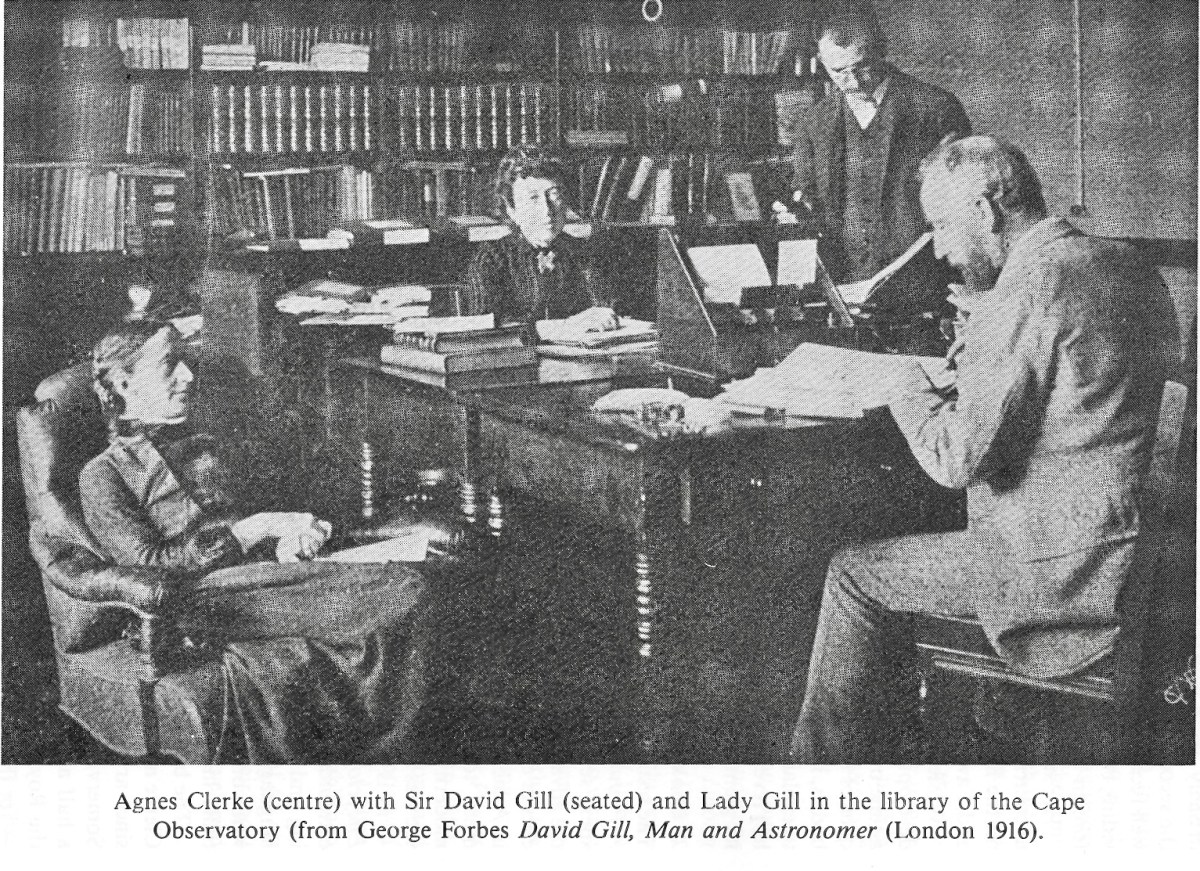
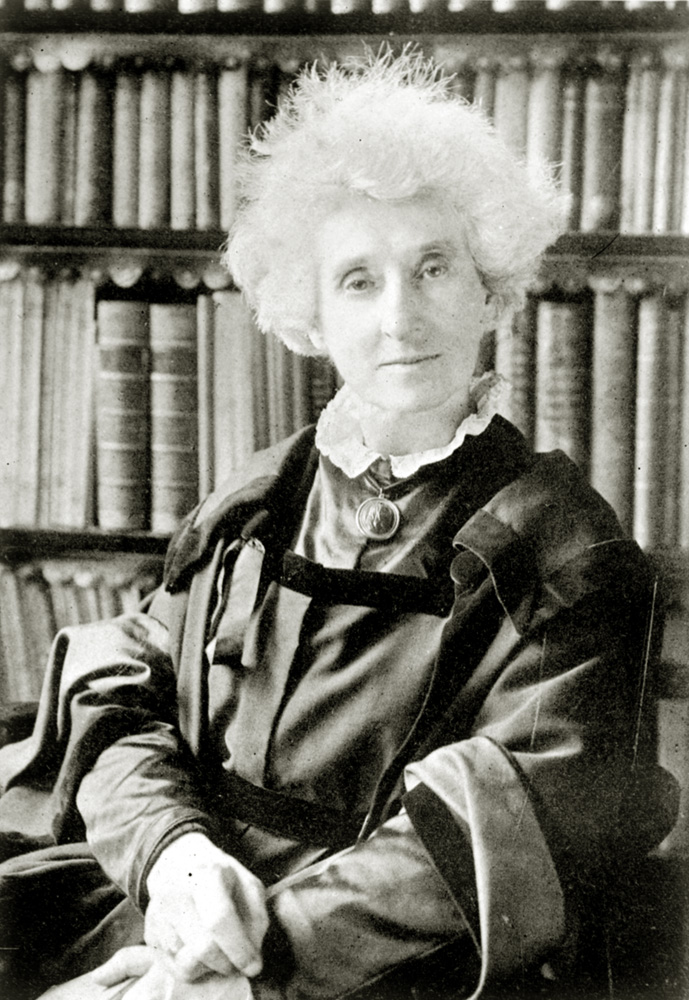
But as they read what she wrote, scientists were won over by her erudition and her ability to present their complex findings to a wide audience. Although she was a member of the British Astronomical Association, as a woman she was ineligible to be a member of the prestigious Royal Astronomical Society and had to call in favours to be allowed access to their library. But eventually even that bastion of male scientific privilege was forced to acknowledge her achievements and appointed her and her great friend Lady Margaret Huggins (another Irish astronomer, below) as honorary members. Lady Huggins was also her biographer.
Besides her new editions of A History of Astronomy, Agnes wrote several other books on Astronomy and as a diversion took a break and wrote one about Greek Literature, Familiar Studies in Homer (she knew how to take it easy).

The foremost authority on Agnes’s life and scholarship was Mary Brück. Of Agnes, she said:

This remarkable woman, educated solely within her own family and through her own private studies, not only kept abreast of astronomical progress world-wide but also had a genuine understanding of the matters on which she reported and the gift of communicating them through her fluent and prolific writings. Her books – in particular her Popular History of Astronomy during the Nineteenth Century, first published in 1885 and reprinted over almost twenty years – are treasured by historians and by amateur lovers of astronomy alike as sources of reliable and enjoyable information on that period.

I loved her description of Agnes at the height of her powers: Agnes Clerke in her sixties had become a sort of mother figure among astronomers, tactful, kind, helpful. In one account, she was described at a scientific event surrounded by leading astronomers, genuinely keen to hear her opinion on some knotty point.
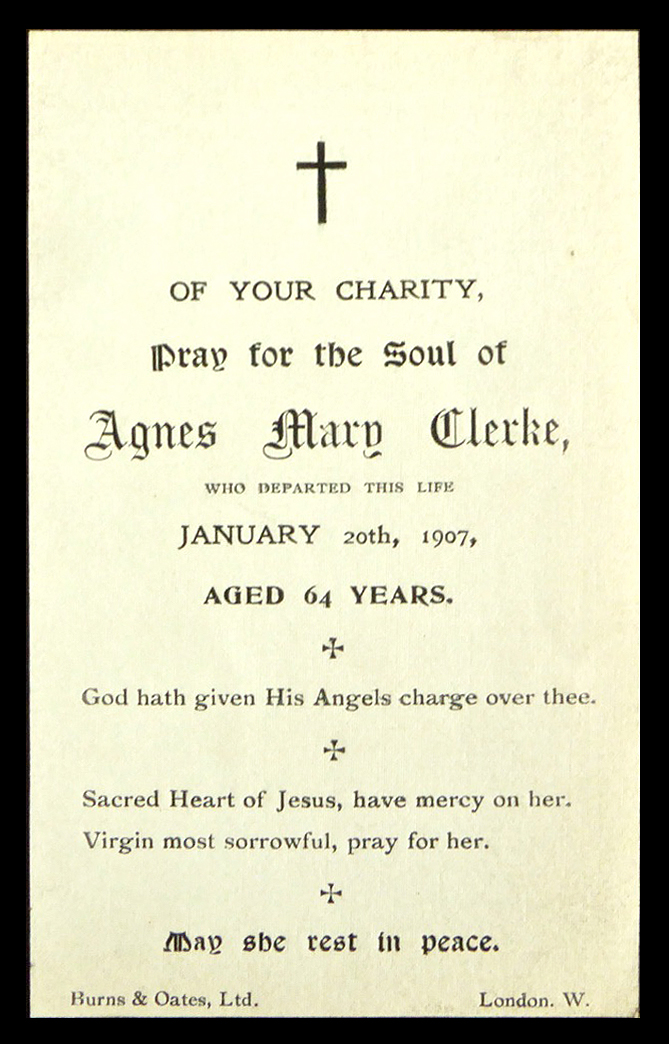
Agnes died in 1907, of the same flu that had carried off her beloved sister, Ellen, the year before. Aubrey lived on alone in the house in Redcliffe Square, the house where they had lived and worked and hosted many gatherings of eminent scientists and writers.

In 1981, Agnes was paid a high honour. A crater on the moon, near the Apollo 17 landing site, was named the Clerke Crater by the International Astronomical Union.

I have written about Ellen and Aubrey here. It seems apt to close this piece on Agnes with a quote from one of Ellen’s poems, Night’s Soliloquy:

                                …are not hidden things

Reveal’d to science when with piercing sight

She looks beneath the shadow of my wings

To fathom space and sound the infinite?

Thanks to:
Janice McClean for the photograph of the Clerke’s house at Redcliffe Square in London. Janice, a member of the British Astronomical Society, is endeavouring to secure an English Heritage blue plaque for the house.
Paddy Leahy, for his piece Sisters in Science: Agnes and Ellen Clerke in The Journal of the Skibbereen and District Historical Society, Vol 7, 2011
In his essay, “Agnes Mary Clerke and the Edinburgh Review,” for the Skibbereen and District Historical Society Journal (Vol 9, 2013), Perry O’Donovan points out that being accepted to write for the Edinburgh Review was the equivalent of an unknown writer today being published in the New Yorker.

“This is Happiness”

There are a thousand ways to tell a story. I thought I had written up much of what’s to know about the coming of Electricity to the rural areas of Ireland in this series (click the link). However, I now realise I have missed a dimension in this recounting: I haven’t included the direct experience of the populations whose lives were upturned by this state-imposed revolution. I haven’t written about that – but someone else has!!

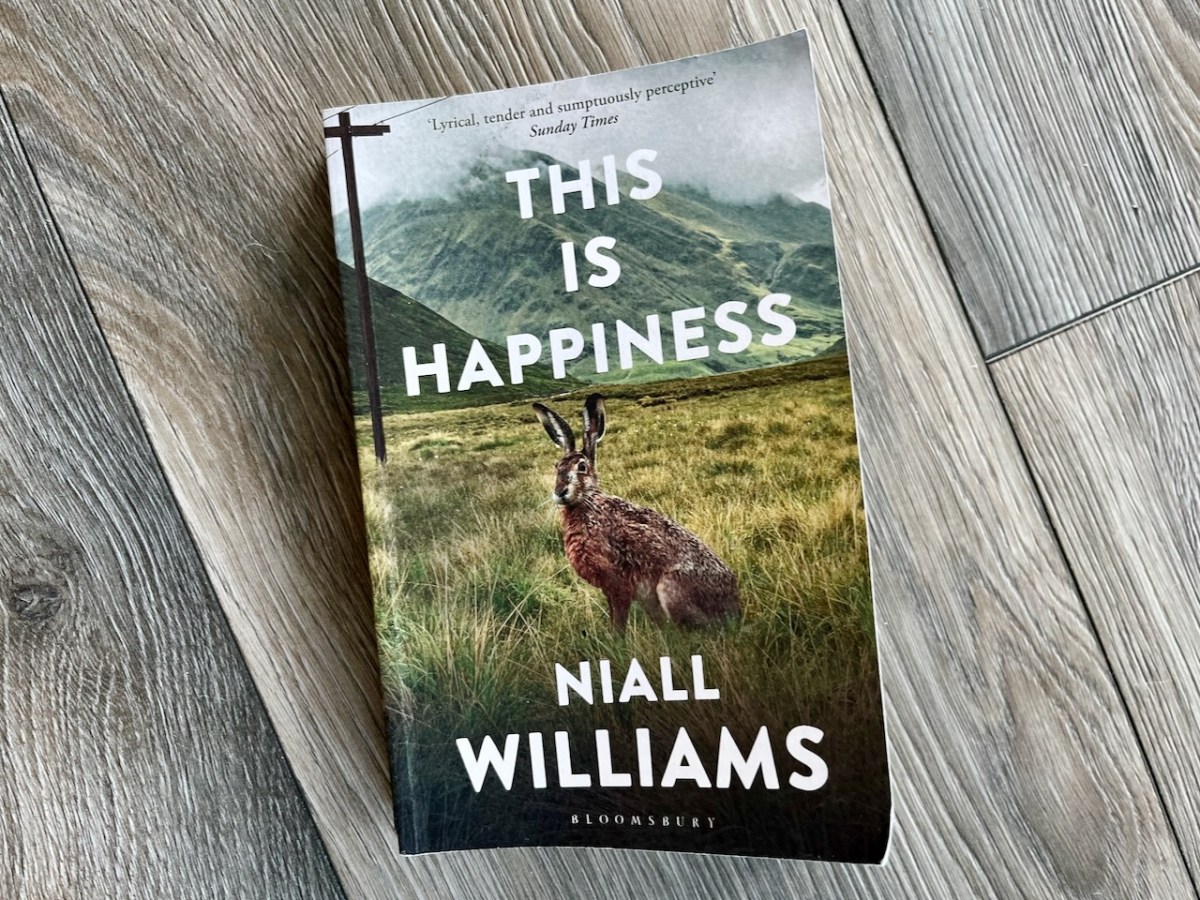
Our very good friend Amanda – she of the holy wells – presented me with this book (and not just because it features a hare on its cover!) . . . This is a brilliantly written novel that concerns itself with the detailed lives of a small close-knit community – Faha – in County Clare, at the time of the heralding, and then the arrival of, electricity. The ‘voice’ of the book is a 78 year-old man remembering growing up and coming-of-age in the 1940s and 50s, and experiencing first-hand the changes that electricity brought to the order of things in rural Ireland. In fact the author – Niall Williams – was born in 1958, towards the end of that period, and has used his writer’s skills to invoke the colour and tenor of the times and, of course, the inevitable suspicions, consternations and conservatism that were inherent in a community and lifestyle which had changed very little over generations and many decades.

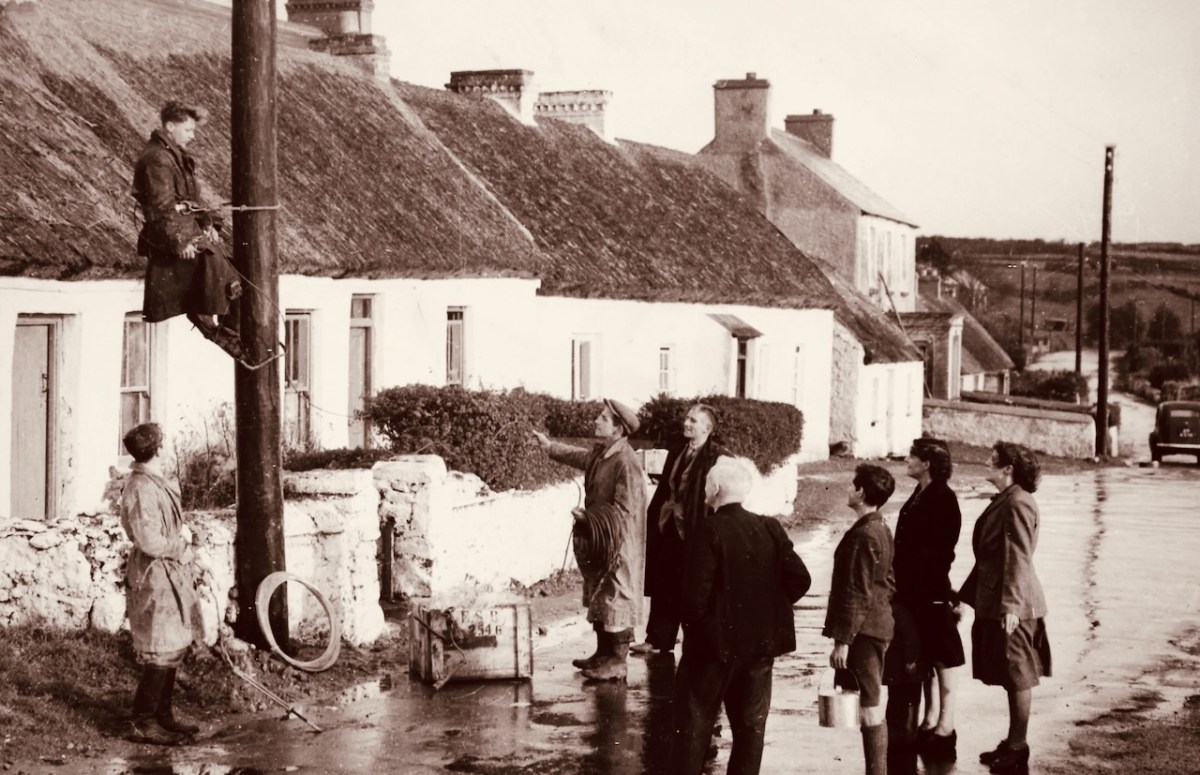
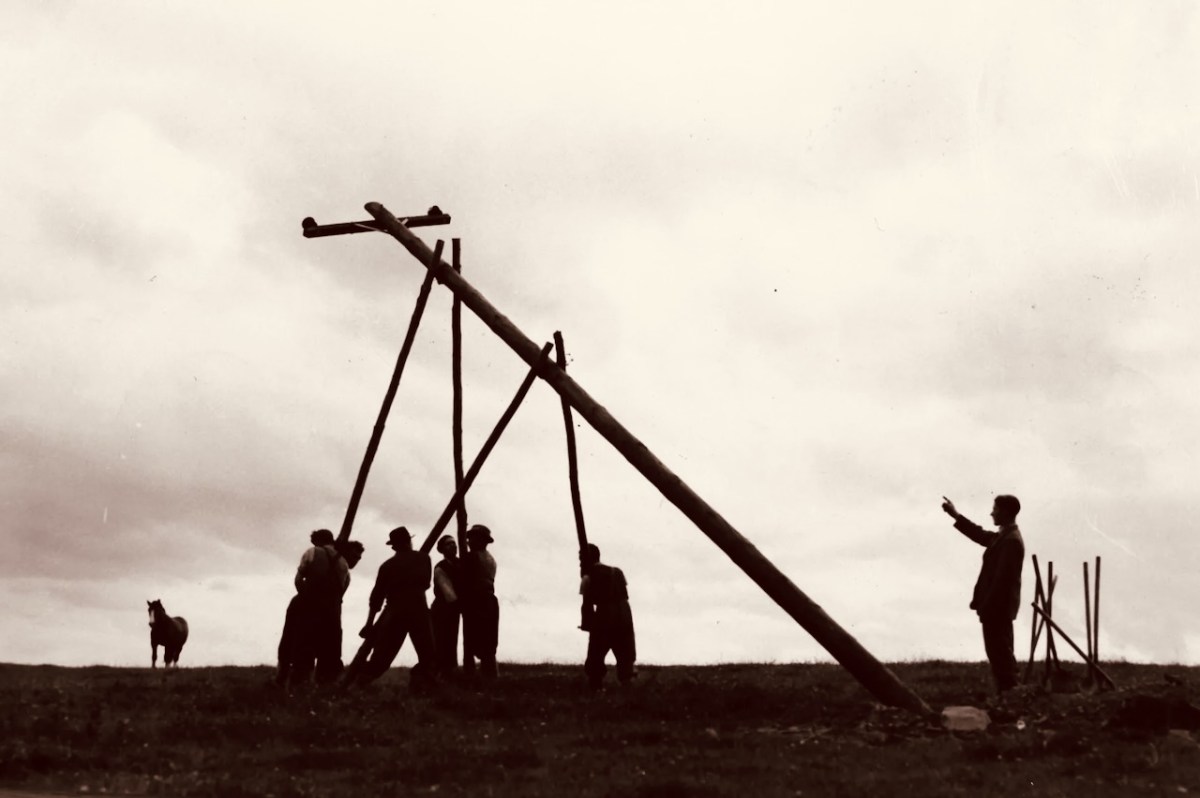
Rosses Point Village, Co Sligo: the poles arrive, 1940 (ESB Archives, which has been an invaluable source in my own search for information on the events of the time)
The book – This is Happiness – is outstanding. I consumed it eagerly, and I’m giving you a few extracts to whet your appetites. I thoroughly recommend that you read it, even if you think your interest in Ireland’s rural electrification is but brief. It’s also a story about people’s personal lives, of course, and all the characters are beautifully painted and completely credible. In terms of reality, my feelings are that Niall Williams has been scrupulous in his research, and deserves the accolade of having creatively told an absolutely true piece of social history through his particular medium of narrative romance.

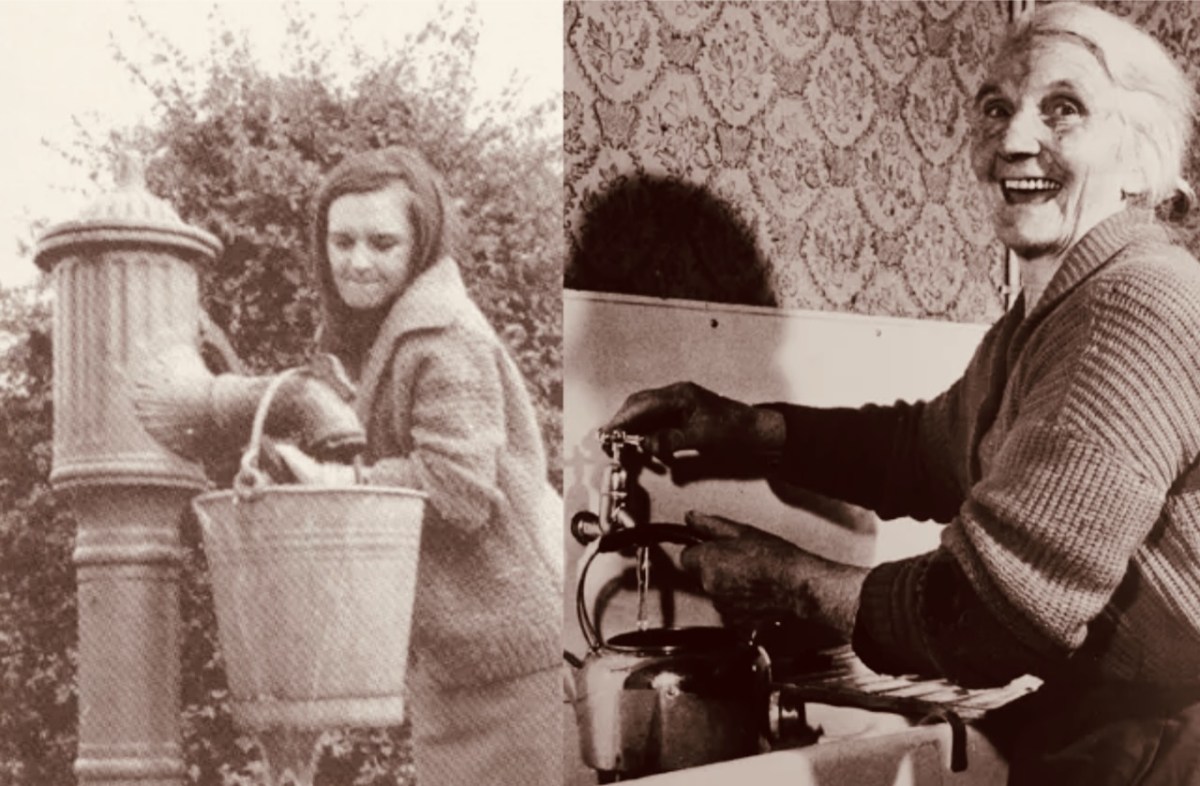
Before and After ESB Archives

Firstly, consider how ‘The Electricity’ had to be taken across rural Ireland: a landscape that was seldom accommodating – using poles and wires. Here is Niall Williams’ account of how the poles were purchased – all this can be verified:
. . . The electricity poles, it turned out, would not be Irish. Irish forests, we had learned in school, were felled to make Lord Nelson’s fleet and were now fathoms deep with the rest of the Admiralty. Instead, after extensive research, which in those days meant sending a man, the Board learned that the best place to purchase the poles was the country of Finland. To Finland they dispatched a forester, Dermot Mangan. Mangan had never been north of Dundalk. He tramped through the snow directly to the Helsinki offices of Mr Onni Salovarra, stood melting alarmingly beside the ferocious stove and said he was there to negotiate for poles on behalf of the Irish State.

Mr Salovarra thought him a novelty. He considered the comedy of the clothes the Irish thought adequate to the Finnish winter. The shoes, the shoes were little more than cardboard, a detail that inexplicably moved him, conjuring a country poor and valiantly endeavouring to overcome its circumstances. Still, business was business. Like all who had to outwit savage climate, Mr Salovarra eschewed sentiment and offered an inflated price of £4 a pole.

Mangan furrowed his brows and melted some more. He was not a businessman, his prime negotiation was with saws, but he had been told to drive for £3 and 10 shillings per pole, and if things did not progress, the Department Secretary had told him, drop in a mention of Norway, they won’t like that.

Mangan sat down. He said he was sorry he had travelled so far in vain. He said he had been hoping to see the glory of the Finnish forests, which he believed the finest in the world, but now he would have to travel on to Norway.

Mr Salovarra said £3 and 10 shillings per pole.

Mangan said he would send word back to the Government and asked for the nearest telegram office.

Right here is the only one, said Mr Salovarra and smiled. He had the kind of teeth that suggested the tearing of fish-flesh.

Mangan wrote up the words of the telegram. Please send this, he said, and passed the wording across the desk to Mr Salovarra. The message was written in Irish.

Mangan crossed the frozen street and into the tropic of a wooden hotel where three stoves were kept going and the floor of the lobby wore a permanent stain of male thaw. His room was spartan but it was overhead Reception and the heat fairly cooked him. The floorboards up there been shrinking and creaked like the bones of old men, but they dried his shoes in jig-time. In the same jig-time the stitching of them gave up the ghost and you could hear the tiny snaps of the cobbler’s thread as the soles came loose. The fish he ate for dinner was larger than the plate. He had no idea what kind it was, but with enough salt you could eat timber was Mangan’s thought.

He went back to Mr Salovarra the next day and received the telegram of the Government’s response, which was also written in Irish. Translated, it read: Delighted with offer. Accept on behalf of State.

Mangan looked across at Mr Salovarra whose teeth were smiling. ‘Offer refused,’ he said.

Mr Salovarra could not believe it.

‘Look here,’ said Mangan, and read aloud the impenetrably harsh sounds of the Irish. He finished with a flourish the sign-off, An tUasal O Dála.

Mr Salovarra asked him what An tUasal meant and Mangan explained that in Irish we remembered we were noblemen and greeted ourselves as such.


Mr Salovarra said £3 a pole.

In all, ten telegrams went back and forth from Helsinki to Dublin, all of them in Irish, and, because in Irish and incapable of being translated in Finland, they were able to take on whatever degree of intransigence Mangan thought apt. Ultimately, because of the unnegotiable severity of the Gaelic, Mr Salovarra was bargained down to £2 a pole, and on that the two men shook.

But that was not the end of it. Now fearful that their inexperience might be taken advantage of, the Electricity Board insisted that each individual pole be inspected, calipered and approved by Mangan himself before being shipped to Ireland.

Mangan told Mr Salovarra he would have to stay in Finland for some months. He was to visit the northern forests in person.

Mr Salovarra lifted onto his desk the gift of a pair of fleece-lined lace-up boots and made a small respectful bow. An tUasal, he said.

Dermot Mangan travelled by sleigh to the snowbound forests of Finland. In the deep woods was a preternatural silence and the sense of the beginnings of time, and Mangan was not surprised to learn of the Finnish epic poetry of the Kalevala in which the earth is created from pieces of duck egg, and the first man, whose name is not Adam but Väinämöinen, starts by bringing trees to barren ground.

Mangan took to the woods. They were his dream habitat. He wore furs, Mr Salovarra’s boots, and went from pole to pole and made his mark, selecting the ones that in time would criss-cross the green spaces of Ireland. He became a story, and that story was well known by the electric crews that came in to Faha and told and retold it with greater or lesser detail. But the fact is that for the next 30 years, May to December, there was always a ship bringing poles from Finland to port depots in Dublin, Cork or Limerick. In the interest of story, sometimes you could do no worse than go out into the country, find one of those quiet roads where time is dissolved by rain, look out across ghost fields that were once farmed, and you’ll see still see some of those poles An tUasal Mangan first laid a frozen hand on in the forests of Finland . . .

Niall Williams – This is Happiness
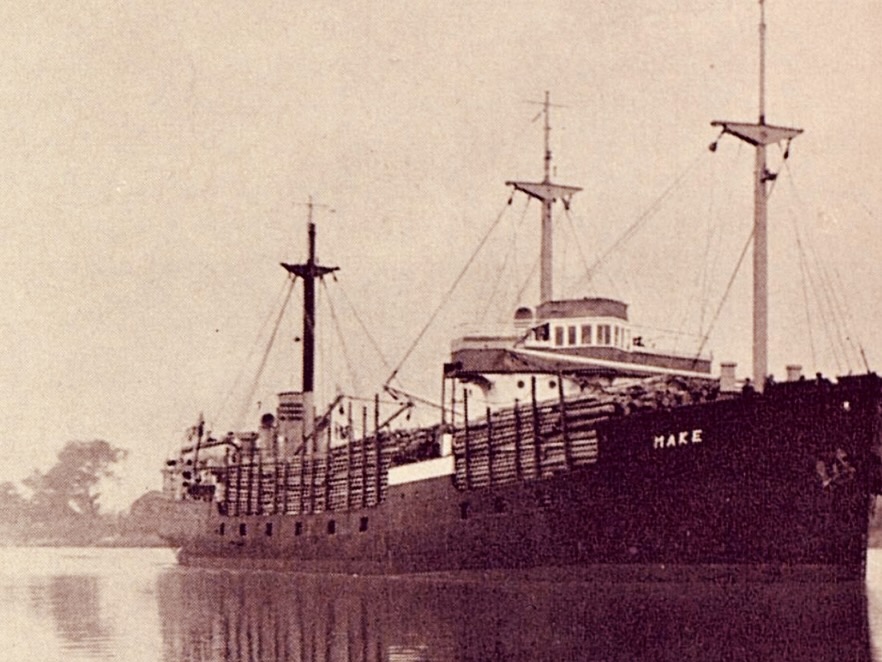
One of the largest consignments of poles from Finland: the MV Make navigates the Shannon Estuary c1950 ESB Archives

One million poles were erected in Ireland, and 50,000 miles of electric cable were strung from them. Here’s the account from the book of one pole’s progress:

When we came into Quirke’s there was a quorum in shirtsleeves gathered around a fresh hole in the front field there. Quirke’s was mostly stones and the pole was on the ground while the men assessed whether enough stones had come out to make a third attempt to stand it. When Christy and I came into the avenue our arrival seemed propitious and we did the thing all men do, we came over for a look into the hole, nodding the tight-lipped nods that masqueraded as expertise. Two long lines of rope ran across the grass to a jittery grey horse waiting with Quirke. The third attempt was decided by a smack of the ganger’s hands. Christy threw off his jacket and, because there are coded imperatives in the company of men, I did the same, we stood in to raise the pole.

With a sharp hup hup from Quirke and a worry from his rod of osier the horse took the tension. Head down and hands out on the sticky sweat-melt of the creosote, I saw nothing and heard only the grunts of effort and the come on come on of the ganger, the now now, men as the shaft of timber sank into the hole and then began to rise like a giant’s needle into the sun. It was wonderful. I felt a surge of joy, the simple, original and absolute thrill of a physical victory over the ardours of the terrain, a pulse so quick as to pass instantly in through the arms of each man, into the blood and brain the same moment with the pole triangled now at nine o’clock, now ten, Come on come on, effort increasing beyond the point when no increase seemed possible and yet was found.

And because of that surge, because I was given over completely to the thrust of a communal triumph I had never experienced before, I didn’t hear the rope snap…

Niall Williams – This is Happiness
From the earliest days – 1946 ESB Archives

Niall Williams vividly recreates a gathering in Faha when the people of the village were summoned to a demonstration of what the benefits of ‘The Electricity’ might herald:

. . . One afternoon the stools and chairs were brought in from the garden and set around the kitchen because a summit of the neighbours had been called. Moylan, a salesman from the electricity company, was doing the rounds. Because it had the telephone and the air of unofficial post office, because it was already deemed connected, my grandparents’ house was chosen for the demonstration of what the future was bringing.

The meeting had been called for three in the afternoon. Moylan was a nine-to-five man, three was when he was at his peak, and country people have no work that couldn’t be left aside for something as essential as electricity, was his position. A Limerick baritone with a magnificent sweep of black hair, he arrived in the yard in the van. Sonny, help me carry these in, was his greeting. When he saw the smallness of the kitchen – the slope of the floor doubling the cramped illusion – he had to overcome the familiar fall of his heart that this was a lesser stage for his talents, and not let it impact upon his performance.

‘Where is everybody?’ He asked Doady.

‘Everybody is coming,’ she said.

Into the kitchen on a handcart Moylan hefted a selection of machines whose existence to that point had been notional. Many were white and of such a gleaming newness it seemed nothing in the parish was as white as had previously been thought. All had a black wire coming out the back with a three-pin plug that looked both imperative and nakedly masculine, as though in urgent need of finding a three-holed female. Moylan laboured to get the washing machine in and around the turning of the front door whose jamb was predicated on human dimensions. Doady said it was a shame Ganga wasn’t there to help. The turf needed turning, he’d announced abruptly that morning, and headed with Joe (the dog) to the bog.

In clusters of shyness, the neighbours began arriving.

Moylan had already given a performance in the village, and the reviews were good. ‘Nice little house you have,’ he said to Doady, the sweat shining off him standing in front of the twelve-foot hearth where small sods were sighing a complacent smoke unaware that their time was running out.

The centre of the room was taken with the machines and the neighbours came in around them muted and respectful the way they did when there was a body laid out. They settled into the chairs, onto the stools and benches, and let their eyes do the talking for a while. Mostly it was the women. Those who were not eyeing the electrical equipment were taken by Moylan’s shoes, which were two-toned, extra-terrestrial, and with an air of Hucklebuck. Maybe the Shimmy Shake too.

While the practical business of bringing the electricity to the parish was almost exclusively the domain of men, inside the houses the jurisdiction over electrical equipment, kettles, cookers, hairdryers and washing machines, was conceded to women. Only two men came to the summit. First, because it was taking place in the kitchen in daytime, and second, because men refused to be summoned, it outraged their dignity, and nothing in the known world had yet required that absolute submission accept Christ, and even with Him it was leeway. The two men were Bat from back the road who came in, God bless all, with cap low and eyes down, and Mossie O Keefe who was the Job of Faha . . . O Keefe’s mother died when the cart turned over on her, his father went into the bottle, he himself married the woman in love with his brother, one of his sons went in a threshing machine, the other drowned in a ditch.

There were others, the room filled and the sunlight blocked at the window, but Moylan couldn’t wait forever. Emboldened by the air of event, and with the fattened authority of farmyard matrons, three hens came inside the open front door, nestling down in a bath of sunshine to watch. Neither in nor out, I was perched on the back step.

To give Moylan his due, he had his routine down pat, Now I want you first to look at this, a combination of science and circus in an actor’s boom, This, this machine, will do all the work. It will wash your clothes for you. He lifted the lid and drew out a white towel, as though the washing and drying had happened in the time it took him to say the sentence and here was the proof. He had devised this touch himself and was proud of it. It was the only proof possible without electricity and had the added boon of making it seem as if he himself was the current or at least its conductor. Further to this, ten seconds into his pitch a film of sweat was glistening on him, lending him a shine which he didn’t dab away, believing it translated as electric excitement and disguised the actual truth, that he was being cooked by the fire.

His audience was rapt by the important and foreign sounds of spec and kilowatt in that 200-year-old house, and by touch and look Moylan kept relaying the words to the magic of the machines that sat mute but powerful like idols . . .

Niall Williams – This is Happiness
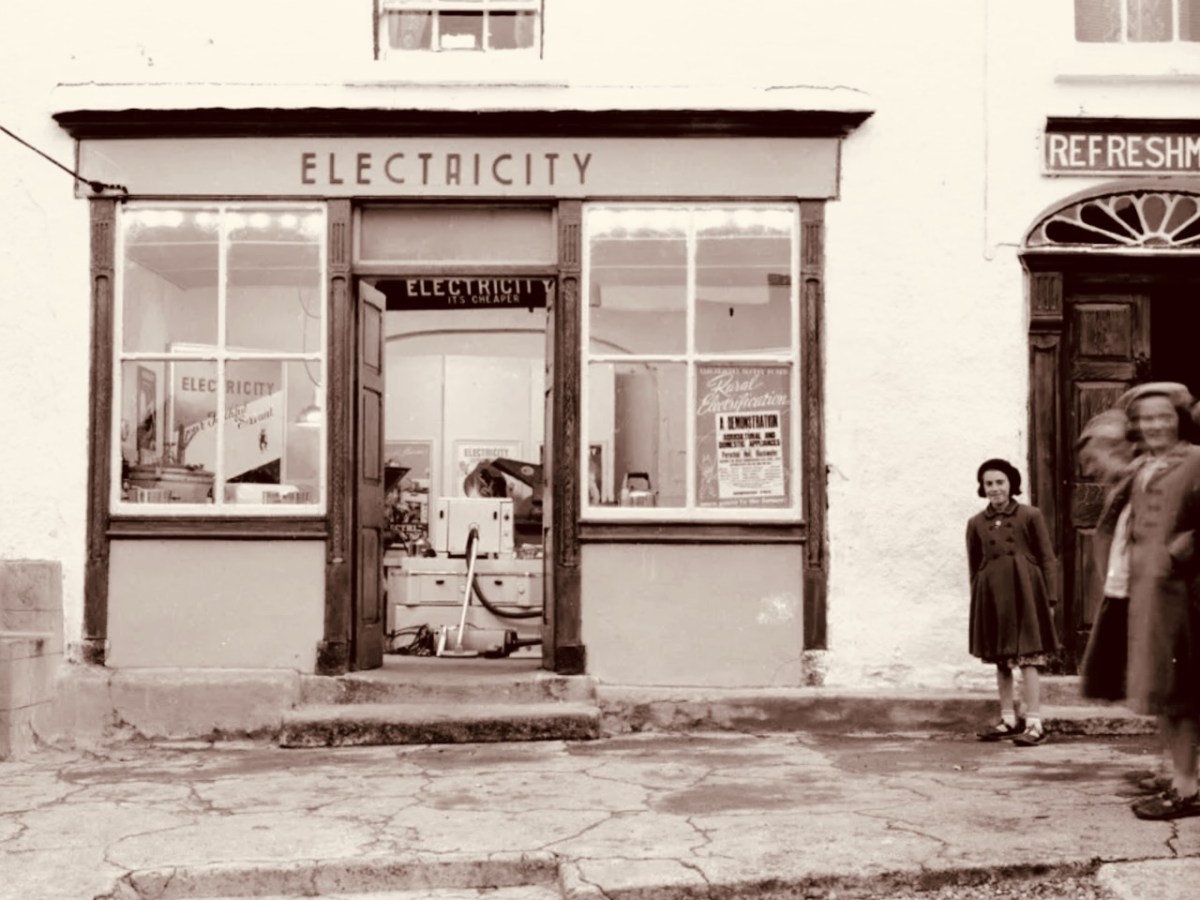
An early shop selling electric appliances – Blackwater, Co Waterford, 1955 ESB Archives

I have set out these extracts from what is a good-sized novel. Hopefully they will whet your appetite and make you seek out the book: it’s a good read. Finally, I’m taking a page which is close to the end of the story. And this isn’t just about electricity – it’s speaking of a vanished part of Ireland’s rural history:

. . . My grandparents never took the electricity. They didn’t act as though there was a lack. They carried on as they were, which is the prayer of most people. They lived in that house until they were carried out of it, one after the other. Because the twelve sons in the corners of the world couldn’t reach a verdict, the house was left to itself. The thatch started sagging in two places like consternated eyebrows, brambles overtook the potato ridges and came up the garden, and soon enough in under the front door. Soon, you couldn’t see the house from the road. Soon, too, the bits of hedging Doady had stuck into the ditch to camouflage the broken Milk of Magnesia bottles grew to twelve feet and fell over and grew along the ground then, marrying thorn bushes and nettles and making of the whole a miry jungle. When the roof fell in the crows that were in the chimney came down to see the songbirds sitting in Ganga’s chair eating Old Moore’s and that way becoming eternal. When grown a man, one of the Kellys took out the kitchen flagstones for a cabin he was making. He took out the stone lintel over the fireplace after, and a year later came back for half the gable when he needed good building stones for a wall.

In time, as with all modest places of few votes, Government would be looking the other way when its policies closed Faha’s post office, barracks, primary school, surgery, chemist, and lastly the pubs.

In time, the windmills would be coming. Gairdíen na scoile and Páirc na mónaigh would be bulldozed to straighten the bends in the road to let the turbines pass. Any trees in the way would be taken down. Two- and three-hundred-year-old stone walls would be pushed aside, the councillors, who had never been there, adjudging them in the way of the future.

By that time, my grandparents’ house would be another of those tumbledown triangles of mossy masonry you see everywhere in the western countryside, the life that was in them once all but escaping imagination . . .

Niall Williams – This is Happiness
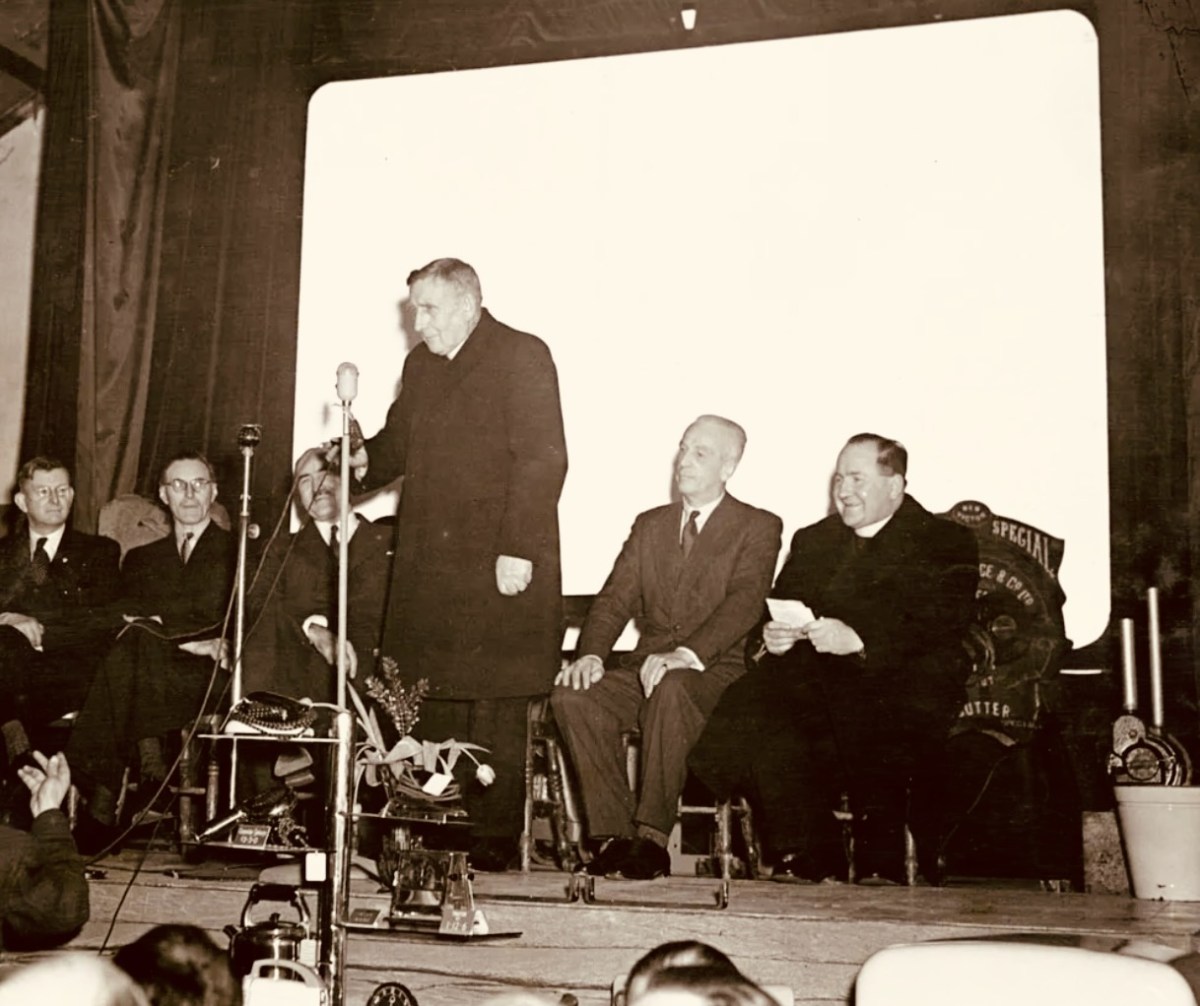
Switching-on ceremony Kilsaran, Co Louth 29 January 1952 – the 55,000th consumer! ESB Archives

A big thank you to Amanda Clarke for sending this book my way!

This is Happiness by Niall Williams, published by Bloomsbury 2019

Bantry Library

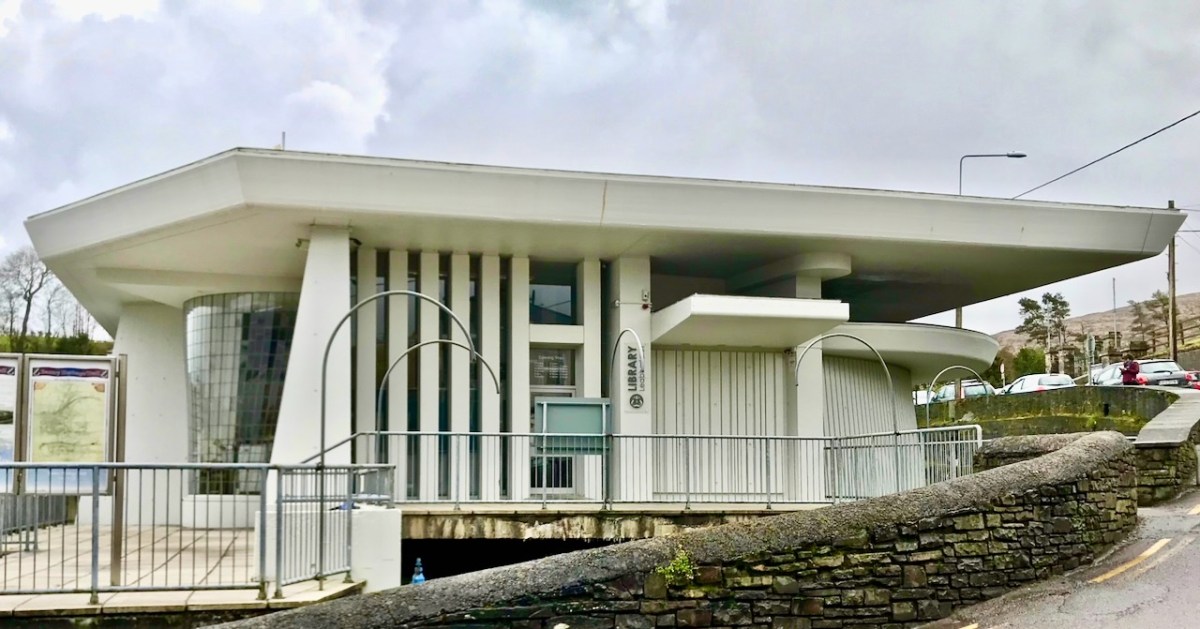
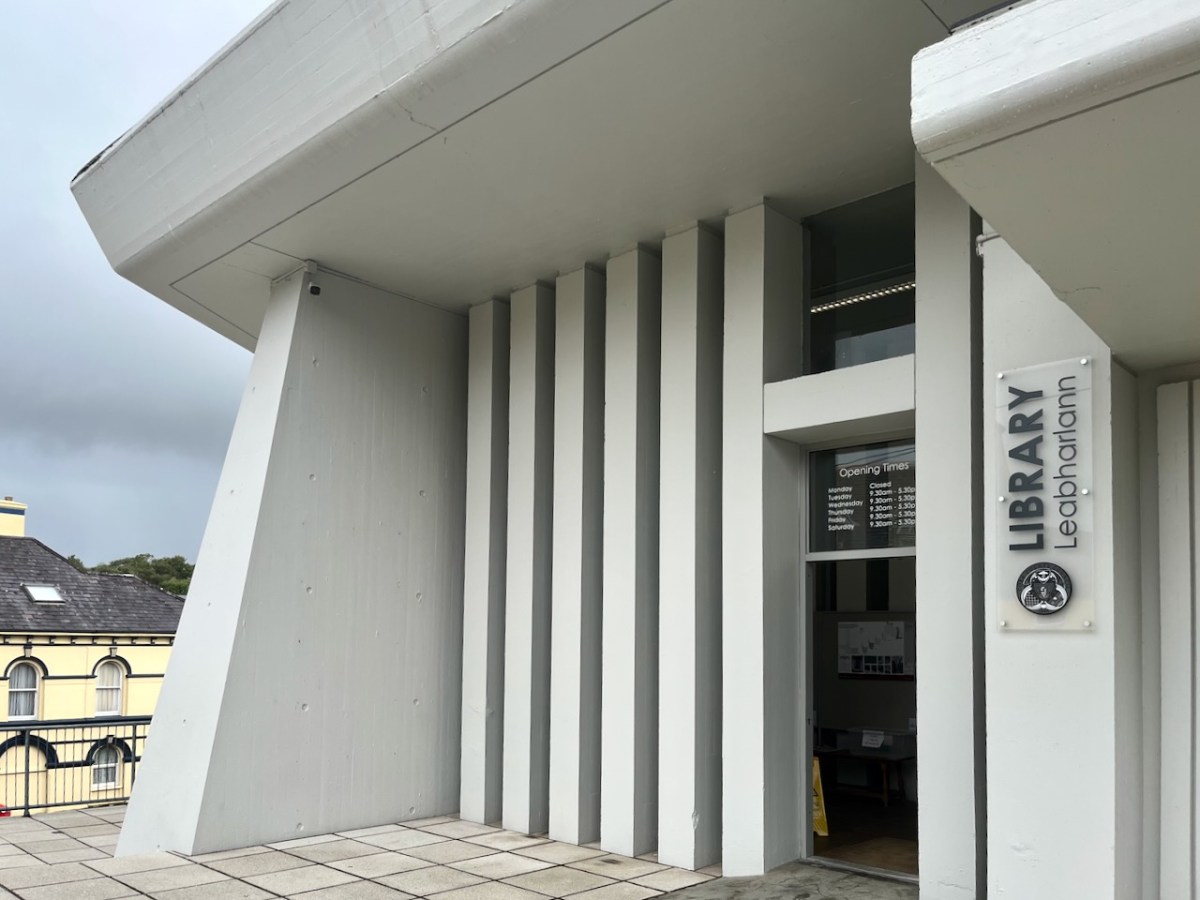
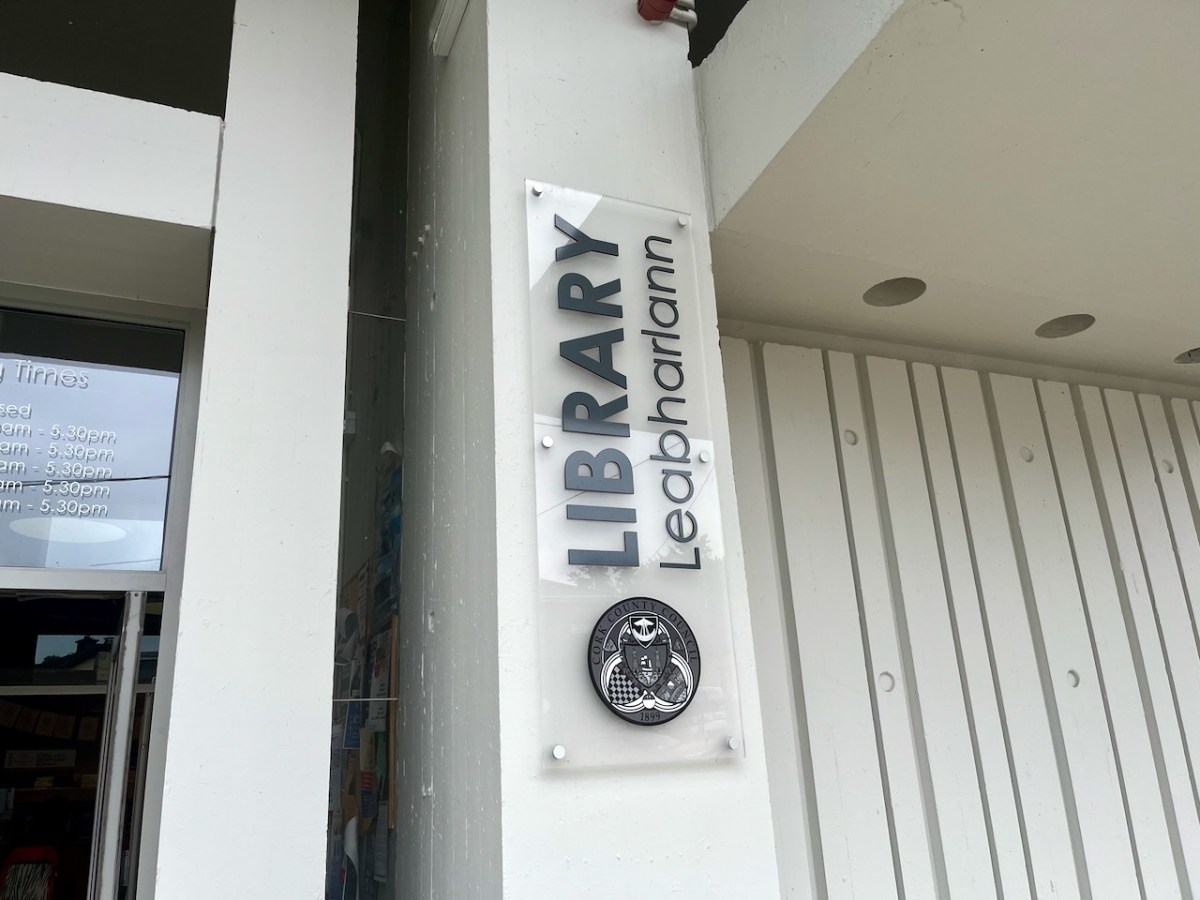
In last week’s post I described a unique type of boat that was connected with Bantry, here in West Cork. Today we are also focussed on Bantry, but this time on architecture: the Public Library, which is one of the most unusual and innovative buildings from twentieth century Ireland.

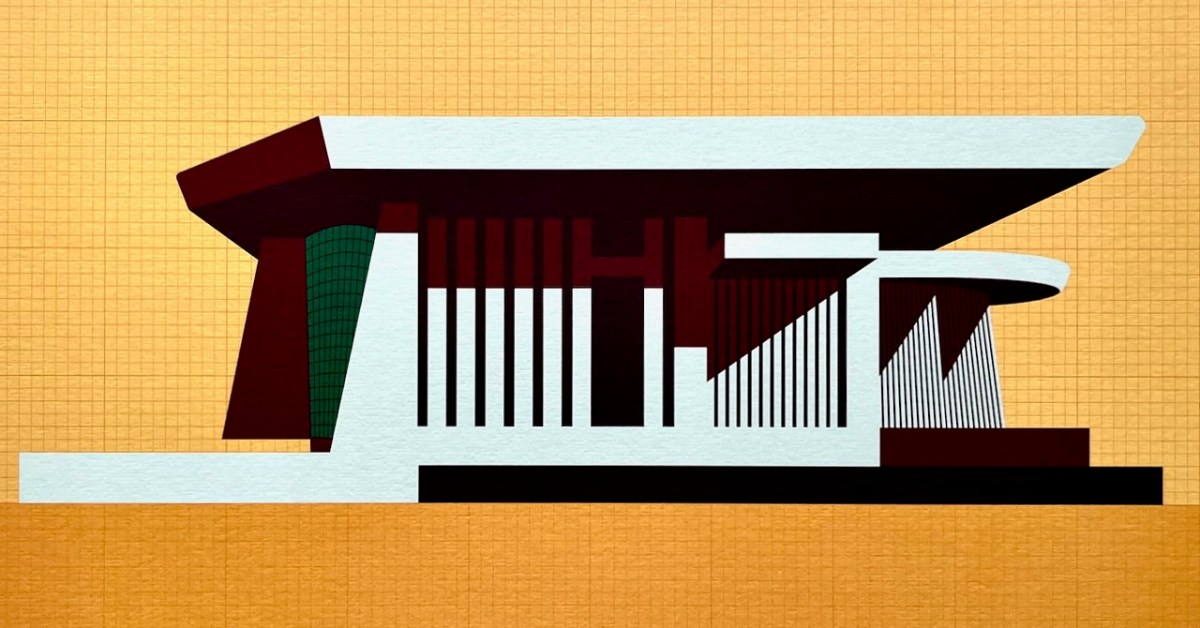
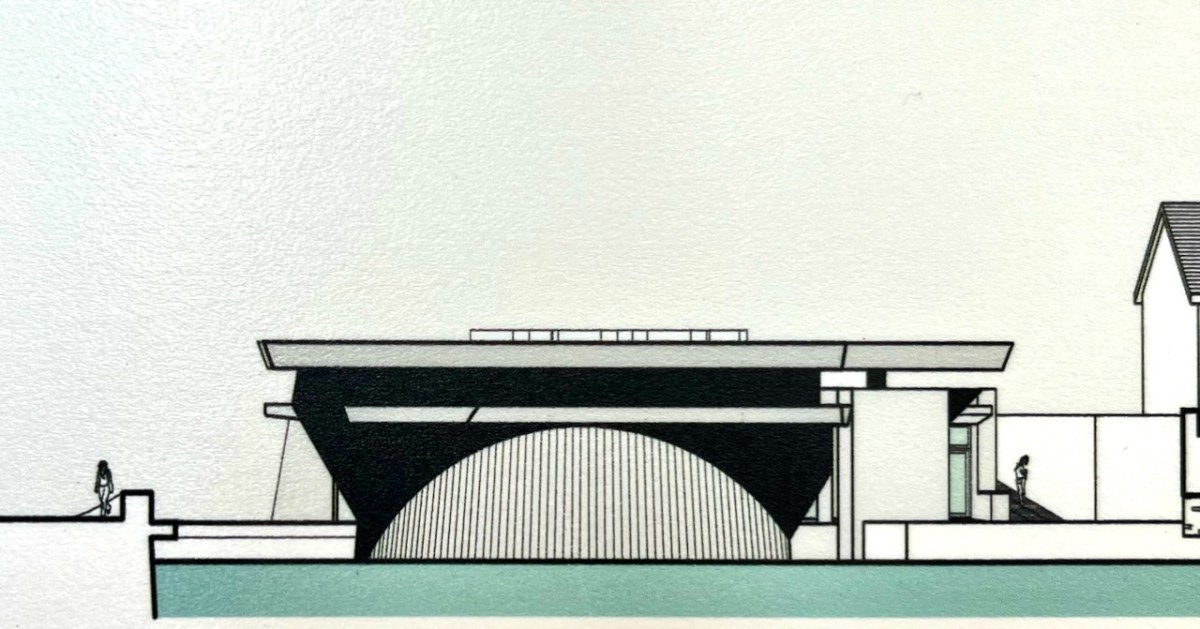
Here is the building as we see it today. The header is a limited edition print, a collaboration between Dermot Harrington of Cook Architects and Robin Foley of Hurrah Hurrah celebrating the upcoming 50th Anniversary of the completion of Bantry Library in 1974. For me, the print captures perfectly the iconic graphic of this most unorthodox design.

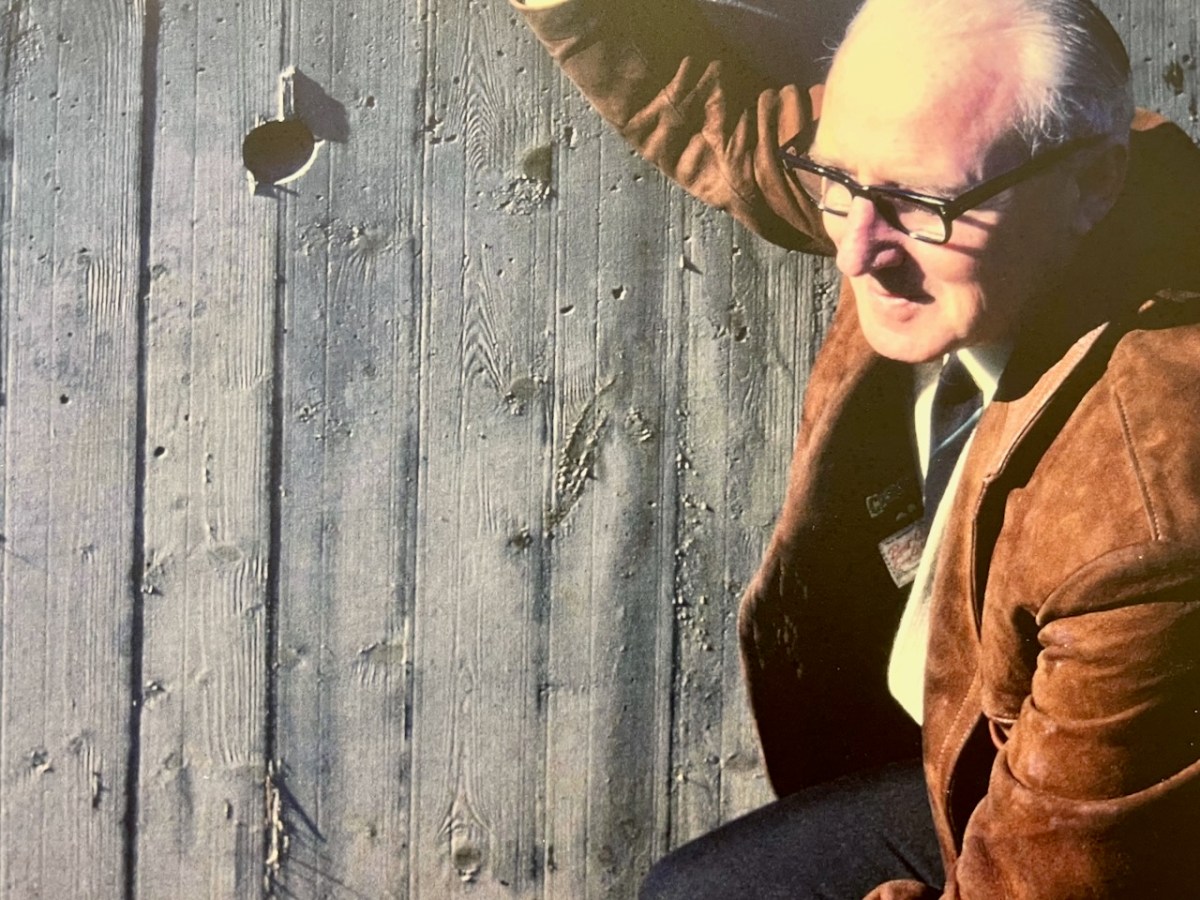
The Library was conceived by Patrick McSweeney (above) – Cork County Architect between 1953 and 1975. He deserves a post of his own one day, as he was responsible for some outstanding buildings in the county. Two of his assistants in the Architect’s Department at the time were Brian Lalor and John Verling. Both had a hand in the genesis of the Library. Interestingly for us, McSweeney, Lalor and Verling were all living around Ballydehob in those days – it was a swinging village!

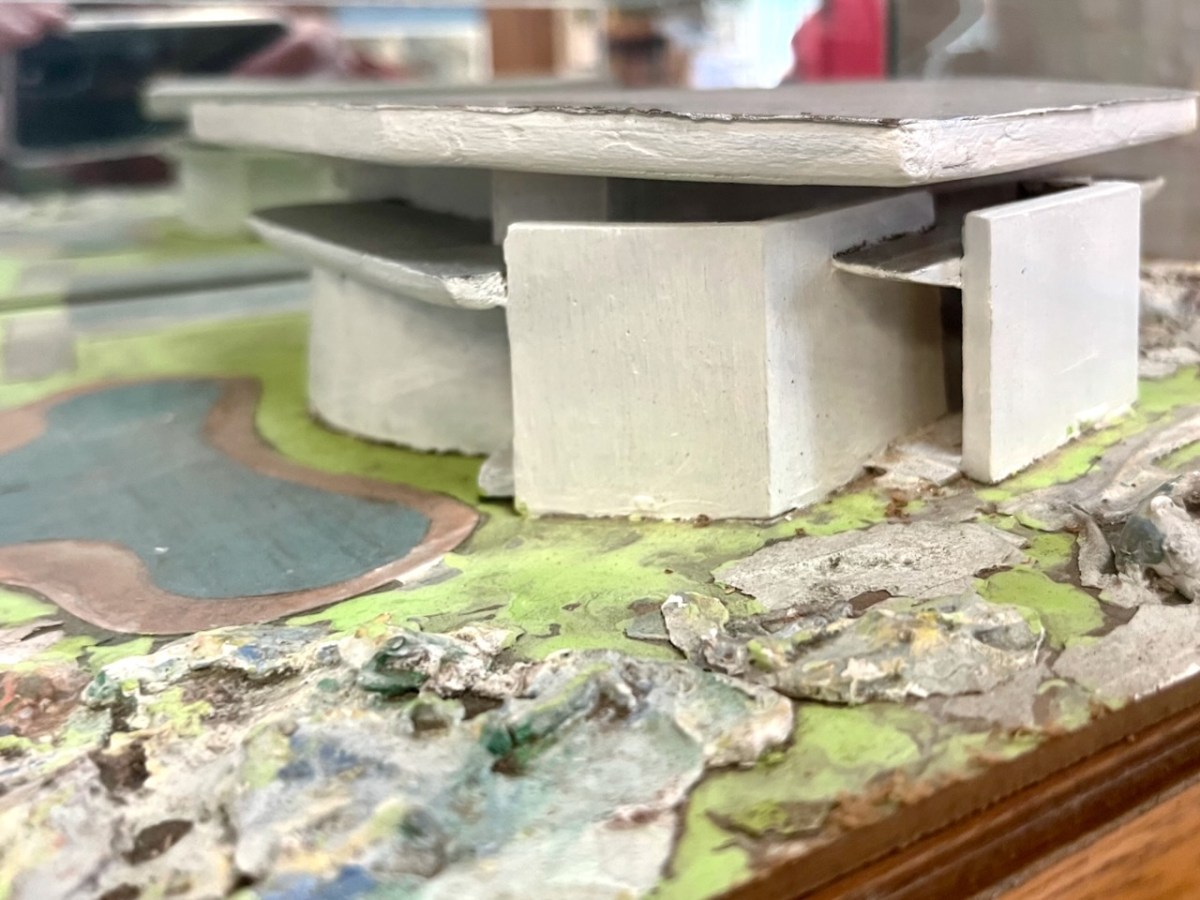
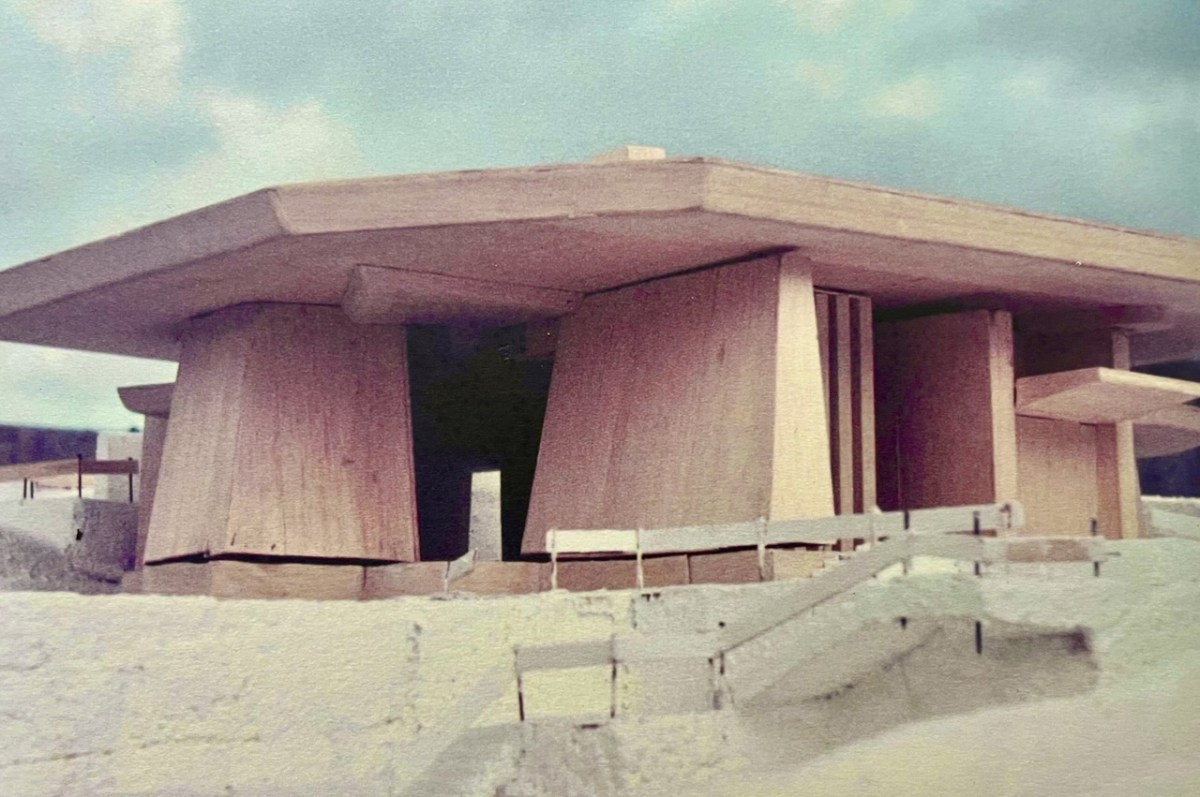
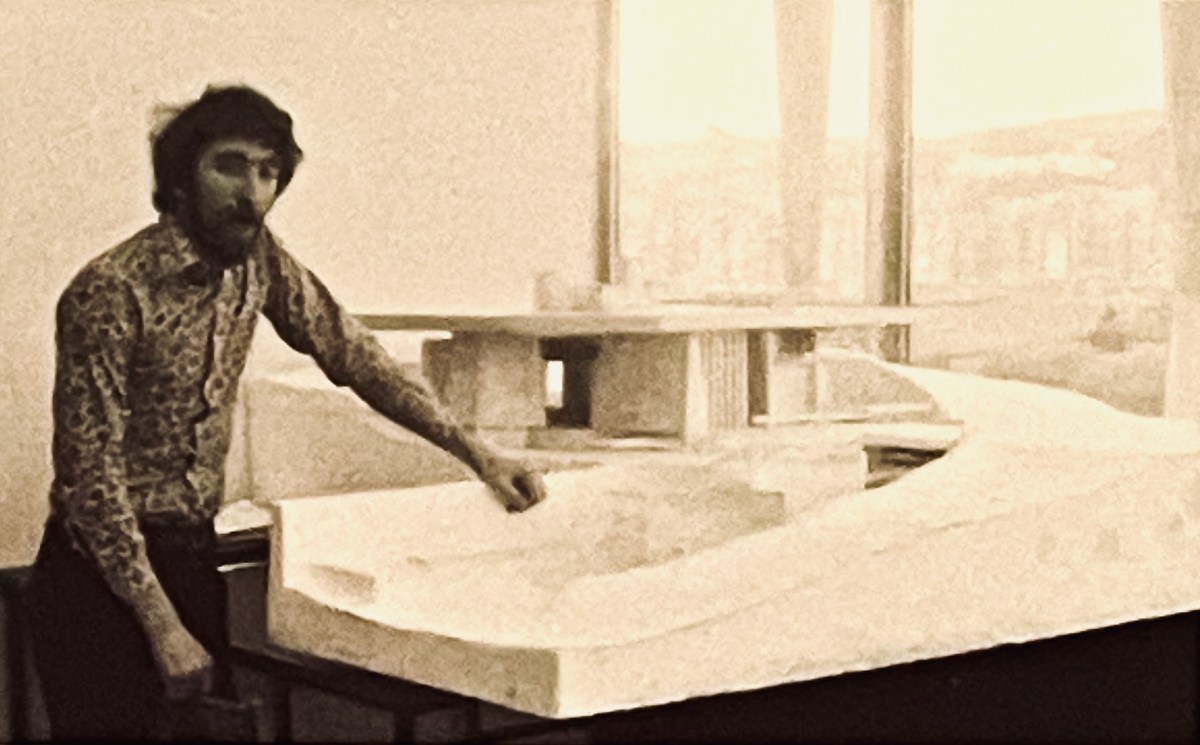
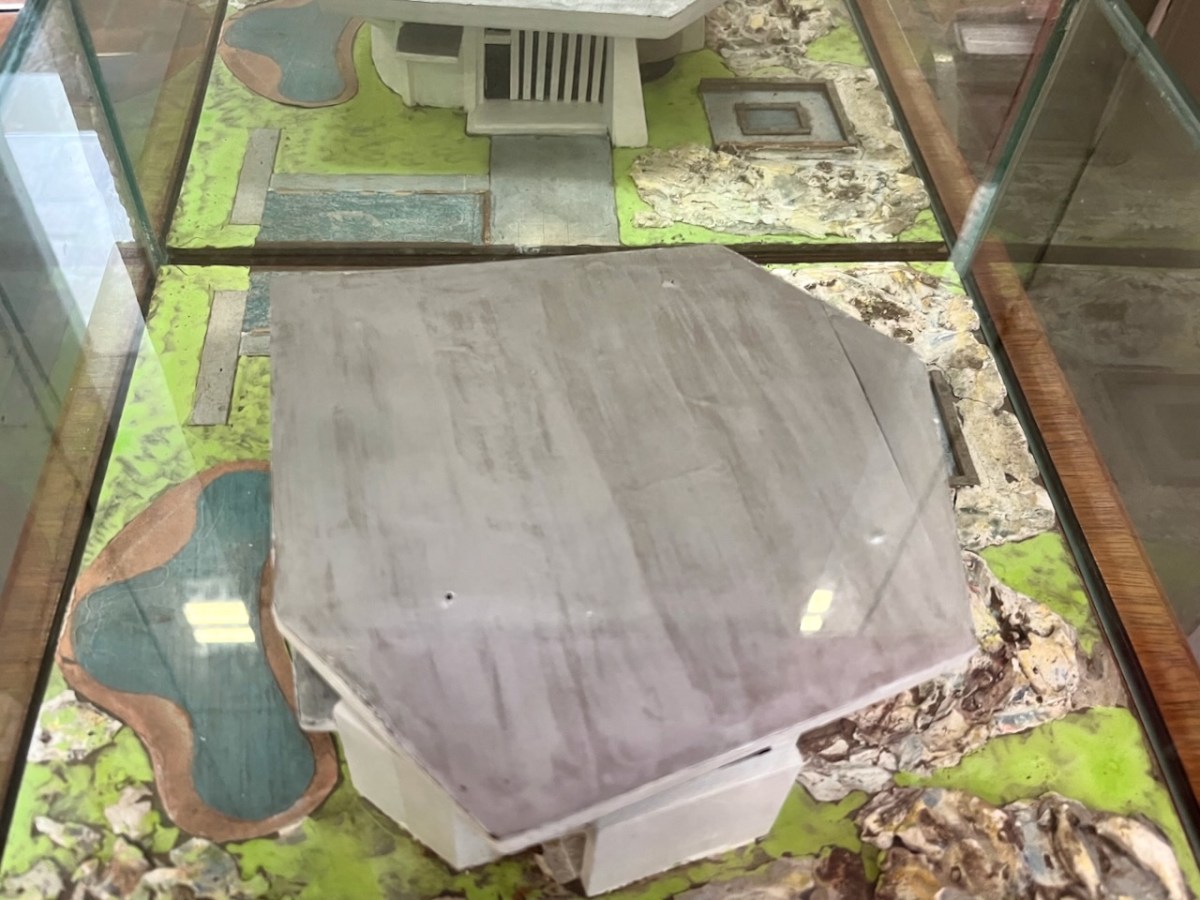
In the era before computers were universal in architects’ offices, everything was drawn by hand – or modelled. Brian recalls that Pat (McSweeney) called him into the office one day, handed him cardboard, tape and scissors, and instructed him to make a model of a building shaped like a Bronze Age dolmen. And he wanted it made in a hurry! It could well have been the one shown above – which still exists. Remarkably, although this model was made in the early 1960s, the building that resulted in the 1970s was very similar in form. Later, John Verling produced a balsa-wood model upon which the design production drawings were based:

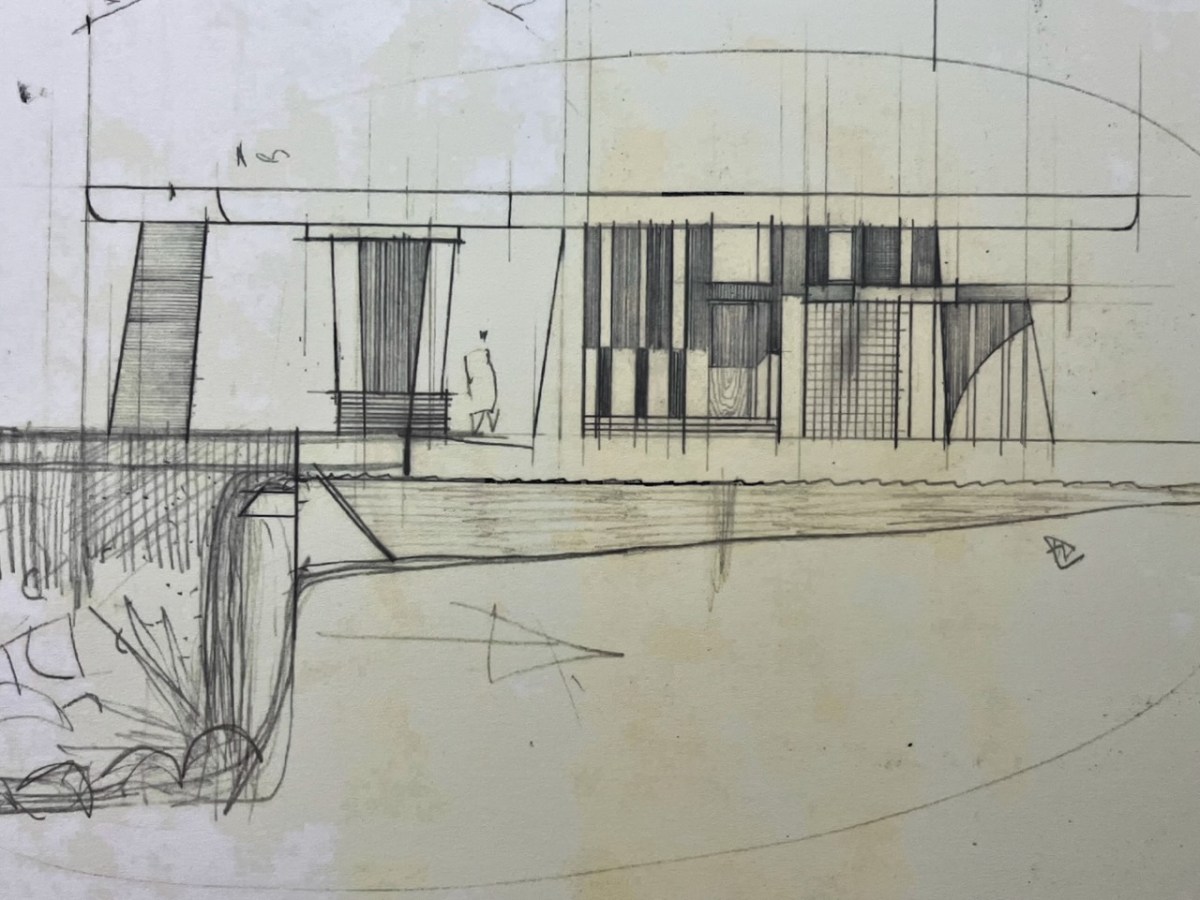
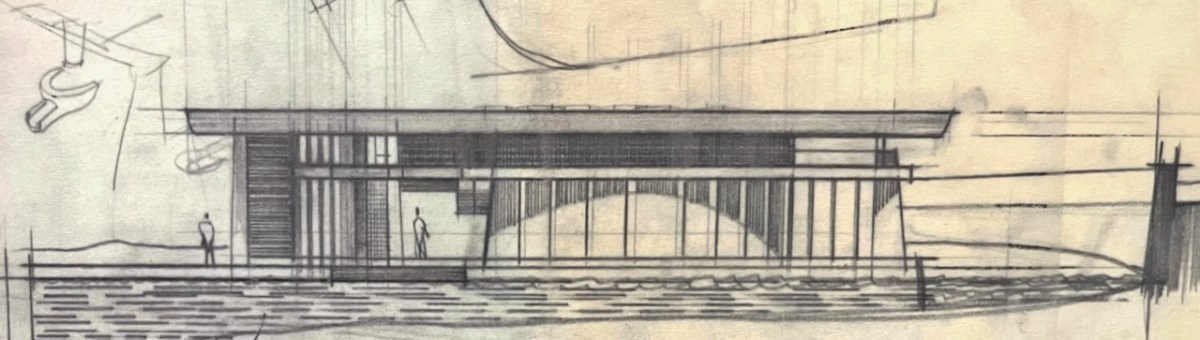
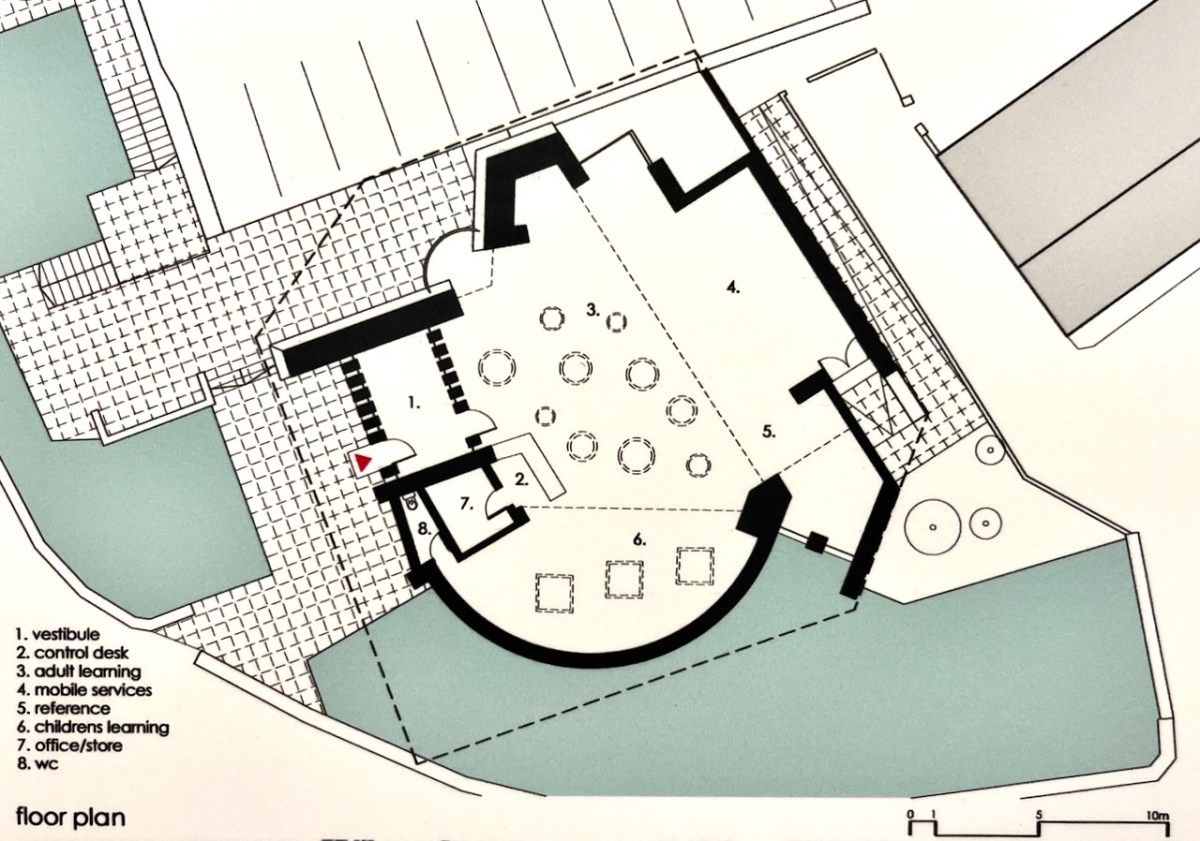
That’s John Verling, above, with his model. He and his wife, Noelle, are the subjects of the current exhibition in the Ballydehob Arts Museum (click the link). Following are some of the design sketches carried out by Harry Wallace who was leading the team in County Hall, and detailed drawings of the building that eventually ensued.

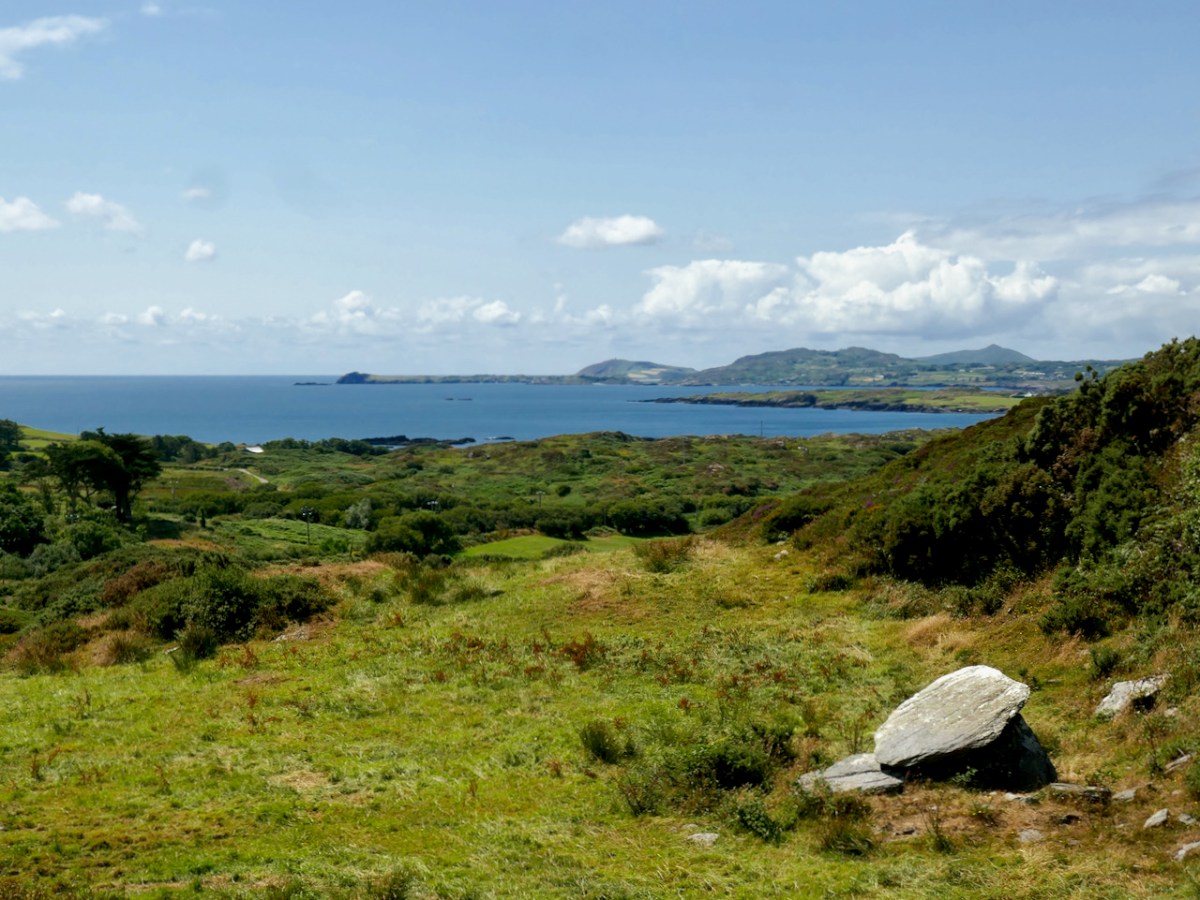
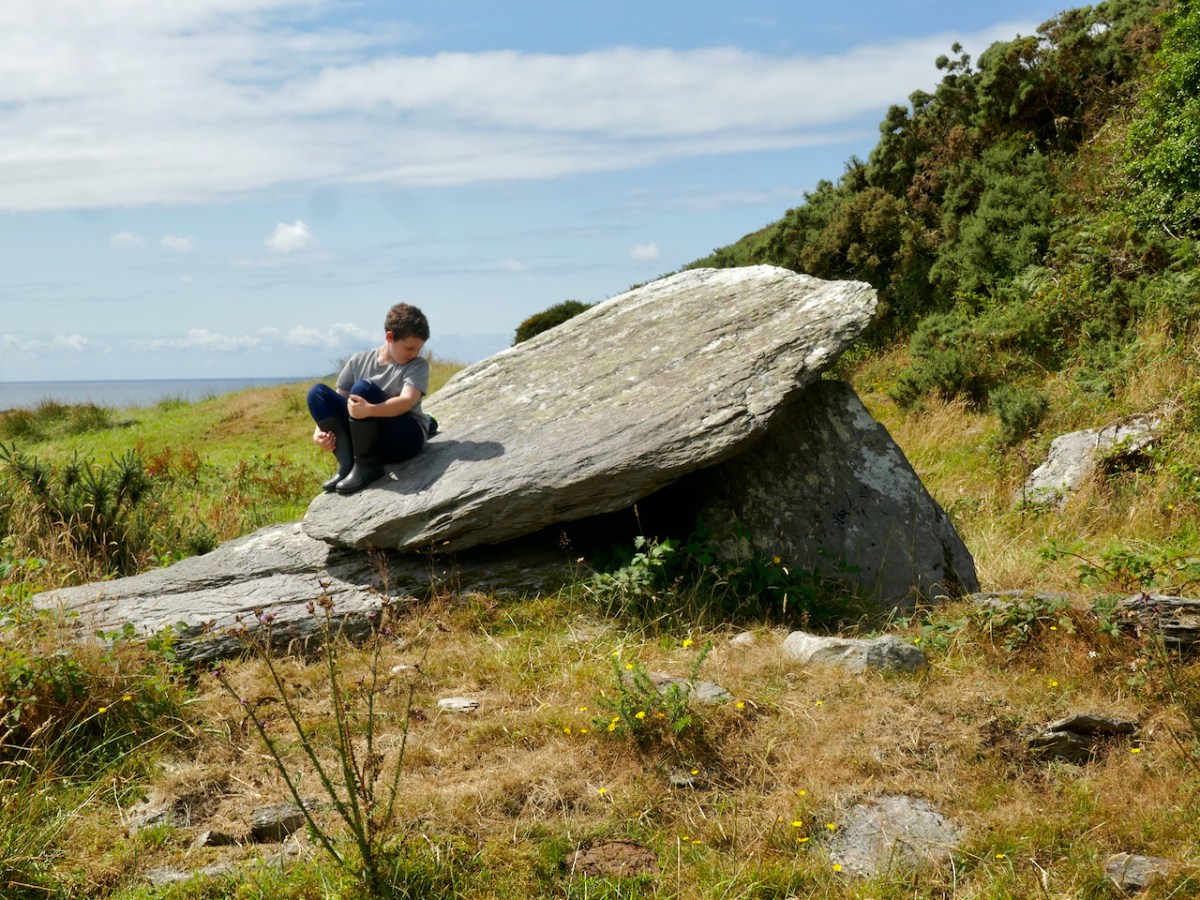
Let’s look a bit further at the early concept work, especially that first model. It’s said that McSweeney was inspired by a ‘Dolmen’. In fact we would today call that type of early megalithic structure a ‘Wedge Tomb’ or a ‘Portal Tomb’. At its simplest, this is a large flat stone slab (or slabs) supported on vertical stone slabs: it was probably a burial chamber, perhaps with its opening facing the sunset at a particular solar event. The closest such tomb structure to Ballydehob is the one featured in Finola’s post today. I wonder if Pat McSweeney was aware of this local one? He would have certainly been aware of the striking example at Altar, further west on the Mizen Pensinsula.

Another view of that very early model demonstrates how the roof shape echoes the lines of a portal tomb slab: look at this further example from the Mizen, at Arderawinny:

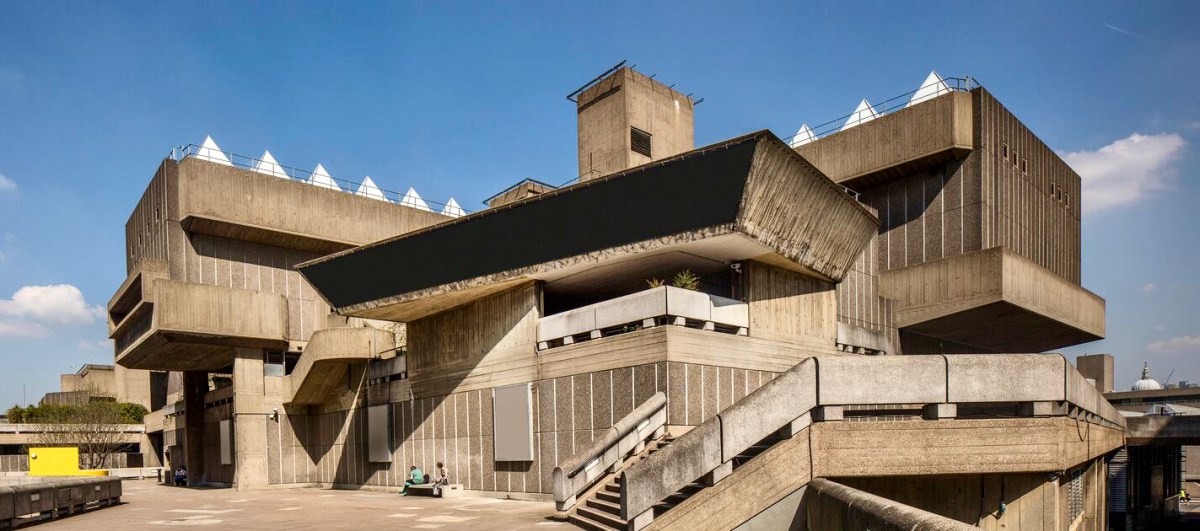
Returning to the twentieth century, and the Bantry Library project, construction posed many problems, using techniques which might have been considered at the leading edge of architecture in its time and place. Across the sea similar experiments were taking place. I was at the centre of them! I completed my architectural education in the late 1960s and went to work for the Greater London Council. I saw going up around me on the South Bank of the Thames a development which included the Hayward Gallery (below): its design (described as ‘brutalist’), earned it the nomination of the ugliest building in Britain when it opened!

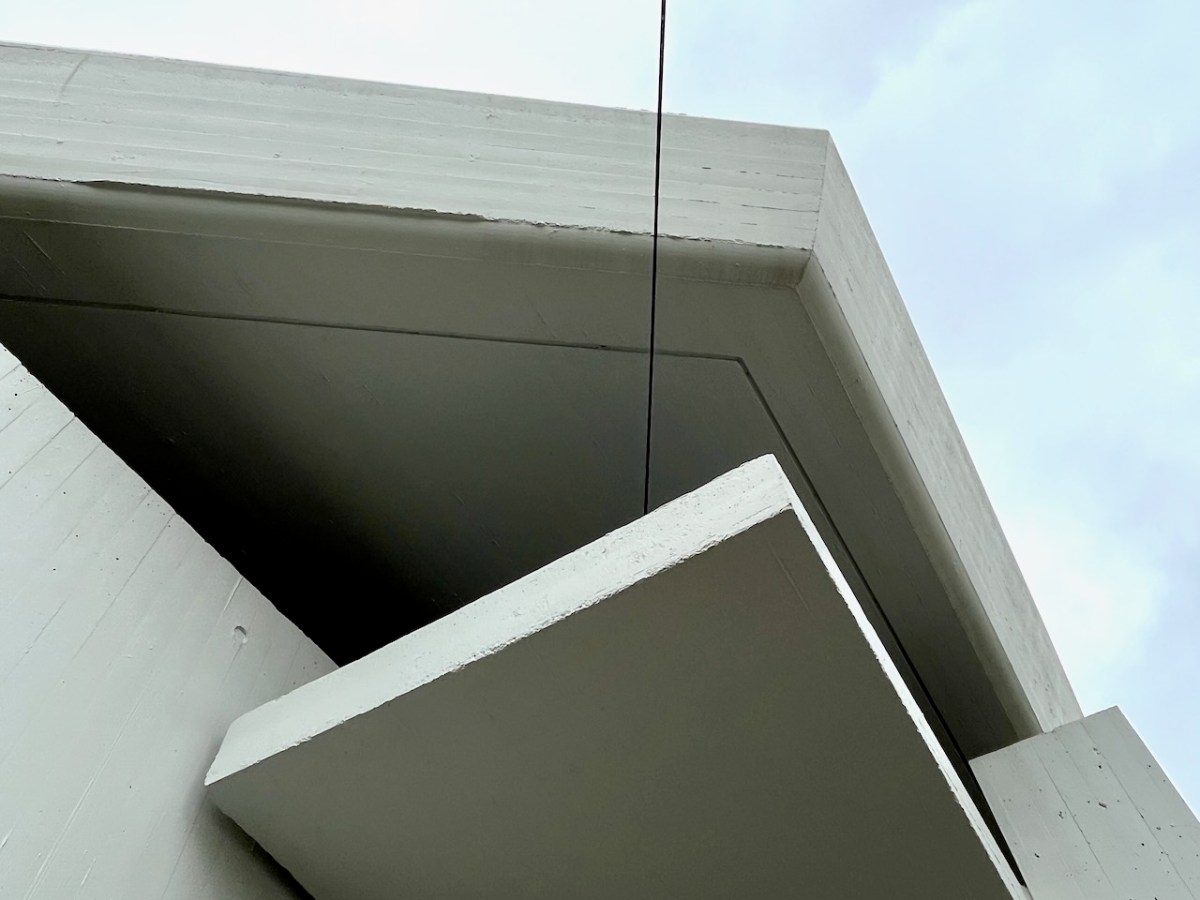
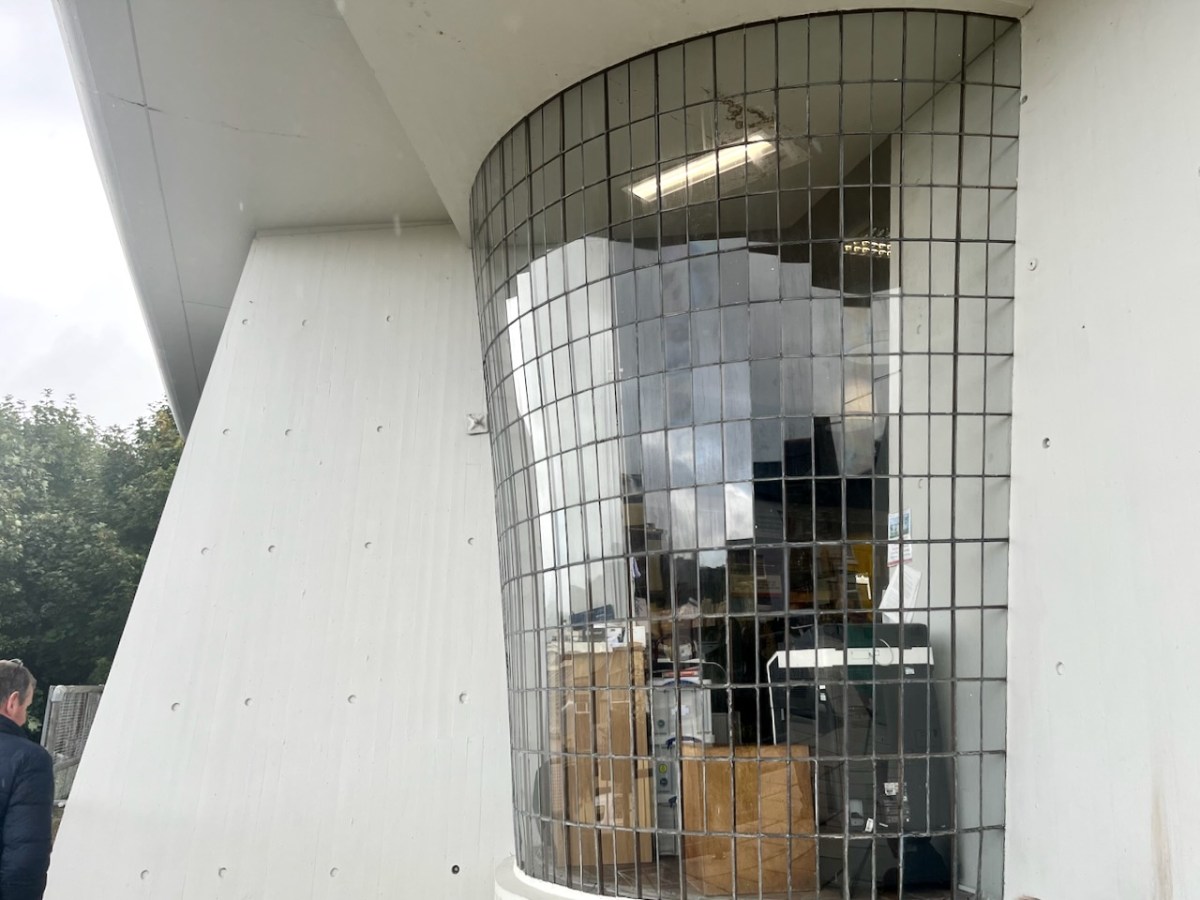
Larger in scale, this complex exhibits some of the features we see in Bantry: shutter-marked mass concrete, frameless glazing, bold overhanging roof planes… The Library roof cantilevers six metres in one part of the building.

The status of this building as an unique example of modernist architecture in Ireland has recently been recognised with a Heritage Council grant of over €250,000 to carry out refurbishments to some of the major elements.

. . . As Bantry Library approaches its 50th anniversary, we are committed to safeguarding this important building. As a protected structure within an Architectural Conservation Area, Cork County Council recognizes its responsibility to preserve and protect Bantry Library for future generations. The conservation works will take place during 2023, and we look forward to seeing the library restored to its former glory . . .

Tim Lucey, Chief Executive, Cork County Council

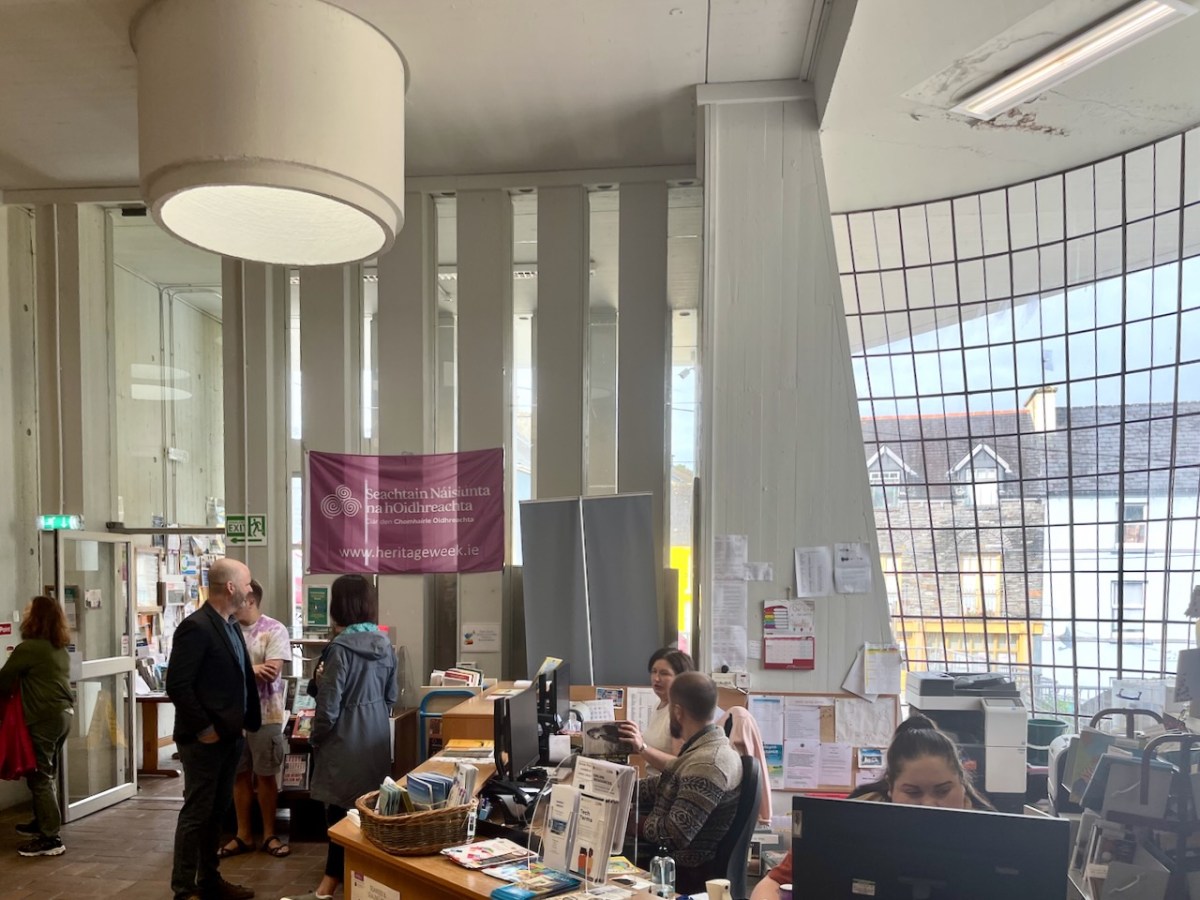
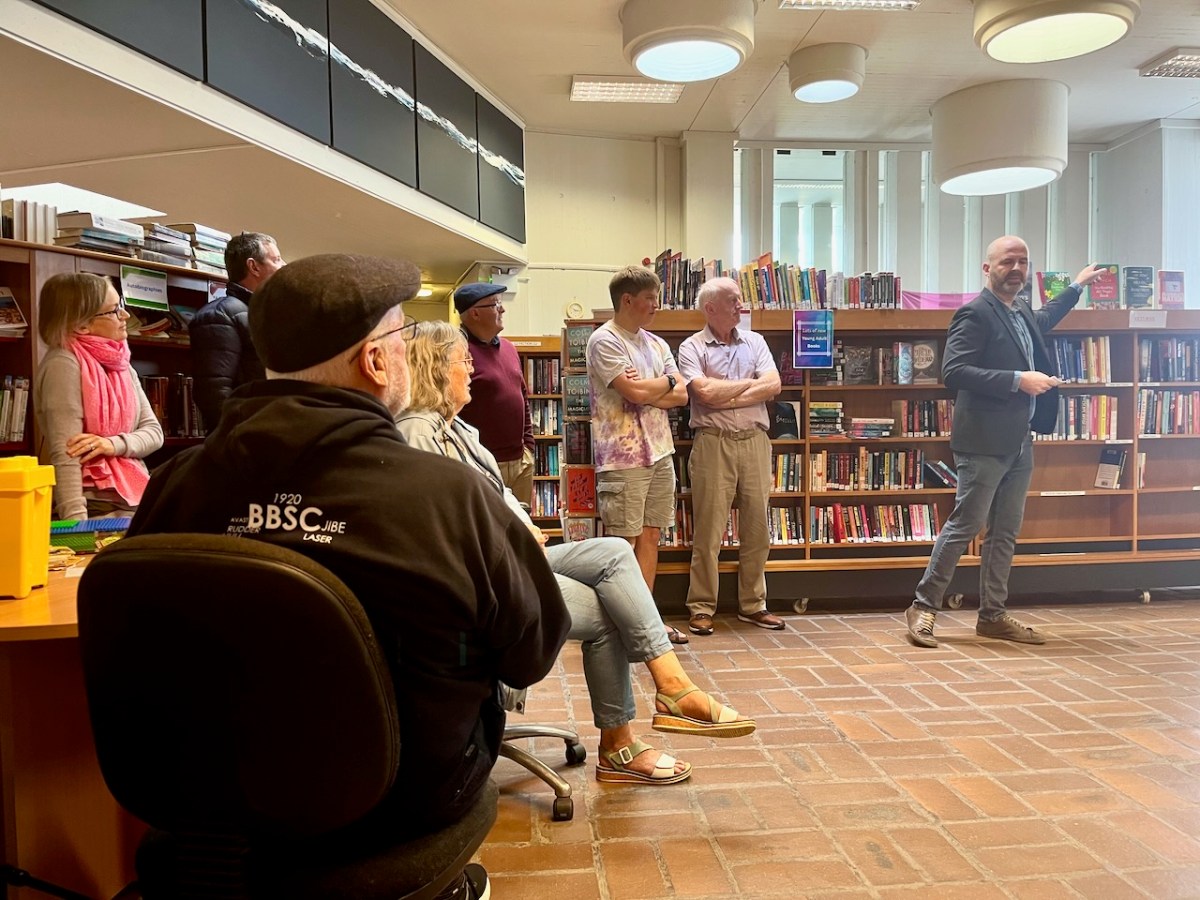
A Heritage Week talk was given by Dermot Harrington of Cook Architects at the Library (below). It was a most informative review of the building and its history.

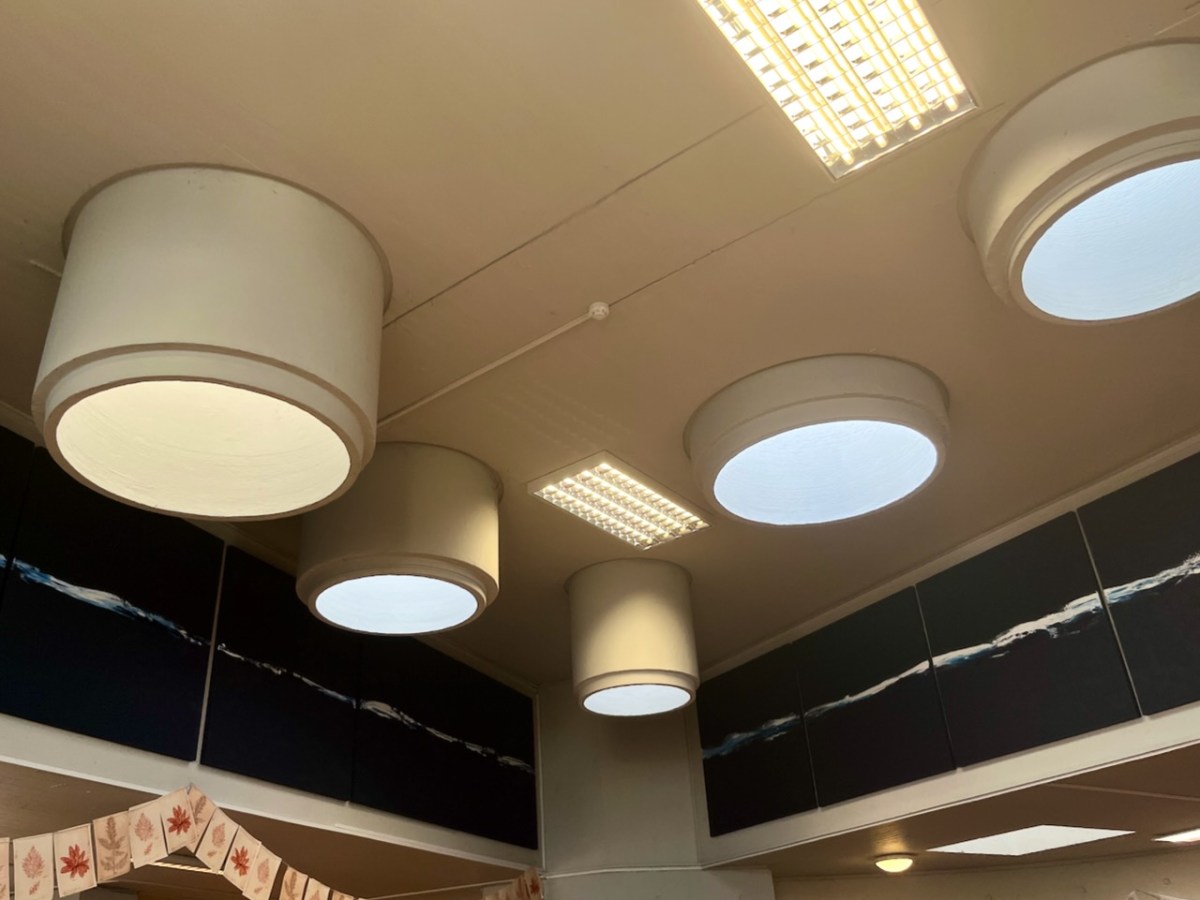
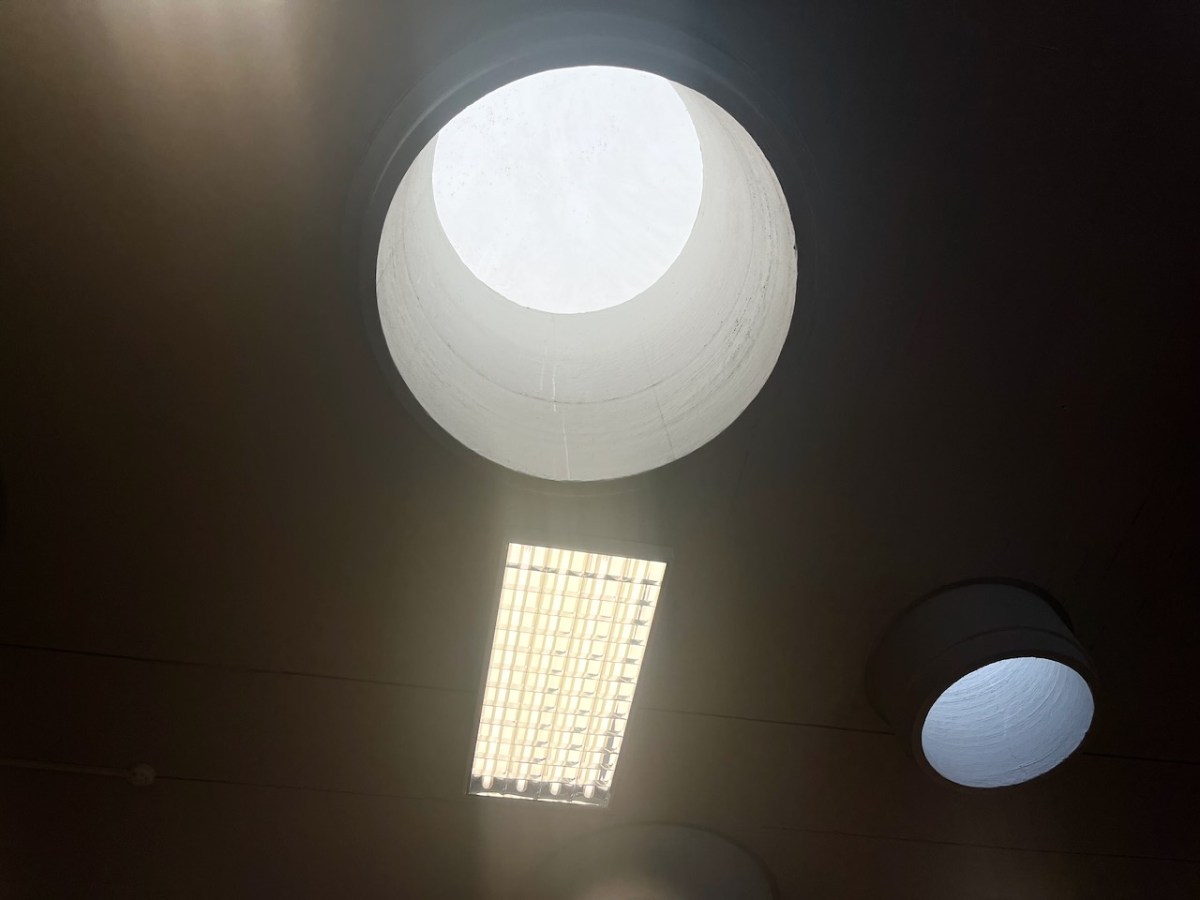
Most of the original features of the building have survived in reasonable order. I was impressed with the ‘pipe lights’ which draw daylight down into the centre of the main room:

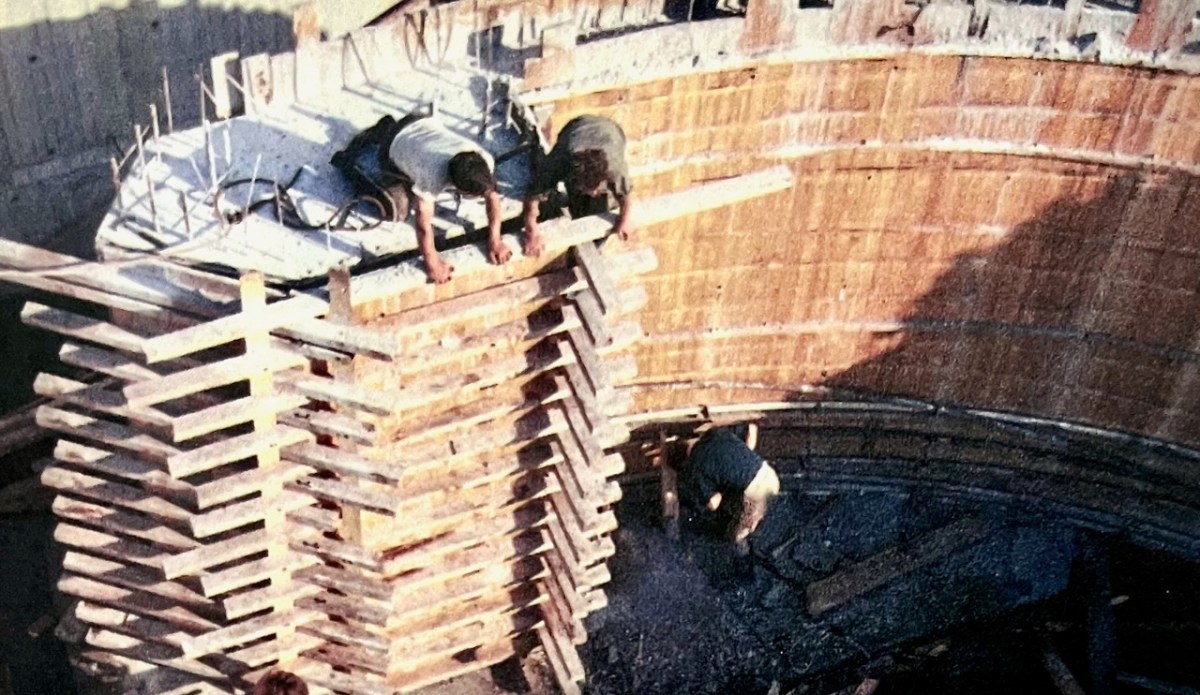
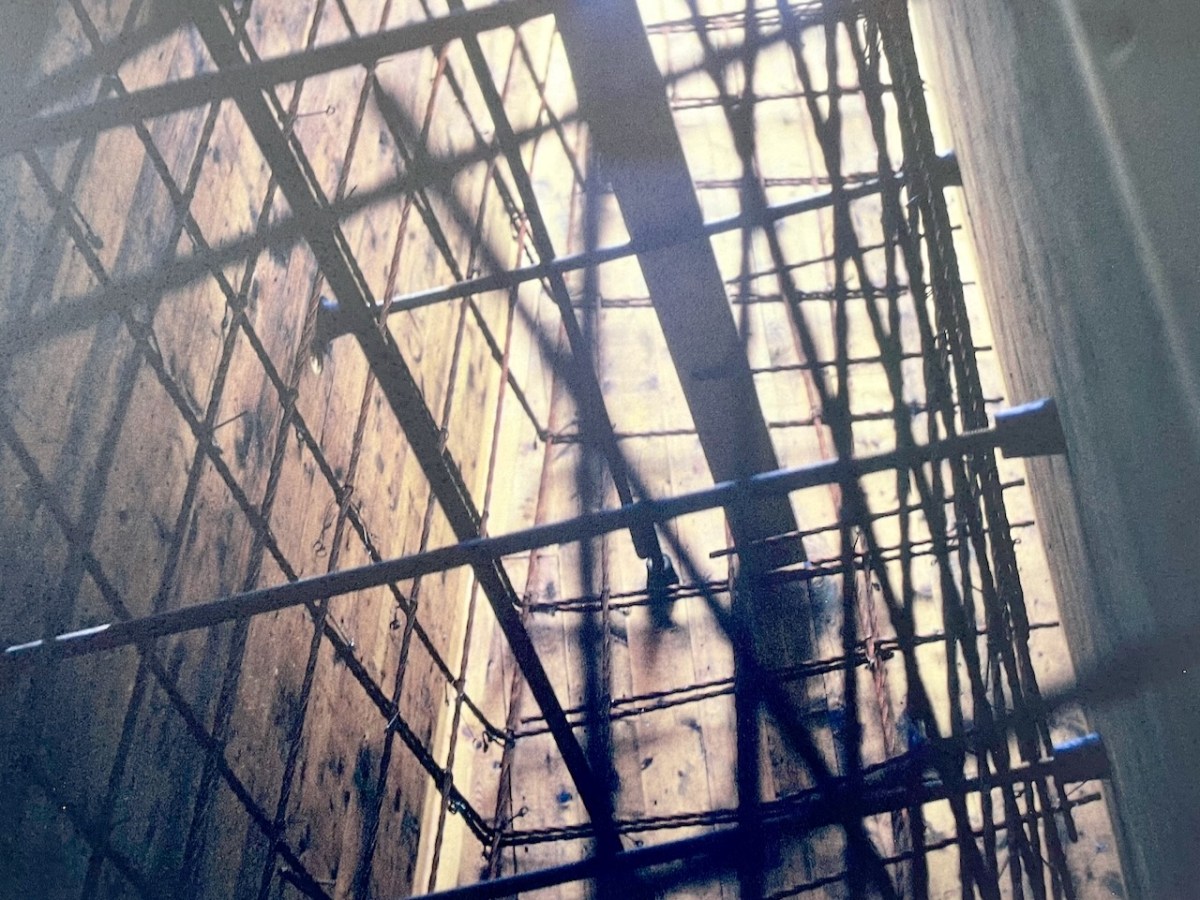
We also learned about the complexity of the building construction, and saw photographs of the steel reinforcement and board shuttering from fifty years ago:

Dermot Harrington pointed out that the building was effectively put together by only five men, under foreman Gerry O’Sullivan, who was just 27 years old. Neither he or any of the other crew had ever tackled anything like this before!

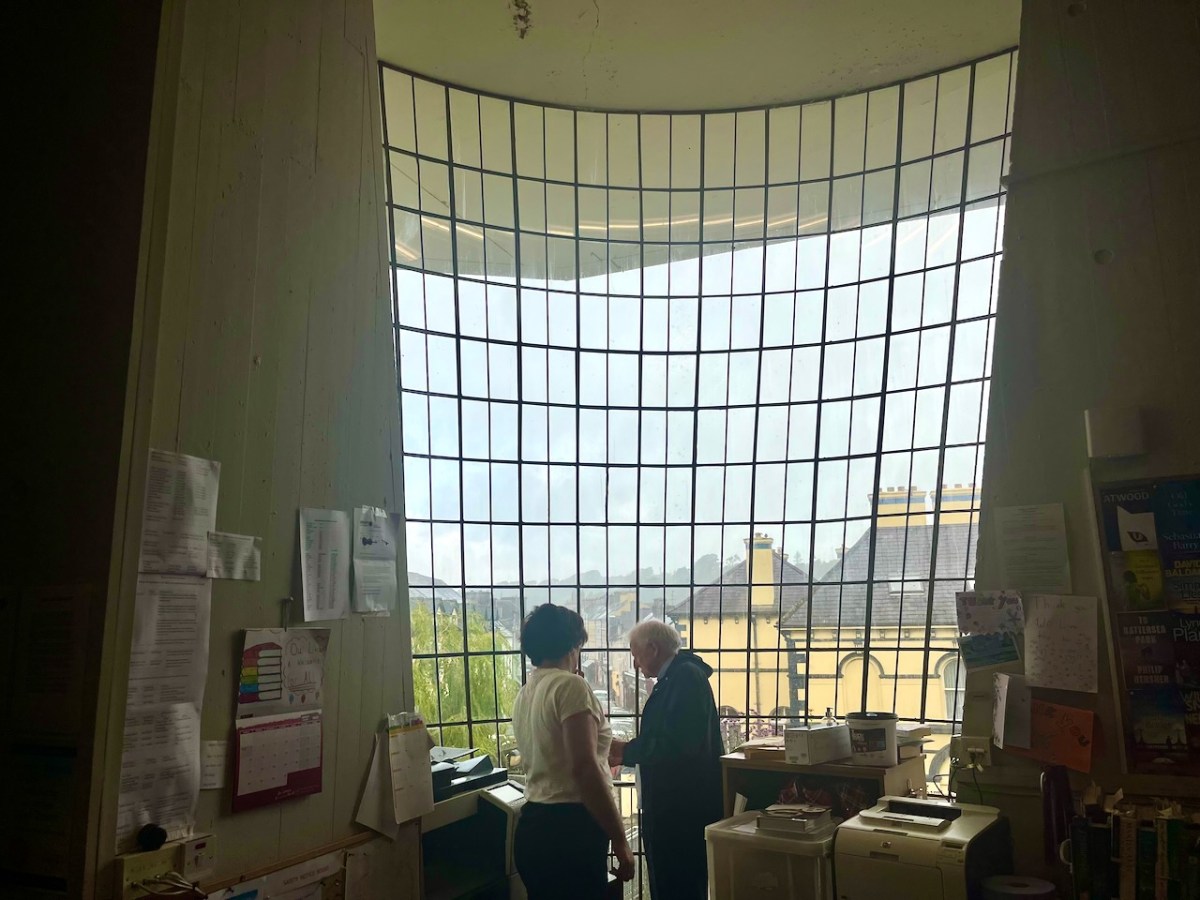
The Library is central to the life of the town, and still serves its original purpose. It’s eye-catching (perhaps sensational is a good word?) and very much alive and relevant. We look forward to the completion of the current works, and suitable festivities to mark the fiftieth birthday of this creative West Cork project.

Thank you to the Library for the information they provided and the display boards that are currently on show. Many of my illustrations are taken from these resources

A Bantry Yole

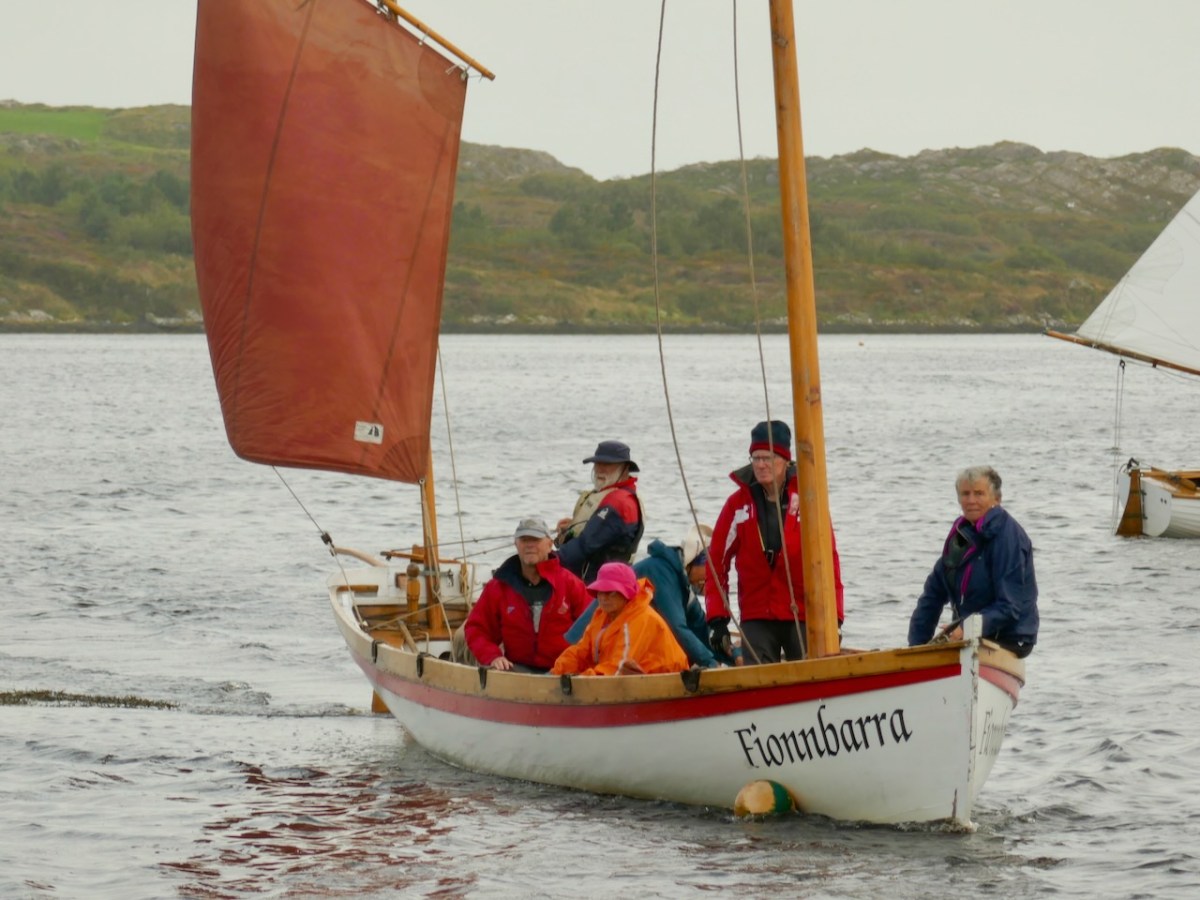
The importance of West Cork in world history was emphasised today at the Ballydehob Cruinniú na mBád (Meeting of the Boats). This annual event reminds us how busy our quay was back in the day when all the commerce of the village was based on the tidal waters. Finola wrote about the gathering in 2017. But today – 19 August 2023 – I had my eye out for a very particular vessel: Fionnbara.

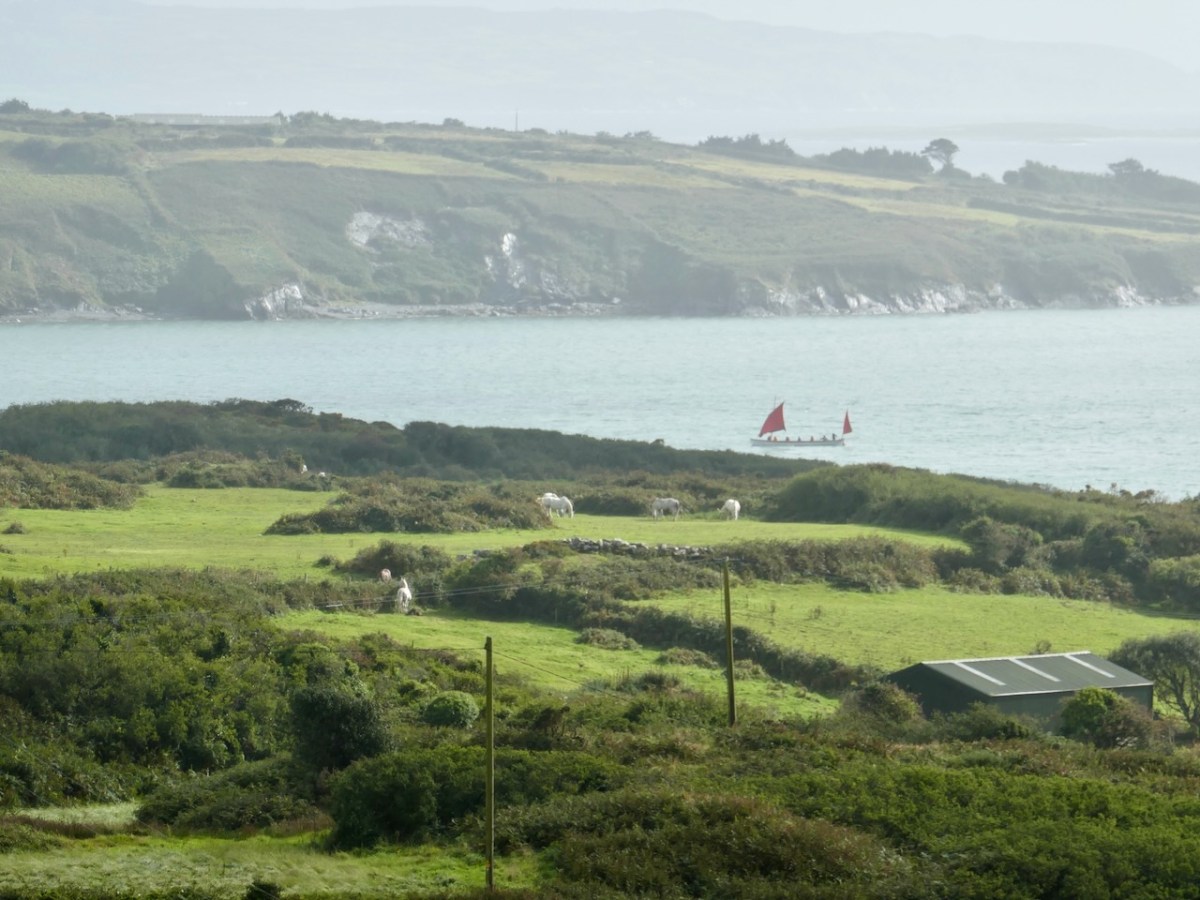
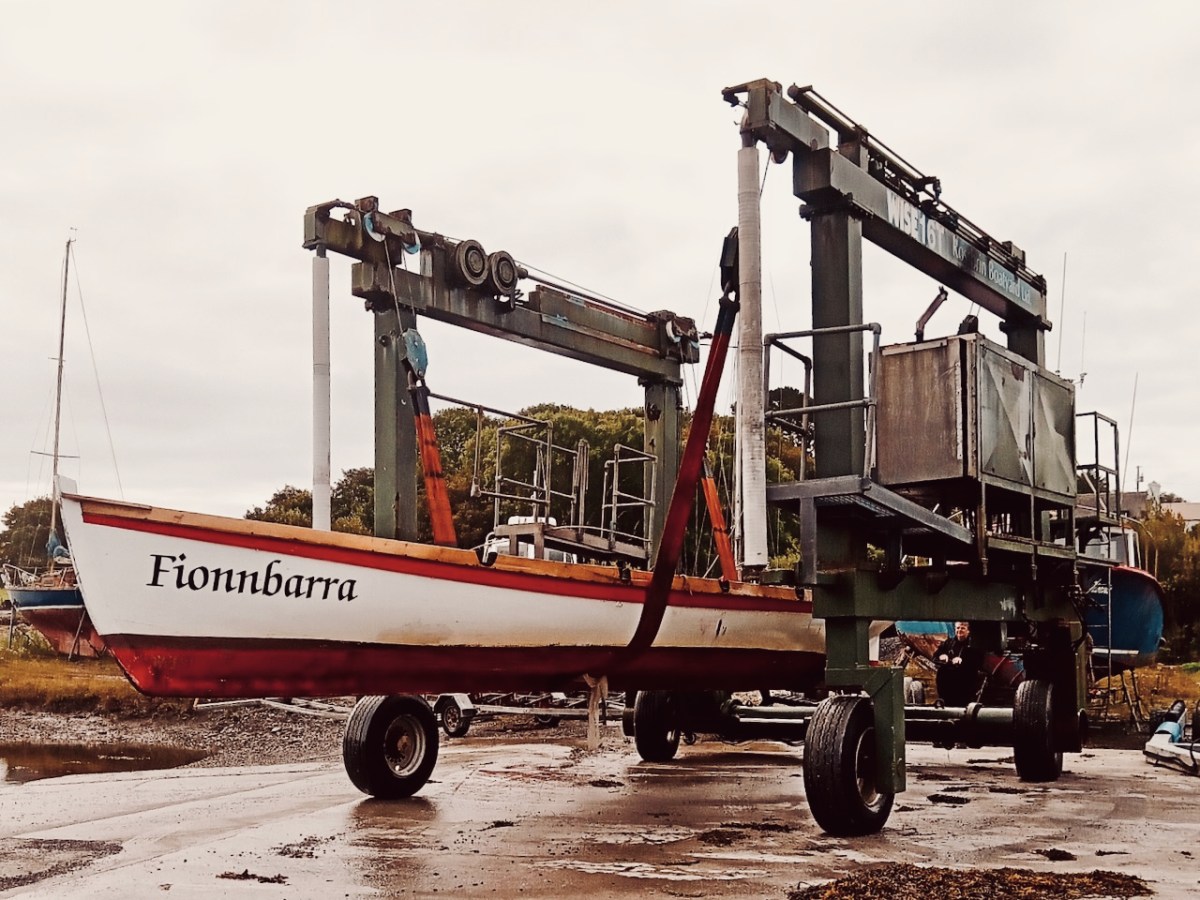
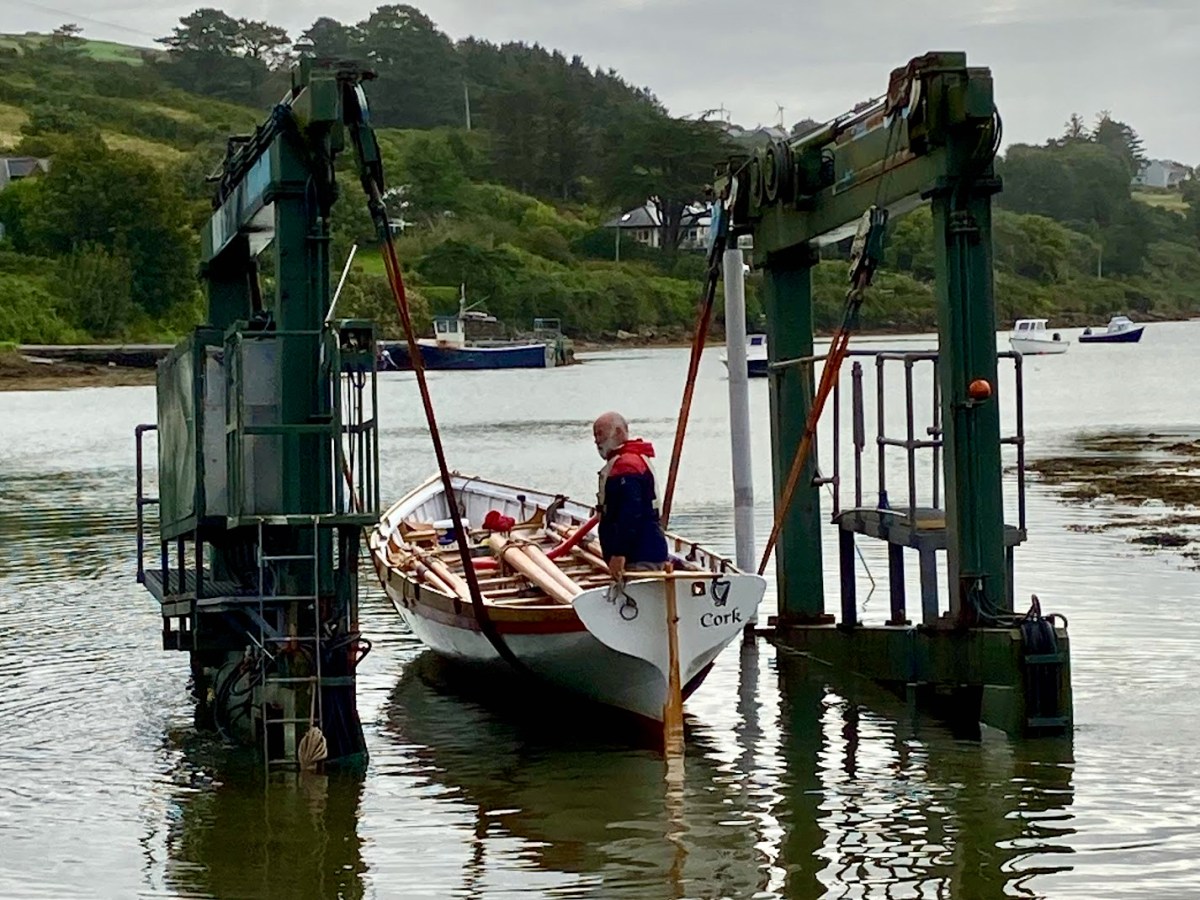
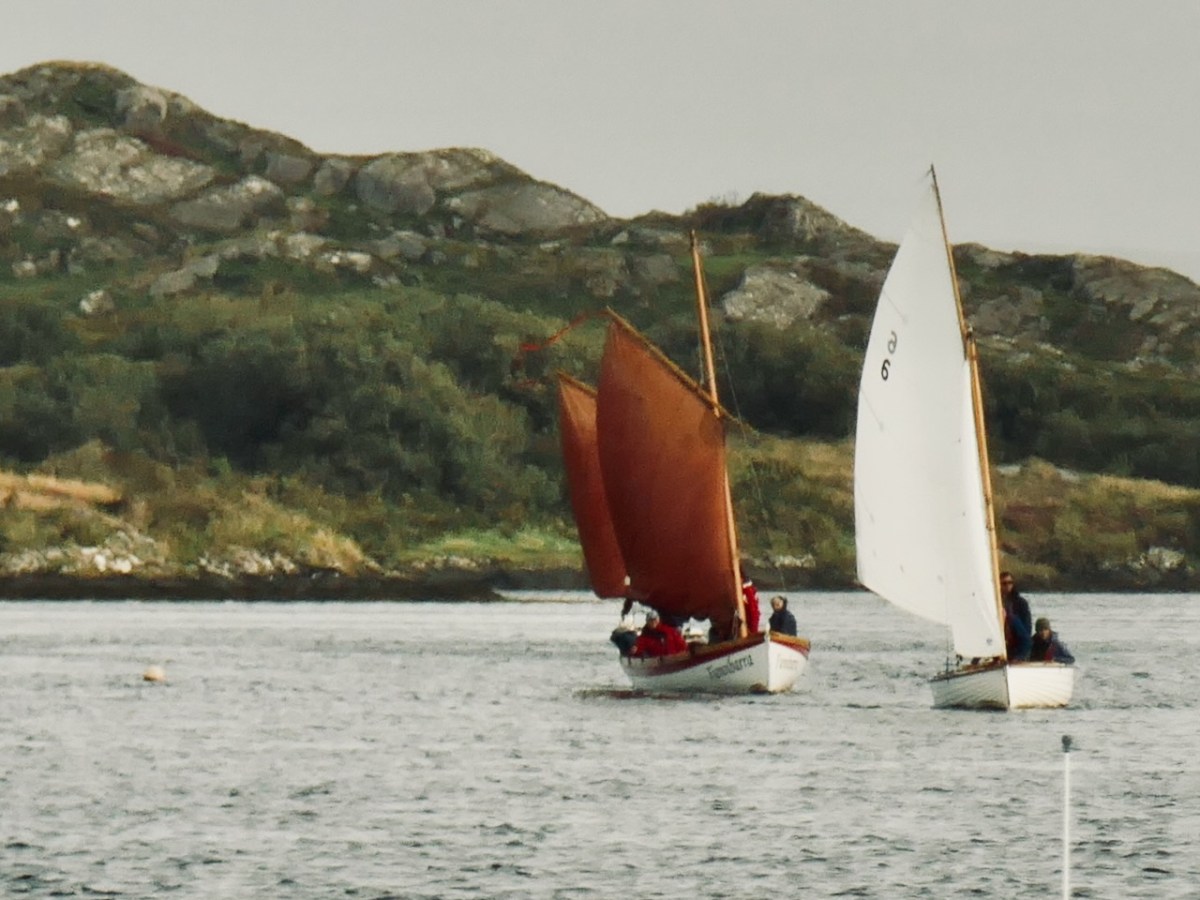
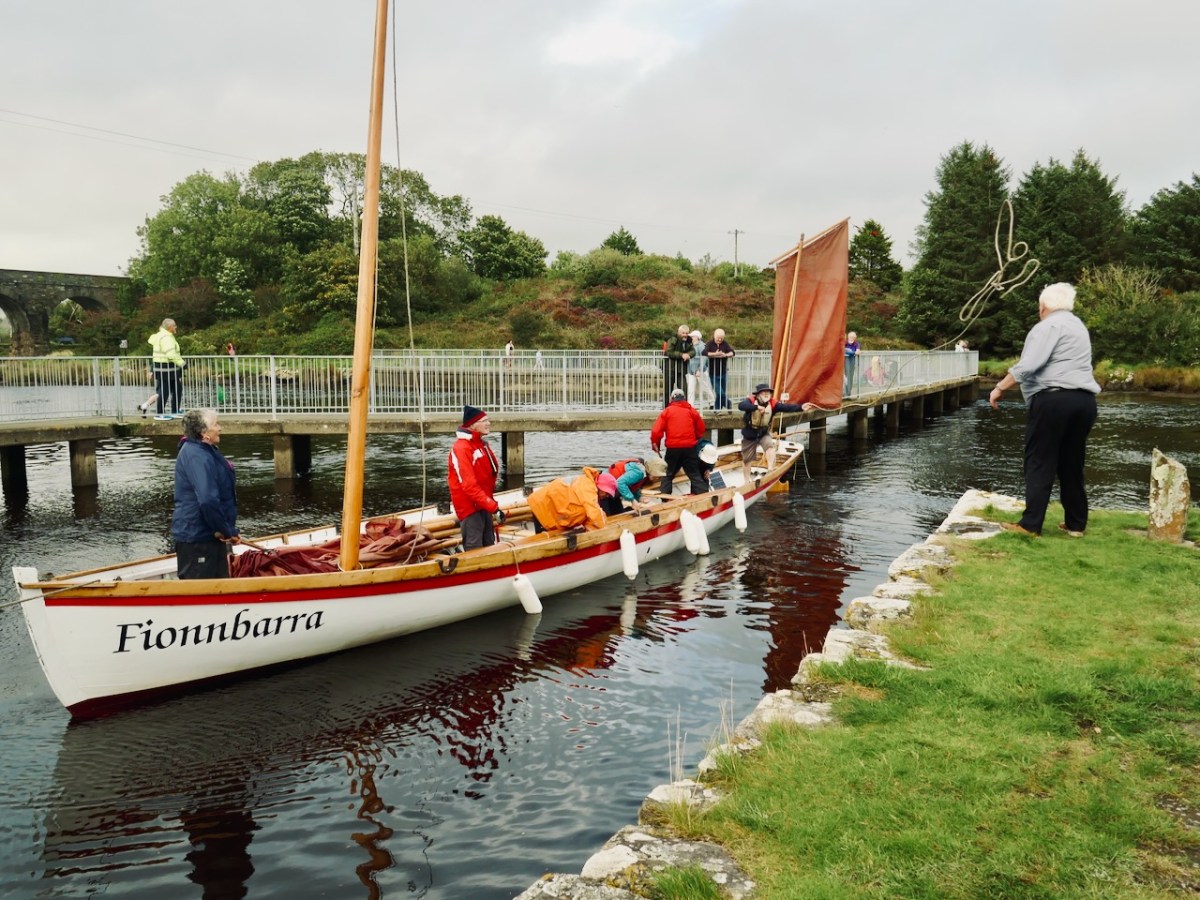
There she is – above – leaving Rossbrin Harbour today, bound for Ballydehob. And here she is being launched early this morning, using the boatyard’s lifting gear. Many thanks to Jack O’Keeffe – her Skipper – and Anne O’Keeffe for the great photos.

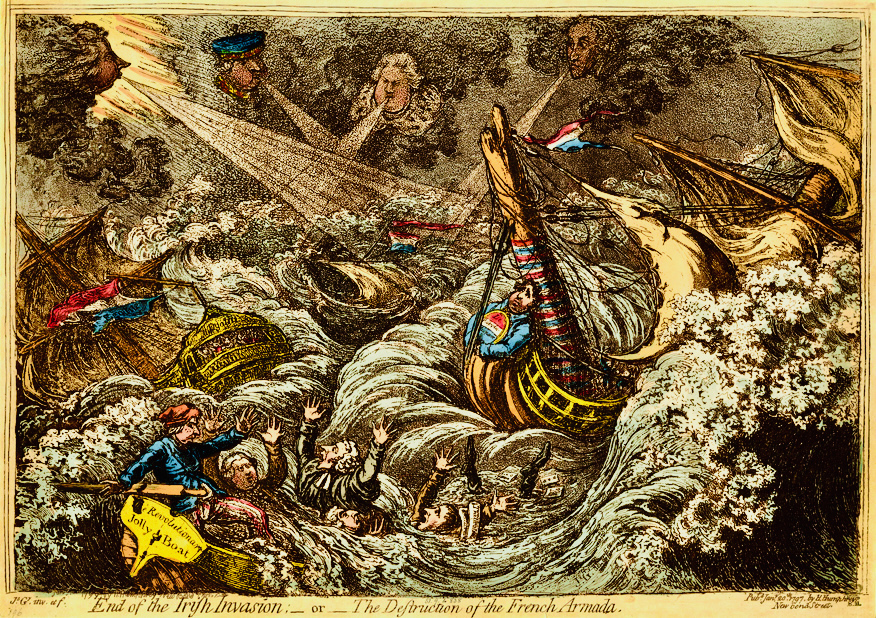
Above: ‘End of the Irish Invasion’ or ‘The Destruction of the French Armada’ by James Gilray 1797 (courtesy of the British Museum)

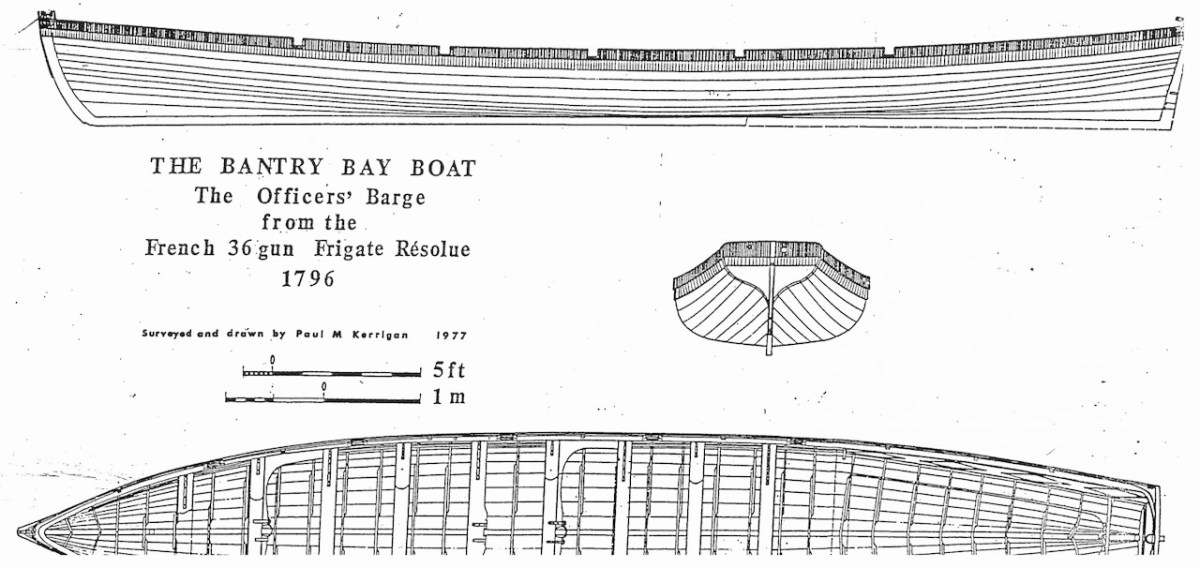
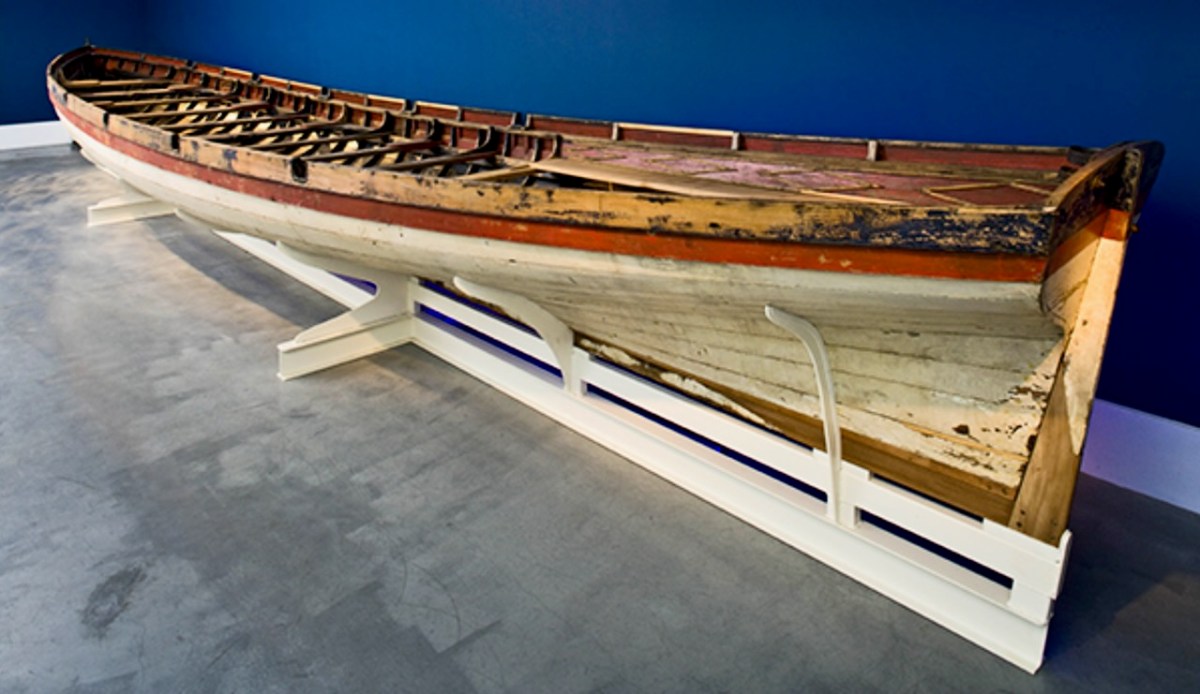
The boat is a replica – one of many around the world – of a craft which found its way to the shores of Bere Island – in West Cork – in 1796, after a disastrous escapade by the French navy, under the encouragement of Theobald Wolfe Tone of the Society of United Irishmen. A fleet of 43 vessels carrying 14,000 men headed for Bantry Bay intending to invade Ireland and declare it independent from Britain. Severe storms threw the ships off course and into disarray, and the opportunity was lost. During the chaos one of the French ships – La Résolue – lost her masts in a collision. Lt Proteau was sent in a ‘barge’ to find another ship to tow the frigate to safety, but instead he and his crew were driven ashore and captured. The ‘barge’ was taken as a prize of war and handed to the local Irish militia commander, Richard White of Bantry House. There it remained – gently rotting – for 148 years. In 1944 it was despatched to the National Maritime Museum in Dún Laoghaire and – after conservation – is now displayed at the Collins Barracks Museum. The ‘Bantry Bay Boat’, ‘Bantry Skiff’ or ‘Bantry Yole’, as the unusual craft is variously known, has attracted considerable attention and has inspired many boatbuilders to produce copies.

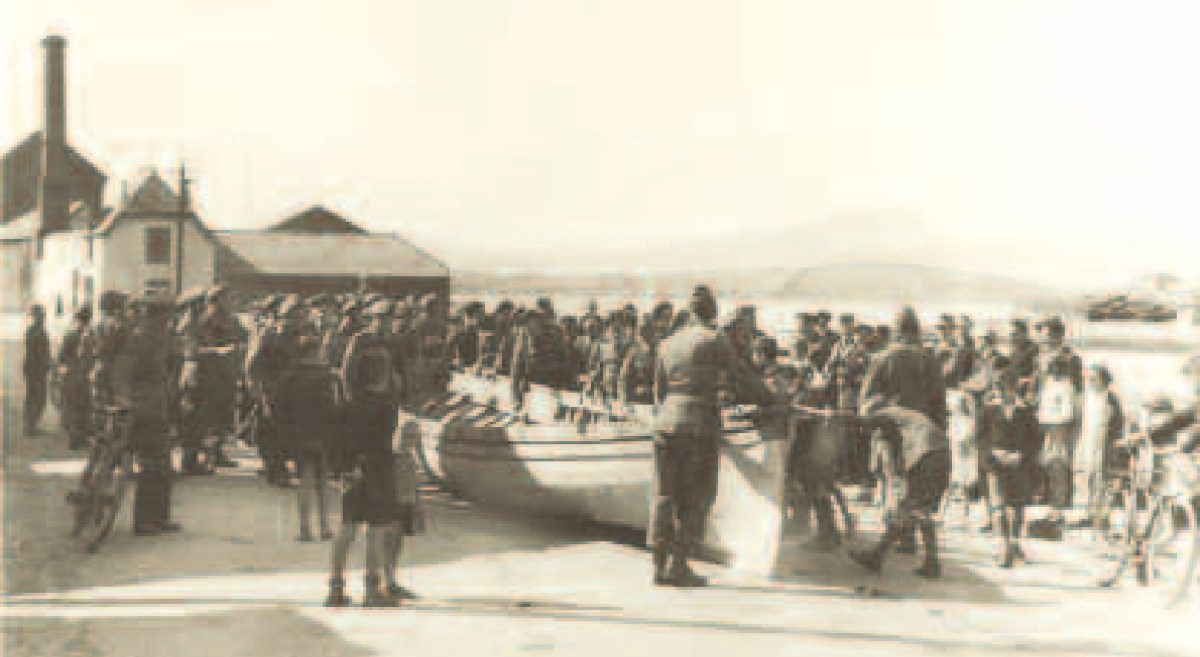
Below: upper – the Bantry Boat being transported from Bantry Railway Station to Dún Laoghaire in 1944; centre – plans of the original craft drawn by Paul Kerrington in 1977; lower – the original Bantry Bay Boat on display in the Collins Barracks Museum today (courtesy History Ireland – article by Lar Joye July/August 2018)

One of these copies is the Fionbarra, which arrived in Ballydehob today. The original was 11.64 metres long, 2.05 metres in beam, and a very fast boat. It was powered by ten oars or three sails, and could carry around ten passengers as well as the crew.

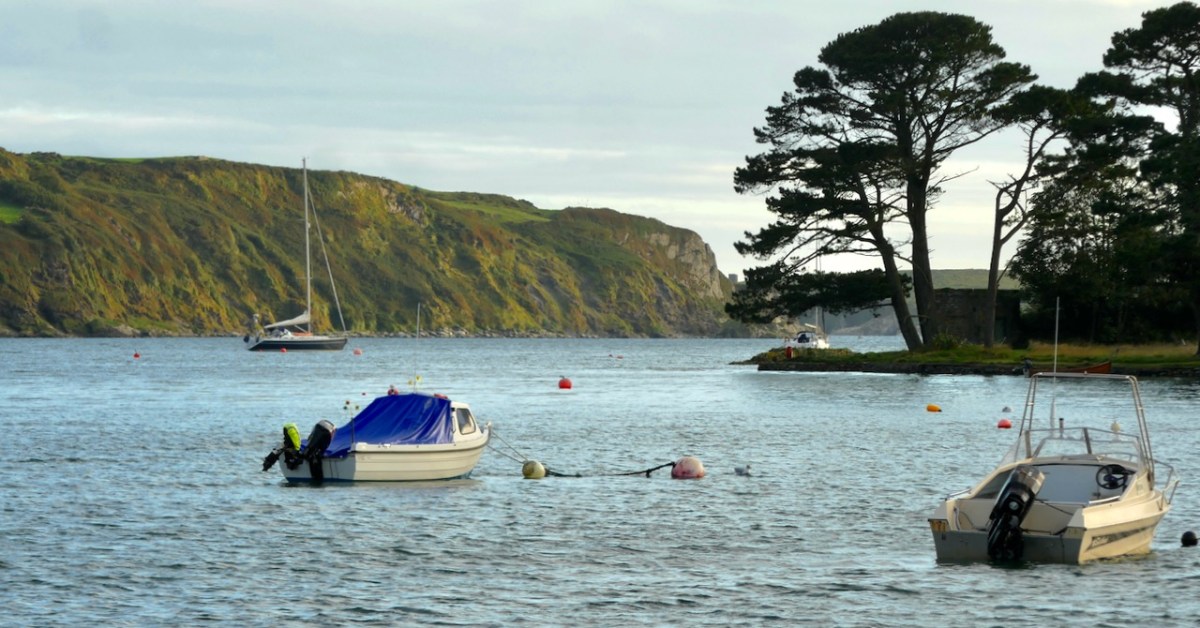
Ballydehob Bay today, 19th August 2023. The small boats are beginning to approach the old quay. With thanks to Finola for many of these photographs.

Building of the Fionbarra began in Waterford and was transferred to Meitheal Mara, a community boatbuilding venture based in Cork city. Construction was completed in 2008. We really appreciated the work of the team who transported her to West Cork and sailed her up the estuary today.

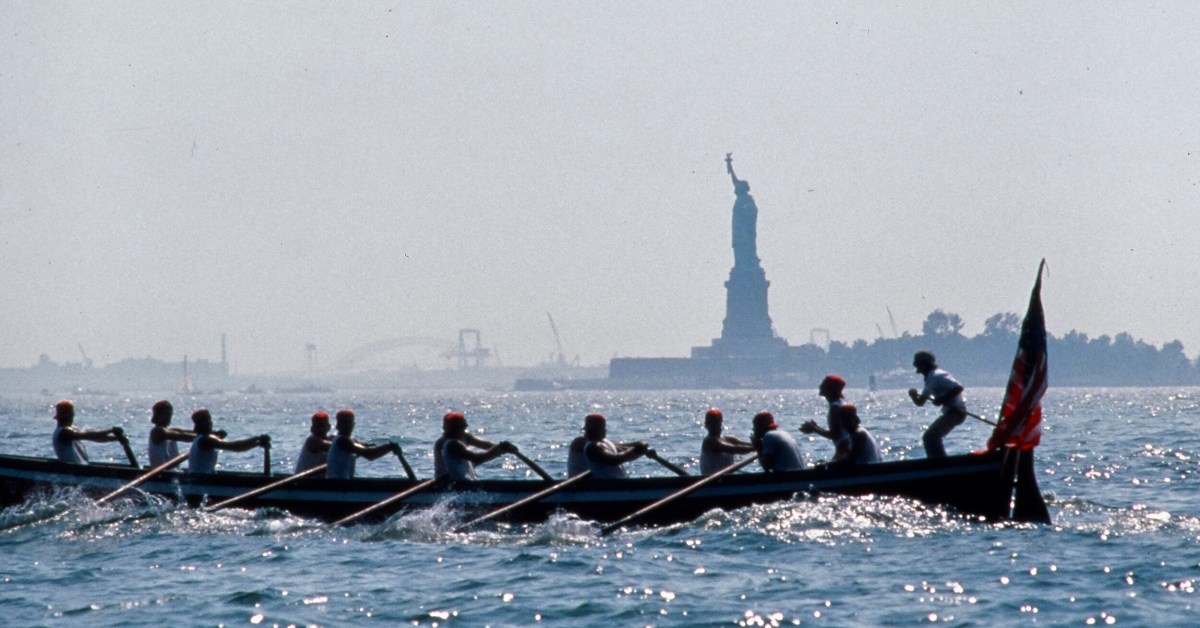
You may wonder why I have put in a header pic from across the Atlantic? This is to demonstrate the influence that the West Cork ‘Bantry Yole’ has had on the boating community all around the world. Atlantic Challenge International was founded in 1984 as a maritime training trust, and its activities are largely based on replicas of the 1796 Bantry craft. As a consequence there are relatives of the Fionbarra in many countries. I understand that there are currently at least 80 such replicas, spread over four continents, in the present day.

This link gives further information about The Atlantic Challenge

Nelson’s Arch

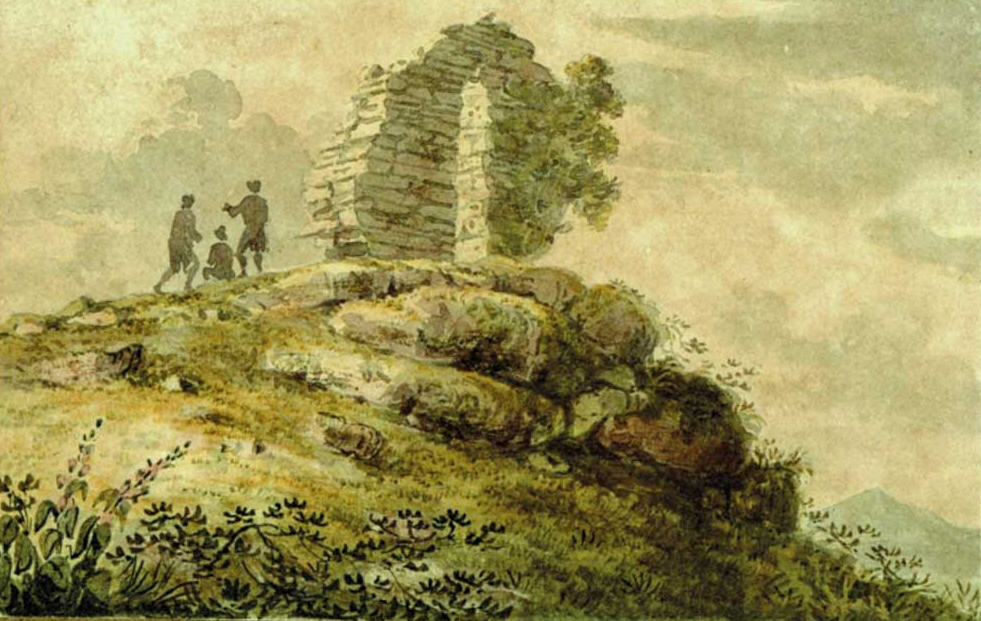
This is the inlet at Castlehaven, looking towards Castletownshend. It’s a peaceful scene. Finola and I were in the village at the weekend, showing groups around the church and the graveyard: it was a West Cork History Festival event. Very recently, I came across a reference to a structure that used to stand looking over this inlet: it was known as Nelson’s Arch. Here’s a watercolour print dating from the early nineteenth century . . .

It looks like part of a ruined building. In fact, this is how it appeared when built! It’s a folly, but with a purpose. It commemorated the death of Britain’s Admiral Nelson, and the defeat of the French fleet at the Battle of trafalgar in 1805. Dennis Kennedy researched the arch and wrote an article about it for History Ireland, in January 2016. here’s a brief extract:

This arch . . . was the first monument erected anywhere in the world to the victor of Trafalgar, Admiral Lord Nelson. It was completed twenty days after the battle, and less than a week after the first news of it reached these islands. The artist, and the builder, was Captain Joshua Rowley Watson RN, then stationed in Castletownshend as the naval officer in command of a large force of Irish Sea Fencibles defending that section of the west Cork coastline against possible French invasion. On hearing of the victory at Trafalgar and the death of Nelson, Captain Watson designed and built, in one day, the rough stone arch . . .

Dennis kennedy, History Ireland Issue 1, Volume 24

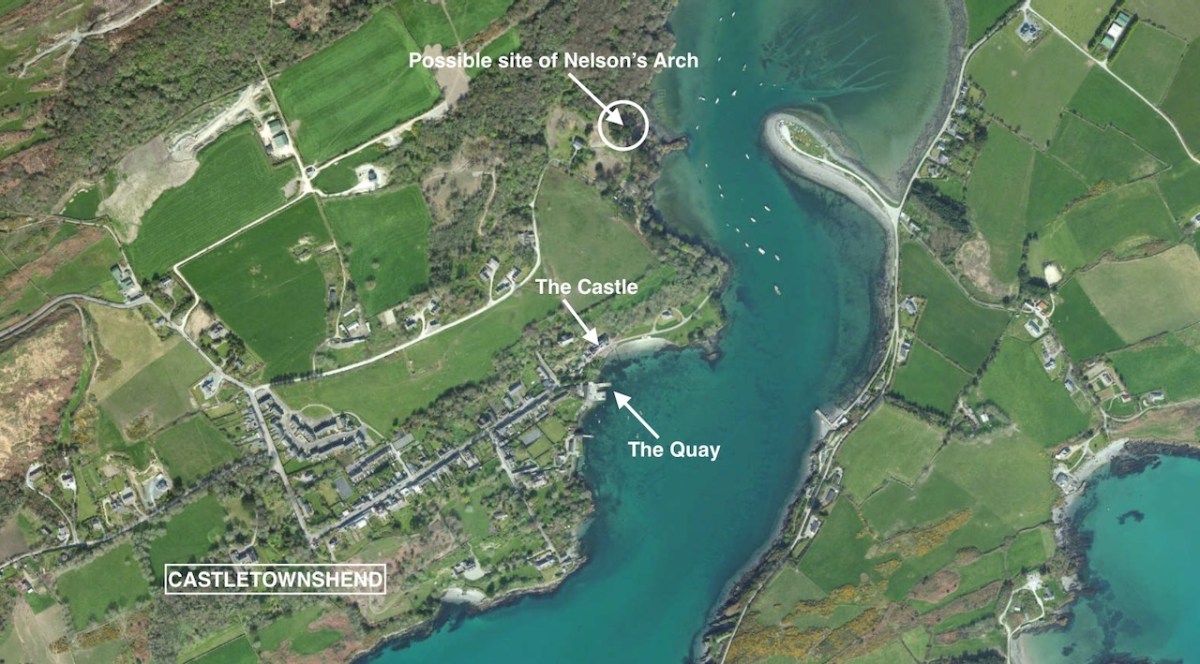
I can’t tell you for sure where this arch was constructed, only that it ‘looked out over the harbour at Castletownshend’. I am speculating that the site was where I have indicated in the above aerial view. My reason for suggesting this is that is an old archaeological record shown on the earliest Ordnance Survey maps states that ‘a structure’ existed at this spot. Evidently a plaque (now lost) was placed on the ‘structure’ setting out its origin:

. . . This arch, the first monument erected to the memory of Nelson after the battle of Trafalgar, was sketched and planned by Captain Joshua Rowley Watson RN, and built by him and twelve hundred of the Sea Fencibles then under his command (assisted by eight masons). It was erected in five hours on the 10th of November 1805 . . .

Dennis kennedy, History Ireland Issue 1, Volume 24

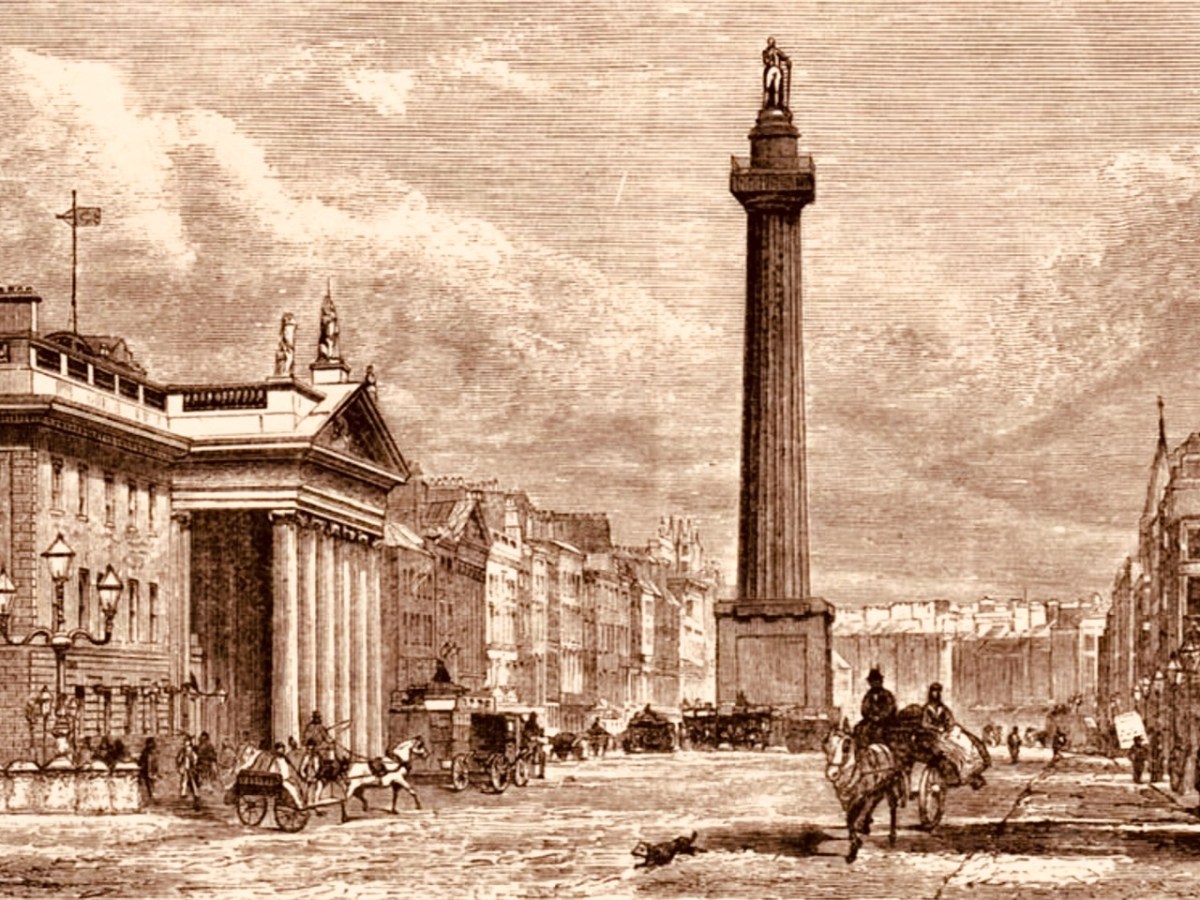
The idea of twelve hundred men – and eight masons – building this structure is hard to ponder. The Battle of Trafalgar took place on 21 October 1805. Subsequently, of course, two further notable monuments to Nelson were erected: the column in Trafalgar Square, London, was completed in 1843 to a design by the architect William Railton at a cost of £47,000. It’s still standing, guarded by its four bronze lions, which were added by Sir Edward Landseer in 1867. Its height (to the tip of Nelson’s hat!) is 51.59 metres. But Dublin City Centre also had a Nelson’s ‘column’:

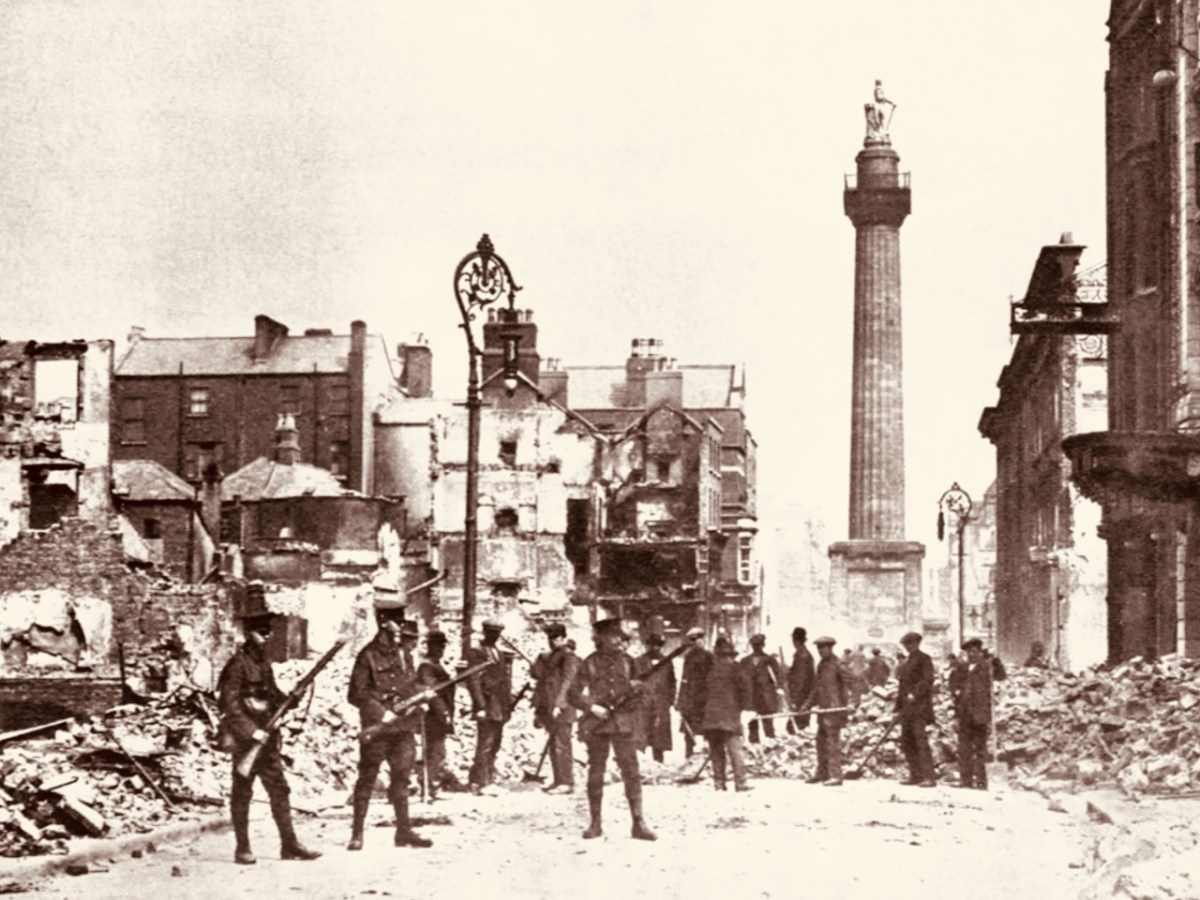
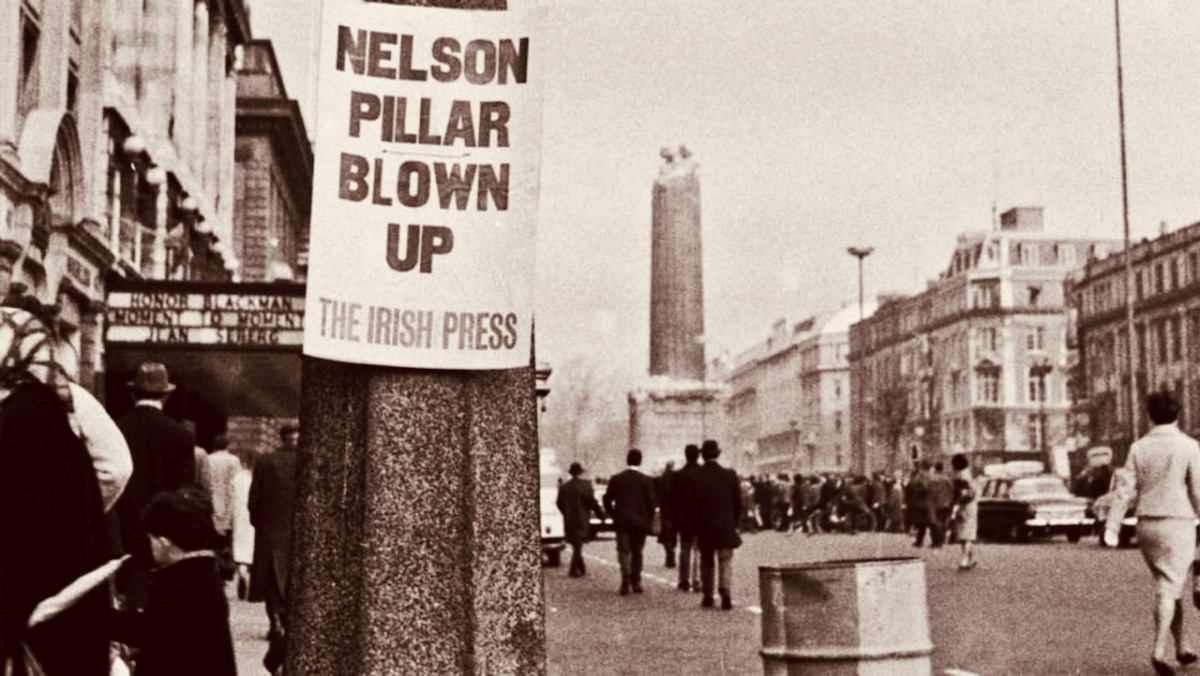
This structure in today’s O’Connell Street was made by Cork sculptor Thomas Kirk. From its opening on 29 October 1809 the 40.9 metre high Pillar was a popular visitor attraction, as it contained a staircase which could be climbed by the public, and which provided a wide view over the city centre. The London column – built from Dartmoor granite – was never provided with a staircase, but it’s a ‘must-see’ tourist destination. It’s actually the only extant monument to Nelson: having survived the rising on Easter Monday, 24 April 1916 – when the nearby General Post Office was reduced to a burnt-out shell, (below) – Dublin’s Pillar succumbed to an attack – probably by dissident volunteers – on 8 March 1966 . . .

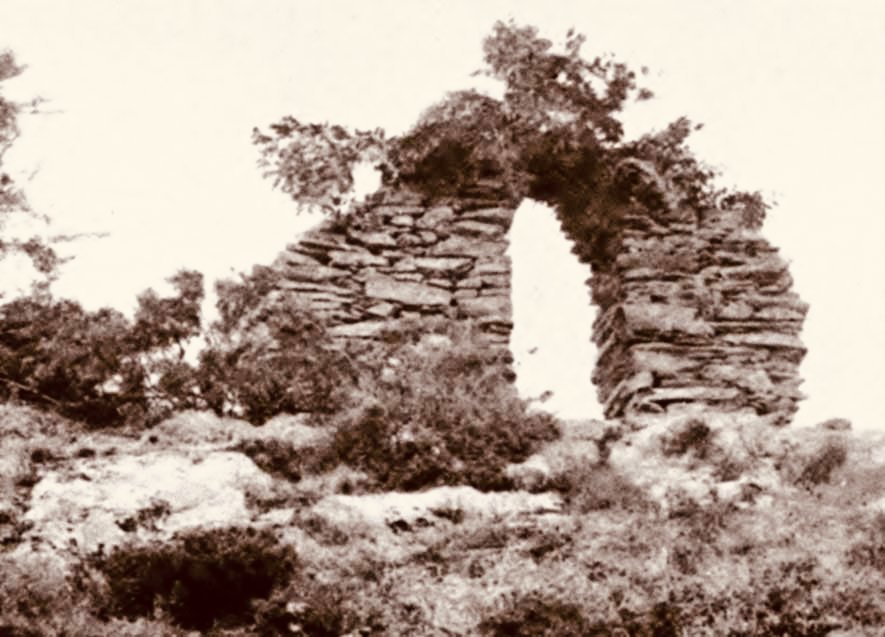
In the early hours of a Tuesday morning, a powerful explosion destroyed the upper portion of the Pillar and brought Nelson’s statue crashing to the ground amid hundreds of tons of rubble. An IRA spokesman denied involvement, stating that they had no interest in demolishing mere symbols of foreign domination: “We are interested in the destruction of the domination itself” (quote from the Irish Independent newspaper). According to Kennedy’s History Ireland article, our Nelson’s Arch at Castletownshend suffered a similar fate only a few days later, in March 1966. There must be many West Cork residents who remember the arch when it stood (and when it fell). I have only managed to find the photograph that Kennedy used in his piece:

Compare this with the watercolour sketch: it obviously survived virtually unchanged during its lifetime of 161 years. To my knowledge no-one has laid claim to destroying the structure. But the motivation – disgruntlement at a brazen symbol of British imperialism – was undoubtedly the same as the Dublin Pillar destruction. If anyone is able to provide further information on the life and death of Nelson’s Arch, Castletownshend, we would be delighted to add it here.

Péacáin Revisited

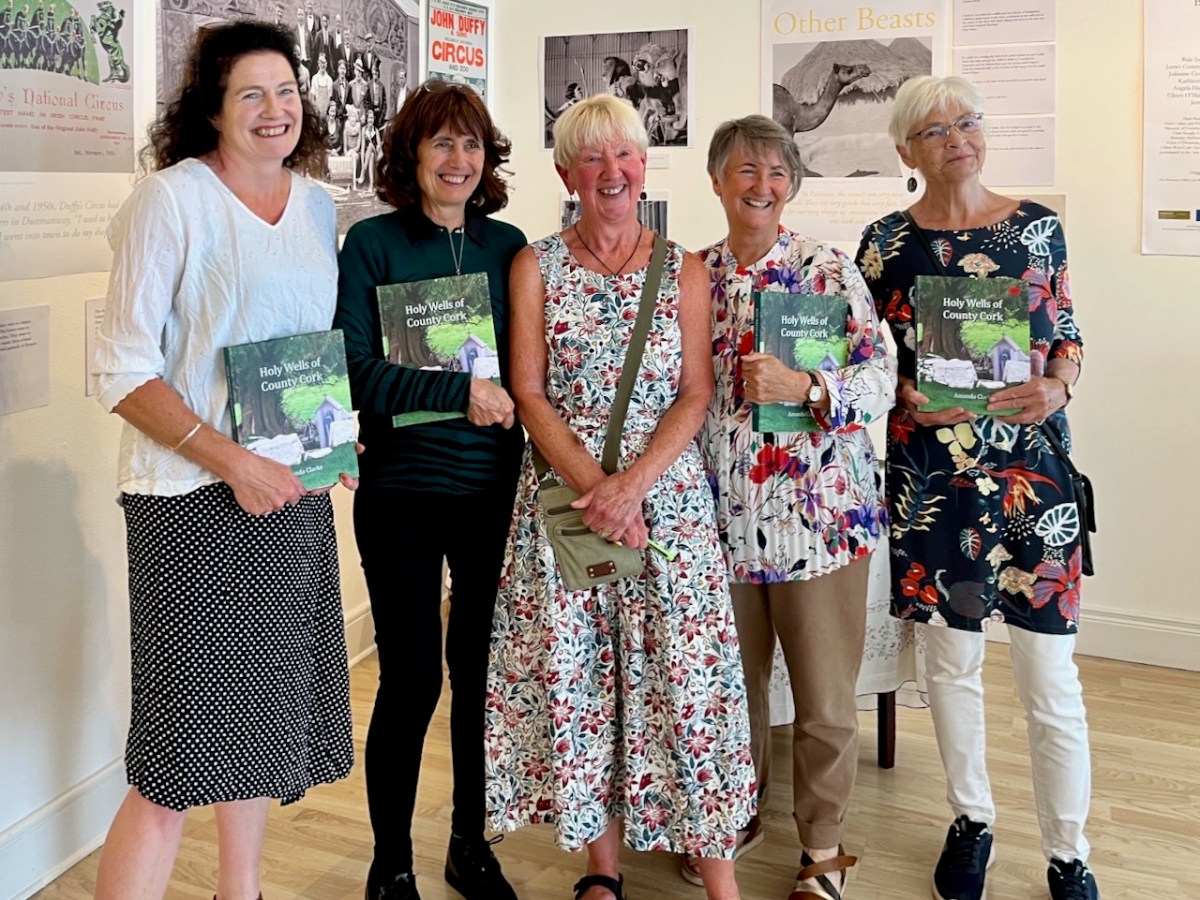
This was the scene in the Working Artist Studios, Ballydehob, on Friday evening. It was the launch of a brand new book by our friend Amanda Clarke: Holy Wells of County Cork. That’s Amanda, above, in the centre, with Finola on her left. Regular readers will know that we share many adventures with Amanda and Peter, and we were so pleased to see the successful fruition of her years of research with this outstanding volume, exquisitely designed by Peter, now available to purchase online, and in bookshops. Finola wrote about this venture last week. I thought I would indirectly celebrate it today by reviving a Roaringwater Journal post from five years ago, about one of our own expeditions that included a visit to a holy well.

Once again we followed in the footsteps of Amanda and Peter: they had visited the Glen of Aherlow in County Tipperary and pointed us to St Berrehert’s extraordinary site at Ardane which I described in this post. Not far away is another site, equally remarkable, and related to St Berrehert’s Kyle in that they were both restored by the Office of Public Works in the 1940s. They are also both very easily accessible in a few minutes from the M8 motorway at Cahir.

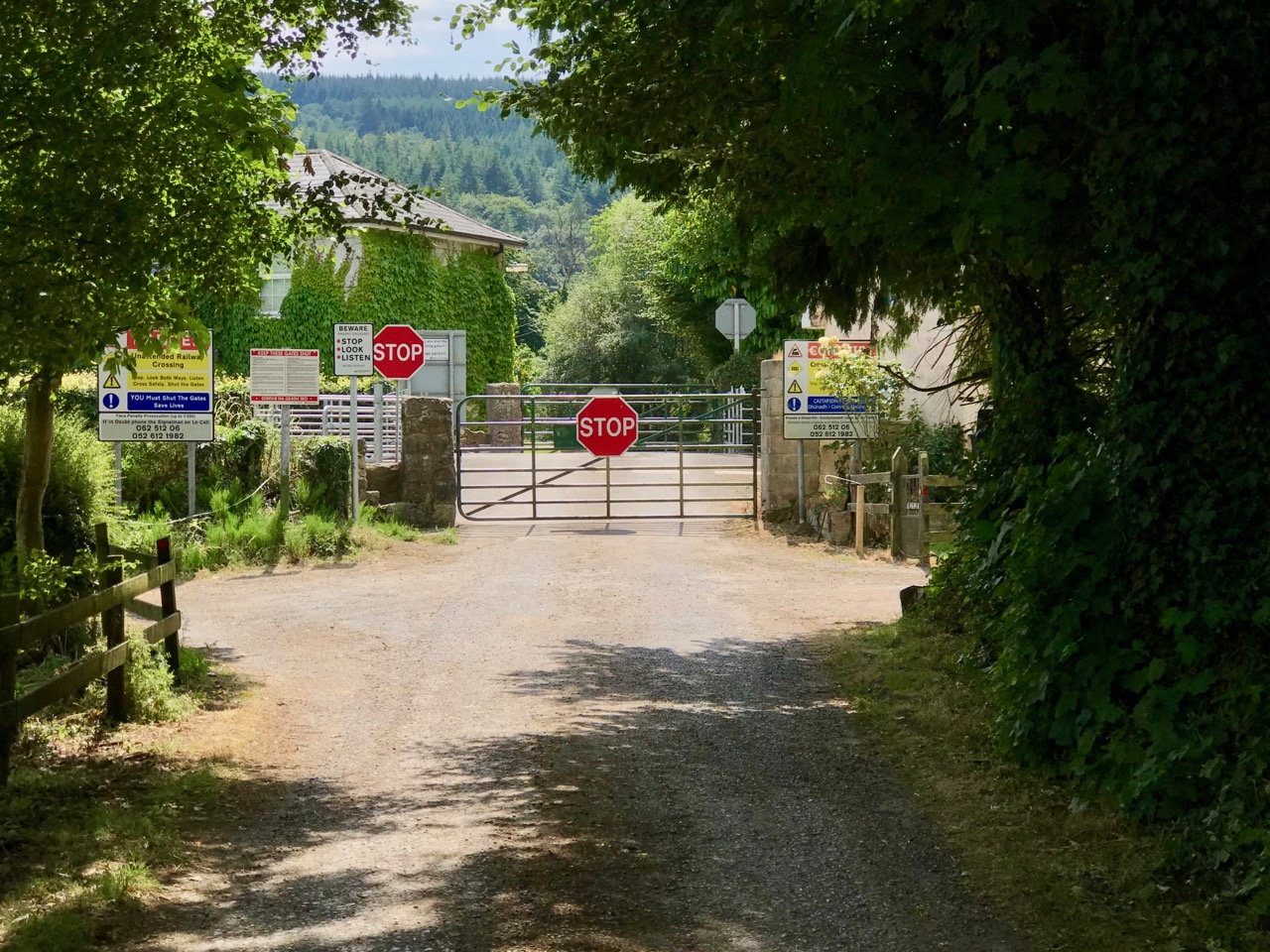
We were delighted to be travelling again through the beautiful Glen in the shadow of the Galtee Mountains (above) as we searched out a boreen that led us down to the railway. We parked and crossed at the gate, watching out carefully as this is the Waterford to Limerick Junction line used by two trains a day (except on Sundays!)

Once across, we were in an idyll. It’s a private lane, running alongside a gentle stream, but the Bourke family allow visitors to walk (as they have done for centuries) to the old church, the cell and the holy well of Saint Péacáin. Ancient stone walls line the way, and trees overhang, shading the dappled sunlight in this most exceptional of Irish seasons. We met Bill Bourke, who regaled us with tales of his life spent mostly far away from this, his birthplace – but who returned to rebuild the family home and to enjoy perpetual summer in what is, for him, the most beautiful setting in the world. He also told us of the crowds who used to come to celebrate St Péacáin at Lughnasa – 1st August – paying the rounds and saying the masses.

In her monumental work (it runs to over 700 pages) The Festival of Lughnasa – Oxford University Press 1962 – Máire MacNeill points out the harvest feast day was such an important ancient celebration that it survives as the focus of veneration of many local saints who would otherwise have been known for their own patron day, and she particularly mentions Tobar Phéacáin in this regard: a place well away from any large settlement where the great agricultural festival was so critical to the cycle of rural life.

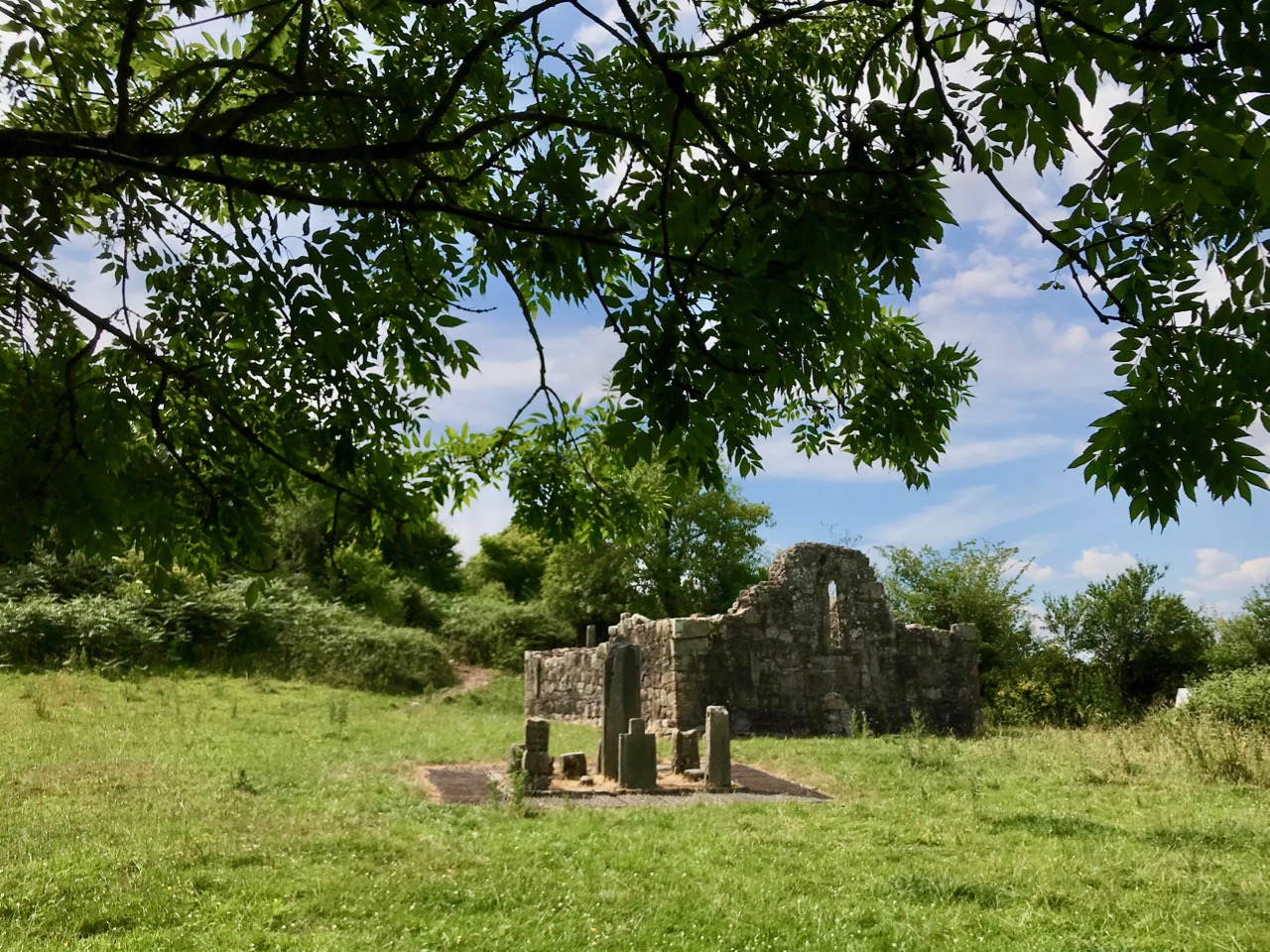
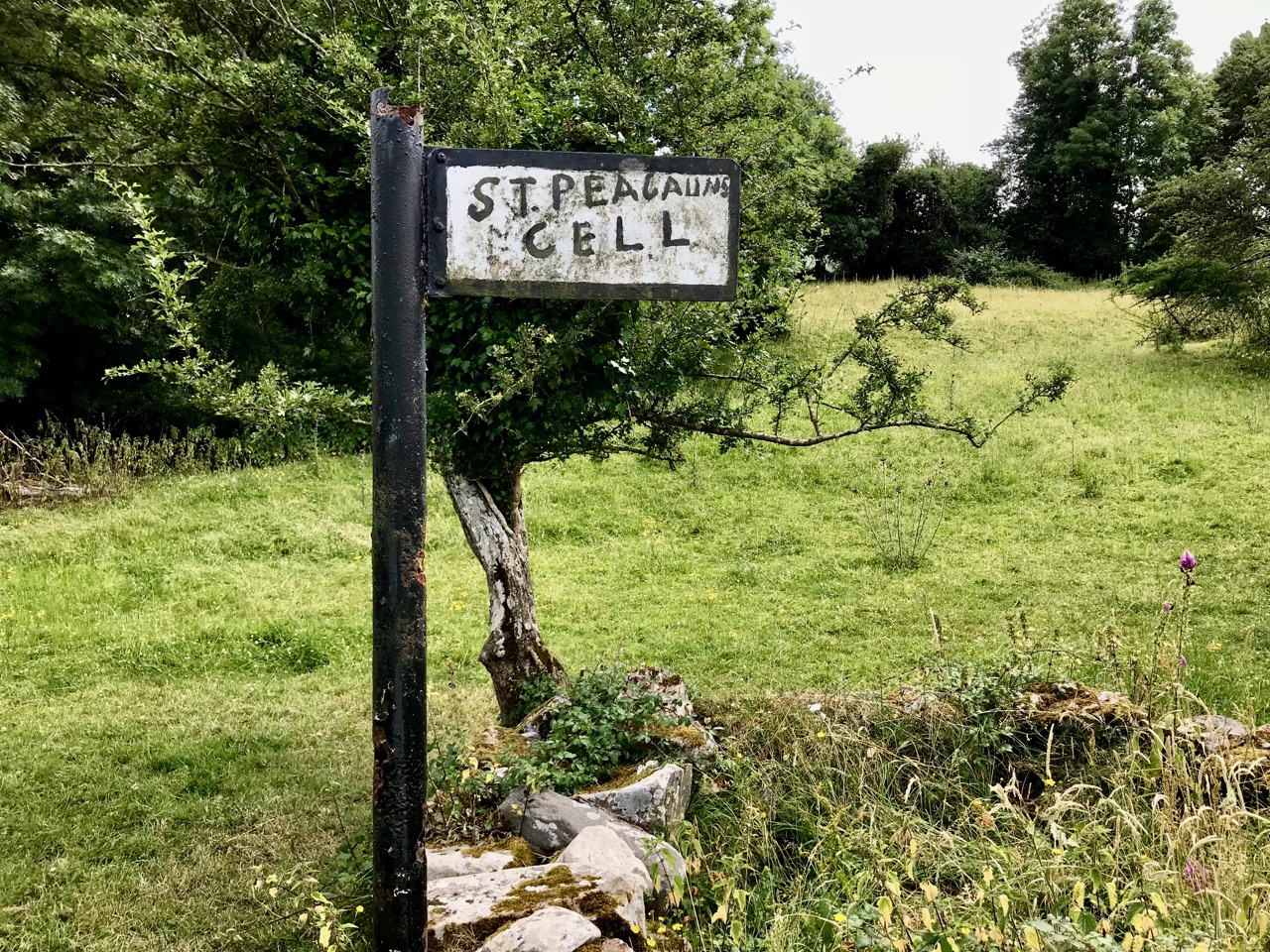
The rural setting of St Péacáin’s Cell can be seen above, just in front of the trees; the church and the well are nearby. MacNeill provides a description of Tobar Phéacáin and includes some variant names:

. . . Tobar Phéacáin (Peakaun’s Well), Glen of Aherlow, Barony of Clanwilliam, Parish of Killardry, Townland of Toureen . . . On the northern slope of the Galtee Mountain at the entrance to the Glen of Aherlow and about three or four miles north-west of Caher there is a well and ruin of a small church. About a mile beyond Kilmoyler Cross Roads a path leads up to it . . . In 1840 O’Keefe, of the Ordnance Survey team, reported that the old church was called by the people Teampuillin Phéacáin, or just Péacán . . .

. . . The well, which he described as lying a few perches south-east of the church was called Peacan’s Well or Tobar Phéacáin. It was surrounded by a circular ring of stonework. He stated: ‘The pattern-day still observed at this place falls on the 1st of August, which day is, or at least until a few years since, has been kept as a strict holiday.’ Devotions were also, he said, performed there on Good Friday . . .

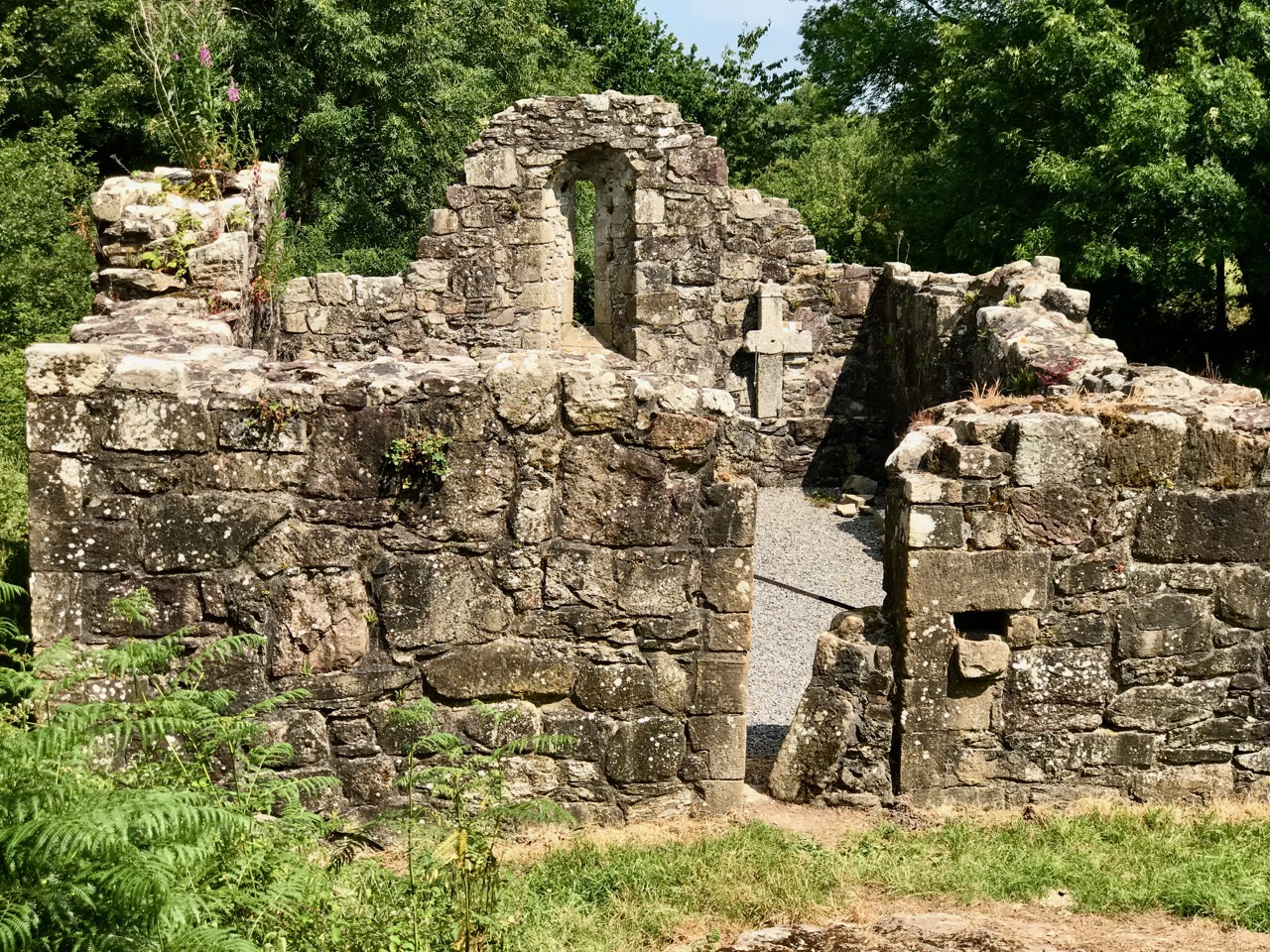
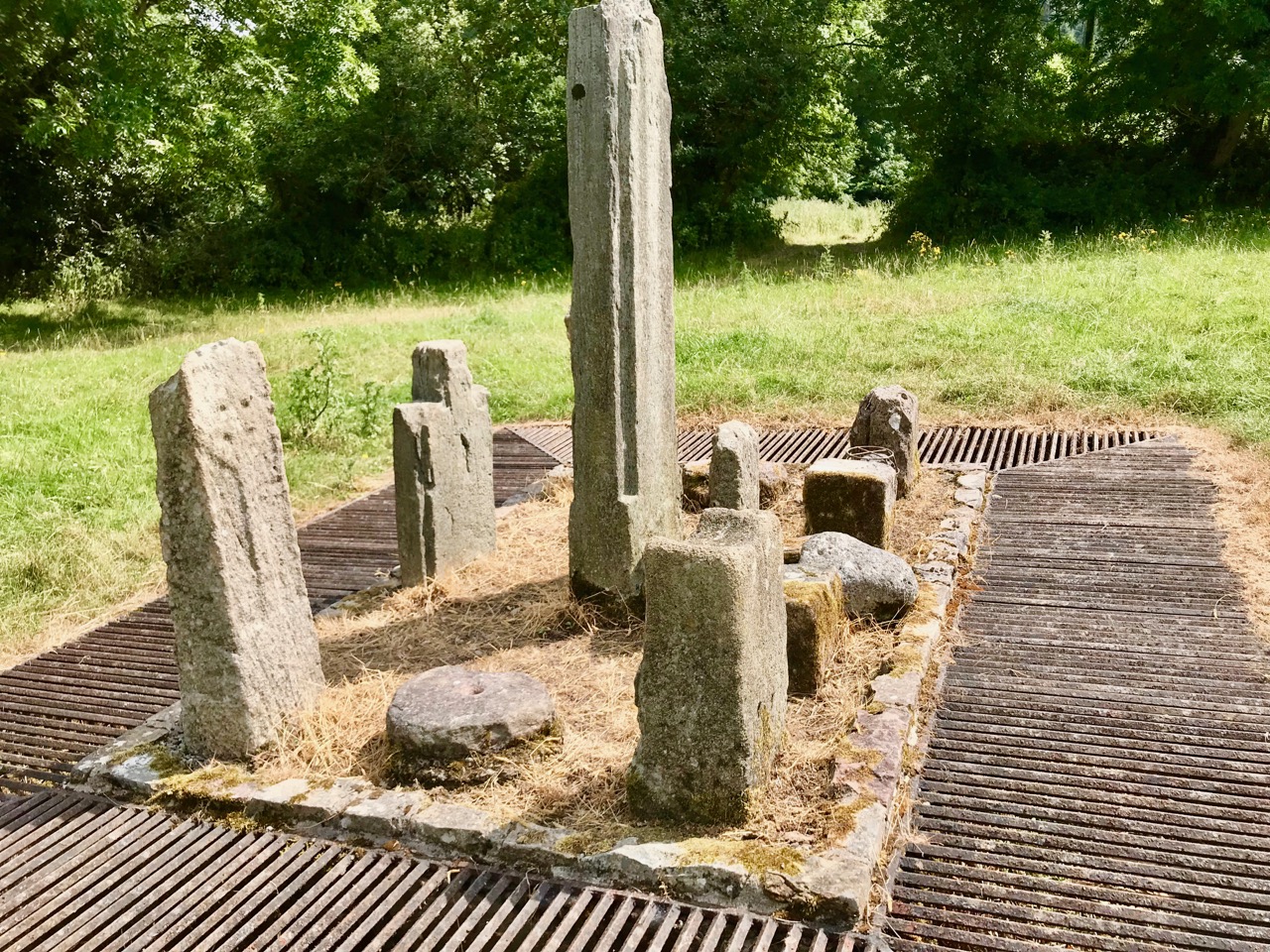
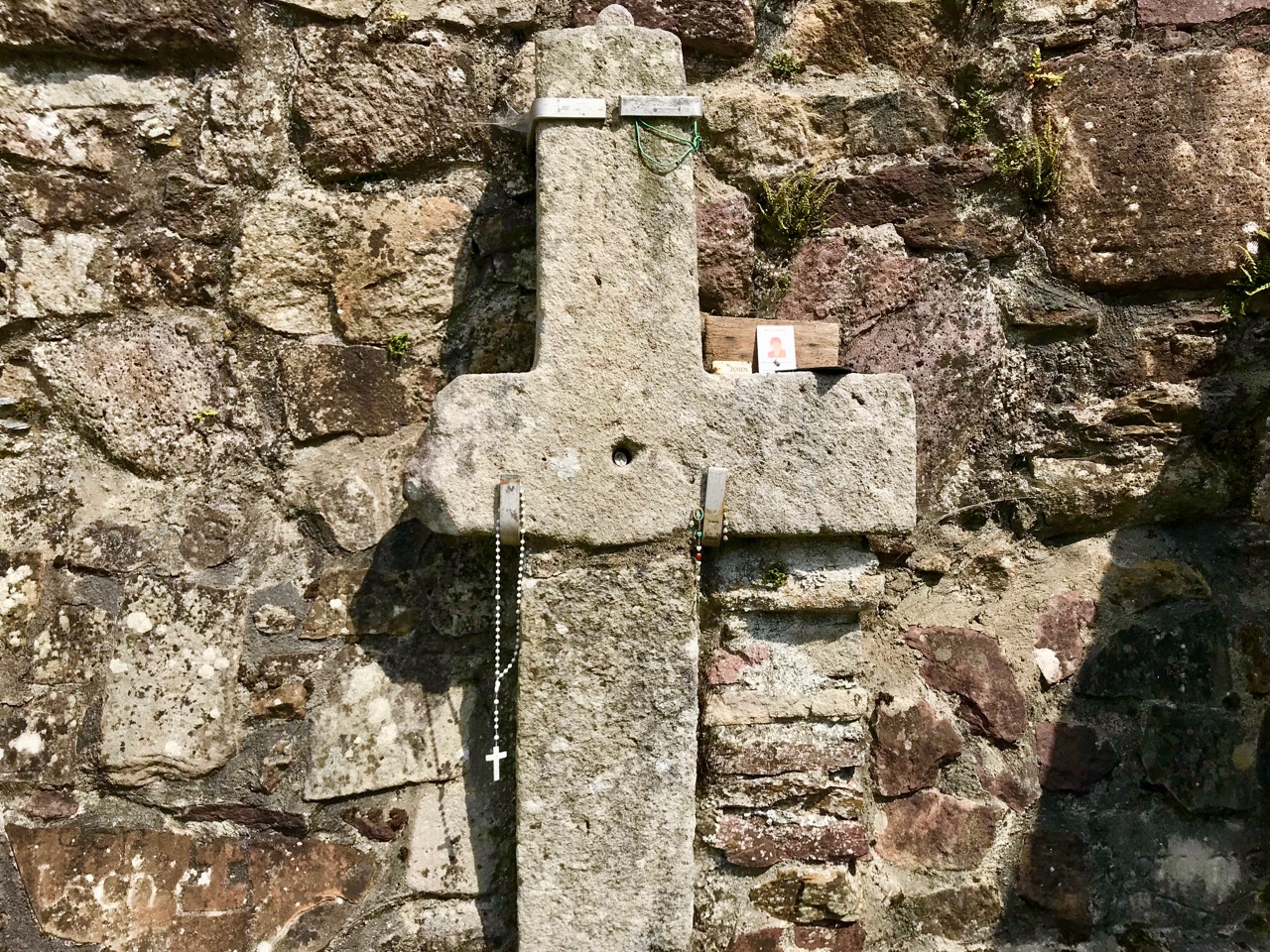
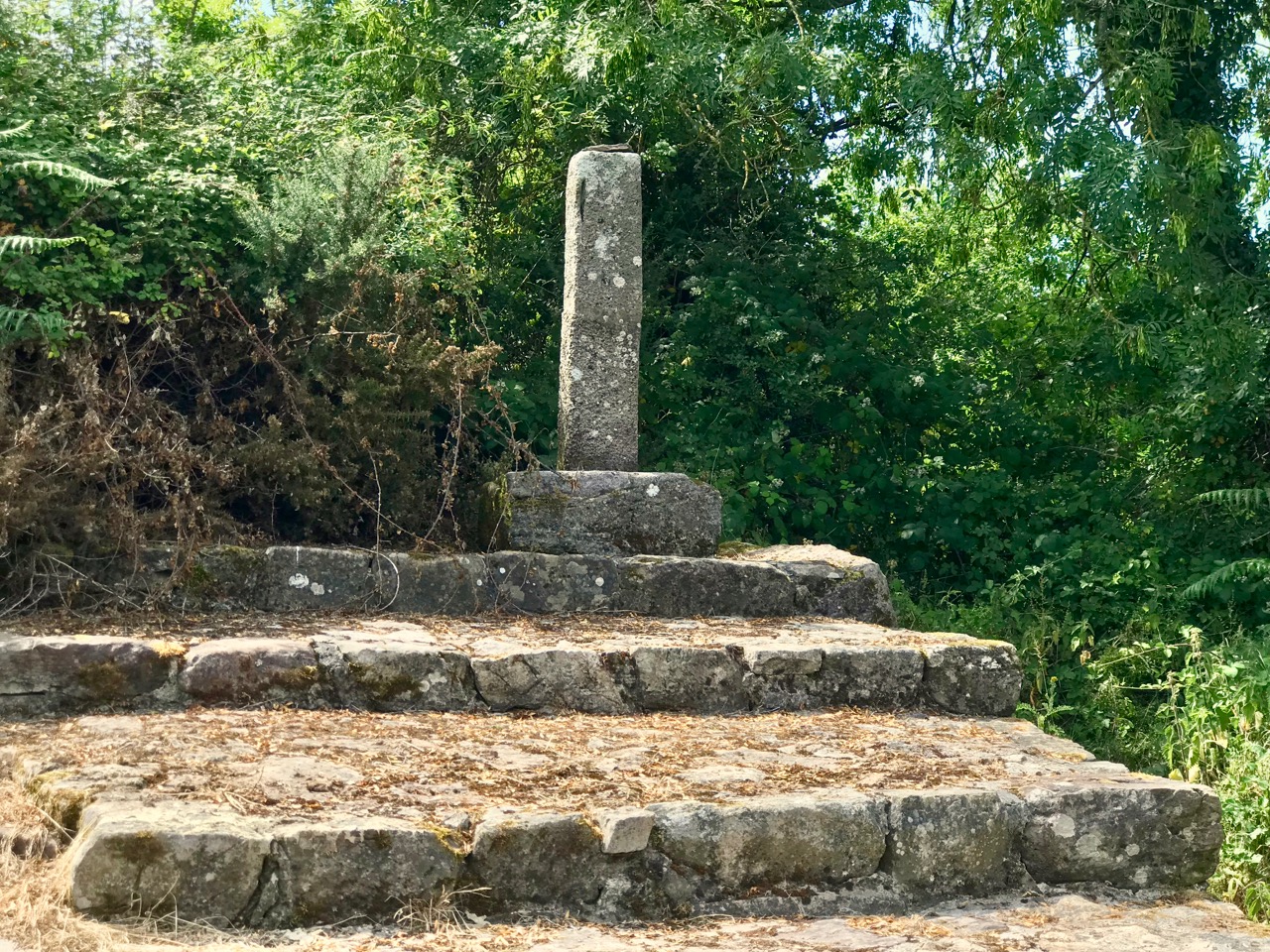
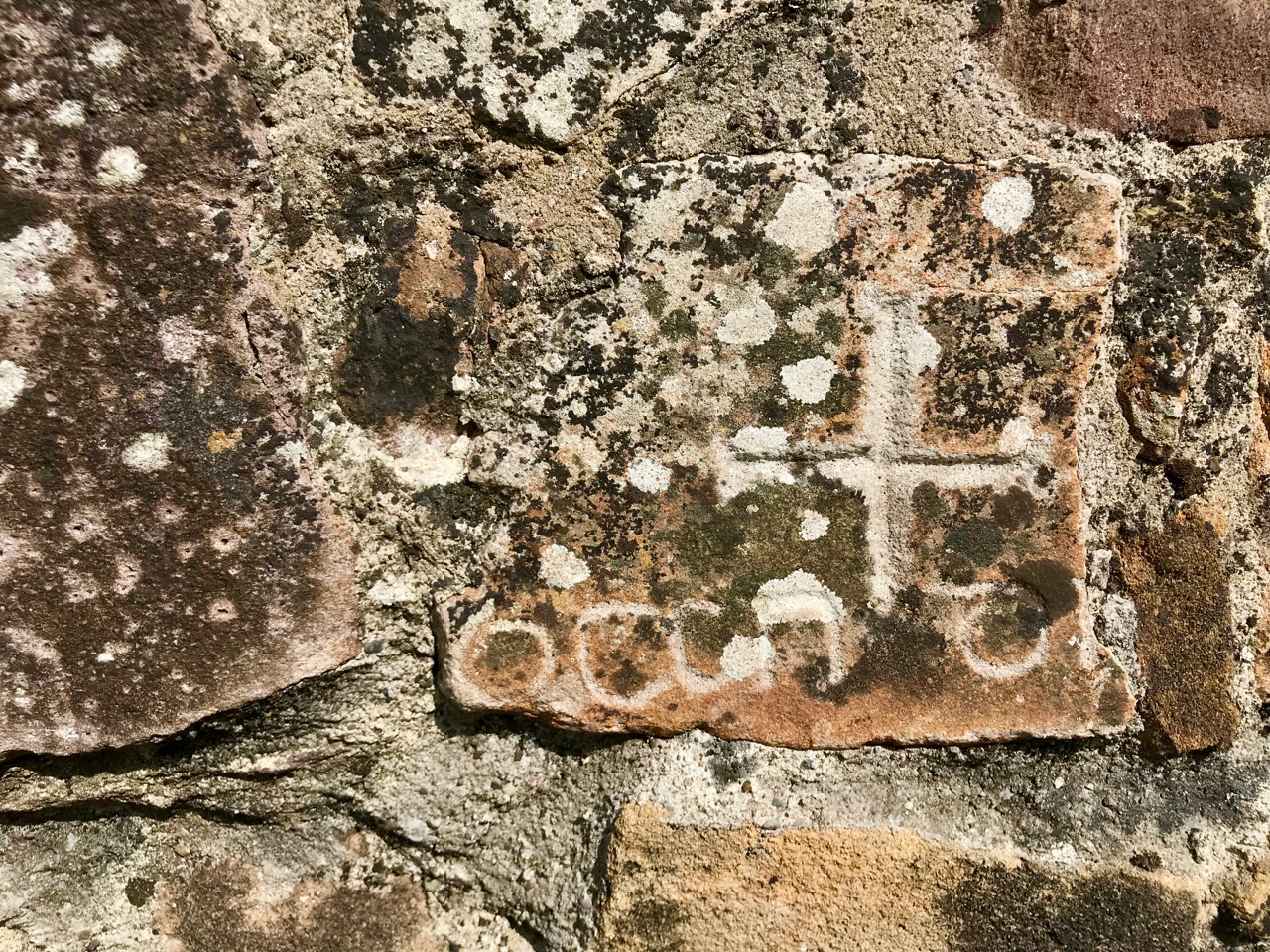
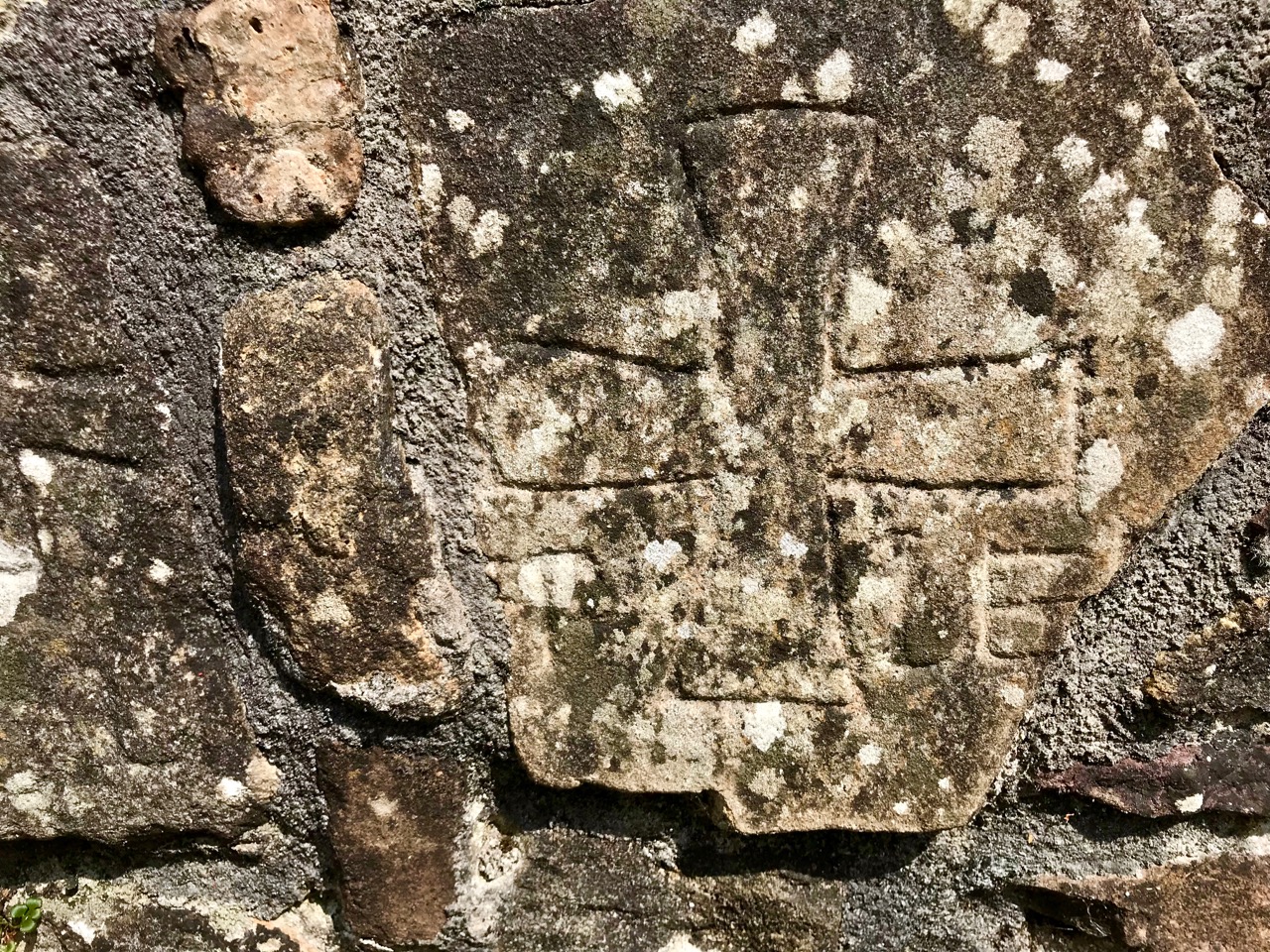
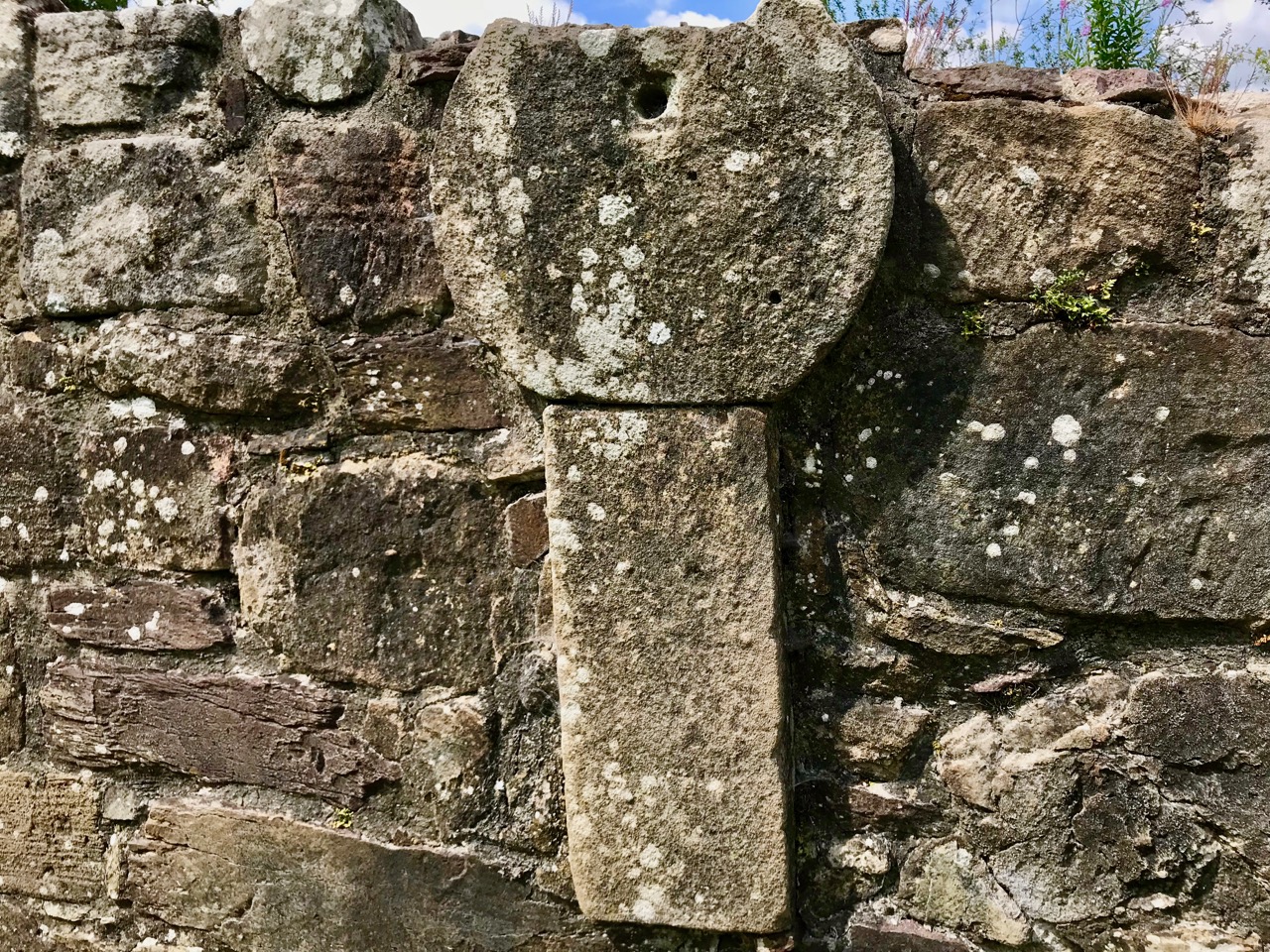
A hundred years after O’Keefe wrote this, the church ruins were tidied up by the Office of Public Works. As at St Berrehert’s Kyle, it seems there were numerous carved slabs on the site and remnants of high crosses, implying a significant ecclesiastical presence here. All these have been fixed in and around the church ruin for safekeeping, and in an intelligent grouping. It’s wonderful to be able to see such treasures in the place they were (presumably) made for, and to experience them in such a remote and peaceful ambience.

McNeill continues:

. . . Nearby is the shaft of a cross which tradition avers was broken in malice by a mason who was then stricken with an inward pain and died suddenly as a punishment for his sacrilege . . . O’Keefe was told a story of a small stone, 6 or 7 inches long and 4 or 5 in depth, having ten little hollows in it and resting in a hollow of the ‘altar’ of the old church. Christ, or according to others St Péacán, asked a woman, who had been churning, for some butter; she denied having any and when the visitor departed she found the butter had turned into stone which retained the impression of her fingers . . . Nuttall-Smith speaks also of a cave where the saint used to practice austerities . . .

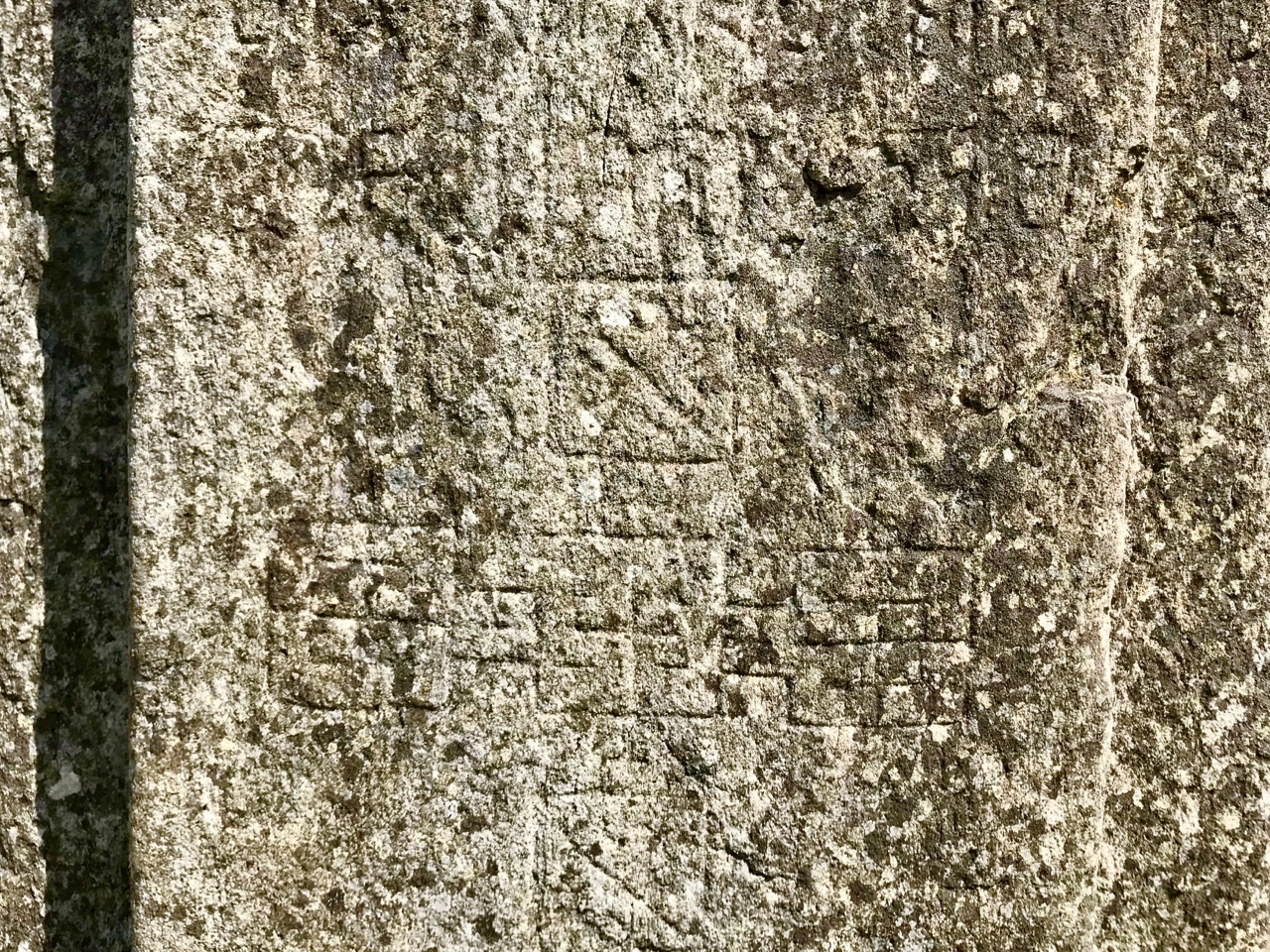
The carved fragments are quite remarkable and are in all likelihood well over a thousand years old. I have yet to see anywhere in Ireland – outside of museums – which has such an extensive collection of fascinating medieval antiquities as these sites in the Glen of Aherlow. Here you can also see cross slabs and a sundial said to date from the eighth century.

Nuttall-Smith’s ‘cave’ – quoted by MacNeill above – is likely to be St Péacáin’s Cell, set in a field on the far side of the river. This was probably a clochán, or beehive-hut, of the type once used by anchorites. It is protected by a whitethorn tree, but was quite heavily overgrown on the day of our visit. We could make out the ballaun stones inside, said to be the knee prints of the Saint who made his constant devotions there. Amanda – in her post on the holy well – reports that Péacáin would also stand daily with arms outstretched against a stone cross, chanting the psalter.

McNeill discusses the significance of weather at the August celebrations:

. . . Paradoxically for a day of outing so fondly remembered, no tradition of the Lughnasa festival is stronger than that which says that it is nearly always rainy. No doubt this has been only too often experienced. Saint Patrick’s words to the Dési: ‘Bid frossaig far ndála co bráth’ (Your meetings shall always be showery) must be as well proved a prophecy as was ever made. Still there must be more significance in the weather beliefs than dampened observation. Certainly it was expected that rain should fall on that day, and sayings vary as to whether that was a good or bad sign . . . There are a few interesting beliefs about thunder, which was also expected on that day: the loud noise heard at Tristia when the woman made rounds there to have her jealous husband’s affection restored; the prophecy that no-one would be injured by lightning at Doonfeeny, a promise also made by St Péacán . . .

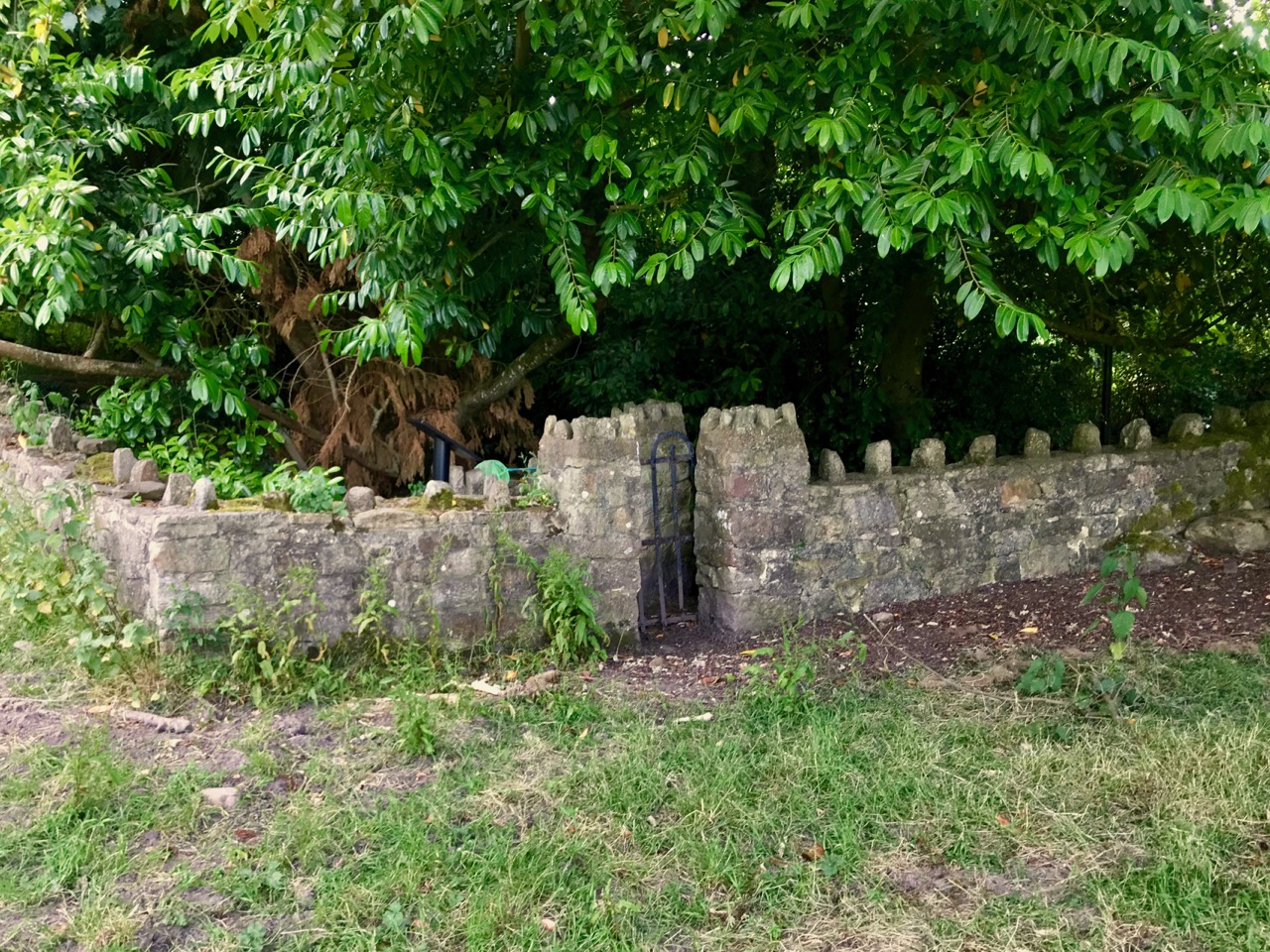
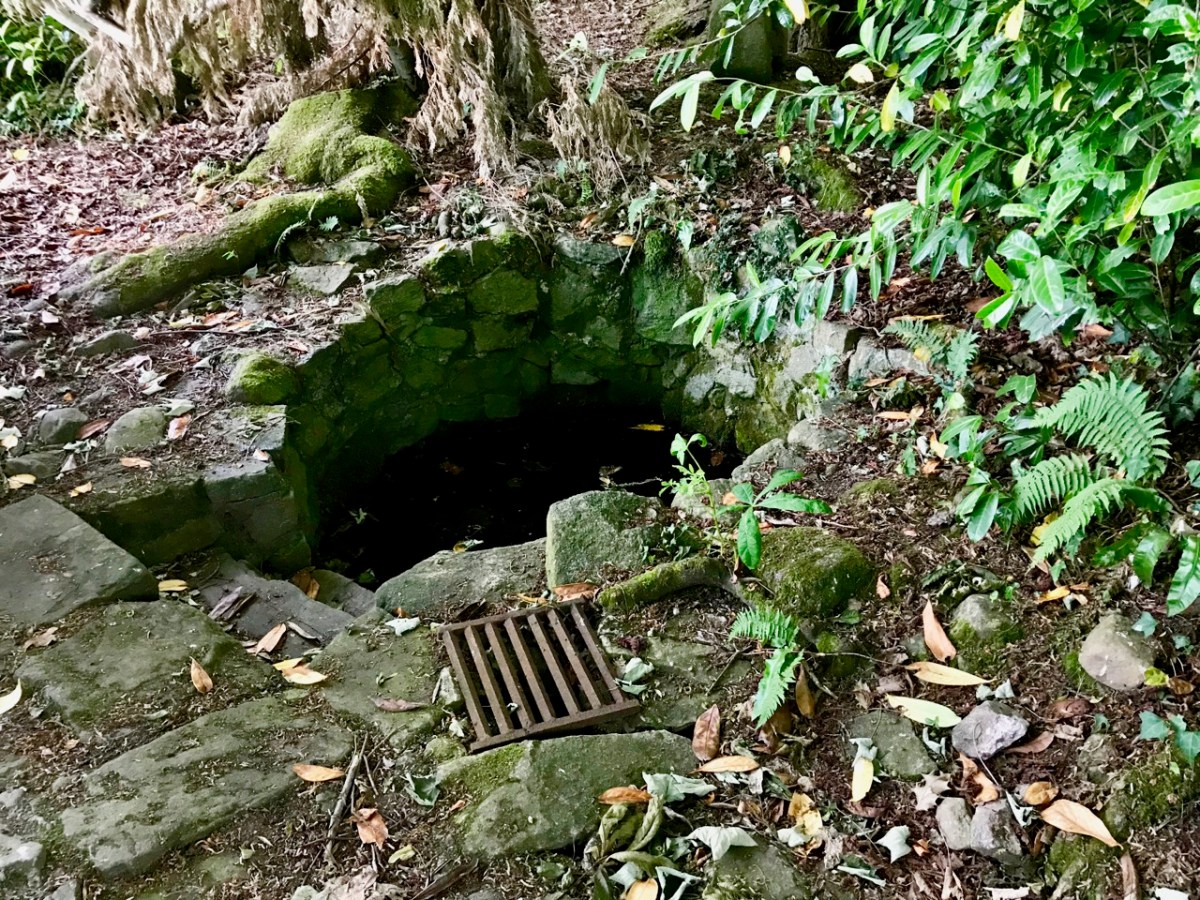
The holy well is tucked away in a stone-walled enclosure hidden under the trees on the edge of the field which contains the Saint’s cell. It is also a tranquil place, obviously still much visited: the water is crystal clear, refreshing and will ensure protection from burns and drowning.  This is a magical setting to complete our day’s travels in the beautiful Glen of Aherlow.