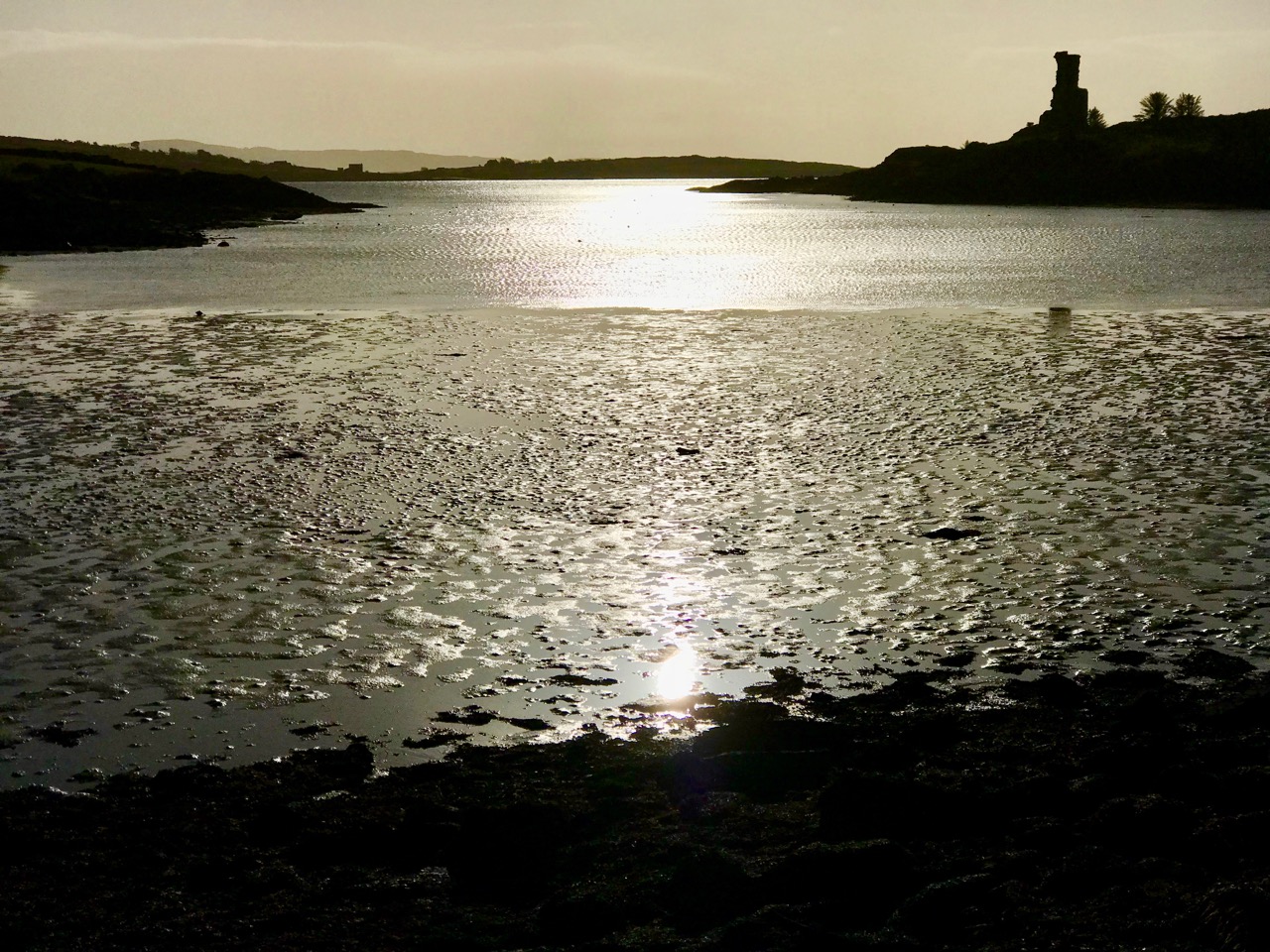
It’s Been Five Years! Finola’s Favourite Posts

I can hardly believe it – we’ve been doing this for five years now and we’re nowhere near running out of ideas for posts. And have you read Robert’s post? Imagine being called a 21st Century Robert LLoyd Praeger! Thrilled. But in fact as I dip into Praeger again I recognise in us the same impulse he had – to wander the land and discover all that it has to offer.

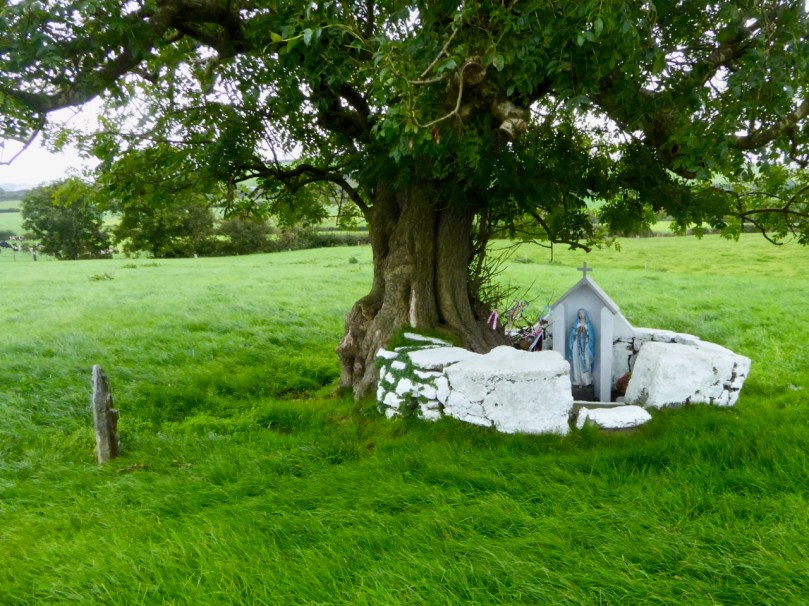
Amazing what you stumble across in the countryside, like this holy well and its offerings

One of the wonderful things about blogging like this is how much you LEARN every day, about Ireland, our neighbours, the ground we walk upon, the history and archaeology to be discovered around every corner, the wisdom of country people, the humour and expressiveness of Irish speech, the breathtaking beauty of the landscape. So where on earth to begin?

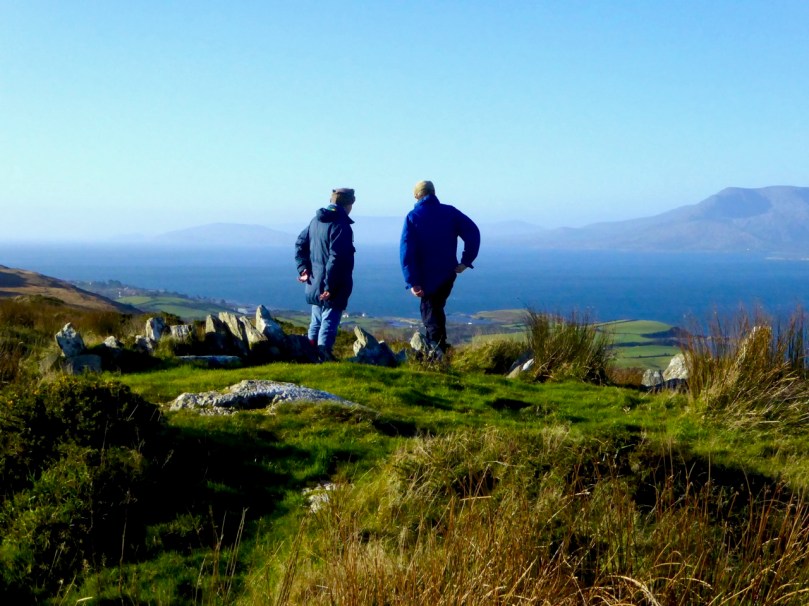
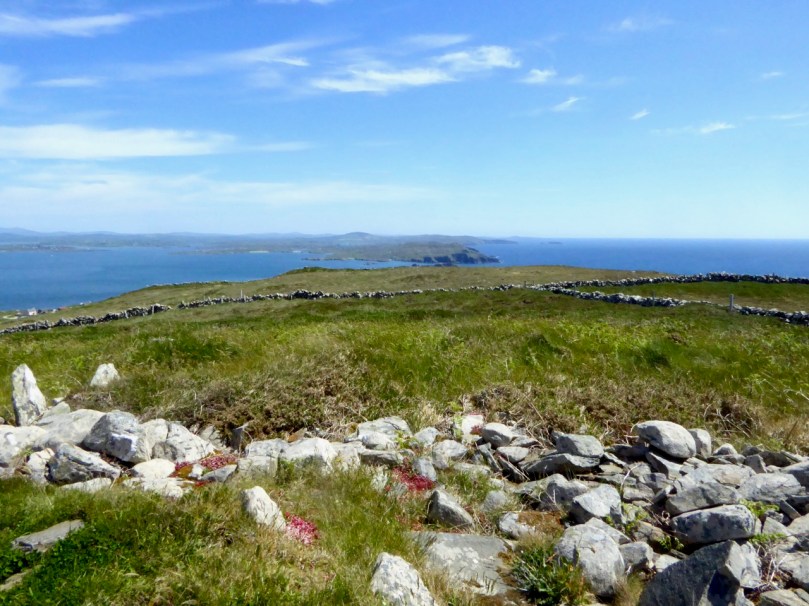
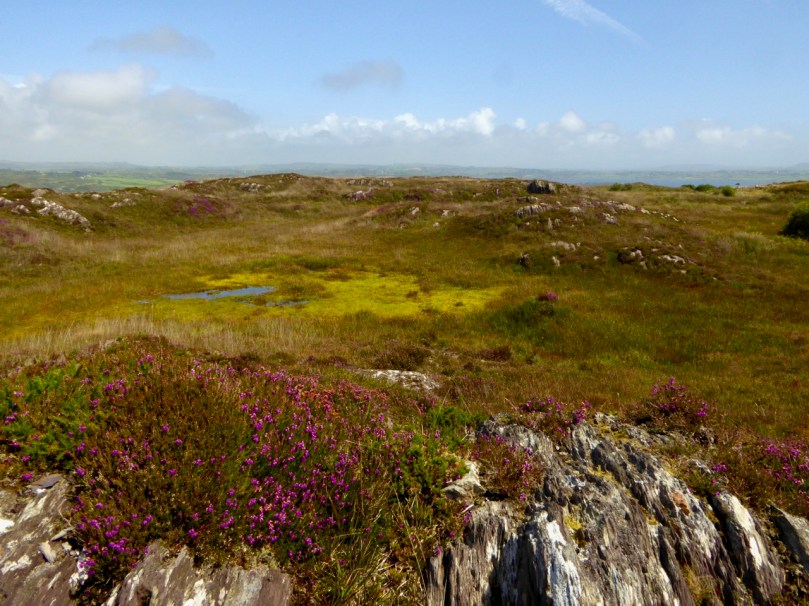
Our interest in archaeological sites led us to hike to the highest point on Cape Clear Island to see the sparse remains of a neolithic passage grave – and what a spectacular view there was from it, towards Sherkin Island and all the way down the coast of West Cork

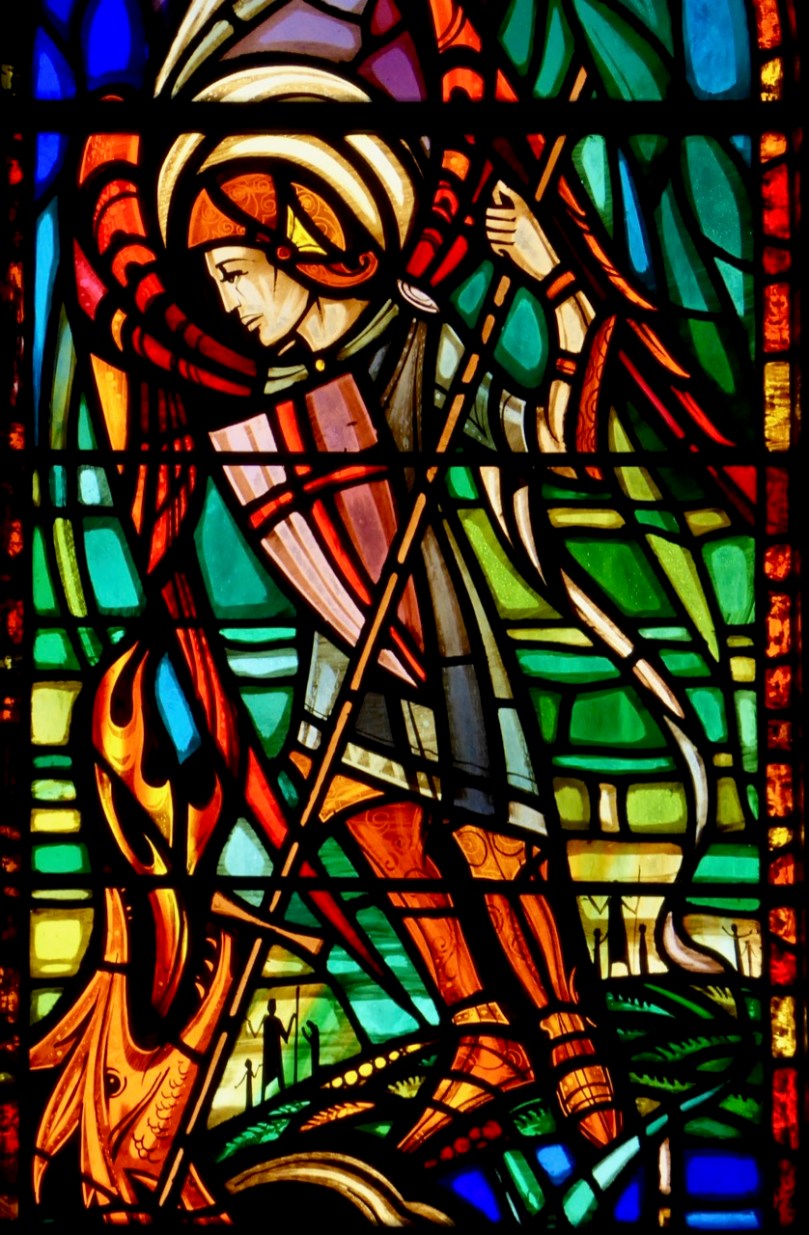
Like many, I sat in churches as a child unaware of the architectural splendours around me. One of the delights of returning as an adult is discovering Irish stained glass, really seeing it for the first time. Harry Clarke, of course, is always a favourite, but I have been thrilled to discover other artists too: Richard King, George Walsh, the artisans of the Tower of Glass. There will be lots more posts about stained glass in the future as I unearth more treasure.

A recent discovery, George Walsh windows in a rural church in West Cork. This is his rendering of the Archangel Michael defeating the devil as a dragon

Going back to my roots as an archaeologist has been an extraordinary journey – so much has changed, so much has not. I started out in archaeology in the 70’s, although life got in the way of that career eventually. It was a small profession then: it exploded in the 80s and 90s with the advent of huge building projects, then contracted again when the recession hit.

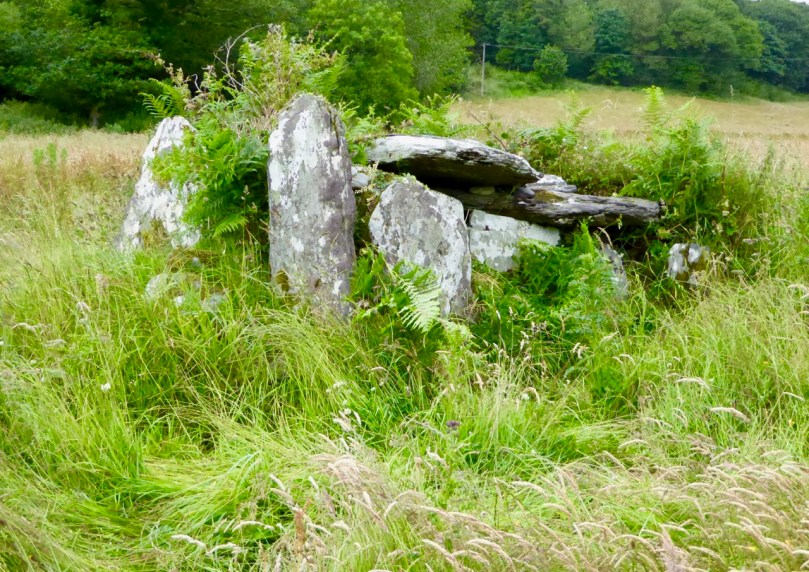
I love the quiet little sites you find when you least expect them – this is a wedge tomb in the middle of a field. It has cupmarks all over one of the capstones

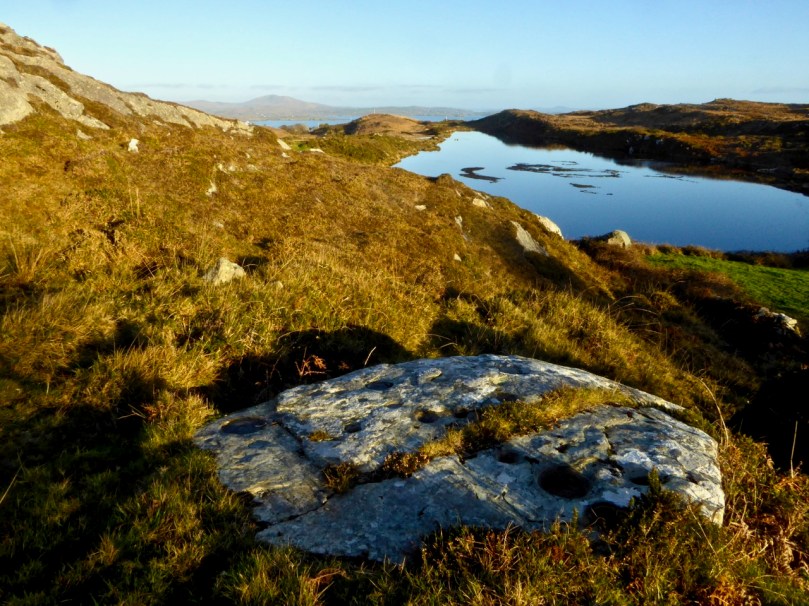
I have gone back to researching prehistoric rock art and finding that, while some excellent work has been done in this field over the last 40 years, there is a lot of scope still for an independent researcher to contribute to our appreciation of this little-known aspect of Irish prehistory. Along with our exhibitions, I’ve written several posts (not all of them happy) on this topic, and we are currently working on a paper for the Journal of the Bantry Historical and Archaeological Society on a special group of rock art panels at Ballybane.

Castlemehigan, one of our favourite rock art sites, with views right back over the Mizen Peninsula to Mount Gabriel

When I studied at UCC under Professor O’Kelly the emphasis was firmly on prehistory and we spent little time on medieval structures (or later ones, heaven forbid!). But when you are free to pursue whatever tickles your fancy, you find yourself wandering down a variety of rabbit holes. I became fascinated with Romanesque ecclesiastical architecture and with the tower houses (we just call them castles) that dot the countryside around here and the later iteration of the Big House – fortified manors. Visiting these intriguing ruins all over West Cork (and Ireland) has given me a whole new appreciation for how we lived and what we believed in the past.

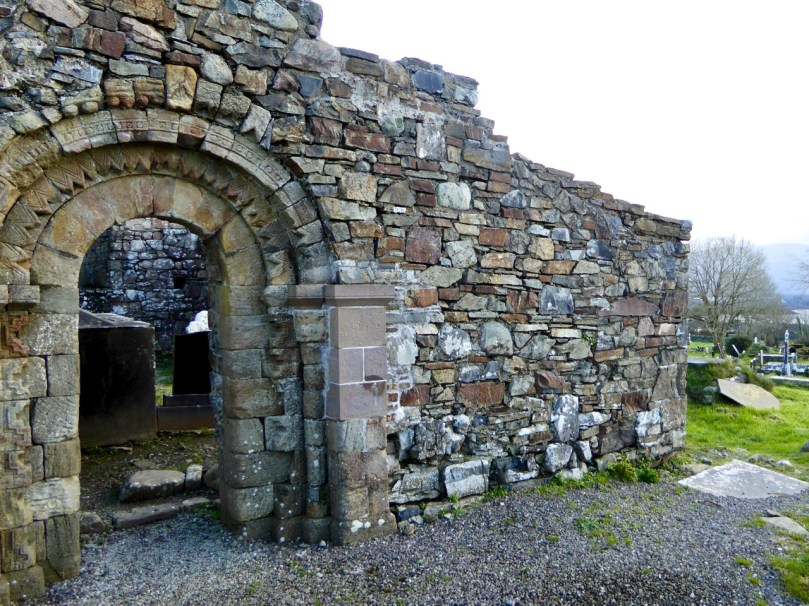
This is the ruined romanesque church of Aghadoe in Killarney. It’s got this lovely doorway, but what makes it particularly meaningful for me is that my great-grandparents are buried in the graveyard it stands in

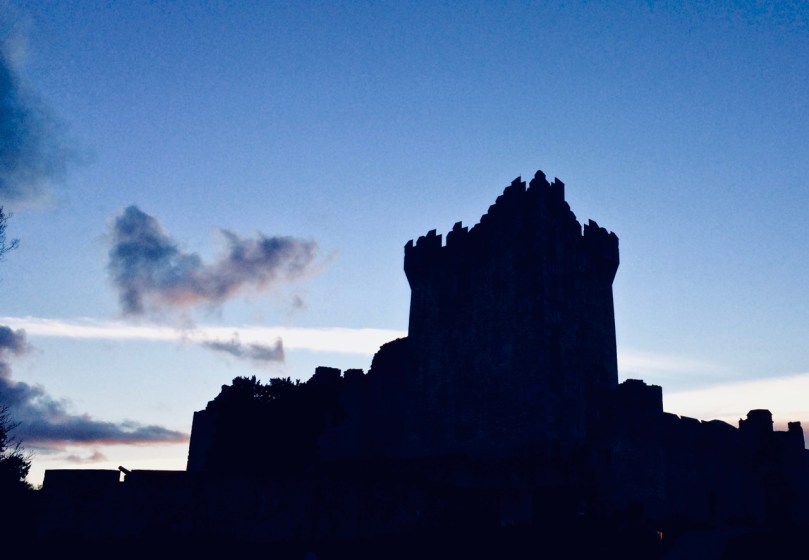
Ross Castle in Killarney against an evening sky

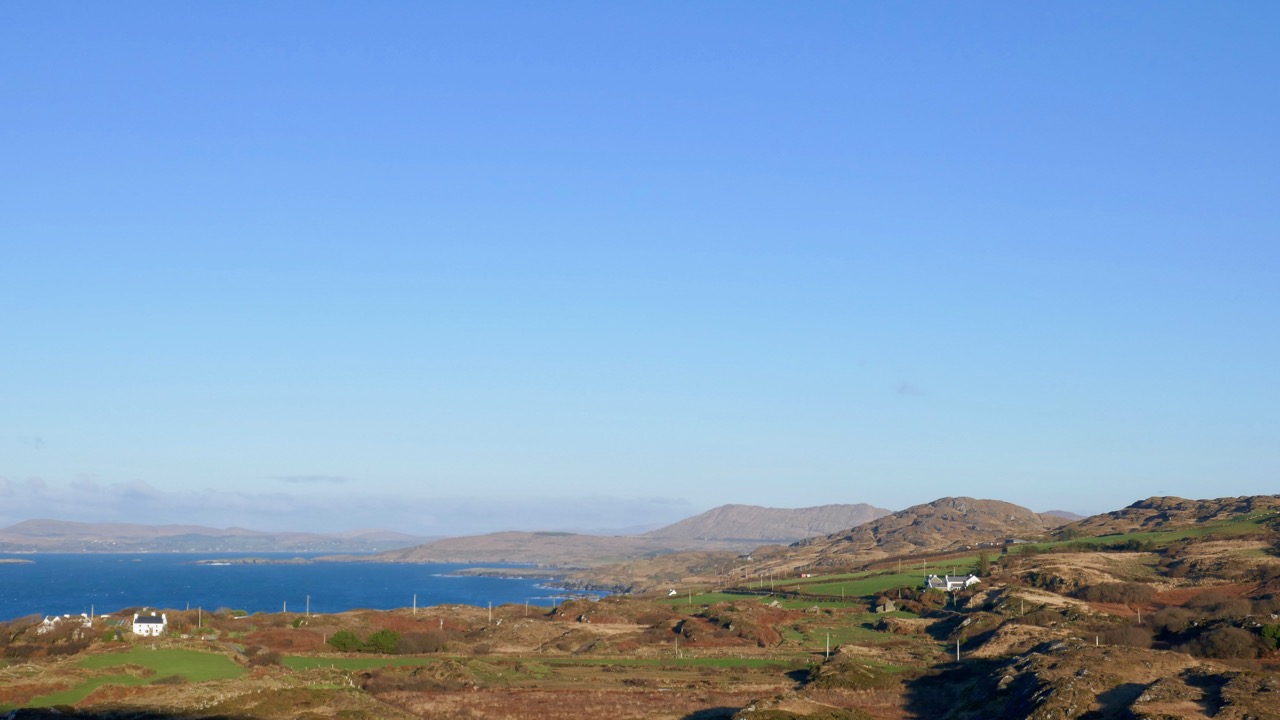
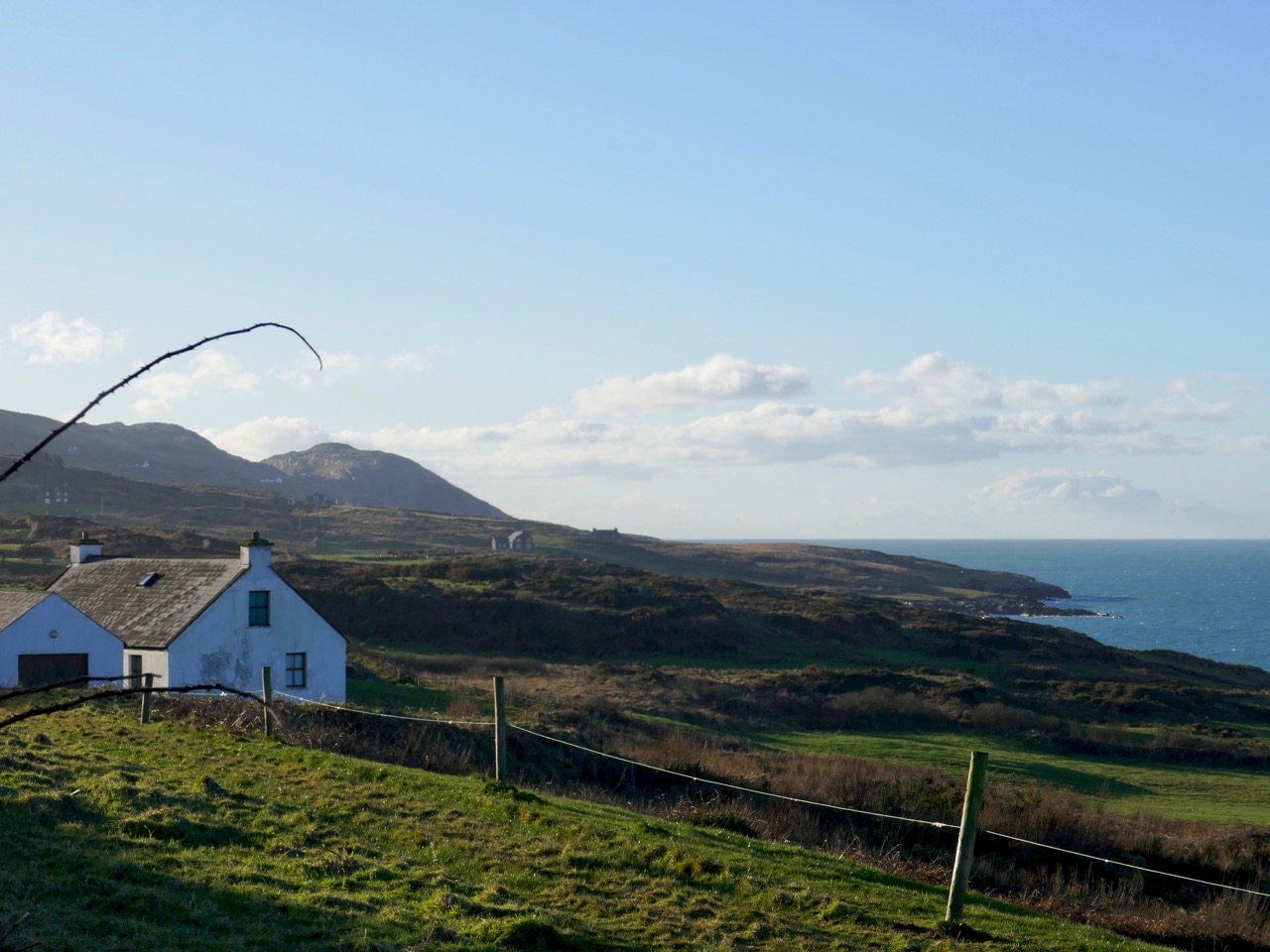
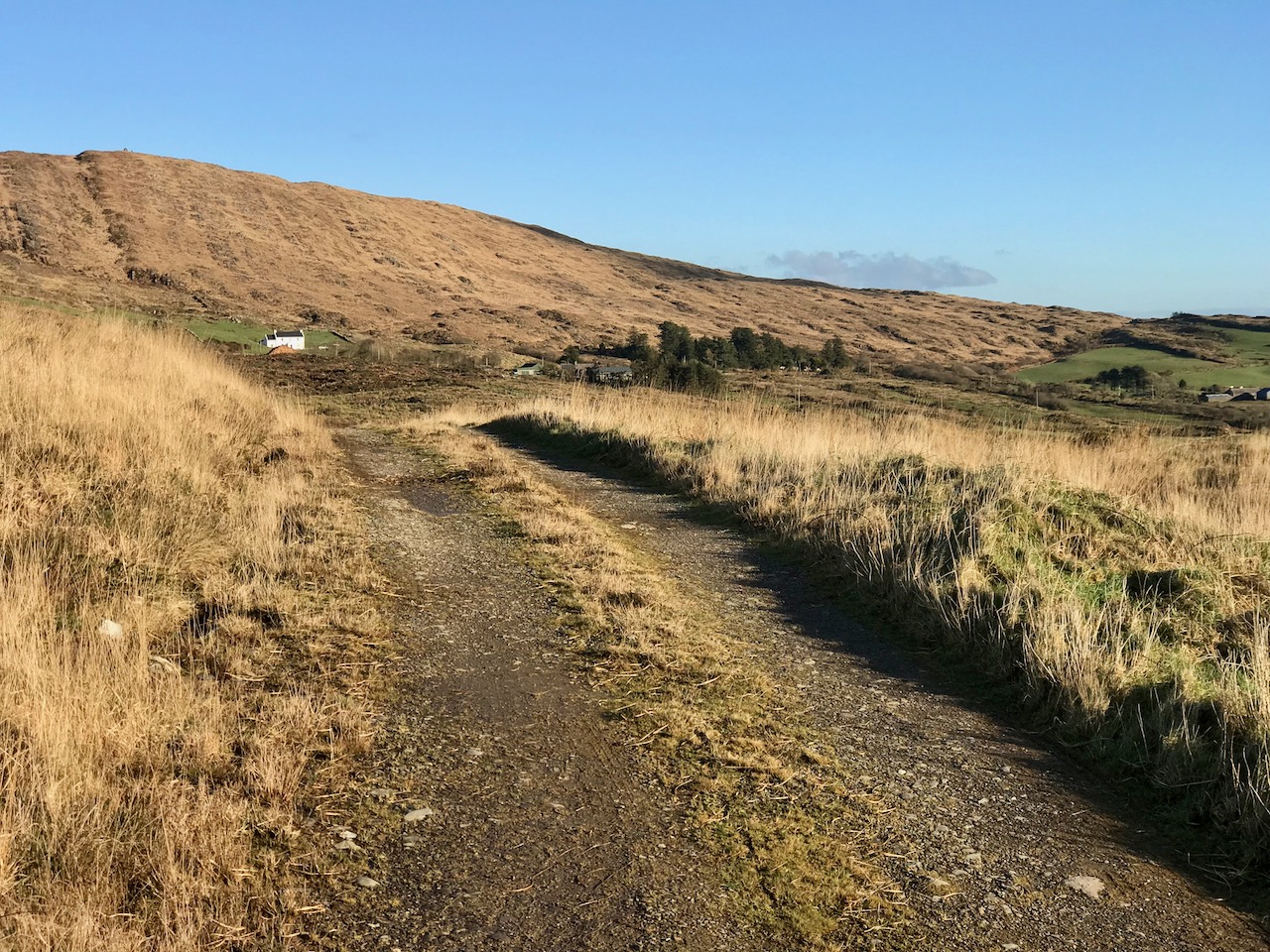
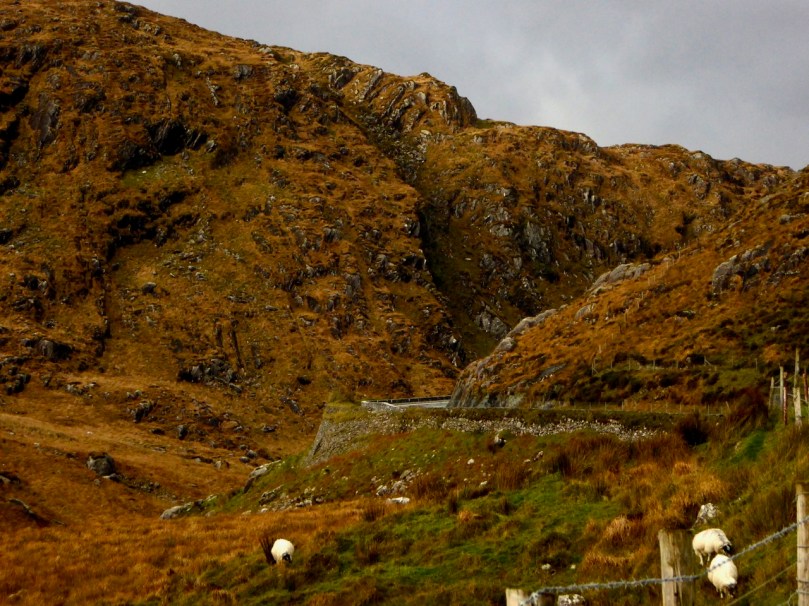
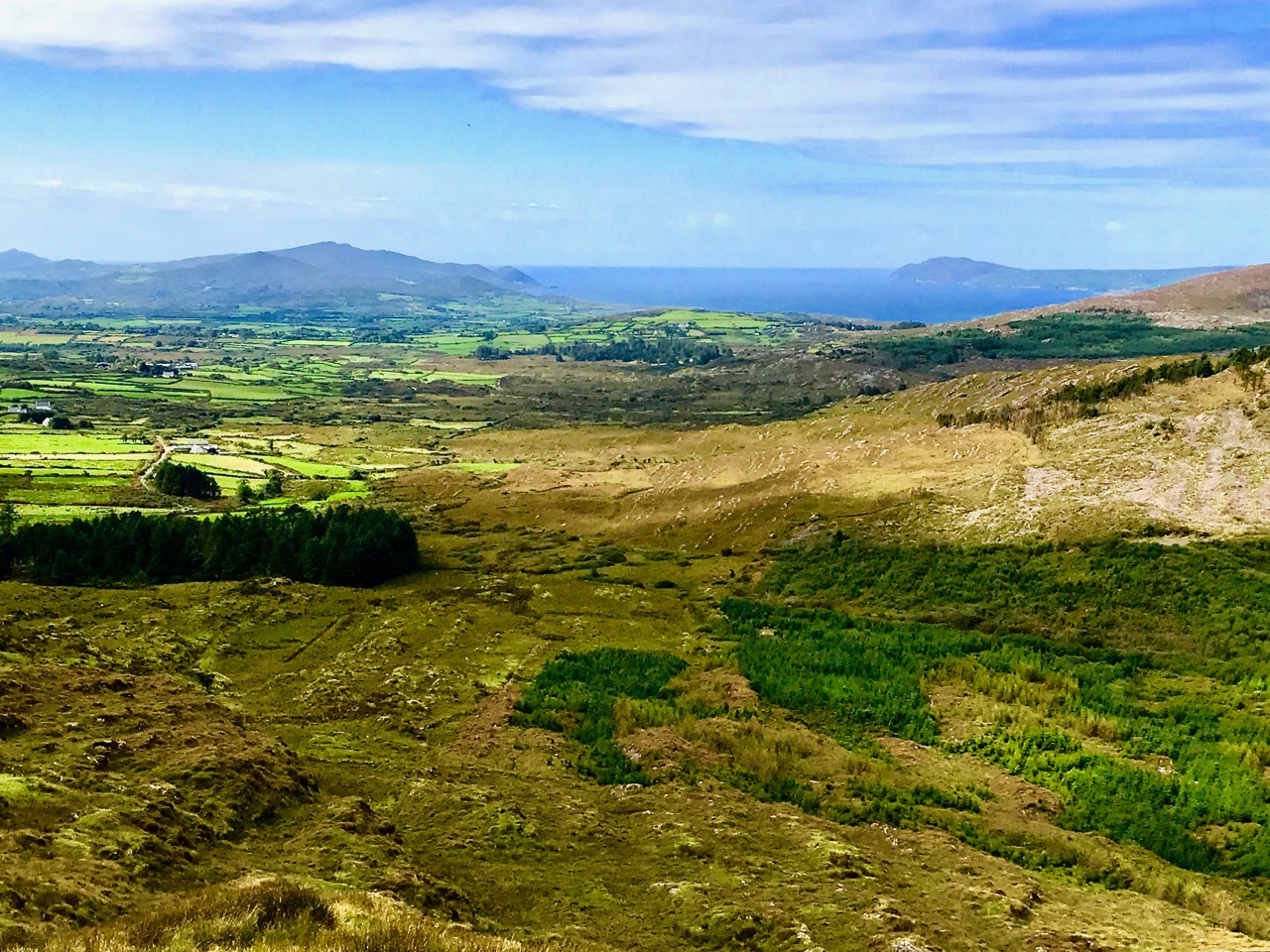
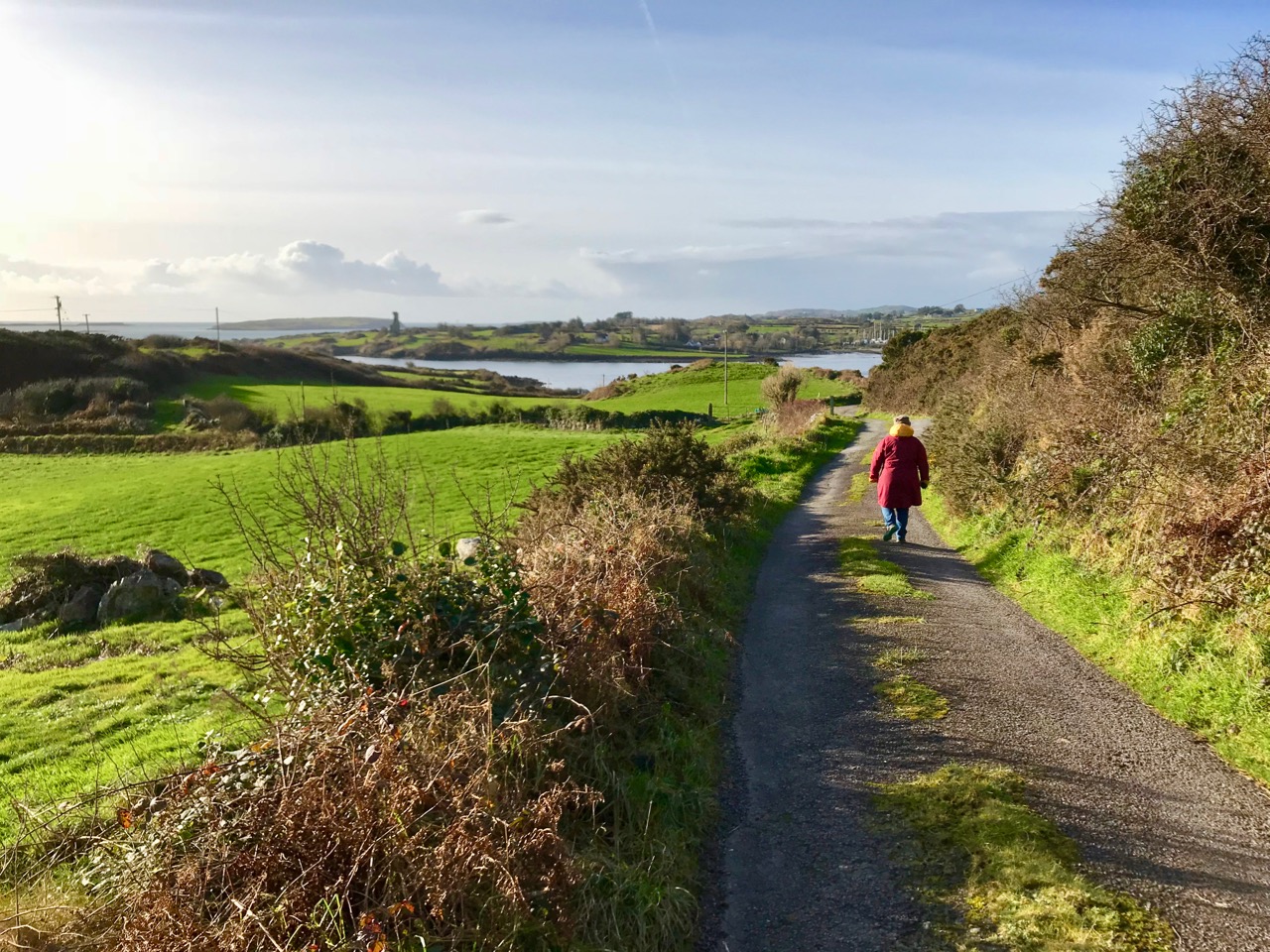
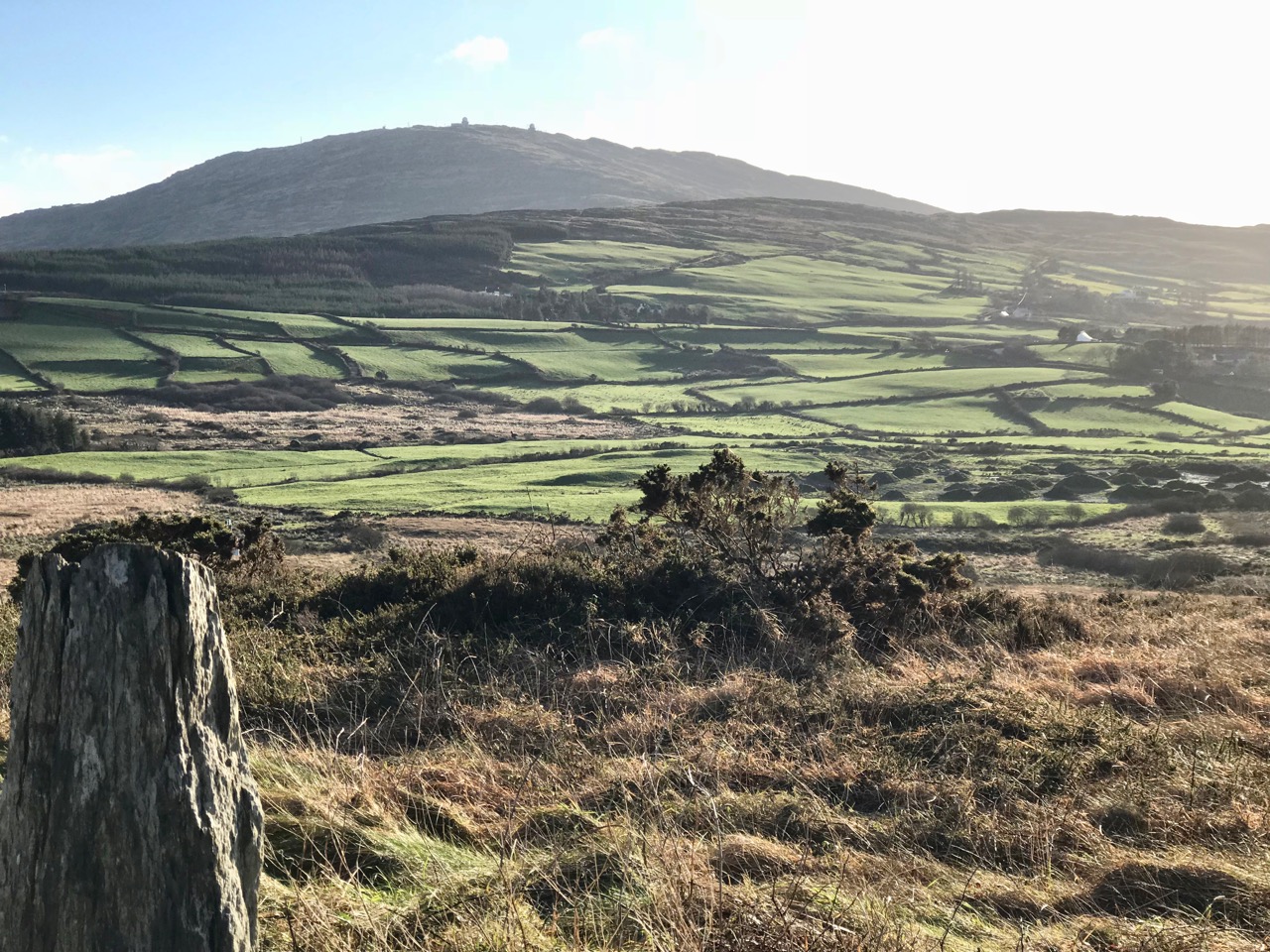
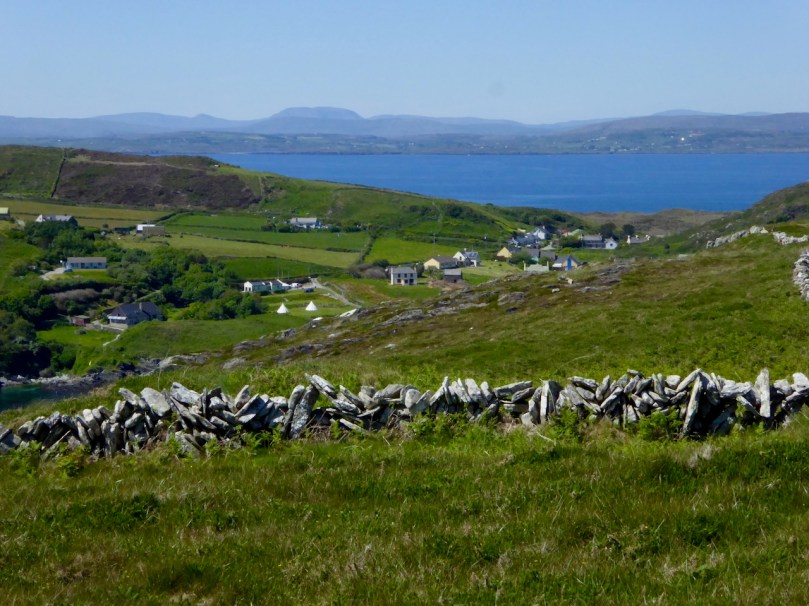
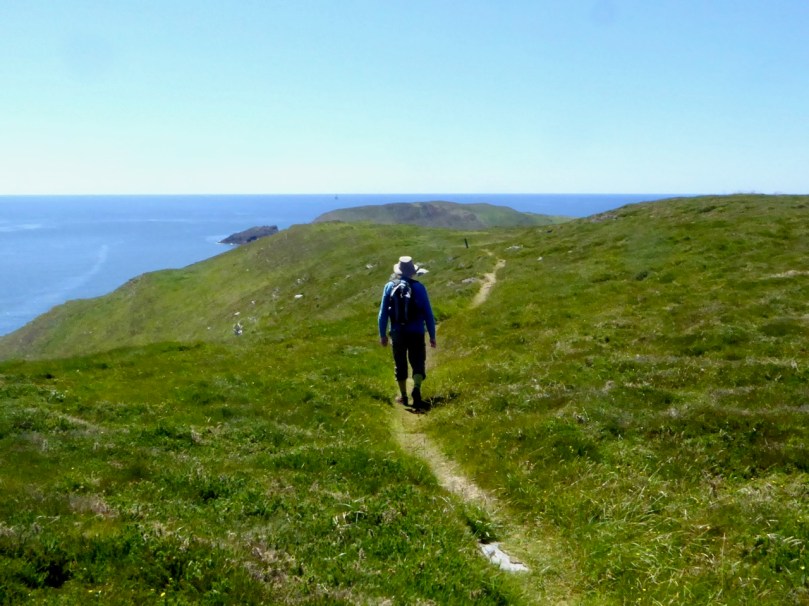
Living in West Cork is great FUN – there is always something to do and a new adventure around the corner. Many of the adventures we’ve had have been shared with our friends and fellow bloggers Amanda and Peter Clarke (Holy Wells of Cork and Hikelines). Visiting holy wells has introduced us to parts of Cork we might never have seen, to obscure saints with fascinating backstories and to folk practices that endure in the deep countryside. Walking the Sheep’s Head (my lead photograph, top of page), in all seasons, reminds us that you don’t have to go far to be immersed in jaw-dropping scenery and reminders of our ancient and more recent history.

The holy well of St Teskin, an East Cork saint

Lest you think that this is all sounding a bit academic, the posts that have been most fun to write were the ones on how we speak around here (and how you, too, can learn the basics of West Cork lingo), the ones in which I lamented my encounters with Irish bureaucracy, especially when it came to my driver’s license!

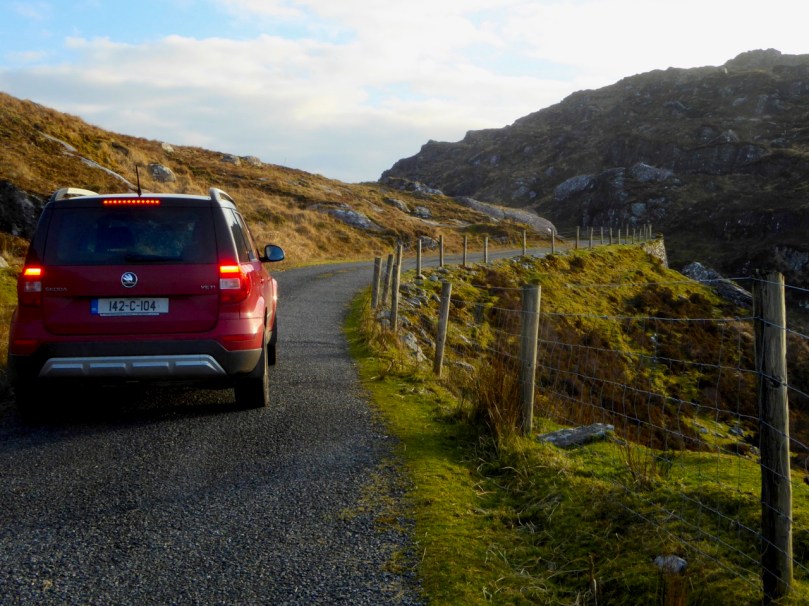
I still haven’t calmed down about the driver’s license – what they put me through, when I could have been driving THIS!

And I loved doing the posts about the tradition of painting our houses in arresting colours. With the colourful houses series, I feel a bit like a chronicler of a vanishing tradition – each time I look for one of my favourite pink or lime creations it seems to have been repainted a ‘tasteful’ variant on beige. Long live those brilliant colours – we would be poorer without them!

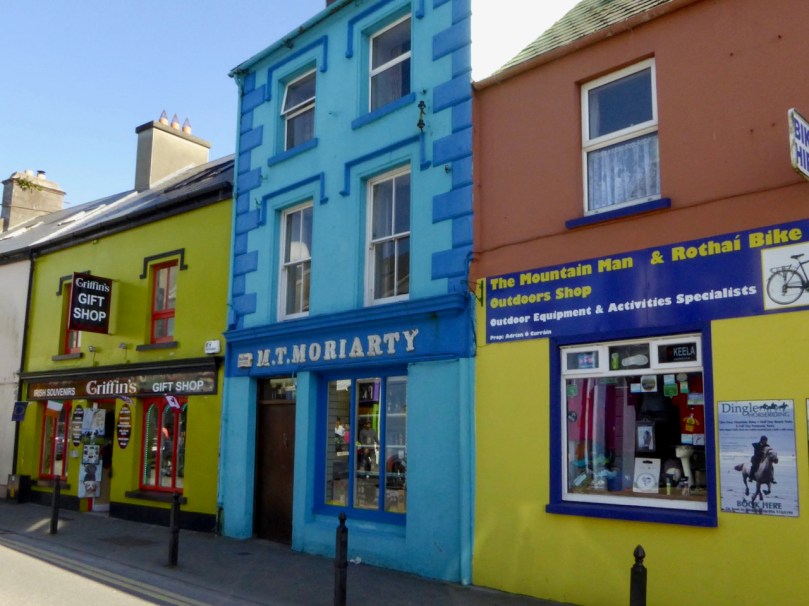
The town of Dingle is proudly keeping alive the tradition of painting each building a vibrant colour. – it’s a feast for the eyes

Finally, one of my greatest joys in the last couple of years has been to go for a walk with my camera and photograph the abundant wildflowers of West Cork. From someone who barely knew a daffodil from a daisy, I have developed a passion for the natural glories I see in the hedges, fields and yes, waste grounds, around me.

Just a typical roadside verge in West Cork

We adore West Cork, but we are also fearful for it as we see the pressures farmers face to make their land more and more productive. Inevitably, this means bringing in a rock breaker and turning the field into a mono-culture grass carpet. What we lose in this process – we humans, the bees and insects we depend on, the birds, and our heritage – is incalculable.

This tiny raised bog is home to some very interesting flowers, including the carnivorous Sundew

Here’s to many more adventures!

With friends like Susan Byron of Ireland’s Hidden Gems, or with my favourite travelling companion and blogging buddy, Robert!

Robert’s Favourite Posts

We had an unexpected – and unsolicited – accolade in the Irish Examiner last weekend! Tommy Barker wrote, in an article about Rossbrin (pictured above): “…The wonderful literary and visually rich website, http://www.roaringwaterjournal.com, by Rossbrin residents Robert Harris and Finola Finlay is a treasure, a sort of 21st century Robert Lloyd Praeger, online…” Of course, we went straight to our bookshelves to dip into our copy of Praeger’s The Way That I Went – An Irishman In Ireland, first published in 1937. Here’s an extract:

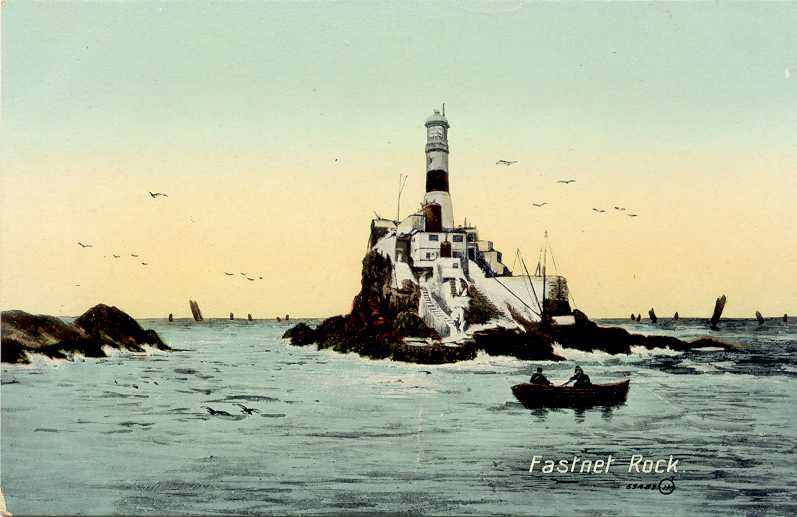
…At the southern end of this land of great mountain promontories, in West Cork, you find yourself in a little-known and tourist-free region of much charm. You stay on Sherkin Island (Inis Oircín, little pig’s island) or Cape Clear Island, at Schull (Scoil, a school) or far out at Crookhaven: and you walk and boat and fish and lounge and bathe, and enjoy the glorious air and sea; towns and trams and telephones seem like bad dreams, or like fugitive glimpses of an earlier and inferior existence. A meandering railway penetrates to Schull, and roads are as good as you could expect them to be in so lonely a country. All is furzy heath and rocky knolls, little fields and white cottages and illimitable sea, foam-rimmed where it meets the land, its horizon broken only by the fantastic fragment of rock crowned by a tall lighthouse which is the famous Fastnet…

Yes – that’s our West Cork alright (above is a view of the Mizen taken from Mount Gabriel). We hope that, over five years of writing this journal, we have indeed given a good account of this wonderful place which we are privileged to call ‘home’. Certainly, there is nowhere we would rather be. But Roaringwater Journal has not just been about West Cork: we have covered a fair bit of Irish culture and history as well. Last week’s post set out the six most popular articles that we have written in terms of readership numbers; today we are both reviewing our own personal favourites (see Finola’s here) and there is lots to choose from: 466 posts to date! All of them are listed by category in the Navigation pages.

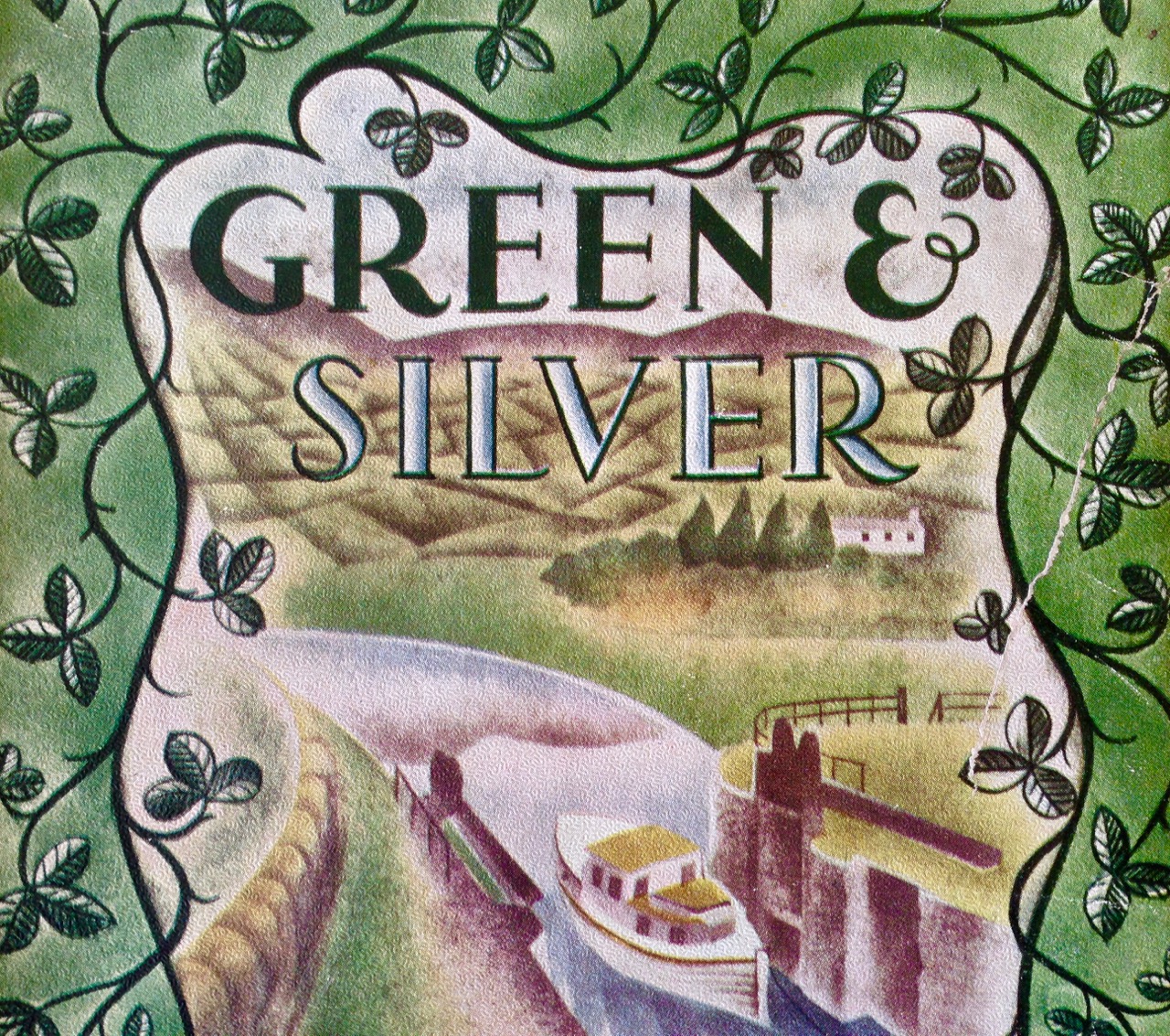
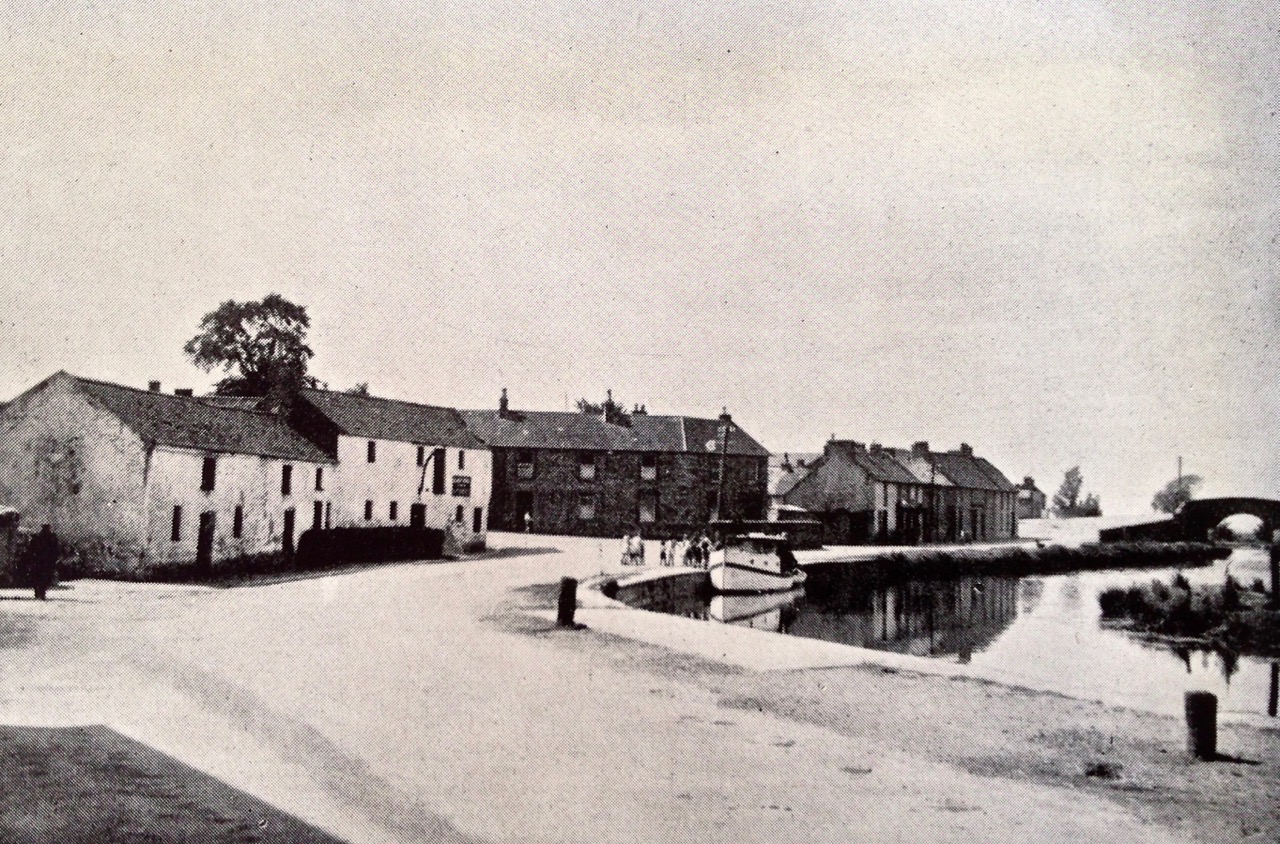
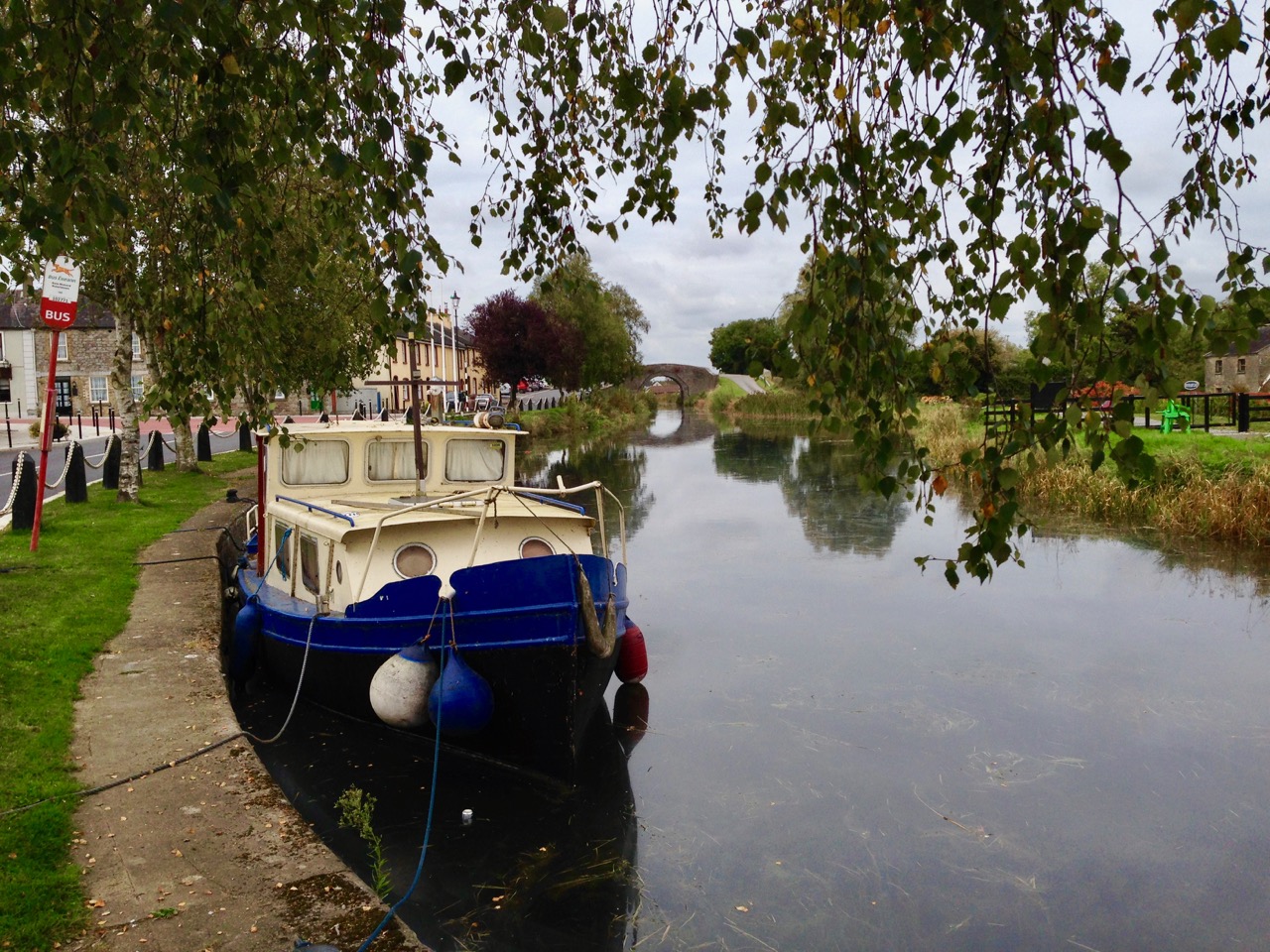
Foremost in my own mind in terms of personal satisfaction is the series I wrote last year: Green & Silver. There have been nine posts in all, starting with my review of a book which I first read in 1963, when I won it as an essay-writing prize at school. The book, Green & Silver, told the story of a journey around the Irish canal system in 1946 (the year I was born), undertaken by an English engineer and writer, L T C ‘Tom’ Rolt and his wife, Angela. When I wrote the review 70 years had passed since the Rolts made that journey. Finola and I conceived the idea of retracing the steps of the Rolts, although not by boat: we drove and walked. It was to be an exercise in tracking the passing of time. We would find the location of every photograph that Angela Rolt had taken in 1946, and take a new one, so that we could compare the changes that had occurred over seven decades. There were many: the canals themselves, which were then near-derelict in places have now been well restored, and the island of Ireland has today an amazing but probably under-appreciated asset: a cross-border system of navigable waterways which connects Waterford, Limerick, Dublin, Belfast and Coleraine.

Canal port: Richmond Harbour, Co Longford. Upper picture taken by Angela Rolt in 1946; lower picture, the same view taken 70 years on

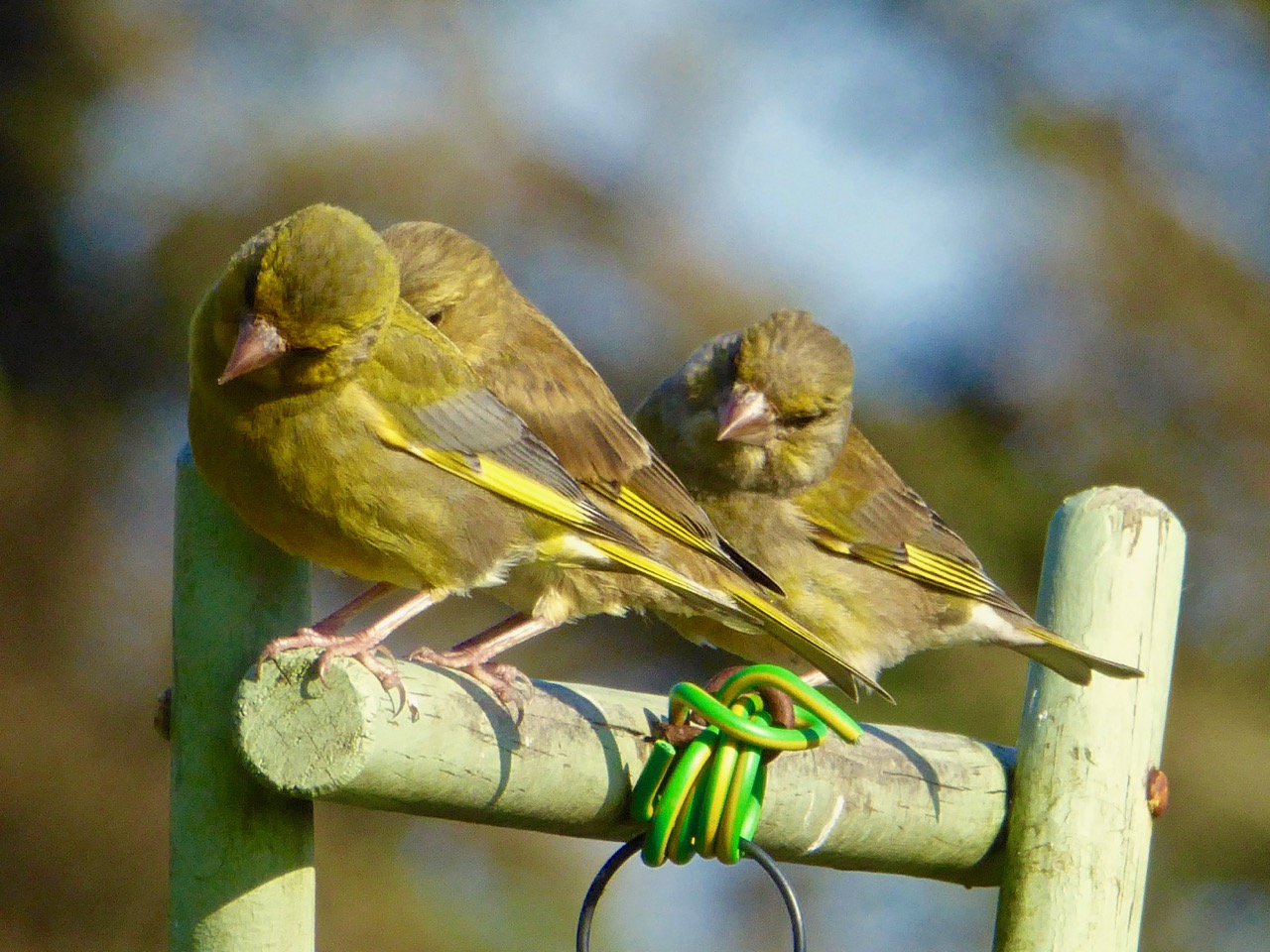
I have always had an obsession with wildlife, and one of my favourite posts summarises what wonderful natural things we have all around us here: The Wild  Side. We have written about the birds – choughs, eagles, sparrowhawks – and the little ones that come to our feeder and keep us entertained.

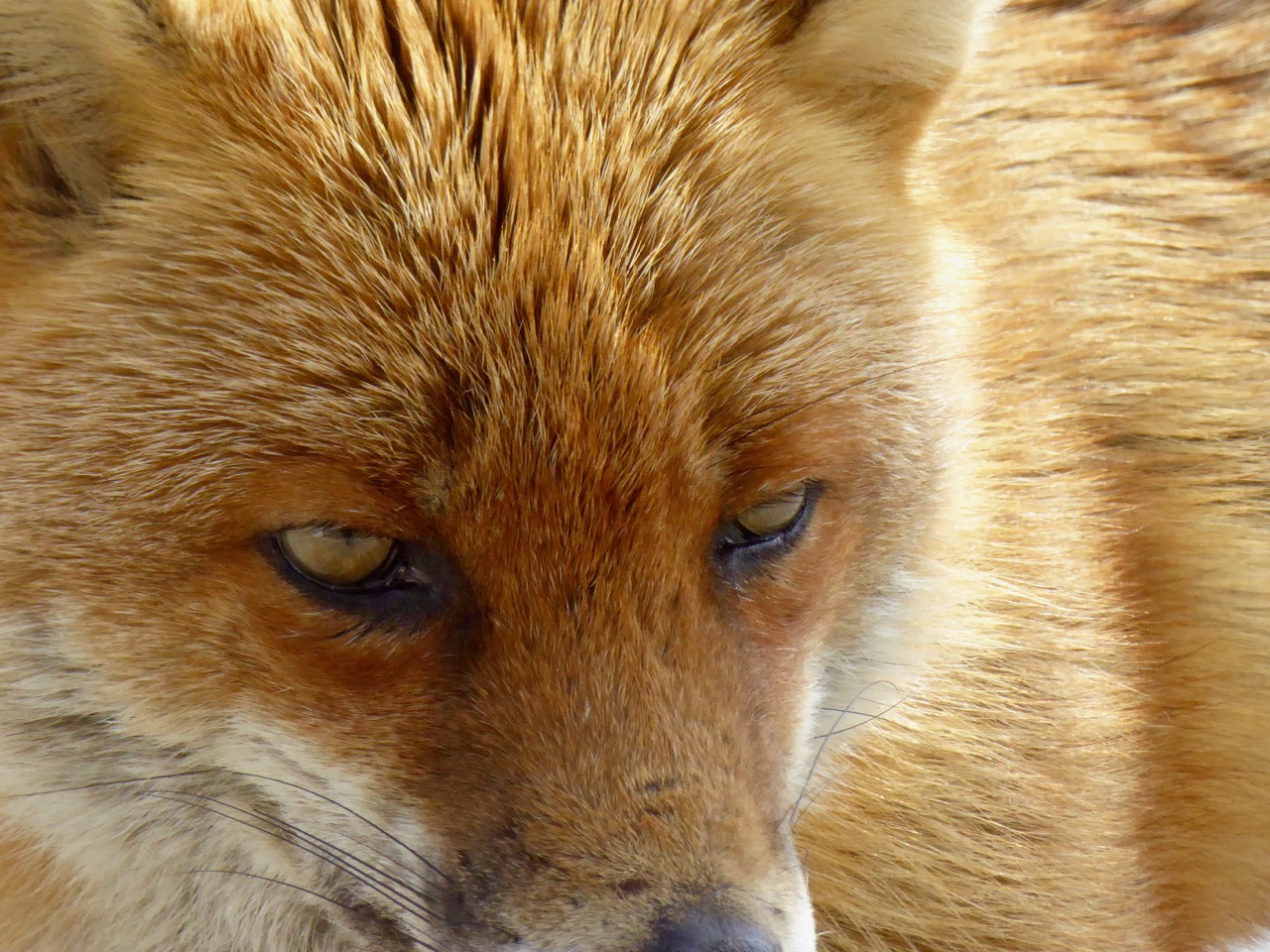
We will never forget our good friend Ferdia, who arrived on our doorstep on the day we moved into Nead an Iolair, and was a regular visitor (usually daily) over several years. Sadly, foxes don’t live for long in the wild, and he has now passed away. He was a very fine dog-fox and was undoubtedly the head of a large family. We hoped that one of his offspring might have taken his place on our terrace, but I suppose he just could never be replaced.

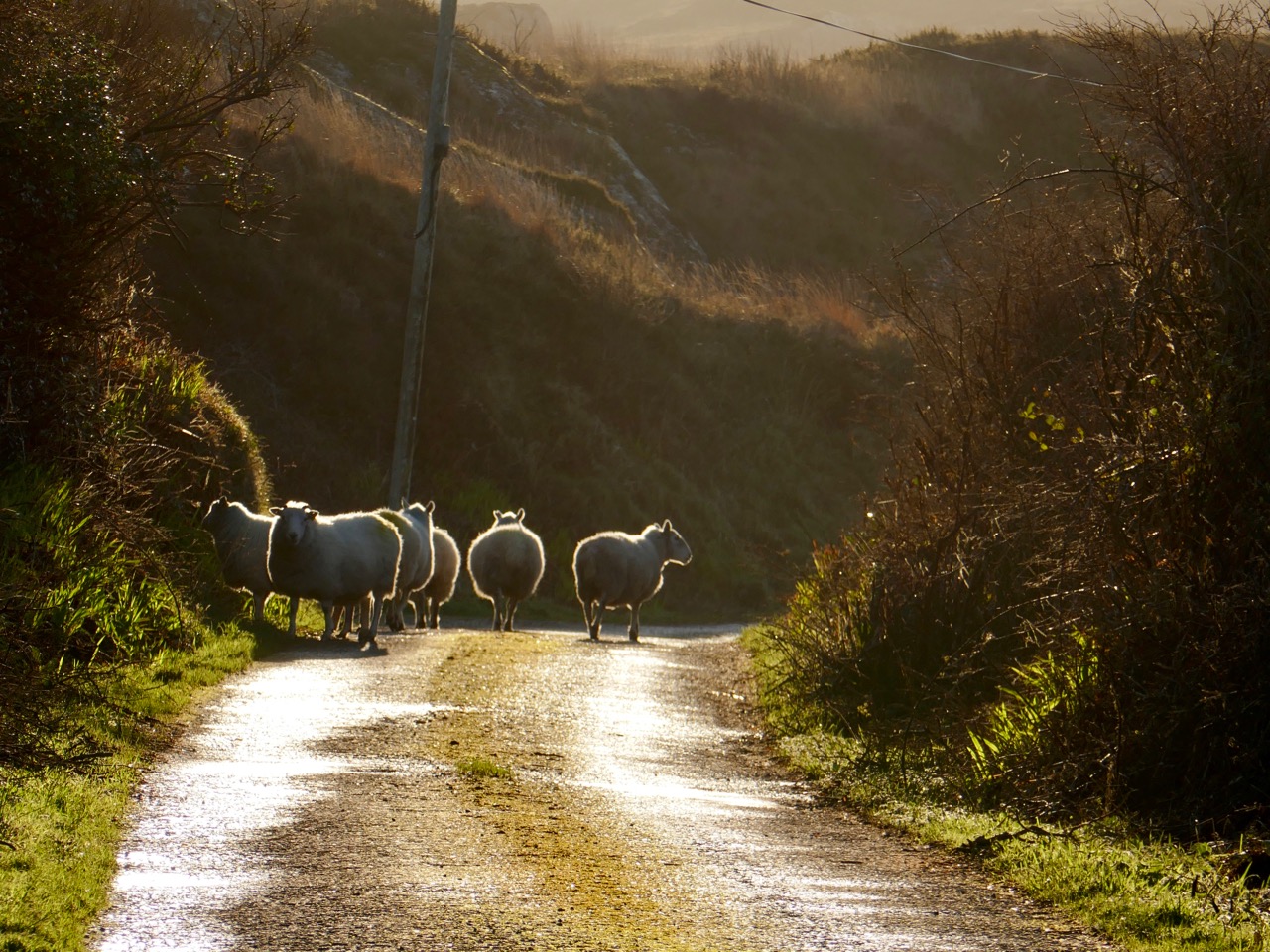
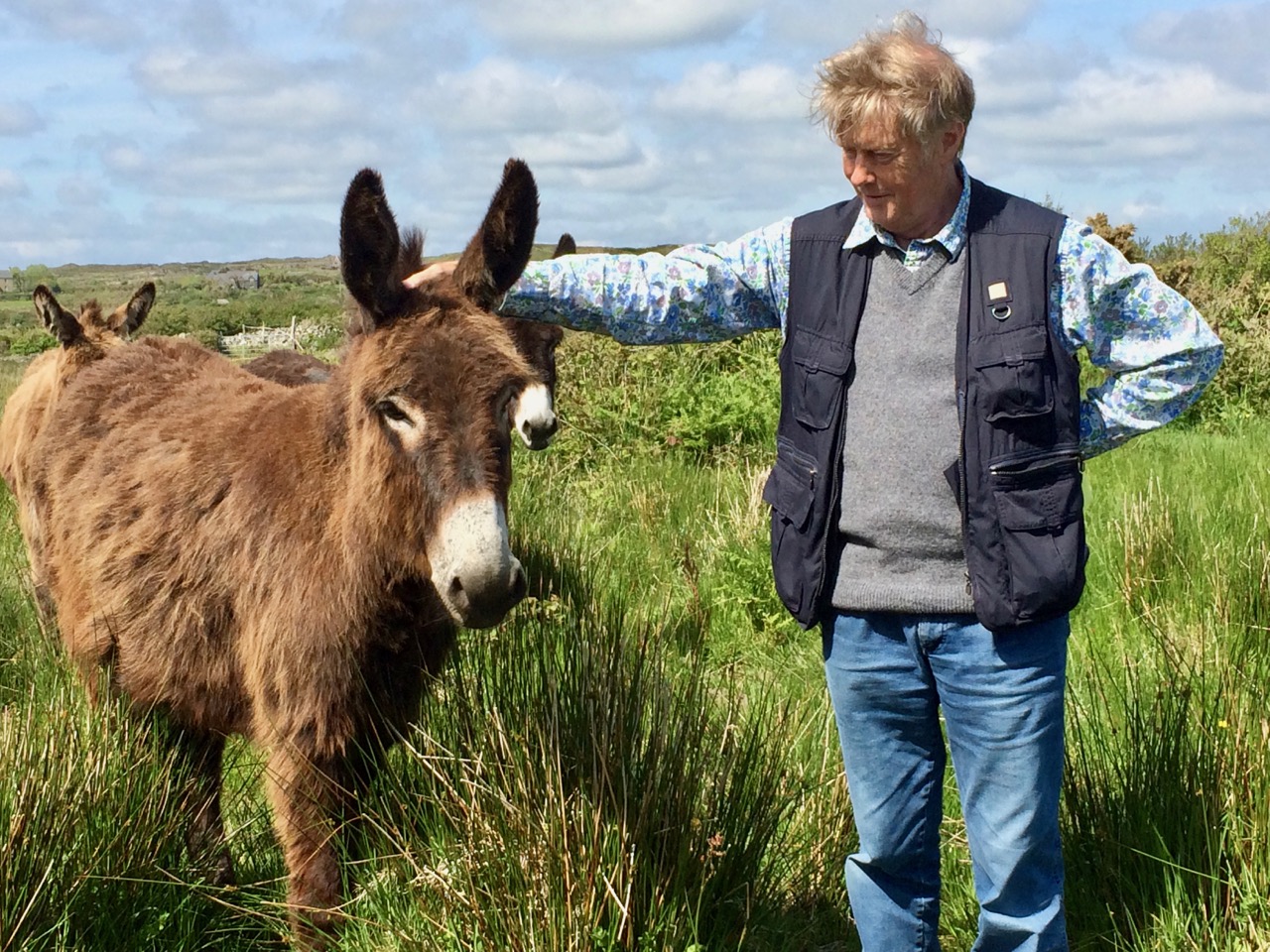
Of course, the pasture and coastline that surrounds us has fine creatures of the domesticated variety, too! (left and right below).

I have family roots in Cornwall and, during my time living here, I have become aware of many links between that westernmost peninsula of Britain and West Cork. In fact, those links go back into prehistory: in the Bronze Age – three and a half thousand years ago – copper was mined on the slopes of Mount Gabriel – a stone’s throw from where we live – and was mixed with tin from Cornwall to make the all-important ‘supermetal’ of Bronze. Another link which I was so pleased to find was that Cornwall’s Patron Saint – St Piran – was actually born and brought up on Cape Clear – the island we look out to across Roaringwater Bay. Read all about it here.

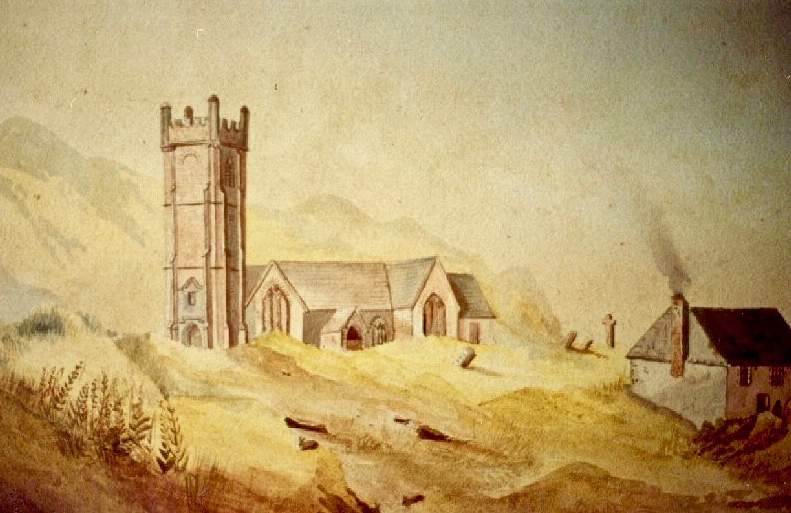
The little church at Perranzabuloe in Cornwall (now inundated by sand) marks the spot where St Ciarán from Cape Clear landed to start his mission. Because of a difference in the Irish and Cornish languages, he became known as St Piran over there. He lived to the age of 208!

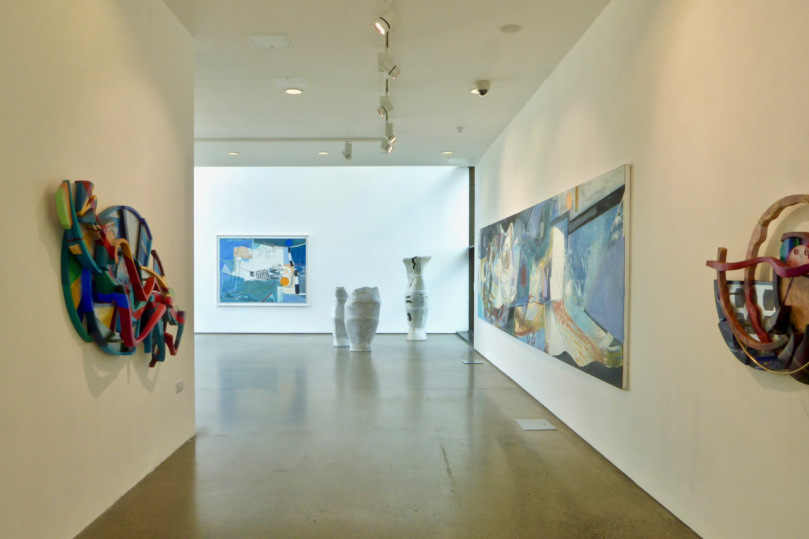
Stirring up those links led to my life being taken over in the summer of this year by organising (together with Ann Davoren and the team at the West Cork Arts Centre) an exhibition of the work of three contemporary Cornish artists which was held in Uillinn, Skibbereen’s amazing new gallery. The exhibition ran with the title of West meets West and heralds future collaborations and visits to Cornwall by West Cork artists. This link opens the series of posts that report on all this.

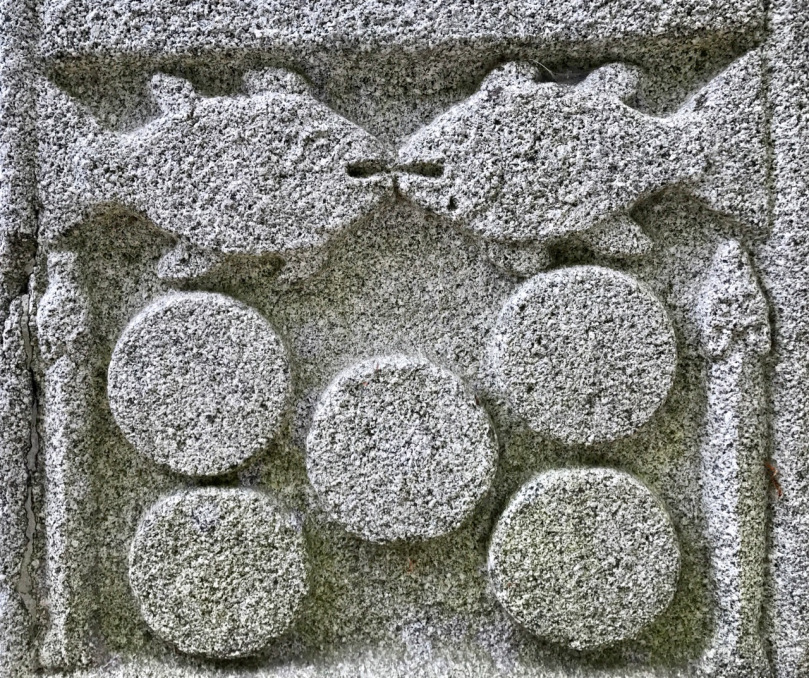
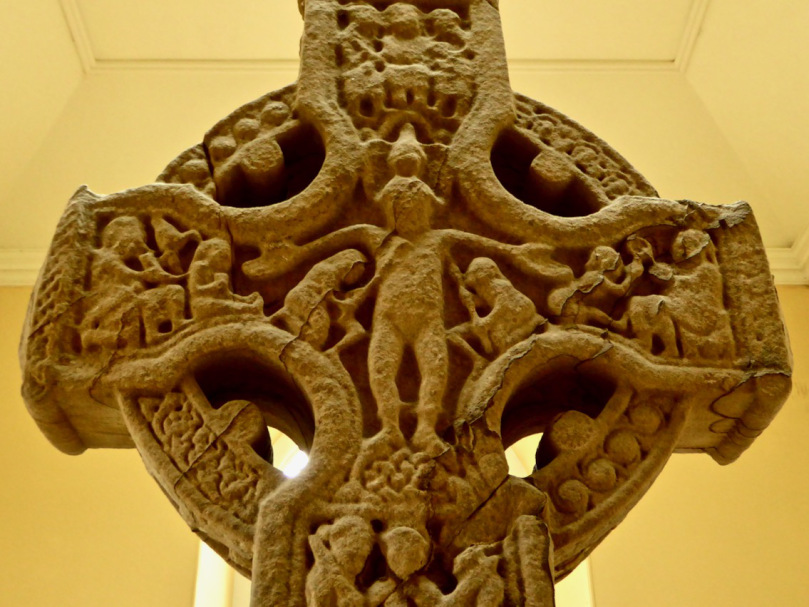
My time here in West Cork – and in Ireland – has heightened my interest in all things medieval, particularly architecture. Finola has written a highly researched and detailed series on the Irish Romanesque style, and our travels to carry out this research have been enjoyable and instructive. I have taken a liking to High Crosses, most of them probably over a thousand years old. They are always found in the context of fascinating early ecclesiastical sites. If you want to know more, have a look at the posts: so far we have explored Moone (above), Durrow (below), Monasterboice, and Castledermot. There are many more to add to this list – and to keep us busy over the next few years.

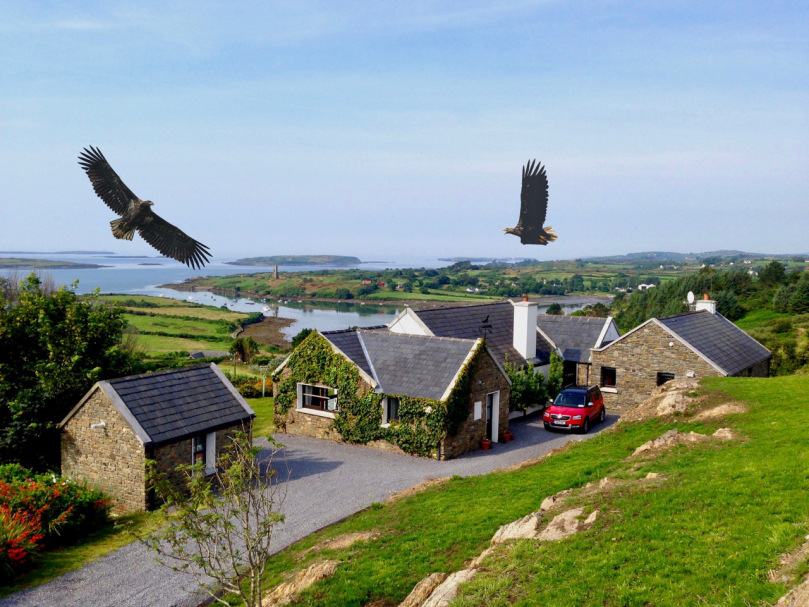
That’s quite enough for one post! It would be possible to write several on how we have been inspired by our explorations in search of material. Somehow, though, our hearts always come back to our very own piece of Irish soil: Nead an Iolair (Nest of the Eagles). Here it is, and here are the eagles flying over it! You’ll find more about them here.

Own a Piece of Ireland (Best Christmas Present EVER!)

Have you dreamed of owning a little slice of heaven in Ireland? Here’s your chance! Buy a tiny plot on Cape Clear Island for yourself or for someone else and when you do, you’ll know that not only are you giving someone possibly the best Christmas present ever but you’re also doing your part to conserve an important chunk of the natural world.

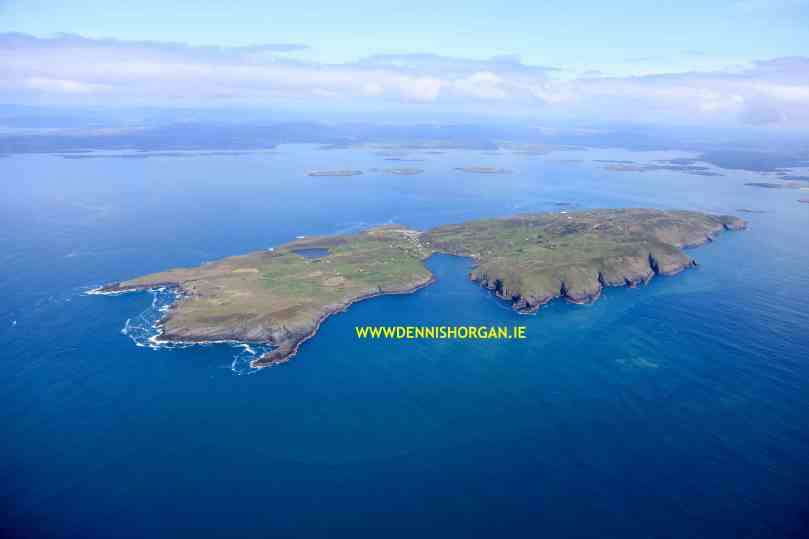
Dennis Horgan’s incredible photograph of Cape Clear Island from the air showing the whole of the Island, and its relationship to Roaringwater Bay. The land the Trust is purchasing lies on the east (right) side of South Harbor, in the centre of the picture. For more on Dennis’s photography and his latest book, see the end of this post

Chuck Kruger and his wife Nell recently left Cape Clear after half a lifetime there. An iconic figure, he wrote and told stories about the land he adopted and came to love. He founded the marvellous Cape Clear International Story Telling Festival and his leaving to return to the US leaves a huge hole in island life.

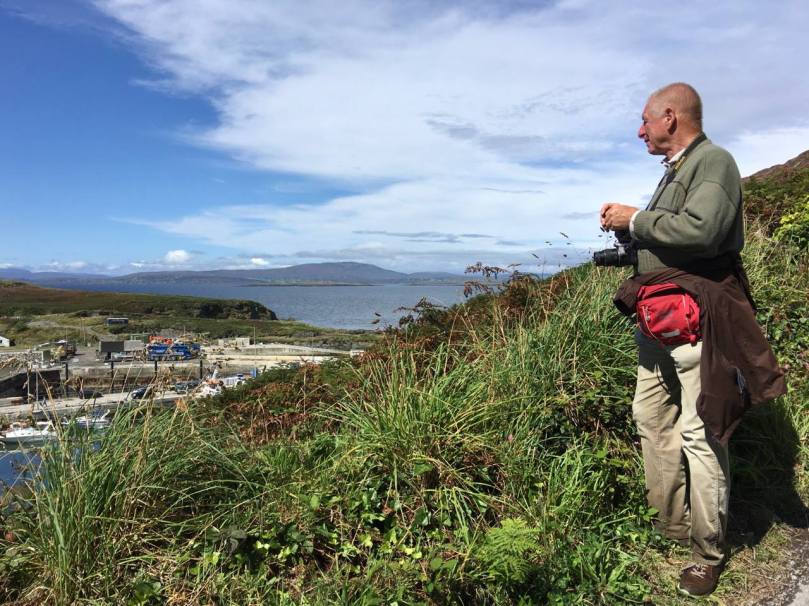
The photograph above is, poignantly, of Chuck on his last guided walk on the Island and was taken by Sandra Bottcher. Have a look at Chuck’s website for more about his writing and broadcast work.

One of the ancient stone walls that define the fields along the South Harbour

Chuck and Nell’s farm bordered the South Harbour and the Islanders, rather than let it go into private hands, have formed a trust to purchase it. The plan is to provide open access to all, and to ensure that no future development can intrude upon this pristine area.

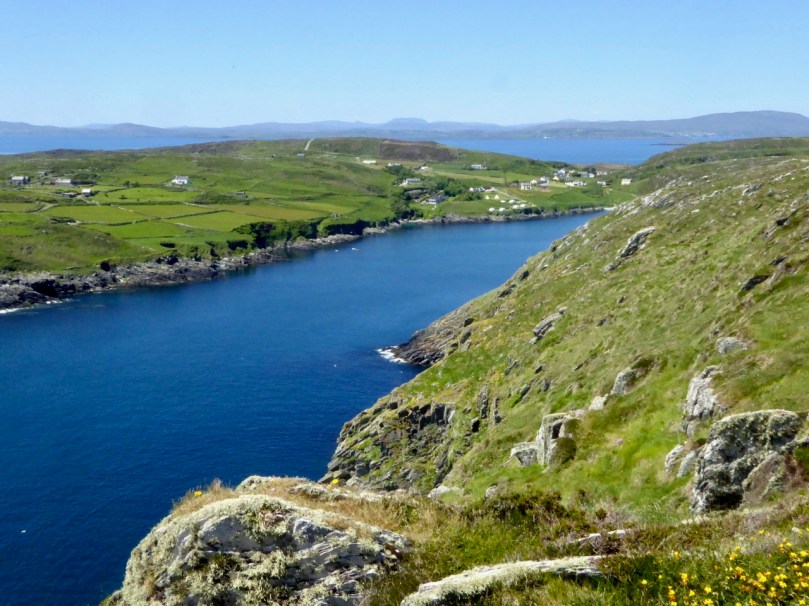
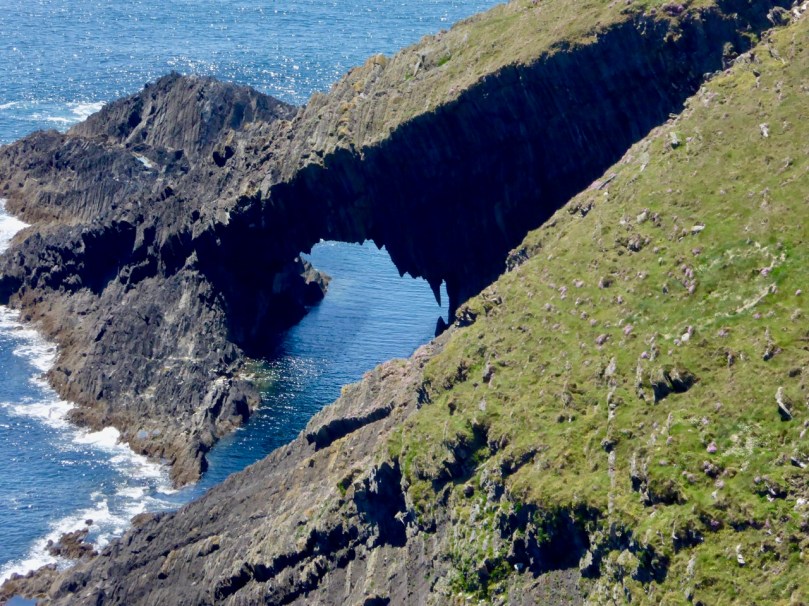
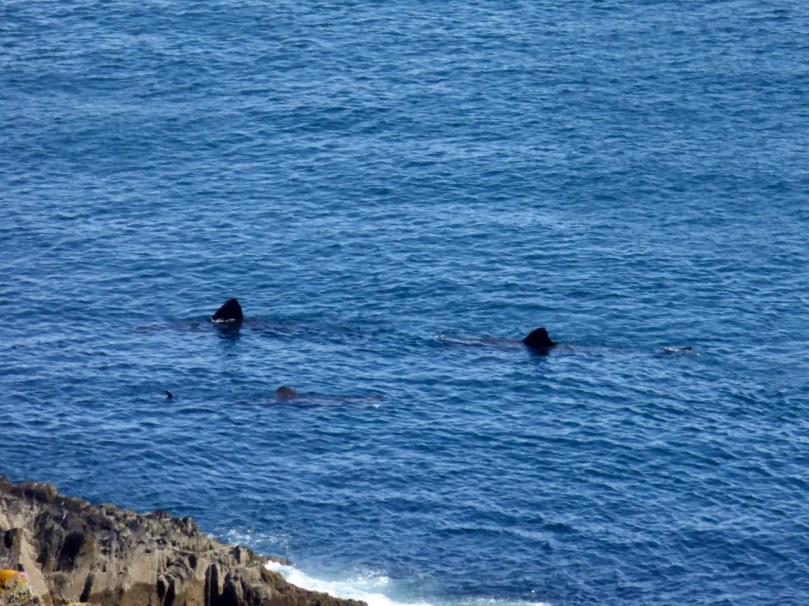
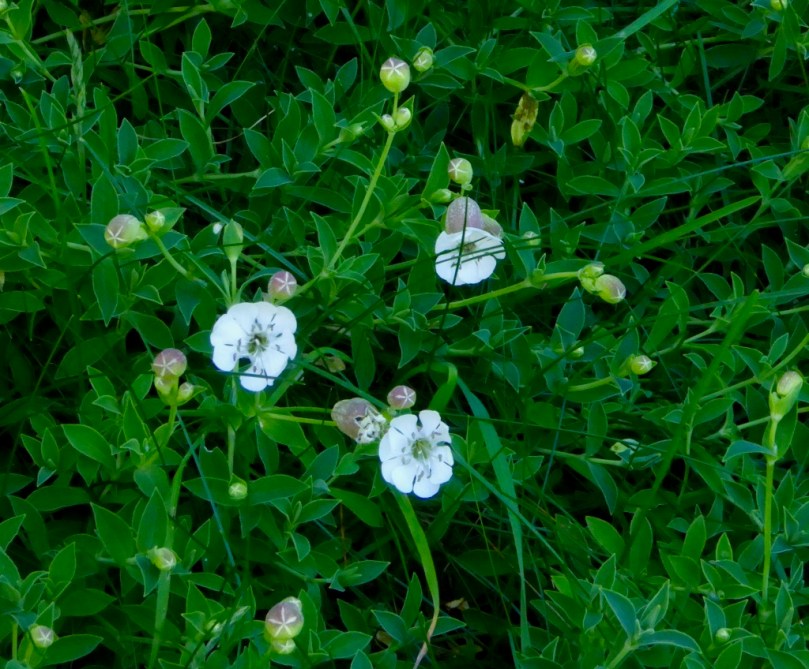
The Red Trail leads you around the southeast side of South Harbour – here, last June we viewed wildflowers, immense sea views, a dramatic sea arch and an abundance of Basking Sharks

You can purchase a five square metre piece of Trust land for €50 (currently that’s about $60US, $75CAN, or £45) or a ten square metre plot for €100 ($120US, $150CAN or £90). Just pop along to the Trust Website and choose the SHOP tab. Join Robert and me in making open access to this little patch of paradise in perpetuity a reality – it will be the best money you have ever spent!

Walking the Red Trail

Cape Clear is a very special place – an Irish speaking area (or Gaeltacht) accessible only by ferry, rich in tradition and history, and an important habitat for wild plants and creatures. We’ve written about Cape Clear in this post, and in this one, and we are fortunate indeed to enjoy a view of it from our home.

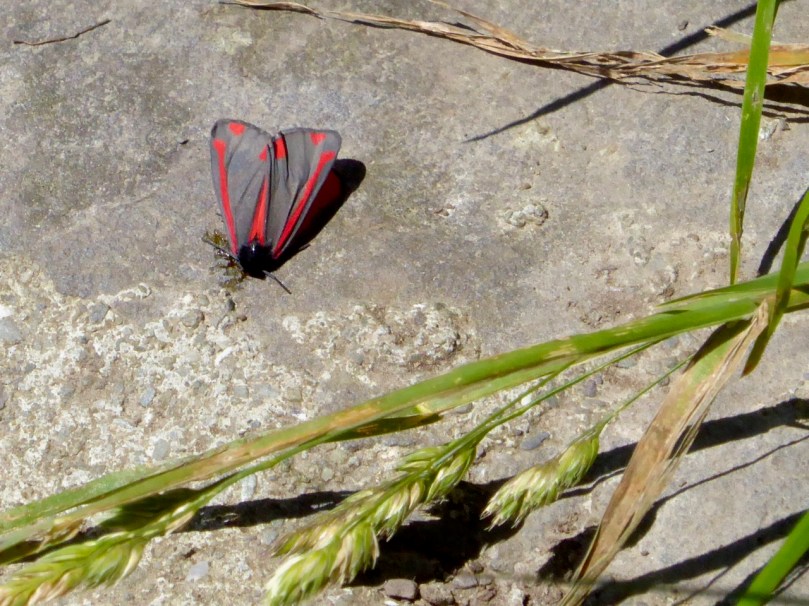
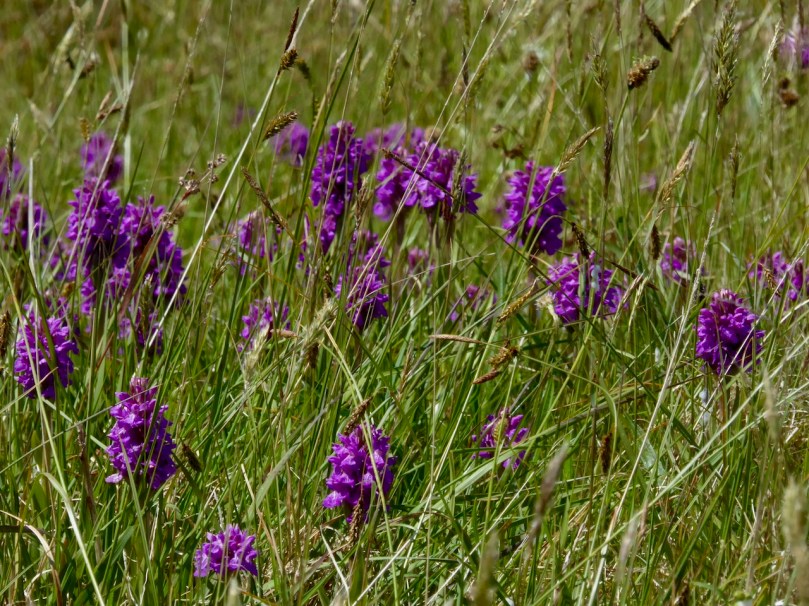
Above, Cinnabar Moth; Below, Marsh Orchids

It’s also very beautiful. Robert and I have enjoyed our trips there very much: in fact, last year my birthday present from him was a two-night break in Cape Clear. We spent our time exploring and hiking the Island, observing the Basking Sharks, and visiting the remains of the Neolithic Passage Grave, original home of the Cape Clear Stone. One of our walks was along the Red Trail – the very area that is now in the Trust.

Sea Campion

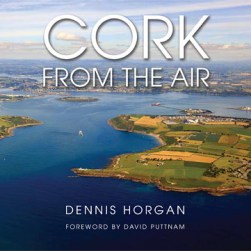
If you’re hankering after your own piece of Ireland in other ways too, allow us to highly recommend Cork from the Air by Dennis Horgan. Dennis is one of Ireland’s supremely talented aerial photographers and his latest book captures Cork as you have never seen it. He very kindly permitted me to use his incredible photograph of Cape Clear from the air – thank you, Dennis! The book is available on his website, or if you’re in Ireland already, in all good bookshops.

Go on, head over to the Cape Clear Island Trust website now – you’re just in time for Christmas!

December in Rossbrin

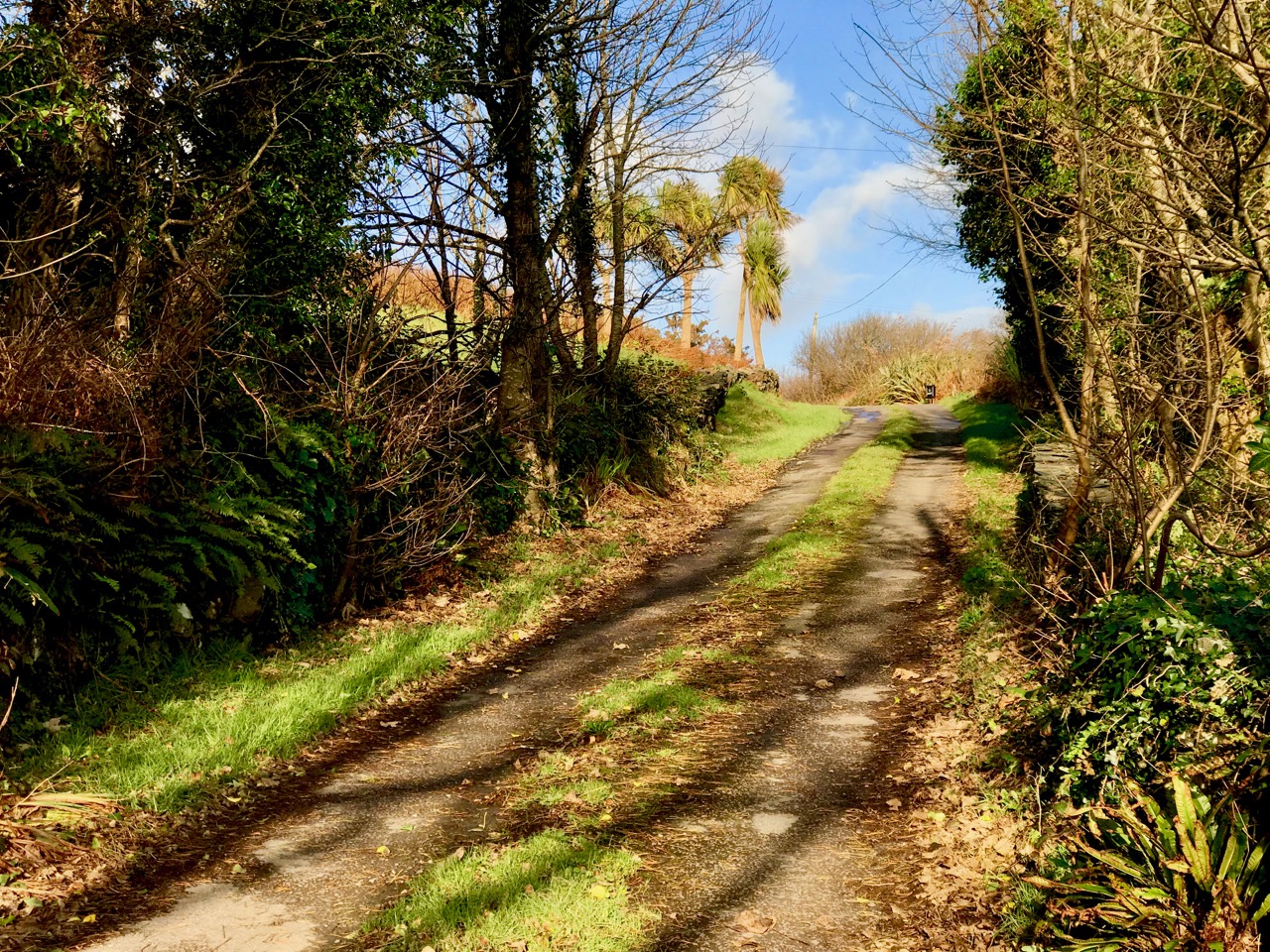
In the past year I have returned to Rossbrin again and again in my posts. That’s not surprising, as it’s just a short and always rewarding walk down our Beautiful boreens:

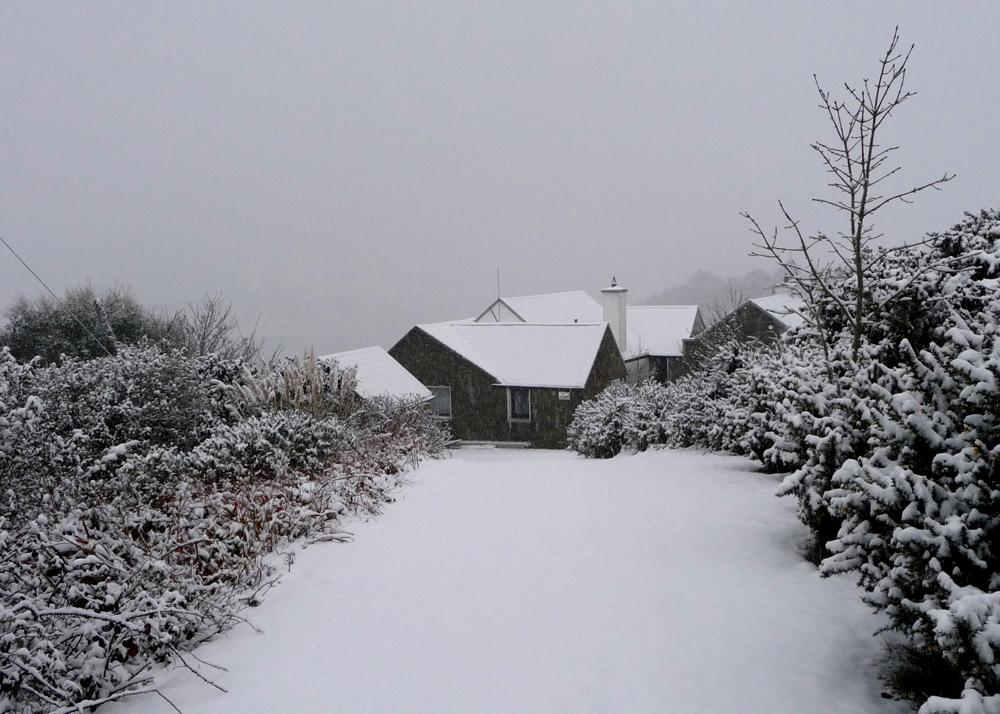
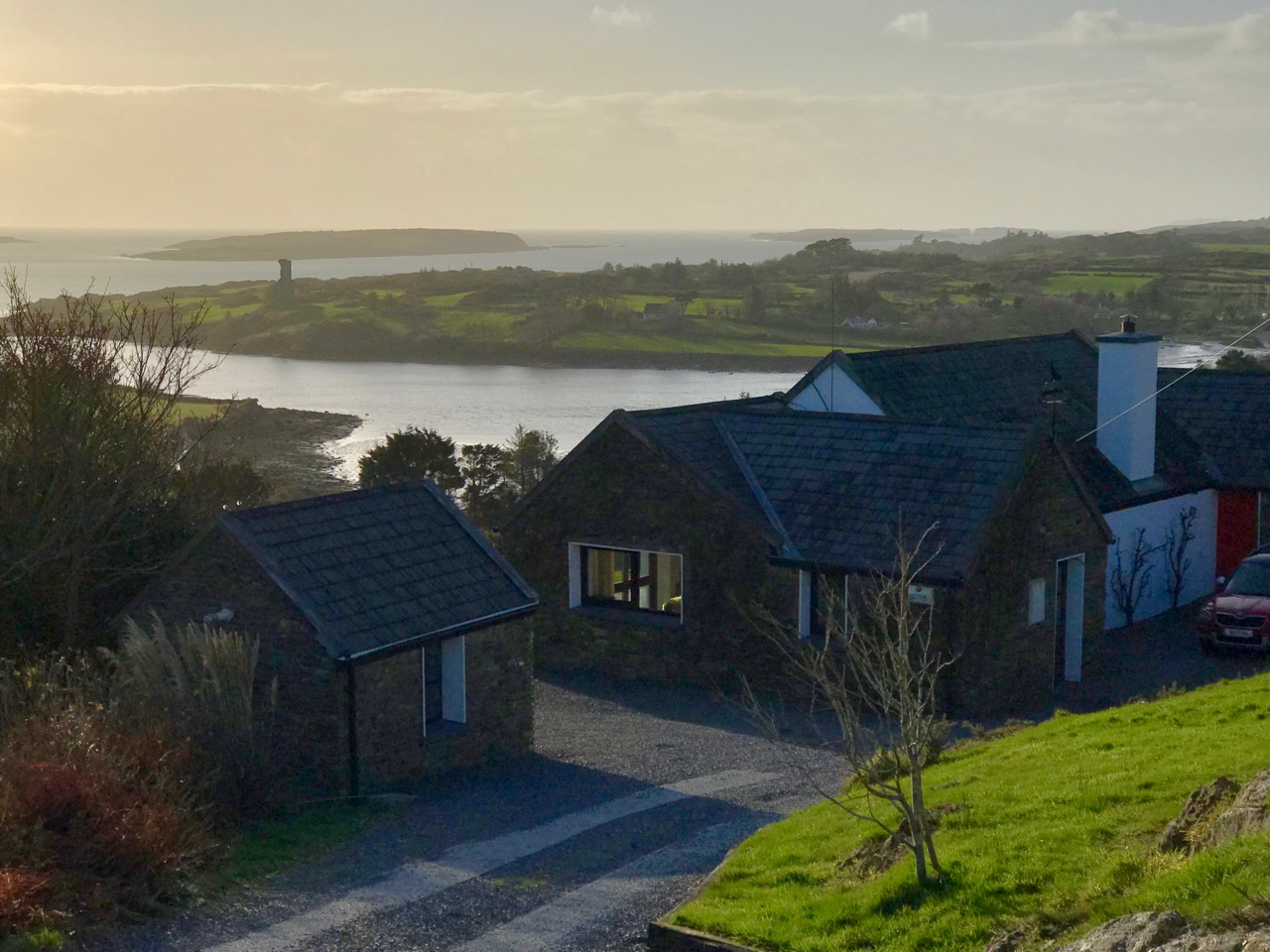
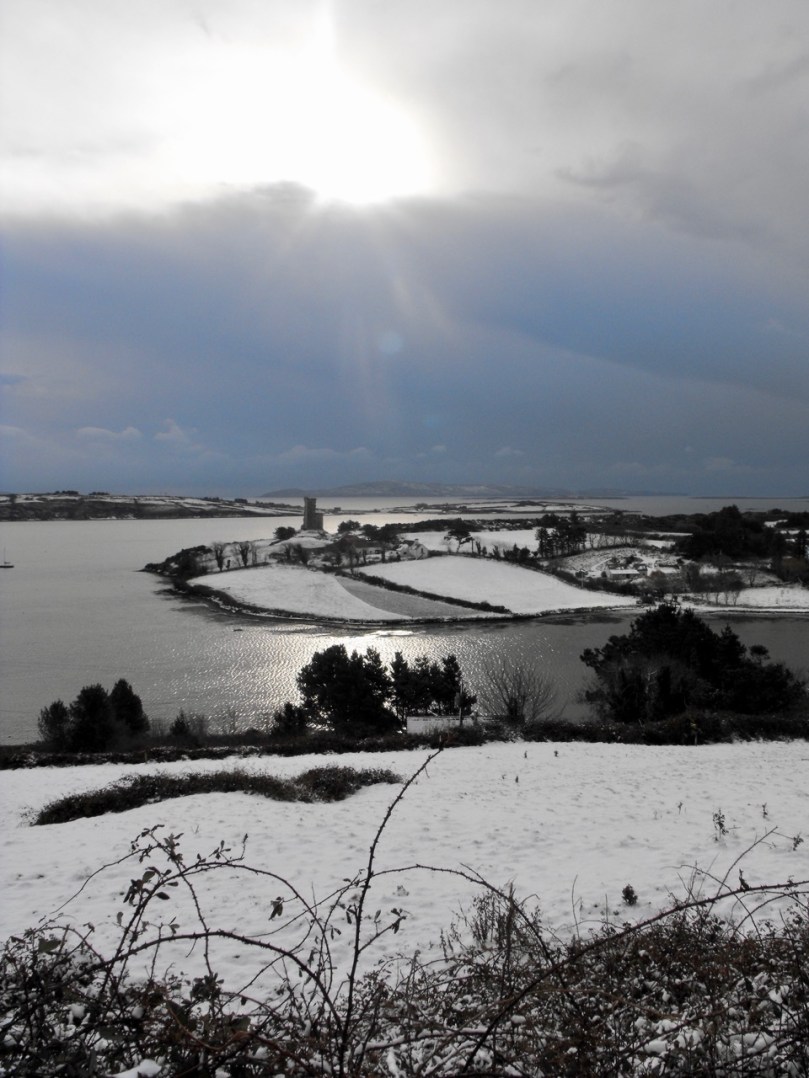
It’s December, and we can expect anything in the way of weather. This is the mildest corner of Ireland: further north and east of us today, spanning Cavan, Donegal and Wicklow, heavy snow is falling and temperatures are forecast to drop to minus 8 degrees C in the coming hours. The last real bit of snow in West Cork came along seven years ago but we weren’t here, then, to see it (image below of Nead an Iolair in 2010 courtesy of our neighbours Dietrich and Hildegard Eckardt with, below it, today’s view of the Cove seen from the house):

Whatever the weather, our cove has something to offer – and every day is guaranteed to bring a mixture. When the sun is out we can bask in it as if it was the middle of summer, but it’s just as likely that there will be a stiff and invigorating breeze to accompany our bracing walks.

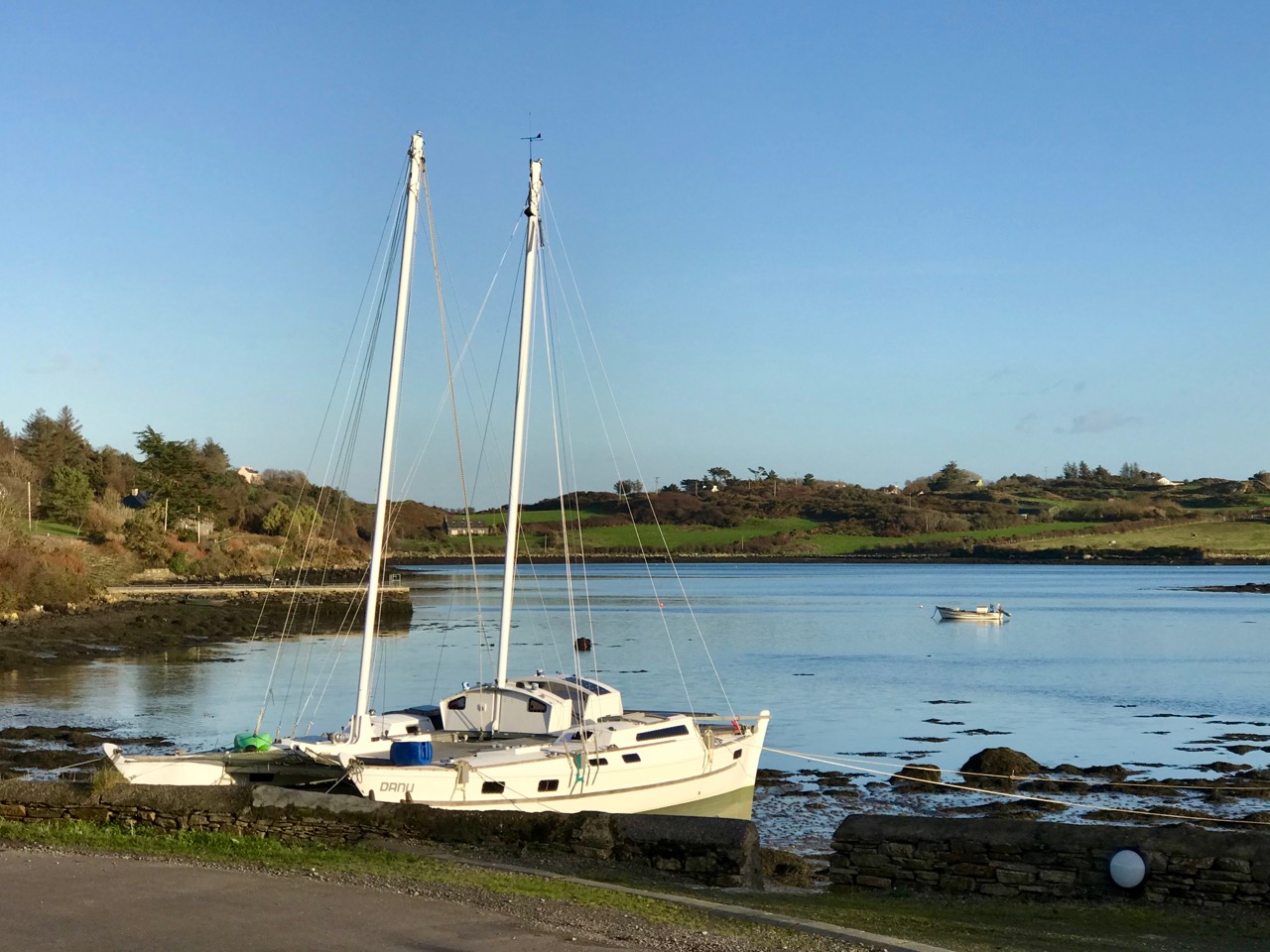
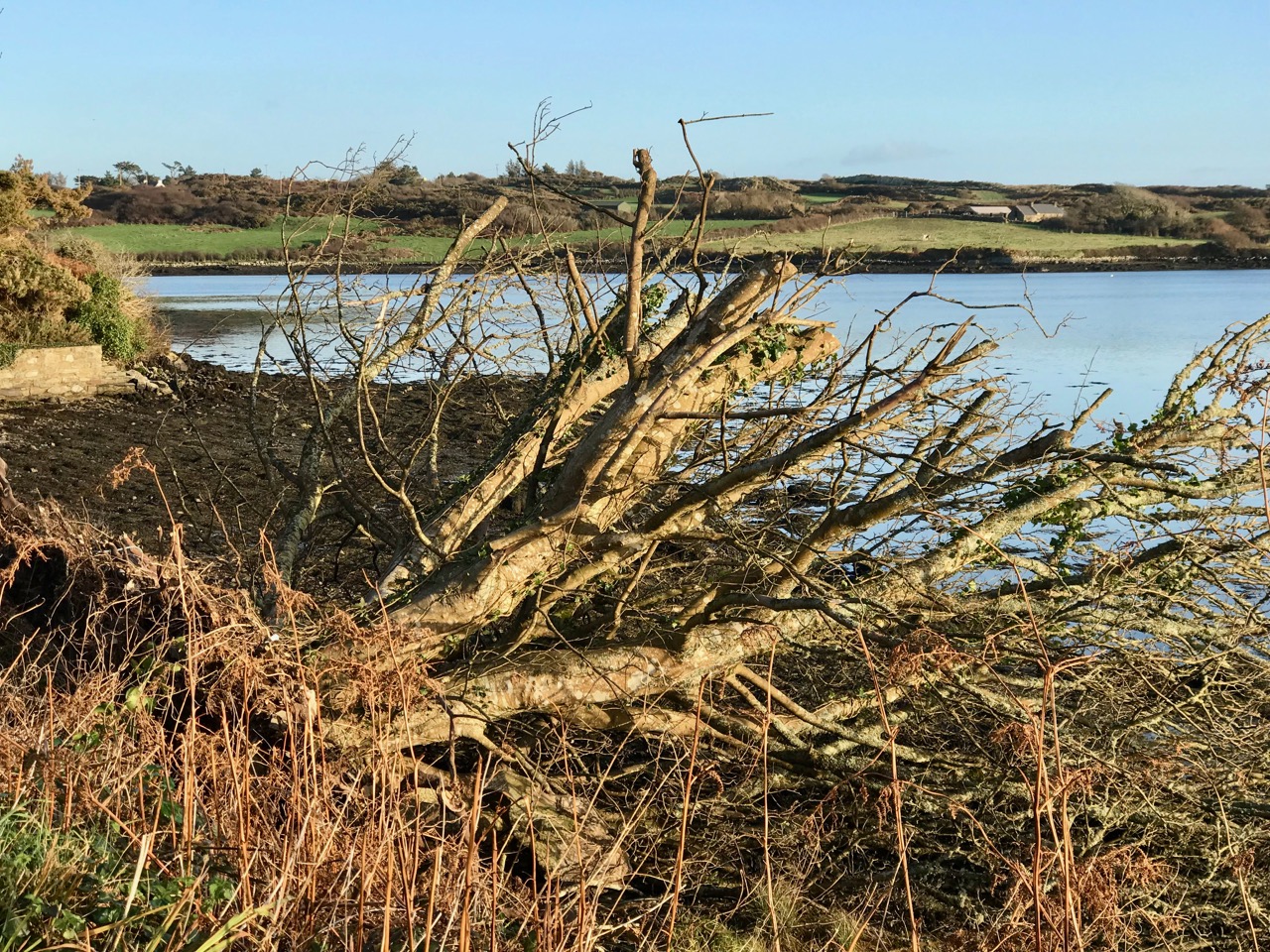
Above – reminders of summer pleasures to come as we wind down to the year’s end in Rossbrin: Andre’s catamaran – Danu – which he built himself, rides out the winter storms on a wet mooring in the Cove. The first of those storms – Ophelia – hit us last month, and there is a fair bit of wind damage still to be seen:

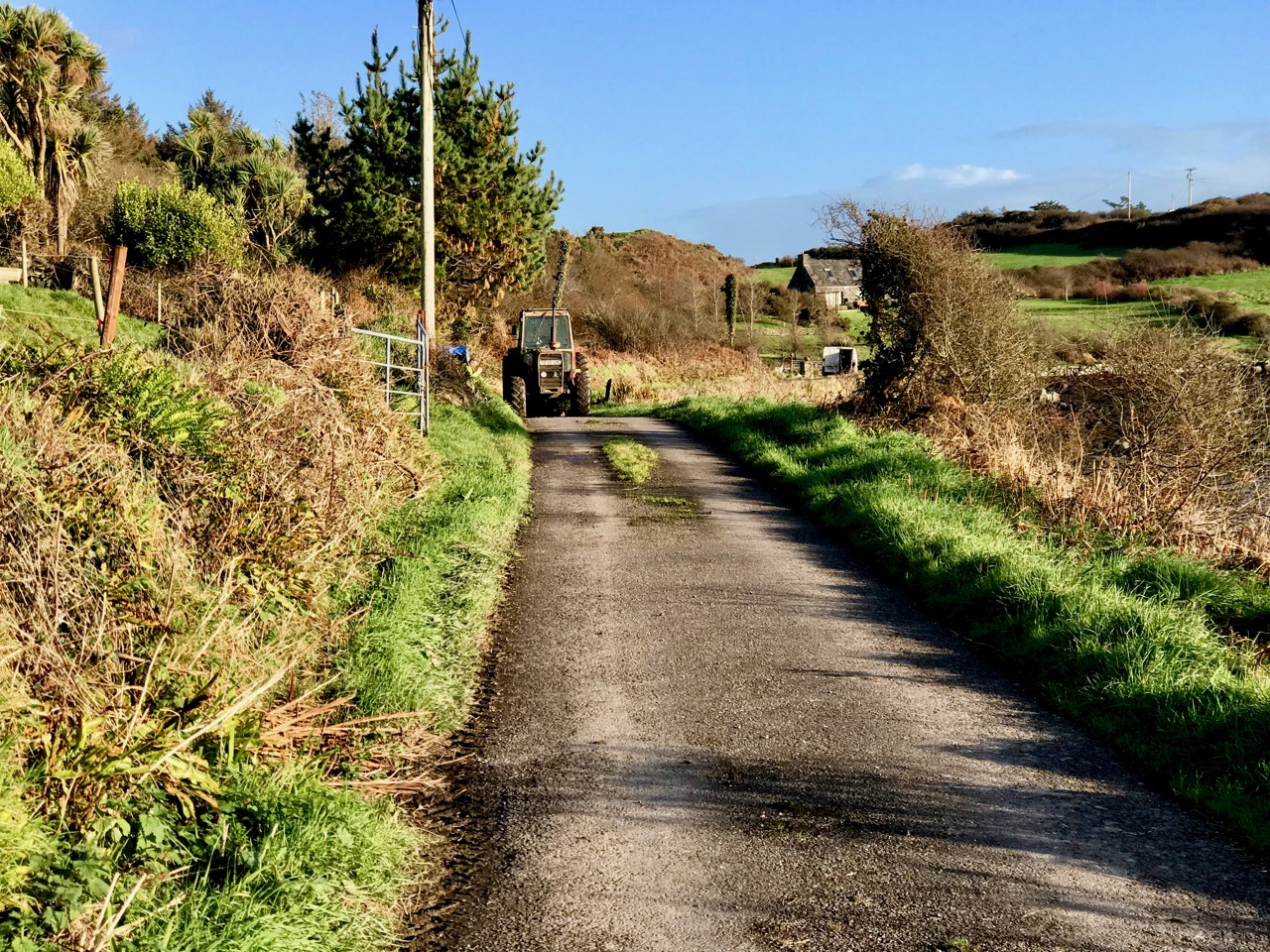
Traffic jam in Rossbrin!

Often, I will start out on the downhill walk with my head buzzing from the inexplicable madness of the outside world: British ethnocentricity, North American absurdity and worldwide chaos. Within minutes these concerns are receding, and when I reach the waterside I am overtaken by the immersive experience of natural things all around me and I find the solace of constancy: not much changes here. This little townland of Rossbrin is above and away from that buzzing, reeking world. It is a far saner place.

Since publishing this post we have received a communication from our good neighbour Julian, who lives down on the Cove, including some excellent photographs of the winter of 2010. Here’s one of them – thank you, Julian…

Cove in the snow 2010

The Fortunes of the Hare

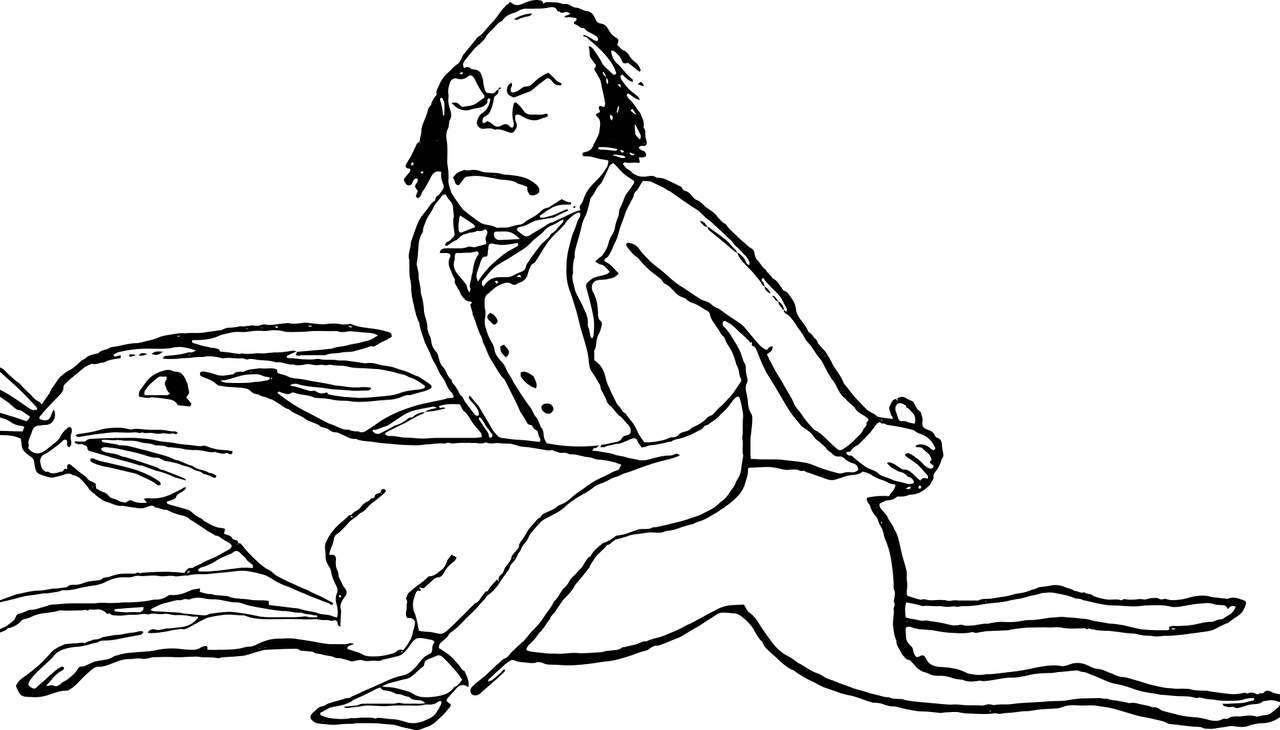
There was an old man whose despair
Induced him to purchase a hare:
Whereon one fine day he rode wholly away,
Which partly assuaged his despair.

(Edward Lear 1872)

We have been writing this Journal pretty regularly for five years now: to date we have published 460 posts – roughly half by Finola and half by me. It’s December, and at this time of the year we review what we have written and it’s always interesting to see the topics have been most popular amongst our readers. We’ll be exploring all that as we lead up to Christmas, but today I have been reviewing our post titles over the years to see what has appealed to me personally during our lives online.

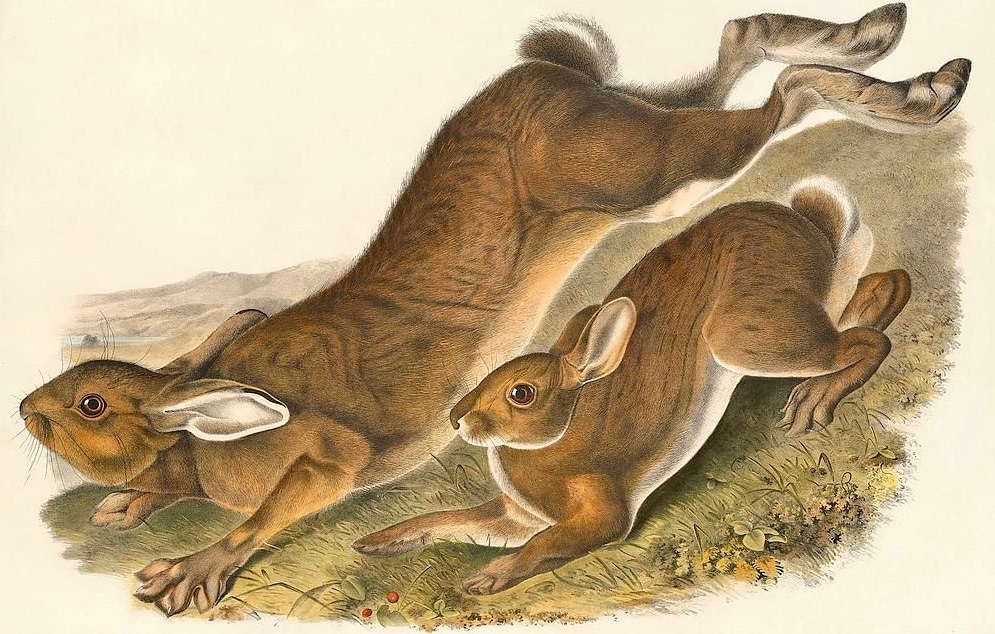
John James Audubon – Northern Hare, 1843

I have a long held passion for the hare – a creature which has inhabited the world unchanged for millions of years: we know this from fossil finds. We can therefore safely conclude that this beautiful animal is perfectly adapted to its natural environment, and hasn’t needed to evolve in any way.

In July 2015 – about halfway through our blogging career – I penned an article, Hares in Abundance, inspired by an exhibition held at the Heron Gallery in Ahakista. I was delighted to see so many images of hares by a number of artists: there were drawings, paintings and prints; ceramic sculptures and ceramic ware; jewellery, felt-work and even cushion covers. I would happily have kitted out the whole of our house with work from this exhibition, but long ago Finola declared we had ‘enough’ hares around the place, so I have to keep myself under control (although, it has to be said, hare imagery here at Nead an Iolair does seem to increase year by year).

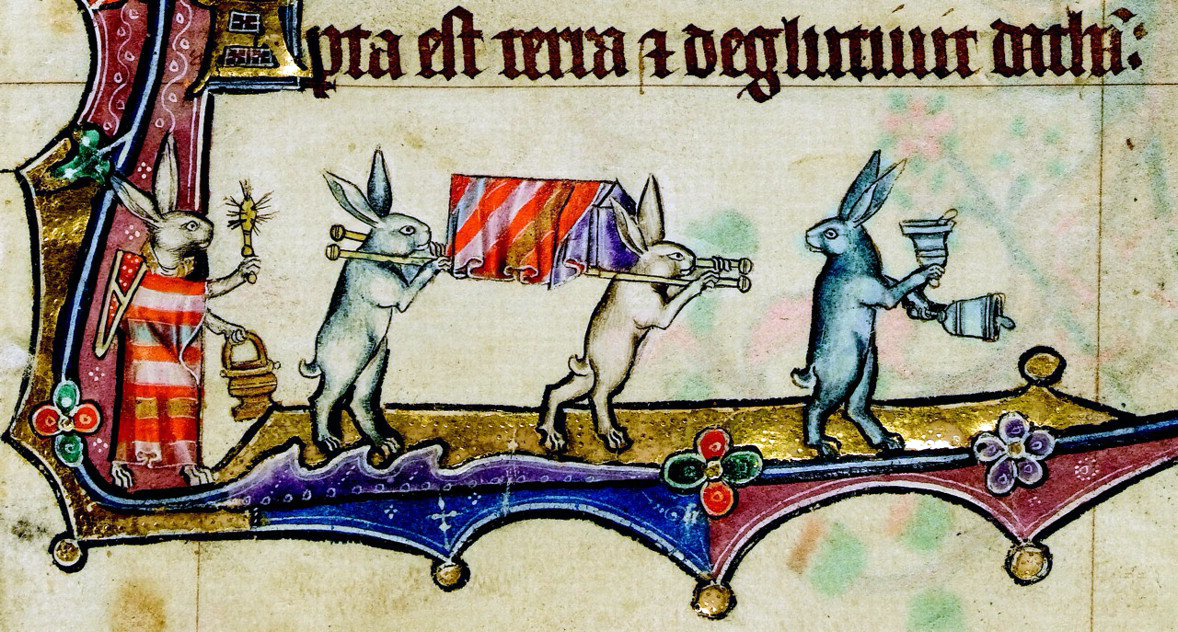
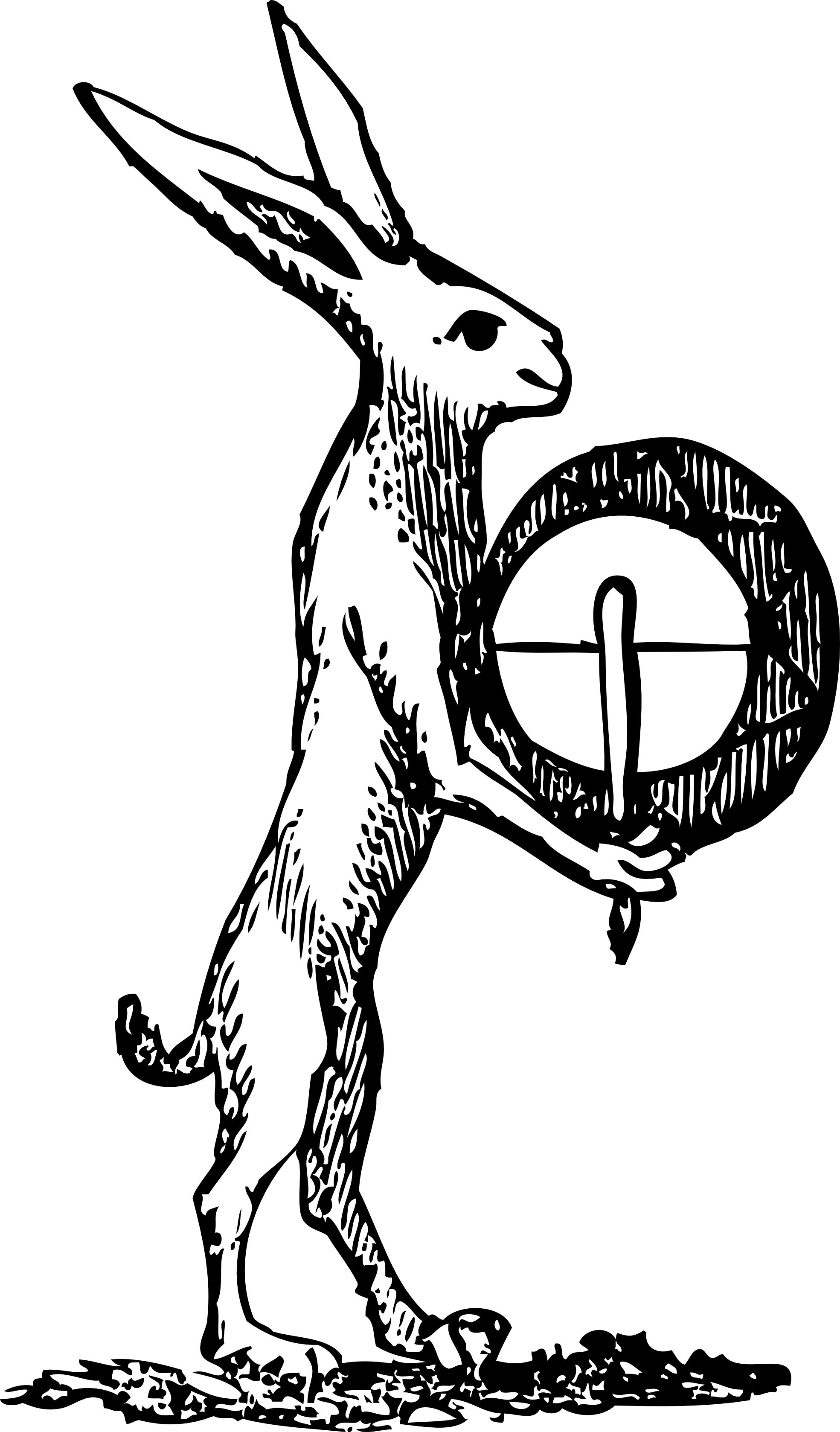
Illumination from the 14th century Macclesfield Psalter, now in the Fitzwilliam Museum, Cambridge

As I mention in that post from 2015, I have kept a ‘hare calendar’ during our time in West Cork, and any hare sightings are recorded. There is definitely a downward trend in the numbers I have spotted. In 2017, for example, I have recorded only one and a half hares (the half was the backside of an animal disappearing into a hedge, which I felt sure was a hare), whereas in past years I have recorded five or six. Back in the 1990s, when I stayed regularly with my friends Danny and Gill in Ballybane West –  just over the hills from here, I saw relatively large numbers of them. Something is surely amiss – and I don’t think it’s my eyesight.

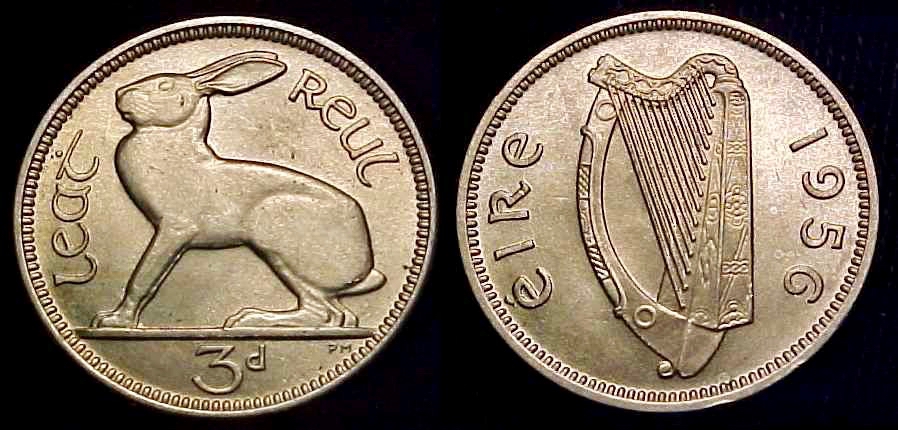
The Irish Hare was portrayed on the Irish Three Pence coin: the design was by the artist Percy Metcalfe, and the coin was continuously produced between 1928 and 1969

On a recent visit to Finola’s cousin in Mayo we were introduced to (and immediately purchased) a new book: The Way of the Hare by Marianne Taylor. If you are in any way inclined to hare adulation, I thoroughly recommend this book as being the most readable and comprehensive study of all aspects of the animal’s place in the world: history, biology and folklore. To my delight, the author even suggests that, in terms of creature relationships:

…we humans are more closely related to hares than we are to cats, bats, dogs, elephants, whales, sloths and most other mammals on earth…

Left – the new book by Marianne Taylor and right – one of the author’s wonderful photographs, showing the ‘mad’ springtime behaviour of two brown hares in the UK

Perhaps unsurprisingly, one of my very first posts on Roaringwater Journal was this one – Two Hares. Written back in November, 2012, it tells of an encounter with two Irish Hares in Ballybane West. Irish Hares – Lepus timidus hibernicus – are peculiar to this country but closely related to Mountain Hares that are found in Scotland, Scandinavia and Northern Europe; they are said to be Ireland’s longest established indigenous species of mammal. They are probably outnumbered today in Ireland by the Brown Hare – Lepus europaeus – which is not indigenous: Brown Hares were brought to Britain by the Romans and then exported to Ireland to be hunted by the owners of large estates.

This new book has crept onto our shelves (it was a present from Finola) Brown Hares in the Derbyshire Dales, published by Vertebrate Publishing: it is beautifully illustrated with photographs by the author, Christine Gregory

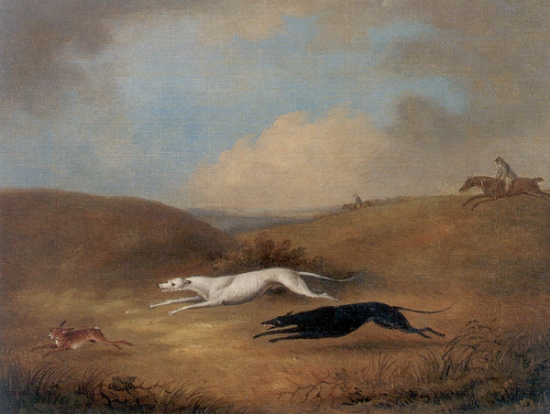
The Irish Hare is a protected species under EU Directive 92/43 Annex V (see page 104), but, curiously it can be hunted and coursed at certain times of the year. On June 23 2016 (on the same day as the UK Brexit referendum) a private member’s bill was brought before Dáil Éireann by Maureen O’Sullivan to ban hare coursing in order to protect this ‘protected’ species. It was heavily defeated – most TDs voted in favour of hare coursing, including your own local TDs (bear that in mind when an election comes around again). Out of 164 TDs attending the debate only 20 voted in favour of a ban. The general argument by the coursing supporters was that coursing is “a regulated sustainable rural industry”. So economics apparently outweigh animal welfare. The whole debate is available online here.

Dean Wolstenholme – Greyhounds coursing a hare – c1800

In February 2013 I wrote another post which mentioned hares in Ireland: Hare Heaven.  This was more optimistic in tone, and was an opportunity to describe the wonderful Sherkin Island Marine Station, run by the indefatigable Matt Murphy. Doubtless hares will feature in future Roaringwater Journal posts and – perhaps – in future Dáil debates. I will hope for a better outcome next time around.

Falconry Fantasy

I’ve waited a whole life for this – the chance to be a falconer, if only for a moment.

Ever since I read T H White’s The Once and Future King, it’s been a fantasy of mine to interact with one of those magnificent hunting birds that he described so well. A couple of weeks ago, at Adare Manor, Robert and I got a chance to finally live that dream – yes, he read the same book and loved it just as much as I had. T H White was a falconer himself, although not a very successful one. The treat was part of a couple of days stay at Adare Manor – Robert’s post describes this fascinating place in wonderful detail.

This falcon is happier and calmer with his hood on

Our falconer at Adare Manor was Susan Kirwan, one of the team at Adare Country Pursuits. What she doesn’t know about birds would fit on a postcard. She trained her first bird, a jackdaw, at the age of nine, and was hooked. Now she shares her knowledge and her love of birds with those of us who have admired from afar but have never had an opportunity to get up close.

Susan has Saoirse, the American Bald Eagle, show off her wings

She spent the morning with us, handling each bird in turn and giving us an education on each one – habitat, habits, hunting style, personality, peculiarities, nutrition, feathers, weight – it was in-depth and fascinating. There wasn’t a question we asked that she couldn’t answer. She has spent her life studying and living with these birds.

All of the birds wore jesses (ankle leathers) and Susan showed us how to hold our gauntlets and our fingers to secure a bird once on the glove. She encouraged us to speak in a calm voice and not to betray nervousness – birds are excellent at picking up on human emotions.
Tiny, the White Faced Scopes Owl, awaits her turn with us

Some of the birds were trained to fly from perch to perch, attached to a ‘creance’ or long line. Each has a optimal weight for flying and it’s essential to keep it there, so weighing and inspecting is part of the daily routine. Food must be as close as possible to what they would eat in the wild, to preserve the level of roughage and protein. Falconry, especially when you keep several birds, is a full-time job.

Caesar is a Common Buzzard, which is a native species in Ireland

Owls, although excellent hunters for themselves, don’t make the greatest falconry hunters. However, they are often brought to Susan as motherless chicks and she becomes their parent, as they imprint readily on a human. Susan told us that the Harry Potter series started a trend among some young people of capturing owls ‘to train’ but of course this is almost impossible for an amateur, so that is how some birds have come to her aviary.

Noddy, a Dark Breasted Barn Own, has beautiful feathers and colouring

Oscar, a Eurasian Eagle Owl, has a good old ruffle

Raising an imprinted bird involves a particular set of skills and deep knowledge of the species. Susan is a certified falconer and has taken all the courses she can find to develop her skills. It was obvious, in the way she talked to and handled her birds how much she loved them.

Top: I’m obviously a ‘natural’ at this! Bottom: Well, maybe not quite yet

It was a thrill to be so close to a bald eagle. Living in Canada, I had many opportunities to observe these magnificent creatures in the wild, but I had never seen one as close up as I did at Adare. Saoirse is not quite four yet, and it takes a full four years for a bald eagle to mature and to grow both the white head and the white tail. Saoirse’s tail was there, but her head was at the salt-and-pepper stage that women of my age can relate to.

The Harris Hawk – ours was called Felix – is considered the easiest hunting bird to train because of its laid-back attitude to life and its natural ability to interact with humans. The highlight of our session came when Susan let Felix loose to fly to a high perch, and then called him down to land on our glove.
What a feeling! This IS a wild bird – Susan affixed a locator transmitter to its leg before we started so that if Felix took it into his head to fly away she could track him through the woods. She described how a falconer would track a bird before locators were used – it involved standing very still and tuning in to the sounds of the forest. Other birds would react to the sudden appearance of a hawk or falcon and the falconer would follow the sound-clues to his bird.
I learned that Oscar’s tufts aren’t his ears and that they don’t always stand up like this

We were extremely lucky to have Susan and her birds all to ourselves that morning – not sure how often that happens! But if you get a chance, don’t pass up an opportunity like this. It’s a once-in-a-lifetime experience. Thank you, Susan – you’ve made some old T H White fans very happy!

See you again, Tiny!