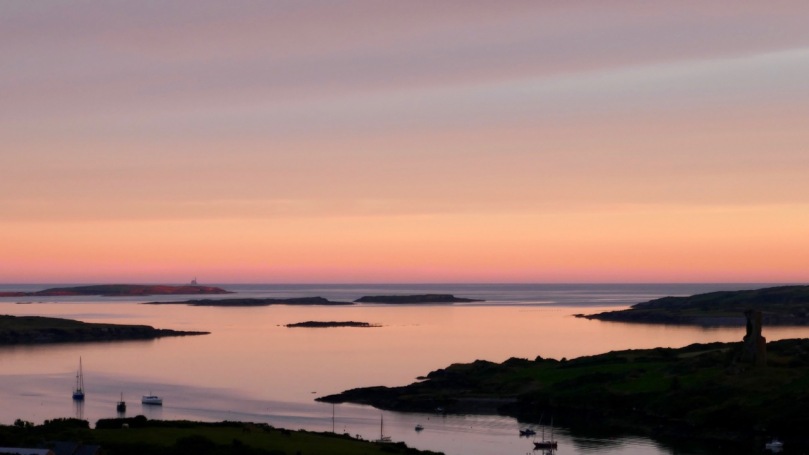
Bluebell Time in West Cork

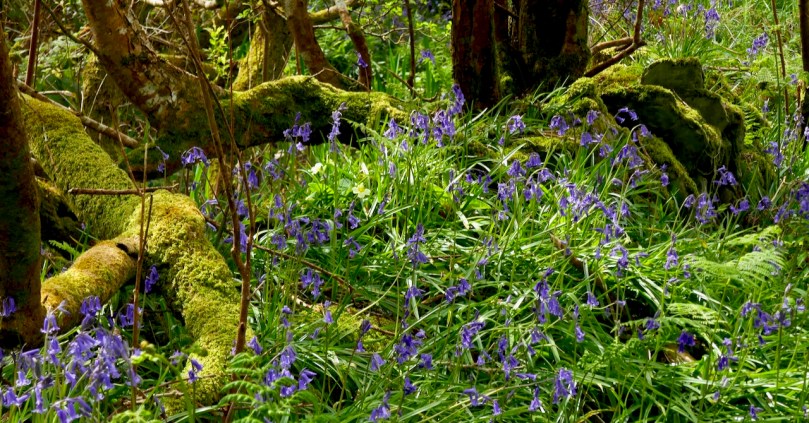
What is it about a bluebell wood that re-charges the batteries and lifts the heart? Perhaps it’s that amazing blue carpet that stops us in our tracks: it’s so unlike anything else in our natural world.
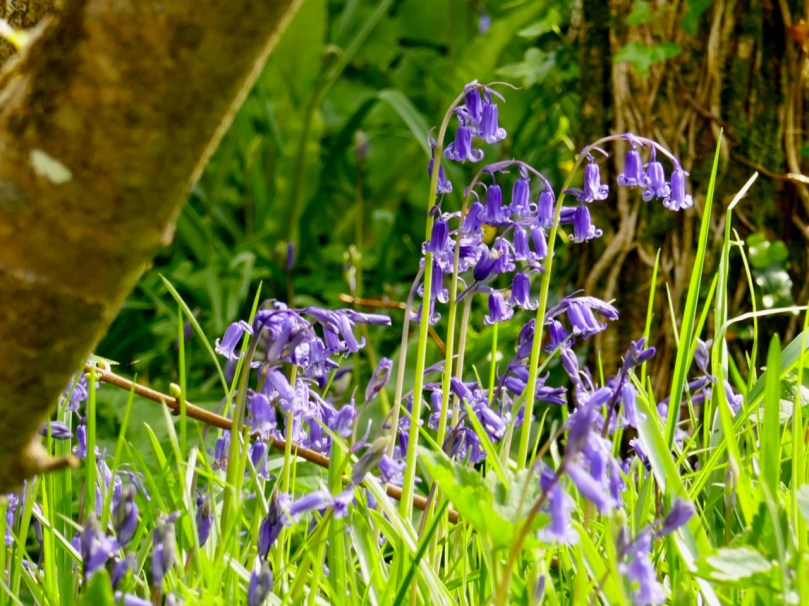
Or maybe it’s the fact that it lasts only a little while that makes it special. Like Easter eggs or Christmas carols, we would get tired of them if they were always with us – it’s their brief seasonality that makes us look forward to them (OK, maybe the Christmas carols don’t appeal to everyone in the same way).

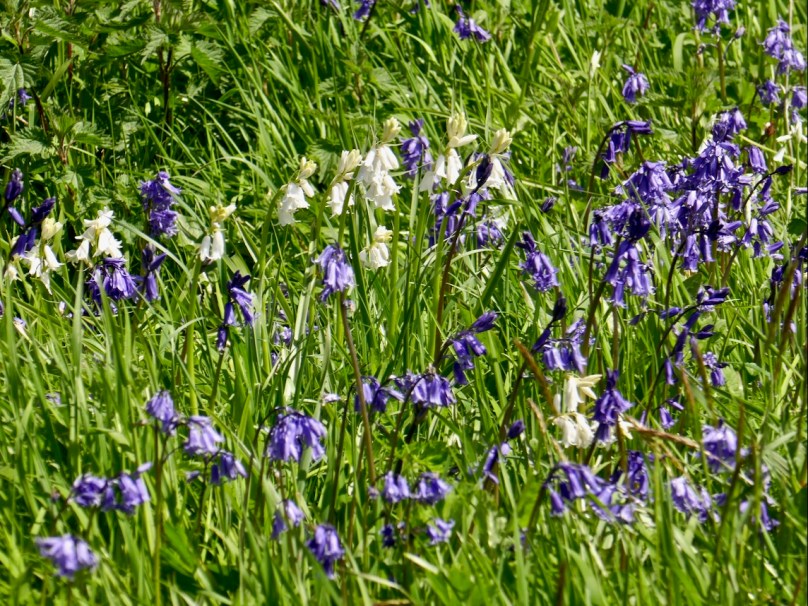
Lower: Bluebells and Three-cornered Garlic

Even when it’s bluebell time, as it is right now, it’s not always easy to find a bluebell wood, because we don’t have expansive deciduous forest cover here in West Cork. I love the bluebells that line the boreens in places, growing up the hedgebanks, but it’s not quite the same thing as a woodland carpet.
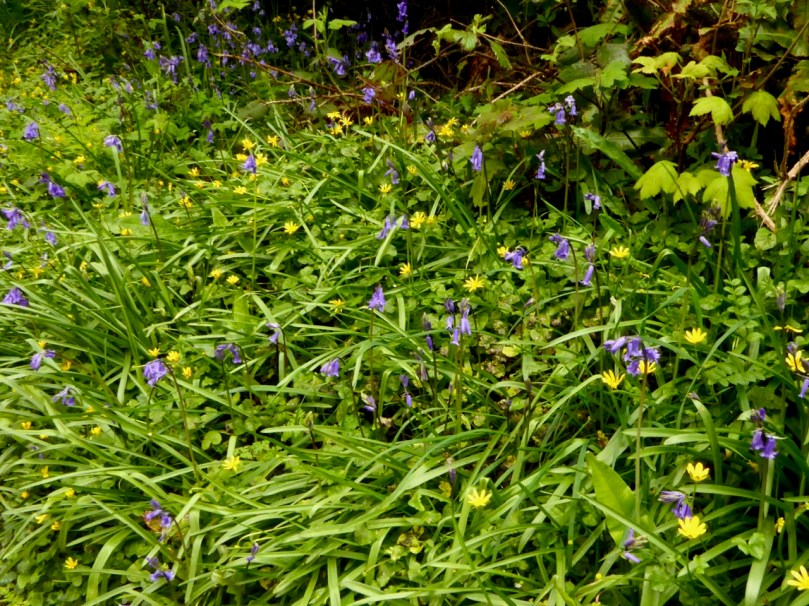
Bluebells and Celandine growing on the bank on one of my favourite boreens

Let’s start with what a bluebell is – I’m talking here about our native bluebells (Bluebell/Hyacinthoides non-scripta. Or in Irish Coinnle corra, pronounced quinn-la curra). As you probably know, the imported Spanish Bluebell is everywhere now, and to add insult to injury has started to hybridise with our native Bluebell.
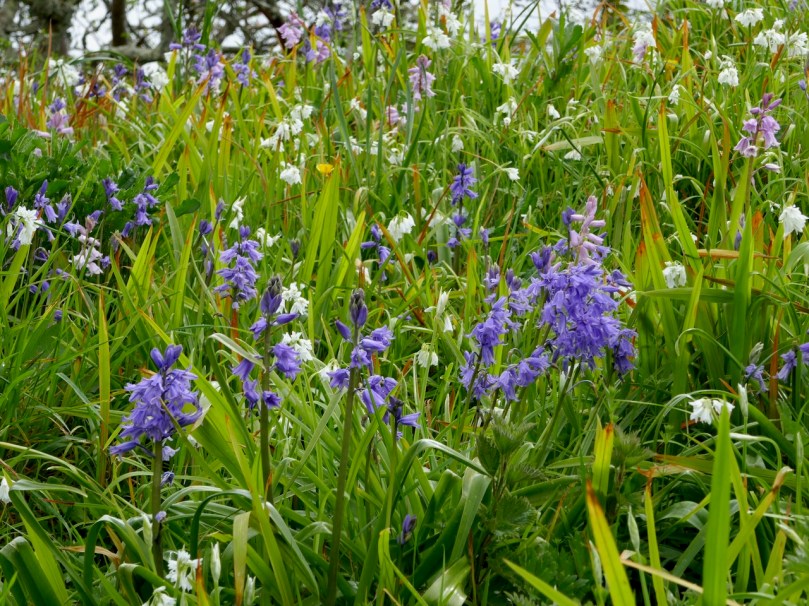
A garden near us has a lovely display of blue and pink Bluebells and Three-corned Garlic – unfortunately these are the non-native Spanish Bluebells, or possibly hybrids

Take a look at this excellent video from the Irish Wildlife Trust for a guide to how to distinguish between them.

Fortunately, we still have lots of native bluebells and I was lucky this week to get permission to stroll in my friend, Nick’s, little wood, and also to take a walk with Robert and Gill up the hill behind Long Strand. For more about what we were after, see Robert’s post on the cross today.

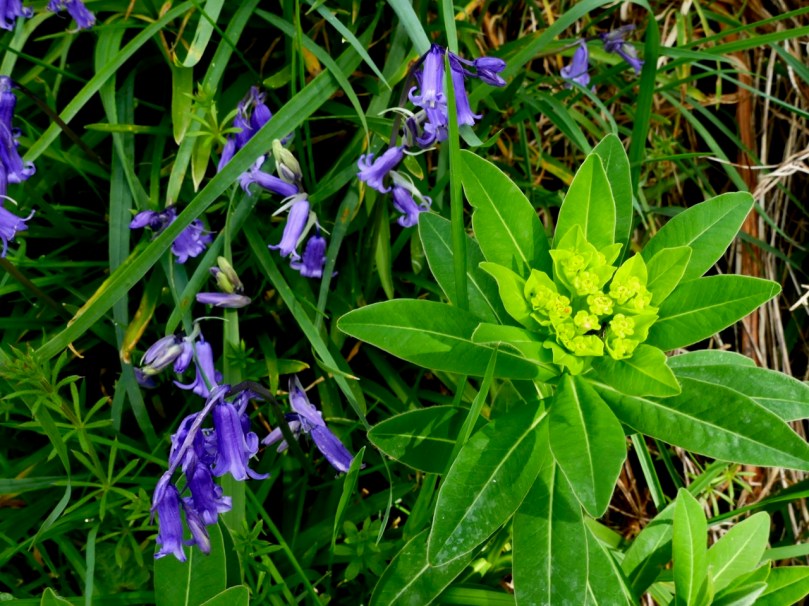
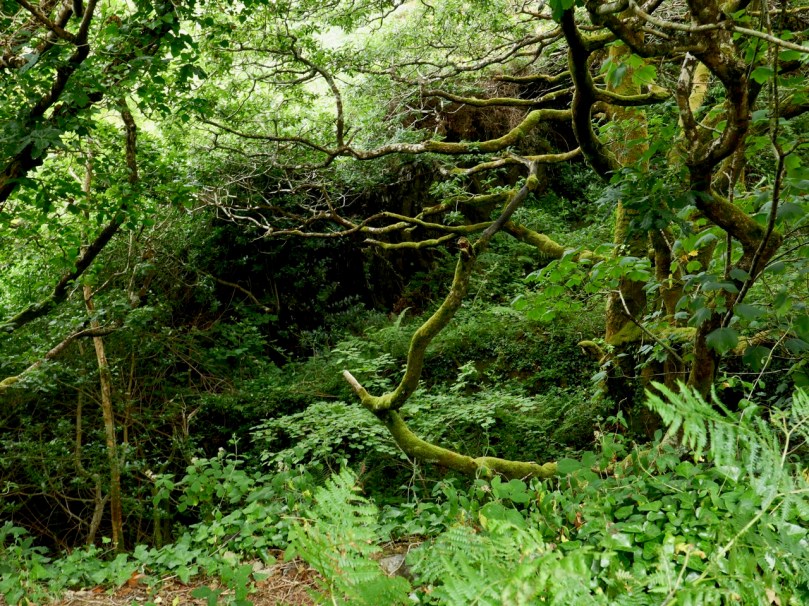
Upper: One of the little bridges over the stream. Lower: Bluebells and Irish Spurge

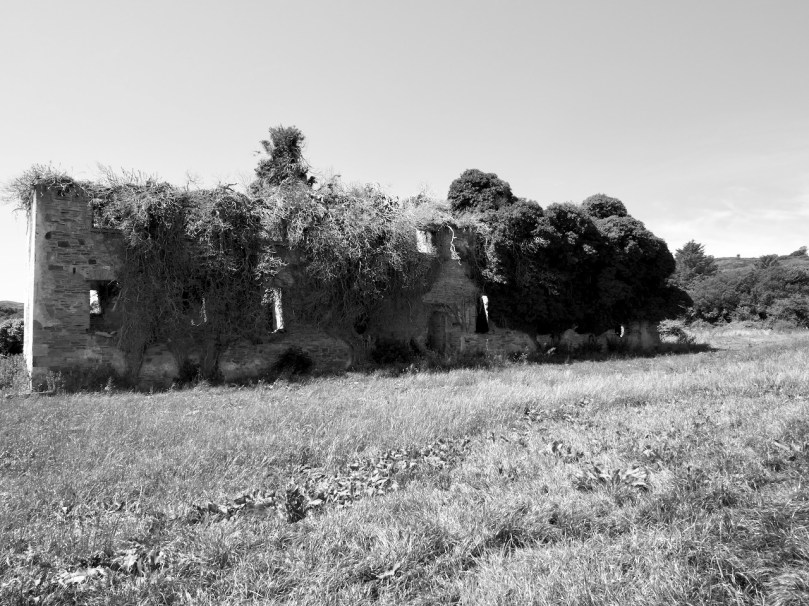
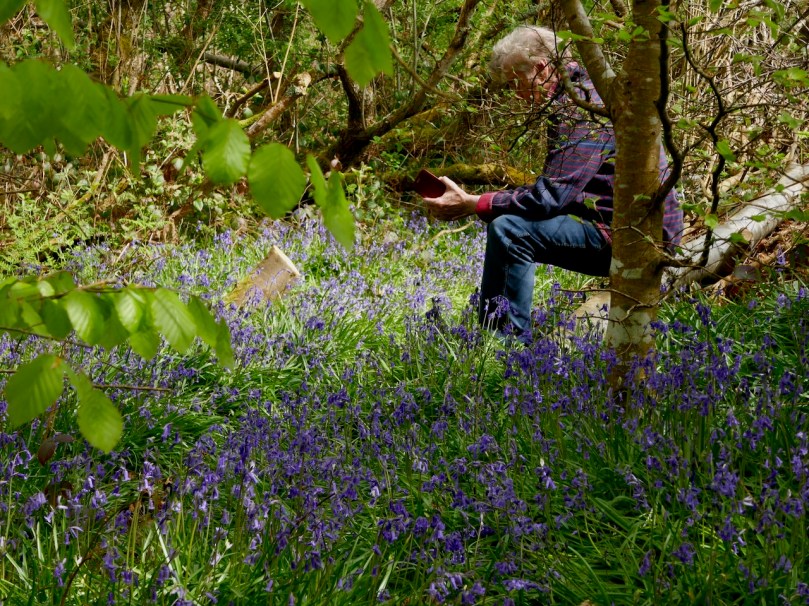
Nick’s little wood is down beside the sea on what was once an old homestead – you pick your way through a heritage orchard to get in there. It felt like an immense privilege to be the only ones there, to wander through the trees and over the tiny bridges.
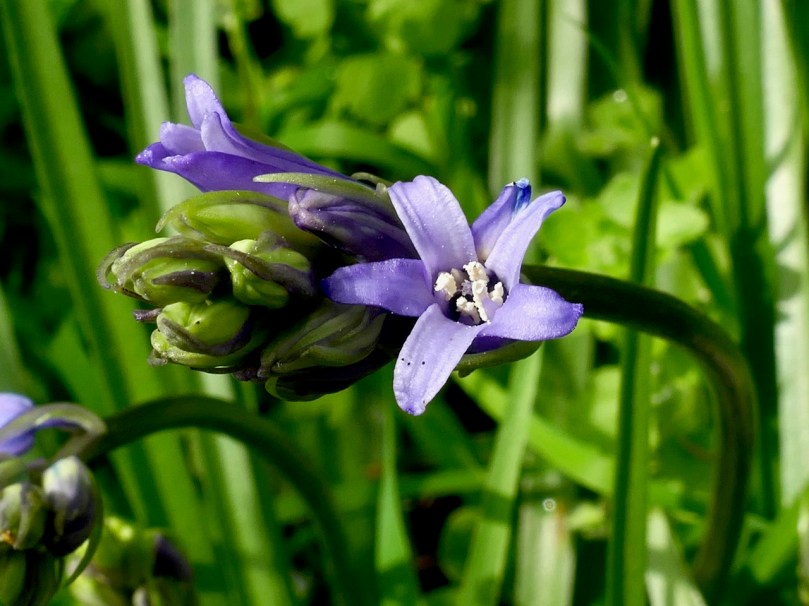
Upper: one of the way to recognise a native Bluebell is to look at the anthers – they’re white or cream-coloured. Lower: a spontaneous white Bluebell in among the blue ones. It happens

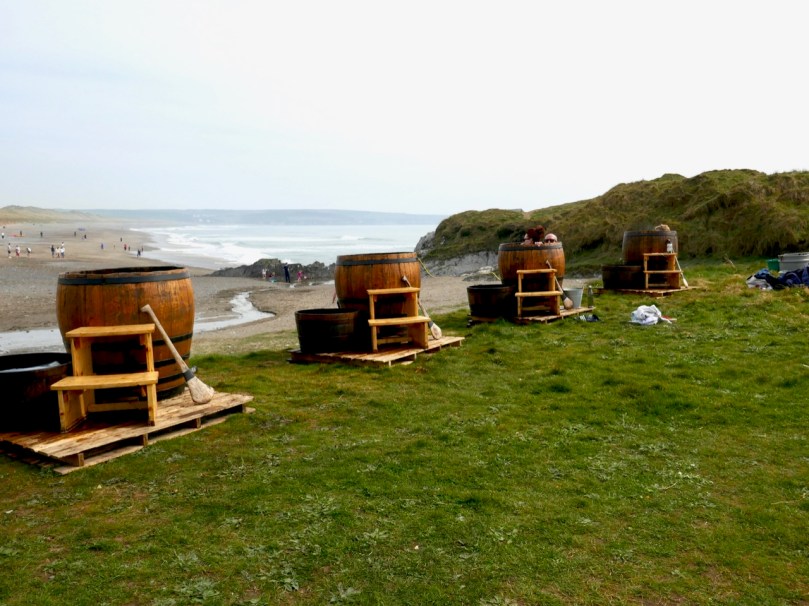
Yesterday, because Robert wanted to see Lady Carbery’s Cross, we walked up Croachna Hill, behind Long Strand, near Rosscarbery. The strand was heaving with swimmers, surfers and loungers, the coffee truck and restaurant were packed and the guy who does the Wild Atlantic Seaweed Baths was out – it all looked so festive and summery.
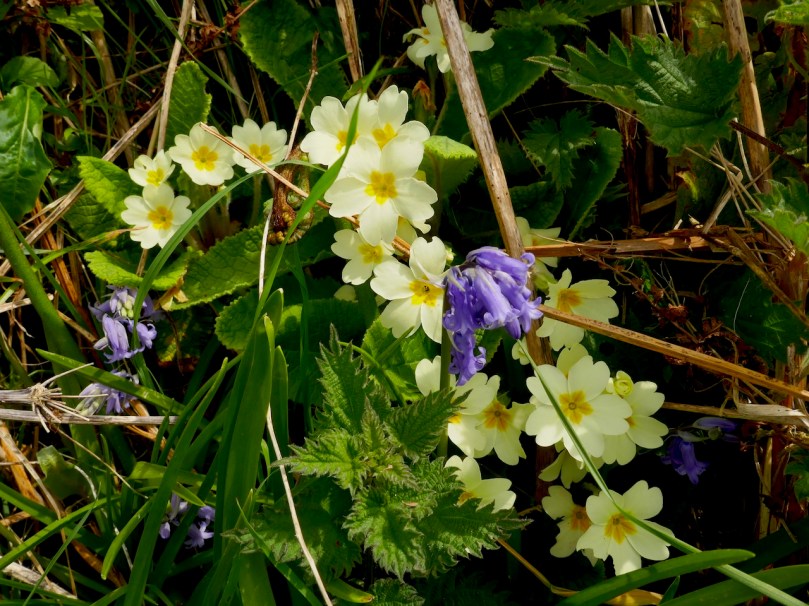
Primroses and Bluebells

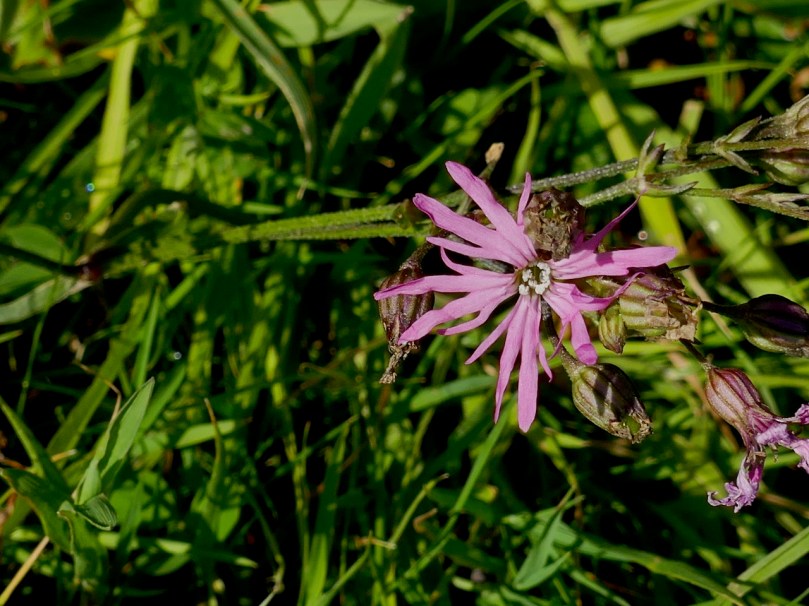
The walk up the hill was awash with wild flowers, besides the ones I’ve illustrated here we saw Common Dog-violet, my first Ragged-Robin of the season, Yellow Pimpernel, Ribwort Plantain, Navelwort, Ground-ivy and Herb-Robert.
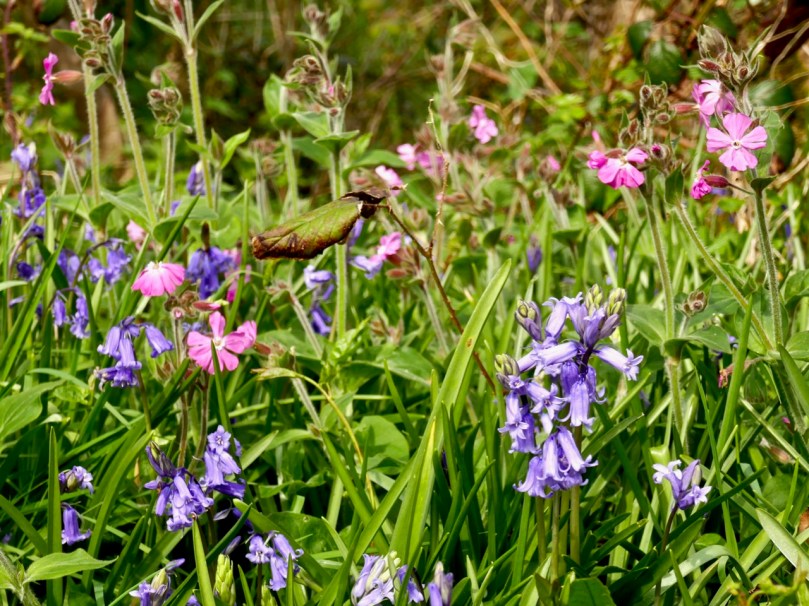
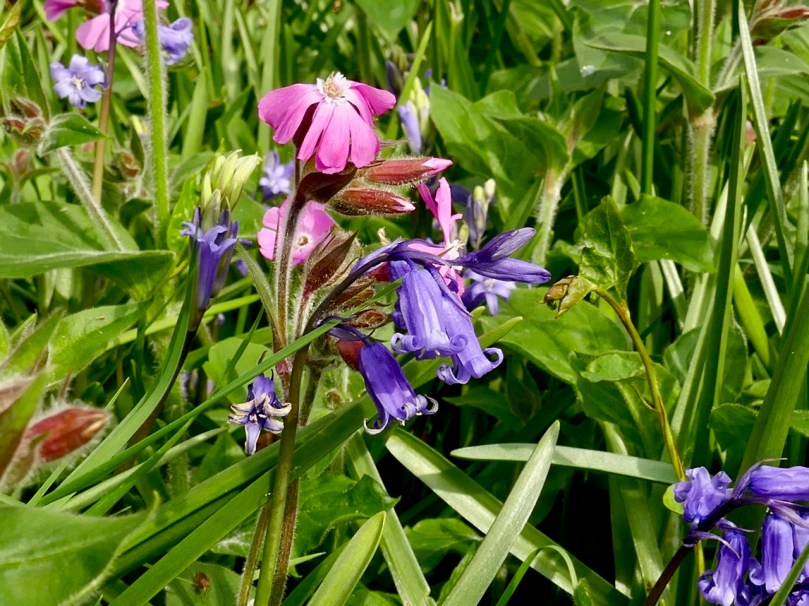
I’d never seen that combination of Bluebell and Red-campion before (above). It’s pretty spectacular, and a reminder that colours in nature always harmonise. Together with the yellow of Celandine and Buttercup, and the lovely woodsy smells, it was a sensuous experience.
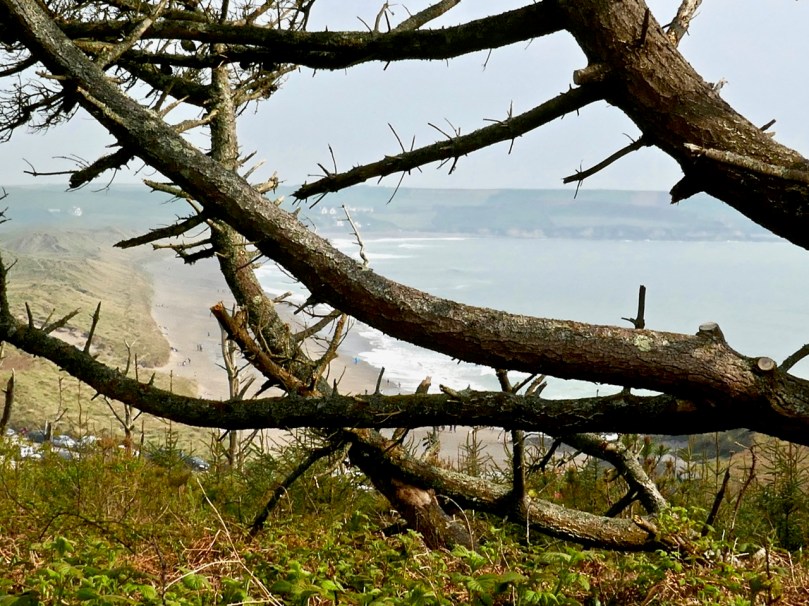
Upper: Looking back to Long Strand from Croachna Hill. Lower:  Bluebells, Celandine, Buttercup, and a lone Red Campion

Where are your favourite bluebell haunts, dear readers?
 

Favourite Posts of 2018

At this end of the year we reflect with a critical eye on all our 2018 posts – there have been 102 of them – and select just a few which we think stand out in some way. A link is provided for each one, in case you want to have another look yourselves.

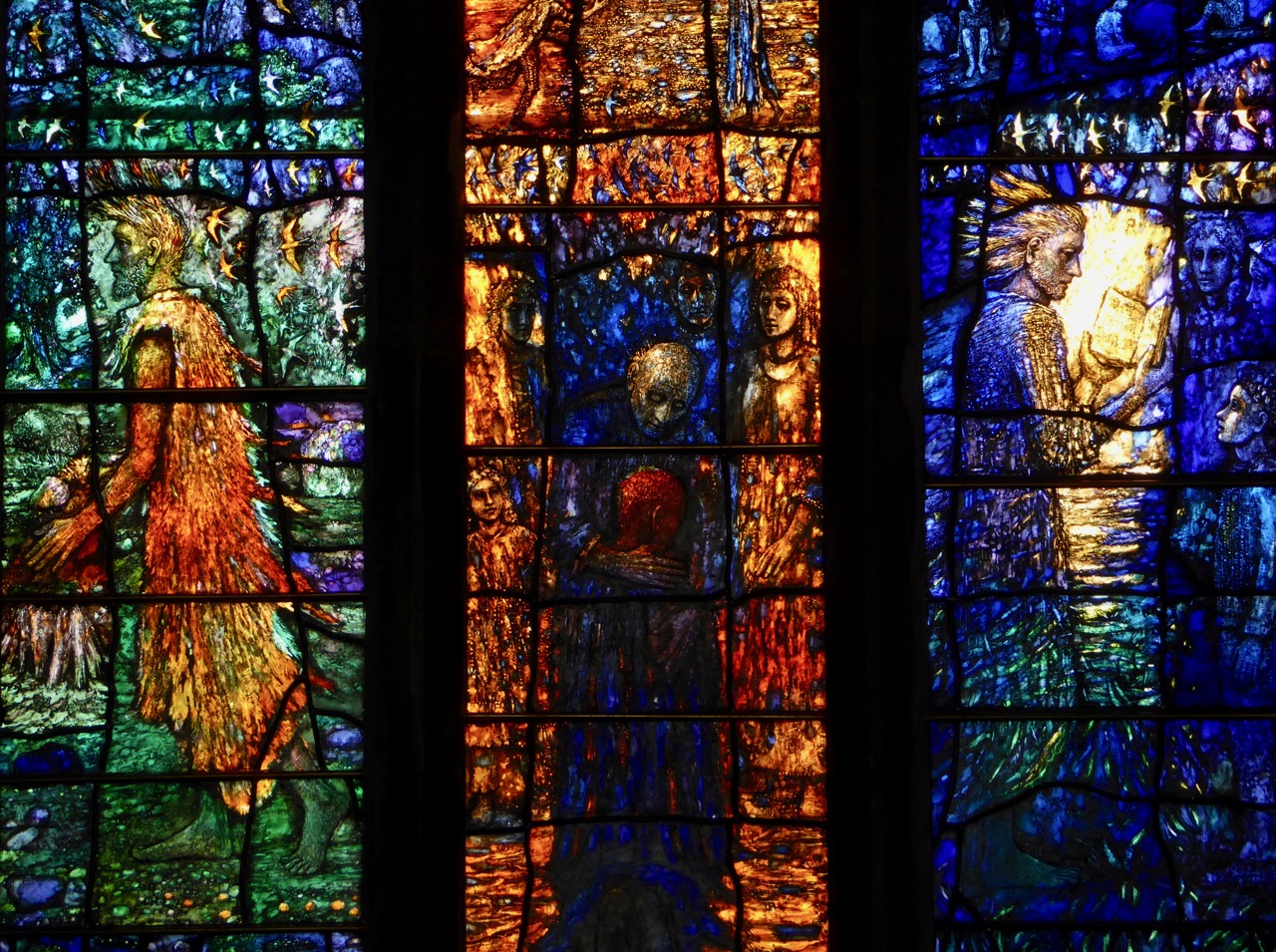
Firstly – not just one of our favourites, but the all-time most popular post we have ever published – Ireland’s Newest Stained Glass Window. Finola wrote this in January, and then went on to put together an article in the Irish Arts Review on the same subject later in the year. The window is in St John’s Church in Tralee, a Catholic church, but the project was a joint venture between the Catholic and Anglican congregations. It tells a story of reconciliation, from many angles. The window was designed and made by Tom Denny, one of Britain’s most eminent and respected stained glass artists. Tom is a direct descendant of Sir Edward Denny (1547 to 1599) who was one of the architects and enforcers of the Plantation of Munster. It’s a complex history, and this post is well worth a careful read.

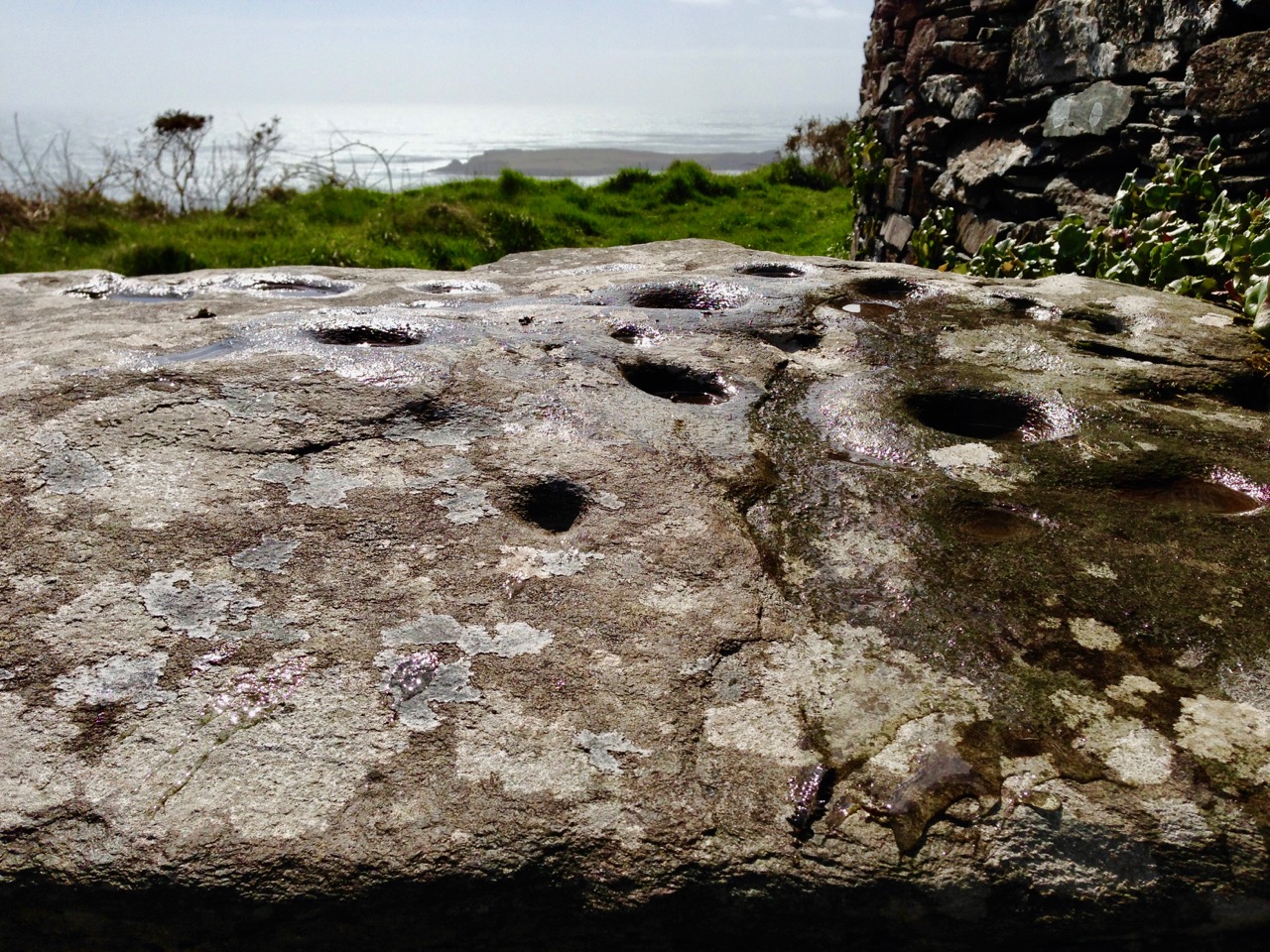
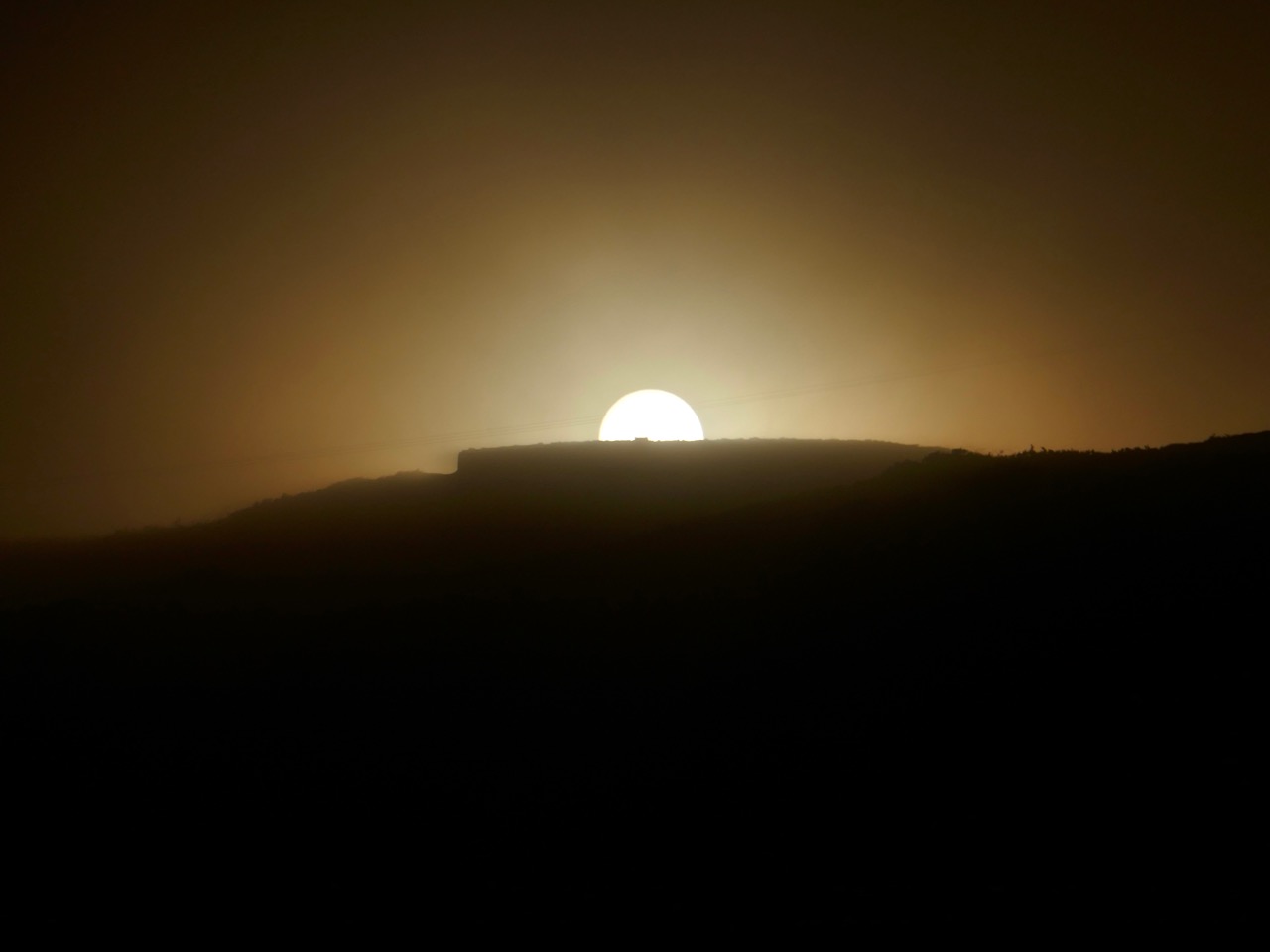
Another post which proved popular was Robert’s detailed account of an archaeological site in West Cork: Knockdrum Stone Fort. This place has everything – a substantial stone structure which probably dates from the first millennium AD; prehistoric Rock Art (one of our favourite subjects – the Knockdrum example is pictured above), likely to be around 5,000 years old; fabulous views (choose a clear day) – and a solar alignment discovered in 1930 by Vice Admiral Henry Boyle Somerville, the younger brother of writer and artist Edith Somerville. In a complementary post, Finola reported on Boyle’s life and tragic death – and gave us insights into the science of archaeoastronomy, expanding on this in a Bealtaine post, following our own experience of Boyle’s discovered alignment at Knockdrum (the sun setting exactly over the fort is pictured below).

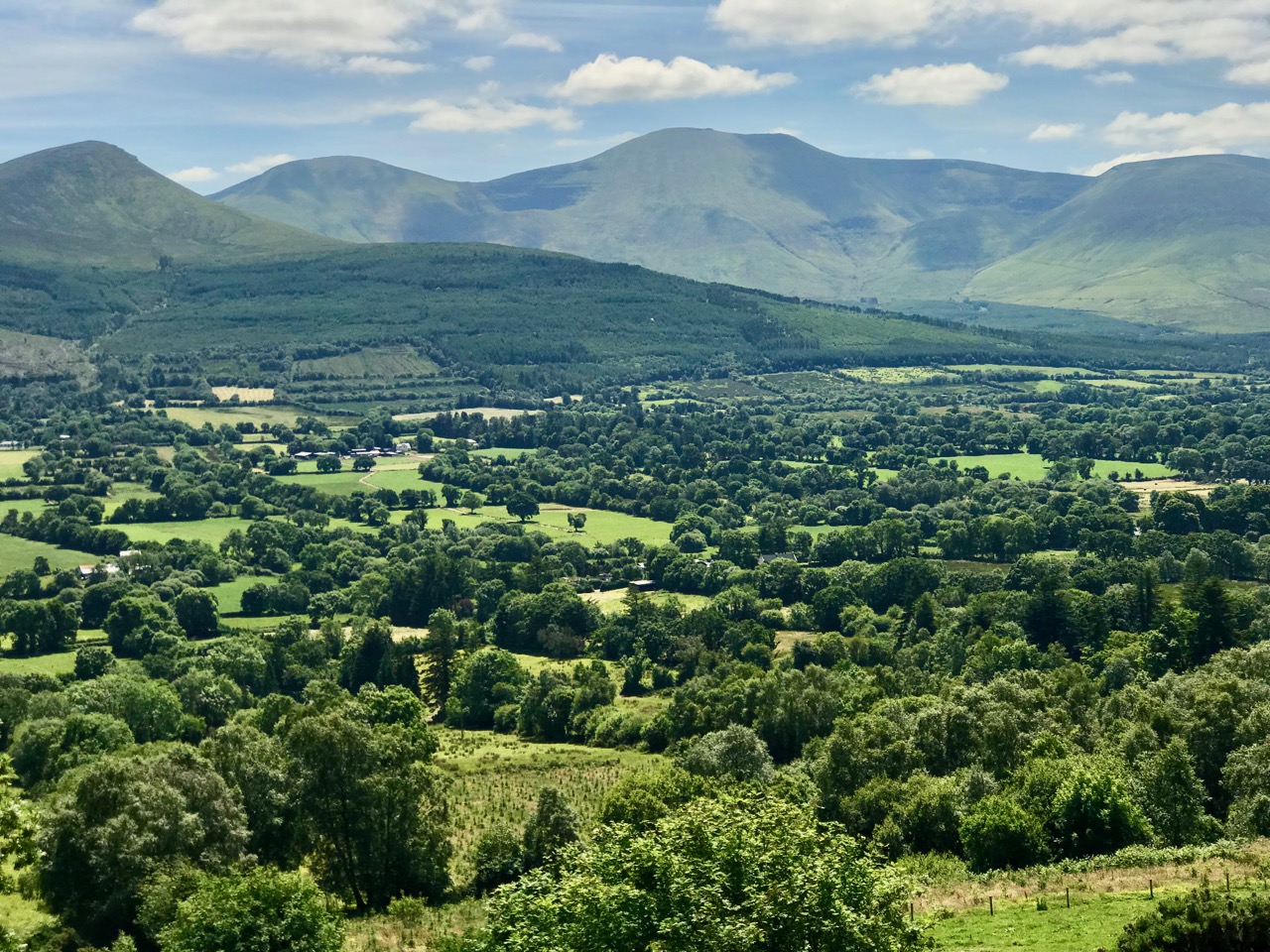
Way back in 2017 we started a series of occasional posts bearing the title . . . Off the M8 . . . We do a lot of travelling throughout Ireland (because it’s such a beautiful and historically rich country) and cover the ground between Cork and Dublin quite frequently. The M8 motorway has made this journey quite straightforward, but it has also provided the jumping off point for many an exploration to enhance the journey. One of my own favourite discovered places this year is the magical Glen of Aherlow (pictured above). We thank our good friends and travelling companions Amanda and Peter – she of Holy Wells of Cork and he of Hikelines  – for pointing us to this entrancing valley located between Slievenamuck and the Galtee Mountains in the western part of County Tipperary. We discovered there secret places and stories relating to obscure Irish Saints: have a look at the haunts of St Berrahert and St Péacáin in these posts from Robert.

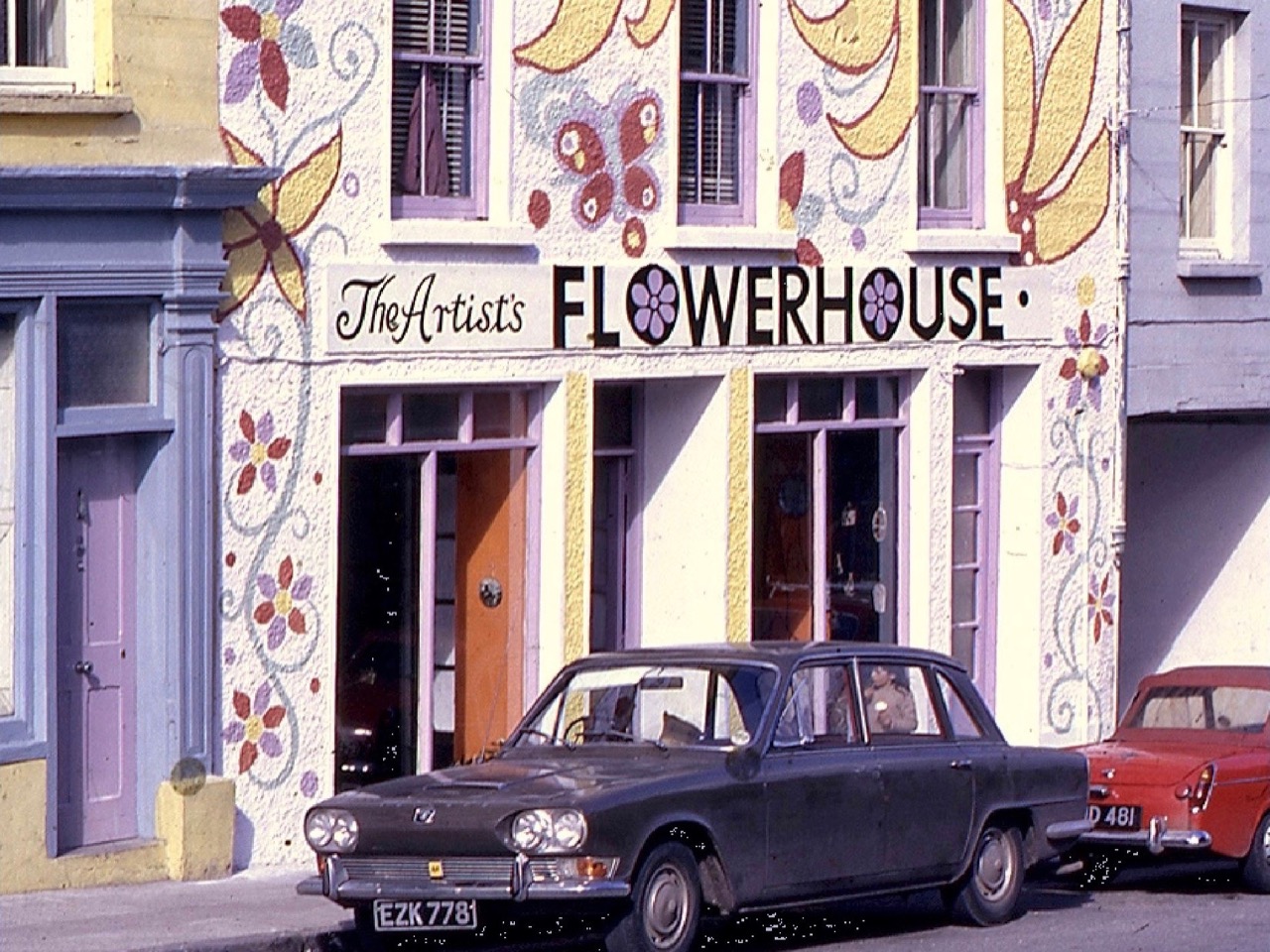
When I moved from Cornwall to West Cork some years ago I was delighted to find out that our lively adopted village of Ballydehob had a great artistic heritage during the second half of the twentieth century, to rival that of Britain’s westernmost county. West Cork became a cosmopolitan centre for artists, writers, craftspeople and musicians, renowned in its day but never properly celebrated – until this year. I was one of a small group locally who decide to rectify this by establishing the Ballydehob Arts Museum (BAM): our first exhibition . . . Bohemians in Ballydehob . . . using donated artworks, ceramics, storyboards and posters, was staged in Ballydehob’s community building, Bank House, and – presided over by Curator Brian Lalor (one of the surviving Bohemians!) – was the first incarnation of the new Museum, which will be followed up by new exhibitions every year. The picture above (courtesy of Andrew Street) from my post, shows the Flower House which, during the 1960s and 70s, became an iconic focus for the town’s artistic colony.

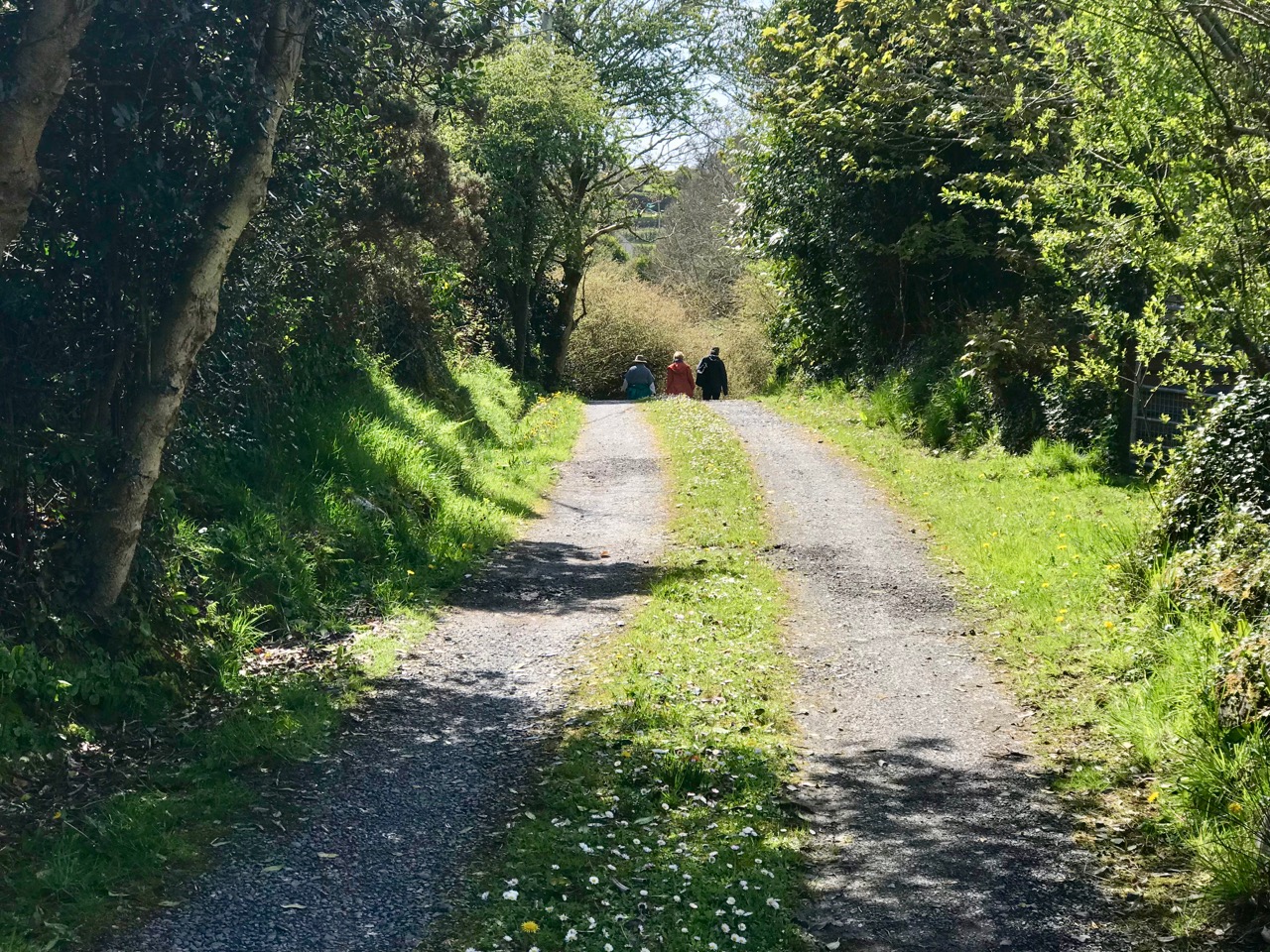
It was a grand summer altogether, and we were out walking the roads and footpaths of West Cork as much as possible. On a fine day in May we set off to explore the Toormore Loop which is only one of an excellent comprehensive system of trails which has been put in place locally in recent years. This post – Another Grand Day Out on the Fastnet Trails – documents that adventure and, hopefully, will encourage all of you to enjoy this wonderful free resource and immerse yourselves in the nature that’s all around us.

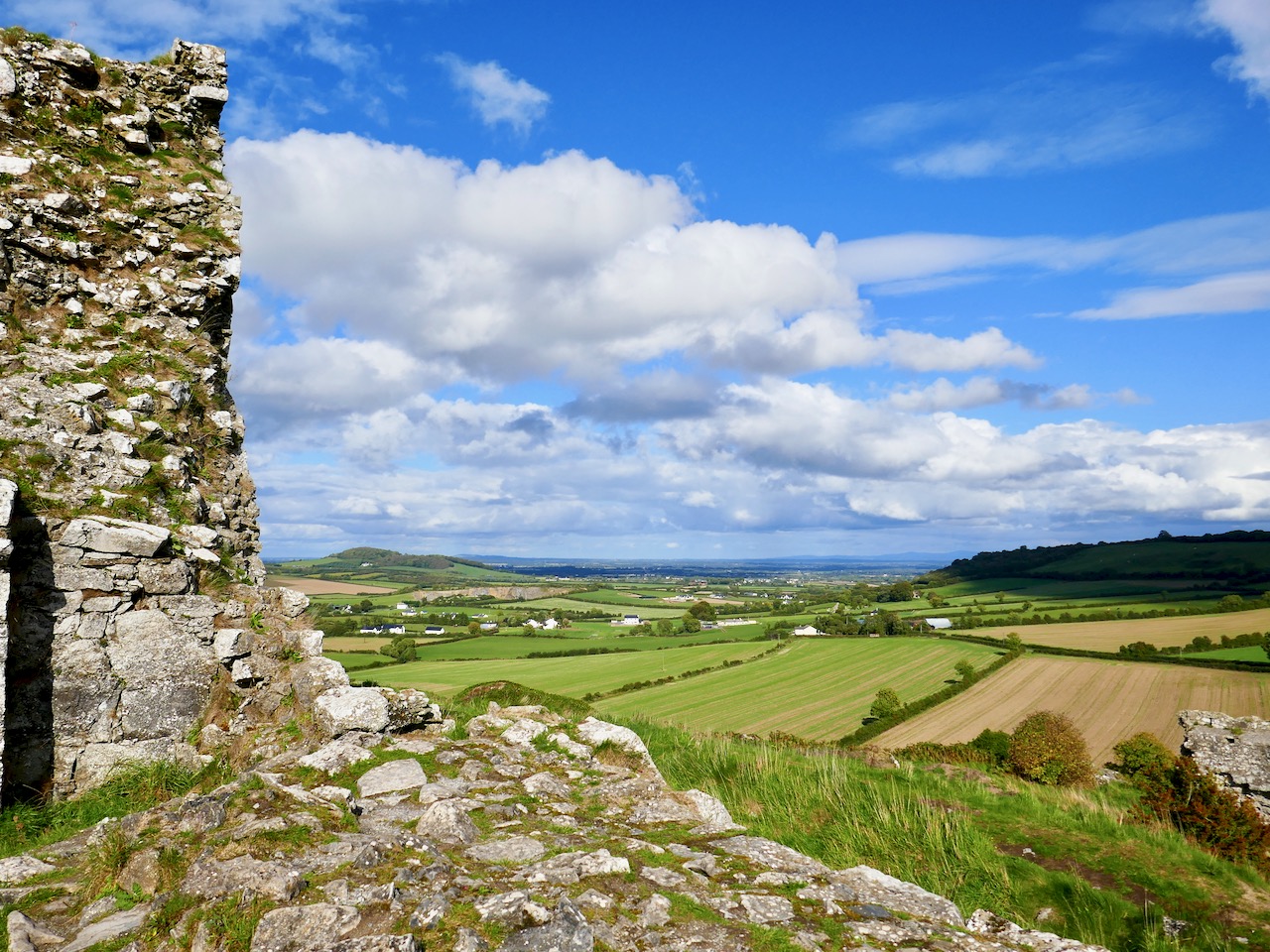
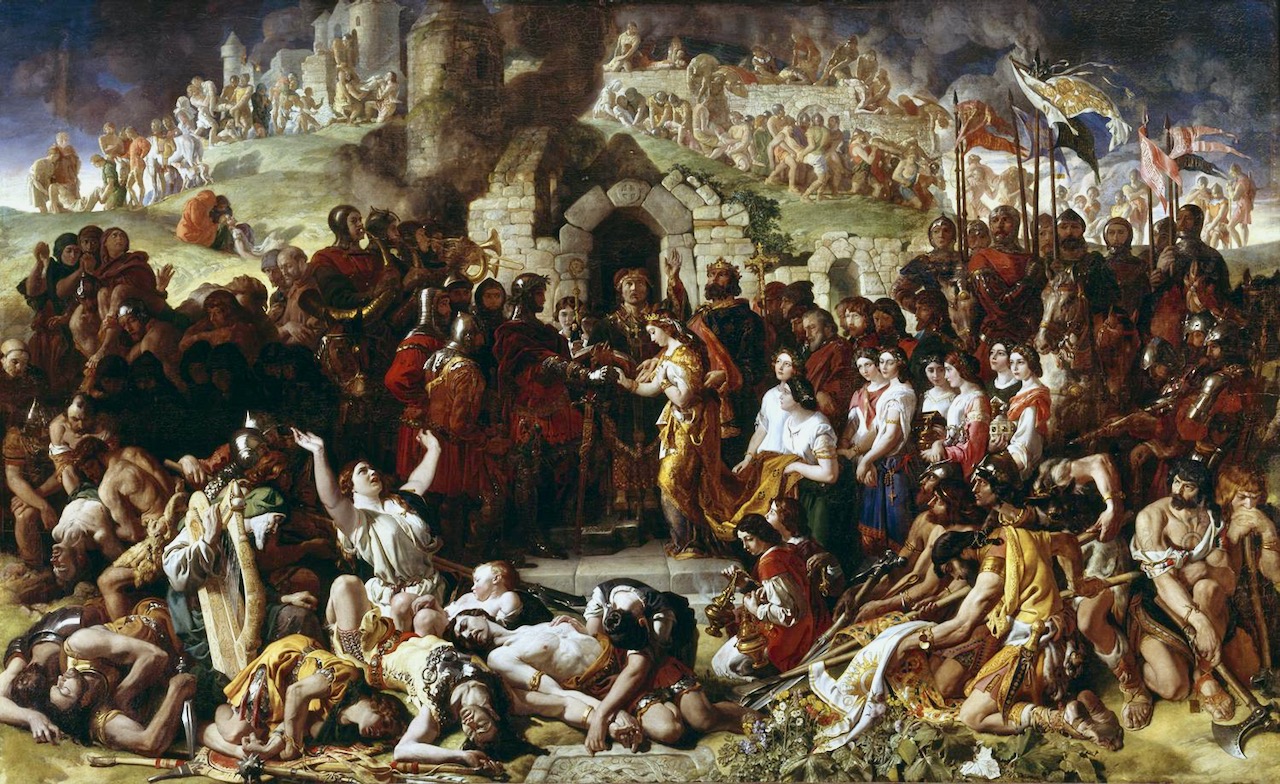
The second most viewed post this year was Finola’s fascinating account of the Rock of Dunamase and the history that it embodies. It’s a place that, for some reason, took us a few years to get to – and it’s Off the M8! But – as you can see from the picture above – climbing the Rock will give you a most rewarding and spectacular view across several counties. The ruin on its summit is inextricably associated with the most turbulent events in Irish History – the coming of the Normans to Ireland in 1169, and the famous marriage of Aiofe (daughter of Diarmuid MacMurrough, King of Leinster) to the Earl of Pembroke, immortalised in the painting by Daniel Maclise (below, courtesy of National Gallery of Ireland). The fortification with its Great Hall on the Rock was a MacMurrough stronghold, and accordingly was part of Aoife’s dowry when she married Strongbow.

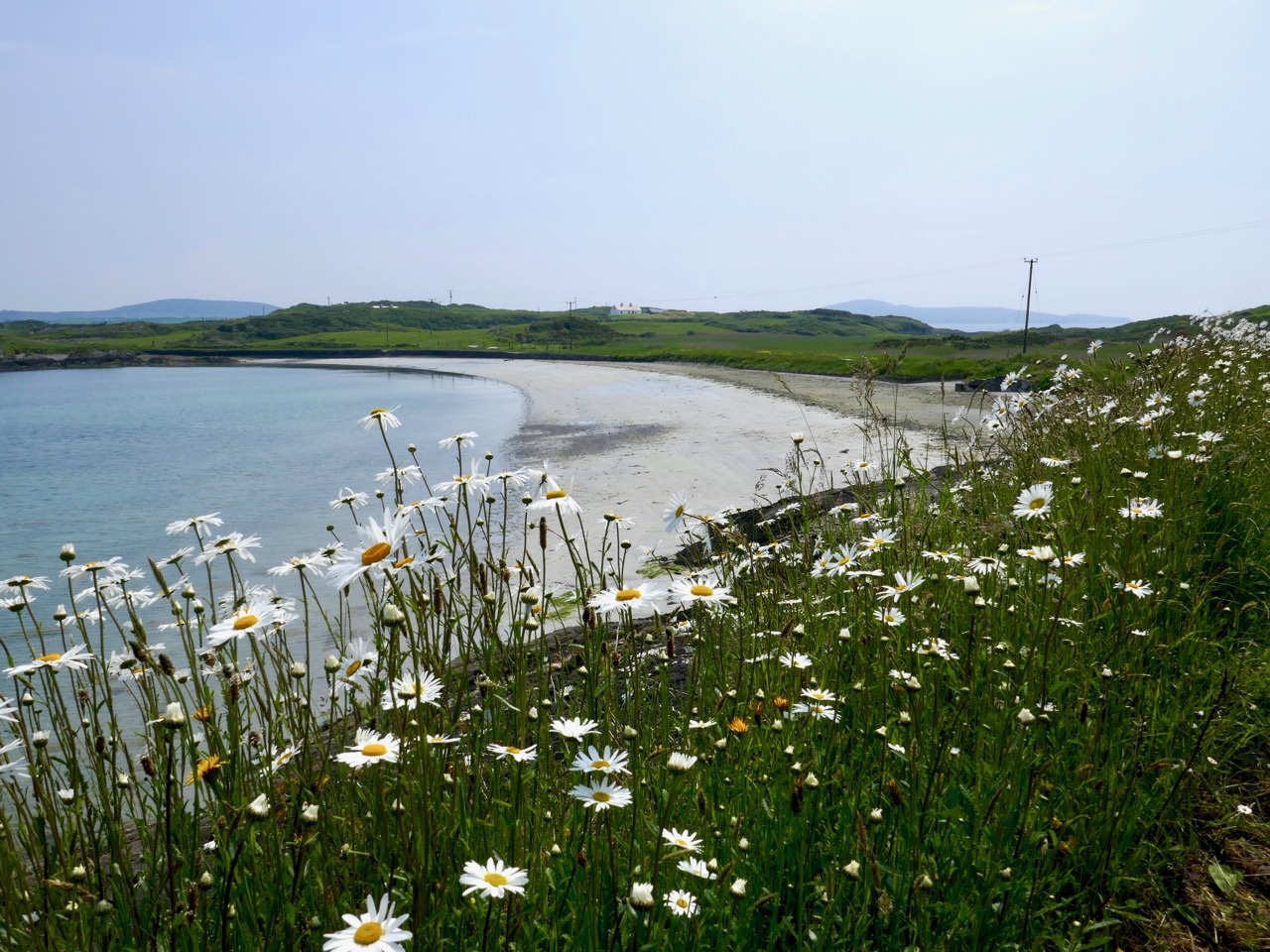
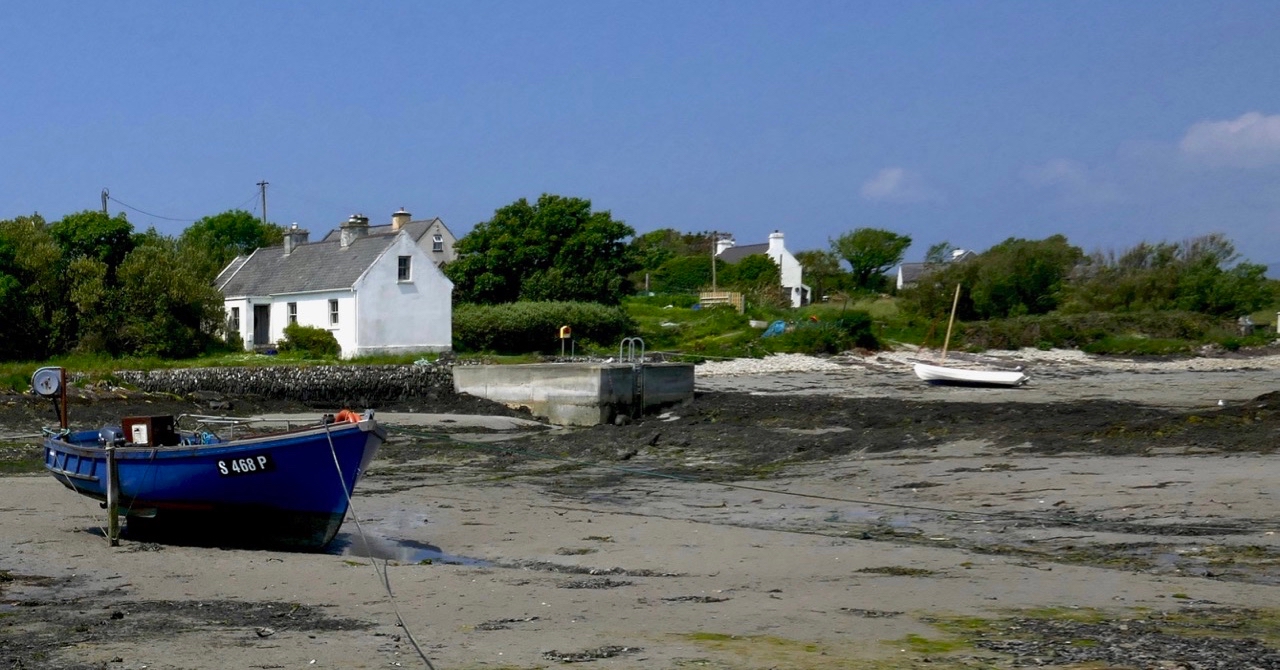
Finally (for today, anyway) we look at Finola’s post which comprehensively explores another West Cork treasure: Heir Island – a Modern Paradise (pictured above and below). West Cork has such a diverse landscape, including the inhabited islands of Roaringwater Bay, each one of which is unique. Finola teamed up with her photographer friend Trish Punch and they were shown around the island by islanders Christine Thery and Sarah Mathews, who run the Heir Island Wildlife Project. This post is a great example of how the diversity of life on the island – and here in West Cork generally – brings together so many disciplines and interests: photography, history, wildflowers, wildlife, colourful houses, and art. Everything that Roaringwater Journal tries to encompass, in fact.

Fierce Mild

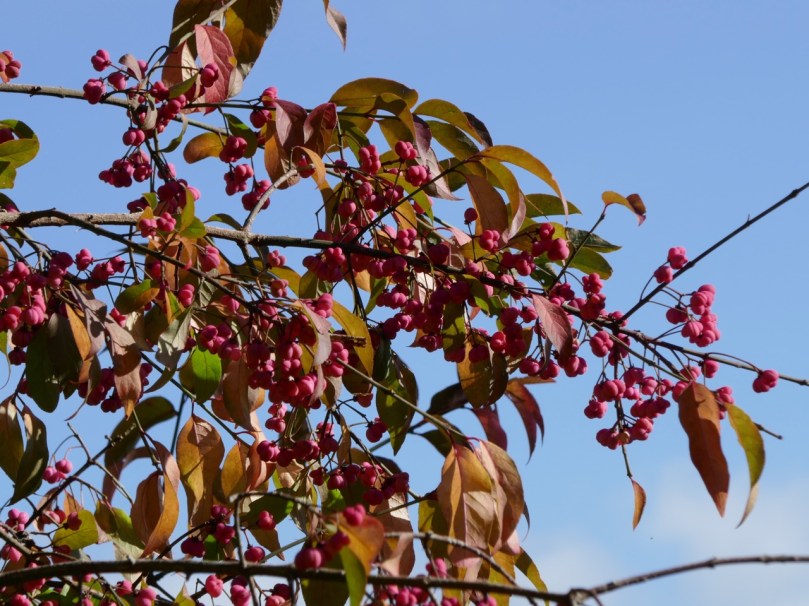
“Fierce mild” my neighbour said when commenting about the weather. While this is an Irish-ism that simply means very mild, it struck me as particularly apt, in that this mildness, while very welcome to us humans in the autumn, can have a fierce effect on our native flora and fauna.

The Spindle Tree comes into its own in October

It’s true that up now we have had a wonderful long, mild autumn. Warm sunny days, perfect for long walks looking for wildflowers, have lured us outdoors and convinced us that this will last forever.

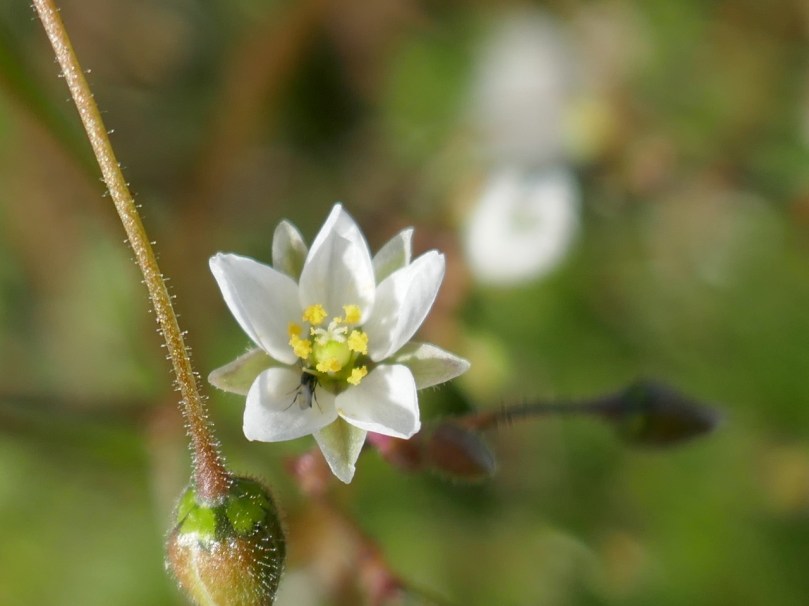
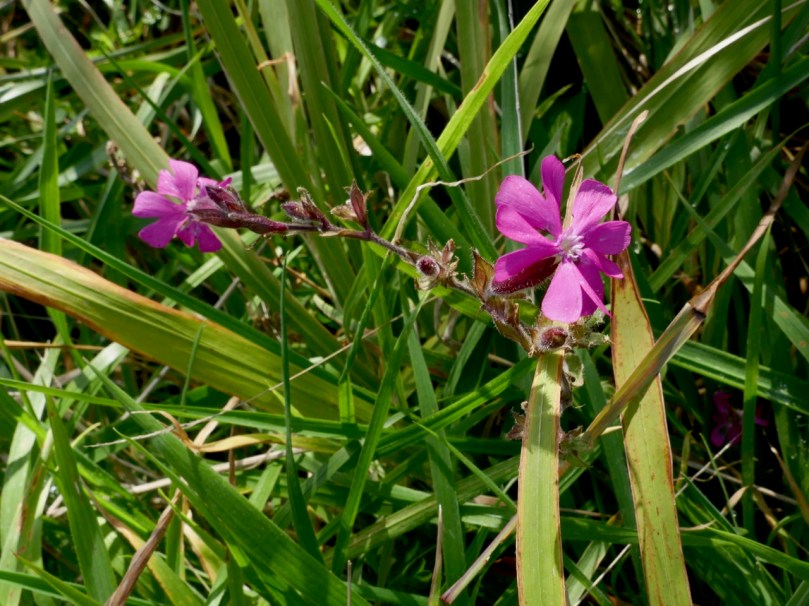
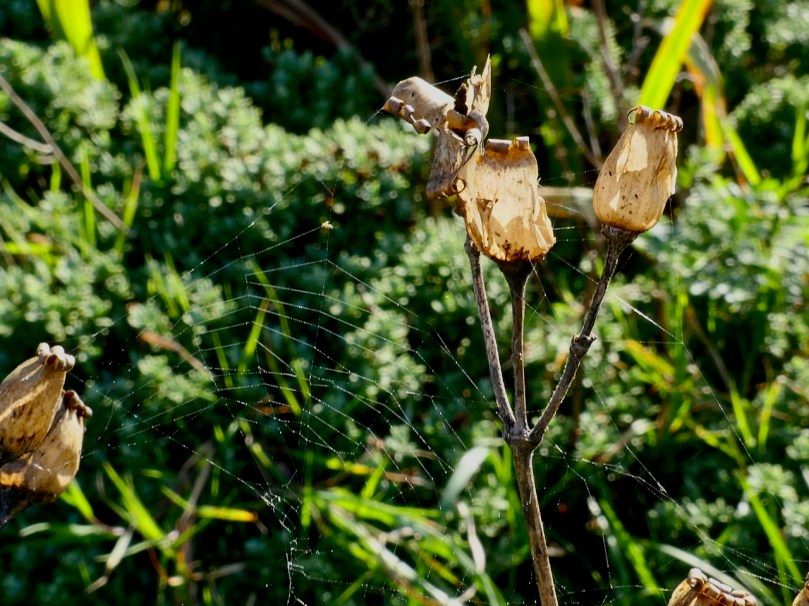
From the top: Corn Spurrey, generally finishes blooming in September; Red Campion – by now we expect to see the empty seed pods, but along with them there are a few flower heads still blooming

And the wildflowers are certainly hanging in. I’ve seen lots that would normally be over by now, but who find a sheltered spot and bloom merrily away for our enjoyment. It’s been lovely, and I can’t help wishing it would last well into November. But the truth is that an unusually mild winter is not good for our plants.

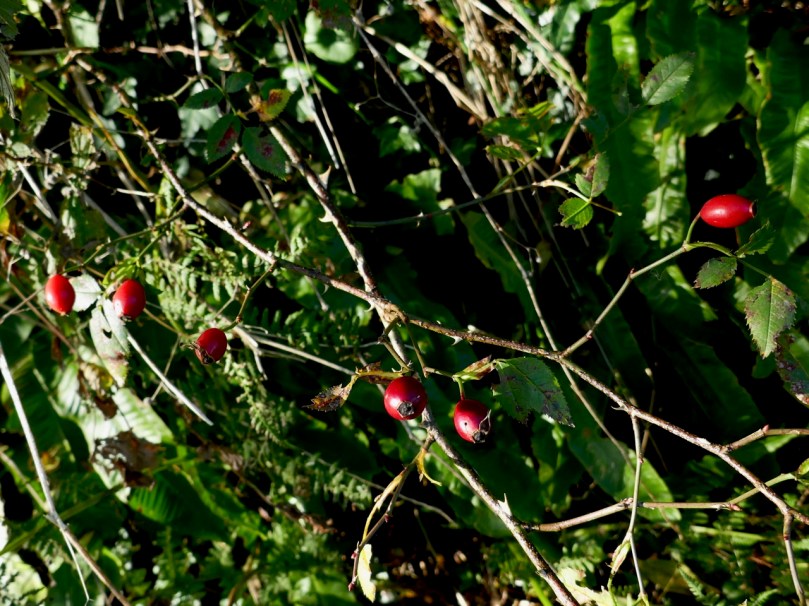
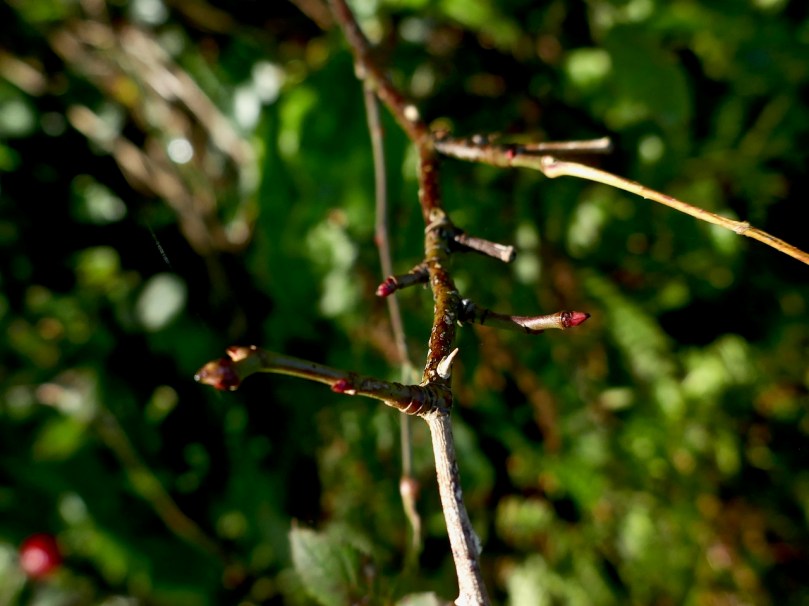
Rose hips – seasonally correct; but look at the branches, are they starting to bud?
The factors that cause winters to be milder than usual are many and complex. Forecasters appear to be conflicted as to whether Ireland can look forward to winters in the coming decades that are shorter and milder than average or longer and colder. Both scenarios pose problems for plants and insects and therefore for those of us who depend on the health of our pollinators. And that, actually, is all of us.

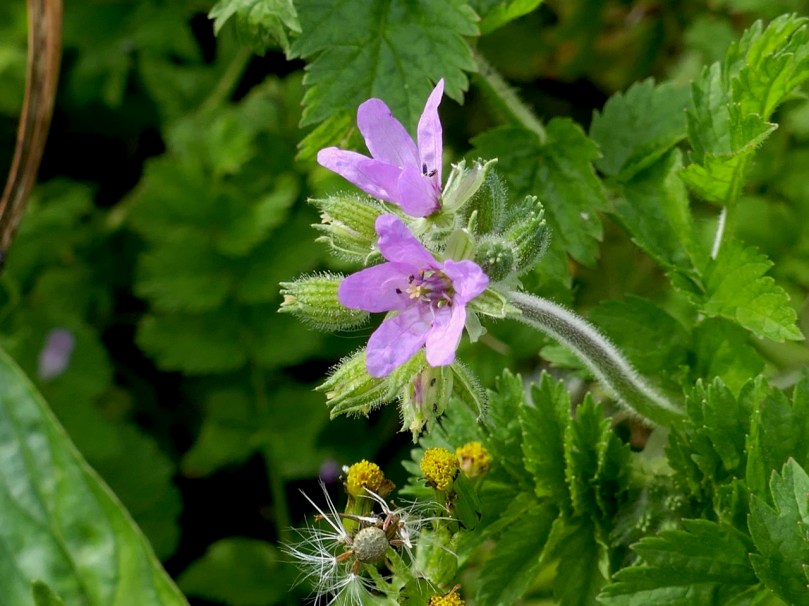
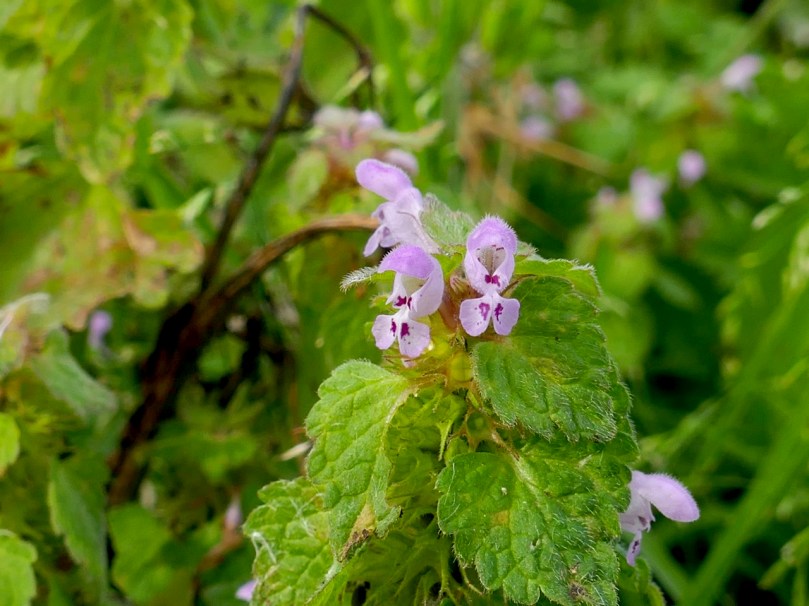
Found on the same south-facing slope; Top: Musk Stork’s-bill – it should have finished flowering in July, but it’s found a sunny spot and is still blooming; Bottom: Red Dead-nettle can bloom well into November 

While it’s impossible to extrapolate from recent weather experiences to talk about long-term trends, a mild autumn can show us what can happen when temperatures vary from the norm. We already know that our springs have come sooner than they used to fifty years ago (two to three weeks earlier!) but we have also seen an increase in average temperatures in the autumn, which can lead to prolonged spells of mild and sunny days, such as we are experiencing at the moment.

Ragged Robin is a spring/summer flower and it’s a little worrying to see it blooming this late

Mild temperatures in the autumn can trick flowers into thinking that it’s spring, and time to wake up and grow. Trouble is, there’s bound to be a cold snap sooner or later and the fragile bloom will freeze and it won’t bloom again when true spring arrives.

This Long-headed Poppy and Common Ramping-fumitory are blooming late, especially the Poppy

Our native and naturalised plants have adapted to our ecosystem, including our climate, and any disruption to that has to be, in turn, adapted to. But this takes time – centuries, millennia even – for many organisms: the rate at which our planet is warming may not give them the time they need to make that adaptation.

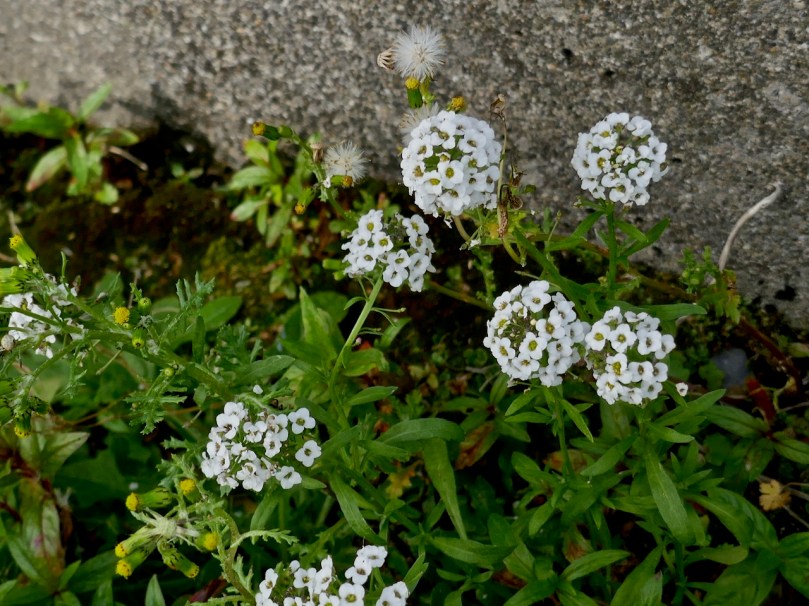
Sweet Alison, rare in West Cork, on the same sunny slope as the Musk Stork’s-bill and the Red Dead-nettle

That’s all a bit doomsday, and I’m never inclined to embrace the most alarmist predictions, but whether related to global warming or not, a mild autumn can a problem for wildflowers. Flowers that appear in late summer and normally bloom into September and early October are still nodding away in the fields and hedges this year, and that’s lovely to see.

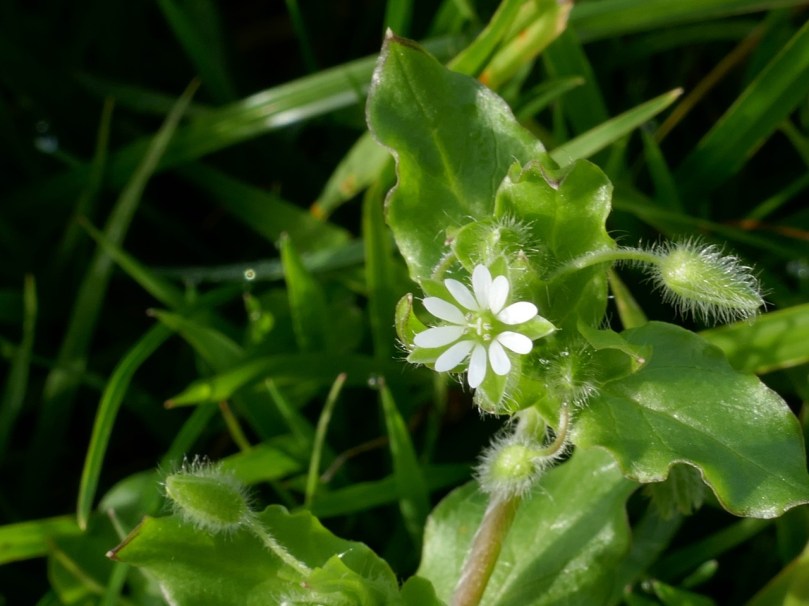
Common Chickweed – this one blooms all year round!

What’s not so great is that I have seen a few spring/early summer flowers too, long after they should be asleep. I can only conclude that they have sensed that it’s time to produce their one and only set of buds and that the first deep frost will probably kill them.

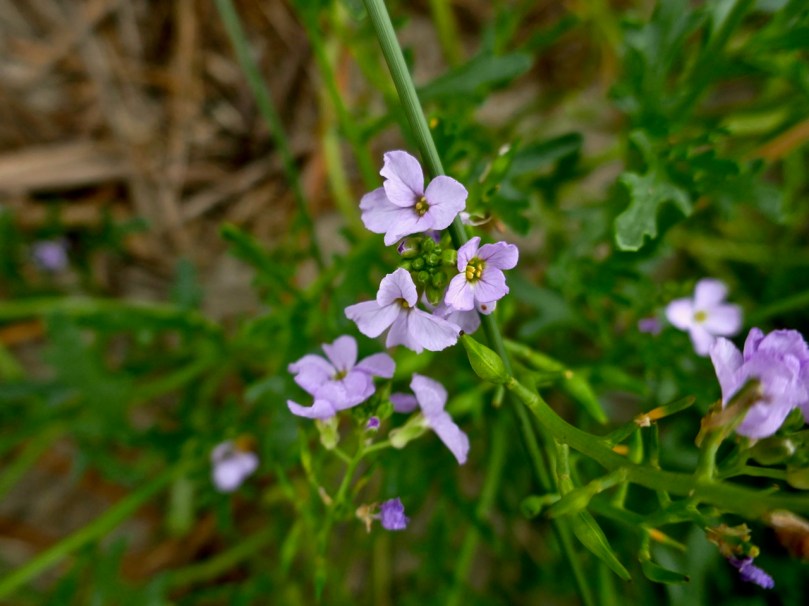
A lovely lilac-coloured variety of Sea Rocket, still in full flower at Barley Cove

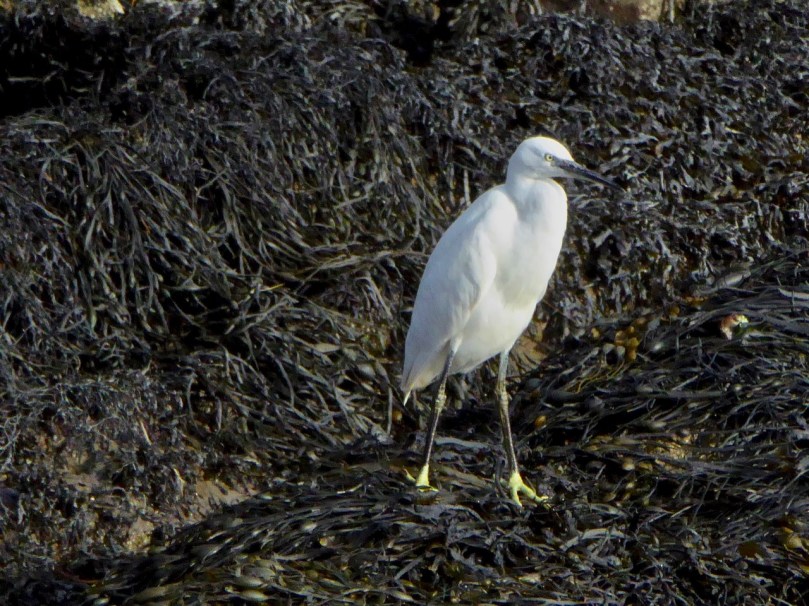
A longer growing season also provides opportunities for insects and fungus that would be kept in check by colder weather to predate on plants. Plants that arrive from warmer climates, whether by accident (hitching a ride on a long-distance freight truck, or hidden in nursery stock) or design (imported for garden use) can start to reproduce once our climate catches up to the conditions they have been bred for. A good example of this is the snowy white egret – it only arrived here 20 years ago!

Little Egret; Russian Vine at Rossbrin Cove, an unwelcome invasive species

A fierce mild autumn is lovely, and we are certainly enjoying getting out and about on our favourite walks and our various explorations. But it’s time to cool down now – for our flowers’ and insects’ sake and ultimately for our own.

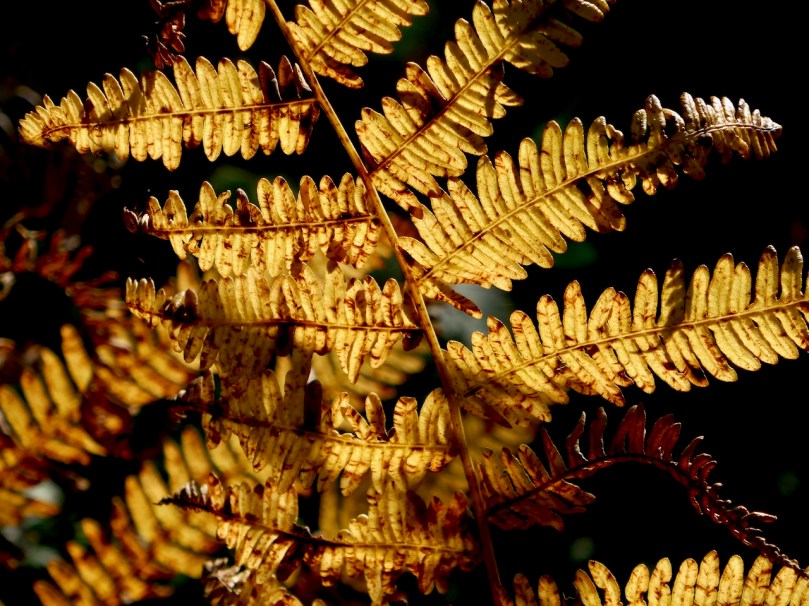
I love the colour that the bracken turns at this time of year

The good news is that a north wind arrived yesterday and suddenly it’s chilly. Good news for the wildflowers, that is. Not so great for us – we will miss those sunny walks!

Beautiful West Cork in October

Mizen Magic 12: Autumn Colour

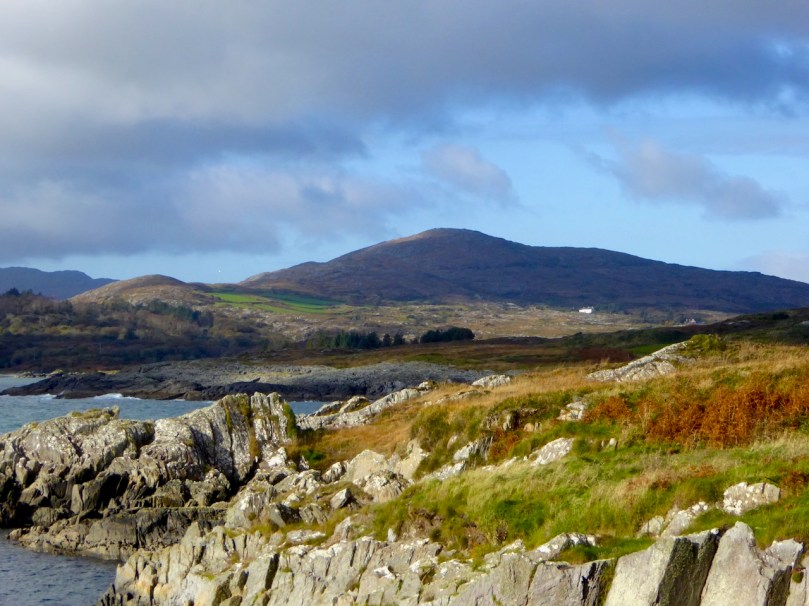
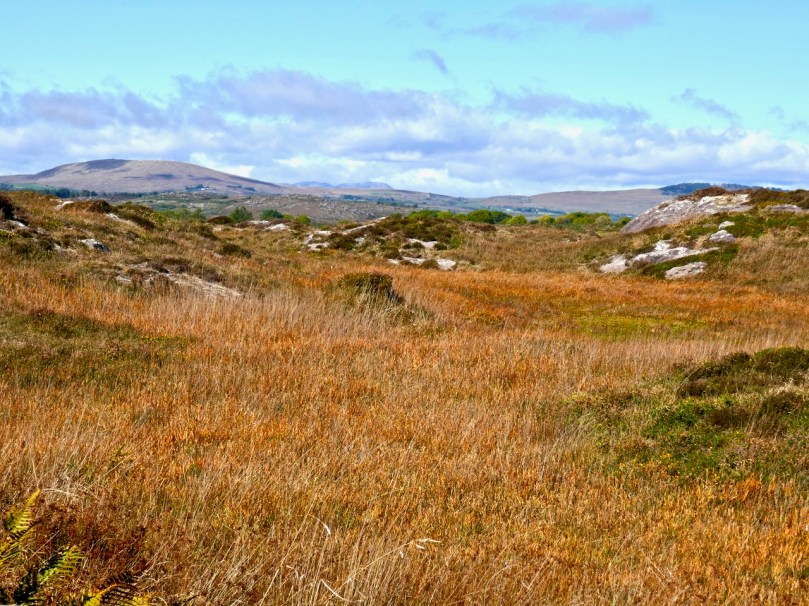
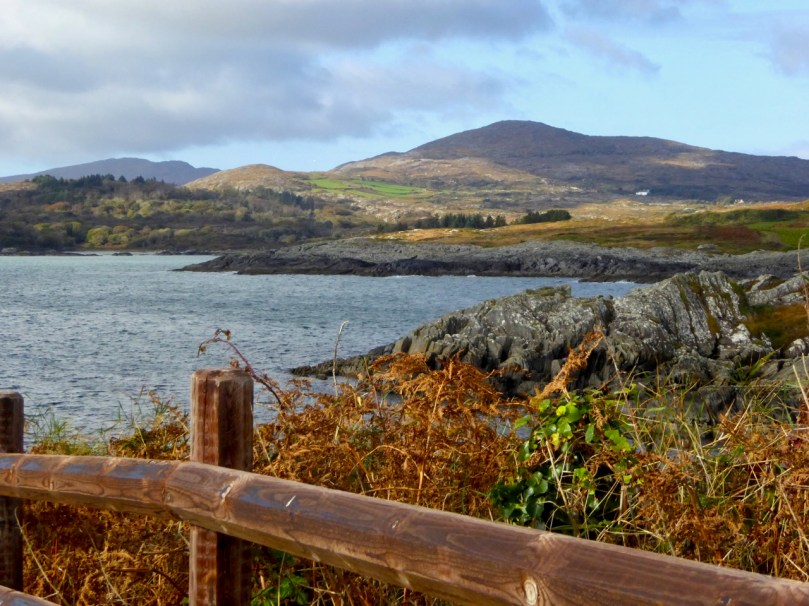
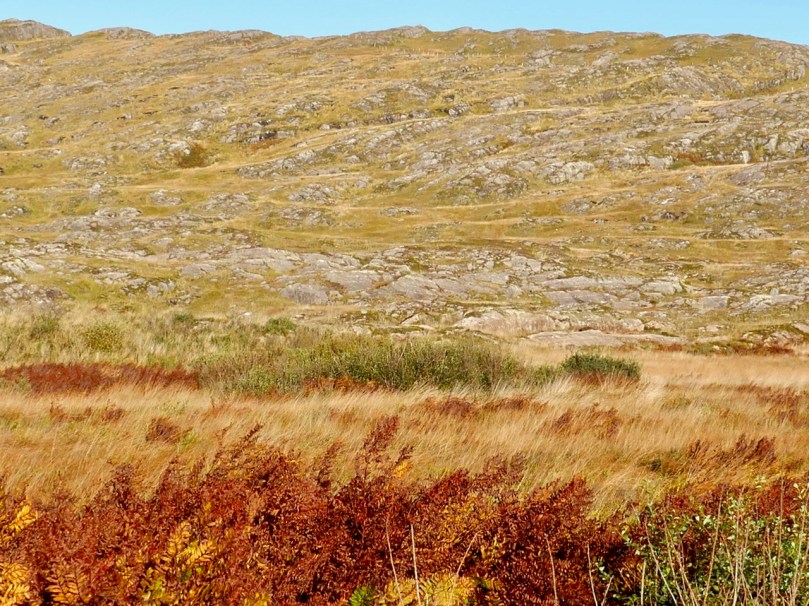
It’s not the trees that lend autumnal hues to the Mizen, as they do elsewhere. It’s the whole landscape – that combination of rock, heather, bracken, moor grass, brambles, filtered through the light and shade of our notoriously changeable climate – that creates the special colour palette we associate with autumn. It’s my favourite time of year.

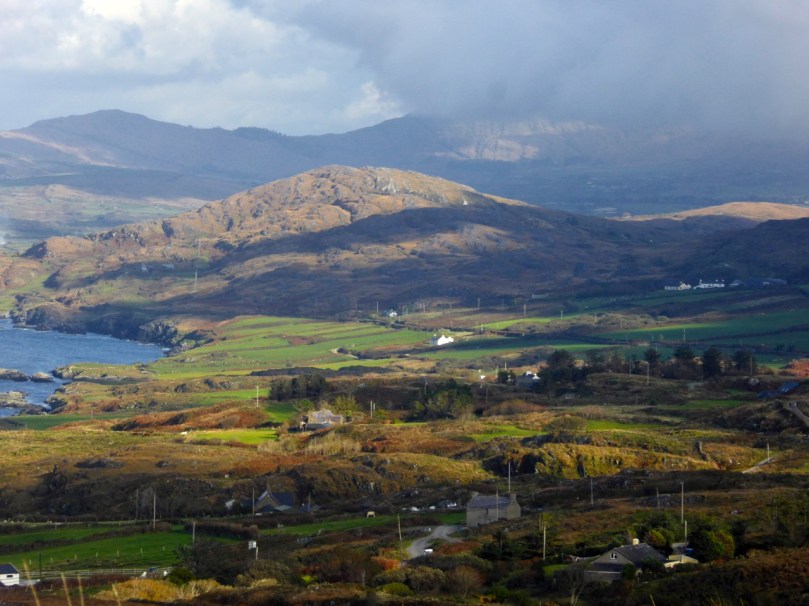
Today, early, we drove up Mount Gabriel and looked over the whole of the Mizen, back to Mount Corrin and Mount Kidd, and across to the Sheep’s Head, the Beara, and away to the mountains of Kerry.

Upper: looking down to Dunmanus Bay from Mount Gabriel; Lower: looking across to Mount Corrin

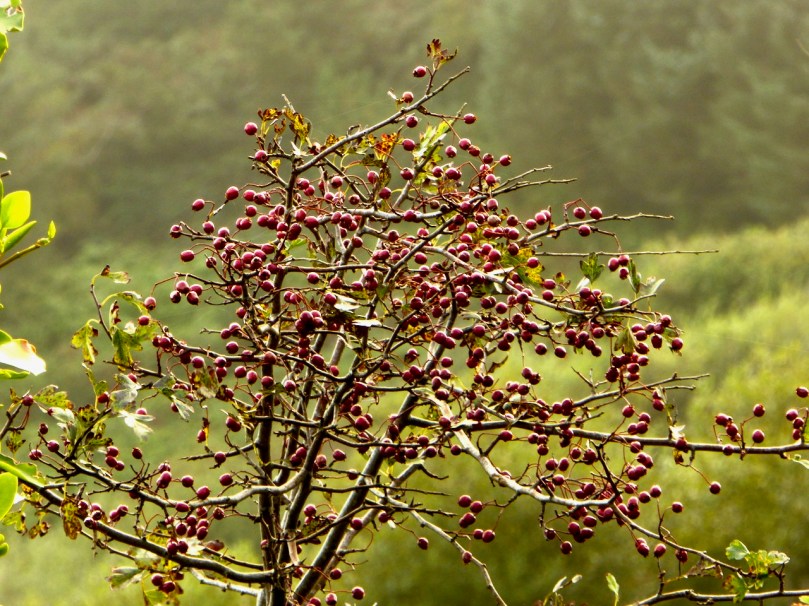
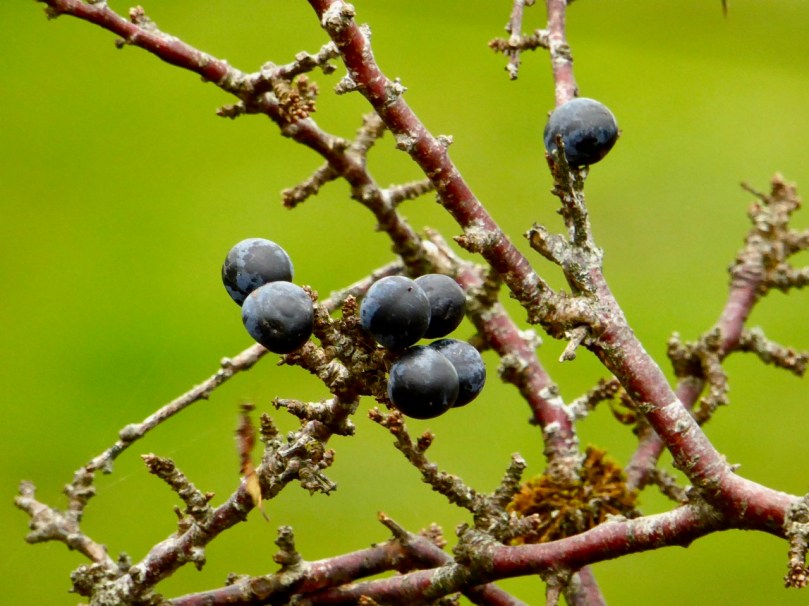
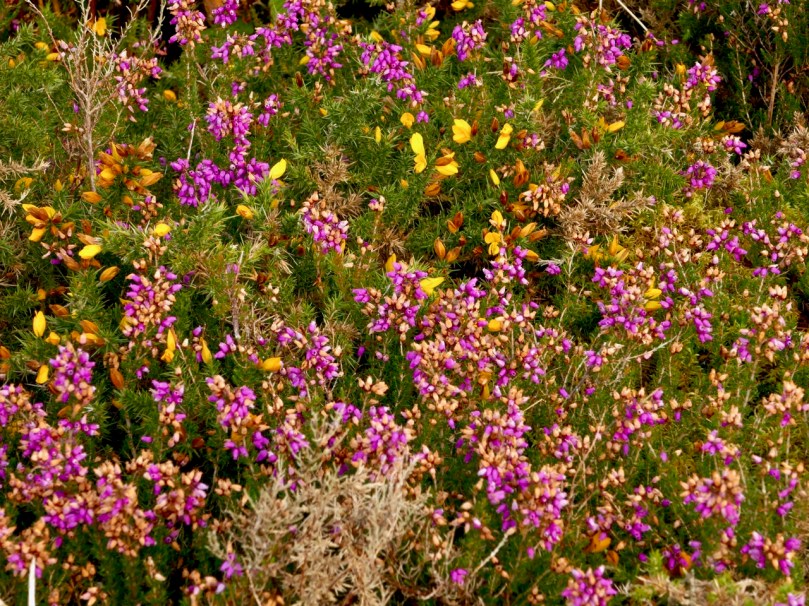
But every day brings changes. What trees we have are not yet bare. The thorns, blackthorn and whitethorn are loaded with berries. The heather is hanging on here and there, providing a wonderful contrast to the yellow gorse.

Haws, Sloes, Heather and Gorse

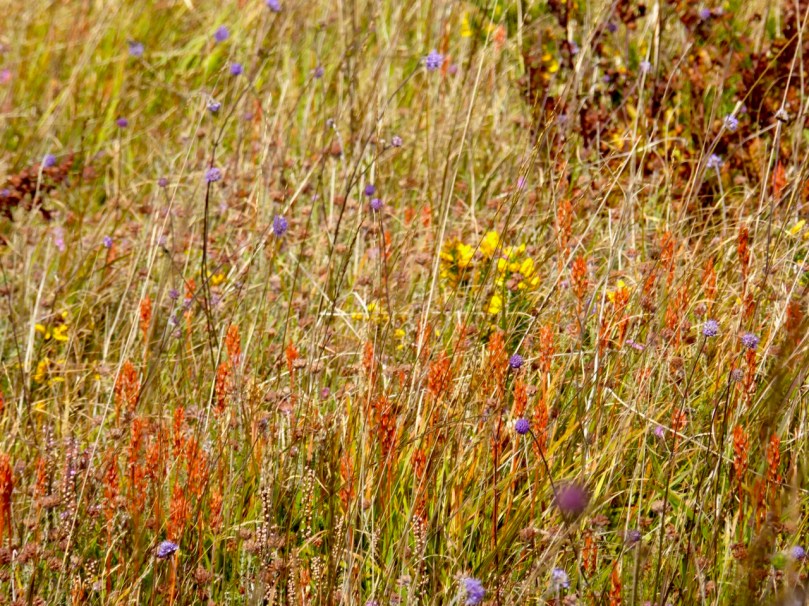
The bog asphodel is fading now, but earlier in the month it had reached its peak orange state and looked spectacular consorting with the other bog and mountain flowers that were still blooming.

Upper: Bog Asphodel, Gorse, Scabious; Lower: Cappaghglass Bog

When you get a clear day, like today, there is nothing on earth like a walk on the West Cork hills, drinking in the colours and trying to store them in the memory. Or perhaps, in a blog!

Upper: Toormore; Lower: Derryconnell 

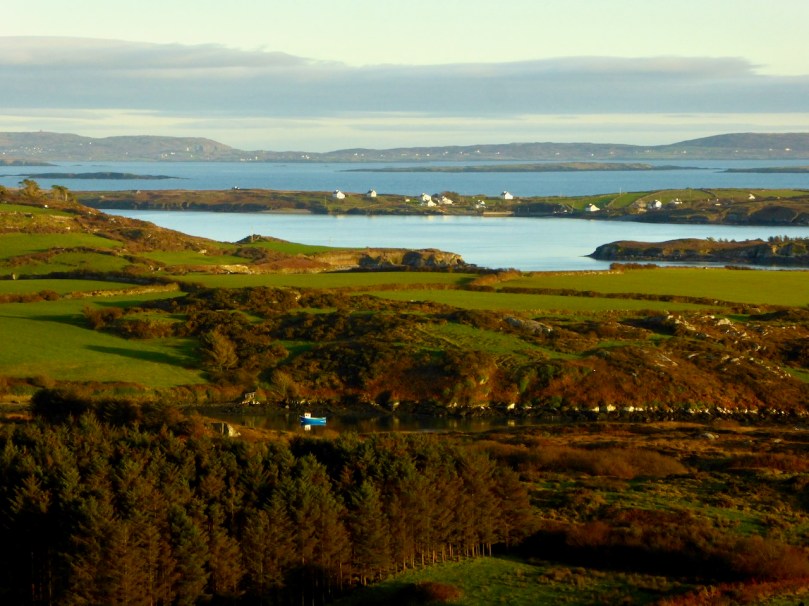
Upper: North Side of the Mizen; Lower: Crough Bay and Long Island

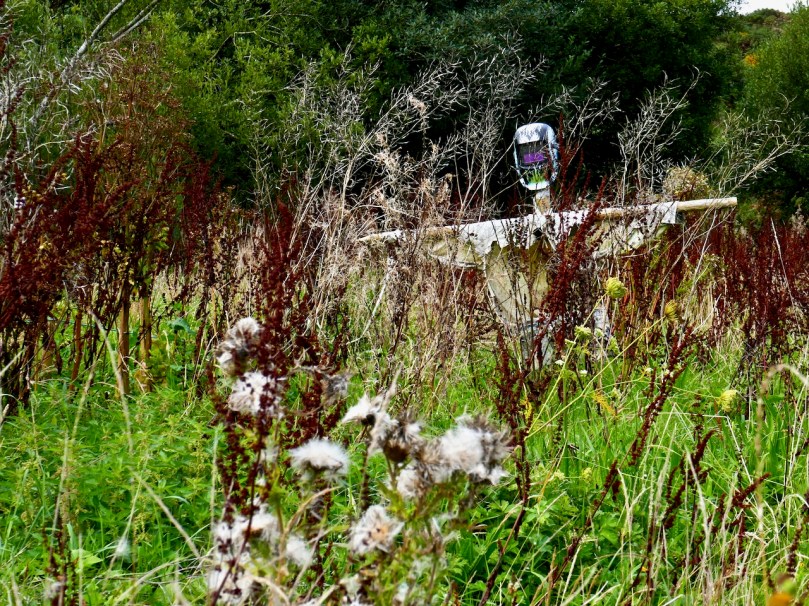
Scarecrow in an abandoned garden – quintessential autumn image!

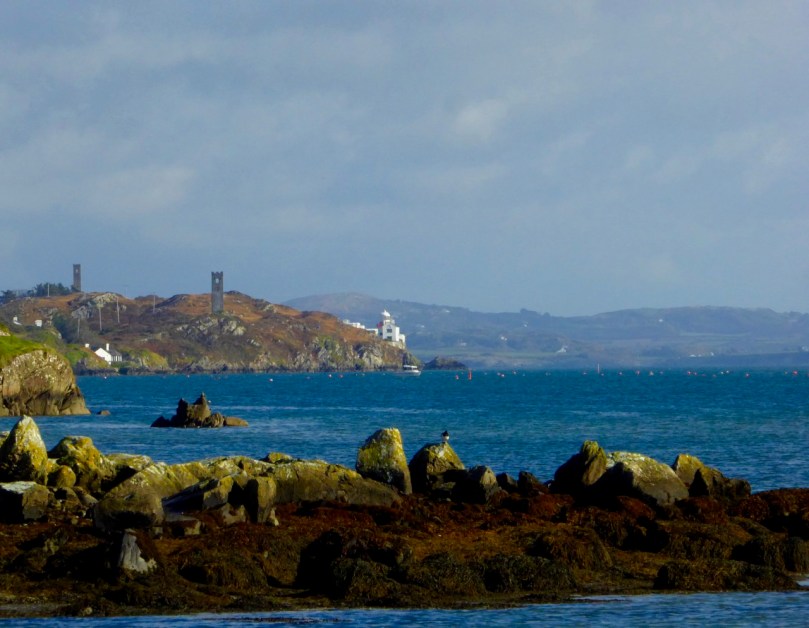
Rock Island

One Acre – One Year On

Last year I introduced to you the wildflowers that arrive unbidden every year to our one acre plot in West Cork. This year I will continue that tradition (if it’s more than once, it’s a tradition – agreed?), starting in March and ending in September and trying to choose different flowers from last year. It was a very different year!

Top image – Blackthorn, the first of the trees to blossom in April (flowers before the leaves come). Above is Blog Pimpernel which grows on what had been quite a wet section of the lawn last year

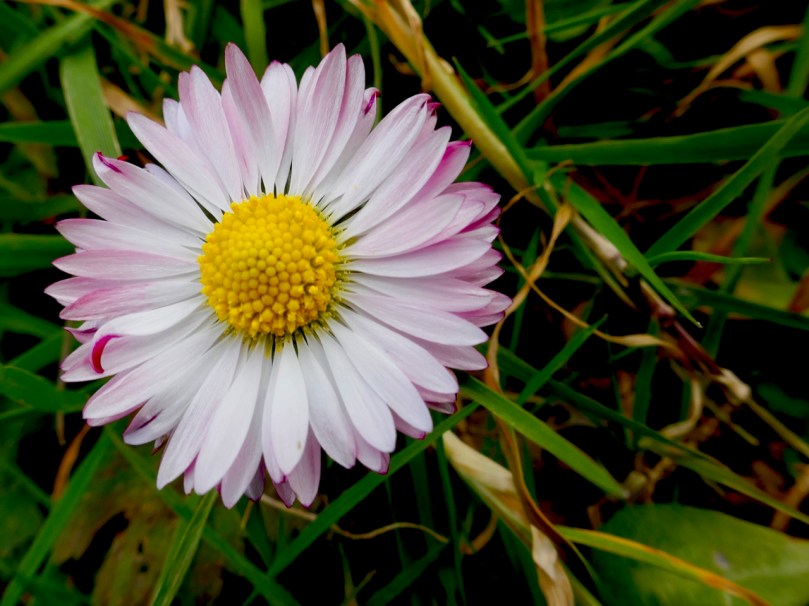
We had a late start to spring after a long and exceptionally cold winter. Everything seemed about two to three weeks later than last year, so that by March, all I really had to report was the good old lawn daisy.

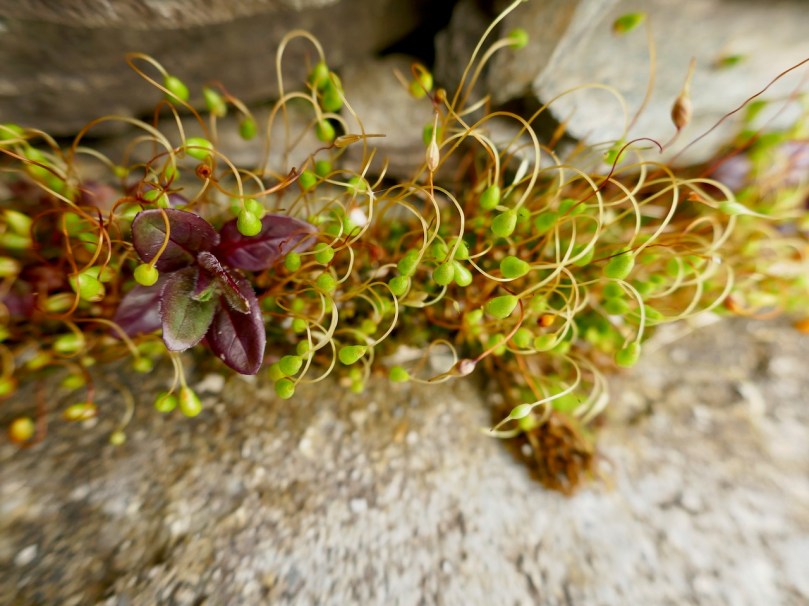
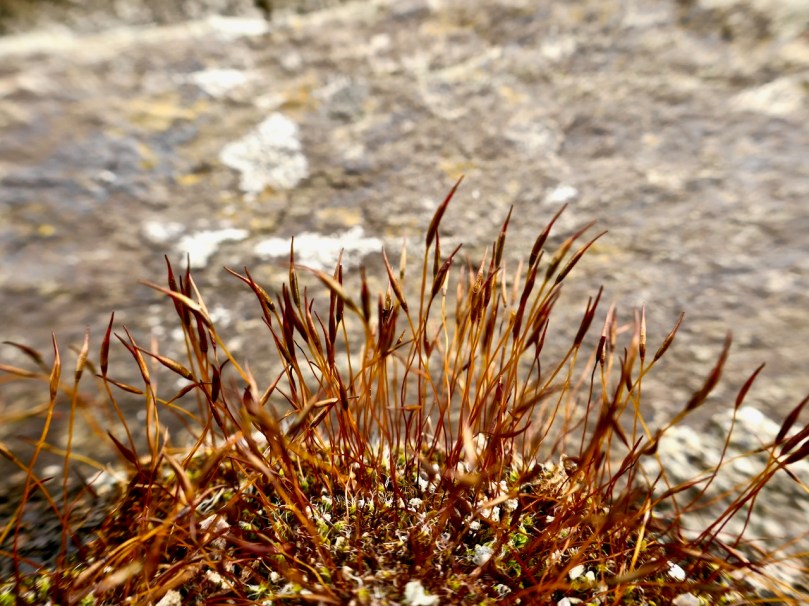
But finally in April the chill abated and tiny flowers started to appear in the grass. Nothing too showy yet – some of them needed a magnifying glass to find. The mosses were having a field day, though, and our Blackthorn bushes put on quite a fireworks show.

From the top: Keel-fruited Cornsalad (edible and more of a light blue than white); Hairy Bittercress; Common Dog-violet: Ground-ivy; two kinds of mosses

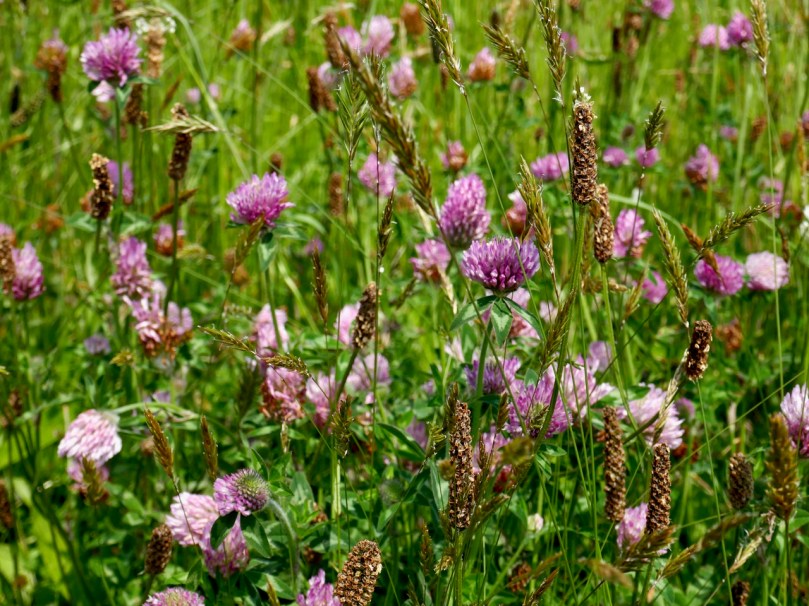
May started to warm up nicely and now the grasses started to grow in earnest, and my uncut portion – my wildflower meadow – took off with a profusion of grasses, sorrel, and clover.

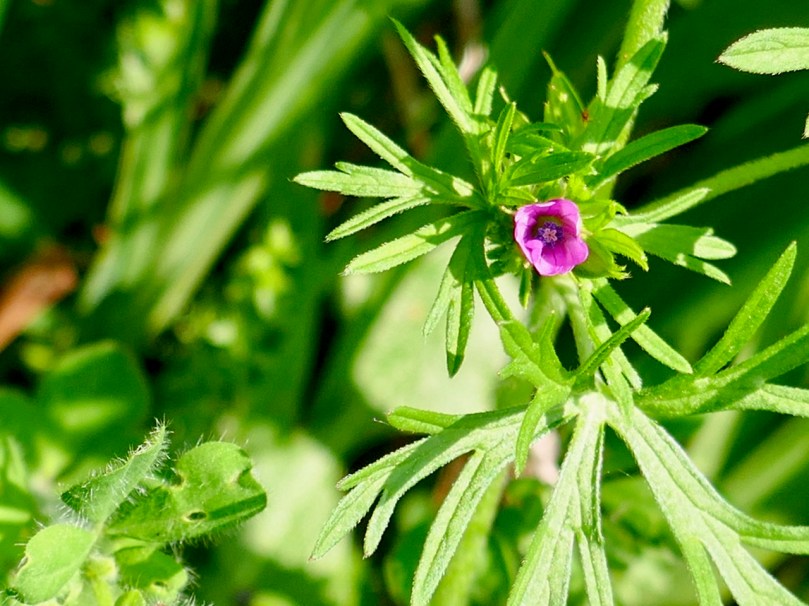
From the top: Grasses, Red Clover, Ribwort Plantain; Common Milkwort; Cut-leaved Crane’s-bill; Trailing St John’s-wort; English Stonecrop; Whitethorn (flowers after the leaves come)

And then, boy did it warm up – Flaming June, they call it, and it lived up to its reputation this year with everything suddenly verdant and pulsing with life and colour. Day after day of sunshine – we just aren’t used to that around here and as the month wore on the word drought was introduced to our vocabulary. Imagine – in Ireland!

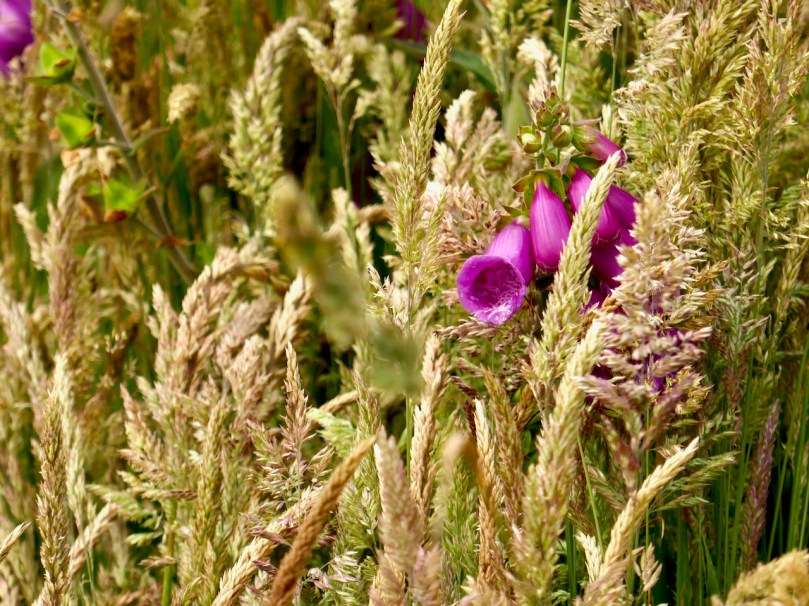
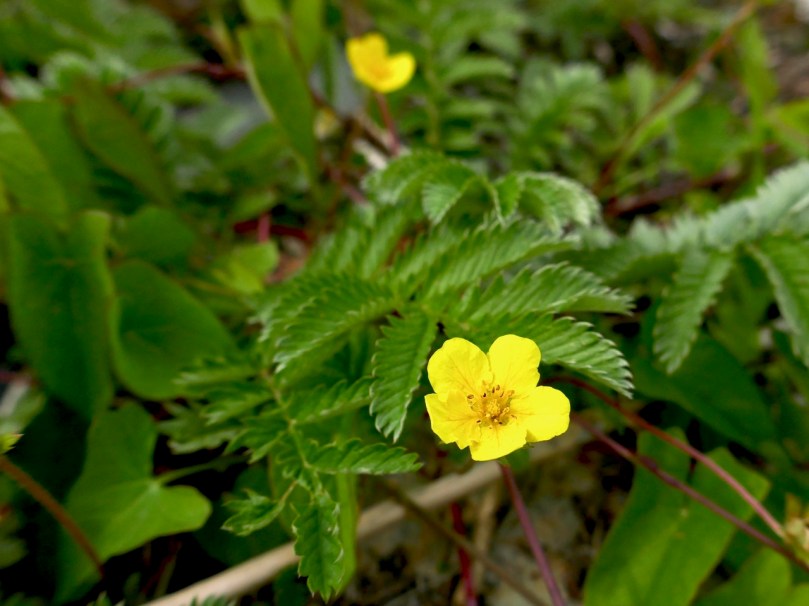
From the top: Grasses and Foxglove; Silverweed; Red Campion; Scarlet Pimpernel; Bog Pimpernel; White Stonecrop

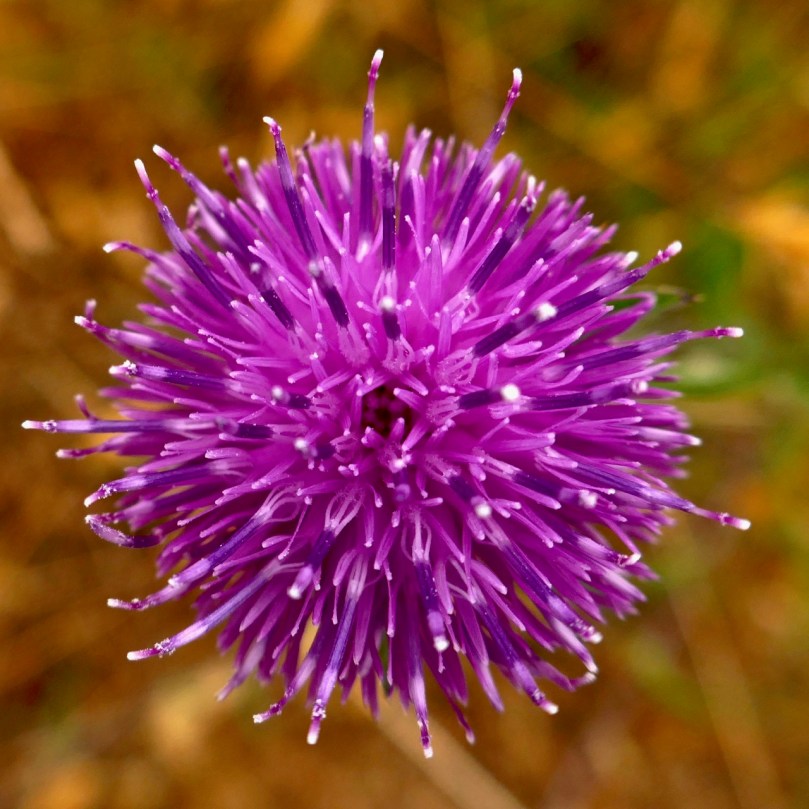
July arrived and still no rain. As the month wore on things started to wilt and shrivel. The Bog Pimpernel, which had spread nicely from last year, gave up the fight and turned into dust. There were compensations, though – the long grasses turned the most delicious golden colour and the Knapweed, undeterred by lack of water, sprang up to populate the meadow.

Grasses and Common Knapweed

The rain started in August – not as much as we needed, although it was welcome. But it was too late for most of the flowers to recover and flourish. But one wildflower more than held its own – Chamomile! Most of the chamomile that grows in Ireland (over 90%) occurs in West Cork and South Kerry and I am lucky to have extensive coverage here. Walking over it on a warm day releases that well-known sweet scent – it’s lovely to have!

From the top: Chamomile; Yarrow

And now it’s the end of September. The heather is flowering and the gorse is on its second or third blossoming of the year. I have discovered that somehow the invasive shrub Himalayan Honeysuckle has found its way to a hard-to-access section of my garden and I am not quite sure what to do about that but I’ll definitely keep an eye on it to make sure it doesn’t spread too much.

From the top: Bell Heather; Himalayan Honeysuckle

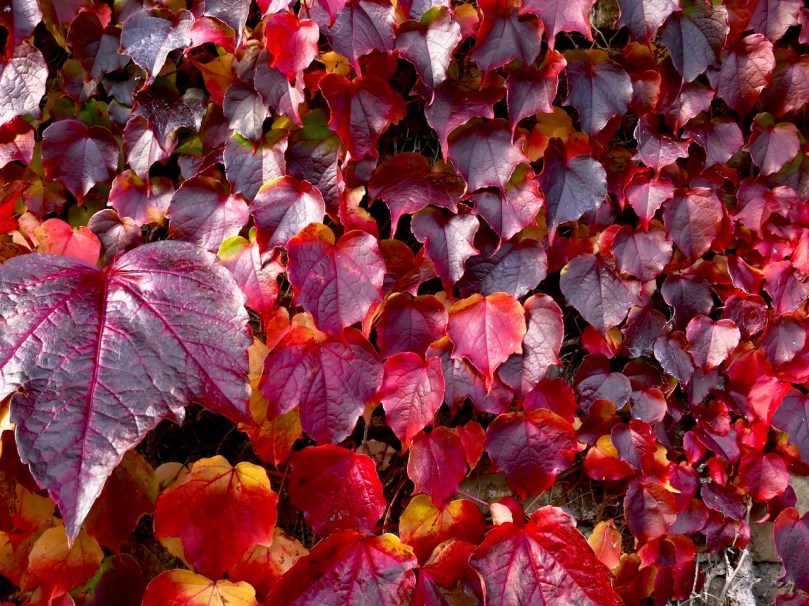
The glory of the property right now is the colour of the vine (I don’t know what it is) that covers the house. It’s not a wild flower, but it is irresistible and I think that’s a good way to end this post.


Seeking Calm Now

What a week it’s been in our part of West Cork! Only the gentlest of images will help to bring me back to earth – hence the somewhat random collection of photographs today, some taken along the Toormore Loop Trail or in my own garden.

Along the Toormore Loop Trail

The highlight of the week was the opening of Coming Home: Art and the Great Hunger – Robert has given you some sneak peaks into this incredible exhibition in his post. If you do nothing else in West Cork this summer, take in this experience.

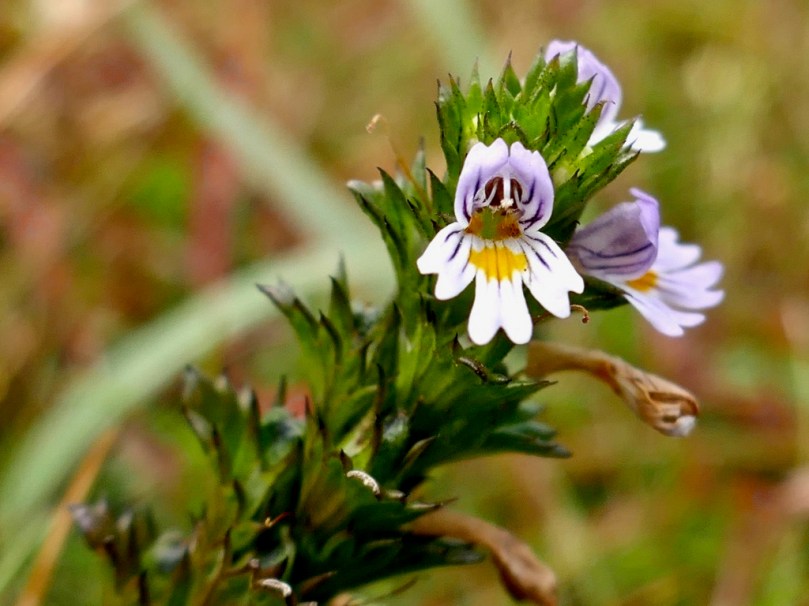
Eyebright, along the trail

But that’s not all – we also attended the unveiling of the memorial to the 110 Skibbereen Girls, which I wrote about last week. Most movingly, the ceremony was attended by Judith Constable, the Great, Great Granddaughter (and her daughter) of one of those girls. This is a story of hope, of the bravery of those adventurous girls who accepted the passage to Australia and went on to have full lives in their adopted land. It reminds us that it is possible for individuals to transcend the wretchedness of their circumstances.

Above, Judith Constable – her Great Great Grandmother, Jean Leary, was pictured in my previous post on the occasion of her 50th wedding anniversary. Below, the commemmorative spoons, finally installed, and the block of Australian stone.

And on Saturday night there was the long-anticipated performance of Anáil na Beatha (Breath of Life) at the ruins of the Schull Workhouse. We found ourselves seated outside the former hospital on the Workhouse grounds, listening to the unearthly lament of a chorus of voices, chanting the names of places stricken by famine, and then walking silently in a torchlight (well, lightstick) procession through the place where so many had come to die. It felt cathartic, respectful, important.

There was a memorial for Seamus Hogan too this week. He was one of us blow-ins to Ballydehob, a poet and raconteur and he will be much missed. His portrait was one of Shay Hunston’s finest and is reproduced here from Shay’s Wild Atlantic People series. It’s in a shop window in Ballydehob, across from his favourite hangout, Ina Daly’s pub.

Photo courtesy of Shay Hunston

And in between we had the launch of the marvellous Skibbereen Arts Festival, which goes from strength to strength each year and which will keep us busy from July 27th to Aug 5th. The program includes many concerts, the world premier of the Asenath Nicholson play, poetry, art exhibitions, movie screenings, walking tours.

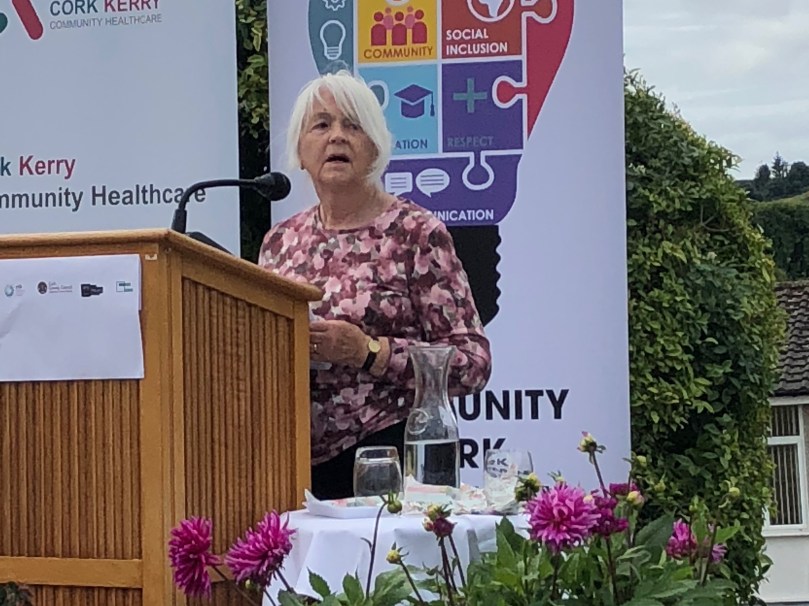
Finally, today, was the opening of the new Toormore Loop walk. I helped out by leading a wildflower walk around the small looped trail with a happy group of a dozen lovely people. The greatest reward – a mother telling me that even the kids enjoyed it!

I’m wiped! All this stimulation is wearing me out. I need to take up meditation so all together now. . . om. . .om. . .