Earlier in the year I went back to my childhood days, remembering when I first learned about Jonathan Swift from my Granma, and walked with her to the places associated with him in the town of my birth: Farnham, Surrey. Here is the post.
If you read my ‘Dean Swift and I’ post you will find this engraving of ‘Mother Ludlam’s Cave’ which was close to Stella’s Cottage, and must have been familiar to Jonathan Swift during his years living in Surrey. I came across this old print in a local bookshop when I was growing up in Farnham, and it has stayed with me ever since
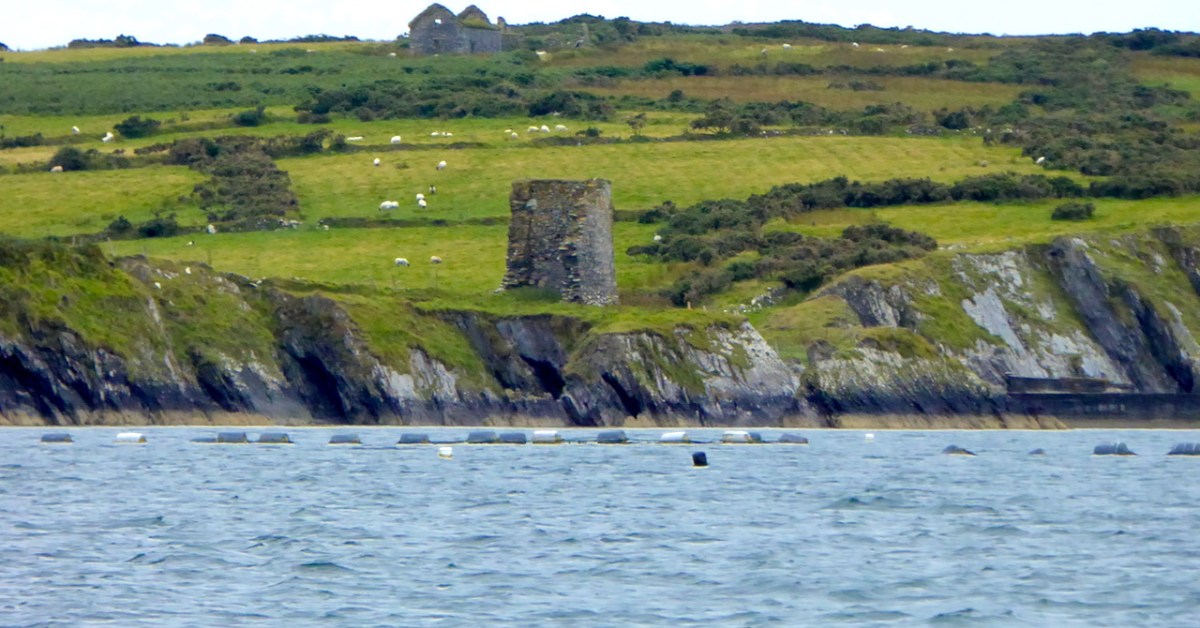
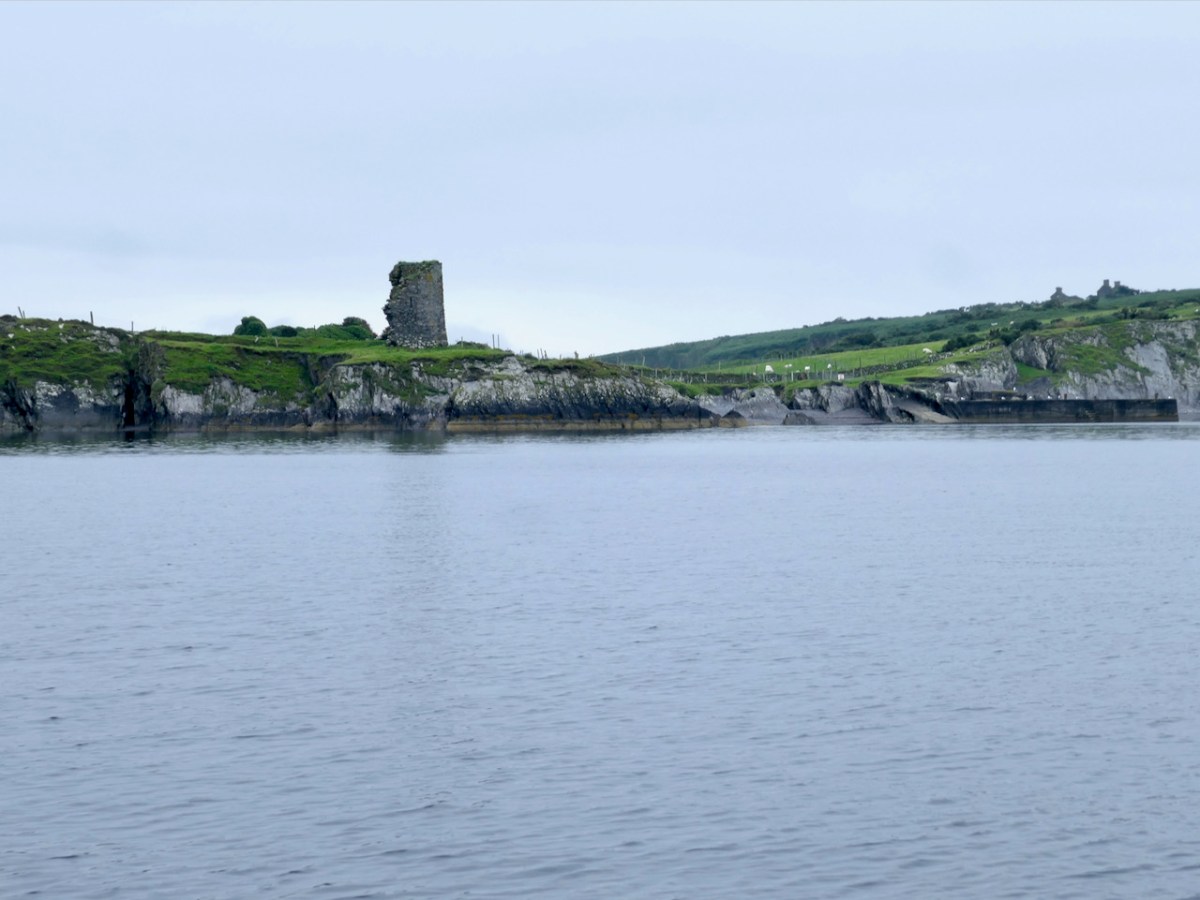
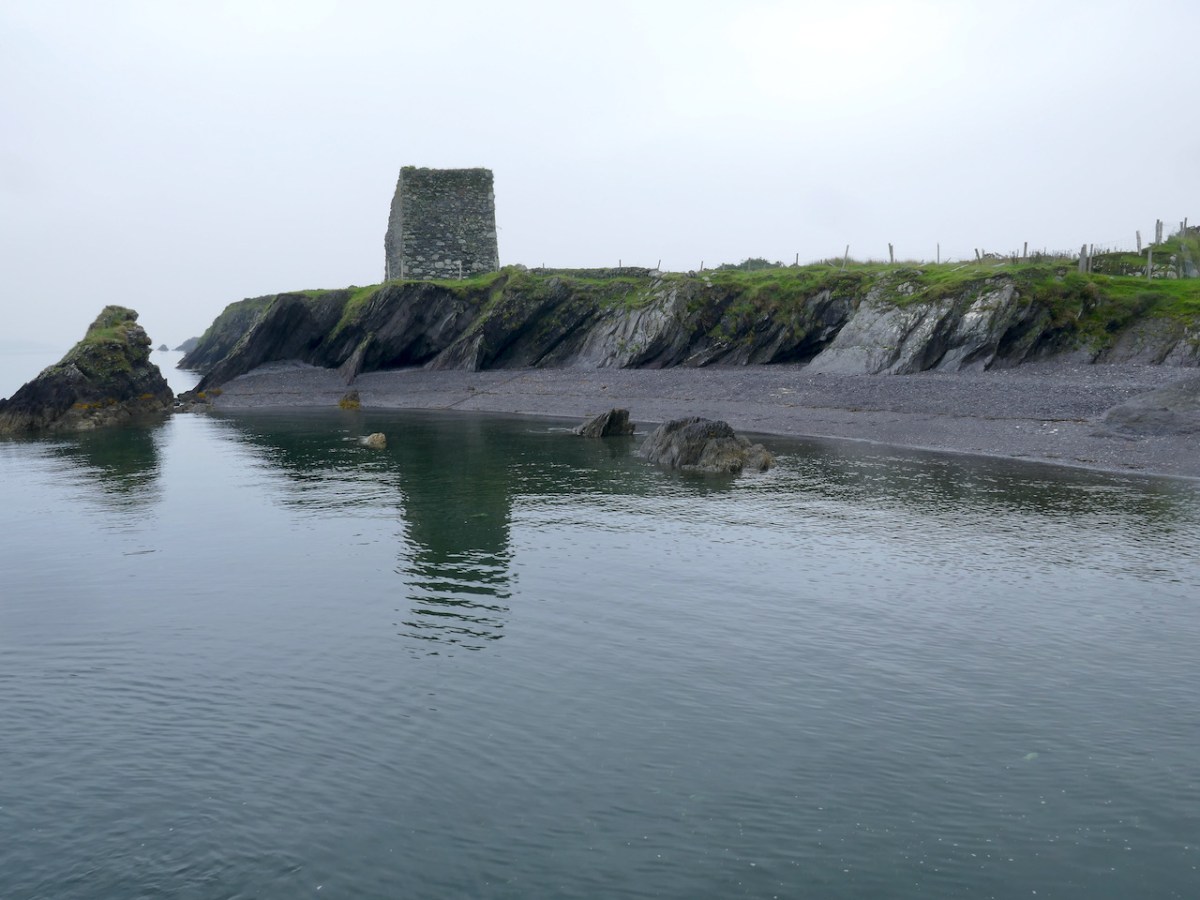
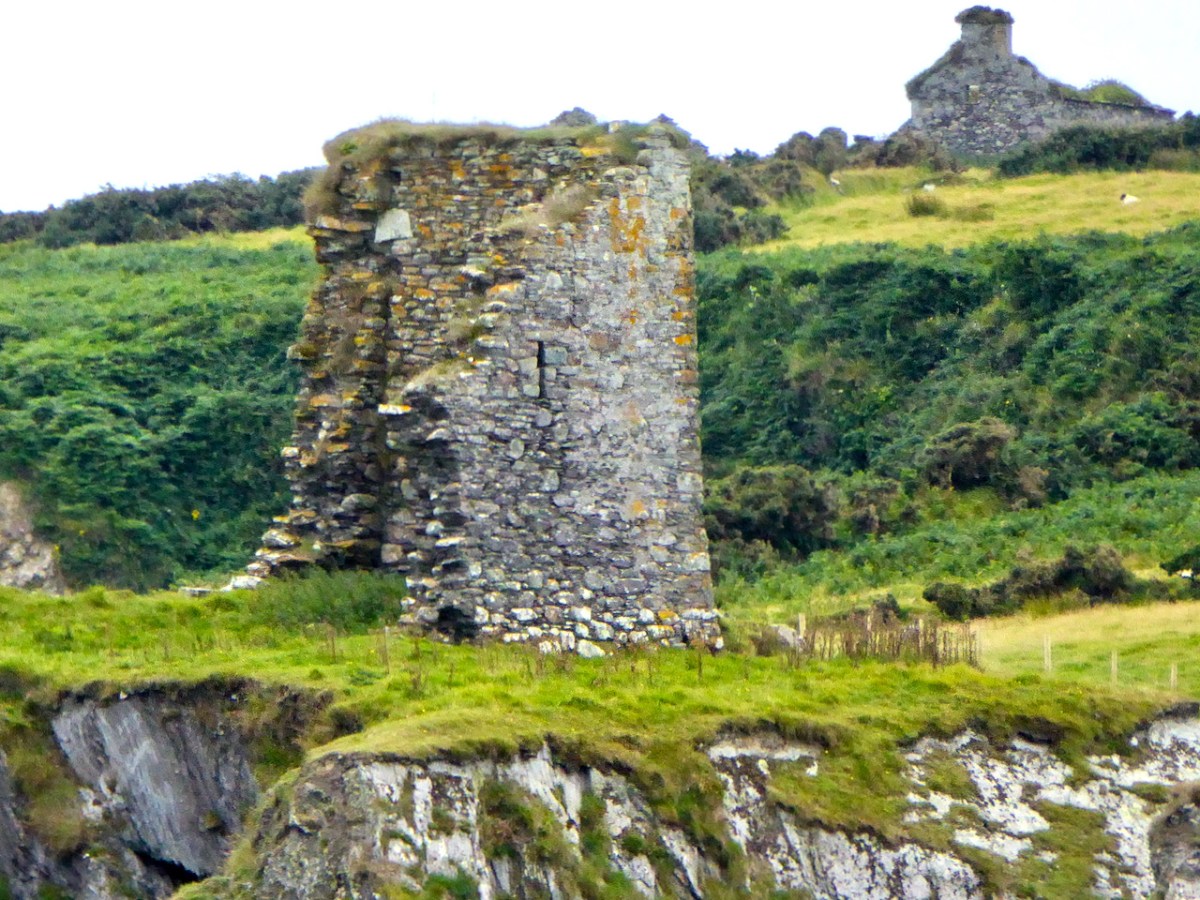
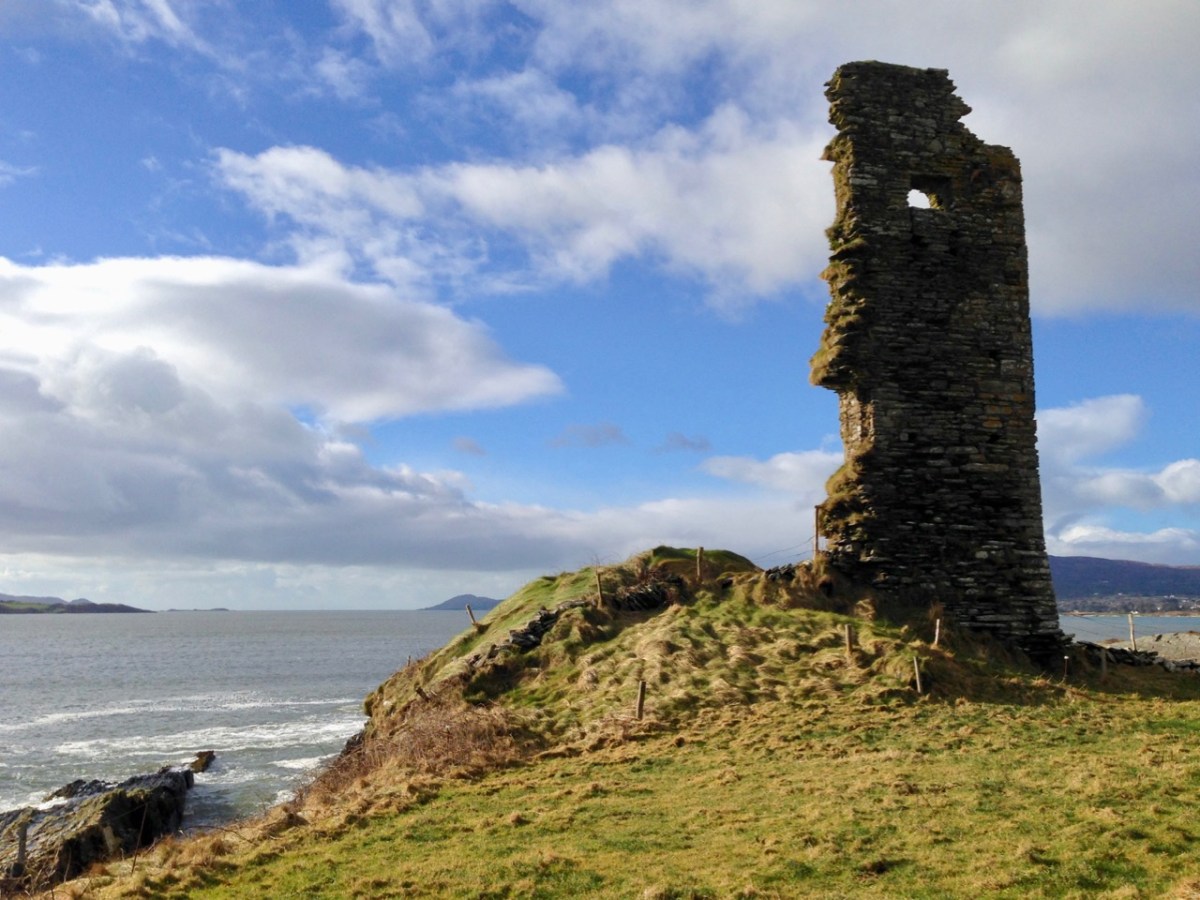
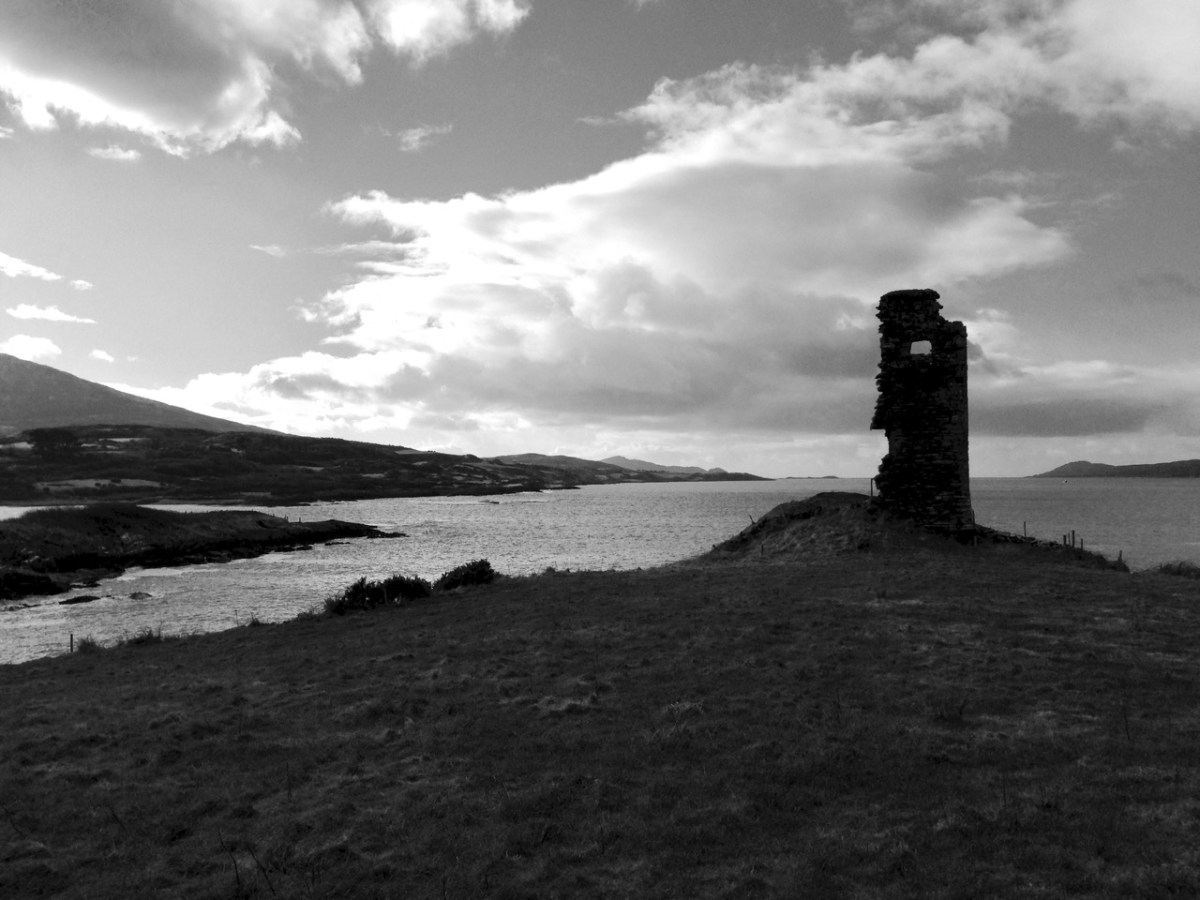
I have been keeping a few series of posts going through the year: one is about the Napoleonic signal towers that dot the coastline all around this island. I began the series in 2020 (do you remember how we thought the Covid restrictions would soon be over?). In 2021 I continued the posts with new episodes. This is one of my favourites.
The Napoleonic Signal Tower at Brow Head, West Cork
West Cork had good coverage from our blog during the year which has just ended. I began a series of posts about West Cork Villages and Towns. Perhaps it was an interesting time to concentrate on our local communities: hopefully it proved that we West Corkonians are not deterred from celebrating life as much as is possible in these strange times.
The communities of (top to bottom) Bantry, Schull and Skibbereen have been the subjects of posts in my West Cork Villages and Towns series in the past year. There are many more to come in the future, including the remarkable activities that take place in our ‘home’ village, Ballydehob (below).
It proved a remarkably popular post and I was forced to admit that it did come from my imagination, although all the background historical information can be verified. What really interested me was the interest and enthusiasm that everyone has about life here on our wild West Cork coastline all those centuries ago!
We are most fortunate to live overlooking Rossbrin Cove and the islands of Roaringwater Bay
It’s always a difficult task to choose just a few posts from the 50 or so each of us has written over the last twelve months. If I started all over again I would probably choose many different ones. But they are all still there to be read (dating back to 2012): you only have to search the archives! Our new year began – yesterday – with the enactment of an ancient Irish tradition in Ballydehob: the Wran Day. That will be my post next weekend, but here’s a taster. Happy New Year everybody…!
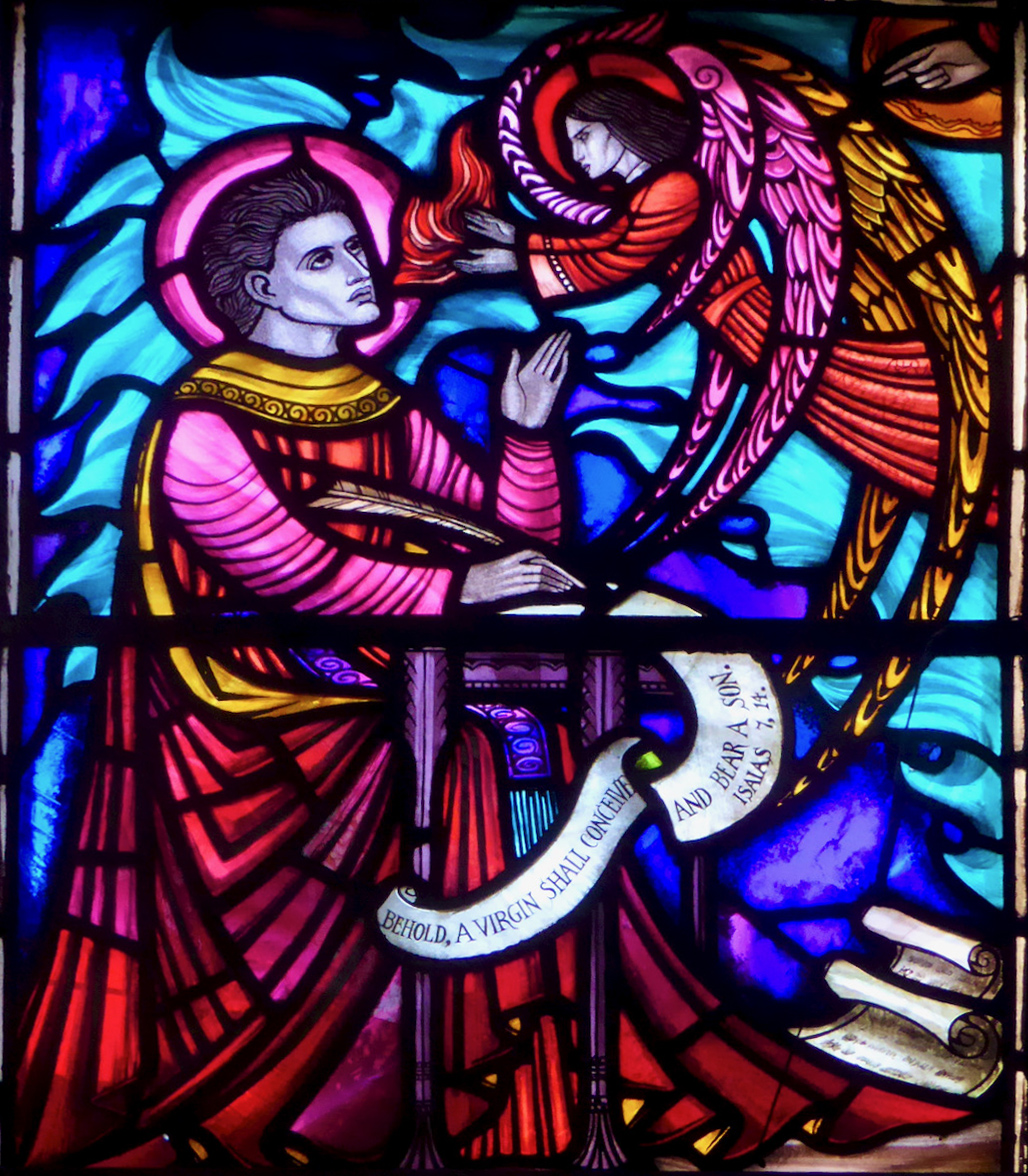
Dear Readers – we know you aren’t all on Facebook, so this is for those of you who follow us on WordPress or other platforms. On our Facebook page, we’ve been running a series on The Nativity in Stained Glass in the lead up to Christmas, so here, in one post, are those photographs and text. All the windows are Irish and 20th century. Merry Christmas to you all!
This one is by George Walsh and it’s in Frankfield Grange Catholic Church in Cork. This scene is part of a larger window, the main scene depicting the Annunciation. More about George Walsh here.
Kevin Kelly was a long-time stained glass artist for Abbey Studios. He loved doing Nativity windows. This one is in Inchigeelagh, Co Cork and featured on a UNICEF Christmas Card. It’s worth taking a look at the detail – amazing for what’s quite a small window.
This beautiful Nativity window is in Mayfield, Cork, in the Church of Our Lady Crowned. The Murphy-Devitt Studios were a group of young, dedicated artist and designers, determined to bring something new to traditional stained glass. We think they succeeded magnificently.
The Dominican Convent in Wicklow town has a gorgeous series of windows – the Mysteries of the Rosary. They were done in the Harry Clarke Studios in 1938, several years after Harry’s death, but his influence is very evident. They were mostly designed and painted by William Dowling, but with much input from Richard King. To see if you know the difference between Harry Clarke and Harry Clarke Studios windows, take the quiz, or just cheat and go straight to the answers.
Patrick Pollen, although he grew up in England, made his stained glass career in Ireland. Having been bowled over by Evie Hone’s Eton windows he came to Dublin to work with her. Hone’s influence is readily apparent in these two panels, which form the predella (lowest section) of a window in St Michael’s church in Ballinasloe, Co Galway, dating to 1957. I haven’t written about Pollan (yet) but you can read about Evie Hone here.
We’ve kept the best for last – the genius that is Harry Clarke. This is his Nativity Window, done in 1919 for Edith Somerville and her family, for the C of I Church of St Barrahane in Castletownshend, Co Cork. Lots more about Harry Clarke, Ireland’s greatest stained glass artist.
The traditional continues, with a twist. This year, instead of photos we’ve already published, we’ve gone through our albums and chosen the ones we didn’t use this year (2021) but want to share now. It’s a fairly random collection – our guiding principle was personal preference or something that jogs a pleasant memory for us, all taken in West Cork in 2021. Some of them are similar to images we have used, but that’s because we take so many! So, as every year, although we’ve provided links to relevant posts, we’ll keep the writing to a minimum – all you have to do is scroll!
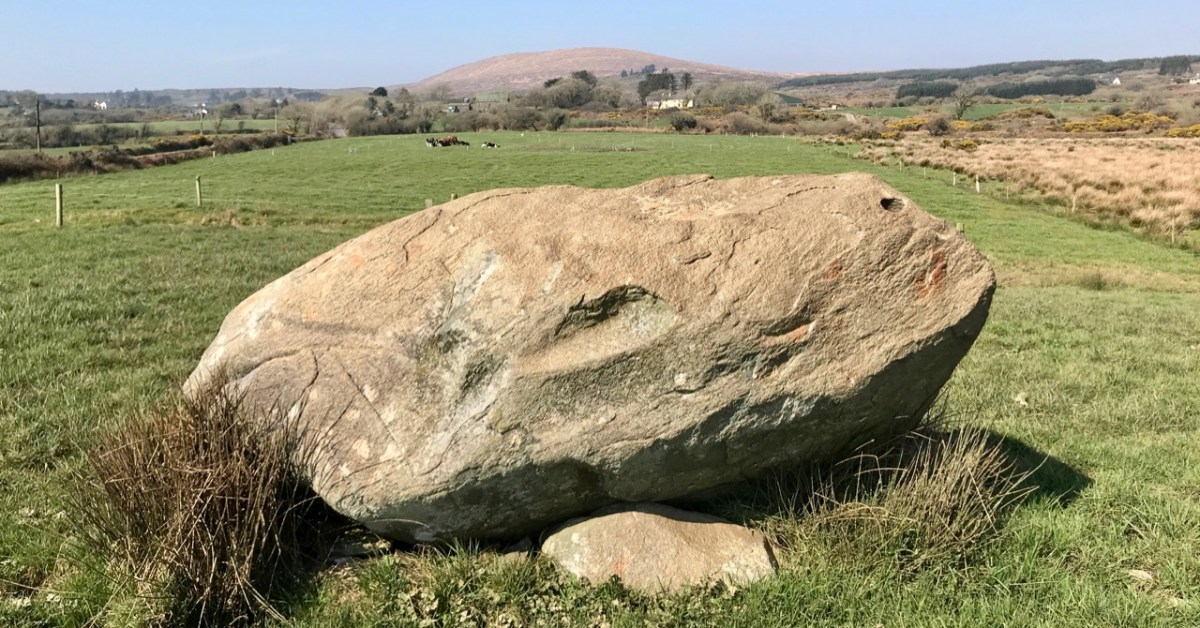
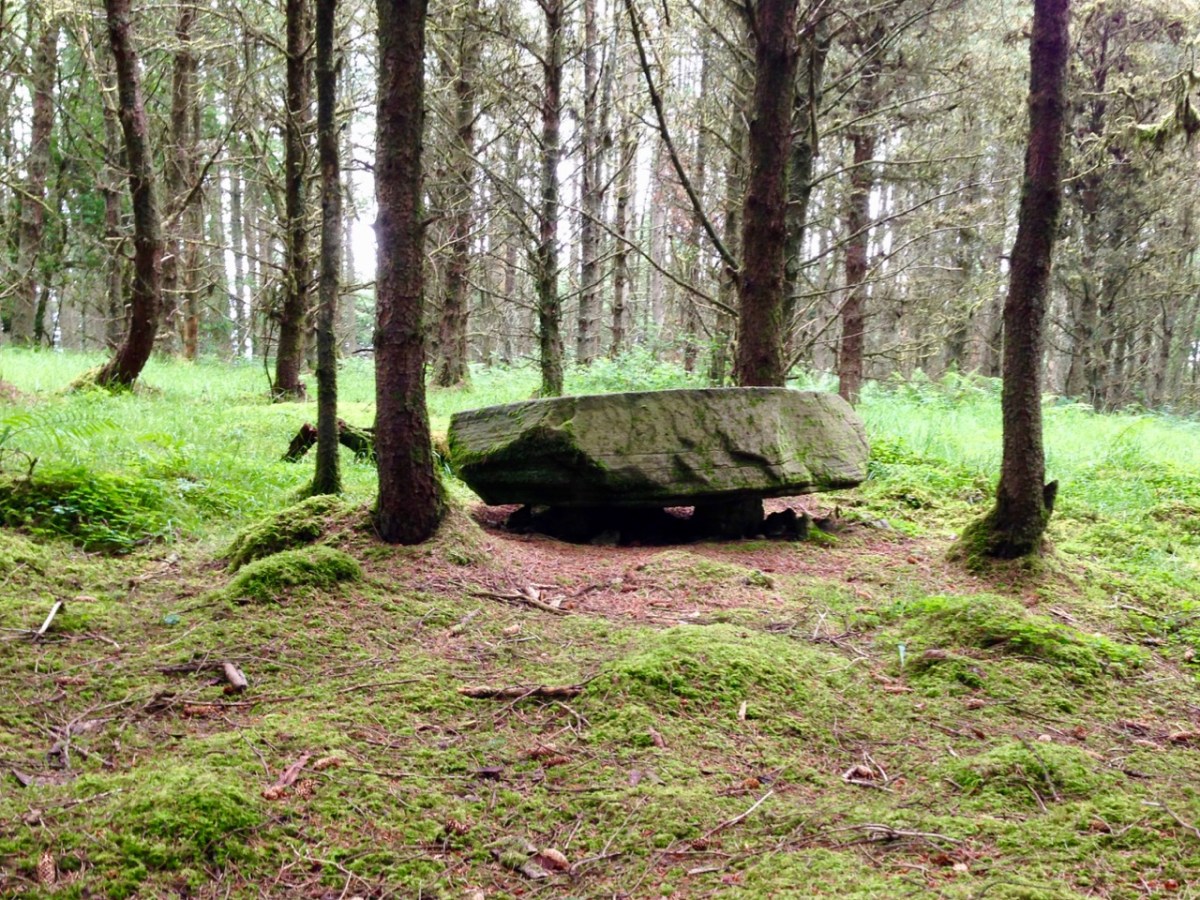
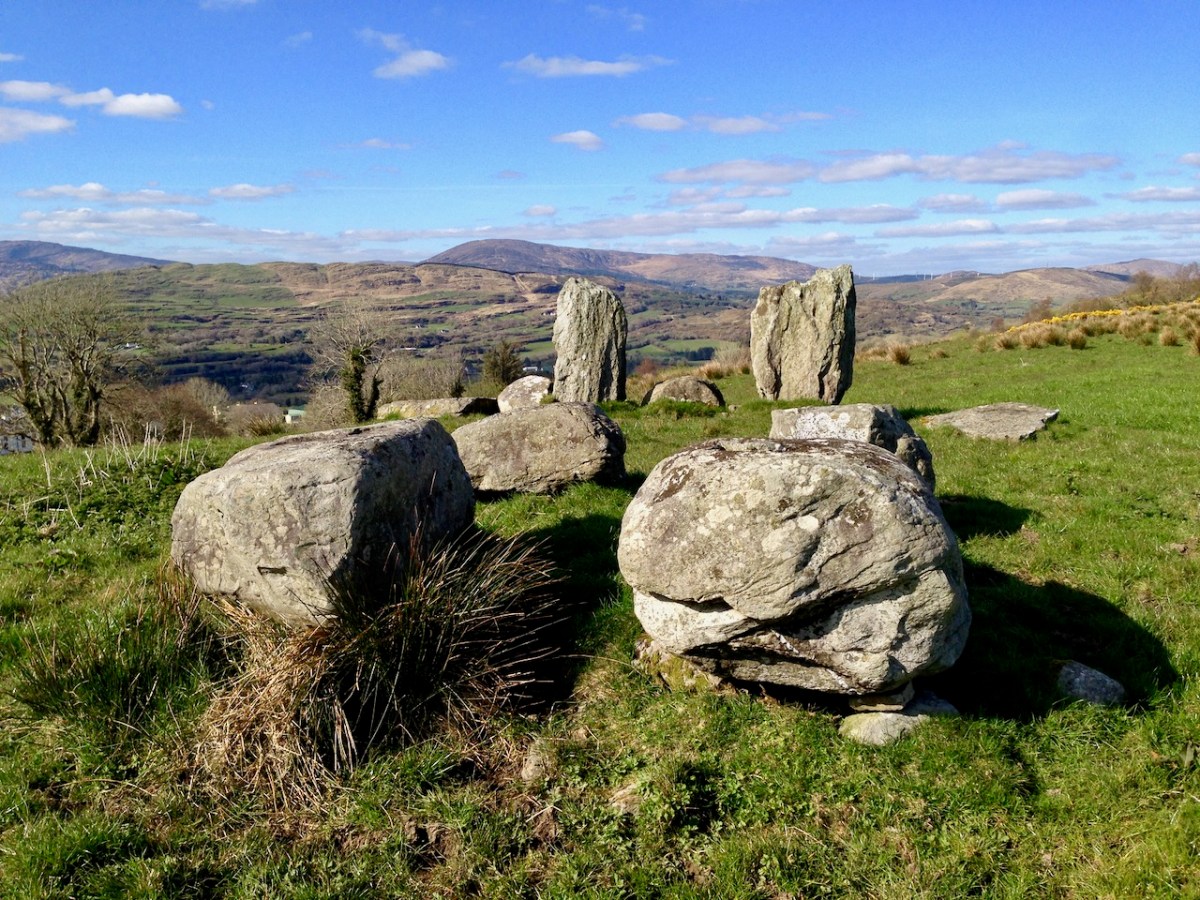
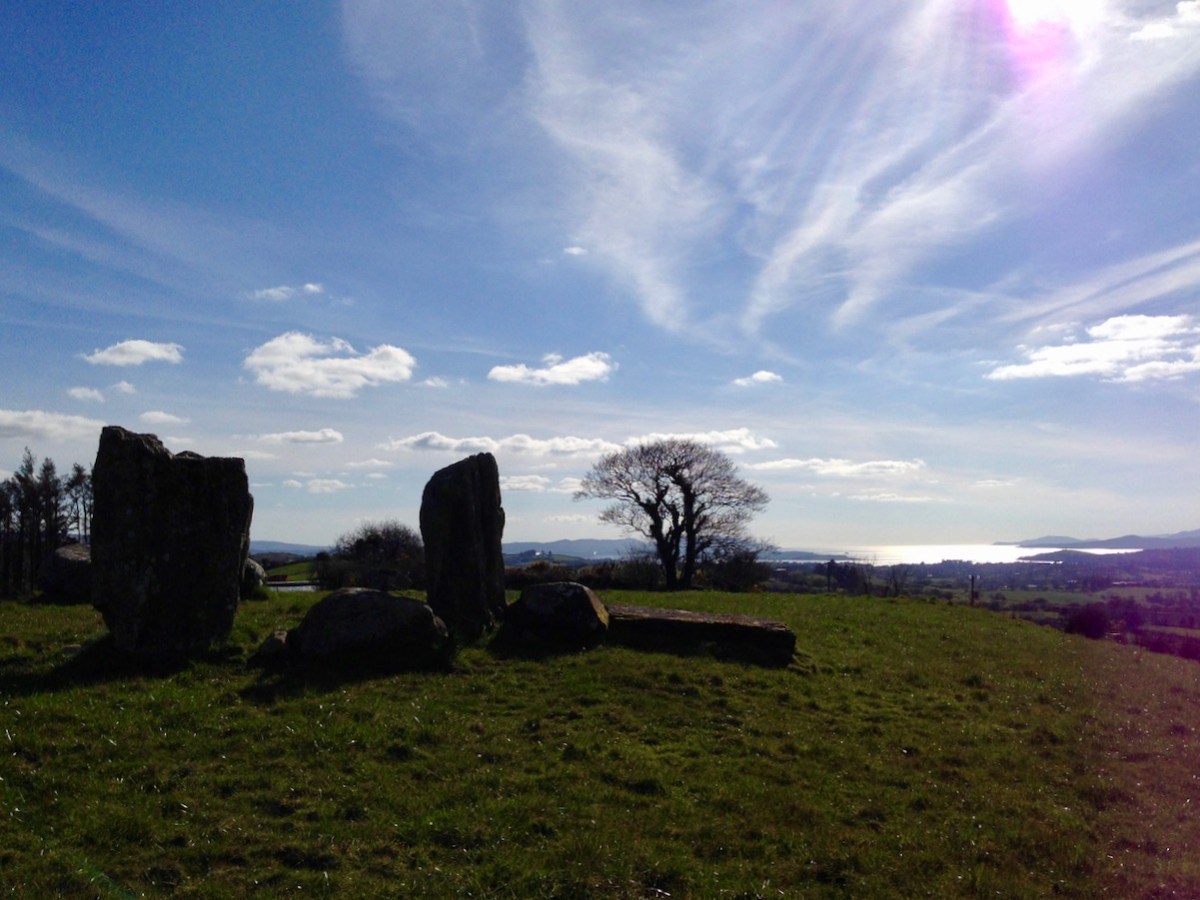
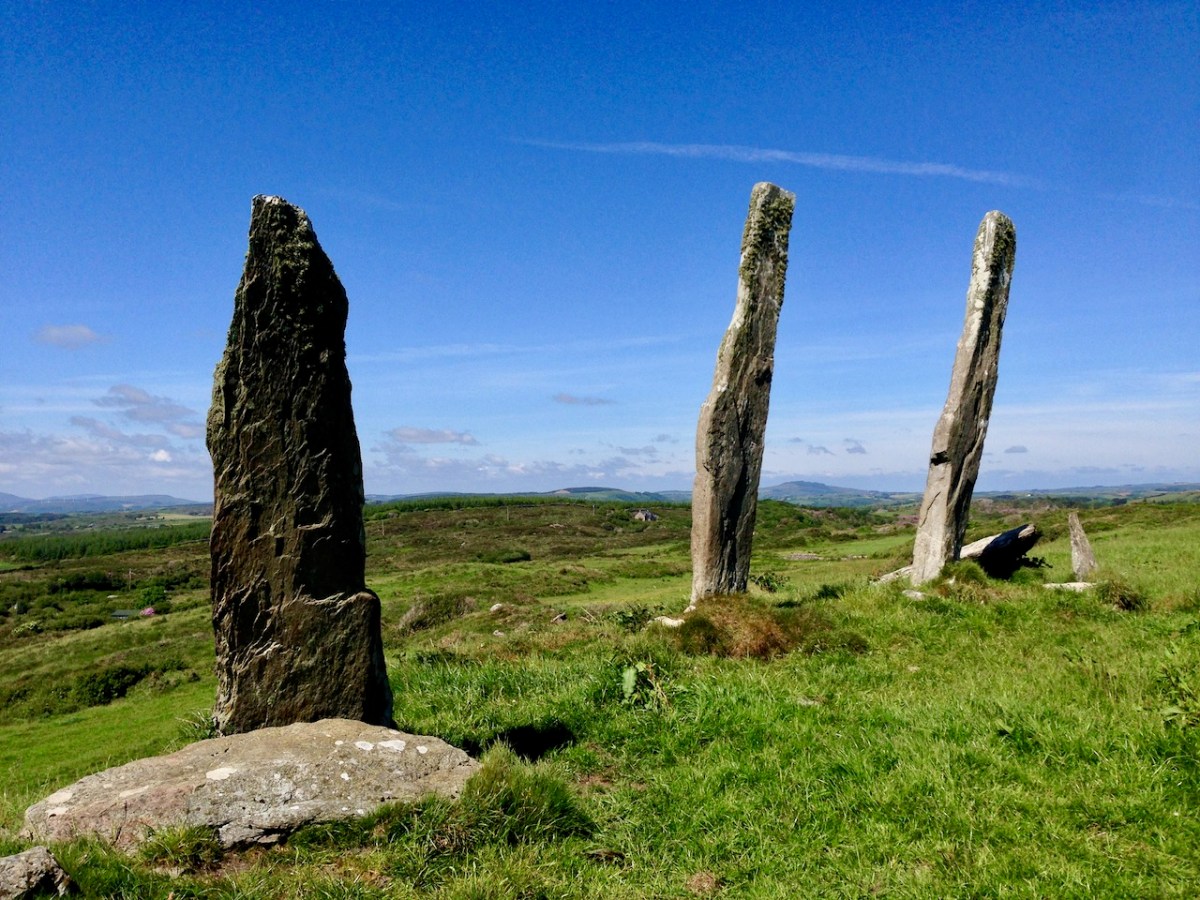
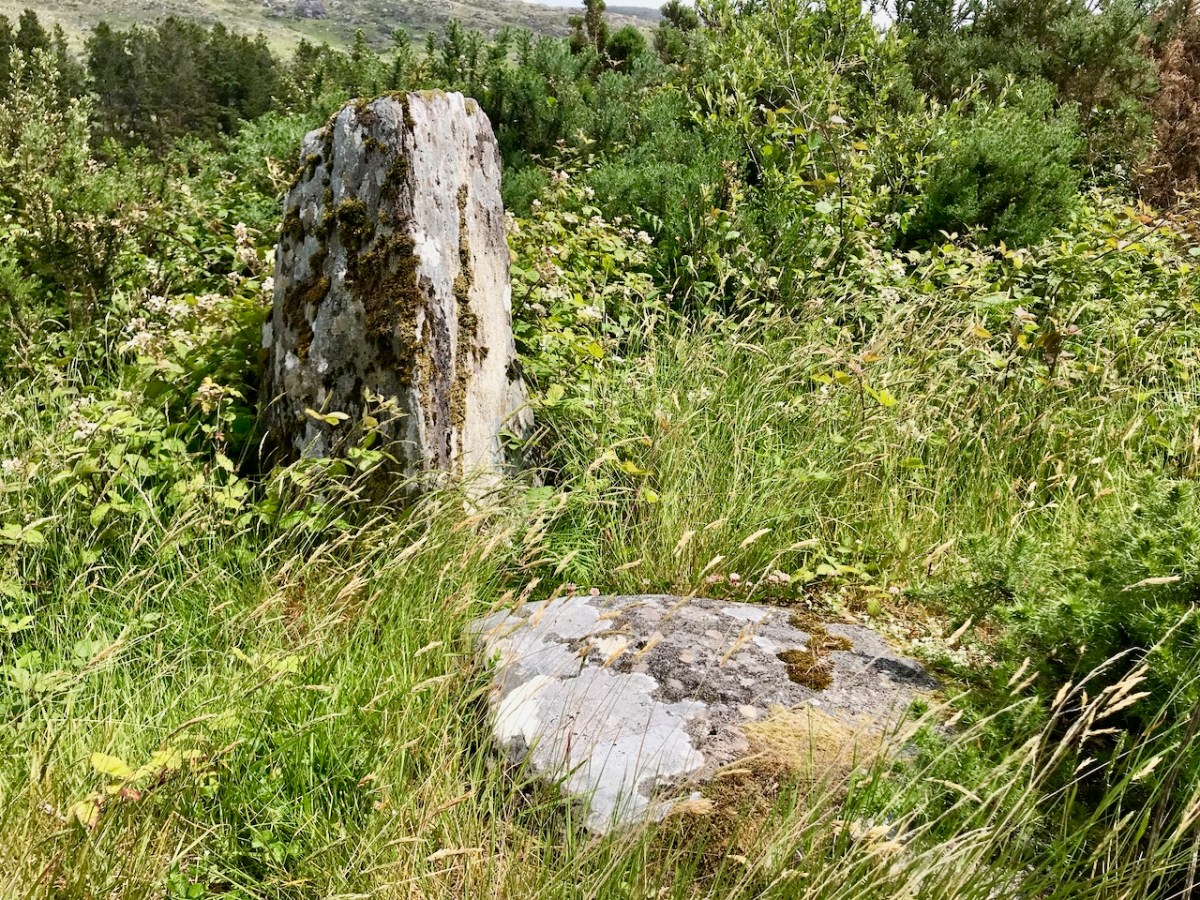
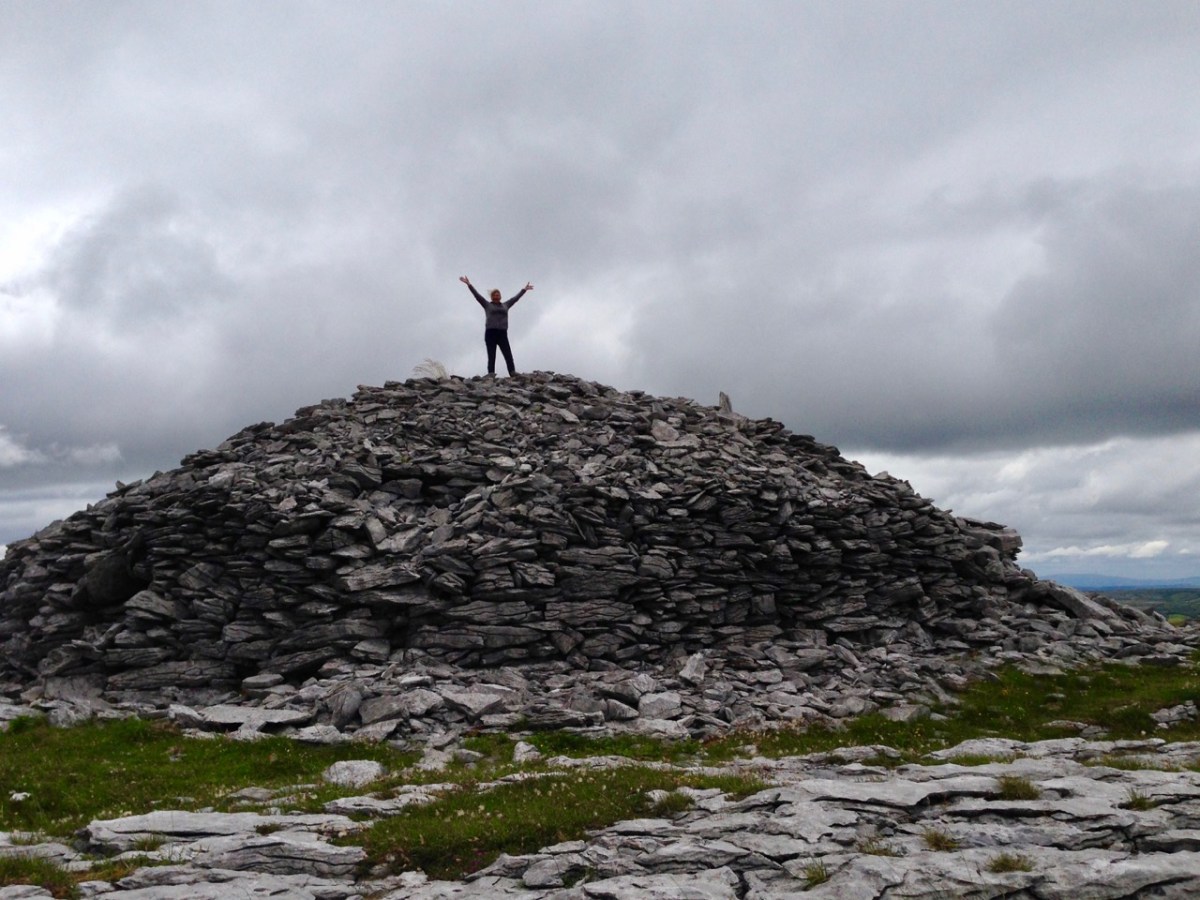
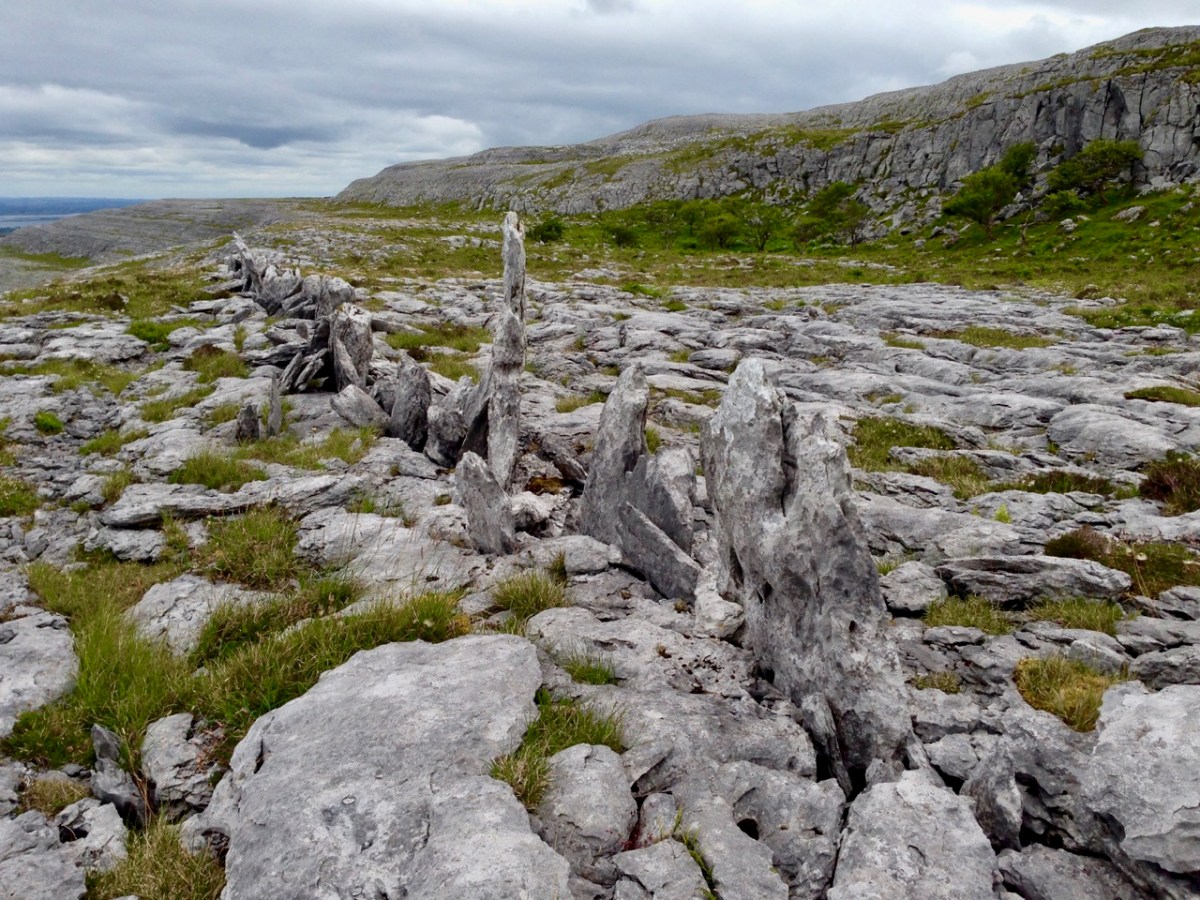
A mysterious megalithic tomb – we’re not quite sure what type it it – on a mountain in West Cork. We haven’t written about this one yet, but getting to it was quite an adventure.
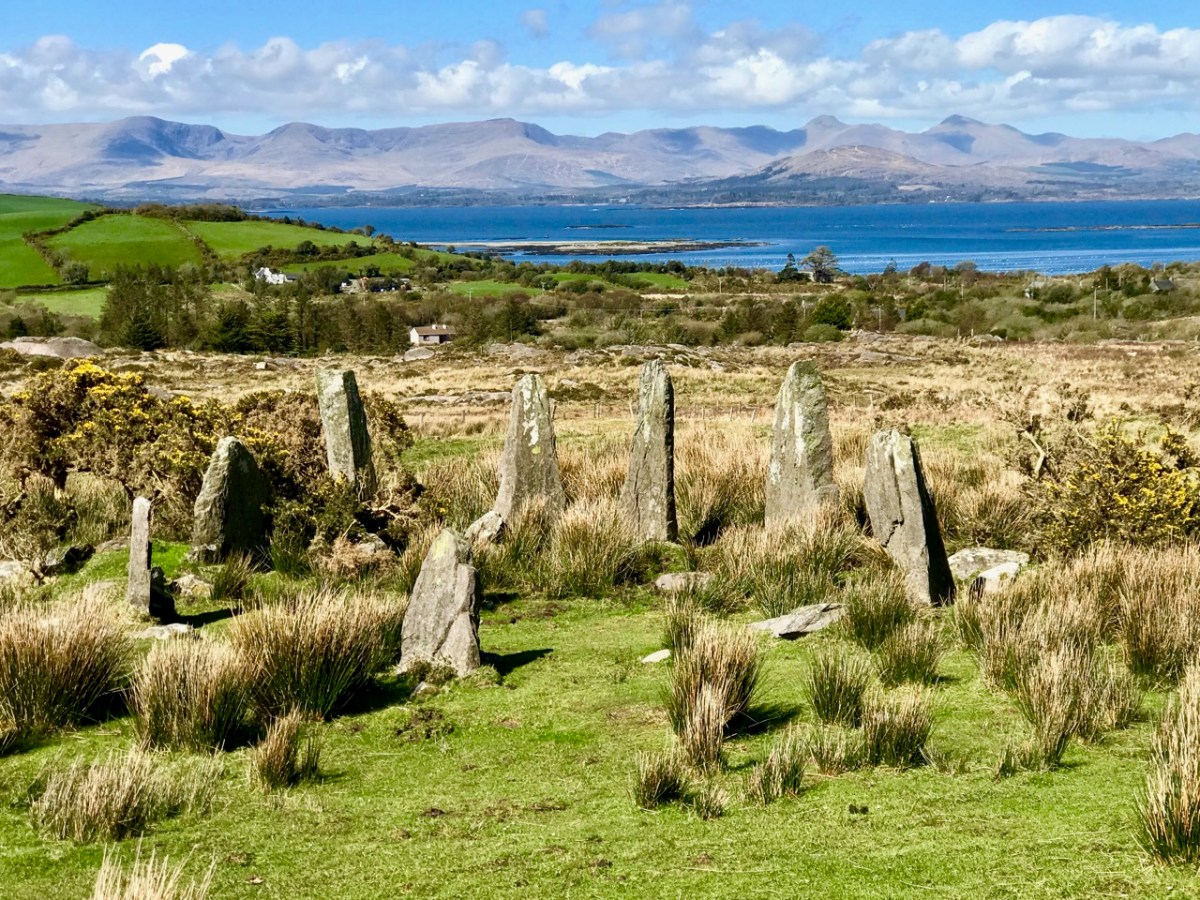
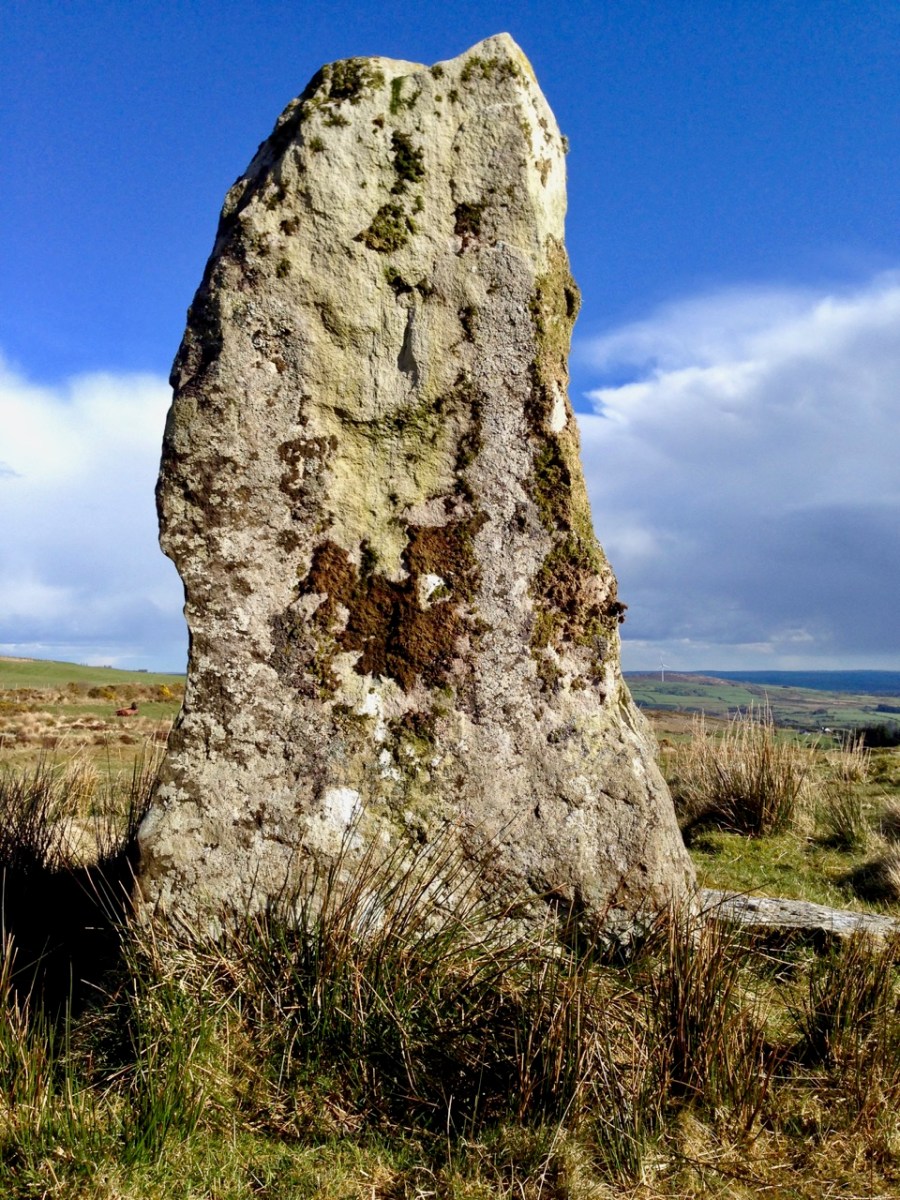
At this time we usually do a couple of ‘reviews’: looking back through the year and picking posts and photographs that jump out at us, asking to be shown again. Next week’s offering will be our selection of favourite Roaringwater Journal articles from 2021, but here, following on from Finola, is my choice of photographs that have never been published. We gave ourselves the stipulation that they have to be from West Cork, and they had to be taken this year. We are trying to have a minimum amount of commentary – and hope they will speak for themselves. First up – above – is Ratooragh Wedge Tomb, far down on the Mizen: we discovered it in February, and that exploration resulted in this article.
Baltimore Beacon has a recognisable profile: we can see it in the far distance from our home: Nead an Iolair
Barley Cove is a favourite place for us to walk – far enough away from the madding crowds: there are few of those in West Cork!
We like to explore the seascapes over by Dunkelly: here is a wonderful natural sea-arch
This view is from Inish Beg Estate, looking across the Ilen River towards the burial ground at Aughadown. In the background is Mount Gabriel
…And here is the view from the upper slopes of Mount Gabriel. Go up there on a good day and you are ensured the most scenic prospect from the top. During the year, Finola walked all the way up and – next – you can see her celebrating her achievement!
The strange times that we live in have seen an abundance of food and drink outlets springing up in town and country. I like the look of this oneon the Beara
This pyramidical grave marker is one of a few in West Cork: it’s at Myross, and looks out over High Island and Low Island
The West Cork landscapes offer an always changing mix of water and rock
This is the coastline at Dirk, beyond Ring: it really is that colour under the summer sun!
Our neighbouring town is Schull, which even in these Covid times was busy with seafarers in the summer holidays
We look down on Rossbrin Cove. Here is our view on a clear day in February
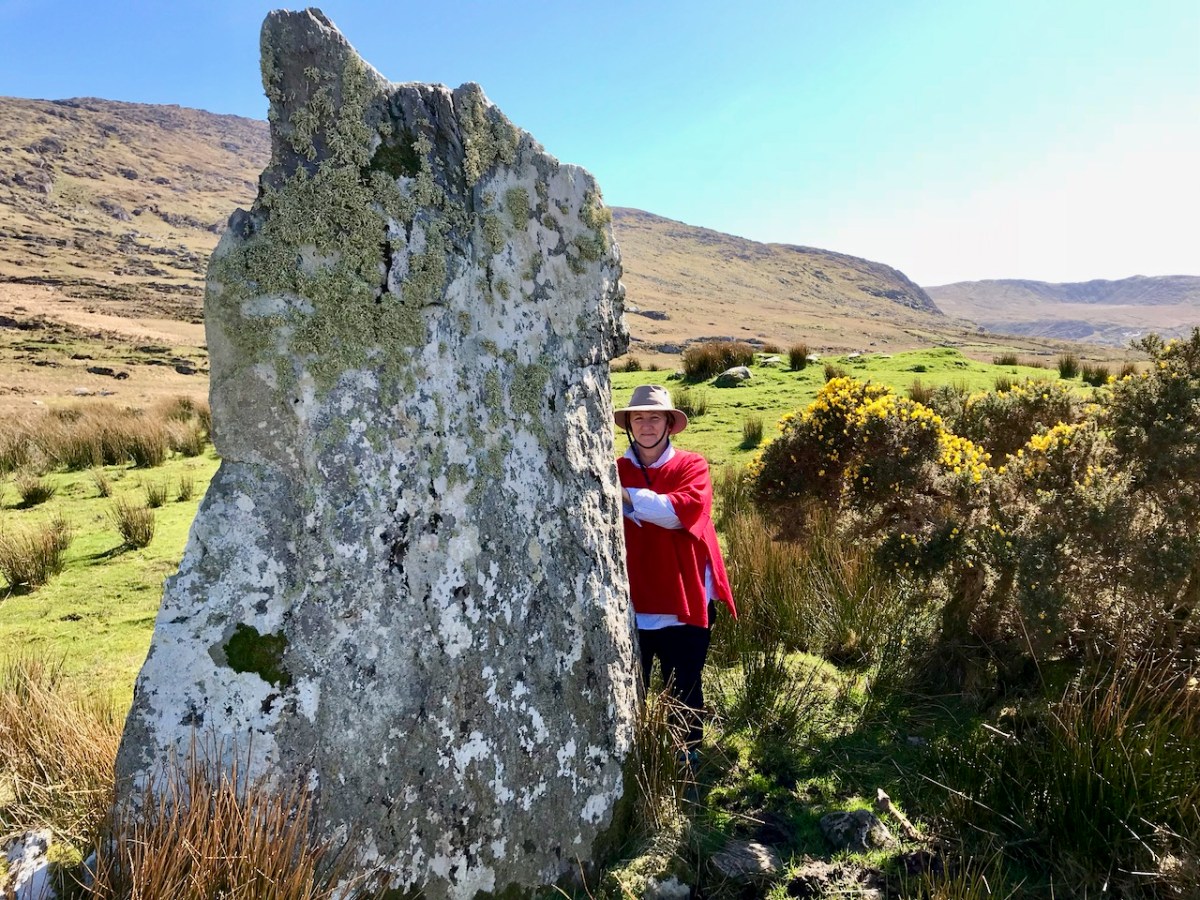
I asked Finola to take my picture next to this gentle giant – I couldn’t resist!
This may seem a surprising picture to finish off with, but Yay Burger has become our go-to on a Sunday night after a hard day on the Blog! Yay Burger has been a life-saver for us through the pandemic, and is one of a number of food outlets that have earned Ballydehob the title ‘centre of the culinary universe’
Do you remember pre-Covid days? Those times seem to bring out the nostalgia in me… It’s only two years ago that I wrote a post about our preparations – in Ballydehob – for the Wran Day celebrations that would take place on St Stephen’s Day – 26 December – following. Those festivities did happen, and we were then all in happy ignorance of how our lives were to be changed mightily by the pandemic that struck the world just a few weeks later. We’d like to think that, after all this time has passed, a level of normality will be returning. That’s not quite the case – but we are planning a ‘Wran’ this year, and today we gathered in Levis’s Corner House to make ready for it. Here’s a photo – kindly loaned by Pól Ó Colmáin – of the results of the workshop we held to prepare for the ‘Wran’ in 2019.
So firstly, here’s an abridged version of the post I put up after that workshop two years ago. I’ll follow it with an update of the equivalent [but socially distanced!] event which we held today . . .
* * * * * Back to 2019 * * * * *
Wran Hunting has featured before in Roaringwater Journal: that’s the way that St Stephen’s Day – 26 December – has been celebrated for generations in ‘Celtic’ parts of western Europe, specifically Ireland and The Isle of Man, but also in Cornwall – where it’s now only a memory – Brittany, Wales and Scotland. ‘The Wran’ is a very strong surviving tradition here, especially on the west side of the country. The Dingle Gaeltacht is the place to go if you want to see all the action (you may have to click on the bottom right of the window to turn on the sound):
In our own Ballyedhob community ‘The Wran’ is not forgotten. In fact you can even find a poem written about it in the Duchas folklore records. This was recorded in the 1930s by John Levis, aged 32, who took it down from Jeremiah Driscoll, aged 64 years. Jeremiah had been a Wren Boy in Ballydehob. Here’s the poem:
Come all you ladies and gentlemen,
For tis here we are with our famous wran
With a heart full of cheering for every man
To rise up a booze before the year is gone.
*
Mr O’Leary we came to see,
With our wran so weak and feeble,
The wran is poor and we can’t feed him,
So we hope your honour will relieve him
*
We’ve hunted our wran three miles and more
We’ve hunted this wran all around Glandore
Through hedges and ditches and fields so green,
And such fine sport was never seen.
*
As we copied our wran again
Which caused our wran-boys for to sing, She stood erect and wagged her tail, And swore she’d send our boys to jail.
*
As we went up through Leaca Bhuidhe
We met our wran upon a tree,
Up with a cubit and gave him a fall,
And we’ve brought him here to visit you all.
*
This the wran you may plainly see,
She is well mounted on a holly tree,
With a bunch of ribbons by his side
And the Ballydehob boys to be his guide.
*
The wran, the wran, the king of all birds,
St Stephen’s day he was caught in the furze,
Although he is little, his family is great,
So rise up landlady and fill us a treat.
*
And if you fill it of the best,
We hope in Heaven your soul will rest,
But if you fill it of the small,
It won’t agree with our boys at all.
*
To Mr O’Leary and his wife
We wish them both a happy life,
With their pockets full of money, and their cellars full of beer, We now wish a merry Christmas and a happy New Year.
*
And now, our song is ended, we have no more to say,
We hope you’re not offended for coming here today,
For coming here this morning we think it is not wrong,
So give us our answer and let us all be gone.
Traditional, DUCHAS
By good fortune there’s ‘Mr O’Leary’ above! He’s the landlord of Levis’ Corner House Bar in Ballydehob: he allowed the Wran workshop to take over his pub yesterday. Basically that involved covering the whole place in straw out of which, magically, appeared lots of wonderfully crafted Wran masks. Joe is wearing a fine example.
Finola and I were at the workshop, and there I am with work in progress on the straw mask which we made (upper picture). You’ll notice that I’m wearing ‘tatters’: I’ve had these for years, and I used to don them for our own mumming tradition in Devon which also happened on 26 December (that’s me with the squeezebox mumming in the 1970s! – lower picture). Over there we called St Stephen’s ‘Boxing Day’ because that was when ‘Christmas boxes’ were given to the postman, the milkman and anyone else who provided their services through the year. Interestingly, Kevin Danaher mentions the ‘Wran box’ which was taken around the houses by the wrenners (or Wran Boys) and used to collect money ‘for the Wran’. This illustration of a Wren box from County Galway is from Danaher’s book The Year in Ireland:
The workshop in Levis’ was very well attended, and there is clearly great enthusiasm for reviving this custom. Sonia collected the straw at the annual Thrashing in Ballydehob – which is a traditional harvest celebration. It’s not easy to find the right straw for making the masks nowadays: anything that has been through a combine harvester has been flattened and will not survive the plaiting.
It’s a complex process, but the group coped well in acquiring the new skills under Sonia’s tutelage. The making – every year – has always been part of the tradition where it’s still practised today. Sometimes the straw masks (which are only one part of the ‘disguise’) are destroyed after Stephen’s. In some of the Dingle traditions they are ritually burned on the following St Patrick’s Day.
* * * * * *Fast Forward to 2021 * * * * *
Two years later, on a damp Sunday in Ballydehob, you might have seen the strange sight of bundles of straw being transported across the road to Levis’, where the 2021 Wran Workshop is about to take place in the ‘outback’ area of the bar. That’s Sonia (on the left above) who is masterminding the whole proceedings, and also oversaw the growing of the straw.
We all really appreciate Joe and Caroline – who run Levis’s – who are so supportive of community events and who, like everyone else, have had to struggle to keep business going through the ups and downs of Covid restrictions. The ‘Outback’ – formerly their yard – has been remarkably transformed into a comfortable outdoor venue, and live concerts and events are continuing through the winter season, helping to make our days seem as normal as possible.
We were a small but dedicated group, determined to get the tradition going again in Ballydehob. We are not sure, yet, when it will happen. Traditionally it should be Stephen’s Day, but it all depends on how available the participants will be. We will keep all our readers fully informed! meanwhile, if you need encouragement, look at the work that has gone into the straw masks this year . . .
Here’s Sonia Caldwell again, above. We have featured her Kilcoe Studios in a previous post. She is undoubtedly the energy behind this project. Look out for us all shortly after Christmas – there is good entertainment to be had. But, also, essential traditions to be kept alive to ensure that our world keeps turning!
That’s Pól Ó Colmáin, above, testing out his mask for size before finishing off the conical headpiece. Marie and he run the Working Artist Studios in the main Street of Ballydehob – a wonderful addition to our village’s thriving assets. Pol also bravely works away at teaching the Irish language to a number of students, including me! Here are both of them this afternoon with their completed Wran Day pieces – and also my own mask back at home . . .
I always drift back to Monica Sheridan at Christmas. Ireland’s first TV chef, she lives in the memory for those of us who grew up at the dawning of the television age in Ireland. Her Christmas Cake recipe is a classic and because it is nowhere on the internet, I decided, way back in 2013, to put the whole recipe in a blog post. This actually led me down a rabbit hole because the three posts I have written about Monica Sheridan were published so long ago that they no longer display properly, so I have spent the day updating them. Here is the first post I wrote about her – it was called Monica’s Kitchen and was all about her first cookbook.
And here is the Christmas Cake post. She described it thus: unorthodox, unhygienic, almost improper – but it does work. She’s right – I have made it and it is delicious.
Many of the recipes are the same, but there are significant differences between the Irish and American books. Amusingly, the chapter on ‘Drink’ is re-labelled ‘Beverages.’ All the same colloquial come-here-till-I-tell you chat is here and there’s an introduction by Bob Briscoe, the popular Lord Mayor of Dublin, who can’t resist the Irish-American tropes, saying, Our traditional Irish fare proved itself a boundless source of rugged health and stamina. . . it built the muscles that helped to push the great railroads across the American continent, and the Irish intellects that have adorned the world’s literature. For some reason, the American edition required menus, as if the publisher had said – ‘Yes, but what do the Irish actually eat at a meal?’ Here’s the Christmas dinner menu (with a bonus Expense Account menu delivered with her trademark sense of fun).
I have no idea what creamed potatoes are (mashed with cream?) or why she serves celery twice, the second time ‘curled.’ But this American edition is the only one where she gives a recipe for Mince Pies, so I am including her recipe for Mincemeat, in case there are those of you out there who like to make their own. Other recipes I have consulted call for shredded suet, but Monica keeps it fairly simple, although she does assume you have a mincer. It’s not such a standard piece of kitchen equipment as it used to be, so if you’re not sure what it is, here’s a link. I love her comment on the puddings too!
All our mothers and grandmothers cooked from Monica Sheridan and Maura Laverty‘s cookbooks. Together, these two women dragged Irish cuisine into the 20th century. Oh – yes, there was Theodora FitzGibbon too – well deserving of a future post. That’s my copy of her A Taste of Ireland in the lead photograph. I have several other cookbooks devoted to Irish cooking, from the 60’s to the 90’s. Fillet Sole St Brigid, anyone? Or a nice dish of Sloke?
Welcome to the UCD Library Cultural Heritage Collections blog. Discover and explore the historical treasures housed within our Archives, Special Collections, National Folklore Collection and Digital Library