Lúnasa

Garlic Sunday at Nead an Iolair

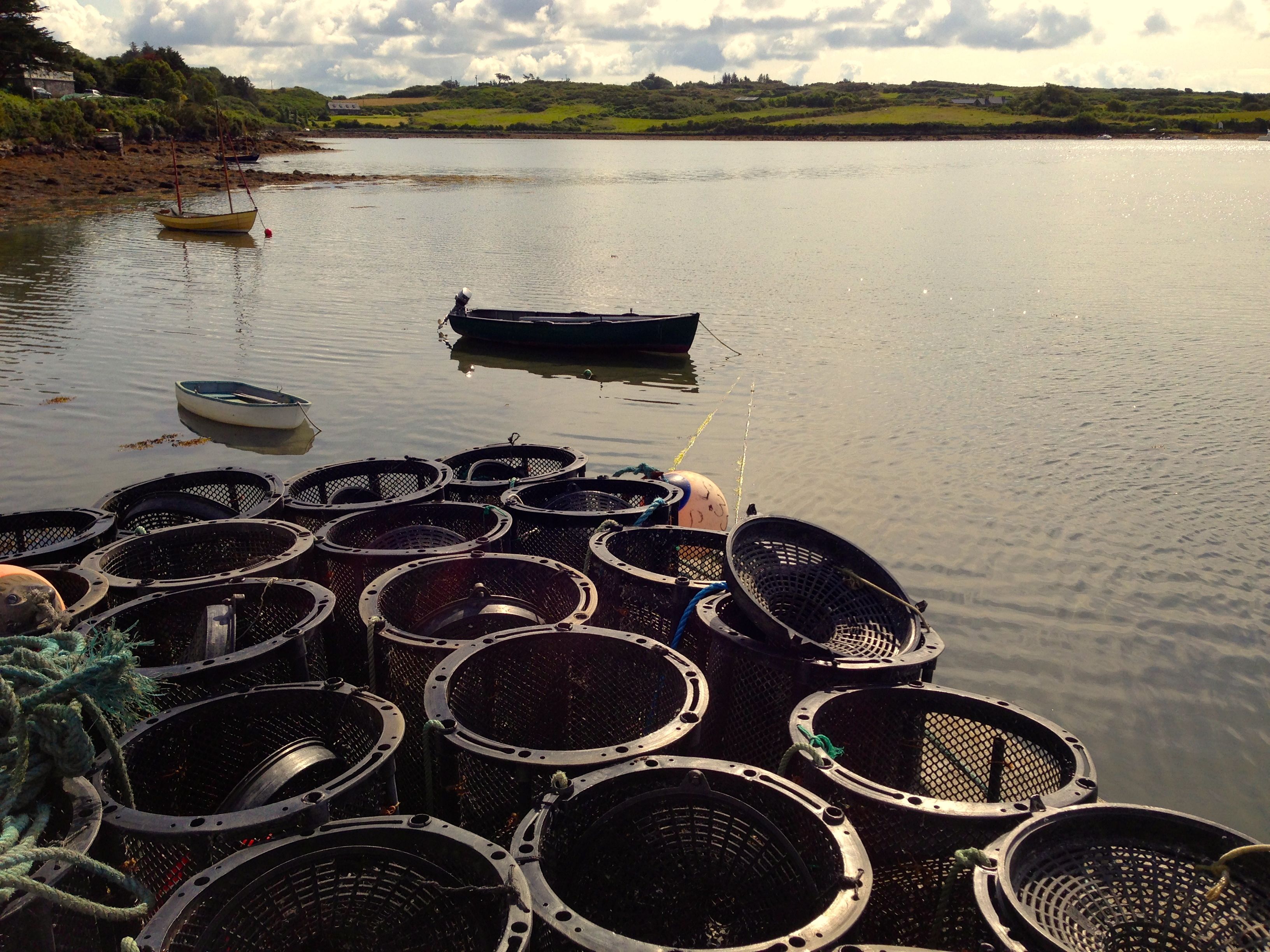
A summer storm approaches Rossbrin Cove

Lúnasa – in Ireland it’s the name for the eighth month, and a festival.

August? So that would relate to Lammas in English – the first of August?
loaf

Yes, Lammas is supposedly from the Anglo-Saxon Hlafmaesse – meaning ‘Festival of the Loaf’. Here it was traditional to bake bread at Lúnasa – a round loaf, which was cut into four and each quarter was then set in the corners of the barn where the grain would be stored, to ensure a good harvest.

So is Lúnasa the harvest festival?

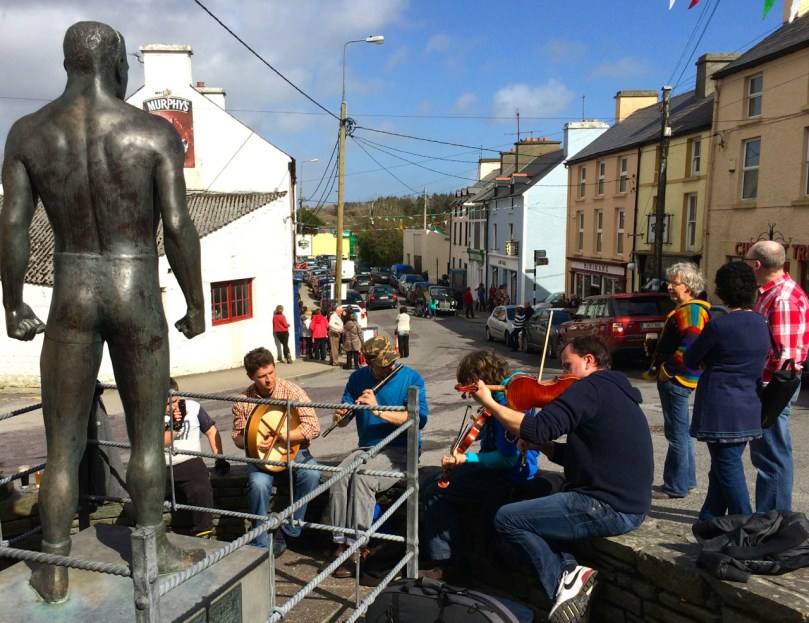
By some accounts, yes. Although the beginning of August is a bit early for harvesting. Having said that – our music session in Ballydehob last night was temporarily disrupted by the sight and sound of a fleet of huge tractors and a combine harvester thundering through the main street in the dark – yellow lights flashing dramatically: after a prolonged period of hot sunny weather there was a big rain storm forecast, so the farmers were working through the night to get in as much of the crop as possible before the deluge.

And did the rain come?

It did – just in time to dampen the Ballydehob Wooden Boat Festival. But it certainly didn’t put a dampener on the spirit of the event.

A damp Boat Festival in Ballydehob

A damp Boat Festival in Ballydehob

Is Lúnasa celebrated in Ireland nowadays?

Well – it’s remembered: you may have heard of Brian Friel’s play Dancing at Lughnasa, turned into a film in 1998. It’s set in rural Donegal in the 1930s and poignantly tells of the lives of five women encapsulated through one summer month. It touches on ritual themes and the mixture of superstition and religion which still characterises life in Ireland today.

Now you’ve spelled it differently…

Well spotted! On the calendar it’s usually Lúnasa. It’s suggested that the word Lughnasa harks back to pagan times: there was a god – Lugh – who in Irish mythology led the Tuatha Dé Danann against the Fomorians. After the victory Lugh finds Bres, the half-Fomorian former king of the Tuatha Dé Danann, alone on the battlefield, and Bres begs for his life. If he is spared, he promises, he will ensure that the cows of Ireland always give milk. The Tuatha Dé Danann refuse the offer. He then promises four harvests a year, but the Tuatha Dé Danann say one harvest a year suits them. But Lugh spares his life on the condition that he teach the Tuatha Dé Danann how and when to plough, sow and reap.

That story rather neatly ties up the connection with the harvest… Any more traditions?

August is the holiday month and there are plenty of things happening in Ireland: my favourite is Puck Fair, held every year in Killorglin, County Kerry. I came across it by accident when I was travelling in Ireland some forty years ago; now it’s notorious.

Why?

King Puck

King Puck (www.abitofireland.com)

Well, the central feature is an enormous Billy Goat, captured in the wilds of the Kerry Mountains. He gets treated royally – literally, as on the first day of the Fair he’s crowned King by a twelve year old girl. He’s then placed in a cage on top of a high platform which looks out over the street fair, which continues for three days.

Puck Fair, Killorglin 1900

Puck Fair, Killorglin 1900

That certainly does sound pagan! What happens to King Puck after the Fair?

He goes back to the mountains. It’s not uncommon to see wild Goats up in Kerry.

Sheena Jolley's superb study of Kerry Goats

Sheena Jolley‘s superb study of Kerry Goats

Is there a story attached to King Puck?

Of course… During St Patrick’s travels he reaches the borders of Kerry. He has with him his herd of Goats which give him food and milk. During the night his goats are stolen and this means he can’t go any further (in fact he supposedly then never set foot in Kerry, which means that Kerry people were never converted from their old pagan ways!). ‘…He resolved to detour a community that was so utterly depraved and lacking in hospitality. However, a chieftain from the Barony of Dunkerran saved the day for Kerry. He presented as a gift for the Saint a magnificent Puck-Goat and a hundred of the finest Goats from his herds on the slopes of Glencar highlands. The Saint came no further west, but instead of a malediction he gave to Kerry that benediction that will live forever in the salutations of the Irish Race – “Go mbeannuigh Dia siar sibh”*. Killorglin being the natural centre of defence of the Barony at that time has ever since held the Puck-Goat in the highest esteem, and elevated him to the place of honour for three days each year…’ (Liam Foley – the Kerryman, 1945)

*May God bless you back
cove

And are you celebrating Lúnasa yourself?

We’re off to the Blessing of the Boats this morning in Schull. Then we’re over to Hare Island later on for an evening meal with friends who’ve sailed down to West Cork for the weekend.

Enjoy it!

Ready for the Harvest
Ready for the Harvest

On the Butter Road

The old Butter Road runs between Schull and Ballydehob

The old Butter Road runs between Schull and Ballydehob

For most of its history, roads were a hit-and-miss affair in Ireland. We didn’t get the great Roman road builders, and anyway, it was easier to get around on the water. Some routeways led to Dublin or Tara in the early medieval period, but a real road system didn’t develop until the 18th Century with the building of turnpike highways between major cities. In the 18th Century, Cork became the largest centre for the butter trade in the world and needed transportation corridors to ensure butter could get from remote rural areas to the Butter Exchange (now a museum) in the city. The Butter Roads were built from the 1740s on, and provided an efficient and speedy (for the time) route to market. Butter was packed in firkins (40 litre barrels), stacked onto carts, and transported from West Cork and Kerry to Cork City to be loaded onto ships for Australia and America.
The Old Mill

The Old Mill

Here and there, traces of the old butter roads remain. One stretch runs between Ballydehob and Schull and in the last few years a project to open it as a walking route has been spearheaded by students of the Schull Community College. It starts at the Old Mill, now open as a gallery by our friend, the esteemed wildlife photographer, Sheena Jolley. Sheena has enhanced the mill stream and stabilised the workings, still intact in her basement. A visit to her gallery is a great way to start or end your walk.

Robert on the stepping stones

Robert on the stepping stones

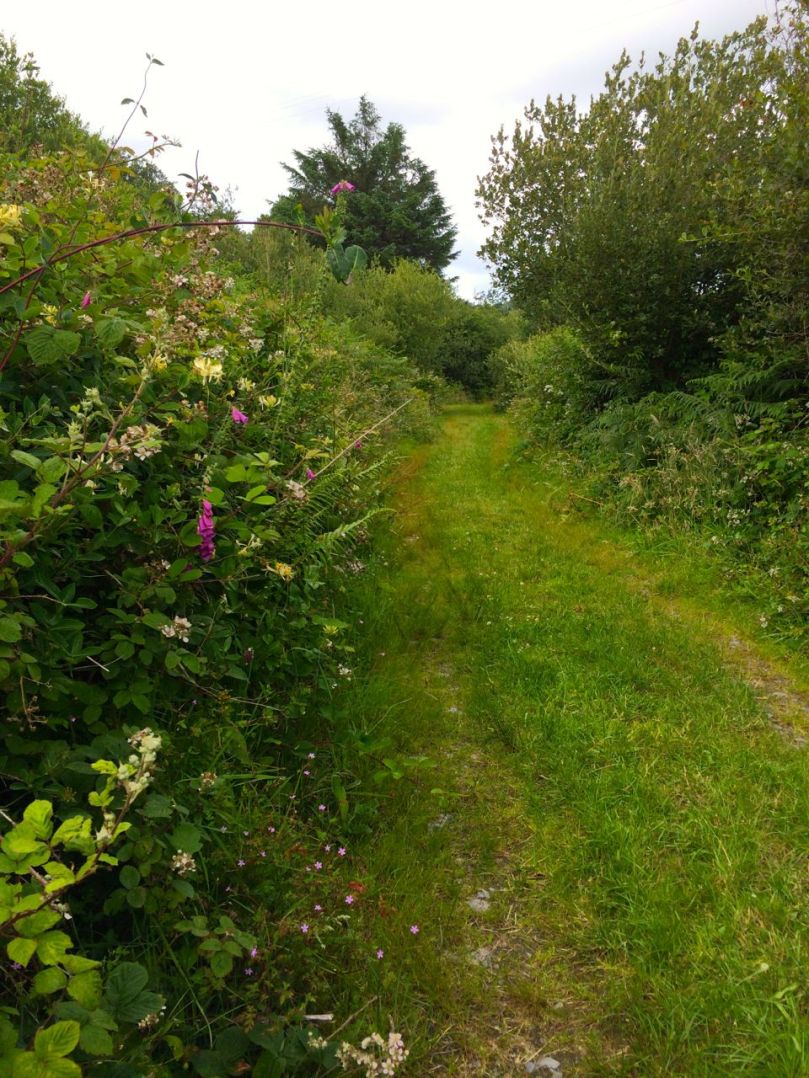
Setting out from the mill we were immediately on the old green road, soft underfoot, running between hedgerows alive with wildflowers, winding gently uphill. A plaque tells the story of the butter roads and of the current project. Gurgling and murmuring, the mill stream is on your right until you come to cross it. This is accomplished on stepping stones where we found it impossible not to linger and contemplate the gentle water. 

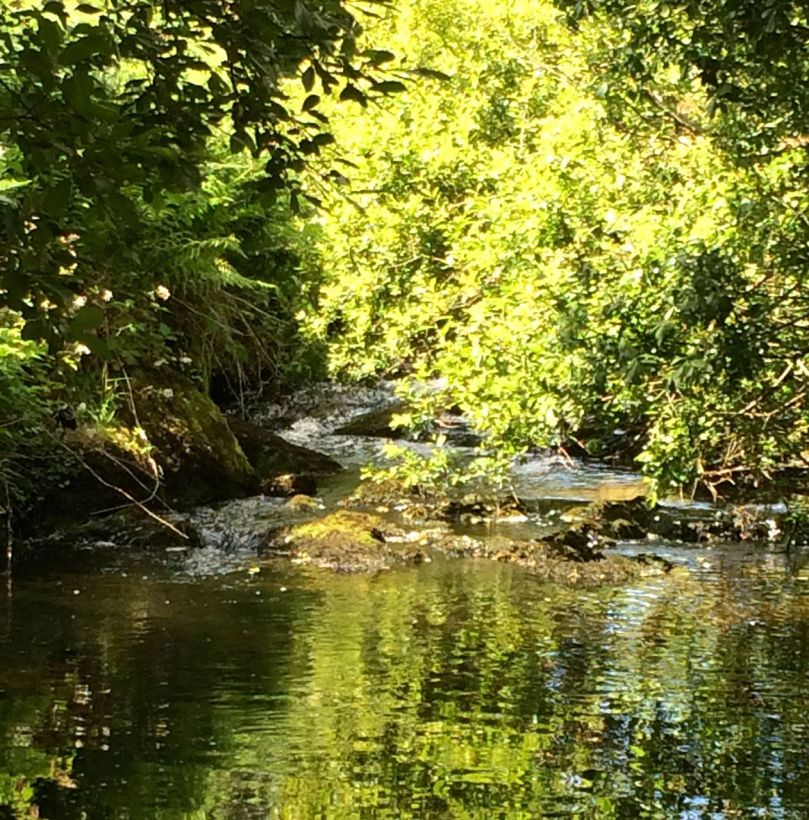
The mill stream

The mill stream

Onward and upward, passing an abandoned farmhouse, and marvelling at the variety of flowers along the route. Having been presented with the superb Zoë Devlin’s The Wildflowers of Ireland (thank you, Amanda!) I can now identify most of them, so here is a selection – captioned, by dint of my new-found knowledge. (Mousing over the pictures will bring up the captions, clicking on them will take you to full size images.)

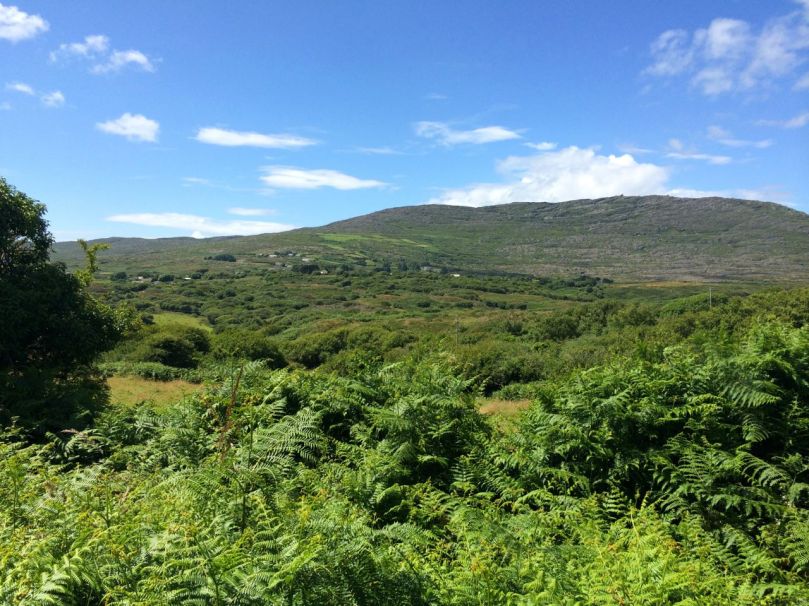
As the road ascends, we could look back towards Schull and Long Island, or north to Mount Gabriel. The sense of peace, of being in a place of age-old tradition, is palpable. 

Mount Gabriel

Mount Gabriel

Near the top of the hill we met the Newman family, setting out from their farmhouse to walk down to Schull. John and Helen grew up in this house, walking to school in Rossbrin (about 4 km away) every day and John still lives in the house. He has a fascinating collection of old tractors and an obvious interest in farm machinery of every kind. They told us they had the butter road all to themselves in the old days, but now it’s quite popular and they are glad to see it used and enjoyed. A Mr Henry Ford once lived in the farmhouse, related to THE Henry Ford, whose father came from Ballinascarthy, near Clonakilty. 

Three generations of the Newman Family

Three generations of the Newman Family

The Butter Road is an ancient right-of-way, but access depends on the goodwill of those, like John Newman, and like Paddy Hayes whom we met on the way down, whose farms and fields lie along the route. This is a marvellous resource for the people of Schull and Ballydehob and we are grateful to those whose vision and hard work and generosity of spirit have made it a reality. 

If you want to experience the tranquility of the deep countryside, lovely views, and a sense of how the making of a road could connect far-flung communities to the wider world, we recommend an afternoon spent on the Butter Road. 

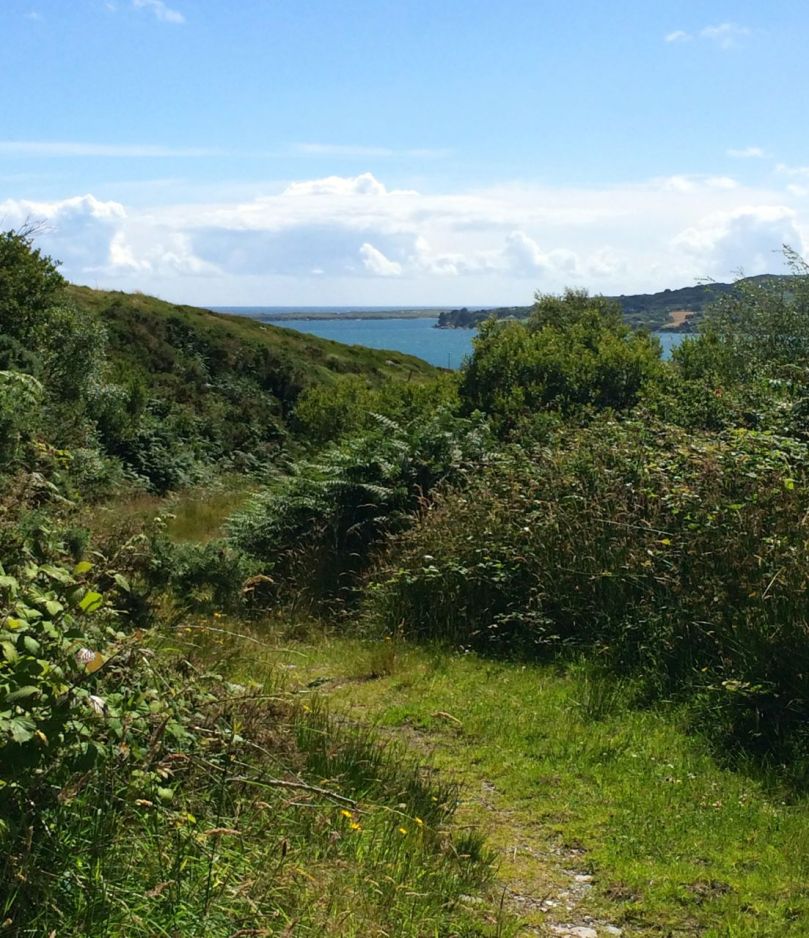
Walking back down: Long Island comes into view

Walking back down: Long Island comes into view

Midsummer Maunderings…

Beautiful Cappaghglass

Beautiful Cappaghglass

…or Life Seen Through a Lens… Things found, places visited, mainly in the environs of West Cork, often just a few steps from Nead an Iolair, although one or two are from further afield. We have been away in Tipperary this week, so these posts are ‘ones we have prepared earlier’.

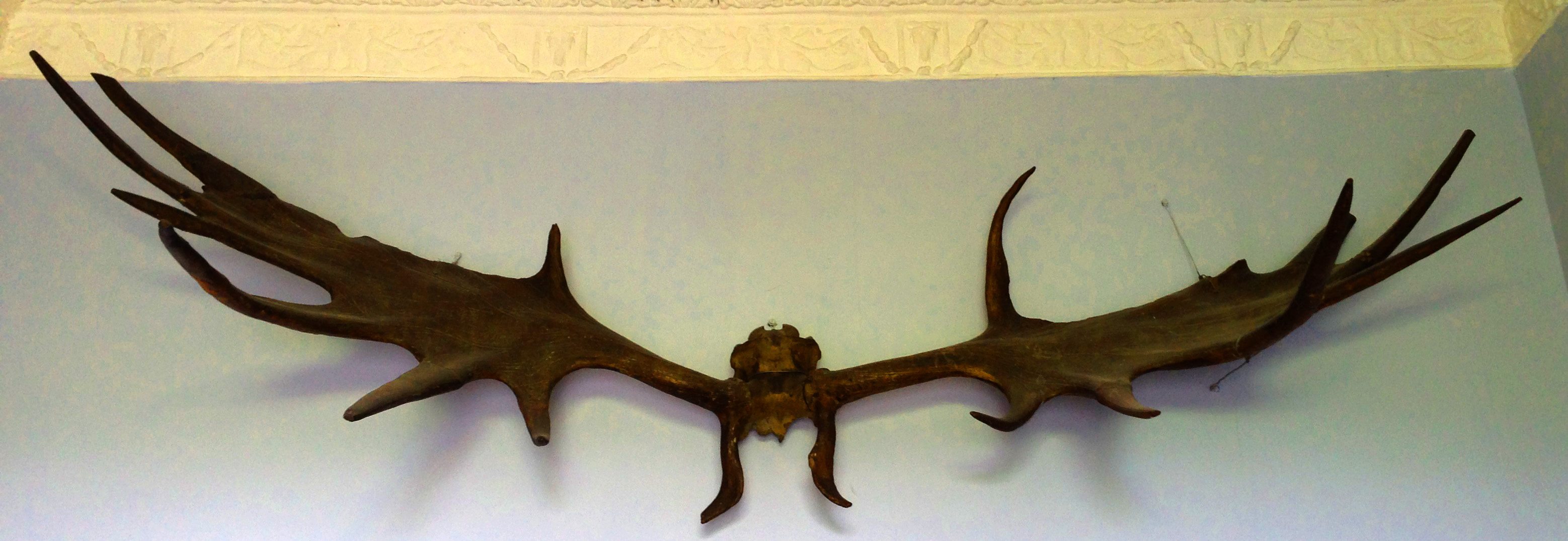
A reminder of Megaloceros - the extinct Irish Elk

A reminder of Megaloceros – the extinct Irish Elk, at Ballymaloe

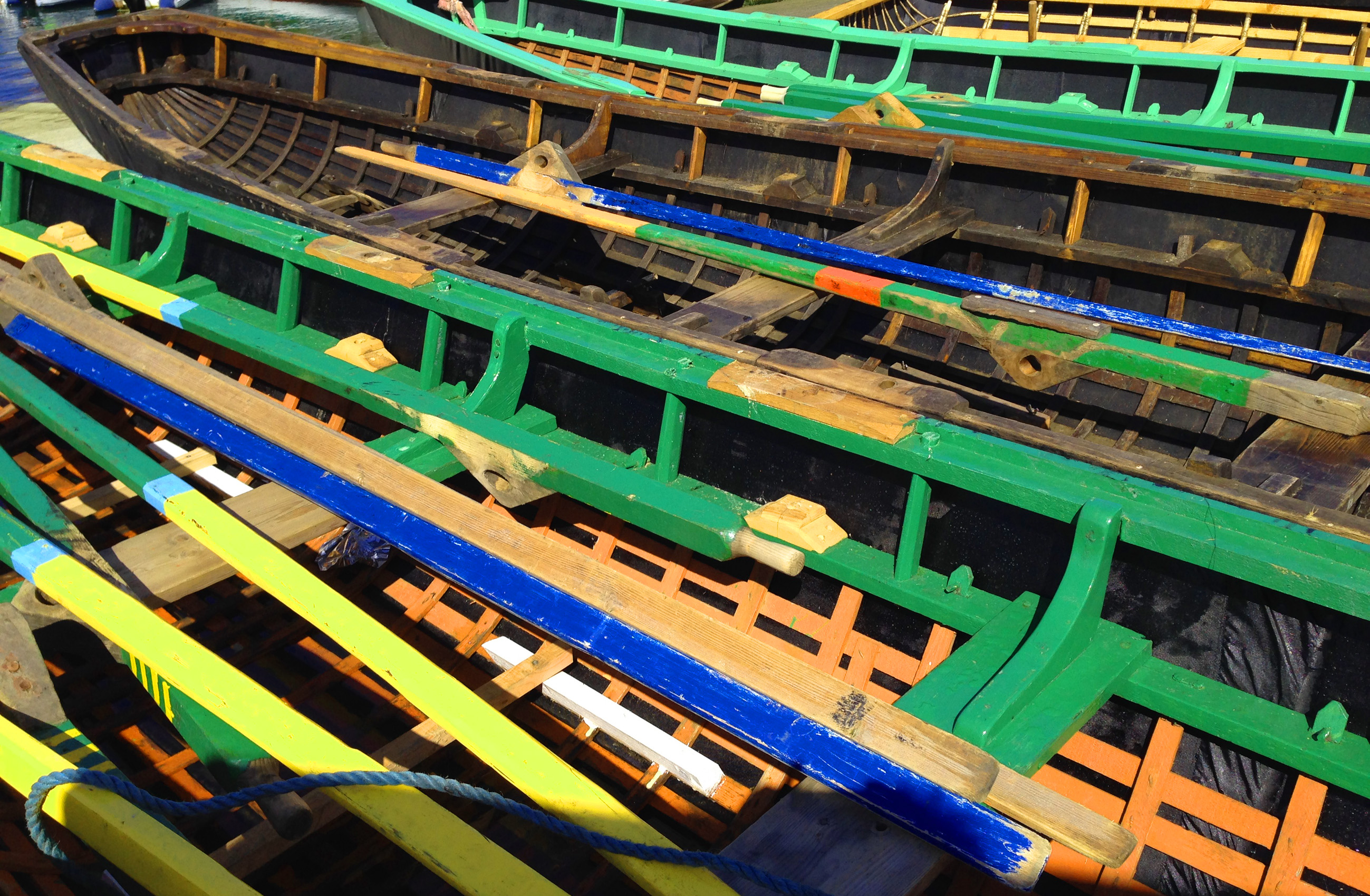
curraghs

Currachs at Baltimore

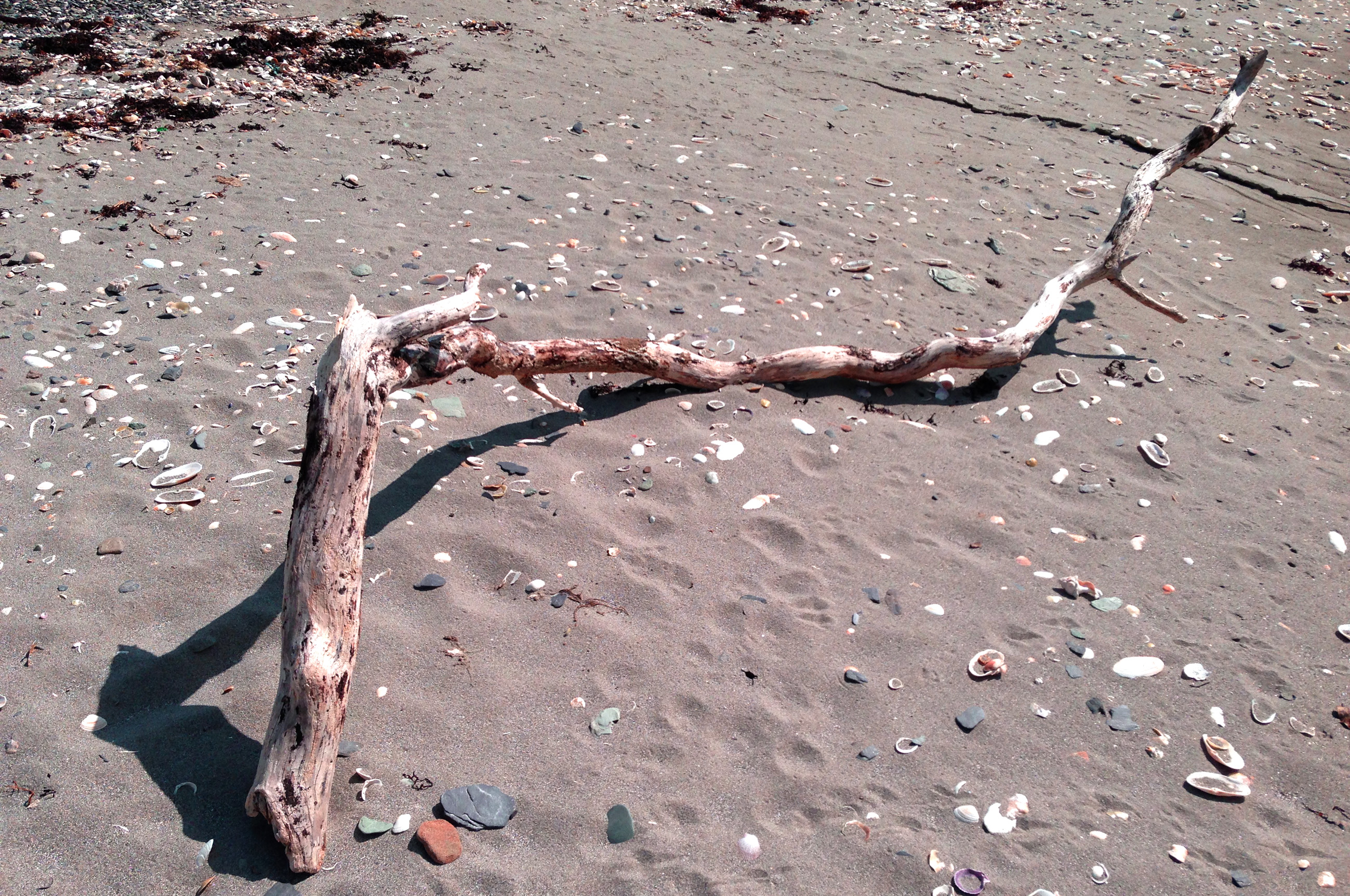
Shelly Beach - our local secret

Shelly Beach – our local secret

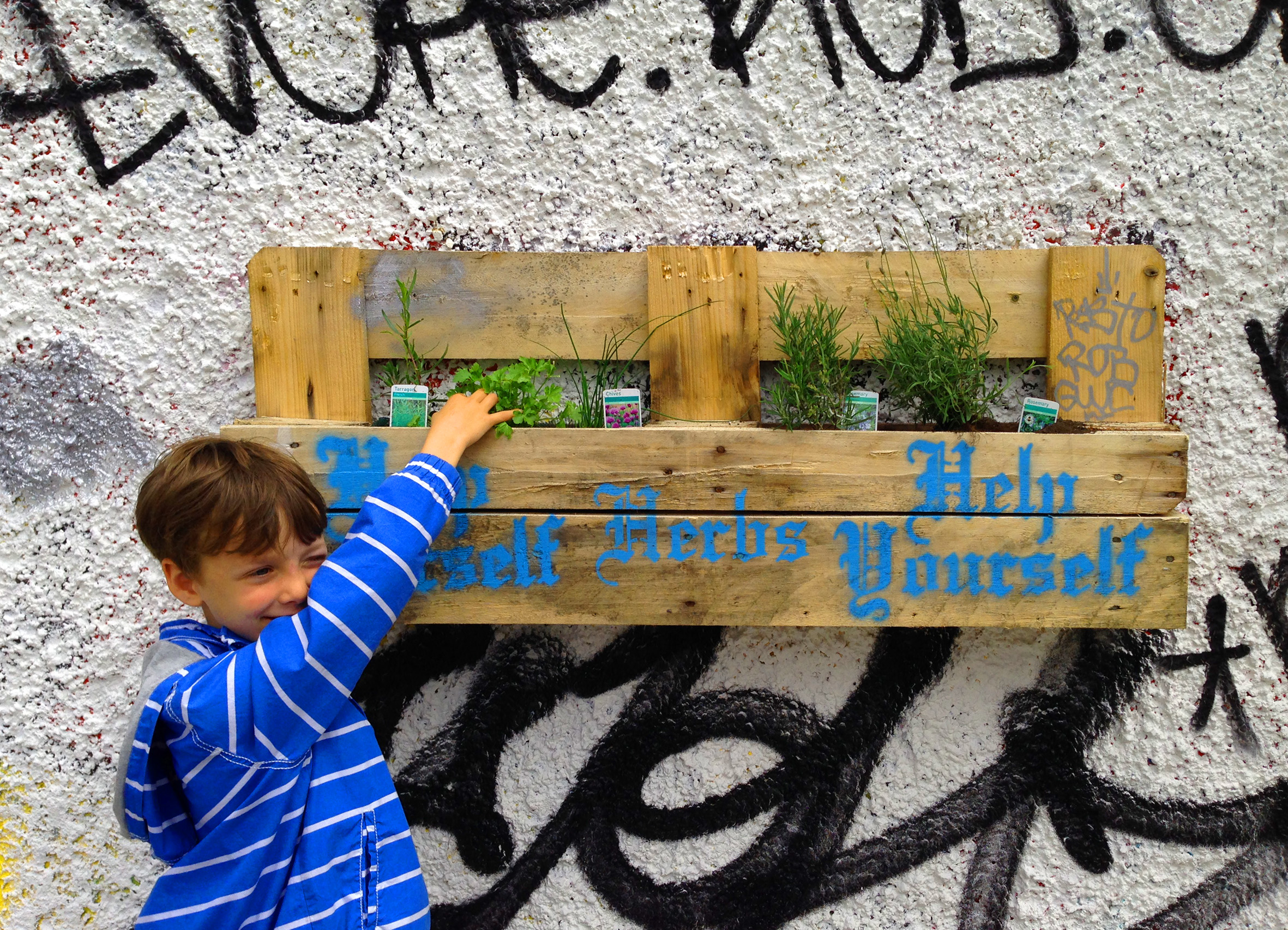
Hugo helps himself!

Hugo helps himself!

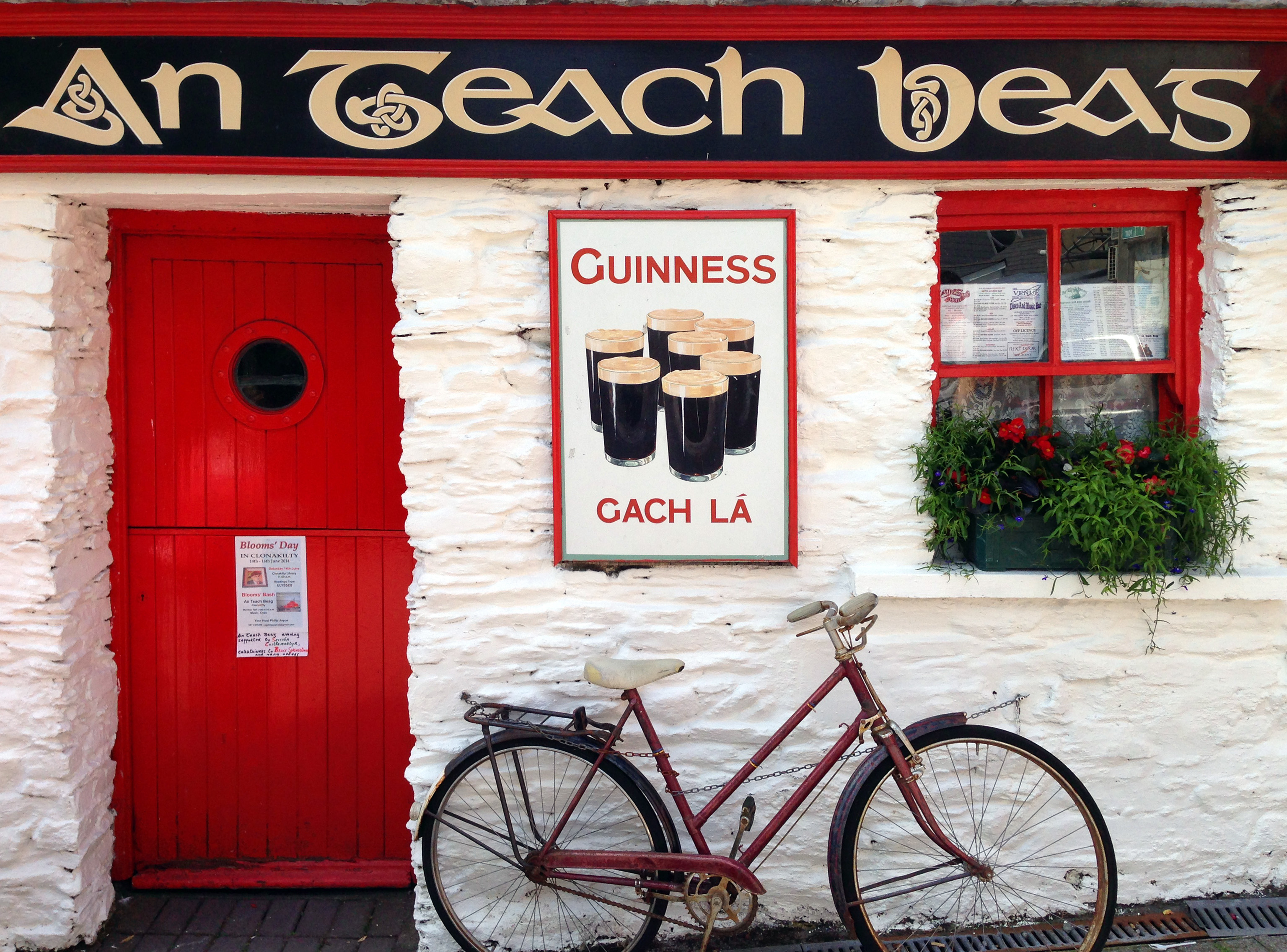
guiness

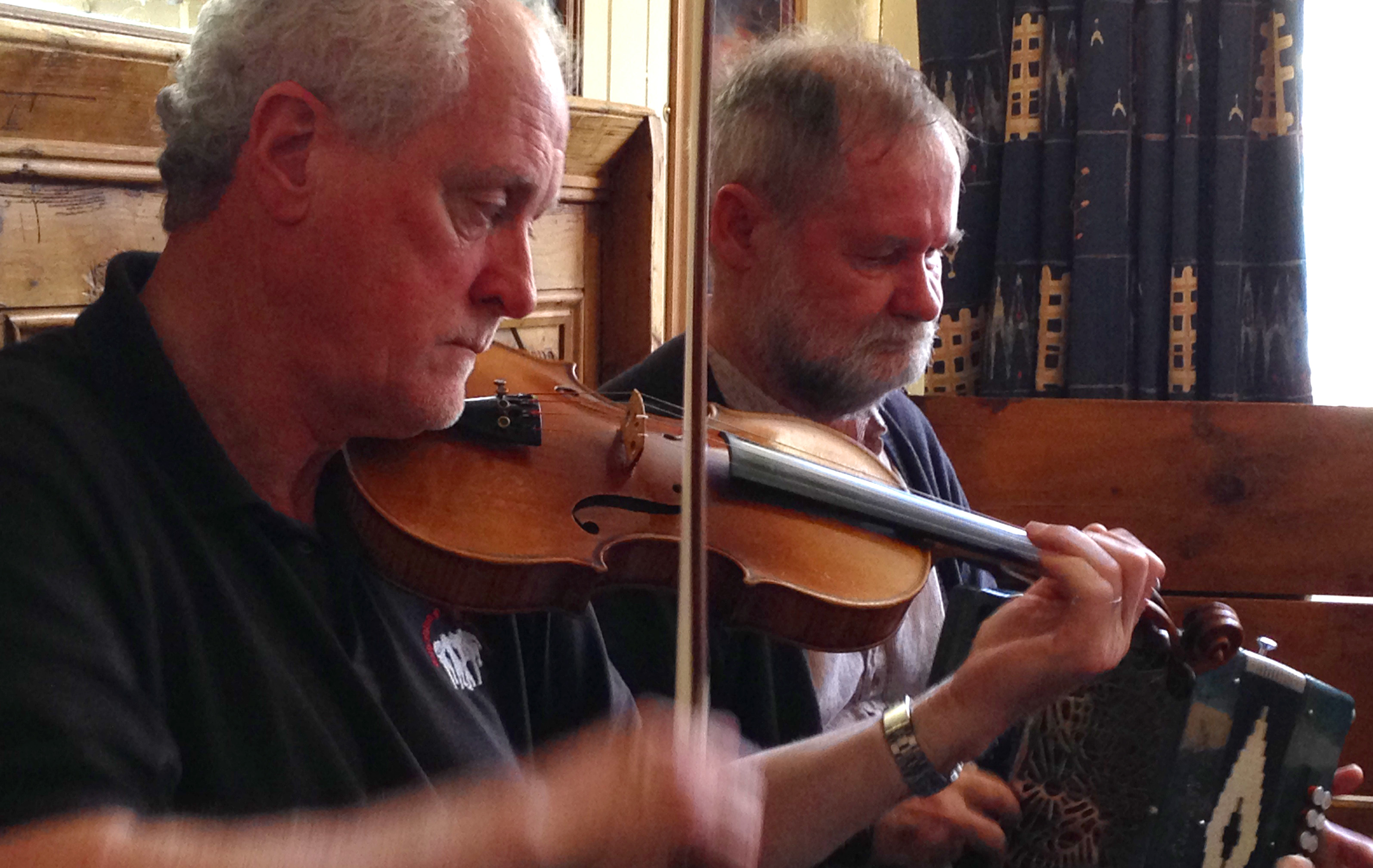
Maestros Matt Cranitch and Jackie Daly playing in Ballydehob

Maestros Matt Cranitch and Jackie Daly playing in Rosie’s

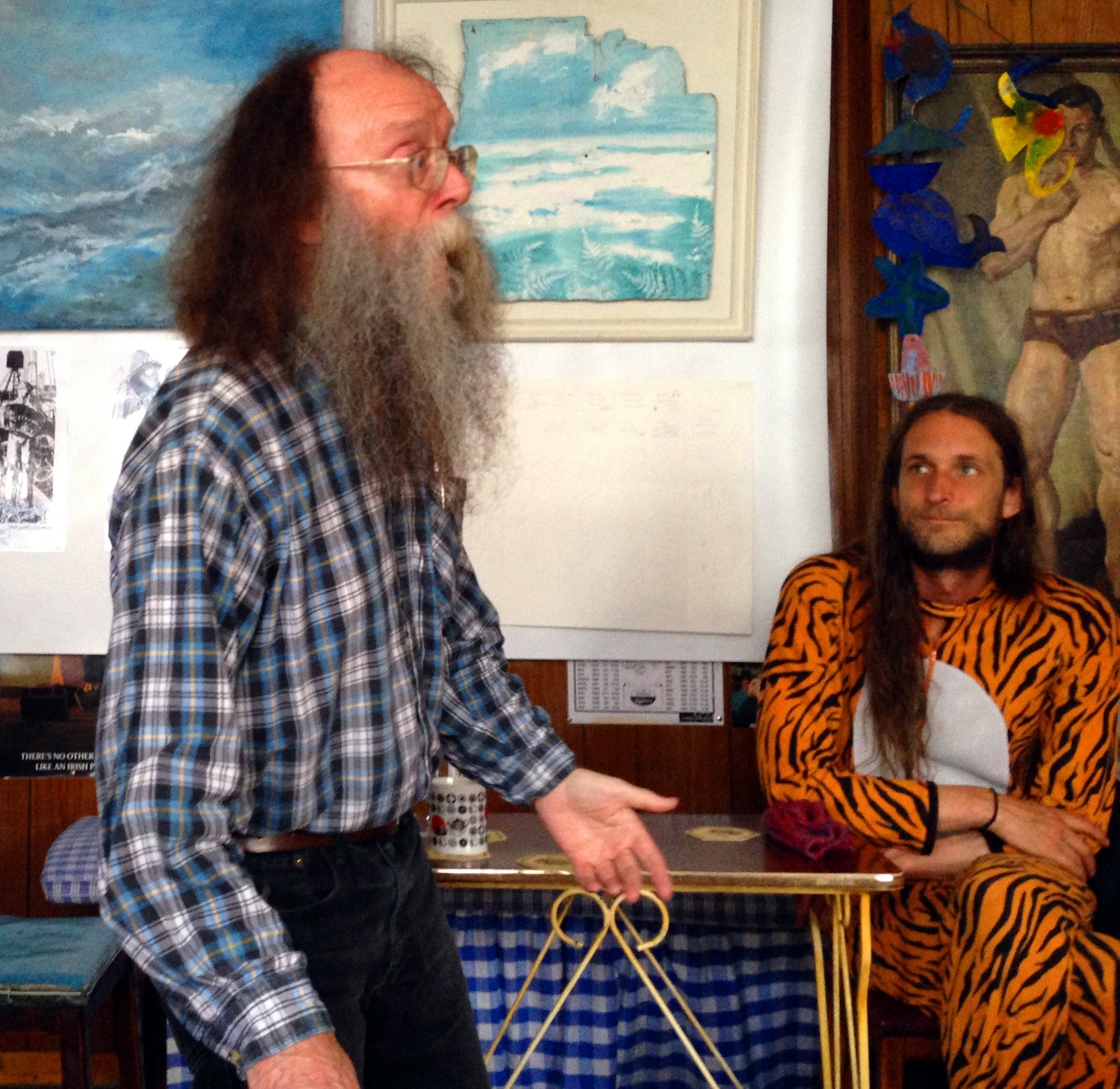
An ordinary day in Ballydehob - with seanchaí Eddie Lenihan

An ordinary day in Ballydehob – with Seanchaí Eddie Lenihan

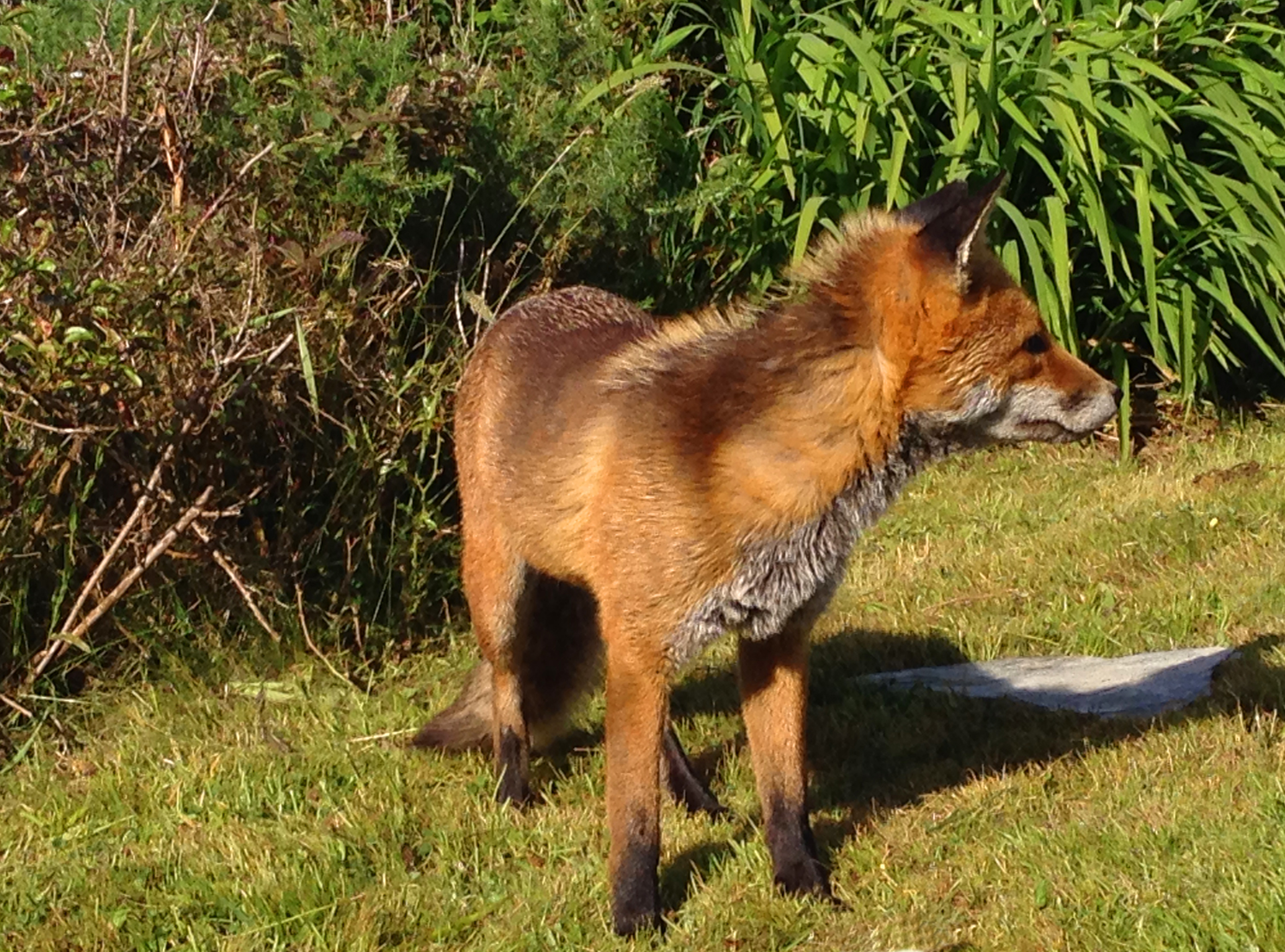
Ferdia - our garden companion

Ferdia – our garden companion

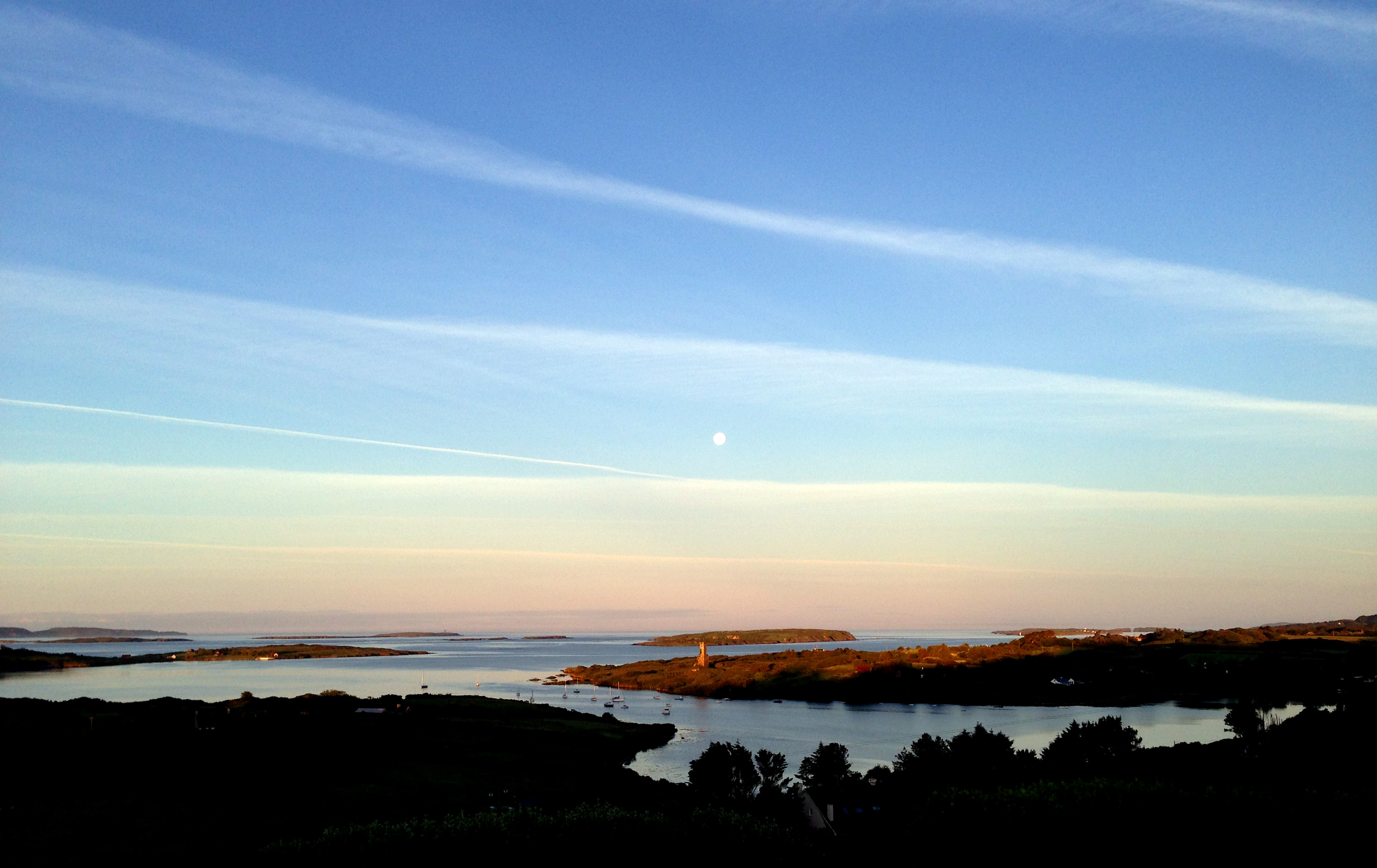
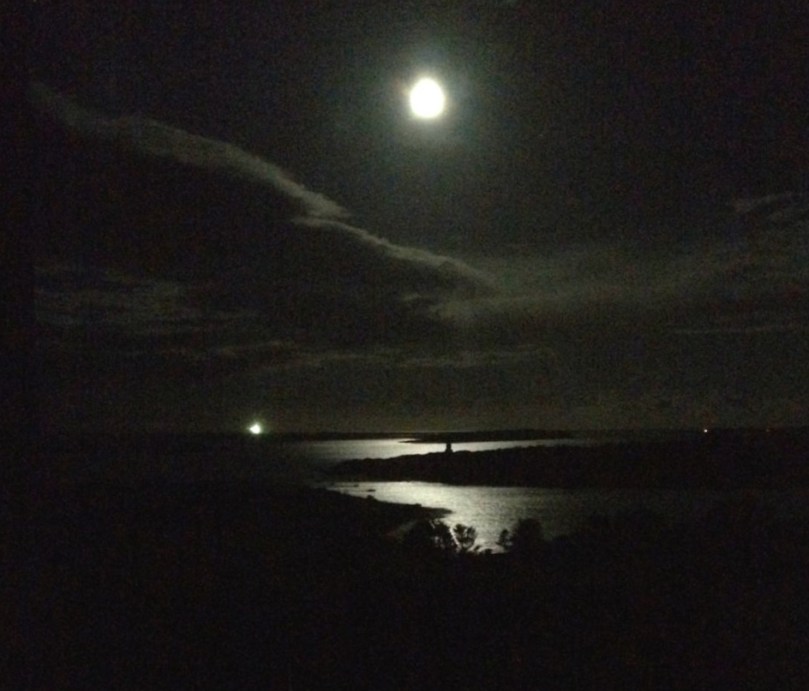
Dawn Moon over Rossbrin Castle

Dawn Moon over Rossbrin Castle

***

By the way… Dictionary definition of Maunder: to move or act in a dreamy, idle or thoughtful manner. Synonyms: wander, drift, meander, amble, dawdle, potter, straggle… Finola has only ever heard the word used in Ireland.

thady's

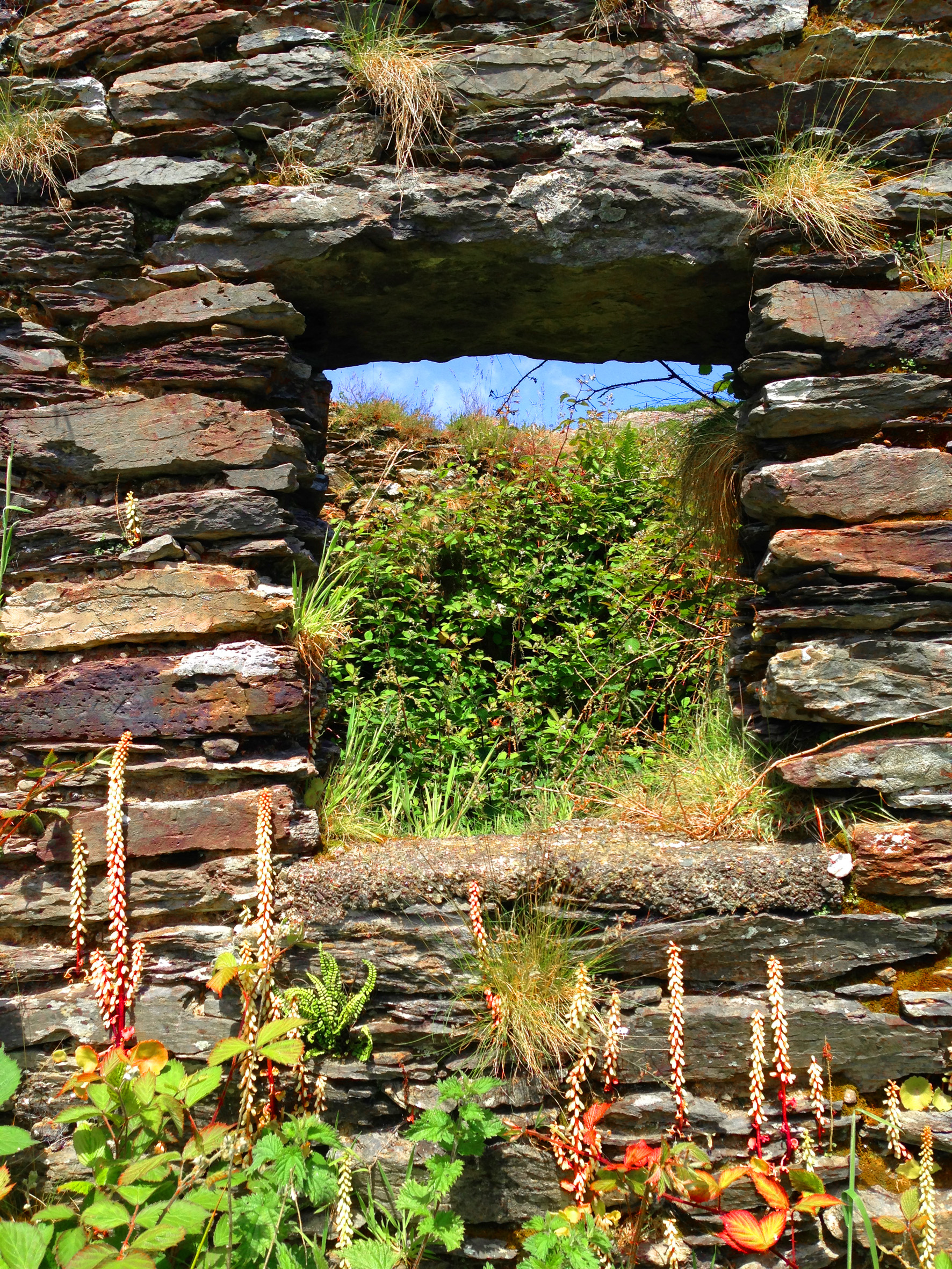
Thady’s window on the World

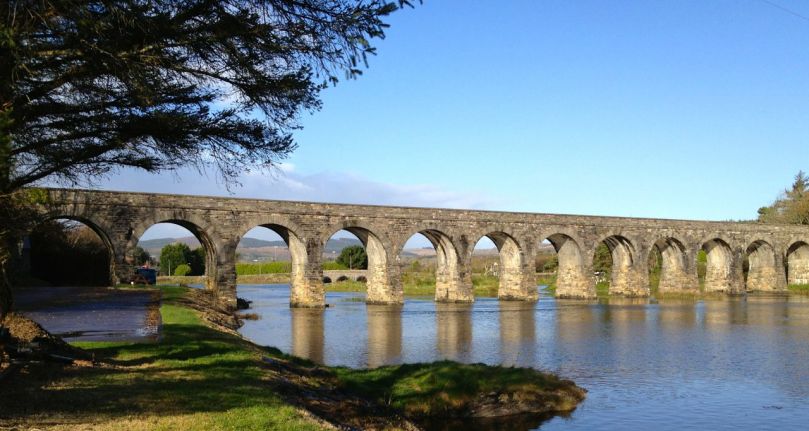
Bridge

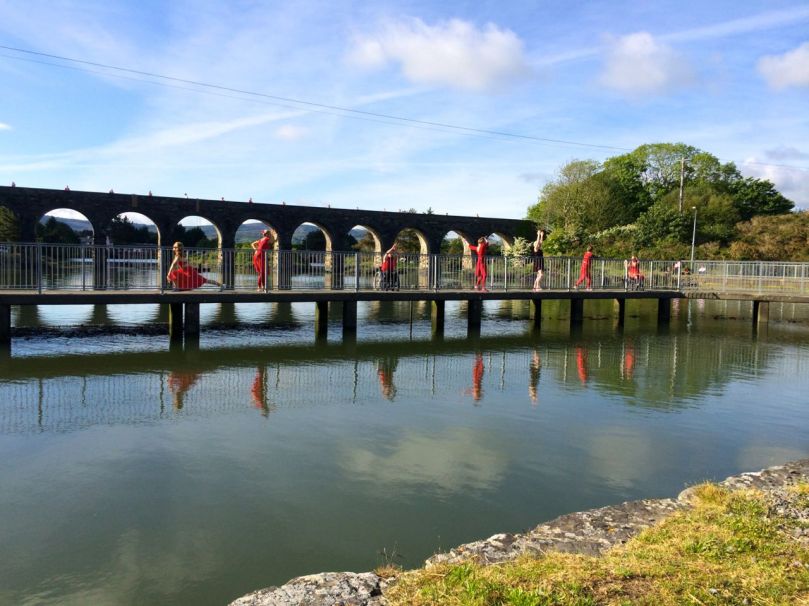
The Famous Twelve Arch Bridge in Ballydehob

The Famous Twelve Arch Bridge in Ballydehob

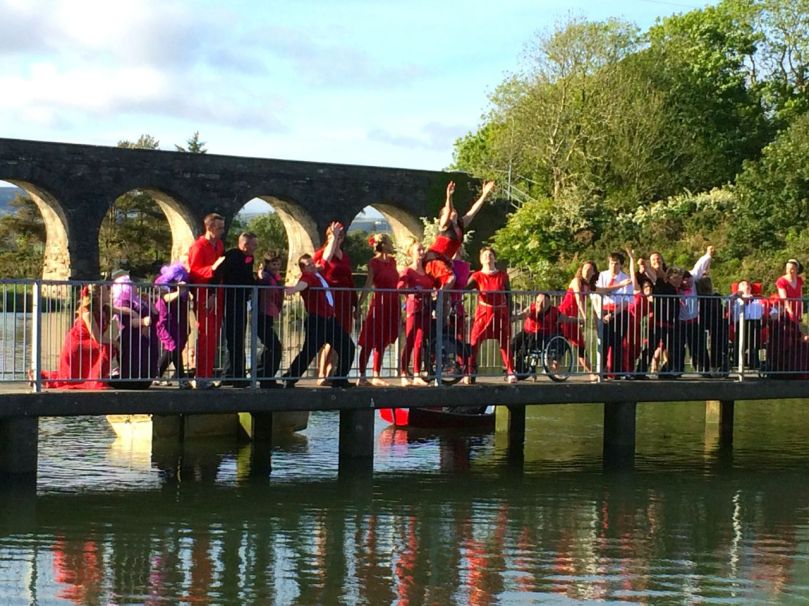
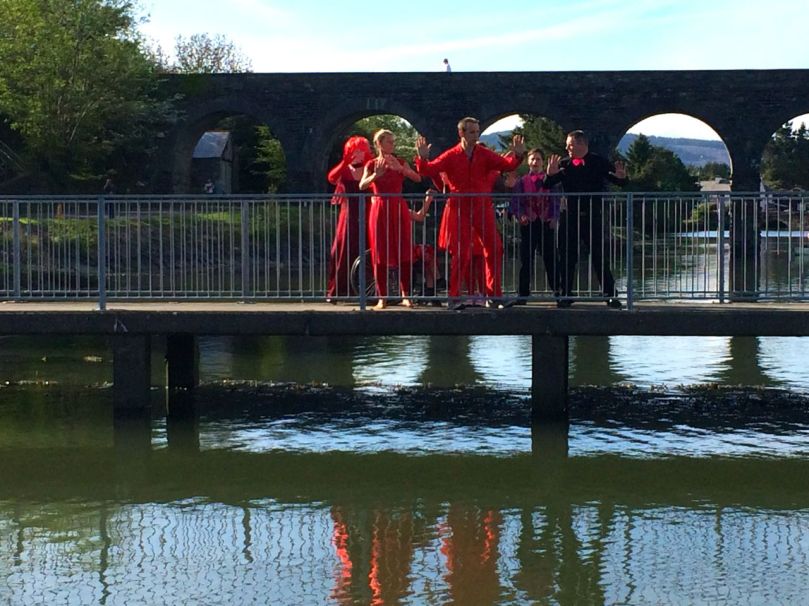
Recently, as part of the Ballydehob Country Music Festival (although the connection may be a little tenuous) we noticed posters going up around the town for a dance to be performed on the famed Twelve Arch Bridge. The dance company, Croi Glan (Kree Glan – pure heart) had more information on their website:

Professional dancers from Croi Glan, 5 musicians performing live, Croi Glan’s aerial dancers suspended from the bridge on rope and harness and aerial silks, and 40 West Cork Inclusive Dance Group community performers from COPE, CoAction and the local West Cork area, 25 of whom have intellectual disabilities, in a once-in-a-lifetime, hugely ambitious project directed by Tara Brandel, a native of Ballydehob.

Intrigued, I sought more information on Croi Glan. Here is a piece from TG4, the Irish language television station, that illustrates what the company is all about:

We arrived at the Pier to find that the whole of Ballydehob had turned out. The place was rocking, with live entertainment, gourmet hot dogs and a wine bar. While the morning had been overcast, by early afternoon the clouds had parted and brilliant sunshine added to the festive atmosphere.

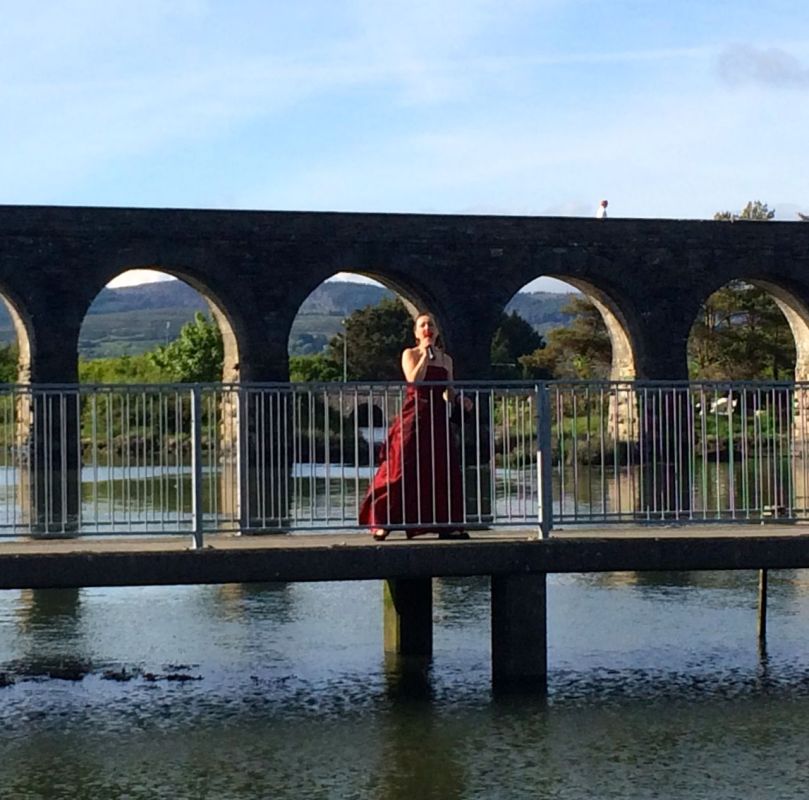
Siobhan Heapes

Siobhan Heapes

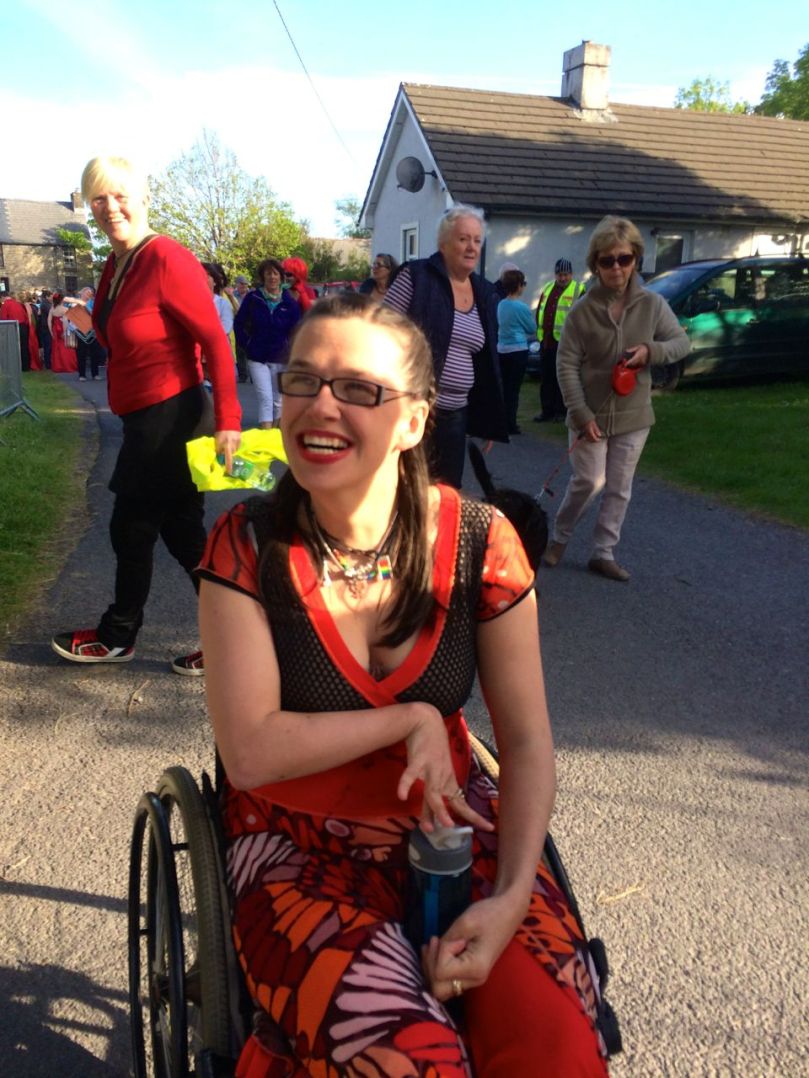
The dance started with a local singer, Siobhan Heapes, singing on the walkway over the water, calling the dancers. One by one and in groups they arrived on the walkway and we began to appreciate the diversity of the troupe – some professional and balletic, some in wheelchairs or with mobility difficulties, some with intellectual disabilities. Together, they told a story: a story of bridging and transcending differences, of supporting each each other, of honouring the part each played in the dance. 

The dance begins

The dance begins

The stage became larger and larger, as the dancers occupied the green spaces around the walkway, and then moved onto the bridge itself.

Using the whole space

Using the whole space

Two dancers were lowered over the bridge –  a heart-stopping moment – and then yellow silks unfurled and their bodies twined and moved with the silks as we watched entranced from the Pier and Siobhan provided the haunting musical background.

Aerial dance

Aerial dance

The finale had all the dancers back on the walkway for one final movement together of intense communication, lifting and balancing each other, paying a last homage to the theme of Bridge. And suddenly it was over and we erupted into possibly the most enthusiastic standing ovation I have ever been a part of. It was loud, it went on and on and then on some more. Some us were in tears, all of us were smiling and turning to each other and searching for superlatives to describe what we had just witnessed. 

Finale

Finale

There were flowers, and speeches. Tara Brandel said she had “never been prouder to be from Ballydehob.” We lingered, chatted with the dancers, congratulated Tara (it was hard to get close to her) and her assistant choreographer, Mary. People took a long time to disperse – something had stirred us all in that way that makes you want to hang on to the feeling as long as possible.

Mary Nugent, Assistant Choreographer

Mary Nugent, Assistant Choreographer

Perhaps it was, as Tara explains in the YouTube video above, that when you watch a Croi Glan performance, you are operating entirely in your heart.

In the Wilds of West Cork

West Cork night life

West Cork night life

What on earth will you find to do in the wilds of West Cork? One friend asked me this when I announced my plans to move here. Others may have been too polite to express the thought, but the question hovered. They needn’t have worried, of course. I don’t think I have ever lived anywhere else where there was so much going on and so much to do. If that was true in the winter, it’s more so now. It’s spring and summer’s around the corner, so West Cork Festival Season has gone into high gear. I wrote about the Ballydehob Trad Festival six weeks ago. Since then, there have been two more – a jazz festival in Ballydehob and the Fiddle Fair in Baltimore. 

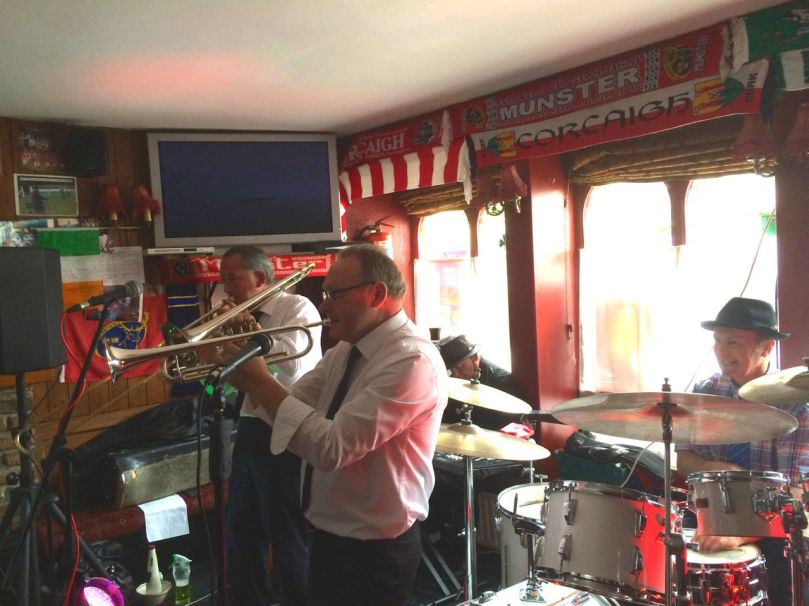
Live jazz in the Irish Whip Bar

Live jazz in the Irish Whip Bar

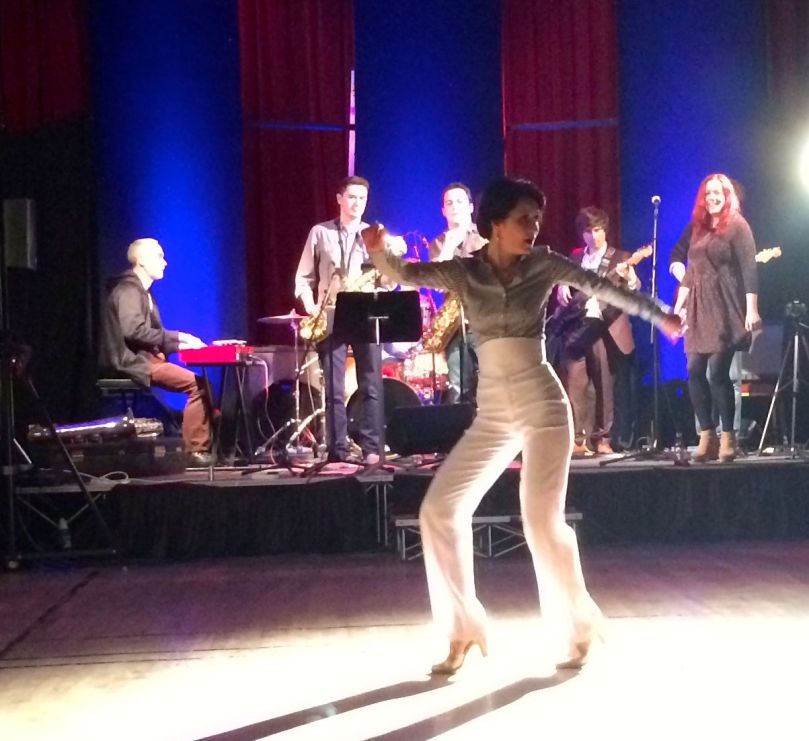
The Jazz Festival featured a street market, and jazz sessions in most of the pubs all afternoon and well into the night. The village hall was decked out as a night club one night, with dancing into the wee hours. There were musicians and jazz aficionados from all over Ireland, and the pubs were bursting at the seams and spilling over onto the sidewalks.

Soul Driven and the riveting dancer Ksenia Parkhaskaya

Soul Driven and the riveting dancer Ksenia Parkhaskaya

This is the second time we have been here for the Baltimore Fiddle Fair, which has ben going now for over 20 years, under the brilliant direction of Declan McCarthy. World class acts come to play in this tiny village. The audience is diverse too – we met people who had come from Britain, Germany and the USA just for this weekend. We had season tickets, which meant we weren’t asleep before 2 in the morning for four nights in a row – probably earlier than most of the attendees!

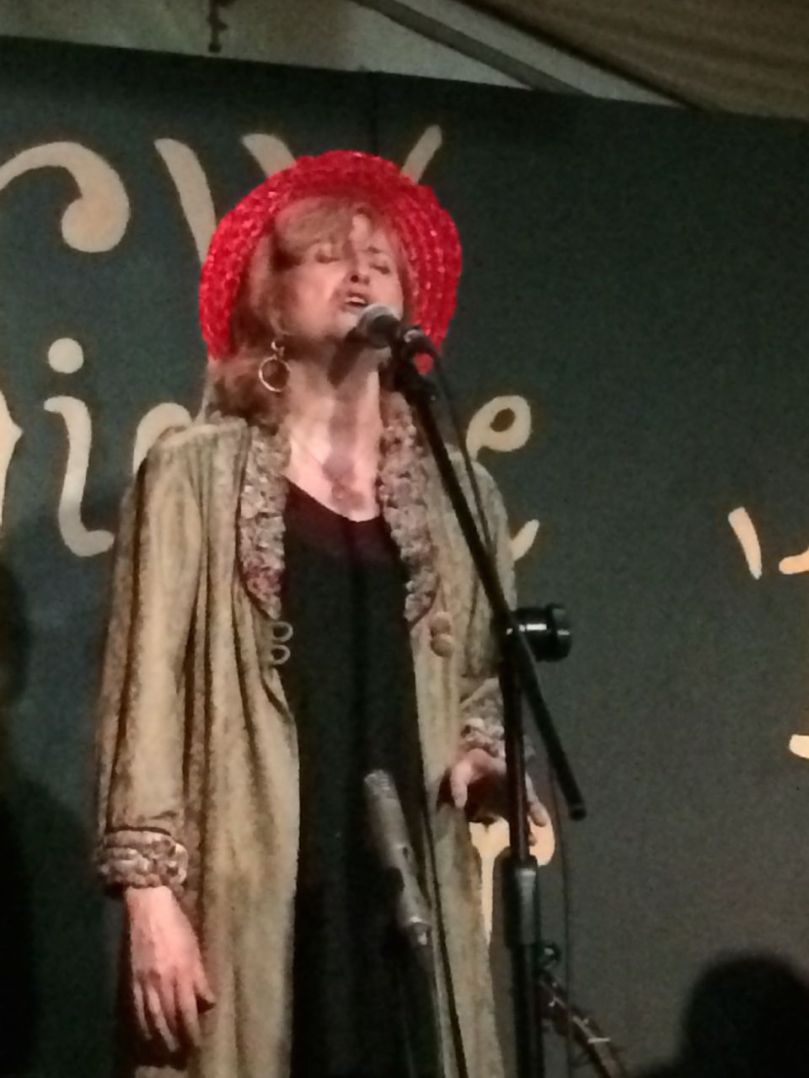
Eddi Reader

Eddi Reader

A highlight was Eddi Reader, a Scottish singer/songwriter with a larger than life stage presence, a great line in stories, and a soaring voice. Robert loved seeing Aly Bain, one of his musical heroes, in concert and we both appreciated the wide range of music on offer, from Appalachian old time fiddling to Swedish polskas, Scottish and Irish tunes, and an entertaining group call the New Rope String Band who kept us laughing with their slapstick humour. For the readers who have been requesting videos, I recorded one lively number and uploaded it to YouTube – take a look. It’s a tiny taste of what we experienced.

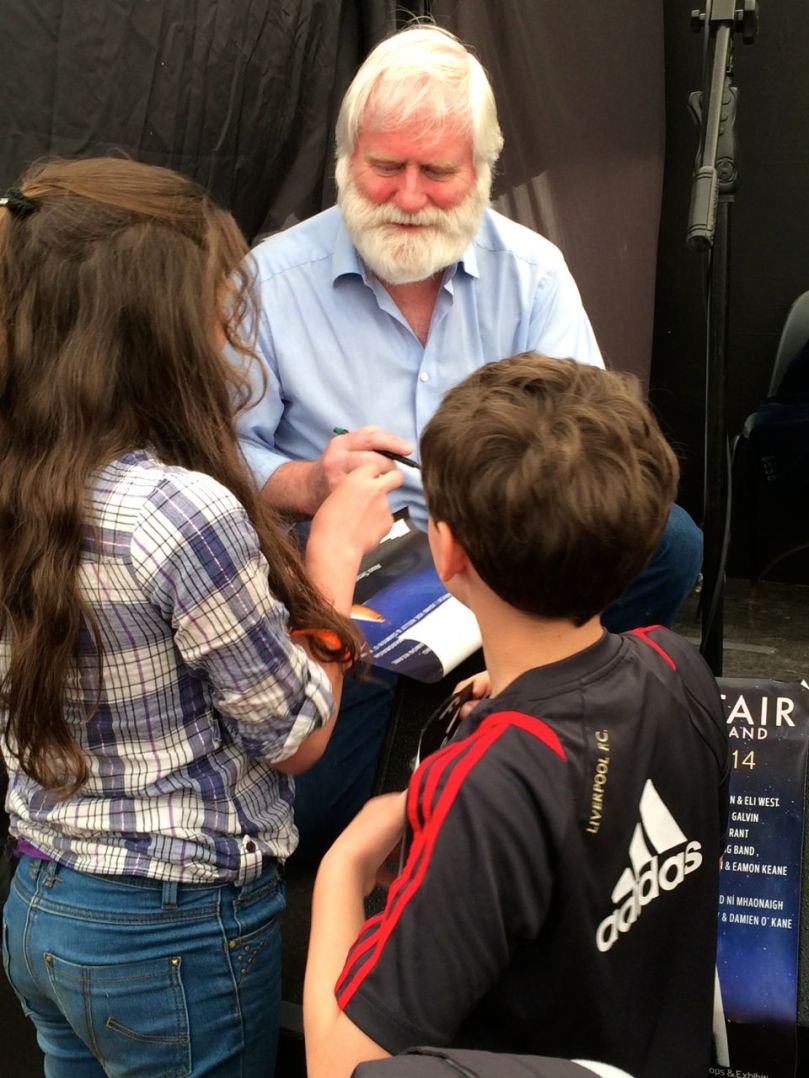
John Sheahan with young fans

John Sheahan with young fans

One unforgettable afternoon was devoted to a concert by John Sheahan, the sole surviving member of the legendary Dubliners. Accompanied by Eamon Keane on the keyboard, he told stories, read us his poetry, and played his own compositions. He is truly an Irish icon, and it felt like a real privilege to hear him in such an intimate venue. He played a wide variety of music and I recorded this one: St Patrick’s Cathedral.

Of course all these late nights and bouncing around on seats takes a toll on the body, leading to the need for a rejuvenating day at a spa. Fortunately, there is a marvellous one in West Cork, on Inchydoney Island, where my friend Amanda and I repaired for a girly day of pampering. You can read her account of our hedonism here. 

The strand at Inchydoney Island

The strand at Inchydoney Island

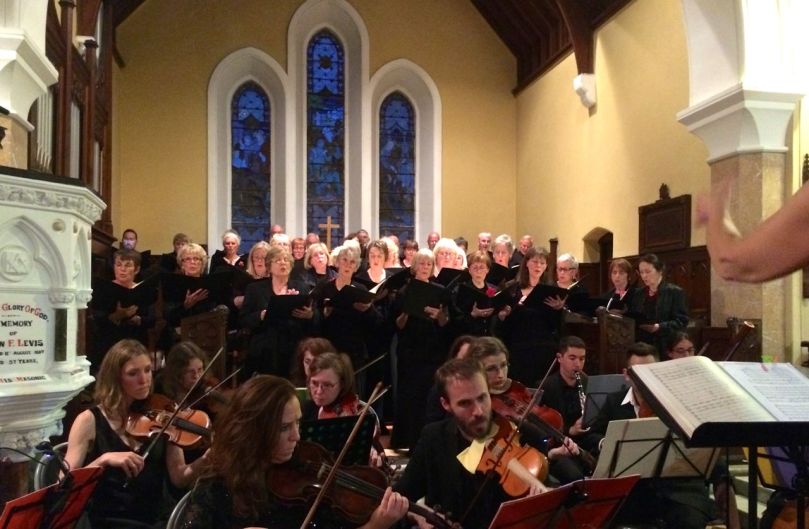
And in case you might feel that the entertainment described above is not highbrow enough, last night we attended a performance of a Haydn mass and Mozart’s Requiem by the West Cork Choral Singers. Accompanied by an excellent small orchestra (we recognised some of the players from our regular Firday night trad sessions: fiddlers turned violinists) and four outstanding soloists, the choir rose to the challenge of an ambitious program magnificently, garnering a well-deserved standing ovation by the appreciative audience.

West Cork Choral Singers present Mozart's Requiem in Skibbereen

West Cork Choral Singers present Mozart’s Requiem in Skibbereen

We won’t have much time to recover from all those late night – next weekend is the Fastnet Short Film Festival in Schull as well as a Skibbereen Historical Society trip to Cape Clear, and the one after that is the Ballydehob Country Music Festival (where I may have a small role to play). More on those events in an upcoming post. If I survive it all…It’s a tough life, out here in the wilds!

Ballydehob Trad Fest

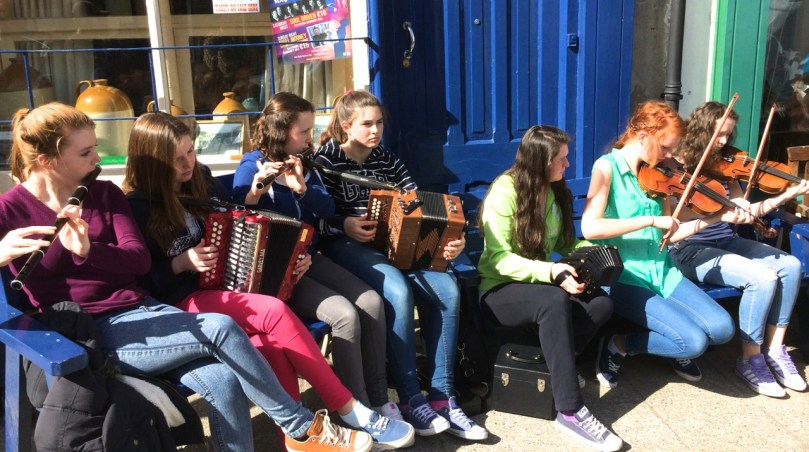
Young Traditional Musicians at the Ballydehob Trad Fest

Young Traditional Musicians at the Ballydehob Trad Fest

If you like traditional music, then Ballydehob was the place to be this weekend. Féile Átha Dá Chab, the Ballydehob Traditional Music Festival, had us bouncing on our bar stools, hooting and cheering in our concert seats, and applauding the talent of hoards of youngsters.

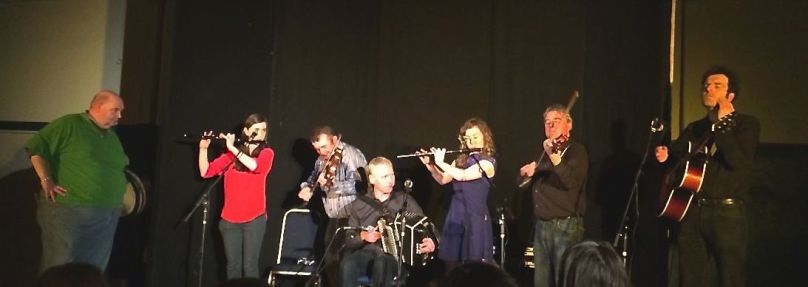
Finale of the Four Men and a Dog Concert

Finale of the Four Men and a Dog Concert

The Festival kicked off with an outstanding concert by Four Men and a Dog. Playing, singing, telling stories, and with the unique wit of Gino Lupari (an Italian bodhran player with an Irish accent) they entertained us for over three hours in the village hall. They invited two talented local girls to play with them, and with Mairead and Maria Carey on their flutes, we were on our feet for an intense finale that left us exhilarated.

Sunday afternoon session at Levis's

Sunday afternoon session at Levis’s

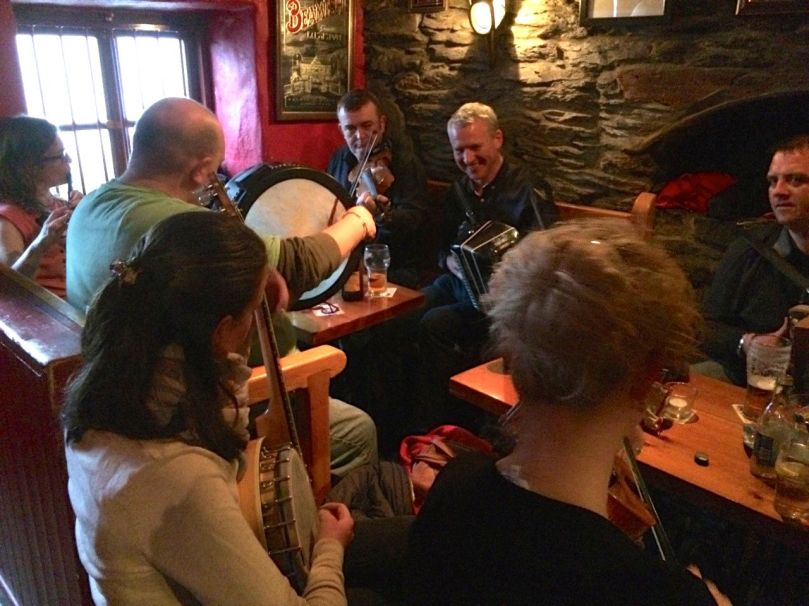
Once the concert is over, where do you go? To the pubs, of course, where there were sessions going on till all hours. We were in Levis’s, but we could have been in any one of half a dozen pubs, all with great music.


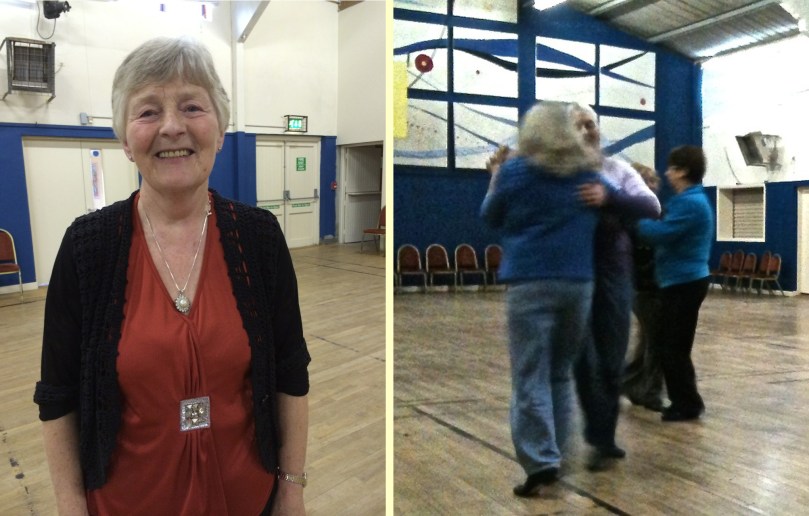
Maureen Culleton/Learning how to twirl

Maureen Culleton/Learning the steps

Our friends from Devon, Chris and Gill, who are staying with us, bravely signed up for the set dancing workshop next day, along with sixteen others. They are tango dancers and in great shape, but by noon they were exhausted and had a whole new respect for this form of dancing. Maureen Culleton, highly experienced and very encouraging, introduced some new dances to the locals and put everyone through their paces. The day culminated in a Céilí (pronounced kaylee) where the set dancers danced into the wee hours to the music of the Striolán Ceilí Band from Kerry. People around here love set dancing and are very good at it. It’s an activity that brings together all ages in country villages. Here’s a good example of set dancing, with the Striolán Ceilí Band playing in the background.

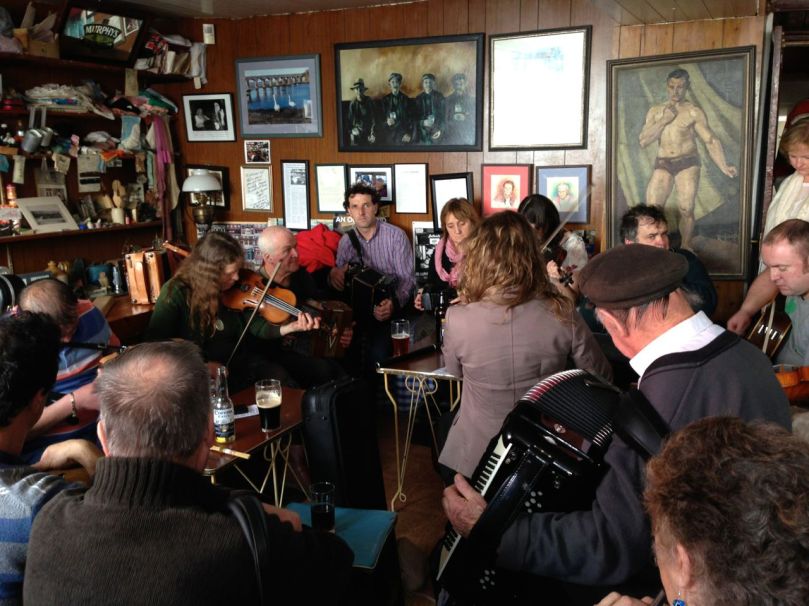
In Rosie's

In Rosie’s

Robert and I aren’t set dancers so we took to the pubs (amazing how much time a couple of non-drinkers can spend in pubs!) for the sessions that were going on in most of them. Members of Four Men and a Dog were in Rosie’s, playing with local musicians. Getting to see them in such an intimate setting was great.

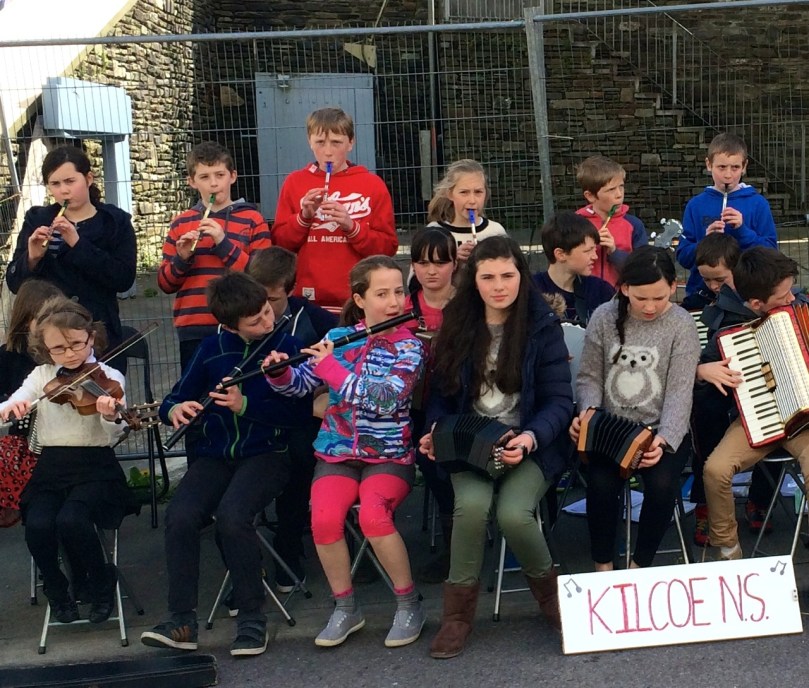
The Kilcoen Kids

The Kilcoe Kids

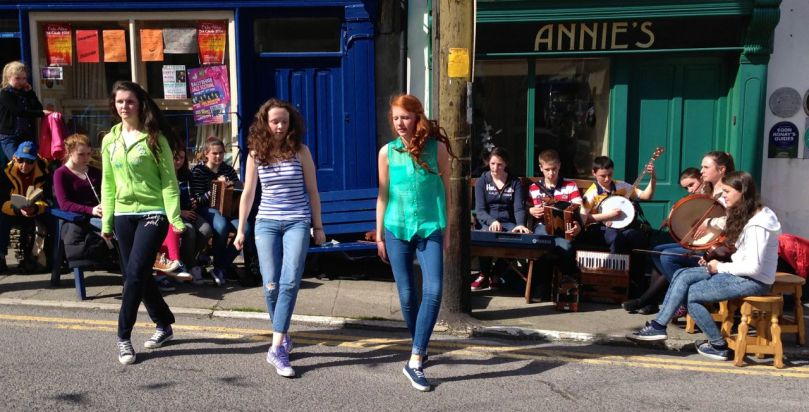
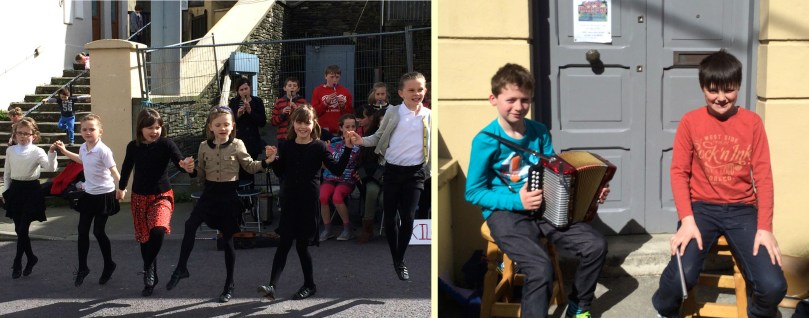
Today, Sunday, the sun came out and the streets of Ballydehob filled up with young musicians competing in the Street Seisiún Competition. Seisiún, pronounced seshoon is the Irish word for session. And a session, in case I haven’t explained this before for our non-Irish readers, is the word used for a bunch of traditional musicians getting together to make music. The younger children, of course, stole our hearts, singing, dancing and playing music on the streets. The teens were remarkably accomplished: many of them have been studying in the Comhaltas system for years.

Dancing in the streets

Dancing in the streets

As I type, people are wandering from pub to pub on the session trail in Ballydehob. When you love something, you just don’t want it to stop! Fortunately, in this part of Ireland, the music is alive and well – and in good hands for the future.


The future is assured!

The future is assured!

Well done, Ballydehob, on another fantastic traditional music festival!

Danno enjoying a private concert

Danno enjoying a private concert