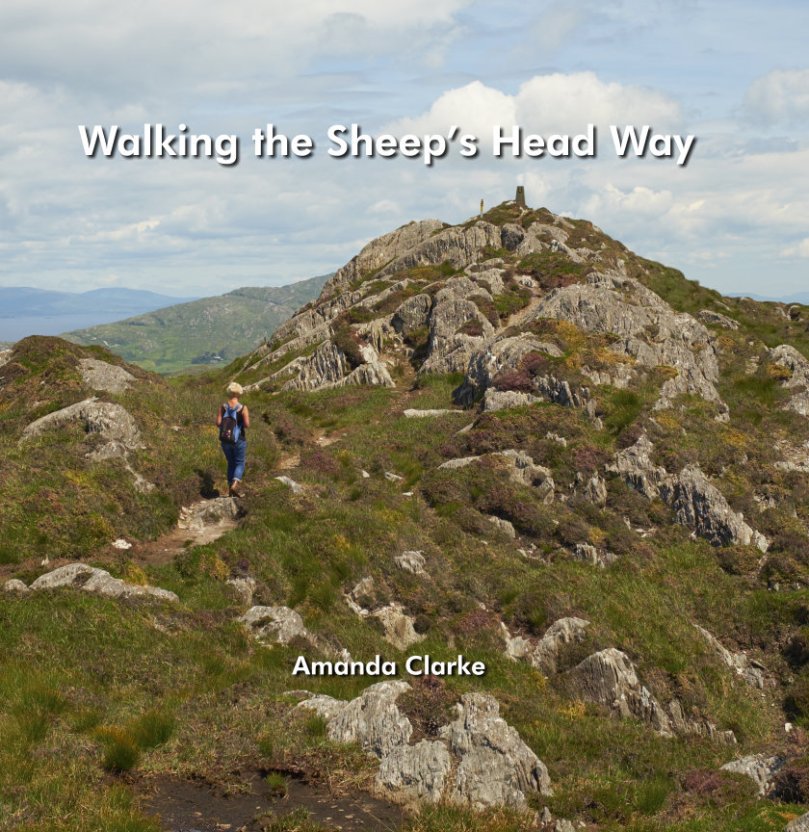
Walking the Sheep’s Head Way

COVER-FRONT

The definitive guide, by Amanda Clarke

NOTE: Since we wrote this post Amanda and Peter have brought out a second edition, including all the loop walks.

This week we attended a very special event – the launch of a new book, Walking the Sheep’s Head Way, written by Amanda Clarke and designed by Peter Clarke. Readers of this blog will be familiar with Amanda and Peter by now, as we have shared many adventures, hikes and explorations with them. 
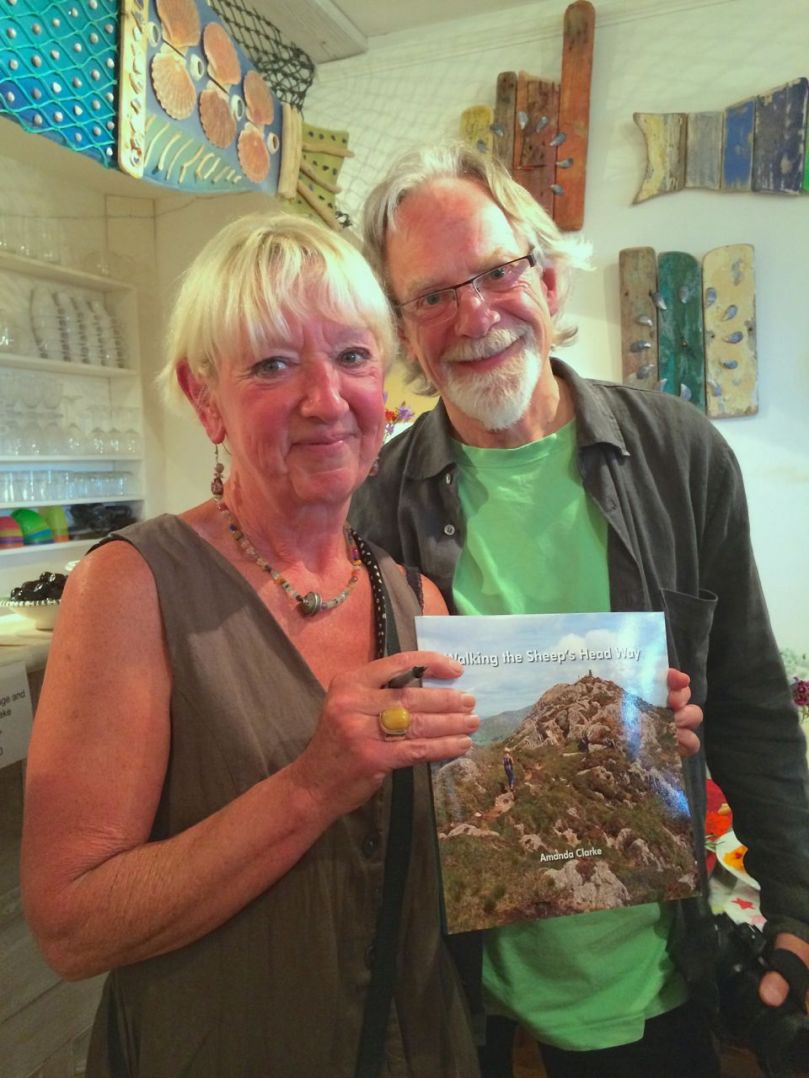
Amanda and Peter at the launch

Amanda and Peter at the launch

For twelve years now they have been keen photographers and chroniclers of the Sheep’s Head: the book is a natural outgrowth of the passion they have for the peninsula.
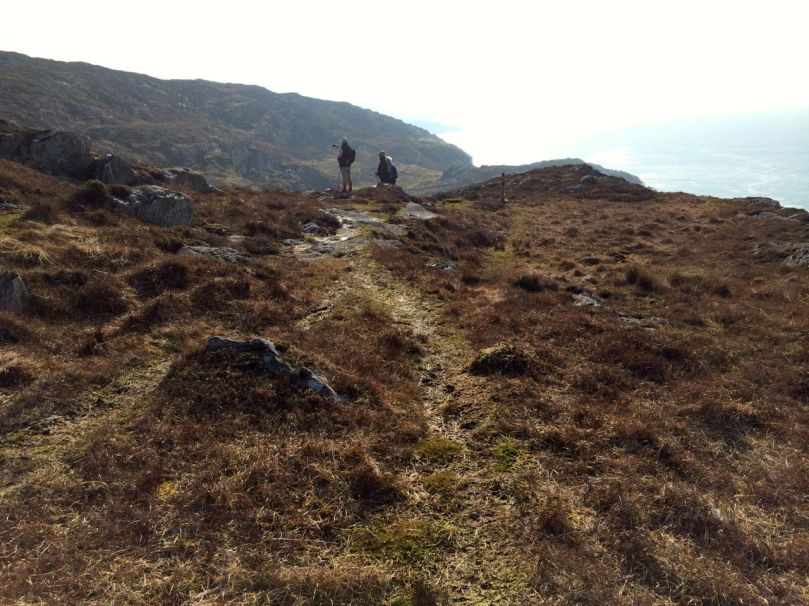
Along the north side

Along the north side

Starting and ending in Bantry, the book takes us on the original Sheep’s Head Way, beginning along the north side, out to the lighthouse, and back along the south side. It is divided into 11 sections, each one a separate walk, although they can be combined. Each walk is mapped, and because the Way is so clearly marked, you can’t go wrong. No, really!
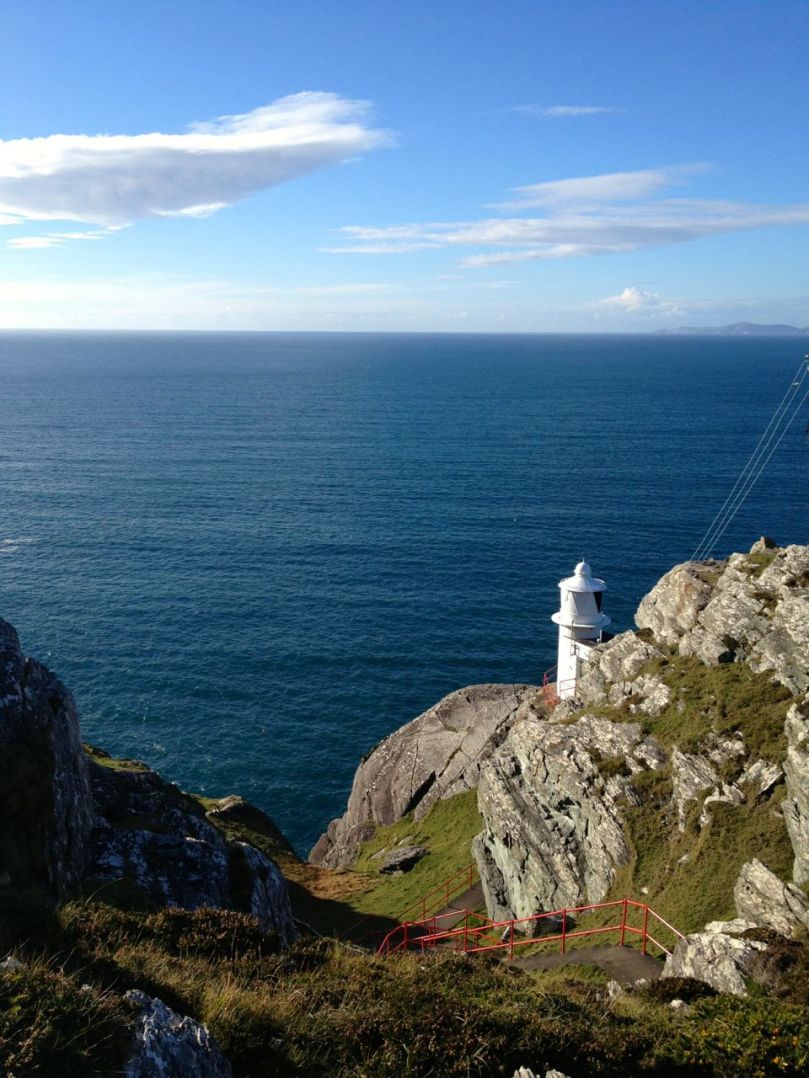
Out to the lighthouse!

To the lighthouse!

Amanda has immersed herself in the history, geography, flora, birdlife, archaeology, folklore and landscape of the Sheep’s Head. (Indeed, it is difficult to live here and NOT be fascinated by it all and carried away by the sheer magnificence of the scenery.) Each walk is accompanied by her observations – what to look out for, the meaning of a particular feature, the history of the area, stories of the old days.

As she has done for Robert and me, she leads the reader through the walk as if she’s chatting along beside you like an old friend, filling you in on what’s around you or encouraging you to pause and just listen. 
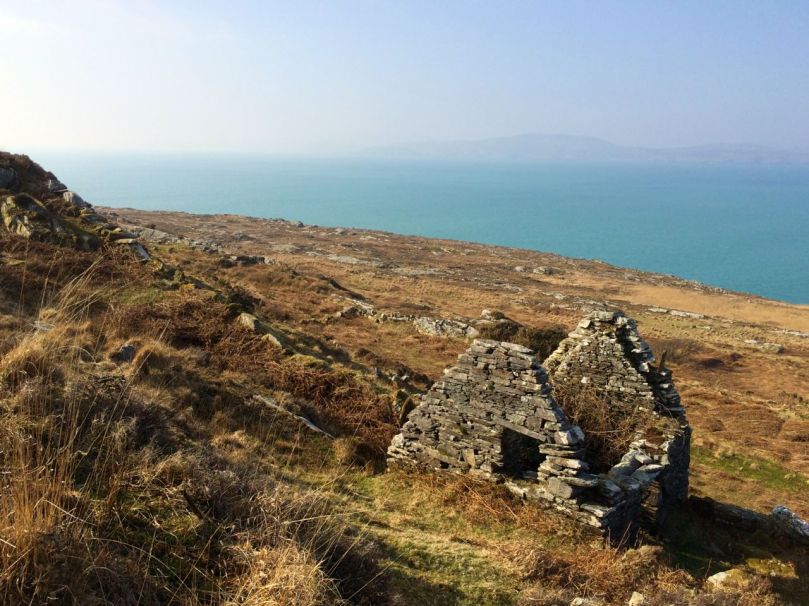
Abandoned houses at Crimea

Abandoned houses at Crimea

Each walk has its own character – whether it’s a holy well, a famine graveyard, an abandoned settlement, a prehistoric stone circle, old mine workings or signal towers – Amanda provides the essential commentary to enhance your understanding. 

The walks encompass high ridges with sweeping views, cliffhangers with yawning drops to the sea below, soft boggy trails, seaside ambles, and stretches of boreen fringed with wild flowers. 
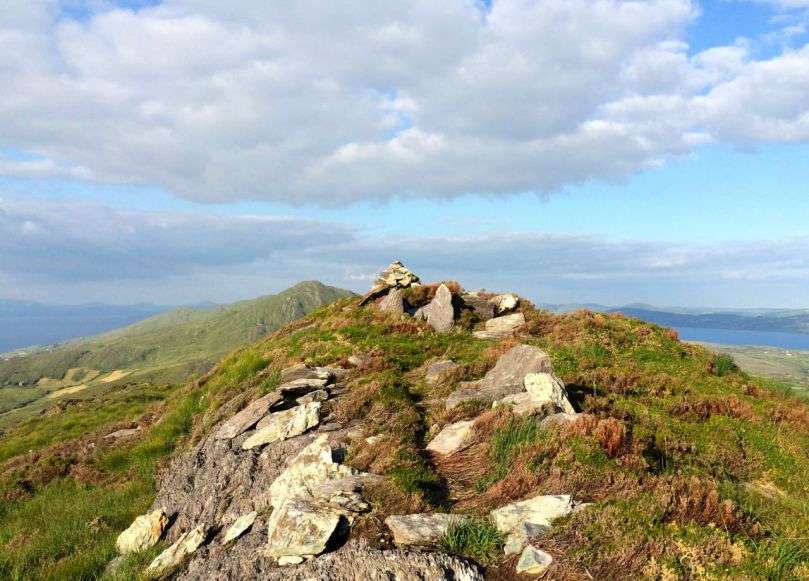
A ridge walk

A ridge walk

The Sheep’s Head Way has been recognised in Ireland as an area of outstanding natural beauty, and in Europe as a Destination of Excellence (one of the EDENs). And yet, you can walk for miles and never meet another soul, especially in the off season. 
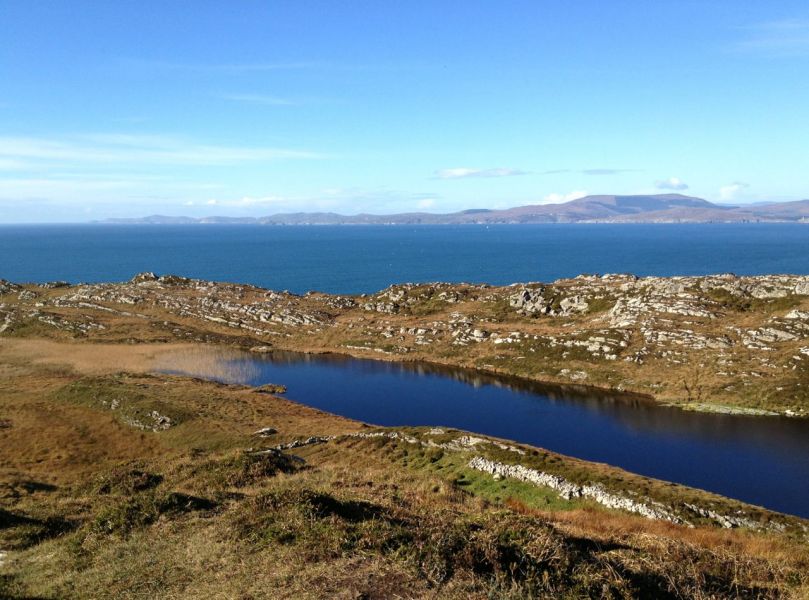
Looking towards the Beara

Looking towards the Beara

If you’re contemplating a holiday in Ireland, or if you’re already here and thinking about dropping down to see us in the Wilds of West Cork, pick up a copy of this book (buy it on Amazon or at one of our great local book shops) pack a pair of stout boots, check out Living the Sheep’s Head Way, and be prepared to be blown away. 
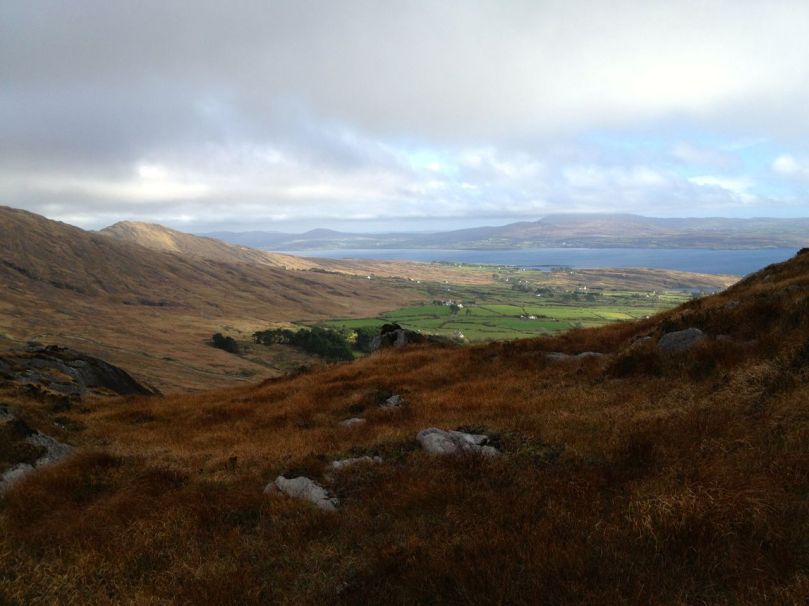
Looking down to Dunmanus Bay

Looking down to Dunmanus Bay

Let us know when to put the kettle on.
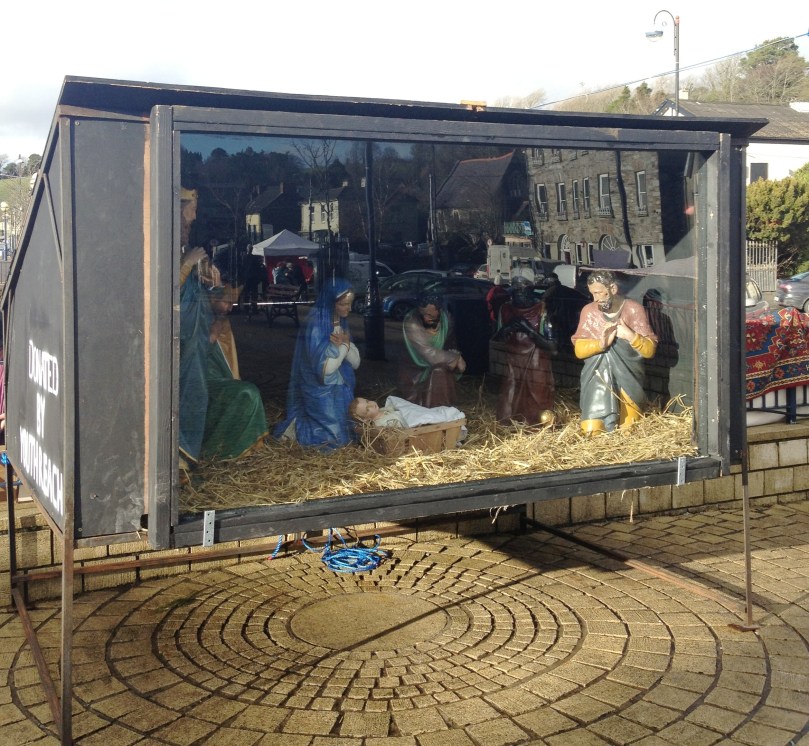
Christmas Cribs

Bantry Town Square

Bantry Town Square

In this part of Ireland putting up a nativity scene at Christmas time is as natural as breathing. Known as cribs, they appear everywhere at the beginning of December. Every Irish home has one, perhaps passed down through the generations, and they come out from the attic storage boxes along with the decorations to be displayed in a window or on a mantlepiece or hall table. Even for families that consider themselves non-religious, the crib is an essential part of getting a house ready for Christmas.

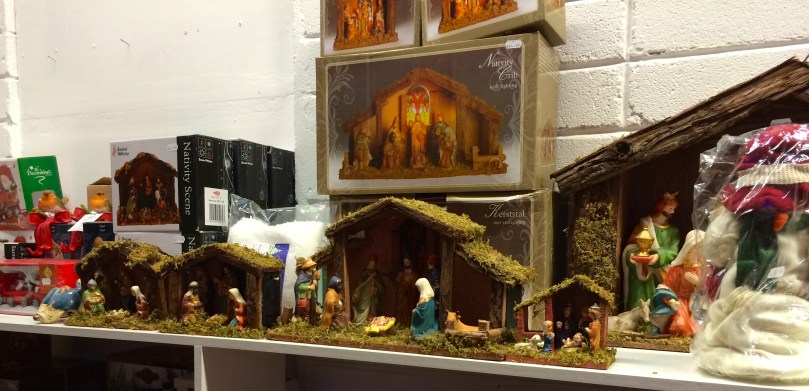
One for every budget

One for every budget

Large cribs are erected in town squares and in churches. Sometimes the figures in a church crib will be inserted slowly, one a day, in little ceremonies involving children. Traditionally, the baby Jesus, was not placed in the manger until Christmas Eve. Live cribs, where the nativity figures and animals are alive, are often mounted as fundraisers. I wrote about the Skibbereen one last year. There is even, in Dublin, the Moving Crib – an institution that generations of Irish children will remember and which is still going strong almost 60 years after it was first introduced as a Christmas wonder in a church basement.

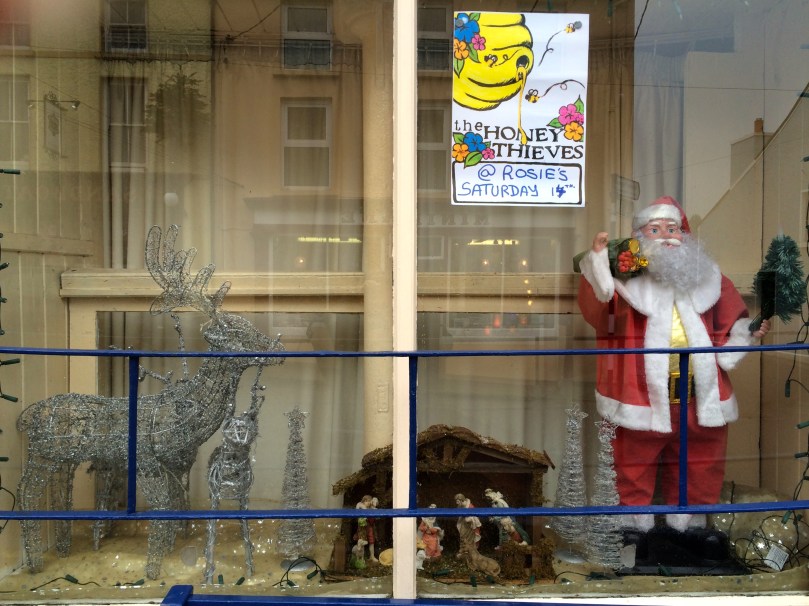
Rosie's Pub in Ballydehob

Rosie’s Pub in Ballydehob

Many businesses clear their window displays to feature the crib at Christmas – along with Santa, reindeer and the usual holly and candles. Shops, hairdressers, garages, pubs: it’s universal and it’s all a reminder that Ireland, which now prides itself on its multi-cultural and pluralistic society, is still at heart a traditional Catholic country.

Outside the Catholic Church in Schull

Outside the Catholic Church in Schull

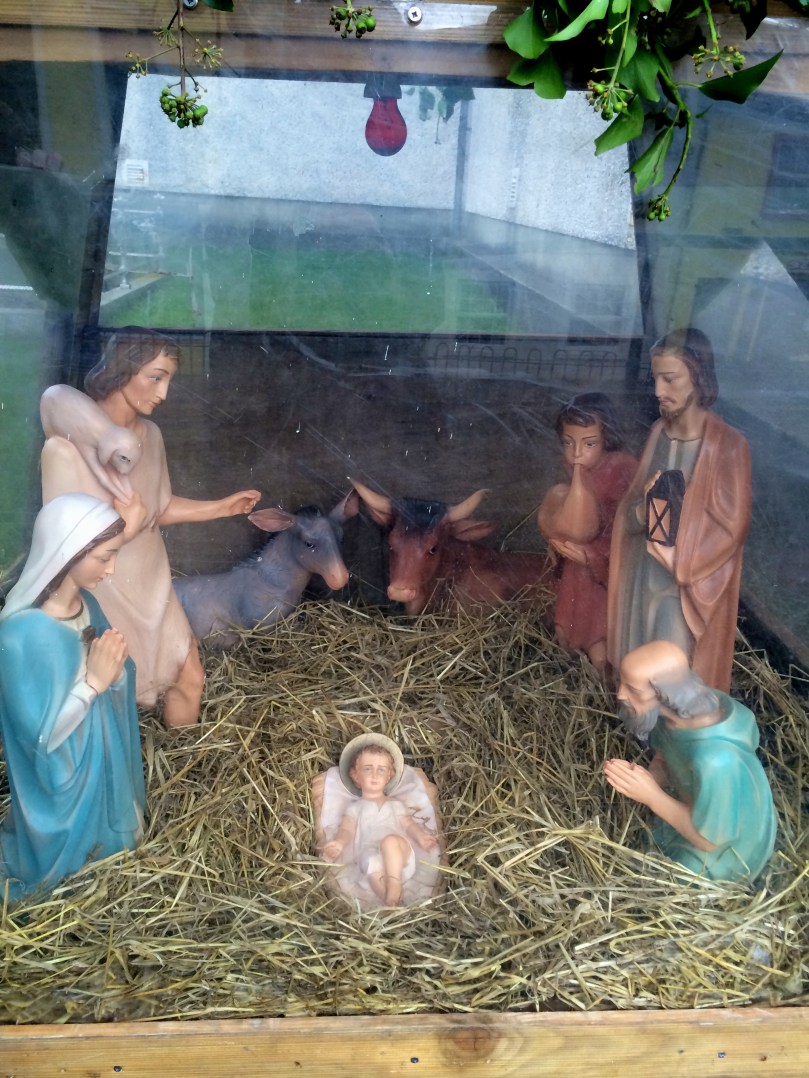
A striking aspect of Irish cribs is their conventional character: lifelike (and sometimes life-sized) representation is the norm. Mary, Joseph, Baby Jesus, shepherds and kings, the cow and the donkey are all instantly recognisable and similar, as if stamped out by the same crib-figure factory in Italy.

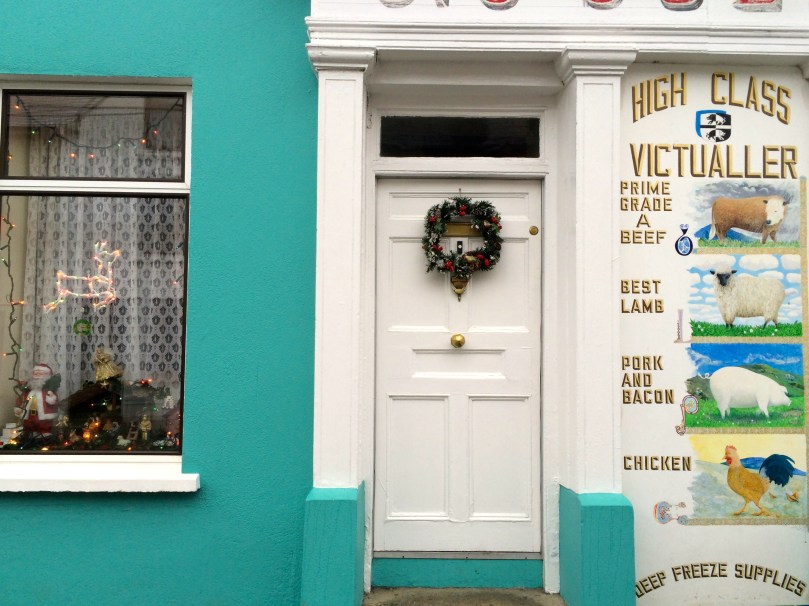
In Ballydehob

In Ballydehob

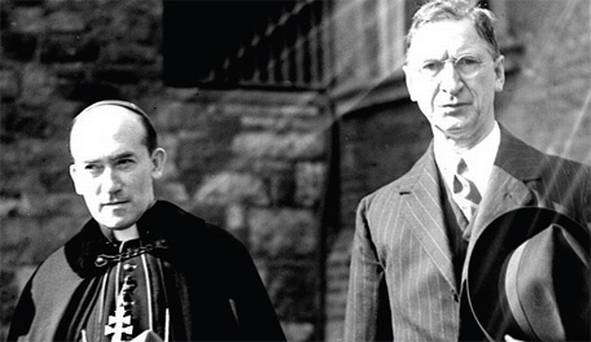
John Charles McQuaid and Eamon DeValera - together keeping Ireland devout

John Charles McQuaid and Eamon DeValera – together keeping Ireland devout*

As I considered this, a memory stirred and I went hunting on the internet for more information. In 1964 a new church was built at Dublin Airport. Named, suitably, “Our Lady Queen of Heaven” it was a beautiful piece of mid-century modern architecture designed by an Irish architect, Andrew Devane, who had studied under Frank Lloyd Wright. For Christmas 1966 a new crib was installed. Consisting of minimalist, highly stylised all white figures (I am going by memory here – I can’t find any pictures of it on the internet) it created a sensation at the time. My father, who worked at the airport and who was very proud of the church, brought us to see it. Alas, it was all too much for the Archbishop of Dublin, the famous John Charles McQuaid. Decreeing that it was “beneath the level of human dignity” and that its presence was an offence against Canon Law, he ordered it removed. This sentiment was echoed in the Irish parliament (Dáil Éireann) by the Minister for Public Works of the day, Oliver Flanagan. He said: A crib in modern design was erected at Dublin Airport last winter. The Archbishop of Dublin ordered it to be removed. The images could be described as anything but the kind of images one associates with the Christmas crib. We must have modern art. We must have proper designs for memorials and statues in keeping with the present and the past. Monuments commemorating the past must resemble the past.

I can’t imagine this happening today in Ireland and perhaps there are now many modern and unique cribs around the country. But I certainly haven’t found any so far in West Cork.

How's this for a modern crib?

How’s this for a modern crib?

*From the Irish Independent Website

The Flying Snail

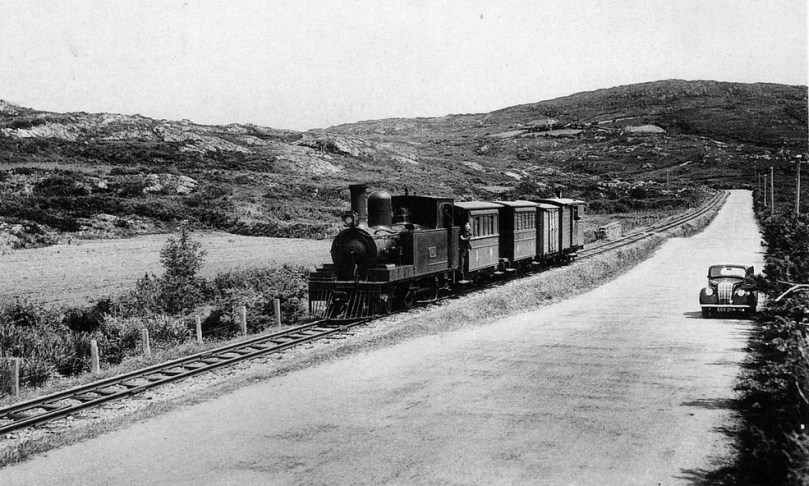
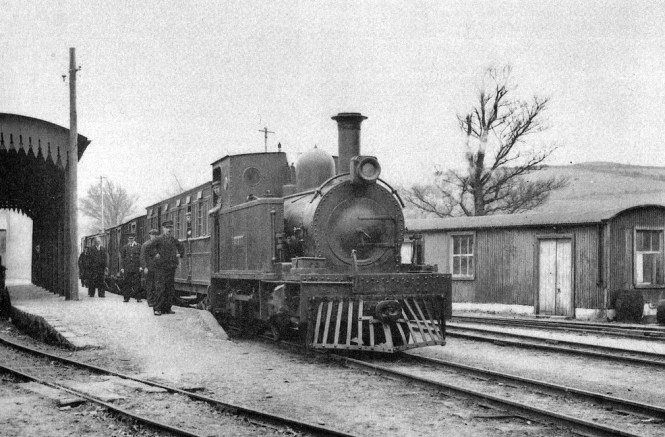
Iarnród - between Ballydehob and Schull 1939

Iarnród – between Ballydehob and Schull 1939

In the heydays of transport by rail, the south of Ireland was served by a network of lines radiating out from Cork. Most of these were scenically picturesque – the nature of the countryside saw to that – and all were imbued with Stories, still recounted with relish by the local people who remember them, or whose mothers and fathers remembered them. Here’s one of the stories – told about the Chetwynd Viaduct, coming out of Cork on the way to Bandon.

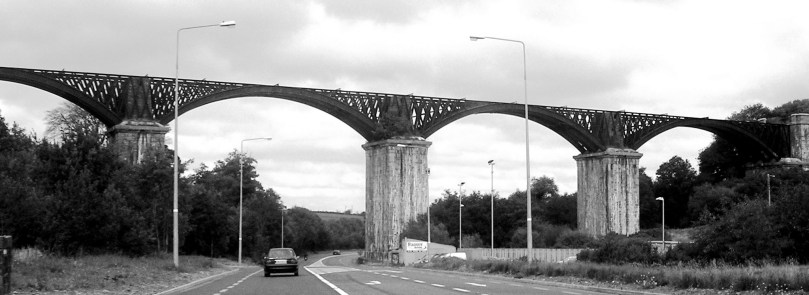
Chetwynd Viaduct today - a scheduled monument

Chetwynd Viaduct today

This structure was designed by Charles Nixon, a pupil of Isambard Kingdom Brunel, and built between 1849 and 1851. It’s still in place today, passing over the main  N71 road from Skibbereen, and is a scheduled monument. The railway, track and track bed have all gone. For quite a while after its construction it was known as “The Bowlers’ Everest”. Alert followers of these posts will know about Road Bowling already (don’t forget to pronounce it correctly: Road Bowelling) – a very skilful and ancient Irish sport involving hurling a heavy iron ‘bullet’ along a road, and getting it from one place to another in the shortest number of throws. For Bowellers, the viaduct presented an obvious challenge: to throw the ‘bullet’ on to it. This was attempted many times year after year, but it took a mighty man to do it: Mick Barry, widely acknowledged as the greatest bowlplayer ever. My informant was careful to add “…This has been said by many and denied by very few…” The Cork Examiner takes up the tale:

“…Barry conquered the Bowler’s Everest, the Chetwynd Viaduct on the Cork-Bandon Road on Saint Patrick’s Day, March 17th, 1955. He lofted the 16oz bowl on to the 100 foot high parapet; an incredible feat which required almost superhuman strength, virtually defying the laws of physics. This feat was witnessed by thousands of spectators…”

chetwyndbolmc

Bowlers’ Everest – the viaduct at Chetwynd and a 16oz ‘bullet’

Less commonly cited is another Chetwynd story: on September 8th, 1985, watched by over 10,000 people, Hans Bohllen from West Germany lofted a 28oz bowl clean over the viaduct, clearing the top by ten feet.

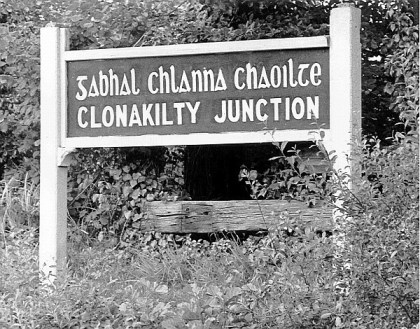
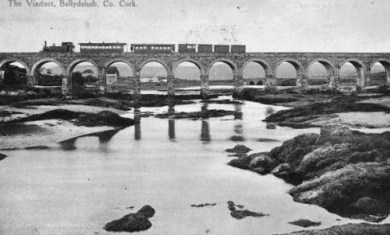
clonjunctionLines from Cork eventually penetrated surprisingly far into the south west extremities of the state: to Kinsale, Bandon, Courtmacsherry, Clonakilty, Bantry, Baltimore, and – on a 3ft gauge narrow line snaking out of Skibbereen – to our two local towns of Ballydehob and Schull. It’s worth mentioning the colourful history of railway track gauges in Ireland: the standard now is 5ft 3in – something shared in the world with only Brazil, Australia and New Zealand – but earlier lines had 4ft 8½ins [UK and Europe standard], 6ft 2ins and 5ft 2ins, and when trams were first introduced to Dublin they had 5ft 2 and a bit.

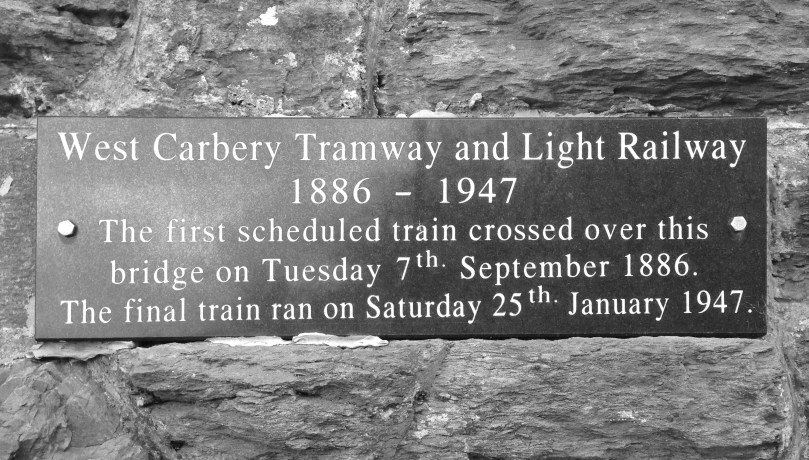
plaque

Local history: plaque on the viaduct at Ballydehob

In 1925 all the railway lines in the new Irish Free State were amalgamated to become the Great Southern Railway, and in 1945 the system was consolidated with road transport concerns and trams to become Córas Iompair Éireann. The logo used by CIÉ until 1964 was affectionately (and, perhaps, cynically) known as The Flying Snail.

Córas Iompair Éireann - the national rail and bus company - logo used between the 1940s and 1964: known affectionately as 'The Flying Snail'

‘The Flying Snail’

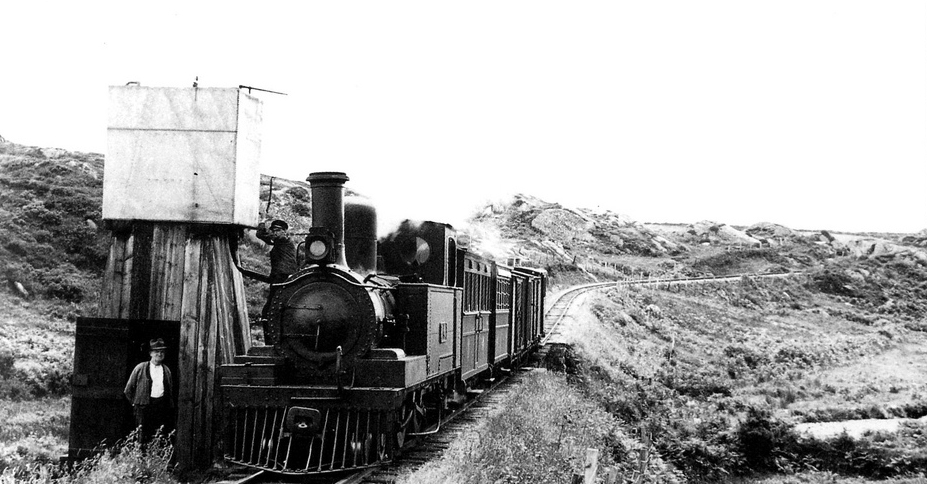
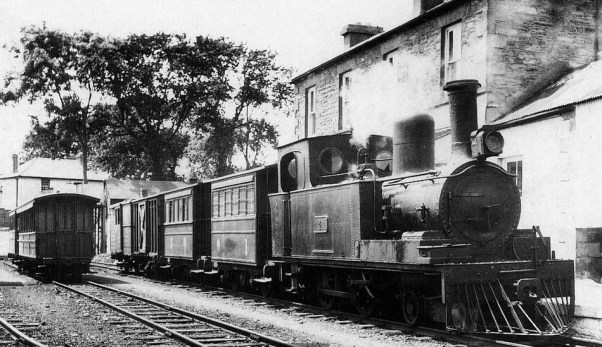
ballytrainmcThe line out to us here in West Cork was particularly eccentric and would have been a magnet for present day railway enthusiasts if it had survived. In places the narrow gauge track ran along the main road; it reached speeds of up to 15 miles per hour… But how we all wish it was still possible to catch a little train out of Schull, Ballydehob or Skibbereen and arrive in Cork in a bit. It would be grand!

view

Water stop – with a view…

schull station

Leaving Schull Station, 1939

skibb station

All aboard at Skibbereen!

Going for the Messages

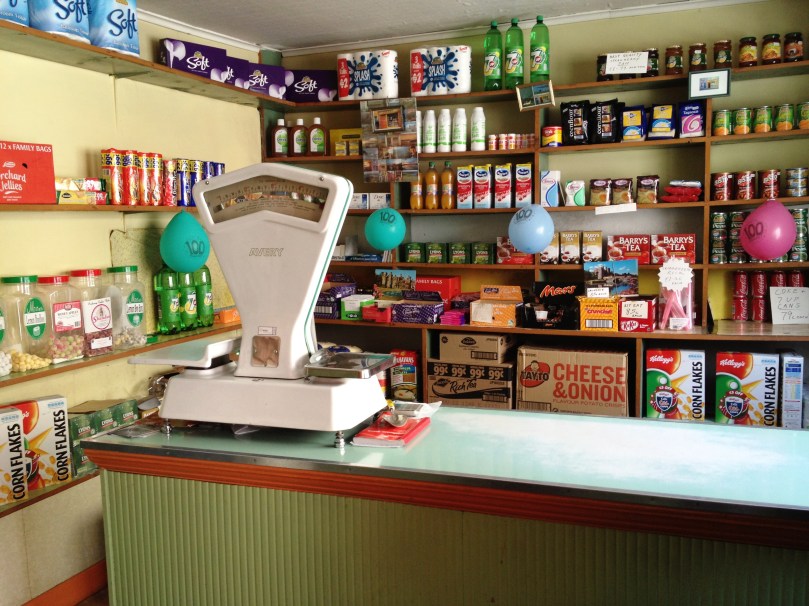
Inside Miss Clerke's, Skibbereen

Inside Miss Clerke’s, Skibbereen

When we were growing up in Ireland our mothers would send us up to the shops for messages. Clutching the coins she entrusted to us we would give the note to the shopkeeper, or recite what she wanted and he would duly hand over the message wrapped up in brown paper and tied with string.

Messages I remember: 10 Craven A, a yard of knickers elastic, 2oz of cheddar, 5 codeine, 1lb of broken biscuits, a packet of Bisto, a pair of brown shoelaces, a bottle of paraffin, a nice fresh piece of plaice.

Need a chamber pot?

Need a chamber pot?

Found it!

   Found it!

Nowadays we go off to the brilliant local supermarket (ultra efficient but with a wonderful variety of local produce) or the well-organized hardware store with its stocked and gleaming shelves, where the shopping experience is similar to that in Canada. But the shops of my childhood are still here too, in the small towns and villages. You can find hardware stores stuffed to the ceiling with everything you might need heaped in teetering piles. Ballydehob has one, My Beautiful Launderette, where we have dropped off our laundry and bought glue, mousetraps, nails, tools and flower seeds. In Bantry, when we can’t find the exact light bulb we are looking for in the airy modern electrical supply shop we can be sure to track it down in Vickery’s, a shambolic space loaded to the scuppers with kitchen ware, hinges, table lamps, shovels, and soap dispensers.

My Beautiful Launderette, Ballydehob

My Beautiful Launderette, Ballydehob

While modern boutiques abound in the larger towns, some clothing and haberdashery stores retain an old-fashioned charm, with most of the goods shelved in plastic bags behind glass-fronted counters.

Shoes, hats and First Communion dresses

Shoes, hats and First Communion dresses

Perhaps our favourite is Miss Clerke’s in Skibbereen. It is unchanged from the small grocery shops of the 1950s, with a little of everything neatly arranged around the walls. We go in there to buy bonbons – Robert has a liking for the apple-flavoured ones – although we have been out of luck lately. “The traveller,” she tells us, “hasn’t been able to get the apple ones for a while now.” We go home happily chewing on lemon ones (a ‘quarter’ in a paper bag) and fantasizing about life as a bonbon traveller.

clerke

Tuning In

sharonshannon

Sharon Shannon in concert, Dalkey

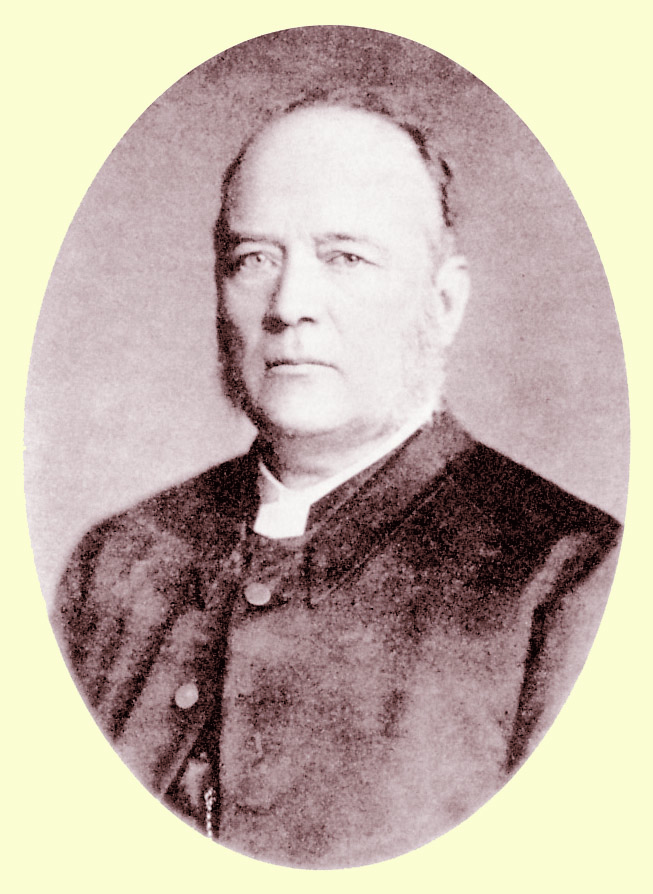
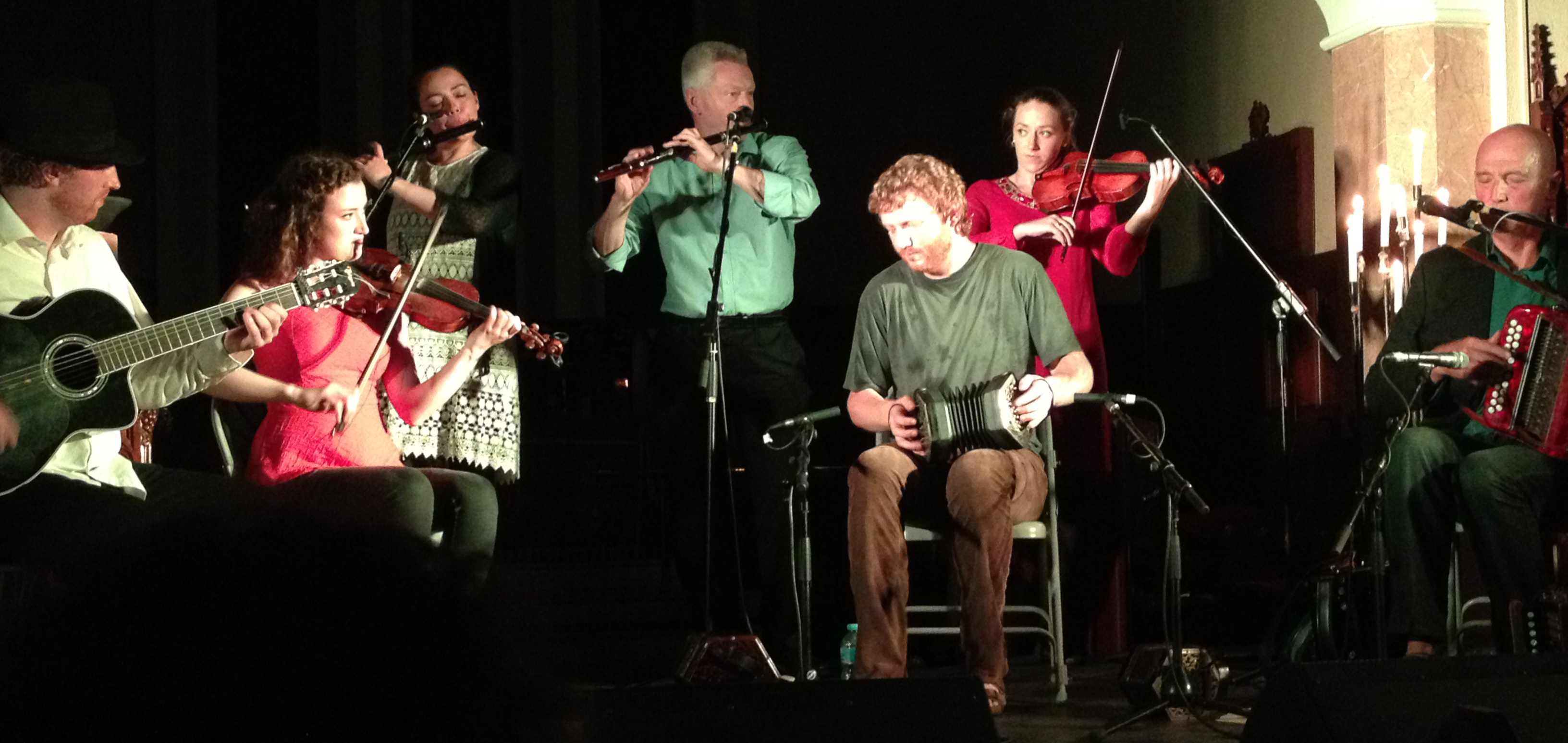
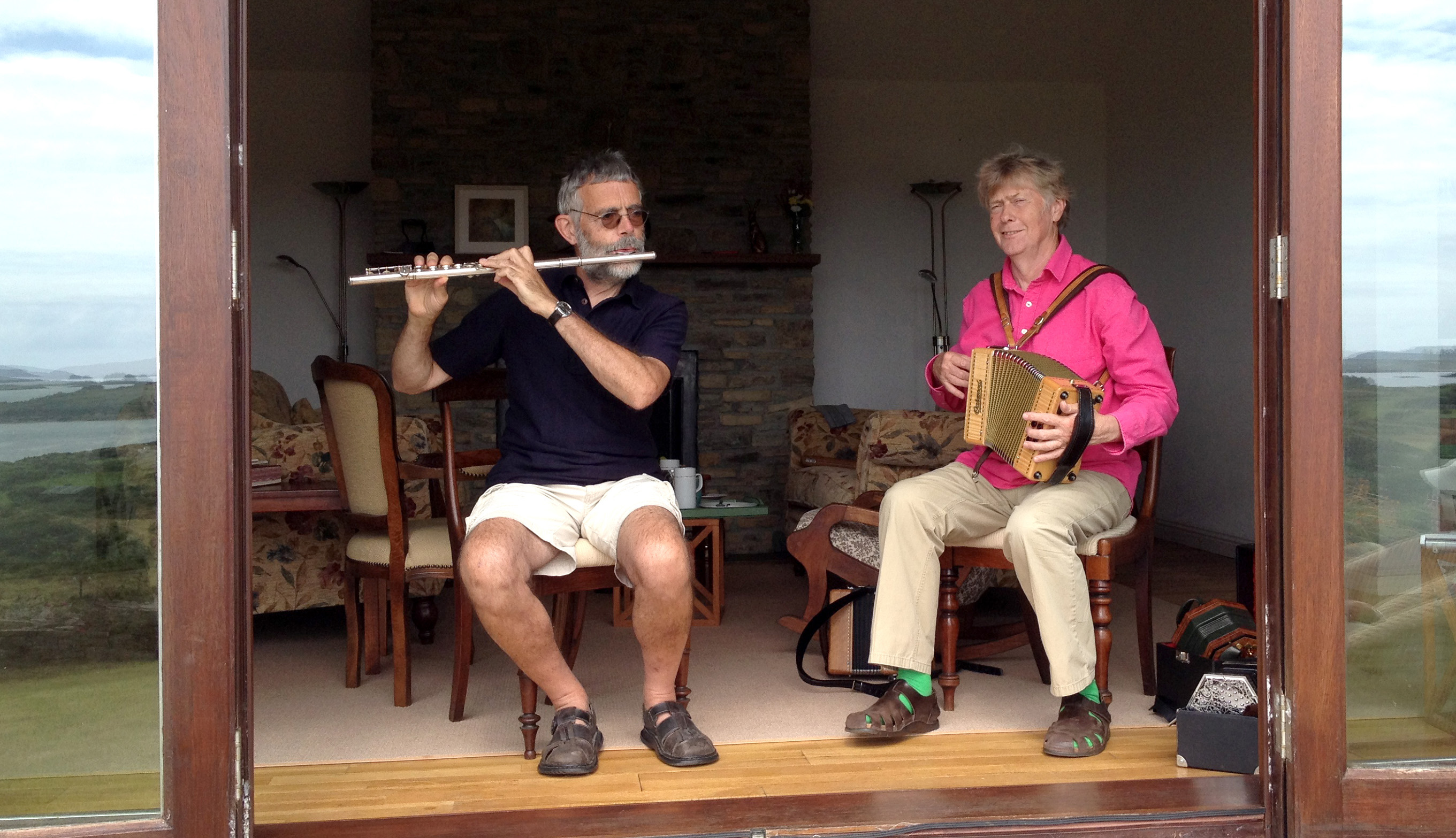
We are safely home in Nead an Iolair – and have immediately become immersed in music. We are making our own – with guests on the doorstep and at the local Friday sessions in Ballydehob – but also attending the many events which take place in West Cork in the summer. On our second night here we couldn’t miss a Skibbereen Festival event in the Abbeytsrewery Church: a concert in memory of Canon James Goodman, a cleric of the Church of Ireland who served the Skibbereen Parish for 30 years until his death in 1896.

james-goodman

There is a statue of the Canon by the gates of the church, where he can be seen with his Uillean pipes: he was a proficient player of this most complicated of all instruments. He is best known, though, for having produced one of the earliest collections of Irish traditional music – transcribing over 2000 tunes which he gathered from local players. All his known manuscripts are now in the library of Trinity College Dublin, where Goodman was also appointed Professor of Irish in 1879, but have only recently been brought to light and performed. Our Skibbereen concert celebrated the Canon and was devoted to his collected music. As Goodman was born in 1828 and starting collecting in his youth, we were listening to music as it would have been played in Ireland before the famine! But this is what The Music is all about – continuity of a timeless cultural tradition passed down through the generations and still very much alive.

The Canon Goodman concert

The Canon Goodman concert

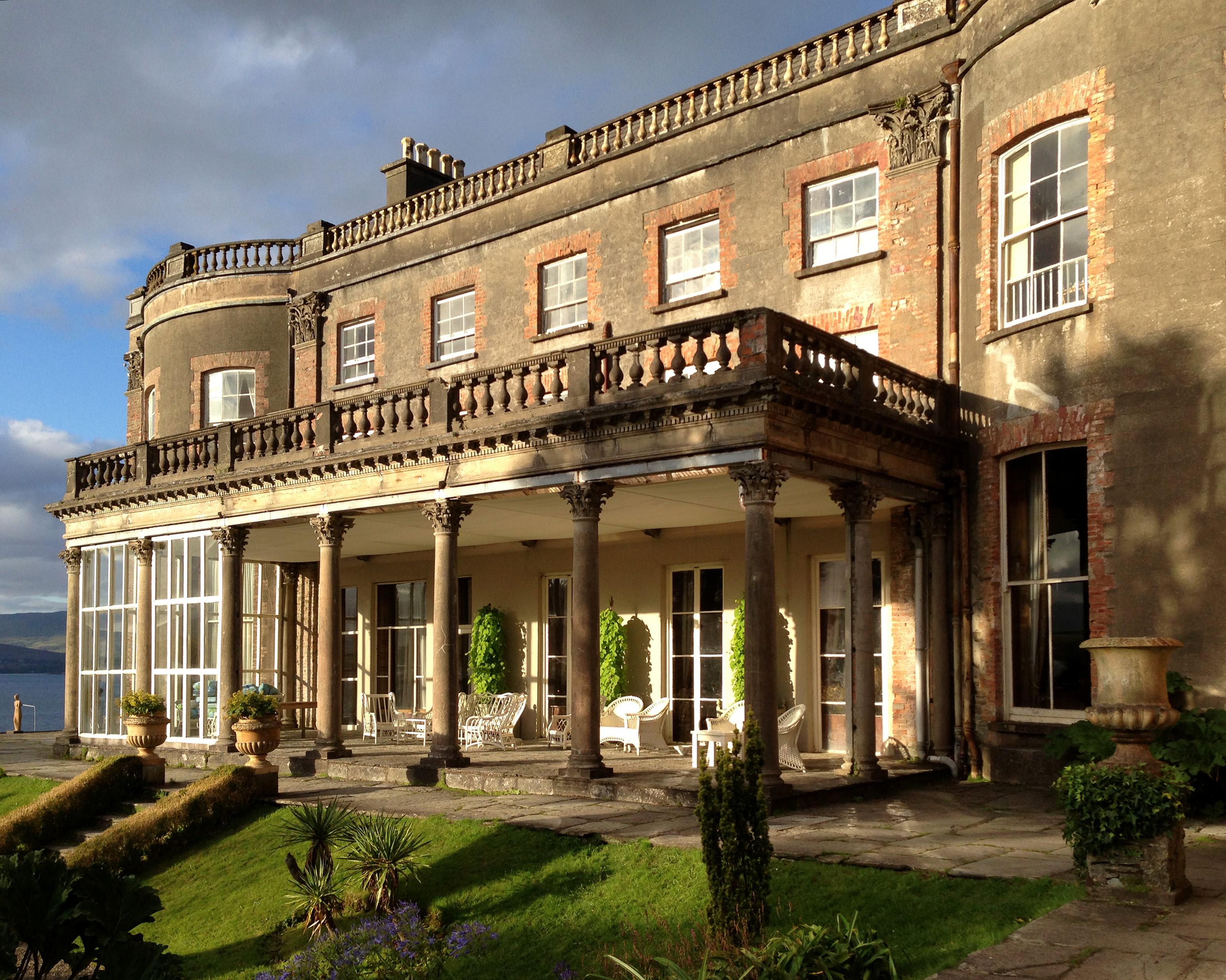
August was the month for the Masters of Tradition Festival, organised and run by Martin Hayes who hales from East Clare. For me, he is one of the world’s greatest musicians of the Irish tradition: his playing is captivatingly lyrical and seems to carry with it the soul of this ancient land. We attended all the concerts, many of which took place in Bantry House, a gently fading edifice which was once the home of the Earls of Bantry and is still occupied by their descendants. This stately home hosts many artistically based events through the year and provides an impressive – if incongruous – background to the activities. Some of the traditional musicians seemed slightly uncomfortable in the polite ambience of the candlelit Library, being more used to the ‘dancing in the aisles’ atmosphere of pubs and village halls: nevertheless, all the performances were memorable.

bantryhouse

Bantry House, built in 1690 with a spectacular setting overlooking Bantry Bay

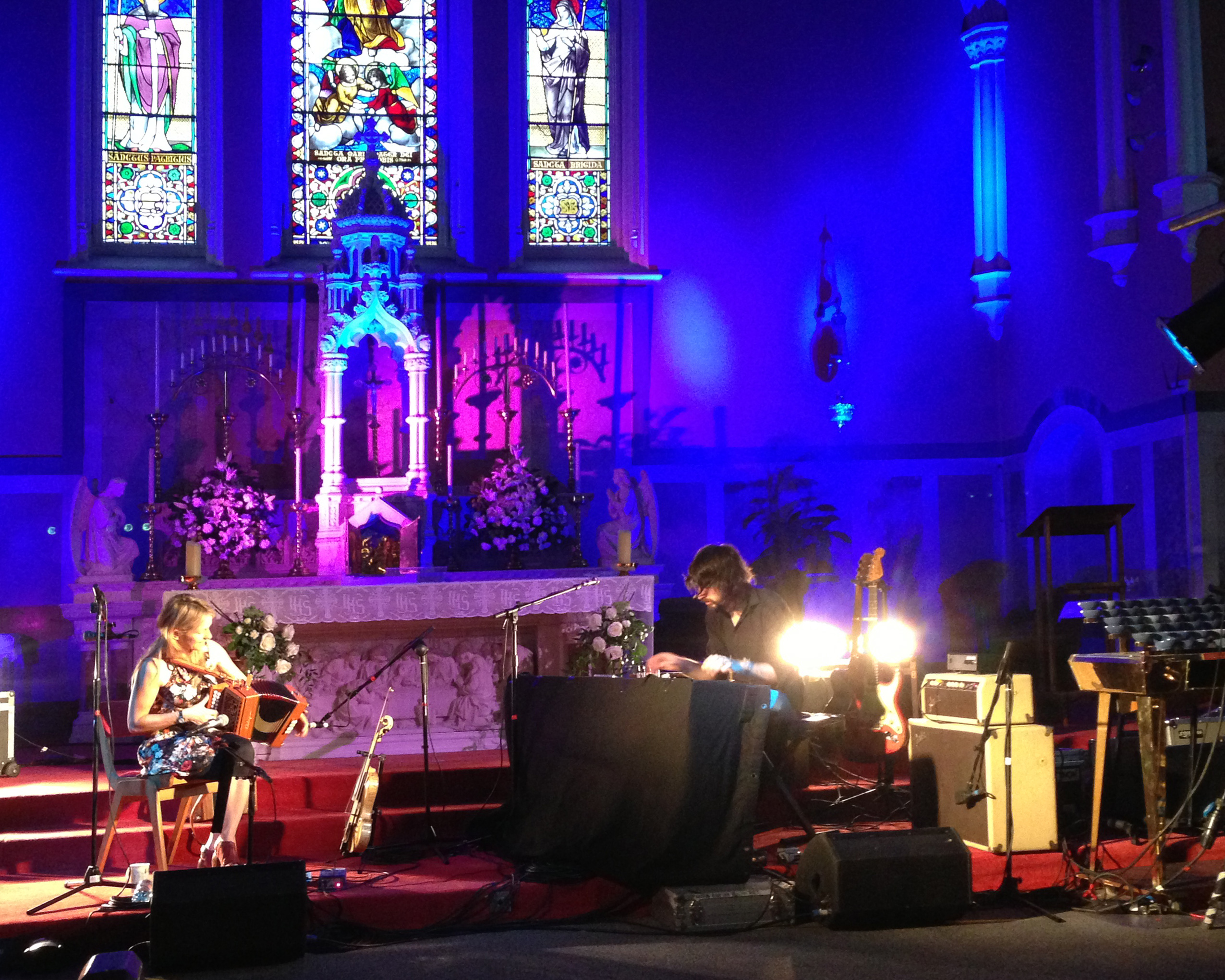
There have been so many events within easy reach of our home here in Cappaghglass through the summer: we have had to miss a few because they overlap. We are keeping those for next year – or the years after that! We visited Finola’s family in Dublin and arrived to find a Sharon Shannon concert happening just down the road. This was wonderfully located in the Catholic Church of the Assumption. Sharon is an outstanding accordion player who has been performing professionally for very many years. In this incarnation of her music we were treated to heavy amplification, a brilliant pianist and singer – Alan Connor (who almost stole the show!) – and a disco light display which was enhanced by the ornate Victorian richness of the altar and reredos. There was very nearly ‘dancing in the aisles’ on this night!

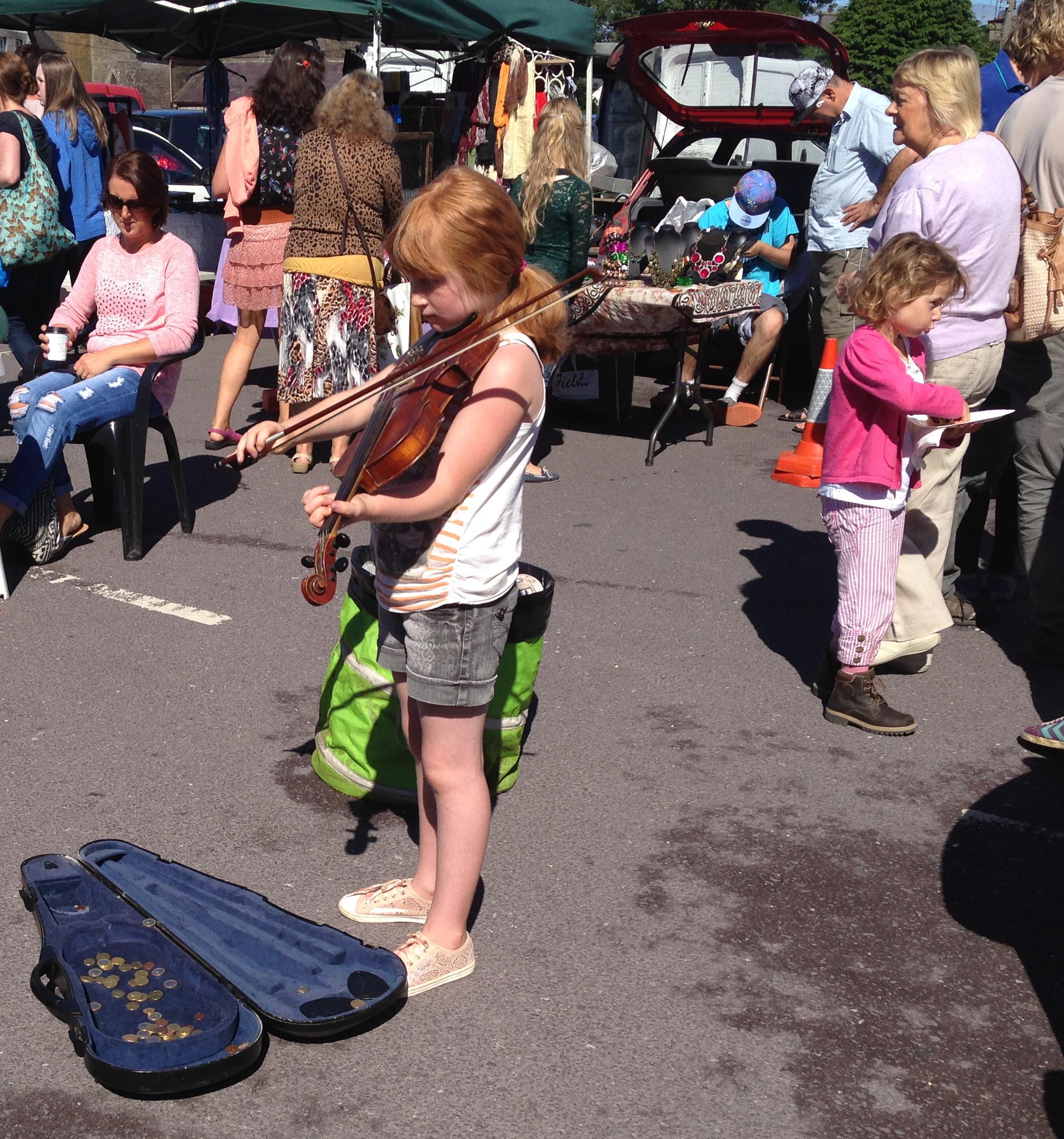
Keeping alive The Music - in the market at Skibbereen

Keeping alive The Music – in the market at Skibbereen

In what seems like just a few whirlwind days we have progressed from music on the doorstep to world calibre concerts in beautiful settings: this is only the beginning of our new life here…

On the doorstep: Nead an Iolair

On the doorstep: Nead an Iolair