Saints and Soupers: the Story of Teampall na mBocht (Part 6, Counter-Accusation)

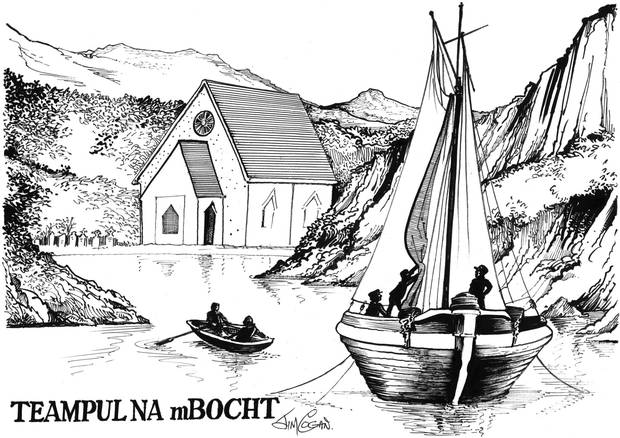
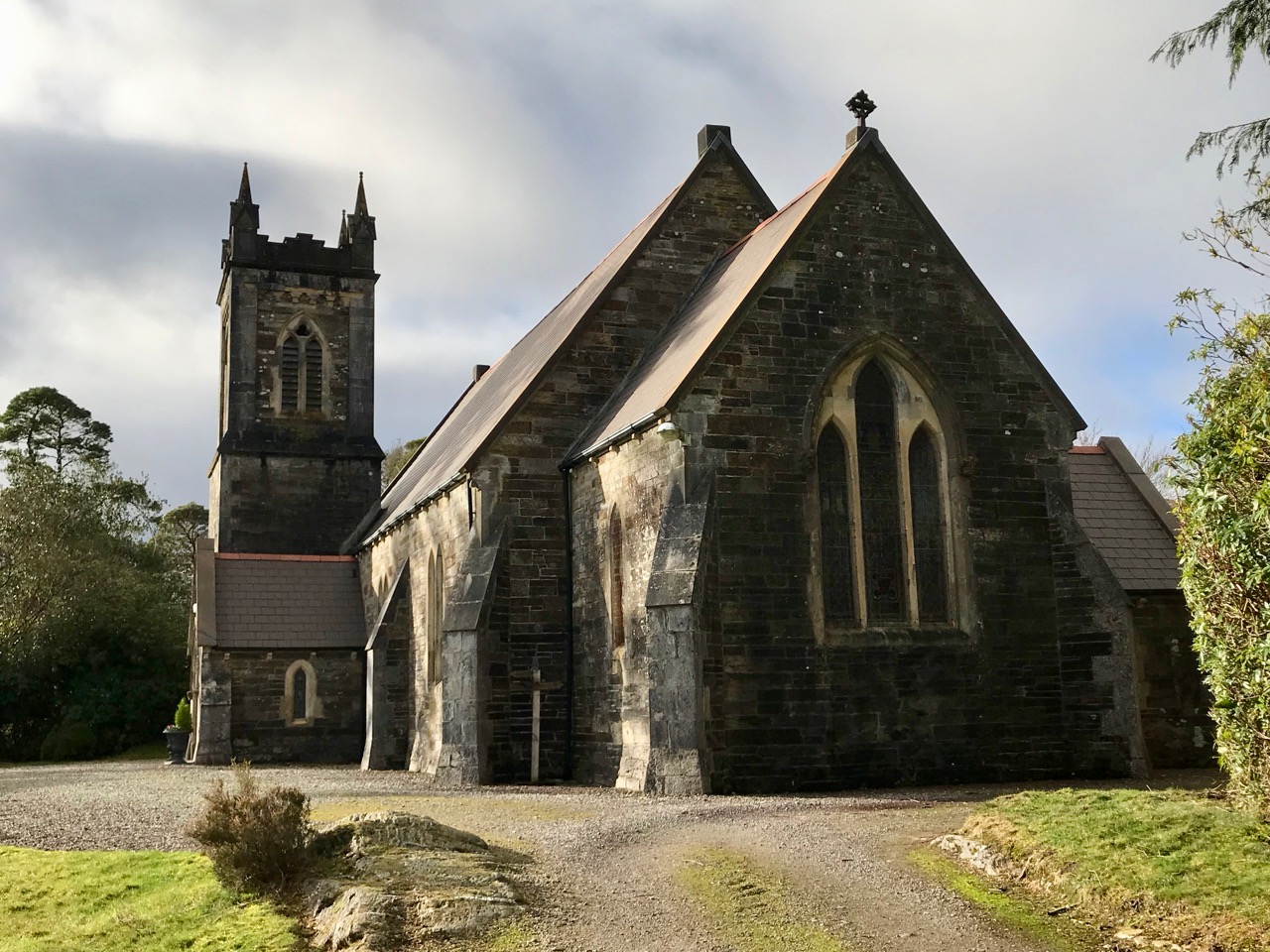
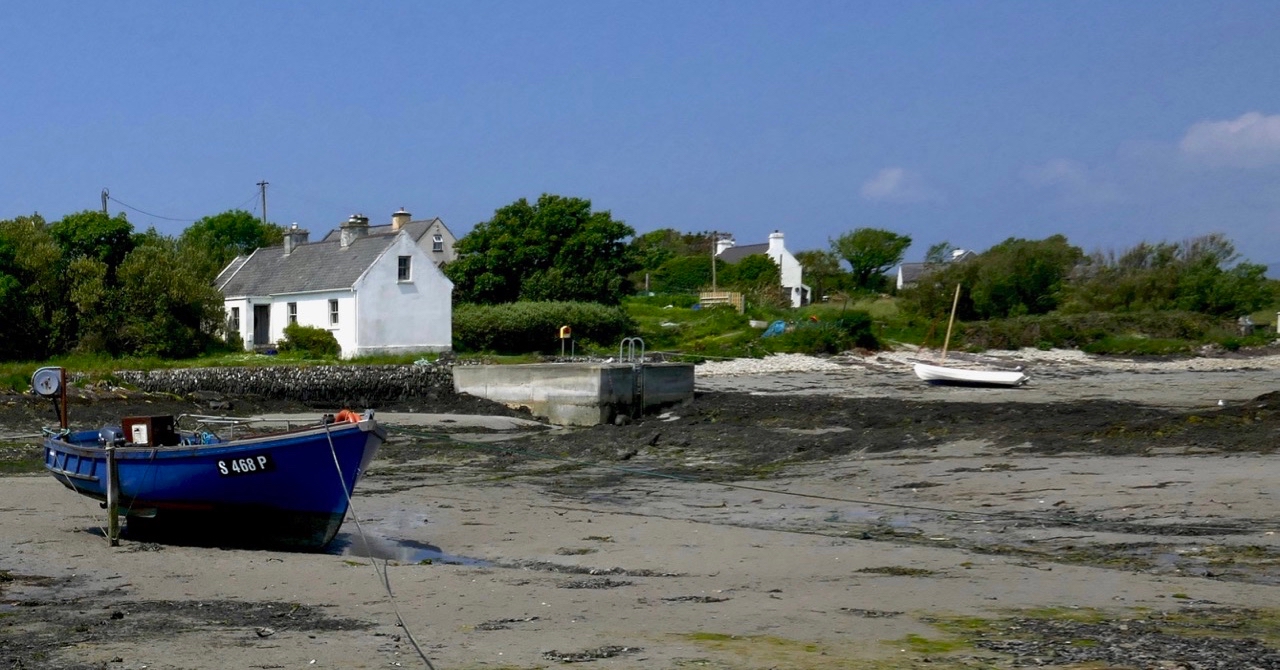
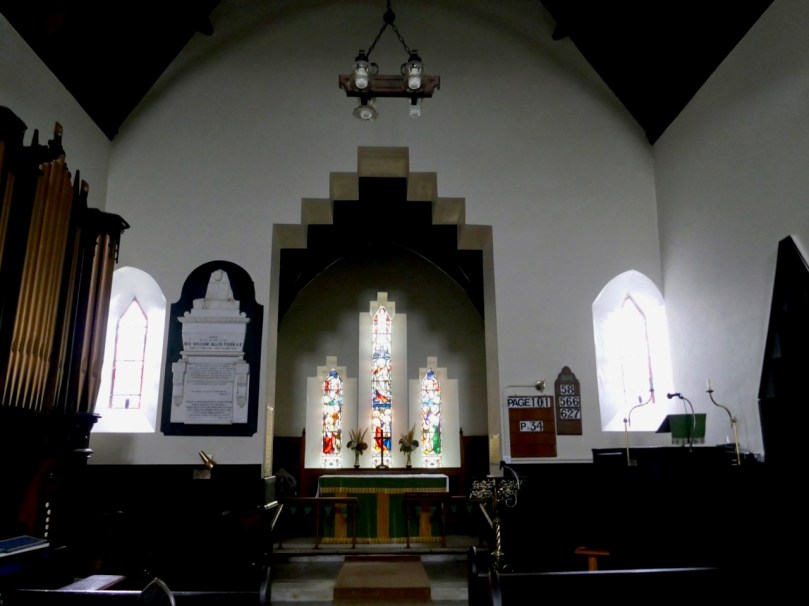
Today I am looking at what happened to Teampall na mBocht when the Catholics finally got the resources together to win back Fisher’s converts.  As we saw in the last post, the Rev William Allen Fisher built Teampall na mBocht (above) with money raised through his own efforts, confining the work to the poorest labourers. There is no evidence that he made employment on this project conditional on conversion, and his own accounts quantify payments to Catholics as well as Protestants (going by the evidence of last names, which can, of course, be misleading).

Reproduced courtesy of the National Library of Ireland (with permission) from a collection of prints by the Irish Church Missions to Roman Catholics. The notes accompanying the image say: This image shows a Protestant clergyman standing at a pulpit with his right arm raised in anger while arguing with a Roman Catholic clergyman in the audience. Audience is divided into 2 groups determined by features. Those seated have more prominent features with upturned noses and those standing have more stern features with straight noses

However, he also supplied food to the Christian missionary schools in the area, the enrolments of which surged accordingly, and he enthusiastically welcomed those who wished to confess and be converted: the number of Church of Ireland adherents rose dramatically in the Goleen area during this period. He denied all charges that he ‘bought’ such conversions. The activities of a clergyman who also happened to be a large landlord using relief funds to build a Protestant church and fund Protestant mission schools, even if by doing so he saved many from starvation, were always going to excite odium within the minds of his Catholic counterparts.

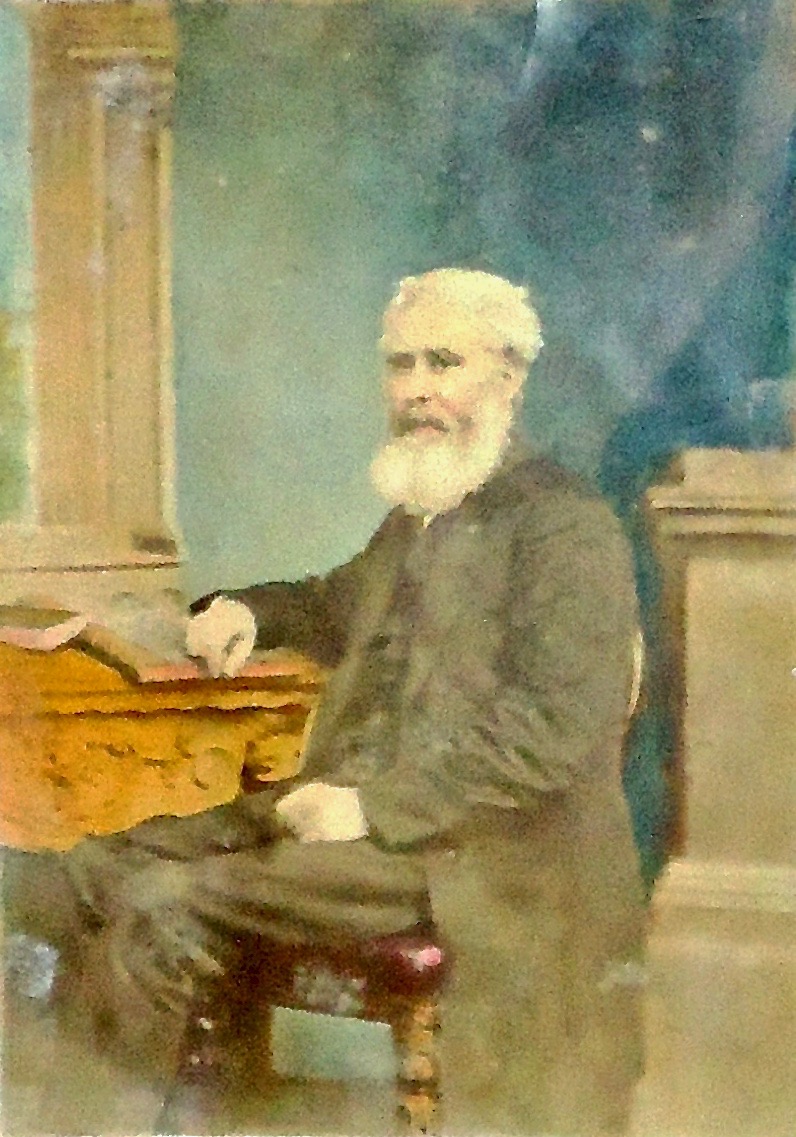
Alexander Dallas, founder of the Irish Church Missions to Roman Catholics Photo from Archive.org

The Protestant Crusade, with its colonies and schools and aggressive proselytising, had reached its zenith in the period leading up to and during the famine. Led by men like Alexander Dallas of the Irish Church Missions, or Bishop Robert Daly of Cashel, it never succeeded in winning the numbers of converts that its proponents and funders hoped for. What it did, in fact, was to drive a sectarian wedge deep into the heart of Irish society and create a legacy of bitterness and distrust.
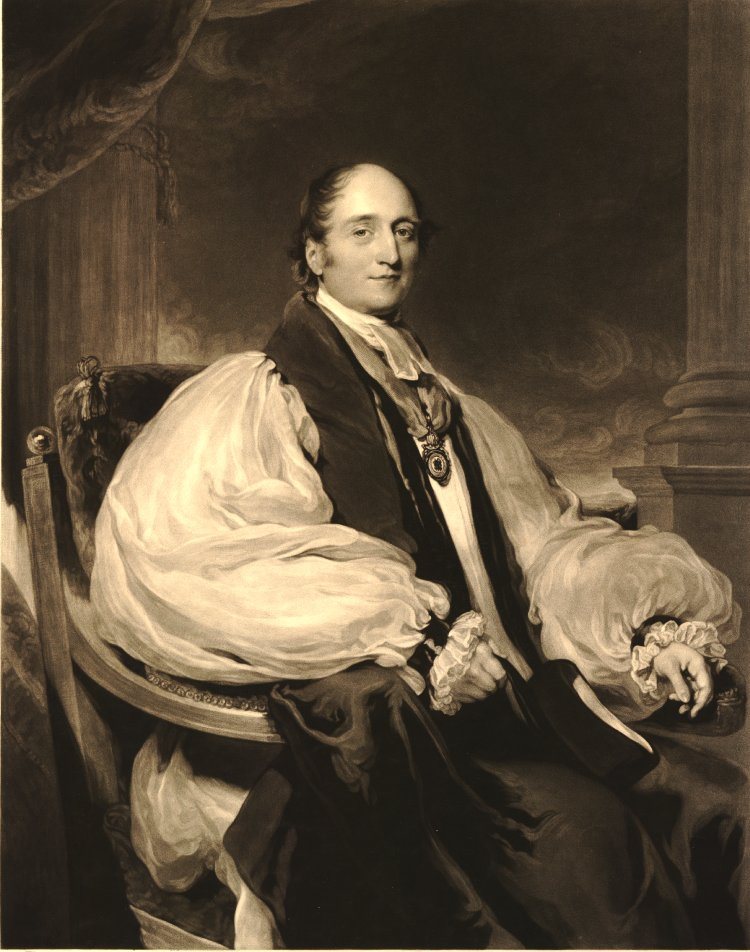
Lord John George de la Poer Beresford, every inch the aristocratic Lord Bishop of Armagh and Primate of All Ireland

Moderate and liberal Church of Ireland leaders such as Archbishops Whately of Dublin and Beresford of Armagh, tried to curb the worst excesses of the movement, worrying that that The ICM was doing “Irreparable mischief to the Church in Ireland”. While they both deplored the ‘Romish’ religion they hoped for conversions through Irish Catholics seeing what a model of bible-based virtue looked like, not by means of radical evangelical activities and proselytising. 
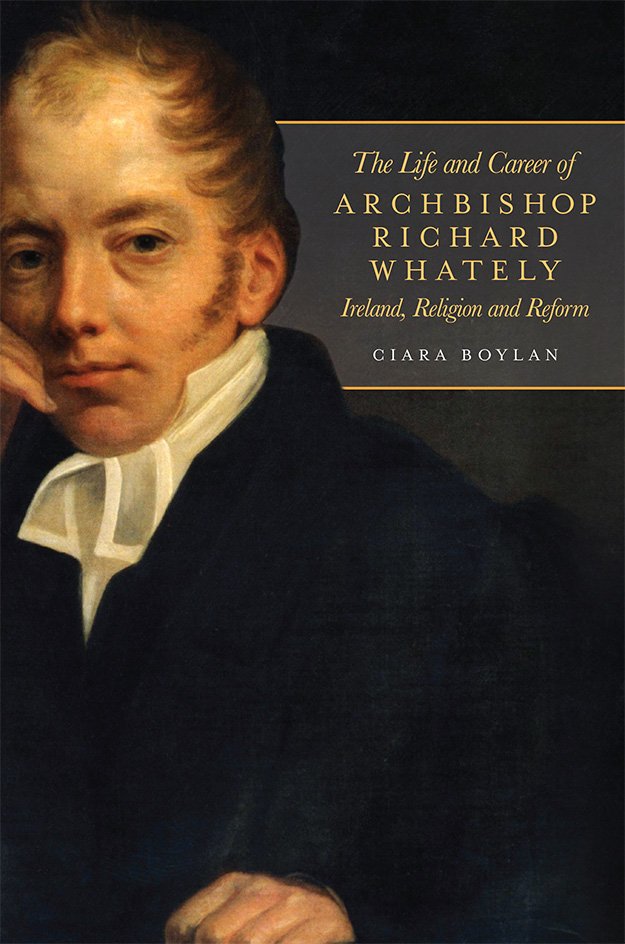
Richard Whately, Archbishop of Dublin, a complex and possibly misunderstood prelate

A Catholic backlash was inevitable and when it came it was as complete and heavy-handed as it was possible to be. Seeing the situation, and the number of converts in Goleen and Toormore, Bishop William Delany of Cork sent in the big guns, in the form of Fr John Murphy, AKA The Black Eagle of the North.

William Delaney’s rather magnificent statue in Cork. Note the Papal Insignia

Wait – the what? Yes, you heard me right! A scion of the famous and wealthy Catholic merchants, distillers and brewers (themselves accused of exporting grain during the Famine by none other than Fr Matthew) John James Murphy was the stuff of legend. Here’s a quote in full from one account (based on a well researched biographical sketch), because, well, you can’t make this stuff up.

The scene changes to a clearing in the virgin forests of Canada. There a French-Canadian priest has pitched his camp. He has no flour to make Hosts for the Holy Sacrifice and then down the little stream that bordered the clearing there drifted a birch-bark canoe paddled by an Indian. He shared his flour with the priest who was surprised at the soft cadences of the Indian’s English. And no wonder, for the Indian was born not on the banks of the St. Lawrence but on the banks of the Cork Lee. It was John James Murphy, one time an officer in the navy, now a hunter in Canada. In the course of his journeyings the Corkman had fallen in with a tribe of Red Indians and had thrown in his lot with them. They initiated him into their tribe, crowned him with feathers and dressed him in all the accoutrements of an Indian brave. To them and to all of the Five Nations he was known as the Black Eagle of the North.

In Black Eagle’s wanderings through the forests he came one day upon a green glade in the centre of which was a statue of the Blessed Virgin. And there in that silent glade there came back to him the faith and the teaching of his childhood. Perhaps the spirit of some martyred Jesuit was hovering around that neglected shrine.

So he returned to his tribe, washed off his war paint, relinquished his chieftain’s features and started off on a long trek, down the Hudson river, across the broad Atlantic, over the European continent to Rome, to commence his studies for the priesthood.

This account, by the way, omits to mention that in Murphy’s own words he also “dismissed his squaws.” The language, by today’s standards, is shudderingly horrifying throughout, isn’t it?
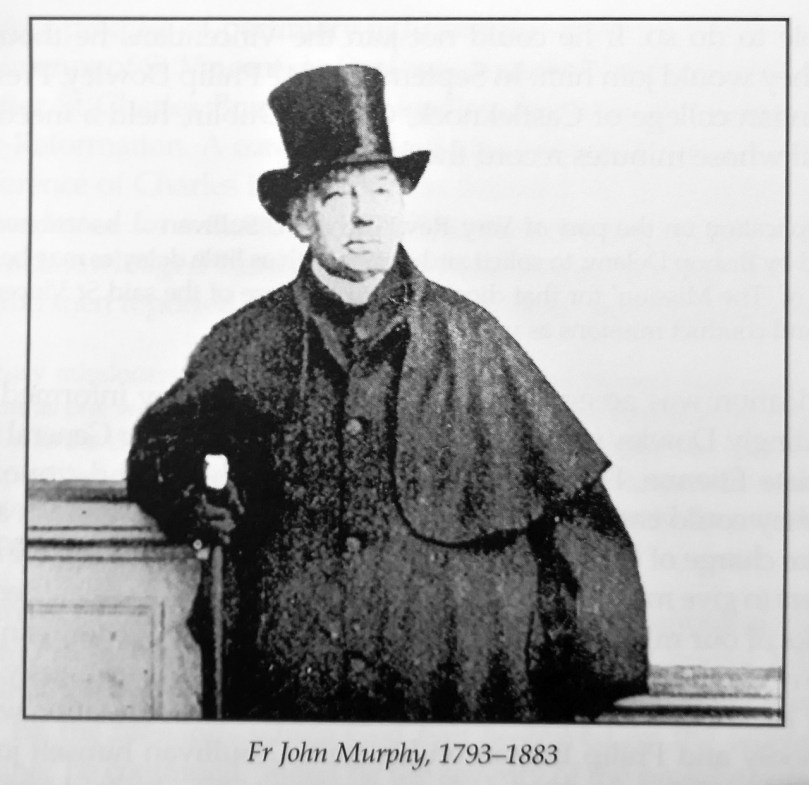
Murphy (above, illustration from Patrick Hickey’s Famine in West Cork) arrived dressed in black, wearing a tall black hat and flowing black cloak, and riding an enormous black ‘charger.’ He brought supplies of meal for the schoolchildren in the national school, took lodgings in Goleen, and set about sniffing out the converts. He marched them to Teampall na mBocht, mounted the wall, and proceeded to give a fiery sermon exhorting them to return to their true faith and insisting they recant at Fisher’s gate. His appearance and eloquence was electrifying and soon had the desired effect.
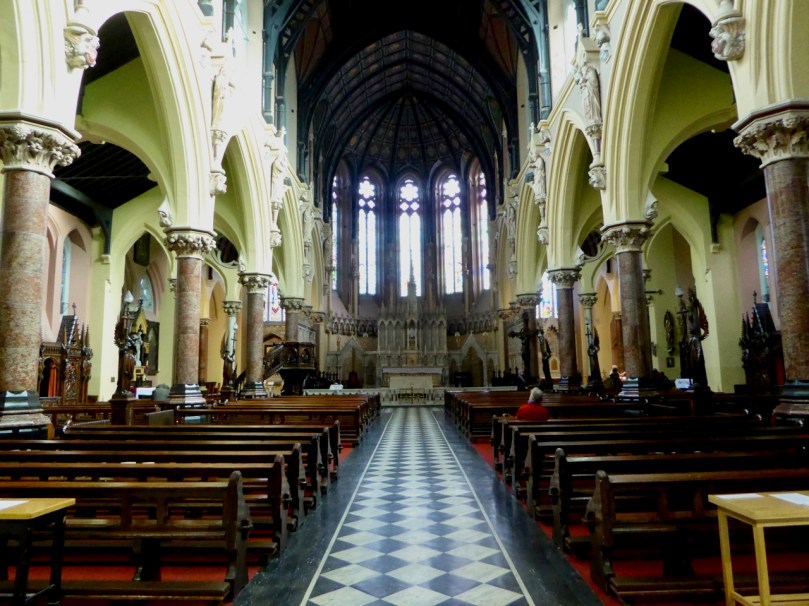
Interior of St Peter and Paul Church in Cork City, established and partly built by John Murphy’s considerable inherited wealth

Reinforcements arrived shortly thereafter in the form of a Vincentian mission. These missions, in which a group of priests from particular orders such as the Vincentians or the Redemptorists, would descend upon a town and preach every night for a week, were a staple of my young life. This one was reported to be a great success. Fr Hickey quotes from a contemporary report:

Our mission in West Schull (Kilmoe). . . is doing much good. A great number of the poor who were perverted in the time of the famine by relief given for that purpose by the Protestants, have returned already. The chapels, even in weekdays, are not able to contain the congregation and the confessional is crowded far beyond the power of our confreres to accomplish its work.

In fact, the famine was not over, and the Vincentians brought more than The Word of God (and the Fear of God) with them – they also distributed great quantities of food relief and some cash, both to individual families and to the schools. They established a chapter of the Society of St Vincent de Paul and the members busied themselves visiting the poor and distributing supplies. Fr Hickey says:

Food was now being used by the Catholic Church in order to hold on to its flock and win back the lost sheep. Did hunger tempt them to stray in the first instance? Were they now coming back because they were simply going to the church which would give them the most food, as some of them had bluntly told Fr Laurence O’Sullivan?

St Vincent de Paul. Most Irish people today recognise the Society of St Vincent de Paul as an active Catholic charitable organisation. The Vincentians, on the other hand, have declined in numbers to the extent that their Cork headquarters had to close for lack of vocations

Revs Fisher, Triphook (successor to Dr Traill), Donovan and Crossthwaite wrote a published statement which accused John Murphy and the Vincentians of failing to come during the horrors of famine and arriving only now in the harvest ‘to propagate Romanism’.
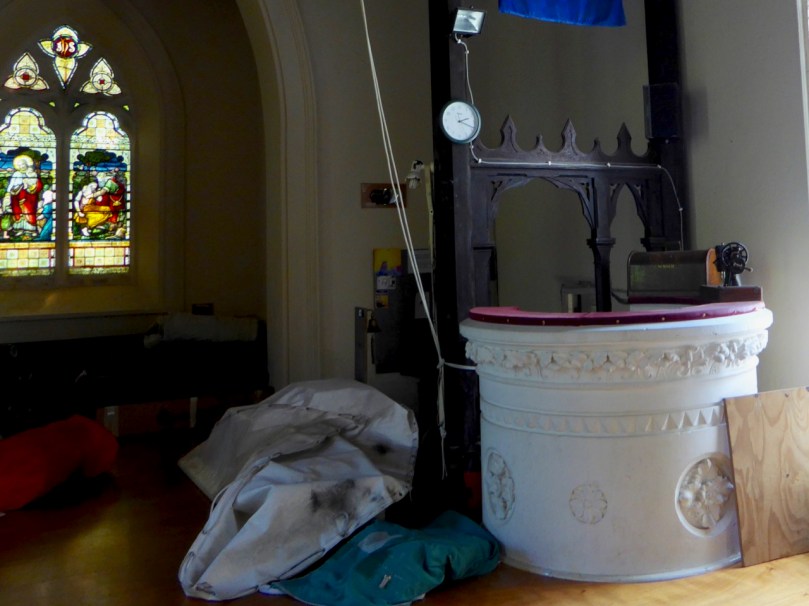
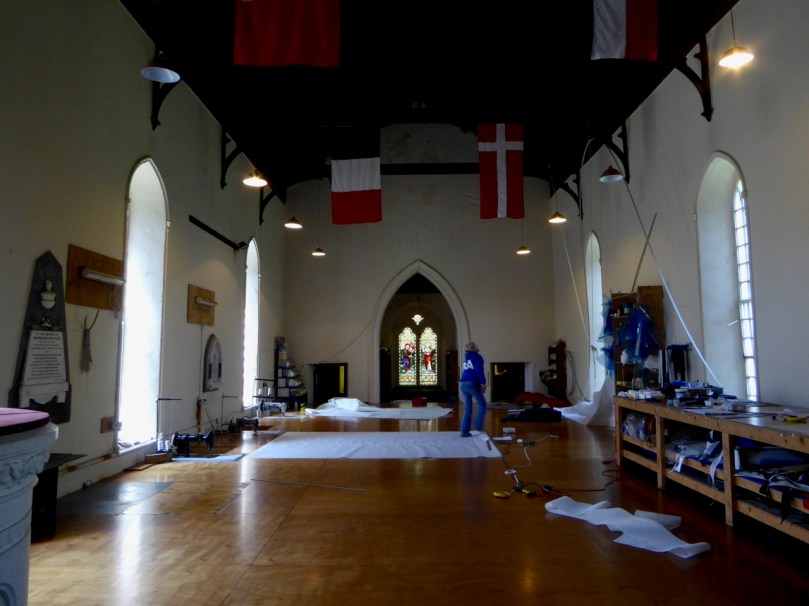
Fisher’s church in Goleen, now in use as a sail-making space. His pulpit would have been an important part of the church furnishings and I am pleased it has survived

It was a telling counter-accusation to the charges of Church of Ireland souperism, but in any case the heyday of the radical and fundamentalist evangelicals was nearing an end. A new era was dawning for the Irish, that of the Ultramontane Catholicism of Cardinal Cullen – the ethos that would drive Irish Catholicism for the next one hundred and fifty years. 
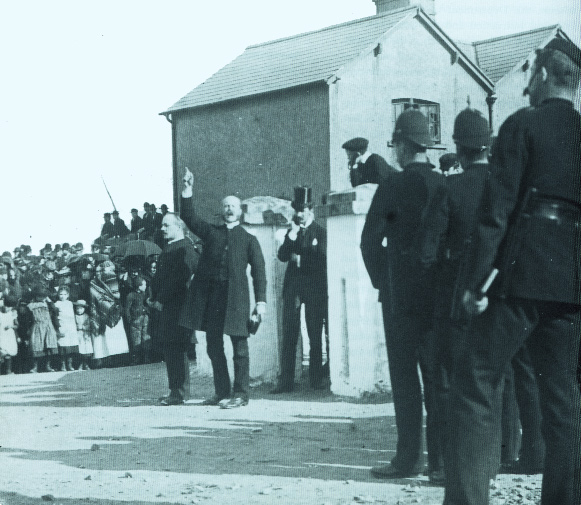
This photograph is captioned Late nineteenth-century evangelical preacher addressing a crowd under police protection, and is credited to Michael Tutty

Although I had hoped to finish this series with this post, I have learned so much now about the religious legacy of this extraordinary time in Irish history that I find myself unable to resist one final episode in the saga. In my next and last (I promise!) post in this series, I will endeavour to relate how the foundations of the kind of Catholicism I grew up with were laid down upon the contested ground of Teampall na mBocht and on the battle for the hearts of souls of the people of Ireland that such places epitomised. I shall also attempt to draw some personal conclusions from what I have learned, and to share with you some of the excellent resources I have used in this series.
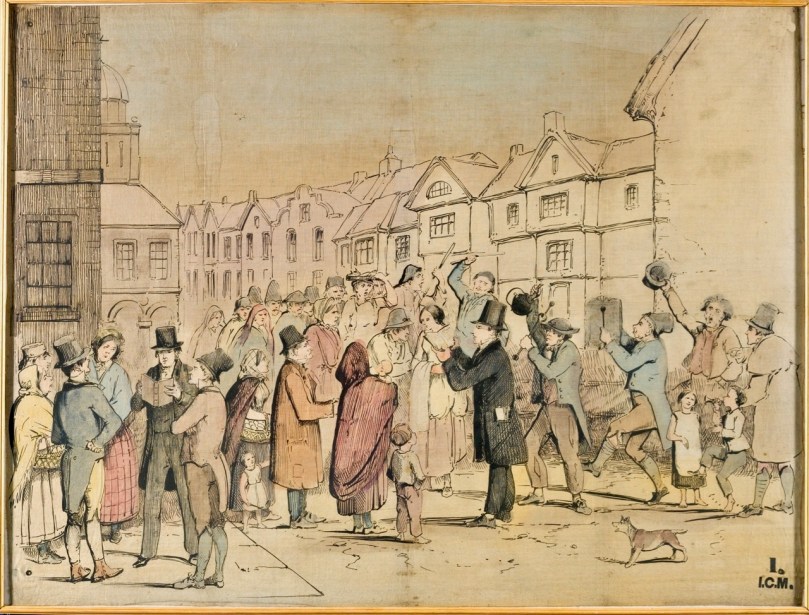
Reproduced courtesy of the National Library of Ireland (with permission) from a collection of prints by the Irish Church Missions to Roman Catholics. This print is captioned Two preachers standing in a street preaching to an audience. In the background a rabble sings, dances and jeers. The  notes given for this image in the NLI collections are: The differences between those converted to Evangelicism and the “unconverted” Roman Catholics are emphasised in this image. The captivated audience surrounding the preachers are dressed well whereas the rabble causing trouble behind them are badly dressed with the stereotypical Irish look about them

This link will take you to the complete series, Part 1 to Part 7

Saints and Soupers: the Story of Teampall na mBocht (Part 5, Famine in Kilmoe)

Gorta, by Lilian Lucy Davidson, courtesy Ireland Great Hunger Museum

The potato crop failed first in 1845. Patrick Hickey in Famine in West Cork relates the discussion at the annual Skibbereen Agricultural Show dinner in October. Much congratulatory talk about the progress that had been made in agriculture, was brought to an abrupt end when the inevitable topic of the potato disease raised its ugly head. While several landlords and farmers felt the crisis would pass quickly, and others placed their faith in the new dry pits championed by the Rev Traill of Schull, Dr Daniel Donovan brought them down to earth with a first-hand account of the calamitous conditions all around them. Fr Hickey puts it poetically when he says, As these gentlemen headed home that night the sound of their horses’ hooves on the stony road rang the death knell of pre-famine Ireland.

Planting Potatoes – each cottage relied on an acre or so to plant enough for a year

Relief Committees were struck and established food depots. In the Parish of Kilmoe the Rev Fisher and the Parish Priest, Fr Laurence O’Sullivan each contributed £5 as did other members of the committee. The ethos of the time was very much to tie relief with work and soon various schemes were proposed to the Board of Works and although one was initially approved no funding ever materialised. Distress was widespread.

The ‘lazy bed,’ in fact a labour-intensive cultivation method, has left its mark on the landscape all over Ireland

But it was the second failure of the potato crop in 1846 that precipitated a full blown famine environment. The workhouses started to fill, hungry people pawned anything they had and reports of death by starvation and fever started to pour in. The Parish of Kilmoe, which stretched from Schull to Crookhaven, encompassing Toormore and Goleen, was particularly hard hit. The Board of Works, inexplicably declined to fund any road or pier-building schemes. According to Hickey, The only refuge these hungry people had was the Kilmoe Relief Committee but even this was now in dire straits.

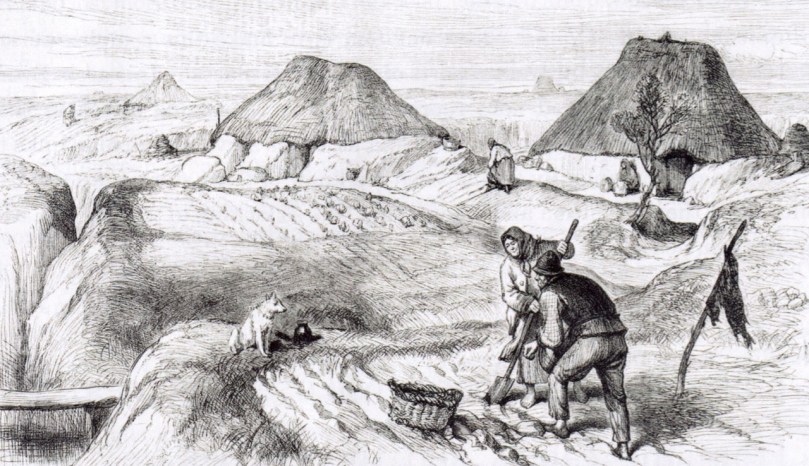
A ‘scalp’ was a just a hole dug in the earth. People resorted to living in such troughs when they had been evicted

How dire? I will let the committee speak for themselves – here are the proceedings of their meeting on November 3rd, 1846, sent to newspapers in the hope that it would elicit compassion and aid. It has all the impact of immediacy and desperation in the face of appalling official indifference, made all the more powerful by being sent by normally polite and government-supporting educated men.

Proposed by the Rev W A Fisher, Rector, and seconded by the Rev Laurence O’Sullivan, PP;

1. That this committee having repeatedly tried, but in vain, to arouse the attention of the government to the state of destitution and distress in this remote district, have determined to bring the matter before the public, through the medium of the press.

Proposed by Richard B Hungerford, Esq, JP and seconded by the Rev Henry P Proctor;

2. That the following statement of facts be forwarded: — “The parish of Kilmoe contains 7234 inhabitants, or 1289 families; we calculate that 7000 inhabitants require food, in consequence of the failure of the potato crop;  the parish produces very little corn. Potatoes feed the people, the pigs, the poultry, the cows, the horses; and enabled the fisherman to dispose of his fish, for which he did not this year get as much as paid the expenses of taking and saving it, as the poor, from the destruction of the potato crop, are unable to purchase it. Thus deprived of their only means of support, they are now literally famishing. All this, in substance, we have stated over and over again to the Lord Lieutenant, the Lieutenant of the County, the Commissary-General, and the Commissary at Skibbereen. We asked a depôt – we offered a store free of expense – we entered security – and when we had done all this, at the end of a month we received a letter from the Castle, with a paper on brown bread enclosed, to say we had better purchase wheaten and barley meal.

Proposed by the Rev Thomas Barrett, RCC and seconded by Mr John Coghlan;

3. That this committee feel quite unable to meet the views of the government. There are only two resident gentry in this district – there are no merchants here – there are no mills within twenty-three miles – there is no bakery within that distance – nor is there any way of procuring food, except through the medium of our committee, which, out of our limited funds of 165l., have kept up a small supply of Indian meal and even with our very best exertions, in consequence of our trifling finances, and being obliged to bring our supplies from Cork by water, we have been twice, for a fortnight together, without meal.

Proposed by Mr B Townshend and seconded by Mr J Fleming;

4. That our funds are now exhausted, and we have no means of renewing them, while the demand for food is fearfully increasing. We see no other way left to us but to try, to the medium of the press, to arouse the government to a sense of the fearful state of things which is inevitably impending. Rapine has already commenced and who can wonder? Many are living solely on salt herrings – many more on seaweed; and when our last supply of Indian meal was sold, they offered 3s. a stone – and would not go away without it – for some that was damaged, the very smell from which was so offensive that it was thought unfit and dangerous food for human beings.

Proposed by the Rev Laurence O’Sullivan, PP and seconded by Mr A O’Sullivan

5. That these resolutions be published in all the Cork newspapers, the Dublin Evening Post, Dublin Evening Mail, and the Times London newspaper and a copy be sent to Lord John Russell and Sir Randolph Routh, with a faint hope that something may be done without delay (for the case is urgent) to relieve our misery and want, else the public will soon hear of such tales of woe and wickedness as will harrow the feelings and depress the spirits of the most stout-hearted man.

Signed

Richard Notter, Chairman.

W A Fisher, Rector of Kilmoe, Sec

Upper: Memorial tablet to Richard Notter in the former Church of Ireland in Goleen. Lower: an example of the kind of ‘rapine’ predicted by the letter

Besides a stark description of conditions in Kilmoe, what these minutes show is that the relief committee was composed of both Catholics and Protestants, of clergy and lay men, drawn together in a common cause and working in a cooperative spirit. Perhaps as a result of this letter, a Board of Works road-building project was eventually implemented on the Mizen. These hated schemes were riven with administrative problems of all sorts, the most serious being a delay in paying the labourers.

Meal being delivered under armed guard

Because this is the story of Teampall na mBocht and Rev Fisher, I cannot dwell here on a detailed description of the harrowing progression in Kilmoe of the Great Hunger. Much has been written about the famine in West Cork, and I direct the reader to Patrick Hickey’s book, which has been my main resource. (In the final post I will supply a list of the resources I used for this study.) I confess that I find it difficult to write about the famine itself – it’s amazing how raw and emotional it becomes once I immerse myself in the subject. Anger wells up very quickly and I recognise a desire to find culprits to blame (there is no shortage of candidates) and to jump to judgement using a modern mindset and all the benefit of hindsight.

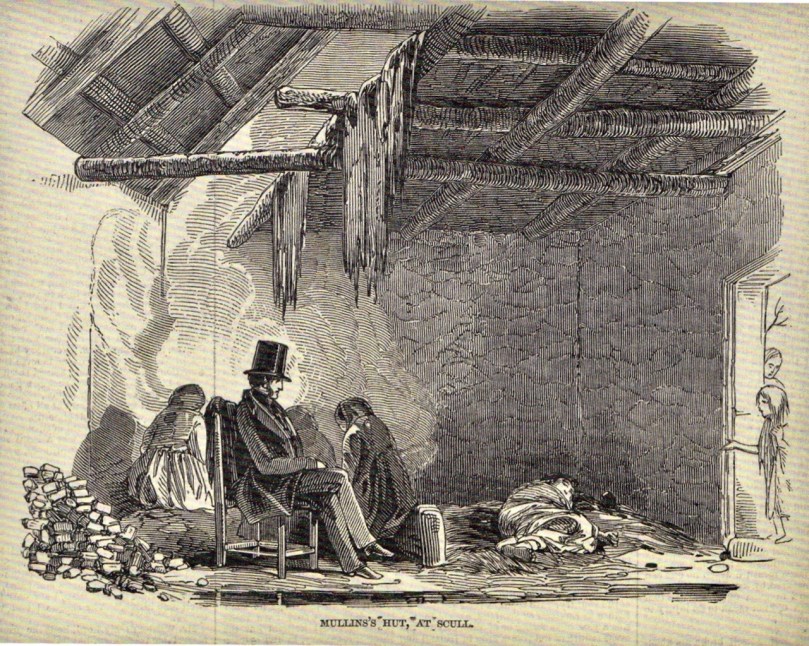
The Rev Traill, drawn by James Mahony for the Illustrated London News, in Mullins hut, while Mullins lies dying on the floor. Mahony stood “ankle deep in filth” to capture the image

For now, then, let’s get back to Kilmoe, William Fisher and Fr Laurence O’Sullivan, central actors in our drama. One digression, though, remember the Rev Robert Traill and how he railed against the wicked priests for opposing his tithes? He was very much part of the relief effort too, setting up ‘eating houses’ in cooperation with Fr Barry of Ballydehob (the regulation ‘soup kitchens’ did not provide food they considered nutritious enough) and travelling throughout his parish indefatigably providing assistance to all, Catholic and Protestant alike. When he came down with famine fever in 1847 he couldn’t fight it off, and died in April, mourned and honoured by everyone for his heroic efforts.

Soyer’s Model Soup Kitchen: Soyer’s soup recipe was recommended on the basis of low cost rather than nutritional value – see this post in the marvellous Come Here to Me blog for more on Soyer and his soup

Rev Fisher had a printing press and used it to great effect, sending requests for aid to everyone he knew. Money arrived, and it enabled him to help a great deal with the relief efforts. Like the Rev Traill, he also contracted famine fever but managed to recover. It was during this period of recovery that he started hearing confessions. He was strongly influenced by the Tractarian Movement, a return to High Church liturgies that came close to Catholic practise. He claimed that he simply made himself available in his vestry and that the people poured in, wishing to unburden themselves of their sins. Soon, his church, in Goleen, was filled with the newly-converted.

The former Church of Ireland in Goleen, now used for mending sails. Here, Fisher heard confessions and welcomed converts

In his book, The Protestant Crusade in Ireland, Desmond Bowen makes the claim that Catholics in the area were completely demoralised; they quarrelled with their priest who fled the community. However, Hickey points out that Bowen provides no source for that information, whereas Hickey tracked down Fr O’Sullivan’s movements and found that he left for only a short time (possibly ten days) to fund-raise (successfully) in Cork. Tellingly, he had withdrawn from the Kilmoe Committee as a result of dissension between the clergymen. Laurence O’Sullivan, in fact, remained in his parish throughout the famine and worked to raise and disburse funds as well as to feed his parishioners, also contracting famine fever which knocked him out of action for at least two months.

Fisher’s fund-raising efforts eventually enabled him to contemplate a building project. He considered first a school, and then a church. It would be built using only manual labour in order to ensure that the work was done by the poorest, and not farmers with horses and carts, and called Teampall na mBocht, Church of the Poor. At the same time, Fisher was donating money for food to schools (leading to a dramatic increase in enrolment) and trying to encourage a return to fishing by local fishermen. Hickey acknowledges, Whatever about the conditions of aid, implicit or explicit, Fisher organised the distribution of large supplies of food and this saved many lives.

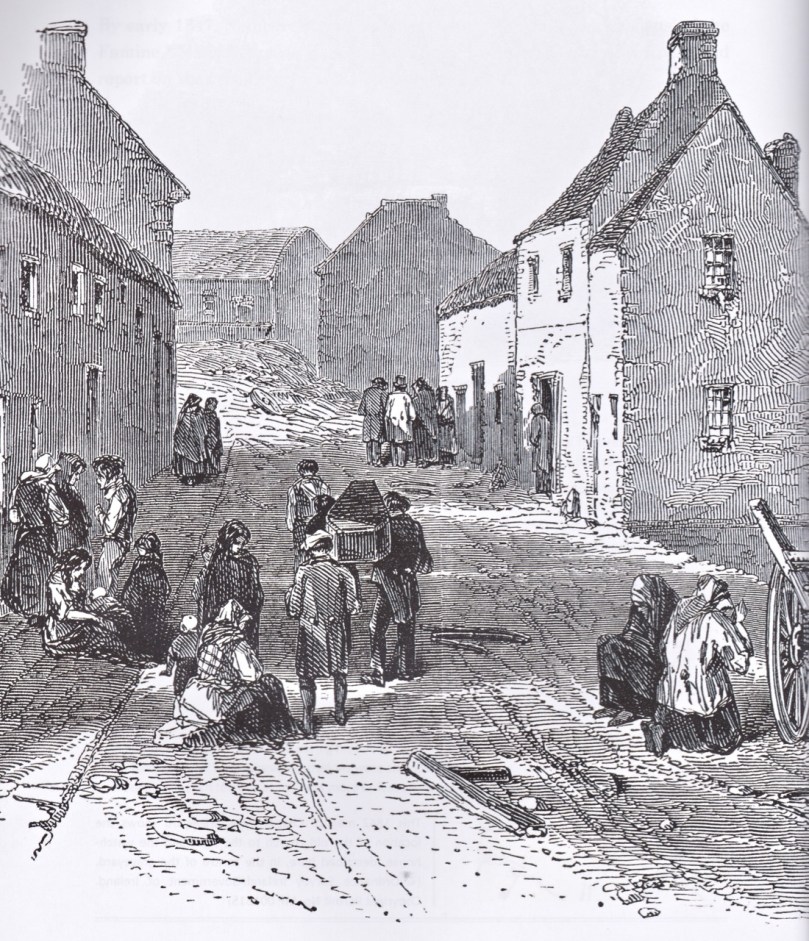
Funeral in Chapel Lane, Skibbereen

However, from the point at which he broke away from the Relief Committee, Fisher seems to have been in conflict with his Catholic clerical counterparts. A typical product of the evangelical movements described in the last post, he was zealously committed to winning souls away from the superstition of Popery. The crux of the matter, of course, is whether or not the aid he provided was conditional on conversion. Many other West Cork Protestant clergymen laboured to alleviate famine suffering, but most remained on good terms with Catholic priests and won praise from them rather than opprobrium.

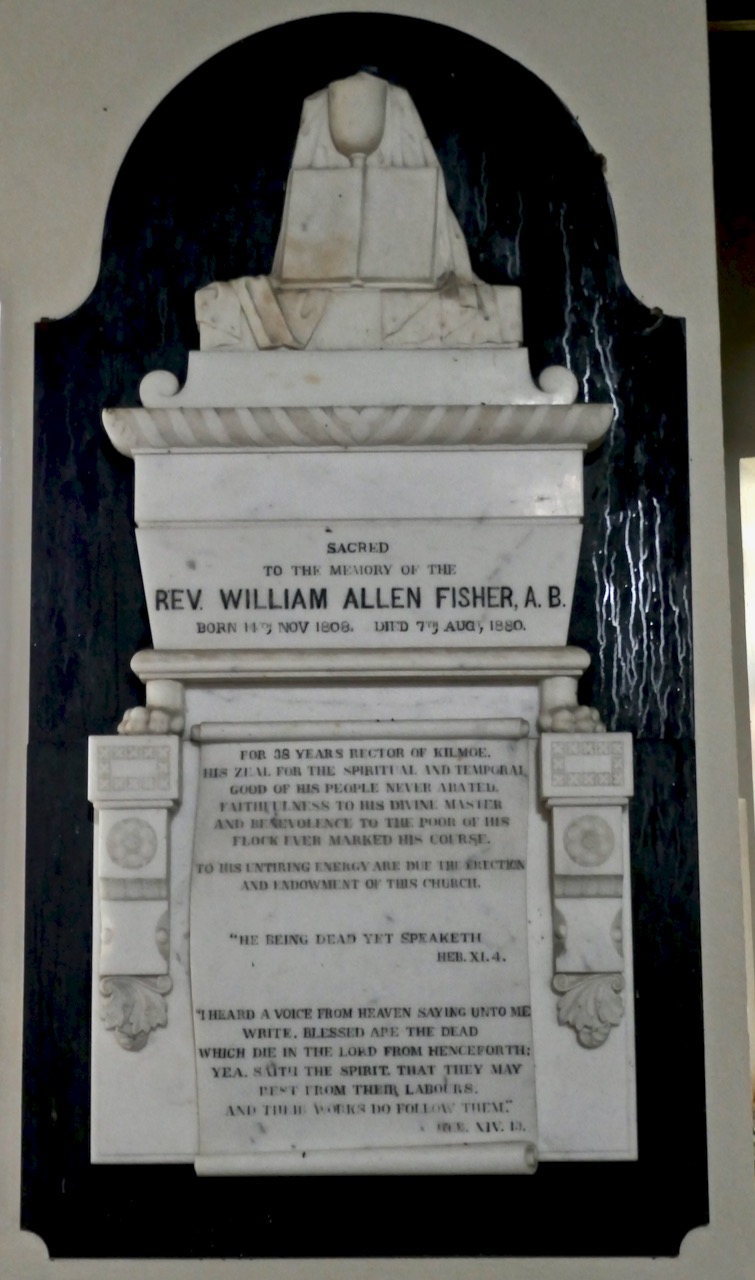
Fisher’s memorial tablet in Teampall na mBocht

Damning accusation were made by Fr Barrett against Fisher, that his zeal led him to confine his bounty to those of his creed, and to famine-constrained proselytes. He went on to state that when he protested to Fisher, that Fisher had said that had English contributors known that a Popish priest sat on the same seat as himself, sooner would they have cast it away than give a single shilling to relieve those whose religion he himself had sworn to be idolatrous, etc, and which he, in common with English contributors, believed to be the sole cause of blight disease, death, etc.

Also in Teampall na mBocht

Fisher, of course saw things very differently. He denied ever coercing anyone into converting. If he gives only a little charity, he wrote of the fate of Protestant clergymen, he is accused of living off the fat of the land, but if he denies himself and his family to relieve the poor he is publicly reprobated as one taking advantage of the misery of the poor in order to bribe them into a hypocritical profession of a religion that they do not believe. But despite his protestations his reputation among Catholics remained that of a Souper. Perhaps there is no smoke without a fire.

Fisher’s son-in-law, Standish O’Grady (above), whose own father had preceded Fisher as Rector of Kilmoe, wrote about him that, if ever a saintly man walked the earth, he was one. I never saw in any countenance an expression, so benignant or which so told of a life so pure and unworthy and a self so obliterated.

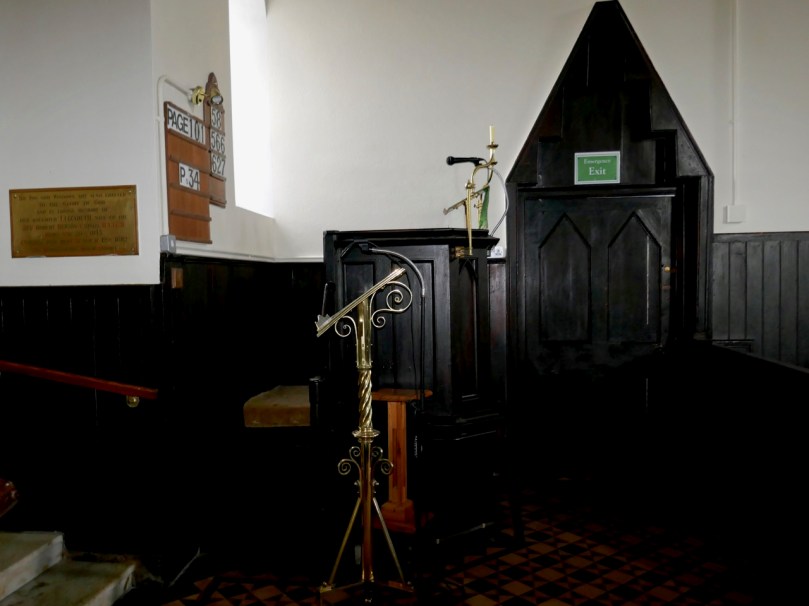
Fisher’s pulpit in Teampaill na mBocht

This is the central dichotomy at the heart of this story. Fisher was a deeply spiritual man, fired up by the desire to do good, as he saw it. The beneficial outcome of this was that, during the worst of the famine, he provided food and employment for hundreds, and saved probably thousands from death. He stayed in Kilmoe until his own death in 1880 – ironically from famine fever contracted during another, although less catastrophic, period of famine – and continued to labour tirelessly for his flock.

Fisher’s memorial window in the former Church of Ireland church in Goleen

If he did indeed administer the bible test as a precondition of aid, he did so in the honest and total conviction that what he was offering was true salvation, an escape from the worst excesses of Popery. In this, he was no different from the zealots who galvanised into action to win back those souls for the Catholic Church. In the next, and final (whew!) post, we will examine the Second Counter-Reformation that swept into West Cork like the cavalry coming over the hill, to set Kilmoe and its converts back on the true path – the path back to Rome, in fact.

St Brendan’s Church of Ireland, Crookhaven. One of the Kilmoe churches, still with no electricity

The black and white line drawings used in this post are from the Illustrated London News, mainly by James Mahony, a Cork artist contracted by the ILN to produce drawings of famine conditions in Ireland.

This link will take you to the complete series, Part 1 to Part 7
Through the Yellow Gap

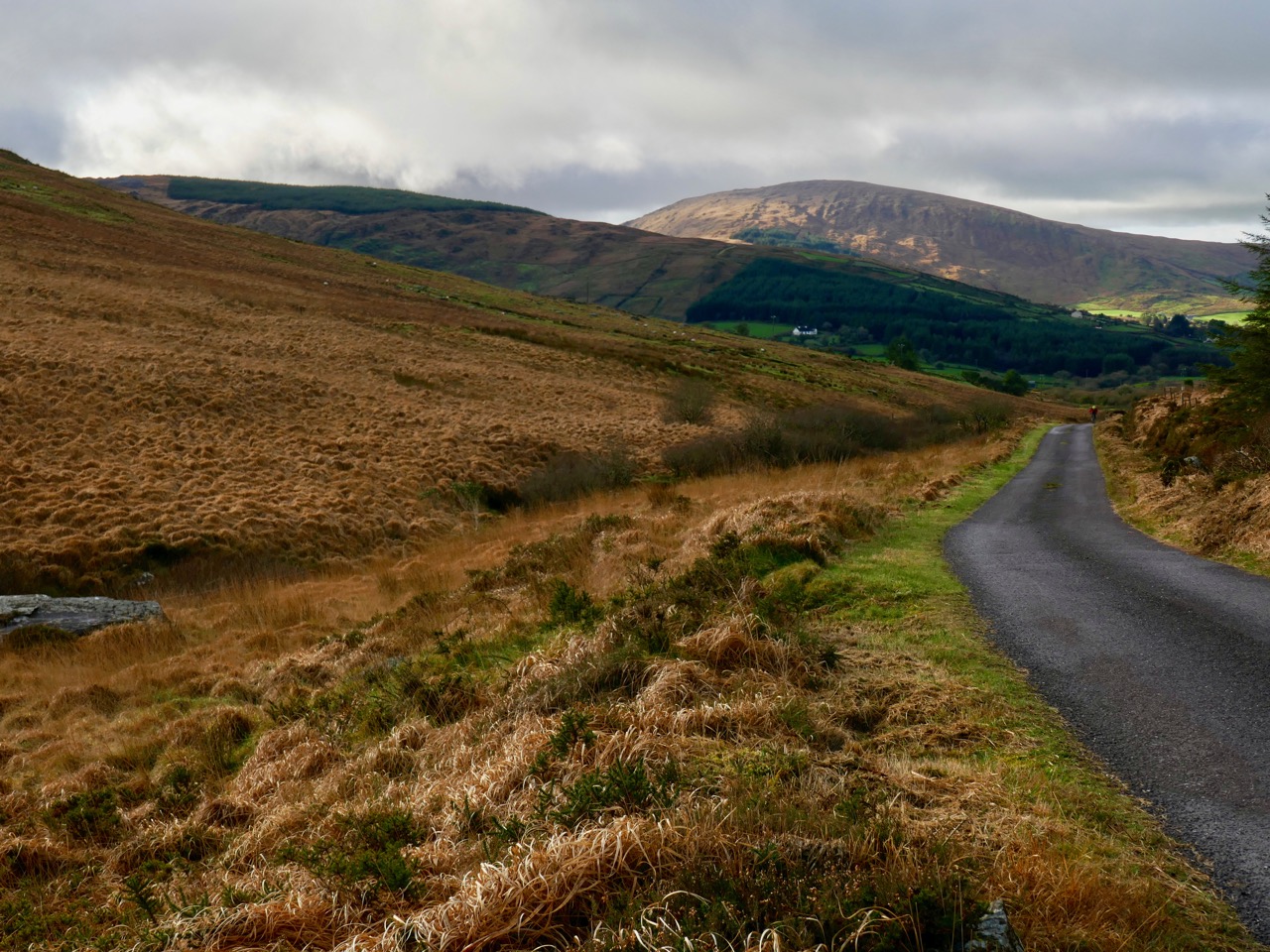
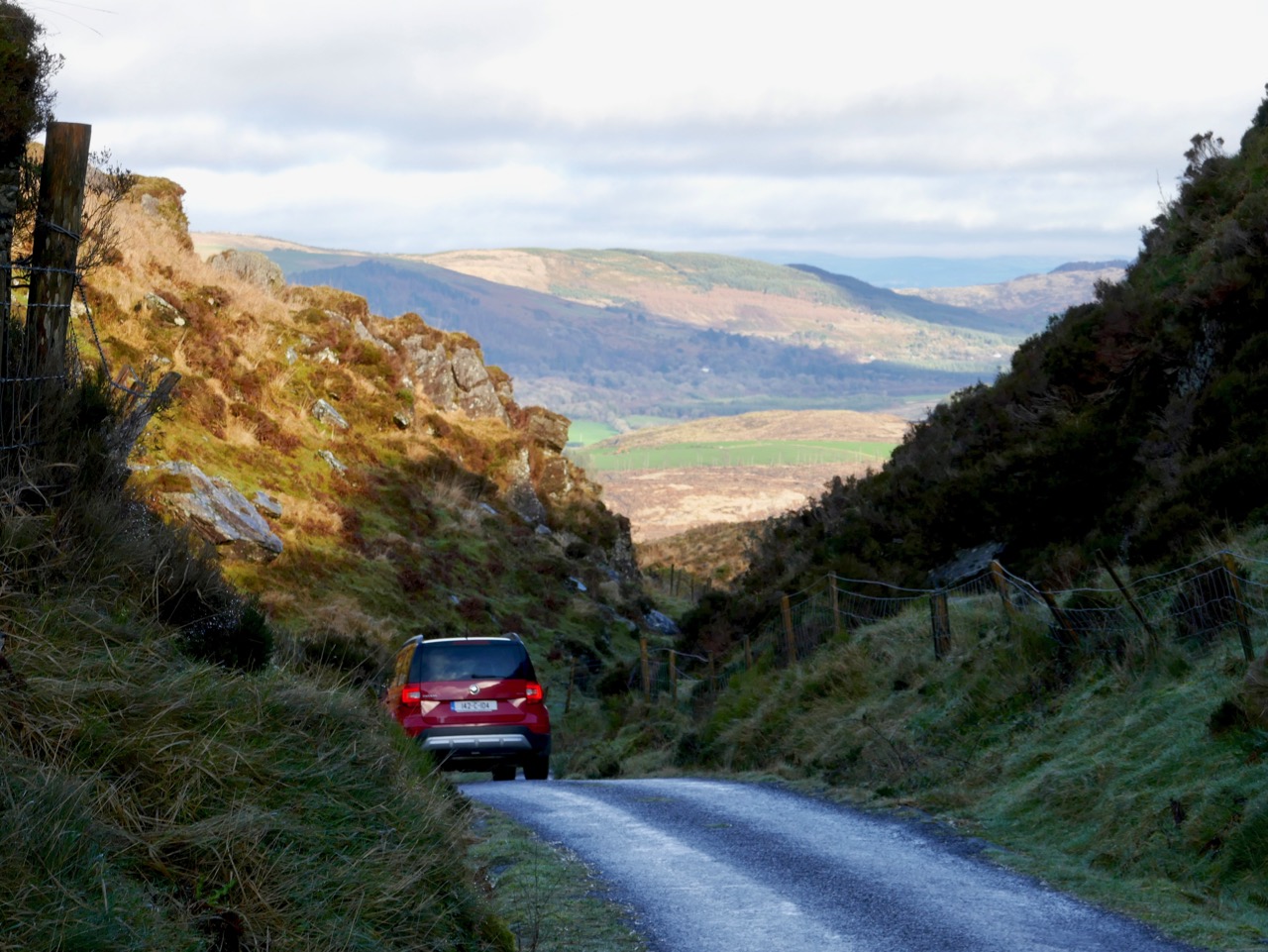
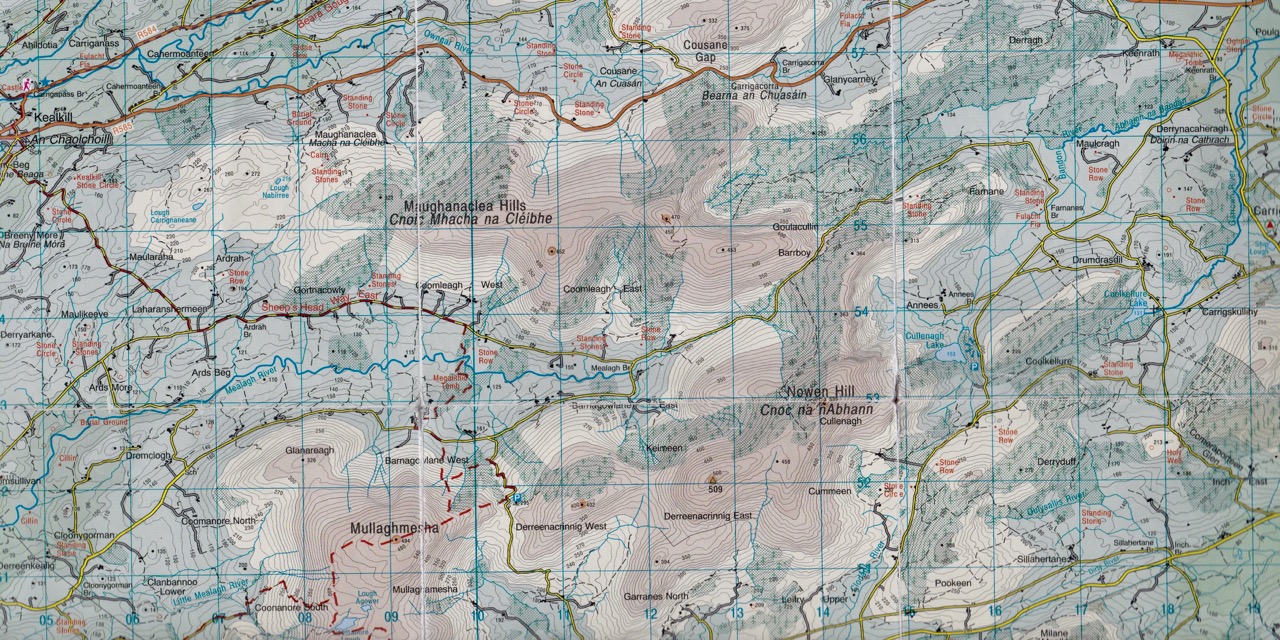
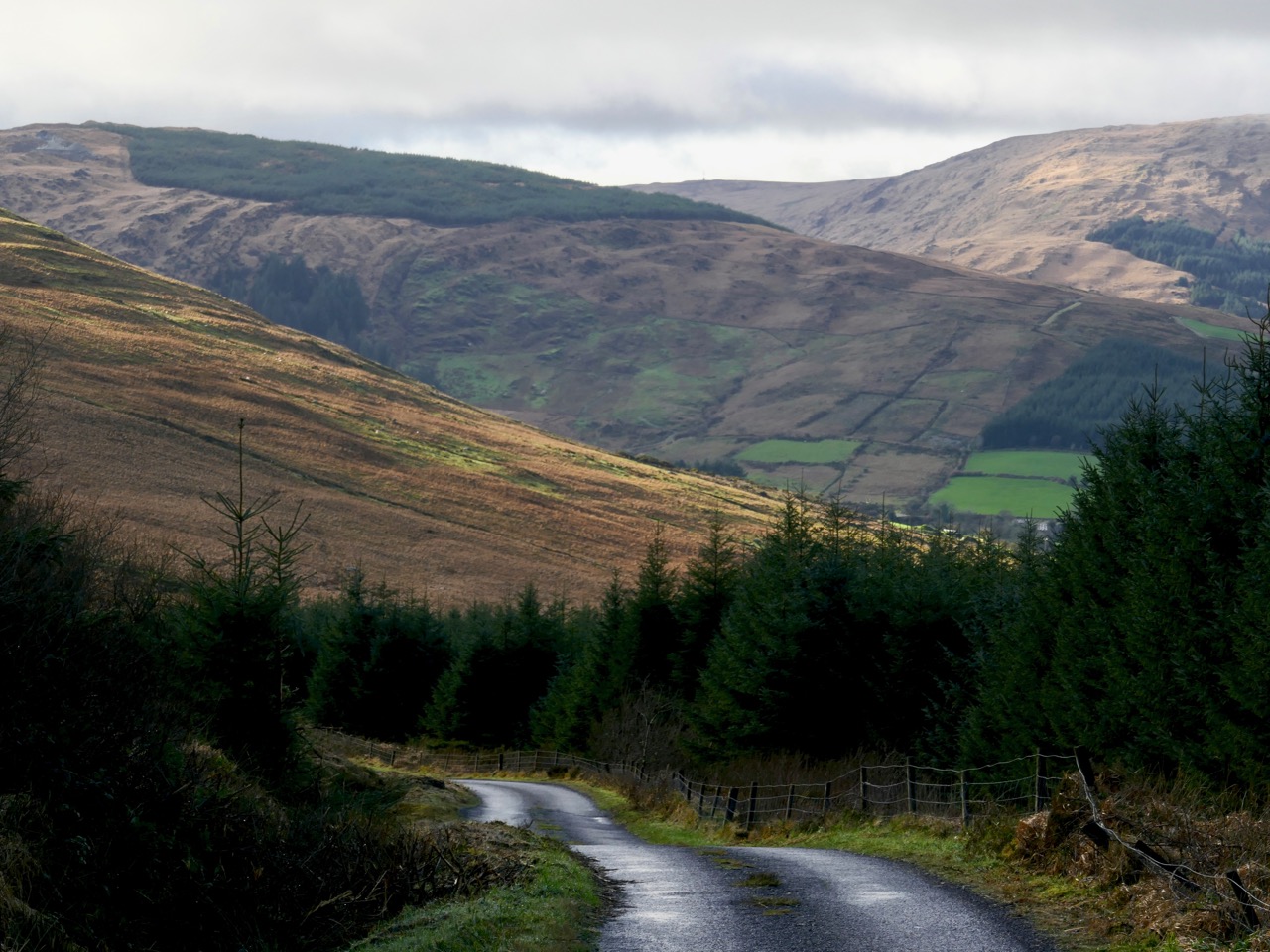
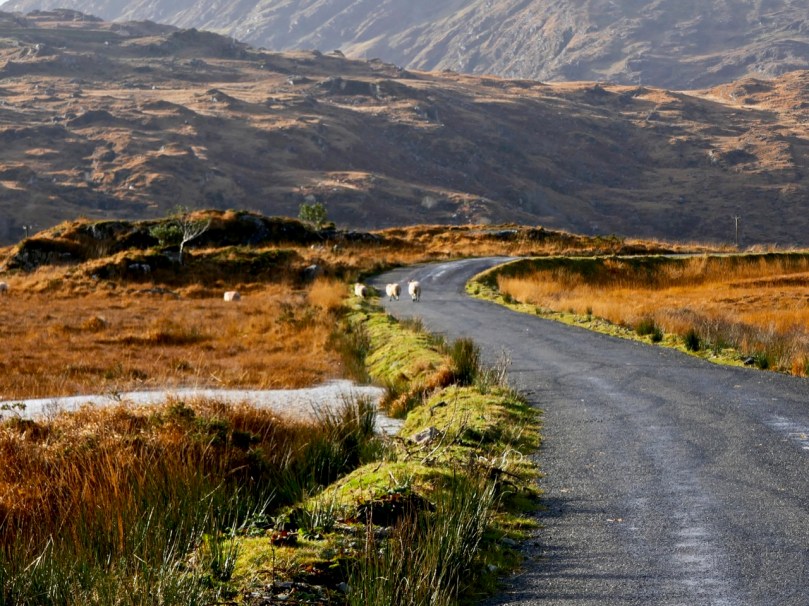
The middle of January: you might expect to be battened down here in West Cork with raging gales or bitter north winds, but Saturday dawned with a clear sky to reveal a most beautiful sun-warmed landscape. We had to be out! We adopted exploring mode and headed for the hills to the north-east of Bantry. OS Map 85 entices with a whole swathe of archaeological sites from megalithic tombs to stone rows and circles, but it was a name that drew us: Barrboy – probably from the original Irish barrabhuidhe – which means ‘yellow summit’. As the highest point of the road in that place (pictured below – about 350m above sea level) is a mountain pass, we have chosen to name our journey Through the Yellow Gap.

The ‘Yellow Gap Road’ runs west to east across the centre of this extract from OS Map 85: we turned on to it from the N71 at Lahadane, just north of Bantry, and dropped back on to the main road to Drimoleague south of Coolkellure

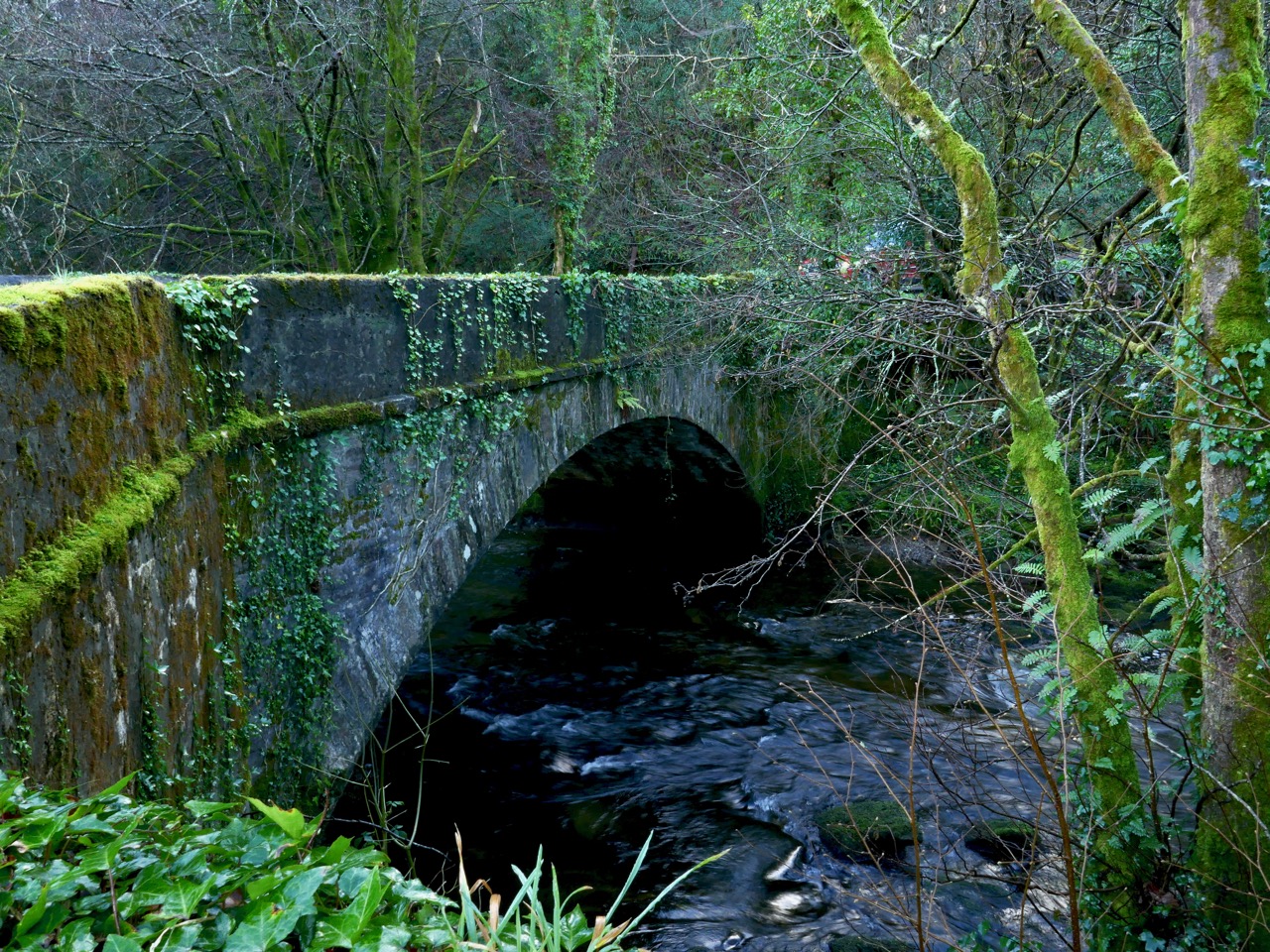
The first part of our route followed the Mealagh river and we were intrigued by the boreens that cross it in places over very fine stone arches: these will have to be explored another time – we were aiming for the hills.

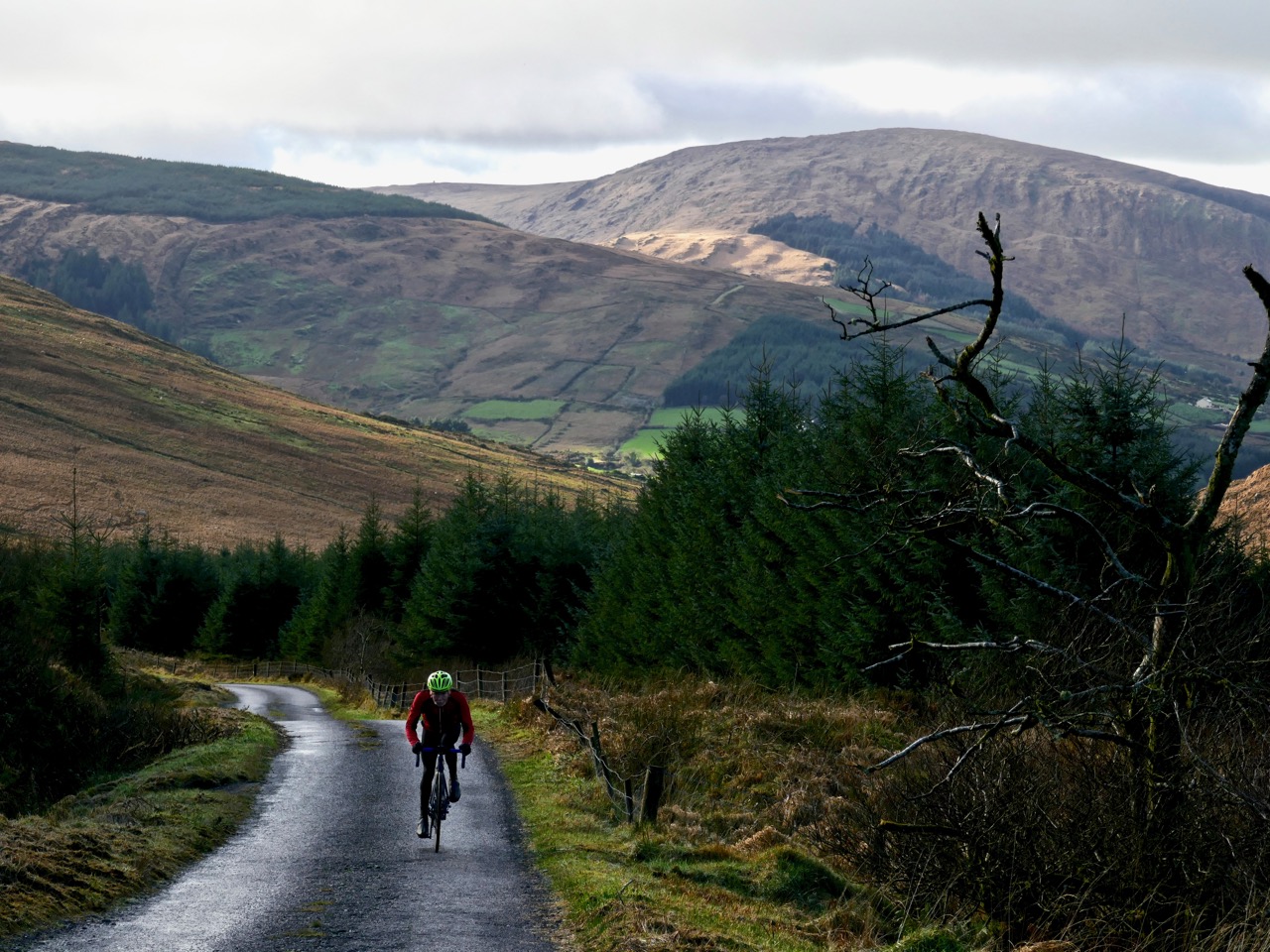
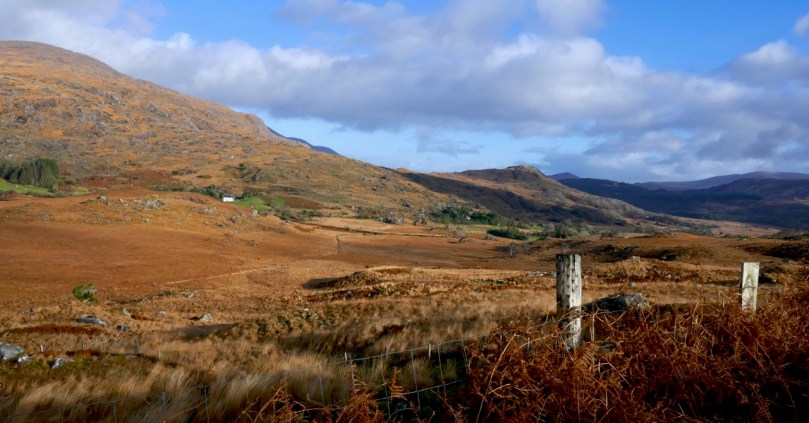
Our day offered us a study of light and landscape, which only the combination of January low sun and shadows can give. If anything the yellowness of the uplands with their rocks, mosses and furze is emphasised by this light: Finola is sure that the colour is due to the fionnán (blonde) grass which is so prevalent during the winter months (header picture). We felt we were in a very remote place, known only to those who spend their lives there, but we were in fact barely a hop and a skip from our own home.

Studies in light and landscape: with a different vista at every turn we were treated to outstanding views typical of rural Ireland

As is so often the case with our off-the-beaten-track excursions, we saw hardly anyone in the whole day, but we did chance to bump into our cycling friend Tim who is in training for yet another Everesting event. The rules are straightforward:

. . . The concept of Everesting is fiendishly simple. Pick any hill, anywhere in the world and ride repeats of it in a single activity until you climb 8,848m – the equivalent height of Mt Everest. Complete the challenge, and you’ll find your name in the Hall of Fame, alongside the best climbers in the world . . .

Tim on his way up the Yellow Gap Road (also known as Nowen Hill). He has to do this climb 56 times in one go to achieve the ‘Everest’. In fact, his aim is to do a ‘Double Everest’ on this hill! This will be his third Everesting event in West Cork… Good luck, Tim

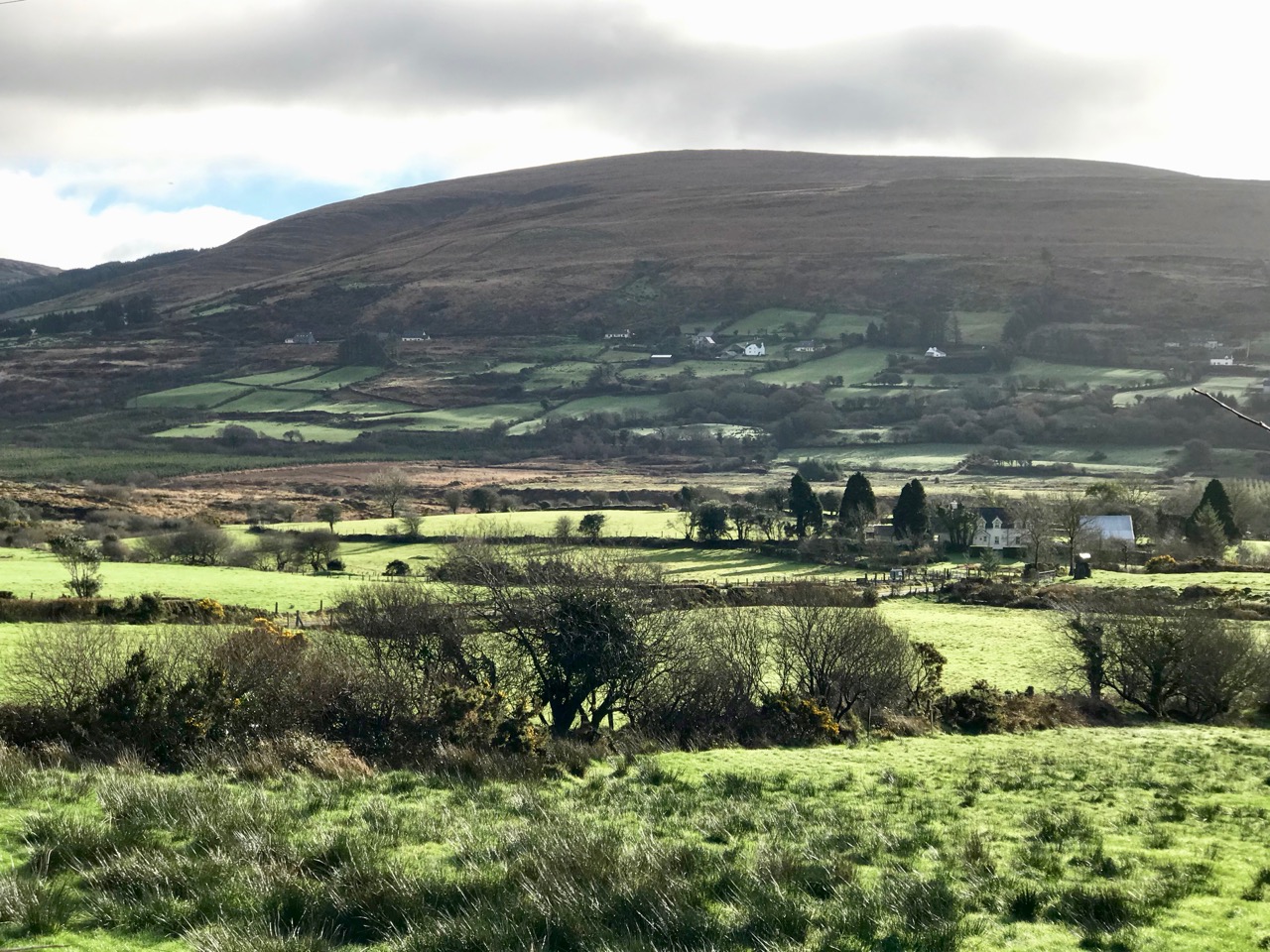
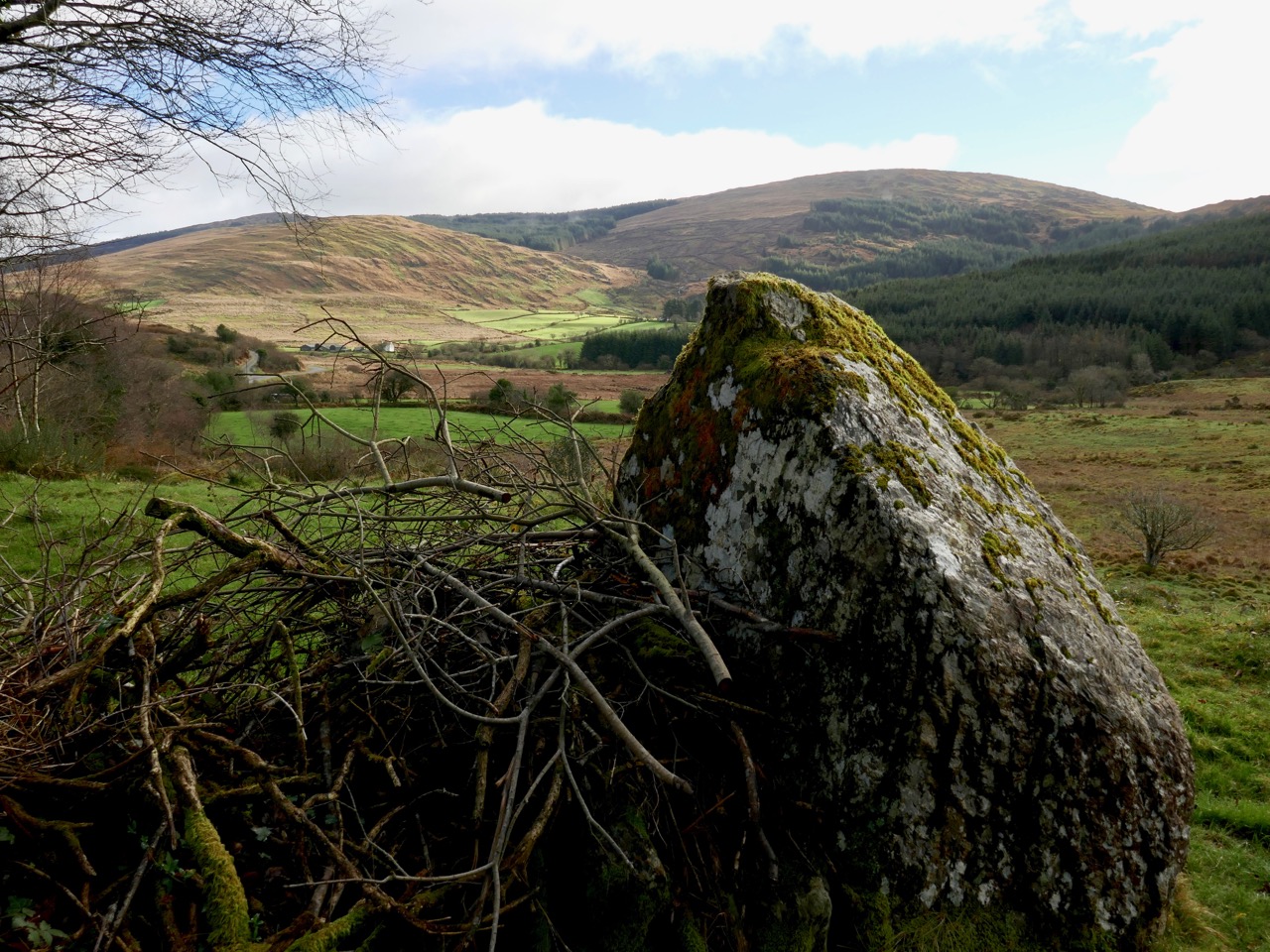
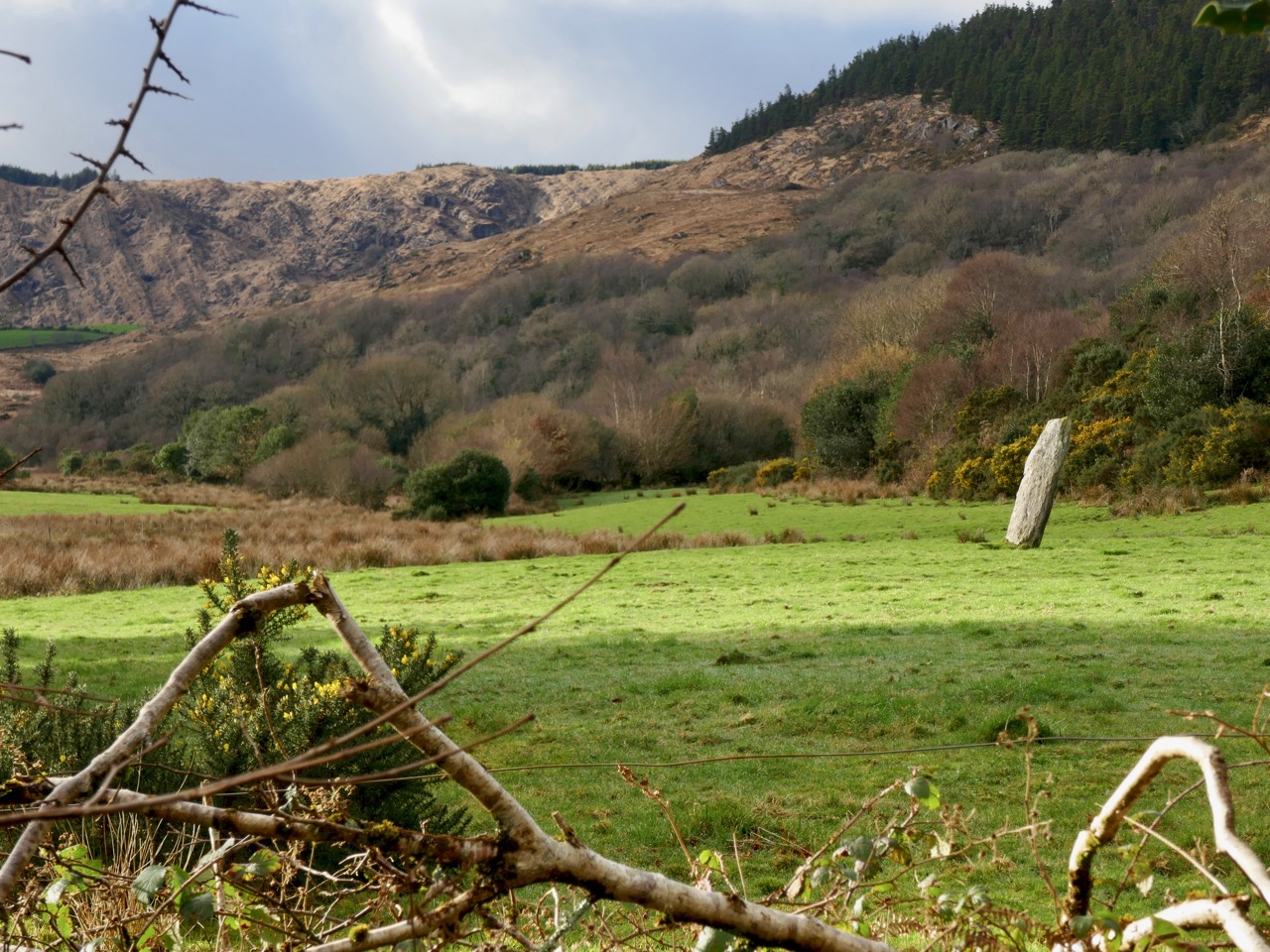
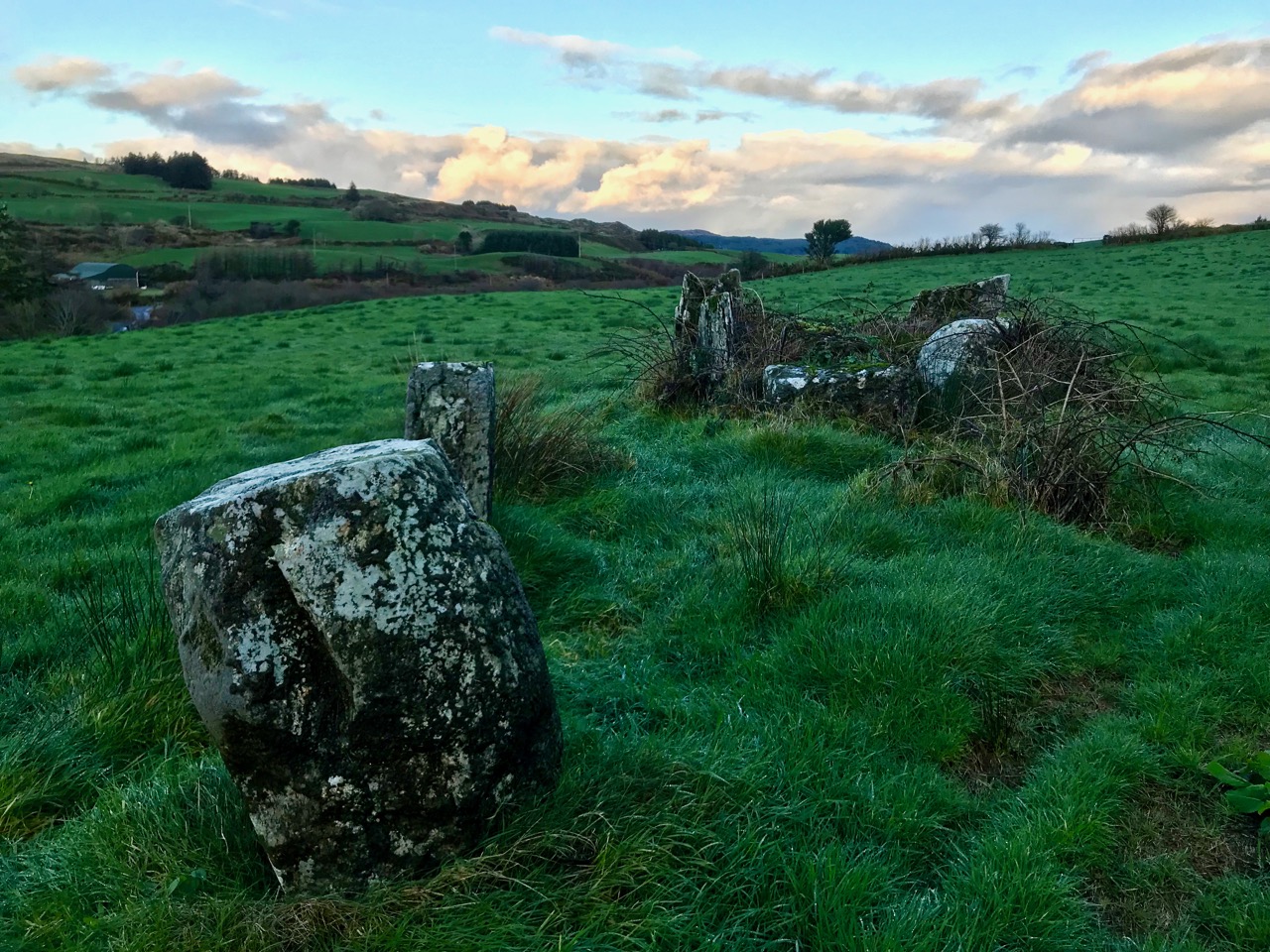
Our travels took us through some very attractive ‘deep’ countryside dotted with cottages and small settlements. Humans have been here for a very long time and have left evidence of their occupation in enigmatic standing stones, alignments, circles and tombs. Some can be seen from the roadside, but many involve explorations across fields or into forests. Always, we are left wanting to know who these early settlers were and why they left us these monuments.

Upper pictures – single standing stones which can be seen from the roadside; lower picture – a five-stone circle and a two-stone alignment on high pasture land: all are ancient and mysterious

As the road threaded its way through the gap and began to descend we seemed to re-enter a less wild landscape, and habitations became more frequent. Eventually we found ourselves in a small community – Coolkelure – with a great sense of history. there was a fine C of I church, a school which had been in use until the 1950s, and an avenue leading to a large house which has had a chequered history, There is an entry in Duchas (the Schools Folklore Collection) about this village:

. . . Coolkelure is situated about four miles and a half west of Dunmanway. There is a holy well at the side of the road but it is covered in now with briars and bushes. Its origin is unknown. There are three steps going into it and there are medals, pieces of cloth and pennies up on a stone over the well. About twenty feet in from it there are rocks nearly a thousand feet high. It is said that a giant lived there in olden times. On the other side of the road is a marsh and the giant is supposed to be buried there. There is a huge stone over his grave. Further on is Coolkelure House. This formerly belonged to Shouldhams, now it is the property of Lady Bandon. The avenue looks beautiful in summer and it is hedged with rhododendrons of every hue . . . (Joan Collins, aged 12 years, from Patrick Collins, aged 60 years – c1934)

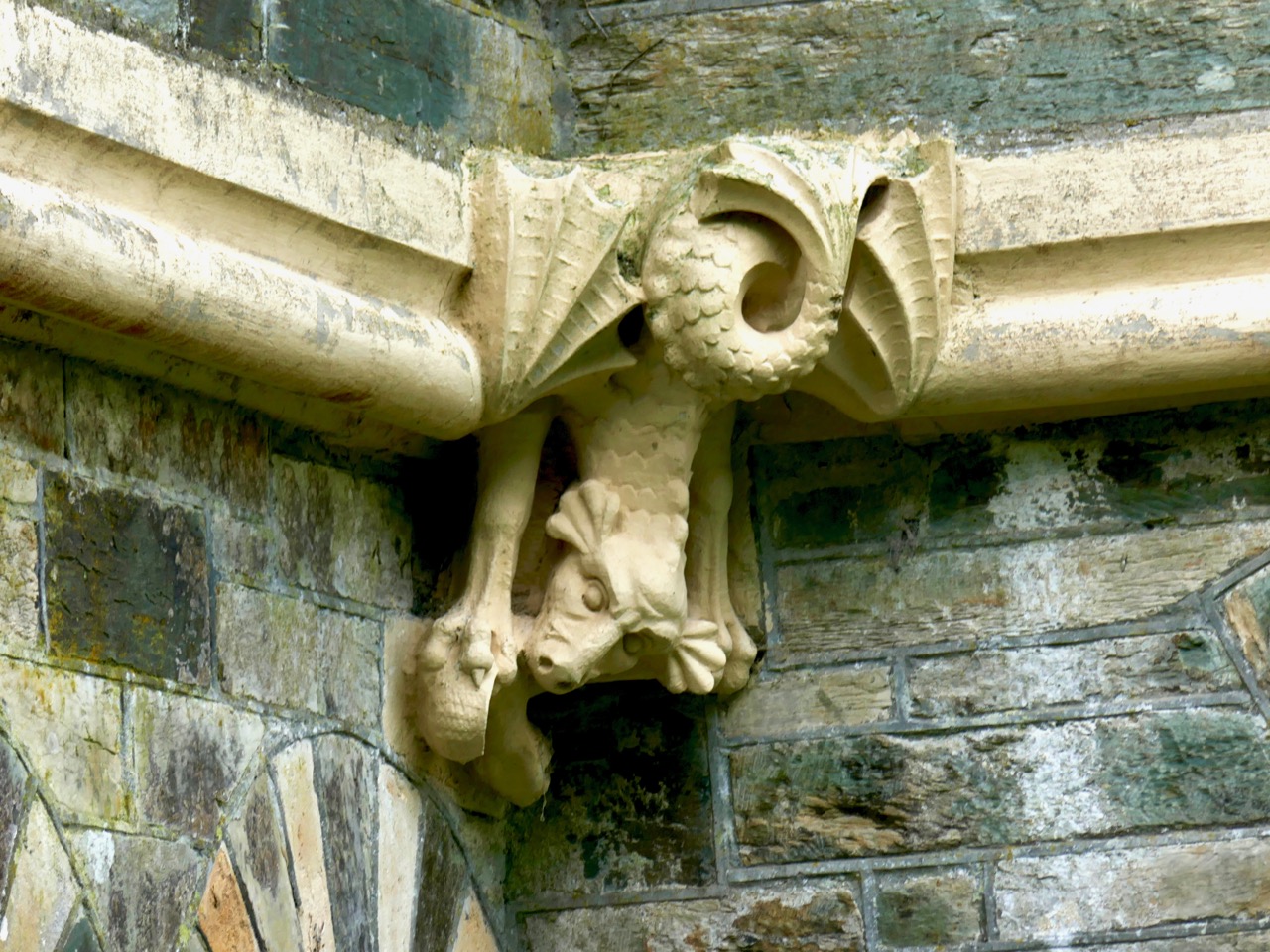
Upper – Coollkelure Church; centre – the Lodge at the gateway to Coolkelure House; lower – one of many fine gargoyles on the eccentric Lodge

Well, we didn’t see the holy well, the thousand feet high cliff, the giant or his grave. But we did see rhododendrons – large thickets of them – all the way along many of the roads we travelled. They must look very striking when in bloom in the springtime, but they are an invasive species which threatens the true natural hedgerows. In Coolkelure, also, occurred one of the highlights of our day. We met and got into conversation with Donal and Caitriona – a most hospitable couple who own a small house overlooking the lake. They invited us in, we were given coffee and cakes, and the chat was mighty!

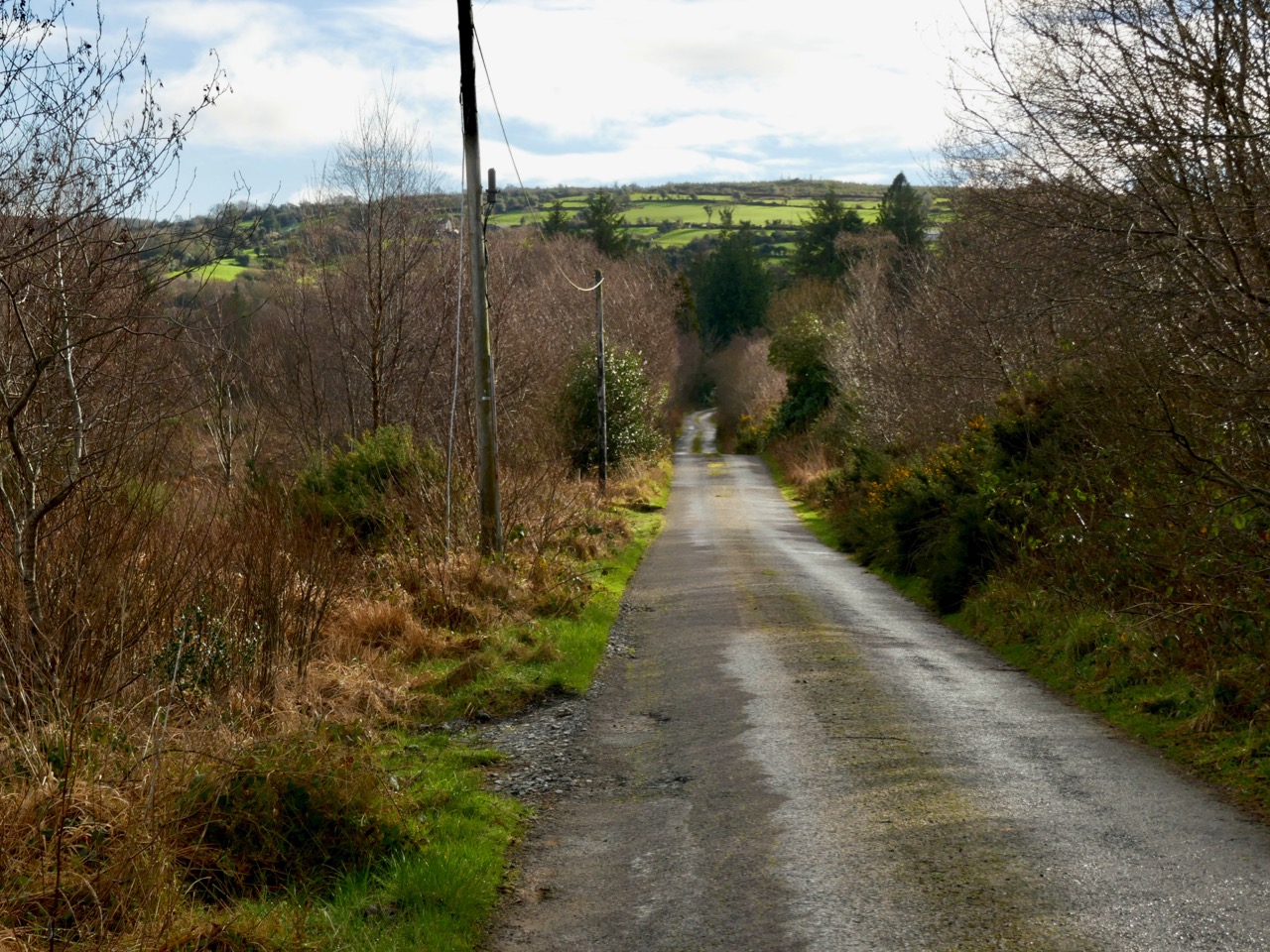
Upper – looking back at our way through the mountains; centre – an example of the many stands of invasive rhododendrons that we encountered and lower – the road becomes tamer as we approach a pastured landscape

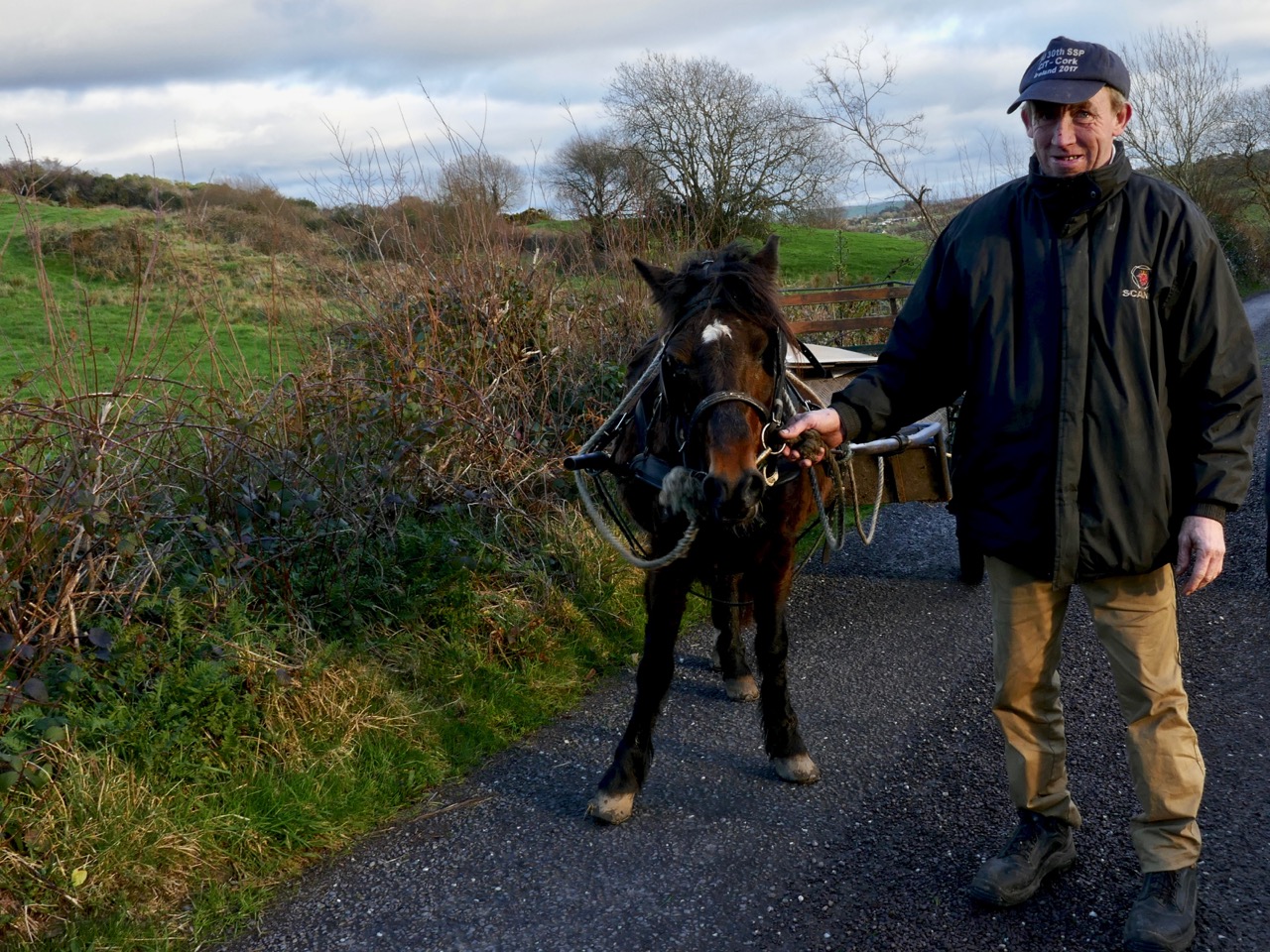
We left Coolkelure and headed out of the hills, feeling fulfilled by all the events of the day. Our adventures were not quite over, however, as we encountered Daisy and her owner with their ‘road-car’, delighted that we stopped to photograph them (below). In fact, between us we took at least two hundred photographs on our day out and can only include a modest selection on these pages.

Saints and Soupers: the Story of Teampall na mBocht (Part 4, the Protestants – Educators and Evangelists)

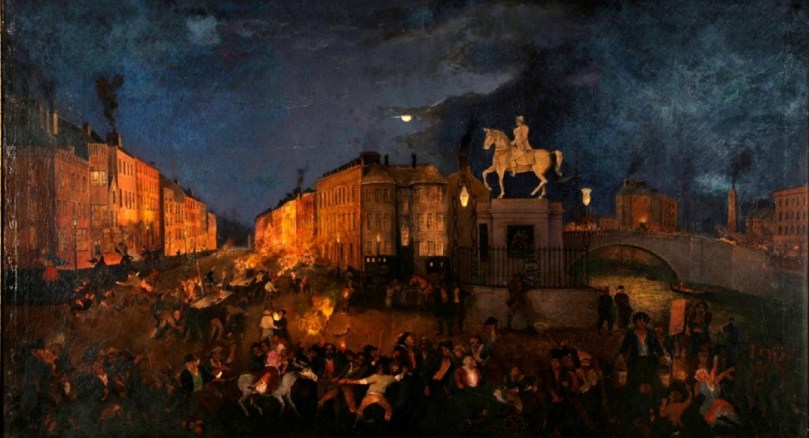
In the previous posts we looked at Catholicism in Ireland in the first half of the 19th century, and the position of the Protestant churches, especially the Church of Ireland. This period was marked by a shift to a more militant and evangelical philosophy in that Church: a determination, in fact, to make one final push to convince Catholics that their earthly and heavenly salvation lay in abandoning the pernicious faith of their forefathers and converting to the biblical-based beliefs of Protestantism. Once Protestant, they would reform their wicked habits of drinking and fighting (as in Skelligs Night in the South Mall above, by James Beale, courtesy of the Crawford Gallery) and would naturally see the errors of nationalistic agitation. 

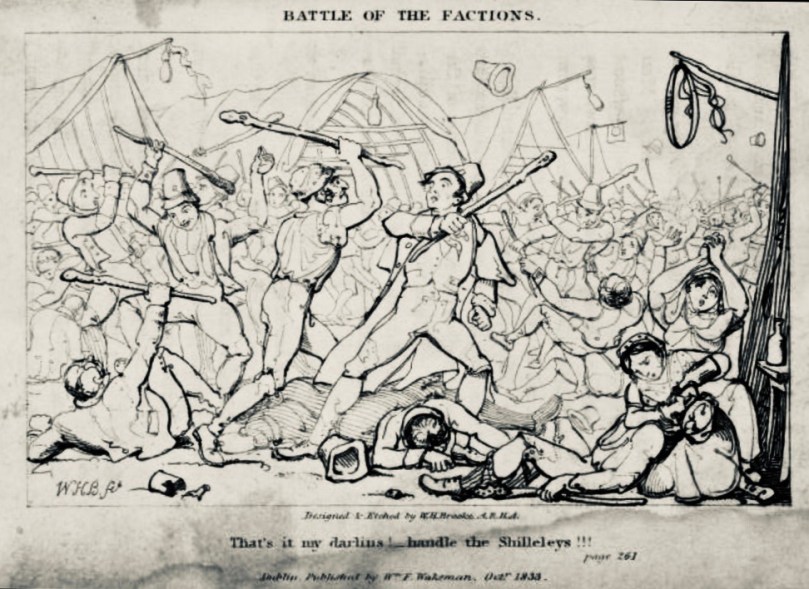
Faction Fighting, one of the evils that both Catholic and Protestants clergy railed against. The illustration, by W H Brooke, is from Traits and Stories of the Irish Peasantry by William Carleton

Irene Whelan, in her essay The Stigma of Souperism in The Great Irish Famine (The RTE Thomas Davis Lecture Series, edited by Cathal Póirtéir) writes about

the vast institutional and ideological machinery that lay behind the drive to make Ireland a Protestant country. This included not only a massive system of private philanthropy. . . but, more importantly, a fully developed political doctrine rooted in the belief that the source of Ireland’s social and political problems was the Catholic religion, and that the country would never be prosperous and developed until Catholicism and all its influences were eradicated.

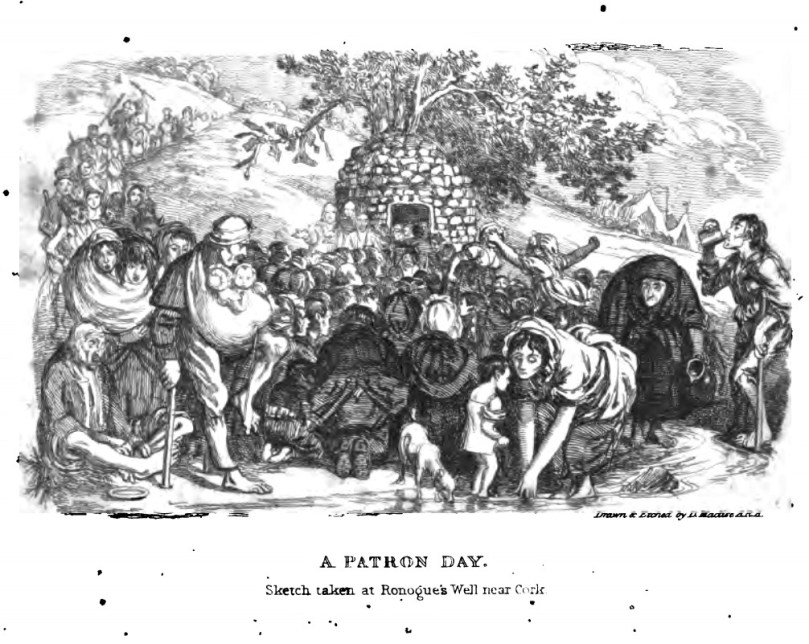
From John Barrow’s A Tour Round Ireland, 1835

It is ironic that, in fact, major reform efforts were underway within the Catholic Church at the same time, to depress the more exuberant of the old traditions of patterns at holy wells and seasonal celebrations, or to convert them into Marian feast days (Lughnasa, for example, was conflated with the Assumption of the Virgin Mary on August 15). For an excellent description of the goings-on at Patterns, see this post from Holy Wells of Cork. The great scholar John O’Donovan wrote in 1837 the priests, I am sorry to see and say, [are] inclining very much to Protestant notions, and putting an end to all. . . venerable old customs. William Wilde (father of Oscar and a noted antiquarian and folklorist) bemoaned, The tone of society is becoming more and more “Protestant” every year. . . The priests. . . have condemned all the holy wells and resorts of pilgrimage. (Both quotes from K Theodore Hoppen’s Ireland Since 1800: Conflict and Conformity.)

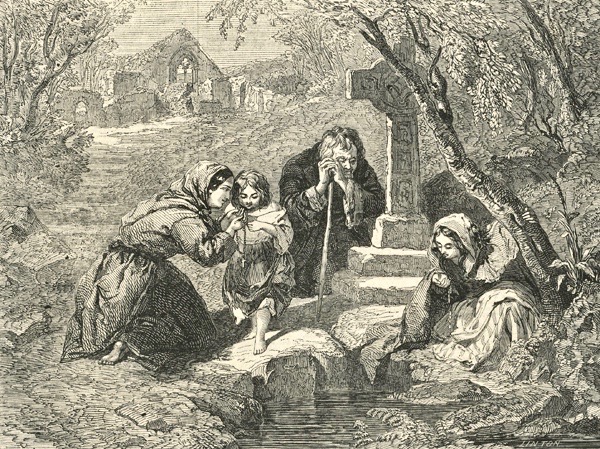
The Holy Well, an engraving of a painting by Frederick Goodall

The recognised authority on the evangelical surge of this period is Desmond Bowen. In his book The Protestant Crusade in Ireland, 1800-70, (published in 1978 but not yet superseded in its detailed examination of the religious environment of this period) he lays out the main factors in the hardening of the sectarian divide and the deepening divisions between what were essentially two separate cultures, looking to the separate education systems and the activities of firebrand preachers supported by both British organisations and committed local landlords. Of British evangelicals he writes:

Although their first desire was the purely religious one of freeing Catholics from the bondage of their sin by bringing them the blessings of biblical Christianity, they soon found it advantageous to combine their religious crusading with English ‘cultural imperialism.’ How could the Irish peasantry read the bible unless they attended schools? And how could they attend Evangelical schools and not be culturally influence by the alien but superior way of life they found there? . . .Proselytising . . . sought to bring them the twofold blessing of a reformed faith and British civilisation.

Education, as we saw in Part 2, became a field of contention with the establishment of the National School System in 1839, vigorously opposed by the Church of Ireland. The Protestant Church Education Society was founded with the object of providing an alternative education system but it struggled financially and was unable to provide enough funding to become a viable alternative to the National Schools.

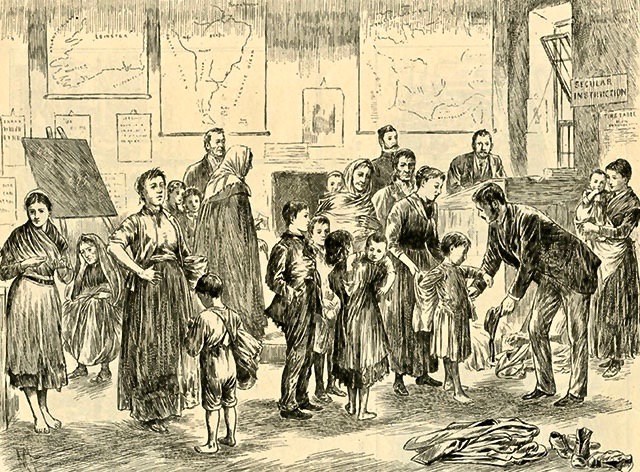
Poor children receiving clothing at a school in the West of Ireland

Up to 1839, schools on the Mizen were mostly miserable affairs with few resources and badly paid teachers. The Kildare Place Society was originally founded to provide non-denominational education to the poor, but after the establishment of the National School System, it affiliated with the Church of Ireland. This Society provided support to several schools on the Mizen Peninsula, including one in Ballydehob, another in Gortnagrough, and another in Rock Island. Other schools were maintained by the local Church of Ireland (e.g. parish schools at Gubbeen and Corravoley) and some received grants and aid from the Hibernian Society – an organisation specifically devoted to offering education with a proselytising ethos.

Now a private residence, part of this house in Durrus was the original school funded by the Association for Discountenancing Vice

Yet another Protestant education society was the charmingly-named Association for Discountenancing Vice and Promoting the Knowledge and Practice of the Christian Religion, while another, The Irish Society, had a similar mission, to provide bibles to schools and to promote Protestant religious education.

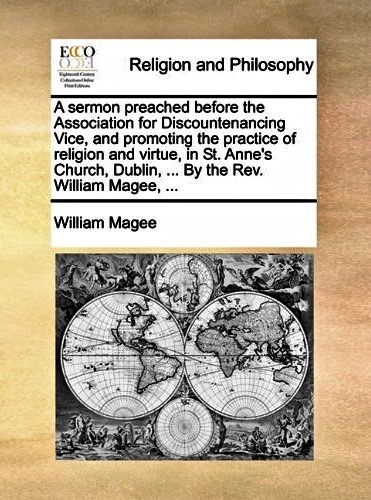
A sermon by our old friend, William Magee (see Part 3)

All of these societies, to a greater or lesser extent, supported schools on the Mizen, most of them educating both Protestants and Catholics and stipulating that the curriculum would include biblical instruction. For those students who did not have access to a National School, these schools provided rudimentary instruction, but were frequently accused of offering that education contingent on conversion. During the famine, the provision of food supplies to children when attending schools became a particularly contentious activity – although it does strike one as a no-win situation – damned if you do and damned if you don’t.

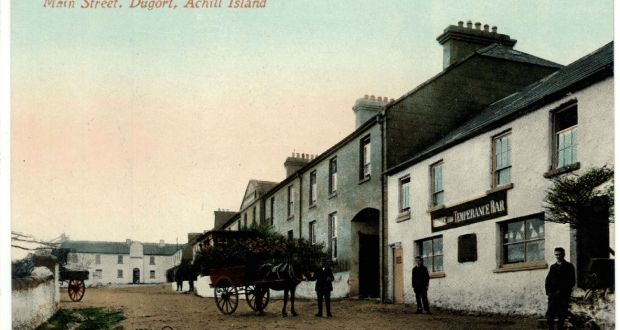
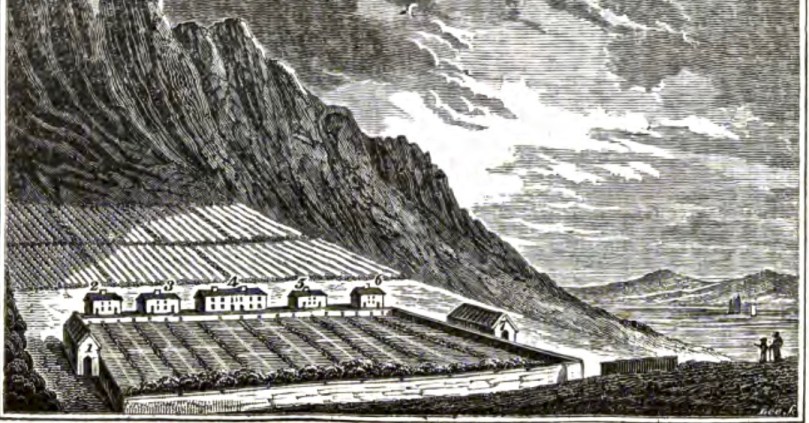
The Achill Colony. What do you think they served in the Temperance Bar?

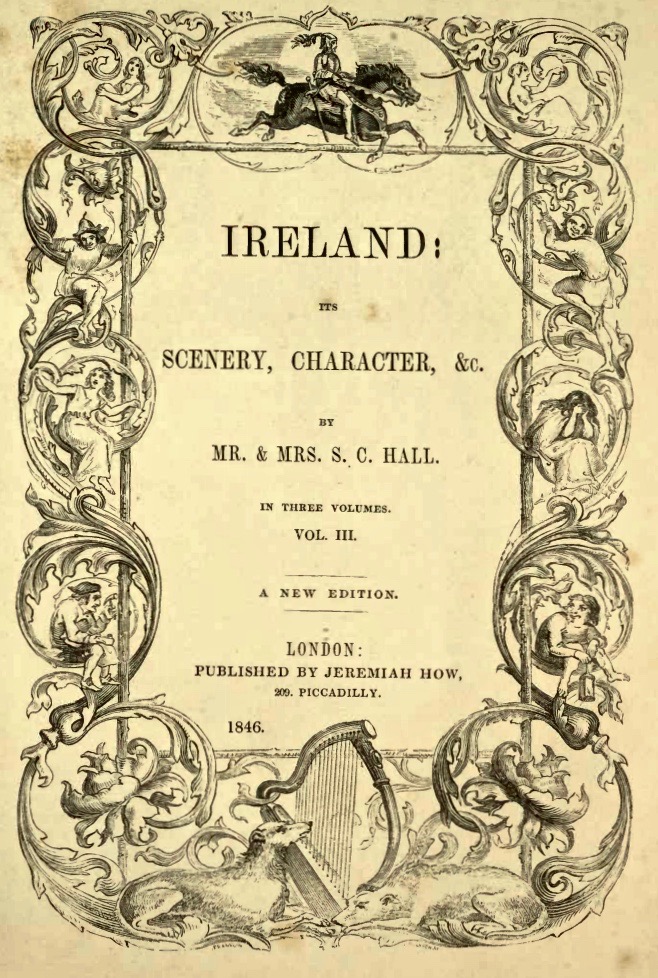
The new spirit of fervent evangelism imbued many of the Protestant clergymen in West Cork Parishes. Protestant ‘colonies’ had been established in Achill in Mayo by the Rev Edmund Nangle and in Dingle by the Rev Charles Gayer. Highly controversial, these settlements provided food, education and employment to Church of Ireland converts and were lauded as model villages by the more enthusiastic of the Protestant missionaries. The Catholic hierarchy, on the other hand, railed against them, accusing them of buying souls with the promise of financial security. There is a wonderful first-hand, and far from favourable, account of the Achill Island colony in Vol 3 of Ireland: Its Scenery, Character, etc  (pages 394 to 401) by the Halls. They describe a harsh and unforgiving Nangle (below) and a struggling colony that is despised by its neighbours.

West Cork was also a centre for Protestant missionary activities, who saw in its poverty and remoteness an ideal recruiting ground. The activities of the Irish-speaking Rev Edmund Spring on Hare Island and Cape Clear came under particular scrutiny due to the large number of conversions he claimed and his association with the Irish Islands and Coast Society, for whom he ran his parish as a ‘missionary station.’ He moved on to Cape Clear from Hare, in turn winning many converts but always under the accusation of offering ‘support’ to those who became his parishioners.

The Halls, Samuel Carter and Anna Maria, produced a superbly illustrated account of their tour of Ireland in three volumes. It’s an indispensable resource

On the Mizen, in Kilmoe Parish, the arrival of the Rev Thomas O’Grady signalled the advent of the spirit of evangelism and of many conversions. Patrick Hickey’s research indicates that there were five Protestant families in Toormore when O’Grady arrived, but by 1849, with O’Grady’s friend and successor, the Rev William Fisher, now as Rector, that number had risen to eighty.

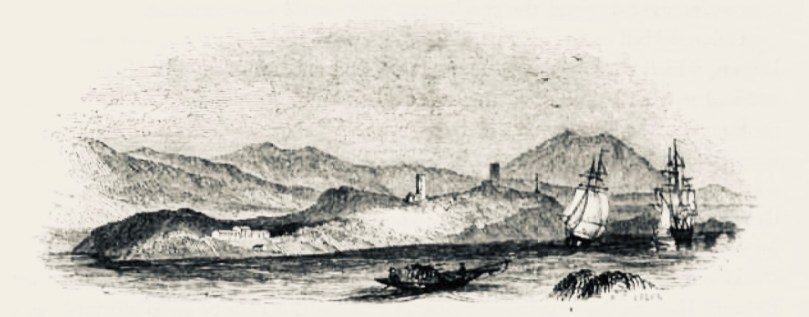
Crookhaven on the eve of the Famine

How were these conversions won? By the example, dedication, hard work and self-sacrifice of these men, or by the souperism of the Rev Fisher? In the next post I will look at the conditions that led to the latter accusation: famine in Toormore and the building of Teampaill na mBocht.

The Achill Colony, a woodcut from John Barrow’s Tour of Ireland

This link will take you to the complete series, Part 1 to Part 7

New Year Resolutions 2019

Note of explanation from Finola and Robert: the Blog has taken on a mind of its own and decided he needs to make some resolutions for 2019.  He has asked us, his slaves faithful staff, to record these, as a means of keeping him accountable. Ours not to question why, ours but to do or die, so here goes, in his own words. . .

The Black Valley, Kerry

1. Spend more time in Kerry

It’s only next door, after all, and it’s in Finola’s blood, since her grandmother came from Killarney and she still has lots of lovely family there. So I’m determined they will take me there on outings a bit more often this year. There’s an ulterior motive too – you, my faithful readers, know that I often cosy up to that cheerful little Bloguette Holy Wells of Cork: she’s running out of wells in Cork but is enthusiastic about the idea that we can go jaunting off together on Kerry adventures.

2. Incorporate more music

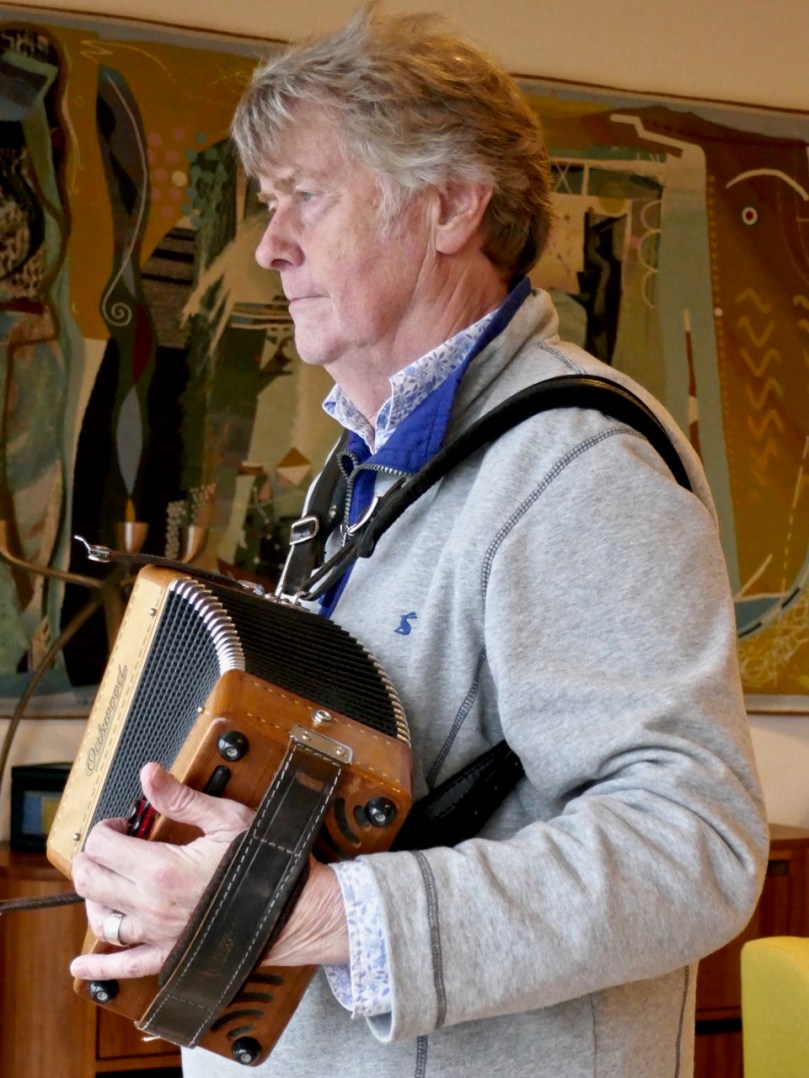
I have to let you in on a secret – Robert is forever promising to learn new tunes for me, but then he comes up with all kinds of excuses why he’s not getting on with it. He’s too busy, it’s too hard, it’s not in the right key, blah, blah, blah. He’s finally sort-of learned this one, after weeks. We live in the heart of Irish traditional music – come on, people!

Staff member Robert trying to get it right – it’s called Pearl O’Shaughnessy’s Barn Dance, learned from Clare concertina player Mary MacNamara

3. Get on with that Saints and Soupers story

Honestly, that Finola, she leads us deep into this fascinating study of whether or not that Fisher guy was a saint or a souper, and then she goes off on one of her tangents about stained glass or wildflowers or whatever. I’m dying to know what happens next, so I’m going to have to lean on her to put the nose to the grindstone and get back to all those Protestants and Catholics and the actual famine part.

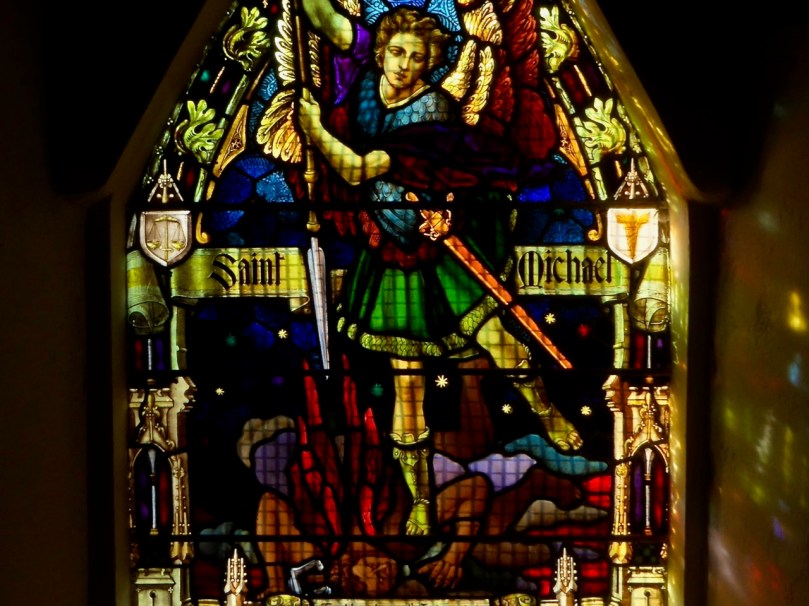
Michael the Archangel fights the devil – a powerful good versus evil metaphor in Altar Church

4. Get out to the Islands

It’s called Carberry’s Hundred Isles, for goodness sake – we can see them from the house (like Sarah Palin and Russia). Time to travel to more of them and get to know them. 

South Harbour on Cape Clear

I’ve been polishing up my Irish (or Blirish, as we Blogs like to say) and I need the practice, so Cape Clear needs to be on the agenda. I hear they have a good Blirish program out there, so ar aghaigh linn!

Staff member Finola and her sister on Cape Clear this summer

5. Finish the Fastnet Trail walks

This is a bit of a hangover resolution from previous years when I vowed to do all the Fastnet trails, but got a bit distracted with other walks and other projects. Besides, they’re adding to them all the time so if I don’t get off my desk and get out there soon the job will just get bigger and bigger.

Kilcoe Castle can be seen from several of the Fastnet Trails

6. Find more places to have breakfast

My staff loves going out for breakfast and I must say I am very partial to a nice plate of avocado toast and smoked salmon, with a good pot of tea to wash it down (although those two insist on lattés). They took me to the Box of Frogs in Bantry recently, and despite my misgivings about the name (I had a bad experience with a toad once) I had to admit the food was excellent. But, like all the humans I meet recently, I’ve been toying with the idea of eating less meat so I will persuade them to go to Antiquity Bookshop Café in Skibbereen for their tasty vegan food more often. BUT. . . see next resolution

Nicola surrounded by her stock in trade in Antiquity, West Cork’s first vegan café

7. Read the books!

The staff keep bringing more books (especially from Antiquity) into the house and they pile up beside me, making me feel guilty that I’m not keeping up. They built a new set of shelves and they are already filled. Honestly, in this day and age, you’d think someone would have invented some kind of scanner-to-brain technology so that Blogs like me wouldn’t have to work so hard.

Just one shelf – yikes!

I have more, but the experts say not to make too many. Right, friends – a little encouragement and I’m sure I will be fine, despite all the malingering and complaining of my staff. Onwards and upwards into 2019!

Favourite Posts of 2018

At this end of the year we reflect with a critical eye on all our 2018 posts – there have been 102 of them – and select just a few which we think stand out in some way. A link is provided for each one, in case you want to have another look yourselves.

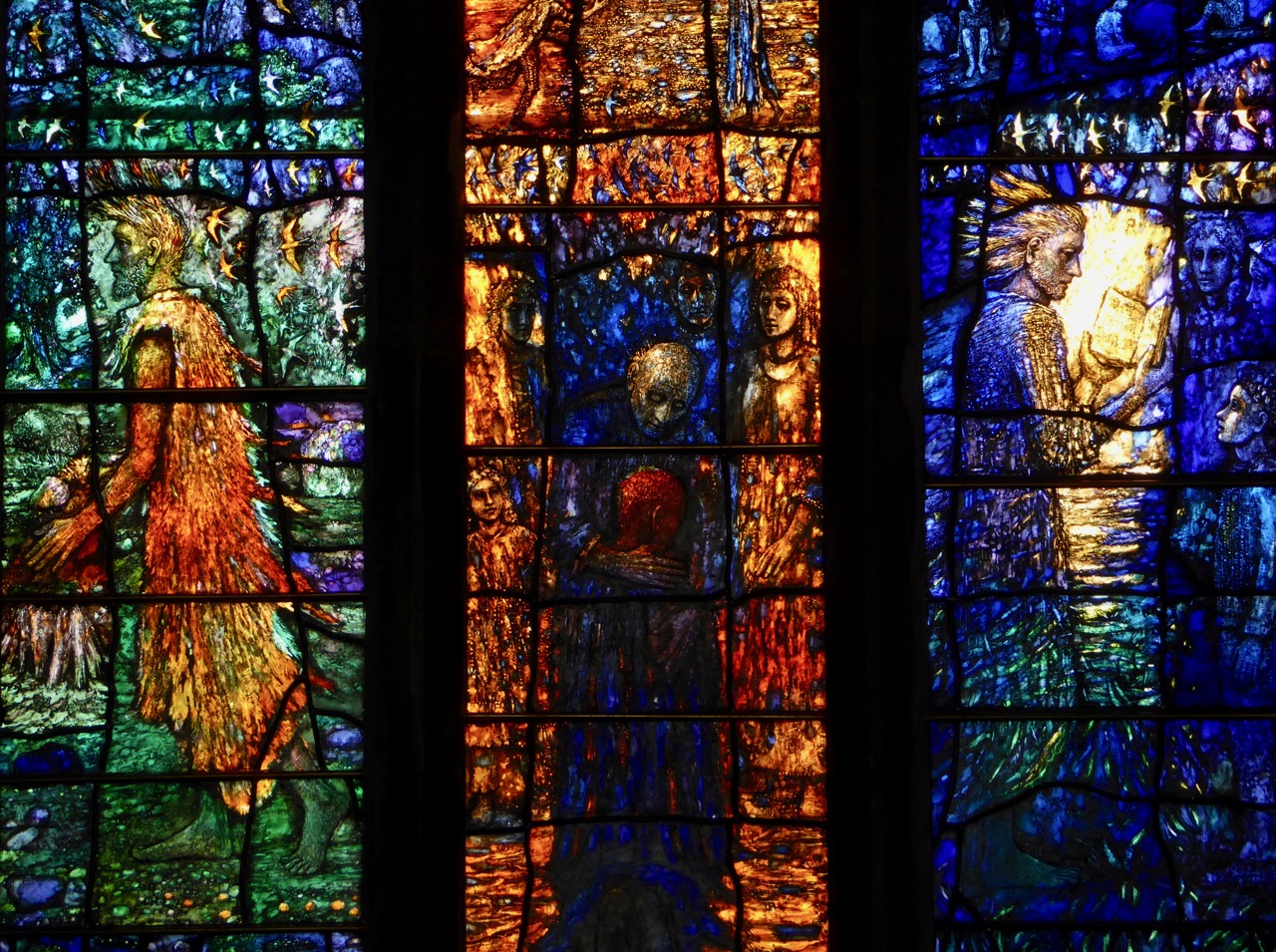
Firstly – not just one of our favourites, but the all-time most popular post we have ever published – Ireland’s Newest Stained Glass Window. Finola wrote this in January, and then went on to put together an article in the Irish Arts Review on the same subject later in the year. The window is in St John’s Church in Tralee, a Catholic church, but the project was a joint venture between the Catholic and Anglican congregations. It tells a story of reconciliation, from many angles. The window was designed and made by Tom Denny, one of Britain’s most eminent and respected stained glass artists. Tom is a direct descendant of Sir Edward Denny (1547 to 1599) who was one of the architects and enforcers of the Plantation of Munster. It’s a complex history, and this post is well worth a careful read.
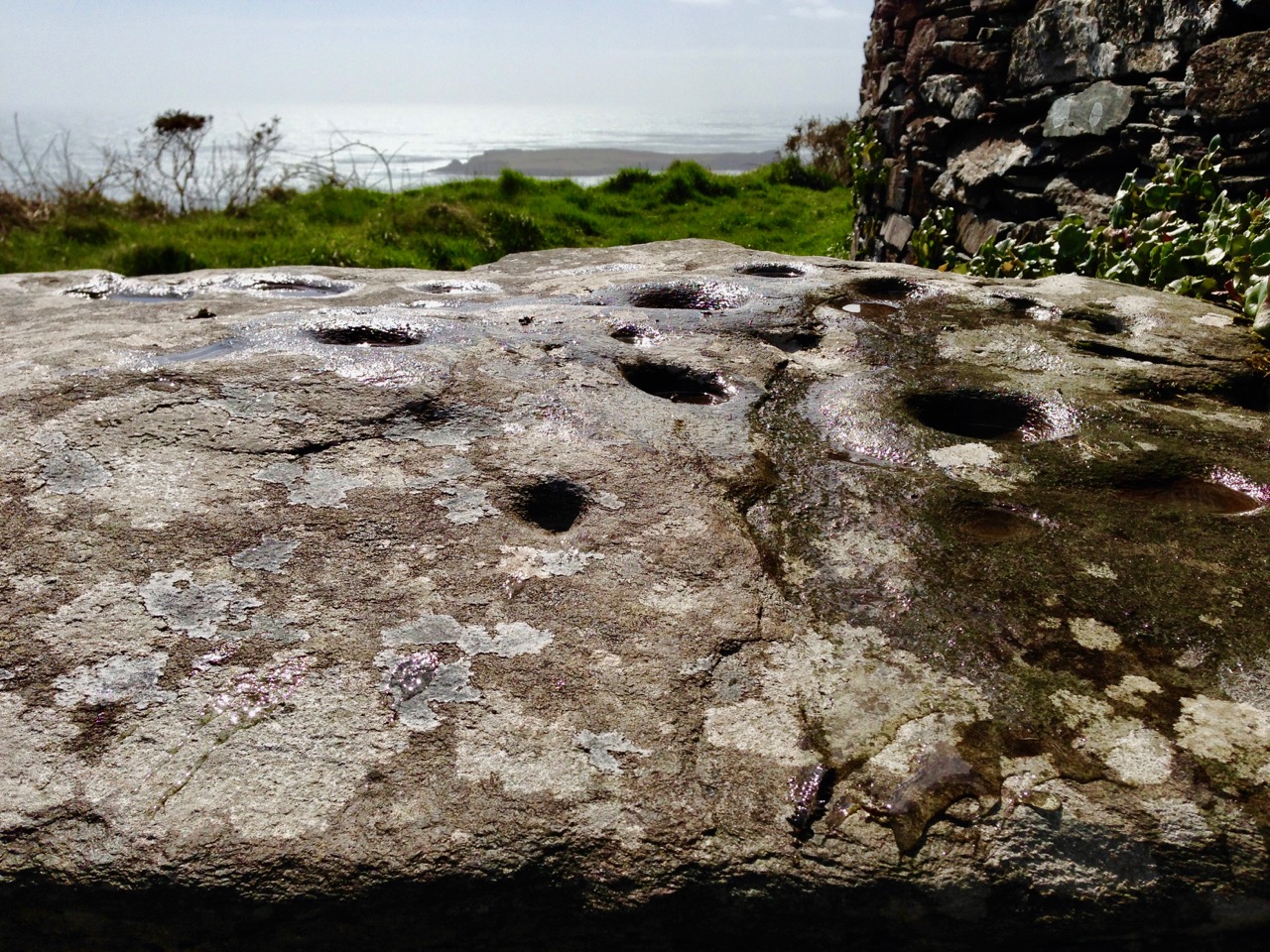
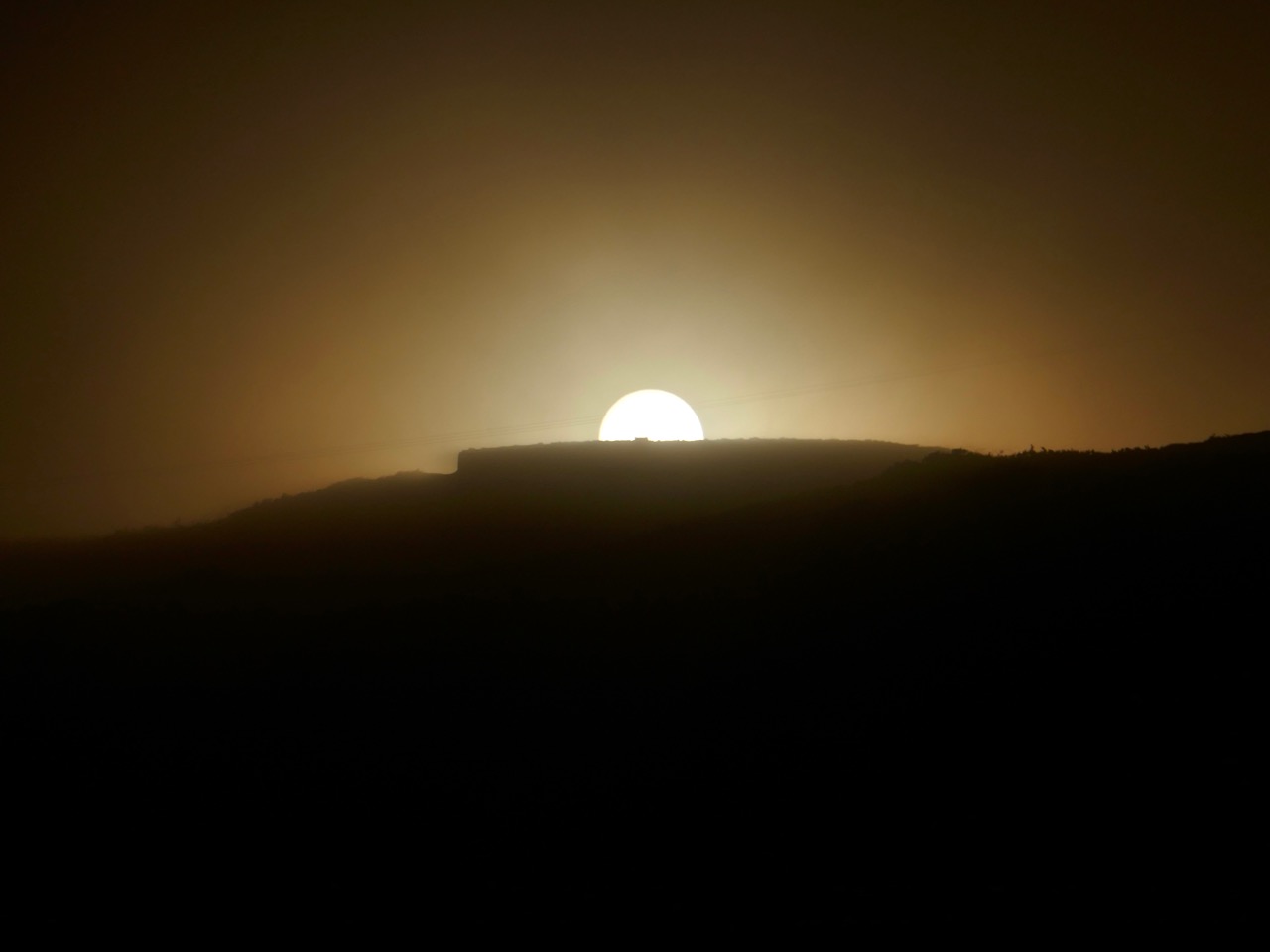
Another post which proved popular was Robert’s detailed account of an archaeological site in West Cork: Knockdrum Stone Fort. This place has everything – a substantial stone structure which probably dates from the first millennium AD; prehistoric Rock Art (one of our favourite subjects – the Knockdrum example is pictured above), likely to be around 5,000 years old; fabulous views (choose a clear day) – and a solar alignment discovered in 1930 by Vice Admiral Henry Boyle Somerville, the younger brother of writer and artist Edith Somerville. In a complementary post, Finola reported on Boyle’s life and tragic death – and gave us insights into the science of archaeoastronomy, expanding on this in a Bealtaine post, following our own experience of Boyle’s discovered alignment at Knockdrum (the sun setting exactly over the fort is pictured below).

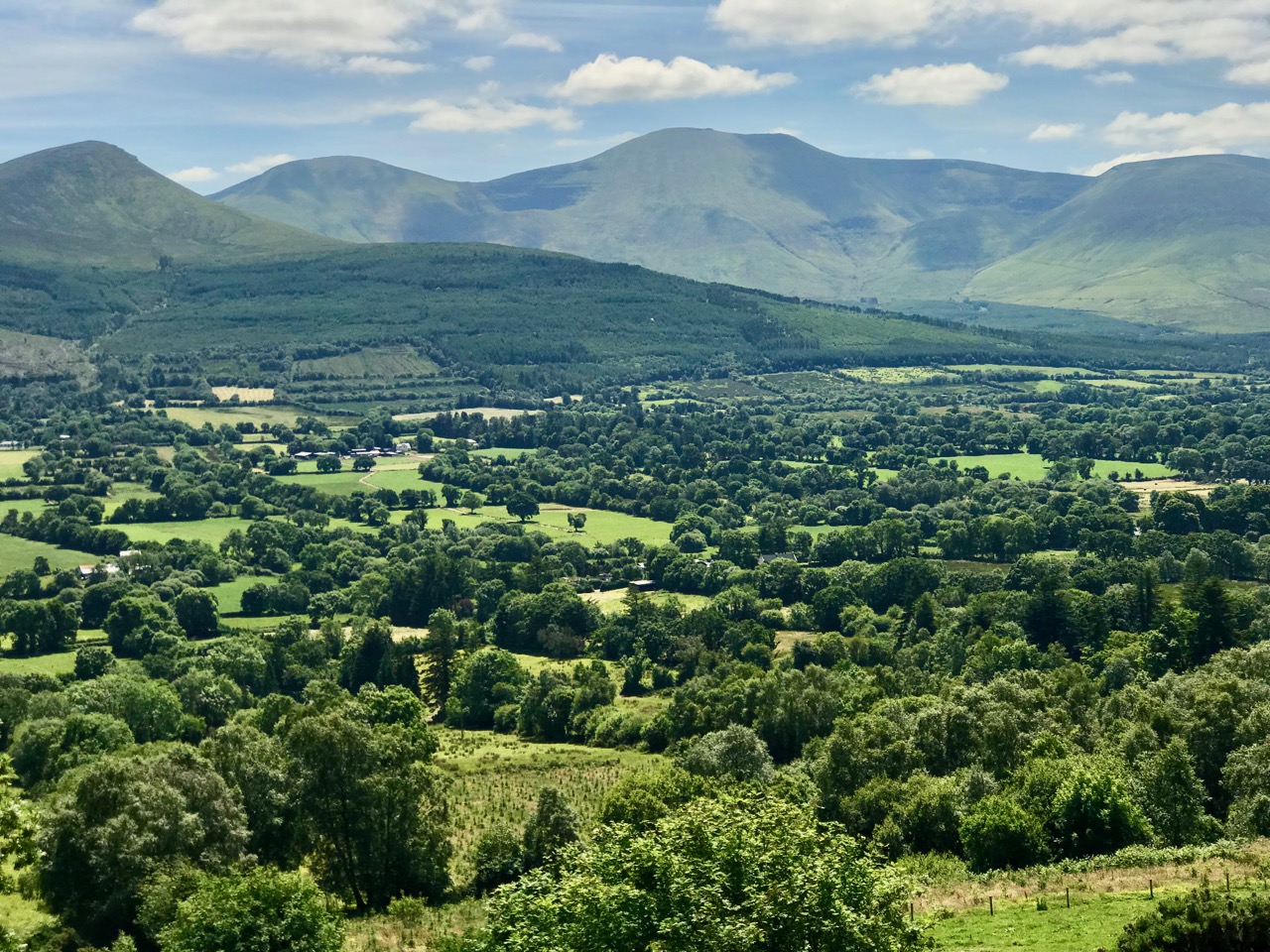
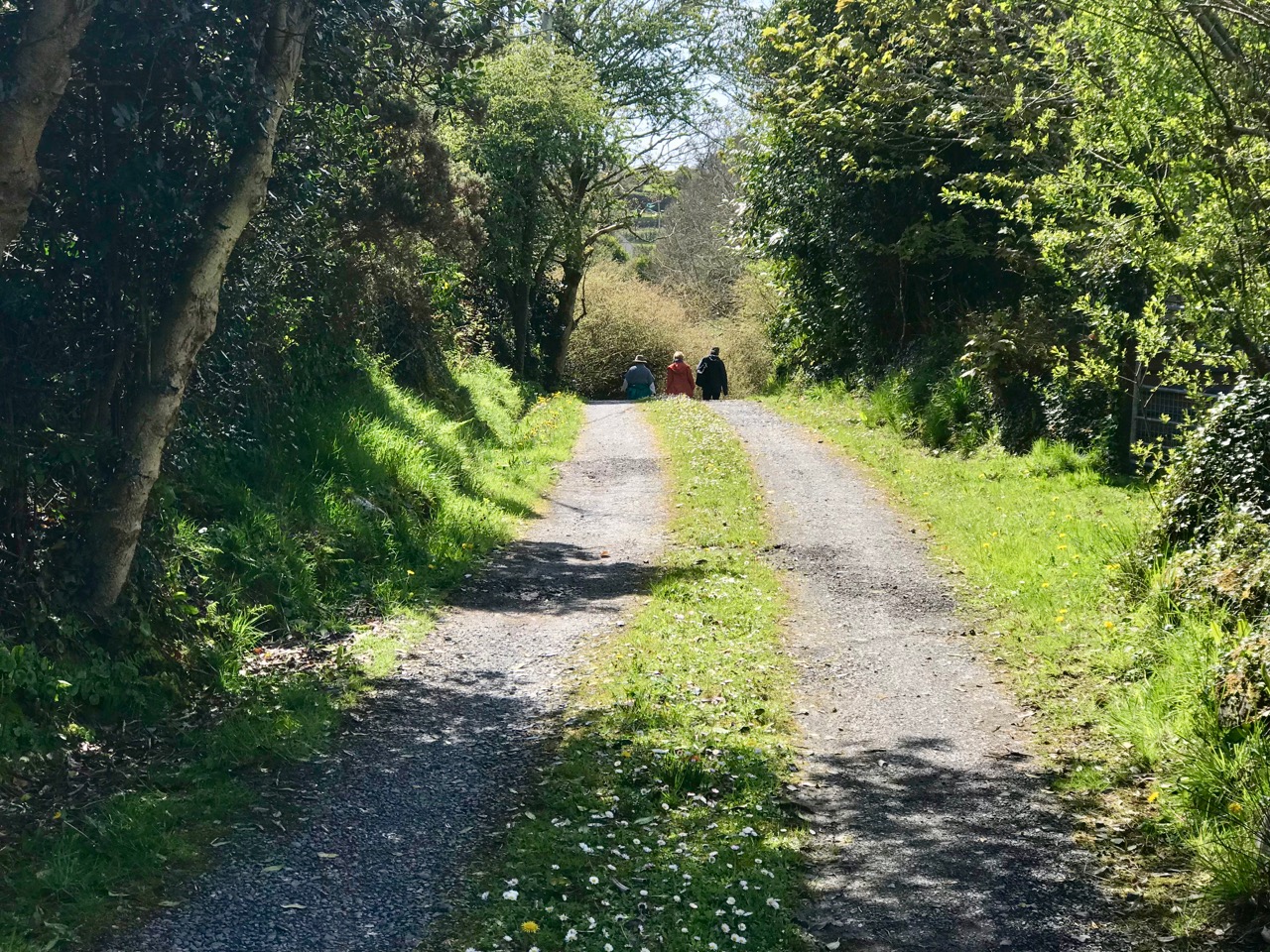
Way back in 2017 we started a series of occasional posts bearing the title . . . Off the M8 . . . We do a lot of travelling throughout Ireland (because it’s such a beautiful and historically rich country) and cover the ground between Cork and Dublin quite frequently. The M8 motorway has made this journey quite straightforward, but it has also provided the jumping off point for many an exploration to enhance the journey. One of my own favourite discovered places this year is the magical Glen of Aherlow (pictured above). We thank our good friends and travelling companions Amanda and Peter – she of Holy Wells of Cork and he of Hikelines  – for pointing us to this entrancing valley located between Slievenamuck and the Galtee Mountains in the western part of County Tipperary. We discovered there secret places and stories relating to obscure Irish Saints: have a look at the haunts of St Berrahert and St Péacáin in these posts from Robert.

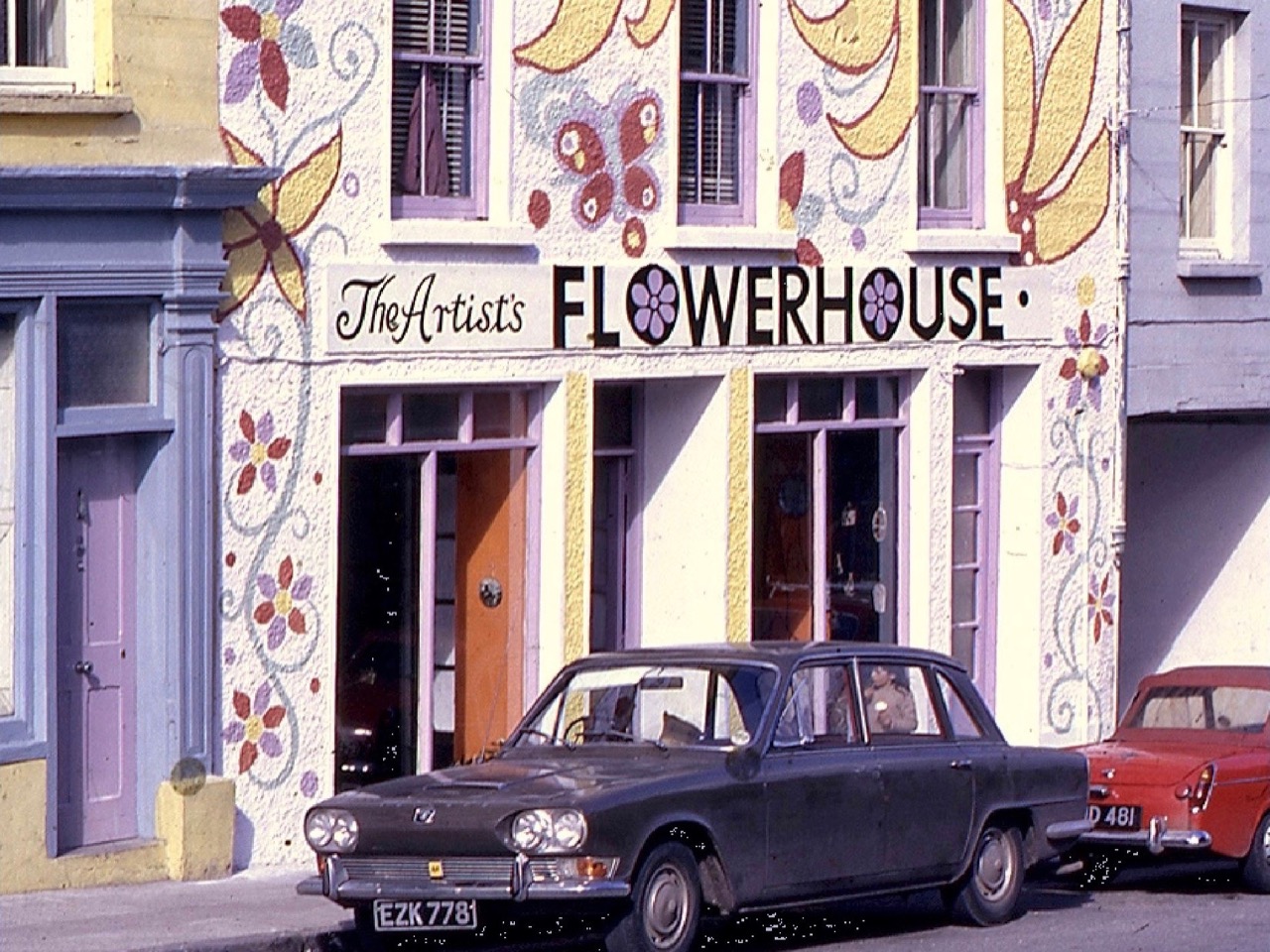
When I moved from Cornwall to West Cork some years ago I was delighted to find out that our lively adopted village of Ballydehob had a great artistic heritage during the second half of the twentieth century, to rival that of Britain’s westernmost county. West Cork became a cosmopolitan centre for artists, writers, craftspeople and musicians, renowned in its day but never properly celebrated – until this year. I was one of a small group locally who decide to rectify this by establishing the Ballydehob Arts Museum (BAM): our first exhibition . . . Bohemians in Ballydehob . . . using donated artworks, ceramics, storyboards and posters, was staged in Ballydehob’s community building, Bank House, and – presided over by Curator Brian Lalor (one of the surviving Bohemians!) – was the first incarnation of the new Museum, which will be followed up by new exhibitions every year. The picture above (courtesy of Andrew Street) from my post, shows the Flower House which, during the 1960s and 70s, became an iconic focus for the town’s artistic colony.

It was a grand summer altogether, and we were out walking the roads and footpaths of West Cork as much as possible. On a fine day in May we set off to explore the Toormore Loop which is only one of an excellent comprehensive system of trails which has been put in place locally in recent years. This post – Another Grand Day Out on the Fastnet Trails – documents that adventure and, hopefully, will encourage all of you to enjoy this wonderful free resource and immerse yourselves in the nature that’s all around us.

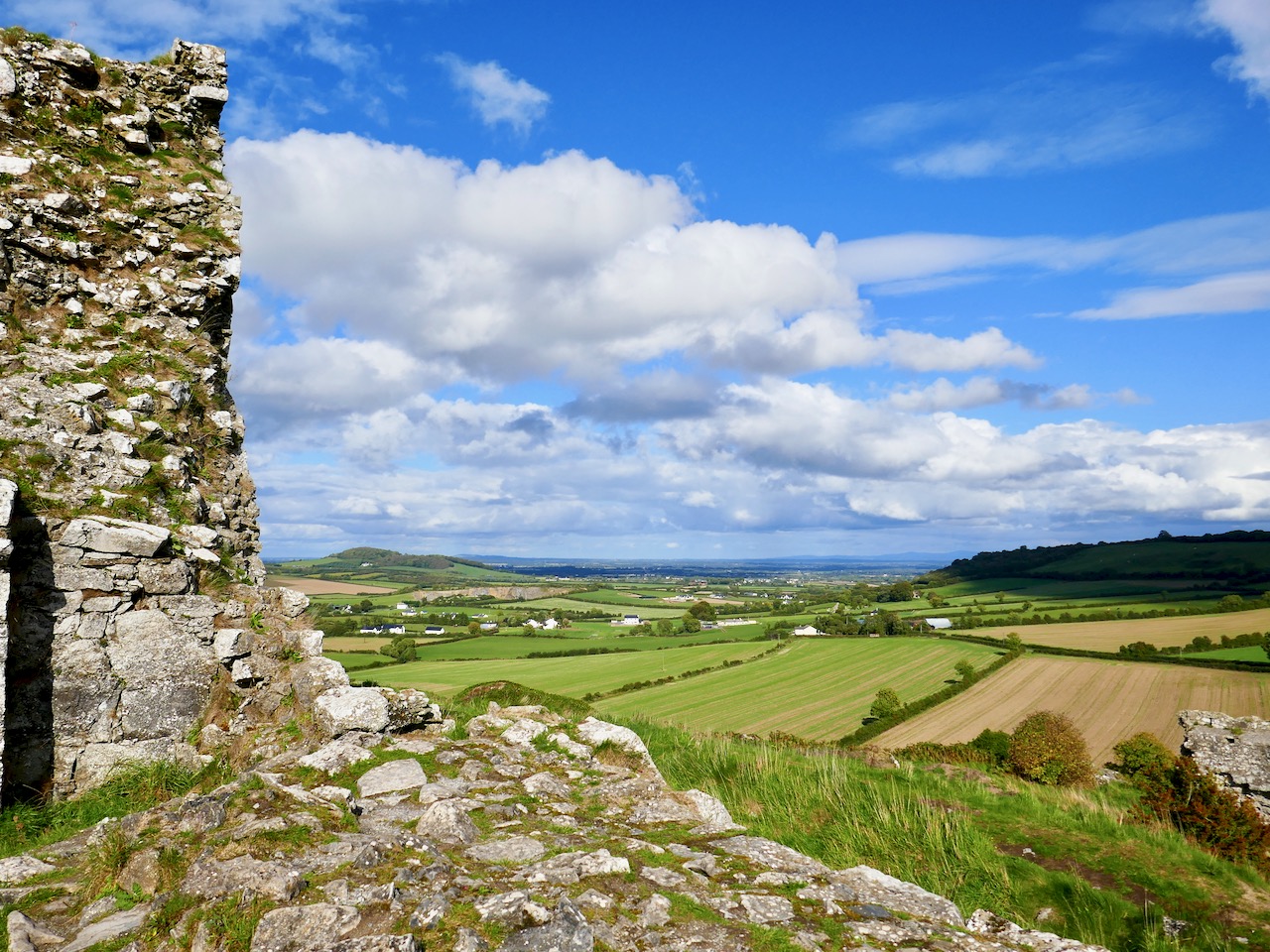
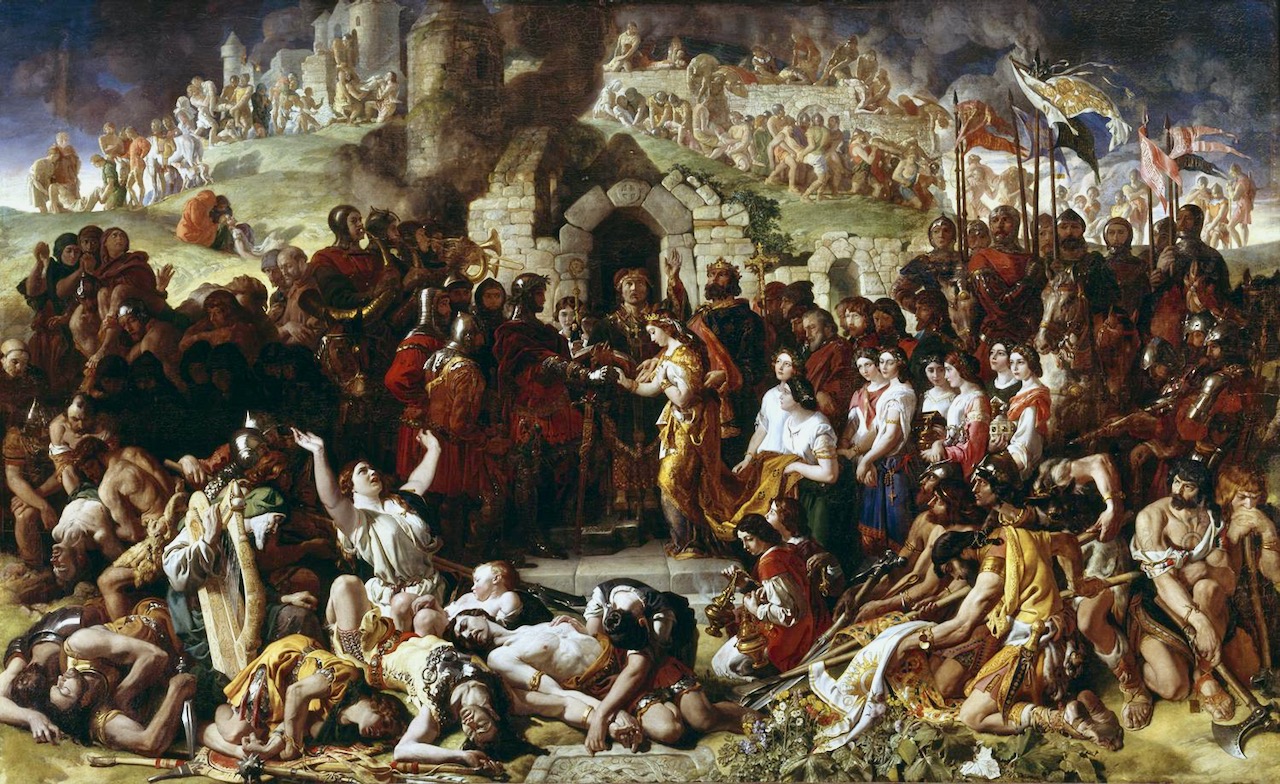
The second most viewed post this year was Finola’s fascinating account of the Rock of Dunamase and the history that it embodies. It’s a place that, for some reason, took us a few years to get to – and it’s Off the M8! But – as you can see from the picture above – climbing the Rock will give you a most rewarding and spectacular view across several counties. The ruin on its summit is inextricably associated with the most turbulent events in Irish History – the coming of the Normans to Ireland in 1169, and the famous marriage of Aiofe (daughter of Diarmuid MacMurrough, King of Leinster) to the Earl of Pembroke, immortalised in the painting by Daniel Maclise (below, courtesy of National Gallery of Ireland). The fortification with its Great Hall on the Rock was a MacMurrough stronghold, and accordingly was part of Aoife’s dowry when she married Strongbow.

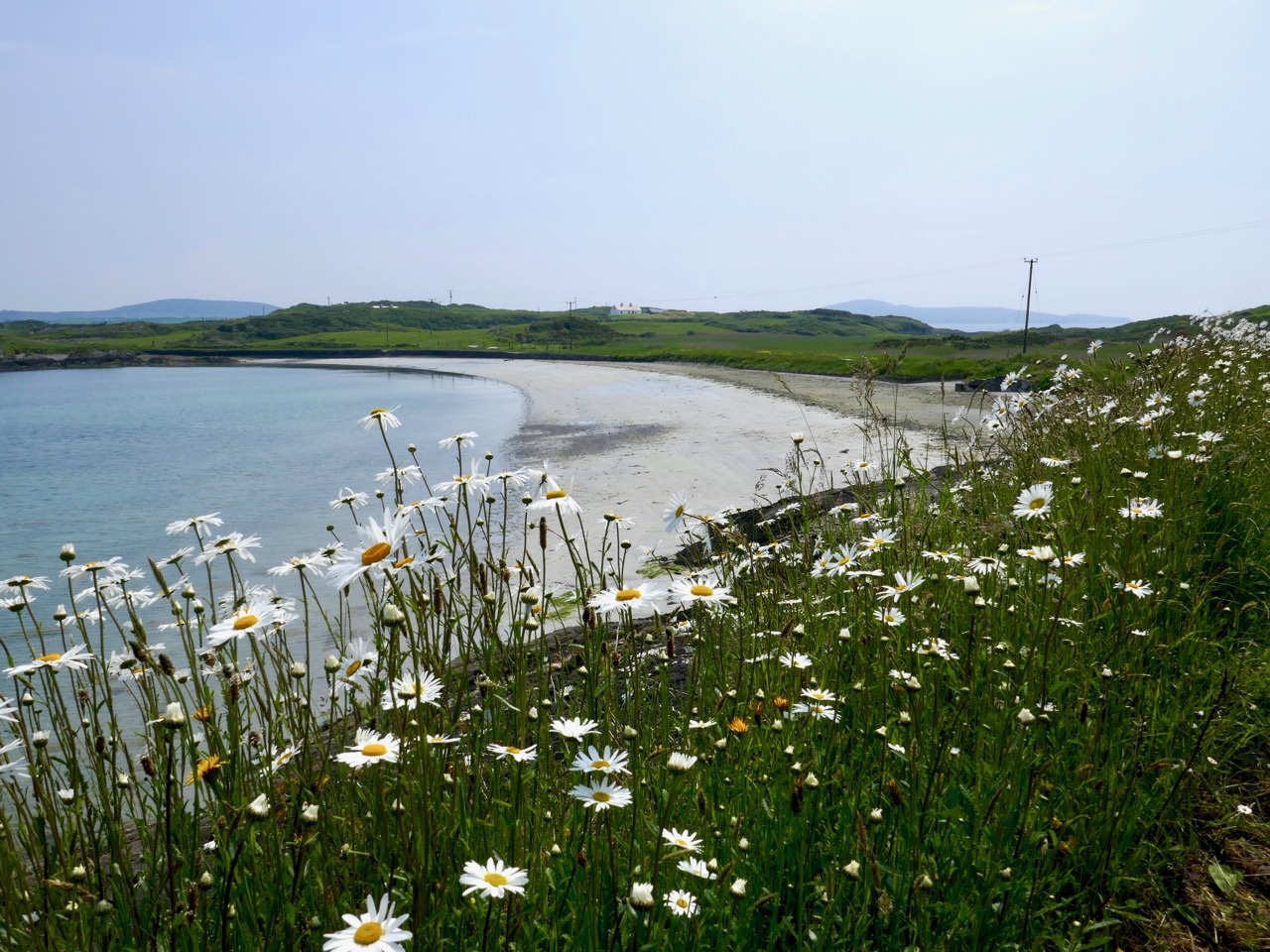
Finally (for today, anyway) we look at Finola’s post which comprehensively explores another West Cork treasure: Heir Island – a Modern Paradise (pictured above and below). West Cork has such a diverse landscape, including the inhabited islands of Roaringwater Bay, each one of which is unique. Finola teamed up with her photographer friend Trish Punch and they were shown around the island by islanders Christine Thery and Sarah Mathews, who run the Heir Island Wildlife Project. This post is a great example of how the diversity of life on the island – and here in West Cork generally – brings together so many disciplines and interests: photography, history, wildflowers, wildlife, colourful houses, and art. Everything that Roaringwater Journal tries to encompass, in fact.