Good Friday – Foraging and Feasting

Fresh from the Shore!

Fresh from the Shore!

This post dates from 2014. Since we first published it, Tommy Camier is no longer with us and sadly the Gortnagrough Museum has had to close.

One of the Easter traditions Robert writes about this week is the practice of gathering shellfish on Good Friday. Traditionally, Good Friday was a day of complete austerity – the very apex of the Lent period when people gave up treats and went on a simple diet for the 40 days before Easter Sunday. In Ireland, Good Friday is the only day of the year apart from Christmas Day when the pubs are closed. No meat was eaten, and because fishermen would not put their boats out to sea on Good Friday, it was customary to gather whatever was available on the shore – seaweed and shellfish – for dinner.
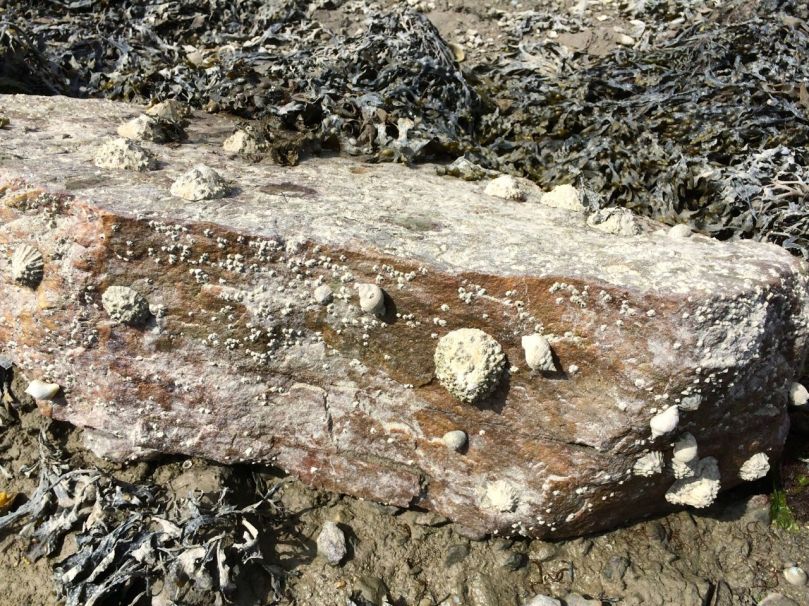
Limpets are edible too, but  difficult to dislodge

Limpets are edible too, but difficult to dislodge

To our amazement, we have discovered that this tradition persists, here in West Cork. It has evolved, as such traditions do, into a family day on the shore, with everyone gathering shellfish, followed by a mussel feast back home.
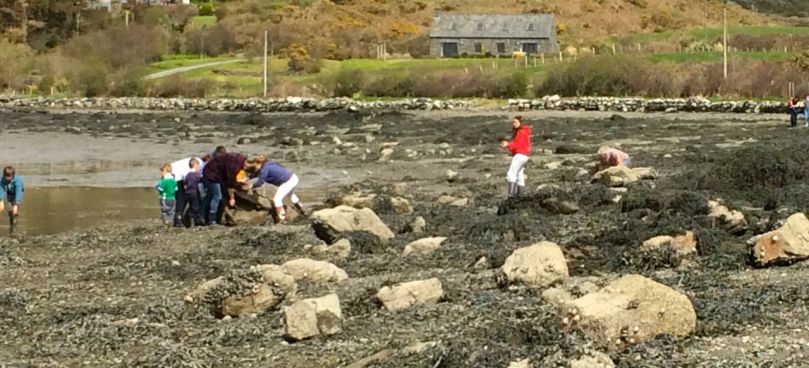
On the shore

On the shore

We tagged along with friends, walking down to Rossbrin Cove, with wellies and buckets. We met Leita and Tommy Camier of the Gortnagrough Folk Museum, who were leaving with a full bucket of mussels. They told us they had gathered mussels on Good Friday as long as they could remember. There aren’t as many mussels now as in the old days, they said, and they’re smaller.
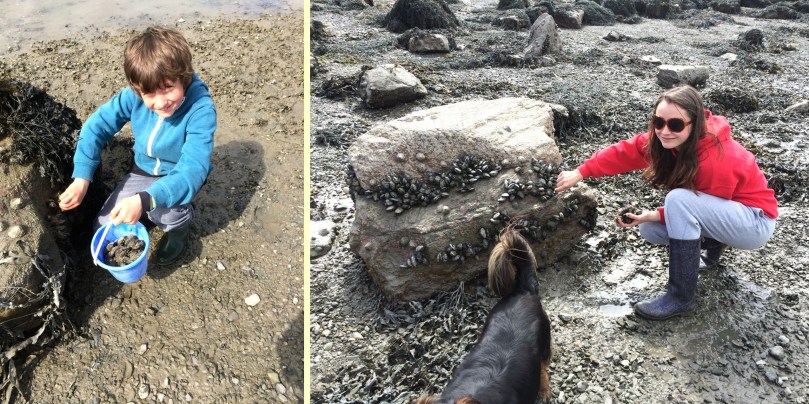
Gabriel and Matilda - hard working mussel pickers!

Gabriel and Matilda – hard working mussel pickers!

Mussels were the shellfish of choice for most of the folks who had come to the Cove. Picking was fairly easy, off the rocks, taking pains to avoid ones with barnacles. Our neighbour Hildegard and her family also gathered cockles and winkles.
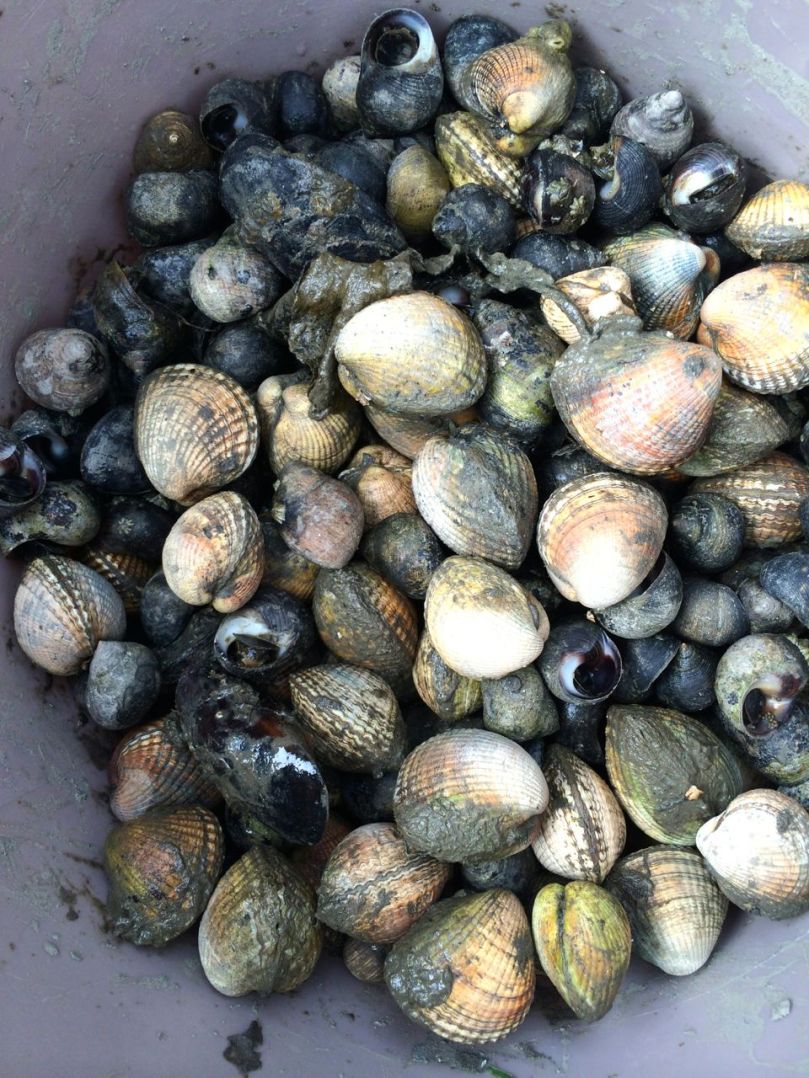
Cockles and mussels, and winkles too

Cockles and mussels, and winkles too

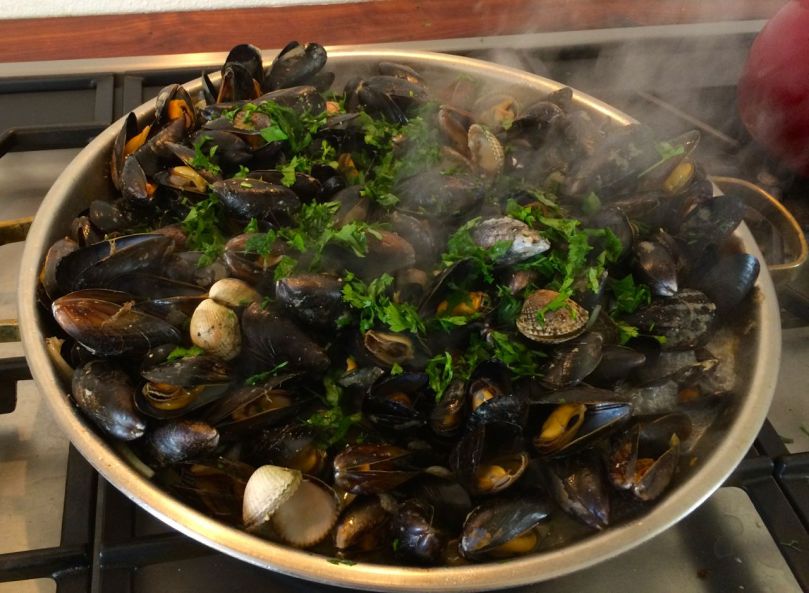
Afterwards, we ended up at Dietrich and Hildegard’s house for a feast. Robert and I are not mussel eaters – or so we had told each other. Robert stuck to bread and cheese, but I thought I should be polite and at least try some when presented with a plate of fresh steaming cockles and mussels and some warm French bread. Surprise! As cooked by Rui with onions and garlic and herbs, they are delicious! Two plates later, I am a firm convert.
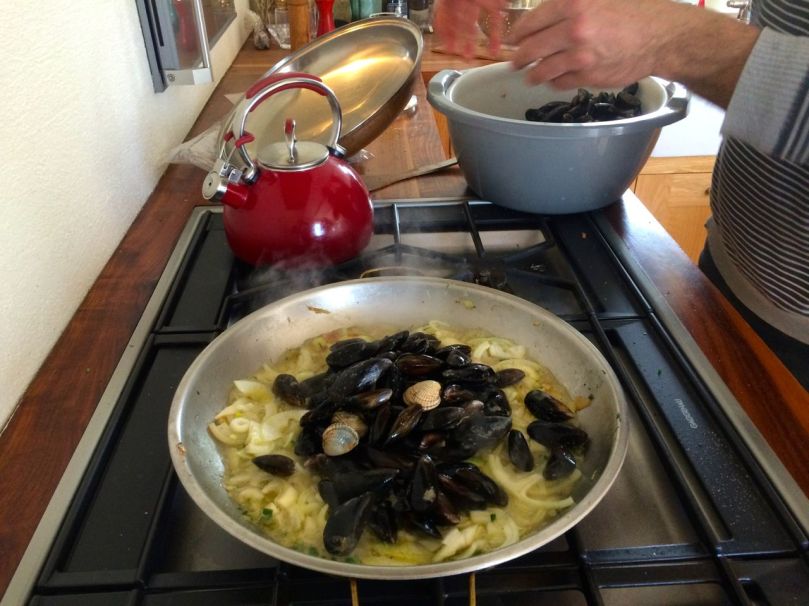
Rui cooks up a feast

Rui cooks up a feast

I like this austerity business!

Good Friday abstinence

Good Friday abstinence

But enough of this deprivation! I wonder if Robert has remembered to get me a chocolate Easter Egg…

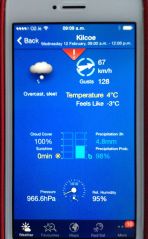
Code Red

A joint post by Robert and Finola

By Rossbrin Cove, after Storm Darwin

By Rossbrin Cove, after Storm Darwin

Weather apWe looked back recently and counted the number of posts both of us have done on the subject of the weather, and decided not to do any more on pain of boring our readership to death. But this week Met Eireann issued a rare Code Red warning and their direst predictions came true. The Southwest of Ireland was pounded by hurricane force winds, the like of which many people had never experienced before. Storm Darwin wreaked havoc in our corner of the world.

We were lucky! Our power was off for several hours, but our house is set up so we can still stay warm, run water, and cook. We lost a few more trees, including two that fell over the road, blocking access. Our terrific landscaper, Thomas, chainsawed them off so that at least cars could get by. Trees that came down in our neighbour’s property severed our telephone cable and we have been told that it could be ten days before this is fixed – so we have no landline and no internet. We use our cell phones to connect whenever we can in cafes in town or in friends’ houses, but reception has been spotty all week due to storm damage.

We're almost out of trees now in the haggard

We’re almost out of trees now in the haggard

Many of our neighbours have not been so fortunate and are still without power. For some this can also mean no water and no way to cook. The County Council has issued a warning to boil drinking water amid fears that water supplies have been contaminated. All over the countryside crews are out clearing away trees and restoring cables. Two young men were swept to their deaths by huge waves on the north side of the Sheep’s Head. Another man, part of a telephone repair crew, has died while working on the high wires. Roads and towns flooded although this time the storm surges did not coincide with high spring tides so the water damage was not as bad as it had been earlier in the year.

Boats blown down

Boats blown down

And what do we do in Ireland when the storm hits? We hunker down next to the fire in a warm dry pub, of course, and sing our hearts out! This week, an old friend of Robert’s arrived from Cornwall with his Lifeboat Choir – singers associated with lifeboat stations around Cornwall. The group has developed a long-term relationship with a similar group here in West Cork and this was their annual visit. So we found ourselves holed up in a hospitable establishment in the village of Ballinadee, with musicians and singers from both sides of the Irish Channel, singing and playing and hooting and cheering the night away, and then driving home beneath a clear brilliant moonlit sky that looked as if it had never held a drop of rain.

Cornwall comes to West Cork

Cornwall comes to West Cork

Life in West Cork is nothing if not variety!

This post has been brought to you courtesy of a friend’s internet. Lack of internet and a planned trip to Clare will disrupt the regular posting schedule over the next couple of weeks but normal service will resume as soon as possible.

The Coast of West Cork

Coast of West Cork cover

Every personal library in West Cork, maybe in Ireland, has a copy of the book The Coast of West Cork by Peter Somerville-Large. First published in 1972, it is a classic of travel writing – amusing, learned, thoughtful – that still holds up as a fascinating portrayal of this part of the world. The photograph above is of the front cover of the book, signed by the author, that I brought with me to Canada when I emigrated in 1974. Forty years later, I am living on the very spot where this photograph was taken! It took me a while to figure this out, as the picture is actually reversed.

Peter Somerville-Large, now in his 80s, is still writing. He is connected to the old Castletownshend families (Edith Somerville was a relation and he mentions Townsend aunts) and was already very familiar with West Cork when he set out to tour it by bicycle in the spring of 1970. He takes every road, every byway and boreen, and describes in detail the scenery, the characters and the conditions along the way.

Grand road for cycling!

Grand road for cycling!

Far more than a travel diary, this is a comprehensive account of West Cork. Somerville-Large’s erudition is impressive. Either before or after his journey he spent many hours in the National Library, researching the history, folklore, archaeology and literature of the area and he weaves this knowledge seamlessly into his narrative. Because of his own personal background, he is able to include stories and anecdotes from the Big Houses of the gentry. A great aunt

“…remembered going down to a cellar which was filled with swords used to arm the tenants during the time of the Whiteboys and also with empty stone wine jars which had carried wine smuggled in from France. From this cellar there was believed to be a passage underground to the O’Driscoll Castle of Rincolisky, whose truncated remains are to be found in a neighbouring field…An earlier Townsend sent his…page down the passage to see if it was clear. The boy was never seen again.”

Castletownsend Castle

Castletownshend Castle

His affection for the place leads him to mourn the loss of population from the Islands of Roaringwater Bay.

“One by one the small islands became deserted…Only a few years ago I visited Horse Island, just opposite Ballydehob. The last people there, an elderly couple, were living all alone. It was summer, and the old man was sitting in a chair outside his house, his feet in a basin of water. His wife, behind him, fed hens. Next year, they were gone. The house, still intact and comfortable, stood empty, the linoleum in place, last year’s calendar on the wall. Down by the pier a plough had been thrown into the water where it looked like a gesture of despair.”

Looking across to Horse Island

Looking across to Horse Island

He documents the importance of the creamery in the social life of the townlands, the old occupations of fishing and mining and the loss of such sources of income, the string of castles that dot the coast and the great irish families that built them, the “brash new bungalows” springing up around the scenic areas, the awful legacy of the famine, and the sheer beauty of the scenery. He is conscious of a way of life passing. Going out of his way to visit a sweathouse (a feature of the Irish countryside in times past) he ends up in the O’Sullivan’s kitchen, drinking whiskey and eating biscuits.

“Mrs. Sullivan told me that the valley was once thickly populated, and when she was a girl there had been sixty children at the school that closed last year. The way of life had gone with it…Once it had been a great place to live in, her husband said. There were monthly fairs at Ballydehob and Schull, and he had walked all the way to Bantry with the cattle and all the way back again.”

Deserted cottage

Deserted cottage

The parts I have quoted deal with the area around where we live, but the bicycle trip stretches from Clonakilty to the Beara Peninsula. Describing West Cork as it was in 1970, it is now an important historical document in its own right, alongside such accounts as Thackery’s Irish Sketchbook of 1879, or the Pacata Hibernia of 1633. Mostly, however, it is a charming, engaging and fascinating depiction of a special place.

Over the hill to Durrus

Over the hill to Durrus

Outlook: Changeable

storm

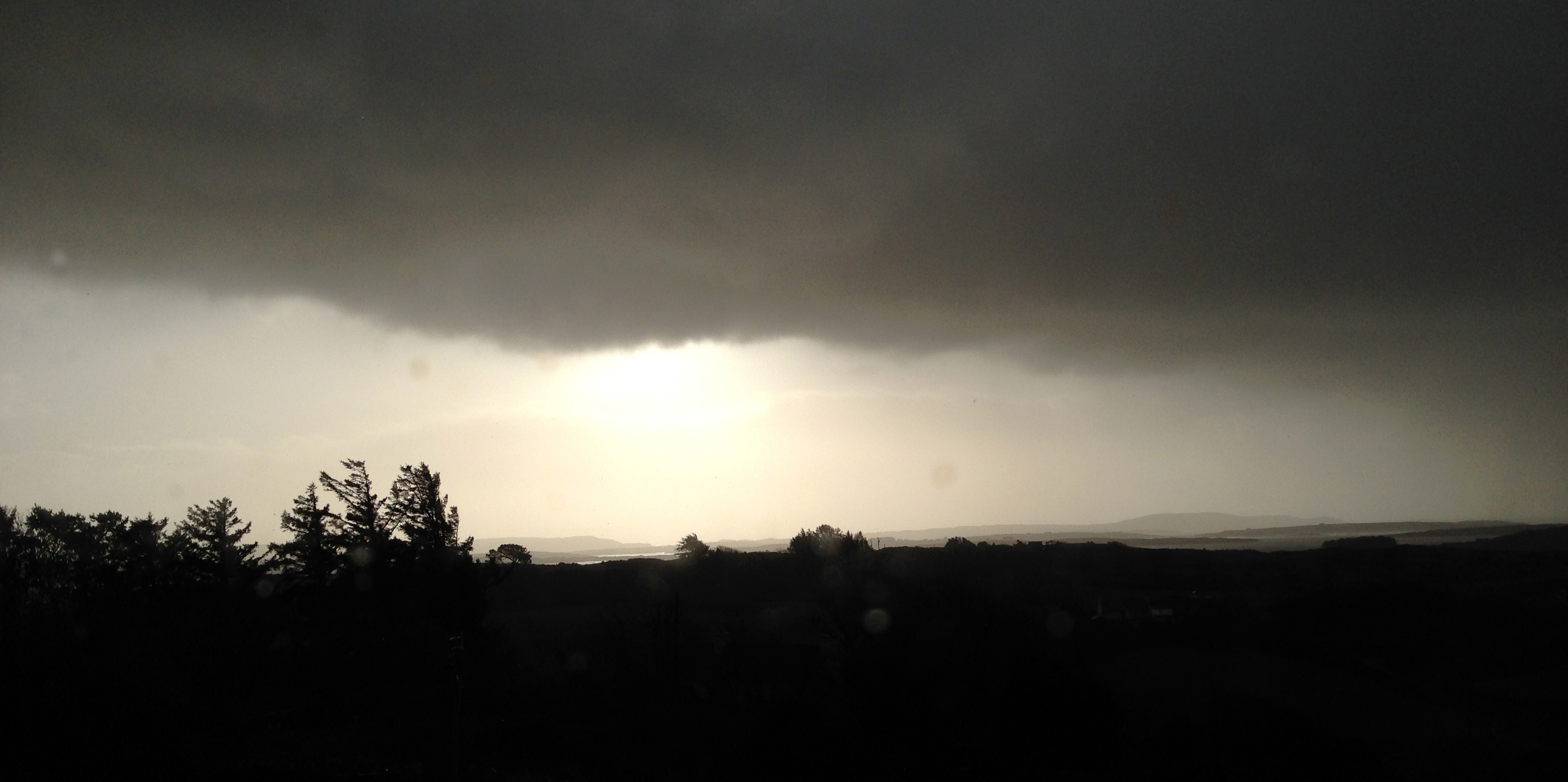
Sunday morning sky over Nead an Iolair

One of my favourite expressions about the weather was learned from an elderly gentleman who had lived all his life in Hampshire, England. …Tis black over Will’s Mother’s… This would have described very well the scene above, which was taken from Nead an Iolair when we awoke this morning. As an Englishman I would be expected to talk about the weather all the time; Irish people are not far behind in this, probably because there is such a variety of weather – even in a single day – that it demands to be described. …Is iomaí athrú a chuireann lá Márta dhe… means: …There is a lot of weather in a March day… This might just as well refer to a January day, or a day in any month in our experience. To illustrate this I decided to try a time lapse video, using my iPhone and a tripod. I had to shoot it through the window, hence the reflections – just as well because during the process we had torrential hail to add to the variety. So this is a thirty minute session of Irish weather coming in to Roaringwater Bay compressed to thirty seconds, each frame being shot a second apart:

By asking around the locality I have compiled some Irish expressions for weather. These are ones that I particularly like:

A snipe won’t stand in the morning… (meaning icy weather)

It’s a hure of a day… (meaning it’s a hure of a day – Finola has her own version here)

 Bad aul’ day isn’t it?

And – occasionally – The Sun does be splittin’ the stones

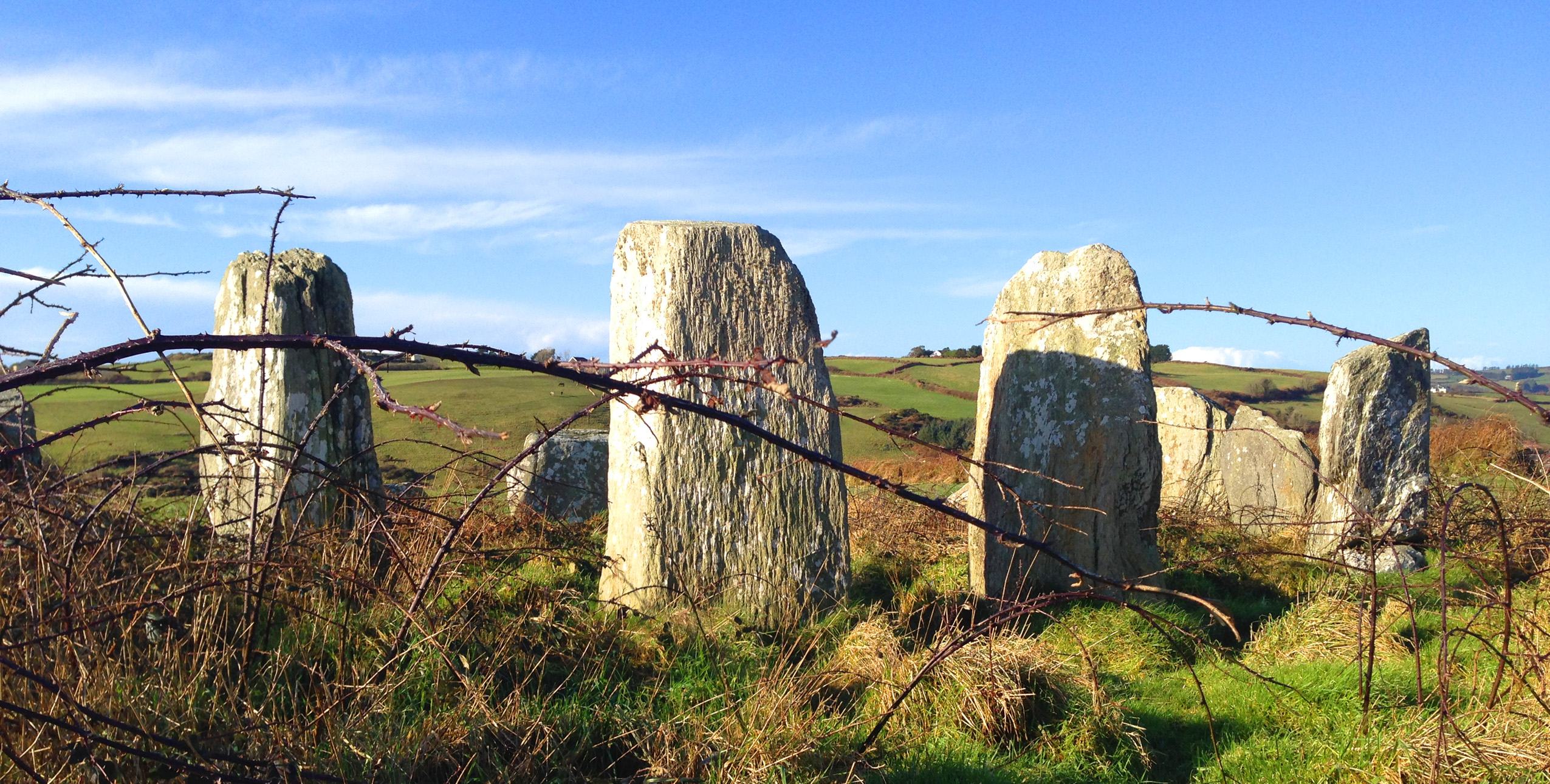
Sun circle, Bohanogh, a week ago

Sun circle, Bohonagh, a week ago

Now, as we get near to St Brigid’s Day – more on that next week – we can truly be saying:

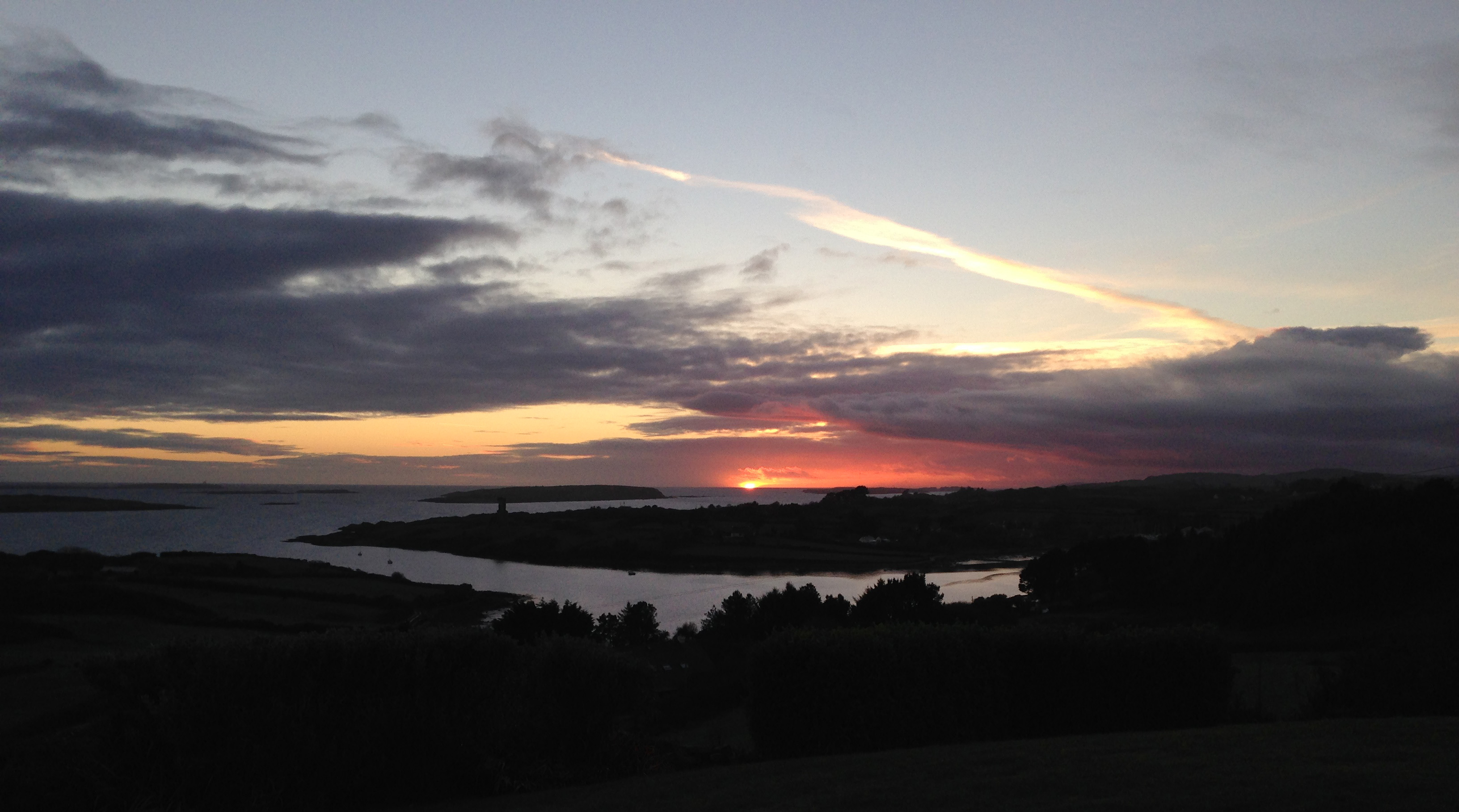
There’s a grand aul’ stretch to the evening… (the days are getting longer)

sunset

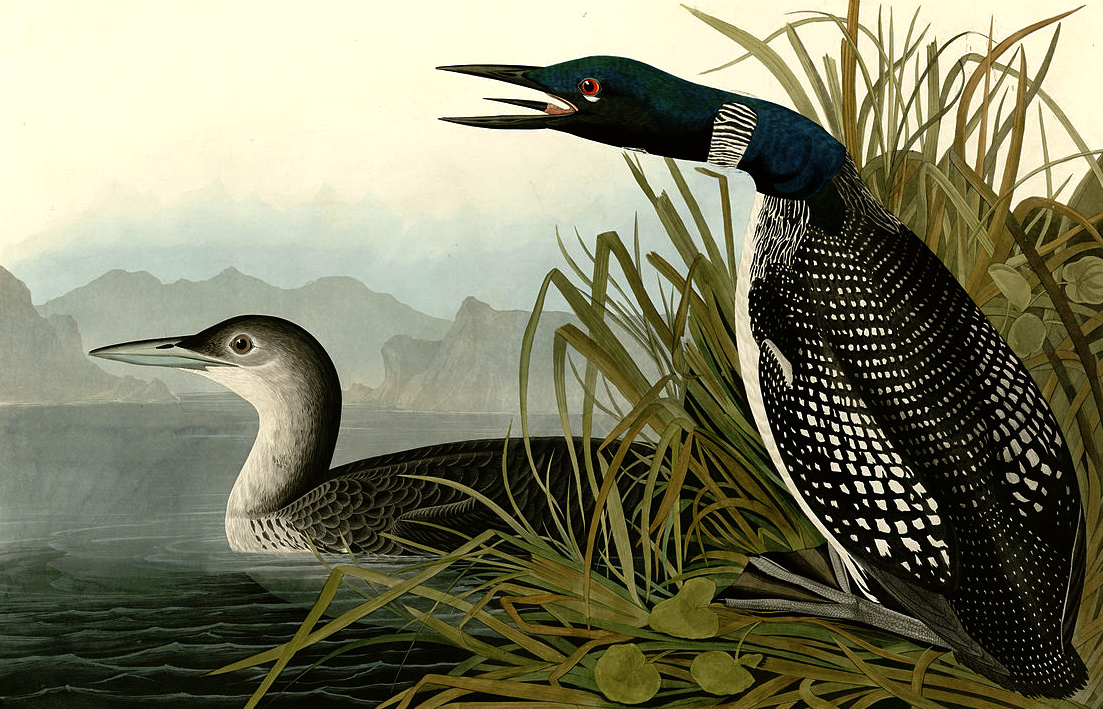
Loon the Sentinel

loon print

Our friend Julian lives beside the water in the Cove, and we were excited when he told us there were Great Northern Divers in the bay. During the recent storms he saw a large number of them – fourteen or fifteen – huddled together for shelter close by the shore. He called this gathering a ‘Raft’: In fact the collective noun is usually said to be Asylum, Cry or (more attractive) Water-dance. We saw them too, but distantly through our spotting scope up in Nead an Iolair, although we came across them close to when we were walking by the shore in Ahakista on the Sheep’s Head. Here they were mixed up with Cormorants (collective noun Flight of…) and Shags (Hangout of…) – but their markings were distinctive enough for us to be sure.

loonie

In Canada the same birds are known as Loons. Believe it or not, the International Ornithological Committee met especially to consider the problem of the differing names in America and Europe and proposed a compromise: the Great Northern Loon. I like the term Loon: supposedly this name comes about because the bird has large webbed feet set well to the back to assist diving but is clumsy on land. In Icelandic the word for ‘lame’ is lúinn, and in Swedish it is lam – this could well have been an influence. The Canadian Loon is featured on the one dollar coin – which is therefore know as a ‘loonie’ – the two dollar coin is a ‘toonie’.

When Finola and I were on a road trip up to the north of British Columbia (through spectacular scenery) we stopped by a lake and we could see diving birds a considerable distance away. Finola told me they were Loons and I said I really wanted to have a good look at them. She immediately put her hands up to her mouth and produced the distinctive wavering call:

I couldn’t believe it when a few seconds later a Loon surfaced right beside us! I was full of admiration (as always) for Finola’s many talents…

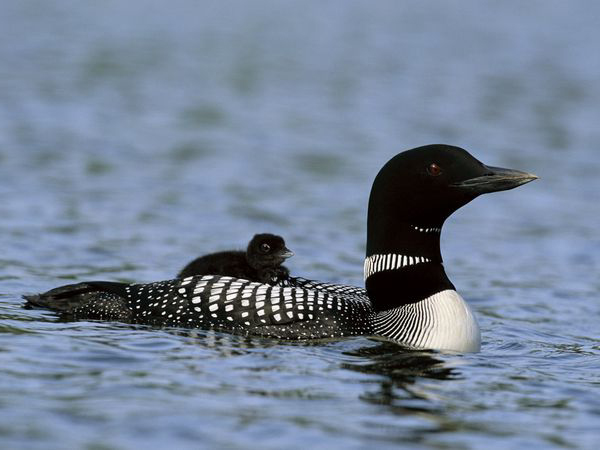
An endearing habit of the adult bird is that it carries its chick on its back until it can swim on its own.

Hitching a ride...

Hitching a ride…

I can’t find any Irish legends mentioning Loons, Great Northern Divers or any other variants, but there are plenty of Canadian ones among the First Nation cultures. There the Loon is invariably a ‘good guy’, and even helps Raven the Creator to make the world, and to bring Sun, Moon and Water to it. It has various names in these tales, including Big Loon, Black-billed Loon, Call-up-a-storm, Ember-goose, Greenhead, Guinea Duck, Imber Diver, Ring-necked Loon, and Walloon. We also have a very fine carved Loon on our living room wall, from Finola’s First Nation art collection.

loononwall

I call Loon the Sentinel because he seems to stay just outside our Cove, swimming and diving across the entrance – keeping it safe for us. When our spring comes (and we can begin to feel the sun getting stronger already) he will be off to colder climes to breed.

Theme and Variations

November sky at Nead an Iolair

Prelude: November sky over Nead an Iolair

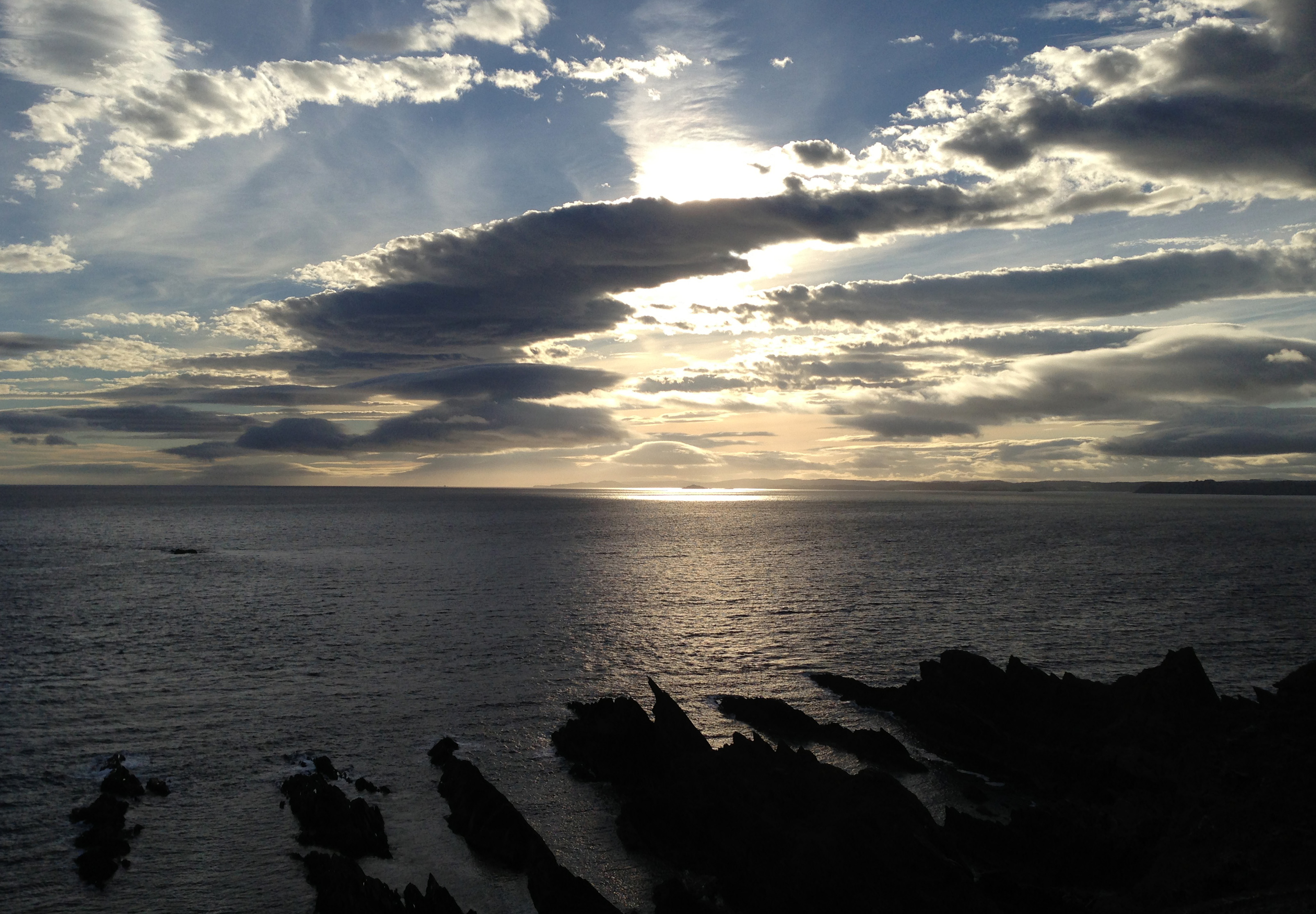
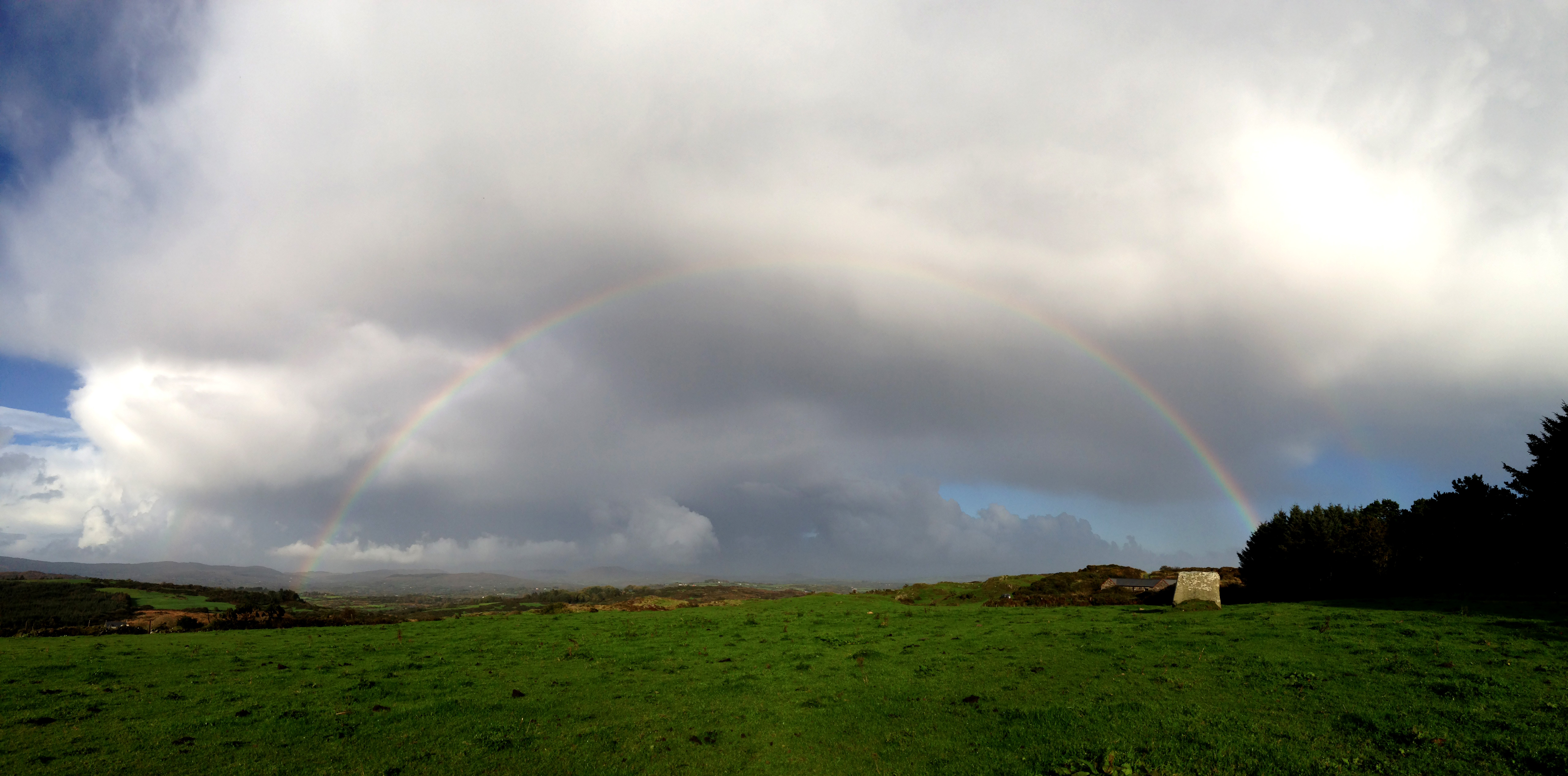
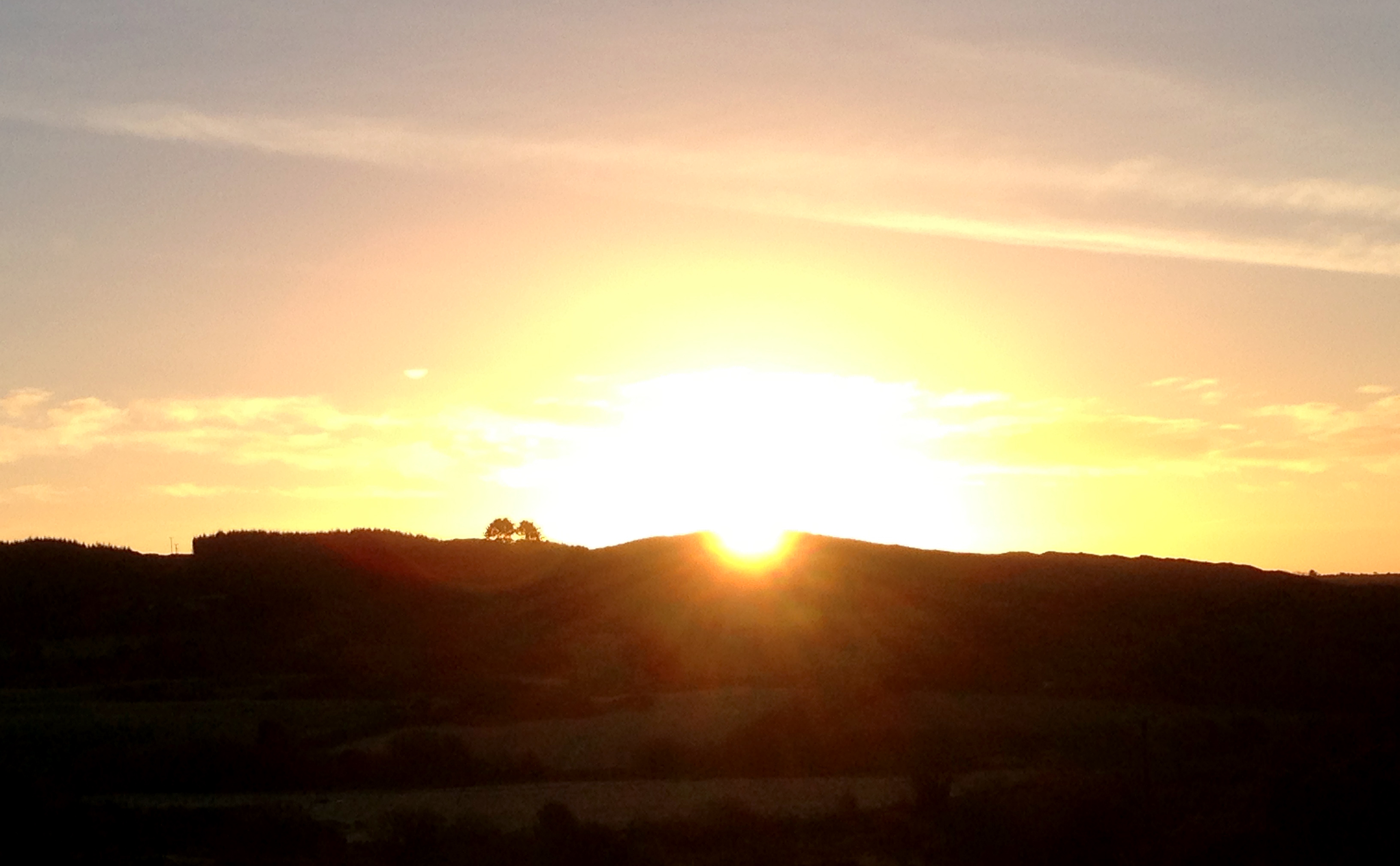
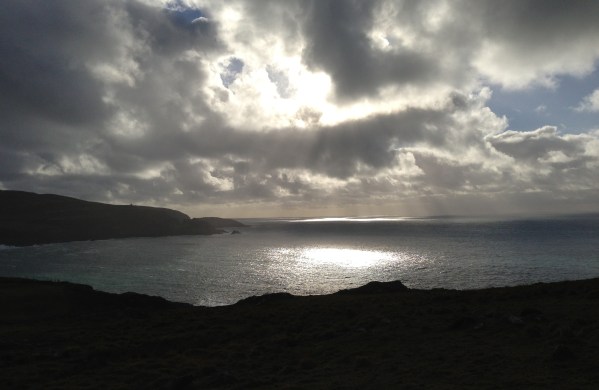
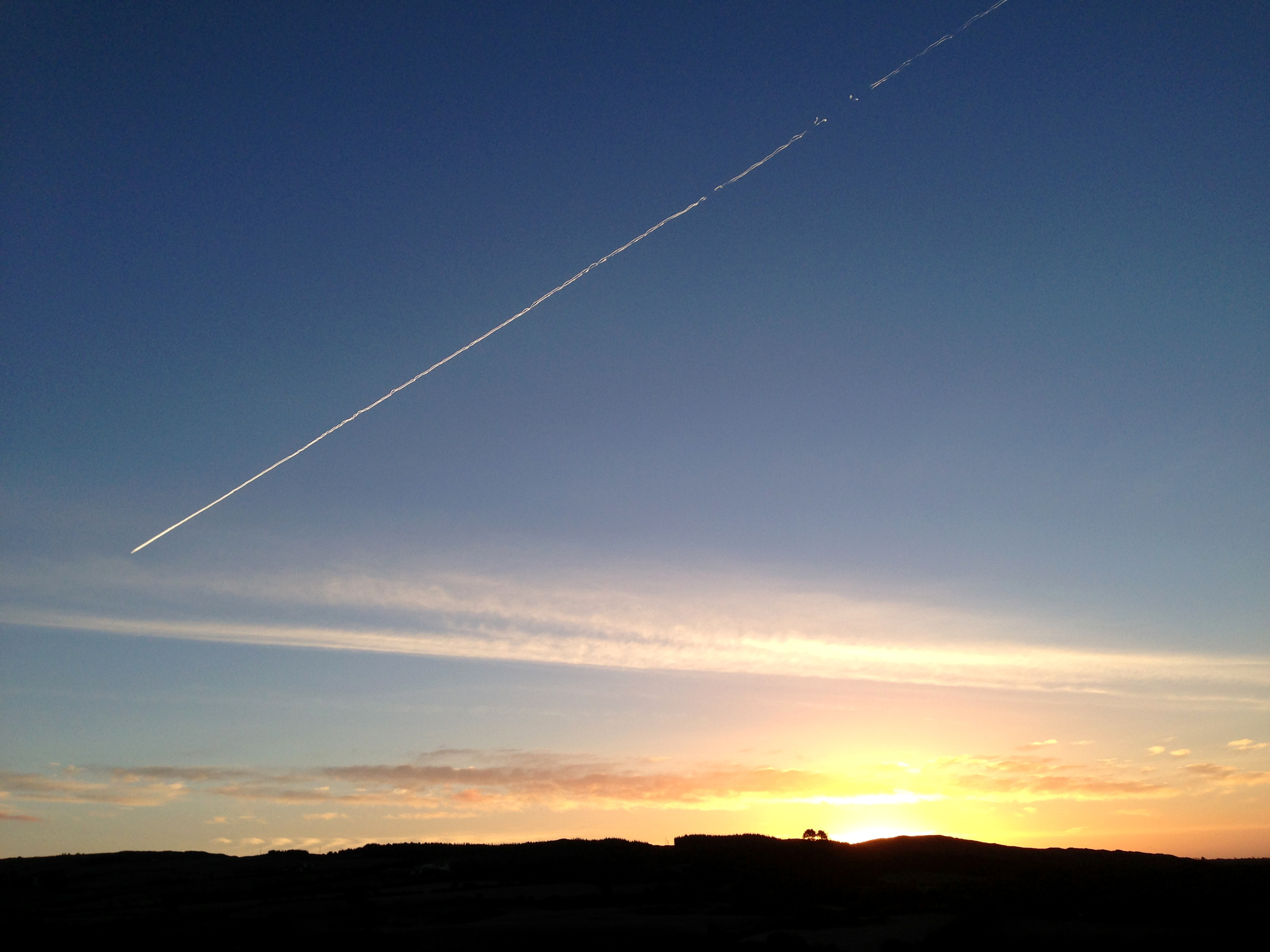
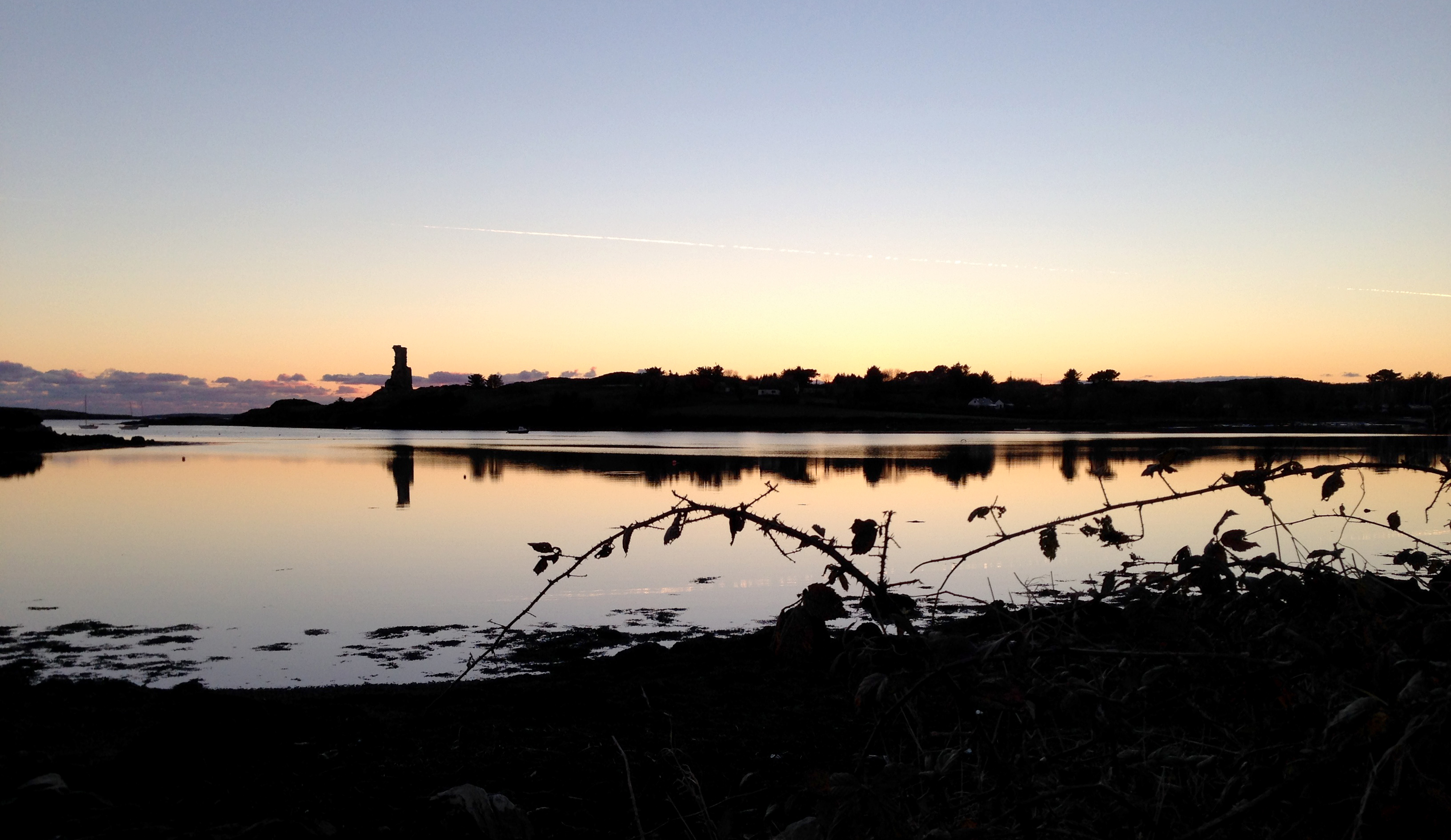
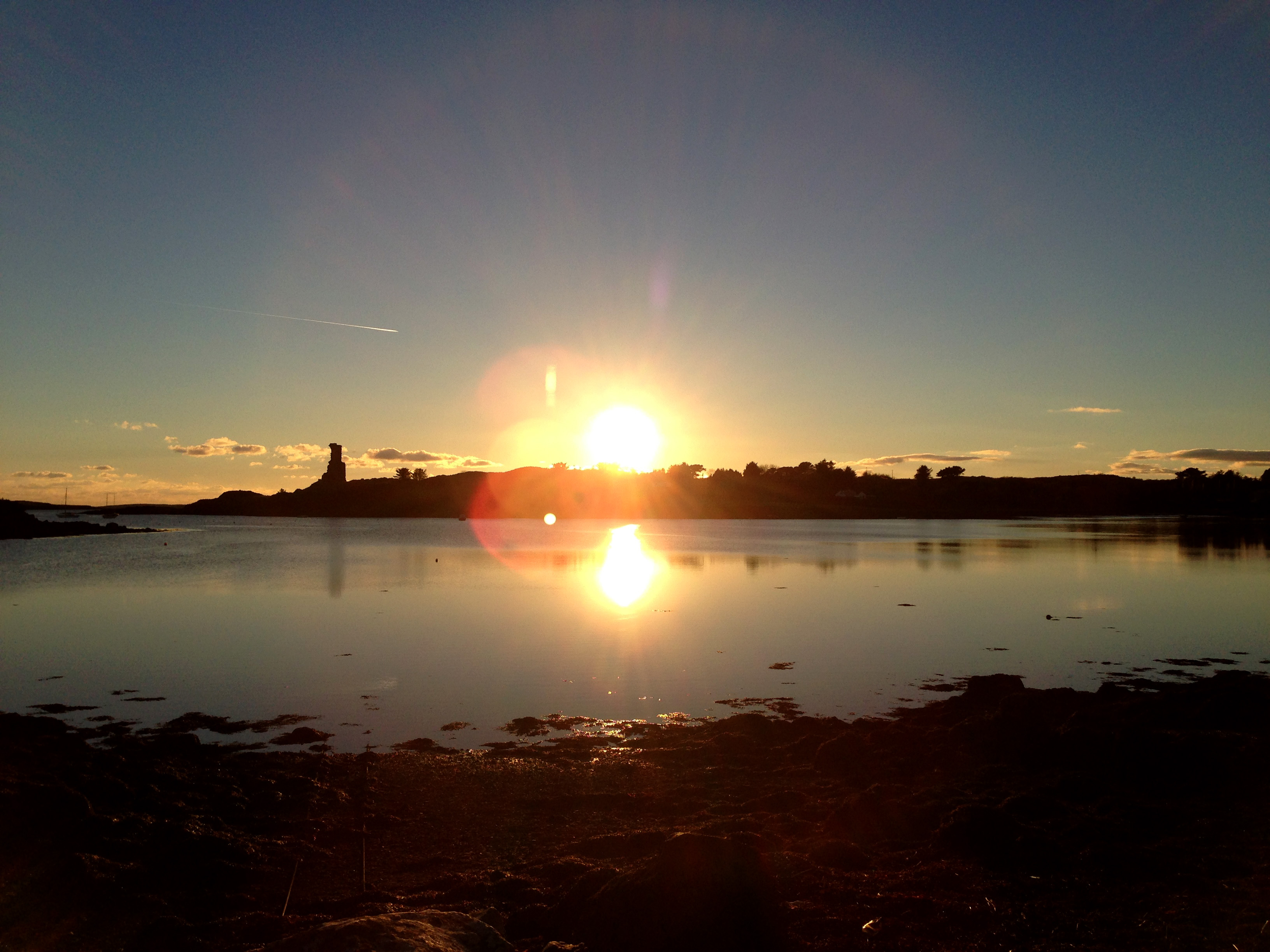
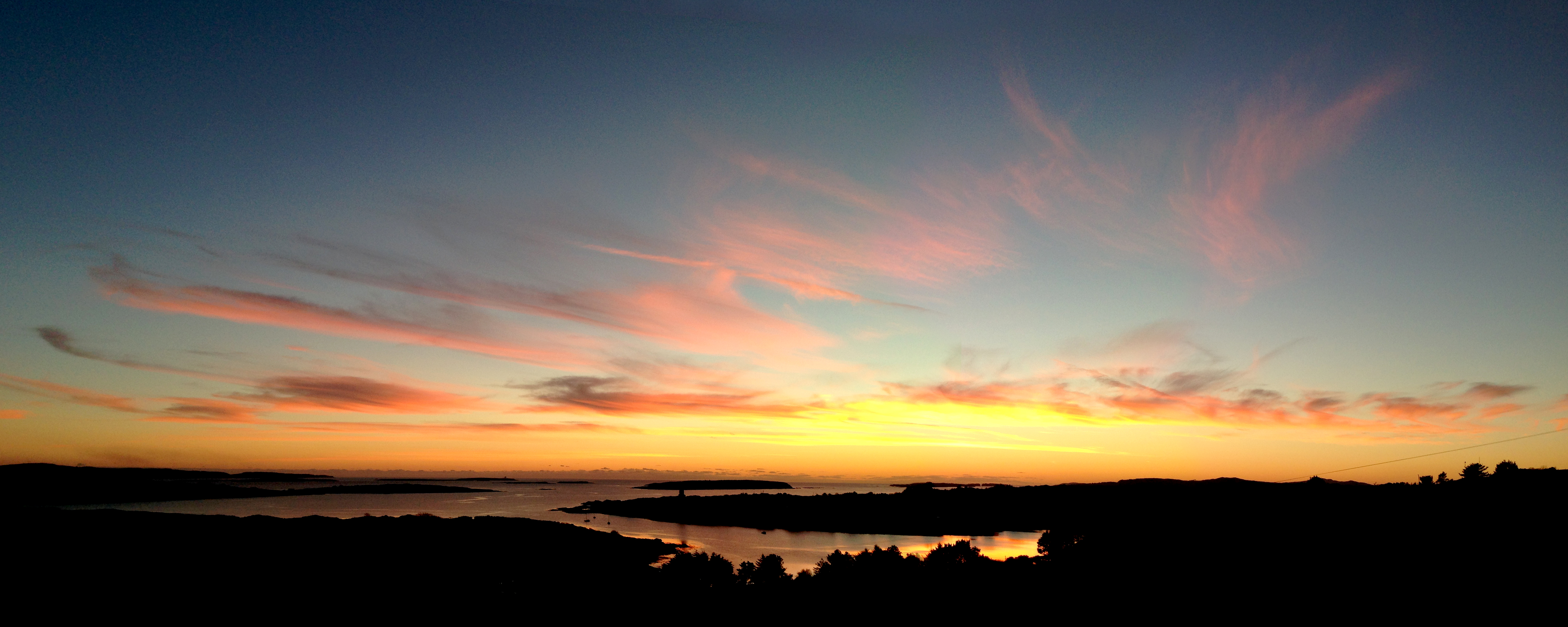
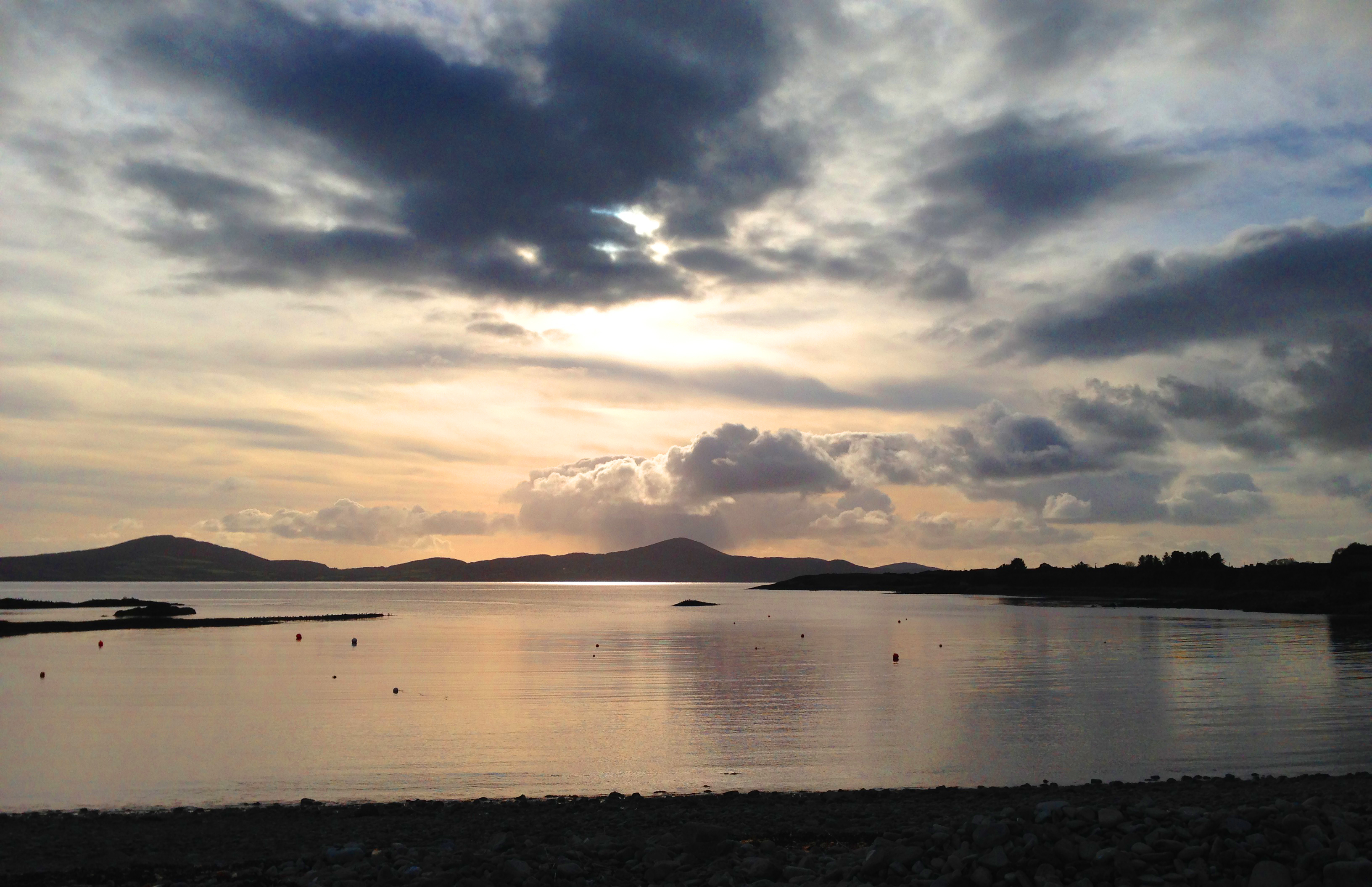
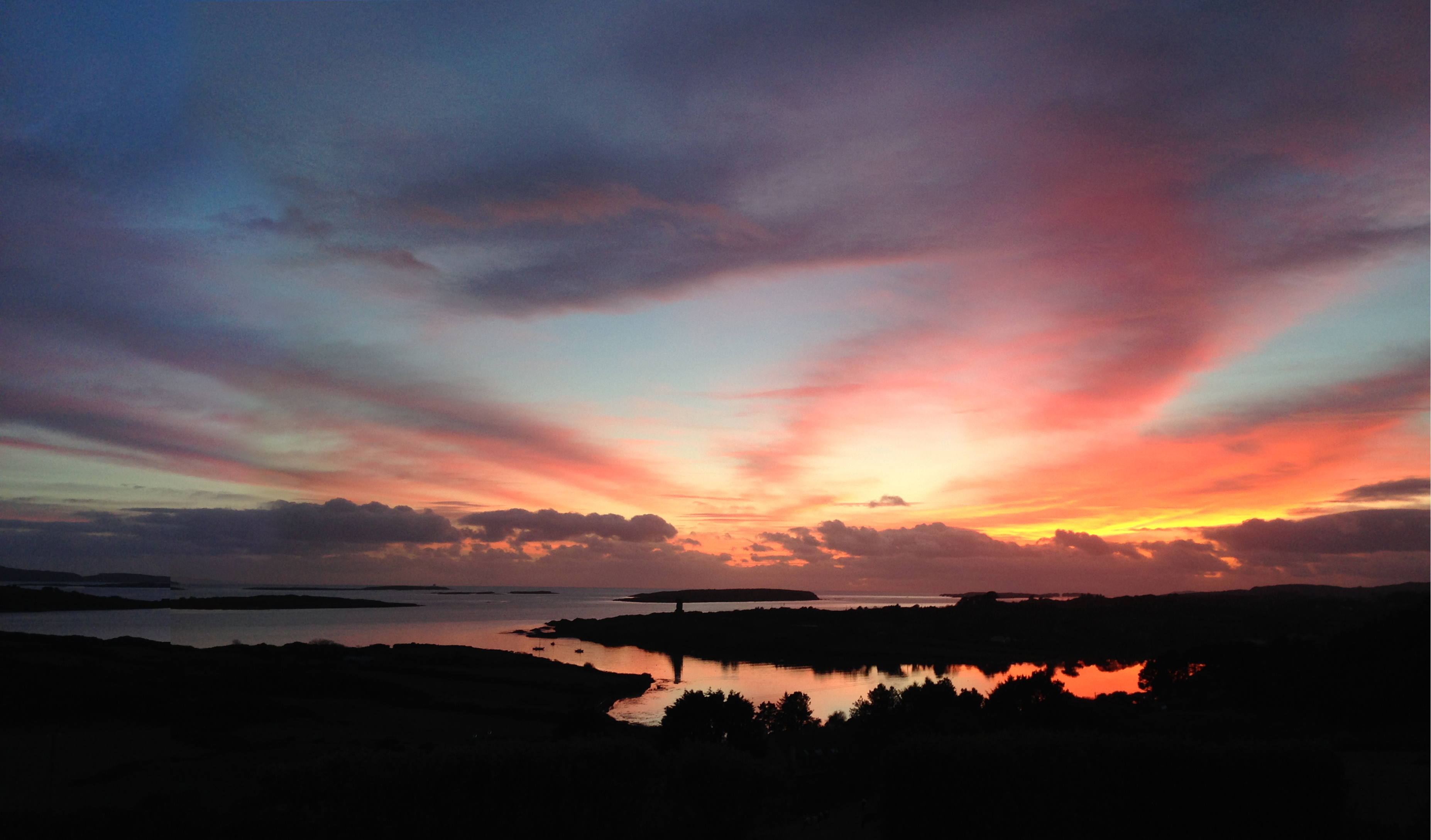
Up on our hill above the Cove we are constantly treated to painterly skies. We could fill a whole blog with these changing skyscapes, and now – in late November – we have an extended period of clear cold weather which offers us spectacular sunsets: each day seems to outdo the previous one. On our walks we can’t resist using our cameras to record the wide West Cork skies, although these pictures are barely adequate to recreate the full celestial symphony. We have tried to come up with words to express to ourselves how magnificent these are: somehow the words seem trivial…. Stunning crops up frequently, as do mesmerising, awe-inspiring, exquisite, sublime, unsurpassed. Perhaps it’s best just to let the images speak for themselves: we feel privileged to be living in this incomparable land.

Bay rainbow

Overture: Bay rainbow

Sheep's Head sky

Arietta: Sheep’s Head horizon

Bow over Bishops Luck

Intermezzo: Bow over Bishops Luck

Ballybane sunrise

Crescendo: Ballybane sunrise

Silver sky

A bocca chiusa: silver Mizen sky

Sky trail

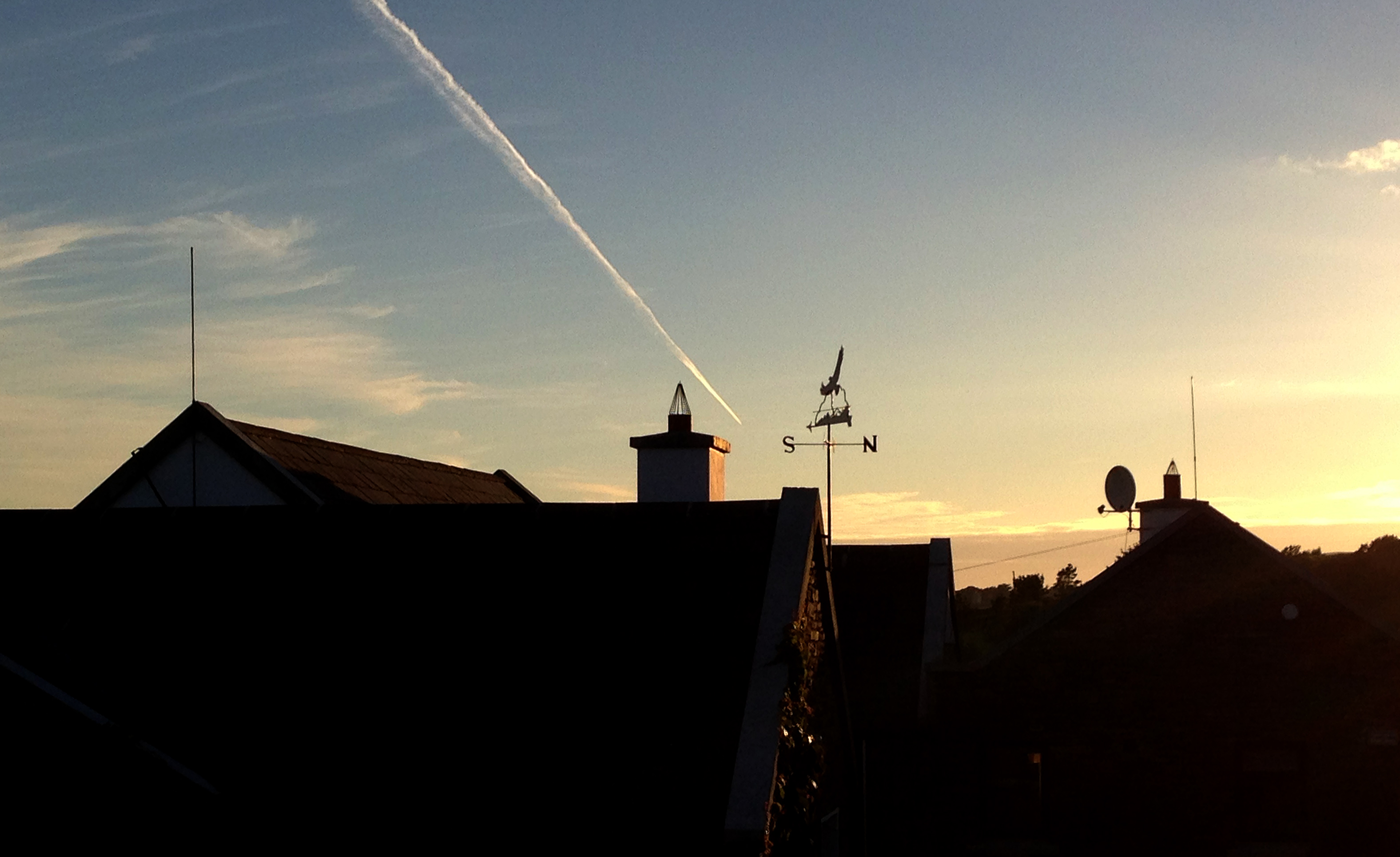
Segue: Meteoric dawn

Rossbrin, dusk

Tranquillo: dusk at Rossbrin

Two suns

Caballeta: two suns

Wide sky

Con fuoco: Roaring Water resplendent

Peninsula

Cadenza: transcendental times

Finale

Finale and Coda