Images

looking out

Images: we take them so much for granted, because it’s easy for us to go out with a camera or phone and capture a place, an event or our friends and family. I’m sure we have now all got hard disks, memory sticks or ‘clouds’ full of hundreds of pictures – perhaps far too many for us to appreciate individually.

sheep may safely graze

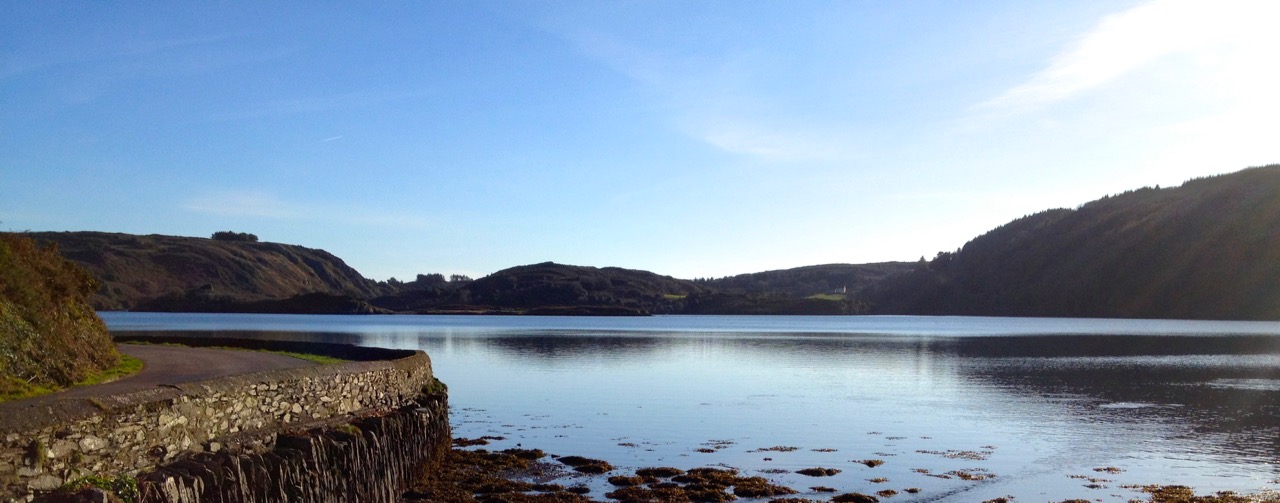
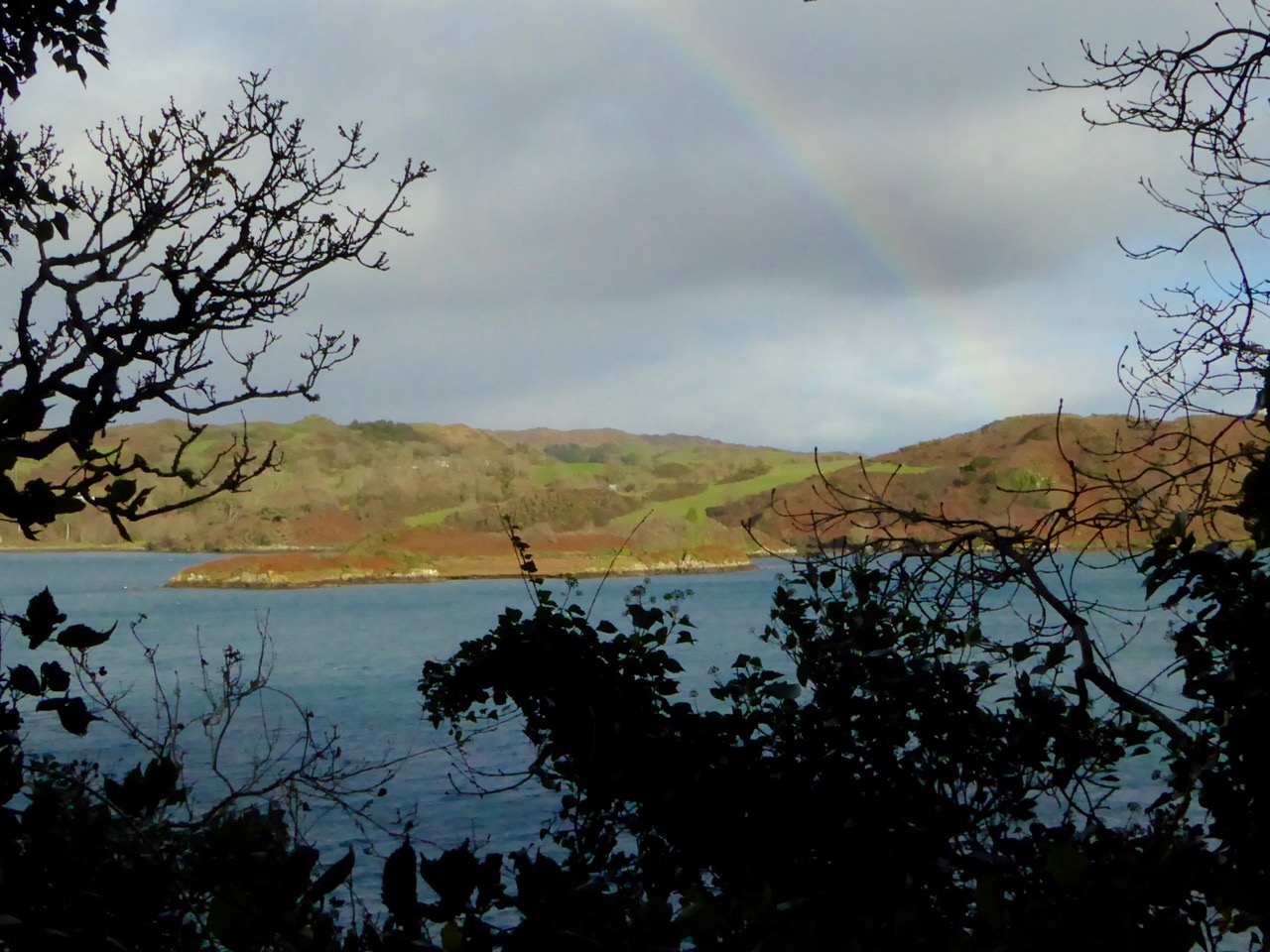
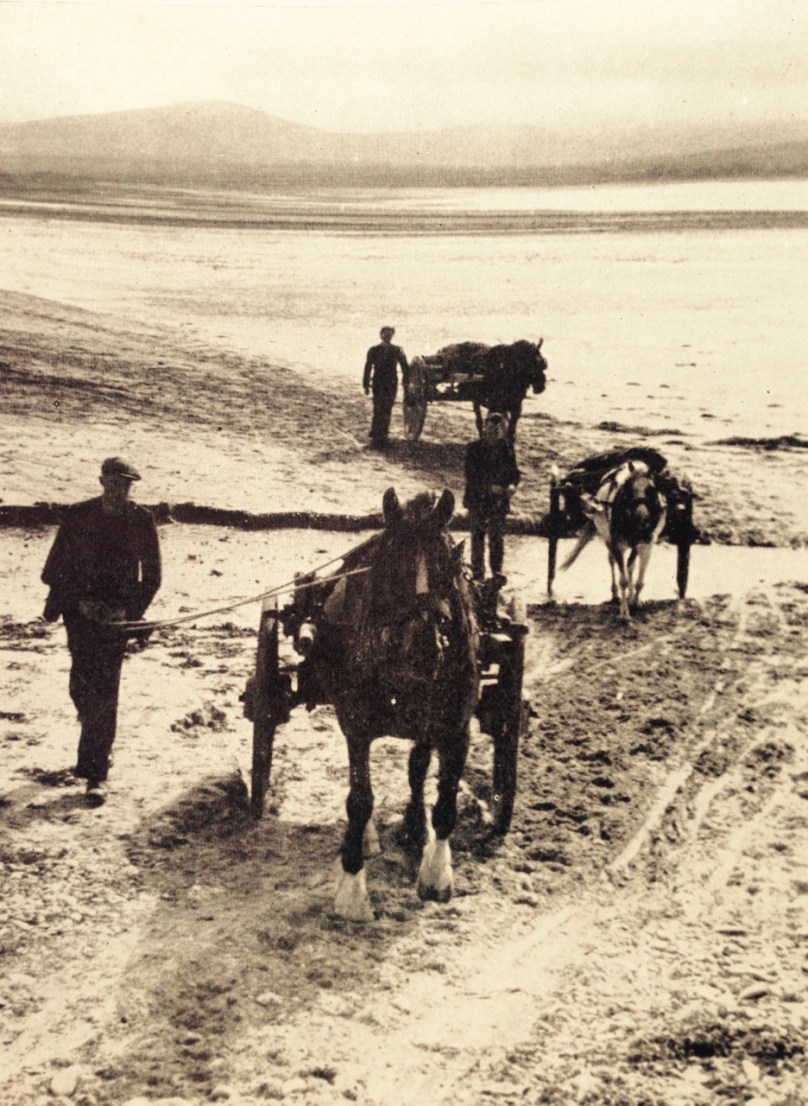
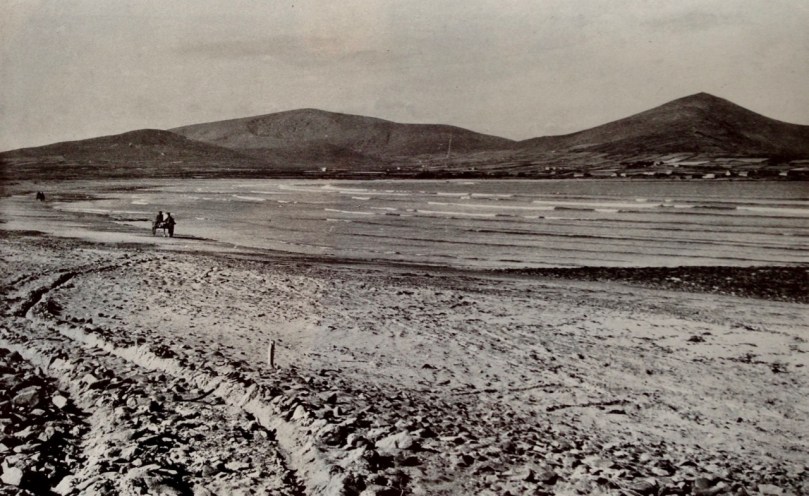
Here are some images of Ireland, both old and new. The old ones are taken from the collection of Tomás Ó Muircheartaigh, who documented life in rural Ireland between the 1930s and the 1950s – that’s between sixty and eighty-something years ago. I was fortunate enough to pick up a copy of his book of photographs when it first came out: now it’s ‘rare as hen’s teeth’*… The new ones are taken locally by my favourite contemporary photographer – Finola.

nuns walking

The thing about a photograph is that you know it is an actual moment, a fraction of time, which has been captured and held forever. A painting is not the same – it can be very beautiful and emotional, but it is always a fantasy: it’s the artist that has made it live in the way that she or he chooses. Ó Muircheartaigh’s photographs affect me emotionally: they depict places and, more importantly, people that were once real – living landscapes, personalities… There’s a lot of nostalgia surrounding them because they show us the world – Ireland – as we want to think of it: halcyon, idyllically happy, peaceful, carefree. All the photos in Ó Muircheartaigh’s book picture this blissful state: that’s because he saw rural Ireland in that light, or because he wanted his audience to view it that way. In his work we never see hardship, rural deprivation, illness or pain – and we are completely unaware that there could be a terrible world war raging just over the waters.

Goleen

P1010179

Precious moments: how special that through the expert wielding of a camera lens Tomás Ó Muircheartaigh could use a negative to create a positive world! We can still do that: Finola’s photographs capture, digitally (and beautifully), a different world – our own modern Ireland – but also record the essence and enduring appeal of this place which we are pleased to call home. It’s all about the focus…

4 men 3

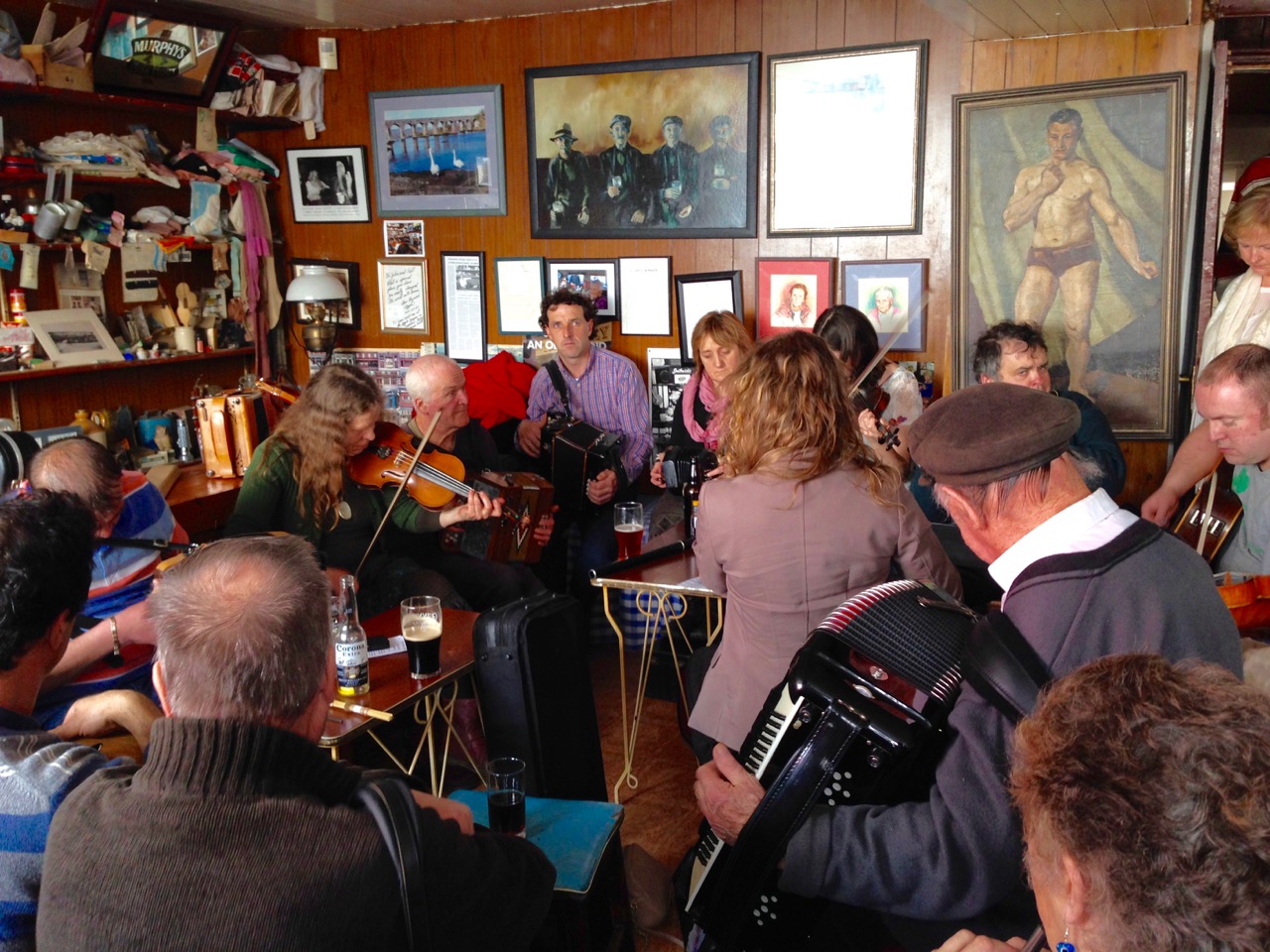
Not many of Tomás Ó Muircheartaigh’s photographs carry captions to indicate where they were taken. We know his travels encompassed the west coast, particularly the Aran Islands, Kerry, Galway and Mayo. We don’t know exactly where these three views are from (anyone who does, please comment) but it’s interesting that the wonderful portrait of four drinkers, above, has been turned into a painting now hanging on the walls of Levis’ Corner Bar – one of our local hostelries – in Ballydehob! Finola’s photos are all taken on our own Mizen Peninsula

Session, Levis's of Ballydehob

*Birds did once have teeth – up until about 80 million years ago. Occasionally today, but very rarely, a ‘throwback’ bird is hatched with teeth!

Illustrating the Tower House: A Guest Blog (sort of)

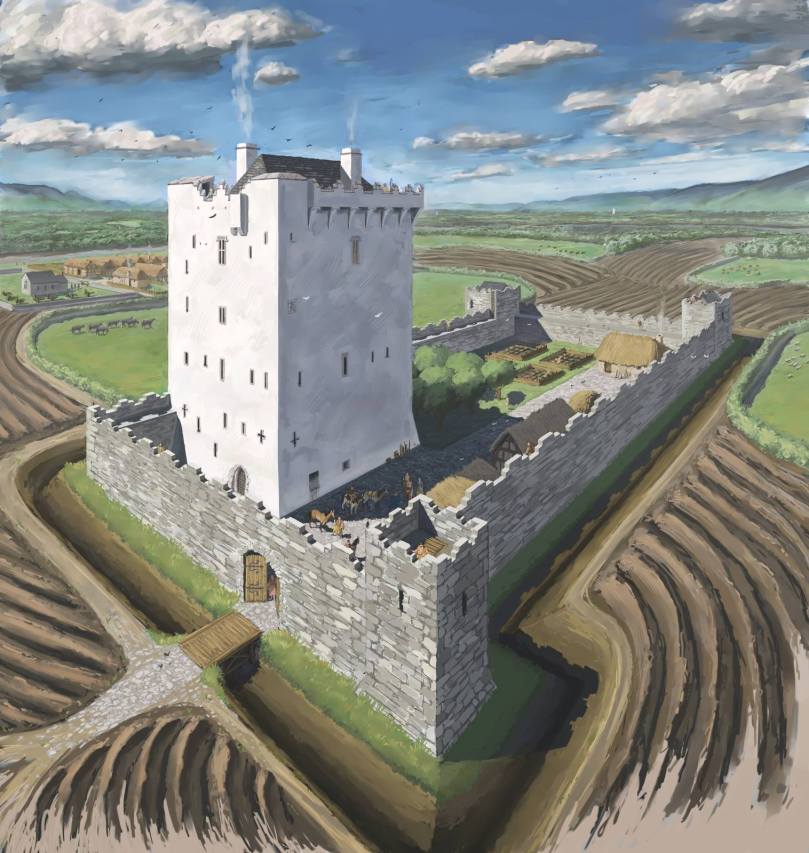
Tower House Full View

There’s this brilliant young man, JG O’Donoghue, who combines the best qualities of researcher and sketch artist to produce outstanding illustrations, especially of heritage subjects. I’ve been a fan of his on Facebook for a while, but recently I saw the full extent of his talent.

Path to a Castle

Kilcrea Castle, Co Cork

You see, he’s done this job on tower houses. I’ve been studying tower houses for a while, especially the tower houses of West Cork (see my posts here and here and here) and recently I gave a talk about them in Ballydehob. So I recognise accuracy when I see it, as well as a meticulous attempt to be true to both published accounts and his own close observations. He has generously allowed me to use his drawings in this blog post, as well as his own words, slightly edited to fit the length of a blog post. So this is not my post, really – it’s his, as you’ll see if you head on over to his own blog, or follow him on Facebook. Since much (but not all) of what follows is based on Kilcrea Castle, Near Ovens in County Cork, I have included some of my own photographs of that site, to give you a sense of what it looks like on the ground.

Above the main entry

JG Writes:

The Tower House

Tower houses are a type of late medieval Irish castle, believed to have originated around 1300, or sometime within the 14th century, but most are probably from the 15th to the 17th centuries. By the 17th century, this would have made Ireland the most heavily castellated part of the British Isles. The tower house signifies changes in Ireland: on one hand it shows a resurgence in Gaelic power in the west after years of decline following the coming of the Normans in the 12th century. On the flip side it is a sign of the collapse of centralised power in the form of the English monarchy and a rise in decentralisation.
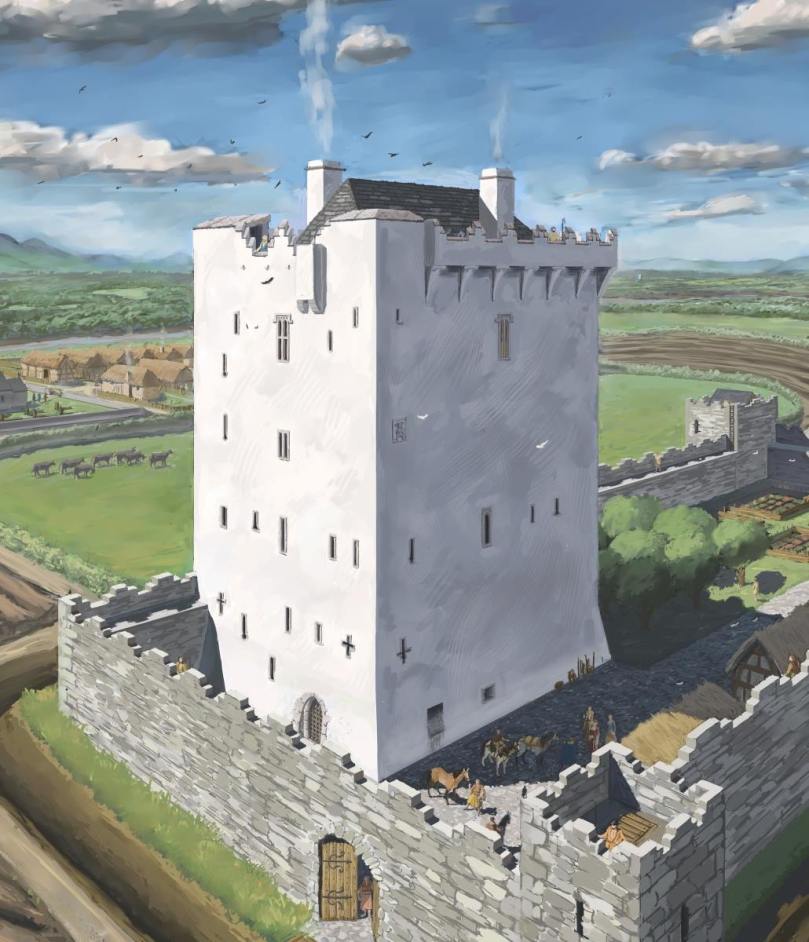
Tower House Closer View

One tower house in five has a bawn wall in Ireland. The bawn is the external wall you see attached to the castle shown here. The actual design of the tower house itself though is nearly entirely based on Kilcrea tower house, in Cork, my favourite tower house and one which I have visited a few times and read extensively on. The only changes to the overall design of Kilcrea was the inclusion of a second chimney for the kitchen room inside, and the machicolation. I added these elements so the castle would be more representative of tower houses as a whole. Also the crenellation (the regular gaps in the walls at the roof & bawn, which provided cover for archers) in the castle are a style specific to late medieval Ireland. The bawn crenellations are based off Blarney Castle.
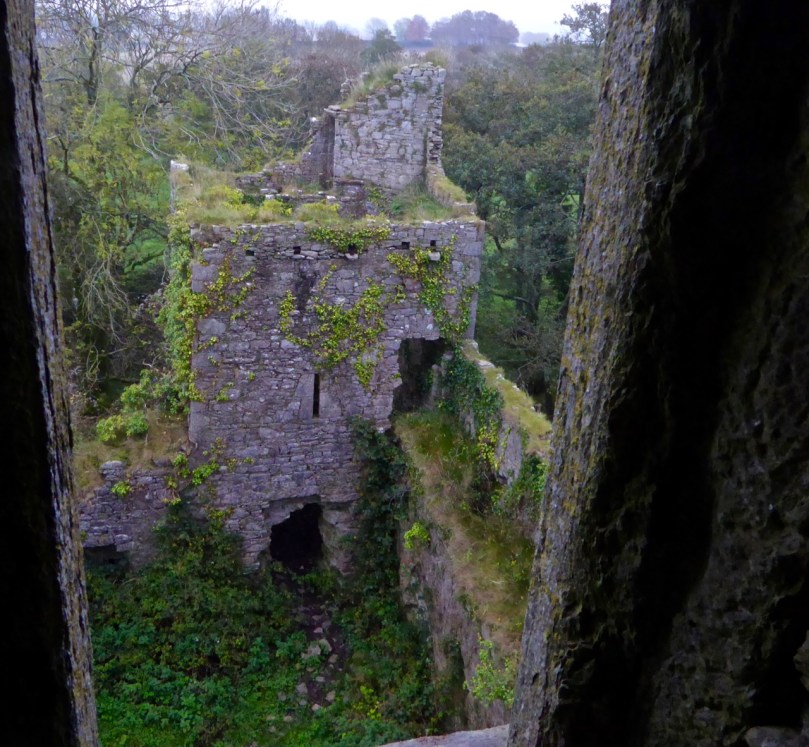
Bawn Corner Tower

The bawn walls and corner tower

Notice as well how white the tower house is? This is probably how most tower houses would have looked, as they were coated with a substance called harling, a mixture of limewash and crushed pebbles. Because of this, commentators at the time often mention the white gleaming castles of the Irish, as you can imagine these would have been visible for miles around and been quite a symbol of power and prestige. You may also see the little figure on the dark side wall of the tower house: this is a sheela-na-gig, a type of sculpture common in Ireland at the time, this one is based off the one in Ballynacarriga Castle.

Ballynacarriga Sheelanagig

This is the sheela-na-gig from Ballynacarriga

Tower houses are believed to have been surrounded by mixed farming, some cereal with animal husbandry too as shown in the illustration. Often they are found associated with churches and friaries, some were even built attached to churches, and some probably weren’t too far from some sort of clustered settlement. Note as well the dry moat. Not all tower houses had moats, but some did, like Kilcrea, so I included it here.
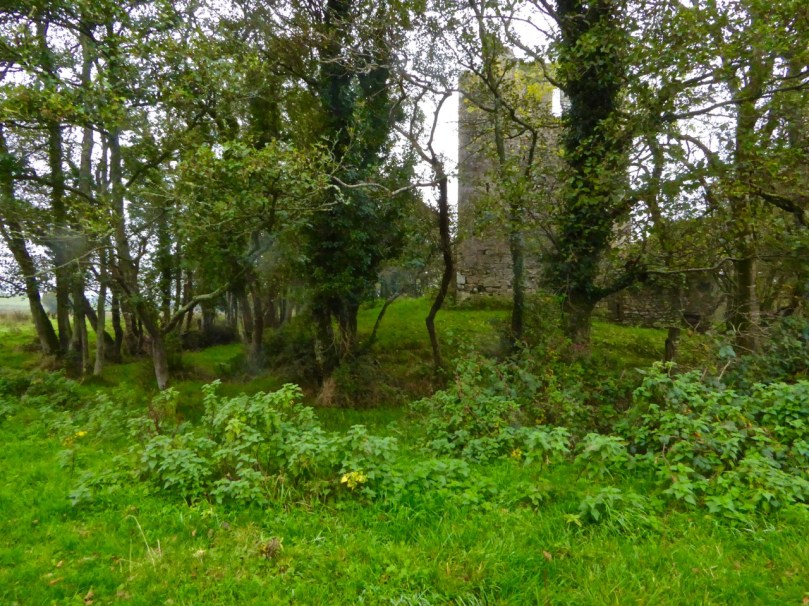
Moat at Kilcrea

Notice also the slight batter (where the wall comes outwards at the bottom to defend against a battering ram), also in the bawn towers, which is based on Kilcrea & Barryscourt.  As you can see though, the real bling in the tower house is the top of it, this is where most showing off happened with turrets, crenellations, chimneys, gabled/pitched roofs and machicolations, as shown here. Another place they showed off was the ashlar (fine finished masonry) windows. The top floor in Kilcrea was believed to be the hall, with the floor directly below the lord’s chambers. Hence they have the nicest windows, especially the hall floor, which had 4 large windows as shown.

Great Hall Window

One of the windows on the top floor

Also notice the variety of windows: some were narrow slits just for archers to fire from inside, others have the addition of a cross slit, which could be used by crossbows too and then there were others with either triangular or circular holes, these were for later fire arms. Some windows even had all three as shown here in the 1st floor window in the dark side of the tower house, the one closest to the light. All these windows, except for the decorative ones on the top floors, would have been splayed inwards allowing maximum cover for archers.

Inside the Tower House 
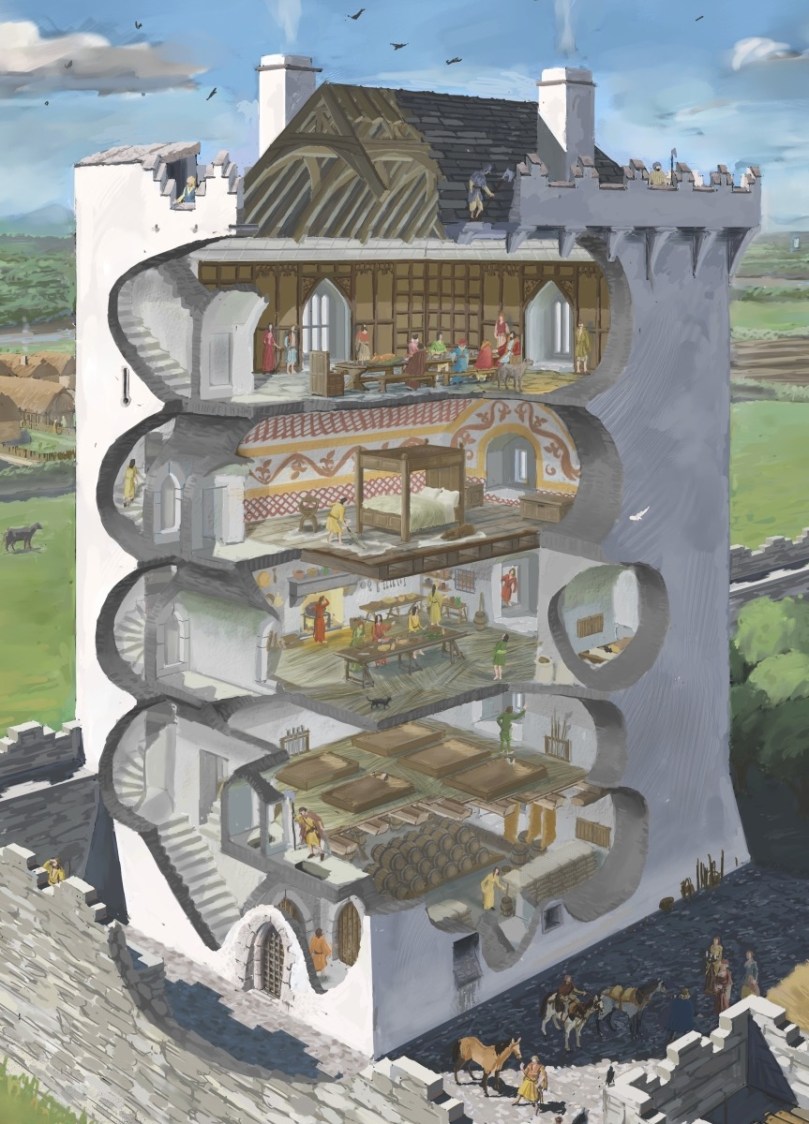
TowerInterio65-Internal

Ground Floor – here is a cellar, as in Stanihurst’s “house and castle” account of Mallow castle, 1584, “lower rooms whereof ar sellors vaulted over”. Here various food and drink would have been kept, perhaps not just for the castle itself but for the wider community, acting as a safe house for everyone’s goods in case of raids. The floor surface here is very basic and is just beaten earth.

Lower floors

1st Floor – I have made into a sleeping quarters. There is mention in the historical recorded accounts of tower houses that they were used for sleeping and that there were beds without curtains, and you could sometimes fit three people into them. So here I have shown some rudimentary beds, not just for guests, but also for the guards and servants. The 2nd & 1st floors are also covered with reeds, this would have often been what medieval floors were covered with according to medieval accounts, which then on occasion would have been swept out and replaced. This room also doubles up as a guardsroom, as this floor was probably the last line of defence before the attackers get into the rest of the castle, so I’d imagine weapons would have been kept here for ease of access.
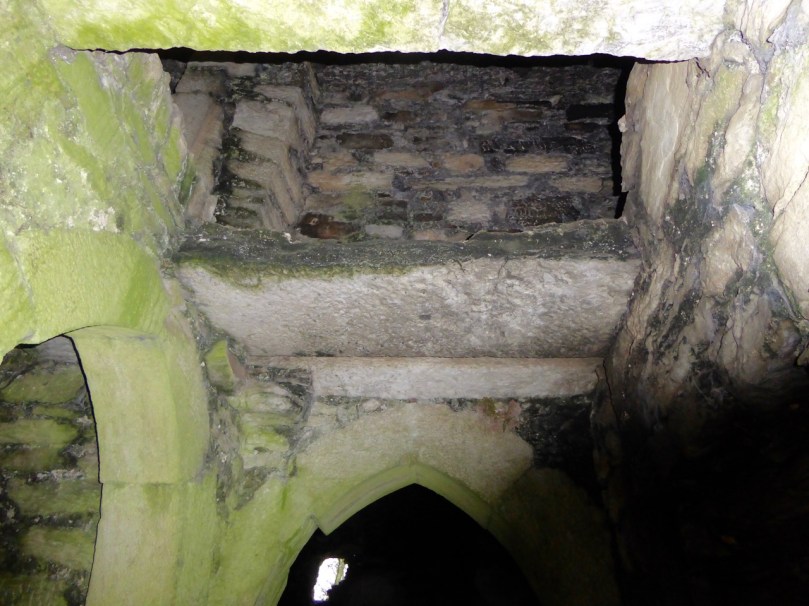
Kilcrea murder hole

Entrance lobby with murder hole above it

Murder Hole Room & Lobby – you will notice small rooms off both ground and 1st floors. In the ground floor this was the lobby, where for defence purposes, once you were past the main front door, you were greeted by two other strong doors, one to the rest of the tower house, another to the ground floor. Above this was the murder hole room, essentially a room with a hole in it, the reason for the dramatic name is that while you were trapped in the lobby between the two strong doors, you would be fired upon from above by muskets (apparently unlike what movies would have us believe, hot oil was rarely used). But in the day to day, these were probably used as a kind of door eye hole.
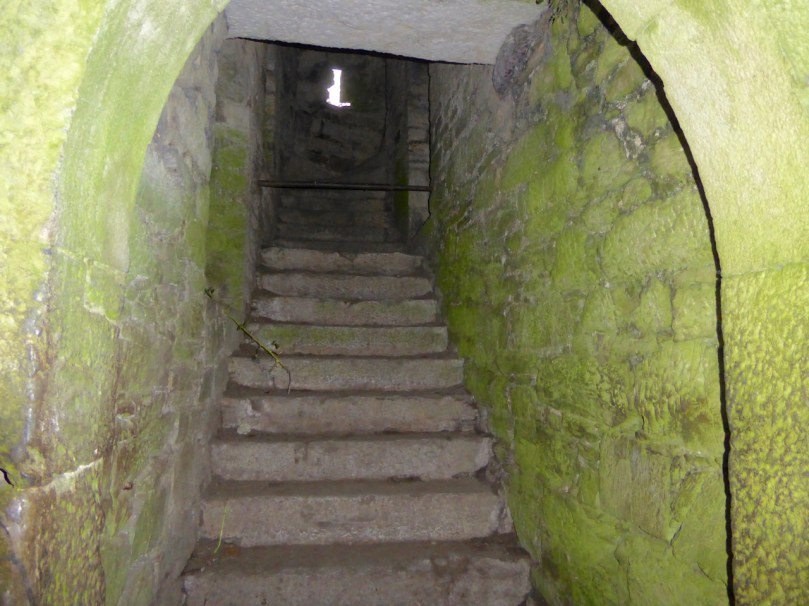
Mural stairs from Ground Floor

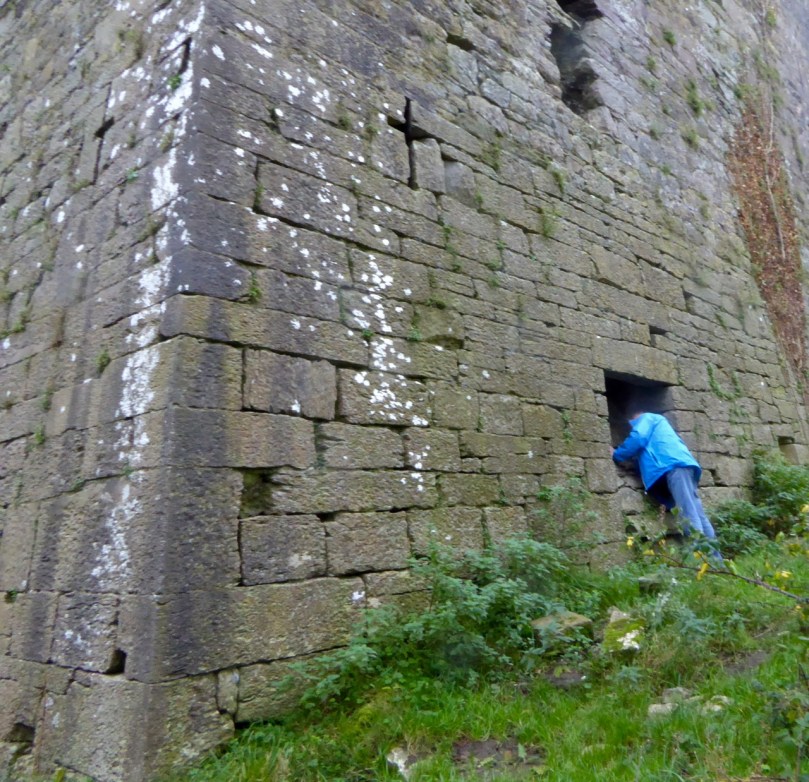
The mural stairs leading up from the main entrance. The bar across is said to be there to prevent a re-occurence of the time a cow wandered up to the second floor

Stairs – in a tower house usually started as a mural stairs to the left of the lobby entrance, these were then carried on by spiral staircases from the first floor up to the 4th floor, which then had another set of straight stairs leading to a small spiral stairs to the wall walk area. This was probably defensive in nature, so it was harder for the attackers to take the spiral stairs and wall walk. This last set of stairs was usually hidden within one of the window embrasures at the top floor, this was a common feature in southern Ireland.
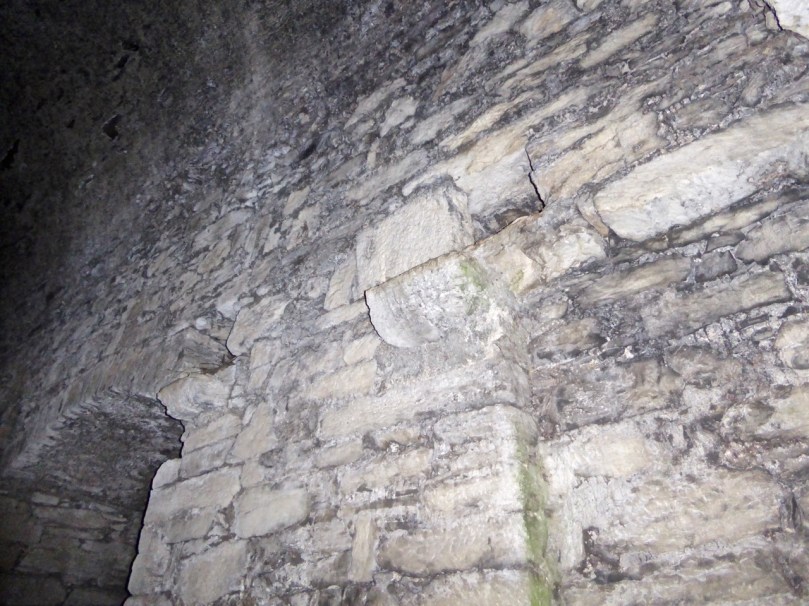
First floor window and corbels to support second floor

The ground floor with window embrasure to the left. Above it you can see the corbels which would have supported the first floor

2nd Floor – shows a kitchen with some sleeping quarters off in the mural chambers around the main room, these were L shaped rooms and could be accessed via the window embrasures of the main room. You can see one person leaning out of one such a door, having a word, while another person is sleeping inside another L shaped room.

Access to Mural Chamber, 2nd floor

Entrance to one of the mural chambers

Kilcrea’s main room was probably more sleeping quarters, but in some other tower houses which had fireplaces at this level there is speculation that these were the kitchens. Most kitchens would probably have been external though.

Upper floors

3rd Floor – Here I created the lord’s room: situated between two floors with fireplaces, this would have been quite a warm room. It shows a typical late medieval bed, chests used for storage and a Savonarola chair, or X chair, in front of the bed, these were quite common throughout Europe at the time, made in Italy. The third floor has its floor boards shown rather than covered, with the occasional fur. Also note the paintings on the wall. There is mention in some written sources that the Irish decorated their walls with branches: I found a piece of metalwork from late medieval Ireland with this very design, the Clogán Óir Bronze Bell shrine of St. Senan, which was early medieval with later alterations in the late middle ages. One side had a pair of dragons with floriated tails and above, branch and leaf ornament along the top, so I used that here, while the knot-work is based off other metalwork at the time.

4th Floor – This was the dining room. In the earlier periods there was always a large external hall to the tower house, made of non stone material, but as time moved on more and more of the the hall activities were taking place within the tower house. This dining room floor in Kilcrea had lovely large windows, not all of them surviving, some with double lights with ogee heads, as shown. I added a transomed triple ogee headed light as shown in the window on the left, which is typical of a late medieval tower house. These windows must have created quite a bright room. Rooms of this stature were probably decorated with ornate wood panelling as shown. No such panelling survives in Ireland, so these are inspired by ones in Britain. Generally tables at the time were long with benches and only really the lord would have had a separate chair. People ate with their hands, there were no forks yet in Europe and everyone had a personal knife with which to cut their food.
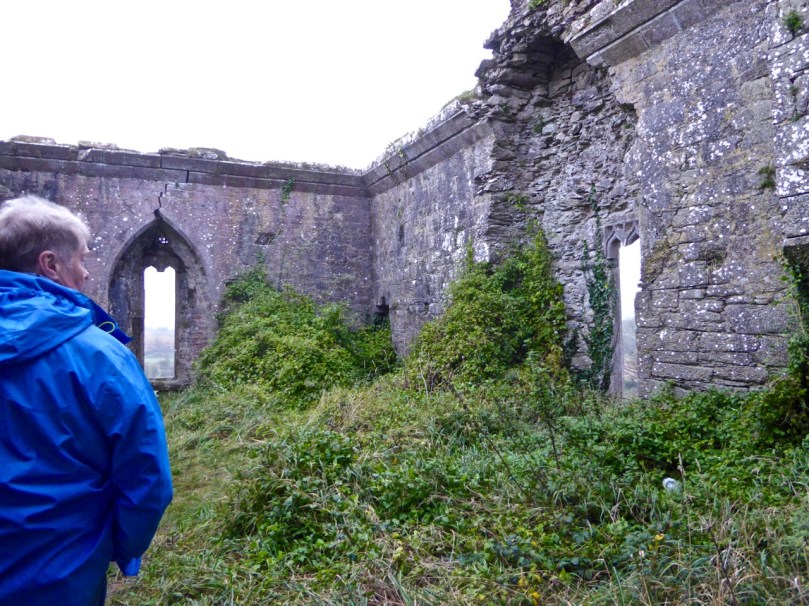
Kilcrea Great Hall

Roof – the 4th floor in Kilcrea had very thin walls, in comparison to the rest of the tower house, most likely to give it more space and air. The roof wasn’t gabled but hipped, resting on cornices as shown above the wood panelling. The roofs were often covered with tiles but many were probably thatched too. On the wall walk level, in the front, you can see there were holes at the bottom of the parapets. In Kilcrea some of the wall walk flagstones had chutes carved into them to drain away the rain. The other side (the shadow side) shows wall walk machicolations, which were extended floors with holes in the ground: these are based on Blarney Castle with its pointed corbels. Chimneys were also on the wall walk level and were to become display features in their own right, rising to great heights to carry smoke away but also to show everyone around how well the castle was heated (in later periods castellated houses had lots of chimneys as an extra form of bling).
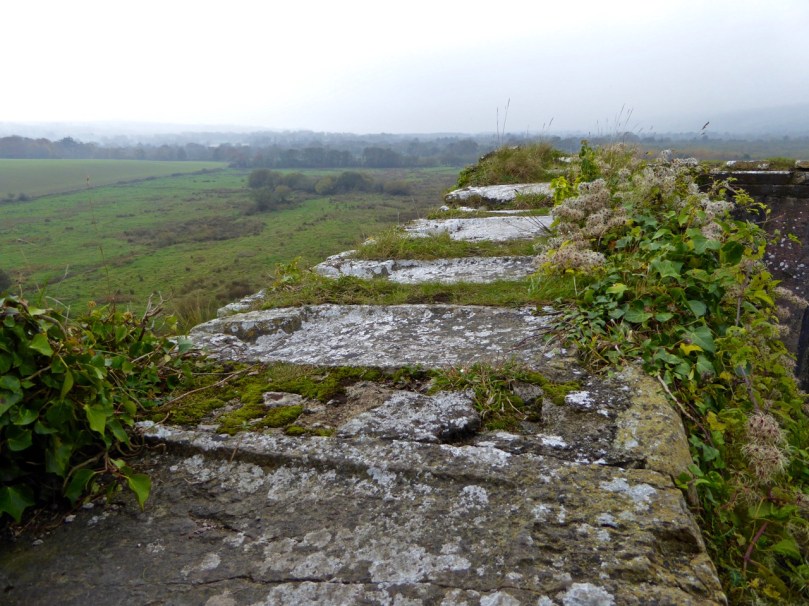
Wall walk

The Wall Walk, with flagstone chutes designed to carry off the rain

Garderobes

Usually tower houses had 2 garderobes, as did Kilcrea, one for public and another for private use. In the case of Kilcrea both were probably public, but the upper one accessed from the dining hall had 3 holes in it, so probably had wooden seats with three holes for 3 people to use at the same time.
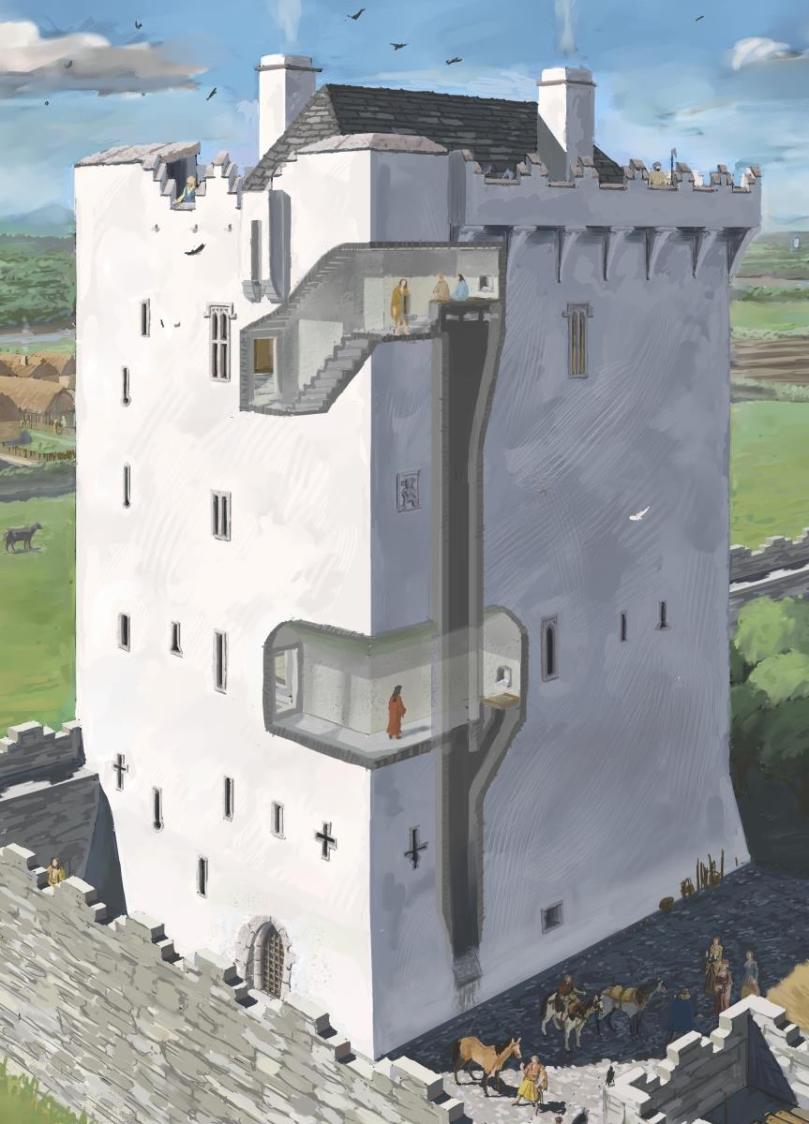
Tower House Garderobes

This upper garderobe chamber also had a window with a slop stone, which were small drainage basins underneath windows, which were essentially urinals (often found on stairs). The garderobe on the 2nd floor, is one of the 3 L shaped chambers off the main room. Garderobes were normally at the ends of passages in both Anglo-Norman castles and tower houses, to give more distance between the rest of the house and the toilets.
Inspector of Drains

Inspector of Drains

Thank you, JG – for your talent in representing medieval life and for your generosity in allowing me to feature your incredible drawings! Go raibh míle maith agat!

The Holy Wells of Cork

Kealkill Holy Well

There’s a new blog on the scene – and it’s just the sort of thing to appeal to Roaringwater Journal readers. Holy Wells of Cork is the brainchild of Amanda Clarke. We’ve written about Amanda before – she often comes along on our adventures and she and Peter are the team behind the book Walking the Sheep’s Head Way and the website Sheep’s Head Places.

Amanda on a holy well trip

Amanda’s always been fascinated by holy wells. We’ve gone to see quite a few over the last couple of years – often a case of hunting down an obscure reference or a dot on a map. She decided that the perfect day to launch her blog was, of course, St Brigid’s Day, February 1st, and that, in order to do it properly, she should visit a St Brigid’s well on that exact day. I tagged along as the recorder.

The holy well is up there?

It’s up there? And I have to go up on my knees?

St Brigid’s well, Tobar Breedy, is on private land on the side of Lough Hyne, south of Skibbereen, and Amanda had sought and been granted kind permission by the landowner to visit the site. You can read her account here – it’s all in her signature chatty style that manages to make you feel as if you’re on the adventure as well. 

Amanda at Tobar Breedy

As a bonus, there’s a tiny ruined medieval church, also dedicated to Brigid (Templebreedy).

Temple Breedy

However, all is not well in the land of holy wells. A recent post is about four holy wells that were once the focus of veneration in Cork City. Read how they have weathered the passage of time, and be glad that she is recording them before some of them disappear from public consciousness altogether.

The first time I went to this secluded holy well in Castle Haven I was afraid to venture over the crumbling bridge. But when we returned, the bridge had been replaced. Local people are often proud of their holy wells and keep them up

Amanda will be posting regularly so go on over and sign up so you will get the updates as soon as they are on the blog. There’s lots of background information as well.

Finding Tobar Abán

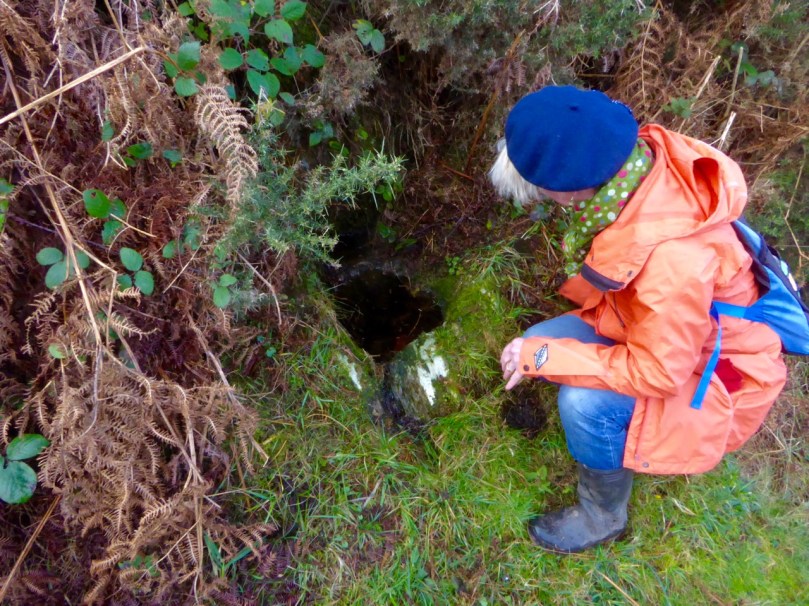
Believe it or not there’s a tiny well under all that decaying foliage

We’ve featured holy wells ourselves from time to time. One of our favourites was this time last year, just outside Ballyvourney, where we found the well of St Abán , who may have been St Gobnait’s brother.

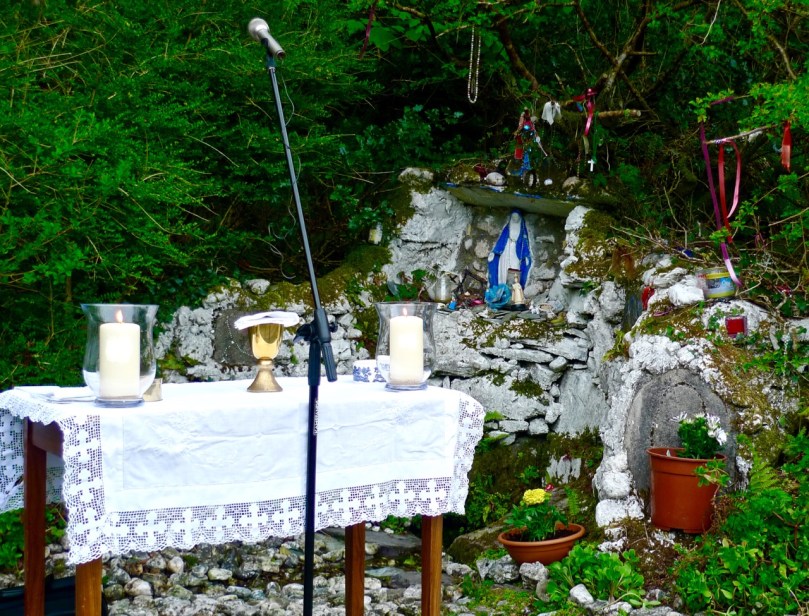
altar at the well

Robert wrote about the other holy wells near Lough Hyne, one a Lady’s Well and one dedicated to curing eyesight. Last year, he attended the mass which is still said here every May.

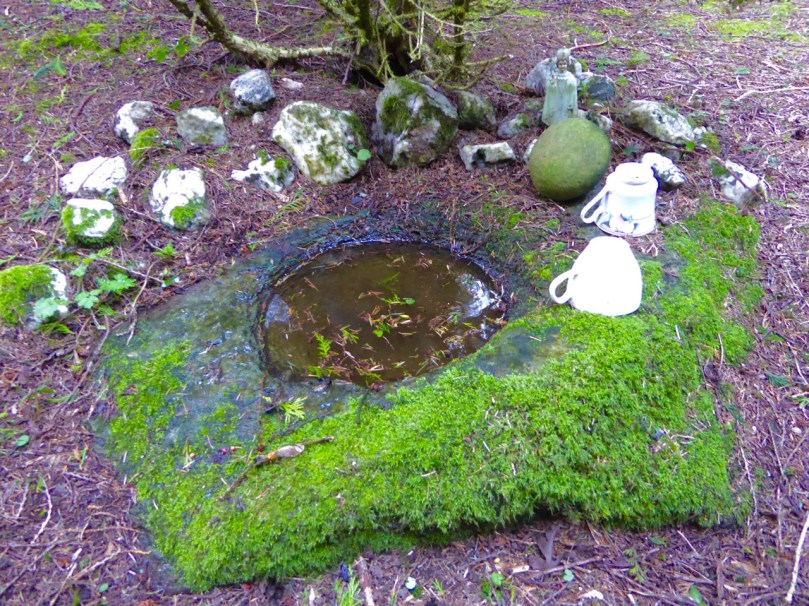
Tiny holy well in the woods

This little well is in the middle of a small wood, with evidence it is still in use. Note the white quartz stones around it – white quartz is often found at prehistoric sites too

No doubt Amanda will record all of this properly in time. I’m looking forward to her future posts and to going along on the field trips!

Offerings at a holy well

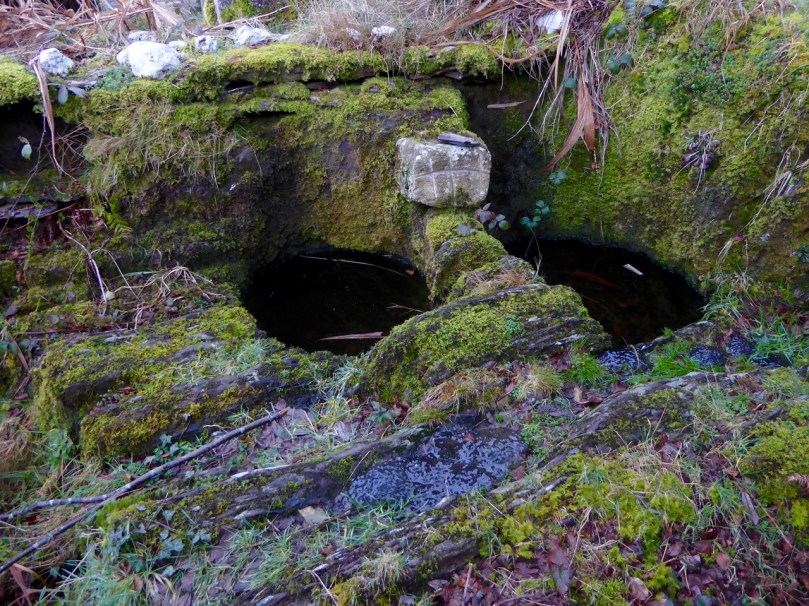
I love the offerings that you see at Holy wells. Sometimes you get extras too. In the case below, St Lachtan’s Well, it’s frogspawn. Holy frogspawn, of course.

St Lachtan's holy well

Showing the Way

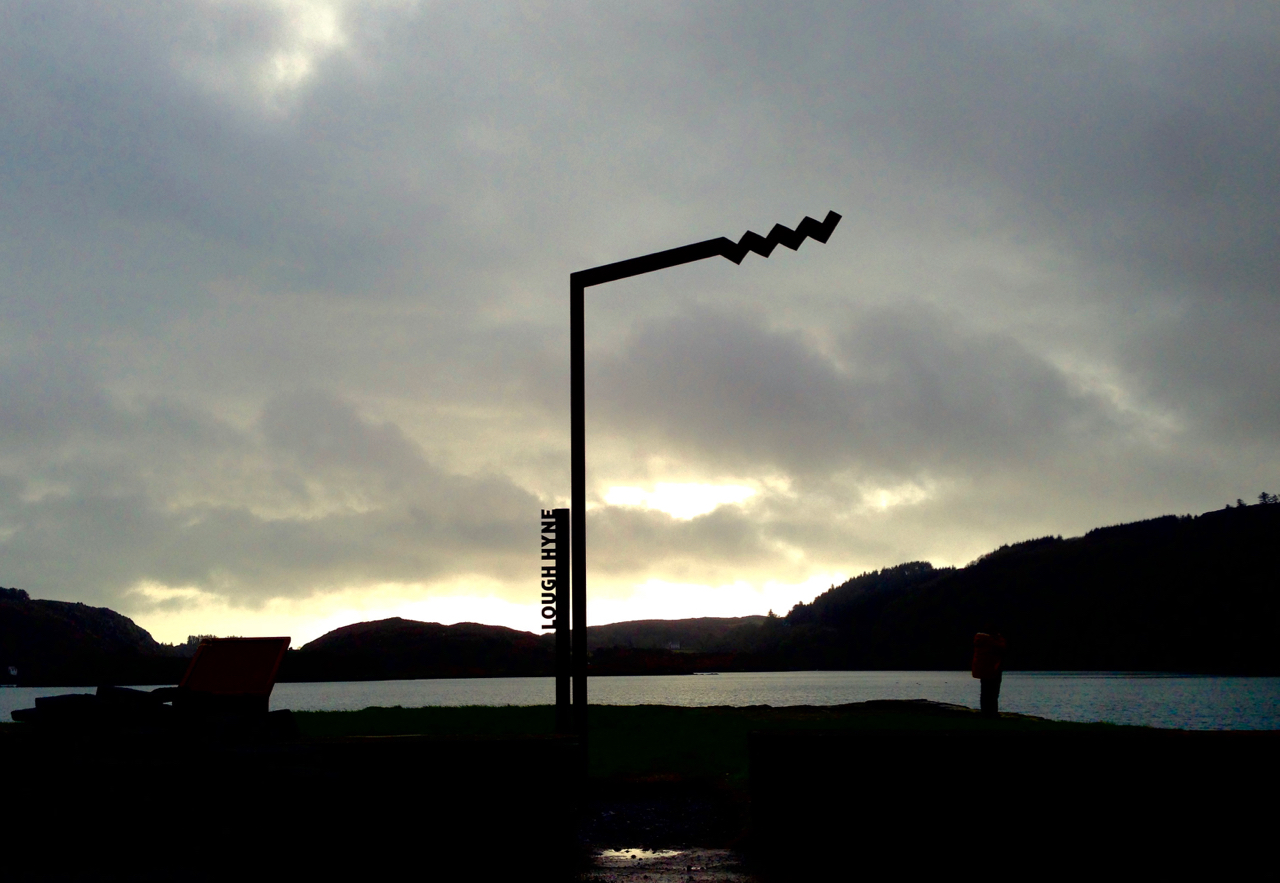
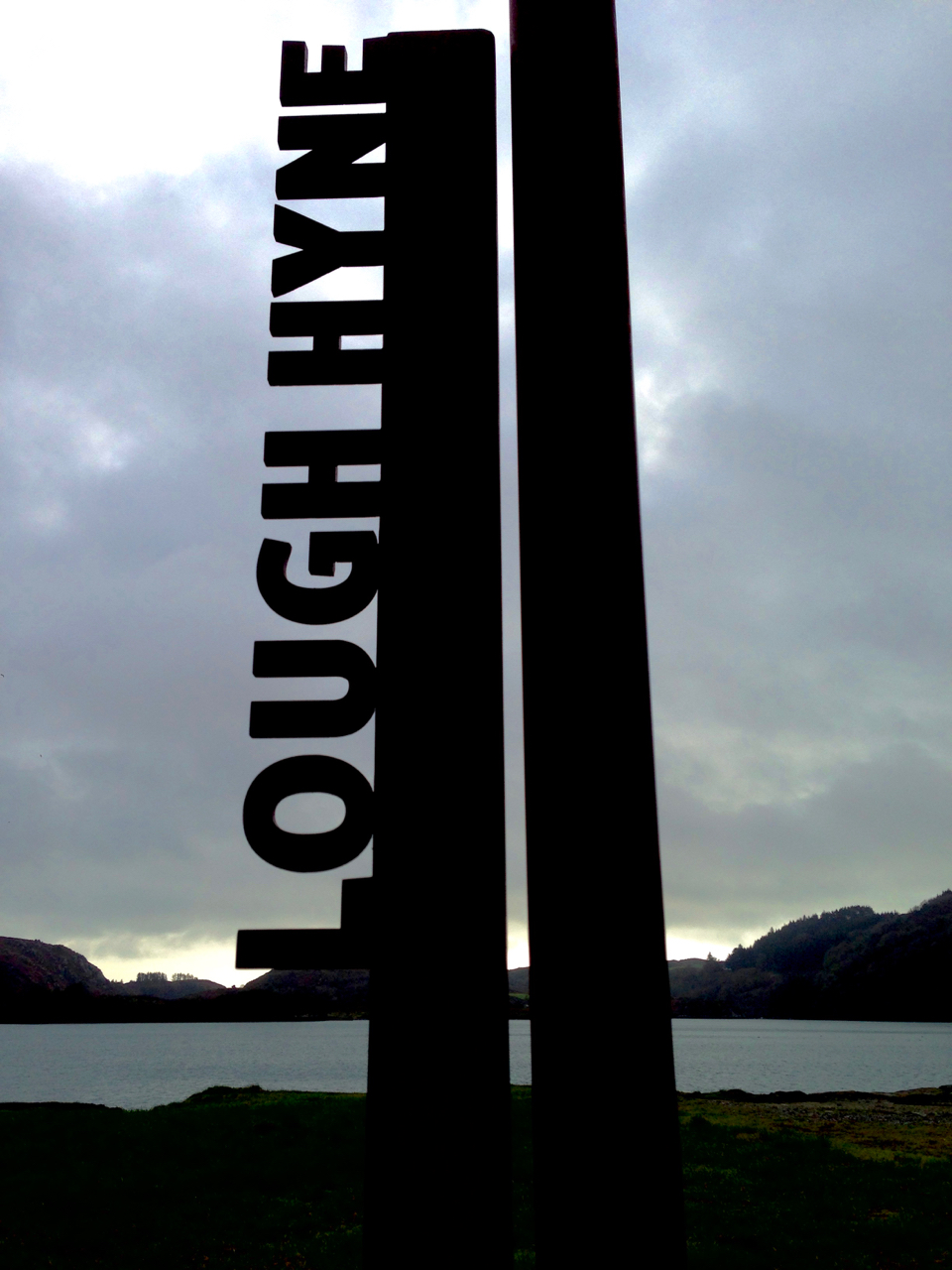
Loiugh Hyne signage

I’ve always been impressed with Ireland’s boldness when it comes to modern design – whether it be buildings, townscape or – today’s subject – signage. That’s probably because my working life was spent designing architecture mainly in England where the brief, too often, seemed to be to produce something that would look as if it had been around for a hundred years… I could never bring myself to turn out pastiche and, consequently, suffered many frustrations with clients and planning committees.

We have just been to see one of the new signs marking ‘Signature Points’ on the Wild Atlantic Way: it’s at Lough Hyne, a marine nature reserve just outside Skibbereen which we have mentioned many times before in our posts. The Lough was a freshwater lake until rising sea levels flooded it with salt water – probably during the time when the Bronze Age inhabitants were carving their rock art in the area. The lake is now fed by tidal currents that rush in from the Atlantic through Barloge Creek. It’s one of the places that we take our visitors to: it has a quiet, rugged beauty – and a fair share of holy wells in its vicinity.

Lough Hyne panorama

Island on Lough Hyne

The new sign is everything I would want from a 21st century waymarker: it’s simple but distinctive – completely of its time; well made from a long-lasting modern material – corten steel (mentioned in a previous post). It could still be around for archaeologists of the future to discover a few thousand years from now as the surface will use the natural rusting process to create a permanently stable and very attractive patina. It’s a contemporary monument and – like the landscape around it – rugged.

The design incorporates the Wild Atlantic Way logo – very simply but subtly using a W, an A and a W. I commend Fáilte Ireland and their consultants in this project, Red&Grey Design. It’s worth looking at their website for a detailed description of the identity proposals and the way it all works.

I believe the new signs have received some bad press, with complaints that they are ugly and detract from the natural environments that they advertise. Generally, however they are being placed where there are already car parks, cars, railings, seats, litter bins etc: human activity. I don’t see any problem in adding distinctive and practical pieces of sculpture in such settings – a grand Irish initiative!

Hyne sign


Gather Your Seaweed

collecting sand

Today is Oiche Fhéile Bhríde – St Brigid’s Eve. The Saint’s festival – tomorrow – marks the beginning of Spring: we will feel the lengthening of the days, and we have to be alert for so many portents.

Firstly – Hedgehogs. Watch out for your Hedgehogs: to see one is a good weather sign, for on Brigid’s Eve the Hedgehog comes out of the hole in which he has spent the winter, eyes up the weather and, if he likes the look of it, starts his foraging. If he goes straight back in again, then you’ll know that the storms will continue! This is according to Kevin Danaher, a frequent contributor on our seasonal folklore. The wind direction on the eve of the festival ‘…betokens the prevailing wind during the coming year; the festival day should show signs of improving weather, although an exceptionally fine day is regarded as an omen of poor weather to come…’

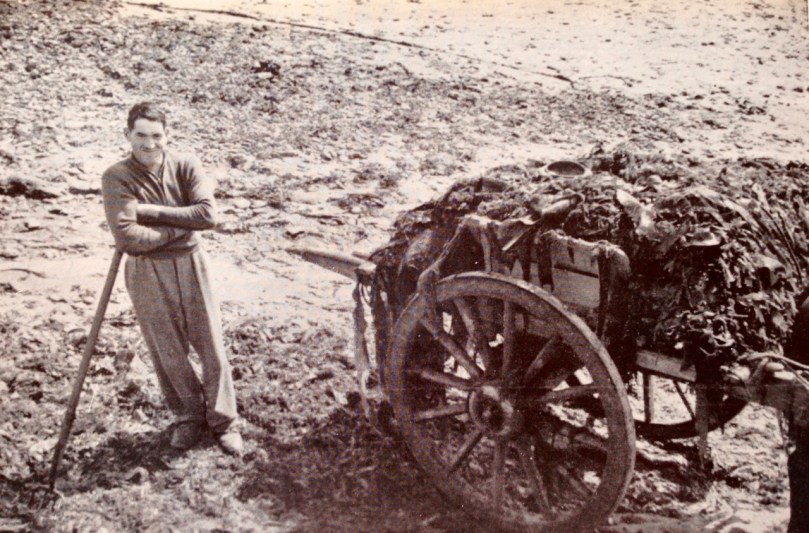
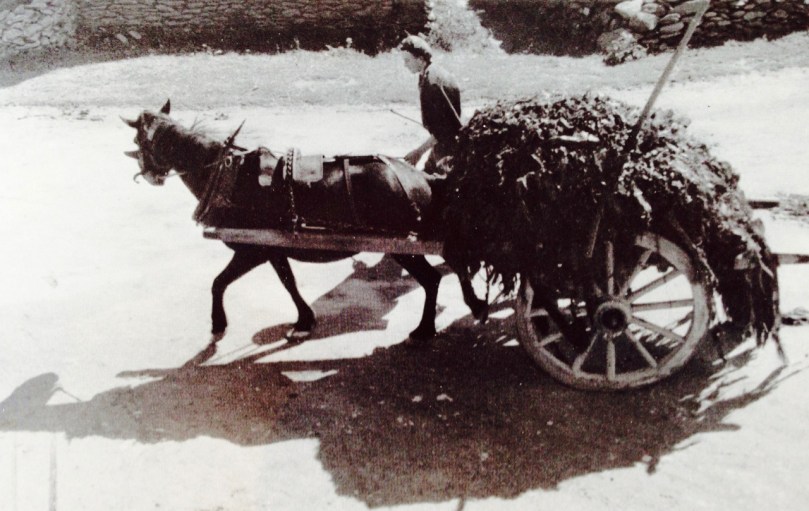
For those of us who live by the sea we have to be alert for Rabharta na Féile Bríde, the spring tide nearest to St Brigid’s day, as it is said to be the most significant one of the year – that’s when the difference between high and low tide is the greatest. Danaher, The Year in Ireland, Mercier Press 1972, notes: ‘…The people were quick to take the opportunity of cutting and gathering seaweed to fertilize the crops and of collecting shellfish and other shore produce. In a few places a live shellfish, such as a limpet or a periwinkle, was placed at each of the four corners of the house, to bring fishing luck and ensure plentiful shore gathering…’ But don’t forget that it’s not until Good Friday that you harvest the Mussels.

along the strand

All the photographs in this post are from the collection of Tomás Ó Muircheartaigh, who documented life in rural Ireland between the 1930s and the 1950s – an invaluable pictorial record of the times

This is the day to make – and eat – your bairin-breac: ‘…On St Brigid’s Eve every farmer’s wife in Ireland makes a cake, the neighbours are invited, the madder of ale and the pipe go round, and the evening concludes with mirth and festivity…’ (Danaher). I’m holding out hopes that Finola will oblige and get out her delicious barm-brack recipe. Of course, the mirth and festivity will follow as she soaks the fruit in whisky! The Saint travels around the countryside on the eve of her festival, bestowing her blessing on the people and their livestock. We must be sure to leave out for her a piece of our cake: ‘…Often a sheaf of corn was put beside the cake, as refreshment for the Saint’s favourite white cow which accompanied her on her rounds. Others laid a bundle of straw or fresh rushes on the threshold, on which the Saint might kneel to bless the house…’ (Danaher).

collecting seaweed

Tonight we will hang a piece of red ribbon outside our door: ‘…One traditional story says that St Brigid wove the first cloth in Ireland and worked into it white healing threads which were said to have kept their healing power for centuries. In many places in Ireland it was customary to put a piece of silk ribbon, red being the preferred colour, outside the house on the Eve of St Brigid’s Day, much in the same way as articles of clothing or cloth left out on the saint’s eve would be endowed with St Brigid’s blessing when they became known as the Brat Bhríde (Brigid’s cloak). It was believed that St Brigid, when travelling around the country on the Eve of her Day, would see and touch the ribbon, so endowing it with her blessing and conferring on it some of her healing power. After this it was referred to as the ribín Bhríde…’ from Brigid: Goddess, Druidess and Saint Brian Wright, The History Press 2009. This reminds me very much of another saint – Gobnait – who also has a February festival. It’s going to be a busy month! To start it off it’s essential that we make our bogha Brídhe – St Brigid’s Cross.

carrying the seaweed

Priests and Poets, Part 2

BVM

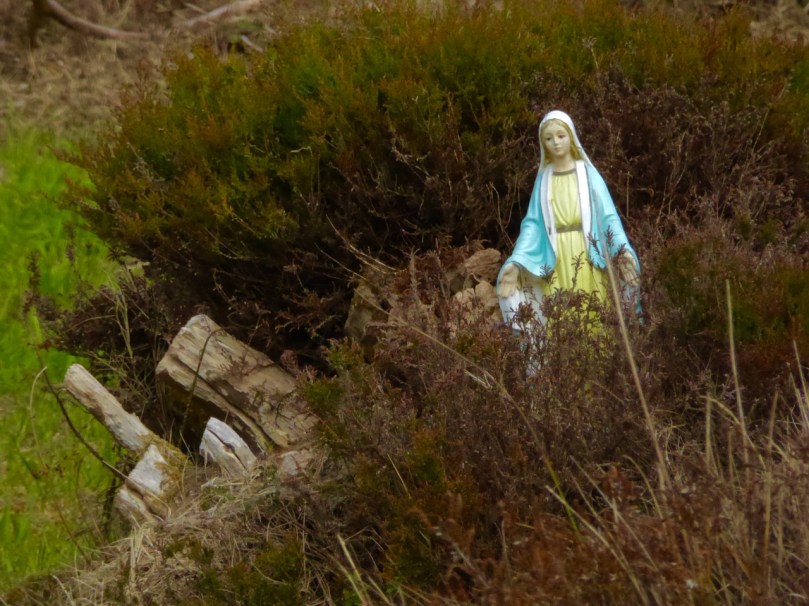
Last week we concentrated on Father James Barry and the poetry he could well have inspired. But there’s a lot more to Stouke graveyard and this post will cover some of the other history revealed  by a wander round this atmospheric place.

IMG_0988

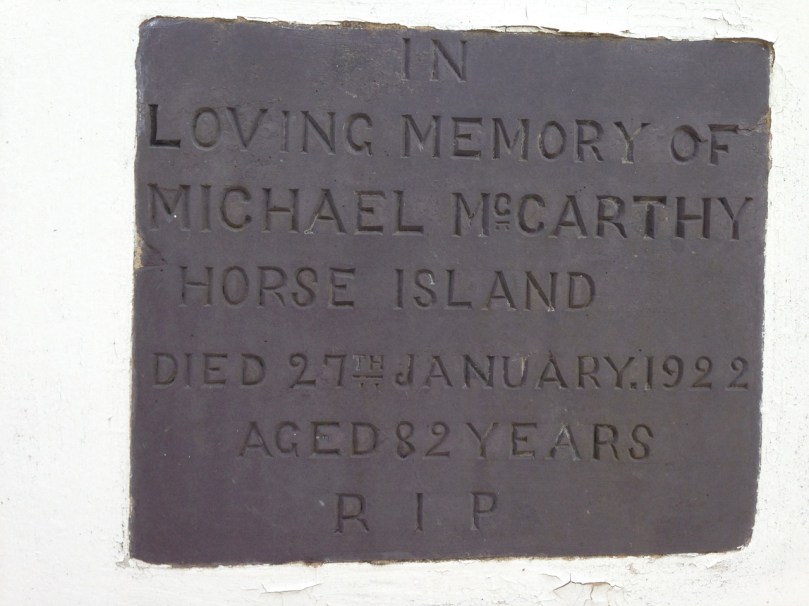
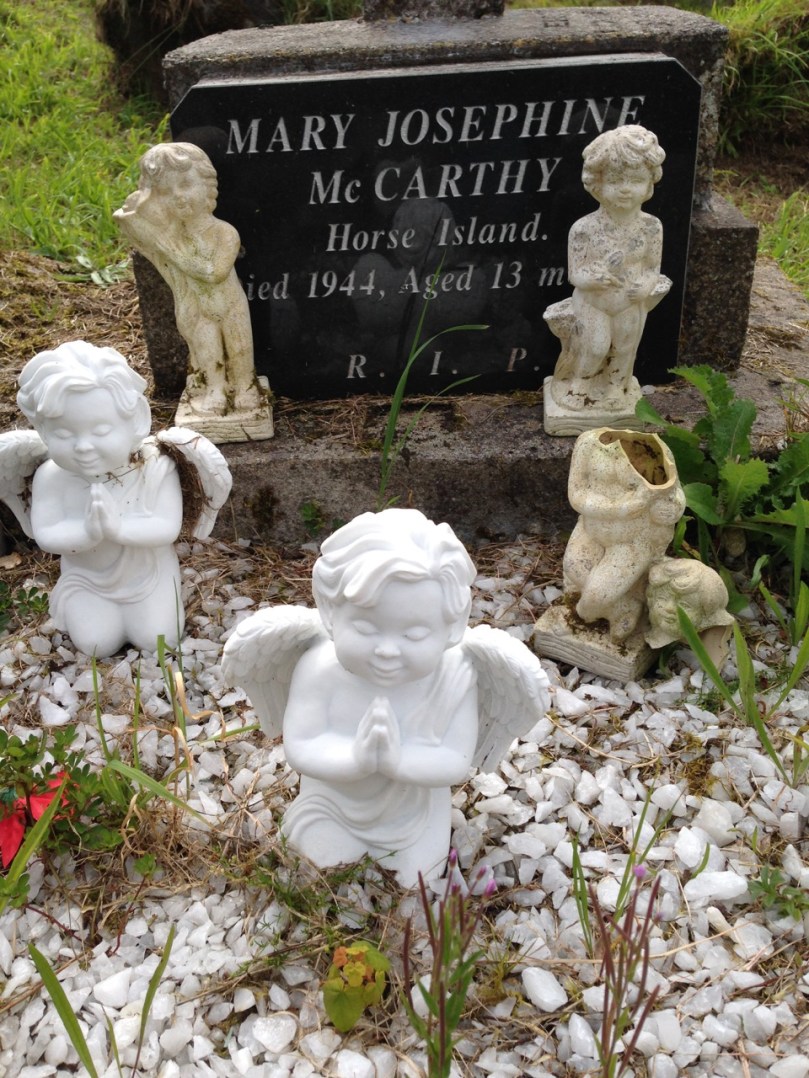
This graveyard is the traditional burial site of many from the islands of Roaringwater Bay. There’s a poignancy to the place names on the headstones – many of these islands are now uninhabited, so these are the last headstones that will bear such inscriptions. As with many West Cork graveyards, much of the ground is scattered with rough, uninscribed, stones, while other graves have modern memorials with full inscriptions. It is customary to visit graves on anniversaries, or at certain times of the year, and always you will find that a few graves still have fresh flowers or other evidence of recent visits.

IMG_0987

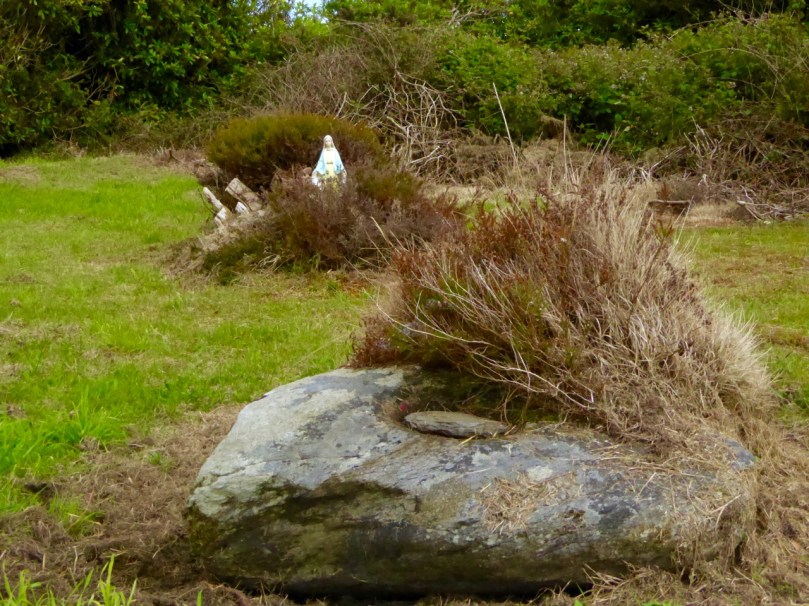
The old Irish name for this place is Cillín Stuaice, or Little Church of the HeightThere is a suggestion that somewhere in the graveyard is the site of an early church, but if it is here, there is no evidence of it. Except for one thing – a bullaun stone. Robert has written before about the folklore and beliefs associated with bullaun stones, but what exactly are they? Bullaun is an Irish word for bowl – these are bowl shaped depressions in rocks, sometimes portable, sometimes carved into rock outcrops. Although some may date to prehistoric times, many are believed to have originated in the medieval period for the purpose of grinding (acorns, for example) or for crushing ore. Whatever their origin, they are often found in association with medieval churches or other sacred sites such as holy wells, and have assumed their own sacred mantle of meaning. The water that collects in them is often believed to be curative.

P1110096

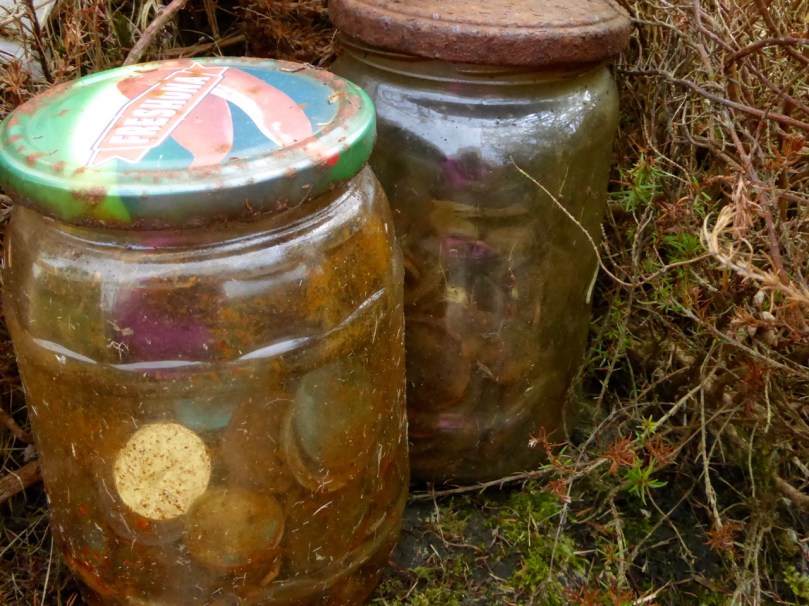
The bullaun stone in Stouke graveyard is known, according to the Historic Graves account, as the Bishop’s Head. The informative plaque erected by the Fastnet Trails folk tells us that an older name for the townland is Kilaspick Oen, meaning Church of Bishop John. Perhaps this was the Bishop for whom the bullaun stone is named. The story goes that during the time of the penal laws the Bishop was confirming children nearby when the redcoats got wind of his activities and came to arrest him. He was beheaded. The bullaun stone commemorates this act and has been a focus of devotion locally, with people leaving coins and tokens to pay respect and perhaps ask for consideration for special intentions. Additionally, rounds were performed here on St John’s Night – although I am not sure if this tradition has persisted.

Money jars

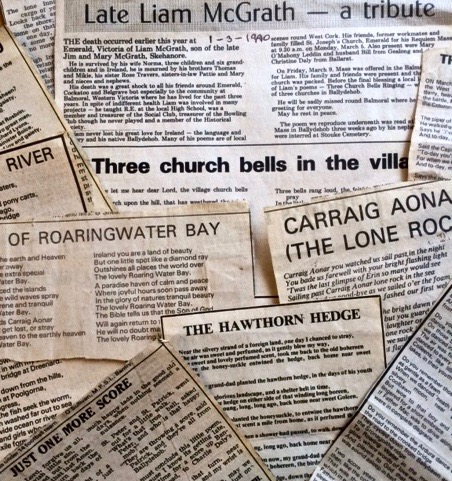
But last week I promised you more poetry! Inside the gate is a grave of the McGrath family, including the ashes of Liam McGrath who emigrated to Australia but never forgot growing up in Skeaghanore, near Ballydehob.

Although he was active on a number of fronts, his delight was to remember the old times and to capture his memories in verse. He was a true ‘folk poet’ – recalling the past with nostalgia and trying to capture what he saw as the golden scenes of his young life in rural West Cork. Over the years, several of his poems were published in the Southern Star. Local historian Teresa Hickey generously shared with me those she has collected over the years – a real treasure since they are not available online.

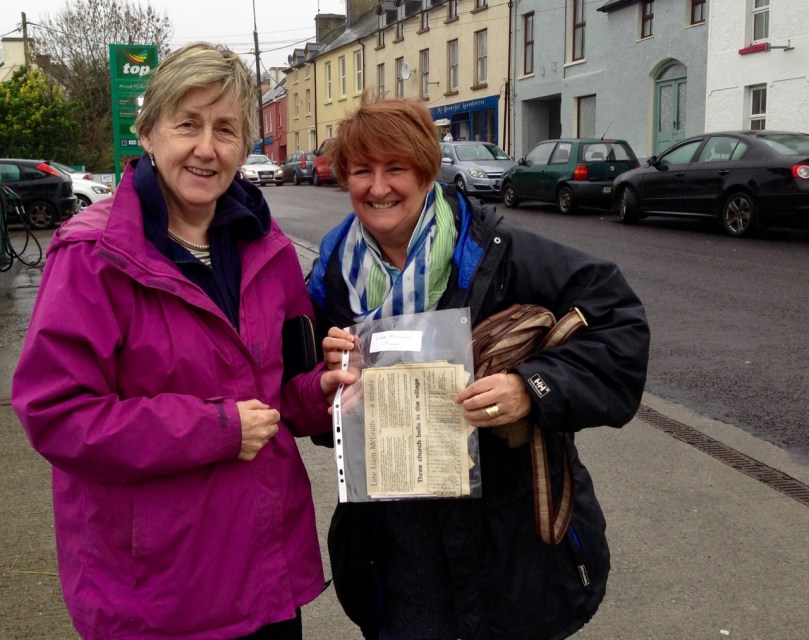
Teresa Hickey and poems

Liam McGrath cuttingsTeresa’s personal favourite is Three Bells. It describes the sound of the bells on Sunday morning from Ballydehob’s three churches – Catholic, Church of Ireland and Methodist. Sounds, of course, trigger deep memories, and this poem captures Liam’s recollections of traditional Sunday mornings in the village. Sadly, the Methodist Church has fallen into ruin, so those bells will never again peal over Ballydehob.

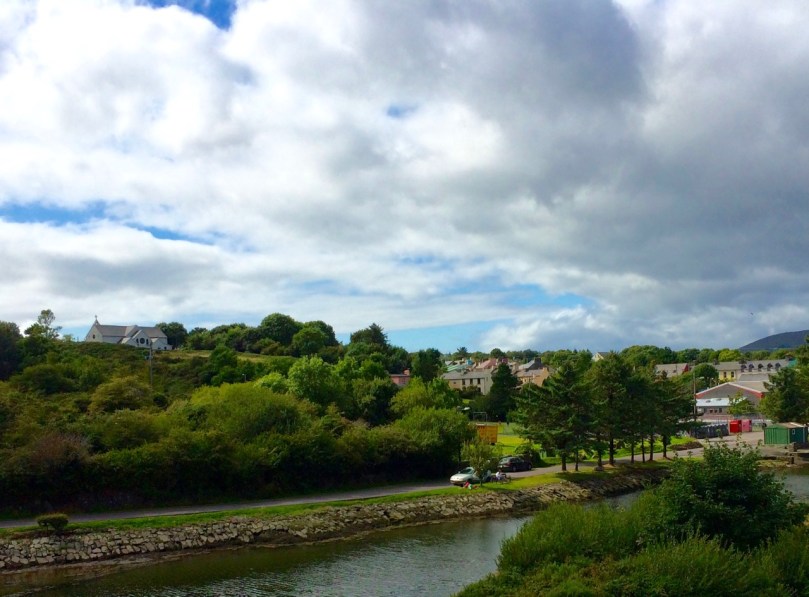
Ballydehob showing church on hill


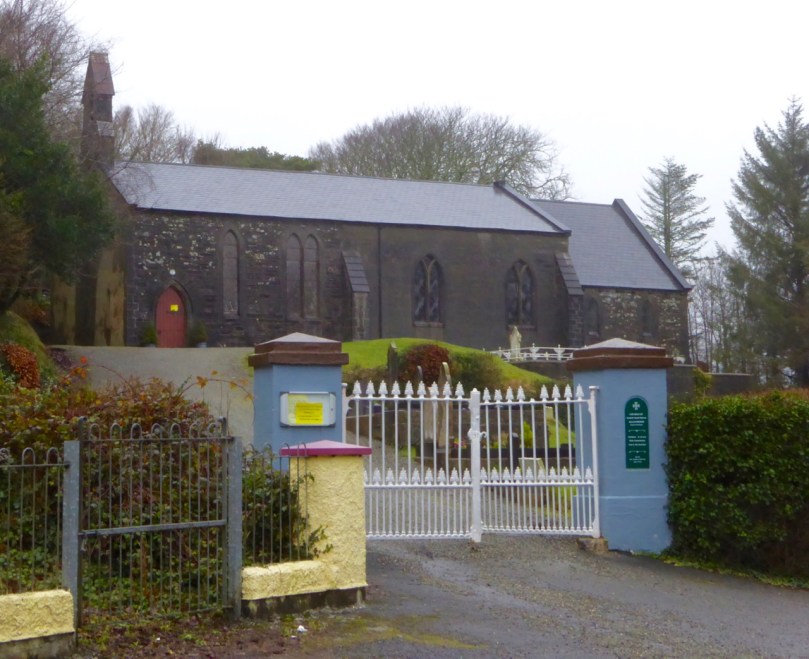
St Matthias CoI Ballydehob

Above: The Catholic Church dominates the skyline of Ballydehob. Middle: St Matthias Church of Ireland. Below: The Ballydehob Methodist Church, gradually falling into dereliction

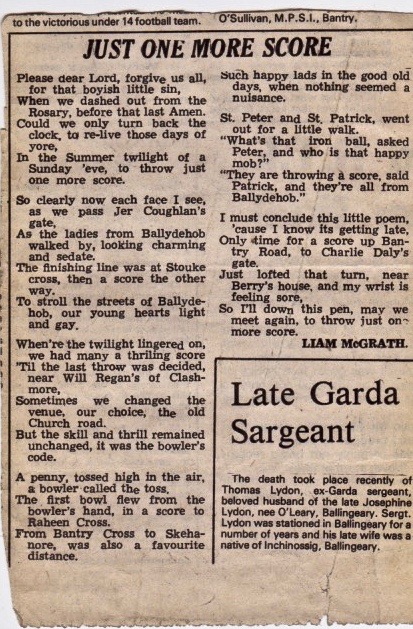
The one I’ve decided to reproduce here is called One more Score and it’s about the unique West Cork pastime of Road Bowling (rhyme bow with cow). For Liam, it was a precious memory, made all the sweeter by a recitation of the roads and locations where the game was played. 

McGrath Poem Just One More Score

The sport of Road Bowling – the object is to get the bowl down the road to the target in as few throws as possible

No doubt I will drop by Stouke Graveyard many more times in the future. I wonder what further history lessons will be revealed…