Lough Hyne Holy Wells

sea shell Local tradition (and there is no better source of knowledge!) has it that you can relieve any eye problems with the waters from  Tobarín Súl – one of the holy wells close by Lough Hyne. The name is Irish for Little Well of the Eyes and, if proof were needed of the efficacy of the cure, you will find hanging from the branches of the trees around the well white canes and spectacles presumably left behind by modern day pilgrims who are no longer in need of them after visiting the well.

There is no doubt that Tobarín Súl and its near neighbour – Skour Well – are actively visited: offerings abound. Most commonly, rags and ribbons adorn the surroundings of a well. According to Anna Rackard (Fish Stone Water – Holy Wells of Ireland, Atrium 2001):

…Traditionally, rags were used to wash the afflicted part of the body with water from the well and were then tied to the tree or bush. As the rag deteriorated, the pain faded away. In some parts of Ireland, when the rag is tied to the tree, the tree itself ‘takes on’ the pilgrim’s pain…

The Eye Well decorated

The Eye Well decorated

Tobarín Súl is set beside a narrow lane which winds up Knockomagh Hill in the townland of Highfield, to the north of Lough Hyne. The Skour Well is a little way further up the same hill. Nobody seems to know the origin of the name: one suggestion is that the word Skour comes from the Irish ‘sceabhar’ meaning ‘slope’ or ‘slant’, indicating its position on the side of a hill. Whatever the origin, it’s another colourful well, also adorned but with a more religious flavour – rosary beads, candles and statuettes.

Christian iconography at Skour Well

Christian iconography at Skour Well

Some sources suggest that this well is dedicated to St Brigit, but I think that is a confusion with two more holy wells which are reputed to be close beside an ancient ruined church dedicated to her on the south side of the lake. Skour Well, however, is clearly devoted to Mary and ’rounds’ are performed here: it’s said that pilgrims drop white pebbles into the water on completing each circuit. On May Eve the local priest conducts a mass at the roadside here.
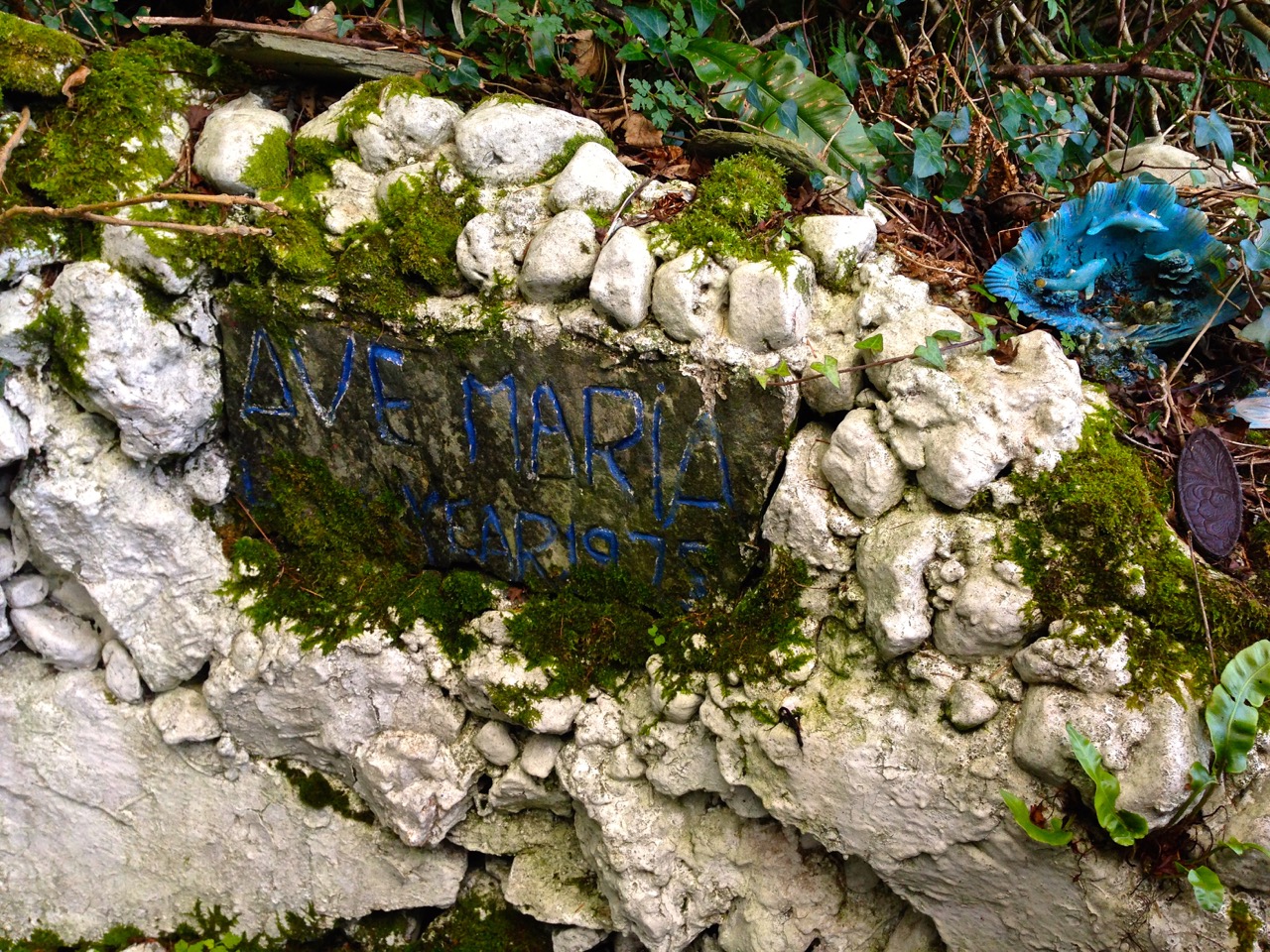
Inscription at Skour Well

Inscription at Skour Well

White pebbles in Skour Well

White pebbles in Skour Well

So here we have a fascinating meeting of beliefs: two wells almost side by side, one seemingly an ancient centre for traditional cures and the other a Christian site. Both are powerful places.

Lough Hyne

Lough Hyne

We have mentioned the lake itself in previous posts. We have yet to visit St Brigit’s little church to try and find the other wells (the Archaeological Survey database says they are no longer visible) but we must look for the place where St Brigit knelt and left imprints of her knees in the rock!
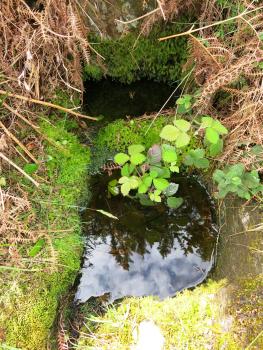
St Brigit knelt here!

St Brigit knelt here!

Amanda found St Brigid’s knee prints… “…The forecast being good I decided an adventure was needed. We headed out for Lough Hyne – I had read that there was an ancient church, holy well and cross slab in the vicinity. It looked do-able on the map. We parked and set forth. Quite a long walk down a small road skirting the lough, so green and leafy with sheer rocky sides dripping with moisture. We got to where the smaller road should have been leading onto a peninsula jutting out onto the lake but it seemed to go onto private land and there were big gates. Suddenly a woman came out to check her post and I was over there like a flash. Once she’d got over her amazement that anyone should know about this obscure church she was very helpful. The whole headland was her land and it was brimming with interesting things. She gave us firm instructions and allowed us to venture forth. The boreen down was long and green and so beautiful – full of the most amazing variety of wildflowers – primroses, buebells, anemones, violets, Irish spurge. We found the church – teeny, roofless with a beautiful arched doorway. Her husband was buried close by – his epitaph had him down as a philosopher. Her instructions to the holy well were exact – climb up onto a stone and approach on your knees, – for safety rather than holy reasons I imagined, but maybe not. A teeny, two pooled well with lovely fresh water – and the knee prints of St Brigid on each side! Really. I tested. Perfect fit…” (taken from Amanda’s Blipfoto description) Amanda mentions the cross slab – there’s a story about this in Brigid: Goddess, Druidess and Saint by Brian Wright – The History Press 2009:

…There are traditions from many parts of Ireland and Britain of stones that return to their original spot when moved and an example of such a ‘homing stone’ involves St Brigid’s Church, Lough Hyne, Co Cork. There, about 150ft north east of the church is a piece of a broken pillar about 18 x 15in bearing an incised cross. One Day this was carried away by a fisherman who took it to his house, but the very next morning he found it had gone and it was discovered back in its original spot. The fisherman drowned shortly after and everyone knew he had been punished for daring to remove this holy stone…

Homing stone? The ancient cross by St Brigid's Church

Homing stone? The ancient cross by St Brigid’s Church

Three Pilgrims in West Cork

Glebe Church, on the Ilen River

Glebe Church, on the Ilen River

The guest speaker at this Thursday’s Skibbereen Historical Society meeting was Louise Nugent, speaking on the topic of Pilgrimage in Medieval Ireland. We became familiar with Louise’s work though her blog of the same title – a blog which manages to be consistently erudite and down-to-earth and entertaining all at once – and suggested her as a speaker. This also gave us the opportunity to meet Louise in person (she is as engaging and as knowledgeable as her blog) and, the next day, show her a little bit of our part of West Cork.

One of the great delights of following Louise’s blog is realising that the concept of pilgrimage – a spiritual journey undertaken for a variety of purposes – is still very much alive in Ireland. Local veneration of shrines, relics and holy wells is common and often involves a mass or prayers on special days. The “journey” involves going to the shrine, and sometimes moving around it in a set pattern or round. Larger scale pilgrimages, such as the annual trek up Croagh Patrick or a stay at Lough Derg in Donegal or a Novena at Holy Cross Abbey, transcend the local and attract pilgrims from around Ireland. In her talk, Louise also described the popularity of pilgrimage in Medieval times to holy sites outside Ireland such as York, Santiago de Compostela, Rome, or Jerusalem. Those who completed the Santiago Camino wore scallop shells to signify their pilgrim status, an image we had just seen the previous weekend in Cork in the Cathedral of St Mary and St Anne, where we came across a shrine to Blessed Thaddeus McCarthy. There was a statue, a painting, scrolls, but most fascinating of all a reliquary containing a leg bone! Blessed Thaddeus lived in the 15th Century and was appointed a bishop twice but was never able to take up his see because of the activities of the rival clan O’Driscoll.

On our day with Louise we concentrated on the area around Skibbereen. We started off by visiting the 18th Century Church at Glebe, on the banks of the River Ilen. The church and graveyard enjoy a picturesque and peaceful setting and a wander around the graveyard yielded interesting headstones.
Holy Rosary Church at Aughadown, window detail

Holy Rosary Church at Aughadown, window detail

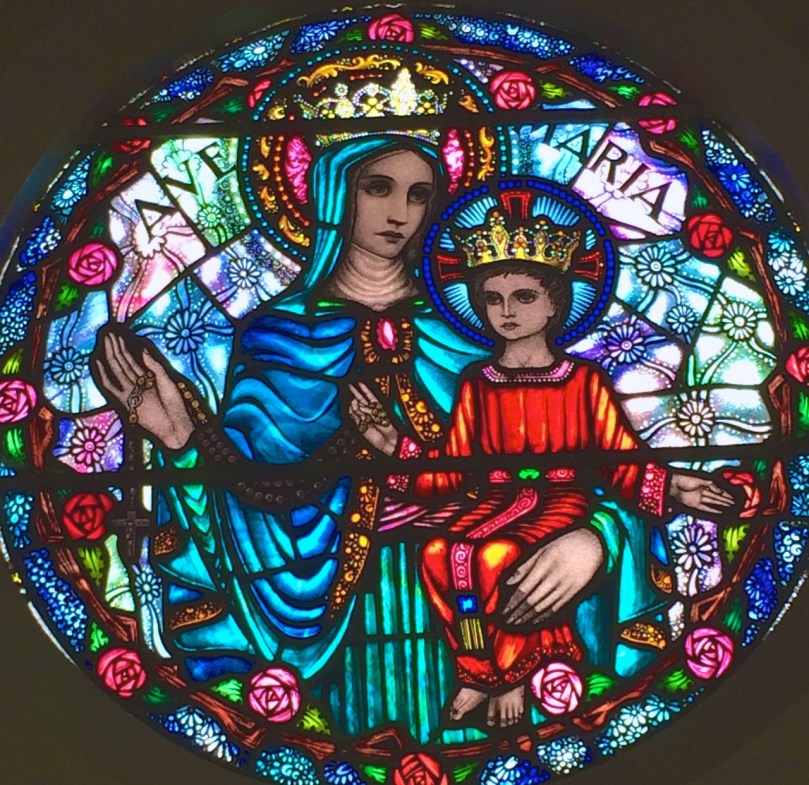
From there we went to the ruined medieval church at Kilcoe, stopping for a quick peak at the notable windows in the Church of the Most Holy Rosary at Aughadown. They deserve a fuller description at a future date, so for now I will include a detail from the rose window at the back of the church, designed and executed by the Harry Clarke studios in 1941.
The church at the tip of the Kilcoe Peninsula was already a ruin in the early 17th century. Although a simple rectangular structure, the pointed arched doorway and the tiny ogival windows mark it as medieval, perhaps as early as 14th or 15th century. Romantic and atmospheric as it is, it has the added advantage of a clear view of Kilcoe Castle, famously restored by Jeremy Irons and gently glowing in the afternoon light as we were there.
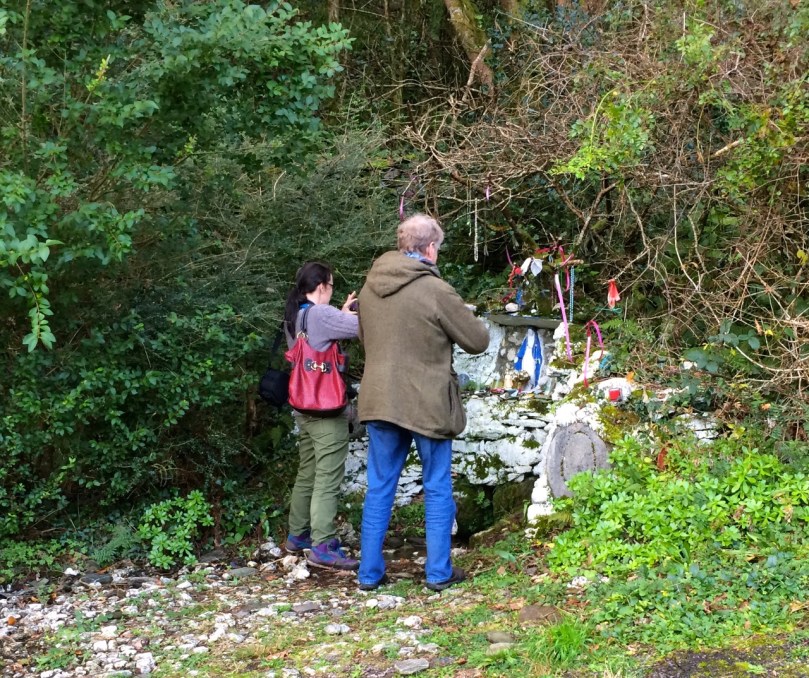
Two of the three pilgrims at a holy well

Two of the three pilgrims at a holy well

Louise’s special interest is in holy wells and several audience members the night before had come forward with information about local wells and the practices and beliefs associated with them. Two of the best known and most beloved local wells are situated close to each other at Lough Hyne. Robert is writing about these wells this week so I will leave the detailed description to him.

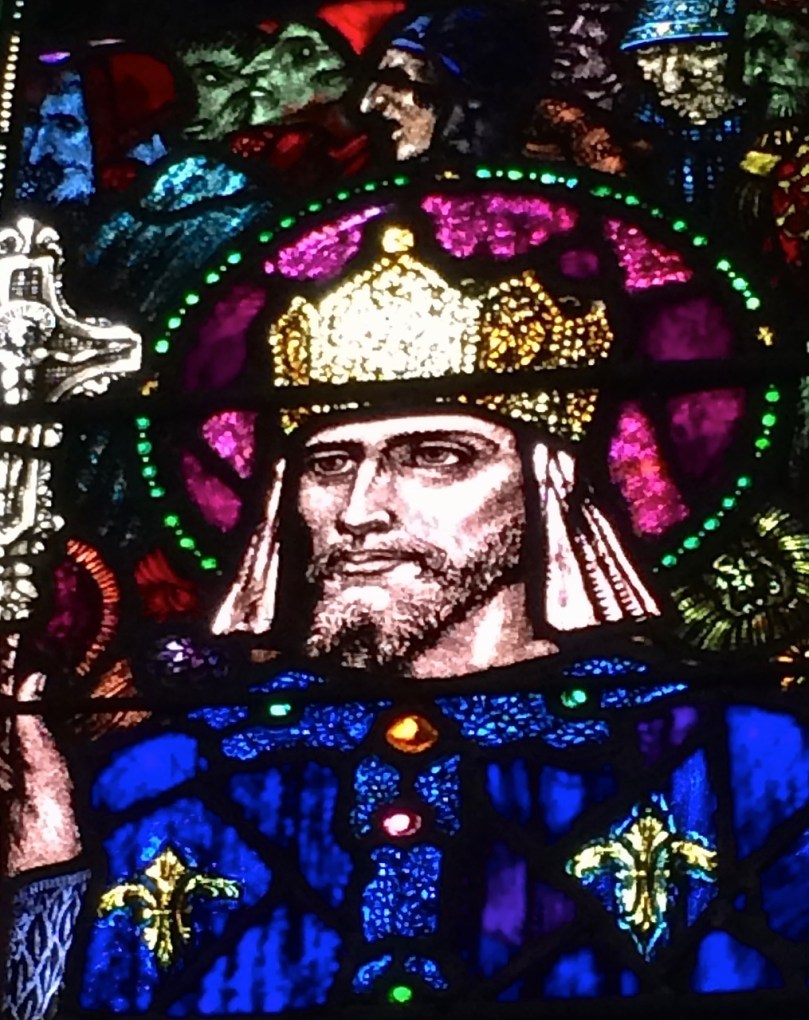
Our final stop was the village of Castletownshend and the Church of St Barrahane, filling two different functions. First, Louise had been to visit a holy well dedicated to St. Martin of Tours in Clare, and we wanted to show her the Harry Clarke window that Robert had described in his Martinmas post. Second, a trip to St Barrahane’s is always a pilgrimage of a different sort for me, as it is the final resting place of three of my heroes. The first two, of course, are the writing team of Somerville and Ross – more about them in this post. The third is Vice-Admiral Boyle Somerville, brother of Edith and a keen amateur archaeologist worthy of a post to himself in the future.

St Louis: detail of Harry Clarke window in St Barrahanes, Castletownshend

St Louis: detail of Harry Clarke window in St Barrahanes, Castletownshend

Come back soon, Louise – these two pilgrims have lots more to show you!

Sky Garden

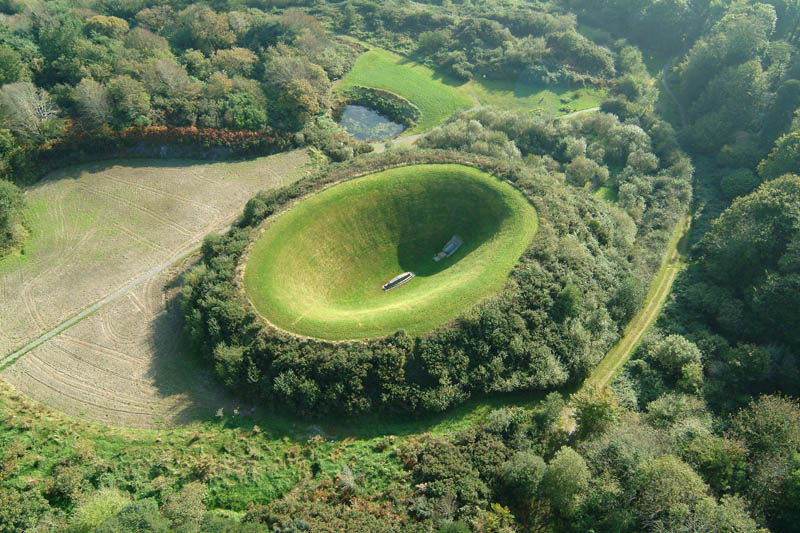
Iris Sky Garden (photo by Liss Ard Estate)

Irish Sky Garden (photo by Liss Ard Estate)

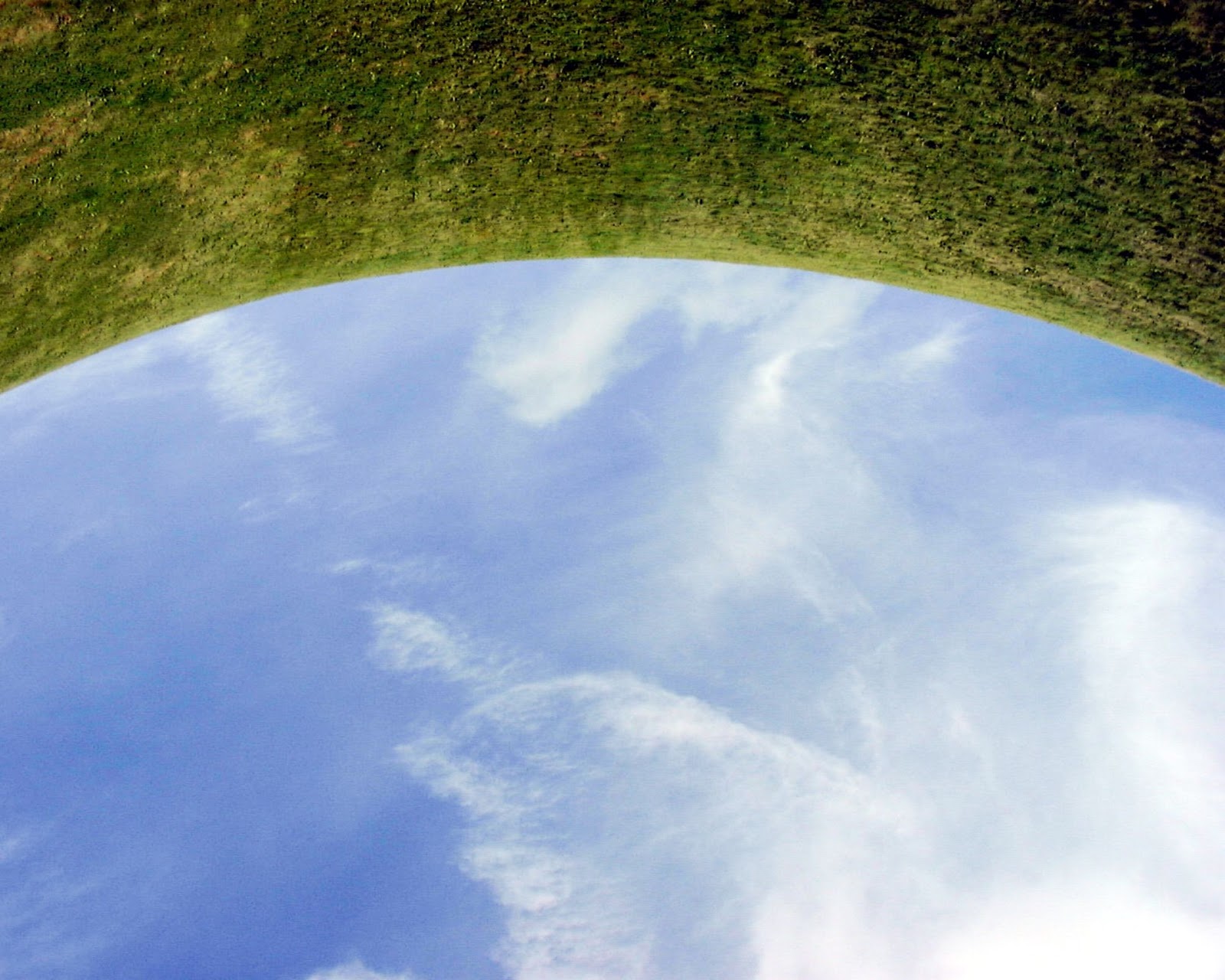
Just outside Skibbereen – a stone’s throw from Nead an Iolair – is a work by Californian artist James Turrell: the Irish Sky Garden. It’s a piece of landscaping which explores light by both night and day: an observatory. The structure is an artificial crater with a stone plinth at its centre from which two participants can view the sky framed by the perimeter of the oval enclosure.

Sky view from the plinth

Sky view from the plinth

In Turrell’s own words describing the experience “…The most important thing is that inside turns into outside and the other way around, in the sense that relationships between the Irish landscape and sky change…”

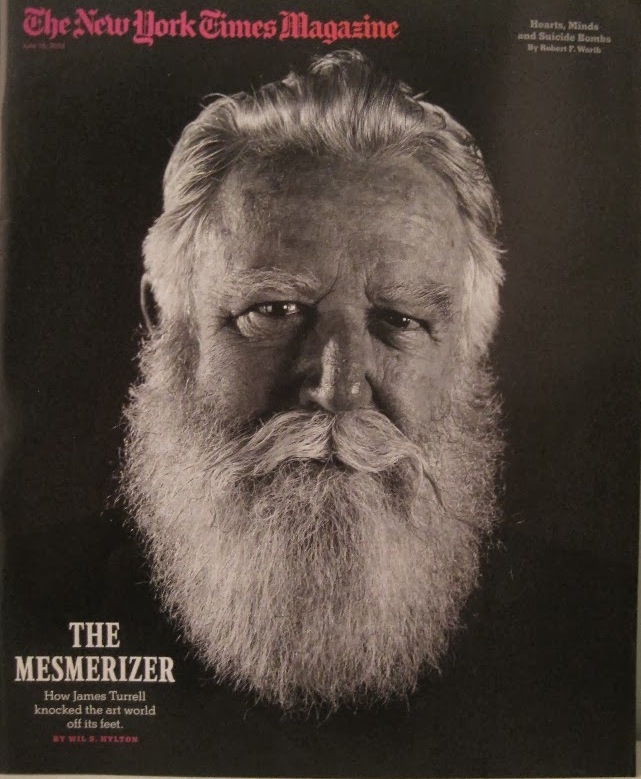
Turrell CoverJames Turrell was born in 1943 – in Pasadena. His father was an aeronautical engineer and James obtained his pilot’s license when he was just 16. He has been exploring landscapes by flying over them ever since. He studied perceptual psychology, mathematics, geology and astronomy. He enrolled in the graduate Studio Art program at the University of California, Irvine, in 1966, when he began to explore light projections. At the same time Turrell, a Quaker and conscientious objector, was jailed for a year for encouraging young men to avoid the Vietnam War draft.

All the artist’s work is focussed on light and space. In an interview of 2002 for the International Sculptor Center he explained:

“…I was raised a Quaker, and now I have come back to being active. I’m not sure whether that has impacted my art-making, because my work is not about specific issues—perhaps being a Quaker influences how I live my life and what I value. People tend to relate any work in light to the spiritual. I don’t think this is actually correct, yet, in terms of our lives, we greet light in three major ways that aren’t necessarily partitioned. There is a psychological aspect, a physical aspect, and a spiritual aspect. In terms of the physical, we drink light as Vitamin D, so it’s literally a food that has a major effect on our well-being. The strong psychological effects of light can readily be felt in particular spaces…” 

Some examples of Turrell’s work in light and space:

Finola’s post on Liss Ard Gardens gives a good background to the setting of this artwork: a Georgian house (now also an excellent hotel and restaurant – check for opening hours) surrounded by formal and informal landscaping and lakes interlaced by tracks and footpaths which offer ever changing vistas. When she wrote the post a year ago she probably had no idea that it would be the setting for our marriage – which took place this week!

Liss Ard House

Liss Ard House (photo by Peter Clarke)

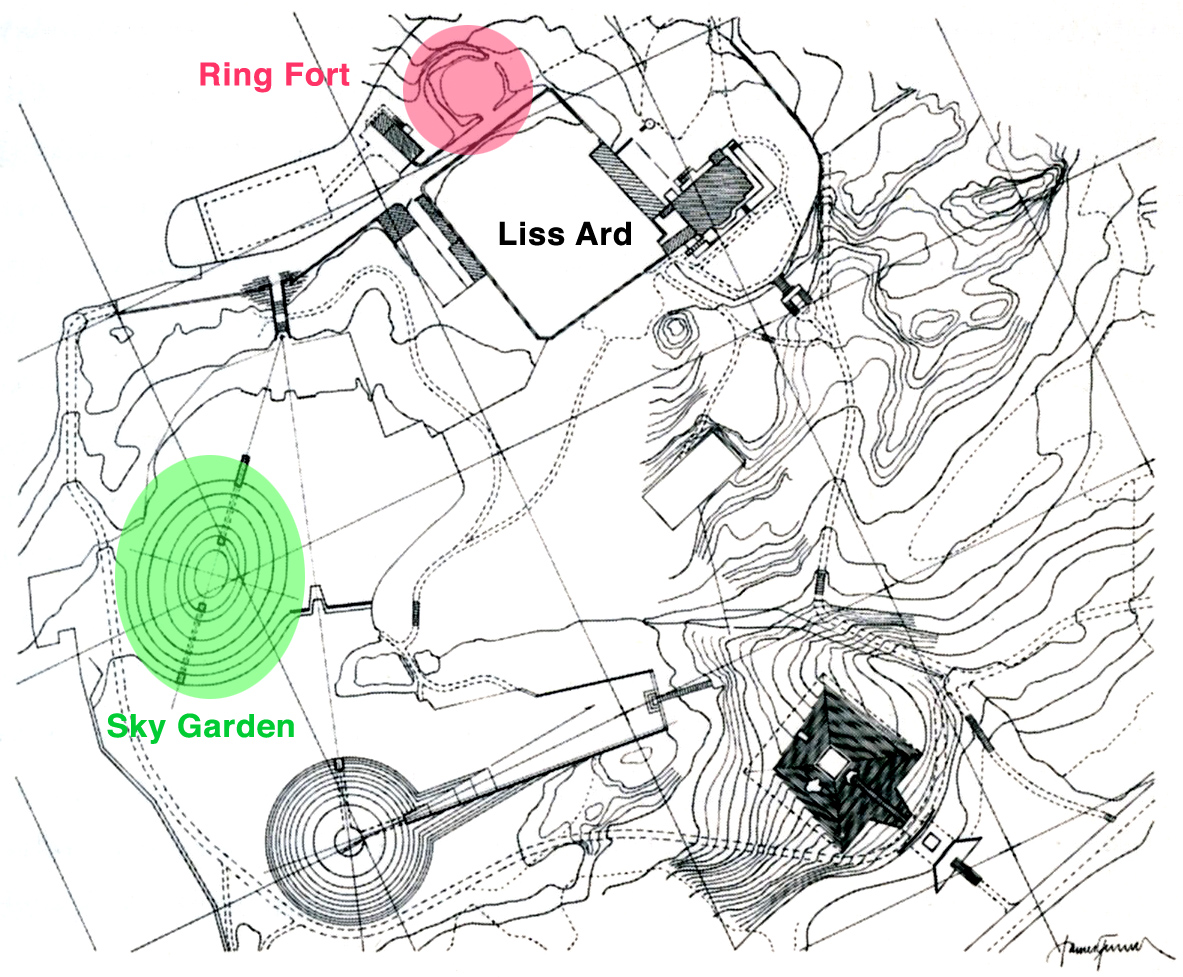
The name Liss Ard comes from Lios Ard, ‘lios’ being an Iron Age ring fort and ‘ard’ meaning high – hence high fort. The ring fort is still extant as a magical space – a grass circle surrounded by trees; there is also, under it, a souterain – a system of low tunnels and chambers which are often found in association with structures of this type. When we discovered that Liss Ard was licenced to hold weddings – and that licence covered all of the grounds – we jumped at the opportunity to ‘tie the knot’ within an Irish archaeological site…

James Turrell's concept drawing for the Liss Ard project, showing Ring Fort and Sky Garden

James Turrell’s concept drawing for the Liss Ard project, showing Ring Fort and Sky Garden

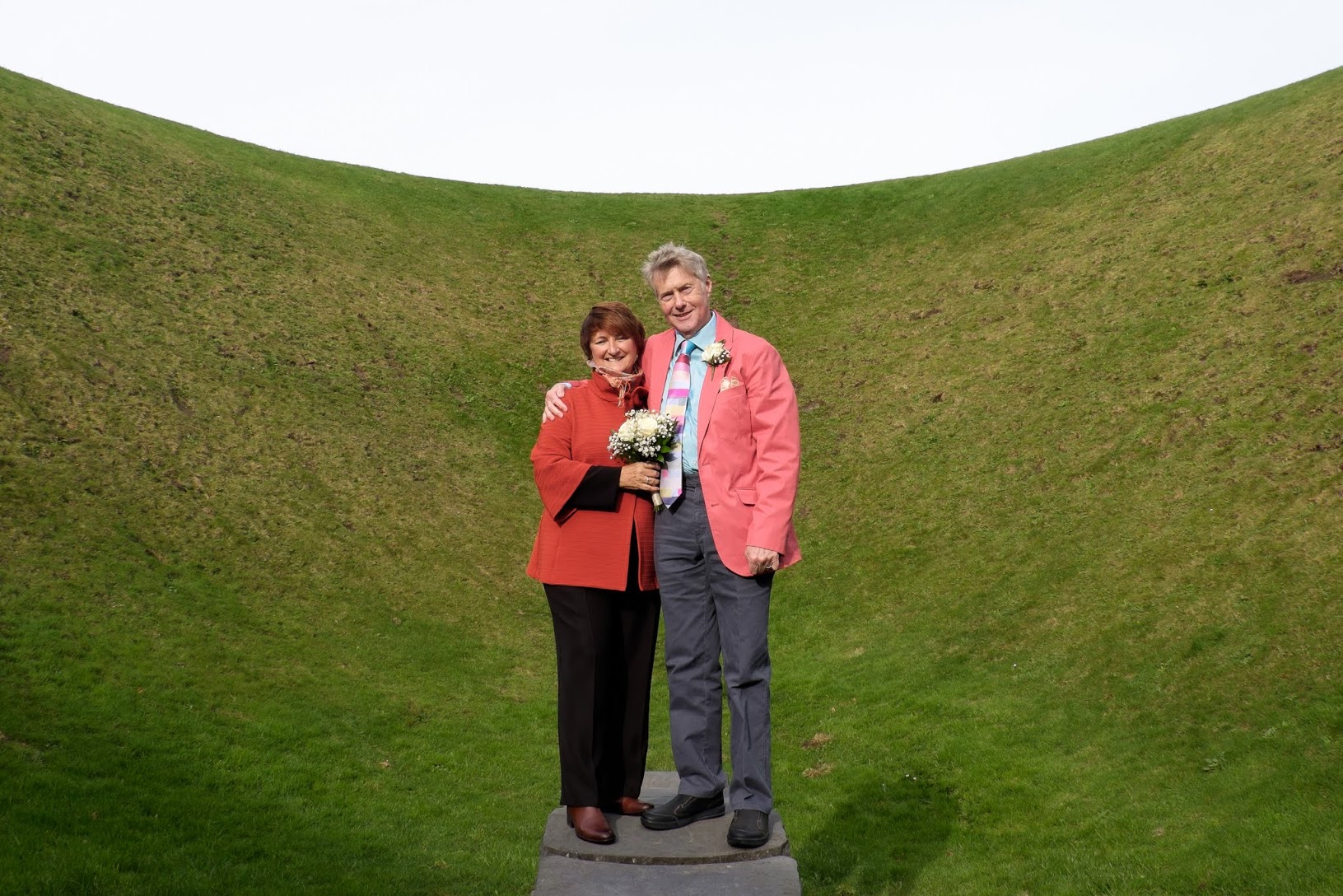
Our ceremony was simple – a humanist celebrant and just a few guests who have been important to our lives in Ireland. After the official bits we wandered down to the Sky Garden and admired Turrell’s vision from the altar-like plinth. We were blessed with blue sky and sunshine.

Wedding Day...

Wedding Day… (photo by Peter Clarke)

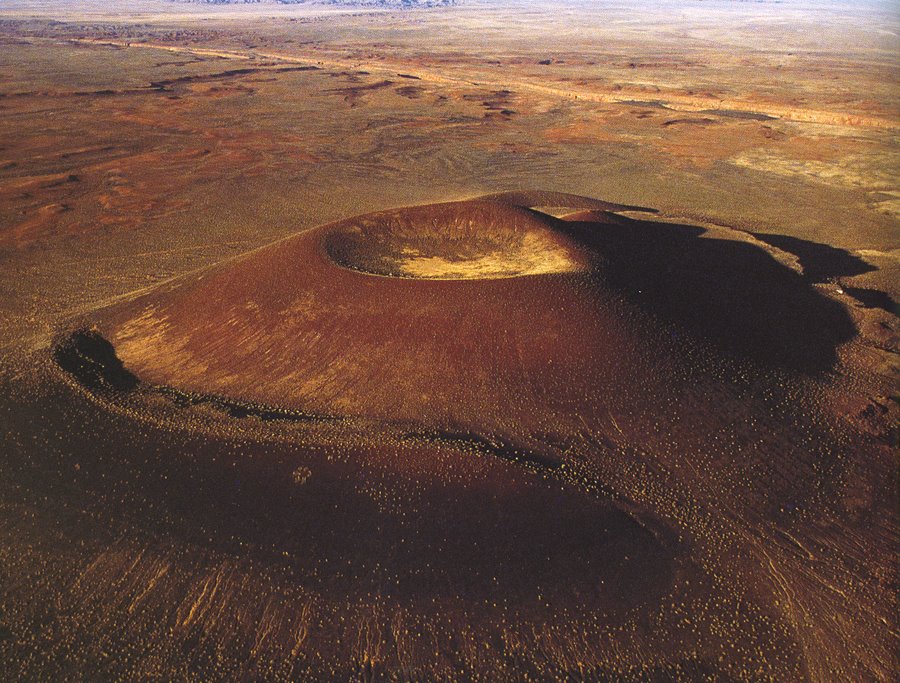
In 1979 James Turrell acquired a vast natural cinder crater located outside Flagstaff, Arizona. This – the Roden Crater – is possibly his best known work, and it is still in progress. He is turning this volcanic crater into a massive naked-eye observatory, designed specifically for the viewing of celestial phenomena. There are other ‘sky’ works in a number of countries: a ‘Turrell Tour‘ has been mapped out which takes in an least 23 of them.

Roden Crater

Roden Crater, Arizona

Skyspace, Scotland

Skyspace, Scotland

Within-Without

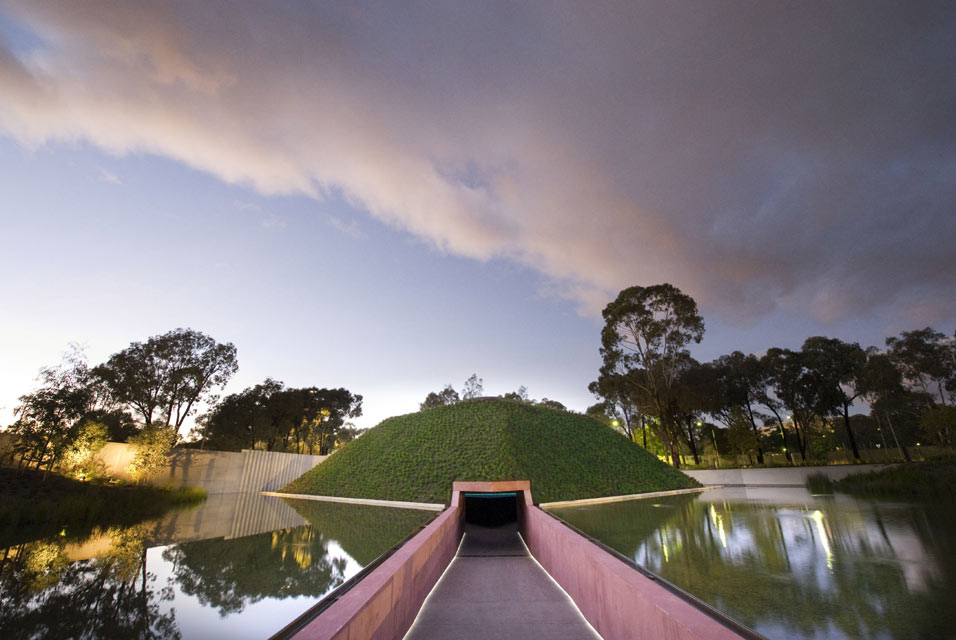
Within-Without, Canberra 2010

Celestial Vault, Stroom, Holland 1996

Celestial Vault, Stroom, Holland 1996

*

It’s a big leap – from Liss Ard to Arizona and beyond. The full concept of the Sky Garden has never been completed: two more installations were planned. But how exciting that here in West Cork we have a stunning example of the work of this world-renowned artist.

The Irish Elk

Megaloceros seen in Cahir Castle

Megaloceros seen in Cahir Castle

Have you seen an Irish Elk? It’s not something I’ve bumped into…

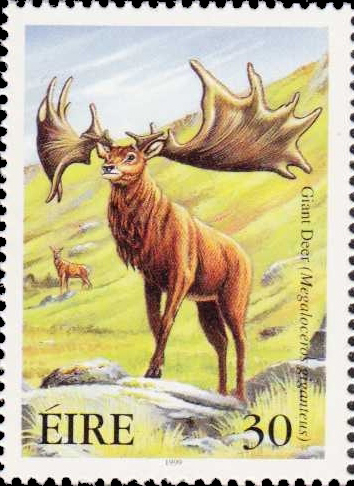
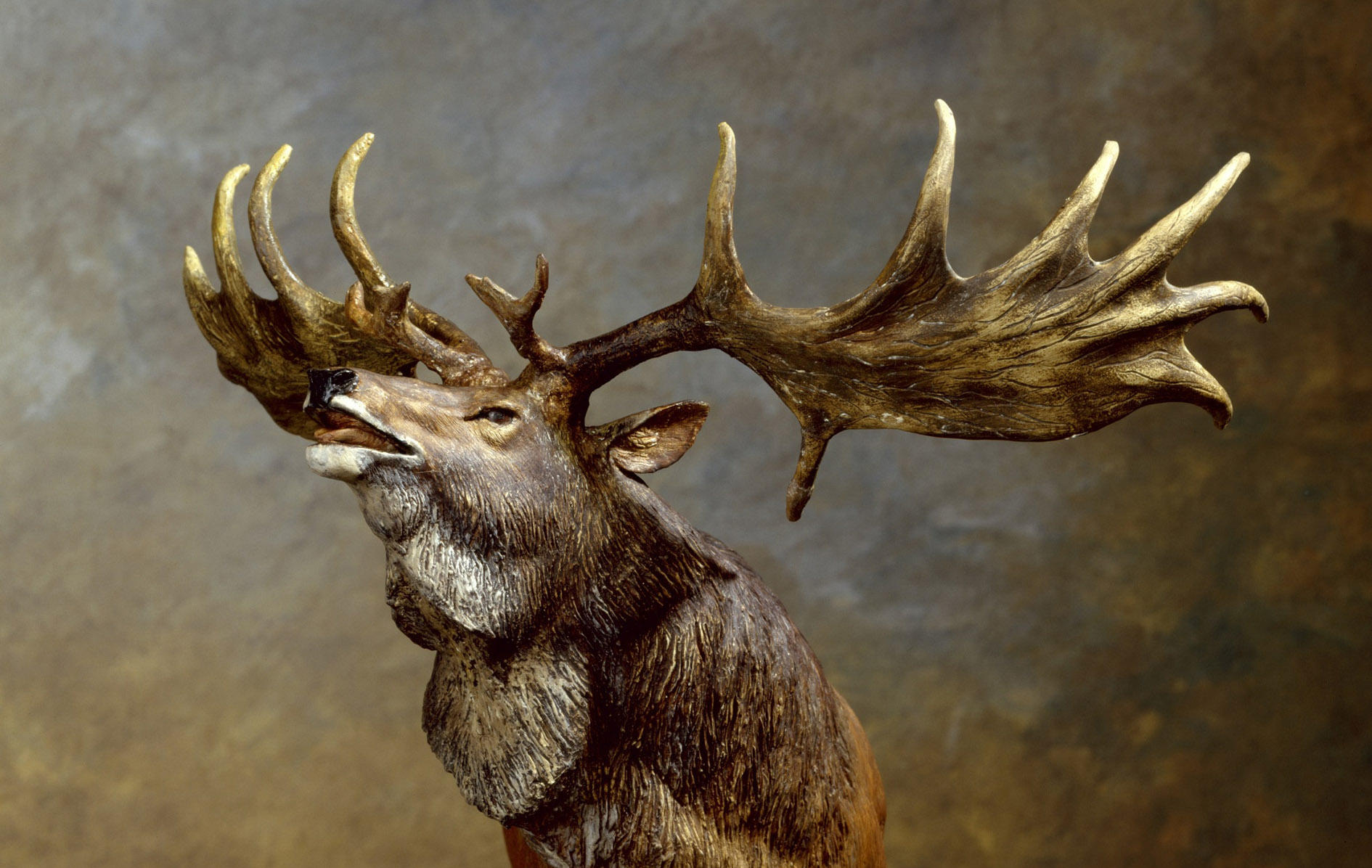
You’d know it if you had! Megaloceros Giganticus stood over two metres high at the shoulders and had antlers up to four metres wide. It was the largest Deer that ever roamed the Earth.

And it was Irish?

It actually lived all over Europe – and in Russia and China. But the best fossilised examples have been found in Ireland, preserved in the peat bogs.

Giant Elk

Have you seen an Irish Elk?

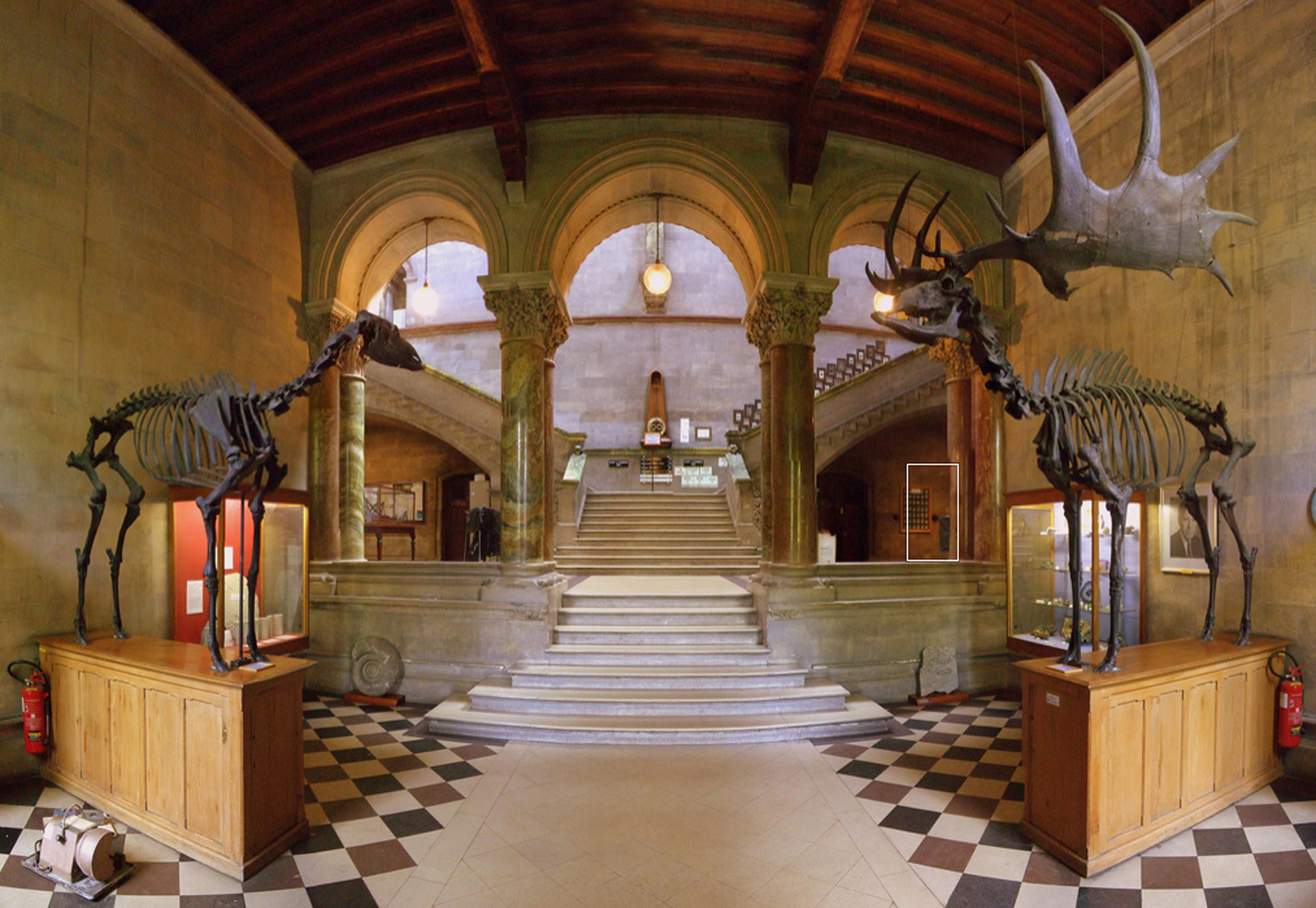
I certainly have: there are some whole skeletons in the wonderful Natural History Museum in Dublin, but their antlers hang in many a hall – by which I mean a ‘Baronial’ hall or castle. They seem to have been popular trophies to have mounted on the wall along with all the Foxes and Salmons that didn’t get away… And these ‘trophies’ became sought after in the boom years: Christie’s sold a pair of antlers for £52,850 in 2001, and another pair from Powerscourt, Co Wicklow, sold for £77,353 in 2005.

largeelk

Dublin’s Natural History Museum

Trinity's pair of irish Elks - female and male

Trinity’s pair of Irish Elks – female and male

But trophies means that someone would have hunted them. Surely they were never around at the same time as people?

It’s a good chance they were. The latest dating of Megaloceros is around 5,000 BC, although others assert that they died out several Millennia before that. The first humans are supposed to have settled in Ireland around 8,000 BC – the Mesolithic period.

Lascaux Cave Painting - estimated to be 17,300 years old

Lascaux Cave Painting – estimated to be 17,300 years old

And why did they die out?

There are a few theories: being hunted – not being able to adapt to changing climates and environments – or simply that their antlers were too big…

I like that theory…

Yes. We saw this one at Ballymaloe – but it wasn’t on the menu!

Ballymaloe Trophy

Ballymaloe Trophy

Such a shame that it doesn’t still exist.

True… although it might be a bit scary if you met it on the slopes of Mount Gabriel!

Along with Ireland’s last Wolf?

Exactly.

Closest relation: Canadian Bull Moose (Robert Bateman)

Closest relation alive today: Canadian Bull Moose (Robert Bateman)

But you know…

Yes?

I read that some scientists believe that if they found a good enough specimen – preserved in the permafrost perhaps – they could extract enough DNA to re-establish the species through cloning. And others, too: Mammoths maybe, and Sabre-Toothed Tigers.

So, one day, our view from Nead an Iolair could be enhanced by a herd of grazing Giant Elks.

Now, there’s a thought…

I’ll give the last word to Seamus Heaney – who found inspiration in Megaloceros:

We have no prairies

To slice a big sun at evening–

Everywhere the eye concedes to

Encrouching horizon,

Is wooed into the cyclops’ eye

Of a tarn. Our unfenced country

Is bog that keeps crusting

Between the sights of the sun.

They’ve taken the skeleton

Of the Great Irish Elk

Out of the peat, set it up

An astounding crate full of air.

Butter sunk under

More than a hundred years

Was recovered salty and white.

The ground itself is kind, black butter

Melting and opening underfoot,

Missing its last definition

By millions of years.

They’ll never dig coal here,

Only the waterlogged trunks

Of great firs, soft as pulp.

Our pioneers keep striking

Inwards and downwards,

Every layer they strip

Seems camped on before.

The bogholes might be Atlantic seepage.

The wet centre is bottomless.

(Bogland, Seamus Heaney 1969)

meg stamp

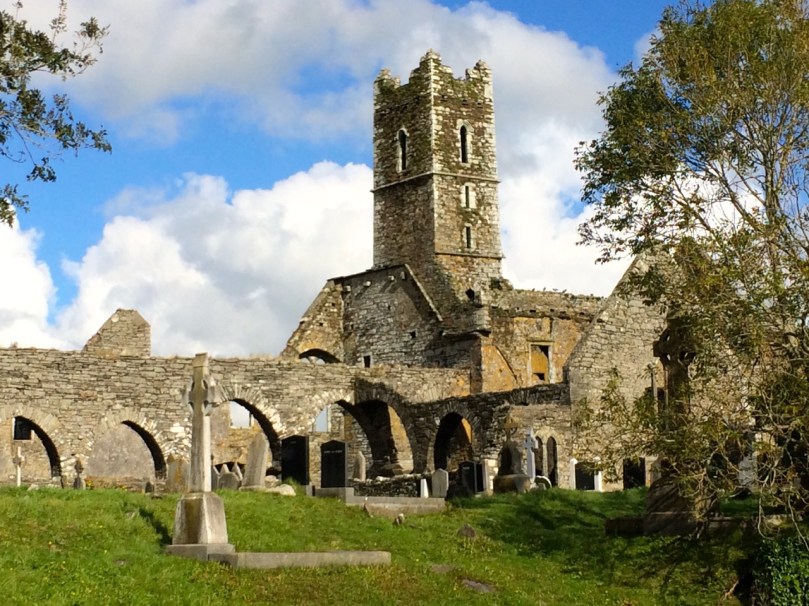
Timoleague Friary

Timoleague Friary

If you take the coast road from West Cork to Cork City, you go through Timoleague, a beautiful village at the top of Courtmacsherry Bay. This little town has a main street of colourful houses and shops, a large and imposing Catholic church with notable stained glass windows, a medieval bridge spanning the inlet, and lovely walkways by the Arigideen River.

Looking across the river to the Friary

Looking across the river to the Friary

What makes us stop, though, no matter how often we have visited it before, is the Friary. Perched on a knoll overlooking the river, this Franciscan establishment was built in the 13th or 14th Century, and subsequently enlarged and extended. It somehow managed to survive the reformation but was finally abandoned when it was burned in 1642.

The Franciscans first arrived in Ireland about 1230. The order spread quickly and in time there were many Franciscan houses in Ireland. Followers of the Rule of St. Francis, they lived in fellowship in the friary, but went out every day to work among the people. Unlike monks in abbeys or monasteries, they did not shut themselves away to follow a strict regimen of prayer and work. Instead, the friars depended upon their parishioners for sustenance, devoted themselves to their flock during the day and returned to the friary for their simple meals and prayers.

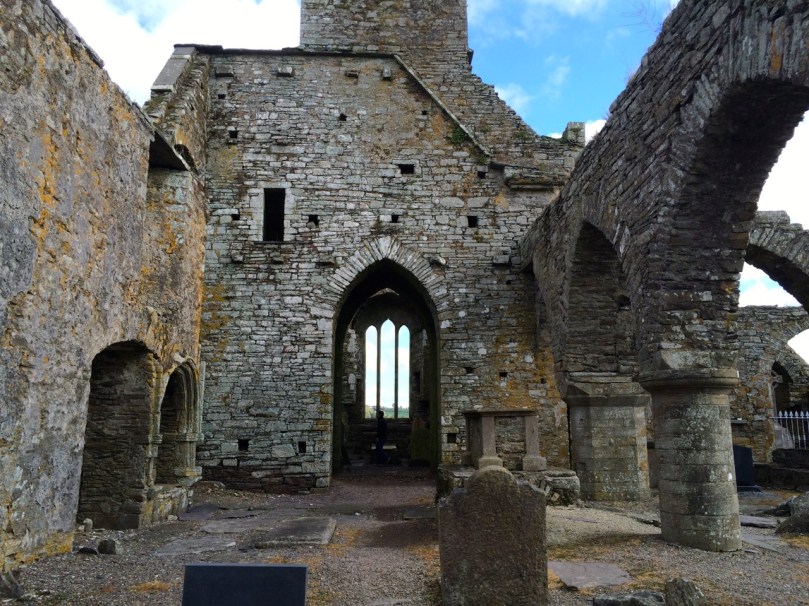
The Cloisters

The Cloisters

Despite this avowed simplicity, the friary is large and imposing. The remains of the cloisters give evidence of the daily meditation and recitation of the Divine Office. Their living quarters included a chapter room, refectory and infirmary.

Nave and choir

Nave and choir

The church would have been impressive in its day, with large and elaborate windows, a long nave and a sizeable transept. The columns between the nave and the transept are massive: the cut stone demonstrates the high quality of masonry that went into the building of the Friary.

A wander through the ruins is a delight. There is a wart well, old gravestones (while away half an hour deciphering some inscriptions!) and niches that would have held the tombstones of dignitaries. Lichen of every colour clings to the stones while low archways appear around every corner, with inviting vistas of further corners to explore.

Timoleague is named for St Molaga, who is also associated with other locations in Ireland. Many stories are told of St Molaga. Here is one, recorded by Colonel James Grove White and provided online by Cork City Librarians.

Close to Temple Molaga is a copious spring well, which was always held sacred by the people and should be used only for drinking and curative purposes; but on one occasion, the lady of the manor, an unbeliever, would insist on cooking her husband’s dinner in the water of the sacred spring. When the water had time to boil, the cook remarked it was icy cold; more logs were placed on the fire, still to no effect. The logs were still being piled on, the fire blazed, but when the dinner hour arrived, the water was still as cold as ever. The lord waxed hungry, and, like other mortals, became angry; he rushed into the kitchen to ascertain for himself the cause of the delay, had the cover lifted off the huge pot, and, although the fire was crackling and blazing high about it, he felt the water was quite cold; but what astonished him more was to behold a beautiful trout swimming about in it, without apparently suffering the least inconvenience. He became wonder-stricken, and had his advisers called in. They told him to take the water back to the well without delay and pour it in. This being done, the trout again became invisible, and is since rarely seen, except by certain votaries.

In the district it is a common saying when water is slow to boil, “perhaps the Molaga trout is in it.”

Timoleague Friary, as the largest medieval religious ruin in West Cork, is a unique and special part of the West Cork landscape.

friary silhouette

Rock Art Ramblings… away from home!

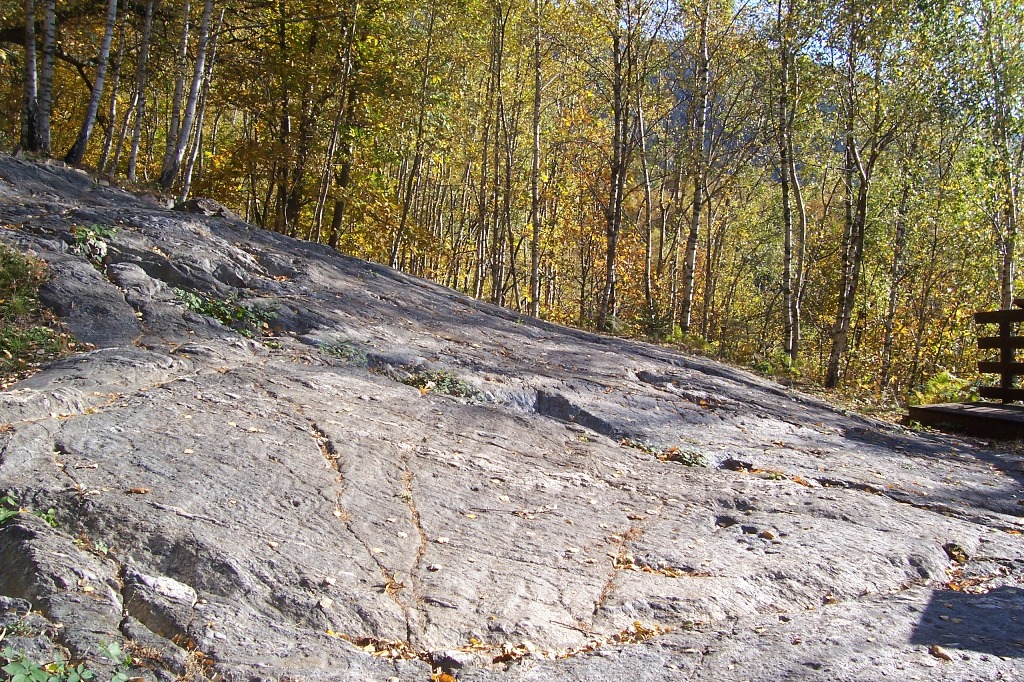
Ireland? No - it's Rock Art in Italy

Ireland? No – it’s Rock Art in Italy

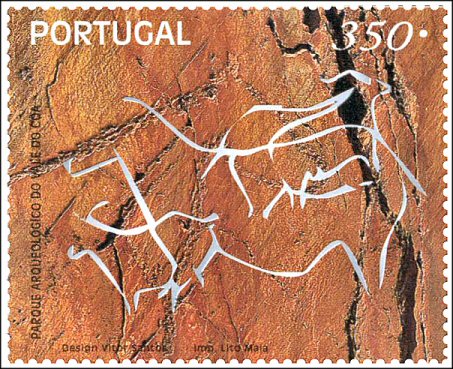
At our talk in Ballydehob yesterday I mentioned briefly the world-wide context of Rock Art: this generated a lot of interest during and after the event so I thought it worthwhile to write a post about non-Irish Rock Art. portugal stamp The carvings in Ireland appear to be part of a cultural phenomenon that runs down the Atlantic coast – from Scandinavia to Iberia – taking in Ireland and Britain on its way. However, Rock Art is widespread across the world, and over the whole time spectrum of human occupation of land. There is a UNESCO World Heritage site in Portugal – the Côa Valley Archaeological Park – which is based on finds of Rock Art. When the project was opened in 1996 its Director stated: “…The Upper Paleolithic art of the Côa Valley is an exceptional illustration of the sudden development of creative genius at the dawn of human cultural development…” That’s quite an announcement! The Park is home to some 25,000 carvings created at various periods over the last 10,000 years. Some of it is visually similar to our own Neolithic / Bronze Age examples (which were probably made within the last five Millennia) but other earlier examples seem – surprisingly – more sophisticated: mainly very beautiful representations of animals.

Canary Island example

Canary Island example

Where do we find the oldest Rock Art? Possibly in India: the Bhimbetka Caves show evidence of human habitation dating back more than half a million years, and in one particular site – known as the Auditorium Cave – carved cupmarks were found under human debris deposits that could be dated to at least 290,000 years ago. This means that the cupmarks must be as old as that date. Some scientists claim that they could be twice this age. Those cupmarks are exactly the same as the ones we have in Europe – and when found they contained traces of red pigments, suggesting that the carvings might have been painted.

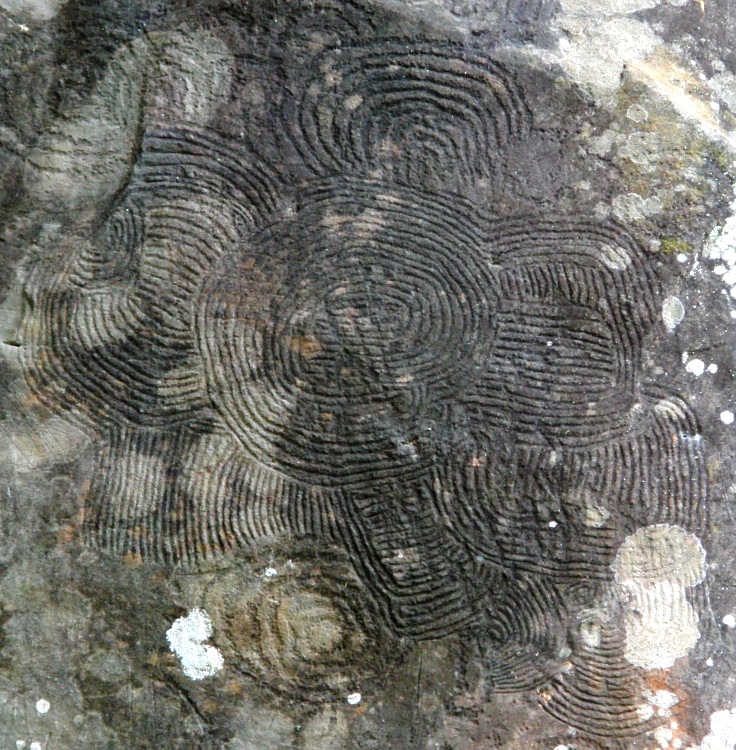
India – Norway – Africa – Europe – the Americas – Australia… Ancient rock carving has been found in all continents of the world excluding Antarctica. It’s not all the same as Irish prehistoric Rock Art – where the simple motifs are familiar to regular readers of this blog – but cupmarks do seem to predominate as a common occurrence, and are usually apparently carved in the same way wherever you find them: shallow circular indentations are picked out using one hard stone tool striking another.

What does it all mean? Finola did a good job of sidelining that question during yesterday’s talk but came up with some plausible pointers: it is, of course, impossible to be certain when we are so out of touch with the peoples who produced the marks. We should also be careful of making any assumptions based on our own cultural ways of thinking. An archaeologist (Mountford) witnessed cupmarks being carved in central Australia in the 1940s: he reports that these were made as an increase ritual for the Pink Cockatoo (Kakatoe leadbeateri). The particular rock the cupmarks were hammered into was thought to contain the life essence of these birds, so the mineral dust rising from the activity was believed to fertilise the female cockatoos and thus increase their production of eggs, which the Aborigines valued as food.

I have mentioned before the cupmarks which are found carved into the lava stone in Hawaii’s Volcanoe National Park: it’s worth noting again that they are very similar to those we find in Ireland and Britain – even to the extent of having concentric rings around some of them. Hawaian families who go a long way back will tell you that they are made to receive the umbilical cords of newly born babies – to ensure health, long life and fertility. The carvings are known as ‘Puka’.

Rock Art is fascinating. I want everyone to be excited by it. It’s a ‘poor relation’ archaeologically speaking: it’s very easy to miss. It’s also an ‘endangered species’: in Ireland, some examples which have been recorded in the past can no longer be found. Perhaps our exhibition and talk will at least have raised awareness.